EP0818534A1 - Menschliche Interleukine-12 Genexpressions-regulierende Sequenzen - Google Patents
Menschliche Interleukine-12 Genexpressions-regulierende Sequenzen Download PDFInfo
- Publication number
- EP0818534A1 EP0818534A1 EP96201977A EP96201977A EP0818534A1 EP 0818534 A1 EP0818534 A1 EP 0818534A1 EP 96201977 A EP96201977 A EP 96201977A EP 96201977 A EP96201977 A EP 96201977A EP 0818534 A1 EP0818534 A1 EP 0818534A1
- Authority
- EP
- European Patent Office
- Prior art keywords
- human
- dna
- cells
- cell
- sequence
- Prior art date
- Legal status (The legal status is an assumption and is not a legal conclusion. Google has not performed a legal analysis and makes no representation as to the accuracy of the status listed.)
- Withdrawn
Links
- 230000014509 gene expression Effects 0.000 title claims abstract description 28
- 230000001105 regulatory effect Effects 0.000 title claims abstract description 20
- 229940040731 human interleukin-12 Drugs 0.000 title abstract description 3
- 210000004027 cell Anatomy 0.000 claims abstract description 84
- 102000013462 Interleukin-12 Human genes 0.000 claims abstract description 66
- 108010065805 Interleukin-12 Proteins 0.000 claims abstract description 66
- 238000000034 method Methods 0.000 claims abstract description 49
- 108090000623 proteins and genes Proteins 0.000 claims abstract description 49
- 150000001875 compounds Chemical class 0.000 claims abstract description 38
- 241001465754 Metazoa Species 0.000 claims abstract description 32
- 108700008625 Reporter Genes Proteins 0.000 claims abstract description 32
- 238000004519 manufacturing process Methods 0.000 claims abstract description 22
- 230000009261 transgenic effect Effects 0.000 claims abstract description 22
- 238000012216 screening Methods 0.000 claims abstract description 15
- 239000013598 vector Substances 0.000 claims abstract description 13
- 210000005260 human cell Anatomy 0.000 claims abstract description 11
- 238000011144 upstream manufacturing Methods 0.000 claims abstract description 11
- 108020004414 DNA Proteins 0.000 claims description 93
- 239000012634 fragment Substances 0.000 claims description 65
- 230000002068 genetic effect Effects 0.000 claims description 19
- 210000001161 mammalian embryo Anatomy 0.000 claims description 15
- 230000019734 interleukin-12 production Effects 0.000 claims description 12
- 239000002158 endotoxin Substances 0.000 claims description 9
- 241000238631 Hexapoda Species 0.000 claims description 8
- 240000004808 Saccharomyces cerevisiae Species 0.000 claims description 8
- 229920006008 lipopolysaccharide Polymers 0.000 claims description 8
- 238000011282 treatment Methods 0.000 claims description 8
- 108091081024 Start codon Proteins 0.000 claims description 7
- 201000010099 disease Diseases 0.000 claims description 7
- 208000037265 diseases, disorders, signs and symptoms Diseases 0.000 claims description 7
- 210000001616 monocyte Anatomy 0.000 claims description 6
- 230000001225 therapeutic effect Effects 0.000 claims description 6
- 108060001084 Luciferase Proteins 0.000 claims description 5
- 108091028043 Nucleic acid sequence Proteins 0.000 claims description 5
- 210000003719 b-lymphocyte Anatomy 0.000 claims description 5
- 239000003814 drug Substances 0.000 claims description 5
- 238000012360 testing method Methods 0.000 claims description 5
- 241000894006 Bacteria Species 0.000 claims description 4
- 239000005089 Luciferase Substances 0.000 claims description 4
- 206010028980 Neoplasm Diseases 0.000 claims description 4
- 210000002540 macrophage Anatomy 0.000 claims description 4
- 230000008569 process Effects 0.000 claims description 4
- 230000009385 viral infection Effects 0.000 claims description 4
- 208000023275 Autoimmune disease Diseases 0.000 claims description 3
- 108010035563 Chloramphenicol O-acetyltransferase Proteins 0.000 claims description 3
- 208000035473 Communicable disease Diseases 0.000 claims description 3
- 241000701044 Human gammaherpesvirus 4 Species 0.000 claims description 3
- 206010061598 Immunodeficiency Diseases 0.000 claims description 3
- 208000029462 Immunodeficiency disease Diseases 0.000 claims description 3
- 108090000978 Interleukin-4 Proteins 0.000 claims description 3
- 210000001744 T-lymphocyte Anatomy 0.000 claims description 3
- 208000036142 Viral infection Diseases 0.000 claims description 3
- 239000003623 enhancer Substances 0.000 claims description 3
- 230000007813 immunodeficiency Effects 0.000 claims description 3
- 239000000411 inducer Substances 0.000 claims description 3
- 210000000440 neutrophil Anatomy 0.000 claims description 3
- 239000000523 sample Substances 0.000 claims description 3
- 108020005029 5' Flanking Region Proteins 0.000 claims description 2
- 102000002260 Alkaline Phosphatase Human genes 0.000 claims description 2
- 108020004774 Alkaline Phosphatase Proteins 0.000 claims description 2
- 108010060309 Glucuronidase Proteins 0.000 claims description 2
- 102000053187 Glucuronidase Human genes 0.000 claims description 2
- 108010017213 Granulocyte-Macrophage Colony-Stimulating Factor Proteins 0.000 claims description 2
- 102100039620 Granulocyte-macrophage colony-stimulating factor Human genes 0.000 claims description 2
- 108010043121 Green Fluorescent Proteins Proteins 0.000 claims description 2
- 102000004144 Green Fluorescent Proteins Human genes 0.000 claims description 2
- 108090000174 Interleukin-10 Proteins 0.000 claims description 2
- 108090000176 Interleukin-13 Proteins 0.000 claims description 2
- 102000004887 Transforming Growth Factor beta Human genes 0.000 claims description 2
- 108090001012 Transforming Growth Factor beta Proteins 0.000 claims description 2
- 208000026935 allergic disease Diseases 0.000 claims description 2
- 239000005090 green fluorescent protein Substances 0.000 claims description 2
- 230000003584 silencer Effects 0.000 claims description 2
- ZRKFYGHZFMAOKI-QMGMOQQFSA-N tgfbeta Chemical compound C([C@H](NC(=O)[C@H](C(C)C)NC(=O)CNC(=O)[C@H](CCC(O)=O)NC(=O)[C@H](CCCNC(N)=N)NC(=O)[C@H](CC(N)=O)NC(=O)[C@H](CC(C)C)NC(=O)[C@H]([C@@H](C)O)NC(=O)[C@H](CCC(O)=O)NC(=O)[C@H]([C@@H](C)O)NC(=O)[C@H](CC(C)C)NC(=O)CNC(=O)[C@H](C)NC(=O)[C@H](CO)NC(=O)[C@H](CCC(N)=O)NC(=O)[C@@H](NC(=O)[C@H](C)NC(=O)[C@H](C)NC(=O)[C@@H](NC(=O)[C@H](CC(C)C)NC(=O)[C@@H](N)CCSC)C(C)C)[C@@H](C)CC)C(=O)N[C@@H]([C@@H](C)O)C(=O)N[C@@H](C(C)C)C(=O)N[C@@H](CC=1C=CC=CC=1)C(=O)N[C@@H](C)C(=O)N1[C@@H](CCC1)C(=O)N[C@@H]([C@@H](C)O)C(=O)N[C@@H](CC(N)=O)C(=O)N[C@@H](CCC(O)=O)C(=O)N[C@@H](C)C(=O)N[C@@H](CC=1C=CC=CC=1)C(=O)N[C@@H](CCCNC(N)=N)C(=O)N[C@@H](C)C(=O)N[C@@H](CC(C)C)C(=O)N1[C@@H](CCC1)C(=O)N1[C@@H](CCC1)C(=O)N[C@@H](CCCNC(N)=N)C(=O)N[C@@H](CCC(O)=O)C(=O)N[C@@H](CCCNC(N)=N)C(=O)N[C@@H](CO)C(=O)N[C@@H](CCCNC(N)=N)C(=O)N[C@@H](CC(C)C)C(=O)N[C@@H](CC(C)C)C(O)=O)C1=CC=C(O)C=C1 ZRKFYGHZFMAOKI-QMGMOQQFSA-N 0.000 claims description 2
- 230000001147 anti-toxic effect Effects 0.000 claims 1
- 229940117681 interleukin-12 Drugs 0.000 abstract description 55
- 102000014158 Interleukin-12 Subunit p40 Human genes 0.000 abstract 3
- 108010011429 Interleukin-12 Subunit p40 Proteins 0.000 abstract 3
- 102000014154 Interleukin-12 Subunit p35 Human genes 0.000 abstract 1
- 108010011301 Interleukin-12 Subunit p35 Proteins 0.000 abstract 1
- 239000013615 primer Substances 0.000 description 24
- 238000003752 polymerase chain reaction Methods 0.000 description 21
- 239000000047 product Substances 0.000 description 10
- 108010030074 endodeoxyribonuclease MluI Proteins 0.000 description 8
- 238000000520 microinjection Methods 0.000 description 7
- 239000000203 mixture Substances 0.000 description 7
- 238000013518 transcription Methods 0.000 description 7
- 230000035897 transcription Effects 0.000 description 7
- 108091023040 Transcription factor Proteins 0.000 description 6
- 238000006243 chemical reaction Methods 0.000 description 6
- 239000002299 complementary DNA Substances 0.000 description 6
- 239000000499 gel Substances 0.000 description 6
- 241000725303 Human immunodeficiency virus Species 0.000 description 5
- 102000040945 Transcription factor Human genes 0.000 description 5
- 239000013604 expression vector Substances 0.000 description 5
- 102000004169 proteins and genes Human genes 0.000 description 5
- 230000009466 transformation Effects 0.000 description 5
- 101001074035 Homo sapiens Zinc finger protein GLI2 Proteins 0.000 description 4
- 108700009124 Transcription Initiation Site Proteins 0.000 description 4
- 102100035558 Zinc finger protein GLI2 Human genes 0.000 description 4
- 238000002955 isolation Methods 0.000 description 4
- 238000007857 nested PCR Methods 0.000 description 4
- 108020004707 nucleic acids Proteins 0.000 description 4
- 102000039446 nucleic acids Human genes 0.000 description 4
- 150000007523 nucleic acids Chemical class 0.000 description 4
- 108091008146 restriction endonucleases Proteins 0.000 description 4
- 108091032973 (ribonucleotides)n+m Proteins 0.000 description 3
- 229920000936 Agarose Polymers 0.000 description 3
- 101100448445 Caenorhabditis elegans gsp-4 gene Proteins 0.000 description 3
- 102000004127 Cytokines Human genes 0.000 description 3
- 108090000695 Cytokines Proteins 0.000 description 3
- 102000004190 Enzymes Human genes 0.000 description 3
- 108090000790 Enzymes Proteins 0.000 description 3
- 241000699666 Mus <mouse, genus> Species 0.000 description 3
- 108700026226 TATA Box Proteins 0.000 description 3
- 108010020713 Tth polymerase Proteins 0.000 description 3
- 239000007795 chemical reaction product Substances 0.000 description 3
- 238000010367 cloning Methods 0.000 description 3
- 230000000694 effects Effects 0.000 description 3
- 238000004520 electroporation Methods 0.000 description 3
- ZMMJGEGLRURXTF-UHFFFAOYSA-N ethidium bromide Chemical compound [Br-].C12=CC(N)=CC=C2C2=CC=C(N)C=C2[N+](CC)=C1C1=CC=CC=C1 ZMMJGEGLRURXTF-UHFFFAOYSA-N 0.000 description 3
- 238000000746 purification Methods 0.000 description 3
- 230000002103 transcriptional effect Effects 0.000 description 3
- DGVVWUTYPXICAM-UHFFFAOYSA-N β‐Mercaptoethanol Chemical compound OCCS DGVVWUTYPXICAM-UHFFFAOYSA-N 0.000 description 3
- HEDRZPFGACZZDS-UHFFFAOYSA-N Chloroform Chemical compound ClC(Cl)Cl HEDRZPFGACZZDS-UHFFFAOYSA-N 0.000 description 2
- 241000701533 Escherichia virus T4 Species 0.000 description 2
- LFQSCWFLJHTTHZ-UHFFFAOYSA-N Ethanol Chemical compound CCO LFQSCWFLJHTTHZ-UHFFFAOYSA-N 0.000 description 2
- 101150031329 Ets1 gene Proteins 0.000 description 2
- 108090000331 Firefly luciferases Proteins 0.000 description 2
- 108700039691 Genetic Promoter Regions Proteins 0.000 description 2
- TWRXJAOTZQYOKJ-UHFFFAOYSA-L Magnesium chloride Chemical compound [Mg+2].[Cl-].[Cl-] TWRXJAOTZQYOKJ-UHFFFAOYSA-L 0.000 description 2
- 241000124008 Mammalia Species 0.000 description 2
- 241001494479 Pecora Species 0.000 description 2
- 239000012980 RPMI-1640 medium Substances 0.000 description 2
- 210000000447 Th1 cell Anatomy 0.000 description 2
- 102100027654 Transcription factor PU.1 Human genes 0.000 description 2
- 230000003321 amplification Effects 0.000 description 2
- 210000004102 animal cell Anatomy 0.000 description 2
- 210000000612 antigen-presenting cell Anatomy 0.000 description 2
- 238000003556 assay Methods 0.000 description 2
- 230000001580 bacterial effect Effects 0.000 description 2
- 230000008901 benefit Effects 0.000 description 2
- 230000001413 cellular effect Effects 0.000 description 2
- 239000003795 chemical substances by application Substances 0.000 description 2
- 238000010276 construction Methods 0.000 description 2
- 230000001419 dependent effect Effects 0.000 description 2
- 238000010790 dilution Methods 0.000 description 2
- 239000012895 dilution Substances 0.000 description 2
- 210000004602 germ cell Anatomy 0.000 description 2
- 238000001727 in vivo Methods 0.000 description 2
- 208000015181 infectious disease Diseases 0.000 description 2
- PHTQWCKDNZKARW-UHFFFAOYSA-N isoamylol Chemical compound CC(C)CCO PHTQWCKDNZKARW-UHFFFAOYSA-N 0.000 description 2
- 239000003550 marker Substances 0.000 description 2
- 230000007246 mechanism Effects 0.000 description 2
- 238000003199 nucleic acid amplification method Methods 0.000 description 2
- 102000044158 nucleic acid binding protein Human genes 0.000 description 2
- 108700020942 nucleic acid binding protein Proteins 0.000 description 2
- 210000000056 organ Anatomy 0.000 description 2
- 229920001184 polypeptide Polymers 0.000 description 2
- 230000001124 posttranscriptional effect Effects 0.000 description 2
- 102000004196 processed proteins & peptides Human genes 0.000 description 2
- 108090000765 processed proteins & peptides Proteins 0.000 description 2
- 108010008929 proto-oncogene protein Spi-1 Proteins 0.000 description 2
- 239000011535 reaction buffer Substances 0.000 description 2
- 230000004044 response Effects 0.000 description 2
- 241000894007 species Species 0.000 description 2
- ATHGHQPFGPMSJY-UHFFFAOYSA-N spermidine Chemical compound NCCCCNCCCN ATHGHQPFGPMSJY-UHFFFAOYSA-N 0.000 description 2
- UCSJYZPVAKXKNQ-HZYVHMACSA-N streptomycin Chemical compound CN[C@H]1[C@H](O)[C@@H](O)[C@H](CO)O[C@H]1O[C@@H]1[C@](C=O)(O)[C@H](C)O[C@H]1O[C@@H]1[C@@H](NC(N)=N)[C@H](O)[C@@H](NC(N)=N)[C@H](O)[C@H]1O UCSJYZPVAKXKNQ-HZYVHMACSA-N 0.000 description 2
- 238000006467 substitution reaction Methods 0.000 description 2
- 238000010998 test method Methods 0.000 description 2
- 230000001131 transforming effect Effects 0.000 description 2
- 241001430294 unidentified retrovirus Species 0.000 description 2
- XLYOFNOQVPJJNP-UHFFFAOYSA-N water Substances O XLYOFNOQVPJJNP-UHFFFAOYSA-N 0.000 description 2
- 210000005253 yeast cell Anatomy 0.000 description 2
- BFSVOASYOCHEOV-UHFFFAOYSA-N 2-diethylaminoethanol Chemical compound CCN(CC)CCO BFSVOASYOCHEOV-UHFFFAOYSA-N 0.000 description 1
- 208000030507 AIDS Diseases 0.000 description 1
- LPMXVESGRSUGHW-UHFFFAOYSA-N Acolongiflorosid K Natural products OC1C(O)C(O)C(C)OC1OC1CC2(O)CCC3C4(O)CCC(C=5COC(=O)C=5)C4(C)CC(O)C3C2(CO)C(O)C1 LPMXVESGRSUGHW-UHFFFAOYSA-N 0.000 description 1
- HRPVXLWXLXDGHG-UHFFFAOYSA-N Acrylamide Chemical compound NC(=O)C=C HRPVXLWXLXDGHG-UHFFFAOYSA-N 0.000 description 1
- 241000059559 Agriotes sordidus Species 0.000 description 1
- 101000700937 Amsacta albistriga Sex-specific storage protein 1 Proteins 0.000 description 1
- 102100026189 Beta-galactosidase Human genes 0.000 description 1
- 241000283690 Bos taurus Species 0.000 description 1
- 101710186200 CCAAT/enhancer-binding protein Proteins 0.000 description 1
- 101100448444 Caenorhabditis elegans gsp-3 gene Proteins 0.000 description 1
- 101100297345 Caenorhabditis elegans pgl-2 gene Proteins 0.000 description 1
- 240000001432 Calendula officinalis Species 0.000 description 1
- 235000005881 Calendula officinalis Nutrition 0.000 description 1
- 241000700199 Cavia porcellus Species 0.000 description 1
- 231100000023 Cell-mediated cytotoxicity Toxicity 0.000 description 1
- 206010057250 Cell-mediated cytotoxicity Diseases 0.000 description 1
- 108020004635 Complementary DNA Proteins 0.000 description 1
- 108091035707 Consensus sequence Proteins 0.000 description 1
- 201000007336 Cryptococcosis Diseases 0.000 description 1
- 241000221204 Cryptococcus neoformans Species 0.000 description 1
- 102000012410 DNA Ligases Human genes 0.000 description 1
- 108010061982 DNA Ligases Proteins 0.000 description 1
- 108010017826 DNA Polymerase I Proteins 0.000 description 1
- 102000004594 DNA Polymerase I Human genes 0.000 description 1
- 239000003155 DNA primer Substances 0.000 description 1
- 108010014303 DNA-directed DNA polymerase Proteins 0.000 description 1
- 102000016928 DNA-directed DNA polymerase Human genes 0.000 description 1
- 229920002307 Dextran Polymers 0.000 description 1
- 101100364969 Dictyostelium discoideum scai gene Proteins 0.000 description 1
- 102100031780 Endonuclease Human genes 0.000 description 1
- 241000588724 Escherichia coli Species 0.000 description 1
- 108010008945 General Transcription Factors Proteins 0.000 description 1
- 102000006580 General Transcription Factors Human genes 0.000 description 1
- 101001033249 Homo sapiens Interleukin-1 beta Proteins 0.000 description 1
- 102100039065 Interleukin-1 beta Human genes 0.000 description 1
- 108091026898 Leader sequence (mRNA) Proteins 0.000 description 1
- 208000004554 Leishmaniasis Diseases 0.000 description 1
- 206010025323 Lymphomas Diseases 0.000 description 1
- 241001529936 Murinae Species 0.000 description 1
- 101100364971 Mus musculus Scai gene Proteins 0.000 description 1
- 241000699670 Mus sp. Species 0.000 description 1
- 241000283973 Oryctolagus cuniculus Species 0.000 description 1
- LPMXVESGRSUGHW-GHYGWZAOSA-N Ouabain Natural products O([C@@H]1[C@@H](O)[C@@H](O)[C@@H](O)[C@H](C)O1)[C@H]1C[C@@H](O)[C@@]2(CO)[C@@](O)(C1)CC[C@H]1[C@]3(O)[C@@](C)([C@H](C4=CC(=O)OC4)CC3)C[C@@H](O)[C@H]21 LPMXVESGRSUGHW-GHYGWZAOSA-N 0.000 description 1
- ISWSIDIOOBJBQZ-UHFFFAOYSA-N Phenol Chemical compound OC1=CC=CC=C1 ISWSIDIOOBJBQZ-UHFFFAOYSA-N 0.000 description 1
- 241000288906 Primates Species 0.000 description 1
- CZPWVGJYEJSRLH-UHFFFAOYSA-N Pyrimidine Chemical compound C1=CN=CN=C1 CZPWVGJYEJSRLH-UHFFFAOYSA-N 0.000 description 1
- 108010092799 RNA-directed DNA polymerase Proteins 0.000 description 1
- 241000700159 Rattus Species 0.000 description 1
- 206010039491 Sarcoma Diseases 0.000 description 1
- 244000166550 Strophanthus gratus Species 0.000 description 1
- 241000282887 Suidae Species 0.000 description 1
- 241000282898 Sus scrofa Species 0.000 description 1
- 108700012920 TNF Proteins 0.000 description 1
- 210000004241 Th2 cell Anatomy 0.000 description 1
- 108010001244 Tli polymerase Proteins 0.000 description 1
- 201000005485 Toxoplasmosis Diseases 0.000 description 1
- 101710189834 Transcription factor AP-2-alpha Proteins 0.000 description 1
- 101710122472 Transcriptional repressor protein YY1 Proteins 0.000 description 1
- 102100031142 Transcriptional repressor protein YY1 Human genes 0.000 description 1
- 238000000246 agarose gel electrophoresis Methods 0.000 description 1
- 229960000723 ampicillin Drugs 0.000 description 1
- AVKUERGKIZMTKX-NJBDSQKTSA-N ampicillin Chemical compound C1([C@@H](N)C(=O)N[C@H]2[C@H]3SC([C@@H](N3C2=O)C(O)=O)(C)C)=CC=CC=C1 AVKUERGKIZMTKX-NJBDSQKTSA-N 0.000 description 1
- 230000001772 anti-angiogenic effect Effects 0.000 description 1
- IYNDLOXRXUOGIU-LQDWTQKMSA-M benzylpenicillin potassium Chemical compound [K+].N([C@H]1[C@H]2SC([C@@H](N2C1=O)C([O-])=O)(C)C)C(=O)CC1=CC=CC=C1 IYNDLOXRXUOGIU-LQDWTQKMSA-M 0.000 description 1
- 108010005774 beta-Galactosidase Proteins 0.000 description 1
- 230000000975 bioactive effect Effects 0.000 description 1
- 230000004071 biological effect Effects 0.000 description 1
- 230000033228 biological regulation Effects 0.000 description 1
- 239000000872 buffer Substances 0.000 description 1
- 239000001506 calcium phosphate Substances 0.000 description 1
- 235000011010 calcium phosphates Nutrition 0.000 description 1
- 201000011510 cancer Diseases 0.000 description 1
- 239000013592 cell lysate Substances 0.000 description 1
- 230000005890 cell-mediated cytotoxicity Effects 0.000 description 1
- 238000012512 characterization method Methods 0.000 description 1
- 239000003153 chemical reaction reagent Substances 0.000 description 1
- 230000000295 complement effect Effects 0.000 description 1
- 238000001816 cooling Methods 0.000 description 1
- 231100000433 cytotoxic Toxicity 0.000 description 1
- 230000001472 cytotoxic effect Effects 0.000 description 1
- 238000012217 deletion Methods 0.000 description 1
- 230000037430 deletion Effects 0.000 description 1
- 206010012601 diabetes mellitus Diseases 0.000 description 1
- 230000004069 differentiation Effects 0.000 description 1
- 238000001035 drying Methods 0.000 description 1
- 238000000605 extraction Methods 0.000 description 1
- 239000012909 foetal bovine serum Substances 0.000 description 1
- 238000009472 formulation Methods 0.000 description 1
- PGBHMTALBVVCIT-VCIWKGPPSA-N framycetin Chemical compound N[C@@H]1[C@@H](O)[C@H](O)[C@H](CN)O[C@@H]1O[C@H]1[C@@H](O)[C@H](O[C@H]2[C@@H]([C@@H](N)C[C@@H](N)[C@@H]2O)O[C@@H]2[C@@H]([C@@H](O)[C@H](O)[C@@H](CN)O2)N)O[C@@H]1CO PGBHMTALBVVCIT-VCIWKGPPSA-N 0.000 description 1
- 238000001415 gene therapy Methods 0.000 description 1
- 238000010353 genetic engineering Methods 0.000 description 1
- ZDXPYRJPNDTMRX-UHFFFAOYSA-N glutamine Natural products OC(=O)C(N)CCC(N)=O ZDXPYRJPNDTMRX-UHFFFAOYSA-N 0.000 description 1
- 230000003394 haemopoietic effect Effects 0.000 description 1
- 239000000833 heterodimer Substances 0.000 description 1
- 230000001900 immune effect Effects 0.000 description 1
- 230000028993 immune response Effects 0.000 description 1
- 238000002513 implantation Methods 0.000 description 1
- 238000000338 in vitro Methods 0.000 description 1
- 230000006698 induction Effects 0.000 description 1
- 230000028709 inflammatory response Effects 0.000 description 1
- 238000003780 insertion Methods 0.000 description 1
- 230000037431 insertion Effects 0.000 description 1
- 108010052790 interleukin 1 precursor Proteins 0.000 description 1
- 108010079923 lambda Spi-1 Proteins 0.000 description 1
- 239000002502 liposome Substances 0.000 description 1
- 239000012160 loading buffer Substances 0.000 description 1
- 210000004698 lymphocyte Anatomy 0.000 description 1
- 229910001629 magnesium chloride Inorganic materials 0.000 description 1
- 201000004792 malaria Diseases 0.000 description 1
- 239000002609 medium Substances 0.000 description 1
- 108020004999 messenger RNA Proteins 0.000 description 1
- 244000309715 mini pig Species 0.000 description 1
- 230000002297 mitogenic effect Effects 0.000 description 1
- 238000012986 modification Methods 0.000 description 1
- 230000004048 modification Effects 0.000 description 1
- 238000010369 molecular cloning Methods 0.000 description 1
- 239000000178 monomer Substances 0.000 description 1
- 239000002773 nucleotide Substances 0.000 description 1
- 125000003729 nucleotide group Chemical group 0.000 description 1
- 235000015097 nutrients Nutrition 0.000 description 1
- LPMXVESGRSUGHW-HBYQJFLCSA-N ouabain Chemical compound O[C@@H]1[C@H](O)[C@@H](O)[C@H](C)O[C@H]1O[C@@H]1C[C@@]2(O)CC[C@H]3[C@@]4(O)CC[C@H](C=5COC(=O)C=5)[C@@]4(C)C[C@@H](O)[C@@H]3[C@@]2(CO)[C@H](O)C1 LPMXVESGRSUGHW-HBYQJFLCSA-N 0.000 description 1
- 229960003343 ouabain Drugs 0.000 description 1
- 210000001539 phagocyte Anatomy 0.000 description 1
- JTJMJGYZQZDUJJ-UHFFFAOYSA-N phencyclidine Chemical compound C1CCCCN1C1(C=2C=CC=CC=2)CCCCC1 JTJMJGYZQZDUJJ-UHFFFAOYSA-N 0.000 description 1
- 238000001556 precipitation Methods 0.000 description 1
- 230000000770 proinflammatory effect Effects 0.000 description 1
- 230000002285 radioactive effect Effects 0.000 description 1
- 230000022532 regulation of transcription, DNA-dependent Effects 0.000 description 1
- 238000011160 research Methods 0.000 description 1
- 239000003161 ribonuclease inhibitor Substances 0.000 description 1
- 201000004409 schistosomiasis Diseases 0.000 description 1
- 238000012163 sequencing technique Methods 0.000 description 1
- 229940063673 spermidine Drugs 0.000 description 1
- 201000003570 spinocerebellar ataxia type 17 Diseases 0.000 description 1
- 238000010561 standard procedure Methods 0.000 description 1
- 230000004936 stimulating effect Effects 0.000 description 1
- 229960005322 streptomycin Drugs 0.000 description 1
- 231100000331 toxic Toxicity 0.000 description 1
- 230000002588 toxic effect Effects 0.000 description 1
- 238000001890 transfection Methods 0.000 description 1
- 238000003146 transient transfection Methods 0.000 description 1
- 238000002054 transplantation Methods 0.000 description 1
- QORWJWZARLRLPR-UHFFFAOYSA-H tricalcium bis(phosphate) Chemical class [Ca+2].[Ca+2].[Ca+2].[O-]P([O-])([O-])=O.[O-]P([O-])([O-])=O QORWJWZARLRLPR-UHFFFAOYSA-H 0.000 description 1
- 201000008827 tuberculosis Diseases 0.000 description 1
- 210000004291 uterus Anatomy 0.000 description 1
Images

Classifications
-
- C—CHEMISTRY; METALLURGY
- C07—ORGANIC CHEMISTRY
- C07K—PEPTIDES
- C07K14/00—Peptides having more than 20 amino acids; Gastrins; Somatostatins; Melanotropins; Derivatives thereof
- C07K14/435—Peptides having more than 20 amino acids; Gastrins; Somatostatins; Melanotropins; Derivatives thereof from animals; from humans
- C07K14/52—Cytokines; Lymphokines; Interferons
- C07K14/54—Interleukins [IL]
- C07K14/5434—IL-12
-
- A—HUMAN NECESSITIES
- A01—AGRICULTURE; FORESTRY; ANIMAL HUSBANDRY; HUNTING; TRAPPING; FISHING
- A01K—ANIMAL HUSBANDRY; AVICULTURE; APICULTURE; PISCICULTURE; FISHING; REARING OR BREEDING ANIMALS, NOT OTHERWISE PROVIDED FOR; NEW BREEDS OF ANIMALS
- A01K2217/00—Genetically modified animals
- A01K2217/05—Animals comprising random inserted nucleic acids (transgenic)
Definitions
- the present invention relates to human interleukin 12 (IL-12) gene expression regulating sequences, more particularly to DNA constructs containing such a sequence and a reporter gene.
- the invention relates to host cells containing such a DNA construct and to a method of screening for compounds which affect the production of IL-12 in such cells, in particular human cells.
- IL-12 is a proinflammatory cytokine composed of 35- and 40-kDa subunits and produced in particular by phagocytic cells, B cells and other types of antigen - presenting cells (APC).
- IL-12 mediates several biological activities on T and NK (natural killer) cells, including induction of IFN-g production, enhancement of cell-mediated cytotoxicity, and mitogenic effects.
- T and NK natural killer cells
- IL-12 plays a major role in the early inflammatory response to infections.
- APC-produced IL-12 is critically involved in the generation of Th1 cells and is required for optimal differentiation of CTL (cytotoxic lymphocytes).
- the early decision toward Th1 or Th2 cells in the immune response is dependent on the balance between IL-12, which favours Th1 responses, and IL-4, which favours Th2 responses.
- an IL-12 treatment may have on different diseases including infectious diseases (e.g. leishmaniasis, toxoplasmosis, cryptococcosis, malaria, tuberculosis, schistosomiasis), viral infections including HIV, immuno deficiencies, cancers (e.g. sarcoma, lymphoma), autoimmune diseases, diabetes,etc.
- infectious diseases e.g. leishmaniasis, toxoplasmosis, cryptococcosis, malaria, tuberculosis, schistosomiasis
- viral infections including HIV, immuno deficiencies, cancers (e.g. sarcoma, lymphoma), autoimmune diseases, diabetes,etc.
- the considered treatments include both administration of recombinant IL-12 protein and IL-12 gene therapy, and consistently suggest the potential usefulness of IL-12 in therapeutic applications.
- recent findings suggest that IL-12 has anti-angiogenic effects and also haematopoietic stimulating activities. The latter may mean that IL-12 has potential in
- the present invention does not relate to the therapeutic applications of IL-12 itself but to the genetic control of the endogenous production of IL-12 and to methods of screening for compounds which may affect said genetic control.
- the genetic control of the production of IL-12 is complex because of the requirement for expression of two different genes to produce the biologically active heterodimer, more particularly the p35 and p40 subunit genes.
- the cDNA's of the p35 and the p40 monomers are already known from the database GENBANK under reference p40: M65290 and p35: M65291. Recently, a promoter sequence of the IL-12 p40 subunit gene has further been identified ( see Xiaojing Ma et al. (1996) J. Exp. Med., Vol. 183, 147-157 ). The first intron sequence of the IL-12 p40 subunit gene, which may also have an influence on the expression of this gene, and the promoter sequence of the IL-12 p35 subunit gene remained however unknown up till now.
- the main object of the present invention is to provide a powerful method of screening for compounds which affect the production of IL-12 in cells, especially human cells, and which may thus be useful in therapeutic treatments of these and possibly other diseases.
- a first aspect of the invention provides a DNA fragment comprising at least a functional part of a human IL-12 p35 subunit gene promoter sequence or of a functional genetic variant thereof.
- the expression "functional genetic variant” is intended to include DNA sequences which exert the same functions as the native promoter sequence, and also DNA sequences which comprise modifications in non-expression regulating regions, domains, in particular substitutions insertions or deletions of base pairs which do not interact with transacting factors. Especially substitutions may be considered since in this way the distance between expression regulating regions, domains is maintained.
- the expression "at least a functional part” is intended to include fragments of the considered sequence which have the same or at least the most important expression regulating functions of this sequence.
- the intended functional part thereof will usually be the part situated proximal to the first exon, upstream therefrom.
- the DNA fragments according to the present invention may comprise a longer sequence than the sequences disclosed herein.
- the IL-12 p35 subunit gene promoter sequence corresponds substantially to the SEQ ID NO:1.
- promoter sequence ID NO: 1 may possibly not be completely identical to the native human IL-12 p35 subunit gene promoter sequences. First of all because this sequence has been identified by nested PCR and secondly, because the human promoter sequence may differ somewhat from one person to another.
- a second aspect of the invention provides a DNA fragment comprising at least a functional part of a first intron sequence of the human IL-12 p40 subunit gene or of a functional genetic variant thereof, which intron sequence comprises a DNA sequence corresponding substantially to the SEQ ID NO:3 proximal to the startcodon in the second exon of the human IL-12 p40 subunit gene.
- this first intron sequence may also interact with expression regulating factors, not only in the transcriptional phase but also during the post-transcriptional phase wherein it interacts in particular with splicing enzymes when being spliced from primary RNA to mRNA.
- the DNA fragment further comprises a 5' flanking region of said intron sequence including the first exon of the human IL-12 p40 subunit gene or a functional genetic variant thereof and upstream thereof and operably linked thereto at least a functional part of a human IL-12 p40 subunit gene promoter sequence or of a functional genetic variant thereof.
- the entire expression regulating sequence is contained in the DNA fragment.
- said promoter sequence corresponds substantially to the SEQ ID NO:2.
- the identified sequences may possibly not be identical to the corresponding native sequences.
- the invention provides however further, in a third aspect, a process for the production of DNA fragments according to the invention, starting from the human genome. This process comprises screening a human genomic library using at least a portion of the SEQ ID NO:1 or of the SEQ ID NO:3 as a genetic probe.
- a fourth aspect of the invention provides a DNA construct containing a DNA fragment according to the first or second aspect of the invention followed downstream by a reporter gene expressibly linked to said DNA fragment.
- Reporter genes code for proteins which can be detected directly by spectrophotometric, luminescent and radio-active methods, or indirectly by assays involving specific antibodies (polyclonal, but preferably monoclonal).
- the reporter gene is preferably selected from the group consisting of chloramphenicol acetyltransferase (CAT), luciferase, in particular firefly luciferase and luciferases from other insects (e.g. tropical click beetle luciferases), ⁇ -galactosidase, ⁇ -glucuronidase, alkaline phosphatase, green fluorescent protein.
- CAT chloramphenicol acetyltransferase
- luciferase in particular firefly luciferase and luciferases from other insects (e.g. tropical click beetle luciferases)
- ⁇ -galactosidase ⁇ -glucuronidase
- alkaline phosphatase green fluorescent protein.
- a preferred method is provided in a fifth aspect of the invention, wherein the DNA construct is incorporated in a suitable vector.
- a first method consists for example in generating first of all blunt-ended DNA segments by means of for example bacteriophage T4 DNA polymerase or E.coli DNA polymerase I.
- the blunt-ended segments are then incubated with a large molar excess of linker molecules in the presence of an enzyme that is able to catalyze the ligation of blunt-ended DNA molecules, such as bacteriophage T4 DNA ligase.
- an enzyme that is able to catalyze the ligation of blunt-ended DNA molecules, such as bacteriophage T4 DNA ligase.
- the products of the reaction are DNA segments carrying polymeric linker sequences at their ends.
- These DNA segments are then cleaved with the appropriate restriction enzyme and ligated to an expression vector that has been cleaved with an enzyme that produces termini compatible with those of the DNA segment.
- Synthetic linkers containing a variety of restriction endonuclease sites are commercially available from a number of sources including International Biotechnologies Inc, New Haven, CN, USA.
- PCR polymerase chain reaction
- the DNA to be enzymatically amplified is flanked by two specific oligonucleotide primers which themselves become incorporated into the amplified DNA.
- the said specific primers may contain restriction endonuclease recognition sites which can be used for cloning into expression vectors using methods known in the art.
- these restriction endonuclease recognition sites are different on both sides of the DNA fragment so that the DNA fragment can always be incorporated in the required direction in the expression vector.
- This method is certainly to be preferred in case the DNA fragments are not selected from the genome by means of a probe but by the PCR-method which has been used as described hereinafter for the identification of the DNA fragments.
- a sixth aspect of the invention provides a host cell transformed with a DNA construct according to the fourth aspect of the invention.
- Appropriate host cells are for example bacterium, yeast, mammalian or insect cells. These cells, in particular the bacterium cells, can be used for cloning the DNA constructs. More importantly, however, the yeast, mammal and insect cells, and in particular human cells, can be used for screening for compounds which affect the production of IL-12 in cells, especially human cells, as described hereinafter.
- Transformation, including transfection, of these host cells with a DNA construct of the present invention can be accomplished by well known methods that typically depend on the type of vector used and the nature of the host cell.
- transformation of bacterium cells see, for example, Cohen et al (1972) Proc. Natl. Acad. Sci. USA 69, 2110 and Sambrook et al (1989) Molecular Cloning, A Laboratory Manual, Cold Spring Harbor Laboratory, Cold Spring Harbor, NY. Transformation of yeast cells is described in Sherman et al (1986) Methods in Yeast Genetics, A Laboratory Manual, Cold Spring Harbor, NY. The method of Beggs (1978) Nature 275, 104-109 is also useful. Mammal and insect cells can be transfected by using reagents such as for example calcium phosphates and DEAE - dextran or liposome formulations.
- Electroporation is also useful for transforming cells and is well known in the art for transforming yeast cells, bacterial cells and animal or human cells.
- many bacterial species may be transformed by the methods described in Luchansky et al (1988) Mo. Microbiol. 2, 637-646 incorporated herein by reference.
- the greatest number of transformants is consistently recovered following electroporation of the DNA-cell mixture suspended in 2.5X PEB using 6250V per cm at 25mFD.
- Successfully transformed cells eg cells that contain a DNA construct of the present invention
- cells resulting from the introduction of an expression construct of the present invention can be harvested and lysed and their DNA content examined for the presence of the DNA using a method such as that described by Southern (1975) J. Mol. Biol. 98, 503 or Berent et al (1985) Biotech. 3, 208 or by the polymerase chain reaction.
- DNA constructs according to the present invention can further also be introduced by microinjection or by using retroviruses into certain host cells, in particular in embryo cells as described hereinafter for making transgenic animals.
- the DNA construct incorporated in the host cell may contain a DNA fragment according to the first aspect of the invention corresponding to the IL-12 p35 subunit gene promoter sequence.
- the DNA construct incorporated in the host cell may alternatively contain a DNA fragment according to the second aspect of the invention corresponding to the first intron sequence of the IL-12 p40 subunit gene and including preferably also a sequence corresponding to the IL-12 p40 subunit gene promoter sequence so as to have the entire IL-12 p40 subunit production regulating sequence.
- Such an entire sequence is very advantageous in view of selecting compounds, as described hereinafter, which may have an influence on the expressional regulation, either on the transcriptional and/or on the post-transcriptional level, of the IL-12 p40 subunit production.
- compounds which have a direct or indirect influence on expression regulating factors which might cooperate only with this intron sequence could otherwise not be selected.
- the host cell is transformed both with a DNA construct containing a DNA fragment according to the first aspect of the invention and with DNA construct containing a DNA fragment according to the second aspect of the invention, or with a DNA construct containing a functional part of a human IL-12 p40 submit gene promoter sequence or of a functional genetic variant thereof.
- Such a double transformed host cell is particularly suited for selecting by only one test method compounds which influence the p35 subunit production or the p40 subunit production.
- the two different DNA constructs may contain the same or a different reporter gene.
- the mammalian, yeast or insect cells used in such test method are stably transfected with the DNA construct or constructs.
- Methods for making such stable cell lines are generally known and are described for example in R.W. Old et al. Principles of Gene Manipulation, 5th Ed., Blackwell Science, 1994 .
- Use can for example be made of DNA constructs containing in addition to the above described reporter gene a positive selection gene, in particular an anti-toxicity gene which enables the stably transfected cells to survive in the presence of the corresponding toxic challenge, for example neomycine, ampicillin, G418 (genetricin), ouabain and the like.
- Host cells which are especially preferred for use in the screening methods described hereinafter include cells which produce in vivo IL-12, e.g. monocytes, macrophages, neutrophils, B cells optionally transformed with an Epstein-Barr virus, and also cells which do not produce IL-12 or only a too small amount, such as HIV infected cells, including T cells.
- cells which produce in vivo IL-12 e.g. monocytes, macrophages, neutrophils, B cells optionally transformed with an Epstein-Barr virus, and also cells which do not produce IL-12 or only a too small amount, such as HIV infected cells, including T cells.
- the present invention contemplates of course also a culture of those cells, preferably a monoclonal culture, or a culture derived from a monoclonal culture in a nutrient medium, tissues, tissue cultures and even organs.
- a seventh aspect of the invention provides a method for screening for compounds which affect the production of IL-12 in cells, especially human or other animal cells.
- This method comprises the steps of :
- Use can be made of yeast, mammalian or insect cells but the use of human cells is most preferred since the expression regulating mechanisms of the other cells may be different from the expression regulating mechanisms of human cells.
- IL-12 producing cells such as monocytes, macrophages, neutrophils, B cells optionally transformed with an Epstein-Barr virus, etc, the use of monocytes being in particular preferred.
- monocytes a cell which produces monocytes
- macrophages a cell which stimulates neutrophils
- B cells a cell which produces monocytes
- the cells When screening for compounds which lower the IL-12 production, the cells can be contacted with these compounds in the presence of an added inducer and/or enhancer of the IL-12 production, in particular in the presence of added IFN-g, GM-CSF, lipopolysaccharide (LPS), endotoxins and the like.
- an added inducer and/or enhancer of the IL-12 production in particular in the presence of added IFN-g, GM-CSF, lipopolysaccharide (LPS), endotoxins and the like.
- HIV virus infections cause a reduced IL-12 production so that it is believed that compounds which bring about an increased IL-12 level could be effective in treating such infections.
- Such compounds can in particular be selected by making use of HIV infected human cells, in particular T cells, transfected with one or more DNA sequences according to the present invention.
- An eight aspect of the invention relates to non-proteinaceous compounds, different from lipopolysaccharide, and obtainable by the method according to the seventh aspect of the invention for use as a medicament in a therapeutic treatment, whilst a ninth aspect of the invention relates to the use of these compounds in the manufacture of a medicament for the treatment a disease involving a too high or too low IL-12 production, in particular a disease from the group of cancers, viral infections including HIV, immuno deficiencies, autoimmune diseases, infectious diseases, or allergic diseases.
- lipopolysaccharide which stimulates the IL-12 production in vitro, is excluded i.a. because lipopolysaccharide is not suited for therapeutic applications.
- a tenth aspect of the invention relates to a method of making a transgenic non-human mammalian animal which expresses a reporter gene under the control of a DNA fragment according to the first and/or second aspect of the invention, i.e. under the control of a human IL-12 p35 subunit gene promoter sequence and/or under the control of a human IL-12 p40 subunit gene expression regulating sequence.
- This method comprises the steps of (a) introducing into a embryo cell of said animal a DNA construct according to the fourth aspect of the invention, (b) introducing the thus obtained recombinant embryo into a pseudopregnant female animal, (c) sustaining the female animal until the embryo has developed sufficiently to be independent of its mother ; and (d) sustaining said independent transgenic animal.
- transgenic animal is intended to include animals having a genetic construction different from the normal animal of that species.
- the DNA of the transgenic animal comprises a human IL-12 subunit gene expression regulating sequence followed downstream by a reporter gene expressibly linked to this expression regulating sequence.
- the DNA of the transgenic animal comprises more particularly a DNA construct according to the fourth aspect of the invention. Such a DNA construct differs from the native DNA of the animal species especially by the fact that it contains a non-native combination of a reporter gene and an IL-12 subunit gene expression regulating sequence.
- preferred non-human mammalian animals include mouse, rat, pig (including "mini-pigs” and “micro-pigs”), sheep, guinea pig and primates.
- DNA constructs of the fourth aspect of the invention or of vectors according to the fifth aspect of the invention. These DNA constructs or vectors are introduced into the embryo cells and the embryo cells are grown conveniently in utero following implantation to produce transgenic offspring.
- Microinjection is preferably carried out on an embryo at the one cell stage, to maximize both the chances that the injected DNA will be incorporated into all cells of the animal and that the DNA will also be incorporated into the germ cells, so that the animal's offspring will be transgenic as well.
- Microinjection is a standard technique which involves, briefly, isolating fertilized ova, visualizing the pronucleus, and then injecting the DNA into the pronucleus by holding the ova with a blunt holding pipette of a diameter on the order of 50 mm, and using a sharply pointed pipette of a diameter on the order of 1.5 mm to inject buffer-containing DNA into the pronucleus.
- transgenic non-human mammals including pigs is also described in WO 94/29434; WO94/26884; WO94/10305; WO94/05796; WO94/04672; WO93/25669; WO93/25071; EP-A-O 560 156; WO 92/22646; WO 94/01040 and WO 91/05855.
- An eleventh aspect of the invention provides a transgenic non-human mammalian animal which expresses a reporter gene under the control of a DNA fragment according to the first aspect of the invention, and which may preferably further express a further reporter gene under the control of a human IL-12 p40 subunit gene expression regulating sequence or of a functional genetic variant thereof, and also a transgenic non-human mammalian which expresses a reporter gene under the control of a DNA fragment according to the second aspect of the invention.
- transgenic animals are particularly suited for making studies of the effects of the compounds obtainable by the screening method of the seventh aspect of the invention, and in particular also the location of these effects in the animal body.
- the transgenic animals are made by the method of the tenth aspect of the invention or are formed by descendants of transgenic animals made by such method.
- the invention provides a method for screening for a nucleic acid binding protein which regulates IL-12 transcription by a cell.
- the method includes the steps of contacting a nucleic acid containing the sequences according to the first and/or second aspect of the invention with a mixture of proteins, and isolating a protein which specifically binds to such a sequence, an indication that the nucleic acid binding protein regulates transcription of IL-12.
- a screening method to identify a candidate compound capable of affecting the level of IL-12 transcription in cells, by contacting a nucleic acid which contains a sequence according to the first and/or second aspect of the invention, in the presence and in the absence of a candidate compound, with a cellular protein which binds to the nucleic acid in vivo, and determining whether the binding of the cellular protein to the DNA is altered in the presence of a candidate compound, indicating that the candidate compound affects the level of IL-12 transcription.
- the invention also includes a method of identifying a compound which affects the level of IL-12 transcription in Solutions, by (1) providing a DNA containing the sequence according to the first and/or the second aspect of the invention operatively linked to a sequence encoding a reporter gene product, (2) contacting the DNA with a candidate compounds in a cell or cell lysate, and (3) determining whether the level of transcription of the reporter gene is altered in the presence of the candidate compound.
- the invention includes a method of regulating transcription of a gene by introducing a nucleic acid containing a sequence according to the first and/or the second aspect of the invention to the transcriptional start of the gene, wherein the gene does not encode IL-12.
- Interleukin 12 is a cytokine that is made up of two polypeptides. The covalent binding of these two polypeptides results in a bioactive product.
- the cDNAs of these two subunits have been described in the literature (Wolf et al., 1991). Very recently the promoter of the p40 subunit has been described (Ma et al., 1996).
- To obtain the promoter of the human IL12p35 subunit gene use has been made of the promoterFinder DNA walking kit from Clontech. This kit contains five "libraries" of uncloned, adaptor-ligated human genomic DNA fragments. It allows researchers to walk upstream (i.e. towards promoters) or downstream in genomic DNA starting from a known sequence such as a cDNA.
- the adaptor contains two primer binding sites and a number of restriction sites.
- IL12p35 specific primers were designed based on the available cDNA sequence for the IL12p35 subunit.
- the gene specific primers are :
- GSP4 comprises an artificial built-in recognition site for BglII which is underlined.
- the 50X polymerase mix was made by combining 20 ⁇ l Tth polymerase (2U/ ⁇ l, Clontech) with 1 ⁇ l Vent polymerase (2U/ ⁇ l, New England BioLabs) and 5 ⁇ l of TthStart antibody (Clontech).
- the first PCR was performed under the following conditions in an MJ PTC200 machine using a heated lid:
- the conditions for the second PCR were identical as for the first PCR exept that only 20 cycles were performed instead of 32.
- the new primer (IL12p35GSP4H) contained a HindIII recognition sequence instead of a BglII site. There was no HindIII recognition site in either of the three BglII fragments.
- This primer was used together with the adaptor specific primer 2 in a nested PCR reaction.
- As template use was made of 1 ⁇ l of a 1/50 dilution of the PCR reaction products of the first PCR with HDL4 as template. After agarose gel electrophoresis the 1300 bp fragment was digested with MluI and HindIII and the fragment was subcloned in the pGL2basic vector and subsequently sequenced.
- GSP6 comprises an artificial built-in recognition site for BglII which is underlined.
- the combined sequence of the ⁇ 1300 bp fragment and the ⁇ 500 bp fragment corresponds to SEQ ID NO:1.
- the promoter does not contain a TATA-box at the appropriate position. This is similar to the promoter of the murine IL12p35 gene (Yoshimoto et al., 1996).
- the promoter contains binding sites for some general as well as for some specific transcription factors. Among the general transcription factors there are binding sites for AP-2, SP-1, C/EBP and NF-E1. Binding sites for more specific transcription factors include a Pu-box and a Ets-1 consensus sequence. Ets family transcription factors have been shown to be important for transcriptional regulation of other cytokines (PU-1 for IL 1 ⁇ (Kominato Y. et al., 1995) and ets-1 for TNFa (Krämer B et al., 1995)).
- the transcription initiation site was determined using the method of primer extension.
- the RNA was prepared from either NC37 or THP1 cells.
- the primer used was IL12p35GSP3.
- the primer extension products were purified by Phenol/chloroform/isoamylalcohol (25:24:1) extraction and precipitation with EtOH. After drying, the products were resuspended in loading buffer and analyzed on a 6 % acrylamide sequencing gel.
- SEG ID NO:1 contains a part of the first exon of the IL12p35 subunit gene. This part may thus possibly be eliminated from the fragment according to the first aspect of the invention, either partially or entirely.
- THP1 cells The expression vector was analyzed by transient transfection into THP1 cells (ATCC TIB 202). THP1 cells are human premonocytic cells. Positive (pGL2control) and negative (pGL2basic) control vectors were included in the assay.
- THP1 cells were grown in RPMI-1640 to which the following components were added: 10 % heat inactivated foetal bovine serum, 5 ml ⁇ mercapto ethanol stock, 6 ml glutamine and 2.5 ml penicilline/streptomycin.
- the ⁇ mercapto ethanol stock was made as follows: 20 ml RPMI-1640 + 10% heat inactivated FBS + 7 ⁇ l ⁇ mercapto ethanol.
- the fragments were digested with MluI (present in the adaptor) and BglII (present in GSP3) and subcloned in pGL2basic upstream of the luciferase reporter gene.
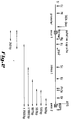
- Figure 2 shows an overview of all the fragments and the entire sequence corresponds to the SEQ ID NO:3.
Landscapes
- Chemical & Material Sciences (AREA)
- Health & Medical Sciences (AREA)
- Life Sciences & Earth Sciences (AREA)
- Organic Chemistry (AREA)
- Biochemistry (AREA)
- Gastroenterology & Hepatology (AREA)
- Zoology (AREA)
- Biophysics (AREA)
- General Health & Medical Sciences (AREA)
- Genetics & Genomics (AREA)
- Medicinal Chemistry (AREA)
- Molecular Biology (AREA)
- Proteomics, Peptides & Aminoacids (AREA)
- Toxicology (AREA)
- Micro-Organisms Or Cultivation Processes Thereof (AREA)
Priority Applications (3)
| Application Number | Priority Date | Filing Date | Title |
|---|---|---|---|
| EP96201977A EP0818534A1 (de) | 1996-07-12 | 1996-07-12 | Menschliche Interleukine-12 Genexpressions-regulierende Sequenzen |
| PCT/BE1997/000073 WO1998002544A1 (en) | 1996-07-12 | 1997-07-01 | Human interleukin 12 gene expression regulating sequences |
| AU33304/97A AU3330497A (en) | 1996-07-12 | 1997-07-01 | Human interleukin 12 gene expression regulating sequences |
Applications Claiming Priority (1)
| Application Number | Priority Date | Filing Date | Title |
|---|---|---|---|
| EP96201977A EP0818534A1 (de) | 1996-07-12 | 1996-07-12 | Menschliche Interleukine-12 Genexpressions-regulierende Sequenzen |
Publications (1)
| Publication Number | Publication Date |
|---|---|
| EP0818534A1 true EP0818534A1 (de) | 1998-01-14 |
Family
ID=8224184
Family Applications (1)
| Application Number | Title | Priority Date | Filing Date |
|---|---|---|---|
| EP96201977A Withdrawn EP0818534A1 (de) | 1996-07-12 | 1996-07-12 | Menschliche Interleukine-12 Genexpressions-regulierende Sequenzen |
Country Status (3)
| Country | Link |
|---|---|
| EP (1) | EP0818534A1 (de) |
| AU (1) | AU3330497A (de) |
| WO (1) | WO1998002544A1 (de) |
Cited By (2)
| Publication number | Priority date | Publication date | Assignee | Title |
|---|---|---|---|---|
| WO2001068802A3 (en) * | 2000-03-15 | 2002-02-21 | Univ Pohang | Genes of il-12p40 subunit mutated for improving the activity of il-12 and use thereof for dna vaccine adjuvant |
| WO2002090498A3 (en) * | 2001-05-04 | 2003-05-01 | Health Research Inc | A high throughput assay for identification of gene expression modifiers |
-
1996
- 1996-07-12 EP EP96201977A patent/EP0818534A1/de not_active Withdrawn
-
1997
- 1997-07-01 WO PCT/BE1997/000073 patent/WO1998002544A1/en not_active Ceased
- 1997-07-01 AU AU33304/97A patent/AU3330497A/en not_active Abandoned
Non-Patent Citations (2)
| Title |
|---|
| TONE, YUKIKO ET AL: "Structure and chromosomal location of the mouse interleukin - 12 p35 and p40 subunit genes", EUR. J. IMMUNOL. (1996), 26(6), 1222-1227 CODEN: EJIMAF;ISSN: 0014-2980, 1996, XP000612644 * |
| YOSHIMOTO, TAKAYUKI ET AL: "Molecular cloning and characterization of murine IL - 12 genes", J. IMMUNOL. (1996), 156(3), 1082-8 CODEN: JOIMA3;ISSN: 0022-1767, 1996, XP002020845 * |
Cited By (4)
| Publication number | Priority date | Publication date | Assignee | Title |
|---|---|---|---|---|
| WO2001068802A3 (en) * | 2000-03-15 | 2002-02-21 | Univ Pohang | Genes of il-12p40 subunit mutated for improving the activity of il-12 and use thereof for dna vaccine adjuvant |
| US7910564B2 (en) | 2000-03-15 | 2011-03-22 | Genexine Co., Ltd. | Genes of IL-12P40 subunit mutated for improving the activity of IL-12 and use thereof for DNA vaccine adjuvant |
| WO2002090498A3 (en) * | 2001-05-04 | 2003-05-01 | Health Research Inc | A high throughput assay for identification of gene expression modifiers |
| US7083919B2 (en) | 2001-05-04 | 2006-08-01 | The Research Foundation Of State University Of New York | High throughput assay for identification of gene expression modifiers |
Also Published As
| Publication number | Publication date |
|---|---|
| AU3330497A (en) | 1998-02-09 |
| WO1998002544A1 (en) | 1998-01-22 |
Similar Documents
| Publication | Publication Date | Title |
|---|---|---|
| Gauchat et al. | Structure and expression of germline epsilon transcripts in human B cells induced by interleukin 4 to switch to IgE production. | |
| JP3769189B2 (ja) | T細胞誘導性因子(tif)をコードする単離された核酸分子、コードされたタンパク質およびその使用 | |
| JP2568394B2 (ja) | 哺乳動物インターロイキン−4活性を示すポリペプチドをコードするヌクレオチド配列からなる核酸 | |
| Greaves et al. | Macrophage-specific gene expression: current paradigms and future challenges | |
| Clarke et al. | Myeloid‐specific gene expression | |
| AU626789B2 (en) | Human interleukin-3 and muteins thereof | |
| CN1038126A (zh) | 双边条曲菌素:一种新型的双功能生长调节糖蛋白 | |
| WO1994004672A1 (en) | Tetracycline repressor-mediated binary regulation system for control of gene expression in transgenic animals | |
| Rosenwasser et al. | Expression of biologically active human interleukin 1 subpeptides by transfected simian COS cells. | |
| CN1045539C (zh) | 克隆编码具有人粒性巨噬细胞和嗜伊红细胞生长因子活性多肽的cDNA | |
| US4761375A (en) | Human interleukin-2 cDNA sequence | |
| JP2001501482A (ja) | トランスジェニック魚による組換えペプチドの製造 | |
| JPH064674B2 (ja) | ヒトインタ−ロイキン−1遺伝子のクロ−ニング及び特性化 | |
| Prinz et al. | Alternative splicing of mouse IL-15 is due to the use of an internal splice site in exon 5 | |
| EP0818534A1 (de) | Menschliche Interleukine-12 Genexpressions-regulierende Sequenzen | |
| Imamura et al. | The murine interleukin-5 receptor α-subunit gene: characterization of the gene structure and chromosome mapping | |
| Corripio-Miyar et al. | Long-term stimulation of trout head kidney cells with the cytokines MCSF, IL-2 and IL-6: Gene expression dynamics | |
| EP0771874B1 (de) | Vorbereitung transgenischer Proteine | |
| Gerwin et al. | Interleukin gene expression in mouse preimplantation development | |
| JPH0142279B2 (de) | ||
| EP0163603B1 (de) | Ein menschlicher T-Zellwachstumsfaktor | |
| CN115322993A (zh) | 一种用于猪基因组定点整合外源基因的安全位点及用其构建猪育种群方法 | |
| EP0106170B1 (de) | Vogelwachstumshormone | |
| AU732705B2 (en) | Gene expression in monocytes and macrophages | |
| US20030138411A1 (en) | Gene expression in monocytes and macrophages |
Legal Events
| Date | Code | Title | Description |
|---|---|---|---|
| PUAI | Public reference made under article 153(3) epc to a published international application that has entered the european phase |
Free format text: ORIGINAL CODE: 0009012 |
|
| AK | Designated contracting states |
Kind code of ref document: A1 Designated state(s): AT BE CH DE DK ES FI FR GB GR IE IT LI LU MC NL PT SE |
|
| AX | Request for extension of the european patent |
Free format text: AL;LT;LV;SI |
|
| AKX | Designation fees paid | ||
| RBV | Designated contracting states (corrected) | ||
| STAA | Information on the status of an ep patent application or granted ep patent |
Free format text: STATUS: THE APPLICATION IS DEEMED TO BE WITHDRAWN |
|
| 18D | Application deemed to be withdrawn |
Effective date: 19980715 |