EP0821964A2 - Utilisation de l'adenosine et de dérivés de l'adenosine pour l'analgesie et pour réduire le stress ou ses réactions - Google Patents
Utilisation de l'adenosine et de dérivés de l'adenosine pour l'analgesie et pour réduire le stress ou ses réactions Download PDFInfo
- Publication number
- EP0821964A2 EP0821964A2 EP97107216A EP97107216A EP0821964A2 EP 0821964 A2 EP0821964 A2 EP 0821964A2 EP 97107216 A EP97107216 A EP 97107216A EP 97107216 A EP97107216 A EP 97107216A EP 0821964 A2 EP0821964 A2 EP 0821964A2
- Authority
- EP
- European Patent Office
- Prior art keywords
- adenosine
- composition
- stress
- atp
- analgesia
- Prior art date
- Legal status (The legal status is an assumption and is not a legal conclusion. Google has not performed a legal analysis and makes no representation as to the accuracy of the status listed.)
- Granted
Links
- OIRDTQYFTABQOQ-KQYNXXCUSA-N adenosine Chemical compound C1=NC=2C(N)=NC=NC=2N1[C@@H]1O[C@H](CO)[C@@H](O)[C@H]1O OIRDTQYFTABQOQ-KQYNXXCUSA-N 0.000 title claims abstract description 173
- 239000002126 C01EB10 - Adenosine Substances 0.000 title claims abstract description 87
- 229960005305 adenosine Drugs 0.000 title claims abstract description 86
- 230000036592 analgesia Effects 0.000 title claims abstract description 26
- 230000003938 response to stress Effects 0.000 title claims description 8
- 150000003835 adenosine derivatives Chemical class 0.000 title 1
- ZKHQWZAMYRWXGA-UHFFFAOYSA-N Adenosine triphosphate Natural products C1=NC=2C(N)=NC=NC=2N1C1OC(COP(O)(=O)OP(O)(=O)OP(O)(O)=O)C(O)C1O ZKHQWZAMYRWXGA-UHFFFAOYSA-N 0.000 claims abstract description 59
- 230000002802 cardiorespiratory effect Effects 0.000 claims abstract description 13
- ZKHQWZAMYRWXGA-KQYNXXCUSA-J ATP(4-) Chemical compound C1=NC=2C(N)=NC=NC=2N1[C@@H]1O[C@H](COP([O-])(=O)OP([O-])(=O)OP([O-])([O-])=O)[C@@H](O)[C@H]1O ZKHQWZAMYRWXGA-KQYNXXCUSA-J 0.000 claims abstract description 12
- 239000000203 mixture Substances 0.000 claims abstract description 12
- 208000004756 Respiratory Insufficiency Diseases 0.000 claims abstract description 10
- 206010038678 Respiratory depression Diseases 0.000 claims abstract description 10
- UDMBCSSLTHHNCD-UHFFFAOYSA-N Coenzym Q(11) Natural products C1=NC=2C(N)=NC=NC=2N1C1OC(COP(O)(O)=O)C(O)C1O UDMBCSSLTHHNCD-UHFFFAOYSA-N 0.000 claims abstract description 7
- XTWYTFMLZFPYCI-KQYNXXCUSA-N 5'-adenylphosphoric acid Chemical compound C1=NC=2C(N)=NC=NC=2N1[C@@H]1O[C@H](COP(O)(=O)OP(O)(O)=O)[C@@H](O)[C@H]1O XTWYTFMLZFPYCI-KQYNXXCUSA-N 0.000 claims abstract description 6
- XTWYTFMLZFPYCI-UHFFFAOYSA-N Adenosine diphosphate Natural products C1=NC=2C(N)=NC=NC=2N1C1OC(COP(O)(=O)OP(O)(O)=O)C(O)C1O XTWYTFMLZFPYCI-UHFFFAOYSA-N 0.000 claims abstract description 6
- UDMBCSSLTHHNCD-KQYNXXCUSA-N adenosine 5'-monophosphate Chemical compound C1=NC=2C(N)=NC=NC=2N1[C@@H]1O[C@H](COP(O)(O)=O)[C@@H](O)[C@H]1O UDMBCSSLTHHNCD-KQYNXXCUSA-N 0.000 claims abstract description 6
- LNQVTSROQXJCDD-UHFFFAOYSA-N adenosine monophosphate Natural products C1=NC=2C(N)=NC=NC=2N1C1OC(CO)C(OP(O)(O)=O)C1O LNQVTSROQXJCDD-UHFFFAOYSA-N 0.000 claims abstract description 6
- 229960003190 adenosine monophosphate Drugs 0.000 claims abstract description 6
- 238000001802 infusion Methods 0.000 claims description 27
- 230000004044 response Effects 0.000 claims description 23
- 230000000638 stimulation Effects 0.000 claims description 20
- 230000002631 hypothermal effect Effects 0.000 claims description 8
- 230000001473 noxious effect Effects 0.000 claims description 7
- 238000007913 intrathecal administration Methods 0.000 claims description 6
- 239000008194 pharmaceutical composition Substances 0.000 claims 4
- 210000003403 autonomic nervous system Anatomy 0.000 claims 2
- 230000000694 effects Effects 0.000 description 35
- 230000003444 anaesthetic effect Effects 0.000 description 27
- 241000283973 Oryctolagus cuniculus Species 0.000 description 26
- GFFGJBXGBJISGV-UHFFFAOYSA-N Adenine Chemical class NC1=NC=NC2=C1N=CN2 GFFGJBXGBJISGV-UHFFFAOYSA-N 0.000 description 23
- 230000036760 body temperature Effects 0.000 description 23
- GQPLMRYTRLFLPF-UHFFFAOYSA-N Nitrous Oxide Chemical compound [O-][N+]#N GQPLMRYTRLFLPF-UHFFFAOYSA-N 0.000 description 21
- 206010002091 Anaesthesia Diseases 0.000 description 18
- 230000037005 anaesthesia Effects 0.000 description 17
- 239000003193 general anesthetic agent Substances 0.000 description 17
- BCQZXOMGPXTTIC-UHFFFAOYSA-N halothane Chemical compound FC(F)(F)C(Cl)Br BCQZXOMGPXTTIC-UHFFFAOYSA-N 0.000 description 17
- 229960003132 halothane Drugs 0.000 description 17
- 238000000034 method Methods 0.000 description 17
- 239000003814 drug Substances 0.000 description 16
- 208000002193 Pain Diseases 0.000 description 15
- 230000000202 analgesic effect Effects 0.000 description 15
- JPGQOUSTVILISH-UHFFFAOYSA-N enflurane Chemical compound FC(F)OC(F)(F)C(F)Cl JPGQOUSTVILISH-UHFFFAOYSA-N 0.000 description 15
- 229960000305 enflurane Drugs 0.000 description 15
- 230000035882 stress Effects 0.000 description 15
- 229940079593 drug Drugs 0.000 description 14
- 230000036407 pain Effects 0.000 description 14
- 238000001356 surgical procedure Methods 0.000 description 14
- 241001465754 Metazoa Species 0.000 description 12
- 239000003795 chemical substances by application Substances 0.000 description 12
- 210000000056 organ Anatomy 0.000 description 12
- PIWKPBJCKXDKJR-UHFFFAOYSA-N Isoflurane Chemical compound FC(F)OC(Cl)C(F)(F)F PIWKPBJCKXDKJR-UHFFFAOYSA-N 0.000 description 11
- 230000036772 blood pressure Effects 0.000 description 11
- 229960002725 isoflurane Drugs 0.000 description 11
- 208000001953 Hypotension Diseases 0.000 description 10
- QVGXLLKOCUKJST-UHFFFAOYSA-N atomic oxygen Chemical compound [O] QVGXLLKOCUKJST-UHFFFAOYSA-N 0.000 description 10
- 239000001301 oxygen Substances 0.000 description 10
- 229910052760 oxygen Inorganic materials 0.000 description 10
- 229940035674 anesthetics Drugs 0.000 description 9
- 230000036387 respiratory rate Effects 0.000 description 9
- 210000004369 blood Anatomy 0.000 description 8
- 239000008280 blood Substances 0.000 description 8
- 230000001965 increasing effect Effects 0.000 description 8
- GRVOTVYEFDAHCL-RTSZDRIGSA-N morphine sulfate pentahydrate Chemical compound O.O.O.O.O.OS(O)(=O)=O.O([C@H]1[C@H](C=C[C@H]23)O)C4=C5[C@@]12CCN(C)[C@@H]3CC5=CC=C4O.O([C@H]1[C@H](C=C[C@H]23)O)C4=C5[C@@]12CCN(C)[C@@H]3CC5=CC=C4O GRVOTVYEFDAHCL-RTSZDRIGSA-N 0.000 description 8
- FQPFAHBPWDRTLU-UHFFFAOYSA-N aminophylline Chemical compound NCCN.O=C1N(C)C(=O)N(C)C2=C1NC=N2.O=C1N(C)C(=O)N(C)C2=C1NC=N2 FQPFAHBPWDRTLU-UHFFFAOYSA-N 0.000 description 7
- 229960003556 aminophylline Drugs 0.000 description 7
- 230000036543 hypotension Effects 0.000 description 7
- 229960004715 morphine sulfate Drugs 0.000 description 7
- 208000032843 Hemorrhage Diseases 0.000 description 6
- 206010039897 Sedation Diseases 0.000 description 6
- 239000007789 gas Substances 0.000 description 6
- BQJCRHHNABKAKU-KBQPJGBKSA-N morphine Chemical compound O([C@H]1[C@H](C=C[C@H]23)O)C4=C5[C@@]12CCN(C)[C@@H]3CC5=CC=C4O BQJCRHHNABKAKU-KBQPJGBKSA-N 0.000 description 6
- 210000003205 muscle Anatomy 0.000 description 6
- 230000036280 sedation Effects 0.000 description 6
- 210000001519 tissue Anatomy 0.000 description 6
- 230000000287 tissue oxygenation Effects 0.000 description 6
- 239000002874 hemostatic agent Substances 0.000 description 5
- 239000000243 solution Substances 0.000 description 5
- 206010021118 Hypotonia Diseases 0.000 description 4
- 210000004556 brain Anatomy 0.000 description 4
- 230000002526 effect on cardiovascular system Effects 0.000 description 4
- 230000006698 induction Effects 0.000 description 4
- 230000036640 muscle relaxation Effects 0.000 description 4
- 230000003389 potentiating effect Effects 0.000 description 4
- 230000009467 reduction Effects 0.000 description 4
- 230000002459 sustained effect Effects 0.000 description 4
- 241000282472 Canis lupus familiaris Species 0.000 description 3
- CURLTUGMZLYLDI-UHFFFAOYSA-N Carbon dioxide Chemical compound O=C=O CURLTUGMZLYLDI-UHFFFAOYSA-N 0.000 description 3
- 206010047139 Vasoconstriction Diseases 0.000 description 3
- 230000003247 decreasing effect Effects 0.000 description 3
- IZEKFCXSFNUWAM-UHFFFAOYSA-N dipyridamole Chemical compound C=12N=C(N(CCO)CCO)N=C(N3CCCCC3)C2=NC(N(CCO)CCO)=NC=1N1CCCCC1 IZEKFCXSFNUWAM-UHFFFAOYSA-N 0.000 description 3
- 229960002768 dipyridamole Drugs 0.000 description 3
- 229960002428 fentanyl Drugs 0.000 description 3
- PJMPHNIQZUBGLI-UHFFFAOYSA-N fentanyl Chemical compound C=1C=CC=CC=1N(C(=O)CC)C(CC1)CCN1CCC1=CC=CC=C1 PJMPHNIQZUBGLI-UHFFFAOYSA-N 0.000 description 3
- 238000010438 heat treatment Methods 0.000 description 3
- 230000005764 inhibitory process Effects 0.000 description 3
- 238000001990 intravenous administration Methods 0.000 description 3
- 210000003734 kidney Anatomy 0.000 description 3
- 210000004185 liver Anatomy 0.000 description 3
- 229960005181 morphine Drugs 0.000 description 3
- 238000011587 new zealand white rabbit Methods 0.000 description 3
- 239000000014 opioid analgesic Substances 0.000 description 3
- 229940005483 opioid analgesics Drugs 0.000 description 3
- 230000010412 perfusion Effects 0.000 description 3
- 239000004033 plastic Substances 0.000 description 3
- 210000003462 vein Anatomy 0.000 description 3
- KDCGOANMDULRCW-UHFFFAOYSA-N 7H-purine Chemical compound N1=CNC2=NC=NC2=C1 KDCGOANMDULRCW-UHFFFAOYSA-N 0.000 description 2
- IJGRMHOSHXDMSA-UHFFFAOYSA-N Atomic nitrogen Chemical compound N#N IJGRMHOSHXDMSA-UHFFFAOYSA-N 0.000 description 2
- 206010008531 Chills Diseases 0.000 description 2
- 206010020772 Hypertension Diseases 0.000 description 2
- NNJVILVZKWQKPM-UHFFFAOYSA-N Lidocaine Chemical compound CCN(CC)CC(=O)NC1=C(C)C=CC=C1C NNJVILVZKWQKPM-UHFFFAOYSA-N 0.000 description 2
- 241000124008 Mammalia Species 0.000 description 2
- 230000004872 arterial blood pressure Effects 0.000 description 2
- 210000001367 artery Anatomy 0.000 description 2
- 230000037396 body weight Effects 0.000 description 2
- 210000005013 brain tissue Anatomy 0.000 description 2
- 229910002092 carbon dioxide Inorganic materials 0.000 description 2
- 150000003943 catecholamines Chemical class 0.000 description 2
- 210000003169 central nervous system Anatomy 0.000 description 2
- 230000009429 distress Effects 0.000 description 2
- 239000002552 dosage form Substances 0.000 description 2
- 231100000673 dose–response relationship Toxicity 0.000 description 2
- 210000001105 femoral artery Anatomy 0.000 description 2
- 210000003191 femoral vein Anatomy 0.000 description 2
- 230000013632 homeostatic process Effects 0.000 description 2
- 208000021822 hypotensive Diseases 0.000 description 2
- 230000001077 hypotensive effect Effects 0.000 description 2
- 238000001727 in vivo Methods 0.000 description 2
- 230000001939 inductive effect Effects 0.000 description 2
- 238000002684 laminectomy Methods 0.000 description 2
- YADSGOSSYOOKMP-UHFFFAOYSA-N lead dioxide Inorganic materials O=[Pb]=O YADSGOSSYOOKMP-UHFFFAOYSA-N 0.000 description 2
- 229960004194 lidocaine Drugs 0.000 description 2
- 230000007246 mechanism Effects 0.000 description 2
- 230000004048 modification Effects 0.000 description 2
- 238000012986 modification Methods 0.000 description 2
- 238000012544 monitoring process Methods 0.000 description 2
- 230000003040 nociceptive effect Effects 0.000 description 2
- 238000006213 oxygenation reaction Methods 0.000 description 2
- WEXRUCMBJFQVBZ-UHFFFAOYSA-N pentobarbital Chemical compound CCCC(C)C1(CC)C(=O)NC(=O)NC1=O WEXRUCMBJFQVBZ-UHFFFAOYSA-N 0.000 description 2
- 230000002685 pulmonary effect Effects 0.000 description 2
- 150000003212 purines Chemical class 0.000 description 2
- 230000029058 respiratory gaseous exchange Effects 0.000 description 2
- 230000001624 sedative effect Effects 0.000 description 2
- 241000894007 species Species 0.000 description 2
- 238000007920 subcutaneous administration Methods 0.000 description 2
- 229940120904 succinylcholine chloride Drugs 0.000 description 2
- YOEWQQVKRJEPAE-UHFFFAOYSA-L succinylcholine chloride (anhydrous) Chemical compound [Cl-].[Cl-].C[N+](C)(C)CCOC(=O)CCC(=O)OCC[N+](C)(C)C YOEWQQVKRJEPAE-UHFFFAOYSA-L 0.000 description 2
- 230000009885 systemic effect Effects 0.000 description 2
- AWLILQARPMWUHA-UHFFFAOYSA-M thiopental sodium Chemical compound [Na+].CCCC(C)C1(CC)C(=O)NC([S-])=NC1=O AWLILQARPMWUHA-UHFFFAOYSA-M 0.000 description 2
- 210000000779 thoracic wall Anatomy 0.000 description 2
- 231100000331 toxic Toxicity 0.000 description 2
- 230000002588 toxic effect Effects 0.000 description 2
- 210000003437 trachea Anatomy 0.000 description 2
- 230000025033 vasoconstriction Effects 0.000 description 2
- 229930024421 Adenine Natural products 0.000 description 1
- 102000009346 Adenosine receptors Human genes 0.000 description 1
- 108050000203 Adenosine receptors Proteins 0.000 description 1
- 229940103988 Adenosine uptake inhibitor Drugs 0.000 description 1
- 101100129500 Caenorhabditis elegans max-2 gene Proteins 0.000 description 1
- 208000024172 Cardiovascular disease Diseases 0.000 description 1
- 208000000094 Chronic Pain Diseases 0.000 description 1
- FBPFZTCFMRRESA-KVTDHHQDSA-N D-Mannitol Chemical compound OC[C@@H](O)[C@@H](O)[C@H](O)[C@H](O)CO FBPFZTCFMRRESA-KVTDHHQDSA-N 0.000 description 1
- 241001269524 Dura Species 0.000 description 1
- 229930195725 Mannitol Natural products 0.000 description 1
- 241000283977 Oryctolagus Species 0.000 description 1
- 102100037601 P2X purinoceptor 4 Human genes 0.000 description 1
- 208000000114 Pain Threshold Diseases 0.000 description 1
- 206010037423 Pulmonary oedema Diseases 0.000 description 1
- 108010080192 Purinergic Receptors Proteins 0.000 description 1
- FAPWRFPIFSIZLT-UHFFFAOYSA-M Sodium chloride Chemical compound [Na+].[Cl-] FAPWRFPIFSIZLT-UHFFFAOYSA-M 0.000 description 1
- 238000000692 Student's t-test Methods 0.000 description 1
- 230000002159 abnormal effect Effects 0.000 description 1
- 239000002253 acid Substances 0.000 description 1
- 230000009471 action Effects 0.000 description 1
- 230000004913 activation Effects 0.000 description 1
- 229960000643 adenine Drugs 0.000 description 1
- 229950006790 adenosine phosphate Drugs 0.000 description 1
- 150000003838 adenosines Chemical class 0.000 description 1
- 239000002671 adjuvant Substances 0.000 description 1
- 230000004075 alteration Effects 0.000 description 1
- 229940035676 analgesics Drugs 0.000 description 1
- 238000000540 analysis of variance Methods 0.000 description 1
- -1 and the like Chemical compound 0.000 description 1
- 239000003994 anesthetic gas Substances 0.000 description 1
- 238000002583 angiography Methods 0.000 description 1
- 238000010171 animal model Methods 0.000 description 1
- 239000000730 antalgic agent Substances 0.000 description 1
- 230000001773 anti-convulsant effect Effects 0.000 description 1
- 230000003502 anti-nociceptive effect Effects 0.000 description 1
- 239000001961 anticonvulsive agent Substances 0.000 description 1
- 229960003965 antiepileptics Drugs 0.000 description 1
- 210000000709 aorta Anatomy 0.000 description 1
- 238000007486 appendectomy Methods 0.000 description 1
- 238000013459 approach Methods 0.000 description 1
- 230000037007 arousal Effects 0.000 description 1
- 230000010455 autoregulation Effects 0.000 description 1
- 229940125717 barbiturate Drugs 0.000 description 1
- 230000003542 behavioural effect Effects 0.000 description 1
- 230000008901 benefit Effects 0.000 description 1
- 230000008499 blood brain barrier function Effects 0.000 description 1
- 210000001218 blood-brain barrier Anatomy 0.000 description 1
- 239000001569 carbon dioxide Substances 0.000 description 1
- 230000002490 cerebral effect Effects 0.000 description 1
- 230000001609 comparable effect Effects 0.000 description 1
- 150000001875 compounds Chemical class 0.000 description 1
- 238000007796 conventional method Methods 0.000 description 1
- 238000001816 cooling Methods 0.000 description 1
- 230000001054 cortical effect Effects 0.000 description 1
- 230000003467 diminishing effect Effects 0.000 description 1
- 238000002224 dissection Methods 0.000 description 1
- 210000005069 ears Anatomy 0.000 description 1
- 238000001839 endoscopy Methods 0.000 description 1
- 238000002474 experimental method Methods 0.000 description 1
- 238000000605 extraction Methods 0.000 description 1
- 238000009472 formulation Methods 0.000 description 1
- 210000005153 frontal cortex Anatomy 0.000 description 1
- 210000004013 groin Anatomy 0.000 description 1
- 230000004217 heart function Effects 0.000 description 1
- 230000000004 hemodynamic effect Effects 0.000 description 1
- 230000002008 hemorrhagic effect Effects 0.000 description 1
- 230000000147 hypnotic effect Effects 0.000 description 1
- 230000001771 impaired effect Effects 0.000 description 1
- 238000002513 implantation Methods 0.000 description 1
- 239000000411 inducer Substances 0.000 description 1
- 208000014674 injury Diseases 0.000 description 1
- 239000002869 intravenous anesthetic agent Substances 0.000 description 1
- 231100000636 lethal dose Toxicity 0.000 description 1
- 210000004072 lung Anatomy 0.000 description 1
- 238000012423 maintenance Methods 0.000 description 1
- 239000000594 mannitol Substances 0.000 description 1
- 235000010355 mannitol Nutrition 0.000 description 1
- 238000005259 measurement Methods 0.000 description 1
- 230000001404 mediated effect Effects 0.000 description 1
- 238000002483 medication Methods 0.000 description 1
- 230000002503 metabolic effect Effects 0.000 description 1
- RFKMCNOHBTXSMU-UHFFFAOYSA-N methoxyflurane Chemical compound COC(F)(F)C(Cl)Cl RFKMCNOHBTXSMU-UHFFFAOYSA-N 0.000 description 1
- 229960002455 methoxyflurane Drugs 0.000 description 1
- 239000003158 myorelaxant agent Substances 0.000 description 1
- UZHSEJADLWPNLE-GRGSLBFTSA-N naloxone Chemical compound O=C([C@@H]1O2)CC[C@@]3(O)[C@H]4CC5=CC=C(O)C2=C5[C@@]13CCN4CC=C UZHSEJADLWPNLE-GRGSLBFTSA-N 0.000 description 1
- 229960004127 naloxone Drugs 0.000 description 1
- 210000005036 nerve Anatomy 0.000 description 1
- 230000003188 neurobehavioral effect Effects 0.000 description 1
- 229910052757 nitrogen Inorganic materials 0.000 description 1
- 239000001272 nitrous oxide Substances 0.000 description 1
- 229960001730 nitrous oxide Drugs 0.000 description 1
- 230000037000 normothermia Effects 0.000 description 1
- 239000002773 nucleotide Substances 0.000 description 1
- 239000003002 pH adjusting agent Substances 0.000 description 1
- 230000037040 pain threshold Effects 0.000 description 1
- 230000037325 pain tolerance Effects 0.000 description 1
- GVEAYVLWDAFXET-XGHATYIMSA-N pancuronium Chemical compound C[N+]1([C@@H]2[C@@H](OC(C)=O)C[C@@H]3CC[C@H]4[C@@H]5C[C@@H]([C@@H]([C@]5(CC[C@@H]4[C@@]3(C)C2)C)OC(=O)C)[N+]2(C)CCCCC2)CCCCC1 GVEAYVLWDAFXET-XGHATYIMSA-N 0.000 description 1
- 229960005457 pancuronium Drugs 0.000 description 1
- 230000001769 paralizing effect Effects 0.000 description 1
- 210000004738 parenchymal cell Anatomy 0.000 description 1
- 229960001412 pentobarbital Drugs 0.000 description 1
- 230000002093 peripheral effect Effects 0.000 description 1
- 239000000546 pharmaceutical excipient Substances 0.000 description 1
- 230000000144 pharmacologic effect Effects 0.000 description 1
- SONNWYBIRXJNDC-VIFPVBQESA-N phenylephrine Chemical compound CNC[C@H](O)C1=CC=CC(O)=C1 SONNWYBIRXJNDC-VIFPVBQESA-N 0.000 description 1
- 229960001802 phenylephrine Drugs 0.000 description 1
- 239000002504 physiological saline solution Substances 0.000 description 1
- 238000004321 preservation Methods 0.000 description 1
- 230000008569 process Effects 0.000 description 1
- 230000002035 prolonged effect Effects 0.000 description 1
- OLBCVFGFOZPWHH-UHFFFAOYSA-N propofol Chemical compound CC(C)C1=CC=CC(C(C)C)=C1O OLBCVFGFOZPWHH-UHFFFAOYSA-N 0.000 description 1
- 229960004134 propofol Drugs 0.000 description 1
- 210000001147 pulmonary artery Anatomy 0.000 description 1
- 208000005333 pulmonary edema Diseases 0.000 description 1
- 239000000296 purinergic P1 receptor antagonist Substances 0.000 description 1
- 102000005962 receptors Human genes 0.000 description 1
- 108020003175 receptors Proteins 0.000 description 1
- 238000011084 recovery Methods 0.000 description 1
- 230000002040 relaxant effect Effects 0.000 description 1
- 230000012501 relaxation of skeletal muscle Effects 0.000 description 1
- 230000002441 reversible effect Effects 0.000 description 1
- 150000003839 salts Chemical class 0.000 description 1
- 239000000523 sample Substances 0.000 description 1
- 230000020341 sensory perception of pain Effects 0.000 description 1
- 210000003625 skull Anatomy 0.000 description 1
- 239000011780 sodium chloride Substances 0.000 description 1
- 238000010561 standard procedure Methods 0.000 description 1
- 210000002330 subarachnoid space Anatomy 0.000 description 1
- 239000000126 substance Substances 0.000 description 1
- 235000000346 sugar Nutrition 0.000 description 1
- 150000008163 sugars Chemical class 0.000 description 1
- 230000000153 supplemental effect Effects 0.000 description 1
- 230000001629 suppression Effects 0.000 description 1
- 238000012353 t test Methods 0.000 description 1
- 238000012360 testing method Methods 0.000 description 1
- 239000002562 thickening agent Substances 0.000 description 1
- 238000002054 transplantation Methods 0.000 description 1
- 230000008733 trauma Effects 0.000 description 1
- 238000011870 unpaired t-test Methods 0.000 description 1
- 230000003639 vasoconstrictive effect Effects 0.000 description 1
- 230000000304 vasodilatating effect Effects 0.000 description 1
- 208000003663 ventricular fibrillation Diseases 0.000 description 1
Images



Classifications
-
- A—HUMAN NECESSITIES
- A61—MEDICAL OR VETERINARY SCIENCE; HYGIENE
- A61K—PREPARATIONS FOR MEDICAL, DENTAL OR TOILETRY PURPOSES
- A61K31/00—Medicinal preparations containing organic active ingredients
- A61K31/70—Carbohydrates; Sugars; Derivatives thereof
-
- A—HUMAN NECESSITIES
- A61—MEDICAL OR VETERINARY SCIENCE; HYGIENE
- A61K—PREPARATIONS FOR MEDICAL, DENTAL OR TOILETRY PURPOSES
- A61K31/00—Medicinal preparations containing organic active ingredients
-
- A—HUMAN NECESSITIES
- A61—MEDICAL OR VETERINARY SCIENCE; HYGIENE
- A61K—PREPARATIONS FOR MEDICAL, DENTAL OR TOILETRY PURPOSES
- A61K31/00—Medicinal preparations containing organic active ingredients
- A61K31/70—Carbohydrates; Sugars; Derivatives thereof
- A61K31/7042—Compounds having saccharide radicals and heterocyclic rings
- A61K31/7052—Compounds having saccharide radicals and heterocyclic rings having nitrogen as a ring hetero atom, e.g. nucleosides, nucleotides
- A61K31/706—Compounds having saccharide radicals and heterocyclic rings having nitrogen as a ring hetero atom, e.g. nucleosides, nucleotides containing six-membered rings with nitrogen as a ring hetero atom
- A61K31/7064—Compounds having saccharide radicals and heterocyclic rings having nitrogen as a ring hetero atom, e.g. nucleosides, nucleotides containing six-membered rings with nitrogen as a ring hetero atom containing condensed or non-condensed pyrimidines
- A61K31/7076—Compounds having saccharide radicals and heterocyclic rings having nitrogen as a ring hetero atom, e.g. nucleosides, nucleotides containing six-membered rings with nitrogen as a ring hetero atom containing condensed or non-condensed pyrimidines containing purines, e.g. adenosine, adenylic acid
-
- A—HUMAN NECESSITIES
- A61—MEDICAL OR VETERINARY SCIENCE; HYGIENE
- A61K—PREPARATIONS FOR MEDICAL, DENTAL OR TOILETRY PURPOSES
- A61K45/00—Medicinal preparations containing active ingredients not provided for in groups A61K31/00 - A61K41/00
- A61K45/06—Mixtures of active ingredients without chemical characterisation, e.g. antiphlogistics and cardiaca
-
- A—HUMAN NECESSITIES
- A61—MEDICAL OR VETERINARY SCIENCE; HYGIENE
- A61P—SPECIFIC THERAPEUTIC ACTIVITY OF CHEMICAL COMPOUNDS OR MEDICINAL PREPARATIONS
- A61P23/00—Anaesthetics
-
- A—HUMAN NECESSITIES
- A61—MEDICAL OR VETERINARY SCIENCE; HYGIENE
- A61P—SPECIFIC THERAPEUTIC ACTIVITY OF CHEMICAL COMPOUNDS OR MEDICINAL PREPARATIONS
- A61P25/00—Drugs for disorders of the nervous system
- A61P25/04—Centrally acting analgesics, e.g. opioids
-
- A—HUMAN NECESSITIES
- A61—MEDICAL OR VETERINARY SCIENCE; HYGIENE
- A61P—SPECIFIC THERAPEUTIC ACTIVITY OF CHEMICAL COMPOUNDS OR MEDICINAL PREPARATIONS
- A61P29/00—Non-central analgesic, antipyretic or antiinflammatory agents, e.g. antirheumatic agents; Non-steroidal antiinflammatory drugs [NSAID]
- A61P29/02—Non-central analgesic, antipyretic or antiinflammatory agents, e.g. antirheumatic agents; Non-steroidal antiinflammatory drugs [NSAID] without antiinflammatory effect
-
- A—HUMAN NECESSITIES
- A61—MEDICAL OR VETERINARY SCIENCE; HYGIENE
- A61P—SPECIFIC THERAPEUTIC ACTIVITY OF CHEMICAL COMPOUNDS OR MEDICINAL PREPARATIONS
- A61P43/00—Drugs for specific purposes, not provided for in groups A61P1/00-A61P41/00
Definitions
- This invention relates to uses of adenosine and adenine nucleotides as anesthetic agents.
- a patient is protected from the pain and stress of surgery and similar procedures, by anesthesia to maintain physiological homeostasis.
- Adenosine has a variety of extracellular effects. It is known to have potent vasodilating and hypotensive effects, but it has never been demonstrated that it has anesthetic activity with clinical use. Furthermore, the conventional wisdom is that neither adenosine nor adenosine triphosphate (hereinafter ATP), an adenine nucleotide, circulating in the blood will cross the blood brain barrier. Therefore, despite known sedative activity of some synthetic adenosine analogues, neither adenosine nor ATP had been ever thought to be suitable as anesthetics.
- ATP adenosine triphosphate
- adenosine can be used in conjunction with a standard inhalational anesthetic to reduce the amount of anesthetic required, when adenosine is administered to produce hypotension. But others have never reported that adenosine or ATP could produce substantially acceptable anesthesia under normotensive conditions or could totally replace an inhalational anesthetic and still achieve substantially acceptable anesthesia.
- inhalational or other synthetic chemical anesthetics are toxic in large doses and produce severe cardio-respiratory and metabolic side effects.
- the amount of anesthetic actually being used by the patient is subject to guesswork in the operating room.
- Adenosine and ATP are endogenous compounds and therefore unlikely to produce toxic effects. Both Adenosine and ATP are known to be rapidly metabolized; therefore when the infusion is stopped, recovery starts immediately and proceeds rapidly. Therefore, either adenosine or ATP would be ideal replacements for inhalational anesthetics, and replacements for opioid analgesics as well.
- Applicant has found that under normotension, intravenously administered adenosine and ATP have potent analgesic effects, which together with the sedative effects and the inhibition of stress response effects, such as antihypertension and blood pressure control effects, make it a superior anesthetic agent.
- Adenosine and adenine nucleotides have also been discovered to provide excellent blood and tissue oxygenation.
- adenosine can be used to maintain donor organs for transplant in the best possible condition while still in the donor body and the period of time between removal from the donor body and implantation.
- the excellent blood and tissue oxygenation induced by adenosine can be used to maintain the organ and the organ recipient in the best possible condition.
- This invention provides a method of inducing anesthesia, hypothermia, and analgesia, and a method of treating stress and hypothermia by administering an amount of adenosine or adenine nucleotides to a patient in need of anesthesia or analgesia, or requiring induction of, or relief from, hypothermia. It also provides a method for preserving donor organs in vivo by contacting them with adenosine or adenine nucleotides, as well as a method for preparing organ recipients for transplant.
- An aspect of this invention is a method of anesthetizing an individual of a mammalian species comprising administering a continuous intravascular infusion of between 1 ⁇ g/kg/min and 5000 ⁇ g/kg/min of adenosine or an adenine nucleotide for the period that anesthesia is desired.
- a further aspect of this invention is a method of creating subnormal body temperatures in individuals of mammalian species comprising: first administering a continuous intravascular infusion of between 1 ⁇ g/kg/min to 5000 ⁇ g/kg/min of adenosine, or an adenine nucleotide; second exposing the body of the mammal to a sub-body temperature ambient temperature; and allowing the body temperature of the mammal to fall.
- Yet a further aspect of this invention is a method of relieving pain comprising: administering a continuous infusion of between 1 ⁇ g/kg/min and 5000 ⁇ g/kg/min of adenosine, or an adenine nucleotide for the period of time during which pain relief is desired.
- Another aspect of this invention is a method of relieving stress, and stress response: administering a continuous infusion of between 1 ⁇ g/kg/min and 5000 ⁇ g/kg/min of adenosine or an adenine nucleotide for the period of time during which stress and stress response relief is desired.
- Another aspect of this invention is a method of providing in vivo preservation of donor organs as well as organ transplant recipients by maintaining good tissue oxygenation to the patients and their organs comprising administering a continuous infusion of between 1 ⁇ g/kg/min and 5000 ⁇ g/kg/min of adenosine, or an adenine nucleotide for the period of pre and post organ transplantation.
- FIGURE 1 shows a chart comparing the activities of several different classes of anesthetics.
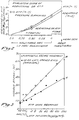
- FIGURE 2 shows a graphical representation of the amount of anesthetic effect, measured as halothane MAC, versus the dosage of adenosine or ATP administered.
- FIGURE 3 shows a graphical representation of the dose response curve of the anesthetic effect of ATP versus the nociceptive electrical stimulation threshold (V) and, tail clamp (ED50)
- FIGURE 4 shows a graphical representation of the amount of anesthetic effect, measured as enflurane MAC, versus the dosage of ATP administered.
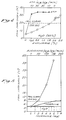
- FIGURE 5 shows a graphical comparison of the effect of analgesia observed for morphine sulfate and adenosine.
- FIGURE 6 shows a graphical comparison of the effect of stress on blood oxygen levels.
- FIGURE 6a shows the effect of hemorrhage.
- FIGURE 6b shows the effect of isoflurane.
- FIGURE 6c shows the effect of ATP.
- FIGURE 7 shows a graphical representation of the inhibition of stress response (Blood Pressure recording) to the nociceptive electrical stimulation.
- FIGURE 8 shows a graphical representation of body temperature versus time for various doses of adenosine and ATP.
- anesthesia is defined as the final result of several interacting but independent effects.
- the first effect is sedation and/or sleep induction; the second is analgesia or pain relief; the third is stress reduction to preserve physiological homeostasis, most frequently seen as blood pressure modification during surgery; and finally, the fourth is usually considered to be muscle relaxation, particularly relaxation of skeletal muscle.
- no single agent provides adequate levels of each and all of these four effects, so combinations of drugs must be used in cases like surgery.
- Anesthetic as used herein will refer to any single drug that gives rise to at least two of the four effects.
- adenine nucleotides are only adenosine monophosphate, adenosine diphosphate, and adenosine triphosphate.
- the preferred adenine nucleotide is adenosine triphosphate.
- surgical and “surgical procedures” refer broadly to invasive discomfort-producing medical procedures. Included are such procedures as endoscopy, angiography, dental work, such as tooth extractions, as well as what is traditionally thought of a surgery, for example appendectomies and the like. As used herein the terms encompass the presurgical phase and the post surgical phase as well, for example the emergency room, post-anesthesia care room, the intensive care unit, and the like, until the patient can rest comfortably without the supplemental administrations of analgesics being indicated.
- continuous infusion refers to intravascular infusions, intrathecal infusions, and like methods of providing a continuous drug dosage over a period of time.
- stress refers to the physiological changes that accompany trauma such as surgery. It includes release of catecholamines, induction of hypertension, and vasoconstriction.
- Adenosine is known to have a short plasma half life.
- a continuous infusion of adenosine or an adenine nucleotide must be used.
- the anesthetic effects of this invention are compared to standard anesthetic effects by comparing minimum alveolar concentration (hereinafter MAC).
- MAC minimum alveolar concentration
- a measure of potency of anesthetics has proven to be elusive.
- a first problem is only a relatively small amount of inhalational anesthetic gases is absorbed before the gas is exhaled.
- a second problem is that the point of action of the anesthetic is the brain, not the lungs, and the amount of anesthetic transported by blood to the brain, and the amount that actually enters brain tissue, is unknown resulting in an ill defined concentration of gas in brain tissue.
- MAC of a gaseous anesthetic at 1 atmosphere of pressure (760 torrs) as that amount which produces immobility in 50 percent of patients or animals exposed to painful stimulus.
- the use of MAC provides a convenient means of comparing the effect of the standard gaseous anesthetic agents, halothane, enflurane, methoxyflurane, isoflurane, and nitrous oxide to the anesthetic effect of adenosine and adenine nucleotides.
- ED 50 ED 50
- Blood pressure can be lowered by administration of adenosine or adenine nucleotides, and other means, for example hemorrhage.
- the overall response to blood pressure lowering to a predetermined level by administration of purines and hemorrhage is quite different.
- oxygen in all tissues and organs plunges, but in the case of purine infusion the levels actually increase.
- administration of adenosine and adenine nucleotides can increase the oxygen content of tissues.
- anesthetics and anesthetic agents are compared for efficacy in producing sleep, inducing analgesia, reducing surgical stress and relaxing muscles. These are the four effects that anesthesiologists try to achieve during a surgical procedure.
- the chart confirms that no presently used agent is effective for all four effects. All known agents for stress relief are not included in the chart because most of these agents are normally considered to be cardiovascular medications, given primarily to treat cardiovascular disease, rather than anesthetic agents.
- Adenosine or adenine nucleotides are seen to provide excellent analgesia, and stress relief, good sedation induction, and maintenance, but only fair muscle relaxation.
- An ideal anesthetic for surgical use would combine several effects in one medication. It would provide pain relief, sedation and sleep, and induce muscle relaxation. Typically today an anesthesiologist must relieve pain by an opioid or other analgesic, produce sleep by sodium pentothal or similar hypnotic, sustain sleep by an inhalational anesthetic and relax muscles by the use of succinyl choline chloride or the like.
- Adenosine and adenine nucleotides induce sedation, maintain sleep, reduce stress of surgery, and relieve pain.
- adenosine can induce hypothermia and maintain tissue perfusion and oxygenation. Therefore, adenosine and adenine nucleotides come closer to being ideal anesthetics for surgical use.
- Adenosine or adenine nucleotides may be the only agent required for certain uses, such as relief of chronic-pain, or minor surgery where deep sleep is not necessary, but pain relief is. Major surgery may require the additional use of some inhalational or intravenous anesthetics and some muscle relaxant.
- adenosine and adenine nucleotides are useful over a wide dosage range.
- Adenosine is active over a range of between 1 to 5000 ⁇ g/kg/min.
- conventional anesthetic agents for example, isoflurane have narrow effective ranges.
- the fatal to anesthetic ratio of isoflurane is 3.02 ⁇ 0.13.
- Other reports indicate that isoflurane has about 1.88 times the safety range of halothane. When these ranges are stated simplistically, they suggest that if a patient is administered between two and five times the dose required for the onset of sleep, the patient will die. Of course, the anesthesiologist will err on the side of too little, running the risk of under dosing the patient, which results in a subanesthetized patient during the surgical procedure.
- adenosine One great advantage observed with adenosine is the wide margin for error.
- the lethal dose for adenosine is about 100 times the dose required for analgesia, and in the case of ATP is greater than 150 times the amount required for analgesia.
- the ratio remains unknown since no experimental animals died even given enormous overdoses.
- the dose required to achieve pain relief equivalent to 1 mg morphine sulphate is about 40 ⁇ g for adenosine and about 30 ⁇ g for ATP. It can be seen that adenosine triphosphate is slightly more active.
- the effective dosage range an infusion of between about 1 ⁇ g/kg/min to 5000 ⁇ g/kg/min, but preferably between about 50 ⁇ g/kg/min to about 500 ⁇ g/kg/min. It is, of course, realized that the dosages may be varied according to the patients age, sex, weight, and the condition being treated. All this is well within the skill of the anesthesiologist who will monitor the patient's vital signs and vary the dosage as required.
- Adenosine and ATP have both been found to inhibit the cardiovascular stress including the inhibition of catecholamine release, hypertension, and vasoconstriction, as well as improving cardiac function (after load reduction) stress response when used clinically as an adjunct to conventional anesthetic agents. It should be realized that the stress response reduction has always been noticed when adenosine is used in conjunction with inhalational anesthetics or other sleep inducer. Furthermore, administration of purines does not depress cardio-respiration.
- the anesthetic effect of adenosine and adenine nucleotides is measured using New Zealand white rabbits having shaved tails. Intravenous drugs are introduced in the rabbits ears. The rabbits breathed halothane in O 2 through a face mask. The rabbits can be intubated, but are usually observed to breathe spontaneously. MAC is determined by clamping the proximal one-third of the tail with a rubber shod hemostat.
- the anesthetic effect of adenosine is determined by reducing the amount of halothane from 1.00 MAC to 0.75 MAC to 0.50 MAC to 0.25 MAC to 0 MAC while increasing the infusion rate of adenosine at a level to achieve an observed 1.00 MAC of anesthesia. Temperature of the rabbits is maintained at between 38.5°C and 39.5°C. By use of similar techniques the analgesic effects of adenosine can be compared to those of morphine. The dose response curve of the analgesic effects of adenosine and ATP can also be obtained by the method described above.
- the rabbits are prepared as in testing for anesthetic effect.
- the rabbit's temperature is allowed to fall however. In a room having a temperature of approximately 22°C the rabbits body temperature will fall to about 31° to 32°C in about three hours. If the rabbit is cooled further with ice bags, a temperature of approximately 22° can be achieved in three hours.
- Oxygen perfusion is measured by using polarographic electrodes in the brain, liver, kidney, and muscle, as well as under the skin. Then oxygen concentration can be measured and compared among different methods during severs stressful conditions such as, hypotension.
- Adenosine or adenine nucleotides can be prepared for intravenous solution by conventional methods known in the art.
- Pharmaceutically acceptable excipient and adjuvants for example, salts, sugars, pH modifiers, thickeners and the like as well as other pharmaceuticals with similar or different activities can be added to achieve a clinically acceptable dosage form. All these modifications are well within the scope of knowledge of one reasonably skilled in the art.
- Adenosine triphosphate - Na 2 was obtained from Kyowa Hakko, Japan. Enough ATP was dissolved in physiologic saline to make a 200 mg/ml solution. Adenosine solution was made dissolving adenosine (Sigma Co.) in physiological saline to make a 10 mg/ml solution, and adenosine solution (5.3 mg/ml in isotonic mannitol) was obtained from Astra Co.
- This example shows the effects of intravenously administering adenosine and ATP on Halothane MAC and its reversal by aminophylline in rabbits.
- Adenosine is known to produce a number of effects in the CNS including sedation, anticonvulsant and antinociceptive (analgesic) effects.
- MAC was determined using the standard procedure of clamping the proximal one-third of the shaved tail with a rubber shod hemostat closed to first ratchet.
- the analgesic level of adenosine or ATP was estimated by, titrating the drug infusion rate step wise while decreasing the amount of halothane MAC from 1.0 - 0.75 - 0.25 - 0.
- Halothane MAC values in all 4 groups averaged 1.62 ⁇ 0.56%, with no significant difference between them.
- Both drugs produced a potent analgesic action which was dose-related; this was potentiated by dipyridamole in both pressure supported normotensive and hypotensive groups.
- halothane anesthesia could be entirely replaced.
- the anesthetic response was for greater than 1 MAC. As the dose was increased the anesthetic effect became deeper and deeper.
- aminophylline 50-100 mg IV
- naloxone 0.01-0.05 mg IV
- an ATP infusion is slowly increased.
- the amount of electrical stimulation required to elicit a response is noted.
- ATP shows selective responses.
- Two easily differentiated threshold responses are seen: one (A) is a response to arousal, and the second (B) is a purposeful escape movement in response to perceived pain.
- Adenosine reduces MAC requirements for enflurane
- High doses of enflurane (ENF) with N 2 O attenuates responses to noxious stimuli, but at the cost of cardio-respiratory depression.
- ATP is substituted for ENF. It provides sufficient anesthesia while avoiding the cost of cardio-respiratory depression.
- 6 intubated rabbits (4-5Kg) spontaneously breathing 60% N 2 O in O 2 were studied. Electrical stimulation in increasing voltage, as tolerated, up to 50v was applied. This allowed quantifiable, reproducible stimulation. Measurements were taken every 15 min. Purposeful escape movements were used as end-points.
- ENF concentrations of 0.5, 1.0, 1.5, 2.0, 2.5% were added to N 2 O stepwise; responses and blood gases were recorded; in addition to electrical stimulation, the tail, ear and leg were clamped with a hemostat, and pinprick was applied to reconfirm responses to nociception.
- the dose of ENF was decreased stepwise by 0.5% till positive response was shown; then, ATP infusion was titrated to replace the decreased ENF anesthesia till ATP could totally and effectively replace ENF (ATP initial dose: 5 ⁇ g/kg/min).
- IV ATP may have intrinsic analgesic activity in the CNS since the selective analgesic effect persisted after the infusion had stopped; this effect may have been due to activation of central purinergic receptor mechanism, which once activated, has a long duration. This was seen by the observation of sustained analgesia after discontinuation of ATP which was partially reversed by IV aminophylline. This sustained analgesic property without cardio-respiratory depression may have marked clinical significance.
- analgesic activity the dose requirement and the potency ratio of adenosine and morphine sulfate are compared.
- Adenosine's property of sustained intense analgesia, absent cardio-respiratory depression, absence of "ceiling" effect, and easy reversibility may have substantial application in clinical anesthesia.
- This example shows a comparison of oxygen transport and regional tissue oxygenation during induced stress responde caused by hypotension induced by hemorrhage, isoflurane, and adenosine triphosphate in dogs.
- MAP Mean arterial pressure
- MAP O 2 consumption
- DO 2 O 2 delivery
- PO 2 PO 2 of arterial
- PaO 2 mixed venous
- PbO 2 liver
- P1O 2 liver
- PkO 2 subcutaneous
- PscO 2 subcutaneous
- muscle PmO 2
- Results are shown in Figure 6a, 6b, and 6c.
- PaO 2 remained unchanged. Due to autoregulation, cerebral cortical PbO 2 was little affected in all groups. However, there were markedly different hemodynamic and tissue oxygen responses between the three different hypotensions. Hemorrhage caused intense peripheral vasoconstriction. Isoflurane blunted these peripheral vasoconstrictive responses. With higher dose, Isoflurane seriously depress DO 2 , resulting in a reduced O 2 supply/demand ratio. While ATP maintained better balanced O 2 transport profile which resulted in a positive O 2 supply/demand ratio in all stages of hypotension favoring the tissue oxygenation preferentially to the vital organs.
- the blood pressure is recorded as in Example 1, 2, or 3 as electrical stimulation is applied to the tail.
- ATP is administered purposeful escape movements decrease.
- enough ATP is infused no more purposeful escape movements or stress are seen as reflected by the blood pressure.
- This example shows the effects of adenosine and adenosine triphosphate on hypothermia in rabbits.
- ATP was administered intravenously.
- the rabbits body temperature stabilized after ten hours at 32.5°C.
- the ice bags were removed and external heating applied.
- the body temperature of all rabbits returned to normal, and the rabbits were apparently normal.
- intrathecal administration of adenosine is shown to be effective.
- Anesthesia is induced in unmedicated New Zealand white rabbits (4-5 Kg) with 3-4% halothane in oxygen using a face mask.
- the trachea is intubated with a No. 3.5 pediatric endotracheal tube. All the animals breathe spontaneously throughout the study but they are mechanically ventilated when required. Rectal temperature are controlled at 38.5-39.5 °C. Expired halothane and carbon dioxide concentrations are monitored continuously.
- Two ear veins and an ear central artery are cannulated with 22 gauge plastic catheters for drug infusion and for blood gas monitoring. The groin is exposed and a cut-down performed on the femoral artery and vein.
- the femoral artery is cannulated and the catheter placed with its tip in the mid-thoracic aorta to measure central systemic blood pressures.
- Another central venous catheter is inserted through the femoral vein.
- the animal is turned in prone position and the operative site prepared over the lower back.
- the skin is infiltrated with 2% lidocaine 3-4 cc.
- a laminectomy is performed, a touhy needle is placed under direct vision into sub-arachnoid space and a microcatheter (22-32 gauge) is threaded through the needle advancing it gently so that its tip lays at the base of the skull. Clear CSF is aspirated to confirm sub-arachnoid placement.
- the laminectomy site is disinfected, and sutured to close the site.
- the catheter is secured with tape.
- Noxious stimulation is provided by an electrode placed at the base of the tail for low-voltage electrical current stimulation delivered through a nerve stimulator.
- Other kind of stimulations will be in the form of pin prick with a 20 gauge needle, pinching the paw and tail clamping with a rubber-shod hemostat.
- Several intrathecal dosage forms are evaluated: Lidocaine is given in 0.5 mg/kg increments; Fentanyl is given in 1 ⁇ g/kg increments; Adenosine is given as a fractionated dose as well as via a continuous infusion (10 mg/hr) based on the body weight of the rabbit.
Landscapes
- Health & Medical Sciences (AREA)
- Life Sciences & Earth Sciences (AREA)
- General Health & Medical Sciences (AREA)
- Veterinary Medicine (AREA)
- Chemical & Material Sciences (AREA)
- Animal Behavior & Ethology (AREA)
- Medicinal Chemistry (AREA)
- Pharmacology & Pharmacy (AREA)
- Public Health (AREA)
- Nuclear Medicine, Radiotherapy & Molecular Imaging (AREA)
- Epidemiology (AREA)
- General Chemical & Material Sciences (AREA)
- Chemical Kinetics & Catalysis (AREA)
- Organic Chemistry (AREA)
- Engineering & Computer Science (AREA)
- Pain & Pain Management (AREA)
- Bioinformatics & Cheminformatics (AREA)
- Molecular Biology (AREA)
- Neurology (AREA)
- Rheumatology (AREA)
- Biomedical Technology (AREA)
- Neurosurgery (AREA)
- Anesthesiology (AREA)
- Pharmaceuticals Containing Other Organic And Inorganic Compounds (AREA)
- Saccharide Compounds (AREA)
- Agricultural Chemicals And Associated Chemicals (AREA)
Applications Claiming Priority (3)
| Application Number | Priority Date | Filing Date | Title |
|---|---|---|---|
| US52152990A | 1990-05-10 | 1990-05-10 | |
| US521529 | 1990-05-10 | ||
| EP91909913A EP0527917B2 (fr) | 1990-05-10 | 1991-05-07 | Adenosine et derives de adenosine utilises dans des processus d'anesthesie |
Related Parent Applications (1)
| Application Number | Title | Priority Date | Filing Date |
|---|---|---|---|
| EP91909913A Division EP0527917B2 (fr) | 1990-05-10 | 1991-05-07 | Adenosine et derives de adenosine utilises dans des processus d'anesthesie |
Publications (3)
| Publication Number | Publication Date |
|---|---|
| EP0821964A2 true EP0821964A2 (fr) | 1998-02-04 |
| EP0821964A3 EP0821964A3 (fr) | 1998-09-02 |
| EP0821964B1 EP0821964B1 (fr) | 2004-09-29 |
Family
ID=24077105
Family Applications (2)
| Application Number | Title | Priority Date | Filing Date |
|---|---|---|---|
| EP97107216A Revoked EP0821964B1 (fr) | 1990-05-10 | 1991-05-07 | Utilisation de l'adénosine et de dérivés de l'adénosine pour l'analgésie |
| EP91909913A Expired - Lifetime EP0527917B2 (fr) | 1990-05-10 | 1991-05-07 | Adenosine et derives de adenosine utilises dans des processus d'anesthesie |
Family Applications After (1)
| Application Number | Title | Priority Date | Filing Date |
|---|---|---|---|
| EP91909913A Expired - Lifetime EP0527917B2 (fr) | 1990-05-10 | 1991-05-07 | Adenosine et derives de adenosine utilises dans des processus d'anesthesie |
Country Status (11)
| Country | Link |
|---|---|
| EP (2) | EP0821964B1 (fr) |
| JP (1) | JP3168025B2 (fr) |
| AT (2) | ATE277619T1 (fr) |
| AU (1) | AU653341B2 (fr) |
| CA (1) | CA2082527C (fr) |
| DE (2) | DE69128780T2 (fr) |
| DK (1) | DK0527917T3 (fr) |
| ES (1) | ES2113884T3 (fr) |
| GR (1) | GR3026615T3 (fr) |
| WO (1) | WO1991016903A2 (fr) |
| ZA (1) | ZA913482B (fr) |
Cited By (1)
| Publication number | Priority date | Publication date | Assignee | Title |
|---|---|---|---|---|
| DE102010027595A1 (de) * | 2010-07-23 | 2012-01-26 | Helmut Vorbrüggen | Vermeidung von Ischämie- oder Degenerations-Schäden im Gehirn bei Anwendung von Adenosin-Derivaten |
Families Citing this family (2)
| Publication number | Priority date | Publication date | Assignee | Title |
|---|---|---|---|---|
| US6110902A (en) * | 1997-06-23 | 2000-08-29 | Moehler; Hanns | Method for the inhibition of neuronal activity leading to a focal epileptic seizure by local delivery of adenosine |
| DE20215415U1 (de) * | 2002-10-08 | 2004-02-26 | Biotechnologie Gesellschaft Mittelhessen Mbh | Wasserlösliche Medikamentenvorstufen von Propofol |
Family Cites Families (2)
| Publication number | Priority date | Publication date | Assignee | Title |
|---|---|---|---|---|
| IT1172391B (it) * | 1983-12-23 | 1987-06-18 | Polifarma Spa | Composti tirpeptidici contenenti acido piroglutaminico e triptofano,procedimentio di produzione ed applicazioni terapeutiche |
| FR2577422B1 (fr) * | 1985-02-14 | 1988-10-28 | Roussel Uclaf | Association renfermant a titre de principes actifs, un analgesique central et l'adenine ou l'adenosine ou l'un des analogues de l'adenosine |
-
1991
- 1991-05-07 AT AT97107216T patent/ATE277619T1/de not_active IP Right Cessation
- 1991-05-07 CA CA002082527A patent/CA2082527C/fr not_active Expired - Fee Related
- 1991-05-07 DK DK91909913T patent/DK0527917T3/da active
- 1991-05-07 DE DE69128780T patent/DE69128780T2/de not_active Expired - Lifetime
- 1991-05-07 EP EP97107216A patent/EP0821964B1/fr not_active Revoked
- 1991-05-07 AT AT91909913T patent/ATE162400T1/de not_active IP Right Cessation
- 1991-05-07 ES ES91909913T patent/ES2113884T3/es not_active Expired - Lifetime
- 1991-05-07 AU AU78794/91A patent/AU653341B2/en not_active Ceased
- 1991-05-07 EP EP91909913A patent/EP0527917B2/fr not_active Expired - Lifetime
- 1991-05-07 WO PCT/US1991/002951 patent/WO1991016903A2/fr not_active Ceased
- 1991-05-07 DE DE69133419T patent/DE69133419T2/de not_active Revoked
- 1991-05-08 ZA ZA913482A patent/ZA913482B/xx unknown
- 1991-05-09 JP JP13218691A patent/JP3168025B2/ja not_active Expired - Fee Related
-
1998
- 1998-04-10 GR GR980400811T patent/GR3026615T3/el unknown
Non-Patent Citations (3)
| Title |
|---|
| CREA F. ET AL: "Adenosine.induced chest pain in patients with silent and painful myocardial ischaemia: another clue to the importance of generalized defective perception of painful stimuli as a cause of silent ischaemia", EUROPEAN HEART JOURNAL, vol. 9, 1988, pages 34 - 39, XP002959740 |
| CREA F. ET AL: "Relation Between Stimulation Site of Cardiac Afferent Nerves by Adenosine and Distribution of Cardiac Pain: Results of a Study in Patients With Stable Angina", JACC, vol. 20, no. 7, December 1992 (1992-12-01), pages 1498 - 1502, XP002959741 |
| FUKUNAGA A.F. ET AL: "Effects of intravenously administered adenosine and ATP on halothane MAC and its reversal by aminophylline in rabbits", ANESTHESIOLOGY, vol. 71, no. A260, 1989, XP002950091 |
Cited By (1)
| Publication number | Priority date | Publication date | Assignee | Title |
|---|---|---|---|---|
| DE102010027595A1 (de) * | 2010-07-23 | 2012-01-26 | Helmut Vorbrüggen | Vermeidung von Ischämie- oder Degenerations-Schäden im Gehirn bei Anwendung von Adenosin-Derivaten |
Also Published As
| Publication number | Publication date |
|---|---|
| ZA913482B (en) | 1992-02-26 |
| EP0821964A3 (fr) | 1998-09-02 |
| DE69128780D1 (de) | 1998-02-26 |
| DE69133419T2 (de) | 2005-11-17 |
| DK0527917T3 (da) | 1998-09-14 |
| EP0821964B1 (fr) | 2004-09-29 |
| EP0527917B1 (fr) | 1998-01-21 |
| JP3168025B2 (ja) | 2001-05-21 |
| AU7879491A (en) | 1991-11-27 |
| EP0527917A1 (fr) | 1993-02-24 |
| ATE277619T1 (de) | 2004-10-15 |
| EP0527917B2 (fr) | 2006-08-16 |
| WO1991016903A3 (fr) | 1992-05-14 |
| GR3026615T3 (en) | 1998-07-31 |
| CA2082527A1 (fr) | 1991-11-11 |
| ES2113884T3 (es) | 1998-05-16 |
| ATE162400T1 (de) | 1998-02-15 |
| DE69128780T2 (de) | 1998-08-27 |
| DE69133419D1 (de) | 2004-11-04 |
| WO1991016903A2 (fr) | 1991-11-14 |
| CA2082527C (fr) | 1998-07-28 |
| JPH0665079A (ja) | 1994-03-08 |
| AU653341B2 (en) | 1994-09-29 |
Similar Documents
| Publication | Publication Date | Title |
|---|---|---|
| US6004945A (en) | Use of adenosine compounds to relieve pain | |
| US5679649A (en) | Use of adenosine compounds for autonomic nervous system attenuation | |
| JP3836128B2 (ja) | プリン組成物および投与方法 | |
| US6180616B1 (en) | Use of purine receptor agonists to alleviate or normalize physiopathologically excited sensory nerve function | |
| CARROLL et al. | Detomidine‐butorphanol‐propofol for carotid artery translocation and castration or ovariectomy in goats | |
| Welling et al. | Neuroleptanalgesia using alfentanil for awake craniotomy | |
| Ngiam et al. | The addition of intrathecal sufentanil and fentanyl to bupivacaine for caesarean section | |
| Wang et al. | Severe bronchospasm during epidural anaesthesia | |
| AU653341B2 (en) | Use of purine derivatives for anesthesia, analgesia and in vivo organ preservation | |
| Yaster et al. | Local anesthetics | |
| Ivani | Paediatric regional anaesthesia | |
| Budoo et al. | Acute lung injury and acute respiratory distress syndrome | |
| Frank | A 32-Year-Old Woman Undergoing Laparoscopic Ovarian Cystectomy | |
| Fathulla et al. | Comparison between Remifentanil and Nitroglycerin in Controlled Hypotension during Rhinoplasty | |
| Gupta et al. | Anesthesia for neurosurgery (part I) | |
| Ozturk et al. | Effects of repeated application of isoflurane and desflurane on electrocardiogram, anaesthesia induction, and recovery characteristics in rats | |
| HERSEY et al. | CENTRAL EFFECTS OF FIVE MUSCLE RELAXANTS | |
| Ren et al. | Effect of dexmedetomidine on myocardial oxygen consumption during extubation for old patients: A bispectral index-guided observation study | |
| Featherstone | Notes on the physiology and pharmacology of anaesthesia | |
| Wildsmith et al. | Intravenous agents for induced hypotension | |
| Shivakumar | Acomparative study of intravenousdexmedetomidine and midzolam used as a premedication for laparoscopic surgeries under general anesthesia | |
| Sailaja et al. | Comparative Study of Effect of Intravenous Dexmedetomidine and Intravenous Lignocaine on Hemodynamic Response to Tracheal Extubation in Laparoscopic Surgeries | |
| Kamadi et al. | A Prospective Randomised Double Blinded Control Study Of Intravenous Dexmeditomidine Versus Propofol For Intraoperative Sedation In Surgeries Under Spinal Anesthesia | |
| Chloride et al. | Neuro-Anaesthesia: the Present Position | |
| LUCAS et al. | sia have all been used widely and safely for |
Legal Events
| Date | Code | Title | Description |
|---|---|---|---|
| PUAI | Public reference made under article 153(3) epc to a published international application that has entered the european phase |
Free format text: ORIGINAL CODE: 0009012 |
|
| AC | Divisional application: reference to earlier application |
Ref document number: 527917 Country of ref document: EP |
|
| AK | Designated contracting states |
Kind code of ref document: A2 Designated state(s): AT BE CH DE DK ES FR GB GR IT LI LU NL SE |
|
| RHK1 | Main classification (correction) |
Ipc: A61K 31/70 |
|
| PUAL | Search report despatched |
Free format text: ORIGINAL CODE: 0009013 |
|
| AK | Designated contracting states |
Kind code of ref document: A3 Designated state(s): AT BE CH DE DK ES FR GB GR IT LI LU NL SE |
|
| 17P | Request for examination filed |
Effective date: 19990204 |
|
| 17Q | First examination report despatched |
Effective date: 20010425 |
|
| TPAD | Observations filed by third parties |
Free format text: ORIGINAL CODE: EPIDOS TIPA |
|
| TPAD | Observations filed by third parties |
Free format text: ORIGINAL CODE: EPIDOS TIPA |
|
| GRAP | Despatch of communication of intention to grant a patent |
Free format text: ORIGINAL CODE: EPIDOSNIGR1 |
|
| RTI1 | Title (correction) |
Free format text: USE OF ADENOSINE AND ADENOSINE DERIVATIVES FOR ANALGESIA |
|
| RIC1 | Information provided on ipc code assigned before grant |
Ipc: 7A 61P 29/02 B Ipc: 7A 61K 31/70 A |
|
| GRAS | Grant fee paid |
Free format text: ORIGINAL CODE: EPIDOSNIGR3 |
|
| GRAA | (expected) grant |
Free format text: ORIGINAL CODE: 0009210 |
|
| AC | Divisional application: reference to earlier application |
Ref document number: 0527917 Country of ref document: EP Kind code of ref document: P |
|
| AK | Designated contracting states |
Kind code of ref document: B1 Designated state(s): AT BE CH DE DK ES FR GB GR IT LI LU NL SE |
|
| PG25 | Lapsed in a contracting state [announced via postgrant information from national office to epo] |
Ref country code: NL Free format text: LAPSE BECAUSE OF FAILURE TO SUBMIT A TRANSLATION OF THE DESCRIPTION OR TO PAY THE FEE WITHIN THE PRESCRIBED TIME-LIMIT Effective date: 20040929 Ref country code: BE Free format text: LAPSE BECAUSE OF FAILURE TO SUBMIT A TRANSLATION OF THE DESCRIPTION OR TO PAY THE FEE WITHIN THE PRESCRIBED TIME-LIMIT Effective date: 20040929 Ref country code: AT Free format text: LAPSE BECAUSE OF FAILURE TO SUBMIT A TRANSLATION OF THE DESCRIPTION OR TO PAY THE FEE WITHIN THE PRESCRIBED TIME-LIMIT Effective date: 20040929 |
|
| REG | Reference to a national code |
Ref country code: GB Ref legal event code: FG4D |
|
| REG | Reference to a national code |
Ref country code: CH Ref legal event code: EP |
|
| REF | Corresponds to: |
Ref document number: 69133419 Country of ref document: DE Date of ref document: 20041104 Kind code of ref document: P |
|
| REG | Reference to a national code |
Ref country code: SE Ref legal event code: TRGR |
|
| PG25 | Lapsed in a contracting state [announced via postgrant information from national office to epo] |
Ref country code: GR Free format text: LAPSE BECAUSE OF FAILURE TO SUBMIT A TRANSLATION OF THE DESCRIPTION OR TO PAY THE FEE WITHIN THE PRESCRIBED TIME-LIMIT Effective date: 20041229 Ref country code: DK Free format text: LAPSE BECAUSE OF FAILURE TO SUBMIT A TRANSLATION OF THE DESCRIPTION OR TO PAY THE FEE WITHIN THE PRESCRIBED TIME-LIMIT Effective date: 20041229 |
|
| PG25 | Lapsed in a contracting state [announced via postgrant information from national office to epo] |
Ref country code: ES Free format text: LAPSE BECAUSE OF FAILURE TO SUBMIT A TRANSLATION OF THE DESCRIPTION OR TO PAY THE FEE WITHIN THE PRESCRIBED TIME-LIMIT Effective date: 20050109 |
|
| REG | Reference to a national code |
Ref country code: CH Ref legal event code: NV Representative=s name: E. BLUM & CO. PATENTANWAELTE |
|
| NLV1 | Nl: lapsed or annulled due to failure to fulfill the requirements of art. 29p and 29m of the patents act | ||
| PG25 | Lapsed in a contracting state [announced via postgrant information from national office to epo] |
Ref country code: LU Free format text: LAPSE BECAUSE OF NON-PAYMENT OF DUE FEES Effective date: 20050507 |
|
| PLAQ | Examination of admissibility of opposition: information related to despatch of communication + time limit deleted |
Free format text: ORIGINAL CODE: EPIDOSDOPE2 |
|
| PLBI | Opposition filed |
Free format text: ORIGINAL CODE: 0009260 |
|
| PLBQ | Unpublished change to opponent data |
Free format text: ORIGINAL CODE: EPIDOS OPPO |
|
| PLAQ | Examination of admissibility of opposition: information related to despatch of communication + time limit deleted |
Free format text: ORIGINAL CODE: EPIDOSDOPE2 |
|
| PLAR | Examination of admissibility of opposition: information related to receipt of reply deleted |
Free format text: ORIGINAL CODE: EPIDOSDOPE4 |
|
| PLBQ | Unpublished change to opponent data |
Free format text: ORIGINAL CODE: EPIDOS OPPO |
|
| PLAB | Opposition data, opponent's data or that of the opponent's representative modified |
Free format text: ORIGINAL CODE: 0009299OPPO |
|
| PLAX | Notice of opposition and request to file observation + time limit sent |
Free format text: ORIGINAL CODE: EPIDOSNOBS2 |
|
| 26 | Opposition filed |
Opponent name: ITEM DEVELOPMENT AB Effective date: 20050622 |
|
| R26 | Opposition filed (corrected) |
Opponent name: ITEM DEVELOPMENT AB Effective date: 20050622 |
|
| ET | Fr: translation filed | ||
| PLBB | Reply of patent proprietor to notice(s) of opposition received |
Free format text: ORIGINAL CODE: EPIDOSNOBS3 |
|
| PGFP | Annual fee paid to national office [announced via postgrant information from national office to epo] |
Ref country code: GB Payment date: 20060510 Year of fee payment: 16 |
|
| PGFP | Annual fee paid to national office [announced via postgrant information from national office to epo] |
Ref country code: DE Payment date: 20060511 Year of fee payment: 16 |
|
| PGFP | Annual fee paid to national office [announced via postgrant information from national office to epo] |
Ref country code: FR Payment date: 20060515 Year of fee payment: 16 Ref country code: CH Payment date: 20060515 Year of fee payment: 16 |
|
| PGFP | Annual fee paid to national office [announced via postgrant information from national office to epo] |
Ref country code: SE Payment date: 20060526 Year of fee payment: 16 |
|
| PGFP | Annual fee paid to national office [announced via postgrant information from national office to epo] |
Ref country code: IT Payment date: 20060531 Year of fee payment: 16 |
|
| RDAF | Communication despatched that patent is revoked |
Free format text: ORIGINAL CODE: EPIDOSNREV1 |
|
| RDAG | Patent revoked |
Free format text: ORIGINAL CODE: 0009271 |
|
| STAA | Information on the status of an ep patent application or granted ep patent |
Free format text: STATUS: PATENT REVOKED |
|
| 27W | Patent revoked |
Effective date: 20070311 |
|
| GBPR | Gb: patent revoked under art. 102 of the ep convention designating the uk as contracting state |
Free format text: 20070311 |
|
| REG | Reference to a national code |
Ref country code: CH Ref legal event code: PL |
|
| REG | Reference to a national code |
Ref country code: SE Ref legal event code: ECNC |