EP0821964B1 - Verwendung von Adenosin und Adenosinderivaten für Analgesia - Google Patents
Verwendung von Adenosin und Adenosinderivaten für Analgesia Download PDFInfo
- Publication number
- EP0821964B1 EP0821964B1 EP97107216A EP97107216A EP0821964B1 EP 0821964 B1 EP0821964 B1 EP 0821964B1 EP 97107216 A EP97107216 A EP 97107216A EP 97107216 A EP97107216 A EP 97107216A EP 0821964 B1 EP0821964 B1 EP 0821964B1
- Authority
- EP
- European Patent Office
- Prior art keywords
- adenosine
- infusion
- atp
- analgesia
- anesthetic
- Prior art date
- Legal status (The legal status is an assumption and is not a legal conclusion. Google has not performed a legal analysis and makes no representation as to the accuracy of the status listed.)
- Revoked
Links
Images

Classifications
-
- A—HUMAN NECESSITIES
- A61—MEDICAL OR VETERINARY SCIENCE; HYGIENE
- A61K—PREPARATIONS FOR MEDICAL, DENTAL OR TOILETRY PURPOSES
- A61K31/00—Medicinal preparations containing organic active ingredients
- A61K31/70—Carbohydrates; Sugars; Derivatives thereof
-
- A—HUMAN NECESSITIES
- A61—MEDICAL OR VETERINARY SCIENCE; HYGIENE
- A61K—PREPARATIONS FOR MEDICAL, DENTAL OR TOILETRY PURPOSES
- A61K31/00—Medicinal preparations containing organic active ingredients
-
- A—HUMAN NECESSITIES
- A61—MEDICAL OR VETERINARY SCIENCE; HYGIENE
- A61K—PREPARATIONS FOR MEDICAL, DENTAL OR TOILETRY PURPOSES
- A61K31/00—Medicinal preparations containing organic active ingredients
- A61K31/70—Carbohydrates; Sugars; Derivatives thereof
- A61K31/7042—Compounds having saccharide radicals and heterocyclic rings
- A61K31/7052—Compounds having saccharide radicals and heterocyclic rings having nitrogen as a ring hetero atom, e.g. nucleosides, nucleotides
- A61K31/706—Compounds having saccharide radicals and heterocyclic rings having nitrogen as a ring hetero atom, e.g. nucleosides, nucleotides containing six-membered rings with nitrogen as a ring hetero atom
- A61K31/7064—Compounds having saccharide radicals and heterocyclic rings having nitrogen as a ring hetero atom, e.g. nucleosides, nucleotides containing six-membered rings with nitrogen as a ring hetero atom containing condensed or non-condensed pyrimidines
- A61K31/7076—Compounds having saccharide radicals and heterocyclic rings having nitrogen as a ring hetero atom, e.g. nucleosides, nucleotides containing six-membered rings with nitrogen as a ring hetero atom containing condensed or non-condensed pyrimidines containing purines, e.g. adenosine, adenylic acid
-
- A—HUMAN NECESSITIES
- A61—MEDICAL OR VETERINARY SCIENCE; HYGIENE
- A61K—PREPARATIONS FOR MEDICAL, DENTAL OR TOILETRY PURPOSES
- A61K45/00—Medicinal preparations containing active ingredients not provided for in groups A61K31/00 - A61K41/00
- A61K45/06—Mixtures of active ingredients without chemical characterisation, e.g. antiphlogistics and cardiaca
-
- A—HUMAN NECESSITIES
- A61—MEDICAL OR VETERINARY SCIENCE; HYGIENE
- A61P—SPECIFIC THERAPEUTIC ACTIVITY OF CHEMICAL COMPOUNDS OR MEDICINAL PREPARATIONS
- A61P23/00—Anaesthetics
-
- A—HUMAN NECESSITIES
- A61—MEDICAL OR VETERINARY SCIENCE; HYGIENE
- A61P—SPECIFIC THERAPEUTIC ACTIVITY OF CHEMICAL COMPOUNDS OR MEDICINAL PREPARATIONS
- A61P25/00—Drugs for disorders of the nervous system
- A61P25/04—Centrally acting analgesics, e.g. opioids
-
- A—HUMAN NECESSITIES
- A61—MEDICAL OR VETERINARY SCIENCE; HYGIENE
- A61P—SPECIFIC THERAPEUTIC ACTIVITY OF CHEMICAL COMPOUNDS OR MEDICINAL PREPARATIONS
- A61P29/00—Non-central analgesic, antipyretic or antiinflammatory agents, e.g. antirheumatic agents; Non-steroidal antiinflammatory drugs [NSAID]
- A61P29/02—Non-central analgesic, antipyretic or antiinflammatory agents, e.g. antirheumatic agents; Non-steroidal antiinflammatory drugs [NSAID] without antiinflammatory effect
-
- A—HUMAN NECESSITIES
- A61—MEDICAL OR VETERINARY SCIENCE; HYGIENE
- A61P—SPECIFIC THERAPEUTIC ACTIVITY OF CHEMICAL COMPOUNDS OR MEDICINAL PREPARATIONS
- A61P43/00—Drugs for specific purposes, not provided for in groups A61P1/00-A61P41/00
Definitions
- This invention relates to uses of adenosine and adenine nucleotides as analgesic agents.
- a patient is protected from the pain and stress of surgery and similar procedures, by anesthesia to maintain physiological homeostasis.
- Adenosine has a variety of extracellular effects. It is known to have potent vasodilating and hypotensive effects, but it has never been demonstrated that it has anesthetic activity with clinical use. Furthermore, the conventional wisdom is that neither adenosine nor adenosine triphosphate (hereinafter ATP), an adenine nucleotide, circulating in the blood will cross the blood brain barrier. Therefore, despite known sedative activity of some synthetic adenosine analogues, neither adenosine nor ATP had been ever thought to be suitable as anesthetics.
- ATP adenosine triphosphate
- adenosine can be used in conjunction with a standard inhalational anesthetic to reduce the amount of anesthetic required, when adenosine is administered to produce hypotension. But others have never reported that adenosine or ATP could produce substantially acceptable anesthesia under normotensive conditions or could totally replace an inhalational anesthetic and still achieve substantially acceptable anesthesia.
- inhalational or other synthetic chemical anesthetics are toxic in large doses and produce severe cardio-respiratory and metabolic side effects.
- the amount of anesthetic actually being used by the patient is subject to guesswork in the operating room.
- Adenosine and ATP are endogenous compounds and therefore unlikely to produce toxic effects. Both Adenosine and ATP are known to be rapidly metabolized; therefore when the infusion is stopped, recovery starts immediately and proceeds rapidly. Therefore, either adenosine or ATP would be ideal replacements for inhalational anesthetics, and replacements for opioid analgesics as well.
- Applicant has found that under normotension, intravenously administered adenosine and ATP have potent analgesic effects, while inducing the sedative effects and the inhibition of stress response effects, such as antihypertension and blood pressure control effects.
- This invention provides the use of adenosine, adenosine monophosphate, adenosine diphosphate, or adenosine triphosphate for the preparation of a composition for intravascular infusion or intrathecal infusion to an individual of a mammalian species, characterized in that said composition provides prolonged analgesia that persists beyond termination of infusion and wherein said composition provides analgesia in the absence of cardio-respiratory depression.
- the composition may be used for the treatment of chronic pain.
- composition is administrable as a continuous infusion of between 1 ⁇ g/kg/min and 5000 ⁇ g/kg/min of adenosine, or an adenine nucleotide.
- anesthesia is defined as the final result of several interacting but independent effects.
- the first effect is sedation and/or sleep induction; the second is analgesia or pain relief; the third is stress reduction to preserve physiological homeostasis, most frequently seen as blood pressure modification during surgery; and finally, the fourth is usually considered to be muscle relaxation, particularly relaxation of skeletal muscle.
- no single agent provides adequate levels of each and all of these four effects, so combinations of drugs must be used in cases like surgery.
- Anesthetic as used herein will refer to any single drug that gives rise to at least two of the four effects.
- adenine nucleotides are only adenosine monophosphate, adenosine diphosphate, and adenosine triphosphate.
- the preferred adenine nucleotide is adenosine triphosphate.
- surgical and “surgical procedures” refer broadly to invasive discomfort-producing medical procedures. Included are such procedures as endoscopy, angiography, dental work, such as tooth extractions, as well as what is traditionally thought of a surgery, for example appendectomies and the like. As used herein the terms encompass the presurgical phase and the post surgical phase as well, for example the emergency room, post-anesthesia care room, the intensive care unit, and the like, until the patient can rest comfortably without the supplemental administrations of analgesics being indicated.
- continuous infusion refers to intravascular infusions, intrarhecal infusions, and like methods of providing a continuous drug dosage over a period of time.
- stress refers to the physiological changes that accompany trauma such as surgery. It includes release of catecholamines, induction of hypertension, and vasoconstriction.
- Adenosine is known to have a short plasma half life.
- a continuous infusion of adenosine or an adenine nucleotide must be used. infusion of approximately 1 to 5500 ⁇ g of adenosine/kg bodyweight/min, hereinafter ⁇ g/kg/min, more preferably, 5 to 1000 ⁇ g/kg/min, even more preferably between 50 to 500 ⁇ g/kg/min, provides the effect of the invention.
- the anesthetic effects are compared to standard anesthetic effects by comparing minimum alveolar concentration (hereinafter MAC).
- MAC minimum alveolar concentration
- a measure of potency of anesthetics has proven to be elusive.
- a first problem is only a relatively small amount of inhalational anesthetic gases is absorbed before the gas is exhaled.
- a second problem is that the point of action of the anesthetic is the brain, not the lungs, and the amount of anesthetic transported by blood to the brain, and the amount that actually enters brain tissue, is unknown resulting in an ill defined concentration of gas in brain tissue.
- MAC of a gaseous anesthetic at 1 atmosphere of pressure (760 torrs) as that amount which produces immobility in 50 percent of patients or animals exposed to painful stimulus.
- the use of MAC provides a convenient means of comparing the effect of the standard gaseous anesthetic agents, halothane, enflurane, methoxyflurane, isoflurane, and nitrous oxide to the anesthetic effect of adenosine and adenine nucleotides.
- ED 50 ED 50
- Blood pressure can be lowered by administration of adenosine or adenine nucleotides, and other means, for example hemorrhage.
- the overall response to blood pressure lowering to a predetermined level by administration of purines and hemorrhage is quite different.
- oxygen in all tissues and organs plunges, but in the case of purine infusion the levels actually increase.
- administration of adenosine and adenine nucleotides can increase the oxygen content of tissues.
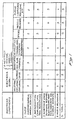
- anesthetics and anesthetic agents are compared for efficacy in producing sleep, inducing analgesia, reducing surgical stress and relaxing muscles. These are the four effects that anesthesiologists try to achieve during a surgical procedure.
- the chart confirms that no presently used agent is effective for all four effects. All known agents for stress relief are not included in the chart because most of these agents are normally considered to be cardiovascular medications, given primarily to treat cardiovascular disease, rather than anesthetic agents.
- Adenosine or adenine nucleotides are seen to provide excellent analgesia, and stress relief, good sedation induction, and maintenance, but only fair muscle relaxation.
- An ideal anesthetic for surgical use would combine several effects in one medication. It would provide pain relief, sedation and sleep, and induce muscle relaxation. Typically today an anesthesiologist must relieve pain by an opioid or other analgesic, produce sleep by sodium pentothal or similar hypnotic, sustain sleep by an inhalational anesthetic and relax muscles by the use of succinyl choline chloride or the like.
- Adenosine and adenine nucleotides induce sedation, maintain sleep, reduce stress of surgery, and relieve pain.
- adenosine can induce hypothermia and maintain tissue perfusion and oxygenation. Therefore, adenosine and adenine nucleotides come closer to being ideal anesthetics for surgical use.
- Adenosine or adenine nucleotides may be the only agent required for certain uses, such as relief of chronic-pain, or minor surgery where deep sleep is not necessary, but pain relief is. Major surgery may require the additional use of some inhalational or intravenous anesthetics and some muscle relaxant.
- adenosine and adenine nucleotides are useful over a wide dosage range.
- Adenosine is active over a range of between 1 to 5000 ⁇ g/kg/min.
- conventional anesthetic agents for example, isoflurane have narrow effective ranges.
- the fatal to anesthetic ratio of isoflurane is 3.02 ⁇ 0.13.
- Other reports indicate that isoflurane has about 1.88 times the safety range of halothane. When these ranges are stated simplistically, they suggest that if a patient is administered between two and five times the dose required for the onset of sleep, the patient will die. Of course, the anesthesiologist will err on the side of too little, running the risk of under dosing the patient, which results in a subanesthetized patient during the surgical procedure.
- adenosine One great advantage observed with adenosine is the wide margin for error.
- the lethal dose for adenosine is about 100 times the dose required for analgesia, and in the case of ATP is greater than 150 times the amount required for analgesia.
- the ratio remains unknown since no experimental animals died even given enormous overdoses.
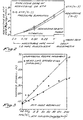
- the dose required to achieve pain relief equivalent to 1 mg morphine sulphate is about 40 ⁇ g for adenosine and about 30 ⁇ g for ATP. It can be seen that adenosine triphosphate is slightly more active.
- the effective dosage range an infusion of between about 1 ⁇ g/kg/min to 5000 ⁇ g/kg/min, but preferably between about 50 ⁇ g/kg/min to about 500 ⁇ g/kg/min. It is, of course, realized that the dosages may be varied according to the patients age, sex, weight, and the condition being treated. All this is well within the skill of the anesthesiologist who will monitor the patient's vital signs and vary the dosage as required.
- Adenosine and ATP have both been found to inhibit the cardiovascular stress including the inhibition of catecholamine release, hypertension, and vasoconstriction, as well as improving cardiac function (after load reduction) stress response when used clinically as an adjunct to conventional anesthetic agents. It should be realized that the stress response reduction has always been noticed when adenosine is used in conjunction with inhalational anesthetics or other sleep inducer. Furthermore, administration of purines does not depress cardio-respiration.
- the anesthetic effect of adenosine and adenine nucleotides is measured using New Zealand white rabbits having shaved tails. Intravenous drugs are introduced in the rabbits ears. The rabbits breathed halothane in O 2 through a face mask. The rabbits can be intubated, but are usually observed to breathe spontaneously. MAC is determined by clamping the proximal one-third of the tail with a rubber shod hemostat.
- the anesthetic effect of adenosine is determined by reducing the amount of halothane from 1.00 MAC to 0.75 MAC to 0.50 MAC to 0.25 MAC to 0 MAC while increasing the infusion rate of adenosine at a level to achieve an observed 1.00 MAC of anesthesia. Temperature of the rabbits is maintained at between 38.5°C and 39.5°C. By use of similar techniques the analgesic effects of adenosine can be compared to those of morphine. The dose response curve of the analgesic effects of adenosine and ATP can also be obtained by the method described above.
- Adenosine or adenine nucleotides can be prepared for intravenous solution by conventional methods known in the art.
- Pharmaceutically acceptable excipient and adjuvants for example, salts, sugars, pH modifiers, thickeners and the like as well as other pharmaceuticals with similar or different activities can be added to achieve a clinically acceptable dosage form. All these modifications are well within the scope of knowledge of one reasonably skilled in the art.
- Adenosine triphosphate - Na 2 was obtained from Kyowa Hakko, Japan. Enough ATP was dissolved in physiologic saline to make a 200 mg/ml solution. Adenosine solution was made dissolving adenosine (Sigma Co.) in physiological saline to make a 10 mg/ml solution, and adenosine solution (5.3 mg/ml in isotonic mannitol) was obtained from Astra Co.
- This example shows the effects of intravenously administering adenosine and ATP on Halothane MAC and its reversal by aminophylline in rabbits.
- Adenosine is known to produce a number of effects in the CNS including sedation, anticonvulsant and antinociceptive (analgesic) effects.
- MAC was determined using the standard procedure of clamping the proximal one-third of the shaved tail with a rubber shod hemostat closed to first ratchet.
- the analgesic level of adenosine or ATP was estimated by, titrating the drug infusion rate step wise while decreasing the amount of halothane MAC from 1.0 - 0.75 - 0.25 - 0.
- Halothane MAC values in all 4 groups averaged 1.62 ⁇ 0.56%, with no significant difference between them.
- Both drugs produced a potent analgesic action which was dose-related; this was potentiated by dipyridamole in both pressure supported normotensive and hypotensive groups.
- halothane anesthesia could be entirely replaced.
- the anesthetic response was for greater than 1 MAC. As the dose was increased the anesthetic effect became deeper and deeper.
- aminophylline 50-100 mg IV
- naloxone 0.01-0.05 mg IV
- an ATP infusion is slowly increased.
- the amount of electrical stimulation required to elicit a response is noted.
- ATP shows selective responses.
- Two easily differentiated threshold responses are seen: one (A) is a response to arousal, and the second (B) is a purposeful escape movement in response to perceived pain.
- Adenosine reduces MAC requirements for enflurane
- High doses of enflurane (ENF) with N 2 O attenuates responses to noxious stimuli, but at the cost of cardio-respiratory depression.
- ATP is substituted for ENF. It provides sufficient anesthesia while avoiding the cost of cardio-respiratory depression.
- 6 intubated rabbits (4-5Kg) spontaneously breathing 60% N 2 O in O 2 were studied. Electrical stimulation in increasing voltage, as tolerated, up to 50v was applied. This allowed quantifiable, reproducible stimulation. Measurements were taken every 15 min. Purposeful escape movements were used as end-points.
- ENF concentrations of 0.5, 1.0, 1.5, 2.0, 2.5% were added to N 2 O stepwise; responses and blood gases were recorded; in addition to electrical stimulation, the tail, ear and leg were clamped with a hemostat, and pinprick was applied to reconfirm responses to nociception.
- the dose of ENF was decreased stepwise by 0.5% till positive response was shown; then, ATP infusion was titrated to replace the decreased ENF anesthesia till ATP could totally and effectively replace ENF (ATP initial dose: 5 ⁇ g/kg/min)
- IV ATP may have intrinsic analgesic activity in the CNS since the selective analgesic effect persisted after the infusion had stopped; this effect may have been due to activation of central purinergic receptor mechanism, which once activated, has a long duration. This was seen by the observation of sustained analgesia after discontinuation of ATP which was partially reversed by IV aminophylline. This sustained analgesic property without cardio-respiratory depression may have marked clinical significance.
- analgesic activity the dose requirement and the potency ratio of adenosine and morphine sulfate are compared.
- Adenosine's property of sustained intense analgesia absent cardio-respiratory depression, absence of "ceiling" effect, and easy reversibility may have substantial application in clinical anesthesia.
- CARDIO-RESPIRATORY DATA CONTROL ADENOSINE MORPHINE BP (mmHg) 97 ⁇ 12 101 ⁇ 19 105 ⁇ 14 HR (bpm) 240 ⁇ 30 230 ⁇ 24 242 ⁇ 72 RR (bpm) 89 ⁇ 10 85 ⁇ 19 47 ⁇ 16 PaO 2 (mmHg) 136 ⁇ 15 126 ⁇ 8 123 ⁇ 14 PaCO 2 (mmHg) 22 ⁇ 4 25 ⁇ 4 31 ⁇ 3
- intrathecal administration of adenosine is shown to be effective.
- Anesthesia is induced in unmedicated New Zealand white rabbits (4-5 Kg) with 3-4% halothane in oxygen using a face mask.
- the trachea is intubated with a No. 3.5 pediatric endotracheal tube. All the animals breathe spontaneously throughout the study but they are mechanically ventilated when required. Rectal temperature are controlled at 38.5-39.5 °C. Expired halothane and carbon dioxide concentrations are monitored continuously.
- Two ear veins and an ear central artery are cannulated with 22 gauge plastic catheters for drug infusion and for blood gas monitoring. The groin is exposed and a cut-down performed on the femoral artery and vein.
- the femoral artery is cannulated and the catheter placed with its tip in the mid-thoracic aorta to measure central systemic blood pressures.
- Another central venous catheter is inserted through the femoral vein.
- the animal is turned in prone position and the operative site prepared over the lower back.
- the skin is infiltrated with 2% lidocaine 3-4 cc.
- a laminectomy is performed, a touhy needle is placed under direct vision into sub-arachnoid space and a microcatheter (22-32 gauge) is threaded through the needle advancing it gently so that its tip lays at the base of the skull. Clear CSF is aspirated to confirm sub-arachnoid placement.
- the laminectomy site is disinfected, and sutured to close the site.
- the catheter is secured with tape.
- Noxious stimulation is provided by an electrode placed at the base of the tail for low-voltage electrical current stimulation delivered through a nerve stimulator.
- Other kind of stimulations will be in the form of pin prick with a 20 gauge needle, pinching the paw and tail clamping with a rubber-shod hemostat.
- Several intrathecal dosage forms are evaluated: Lidocaine is given in 0.5 mg/kg increments; Fentanyl is given in 1 ⁇ g/kg increments; Adenosine is given as a fractionated dose as well as via a continuous infusion (10 mg/hr) based on the body weight of the rabbit.
Landscapes
- Health & Medical Sciences (AREA)
- Life Sciences & Earth Sciences (AREA)
- General Health & Medical Sciences (AREA)
- Veterinary Medicine (AREA)
- Chemical & Material Sciences (AREA)
- Animal Behavior & Ethology (AREA)
- Medicinal Chemistry (AREA)
- Pharmacology & Pharmacy (AREA)
- Public Health (AREA)
- Epidemiology (AREA)
- General Chemical & Material Sciences (AREA)
- Chemical Kinetics & Catalysis (AREA)
- Organic Chemistry (AREA)
- Nuclear Medicine, Radiotherapy & Molecular Imaging (AREA)
- Engineering & Computer Science (AREA)
- Molecular Biology (AREA)
- Pain & Pain Management (AREA)
- Bioinformatics & Cheminformatics (AREA)
- Neurology (AREA)
- Rheumatology (AREA)
- Neurosurgery (AREA)
- Biomedical Technology (AREA)
- Anesthesiology (AREA)
- Pharmaceuticals Containing Other Organic And Inorganic Compounds (AREA)
- Saccharide Compounds (AREA)
- Agricultural Chemicals And Associated Chemicals (AREA)
Claims (8)
- Verwendung von Adenosin, Adenosinmonophosphat, Adenosindiphosphat oder Adenosintriphosphat für die Herstellung einer Zusammensetzung, die für intravaskuläre Infusion oder intrathekale Infusion eines Individuums einer Säugerart angepaßt ist, dadurch gekennzeichnet, daß die Zusammensetzung eine verlängerte Analgesie gewährleistet, die über die Beendigung der Infusion hinaus anhält.
- Verwendung nach Anspruch 1, wobei die Zusammensetzung eine verlängerte Analgesie gewährleistet, die über 15 Minuten nach der Beendigung der Infusion hinaus anhält.
- Verwendung von Adenosin, Adenosinmonophosphat, Adenosindiphosphat oder Adenosintriphosphat für die Herstellung einer Zusammensetzung für intravaskuläre Infusion oder intrathekale Infusion eines Individuums einer Säugerart, dadurch gekennzeichnet, daß die Zusammensetzung Analgesie gewährleistet, ohne dass eine Verminderung der kardiorespiratorischen Funktion eintritt.
- Verwendung nach einem der vorstehenden Ansprüche, wobei die Zusammensetzung bei chronischem Schmerz verwendet wird.
- Verwendung nach einem der vorstehenden Ansprüche, wobei die Zusammensetzung über eine kontinuierliche Infusion zwischen 1 µg/kg/min und 5000 µg/kg/min verabreicht werden kann.
- Verwendung nach einem der Ansprüche 1 bis 3, wobei die Zusammensetzung über eine kontinuierliche Infusion zwischen 5 µg/kg/min und 1000 µg/kg/min verabreicht werden kann.
- Verwendung nach einem der Ansprüche 1 bis 3, wobei die Zusammensetzung über eine kontinuierliche Infusion zwischen 5µg/kg/min und 500 µg/kg/min verabreicht werden kann.
- Verwendung nach einem der vorstehenden Ansprüche, wobei die Infusion über fraktionierte Dosen verabreicht werden kann.
Applications Claiming Priority (3)
| Application Number | Priority Date | Filing Date | Title |
|---|---|---|---|
| US52152990A | 1990-05-10 | 1990-05-10 | |
| US521529 | 1990-05-10 | ||
| EP91909913A EP0527917B2 (de) | 1990-05-10 | 1991-05-07 | Verwendung von adenosine und adenosinederivate zur anästhesie |
Related Parent Applications (1)
| Application Number | Title | Priority Date | Filing Date |
|---|---|---|---|
| EP91909913A Division EP0527917B2 (de) | 1990-05-10 | 1991-05-07 | Verwendung von adenosine und adenosinederivate zur anästhesie |
Publications (3)
| Publication Number | Publication Date |
|---|---|
| EP0821964A2 EP0821964A2 (de) | 1998-02-04 |
| EP0821964A3 EP0821964A3 (de) | 1998-09-02 |
| EP0821964B1 true EP0821964B1 (de) | 2004-09-29 |
Family
ID=24077105
Family Applications (2)
| Application Number | Title | Priority Date | Filing Date |
|---|---|---|---|
| EP91909913A Expired - Lifetime EP0527917B2 (de) | 1990-05-10 | 1991-05-07 | Verwendung von adenosine und adenosinederivate zur anästhesie |
| EP97107216A Revoked EP0821964B1 (de) | 1990-05-10 | 1991-05-07 | Verwendung von Adenosin und Adenosinderivaten für Analgesia |
Family Applications Before (1)
| Application Number | Title | Priority Date | Filing Date |
|---|---|---|---|
| EP91909913A Expired - Lifetime EP0527917B2 (de) | 1990-05-10 | 1991-05-07 | Verwendung von adenosine und adenosinederivate zur anästhesie |
Country Status (11)
| Country | Link |
|---|---|
| EP (2) | EP0527917B2 (de) |
| JP (1) | JP3168025B2 (de) |
| AT (2) | ATE277619T1 (de) |
| AU (1) | AU653341B2 (de) |
| CA (1) | CA2082527C (de) |
| DE (2) | DE69133419T2 (de) |
| DK (1) | DK0527917T3 (de) |
| ES (1) | ES2113884T3 (de) |
| GR (1) | GR3026615T3 (de) |
| WO (1) | WO1991016903A2 (de) |
| ZA (1) | ZA913482B (de) |
Families Citing this family (3)
| Publication number | Priority date | Publication date | Assignee | Title |
|---|---|---|---|---|
| US6110902A (en) * | 1997-06-23 | 2000-08-29 | Moehler; Hanns | Method for the inhibition of neuronal activity leading to a focal epileptic seizure by local delivery of adenosine |
| DE20215415U1 (de) * | 2002-10-08 | 2004-02-26 | Biotechnologie Gesellschaft Mittelhessen Mbh | Wasserlösliche Medikamentenvorstufen von Propofol |
| DE102010027595A1 (de) * | 2010-07-23 | 2012-01-26 | Helmut Vorbrüggen | Vermeidung von Ischämie- oder Degenerations-Schäden im Gehirn bei Anwendung von Adenosin-Derivaten |
Family Cites Families (2)
| Publication number | Priority date | Publication date | Assignee | Title |
|---|---|---|---|---|
| IT1172391B (it) * | 1983-12-23 | 1987-06-18 | Polifarma Spa | Composti tirpeptidici contenenti acido piroglutaminico e triptofano,procedimentio di produzione ed applicazioni terapeutiche |
| FR2577422B1 (fr) * | 1985-02-14 | 1988-10-28 | Roussel Uclaf | Association renfermant a titre de principes actifs, un analgesique central et l'adenine ou l'adenosine ou l'un des analogues de l'adenosine |
-
1991
- 1991-05-07 WO PCT/US1991/002951 patent/WO1991016903A2/en not_active Ceased
- 1991-05-07 AT AT97107216T patent/ATE277619T1/de not_active IP Right Cessation
- 1991-05-07 AT AT91909913T patent/ATE162400T1/de not_active IP Right Cessation
- 1991-05-07 CA CA002082527A patent/CA2082527C/en not_active Expired - Fee Related
- 1991-05-07 ES ES91909913T patent/ES2113884T3/es not_active Expired - Lifetime
- 1991-05-07 EP EP91909913A patent/EP0527917B2/de not_active Expired - Lifetime
- 1991-05-07 DK DK91909913T patent/DK0527917T3/da active
- 1991-05-07 DE DE69133419T patent/DE69133419T2/de not_active Revoked
- 1991-05-07 EP EP97107216A patent/EP0821964B1/de not_active Revoked
- 1991-05-07 DE DE69128780T patent/DE69128780T2/de not_active Expired - Lifetime
- 1991-05-07 AU AU78794/91A patent/AU653341B2/en not_active Ceased
- 1991-05-08 ZA ZA913482A patent/ZA913482B/xx unknown
- 1991-05-09 JP JP13218691A patent/JP3168025B2/ja not_active Expired - Fee Related
-
1998
- 1998-04-10 GR GR980400811T patent/GR3026615T3/el unknown
Non-Patent Citations (2)
| Title |
|---|
| EUROP HEART J, vol. 91, 1998, pages 33-39 * |
| JACC, vol. 20, no. 7, December 1992(1992-12), pages 1498-1502 * |
Also Published As
| Publication number | Publication date |
|---|---|
| CA2082527C (en) | 1998-07-28 |
| ES2113884T3 (es) | 1998-05-16 |
| ATE277619T1 (de) | 2004-10-15 |
| DK0527917T3 (da) | 1998-09-14 |
| EP0821964A2 (de) | 1998-02-04 |
| WO1991016903A2 (en) | 1991-11-14 |
| CA2082527A1 (en) | 1991-11-11 |
| AU7879491A (en) | 1991-11-27 |
| JPH0665079A (ja) | 1994-03-08 |
| EP0821964A3 (de) | 1998-09-02 |
| EP0527917B1 (de) | 1998-01-21 |
| DE69128780T2 (de) | 1998-08-27 |
| DE69128780D1 (de) | 1998-02-26 |
| GR3026615T3 (en) | 1998-07-31 |
| JP3168025B2 (ja) | 2001-05-21 |
| EP0527917A1 (de) | 1993-02-24 |
| ATE162400T1 (de) | 1998-02-15 |
| AU653341B2 (en) | 1994-09-29 |
| DE69133419T2 (de) | 2005-11-17 |
| WO1991016903A3 (en) | 1992-05-14 |
| DE69133419D1 (de) | 2004-11-04 |
| EP0527917B2 (de) | 2006-08-16 |
| ZA913482B (en) | 1992-02-26 |
Similar Documents
| Publication | Publication Date | Title |
|---|---|---|
| US6004945A (en) | Use of adenosine compounds to relieve pain | |
| US5679649A (en) | Use of adenosine compounds for autonomic nervous system attenuation | |
| JP3836128B2 (ja) | プリン組成物および投与方法 | |
| Agarwal et al. | Seizures occurring in pediatric patients receiving continuous infusion of bupivacaine | |
| CARROLL et al. | Detomidine‐butorphanol‐propofol for carotid artery translocation and castration or ovariectomy in goats | |
| US6180616B1 (en) | Use of purine receptor agonists to alleviate or normalize physiopathologically excited sensory nerve function | |
| Rapp et al. | Comparison of desflurane with propofol in outpatients undergoing peripheral orthopedic surgery | |
| Welling et al. | Neuroleptanalgesia using alfentanil for awake craniotomy | |
| Samuels et al. | Cardiac arrest during cesarean section in a chronic amphetamine abuser | |
| Tobias et al. | Continuous regional anaesthesia in infants | |
| Wang et al. | Severe bronchospasm during epidural anaesthesia | |
| EP0527917B1 (de) | Verwendung von adenosine und adenosinederivate zur anästhesie | |
| Hong et al. | Comparison of sevoflurane-nitrous oxide and target-controlled propofol with fentanyl anesthesia for hysteroscopy | |
| Maharjan | Propranolol is effective in decreasing stress response due to airway manipulation and CO2 pneumoperitoneum in patients undergoing laparoscopic cholecystectomy | |
| Bosmans et al. | Influence of a preload of hydroxyethylstarch 6% on the cardiovascular effects of epidural administration of ropivacaine 0.75% in anaesthetized dogs | |
| Choudhry et al. | Early intravenous cannulation in children during inhalational induction of anaesthesia | |
| Oladosu et al. | Comparative effects of intravenous esmolol and lidocaine on bispectral index during propofol-fentanyl induction in patients scheduled for elective surgeries under general anaesthesia | |
| Al-khayat et al. | Comparison Study of Remifentanil and Lidocaine Effect on Hemodynamic Stability during Endotracheal Intubation in Karbala, Iraq. | |
| Biebuyck et al. | Pediatric Regional Anesthesia § | |
| Ozturk et al. | Effects of repeated application of isoflurane and desflurane on electrocardiogram, anaesthesia induction, and recovery characteristics in rats | |
| Karraz et al. | Ambulatory labor analgesia: clinical experience | |
| Kestin | Assessing the block for caesarean section: more thoughts | |
| Feldman | Toxicity of Local Anaesthetics in Obstetrics I: Bupivacaine—Research and Clinical Aspects | |
| Evans | Chlorhexidine as a cause of anaphylaxis | |
| Aly | Total spinal with levobupivacaine: the ‘hole’story |
Legal Events
| Date | Code | Title | Description |
|---|---|---|---|
| PUAI | Public reference made under article 153(3) epc to a published international application that has entered the european phase |
Free format text: ORIGINAL CODE: 0009012 |
|
| AC | Divisional application: reference to earlier application |
Ref document number: 527917 Country of ref document: EP |
|
| AK | Designated contracting states |
Kind code of ref document: A2 Designated state(s): AT BE CH DE DK ES FR GB GR IT LI LU NL SE |
|
| RHK1 | Main classification (correction) |
Ipc: A61K 31/70 |
|
| PUAL | Search report despatched |
Free format text: ORIGINAL CODE: 0009013 |
|
| AK | Designated contracting states |
Kind code of ref document: A3 Designated state(s): AT BE CH DE DK ES FR GB GR IT LI LU NL SE |
|
| 17P | Request for examination filed |
Effective date: 19990204 |
|
| 17Q | First examination report despatched |
Effective date: 20010425 |
|
| TPAD | Observations filed by third parties |
Free format text: ORIGINAL CODE: EPIDOS TIPA |
|
| TPAD | Observations filed by third parties |
Free format text: ORIGINAL CODE: EPIDOS TIPA |
|
| GRAP | Despatch of communication of intention to grant a patent |
Free format text: ORIGINAL CODE: EPIDOSNIGR1 |
|
| RTI1 | Title (correction) |
Free format text: USE OF ADENOSINE AND ADENOSINE DERIVATIVES FOR ANALGESIA |
|
| RIC1 | Information provided on ipc code assigned before grant |
Ipc: 7A 61P 29/02 B Ipc: 7A 61K 31/70 A |
|
| GRAS | Grant fee paid |
Free format text: ORIGINAL CODE: EPIDOSNIGR3 |
|
| GRAA | (expected) grant |
Free format text: ORIGINAL CODE: 0009210 |
|
| AC | Divisional application: reference to earlier application |
Ref document number: 0527917 Country of ref document: EP Kind code of ref document: P |
|
| AK | Designated contracting states |
Kind code of ref document: B1 Designated state(s): AT BE CH DE DK ES FR GB GR IT LI LU NL SE |
|
| PG25 | Lapsed in a contracting state [announced via postgrant information from national office to epo] |
Ref country code: NL Free format text: LAPSE BECAUSE OF FAILURE TO SUBMIT A TRANSLATION OF THE DESCRIPTION OR TO PAY THE FEE WITHIN THE PRESCRIBED TIME-LIMIT Effective date: 20040929 Ref country code: BE Free format text: LAPSE BECAUSE OF FAILURE TO SUBMIT A TRANSLATION OF THE DESCRIPTION OR TO PAY THE FEE WITHIN THE PRESCRIBED TIME-LIMIT Effective date: 20040929 Ref country code: AT Free format text: LAPSE BECAUSE OF FAILURE TO SUBMIT A TRANSLATION OF THE DESCRIPTION OR TO PAY THE FEE WITHIN THE PRESCRIBED TIME-LIMIT Effective date: 20040929 |
|
| REG | Reference to a national code |
Ref country code: GB Ref legal event code: FG4D |
|
| REG | Reference to a national code |
Ref country code: CH Ref legal event code: EP |
|
| REF | Corresponds to: |
Ref document number: 69133419 Country of ref document: DE Date of ref document: 20041104 Kind code of ref document: P |
|
| REG | Reference to a national code |
Ref country code: SE Ref legal event code: TRGR |
|
| PG25 | Lapsed in a contracting state [announced via postgrant information from national office to epo] |
Ref country code: GR Free format text: LAPSE BECAUSE OF FAILURE TO SUBMIT A TRANSLATION OF THE DESCRIPTION OR TO PAY THE FEE WITHIN THE PRESCRIBED TIME-LIMIT Effective date: 20041229 Ref country code: DK Free format text: LAPSE BECAUSE OF FAILURE TO SUBMIT A TRANSLATION OF THE DESCRIPTION OR TO PAY THE FEE WITHIN THE PRESCRIBED TIME-LIMIT Effective date: 20041229 |
|
| PG25 | Lapsed in a contracting state [announced via postgrant information from national office to epo] |
Ref country code: ES Free format text: LAPSE BECAUSE OF FAILURE TO SUBMIT A TRANSLATION OF THE DESCRIPTION OR TO PAY THE FEE WITHIN THE PRESCRIBED TIME-LIMIT Effective date: 20050109 |
|
| REG | Reference to a national code |
Ref country code: CH Ref legal event code: NV Representative=s name: E. BLUM & CO. PATENTANWAELTE |
|
| NLV1 | Nl: lapsed or annulled due to failure to fulfill the requirements of art. 29p and 29m of the patents act | ||
| PG25 | Lapsed in a contracting state [announced via postgrant information from national office to epo] |
Ref country code: LU Free format text: LAPSE BECAUSE OF NON-PAYMENT OF DUE FEES Effective date: 20050507 |
|
| PLAQ | Examination of admissibility of opposition: information related to despatch of communication + time limit deleted |
Free format text: ORIGINAL CODE: EPIDOSDOPE2 |
|
| PLBI | Opposition filed |
Free format text: ORIGINAL CODE: 0009260 |
|
| PLBQ | Unpublished change to opponent data |
Free format text: ORIGINAL CODE: EPIDOS OPPO |
|
| PLAQ | Examination of admissibility of opposition: information related to despatch of communication + time limit deleted |
Free format text: ORIGINAL CODE: EPIDOSDOPE2 |
|
| PLAR | Examination of admissibility of opposition: information related to receipt of reply deleted |
Free format text: ORIGINAL CODE: EPIDOSDOPE4 |
|
| PLBQ | Unpublished change to opponent data |
Free format text: ORIGINAL CODE: EPIDOS OPPO |
|
| PLAB | Opposition data, opponent's data or that of the opponent's representative modified |
Free format text: ORIGINAL CODE: 0009299OPPO |
|
| PLAX | Notice of opposition and request to file observation + time limit sent |
Free format text: ORIGINAL CODE: EPIDOSNOBS2 |
|
| 26 | Opposition filed |
Opponent name: ITEM DEVELOPMENT AB Effective date: 20050622 |
|
| R26 | Opposition filed (corrected) |
Opponent name: ITEM DEVELOPMENT AB Effective date: 20050622 |
|
| ET | Fr: translation filed | ||
| PLBB | Reply of patent proprietor to notice(s) of opposition received |
Free format text: ORIGINAL CODE: EPIDOSNOBS3 |
|
| PGFP | Annual fee paid to national office [announced via postgrant information from national office to epo] |
Ref country code: GB Payment date: 20060510 Year of fee payment: 16 |
|
| PGFP | Annual fee paid to national office [announced via postgrant information from national office to epo] |
Ref country code: DE Payment date: 20060511 Year of fee payment: 16 |
|
| PGFP | Annual fee paid to national office [announced via postgrant information from national office to epo] |
Ref country code: FR Payment date: 20060515 Year of fee payment: 16 Ref country code: CH Payment date: 20060515 Year of fee payment: 16 |
|
| PGFP | Annual fee paid to national office [announced via postgrant information from national office to epo] |
Ref country code: SE Payment date: 20060526 Year of fee payment: 16 |
|
| PGFP | Annual fee paid to national office [announced via postgrant information from national office to epo] |
Ref country code: IT Payment date: 20060531 Year of fee payment: 16 |
|
| RDAF | Communication despatched that patent is revoked |
Free format text: ORIGINAL CODE: EPIDOSNREV1 |
|
| RDAG | Patent revoked |
Free format text: ORIGINAL CODE: 0009271 |
|
| STAA | Information on the status of an ep patent application or granted ep patent |
Free format text: STATUS: PATENT REVOKED |
|
| 27W | Patent revoked |
Effective date: 20070311 |
|
| GBPR | Gb: patent revoked under art. 102 of the ep convention designating the uk as contracting state |
Free format text: 20070311 |
|
| REG | Reference to a national code |
Ref country code: CH Ref legal event code: PL |
|
| REG | Reference to a national code |
Ref country code: SE Ref legal event code: ECNC |