EP0848324B1 - Gestion de l'accès aux objets par l'aide des références avec trois états - Google Patents
Gestion de l'accès aux objets par l'aide des références avec trois états Download PDFInfo
- Publication number
- EP0848324B1 EP0848324B1 EP97120020A EP97120020A EP0848324B1 EP 0848324 B1 EP0848324 B1 EP 0848324B1 EP 97120020 A EP97120020 A EP 97120020A EP 97120020 A EP97120020 A EP 97120020A EP 0848324 B1 EP0848324 B1 EP 0848324B1
- Authority
- EP
- European Patent Office
- Prior art keywords
- pointer
- smart
- direct
- slot
- indirection slot
- Prior art date
- Legal status (The legal status is an assumption and is not a legal conclusion. Google has not performed a legal analysis and makes no representation as to the accuracy of the status listed.)
- Expired - Lifetime
Links
Images




Classifications
-
- G—PHYSICS
- G06—COMPUTING OR CALCULATING; COUNTING
- G06F—ELECTRIC DIGITAL DATA PROCESSING
- G06F12/00—Accessing, addressing or allocating within memory systems or architectures
- G06F12/02—Addressing or allocation; Relocation
- G06F12/0223—User address space allocation, e.g. contiguous or non contiguous base addressing
- G06F12/023—Free address space management
- G06F12/0253—Garbage collection, i.e. reclamation of unreferenced memory
-
- G—PHYSICS
- G06—COMPUTING OR CALCULATING; COUNTING
- G06F—ELECTRIC DIGITAL DATA PROCESSING
- G06F9/00—Arrangements for program control, e.g. control units
- G06F9/06—Arrangements for program control, e.g. control units using stored programs, i.e. using an internal store of processing equipment to receive or retain programs
- G06F9/44—Arrangements for executing specific programs
- G06F9/448—Execution paradigms, e.g. implementations of programming paradigms
- G06F9/4488—Object-oriented
- G06F9/4493—Object persistence
-
- Y—GENERAL TAGGING OF NEW TECHNOLOGICAL DEVELOPMENTS; GENERAL TAGGING OF CROSS-SECTIONAL TECHNOLOGIES SPANNING OVER SEVERAL SECTIONS OF THE IPC; TECHNICAL SUBJECTS COVERED BY FORMER USPC CROSS-REFERENCE ART COLLECTIONS [XRACs] AND DIGESTS
- Y10—TECHNICAL SUBJECTS COVERED BY FORMER USPC
- Y10S—TECHNICAL SUBJECTS COVERED BY FORMER USPC CROSS-REFERENCE ART COLLECTIONS [XRACs] AND DIGESTS
- Y10S707/00—Data processing: database and file management or data structures
- Y10S707/99951—File or database maintenance
- Y10S707/99952—Coherency, e.g. same view to multiple users
- Y10S707/99953—Recoverability
-
- Y—GENERAL TAGGING OF NEW TECHNOLOGICAL DEVELOPMENTS; GENERAL TAGGING OF CROSS-SECTIONAL TECHNOLOGIES SPANNING OVER SEVERAL SECTIONS OF THE IPC; TECHNICAL SUBJECTS COVERED BY FORMER USPC CROSS-REFERENCE ART COLLECTIONS [XRACs] AND DIGESTS
- Y10—TECHNICAL SUBJECTS COVERED BY FORMER USPC
- Y10S—TECHNICAL SUBJECTS COVERED BY FORMER USPC CROSS-REFERENCE ART COLLECTIONS [XRACs] AND DIGESTS
- Y10S707/00—Data processing: database and file management or data structures
- Y10S707/99951—File or database maintenance
- Y10S707/99956—File allocation
- Y10S707/99957—Garbage collection
Definitions
- the present invention is related to the field of object references, and, more specifically, to the field of optimizing object references.
- Some computer applications such as CAD/CAM applications, typically construct, maintain, access, and modify large set of data objects ("objects") over a substantial period of time using a single computer system, or using a number of connected computer systems. It is common for such objects to contain references to other objects in the object set. Such applications often use persistent object systems to maintain these objects and make them available for access and modification on any of the connected computer systems. Persistent object systems ensure the continuing availability of persistent objects by storing them in a non-volatile manner in an object server, such as a database or a filesystem, while allowing persistent objects to be moved into a computer system's main memory to be accessed and manipulated by programs executing on the computer system.
- object server such as a database or a filesystem
- the persistent object system transfers the object to the object server to store the object in a non-volatile manner.
- the transferred object may contain references to other objects in the object set. At the time of transfer, these references generally each comprise a pointer to an address in the main memory of the same computer system into which the referenced object has been loaded. Such references depend on both the identity of the computer system, which is not reflected by the pointer, as well as the specific contents of the main memory of the computer system, which may be completely different the next time a program transfers the transferred object from the object server.
- Passivation involves replacing the main memory pointer references in the passivated object used to locate the referenced objects in the main memory of the current computer system with the persistent pointers used by the persistent object system to locate the referenced objects in the object server.
- Persistent pointers are also called “object identifiers” (OIDs), and may be represented using global unique identifier (GUID) data structures.)
- OIDs object identifiers
- GUID global unique identifier
- the persistent object system transfers the object from the object server to the main memory of the computer system on which the program is executing and performs a "depassivation" process.
- Depassivation involves replacing the persistent pointers in the transferred object, which cannot generally be used by the program to access and modify the referenced objects referred to by the persistent pointers, with main memory pointers that the program can use to access and modify the referenced objects.
- Replacing a persistent pointer with a main memory pointer in this manner is called "swizzling" the persistent pointer.
- Hardware swizzling uses the paging system of an existing virtual memory management system to load referenced objects when main memory pointers to them are resolved by the program using the depassivated object.
- Virtual memory managers divide a main memory address space that is larger than actual main memory into pages of a fixed length.
- Page faults are handled by an interrupt service routine that "pages in” the faulted page by finding room for it in main memory (in most cases by paging out another page), loading the faulted page from disk into main memory, marking the faulted page as paged in, and allowing the dereferencing operation to proceed.
- each persistent pointer is replaced with a main memory pointer to a "ghost page," which is marked as paged out.
- a program attempts to dereference a main memory pointer to a ghost page, a page fault is generated, and a modified page fault interrupt handling routine loads the referenced object from the object server using its persistent pointer, marks the ghost page as paged in, and allows the dereferencing operation to proceed. Subsequent attempts to dereference the main memory pointer proceed without further delay.
- Hardware swizzling has the advantage that referenced objects are not loaded until they are actually accessed.
- Hardware swizzling also has two important disadvantages, however: (1) Page faulting and paging in are expensive operations, taking roughly as much time as executing 2000 instructions on some processors. (2) The fixed page size used by virtual memory management systems is illsuited for storing variable-size objects -- it causes a section of main memory larger than the loaded object to be devoted to the loaded object, and cannot accommodate objects that grow in size over time to exceed the size of the allocated pages.
- Indirect software swizzling uses a memory location, called a "resident object descriptor" to provide a level of indirection between a pointer in the depassivated object and the referenced object.
- a resident object descriptor to provide a level of indirection between a pointer in the depassivated object and the referenced object.
- each persistent pointer in the depassivated object is moved to a resident object descriptor and replaced with a pointer to the resident object descriptor.
- Dereferencing the pointers to a resident object descriptor for the first time causes the referenced object to be loaded, and stores a main memory pointer to the loaded referenced object in the object descriptor.
- the main memory pointer to the loaded referenced object in the resident object descriptor is then dereferenced to provide access to the referenced object.
- the main memory pointer to the loaded referenced object in the resident object descriptor is used to access the referenced object.
- indirect software swizzling has the advantage that referenced objects are not loaded until they are actually accessed. Further, referenced objects may be unloaded or relocated without invalidating pointers to the resident object descriptor stored in depassivated objects.
- Indirect software swizzling also has a significant disadvantage, however: dereferencing two main memory pointers (the first in the depassivated object, the second in the resident object descriptor), which is required every time the program accesses the referenced object, has double the time cost of dereferencing a single main memory pointer, or about the same amount of time it takes to execute 90 instructions on some processors.
- Direct software swizzling involves replacing each persistent pointer with a main memory pointer directly to the referenced object. While this approach overcomes the extra time cost of double-indirection incurred by indirect software swizzling, it has the disadvantage that unloading or relocating referenced objects invalidates the direct main memory pointers stored in depassivated objects. This can make efforts to relocate or reclaim memory from objects that are referenced by depassivated objects difficult or impossible.
- Each OTE (Object Table Entry) in an object table containing one entry for each object currently in use by an application contains a (possibly nil) pointer to an object in virtual memory, and other information about the state of the object.
- the OTE is checked to see whether the target object is resident. If it is, then the OTE will contain a pointer to it. If not, the OTE will contain a nil pointer in which case the object will have to be fetched from the database.
- the lazy indirect technique lazily swizzles pointers to point to OTEs.
- a lazy technique will wait until a pointer is actually used before swizzling it.
- To de-reference a pointer under lazy swizzling it is first checked to see whether or not it is swizzled. If so, then it is proceeded as for indirect swizzling. If not, then the OID is looked up in the OID index, mapping OIDs to OTEs, and the resulting OTE is used both to locate the target object in memory, and to swizzle the pointer.
- the procedure for de-referencing a pointer under lazy direct swizzling is the same as for lazy indirect swizzling, except that the target object's virtual address is used, rather than the address of its OTE, to swizzle pointers.
- An untagged reference is a direct memory pointer to the object in memory.
- a tagged reference contains an object identifier sufficient to locate the object on disk or at a remote server. Every time a reference is traversed, the tag is checked to make sure it points to a resident object. If it does not, then an object fault is triggered.
- the fault block is changed to the now resident object.
- the updated fault block is called an indirect block. If a reference to be followed refers to an indirect block, then the target object can be located at the cost of an indirection.
- pointer fields are swizzled according to the mechanism being employed for fault detection. All fields referring to objects that are already resident are converted to point directly to those objects.
- KEMPER, A., KOSSMAN, D "Adaptable pointer swizzling strategies in object bases", PROCEEDINGS OF THE INTERNATIONAL CONFERENCE ON DATA ENGINEERING, VIENNA, APRIL 19 TO APRIL 23, 1993, LOS ALAMITOS, IEEE COMP. SOC. PRESS, US, VOL. CONF. 9, APRIL 23, 1993, pages 155-162 classifies and evaluates different approaches to optimize the access to main memory resident persistent objects referred to as pointer swizzling. To speed up access along inter-object references, the persistent pointers are transformed into main memory pointers. Eager and lazy, direct and indirect swizzling techniques are evaluated and compared to the performance of an object manager using no pointer swizzling.
- a persistent pointer swizzling facility replaces a persistent pointer, usable to obtain a referenced object from the object server, with a smart pointer.
- the smart pointer may either point directly to the location in main memory at which the referenced object has been loaded, or may point indirectly to the referenced object through an indirection slot.
- the facility initially stores the persistent pointer for the referenced object in the indirection slot.
- the smart pointer When the smart pointer is first dereferenced, the smart pointer contains a pointer to the indirection slot. At this point, the persistent pointer in the indirection slot is used to load the referenced object into main memory from the object server.
- a pointer to the loaded object is stored both in the indirection slot and in the smart pointer.
- the smart pointer When the smart pointer is subsequently dereferenced, it contains a direct pointer to the loaded object, which is directly dereferenced to immediately access the referenced object without using the indirection slot.
- the facility replaces the direct pointer in the smart pointer with a pointer to the indirection slot.
- the facility may relocate it in main memory without invalidating the smart pointer by merely adjusting the pointer in the indirection slot.
- the facility may also remove the referenced object from main memory when it is in the idled state.
- the facility removes the referenced object from main memory, it stores the persistent pointer for the referenced object in the indirection slot, so that a subsequent dereferencing of the smart pointer causes the referenced object to be reloaded.
- the present invention uses three-state references to manage access to referenced objects.
- a persistent pointer swizzling facility (“the facility") replaces, in a referencing object, a persistent pointer to an unloaded referenced object with a smart pointer to the referenced object.
- the facility when the referencing object is loaded, the facility first moves the persistent pointer from the referencing object to an indirection slot in a table of indirection slots, where it is stored with an indication that it is a persistent pointer.
- the facility also at this point replaces the persistent pointer in the referencing object with a smart pointer that contains a pointer to the indirection slot and that indicates that it does not contain a direct pointer to the referenced object. Smart pointers containing a pointer to the indirection slot are said to "indirectly reference" the referenced object.
- the dereferencing operation determines that the pointer contained in the smart pointer is not a direct pointer to the referenced object, and uses it to access the persistent pointer in the central data structure.
- the facility uses persistent pointer to load the referenced object into main memory at a convenient address.
- the facility stores this address both in the reference in the referencing object and in the indirection slot, with indications that it is a direct pointer to the referenced object. Subsequent accesses to the referenced object proceed rapidly by immediately using the direct pointer stored in the referencing object, without reloading the referenced object or accessing the slot table.
- the invention preferably converts any smart pointers that directly reference the referenced object to indirectly reference the referenced object by replacing any direct pointers in referencing objects to the referenced object with pointers to the central data structure slot.
- This enables the referenced object to later be relocated in primary memory as necessary by merely updating the pointer in the central data structure slot without having to update any smart pointers in referencing objects.
- referenced objects may be safely freed when none of the references to them are direct. Referenced objects may be freed in response to a request by another user of the referenced object to itself use the referenced object exclusively, or in response to an initiative to reclaim portions of memory occupied by unused objects.
- Figure I is a high-level block diagram of the general-purpose computer system upon which the facility preferably operates.
- the figure shows an object accessing computer system 100.
- the object accessing computer system 100 contains a central processing unit (CPU) 110, input/output devices 120, and a main memory 130.
- the input/output devices 120 is a storage device 121, such as a hard disk drive.
- the input/output devices 120 also include a network connection 122 that enables the object accessing computer system to exchange data with other computer systems.
- the input/output devices 120 further include a removable media drive 123, which can be used to install software products, including the facility, which are provided on a computer-readable medium, such as a CD-ROM.
- the main memory 130 contains a persistent object system 131 for maintaining a set of objects persistently.
- the swizzling facility 132 is contained in the persistent object system 131, and executes on the CPU 110.
- the main memory 130 further includes a depassivated object 133, which contains a smart pointer 134.
- the depassivated object 133 is also discussed herein as the referencing object.
- the main memory 130 further contains a slot table 135, which is made up of an indirection slot 136, as well as other indirection slots (not shown).
- the slot table preferably corresponds to a handle table utilized by the memory manager.
- the main memory 130 further contains a referenced object 137, as well as other referenced objects (not shown).
- Figure 1 also shows that the network connection 122 of the object accessing computer system 100 is connected to a network connection 152 of an object server computer system 150.
- the object server computer system 150 contains an object server 153, which maintains the set of persistent objects by storing them in a non-volatile manner.
- the object server 153 responds to requests from other parts of the persistent object system to transfer persistent objects in and out of the object server.
- the object server computer system 150 also contains a processor 151 that is used by the object server 153. While the facility is preferably implemented on computer systems configured as described above, those skilled in the art will recognize that it may also be implemented on computer systems having different configurations. For example, the computer systems may not contain all of the features shown in Figure 1, or may contain features not shown in Figure 1. Further, the object server 153 may be located in the object accessing computer system 100 instead of the object server computer system 150.
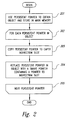
- Figure 2 is a flow diagram showing the steps preferably performed by the facility to load and depassivate a persistent object.
- the facility may load and depassivate a persistent object in response to a direct request from an application.
- the facility may also load and depassivate a persistent object in response to an attempt by an application to dereference a smart pointer to the persistent object.
- the facility uses a persistent pointer for the persistent object to obtain the object from the object server 153 ( Figure 1) and store the object in the main memory 130.
- the object loaded in step 201 may contain one or more pointers to other persistent objects.
- Such pointers to other objects are generally persistent pointers that may be used to obtain the objects referenced by them from the object server, as a result of the earlier passivation of the object loaded in step 201.
- Step 203 also preferably stores an indication in the indirection slot that the pointer in the indirection slot is a persistent pointer to the referenced object, not a main memory pointer directly to the dereferenced object.
- Figure 3 is a memory diagram showing the results of performing step 201.
- Figure 3 shows the main memory 330, as well as a portion of the contents of the main memory. Shown in the main memory are the referencing object 333 loaded in step 201, and a slot table 335.
- the slot table contains a number of slots including slots 336, 341, 342, 343, and 344.
- the referencing object 333 contains one persistent pointer 371.
- the facility depassivates the loaded object.
- the facility loops through steps 202-205 for each persistent pointer contained in the loaded object.
- the facility assigns an indirection slot in the slot table 135 ( Figure 1) to the object referenced by the persistent pointer by copying the persistent pointer to an empty indirection slot in the slot table.
- Figure 4 is a memory diagram showing the results of performing steps of 203 and 204. It can be seen from Figure 4 that the persistent pointer 371 (Figure 3) has been copied from the referencing object 333 to an empty slot 436 of the slot table 435 in accordance with step 202. If an indirection slot in the slot table has already been assigned to the referenced object, however, the facility preferably does not assign another indirection slot to the referenced object in step 203. The facility preferably determines whether a slot in the slot table has already been assigned to the referenced object by maintaining an index on the slot table that maps from the persistent pointers of referenced objects to slots in the slot table assigned to those referenced objects. This index may be separate from the slot table, or may be integrated directly into the slot table.
- the facility When the index indicates that an indirection slot in the slot table has not already been assigned to the referenced object and the facility assigns a slot in the slot table to the referenced object, the facility preferably also updates this index to include a mapping from the persistent pointer of the referenced object to the assigned slot.
- step 204 the facility replaces the persistent pointer in the loaded object with a smart pointer containing a pointer to the indirection slot for the referenced object.
- the facility replaces a persistent pointer with a smart pointer and stores an indication in the smart pointer that the pointer contained by the smart pointer points to an indirection slot rather than pointing directly to the referenced object. It can be seen from Figure 4 that, in step 204, the facility replaced the persistent pointer 371 in a referencing object 333 ( Figure 3) with a smart pointer 434.
- the smart pointer 434 includes a pointer to the slot 436, as well as an indication (“ 1 ") 462 that the pointer 461 contained by the smart pointer points to a slot rather than pointing directly to the referenced object.
- the facility preferably stores this indication as a bit in an unused bit position in the pointer to the indirection slot. Because of memory byte alignment requirements, one or more of the least-significant bits of the pointer to the indirection slot are unused, as are the least-significant bits of pointers to other objects.
- the facility therefore preferably stores the indication in the smart pointer in the least-significant bit of the main memory sorter contained in the smart pointer.
- the indication could also be gainfully stored in a number of other ways.
- the facility loops back to step 202 to process the next persistent pointer in the loaded object. After step 205, these steps conclude. After the facility loads and depassivates the object as shown in Figure 2, the application for which the object was loaded may access the object in the main memory, and, in particular, may dereference smart pointers appearing in the object such as smart pointer 434 ( Figure 4).
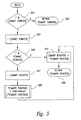
- Figure 5 is a flow diagram showing the steps preferably performed by the facility in response to an attempt by an application program to dereference a smart pointer. These steps are preferably defined as the implementation of a dereferencing operator for a class of which smart pointers are each an instance. In the C++ programming language, a template may be used to define the dereferencing operator for the smart pointer class to include these steps.
- step 501 if a bitwise AND of the smart pointer with the value "1" is equal to I (i.e., the least-significant bit of the smart pointer is "1,” indicating that the smart pointer contains a pointer to a slot rather than a direct pointer to the referenced object), then the facility continues at step 503, else the result of this bitwise AND is "0," indicating that the pointer contained in the smart pointer is a direct pointer to the referenced object, and the facility continues in step 502.
- step 502 the facility returns the referenced object by dereferencing the direct pointer stored in the smart pointer using the standard pointer dereferencing operator.
- step 503 changes the least-significant bit of the smart pointer from 0 to 1.
- step 504 if a bitwise AND of the pointer in the slot pointed to by the slot pointer while the value "1" is equal to "1" (i.e., the least-significant bit is equal to "1,” indicating that the pointer in the slot is a persistent pointer rather than a direct pointer to the referenced object), then the facility continues in step 507, else the least-significant bit of the pointer in the slot is a "0," and the pointer in the slot is a direct pointer to the referenced object, and the facility continues in step 505. In step 505, the facility copies the direct pointer to the smart pointer from the slot pointed to by the smart pointer.
- step 506 the facility returns the referenced object by dereferencing the direct pointer stored in the smart pointer using the standard pointer dereferencing operator.
- step 507 the facility changes the "1" in the least significant bit of the pointer in the slot pointed to by the smart pointer to a "0.''
- step 508 the facility calls the persistent object system to obtain the referenced object from the object server using the persistent pointer contained in the slot pointed to by the smart pointer.
- step 508 the facility further stores a direct pointer to the loaded referenced object in the slot pointed to by the slot pointer.
- step 505 the facility continues in step 505 to copy the direct pointer to the referenced object to the smart pointer and return the referenced object.
- Figure 6 is a memory diagram showing the results of performing the steps shown in Figure 5. It can be seen by comparing Figure 6 to Figure 4 that the facility has loaded the referenced object 637 in accordance with step 508.
- the loaded referenced object 637 preferably contains its own persistent pointer 638, which can be used in conjunction with the slot table index that maps from persistent pointers to indirection slots in order to locate the referenced object's slot in the slot table.
- the facility has further stored direct pointers to the referenced object 637 in the slot pointer 634 and in the slot 636 formerly pointed to by the smart pointer 634. Further, because of byte alignment requirements for the location of the referenced object 637, the least-significant bit of both the smart pointer 634 and slot 636 is "0," indicating that these pointers are direct pointers to the referenced object.
- a referenced object must be unloaded from memory. Examples include when another application, possibly on another computer system, needs to load the object with right access. Another example is when memory occupied by the object must be used for another purpose. In these situations, the facility can prepare the object for unloading in a way that does not invalidate any smart pointers to the object held by applications and stored in other loaded, depassivated objects.
- Figure 7 shows the steps preferably performed by the facility in order to prepare an object for unloading.
- the facility also preferably executes these steps in order to prepare an object for relocation to another address within the main memory. Preparing an object before unloading or relocation is known as "idling" the object.
- These steps preferably identify the object to prepare for unloading by identifying the indirection slot assigned to the object.
- the facility loops through each smart pointer containing a direct pointer to the object to be idled which has the same value as the direct pointer through the object to be idled stored in the identified slot.
- step 701 involves traversing a list of the smart pointers associated with the indirection slot assigned to the object to be idled.
- step 701 involves traversing lists of all of the smart pointers that have been created in the main memory. While the alternative embodiment has the disadvantage that it has a relatively large time cost, it has the advantage that it avoids the storage and processing requirements of maintaining a list of smart pointers for each indirection slot.
- step 702 for each smart pointer containing a direct pointer to the object to be idled, the facility stores a pointer to the identified slot in the smart pointer in place of the direct pointer.
- step 702 the facility also changes the least-significant bit of the smart pointer to "1" to indicate that the smart pointer now contains a pointer to an indirection slot rather than a direct pointer to the referenced object.
- step 703 the facility loops back to step 701 to process the next smart pointer containing a direct pointer to the object to be idled. After each such smart pointer has been processed, these steps conclude. At the conclusion of these steps, there are no smart pointers in the main memory containing direct pointers to the idled object. Rather, each smart pointer referring to the idled object does so through the indirection slot.
- Figure 8 is a memory diagram showing the results of performing the steps shown in Figure 7. It can be seen by comparing Figure 8 to Figure 6 that the facility has replaced the direct pointer 661 in the smart pointer 634 ( Figure 6) with a pointer to the slot 836 for the referenced object. The facility has further changed the least-significant bit of the smart pointer to "1," indicating that the smart pointer contains a pointer to an indirection slot rather than a direct pointer to the referenced object.
- Figure 9 is a flow diagram showing the steps preferably performed by the facility in order to unload an object.
- the facility idles the indirection slot designed to the object to be unloaded as shown in Figure 7.
- the facility deallocates the portion of main memory occupied by the object to be unloaded.
- the facility replaces the direct pointer in the indirection slot assigned to the object to be unloaded with a persistent pointer to the object to be unloaded.
- the main memory is returned to the condition shown in Figure 4.
- the smart pointer 434 contains a pointer 461 to the indirection slot 436 assigned to the unloaded object.
- the indirection slot 436 contains a persistent pointer to the referenced object that the facility can use to reload the referenced object is smart pointer 461 is later dereferenced.
- FIG 10 is a flow diagram showing the steps preferably performed by the facility in order to relocate an object in the main memory.
- the facility idles the slot assigned to the object to be relocated as shown in Figure 7.
- the facility relocates the referenced object in main memory by copying it to another location in main memory and returning the memory originally containing the referenced object to the free pool.
- the facility stores in the slot assigned to the relocated object a direct pointer to the new location to which the referenced object was moved in step 1002.
- the facility preferably performs, at various times, a process of idling all of the objects referenced by slot pointers. This process is termed "wholesale idling," and allows the facility to track smart pointers that are not being dereferenced frequently in that, after a significant period of time has passed since wholesale idling, slots that are still idle correspond to smart pointers that have not been dereferenced since the wholesale idling process was performed.
- FIG 11 is a flow diagram showing the steps preferably performed by the facility in order to perform the wholesale idling process.
- the facility loops through each existing smart pointer. This loop preferably involves traversing a list of existing smart pointers that is updated when smart pointers are created or destroyed.
- step 1102 if the smart pointer contains a direct pointer to the referenced object as indicated by its least-significant bit, then the facility continues at step 1103, else the facility continues at step 1104.
- the facility stores in the smart pointer an indirect pointer to the referenced object, comprising the address of the slot assigned to the referenced object with its least-significant bit changed to "1.”
- the facility loops back to step 1101 to process the next smart pointer. When no smart pointers remain, these steps conclude.
- garbage collection is a process that is periodically performed to identify and deallocate unused data structures.
- the garbage collection feature is implemented using a "reachability algorithm," according to which pointers contained in objects known to be in use are recursively dereferenced in order to access each data structure that may be directly or indirectly accessed through the data structures known to be in use. Any remaining data structures are assumed not to presently be in use and are deallocated.
- the facility preferably performs the wholesale idling process by idling each smart pointer encountered while recursively dereferencing pointers as part of the garbage collection process, rather than performing the steps shown in Figure 11. This enables the facility to avoid the cost of maintaining the list of existing smart pointers utilized by the steps shown in Figure 11.
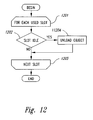
- FIG. 12 is a flow diagram showing the steps preferably performed by the facility in order to perform the flush operation.
- steps 1201-1203 the facility loops through each smart pointer in use.
- step 1202 if the slot is still idle, meaning that none of the smart pointers contain direct pointers to the referenced object to which the slot is assigned, then the facility continues in step 1204 to unload the object which the slot is assigned.
- steps 1202 are 1204, the facility continues in step 1203 to loop back to step 1201 to process the next used slot. When no used slots remain, these steps conclude.
- the garbage collection and flush operations may be performed in a variety of different manners that each result in the unloading of unused referenced objects.
- the facility may maintain a list of the objects sorted by the time of their last idling, and periodically unload the objects that were last idled the earliest.
- the smart pointers and indirection slots may use other indications of whether they contain a direct pointer to the referenced object than stored as "0" in the least-significant bit of the pointer. For example, the facility may store these indications as flags separate from the pointer.
Landscapes
- Engineering & Computer Science (AREA)
- Theoretical Computer Science (AREA)
- Software Systems (AREA)
- Physics & Mathematics (AREA)
- General Engineering & Computer Science (AREA)
- General Physics & Mathematics (AREA)
- Information Retrieval, Db Structures And Fs Structures Therefor (AREA)
Claims (19)
- Procédé mis en oeuvre dans un système informatique (100) comportant une mémoire (130, 330, 430, 630, 830), pour réaliser la mutation d'un pointeur persistant (371) pointé vers un objet référencé (137) dans un objet de référence (333, 433, 633, 833) à l'aide d'un intervalle d'adressage indirect (136, 336, 341-344, 436, 441-444, 636, 641-644, 836, 841-844) et de pointeurs intelligents (134, 434, 634, 834) adaptés pour contenir soit un pointeur (461, 861) pointé vers l'intervalle d'adressage indirect soit un pointeur (661) pointé vers un objet référencé chargé, comprenant les étapes qui consistent à:charger (201) l'objet de référence dans la mémoire;en réponse à l'étape de chargement de l'objet de référence:copier (203) le pointeur persistant de l'objet de référence dans l'intervalle d'adressage indirect, etremplacer (204) le pointeur persistant dans l'objet de référence par un pointeur intelligent contenant un pointeur vers l'intervalle d'adressage indirect;détecter une tentative de déréférencement du pointeur intelligent; eten réponse à l'étape de détection:charger (508) l'objet référencé dans la mémoire à l'aide du pointeur persistant stocké dans l'intervalle d'adressage indirect,remplacer (505) le pointeur persistant dans l'intervalle d'adressage indirect par un pointeur direct vers l'objet référencé chargé,remplacer (505) le pointeur vers l'intervalle d'adressage indirect dans le pointeur intelligent par le pointeur direct vers l'objet référencé chargé, etdéréférencer (506) le pointeur vers l'objet référencé chargé;le procédé étant en outre destiné à réaliser un nettoyage de mémoire sur un groupe des pointeurs intelligents et comprenant également les étapes qui consistent à:identifier dans le groupe de pointeurs intelligents des pointeurs intelligents contenant un pointeur direct vers un objet chargé; etpour chaque pointeur intelligent identifié:identifier un intervalle d'adressage indirect contenant un pointeur direct vers le même objet chargé que celui vers lequel le pointeur direct dans le pointeur intelligent est pointé, etremplacer le pointeur direct dans le pointeur intelligent par un pointeur vers l'intervalle d'adressage indirect identifié;le procédé comprenant aussi les étapes qui consistent, en réponse à une demande de récupération de place en mémoire, à:identifier des objets qui ne sont pointés par aucun pointeur direct dans aucun pointeur intelligent; etpour chaque objet identifié:identifier un intervalle d'adressage indirect contenant un pointeur direct vers l'objet identifié;décharger l'objet identifié; etremplacer le pointeur direct dans l'intervalle d'adressage indirect identifié par un identifiant de rechargement utilisable pour recharger l'objet identifié.
- Procédé mis en oeuvre dans un système informatique (100) comportant une mémoire (130, 330, 430, 630, 830), pour réaliser la mutation d'un pointeur persistant (371) pointé vers un objet référencé (137) dans un objet de référence (333, 433, 633, 833) à l'aide d'un intervalle d'adressage indirect (136, 336, 341-344, 436, 441-444, 636, 641-644, 836, 841-844) et de pointeurs intelligents (134, 434, 634, 834) adaptés pour contenir soit un pointeur (461, 861) pointé vers l'intervalle d'adressage indirect soit un pointeur (661) pointé vers un objet référencé chargé, comprenant les étapes qui consistent à:charger (201) l'objet de référence dans la mémoire;en réponse à l'étape de chargement de l'objet de référence:copier (203) le pointeur persistant de l'objet de référence dans l'intervalle d'adressage indirect, etremplacer (204) le pointeur persistant dans l'objet de référence par un pointeur intelligent contenant un pointeur vers l'intervalle d'adressage indirect;détecter une tentative de déréférencement du pointeur intelligent; eten réponse à l'étape de détection:charger (508) l'objet référencé dans la mémoire à l'aide du pointeur persistant stocké dans l'intervalle d'adressage indirect,remplacer (505) le pointeur persistant dans l'intervalle d'adressage indirect par un pointeur direct vers l'objet référencé chargé,remplacer (505) le pointeur vers l'intervalle d'adressage indirect dans le pointeur intelligent par le pointeur direct vers l'objet référencé chargé, etdéréférencer (506) le pointeur vers l'objet référencé chargé;le procédé étant en outre destiné à réaliser un nettoyage de mémoire sur un groupe des pointeurs intelligents et comprenant également les étapes qui consistent à:identifier dans le groupe de pointeurs intelligents des pointeurs intelligents contenant un pointeur direct vers un objet chargé; etpour chaque pointeur intelligent identifié:identifier un intervalle d'adressage indirect contenant un pointeur direct vers le même objet chargé que celui vers lequel le pointeur direct dans le pointeur intelligent est pointé, etremplacer le pointeur direct dans le pointeur intelligent par un pointeur vers l'intervalle d'adressage indirect identifié;le procédé comprenant aussi les étapes qui consistent, en réponse à une demande de récupération de place en mémoire, à:identifier des intervalles d'adressage indirect contenant un pointeur direct vers un objet qui n'est contenu dans aucun pointeur intelligent; etpour chaque intervalle d'adressage indirect identifié:décharger l'objet pointé par le pointeur direct dans l'intervalle d'adressage indirect, etremplacer le pointeur direct dans l'intervalle d'adressage indirect par un identifiant de rechargement utilisable pour recharger l'objet déchargé.
- Procédé selon la revendication 1 ou 2, comprenant également les étapes qui consistent à:détecter une seconde tentative de déréférencement du pointeur intelligent; eten réponse à l'étape de détection, déréférencer le pointeur direct vers l'objet référencé chargé contenu dans le pointeur intelligent.
- Procédé selon l'une quelconque des revendications 1 à 3, dans lequel un ou plusieurs pointeurs intelligents supplémentaires contenant des pointeurs directs vers l'objet référencé chargé peuvent avoir été créés, et comprenant les étapes qui consistent à:recevoir une demande de passivation de l'objet référencé chargé; eten réponse à l'étape de réception, pour chaque pointeur intelligent contenant un pointeur vers l'objet référencé chargé, remplacer le pointeur direct vers l'objet référencé chargé par un pointeur vers l'intervalle d'adressage indirect.
- Procédé selon la revendication 4, comprenant également les étapes qui consistent, après l'étape de remplacement du pointeur direct vers l'objet référencé chargé par un pointeur vers l'intervalle d'adressage indirect, à:détecter une seconde tentative de déréférencement du pointeur intelligent; eten réponse à l'étape de détection d'une seconde tentative de déréférencement du pointeur intelligent:remplacer le pointeur vers l'intervalle d'adressage indirect et le pointeur intelligent par le pointeur direct vers l'objet référencé chargé stocké dans l'intervalle d'adressage indirect, etdéréférencer le pointeur direct vers l'objet référencé chargé.
- Procédé selon l'une quelconque des revendications 1 à 3, comprenant également l'étape qui consiste à charger en mémoire un ou plusieurs objets référencés supplémentaires à l'aide de pointeurs intelligents supplémentaires, et dans lequel un ou plusieurs pointeurs intelligents supplémentaires contenant des pointeurs directs vers les objets référencés chargés peuvent avoir été créés, le procédé comprenant en outre les étapes qui consistent à:recevoir une demande de passivation de plusieurs objets référencés chargés identifiés; eten réponse à l'étape de réception, pour chaque pointeur intelligent contenant un pointeur direct vers l'un des objets référencés chargés identifiés, remplacer le pointeur direct vers l'objet référencé chargé identifié par un pointeur vers l'intervalle d'adressage indirect correspondant à l'objet référencé chargé identifié.
- Procédé selon l'une quelconque des revendications 1 à 6, dans lequel les étapes d'identification de pointeurs intelligents et, pour chaque pointeur intelligent identifié, d'identification d'un intervalle d'adressage indirect et de remplacement du pointeur direct sont réalisées en réponse à l'enregistrement de modifications apportées aux objets dans une mémoire d'objets persistants.
- Procédé selon l'une quelconque des revendications 1 à 7, également destiné à rendre passif un objet référencé stocké dans la mémoire principale et auquel un ou plusieurs pointeurs intelligents font référence à l'aide d'un intervalle d'adressage indirect contenant un pointeur de mémoire principale vers l'objet référencé, le procédé comprenant également les étapes qui consistent à:recevoir une demande de passivation de l'objet référencé en faisant en sorte qu'aucun pointeur intelligent ne contienne un pointeur direct vers l'objet référencé;en réponse à l'étape de réception, et pour chaque pointeur intelligent faisant référence à l'objet référencé, stocker dans le pointeur intelligent un pointeur vers l'intervalle d'adressage indirect.
- Procédé selon la revendication 8, comprenant également les étapes qui consistent à:détecter une tentative de déréférencement du pointeur intelligent; eten réponse à l'étape de détection:remplacer le pointeur vers l'intervalle d'adressage indirect dans le pointeur intelligent par le pointeur vers l'objet référencé, etdéréférencer le pointeur vers l'objet référencé chargé.
- Procédé selon la revendication 8 ou 9, comprenant également les étapes qui consistent à:après l'étape de stockage, recevoir une demande de déchargement de l'objet référencé de la mémoire principale; eten réponse à l'étape de réception d'une demande de déchargement de l'objet référencé:remplacer le pointeur de mémoire principale vers l'objet référencé contenu par l'intervalle d'adressage indirect par un pointeur persistant utilisable pour recharger l'objet référencé, etdécharger l'objet référencé.
- Procédé selon la revendication 10, comprenant également les étapes qui consistent à:détecter une tentative de déréférencement du pointeur intelligent; eten réponse à l'étape de détection:charger l'objet référencé dans la mémoire principale à l'aide du pointeur persistant stocké dans l'intervalle d'adressage indirect,remplacer le pointeur persistant dans l'intervalle d'adressage indirect par un pointeur vers l'objet référencé chargé,remplacer le pointeur vers l'intervalle d'adressage indirect dans le pointeur intelligent par le pointeur vers l'objet référencé chargé, etdéréférencer le pointeur vers l'objet référencé chargé.
- Procédé selon la revendication 8 ou 9, comprenant également les étapes qui consistent à:après l'étape de stockage, recevoir une demande de replacement de l'objet référencé à un nouvel emplacement de mémoire; eten réponse à l'étape de réception d'une demande de déchargement de l'objet référencé:l'utilisation du pointeur dans l'intervalle d'adressage indirect pour transférer l'objet référencé au nouvel emplacement de mémoire, etremplacer le pointeur de mémoire principale vers l'objet référencé contenu par l'intervalle d'adressage indirect par un pointeur de mémoire principale vers le nouvel emplacement de mémoire.
- Procédé selon la revendication 12, comprenant également les étapes qui consistent à:après les étapes de transfert et de remplacement, détecter un appel à une opération de déréférencement sur le pointeur intelligent; eten réponse à l'étape de détection:remplacer le pointeur vers l'intervalle d'adressage indirect dans le pointeur intelligent par le pointeur vers le nouvel emplacement de mémoire dans l'intervalle d'adressage indirect, etdéréférencer le pointeur vers le nouvel emplacement de mémoire.
- Support lisible par ordinateur sur lequel sont stockées des instructions exécutables par ordinateur qui, lorsqu'elles sont exécutées par un système informatique (100) comportant une mémoire (130, 330, 430, 630, 830), amènent le système informatique à mettre en oeuvre un procédé pour réaliser la mutation d'un pointeur persistant (371) pointé vers un objet référencé (137) dans un objet de référence (333, 433, 633, 833) à l'aide d'un intervalle d'adressage indirect (136, 336, 341-344, 436, 441-444, 636, 641-644, 836, 841-844) et de pointeurs intelligents (134, 434, 634, 834) adaptés pour contenir soit un pointeur (461, 861) pointé vers l'intervalle d'adressage indirect soit un pointeur (661) pointé vers un objet référencé chargé, comprenant les étapes qui consistent à:charger (201) l'objet de référence dans la mémoire;en réponse à l'étape de chargement de l'objet de référence:copier (203) le pointeur persistant de l'objet de référence dans l'intervalle d'adressage indirect, etremplacer (204) le pointeur persistant dans l'objet de référence par un pointeur intelligent contenant un pointeur vers l'intervalle d'adressage indirect;détecter une tentative de déréférencement du pointeur intelligent; eten réponse à l'étape de détection:charger (508) l'objet référencé dans la mémoire à l'aide du pointeur persistant stocké dans l'intervalle d'adressage indirect,remplacer (505) le pointeur persistant dans l'intervalle d'adressage indirect par un pointeur direct vers l'objet référencé chargé,remplacer (505) le pointeur vers l'intervalle d'adressage indirect dans le pointeur intelligent par le pointeur direct vers l'objet référencé chargé, etdéréférencer (506) le pointeur vers l'objet référencé chargé;le procédé étant en outre destiné à réaliser un nettoyage de mémoire sur un groupe des pointeurs intelligents et comprenant également les étapes qui consistent à:identifier dans le groupe de pointeurs intelligents des pointeurs intelligents contenant un pointeur direct vers un objet chargé; etpour chaque pointeur intelligent identifié:identifier un intervalle d'adressage indirect contenant un pointeur direct vers le même objet chargé que celui vers lequel le pointeur direct dans le pointeur intelligent est pointé, etremplacer le pointeur direct dans le pointeur intelligent par un pointeur vers l'intervalle d'adressage indirect identifié;le procédé comprenant aussi les étapes qui consistent, en réponse à une demande de récupération de place en mémoire, à:identifier des objets qui ne sont pointés par aucun pointeur direct dans aucun pointeur intelligent; etpour chaque objet identifié:identifier un intervalle d'adressage indirect contenant un pointeur direct vers l'objet identifié;décharger l'objet identifié; etremplacer le pointeur direct dans l'intervalle d'adressage indirect identifié par un identifiant de rechargement utilisable pour recharger l'objet identifié.
- Support lisible par ordinateur sur lequel sont stockées des instructions exécutables par ordinateur qui, lorsqu'elles sont exécutées par un système informatique (100) comportant une mémoire (130, 330, 430, 630, 830), amènent le système informatique à mettre en oeuvre un procédé pour réaliser la mutation d'un pointeur persistant (371) pointé vers un objet référencé (137) dans un objet de référence (333, 433, 633, 833) à l'aide d'un intervalle d'adressage indirect (136, 336, 341-344, 436, 441-444, 636, 641-644, 836, 841-844) et de pointeurs intelligents (134, 434, 634, 834) adaptés pour contenir soit un pointeur (461, 861) pointé vers l'intervalle d'adressage indirect soit un pointeur (661) pointé vers un objet référencé chargé, comprenant les étapes qui consistent à:charger (201) l'objet de référence dans la mémoire;en réponse à l'étape de chargement de l'objet de référence:copier (203) le pointeur persistant de l'objet de référence dans l'intervalle d'adressage indirect, etremplacer (204) le pointeur persistant dans l'objet de référence par un pointeur intelligent contenant un pointeur vers l'intervalle d'adressage indirect;détecter une tentative de déréférencement du pointeur intelligent; eten réponse à l'étape de détection:charger (508) l'objet référencé dans la mémoire à l'aide du pointeur persistant stocké dans l'intervalle d'adressage indirect,remplacer (505) le pointeur persistant dans l'intervalle d'adressage indirect par un pointeur direct vers l'objet référencé chargé,remplacer (505) le pointeur vers l'intervalle d'adressage indirect dans le pointeur intelligent par le pointeur direct vers l'objet référencé chargé, etdéréférencer (506) le pointeur vers l'objet référencé chargé;le procédé étant en outre destiné à réaliser un nettoyage de mémoire sur un groupe des pointeurs intelligents et comprenant également les étapes qui consistent à:identifier dans le groupe de pointeurs intelligents des pointeurs intelligents contenant un pointeur direct vers un objet chargé; etpour chaque pointeur intelligent identifié:identifier un intervalle d'adressage indirect contenant un pointeur direct vers le même objet chargé que celui vers lequel le pointeur direct dans le pointeur intelligent est pointé, etremplacer le pointeur direct dans le pointeur intelligent par un pointeur vers l'intervalle d'adressage indirect identifié;le procédé comprenant aussi les étapes qui consistent, en réponse à une demande de récupération de place en mémoire, à:identifier des intervalles d'adressage indirect contenant un pointeur direct vers un objet qui n'est contenu dans aucun pointeur intelligent; etpour chaque intervalle d'adressage indirect identifié:décharger l'objet pointé par le pointeur direct dans l'intervalle d'adressage indirect, etremplacer le pointeur direct dans l'intervalle d'adressage indirect par un identifiant de rechargement utilisable pour recharger l'objet déchargé.
- Support lisible par ordinateur selon la revendication 14 ou 15, comportant également des instructions exécutables par ordinateur pour réaliser chacune des étapes de l'une quelconque des revendications 3 à 13.
- Système informatique (100) comportant une mémoire (130, 330, 430, 630, 830) et comprenant des moyens pour réaliser la mutation d'un pointeur persistant (371) pointé vers un objet référencé (137) dans un objet de référence (333, 433, 633, 833) à l'aide d'un intervalle d'adressage indirect (136, 336, 341-344, 436, 441-444, 636, 641-644, 836, 841-844) et de pointeurs intelligents (134, 434, 634, 834) adaptés pour contenir soit un pointeur (461, 861) pointé vers l'intervalle d'adressage indirect soit un pointeur (661) pointé vers un objet référencé chargé, lesdits moyens étant adaptés pour:charger (201) l'objet de référence dans la mémoire;en réponse à l'étape de chargement de l'objet de référence:copier (203) le pointeur persistant de l'objet de référence dans l'intervalle d'adressage indirect, etremplacer (204) le pointeur persistant dans l'objet de référence par un pointeur intelligent contenant un pointeur vers l'intervalle d'adressage indirect;détecter une tentative de déréférencement du pointeur intelligent; eten réponse à l'étape de détection:charger (508) l'objet référencé dans la mémoire à l'aide du pointeur persistant stocké dans l'intervalle d'adressage indirect,remplacer (505) le pointeur persistant dans l'intervalle d'adressage indirect par un pointeur direct vers l'objet référencé chargé,remplacer (505) le pointeur vers l'intervalle d'adressage indirect dans le pointeur intelligent par le pointeur direct vers l'objet référencé chargé, etdéréférencer (506) le pointeur vers l'objet référencé chargé;lesdits moyens étant en outre destinés à réaliser un nettoyage de mémoire sur un groupe des pointeurs intelligents et étant également adaptés pour:identifier dans le groupe de pointeurs intelligents des pointeurs intelligents contenant un pointeur direct vers un objet chargé; etpour chaque pointeur intelligent identifié:identifier un intervalle d'adressage indirect contenant un pointeur direct vers le même objet chargé que celui vers lequel le pointeur direct dans le pointeur intelligent est pointé, etremplacer le pointeur direct dans le pointeur intelligent par un pointeur vers l'intervalle d'adressage indirect identifié;lesdits moyens étant aussi adaptés pour, en réponse à une demande de récupération de place en mémoire:identifier des objets qui ne sont pointés par aucun pointeur direct dans aucun pointeur intelligent; etpour chaque objet identifié:identifier un intervalle d'adressage indirect contenant un pointeur direct vers l'objet identifié;décharger l'objet identifié; etremplacer le pointeur direct dans l'intervalle d'adressage indirect identifié par un identifiant de rechargement utilisable pour recharger l'objet identifié.
- Système informatique (100) comportant une mémoire (130, 330, 430, 630, 830) et comprenant des moyens pour réaliser la mutation d'un pointeur persistant (371) pointé vers un objet référencé (137) dans un objet de référence (333, 433, 633, 833) à l'aide d'un intervalle d'adressage indirect (136, 336, 341-344, 436, 441-444, 636, 641-644, 836, 841-844) et de pointeurs intelligents (134, 434, 634, 834) adaptés pour contenir soit un pointeur (461, 861) pointé vers l'intervalle d'adressage indirect soit un pointeur (661) pointé vers un objet référencé chargé, lesdits moyens étant adaptés pour:charger (201) l'objet de référence dans la mémoire;en réponse à l'étape de chargement de l'objet de référence:copier (203) le pointeur persistant de l'objet de référence dans l'intervalle d'adressage indirect, etremplacer (204) le pointeur persistant dans l'objet de référence par un pointeur intelligent contenant un pointeur vers l'intervalle d'adressage indirect;détecter une tentative de déréférencement du pointeur intelligent; eten réponse à l'étape de détection:charger (508) l'objet référencé dans la mémoire à l'aide du pointeur persistant stocké dans l'intervalle d'adressage indirect,remplacer (505) le pointeur persistant dans l'intervalle d'adressage indirect par un pointeur direct vers l'objet référencé chargé,remplacer (505) le pointeur vers l'intervalle d'adressage indirect dans le pointeur intelligent par le pointeur direct vers l'objet référencé chargé, etdéréférencer (506) le pointeur vers l'objet référencé chargé;lesdits moyens étant en outre destinés à réaliser un nettoyage de mémoire sur un groupe des pointeurs intelligents et étant également adaptés pour:identifier dans le groupe de pointeurs intelligents des pointeurs intelligents contenant un pointeur direct vers un objet chargé; etpour chaque pointeur intelligent identifié:identifier un intervalle d'adressage indirect contenant un pointeur direct vers le même objet chargé que celui vers lequel le pointeur direct dans le pointeur intelligent est pointé, etremplacer le pointeur direct dans le pointeur intelligent par un pointeur vers l'intervalle d'adressage indirect identifié;lesdits moyens étant aussi adaptés pour, en réponse à une demande de récupération de place en mémoire:identifier des intervalles d'adressage indirect contenant un pointeur direct vers un objet qui n'est contenu dans aucun pointeur intelligent; etpour chaque intervalle d'adressage indirect identifié:décharger l'objet pointé par le pointeur direct dans l'intervalle d'adressage indirect, etremplacer le pointeur direct dans l'intervalle d'adressage indirect par un identifiant de rechargement utilisable pour recharger l'objet déchargé.
- Système informatique selon la revendication 17 ou 18, adapté pour réaliser chacune des étapes de l'une quelconque des revendications 3 à 13.
Applications Claiming Priority (2)
| Application Number | Priority Date | Filing Date | Title |
|---|---|---|---|
| US764557 | 1985-08-12 | ||
| US08/764,557 US5794256A (en) | 1996-12-12 | 1996-12-12 | Pointer swizzling facility using three-state references to manage access to referenced objects |
Publications (3)
| Publication Number | Publication Date |
|---|---|
| EP0848324A2 EP0848324A2 (fr) | 1998-06-17 |
| EP0848324A3 EP0848324A3 (fr) | 2004-04-28 |
| EP0848324B1 true EP0848324B1 (fr) | 2007-09-05 |
Family
ID=25071057
Family Applications (1)
| Application Number | Title | Priority Date | Filing Date |
|---|---|---|---|
| EP97120020A Expired - Lifetime EP0848324B1 (fr) | 1996-12-12 | 1997-11-14 | Gestion de l'accès aux objets par l'aide des références avec trois états |
Country Status (4)
| Country | Link |
|---|---|
| US (2) | US5794256A (fr) |
| EP (1) | EP0848324B1 (fr) |
| JP (1) | JP4176857B2 (fr) |
| DE (1) | DE69738101T2 (fr) |
Families Citing this family (33)
| Publication number | Priority date | Publication date | Assignee | Title |
|---|---|---|---|---|
| US5794256A (en) * | 1996-12-12 | 1998-08-11 | Microsoft Corporation | Pointer swizzling facility using three-state references to manage access to referenced objects |
| US6145121A (en) * | 1997-04-17 | 2000-11-07 | University Of Washington | Trace based method for the analysis, benchmarking and tuning of object oriented databases and applications |
| US6460071B1 (en) * | 1997-11-21 | 2002-10-01 | International Business Machines Corporation | System and method for managing client application state in a stateless web browser environment |
| US6345276B1 (en) * | 1998-09-18 | 2002-02-05 | Microsoft Corporation | Representing base pointers in a shared memory heap |
| US6499095B1 (en) * | 1999-02-11 | 2002-12-24 | Oracle Corp. | Machine-independent memory management system within a run-time environment |
| US6877161B1 (en) | 1999-02-11 | 2005-04-05 | Oracle International Corp. | Address calculation of invariant references within a run-time environment |
| US6457019B1 (en) | 1999-02-11 | 2002-09-24 | Oracle Corp. | Memory management within a run-time environment |
| US6434685B1 (en) | 1999-02-11 | 2002-08-13 | Oracle Corp. | Paged memory management system within a run-time environment |
| US6366932B1 (en) * | 1999-06-24 | 2002-04-02 | International Business Machines Corporation | Apparatus and method for accessing an object oriented object using a smart passive reference |
| US6408305B1 (en) * | 1999-08-13 | 2002-06-18 | International Business Machines Corporation | Access frontier for demand loading pages in object-oriented databases |
| US6704743B1 (en) | 1999-09-13 | 2004-03-09 | Copernus, Inc. | Selective inheritance of object parameters in object-oriented computer environment |
| US6978272B1 (en) * | 1999-11-29 | 2005-12-20 | Ncr Corporation | Method and apparatus for displaying instrumentation parameters in a database system |
| US7031976B1 (en) | 2000-05-26 | 2006-04-18 | Sprint Communications Company L.P. | Computer framework and method for isolating a business component from specific implementations of a datastore |
| US20020169786A1 (en) * | 2001-02-16 | 2002-11-14 | Richek Martin D. | Type-safe homogeneous linkage for heterogeneous smart pointers |
| US6598141B1 (en) * | 2001-03-08 | 2003-07-22 | Microsoft Corporation | Manipulating interior pointers on a stack during garbage collection |
| US20040015876A1 (en) * | 2001-05-24 | 2004-01-22 | Applin John R. | Method and structure of implementing a safe pointer |
| US7069540B1 (en) * | 2001-07-02 | 2006-06-27 | Unisys Corporation | COM persistence model |
| CA2469565A1 (fr) * | 2001-12-06 | 2003-07-03 | New York University | Dispositif logique, structure de donnees, systeme et procede pour representation multilineaire d'ensembles de donnees multimodales pour une synthese, une reconnaissance et une compression |
| US7379925B2 (en) * | 2003-07-25 | 2008-05-27 | New York University | Logic arrangement, data structure, system and method for multilinear representation of multimodal data ensembles for synthesis, rotation and compression |
| EP1709572A2 (fr) * | 2004-01-13 | 2006-10-11 | New York University | Procede, systeme, support d'enregistrement et structure de donnees pour la reconnaisance d'images par analyse de composante independante multilineaire |
| US7506003B2 (en) * | 2005-07-14 | 2009-03-17 | Microsoft Corporation | Moving data from file on storage volume to alternate location to free space |
| US7558804B1 (en) * | 2005-08-26 | 2009-07-07 | American Megatrends, Inc. | Method, apparatus, and computer-readable medium for space-efficient storage of variables in a non-volatile computer memory |
| US7873943B2 (en) * | 2005-12-28 | 2011-01-18 | Intel Corporation | Inserting stack clearing code in conservative garbage collection |
| US20070179959A1 (en) * | 2006-01-30 | 2007-08-02 | Microsoft Corporation | Automatic discovery of data relationships |
| US7716530B2 (en) * | 2006-02-28 | 2010-05-11 | Microsoft Corporation | Thread interception and analysis |
| US9785549B2 (en) * | 2007-04-27 | 2017-10-10 | Microsoft Technology Licensing, Llc | Managing object lifetime for native/managed peers |
| US8429633B2 (en) * | 2008-11-21 | 2013-04-23 | International Business Machines Corporation | Managing memory to support large-scale interprocedural static analysis for security problems |
| US20100287216A1 (en) * | 2009-05-07 | 2010-11-11 | Tatu Ylonen Oy Ltd | Grouped space allocation for copied objects |
| JP4959781B2 (ja) | 2009-12-22 | 2012-06-27 | インターナショナル・ビジネス・マシーンズ・コーポレーション | オブジェクト生成地点記録方法およびプログラム |
| US8756193B2 (en) | 2011-10-31 | 2014-06-17 | Apple Inc. | System and method for persisting object pointers |
| CN103345416A (zh) * | 2013-07-26 | 2013-10-09 | 深圳市融创天下科技股份有限公司 | 一种获取数组长度的方法及系统 |
| KR102464801B1 (ko) * | 2015-04-14 | 2022-11-07 | 삼성전자주식회사 | 반도체 장치의 동작 방법 및 반도체 시스템 |
| US10725908B2 (en) * | 2018-08-10 | 2020-07-28 | Microsoft Technology Licensing, Llc. | Fast initialization of complex in-memory data structures |
Family Cites Families (6)
| Publication number | Priority date | Publication date | Assignee | Title |
|---|---|---|---|---|
| US5398334A (en) * | 1992-04-06 | 1995-03-14 | General Electric Company | System for automatic garbage collection using strong and weak encapsulated pointers |
| GB2269033A (en) * | 1992-07-22 | 1994-01-26 | Ibm | Controlling data storage to enable garbage collection |
| EP0620520A1 (fr) * | 1993-03-30 | 1994-10-19 | AT&T Corp. | Méthode pour créer des objets de données persistants ayant des pointeurs cachés |
| US5517645A (en) * | 1993-11-05 | 1996-05-14 | Microsoft Corporation | Method and system for interfacing components via aggregate components formed by aggregating the components each with an instance of a component manager |
| US5692183A (en) * | 1995-03-31 | 1997-11-25 | Sun Microsystems, Inc. | Methods and apparatus for providing transparent persistence in a distributed object operating environment |
| US5794256A (en) * | 1996-12-12 | 1998-08-11 | Microsoft Corporation | Pointer swizzling facility using three-state references to manage access to referenced objects |
-
1996
- 1996-12-12 US US08/764,557 patent/US5794256A/en not_active Expired - Lifetime
-
1997
- 1997-11-14 DE DE69738101T patent/DE69738101T2/de not_active Expired - Lifetime
- 1997-11-14 EP EP97120020A patent/EP0848324B1/fr not_active Expired - Lifetime
- 1997-12-12 JP JP36982497A patent/JP4176857B2/ja not_active Expired - Fee Related
-
1998
- 1998-05-21 US US09/082,509 patent/US6105041A/en not_active Expired - Lifetime
Non-Patent Citations (1)
| Title |
|---|
| None * |
Also Published As
| Publication number | Publication date |
|---|---|
| EP0848324A3 (fr) | 2004-04-28 |
| JP4176857B2 (ja) | 2008-11-05 |
| US5794256A (en) | 1998-08-11 |
| DE69738101T2 (de) | 2008-01-03 |
| US6105041A (en) | 2000-08-15 |
| EP0848324A2 (fr) | 1998-06-17 |
| DE69738101D1 (de) | 2007-10-18 |
| JPH10254756A (ja) | 1998-09-25 |
Similar Documents
| Publication | Publication Date | Title |
|---|---|---|
| EP0848324B1 (fr) | Gestion de l'accès aux objets par l'aide des références avec trois états | |
| US5649139A (en) | Method and apparatus for virtual memory mapping and transaction management in an object-oriented database system | |
| US5355483A (en) | Asynchronous garbage collection | |
| KR100472807B1 (ko) | 데이터베이스객체처리명령어들을삽입하기위하여데이터베이스액세스방법들을자동적으로수정하기위한시스템및그방법 | |
| US6249793B1 (en) | Mostly concurrent compaction in a garbage collection system | |
| US6826583B1 (en) | Local allocation buffers for parallel garbage collection | |
| US5265245A (en) | High concurrency in use manager | |
| US6560619B1 (en) | Using atomic compare-and-swap operations for forwarding-pointer installation | |
| US6970990B2 (en) | Virtual mode virtual memory manager method and apparatus | |
| US4761737A (en) | Method to automatically increase the segment size of unix files in a page segmented virtual memory data processing system | |
| US6611898B1 (en) | Object-oriented cache management system and method | |
| EP0173464A2 (fr) | Système de mémoire d'ordinateur à regroupement parallèle des positions inutilisées indépendant d'un processeur d'usager associé | |
| US5088026A (en) | Method for managing a data cache using virtual external storage addresses as arguments | |
| EP0851355A2 (fr) | Chargeur d'objet efficace en antémémoire | |
| JP2001506037A (ja) | 追跡型ゴミ集め用のスペースの限られた標識付け構造 | |
| US7493464B2 (en) | Sparse matrix | |
| JPH0776944B2 (ja) | 仮想索引機構 | |
| US4716524A (en) | Apparatus and method removing increment/decrement pairs to decimate a block reference stream | |
| CA2419900A1 (fr) | Deplacement de pages qui sont liees a un pool tampon dans un systeme de base de donnees | |
| US5887275A (en) | Method and apparatus for locating a first set of data using a global identifier and a virtual addressing data structure | |
| Vaughan et al. | Supporting large persistent stores using conventional hardware | |
| US6233621B1 (en) | System and method for space efficient hashcode allocation | |
| US7404061B2 (en) | Permanent pool memory management method and system | |
| EP0394173A2 (fr) | Gestionnaire hautement parallèle de fichiers ouverts | |
| US6874059B1 (en) | System and method for using anonymous tokens for efficient memory management |
Legal Events
| Date | Code | Title | Description |
|---|---|---|---|
| PUAI | Public reference made under article 153(3) epc to a published international application that has entered the european phase |
Free format text: ORIGINAL CODE: 0009012 |
|
| AK | Designated contracting states |
Kind code of ref document: A2 Designated state(s): AT BE CH DE DK ES FI FR GB GR IE IT LI LU MC NL PT SE |
|
| AX | Request for extension of the european patent |
Free format text: AL;LT;LV;MK;RO;SI |
|
| PUAL | Search report despatched |
Free format text: ORIGINAL CODE: 0009013 |
|
| RIC1 | Information provided on ipc code assigned before grant |
Ipc: 7G 06F 17/30 B Ipc: 7G 06F 9/44 A |
|
| AK | Designated contracting states |
Kind code of ref document: A3 Designated state(s): AT BE CH DE DK ES FI FR GB GR IE IT LI LU MC NL PT SE |
|
| AX | Request for extension of the european patent |
Extension state: AL LT LV MK RO SI |
|
| 17P | Request for examination filed |
Effective date: 20040819 |
|
| 17Q | First examination report despatched |
Effective date: 20041027 |
|
| AKX | Designation fees paid |
Designated state(s): DE FR GB |
|
| GRAP | Despatch of communication of intention to grant a patent |
Free format text: ORIGINAL CODE: EPIDOSNIGR1 |
|
| GRAS | Grant fee paid |
Free format text: ORIGINAL CODE: EPIDOSNIGR3 |
|
| GRAA | (expected) grant |
Free format text: ORIGINAL CODE: 0009210 |
|
| AK | Designated contracting states |
Kind code of ref document: B1 Designated state(s): DE FR GB |
|
| REG | Reference to a national code |
Ref country code: GB Ref legal event code: FG4D |
|
| REF | Corresponds to: |
Ref document number: 69738101 Country of ref document: DE Date of ref document: 20071018 Kind code of ref document: P |
|
| EN | Fr: translation not filed | ||
| ET | Fr: translation filed | ||
| REG | Reference to a national code |
Ref country code: FR Ref legal event code: EERR Free format text: CORRECTION DE BOPI 08/18 - BREVETS EUROPEENS DONT LA TRADUCTION N A PAS ETE REMISE A L INPI. IL Y A LIEU DE SUPPRIMER : LA MENTION DE LA NON-REMISE. LA REMISE DE LA TRADUCTION EST PUBLIEE DANS LE PRESENT BOPI. |
|
| PLBE | No opposition filed within time limit |
Free format text: ORIGINAL CODE: 0009261 |
|
| STAA | Information on the status of an ep patent application or granted ep patent |
Free format text: STATUS: NO OPPOSITION FILED WITHIN TIME LIMIT |
|
| 26N | No opposition filed |
Effective date: 20080606 |
|
| PGFP | Annual fee paid to national office [announced via postgrant information from national office to epo] |
Ref country code: GB Payment date: 20101110 Year of fee payment: 14 |
|
| GBPC | Gb: european patent ceased through non-payment of renewal fee |
Effective date: 20121114 |
|
| PG25 | Lapsed in a contracting state [announced via postgrant information from national office to epo] |
Ref country code: GB Free format text: LAPSE BECAUSE OF NON-PAYMENT OF DUE FEES Effective date: 20121114 |
|
| REG | Reference to a national code |
Ref country code: DE Ref legal event code: R082 Ref document number: 69738101 Country of ref document: DE Representative=s name: GRUENECKER, KINKELDEY, STOCKMAIR & SCHWANHAEUS, DE |
|
| REG | Reference to a national code |
Ref country code: GB Ref legal event code: 732E Free format text: REGISTERED BETWEEN 20150115 AND 20150121 |
|
| REG | Reference to a national code |
Ref country code: DE Ref legal event code: R082 Ref document number: 69738101 Country of ref document: DE Representative=s name: GRUENECKER PATENT- UND RECHTSANWAELTE PARTG MB, DE Effective date: 20150126 Ref country code: DE Ref legal event code: R081 Ref document number: 69738101 Country of ref document: DE Owner name: MICROSOFT TECHNOLOGY LICENSING, LLC, REDMOND, US Free format text: FORMER OWNER: MICROSOFT CORP., REDMOND, WASH., US Effective date: 20150126 |
|
| REG | Reference to a national code |
Ref country code: FR Ref legal event code: TP Owner name: MICROSOFT TECHNOLOGY LICENSING, LLC, US Effective date: 20150724 |
|
| REG | Reference to a national code |
Ref country code: FR Ref legal event code: PLFP Year of fee payment: 19 |
|
| REG | Reference to a national code |
Ref country code: FR Ref legal event code: PLFP Year of fee payment: 20 |
|
| PGFP | Annual fee paid to national office [announced via postgrant information from national office to epo] |
Ref country code: FR Payment date: 20161014 Year of fee payment: 20 Ref country code: DE Payment date: 20161108 Year of fee payment: 20 |
|
| REG | Reference to a national code |
Ref country code: DE Ref legal event code: R071 Ref document number: 69738101 Country of ref document: DE |