EP0849282A2 - Polymere multifunktionelle Schmierstoffadditive - Google Patents
Polymere multifunktionelle Schmierstoffadditive Download PDFInfo
- Publication number
- EP0849282A2 EP0849282A2 EP97810961A EP97810961A EP0849282A2 EP 0849282 A2 EP0849282 A2 EP 0849282A2 EP 97810961 A EP97810961 A EP 97810961A EP 97810961 A EP97810961 A EP 97810961A EP 0849282 A2 EP0849282 A2 EP 0849282A2
- Authority
- EP
- European Patent Office
- Prior art keywords
- tert
- butyl
- alkyl
- bis
- product
- Prior art date
- Legal status (The legal status is an assumption and is not a legal conclusion. Google has not performed a legal analysis and makes no representation as to the accuracy of the status listed.)
- Withdrawn
Links
Classifications
-
- C—CHEMISTRY; METALLURGY
- C10—PETROLEUM, GAS OR COKE INDUSTRIES; TECHNICAL GASES CONTAINING CARBON MONOXIDE; FUELS; LUBRICANTS; PEAT
- C10L—FUELS NOT OTHERWISE PROVIDED FOR; NATURAL GAS; SYNTHETIC NATURAL GAS OBTAINED BY PROCESSES NOT COVERED BY SUBCLASSES C10G OR C10K; LIQUIFIED PETROLEUM GAS; USE OF ADDITIVES TO FUELS OR FIRES; FIRE-LIGHTERS
- C10L10/00—Use of additives to fuels or fires for particular purposes
- C10L10/08—Use of additives to fuels or fires for particular purposes for improving lubricity; for reducing wear
-
- C—CHEMISTRY; METALLURGY
- C08—ORGANIC MACROMOLECULAR COMPOUNDS; THEIR PREPARATION OR CHEMICAL WORKING-UP; COMPOSITIONS BASED THEREON
- C08C—TREATMENT OR CHEMICAL MODIFICATION OF RUBBERS
- C08C19/00—Chemical modification of rubber
- C08C19/20—Incorporating sulfur atoms into the molecule
-
- C—CHEMISTRY; METALLURGY
- C08—ORGANIC MACROMOLECULAR COMPOUNDS; THEIR PREPARATION OR CHEMICAL WORKING-UP; COMPOSITIONS BASED THEREON
- C08C—TREATMENT OR CHEMICAL MODIFICATION OF RUBBERS
- C08C19/00—Chemical modification of rubber
- C08C19/24—Incorporating phosphorus atoms into the molecule
-
- C—CHEMISTRY; METALLURGY
- C08—ORGANIC MACROMOLECULAR COMPOUNDS; THEIR PREPARATION OR CHEMICAL WORKING-UP; COMPOSITIONS BASED THEREON
- C08F—MACROMOLECULAR COMPOUNDS OBTAINED BY REACTIONS ONLY INVOLVING CARBON-TO-CARBON UNSATURATED BONDS
- C08F8/00—Chemical modification by after-treatment
- C08F8/34—Introducing sulfur atoms or sulfur-containing groups
-
- C—CHEMISTRY; METALLURGY
- C08—ORGANIC MACROMOLECULAR COMPOUNDS; THEIR PREPARATION OR CHEMICAL WORKING-UP; COMPOSITIONS BASED THEREON
- C08G—MACROMOLECULAR COMPOUNDS OBTAINED OTHERWISE THAN BY REACTIONS ONLY INVOLVING UNSATURATED CARBON-TO-CARBON BONDS
- C08G61/00—Macromolecular compounds obtained by reactions forming a carbon-to-carbon link in the main chain of the macromolecule
- C08G61/02—Macromolecular compounds containing only carbon atoms in the main chain of the macromolecule, e.g. polyxylylenes
- C08G61/04—Macromolecular compounds containing only carbon atoms in the main chain of the macromolecule, e.g. polyxylylenes only aliphatic carbon atoms
- C08G61/06—Macromolecular compounds containing only carbon atoms in the main chain of the macromolecule, e.g. polyxylylenes only aliphatic carbon atoms prepared by ring-opening of carbocyclic compounds
- C08G61/08—Macromolecular compounds containing only carbon atoms in the main chain of the macromolecule, e.g. polyxylylenes only aliphatic carbon atoms prepared by ring-opening of carbocyclic compounds of carbocyclic compounds containing one or more carbon-to-carbon double bonds in the ring
-
- C—CHEMISTRY; METALLURGY
- C10—PETROLEUM, GAS OR COKE INDUSTRIES; TECHNICAL GASES CONTAINING CARBON MONOXIDE; FUELS; LUBRICANTS; PEAT
- C10L—FUELS NOT OTHERWISE PROVIDED FOR; NATURAL GAS; SYNTHETIC NATURAL GAS OBTAINED BY PROCESSES NOT COVERED BY SUBCLASSES C10G OR C10K; LIQUIFIED PETROLEUM GAS; USE OF ADDITIVES TO FUELS OR FIRES; FIRE-LIGHTERS
- C10L1/00—Liquid carbonaceous fuels
- C10L1/10—Liquid carbonaceous fuels containing additives
- C10L1/14—Organic compounds
- C10L1/24—Organic compounds containing sulfur, selenium and/or tellurium
- C10L1/2462—Organic compounds containing sulfur, selenium and/or tellurium macromolecular compounds
- C10L1/2475—Organic compounds containing sulfur, selenium and/or tellurium macromolecular compounds obtained otherwise than by reactions only involving unsaturated carbon to carbon bonds
-
- C—CHEMISTRY; METALLURGY
- C10—PETROLEUM, GAS OR COKE INDUSTRIES; TECHNICAL GASES CONTAINING CARBON MONOXIDE; FUELS; LUBRICANTS; PEAT
- C10L—FUELS NOT OTHERWISE PROVIDED FOR; NATURAL GAS; SYNTHETIC NATURAL GAS OBTAINED BY PROCESSES NOT COVERED BY SUBCLASSES C10G OR C10K; LIQUIFIED PETROLEUM GAS; USE OF ADDITIVES TO FUELS OR FIRES; FIRE-LIGHTERS
- C10L1/00—Liquid carbonaceous fuels
- C10L1/10—Liquid carbonaceous fuels containing additives
- C10L1/14—Organic compounds
- C10L1/24—Organic compounds containing sulfur, selenium and/or tellurium
- C10L1/2493—Organic compounds containing sulfur, selenium and/or tellurium compounds of uncertain formula; reactions of organic compounds (hydrocarbons, acids, esters) with sulfur or sulfur containing compounds
-
- C—CHEMISTRY; METALLURGY
- C10—PETROLEUM, GAS OR COKE INDUSTRIES; TECHNICAL GASES CONTAINING CARBON MONOXIDE; FUELS; LUBRICANTS; PEAT
- C10L—FUELS NOT OTHERWISE PROVIDED FOR; NATURAL GAS; SYNTHETIC NATURAL GAS OBTAINED BY PROCESSES NOT COVERED BY SUBCLASSES C10G OR C10K; LIQUIFIED PETROLEUM GAS; USE OF ADDITIVES TO FUELS OR FIRES; FIRE-LIGHTERS
- C10L1/00—Liquid carbonaceous fuels
- C10L1/10—Liquid carbonaceous fuels containing additives
- C10L1/14—Organic compounds
- C10L1/26—Organic compounds containing phosphorus
- C10L1/2666—Organic compounds containing phosphorus macromolecular compounds
- C10L1/2683—Organic compounds containing phosphorus macromolecular compounds obtained otherwise than by reactions only involving unsaturated carbon to carbon bonds
-
- C—CHEMISTRY; METALLURGY
- C10—PETROLEUM, GAS OR COKE INDUSTRIES; TECHNICAL GASES CONTAINING CARBON MONOXIDE; FUELS; LUBRICANTS; PEAT
- C10L—FUELS NOT OTHERWISE PROVIDED FOR; NATURAL GAS; SYNTHETIC NATURAL GAS OBTAINED BY PROCESSES NOT COVERED BY SUBCLASSES C10G OR C10K; LIQUIFIED PETROLEUM GAS; USE OF ADDITIVES TO FUELS OR FIRES; FIRE-LIGHTERS
- C10L1/00—Liquid carbonaceous fuels
- C10L1/10—Liquid carbonaceous fuels containing additives
- C10L1/14—Organic compounds
- C10L1/26—Organic compounds containing phosphorus
- C10L1/2691—Compounds of uncertain formula; reaction of organic compounds (hydrocarbons acids, esters) with Px Sy, Px Sy Halz or sulfur and phosphorus containing compounds
-
- C—CHEMISTRY; METALLURGY
- C10—PETROLEUM, GAS OR COKE INDUSTRIES; TECHNICAL GASES CONTAINING CARBON MONOXIDE; FUELS; LUBRICANTS; PEAT
- C10L—FUELS NOT OTHERWISE PROVIDED FOR; NATURAL GAS; SYNTHETIC NATURAL GAS OBTAINED BY PROCESSES NOT COVERED BY SUBCLASSES C10G OR C10K; LIQUIFIED PETROLEUM GAS; USE OF ADDITIVES TO FUELS OR FIRES; FIRE-LIGHTERS
- C10L10/00—Use of additives to fuels or fires for particular purposes
- C10L10/04—Use of additives to fuels or fires for particular purposes for minimising corrosion or incrustation
-
- C—CHEMISTRY; METALLURGY
- C10—PETROLEUM, GAS OR COKE INDUSTRIES; TECHNICAL GASES CONTAINING CARBON MONOXIDE; FUELS; LUBRICANTS; PEAT
- C10M—LUBRICATING COMPOSITIONS; USE OF CHEMICAL SUBSTANCES EITHER ALONE OR AS LUBRICATING INGREDIENTS IN A LUBRICATING COMPOSITION
- C10M143/00—Lubricating compositions characterised by the additive being a macromolecular hydrocarbon or such hydrocarbon modified by oxidation
- C10M143/12—Lubricating compositions characterised by the additive being a macromolecular hydrocarbon or such hydrocarbon modified by oxidation containing conjugated diene
-
- C—CHEMISTRY; METALLURGY
- C10—PETROLEUM, GAS OR COKE INDUSTRIES; TECHNICAL GASES CONTAINING CARBON MONOXIDE; FUELS; LUBRICANTS; PEAT
- C10M—LUBRICATING COMPOSITIONS; USE OF CHEMICAL SUBSTANCES EITHER ALONE OR AS LUBRICATING INGREDIENTS IN A LUBRICATING COMPOSITION
- C10M143/00—Lubricating compositions characterised by the additive being a macromolecular hydrocarbon or such hydrocarbon modified by oxidation
- C10M143/14—Lubricating compositions characterised by the additive being a macromolecular hydrocarbon or such hydrocarbon modified by oxidation containing non-conjugated diene
-
- C—CHEMISTRY; METALLURGY
- C10—PETROLEUM, GAS OR COKE INDUSTRIES; TECHNICAL GASES CONTAINING CARBON MONOXIDE; FUELS; LUBRICANTS; PEAT
- C10M—LUBRICATING COMPOSITIONS; USE OF CHEMICAL SUBSTANCES EITHER ALONE OR AS LUBRICATING INGREDIENTS IN A LUBRICATING COMPOSITION
- C10M143/00—Lubricating compositions characterised by the additive being a macromolecular hydrocarbon or such hydrocarbon modified by oxidation
- C10M143/16—Lubricating compositions characterised by the additive being a macromolecular hydrocarbon or such hydrocarbon modified by oxidation containing cycloaliphatic monomer
-
- C—CHEMISTRY; METALLURGY
- C10—PETROLEUM, GAS OR COKE INDUSTRIES; TECHNICAL GASES CONTAINING CARBON MONOXIDE; FUELS; LUBRICANTS; PEAT
- C10M—LUBRICATING COMPOSITIONS; USE OF CHEMICAL SUBSTANCES EITHER ALONE OR AS LUBRICATING INGREDIENTS IN A LUBRICATING COMPOSITION
- C10M151/00—Lubricating compositions characterised by the additive being a macromolecular compound containing sulfur, selenium or tellurium
-
- C—CHEMISTRY; METALLURGY
- C10—PETROLEUM, GAS OR COKE INDUSTRIES; TECHNICAL GASES CONTAINING CARBON MONOXIDE; FUELS; LUBRICANTS; PEAT
- C10M—LUBRICATING COMPOSITIONS; USE OF CHEMICAL SUBSTANCES EITHER ALONE OR AS LUBRICATING INGREDIENTS IN A LUBRICATING COMPOSITION
- C10M153/00—Lubricating compositions characterised by the additive being a macromolecular compound containing phosphorus
-
- C—CHEMISTRY; METALLURGY
- C10—PETROLEUM, GAS OR COKE INDUSTRIES; TECHNICAL GASES CONTAINING CARBON MONOXIDE; FUELS; LUBRICANTS; PEAT
- C10M—LUBRICATING COMPOSITIONS; USE OF CHEMICAL SUBSTANCES EITHER ALONE OR AS LUBRICATING INGREDIENTS IN A LUBRICATING COMPOSITION
- C10M2221/00—Organic macromolecular compounds containing sulfur, selenium or tellurium as ingredients in lubricant compositions
- C10M2221/04—Macromolecular compounds obtained otherwise than by reactions only involving carbon-to-carbon unsaturated bonds
- C10M2221/041—Macromolecular compounds obtained otherwise than by reactions only involving carbon-to-carbon unsaturated bonds involving sulfurisation of macromolecular compounds, e.g. polyolefins
-
- C—CHEMISTRY; METALLURGY
- C10—PETROLEUM, GAS OR COKE INDUSTRIES; TECHNICAL GASES CONTAINING CARBON MONOXIDE; FUELS; LUBRICANTS; PEAT
- C10M—LUBRICATING COMPOSITIONS; USE OF CHEMICAL SUBSTANCES EITHER ALONE OR AS LUBRICATING INGREDIENTS IN A LUBRICATING COMPOSITION
- C10M2225/00—Organic macromolecular compounds containing phosphorus as ingredients in lubricant compositions
- C10M2225/04—Organic macromolecular compounds containing phosphorus as ingredients in lubricant compositions obtained by phosphorisation of macromolecualr compounds not containing phosphorus in the monomers
- C10M2225/041—Hydrocarbon polymers
-
- C—CHEMISTRY; METALLURGY
- C10—PETROLEUM, GAS OR COKE INDUSTRIES; TECHNICAL GASES CONTAINING CARBON MONOXIDE; FUELS; LUBRICANTS; PEAT
- C10N—INDEXING SCHEME ASSOCIATED WITH SUBCLASS C10M RELATING TO LUBRICATING COMPOSITIONS
- C10N2040/00—Specified use or application for which the lubricating composition is intended
- C10N2040/08—Hydraulic fluids, e.g. brake-fluids
-
- C—CHEMISTRY; METALLURGY
- C10—PETROLEUM, GAS OR COKE INDUSTRIES; TECHNICAL GASES CONTAINING CARBON MONOXIDE; FUELS; LUBRICANTS; PEAT
- C10N—INDEXING SCHEME ASSOCIATED WITH SUBCLASS C10M RELATING TO LUBRICATING COMPOSITIONS
- C10N2040/00—Specified use or application for which the lubricating composition is intended
- C10N2040/135—Steam engines or turbines
-
- C—CHEMISTRY; METALLURGY
- C10—PETROLEUM, GAS OR COKE INDUSTRIES; TECHNICAL GASES CONTAINING CARBON MONOXIDE; FUELS; LUBRICANTS; PEAT
- C10N—INDEXING SCHEME ASSOCIATED WITH SUBCLASS C10M RELATING TO LUBRICATING COMPOSITIONS
- C10N2040/00—Specified use or application for which the lubricating composition is intended
- C10N2040/20—Metal working
-
- C—CHEMISTRY; METALLURGY
- C10—PETROLEUM, GAS OR COKE INDUSTRIES; TECHNICAL GASES CONTAINING CARBON MONOXIDE; FUELS; LUBRICANTS; PEAT
- C10N—INDEXING SCHEME ASSOCIATED WITH SUBCLASS C10M RELATING TO LUBRICATING COMPOSITIONS
- C10N2040/00—Specified use or application for which the lubricating composition is intended
- C10N2040/25—Internal-combustion engines
-
- C—CHEMISTRY; METALLURGY
- C10—PETROLEUM, GAS OR COKE INDUSTRIES; TECHNICAL GASES CONTAINING CARBON MONOXIDE; FUELS; LUBRICANTS; PEAT
- C10N—INDEXING SCHEME ASSOCIATED WITH SUBCLASS C10M RELATING TO LUBRICATING COMPOSITIONS
- C10N2040/00—Specified use or application for which the lubricating composition is intended
- C10N2040/25—Internal-combustion engines
- C10N2040/251—Alcohol-fuelled engines
-
- C—CHEMISTRY; METALLURGY
- C10—PETROLEUM, GAS OR COKE INDUSTRIES; TECHNICAL GASES CONTAINING CARBON MONOXIDE; FUELS; LUBRICANTS; PEAT
- C10N—INDEXING SCHEME ASSOCIATED WITH SUBCLASS C10M RELATING TO LUBRICATING COMPOSITIONS
- C10N2040/00—Specified use or application for which the lubricating composition is intended
- C10N2040/25—Internal-combustion engines
- C10N2040/252—Diesel engines
-
- C—CHEMISTRY; METALLURGY
- C10—PETROLEUM, GAS OR COKE INDUSTRIES; TECHNICAL GASES CONTAINING CARBON MONOXIDE; FUELS; LUBRICANTS; PEAT
- C10N—INDEXING SCHEME ASSOCIATED WITH SUBCLASS C10M RELATING TO LUBRICATING COMPOSITIONS
- C10N2040/00—Specified use or application for which the lubricating composition is intended
- C10N2040/25—Internal-combustion engines
- C10N2040/252—Diesel engines
- C10N2040/253—Small diesel engines
-
- C—CHEMISTRY; METALLURGY
- C10—PETROLEUM, GAS OR COKE INDUSTRIES; TECHNICAL GASES CONTAINING CARBON MONOXIDE; FUELS; LUBRICANTS; PEAT
- C10N—INDEXING SCHEME ASSOCIATED WITH SUBCLASS C10M RELATING TO LUBRICATING COMPOSITIONS
- C10N2040/00—Specified use or application for which the lubricating composition is intended
- C10N2040/25—Internal-combustion engines
- C10N2040/255—Gasoline engines
-
- C—CHEMISTRY; METALLURGY
- C10—PETROLEUM, GAS OR COKE INDUSTRIES; TECHNICAL GASES CONTAINING CARBON MONOXIDE; FUELS; LUBRICANTS; PEAT
- C10N—INDEXING SCHEME ASSOCIATED WITH SUBCLASS C10M RELATING TO LUBRICATING COMPOSITIONS
- C10N2040/00—Specified use or application for which the lubricating composition is intended
- C10N2040/25—Internal-combustion engines
- C10N2040/255—Gasoline engines
- C10N2040/28—Rotary engines
-
- C—CHEMISTRY; METALLURGY
- C10—PETROLEUM, GAS OR COKE INDUSTRIES; TECHNICAL GASES CONTAINING CARBON MONOXIDE; FUELS; LUBRICANTS; PEAT
- C10N—INDEXING SCHEME ASSOCIATED WITH SUBCLASS C10M RELATING TO LUBRICATING COMPOSITIONS
- C10N2070/00—Specific manufacturing methods for lubricant compositions
- C10N2070/02—Concentrating of additives
Definitions
- the present invention relates to metal-free, polymeric lubricant additives, processes for their manufacture, lubricant and fuel compositions containing them, and their use as additives, e.g. in engine oils, turbine oils, gear oils, Hydraulic fluids, metal working fluids, greases and liquid Fuels.
- No. 3,268,480 describes copolymers containing polyoximino groups, for example produced by the polymerization of acrolein and methacrylate and subsequent reaction with hydroxylamine. These functionalized, molecular weight, oil-soluble copolymers 50,000 - 500,000 have detergent and wear-reducing properties in petrol and diesel engine oils.
- US 3 804 816 describes a method for producing copolymers of ethylene and Vinyl-tin compounds that have a wear-reducing effect.
- US 5 135 671 describes multifunctional viscosity index improvers based on linear olefin copolymers grafted with vinylbenzyl chloride and with N-phenyl-p-phenylenediamine are amidated. These polymeric compounds act as viscosity index improvers, Dispersants, antioxidants and antiwear agents.
- US 5 274 102 describes copolymers of olefins, ⁇ , ⁇ -unsaturated dicarboxylic acids and olefinic glycidyl compounds that react with glycidyl reactive nitrogen, oxygen, Phosphorus and / or sulfur compounds are derivatized, for example with Dialkyldithiophosphoric acid, dialkylphosphoric acid, dimercaptothiadiazole or carbazole. These polymeric compounds show good wear-reducing activity.
- EP 673 943 describes metal-free dithiophosphoric acid addition products from mono- or polycyclic mono- or polyunsaturated hydrocarbons and alkyl or alkyl / Aryl dithiophosphoric acids. These phosphorus / sulfur functionalized, monomeric Compounds are effective as antioxidants and antiwear agents.
- Polymeric compounds are low volatility (low vapor pressure) and poor with water extractable. This means a great ecological advantage over the monomers Oil additives.
- the invention thus relates to products which are obtainable from the reaction of a polyunsaturated polymer, preferably with a number average molecular weight M n : approx. 500-500,000, with at least one enophilic compound from the groups of dihydrocarbyl phosphoric acids, dihydrocarbyl dithiophosphoric acids, dihydrocarbyl monothiophosphoric acids and mercaptans.
- Polymers used with preference have a molecular weight (number average) of M n : approximately 1000-200,000, in particular approximately 1000-50,000, for example approximately 1000-20,000, especially approximately 1000-10,000.
- uncrosslinked polyisoprenes or polybutadienes for example Krasol® LB 3000 with a molecular weight Mn of 2300-3000
- copolymers of mono- and diolefins such as, for example, propylene-butadiene, styrene-butadiene or acrylonitrile-butadiene copolymers
- terpolymers such as, for example Styrene-butadiene-alkyl acrylate or methacrylate or acrylonitrile-alkyl methacrylate-butadiene terpolymers
- terpolymers with ethylene, propylene and a diene such as hexadiene, dicyclopentadiene, norbornadiene or ethylidene norbomene
- block copolymers of styrene such as styrene-butadiene-styrene or styrene or Isopren
- Such polymers are known to the person skilled in the art and for the most part are commercially available. Homopolymers and copolymers of di-olefins, for example butadiene, isoprene or pentadiene, and of cyclic, optionally polynuclear diolefins, for example dicyclopentadiene or norbornene, and ring-opening polymerized cyclic olefins, for example polyoctenamers or polynorbornenes, are used particularly advantageously. Of the above-mentioned polymers, for example, polybutadiene, polyisoprene, ring-opening polymerized polycyclooctenamer or polynorbomene are preferably used.
- polystyrene resin (Mn: about 1,000 to 200,000), polyisoprene (Mn: about 1,000 to 200,000) or polycyclooctenamer (Mn: about 1,000 to 200,000) a.
- Alkyl radicals interrupted by -O- or -S- contain in particular structural units such as -CH 2 CH 2 -O-CH 2 CH 2 -, -CH 2 CH 2 -S-CH 2 CH 2 - or -O- (CH 2 ) 6 -O-.
- Hydrocarbyl is a hydrocarbon radical, for example C 1 -C 30 - (cyclo) alkyl, C 6 -C 10 aryl, C 7 -C 20 alkaryl or C 7 -C 12 aralkyl, or those for R 1 and R 2 specified groups.
- At least one of the groups X and Y is sulfur, in particular X and Y are sulfur;
- R 1 and R 2 are independently C 3-18 alkyl, C 5-6 cycloalkyl or C 7-18 alkylphenyl; and
- the compounds of the invention are prepared by reacting the polyunsaturated polymer with one or more dihydrocarbyl phosphoric acids or dihydrocarbyl (di) thiophosphoric acids and / or one or more mercaptans.
- the acid or mercaptan is added to the double bonds in a known manner. It can be radical or ionic additions to some of the double bonds act of the polymer. Radicals are preferred, e.g. with a suitable one Starter, e.g. a hydroperoxide, a perester, or an azo compound such as azoisobutyronitrile.
- starter e.g. a hydroperoxide, a perester, or an azo compound such as azoisobutyronitrile.
- the reaction is carried out in non-polar organic solvents, e.g.
- Hydrocarbons such as hexane, benzene or toluene, at temperatures between Room temperature and 150 ° C carried out. If several different components are added, one preferably sets the mercapto compound first and then the Phosphoric acid compound. As a rule, not all double bonds of the Polymers react. Such saturation is neither for reasons of solubility, stability and steric conditions possible, it is still sought. In the case of the examples Amounts used can be assumed that the product is always free Has double bonds. In a preferred embodiment, the invention Products made so that the polymer contains at least 2, e.g. 2 to 4, enophiles Compounds of formulas I or / and II is implemented.
- the products according to the invention are in particular as lubricants and fuel additives suitable.
- the medium molecular polymer backbone groups leads to less Volatility with good oil and fat solubility and can improve the coefficient of friction.
- the products have good anti-wear properties. They also have an antioxidant effect. It is therefore a multi-functional additive.
- the lubricants, metalworking and hydraulic fluids in question are based, for example, on mineral or synthetic oils or mixtures from that.
- the lubricants are familiar to the person skilled in the art and in the relevant area Specialist literature, such as in Dieter Klamann, "Lubricants and related Products “(Verlag Chemie, Weinheim, 1982), in Schewe-Kobek," The Lubricant Paperback “ (Dr. Alfred Bachhig-Verlag, DE-Heidelberg, 1974), in W.J. Bartz (ed.) "Additives for lubricants "(expert-Verlag, DE-Renningen-Malmsheim 1994) and in” Ullmanns Encyclopedia of Technical Chemistry ", Vol. 13, pages 85-94 (Verlag Chemie, DE-Weinheim, 1977).
- the lubricants are in particular oils and fats, for example based on mineral oil. Oils are preferred.
- Vegetable and animal oils, fats, tallow and waxes are, for example, palm kernel oil, Palm oil, olive oil, rape oil, rapeseed oil, linseed oil, peanut oil, soybean oil, cotton oil, sunflower oil, Pumpkin seed oil, coconut oil, corn oil, castor oil, tree nut oil and mixtures thereof, Fish oils, tallow from slaughter animals such as beef tallow, claw fat and bone oil and their modified, epoxidized and sulfoxidized forms, for example epoxidized soybean oil.
- Examples of synthetic lubricants include aliphatic based lubricants or aromatic carboxyl esters, polymeric esters, polyalkylene oxides, phosphoric acid esters, Poly-alpha-olefins or silicones, a diester with a dibasic acid a monohydric alcohol, e.g. Dioctyl sebacate or dinonyl adipate, a trieste of Trimethylolpropane with a monovalent acid or with a mixture of such acids, e.g.
- mineral oils e.g. Poly alpha olefins, lubricants Ester base, phosphates, glycols, polyglycols and polyalkylene glycols and their Mixtures with water.
- Metalworking fluids and hydraulic fluids can be based on the same Substances are made as described above for the lubricants. Often these are also emulsions of such substances with water or others Liquids.
- Lubricant compositions according to the invention find e.g. Use in internal combustion engines, e.g. in motor vehicles, e.g. with engines of petrol, diesel, Two-stroke, Wankel or orbital types.
- the products of the invention are good in lubricants, metalworking and Hydraulic fluids and fuels are soluble and are therefore as additives to lubricants, Metalworking and hydraulic fluids and fuels particularly suitable.
- compositions advantageously contain 0.005 to 10.0% by weight of those according to the invention manufactured products, preferably 0.01-5.0% by weight, in particular 0.01- 2.0% by weight.
- the products produced according to the invention can contain the lubricants, Metalworking and hydraulic fluids and fuels on known per se Be mixed in ways.
- the compounds are readily soluble in oils, for example. It is so it is also possible to produce a so-called masterbatch, which according to the Consumption diluted to the appropriate concentrations with the appropriate lubricant can be. In such cases, concentrations above 10% by weight are also possible.
- the lubricants, metalworking and hydraulic fluids and fuels can additionally contain other additives that are added to their basic properties to be further improved, possibly with a synergistic effect with one another and / or with the products according to the invention.
- additives include: other antioxidants, Metal passivators, rust inhibitors, viscosity index improvers, pour point depressants, Dispersants, detergents, other high pressure additives and antiwear additives and Friction reducers etc.
- additives are used in the usual quantities in the range of approximately 0.01 to 10.0% by weight.
- metal deactivators e.g. for copper
- metal deactivators e.g. for copper
- rust inhibitors are:
- viscosity index improvers examples include: polyacrylates, polymethacrylates, vinyl pyrrolidone / methacrylate copolymers, polyvinyl pyrrolidones, polybutenes, olefin copolymers, styrene / acrylate copolymers, polyethers.
- pour point depressants are: polymethacrylate, alkylated naphthalene derivatives.
- dispersants / surfactants are: polybutenyl succinic acid amides or imides, polybutenylphosphonic acid derivatives, basic magnesium, calcium and barium sulfonates and phenolates.
- Sulfur and / or phosphorus and / or halogen containing compounds such as. e.g. chlorinated Paraffins, sulfurized olefins or vegetable oils (soybean oil, rapeseed oil), alkyl or aryl di- or - trisulfides, zinc dialkyldithiophosphates, zinc dithiocarbamates such as zinc diamyldithiocarbamate, Molybdenum phosphorodithioates, molybdenum dithiocarbamates, triaryl phosphates such as tritolyl phosphate, Tricresyl phosphate, phenyl phosphate propyl ester, amine salts of mono- or dialkyl phosphoric acids such as the amine salts of mono / di-hexylphosphate, amine salts of alkylphosphonic acids such as the amine salt of methylphosphonic acid, triaryl phosphites such as tris [nonylphen
- friction reducers eg oil from lard, oleic acid, tallow, rapeseed oil, sulfurized fats, amines. Further examples are mentioned in EP 565487.
- Emulsifiers petroleum sulfonates, amines such as polyoxyethylated fatty amines, nonionic surface-active substances; Buffer: alkanolamines; Biocides: triazines, thiazolinones, tris-nitromethane, morpholine, sodium pyridenethol ; Processing speed improvers: calcium and barium sulfonates;
- Gasoline dyes, especially azo dyes
- Antioxidants especially para-phenylenediamines, or phenolic, e.g. 2,6-di-tert-butylphenol, as described above;
- Metal deactivators especially N, N'-disalicylidene-1,2-propane, benzotriazole, EDTA.
- Rust inhibitors for example: carboxylic acids, sulfonates, amines or amine salts; Dispersants, e.g. Esters, high molecular weight amines, Mannich bases, Succinimides, borated succinimides.
- Detergents for example: fatty acid amides, non-polymeric amines, polybutensuccinimides, Polyetheramines, low molecular weight amines, sulfonates, salicylic acid derivatives,
- Demulsifiers for example long-chain alcohols or phenols with polyethylene or -butylene groups.
- Anti-knocking agents tetralkyl lead, manganese methylcyclopentadienyl tricarbonyl.
- Oxygen compounds esters of vegetable oils, ethers, alcohols to improve the Burning behavior.
- Ignition improvers e.g. alkyl nitrates, ether nitrates, alkyl diglycol nitrates, organic peroxides;
- Stabilizers for cracked diesel in particular: amines and other N-containing compounds, that act as radical scavengers.
- Cold flow improvers are e.g. Pour point depressor (see above), Lowering of the cloud point or so-called operability additives (OA) are polymeric Multi-component systems, which include improve the filter flow behavior.
- Example 1 A mixture of 10.0 g of polyoctenamer (Vestenamer® L 3000, M w ⁇ 3000, Hüls) and 21.2 g of diisopropyldithiophosphoric acid is stirred at 100 ° C. for 17 hours.
- the crude product is diluted with 100 ml of ToluoVHexan (50:50), adjusted to pH 10 with NaOH (2 N) and then washed with 3 ⁇ 30 ml of sodium sulfate solution (5%) (pH 8).
- Example 2 A mixture of 10.8 g of linear polybutadiene (Krasol® LB 3000, M n ⁇ 2300-3000, Kaucuk) and 53.0 g of diisobutyldithiophosphoric acid is diluted with 30 ml of toluene and stirred at 100 ° C. for 11 hours.
- Example 3 A mixture of 10.8 g of linear polybutadiene (KRASOL LB 3000) and 45.9 g of diisopropyldithiophosphoric acid is diluted with 30 ml of toluene and stirred at 100 ° C. for 11 hours.
- Example 4 To a mixture of 108 g of linear polybutadiene (KRASOL LB 3000) and 213 g of tert. A solution of 3.4 g of ⁇ -azoisobutyronitrile in 200 ml of toluene is added dropwise to dodecyl mercaptan at 100 ° C. in the course of 4 hours and the mixture is left to react for a further 4 hours at 100 ° C. The solution is evaporated. The excess tert-dodecyl mercaptan is distilled off at 120 ° C./0.02 mbar.
- KRASOL LB 3000 linear polybutadiene
- Example 5 To a mixture of 10.8 g of linear polybutadiene (KRASOL LB 3000) and 21.3 g of tert. Dodecyl mercaptan at 100 ° C., a solution of 0.340 g of ⁇ -azoisobutyronitrile in 20 ml of toluene is added dropwise within 4 h. The mixture is left to react at 100 ° C. for 1 hour. 20.4 g of isooctyl thioglycolate (IOMA) are added. A solution of 0.340 g of ⁇ -azoisobutyronitrile in 20 ml of toluene is added dropwise at 100 ° C. in the course of 3 hours.
- KRASOL LB 3000 linear polybutadiene
- IOMA isooctyl thioglycolate
- Example 6 A solution of 4.1 g of alpha-azoisobutyronitrile in 240 ml of toluene is added dropwise to a mixture of 130 g of linear polybutadiene (KRASOL LB 3000) and 91 g of tert-nonyl mercaptan at 100 ° C. in the course of 2 hours and another hour allowed to react at 100 ° C. 98 g of isooctyl thioglycolate (IOMA) and 6.8 g of thioglycolic acid are added. A further 4.1 g of alpha-azosiobutyronitrile in 240 ml of toluene are added dropwise at 100 ° C.
- KRASOL LB 3000 linear polybutadiene
- IOMA isooctyl thioglycolate
- thioglycolic acid thioglycolic acid
- Example 7 Test for wear protection: To test for suitability as a wear protection additive, the ASTM standard method D-2783-81 using the Shell four-ball apparatus is used. STOCK 305 from Mobil is used as the base oil, to which the amount of compound given in Table I is added in accordance with the example mentioned in each case.
- the mean wear scar diameter WSD (wear scar diameter, in mm) is determined with a load of 40 kg and a rotation speed of 1440 rpm after 1 hour of operation at 100 ° C.
Landscapes
- Chemical & Material Sciences (AREA)
- Oil, Petroleum & Natural Gas (AREA)
- Organic Chemistry (AREA)
- Chemical Kinetics & Catalysis (AREA)
- General Chemical & Material Sciences (AREA)
- Engineering & Computer Science (AREA)
- Health & Medical Sciences (AREA)
- Medicinal Chemistry (AREA)
- Polymers & Plastics (AREA)
- Combustion & Propulsion (AREA)
- Lubricants (AREA)
- Addition Polymer Or Copolymer, Post-Treatments, Or Chemical Modifications (AREA)
- Liquid Carbonaceous Fuels (AREA)
Abstract
Description


| Verbindung aus Beispiel | Zusatzmenge [ Gew. % ] | WSD [ mm ] |
| Basisöl | - | 2,32 |
| KRASOL LB 3000 | 1,0 | 0,95 |
| 1 | 1,0 | 0,60 |
| 2 | 1,0 | 0,77 |
| 3 | 1,0 | 0,70 |
| 4 | 1,0 | 0,67 |
| 5 | 1,0 | 0,80 |
| 6 | 1,0 | 0,66 |
Claims (13)
- Produkt erhältlich durch Umsetzung eines mehrfach ungesättigten Polymers mit mindestens einer enophilen Verbindung aus den Gruppen der Dihydrocarbyldithiophosphorsäuren, Dihydrocarbylmonothiophosphorsäuren, Dihydrocarbylphosphorsäuren und Mercaptane.
- Produkt nach Anspruch 1, worin die enophile Verbindung eine Verbindung der Formel:ist, worin X und Y unabhängig voneinander S oder O;
 R1 und R2 unabhängig voneinander C3-C18-Alkyl, C5-C12-Cycloalkyl, C5-C6-Cycloalkylmethyl, C9-C10 Bicycloalkylmethyl, C9-C10-Tricycloalkylmethyl, Phenyl, C7-C24-Alkylphenyl oder R1 und R2 zusammen die Gruppe der Teilformel:
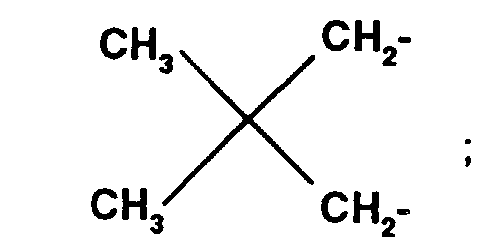 R3 unsubstituiertes oder mit OH oder/und COOH substituiertes C1-C22-Alkyl, oder durch -O-, -S-, -NR4-, -C(=O)-, -C(=O)-O-, -O-(C=O)- oder -C(=O)-NR4- unterbrochenes C2-C22-Alkyl; und R4 H oder C1-18-Alkyl sind.
 - Produkt nach Anspruch 2, worin eine der Gruppen X und Y Schwefel oder beide Gruppen Schwefel sind.
- Produkt nach Anspruch 2, worin R1 und R2 unabhängig voneinander C3-18-Alkyl, C5-6-Cycloalkyl oder C7-18-Alkylphenyl sind, und R3 C3-C18 -Alkyl oder mit -COOH oder -OH substituiertes C1-C12-Alkyl oder durch -C(=O)-O- unterbrochenes C3-C18-Alkyl ist.
- Produkt nach Anspruch 2, worin R1 und/oder R2 i-Propyl, i-Butyl oder 2-Ethylhexyl bedeuten, und R3 für C3-C18-Alkyl , -CH2-C(=O)-OH, -CH2-CH2-C(=O)-OH, -CH2-C(=O)-O-C1,-C12-Alkyl, -CH2-CH2-C(=O)-O-C1-C12-Alkyl oder -CH2CH2OH steht.
- Produkt nach Anspruch 1, worin das Polymer ein Molekulargewicht Mn von 500 - 500 000 aufweist.
- Produkt nach Anspruch 6, wobei das Polymer Polybutadien, Polyisopren, ringöffnend polymerisiertes Polycyclooctenamer oder Polynorbomen ist.
- Produkt nach Anspruch 6, wobei das Polymer mit mindestens 2 enophilen Verbindungen der Formeln I und/oder II umgesetzt wird.
- Zusammensetzung enthaltend einen Schmier- oder Kraftstoff sowie ein Produkt gemäß Anspruch 1.
- Zusammensetzung nach Anspruch 9 enthaltend einen Stoff aus den Gruppen der Motorenöle, Turbinenöle, Getriebeöle, Hydraulikflüssigkeiten, Metallbearbeitungsflüssigkeiten, Schmierfette, Diesel- oder Ottokraftstoffe sowie mindestens ein Produkt gemäß Anspruch 1.
- Konzentrate enthaltend ein oleophiles Lösungsmittel und mindestens ein Produkt gemäß Anspruch 1.
- Verfahren zur Verbesserung der Gebrauchseigenschaften von Schmier- oder Kraftstoffen, gekennzeichnet durch die Zugabe mindestens eines Produkts gemäß Anspruch 1.
- Verwendung von Produkten gemäß Anspruch 1als Additive in Motorenölen, Turbinenölen, Getriebeölen, Hydraulikflüssigkeiten, Metallbearbeitungsflüssigkeiten, Schmierfetten oder Diesel- oder Ottokraftstoffen.
Applications Claiming Priority (2)
| Application Number | Priority Date | Filing Date | Title |
|---|---|---|---|
| CH312696 | 1996-12-19 | ||
| CH3126/96 | 1996-12-19 |
Publications (2)
| Publication Number | Publication Date |
|---|---|
| EP0849282A2 true EP0849282A2 (de) | 1998-06-24 |
| EP0849282A3 EP0849282A3 (de) | 1998-09-23 |
Family
ID=4249177
Family Applications (1)
| Application Number | Title | Priority Date | Filing Date |
|---|---|---|---|
| EP97810961A Withdrawn EP0849282A3 (de) | 1996-12-19 | 1997-12-10 | Polymere multifunktionelle Schmierstoffadditive |
Country Status (3)
| Country | Link |
|---|---|
| US (1) | US6127327A (de) |
| EP (1) | EP0849282A3 (de) |
| JP (1) | JPH10182733A (de) |
Cited By (7)
| Publication number | Priority date | Publication date | Assignee | Title |
|---|---|---|---|---|
| EP1110973A1 (de) * | 1999-12-20 | 2001-06-27 | Bayer Ag | Lösungskautschuke mit unpolaren Seitengruppen |
| WO2002090397A1 (fr) * | 2001-05-04 | 2002-11-14 | Rhodia Chimie | Procede de reduction radicalaire de fonctions dithiocarbonylees ou dithiophosphorylees portees par un polymere |
| FR2829138A1 (fr) * | 2001-09-05 | 2003-03-07 | Rhodia Chimie Sa | Procede de reduction radicalaire de fonctions dithiocarbonylees ou dithiophosphorylees portees par un polymere |
| WO2003020822A3 (de) * | 2001-08-29 | 2003-09-12 | Basf Ag | Polymerzusammensetzung, enthaltend wenigstens ein mittelmolekulares reaktives polyisobuten |
| EP1390452A4 (de) * | 2001-03-22 | 2004-11-03 | Nanotech Fuel Corp | Kraftstoff-reformulator |
| WO2021148385A1 (de) * | 2020-01-21 | 2021-07-29 | Metall-Chemie Technologies Gmbh | Polymere aw-verbindungen |
| CN117603750A (zh) * | 2023-11-23 | 2024-02-27 | 龙蟠润滑新材料(天津)有限公司 | 一种合成酯类型可生物降解液压油组合物 |
Families Citing this family (12)
| Publication number | Priority date | Publication date | Assignee | Title |
|---|---|---|---|---|
| US8399013B2 (en) | 2003-06-26 | 2013-03-19 | Poly-Med, Inc. | Partially absorbable fiber-reinforced composites for controlled drug delivery |
| US8404272B2 (en) * | 2003-06-26 | 2013-03-26 | Poly-Med, Inc. | Fiber-reinforced composite rings for intravaginal controlled drug delivery |
| US7601677B2 (en) * | 2004-08-11 | 2009-10-13 | Daniel Graiver | Triglyceride based lubricant |
| US20060287202A1 (en) * | 2005-06-15 | 2006-12-21 | Malcolm Waddoups | Low ash or ashless two-cycle lubricating oil with reduced smoke generation |
| EP1847584A3 (de) * | 2006-04-21 | 2008-10-22 | Infineum International Limited | Verbesserungen bei Biokraftstoffen |
| US9034365B2 (en) | 2008-05-20 | 2015-05-19 | Poly-Med, Inc. | Biostable, multipurpose, microbicidal intravaginal devices |
| BR112012003705B1 (pt) | 2009-08-18 | 2018-08-07 | The Lubrizol Corporation | Composição lubrificante contendo um agente antidesgaste |
| US9090846B2 (en) | 2010-08-31 | 2015-07-28 | The Lubrizol Corporation | Lubricating composition containing an antiwear agent |
| JP2014500387A (ja) | 2010-12-21 | 2014-01-09 | ザ ルブリゾル コーポレイション | 清浄剤を含む潤滑組成物 |
| JP6241403B2 (ja) * | 2014-10-24 | 2017-12-06 | 横浜ゴム株式会社 | リン酸変性ポリマー |
| RU2672266C1 (ru) * | 2018-06-06 | 2018-11-13 | Федеральное государственное бюджетное образовательное учреждение высшего образования "Ростовский государственный университет путей сообщения" (ФГБОУ ВО РГУПС) | Пластичная смазка для тяжелонагруженных узлов трения качения и скольжения |
| WO2025115824A1 (ja) * | 2023-12-01 | 2025-06-05 | 日本曹達株式会社 | プリント配線板の絶縁層用組成物 |
Family Cites Families (22)
| Publication number | Priority date | Publication date | Assignee | Title |
|---|---|---|---|---|
| US2469132A (en) * | 1944-08-04 | 1949-05-03 | Phillips Petroleum Co | Manufacture of sulfur compounds |
| US2543867A (en) * | 1945-08-27 | 1951-03-06 | Phillips Petroleum Co | Process of making plasticizer for synthetic rubber by reacting a rubbery polymer of a diolefin with an alkyl mercaptan |
| US2543845A (en) * | 1945-08-27 | 1951-03-06 | Phillips Petroleum Co | Plasticizing synthetic rubber with a reaction product of an alkyl mercaptan and said rubber |
| US2553856A (en) * | 1946-03-01 | 1951-05-22 | Addressograph Multigraph | Clamp for master sheets of printing machines |
| US2581092A (en) * | 1948-01-02 | 1952-01-01 | Standard Oil Dev Co | Olefin-diolefin copolymers and mercaptan adducts |
| US3268480A (en) * | 1960-07-27 | 1966-08-23 | Shell Oil Co | Oil-soluble polyoximino-containing polymers |
| US3328360A (en) * | 1962-07-06 | 1967-06-27 | Exxon Research Engineering Co | Polymers containing phosphorus |
| GB1104304A (en) * | 1966-08-19 | 1968-02-21 | Exxon Research Engineering Co | Lubricating oil additive |
| US3574795A (en) * | 1967-05-22 | 1971-04-13 | Exxon Research Engineering Co | Cationic addition of dihydrocarbyl thiophosphoric acids to conjugated dienes and product |
| DE2046730C3 (de) * | 1970-09-22 | 1974-11-07 | Sergej M. Samojlow | Kopolymerisate von Äthylen mit Vinylmonomeren, Verfahren zu deren Herstellung sowie deren Anwendung |
| US4107059A (en) * | 1977-06-27 | 1978-08-15 | Pennwalt Corporation | Polymer of 1,2,4-thiadiazole and lubricants containing it as an additive |
| US4502972A (en) * | 1982-06-25 | 1985-03-05 | Ethyl Corporation | Lubricating oil composition containing a dialkyl dithiocarbamate-modified EPDM viscosity index improver |
| US4800028A (en) * | 1985-05-23 | 1989-01-24 | Pennwalt Corporation | Polymers and lubricant additives of alkylene dithiothiadiazoles and alkylene cyanodithioimidocarbonates |
| US4731403A (en) * | 1986-10-15 | 1988-03-15 | Morton Thiokol, Inc. | Lubricants for halogen-containing thermoplastic resins and compositions prepared therefrom |
| US5057235A (en) * | 1988-06-23 | 1991-10-15 | Mobil Oil Corporation | Sulfur-phosphorus adducts of chromium catalyzed polyalphaolefins |
| US5116523A (en) * | 1988-06-23 | 1992-05-26 | Mobil Oil Corporation | Sulfide adducts of high viscosity index polyalphaolefins |
| US5160349A (en) * | 1989-11-20 | 1992-11-03 | Mobil Oil Corporation | Olefin/maleic anhydride copolymer heterocyclic-azoles as antiwear additives, and fuel compositions |
| US5271102A (en) * | 1990-06-11 | 1993-12-21 | Feuling James J | Helmet with fluid flow termination surface |
| US5472627A (en) * | 1990-09-04 | 1995-12-05 | Texaco Inc. | Polymeric lubricant additive designed to enhance anti-wear, anti-oxidancy, and dispersancy thereof |
| US5135671A (en) * | 1991-04-24 | 1992-08-04 | Texaco Inc. | Multifunctional viscosity index improver containing units from unsaturated chlorides and aromatic amines |
| FR2692271B1 (fr) * | 1992-06-16 | 1995-07-21 | Inst Francais Du Petrole | Copolymeres utilisables comme additifs multifonctionnels pour les lubrifiants et compositions lubrifiantes renfermant lesdit copolymeres. |
| DE4409961A1 (de) * | 1994-03-23 | 1995-09-28 | Rhein Chemie Rheinau Gmbh | Metallfreie Dithiophosphorsäurederivate |
-
1997
- 1997-12-10 EP EP97810961A patent/EP0849282A3/de not_active Withdrawn
- 1997-12-19 JP JP9364976A patent/JPH10182733A/ja active Pending
-
1999
- 1999-06-24 US US09/339,720 patent/US6127327A/en not_active Expired - Fee Related
Cited By (8)
| Publication number | Priority date | Publication date | Assignee | Title |
|---|---|---|---|---|
| EP1110973A1 (de) * | 1999-12-20 | 2001-06-27 | Bayer Ag | Lösungskautschuke mit unpolaren Seitengruppen |
| EP1390452A4 (de) * | 2001-03-22 | 2004-11-03 | Nanotech Fuel Corp | Kraftstoff-reformulator |
| WO2002090397A1 (fr) * | 2001-05-04 | 2002-11-14 | Rhodia Chimie | Procede de reduction radicalaire de fonctions dithiocarbonylees ou dithiophosphorylees portees par un polymere |
| US7109276B2 (en) | 2001-05-04 | 2006-09-19 | Rhodia Chimie | Method for free radical reduction of dithiocarbonylated or dithiophosphorylated functions borne by a polymer |
| WO2003020822A3 (de) * | 2001-08-29 | 2003-09-12 | Basf Ag | Polymerzusammensetzung, enthaltend wenigstens ein mittelmolekulares reaktives polyisobuten |
| FR2829138A1 (fr) * | 2001-09-05 | 2003-03-07 | Rhodia Chimie Sa | Procede de reduction radicalaire de fonctions dithiocarbonylees ou dithiophosphorylees portees par un polymere |
| WO2021148385A1 (de) * | 2020-01-21 | 2021-07-29 | Metall-Chemie Technologies Gmbh | Polymere aw-verbindungen |
| CN117603750A (zh) * | 2023-11-23 | 2024-02-27 | 龙蟠润滑新材料(天津)有限公司 | 一种合成酯类型可生物降解液压油组合物 |
Also Published As
| Publication number | Publication date |
|---|---|
| EP0849282A3 (de) | 1998-09-23 |
| US6127327A (en) | 2000-10-03 |
| JPH10182733A (ja) | 1998-07-07 |
Similar Documents
| Publication | Publication Date | Title |
|---|---|---|
| EP0819754B1 (de) | Beta-Dithiophosphorylierte Propionsäure in Schmierstoffen | |
| JP5078614B2 (ja) | 改善された性能を有する潤滑油組成物 | |
| KR100274361B1 (ko) | 디티오인산 유도체, 이를 함유하는 조성물 및 윤활 첨가제로서의 용도 | |
| US6127327A (en) | Polymeric multifunctional lubricant additives | |
| AU2010279331A1 (en) | Lubricant composition | |
| US20040038835A1 (en) | Engine oils that are non-aggressive towards lead | |
| JP5185300B2 (ja) | 潤滑剤添加剤としてのエポキシドとのメルカプトベンゾチアゾール、メルカプトチアゾリンおよびメルカプトベンズイミダゾールの反応生成物 | |
| US6362138B1 (en) | Heterocyclic thioethers as additives for lubricants | |
| EP0737684B1 (de) | (Benz)Triazolreste enthaltende Verbindungen, deren Herstellung und deren Verwendung als Metalldesaktivatoren und Korrosionsschutzmittel | |
| EP4247922B1 (de) | Zusammensetzungen mit alkylierten diphenylaminen mit verbesserten eigenschaften | |
| DE4317980B9 (de) | Bis-Dithiophosphorsäurederivate als Schmiermitteladditive | |
| KR20050046781A (ko) | 부식 방지제로서 유용한 숙신산 반-아미드 | |
| EP0524145B1 (de) | Multifunktionelle Schmierstoff-Additive | |
| EP0595771B1 (de) | Phosphorfreie Schmiermitteladditive | |
| EP0894793A1 (de) | Phosphorfreie multifunktionelle Schmiermitteladditive | |
| EP4359495B1 (de) | O-alkylierte sterisch gehinderte antioxidantien | |
| EP0595770B1 (de) | Neue Dithiophosphate als Verschleissschutzadditive | |
| DE4317911A1 (de) | Trisamidodithionodiphosphate | |
| EP0682022B1 (de) | Kondensationsprodukte aus Melamin, (Benzo)triazolen und Aldehyden | |
| EP0323403A2 (de) | Schmierstoffzusammensetzung |
Legal Events
| Date | Code | Title | Description |
|---|---|---|---|
| PUAI | Public reference made under article 153(3) epc to a published international application that has entered the european phase |
Free format text: ORIGINAL CODE: 0009012 |
|
| AK | Designated contracting states |
Kind code of ref document: A2 Designated state(s): BE DE FR GB IT |
|
| AX | Request for extension of the european patent |
Free format text: AL;LT;LV;MK;RO;SI |
|
| PUAL | Search report despatched |
Free format text: ORIGINAL CODE: 0009013 |
|
| AK | Designated contracting states |
Kind code of ref document: A3 Designated state(s): AT BE CH DE DK ES FI FR GB GR IE IT LI LU MC NL PT SE |
|
| AX | Request for extension of the european patent |
Free format text: AL;LT;LV;MK;RO;SI |
|
| 17P | Request for examination filed |
Effective date: 19981123 |
|
| AKX | Designation fees paid |
Free format text: BE DE FR GB IT |
|
| RBV | Designated contracting states (corrected) |
Designated state(s): BE DE FR GB IT |
|
| 17Q | First examination report despatched |
Effective date: 20010917 |
|
| STAA | Information on the status of an ep patent application or granted ep patent |
Free format text: STATUS: THE APPLICATION IS DEEMED TO BE WITHDRAWN |
|
| 18D | Application deemed to be withdrawn |
Effective date: 20030603 |