EP0852499B1 - Therapeutische azidverbindungen - Google Patents
Therapeutische azidverbindungen Download PDFInfo
- Publication number
- EP0852499B1 EP0852499B1 EP96932197A EP96932197A EP0852499B1 EP 0852499 B1 EP0852499 B1 EP 0852499B1 EP 96932197 A EP96932197 A EP 96932197A EP 96932197 A EP96932197 A EP 96932197A EP 0852499 B1 EP0852499 B1 EP 0852499B1
- Authority
- EP
- European Patent Office
- Prior art keywords
- ara
- aap
- serum
- azide
- brain
- Prior art date
- Legal status (The legal status is an assumption and is not a legal conclusion. Google has not performed a legal analysis and makes no representation as to the accuracy of the status listed.)
- Expired - Lifetime
Links
- 0 *c1c2nc[n](C3OC(CO)CC3O)c2ncn1 Chemical compound *c1c2nc[n](C3OC(CO)CC3O)c2ncn1 0.000 description 1
- OFEZSBMBBKLLBJ-UHFFFAOYSA-N Nc1c2nc[n](C3OC(CO)CC3O)c2ncn1 Chemical compound Nc1c2nc[n](C3OC(CO)CC3O)c2ncn1 OFEZSBMBBKLLBJ-UHFFFAOYSA-N 0.000 description 1
Images



Classifications
-
- A—HUMAN NECESSITIES
- A61—MEDICAL OR VETERINARY SCIENCE; HYGIENE
- A61K—PREPARATIONS FOR MEDICAL, DENTAL OR TOILETRY PURPOSES
- A61K31/00—Medicinal preparations containing organic active ingredients
- A61K31/70—Carbohydrates; Sugars; Derivatives thereof
- A61K31/7042—Compounds having saccharide radicals and heterocyclic rings
- A61K31/7052—Compounds having saccharide radicals and heterocyclic rings having nitrogen as a ring hetero atom, e.g. nucleosides, nucleotides
- A61K31/706—Compounds having saccharide radicals and heterocyclic rings having nitrogen as a ring hetero atom, e.g. nucleosides, nucleotides containing six-membered rings with nitrogen as a ring hetero atom
- A61K31/7064—Compounds having saccharide radicals and heterocyclic rings having nitrogen as a ring hetero atom, e.g. nucleosides, nucleotides containing six-membered rings with nitrogen as a ring hetero atom containing condensed or non-condensed pyrimidines
- A61K31/7076—Compounds having saccharide radicals and heterocyclic rings having nitrogen as a ring hetero atom, e.g. nucleosides, nucleotides containing six-membered rings with nitrogen as a ring hetero atom containing condensed or non-condensed pyrimidines containing purines, e.g. adenosine, adenylic acid
-
- A—HUMAN NECESSITIES
- A61—MEDICAL OR VETERINARY SCIENCE; HYGIENE
- A61K—PREPARATIONS FOR MEDICAL, DENTAL OR TOILETRY PURPOSES
- A61K47/00—Medicinal preparations characterised by the non-active ingredients used, e.g. carriers or inert additives; Targeting or modifying agents chemically bound to the active ingredient
- A61K47/50—Medicinal preparations characterised by the non-active ingredients used, e.g. carriers or inert additives; Targeting or modifying agents chemically bound to the active ingredient the non-active ingredient being chemically bound to the active ingredient, e.g. polymer-drug conjugates
- A61K47/51—Medicinal preparations characterised by the non-active ingredients used, e.g. carriers or inert additives; Targeting or modifying agents chemically bound to the active ingredient the non-active ingredient being chemically bound to the active ingredient, e.g. polymer-drug conjugates the non-active ingredient being a modifying agent
- A61K47/52—Medicinal preparations characterised by the non-active ingredients used, e.g. carriers or inert additives; Targeting or modifying agents chemically bound to the active ingredient the non-active ingredient being chemically bound to the active ingredient, e.g. polymer-drug conjugates the non-active ingredient being a modifying agent the modifying agent being an inorganic compound, e.g. an inorganic ion that is complexed with the active ingredient
-
- A—HUMAN NECESSITIES
- A61—MEDICAL OR VETERINARY SCIENCE; HYGIENE
- A61P—SPECIFIC THERAPEUTIC ACTIVITY OF CHEMICAL COMPOUNDS OR MEDICINAL PREPARATIONS
- A61P43/00—Drugs for specific purposes, not provided for in groups A61P1/00-A61P41/00
-
- C—CHEMISTRY; METALLURGY
- C07—ORGANIC CHEMISTRY
- C07H—SUGARS; DERIVATIVES THEREOF; NUCLEOSIDES; NUCLEOTIDES; NUCLEIC ACIDS
- C07H19/00—Compounds containing a hetero ring sharing one ring hetero atom with a saccharide radical; Nucleosides; Mononucleotides; Anhydro-derivatives thereof
- C07H19/02—Compounds containing a hetero ring sharing one ring hetero atom with a saccharide radical; Nucleosides; Mononucleotides; Anhydro-derivatives thereof sharing nitrogen
- C07H19/04—Heterocyclic radicals containing only nitrogen atoms as ring hetero atom
-
- C—CHEMISTRY; METALLURGY
- C07—ORGANIC CHEMISTRY
- C07H—SUGARS; DERIVATIVES THEREOF; NUCLEOSIDES; NUCLEOTIDES; NUCLEIC ACIDS
- C07H19/00—Compounds containing a hetero ring sharing one ring hetero atom with a saccharide radical; Nucleosides; Mononucleotides; Anhydro-derivatives thereof
- C07H19/02—Compounds containing a hetero ring sharing one ring hetero atom with a saccharide radical; Nucleosides; Mononucleotides; Anhydro-derivatives thereof sharing nitrogen
- C07H19/04—Heterocyclic radicals containing only nitrogen atoms as ring hetero atom
- C07H19/06—Pyrimidine radicals
- C07H19/10—Pyrimidine radicals with the saccharide radical esterified by phosphoric or polyphosphoric acids
-
- C—CHEMISTRY; METALLURGY
- C07—ORGANIC CHEMISTRY
- C07H—SUGARS; DERIVATIVES THEREOF; NUCLEOSIDES; NUCLEOTIDES; NUCLEIC ACIDS
- C07H19/00—Compounds containing a hetero ring sharing one ring hetero atom with a saccharide radical; Nucleosides; Mononucleotides; Anhydro-derivatives thereof
- C07H19/02—Compounds containing a hetero ring sharing one ring hetero atom with a saccharide radical; Nucleosides; Mononucleotides; Anhydro-derivatives thereof sharing nitrogen
- C07H19/04—Heterocyclic radicals containing only nitrogen atoms as ring hetero atom
- C07H19/16—Purine radicals
-
- C—CHEMISTRY; METALLURGY
- C07—ORGANIC CHEMISTRY
- C07H—SUGARS; DERIVATIVES THEREOF; NUCLEOSIDES; NUCLEOTIDES; NUCLEIC ACIDS
- C07H19/00—Compounds containing a hetero ring sharing one ring hetero atom with a saccharide radical; Nucleosides; Mononucleotides; Anhydro-derivatives thereof
- C07H19/02—Compounds containing a hetero ring sharing one ring hetero atom with a saccharide radical; Nucleosides; Mononucleotides; Anhydro-derivatives thereof sharing nitrogen
- C07H19/04—Heterocyclic radicals containing only nitrogen atoms as ring hetero atom
- C07H19/16—Purine radicals
- C07H19/20—Purine radicals with the saccharide radical esterified by phosphoric or polyphosphoric acids
Definitions
- This invention is in the field of pharmaceuticals, specifically azide derivatives of pharmaceutically active compounds.
- nucleoside analogs which has been used in the treatment of herpes viruses as well as other viruses, particularly in immunocompromised patients such as those infected with the AIDS virus. These analogs, after phosphorylation by the enzymes of the cell, disrupt DNA synthesis and are thus useful as anticancer agents as well as inhibitors of virus multiplication.
- One of the early compounds used for this purpose was 5-iodo-2'-deoxyuridine (IDU). [ Darby, G. (1995), "In search of the perfect antiviral,” Antiviral Chem. & Chemother. 1:54-63 ].
- IDU 5-iodo-2'-deoxyuridine
- Acyclovir and valaclovir are mentioned as particularly useful compounds in this regard because they become phosphorylated only within infected cells, and thus inhibit DNA replication only in these cells. These drugs, however, have low oral bioavailability (15-20%), which limits their usefulness. Again, a method for increasing the half-lives of such drugs is needed.
- Vidarabine 9-( ⁇ -D-arabinofuranosyl)adenine (ara-A) was originally discovered as an antitumor agent [ Reist, E.J. et al., "Potential anticancer agents. LXXVI. Synthesis of purine nucleosides of ⁇ -D-arabinofuranose," J. Org. Chem. (1962) 27:3274-3279 ] and in later studies, it was shown to be active against herpes simplex virus type 1 and 2 [ Drach, J.C. and Shipman, C. Jr., "The selective inhibition of viral DNA synthesis by chemotherapeutic agents: an indicator of clinical usefulness?" Ann.
- Ara-A is a licensed compound for the treatment of herpes simplex keratitis [ Denis, J. et al., "Treatment of superficial herpes simplex hepatitis with Vidarabine (Vira A): A multicenter study of 100 cases," J. Fr. Ophthalmol. (1990) 13:143-150 ] and encephalitis [ Whitley, R.J., "Herpes simplex virus infections of the central nervous system.
- Ara-A may also be an alternative therapy for acyclovir-resistant herpes simplex virus, cytomegalovirus and varicella-zoster virus infections [ Chatis, P.A. and Crumpacker, C.S., "Resistance of herpes viruses to antiviral drugs," Antimicrob. Agents Chemother. (1992) 36:1589-1595 ; Nitta, K. et al., "Sensitivities to other antiviral drugs and thymidine kinase activity of acyclovir-resistant herpes simplex virus type 1," Nippon. Ganka. Gakkai. Zasshi (1994) 98:513-519 ].
- ara-A as a clinically effective agent is limited due to its rapid deamination to ara-H by adenosine deaminase (ADA) in vivo
- ADA adenosine deaminase
- Didanosine (ddI) is a synthetic nucleoside analogue structurally related to inosine with proven activity against human immunodeficiency virus (HIV) [ Faulds, D. and Brogden, R.N., "Didanosine: a review of its antiviral activity, pharmacokinetics properties and therapeutic potential in human immunodeficiency virus infection," Drugs (1992) 44:94-116 ]. It is approved for use in patients who are intolerant to zidovudine (AZT) or who have deteriorated on zidovudine therapy. However, its various side effects [ Tartaglione, T.A. et al., "Principles and management of the acquired immunodeficiency syndrome. In: Pharmacotherapy.
- Cordycepin is potentially very active against tumor growth and viral replication [ Yeners, K. et al., "Cordycepin selectively kills TdT-positive cells,” Abstract of presentation to American Soc. of Clin. Oncology Meeting, May 1993 ]. However, the effectiveness of cordycepin in vivo is markedly decreased by rapid deamination. Cordycepin exhibits its biological activity through direct inhibition of viral replication through its ability to block polyadenylic acid [poly(A)] synthesis, thus interfering with processing and maturation of both cellular and viral mRNA. [ Svendsen, K.R. et al.
- Cordycepin is phosphorylated by adenosine kinase to 3'-deoxyadenosine monophosphate, with further phosphorylation by adenylate kinase to 3'-deoxyadenosine triphosphate which exerts toxic effects due to its incorporation into RNA in lieu of ATP, thereby functioning as a chain terminator.
- cordycepin as an antitumor agent is limited because of very rapid deamination of the compound to yield 3'-deoxyinosine which is biologically inert. That reaction is catalyzed by adenosine deaminase.
- adenosine deaminase adenosine deaminase
- cordycepin in vivo antitumor activity of cordycepin can be enhanced by administration with adenosine deaminase inhibitor 2'-deoxycoformycin (2'-DCF). Administered together, cordycepin and 2'-DCF resulted in marked inhibition of L1210 and P388 cell growth in vitro and in mice models in vivo.
- adenosine deaminase inhibitor 2'-deoxycoformycin 2'-deoxycoformycin
- 3'-deoxyadenosine N 1 -oxide 3'-dANO
- 3'-dANO is metabolically inert until it has entered a target cell that is capable of reducing 3'-dANO to cordycepin.
- This invention provides azide compounds, preferably azide derivatives of therapeutically active substances which provide increased half-lives for the therapeutically active substances.
- Azide derivatives of certain biologically active compounds have been synthesized for the purpose of optical imaging. [ Nicholls, D., et al. (1991), "Medicinal azides. Part 8. The in vitro metabolism of p-substituted phenyl azides," Xenobiotica 21:935-943 .]
- Azide drugs such as 3'-azido-3'-deoxythymidine (AZT, also known as zidovudine) have been used in the treatment of AIDS because of their inhibition of viral replication.
- ZT 3'-azido-3'-deoxythymidine
- AZT is reduced in vivo to the corresponding amino compound.
- the degradation product of AZT is not therapeutically effective and is, in fact, toxic.
- a method as provided herein is needed for increasing the half-life of pharmaceutically active compounds so as to avoid problems associated with the rapid degradation of the compounds in the patient's body.
- compositions which comprise azide derivatives of biologically active therapeutic compounds (also referred to herein as "drugs"), as defined in claim 1.
- the azide derivatives of this invention are reduced in vivo to the corresponding drug.
- Drugs comprising amine moieties arc susceptible to deamination in the body, which often destroys their effectiveness.
- the amine moieties of these drugs arc converted to azide (N 3 ) moieties, the azides are reduced to the corresponding amines, thus converting the azide derivatives to the active amine drugs, such that the active forms of the drug have a longer half life, continuing to exhibit biological activity in the in vivo system for a longer period of time after administration than the drugs themselves.
- Drugs which are ketones or have hydroxy substituents may also advantageously be converted to the corresponding azides to increase their half-lives.
- azide derivatives In addition to having increased half-lives, azide derivatives often are better able to penetrate the cells and compartments with lipophilic barriers, such as the prostate capsule and blood-brain barrier, so that they are more effective in reaching the site where their activity is desired than the corresponding amine, ketone or hydroxy form of the drug.
- the azide derivatives of therapeutically active substances of this invention are sometimes referred to herein as "prodrugs" for the drugs of which they are derivatives.
- the azide derivative of cordycepin an active anticancer agent
- N 6 -azido- ⁇ -D-3'-deoxyribofuranosyl purine (ADRP) having an azide group in place of the amine group of cordycepin, is reduced in vivo to cordycepin, an active anticancer agent. Thereafter, the cordycepin is further deaminated to the inactive 3'-deoxyinosine metabolite:
- drugs which in their active form have a carbonyl moiety may be converted to the corresponding azides.
- the body reduces these to the corresponding amines, then further reduces them to the active carbonyl form by deaminases in vivo.
- the corresponding azide of 2'-fluoro-2',3'-dideoxyinosine (2'-F-ara-ddI) namely 6-azido-2',3'-dideoxy-2'-fluoro- ⁇ -D-arabinofuranosylpurine (FAAddP) has been prepared.
- Drugs having a hydroxy form may similarly be administered as azide derivatives which are reduced in vivo first to the amine, then the hydroxy form.
- DAPD DA- ⁇ -D-2-amino-6-azido purine dioxolane
- DXG (-)- ⁇ -D-Dioxolane guanine
- the compounds of this invention are 2'-F-azido-ara-ddP, an azide derivative of 2'-F-ara-ddI; 9-( ⁇ -D-arabinoturanosyl)-6-azidopurine (6-AAP) an azide derivative of adenine arabinoside (AraA); and N 6 -azido- ⁇ -D-3'-deoxyribofuranosyl purine, an azide derivative of cordycepin.
- Azides are converted by reductase in the subject's body to the corresponding amines, and are then further deaminated.
- deaminases There are a number of deaminases in the body, including adenosine deaminase and cytidine deaminase, which are capable of further metabolizing amines to the corresponding ketones or hydroxy-substituted compounds.
- the active drug may be the amine, or the ketone or hydroxy compound.
- FddC ⁇ -D-5-Fluoro-2',3'-dideoxy-2',3'-didehydrocytosine
- ⁇ -D-Fd4C ⁇ -D-5-Fluoro-3'deoxy-3'thiacytidine
- ⁇ -D-FTC ⁇ -D-FTC
- adenosine, 2'-deoxyadenosine, cytidine, 2'-deoxycytidine, 5'-fluorocytosine, and arabinofuranosylcytosine (ara-C) all of which are converted to the corresponding azide by treatment with the appropriate azide donor, e.g. N 3 .
- Monophosphates, diphosphates and triphosphates of the azide derivates of nucleoside analogs also constitute a preferred class of compounds of this invention.
- azide derivatives are azide derivatives of aminoglycoside antibiotics which are primary amines, ketones, or hydroxy-substituted compounds, such as gentamycin, tobramycin and kanamycin.
- a further preferred class of azide derivatives are azide derivatives of ampicillin and its analogs such as bacampicillin, for which the corresponding azide derivatives are 6-[(azidephenylacetyl)amino]-3,3-dimethyl-7-oxo-4-thia-1-azabicyclo-[3.2.0]heptane-2-carboxylic acid and ester, respectively.
- a further preferred class of azide derivatives are azide derivatives of sulfonamides which are primary amines or ketones, such as p-azidebenzenesulfonamide and its analogs.
- Azide derivatives can be synthesized by means known to the art corresponding to the following sulfa drugs: sulfabenz, sulfabenzamide, sulfabromomethazine, sulfacetamide, sulbenox, sulfacytine, sulfadiazine, sulfadicramide, sulfadimethoxine, sulfadoxine, sulfaethidole, sulfaaguanidine, sulfaguanole, sulfalene, sulfamerazine, sulfameter, sulfamethazine, sulfamethomidine, sulfamethoxazole, sulfame
- a further preferred class of azide derivatives are azidephenyl derivatives of cephalosporin or its biologically active analogs which are primary amines or ketones, such as cephalexin, for which the corresponding azide derivative is [7-[azidephenylacetyl)amino-3-methyl-8-oxo-5-thia-1-azabicyclo[4.2.0]oct-2-ene-2-carboxylic acid; cephaloglycin, for which the corresponding azide derivative is 3-[(acetyloxy)methyl)-7-[(azidephenylacetyl)amino]-8-oxo-5-thia-1-azabicyclo[4.2.0]oct-2-ene-2-carboxylic acid; cephalosporin C, for which the corresponding azide derivative is 7-(D-5-azido-5-carboxyvaleramido)-3-(carboxy)-8-oxo-5-thia-1-azabicyclo[4.2.0]oct
- a further preferred class of azide derivatives are azide derivatives of biologically active alicyclic amines, ketones, and hydroxy-substituted compounds, including aralkyl, heterocyclic aralkyl, and cyclic aliphatic compounds, where the amine or oxygen moiety is on the ring, e.g.
- trimetrexate for which the corresponding azide derivative is 2,4-diazido-5-methyl-6-[3,4,5-trimethoxyanilino)methyl]quinazoline; procaine, for which the corresponding azide derivative is p-azidebenzoyldiethylaminoethanol; dapsone, for which the corresponding azide derivative is 4,4'-diazidodiphenyl sulfone; amantadine, for which the corresponding azide derivative is 1-azidetricyclo[3.3.1.1 3,7 ]decane; and methotrexate, for which the corresponding azide derivative is N-[4-[[(2,4-Diazido-6-pteridinyl)methyl]methylamino]benzoyl]-L-glutamic acid; or where the amine or oxygen moiety is on an aliphatic side chain, e.g.
- amphetamine for which the corresponding azide derivative is 1-phenyl-2-azidepropane
- L-dopa for which the corresponding azide derivative is 2-azido-3-(3,4-dihydroxyphenyl)propanoic acid
- trimethoprim for which the corresponding azide derivative is 2,4-diazido-5-(3,4,5-trimethoxybenzyl)pyrimidine
- histamine for which the corresponding azide derivative is ⁇ -azidoethylimidazole.
- a further preferred class of azide derivatives are azide derivatives of biogenetic amines including epinephrin, norepinephrin, dopamine, and seratonin.
- the azide derivatives of therapeutic compounds claimed herein by means of their chemical names include the free forms as well as pharmaceutically acceptable salts (including esters) thereof.
- said pharmaceutically acceptable salt may further be either inorganic acid addition salts such as hydrochloride, hydrobromide or sulfate; organic acid addition salts such as citrate, acetate, oxalate, hibenzate, methanesulfonate, alkali metal salts such as sodium salt or potassium salt, alkaline earth metal salts such as calcium salt or magnesium salt, amine salts, and the like.
- the dose of the azide derivative to be used is not critical, but the azide derivative is preferably used within the usual dosage range of the drug to which it reduces. As will be appreciated by those skilled in the art, dosage amount and timing may advantageously be varied in light of the longer half-lives of the drugs when the azide derivatives are administered, as compared to the case in which the drug itself is administered.
- the azide derivatives of therapeutic compounds hereof may be administered to a subject or patient which is a warm-blooded animal, including man, via any means known to the art, including intravenously, by injection, and through conventional enteral routes, for example, orally or rectally. Further these compounds may be administered in the form of conventional preparations, for example, in solid dosage forms such as tablets, pills, powders, granules or suppositories; or in liquid dosage forms such as solutions, syrups, emulsions, elixirs, suspension or lemonades.
- a pharmaceutically acceptable carrier such as a binder e.g., syrup, arabic gum, gelatin, sorbit, tragacanth, polyvinylpyrrolidone, a diluent such as lactose, sucrose, corn starch, calcium phosphate, sorhit and the like, a lubricant such as magnesium stearate, talc, polyethylene glycol, silica, and the like, a disintegrator, such as corn starch, a wetting agent such as sodium lauryl sulfate, a suppository base such as cacao butter, laurin butter, polyethylene glycol, eg.
- a binder e.g., syrup, arabic gum, gelatin, sorbit, tragacanth
- polyvinylpyrrolidone such as lactose, sucrose, corn starch, calcium phosphate, sorhit and the like
- a lubricant such as magnesium stearate, talc, polyethylene
- pharmaceutically acceptable carrier does not include water alone or alcohols alone, although any of the foregoing additives in combination with water may constitute a pharmaceutically acceptable carrier.
- Azidoadenine analogs may be prepared from guanine analogs according to the following scheme:
- Aliphatic compounds may be prepared by treating with trifluoromethylsulfonyl azide according to the following scheme:
- cordycepin derivative N 6 -azido- ⁇ -D-3'-deoxyribofuranosyl purine
- Diaceton-D-glucose (156 g 0.6 mol.) was stirred in 1000 ml CHCl 2 . To this solution were added pyridimium dichromate (PDC 135 g 0.36 mol) and Ac 2 O (186 ml 1.98 mol). The mixture was refluxed for 30 min. After concentration, the residue was diluted with EtOAc (500 ml), filtered and the filtrate was filtered through a silica gel pad and was washed with EtoAc. The combined filtrate was concentrated and was evaporated with toluene to give an oil, 110g, yield: 70.8%.
- PDC 135 g 0.36 mol pyridimium dichromate
- Ac 2 O 186 ml 1.98 mol
- mice Female NIH Swiss mice (Harland Sprague-Dawley, Indianapolis, IN) weighing 24-28 g were used for pharmacokinetic experiments. 100 mg/kg of cordycepin or the azide derivative of cordycepin were administered intravenously (iv) (dissolved in methylsulfoxide (20 mg/ml)), or orally (dissolved in 30% glycerin (8.3 mg/ml)). Three animals for each time point were sacrificed at 0.08, 0.25, 0.5, 0.75, 1.0, 1.5, 2.0, 3.0 and 4.0 h after drug administration. Blood (serum) was collected and immediately analyzed.
- perchloric acid supernatant was transferred into a clean tube with 160 ⁇ l of concentrated sodium tetraborate solution (pH 6.5). Tubes were vortexed again and centrifuged at 12,000 rpm for 15 min. Samples were held at 0°C during analysis.
- Chromatographic separations were carried out on a Shimadzy gradient HPLC system (Shimadzy Corporation, Kyoto, Japan), which was equipped with a Model SPD-10A UV detector, a Model L-10AS pump, a Model SIL-10A autosampler, a controller Model SCL-10A and a Model CR-501 reporting integrator. Chromatography was performed on an Alltech Hypersil ODS (5 ⁇ m particle size, 4.6 x 250 mm, Alltech Associates, Deerfield, IL) to determine cordycepin and its metabolite. The azide derivative of cordycepin was analyzed on an Alltech Hypersil BDS column (5 ⁇ m particle size, 4.6 x 250 mm, Alltech Associates, Deerfield, IL).
- the mobile phase for cordycepin and metabolite analysis in serum consisted of 3% acetonitrile in 20 mM sodium borate and 10 mM EDTA (pH 6.5) at a flow of 1.4 ml/min and the mobile phase for azide derivative analysis in serum consisted of 3 % acetonitrile 20 mM in potassium phosphate (pH 4.0) at a flow of 1.5 ml/min.
- the UV detector was set at 258 nm for analysis of cordycepin and metabolite and at 290 nm for the azide derivative.
- Standard curves were prepared for each type of sample by adding known amounts of compounds to serum and subjecting them to the extraction procedure as described above.
- the limit of quantitation was 0.05 ⁇ g/ml for cordycepin and metabolite and 0.5 ⁇ g/ml for the azide derivative.
- Plasma concentration versus time data for nucleosides were analyzed by noncompartment methods.
- the area under concentration versus time curves (AUC) from time zero to the last measured concentration was determined by the linear trapezoidal rule and the AUC from the time of the last measured concentration to infinity was determined by dividing the last determined concentration by the least squares elimination rate constant ( ⁇ z ).
- Half-life was calculated from 0.693/ ⁇ z .
- the variance of estimated AUC values was calculated as described by Rocci, M.L. Jr. and Jusko, W.J., "LAGRAN program for area and moments in pharmacokinetic analysis," Comp. Prog. Biomed. (1983) 16:203-216 .
- Absolute bioavailability (F) of the azide derivative was calculated from AUC or /AUC iv , where AUC values were determined from serum nucleoside concentration versus time data. Relative exposures for cordycepin and its metabolite in serum after or versus iv administration of the derivative were calculated from AUC or /AUC iv . Table 1. Pharmacokinetic parameters of azide derivative, cordycepin and metabolite in mouse serum after intravenous and oral administration of azide derivative at a dose of 100 mg/kg Compound AUC 0- ⁇ (mg h/L) F r e T 1/2 ,(hr) iv oral iv oral Azide Deriv.
- C max The maximal measured concentrations (C max ) of the azide derivative were 143 ⁇ 33.4 ⁇ g/ml at 5 min after iv and 48.2 ⁇ 12.3 ⁇ g/ml at 15 min. after oral administration.
- the half-life values were 0.35 h (iv) and 0.53 h (oral).
- Absolute bioavailability (F) of the azide derivative was 0.94, but the difference between the AUC values for iv and oral administration is statistically insignificant (Table 1).
- the C max values of cordycepin were 3.89 ⁇ 1.72 ⁇ g/ml at 5 min. after iv and 1.18 ⁇ 0.60 ⁇ g/ml at 30 minutes after oral administration.
- the half-life values were 0.24 h (iv) and 0.76 h (oral).
- the formulation with the azide derivative of cordycepin allowed detection of cordycepin in serum above 0.05 ⁇ g/ml within 1.5 h (iv) and 3 h (oral). Although r e for cordycepin was 0.75, there is no statistically significant difference between the AUC values for iv and oral administration (Table 1).
- the AUC level of 3'-deoxyinosine was determined after administration of the azide derivative of cordycepin.
- the r e was 1.6.
- the half-life of metabolite had the same range of value as the azide derivative and cordycepin.
- the prodrugs FAAddP ( 4 ) and FMAddA ( 5 ) were synthesized from the 6-chloropurine derivative 2.
- Compound 2 was synthesized from 5- O -benzoyl-3-deoxy-1,2- O -isopropylidine- ⁇ -D-ribofuranose (1) according to published procedures [ Shanmuganathan, K. et al., "Enhanced brain delivery of an anti-HIV nucleoside 2'-F-ara-ddI by xanthine oxidase mediated biotransformation," J. Med. Chem. (1994) 37:821-827 ] Compound 2 was debenzoylated using DIBAL-H in CH 2 Cl 2 at -78°C to obtain compound 3 .
- 6-Chloro-9-(2,3-dideoxy-2-fluoro- ⁇ -D-arabinofuranosyl)purine (3) A solution of compound 2 (1.34 g, 3.56 mmol) in CH 2 Cl 2 (40 mL) was cooled to -78°C under nitrogen and DIBAL-H (10.5 mL, 1M solution in CH 2 Cl 2 ) was added slowly. The reaction mixture was stirred at -78°C for 45 min and quenched by the slow addition of MeOH. The reaction mixture was warmed to room temperature and the solvent was evaporated in vacuo. The residue was dissolved in hot MeOH and filtered through a pad of Celite.
- 6-Azido-9-(2,3-dideoxy-2-fluoro- ⁇ -D-arabinofuranosyl)purine (4) A solution of 3 (1.0 g, 3.67 mmol) in DMF (25 mL) and LiN 3 (0.90 g, 18.3 mmol) was stirred at room temperature for 24 hours.
- Liver and brain homogenate were prepared in a 1:1 (g:mL) ratio with isotonic 0.05 M phosphate buffer, pH 7.4.
- FAAddP 70 ⁇ M
- FMAddA 50 ⁇ M
- Aliquots of 100 ⁇ L were removed at time zero and at selected times for up to 6 hours. Concentrations of the compounds were determined by HPLC.
- Azido reduction assay The analysis of azido reducing activity was described previously [ Cretton, E.M. and Sommadossi, J-P., "Reduction of 2'-azido-2',3'-dideoxynucleosides to their 3'-amino metabolite is mediated by cytochrome P-450 and NADPH-cytochrome P-450 reductase in rat liver microsomes," Drug Metab. Dispos. (1993) 21:946-950 ].
- the biotransformation of the rodrug FAAddP to 2'-F-ara-ddI probably involves a two-step metabolic process (Scheme 6).
- the prodrug was first metabolized to 2'-P-ara-ddA by the P-450 reductase system.
- a similar reduction of the azido moiety of AZT to an amino function by the cytochrome P-450 system has been recently demonstrated [ Placidi, I., et al., "Reduction of 33'-azido-3'-deoxythymidine to 3'-amino-3'-deoxythymidine in human liver microsomes and its relationship to cytochrome P-450," Clin. Pharmacol, Ther.
- the azido reduction assay confirmed that FAAddP was metabolized to 2'-F-ara-ddA and 2'-F-ara-ddI by the microsomal fraction of the human liver homogenate. Furthermore, in vitro biotransformation studies showed that direct conversion of FAADDP to 2'-F-ara-ddI by adenosine deaminase occurred at a negligible rate.
- FAAddP was stable in phosphate buffer saline (PBS, pH 7.4) at 37°C indicating that the compound is not susceptible to chemical hydrolysis.
- the in vitro biotransformation of this prodrug in mouse serum was relatively rapid with a degradation half-life of 2.41 hours.
- FAAddP was metabolized in serum, no metabolites were identified.
- FAAddP concentrations declined in a biphasic fashion.
- mice Animal studies. The pharmacokinetics of the active nucleoside, 2'-F-ara-ddI were investigated in mice. Animal studies were approved by the University of Georgia Animal Care and Use Committee and conducted in accordance with guidelines established by the Animal Welfare Act and the National Institutes of Health Guide for the Care and Use of Laboratory Animals. Female NIH-Swiss mice (Harland Sprague-Dawley, Indianapolis, IN) weighing 24-28 g were housed in 12 h light/12 h dark constant-temperature (22°C) environment and had free access to standard laboratory chow and water. Animals were acclimatized to this environment for one week prior to the experiments.
- 2'-F-ara-ddI dissolved in physiological saline (15 mg/mL), was administered intravenously via tail vein injection at a dose of 20 mg/kg (79 ⁇ moles/kg).
- FAAddP 55 mg/kg; 197 ⁇ moles/kg
- FMAddA dissolved in saline (15 mg/mL)
- mice (three animals per each time point) were anesthetized with diethyl ether and sacrificed by exsanguination via left ventricular heart puncture. Serum was harvested from blood collected. The brain was excised, rinsed with normal saline, blotted dry and weighed. Serum and brain samples were frozen at -20°C until analysis.
- Acetonitrile (600 ⁇ L) containing 0.1 % acetic acid was added while vortexing to precipitate proteins.
- the tubes were centrifuged at 3,000 rpm for five minutes and the supernatant was transferred to a clean tube. Supernatant was evaporated to dryness under a stream of nitrogen gas at room temperature. The residual film was reconstituted in 110 ⁇ L of mobile phase and 50 ⁇ L was injected onto the HPLC.
- the mobile phase for the analysis of 2'-F-ara-ddI consisted of 4.2% (v/v) acetonitrile in 40 mM sodium acetate, pH 4.1, yielding retention times of 3.78 and 7.6 min, for 2'-F-ara-ddI and AZddU, respectively.
- a mobile phase of 7.5% acetonitrile in 40 mM sodium acetate, pH 6.0 was used for the analysis of FMAddA in serum and liver homogenate.
- the retention time for FMAddA was 8.8 min and that for AZddU was 4.9 min.
- the mobile phase consisted of 7.5% acetonitrile in 10 mM K 2 HPO 2 (pH 7.2) yielding retention times for FMAddA and AZddU of 7.8 and 4.3 min, respectively. Eluants were monitored at a UV wavelength of 260 nm.
- Nucleoside standards ranging from 0.04 ⁇ g/mL to 100 ⁇ g/mL, prepared in blank PBS, serum, brain homogenate and liver homogenate were treated the same as unknown samples. Samples with nucleoside concentrations greater than 100 ⁇ g/mL were diluted with the appropriate blank matrix. The limit of quantitation (signal-to-noise ratio of 3:1) for the 2'-fluoronucleosides in all biological media was 0.1 ⁇ g/mL. Extraction recovery was greater than 80% for all compounds. The intra- and inter assay relative standard deviations (RSDs) for each compound were less than 10% in all media.
- RSDs relative standard deviations
- Nucleoside concentration as a function of time data were analyzed by a non-compartmental technique.
- the last 3 to 5 time points were used to obtain ⁇ z .
- Half-life was calculated from 0.693/ ⁇ z .
- total clearance (CL T ) was calculated from Dose/AUC and steady-state volume of distribution (V ss ) from Dose x AUMC/AUC 2 .
- the fraction of the prodrug converted to parent compound (f c ) was calculated from AUC p-pd x CL T /Dose pd .
- AUC p-pd is the AUC of the parent compound after administration of the prodrug (Dose pd )
- CL T is the clearance of the parent compound [ Gibaldi, M.
- Relative brain exposure was calculated from AUC brain ,/AUC serum .
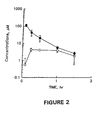
- FAAddP distributed rapidly into the brain with peak brain levels observed at the first sampling time ( Figure 2B ).
- the relative brain exposure of the prodrug was 6.3 %, while that of 2'-F-ara-ddA and 2'-F-ara-ddI were 55.8% and 19.7%, respectively.
- brain exposure to FAAddP was relatively low and the relative brain exposure to 2'-F-ara-ddI after intravenous administration of FAAddP was similar to that after administration of 2'-F-ara-ddI.
- the relative brain exposure for 2'-F-ara-ddA was relatively high, brain concentrations were low.
- AUC area under curve
- the target compound 5 (6-AAP) was synthesized from ara-A (scheme 15).
- Ara-A was deaminated to 9-( ⁇ -D-arabinofuranosyl)hypoxanthine (1) using adenosine deaminase in >90% yield. This method was found superior in comparison to the deamination procedure.
- Compound 1 was peracetylated with acetic anhydride in pyridine, then converted to its 6-chloro derivative 3 under refluxing conditions with thionyl chloride (26% from 1) [ Robins, M.J.
- 6-AAP The stability of 6-AAP at pH 2, 7 and 11 and towards adenosine deaminase hydrolysis was studied by UV spectroscopy. At pH 2 and 7, 6-AAP did not show any significant change over a period of 2.75 hours at 287.5 nm (37.1°C). However, at pH 11, 6-AAP immediately changed its UV absorption maximum from 287.5 nm to 222.5 nm. 6-AAP was not hydrolysed by adenosine deaminase for up to three hours in a separate in vitro study performed in phosphate buffer (pH 7.4) at 25°C. These results show that unlike ara-A, 6-AAP is not a substrate for ADA.
- Ara-A and Adenosine deaminase (Type II crude powder from calf intestinal mucosa, 1-5 units/mg activity) was purchased from Sigma chemical Co., St. Louis, MO. All other chemicals are of reagent grade. Methanol and acetonitrile, methyl sulfoxide were purchased from EM Science, Gibbstown, NJ.
- Method B To a suspension of ara-A (500 g, 1.87 mmol) in distilled water (30 ml) was added adenosine deaminase (4 mg), and the mixture was stirred for 16 hours. Then the water was evaporated under reduced pressure and the white residue obtained was recrystallized from hot water (20 ml) to obtain compound 1 as soft white solid (462 mg, 92%). UV (MeOH) ⁇ max 248.5 nm, 205.5 nm.
- Azido reduction assay utilizing the microsomal fraction of human liver homogenate also confirmed that 6-AAP was converted to ara-A as shown in mice liver homogenate studies.
- the biotransformation of 6-AAP to ara-A involves the cytochrome P-450 NADPH dependent system (scheme 8).
- the stability and metabolism of 6-AAP were also studied in mice serum and brain homogenate (Table 3).
- the half-lives of 6-AAP in mice serum and brain homogenate were 3.73 hours and 7.29 hours, respectively.
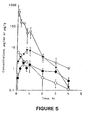
- Figure 5 shows the mean serum concentrations of 6-AAP versus time after intravenous and oral administration of 100 mg/kg of 6-AAP.
- the corresponding pharmacokinetic parameters for 6-AAP are presented in Table 4.
- Maximum concentration of 6-AAP in serum was observed after five minutes of intravenous and after 60 minutes of oral dosing ( Figure 5 ).
- Maximum concentrations of 6-AAP in serum after intravenous and oral dosing were 465 ⁇ 167 ⁇ g/mL and 7.8 ⁇ 2.51 ⁇ g/mL, respectively.
- the terminal mean half-life values (0.55 hour and 0.58 hour for intravenous and oral, respectively) were similar for both routes of administration.
- the area-under-curve (AUC) values for serum concentration versus time for 6-AAP were 201.1 ⁇ 17.9 mg•h/L and 13.77 ⁇ 1.4 mg•h/L, respectively following intravenous and oral administration of 100 mg/kg of 6-AAP.
- the AUC value was 85.6 mg•h/L (data not shown), a 5-fold difference in the AUC values after intravenous dosing of 20 and 100 mg/kg of 6-AAP, which indicates that the disposition of 6-AAP in mice followed linear kinetics in the dose interval between 20 mg/kg and 100 mg/kg.
- the concentrations of 6-AAP in brain versus time after its intravenous and oral administration are shown in Figure 5 .
- the maximum concentrations of 6.92 ⁇ 0.7 and 1.87 ⁇ ⁇ g/g in the brain were observed at 5 and 30 minutes, respectively.
- the brain AUC values for 6-AAP were almost the same for both (intravenous and oral) routes of administration (4.41 ⁇ 0.37 and 4.12 ⁇ 0.37 mg•h/L, respectively) (Table 4).
- the serum AUC levels of 6-AAP were 201 ⁇ 17.9 mg•h/L and 13.77 ⁇ 1.40 mg•h/L after intravenous and oral administration of 6-AAP.
- 6-AAP brain AUC levels of 6-AAP were 2% and 33% of serum AUC levels after intravenous and oral administration of 6-AAP, respectively. This data suggests that there may be a saturable transport process of 6-AAP into the brain.
- Half-life of 6-AAP in the brain was approximately two-fold greater after oral administration (1.29 h) than that after intravenous administration (0.77 h).
- the relative brain exposure (r c ) value of 6-AAP was also greater after oral dosing (0.3) than that after intravenous administration (0.02) of 6-AAP.
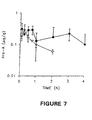
- ara-A The brain concentrations of ara-A after the administration of 6-AAP versus time are illustrated in Figure 7 .
- Ara-A was not found in the brain after its intravenous administration in a dose of 100 mg/kg.
- ara-A converted from 6-AAP exhibited a relatively constant mean concentration in the brain of 0.3 to 0.1 ⁇ g/g from 5 minutes to 120 minutes after intravenous administration and from 5 minutes to 240 minutes after oral administration of 6-AAP.
- the greater distribution in the brain was characterized by the increase in the brain AUC, r c and half-life values for ara-A after oral administration (1.55 ⁇ 0.57 mg•h/L, 1.35 and 5.03 hours, respectively) versus intravenous administration (0.35 ⁇ 0.04 mg•h/L, 0.05 and 1.47 hours, respectively) of 6-AAP (Table 4).
- 6-AAP (0.22 ⁇ M/mL) was incubated with adenosine deaminase (0.05 mg/mL) in phosphate buffer (pH 7.4) at 25.1°C and the change in the concentration was observed at 278.5 nm for three hours.
- Concentrations of ara-A and 6-AAP in serum, brain (whole or homogenate) and liver homogenate were measured by high-performance liquid chromatography (HPLC). Chromatographic separations were carried out on Millipore gradient system, which was equipped with a Model 486 tunable UV detector, two Model 510 pumps, a Model 717 plus autosampler, and a Millennium 2010 Chromatography Manager software (Millipore Corporation, Milford, MA). All the solvents were of HPLC grade. Chromatography was performed on an Altech Hypersil ODS C 18 (5 ⁇ m particle size, 4.5 x 150 mm, Altech Associates, Deerfield, IL).
- the mobile phase A was 0.5% acetonitrile in 2.5 mM KH 2 PO 4 (pH 6.8)
- mobile phase B was 12% acetonitrile in 2.5 mM KH 2 PO 4 (pH 6.8)
- mobile phase C was 2.5 mM KH 2 PO 4 (pH 5.2)
- mobile phase D was 23% methanol in 2.5 mM KH 2 PO 4 .
- the flow rate was changed linearly from 1.5 mL/min to 1.0 mL/min and was continued at 1.0 mL/min until the end of assay (67 minutes).
- the mobile phase consisted of 95% A and 5% B; from 20 minutes, a linear gradient was run for 55 minutes to reach 5% A and 95 % B.
- the column was equilibrated for 10 minutes to initial conditions.
- the ⁇ max was set at 249 nm for the first 15 minutes to observe ara-H, from 15 to 35 minutes at 261 nm to observe ara-A, from 35 to 45 minutes at 285 nm to observe 6-AAP, and subsequently changed to 261 nm to observe AzdU.
- the retention time for ara-H, ara-A, 6-AAP and AzdU were 14.1, 33.8, 40.9 and 49.3 minutes, respectively.
- Azido reduction study The procedure for the analysis of azido reducing activity was described previously [ Cretton, E.M. and Sommadossi, J.-P., "Reduction of 3'-azido-2',3'-dideoxynucleosides to their 3'-amino metabolite is mediated by cytochrome P-450 and NADPH-cytochrome P-450 reductase in rat liver microsomes," Drug Metab. Dispos. (1993) 21:946-950 ].
- incubation mixtures contained either 1.5 mg of human liver fraction protein (homogenate or supernatant fractions following centrifugation) or 1.5 mg microsomal protein, 5.0 mM MgCl 2 , 6.0 mM NADPH and 0.4 mg/mL of 6-AAP in 0.1 M phosphate buffer saline at pH 7.4 (final volume of 0.2 mL).
- the reaction was initiated by adding NADPH and conducted at 37°C for 60 minutes under nitrogen. Reactions were terminated by heating at 100°C for 30 seconds and the proteins were removed by centrifugation at 14,000 g for six minutes. Aliquots (100 ⁇ L) were then analyzed for nucleosides by HPLC. Control incubations were performed in the absence of protein.
- Inhibition of azido reduction assay Assays were performed using 1.5 mg microsomal protein as described above following either a 45 second exposure to carbon monoxide or a 5 minute pre-incubation with 1 mM metyrapone prior to the addition of NADPH.
- mice Female NIH Swiss mice (Harland Sprague-Dawley, Indianapolis, IN) weighing 24-28 g were used for the pharmacokinetic experiments. Mice were acclimatized in a 12 h light/12 h dark, constant temperature (20°C) environment for one week before the experiments.
- 6-AAP was administered with either 20 or 100 mg/kg of 6-AAP or 100 mg/kg of ara-A (intravenous). 6-AAP was also dosed orally (100 mg/kg p.o.). At least three animals each were sacrificed at 0.08, 0.025, 0.5, 0.75, 1.0, 2.0, 3.0, 4.0, 5.0 and 6.0 hours after drug administration. Blood (serum) from the heart and whole-brain samples were collected. Serum samples were treated immediately and brain samples were frozen at -20°C until analysis.
- a know amount of serum sample 50 ⁇ L of the internal standard (AzdU, 5 ⁇ g/mL) and 1.0 mL of acetonitrile as a protein precipitant were added to polypropylene microcentrifuge tubes (1.7 mL). Tubes were mixed and centrifuged at 9,000 rpm for 10 minutes.
- a linear gradient from 5 % C and 95 % D to 20% C and 80% D was run and then during the next 20 minutes, a linear gradient was run to reach 65 % C and 35 % D at a flow rate of 1.5 mL/min.
- the column was equilibrated to initial conditions for 7 minutes.
- the ⁇ max was set at 249 nm for the first 15 minutes to observe ara-H, from 15 to 30 minutes at 261 nm to observe ara-A, from 30 to 40 minutes at 285 nm to observe 6-AAP, and then changed to 261 nm to observe AzdU.
- the retention time for ara-H, ara-A, 6-AAP and AzdU were 13.5, 27.8, 36.7 and 43.5 minutes, respectively.
- Standard curves were prepared for each type of sample by adding known amounts of ara-A and 6-AAP to the serum, brain or liver and subjecting them to the extraction procedure as described above.
- the limit of quantitation of the ara-A and 6-AAP were 0.1 ⁇ g/mL and 0.3 ⁇ g/mL, respectively.
- the percent recoveries of the compounds were 63 % for ara-A and 55 % for 6-AAP.
- Serum and tissue concentrations versus time data for 6-AAP and ara-A were analyzed by noncompartmental methods.
- the area under concentration (AUC) versus time profiles from time zero to the last measured concentration were determined by the linear trapezoidal rule and the AUC from the time of the last measured concentration to infinity was determined by dividing the last determined concentration by the least-squares elimination rate constant ( ⁇ z ).
- Half-life was calculated from 0.693/ ⁇ z .
- the relative tissue exposure (r e ) of the compounds was calculated from AUC tissue /AUC serum
- a variation of AUC was calculated according to previous procedures [ Yuan, J., "Estimation of variance for AUC in animal studies," J. Pharm. Sci. (1993) 82:761-763 ].
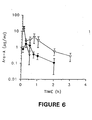
- 6-AAP kinetics in serum Mean 6-AAP concentration versus time profiles for serum after intravenous and oral administration of 100 mg/kg of 6-AAP were measured.
- the pharmacokinetic parameters for 6-AAP are presented in Table 4.
Landscapes
- Chemical & Material Sciences (AREA)
- Health & Medical Sciences (AREA)
- Organic Chemistry (AREA)
- Life Sciences & Earth Sciences (AREA)
- General Health & Medical Sciences (AREA)
- Engineering & Computer Science (AREA)
- Molecular Biology (AREA)
- Biochemistry (AREA)
- Biotechnology (AREA)
- Genetics & Genomics (AREA)
- Medicinal Chemistry (AREA)
- Animal Behavior & Ethology (AREA)
- Veterinary Medicine (AREA)
- Pharmacology & Pharmacy (AREA)
- Public Health (AREA)
- Epidemiology (AREA)
- Bioinformatics & Cheminformatics (AREA)
- Inorganic Chemistry (AREA)
- Chemical Kinetics & Catalysis (AREA)
- General Chemical & Material Sciences (AREA)
- Nuclear Medicine, Radiotherapy & Molecular Imaging (AREA)
- Pharmaceuticals Containing Other Organic And Inorganic Compounds (AREA)
- Saccharide Compounds (AREA)
- Cephalosporin Compounds (AREA)
- Acyclic And Carbocyclic Compounds In Medicinal Compositions (AREA)
- Nitrogen Condensed Heterocyclic Rings (AREA)
Claims (7)
- Verbindung zur Verwendung in der Behandlung eines pathologischen Zustands in einem Patienten, wobei die Verbindung ausgewählt ist aus 6-Azido-9-(β-D-3'-deoxyribofuranosyl)purin, 6-Azido-9-(2',3'-dideoxy-2'-fluor-β-D-arabinofuranosyl)purin, 9-(β-D-arabinofuranosyl)-6-azidopurin, 2-Amino-6-azido-9-[(2-hydroxyethoxy)methyl]-purin, 2-Amino-6-azido-9-[3,3-di(hydroxymethyl)-propyl]-purin, oder einem Monophosphat, Diphosphat oder Triphosphat oder einem pharmazeutisch verträglichen Salz von einem der vorhergehenden.
- Verbindung zur Verwendung in der Behandlung eines pathologischen Zustands in einem Patienten nach Anspruch 1, welche 6-Azido-9-(β-D-3'-deoxyribofuranosyl)-purin oder ein Monophosphat, Diphosphat oder Triphosphat oder ein pharmazeutisch verträgliches Salz davon ist.
- Verbindung zur Verwendung in der Behandlung eines pathologischen Zustands in einem Patienten nach Anspruch 1, welche 6-Azido-9-(2',3'-dideoxy-2'-fluor-β-D-arabinofuranosyl)-purin oder ein Monophosphat, Diphosphat oder Triphosphat oder ein pharmazeutisch verträgliches Salz davon ist.
- Verbindung zur Verwendung in der Behandlung eines pathologischen Zustands in einem Patienten nach Anspruch 1, welche 9-(β-D-arabinofuranosyl)-6-azidopurin oder ein Monophosphat, Diphosphat oder Triphosphat oder ein pharmazeutisch verträgliches Salz davon ist.
- Verbindung zur Verwendung in der Behandlung eines pathologischen Zustands in einem Patienten nach Anspruch 1, welche 2-Amino-6-azido-9-[(2-hydroxyethoxy)methyl]-purin oder ein Monophosphat, Diphosphat oder Triphosphat oder ein pharmazeutisch verträgliches Salz davon ist.
- Verbindung zur Verwendung in der Behandlung eines pathologischen Zustands in einem Patienten nach Anspruch 1, welche 2-Amino-6-azido.-9-[3,3-di(hydroxymethyl)propyl]-purin oder ein Monophosphat, Diphosphat oder Triphosphat oder ein pharmazeutisch verträgliches Salz davon ist.
- Pharmazeutische Zusammensetzung zur Behandlung eines pathologischen Zustands in einem Patienten, wobei die Zusammensetzung eine Verbindung wie in einem der vorhergehenden Ansprüche genannt und einen geeigneten pharmazeutischen Träger umfaßt.
Applications Claiming Priority (3)
| Application Number | Priority Date | Filing Date | Title |
|---|---|---|---|
| US338395P | 1995-09-07 | 1995-09-07 | |
| US3383 | 1995-09-07 | ||
| PCT/US1996/014494 WO1997009052A1 (en) | 1995-09-07 | 1996-09-06 | Therapeutic azide compounds |
Publications (3)
| Publication Number | Publication Date |
|---|---|
| EP0852499A1 EP0852499A1 (de) | 1998-07-15 |
| EP0852499A4 EP0852499A4 (de) | 2001-03-07 |
| EP0852499B1 true EP0852499B1 (de) | 2010-03-03 |
Family
ID=21705613
Family Applications (1)
| Application Number | Title | Priority Date | Filing Date |
|---|---|---|---|
| EP96932197A Expired - Lifetime EP0852499B1 (de) | 1995-09-07 | 1996-09-06 | Therapeutische azidverbindungen |
Country Status (9)
| Country | Link |
|---|---|
| US (2) | US6271212B1 (de) |
| EP (1) | EP0852499B1 (de) |
| JP (1) | JPH11512397A (de) |
| AT (1) | ATE459361T1 (de) |
| AU (1) | AU709345B2 (de) |
| BR (1) | BR9610120A (de) |
| CA (1) | CA2231442A1 (de) |
| DE (1) | DE69638137D1 (de) |
| WO (1) | WO1997009052A1 (de) |
Families Citing this family (27)
| Publication number | Priority date | Publication date | Assignee | Title |
|---|---|---|---|---|
| AU709345B2 (en) * | 1995-09-07 | 1999-08-26 | Emory University | Therapeutic azide compounds |
| JP2002528510A (ja) * | 1998-11-05 | 2002-09-03 | サントル・ナシオナル・ドウ・ラ・ルシエルシユ・シアンテイフイク | HIV感染の治療のためのβ−L−2’−デオキシ−ヌクレオシド |
| WO2000026225A2 (en) | 1998-11-05 | 2000-05-11 | Centre National De La Recherche Scientifique | Nucleosides with anti-hepatitis b virus activity |
| US6407077B1 (en) | 1998-11-05 | 2002-06-18 | Emory University | β-L nucleosides for the treatment of HIV infection |
| EP1964569A3 (de) | 2000-04-13 | 2009-07-22 | Pharmasset, Inc. | 3'- oder 2'-Hydroxymethyl-substituierte Nukleosidderivate zur Behandlung von Virusinfektionen |
| MY164523A (en) | 2000-05-23 | 2017-12-29 | Univ Degli Studi Cagliari | Methods and compositions for treating hepatitis c virus |
| EP1736478B1 (de) * | 2000-05-26 | 2015-07-22 | IDENIX Pharmaceuticals, Inc. | Verfahren und Zusammensetzungen zur Behandlung von Flaviviren und Pestiviren |
| US7608600B2 (en) | 2002-06-28 | 2009-10-27 | Idenix Pharmaceuticals, Inc. | Modified 2′ and 3′-nucleoside prodrugs for treating Flaviviridae infections |
| CN1678326A (zh) * | 2002-06-28 | 2005-10-05 | 埃迪尼克斯(开曼)有限公司 | 用于治疗黄病毒感染的2'-c-甲基-3'-o-l-缬氨酸酯核糖呋喃基胞苷 |
| NZ537662A (en) | 2002-06-28 | 2007-10-26 | Idenix Cayman Ltd | 2'-C-methyl-3'-O-L-valine ester ribofuranosyl cytidine for treatment of flaviviridae infections |
| LT1576138T (lt) | 2002-11-15 | 2017-06-26 | Idenix Pharmaceuticals Llc | 2`-šakoti nukleozidai derinyje su interferonu ir flaviviridae mutacija |
| WO2004050678A2 (en) * | 2002-12-03 | 2004-06-17 | Baylor University | Compounds resistant to metabolic deactivation and methods of use |
| AU2003300901A1 (en) | 2002-12-12 | 2004-06-30 | Idenix (Cayman) Limited | Process for the production of 2'-branched nucleosides |
| WO2004084453A2 (en) * | 2003-03-20 | 2004-09-30 | Microbiologica Quimica E Farmaceutica Ltd. | METHODS OF MANUFACTURE OF 2'-DEOXY-β-L-NUCLEOSIDES |
| NZ550102A (en) * | 2004-02-24 | 2010-10-29 | Univ California | Methods and materials for assessing prostate cancer therapies and compounds (thiohydantoine derivatives) |
| EP1809339A2 (de) * | 2004-10-07 | 2007-07-25 | Koninklijke Philips Electronics N.V. | Verbindungen, kits und verfahren zur verwendung in der medizinischen bilddarstellung |
| JP4516863B2 (ja) * | 2005-03-11 | 2010-08-04 | 株式会社ケンウッド | 音声合成装置、音声合成方法及びプログラム |
| MX2007012157A (es) * | 2005-04-01 | 2008-03-14 | Intezyne Technologies Llc | Micelas polimericas para suministro de farmacos. |
| US7709517B2 (en) | 2005-05-13 | 2010-05-04 | The Regents Of The University Of California | Diarylhydantoin compounds |
| EP1986700A2 (de) * | 2005-10-04 | 2008-11-05 | Koninklijke Philips Electronics N.V. | Staudinger-reaktion in der bildgebung und therapie sowie kits zur verwendung für bildgebung und therapie |
| ES2422290T3 (es) | 2005-12-23 | 2013-09-10 | Idenix Pharmaceuticals Inc | Procedimiento para preparar un producto intermedio sintético para la preparación de nucleósidos ramificados |
| WO2007127010A2 (en) | 2006-03-29 | 2007-11-08 | The Regents Of The University Of California | Diarylthiohydantoin compounds |
| EP2620432A3 (de) * | 2007-10-26 | 2013-12-18 | The Regents Of the University of California | Diarylhydantoinverbindungen |
| CN105722977A (zh) | 2013-10-30 | 2016-06-29 | 绿色生活生物技术有限责任公司 | 用于柑橘绿化枯萎病的发病定量系统和治疗方法 |
| CN103772460B (zh) * | 2014-02-14 | 2016-02-10 | 江苏省中国科学院植物研究所 | 蚕虫草中虫草素的提取工艺 |
| GB201718804D0 (en) * | 2017-11-14 | 2017-12-27 | Nuclera Nucleics Ltd | Novel use |
| US11279981B2 (en) | 2018-09-24 | 2022-03-22 | University Of South Florida | Biomarkers of low grade glioma and pediatric neuroblastoma |
Family Cites Families (7)
| Publication number | Priority date | Publication date | Assignee | Title |
|---|---|---|---|---|
| IE842642L (en) * | 1983-10-31 | 1985-04-30 | Harvard College | Purine Derivatives |
| US4724232A (en) * | 1985-03-16 | 1988-02-09 | Burroughs Wellcome Co. | Treatment of human viral infections |
| DE3627024A1 (de) * | 1985-09-24 | 1987-04-02 | Hoechst Ag | In 6- und 9-stellung substituierte 2-aminopurine, ihre verwendung, diese purine enthaltende arzneimittel und verfahren zur herstellung der purine |
| US5180824A (en) * | 1990-11-29 | 1993-01-19 | Berlex Biosciences Inc. | 6-azido-2-fluoropurine, useful in the synthesis of nucleosides |
| US5602246A (en) * | 1992-11-25 | 1997-02-11 | Schering Aktiengesellschaft | Process for the preparation of fludarabine or fludarabine phosphate from guanosine |
| US5457187A (en) * | 1993-12-08 | 1995-10-10 | Board Of Regents University Of Nebraska | Oligonucleotides containing 5-fluorouracil |
| AU709345B2 (en) * | 1995-09-07 | 1999-08-26 | Emory University | Therapeutic azide compounds |
-
1996
- 1996-09-06 AU AU71076/96A patent/AU709345B2/en not_active Expired
- 1996-09-06 WO PCT/US1996/014494 patent/WO1997009052A1/en not_active Ceased
- 1996-09-06 DE DE69638137T patent/DE69638137D1/de not_active Expired - Lifetime
- 1996-09-06 EP EP96932197A patent/EP0852499B1/de not_active Expired - Lifetime
- 1996-09-06 AT AT96932197T patent/ATE459361T1/de not_active IP Right Cessation
- 1996-09-06 JP JP9511450A patent/JPH11512397A/ja not_active Ceased
- 1996-09-06 CA CA002231442A patent/CA2231442A1/en not_active Abandoned
- 1996-09-06 BR BR9610120-2A patent/BR9610120A/pt not_active Application Discontinuation
-
1998
- 1998-03-03 US US09/033,996 patent/US6271212B1/en not_active Expired - Lifetime
-
2001
- 2001-05-04 US US09/849,870 patent/US6949521B2/en not_active Expired - Fee Related
Also Published As
| Publication number | Publication date |
|---|---|
| DE69638137D1 (de) | 2010-04-15 |
| US20010036930A1 (en) | 2001-11-01 |
| EP0852499A1 (de) | 1998-07-15 |
| WO1997009052A1 (en) | 1997-03-13 |
| US6271212B1 (en) | 2001-08-07 |
| CA2231442A1 (en) | 1997-03-13 |
| EP0852499A4 (de) | 2001-03-07 |
| AU709345B2 (en) | 1999-08-26 |
| BR9610120A (pt) | 1999-12-21 |
| JPH11512397A (ja) | 1999-10-26 |
| AU7107696A (en) | 1997-03-27 |
| US6949521B2 (en) | 2005-09-27 |
| ATE459361T1 (de) | 2010-03-15 |
Similar Documents
| Publication | Publication Date | Title |
|---|---|---|
| EP0852499B1 (de) | Therapeutische azidverbindungen | |
| CA1333390C (en) | Fluorinated nucleosides and process for treating retrovirus infections therewith | |
| AU2002243600B2 (en) | Nucleoside derivatives as inhibitors of RNA-dependent RNA viral polymerase | |
| US8481712B2 (en) | Nucleoside derivatives as inhibitors of RNA-dependent RNA viral polymerase | |
| CA2163520C (en) | L-2',3'-dideoxy nucleoside analogs as anti-hepatitis b (hbv) and anti-hiv agents | |
| DE3882985T2 (de) | Adenosin-deaminase-stabile anti-retroviral-nukleoside. | |
| US7105499B2 (en) | Nucleoside derivatives as inhibitors of RNA-dependent RNA viral polymerase | |
| RU2424016C2 (ru) | Бета-l-2' дезоксинуклеозиды для лечения гепатита в | |
| DE69933860T2 (de) | 2'-fluoronukleoside | |
| US20030225029A1 (en) | Dosing regimen for gemcitabine HCV therapy | |
| KR20090007569A (ko) | 항바이러스제로서의 2'-플루오로뉴클레오시드 포스포네이트 | |
| AU2002243600A1 (en) | Nucleoside derivatives as inhibitors of RNA-dependent RNA viral polymerase | |
| Kotra et al. | Synthesis, biotransformation, and pharmacokinetic studies of 9-(β-D-arabinofuranosyl)-6-azidopurine: A prodrug for ara-A designed to utilize the azide reduction pathway | |
| US5153180A (en) | Fluorinated nucleosides and process for treating retrovirus infections therewith | |
| WO1994006438A1 (en) | Adenosine analogues and method of increasing adenosine release | |
| Buenger | Synthesis of new dideoxynucleosides of antiviral interest | |
| ZA200407378B (en) | Nucleotide mimics and their prodrugs. |
Legal Events
| Date | Code | Title | Description |
|---|---|---|---|
| PUAI | Public reference made under article 153(3) epc to a published international application that has entered the european phase |
Free format text: ORIGINAL CODE: 0009012 |
|
| 17P | Request for examination filed |
Effective date: 19980325 |
|
| AK | Designated contracting states |
Kind code of ref document: A1 Designated state(s): AT BE CH DE DK ES FI FR GB GR IE IT LI LU MC NL PT SE |
|
| AX | Request for extension of the european patent |
Free format text: AL PAYMENT 980324;LT PAYMENT 980324;LV PAYMENT 980324;SI PAYMENT 980324 |
|
| A4 | Supplementary search report drawn up and despatched |
Effective date: 20010115 |
|
| AK | Designated contracting states |
Kind code of ref document: A4 Designated state(s): AT BE CH DE DK ES FI FR GB GR IE IT LI LU MC NL PT SE |
|
| 17Q | First examination report despatched |
Effective date: 20010813 |
|
| APBN | Date of receipt of notice of appeal recorded |
Free format text: ORIGINAL CODE: EPIDOSNNOA2E |
|
| APBR | Date of receipt of statement of grounds of appeal recorded |
Free format text: ORIGINAL CODE: EPIDOSNNOA3E |
|
| APAF | Appeal reference modified |
Free format text: ORIGINAL CODE: EPIDOSCREFNE |
|
| APBT | Appeal procedure closed |
Free format text: ORIGINAL CODE: EPIDOSNNOA9E |
|
| GRAP | Despatch of communication of intention to grant a patent |
Free format text: ORIGINAL CODE: EPIDOSNIGR1 |
|
| GRAS | Grant fee paid |
Free format text: ORIGINAL CODE: EPIDOSNIGR3 |
|
| GRAA | (expected) grant |
Free format text: ORIGINAL CODE: 0009210 |
|
| AK | Designated contracting states |
Kind code of ref document: B1 Designated state(s): AT BE CH DE DK ES FI FR GB GR IE IT LI LU MC NL PT SE |
|
| AX | Request for extension of the european patent |
Extension state: AL LT LV SI |
|
| REG | Reference to a national code |
Ref country code: GB Ref legal event code: FG4D |
|
| REG | Reference to a national code |
Ref country code: CH Ref legal event code: EP |
|
| REG | Reference to a national code |
Ref country code: IE Ref legal event code: FG4D |
|
| REF | Corresponds to: |
Ref document number: 69638137 Country of ref document: DE Date of ref document: 20100415 Kind code of ref document: P |
|
| REG | Reference to a national code |
Ref country code: CH Ref legal event code: NV Representative=s name: PATENTANWAELTE SCHAAD, BALASS, MENZL & PARTNER AG |
|
| REG | Reference to a national code |
Ref country code: NL Ref legal event code: VDEP Effective date: 20100303 |
|
| LTIE | Lt: invalidation of european patent or patent extension |
Effective date: 20100303 |
|
| PG25 | Lapsed in a contracting state [announced via postgrant information from national office to epo] |
Ref country code: FI Free format text: LAPSE BECAUSE OF FAILURE TO SUBMIT A TRANSLATION OF THE DESCRIPTION OR TO PAY THE FEE WITHIN THE PRESCRIBED TIME-LIMIT Effective date: 20100303 Ref country code: AT Free format text: LAPSE BECAUSE OF FAILURE TO SUBMIT A TRANSLATION OF THE DESCRIPTION OR TO PAY THE FEE WITHIN THE PRESCRIBED TIME-LIMIT Effective date: 20100303 |
|
| PG25 | Lapsed in a contracting state [announced via postgrant information from national office to epo] |
Ref country code: SE Free format text: LAPSE BECAUSE OF FAILURE TO SUBMIT A TRANSLATION OF THE DESCRIPTION OR TO PAY THE FEE WITHIN THE PRESCRIBED TIME-LIMIT Effective date: 20100303 Ref country code: NL Free format text: LAPSE BECAUSE OF FAILURE TO SUBMIT A TRANSLATION OF THE DESCRIPTION OR TO PAY THE FEE WITHIN THE PRESCRIBED TIME-LIMIT Effective date: 20100303 Ref country code: GR Free format text: LAPSE BECAUSE OF FAILURE TO SUBMIT A TRANSLATION OF THE DESCRIPTION OR TO PAY THE FEE WITHIN THE PRESCRIBED TIME-LIMIT Effective date: 20100604 Ref country code: ES Free format text: LAPSE BECAUSE OF FAILURE TO SUBMIT A TRANSLATION OF THE DESCRIPTION OR TO PAY THE FEE WITHIN THE PRESCRIBED TIME-LIMIT Effective date: 20100614 Ref country code: BE Free format text: LAPSE BECAUSE OF FAILURE TO SUBMIT A TRANSLATION OF THE DESCRIPTION OR TO PAY THE FEE WITHIN THE PRESCRIBED TIME-LIMIT Effective date: 20100303 |
|
| PLBE | No opposition filed within time limit |
Free format text: ORIGINAL CODE: 0009261 |
|
| STAA | Information on the status of an ep patent application or granted ep patent |
Free format text: STATUS: NO OPPOSITION FILED WITHIN TIME LIMIT |
|
| PG25 | Lapsed in a contracting state [announced via postgrant information from national office to epo] |
Ref country code: PT Free format text: LAPSE BECAUSE OF FAILURE TO SUBMIT A TRANSLATION OF THE DESCRIPTION OR TO PAY THE FEE WITHIN THE PRESCRIBED TIME-LIMIT Effective date: 20100705 Ref country code: DK Free format text: LAPSE BECAUSE OF FAILURE TO SUBMIT A TRANSLATION OF THE DESCRIPTION OR TO PAY THE FEE WITHIN THE PRESCRIBED TIME-LIMIT Effective date: 20100303 |
|
| 26N | No opposition filed |
Effective date: 20101206 |
|
| PG25 | Lapsed in a contracting state [announced via postgrant information from national office to epo] |
Ref country code: IT Free format text: LAPSE BECAUSE OF FAILURE TO SUBMIT A TRANSLATION OF THE DESCRIPTION OR TO PAY THE FEE WITHIN THE PRESCRIBED TIME-LIMIT Effective date: 20100303 |
|
| PG25 | Lapsed in a contracting state [announced via postgrant information from national office to epo] |
Ref country code: MC Free format text: LAPSE BECAUSE OF NON-PAYMENT OF DUE FEES Effective date: 20100930 |
|
| PG25 | Lapsed in a contracting state [announced via postgrant information from national office to epo] |
Ref country code: IE Free format text: LAPSE BECAUSE OF NON-PAYMENT OF DUE FEES Effective date: 20100906 |
|
| PG25 | Lapsed in a contracting state [announced via postgrant information from national office to epo] |
Ref country code: LU Free format text: LAPSE BECAUSE OF NON-PAYMENT OF DUE FEES Effective date: 20100906 |
|
| REG | Reference to a national code |
Ref country code: FR Ref legal event code: PLFP Year of fee payment: 20 |
|
| PGFP | Annual fee paid to national office [announced via postgrant information from national office to epo] |
Ref country code: DE Payment date: 20150902 Year of fee payment: 20 Ref country code: GB Payment date: 20150902 Year of fee payment: 20 Ref country code: CH Payment date: 20150911 Year of fee payment: 20 |
|
| PGFP | Annual fee paid to national office [announced via postgrant information from national office to epo] |
Ref country code: FR Payment date: 20150629 Year of fee payment: 20 |
|
| REG | Reference to a national code |
Ref country code: DE Ref legal event code: R071 Ref document number: 69638137 Country of ref document: DE |
|
| REG | Reference to a national code |
Ref country code: CH Ref legal event code: PL |
|
| REG | Reference to a national code |
Ref country code: GB Ref legal event code: PE20 Expiry date: 20160905 |
|
| PG25 | Lapsed in a contracting state [announced via postgrant information from national office to epo] |
Ref country code: GB Free format text: LAPSE BECAUSE OF EXPIRATION OF PROTECTION Effective date: 20160905 |