EP0859854B1 - Retroviral vectors carrying senescent cell derived inhibitors 1 (sdi-1) or antisense sdi-1 nucleotide sequences - Google Patents
Retroviral vectors carrying senescent cell derived inhibitors 1 (sdi-1) or antisense sdi-1 nucleotide sequences Download PDFInfo
- Publication number
- EP0859854B1 EP0859854B1 EP96934660A EP96934660A EP0859854B1 EP 0859854 B1 EP0859854 B1 EP 0859854B1 EP 96934660 A EP96934660 A EP 96934660A EP 96934660 A EP96934660 A EP 96934660A EP 0859854 B1 EP0859854 B1 EP 0859854B1
- Authority
- EP
- European Patent Office
- Prior art keywords
- sdi
- dna sequence
- encoding
- antisense
- activity
- Prior art date
- Legal status (The legal status is an assumption and is not a legal conclusion. Google has not performed a legal analysis and makes no representation as to the accuracy of the status listed.)
- Expired - Lifetime
Links
- 230000001177 retroviral effect Effects 0.000 title claims abstract description 113
- 239000013598 vector Substances 0.000 title claims abstract description 100
- 108091028043 Nucleic acid sequence Proteins 0.000 title claims abstract description 85
- 230000000692 anti-sense effect Effects 0.000 title claims abstract description 55
- 239000003112 inhibitor Substances 0.000 title claims 2
- 239000012634 fragment Substances 0.000 claims abstract description 48
- 230000001105 regulatory effect Effects 0.000 claims abstract description 30
- 230000022532 regulation of transcription, DNA-dependent Effects 0.000 claims abstract description 10
- 230000001939 inductive effect Effects 0.000 claims abstract description 6
- 210000004027 cell Anatomy 0.000 claims description 224
- 108090000623 proteins and genes Proteins 0.000 claims description 50
- 239000002245 particle Substances 0.000 claims description 42
- 208000037265 diseases, disorders, signs and symptoms Diseases 0.000 claims description 29
- 108020004414 DNA Proteins 0.000 claims description 23
- 238000000034 method Methods 0.000 claims description 23
- 230000000694 effects Effects 0.000 claims description 20
- 206010028980 Neoplasm Diseases 0.000 claims description 19
- 150000001413 amino acids Chemical class 0.000 claims description 19
- 239000002775 capsule Substances 0.000 claims description 19
- 229920001184 polypeptide Polymers 0.000 claims description 18
- 108090000765 processed proteins & peptides Proteins 0.000 claims description 18
- 102000004196 processed proteins & peptides Human genes 0.000 claims description 18
- 201000010099 disease Diseases 0.000 claims description 15
- 208000035475 disorder Diseases 0.000 claims description 14
- 201000011510 cancer Diseases 0.000 claims description 10
- 239000002773 nucleotide Substances 0.000 claims description 10
- 125000003729 nucleotide group Chemical group 0.000 claims description 10
- 239000003814 drug Substances 0.000 claims description 9
- 238000002360 preparation method Methods 0.000 claims description 9
- 230000002062 proliferating effect Effects 0.000 claims description 8
- 208000037803 restenosis Diseases 0.000 claims description 8
- 102000004169 proteins and genes Human genes 0.000 claims description 7
- 230000001028 anti-proliverative effect Effects 0.000 claims description 6
- 238000004519 manufacturing process Methods 0.000 claims description 6
- 229920000867 polyelectrolyte Polymers 0.000 claims description 6
- 208000026310 Breast neoplasm Diseases 0.000 claims description 5
- 206010006187 Breast cancer Diseases 0.000 claims description 3
- 238000012258 culturing Methods 0.000 claims description 3
- 239000003085 diluting agent Substances 0.000 claims description 3
- 239000003937 drug carrier Substances 0.000 claims description 3
- 210000005260 human cell Anatomy 0.000 claims description 3
- 238000000338 in vitro Methods 0.000 claims description 3
- 238000002955 isolation Methods 0.000 claims description 3
- 239000008194 pharmaceutical composition Substances 0.000 claims description 3
- 241000713333 Mouse mammary tumor virus Species 0.000 claims 1
- 239000013612 plasmid Substances 0.000 description 28
- 241001430294 unidentified retrovirus Species 0.000 description 28
- 238000004806 packaging method and process Methods 0.000 description 20
- 230000014509 gene expression Effects 0.000 description 18
- 108091003079 Bovine Serum Albumin Proteins 0.000 description 16
- 239000012894 fetal calf serum Substances 0.000 description 16
- 239000006144 Dulbecco’s modified Eagle's medium Substances 0.000 description 15
- 241000700605 Viruses Species 0.000 description 14
- 230000001225 therapeutic effect Effects 0.000 description 13
- 239000007864 aqueous solution Substances 0.000 description 10
- 208000015181 infectious disease Diseases 0.000 description 10
- 239000003550 marker Substances 0.000 description 10
- 238000001890 transfection Methods 0.000 description 10
- 230000003612 virological effect Effects 0.000 description 10
- QTBSBXVTEAMEQO-UHFFFAOYSA-N Acetic acid Chemical compound CC(O)=O QTBSBXVTEAMEQO-UHFFFAOYSA-N 0.000 description 9
- OKKJLVBELUTLKV-UHFFFAOYSA-N Methanol Chemical compound OC OKKJLVBELUTLKV-UHFFFAOYSA-N 0.000 description 9
- 101710087237 Whey acidic protein Proteins 0.000 description 9
- 239000007900 aqueous suspension Substances 0.000 description 9
- 230000022131 cell cycle Effects 0.000 description 9
- 230000000295 complement effect Effects 0.000 description 9
- 108020004999 messenger RNA Proteins 0.000 description 9
- 239000006143 cell culture medium Substances 0.000 description 8
- 238000012217 deletion Methods 0.000 description 8
- 230000037430 deletion Effects 0.000 description 8
- 210000001519 tissue Anatomy 0.000 description 8
- XLYOFNOQVPJJNP-UHFFFAOYSA-N water Substances O XLYOFNOQVPJJNP-UHFFFAOYSA-N 0.000 description 8
- 108091032973 (ribonucleotides)n+m Proteins 0.000 description 7
- 230000006820 DNA synthesis Effects 0.000 description 7
- 238000001415 gene therapy Methods 0.000 description 7
- 230000012010 growth Effects 0.000 description 7
- QAOWNCQODCNURD-UHFFFAOYSA-L sulfate group Chemical group S(=O)(=O)([O-])[O-] QAOWNCQODCNURD-UHFFFAOYSA-L 0.000 description 7
- 108010067390 Viral Proteins Proteins 0.000 description 6
- 239000000654 additive Substances 0.000 description 6
- 238000010367 cloning Methods 0.000 description 6
- 239000012537 formulation buffer Substances 0.000 description 6
- 238000011534 incubation Methods 0.000 description 6
- 210000002966 serum Anatomy 0.000 description 6
- 230000000996 additive effect Effects 0.000 description 5
- 230000004663 cell proliferation Effects 0.000 description 5
- 238000010276 construction Methods 0.000 description 5
- 229940127089 cytotoxic agent Drugs 0.000 description 5
- ZMMJGEGLRURXTF-UHFFFAOYSA-N ethidium bromide Chemical compound [Br-].C12=CC(N)=CC=C2C2=CC=C(N)C=C2[N+](CC)=C1C1=CC=CC=C1 ZMMJGEGLRURXTF-UHFFFAOYSA-N 0.000 description 5
- 229960005542 ethidium bromide Drugs 0.000 description 5
- 239000000047 product Substances 0.000 description 5
- 230000035755 proliferation Effects 0.000 description 5
- 235000018102 proteins Nutrition 0.000 description 5
- 150000003839 salts Chemical class 0.000 description 5
- 239000000243 solution Substances 0.000 description 5
- 229910021653 sulphate ion Inorganic materials 0.000 description 5
- 230000004083 survival effect Effects 0.000 description 5
- 239000000725 suspension Substances 0.000 description 5
- 238000004458 analytical method Methods 0.000 description 4
- 239000002246 antineoplastic agent Substances 0.000 description 4
- 230000003139 buffering effect Effects 0.000 description 4
- UREBDLICKHMUKA-CXSFZGCWSA-N dexamethasone Chemical compound C1CC2=CC(=O)C=C[C@]2(C)[C@]2(F)[C@@H]1[C@@H]1C[C@@H](C)[C@@](C(=O)CO)(O)[C@@]1(C)C[C@@H]2O UREBDLICKHMUKA-CXSFZGCWSA-N 0.000 description 4
- 229960003957 dexamethasone Drugs 0.000 description 4
- 238000002474 experimental method Methods 0.000 description 4
- 150000004676 glycans Chemical class 0.000 description 4
- 230000002401 inhibitory effect Effects 0.000 description 4
- 230000005764 inhibitory process Effects 0.000 description 4
- 238000003780 insertion Methods 0.000 description 4
- 230000037431 insertion Effects 0.000 description 4
- 208000032839 leukemia Diseases 0.000 description 4
- 238000010369 molecular cloning Methods 0.000 description 4
- 239000012071 phase Substances 0.000 description 4
- 229920001282 polysaccharide Polymers 0.000 description 4
- 239000005017 polysaccharide Substances 0.000 description 4
- 230000010076 replication Effects 0.000 description 4
- 241001465754 Metazoa Species 0.000 description 3
- 241001068263 Replication competent viruses Species 0.000 description 3
- 238000000137 annealing Methods 0.000 description 3
- 108010005774 beta-Galactosidase Proteins 0.000 description 3
- 239000000872 buffer Substances 0.000 description 3
- 150000001720 carbohydrates Chemical class 0.000 description 3
- 239000001913 cellulose Substances 0.000 description 3
- 229920002678 cellulose Polymers 0.000 description 3
- KRKNYBCHXYNGOX-UHFFFAOYSA-N citric acid Chemical compound OC(=O)CC(O)(C(O)=O)CC(O)=O KRKNYBCHXYNGOX-UHFFFAOYSA-N 0.000 description 3
- 239000002299 complementary DNA Substances 0.000 description 3
- 230000029087 digestion Effects 0.000 description 3
- 108010030074 endodeoxyribonuclease MluI Proteins 0.000 description 3
- 238000001704 evaporation Methods 0.000 description 3
- 230000008020 evaporation Effects 0.000 description 3
- 238000004108 freeze drying Methods 0.000 description 3
- 229940088597 hormone Drugs 0.000 description 3
- 239000005556 hormone Substances 0.000 description 3
- 235000003642 hunger Nutrition 0.000 description 3
- 230000006698 induction Effects 0.000 description 3
- 239000002609 medium Substances 0.000 description 3
- 238000012986 modification Methods 0.000 description 3
- 230000004048 modification Effects 0.000 description 3
- 230000035772 mutation Effects 0.000 description 3
- 108020004707 nucleic acids Proteins 0.000 description 3
- 102000039446 nucleic acids Human genes 0.000 description 3
- 150000007523 nucleic acids Chemical class 0.000 description 3
- 238000007747 plating Methods 0.000 description 3
- 238000001556 precipitation Methods 0.000 description 3
- 230000005855 radiation Effects 0.000 description 3
- 230000037351 starvation Effects 0.000 description 3
- 125000001273 sulfonato group Chemical group [O-]S(*)(=O)=O 0.000 description 3
- 238000013518 transcription Methods 0.000 description 3
- 230000035897 transcription Effects 0.000 description 3
- 210000004881 tumor cell Anatomy 0.000 description 3
- 239000013603 viral vector Substances 0.000 description 3
- XKRFYHLGVUSROY-UHFFFAOYSA-N Argon Chemical compound [Ar] XKRFYHLGVUSROY-UHFFFAOYSA-N 0.000 description 2
- 206010005003 Bladder cancer Diseases 0.000 description 2
- 108091007914 CDKs Proteins 0.000 description 2
- 102000003903 Cyclin-dependent kinases Human genes 0.000 description 2
- 108090000266 Cyclin-dependent kinases Proteins 0.000 description 2
- 102000053602 DNA Human genes 0.000 description 2
- 241000713800 Feline immunodeficiency virus Species 0.000 description 2
- 241000282326 Felis catus Species 0.000 description 2
- 230000035519 G0 Phase Effects 0.000 description 2
- 230000010190 G1 phase Effects 0.000 description 2
- 229920000209 Hexadimethrine bromide Polymers 0.000 description 2
- 241000725303 Human immunodeficiency virus Species 0.000 description 2
- 102000018251 Hypoxanthine Phosphoribosyltransferase Human genes 0.000 description 2
- 108010091358 Hypoxanthine Phosphoribosyltransferase Proteins 0.000 description 2
- 241000713821 Mason-Pfizer monkey virus Species 0.000 description 2
- 241000713862 Moloney murine sarcoma virus Species 0.000 description 2
- 230000018199 S phase Effects 0.000 description 2
- 241000713311 Simian immunodeficiency virus Species 0.000 description 2
- 230000004075 alteration Effects 0.000 description 2
- 230000004071 biological effect Effects 0.000 description 2
- 230000015572 biosynthetic process Effects 0.000 description 2
- 201000001531 bladder carcinoma Diseases 0.000 description 2
- 210000000481 breast Anatomy 0.000 description 2
- 239000007975 buffered saline Substances 0.000 description 2
- 231100000357 carcinogen Toxicity 0.000 description 2
- 239000003183 carcinogenic agent Substances 0.000 description 2
- 238000004113 cell culture Methods 0.000 description 2
- 230000032823 cell division Effects 0.000 description 2
- 230000010261 cell growth Effects 0.000 description 2
- 238000002512 chemotherapy Methods 0.000 description 2
- 230000001143 conditioned effect Effects 0.000 description 2
- 238000001816 cooling Methods 0.000 description 2
- 230000002950 deficient Effects 0.000 description 2
- 238000009826 distribution Methods 0.000 description 2
- 210000002889 endothelial cell Anatomy 0.000 description 2
- 238000005516 engineering process Methods 0.000 description 2
- 238000001943 fluorescence-activated cell sorting Methods 0.000 description 2
- 238000009472 formulation Methods 0.000 description 2
- 238000007710 freezing Methods 0.000 description 2
- 230000008014 freezing Effects 0.000 description 2
- 230000005714 functional activity Effects 0.000 description 2
- 230000005251 gamma ray Effects 0.000 description 2
- 239000003862 glucocorticoid Substances 0.000 description 2
- 230000009036 growth inhibition Effects 0.000 description 2
- 239000012145 high-salt buffer Substances 0.000 description 2
- 238000002513 implantation Methods 0.000 description 2
- 238000001727 in vivo Methods 0.000 description 2
- 238000002347 injection Methods 0.000 description 2
- 239000007924 injection Substances 0.000 description 2
- 210000003734 kidney Anatomy 0.000 description 2
- 238000001638 lipofection Methods 0.000 description 2
- 210000005075 mammary gland Anatomy 0.000 description 2
- 230000001404 mediated effect Effects 0.000 description 2
- 239000000203 mixture Substances 0.000 description 2
- 210000000056 organ Anatomy 0.000 description 2
- 239000002953 phosphate buffered saline Substances 0.000 description 2
- 229920000642 polymer Polymers 0.000 description 2
- 230000001915 proofreading effect Effects 0.000 description 2
- RXWNCPJZOCPEPQ-NVWDDTSBSA-N puromycin Chemical compound C1=CC(OC)=CC=C1C[C@H](N)C(=O)N[C@H]1[C@@H](O)[C@H](N2C3=NC=NC(=C3N=C2)N(C)C)O[C@@H]1CO RXWNCPJZOCPEPQ-NVWDDTSBSA-N 0.000 description 2
- 125000001453 quaternary ammonium group Chemical group 0.000 description 2
- 230000006798 recombination Effects 0.000 description 2
- 238000005215 recombination Methods 0.000 description 2
- 230000008439 repair process Effects 0.000 description 2
- 230000004043 responsiveness Effects 0.000 description 2
- 238000010839 reverse transcription Methods 0.000 description 2
- 238000002741 site-directed mutagenesis Methods 0.000 description 2
- 159000000000 sodium salts Chemical class 0.000 description 2
- 238000000859 sublimation Methods 0.000 description 2
- 230000008022 sublimation Effects 0.000 description 2
- 229920001059 synthetic polymer Polymers 0.000 description 2
- 230000008685 targeting Effects 0.000 description 2
- 238000012546 transfer Methods 0.000 description 2
- 208000010570 urinary bladder carcinoma Diseases 0.000 description 2
- 102000040650 (ribonucleotides)n+m Human genes 0.000 description 1
- 102000007698 Alcohol dehydrogenase Human genes 0.000 description 1
- 108010021809 Alcohol dehydrogenase Proteins 0.000 description 1
- 102000002260 Alkaline Phosphatase Human genes 0.000 description 1
- 108020004774 Alkaline Phosphatase Proteins 0.000 description 1
- 241000283690 Bos taurus Species 0.000 description 1
- 206010006895 Cachexia Diseases 0.000 description 1
- 101710167917 Carbonic anhydrase 2 Proteins 0.000 description 1
- 102100024633 Carbonic anhydrase 2 Human genes 0.000 description 1
- 229920002134 Carboxymethyl cellulose Polymers 0.000 description 1
- 208000005623 Carcinogenesis Diseases 0.000 description 1
- 102100033270 Cyclin-dependent kinase inhibitor 1 Human genes 0.000 description 1
- 108090000695 Cytokines Proteins 0.000 description 1
- 102000004127 Cytokines Human genes 0.000 description 1
- 230000005778 DNA damage Effects 0.000 description 1
- 231100000277 DNA damage Toxicity 0.000 description 1
- 230000005971 DNA damage repair Effects 0.000 description 1
- 239000012623 DNA damaging agent Substances 0.000 description 1
- 108010054576 Deoxyribonuclease EcoRI Proteins 0.000 description 1
- 108010053770 Deoxyribonucleases Proteins 0.000 description 1
- 102000016911 Deoxyribonucleases Human genes 0.000 description 1
- 229920002307 Dextran Polymers 0.000 description 1
- YQYJSBFKSSDGFO-UHFFFAOYSA-N Epihygromycin Natural products OC1C(O)C(C(=O)C)OC1OC(C(=C1)O)=CC=C1C=C(C)C(=O)NC1C(O)C(O)C2OCOC2C1O YQYJSBFKSSDGFO-UHFFFAOYSA-N 0.000 description 1
- 108091029865 Exogenous DNA Proteins 0.000 description 1
- 241000282324 Felis Species 0.000 description 1
- 108700039691 Genetic Promoter Regions Proteins 0.000 description 1
- 208000032612 Glial tumor Diseases 0.000 description 1
- 206010018338 Glioma Diseases 0.000 description 1
- 101000944380 Homo sapiens Cyclin-dependent kinase inhibitor 1 Proteins 0.000 description 1
- 101001049697 Homo sapiens Early growth response protein 1 Proteins 0.000 description 1
- 108091006905 Human Serum Albumin Proteins 0.000 description 1
- 102000008100 Human Serum Albumin Human genes 0.000 description 1
- DGAQECJNVWCQMB-PUAWFVPOSA-M Ilexoside XXIX Chemical compound C[C@@H]1CC[C@@]2(CC[C@@]3(C(=CC[C@H]4[C@]3(CC[C@@H]5[C@@]4(CC[C@@H](C5(C)C)OS(=O)(=O)[O-])C)C)[C@@H]2[C@]1(C)O)C)C(=O)O[C@H]6[C@@H]([C@H]([C@@H]([C@H](O6)CO)O)O)O.[Na+] DGAQECJNVWCQMB-PUAWFVPOSA-M 0.000 description 1
- 108060003951 Immunoglobulin Proteins 0.000 description 1
- 102000014150 Interferons Human genes 0.000 description 1
- 108010050904 Interferons Proteins 0.000 description 1
- 108010002350 Interleukin-2 Proteins 0.000 description 1
- 102000008192 Lactoglobulins Human genes 0.000 description 1
- 108010060630 Lactoglobulins Proteins 0.000 description 1
- 102000018697 Membrane Proteins Human genes 0.000 description 1
- 108010052285 Membrane Proteins Proteins 0.000 description 1
- 241001529936 Murinae Species 0.000 description 1
- 241000714177 Murine leukemia virus Species 0.000 description 1
- 102000008300 Mutant Proteins Human genes 0.000 description 1
- 108010021466 Mutant Proteins Proteins 0.000 description 1
- 229930193140 Neomycin Natural products 0.000 description 1
- 208000003788 Neoplasm Micrometastasis Diseases 0.000 description 1
- 206010029113 Neovascularisation Diseases 0.000 description 1
- 108091034117 Oligonucleotide Proteins 0.000 description 1
- 108700020796 Oncogene Proteins 0.000 description 1
- 108020002230 Pancreatic Ribonuclease Proteins 0.000 description 1
- 102000005891 Pancreatic ribonuclease Human genes 0.000 description 1
- 108010033276 Peptide Fragments Proteins 0.000 description 1
- 102000007079 Peptide Fragments Human genes 0.000 description 1
- 239000004793 Polystyrene Substances 0.000 description 1
- 102000007327 Protamines Human genes 0.000 description 1
- 108010007568 Protamines Proteins 0.000 description 1
- 201000004681 Psoriasis Diseases 0.000 description 1
- 235000014443 Pyrus communis Nutrition 0.000 description 1
- 108020004511 Recombinant DNA Proteins 0.000 description 1
- 229920005654 Sephadex Polymers 0.000 description 1
- 239000012507 Sephadex™ Substances 0.000 description 1
- 229920002472 Starch Polymers 0.000 description 1
- 229930006000 Sucrose Natural products 0.000 description 1
- CZMRCDWAGMRECN-UGDNZRGBSA-N Sucrose Chemical compound O[C@H]1[C@H](O)[C@@H](CO)O[C@@]1(CO)O[C@@H]1[C@H](O)[C@@H](O)[C@H](O)[C@@H](CO)O1 CZMRCDWAGMRECN-UGDNZRGBSA-N 0.000 description 1
- 210000001744 T-lymphocyte Anatomy 0.000 description 1
- 102000003978 Tissue Plasminogen Activator Human genes 0.000 description 1
- 108090000373 Tissue Plasminogen Activator Proteins 0.000 description 1
- 102000004142 Trypsin Human genes 0.000 description 1
- 108090000631 Trypsin Proteins 0.000 description 1
- 208000036142 Viral infection Diseases 0.000 description 1
- 238000009825 accumulation Methods 0.000 description 1
- PZAGQUOSOTUKEC-UHFFFAOYSA-N acetic acid;sulfuric acid Chemical compound CC(O)=O.OS(O)(=O)=O PZAGQUOSOTUKEC-UHFFFAOYSA-N 0.000 description 1
- 230000002776 aggregation Effects 0.000 description 1
- 238000004220 aggregation Methods 0.000 description 1
- 125000003275 alpha amino acid group Chemical group 0.000 description 1
- 125000000539 amino acid group Chemical group 0.000 description 1
- 230000003321 amplification Effects 0.000 description 1
- 230000033115 angiogenesis Effects 0.000 description 1
- 230000003527 anti-angiogenesis Effects 0.000 description 1
- 238000013459 approach Methods 0.000 description 1
- 229910052786 argon Inorganic materials 0.000 description 1
- 206010003246 arthritis Diseases 0.000 description 1
- 238000003556 assay Methods 0.000 description 1
- 206010003549 asthenia Diseases 0.000 description 1
- 230000008901 benefit Effects 0.000 description 1
- 102000005936 beta-Galactosidase Human genes 0.000 description 1
- 230000005540 biological transmission Effects 0.000 description 1
- 210000004369 blood Anatomy 0.000 description 1
- 239000008280 blood Substances 0.000 description 1
- 230000037396 body weight Effects 0.000 description 1
- 239000008366 buffered solution Substances 0.000 description 1
- 230000036952 cancer formation Effects 0.000 description 1
- 230000000711 cancerogenic effect Effects 0.000 description 1
- 125000003178 carboxy group Chemical group [H]OC(*)=O 0.000 description 1
- 239000001768 carboxy methyl cellulose Substances 0.000 description 1
- 235000010948 carboxy methyl cellulose Nutrition 0.000 description 1
- 239000008112 carboxymethyl-cellulose Substances 0.000 description 1
- 231100000504 carcinogenesis Toxicity 0.000 description 1
- 239000005018 casein Substances 0.000 description 1
- BECPQYXYKAMYBN-UHFFFAOYSA-N casein, tech. Chemical compound NCCCCC(C(O)=O)N=C(O)C(CC(O)=O)N=C(O)C(CCC(O)=N)N=C(O)C(CC(C)C)N=C(O)C(CCC(O)=O)N=C(O)C(CC(O)=O)N=C(O)C(CCC(O)=O)N=C(O)C(C(C)O)N=C(O)C(CCC(O)=N)N=C(O)C(CCC(O)=N)N=C(O)C(CCC(O)=N)N=C(O)C(CCC(O)=O)N=C(O)C(CCC(O)=O)N=C(O)C(COP(O)(O)=O)N=C(O)C(CCC(O)=N)N=C(O)C(N)CC1=CC=CC=C1 BECPQYXYKAMYBN-UHFFFAOYSA-N 0.000 description 1
- 235000021240 caseins Nutrition 0.000 description 1
- 230000018486 cell cycle phase Effects 0.000 description 1
- 230000030833 cell death Effects 0.000 description 1
- 238000002701 cell growth assay Methods 0.000 description 1
- 239000006285 cell suspension Substances 0.000 description 1
- 108091092356 cellular DNA Proteins 0.000 description 1
- 230000001413 cellular effect Effects 0.000 description 1
- 230000033077 cellular process Effects 0.000 description 1
- 229920002301 cellulose acetate Polymers 0.000 description 1
- 238000006243 chemical reaction Methods 0.000 description 1
- 239000003795 chemical substances by application Substances 0.000 description 1
- 239000013611 chromosomal DNA Substances 0.000 description 1
- 238000003776 cleavage reaction Methods 0.000 description 1
- 238000004440 column chromatography Methods 0.000 description 1
- 150000001875 compounds Chemical class 0.000 description 1
- 239000012141 concentrate Substances 0.000 description 1
- 239000000470 constituent Substances 0.000 description 1
- 238000007796 conventional method Methods 0.000 description 1
- 208000035250 cutaneous malignant susceptibility to 1 melanoma Diseases 0.000 description 1
- 239000002254 cytotoxic agent Substances 0.000 description 1
- 231100000599 cytotoxic agent Toxicity 0.000 description 1
- 230000006378 damage Effects 0.000 description 1
- 230000003247 decreasing effect Effects 0.000 description 1
- 230000001419 dependent effect Effects 0.000 description 1
- 230000004069 differentiation Effects 0.000 description 1
- LOKCTEFSRHRXRJ-UHFFFAOYSA-I dipotassium trisodium dihydrogen phosphate hydrogen phosphate dichloride Chemical compound P(=O)(O)(O)[O-].[K+].P(=O)(O)([O-])[O-].[Na+].[Na+].[Cl-].[K+].[Cl-].[Na+] LOKCTEFSRHRXRJ-UHFFFAOYSA-I 0.000 description 1
- 229940079593 drug Drugs 0.000 description 1
- 238000001035 drying Methods 0.000 description 1
- 230000002708 enhancing effect Effects 0.000 description 1
- 108700004025 env Genes Proteins 0.000 description 1
- 230000005496 eutectics Effects 0.000 description 1
- 230000005284 excitation Effects 0.000 description 1
- 230000007717 exclusion Effects 0.000 description 1
- 239000013604 expression vector Substances 0.000 description 1
- 239000000706 filtrate Substances 0.000 description 1
- 239000013020 final formulation Substances 0.000 description 1
- 108700004026 gag Genes Proteins 0.000 description 1
- 238000001476 gene delivery Methods 0.000 description 1
- 238000010363 gene targeting Methods 0.000 description 1
- 230000009477 glass transition Effects 0.000 description 1
- 239000003102 growth factor Substances 0.000 description 1
- 239000001963 growth medium Substances 0.000 description 1
- 230000002440 hepatic effect Effects 0.000 description 1
- 238000002744 homologous recombination Methods 0.000 description 1
- 230000006801 homologous recombination Effects 0.000 description 1
- 210000000987 immune system Anatomy 0.000 description 1
- 102000018358 immunoglobulin Human genes 0.000 description 1
- 230000002779 inactivation Effects 0.000 description 1
- 230000000977 initiatory effect Effects 0.000 description 1
- 208000014674 injury Diseases 0.000 description 1
- 230000010354 integration Effects 0.000 description 1
- 229940047124 interferons Drugs 0.000 description 1
- 238000005342 ion exchange Methods 0.000 description 1
- 230000000670 limiting effect Effects 0.000 description 1
- 210000004072 lung Anatomy 0.000 description 1
- 210000004698 lymphocyte Anatomy 0.000 description 1
- 230000000527 lymphocytic effect Effects 0.000 description 1
- 238000012423 maintenance Methods 0.000 description 1
- 210000004216 mammary stem cell Anatomy 0.000 description 1
- 239000000463 material Substances 0.000 description 1
- 239000011159 matrix material Substances 0.000 description 1
- 239000012092 media component Substances 0.000 description 1
- 201000001441 melanoma Diseases 0.000 description 1
- 239000012528 membrane Substances 0.000 description 1
- 230000000813 microbial effect Effects 0.000 description 1
- 239000003471 mutagenic agent Substances 0.000 description 1
- 231100000707 mutagenic chemical Toxicity 0.000 description 1
- 210000004898 n-terminal fragment Anatomy 0.000 description 1
- 230000035407 negative regulation of cell proliferation Effects 0.000 description 1
- 229960004927 neomycin Drugs 0.000 description 1
- 230000007935 neutral effect Effects 0.000 description 1
- 238000003199 nucleic acid amplification method Methods 0.000 description 1
- 210000000496 pancreas Anatomy 0.000 description 1
- 230000036961 partial effect Effects 0.000 description 1
- 230000001717 pathogenic effect Effects 0.000 description 1
- 108700004029 pol Genes Proteins 0.000 description 1
- 229920002223 polystyrene Polymers 0.000 description 1
- 238000004321 preservation Methods 0.000 description 1
- 230000008569 process Effects 0.000 description 1
- 229950008679 protamine sulfate Drugs 0.000 description 1
- 229950010131 puromycin Drugs 0.000 description 1
- 230000008707 rearrangement Effects 0.000 description 1
- 238000011084 recovery Methods 0.000 description 1
- 230000009467 reduction Effects 0.000 description 1
- 230000002829 reductive effect Effects 0.000 description 1
- 230000022983 regulation of cell cycle Effects 0.000 description 1
- 230000001850 reproductive effect Effects 0.000 description 1
- 238000011160 research Methods 0.000 description 1
- 108091008146 restriction endonucleases Proteins 0.000 description 1
- 230000000717 retained effect Effects 0.000 description 1
- 238000003757 reverse transcription PCR Methods 0.000 description 1
- 230000002441 reversible effect Effects 0.000 description 1
- 239000012266 salt solution Substances 0.000 description 1
- 230000007017 scission Effects 0.000 description 1
- 238000012163 sequencing technique Methods 0.000 description 1
- 210000000329 smooth muscle myocyte Anatomy 0.000 description 1
- 229910052708 sodium Inorganic materials 0.000 description 1
- 239000011734 sodium Substances 0.000 description 1
- 239000007790 solid phase Substances 0.000 description 1
- 230000007928 solubilization Effects 0.000 description 1
- 238000005063 solubilization Methods 0.000 description 1
- 238000001694 spray drying Methods 0.000 description 1
- 238000010561 standard procedure Methods 0.000 description 1
- 239000008107 starch Substances 0.000 description 1
- 235000019698 starch Nutrition 0.000 description 1
- 238000003756 stirring Methods 0.000 description 1
- 239000000126 substance Substances 0.000 description 1
- 238000006467 substitution reaction Methods 0.000 description 1
- 239000005720 sucrose Substances 0.000 description 1
- 239000006228 supernatant Substances 0.000 description 1
- 238000001356 surgical procedure Methods 0.000 description 1
- 238000003786 synthesis reaction Methods 0.000 description 1
- 238000010189 synthetic method Methods 0.000 description 1
- 238000012360 testing method Methods 0.000 description 1
- 238000010257 thawing Methods 0.000 description 1
- 229960000187 tissue plasminogen activator Drugs 0.000 description 1
- 230000002103 transcriptional effect Effects 0.000 description 1
- 238000010361 transduction Methods 0.000 description 1
- 230000026683 transduction Effects 0.000 description 1
- 238000013519 translation Methods 0.000 description 1
- 230000008733 trauma Effects 0.000 description 1
- 239000012588 trypsin Substances 0.000 description 1
- 231100000588 tumorigenic Toxicity 0.000 description 1
- 230000000381 tumorigenic effect Effects 0.000 description 1
- 230000005760 tumorsuppression Effects 0.000 description 1
- 208000019553 vascular disease Diseases 0.000 description 1
- 239000003981 vehicle Substances 0.000 description 1
- 230000009385 viral infection Effects 0.000 description 1
- 230000029663 wound healing Effects 0.000 description 1
Images






Classifications
-
- C—CHEMISTRY; METALLURGY
- C12—BIOCHEMISTRY; BEER; SPIRITS; WINE; VINEGAR; MICROBIOLOGY; ENZYMOLOGY; MUTATION OR GENETIC ENGINEERING
- C12N—MICROORGANISMS OR ENZYMES; COMPOSITIONS THEREOF; PROPAGATING, PRESERVING, OR MAINTAINING MICROORGANISMS; MUTATION OR GENETIC ENGINEERING; CULTURE MEDIA
- C12N15/00—Mutation or genetic engineering; DNA or RNA concerning genetic engineering, vectors, e.g. plasmids, or their isolation, preparation or purification; Use of hosts therefor
- C12N15/09—Recombinant DNA-technology
- C12N15/63—Introduction of foreign genetic material using vectors; Vectors; Use of hosts therefor; Regulation of expression
- C12N15/79—Vectors or expression systems specially adapted for eukaryotic hosts
- C12N15/85—Vectors or expression systems specially adapted for eukaryotic hosts for animal cells
- C12N15/86—Viral vectors
-
- C—CHEMISTRY; METALLURGY
- C07—ORGANIC CHEMISTRY
- C07K—PEPTIDES
- C07K14/00—Peptides having more than 20 amino acids; Gastrins; Somatostatins; Melanotropins; Derivatives thereof
- C07K14/435—Peptides having more than 20 amino acids; Gastrins; Somatostatins; Melanotropins; Derivatives thereof from animals; from humans
- C07K14/46—Peptides having more than 20 amino acids; Gastrins; Somatostatins; Melanotropins; Derivatives thereof from animals; from humans from vertebrates
- C07K14/47—Peptides having more than 20 amino acids; Gastrins; Somatostatins; Melanotropins; Derivatives thereof from animals; from humans from vertebrates from mammals
- C07K14/4701—Peptides having more than 20 amino acids; Gastrins; Somatostatins; Melanotropins; Derivatives thereof from animals; from humans from vertebrates from mammals not used
- C07K14/4702—Regulators; Modulating activity
- C07K14/4703—Inhibitors; Suppressors
-
- A—HUMAN NECESSITIES
- A61—MEDICAL OR VETERINARY SCIENCE; HYGIENE
- A61K—PREPARATIONS FOR MEDICAL, DENTAL OR TOILETRY PURPOSES
- A61K38/00—Medicinal preparations containing peptides
-
- C—CHEMISTRY; METALLURGY
- C12—BIOCHEMISTRY; BEER; SPIRITS; WINE; VINEGAR; MICROBIOLOGY; ENZYMOLOGY; MUTATION OR GENETIC ENGINEERING
- C12N—MICROORGANISMS OR ENZYMES; COMPOSITIONS THEREOF; PROPAGATING, PRESERVING, OR MAINTAINING MICROORGANISMS; MUTATION OR GENETIC ENGINEERING; CULTURE MEDIA
- C12N2740/00—Reverse transcribing RNA viruses
- C12N2740/00011—Details
- C12N2740/10011—Retroviridae
- C12N2740/13011—Gammaretrovirus, e.g. murine leukeamia virus
- C12N2740/13041—Use of virus, viral particle or viral elements as a vector
- C12N2740/13043—Use of virus, viral particle or viral elements as a vector viral genome or elements thereof as genetic vector
Definitions
- the present invention relates to retroviral vectors carrying DNA sequences encoding SDI-1, functional analogues of SDI-1, or fragments thereof, or antisense SDI-1 DNA sequences, and especially retroviral vectors carrying the SDI-1 or antisense SDI-1 sequences under the transcriptional control of target cell specific regulatory elements or promoters or X-ray inducible promoters. Further, the invention relates to the use of such retroviral vectors for the production of recombinant retroviral particles useful for the treatment of disorders or diseases responsive to the anti-proliferative activity of SDI-1, or the proliferative activity of antisense SDI-1 sequences.
- Dividing cells undergo a cyclical programme that culminates in cell division.
- a normal event in this cell cycle programme is the replication of the cellular DNA. Just prior to DNA synthesis, there is a pause to allow proof reading of the DNA, ensuring that any damage or mutations are repaired and not passed on to daughter cells .
- This checkpoint (G1) is regulated by programmed gene expression. A second, similar checkpoint occurs later on after DNA synthesis, just before the cell divides into two new cells, presumable for the same purpose. Senescent or aged cells are permanently arrested at one of these checkpoints.
- SDI-1 will be useful therapeutically to suppress the rapid proliferation of tumor or tumorigenic cells, such as breast, lung, hepatic and glioma tumor cells.
- SDI-1 has also been described to have the ability to mediate the differentiation of cancer cells (malignant melanoma cells) into non-cancerous cells. Additional applications for SDI-1 in a therapeutic context include the inhibition of endothelial cell replication (antiangiogenesis) to prevent neovascularizations of tumors, and to halt cell growt (WO-A1-95/06415).
- SDI-1 induces a senescent or quiescent state in recipient cells and will therefore also be useful in the treatment of various age-related disorders, asthenia and cachexia, or other diseases or conditions in which rapid cellular proliferation is undesirable.
- SDI-1 can also be used in combination with conventional chemo-therapeutic agents in order to enhance the efficacy of chemotherapeutic agents.
- the premise of chemotherapy is that cancer cells grow more rapidly than normal cells, and hence are more sensitive to cytotoxic agents than normal cells.
- Many chemotherapeutic agents exert their effect during a specific phase or set of phases of the cell cycle, and because only a fraction of tumor cells are in a specific phase at any given time, such drugs must generally be provided by repeated administration.
- SDI-1 can be used to synchronize or maximize the percentage of cells that are in a particular phase of the cell cycle at the time of administering the chemotherapeutic agent, and thereby provide a means to increase the effectivity of chemotherapy.
- SDI-1 diseases such as psoriasis, reumatoid arthritis and restenosis can also be treated with SDI-1.
- SDI-1 for the treatment of viral and microbial infections and several other disorders or diseases are described in WO-A1-95/06415.
- Antisense sequences are nucleic acids (DNA or RNA) whose sequence is complementary to the sequence of a target mRNA molecule (or its corresponding gene) so that it is capable of hybridising with/binding to the mRNA molecule (or gene) and thereby impairing (i.e. attenuating or preventing) the transcription of the gene into mRNA or the translation of the mRNA molecule into a gene product.
- DNA or RNA nucleic acids
- Antisense SDI-1 DNA sequences may thus be used to inhibit the production of endogenous SDI-1 and thereby stimulate the proliferation of cells. Antisense SDI-1 DNA sequences may therefore be used to promote wound healing, angiogenesis, endothelial cell proliferation, recovery from burns or surgery or to restore atrophied tissue (WO-A1-95/06415). Antisense SDI-1 DNA sequences can also be used to immortalise cells and permit the establishment of permanent cell lines. Antisense SDI-1 DNA sequences may also be used in research or to permit or facilitate the accumulation of large numbers of cells, as for organ tissue grafts or transplants, or they may be used to immortalise cells producing important biological molecules such as hormones, interferons, or growth factors.
- Retroviral vectors are suitable gene transfer vehicles for stable therapeutic gene delivery to rapidly dividing cells such as cancer cells, because most retroviral particles only infect dividing cells and not the surrounding non-dividing cells. Further, the retroviral vector integrates in the chromosomal DNA of dividing cells, thereby ensuring the transmission of therapeutic genes to all daughter cells, if the original infected cell is proliferating. Retroviral vectors are therefore the ideal vector for the delivery of DNA sequences encoding polypeptides affecting the proliferation of cells, such as SDI-1, into cells.
- Another object of the present invention is to provide recombinant retroviral particles capable of delivering SDI-1 DNA sequences, functional analogues, or fragments thereof, or antisense SDI-1 DNA sequences to cells, and the use thereof for the treatment of disorders or diseases characterised by rapidly profilerating cells, such as cancer and restenosis.
- the invention then, inter alia, comprises the following, alone or in combination:
- a replication defective retroviral vector carrying a DNA sequence encoding SDI-1, a functional analogue, or a fragment thereof, or an antisense SDI-1 DNA sequence;
- SDI-1 The DNA sequence and the amino acid sequence of SDI-1 is described in WO-A1-95/06415 (SEQ.NO.1 and SEQ.NO. 2). Active domains of SDI-1 are also described in herein:
- the SDI-1 polypeptide is 164 amino acids long, but deletion of the carboxy terminal portion of the SDI-1 molecule (amino acids 72-164) do not significantly affect the inhibitory effect of the polypeptide.
- the active domains of SDI-1 are therefore present within a peptide fragment containing amino acids 1 to 71. Active domains also comprises amino acids 42 to 47, 53 to 58 and 66 to 71. Deletion of amino acids 53 to 58 was found to result in the greatest loss of DNA synthesis inhibitory activity (50 % of full length DNA). Deletions of amino acids 42 to 47 and 66 to 71 also resulted in a loss of inhibitory activity but to a much lesser extend. Deletion analysis have thus indicated that the critical region of SDI-1 polypeptide must lie between amino acids 42 to 71, and fine studies implicate that the region between as amino acids 48 to 65 are critical for the negative growth effects of the gene.
- Fragments of SDI-1 having a function or biological activity analogous to that of SDI-1 thus include the first 70 amino acids of SDI-1.
- Smaller fragments such as those containing SDI-1 amino acid residues: 5-70, 10-70, 15-70, 20-70, 25-70, 30-70, 35-70 or 40-70 and especially amino acids 42 to 71 may also be employed.
- Such fragments can easily be identified by cleaving SDI-1 nucleic acid molecules by mechanical or preferably restriction endonuclease cleavage and thereby generate candidate fragments. Such fragments can then be provided to cells, and their capacity to inhibit DNA synthesis can be monitored.
- Functional analogues of SDI-1 means analogues of SDI-1 which is chemically related to SDI-1 and have a function or biological activity analogous to that of SDI-1. Such analogues includes naturally and non-naturally occuring derivatives of SDI-1.
- Non-naturally occuring functional analogues of SDI-1 can be identified by random mutation or site directed mutagenesis. Random mutation of target gene sequences to obtain mutant proteins having the desired characteristics have been described previously (Leatherbarrow, R.J. Prot. Eng. 1:7-16 (1986); Knowles, J.R., Science 236:1252-1258 (1987); Shaw, W.V., Biochem. J. 246:1-17 (1987); Gerit, J.A. Chem. Rev. 87:1079-1105 (1987)). Alternatively, where a particular sequence alteration is desired, methods of site directed mutagenesis can be employed (Craig, C.S., Science 228:291-297 (1985); Cronin, C.S. et al., Biochem. 27:4572-4579 (1988); Wilks, H.M. et al., Science 242:1541-1544 (1988)).
- DNA sequences encoding SDI-1 and antisense SDI-1 DNA sequences can be isolated from the plasmid pSDI1 (Noda, A., Nig, Y., Venable, S., Pereira-Smith, O.M. and Smith, J.R. (1994) Exp. Cell Res. 211, 900-98).
- An antisense SDI-1 DNA sequence means a DNA sequence which is complementary to the mRNA transcribed from the endogenous SDI-1 gene or a fragment thereof (and which is transcribed into a mRNA which is complementary to the endogenous SDI-1 gene or a fragment thereof), and which is capable of hybridising with/binding to the SDI-1 mRNA or endogenous SDI-1 gene and thereby inhibit the production of SDI-1.
- the antisense SDI-1 DNA sequence is a sequence which is transcribed into a mRNA which is complementary to the full length endogenous SDI-1 gene.
- the antisense SDI-1 DNA sequence can also be a sequence which is transcribed into a mRNA which is complementary to a fragment of the endogenous SDI-1 gene.
- Such antisense SDI-1 DNA sequences are prefarably 15 to 250 nucleotides, or more preferred 10 to 30 nucleotides, and most preferred 15 to 24 nucleotides long and are preferably in accordance with the nucleotide sequence of SDI-1.
- Such antisense SDI-1 DNA sequences may be obtained using solid phase oligonucleotide synthetic methods, however, more preferably, such molecules can be obtained via the polymerase-mediated, template-dependent extension of a primer molecule that is antisense to a fragment of an SDI-1 nucleic acid molecule.
- a retroviral vector is constructed which carry DNA sequences encoding SDI-1, functional analogues of SDI-1, or fragments thereof, or antisense SDI-1 DNA sequences.
- Retroviral vector systems consist of two components:
- the second component is:
- the retroviral vector is transfected into the packaging cell line.
- the modified retroviral genome including the inserted therapeutic and marker genes is transcribed from the retroviral vector and packaged into the modified retroviral particles (recombinant viral particles).
- recombinant viral particles are then used to infect target cells in which the vector genome and any carried marker or therapeutic genes becomes integrated into the target cell's DNA.
- a cell infected with such a recombinant viral particle cannot produce new vector virus since no viral proteins are present in these cells (the virus is replication defective).
- the DNA of the vector carrying the therapeutic and marker genes is integrated in the cell's DNA and can now be expressed in the infected cell.
- Retroviral vector systems have been optimized to minimize the chance of replication competent virus being present. However it has been well documented that recombination events between components of the retroviral vector system can lead to the generation of potentially pathogenic replication competent virus and a number of generations of vector systems have been constructed to minimize this risk of recombination (Reviewed in Salmons, B., and Günzburg, W.H., 1993, Human Gene Therapy 4: 129-141).
- retroviral vector systems have been previously described that should allow targeting of the retroviral vector (Salmons, B., and Günzburg, W.H., 1993, Human Gene Therapy 4: 129-141). Most of these approaches involve either limiting the infection event to predefined cell types or using heterologous promoters to direct expression of linked heterologous therapeutic or marker genes to specific cell types. Heterologous promoters are used which should drive expression of linked genes only in the cell type in which this promoter is normally active. These promoters are inserted, in combination with the marker or therapeutic gene, in the body of the retroviral vectors, in place of the gag , pol or env genes.
- Retroviral vectors according to the invention also includes retroviral vectors based on Self-Inactivating-Vectors (SIN) in which retroviral promoters are functionally inactivated in the target cell (WO-A1-94/29437). Further modifications of these vectors include the insertion of promoter gene cassettes within the LTR region to create double copy vectors (WO-A1-89/11539). In both of these vectors the heterologous promoters is inserted either in the body of the vector, or in the LTR region, directly linked to the therapeutic gene.
- SI Self-Inactivating-Vectors
- the retroviral vector used is a retroviral vector of the ProCon type as descibed in WO-A1-96/ 07748:
- the retroviral genome consists of an RNA molecule with the structure R-U5-gag-pol-env-U3-R.
- the U5 region is duplicated and placed at the right hand end of the generated DNA molecule, whilst the U3 region is duplicated and placed at the left hand end of the generated DNA molecule.
- the resulting structure U3-R-U5 is called LTR (Long Terminal Repeat) and is thus identical and repeated at both ends of the DNA structure or provirus (Varmus, H. 1988. Retroviruses. Science 240: 1427-1435).
- the U3 region at the left hand end of the provirus harbours the promoter and transcriptional regulatory sequences.
- This promoter drives the synthesis of an RNA transcript initiating at the boundary between the left hand U3 and R regions and terminating at the boundary between the right hand R and U5 region.
- This RNA is packaged into retroviral particles and transported into the target cell to be infected. In the target cell the RNA genome is again reverse transcribed as described above.
- the right-hand U3 region is altered, but the normal left-hand U3 structure is maintained; the vector can be normally transcribed into RNA utilizing the normal retroviral promoter located within the left-hand U3 region. However the generated RNA will only contain the altered right-hand U3 structure. In the infected target cell, after reverse transcription, this altered U3 structure will be placed at both ends of the retroviral structure.
- the altered region carries a polylinker (see below) instead of the U3 region then any promoter, including those directing tissue specific expression such as the WAP promoter can be easily inserted. This promoter will then be utilized exclusively in the target cell for expression of linked genes carried by the retroviral vector. Additionally DNA segments homologous to one or more cellular sequences can be inserted into the polylinker for the purposes of gene targeting, by homologous recombination.
- Target cell specific regulatory elements or promoters Other means of directing gene expression to target tissue is to use target cell specific regulatory elements or promoters.
- the target cell specific regulatory elements and promoters are selected from one or more elements of the group consisting of Whey Acidic Protein (WAP), Mouse Mammary Tumour Virus (MMTV), ⁇ -lactoglobulin and casein specific regulatory elements and promoters, pancreas specific regulatory elements and promoters including carbonic anhydrase II and ⁇ -glucokinase regulatory elements and promoters, lymphocyte specific regulatory elements and promoters including immunoglobulin and MMTV lymphocytic specific regulatory elements and promoters and MMTV specific regulatory elements and promoters conferring responsiveness to glucocorticoid hormones or directing expression to the mammary gland.
- WAP Whey Acidic Protein
- MMTV Mouse Mammary Tumour Virus
- ⁇ -lactoglobulin and casein specific regulatory elements and promoters pancreas specific regulatory elements and promoters including carbonic anhydrase II and ⁇ -glucokinase regulatory elements and promoters
- the LTR regions are selected from at least one element of the group consisting of LTRs of Murine Leukaemia Virus (MLV), Mouse Mammary Tumour Virus (MMTV), Murine Sarcoma Virus (MSV), Simian Immunodeficiency Virus (SIV), Human Immunodeficiency Virus (HIV), Human T-cell Leukaemia Virus (HTLV), Feline Immunodeficiency Virus (FIV), Feline Leukaemia Virus (FeLV), Bovine Leukaemia Virus (BLV) and Mason-Pfizer-Monkey virus (MPMV).
- MMV Murine Leukaemia Virus
- MMTV Mouse Mammary Tumour Virus
- MSV Murine Sarcoma Virus
- SIV Simian Immunodeficiency Virus
- HV Human Immunodeficiency Virus
- HTLV Human T-cell Leukaemia Virus
- FMV Feline Immunodeficiency Virus
- FeLV Feline Leuk
- the retroviral vector according to the invention comprise a DNA encoding SDI-1, a functional analogue, or a fragment thereof, or antisense SDI-1 DNA sequence under transcriptional control of human mammary specific regulatory elements, such as the WAP or MMTV regulatory sequences.
- Such retroviral vectors are useful for delivering the antiproliferative activity of SDI-1 to human mammary carcinoma cells, and will therefore be useful for the treatment of human mammary carcinoma.
- a great advantage of these retroviral vectors is that the retroviral particles can be spread in the blood stream similarly to metastazising tumour cells, which will make it possible to eliminate micrometastases long before they can be detected by conventional methods.
- the WAP regulatory element can be isolated from pWAP2-HGH (Günzburg, W.H., Salmons, B., Zimmermann, B., Müller, M., Brem, G. 1991. Molecular Endocrinology 5; 123-133).
- the WAP regulatory element contain the 320 bp Xhol/Xbal fragment of the WAP promoter region, and in a particularly preferred embodiment, the WAP regulatory element is the proximal 445 bp of the WAP promoter.
- the MMTV U3-region can be isolated from the plasmid pBG102.
- the MMTV regulatory element comprises the U3 region of MMTV without the inverted repeats. Fragments of the MMTV promoter containing the 0.6 Kb Pstl MMTV promoter fragment can also be used.
- the retroviral vector according to the invention carries the DNA encoding SDI-1, a functional analogue, or a fragment thereof, or antisense SDI-1 DNA sequence under transcriptional control of X-ray inducible promoters, such as those from the tissue plasminogen activator and EGR1 genes (for an overview see Fornace, 1992, Ann. Rev.-Genet, 26:507-526).
- the retroviral vector according to the invention can also carry an marker gene.
- the marker carried by the viral vector can be, for example, genes which code for proteins such as ⁇ -galactosidase, neomycin, alcohol dehydrogenase, luciferace, puromycin, hypoxanthine phosphoribosyl transferase (HPRT), hygromycin, secreted alkaline phosphatase and green or blue fluoroscent proteins
- proteins such as ⁇ -galactosidase, neomycin, alcohol dehydrogenase, luciferace, puromycin, hypoxanthine phosphoribosyl transferase (HPRT), hygromycin, secreted alkaline phosphatase and green or blue fluoroscent proteins
- the retroviral vectors of the invention are based preferably either on a BAG vector (Price, J., D. Turner, and C. Cepko. 1987. Proc. Natl. Acad. Sci. USA 84: 156-160) or an LXSN vector (Miller, A.D. and G.J. Rossman. 1989. Biotechniques 7: 980-990).
- BAG vector Price, J., D. Turner, and C. Cepko. 1987. Proc. Natl. Acad. Sci. USA 84: 156-160
- LXSN vector Miller, A.D. and G.J. Rossman. 1989. Biotechniques 7: 980-990.
- the packaging cell line can be selected from an element of the group consisting of psi-2 (Mann, R., Mulligan, R.C. and Buttimore, D. (1983), Cell 33, 153-159), psi-Crip (Danos, O and Mulligan R.C. (1988), Proc.Natl.Acad.Sci.USA 85, 6460-6464), psi-AM (Cone, R.D. and Mulligan, R.C. (1984) Proc.Natl.Acad. Sci.USA, 81, 6349-6353), GP+E-86 (Markowitz, D., Goff, S. and Bank, A. (1988a) J.Virol.
- the packaging cell line is made from human cells, e.g. HT1080 cells (WO-A1-9621014), or 293 (Graham et al, 1977. J. Gen. Virol. 36, 59) thereby allowing production of recombinant retroviruses that are capable of surviving inactivation by human serum.
- human cells e.g. HT1080 cells (WO-A1-9621014), or 293 (Graham et al, 1977. J. Gen. Virol. 36, 59) thereby allowing production of recombinant retroviruses that are capable of surviving inactivation by human serum.
- Another embodiment of the invention envisages the alteration or partial deletion of at least one retroviral sequence required for the integration of the retrovirus.
- polylinker is used for a short stretch of artificially synthesized DNA which carries a number of unique restriction sites allowing the easy insertion of any promoter or DNA segment.
- heterologous is used for any combination of DNA sequences that is not normally found intimately associated in nature.
- Recombinant retrovirus which has been purified or concentrated may be preserved by first adding a sufficient amount of a formulation buffer to the media containing the recombinant retrovirus, in order to form an aqueous suspension.
- the formulation buffer is an aqueous solution that contains a saccharide, a high molecular weight structural additive, and a buffering component in water.
- the aqueous solution may also contain one or more amino acids.
- the recombinant retrovirus can also be preserved in a purified form. More specifically, prior to the addition of the formulation buffer, the crude recombinant retrovirus described above may be clarified by passing it through a filter, and then concentrated, such as by a cross flow concentrating system (Filtron Technology Corp., Nortborough, MA). Within one embodiment, DNase is added to the concentrate to digest exogenous DNA. The digest is then diafiltrated to remove excess media components and establish the recombinant retrovirus in a more desirable buffered solution. The diafiltrate is then passed over a Sephadex S-500 gel column and a purified recombinant retrovirus is eluted.
- a cross flow concentrating system Frtron Technology Corp., Nortborough, MA
- the formulation buffer is an aqueous solution that contains a saccharide, a high molecular weight structural additive, and a buffering component in water.
- the aqueous solution may also contain one or more amino acids.
- the crude recombinant retrovirus can also be purified by ion exchange column chromatography.
- the crude recombinant retrovirus is clarified by passing it through a filter, and the filtrate loaded onto a column containing a highly sulfonated cellulose matrix.
- the recombinant retrovirus is eluted from the column in purified form by using a high salt buffer.
- the high salt buffer is then exchanged for a more desirable buffer by passing the eluate over a molecular exclusion column.
- a sufficient amount of formulation buffer is then added, as discussed above, to the purified recombinant retrovirus and the aqueous suspension is either dried immediately or stored, preferably at -70°C.
- the aqueous suspension in crude or purified form can be dried by lyophilisation or evaporation at ambient temperature.
- lyophilisation involves the steps of cooling the aqueous suspension below the glass transition temperature or below the eutectic point temperature of the aqueous suspension, and removing water from the cooled suspension by sublimation to form a lyophilised retrovirus.
- the recombinant retrovirus is stable and may be stored at -20°C to 25°C, as discussed in more detail below.
- water is removed from the aqueous suspension at ambient temperature by evaporation. Water can also be removed through spray drying.
- aqueous solutions used for formulation are composed of a saccharide, high molecular weight structural additive, a buffering component, and water.
- the solution may also include one or more amino acids. The combination of these components act to preserve the activity of the recombinant retrovirus upon freezing and lyophilization, or drying through evaporation.
- the high molecular weight structural additive aids in preventing viral aggregation during freezing and provides structural support in the lyophilised or dried state.
- structural additives are considered to be of "high molecular weight" if they are greater than 5000 m.w.
- a preferred high molecular weight structural additive is human serum albumin.
- the amino acids if present, function to further preserve viral infectivity upon cooling and thawing of the aqueous suspension. In addition, amino acids function to further preserve viral infectivity during sublimation of the cooled aqueous suspension and while in the lyophilised state.
- the buffering component acts to buffer the solution by maintaining a relatively constant pH.
- a variety of buffers may be used, depending on the pH range desired, preferably between 7.0 and 7.8.
- Aqueous solutions for the formulation of recombinant retroviruses are described in detail in WO-A2-96121014.
- the aqueous solution contain a neutral salt which is used to adjust the final formulated recombinant retrovirus to an appropriate iso-osmotic salt concentration.
- Lyophilized or dehydrated retroviruses may be reconstituted using a variety of substances, but are preferably reconstituted using water. In certain instances, dilute salt solutions which bring the final formulation to isotonicity may also be used. In addition, it may be advantageous to use aqueous solutions containing components known to enhance the activity of the reconstituted retrovirus. Such components include cytokines, such as IL-2, polycations, such as protamine sulfate, or other components which enhance the transduction efficiency of the reconstituted retrovirus. Lyophilized or dehydrated recombinant retrovirus may be reconstituted with any convenient volume of water or the reconstituting agents that allow substantial, and preferably total solubilization of the lyophilized or dehydrated sample.
- Recombinant retroviral particles may be administered to a wide variety of locations including, for example, into sites such as an organ or to the site of a tumor.
- the recombinant retrovirus may be administered orally, intravenously, buccal/sublingual, intraperitoneally, or subcutaneously.
- the daily dosage depends upon the exact mode of administration, form in which administered, the indication toward which the administration is directed, the subject involved and the body weight of the subject involved, and further the preference and experience of the physician in charge.
- routes of administration described herein may be accomplished simply by direct administration using a needle, catheter or related device.
- one or more dosages may be administered directly.
- a cell line producing retroviral particles according to the invention is encapsulated in a porous membrane which is permeable to the viral particles produced (Stange, J., Mitzner, S., Dautzenberg, H., Flamlow, W., Knippel, M., Steiner, M., Ernst B., Schmidt, R., and Klinkmann, H. (1993). Biomat. Art. Cells & Immob. Biotech. 21, 343-352 and UK patent application 2 135 954).
- vector virus Upon implantation, vector virus is released but the capsule material protects the virus producing cells from the immune system.
- the encapsulated cells according to the invention can be prepared for example by suspending the cells in an aqueous solution of a polyelectrolyte (e.g. selected from sulphate group-containing polysaccharides or polysaccharide derivatives or of sulphonate group containing synthetic polymers), whereafter the suspension in the form of preformed particles is introduced into a precipitation bath containing an aqueous solution of a counter-charged polyelectrolyte (such as for example a polymer with quaternary ammonium groups).
- a polyelectrolyte e.g. selected from sulphate group-containing polysaccharides or polysaccharide derivatives or of sulphonate group containing synthetic polymers
- Sulphate group-containing polysaccharides or polysaccharide derivatives includes cellulose sulphate, cellulose acetate sulphate, carboxymethylcellulose sulphate, dextran sulphate or starch sulphate in the form of a salt, especially a sodium salt.
- the sulphonate group-containing synthetic polymer can be a polystyrene sulphonate salt, preferably a sodium salt.
- Polymers with quaternary ammonium groups includes polydimethyldiallylammonium or polyvinylbenzyl-trimethylammonium, in the form of a salt thereof, preferably a cloride salt.
- Such capsules are preferably prepared by suspending the cells of the invention in a solution containing 0.5-50%, preferably 2-5%, sodium cellulose sulphate and 5% fetal calf serum in buffered saline. This suspension is then dropped by a dispensing system (e.g. air-jet system or piezoelectric system) while stirring into a precipitation bath containing 0.5%-50%, preferably 2-10%, or most prefered 3% polydimethyl-diallylammonium chloride in buffered saline. Capsule formation occurs within milliseconds and the capsules containing cells are kept in the precipitation bath for 30 seconds to 5 minuntes and then washed.
- a dispensing system e.g. air-jet system or piezoelectric system
- the encapsulated cells can be cultivated in a normal cell culture medium (the nature of which depends on the encapsulated cells) at standard conditions of humidity, temperature and CO 2 concentration. During this culture period production of viral particles from the capsules into the cell culture medium can be demonstrated using RT-PCR technology or by transfer of cell free (0.45 mm filtered) supernatant to target cells followed by the demonstration of viral infection by assay for the activity of marker proteins encoded by genes carried by the viral vector construct contained within the viral particle.
- the marker gene carried by the viral vector is a gene confering resistance to a specific compound upon the target cell or the product of which is easily assayed on a cell to cell basis e.g green or blue fluoroscent protein, the titre of virus produced by the system can be acertained.
- the cell containing capsules can be surgically implanted either directly, or by injection using a syringe into various areas of the body including the breast.
- the ⁇ -galactosidase gene is driven by the promiscuous (i.e. non-tissue specific) MLV promoter in the U3 region of the LTR.
- MLV murine leukemia virus
- BAG the ⁇ -galactosidase gene is driven by the promiscuous (i.e. non-tissue specific) MLV promoter in the U3 region of the LTR.
- a derivative of the BAG vector has been constructed in which the MLV promoter (U3) located within the 3'LTR except the inverted repeat has been deleted by PCR and replaced by a polylinker.
- the BAG vector lacking the U3 is expressed from the MLV promoter (U3) within the 5'LTR when introduced into a packaging cell line.
- the polylinker will be duplicated at both ends of the retroviral genome as described in WO-A1-9607748.
- a retroviral vector can be constructed in which the expression of the ⁇ -galactosidase gene of BAG will be controlled by any heterologous promoter inserted into the polylinker.
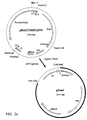
- pBAGN a plasmid carrying a derivative of the BAG construct carrying only one LTR, created by an Nhe I digest of the original pBAG (Price, J., Turner, D. & Cepko, C. (1987) Proc. Natl. Acad. Sci. USA 84, 156-160) followed by a self-ligation of the 7018bp fragment.
- the 3' end of primer A is complementary to the R-region of the LTR (Fig. 1).
- the 5'-extension contains an artificial (art.) polylinker and an artificial inverted repeat (IR(art)).
- Primer B is complementary to the U5 region of the LTR (Fig. 1).
- the resulting plasmid pSmaU3del (2792bp) was linearised by a Smal digest and ligated to the 3677bp Smal fragment of pBAGN (Fig. 3) to give the plasmid pBAGNU3del (6469bp).
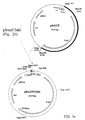
- the MMTV U3-region has been inserted into the polylinker region or the modified BAG vector:
- MMTV Mouse Mammary Tumour Virus
- mtv-2 Mouse Mammary Tumour Virus U3-Region (mtv-2) without the inverted repeats including a region that confers responsiveness to glucocorticoid hormones and a region containing an element that directs expression to the mammary gland was inserted into pCON6.
- the U3 region of MMTV was amplified by PCR using the plasmid pBG102 (a plasmid containing the 3'LTR from mtv 2) as a template with primers D and E.
- the 3' end of primer D is complementary to the 5'end of the MMTV U3 region and carries a Sac II site in its 5' extention (Fig. 5).
- the 3' end of primer E is complementary to the 3' end of the MMTV U3 region and has a Mlul site in its 5' extension (Fig. 5).
- a 1229 bp product was obtained, digested with Sac II and Mlu I and ligated to the Sac II/ Mlu I digested vector pCON6.
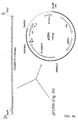
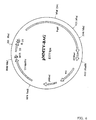
- the resulting plasmid p125.6 (5305 bp) (Fig. 4) was digested with Xba I and Hind III and the 4187 bp fragment ligated to the Xba I/ Hind III 4190 bp fragment of pBAGN containing the ⁇ -galactodidase gene to give the plasmid pMMTV-BAG (8377 bp) (Fig. 4) in which the ⁇ -galactodidase gene is under transcriptional control of the MLV promoter after transfection, and under the MMTV promoter after infection (Fig. 6).
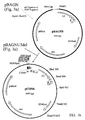
- the human SDI-1 cDNA carried in the plasmid pSDI1 (Noda, A., Ning, Y., Venable, S.F., Periera-Schmidt, O.M. & Smith, J.R. (1994) Exp. Cell. Res . 211 , 90-98) was isolated by PCR using two primers, SDIn1: and SDIn2 : carrying Bam HI and Aat II restriction sites (bold sequences) as extensions.
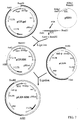
- the plasmid pMMTVBAG was digested with Aat II and Bam HI (Fig. 7).
- the resulting 5kb vector containing fragment was ligated to the SDI fragment, creating the plasmid p125.SDI (Fig. 7).
- p125.SDI was digested with Aat II and Afl II and the resulting 4.9kb fragment was blunt ended and ligated to a 3.5kb blunt ended Eco RI/ Afl III fragment of pLXSN (Miller, A.D., & Rosman, G.J., (1989) Biotechniques 7 , 980-990), giving the plasmid pLXS-SDI1 (Fig. 7).
- the human bladder carcinoma derived cell line EJ (Parada, L.F., Tabin, C.J., Shih, C. & Weinberg, R.A. (1982) Nature 297 ,474-478), cat kidney derived CRFK (Crandell, R.A., Fabricant, C.G., & Nelson-Rees, W.A. (1973) In vitro 9 , 176-185) and PA317 retrovirus packaging cells (Miller, A.D. & Buttimore, C. (1986) Mol. Cell. Biol. 6, 2895-2902) were cultured in Dulbecco's modified Eagle's medium (DMEM) containing 10% fetal calf serum (FCS).
- DMEM Dulbecco's modified Eagle's medium
- EJ or CRFK cells were plated in each well of a six well plate (Falcon) in DMEM containing 10% FCS either with or without 10 -6 M dexamethasone. After 7 days the cells were fixed in methanol:acetic acid (3:1) and stained with Giemsa (Fisher So-G-28).
- PA317 packaging cells were seeded in a 10 cm tissue culture dish at a density of 2 x 10 6 cells one day prior to lipofection and then lipofected with 4 mg of plasmid pLXS-SDI1 and 2 mg of pHCMV-G (Burns, J.C., Friedmann, T., Driever, W., Burrascano, M. & Yee, J.K. (1993) Proc. Natl. Acad. Sci. USA 90, 8033-8037) using the lipofectamine kit from GIBCO/BRL according to the manufacturers instructions.
- the cells were diluted 1:10 24 hrs after transfection and cultured in the usual medium containing additionally 400 mg/ml G418 (GIBCO/BRL). After 14 days colonies of G418 resistant cell clones were pooled to give a population of retroviral vector producing cells (125SDI/PA317).
- Infections were performed essentially as described previously (Hornsby, P. J. & Salmons, B. (1994) Protocols in cell and tissue culture Module 26D:2, D:2.1:2.5). Briefly, 24 hr conditioned cell culture medium from 2x10 6 125SDI/PA317 cells was passed through 0.45m Millipore filters, polybrene added to a final concentration of 8 mg/ml and 2 ml used to infect 1x10 6 EJ cells in a 10 cm culture dish. After 4 hrs incubation, 6 ml of cell culture medium (DMEM + 10% FCS) was added and the cells cultured overnight. The cells were then trypsinised and one fifth of the total amount of cells were seeded in a new culture dish. After 24 hrs, the cell culture medium was changed to DMEM + 10 % FCS containing 800 mg/ml G418 and 14 days later resistant cell clones were isolated.
- DMEM + 10 % FCS containing 800 mg/ml G418 and 14
- Fluoroscence activated cell scanning of infected cell clones was also performed to determine the proportion of cells in various stages of the cell cycle.
- Fluorescent activated cell scanning 5 x 10 5 EJ cells were seeded into T-225 flasks and cultured in DMEM containing 3 % FCS with or without 10 -6 M dexamethasone.
- DMEM fetal calf serum
- FCS fetal calf serum
- cells were kept in DMEM lacking FCS for 24 hrs before medium was changed to 3% FCS.
- the DNA was stained according to the micronuclei method (Nusse, M., Beisker, W., Kramer, J., Miller, B. M., Schreiber, G. A., Viagggi, S., Weller, E. M.
- the FACS analyses were performed with an FACSCalibur (Becton Dickinson; excitation of EB with an argon laser, 488 nm; EB fluorescence was detected with a long pass filter (LP 640).
- a first gate was set to exclude unspecific debris from nuclei according to side scatter and forward scatter.
- a gate in the Fluorescence 2 width-Fluorescence 2 area dot plot was used to exclude doublets.
- the DNA content was estimated using a Fluorescence 2 area histogram. Cell cycle distribution was analyzed using the MOD FIT LT program (Verity software house Inc.).
- EJ cells grown in the absence or presence of Dex show no significant difference in the percentage of cells in G 0 /G 1 irrespective of whether the cells were serum starved (cf; 45.4% and 52.4%) or grown normally (not shown).
- the representative EJ SDI-1 clone 7 showed significantly more cells in G 0 /G 1 when grown in the presence of Dex after serum starvation (61%) than in the absence of SDI-1 expression (50.6%). Similar significant differences were observed even when the cells were not previously serum starved and treated with Dex as compared to nontreated cells (not shown).
- the mean percentage of cells in G 0 /G 1 in different experiments is shown in Fig. 8A.
- a second therapeutic use of SDI-1 involves the expression of an antisense SDI-1 to reduce the expression of endogenous SDI-1. This will prevent cells pausing to check DNA integrity and repair of the DNA before new DNA synthesis begins in preparation for the next cell division. If cells expressing antisense SDI-1 are treated with DNA damaging agents such as mutagens, carcinogens or irradiation (e.g. gamma, U.V.), the efficiency of DNA damage repair will be severely reduced because the cell will not pause to permit proof reading and repair. These cells will accumulate so much DNA damage that they are no longer viable.
- DNA damaging agents such as mutagens, carcinogens or irradiation (e.g. gamma, U.V.
- the human SDI-1 cDNA carried in the plasmid pSDI.1 (5071 bp) was isolated by digestion with Bam HI and Bsp 1407 (707 bp) and cloned in the antisense orientation (sticky ends) in the plasmid pLX125 (7812 bp) carrying U3 region of MMTV in place of the MLV U3 after digestion also with Bam HI and Bsp 1407 (7674 bp) (sticky ends).
- pLX125.IDS The resulting plasmid was named pLX125.IDS (8381 bp).
- pLX125 was prepared by ligation (sticky ends) of a 3545 bp AfIIII / BamHI fragment of pLXSN (Miller, A.D., & Rosman, G.J. (1989) Biotechniques 7, 980-990) and a 4263bp Afllll / BamHI fragment of p125.6 (example 2, Fig. 4).
- the resulting AfIIII/AfIIII fragment was blunt ended with klenow and ligated to give the plasmid pLX125 (7812 bp).
- the human bladder carcinoma derived cell line EJ, cat kidney derived CK and PA317 retrovirus packaging cells were cultured in Dulbecco's modified Eagle's medium (DMEM) containing 10% fetal calf serum (FCS).
- DMEM Dulbecco's modified Eagle's medium
- FCS 10% fetal calf serum
- the packaging cells PA317 were seeded in a six well plate at a density of 5 x 10 5 cells one day prior to lipofection and then lipofected with 1 mg of plasmid pLX125.IDS and 1 mg of pHCMV-G using the lipofectamine kit from GIBCO/BRL according to the manufacturers instructions (125IDS/PA317).
- Infections were performed essentially as described previously. Briefly, 48 hr conditioned cell culture medium from these 1251DS/PA317 cells was passed through 0.45 m Millipore filters, polybrene added to a final concentration of 8 mg/ml and 2 ml used to infect 5x10 5 EJ / CK cells in a 10 cm culture dish. After 5 hrs incubation, 6 ml of medium was added and the cells cultured overnight. The cells were then trypsinised and diluted 1:20.
- the cell culture medium was changed to DMEM + 10% FCS containing 800mg/ml G418 for the EJ cells, 400mg/ml G418 for the CK cells and 14 days later resistant cell clones as well as populations were isolated.
- IDS should prevent cells from stopping in the checkpoint and therefore the cells should progress through the cell cycle.
- Transfected CK cells showed increased growth, as compared to their nontreated counterparts (Fig. 10).
- the slight increased proliferation with the LX125 vector shows a proliferative effect of transfections as has been previously observed (Günzburg et al 1988, Carcinogenesis 9: 1849-1856).
- a cell survival curve describes the relationship between the radiation dose and the proportion of cells that survive. The capability of a single cell to grow into a large colony, which can easily be seen with the naked eye, is a convenient proof that it has retained its reproductive integrity. The loss of this ability as a function of radiation dose is described by the dose survival curve.
- Cells from an actively growing stock culture are prepared into a suspension by the use of trypsin, which causes the cells to round up an detach from the surface of the culture vessel.
- the number of cells of this suspension is counted. In this way, for example, 100 individual cells may be seeded into a dish. If this dish is incubated for 2 weeks, each single cell will divide many times and form a colony that is easily visible with the naked eye, especially if it is fixed and stained. All cells comprising each colony are the progeny of a single ancestor. For a nominal 100 cells seeded into the dish, the number of colonies counted may be expected to be in the range of 50 to 90.
- plating efficiency indicates the percentage of cells seeded that grow into colonies.
- plating efficiency (PE) colonies counted / cells seeded x 100
- surviving fraction colonies gamma-ray counted / cells seeded x (PE/100)
- EJ, CK cells and infected or transfected cell populations were seeded at different cell densities in 50 ml flasks (Nunc, Denmark).
- EJ and CK cells were cultured in DMEM containing 10% FCS, CK transfectants in DMEM containing 10% FCS and 400 mg/ml G418, Infected EJ cell clones in DMEM containing 10%FCS and 800 mg/ml G418.
- After two weeks incubation the cells were fixed in methanol : acetic acid (3:1), stained with Giemsa (Fischer So-G-28) and colonies were counted.
- the graphs show a decreased survival for the LX125.IDS transfected as well for the LX125.IDS infected cells in comparison to the parental cells and the transfected or infected cells with the LX125 vector alone, especially after irradiation with a dose till 1.5 Gy.
Landscapes
- Health & Medical Sciences (AREA)
- Life Sciences & Earth Sciences (AREA)
- Genetics & Genomics (AREA)
- Chemical & Material Sciences (AREA)
- Organic Chemistry (AREA)
- Engineering & Computer Science (AREA)
- Zoology (AREA)
- Wood Science & Technology (AREA)
- Biochemistry (AREA)
- General Engineering & Computer Science (AREA)
- Molecular Biology (AREA)
- General Health & Medical Sciences (AREA)
- Bioinformatics & Cheminformatics (AREA)
- Biotechnology (AREA)
- Biophysics (AREA)
- Biomedical Technology (AREA)
- Microbiology (AREA)
- Physics & Mathematics (AREA)
- Plant Pathology (AREA)
- Virology (AREA)
- Toxicology (AREA)
- Gastroenterology & Hepatology (AREA)
- Medicinal Chemistry (AREA)
- Proteomics, Peptides & Aminoacids (AREA)
- Medicines That Contain Protein Lipid Enzymes And Other Medicines (AREA)
- Micro-Organisms Or Cultivation Processes Thereof (AREA)
- Medicines Containing Material From Animals Or Micro-Organisms (AREA)
- Measuring Or Testing Involving Enzymes Or Micro-Organisms (AREA)
- Pharmaceuticals Containing Other Organic And Inorganic Compounds (AREA)
Applications Claiming Priority (3)
| Application Number | Priority Date | Filing Date | Title |
|---|---|---|---|
| DK115795 | 1995-10-13 | ||
| DK115795 | 1995-10-13 | ||
| PCT/EP1996/004447 WO1997013867A1 (en) | 1995-10-13 | 1996-10-11 | Retroviral vectors carrying senescent cell derived inhibitors 1 (sdi-1) or antisense sdi-1 nucleotide sequences |
Publications (2)
| Publication Number | Publication Date |
|---|---|
| EP0859854A1 EP0859854A1 (en) | 1998-08-26 |
| EP0859854B1 true EP0859854B1 (en) | 2002-05-02 |
Family
ID=8101648
Family Applications (1)
| Application Number | Title | Priority Date | Filing Date |
|---|---|---|---|
| EP96934660A Expired - Lifetime EP0859854B1 (en) | 1995-10-13 | 1996-10-11 | Retroviral vectors carrying senescent cell derived inhibitors 1 (sdi-1) or antisense sdi-1 nucleotide sequences |
Country Status (7)
| Country | Link |
|---|---|
| EP (1) | EP0859854B1 (da) |
| AT (1) | ATE217023T1 (da) |
| AU (1) | AU7291696A (da) |
| DE (1) | DE69621035T2 (da) |
| DK (1) | DK0859854T3 (da) |
| ES (1) | ES2176500T3 (da) |
| WO (1) | WO1997013867A1 (da) |
Families Citing this family (1)
| Publication number | Priority date | Publication date | Assignee | Title |
|---|---|---|---|---|
| US6139817A (en) * | 1996-10-15 | 2000-10-31 | Smithkline Beecham Corporation | Method for determining gene essentiality in a pathogen |
Citations (1)
| Publication number | Priority date | Publication date | Assignee | Title |
|---|---|---|---|---|
| US5863904A (en) * | 1995-09-26 | 1999-01-26 | The University Of Michigan | Methods for treating cancers and restenosis with P21 |
Family Cites Families (5)
| Publication number | Priority date | Publication date | Assignee | Title |
|---|---|---|---|---|
| US5302706A (en) * | 1991-12-16 | 1994-04-12 | Baylor College Of Medicine | Senescent cell derived inhibitors of DNA synthesis |
| WO1994029437A1 (en) * | 1993-06-07 | 1994-12-22 | University Of Medicine & Dentistry Of New Jersey | Highly-efficient, self-inactivating, recombination-free, u3-free retroviral vectors |
| EP0723402B1 (en) * | 1993-08-30 | 2010-08-18 | Baylor College Of Medicine | Senescent cell-derived inhibitors of dna synthesis |
| WO1995013375A1 (en) * | 1993-11-10 | 1995-05-18 | The Johns Hopkins University | Tumor suppressor waf1 |
| RU2199585C2 (ru) * | 1994-09-02 | 2003-02-27 | ГСФ-Форшунгсцентрум фюр Умвельт унд Гезундхайт ГмбХ | Ретровирусная векторная конструкция, подвергающаяся промоторной конверсии, способ введения гомологичных или гетерологичных нуклеотидных последовательностей в человеческие или животные клетки in vitro и/или in vivo, рекомбинантная ретровирусная частица, фармацевтическая композиция для генной терапии |
-
1996
- 1996-10-11 EP EP96934660A patent/EP0859854B1/en not_active Expired - Lifetime
- 1996-10-11 AU AU72916/96A patent/AU7291696A/en not_active Abandoned
- 1996-10-11 WO PCT/EP1996/004447 patent/WO1997013867A1/en not_active Ceased
- 1996-10-11 ES ES96934660T patent/ES2176500T3/es not_active Expired - Lifetime
- 1996-10-11 AT AT96934660T patent/ATE217023T1/de not_active IP Right Cessation
- 1996-10-11 DE DE69621035T patent/DE69621035T2/de not_active Expired - Lifetime
- 1996-10-11 DK DK96934660T patent/DK0859854T3/da active
Patent Citations (1)
| Publication number | Priority date | Publication date | Assignee | Title |
|---|---|---|---|---|
| US5863904A (en) * | 1995-09-26 | 1999-01-26 | The University Of Michigan | Methods for treating cancers and restenosis with P21 |
Also Published As
| Publication number | Publication date |
|---|---|
| DK0859854T3 (da) | 2002-08-19 |
| WO1997013867A1 (en) | 1997-04-17 |
| ATE217023T1 (de) | 2002-05-15 |
| AU7291696A (en) | 1997-04-30 |
| DE69621035D1 (de) | 2002-06-06 |
| ES2176500T3 (es) | 2002-12-01 |
| DE69621035T2 (de) | 2003-01-02 |
| EP0859854A1 (en) | 1998-08-26 |
Similar Documents
| Publication | Publication Date | Title |
|---|---|---|
| US5861290A (en) | Methods and polynucleotide constructs for treating host cells for infection or hyperproliferative disorders | |
| EP0454781B1 (en) | Recombinant cells for therapies of infection and hyperproliferative disorders and preparation thereof | |
| JP4848348B2 (ja) | ウイルス粒子産生カプセル化細胞 | |
| US20180251786A1 (en) | Recombinant vectors comprising 2a peptide | |
| EP0476953B1 (en) | Targeted destruction of neoplastic cells by retroviral vector-producing packaging cells | |
| RU2185821C2 (ru) | Трансдуцирующие цитохром р450 ретровирусные векторы | |
| EP0848757B1 (en) | The use of the wap of mmtv regulatory sequences for targeted expression of linked heterologous genes in human mammary cells, including human mammary carcinoma cells | |
| EP0880594B1 (en) | Retroviral vector and its use in gene therapy | |
| JP2002508338A (ja) | レンチウィルスベクターの治療使用 | |
| US7074398B1 (en) | Retroviral vectors carrying senescent cell derived inhibitors 1 (SDI-1)or antisense SDI-1 nucleotide sequences | |
| EP1115879B1 (en) | Retroviral particles protected against complement mediated destruction | |
| US6743631B1 (en) | Use of human serum resistant vector particles and cell lines for human gene therapy | |
| US6677155B1 (en) | Triple hybrid amplicon vector systems to generate retroviral packaging lines | |
| EP0859854A1 (en) | Retroviral vectors carrying senescent cell derived inhibitors 1 (sdi-1) or antisense sdi-1 nucleotide sequences | |
| D’INHIBITEURS et al. | ANTISENSE SDI-1 NUCLEOTIDE SEQUENCES | |
| US6537541B1 (en) | Implantation of HSV-TK retrovirus producer cells to destroy glioma | |
| US6555108B1 (en) | Implanting HSV-TK retrovirus producing cells to treat tumors | |
| CA2047363C (en) | Recombinant therapies for infection and hyperproliferative disorders | |
| WO2000065077A1 (en) | Triple hybrid amplicon vector systems to generate retroviral packaging lines | |
| WO1999011761A1 (en) | Suspension culture of retroviral producer cells |
Legal Events
| Date | Code | Title | Description |
|---|---|---|---|
| PUAI | Public reference made under article 153(3) epc to a published international application that has entered the european phase |
Free format text: ORIGINAL CODE: 0009012 |
|
| 17P | Request for examination filed |
Effective date: 19980408 |
|
| AK | Designated contracting states |
Kind code of ref document: A1 Designated state(s): AT BE CH DE DK ES FI FR GB GR IE IT LI LU MC NL PT SE |
|
| AX | Request for extension of the european patent |
Free format text: AL PAYMENT 980408;LT PAYMENT 980408;LV PAYMENT 980408;SI PAYMENT 980408 |
|
| 17Q | First examination report despatched |
Effective date: 19991108 |
|
| RAP1 | Party data changed (applicant data changed or rights of an application transferred) |
Owner name: GSF-FORSCHUNGSZENTRUM FUER UMWELT UND GESUNDHEIT, Owner name: BAVARIAN NORDIC RESEARCH INSTITUTE GMBH |
|
| RAP1 | Party data changed (applicant data changed or rights of an application transferred) |
Owner name: GSF-FORSCHUNGSZENTRUM FUER UMWELT UND GESUNDHEIT, Owner name: BAVARIAN NORDIC RESEARCH INSTITUTE GMBH |
|
| RAP1 | Party data changed (applicant data changed or rights of an application transferred) |
Owner name: GSF-FORSCHUNGSZENTRUM FUER UMWELT UND GESUNDHEIT Owner name: BAVARIAN NORDIC RESEARCH INSTITUTE A/S |
|
| RAP1 | Party data changed (applicant data changed or rights of an application transferred) |
Owner name: GSF-FORSCHUNGSZENTRUM FUER UMWELT UND GESUNDHEIT Owner name: AUSTRIAN NORDIC BIOTHERAPEUTICS AG |
|
| GRAG | Despatch of communication of intention to grant |
Free format text: ORIGINAL CODE: EPIDOS AGRA |
|
| RIC1 | Information provided on ipc code assigned before grant |
Free format text: 7C 12N 15/867 A, 7C 07K 14/47 B, 7A 61K 38/17 B, 7C 12N 15/11 B |
|
| RIC1 | Information provided on ipc code assigned before grant |
Free format text: 7C 12N 15/867 A, 7C 07K 14/47 B, 7A 61K 38/17 B, 7C 12N 15/11 B |
|
| GRAG | Despatch of communication of intention to grant |
Free format text: ORIGINAL CODE: EPIDOS AGRA |
|
| GRAG | Despatch of communication of intention to grant |
Free format text: ORIGINAL CODE: EPIDOS AGRA |
|
| GRAH | Despatch of communication of intention to grant a patent |
Free format text: ORIGINAL CODE: EPIDOS IGRA |
|
| REG | Reference to a national code |
Ref country code: GB Ref legal event code: IF02 |
|
| GRAH | Despatch of communication of intention to grant a patent |
Free format text: ORIGINAL CODE: EPIDOS IGRA |
|
| GRAA | (expected) grant |
Free format text: ORIGINAL CODE: 0009210 |
|
| AK | Designated contracting states |
Kind code of ref document: B1 Designated state(s): AT BE CH DE DK ES FI FR GB GR IE IT LI LU MC NL PT SE |
|
| AX | Request for extension of the european patent |
Free format text: AL PAYMENT 19980408;LT PAYMENT 19980408;LV PAYMENT 19980408;SI PAYMENT 19980408 |
|
| PG25 | Lapsed in a contracting state [announced via postgrant information from national office to epo] |
Ref country code: GR Free format text: LAPSE BECAUSE OF FAILURE TO SUBMIT A TRANSLATION OF THE DESCRIPTION OR TO PAY THE FEE WITHIN THE PRESCRIBED TIME-LIMIT Effective date: 20020502 |
|
| REF | Corresponds to: |
Ref document number: 217023 Country of ref document: AT Date of ref document: 20020515 Kind code of ref document: T |
|
| REG | Reference to a national code |
Ref country code: GB Ref legal event code: FG4D |
|
| REG | Reference to a national code |
Ref country code: CH Ref legal event code: EP |
|
| REF | Corresponds to: |
Ref document number: 69621035 Country of ref document: DE Date of ref document: 20020606 |
|
| REG | Reference to a national code |
Ref country code: IE Ref legal event code: FG4D |
|
| PG25 | Lapsed in a contracting state [announced via postgrant information from national office to epo] |
Ref country code: PT Free format text: LAPSE BECAUSE OF FAILURE TO SUBMIT A TRANSLATION OF THE DESCRIPTION OR TO PAY THE FEE WITHIN THE PRESCRIBED TIME-LIMIT Effective date: 20020802 |
|
| REG | Reference to a national code |
Ref country code: DK Ref legal event code: T3 |
|
| ET | Fr: translation filed | ||
| ET | Fr: translation filed | ||
| PG25 | Lapsed in a contracting state [announced via postgrant information from national office to epo] |
Ref country code: LU Free format text: LAPSE BECAUSE OF NON-PAYMENT OF DUE FEES Effective date: 20021011 |
|
| REG | Reference to a national code |
Ref country code: ES Ref legal event code: FG2A Ref document number: 2176500 Country of ref document: ES Kind code of ref document: T3 |
|
| LTIE | Lt: invalidation of european patent or patent extension |
Effective date: 20020502 |
|
| PLBE | No opposition filed within time limit |
Free format text: ORIGINAL CODE: 0009261 |
|
| STAA | Information on the status of an ep patent application or granted ep patent |
Free format text: STATUS: NO OPPOSITION FILED WITHIN TIME LIMIT |
|
| 26N | No opposition filed |
Effective date: 20030204 |
|
| PG25 | Lapsed in a contracting state [announced via postgrant information from national office to epo] |
Ref country code: MC Free format text: LAPSE BECAUSE OF NON-PAYMENT OF DUE FEES Effective date: 20030501 |
|
| REG | Reference to a national code |
Ref country code: CH Ref legal event code: PUEA Owner name: GSF-FORSCHUNGSZENTRUM FUER UMWELT UND GESUNDHEIT Free format text: GSF-FORSCHUNGSZENTRUM FUER UMWELT UND GESUNDHEIT GMBH#INGOLSTAEDTER LANDSTRASSE 1#85758 OBERSCHLEISSHEIM (DE) $ AUSTRIAN NORDIC BIOTHERAPEUTICS AG#VETERINAERPLATZ 1#1210 WIEN (AT) -TRANSFER TO- GSF-FORSCHUNGSZENTRUM FUER UMWELT UND GESUNDHEIT GMBH#INGOLSTAEDTER LANDSTRASSE 1#85758 OBERSCHLEISSHEIM (DE) Ref country code: CH Ref legal event code: NV Representative=s name: DR. LUSUARDI AG |
|
| REG | Reference to a national code |
Ref country code: GB Ref legal event code: 732E |
|
| NLS | Nl: assignments of ep-patents |
Owner name: GSF-FORSCHUNGSZENTRUM FUER UMWELT UND GESUNDHEIT, |
|
| REG | Reference to a national code |
Ref country code: FR Ref legal event code: TP |
|
| PGFP | Annual fee paid to national office [announced via postgrant information from national office to epo] |
Ref country code: NL Payment date: 20051003 Year of fee payment: 10 |
|
| PGFP | Annual fee paid to national office [announced via postgrant information from national office to epo] |
Ref country code: SE Payment date: 20051005 Year of fee payment: 10 Ref country code: GB Payment date: 20051005 Year of fee payment: 10 |
|
| PGFP | Annual fee paid to national office [announced via postgrant information from national office to epo] |
Ref country code: FR Payment date: 20051010 Year of fee payment: 10 |
|
| PGFP | Annual fee paid to national office [announced via postgrant information from national office to epo] |
Ref country code: IE Payment date: 20051012 Year of fee payment: 10 Ref country code: AT Payment date: 20051012 Year of fee payment: 10 |
|
| PGFP | Annual fee paid to national office [announced via postgrant information from national office to epo] |
Ref country code: FI Payment date: 20051013 Year of fee payment: 10 |
|
| PGFP | Annual fee paid to national office [announced via postgrant information from national office to epo] |
Ref country code: DK Payment date: 20051014 Year of fee payment: 10 Ref country code: CH Payment date: 20051014 Year of fee payment: 10 |
|
| PGFP | Annual fee paid to national office [announced via postgrant information from national office to epo] |
Ref country code: ES Payment date: 20051129 Year of fee payment: 10 |
|
| PGFP | Annual fee paid to national office [announced via postgrant information from national office to epo] |
Ref country code: BE Payment date: 20051220 Year of fee payment: 10 |
|
| PG25 | Lapsed in a contracting state [announced via postgrant information from national office to epo] |
Ref country code: IE Free format text: LAPSE BECAUSE OF NON-PAYMENT OF DUE FEES Effective date: 20061011 Ref country code: FI Free format text: LAPSE BECAUSE OF NON-PAYMENT OF DUE FEES Effective date: 20061011 Ref country code: AT Free format text: LAPSE BECAUSE OF NON-PAYMENT OF DUE FEES Effective date: 20061011 |
|
| PG25 | Lapsed in a contracting state [announced via postgrant information from national office to epo] |
Ref country code: SE Free format text: LAPSE BECAUSE OF NON-PAYMENT OF DUE FEES Effective date: 20061012 |
|
| PG25 | Lapsed in a contracting state [announced via postgrant information from national office to epo] |
Ref country code: LI Free format text: LAPSE BECAUSE OF NON-PAYMENT OF DUE FEES Effective date: 20061031 Ref country code: DK Free format text: LAPSE BECAUSE OF NON-PAYMENT OF DUE FEES Effective date: 20061031 Ref country code: CH Free format text: LAPSE BECAUSE OF NON-PAYMENT OF DUE FEES Effective date: 20061031 |
|
| PGFP | Annual fee paid to national office [announced via postgrant information from national office to epo] |
Ref country code: IT Payment date: 20061031 Year of fee payment: 11 |
|
| PG25 | Lapsed in a contracting state [announced via postgrant information from national office to epo] |
Ref country code: NL Free format text: LAPSE BECAUSE OF NON-PAYMENT OF DUE FEES Effective date: 20070501 |
|
| REG | Reference to a national code |
Ref country code: CH Ref legal event code: PL |
|
| EUG | Se: european patent has lapsed | ||
| GBPC | Gb: european patent ceased through non-payment of renewal fee |
Effective date: 20061011 |
|
| NLV4 | Nl: lapsed or anulled due to non-payment of the annual fee |
Effective date: 20070501 |
|
| REG | Reference to a national code |
Ref country code: IE Ref legal event code: MM4A |
|
| REG | Reference to a national code |
Ref country code: FR Ref legal event code: ST Effective date: 20070629 |
|
| PG25 | Lapsed in a contracting state [announced via postgrant information from national office to epo] |
Ref country code: GB Free format text: LAPSE BECAUSE OF NON-PAYMENT OF DUE FEES Effective date: 20061011 |
|
| BERE | Be: lapsed |
Owner name: *GSF-FORSCHUNGSZENTRUM FUR UMWELT UND GESUNDHEIT G Effective date: 20061031 |
|
| REG | Reference to a national code |
Ref country code: ES Ref legal event code: FD2A Effective date: 20061013 |
|
| PG25 | Lapsed in a contracting state [announced via postgrant information from national office to epo] |
Ref country code: FR Free format text: LAPSE BECAUSE OF NON-PAYMENT OF DUE FEES Effective date: 20061031 Ref country code: ES Free format text: LAPSE BECAUSE OF NON-PAYMENT OF DUE FEES Effective date: 20061013 |
|
| PG25 | Lapsed in a contracting state [announced via postgrant information from national office to epo] |
Ref country code: IT Free format text: LAPSE BECAUSE OF NON-PAYMENT OF DUE FEES Effective date: 20071011 Ref country code: BE Free format text: LAPSE BECAUSE OF FAILURE TO SUBMIT A TRANSLATION OF THE DESCRIPTION OR TO PAY THE FEE WITHIN THE PRESCRIBED TIME-LIMIT Effective date: 20061031 |
|
| PGFP | Annual fee paid to national office [announced via postgrant information from national office to epo] |
Ref country code: DE Payment date: 20121031 Year of fee payment: 17 |
|
| REG | Reference to a national code |
Ref country code: DE Ref legal event code: R119 Ref document number: 69621035 Country of ref document: DE Effective date: 20140501 |
|
| PG25 | Lapsed in a contracting state [announced via postgrant information from national office to epo] |
Ref country code: DE Free format text: LAPSE BECAUSE OF NON-PAYMENT OF DUE FEES Effective date: 20140501 |