EP0892047A2 - Semaphorine L humaine et murine - Google Patents
Semaphorine L humaine et murine Download PDFInfo
- Publication number
- EP0892047A2 EP0892047A2 EP98112470A EP98112470A EP0892047A2 EP 0892047 A2 EP0892047 A2 EP 0892047A2 EP 98112470 A EP98112470 A EP 98112470A EP 98112470 A EP98112470 A EP 98112470A EP 0892047 A2 EP0892047 A2 EP 0892047A2
- Authority
- EP
- European Patent Office
- Prior art keywords
- semaphorin
- semal
- nucleic acid
- type
- semaphorins
- Prior art date
- Legal status (The legal status is an assumption and is not a legal conclusion. Google has not performed a legal analysis and makes no representation as to the accuracy of the status listed.)
- Withdrawn
Links
Images




Classifications
-
- C—CHEMISTRY; METALLURGY
- C07—ORGANIC CHEMISTRY
- C07K—PEPTIDES
- C07K14/00—Peptides having more than 20 amino acids; Gastrins; Somatostatins; Melanotropins; Derivatives thereof
- C07K14/435—Peptides having more than 20 amino acids; Gastrins; Somatostatins; Melanotropins; Derivatives thereof from animals; from humans
- C07K14/46—Peptides having more than 20 amino acids; Gastrins; Somatostatins; Melanotropins; Derivatives thereof from animals; from humans from vertebrates
- C07K14/47—Peptides having more than 20 amino acids; Gastrins; Somatostatins; Melanotropins; Derivatives thereof from animals; from humans from vertebrates from mammals
-
- C—CHEMISTRY; METALLURGY
- C07—ORGANIC CHEMISTRY
- C07K—PEPTIDES
- C07K14/00—Peptides having more than 20 amino acids; Gastrins; Somatostatins; Melanotropins; Derivatives thereof
- C07K14/435—Peptides having more than 20 amino acids; Gastrins; Somatostatins; Melanotropins; Derivatives thereof from animals; from humans
- C07K14/46—Peptides having more than 20 amino acids; Gastrins; Somatostatins; Melanotropins; Derivatives thereof from animals; from humans from vertebrates
- C07K14/47—Peptides having more than 20 amino acids; Gastrins; Somatostatins; Melanotropins; Derivatives thereof from animals; from humans from vertebrates from mammals
- C07K14/4701—Peptides having more than 20 amino acids; Gastrins; Somatostatins; Melanotropins; Derivatives thereof from animals; from humans from vertebrates from mammals not used
- C07K14/4702—Regulators; Modulating activity
- C07K14/4703—Inhibitors; Suppressors
-
- C—CHEMISTRY; METALLURGY
- C07—ORGANIC CHEMISTRY
- C07K—PEPTIDES
- C07K16/00—Immunoglobulins [IG], e.g. monoclonal or polyclonal antibodies
- C07K16/18—Immunoglobulins [IG], e.g. monoclonal or polyclonal antibodies against material from animals or humans
-
- C—CHEMISTRY; METALLURGY
- C12—BIOCHEMISTRY; BEER; SPIRITS; WINE; VINEGAR; MICROBIOLOGY; ENZYMOLOGY; MUTATION OR GENETIC ENGINEERING
- C12N—MICROORGANISMS OR ENZYMES; COMPOSITIONS THEREOF; PROPAGATING, PRESERVING, OR MAINTAINING MICROORGANISMS; MUTATION OR GENETIC ENGINEERING; CULTURE MEDIA
- C12N15/00—Mutation or genetic engineering; DNA or RNA concerning genetic engineering, vectors, e.g. plasmids, or their isolation, preparation or purification; Use of hosts therefor
- C12N15/09—Recombinant DNA-technology
- C12N15/11—DNA or RNA fragments; Modified forms thereof; Non-coding nucleic acids having a biological activity
- C12N15/62—DNA sequences coding for fusion proteins
-
- C—CHEMISTRY; METALLURGY
- C12—BIOCHEMISTRY; BEER; SPIRITS; WINE; VINEGAR; MICROBIOLOGY; ENZYMOLOGY; MUTATION OR GENETIC ENGINEERING
- C12N—MICROORGANISMS OR ENZYMES; COMPOSITIONS THEREOF; PROPAGATING, PRESERVING, OR MAINTAINING MICROORGANISMS; MUTATION OR GENETIC ENGINEERING; CULTURE MEDIA
- C12N15/00—Mutation or genetic engineering; DNA or RNA concerning genetic engineering, vectors, e.g. plasmids, or their isolation, preparation or purification; Use of hosts therefor
- C12N15/09—Recombinant DNA-technology
- C12N15/63—Introduction of foreign genetic material using vectors; Vectors; Use of hosts therefor; Regulation of expression
- C12N15/79—Vectors or expression systems specially adapted for eukaryotic hosts
-
- A—HUMAN NECESSITIES
- A61—MEDICAL OR VETERINARY SCIENCE; HYGIENE
- A61K—PREPARATIONS FOR MEDICAL, DENTAL OR TOILETRY PURPOSES
- A61K48/00—Medicinal preparations containing genetic material which is inserted into cells of the living body to treat genetic diseases; Gene therapy
-
- C—CHEMISTRY; METALLURGY
- C07—ORGANIC CHEMISTRY
- C07K—PEPTIDES
- C07K2319/00—Fusion polypeptide
-
- C—CHEMISTRY; METALLURGY
- C07—ORGANIC CHEMISTRY
- C07K—PEPTIDES
- C07K2319/00—Fusion polypeptide
- C07K2319/01—Fusion polypeptide containing a localisation/targetting motif
- C07K2319/02—Fusion polypeptide containing a localisation/targetting motif containing a signal sequence
-
- C—CHEMISTRY; METALLURGY
- C07—ORGANIC CHEMISTRY
- C07K—PEPTIDES
- C07K2319/00—Fusion polypeptide
- C07K2319/40—Fusion polypeptide containing a tag for immunodetection, or an epitope for immunisation
Definitions
- H-SemaL Human semaphorin L
- semaphorins in other species.
- the invention relates to new semaphorins which are distinguished by a special domain structure distinguish and their derivatives, nucleic acids (DNA, RNA, cDNA), for these semaphorins encode and their derivatives and the production and use thereof.
- Semaphorins were first developed by Koldokin ⁇ Kolodkin et al. (1993) Cell 75: 1389-1399 ⁇ as members of a conserved gene family.
- Table 1 provides an overview of the semaphorins identified so far in different species.
- Table 1 are the names of the semaphorins (column 1), the synonyms used (column 2), the Species from which the respective semaphorin was isolated (division 3) and, as far as known, data on Domain structure of the encoded protein and for chromosomal localization (column 4 in Table 1), the assignment number under which the sequence of the gene in gene databases, e.g. in an EST (expressed sequence tags) database, EMBL (European Molecular Biology Laboratory, Heidelberg) or NCBI (National Center for Biotechnology Information, Maryland, USA) and the Corresponding reference under which these data were published (column 5 in Table 1).
- CRMP Collapsin response mediator protein
- the CRMP62 has: homology to unc-33, one for that directed axon growth essential nemalode protein.
- a human protein with 98% amino acid identity CRMP62 is also known (Hamajima et al. (1996) Gene 180: 157-163. In rats Several CRMP-related genes have also been described (Wang et al. (1996) Neurosci. 16: 6197-6207.
- the secreted or transmembrane semaphorins convey repulsive signals for growing Nerve buds. They play a role in the development of the central nervous system (CNS) and are mainly expressed in muscle and nerve tissue (Koldokin et al. (1993); Luo et al. (1993) Cell 75: 217-227.
- M-SemaG In addition to the CNS, a clear expression of M-SemaG was also possible on cells of the lymphatic and hematopoietic system are observed, in contrast to the closely related M-SemaF ⁇ Furuyima et al. (1996) J. Biol. Chem. 271: 33376-33381 ⁇ .
- H-Sema IV and H-Sema V Two other human semaphorins have recently been identified, H-Sema IV and H-Sema V, namely in a region on chromosome 3p21.3, the deletion of which with different forms of Bronchial carcinoma is associated with H-Sema IV ⁇ Roche et al. (1996), Xiang et al. (1996), Sekido et al. (1996) ⁇ is approximately 50% identical to M-SemaE at the amino acid level, while H-Sema V ⁇ Sekido et al. (1996) ⁇ is the direct homologue to M-Sema-A (86% amino acid identity).
- CD100 The cellular surface molecule CD100 (human) was also recently expressed and induced on activated T cells, identified as semaphorin (also listed in Table 1). It supports the interaction with B cells via the CD40 receptor and the corresponding ligand CD40L.
- CD100 is a membrane-anchored glycoprotein dimer of 150kd (kilodalton).
- AHV-1 Alcelaphinen herpesvirus type 1
- ORF-A39 corresponds to VAC-A39 in Ensser et al. (1995)) J. Gen. Virol.
- AHV-1 semaphorin (AHV-Sema) has a well-preserved semaphorin structure, are the poxvirus genes (ORF-A39 and ORF-A39 homologous, see Table 1) C-terminal shortened, i.e. with them is that conserved Sema domain only partially available.
- the present invention relates to semaphorins with a new, previously unknown and unexpected domain structure, which have a biochemical function in the immune system comes (immunomodulating semaphorins).
- the semaphorins according to the invention are called Type L semaphorins (SemaL). They contain an N-terminal signal peptide, a characteristic Sema domain and an immunoglobulin-like in the C-terminal region of the protein Domain and a hydrophobic domain that represents a potential transmembrane domain
- the amino acid sequence of the signal peptide can be less than 70, preferably less than 60 Amino acids and have more than 20, preferably more than 30 amino acids, particularly a length of about 40 to 50 amino acids is preferred.
- the signal peptide is 44 amino acids in length, i.e. between amino acids 44 and 45 is a cleavage site for a signal peptidase.
- the Sema domain can be from 300 to 700 or more in length, preferably from about 400 to 600 in length Have amino acids. Sema domains with a length of 450 to 550 are preferred Amino acids, preferably from about 500 amino acids. In a special embodiment of the The invention connects the Sema domain to the signal peptide, the Sema domain preferably extends to amino acid 545.
- the immunoglobulin-like domain can be about 30 to 110 or more amino acids in length have lengths between 50 and 90, particularly preferably about 70 amino acids.
- the transmembrane domain can be about 10 to 35, preferably about 15 to 30 in length. particularly preferably have from about 20 to 25 amino acids.
- the invention relates to type L semaphorins from different species, in particular from Vertebrates, for example from birds and / or fish, preferably from mammals, for example from primates, rats, rabbits, dogs, cats, sheep, goats, cows, horses, pigs, particularly preferred from humans and mice.
- the invention also relates to corresponding ones Semaphorins from microorganisms, in particular from pathogenic microorganisms, for example from bacteria, yeast and / or viruses, e.g. from retroviruses, especially from human pathogens Microorganisms.
- One embodiment of the invention is a corresponding human semaphorin (H-SemaL), the one Signal peptide, a Sema domain, an immunoglobulin-like domain and a Transmembrane domain has a special embodiment is the semaphorin, which by the Amino acid sequence according to Table 4 is given.
- Another embodiment of the invention are corresponding semaphorins in others Species that have an amino acid identity greater than 40%, preferably in the area of the Sema domain greater than 50%, particularly preferably greater than 60% in relation to the Sema domain of H-SemaL (Amino acids 45 to 545 of the sequence in Table 4). From more closely related species (e.g. Primates, mice), the corresponding semaphorins can be amino acid identities have greater than 70%, preferably greater than 80%, particularly preferably greater than 90%. Percentage homologies can, for example, with the GAP program (GCG program package, Genetic Computer Group (1991)) can be determined or calculated.
- GAP program GAP program package, Genetic Computer Group (1991)
- Such an embodiment of the invention is a corresponding semaphorin of the mouse (murine semaphorin (M-SemaL)).
- this contains the partial amino acid sequence according to Table 5 (murine semaphorin (M-SemaL)).
- the invention also relates to corresponding semaphorins which have an amino acid identity (via which Considered total length of the amino acid sequence of the protein) of only about 15 to 20% with little related species (phylogenetically far apart), preferably 25 to 30%, especially preferably 35 to 40% or higher identity with respect to the total amino acid sequence of Have H-SemaL according to Table 4.
- the genes encoding type L semaphorins have a complex exon-intron structure. These genes can contain, for example, between 10 and 20 exons, preferably about 11 to 18, particularly preferably have 12 to 16 exons and a corresponding number of introns. she can also have the same number of exons and introns as the gene of H-SemaL (13 or 15 exons, preferably 14 exons). A particular embodiment of the invention relates to this Gene from H-SemaL. This gene is preferably 8888 to 10,000 or more in length Nucleotides.
- the human semaphorin gene preferably contains the nucleotide sequence set forth in Table 14 is given or the nucleotide sequence, which is in the GenBank® database under the Accession number AF030697 was deposited. These nucleotide sequences contain at least 13 Introns.
- the human semaphorin gene has an additional 5 'end Sequence area. This area may contain further coding and non-coding Sequences, e.g. one or two more introns or exons ..
- the primary transcript of the semaphorin mRNA are spliced differently, resulting in different splicing variants of the semaphorins arise.
- the proteins translated from these splice variants are derivatives of semaphorins according to the invention. They correspond in their amino acid sequence and also largely in their domain structure are the described semaphorins of type L according to the invention however, if necessary, shortened compared to these. For example, splice variants to which the All or part of the transmembrane domain is missing.
- a semaphorin derivative which no or no complete transmembrane domain, but contains a signal peptide can be secreted and act locally or over longer distances outside the cell, for example to other cells.
- Another splicing variant for example, can no longer be a sequence contain, which codes for a signal peptide and possibly no sequence, which for a encoded hydrophobic amino acid sequence, which represents a potential transmembrane domain.
- this semaphorin derivative is neither incorporated into the membrane nor secreted (es unless via secretory vesicles).
- Such a semaphorin derivative can be intracellular Processes, for example, be involved in signal transduction processes. That way, with the same basic molecules (type L semaphorins) and the derivatives derived from them (for example splice variants) regulates and / or diverse intra- and extracellular processes be coordinated.
- a special embodiment of the invention relates to semaphorin derivatives, which differ from the Derive type L semaphorins according to the invention, but none or none at all Transmembrane domain included.
- Another embodiment of the invention relates to semaphorin derivatives that differ from the Derive type L semaphorins according to the invention, but which contain no signal peptide.
- the signal peptide can also be split off post-translationally. This will make a membrane-bound (with TM domain) or a secreted (splice variant without TM domain) Semaphorin derivative with a shortened domain structure formed. A post-translational in this way Processed semaphorin derivative only contains Sema domain, Ig domain and, if necessary Transmembrane domain.
- a signal peptide interface can, for example, directly at the end of the Signal peptide, e.g. 40 to 50 amino acids or further from the amino terminus be localized.
- a "truncated" (i.e., fewer domains) semaphorin L derivative is one of others To distinguish semaphorins that are not derived from type L semaphorins, that it has a very large (> 90%) amino acid identity or an identical amino acid sequence the type L semaphorins in the existing domains.
- the semaphorins according to the invention can also be modified in a different manner post-translationally. For example, they can be one, two, three, four, five, six, seven, eight, nine, ten or multiple glycosylated (N- and / or O-glycosylated) are present.
- the amino acid sequences of the Semaphorins can then have as many or more consensus sequences for potential Have glycosylation sites, preferably five such sites.
- An embodiment of the Invention relates to semaphorins in which the glycosylation sites are located at positions that correspond to positions 105, 157, 258, 330 and 602 of the H-SemaL amino acid sequence (Table 4).
- semaphorins can be in the form of their phosphorylated derivatives.
- Semaphorins can be the substrates of different kinases, for example those Amino acid sequences Consensus sequences for protein kinase C, tyrosine kinase and / or creatine Have kinases.
- the amino acid sequences of the semaphorins Show consensus sequences for potential myristylation sites. At these points you can corresponding semaphorin derivatives must be esterified with myristic acid.
- the type L semaphorins and their derivatives can be in the form of monomers, Dimers and / or multimers are present, for example two or more semaphorins or whose derivatives are connected to one another via intermolecular disulfide bridges. Furthermore can form intramolecular disulfide bridges.
- Derivatives of the semaphorins according to the invention are also fusion proteins.
- Such one Fusion protein contains on the one hand a type L semaphorin or parts thereof and beyond another peptide or protein or part of the same.
- Peptides or proteins or parts thereof can e.g. Epitope tags (e.g. His-Tag (6xHistidine), Myc-Tag, flu-Tag) which e.g. to purify the Fusion proteins can be used, or those used to label the fusion proteins can be used, e.g. GFP (green fluorescent protein).
- Examples of derivatives of Type L semaphorins are e.g. B. given by the constructs described in the examples. The Sequences of these constructs can optionally be found in Tables 7 to 15 Taking into account the annotations for the plasmids.
- the invention further relates to nucleic acid sequences, preferably DNA and RNA sequences, those for the type L semaphorins according to the invention and / or their derivatives encode, for example the corresponding genes, the different splicing variants of the mRNA, the corresponding cDNAs and their derivatives, e.g. Salts of DNA or RNA derivatives in
- the meaning of the inventions are sequences or parts thereof, which e.g. using molecular biological methods changed and adapted to the respective requirements, for example shortened genes or Parts of the genes (e.g. promoter sequences, terminator sequences), cDNAs or chimera thereof, Constructs for expressions and cloning and their salts.
- One embodiment relates to the genomic sequences (genes) of the semaphorins of type L. Die The invention relates to the intron and exon sequences and gene regulatory sequences, for example Promoter, enhancer and silencer sequences.
- An object of this embodiment is the gene of H-SemaL or its derivatives.
- a The invention relates to a gene which contains the nucleotide sequence given in Table 14. contains.
- Another object of the invention is the gene which is the nucleotide sequence contained in the GenBank® database is stored under the access number AF030697.
- Another object of this embodiment is the gene of M-SemaL or its derivatives.
- Another object of the invention is the cDNA of H-SemaL or its derivatives (z. B. parts of the cDNA).
- a special embodiment is the cDNA of H-SemaL according to the nucleotide sequence in Table 2.
- Another object of the invention is the cDNA from H-SemaL, which is in the database GenBank® deposited under accession number AF030698 is also the subject of the invention the mRNAs corresponding to these cDNAs or parts thereof.
- Another object of the invention is the cDNA of M-SemaL or its derivatives (z. B. parts of cDNA).
- a special embodiment is the partial cDNA sequence of M-SemaL according to the table 3 and cDNA sequences which contain this partial cDNA sequence.
- Another embodiment The invention relates to the cDNA of M-SemaL, which is in the GenBank database under the Accession number AF030699 is stored. The invention also relates to these cDNAs corresponding mRNAs or parts thereof.
- the invention also includes alleles and / or individual forms of expression Genes / mRNAs / cDNAs that differ only slightly from the semaphorin sequences described here distinguish and for an identical or only slightly modified protein (deviation in the Encode amino acid sequence less than or equal to 10%) (further example for derivatives). Further Examples of the derivatives are given by the constructs given in the examples. The Sequences of these constructs are shown in Tables 7 to 14 and can be found at Consideration of the annotation for plasmids can be interpreted.
- the invention further relates to plasmids, the DNA, which are responsible for the type L semaphorins or encoded their derivatives.
- plasmids can be, for example, plasmids with high Replication rates that are necessary for amplification of the DNA, e.g. are suitable in E. coli.
- a special embodiment are expression plasmids with which the semaphorins or parts thereof or their derivatives are expressed in prokaryotic and / or eukaryotic expression systems can be.
- Expression plasmids are both constitutive and inducible Promoters contain, suitable.
- the invention also relates to methods for producing nucleic acids 1 which code for type L semaphorins or derivatives thereof.
- these nucleic acids eg DNA or RNA
- these nucleic acids can be synthesized chemically.
- these nucleic acids, e.g. B. the corresponding genes or cDNAs or parts thereof can be amplified with the PCR using specific primers and a suitable starting material as a template (eg cDNA from a suitable tissue or genomic DNA).
- a suitable starting material eg cDNA from a suitable tissue or genomic DNA.
- the invention also relates to processes for the production of type L semaphorins.
- a semaphorin L or a derivative thereof can be prepared by a corresponding Nucleic acid sequence coding for a type L semaphorin or a derivative thereof, into one Expression vector is cloned and a suitable cell is transformed with this recombinant vector becomes.
- prokaryote or eukaryote cells can be used.
- the semaphorins of type L or their derivatives can optionally also be produced chemically.
- the type L semaphorins or their derivatives can be used as fusion proteins are expressed, for example with proteins or peptides, which are evidence of the expressed Allow fusion protein, e.g. as a fusion protein with GFP (green fluorescent protein).
- the Semaphorins can also be used as fusion proteins with one, two, three or more epitope tags, for example with Myc and / or His (6xHistidine) and / or flu tags are expressed.
- Corresponding plasmids can be used or prepared which contain DNA sequences necessary for this Encode fusion proteins.
- sequences encoding semaphorin can be found in plasmids be cloned containing DNA sequences which are suitable for GFP and / or epitope tags, e.g. Myc day, His day, encode flu tag. Specific examples of this are given in the examples and in the tables given sequences where necessary with the aid of the annotation to the plasmids.
- the invention further relates to antibodies which specifically contain the type L semaphorins, bind or recognize their derivatives or parts thereof.
- This can be, for example, polyclonal or monoclonal antibodies, e.g. in mouse, rabbit, goat, sheep, chicken, etc. can be.
- a special embodiment of this object of the invention are antibodies against the Epitopes that correspond to the amino acid sequences from positions 179 to 378 and 480 to 666 of the H-SemaL Sequence according to Table 4, are directed.
- the invention also relates to a method for Production of specific anti-semaphorin L antibodies, being used for the production of antigens are used that contain the epitopes mentioned.
- the invention also relates to methods for the production of the antibodies, preferably a Fusion protein, consisting of a characteristic semaphorin epitope and an epilope tag, which are used for the subsequent purification of the recombinant fusion protein can.
- the purified fusion protein can then be used for immunization.
- a corresponding recombinant is used to produce the recombinant fusion protein Expression vector prepared and transformed with this a suitable cell. From this cell can the recombinant fusion protein can be isolated.
- the implementation can, for example, as in Example 8 described.
- These antibodies can be used, for example, to purify the corresponding semaphorins, e.g. from H-SemaL and its derivatives e.g. via affinity columns or for immunological detection of the Proteins, e.g. be used in ELISA, Western blot and / or in immunohistochemistry.
- the Antibodies can also be used to analyze the expression of H-SemaL, e.g. B. in different cell types or cell lines are used.
- the non-glycosylated, non-processed form of H-SemaL has a calculated molecular weight of approximately 74.8 kD (74823 Daltons) (calculated with PeptideSort, GCG program package).
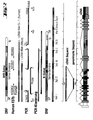
- the genomic structure is also largely clear.
- the H-SemaL gene has 13 or 15 or more exons, preferably 14 exons and 12 or 14 introns, preferably 13 introns. Because of In this complex exon-intron structure, different splice variants are possible.
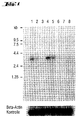
- the mRNA of the transcribed H-SemaL gene can be found in Northern blot mainly in placenta, gonads, thymus and spleen. No mRNA was detected in neuronal tissue or in muscle tissue. A There is evidence of a specifically regulated expression in endothelial cells.
- Alternative splicing can also produce forms of H-SemaL with intracytoplasmic sequences that play a role in intracellular signal transduction, similar to CD100, for example. Alternate splicing would also result in secreted forms of H-SemaL, analogous to the viral AHV-Sema.
- Nucleotide and amino acid sequence analyzes were performed using the GCG program package (Genetics Computer Group (1991) Program manual for the GCG package, version 7, 575 Science Drive, Wisconsin, USA 53711), FASTA (Pearson and Lipman (1988) Proc. Natl Acad. Sci. 85, 2444-2448) and BLAST-Program (Gish and States (1993) Nat. Genet. 3, 266-272; Altschul et al. (1990) J. Mol. Biol. 215, 403-410 ) carried out. These programs were also used for sequence comparisons with GenBank (version 102.0) and Swiss Prof (version 34.0).
- Consensus sequences for N-glycosylation sites were generated using the Prosite program (GCG program package) at positions 105, 157, 258, 330, 602 of the amino acid sequence of H-SemaL (according to Table 4), those for myristylation at positions 114, 139, 271, 498, 499, 502, 654 (consensus sequence: G ⁇ (E, D, R, K, H, P, F, Y, W) x (S, T, A, G, C, N) ⁇ (P)) .
- H-SemaL contains several consensus sequences for potential Phosphorylation sites through different kinases. Therefore it can be assumed that H-SemaL can be the substrate of different kinases, e.g. Phosphorylation sites for Creatine Kinase 2, Protein Kinase C and Tyrosine Kinase.
- Predicted creatine kinase 2 phosphorylation sites (consensus sequence Ck2: (S, T) x2 (D, E)) (Prosite, GCG) at positions 119, 131, 173, 338, 419, 481 of the amino acid sequence.
- Predicted protein kinase C phosphorylation sites (consensus sequence PkC: (S, T) x (R, K)) (Prosite, GCG) at positions 107, 115, 190, 296, 350, 431, 524, 576 of the Amino acid sequence.
- Predicted tyrosine kinase phosphorylation site (consensus sequence: (R, K) x ⁇ 2,3 ⁇ (D, E) x ⁇ 2,3 ⁇ Y) (Prosite GCG) at position 205 of the amino acid sequence.
- the consensus sequences are given in the single letter code for amino acids.
- RGD arginine-glycine-aspartic acid
- H-SemaL Di- or multimerization of H-SemaL is possible and has been used for other semaphorins such as CD100 described ⁇ Hall et al. (1996) ⁇ .
- the CD100 molecule is also a membrane-anchored one 150kd glycoprotein dimer.
- CD100 is not closely related to that of the invention human semaphorin (H-SemaL).
- the partial cDNA sequence of M-SemaL is 1195 nucleotides in length. This sequence encodes a protein with 394 amino acids. These 394 amino acids correspond to amino acids 1 to 396 from H-SemaL.
- the signal peptide in the M-SemaL extends over amino acids 1 to 44 (just like in the H-SemaL).
- the Sema domain begins at amino acid 45 and extends to at the end or probably beyond the end of the sequence according to Table 4.
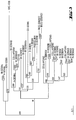
- a phylogenetic analysis (see FIG. 3) of the known semaphorin amino acid sequences (Complete sequences and / or partial sequences, the amino acid sequences for H-SemaL and M-SemaL according to Tables 4 and 5 were used for all other sequences that are included in the Accession numbers stored sequences or those derived from these sequences Amino acid sequences)) using the program CLUSTALW ⁇ Thompson J.D. et al. (1994) Nucleic Acids Res. 22: 4673-4680 ⁇ shows that the amino acid sequences of H-SemaL and M-SemaL are phylogenetically closely related and form their own phylogenetic group.
- H-SemaL and M-SemaL are phylogenetically most closely related to AHV-Sema and Vac-A39. They are much more closely related to each other than to any other previously known Semaphorin.
- the analysis further shows that other semaphorins are phylogenetically close are related to each other and form their own groups within the semaphorins. For example fall the semaphorins that are secreted, e.g. H-Sema III, IV, V, and E into a phylogenetic Group.
- This subfamily also includes their homologues in other species, while the human (transmembrane) CD100 with the corresponding mouse homolog (M-Sema G2) and with Collapsin-4 falls into a phylogenetic group.
- the observed homologies within the phylogenetic groups are between about 90% and 80% amino acid identity in relation to very closely related genes such as H- and M-SemaE or -III / D and slightly less than 40% at little related genes of semaphorins.
- the observed amino acid identity is a few percent higher, and due to its large proportion of the total protein (50-80% of the protein belongs to the Sema domain) of the amino acid sequence, this significantly influences the overall identity.
- H-SemaL calculated over the total protein, is 46% identical to AHV-Sema, whereas if the Sema domain is considered alone, the amino acid identity is 53%.
- These new semaphorins are characterized by the fact that they belong to the Subgroup IV fall and / or the same phylogenetic group as H-SemaL and M-SemaL fall and / or an amino acid identity with respect to the entire amino acid sequence for H-SemaL at least 30 to 40%, preferably 50 to 60%, particularly preferably 70 to 80% or one have a greater identity and / or an amino acid identity with H-SemaL in relation to the Sema domain of at least 70%, preferably greater than 80%, particularly preferably greater than 90% exhibit.
- Type L semaphorins also have a different biochemical function. A new These semaphorins function in modulating the immune system.
- H-SemaL The closest relative of H-SemaL is the viral AHV semaphorin (AHV-Sema). This is from of similar size, but unlike the H-SemaL has no transmembrane domain.
- the AHV scheme is believed to be secreted by virus-infected cells to the H-SemaL equivalent receptor (Type L semaphorin in blue wildebeest) in the natural host (blue wildebeest), and so on To escape attack by the immune system. It also functions as a repulsive agent (Chemorepellent) conceivable for cells of the immune system.
- non-human, transgenic animals can be produced with the aid of the DNA encoding semaphorin or derivatives thereof.
- One application of these animals is to inhibit transplant rejection in transgenic models for organ transplants.
- transgenic, rejection-protected animal organs can be produced for xenotransplantation. This should also be possible together with other transgenes (eg complement regulators such as DAF or CD59).
- Another application is in the production of non-human knock-out animals, for example knock-out mice ( Laboratory Protocols for Gene-Targeting ", Torres and kuhn (1997) Oxford University Press, ISBN 0-19-963677-X): By knocking out the mouse gene M-SemaL, for example, other functions of the gene can be found.
- mice can be produced.
- M-SemaL is replaced by normal / modified H-SemaL or modified M-SemaL (eg integration of the new semaphorin subtypes under the control of constitutive and / or inducible promoters).
- Such animals can be used, for example, to search for further functions of the new semaphorins, for example functions of the human gene or derivatives of these genes, or to identify and characterize immunomodulating active substances.
- nucleic acids for semaphorins of type L or derivatives thereof encode, for the production of e.g. recombinant immunosuppressive, other soluble proteins or peptides derived from the amino acid sequence of type L semaphorins, e.g. By H-SemaL or the corresponding nucleic acids, e.g. Derive genes. Similarly, too Agonists with structural similarity are made.
- These immunosuppressive Active substances / agonists can with autoimmune diseases and inflammatory diseases and / or Organ transplants are used.
- Gene therapy with type L semaphorins e.g. with nucleic acids for H-SemaL or their Encode derivatives, e.g. B. using viral or non-viral methods.
- the new semaphorins and / or those coding for these semaphorins Nucleic acids and derivatives thereof, in particular H-SemaL, DNA coding for H-SemaL and Derivatives thereof in a method for screening active substances, in particular for Identification and characterization of immunododulating agents.
- H-SemaL is an accessory molecule that is expressed on the cell surface and is involved in the interaction with cells, e.g. the immune system, e.g. as an accessory molecule in the activation of signaling pathways.
- a viral gene or the gene product of a viral one or other pathogenic gene, for example of microbiological origin, could act, for example, as a competitive inhibitor of this accessory molecule.
- An application for the new semaphorins in this function is also in the field of organ transplantation, inflammation therapy, immune therapy and / or gene therapy.
- the new semaphorins can be used in a method for screening antagonistic agents or inhibitors. Active ingredients identified in this way can then be used, for example, to block the semaphorin receptor.
- Soluble and / or secreted H-SemaL antagonists or inhibitors can, for example, be chemical substances or the new semaphorins or derivatives thereof themselves (for example parts / shortened forms thereof, for example without a membrane domain or as Ig fusion proteins or peptides derived therefrom which are suitable) are to block the corresponding receptor).
- Specific antagonists and / or inhibitors identified in this way can, for example, have a competitive effect and can be used to inhibit rejection, for example in transgenic models for organ transplants and for autoimmune diseases, inflammatory diseases and organ transplants.
- Nucleic acids e.g. B.
- DNA that code for the new semaphorins or their derivatives generated with the help of molecular biological methods can be used for example for the production of non-human, transgenic animals. Overexpression of H-SemaL can lead to increased susceptibility to autoimmune diseases and / or inflammatory diseases in these transgenic animals. Such transgenic animals are therefore suitable for screening new, specific, immunomodulating agents.
- Such nucleic acids can also be used for the production of non-human knock-out animals, for example knock-out mice, in which the mouse gene M-SemaL is switched off. Such knock-out animals can be used to search for further biochemical functions of the gene. They also represent potential model systems for inflammatory diseases if the mice are viable without the M-SemaL gene.
- This DNA can also be used to produce non-human knock-in animals, for example mice.
- the M-SemaL gene is replaced by an altered M-SemaL gene / cDNA or an optionally modified, for example mutated semaphorin type L gene / cDNA of another species, for example H-SemaL.
- Such transgenic animals can be used for the search for further Functions of the semaphorins according to the invention can be used.
- the invention also relates to the use of the semaphorins of type L and their derivatives, and the nucleic acids coding for these proteins, e.g. B. genes / cDNAs and their derivatives and / or with the help of these semaphorins identified active ingredients for the manufacture of drugs.
- drugs can be produced which can be used in gene therapy and which contain agonists and / or antagonists for the expression of the semaphorins of type L, for example H-SemaL.
- drugs can be produced which can be used in gene therapy and which contain agonists and / or antagonists for the expression of the semaphorins of type L, for example H-SemaL.
- e.g. B. viral and / or non-viral methods can be used.
- These drugs can be used, for example, for autoimmune diseases and inflammatory diseases, organ transplants before and / or during and / or after the transplant to prevent rejection.
- the nucleic acids coding for the new semaphorins can also be used as aids in molecular biology.
- the new semaphorins especially H-SemaL and nucleic acids, e.g. B. genes / cDNAs of the same can be used in methods for screening new active substances.
- Modified proteins and / or peptides, e.g. B. derived from H-SemaL and / or M-SemaL can be used to search for the corresponding receptor and / or its antagonist or agonist in functional tests, for example by means of expression constructs of H-SemaL and homologues.
- the invention also relates to the use of a type L semaphorin or a nucleic acid sequence, which codes for a type L semaphorin in a method for identifying active pharmacological agents, in particular immunomodulating agents.
- the invention also relates to methods for identifying active substances, wherein a type L semaphorin or a derivative thereof or a nucleic acid sequence which codes for a type L semaphorin or a derivative thereof is used to identify pharmacological active substances, e.g. B. to identify immunomodulating agents.
- the invention relates to a method in which a type L semaphorin is incubated under defined conditions with an active substance to be investigated and, in parallel, a second batch is carried out without the active substance to be investigated, but under otherwise identical conditions, and then the inhibiting or activating effect of the active ingredient to be examined is determined.
- the invention also relates to methods for identifying active substances, a nucleic acid sequence which codes for a type L semaphorin or a derivative thereof being expressed under defined conditions in the presence of an active substance to be investigated and the extent of expression being determined. If necessary, two or more batches can also be carried out in parallel in such a method under the same conditions, but the batches contain different amounts of the active substance to be investigated.
- the active substance to be examined can inhibit or activate transcription and / or translation.
- the type L semaphorin can bind to the newly described receptor molecule VESPR (Comeau et al, (1998) Immunity, Vol.
- VESPR receptor shows some interesting parallels to H-Senal, for example a strong expression in placenta and a clear expression in spleen tissue. Interactions with other, still unknown receptors of the plexin family, or other receptors are possible. Interaction with yourself or other semaphorin-like molecules is also possible. An interaction of the type L semaphorins can take place in particular via a conserved domain in the C-terminal region of the Sema domain.
- PCRs and RACE-PCRs were carried out. Humane served as the starting material for this Placenta tissue cDNA to which RACE amplification adapters were ligated (Marathon TM cDNA Amplification Kit, Clontech Laboratories GmbH, Tulla Avenue No 4, 69126 Heidelberg, Germany).
- a PCR fragment was generated using specific primers (No. 121234 + No. 121236, Table 6) amplified with a length of about 800 bp (base pairs) (PCR program: (Taq60-60)).
- a PCR fragment of 600 bp was with the primer pair (No. 121237 + No. 121239, Table 6) identified. It was shown that they were clones with DNA sequences of the same gene.
- the 800bp PCR fragment from Example 1 was radioactively labeled (random priming according to the method of ⁇ Feinberg (1983) Anal. Biochem. 132: 6-13 ⁇ , with 32 P- ⁇ -dCTP) and as a probe for a multi- Tissue Northern blot (Human Multiple Tissue Northern Bot II, Clontech, Heidelberg, Germany), which contains mRNA samples from the tissues spleen, thymus, prostate, testis, ovaries, small intestine, colon and leukocytes (PBL).
- PBL leukocytes
- Hybridization of a master blot did this result and also showed a strong expression in placenta tissue.
- the hybridization was carried out for 16 hours under stringent conditions (5xSSC, 50 mM Na phosphate pH 6.8, 50% formamide, 100 ⁇ g / ml yeast RNA) at 42 ° C.
- the blots became stringent washed (65 ° C, 0.2XSSC, 0.1% SDS) and exposed to a Fuji BAS2000 Phosphoimager TM
- a human spleen cDNA library cloned into the bacteriophage Lambda gt10 Human Spleen 5 'STRETCH PLUS cDNA, Clontech was searched with this probe and a lambda clone identified.
- the cDNA with a length of 1.6 kb inserted in this clone was analyzed by means of PCR (Expand TM Long Template PCR System, Boehringer Mannheim GmbH, Sandhofer Strasse 116, 68305 Mannheim) with the vector-specific primers No. 207608 + No. 207609 (Table 6) were used (flanking the EcoRI cloning site) and the PCR fragment obtained sequenced.
- This clone contained the 5 'end of the cDNA and extended the known cDNA sequence even after 3 '.
- new primers for RACE-PCR were created developed (No. 232643, No. 232644, No. 233084, Table 6).
- PTC-200 from MJ-Research, Biozym Diagnostik GmbH, 31833 Hess. Oldendorf
- a 3'-RACE PCR product was amplified with significantly better performance data (heating and cooling rate) using the primers No. 232644 or No. 232643 and AP1 and in the vector pCR2.1 (Invitrogen, De Schelp 12, 9351 NV Leek, The Netherlands).
- the 3'-RACE PCR product was Sequenced and in this way the 3 'end of the cDNA identified.
- a RACE amplification after 5 ' (Primer No. 131990 or No. 233084 and AP1) extended the 5 'end of the cDNA by a few nucleotides and confirmed the amino terminus of the H-SemaL found in the identified lambda clone.
- PCR (Taq60-30) with primers No. 260812, No. 260813 from murine, endothelial cDNA delivered PCR fragment with a length of 244 base pairs.
- the PCR results showed that a there is significant basal expression in murine endothelial cells, which after stimulation with the Cytokine interferon- ⁇ and lipopolysaccharides declines.
- FISH fluorescence in-situ hybridization
- the slides were washed with 50% formamide / 2x SSC (3 times 5 min at 45 ° C) and then with 2 x SSC (3 times 5 min at 37 ° C) and the biotinylated sample with the FITC-Avidin system (Liehr et al. (1995)).
- the slides were evaluated using a fluorescence microscope. 25 metaphases / sample were evaluated, with each experiment being carried out twice. It can be seen that H-SemaL is localized on chromosome 15q23 Locus for Bardet-Biedl-Sydrom and Tay-Sachs disease (Hexosaminidase A).
- Genomic DNA fragments were amplified from 250 mg human genomic DNA isolated from PHA-stimulated peripheral lymphocytes (blood). Shorter fragments were amplified with Ampli Taq R (Perkin Elmer), longer fragments with the Expanded Long Template PCR System R (Boehringer Mannheim).
- H-SemaL cDNA was produced by inserting a 0.6kb C-terminal Sstl-HindIII restriction fragment into the plasmid containing the N-terminal DNA fragment and cut with the restriction enzymes Sstl and HindIII.
- the complete gene was isolated from this plasmid pCR2.1-H-SemaL (according to the sequence in Table 7, SEQ ID NO. 34) by means of the EcoRI site (in pCR2.1) and HindIII site (in primer No. 240656, table 6) cut out and ligated into a correspondingly cut, constitutive expression vector pCDNA3.1 (-) MycHisA (Invitrogen).
- the EcoRI-Apal fragment (without Myc-His tag) was excised from the resulting recombinant plasmid pCDNA3.1 (-) H-SemaL-MycHisA (according to the sequence in Table 8) and ligated into the inducible vector plND (Ecdysone-Inducible Mammalian Expression System, Invitrogen), which had also previously been cut with EcoRI-Apal.
- the recombinant plasmid was designated plND-H-SemaL-EA (sequence according to Table 11).
- the correct integration of the sequences in the correct reading frame was checked by DNA sequencing.
- the fusion proteins consisting of an N-terminal 6xhistidine Taq and part of the semaphorin H-SemaL, were purified by means of Ni 2+ affinity chromatography. The purified fusion proteins were used to immunize various animals (rabbit, chicken, mouse)
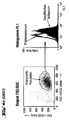
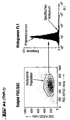
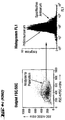
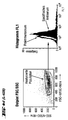
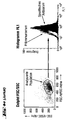
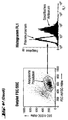
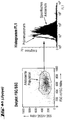
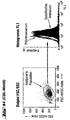
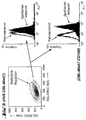
- FACS analysis of different cell types ( Figures 4 and 5)
- the cells (approx. 0.2-0.5 x 10 6 ) were washed with FACS buffer (phosphate-buffered saline (PBS) with 5% fetal calf serum (FCS) and 0.1% Na azide) and then (on ice) for 1 Incubated for one hour with the antisera.
- FACS buffer phosphate-buffered saline (PBS) with 5% fetal calf serum (FCS) and 0.1% Na azide
- FCS fetal calf serum
- An H-SemaL-specific chicken antiserum (1:50) served as the primary antibody for the control (overlay chicken preimmune serum (1:50) and for the specific detection (specific staining).
- the specific antiserum with antibodies against amino acids (Aa) 179-378 (with N-terminal His-Tag) of H-SemaL was generated by immunizing chickens with the protein purified by Ni-chelate affinity chromatography (as described in Example 8).
- a FITC-labeled anti-chicken F (ab ') antibody from rabbits was used as the second antibody (Dianova Jackson Laboratories, Order No. 303-095-006, Hamburg, Germany) (1 mg / ml).
- a rabbit anti-mouse IgG, FITC-labeled was used for the CD100 staining: a rabbit anti-mouse IgG, FITC-labeled was used.
- the second antibody was used in 1:50 dilution in FACS buffer.
- FACS-Trak device Becton ⁇ Dickinson
- FSC fluorescent dyes
- FL 1 fluorescence in channel 1
- the dot plot (FIGS. 4a-k) (left image in each case): FSC vs. SSC (size versus granular content / scatter), which limits the (uniform) cell population of similar size and granular content analyzed in the right window (associated right-hand illustration).
- the right window shows the intensity of FL1 (X-axis) versus the number of events (Y-axis), i.e. a frequency distribution.
- the result with the control serum (unfilled curve) is superimposed on the result of the specific staining (filled curve).
- a shift of the curve for the specific staining compared to the control to the right corresponds to an expression of H-SemaL in the corresponding cells. The further the shift, the stronger the expression.
- the expression was in the insect egg cell-derived cell lines Sf9 (from Spodoptera Flugiperda) and High Five TM (from Trichoplusia ni, U.S. Pat. No. 5,300,435, purchased from Invitrogen) Infection with the recombinant, plaque-purified baculoviruses carried out.
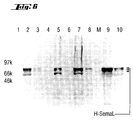
- the expression was carried out according to the manufacturer's instructions. The proteins were then separated in a gel and the H-SemaL derivative was detected in a Western blot. The detection was carried out using the H-SemaL-specific chicken antiserum (cf. Example 8 and FIG. 7) (dilution: 1: 100). The specific chicken antibody was detected with anti-IgY-HRP conjugate (dilution: 1: 3000, from rabbit; Dianova Jackson Laberatories) according to the manufacturer.
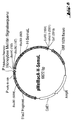
- the recombinant vector (pMelBacA-HSEMAL, 6622bp) was produced by cloning a corresponding DNA fragment which codes for amino acids 42-649 of H-SemaL into the vector pMelBacA (4.8 kb, Invitrogen) (cf. Annotation to pMelBacA-H-SemaL).
- the cloning was carried out using BamHI and EcoRI in frame behind the signal sequence present in the vector ( honeybee melittin signal sequence ").
- a corresponding H-SemaL DNA fragment was amplified with the primer pair H-Sema 1 baculo 5 'and H-Sema 1 baculo 3'.
- H-Sema 1 baculo 5 ' for amplification without a signal sequence and for the introduction of a BamHI interface 5'-CCGGATCCGCCCAGGGCCACCTAAGGAGCGG-3 '(SEQ ID NO: 43)
- H-Sema 1 baculo 3 ' for amplification without a transmembrane domain and for the introduction of an EcoRI interface 5'-CTGAATTCAGGAGCCAGGGCACAGGCATG-3 '(SEQ ID NO: 44).
- the blots were carried out under stringent conditions using an 800 base pair H-SemaL sample hybridizes.
- Phylogenetic tree obtained by multiple alignment of the listed semaphorin Sequences. Due to the grouping of the semaphorins in the phylogenetic tree can be concluded on their phylogenetic relationship.
- FIG. 6 Expression of secretable human SEMAL (H-SemaL) in HiFive and Sf3 cells (cf. Example 10).
- Lanes 1-3 Chicken 1; Lanes 4-6: Chicken 2 Lanes 1 and 4: preimmune serum Lanes 2 and 5: 60th day of immunization Lanes 4 and 6: 105th day of immunization
- Figure 8 Illustration of the plasmid map of pMelBacA-HSEMAL.
- the recombinant plasmid was prepared as described in Example 11.
Landscapes
- Health & Medical Sciences (AREA)
- Chemical & Material Sciences (AREA)
- Life Sciences & Earth Sciences (AREA)
- Genetics & Genomics (AREA)
- Organic Chemistry (AREA)
- Engineering & Computer Science (AREA)
- Zoology (AREA)
- Molecular Biology (AREA)
- Biophysics (AREA)
- General Health & Medical Sciences (AREA)
- Biochemistry (AREA)
- Biomedical Technology (AREA)
- Bioinformatics & Cheminformatics (AREA)
- Proteomics, Peptides & Aminoacids (AREA)
- Medicinal Chemistry (AREA)
- Biotechnology (AREA)
- General Engineering & Computer Science (AREA)
- Wood Science & Technology (AREA)
- Toxicology (AREA)
- Gastroenterology & Hepatology (AREA)
- Physics & Mathematics (AREA)
- Microbiology (AREA)
- Plant Pathology (AREA)
- Immunology (AREA)
- Peptides Or Proteins (AREA)
- Micro-Organisms Or Cultivation Processes Thereof (AREA)
- Medicines That Contain Protein Lipid Enzymes And Other Medicines (AREA)
- Pharmaceuticals Containing Other Organic And Inorganic Compounds (AREA)
- Preparation Of Compounds By Using Micro-Organisms (AREA)
- Measuring Or Testing Involving Enzymes Or Micro-Organisms (AREA)
Applications Claiming Priority (4)
| Application Number | Priority Date | Filing Date | Title |
|---|---|---|---|
| DE19729211 | 1997-07-09 | ||
| DE1997129211 DE19729211C2 (de) | 1997-07-09 | 1997-07-09 | Humanes Semaphorin L (H-Sema-L) und korrespondierende Semaphorine in anderen Spezies |
| DE19805371 | 1998-02-11 | ||
| DE1998105371 DE19805371A1 (de) | 1998-02-11 | 1998-02-11 | Humanes Semaphorin L (H-Sema-L) und korrespondierende Semaphorine in anderen Spezies |
Publications (2)
| Publication Number | Publication Date |
|---|---|
| EP0892047A2 true EP0892047A2 (fr) | 1999-01-20 |
| EP0892047A3 EP0892047A3 (fr) | 2000-03-08 |
Family
ID=26038116
Family Applications (1)
| Application Number | Title | Priority Date | Filing Date |
|---|---|---|---|
| EP98112470A Withdrawn EP0892047A3 (fr) | 1997-07-09 | 1998-07-06 | Semaphorine L humaine et murine |
Country Status (15)
| Country | Link |
|---|---|
| US (2) | US20020037851A1 (fr) |
| EP (1) | EP0892047A3 (fr) |
| JP (1) | JPH11235189A (fr) |
| KR (1) | KR19990013797A (fr) |
| CN (1) | CN1209436A (fr) |
| AR (1) | AR013190A1 (fr) |
| AU (1) | AU744447B2 (fr) |
| BR (1) | BR9802360A (fr) |
| CA (1) | CA2237158A1 (fr) |
| CZ (1) | CZ214998A3 (fr) |
| HU (1) | HUP9801511A3 (fr) |
| ID (1) | ID20819A (fr) |
| PL (1) | PL327385A1 (fr) |
| RU (1) | RU2218181C2 (fr) |
| TR (1) | TR199801301A3 (fr) |
Cited By (6)
| Publication number | Priority date | Publication date | Assignee | Title |
|---|---|---|---|---|
| WO1999045114A3 (fr) * | 1998-03-03 | 1999-11-04 | Zymogenetics Inc | Semaphorine humaine zsmf-7 |
| WO1999038885A3 (fr) * | 1998-01-30 | 2000-01-06 | Smithkline Beecham Plc | Nouveaux composes |
| WO1999058676A3 (fr) * | 1998-05-14 | 2000-01-20 | Immunex Corp | Polypeptides de semaphorine |
| WO2000042208A1 (fr) * | 1999-01-14 | 2000-07-20 | The Scripps Research Institute | Vecteurs d'adenovirus, lignees cellulaires d'encapsidation, compositions et procedes de preparation et d'utilisation correspondants |
| EP1487854A4 (fr) * | 2001-11-09 | 2006-01-04 | Univ Georgetown | Nouveaux isoformes de l'inhibiteur de la croissance de cellules endotheliales vasculaires |
| US7232899B2 (en) | 1996-09-25 | 2007-06-19 | The Scripps Research Institute | Adenovirus vectors, packaging cell lines, compositions, and methods for preparation and use |
Families Citing this family (12)
| Publication number | Priority date | Publication date | Assignee | Title |
|---|---|---|---|---|
| JP2005173484A (ja) * | 2003-12-15 | 2005-06-30 | Canon Inc | 画像形成装置及びプロセスカートリッジ |
| UA96139C2 (uk) * | 2005-11-08 | 2011-10-10 | Дженентек, Інк. | Антитіло до нейропіліну-1 (nrp1) |
| FR2932388B1 (fr) * | 2008-06-17 | 2013-03-29 | Univ Rabelais Francois | Nouvelles proteines de fusion et leur application pour la preparation de vaccins contre l'hepatite c |
| WO2010129917A2 (fr) | 2009-05-08 | 2010-11-11 | Vaccinex, Inc. | Anticorps anti-cd100 et leurs méthodes d'utilisation |
| AU2012322721B2 (en) * | 2011-10-11 | 2016-05-05 | Vaccinex, Inc. | Use of semaphorin-4D binding molecules for modulation of blood brain barrier permeability |
| US9090709B2 (en) | 2012-03-28 | 2015-07-28 | Vaccinex, Inc. | Anti-SEMA4D antibodies and epitopes |
| US10494440B2 (en) | 2012-05-11 | 2019-12-03 | Vaccinex, Inc. | Use of semaphorin-4D binding molecules to promote neurogenesis following stroke |
| BR112015032690B1 (pt) | 2013-06-25 | 2020-03-10 | Vaccinex, Inc. | Uso de moléculas inibidoras de semaforina-4d em combinação com uma terapia imunomoduladora para inibir o crescimento tumoral e metástase |
| NZ630881A (en) | 2013-10-10 | 2016-03-31 | Vaccinex Inc | Use of semaphorin-4d binding molecules for treatment of atherosclerosis |
| NZ630892A (en) | 2013-10-21 | 2016-03-31 | Vaccinex Inc | Use of semaphorin-4d binding molecules for treating neurodegenerative disorders |
| CN104034761B (zh) * | 2014-05-14 | 2017-01-04 | 浙江大学 | 一种检测气味结合蛋白与信息素结合过程的装置及方法 |
| EP3585435A4 (fr) * | 2017-02-22 | 2020-12-16 | Vaccinex, Inc. | Détection précoce d'activation de cellules gliales dans des maladies neurodégénératives ou neuro-inflammatoires |
Family Cites Families (7)
| Publication number | Priority date | Publication date | Assignee | Title |
|---|---|---|---|---|
| US5639856A (en) | 1993-09-13 | 1997-06-17 | The Regents Of The University Of California | Semaphorin gene family |
| US5416197A (en) * | 1993-10-15 | 1995-05-16 | Trustees Of The University Of Pennsylvania | Antibodies which bind human collapsin |
| EP1066317A2 (fr) * | 1998-01-30 | 2001-01-10 | Smithkline Beecham Plc | Nouveaux composes |
| WO1999045114A2 (fr) * | 1998-03-03 | 1999-09-10 | Zymogenetics, Inc. | Semaphorine humaine zsmf-7 |
| US6225285B1 (en) * | 1998-03-11 | 2001-05-01 | Exelixis Pharmaceuticals, Inc. | Semaphorin K1 |
| ES2315011T3 (es) * | 1998-05-14 | 2009-03-16 | Immunex Corporation | Polipeptidos de semaforina. |
| EP2213743A1 (fr) * | 2000-04-12 | 2010-08-04 | Human Genome Sciences, Inc. | Protéines de fusion d'albumine |
-
1998
- 1998-07-06 EP EP98112470A patent/EP0892047A3/fr not_active Withdrawn
- 1998-07-07 CZ CZ982149A patent/CZ214998A3/cs unknown
- 1998-07-07 HU HU9801511A patent/HUP9801511A3/hu unknown
- 1998-07-07 AR ARP980103298A patent/AR013190A1/es unknown
- 1998-07-07 TR TR1998/01301A patent/TR199801301A3/tr unknown
- 1998-07-07 ID IDP980957A patent/ID20819A/id unknown
- 1998-07-08 BR BR9802360-8A patent/BR9802360A/pt not_active IP Right Cessation
- 1998-07-08 RU RU98112759/15A patent/RU2218181C2/ru not_active IP Right Cessation
- 1998-07-08 AU AU75076/98A patent/AU744447B2/en not_active Ceased
- 1998-07-09 CN CN98103356A patent/CN1209436A/zh active Pending
- 1998-07-09 PL PL98327385A patent/PL327385A1/xx not_active Application Discontinuation
- 1998-07-09 CA CA002237158A patent/CA2237158A1/fr not_active Abandoned
- 1998-07-09 KR KR1019980028074A patent/KR19990013797A/ko not_active Ceased
- 1998-07-09 JP JP10355463A patent/JPH11235189A/ja active Pending
-
2001
- 2001-04-16 US US09/836,077 patent/US20020037851A1/en not_active Abandoned
-
2004
- 2004-09-03 US US10/933,746 patent/US7339030B2/en not_active Expired - Fee Related
Cited By (8)
| Publication number | Priority date | Publication date | Assignee | Title |
|---|---|---|---|---|
| US7232899B2 (en) | 1996-09-25 | 2007-06-19 | The Scripps Research Institute | Adenovirus vectors, packaging cell lines, compositions, and methods for preparation and use |
| WO1999038885A3 (fr) * | 1998-01-30 | 2000-01-06 | Smithkline Beecham Plc | Nouveaux composes |
| WO1999045114A3 (fr) * | 1998-03-03 | 1999-11-04 | Zymogenetics Inc | Semaphorine humaine zsmf-7 |
| WO1999058676A3 (fr) * | 1998-05-14 | 2000-01-20 | Immunex Corp | Polypeptides de semaphorine |
| WO2000042208A1 (fr) * | 1999-01-14 | 2000-07-20 | The Scripps Research Institute | Vecteurs d'adenovirus, lignees cellulaires d'encapsidation, compositions et procedes de preparation et d'utilisation correspondants |
| EP1487854A4 (fr) * | 2001-11-09 | 2006-01-04 | Univ Georgetown | Nouveaux isoformes de l'inhibiteur de la croissance de cellules endotheliales vasculaires |
| US7498407B2 (en) | 2001-11-09 | 2009-03-03 | Georgetown University | Vascular endothelial cell growth inhibitor, VEGI-192a |
| US7750133B2 (en) | 2001-11-09 | 2010-07-06 | Georgetown University | Vascular endothelial cell growth inhibitor, VEGI-192a |
Also Published As
| Publication number | Publication date |
|---|---|
| US20020037851A1 (en) | 2002-03-28 |
| RU2218181C2 (ru) | 2003-12-10 |
| TR199801301A2 (xx) | 1999-01-18 |
| CN1209436A (zh) | 1999-03-03 |
| AU744447B2 (en) | 2002-02-21 |
| AU7507698A (en) | 1999-01-21 |
| US20060029998A1 (en) | 2006-02-09 |
| US7339030B2 (en) | 2008-03-04 |
| KR19990013797A (ko) | 1999-02-25 |
| EP0892047A3 (fr) | 2000-03-08 |
| HUP9801511A3 (en) | 2001-08-28 |
| PL327385A1 (en) | 1999-01-18 |
| CA2237158A1 (fr) | 1999-01-09 |
| CZ214998A3 (cs) | 1999-01-13 |
| BR9802360A (pt) | 1999-10-05 |
| HU9801511D0 (en) | 1998-09-28 |
| HUP9801511A2 (hu) | 1999-05-28 |
| ID20819A (id) | 1999-03-11 |
| AR013190A1 (es) | 2000-12-13 |
| TR199801301A3 (tr) | 1999-01-18 |
| JPH11235189A (ja) | 1999-08-31 |
Similar Documents
| Publication | Publication Date | Title |
|---|---|---|
| EP1027440B1 (fr) | Proteine inhibitrice de la voie de signalisation wnt | |
| EP0892047A2 (fr) | Semaphorine L humaine et murine | |
| Koch et al. | Characterization and expression of the laminin γ3 chain: a novel, non-basement membrane–associated, laminin chain | |
| DE69629181T2 (de) | Wachstumsfaktor-b, spezifisch für vaskuläre endothelzellen | |
| DE69232832T2 (de) | Bindungsdomänen in notch- und delta-proteinen | |
| US5885794A (en) | Recombinant production of vertebrate activin receptor polypeptides and identification of receptor DNAs in the activin/TGF-β superfamily | |
| DE69824755T2 (de) | Cytokinähnliches polypeptid-10 aus säugetieren | |
| DE69824719T2 (de) | Cytokinähnlicher faktor-7 aus säugetieren | |
| DE69926764T2 (de) | Methoden zur bestimmung von komponenten zur modulation des körpergewichts | |
| AU1994592A (en) | Cloning and recombinant production of receptor(s) of the activin/tgf-beta superfamily | |
| DE69230136T2 (de) | Cytokin-induziertes protein, tsg-6, seine dna und verwendung | |
| DE69535634T2 (de) | Modulatoren der funktion des fas/ap01 rezeptors | |
| DE69736109T2 (de) | Differenzierungsinhibitor | |
| DE69934239T2 (de) | Ly6h-gen | |
| JP2001504341A (ja) | シュワノミン結合タンパク質をコードする核酸およびそれに関連する産物 | |
| DE60128830T2 (de) | Regulierung der expression von eer-7, ein mitglied der lysyl oxidase genfamilie, durch oestrogenrezeptoren | |
| DE4200043A1 (de) | Lymphoides cd30-antigen (ki-1), dessen protein- und die zugehoerige nucleotidsequenz, seine herstellung sowie mittel zur diagnose und untersuchung von tumoren | |
| EP0805204B1 (fr) | Protéine récepteur spécifique de l'épididyme et son utilisation | |
| JP4011629B2 (ja) | 新規セマフォリン遺伝子(i) | |
| Natzle et al. | Sequence and expression of IMP‐L1, an ecdysone‐inducible gene expressed during Drosophila imaginal disc morphogenesis | |
| EP0842278B1 (fr) | Proteine a activite de desoxyribonuclease | |
| DE19729211C2 (de) | Humanes Semaphorin L (H-Sema-L) und korrespondierende Semaphorine in anderen Spezies | |
| US5891850A (en) | Saccular collagen and compositions and methods for making and using the same | |
| DE60133023T2 (de) | Nukleinsäure eines neuen menschlichen kinesin-assoziierten gens, von der nukleinsäure kodiertes protein, peptidfragment davon sowie die nukleinsäure und ähnliches enthaltende antikrebsmittel | |
| JPWO1998022504A1 (ja) | 新規セマフォリン遺伝子(▲i▼) |
Legal Events
| Date | Code | Title | Description |
|---|---|---|---|
| PUAI | Public reference made under article 153(3) epc to a published international application that has entered the european phase |
Free format text: ORIGINAL CODE: 0009012 |
|
| AK | Designated contracting states |
Kind code of ref document: A2 Designated state(s): AT BE CH CY DE DK ES FI FR GB GR IE IT LI LU NL PT SE |
|
| AX | Request for extension of the european patent |
Free format text: AL;LT;LV;MK;RO;SI |
|
| PUAL | Search report despatched |
Free format text: ORIGINAL CODE: 0009013 |
|
| AK | Designated contracting states |
Kind code of ref document: A3 Designated state(s): AT BE CH CY DE DK ES FI FR GB GR IE IT LI LU MC NL PT SE |
|
| AX | Request for extension of the european patent |
Free format text: AL;LT;LV;MK;RO;SI |
|
| RAP1 | Party data changed (applicant data changed or rights of an application transferred) |
Owner name: AVENTIS PHARMA DEUTSCHLAND GMBH |
|
| 17P | Request for examination filed |
Effective date: 20000908 |
|
| AKX | Designation fees paid |
Free format text: AT BE CH CY DE DK ES FI FR GB GR IE IT LI LU NL PT SE |
|
| 17Q | First examination report despatched |
Effective date: 20020930 |
|
| RAP1 | Party data changed (applicant data changed or rights of an application transferred) |
Owner name: SANOFI-AVENTIS DEUTSCHLAND GMBH |
|
| STAA | Information on the status of an ep patent application or granted ep patent |
Free format text: STATUS: THE APPLICATION HAS BEEN WITHDRAWN |
|
| 18W | Application withdrawn |
Effective date: 20080613 |