EP0896491A1 - Procédé d'affichage graphique par un terminal mobile de radio-communication piloté par un module d'identification d'abonné, module d'identification d'abonné et terminal mobile correspondants - Google Patents

Procédé d'affichage graphique par un terminal mobile de radio-communication piloté par un module d'identification d'abonné, module d'identification d'abonné et terminal mobile correspondants Download PDF

Info

Publication number
EP0896491A1
EP0896491A1 EP98401878A EP98401878A EP0896491A1 EP 0896491 A1 EP0896491 A1 EP 0896491A1 EP 98401878 A EP98401878 A EP 98401878A EP 98401878 A EP98401878 A EP 98401878A EP 0896491 A1 EP0896491 A1 EP 0896491A1
Authority
EP
European Patent Office
Prior art keywords
terminal
identification module
graphic display
subscriber identification
command
Prior art date
Legal status (The legal status is an assumption and is not a legal conclusion. Google has not performed a legal analysis and makes no representation as to the accuracy of the status listed.)
Withdrawn
Application number
EP98401878A
Other languages
German (de)
English (en)
Inventor
Christophe Choquet
Pascal Hubbe
Anne-Gaelle Lelong-Gilbert
Current Assignee (The listed assignees may be inaccurate. Google has not performed a legal analysis and makes no representation or warranty as to the accuracy of the list.)
Alcatel Lucent SAS
Original Assignee
Alcatel SA
Alcatel Alsthom Compagnie Generale dElectricite
Priority date (The priority date is an assumption and is not a legal conclusion. Google has not performed a legal analysis and makes no representation as to the accuracy of the date listed.)
Filing date
Publication date
Application filed by Alcatel SA, Alcatel Alsthom Compagnie Generale dElectricite filed Critical Alcatel SA
Publication of EP0896491A1 publication Critical patent/EP0896491A1/fr
Withdrawn legal-status Critical Current

Links

Images

Classifications

    • HELECTRICITY
    • H04ELECTRIC COMMUNICATION TECHNIQUE
    • H04WWIRELESS COMMUNICATION NETWORKS
    • H04W88/00Devices specially adapted for wireless communication networks, e.g. terminals, base stations or access point devices
    • H04W88/02Terminal devices
    • GPHYSICS
    • G06COMPUTING OR CALCULATING; COUNTING
    • G06FELECTRIC DIGITAL DATA PROCESSING
    • G06F3/00Input arrangements for transferring data to be processed into a form capable of being handled by the computer; Output arrangements for transferring data from processing unit to output unit, e.g. interface arrangements
    • G06F3/14Digital output to display device ; Cooperation and interconnection of the display device with other functional units
    • HELECTRICITY
    • H04ELECTRIC COMMUNICATION TECHNIQUE
    • H04MTELEPHONIC COMMUNICATION
    • H04M1/00Substation equipment, e.g. for use by subscribers
    • H04M1/72Mobile telephones; Cordless telephones, i.e. devices for establishing wireless links to base stations without route selection
    • H04M1/724User interfaces specially adapted for cordless or mobile telephones
    • H04M1/72403User interfaces specially adapted for cordless or mobile telephones with means for local support of applications that increase the functionality
    • H04M1/72427User interfaces specially adapted for cordless or mobile telephones with means for local support of applications that increase the functionality for supporting games or graphical animations
    • GPHYSICS
    • G09EDUCATION; CRYPTOGRAPHY; DISPLAY; ADVERTISING; SEALS
    • G09GARRANGEMENTS OR CIRCUITS FOR CONTROL OF INDICATING DEVICES USING STATIC MEANS TO PRESENT VARIABLE INFORMATION
    • G09G2370/00Aspects of data communication
    • G09G2370/04Exchange of auxiliary data, i.e. other than image data, between monitor and graphics controller
    • HELECTRICITY
    • H04ELECTRIC COMMUNICATION TECHNIQUE
    • H04MTELEPHONIC COMMUNICATION
    • H04M2250/00Details of telephonic subscriber devices
    • H04M2250/14Details of telephonic subscriber devices including a card reading device

Definitions

  • the field of the invention is that of radio communications systems and in particular. but not exclusively, systems such as GSM "(for" Global System for Mobile communications "in English) and the” DCS "1800 (for" Digital Cellular System “in English).
  • the user has a mobile station consisting a mobile terminal which cooperates with a subscriber identification module (or "SIM” card, for "Subscriber Identity Module” in English, in GSM standard).
  • SIM subscriber identification module
  • the SIM card is a smart card intended to be inserted into a mobile terminal to allow its use.
  • the communication between the subscriber identification module and the mobile terminal is ensured by a wired link, as opposed to a radio link. In particular, by wire connections on a printed circuit or the like.
  • the invention relates to a method for displaying one or more picture elements on a graphic display means of a mobile terminal controlled by a module subscriber identification.
  • the GSM 11.11 recommendation recommends that the data linked to the facilities be, like subscriber identification data stored in predefined memory areas of the SIM card, so as to ensure compatibility of this card with the various types of GSM mobile terminals capable of receiving it.
  • the interface between the subscriber identification module and the mobile terminal ensures interoperability between these two elements, independently of the manufacturers respective operators.
  • ETS European telecommunications standard
  • the invention particularly aims to overcome this major drawback of the state of the technical.
  • one of the objectives of the present invention is to provide a method display on a graphic display means of a mobile radio-controlled terminal by a subscriber identification module.
  • the invention also aims to provide a subscriber identification module and a mobile terminal enabling the implementation of such a process.
  • a complementary objective of the invention is to provide such a method, such a module subscriber identification and such a mobile terminal making it possible to optimize the use of resources available on the mobile terminal used.
  • Another complementary objective of the invention is to provide such a method, such a module subscriber identification and such a mobile terminal making it possible to overcome the different types of mobile terminals used.
  • the general principle of the invention therefore rests on the addition of a display command.
  • graphic allowing a mobile terminal to display at least one image element on at least one means of graphic display used by the mobile terminal.
  • This additional command allows the subscriber identification module to use at better the capabilities of the mobile terminal used.
  • the graphic display command which is stored in the identification module subscriber, can be linked to the type of terminal with which the subscriber identification module is intended to cooperate.
  • the graphic display command can relate to a combination of one or several types of picture elements and text to be displayed on at least one display means terminal graphic.
  • the subscriber identification module can send different commands successive graphic display at different times, so as to display in particular different types of picture elements and / or different picture elements of a predetermined type.
  • the terminal informs the subscriber identification module of the fate of the order graphic display that the latter sent him.
  • the first message (of taking into account) turns out useful especially if the terminal cannot execute the graphic display command after receipt thereof, for example following priority order processing (s) and / or Classes.
  • the second message (of completion) indicates that the terminal is ready in particular to execute another command, for example a graphical display command other than the previous one, allowing to display another type of picture element.
  • the invention does not impose any constraint on the number, the shape and the nature of the picture element (s) to display. Likewise, the invention does not impose any constraint on the number and nature of the graphic display means or means used by the mobile terminal.
  • the graphical display command can display an element type of specific image or a combination of these different types of image elements and can be addressed to a only one or a plurality of graphic display means used by the terminal.
  • said graphic display command is a command additional command set of the dialogue protocol between said terminal and said module subscriber identification.
  • said method comprises a prior step of determining the type display, namely graphical or not, that said terminal with which said cooperates uses subscriber identification module.
  • the prior step corresponds for example to an initialization step or to a step carried out at any other time, especially when the subscriber identification module needs to display at least an image element.
  • Knowledge of the terminal's ability to execute the display command graphic is interesting. This is particularly true before the subscriber identification module send to the terminal a command intended to implement the means or means graphic display whose type of graphic display has been determined graphic display accepts.
  • the subscriber identification module knows if it can send the command to the terminal graphic display.
  • the invention also relates to a subscriber identification module of the type intended for pilot, by wire link, a mobile radio communication terminal with which it cooperates.
  • This subscriber identification module comprises means for transmitting to said terminal a graphic display command, the execution of said graphic display command by said terminal for displaying at least one picture element on at least one display means graph of said terminal.
  • the subscriber identification module is adapted to be able to execute the method aforementioned display of at least one image element on at least one graphic display means a mobile radio communication terminal with which the identification module cooperates subscriber.
  • the additional means of the subscriber identification module are simple to to implement, inexpensive and do not require any major restructuring compared to the known subscriber identification module.
  • this makes it possible to store the graphic display command (s) as the medium (s) graphic display of the mobile terminal can be used.
  • the module subscriber identification can pick up this or these orders at the appropriate time, in particular before each sending of a command depending on the type of graphic display means to implement and / or image element (s) to be displayed.
  • the subscriber identification module of the invention can have a library, which groups all the graphic display commands used by different types means of graphic display that different terminals can use. In this way, following any marking of the type (s) of graphic display means that the mobile terminal uses, after the preliminary step of determining the type of display, the identification module subscriber is prohibited from sending graphic display commands that the terminal cannot execute.
  • the mobile terminal of the invention is capable of receiving, analyzing, recognizing, and execute a graphic display command.
  • the invention does not impose any constraint on a possible stopping of tasks that the terminal is executing at the time of receiving the graphic display command.
  • the invention therefore relates to a method for displaying at least one picture element. on at least one graphical display means of a mobile terminal controlled by a SIM, with which it cooperates.
  • the invention also relates to the SIM and the terminal allowing the implementation of this process.
  • SIM or more generally a subscriber identification module
  • This SIM 10 consists in particular of a support 11, which carries a semiconductor chip 12.
  • data storage means 15 make it possible to store, at least temporarily, in particular one or more graphic display command (s) intended for the user (s) graphic display means of the terminal.
  • the graphic display command is used to display at least one image element on at least one graphic display means used by the terminal.
  • the chip 12 comprises cooperation means 16 intended to cooperate with associated cooperation means (such as a reader 26 see FIG. 2) provided on the terminal.
  • These means 16 for cooperation include means 161 for transmitting to the terminal a graphic display command, means 162 for receiving at least one message account of the graphic display command from the terminal. This message taking into account the graphic display command indicates to the SIM that the terminal has actually saved the graphic display command and execute it.
  • the cooperation means 16 include in particular means 163 for receiving at least one second message for the end of execution of the graphic display command by the terminal. This command completion message graphical display indicates to the SIM that the terminal has executed the graphical display command. In this way, the terminal is able to receive another command, for example another graphic display control.
  • the cooperation means 16 comprise means 164 issuing an acquisition command of the type of display used by the terminal and the means 165 to receive a response containing the display type of the terminal.
  • the means 13 data processing and management further comprises means 131 for adapting the SIM operation according to the type of graphic display used by the medium (s) graphic display of the terminal, that is to say as a function of the response to the aforementioned command display type acquisition.
  • the terminal 20 of the invention comprises means 21 for data processing and management (for example a microprocessor), the central decision which controls the other means of the terminal via a bi-directive bus22.
  • means 21 for data processing and management for example a microprocessor
  • the central decision which controls the other means of the terminal via a bi-directive bus22.
  • these means 21 for processing and managing the data comprise in particular means 211 for executing a graphic display command on the medium (s) 24 graphic display used by the terminal. These means 211 for executing an order graphic display allow to display one or more image elements on this (s) graphic display means (s) 24.
  • these means 21 for processing and managing data include means 212 for executing a display type acquisition command allowing to generate a response containing the type of display used by the medium (s) 24 terminal display. The content of this response is determined possibly after having collected information from the various interface means 23 of the means 24 terminal display.
  • the data processing and management means 21 in particular command different means 23 and 25 for interface respectively with the means 24 for graphic display and the reader 26 of SIM.
  • This SIM reader 26 comprises in particular means 261 for receiving a graphic display command and means 262 for receiving a command to acquire the type of display used by the terminal.
  • the reader 26 comprises transmission means 263 of a first message for taking into account the graphic display command and the means 264 transmission of a second message for the end of execution of the graphic display command.
  • This reader 26 further comprises means 265 for transmitting a response containing the type of display used by the terminal (response to the aforementioned command to acquire the type of display used by the terminal).
  • SIM Application Toolkit presents in particular how a SIM can interact and operate with a any terminal and incorporates for this purpose the specific mechanisms required by an application.
  • SIM stores in a file called “SIM Service Table” information which indicates that it can send to command terminal, belonging to the group called “Proactive SIM”, which the SIM can do run by the terminal (if the latter is suitable for this purpose).
  • the terminal After reading the SIM Service Table, the terminal signals the SIM with a command called “Terminal Profile” the list of commands Proactive SIM that the terminal can execute.
  • Proactive SIM commands include including commands to display text on the screen (or “DISPLAY TEXT” in English), selection of an article from a list of articles (or "SELECT ITEM” in English).
  • control of the invention constitutes an additional command of the command set of the dialogue protocol between the terminal and SIM.
  • the SIM seeks to know what the terminal is capable of performing, in particular in terms of orders. To do this, during a previous step, a message called “Terminal Profile” of a procedure called “Profile Download” is sent from the terminal to the SIM. In this message, the terminal tells the SIM the list of commands it is able to recognize and execute. Therefore, according to case, the graphical display control of the present invention is or is not part of this listing.
  • the picture element to be displayed can be one of the following (or a combination of several of these): a logo, a graphic with direct display of pixels, an image and / or a part of an image, an icon, a graphic, a drawing.
  • the SIM can choose the command to send from a plurality, depending on the type display of the graphic display means or means of the terminal for which it is intended.

Landscapes

  • Engineering & Computer Science (AREA)
  • Human Computer Interaction (AREA)
  • Computer Networks & Wireless Communication (AREA)
  • Signal Processing (AREA)
  • Theoretical Computer Science (AREA)
  • Physics & Mathematics (AREA)
  • General Engineering & Computer Science (AREA)
  • General Physics & Mathematics (AREA)
  • Mobile Radio Communication Systems (AREA)
  • Telephone Function (AREA)
  • Information Transfer Between Computers (AREA)

Abstract

L'invention concerne un procédé d'affichage graphique par un terminal mobile coopérant avec et piloté par un module d'identification d'abonné, comprenant les étapes suivantes : émission (31) par ledit module d'identification d'abonné (10), à destination dudit terminal (20), d'une commande d'affichage graphique ; réception et exécution (32) par ledit terminal (20) de ladite commande d'affichage graphique, de façon à afficher au moins un élément d'image sur au moins un moyen (24) d'affichage graphique dudit terminal (20). L'invention concerne également un module d'identification d'abonné et un terminal mobile de radio-communication correspondants. <IMAGE>

Description

Le domaine de l'invention est celui des systèmes de radio-communications et notamment. mais non exclusivement, des systèmes tels que le GSM" (pour "Global System for Mobile communications" en anglais) et le "DCS" 1800 (pour "Digital Cellular System" en anglais).
D'une façon générale, dans un tel système, l'usager dispose d'une station mobile constituée d'un terminal mobile qui coopère avec un module d'identification d'abonné (ou carte "SIM", pour "Subscriber Identity Module" en anglais, dans le standard GSM). Généralement, la carte SIM est une carte à puce destinée à être insérée dans un terminal mobile pour en permettre l'utilisation. La communication entre le module d'identification d'abonné et le terminal mobile est assurée par une liaison filaire, par opposition à une liaison radioélectrique. On entend notamment par liaison filaire les liaisons sur circuit imprimé ou analogue.
Plus précisément, l'invention concerne un procédé permettant d'afficher un ou plusieurs éléments d'image sur un moyen d'affichage graphique d'un terminal mobile piloté par un module d'identification d'abonné.
De façon classique, les terminaux mobiles offrent certaines facilités permettant notamment d'accéder à des services. Ces facilités offertes sont par exemple :
  • la possibilité de stockage de données de type répertoires téléphoniques, permettant de faciliter l'accès aussi bien à des services dits de base, qu'à des services dits à valeur ajoutée opérateur (tels que notamment des services interactifs) ;
  • la possibilité d'effectuer des opérations sur des services dits supplémentaires (tels que par exemple le renvoi d'appels, l'interdiction d'appels sortants,...);
  • dans le cas de réseaux de radiomobiles offrant un service de téléphonie, la fourniture d'un service de transmission de messages alphanumériques courts, ainsi que la possibilité de stockage de messages alphanumériques courts à émettre, ou à recevoir, par les terminaux mobiles.
A l'origine, les données liées à de telles facilités étaient stockées dans le terminal mobile même. Par la suite, pour obtenir plus de souplesse, il a été proposé d'effectuer ce stockage dans le module d'identification d'abonné.
Ainsi, la recommandation GSM 11.11 préconise que les données liées aux facilités soient, comme les données liées à l'identification d'abonné, stockées dans des zones de mémoire prédéfinies de la carte SIM, de manière à assurer une compatibilité de cette carte avec les divers types de terminaux mobiles GSM susceptibles de la recevoir.
Grâce à la norme de télécommunication européenne (ou "ETS" pour "European Telecommunication Standard" en anglais), l'interface entre le module d'identification d'abonné et le terminal mobile assure l'interopérabilité entre ces deux éléments, indépendamment des constructeurs respectifs et des opérateurs. Ainsi, il est possible de bénéficier des facilités à partir de n'importe quel terminal mobile susceptible de coopérer avec un tel module d'identification d'abonné.
Cependant, un inconvénient majeur subsiste. En effet, actuellement un terminal piloté par un module d'identification d'abonné n'est pas en mesure d'afficher un élément d'image.
L'invention a notamment pour objectif de pallier cet inconvénient majeur de l'état de la technique.
Plus précisément, l'un des objectifs de la présente invention est de fournir un procédé d'affichage sur un moyen d'affichage graphique d'un terminal mobile de radio-communication piloté par un module d'identification d'abonné. L'invention a également comme objectif de fournir un module d'identification d'abonné et un terminal mobile permettant la mise en oeuvre d'un tel procédé.
Un objectif complémentaire de l'invention est de fournir un tel procédé, un tel module d'identification d'abonné et un tel terminal mobile permettant d'optimiser l'utilisation des ressources disponibles sur le terminal mobile employé.
Un autre objectif complémentaire de l'invention est de fournir un tel procédé, un tel module d'identification d'abonné et un tel terminal mobile permettant de s'affranchir des différents types de terminaux mobiles utilisés.
Ces différents objectifs, ainsi que d'autres qui apparaítront par la suite, sont atteints selon l'invention à l'aide d'un procédé d'affichage graphique par un terminal mobile coopérant avec et piloté par un module d'identification d'abonné au moyen d'une liaison filaire. Ce procédé comprend les étapes suivantes:
  • émission par ledit module d'identification d'abonné, à destination dudit terminal, d'une commande d'affichage graphique ;
  • réception et exécution par ledit terminal de ladite commande d'affichage graphique, de façon à afficher au moins un élément d'image sur au moins un moyen d'affichage graphique dudit terminal.
Le principe général de l'invention repose donc sur l'ajout d'une commande d'affichage graphique permettant à un terminal mobile d'afficher au moins un élément d'image sur au moins un moyen d'affichage graphique utilisé par le terminal mobile.
Cette commande complémentaire permet au module d'identification d'abonné d'utiliser au mieux les capacités du terminal mobile employé.
La commande d'affichage graphique, qui est stockée dans le module d'identification d'abonné, peut être liée au type de terminal avec lequel le module d'identification d'abonné est destiné à coopérer.
Il est clair que la commande d'affichage graphique peut concerner une combinaison d'un ou plusieurs types d'éléments d'image et d'un texte à afficher sur au moins un moyen d'affichage graphique du terminal.
Il est clair que le module d'identification d'abonné peut envoyer différentes commandes successives d'affichage graphique à différents moments, de façon à afficher notamment différents types d'éléments d'image et/ou différents éléments d'image d'un type prédéterminé.
Selon un mode de réalisation préférentiel de l'invention, ledit procédé comprend en outre au moins une des étapes appartenant au groupe suivant :
  • émission par ledit terminal et réception par ledit module d'identification d'abonné d'au moins un premier message de prise en compte de ladite commande d'affichage graphique ;
  • émission par ledit terminal et réception par ledit module d'identification d'abonné d'au moins un second message de fin d'exécution de ladite commande d'affichage graphique.
Ainsi, le terminal informe le module d'identification d'abonné du devenir de la commande d'affichage graphique que ce dernier lui a envoyée. Le premier message (de prise en compte) s'avère utile notamment dans le cas où le terminal ne peut exécuter la commande d'affichage graphique après réception de celle-ci par exemple suite à un traitement de commande(s) prioritaire(s) et/ou en cours. Par ailleurs, le second message (de fin d'exécution) indique que le terminal est prêt notamment pour exécuter une autre commande, par exemple une commande d'affichage graphique différente de la précédente, permettant d'afficher un autre type d'élément d'image.
Avantageusement, ledit au moins un élément d'image appartient au groupe comprenant :
  • les logos ;
  • les graphiques à affichage direct des pixels ;
  • les images et/ou portions d'images ;
  • les icônes ;
  • les graphiques ;
  • les dessins.
Cette liste est bien sûr non limitative.
Il est à noter que l'invention n'impose aucune contrainte sur le nombre, la forme et la nature du ou des éléments d'image à afficher. De même, l'invention n'impose aucune contrainte sur le nombre et la nature du ou des moyens d'affichage graphique utilisé(s) par le terminal mobile.
En d'autres termes, la commande d'affichage graphique peut afficher un type d'élément d'image précis ou une combinaison de ces différents types d'éléments d'image et peut s'adresser à un seul ou une pluralité de moyens d'affichage graphique utilisé(s) par le terminal.
De façon avantageuse, ladite commande d'affichage graphique est une commande supplémentaire du jeu de commandes du protocole de dialogue entre ledit terminal et ledit module d'identification d'abonné.
De façon avantageuse, ledit procédé comprend une étape préalable de détermination du type d'affichage, à savoir notamment graphique ou non, qu'utilise ledit terminal avec lequel coopère ledit module d'identification d'abonné.
Ainsi, cela évite au module d'identification d'abonné d'envoyer inutilement une commande qui ne peut être reconnue par le ou les moyens d'affichage graphique utilisé(s) par le terminal mobile. L'étape préalable correspond par exemple à une étape d'initialisation ou à une étape effectuée à tout autre moment, notamment quand le module d'identification d'abonné a besoin d'afficher au moins un élément d'image. La connaissance de la capacité du terminal à exécuter la commande d'affichage graphique est intéressante. Cela est vrai notamment avant que le module d'identification d'abonné n'envoie à destination du terminal une commande destinée à mettre en oeuvre le ou les moyens d'affichage graphique dont on a déterminé le type d'affichage graphique que ce(s) moyens d'affichage graphique accepte(nt).
Selon une variante avantageuse, ladite étape préalable comprend elle-même les étapes suivantes :
  • émission par ledit module d'identification d'abonné, à destination dudit terminal, d'une commande d'acquisition du type d'affichage dudit terminal ;
  • en retour, émission par ledit terminal, à destination dudit module d'identification d'abonné, d'une réponse contenant le type d'affichage, à savoir notamment graphique ou non, dudit terminal.
Ainsi, le module d'identification d'abonné sait s'il peut envoyer au terminal la commande d'affichage graphique.
L'invention concerne également un module d'identification d'abonné du type destiné à piloter, par liaison filaire, un terminal mobile de radio-communication avec lequel il coopère. Ce module d'identification d'abonné comprend des moyens d'émission vers ledit terminal d'une commande d'affichage graphique, l'exécution de ladite commande d'affichage graphique par ledit terminal permettant d'afficher au moins un élément d'image sur au moins un moyen d'affichage graphique dudit terminal.
Ainsi, le module d'identification d'abonné est adapté pour pouvoir exécuter le procédé précité d'affichage d'au moins un élément d'image sur au moins un moyen d'affichage graphique d'un terminal mobile de radio-communication avec lequel coopère le module d'identification d'abonné.
En outre, les moyens supplémentaires du module d'identification d'abonné sont simples à mettre en oeuvre, peu coûteux et ne nécessitent aucune restructuration profonde par rapport au module d'identification d'abonné connu.
De façon avantageuse, ledit module d'identification d'abonné comprend au moins certains des moyens appartenant au groupe comprenant :
  • des moyens de stockage temporaire de ladite commande d'affichage graphique ;
  • des moyens de réception d'au moins un premier message de prise en compte de ladite commande d'affichage graphique par ledit terminal ;
  • des moyens de réception d'au moins un second message de fin d'exécution de ladite commande d'affichage graphique par ledit terminal.
Ainsi, cela permet de stocker la ou les commandes d'affichage graphique que le(s) moyen(s) d'affichage graphique du terminal mobile peu(ven)t utiliser. De cette manière, le module d'identification d'abonné peut venir récupérer cette ou ces commandes au moment opportun, notamment avant chaque envoi d'une commande fonction du type du moyen d'affichage graphique à mettre en oeuvre et/ou du ou des éléments d'image à afficher.
Il est clair que le module d'identification d'abonné de l'invention peut disposer d'une bibliothèque, qui regroupe toutes les commandes d'affichage graphique utilisées par différents types de moyens d'affichage graphique que peuvent utiliser différents terminaux. De cette manière, suite à un marquage quelconque du ou des type(s) de moyen d'affichage graphique que le terminal mobile utilise, après l'étape préalable de détermination du type d'affichage, le module d'identification d'abonné s'interdit d'envoyer les commandes d'affichage graphique que le terminal ne peut exécuter.
L'invention concerne également un terminal mobile de radio-communication du type destiné à être piloté, par liaison filaire, par un module d'identification d'abonné avec lequel il coopère. Ce terminal mobile comprend :
  • des moyens de réception d'une commande d'affichage graphique émise par ledit module d'identification d'abonné ;
  • des moyens d'exécution de ladite commande d'affichage graphique, de façon à afficher au moins un élément d'image sur au moins un moyen d'affichage graphique dudit terminal.
Ainsi, le terminal mobile de l'invention est capable de recevoir, analyser, reconnaítre, et exécuter une commande d'affichage graphique.
Il est clair que l'invention n'impose aucune contrainte quant à la durée nécessaire pour réaliser ces différentes opérations.
De même, l'invention n'impose aucune contrainte quant à un éventuel arrêt des tâches que le terminal est en train d'exécuter au moment de la réception de la commande d'affichage graphique.
Selon un mode de réalisation préférentiel de l'invention, ledit terminal comprend au moins certains des moyens appartenant au groupe comprenant :
  • des moyens d'émission vers ledit module d'identification d'abonné d'au moins un premier message de prise en compte de ladite commande d'affichage graphique ;
  • des moyens d'émission vers ledit module d'identification d'abonné d'au moins un second message de fin d'exécution de ladite commande d'affichage graphique.
Ainsi, cela permet de tenir au courant le module d'identification d'abonné de l'état du terminal dans le traitement de la commande d'affichage graphique qu'il a émise.
D'autres caractéristiques et avantages de l'invention apparaítront à la lecture de la description suivante d'un mode de réalisation préférentiel de l'invention, donné à titre de simple exemple indicatif et non limitatif, et des dessins annexés, dans lesquels :
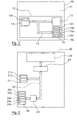
  • la figure 1 présente un schéma simplifié d'un mode de réalisation particulier d'un module d'identification d'abonné selon l'invention ;
  • la figure 2 présente un schéma simplifié d'un mode de réalisation particulier d'un terminal mobile selon l'invention, destiné à être piloté par le module d'identification d'abonné de la figure 1 ;
  • la figure 3 est un organigramme simplifié d'un mode de réalisation particulier du procédé selon l'invention.
Dans la suite de la description, on se place dans le cas particulier d'un système de radiocommunication selon le standard GSM. Il est clair que l'homme du métier saura étendre les principes évoqués ci-dessous à d'autres types de systèmes de radiocommunication.
L'invention concerne donc un procédé permettant d'afficher au moins un élément d'image sur au moins un moyen d'affichage graphique d'un terminal mobile piloté par un SIM, avec lequel il coopère. L'invention concerne également le SIM et le terminal permettant la mise en oeuvre de ce procédé.
On présente maintenant, en relation avec le schéma simplifié de la figure 1, un SIM (ou plus généralement un module d'identification d'abonné) selon l'invention.
Ce SIM 10 est constitué notamment d'un support 11, qui porte une puce semi-conductrice 12. Celle-ci comprend notamment des moyens 13 de traitement et de gestion des données (par exemple un microprocesseur), organe central de décision qui pilote via un bus bi-directif 14 les autres moyens de la puce 12 (partiellement représentés 15, 16).
Sur la puce 12, des moyens de stockage de données 15 permettent de stocker, au moins temporairement, notamment une ou plusieurs commande(s) d'affichage graphique destinée(s) au(x) moyen(s) d'affichage graphique du terminal. La commande d'affichage graphique est employée pour afficher au moins un élément d'image sur au moins un moyen d'affichage graphique utilisé par le terminal.
Par ailleurs, la puce 12 comprend des moyens 16 de coopération destinés à coopérer avec des moyens de coopération associés (tel qu'un lecteur 26 cf figure 2) prévus sur le terminal. Ces moyens 16 de coopération comprennent notamment des moyens 161 d'émission vers le terminal d'une commande d'affichage graphique, des moyens 162 de réception d'au moins un message de prise en compte de la commande d'affichage graphique issu du terminal. Ce message de prise en compte de la commande d'affichage graphique indique au SIM que le terminal a effectivement enregistré la commande d'affichage graphique et l'exécutera. De plus, les moyens 16 de coopération comprennent notamment des moyens 163 de réception d'au moins un second message de fin d'exécution de la commande d'affichage graphique par le terminal. Ce message de fin d'exécution de la commande d'affichage graphique indique au SIM que le terminal a exécuté la commande d'affichage graphique. De cette manière, le terminal est capable de recevoir une autre commande, par exemple une autre commande d'affichage graphique.
En outre, optionnellement, les moyens 16 de coopération comprennent des moyens 164 d'émission d'une commande d'acquisition du type d'affichage utilisé par le terminal et des moyens 165 de réception d'une réponse contenant le type d'affichage du terminal. Dans ce cas, les moyens 13 de traitement et de gestion des données comprennent en outre des moyens 131 d'adaptation du fonctionnement du SIM en fonction du type d'affichage graphique utilisé par le(s) moyen(s) d'affichage graphique du terminal, c'est-à-dire en fonction de la réponse à la commande précitée d'acquisition du type d'affichage.
Dans l'exemple présenté sur la figure 2, le terminal 20 de l'invention comprend des moyens 21 de traitement et de gestion des données (par exemple un microprocesseur), organe central de décision qui pilote via un bus bi-directif22 les autres moyens du terminal.
Selon l'invention, ces moyens 21 de traitement et de gestion des données comprennent notamment des moyens 211 d'exécution d'une commande d'affichage graphique sur le(s) moyen(s) 24 d'affichage graphique utilisé(s) par le terminal. Ces moyens 211 d'exécution d'une commande d'affichage graphique permettent notamment d'afficher un ou des éléments d'image sur ce(s) moyen(s) 24 d'affichage graphique. De plus, ces moyens 21 de traitement et de gestion des données comprennent des moyens 212 d'exécution d'une commande d'acquisition du type d'affichage permettant de générer une réponse contenant le type d'affichage utilisé par le(s) moyen(s) 24 d'affichage du terminal. Le contenu de cette réponse est déterminée éventuellement après avoir recueilli des informations auprès des différents moyens 23 d'interface(s) du ou des moyens 24 d'affichage du terminal.
Les moyens 21 de traitement et de gestion des données commandent notamment différents moyens 23 et 25 d'interface respectivement avec les moyens 24 d'affichage graphique et le lecteur 26 de SIM. Ce lecteur 26 de SIM comprend notamment des moyens 261 de réception d'une commande d'affichage graphique et des moyens 262 de réception d'une commande d'acquisition du type d'affichage utilisé par le terminal. De plus, le lecteur 26 comprend des moyens 263 d'émission d'un premier message de prise en compte de la commande d'affichage graphique et des moyens 264 d'émission d'un second message de fin d'exécution de la commande d'affichage graphique. Ce lecteur 26 comprend encore des moyens 265 d'émission d'une réponse contenant le type d'affichage utilisé par le terminal (réponse à la commande précitée d'acquisition du type d'affichage utilisé par le terminal).
Selon les recommandations GSM 11.11 et 11.14, on utilise un jeu de commandes pour l'application du SIM (ou "SIM Application Toolkit" en anglais). Ce dernier regroupe un ensemble d'applications et de procédures associées pouvant être utilisé durant une session GSM. Ce "SIM Application Toolkit" présente notamment la façon dont un SIM peut interagir et opérer avec un terminal quelconque et incorpore à cet effet les mécanismes spécifiques requis par une application.
En particulier, dans le cadre du "SIM Application Toolkit", il est prévu que le SIM stocke dans un fichier appelé "SIM Service Table" une information qui indique qu'il sait envoyer au terminal des commandes, appartenant au groupe appelé "Proactive SIM", que le SIM peut faire exécuter par le terminal (si ce dernier est adapté en ce sens). Après une lecture du SIM Service Table, le terminal signale au SIM par une commande appelée "Terminal Profile" la liste des commandes Proactive SIM que le terminal sait exécuter. Parmi les commandes du Proactive SIM, on compte notamment des commandes d'affichage de texte à l'écran (ou "DISPLAY TEXT"en anglais), de sélection d'un article parmi une liste d'articles (ou "SELECT ITEM"en anglais).
Selon l'invention, c'est précisément dans la liste des commandes "Proactive SIM" que vient se rajouter la commande d'affichage graphique. En d'autres termes, la commande de l'invention constitue une commande supplémentaire du jeu de commandes du protocole de dialogue entre le terminal et le SIM.
On rappelle que de façon classique, après qu'il a été mis en coopération avec le terminal, le SIM cherche à savoir ce que le terminal est capable d'effectuer, notamment en terme de commandes. Pour cela, lors d'une étape préalable, un message appelé "Terminal Profile" d'une procédure appelée "Profile Download" est envoyé du terminal vers le SIM. Dans ce message, le terminal indique au SIM la liste des commandes qu'il est capable de reconnaítre et d'exécuter. Par conséquent, selon les cas, la commande d'affichage graphique de la présente invention fait ou ne fait pas partie de cette liste.
En relation avec l'organigramme de la figure 3, on présente maintenant le procédé selon l'invention d'affichage graphique d'au moins un élément d'image sur au moins un moyen d'affichage graphique utilisé par un terminal piloté par un SIM avec lequel il coopère.
Ce procédé comprend les étapes successives suivantes de la figure 3 :
  • le SIM détermine (30) le type d'affichage utilisé par le(s) moyen(s) d'affichage du terminal. Cette étape comprend deux phases successives :
    • le SIM émet (301) vers le terminal une commande d'acquisition du type d'affichage utilisé par le terminal ;
    • en retour, le terminal émet (302) vers le SIM une réponse contenant le type d'affichage du terminal ;
    • le SIM émet (31) une commande d'affichage graphique vers le terminal ;
    • le terminal reçoit (32) la commande d'affichage graphique ;
  • le terminal émet (33) vers le SIM un premier message de prise en compte de la commande d'affichage graphique, de façon à indiquer au SIM que le terminal va exécuter la commande d'affichage graphique ;
  • le terminal exécute (34) la commande d'affichage graphique de façon à afficher au moins un élément d'image sur au moins un moyen d'affichage graphique du terminal ;
  • le terminal émet (35) vers le SIM un second message de fin d'exécution de la commande d'affichage graphique, de manière à indiquer au SIM que le terminal a exécuté la commande d'affichage graphique.
L'élément d'image à afficher peut être l'un des éléments suivants (ou une combinaison de plusieurs de ceux-ci) : un logo, un graphique à affichage direct des pixels, une images et/ou une portion d'image, une icône, un graphique, un dessin.
Ainsi, le SIM peut choisir la commande à envoyer parmi une pluralité, en fonction du type d'affichage du ou des moyen(s) d'affichage graphique du terminal auquel elle est destinée.
On notera que, bien que la description qui précède corresponde plus particulièrement au cas où la commande d'acquisition d'information(s) d'interface(s) est stockée dans la liste des commandes "Proactive SIM" du SIM, il serait aussi possible de stocker cette commande dans d'autres fichiers du SIM.
Claims (10)

  1. Procédé d'affichage graphique par un terminal mobile (20) coopérant avec et piloté par un module d'identification d'abonné (10) au moyen d'une liaison filaire, le procédé comprenant les étapes suivantes:
    émission (31) par ledit module d'identification d'abonné (10), à destination dudit terminal (20), d'une commande d'affichage graphique ;
    réception et exécution (32) par ledit terminal (20) de ladite commande d'affichage graphique, de façon à afficher au moins un élément d'image sur au moins un moyen (24) d'affichage graphique dudit terminal (20).
  2. Procédé selon la revendication 1, caractérisé en ce qu'il comprend en outre au moins une des étapes appartenant au groupe suivant :
    émission (33) par ledit terminal (20) et réception par ledit module d'identification d'abonné (10) d'au moins un premier message de prise en compte de ladite commande d'affichage graphique ;
    émission (34) par ledit terminal (20) et réception par ledit module d'identification d'abonné (10) d'au moins un second message de fin d'exécution de ladite commande d'affichage graphique.
  3. Procédé selon l'une quelconque des revendications 1 et 2, caractérisé en ce que ledit au moins un élément d'image appartient au groupe comprenant :
    les logos ;
    les graphiques à affichage direct des pixels ;
    les images et/ou portions d'images ;
    les icônes ;
    les graphiques ;
    les dessins.
  4. Procédé selon l'une quelconque des revendications précédentes, caractérisé en ce que ladite commande d'affichage graphique est une commande supplémentaire du jeu de commandes du protocole de dialogue entre ledit terminal (20) et ledit module d'identification d'abonné (10).
  5. Procédé selon l'une quelconque des revendications précédentes, caractérisé en ce qu'il comprend une étape préalable de détermination (30) du type d'affichage, à savoir notamment graphique ou non, qu'utilise ledit terminal (20) avec lequel coopère ledit module d'identification d'abonné (10).
  6. Procédé selon l'une quelconque des revendications précédentes, caractérisé en ce que ladite étape préalable comprend elle-même les étapes suivantes:
    émission (301) par ledit module d'identification d'abonné (10), à destination dudit terminal (20), d'une commande d'acquisition du type d'affichage dudit terminal (20) ;
    en retour, émission (302) par ledit terminal (20), à destination dudit module d'identification d'abonné (10), d'une réponse contenant le type d'affichage, à savoir notamment graphique ou non, dudit terminal (20).
  7. Module d'identification d'abonné (10) du type destiné à piloter, par liaison filaire, un terminal mobile de radio-communication (20) avec lequel il coopère, caractérisé en ce qu'il comprend des moyens (161) d'émission vers ledit terminal (20) d'une commande d'affichage graphique, l'exécution de ladite commande d'affichage graphique par ledit terminal (20) permettant d'afficher au moins un élément d'image sur au moins un moyen d'affichage graphique (24) dudit terminal (20).
  8. Module d'identification d'abonné (10) selon la revendication 7, caractérisé en ce qu'il comprend au moins certains des moyens appartenant au groupe comprenant :
    des moyens (15) de stockage temporaire de ladite commande d'affichage graphique ;
    des moyens (162) de réception d'au moins un premier message de prise en compte de ladite commande d'affichage graphique par ledit terminal (20) ;
    des moyens (163) de réception d'au moins un second message de fin d'exécution de ladite commande d'affichage graphique par ledit terminal (20).
  9. Terminal mobile de radio-communication (20) du type destiné à être piloté, par liaison filaire, par un module d'identification d'abonné (10) avec lequel il coopère, caractérisé en ce qu'il comprend :
    des moyens (261) de réception d'une commande d'affichage graphique émise par ledit module d'identification d'abonné (10) ;
    des moyens (211) d'exécution de ladite commande d'affichage graphique, de façon à afficher au moins un élément d'image sur au moins un moyen d'affichage graphique (24) dudit terminal (20).
  10. Terminal selon la revendication 9, caractérisé en ce qu'il comprend au moins certains des moyens appartenant au groupe comprenant :
    des moyens (263) d'émission vers ledit module d'identification d'abonné (10) d'au moins un premier message de prise en compte de ladite commande d'affichage graphique ;
    des moyens (264) d'émission vers ledit module d'identification d'abonné (10) d'au moins un second message de fin d'exécution de ladite commande d'affichage graphique.
EP98401878A 1997-08-04 1998-07-23 Procédé d'affichage graphique par un terminal mobile de radio-communication piloté par un module d'identification d'abonné, module d'identification d'abonné et terminal mobile correspondants Withdrawn EP0896491A1 (fr)

Applications Claiming Priority (2)

Application Number Priority Date Filing Date Title
FR9709951A FR2767012B1 (fr) 1997-08-04 1997-08-04 Procede d'affichage graphique par un terminal mobile de radio-communication pilote par un module d'identification d'abonne, module d'identification d'abonne et terminal mobile correspondants
FR9709951 1997-08-04

Publications (1)

Publication Number Publication Date
EP0896491A1 true EP0896491A1 (fr) 1999-02-10

Family

ID=9509995

Family Applications (1)

Application Number Title Priority Date Filing Date
EP98401878A Withdrawn EP0896491A1 (fr) 1997-08-04 1998-07-23 Procédé d'affichage graphique par un terminal mobile de radio-communication piloté par un module d'identification d'abonné, module d'identification d'abonné et terminal mobile correspondants

Country Status (6)

Country Link
EP (1) EP0896491A1 (fr)
JP (1) JPH11155002A (fr)
CN (1) CN1211890A (fr)
AU (1) AU7856898A (fr)
CA (1) CA2243428A1 (fr)
FR (1) FR2767012B1 (fr)

Cited By (15)

* Cited by examiner, † Cited by third party
Publication number Priority date Publication date Assignee Title
WO2000078016A1 (fr) * 1999-06-15 2000-12-21 Siemens Aktiengesellschaft Procede et dispositif pour la representation optique d'informations
WO2001015413A1 (fr) * 1999-08-23 2001-03-01 Siemens Aktiengesellschaft Appareil telephonique et procede pour identifier un appareil telephonique
WO2001071651A1 (fr) * 2000-03-21 2001-09-27 Anoto Ab Procede de transfert de messages et appareil correspondant
EP1199868A1 (fr) * 2000-10-16 2002-04-24 Sony International (Europe) GmbH Sélection automatique d'une image de fond sur l'afficheur d'un téléphone mobile
FR2823051A1 (fr) * 2001-03-28 2002-10-04 Sagem Accessoire pour telephones portables
DE10130019A1 (de) * 2001-06-25 2003-01-09 Scm Microsystems Gmbh Chipkartenleseeinrichtung
EP1640890A1 (fr) * 2004-09-27 2006-03-29 France Telecom Procédé de saisie de caractères manuscrits
US7072453B2 (en) 2002-02-11 2006-07-04 Siemens Aktiengesellschaft Method and system for the flexible definition of graphic information on communication terminals
EP1691535A1 (fr) * 2005-02-14 2006-08-16 Axalto S.A. Une méthode pour montrer une image actuelle sur une surface d'un smartcard ou d'un sim
WO2007026002A1 (fr) * 2005-09-02 2007-03-08 Gemplus Execution d'une commande pro-active elaboree dans un terminal
EP1499918A4 (fr) * 2002-04-26 2007-12-26 Korea Electronics Telecomm Appareil et procede reduisant la consommation d'electricite en reglant le retroeclairage et en adaptant le signal visuel
EP1962482A1 (fr) * 2007-02-22 2008-08-27 Gemplus Procédé et dispositif pour simplifier l'accès au menu
WO2008085323A3 (fr) * 2006-12-29 2008-09-04 Sandisk Corp Procédés et appareils pour lancer une application de programme
GB2478971A (en) * 2010-03-25 2011-09-28 Nec Corp Generating a user interface on a mobile phone for an application on a UICC using metadata
US8533741B2 (en) 2006-12-29 2013-09-10 Sandisk Technologies Inc. Methods for launching a program application

Families Citing this family (3)

* Cited by examiner, † Cited by third party
Publication number Priority date Publication date Assignee Title
KR100459426B1 (ko) * 2002-04-19 2004-12-03 엘지전자 주식회사 이동통신 단말기와 sim 간 인터페이스 방법
JP5472935B2 (ja) * 2011-03-17 2014-04-16 株式会社東芝 携帯可能電子機器及びicカード
JP5677249B2 (ja) * 2011-09-21 2015-02-25 株式会社東芝 Icカード

Citations (2)

* Cited by examiner, † Cited by third party
Publication number Priority date Publication date Assignee Title
WO1995004328A1 (fr) * 1993-07-30 1995-02-09 Intellect Australia Pty. Ltd. Dispositif et procede pour cartes a circuits integres
DE19533114A1 (de) * 1995-09-07 1997-03-13 Siemens Ag Verfahren zum Betreiben eines Mobilfunksystems

Patent Citations (2)

* Cited by examiner, † Cited by third party
Publication number Priority date Publication date Assignee Title
WO1995004328A1 (fr) * 1993-07-30 1995-02-09 Intellect Australia Pty. Ltd. Dispositif et procede pour cartes a circuits integres
DE19533114A1 (de) * 1995-09-07 1997-03-13 Siemens Ag Verfahren zum Betreiben eines Mobilfunksystems

Non-Patent Citations (1)

* Cited by examiner, † Cited by third party
Title
Digital cellular telecommunications system. Specification of the SIM Application Toolkit for the Subscriber Identity Module-Mobile Equipment interface. (GSM 11.14 version 5.4.0)-July 1997 *

Cited By (23)

* Cited by examiner, † Cited by third party
Publication number Priority date Publication date Assignee Title
WO2000078016A1 (fr) * 1999-06-15 2000-12-21 Siemens Aktiengesellschaft Procede et dispositif pour la representation optique d'informations
WO2001015413A1 (fr) * 1999-08-23 2001-03-01 Siemens Aktiengesellschaft Appareil telephonique et procede pour identifier un appareil telephonique
WO2001071651A1 (fr) * 2000-03-21 2001-09-27 Anoto Ab Procede de transfert de messages et appareil correspondant
US8504036B2 (en) 2000-10-16 2013-08-06 Sony Deutschland Gmbh Automatic selection of a background image for a display on a mobile telephone
EP1199868A1 (fr) * 2000-10-16 2002-04-24 Sony International (Europe) GmbH Sélection automatique d'une image de fond sur l'afficheur d'un téléphone mobile
US8116768B2 (en) 2000-10-16 2012-02-14 Sony Deutschland Gmbh Automatic selection of a background image for a display on a mobile telephone
US7693515B2 (en) 2000-10-16 2010-04-06 Sony Deutschland Gmbh Automatic selection of a background image for a display on a mobile telephone
FR2823051A1 (fr) * 2001-03-28 2002-10-04 Sagem Accessoire pour telephones portables
DE10130019A1 (de) * 2001-06-25 2003-01-09 Scm Microsystems Gmbh Chipkartenleseeinrichtung
US7072453B2 (en) 2002-02-11 2006-07-04 Siemens Aktiengesellschaft Method and system for the flexible definition of graphic information on communication terminals
EP1499918A4 (fr) * 2002-04-26 2007-12-26 Korea Electronics Telecomm Appareil et procede reduisant la consommation d'electricite en reglant le retroeclairage et en adaptant le signal visuel
EP1640890A1 (fr) * 2004-09-27 2006-03-29 France Telecom Procédé de saisie de caractères manuscrits
FR2875918A1 (fr) * 2004-09-27 2006-03-31 France Telecom Procede de saisie de caracteres manuscrits
WO2006095225A1 (fr) * 2005-02-14 2006-09-14 Axalto S.A Procede d'affichage d'une image presente sur une surface d'une carte a puce ou d'un module sim
EP1691535A1 (fr) * 2005-02-14 2006-08-16 Axalto S.A. Une méthode pour montrer une image actuelle sur une surface d'un smartcard ou d'un sim
FR2890520A1 (fr) * 2005-09-02 2007-03-09 Gemplus Sa Execution d'une commande pro-active elaboree dans un terminal
WO2007026002A1 (fr) * 2005-09-02 2007-03-08 Gemplus Execution d'une commande pro-active elaboree dans un terminal
WO2008085323A3 (fr) * 2006-12-29 2008-09-04 Sandisk Corp Procédés et appareils pour lancer une application de programme
US8533741B2 (en) 2006-12-29 2013-09-10 Sandisk Technologies Inc. Methods for launching a program application
EP1962482A1 (fr) * 2007-02-22 2008-08-27 Gemplus Procédé et dispositif pour simplifier l'accès au menu
WO2008101906A1 (fr) * 2007-02-22 2008-08-28 Gemalto Sa Procédé et dispositif de simplification de l'accès à un menu
GB2478971A (en) * 2010-03-25 2011-09-28 Nec Corp Generating a user interface on a mobile phone for an application on a UICC using metadata
US9043936B2 (en) 2010-03-25 2015-05-26 Lenovo Innovations Limited (Hong Kong) Communications device

Also Published As

Publication number Publication date
FR2767012A1 (fr) 1999-02-05
FR2767012B1 (fr) 1999-10-15
AU7856898A (en) 1999-02-11
CA2243428A1 (fr) 1999-02-04
JPH11155002A (ja) 1999-06-08
CN1211890A (zh) 1999-03-24

Similar Documents

Publication Publication Date Title
EP0896490B1 (fr) Procédé d&#39;adaptation du fonctionnement d&#39;un module d&#39;identification d&#39;abonné à une ou des interface(s) d&#39;un terminal mobile de radio-communication, module d&#39;identification d&#39;abonné et terminal mobile correspondants
EP0896491A1 (fr) Procédé d&#39;affichage graphique par un terminal mobile de radio-communication piloté par un module d&#39;identification d&#39;abonné, module d&#39;identification d&#39;abonné et terminal mobile correspondants
FR2767437A1 (fr) Procede ameliore de chargement d&#39;une liste predeterminee d&#39;articles par un terminal mobile pilote par un module d&#39;identification d&#39;abonne, commande, module d&#39;identification d&#39;abonne et terminal mobile correspondants
EP0996299B1 (fr) Procédé de lancement d&#39;une application par un terminal, sous commande d&#39;un module d&#39;identification d&#39;abonné
EP0932317B1 (fr) Procédé de transfert d&#39;information chiffrée entre un module d&#39;identification d&#39;abonné et un terminal mobile radio
EP3219157B1 (fr) Carte euicc stockant des numéros courts par profil d&#39;abonné pour notifier un serveur de gestion d&#39;abonnement
EP1224823B1 (fr) Procédé et système de commande d&#39;un équipement tiers par une carte SIM, et dispositifs correspondants
EP0955779B1 (fr) Procédé pour paramétrer l&#39;affichage sur un équipement mobile de radiocommunication coopérant avec un module d&#39;identification d&#39;abonné
EP3542563B1 (fr) Installation d&#39;un profil dans un module d&#39;identité de souscripteur embarque
EP0786916B1 (fr) Procédé de mise à jour de données entre cartes utilisateur dans un système de radiocommunication cellulaire, et terminaux correspondants
EP0964593B1 (fr) Procédé d&#39;affichage de séquences d&#39;images par un équipement mobile de radiocommunication coopérant avec un module d&#39;identification d&#39;abonné
EP1041834B1 (fr) Terminal de télécommunication à stockage de messages courts gérées par un opérateur et procédé correspondant
WO2001065480A1 (fr) Procede de commande d&#39;une carte a puce
EP0996300B1 (fr) Procédé d&#39;accès à un serveur de services à partir d&#39;une station mobile, module d&#39;identification d&#39;abonné et terminal correspondants
EP1041800B1 (fr) Terminal téléphonique, support de données amovible pourvu(s) de moyens permettant la suppression de fonctionnalités communes et procédé de gestion des menus de fonctionnalités correspondant
EP0949827A1 (fr) Equipment téléphonique, système de communications radio et procédé d&#39;identification de l&#39;appelant
EP1049348B1 (fr) Procédé de mise à disposition d&#39;une sélection de services pour un utilisateur d&#39;un terminal, terminal et centre de gestion correspondants
WO2007071832A1 (fr) Exploitation d&#39;informations proprietaires transmises par un reseau de radiocommunications a un terminal mobile sous le controle d&#39;une carte a puce
EP1041802A1 (fr) Procédé de gestion de la fonction renvoi d&#39;appel dans un téléphone portable
CA2262829A1 (fr) Procede de controle d&#39;un afficheur a cristaux liquides
WO2001057699A2 (fr) Microcontroleur et procede pour la gestion d&#39;applications interactives

Legal Events

Date Code Title Description
PUAI Public reference made under article 153(3) epc to a published international application that has entered the european phase

Free format text: ORIGINAL CODE: 0009012

AK Designated contracting states

Kind code of ref document: A1

Designated state(s): CH DE ES FI FR GB IT LI SE

AX Request for extension of the european patent

Free format text: AL;LT;LV;MK;RO;SI

RAP3 Party data changed (applicant data changed or rights of an application transferred)

Owner name: ALCATEL

RAP3 Party data changed (applicant data changed or rights of an application transferred)

Owner name: ALCATEL

17P Request for examination filed

Effective date: 19990810

AKX Designation fees paid

Free format text: CH DE ES FI FR GB IT LI SE

STAA Information on the status of an ep patent application or granted ep patent

Free format text: STATUS: THE APPLICATION IS DEEMED TO BE WITHDRAWN

18D Application deemed to be withdrawn

Effective date: 20050202