EP0896509B1 - Verfahren zur herstellung von milchprodukten, insbesondere käse, unter verwendung von milchsäurebakterien die mit zusätzlicher neutraler proteaseaktivität ausgestattet sind - Google Patents
Verfahren zur herstellung von milchprodukten, insbesondere käse, unter verwendung von milchsäurebakterien die mit zusätzlicher neutraler proteaseaktivität ausgestattet sind Download PDFInfo
- Publication number
- EP0896509B1 EP0896509B1 EP97915762A EP97915762A EP0896509B1 EP 0896509 B1 EP0896509 B1 EP 0896509B1 EP 97915762 A EP97915762 A EP 97915762A EP 97915762 A EP97915762 A EP 97915762A EP 0896509 B1 EP0896509 B1 EP 0896509B1
- Authority
- EP
- European Patent Office
- Prior art keywords
- neutral protease
- gene
- lactic acid
- cheese
- subtilis
- Prior art date
- Legal status (The legal status is an assumption and is not a legal conclusion. Google has not performed a legal analysis and makes no representation as to the accuracy of the status listed.)
- Expired - Lifetime
Links
Images








Classifications
-
- C—CHEMISTRY; METALLURGY
- C12—BIOCHEMISTRY; BEER; SPIRITS; WINE; VINEGAR; MICROBIOLOGY; ENZYMOLOGY; MUTATION OR GENETIC ENGINEERING
- C12N—MICROORGANISMS OR ENZYMES; COMPOSITIONS THEREOF; PROPAGATING, PRESERVING, OR MAINTAINING MICROORGANISMS; MUTATION OR GENETIC ENGINEERING; CULTURE MEDIA
- C12N9/00—Enzymes; Proenzymes; Compositions thereof; Processes for preparing, activating, inhibiting, separating or purifying enzymes
- C12N9/14—Hydrolases (3)
- C12N9/48—Hydrolases (3) acting on peptide bonds (3.4)
- C12N9/50—Proteinases, e.g. Endopeptidases (3.4.21-3.4.25)
- C12N9/52—Proteinases, e.g. Endopeptidases (3.4.21-3.4.25) derived from bacteria or Archaea
- C12N9/54—Proteinases, e.g. Endopeptidases (3.4.21-3.4.25) derived from bacteria or Archaea bacteria being Bacillus
-
- A—HUMAN NECESSITIES
- A23—FOODS OR FOODSTUFFS; TREATMENT THEREOF, NOT COVERED BY OTHER CLASSES
- A23C—DAIRY PRODUCTS, e.g. MILK, BUTTER OR CHEESE; MILK OR CHEESE SUBSTITUTES; PREPARATION THEREOF
- A23C19/00—Cheese; Cheese preparations; Making thereof
- A23C19/02—Making cheese curd
- A23C19/032—Making cheese curd characterised by the use of specific microorganisms, or enzymes of microbial origin
- A23C19/0323—Making cheese curd characterised by the use of specific microorganisms, or enzymes of microbial origin using only lactic acid bacteria, e.g. Pediococcus and Leuconostoc species; Bifidobacteria; Microbial starters in general
-
- A—HUMAN NECESSITIES
- A23—FOODS OR FOODSTUFFS; TREATMENT THEREOF, NOT COVERED BY OTHER CLASSES
- A23C—DAIRY PRODUCTS, e.g. MILK, BUTTER OR CHEESE; MILK OR CHEESE SUBSTITUTES; PREPARATION THEREOF
- A23C2220/00—Biochemical treatment
- A23C2220/20—Treatment with microorganisms
- A23C2220/202—Genetic engineering of microorganisms used in dairy technology
Definitions
- the invention relates to processes for making fermented food products from raw starting materials such as milk, meat, cereals and vegetables.
- Lacic acid bacteria include members of the genera Lactobacillus, Lactococcus, Leuconostoc, Pediococcus and Streptococcus.
- the fermenting step is carried out for a number of reasons. It helps to enhance the time over which the food product can be preserved and it can add to the development of flavour and texture of the product. In addition, some fermented milk products are stated to have health and nutritional benefits.
- the invention especially relates to processes for making cheese.
- Processes for making cheese are of course different for each different kind of cheese to be made. In principle however there are a number of main steps in the process which are essentially the same.
- a starter culture rennet and usually calcium are added to start coagulation. After an appropriate time interval, during which the coagulum is cut and stirred, allowing for sufficient syneresis the whey is drained off.
- the remaining material is called the curd.
- the curd has to ripen into cheese, but this is where the processes start to vary, depending on the kind of cheese to be made.
- the curd is pressed in a cheese vat (or mould) and then transferred to the brine.
- the cheeses are left to soak in the brine for a time interval in the order of days and are then transferred to the warehouse for further ripening.
- Cheddar type cheeses are brought into contact with the salt before pressing, during milling of the curd.
- the lactic acid bacteria are usually present in the starting culture. Lactic acid bacteria convert lactose into lactic acid, but they also produce proteolytic enzymes that degrade proteins present in the milk.
- the activity of the lactic acid bacteria is present throughout the whole process. The proteolytic activity especially, is very important for the ripening of the cheese. It determines for a large part the taste and texture characteristics of the resulting cheese. Therefore it is desirable to be able to design the rate of ripening and the extent of ripening that a cheese will be subjected to.
- a possible way to ensure equal distribution of the ripening proteolytic activity through the curd is by providing the lactic acid bacteria of the starter culture with the wanted proteolytic activity. This can be accomplished by introducing the gene encoding the enzyme of interest in said lactic acid bacteria.
- van der Guchte et al. (1989, 1990, 1991, 1992a, 1992b) obtained expression of several heterologous genes in L. lactis, including the Bacillus subtilis neutral protease gene and the gene of hen egg white lysozyme.
- the contribution of the B. subtilis npr gene product, as expressed by L. lactis, to the ripening and flavor development of Cheddar cheese was tested by McCarry et al .
- Riepe et al (Journal of dairy Science, Vol 77, 1994, p 2150-2159 ) constructed a lactococcal strain that oversecretes B. subtilis neutral protease.
- the oversecreting neutral protease transformant exhibited a halo of white precipitate when it was grown on transparent citrate milk agar and completely solubilized 11% Nom at 21°C after 5 days.
- the invention provides a method for carrying out a process of biotransformation of a substrate whereby at least one lactic acid bacterium is used, said bacterium comprising a gene encoding a bacillus subtilis neutral protease having an altered resulting activity. For instance by using a lactic acid bacterium which has a neutral protease gene of more limited stability, especially in processes of making cheese, it is possible to get enhanced ripening of the cheese, but to limit said enhancement in time and rate.
- Bacillus subtilis neutral proteases with altered specificity, as also disclosed in the present invention.
- bacteria are provided which have a Bacillus subtilis neutral protease activity which is especially designed for their application. Therefore combinations of mutations in Bacillus subtilis neutral protease genes are preferred embodiments of the present invention. For instance, it may be very useful to have a highly active Bacillus subtilis neutral protease with a very limited stability, or a mildly active Bacillus subtilis neutral protease with prolonged stability, or vice versa depending on the specific application. All altered Bacillus subtilis neutral protease activity and/or specificity and/or stability are preferably under control of an inducible mechanism for expression, preferably an inducible promoter.
- Bacillus subtilis neutral protease has different activities/stabilities, preferably under control of a regulatable mechanism, are used or are available for use when necessary.
- Bacillus subtilis neutral protease activity available, it is possible to regulate and monitor the cheese ripening process, or other proteolytic biotransformation processes for that matter, in detail.
- taste characteristics of the cheese can also be influenced with the required subtileness. It will be clear that for many applications according to the invention it may not be necessary to provide the lactic acid bacterium with a complete gene encoding the relevant protease. Parts thereof resulting in a polypeptide having the same kind of activity may of course be used.
- Bacillus subtilis proteases include at least one of the following
- Suitable expression and/or other regulatory elements should be provided with the gene to be expressed by the lactic acid bacteria.
- Suitable,elements for regulated expression of the Bacillus subtilis neutral proteases according to the invention include, but are not limited to the prtP promoter, which can be induced by specific dipeptides; the nisin promoter, which can be induced by nisin; the superoxide dismutase promoter, which can be induced by oxygen; the LacZ promoter, inducible by IPTG; and T7 polymerase, inducible by lactose. These elements are well-known in the art.
- autologous regulatory elements such as the prtP, the nisin and the SOD promoter.
- autologous regulatory elements such as the prtP, the nisin and the SOD promoter.
- transfer vehicles which are designed to integrate the relevant gene into the host genome, without integration of any material from the transferring vehicle.
- NP's The neutral proteases (NP's) constitute a group of extracellular metallo-endopeptidases that are produced by several members of the genus Bacillus. Representatives of this class are used in several industrial processes, the most important of which is the preparation of the artificial sweetener aspartame (Gerhartz, 1990; Isowa et al., 1979). NP's are also employed in the leather and baking industry, in breweries, and in the production of protein hydrolysates (Gerhartz, 1990). At present, thermolysin (e.g. in the preparation of aspartame) and the neutral protease of Bacillus subtilis (e.g. for beer-brewing applications) are the most frequently used NP's in industrial processes.
- NP's Several Bacilli are known to produce NP's. These enzymes contain 300-319 amino acid residues and are active in the neutral pH range. The best known is thermolysin, the highly thermostable 316-residue NP from B. thermoproteolyticus. Bacilli exhibit considerable differences in optimal growth temperatures and the thermostabilities of their neutral proteases differ accordingly.
- Bacillus neutral proteases have been characterized and genes coding for these enzymes have been cloned and sequenced from e.g. B. subtilis (Yang et al., 1984), B. stearothermophilus CU-21 (Fujii et al., 1983; Takagi et al., 1985), B.
- thermostable variants are desirable, since it expands the temperature range at which NP-catalysed processes can be conducted and enzyme activity lasts longer, reducing the amount of enzyme required.
- Variants with reduced thermostabilities can be useful in applications where enzymatic activity is only required during the initial stages of the process, or where it can be stopped by a simple heat treatment.
- thermostable variants are more resistant towards autoproteolysis, whereas thermolabile NP's are more vulnerable towards autoproteolytic breakdown.
- thermolysin The three dimensional structure of thermolysin has been solved at 2.3 ⁇ ( Figure 2.a; Matthews et al., 1972a, b; Colman et al., 1972).
- the enzyme contains one zinc ion and four calcium ions, which are needed for activity and stability, respectively.
- the molecule is generally considered to consist of two domains, interconnected by a central ⁇ -helix (residues 137-150).
- the C-terminal domain may be divided into two subdomains connected by the 235-247 ⁇ -helix (Fontana, 1988; Eijsink et al., 1992).
- the active site cleft In the active site cleft (indicated by an arrow in Figure 2.a) the zinc ion is bound.
- thermolysin It is coordinated by the side chains of Glu166, His142, His146, and a water molecule, and these residues are conserved in all Bacillus NP's.
- the catalytic mechanism of thermolysin is well established owing to extensive crystallographic studies of complexes between this enzyme and specific inhibitors (Hangauer et al ., 1984; Tronrud et al ., 1986; Toma et al ., 1989; Dunn, 1989) .
- Residue His231 is important in stabilizing the transition state of the proteolytic reaction. Specificity and activity of the enzyme is additionally determined by amino acid residues in the substrate binding sites S 1 , S 2 , S 1 ' and S 2 ' (Hangauer et al., 1984; Matthews et al., 1988). Substrate specificities of NP's are, furthermore, determined by residues constituting the entrance of the active site cleft. The presence of specific large and/or charged residues at particular positions can restrict the sizes of the substrates still able to enter. Thus, substitution of specific residues constituting the active site entrance (e.g. residue 120 in B. subtilis NP) can increase the number of substrates that can reach the active site.
- substitution of specific residues constituting the active site entrance e.g. residue 120 in B. subtilis NP
- the present invention includes the use of variants of the B . subtilis neutral protease displaying altered activities and specificities, as obtained by site-directed mutagenesis of specific residues involved in the interaction between the enzyme and substrates (Gln120 and Phe134). Mutations affecting the so-called hinge bending of the NP's are also included. Hinge bending, the motion of the N-terminal (residues 1-150) and C-terminal domains of NP relative to each other, can be manipulated by mutations in the interconnecting ⁇ -helix (137-150), or by amino acid replacements influencing the non-covalent interactions present between the two domains.
- thermolysin and B. cereus NP Proliferativelysin and B. cereus NP
- the individual domains of both NP's were highly superimposible with only minor differences in the backbone tracing. However, the relative positions of the domains deviated several degrees. This difference can contribute to the somewhat different substrate specificities of the two NP's.
- mutants of the B. subtilis and B. stearothermophilus NP's that were constructed to effect the hinge bending, by substituting Gly residues in the interconnecting ⁇ -helix (in particular residue 136 in B. subtilis NP), were shown to behave differently on synthetic substrates, when compared to their wild-type counterparts (O.R. Veltman, unpublished results).
- thermolysin trypsin, ⁇ -amylase, glutamine synthetase (Feder et al., 1971).
- NP's contain 2-4 Ca 2+ ions, and it has been shown that removal of calcium from thermolysin and B . subtilis NP is deleterious for stability (Grandi et al., 1980). The role of bound calcium ions was analysed in detail in thermolysin by several authors (Drucker and Borchers, 1971; Roche and Voordouw, 1978; Corbett and Roche, 1983; Fontana et al., 1986). On the basis of biochemical data and analysis of the thermolysin crystal structure, four calcium ions have been identified in thermolysin (Drucker and Borchers, 1971).
- thermostable variants contain four calcium ions, the thermolabile variants only two, a difference which may underlie the difference in thermostability.
- Transplantation of a calcium binding loop from thermolysin to B. subtilis NP rendered the latter enzyme more thermostable at high Ca 2+ concentrations (0.1 M). At these concentrations the half-life of denaturation of the mutant NP, as determined by circular dichroism, was significantly higher. At low Ca 2+ concentrations (1 mM) no effect on stability was observed (Toma et al ., 1991).
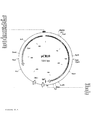
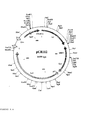
- the B. subtilis npr gene (originally obtained from L. Mulleners, Gist-Brocades) was subcloned in the high copy number plasmid pTZI2 (Aoki et al ., 1987) , yielding pGS1 ( Figure 3; Eijsink et al., 1990).
- the gene was expressed in the protease deficient B. subtilis strain DB117 (Eijsink et al ., 1990).
- Suitable fragments of the npr gene were subcloned in the E. coli plasmid pMa/c for site-directed mutagenesis (Stanssens et al ., 1989).
- E. coli WK6 and WK6MutS (Zell and Fritz, 1987) were used in site-directed mutagenesis procedures. All strains were grown on Trypton-Yeast medium, containing the appropriate antibiotics.
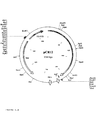
- Neutral protease gene variants were cloned in plasmid pORI28 ( Figure 4). This plasmid is able to replicate in specific E. coli, B. subtilis and L . lactis strains that express the repA gene from their chromosomes.
- the npr gene variants were subcloned using either specific restriction endonucleases or, alternatively, polymerase chain reaction-based methods. The latter approach uses specific oligonucleotides with sequence homology to the start and end of the structural npr gene and additional restriction sites for subcloning purposes.
- promoter sequences of lactococcal origin were cloned upstream of the genes, resulting in secretion of active protease by L. lactis.
- L. lactis strains were grown in M17-based media. Protease producing colonies were selected on agar plates supplemented with 0.8% skim milk by their ability to degrade the substrate, which results in a clearing zone around the colonies.
- pINT51 contains a DNA fragment derived from the chromosome of L . lactis LB250. In the middle of this fragment several restriction endonuclease recognition sites are available for insertion of the npr/promoter combination.
- the plasmids thus obtained are not able to replicate in L. lactis LB250, but are able to insert into the genome of this strain by homologous recombination.
- the whole plasmid becomes part of the lactococcal genome, which can be selected for by the resistance of such strains to the antibiotic erythromycin and to develop blue colonies in the presence of the substrate X-Gal.
- the npr gene To eliminate of the antibiotic resistance marker and other plasmid DNA sequences, with the exception of the npr gene, cells are grown for several generations in the absence of erythromycin, resulting in a second recombination event that excises all original pINT51 sequences from the chromosome ( Figure 7). Cells in which this has taken place were selected by their inability to become blue in the presence of the chromogenic substrate X-Gal.
- mutagenic oligonucleotides used for the production of site-specific mutations were designed such that restriction sites were removed or created, without producing additional changes at the amino acid level. Mutagenesis was performed using a gapped duplex method described earlier (Stanssens et al., 1989). Mutant clones were selected by restriction analysis and their npr gene fragments were sequenced using the dideoxy chain termination method (Sanger et al., 1977). For the production of mutant neutral proteases in B. subtilis, correctly mutated npr gene fragments were used to construct derivates of pGS1 containing an intact npr gene.
- B . subtilis. DB117 harbouring a pGS1 variant was cultured in 600 ml medium in aerated 1000 ml flasks at 32°C. After 16 hours of cultivation the cells were removed by centrifugation and the supernatants were loaded onto Bacitracin-silica columns (Unilever Research Laboratories, Vlaardingen, The Netherlands) for affinity chromatography as described previously (Van den Burg et al., 1989) .
- the enzymes were stored at -18°C in the elution buffer used in the affinity chromatography procedure (20 mM sodium acetate, pH 5.3; 5 mM CaCl 2 ; 20% (v/v) isopropanol; 2.5 M NaCl; 0.3% sodium azide). Purified enzyme was analyzed using sodium dodecyl sulfate polyacrylamide gel electroforesis (SDS-PAGE) as described before (Van den Burg et al ., 1989).
- SDS-PAGE sodium dodecyl sulfate polyacrylamide gel electroforesis
- Thermostability expressed as T50, was determined by incubating aliquots of diluted pure enzyme (approx. 0.1 ⁇ M in 20 mM sodium acetate, pH 5.3; 5 mM CaCl 2 ; 0.5% (v/v) isopropanol; 62.5 mM NaCl) at appropriate temperatures. Subsequently, the residual protease activity was determined using a casein assay (Fujii et al ., 1983).
- the T50 and ⁇ T50 values presented in this invention are derived from at least three independent measurements. The standard deviation in T50 values is approximately 0.7°C; that in ⁇ T50 approximately 0.4°C.
- Substrate specificities of wild-type and neutral protease variants were analyzed using ⁇ -casein as a substrate.
- Neutral protease and ⁇ -casein were incubated at a enzyme-substrate ratio of 10 -3 (w:w) in 50 mM sodium acetate, pH 7.5; 5 mM CaCl 2 ; 50 mM NaCI, and incubated for 16 hours at 30°C. After incubation TFA (trifluoroacetic acid) was added, to a final concentration of 1%, and the TFA-soluble reaction products were separated from the TFA-insoluble products by centrifugation at 13,000 x g. The supernatant was removed and dried by evaporation.
- L. lactis LB250 and variants thereof expressing the npr gene were compared in M17-based medium, supplemented with glucose, and in reconstituted skim milk.
- Neutral protease production of the variants was compared by determining neutral protease activity in culture supernatants using casein as a substrate. Processing of the neutral protease by LB250 variants was analyzed using anti-neutral protease rabbit antibodies. To 1 ml of overnight culture supernatant 10 ⁇ l TFA was added and TFA-insoluble proteins were precipitated by centrifugation. The pellet was dried and resuspended in SDS-PAGE loading buffer. Prior to SDS-PAGE samples were boiled for 5 minutes.
- npr/promoter sequences in the L. lactis genome was analyzed using Southern hybridization techniques, essentially according to Maniatis (1982). Chromosomal DNA was isolated from L. lactis and subsequently digested with selected restriction endonucleases. After separation of the resulting fragments by agarose gel electrophoresis, DNA was blotted to nitrocellulose membranes. Recombination was visualized using npr gene fragments as probes. Probes were labelled using the ECL procedure (Amersham, Buckinghamshire, UK). Detection was performed by a fluorescence technique (ECL, Amersham, Buckinghamshire, UK), according to the supplier. Parts of pINT51 were used as probes to ascertain the removal of vector sequences from the L . lactis variants genomes after the second recombination event.
- the B. subtilis neutral protease gene was amplified by polymerase chain reaction (PCR) using the synthetic oligonucleotides listed in Table 2 and plasmid pGS1 ( Figure 3) as a template.
- the resulting 1700 bp DNA fragment contains the entire npr gene, including the GTG start codon and the TAA stopcodon. Upstream the startcondon an additional 16 bp fragment is present, that contains the recognition sequences for the restriction endonucleases MluI, SalI and PmlI. Downstream the stop codon 16 bp are present that contain recognition sequences for BamHI and SalI.
- the DNA fragment was digested with BamHI and MluI and, subsequently, ligated in pORI28 ( Figure 4) that had been digested with the same restriction enzymes. Next, the ligation mixture was transformed to E.
- coli EC1000 a strain that contains a copy of the repA gene on the chromosome, thus enabling replication of pORI28 derivates, and selected on TY plates supplemented with 100 ⁇ g/ml erythromycin.
- DNA from transformants was analyzed by restriction analysis and transformants harbouring pCR10 ( Figure 8; pORI28 with the B. subtilis npr gene) were selected for further constructions. Due to the lack of promoter sequences upstream the npr gene no protease production was present in these transformants. To obtain NP production lactococcal promoters were cloned upstream the gene in pCR10.
- promoter sequences were selected; P23, P32 and P44, respectively ( Figure 5, van der Vossen et al., 1987).
- Promoter sequences were obtained by PCR, using the oligonucleotides listed in Table 2, and pGKV223, pGKV232 and pGKV244 (van der Vossen et al ., 1987).
- chloramphenicol gene as a reporter relative activities were determined to be 3.2, 0.6 and 0.2 for P23, P32 and P44, respectively.
- the 3'-oligonucleotides were chosen such that the original ORF sequences downstream of the promoters were removed after PCR.
- pCR10 was digested with PmlI and MluI.
- the P23 and P32 fragments were digested with NsiI, made blunt with T4 DNA polymerase and subsequently digested with MluI.
- the P44 fragment was digested with HindIII, treated with T4 DNA polymerase and thereafter digested with MluI. The different fragments were purified, ligated and electrotransformed to L. lactis 108 (repA + ).
- the transformation mixture was plated on M17 agar, supplemented with 0.5% glucose, 1% succrose, 5 ⁇ g/ml erythromycin, and 0.8% skim milk.
- the latter addition facilitates the detection of protease producing colonies, by the ability of the protease to digest milk proteins, resulting in a clear zone around the colony.
- Protease-positive transformants were selected and the plasmid DNA was analyzed by restriction analysis. From pCR12, pCR13 and pCR14 promoter/npr fragments were isolated after digestion with NotI and PstI. These fragments were ligated with pINT51 digested with the same restriction enzymes, yielding pCR112, pCR113 and pCR114 ( Figure 8).
- This recombination event was analyzed by Southern hybridization. Total chromosomal DNA from positive clones was digested and after electrophoresis transferred to nitrocellulose. Presence and orientation of pCR112, pCR113 and pCR114 DNA was determined using the npr gene or parts of pINT51 as probes. Clones in which a proper recombination had taken place were subsequently grown for approximately 100 generations without selecting for erythromycin resistance. This results in loss of part or all of the integrated sequences by a second recombination event. Ideally, the pINT51 sequences are lost, whereas the promoter/npr sequences retain in the chromosome.
- Protease production was determined on M17 plates supplemented with skim milk. Whereas LB250 is not able to form halo's on such plates, LB212, LB213 and LB214 colonies were able to degrade the milk in the plates, resulting in halo formation. The size of these halo's can be correlated to the production levels of the protease. Comparison of the halo sizes suggested similar production levels in LB212 and LB213, whereas production by LB214 is significantly lower.
- Protease production was analyzed in culture supernatants also. For that purpose, 150 ⁇ l from the supernatants of early stationary phase cultures were incubated with 250 ⁇ l of azocasein in 50 mM Tris-HC1, pH 7.5; 5 mM CaCl 2 , 0.08% NaN 3 . After incubation for 19 hours at 37°C the reaction was stopped by addition of 1.25 ml 10% TCA. After precipitation of the acid-insoluble fraction, 0.9 ml of the supernatant was added to 1.05 ml 1M NaOH and the absorbance at 440 nm was measured. The amount of peptides released is a measure of the proteolytic activity of the samples.
- the protease activities of the different strains are listed in Table 3, and show that the amounts of protease secreted by LB212 and LB213 are similar, and several times higher than that of LB214.
- the amounts of the strains LB282, LB292 and LB297 are about half of that of LB212 and LB213.
- Proteins from overnight cultures (2 ml) were precipitated by addition of TFA to a final concentration of 1% (v/v). Precipitated proteins were collected by centrifugation, dried and dissolved in 50 ⁇ l SDS-PAGE loading buffer. 20 ⁇ l was used for SDS-PAGE and after electrophoresis the proteins were electrotransferred to nitrocellulose membranes.
- SDS-PAGE loading buffer 20 ⁇ l was used for SDS-PAGE and after electrophoresis the proteins were electrotransferred to nitrocellulose membranes.
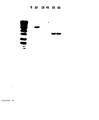
- anti-NP rabbit serum bands migrating at the position of the mature form of the NP, as produced by B. subtilis were detectable in the samples derived from LB212 and LB213. In the sample from LB214 no signal was detectable, which might be caused by the low production levels of the latter strain.
- B. subtilis neutral protease variants that show decreased thermal stabilities were selected to be integrated in the genome of L . lactis. These variants were previously constructed and tested in B. subtilis. Analyses of the variants showed that thermostability had decreased dramatically as the result of mutation the C-terminal residue Leu300 or by introducing disulfides between residues 102-120 and 186-194 (Table 1).
- the genes encoding the NP variants were amplified by PCR using the oligonucleotides listed in Table 2.
- the wild-type npr gene was the template and oligonucleotides introducing the substitutions or deletion were used in combination with oligonucleotide NP-5'.
- the genes already containing these changes, as present in B. subtilis were used as templates for oligonucleotides NP-5' and NP-3'.
- the residue 300 variant PCR products were made blunt with T4 DNA polymerase and subsequently digested with MluI. The resulting fragment was ligated with pORI28 digested with EcoRV and MluI.
- the disulfide variants PCR products were digested with BamHI and MluI and ligated with pORI28 that had been digested with the same enzymes. After selection of the proper constructs, P32 was inserted in these constructs as described above. Using this strategy the following constructs were obtained: pCR22 (Leu300Ala); pCR32 (Leu300Ile); pCR42 (Leu300Asn); pCR52 (Leu300del); pCR62 (Va1102Cys-G1n120Cys); pCR72 (Glu186Cys-Ala194Cys).
- the genes can be transferred to L. lactis LB250. After correct and stable integration protease activities of the different constructs can be compared. Strains with desirable expression levels can subsequently be used in cheese manufacturing experiments.
- B. subtilis NP variants as expressed by L. lactis might be beneficial, since such enzymes degrade the milk proteins differently. This might add to the development of diary products with improved or new characteristics.
- Neutral protease variants were selected that, as the result of single amino acid substitutions, behave differently towards protein substrates. Firstly, a NP variant was constructed that had residue Glnl20 substituted by Cys, using site-directed mutagenesis. This residue is located near the entrance of the active site and it was anticipated that, by changing the character of this residue, penetrating of substrates would be affected. The mutant was constructed using a synthetic oligonucleotide (Table 2), essentially according to Stanssens et al. (1989). The mutated gene was expressed in B.
- subtilis and the gene product was purified (van den Burg et al., 1989) and characterized.
- a second NP variant was constructed in which Phe134 was substituted by Leu. Inspection of the 3-D model of NP suggested that this particular residue might be involved in substrate binding. Changing the size of this residue could have effect on the substrate specificity of the NP.
- the substitution was accomplished with a synthetic oligonucleotide (Table 2) and the gene was reintroduced and expressed in B . subtilis.
- Gly136 was substituted by Ala. Since residue 136 is located in the ⁇ -helix connecting the N- and C-terminal domains, it was anticipated that by introduction of a larger side chain the hinge-bending, being the observed motion between the domains, could be decreased.
- the substitution was constructed as described above (see Table 2 for oligonucleotide used).
- the NP variants were produced by B. subtilis and purified from the culture supernatants by affinity chromatography (van den Burg et al., 1989). Purification yields and purity were analyzed by SDS-PAGE. Yields and purities were similar to the wild-type except for the variant Glnl20Cys. In the latter case high molecular weight aggregates, caused by intermolecular disulfide bond formation, were visible during SDS-PAGE in the absence of reducing agent. However, it was shown that this aggregation was caused by boiling the samples prior to electrophoresis, since it was absent in case the samples were heated at lower temperatures. -
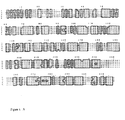
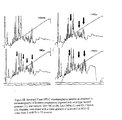
- Substrate specificity was analysed and compared to the wildtype NP using ⁇ -casein as model substrate. Enzyme and substrate were incubated at a ratio of 10 -3 for 16 hours at 30°C. After separation of the acid soluble and insoluble peptides, the reaction products were analyzed using Reversed Phase-HPLC. As becomes evident from Figure 12, substrate specificity towards ⁇ -casein is effected by substituting residues 120, 134 and 136. After introduction of the gene encoding these variants into the chromosome of L. lactis, using the procedure described in Example 1, contribution of these variants to the flavour development in dairy products can be tested. Furthermore, new dairy products might be the result from the use of variants such as those discussed above. Neutrol protease production levels of the resulting strains LB282, LB292 and LB297 were determined and fond to be similar to those of LB212 and LB213 (Table 3).
- the cheese production process was the same throughout the set of experiments.
- the resulting cheeses were put in brine for several hours and subsequently wrapped in Cryovac foil. They were allowed to ripen at a temperature of 7 degrees Celsius. After three, respectively 12 weeks of ripening the cheeses were analysed for composition, i.e. moisture content, fat content, salt content and pH. Nitrogen analyses of the cheeses (total N), aqueous extracts (soluble N) of the cheeses and cheeses after aqueous extraction (amino N)were also performed. The results are given in table 4.
- T50 is the temperature at which 50% of the activity is lost in 30 minutes.
- Table 2 synthetic oligonucleotides used for PCR name sequence characteristics NP-5' AAAACGCGTCGACCACGTGGGTTTAGGTAAG start npr gene, MluI, SalI, PmlI NP-3' CGCGGATCCGTCGACATTACAATCCAACAGCATTCCAGGC stop npr gene, BamHI, SalI P23-5' TTCGAACTGCAGACGCGTGATCGCATCATTTTC "start” P23, BstBI, PstI, MluI P23-3' AAAGCGATGCATATATTTGGCCTCCC "end” P23, NslI P32-5' TTCGAACTGCAGACGCGTCCGGTCCTCGGG "start” P32, BstBI, PstI, MluI P32-3' AAAGCGATGCATTCAAAATTCCTCC "end” P32, NsiI P44-5' TTGGAAACGCGTCAG
Landscapes
- Life Sciences & Earth Sciences (AREA)
- Chemical & Material Sciences (AREA)
- Engineering & Computer Science (AREA)
- Health & Medical Sciences (AREA)
- Microbiology (AREA)
- Organic Chemistry (AREA)
- Zoology (AREA)
- Wood Science & Technology (AREA)
- Genetics & Genomics (AREA)
- Bioinformatics & Cheminformatics (AREA)
- Biomedical Technology (AREA)
- Biotechnology (AREA)
- Molecular Biology (AREA)
- Medicinal Chemistry (AREA)
- Polymers & Plastics (AREA)
- Biochemistry (AREA)
- General Engineering & Computer Science (AREA)
- General Health & Medical Sciences (AREA)
- Food Science & Technology (AREA)
- Enzymes And Modification Thereof (AREA)
- Micro-Organisms Or Cultivation Processes Thereof (AREA)
- Dairy Products (AREA)
Claims (11)
- Verfahren zur Durchführung eines Verfahrens zur Biotransformation eines Substrats, wobei mindestens ein Milchsäurebakterium verwendet wird, wobei das Bakterium ein Gen umfaßt, codierend eine Bacillus subtilis neutrale Proteasevariante mit einer veränderten resultierenden Aktivität.
- Verfahren gemäß Anspruch 1, wobei mindestens eine neutrale Protease eine veränderte Stabilität oder Spezifität aufweist.
- Verfahren gemäß Anspruch 1 oder 2, wobei die veränderte resultierende Aktivität durch Regulation der Expression von mindestens einem neutralen Proteasegen bewirkt wird.
- Verfahren gemäß einem der Ansprüche 1 bis 3, wobei das Biotransformationsverfahren die Fermentation eines Nahrungsmittelprodukts ist.
- Verfahren gemäß Anspruch 4, wobei das Substrat Milch oder ein Milchderivat ist.
- Verfahren gemäß Anspruch 5, wobei das Biotransformationsverfahren ein Teil eines Käseherstellungsverfahrens ist.
- Verfahren gemäß einem der Ansprüche 1 bis 6, wobei das Gen mindestens eine der folgenden Mutationen umfaßt: Mutation des Codons, codierend Leucin an Position 300;: Deletion des Codons, codierend Leucin an Position 300;: Mutation der Codons für die Reste 120, 134 und/oder 136;: Mutation der Codons 186 und 194 zu Cysteinresten oder: Mutation der Codons 102 und 120 zu Cysteinresten.
- Verfahren gemäß einem der vorstehenden Ansprüche, wobei das Milchsäurebakterium eine Lactococcus-Art ist.
- Verfahren gemäß einem der vorstehenden Ansprüche, wobei das Gen, codierend die neutrale Protease in das Genom des Milchsäurebakteriums ohne restliches Transfektionsmaterial integriert ist.
- Nahrungsmittelprodukt, erhältlich durch ein Verfahren gemäß einem der vorstehenden Ansprüche.
- Nahrungsmittelprodukt gemäß Anspruch 10, wobei es sich um Käse handelt.
Priority Applications (1)
| Application Number | Priority Date | Filing Date | Title |
|---|---|---|---|
| EP97915762A EP0896509B1 (de) | 1996-04-15 | 1997-04-15 | Verfahren zur herstellung von milchprodukten, insbesondere käse, unter verwendung von milchsäurebakterien die mit zusätzlicher neutraler proteaseaktivität ausgestattet sind |
Applications Claiming Priority (4)
| Application Number | Priority Date | Filing Date | Title |
|---|---|---|---|
| EP96200948 | 1996-04-15 | ||
| EP96200948 | 1996-04-15 | ||
| PCT/NL1997/000192 WO1997038587A1 (en) | 1996-04-15 | 1997-04-15 | Methods for producing dairy products, in particular cheese using lactic acid bacteria provided with additional neutral protease activity |
| EP97915762A EP0896509B1 (de) | 1996-04-15 | 1997-04-15 | Verfahren zur herstellung von milchprodukten, insbesondere käse, unter verwendung von milchsäurebakterien die mit zusätzlicher neutraler proteaseaktivität ausgestattet sind |
Publications (2)
| Publication Number | Publication Date |
|---|---|
| EP0896509A1 EP0896509A1 (de) | 1999-02-17 |
| EP0896509B1 true EP0896509B1 (de) | 2007-06-27 |
Family
ID=8223854
Family Applications (1)
| Application Number | Title | Priority Date | Filing Date |
|---|---|---|---|
| EP97915762A Expired - Lifetime EP0896509B1 (de) | 1996-04-15 | 1997-04-15 | Verfahren zur herstellung von milchprodukten, insbesondere käse, unter verwendung von milchsäurebakterien die mit zusätzlicher neutraler proteaseaktivität ausgestattet sind |
Country Status (5)
| Country | Link |
|---|---|
| EP (1) | EP0896509B1 (de) |
| AT (1) | ATE365460T1 (de) |
| AU (1) | AU2310497A (de) |
| DE (1) | DE69737854D1 (de) |
| WO (1) | WO1997038587A1 (de) |
Families Citing this family (5)
| Publication number | Priority date | Publication date | Assignee | Title |
|---|---|---|---|---|
| FR2787810B1 (fr) * | 1998-12-24 | 2002-10-31 | Inst Nat De La Rech Agronomique Inra | Bacteries a gram positif depourvues d'activite proteasique htra, et leurs utilisations |
| NL1018856C2 (nl) * | 2001-08-30 | 2003-03-03 | Friesland Brands Bv | Werkwijze voor het bereiden van een half-harde of harde kaas en aldus verkregen kaas. |
| NL1032678C2 (nl) | 2006-10-13 | 2008-04-15 | Friesland Brands Bv | Werkwijze voor het bereiden van een half-harde of harde kaas en aldus verkregen kaas. |
| FR2947840B1 (fr) * | 2009-07-09 | 2011-09-02 | G T P Technology S A | Sequence promotrice pour l'expression de proteines recombinantes chez lactococcus lactis |
| EP3391750B1 (de) * | 2015-12-16 | 2024-07-17 | Godo Shusei Co., Ltd. | Verfahren zur herstellung eines fermentiertes milchproduktes |
-
1997
- 1997-04-15 WO PCT/NL1997/000192 patent/WO1997038587A1/en not_active Ceased
- 1997-04-15 DE DE69737854T patent/DE69737854D1/de not_active Expired - Lifetime
- 1997-04-15 AT AT97915762T patent/ATE365460T1/de not_active IP Right Cessation
- 1997-04-15 EP EP97915762A patent/EP0896509B1/de not_active Expired - Lifetime
- 1997-04-15 AU AU23104/97A patent/AU2310497A/en not_active Abandoned
Also Published As
| Publication number | Publication date |
|---|---|
| ATE365460T1 (de) | 2007-07-15 |
| EP0896509A1 (de) | 1999-02-17 |
| AU2310497A (en) | 1997-11-07 |
| WO1997038587A1 (en) | 1997-10-23 |
| DE69737854D1 (de) | 2007-08-09 |
Similar Documents
| Publication | Publication Date | Title |
|---|---|---|
| Haandrikman et al. | Identification of a gene required for maturation of an extracellular lactococcal serine proteinase | |
| Peng et al. | Purification and characterization of a fibrinolytic enzyme produced by Bacillus amyloliquefaciens DC-4 screened from douchi, a traditional Chinese soybean food | |
| van de Guchte et al. | Heterologous gene expression in Lactococcus lactis subsp. lactis: synthesis, secretion, and processing of the Bacillus subtilis neutral protease | |
| Kok et al. | Genetics of proteinases of lactic acid bacteria | |
| EP0579730B1 (de) | Nisin a aehnliche lantibiotika, diese produzierende milchsaeurebakterien und deren herstellung | |
| IES950269A2 (en) | Bacteriocins | |
| Villegas et al. | Characterization of the mature cell surface proteinase of Lactobacillus delbrueckii subsp. lactis CRL 581 | |
| US7449311B2 (en) | Method of producing macedocin by culturing Streptococcus macedonicus | |
| US20020086402A1 (en) | Hyperthermostable protease gene | |
| Bruinenberg et al. | Evidence for a large dispensable segment in the subtilisin-like catalytic domain of the Lactococcus lactis cell-envelope proteinas | |
| EP0896509B1 (de) | Verfahren zur herstellung von milchprodukten, insbesondere käse, unter verwendung von milchsäurebakterien die mit zusätzlicher neutraler proteaseaktivität ausgestattet sind | |
| Shahbal et al. | Characterization of a cell envelope-associated proteinase activity from Streptococcus thermophilus H-strains | |
| Khalid et al. | Partial purification and characterization of an aminopeptidase from Lactobacillus helveticus CNRZ 32 | |
| AU706127B2 (en) | Process for the lysis of a culture of lactic acid bacteria by means of a lysin, and uses of the resulting lysed culture | |
| EP0415470B1 (de) | Aminopeptidase | |
| Shao et al. | Biochemical and molecular characterization of PepR, a dipeptidase, from Lactobacillus helveticus CNRZ32 | |
| EP0365173A1 (de) | Mikroorganismus und seine Verwendung bei der Käsereifung | |
| Taguchi et al. | Streptomyces serine protease (SAM-P20): recombinant production, characterization, and interaction with endogenous protease inhibitor | |
| Fernandez-Espla et al. | Purification and characterization of a dipeptidase from Lactobacillus casei ssp. casei IFPL 731 isolated from goat cheese made from raw milk | |
| Flambard et al. | Interaction between proteolytic strains of Lactococcus lactis influenced by different types of proteinase during growth in milk | |
| AU638042B2 (en) | Modified proteases and their use in foodstuffs | |
| Roller et al. | Food enzymes | |
| De Vos et al. | Engineering pivotal proteins for lactococcal proteolysis | |
| CN111690671A (zh) | 新的乳酸细菌 | |
| Riepe et al. | Oversecretion of the neutral protease from Bacillus subtilis in Lactococcus lactis spp. lactis JF254 |
Legal Events
| Date | Code | Title | Description |
|---|---|---|---|
| PUAI | Public reference made under article 153(3) epc to a published international application that has entered the european phase |
Free format text: ORIGINAL CODE: 0009012 |
|
| 17P | Request for examination filed |
Effective date: 19981020 |
|
| AK | Designated contracting states |
Kind code of ref document: A1 Designated state(s): AT BE CH DE DK ES FI FR GB GR IE IT LI LU MC NL PT SE |
|
| AX | Request for extension of the european patent |
Free format text: AL PAYMENT 981020;LT PAYMENT 981020;LV PAYMENT 981020;RO PAYMENT 981020;SI PAYMENT 981020 |
|
| 17Q | First examination report despatched |
Effective date: 19990322 |
|
| RAP1 | Party data changed (applicant data changed or rights of an application transferred) |
Owner name: FRIESLAND BRANDS B.V. |
|
| GRAP | Despatch of communication of intention to grant a patent |
Free format text: ORIGINAL CODE: EPIDOSNIGR1 |
|
| GRAS | Grant fee paid |
Free format text: ORIGINAL CODE: EPIDOSNIGR3 |
|
| GRAA | (expected) grant |
Free format text: ORIGINAL CODE: 0009210 |
|
| AK | Designated contracting states |
Kind code of ref document: B1 Designated state(s): AT BE CH DE DK ES FI FR GB GR IE IT LI LU MC NL PT SE |
|
| AX | Request for extension of the european patent |
Extension state: AL LT LV RO SI |
|
| REG | Reference to a national code |
Ref country code: GB Ref legal event code: FG4D |
|
| REG | Reference to a national code |
Ref country code: CH Ref legal event code: EP |
|
| REG | Reference to a national code |
Ref country code: IE Ref legal event code: FG4D |
|
| REF | Corresponds to: |
Ref document number: 69737854 Country of ref document: DE Date of ref document: 20070809 Kind code of ref document: P |
|
| PG25 | Lapsed in a contracting state [announced via postgrant information from national office to epo] |
Ref country code: SE Free format text: LAPSE BECAUSE OF FAILURE TO SUBMIT A TRANSLATION OF THE DESCRIPTION OR TO PAY THE FEE WITHIN THE PRESCRIBED TIME-LIMIT Effective date: 20070927 |
|
| PG25 | Lapsed in a contracting state [announced via postgrant information from national office to epo] |
Ref country code: AT Free format text: LAPSE BECAUSE OF FAILURE TO SUBMIT A TRANSLATION OF THE DESCRIPTION OR TO PAY THE FEE WITHIN THE PRESCRIBED TIME-LIMIT Effective date: 20070627 |
|
| NLV1 | Nl: lapsed or annulled due to failure to fulfill the requirements of art. 29p and 29m of the patents act | ||
| LTIE | Lt: invalidation of european patent or patent extension |
Effective date: 20070627 |
|
| REG | Reference to a national code |
Ref country code: CH Ref legal event code: PL |
|
| PG25 | Lapsed in a contracting state [announced via postgrant information from national office to epo] |
Ref country code: BE Free format text: LAPSE BECAUSE OF FAILURE TO SUBMIT A TRANSLATION OF THE DESCRIPTION OR TO PAY THE FEE WITHIN THE PRESCRIBED TIME-LIMIT Effective date: 20070627 |
|
| PG25 | Lapsed in a contracting state [announced via postgrant information from national office to epo] |
Ref country code: PT Free format text: LAPSE BECAUSE OF FAILURE TO SUBMIT A TRANSLATION OF THE DESCRIPTION OR TO PAY THE FEE WITHIN THE PRESCRIBED TIME-LIMIT Effective date: 20071127 Ref country code: NL Free format text: LAPSE BECAUSE OF FAILURE TO SUBMIT A TRANSLATION OF THE DESCRIPTION OR TO PAY THE FEE WITHIN THE PRESCRIBED TIME-LIMIT Effective date: 20070627 Ref country code: ES Free format text: LAPSE BECAUSE OF FAILURE TO SUBMIT A TRANSLATION OF THE DESCRIPTION OR TO PAY THE FEE WITHIN THE PRESCRIBED TIME-LIMIT Effective date: 20071008 |
|
| EN | Fr: translation not filed | ||
| PG25 | Lapsed in a contracting state [announced via postgrant information from national office to epo] |
Ref country code: CH Free format text: LAPSE BECAUSE OF FAILURE TO SUBMIT A TRANSLATION OF THE DESCRIPTION OR TO PAY THE FEE WITHIN THE PRESCRIBED TIME-LIMIT Effective date: 20070627 Ref country code: LI Free format text: LAPSE BECAUSE OF FAILURE TO SUBMIT A TRANSLATION OF THE DESCRIPTION OR TO PAY THE FEE WITHIN THE PRESCRIBED TIME-LIMIT Effective date: 20070627 |
|
| PG25 | Lapsed in a contracting state [announced via postgrant information from national office to epo] |
Ref country code: IT Free format text: LAPSE BECAUSE OF FAILURE TO SUBMIT A TRANSLATION OF THE DESCRIPTION OR TO PAY THE FEE WITHIN THE PRESCRIBED TIME-LIMIT Effective date: 20070627 Ref country code: GR Free format text: LAPSE BECAUSE OF FAILURE TO SUBMIT A TRANSLATION OF THE DESCRIPTION OR TO PAY THE FEE WITHIN THE PRESCRIBED TIME-LIMIT Effective date: 20070928 Ref country code: DK Free format text: LAPSE BECAUSE OF FAILURE TO SUBMIT A TRANSLATION OF THE DESCRIPTION OR TO PAY THE FEE WITHIN THE PRESCRIBED TIME-LIMIT Effective date: 20070627 Ref country code: DE Free format text: LAPSE BECAUSE OF FAILURE TO SUBMIT A TRANSLATION OF THE DESCRIPTION OR TO PAY THE FEE WITHIN THE PRESCRIBED TIME-LIMIT Effective date: 20070928 |
|
| PLBE | No opposition filed within time limit |
Free format text: ORIGINAL CODE: 0009261 |
|
| STAA | Information on the status of an ep patent application or granted ep patent |
Free format text: STATUS: NO OPPOSITION FILED WITHIN TIME LIMIT |
|
| 26N | No opposition filed |
Effective date: 20080328 |
|
| PG25 | Lapsed in a contracting state [announced via postgrant information from national office to epo] |
Ref country code: FR Free format text: LAPSE BECAUSE OF FAILURE TO SUBMIT A TRANSLATION OF THE DESCRIPTION OR TO PAY THE FEE WITHIN THE PRESCRIBED TIME-LIMIT Effective date: 20080222 |
|
| PG25 | Lapsed in a contracting state [announced via postgrant information from national office to epo] |
Ref country code: MC Free format text: LAPSE BECAUSE OF NON-PAYMENT OF DUE FEES Effective date: 20080430 |
|
| GBPC | Gb: european patent ceased through non-payment of renewal fee |
Effective date: 20080415 |
|
| PG25 | Lapsed in a contracting state [announced via postgrant information from national office to epo] |
Ref country code: FI Free format text: LAPSE BECAUSE OF FAILURE TO SUBMIT A TRANSLATION OF THE DESCRIPTION OR TO PAY THE FEE WITHIN THE PRESCRIBED TIME-LIMIT Effective date: 20070627 |
|
| PG25 | Lapsed in a contracting state [announced via postgrant information from national office to epo] |
Ref country code: IE Free format text: LAPSE BECAUSE OF NON-PAYMENT OF DUE FEES Effective date: 20080415 |
|
| PG25 | Lapsed in a contracting state [announced via postgrant information from national office to epo] |
Ref country code: GB Free format text: LAPSE BECAUSE OF NON-PAYMENT OF DUE FEES Effective date: 20080415 |
|
| PG25 | Lapsed in a contracting state [announced via postgrant information from national office to epo] |
Ref country code: LU Free format text: LAPSE BECAUSE OF NON-PAYMENT OF DUE FEES Effective date: 20080415 |