EP0904100B1 - Administration de molecules actives biologiquement, facilitee par un ligand a un recepteur et un lipide cationique - Google Patents
Administration de molecules actives biologiquement, facilitee par un ligand a un recepteur et un lipide cationique Download PDFInfo
- Publication number
- EP0904100B1 EP0904100B1 EP97906433A EP97906433A EP0904100B1 EP 0904100 B1 EP0904100 B1 EP 0904100B1 EP 97906433 A EP97906433 A EP 97906433A EP 97906433 A EP97906433 A EP 97906433A EP 0904100 B1 EP0904100 B1 EP 0904100B1
- Authority
- EP
- European Patent Office
- Prior art keywords
- transferrin
- dna
- lipid
- cells
- lipofectin
- Prior art date
- Legal status (The legal status is an assumption and is not a legal conclusion. Google has not performed a legal analysis and makes no representation as to the accuracy of the status listed.)
- Expired - Lifetime
Links
Images







Classifications
-
- B—PERFORMING OPERATIONS; TRANSPORTING
- B82—NANOTECHNOLOGY
- B82Y—SPECIFIC USES OR APPLICATIONS OF NANOSTRUCTURES; MEASUREMENT OR ANALYSIS OF NANOSTRUCTURES; MANUFACTURE OR TREATMENT OF NANOSTRUCTURES
- B82Y5/00—Nanobiotechnology or nanomedicine, e.g. protein engineering or drug delivery
-
- A—HUMAN NECESSITIES
- A61—MEDICAL OR VETERINARY SCIENCE; HYGIENE
- A61K—PREPARATIONS FOR MEDICAL, DENTAL OR TOILETRY PURPOSES
- A61K47/00—Medicinal preparations characterised by the non-active ingredients used, e.g. carriers or inert additives; Targeting or modifying agents chemically bound to the active ingredient
- A61K47/50—Medicinal preparations characterised by the non-active ingredients used, e.g. carriers or inert additives; Targeting or modifying agents chemically bound to the active ingredient the non-active ingredient being chemically bound to the active ingredient, e.g. polymer-drug conjugates
- A61K47/69—Medicinal preparations characterised by the non-active ingredients used, e.g. carriers or inert additives; Targeting or modifying agents chemically bound to the active ingredient the non-active ingredient being chemically bound to the active ingredient, e.g. polymer-drug conjugates the conjugate being characterised by physical or galenical forms, e.g. emulsion, particle, inclusion complex, stent or kit
- A61K47/6905—Medicinal preparations characterised by the non-active ingredients used, e.g. carriers or inert additives; Targeting or modifying agents chemically bound to the active ingredient the non-active ingredient being chemically bound to the active ingredient, e.g. polymer-drug conjugates the conjugate being characterised by physical or galenical forms, e.g. emulsion, particle, inclusion complex, stent or kit the form being a colloid or an emulsion
- A61K47/6911—Medicinal preparations characterised by the non-active ingredients used, e.g. carriers or inert additives; Targeting or modifying agents chemically bound to the active ingredient the non-active ingredient being chemically bound to the active ingredient, e.g. polymer-drug conjugates the conjugate being characterised by physical or galenical forms, e.g. emulsion, particle, inclusion complex, stent or kit the form being a colloid or an emulsion the form being a liposome
-
- A—HUMAN NECESSITIES
- A61—MEDICAL OR VETERINARY SCIENCE; HYGIENE
- A61K—PREPARATIONS FOR MEDICAL, DENTAL OR TOILETRY PURPOSES
- A61K48/00—Medicinal preparations containing genetic material which is inserted into cells of the living body to treat genetic diseases; Gene therapy
-
- A—HUMAN NECESSITIES
- A61—MEDICAL OR VETERINARY SCIENCE; HYGIENE
- A61K—PREPARATIONS FOR MEDICAL, DENTAL OR TOILETRY PURPOSES
- A61K9/00—Medicinal preparations characterised by special physical form
- A61K9/10—Dispersions; Emulsions
- A61K9/127—Synthetic bilayered vehicles, e.g. liposomes or liposomes with cholesterol as the only non-phosphatidyl surfactant
- A61K9/1271—Non-conventional liposomes, e.g. PEGylated liposomes or liposomes coated or grafted with polymers
- A61K9/1272—Non-conventional liposomes, e.g. PEGylated liposomes or liposomes coated or grafted with polymers comprising non-phosphatidyl surfactants as bilayer-forming substances, e.g. cationic lipids or non-phosphatidyl liposomes coated or grafted with polymers
-
- C—CHEMISTRY; METALLURGY
- C12—BIOCHEMISTRY; BEER; SPIRITS; WINE; VINEGAR; MICROBIOLOGY; ENZYMOLOGY; MUTATION OR GENETIC ENGINEERING
- C12N—MICROORGANISMS OR ENZYMES; COMPOSITIONS THEREOF; PROPAGATING, PRESERVING, OR MAINTAINING MICROORGANISMS; MUTATION OR GENETIC ENGINEERING; CULTURE MEDIA
- C12N15/00—Mutation or genetic engineering; DNA or RNA concerning genetic engineering, vectors, e.g. plasmids, or their isolation, preparation or purification; Use of hosts therefor
- C12N15/09—Recombinant DNA-technology
- C12N15/87—Introduction of foreign genetic material using processes not otherwise provided for, e.g. co-transformation
- C12N15/88—Introduction of foreign genetic material using processes not otherwise provided for, e.g. co-transformation using microencapsulation, e.g. using amphiphile liposome vesicle
Definitions
- This invention is in the field of intracellular delivery of biologically active molecules.
- Viral vector-directed gene transfer shows high gene transfer efficiency but is deficient in several areas.
- some viral vectors randomly integrate DNA into host genomes (Olsen, J.C., Huang, W., Johnson, L.G., and Boucher, R.C. (1994) "Persistence of adenoviral vector gene expression in CF airway cells is due to integration of vector sequences into chromosomal DNA," Pediatr. Pulm. S10, 230; Russel, D.W., Miller, A.D., and Alexander, I.E. (1994) "Adeno-associated virus vectors preferentially transduce cells in S phase," Proc. Natl. Acad. Sci.
- adenoviral vectors induce host inflammatory and immune responses, rendering these vectors ineffective in repeated application (Ginsburg, H.S., Moldawer, L.L., Schgal, P.B., Redimgton, M., Kilian, D.L., Chanock, R.M., and Prince, G.A.
- Retroviral vectors require dividing cells for stable integration (Miller, D.C., Adam, M.A., and Miller, A.D. (1990), "Gene transfer by retrovirus vectors occurs only in cells that are actively replicating at the time of infection," Mol. Cell Biol. 10, 4239-4242), making these vectors unsuitable for gene therapy of terminally differentiated cells.
- adeno-associated virus prefers cells in the S phase to the cells in stationary culture (Russel et al. (1994) supra).
- Some of the problems associated with using these viral vectors can be circumvented using gene transfer agents, such as molecular conjugates (Wu, G.Y. and Wu, C.H. (1987) "Receptor-mediated in vitro gene transformation by a soluble DNA carrier system,” J. Biol. Chem. 262, 4429-4432; Wagner, E., Zenke, M., Cotten, M., Beug, H., and Birnstiel, M.L., (1990) "Transferrin-polycation conjugates as carriers for DNA uptake into cells," Proc. Natl. Acad.
- gene transfer agents such as molecular conjugates (Wu, G.Y. and Wu, C.H. (1987) "Receptor-mediated in vitro gene transformation by a soluble DNA carrier system,” J. Biol. Chem. 262, 4429-4432; Wagner, E., Zenke, M., Cotten, M., Beug, H., and Birnstiel, M.L
- Molecular conjugates are prepared by chemically linking receptor ligands with polycations (Wagner, E., Curiel, D., and Cotten, M. (1994), "Delivery of drugs, proteins and genes into cells using transferrin as a ligand for receptor-mediated endocytosis," Adv. Drug Del., Rev. 14, 113-135).
- Molecular conjugates for receptor-mediated gene delivery can also be prepared by chemically linking antibodies or fragments thereof with polycations (Cotten, M. and Wagner, E. (1993) supra; references therein and Ferkol, T. et al. (1993) supra ). The polycations serve as carriers of DNA while the ligands target the receptors on cell surfaces.
- the conjugates along with the DNA are internalized via receptor-mediated endocytosis (Findeis (1993) supra; Wagner (1994) supra; Curiel, D.T. (1994), "High-efficiency gene transfer employing adenovirus-polylysine-DNA complex,” Nat. Immun., 13, 141-164).
- liposomes In cationic liposome-mediated gene transfer, liposomes bind to DNA via ionic interaction and liposomes facilitate the delivery of DNA presumably by fusion with the plasma membrane (Felgner et al. (1987) supra) and/or endocytosis (Zhou, X. and Huang, L., (1994) "DNA transfection mediated by cationic liposomes containing lipopolylysine: characterization and mechanism of action," Biochem. Biophys. Acta., 1189, 195-203. These agents are easy to prepare, can deliver DNA of any size (Wagner et al. (1994) supra), but generally suffer from low transfection efficiency (Colledge (1994) supra ).
- This invention employs a delivery system for biologically active molecules which must enter cells to exert their biological effect.
- the invention therefore provides a method for in vitro intracellular delivery of a biologically active molecule comprising:
- Such molecules include but are not limited to peptides, proteins, or polynucleotides such as DNA or RNA.
- the molecule is a gene for transfection in gene therapy protocol.
- the delivery system is a mixture composed of a cationic lipid which is preferably in a liposome formulation and a receptor ligand, such as transferrin, wherein the ligand is not covalently bound to a liposome component.
- the receptor ligand is first added to the cationic liposome formulation and incubated.
- the biologically active molecule to be delivered to cells is then added to the resulting ligand-liposome combination and the mixture is again incubated.
- the order in which the components are combined, i.e. ligand with liposome formulation followed by nucleic acid, is critical to obtaining high efficiency transfection.
- the invention further provides use of a cell surface receptor ligand, cationic lipid and a biologically active molecule, in the manufacture of a medicament wherein:
- the invention also provides a process of preparing a medicament for intracellular delivery of a biologically active molecule to a cell, said process comprising:
- any ligand having an affinity for a cell surface receptor may be employed.
- the term ligand is used broadly herein and includes receptor ligands such as transferrin, insulin, cholera toxin, adenovirus fiber KNOB peptide, as well as antibodies and antibody fragments (e.g. Fab fragments) to receptors, such as anti-secretory components, and peptides and proteins, such as epidermal growth factor and viral proteins, particularly those viral proteins which the receptor-mediated endocytosis mechanism stimulates.
- the ligand employed can be one, such as transferrin or insulin, that targets a wide range of cell types or one that targets a specific cell type.
- any mono-or polycationic lipid and neutral lipid in a cationic liposome formulation may be employed.
- Cationic lipids including DOTMA, DDAB, DOSPA, DORI, DORI-ester, DORI-ether, DMRIE, DOTAP, TM-TPS and cationic lipids structurally related thereto. [Definitions for each of these acronyms are provided herein and are well-known in the art.]
- this invention provides transfection agents in which the ligand is transferrin, insulin, cholera toxin or adenovirus fiber KNOB peptide, and in which the cationic liposome formulation comprises the cationic lipids DOTMA (N-[1-(2,3-dioleyloxy)propyl]-N,N,N-trimethyl), or DDAB (dimethyl dioctadecylammonium bromide) and an appropriate neutral lipid.
- DOTMA N-[1-(2,3-dioleyloxy)propyl]-N,N,N-trimethyl
- DDAB dimethyl dioctadecylammonium bromide
- Useful cationic liposome formulations include those in which the neutral lipid is DOPE (dioleoyl phosphatidylethanolamine).
- Preferred cationic liposome formulations are "lipofectin” (Trademark) which is a commercially available 1:1 liposome formulation of DOTMA and DOPE and "lipofectace” (Trademark) which is a commercially available 1:2.5 liposome formulation of DDAB and DOPE.
- fractions and/or components of serum have been found to enhance transfection efficiency of cationic liposomes. These fractions or components, when used in place of receptor ligands in the protocols of this invention, enhance liposome transfection efficiency.
- This invention relates to a high-efficiency gene transfer method which employs transfection reagents that are easy to prepare.
- the reagent ingredients are commercially available.
- receptor ligands prepared from one animal source may be employed for gene therapy in the same animal species, thus mitigating or preventing host inflammatory and immune responses which have been a major drawback for human gene therapy employing adenoviral vectors.
- Liposomes appear to cause little or no apparent host inflammatory and immune response. Utilization of human transferrin or other human ligands in combination with cationic liposomes can circumvent the host immune response while achieving high gene transfer efficiency in humans.
- the methods described herein with “lipofectin” and transferrin can yield 100% transfection efficiency in HeLa cells.
- the "lipofectin” -transferrin transfection protocol of this invention can also be used to correct the chloride conductance abnormality in immortalized CF airway epithelial cells (CFT1) by delivery of CFTR cDNA. Transferrin also significantly enhances transfection by "lipofectace” of HeLa cells.
- This invention may be useful in in vitro and in vivo transfection applications.
- the simplicity of the formulation and high transfection efficiency by these reagents facilitate the development of suitable transfection reagents for human gene therapy.
- the present invention is in part based on the observation of 98-100% transfection of HeLa cells employing the cationic liposome formulation "lipofectin” and the wide cell range receptor ligand transferrin to deliver an expressible ⁇ -galactosidase gene.
- lipofectin the cationic liposome formulation
- the ⁇ -galactosidase DNA construct alone or in combination with transferrin gave even lower transfection efficiencies with HeLa cells ( ⁇ 0.01%), even though the DNA could form a complex with transferrin.
- the order of combining the components of the transfection composition was critical to transfection efficiency.
- the cationic liposome formulation is prepared by conventional methods.
- the receptor ligand is added to the liposome formulation and the mixture is incubated at room temperature to allow equilibration of complex formation.
- the nucleic acid e.g., DNA construct, to be delivered is then added and the mixture incubated a second time at room temperature to allow equilibration of complex formation. Addition of the nucleic acid to the cationic liposome formulation followed by addition of transferrin does not give a high efficiency transfection agent. Likewise, simultaneous combination of nucleic acid, liposome formulation and receptor ligand does not give a high efficiency transfection agent.
- Transferrin receptor-mediated endocytosis is a normal physiological process by which transferrin delivers iron to the cells (Hueber, H. A. and Finch, C. A., (1987) "The physiology of transferrin and transferrin receptors," Physiol. Rev. 67, 520-582).
- the process entails initial binding of holotransferrin to its receptor on the cell surface at neutral pH (Aisen, P. (1994), "The transferrin receptor and the release of iron from transferrin,” Adv. Exp. Med. Biol., 356, 31-40).
- the transferrin-receptor complex is then internalized to form a clathrin-coated vesicle.
- transferrin in combination with liposomes facilitates the entry of DNA into the cells at a level twice that of liposomes without transferrin.
- high-efficiency gene transfer is believed to be mediated by "lipofectin"-DNA-transferrin complex B as depicted in Figure 4.
- the proposed scheme for the formation of effective and ineffective gene transfer complexes illustrated in Figure 4 is based on the following observations:
- transferrin may play important roles in other steps of the gene expression process. For example, following the internalization of the "lipofectin"-DNA-transferrin-transferrin receptor complex, transferrin may facilitate the escape of DNA from the endosome. Because escaping from the endosome is a normal physiological process for transferrin and its receptor complex (Hueber (1987) supra; Aisen, (1994) supra) the entrapped DNA in the endosome may escape by following the transferrin and its receptor complex presumably via a bystander effect. Whether the enhancement of the transfection efficiency by transferrin is the result of this bystander effect or through other mechanisms remains to be elucidated. This mechanism may function as well with other cell receptor ligands, such as insulin.
- the transfection reagent is easy to prepare, in several cases all of the ingredients are commercially available.
- Ligands prepared from one animal source may be employed for gene therapy in the same animal species, thus preventing host immune response to the vector.
- the host inflammatory and immune responses have been a major drawback for human gene therapy employing adenoviral vectors. (Ginsburg et al. (1991) supra; Trapnell et al. (1994) supra; Yang et al. (1994) supra; Yei et al. (1994) supra).
- Transferrin significantly enhances (10-fold or more enhancement of % blue cells or ⁇ -Gal activity) transfection with "lipofectin” and “lipofectace” liposome formulations. Enhancement is also observed with DC-cholesterol liposomes, but no measurable enhancement is observed "lipofectamine", which contains the polycationic lipid DOSPA .
- DDAB is the monocationic lipid dimethyl dioctadecylammonimum bromide. See U.S. Patent 5,279,833 and WO 91/15501 (published 10/17/91 for DDAB and related cationic lipids).
- Related cationic species for example, those in which the octadecyl groups are replaced with other higher alkyl groups (those alkyl groups having 8 or more carbon atoms); those in which the methyl groups are replaced with other lower alkyl groups (those alkyl groups having 1 to about 3 carbon atoms); or those in which the bromide anion is replaced with another anion are useful in the cationic liposome formulations of this invention.
- DC-cholesterol is the derivitized cholesterol: 3 ⁇ -[N-(N',N'-dimethylaminoethane)-carbamoyl]cholesterol.
- DC-cholesterol liposomes are prepared by combining the cationic lipid with a neutral lipid, for example DOPE.
- Lipofectamine is a 3:1 liposome formulation of the polycationic lipid 2,3-dioleyloxy-N-[2(sperminecarboxamido)ethyl]-N,N-dimethyl-1-propanaminiumtrifluoroacetate (DOSPA) and DOPE. See U.S. Patent 5,334,761.
- Cellfecin (Trademark) is a commercially available cationic liposome formulation which is a 1:1.5 (w/w) formulation of the polycationic lipid N,N',N",N"'-tetrapalmitylspermine (TM-TPS) and DOPE.
- TM-TPS and related polycationic lipids useful in this invention are described in WO95/17373 (published June 29, 1995).
- U.S. patent 5,269,618 describes cationic lipids such as DOTAP (1,2-bis(oleoyloxy)-3-(trimethylammonio)propane. These lipids differ from DOTMA in that the oleoyl moieties are linked via ester rather than ether bonds to the propyl amine.
- a group of cationic lipids related in structure to DOTMA and DOTAP are those in which one of the methyl groups of the trimethylammonium group is replaced with a hydroxyethyl group. Compounds of this type are similar to the Rosenthal Inhibitor (RI) of phospholipase A (Rosenthal, A.F. and Geyer, R.P. (1960) J. Biol.
- DOTMA 1,2-dimyristyloxypropanol-3,3-dimethylhydroxymethylammoniumbromide
- this gene transfer method is generally applicable to any receptor ligand.
- Cotten and Wagner (1993) supra in a review of non-viral approaches to gene therapy provide, in Table 1 therein, a non-exhaustive list of species useful as receptor ligands for conjugate formation in receptor-mediated gene delivery. The specifics of the individual ligands is described in references cited therein. Other examples of receptor ligands for cell targeting are found in other references cited herein. Enhanced transfection of this invention has been demonstrated using transferrin, insulin and cholera toxin as receptor ligands.
- the specific examples provided herein show transient expression of DNA delivered to cells by receptor-facilitated liposome transfection. Failure to detect a population of the transfected cells which expressed ⁇ -galactosidase suggests that despite the high-efficiency gene transfer obtained by using this transfection agent, integration of the plasmid DNA into the host genome is still a rare event.
- the receptor ligand facilitated gene transfer protocol of this invention can be employed with any known techniques for achieving integration of nucleic acid, e.g., DNA, into the host genomic DNA.
- This invention may be employed with any known techniques for enhancing expression of nucleic acid, e.g., DNA, introduced into the cell.
- nucleic acid e.g., DNA
- cointroduction of nuclear protein along with DNA in liposomes can result in enhanced express of the DNA.
- Nuclear protein such as non-histone chromosomal protein, high mobility group 1 (HMG-1), is believed to facilitate delivery of DNA to cell nuclei thus enhancing expression.
- HMG-1 high mobility group 1
- This invention may be employed to cointroduce DNA and nuclear protein to achieve further enhancement of expression.
- transfection agents of this invention can be routinely varied to achieve optimal transfection efficiency and gene expression for a given receptor ligand, cationic lipid/neutral lipid liposome formulation, nucleic acid and target cell type. Such routine optimization is within the spirit and scope of their invention.
- the transferrin-cationic liposome protocol of this invention has been described for use in introduction of nucleic acids into cells.
- the transferrin-cationic liposome protocol of this invention can be readily adapted by reference to this disclosure and techniques and methods well known in the art to introduction of drugs and proteins as well as genes into cells.
- Wagner et al. (1994) supra is a review of delivery of a variety of species using receptor-mediated endocytosis.
- references cited provide inter alia details of the structures of various cationic lipids and neutral lipids useful in preparation of cationic liposomes, methods of preparing liposomes and liposome formulations, sources of cell surface receptor ligands including methods for isolating or otherwise preparing such ligands, descriptions of cell growth conditions, details of the use of receptor ligands for targeted transfection and descriptions of in vitro and in vivo applications of transfection agents and methods.
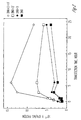
- a transfection solution 500 ⁇ L which contained 32 ⁇ g of [ 125 I] transferrin (7 X 10 4 cpm) in 100 ⁇ L HEPES-buffered saline (HBS) (20 mM HEPES, pH 7.4 and 100 mM NaCl), 3 ⁇ g of "lipofectin", 1.5 ⁇ g of pCMVlacZ, and 300 ⁇ L of DMEM- H (GIBCO/BRL) was applied to a Sepharose 4B column (1 X 12 cm). The order of addition of transferrin, "lipofectin", and DNA varies according to the specific experimental protocol.
- HeLa cells (American Type Culture, Rockville, MD) which had been grown to confluence in a 48-well culture plate in DMEM-H medium containing 10% fetal bovine serum (FBS) were rinsed two times with serum-free DMEM-H. These cells were then exposed to 500 ⁇ L of transfection solution prepared as described below.
- FBS fetal bovine serum
- the plate was incubated for predetermined amounts of time (18-24 hours for routine experiments) under water saturated environment and 5% CO 2 .
- the corresponding cultures exposed to "lipofectin"-DNA served as a control.
- the other two controls included DNA and DNA plus transferrin.
- the conditioned media were then replaced with 1.0 mL of DMEM-H containing 10% FBS and antibiotics (50 U/mL penicillin and 50 ⁇ g/mL streptomycin). After culturing for 48 h, cells in three wells were fixed in 300 ⁇ L of ice cold 2% paraformaldehyde- 0.20% glutaraldehyde for 10 min following removal of the conditioned medium and washing twice with PBS.
- the cells were then exposed to 0.5 mL of 1.0 mg/mL 5-bromo-4-chloro-3-indolyl- ⁇ -D-galactopyranoside (X-Gal) (GIBCO/BRL) (Yin and Cheng (1994) "Lectin conjugated-directed gene transfer to airway epithelial cells," Biochem. Biophys. Res. Commun. 205:826-833), at 37°C for two days after the fixatives had been removed and rinsed twice with PBS.
- the percentage of blue cells was measured by counting the number of blue cells out of a total of 2,500-3,000 cells in 20-30 randomly chosen fields under a phase-contrast microscope.
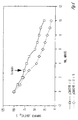
- 35 S-labelled pCMVlacZ was prepared by random priming (Boehringer-Mannheim, Indianapolis, IN) after linearization by Eco RI digestion.
- Each of the four transfection solutions, DNA, DNA + transferrin (32 ⁇ g), DNA + "lipofectin” (3 ⁇ g), and DNA + “lipofectin” + transferrin contained 1.5 ⁇ g of 35 S-labelled pCMVlacZ (1.4 X 10 4 cpm).
- media were removed.
- the cells were washed once with 1 mL HBS, recovered by trypsinization, and washed twice with 1.5 mL HBS.
- the pelleted cells were suspended in 60 ⁇ L of distilled water and ruptured by freezing and thawing three times. Aliquots were measured for radioactivity and protein. The data were expressed as cpm/mg protein.
- pCMVlacZ was purified from Escherichia coli , which harbors this plasmid DNA. using a QiaGen plasmid isolation kit (Chatsworth, CA).
- [ 125 I] Transferrin was prepared by a chloramine-T method as described below. 5 ⁇ L of 100 mCi/mL Na 125 I (Amersham, Arlington Hts., IL) and 5 ⁇ L of 2 mg/mL chloramine T (Eastman Kodak Company, Rochester, NY) were added to 100 ⁇ L HBS containing 100 ⁇ g transferrin. After incubation for 20-30 sec, 5 ⁇ L of sodium metabisulfite (Sigma, St. Louis, MO) was added to stop the reaction. The [ 125 I] transferrin was isolated on sephadex G-25 (0.5 X 4 cm).
- the transfection efficiency obtained with the mixture of transferrin, "lipofectin", and DNA was dependent on the amounts of transferrin employed. As shown in Table 2, the percentage of cells transfected and the ⁇ -galactosidase activities expressed in the transfected cells were increased when ⁇ 3 ⁇ g of transferrin were used. In addition, when the amounts of transferrin used reached 8 ⁇ g and above, at least 97 % of the HeLa cells were transfected. However, maximal expression of ⁇ -galactosidase activity was not obtained until 16 ⁇ g of transferrin was used.
- EXAMPLE 2 Correction of the chloride transport abnormality of CFT1 cells by transferrin-facilitated gene transfer mediated by cationic liposomes
- CFT1 cells grown to confluence in 48-well plates were exposed for 24h to a transfection solution that contained "lipofectin", DNA, and transferrin.
- the transfection solution was prepared as in Example 1. Specifically, transferrin was added to "lipofectin” and the mixture was incubated at room temperature for about 15 min. Thereafter, the DNA was added and the mixture was again incubated for about 15 min at room temperature.
- the transfected cells were further cultured for 2-3 days before being fixed in glutaraldehyde and then developed with X-gal for 2-3 days.
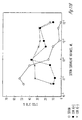
- the transfection efficiency (% blue cells) was dependent on transferrin concentration ( ⁇ g/0.5 mL transfection solution); 0 ⁇ g, 0.1%; 1 ⁇ g, 0.4%; 2 ⁇ g, 5.5%; 4 ⁇ g, 7%; 8 ⁇ g, 8%; 16 ⁇ g, 10%; and 32 ⁇ g, 11%.
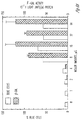
- the ⁇ -galactosidase activities measured by the Lumigal method also followed the same trend (see Figure 5). Using the protocol that yielded the highest transfection efficiency to deliver pCMVlacZ to CFT1 cells grown in 35 mm dishes, a 33% transfection efficiency was obtained.
- the confluent CFT1 cells grown in a 48-well plate were exposed overnight to a transfection solution (0.5 mL), which contained 3 ⁇ g "lipofectin", 1.5 ⁇ g DNA, and 1-32 ⁇ g transferrin.
- the transfected cells were then cultured in F-12 medium supplemented with 7 different hormones and growth factors for 2-3 days. Then, cells in 2 wells were fixed in 4% paraformaldehyde at 4°C for 10 min and exposed to X-gal for 2-3 days.
- the transfection efficiency was determined by the number of blue cells per 100 cells counted under a phase contrast microscope.
- CFT1 cells were grown to confluence in a 6-well plate.
- Cells in one well were treated with "lipofectin” and pCMVCFTR plus transferrin and cells in 2 other wells were treated with "lipofectin” and pCMVlacZ plus transferrin as described above.
- the first two wells were measured for 36 Cl - efflux and the third well was fixed, treated with X-gal, and measured for % blue cells.
- the first 2 wells were loaded with 5-10 ⁇ Ci of 36 Cl - , which was followed by a quick rinse with Cl - free medium.
- Transfection solutions were prepared as described in Example 1 wherein the receptor ligand was insulin or cholera toxin.
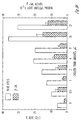
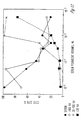
- Figures 8a and 8b show the insulin concentration-dependent transfection efficiency in HeLa cells and CFT1 cells, respectively.
- Figures 9a and 9b show the cholera toxin concentration-dependent transfection efficiency in HeLa cells and CFT1 cells, respectively. Transfection protocols were performed as in Example 1 for HeLa cells and as in Example 2 for CFT1 cells.
- Transfection efficiency did not increase when CFT1 cells were transfected with a solution containing a mixture of the three different ligands (transferrin, insulin and cholera toxin). This suggests interference of gene transfection of one receptor ligand by another.
- EXAMPLE 4 Components of human serum that facilitate gene transfer mediated by "lipofectin"
- the transferrin concentration in human serum is around 2.2-3.7 mg/mL.
- High transfection efficiency was expected by using 5-10 ⁇ L of serum in place of the transferrin receptor ligand. Only marginal transfection efficiency was observed, however, suggesting interference of transferrin-facilitated gene transfection by other human serum components. Maximal gene transfer efficiency was obtained when 0.01 ⁇ L of serum was used in place of transferrin in the protocol of Example 1 (Fig. 10).
- a human serum sample was fractionated by protein A-column into IgG-depleted (protein A-:run-through) and IgG-enriched (protein A+: bound and recovered by low pH) fractions.
- the same serum sample was also fractionated by concanavalin A-column into run-through or Con A-fraction, which contains proteins and mannose-free glycoproteins, and the fraction recovered from Con A, which contains mannose-bound (Con A+) glycoproteins.
- the transfection efficiencies of protein A fractions are shown in Fig. 11a and Con A fractions in Fig. 11b.
- the component(s) responsible for the high transfection efficiency found with 0.01 ⁇ l serum appear to be present in protein A- and Con A- fractions but not in the other two fractions. These results indicate that some IgG's and mannose-containing glycoproteins can efficiently facilitate "lipofectin"-mediated gene transfer. Since low transfection efficiency was found using an amount of the protein A-fraction which contained 11-37 ⁇ g of transferrin (this concentration of transferrin should yield >80% transfection efficiency), the serum components which interfere with the transferrin-facilitated gene transfer are present substantially in protein A- but not in Con A+ fraction.
- Serum samples were also fractionated according to size using centrifugation filters with MW cut-off of 100 and 30 Kd. As shown in Fig. 12, the component(s) responsible for the high transfection efficiency obtained with 0.01 ⁇ l serum appear to have MW greater than 100 Kd. Both the 30-100 Kd and ⁇ 30 Kd fractions contain compounds which yield high transfection efficiency. Transferrin, which has a MW of 89 Kd, is at least in part responsible for the high-efficiency gene transfer exhibited by the 30-100 Kd fraction. In addition, compounds which interfere with the Tf-facilitated gene transfer were present in the >100 Kd and also in ⁇ 30 Kd fractions.
- Transferrin and Lipofectin-Directed Gene Transfer to Hela Cells Gene Transfer Efficiency as a Function of the Amounts (1-32 ⁇ g) of Transferrin.
- the transfection solution (500 ⁇ L) contained 3 ⁇ g of "lipofectin", 1.5 ⁇ g of pCMVlacZ, and varying amounts of transferrin indicated.
- the transfection time was 18 hours.
- Detailed experimental protocol is described in the Examples and Table 1.
- Transferrin ( ⁇ g) ⁇ -Galactosidase Activity (Light Units/ ⁇ g Protein) Blue Cells (%) 0 1923 ⁇ 90 3.1 1 1600 ⁇ 95 4.3 2 2333 ⁇ 398 6.5 3 8210 ⁇ 2770 36.0 4 19163 ⁇ 6283 86.0 8 86143 ⁇ 12261 97.0 16 235920 ⁇ 41472 98.0 32 187393 ⁇ 10635 98.2* *Transfection efficiency, which varied from experiment to experiment, was between 55 and 100%. This variation may be attributable to different batches of reagents.
- the transfection solution contained 3.0 ⁇ g of lipofectin, 16 ⁇ g of transferrin, and 1.5 ⁇ g of DNA. Cells transfected with "lipofectin" plus DNA, but without transferrin served as the control. Transfection time was 18h. The experimental protocol is described in the Examples and Figure 1.
Landscapes
- Health & Medical Sciences (AREA)
- Chemical & Material Sciences (AREA)
- Life Sciences & Earth Sciences (AREA)
- Engineering & Computer Science (AREA)
- Genetics & Genomics (AREA)
- General Health & Medical Sciences (AREA)
- Molecular Biology (AREA)
- Bioinformatics & Cheminformatics (AREA)
- Medicinal Chemistry (AREA)
- Pharmacology & Pharmacy (AREA)
- Biotechnology (AREA)
- General Engineering & Computer Science (AREA)
- Public Health (AREA)
- Biophysics (AREA)
- Animal Behavior & Ethology (AREA)
- Epidemiology (AREA)
- Veterinary Medicine (AREA)
- Zoology (AREA)
- Nanotechnology (AREA)
- Biomedical Technology (AREA)
- Dispersion Chemistry (AREA)
- Organic Chemistry (AREA)
- Wood Science & Technology (AREA)
- Biochemistry (AREA)
- Microbiology (AREA)
- Plant Pathology (AREA)
- Medical Informatics (AREA)
- Crystallography & Structural Chemistry (AREA)
- Physics & Mathematics (AREA)
- Medicines That Contain Protein Lipid Enzymes And Other Medicines (AREA)
- Medicinal Preparation (AREA)
- Pharmaceuticals Containing Other Organic And Inorganic Compounds (AREA)
- Acyclic And Carbocyclic Compounds In Medicinal Compositions (AREA)
- Micro-Organisms Or Cultivation Processes Thereof (AREA)
- Medicines Containing Antibodies Or Antigens For Use As Internal Diagnostic Agents (AREA)
- Organic Low-Molecular-Weight Compounds And Preparation Thereof (AREA)
Claims (26)
- Méthode d'administration intracellulaire in vitro d'une molécule biologiquement active comprenant :(a) la combinaison d'un ligand de récepteur de surface cellulaire et d'un lipide cationique pour former un mélange, de façon que ledit ligand et le lipide soient liés de façon non covalente ;(b) l'addition audit mélange de ladite molécule biologiquement active, de façon que ladite molécule soit associée audit lipide et(c) l'introduction dudit mélange dans une cellule.
- Méthode selon la revendication 1 comprenant l'étape d'incubation dudit mélange avant l'addition de ladite molécule biologiquement active.
- Méthode selon la revendication 1 ou 2 comprenant en outre l'étape d'incubation dudit mélange avant l'introduction dudit mélange dans ladite cellule.
- Méthode selon l'une quelconque des revendications précédentes dans laquelle ledit lipide cationique est N-[1-(2,3-dioléyloxy)propyl]-N,N,N-triméthyle, bromure de diméthyl-dioctadécylammonium, 2,3-dioléyloxy-N-[2(sperminecarboxamido)éthyl]-N,N-diméthyl-1-propanaminiumtrifluoroacétate (DOSPA), DL-1,2-dioléoyl-3-diméthyl-aminopropyl-B-hydroxyéthylammonium, DL-1,2-O-dioléyl-3-diméthylaminopropyl-B-hydroxyéthylammonium, DL-1-O-oléyl-2-oléyl-3-diméthylaminopropyl-B-hydroxyéthylammonium, bromure de 1,2-dimyristyloxypropanol-3,3-diméthylhydroxyméthylammonium (DMRIE), DL-1,2-dioléoyl-3-propyl-N,N,N-triméthylammonium ou N,N',N",N"'-tétrapalmitylspermine (TM-TPS).
- Méthode selon l'une quelconque des revendications précédentes dans laquelle ledit lipide cationique est dans une formulation de liposome avec un lipide neutre pour former une formulation de liposome cationique.
- Méthode selon la revendication 5 dans laquelle ledit lipide neutre est la dioléoylphosphatidyléthanolamine.
- Méthode selon la revendication 5 dans laquelle ladite formulation de liposome est une formulation de :(i) N-[1-(2,3-dioléyloxy)propyl]-N,N,N-triméthyle, 2,3-dioléyloxy-N-[2(sperminecarboxamido)éthyl]-N,N-diméthyl-1-propanaminiumtrifluoroacétate (DOSPA) ou N,N',N",N'"-tétrapalmitylspermine (TM-TPS) et(ii) dioléoylphosphatidyléthanolamine.
- Méthode selon la revendication 4 dans laquelle ladite formulation comprend le 2,3-dioléyloxy-N-[2(sperminecarboxamido)éthyl]-N,N-diméthyl-1-propanaminiumtrifluoroacétate (DOSPA) et la dioléoylphosphatidyléthanolamine.
- Méthode selon l'une quelconque des revendications précédentes dans laquelle ledit ligand de récepteur de surface cellulaire est la transférine, l'insuline, la toxine du choléra, le peptide KNOB de fibre d'adénovirus ou un anticorps ou un fragment d'anticorps dirigé contre un récepteur.
- Méthode selon l'une quelconque des revendications précédentes dans laquelle ladite molécule biologiquement active est un polynucléotide, un peptide ou une protéine.
- Méthode de la revendication 10 dans laquelle ledit polynucléotide est un acide désoxyribonucléique.
- Méthode de la revendication 10 dans laquelle ledit polynucléotide est un acide ribonucléique.
- Méthode de la revendication 10 dans laquelle ledit polynucléotide code pour un produit génique.
- Méthode de la revendication 10 dans laquelle ledit polynucléotide comprend un gène, dont l'expression est souhaitable dans ladite cellule.
- Méthode de la revendication 13 ou 14 dans laquelle ledit gène code pour une protéine régulatrice transmembranaire de la mucoviscidose.
- Méthode selon l'une quelconque des revendications précédentes dans laquelle ladite cellule est une cellule animale.
- Utilisation d'un ligand de récepteur de surface cellulaire, d'un lipide cationique et d'une molécule biologiquement active dans la fabrication d'un médicament dans lequel :(a) ledit ligand de récepteur de surface cellulaire et ledit lipide cationique sont combinés pour former un mélange de façon que lesdits ligand et lipide soient liés de façon non covalente ; et(b) ladite molécule biologiquement active est ajoutée au mélange, de façon que ladite molécule soit associée audit lipide ;ledit médicament étant utilisable dans l'administration intracellulaire in vivo d'une molécule biologiquement active à une cellule.
- Utilisation selon la revendication 17 dans laquelle ladite administration intracellulaire est destinée à une thérapie génique.
- Utilisation selon la revendication 17 ou 18 dans laquelle ledit lipide cationique est N-[1-(2,3-dioléyloxy)propyl]-N,N,N-triméthyle, bromure de diméthyl-dioctadécylammonium, 2,3-dioléyloxy-N-[2(sperminecarboxamido)éthyl]-N,N-diméthyl-1-propanaminiumtrifluoroacétate (DOSPA), DL-1,2-dioléoyl-3-diméthyl-aminopropyl-B-hydroxyéthylammonium, DL-1,2-O-dioléyl-3-diméthylaminopropyl-B-hydroxyéthylammonium, DL-1-O-oléyl-2-oléyl-3-diméthylaminopropyl-B-hydroxyéthylammonium, bromure de 1,2-dimyristyloxypropanol-3,3-diméthylhydroxyméthylammonium (DMRIE), DL-1,2-dioléoyl-3-propyl-N,N,N-triméthylammonium ou N,N',N",N"'-tétrapalmitylspermine (TM-TPS).
- Utilisation selon l'une quelconque des revendications 17 à 19 dans laquelle ledit ligand de récepteur de surface cellulaire est la transférine, l'insuline, la toxine du choléra, le peptide KNOB de fibre d'adénovirus ou un anticorps ou un fragment d'anticorps dirigé contre un récepteur.
- Utilisation selon l'une quelconque des revendications 17 à 20 dans laquelle ladite molécule biologiquement active est un polynucléotide, un peptide ou une protéine.
- Utilisation selon l'une quelconque des revendications 17 à 21 dans laquelle ledit lipide cationique est dans une formulation de liposome avec un lipide neutre pour former une formulation de liposome cationique.
- Utilisation selon l'une quelconque des revendications 17 à 22 dans laquelle ledit lipide neutre est la dioléoylphosphatidyléthanolamine.
- Utilisation selon l'une quelconque des revendications 17 à 23 dans laquelle ladite formulation de liposome est un mélange de :(i) N-[1-(2,3-dioléyloxy)propyl]-N,N,N-triméthyle, 2,3-dioléyloxy-N-[2(sperminecarboxamido)éthyl]N,N-diméthyl-1-propanaminiumtrifluoroacétate (DOSPA) ou de N,N',N",N'"-tétrapalmitylspermine (TM-TPS) et ;(ii) dioléoylphosphatidyléthanolamine.
- Utilisation selon la revendication 21 dans laquelle ledit polynucléotide code pour une protéine régulatrice transmembranaire de la mucoviscidose.
- Procédé de préparation d'un médicament pour une administration intracellulaire d'une molécule biologiquement active dans une cellule, ledit procédé comprenant :(a) la combinaison d'un ligand de récepteur de surface cellulaire et d'un lipide cationique pour former un mélange, de façon que lesdits ligand et lipide soient liés de façon non covalente ; et(b) l'addition audit mélange de ladite molécule biologiquement active, de façon que ladite molécule soit associée audit lipide.
Applications Claiming Priority (3)
| Application Number | Priority Date | Filing Date | Title |
|---|---|---|---|
| US1136896P | 1996-02-09 | 1996-02-09 | |
| US11368P | 1996-02-09 | ||
| PCT/US1997/001284 WO1997028817A1 (fr) | 1996-02-09 | 1997-01-29 | Administration de molecules actives biologiquement, facilitee par un ligand recepteur |
Publications (3)
| Publication Number | Publication Date |
|---|---|
| EP0904100A1 EP0904100A1 (fr) | 1999-03-31 |
| EP0904100A4 EP0904100A4 (fr) | 2002-01-09 |
| EP0904100B1 true EP0904100B1 (fr) | 2006-07-26 |
Family
ID=21750086
Family Applications (1)
| Application Number | Title | Priority Date | Filing Date |
|---|---|---|---|
| EP97906433A Expired - Lifetime EP0904100B1 (fr) | 1996-02-09 | 1997-01-29 | Administration de molecules actives biologiquement, facilitee par un ligand a un recepteur et un lipide cationique |
Country Status (7)
| Country | Link |
|---|---|
| US (1) | US6077834A (fr) |
| EP (1) | EP0904100B1 (fr) |
| JP (1) | JP4512882B2 (fr) |
| AT (1) | ATE333892T1 (fr) |
| AU (1) | AU2112697A (fr) |
| DE (1) | DE69736385T2 (fr) |
| WO (1) | WO1997028817A1 (fr) |
Families Citing this family (28)
| Publication number | Priority date | Publication date | Assignee | Title |
|---|---|---|---|---|
| US6008202A (en) | 1995-01-23 | 1999-12-28 | University Of Pittsburgh | Stable lipid-comprising drug delivery complexes and methods for their production |
| US20030069173A1 (en) | 1998-03-16 | 2003-04-10 | Life Technologies, Inc. | Peptide-enhanced transfections |
| CA2237316C (fr) * | 1995-11-30 | 2012-06-26 | Vical Incorporated | Lipides cationiques complexes |
| US6803360B1 (en) | 1996-12-30 | 2004-10-12 | Georgetown University | Compositions and methods for reducing radiation and drug resistance in cells |
| WO1998056363A1 (fr) * | 1997-06-13 | 1998-12-17 | The Johns Hopkins University | Nanospheres a knob |
| US6749863B1 (en) * | 1997-11-19 | 2004-06-15 | Georgetown University | Targeted liposome gene delivery |
| JP2001522871A (ja) * | 1997-11-19 | 2001-11-20 | ジョージタウン・ユニバーシティ | 標的化リポゾーム遺伝子送達 |
| US6245427B1 (en) | 1998-07-06 | 2001-06-12 | DüZGüNES NEJAT | Non-ligand polypeptide and liposome complexes as intracellular delivery vehicles |
| ATE483816T1 (de) * | 1998-11-19 | 2010-10-15 | Univ Georgetown | Systemisches virus/ligand genabgabemittel und gentherapie |
| US9034330B2 (en) | 1999-02-22 | 2015-05-19 | Georgetown University | Preparation of antibody or an antibody fragment-targeted immunoliposomes for systemic administration of therapeutic or diagnostic agents and uses thereof |
| US7780882B2 (en) | 1999-02-22 | 2010-08-24 | Georgetown University | Simplified and improved method for preparing an antibody or an antibody fragment targeted immunoliposome for systemic administration of a therapeutic or diagnostic agent |
| US8617514B2 (en) | 1999-02-22 | 2013-12-31 | Georgetown University | Tumor-targeted nanodelivery systems to improve early MRI detection of cancer |
| JP4799736B2 (ja) * | 1999-02-22 | 2011-10-26 | ジョージタウン・ユニバーシティ | 全身性遺伝子送達のための抗体フラグメント標的化イムノリポソーム |
| US9034329B2 (en) | 1999-02-22 | 2015-05-19 | Georgetown University | Preparation of antibody or an antibody fragment-targeted immunoliposomes for systemic administration of therapeutic or diagnostic agents and uses thereof |
| EP1330516B1 (fr) * | 2000-11-03 | 2007-01-17 | The Regents Of The University Of Michigan | Transfection de surface et protocole d'expression |
| CA2441484A1 (fr) * | 2001-03-23 | 2002-10-03 | Napro Biotherapeutics, Inc. | Conjugues moleculaires destines a etre utilises dans le traitement du cancer |
| US7713942B2 (en) | 2001-04-04 | 2010-05-11 | Nordic Vaccine Technology A/S | Cage-like microparticle complexes comprising sterols and saponins for delivery of polynucleotides |
| WO2002080981A2 (fr) * | 2001-04-04 | 2002-10-17 | Nordic Vaccine Technology A/S | Complexes de liaison de polynucleotides comprenant des sterols et des saponines |
| JP2006248978A (ja) * | 2005-03-10 | 2006-09-21 | Mebiopharm Co Ltd | 新規なリポソーム製剤 |
| US20110135725A1 (en) * | 2005-05-23 | 2011-06-09 | Sdg, Inc. | Lipid Construct for Delivery of Insulin to a Mammal |
| US8962015B2 (en) | 2007-09-28 | 2015-02-24 | Sdg, Inc. | Orally bioavailable lipid-based constructs |
| RU2537262C2 (ru) * | 2009-07-08 | 2014-12-27 | Общество С Ограниченной Ответственностью "Фарма Ген" | Молекулярные конъюгаты с поликатионным участком и лигандом для доставки в клетку и ядро клетки днк и рнк |
| CA2818173C (fr) | 2010-11-30 | 2022-05-03 | Genentech, Inc. | Anticorps anti-recepteur de la barriere hemato-encephalique a faible affinite et leurs utilisations |
| EP2874605A1 (fr) | 2012-07-18 | 2015-05-27 | Onyx Therapeutics, Inc. | Compositions liposomales contenant des inhibiteurs du protéasome à base d'époxycétone |
| JP2020500020A (ja) | 2016-11-14 | 2020-01-09 | ノバルティス アーゲー | 融合誘導性タンパク質minionに関連する組成物、方法、および治療上の使用 |
| JP7306718B2 (ja) | 2017-03-13 | 2023-07-11 | エスディージー インコーポレイテッド | 向上した安定性を有する脂質ベースのナノ粒子 |
| US11077173B2 (en) | 2017-03-13 | 2021-08-03 | Sdg, Inc. | Lipid-based nanoparticles and methods using same |
| JP7699335B2 (ja) * | 2021-02-01 | 2025-06-27 | 時空化学株式会社 | 正極活物質、正極材料及び該正極材料を備える二次電池、並びに、正極活物質の製造方法 |
Family Cites Families (21)
| Publication number | Priority date | Publication date | Assignee | Title |
|---|---|---|---|---|
| US4897355A (en) * | 1985-01-07 | 1990-01-30 | Syntex (U.S.A.) Inc. | N[ω,(ω-1)-dialkyloxy]- and N-[ω,(ω-1)-dialkenyloxy]-alk-1-yl-N,N,N-tetrasubstituted ammonium lipids and uses therefor |
| US5703055A (en) * | 1989-03-21 | 1997-12-30 | Wisconsin Alumni Research Foundation | Generation of antibodies through lipid mediated DNA delivery |
| US5328470A (en) * | 1989-03-31 | 1994-07-12 | The Regents Of The University Of Michigan | Treatment of diseases by site-specific instillation of cells or site-specific transformation of cells and kits therefor |
| DE3916595A1 (de) * | 1989-05-22 | 1990-11-29 | Boehringer Mannheim Gmbh | Verfahren zur nichtradioaktiven messung der nucleinsaeuresynthese in eukaryontischen zellen |
| US5279833A (en) * | 1990-04-04 | 1994-01-18 | Yale University | Liposomal transfection of nucleic acids into animal cells |
| US5264618A (en) * | 1990-04-19 | 1993-11-23 | Vical, Inc. | Cationic lipids for intracellular delivery of biologically active molecules |
| NZ244306A (en) * | 1991-09-30 | 1995-07-26 | Boehringer Ingelheim Int | Composition for introducing nucleic acid complexes into eucaryotic cells, complex containing nucleic acid and endosomolytic agent, peptide with endosomolytic domain and nucleic acid binding domain and preparation |
| EP0646178A1 (fr) * | 1992-06-04 | 1995-04-05 | The Regents Of The University Of California | Cassette d'expression avec des regious regulatrices fonctionnelles chez le mammifere hote |
| ATE191853T1 (de) * | 1992-07-27 | 2000-05-15 | Us Health | Zielgerichte liposome zur blut-hirne schranke |
| US5334761A (en) * | 1992-08-28 | 1994-08-02 | Life Technologies, Inc. | Cationic lipids |
| US5329029A (en) * | 1992-11-05 | 1994-07-12 | Wan Barbara Y | Phosphatidylalkanolamine derivatives and their use in generating phospholipid conjugates |
| US5631237A (en) * | 1992-12-22 | 1997-05-20 | Dzau; Victor J. | Method for producing in vivo delivery of therapeutic agents via liposomes |
| US5578475A (en) * | 1993-07-12 | 1996-11-26 | Life Technologies, Inc. | Composition and methods for transfecting eukaryotic cells |
| US5681571A (en) * | 1993-10-08 | 1997-10-28 | Duotol Ab | Immunological tolerance-inducing agent |
| CA2176714A1 (fr) * | 1993-11-24 | 1995-06-01 | Valentis, Inc. | Derives amphiphiles de piperazine |
| US5674908A (en) * | 1993-12-20 | 1997-10-07 | Life Technologies, Inc. | Highly packed polycationic ammonium, sulfonium and phosphonium lipids |
| US5635380A (en) * | 1994-01-18 | 1997-06-03 | Vanderbilt University | Enhancement of nucleic acid transfer by coupling virus to nucleic acid via lipids |
| US5837533A (en) * | 1994-09-28 | 1998-11-17 | American Home Products Corporation | Complexes comprising a nucleic acid bound to a cationic polyamine having an endosome disruption agent |
| US5786214A (en) * | 1994-12-15 | 1998-07-28 | Spinal Cord Society | pH-sensitive immunoliposomes and method of gene delivery to the mammalian central nervous system |
| US5780052A (en) * | 1995-04-24 | 1998-07-14 | Northeastern University | Compositions and methods useful for inhibiting cell death and for delivering an agent into a cell |
| EP0874910A4 (fr) * | 1995-06-07 | 1999-04-21 | Life Technologies Inc | Transfection par lipides cationiques amelioree par des peptides |
-
1997
- 1997-01-29 AU AU21126/97A patent/AU2112697A/en not_active Abandoned
- 1997-01-29 US US08/790,290 patent/US6077834A/en not_active Expired - Lifetime
- 1997-01-29 WO PCT/US1997/001284 patent/WO1997028817A1/fr not_active Ceased
- 1997-01-29 AT AT97906433T patent/ATE333892T1/de not_active IP Right Cessation
- 1997-01-29 DE DE69736385T patent/DE69736385T2/de not_active Expired - Lifetime
- 1997-01-29 JP JP52854297A patent/JP4512882B2/ja not_active Expired - Fee Related
- 1997-01-29 EP EP97906433A patent/EP0904100B1/fr not_active Expired - Lifetime
Also Published As
| Publication number | Publication date |
|---|---|
| JP4512882B2 (ja) | 2010-07-28 |
| AU2112697A (en) | 1997-08-28 |
| DE69736385T2 (de) | 2007-08-23 |
| EP0904100A4 (fr) | 2002-01-09 |
| DE69736385D1 (de) | 2006-09-07 |
| JP2000506519A (ja) | 2000-05-30 |
| WO1997028817A1 (fr) | 1997-08-14 |
| ATE333892T1 (de) | 2006-08-15 |
| EP0904100A1 (fr) | 1999-03-31 |
| US6077834A (en) | 2000-06-20 |
Similar Documents
| Publication | Publication Date | Title |
|---|---|---|
| EP0904100B1 (fr) | Administration de molecules actives biologiquement, facilitee par un ligand a un recepteur et un lipide cationique | |
| Cheng | Receptor ligand-facilitated gene transfer: enhancement of liposome-mediated gene transfer and expression by transferrin | |
| US5795587A (en) | Stable lipid-comprising drug delivery complexes and methods for their production | |
| US6008202A (en) | Stable lipid-comprising drug delivery complexes and methods for their production | |
| Lee et al. | Lipidic vector systems for gene transfer | |
| Zabner | Cationic lipids used in gene transfer | |
| Aronsohn et al. | Nuclear localization signal peptides enhance cationic liposome-mediated gene therapy | |
| Yang et al. | Overcoming the inhibitory effect of serum on lipofection by increasing the charge ratio of cationic liposome to DNA | |
| US7422902B1 (en) | Lipid-nucleic acid particles prepared via a hydrophobic lipid-nucleic acid complex intermediate and use for gene transfer | |
| Song et al. | Enhanced gene expression in mouse lung by prolonging the retention time of intravenously injected plasmid DNA | |
| Tachibana et al. | Quantitative studies on the nuclear transport of plasmid DNA and gene expression employing nonviral vectors | |
| WO1998051285A2 (fr) | Formulations amphiphiles cationiques | |
| JP2000516209A (ja) | カチオン性両親媒性物質/dna複合体 | |
| JP2002538096A (ja) | 生理活性複合体のリポソームへのカプセル化 | |
| Li et al. | Protamine sulfate provides enhanced and reproducible intravenous gene transfer by cationic liposome/DNA complex | |
| Peters et al. | Optimization of cationic liposome-mediated gene transfer to human bronchial epithelial cells expressing wild-type or abnormal cystic fibrosis transmembrane conductance regulator (CFTR) | |
| WO1999065461A3 (fr) | Complexes micellaires d'amphiphiles cationiques | |
| Yanagihara et al. | Liposome-mediated gene transfer | |
| Audrezet et al. | Novel cationic phosphonolipids agents for in vitro gene transfer to epithelial cell lines | |
| US20260048023A1 (en) | Lipid nanoparticle comprising a dna-binding protein | |
| Kardani et al. | Potential Applications of Cationic Lipids in Nucleic Acid-Based Therapeutic Delivery System | |
| Nobayashi et al. | Repeated cationic multilamellar liposome-mediated gene transfer enhanced transduction efficiency against murine melanoma cell lines | |
| Barron | Systemic cationic lipid-DNA complex-mediated gene delivery: A mechanistic study | |
| Okada et al. | Liposome-mediated gene transfer | |
| MXPA97005572A (en) | Stable complexes for the supply of pharmacosque contain lipids and methods for your production |
Legal Events
| Date | Code | Title | Description |
|---|---|---|---|
| PUAI | Public reference made under article 153(3) epc to a published international application that has entered the european phase |
Free format text: ORIGINAL CODE: 0009012 |
|
| 17P | Request for examination filed |
Effective date: 19980909 |
|
| AK | Designated contracting states |
Kind code of ref document: A1 Designated state(s): AT BE CH DE DK ES FI FR GB GR IE IT LI LU MC NL PT SE |
|
| RIC1 | Information provided on ipc code assigned before grant |
Free format text: 7A 61K 38/28 A, 7A 61K 38/00 B, 7A 61K 9/127 B, 7A 61K 31/70 B, 7A 61K 38/40 B, 7A 61K 39/00 B, 7C 12N 15/00 B, 7A 01N 25/26 B, 7A 61K 48/00 B |
|
| A4 | Supplementary search report drawn up and despatched |
Effective date: 20011122 |
|
| AK | Designated contracting states |
Kind code of ref document: A4 Designated state(s): AT BE CH DE DK ES FI FR GB GR IE IT LI LU MC NL PT SE |
|
| 17Q | First examination report despatched |
Effective date: 20030703 |
|
| GRAP | Despatch of communication of intention to grant a patent |
Free format text: ORIGINAL CODE: EPIDOSNIGR1 |
|
| RIC1 | Information provided on ipc code assigned before grant |
Ipc: 7A 61K 47/00 B Ipc: 7A 61K 48/00 B Ipc: 7A 01N 25/26 B Ipc: 7C 12N 15/00 B Ipc: 7A 61K 39/00 B Ipc: 7A 61K 38/40 B Ipc: 7A 61K 31/70 B Ipc: 7A 61K 9/127 B Ipc: 7A 61K 38/00 B Ipc: 7A 61K 38/28 A |
|
| RTI1 | Title (correction) |
Free format text: CATIONIC LIPID AND RECEPTOR LIGAND-FACILITATED DELIVERY OF BIOLOGICALLY ACTIVE MOLECULES |
|
| GRAS | Grant fee paid |
Free format text: ORIGINAL CODE: EPIDOSNIGR3 |
|
| GRAA | (expected) grant |
Free format text: ORIGINAL CODE: 0009210 |
|
| AK | Designated contracting states |
Kind code of ref document: B1 Designated state(s): AT BE CH DE DK ES FI FR GB GR IE IT LI LU MC NL PT SE |
|
| PG25 | Lapsed in a contracting state [announced via postgrant information from national office to epo] |
Ref country code: IT Free format text: LAPSE BECAUSE OF FAILURE TO SUBMIT A TRANSLATION OF THE DESCRIPTION OR TO PAY THE FEE WITHIN THE PRESCRIBED TIME-LIMIT;WARNING: LAPSES OF ITALIAN PATENTS WITH EFFECTIVE DATE BEFORE 2007 MAY HAVE OCCURRED AT ANY TIME BEFORE 2007. THE CORRECT EFFECTIVE DATE MAY BE DIFFERENT FROM THE ONE RECORDED. Effective date: 20060726 Ref country code: FI Free format text: LAPSE BECAUSE OF FAILURE TO SUBMIT A TRANSLATION OF THE DESCRIPTION OR TO PAY THE FEE WITHIN THE PRESCRIBED TIME-LIMIT Effective date: 20060726 Ref country code: BE Free format text: LAPSE BECAUSE OF FAILURE TO SUBMIT A TRANSLATION OF THE DESCRIPTION OR TO PAY THE FEE WITHIN THE PRESCRIBED TIME-LIMIT Effective date: 20060726 Ref country code: AT Free format text: LAPSE BECAUSE OF FAILURE TO SUBMIT A TRANSLATION OF THE DESCRIPTION OR TO PAY THE FEE WITHIN THE PRESCRIBED TIME-LIMIT Effective date: 20060726 |
|
| REG | Reference to a national code |
Ref country code: GB Ref legal event code: FG4D |
|
| REG | Reference to a national code |
Ref country code: CH Ref legal event code: EP |
|
| REG | Reference to a national code |
Ref country code: IE Ref legal event code: FG4D |
|
| REF | Corresponds to: |
Ref document number: 69736385 Country of ref document: DE Date of ref document: 20060907 Kind code of ref document: P |
|
| PG25 | Lapsed in a contracting state [announced via postgrant information from national office to epo] |
Ref country code: SE Free format text: LAPSE BECAUSE OF FAILURE TO SUBMIT A TRANSLATION OF THE DESCRIPTION OR TO PAY THE FEE WITHIN THE PRESCRIBED TIME-LIMIT Effective date: 20061026 Ref country code: DK Free format text: LAPSE BECAUSE OF FAILURE TO SUBMIT A TRANSLATION OF THE DESCRIPTION OR TO PAY THE FEE WITHIN THE PRESCRIBED TIME-LIMIT Effective date: 20061026 |
|
| PG25 | Lapsed in a contracting state [announced via postgrant information from national office to epo] |
Ref country code: ES Free format text: LAPSE BECAUSE OF FAILURE TO SUBMIT A TRANSLATION OF THE DESCRIPTION OR TO PAY THE FEE WITHIN THE PRESCRIBED TIME-LIMIT Effective date: 20061106 |
|
| REG | Reference to a national code |
Ref country code: CH Ref legal event code: NV Representative=s name: ANDRE ROLAND S.A. |
|
| PG25 | Lapsed in a contracting state [announced via postgrant information from national office to epo] |
Ref country code: PT Free format text: LAPSE BECAUSE OF FAILURE TO SUBMIT A TRANSLATION OF THE DESCRIPTION OR TO PAY THE FEE WITHIN THE PRESCRIBED TIME-LIMIT Effective date: 20061226 |
|
| PG25 | Lapsed in a contracting state [announced via postgrant information from national office to epo] |
Ref country code: MC Free format text: LAPSE BECAUSE OF NON-PAYMENT OF DUE FEES Effective date: 20070131 |
|
| PLBE | No opposition filed within time limit |
Free format text: ORIGINAL CODE: 0009261 |
|
| STAA | Information on the status of an ep patent application or granted ep patent |
Free format text: STATUS: NO OPPOSITION FILED WITHIN TIME LIMIT |
|
| 26N | No opposition filed |
Effective date: 20070427 |
|
| PG25 | Lapsed in a contracting state [announced via postgrant information from national office to epo] |
Ref country code: GR Free format text: LAPSE BECAUSE OF FAILURE TO SUBMIT A TRANSLATION OF THE DESCRIPTION OR TO PAY THE FEE WITHIN THE PRESCRIBED TIME-LIMIT Effective date: 20061027 |
|
| PG25 | Lapsed in a contracting state [announced via postgrant information from national office to epo] |
Ref country code: LU Free format text: LAPSE BECAUSE OF NON-PAYMENT OF DUE FEES Effective date: 20070129 |
|
| REG | Reference to a national code |
Ref country code: CH Ref legal event code: PCAR Free format text: ANDRE ROLAND S.A.;CASE POSTALE 5107;1002 LAUSANNE (CH) |
|
| PGFP | Annual fee paid to national office [announced via postgrant information from national office to epo] |
Ref country code: DE Payment date: 20140122 Year of fee payment: 18 Ref country code: CH Payment date: 20140114 Year of fee payment: 18 Ref country code: NL Payment date: 20140110 Year of fee payment: 18 Ref country code: IE Payment date: 20140110 Year of fee payment: 18 |
|
| PGFP | Annual fee paid to national office [announced via postgrant information from national office to epo] |
Ref country code: IT Payment date: 20140114 Year of fee payment: 18 Ref country code: FR Payment date: 20140108 Year of fee payment: 18 |
|
| PGFP | Annual fee paid to national office [announced via postgrant information from national office to epo] |
Ref country code: GB Payment date: 20140129 Year of fee payment: 18 |
|
| REG | Reference to a national code |
Ref country code: DE Ref legal event code: R119 Ref document number: 69736385 Country of ref document: DE |
|
| REG | Reference to a national code |
Ref country code: NL Ref legal event code: V1 Effective date: 20150801 |
|
| REG | Reference to a national code |
Ref country code: CH Ref legal event code: PL |
|
| GBPC | Gb: european patent ceased through non-payment of renewal fee |
Effective date: 20150129 |
|
| PG25 | Lapsed in a contracting state [announced via postgrant information from national office to epo] |
Ref country code: NL Free format text: LAPSE BECAUSE OF NON-PAYMENT OF DUE FEES Effective date: 20150801 |
|
| PG25 | Lapsed in a contracting state [announced via postgrant information from national office to epo] |
Ref country code: DE Free format text: LAPSE BECAUSE OF NON-PAYMENT OF DUE FEES Effective date: 20150801 Ref country code: GB Free format text: LAPSE BECAUSE OF NON-PAYMENT OF DUE FEES Effective date: 20150129 Ref country code: LI Free format text: LAPSE BECAUSE OF NON-PAYMENT OF DUE FEES Effective date: 20150131 Ref country code: CH Free format text: LAPSE BECAUSE OF NON-PAYMENT OF DUE FEES Effective date: 20150131 |
|
| REG | Reference to a national code |
Ref country code: FR Ref legal event code: ST Effective date: 20150930 |
|
| REG | Reference to a national code |
Ref country code: IE Ref legal event code: MM4A |
|
| PG25 | Lapsed in a contracting state [announced via postgrant information from national office to epo] |
Ref country code: FR Free format text: LAPSE BECAUSE OF NON-PAYMENT OF DUE FEES Effective date: 20150202 |
|
| PG25 | Lapsed in a contracting state [announced via postgrant information from national office to epo] |
Ref country code: IT Free format text: LAPSE BECAUSE OF NON-PAYMENT OF DUE FEES Effective date: 20150129 |
|
| PG25 | Lapsed in a contracting state [announced via postgrant information from national office to epo] |
Ref country code: IE Free format text: LAPSE BECAUSE OF NON-PAYMENT OF DUE FEES Effective date: 20150129 |