EP0914345B1 - Antikörper die den monozyten chemolockstoff protein 1 (mcp-1) rezeptor (ccr2) binden - Google Patents
Antikörper die den monozyten chemolockstoff protein 1 (mcp-1) rezeptor (ccr2) binden Download PDFInfo
- Publication number
- EP0914345B1 EP0914345B1 EP97906403A EP97906403A EP0914345B1 EP 0914345 B1 EP0914345 B1 EP 0914345B1 EP 97906403 A EP97906403 A EP 97906403A EP 97906403 A EP97906403 A EP 97906403A EP 0914345 B1 EP0914345 B1 EP 0914345B1
- Authority
- EP
- European Patent Office
- Prior art keywords
- receptor
- mcp
- cells
- antibody according
- antibody
- Prior art date
- Legal status (The legal status is an assumption and is not a legal conclusion. Google has not performed a legal analysis and makes no representation as to the accuracy of the status listed.)
- Expired - Lifetime
Links
- 0 CC[C@@](*CNC)C(C)(*)* Chemical compound CC[C@@](*CNC)C(C)(*)* 0.000 description 1
Images






Classifications
-
- C—CHEMISTRY; METALLURGY
- C07—ORGANIC CHEMISTRY
- C07K—PEPTIDES
- C07K16/00—Immunoglobulins [IG], e.g. monoclonal or polyclonal antibodies
- C07K16/18—Immunoglobulins [IG], e.g. monoclonal or polyclonal antibodies against material from animals or humans
- C07K16/28—Immunoglobulins [IG], e.g. monoclonal or polyclonal antibodies against material from animals or humans against receptors, cell surface antigens or cell surface determinants
- C07K16/2866—Immunoglobulins [IG], e.g. monoclonal or polyclonal antibodies against material from animals or humans against receptors, cell surface antigens or cell surface determinants against receptors for cytokines, lymphokines, interferons
-
- A—HUMAN NECESSITIES
- A61—MEDICAL OR VETERINARY SCIENCE; HYGIENE
- A61P—SPECIFIC THERAPEUTIC ACTIVITY OF CHEMICAL COMPOUNDS OR MEDICINAL PREPARATIONS
- A61P11/00—Drugs for disorders of the respiratory system
-
- A—HUMAN NECESSITIES
- A61—MEDICAL OR VETERINARY SCIENCE; HYGIENE
- A61P—SPECIFIC THERAPEUTIC ACTIVITY OF CHEMICAL COMPOUNDS OR MEDICINAL PREPARATIONS
- A61P17/00—Drugs for dermatological disorders
-
- A—HUMAN NECESSITIES
- A61—MEDICAL OR VETERINARY SCIENCE; HYGIENE
- A61P—SPECIFIC THERAPEUTIC ACTIVITY OF CHEMICAL COMPOUNDS OR MEDICINAL PREPARATIONS
- A61P17/00—Drugs for dermatological disorders
- A61P17/06—Antipsoriatics
-
- A—HUMAN NECESSITIES
- A61—MEDICAL OR VETERINARY SCIENCE; HYGIENE
- A61P—SPECIFIC THERAPEUTIC ACTIVITY OF CHEMICAL COMPOUNDS OR MEDICINAL PREPARATIONS
- A61P19/00—Drugs for skeletal disorders
-
- A—HUMAN NECESSITIES
- A61—MEDICAL OR VETERINARY SCIENCE; HYGIENE
- A61P—SPECIFIC THERAPEUTIC ACTIVITY OF CHEMICAL COMPOUNDS OR MEDICINAL PREPARATIONS
- A61P19/00—Drugs for skeletal disorders
- A61P19/02—Drugs for skeletal disorders for joint disorders, e.g. arthritis, arthrosis
-
- A—HUMAN NECESSITIES
- A61—MEDICAL OR VETERINARY SCIENCE; HYGIENE
- A61P—SPECIFIC THERAPEUTIC ACTIVITY OF CHEMICAL COMPOUNDS OR MEDICINAL PREPARATIONS
- A61P25/00—Drugs for disorders of the nervous system
- A61P25/28—Drugs for disorders of the nervous system for treating neurodegenerative disorders of the central nervous system, e.g. nootropic agents, cognition enhancers, drugs for treating Alzheimer's disease or other forms of dementia
-
- A—HUMAN NECESSITIES
- A61—MEDICAL OR VETERINARY SCIENCE; HYGIENE
- A61P—SPECIFIC THERAPEUTIC ACTIVITY OF CHEMICAL COMPOUNDS OR MEDICINAL PREPARATIONS
- A61P29/00—Non-central analgesic, antipyretic or antiinflammatory agents, e.g. antirheumatic agents; Non-steroidal antiinflammatory drugs [NSAID]
-
- A—HUMAN NECESSITIES
- A61—MEDICAL OR VETERINARY SCIENCE; HYGIENE
- A61P—SPECIFIC THERAPEUTIC ACTIVITY OF CHEMICAL COMPOUNDS OR MEDICINAL PREPARATIONS
- A61P35/00—Antineoplastic agents
-
- A—HUMAN NECESSITIES
- A61—MEDICAL OR VETERINARY SCIENCE; HYGIENE
- A61P—SPECIFIC THERAPEUTIC ACTIVITY OF CHEMICAL COMPOUNDS OR MEDICINAL PREPARATIONS
- A61P37/00—Drugs for immunological or allergic disorders
-
- A—HUMAN NECESSITIES
- A61—MEDICAL OR VETERINARY SCIENCE; HYGIENE
- A61P—SPECIFIC THERAPEUTIC ACTIVITY OF CHEMICAL COMPOUNDS OR MEDICINAL PREPARATIONS
- A61P37/00—Drugs for immunological or allergic disorders
- A61P37/02—Immunomodulators
-
- A—HUMAN NECESSITIES
- A61—MEDICAL OR VETERINARY SCIENCE; HYGIENE
- A61P—SPECIFIC THERAPEUTIC ACTIVITY OF CHEMICAL COMPOUNDS OR MEDICINAL PREPARATIONS
- A61P9/00—Drugs for disorders of the cardiovascular system
-
- A—HUMAN NECESSITIES
- A61—MEDICAL OR VETERINARY SCIENCE; HYGIENE
- A61P—SPECIFIC THERAPEUTIC ACTIVITY OF CHEMICAL COMPOUNDS OR MEDICINAL PREPARATIONS
- A61P9/00—Drugs for disorders of the cardiovascular system
- A61P9/10—Drugs for disorders of the cardiovascular system for treating ischaemic or atherosclerotic diseases, e.g. antianginal drugs, coronary vasodilators, drugs for myocardial infarction, retinopathy, cerebrovascula insufficiency, renal arteriosclerosis
-
- G—PHYSICS
- G01—MEASURING; TESTING
- G01N—INVESTIGATING OR ANALYSING MATERIALS BY DETERMINING THEIR CHEMICAL OR PHYSICAL PROPERTIES
- G01N33/00—Investigating or analysing materials by specific methods not covered by groups G01N1/00 - G01N31/00
- G01N33/48—Biological material, e.g. blood, urine; Haemocytometers
- G01N33/50—Chemical analysis of biological material, e.g. blood, urine; Testing involving biospecific ligand binding methods; Immunological testing
- G01N33/53—Immunoassay; Biospecific binding assay; Materials therefor
- G01N33/569—Immunoassay; Biospecific binding assay; Materials therefor for microorganisms, e.g. protozoa, bacteria, viruses
- G01N33/56966—Animal cells
- G01N33/56972—White blood cells
-
- G—PHYSICS
- G01—MEASURING; TESTING
- G01N—INVESTIGATING OR ANALYSING MATERIALS BY DETERMINING THEIR CHEMICAL OR PHYSICAL PROPERTIES
- G01N33/00—Investigating or analysing materials by specific methods not covered by groups G01N1/00 - G01N31/00
- G01N33/48—Biological material, e.g. blood, urine; Haemocytometers
- G01N33/50—Chemical analysis of biological material, e.g. blood, urine; Testing involving biospecific ligand binding methods; Immunological testing
- G01N33/68—Chemical analysis of biological material, e.g. blood, urine; Testing involving biospecific ligand binding methods; Immunological testing involving proteins, peptides or amino acids
- G01N33/6863—Cytokines, i.e. immune system proteins modifying a biological response such as cell growth proliferation or differentiation, e.g. TNF, CNF, GM-CSF, lymphotoxin, MIF or their receptors
-
- A—HUMAN NECESSITIES
- A61—MEDICAL OR VETERINARY SCIENCE; HYGIENE
- A61K—PREPARATIONS FOR MEDICAL, DENTAL OR TOILETRY PURPOSES
- A61K38/00—Medicinal preparations containing peptides
-
- G—PHYSICS
- G01—MEASURING; TESTING
- G01N—INVESTIGATING OR ANALYSING MATERIALS BY DETERMINING THEIR CHEMICAL OR PHYSICAL PROPERTIES
- G01N2500/00—Screening for compounds of potential therapeutic value
Definitions
- the present invention relates generally to antibodies which is capable of binding the monocyte chemoattractant protein 1 (MCP-1) receptor CCR2. More specifically, the invention relates to agonists and antagonists acting on the receptors for the chemokine monocyte chemoattractant protein 1 (MCP-1) receptor CCR2, including antibodies, especially monoclonal antibodies, interacting with the extracellular regions of the MCP-1 receptors, which compete with MCP-1 and other natural ligands for receptor binding.
- MCP-1 monocyte chemoattractant protein 1
- the chemokines constitute a diverse group of small secreted basic proteins, that regulate the chemotactic migration and activation of a number of different leukocytes, particularly in the context of activation of the immune response during inflammatory conditions.
- Examples of cells that have been shown to be responding chemotactically and become activated by the chemokines are neutrophils, eosinophils, basophils, monocytes, macrophages, as well as B lymphocytes and different types of T lymphocytes (Oppenheim, J.J., et aL (1991) Annu.Rev.Immunol. 9, 617-48; Miller, M.D. & Krangel, S.K. (1992) Crit.Rev.Immunol. 12(1,2) 17-46; Baggiolini, M., et al. (1994) Adv.Immunol. 55, 97-179).
- the chemokines can be classified into two major groups based on the pattern of cysteinyl residues participating in disulfide bond formation in the mature proteins.
- the first group, the CXC chemokines, or the a-chemokines, are characterised by the occurrence of two cysteinyl residues in the amino-terminal region, between which a different amino acid residue is positioned.
- the second group, the CC chemokines, or the b-chemokines are characterised by the occurrence of two adjacent cysteinyl residues occurring in the amino-terminal region.
- a third, minor group of chemokines represented by lymphotactin that has been isolated from mouse and humans (Kelner, G.S., et al.(1994) Science 266,1395-9; Kennedy, J., et al. (1995) J.Immunol. 155,203-9), is characterised by the occurrence of only two cystein residues, presumably forming a single disulfide bond in the mature protein. So far, these are the only representatives of the so-called c- type chemokines.
- the CXC chemokines act primarily on neutrophils, in particular those CXC chemokines that carry the amino acid sequence Glu-Leu-Arg on their amino terminus.
- Examples of CXC chemokines that are active on neutrophils are interleukin-8 (IL-8), GRO- ⁇ , - ⁇ , and - ⁇ , NAP-2, ENA-78, and GCP-2.
- the CC chemokines act on a larger variety of leukocytes such as monocytes, macrophages, eosinophils, basophils, as well as T and B lymphocytes. Examples of these are MCP-1, MCP-2, MCP-3, MIP-1 ⁇ , MIP-1 ⁇ , eotaxin, RANTES, 1-309. The latter carries two additional cysteinyl residues probably forming a third disulfide bond in the mature protein.
- MCP-1 monocyte chemoattractant protein 1
- monocyte chemoattractant protein 1 was originally purified from phytohemagglutinin stimulated, human lymphocytes (Yoshimura, T. et al. (1989) J.Immunol. 142, 1956-62), a human glioma cell line (Yoshimura, T., et al (1989) J.Exp.Med. 169, 1449-59), and the human myelomonocytic cell line THP-1 (Matsushima, K., et al. (1989) J.Exp.Med. 169, 1485-90).
- MCP-1 has also been called MCAF, LDCF, GDCF, HC11, TSG-8, SCYA2, and A2.
- MCP-1 is produced by monocytes, and a variety of tissue cells, such as endothelial cells, epithelial cells, fibroblasts, keratinocytes, synovial cells, keratinocytes, mesangial cells, osteoblasts, smooth muscle cells, as well as by a multitude of tumour cells (Baggiolini, M., et aL (1994) Adv.ImmunoL 55, 97-179, and references therein). Its expression is stimulated by several types of pro-inflammatory agents, such as IL-1 ⁇ , TNF- ⁇ , IFN- ⁇ , lipopolysaccharide, and GM-CSF. MCP-1 is suggested to play an important role in the pathogenesis of atherosclerosis.
- tissue cells such as endothelial cells, epithelial cells, fibroblasts, keratinocytes, synovial cells, keratinocytes, mesangial cells, osteoblasts, smooth muscle cells, as well as by a
- Macrophages that are loaded with lipids comprise the majority of cells in atherosclerotic lesions, and it is suggested that active monocyte recruitment through MCP-1 from these cells and from activated endothelium plays a central role in the formation of fatty streaks and atherosclerotic plaques (Ylä-Herttuala, S., et al. (1991) Proc.Natl.Acad.Sci.USA 88(12), 5252-6; Schwartz, C.J., et aL (1993) Am. J. Cardiol. 71(6), 9B-14B;Takeya, M. (1993) Hum. pathol. 24(5), 534-9).
- MCP-1 In the synovial fluid and plasma of patients with rheumatoid arthritis, the concentration of MCP-1 has been shown to be increased, as compared to other arthritic diseases, and the main source of this is macrophages which constitutively express MCP-1.
- MCP-1 together with other inflammatory cytokines such as IL-1 ⁇ , IL-6, IL-8 and TNF- ⁇ , contribute to the immunopathogenesis of rheumatoid arthritis (Koch, A.E. (1992) J.Clin.Invest. 90, 772-79; Hosaka, S., et aL (1994) Clin.Exp.Immunol.
- the mononuclear-phagocyte dependent lung injury mediated by IgA immune complexes is characterised by mononuclear and phagocytic cell accumulation, and has been shown to be largely dependent on the expression of MCP-1 (Jones, M.L., et aL (1992) J.Immunol. 149, 2147-54). Similarly, MCP-1 seems to play an important role in the pathogenesis of idiopathic pulmonary fibrosis and sarcoidosis (Iyonaga, K., et al. (1994) Hum.Pathol. 25, 455-63; Car, B.D., et al (1994) Am.J.respir.Crit.Care.Med. 149, 655-9).
- MCP-1 has been shown to be expressed in the brain after focal ischemia (Kim, J.S., (1995) J.NeuroimmunoL 56, 127-34; Wang, X., et aL (1995) Stroke 26, 661-5), and during experimental autoimmune encephalomyelitis (Hulkower, K., et al. (1993) J.Immunol. 150, 2525-33; Ransohoff, R.M., et al. (1993) 7, 592-600). MCP-1 may be an important cytokine that target mononuclear cells in the disease process illustrated by these animal models, such as stroke and multiple sclerosis.
- MCP-1 seems to regulate the interaction between proliferating keratinocytes and dermal macrophages, and can be located above the dermal/epidermal junction.
- MCP-1 may serve to recruit mononuclear cells (Schroder, J.M. (1992) Arch. Dermatol. Res 284 Suppl 1, S22-6; Gillitzer, R., et al (1993) J.Invest.Dermatol. 101, 127-31).
- MCP-1 seems to be involved in the control of mononuclear cell infiltration found in many solid tumours.
- a correlation between tumour associated MCP-1 production and the number and proliferative activity of tumour associated macrophages has been demonstrated (Walter, S., et al. (1991) Pathobiology 59(4), 239-42; Mantovani, A., et al. (1994) Adv.Exp.Med.Biol. 351, 47-54).
- Using transplanted sarcoma cells in mice it has been demonstrated that cells expressing high levels of MCP-1 grow more slowly, and that this is related to the number of tumour associated macrophages (Walter, s., et al. (1991) Int.J.Cancer, 49, 431-5).
- murine colon carcinoma cells engineered to express MCP-1 display reduced metastatic potential (Huang, S., et al. (1994) Cancer Immunol. Immunother. 39, 231-8).
- MCP-1 is a powerful chemoattracting and activating factor for monocytes, inducing chemotaxis, calcium flux, and the respiratory burst, showing activity in the picomolar range (Yoshimura, T. & Leonard, E.J. (1990) J.Immunol. 154, 292-97; Zachariae, C.O.C., et al. (1990) J.Exp.Med. 171, 2177-82; Rollins, B., et al. (1991) Blood 78, 1112-6; Vaddi, K. & Newton, R.C. (1994) J.Leukoc.Biol. 55, 756-62).
- MCP-1 also upregulates CD11b/CD18 and CD11c/CD18 in a transient time course, which is likely to facilitate trans-endothelial migration during inflammation (Jiang, Y, et al. (1992) J.Immunol. 148, 2423-8; Vaddi, K. & Newton, R.C. (1994) J. Immunol. 153, 4721-32).
- MCP-1 acts on CD4+ and CD8+ T lymphocytes as a chemoattractant both in vitro and in vivo (Loetscher, P., et a. (1994) FASEB J. 8,1055-60; Carr, M.W., et al. (1994) Proc.Natl.Acad.Sci.USA 91, 3652-6; Taub, D.D., et al. (1995) 95,1370-6).
- Natural killer cells that have been stimulated by interleukin-2, are also subject to chemotaxis by MCP-1 (Maghazachi, AA., et al. (1994) J.Immunol. 153, 4969-77; Allaven, P., et al. (1994) Eur.J.Immunol. 24, 3233-6. This underscores the importance of this chemokine in the recruitment of effect of cells into inflammatory lesions.
- MCP-1 is a moderate chemoattractant and potent activator of allergy mediator release, such as histamine and leukotrienes, from basophils (Kuna, P., et al. (1992) J.Exp.Med. 175, 489-93; Bischoff, S.C., et al. (1992) J.Exp.Med. 175, 1271-7; Bischoff, S.C., et al. (1993) Eur. J. Immunol. 23, 761-7).
- allergy mediator release such as histamine and leukotrienes
- MCP-1-RA and MCP-1RB are expressed in monocytes, myeloid precursor cells and activated T lymphocytes (Myers,S.J.,et al, 1995. J. Biol. Chem ., 270, 5786-5792, Qin, S. et aL 1996. Eur. J. Immunol . 26, 640-647).
- the MCP-1 receptor belongs to the seven transmembrane-type of proteins, and is homologous to the receptors for MIP-1 ⁇ /RANTES (CC-CKR1; Neote, K. et al. (1993) Cell 72, 415-25) and Interleukin-8/GRO (Holmes, W.E., et al. (1991) Science 253, 1278-80; Murphy, P.M. & Tiffany, H.L. (1991) Science 253, 1280-3).
- the dissociation constant of MCP-1 to the receptor transfected into HEK-293 cells is 0.26 nM which is in agreement with values measured on monocytes (Myers, S.J. et aL (1995) J.Biol.Chem. 270, 5786-92; Van Riper, G. et aL (1993) J.Exp.Med. 177, 851-6).
- Activation of the MCP-1RB receptor on transfected HEK-293 cells by MCP-1 inhibits adenylyl cyclase at a concentration of 90 pM, and mobilizes intracellular calcium at slightly higher concentrations, seemingly independent of phosphatidyl inositol hydrolysis.
- WO 94/11504 a patent application filed in the name of Horuk, Neote and Schall, describes DNA isolates encoding the human C-C chemokine receptor C-C CKR-1 and methods of obtaining such DNA, together with expression systems for recombinant production of C-C CKR-1 useful in therapeutic or diagnostic compositions. Additionally, a method for identifying new chemokine receptors is described.
- WO 95/194366 a patent application filed in the name of The regents of the University of California, describes an isolated DNA sequence that codes on expression for MCP-1 receptor. It is also mentioned that an antagonist of the MCP-1 receptor could be identified by expression of the N-terminal domain of MCP-1 receptor and detection of a loss in binding of the MCP-1 receptor domam.
- a pharmaceutical composition is claimed which comprises the MCP-1 receptor antagonist as identified by the disclosed method. No such identification is performed and no antagonists is isolated.
- MCP R-03 Another mAb with similar peptide specificity (MCP R-03), although it binds to the receptor, do not block the MCP-1 activity.
- the neutralizing activity of these antibodies is thus limited to the recognition of a few key residues within this region, which play a critical role in chemokine binding or in the modulation of chemokine activity.
- chemokine receptor NH 2 terminal domain for the IL-8R a member of the CXC chemokine receptor family.
- the structural features controlling CC chemokine interaction with its receptor may be distinct those of the CXC chemokines, and the present implication of the third extracellular domain might reflect this difference; neutralizing antibodies to other CC receptors must be tested before formal conclusions can be reached.
- Second is the surprising fact that amino terminal-specific mAb, for example MCP R-02, can mimic the chemokine response. This allows us to consider this region critical in agonist activation of the CCR2 receptor.
- chemokine receptors are organized into two distinct functional domains, corresponding to the NH 2 terminal and third extracellular loop regions. All known chemokines receptors have a high degree of sequence identity and many chemokines can interact with more than one chemokine receptor. It is thus probable that ligand-receptor interactions involve similar regions in the distinct receptors, but effecting different modifications in the NH 2 terminal domain implicated in signal transduction. Our findings could thus be extrapolated to the entire chemokine receptor family and contribute to an explanation of the degeneracy in chemokine-chemokine receptor signalling.
- the invention relates to an antibody, preferably a monoconal antibody, which is capable of binding the monocyte chemoattractant protein (MCP-1) receptor CCR2 as defined in the attached claims.
- Antibodies according to the claims recognize the extracellular aminoterminal region of the receptor or recognize sequences present in the third extracellular loop of the receptor, and act as agonist or antagonists, respectively.
- the claimed antibody can be used for in vitro and/or in vivo diagnostic and for therapeutic use.
- Other aspects of the invention is the in vitro use for screening and detection of tissues and classes of cells expressing the MCP-1 receptor and for screening new drugs, e.g. new anti-inflammatory drugs.
- radiolabelled antibodies capable of binding to the MCP-1 receptor can be used to visualize areas of active inflammatory processes in the whole body in vivo, where there are accumulation of cellular species carrying MCP-1 receptors on their surfaces.
- heterogeneous cell populations can be analysed in vitro for the occurrence of species of cells expressing the MCP-1 receptor by use of immunofluorescence microscopy or fluorescence activated cell sorting.
- Another use of antibodies binding to specific regions of the receptor, as exemplified in the experimental part is in the in vitro screening of low molecular weight substances capable of interacting with the receptor in such a way as to displace these antibodies.
- antibodies binding to the amino-terminal extracellular domain of the receptor can be radioactively labelled, fluorescence labelled, enzymatically labelled, or labelled with an affinity tag, in such a way as these antibodies can interact with biochemically purified MCP-1 receptor preparations immobilized in wells in plastic dishes. Displacement of these antibodies by low molecular weight compounds could be measured by detection of residual bound antibody or released antibody. Similarly, antibodies interacting with other extracellular regions of the MCP-1 receptor could be used for screening of other compounds affecting the binding of these antibodies. Low molecular weight compounds displacing said antibodies can be expected to do so by binding to the extracellular regions of the MCP-1 receptor, and thereby possess either agonistic and/or antagonistic properties.
- Low molecular weight antagonistic compounds can be expected to constitute potential anti-inflammatory properties when administrated in vivo, and be useful as new drugs in the treatment of inflammatory conditions.
- the invention also relates to an antibody preparation comprising the claimed antibody and to pharmaceutical composition preparation comprising the claimed antibody and a carrier.
- the preparation comprises the antibody in a therapeutically effective amount together with a pharmaceutically acceptable carrier.
- the carrier is chosen depending on the route of administration and are well known in the art.
- This preparation may have a potential therapeutic use, especially when treating diseases such as inflammation, rheumatoid arthritis,, mononuclear-phagocyte dependent lung injury, idiopathic pulmonary fibrosis, sarcoidosis, focal ischemia, autoimmune encephalomyelitis, stroke, multiple sclerosis, psoriatic lesions, tumor and chronic transplant rejection by administration of the claimed antibody to the patient in need thereof.
- diseases such as inflammation, rheumatoid arthritis, mononuclear-phagocyte dependent lung injury, idiopathic pulmonary fibrosis, sarcoidosis, focal ischemia, autoimmune encephalomyelitis, stroke, multiple sclerosis, psoriatic lesions, tumor and chronic transplant rejection by administration of the claimed antibody to the patient in need thereof.
- the receptor for MCP-1 is present on the CD4+ and CD8+ T cells the claimed antibody can be active in a lymphocyte mediated destruction of specific cells, such as tumour cells or virally infected cells
- the antibody is used for manufacture of a pharmaceutical preparation for treatment of the diseases disclosed above.
- the antibody which is an agonist for the MCP-1 receptor could also be used in a bispecific antibody in which one part is directed to a cell or an HIV-infected cell and the other part is the agonist.
- bispecific antibody is given to e.g. AL Howell et al, J. Leukoc. Biol. 1994, Mar 55(3); 385-91 and Haagen I.A. et al, Cancer. Immunonol. Immunother. 1994, dec. 39(6); 391-6.
- a micro-organism or cell-line capable of producing the claimed antibody are also part of the invention.
- Chimeric or other recombinant antibodies capable of binding the MCP-1 receptor as well as fusion protein derivatives, conjugation derivatives or fragmented derivatives of these antibodies, are part of the invention.
- the special antibodies MCP R-01, MCPR-03 and MCPR-06 as described below are useful for the characterization of the receptor and MCPR-02 is a receptor agonist and MCPR-04 and MCPR-05 are receptor antagonists.
- Mab MCPR-02 could be used to neutralize HIV-1 infection, and mAb MCPR-04 and MCPR-05 could be used to block MCP-1 induced HIV-1 neutralization.
- mAb MCPR-04 and MCPR-05 could be used to block MCP-1 induced HIV-1 neutralization.
- These mAb could also be of use in identifing conformational changes in CCR2 receptors following activation.
- the antibodies can be prepared by a person skilled in the art.
- MCP-1RB Monocyte Chemoattractant Protein-1 receptor type B molecule
- N- ⁇ -Fmoc-protected amino acid linked to p-benzyloxybenzyl alcohol resin (4-(Hydroxymethyl) phenoxymethyl-copoly(styrene-1% divinylbenzene) resin) (Wang resin, Novabiochem), with Fmoc-protected amino acids activated in situ with PyBOP (benzotriazole-1-yl-oxy-tris-pyrrolidino-phosphonium hexafluorphosphate) in the presence of N-methyl morpholine (NMM) and 20% piperidine/DMF for deprotection.
- PyBOP benzotriazole-1-yl-oxy-tris-pyrrolidino-phosphonium hexafluorphosphate
- the protecting side chain groups were as follows: Asn, Cys, Gln and His Trt); Glu and Asp (OtBu); Lys (Boc); Ser, Thr and Tyr (tBu).
- Peptides were cleaved from the resin with 82.5% trifluoroacetic acid (TFA) and 5% phenol, 5 % H 2 O, 5 % thioanisole, 3.5 % EDT as scavengers, precipitated and washed with cold methyl tert-butyl ether, water-extracted, lyophilized and purified by reverse-phase high performance liquid chromatography on Nudeosil C-18 semipreparative column (Tracer).
- Peptides MCP-1RB 24-38 and (273-292) were coupled to Keyhole Limpet Hemocyanin (KLH, Pierce) via Cys 32 and Cys 277 respectively using Sulpho-succinimidyl 4-(N-maleimido-methyl)cyclohexane-1-carboxylate (Sulfo-SMCC) as a linking agent.
- KLH Keyhole Limpet Hemocyanin
- Sulfo-SMCC Sulpho-succinimidyl 4-(N-maleimido-methyl)cyclohexane-1-carboxylate
- KLH was activated in phosphate buffer solution pH 7.2, using a molar ratio of Sulfo-SMCC of 6000:1 for 60 min at 30°C. Activated KLH was gel-filtered through Sephadex G-25 and mixed to peptides in 0.1 M sodium phosphate pH 8.0 using a molar ratio of peptide to KLH of 3000:1 for 18 h at room temperature. The final molar ratio of peptide to carrier protein was estimated by amino acid composition of the complex relative to the amino acid composition of the carrier protein alone.
- mice Balb/c mice, two to three months of age, were immunized with the above described KLH-coupled peptides. Each mouse first received a sub cutaneous injection of 40 ⁇ g of peptide in 0.15 ml of phosphate-buffered saline (PBS) emulsified in 0.15 ml of Freund s complete adjuvant (Difco Laboratories, USA), (Day 0). Mice were boosted subcutaneously at days 30 and 60 with the same amount of peptide, emulsified in Freund s incomplete adjuvant. Prior to fusion, mice were boosted intravenously on days -3 and -2 with 30 ⁇ g of peptide in 0.15 ml of sterile saline.
- PBS phosphate-buffered saline
- Freund s complete adjuvant Difco Laboratories, USA
- Serum from immunized mice immunized with KLH-MCP1RB(24-38) or KLH MCP1RB(273-292) was collected 7-10 days after each boost and the presence of specific antibodies was determined in enzyme-linked immunoassay (EIA), western blot or fluorescence activated cell sorting (FACS). All mice responded to the corresponding immunogen (uncoupled synthetic peptide) in EIA, with titers (antiserum dilution giving half-maximum binding) of 1/2500-1/20000.
- EIA enzyme-linked immunoassay
- FACS fluorescence activated cell sorting
- the non-secreting P3X63Ag8.653 myeloma cell line (CRL 1580, ATCC) was used. Immunized mice, selected on the basis of antibody production, were sacrificed and the spleen was aseptically removed and teased apart until most of the cells were released. Cells were transferred to RPMI 1640 (Biowhittaker) containing 10% Foetal Calf Serum (FCS), 1 mM pyruvate and 2 mM glutamine (Complete medium). Prior to fusion, red cells from the spleen were lysed using NH 4 Cl (0.85% in H 2 O), and removed by centrifugation.
- FCS Foetal Calf Serum
- Myeloma cells were mixed with the splenocytes in a 1:5 ratio, and the cells were washed twice by centrifugation in prewarmed medium without serum. After the final wash, 1 ml of prewarmed Polyethyleneglycol 4000 (PEG, Merck, 50% w/v in RPMI 1640) was added to the cell pellet during 1 min with gentle stirring. The PEG was diluted by slow addition of 20 ml of medium without serum (1 ml/min). The cells were then centrifugated (1000 rpm, 10 min at room temperature), resuspended in complete medium, counted and transferred to flasks at a concentration of 10 6 cells/ml. The cells were left overnight at 37°C in a 50% CO 2 atmosphere.
- PEG Polyethyleneglycol 4000
- the fused cells were centrifugated and resuspended in complete medium containing azaserine and hypoxanthine (10 -5 and 10 -4 M respectively, Sigma Chemical Co.) and plated at a density of 10 4 cells/well in 96 well tissue culture plates over thymocytes as feeder layer. In most cases only part of the fusion was plated, and the rest of the fusion was frozen. After 12-14 days supernatants from wells with growing hybrids were tested for the presence of specific antibodies (see below in Example 4.).
- Wells containing positive hybrids were transferred to 24 well plates in complete medium containing hypoxanthine. Those hybrids which produced antibodies that were considered of interest, were stabilized by cloning by limiting dilution, until a stable antibody production was achieved.
- GAM-PO peroxidase-labeled goat anti-mouse immunoglobulin antibody
- the isotype of each antibody was determined in EIA, using solid-phase adsorbed affinity-purified goat anti-mouse immunoglobulins antibody (2.5 ⁇ g/ml in PBS, 100 ⁇ l/well), overnight at 4°C. After blocking with BSA, the monoclonal antibodies were incubated for 60 min at 37°C, followed by subclass-specific anti-mouse Ig, peroxidase-labeled antibodies (Southern Biotechnologies Associates, Inc. USA) and OPD. The reaction was stopped with 3N sulfuric acid and optical densities determined at 492 nm.
- THP-1 or Mono-Mac-1 cells expressing the MCP-1 receptor, were centrifugated (1000 rpm, 10 min at room temperature), plated in V-bottom 96-well plates (250,000 cells/well), and incubated with 50 ⁇ l/well of the different undiluted supernatants (from Example 3) for 60 min at 4°C.
- Cells were washed twice with PBS containing 2% BSA and 2% FCS by centrifugation (750 rpm, 5 min at 4°C).
- Goat anti-mouse-FITC conjugate was then added and incubated for 30 min at 4°C and washed twice. Cell-bound fluorescence was determined in a Profile XL flourescence activated cell sorter.
- Mono-Mac-1 cells were preincubated with various concentrations of ammonium sulfate-purified antibodies in RPMI (standard medium) for 30 min at 4°C. After washing, cells were loaded with Fluo-3 and Calcium release was determined, as above.
- Mono-Mac-1 cells, THP-1 cells, human PBL and rat spleen cells were centrifugated and resuspended in 50 mM Tris, 50 mM NaCl, 5 mM DTT buffer containing a cocktail of protease inhibitors. Cell were subjected to 3-5 cycles of freezing (in liquid nitrogen) and thawing. Cells were then centrifugated at 1500 rpm for 2 min at 4°C, and the pellet discarded. The remaining supernatant was centrifugated at 12500 rpm at 4°C for 15 min, and the pellet resuspended in PBS.
- Lysates were run under reducing conditions on 12-5% (w/v) SDS-polyacrylamide gels according to the method of Laemmli UK et al (Nature 227, 680-85,1970). Gels were transferred to nitrocellulose on a semi-dry blotter (Bio-Rad) for 60 min at 250 mA in a 48 mM Tris base, 39 mM glycine, 20% methanol buffer containing 0.037% SDS. After blocking the membrane with 10% non-fat dry milk in PBS, the monoclonal antibodies were incubated with agitation for 120 min at room temperature, followed by a 1/5000 diluted peroxidase labelled goat anti-mouse immunoglobulins antibody (ICN). The blot was developed using ECL (Amersham), following the manufacturer instructions.
- Immunoprecipitation was performed as described (30). Briefly, protein extracts were precleared by incubation with 20 ⁇ g/10 7 cells of anti-mouse IgG-agarose (Sigma) for 60 min at 4°C and centrifugation (1 min, 15,000 x g). The supernatant was then incubated with mAb MCP-1R03 (5 mg/ml in PBS) for 90 min at 4°C, followed by incubation with 20 ⁇ g/10 7 cells of anti-mouse IgG-agarose for 60 min.
- mAb MCP-1R03 5 mg/ml in PBS
- Antibodies were purified by 50% ammonium sulphate precipitation and/or affinity chromatography on immobilized protein A Sepharose (Pharmacia, Sweden) of ascites fluids or supernatants from corresponding hybrids grown in serum-free medium (0-1% FCS in Ultradoma medium, Gibco).
- Nycoprep TM purified human monocytes of Mono-Mac-1 cells were placed in the upper well of 24 well transmigration chambers (Transwell, Costar, Cambridge MA), which were previously coated with mouse brain endothelial cells (50.000 cells/well, 48 hours at 37°C, 5 % CO 2 or hasta confluencia).
- Chemokines or agonist antibody were added to the lower well, diluted in RPMI, 0.25 % BSA. Plates were incubated for 120 min at 37°C, 5 % CO 2, the inerts were then removed from the wells and cell migrated to the lower chamber were counted.
- different concentrations of purified mAb in PBS were added to the upper well, simultaneously with the addition of chemokines to the lower well. The chemotaxis was followed as above.
- the protein recognized by western blot correspond to a 32 kDa protein in the t-cell types employed (human monocytic cell lines and human monocytes).
- Western blot analysis show that MCPR-02 and MCPR-05 are capable of binding the human and rat MCP-1 receptor immobilized on cellulose membrane.
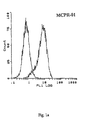
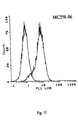
- mAb recognize THP-1 and Mono Mac 1 cells in flow cytometry analysis.
- mAb MCPR-03 immunoprecipitates the same 32 kDa protein from Mono Mac 1 cells.
- One mAb, MCPR-05 also recognizes rat peripheral blood leukocytes and splenocytes, staining positive with the monoclonal antibodies ED1 and ED2 (Serotec).
- the mouse monoclonal antibody ED1 recognizes rat monocytes and macrophages
- the mouse monoclonal antibody ED2 recognizes rat macrophages.
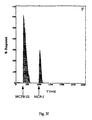
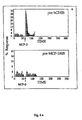
- Three mAb act as antagonists of the receptor, as they block the MCP-1-induced calcium flux in Mono-Mac-1 cells (figure 2).
- the antibodies with antagonistic activity recognize the third extracellular loop of the receptor (aa 273-292) while the agonistic antibody recognizes the amino terminal region (aa 24-38).
- mAb act as agonist of the MCP-1 receptor, based on calcium determinations.
- a rapid and transient rise in Ca 2+ concentration was seen in Mono-Mac-1 cells after stimulation with mAb MCPR-02.
- the pre-treatment of the cells with this mAb led to a marked decrease of responsiveness to MCP-1, showing that the calcium response is desensitized (Figure 3f).
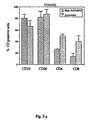
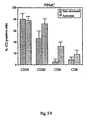
- CCR2 is expressed in monocytes, resting B cells and activated T cells.
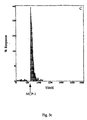
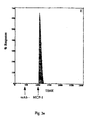
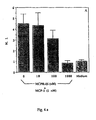
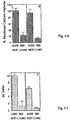
- FIGs 6a to 6c shows that MCPR-05 blocks MCP-3-induced Ca 2+ influx and transmigration of Mono Mac 1 cells. Calcium influx was induced, using 3 nM MCP-3. Effect of preincubation with the antagonist mAb MCPR-05 on MCP-3-induced Ca 2+ influx is shown in Figures 6a and 6 b and transmigration i shown in Figure 6c of these cells, as compared to that of an isotype-matched control mAb (hGH5). Results correspond to the mean of triplicates of a representative experiment.
- the Mono-Mac-1 antagonistic antibody MCPR-02 elicited a significant chemotactic response of Mono-Mac-1 cells at dilution of 1/2 and 1/6.
- All described antibodies recognizing the MCP-1 receptor can be useful for in vivo diagnostic purposes.
- Two of the antibodies found are capable of binding the MCP-1 receptor in immunoprecipitation in context of a biological tissue and also recognizing the receptor adsorbed to an artificial membrane in immunoblotting experiments.
- the antibodies can be useful for in vitro diagnostic purposes involving immobilized antigens.
- CCR2 acts as an HIV-1 coreceptor, showing that MCP-1 displays HIV-1 neutralizing activity (submitted).
- the MCPR-02 mAb promotes HIV-1 neutralization, while the MCP-1 antagonist mAb MCPR-05 does not neutralize the virus, but effectively blocks MCP-1-induced neutralization.
- the MCPR-04 and -R105 mAb do not block HIV infection, these data indicate that HIV-1 interacts with the NH 2 terminal domain of the CCR2 receptor.
- mAb MCPR-02 as well as the MCP-1 chemokine block HIV-1 infection, we would advocate that HIV-1 interacts with the inactive the receptor form, but not with the active form.
Landscapes
- Health & Medical Sciences (AREA)
- Life Sciences & Earth Sciences (AREA)
- Chemical & Material Sciences (AREA)
- Engineering & Computer Science (AREA)
- Immunology (AREA)
- General Health & Medical Sciences (AREA)
- Medicinal Chemistry (AREA)
- Organic Chemistry (AREA)
- Pharmacology & Pharmacy (AREA)
- Veterinary Medicine (AREA)
- Molecular Biology (AREA)
- General Chemical & Material Sciences (AREA)
- Animal Behavior & Ethology (AREA)
- Chemical Kinetics & Catalysis (AREA)
- Public Health (AREA)
- Nuclear Medicine, Radiotherapy & Molecular Imaging (AREA)
- Bioinformatics & Cheminformatics (AREA)
- Hematology (AREA)
- Cell Biology (AREA)
- Biomedical Technology (AREA)
- Urology & Nephrology (AREA)
- Biochemistry (AREA)
- Food Science & Technology (AREA)
- Proteomics, Peptides & Aminoacids (AREA)
- Pathology (AREA)
- General Physics & Mathematics (AREA)
- Analytical Chemistry (AREA)
- Physics & Mathematics (AREA)
- Microbiology (AREA)
- Biotechnology (AREA)
- Cardiology (AREA)
- Tropical Medicine & Parasitology (AREA)
- Virology (AREA)
- Biophysics (AREA)
- Genetics & Genomics (AREA)
- Heart & Thoracic Surgery (AREA)
- Rheumatology (AREA)
- Zoology (AREA)
- Dermatology (AREA)
- Neurology (AREA)
Claims (15)
- Antikörper, welcher in der Lage ist, den Rezeptor CCR2 für Monozyten-chemotaktisches Protein 1 (MCP-1) zu binden, welcher (a) die extrazelluläre aminoterminale Region des Rezeptors erkennt und als funktioneller Agonist wirkt oder (b) Aminosäuresequenzen erkennt, die sich im dritten extrazellulären Loop des Rezeptors befinden, und als funktioneller Rezeptorantagonist wirkt.
- Antikörper nach Anspruch 1, welcher ein monoklonaler Antikörper ist.
- Antikörper nach Anspruch 1, welcher Sequenzen erkennt, die sich im dritten extrazellulären Loop des Rezeptors befinden, und welcher die Aminosäurereste 273-292 des Rezeptors erkennt.
- Antikörper nach Anspruch 1, welcher die extrazelluläre aminoterminale Region des Rezeptors erkennt und welcher die Aminosäurereste 24-38 des Rezeptors erkennt.
- Antikörper nach irgendeinem der vorhergehenden Ansprüche, welcher in der Lage ist, den MCP-1-Rezeptor zu binden, und welcher zur Immunpräzipitation des MCP-1-Rezeptors im Zusammenhang mit Zellen oder biologischen Geweben in der Lage ist und welcher zum Nachweis des an eine künstliche Membran adsorbierten MCP-1-Rezeptors in der Lage ist.
- Antikörper nach Anspruch 5, welcher ferner Mono-Mac-1- und THP1-Zellen, die den MCP-1-Rezeptor exprimieren, gemäß Immunfluoreszenz erkennt.
- Verwendung eines Antikörpers nach irgendeinem der vorhergehenden Ansprüche zur in vitro-Diagose.
- Verwendung eines Antikörpers nach irgendeinem der Ansprüche 1 bis 6 zum in vitro-Screening und -Nachweis von Geweben und Zellklassen, die den MCP-1-Rezeptor exprimieren.
- Verwendung eines Antikörpers nach irgendeinem der Ansprüche 1 bis 6, zum in vitro-Screening auf neue Wirkstoffe.
- Antikörperpräparat, umfassend Antikörper nach irgendeinem der Ansprüche 1 bis 6.
- Antikörper nach irgendeinem der Ansprüche 1 bis 6 zur therapeutischen Verwendung.
- Pharmazeutische Zusammensetzung, umfassend Antikörper nach irgendeinem der Ansprüche 1 bis 6 und einen Trägerstoff.
- Mikroorganismus oder Zelllinie, welche in der Lage ist, den Antikörper nach irgendeinem der Ansprüche 1 bis 6 zu produzieren.
- Antikörper nach irgendeinem der Ansprüche 1 bis 6 zur Verwendung als in vivo-Diagostikum.
- Antikörper nach irgendeinem der Ansprüche 1 bis 6 zur Verwendung als Mittel zum in vivo-Screenen auf neue Wirkstoffe.
Applications Claiming Priority (3)
| Application Number | Priority Date | Filing Date | Title |
|---|---|---|---|
| SE9600820A SE9600820D0 (sv) | 1996-03-01 | 1996-03-01 | Antibodies and their use |
| SE9600820 | 1996-03-01 | ||
| PCT/SE1997/000342 WO1997031949A1 (en) | 1996-03-01 | 1997-02-27 | Antibodies binding to monocyte chemoattractant protein 1 (mcp-1) receptor (ccr2) |
Publications (2)
| Publication Number | Publication Date |
|---|---|
| EP0914345A1 EP0914345A1 (de) | 1999-05-12 |
| EP0914345B1 true EP0914345B1 (de) | 2004-01-28 |
Family
ID=20401642
Family Applications (1)
| Application Number | Title | Priority Date | Filing Date |
|---|---|---|---|
| EP97906403A Expired - Lifetime EP0914345B1 (de) | 1996-03-01 | 1997-02-27 | Antikörper die den monozyten chemolockstoff protein 1 (mcp-1) rezeptor (ccr2) binden |
Country Status (11)
| Country | Link |
|---|---|
| US (1) | US6084075A (de) |
| EP (1) | EP0914345B1 (de) |
| JP (1) | JP2000510685A (de) |
| AT (1) | ATE258560T1 (de) |
| AU (1) | AU724037B2 (de) |
| DE (1) | DE69727382T2 (de) |
| DK (1) | DK0914345T3 (de) |
| ES (1) | ES2210496T3 (de) |
| PT (1) | PT914345E (de) |
| SE (1) | SE9600820D0 (de) |
| WO (1) | WO1997031949A1 (de) |
Families Citing this family (49)
| Publication number | Priority date | Publication date | Assignee | Title |
|---|---|---|---|---|
| US6132987A (en) | 1994-01-13 | 2000-10-17 | The Regents Of The University Of California | Recombinant mammalian monocyte chemotactic protein-1 (MCP-1) receptors (MCP-1R, CCR-2) |
| US20020019026A1 (en) * | 1995-06-05 | 2002-02-14 | Daniel R. Soppet | Human g-protein receptor hgber32 |
| GB9705521D0 (en) | 1997-03-18 | 1997-05-07 | Univ Sheffield | The use of mononuclear phagocytes in the vivo imaging of hypoxic/ischaemic tissue |
| DE69834814D1 (de) * | 1997-08-14 | 2006-07-20 | Us Gov Health & Human Serv | Verzögerter fortschritt von aids durch missense allel des ccr2 gens |
| AU2338299A (en) * | 1998-01-26 | 1999-08-09 | Genentech Inc. | Antibodies to death receptor 4 (dr4) and uses thereof |
| US6727349B1 (en) | 1998-07-23 | 2004-04-27 | Millennium Pharmaceuticals, Inc. | Recombinant anti-CCR2 antibodies and methods of use therefor |
| US6696550B2 (en) | 1998-07-23 | 2004-02-24 | Millennium Pharmaceuticals, Inc. | Humanized anti-CCR2 antibodies and methods of use therefor |
| US6312689B1 (en) * | 1998-07-23 | 2001-11-06 | Millennium Pharmaceuticals, Inc. | Anti-CCR2 antibodies and methods of use therefor |
| US7238711B1 (en) | 1999-03-17 | 2007-07-03 | Cambridge University Technical Services Ltd. | Compounds and methods to inhibit or augment an inflammatory response |
| US6488930B1 (en) * | 1999-01-15 | 2002-12-03 | Millennium Pharmaceuticals, Inc. | Anti-CCR4 antibodies and methods of use therefor |
| AU2004208716B2 (en) * | 2000-02-03 | 2007-01-04 | Millennium Pharmaceuticals, Inc. | Humanized anti-CCR2 antibodies and methods of use therefor |
| JP4398620B2 (ja) * | 2000-02-03 | 2010-01-13 | ミレニアム・ファーマシューティカルズ・インコーポレイテッド | ヒト化抗ccr−2抗体およびその使用方法 |
| EP1783227A1 (de) * | 2000-02-03 | 2007-05-09 | Millennium Pharmaceuticals, Inc. | Humanisierte Antikörper gegen CCR2 und Verfahren zur deren Verwendung |
| JP2003527439A (ja) | 2000-03-17 | 2003-09-16 | ミレニアム・ファーマシューティカルズ・インコーポレイテッド | 抗cd18抗体と抗ccr2抗体の混合物を用いる狭窄および再狭窄を抑制する方法 |
| EP1455820A2 (de) * | 2001-03-09 | 2004-09-15 | William Herman | Gezielte liganden |
| US7468253B2 (en) | 2001-06-07 | 2008-12-23 | Chemocentryx, Inc. | Method for multiple chemokine receptor screening for antagonists using RAM assay |
| CA2449628C (en) | 2001-06-07 | 2008-05-06 | Zheng Wei | Cell migration assay |
| US20040151721A1 (en) | 2001-10-19 | 2004-08-05 | O'keefe Theresa | Humanized anti-CCR2 antibodies and methods of use therefor |
| US7253007B2 (en) * | 2001-11-30 | 2007-08-07 | Chemocentryx, Inc. | Compositions and methods for detecting and treating diseases and conditions related to chemokine receptors |
| US7442512B2 (en) * | 2001-11-30 | 2008-10-28 | Chemocentryx, Inc. | Compositions and methods for detecting and treating diseases and conditions related to chemokine receptors |
| US7413866B2 (en) * | 2001-11-30 | 2008-08-19 | Chemocentryx, Inc. | Compositions and methods for detecting and treating diseases and conditions related to chemokine receptors |
| AR037456A1 (es) | 2001-11-30 | 2004-11-10 | Biogen Inc | Anticuerpos contra proteinas quimiotacticas monocitarias |
| US7871619B2 (en) * | 2001-11-30 | 2011-01-18 | Chemocentryx, Inc. | Compositions and methods for detecting and treating diseases and conditions related to chemokine receptors |
| US20050142539A1 (en) * | 2002-01-14 | 2005-06-30 | William Herman | Targeted ligands |
| JP2005526769A (ja) * | 2002-03-15 | 2005-09-08 | ザ・ブリガーム・アンド・ウーメンズ・ホスピタル・インコーポレーテッド | 治療剤を全身搬送するための中央気道投与 |
| EP1567555A4 (de) | 2002-11-27 | 2006-06-21 | Biogen Idec Inc | Humanisierte antikörper gegen chemotaktische monozytenproteine |
| KR101061352B1 (ko) * | 2002-12-20 | 2011-08-31 | 케모센트릭스 | 인간 종양-발현된 ccxckr2의 저해물질 |
| US20050148507A1 (en) * | 2003-05-02 | 2005-07-07 | Boehringer Ingelheim International Gmbh | Method for the production of an N-terminally modified chemotactic factor |
| US20100247540A1 (en) * | 2003-10-30 | 2010-09-30 | Chemocentryx, Inc. | Methods and Compositions For Modulating Angiogenesis |
| WO2005108431A1 (en) * | 2004-05-04 | 2005-11-17 | University Of Kentucky Research Foundation | Methods and compositions for the treatment of ocular neovascularization |
| CN101160323A (zh) * | 2005-04-15 | 2008-04-09 | 拉帕波特家族医学科学研究所 | 用于治疗mcp-1/ccr2相关疾病的分子及其使用方法 |
| ES2434852T3 (es) * | 2005-04-21 | 2013-12-17 | Chemocentryx, Inc. | Anticuerpos que se unen a CCX-CKR2 |
| DE102006015341A1 (de) * | 2006-04-03 | 2007-10-04 | Georg-August-Universität Göttingen Stiftung Öffentlichen Rechts | Behandlung von multipler Sklerose und/oder rheumatoider Arthritis |
| US20080076120A1 (en) * | 2006-09-14 | 2008-03-27 | Millennium Pharmaceuticals, Inc. | Methods for the identification, evaluation and treatment of patients having CC-Chemokine receptor 2 (CCR-2) mediated disorders |
| CA2665808A1 (en) * | 2006-10-05 | 2008-05-22 | Centocor Ortho Biotech Inc. | Ccr2 antagonists for treatment of fibrosis |
| RU2547595C2 (ru) | 2008-08-18 | 2015-04-10 | Пфайзер Инк | Антитела против ccr2 |
| WO2014064192A1 (en) | 2012-10-26 | 2014-05-01 | INSERM (Institut National de la Santé et de la Recherche Médicale) | Method and pharmaceutical composition for use in the treatment and prediction of myocardial infraction |
| WO2016081801A1 (en) * | 2014-11-21 | 2016-05-26 | Millennium Pharmaceuticals, Inc. | Use of an anti-ccr2 antagonist in the treatment of an infectious disease |
| WO2018057559A1 (en) * | 2016-09-20 | 2018-03-29 | Temple University-Of The Commonwealth System Of Higher Education | Monomac-1 cells expressing cd16 and cd163 |
| JP6824689B2 (ja) * | 2016-10-27 | 2021-02-03 | 株式会社ナリス化粧品 | 真皮シミ予防・改善剤及び/又はマクロファージ誘引剤のスクリーニング方法 |
| WO2018106945A1 (en) | 2016-12-07 | 2018-06-14 | Progenity Inc. | Gastrointestinal tract detection methods, devices and systems |
| EP3554541B1 (de) | 2016-12-14 | 2023-06-07 | Biora Therapeutics, Inc. | Behandlung einer erkrankung des gastrointestinaltraktes mit einem chemokin/chemokin-rezeptor-inhibitor |
| CN110709422B (zh) | 2017-04-19 | 2023-12-26 | 马伦戈治疗公司 | 多特异性分子及其用途 |
| EP3720881A1 (de) | 2017-12-08 | 2020-10-14 | Elstar Therapeutics, Inc. | Multispezifische moleküle und verwendungen davon |
| EP3833762A4 (de) | 2018-08-09 | 2022-09-28 | Verseau Therapeutics, Inc. | Oligonukleotidzusammensetzungen zum targeting von ccr2 und csf1r und verwendungen davon |
| CN113164777B (zh) | 2018-09-27 | 2024-12-13 | 马伦戈治疗公司 | Csf1r/ccr2多特异性抗体 |
| EP3883635A1 (de) | 2018-11-19 | 2021-09-29 | Progenity, Inc. | Verfahren und vorrichtungen zur behandlung einer krankheit mit biotherapeutika |
| CN115666704B (zh) | 2019-12-13 | 2025-09-26 | 比特比德科有限责任公司 | 用于将治疗剂递送至胃肠道的可摄取装置 |
| IL302390A (en) | 2020-11-09 | 2023-06-01 | Takeda Pharmaceuticals Co | Drug antibody conjugates |
Family Cites Families (4)
| Publication number | Priority date | Publication date | Assignee | Title |
|---|---|---|---|---|
| ES2250964T3 (es) * | 1992-11-10 | 2006-04-16 | Genentech, Inc. | Receptor de la quimioquina c-c(c-c ckr-1). |
| US5652133A (en) * | 1993-01-28 | 1997-07-29 | The United States Of America As Represented By The Secretary Of The Department Of Health And Human Services | Cloning and expression of the human macrophage inflammatory protein-1.alpha.α) /rantes receptor |
| US6132987A (en) * | 1994-01-13 | 2000-10-17 | The Regents Of The University Of California | Recombinant mammalian monocyte chemotactic protein-1 (MCP-1) receptors (MCP-1R, CCR-2) |
| DE19503303A1 (de) * | 1995-02-02 | 1996-08-08 | Teves Gmbh Alfred | Filtersystem mit selbsttätigem Filterwechsel für Kraftfahrzeuge |
-
1996
- 1996-03-01 SE SE9600820A patent/SE9600820D0/xx unknown
-
1997
- 1997-02-27 AU AU21104/97A patent/AU724037B2/en not_active Ceased
- 1997-02-27 PT PT97906403T patent/PT914345E/pt unknown
- 1997-02-27 WO PCT/SE1997/000342 patent/WO1997031949A1/en not_active Ceased
- 1997-02-27 ES ES97906403T patent/ES2210496T3/es not_active Expired - Lifetime
- 1997-02-27 DK DK97906403T patent/DK0914345T3/da active
- 1997-02-27 DE DE69727382T patent/DE69727382T2/de not_active Expired - Fee Related
- 1997-02-27 EP EP97906403A patent/EP0914345B1/de not_active Expired - Lifetime
- 1997-02-27 JP JP09530879A patent/JP2000510685A/ja active Pending
- 1997-02-27 AT AT97906403T patent/ATE258560T1/de not_active IP Right Cessation
- 1997-02-28 US US08/734,171 patent/US6084075A/en not_active Expired - Fee Related
Also Published As
| Publication number | Publication date |
|---|---|
| SE9600820D0 (sv) | 1996-03-01 |
| AU2110497A (en) | 1997-09-16 |
| DE69727382D1 (de) | 2004-03-04 |
| JP2000510685A (ja) | 2000-08-22 |
| ES2210496T3 (es) | 2004-07-01 |
| ATE258560T1 (de) | 2004-02-15 |
| AU724037B2 (en) | 2000-09-07 |
| US6084075A (en) | 2000-07-04 |
| WO1997031949A1 (en) | 1997-09-04 |
| EP0914345A1 (de) | 1999-05-12 |
| DK0914345T3 (da) | 2004-05-10 |
| PT914345E (pt) | 2004-05-31 |
| DE69727382T2 (de) | 2004-11-04 |
Similar Documents
| Publication | Publication Date | Title |
|---|---|---|
| EP0914345B1 (de) | Antikörper die den monozyten chemolockstoff protein 1 (mcp-1) rezeptor (ccr2) binden | |
| US7138117B1 (en) | Anti-CCR4 antibodies and methods of use therefor | |
| US8075886B2 (en) | Method of treatment using an anti-IL-B50 antibody | |
| US6881406B2 (en) | Modulation of systemic memory T cell trafficking | |
| WO1996038481A1 (en) | Anti-gp130 monoclonal antibodies | |
| WO1994020142A1 (en) | Assays and therapeutic methods based on lymphocyte chemoattractants | |
| CZ103497A3 (en) | Pharmaceutical preparation for treating chronic rheumatic arthritis and growth inhibitor of synovial cells | |
| AU630496B2 (en) | Antagonists of gm-csf derived from the carboxyl terminus | |
| KR20010089764A (ko) | 인터류킨-17과 관련된 포유류의 사이토카인, 이를코딩하는 폴리뉴클레오티드 및 이의 용도 | |
| US20100068763A1 (en) | Mammalian chemokines; receptors; reagents; uses | |
| EP1140174B1 (de) | Antagonist-antikörper für cutaneous t cell-attracting chemokine (ctack) oder vasoactive intestinal contractor (vic) chemokine | |
| Kurdowska et al. | An anti-interleukin 8 monoclonal antibody that interferes with the binding of interleukin 8 to cellular receptors and the activation of human blood neutrophils | |
| US6824781B2 (en) | Method of impairing movement of a CLA + memeory T-cell within or to the skin of a mammal by administering a CTACK antagonist | |
| JP2003517810A (ja) | 抗−ccr1抗体およびその使用方法 | |
| Bonecchi | Identification of new molecules involved in dendritic cell localization | |
| CA2165559A1 (en) | Human cell adhesion protein aamp-1 and uses thereof | |
| WO2001023428A2 (en) | Interleukin-2 receptor associated polypeptides | |
| EP1806146A1 (de) | Agonisten oder Antagonisten von CTACK oder VIC-Chemokinen |
Legal Events
| Date | Code | Title | Description |
|---|---|---|---|
| PUAI | Public reference made under article 153(3) epc to a published international application that has entered the european phase |
Free format text: ORIGINAL CODE: 0009012 |
|
| 17P | Request for examination filed |
Effective date: 19980930 |
|
| AK | Designated contracting states |
Kind code of ref document: A1 Designated state(s): AT BE CH DE DK ES FI FR GB GR IE IT LI LU MC NL PT SE |
|
| 17Q | First examination report despatched |
Effective date: 20020531 |
|
| GRAP | Despatch of communication of intention to grant a patent |
Free format text: ORIGINAL CODE: EPIDOSNIGR1 |
|
| GRAS | Grant fee paid |
Free format text: ORIGINAL CODE: EPIDOSNIGR3 |
|
| GRAA | (expected) grant |
Free format text: ORIGINAL CODE: 0009210 |
|
| AK | Designated contracting states |
Kind code of ref document: B1 Designated state(s): AT BE CH DE DK ES FI FR GB GR IE IT LI LU MC NL PT SE |
|
| REG | Reference to a national code |
Ref country code: GB Ref legal event code: FG4D |
|
| REG | Reference to a national code |
Ref country code: CH Ref legal event code: EP |
|
| REG | Reference to a national code |
Ref country code: CH Ref legal event code: NV Representative=s name: KELLER & PARTNER PATENTANWAELTE AG |
|
| REG | Reference to a national code |
Ref country code: IE Ref legal event code: FG4D |
|
| REF | Corresponds to: |
Ref document number: 69727382 Country of ref document: DE Date of ref document: 20040304 Kind code of ref document: P |
|
| REG | Reference to a national code |
Ref country code: DK Ref legal event code: T3 |
|
| REG | Reference to a national code |
Ref country code: SE Ref legal event code: TRGR |
|
| REG | Reference to a national code |
Ref country code: GR Ref legal event code: EP Ref document number: 20040401381 Country of ref document: GR |
|
| REG | Reference to a national code |
Ref country code: PT Ref legal event code: SC4A Free format text: AVAILABILITY OF NATIONAL TRANSLATION Effective date: 20040312 |
|
| REG | Reference to a national code |
Ref country code: ES Ref legal event code: FG2A Ref document number: 2210496 Country of ref document: ES Kind code of ref document: T3 |
|
| ET | Fr: translation filed | ||
| PLBE | No opposition filed within time limit |
Free format text: ORIGINAL CODE: 0009261 |
|
| STAA | Information on the status of an ep patent application or granted ep patent |
Free format text: STATUS: NO OPPOSITION FILED WITHIN TIME LIMIT |
|
| 26N | No opposition filed |
Effective date: 20041029 |
|
| PGFP | Annual fee paid to national office [announced via postgrant information from national office to epo] |
Ref country code: PT Payment date: 20050202 Year of fee payment: 9 |
|
| PGFP | Annual fee paid to national office [announced via postgrant information from national office to epo] |
Ref country code: FI Payment date: 20050209 Year of fee payment: 9 |
|
| PGFP | Annual fee paid to national office [announced via postgrant information from national office to epo] |
Ref country code: DK Payment date: 20050214 Year of fee payment: 9 |
|
| PGFP | Annual fee paid to national office [announced via postgrant information from national office to epo] |
Ref country code: SE Payment date: 20050215 Year of fee payment: 9 |
|
| PGFP | Annual fee paid to national office [announced via postgrant information from national office to epo] |
Ref country code: GR Payment date: 20050223 Year of fee payment: 9 |
|
| PG25 | Lapsed in a contracting state [announced via postgrant information from national office to epo] |
Ref country code: FI Free format text: LAPSE BECAUSE OF NON-PAYMENT OF DUE FEES Effective date: 20060227 |
|
| PG25 | Lapsed in a contracting state [announced via postgrant information from national office to epo] |
Ref country code: SE Free format text: LAPSE BECAUSE OF NON-PAYMENT OF DUE FEES Effective date: 20060228 Ref country code: DK Free format text: LAPSE BECAUSE OF NON-PAYMENT OF DUE FEES Effective date: 20060228 |
|
| PG25 | Lapsed in a contracting state [announced via postgrant information from national office to epo] |
Ref country code: PT Free format text: LAPSE BECAUSE OF NON-PAYMENT OF DUE FEES Effective date: 20060828 |
|
| REG | Reference to a national code |
Ref country code: DK Ref legal event code: EBP |
|
| EUG | Se: european patent has lapsed | ||
| REG | Reference to a national code |
Ref country code: PT Ref legal event code: MM4A Effective date: 20060828 |
|
| PGFP | Annual fee paid to national office [announced via postgrant information from national office to epo] |
Ref country code: IE Payment date: 20070830 Year of fee payment: 11 Ref country code: DE Payment date: 20070830 Year of fee payment: 11 |
|
| PGFP | Annual fee paid to national office [announced via postgrant information from national office to epo] |
Ref country code: MC Payment date: 20070831 Year of fee payment: 11 Ref country code: ES Payment date: 20070831 Year of fee payment: 11 |
|
| PGFP | Annual fee paid to national office [announced via postgrant information from national office to epo] |
Ref country code: LU Payment date: 20070905 Year of fee payment: 11 |
|
| PGFP | Annual fee paid to national office [announced via postgrant information from national office to epo] |
Ref country code: CH Payment date: 20070830 Year of fee payment: 11 Ref country code: AT Payment date: 20070831 Year of fee payment: 11 |
|
| PGFP | Annual fee paid to national office [announced via postgrant information from national office to epo] |
Ref country code: GB Payment date: 20070831 Year of fee payment: 11 |
|
| PGFP | Annual fee paid to national office [announced via postgrant information from national office to epo] |
Ref country code: NL Payment date: 20070831 Year of fee payment: 11 Ref country code: IT Payment date: 20070915 Year of fee payment: 11 |
|
| PGFP | Annual fee paid to national office [announced via postgrant information from national office to epo] |
Ref country code: BE Payment date: 20071004 Year of fee payment: 11 |
|
| PGFP | Annual fee paid to national office [announced via postgrant information from national office to epo] |
Ref country code: FR Payment date: 20070831 Year of fee payment: 11 |
|
| BERE | Be: lapsed |
Owner name: CONSEJO SUPERIOR DE *INVESTIGACIONES CIENTIFICAS Effective date: 20080228 |
|
| REG | Reference to a national code |
Ref country code: CH Ref legal event code: PL |
|
| GBPC | Gb: european patent ceased through non-payment of renewal fee |
Effective date: 20080227 |
|
| PG25 | Lapsed in a contracting state [announced via postgrant information from national office to epo] |
Ref country code: MC Free format text: LAPSE BECAUSE OF NON-PAYMENT OF DUE FEES Effective date: 20080228 Ref country code: LI Free format text: LAPSE BECAUSE OF NON-PAYMENT OF DUE FEES Effective date: 20080229 Ref country code: GR Free format text: LAPSE BECAUSE OF NON-PAYMENT OF DUE FEES Effective date: 20060904 Ref country code: CH Free format text: LAPSE BECAUSE OF NON-PAYMENT OF DUE FEES Effective date: 20080229 |
|
| NLV4 | Nl: lapsed or anulled due to non-payment of the annual fee |
Effective date: 20080901 |
|
| REG | Reference to a national code |
Ref country code: IE Ref legal event code: MM4A |
|
| PG25 | Lapsed in a contracting state [announced via postgrant information from national office to epo] |
Ref country code: NL Free format text: LAPSE BECAUSE OF NON-PAYMENT OF DUE FEES Effective date: 20080901 Ref country code: AT Free format text: LAPSE BECAUSE OF NON-PAYMENT OF DUE FEES Effective date: 20080227 |
|
| REG | Reference to a national code |
Ref country code: FR Ref legal event code: ST Effective date: 20081031 |
|
| PG25 | Lapsed in a contracting state [announced via postgrant information from national office to epo] |
Ref country code: IE Free format text: LAPSE BECAUSE OF NON-PAYMENT OF DUE FEES Effective date: 20080227 Ref country code: DE Free format text: LAPSE BECAUSE OF NON-PAYMENT OF DUE FEES Effective date: 20080902 |
|
| PG25 | Lapsed in a contracting state [announced via postgrant information from national office to epo] |
Ref country code: BE Free format text: LAPSE BECAUSE OF NON-PAYMENT OF DUE FEES Effective date: 20080228 |
|
| PG25 | Lapsed in a contracting state [announced via postgrant information from national office to epo] |
Ref country code: FR Free format text: LAPSE BECAUSE OF NON-PAYMENT OF DUE FEES Effective date: 20080229 |
|
| REG | Reference to a national code |
Ref country code: ES Ref legal event code: FD2A Effective date: 20080228 |
|
| PG25 | Lapsed in a contracting state [announced via postgrant information from national office to epo] |
Ref country code: GB Free format text: LAPSE BECAUSE OF NON-PAYMENT OF DUE FEES Effective date: 20080227 |
|
| PG25 | Lapsed in a contracting state [announced via postgrant information from national office to epo] |
Ref country code: ES Free format text: LAPSE BECAUSE OF NON-PAYMENT OF DUE FEES Effective date: 20080228 |
|
| PG25 | Lapsed in a contracting state [announced via postgrant information from national office to epo] |
Ref country code: IT Free format text: LAPSE BECAUSE OF NON-PAYMENT OF DUE FEES Effective date: 20080227 |
|
| PG25 | Lapsed in a contracting state [announced via postgrant information from national office to epo] |
Ref country code: LU Free format text: LAPSE BECAUSE OF NON-PAYMENT OF DUE FEES Effective date: 20080227 |