EP0922762A1 - Proteine fixatrice de medicaments - Google Patents
Proteine fixatrice de medicaments Download PDFInfo
- Publication number
- EP0922762A1 EP0922762A1 EP97309793A EP97309793A EP0922762A1 EP 0922762 A1 EP0922762 A1 EP 0922762A1 EP 97309793 A EP97309793 A EP 97309793A EP 97309793 A EP97309793 A EP 97309793A EP 0922762 A1 EP0922762 A1 EP 0922762A1
- Authority
- EP
- European Patent Office
- Prior art keywords
- csbpβ
- polypeptide
- polynucleotide
- csaid
- protein
- Prior art date
- Legal status (The legal status is an assumption and is not a legal conclusion. Google has not performed a legal analysis and makes no representation as to the accuracy of the status listed.)
- Withdrawn
Links
- 239000003814 drug Substances 0.000 title claims abstract description 20
- 229940079593 drug Drugs 0.000 title claims abstract description 14
- 102000014914 Carrier Proteins Human genes 0.000 title claims abstract description 13
- 108091008324 binding proteins Proteins 0.000 title claims abstract description 13
- 108090000623 proteins and genes Proteins 0.000 claims abstract description 89
- 238000000034 method Methods 0.000 claims abstract description 53
- 238000012216 screening Methods 0.000 claims abstract description 17
- 102000004127 Cytokines Human genes 0.000 claims abstract description 11
- 108090000695 Cytokines Proteins 0.000 claims abstract description 11
- 108090000765 processed proteins & peptides Proteins 0.000 claims description 111
- 102000004196 processed proteins & peptides Human genes 0.000 claims description 101
- 229920001184 polypeptide Polymers 0.000 claims description 96
- 102000004169 proteins and genes Human genes 0.000 claims description 68
- 150000001875 compounds Chemical class 0.000 claims description 66
- 102000040430 polynucleotide Human genes 0.000 claims description 56
- 108091033319 polynucleotide Proteins 0.000 claims description 56
- 239000002157 polynucleotide Substances 0.000 claims description 56
- 210000004027 cell Anatomy 0.000 claims description 45
- 230000000694 effects Effects 0.000 claims description 40
- 230000027455 binding Effects 0.000 claims description 32
- 230000014509 gene expression Effects 0.000 claims description 31
- FWMNVWWHGCHHJJ-SKKKGAJSSA-N 4-amino-1-[(2r)-6-amino-2-[[(2r)-2-[[(2r)-2-[[(2r)-2-amino-3-phenylpropanoyl]amino]-3-phenylpropanoyl]amino]-4-methylpentanoyl]amino]hexanoyl]piperidine-4-carboxylic acid Chemical compound C([C@H](C(=O)N[C@H](CC(C)C)C(=O)N[C@H](CCCCN)C(=O)N1CCC(N)(CC1)C(O)=O)NC(=O)[C@H](N)CC=1C=CC=CC=1)C1=CC=CC=C1 FWMNVWWHGCHHJJ-SKKKGAJSSA-N 0.000 claims description 24
- 150000001413 amino acids Chemical class 0.000 claims description 24
- 239000003446 ligand Substances 0.000 claims description 23
- 239000013598 vector Substances 0.000 claims description 22
- 108020004414 DNA Proteins 0.000 claims description 19
- 125000003275 alpha amino acid group Chemical group 0.000 claims description 19
- 102000005962 receptors Human genes 0.000 claims description 18
- 201000010099 disease Diseases 0.000 claims description 14
- 208000037265 diseases, disorders, signs and symptoms Diseases 0.000 claims description 14
- 108091000080 Phosphotransferase Proteins 0.000 claims description 13
- 239000003153 chemical reaction reagent Substances 0.000 claims description 13
- 102000020233 phosphotransferase Human genes 0.000 claims description 13
- 230000004913 activation Effects 0.000 claims description 11
- 230000002401 inhibitory effect Effects 0.000 claims description 11
- 239000000758 substrate Substances 0.000 claims description 11
- 239000008194 pharmaceutical composition Substances 0.000 claims description 10
- 239000002299 complementary DNA Substances 0.000 claims description 9
- 238000011282 treatment Methods 0.000 claims description 9
- 230000001086 cytosolic effect Effects 0.000 claims description 8
- 102000037865 fusion proteins Human genes 0.000 claims description 8
- 108020001507 fusion proteins Proteins 0.000 claims description 8
- 239000002773 nucleotide Substances 0.000 claims description 8
- 125000003729 nucleotide group Chemical group 0.000 claims description 8
- 230000003993 interaction Effects 0.000 claims description 7
- 150000007523 nucleic acids Chemical group 0.000 claims description 7
- 108091028043 Nucleic acid sequence Proteins 0.000 claims description 6
- 239000005557 antagonist Substances 0.000 claims description 5
- 230000006870 function Effects 0.000 claims description 5
- 230000004044 response Effects 0.000 claims description 5
- 230000009261 transgenic effect Effects 0.000 claims description 5
- 230000002068 genetic effect Effects 0.000 claims description 4
- 238000001727 in vivo Methods 0.000 claims description 4
- 108091032973 (ribonucleotides)n+m Proteins 0.000 claims description 3
- 239000000556 agonist Substances 0.000 claims description 3
- 230000000295 complement effect Effects 0.000 claims description 3
- 239000003937 drug carrier Substances 0.000 claims description 3
- 208000027866 inflammatory disease Diseases 0.000 claims description 3
- 239000012528 membrane Substances 0.000 claims description 3
- 230000035772 mutation Effects 0.000 claims description 3
- 201000001320 Atherosclerosis Diseases 0.000 claims description 2
- 206010006895 Cachexia Diseases 0.000 claims description 2
- 206010063094 Cerebral malaria Diseases 0.000 claims description 2
- 201000004624 Dermatitis Diseases 0.000 claims description 2
- 206010019196 Head injury Diseases 0.000 claims description 2
- 208000001132 Osteoporosis Diseases 0.000 claims description 2
- 201000004681 Psoriasis Diseases 0.000 claims description 2
- 206010040047 Sepsis Diseases 0.000 claims description 2
- 208000006011 Stroke Diseases 0.000 claims description 2
- 206010052779 Transplant rejections Diseases 0.000 claims description 2
- 208000006673 asthma Diseases 0.000 claims description 2
- 208000020832 chronic kidney disease Diseases 0.000 claims description 2
- 208000022831 chronic renal failure syndrome Diseases 0.000 claims description 2
- 206010025135 lupus erythematosus Diseases 0.000 claims description 2
- 230000001404 mediated effect Effects 0.000 claims description 2
- 210000001616 monocyte Anatomy 0.000 claims description 2
- 230000002285 radioactive effect Effects 0.000 claims description 2
- 208000037803 restenosis Diseases 0.000 claims description 2
- 208000020431 spinal cord injury Diseases 0.000 claims description 2
- 230000002708 enhancing effect Effects 0.000 claims 3
- 230000008569 process Effects 0.000 claims 3
- 208000030507 AIDS Diseases 0.000 claims 1
- 206010001052 Acute respiratory distress syndrome Diseases 0.000 claims 1
- 101100424823 Arabidopsis thaliana TDT gene Proteins 0.000 claims 1
- 208000009329 Graft vs Host Disease Diseases 0.000 claims 1
- 201000000028 adult respiratory distress syndrome Diseases 0.000 claims 1
- 238000002405 diagnostic procedure Methods 0.000 claims 1
- 208000024908 graft versus host disease Diseases 0.000 claims 1
- 230000001131 transforming effect Effects 0.000 claims 1
- 238000003556 assay Methods 0.000 abstract description 16
- 229940124599 anti-inflammatory drug Drugs 0.000 abstract description 4
- 238000012512 characterization method Methods 0.000 abstract description 4
- 239000002260 anti-inflammatory agent Substances 0.000 abstract description 2
- 238000011156 evaluation Methods 0.000 abstract description 2
- 230000000144 pharmacologic effect Effects 0.000 abstract description 2
- 239000012634 fragment Substances 0.000 description 56
- 108091026890 Coding region Proteins 0.000 description 15
- 238000012217 deletion Methods 0.000 description 12
- 230000037430 deletion Effects 0.000 description 12
- 108020003175 receptors Proteins 0.000 description 12
- 241000588724 Escherichia coli Species 0.000 description 11
- 102100023482 Mitogen-activated protein kinase 14 Human genes 0.000 description 11
- 230000004927 fusion Effects 0.000 description 11
- 125000000539 amino acid group Chemical group 0.000 description 10
- 210000004962 mammalian cell Anatomy 0.000 description 10
- 230000001105 regulatory effect Effects 0.000 description 10
- 239000000523 sample Substances 0.000 description 10
- 238000006467 substitution reaction Methods 0.000 description 10
- 102000043136 MAP kinase family Human genes 0.000 description 9
- 108091054455 MAP kinase family Proteins 0.000 description 9
- 238000010367 cloning Methods 0.000 description 9
- 108020004999 messenger RNA Proteins 0.000 description 9
- 239000000203 mixture Substances 0.000 description 9
- 240000004808 Saccharomyces cerevisiae Species 0.000 description 8
- 125000002924 primary amino group Chemical group [H]N([H])* 0.000 description 8
- 239000000126 substance Substances 0.000 description 8
- 108010084680 Heterogeneous-Nuclear Ribonucleoprotein K Proteins 0.000 description 7
- 102000000589 Interleukin-1 Human genes 0.000 description 7
- 108010002352 Interleukin-1 Proteins 0.000 description 7
- 102000001253 Protein Kinase Human genes 0.000 description 7
- 230000000692 anti-sense effect Effects 0.000 description 7
- 239000013592 cell lysate Substances 0.000 description 7
- 239000013604 expression vector Substances 0.000 description 7
- 239000002243 precursor Substances 0.000 description 7
- 108060006633 protein kinase Proteins 0.000 description 7
- 238000000926 separation method Methods 0.000 description 7
- 230000001225 therapeutic effect Effects 0.000 description 7
- 108700012928 MAPK14 Proteins 0.000 description 6
- 102000054819 Mitogen-activated protein kinase 14 Human genes 0.000 description 6
- 238000007792 addition Methods 0.000 description 6
- 238000000746 purification Methods 0.000 description 6
- 239000000243 solution Substances 0.000 description 6
- 108090000744 Mitogen-Activated Protein Kinase Kinases Proteins 0.000 description 5
- 102000004232 Mitogen-Activated Protein Kinase Kinases Human genes 0.000 description 5
- 102100040247 Tumor necrosis factor Human genes 0.000 description 5
- 239000000284 extract Substances 0.000 description 5
- 238000004519 manufacturing process Methods 0.000 description 5
- 239000003550 marker Substances 0.000 description 5
- 230000004048 modification Effects 0.000 description 5
- 238000012986 modification Methods 0.000 description 5
- 102000039446 nucleic acids Human genes 0.000 description 5
- 108020004707 nucleic acids Proteins 0.000 description 5
- 230000026731 phosphorylation Effects 0.000 description 5
- 238000006366 phosphorylation reaction Methods 0.000 description 5
- 230000014616 translation Effects 0.000 description 5
- 241000894006 Bacteria Species 0.000 description 4
- 102000004190 Enzymes Human genes 0.000 description 4
- 108090000790 Enzymes Proteins 0.000 description 4
- 101000976900 Homo sapiens Mitogen-activated protein kinase 14 Proteins 0.000 description 4
- 241001465754 Metazoa Species 0.000 description 4
- 108091034117 Oligonucleotide Proteins 0.000 description 4
- 230000015572 biosynthetic process Effects 0.000 description 4
- 238000005516 engineering process Methods 0.000 description 4
- 230000012010 growth Effects 0.000 description 4
- 238000009396 hybridization Methods 0.000 description 4
- 210000004408 hybridoma Anatomy 0.000 description 4
- 238000001114 immunoprecipitation Methods 0.000 description 4
- 238000011534 incubation Methods 0.000 description 4
- 230000005764 inhibitory process Effects 0.000 description 4
- 238000012545 processing Methods 0.000 description 4
- 239000007787 solid Substances 0.000 description 4
- 238000003786 synthesis reaction Methods 0.000 description 4
- 229940124597 therapeutic agent Drugs 0.000 description 4
- 238000013519 translation Methods 0.000 description 4
- 101100532518 Arabidopsis thaliana SAHH1 gene Proteins 0.000 description 3
- 101150096276 HOG1 gene Proteins 0.000 description 3
- 108010093488 His-His-His-His-His-His Proteins 0.000 description 3
- OUYCCCASQSFEME-QMMMGPOBSA-N L-tyrosine Chemical compound OC(=O)[C@@H](N)CC1=CC=C(O)C=C1 OUYCCCASQSFEME-QMMMGPOBSA-N 0.000 description 3
- 101100395426 Schizosaccharomyces pombe (strain 972 / ATCC 24843) sty1 gene Proteins 0.000 description 3
- 210000001744 T-lymphocyte Anatomy 0.000 description 3
- 230000001580 bacterial effect Effects 0.000 description 3
- 239000011324 bead Substances 0.000 description 3
- 125000003178 carboxy group Chemical group [H]OC(*)=O 0.000 description 3
- 210000000170 cell membrane Anatomy 0.000 description 3
- 230000001413 cellular effect Effects 0.000 description 3
- 238000003776 cleavage reaction Methods 0.000 description 3
- 238000001415 gene therapy Methods 0.000 description 3
- 238000007911 parenteral administration Methods 0.000 description 3
- 230000007017 scission Effects 0.000 description 3
- 230000003248 secreting effect Effects 0.000 description 3
- 210000002966 serum Anatomy 0.000 description 3
- 210000001550 testis Anatomy 0.000 description 3
- 210000001519 tissue Anatomy 0.000 description 3
- OUYCCCASQSFEME-UHFFFAOYSA-N tyrosine Natural products OC(=O)C(N)CC1=CC=C(O)C=C1 OUYCCCASQSFEME-UHFFFAOYSA-N 0.000 description 3
- XLYOFNOQVPJJNP-UHFFFAOYSA-N water Substances O XLYOFNOQVPJJNP-UHFFFAOYSA-N 0.000 description 3
- SZXUTTGMFUSMCE-UHFFFAOYSA-N 2-(1h-imidazol-2-yl)pyridine Chemical class C1=CNC(C=2N=CC=CC=2)=N1 SZXUTTGMFUSMCE-UHFFFAOYSA-N 0.000 description 2
- KISWVXRQTGLFGD-UHFFFAOYSA-N 2-[[2-[[6-amino-2-[[2-[[2-[[5-amino-2-[[2-[[1-[2-[[6-amino-2-[(2,5-diamino-5-oxopentanoyl)amino]hexanoyl]amino]-5-(diaminomethylideneamino)pentanoyl]pyrrolidine-2-carbonyl]amino]-3-hydroxypropanoyl]amino]-5-oxopentanoyl]amino]-5-(diaminomethylideneamino)p Chemical compound C1CCN(C(=O)C(CCCN=C(N)N)NC(=O)C(CCCCN)NC(=O)C(N)CCC(N)=O)C1C(=O)NC(CO)C(=O)NC(CCC(N)=O)C(=O)NC(CCCN=C(N)N)C(=O)NC(CO)C(=O)NC(CCCCN)C(=O)NC(C(=O)NC(CC(C)C)C(O)=O)CC1=CC=C(O)C=C1 KISWVXRQTGLFGD-UHFFFAOYSA-N 0.000 description 2
- YOELZIQOLWZLQC-UHFFFAOYSA-N 6-(4-fluorophenyl)-5-pyridin-4-yl-2,3-dihydroimidazo[2,1-b]thiazole Chemical compound C1=CC(F)=CC=C1C1=C(C=2C=CN=CC=2)N2CCSC2=N1 YOELZIQOLWZLQC-UHFFFAOYSA-N 0.000 description 2
- 108091033380 Coding strand Proteins 0.000 description 2
- 108020004635 Complementary DNA Proteins 0.000 description 2
- 102000053602 DNA Human genes 0.000 description 2
- 102100029727 Enteropeptidase Human genes 0.000 description 2
- 108010013369 Enteropeptidase Proteins 0.000 description 2
- YQYJSBFKSSDGFO-UHFFFAOYSA-N Epihygromycin Natural products OC1C(O)C(C(=O)C)OC1OC(C(=C1)O)=CC=C1C=C(C)C(=O)NC1C(O)C(O)C2OCOC2C1O YQYJSBFKSSDGFO-UHFFFAOYSA-N 0.000 description 2
- 108091060211 Expressed sequence tag Proteins 0.000 description 2
- 102000005720 Glutathione transferase Human genes 0.000 description 2
- 108010070675 Glutathione transferase Proteins 0.000 description 2
- DHMQDGOQFOQNFH-UHFFFAOYSA-N Glycine Chemical compound NCC(O)=O DHMQDGOQFOQNFH-UHFFFAOYSA-N 0.000 description 2
- HVLSXIKZNLPZJJ-TXZCQADKSA-N HA peptide Chemical compound C([C@@H](C(=O)N[C@@H](CC(O)=O)C(=O)N[C@@H](C(C)C)C(=O)N1[C@@H](CCC1)C(=O)N[C@@H](CC(O)=O)C(=O)N[C@@H](CC=1C=CC(O)=CC=1)C(=O)N[C@@H](C)C(O)=O)NC(=O)[C@H]1N(CCC1)C(=O)[C@@H](N)CC=1C=CC(O)=CC=1)C1=CC=C(O)C=C1 HVLSXIKZNLPZJJ-TXZCQADKSA-N 0.000 description 2
- 241000238631 Hexapoda Species 0.000 description 2
- 101000950669 Homo sapiens Mitogen-activated protein kinase 9 Proteins 0.000 description 2
- 206010061218 Inflammation Diseases 0.000 description 2
- 208000022559 Inflammatory bowel disease Diseases 0.000 description 2
- 108091092195 Intron Proteins 0.000 description 2
- 108010055717 JNK Mitogen-Activated Protein Kinases Proteins 0.000 description 2
- 102000019145 JUN kinase activity proteins Human genes 0.000 description 2
- GUBGYTABKSRVRQ-QKKXKWKRSA-N Lactose Chemical compound OC[C@H]1O[C@@H](O[C@H]2[C@H](O)[C@@H](O)C(O)O[C@@H]2CO)[C@H](O)[C@@H](O)[C@H]1O GUBGYTABKSRVRQ-QKKXKWKRSA-N 0.000 description 2
- 102100034069 MAP kinase-activated protein kinase 2 Human genes 0.000 description 2
- 102100028397 MAP kinase-activated protein kinase 3 Human genes 0.000 description 2
- 108010041955 MAP-kinase-activated kinase 2 Proteins 0.000 description 2
- 108010041980 MAP-kinase-activated kinase 3 Proteins 0.000 description 2
- 102100037809 Mitogen-activated protein kinase 9 Human genes 0.000 description 2
- 241000699666 Mus <mouse, genus> Species 0.000 description 2
- 102000047918 Myelin Basic Human genes 0.000 description 2
- 101710107068 Myelin basic protein Proteins 0.000 description 2
- 108700026244 Open Reading Frames Proteins 0.000 description 2
- 102000009516 Protein Serine-Threonine Kinases Human genes 0.000 description 2
- 108010009341 Protein Serine-Threonine Kinases Proteins 0.000 description 2
- 108010076504 Protein Sorting Signals Proteins 0.000 description 2
- 102000007056 Recombinant Fusion Proteins Human genes 0.000 description 2
- 108010008281 Recombinant Fusion Proteins Proteins 0.000 description 2
- 241000235070 Saccharomyces Species 0.000 description 2
- FAPWRFPIFSIZLT-UHFFFAOYSA-M Sodium chloride Chemical compound [Na+].[Cl-] FAPWRFPIFSIZLT-UHFFFAOYSA-M 0.000 description 2
- 241000187747 Streptomyces Species 0.000 description 2
- AYFVYJQAPQTCCC-UHFFFAOYSA-N Threonine Natural products CC(O)C(N)C(O)=O AYFVYJQAPQTCCC-UHFFFAOYSA-N 0.000 description 2
- 239000004473 Threonine Substances 0.000 description 2
- JLCPHMBAVCMARE-UHFFFAOYSA-N [3-[[3-[[3-[[3-[[3-[[3-[[3-[[3-[[3-[[3-[[3-[[5-(2-amino-6-oxo-1H-purin-9-yl)-3-[[3-[[3-[[3-[[3-[[3-[[5-(2-amino-6-oxo-1H-purin-9-yl)-3-[[5-(2-amino-6-oxo-1H-purin-9-yl)-3-hydroxyoxolan-2-yl]methoxy-hydroxyphosphoryl]oxyoxolan-2-yl]methoxy-hydroxyphosphoryl]oxy-5-(5-methyl-2,4-dioxopyrimidin-1-yl)oxolan-2-yl]methoxy-hydroxyphosphoryl]oxy-5-(6-aminopurin-9-yl)oxolan-2-yl]methoxy-hydroxyphosphoryl]oxy-5-(6-aminopurin-9-yl)oxolan-2-yl]methoxy-hydroxyphosphoryl]oxy-5-(6-aminopurin-9-yl)oxolan-2-yl]methoxy-hydroxyphosphoryl]oxy-5-(6-aminopurin-9-yl)oxolan-2-yl]methoxy-hydroxyphosphoryl]oxyoxolan-2-yl]methoxy-hydroxyphosphoryl]oxy-5-(5-methyl-2,4-dioxopyrimidin-1-yl)oxolan-2-yl]methoxy-hydroxyphosphoryl]oxy-5-(4-amino-2-oxopyrimidin-1-yl)oxolan-2-yl]methoxy-hydroxyphosphoryl]oxy-5-(5-methyl-2,4-dioxopyrimidin-1-yl)oxolan-2-yl]methoxy-hydroxyphosphoryl]oxy-5-(5-methyl-2,4-dioxopyrimidin-1-yl)oxolan-2-yl]methoxy-hydroxyphosphoryl]oxy-5-(6-aminopurin-9-yl)oxolan-2-yl]methoxy-hydroxyphosphoryl]oxy-5-(6-aminopurin-9-yl)oxolan-2-yl]methoxy-hydroxyphosphoryl]oxy-5-(4-amino-2-oxopyrimidin-1-yl)oxolan-2-yl]methoxy-hydroxyphosphoryl]oxy-5-(4-amino-2-oxopyrimidin-1-yl)oxolan-2-yl]methoxy-hydroxyphosphoryl]oxy-5-(4-amino-2-oxopyrimidin-1-yl)oxolan-2-yl]methoxy-hydroxyphosphoryl]oxy-5-(6-aminopurin-9-yl)oxolan-2-yl]methoxy-hydroxyphosphoryl]oxy-5-(4-amino-2-oxopyrimidin-1-yl)oxolan-2-yl]methyl [5-(6-aminopurin-9-yl)-2-(hydroxymethyl)oxolan-3-yl] hydrogen phosphate Polymers Cc1cn(C2CC(OP(O)(=O)OCC3OC(CC3OP(O)(=O)OCC3OC(CC3O)n3cnc4c3nc(N)[nH]c4=O)n3cnc4c3nc(N)[nH]c4=O)C(COP(O)(=O)OC3CC(OC3COP(O)(=O)OC3CC(OC3COP(O)(=O)OC3CC(OC3COP(O)(=O)OC3CC(OC3COP(O)(=O)OC3CC(OC3COP(O)(=O)OC3CC(OC3COP(O)(=O)OC3CC(OC3COP(O)(=O)OC3CC(OC3COP(O)(=O)OC3CC(OC3COP(O)(=O)OC3CC(OC3COP(O)(=O)OC3CC(OC3COP(O)(=O)OC3CC(OC3COP(O)(=O)OC3CC(OC3COP(O)(=O)OC3CC(OC3COP(O)(=O)OC3CC(OC3COP(O)(=O)OC3CC(OC3COP(O)(=O)OC3CC(OC3CO)n3cnc4c(N)ncnc34)n3ccc(N)nc3=O)n3cnc4c(N)ncnc34)n3ccc(N)nc3=O)n3ccc(N)nc3=O)n3ccc(N)nc3=O)n3cnc4c(N)ncnc34)n3cnc4c(N)ncnc34)n3cc(C)c(=O)[nH]c3=O)n3cc(C)c(=O)[nH]c3=O)n3ccc(N)nc3=O)n3cc(C)c(=O)[nH]c3=O)n3cnc4c3nc(N)[nH]c4=O)n3cnc4c(N)ncnc34)n3cnc4c(N)ncnc34)n3cnc4c(N)ncnc34)n3cnc4c(N)ncnc34)O2)c(=O)[nH]c1=O JLCPHMBAVCMARE-UHFFFAOYSA-N 0.000 description 2
- 230000003213 activating effect Effects 0.000 description 2
- 239000013543 active substance Substances 0.000 description 2
- 230000004075 alteration Effects 0.000 description 2
- 238000004458 analytical method Methods 0.000 description 2
- 230000000890 antigenic effect Effects 0.000 description 2
- 238000013459 approach Methods 0.000 description 2
- 239000008365 aqueous carrier Substances 0.000 description 2
- 230000004071 biological effect Effects 0.000 description 2
- 230000008827 biological function Effects 0.000 description 2
- 238000005119 centrifugation Methods 0.000 description 2
- 238000004587 chromatography analysis Methods 0.000 description 2
- 208000037976 chronic inflammation Diseases 0.000 description 2
- 230000003247 decreasing effect Effects 0.000 description 2
- 238000013461 design Methods 0.000 description 2
- 238000003209 gene knockout Methods 0.000 description 2
- RWSXRVCMGQZWBV-WDSKDSINSA-N glutathione Chemical compound OC(=O)[C@@H](N)CCC(=O)N[C@@H](CS)C(=O)NCC(O)=O RWSXRVCMGQZWBV-WDSKDSINSA-N 0.000 description 2
- 210000005260 human cell Anatomy 0.000 description 2
- 238000003119 immunoblot Methods 0.000 description 2
- 238000000338 in vitro Methods 0.000 description 2
- 238000010348 incorporation Methods 0.000 description 2
- 230000004054 inflammatory process Effects 0.000 description 2
- 239000003112 inhibitor Substances 0.000 description 2
- 238000003780 insertion Methods 0.000 description 2
- 230000037431 insertion Effects 0.000 description 2
- 239000011159 matrix material Substances 0.000 description 2
- 238000005259 measurement Methods 0.000 description 2
- 230000010534 mechanism of action Effects 0.000 description 2
- 230000003204 osmotic effect Effects 0.000 description 2
- 230000036961 partial effect Effects 0.000 description 2
- 238000010647 peptide synthesis reaction Methods 0.000 description 2
- 230000008488 polyadenylation Effects 0.000 description 2
- 238000003752 polymerase chain reaction Methods 0.000 description 2
- 230000000069 prophylactic effect Effects 0.000 description 2
- 238000000159 protein binding assay Methods 0.000 description 2
- 230000028327 secretion Effects 0.000 description 2
- 230000019491 signal transduction Effects 0.000 description 2
- 239000011780 sodium chloride Substances 0.000 description 2
- 241000894007 species Species 0.000 description 2
- 239000003826 tablet Substances 0.000 description 2
- 238000013518 transcription Methods 0.000 description 2
- 230000035897 transcription Effects 0.000 description 2
- 241000701447 unidentified baculovirus Species 0.000 description 2
- ROKOFZNQCIIJMI-UHFFFAOYSA-N 4-(4-fluorophenyl)-1-cycloropropylmethyl-5-(4-pyridyl)-imidazole Chemical compound C1=CC(F)=CC=C1C1=C(C=2C=CN=CC=2)N(CC2CC2)C=N1 ROKOFZNQCIIJMI-UHFFFAOYSA-N 0.000 description 1
- 208000030090 Acute Disease Diseases 0.000 description 1
- 102000002260 Alkaline Phosphatase Human genes 0.000 description 1
- 108020004774 Alkaline Phosphatase Proteins 0.000 description 1
- 208000024827 Alzheimer disease Diseases 0.000 description 1
- 108020000948 Antisense Oligonucleotides Proteins 0.000 description 1
- 241000193830 Bacillus <bacterium> Species 0.000 description 1
- 244000063299 Bacillus subtilis Species 0.000 description 1
- 235000014469 Bacillus subtilis Nutrition 0.000 description 1
- 102100026189 Beta-galactosidase Human genes 0.000 description 1
- 241000283707 Capra Species 0.000 description 1
- 208000024172 Cardiovascular disease Diseases 0.000 description 1
- 102000053642 Catalytic RNA Human genes 0.000 description 1
- 108090000994 Catalytic RNA Proteins 0.000 description 1
- 102000004163 DNA-directed RNA polymerases Human genes 0.000 description 1
- 108090000626 DNA-directed RNA polymerases Proteins 0.000 description 1
- 241000255581 Drosophila <fruit fly, genus> Species 0.000 description 1
- 238000002965 ELISA Methods 0.000 description 1
- 241000196324 Embryophyta Species 0.000 description 1
- 241000283073 Equus caballus Species 0.000 description 1
- 241000701959 Escherichia virus Lambda Species 0.000 description 1
- 108010020195 FLAG peptide Proteins 0.000 description 1
- XZWYTXMRWQJBGX-VXBMVYAYSA-N FLAG peptide Chemical compound NCCCC[C@@H](C(O)=O)NC(=O)[C@H](CC(O)=O)NC(=O)[C@H](CC(O)=O)NC(=O)[C@H](CC(O)=O)NC(=O)[C@H](CC(O)=O)NC(=O)[C@H](CCCCN)NC(=O)[C@@H](NC(=O)[C@@H](N)CC(O)=O)CC1=CC=C(O)C=C1 XZWYTXMRWQJBGX-VXBMVYAYSA-N 0.000 description 1
- 108700028146 Genetic Enhancer Elements Proteins 0.000 description 1
- 102100033295 Glial cell line-derived neurotrophic factor Human genes 0.000 description 1
- WQZGKKKJIJFFOK-GASJEMHNSA-N Glucose Natural products OC[C@H]1OC(O)[C@H](O)[C@@H](O)[C@@H]1O WQZGKKKJIJFFOK-GASJEMHNSA-N 0.000 description 1
- 108010024636 Glutathione Proteins 0.000 description 1
- 239000004471 Glycine Substances 0.000 description 1
- 241000696272 Gull adenovirus Species 0.000 description 1
- 101710154606 Hemagglutinin Proteins 0.000 description 1
- 101000974934 Homo sapiens Cyclic AMP-dependent transcription factor ATF-2 Proteins 0.000 description 1
- 101000997829 Homo sapiens Glial cell line-derived neurotrophic factor Proteins 0.000 description 1
- 108010001336 Horseradish Peroxidase Proteins 0.000 description 1
- 108090000144 Human Proteins Proteins 0.000 description 1
- 102000003839 Human Proteins Human genes 0.000 description 1
- 241000701044 Human gammaherpesvirus 4 Species 0.000 description 1
- 206010021143 Hypoxia Diseases 0.000 description 1
- AYFVYJQAPQTCCC-GBXIJSLDSA-N L-threonine Chemical compound C[C@@H](O)[C@H](N)C(O)=O AYFVYJQAPQTCCC-GBXIJSLDSA-N 0.000 description 1
- 241000124008 Mammalia Species 0.000 description 1
- 241001529936 Murinae Species 0.000 description 1
- 241000699670 Mus sp. Species 0.000 description 1
- 102000008300 Mutant Proteins Human genes 0.000 description 1
- 108010021466 Mutant Proteins Proteins 0.000 description 1
- 238000000636 Northern blotting Methods 0.000 description 1
- 102000007999 Nuclear Proteins Human genes 0.000 description 1
- 108010089610 Nuclear Proteins Proteins 0.000 description 1
- 101710163270 Nuclease Proteins 0.000 description 1
- 108020004711 Nucleic Acid Probes Proteins 0.000 description 1
- 241000283973 Oryctolagus cuniculus Species 0.000 description 1
- 101710093908 Outer capsid protein VP4 Proteins 0.000 description 1
- 101710135467 Outer capsid protein sigma-1 Proteins 0.000 description 1
- 108020002230 Pancreatic Ribonuclease Proteins 0.000 description 1
- 102000005891 Pancreatic ribonuclease Human genes 0.000 description 1
- 108010043958 Peptoids Proteins 0.000 description 1
- 239000002202 Polyethylene glycol Substances 0.000 description 1
- 101710176177 Protein A56 Proteins 0.000 description 1
- 108020004511 Recombinant DNA Proteins 0.000 description 1
- 208000034189 Sclerosis Diseases 0.000 description 1
- 206010039966 Senile dementia Diseases 0.000 description 1
- 108091081021 Sense strand Proteins 0.000 description 1
- 108020004682 Single-Stranded DNA Proteins 0.000 description 1
- 229920002472 Starch Polymers 0.000 description 1
- 108091081024 Start codon Proteins 0.000 description 1
- 108060008682 Tumor Necrosis Factor Proteins 0.000 description 1
- 240000008042 Zea mays Species 0.000 description 1
- 235000005824 Zea mays ssp. parviglumis Nutrition 0.000 description 1
- 235000002017 Zea mays subsp mays Nutrition 0.000 description 1
- 230000002159 abnormal effect Effects 0.000 description 1
- 230000009471 action Effects 0.000 description 1
- 239000004480 active ingredient Substances 0.000 description 1
- 230000001154 acute effect Effects 0.000 description 1
- 238000001042 affinity chromatography Methods 0.000 description 1
- 238000010171 animal model Methods 0.000 description 1
- 230000003110 anti-inflammatory effect Effects 0.000 description 1
- 210000000628 antibody-producing cell Anatomy 0.000 description 1
- 239000000427 antigen Substances 0.000 description 1
- 102000036639 antigens Human genes 0.000 description 1
- 108091007433 antigens Proteins 0.000 description 1
- 239000000074 antisense oligonucleotide Substances 0.000 description 1
- 238000012230 antisense oligonucleotides Methods 0.000 description 1
- 238000003491 array Methods 0.000 description 1
- 230000001363 autoimmune Effects 0.000 description 1
- 230000035578 autophosphorylation Effects 0.000 description 1
- 238000000376 autoradiography Methods 0.000 description 1
- 210000003719 b-lymphocyte Anatomy 0.000 description 1
- WQZGKKKJIJFFOK-VFUOTHLCSA-N beta-D-glucose Chemical compound OC[C@H]1O[C@@H](O)[C@H](O)[C@@H](O)[C@@H]1O WQZGKKKJIJFFOK-VFUOTHLCSA-N 0.000 description 1
- 108010005774 beta-Galactosidase Proteins 0.000 description 1
- 230000008275 binding mechanism Effects 0.000 description 1
- 230000003851 biochemical process Effects 0.000 description 1
- 230000033228 biological regulation Effects 0.000 description 1
- 230000000903 blocking effect Effects 0.000 description 1
- 108010006025 bovine growth hormone Proteins 0.000 description 1
- 239000006172 buffering agent Substances 0.000 description 1
- 239000002775 capsule Substances 0.000 description 1
- 230000015556 catabolic process Effects 0.000 description 1
- 230000007910 cell fusion Effects 0.000 description 1
- 230000036755 cellular response Effects 0.000 description 1
- 230000004637 cellular stress Effects 0.000 description 1
- 210000003169 central nervous system Anatomy 0.000 description 1
- 125000003636 chemical group Chemical group 0.000 description 1
- 239000003795 chemical substances by application Substances 0.000 description 1
- 230000002759 chromosomal effect Effects 0.000 description 1
- 230000006020 chronic inflammation Effects 0.000 description 1
- 208000037893 chronic inflammatory disorder Diseases 0.000 description 1
- 239000004927 clay Substances 0.000 description 1
- 239000013599 cloning vector Substances 0.000 description 1
- 238000012875 competitive assay Methods 0.000 description 1
- 230000021615 conjugation Effects 0.000 description 1
- 238000010276 construction Methods 0.000 description 1
- 235000005822 corn Nutrition 0.000 description 1
- 239000013058 crude material Substances 0.000 description 1
- 230000016396 cytokine production Effects 0.000 description 1
- 210000000172 cytosol Anatomy 0.000 description 1
- 238000006731 degradation reaction Methods 0.000 description 1
- 238000001514 detection method Methods 0.000 description 1
- 239000000032 diagnostic agent Substances 0.000 description 1
- 229940039227 diagnostic agent Drugs 0.000 description 1
- 238000007435 diagnostic evaluation Methods 0.000 description 1
- 238000009826 distribution Methods 0.000 description 1
- 238000009509 drug development Methods 0.000 description 1
- 238000007877 drug screening Methods 0.000 description 1
- 239000000975 dye Substances 0.000 description 1
- 230000000459 effect on growth Effects 0.000 description 1
- 230000000464 effect on transcription Effects 0.000 description 1
- 235000013601 eggs Nutrition 0.000 description 1
- 150000002066 eicosanoids Chemical class 0.000 description 1
- 210000002257 embryonic structure Anatomy 0.000 description 1
- 230000002255 enzymatic effect Effects 0.000 description 1
- 210000003527 eukaryotic cell Anatomy 0.000 description 1
- 238000002270 exclusion chromatography Methods 0.000 description 1
- 239000000796 flavoring agent Substances 0.000 description 1
- 239000012530 fluid Substances 0.000 description 1
- 239000007850 fluorescent dye Substances 0.000 description 1
- 235000013355 food flavoring agent Nutrition 0.000 description 1
- 238000004108 freeze drying Methods 0.000 description 1
- 238000010353 genetic engineering Methods 0.000 description 1
- 239000008103 glucose Substances 0.000 description 1
- 229960003180 glutathione Drugs 0.000 description 1
- 239000001963 growth medium Substances 0.000 description 1
- 230000002209 hydrophobic effect Effects 0.000 description 1
- 230000007954 hypoxia Effects 0.000 description 1
- 230000001900 immune effect Effects 0.000 description 1
- 230000036737 immune function Effects 0.000 description 1
- 238000003018 immunoassay Methods 0.000 description 1
- 230000016784 immunoglobulin production Effects 0.000 description 1
- 230000001976 improved effect Effects 0.000 description 1
- 238000011065 in-situ storage Methods 0.000 description 1
- 230000001939 inductive effect Effects 0.000 description 1
- 230000002757 inflammatory effect Effects 0.000 description 1
- 230000028709 inflammatory response Effects 0.000 description 1
- 206010022000 influenza Diseases 0.000 description 1
- 238000001802 infusion Methods 0.000 description 1
- 230000000977 initiatory effect Effects 0.000 description 1
- 230000002452 interceptive effect Effects 0.000 description 1
- 239000000543 intermediate Substances 0.000 description 1
- 238000010255 intramuscular injection Methods 0.000 description 1
- 239000007927 intramuscular injection Substances 0.000 description 1
- 238000001990 intravenous administration Methods 0.000 description 1
- 238000000021 kinase assay Methods 0.000 description 1
- 210000000265 leukocyte Anatomy 0.000 description 1
- 150000002617 leukotrienes Chemical class 0.000 description 1
- 108020001756 ligand binding domains Proteins 0.000 description 1
- 239000007937 lozenge Substances 0.000 description 1
- 239000006166 lysate Substances 0.000 description 1
- 239000000463 material Substances 0.000 description 1
- 230000007246 mechanism Effects 0.000 description 1
- 230000002503 metabolic effect Effects 0.000 description 1
- MYWUZJCMWCOHBA-VIFPVBQESA-N methamphetamine Chemical compound CN[C@@H](C)CC1=CC=CC=C1 MYWUZJCMWCOHBA-VIFPVBQESA-N 0.000 description 1
- 230000000813 microbial effect Effects 0.000 description 1
- 230000002297 mitogenic effect Effects 0.000 description 1
- 238000001823 molecular biology technique Methods 0.000 description 1
- 238000010369 molecular cloning Methods 0.000 description 1
- 238000002703 mutagenesis Methods 0.000 description 1
- 231100000350 mutagenesis Toxicity 0.000 description 1
- 229930014626 natural product Natural products 0.000 description 1
- 238000007899 nucleic acid hybridization Methods 0.000 description 1
- 239000002853 nucleic acid probe Substances 0.000 description 1
- 231100000590 oncogenic Toxicity 0.000 description 1
- 230000002246 oncogenic effect Effects 0.000 description 1
- 230000008723 osmotic stress Effects 0.000 description 1
- 201000008482 osteoarthritis Diseases 0.000 description 1
- 239000007800 oxidant agent Substances 0.000 description 1
- 239000003002 pH adjusting agent Substances 0.000 description 1
- 210000000496 pancreas Anatomy 0.000 description 1
- 239000013618 particulate matter Substances 0.000 description 1
- 230000037361 pathway Effects 0.000 description 1
- 230000035699 permeability Effects 0.000 description 1
- 239000000546 pharmaceutical excipient Substances 0.000 description 1
- 230000004962 physiological condition Effects 0.000 description 1
- 239000013612 plasmid Substances 0.000 description 1
- 229920001223 polyethylene glycol Polymers 0.000 description 1
- 238000011176 pooling Methods 0.000 description 1
- 230000001323 posttranslational effect Effects 0.000 description 1
- 230000003389 potentiating effect Effects 0.000 description 1
- 238000002360 preparation method Methods 0.000 description 1
- 238000003825 pressing Methods 0.000 description 1
- 230000000770 proinflammatory effect Effects 0.000 description 1
- 230000009465 prokaryotic expression Effects 0.000 description 1
- 210000002307 prostate Anatomy 0.000 description 1
- 108020001580 protein domains Proteins 0.000 description 1
- 238000001243 protein synthesis Methods 0.000 description 1
- 238000003127 radioimmunoassay Methods 0.000 description 1
- 238000011084 recovery Methods 0.000 description 1
- 102000037983 regulatory factors Human genes 0.000 description 1
- 108091008025 regulatory factors Proteins 0.000 description 1
- 238000011160 research Methods 0.000 description 1
- 208000023504 respiratory system disease Diseases 0.000 description 1
- 230000002441 reversible effect Effects 0.000 description 1
- 206010039073 rheumatoid arthritis Diseases 0.000 description 1
- 210000003705 ribosome Anatomy 0.000 description 1
- 108091092562 ribozyme Proteins 0.000 description 1
- 238000002821 scintillation proximity assay Methods 0.000 description 1
- 238000007423 screening assay Methods 0.000 description 1
- 230000035945 sensitivity Effects 0.000 description 1
- 238000012163 sequencing technique Methods 0.000 description 1
- 239000003762 serotonin receptor affecting agent Substances 0.000 description 1
- 230000035939 shock Effects 0.000 description 1
- 238000002741 site-directed mutagenesis Methods 0.000 description 1
- 210000002027 skeletal muscle Anatomy 0.000 description 1
- 210000000813 small intestine Anatomy 0.000 description 1
- 238000002415 sodium dodecyl sulfate polyacrylamide gel electrophoresis Methods 0.000 description 1
- 239000007790 solid phase Substances 0.000 description 1
- 210000000952 spleen Anatomy 0.000 description 1
- 238000012289 standard assay Methods 0.000 description 1
- 238000010561 standard procedure Methods 0.000 description 1
- 235000019698 starch Nutrition 0.000 description 1
- 239000008107 starch Substances 0.000 description 1
- 239000007858 starting material Substances 0.000 description 1
- 239000008174 sterile solution Substances 0.000 description 1
- 230000001954 sterilising effect Effects 0.000 description 1
- 238000004659 sterilization and disinfection Methods 0.000 description 1
- 230000000638 stimulation Effects 0.000 description 1
- 238000003860 storage Methods 0.000 description 1
- 230000035882 stress Effects 0.000 description 1
- 125000001424 substituent group Chemical group 0.000 description 1
- 208000011580 syndromic disease Diseases 0.000 description 1
- 239000006188 syrup Substances 0.000 description 1
- 235000020357 syrup Nutrition 0.000 description 1
- 238000002560 therapeutic procedure Methods 0.000 description 1
- 210000001541 thymus gland Anatomy 0.000 description 1
- 238000001890 transfection Methods 0.000 description 1
- 230000009466 transformation Effects 0.000 description 1
- 230000001052 transient effect Effects 0.000 description 1
- 230000032258 transport Effects 0.000 description 1
- 230000000472 traumatic effect Effects 0.000 description 1
- 102000003390 tumor necrosis factor Human genes 0.000 description 1
- 241001430294 unidentified retrovirus Species 0.000 description 1
- 238000011144 upstream manufacturing Methods 0.000 description 1
- 230000003612 virological effect Effects 0.000 description 1
- 210000005253 yeast cell Anatomy 0.000 description 1
- 238000001086 yeast two-hybrid system Methods 0.000 description 1
Images
Classifications
-
- C—CHEMISTRY; METALLURGY
- C07—ORGANIC CHEMISTRY
- C07K—PEPTIDES
- C07K14/00—Peptides having more than 20 amino acids; Gastrins; Somatostatins; Melanotropins; Derivatives thereof
- C07K14/435—Peptides having more than 20 amino acids; Gastrins; Somatostatins; Melanotropins; Derivatives thereof from animals; from humans
- C07K14/705—Receptors; Cell surface antigens; Cell surface determinants
-
- A—HUMAN NECESSITIES
- A61—MEDICAL OR VETERINARY SCIENCE; HYGIENE
- A61P—SPECIFIC THERAPEUTIC ACTIVITY OF CHEMICAL COMPOUNDS OR MEDICINAL PREPARATIONS
- A61P29/00—Non-central analgesic, antipyretic or antiinflammatory agents, e.g. antirheumatic agents; Non-steroidal antiinflammatory drugs [NSAID]
-
- A—HUMAN NECESSITIES
- A61—MEDICAL OR VETERINARY SCIENCE; HYGIENE
- A61P—SPECIFIC THERAPEUTIC ACTIVITY OF CHEMICAL COMPOUNDS OR MEDICINAL PREPARATIONS
- A61P43/00—Drugs for specific purposes, not provided for in groups A61P1/00-A61P41/00
-
- A—HUMAN NECESSITIES
- A01—AGRICULTURE; FORESTRY; ANIMAL HUSBANDRY; HUNTING; TRAPPING; FISHING
- A01K—ANIMAL HUSBANDRY; AVICULTURE; APICULTURE; PISCICULTURE; FISHING; REARING OR BREEDING ANIMALS, NOT OTHERWISE PROVIDED FOR; NEW BREEDS OF ANIMALS
- A01K2217/00—Genetically modified animals
- A01K2217/05—Animals comprising random inserted nucleic acids (transgenic)
-
- A—HUMAN NECESSITIES
- A61—MEDICAL OR VETERINARY SCIENCE; HYGIENE
- A61K—PREPARATIONS FOR MEDICAL, DENTAL OR TOILETRY PURPOSES
- A61K38/00—Medicinal preparations containing peptides
-
- C—CHEMISTRY; METALLURGY
- C07—ORGANIC CHEMISTRY
- C07K—PEPTIDES
- C07K2319/00—Fusion polypeptide
Definitions
- This invention relates, inter alia , to drug binding proteins, to genes encoding same and to assays and methods for screening pharmaceuticals. More specifically, this invention relates to the Cytokine Suppressive Anti-Inflammatory Drug (CSAID) binding proteins CSBP ⁇ , to genes encoding same and to assays and screens useful in the evaluation and characterization of drugs of this pharmacologic class.
- CSAID Cytokine Suppressive Anti-Inflammatory Drug
- Cytokines play an important role in regulating the cellular response during inflammation and other immune functions.
- cytokines interleukin-1 (IL-1, ⁇ and ⁇ ) and tumor necrosis factor (TNF, ⁇ and ⁇ ), which are the intercellular proteins involved in the initial step of the inflammatory response cascade (Arai, et al ., Ann. Rev. Biochem . 59 : 783-836 (1990)).
- IL-1, ⁇ and ⁇ interleukin-1
- TNF tumor necrosis factor
- CSAIDs C ytokine S uppressing A nti- I nflammatory D rugs.
- the pyridinyl imidazole, 5-(4-pyridyl)-6(4-fluorophenyl)-2,3-dihydroimidazo(2,1-b)thiazole was identified as the prototypic CSAID. The basis for its activity has been established and characterized (Lee, et al. , Int'l. J. Immunopharm . 10(7) : 835-843 (1988); Agents and Actions 27(3/4) : 277-279 (1989) and Int'l. J. Immunother . 6(1):1-12 (1990)). SAR studies suggest that cytokine suppressive effect of the pyridinyl imidazoles represents a unique activity independent of their inhibitory effects on eicosanoid and leukotriene production.
- CSAIDs have substantial potential as novel anti-inflammatory therapeutic agents, there is significant interest in characterizing their mechanism of action at the molecular level, as well as obtaining compounds with increased selectivity and potency. Specifically, identification and characterization of the CSAID molecular target would enhance the understanding of the biochemical processes involved in inflammation and aid in the design and screening of more potent anti-inflammatory drugs.
- This invention discloses, inter alia , the purification and characterization of additional CSAID binding proteins (CSBPs).
- the DNAs of this invention are useful in that they encode the genetic information required for the expression of the novel CSBP ⁇ s. Additionally, the sequences may be used as probes in order to isolate and identify any additional members of the CSBP ⁇ family as well as forming the basis of antisense therapy for disease conditions which are characterized by atypical expression of the CSBP ⁇ gene.
- the novel protein itself is useful directly as a therapeutic or diagnostic agent as well as a component in a screening system for compounds which are antagonists or agonists of CSAID binding activity.
- the protein is also useful for eliciting antibody production in heterologous species, said antibodies being useful for the aforesaid diagnostic, therapeutic and screening applications.
- a polynucleotide of the present invention encoding CSBP ⁇ may be obtained using standard cloning and screening procedures, such as those for cloning cDNAs using mRNA from testis and T cells as starting material.
- standard cloning and screening procedures such as those for cloning cDNAs using mRNA from testis and T cells as starting material.
- a partial fragment of the polynucleotide set out in Figure 1 was discovered in a cDNA library derived from cells of human testis using the expressed sequence tag (EST) analysis (Adams, M.D., et al. Science , (1991), 252:1651-1656; Adams, M.D.
- EST expressed sequence tag
- CSBP ⁇ of the invention is structurally related to other proteins of the CSBP family.
- the nucleotide sequence encoding the CSBP ⁇ of this invention has about 58-73% identity over its entirety with other human members of the MAP Kinase family.
- Polynucleotides of the present invention may be in the form of RNA, such as mRNA, or in the form of DNA, including, for instance, cDNA and genomic DNA obtained by cloning or produced by chemical synthetic techniques or by a combination thereof.
- the DNA may be double-stranded or single-stranded.
- Single-stranded DNA may be the coding strand, also known as the sense strand, or it may be the non-coding strand, also referred to as the anti-sense strand.
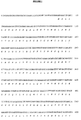
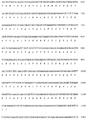
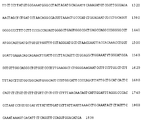
- the coding sequence which encodes the polypeptide may be identical to the coding sequence of the polynucleotide shown in Figure 1, (SEQ ID NO: 1). It also may be a polynucleotide with a different sequence, which, as a result of the redundancy (degeneracy) of the genetic code, also encodes the polypeptide of Figure 1, (SEQ ID NO: 2).
- Polynucleotides of the present invention which encode the polypeptide of Figure 1 may include, but are not limited to, the coding sequence for the mature polypeptide, by itself; the coding sequence for the mature polypeptide and additional coding sequences, such as those encoding a leader or secretory sequence, such as a pre-, or pro- or prepro- protein sequence; and the coding sequence of the mature polypeptide, with or without the aforementioned additional coding sequences, together with additional, non-coding sequences, including, but not limited to, introns and non-coding 5' and 3' sequences, such as the transcribed, non-translated sequences that play a role in transcription, and mRNA processing, including splicing and polyadenylation signals, for example, for ribosome binding and stability of mRNA.
- the polypeptide may be fused to a marker sequence, such as a peptide, which facilitates purification of the fused polypeptide.
- the marker sequence is a hexa-histidine peptide, such as the tag provided in the pQE vector (Qiagen, Inc.). As described in Gentz et al., Proc. Natl. Acad Sci., USA, 1989, 86:821-824, for instance, hexa-histidine provides for convenient purification of the fusion protein.
- the marker sequence is a HA tag.
- the HA tag corresponds to an epitope derived of influenza hemagglutinin protein, which has been described by Wilson et al., Cell , 1984, 37 :767, for instance. Many other such tags are commercially abatable.
- polynucleotide encoding a polypeptide also encompasses polynucleotides that include a single continuous region or discontinuous regions encoding the polypeptide (for example, interrupted by introns) together with additional regions, that also may contain coding and/or non-coding sequences.
- the present invention further relates to variants of the polynucleotides which encode for fragments, analogs and derivatives of the polypeptide having the deduced amino acid sequence of Figure 1 (SEQ ID NO: 2).
- a variant of the polynucleotide may be a naturally occurring variant such as a naturally occurring allelic variant, or it may be a variant that is not known to occur naturally.
- Such non-naturally occurring variants of the polynucleotide may be made by mutagenesis techniques, including those applied to polynucleotides, cells or organisms.
- variants in this regard are variants that differ from the aforementioned polynucleotides by nucleotide substitutions, deletions or additions.
- the substitutions, deletions or additions may involve one or more nucleotides.
- the variants may be altered in coding or non-coding regions or both. Alterations in the coding regions may produce conservative or non-conservative amino acid substitutions, deletions or additions.
- polypeptides having the amino acid sequence CSBP ⁇ set out in Figure 1 SEQ ID NO: 2
- variants, analogs, derivatives and fragments thereof, and fragments of the variants, analogs and derivatives are particularly preferred embodiments of the invention in this regard.
- polynucleotides encoding CSBP ⁇ variants, analogs, derivatives and fragments, and variants, analogs and derivatives of the fragments which have the amino acid sequence of the CSBP ⁇ polypeptide of Figure 1 (SEQ ID NO: 2) in which several, a few, 5 to 10, 1 to 5, 1 to 3, 2, 1 or no amino acid residues are substituted, deleted or added, in any combination.
- silent substitutions, additions and deletions which do not alter the properties and activities of the CSBP ⁇ .
- conservative substitutions are also especially preferred in this regard.
- polynucleotides that are at least 75% identical to a polynucleotide encoding the CSBP ⁇ polypeptide having the amino acid sequence set out in Figure 1 (SEQ ID NO: 2), and polynucleotides which are complementary to such polynucleotides.
- polynucleotides that comprise a region that is at least 80% identical to a polynucleotide encoding the CSBP ⁇ polypeptide of the human cDNA of the deposited clone and polynucleotides complementary thereto.
- polynucleotides at least 90% identical to the same are particularly preferred, and those with at least 95% are especially preferred.
- those with at least 97% are highly preferred and those with at least 98-99% are most highly preferred, with at least 99% being the most preferred.
- polynucleotides which encode polypeptides which retain substantially the same biological function or activity as the mature polypeptide encoded by the cDNA of Figure 1 (SEQ ID NO: 2).
- the present invention further relates to polynucleotides that hybridize to the polynucleotide encoding a polypeptide of this invention.
- the present invention especially relates to polynucleotides which hybridize under stringent conditions to the herein above-described polynucleotides.
- stringent conditions means hybridization will occur only if there is at least 95% and preferably at least 97% identity between the sequences.
- the polynucleotides of this invention may encode a polypeptide which is the mature protein plus additional amino or carboxyl-terminal amino acids, or amino acids interior to the mature polypeptide (when the mature form has more than one polypeptide chain, for instance).
- Such sequences may play a role in processing of a protein from precursor to a mature form, may facilitate protein trafficking, may prolong or shorten protein half-life or may facilitate manipulation of a protein for assay or production, among other things.
- the additional amino acids may be processed away from the mature protein by cellular enzymes.
- a precursor protein, having the mature form of the polypeptide fused to one or more prosequences may be an inactive form of the polypeptide.
- inactive precursors When prosequences are removed such inactive precursors generally are activated. Some or all of the prosequences may be removed before activation. Generally, such precursors are called proproteins.
- a polynucleotide of the present invention may encode a mature protein, a mature protein plus a leader sequence (which may be referred to as a preprotein), a precursor of a mature protein having one or more prosequences which are not the leader sequences of a preprotein, or a preproprotein, which is a precursor to a proprotein, having a leader sequence and one or more prosequences, which generally are removed during processing steps that produce active and mature forms of the polypeptide.
- a leader sequence which may be referred to as a preprotein
- a precursor of a mature protein having one or more prosequences which are not the leader sequences of a preprotein or a preproprotein, which is a precursor to a proprotein, having a leader sequence and one or more prosequences, which generally are removed during processing steps that produce active and mature forms of the polypeptide.
- the present invention further relates to a CSBP ⁇ polypeptide which has the deduced amino acid sequence of Figure 1, SEQ ID NO: 2.
- the invention also relates to fragments, analogs and derivatives of these polypeptides.
- fragment when referring to the polypeptide of Figure 1 (SEQ ID NO: 2), mean a polypeptide which retains essentially the same biological function or activity as such polypeptide, i.e. functions as a CSBP ⁇ , or retains the ability to bind the ligand or the binding molecules even though the polypeptide does not otherwise function as a CSBP ⁇ .
- an analog includes, for example, a proprotein which can be activated by cleavage of the proprotein portion to produce an active mature polypeptide.
- the polypeptide of the present invention may be a recombinant polypeptide, a natural polypeptide or a synthetic polypeptide. In certain preferred embodiments, it is a recombinant polypeptide.
- the fragment, derivative or analog of the polypeptide of Figure 1 may be (i) one in which one or more of the amino acid residues are substituted with a conserved or non-conserved amino acid residue (preferably a conserved amino acid residue) and such substituted amino acid residue may or may not be one encoded by the genetic code; (ii) one in which one or more of the amino acid residues includes a substituent group; (iii) one in which the mature polypeptide is fused with another compound, such as a compound to increase the half-life of the polypeptide (for example, polyethylene glycol); or (iv) one in which the additional amino acids are fused to the mature polypeptide, such as a leader or secretory sequence or a sequence which is employed for purification of the mature polypeptide or a proprotein sequence.
- a conserved or non-conserved amino acid residue preferably a conserved amino acid residue
- substituted amino acid residue may or may not be one encoded by the genetic code
- polypeptides having the amino acid sequence of CSBP ⁇ set out in Figure 1 SEQ ID NO: 2
- variants, analogs, derivatives and fragments thereof and variants, analogs and derivatives of the fragments.
- variants, analogs, derivatives and fragments, and variants, analogs and derivatives of the fragments having the amino acid sequence of the CSBP ⁇ polypeptide of Figure 1 (SEQ ID NO: 2), in which several, a few, 5 to 10, 1 to 5, 1 to 3, 2, 1 or no amino acid residues are substituted, deleted or added, in any combination.
- silent substitutions, additions and deletions which do not alter the properties and activities of the CSBP ⁇ .
- conservative substitutions are also especially preferred in this regard.
- polypeptides and polynucleotides of the present invention are preferably provided in an isolated form, and preferably are purified to homogeneity.
- polypeptides of the present invention include the polypeptide of SEQ ID NO: 2 (in particular the mature polypeptide) as well as polypeptides which have at least 80% identity to the polypeptide of SEQ ID NO: 2 and more preferably at least 90% similarity (more preferably at least 90% identity) to the polypeptide of SEQ ID NO: 2 and still more preferably at least 95% similarity (still more preferably at least 95% identity) to the polypeptide of SEQ ID NO: 2 and also include portions of such polypeptides with such portion of the polypeptide generally containing at least 30 amino acids and more preferably at least 50 amino acids.
- Fragments or portions of the polypeptides of the present invention may be employed for producing the corresponding full-length polypeptide by peptide synthesis; therefore, the fragments may be employed as intermediates for producing the full-length polypeptides. Fragments or portions of the polynucleotides of the present invention may be used to synthesize full-length polynucleotides of the present invention. Fragments may be "free-standing," i.e., not part of or fused to other amino acids or polypeptides, or they may be comprised within a larger polypeptide of which they form a part or region. When comprised within a larger polypeptide, the presently discussed fragments most preferably form a single continuous region.
- fragments may be comprised within a single larger polypeptide.
- certain preferred embodiments relate to a fragment of a CSBP ⁇ polypeptide of the present comprised within a precursor polypeptide designed for expression in a host and having heterologous pre and pro-polypeptide regions fused to the amino terminus of the CSBP ⁇ fragment and an additional region fused to the carboxyl terminus of the fragment. Therefore, fragments in one aspect of the meaning intended herein, refers to the portion or portions of a fusion polypeptide or fusion protein derived CSBP ⁇ .
- polypeptide fragments of the invention there may be mentioned those which have from about 5-15, 10-20, 15-40, 30-55, 41-75, 41-80, 41-90, 50-100, 75-100, 90-115, 100-125, and 110-113 amino acids in length.
- about includes the particularly recited range and ranges larger or smaller by several, a few, 5, 4, 3, 2 or 1 amino acid residues at either extreme or at both extremes.
- about 40-90 amino acids in this context means a polypeptide fragment of 40 plus or minus several, a few, 5, 4, 3, 2 or 1 amino acid residues to 90 plus or minus several a few, 5, 4, 3, 2 or 1 amino acid residues, i.e., ranges as broad as 40 minus several amino acids to 90 plus several amino acids to as narrow as 40 plus several amino acids to 90 minus several amino acids.
- Highly preferred in this regard are the recited ranges plus or minus as many as 5 amino acids at either or at both extremes.
- Particularly highly preferred are the recited ranges plus or minus as many as 3 amino acids at either or at both the recited extremes. Especially particularly highly preferred are ranges plus or minus 1 amino acid at either or at both extremes or the recited ranges with no additions or deletions. Most highly preferred of all in this regard are fragments from about 5-15, 10-20, 15-40, 30-55, 41-75, 41-80, 41-90, 50-100, 75-100, 90-115, 100-125, and 110-113 amino acids long.
- Truncation mutants include CSBP ⁇ polypeptides having the amino acid sequence of Figure 1 (SEQ ID NO: 2), or of variants or derivatives thereof, except for deletion of a continuous series of residues (that is, a continuous region, part or portion) that includes the amino terminus, or a continuous series of residues that includes the carboxyl terminus or, as in double truncation mutants, deletion of two continuous series of residues, one including the amino terminus and one including the carboxyl terminus.
- fragments of the membrane bound receptors of this invention include soluble forms of the receptor comprising the extracellular domain without its attendant transmembrane and cytoplasmic domain or transmenbrane region deletions resulting a receptor in which the extracellular domain is fused directly to the cytoplasmic domain. See for example, published PCT application number WO94/03620. Fragments having the size ranges set out above also are preferred embodiments of truncation fragments, which are especially preferred among fragments generally.
- fragments characterized by structural or functional attributes of CSBP ⁇ are fragments characterized by structural or functional attributes of CSBP ⁇ .
- Preferred embodiments of the invention in this regard include fragments that comprise alpha-helix and alpha-helix forming regions ("alpha-regions"), beta-sheet and beta-sheet-forming regions ("beta-regions”), turn and turn-forming regions ("turn-regions”), coil and coil-forming regions ("coil-regions”), hydrophilic regions, hydrophobic regions, alpha amphipathic regions, beta amphipathic regions, flexible regions, surface-forming regions and high antigenic index regions of CSBP ⁇ .
- fragments in this regard are those that comprise regions of CSBP ⁇ that combine several structural features, such as several of the features set out above.
- the regions defined by the residues about 10 to about 20, about 40 to about 50, about 70 to about 90 and about 100 to about 113 of Figure 1, which all are characterized by amino acid compositions highly characteristic of turn-regions, hydrophilic regions, flexible-regions, surface-forming regions, and high antigenic index-regions are especially highly preferred regions.
- Such regions may be comprised within a larger polypeptide or may be by themselves a preferred fragment of the present invention, as discussed above. It will be appreciated that the term "about” as used in this paragraph has the meaning set out above regarding fragments in general.
- fragments that mediate activities of CSBP ⁇ are those that mediate activities of CSBP ⁇ .
- fragments that have a chemical, biological or other activity of CSBP ⁇ including those with a similar activity or an improved activity, or with a decreased undesirable activity.
- the invention also relates to, among others, polynucleotides encoding the aforementioned fragments, polynucleotides that hybridize to polynucleotides encoding the fragments, particularly those that hybridize under stringent conditions, and polynucleotides, such as PCR primers, for amplifying polynucleotides that encode the fragments.
- preferred polynucleotides are those that correspond to the preferred fragments, as discussed above.
- the proteins of this invention are preferably made by recombinant genetic engineering techniques.
- the isolated nucleic acids, particularly the DNAs can be introduced into expression vectors by operatively linking the DNA to the necessary expression control regions (e.g. regulatory regions) required for gene expression.
- the vectors can be introduced into the appropriate host cells such as prokaryotic (e.g., bacterial), or eukaryotic (e.g., yeast or mammalian) cells by methods well known in the art (Ausubel et al.,supra).
- the coding sequences for the desired proteins having been prepared or isolated can be cloned into any suitable vector or replicon.
- cloning vectors are known to those of skill in the art, and the selection of an appropriate cloning vector is a matter of choice.
- Examples of recombinant DNA vectors for cloning and host cells which they can transform include the bacteriophage ⁇ (E. coli), pBR322 (E. coli), pACYC177 (E. coli), pKT230 (gram-negative bacteria), pGV1106 (gram-negative bacteria), pLAFR1 (gram-negative bacteria), pME290 (non-E. coli gram-negative bacteria), pHV14 (E.
- the gene can be placed under the control of a promoter, ribosome binding site (for bacterial expression) and, optionally, an operator (collectively referred to herein as "control" elements), so that the DNA sequence encoding the desired protein is transcribed into RNA in the host cell transformed by a vector containing this expression construction.
- the coding sequence may or may not contain a signal peptide or leader sequence.
- the subunit antigens of the present invention can be expressed using, for example, the E . coli tac promoter or the protein A gene (spa) promoter and signal sequence. Leader sequences can be removed by the bacterial host in post-translational processing. See , e.g. , U.S. Patent Nos. 4,431,739; 4,425,437; 4,338,397.
- regulatory sequences which allow for regulation of the expression of the protein sequences relative to the growth of the host cell.
- Regulatory sequences are known to those of skill in the art, and examples include those which cause the expression of a gene to be turned on or off in response to a chemical or physical stimulus, including the presence of a regulatory compound.
- Other types of regulatory elements may also be present in the vector, for example, enhancer sequences.
- An expression vector is constructed so that the particular coding sequence is located in the vector with the appropriate regulatory sequences, the positioning and orientation of the coding sequence with respect to the control sequences being such that the coding sequence is transcribed under the "control" of the control sequences (i.e., RNA polymerase which binds to the DNA molecule at the control sequences transcribes the coding sequence).
- control i.e., RNA polymerase which binds to the DNA molecule at the control sequences transcribes the coding sequence.
- Modification of the sequences encoding the particular protein of interest may be desirable to achieve this end. For example, in some cases it may be necessary to modify the sequence so that it may be attached to the control sequences with the appropriate orientation; i.e., to maintain the reading frame.
- control sequences and other regulatory sequences may be ligated to the coding sequence prior to insertion into a vector, such as the cloning vectors described above.
- a vector such as the cloning vectors described above.
- the coding sequence can be cloned directly into an expression vector which already contains the control sequences and an appropriate restriction site.
- a fusion partner could provide known assayable activity (e.g., enzymatic) which could be used as an alternative means of selecting the binding protein.
- the fusion partner could be a structural element, such as a cell surface element such that the binding protein (a normally cytosolic component) could be displayed on the cell surface in the form of a fusion protein.
- Mutants or analogs may be prepared by the deletion of a portion of the sequence encoding the protein, by insertion of a sequence, and/or by substitution of one or more nucleotides within the sequence. Techniques for modifying nucleotide sequences, such as site-directed mutagenesis and the formation of fusion proteins, are well known to those skilled in the art. See , e.g. , T. Maniatis et al., supra; DNA Cloning , Vols. I and II, supra; Nucleic Acid Hybridization , supra.
- prokaryotic expression vectors are known in the art. See , e.g. , U.S. Patent Nos. 4,578,355; 4,440,859; 4,436,815; 4,431,740; 4,431,739; 4,428,941; 4,425,437; 4,418,149; 4,411,994; 4,366,246; 4,342,832; see also U.K. Patent Applications GB 2,121,054; GB 2,008,123; GB 2,007,675; and European Patent Application 103,395.
- Yeast expression vectors are also known in the art. See , e.g. , U.S. Patent Nos.
- pSV2neo (as described in J. Mol. Appl. Genet . 1:327-341) which uses the SV40 late promoter to drive expression in mammalian cells or pCDNA1neo, a vector derived from pCDNA1(Mol. Cell Biol . 7:4125-29) which uses the CMV promoter to drive expression. Both these latter two vectors can be employed for transient or stable(e.g. using G418 or hygromycin resistance) expression in mammalian cells. Insect cell expression systems, e.g., Drosophila , are also useful, see for example, PCT applications US 89/05155 and US 91/06838 as well as EP application 88/304093.3 and Baculovirus expression systems.
- the proteins of the present invention are produced by growing host cells transformed by an expression vector described above under conditions whereby the protein of interest is expressed. The protein is then isolated from the host cells and purified. If the expression system secretes the protein into growth media, the protein can be purified directly from the media. If the protein is not secreted, it is isolated from cell lysates or recovered from the cell membrane fraction. The selection of the appropriate growth conditions and recovery methods are within the skill of the art.
- An alternative method to identify proteins of the present invention is by constructing gene libraries, using the resulting clones to transform E. coli and pooling and screening individual colonies using polyclonal serum or monoclonal antibodies to the desired binding protein.
- the proteins of the present invention may also be produced by chemical synthesis such as solid phase peptide synthesis, using known amino acid sequences or amino acid sequences derived from the DNA sequence of the genes of interest. Such methods are known to those skilled in the art. Chemical synthesis of peptides is not particularly preferred.
- This invention also provides a method for determining whether a ligand previously not known to bind to a CSBP ⁇ can bind to such a protein.
- the method comprises contacting the ligand to be identified with cytosolic fraction from mammalian cells and measuring its ability to compete with a known radioactive CSAID, in a CSAIDs binding assay (Lee et. al Nature 372:739-746; and previous CSBP filings).
- Alternative methods include contacting the ligand to be identified with a whole-cell expressing the coding sequence of a CSBP ⁇ under conditions sufficient for binding of ligands previously identified as binding to such a receptor.
- cell membrane or cytosolic fractions comprising CSBP ⁇ fusions or isolated CSBP ⁇ free or immobilized on solid supports may be used to measure binding of the ligand to be tested.
- recombinant cells-are used for purposes of expression of the CSBP ⁇ it is preferred to use cells with little or no endogenous CSBP ⁇ activity so that binding if any is due to the presence of the expressed protein of interest.
- the CSBP ⁇ is engineered as a fusion to a peptide or protein fragment allowing separation from endogenous cellular proteins which might contribute to binding.
- a specifically designed indicator of receptor binding can be constructed.
- a fusion protein can be made by fusing the CSBP ⁇ of this invention with a protein domain which is sensitive to CSBP ⁇ / ligand binding.
- a domain referred to here as an indicator domain is capable, itself, or in association with accessory molecules, of generating an analytically detectable signal which is indicative of receptor ligand binding.
- a variation of this approach is to express CSBP ⁇ as a fusion protein (e.g., fused to FLAG peptide) in THP.1 or other mammalian cells, and to use the fusion peptide as a means of isolating the recombinant CSBP ⁇ after suitable stimulation and pretreatment of THP.1 cells.
- Such expression can be achieved with numerous mammalian expression vectors which utilize viral promoters, e.g. CMV, RSV and polyadenylation sequences, et. SV40, bovine growth hormone, and a selectable marker such as G418 or hygromycin for selection of stable transfectants.
- viral promoters e.g. CMV, RSV and polyadenylation sequences, et. SV40, bovine growth hormone, and a selectable marker such as G418 or hygromycin for selection of stable transfectants.
- Cytosolic preparations from transfected or transformed cells expressing such fusions may be employed. All of the above techniques that are useful for ligand identification are also useful in drug screening and drug development protocols.
- the purified recombinant protein could be used to substitute for crude THP.1 cell lysates in a competitive binding assay with SB 202190 or a related compound (Lee et al., Nature 372:739-746).
- This assay is useful to screen for novel compound which bind CSBP ⁇ , or as a way to assess alterations to compound which is known to bind.
- the availability of purified protein allows alternative configurations of the assay from those described previously for the crude material.
- the protein is covalently linked to a tag, such a protein binding site for configuration in a colorimetic assay, e.g., conjugated antibody, or to an enzyme for direct detection of enzyme activity, e.g., horseradish peroxidase or alkaline phosphatase, binding to novel compounds displayed on a solid matrix could be detected.
- a tag such as a colorimetic assay, e.g., conjugated antibody
- an enzyme for direct detection of enzyme activity e.g., horseradish peroxidase or alkaline phosphatase
- binding to novel compounds displayed on a solid matrix could be detected.
- Such compounds could include low molecular weight organic molecules, peptides, peptoids, and proteins.
- the protein can be used as a way to isolate other proteins in its signaling cascade, for example, those that are in the pathway for activation of cytokine translation in activated monocytes.
- the protein may also be used to isolate naturally occurring regulatory molecules within mammalian
- CSBP ⁇ encodes protein kinases
- Separation methods include immunoprecipitation, conjugation of substrate to a bead allowing separation by centrifugation or determination of incorporation by scintillation proximity assay, SDS-PAGE followed by autoradiography or biosensor analysis.
- CSBP ⁇ itself (autophosphorylation), myelin basic protein, ATF2, MAPKAP kinase-2, MAPKAP kinase-3 (see McLaughlin et al., (1996) J. Biol. Chem. 271:8488-8492 and references therein) and peptides related to known MAP kinase substrates.
- Other substances might be discovered by incubating CSBP ⁇ with random peptides conjugated to solid supports or displayed by phage (see above) or by incubation of CSBP ⁇ with mammalian cell lysates (e.g.
- THP.1 cell lysates THP.1 cell lysates
- ⁇ - 32 P- ATP ATP-activated phosphatidylcholine
- Kinase activity may also be detected by use of antiphosphotyrosine antibodies.
- the protein kinase activity of CSBP ⁇ may require incubation with a specific MAP kinase kinase . This may be achieved by preincubating CSBP ⁇ with lysates from stimulated eukaryotic cells (e.g., LPS treated THP.1 cells) and ATP.
- CSBP ⁇ s like other MAP kinases, will be activated by a MAP kinase kinase , hence the recombinant protein would allow the establishment of a second assay which measures the ability of CSBP ⁇ to be phosphorylated by putative MAP kinase kinases .
- fractions from stimulated cell lysates e.g. THP.1 cells stimulated with LPS
- are incubated with CSBP ⁇ in the presence of ⁇ - 32 P-ATP are incubated with CSBP ⁇ in the presence of ⁇ - 32 P-ATP, and the incorporation of 32 P-label into CSBP ⁇ measured by separation and counting.
- Separation can be achieved in a number of ways: one way is to use a CSBP ⁇ fused to a peptide or protein and separate via affinity chromatography or immunoprecipitation with the peptide or protein directed antibody.
- the CSBP ⁇ can be directly conjugated to beads or bound through a fusion peptide or protein (e.g., FLAG (peptide), glutathionine-S-transferase) and separated by centrifugation after incubation with cell lysates.
- FLAG peptide
- glutathionine-S-transferase glutathionine-S-transferase
- tyrosine phosphorylation of CSBP ⁇ could be detected by immunoprecipitation or immunoblot with commercially available anti-phosphotyrosine antibodies.
- the ability of human CSBP ⁇ to rescue a HOG1 deletion strain upon growth in conditions of high osmolarity allows for the direct screening of compounds which block CSBP ⁇ activity in vivo.
- compounds could be screened for their ability to block growth of a CSBP ⁇ +/HOG1- yeast strain in high osmolarity but which have no effect on growth of the same strain in standard osmolarity or on a CSBP ⁇ /HOG1+ in high osmolarity.
- the sensitivity of the yeast based assay can be increased by introducing host mutations that affect the cell membrane and permeability (Gaber, et al., Mol. Cell. Biol. 9 : 3447-3456. (1989)).
- the CSBP ⁇ in isolated, immobilized or cell bound form is contacted with a plurality of candidate molecules and those candidates are selected which bind to and interact with the protein.
- the binding or interaction can be measured directly by using radioactively labeled candidate of interest or indirectly by measuring an effect resulting from the interaction or binding of the candidate compound.
- the candidate compounds can be subjected to a competition screening assays, in which a known ligand, preferably labeled with an analytically detectable reagent, most notably radioactivity, is introduced with the compounds to be tested and the compound's capacity to inhibit or enhance the binding of the labeled ligand is measured. Compounds are screened for their increased affinity and selectivity for the CSBP ⁇ .
- a natural product screen may be performed.
- binding assay to facilitate high throughout screening can be achieved by the minor modification of separating bound ligand from free ligand using spin columns.
- CSBPß of this invention is homologous to the CSBP-MAP kinase family of serine-threonine protein kinases provides a specific rationale for the treatment of a wide variety of acute and chronic inflammatory diseases. Accordingly, it is a further aspect of this invention to treat patients suffering from the effects of cytokine-mediated inflammatory disease with a CSBP ⁇ inhibitory amount of a CSAID.
- diseases associated with the central nervous system include, without limitation, diseases associated with the central nervous system such as senile dementia of the Alzheimer's type (SDAT), mutiple sclerosis, cerebral malaria, stroke, head trauma and spinal cord injury; cardiovascular diseases such as restenosis and atherosclerosis; inflammatory diseases such as Adult Respiratory Disease Syndrome (ARDS), Rheumatoid arthritis, Osteoarthritis, Inflammatory Bowel Disease (IBD), psoriasis, dermatitis, asthma; and other such diseases or conditions associated with dysregulated or excess cytokines such as osteoporosis, sepsis due to surgical or traumatic incident, chronic renal failure, AIDs, cachexia and autoimmune conditions such as lupus erthyromatosis, host graft rejection and graft verus host disease.
- SDAT Alzheimer's type
- mutiple sclerosis cerebral malaria
- stroke head trauma and spinal cord injury
- cardiovascular diseases such as restenosis and atherosclerosis
- inflammatory diseases such as Adult
- this invention contemplates the treatment and/ or amelioration of such disease by administering a CSBP ⁇ inhibiting amount of a compound.
- a CSBP ⁇ inhibiting amount of a compound is believed that among the useful inhibitors of CSBP ⁇ function are those compounds which inhibit the kinase activity of the CSBP ⁇ s. Other sites of inhibition are, of course, possible owing to its position in a signal transduction cascade. Therefore, inhibiting the interaction of CSBP ⁇ with one or more of its upstream or downstream substrates is also contemplated by this invention.
- compositions comprising compounds when identified by the above methods and a pharmaceutically acceptable carrier.
- Pharmaceutical compositions of proteineous drugs of this invention are particularly useful for parenteral administration, i.e., subcutaneously, intramuscularly or intravenously.
- the compositions for parenteral administration will commonly comprise a solution of the compounds of the invention or a cocktail thereof dissolved in an acceptable carrier, preferably an aqueous carrier.
- an acceptable carrier preferably an aqueous carrier.
- aqueous carriers may be employed, e.g., water, buffered water, 0.4% saline, 0.3% glycine, and the like. These solutions are sterile and generally free of particulate matter. These solutions may be sterilized by conventional, well known sterilization techniques.
- compositions may contain pharmaceutically acceptable auxiliary substances as required to approximate physiological conditions such as pH adjusting and buffering agents, etc.
- concentration of the compound of the invention in such pharmaceutical formulation can very widely, i.e., from less than about 0.5%, usually at or at least about 1% to as much as 15 or 20% by weight and will be selected primarily based on fluid volumes, viscosities, etc., according to the particular mode of administration selected.
- a pharmaceutical composition of the invention for intramuscular injection could be prepared to contain 1 mL sterile buffered water, and 50 mg of a compound of the invention.
- a pharmaceutical composition of the invention for intravenous infusion could be made up to contain 250 ml of sterile Ringer's solution, and 150 mg of a compound of the invention.
- Actual methods for preparing parenterally administrable compositions are well known or will be apparent to those skilled in the art and are described in more detail in, for example, Remington's Pharmaceutical Science , 15th ed., Mack Publishing Company, Easton, Pennsylvania.
- the compounds described herein can be lyophilized for storage and reconstituted in a suitable carrier prior to use. This technique has been shown to be effective with conventional proteins and art-known lyophilization and reconstitution techniques can be employed.
- the identified drug may be administered alone or in combinantion with pharmaceutically acceptable carriers.
- pharmaceutically acceptable carriers The proportion of which is determined by the solubility and chemical nature of the compound, chosen route of administration and standard pharmaceutical practice.
- they may be administered orally in the form of tablets or capsules containing such excipients as starch, milk sugar, certain types of clay and so forth.
- They may be administered sublingually in the form of troches or lozenges in which the active ingredient is mixed with sugar and corn syrups, flavoring agents and dyes; and then dehydrated sufficiently to make it suitable for pressing into a solid form.
- solutions which may be injected parenterally, that is, intramuscularly, intravenously or subcutaneously.
- parenteral administration they may be used in the form of a sterile solution containing other solutes, for example, enough saline or glucose to make the solution isotonic.
- the physician will determine the dosage of the present therapeutic agents which will be most suitable and it will vary with the form of administration and the particular compound chosen, and furthermore, it will vary with the particular patient under treatment.
- the physician will generally wish to initiate treatment with small dosages substantially less than the optimum dose of the compound and increase the dosage by small increments until the optimum effect under the circumstances is reached. It will generally be found that when the composition is administered orally, larger quantities of the active agent will be required to produce the same effect as a smaller quantity given parenterally.
- the compounds are useful in the same manner as other serotonergic agents and the dosage level is of the same order of magnitude as is generally employed with these other therapeutic agents.
- the therapeutic dosage will generally be from 1 to 10 milligrams per day and higher although it may be administered in several different dosage units. Tablets containing from 0.5 to 10 mg. of active agent are particularly useful.
- compositions of the invention can be administered for prophylactic and/or therapeutic treatments.
- compositions are administered to a patient already suffering from a disease in an amount sufficient to cure or at least partially arrest the disease and its complications.
- compositions containing the present compounds or a cocktail thereof are administered to a patient not already in a disease state to enhance the patient's resistance.
- Single or multiple administrations of the pharmaceutical compositions can be carried out with dose levels and pattern being selected by the treating physician.
- the pharmaceutical composition of the invention should provide a quantity of the compounds of the invention sufficient to effectively treat the patient.
- the nucleic acid embodiment of this invention is particularly useful in providing probes capable of specific hybridization with human CSBP ⁇ sequences.
- Probing technology is well known in the art, and it is appreciated that the size of the probes can vary widely, but it is preferred that the probe be at least 15 nucleotides in length. It is also appreciated that such probes can be, and are preferably, labeled with an analytically detectable reagent to facilitate identification of the probe.
- Useful reagents include, but are not limited to, radioactivity, fluorescent dyes or enzymes capable of catalyzing the formation of a detectable product.
- This invention contemplates, for example using receptor encoding probes in the diagnostic evaluation of disease states characterized by an abnormal, i.e. increased or decreased level of receptor gene expression.
- the probes can be used to identify individuals carrying chromosomal or molecular mutations In the gene encoding the receptor.
- the probes can be used to identify and recover additional examples of this receptor (in its genomic or cDNA form) from other cell types and individuals. As a general rule, the more stringent the hybridization conditions, the more closely related the genes will be that are recovered.
- antisense oligonucleotides predicated upon the sequences disclosed herein for the CSBP ⁇ .
- Synthetic oligonucleotides or related antisense chemical structural analogs are designed to recognize and specifically bind to a target nucleic acid encoding the receptor gene and inhibit gene expression, e.g., the translation of the gene when the target nucleic acid is mRNA.
- antisense drugs can act by one or more of the following mechanisms: by binding to mRNA and inducing degradation by endogenous nucleases such as RNase I or by inhibiting the translation of mRNA by inhibiting its binding to regulatory factors or ribosomal components necessary for productive protein synthesis.
- the antisense sequences can be use as components of a complex macromolecular arrays in which the sequences are combined with ribozyme sequences or reactive chemical groups and are used to specifically target mRNAs of interest and degrade or chemically modify said mRNAs.
- This invention also contemplates the use of the DNA sequences disclosed herein in gene therapy. Because CSBP ⁇ is a protein kinase, it is possible to make a site specific mutant which is inactive as a kinase, but will block activation of the endogenous CSBP ⁇ when coexpressed in the same cell, i.e., it is a dominant negative mutant (Kolch et al., Nature 349 : 426-428 (1991)). The DNA encoding this mutant protein could be used in gene therapy to reduce chronic inflammation. There are many vector and delivery systems available to direct DNA into target cells in vivo , e.g. adenovirus, retroviruses.
- This invention also contemplates antibodies, monoclonal or polyclonal directed to epitopes corresponding to amino acid sequences disclosed herein from the CSBP ⁇ .
- Particularly important regions of the receptor for immunological purposes are those regions associated with ligand binding domains of the protein.
- Antibodies directed to the regions are particularly useful in diagnostic and therapeutic applications because of their effect upon protein- ligand interaction. Methods for the production of polyclonal and monoclonal antibodies are well known, see for example Chap. 11 of Ausubel et al. ( supra ).
- This invention also provides pharmaceutical compositions comprising an effective amount of antibody or fragment thereof directed against the CSBP ⁇ to block binding of the naturally occurring ligands to that protein in order to treat or ameliorate disease states associated with protein activation.
- the binding proteins of the present invention or their fragments comprising at least one epitope can be used to produce antibodies, both polyclonal and monoclonal. If polyclonal antibodies are desired, a selected mammal, (e.g., mouse, rabbit, goat, horse, etc.) is immunized with a binding protein of the present invention, or its fragment, or a mutated binding protein. Serum from the immunized animal is collected and treated according to known procedures. When serum containing polyclonal antibodies is used, the polyclonal antibodies can be purified by immunoaffinity chromatography or other known procedures.
- Monoclonal antibodies to the proteins of the present invention, and to the fragments thereof, can also be readily produced by one skilled in the art.
- the general methodology for making monoclonal antibodies by using hybridoma technology is well known.
- Immortal antibody-producing cell lines can be created by cell fusion, and also by other techniques such as direct transformation of B lymphocytes with oncogenic DNA, or transfection with Epstein-Barr virus. See , e.g. , M.
- genes encoding the monoclonals of interest may be isolated from the hybridomas by PCR techniques known in the art and cloned and expressed in the appropriate vectors.
- Monoclonal antibodies are useful in purification, using immunoaffinity techniques, of the individual proteins against which they are directed.
- the antibodies of this invention whether polyclonal or monoclonal have additional utility in that they may be employed reagents in immunoassays, RIA, ELISA, and the like.
- they can be used to isolate the CSBP ⁇ from human cells and determine the effect of different stimuli and compounds on the phosphorylation state and protein kinase activity of endogenous CSBP ⁇ .
- the antibodies could be used to establish a tissue culture based assay for discovery or modification of novel compounds which block the phosphorylation or kinase activity of CSBP ⁇ .
- An example of such an assay would be to incubate human cell lines expressing CSBP ⁇ with a compound or compound mixture prior to treatment with a suitable LPS stimulus (e.g., LPS, osmotic stress)for a defined time period, followed by immunoprecipitation of CSBP ⁇ with antibody and assessment of its phosphorylation state via immunoblot or chromatography or measurement of its kinase activity with appropriate protein or peptide substrate.
- LPS stimulus e.g., LPS, osmotic stress
- Transgenic, non-human, animals may be obtained by transfecting appropriate fertilized eggs or embryos of a host with nucleic acids encoding the CSBP ⁇ disclosed herein, see for example U.S. Patents 4,736,866; 5,175,385; 5,175,384 and 5,175,386.
- the resultant transgenic animal may be used as a model for the study of CSBP ⁇ /ligand interaction.
- useful transgenic animals are those which display a detectable phenotype associated with the expression of the protein. Drugs may then be screened for their ability to reverse or exacerbate the relevant phenotype.
- This invention also contemplates operatively linking the CSBP ⁇ coding gene to regulatory elements which are differentially responsive to various temperature or metabolic conditions, thereby effectively turning on or off the phenotypic expression in response to those conditions.
- the nucleic acid probes disclosed herein can be used to clone the cognate version of the human CSBP ⁇ gene from a desired experimental animal species; for example the murine version. Strains of mice can be developed in which said gene has been eliminated by conventional gene knock-out technology. The gene can then be substituted/or replaced by the human CSBP ⁇ DNA of this invention to yield a mouse for screening candidate drugs in vivo . Similar gene knockout and human protein inhibition studies can also be performed with yeast.
- CSBP ⁇ is a member of the MAP kinase family of serine-threonine protein kinases (Marshall, C. J. (1994) Curr. Opinion Genet. Develop . 4 , 82-89).
- MAP kinases There are three families of MAP kinases which are distinguished by the nature of the "x" amino acid and the size of the activation loop ( Cano, E., and Mahadevan, L. C. (1995) Trends Biochem. Sci . 20 , 117-122). Hence, the erks have TEY, JNK/SAPKs have TPY and the CSBP/p38s have TGY. These differences reflect differences in the activating MAP kinase kinases and in the cellular stimuli which activate each MAP kinase. Within each family, the activating stimuli appear to be very similar.
- the erks respond mostly to mitogenic stimuli (e.g., EGF, PDGF), while the JNK/SAPKs and CSBP/p38s respond to several cellular stresses (e.g. UV, osmotic, heat or chemical stress, hypoxia, oxidants etc) and proinflammatory stimuli (e.g., LPS, IL-1, TNF, etc.).
- mitogenic stimuli e.g., EGF, PDGF
- JNK/SAPKs and CSBP/p38s respond to several cellular stresses (e.g. UV, osmotic, heat or chemical stress, hypoxia, oxidants etc) and proinflammatory stimuli (e.g., LPS, IL-1, TNF, etc.).
- CSBP ⁇ may be engineered for yeast expression in a similar manner to that previously described for CSBP1 and CSBP2 (Kumar, S., McLaughlin, M. M., McDonnell, P. C., Lee, J. C., Livi, G. P., and Young, P. R. (1995) J Biol. Chem . 270, 29043-29046).
- An XhoI site is engineered at the initiation codon of CSBP ⁇ by the polymerase chain reaction (Mullis and Faloona, Meth. Enymol. 155:335-50 (1987).
- XhoI/BglII fragment containing CSBP ⁇ is then ligated into the same sites in p138NBU, a modification of p138NB (McHale et al. Mol. Pharm. 39:109-113 (1991)) in which the Trp selectable marker is replaced with URA3.
- the amino terminus of CSBP ⁇ can be fused to an epitope tag such as the FLAG epitope (for which reagents are available from IBI-Kodak) by using a polymerase chain reaction which includes an XhoI site, the FLAG epitope and the amino terminal nucleotide sequence of CSBP ⁇ .
- CSBP ⁇ can also be engineered for expression in mammalian cells such as HeLa and JURKAT by fusing the amino terminus of CSBP ⁇ with a FLAG epitope.
- An XbaI/XhoI restriction fragment containing the complete open reading frame of human CSBP ⁇ was excised from the Bluescript plasmid in which it was originally cloned, and inserted into the vector pSPORT (GIBCO-BRL) cut with XbaI and SalI.
- the resulting vector pSPORT-CSBP ⁇ was then cut with SacI and BamHI and ligated with a synthetic oligonucleotide linker prepared by hybridizing together the following two oligonucleotides: 5' GAT CCG GTA CCA TGG ATT ATA AAG ATG ATG ATG ATA AAA GCC TCA TCC GGA AAA AGG GCT TCT ACA AGC AGG AGC T - 3' (SEQ ID NO: 3) and 5'-CCT GCT TGT AGA AGC CCT TTT TCC GGA TGA GGC TTT TAT CAT CAT CAT CTT TAT AAT CCA TGG TAC CG - 3' (SEQ ID NO: 4) to create pSPORT-FLAGCSBPb.
- a synthetic oligonucleotide linker prepared by hybridizing together the following two oligonucleotides: 5' GAT CCG GTA CCA TGG ATT ATA AAG ATG ATG ATG ATA AAA
- the entire FLAG-CSBP ⁇ fusion was then excised from pSPORT-FLAG CSBP ⁇ on a HindIII/SmaI restriction fragment, and ligated into pCDN cut with HindIII and EcoRV to create pCDN-FLAGCSBPb.
- This could then be transfected into mammalian cells such as HeLa or JURKAT using a number of established protocols, e.g. lipofectamine (GIBCO-BRL).
- a suitable stimulus e.g. osmotic shock, UV, IL-1
- FLAG CSBP ⁇ can be immunoprecipitated from transfected mammalian cells with antibodies to the FLAG epitope (IBI-Kodak), and an in vitro kinase assay can be performed with a suitable substrate (e.g. myelin basic protein, MAPKAP kinase-2 or -3) in the presence or absence of CSAID as previously described (Lee et al., (1994) Nature 372:739-746; McLaughlin et al. J. Biol. Chem. 271:8488-8492 (1996)).
- a suitable substrate e.g. myelin basic protein, MAPKAP kinase-2 or -3
- the cDNA may be expressed in E. coli , yeast and mammalian cells (e.g., HeLa, CHO, 3T3).
- E. coli the CSBPs are expressed as fusion proteins, for example, with ⁇ -galactosidase, an enterokinase cleavable FLAG epitope tag, glutathione S-transferase or a hexaHistidine tail.
- FLAG is a commercial epitope for which reagents are available through IBI-Kodak).
- Protein expressed in E. coli is purified by passage over an affinity matrix containing a monoclonal antibody to the FLAG epitope, glutathione beads or a NiNTA column according to manufacturer's instructions.
Landscapes
- Health & Medical Sciences (AREA)
- Life Sciences & Earth Sciences (AREA)
- Chemical & Material Sciences (AREA)
- Organic Chemistry (AREA)
- Medicinal Chemistry (AREA)
- General Health & Medical Sciences (AREA)
- General Chemical & Material Sciences (AREA)
- Public Health (AREA)
- Nuclear Medicine, Radiotherapy & Molecular Imaging (AREA)
- Chemical Kinetics & Catalysis (AREA)
- Pharmacology & Pharmacy (AREA)
- Veterinary Medicine (AREA)
- Animal Behavior & Ethology (AREA)
- Rheumatology (AREA)
- Biochemistry (AREA)
- Pain & Pain Management (AREA)
- Engineering & Computer Science (AREA)
- Cell Biology (AREA)
- Immunology (AREA)
- Toxicology (AREA)
- Zoology (AREA)
- Gastroenterology & Hepatology (AREA)
- Bioinformatics & Cheminformatics (AREA)
- Biophysics (AREA)
- Genetics & Genomics (AREA)
- Molecular Biology (AREA)
- Proteomics, Peptides & Aminoacids (AREA)
- Peptides Or Proteins (AREA)
- Measuring Or Testing Involving Enzymes Or Micro-Organisms (AREA)
- Micro-Organisms Or Cultivation Processes Thereof (AREA)
- Preparation Of Compounds By Using Micro-Organisms (AREA)
- Medicines That Contain Protein Lipid Enzymes And Other Medicines (AREA)
- Medicines Containing Antibodies Or Antigens For Use As Internal Diagnostic Agents (AREA)
Priority Applications (3)
| Application Number | Priority Date | Filing Date | Title |
|---|---|---|---|
| CA002223075A CA2223075A1 (fr) | 1997-12-02 | 1997-12-02 | Proteine fixatrice de medicaments |
| EP97309793A EP0922762A1 (fr) | 1997-12-02 | 1997-12-04 | Proteine fixatrice de medicaments |
| JP9369757A JPH11196873A (ja) | 1997-12-02 | 1997-12-09 | 薬剤結合蛋白 |
Applications Claiming Priority (3)
| Application Number | Priority Date | Filing Date | Title |
|---|---|---|---|
| CA002223075A CA2223075A1 (fr) | 1997-12-02 | 1997-12-02 | Proteine fixatrice de medicaments |
| EP97309793A EP0922762A1 (fr) | 1997-12-02 | 1997-12-04 | Proteine fixatrice de medicaments |
| JP9369757A JPH11196873A (ja) | 1997-12-02 | 1997-12-09 | 薬剤結合蛋白 |
Publications (1)
| Publication Number | Publication Date |
|---|---|
| EP0922762A1 true EP0922762A1 (fr) | 1999-06-16 |
Family
ID=31720847
Family Applications (1)
| Application Number | Title | Priority Date | Filing Date |
|---|---|---|---|
| EP97309793A Withdrawn EP0922762A1 (fr) | 1997-12-02 | 1997-12-04 | Proteine fixatrice de medicaments |
Country Status (3)
| Country | Link |
|---|---|
| EP (1) | EP0922762A1 (fr) |
| JP (1) | JPH11196873A (fr) |
| CA (1) | CA2223075A1 (fr) |
Cited By (9)
| Publication number | Priority date | Publication date | Assignee | Title |
|---|---|---|---|---|
| US6242453B1 (en) | 1999-02-22 | 2001-06-05 | Boehringer Ingelheim Pharmaceuticals, Inc | Polycyclo heterocyclic derivatives as antiinflammatory agents |
| US6319921B1 (en) | 1999-01-19 | 2001-11-20 | Boerhinger Ingelheim Pharmaceuticals, Inc. | Aromatic heterocyclic compound as antiinflammatory agents |
| US6358945B1 (en) | 1999-03-12 | 2002-03-19 | Boehringer Ingelheim Pharmaceuticals, Inc. | Compounds useful as anti-inflammatory agents |
| US6476023B1 (en) | 1999-03-12 | 2002-11-05 | Boehringen Ingelheim Pharmaceuticals, Inc. | Aromatic heterocyclic compounds as anti-inflammatory agents |
| US6525046B1 (en) | 2000-01-18 | 2003-02-25 | Boehringer Ingelheim Pharmaceuticals, Inc. | Aromatic heterocyclic compounds as antiinflammatory agents |
| US6608052B2 (en) | 2000-02-16 | 2003-08-19 | Boehringer Ingelheim Pharmaceuticals, Inc. | Compounds useful as anti-inflammatory agents |
| US6753426B2 (en) | 1999-07-09 | 2004-06-22 | Boehringer Ingelheim Pharmaceuticals, Inc. | Polymorph and process for preparing same |
| US7041669B2 (en) | 2002-02-25 | 2006-05-09 | Boehringer Ingelheim Pharmaceuticals, Inc. | 1,4-benzofused urea compounds useful in treating cytokine mediated diseases |
| CN1960758B (zh) * | 2004-03-31 | 2014-10-22 | 中外制药株式会社 | 关节炎的治疗剂或预防剂 |
Citations (3)
| Publication number | Priority date | Publication date | Assignee | Title |
|---|---|---|---|---|
| WO1995007922A1 (fr) * | 1993-09-17 | 1995-03-23 | Smithkline Beecham Corporation | Proteine fixatrice de medicaments |
| WO1997002347A1 (fr) * | 1995-06-30 | 1997-01-23 | Incyte Pharmaceuticals, Inc. | Homologue de la kinase humaine activee par un mitogene (map) |
| WO1998015618A1 (fr) * | 1996-10-09 | 1998-04-16 | Medical Research Council | Proteine kinases activees par les mitogenes, polypeptides, polynucleotides et leur utilisation |
-
1997
- 1997-12-02 CA CA002223075A patent/CA2223075A1/fr not_active Abandoned
- 1997-12-04 EP EP97309793A patent/EP0922762A1/fr not_active Withdrawn
- 1997-12-09 JP JP9369757A patent/JPH11196873A/ja not_active Withdrawn
Patent Citations (3)
| Publication number | Priority date | Publication date | Assignee | Title |
|---|---|---|---|---|
| WO1995007922A1 (fr) * | 1993-09-17 | 1995-03-23 | Smithkline Beecham Corporation | Proteine fixatrice de medicaments |
| WO1997002347A1 (fr) * | 1995-06-30 | 1997-01-23 | Incyte Pharmaceuticals, Inc. | Homologue de la kinase humaine activee par un mitogene (map) |
| WO1998015618A1 (fr) * | 1996-10-09 | 1998-04-16 | Medical Research Council | Proteine kinases activees par les mitogenes, polypeptides, polynucleotides et leur utilisation |
Non-Patent Citations (3)
| Title |
|---|
| DATABASE EMBL-EMHUM1 4 July 1997 (1997-07-04), KUMAR, S.: "Homo sapiens p38beta2 MAP kinase mRNA, complete cds.", XP002064179 * |
| GOEDERT M ET AL: "ACTIVATION OF THE NOVEL STRESS-ACTIVATED PROTEIN KINASE SAPK4 BY CYTOKINES AND CELLULAR STRESSES IS MEDIATED BY SKK3 (MKK6);COMPARISON OF ITS SUBSTRATE SPECIFICITY WITH THAT OF OTHER SAP KINASES", EMBO JOURNAL, vol. 16, no. 12, 16 June 1997 (1997-06-16), pages 3563 - 3571, XP002053850 * |
| KUMAR S ET AL: "NOVEL HOMOLOGUES OF CSBP/P38 MAP KINASE ACTIVATION, SUBSTRATE SPECIFICITY AND SENSITIVITY TO INHIBITION BY PYRIDINYL IMIDAZOLES", BIOCHEMICAL AND BIOPHYSICAL RESEARCH COMMUNICATIONS, vol. 235, 1997, pages 533 - 538, XP002041227 * |
Cited By (20)
| Publication number | Priority date | Publication date | Assignee | Title |
|---|---|---|---|---|
| US6506748B2 (en) | 1999-01-19 | 2003-01-14 | Boehringer Ingelheim Pharmaceuticals, Inc. | Aromatic heterocyclic compounds as antiinflammatory agents |
| US6319921B1 (en) | 1999-01-19 | 2001-11-20 | Boerhinger Ingelheim Pharmaceuticals, Inc. | Aromatic heterocyclic compound as antiinflammatory agents |
| US6329415B1 (en) | 1999-01-19 | 2001-12-11 | Boehringer Ingelheim Pharmaceuticals, Inc. | Aromatic heterocyclic compounds as antiinflammatory agents |
| US6333325B1 (en) | 1999-01-19 | 2001-12-25 | Boehringer Ingelheim Pharmaceuticals, Inc. | Method of treating cytokine mediated diseases or conditions |
| US6372773B1 (en) | 1999-01-19 | 2002-04-16 | Boehringer Ingelheim Pharmaceuticals, Inc. | Aromatic heterocyclic compounds as antiinflammatory agents |
| US6242453B1 (en) | 1999-02-22 | 2001-06-05 | Boehringer Ingelheim Pharmaceuticals, Inc | Polycyclo heterocyclic derivatives as antiinflammatory agents |
| US6656933B2 (en) | 1999-03-12 | 2003-12-02 | Boehringer Ingelheim Pharmaceuticals, Inc. | Compounds useful as anti-inflammatory agents |
| US7019006B2 (en) | 1999-03-12 | 2006-03-28 | Boehringer Ingelheim Pharmaceuticals, Inc. | Compounds useful as anti-inflammatory agents |
| US7026476B2 (en) | 1999-03-12 | 2006-04-11 | Boehringer Ingelheim Pharmaceuticals, Inc. | Intermediate arylamine compounds |
| US6476023B1 (en) | 1999-03-12 | 2002-11-05 | Boehringen Ingelheim Pharmaceuticals, Inc. | Aromatic heterocyclic compounds as anti-inflammatory agents |
| US6358945B1 (en) | 1999-03-12 | 2002-03-19 | Boehringer Ingelheim Pharmaceuticals, Inc. | Compounds useful as anti-inflammatory agents |
| US6660732B2 (en) | 1999-03-12 | 2003-12-09 | Boehringer Ingelheim Pharmaceuticals, Inc. | Compounds useful as anti-inflammatory agents |
| US6753426B2 (en) | 1999-07-09 | 2004-06-22 | Boehringer Ingelheim Pharmaceuticals, Inc. | Polymorph and process for preparing same |
| US6774233B2 (en) | 1999-07-09 | 2004-08-10 | Boehringer Ingelheim Pharmaceuticals, Inc. | Process for synthesis of heteroaryl-substituted urea compounds useful as antiinflammatory agents |
| US6835832B2 (en) | 1999-07-09 | 2004-12-28 | Boehringer Ingelheim Pharmaceuticals, Inc. | Process for synthesis of heteroaryl-substituted urea compounds useful as antiinflammatory agents |
| US6894173B2 (en) | 1999-07-09 | 2005-05-17 | Boehringer Ingelheim Pharmaceuticals, Inc. | Intermediates useful for synthesis of heteroaryl-substituted urea compounds, and processes of making same |
| US6525046B1 (en) | 2000-01-18 | 2003-02-25 | Boehringer Ingelheim Pharmaceuticals, Inc. | Aromatic heterocyclic compounds as antiinflammatory agents |
| US6608052B2 (en) | 2000-02-16 | 2003-08-19 | Boehringer Ingelheim Pharmaceuticals, Inc. | Compounds useful as anti-inflammatory agents |
| US7041669B2 (en) | 2002-02-25 | 2006-05-09 | Boehringer Ingelheim Pharmaceuticals, Inc. | 1,4-benzofused urea compounds useful in treating cytokine mediated diseases |
| CN1960758B (zh) * | 2004-03-31 | 2014-10-22 | 中外制药株式会社 | 关节炎的治疗剂或预防剂 |
Also Published As
| Publication number | Publication date |
|---|---|
| JPH11196873A (ja) | 1999-07-27 |
| CA2223075A1 (fr) | 1999-06-02 |
Similar Documents
| Publication | Publication Date | Title |
|---|---|---|
| US5869043A (en) | Drug binding protein | |
| US5777097A (en) | Oligonucleotides comprising a region of a cytokine suppressive anti-inflammatory drug binding protein | |
| JP2001228137A (ja) | C3a受容体およびC3aを用いるスクリーニング方法 | |
| JP2003180382A (ja) | Il−13受容体ポリペプチド | |
| US6280955B1 (en) | Interleukin-1 receptor accessory proteins, nucleic acids and methods | |
| JP2002508961A (ja) | 内皮細胞の形態および細胞骨格編成に影響を与える、ヒトリンパ節由来のgtpアーゼ | |
| US20020160451A1 (en) | Novel orphan receptors | |
| EP0859054B1 (fr) | Protéine fixatrice de médicaments | |
| JPH10511936A (ja) | ヒトソマトスタチン様受容体 | |
| CA2223075A1 (fr) | Proteine fixatrice de medicaments | |
| US6361773B1 (en) | Antibodies produced against cytokine suppressive anti-inflammatory drug binding proteins | |
| JP2002330769A (ja) | ヒトバニロイド受容体様タンパク質 | |
| US5721113A (en) | NERF genes | |
| JP4472179B2 (ja) | 新規なリボゾームs6プロテインキナーゼの同定および機能的なキャラクタライゼーション | |
| AU753400C (en) | Orphan receptors | |
| US6207413B1 (en) | Nucleic acids encoding novel orphan cytokine receptors | |
| WO1997020573A1 (fr) | Homologue de proteine 2 se liant au recepteur du facteur de croissance | |
| JP2006166705A (ja) | NF−κB活性化遺伝子 | |
| JP2002171977A (ja) | 新規なヒトsh2蛋白質 | |
| US20050084916A1 (en) | Identification of the IkappaBNS protein and its products | |
| US20030032058A1 (en) | Protein-protein interactions | |
| CA2376406A1 (fr) | Recepteur couple a la proteine g exprime dans le cerveau | |
| JP2006166702A (ja) | 血管新生制御遺伝子 |
Legal Events
| Date | Code | Title | Description |
|---|---|---|---|
| PUAI | Public reference made under article 153(3) epc to a published international application that has entered the european phase |
Free format text: ORIGINAL CODE: 0009012 |
|
| AK | Designated contracting states |
Kind code of ref document: A1 Designated state(s): BE CH DE DK FR GB IT LI NL |
|
| 17P | Request for examination filed |
Effective date: 19991216 |
|
| AKX | Designation fees paid |
Free format text: BE CH DE DK FR GB IT LI NL |
|
| 17Q | First examination report despatched |
Effective date: 20010208 |
|
| STAA | Information on the status of an ep patent application or granted ep patent |
Free format text: STATUS: THE APPLICATION IS DEEMED TO BE WITHDRAWN |
|
| 18D | Application deemed to be withdrawn |
Effective date: 20010821 |