EP0938574B1 - Method for inducing viral resistance into a plant - Google Patents
Method for inducing viral resistance into a plant Download PDFInfo
- Publication number
- EP0938574B1 EP0938574B1 EP97936530A EP97936530A EP0938574B1 EP 0938574 B1 EP0938574 B1 EP 0938574B1 EP 97936530 A EP97936530 A EP 97936530A EP 97936530 A EP97936530 A EP 97936530A EP 0938574 B1 EP0938574 B1 EP 0938574B1
- Authority
- EP
- European Patent Office
- Prior art keywords
- virus
- plant
- sequence
- nucleic acid
- rna
- Prior art date
- Legal status (The legal status is an assumption and is not a legal conclusion. Google has not performed a legal analysis and makes no representation as to the accuracy of the status listed.)
- Expired - Lifetime
Links
- 238000000034 method Methods 0.000 title claims abstract description 35
- 230000001939 inductive effect Effects 0.000 title claims abstract description 9
- 206010034133 Pathogen resistance Diseases 0.000 title description 8
- 241000196324 Embryophyta Species 0.000 claims abstract description 118
- 241000700605 Viruses Species 0.000 claims abstract description 48
- 150000007523 nucleic acids Chemical class 0.000 claims abstract description 41
- 230000009261 transgenic effect Effects 0.000 claims abstract description 34
- 108091028043 Nucleic acid sequence Proteins 0.000 claims abstract description 29
- 102000039446 nucleic acids Human genes 0.000 claims abstract description 14
- 108020004707 nucleic acids Proteins 0.000 claims abstract description 14
- 230000001105 regulatory effect Effects 0.000 claims abstract description 13
- 241000709992 Potato virus X Species 0.000 claims abstract description 12
- 239000002299 complementary DNA Substances 0.000 claims abstract description 11
- 230000001131 transforming effect Effects 0.000 claims abstract description 5
- 230000001172 regenerating effect Effects 0.000 claims abstract description 4
- 108090000623 proteins and genes Proteins 0.000 claims description 84
- 241001429251 Beet necrotic yellow vein virus Species 0.000 claims description 69
- 241000219310 Beta vulgaris subsp. vulgaris Species 0.000 claims description 38
- 235000021536 Sugar beet Nutrition 0.000 claims description 26
- 239000002773 nucleotide Substances 0.000 claims description 25
- 125000003729 nucleotide group Chemical group 0.000 claims description 25
- 108091027544 Subgenomic mRNA Proteins 0.000 claims description 16
- 230000000295 complement effect Effects 0.000 claims description 15
- 241000335053 Beta vulgaris Species 0.000 claims description 12
- 241001135902 Peanut clump virus Species 0.000 claims description 11
- 241000724306 Barley stripe mosaic virus Species 0.000 claims description 8
- 244000061456 Solanum tuberosum Species 0.000 claims description 8
- 235000002595 Solanum tuberosum Nutrition 0.000 claims description 8
- 235000021533 Beta vulgaris Nutrition 0.000 claims description 7
- 108010068086 Polyubiquitin Proteins 0.000 claims description 5
- 102100037935 Polyubiquitin-C Human genes 0.000 claims description 5
- 241001493096 Apple stem pitting virus Species 0.000 claims description 4
- 235000017060 Arachis glabrata Nutrition 0.000 claims description 4
- 244000105624 Arachis hypogaea Species 0.000 claims description 4
- 235000010777 Arachis hypogaea Nutrition 0.000 claims description 4
- 235000018262 Arachis monticola Nutrition 0.000 claims description 4
- 241000203314 Beet soil-borne virus Species 0.000 claims description 4
- 235000016068 Berberis vulgaris Nutrition 0.000 claims description 4
- 241001429249 Blueberry scorch virus Species 0.000 claims description 4
- 241000710019 Cymbidium mosaic virus Species 0.000 claims description 4
- 108700007698 Genetic Terminator Regions Proteins 0.000 claims description 4
- 240000005979 Hordeum vulgare Species 0.000 claims description 4
- 235000007340 Hordeum vulgare Nutrition 0.000 claims description 4
- 235000011430 Malus pumila Nutrition 0.000 claims description 4
- 235000015103 Malus silvestris Nutrition 0.000 claims description 4
- 241000233855 Orchidaceae Species 0.000 claims description 4
- 241001502576 Potato mop-top virus Species 0.000 claims description 4
- 241000710181 Potato virus M Species 0.000 claims description 4
- 241000219793 Trifolium Species 0.000 claims description 4
- 240000000851 Vaccinium corymbosum Species 0.000 claims description 4
- 235000003095 Vaccinium corymbosum Nutrition 0.000 claims description 4
- 235000017537 Vaccinium myrtillus Nutrition 0.000 claims description 4
- 241000710052 White clover mosaic virus Species 0.000 claims description 4
- 235000021014 blueberries Nutrition 0.000 claims description 4
- 235000020232 peanut Nutrition 0.000 claims description 4
- 241000219195 Arabidopsis thaliana Species 0.000 claims description 3
- 241000701489 Cauliflower mosaic virus Species 0.000 claims description 3
- 235000013399 edible fruits Nutrition 0.000 claims description 2
- 244000141359 Malus pumila Species 0.000 claims 2
- 108091032973 (ribonucleotides)n+m Proteins 0.000 description 112
- 102000004169 proteins and genes Human genes 0.000 description 34
- 210000004027 cell Anatomy 0.000 description 33
- 108020000999 Viral RNA Proteins 0.000 description 26
- 210000001938 protoplast Anatomy 0.000 description 26
- 208000015181 infectious disease Diseases 0.000 description 23
- 230000014509 gene expression Effects 0.000 description 20
- 230000003902 lesion Effects 0.000 description 20
- 240000006162 Chenopodium quinoa Species 0.000 description 19
- 102000040650 (ribonucleotides)n+m Human genes 0.000 description 17
- 239000012634 fragment Substances 0.000 description 16
- 239000013612 plasmid Substances 0.000 description 16
- 239000000047 product Substances 0.000 description 15
- 230000007246 mechanism Effects 0.000 description 14
- 239000002609 medium Substances 0.000 description 14
- 238000013519 translation Methods 0.000 description 14
- 230000014616 translation Effects 0.000 description 14
- 108020004414 DNA Proteins 0.000 description 13
- 238000012217 deletion Methods 0.000 description 13
- 230000037430 deletion Effects 0.000 description 13
- 238000002474 experimental method Methods 0.000 description 13
- 101150085755 P15 gene Proteins 0.000 description 12
- 230000015572 biosynthetic process Effects 0.000 description 12
- 230000033001 locomotion Effects 0.000 description 12
- 238000003752 polymerase chain reaction Methods 0.000 description 12
- 238000009396 hybridization Methods 0.000 description 10
- 238000004458 analytical method Methods 0.000 description 9
- 230000037433 frameshift Effects 0.000 description 9
- 239000000203 mixture Substances 0.000 description 9
- 210000001519 tissue Anatomy 0.000 description 9
- 101710132601 Capsid protein Proteins 0.000 description 8
- 101710094648 Coat protein Proteins 0.000 description 8
- 102100021181 Golgi phosphoprotein 3 Human genes 0.000 description 8
- 101710125418 Major capsid protein Proteins 0.000 description 8
- 101710141454 Nucleoprotein Proteins 0.000 description 8
- 101710083689 Probable capsid protein Proteins 0.000 description 8
- 239000000284 extract Substances 0.000 description 8
- 238000003786 synthesis reaction Methods 0.000 description 8
- 230000009466 transformation Effects 0.000 description 8
- 238000009792 diffusion process Methods 0.000 description 7
- 238000003780 insertion Methods 0.000 description 7
- 230000037431 insertion Effects 0.000 description 7
- 230000035772 mutation Effects 0.000 description 7
- 239000000523 sample Substances 0.000 description 7
- 101150062427 P13 gene Proteins 0.000 description 6
- 239000002054 inoculum Substances 0.000 description 6
- 238000004519 manufacturing process Methods 0.000 description 6
- 241000894007 species Species 0.000 description 6
- 230000003612 virological effect Effects 0.000 description 6
- 238000000636 Northern blotting Methods 0.000 description 5
- 108091081024 Start codon Proteins 0.000 description 5
- 230000000903 blocking effect Effects 0.000 description 5
- 231100000221 frame shift mutation induction Toxicity 0.000 description 5
- 230000006870 function Effects 0.000 description 5
- 230000001404 mediated effect Effects 0.000 description 5
- 230000001338 necrotic effect Effects 0.000 description 5
- 208000024891 symptom Diseases 0.000 description 5
- 238000013518 transcription Methods 0.000 description 5
- 230000035897 transcription Effects 0.000 description 5
- 238000011426 transformation method Methods 0.000 description 5
- 238000011144 upstream manufacturing Methods 0.000 description 5
- 239000013598 vector Substances 0.000 description 5
- 108090000565 Capsid Proteins Proteins 0.000 description 4
- 238000002105 Southern blotting Methods 0.000 description 4
- 241000209140 Triticum Species 0.000 description 4
- 235000021307 Triticum Nutrition 0.000 description 4
- 238000009825 accumulation Methods 0.000 description 4
- 150000001413 amino acids Chemical group 0.000 description 4
- 230000029087 digestion Effects 0.000 description 4
- 230000000694 effects Effects 0.000 description 4
- 238000011049 filling Methods 0.000 description 4
- 238000000338 in vitro Methods 0.000 description 4
- 238000011081 inoculation Methods 0.000 description 4
- 239000003550 marker Substances 0.000 description 4
- 238000003757 reverse transcription PCR Methods 0.000 description 4
- 239000000725 suspension Substances 0.000 description 4
- 230000009385 viral infection Effects 0.000 description 4
- FHVDTGUDJYJELY-UHFFFAOYSA-N 6-{[2-carboxy-4,5-dihydroxy-6-(phosphanyloxy)oxan-3-yl]oxy}-4,5-dihydroxy-3-phosphanyloxane-2-carboxylic acid Chemical compound O1C(C(O)=O)C(P)C(O)C(O)C1OC1C(C(O)=O)OC(OP)C(O)C1O FHVDTGUDJYJELY-UHFFFAOYSA-N 0.000 description 3
- 229920000936 Agarose Polymers 0.000 description 3
- 241000709145 Beta macrocarpa Species 0.000 description 3
- 108091026890 Coding region Proteins 0.000 description 3
- 208000003322 Coinfection Diseases 0.000 description 3
- 229930006000 Sucrose Natural products 0.000 description 3
- CZMRCDWAGMRECN-UGDNZRGBSA-N Sucrose Chemical compound O[C@H]1[C@H](O)[C@@H](CO)O[C@@]1(CO)O[C@@H]1[C@H](O)[C@@H](O)[C@H](O)[C@@H](CO)O1 CZMRCDWAGMRECN-UGDNZRGBSA-N 0.000 description 3
- 108700005077 Viral Genes Proteins 0.000 description 3
- 208000036142 Viral infection Diseases 0.000 description 3
- 238000013019 agitation Methods 0.000 description 3
- 229940072056 alginate Drugs 0.000 description 3
- 229920000615 alginic acid Polymers 0.000 description 3
- 235000010443 alginic acid Nutrition 0.000 description 3
- 238000000376 autoradiography Methods 0.000 description 3
- 238000006243 chemical reaction Methods 0.000 description 3
- 230000002950 deficient Effects 0.000 description 3
- 201000010099 disease Diseases 0.000 description 3
- 208000037265 diseases, disorders, signs and symptoms Diseases 0.000 description 3
- 210000002615 epidermis Anatomy 0.000 description 3
- 230000005764 inhibitory process Effects 0.000 description 3
- 238000002955 isolation Methods 0.000 description 3
- 239000000463 material Substances 0.000 description 3
- 229930182817 methionine Natural products 0.000 description 3
- 238000002264 polyacrylamide gel electrophoresis Methods 0.000 description 3
- 230000008569 process Effects 0.000 description 3
- 230000008929 regeneration Effects 0.000 description 3
- 238000011069 regeneration method Methods 0.000 description 3
- 230000008261 resistance mechanism Effects 0.000 description 3
- 108091008146 restriction endonucleases Proteins 0.000 description 3
- 239000002689 soil Substances 0.000 description 3
- 239000005720 sucrose Substances 0.000 description 3
- 238000012546 transfer Methods 0.000 description 3
- 241000219194 Arabidopsis Species 0.000 description 2
- 235000015493 Chenopodium quinoa Nutrition 0.000 description 2
- 229920001917 Ficoll Polymers 0.000 description 2
- 241000723722 Furovirus Species 0.000 description 2
- 108700028146 Genetic Enhancer Elements Proteins 0.000 description 2
- 206010020649 Hyperkeratosis Diseases 0.000 description 2
- FFEARJCKVFRZRR-BYPYZUCNSA-N L-methionine Chemical compound CSCC[C@H](N)C(O)=O FFEARJCKVFRZRR-BYPYZUCNSA-N 0.000 description 2
- 244000070406 Malus silvestris Species 0.000 description 2
- 108060004795 Methyltransferase Proteins 0.000 description 2
- 239000000020 Nitrocellulose Substances 0.000 description 2
- 239000004677 Nylon Substances 0.000 description 2
- 108700026244 Open Reading Frames Proteins 0.000 description 2
- 108010067390 Viral Proteins Proteins 0.000 description 2
- 239000002253 acid Substances 0.000 description 2
- 150000007513 acids Chemical class 0.000 description 2
- 239000011543 agarose gel Substances 0.000 description 2
- 230000003321 amplification Effects 0.000 description 2
- 238000000137 annealing Methods 0.000 description 2
- 230000000692 anti-sense effect Effects 0.000 description 2
- GINJFDRNADDBIN-FXQIFTODSA-N bilanafos Chemical compound OC(=O)[C@H](C)NC(=O)[C@H](C)NC(=O)[C@@H](N)CCP(C)(O)=O GINJFDRNADDBIN-FXQIFTODSA-N 0.000 description 2
- 238000009395 breeding Methods 0.000 description 2
- 230000001488 breeding effect Effects 0.000 description 2
- LLSDKQJKOVVTOJ-UHFFFAOYSA-L calcium chloride dihydrate Chemical compound O.O.[Cl-].[Cl-].[Ca+2] LLSDKQJKOVVTOJ-UHFFFAOYSA-L 0.000 description 2
- 238000004113 cell culture Methods 0.000 description 2
- 238000005119 centrifugation Methods 0.000 description 2
- 238000001514 detection method Methods 0.000 description 2
- 238000001962 electrophoresis Methods 0.000 description 2
- 238000005516 engineering process Methods 0.000 description 2
- 239000012526 feed medium Substances 0.000 description 2
- 239000012737 fresh medium Substances 0.000 description 2
- 238000010353 genetic engineering Methods 0.000 description 2
- 230000002209 hydrophobic effect Effects 0.000 description 2
- 238000001727 in vivo Methods 0.000 description 2
- JTEDVYBZBROSJT-UHFFFAOYSA-N indole-3-butyric acid Chemical compound C1=CC=C2C(CCCC(=O)O)=CNC2=C1 JTEDVYBZBROSJT-UHFFFAOYSA-N 0.000 description 2
- 230000010354 integration Effects 0.000 description 2
- 230000005923 long-lasting effect Effects 0.000 description 2
- 239000012528 membrane Substances 0.000 description 2
- 238000002156 mixing Methods 0.000 description 2
- 230000037230 mobility Effects 0.000 description 2
- 229920001220 nitrocellulos Polymers 0.000 description 2
- 238000003199 nucleic acid amplification method Methods 0.000 description 2
- 229920001778 nylon Polymers 0.000 description 2
- 230000002018 overexpression Effects 0.000 description 2
- 230000036961 partial effect Effects 0.000 description 2
- 101150113864 pat gene Proteins 0.000 description 2
- 239000008188 pellet Substances 0.000 description 2
- 238000002360 preparation method Methods 0.000 description 2
- 238000005215 recombination Methods 0.000 description 2
- 230000006798 recombination Effects 0.000 description 2
- 238000010839 reverse transcription Methods 0.000 description 2
- 210000003705 ribosome Anatomy 0.000 description 2
- 210000004708 ribosome subunit Anatomy 0.000 description 2
- 239000006228 supernatant Substances 0.000 description 2
- 230000009885 systemic effect Effects 0.000 description 2
- 239000008399 tap water Substances 0.000 description 2
- 235000020679 tap water Nutrition 0.000 description 2
- 238000012360 testing method Methods 0.000 description 2
- 238000001262 western blot Methods 0.000 description 2
- 101150028074 2 gene Proteins 0.000 description 1
- 101800000504 3C-like protease Proteins 0.000 description 1
- 229920001817 Agar Polymers 0.000 description 1
- 241000589158 Agrobacterium Species 0.000 description 1
- 241000589155 Agrobacterium tumefaciens Species 0.000 description 1
- 108020005544 Antisense RNA Proteins 0.000 description 1
- 235000021537 Beetroot Nutrition 0.000 description 1
- 240000003959 Bonellia macrocarpa Species 0.000 description 1
- 235000011299 Brassica oleracea var botrytis Nutrition 0.000 description 1
- 240000003259 Brassica oleracea var. botrytis Species 0.000 description 1
- 108010037936 CCCGGG-specific type II deoxyribonucleases Proteins 0.000 description 1
- UXVMQQNJUSDDNG-UHFFFAOYSA-L Calcium chloride Chemical compound [Cl-].[Cl-].[Ca+2] UXVMQQNJUSDDNG-UHFFFAOYSA-L 0.000 description 1
- 108010059892 Cellulase Proteins 0.000 description 1
- 240000008067 Cucumis sativus Species 0.000 description 1
- 235000010799 Cucumis sativus var sativus Nutrition 0.000 description 1
- 240000004244 Cucurbita moschata Species 0.000 description 1
- 235000009854 Cucurbita moschata Nutrition 0.000 description 1
- 235000009852 Cucurbita pepo Nutrition 0.000 description 1
- FBPFZTCFMRRESA-KVTDHHQDSA-N D-Mannitol Chemical compound OC[C@@H](O)[C@@H](O)[C@H](O)[C@H](O)CO FBPFZTCFMRRESA-KVTDHHQDSA-N 0.000 description 1
- 102000016928 DNA-directed DNA polymerase Human genes 0.000 description 1
- 108010014303 DNA-directed DNA polymerase Proteins 0.000 description 1
- 108090000204 Dipeptidase 1 Proteins 0.000 description 1
- 241000701832 Enterobacteria phage T3 Species 0.000 description 1
- 108090000790 Enzymes Proteins 0.000 description 1
- 102000004190 Enzymes Human genes 0.000 description 1
- 241000588724 Escherichia coli Species 0.000 description 1
- 241000233866 Fungi Species 0.000 description 1
- 108010003774 Histidinol-phosphatase Proteins 0.000 description 1
- 241000724309 Hordeivirus Species 0.000 description 1
- 235000007688 Lycopersicon esculentum Nutrition 0.000 description 1
- 229930195725 Mannitol Natural products 0.000 description 1
- 108091034117 Oligonucleotide Proteins 0.000 description 1
- 241000283973 Oryctolagus cuniculus Species 0.000 description 1
- 238000012408 PCR amplification Methods 0.000 description 1
- 238000010222 PCR analysis Methods 0.000 description 1
- 239000008118 PEG 6000 Substances 0.000 description 1
- 229920002584 Polyethylene Glycol 6000 Polymers 0.000 description 1
- 241000132144 Polymyxa betae Species 0.000 description 1
- 101150084101 RNA2 gene Proteins 0.000 description 1
- 240000004808 Saccharomyces cerevisiae Species 0.000 description 1
- 235000014680 Saccharomyces cerevisiae Nutrition 0.000 description 1
- 101100353432 Saccharomyces cerevisiae (strain ATCC 204508 / S288c) PRP2 gene Proteins 0.000 description 1
- 101100191561 Saccharomyces cerevisiae (strain ATCC 204508 / S288c) PRP3 gene Proteins 0.000 description 1
- 240000003768 Solanum lycopersicum Species 0.000 description 1
- 101710164358 TGB2 protein Proteins 0.000 description 1
- 108700019146 Transgenes Proteins 0.000 description 1
- 108090000848 Ubiquitin Proteins 0.000 description 1
- 102000044159 Ubiquitin Human genes 0.000 description 1
- JLCPHMBAVCMARE-UHFFFAOYSA-N [3-[[3-[[3-[[3-[[3-[[3-[[3-[[3-[[3-[[3-[[3-[[5-(2-amino-6-oxo-1H-purin-9-yl)-3-[[3-[[3-[[3-[[3-[[3-[[5-(2-amino-6-oxo-1H-purin-9-yl)-3-[[5-(2-amino-6-oxo-1H-purin-9-yl)-3-hydroxyoxolan-2-yl]methoxy-hydroxyphosphoryl]oxyoxolan-2-yl]methoxy-hydroxyphosphoryl]oxy-5-(5-methyl-2,4-dioxopyrimidin-1-yl)oxolan-2-yl]methoxy-hydroxyphosphoryl]oxy-5-(6-aminopurin-9-yl)oxolan-2-yl]methoxy-hydroxyphosphoryl]oxy-5-(6-aminopurin-9-yl)oxolan-2-yl]methoxy-hydroxyphosphoryl]oxy-5-(6-aminopurin-9-yl)oxolan-2-yl]methoxy-hydroxyphosphoryl]oxy-5-(6-aminopurin-9-yl)oxolan-2-yl]methoxy-hydroxyphosphoryl]oxyoxolan-2-yl]methoxy-hydroxyphosphoryl]oxy-5-(5-methyl-2,4-dioxopyrimidin-1-yl)oxolan-2-yl]methoxy-hydroxyphosphoryl]oxy-5-(4-amino-2-oxopyrimidin-1-yl)oxolan-2-yl]methoxy-hydroxyphosphoryl]oxy-5-(5-methyl-2,4-dioxopyrimidin-1-yl)oxolan-2-yl]methoxy-hydroxyphosphoryl]oxy-5-(5-methyl-2,4-dioxopyrimidin-1-yl)oxolan-2-yl]methoxy-hydroxyphosphoryl]oxy-5-(6-aminopurin-9-yl)oxolan-2-yl]methoxy-hydroxyphosphoryl]oxy-5-(6-aminopurin-9-yl)oxolan-2-yl]methoxy-hydroxyphosphoryl]oxy-5-(4-amino-2-oxopyrimidin-1-yl)oxolan-2-yl]methoxy-hydroxyphosphoryl]oxy-5-(4-amino-2-oxopyrimidin-1-yl)oxolan-2-yl]methoxy-hydroxyphosphoryl]oxy-5-(4-amino-2-oxopyrimidin-1-yl)oxolan-2-yl]methoxy-hydroxyphosphoryl]oxy-5-(6-aminopurin-9-yl)oxolan-2-yl]methoxy-hydroxyphosphoryl]oxy-5-(4-amino-2-oxopyrimidin-1-yl)oxolan-2-yl]methyl [5-(6-aminopurin-9-yl)-2-(hydroxymethyl)oxolan-3-yl] hydrogen phosphate Polymers Cc1cn(C2CC(OP(O)(=O)OCC3OC(CC3OP(O)(=O)OCC3OC(CC3O)n3cnc4c3nc(N)[nH]c4=O)n3cnc4c3nc(N)[nH]c4=O)C(COP(O)(=O)OC3CC(OC3COP(O)(=O)OC3CC(OC3COP(O)(=O)OC3CC(OC3COP(O)(=O)OC3CC(OC3COP(O)(=O)OC3CC(OC3COP(O)(=O)OC3CC(OC3COP(O)(=O)OC3CC(OC3COP(O)(=O)OC3CC(OC3COP(O)(=O)OC3CC(OC3COP(O)(=O)OC3CC(OC3COP(O)(=O)OC3CC(OC3COP(O)(=O)OC3CC(OC3COP(O)(=O)OC3CC(OC3COP(O)(=O)OC3CC(OC3COP(O)(=O)OC3CC(OC3COP(O)(=O)OC3CC(OC3COP(O)(=O)OC3CC(OC3CO)n3cnc4c(N)ncnc34)n3ccc(N)nc3=O)n3cnc4c(N)ncnc34)n3ccc(N)nc3=O)n3ccc(N)nc3=O)n3ccc(N)nc3=O)n3cnc4c(N)ncnc34)n3cnc4c(N)ncnc34)n3cc(C)c(=O)[nH]c3=O)n3cc(C)c(=O)[nH]c3=O)n3ccc(N)nc3=O)n3cc(C)c(=O)[nH]c3=O)n3cnc4c3nc(N)[nH]c4=O)n3cnc4c(N)ncnc34)n3cnc4c(N)ncnc34)n3cnc4c(N)ncnc34)n3cnc4c(N)ncnc34)O2)c(=O)[nH]c1=O JLCPHMBAVCMARE-UHFFFAOYSA-N 0.000 description 1
- 239000008272 agar Substances 0.000 description 1
- 238000000246 agarose gel electrophoresis Methods 0.000 description 1
- 239000003242 anti bacterial agent Substances 0.000 description 1
- 229940088710 antibiotic agent Drugs 0.000 description 1
- 238000003556 assay Methods 0.000 description 1
- 238000010804 cDNA synthesis Methods 0.000 description 1
- 239000001110 calcium chloride Substances 0.000 description 1
- 229910001628 calcium chloride Inorganic materials 0.000 description 1
- 230000001413 cellular effect Effects 0.000 description 1
- 229940106157 cellulase Drugs 0.000 description 1
- 239000003184 complementary RNA Substances 0.000 description 1
- 150000001875 compounds Chemical class 0.000 description 1
- 239000012141 concentrate Substances 0.000 description 1
- 108091036078 conserved sequence Proteins 0.000 description 1
- 238000003967 crop rotation Methods 0.000 description 1
- 230000007547 defect Effects 0.000 description 1
- 238000004925 denaturation Methods 0.000 description 1
- 230000036425 denaturation Effects 0.000 description 1
- 230000001419 dependent effect Effects 0.000 description 1
- 238000013461 design Methods 0.000 description 1
- 231100000673 dose–response relationship Toxicity 0.000 description 1
- 238000004520 electroporation Methods 0.000 description 1
- 230000008030 elimination Effects 0.000 description 1
- 238000003379 elimination reaction Methods 0.000 description 1
- 210000002257 embryonic structure Anatomy 0.000 description 1
- 108010021310 endodeoxyribonuclease NcoI Proteins 0.000 description 1
- 230000007613 environmental effect Effects 0.000 description 1
- 229940088598 enzyme Drugs 0.000 description 1
- 238000009585 enzyme analysis Methods 0.000 description 1
- 238000011156 evaluation Methods 0.000 description 1
- 239000000706 filtrate Substances 0.000 description 1
- 238000007667 floating Methods 0.000 description 1
- 230000002068 genetic effect Effects 0.000 description 1
- 230000012010 growth Effects 0.000 description 1
- 101150107671 hisB gene Proteins 0.000 description 1
- 230000036039 immunity Effects 0.000 description 1
- 230000002458 infectious effect Effects 0.000 description 1
- 230000002401 inhibitory effect Effects 0.000 description 1
- 230000000977 initiatory effect Effects 0.000 description 1
- 230000000670 limiting effect Effects 0.000 description 1
- 239000007788 liquid Substances 0.000 description 1
- 238000012423 maintenance Methods 0.000 description 1
- 239000000594 mannitol Substances 0.000 description 1
- 235000010355 mannitol Nutrition 0.000 description 1
- 238000013507 mapping Methods 0.000 description 1
- 108020004999 messenger RNA Proteins 0.000 description 1
- 239000002184 metal Substances 0.000 description 1
- 125000001360 methionine group Chemical group N[C@@H](CCSC)C(=O)* 0.000 description 1
- 208000013435 necrotic lesion Diseases 0.000 description 1
- 238000012261 overproduction Methods 0.000 description 1
- 101800000607 p15 Proteins 0.000 description 1
- 244000052769 pathogen Species 0.000 description 1
- 230000001717 pathogenic effect Effects 0.000 description 1
- 230000037361 pathway Effects 0.000 description 1
- 108010082527 phosphinothricin N-acetyltransferase Proteins 0.000 description 1
- 230000037039 plant physiology Effects 0.000 description 1
- 239000013600 plasmid vector Substances 0.000 description 1
- 229920003023 plastic Polymers 0.000 description 1
- 229920001223 polyethylene glycol Polymers 0.000 description 1
- 102000040430 polynucleotide Human genes 0.000 description 1
- 108091033319 polynucleotide Proteins 0.000 description 1
- 239000002157 polynucleotide Substances 0.000 description 1
- 239000013641 positive control Substances 0.000 description 1
- 238000012809 post-inoculation Methods 0.000 description 1
- 108090000765 processed proteins & peptides Proteins 0.000 description 1
- 238000000746 purification Methods 0.000 description 1
- 230000009467 reduction Effects 0.000 description 1
- 230000000717 retained effect Effects 0.000 description 1
- 230000002441 reversible effect Effects 0.000 description 1
- 238000012163 sequencing technique Methods 0.000 description 1
- 238000002415 sodium dodecyl sulfate polyacrylamide gel electrophoresis Methods 0.000 description 1
- 235000020354 squash Nutrition 0.000 description 1
- 238000010561 standard procedure Methods 0.000 description 1
- 239000007858 starting material Substances 0.000 description 1
- 239000000126 substance Substances 0.000 description 1
- 238000006467 substitution reaction Methods 0.000 description 1
- 238000000844 transformation Methods 0.000 description 1
- 230000014621 translational initiation Effects 0.000 description 1
- 230000005945 translocation Effects 0.000 description 1
- 230000007306 turnover Effects 0.000 description 1
- 108700026220 vif Genes Proteins 0.000 description 1
- 230000029812 viral genome replication Effects 0.000 description 1
- 210000002845 virion Anatomy 0.000 description 1
- 235000020138 yakult Nutrition 0.000 description 1
Images



Classifications
-
- C—CHEMISTRY; METALLURGY
- C07—ORGANIC CHEMISTRY
- C07K—PEPTIDES
- C07K14/00—Peptides having more than 20 amino acids; Gastrins; Somatostatins; Melanotropins; Derivatives thereof
- C07K14/005—Peptides having more than 20 amino acids; Gastrins; Somatostatins; Melanotropins; Derivatives thereof from viruses
-
- C—CHEMISTRY; METALLURGY
- C12—BIOCHEMISTRY; BEER; SPIRITS; WINE; VINEGAR; MICROBIOLOGY; ENZYMOLOGY; MUTATION OR GENETIC ENGINEERING
- C12N—MICROORGANISMS OR ENZYMES; COMPOSITIONS THEREOF; PROPAGATING, PRESERVING, OR MAINTAINING MICROORGANISMS; MUTATION OR GENETIC ENGINEERING; CULTURE MEDIA
- C12N15/00—Mutation or genetic engineering; DNA or RNA concerning genetic engineering, vectors, e.g. plasmids, or their isolation, preparation or purification; Use of hosts therefor
- C12N15/09—Recombinant DNA-technology
- C12N15/63—Introduction of foreign genetic material using vectors; Vectors; Use of hosts therefor; Regulation of expression
- C12N15/79—Vectors or expression systems specially adapted for eukaryotic hosts
- C12N15/82—Vectors or expression systems specially adapted for eukaryotic hosts for plant cells, e.g. plant artificial chromosomes (PACs)
- C12N15/8241—Phenotypically and genetically modified plants via recombinant DNA technology
- C12N15/8261—Phenotypically and genetically modified plants via recombinant DNA technology with agronomic (input) traits, e.g. crop yield
- C12N15/8271—Phenotypically and genetically modified plants via recombinant DNA technology with agronomic (input) traits, e.g. crop yield for stress resistance, e.g. heavy metal resistance
- C12N15/8279—Phenotypically and genetically modified plants via recombinant DNA technology with agronomic (input) traits, e.g. crop yield for stress resistance, e.g. heavy metal resistance for biotic stress resistance, pathogen resistance, disease resistance
- C12N15/8283—Phenotypically and genetically modified plants via recombinant DNA technology with agronomic (input) traits, e.g. crop yield for stress resistance, e.g. heavy metal resistance for biotic stress resistance, pathogen resistance, disease resistance for virus resistance
-
- C—CHEMISTRY; METALLURGY
- C12—BIOCHEMISTRY; BEER; SPIRITS; WINE; VINEGAR; MICROBIOLOGY; ENZYMOLOGY; MUTATION OR GENETIC ENGINEERING
- C12N—MICROORGANISMS OR ENZYMES; COMPOSITIONS THEREOF; PROPAGATING, PRESERVING, OR MAINTAINING MICROORGANISMS; MUTATION OR GENETIC ENGINEERING; CULTURE MEDIA
- C12N2770/00—MICROORGANISMS OR ENZYMES; COMPOSITIONS THEREOF; PROPAGATING, PRESERVING, OR MAINTAINING MICROORGANISMS; MUTATION OR GENETIC ENGINEERING; CULTURE MEDIA ssRNA viruses positive-sense
- C12N2770/00011—Details
- C12N2770/40011—Tymoviridae
- C12N2770/40022—New viral proteins or individual genes, new structural or functional aspects of known viral proteins or genes
Definitions
- the present invention is related to a method for inducing viral resistance into a cell and plant, especially BNYVV-resistance into a sugar beet cell and plant and the viral resistant cell and plant obtained.
- Rhizomania The widespread viral disease of the sugar beet plant ( Beta vulgaris ) called Rhizomania is caused by a furovirus, the beet necrotic yellow vein virus (BNYVV) (23, 24) which is transmitted to the root of the beet by the soilborne fungus Polymyxa betae (25).
- BNYVV beet necrotic yellow vein virus
- the disease affects significantly acreages of the area where the sugar beet plant is grown for industrial use in Europe, USA and Japan and is still in extension in several places in Western Europe (26, 27).
- the main focus has been to identify natural sources of resistance within the sugar beet germplasm and to develop by breeding, varieties of sugar plants beet expressing the resistance genes.
- a variety of such tolerance genes to the virus has been identified and, some have been successfully used in the breeding of commercial sugar beet varieties (29, 30, 31).
- BNYVV-resistant or tolerant varieties will enable farmers to grow sugar beet plants in BNYVV-infected areas where sugar beet plant is an essential component of the crop rotation and contributes significantly to the grower's income.
- the expression of a certain level of resistance in the transgenic plant might be attributed to different mechanisms such as RNA co-suppression and not necessarily to the production of the protein sequence.
- virus sequence will be transformed in an appropriated cell or a tissue culture of the plant species using an Agrobacterium mediated transformation system or a direct gene transfer method according to the constraints of the tissue culture or cell culture method which can be successfully applied in a given species.
- a whole plant will be regenerated and the expression of the transgene will be characterized.
- a complete technology package including a sugar beet transformation method and the use of the expression of the BNYVV coat-protein sequence as resistance source in the transgenic sugar beet plant obtained by said transformation method has been described in the Patent Application WO91/13159.
- the coat-protein mediated resistance mechanism provides any potential for conferring to the sugar beet plant a total immunity to the BNYVV-infection by inhibiting completely the virus multiplication and diffusion mechanisms.
- To identify a resistance mechanism which enables to block significantly the spread of the virus at the early stage of the infection process would be a major criteria of success to develop such a transgenic resistance, in addition to the fact that even a level of resistance comparable to those known from the genes of resistance identified within the sugar beet germplasm would diversify the mechanisms of resistance available.
- the present invention aims to provide a new method for introducing various viral resistances into a cell and a plant and the viral resistant cell and plant obtained.
- a main aim of the invention is to provide a new method for introducing BNYVV resistance into a cell and a plant and the BNYVV-resistant cell and plant, in particular a sugar beet cell and plant (Beta vulgaris ssp .), obtained.
- the present invention provides the use of an alternative sequence of plant virus, especially the BNYVV, to obtain a high degree of tolerance to the viral infection, in particular to ensure a rapid and total blocking of virus multiplication and diffusion mechanisms in a plant, especially in the sugar beet plant ( Beta vulgaris ) , including fodder beet, Swiss Whard and table beet, which may also be subject to this viral infection.
- Expression of the resistance will.be obtained in transgenic cell and plant, especially sugar beet cells and plants produced by the transformation method subject to the Patent Application WO95/10178 or by other transformation methods based on Agrobacterium tumefaciens or direct gene transfer.
- the transformation method as described in WO95/10178 enables the production of large numbers of transformated plants, especially sugar beet plants, and will be preferred to develop transgenic plants which may be analysed and characterized for their level of viral resistance, especially BNYVV Resistance, including their field evaluation.
- BNYVV beet necrotic yellow vein furovirus
- RNAs 1 and 2 encode functions essential for infection of all plants while the other three (RNAs 3, 4 and 5) are implicated in vector-mediated infection of sugar beet ( Beta vulgaris ) roots (1) .
- Cell-to-cell movement of BNYVV is governed by a set of three successive, slightly overlapping viral genes on RNA 2 known as the triple gene block (TGB) (2), which encode, in order, the viral proteins P42, P13 and P15 (gene products are designated by their calculated M r in kilodalton (3).
- TGB triple gene block
- TGB genes and the corresponding proteins will be identified by the following terms : TGB1, TGB2, TGB3 or by their encoded viral protein number P42, P13 and P15.
- TGB counterparts are present in other furoviruses (4, 5), and in potex-, carla- and hordeiviruses (6).
- viruses having a TGB3 sequence the molecular weight of TGB3 of said viruses, their host and references.
- the Inventors propose herewith a new method for providing resistance to plant viruses into a plant by blocking virus multiplication and diffusion mechanisms into said plant, especially into its root tissue.
- the Inventors describe hereafter the effect of the overexpression of TGB sequences alone or in combination upon BNYVV multiplication and diffusion mechanism in plants of C. quinoa which are also the hosts of the BNYVV virus and which could be more easily manipulated by the man skilled in the art.
- BNYVV does not require s ynthesis of viral coat protein for production of local lesions on leaves of hosts such as Chenopodium quinoa (7), indicating that virion formation is not required for cell-to-cell movement.
- TGB1 5'-proximal TGB protein
- TGB2 5'-proximal TGB protein
- TGB3 the third TGB protein
- the present invention concerns a method for inducing viral resistance to a virus comprising a triple gene block (TGB) with the proviso that it is not the potato virus X.
- Said virus is preferably selected from the group consisting of the apple stem pitting virus, the blueberry scorch virus, the potato virus M, the white clover mosaic virus, the Cymbidium mosaic virus; the barley stripe mosaic virus, the potato mop top virus, the peanut clump virus and the beet soil-borne virus; said method comprises the following steps :
- the plant is a plant which may be infected by the above-described virus and is preferably selected from the group consisting of apple, blueberry, potato, clover, orchid, barley, peanut and sugar beet.
- the present invention concerns also the obtained plant cell and transgenic (or transformed) plant (made of said plant cells) resistant to said viruses and comprising said nucleic acid construct.
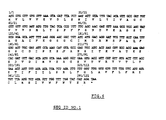
- nucleic acid sequence comprised between the nucleotides 3627 and 4025 of the 5'strand of the genomic or subgenomic RNA 2 encoding the P15 protein is described in the figure 6 and in the publication (3). Said nucleic acid sequence and the corresponding amino acid sequence are described in the following specifiction as SEQ ID NO. 1.
- Another aspect of the present invention concerns a plant cell and a transgenic plant (made of said plant cells) resistant to BNYVV and comprising a nucleic acid construct having a nucleic acid sequence corresponding to at least 70%, preferably at least 90%, to the nucleic acid sequence comprised between the nucleotides 3627 and 4025 of the 5' strand of the genomic or subgenomic RNA 2 of BNYVV or the corresponding cDNA, being operably linked to one or more regulatory sequence(s) active in the plant.
- said plant cell or transgenic plant (made of said plant cells) resistant to BNYVV is obtained by the method according to the invention.
- variants of the nucleic acid sequence described as SEQ ID NO. 1 comprise insertion, substitution or deletion of nucleotides encoding the same or different amino acid(s). Therefore, the present invention concerns also said variants of the nucleic acid sequence SEQ ID NO. 1 which present more than 70% homology with said nucleic acid sequence and which are preferably able to hybridize to said nucleic acid sequence in stringent or non-stringent conditions.
- said sequences are also able to induce BNYVV resistance into a plant.
- induce a viral resistance into a plant mean inducing a possible reduction or a significative delay into the appearance of infection symptoms, virus multiplication or its diffusion mechanisms into the plant, especially in the root tissue.
- the regulatory sequence(s) of said nucleic acid sequence are promoter sequence(s) and terminator sequence(s) active into a plant.
- the nucleic acid construct may also include a selectable marker gene, which could be used to identify the transformed cell or plant and express the nucleic acid construct according to the invention.
- the cell is a stomatal cell and the plant is a sugar beet ( Beta vulgaris ssp .) made of said cells.
- the promoter sequence is a constitutive or foreigner vegetal promoter sequence, preferably selected from the group consisting of 35S Cauliflower Mosaic Virus promoter sequence, polyubiquitin Arabidopsis thaliana promoter (43), a promoter which is mainly active in root tissues such as the par promoter of the haemoglobin gene from Perosponia andersonii (Landsman et al. Mol. Gen. Genet. 214.: 68-73 (1988)) or a mixture thereof.
- a last aspect of the present invention is related to a transgenic plant tissue such as fruit, stem, root, tuber, seed of the transgenic plant according to the invention or a reproducible structure (preferably selected from the group consisting of calluses, buds or embryos) obtained from the transgenic plant or the cell according to the invention.
- a transgenic plant tissue such as fruit, stem, root, tuber, seed of the transgenic plant according to the invention or a reproducible structure (preferably selected from the group consisting of calluses, buds or embryos) obtained from the transgenic plant or the cell according to the invention.
- the Inventors have investigated whether independent expressions of the BNYVV TGB protein is possible by inserting the ORF of each into a viral replication-dependant "replicon" derived from BNYVV RNA3.
- the Inventors have showed that in mixed infections of C . quinoa leaves, the BNYVV TGB1 or TGB2 protein so expressed can complement BNYVV RNA 2 containing a mutation disabling the corresponding TGB protein.
- the transcription vector for production of wild-type full-length BNYVV RNA 1 and RNA 2 were pB15 (10) and pB2-14 (11), respectively.
- Transcription vectors for previously described RNA 2 mutants were pB2-14-F, -H, -I and -J (2) and pB2-14- ⁇ SN, - ⁇ S12, - ⁇ S37, - ⁇ Bi, - ⁇ B2, - ⁇ B2, - ⁇ N and -GAA (11).
- the RNA 2 deletion mutant pB2-14- HP1 was produced by elimination of the sequence between nucleotides 3158 and 3258.
- the empty BNYVV RNA 3-derived replicon, rep0 was obtained by transcription of the RNA 3 deletion mutant pB35A ⁇ ES (12). TGB sequences for insertion into rep0 were amplified by the polymerase chain reaction (PCR) using primers which each contained a non-templated Bam HI site at their 5'-extremity.
- PCR polymerase chain reaction
- PCR fragments corresponding to the P42 gene (nucleotides 2127-3297), the P13 gene (nucleotides 3282-3650), the P15 gene (nucleotides 3627-4025) and both the P13 and P15 genes (nucleotides 3282-4025) were digested with Bam HI and inserted into Bam HI-cleaved pB35A ⁇ ES. The resulting constructs were used to transcribe rep42, rep13, rep15 and rep1315, respectively.
- a replicon containing a frameshift mutation in the P15 ORF (Repl5-X) was produced by filling in the overhangs of an insert Xba I site (nucleotide 3948).
- rep13-I, rep1315-I and rep15-J were created as described for the corresponding mutations in full-length RNA 2 (2). Cloned PCR-amplified sequences were verified to be error-free by sequencing (13).
- Capped transcripts were prepared by bacteriophage T7 polymerase run-off transcription (10) of plasmid DNA linearized by Hin dIII for pB15 and the replicon constructs and by Sal I for pB2-14 and related constructs. Transcript concentration and integrity were evaluated by agarose gel electrophoresis. Leaves were mechanically inoculated with 50 ⁇ l per leaf of inoculation buffer containing 1 ⁇ g of each transcript (2). In some experiments, the RNA 1 and 2 transcripts were replaced by 0.025 ⁇ g of the highly infectious viral RNA purified from BNYVV isolate Stras 12 (10).
- Transcripts obtained from replicons were translated in a wheat germ extract (14) and the [ 35 S]-labelled translation products were visualized by autoradiography after SDS-PAGE (15, 16). Radioactivity incorporated into translation products was quantified with a Fujix MAS1000 BioAnalyzer and the values were adjusted for methionine content in calculating relative translation levels.
- the RNA 1-specific probe was complementary to nucleotides 4740-5650, the RNA 2-specific probe to nucleotides 2324-3789 and the RNA 3-specific probe to nucleotides 1-380.
- P42, P14 and coat protein were detected by Western blot of total protein extracts of infected protoplasts using a rabbit polyclonal antiserum specific for each protein (18).
- RNA 2 The stability of mutations introduced into RNA 2 was tested by the polynucleotide chain reaction following reverse transcription (RT-PCR) of total RNA extracts from infected plants. Reverse transcripts were produced with an ExpandTM reverse transcription kit (Boehringer) following the manufacturer's instructions. PCR was carried out essentially as described (19) using 25 cycles of the following regimen: 94 ° (30 sec), 50 ° (30 sec), 72 ° (3 min).
- Primer pairs for PCR amplification of different regions of the RNA 2 cDNA corresponded to (or were complementary to, in the case of the second member of each pair of primers) nucleotides 1143-1151 and 3393-3412 (P42 gene), and nucleotides 3151-3169 and 4128-4148 (P13 and P15 genes).
- the primer used to initiate cDNA synthesis prior to the PCR reactions was complementary to nucleotides 4128-4148.
- a BNYVV RNA 3 transcript from which the central region has been deleted can replicate efficiently on C. quinoa leaves when coinoculated with RNAs 1 and 2, and can express a foreign gene inserted in place of the deleted sequence (12, 20).
- the Inventors have used such an RNA 3-based "replicon" to express each of the BNYVV TGB proteins out of their normal context in RNA 2 and tested the capacity of each replicon to complement an RNA 2 mutant defective in the corresponding TGB gene.
- Figure 1 A is the Genome map of RNA 2.
- the TGB genes are shaded and lines above the map indicate the extents of the subgenomic RNAs 2sub a and 2sub b .
- the positions of deletions and frameshift-inducing insertions in RNA 2 are indicated.
- the 5'-terminal cap structure is denoted by a circle.
- P21 is the major viral coat protein.
- RT readthrough domain (3).
- B BNYVV RNA 3-derived replicons containing the TGB genes of BNYVV (light shading) or the TGB3 gene encoding P17 of peanut clump virus (PCV) (dark shading).
- the rep42, rep13 and rep15 transcripts each directed synthesis of an abundant product ( Figure 2A, lane 2; Figure 2B, lanes 2 and 3), which was not produced in translations programmed with transcript corresponding to the empty replicon, rep0 ( Figure 2A, lane 1; Figure 2B, lane 1).
- Figure 2 (A) are represented S 35 -methionine-labelled translation products of the empty replicon rep0 (lane 1) and rep42 (lane 2) displayed by autoradiography following PAGE (15).
- the indicated band was identified as P42 by comparison of its mobility to that of molecular weight markers (not shown).
- the dicistronic construct rep13 directed synthesis of both P13 and P15 ( Figure 2B, lane 4) in relative molar amounts of 3:1 (values corrected for the difference in methionine contents of the two proteins; if the N-terminal methionine of each protein is removed post-translationally, the molar ratio is 5:1).
- FIG. 3A The figure 3 (A) represents detection by northern hybridization of viral RNAs in C. quinoa protoplasts inoculated with BNYVV RNAs 1 and 2 alone (lane 2) or supplemented with rep0 (lane 3), rep42 (lane 4) rep13 (lane 5) rep1315 (lane 6) and rep15 (lane 7).
- RNA from mock-inoculated protoplasts was analyzed in lane 1.
- the protoplasts were harvested 48 hr pi and viral RNAs were detected using 32 P-labelled viral RNA-specific antisense RNA probes.
- the replicons are indicated by arrow heads.
- the figure 3 (B) represents Immunodetection of P42 in total protein extracts of C. quinoa protoplasts inoculated with BNYVV RNAs 1 and 2 (lane 2), transcript of wild-type RNA 1 plus transcript of the RNA 2 mutant pB2-14-H, which contains a frameshift mutation in the P42 gene (11) (lane 3), the RNA 1 and pB2-14-H transcripts plus rep42 (lane 4).
- Protein extracted from mock-inoculated protoplasts was analyzed in lane 1. After PAGE (15) and electrotransfer to nitrocellulose, P42, major viral coat protein (CP) and P14 were immunodetected with a mixture of antisera specific for each protein (18). The positions of molecular weight standards are labelled in kilodaltons to the left of the blot.
- the BNYVV TGB proteins can be complemented in trans
- RNA 2 transcripts containing a mutation disabling a TGB gene plus a replicon containing the corresponding wild-type gene.
- the inoculum also contained transcript of wild-type RNA 1 as source of viral RNA-dependent RNA replicase, although this fact will not always be stated explicitly below.
- the RNA 2 mutants tested included the frameshift mutant (pB2-14-H) caused by filling in an Spe I site at nucleotide 2280, a series of mutants containing short in-frame deletions at different positions in the P42 ORF (mutants pB2-14- ⁇ S12, - ⁇ SN, - ⁇ B1, - ⁇ B2, - ⁇ N, and - ⁇ HP1; Figure 1A; also see ref. 11), and a deletion mutant (pB2-14-F; Figure 1) where removal of a 935 nucleotide sequence upstream of the P42 ORF has inactivated the promoter for the subgenomic RNA (RNA 2sub a ) responsible for P42 synthesis.
- RNA 2sub a subgenomic RNA
- Inocula containing RNA 1 transcript plus any one of the above mutant RNA 2 transcripts did not produce local lesions on C. quinoa and no progeny viral RNA could be detected in the inoculated leaves 10 days pi ( Figure 4, lanes 3 and 5; see ref. 11 for the other mutants).
- the replicon indicated at the top of each lane was inoculated to leaves of C. quinoa together with wild-type RNA 1 transcript plus either wild-type RNA 2 transcript (lane 2) or the mutant RNA 2 transcript identified above each lane.
- the inoculum contained rep42 and rep15 (lane 19) or rep42 and rep1315 (lane 20), in addition to RNA 1 and pB2-14- HP1 transcripts.
- Lane 1 contains RNA from a non-inoculated control plant. Inoculated leaves were harvested 10 days pi and tested for viral RNA contents by northern hybridization as described in Figure 3. The positions of replicons are indicated by arrows. When rep42 transcript was included in the inoculum, numerous local lesions (20-80 per leaf) appeared on the inoculated leaves except for the inoculum containing transcript of the RNA 2 deletion mutant pB2-14-HP1, which remained symptomless . The resulting pale green lesions were similar in appearance to those elicited by inoculation with RNA 1 plus wild-type RNA 2 except for the RNA 2 mutant pB2-14-F, where necrotic local lesions were formed. In this later case, the necrotic lesion phenotype may be related to production of a truncated form of the readthrough (RT) protein by this RNA 2 mutant (7).
- RT readthrough
- rep13, rep15 and the dicistronic construct rep1315 were able to complement accumulation on leaves (Fig 4, lanes 14 and 15) of the mutant pB2-14-I, in which the P13 gene had been disabled by insertion of four nucleotides (the insertion created an Xho I site), although the resulting local lesions were necrotic.
- Necrotic local lesions were also produced during mixed infections with the aforesaid replicons and wild-type RNA 1 and 2 (see below), indicating that the replicon-related symptom phenotype is dominant over the wild-type.
- the novel symptoms may be related to differences in the time course of synthesis or the level of accumulation of P13 when it is expressed from the replicon rather than full-length RNA 2.
- the replicon expressing the wild-type P15 gene was unable to complement the P15-defective RNA 2 mutant pB2-14-J in mixed inoculations.
- pB2-14-J transcript was coinoculated with rep1315, local lesions (of the necrotic type) appeared and progeny viral RNAs were readily detected ( Figure 4, lane 18).
- analysis of an RT-PCR product containing the P15 gene in the progeny RNA 2 revealed that the mutation disabling the gene was still present.
- RNA 2-derived subgenomic RNA (RNA 2sub b ) of about 1500 nucleotides length has been detected in BNYVV-infected tissue (2).
- the 5'-extremity of this species has not been mapped precisely but is predicted to lie near the 5'-terminus of the P13 ORF.
- No subgenomic RNA with 5'-end upstream of the P15 ORF has been detected, raising the possibility that, as in BSMV (8), P13 and P15 are both expressed from RNA 2sub b .
- rep13 rather than rep1315 was used along with rep42 to complement pB2-24- HP1, no symptoms appeared and no progeny viral RNA's were detected by northern blot ( Figure 4, lane 19). These observations are consistent with the hypothesis that the pB2-14- HP1 deletion interferes with expression of the downstream TGB ORF's, presumably by blocking RNA 2sub b transcription. Furthermore, the fact that complementation was successful with rep1315 but not with rep13 indicates that P15 as well as P13 is translated from RNA 2sub b .
- RNAs 1 and 2 left or RNAs 1 and 2 plus rep15 (right).
- the leaves were photographed 20 days pi when the local lesions on the leaf to the left had expanded so as to cover much of the leaf surface.
- FIG 5 analysis by northern hybridization (as described in Figure 3) of the viral RNA contents of C. quinoa leaves inoculated with BNYVV RNAs 1 and 2 alone (lane 1) or together with rep0 (lane 2), rep42 (lane 3), rep13 (lane 4), rep1315 (lane 5), rep15 (lane 6), rep15-J (lane 7), rep15-X (lane 8) or repPCV-P17 (lane 9).
- the positions of replicons are indicated by arrows.
- Beta macrocarpa either mock-inoculated (lanes 1 and 2), inoculated with BNYVV RNAs 1, 2 and 3 (lanes 3 and 4) or with RNAs 1, 2 and 3 plus rep15 (lanes 5 and 6).
- RNA 3 was included in the inoculum because it is necessary for systemic movement in B. macrocarpa (22). Under these conditions, leaves inoculated with RNAs 1 and 2 alone were heavily infected ( Figure 5A; Figure 5B, lane 2). The inhibition of virus infection by rep15 was dose-dependent.
- replicons carrying P42 and P13 can complement BNYVV RNA 2 carrying the corresponding defective gene but that a replicon carrying P15 cannot. In the latter case, complementation can occur, however, if the P15 gene is supplied as the second gene on a dicistronic RNA (rep1315) carrying the P13 gene in first position. It should be noted that the relative disposition of the P13 and P15 genes on rep1315 is identical to their disposition on RNA 2sub b , the subgenomic RNA which is believed to direct synthesis of both proteins in wild-type infections.
- Translation initiation at an internal cistron of a eucaryotic messenger RNA may occur by several mechanisms, including (i) leaky scanning, where a fraction of the ribosomal subunits which begin scanning the RNA at the 5'-end move past the first (non-optimal) upstream AUG without initiating (24), and (ii) internal entry, where ribosomal subunits bind directly to a special sequence on the RNA near the internal initiation codon (25).
- the BNYVV P15 gene may also be produced by leaky scanning although it should be noted, however, that the context of the BNYVV P13 initiation codon (AUA AUG U) is nearly optimal and there are also two downstream AUG's which scanning subunits would have to ignore to reach the P15 initiation codon.
- the plasmid pET-P15 (harbouring the P15 nucleic acid sequence) was restricted at its single BamHI site and blunt-ended with T4 DNA polymerase. After purification by electrophoresis in 0.8% agarose gel, the linear plasmid was restricted at its single NcoI site.
- the P15 gene fragment of 400 bp was purified by electrophoresis and inserted into pMJBX-Ub (harbouring the Arabidopsis polyubiquitin promoter (Norris et al., Plant Molecular Biology 21, pp. 895-906 (1993), a TMV enhancer sequence and the Nos 3' terminator) cut with NcoI and SmaI restriction endonucleases.
- the nucleic acid sequence of the P15 gene is placed under the control of the Arabidopsis polyubiquitin promoter followed by the TMV enhancer sequence.
- the EcoRI fragment from plasmid pB235SAck contains the pat gene, used as the selective marker, encoding phosphinothricin acetyl transferase (obtained from Agrevo, Berlin Germany). On this EcoRI fragment, the nucleic acid sequence of the pat gene is under the control of the 5' and 3' expression signals of the Cauliflower virus.
- This pMJBS6 plasmid is a high-copy plasmid based on the pUC18 vector and contains also the -lactamase gene (amp r ).
- the P15 fragment with its ubiquitin promoter and terminator sequence, was purified as a 2500 bp fragment obtained from the pMJBX-Ub-P15 plasmid after it was cut at the single HindIII site, followed by a partial EcoRI restriction. This fragment was blunt-ended and inserted in a blunt-ended pIGPD7 plasmid, cut at the single NcoI site.
- the resulting pIGPDS4 plasmid contains both the pat and the P15 genes on a vector without the ⁇ -lactamase gene.
- the suspension was centrifuged for 1 min at 55 x g after which the supernatant was removed.
- the pellet was resuspended in 50 ml enzyme mix and 5 ml aliquots were transferred to each of 10, 6 cm Petri dishes (Greiner, TC quality), sealed with parafilm and incubated overnight at 25 ° C in darkness with gentle agitation.
- the digestion medium consisted of CPW9M supplemented with 0.5% (w/v) Cellulase RS and 3% (w/v) Macerozyme R10 (Yakult Honsha, Tokyo, Japan), pH 5.8. The following morning, the protoplasts were generally seen floating near the surface of the digestion mix.
- Transformations were performed in 12 ml centrifuge tubes, each containing 1 x 10 6 protoplasts suspended in 0.75 ml 9M medium. Plasmid DNA (50 ⁇ g of pMJBX-Ub-P15 and pIGPDS4) was added and, immediately after mixing, 0.75 ml PEG medium was added dropwise (40% PEG 6000 dissolved in F medium (Krens et al., Nature 296, pp. 72-74, (1982). After thorough mixing, the suspension was kept at room temperature for 30 min with intermittent agitation. Subsequently, at 5 min intervals, 4 x 2 ml aliquots of F medium were added.
- Protoplasts were embedded in Ca alginate and cultured in modified, liquid K8P medium (Hall et al., 1990).
- modified, liquid K8P medium Heall et al., 1990.
- the active compound of Herbiace Meiji Seika Ltd, Japan
- the alginate discs were cut into 3 mm slices and transferred to PGo medium (De Greef and Jacobs, Plant Science Letters 17, pp. 55-61, 1979) supplemented with 1 ⁇ M BAP (PG1B) and 250 ⁇ g/l bialaphos and solidified with 0.8% agarose.
- Plantlets approximately 4 mm long were transferred to individual culture tubes containing 15 ml of Medium K and were further subcultured in the light as above.
- the plantlets were removed from the culture tubes and washed under running tap water to remove all fragments of the agar, and transferred to soil in 9 cm pots in the greenhouse.
- Plantlets were covered with a transparent plastic cup to provide a humid environment for 7 days, after which they could be grown without protection.
- the plant transformed by the sequence SEQ ID NO. 1 according to the invention is recovered and has been expressed P15.
- Genomic DNA isolated from the primary transformants is electrophoresed in a 0.8% agarose gel after treatment with restriction enzymes and transferred to a nitrocellulose membrane using standard procedures, according to the manufacterer's protocol. Hybridisation is performed with the DNA, as ⁇ 32 P-dATP-labelled probes, whose presence it is desired to establish. The membranes were washed to a final stringency of 0.1% x SSC, 0.1% SDS at 60 °C. The hybridized DNA is visualised by darkening the X-ray film for 24 to 48 hours.
- Standard PCR techniques were used to detect a range of intact plasmid sequences. Reactions were performed using 25 cycles of 1 min denaturation at 94 °C, 1 min annealing; 2 min extension at 72 °C, with a final extension period of 5 min. The annealing temperatures were optimized for each primer combination.
- Figure 7 Analysis of PCR products obtained with sugarbeet DNA from P15-transformants (lane 5 to 7) and an untransformed plant (lane 4).
- Low DNA Mass Ladder® (Life Technologies) was used as a size marker (lane 1).
- Lane 2 and 3 correspond to the positive controls (pMJBS6/pIGPDS4).
- the arrow on the left shows the position of the expected PCR product.
- BNYVV P15 gene in the sugarbeet genome was verified by Southern blot hybridisation.
- Total DNA of primary transgenic regenerants was isolated, digested with restriction enzymes (PstI, KpnI, NcoI, SacI), electrophoresed, blotted and hybridised with BNYVV P15-specific 32 P-labelled probes using PCR amplified MOV1-MOV2 fragment (see figure 8).
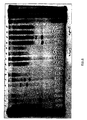
- Figure 8 Southern blot analysis. Lambda DNA digested with HindIII was used as a size marker (lane 1) . Lanes 2 to 16, DNA of the transgenics: 2 to 4 digested with SaCI, 6 to 8 digested with PstI, 10 to 12 digested with NcoI, 14 to 16 digested with KpnI. Lanes 5, 9, 13 and 17 correspond to the untransformed plant.
Landscapes
- Life Sciences & Earth Sciences (AREA)
- Health & Medical Sciences (AREA)
- Genetics & Genomics (AREA)
- Chemical & Material Sciences (AREA)
- Organic Chemistry (AREA)
- Molecular Biology (AREA)
- Engineering & Computer Science (AREA)
- General Health & Medical Sciences (AREA)
- Zoology (AREA)
- Wood Science & Technology (AREA)
- Biotechnology (AREA)
- Bioinformatics & Cheminformatics (AREA)
- Biophysics (AREA)
- General Engineering & Computer Science (AREA)
- Virology (AREA)
- Biochemistry (AREA)
- Biomedical Technology (AREA)
- Physics & Mathematics (AREA)
- Cell Biology (AREA)
- Plant Pathology (AREA)
- Proteomics, Peptides & Aminoacids (AREA)
- Microbiology (AREA)
- Medicinal Chemistry (AREA)
- Gastroenterology & Hepatology (AREA)
- Breeding Of Plants And Reproduction By Means Of Culturing (AREA)
- Micro-Organisms Or Cultivation Processes Thereof (AREA)
- Saccharide Compounds (AREA)
- Agricultural Chemicals And Associated Chemicals (AREA)
- Medicines Containing Plant Substances (AREA)
Priority Applications (1)
| Application Number | Priority Date | Filing Date | Title |
|---|---|---|---|
| EP97936530A EP0938574B1 (en) | 1996-08-19 | 1997-08-18 | Method for inducing viral resistance into a plant |
Applications Claiming Priority (4)
| Application Number | Priority Date | Filing Date | Title |
|---|---|---|---|
| EP96870106 | 1996-08-19 | ||
| EP96870106 | 1996-08-19 | ||
| EP97936530A EP0938574B1 (en) | 1996-08-19 | 1997-08-18 | Method for inducing viral resistance into a plant |
| PCT/BE1997/000092 WO1998007875A1 (en) | 1996-08-19 | 1997-08-18 | Method for inducing viral resistance into a plant |
Publications (2)
| Publication Number | Publication Date |
|---|---|
| EP0938574A1 EP0938574A1 (en) | 1999-09-01 |
| EP0938574B1 true EP0938574B1 (en) | 2003-11-12 |
Family
ID=8226160
Family Applications (1)
| Application Number | Title | Priority Date | Filing Date |
|---|---|---|---|
| EP97936530A Expired - Lifetime EP0938574B1 (en) | 1996-08-19 | 1997-08-18 | Method for inducing viral resistance into a plant |
Country Status (15)
| Country | Link |
|---|---|
| US (1) | US6297428B1 (da) |
| EP (1) | EP0938574B1 (da) |
| AT (1) | ATE254180T1 (da) |
| AU (1) | AU3935097A (da) |
| DE (1) | DE69726175T2 (da) |
| DK (1) | DK0938574T3 (da) |
| EA (1) | EA004328B1 (da) |
| EE (1) | EE04379B1 (da) |
| ES (1) | ES2210557T3 (da) |
| HU (1) | HU223266B1 (da) |
| PL (1) | PL189499B1 (da) |
| PT (1) | PT938574E (da) |
| SK (1) | SK284152B6 (da) |
| UA (1) | UA70915C2 (da) |
| WO (1) | WO1998007875A1 (da) |
Families Citing this family (10)
| Publication number | Priority date | Publication date | Assignee | Title |
|---|---|---|---|---|
| EP0976831A1 (en) * | 1998-07-10 | 2000-02-02 | Ses Europe N.V./S.A. | Method of genetic modification of a wild type viral sequence |
| US7663024B2 (en) | 1998-07-10 | 2010-02-16 | Sesvanderhave, N.V. | P15 hairpin constructs and use |
| EP1029923A1 (en) * | 1999-01-27 | 2000-08-23 | D.J. Van Der Have B.V. | Method for conveying BNYVV resistance to sugar beet plants |
| EP1038961A1 (en) * | 1999-03-16 | 2000-09-27 | Centre National De La Recherche Scientifique | Method for inducing viral resistance into a plant |
| EP1092778A1 (en) * | 1999-10-13 | 2001-04-18 | Ses Europe N.V./S.A. | Agrobacterium-based transformation method for Beta vulgaris |
| US7037681B2 (en) * | 2000-02-08 | 2006-05-02 | University Of Hawaii | Plasmodium falciparum merozoite surface protein-1 malaria produced in transgenic plants |
| SE0004755D0 (sv) * | 2000-12-21 | 2000-12-21 | Plant Science Sweden Ab | Virus resistance in plants |
| HUP0900407A2 (en) | 2009-06-26 | 2011-01-28 | Biopure Kft | Plant conditioning composition of natural origin and process for using it |
| LU92774B1 (en) | 2015-07-13 | 2017-01-31 | Oget Innovations Gmbh | Plant conditioning composition, method of preparation and uses thereof |
| DE102015111314B4 (de) | 2015-07-13 | 2019-05-02 | Oget Innovations Gmbh | Pflanzenstärkungsmittel, Verfahren zu dessen Herstellung und dessen Verwendungen |
Family Cites Families (2)
| Publication number | Priority date | Publication date | Assignee | Title |
|---|---|---|---|---|
| DK0517833T4 (da) * | 1990-03-02 | 2008-11-17 | Bayer Bioscience Nv | Genetisk transformation og regenering af sukkerroer |
| US5097646A (en) | 1991-01-16 | 1992-03-24 | Stewart Lamle | Compound building member |
-
1997
- 1997-08-18 AT AT97936530T patent/ATE254180T1/de active
- 1997-08-18 ES ES97936530T patent/ES2210557T3/es not_active Expired - Lifetime
- 1997-08-18 PL PL97331837A patent/PL189499B1/pl unknown
- 1997-08-18 HU HU9904271A patent/HU223266B1/hu not_active IP Right Cessation
- 1997-08-18 UA UA99020962A patent/UA70915C2/uk unknown
- 1997-08-18 EE EEP199900074A patent/EE04379B1/xx unknown
- 1997-08-18 PT PT97936530T patent/PT938574E/pt unknown
- 1997-08-18 EP EP97936530A patent/EP0938574B1/en not_active Expired - Lifetime
- 1997-08-18 SK SK197-99A patent/SK284152B6/sk not_active IP Right Cessation
- 1997-08-18 AU AU39350/97A patent/AU3935097A/en not_active Abandoned
- 1997-08-18 DK DK97936530T patent/DK0938574T3/da active
- 1997-08-18 EA EA199900144A patent/EA004328B1/ru not_active IP Right Cessation
- 1997-08-18 DE DE69726175T patent/DE69726175T2/de not_active Expired - Lifetime
- 1997-08-18 WO PCT/BE1997/000092 patent/WO1998007875A1/en not_active Ceased
- 1997-08-19 US US09/242,216 patent/US6297428B1/en not_active Expired - Lifetime
Also Published As
| Publication number | Publication date |
|---|---|
| UA70915C2 (uk) | 2004-11-15 |
| DE69726175D1 (de) | 2003-12-18 |
| DK0938574T3 (da) | 2004-03-29 |
| HUP9904271A3 (en) | 2001-10-29 |
| PL189499B1 (pl) | 2005-08-31 |
| US6297428B1 (en) | 2001-10-02 |
| AU3935097A (en) | 1998-03-06 |
| ES2210557T3 (es) | 2004-07-01 |
| PL331837A1 (en) | 1999-08-02 |
| DE69726175T2 (de) | 2004-08-12 |
| EA199900144A1 (ru) | 1999-08-26 |
| SK19799A3 (en) | 2000-04-10 |
| WO1998007875A1 (en) | 1998-02-26 |
| EA004328B1 (ru) | 2004-04-29 |
| SK284152B6 (sk) | 2004-10-05 |
| HUP9904271A2 (hu) | 2000-04-28 |
| PT938574E (pt) | 2004-05-31 |
| EE04379B1 (et) | 2004-10-15 |
| EE9900074A (et) | 1999-10-15 |
| ATE254180T1 (de) | 2003-11-15 |
| HU223266B1 (hu) | 2004-04-28 |
| EP0938574A1 (en) | 1999-09-01 |
Similar Documents
| Publication | Publication Date | Title |
|---|---|---|
| JP3281512B2 (ja) | ウイルス耐性の植物の生産方法 | |
| NO874673L (no) | Genetisk manipulerte planteceller og planter som utviser resistens overfor glutaminsyntetase-inhibitorer, dna-fragmenter og rekombinanter for bruk ved fremstilling av nevnte celler og planter. | |
| CA2396794A1 (en) | Genetic manipulations with recombinant dna comprising sequences derived from rna virus | |
| EP0682711B1 (en) | Plants resistant to infection by plrv | |
| Chowrira et al. | Coat protein-mediated resistance to pea enation mosaic virus in transgenic Pisum sativum L. | |
| EP0938574B1 (en) | Method for inducing viral resistance into a plant | |
| AU707935B2 (en) | Transgenic plants exhibiting heterologous virus resistance | |
| JP2008283978A (ja) | パパイヤ輪紋ウイルス遺伝子 | |
| EP1358341B1 (en) | Methods for generating resistance against cgmmv in plants | |
| WO2002039808A1 (en) | Method of enhancing virus-resistance in plants and producing virus-immune plants | |
| EP1169463B1 (en) | Method for conveying bnyvv resistance to sugar beet plants | |
| AU2002307322A1 (en) | Papaya ringspot virus genes | |
| EP1038961A1 (en) | Method for inducing viral resistance into a plant | |
| AU674933C (en) | Plants resistant to infection by PLRV | |
| Sheng-Niao et al. | Creation of trivalent transgenic watermelon resistant to virus infection | |
| JP2000312540A (ja) | てん菜そう根病抵抗性植物 | |
| AU2002220347A1 (en) | Method of enhancing virus-resistance in plants and producing virus-immune plants |
Legal Events
| Date | Code | Title | Description |
|---|---|---|---|
| PUAI | Public reference made under article 153(3) epc to a published international application that has entered the european phase |
Free format text: ORIGINAL CODE: 0009012 |
|
| 17P | Request for examination filed |
Effective date: 19990111 |
|
| AK | Designated contracting states |
Kind code of ref document: A1 Designated state(s): AT BE CH DE DK ES FI FR GB GR IE IT LI LU MC NL PT SE |
|
| AX | Request for extension of the european patent |
Free format text: LT PAYMENT 19990106;LV PAYMENT 19990106;RO PAYMENT 19990106;SI PAYMENT 19990106 |
|
| GRAH | Despatch of communication of intention to grant a patent |
Free format text: ORIGINAL CODE: EPIDOS IGRA |
|
| GRAS | Grant fee paid |
Free format text: ORIGINAL CODE: EPIDOSNIGR3 |
|
| GRAA | (expected) grant |
Free format text: ORIGINAL CODE: 0009210 |
|
| AK | Designated contracting states |
Kind code of ref document: B1 Designated state(s): AT BE CH DE DK ES FI FR GB GR IE IT LI LU MC NL PT SE |
|
| AX | Request for extension of the european patent |
Extension state: LT LV RO SI |
|
| REG | Reference to a national code |
Ref country code: GB Ref legal event code: FG4D |
|
| REG | Reference to a national code |
Ref country code: CH Ref legal event code: EP |
|
| REF | Corresponds to: |
Ref document number: 69726175 Country of ref document: DE Date of ref document: 20031218 Kind code of ref document: P |
|
| REG | Reference to a national code |
Ref country code: IE Ref legal event code: FG4D |
|
| REG | Reference to a national code |
Ref country code: SE Ref legal event code: TRGR |
|
| REG | Reference to a national code |
Ref country code: GR Ref legal event code: EP Ref document number: 20040400344 Country of ref document: GR |
|
| REG | Reference to a national code |
Ref country code: CH Ref legal event code: NV Representative=s name: BOVARD AG PATENTANWAELTE |
|
| REG | Reference to a national code |
Ref country code: DK Ref legal event code: T3 |
|
| LTIE | Lt: invalidation of european patent or patent extension |
Effective date: 20031112 |
|
| REG | Reference to a national code |
Ref country code: PT Ref legal event code: SC4A Free format text: AVAILABILITY OF NATIONAL TRANSLATION Effective date: 20040212 |
|
| REG | Reference to a national code |
Ref country code: ES Ref legal event code: FG2A Ref document number: 2210557 Country of ref document: ES Kind code of ref document: T3 |
|
| PG25 | Lapsed in a contracting state [announced via postgrant information from national office to epo] |
Ref country code: LU Free format text: LAPSE BECAUSE OF NON-PAYMENT OF DUE FEES Effective date: 20040818 |
|
| ET | Fr: translation filed | ||
| PG25 | Lapsed in a contracting state [announced via postgrant information from national office to epo] |
Ref country code: MC Free format text: LAPSE BECAUSE OF NON-PAYMENT OF DUE FEES Effective date: 20040831 |
|
| PLBE | No opposition filed within time limit |
Free format text: ORIGINAL CODE: 0009261 |
|
| STAA | Information on the status of an ep patent application or granted ep patent |
Free format text: STATUS: NO OPPOSITION FILED WITHIN TIME LIMIT |
|
| 26N | No opposition filed |
Effective date: 20040813 |
|
| PGFP | Annual fee paid to national office [announced via postgrant information from national office to epo] |
Ref country code: PT Payment date: 20050630 Year of fee payment: 9 |
|
| PGFP | Annual fee paid to national office [announced via postgrant information from national office to epo] |
Ref country code: IE Payment date: 20050727 Year of fee payment: 9 |
|
| PG25 | Lapsed in a contracting state [announced via postgrant information from national office to epo] |
Ref country code: IE Free format text: LAPSE BECAUSE OF NON-PAYMENT OF DUE FEES Effective date: 20060818 |
|
| PG25 | Lapsed in a contracting state [announced via postgrant information from national office to epo] |
Ref country code: PT Free format text: LAPSE BECAUSE OF NON-PAYMENT OF DUE FEES Effective date: 20070219 |
|
| REG | Reference to a national code |
Ref country code: PT Ref legal event code: MM4A Free format text: LAPSE DUE TO NON-PAYMENT OF FEES Effective date: 20070219 |
|
| REG | Reference to a national code |
Ref country code: IE Ref legal event code: MM4A |
|
| REG | Reference to a national code |
Ref country code: CH Ref legal event code: PFA Owner name: SES EUROPE N.V./S.A. Free format text: SES EUROPE N.V./S.A.#INDUSTRIEPARK 15#3300 TIENEN (BE) -TRANSFER TO- SES EUROPE N.V./S.A.#INDUSTRIEPARK 15#3300 TIENEN (BE) |
|
| REG | Reference to a national code |
Ref country code: FR Ref legal event code: PLFP Year of fee payment: 19 |
|
| PGFP | Annual fee paid to national office [announced via postgrant information from national office to epo] |
Ref country code: NL Payment date: 20150721 Year of fee payment: 19 |
|
| PGFP | Annual fee paid to national office [announced via postgrant information from national office to epo] |
Ref country code: ES Payment date: 20150812 Year of fee payment: 19 Ref country code: DE Payment date: 20150722 Year of fee payment: 19 Ref country code: GB Payment date: 20150724 Year of fee payment: 19 Ref country code: FI Payment date: 20150722 Year of fee payment: 19 Ref country code: DK Payment date: 20150722 Year of fee payment: 19 Ref country code: CH Payment date: 20150721 Year of fee payment: 19 |
|
| PGFP | Annual fee paid to national office [announced via postgrant information from national office to epo] |
Ref country code: GR Payment date: 20150722 Year of fee payment: 19 Ref country code: AT Payment date: 20150722 Year of fee payment: 19 Ref country code: SE Payment date: 20150724 Year of fee payment: 19 Ref country code: BE Payment date: 20150722 Year of fee payment: 19 Ref country code: FR Payment date: 20150727 Year of fee payment: 19 |
|
| PGFP | Annual fee paid to national office [announced via postgrant information from national office to epo] |
Ref country code: IT Payment date: 20150728 Year of fee payment: 19 |
|
| PG25 | Lapsed in a contracting state [announced via postgrant information from national office to epo] |
Ref country code: BE Free format text: LAPSE BECAUSE OF NON-PAYMENT OF DUE FEES Effective date: 20160831 |
|
| REG | Reference to a national code |
Ref country code: DE Ref legal event code: R119 Ref document number: 69726175 Country of ref document: DE |
|
| REG | Reference to a national code |
Ref country code: DK Ref legal event code: EBP Effective date: 20160831 |
|
| REG | Reference to a national code |
Ref country code: SE Ref legal event code: EUG |
|
| REG | Reference to a national code |
Ref country code: CH Ref legal event code: PL |
|
| REG | Reference to a national code |
Ref country code: NL Ref legal event code: MM Effective date: 20160901 |
|
| REG | Reference to a national code |
Ref country code: AT Ref legal event code: MM01 Ref document number: 254180 Country of ref document: AT Kind code of ref document: T Effective date: 20160818 |
|
| GBPC | Gb: european patent ceased through non-payment of renewal fee |
Effective date: 20160818 |
|
| PG25 | Lapsed in a contracting state [announced via postgrant information from national office to epo] |
Ref country code: SE Free format text: LAPSE BECAUSE OF NON-PAYMENT OF DUE FEES Effective date: 20160819 Ref country code: FI Free format text: LAPSE BECAUSE OF NON-PAYMENT OF DUE FEES Effective date: 20160818 Ref country code: LI Free format text: LAPSE BECAUSE OF NON-PAYMENT OF DUE FEES Effective date: 20160831 Ref country code: GR Free format text: LAPSE BECAUSE OF NON-PAYMENT OF DUE FEES Effective date: 20170309 Ref country code: CH Free format text: LAPSE BECAUSE OF NON-PAYMENT OF DUE FEES Effective date: 20160831 |
|
| REG | Reference to a national code |
Ref country code: GR Ref legal event code: ML Ref document number: 20040400344 Country of ref document: GR Effective date: 20170309 |
|
| REG | Reference to a national code |
Ref country code: FR Ref legal event code: ST Effective date: 20170428 |
|
| PG25 | Lapsed in a contracting state [announced via postgrant information from national office to epo] |
Ref country code: AT Free format text: LAPSE BECAUSE OF NON-PAYMENT OF DUE FEES Effective date: 20160818 |
|
| PG25 | Lapsed in a contracting state [announced via postgrant information from national office to epo] |
Ref country code: NL Free format text: LAPSE BECAUSE OF NON-PAYMENT OF DUE FEES Effective date: 20160901 |
|
| PG25 | Lapsed in a contracting state [announced via postgrant information from national office to epo] |
Ref country code: FR Free format text: LAPSE BECAUSE OF NON-PAYMENT OF DUE FEES Effective date: 20160831 Ref country code: DE Free format text: LAPSE BECAUSE OF NON-PAYMENT OF DUE FEES Effective date: 20170301 Ref country code: GB Free format text: LAPSE BECAUSE OF NON-PAYMENT OF DUE FEES Effective date: 20160818 Ref country code: DK Free format text: LAPSE BECAUSE OF NON-PAYMENT OF DUE FEES Effective date: 20160831 |
|
| PG25 | Lapsed in a contracting state [announced via postgrant information from national office to epo] |
Ref country code: IT Free format text: LAPSE BECAUSE OF NON-PAYMENT OF DUE FEES Effective date: 20160818 |
|
| REG | Reference to a national code |
Ref country code: ES Ref legal event code: FD2A Effective date: 20180507 |
|
| PG25 | Lapsed in a contracting state [announced via postgrant information from national office to epo] |
Ref country code: ES Free format text: LAPSE BECAUSE OF NON-PAYMENT OF DUE FEES Effective date: 20160819 |