EP0943190B1 - Verfahren zur synchronisierung von transaktionsidentifikatoren in einem satellitenkommunikationssystem - Google Patents
Verfahren zur synchronisierung von transaktionsidentifikatoren in einem satellitenkommunikationssystem Download PDFInfo
- Publication number
- EP0943190B1 EP0943190B1 EP97950741A EP97950741A EP0943190B1 EP 0943190 B1 EP0943190 B1 EP 0943190B1 EP 97950741 A EP97950741 A EP 97950741A EP 97950741 A EP97950741 A EP 97950741A EP 0943190 B1 EP0943190 B1 EP 0943190B1
- Authority
- EP
- European Patent Office
- Prior art keywords
- mobile
- transaction identifier
- mobile unit
- signaling
- counterpart
- Prior art date
- Legal status (The legal status is an assumption and is not a legal conclusion. Google has not performed a legal analysis and makes no representation as to the accuracy of the status listed.)
- Expired - Lifetime
Links
- 238000000034 method Methods 0.000 title claims description 77
- 238000004891 communication Methods 0.000 title claims description 36
- 230000011664 signaling Effects 0.000 claims description 124
- 230000000977 initiatory effect Effects 0.000 claims description 7
- 238000012545 processing Methods 0.000 claims description 4
- 238000010586 diagram Methods 0.000 description 8
- 238000010295 mobile communication Methods 0.000 description 4
- 230000005540 biological transmission Effects 0.000 description 2
- 230000006870 function Effects 0.000 description 2
- 238000013459 approach Methods 0.000 description 1
- 238000012937 correction Methods 0.000 description 1
- 238000001514 detection method Methods 0.000 description 1
- 238000012986 modification Methods 0.000 description 1
- 230000004048 modification Effects 0.000 description 1
- 238000012163 sequencing technique Methods 0.000 description 1
- 239000013589 supplement Substances 0.000 description 1
- 230000000153 supplemental effect Effects 0.000 description 1
- 230000001360 synchronised effect Effects 0.000 description 1
- 238000010998 test method Methods 0.000 description 1
Images




Classifications
-
- H—ELECTRICITY
- H04—ELECTRIC COMMUNICATION TECHNIQUE
- H04B—TRANSMISSION
- H04B7/00—Radio transmission systems, i.e. using radiation field
- H04B7/14—Relay systems
- H04B7/15—Active relay systems
- H04B7/185—Space-based or airborne stations; Stations for satellite systems
- H04B7/1853—Satellite systems for providing telephony service to a mobile station, i.e. mobile satellite service
- H04B7/18558—Arrangements for managing communications, i.e. for setting up, maintaining or releasing a call between stations
-
- H—ELECTRICITY
- H04—ELECTRIC COMMUNICATION TECHNIQUE
- H04B—TRANSMISSION
- H04B7/00—Radio transmission systems, i.e. using radiation field
- H04B7/14—Relay systems
- H04B7/15—Active relay systems
- H04B7/204—Multiple access
- H04B7/212—Time-division multiple access [TDMA]
- H04B7/2125—Synchronisation
Definitions
- the present invention relates generally to the field of mobile satellite communication systems, and more particularly, to signaling protocols used in a mobile satellite communication system to establish, maintain, and terminate connections.
- Satellite systems are playing an increasing role in mobile communications by providing coverage in zones where land-based infrastructures are unable or ineffective to supply mobile services. Satellite systems can, for example, provide coverage in large, sparsely-populated areas where it is not cost effective to implement network infrastructures. Satellite systems can also make services available to airborne and sea-based users. Another use of satellite systems is to back-up or supplement a land-based network. Satellite systems can continue to provide services to users when segments of the network infrastructure are down, can carry additional traffic during peak transmission periods when the land-based network is overloaded, and can fill-in holes in the coverage area of a land-based system caused by man-made or natural obstacles.
- SSN7 Signaling System No. 7
- CCITT International Telegraph and Telephone Consultative Committee
- SSN7 was adapted and extended, for example, by adding procedures to cope with the mobility of the user.
- the GSM technical specifications are published by the European Telecommunications Standard Institute (ETSI).
- the signaling protocol in GSM includes a large number of carefully defined signaling procedures.
- a signaling procedure consists of a series of signaling messages that are exchanged between various entities. The structure and elements of each signaling message are defined by the protocol.
- the signaling message includes a transaction identifier which serves as a label for the transaction so that multiple transactions can be managed.
- a free TI is assigned to the transaction by the side of the interface initiating the transaction.
- the assigned Tl value is used for the duration of the transaction and is released upon termination of the transaction.
- a mobile unit may support up to eight transactions at a time, distinguishing signaling messages belonging to different transactions by their TI values.
- a single-hop connection in a satellite communication system is a connection between two mobile units.
- a dual-hop connection must first be established.
- the originating unit first connects to the network via the satellite which then connects to the terminating mobile unit via the satellite.
- Each of the call setup connections, originating mobile-to-network and network-to-terminating mobile is assigned a Tl value.
- the network commands both mobile units to connect to a single radio channel to establish the single-hop connection between the mobile units. There is no guarantee that the Tl value used by each mobile station to identify the transaction will match each other.
- the mobile units will not be able to recognize signaling messages from the other mobile unit during the single-hop connection.
- the mobile units could be instructed to ignore the TI values during a single-hop connection. However, if the TI value is ignored, then only one transaction could be handled at a time. This would severely restrict the services that could be provided over the network.
- EP 0 713 345 A2 describes a method and apparatus for direct communication in a TDMA radio communication system utilizing two handshaking operations.
- a first handshaking operation is performed in the base station channel to establish initial contact between the primary and secondary portable units. Thereafter a second handshaking operation establishes communication in an unoccupied channel.
- a user station locates a first radio channel within a plurality of radio channels wherein a communication occurs between a base station and at least one user station. Thereafter, the first user station is synchronized with a first predetermined period of time within the first channel. Then, the first user station is controlled to transmit a first calling signal during the first predetermined period of time within the radio channel to establish direct communication between the first user station and the second user station.
- the present invention provides a new signaling method for synchronizing the transaction identifiers used by two mobile units involved in a single-hop connection.
- the originating unit initiates the mobile-originated call establishment procedure to connect to the network.
- the originating unit assigns a TI to this transaction.
- the network in turn initiates the mobile-terminated call establishment procedure to connect the called terminal to the network.
- the network assigns a TI to this transaction, which may be different then the TI used by the originating unit.
- the signaling method of the present invention uses a new three-bit long information field called the counterpart transaction identifier (CPTI).
- CPTI counterpart transaction identifier
- the CPTI field is inserted by the network preferably in a layer-three message either as a new information element or as part of an existing information element.
- the CPTI sent by the network to the originating terminal contains the TI value used by the called terminal.
- the CPTI sent by the network to the called terminal includes the TI value used by the originating terminal.
- Each mobile unit will read and interpret the CPTI as the TI value used by the other terminal in its current connection to the network. This CPTI is stored in the mobile unit and shall be used when the connection is converted to a single-hop connection.
- each mobile unit inserts the CPTI value, if different from its own Tl value, into all outgoing call control messages and call-related supplementary services messages belonging to the single-hop connection.
- received messages shall always have a correct Tl value and shall be directed and handled by the receiving layer-three peer in a consistent manner.
- One advantage of the signaling method of the present invention is that its implementation is primarily in the mobile units.
- the MSC is required to support only one new information element which is added to an existing layer-three signaling message.
- the signaling method of the present invention can be implemented in both the MSC and the mobile units with existing hardware.
- Mobile communication systems which implement the signaling method of the present invention allow mobile units to manage multiple transactions even during single-hop connections.
- the present invention allows additional services to be provided which otherwise could not be supported in current satellite communication systems.
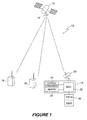
- Figure 1 is a schematic illustration of a satellite communication system in which the signaling method of the present invention is implemented.
- Figure 2 is a schematic diagram illustrating a mobile unit in which the signaling method of the present invention is implemented.
- Figure 3 is a schematic diagram illustrating the protocol architecture in which the signaling method of the present invention is implemented.
- Figure 4 is a diagram showing the message structure for layer three messages used in the signaling method of the present invention.
- Figure 5 is a diagram illustrating the mobile-originated call establishment signaling procedure in which the signaling method of the present invention is implemented.
- Figure 6 is a diagram illustrating the mobile-terminated call establishment signaling procedure in which the signaling method of the present invention is implemented.
- Figure 7 is a diagram illustrating the message structure of the assignment command message which is used to implement the signaling method of the present invention.
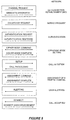
- Figure 8 is a flow diagram illustrating the signaling method of the present invention.
- a mobile satellite communication system which utilizes the signaling method of the present invention is shown in Figure 1 and is indicated generally by the numeral 10.
- the satellite system 10 includes a space-based satellite 12 having a multiple-beam antenna 14 which projects a plurality of spot beams onto the surface of the earth to provide a communication medium for communications between earth stations.
- the earth stations in the satellite communication system 10 include both mobile stations 16 and at least one network station 18.
- the network station 18 includes a mobile switching center (MSC 22) which provides a connection to the public switched telephone network (PSTN), or other terrestrial network.
- MSC 22 mobile switching center
- the MSC 22 includes a control processor 24 and memory devices 26 to control its operation and to handle signaling as will be hereinafter described.
- the network station 18 also includes a home location register (HLR) and a visitor location register (VLR) which are used by the MSC to store miscellaneous subscriber information and authenticate users and monitor the location of individual users. Since the basic architecture of satellite communication systems is well-known to those skilled in the art, further discussion of the same is omitted for the sake of brevity.
- the mobile unit 16 includes a microprocessor 30 for controlling the operation of the mobile unit 16 and a program memory 32 for storing programs used by the mobile unit 16.
- Input/output circuits 34 interface the microprocessor 30 with a keypad 36, a display 38, audio processing circuits 40, a receiver 42, and transmitter 44.
- the audio processing circuits 40 provide audio outputs to the speaker 46 and accept audio inputs from the microphone 48.
- a conventional signal combiner 50 permits two-way, fully duplex communication of a common antenna 52.
- the communication protocol used to enable communications between the mobile station 16 and the network station 18 is a layered protocol.
- the layered protocol used in the present invention is shown schematically in Figure 3.
- the first layer of the signaling protocol is the physical layer.
- the physical layer is responsible for providing the physical characteristics to the data and the data bearers needed to transmit the data over the interface.
- Layer two is the data link layer.
- the data link layer is responsible for sequencing the transmitted data, transmission, error detection and error correction.
- the data link layer ensures that the data is successfully transmitted between stations.
- Layer three of the signaling protocol is the signaling layer.
- the signaling layer includes three sub-layers -- the radio resources management (RR) layer, the mobility management (MM) layer, and the connections management (CM) layer.
- the RR layer oversees the establishment of a radio link between the mobile station and the network.
- the MM layer contains functions needed to deal with the mobility of the user, such as location updating, authentication, and security.
- the CM layer is responsible for call control, supplementary service management, and short message service management.
- a signaling procedure consists of a series of signaling messages which are exchanged between peer entities in the network layer.
- the structure and elements of each signaling message are defined by the protocol.
- the basic structure of a layer three signaling message is shown in Figure 4.
- the signaling message consists of a number of predefined elements each of which has a specific purpose.
- the elements of a signaling message are arranged in octets containing eight bits each.
- the first octet of the signaling message includes a transaction identifier (TI) and a protocol discriminator.
- the TI consists of two parts. The first part is a TI flag (TIF) which consists of a single bit.
- TIF indicates which side of an interface initiates a transaction.
- the TIF uses bit eight in the first octet.
- the second part of the Tl is the Tl value.
- the Tl value is a label used to identify the transaction so that multiple transactions can be managed.
- the Tl value consists of three bits.
- the protocol discriminator identifies the layer-three entity type the signaling message is addressed to.
- the protocol discriminator has a length of four bits and it identifies one of six protocols.
- the protocols include radio resources management, mobility management, call control, short message service, supplementary service, and test procedure.
- the protocol discriminator is used to route the signaling message to the appropriate layer-three entity type for handling.
- the message type indicates the function of the signaling message.
- the message type is located in the second octet in the signaling message.
- the message type includes six bits which are sufficient to address 64 different message types in a protocol.
- the signaling message also contains one or more information elements.
- the number and type of information elements contained in a message depends on the message type.
- the information elements may be mandatory or optional, and have either a fixed or variable length.
- the mandatory information elements precede the optional information elements and have a reserved place in the structure of the signaling message.
- the originating unit In order to establish a connection between two mobile units, the originating unit initiates a procedure called the mobile-originated call setup procedure. At the time the mobile-originated call setup procedure is initiated, the originating mobile unit assigns a Tl value which is used to identify signaling messages belonging to the transaction. After the originating unit has been authenticated, it sends the number to be called to the network. The network then initiates another procedure called the mobile-terminated call setup procedure to establish a connection with the paged mobile unit. At the time the mobile-terminated call setup procedure is initiated, the network assigns a TI value to be used by the paged mobile unit to identify signaling messages belonging to the transaction. The TI value assigned by the network may be different than the TI value assigned by the originating mobile unit.
- FIG. 5 shows the signaling messages exchanged during a mobile-originated call setup in the form of message types.
- Figure 6 shows the signaling messages exchanged in the mobile-terminated call establishment procedures. Both procedures are defined in the GSM and digital satellite system technical specifications. During both procedures, the network sends an assignment command to the mobile unit to assign a traffic channel to be used by the mobile units to transmit the user data (e.g., speech). After the terminating mobile unit accepts the call, the mobile units both switch to the common assigned channel to establish a single-hop connection.
- the network sends an assignment command to the mobile unit to assign a traffic channel to be used by the mobile units to transmit the user data (e.g., speech).
- the call establishment procedures defined in GSM or in digital satellite systems do not ensure that the two mobile units will be using the same TI when a mobile-to-mobile connection is established. Without some modification, the mobile units would not be able to recognize signaling messages from each other.
- the current practice in some digital satellite systems is to instruct the mobile units to ignore the TI once a mobile-to-mobile connection is established. However, this practice prevents the mobile units from managing multiple transactions during a mobile-to-mobile connection. Thus, services which require the initiation of a new transaction, such as an incoming new call, cannot be implemented during a mobile-to-mobile connection.
- the present invention provides a solution to this problem by including a new information element in the assignment command message which is sent by the network to each mobile unit during the mobile-originated and mobile-terminated call establishment procedures.
- the assignment command message which is sent by the network to each of the mobile units is modified to include a counterpart transaction identifiers (CPTI) information element.
- CPTI counterpart transaction identifiers
- the CPTI identifies the TI value used by the other mobile unit to identify its current connection. Thereafter, when a signaling message with a TI is sent by one mobile unit to another during a mobile-to-mobile connection, it inserts the CPTI into the TI value field of the out-going message.
- all such signaling messages received by one mobile unit from the other during a single-hop connection will always have a matching Tl value.
- the CPTI information element is included preferably in the assignment command message. This is a new information element which is not contained in the GSM or digital satellite system signaling protocol.
- Figure 7 shows the message structure of the assignment command message used in the present invention.
- the first octet of the assignment command message includes a protocol discriminator.
- the second octet contains the message type.
- the information elements in the assignment command message begin on the third octet.
- the information elements include a channel description element, a time offset information element, a transmit power level element, a channel-type use element and an enciphering information element. Each of these information elements may occupy multiple octets.
- the relevant information element is the channel description element.
- the channel description element includes a channel number, channel type and time slot information which describes the channel to which the mobile unit is being assigned.
- the channel description element also contains the counterpart transaction identifier (CPTI) and a mobile-to-mobile flag (MMF).
- CPTI transaction identifier
- MMF mobile-to-mobile flag
- the MMF is used to indicate to the mobile unit that it will be involved in a mobile-to-mobile connection. This field exists in the Digital Satellite System signaling protocol which is incorporated herein by reference.
- the CPTI tells the mobile unit the TI value used by the other mobile unit to identify the transaction.
- the CPTI for the originating station will include the TI value for the called terminal.
- the CPTI for the called terminal will include the Tl value for the originating terminal.
- a flow diagram illustrating the allocation, synchronizing, and release of transaction identifiers.
- a TI is assigned (block 102).
- another transaction of the same type may already be active in the mobile station.
- a Tl is assigned to the transaction for the corresponding protocol discriminator.
- the mobile unit receives and accepts a Tl assigned by the network.
- the mobile unit receives an assignment command which contains a mobile-to-mobile flag and a counterpart transaction identifier (block 104).
- the mobile unit stores the counterpart TI for use in subsequent signaling procedures (block 106). Eventually, a single-hop connection is established between the two mobile units (block 108). Once a single-hop connection is established, the mobile units continue to exchange signaling messages.
- a mobile unit receives a request to send a layer three signaling message with a TI during a single-hop connection (block 110)
- the CPTI is inserted into the TI value field of the outgoing message (block 112) before transmitting the message (block 134).
- the protocol discriminator is examined to determine the appropriate layer three entity type addressed by the signaling message (block 116).
- the message is routed to the appropriate layer three entity and processed (block 118).
- Call control signaling messages are dispatched to the appropriate entity (block 120).
- the TI is validated (block 122). If the TI is not valid, an error handling procedure is invoked (block 124) and the transaction is terminated and/or the message is lost. If the TI is valid, the signaling message is processed (block 126). If the transaction is being terminated either normally or as a result of error handling (block 128), the mobile unit releases the TI (block 130) and terminates the transaction (block 132). When the Tl is released, it is marked as available.
- the signaling method of the present invention results in the synchronization of transaction identifiers used by two mobile units involved in a single-hop connection. Since the mobile units can identify signaling messages received from the other unit during the single-hop connection and dispatch them correctly to the appropriate internal unit or processing, it is possible to support multiple transactions of the same type. Thus, the signaling method of the present invention makes it possible to support multiple transactions for supplemental services, short message services and call-control ( e . g ., conversations) during a single-hop connection.
Landscapes
- Engineering & Computer Science (AREA)
- Physics & Mathematics (AREA)
- Astronomy & Astrophysics (AREA)
- Aviation & Aerospace Engineering (AREA)
- General Physics & Mathematics (AREA)
- Computer Networks & Wireless Communication (AREA)
- Signal Processing (AREA)
- Mobile Radio Communication Systems (AREA)
Claims (21)
- Signalisierungsverfahren zum Synchronisieren von Transaktionsidentifizierern, die durch eine erste und eine zweite Mobilfunk-Kommunikationseinheit (16) in einem digitalen Telekommunikationssystem (10) zum Identifizieren einer Mobil-zu-Mobil-Verbindung verwendet werden, wobei das Signalisierungsverfahren folgendes aufweist:a) Empfangen einer Signalisierungsnachricht einschließlich eines Gegenstück-Transaktionsidentifizierers, der den durch die andere Mobileinheit (16) verwendeten Transaktionsidentifizierer-Wert enthält, bei jeder mobilen Einheit (16);b) Speichern des entsprechenden Gegenstück-Transaktionsidentifizierers in jeder mobilen Einheit (16); undc) Einfügen des in der mobilen Einheit (16) gespeicherten Gegenstück-Transaktionsidentifizierers in einen Transaktionsidentifizierer enthaltende abgehende Signalisierungsnachrichten, die während der Mobil-zu-Mobil-Verbindung durch die mobile Einheit (16) zur anderen mobilen Einheit (16) gesendet werden.
- Signalisierungsverfahren nach Anspruch 1, das weiterhin die Schritte zum Verbinden einer mobilen Ursprungseinheit (16) mit einer Netzwerkstation (18), zum Zuordnen eines ersten Transaktionsidentifizierers zum Identifizieren der Verbindung der mobilen Ursprungseinheit (16) mit der Netzwerkstation (18), zum Verbinden einer mobilen Endeinheit (16) mit der Netzwerkstation (18) und zum Zuordnen eines zweiten Transaktionsidentifizierers zum Identifizieren der Verbindung der mobilen Endeinheit (16) mit der Netzwerkstation (18) enthält.
- Signalisierungsverfahren nach Anspruch 2, wobei die mobile Ursprungseinheit (16) eine Verbindung zur Netzwerkstation (18) durch Initiieren einer mobil entstandenen Gesprächsaufbauprozedur herstellt, und wobei die Netzwerkstation (18) die mobile Endeinheit (16) mit der Netzwerkstation (18) durch Initiieren einer mobil beendeten Gesprächsaufbauprozedur verbindet.
- Signalisierungsverfahren nach Anspruch 3, wobei die mobile Ursprungseinheit (16) den ersten Transaktionsidentifizierer zum Identifizieren ihrer Verbindung mit der Netzwerkstation (18) auswählt, und wobei die Netzwerkstation (18) den zweiten Transaktionsidentifizierer zum Identifizieren der Verbindung der mobilen Endeinheit (16) mit der Netzwerkstation (18) auswählt.
- Signalisierungsverfahren nach Anspruch 2, wobei die Netzwerkstation (18) die Signalisierungsnachricht zu jeder mobilen Einheit (16) mit dem Gegenstück-Transaktionsidentifizierer überträgt.
- Signalisierungsverfahren nach Anspruch 5, wobei die Signalisierungsnachricht, die den Gegenstück-Transaktionsidentifizierer enthält, während einer Gesprächsaufbauprozedur zu jeder mobilen Einheit (16) gesendet wird.
- Signalisierungsverfahren nach Anspruch 6, wobei der Gegenstück-Transaktionsidentifizierer als Teil einer Zuordnungsbefehlsnachricht gesendet wird.
- Signalisierungsverfahren nach Anspruch 7, wobei der Gegenstück-Transaktionsidentifizierer einen Teil eines Kanalbeschreibungselements der Zuordnungsbefehlsnachricht aufweist.
- Mobilfunk-Telekommunikationsvorrichtung zum Übertragen bzw. Senden und Empfangen von Anwenderdaten, welche Vorrichtung folgendes aufweist:a) eine Einrichtung zum Empfangen von Signalisierungsnachrichten, die über einen RF-Kanal übertragen bzw. gesendet werden, der einen Gegenstück-Transaktionsidentifizierer enthält, der den Transaktionsidentifizierer enthält, der durch eine andere Mobilfunk-Telekommunikationsvorrichtung zum Identifizieren einer Verbindung verwendet wird;b) eine Einrichtung (32) zum Speichern des Gegenstück-Transaktionsidentifizierers; undc) eine Einrichtung zum Senden von Signalisierungsnachrichten zur anderen Mobilfunk-Telekommunikationsvorrichtung, wobei die durch die Mobilfunk-Telekommunikationsvorrichtung zur anderen Mobilfunk-Telekommunikationsvorrichtung gesendeten Signalisierungsnachrichten den Gegenstück-Transaktionsidentifizierer enthalten.
- Signalisierungsverfahren zum Synchronisieren von Transaktionsidentifizierern, die durch eine Ursprungs-Mobilfunk-Telekommunikationseinheit (16) und eine End-Mobilfunk-Telekommunikationseinheit (16) in einem digitalen Telekommunikationssystem verwendet werden, um eine Mobil-zu-Mobil-Verbindung zu identifizieren, wobei das Signalisierungsverfahren folgendes aufweist:a) Aufbauen einer Verbindung zwischen einer Netzwerkstation (18) und einer jeweiligen mobilen Einheit (16);b) Zuordnen eines durch eine jeweilige mobile Einheit (16) zum Identifizieren der Verbindung zu verwendenden Transaktionsidentifizierers;c) Bestimmen des durch eine jeweilige mobile Einheit (16) verwendeten Transaktionsidentifizierers bei der Netzwerkstation (18);d) Senden von Signalisierungsnachrichten von der Netzwerkstation (18) zu den mobilen Einheiten (16), wobei die Signalisierungsnachrichten einen Gegenstück-Transaktionsidentifizierer enthalten, der dem durch die andere mobile Einheit (16) verwendeten Transaktionsidentifizierer-Wert entspricht;e) Empfangen einer entsprechenden Signalisierungsnachricht, die den Gegenstück-Transaktionsidentifizierer enthält, bei jeder mobilen Einheit (16);f) Speichern des entsprechenden Gegenstück-Transaktionsidentifizierers in jeder mobilen Einheit (16); undg) Einfügen des in der mobilen Einheit (16) gespeicherten Gegenstück-Transaktionsidentifizierers in einen Transaktionsidentifizierer enthaltende abgehende Signalisierungsnachrichten, die während der Mobil-zu-Mobil-Verbindung durch die mobile Einheit (16) zur anderen mobilen Einheit (16) gesendet werden.
- Signalisierungsverfahren nach Anspruch 10, wobei die mobile Ursprungseinheit (16) eine Verbindung mit der Netzwerkstation (18) durch Initiieren einer mobil entstandenen Gesprächsaufbauprozedur herstellt, und wobei die Netzwerkstation (18) die mobile Endeinheit (16) mit der Netzwerkstation (18) durch Initiieren einer mobil beendeten Gesprächsaufbauprozedur verbindet.
- Signalisierungsverfahren nach Anspruch 11, wobei die mobile Ursprungseinheit (16) einen ersten Transaktionsidentifizierer zum Identifizieren ihrer Verbindung mit der Netzwerkstation (18) auswählt, und wobei die Netzwerkstation (18) einen zweiten Transaktionsidentifizierer zum Identifizieren der Verbindung der mobilen Endeinheit (16) mit der Netzwerkstation (18) auswählt.
- Signalisierungsverfahren nach Anspruch 10, wobei die Signalisierungsnachricht, die den Gegenstück-Transaktionsidentifizierer enthält, während einer Gesprächsaufbauprozedur zu jeder mobilen Einheit (16) gesendet wird.
- Signalisierungsverfahren nach Anspruch 13, wobei der Gegenstück-Transaktionsidentifizierer als Teil einer Zuordnungsbefehlsnachricht gesendet wird.
- Signalisierungsverfahren nach Anspruch 14, wobei der Gegenstück-Transaktionsidentifizierer einen Teil eines Kanalbeschreibungselements der Zuordnungsbefehlsnachricht aufweist.
- Mobilfunksatelliten-Telekommunikationssystem, das eine Netzwerkstation (18) und eine Vielzahl von Mobilfunkstationen (16) enthält, wobei das Mobilfunksatelliten-Telekommunikationssystem (10) weiterhin folgendes aufweist:a) eine Einrichtung zum Aufbauen einer Einzelfunkfeld-Verbindung zwischen zwei der Mobilfunkstationen, wobei jede der Mobilfunkstationen einen separaten Transaktionsidentifizierer zum Identifizieren von Signalisierungsnachrichten verwendet, die zu der Verbindung gehören;b) eine in die Netzwerkstation (18) eingebaute Einrichtung zum Bestimmen des durch jede Mobilfunkstation zum Identifizieren der Verbindung verwendeten Transaktionsidentifizierers;c) eine Einrichtung zum Übertragen einer Signalisierungsnachricht mit einem Gegenstück-Transaktionsidentifizierer, der den durch die andere der ersten und der zweiten Mobilfunkstation zum Identifizieren der Verbindung verwendeten Transaktionsidentifizierer enthält, von der Netzwerkstation (18) zu jeder der Mobilfunktstationen;d) eine in jede der Mobilfunkstationen eingebaute Einrichtung (32) zum Speichern des Gegenstück-Transaktionsidentifizierers, der von der Netzwerkstation (18) empfangen wird; unde) eine in die Mobilfunkstationen eingebaute Einrichtung zum Übertragen von Signalisierungsnachrichten zu der anderen Mobilfunkstation während der Einzelfunkfeld-Verbindung, wobei die Signalisierungseinrichtung arbeitet, um den Gegenstück-Transaktionsidentifizierer in Signalisierungsnachrichten einzufügen, die während einer Einzelfunkfeld-Verbindung zur anderen der ersten und der zweiten Mobilfunkstation übertragen werden.
- Signalisierungsverfahren zum Synchronisieren von Transaktionsidentifizierern, die durch eine erste und eine zweite Mobilfunk-Telekommunikationseinheit (16) verwendet werden, die bei einer Mobil-zu-Mobil-Verbindung beteiligt sind, wobei das Signalisierungsverfahren folgendes aufweist:a) Speichern eines ersten Transaktionsidentifizierers in der ersten Mobilfunkeinheit (16), wobei der erste Transaktionsidentifizierer durch die erste Mobileinheit (16) zum Identifizieren einer ankommenden Signalisierungsnachricht von der zweiten Mobileinheit (16) verwendet wird;b) Speichern eines Gegenstück-Transaktionsidentifizierers in der ersten mobilen Einheit (16), wobei der in der ersten mobilen Einheit (16) gespeicherte Gegenstück-Transaktionsidentifizierer einem durch die zweite mobile Einheit (16) verwendeten Transaktionsidentifizierer entspricht;c) Senden einer Signalisierungsnachricht von der ersten mobilen Einheit (16) zur zweiten mobilen Einheit (16); undd) Einfügen des Gegenstück-Transaktionsidentifizierers in die Signalisierungsnachricht;e) Identifizieren der Signalisierungsnachricht bei der zweiten mobilen Einheit (16) basierend auf einer Untersuchung des Gegenstück-Transaktionsidentifizierers.
- Signalisierungsverfahren nach Anspruch 17, das weiterhin ein Empfangen des Gegenstück-Transaktionsidentifizierers von einer Netzwerkstation (18) während einer Gesprächsaufbauprozedur bei der ersten mobilen Einheit (16) enthält.
- Signalisierungsverfahren zum Synchronisieren von Transaktionsidentifizierern, die durch eine erste und eine zweite Mobilfunk-Telekommunikationseinheit (16) verwendet werden, die bei einer Mobil-zu-Mobil-Verbindung beteiligt sind, wobei das Signalisierungsverfahren folgendes aufweist:a) Speichern eines ersten Transaktionsidentifizierers in jeder der ersten und der zweiten mobilen Einheiten (16), wobei die ersten Transaktionsidentifizierer durch die andere der ersten und der zweiten mobilen Einheiten (16) zum Identifizieren ankommender Signalisierungsnachrichten verwendet werden;b) Speichern eines Gegenstück-Transaktionsidentifizierers in jeder der mobilen Einheiten (16), wobei der in der ersten oder der zweiten mobilen Einheit (16) gespeicherte Gegenstück-Transaktionsidentifizierer dem in der anderen der ersten oder der zweiten mobilen Einheit (16) gespeicherten Transaktionsidentifizierer entspricht;c) Übertragen einer Signalisierungsnachricht von einer der ersten oder der zweiten mobilen Einheit (16), die als die mobile Übertragungseinheit (16) bezeichnet wird, zur anderen der ersten oder der zweiten mobilen Einheit (16), die als die mobile Empfangseinheit (16) bezeichnet wird;d) Einfügen des entsprechenden Gegenstück-Transaktionsidentifizierers in die Signalisierungsnachricht bei der mobilen Übertragungseinheit (16);e) Untersuchen des in der Signalisierungsnachricht enthaltenen Gegenstück-Transaktionsidentifizierers bei der mobilen Empfangseinheit (16); undf) Verarbeiten der Signalisierungsnachricht basierend auf dem Ergebnis der Untersuchung.
- Signalisierungsverfahren nach Anspruch 19, das weiterhin ein Empfangen des Gegenstück-Transaktionsidentifizierers von einer Netzwerkstation (18) während einer Gesprächsaufbauprozedur bei der ersten mobilen Einheit (16) enthält.
- Signalisierungsverfahren nach Anspruch 1 oder 10, wobei der Gegenstück-Transaktionsidentifizierer in das Transaktionsidentifizierer-Wertfeld der abgehenden Nachricht eingefügt wird.
Applications Claiming Priority (3)
| Application Number | Priority Date | Filing Date | Title |
|---|---|---|---|
| US08/781,940 US5956646A (en) | 1996-12-03 | 1996-12-03 | Method for synchronizing transaction identifiers in a mobile satellite communication system |
| US781940 | 1996-12-03 | ||
| PCT/US1997/021869 WO1998025359A1 (en) | 1996-12-03 | 1997-11-26 | Method for synchronizing transaction identifiers in a mobile satellite communication system |
Publications (2)
| Publication Number | Publication Date |
|---|---|
| EP0943190A1 EP0943190A1 (de) | 1999-09-22 |
| EP0943190B1 true EP0943190B1 (de) | 2001-07-18 |
Family
ID=25124444
Family Applications (1)
| Application Number | Title | Priority Date | Filing Date |
|---|---|---|---|
| EP97950741A Expired - Lifetime EP0943190B1 (de) | 1996-12-03 | 1997-11-26 | Verfahren zur synchronisierung von transaktionsidentifikatoren in einem satellitenkommunikationssystem |
Country Status (6)
| Country | Link |
|---|---|
| US (1) | US5956646A (de) |
| EP (1) | EP0943190B1 (de) |
| CN (1) | CN1107392C (de) |
| AU (1) | AU5366598A (de) |
| DE (1) | DE69705739T2 (de) |
| WO (1) | WO1998025359A1 (de) |
Families Citing this family (13)
| Publication number | Priority date | Publication date | Assignee | Title |
|---|---|---|---|---|
| CA2209400A1 (en) * | 1996-07-17 | 1998-01-17 | Roke Manor Research Limited | Improvements in or relating to packet radio systems |
| US6233451B1 (en) * | 1997-07-14 | 2001-05-15 | Hughes Electronics Corporation | Spot beam selection in a mobile satellite communication system |
| FI105985B (fi) * | 1997-12-18 | 2000-10-31 | Nokia Networks Oy | Menetelmä tunnistaa ilmarajapinnan verkkokerroksen protokollatietoyksikkö solukkoradioverkossa |
| FR2779898B1 (fr) * | 1998-06-16 | 2000-08-04 | Sagem | Procede de communication d'un terminal de communication radio cellulaire et satellitaire, et terminal pour la mise en oeuvre du procede |
| US6314290B1 (en) * | 1998-07-13 | 2001-11-06 | Hughes Electronics Corporation | Mobile satellite system and method for implementing a single-hop terminal-to-terminal call |
| US6104932A (en) * | 1998-09-10 | 2000-08-15 | Ericsson Inc. | System and method for handling location services by implementing a new transaction type at the connection-management level |
| US6353738B1 (en) * | 1998-11-30 | 2002-03-05 | Hughes Electronics Corporation | Method for implementing a terminal-to-terminal call with an optimal use of radio resources in a mobile satellite system |
| US6553225B1 (en) | 1999-02-03 | 2003-04-22 | Wei Zhao | Apparatus and method for positioning single-offset zones in a spot beam coverage area to maximize call duration in a satellite-based communications network |
| US6332069B1 (en) | 1999-02-10 | 2001-12-18 | Hughes Electronics Corporation | Apparatus and method for grouping carriers to minimize the occurrence of call blocking in a satellite-based communications network |
| DE19913086A1 (de) * | 1999-03-23 | 2000-10-19 | Siemens Ag | Verfahren und Einrichtung zur Kanalzuweisung für eine breitbandige Funk-Übertragung |
| US6377801B1 (en) * | 1999-08-16 | 2002-04-23 | Ericsson Inc. | Methods, satellite user terminals, switching centers and systems for selectively conducting calls in a satellite radiotelephone system as dual HOP calls |
| US7213020B1 (en) | 2002-07-30 | 2007-05-01 | Unisys Corporation | Methods and system for facilitating updating of data in a database by a data access system |
| US7613923B2 (en) * | 2004-02-25 | 2009-11-03 | Watchguard Technologies, Inc. | Method and apparatus for controlling unsolicited messaging in real time messaging networks |
Family Cites Families (8)
| Publication number | Priority date | Publication date | Assignee | Title |
|---|---|---|---|---|
| US5625880A (en) * | 1991-12-12 | 1997-04-29 | Arraycomm, Incorporated | Spectrally efficient and high capacity acknowledgement radio paging system |
| US5416770A (en) * | 1993-09-15 | 1995-05-16 | Motorola, Inc. | Method and apparatus for establishing dispatch audio communication in a communication system |
| SG84528A1 (en) * | 1993-11-01 | 2001-11-20 | Ericsson Telefon Ab L M | Automatic retransmission request |
| NZ276005A (en) * | 1993-11-01 | 1997-12-19 | Ericsson Telefon Ab L M | Mobile telephone network: messages with appended function indicators |
| GB2285723B (en) * | 1994-01-18 | 1997-09-10 | Motorola Ltd | Communications system |
| US5602903A (en) * | 1994-09-28 | 1997-02-11 | Us West Technologies, Inc. | Positioning system and method |
| US5515366A (en) * | 1994-11-17 | 1996-05-07 | International Business Machines Corporation | Method and apparatus for direct communication in a TDMA radio communication system |
| FI99076C (fi) * | 1994-11-25 | 1997-09-25 | Nokia Mobile Phones Ltd | Menetelmä moniaikavälikanavan osoittamiseksi TDMA-radiojärjestelmässä |
-
1996
- 1996-12-03 US US08/781,940 patent/US5956646A/en not_active Expired - Lifetime
-
1997
- 1997-11-26 CN CN97180270A patent/CN1107392C/zh not_active Expired - Fee Related
- 1997-11-26 EP EP97950741A patent/EP0943190B1/de not_active Expired - Lifetime
- 1997-11-26 DE DE69705739T patent/DE69705739T2/de not_active Expired - Fee Related
- 1997-11-26 WO PCT/US1997/021869 patent/WO1998025359A1/en not_active Ceased
- 1997-11-26 AU AU53665/98A patent/AU5366598A/en not_active Abandoned
Also Published As
| Publication number | Publication date |
|---|---|
| AU5366598A (en) | 1998-06-29 |
| DE69705739D1 (de) | 2001-08-23 |
| EP0943190A1 (de) | 1999-09-22 |
| CN1107392C (zh) | 2003-04-30 |
| DE69705739T2 (de) | 2002-05-23 |
| US5956646A (en) | 1999-09-21 |
| WO1998025359A1 (en) | 1998-06-11 |
| CN1239614A (zh) | 1999-12-22 |
Similar Documents
| Publication | Publication Date | Title |
|---|---|---|
| KR100355002B1 (ko) | 대역폭 할당 방법 및 장치 | |
| US6278876B1 (en) | System and method for implementing terminal to terminal connections via a geosynchronous earth orbit satellite | |
| US6118778A (en) | Method and apparatus for data network call processing | |
| EP0813346A1 (de) | Dynamische Zuteilung von virtuellen Kontrollkanälen für drahtlose ATM Systeme | |
| JP2000512816A (ja) | 動的に割り当てられるアドレスを無線通信局の宛て先とするための方法と装置 | |
| US5956646A (en) | Method for synchronizing transaction identifiers in a mobile satellite communication system | |
| US7203185B1 (en) | Method and apparatus for providing bifurcated transport of signaling and informational voice traffic | |
| KR100491521B1 (ko) | 한 세트의 모뎀을 공유하는 가입자 그룹에 무선 통신서비스에 대한 액세스를 제공하는 시스템 및 방법 | |
| US6434385B1 (en) | Transfer control point, mobile telephone fixed terminal and switch capable of being used in a device for connecting a telephone switch located in an isolated community to a fixed telephone network | |
| US6377572B1 (en) | Virtual resource allocation method and apparatus for wireless data communication systems | |
| WO1991005429A1 (en) | Trunking network with automatic roaming without centralized control | |
| US6480715B1 (en) | Recovering group data between mobile systems | |
| US7136650B2 (en) | Method for routing messages between a mobile control and cell control functional entities of a distributed radio access network | |
| US6064891A (en) | Device for connecting a telephone switch to a fixed telephone network via a plurality of fixed radiotelephone terminals of a radiotelephone network | |
| US6393300B1 (en) | Device for connecting a telephone switch to a fixed telephone network via a radio telephone network | |
| WO2001022757A1 (en) | Method of processing charging information | |
| JPH09172683A (ja) | 移動通信ネットワークおよび通信制御方法 | |
| AU772122B2 (en) | Bandwidth allocation method and apparatus | |
| RU2185038C2 (ru) | Способ установления связи по коммутируемой сети для абонентских приборов одного абонентского номера с избираемым прибором другого абонентского номера и устройство для его осуществления | |
| KR19980069605A (ko) | 위성통신 시스템에서 착신 호 전환방법 | |
| JPH06153265A (ja) | ディジタルコードレス電話機 | |
| JPH06153266A (ja) | ディジタルコードレス電話機 |
Legal Events
| Date | Code | Title | Description |
|---|---|---|---|
| PUAI | Public reference made under article 153(3) epc to a published international application that has entered the european phase |
Free format text: ORIGINAL CODE: 0009012 |
|
| 17P | Request for examination filed |
Effective date: 19990512 |
|
| AK | Designated contracting states |
Kind code of ref document: A1 Designated state(s): BE DE FI GB IT SE |
|
| 17Q | First examination report despatched |
Effective date: 19990906 |
|
| RIN1 | Information on inventor provided before grant (corrected) |
Inventor name: HOIRUP, CARSTEN Inventor name: KOLEV, JAVOR |
|
| GRAG | Despatch of communication of intention to grant |
Free format text: ORIGINAL CODE: EPIDOS AGRA |
|
| GRAG | Despatch of communication of intention to grant |
Free format text: ORIGINAL CODE: EPIDOS AGRA |
|
| GRAH | Despatch of communication of intention to grant a patent |
Free format text: ORIGINAL CODE: EPIDOS IGRA |
|
| GRAH | Despatch of communication of intention to grant a patent |
Free format text: ORIGINAL CODE: EPIDOS IGRA |
|
| GRAA | (expected) grant |
Free format text: ORIGINAL CODE: 0009210 |
|
| AK | Designated contracting states |
Kind code of ref document: B1 Designated state(s): BE DE FI GB IT SE |
|
| PG25 | Lapsed in a contracting state [announced via postgrant information from national office to epo] |
Ref country code: IT Free format text: LAPSE BECAUSE OF FAILURE TO SUBMIT A TRANSLATION OF THE DESCRIPTION OR TO PAY THE FEE WITHIN THE PRESCRIBED TIME-LIMIT;WARNING: LAPSES OF ITALIAN PATENTS WITH EFFECTIVE DATE BEFORE 2007 MAY HAVE OCCURRED AT ANY TIME BEFORE 2007. THE CORRECT EFFECTIVE DATE MAY BE DIFFERENT FROM THE ONE RECORDED. Effective date: 20010718 |
|
| REF | Corresponds to: |
Ref document number: 69705739 Country of ref document: DE Date of ref document: 20010823 |
|
| PG25 | Lapsed in a contracting state [announced via postgrant information from national office to epo] |
Ref country code: FI Free format text: LAPSE BECAUSE OF NON-PAYMENT OF DUE FEES Effective date: 20011126 |
|
| PG25 | Lapsed in a contracting state [announced via postgrant information from national office to epo] |
Ref country code: SE Free format text: LAPSE BECAUSE OF NON-PAYMENT OF DUE FEES Effective date: 20011127 |
|
| PG25 | Lapsed in a contracting state [announced via postgrant information from national office to epo] |
Ref country code: BE Free format text: LAPSE BECAUSE OF NON-PAYMENT OF DUE FEES Effective date: 20011130 |
|
| REG | Reference to a national code |
Ref country code: GB Ref legal event code: IF02 |
|
| PLBE | No opposition filed within time limit |
Free format text: ORIGINAL CODE: 0009261 |
|
| STAA | Information on the status of an ep patent application or granted ep patent |
Free format text: STATUS: NO OPPOSITION FILED WITHIN TIME LIMIT |
|
| BERE | Be: lapsed |
Owner name: ERICSSON INC. Effective date: 20011130 |
|
| EUG | Se: european patent has lapsed |
Ref document number: 97950741.5 |
|
| 26N | No opposition filed | ||
| PGFP | Annual fee paid to national office [announced via postgrant information from national office to epo] |
Ref country code: DE Payment date: 20081223 Year of fee payment: 12 |
|
| PGFP | Annual fee paid to national office [announced via postgrant information from national office to epo] |
Ref country code: GB Payment date: 20081128 Year of fee payment: 12 |
|
| GBPC | Gb: european patent ceased through non-payment of renewal fee |
Effective date: 20091126 |
|
| PG25 | Lapsed in a contracting state [announced via postgrant information from national office to epo] |
Ref country code: DE Free format text: LAPSE BECAUSE OF NON-PAYMENT OF DUE FEES Effective date: 20100601 |
|
| PG25 | Lapsed in a contracting state [announced via postgrant information from national office to epo] |
Ref country code: GB Free format text: LAPSE BECAUSE OF NON-PAYMENT OF DUE FEES Effective date: 20091126 |