EP0943247A1 - Verfahren und Zusammensetzungen zum verbesserten Geschmack und Aroma in fermentiertem Fleisch - Google Patents
Verfahren und Zusammensetzungen zum verbesserten Geschmack und Aroma in fermentiertem Fleisch Download PDFInfo
- Publication number
- EP0943247A1 EP0943247A1 EP99105381A EP99105381A EP0943247A1 EP 0943247 A1 EP0943247 A1 EP 0943247A1 EP 99105381 A EP99105381 A EP 99105381A EP 99105381 A EP99105381 A EP 99105381A EP 0943247 A1 EP0943247 A1 EP 0943247A1
- Authority
- EP
- European Patent Office
- Prior art keywords
- meat
- bacterium
- culture
- lactic acid
- butanal
- Prior art date
- Legal status (The legal status is an assumption and is not a legal conclusion. Google has not performed a legal analysis and makes no representation as to the accuracy of the status listed.)
- Withdrawn
Links
Images
Classifications
-
- C—CHEMISTRY; METALLURGY
- C12—BIOCHEMISTRY; BEER; SPIRITS; WINE; VINEGAR; MICROBIOLOGY; ENZYMOLOGY; MUTATION OR GENETIC ENGINEERING
- C12N—MICROORGANISMS OR ENZYMES; COMPOSITIONS THEREOF; PROPAGATING, PRESERVING, OR MAINTAINING MICROORGANISMS; MUTATION OR GENETIC ENGINEERING; CULTURE MEDIA
- C12N1/00—Microorganisms; Compositions thereof; Processes of propagating, maintaining or preserving microorganisms or compositions thereof; Processes of preparing or isolating a composition containing a microorganism; Culture media therefor
- C12N1/20—Bacteria; Culture media therefor
- C12N1/205—Bacterial isolates
-
- A—HUMAN NECESSITIES
- A23—FOODS OR FOODSTUFFS; TREATMENT THEREOF, NOT COVERED BY OTHER CLASSES
- A23B—PRESERVATION OF FOODS, FOODSTUFFS OR NON-ALCOHOLIC BEVERAGES; CHEMICAL RIPENING OF FRUIT OR VEGETABLES
- A23B4/00—Preservation of meat, sausages, fish or fish products
- A23B4/12—Preserving with acids; Acid fermentation
-
- A—HUMAN NECESSITIES
- A23—FOODS OR FOODSTUFFS; TREATMENT THEREOF, NOT COVERED BY OTHER CLASSES
- A23B—PRESERVATION OF FOODS, FOODSTUFFS OR NON-ALCOHOLIC BEVERAGES; CHEMICAL RIPENING OF FRUIT OR VEGETABLES
- A23B4/00—Preservation of meat, sausages, fish or fish products
- A23B4/14—Preserving with chemicals not covered by groups A23B4/02 or A23B4/12
- A23B4/18—Preserving with chemicals not covered by groups A23B4/02 or A23B4/12 in the form of liquids or solids
- A23B4/20—Organic compounds; Microorganisms; Enzymes
- A23B4/22—Microorganisms; Enzymes; Antibiotics
-
- A—HUMAN NECESSITIES
- A23—FOODS OR FOODSTUFFS; TREATMENT THEREOF, NOT COVERED BY OTHER CLASSES
- A23L—FOODS, FOODSTUFFS OR NON-ALCOHOLIC BEVERAGES, NOT OTHERWISE PROVIDED FOR; PREPARATION OR TREATMENT THEREOF
- A23L13/00—Meat products; Meat meal; Preparation or treatment thereof
- A23L13/40—Meat products; Meat meal; Preparation or treatment thereof containing additives
- A23L13/45—Addition of, or treatment with, microorganisms
-
- A—HUMAN NECESSITIES
- A23—FOODS OR FOODSTUFFS; TREATMENT THEREOF, NOT COVERED BY OTHER CLASSES
- A23L—FOODS, FOODSTUFFS OR NON-ALCOHOLIC BEVERAGES, NOT OTHERWISE PROVIDED FOR; PREPARATION OR TREATMENT THEREOF
- A23L13/00—Meat products; Meat meal; Preparation or treatment thereof
- A23L13/60—Comminuted or emulsified meat products, e.g. sausages; Reformed meat from comminuted meat product
- A23L13/65—Sausages
-
- C—CHEMISTRY; METALLURGY
- C12—BIOCHEMISTRY; BEER; SPIRITS; WINE; VINEGAR; MICROBIOLOGY; ENZYMOLOGY; MUTATION OR GENETIC ENGINEERING
- C12R—INDEXING SCHEME ASSOCIATED WITH SUBCLASSES C12C - C12Q, RELATING TO MICROORGANISMS
- C12R2001/00—Microorganisms ; Processes using microorganisms
- C12R2001/01—Bacteria or Actinomycetales ; using bacteria or Actinomycetales
-
- C—CHEMISTRY; METALLURGY
- C12—BIOCHEMISTRY; BEER; SPIRITS; WINE; VINEGAR; MICROBIOLOGY; ENZYMOLOGY; MUTATION OR GENETIC ENGINEERING
- C12R—INDEXING SCHEME ASSOCIATED WITH SUBCLASSES C12C - C12Q, RELATING TO MICROORGANISMS
- C12R2001/00—Microorganisms ; Processes using microorganisms
- C12R2001/01—Bacteria or Actinomycetales ; using bacteria or Actinomycetales
- C12R2001/265—Micrococcus
Definitions
- the present invention relates to the use of a food grade bacteria which produces 3-methyl-butanal for the preparation of a fermented meat product.
- This invention particularly relates to the process for developing an improved flavor and aroma in fermented meat particularly in dry or semi-dry sausages using a bacterial composition of a culture which produces 3-methyl-butanal.
- the present invention relates in one specific embodiment, to a method and compositions for producing fermented meats using a lactic acid producing culture in combination with a culture which produces 3-methyl-butanal and optionally with a culture(s) which produces red color.
- the culture which produces 3-methyl-butanal can be used to develop flavor in the meat and relying on the culture to produce lactic acid.
- Processes for dry and semi-dry sausage preparation are examples of conventional fermentations where acidity is generated to provide tang.
- Dry and semi-dry sausages vary in taste according to the meat source, i.e., pork, beef, veal, etc. and their different mixtures, the sugar, spices, and starter cultures used in processing.
- the fairly distinct categories of semi-dry sausage are known as summer sausage, cervelat, Thuringer, pork roll and lebanon bologna.
- Some dry sausages are Chorizos, hard salami, Genoa salami, German katenwurst, and Mettwurst salamis and various kind of Italian sausage such as Pepperoni and Cappicola.
- There are other dry and semi-dry sausages which can be produced by the present invention.
- Dry and semi-dry sausages are generally distinguished from other types of sausages by the prior art in that they are fermented.
- the comminuted meat mixture is preferably mixed with added salt, spices, edible nitrite and/or nitrate for curing bacteria and sometimes acid forming chemicals. It is then stuffed into casing and fermented with the bacteria. Curing allows the edible nitrites, and nitrates upon subsequent reduction to nitrite, to form nitric oxide which in the presence of acids combines with the pigment in the meat to produce the red color usually associated with the sausage.
- the fermented sausage may be given a light or heavy smoke.
- the semi-dry sausages are sometimes cooked after the fermentation without an extensive drying period.
- the dry sausage is dried for various time periods under controlled humidity and temperature conditions, depending upon the nature of the end product. Because of this processing, the resulting sausages differ from other types of sausage, such as fresh, smoked, cured, cooked and the so-called new condition sausages.
- a commonly used starter bacterium for fermenting meat to produce semi-dry or dry sausage is Pediococcus acidilactici because it rapidly produces large amounts of primarily lactic acid to lower the pH, which gives the final sausage its characteristic tang.
- This bacterium is commercially obtainable both in a frozen state as a concentrate and in a lyophilized state. It may be for instance the bacterium described in U.S. Patent Nos. 3,561,977 and 3,960,664 to Olsen et al.
- U.S. Patent No. 4,303,679 to Raccach describes the use of Pediococcus pentosaceus and metal salts for fermenting meats.
- U.S. Patent No. 3,814,817 to Everson et al describes the use of Lactobacillus plantarum for fermenting meat.
- Species of Micrococcus are also used in making sausage, particularly in Germany.
- German Patent No. 1,692,174 describes an unidentified strain of Micrococcus mixed with lactic acid forming bacteria, with substantial amounts of gluconic acid delta lactone (GDL) to rapidly lower the pH, and with polyphosphates, ascorbic acid and its sodium salts as pH regulators. GDL has a chemical acid taste and is undesirable for this reason.
- GDL gluconic acid delta lactone
- Micrococcus produce the red sausage color during the fermentation as discussed above.
- Microbiology Vol 26, No. 4 pp. 489 to 496 (1973) and U.S. Patent No. 1,380,068 describe the importance of the naturally occurring micrococci in the meat on color development.
- U.S. Patent No. 4,013,797 to Gryczka also describes the importance of using a high acid producing nitrate reducing bacteria characterized as Micrococcus sp. NRRL-B-8048.
- U.S. Patent No. 4,147,807 to Gryczka et al describes the use of Micrococcus varians to develop the red color in meat.
- U.S. Patent No. 3,193,391 describes the use of various flavor producing bacteria from the families Lactobacillaceae and Micrococcaceae for preparing cured meats. This is a related fermentation process for flavor development on large sized meat sections.
- the secondary functions of starter bacteria used in dry and semi-dry sausages relate to the nitrate reducing activity which plays an important role in maintaining the red color, dissipating hydrogen peroxide generated by certain indigenous and contaminant lactic acid bacteria, and generating flavor compounds which impart the "mature sausage flavor". Hydrogen peroxide has deleterious effects on color and on fat by reacting with the red meat pigment and turning it to a green hue. As a powerful oxidant, it is also responsible for reacting with the fat to generate oxidized flavors. Therefore, the use of nitrate reducing and catalase producing genera in starter mixtures ensures good red color fixation and prevention of oxidized flavor defects.
- the bacterial species commonly used for these functions are Micrococcus varians (some authors include Micrococcus roseus ) and Staphylococcus carnosus and Staphylococcus xylosus .
- the flavor of sausages is derived from the salt, spices, acid generated by fermentation, various secondary metabolites of carbohydrate fermentation and by-products of proteolytic and lipolytic activity of starter and adventitious flora.
- Lactic acid bacteria used as starters have relatively mild proteolytic and lipolytic/esterolytic activities, while the micrococci and staphylococci possess more pronounced proteolytic and lipolytic enzymes.
- Peptides and amino acids derived through lactic acid bacterial metabolism could further be transformed into flavorful carbonyls, alcohols and esters by the micrococci and staphylococci.
- Proteolytic and lipolytic activities of the micrococci and/or staphylococci add on to these flavor imparting pool of components.
- proteolytic breakdown products like free amino acids, peptides and nucleotides have a pronounced effect on the final taste of salamis, while lipolytic breakdown products like volatile fatty acids, aldehydes and ketones are of more importance to the aroma.
- lipolytic breakdown products like volatile fatty acids, aldehydes and ketones are of more importance to the aroma.
- the contribution of secondary metabolism of amino acids to the carbonyl and volatile fatty acid pool should also be considered to be significant in the flavor of fermented meats.
- Hinrichsen and Andersen have discussed the various metabolic routes by which these methyl side-chain aldehydes could be derived One of these pathways involves the deamination of the amino acid leucine followed by oxidative decarboxylation of the intermediate alpha-ketoisocaproate.
- paracasei NCDO 151 to accelerate dry sausage ripening. They obtained higher sensory scores on maturity of flavor, color, hardness and other attributes. They noted that the concentration of 3-methyl-butanal and 2-methyl butanal were higher in the enzyme-containing sausages. It is preferred to use cultures rather than enzymes which must appear on the label.
- lactococci or lactobacilli in general as acid producing starters in sausage systems is not favored because of their relative low salt tolerance. Lactococci or lactobacilli do not thrive at salt concentrations greater than 6.0%. In sausage systems, the brine salt concentration is around 6.0 to 6.5%. The application of malty lactococci or lactobacilli as an adjunct starter solely for flavor generation without acid production has not been so far considered in making fermented sausages.
- the present invention relates to a method of meat fermentation, which comprises (a) mixing in the meat a culture comprising a first bacterium selected from the group consisting of a Lactococcus and a Lactobacillus which produces 3-methyl-butanal, with a lactic acid producing second bacterium in cell numbers which provides flavor and aroma in the fermented meat, wherein the first bacterium is isolatable from and produces 3-methyl-butanal in a malty flavor in milk; and (b) fermenting the meat to produce the fermented meat.
- 3-methyl-butanal is a principal flavor producing product of the culture, obviously other flavor and aroma compounds are also produced.
- the selection of one culture over another depends upon the results desired. Also other sources of flavor and aroma (volatiles) can be added to the meat before or after fermentation. Various other flavor producing strains can also be included.
- the present invention further relates to a method of meat fermentation comprising the steps of providing a lactic acid producing bacterium with an assimilable sugar in the meat so that the lactic acid is produced from the sugar over a period of time to produce the fermented meat, wherein the method also comprises: (a) mixing in the meat a culture comprising a first bacterium selected from the group consisting of a Lactococcus and a Lactobacillus which produces 3-methyl-butanal, with the lactic acid producing second bacterium in the meat in cell numbers which provides flavor and aroma in the fermented meat, wherein the first bacterium is isolatable from and produces 3-methyl-butanal in a malty flavor in milk; and b) fermenting the meat to produce the fermented meat.
- Another form is to use the culture which produces the 3-methyl-butanal as the sole source of lactic acid.
- the present invention also relates to a bacterial culture for a meat fermentation which comprises: (a) a first bacterium selected from the group consisting of a Lactococcus and a Lactobacillus which produces 3-methyl-butanal in the meat in cell numbers which provides flavor and aroma when mixed in the fermented meat, wherein the first bacterium is isolatable from and produces 3-methyl-butanal in a malty flavor in milk, and (b) a lactic acid producing second bacterium which produces the lactic acid from an assimilable sugar in the meat.
- the "malty flavor” of the present invention in the fermented meat is associated with the production of the 3-methyl-butanal. Numerous other compounds are produced as well; however, 3-methyl-butanal functions to "finger print" the particular Lactococcus or Lactobacillus culture to be used.
- Lactococcus lactis spp lactis NRRL-B-21904 was deposited with the Northern Regional Research Laboratory, Peoria Illinois 61604 on December 11, 1997. Lactobacillus maltaromicus ATCC 27865 is available from the American Type Culture Collection. They are available upon request by name and deposit number. All restrictions on the distribution of the deposited strain will be irrevocably removed on granting of a patent on this application.
- the method particularly includes a meat fermentation method including the steps of providing lactic acid producing bacteria in the meat with an assimilable carbohydrate and with nitrate and/or nitrite and then fermenting the meat with the bacteria so that lactic acid is produced from the carbohydrate over a period of time in the fermented meat.
- a meat fermentation method including the steps of providing lactic acid producing bacteria in the meat with an assimilable carbohydrate and with nitrate and/or nitrite and then fermenting the meat with the bacteria so that lactic acid is produced from the carbohydrate over a period of time in the fermented meat.
- this is accomplished by providing in admixture in the meat a culture of a selected Pediococcus pentosaceus at a concentration of between about 10 5 and 10 9 of the Pediococcus pentosaceus and a culture selected from the group consisting of a malty flavor producing Lactococcus, a Lactobacillus and mixtures thereof, which produce
- the meat mixture is fermented at meat temperatures between about 15.6° C (60° F) and 26.7° C (80° F) to produce a pH less than about 5; and fermenting the meat admixture at smokehouse temperatures between about 15.6° C (60° F) and 48.9° C (120° F) with the Pediococcus pentosaceus so that lactic acid and 3-methyl-butanal are produced in the fermented meat product.
- the composition particularly includes a culture which comprises a selected Pediococcus pentosaceus grown in a first growth medium including assimilable sources of carbon, nitrogen and inorganic substances, including preferably a manganese salt, to a concentration of at least about 1x10 7 of th e Pediococcus pentosaceus per ml, having a pH between about 4 and 7.
- the culture contains a stimulatory, food grade metal salt after growth in an amount sufficient to accelerate the fermentation in the meat by providing a concentration of metal ion between about 0.01 ppm and 1500 ppm in the meat.
- the preferred Pediococcus pentosaceus culture is characterized by an ability to rapidly ferment in a meat admixture with an assimilable sugar and nitrates and/or nitrites in a range between 15.6° C (60° F) and 26.7° C (80° F) to produce a pH less than about 5.
- the Pediococcus pentosaceus is mixed with the malty flavor producing culture selected from the group consisting of a Lactococcus, a Lactobacillus and mixtures thereof grown in a general growth medium including assimilable sources of carbon, nitrogen and inorganic substances, which produce 3-methyl-butanal in the meat fermentations.
- the ratio of the Pediococcus to malty flavor producing culture by cell count is preferably between 1.0 to 0.01 and 0.01 to 1.0.
- the metal salt is used with the Pediococcus pentosaceus in amounts of metal cation in the salt above about 0.01 ppm to about 1500 ppm by weight of the meat, preferably between about 0.1 and 100 ppm.
- the salt must be stimulatory and food grade.
- Such salts include for instance manganese chloride, manganese sulfate, manganese citrate, manganese glycerophosphate, manganese oxide and manganese gluconate and the various non-toxic metal salts of acids which are at least slightly soluble in water.
- Other metal ions include ferrous, ferric, magnesium, calcium, zinc; however, none are as effective as manganese.
- the metal salt can be incorporated into the culture in an amount between about 0.01 percent and 50 percent by weight of the culture in order to provide the amount of the metal salt needed in the meat when the culture is added.
- the preferred Pediococcus pentosaceus strain of the present invention has been deposited at the Northern Regional Research Laboratory of the USDA, Peoria Ill., and has been designated as NRRL-B-11,465.
- NRRL-B-11,465 or a strain of the same species which has substantially the same low meat temperature fermentation characteristics is used in the present invention, such as those produced by genetic manipulation including mutation. There are no restrictions on the distribution of the culture by the NRRL.
- the selected Pediococcus pentosaceus cells can be used as a concentrate containing at least about 1x10 7 cells per ml, usually between about 1x10 9 and 5x10 11 cells per ml mixed with the metal salt, preferably manganese salts. Concentrates with less than about 1x10 7 cells per ml require too much volume of culture because of excess water addition to the resultant sausage.
- the concentrate containing the metal salt can be frozen with or without a freezing stabilizing agent such as monosodium glutamate, malt extract, low fat dry milk, alkali metal glycerophosphates, glutamic acid, cystine, glycerol or dextran or the like and then thawed for use or it can be lyophilized to a powder as is well known to those skilled in the art.
- a freezing stabilizing agent such as monosodium glutamate, malt extract, low fat dry milk, alkali metal glycerophosphates, glutamic acid, cystine, glycerol or dextran or the like and then thawed for use or it can be lyophilized to a powder as is well known to those skilled in the art.
- the cells are used at a rate between about 10 5 and 10 9 cells per gram of meat.
- red color means the color associated with presently marketed fermented sausages and processed meats as accepted in the trade. It is easily distinguished from the gray color of untreated aged meat. Also edible nitrites initially produce a gray color when mixed with meat which changes to a red color over a period of time as is well known to those skilled in the art.
- the specific strain of Micrococcus varian s preferably used in the compositions of the present invention is available from the American Type Culture Collection No. 15,306 and is the neotype strain as described in Bergey's Manual of Determinative Bacteriology (8th Ed., 1974) pages 481 and 482.
- the culture is available from the American Type Culture Collection without restrictions. It is deposited with the USDA Regional Laboratory in Peoria, Illinois as NRRL-B-11,060. It is used to develop a superior flavor in fermented meats.
- Micrococcus varians is a relatively very poor acid producer. It can produce a red color change in the meat with edible nitrite and/or an edible nitrate. Acid is necessary in the formation of nitric oxide from the nitrite which reacts with components of the meat to form the red color, and thus Micrococcus varians is used with selected meat fermenting lactic acid producing bacteria for color change. The use of added acids (such as GDL) is avoided.
- nitrate reductase enzymes are pH sensitive. Acid producing chemicals, such as GDL, cannot be used for this reason. Depending upon the particular species of bacterium, the nitrate reducing activity is terminated when a particular acid level is achieved. With NRRL-B-8048, described in U.S. Patent No. 4,013,797, this pH is about 5.6; however, NRRL-B-8048 reduces nitrate rapidly enough so that reduction is completed within the time period that the pH is higher that 5.6 in the sausage.
- Micrococcus varians ATCC 15,306 is not inhibited in its nitrate reducing function until a pH of about 5.2 is achieved and thus ideally suited for the compositions of the present invention.
- the "gray ring" which is a color defect seen in fully dried sausage, can also be prevented with the compositions of the present invention using Micrococcus varians .
- the defect is evidenced by a gray ring around the casing.
- the defect is believed to be caused by accumulations of hydrogen peroxide and the bacterial compositions including Micrococcus varians may generate catalase enzyme which dissipates the hydrogen peroxide.
- Micrococcus varians by generating nitrites from the edible nitrates can also help prevent the growth of botulism toxin bacteria. Smaller amounts of edible nitrites can be used for the initial antimicrobial action in making meat products according to the present invention.
- Micrococcus varians acts to produce a red color in the presence of small amounts of nitrate even in absence of the nitrite and amounts less than about 200 ppm nitrate produce this result. Usually about 50 to 90 ppm nitrite are regarded as necessary as a minimum to initially prevent the growth of botulism bacteria.
- the Micrococcus varians is used in a ratio of Micrococcus to malty flavor producing culture of 1.0 to 0.01 and 1.0 to 1.0 by cell count.
- lactic acid producing bacteria can be used such as the Pediococcus acidilactici , Pediococcus pentosaceus or Lactococcus lacti s in combination with Micrococcus varians . It has been found that the flavor of dry and semi-dry sausages is particularly improved by using Pediococcus acidilactici as the lactic acid producing bacterium.
- Pediococcus cerevisiae NRRL-B-5627 which is freely available from the USDA, is particularly preferred since it inhibits the development of undesirable putrefying or contaminating bacteria such as Staphylococcus aureus as well as rapidly producing lactic acid.
- Other cultures which produce lactic acid can be used, such as Streptococcus sp ..
- the conventional steps are carried out.
- the proper selection of a single meat or different meats is chopped and mixed either separately or together.
- the next step is that of adding and mixing the curing agents including edible nitrates or edible nitrites or mixtures thereof, salt, dextrose (or other suitable carbohydrates) and spices. This selection and the relative amounts conform to standard practices.
- the bacterial concentrate is added during the mixing of the other components of the sausage, usually the mixing is at a low temperature.
- the composition is used at a level of 10 5 to 10 9 bacteria per gram of meat.
- the bacterial concentrate described previously containing at least about 10 9 cells per ml is used.
- Sausage prepared in this manner is stuffed into casings and preferably fermented at a temperature of 41° F to 125° F (5° C to 52° C) for periods of about six (6) hours or more depending upon the concentration of culture used.
- the ratio of Micrococcus varians to lactic acid bacteria by bacterial count is between 1 to 1 and 1 to 8.
- the culture which produces the 3-methyl-butanal is used in the cell count ratios discussed above in relation to the lactic acid producing bacterium.
- Example 1 shows that a unique tasting salami is produced in pilot plant trials using the Lactococcus lactis spp lactis NRRL-B-21904 and that the use of this culture with a commercial culture did not interfere with the commercial production of the salamis.
- Example 2 shows a trial on a commercial scale.
- Example 3 shows an industrial scale trial with a Lactobacillus which produces 3-methyl-butanal.
- Sausage Manufacture The percentages are by weight. Sausages were made in pilot-plant scale trials. The formulation used was as follows: lean beef - 40%; lean pork - 30%; back fat 30%. Nitrited salt 3% (0.6% sodium nitrite); dextrose 0.5%; salami spices 0.1% were added to the meat block. The batch size was 4.0 kg.
- Meat held at -8° C was ground separately. Each batch was chopped at low speed and the culture(s) added and mixed throughly. This was followed by other ingredients, which were also mixed in uniformly. Throughout the mixing process, the meat mixture was kept as cold as possible to prevent smearing of fat. The meat mixture was then stuffed into permeably casings and placed in a fermentation chamber held at 20° C at a relative humidity (R.H.) of 95% for three (3) days. At the end of three (3) days, the conditions were changed to 14° C and relative humidity of 75% and the sausages were held for a further period of 15 to 20 days.
- R.H. relative humidity
- Fermentation parameters The sausages were analyzed for pH, lactic acid, total sugars, moisture and fat content.
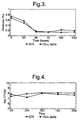
- Microbiological analyses Total lactic acid producing bacteria were determined on MRS agar at 30° C at time 0, 1, 4, 10 and 20 days fermentation. For safety reasons, Enterobacteriaceae, S. aureus, Enterococci, gram negatives, yeast/molds, spore formers and Salmonella were determined (values not given) and were found to be acceptable.
- the concentrates contained about 10 11 CFU.
- One batch was prepared with the standard formula and one with the same formula plus the addition of the Lactococcus strain.
- the other ingredients used were: sugar blend (saccharose, dextrose, Kristallpur); spices; sodium ascorbate; and BIOPHEROL 3401 (rosemary extract).
- the salamis were fermented until a final pH of 4.7-4.8 and dried at 15-16° C until desired firmness. The final pH was 4.9.
- the two sausages showed the same fermentation pattern as in Example 1.
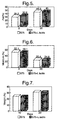
- the final product was then evaluated by a 9-member trained sensory panel. Seven out of the total panelists chose the salami with the Lactococcus strain and the sausage was described as less acid with more fermented and nutty notes. The spices were perceived stronger in the salami with the Lactococcus strain and the overall taste was more round and full.
- Lactobacillus maltaromicus ATCC 27865 was isolated from a sample of raw milk, from a farm, that had a malty flavor. The organism produced besides lactic acid, different aldehydes and alcohols such as 2-methylpropionaldehyde, 2-methylpropanal, 3-methylbutyraldehyde and 3-methyl-butanal in milk and trypticase soy broth. Previously, it was reported that 3-methyl-butanal was the compound responsible for malty flavor found in milk cultures of certain Lactococcus lactis spp. lactis strains (formerly called Streptococcus lactis var. maltigenes) .
- Control Sausage SAGA 75 ( Pediococcus pentosaceus of Example 1) Rate: 40.8 g/200 Kg meat diluted 1/10 to 8.0 ml (The undiluted culture had 110 billion colony forming units/ml.)
- the meat was ground separately for the variables. Each batch was chopped at low speed and the culture or cultures were added. Once mixed, the rest of the ingredients were added. The meat mixture was then stuffed in permeable casings, and the sausages were placed in the fermentation cabinet. For the first three days, the temperature was maintained at 20° C, and the relative humidity was controlled at 95%. Then the temperature and relative humidity were adjusted to 14° C, and 75% respectively. The sausages were held under these conditions for 15 to 20 days.
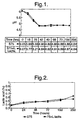
- the control sausage at the end of stuffing had a pH of 6.11. After 18, 25, 42, 49, 66 and 73 h, the pH values were 5.22, 4.88, 4.90, 4.93, 4.95 and 4.90, respectively. After 10 days and 20 days the values were 4.96 and 5.01 respectively.
- the experimental sausage started at pH 5.93 and for similar sampling intervals, the pH values were 5.19, 4.78, 4.59, 4.59, 4.57, 4.62, 4.64 and 4.62, respectively. There were no appreciable differences in the weight losses of the two sausages. There were no color differences between the two sausages.
- the sensory evaluation by a 7-member panel found the experimental sausage containing the Lactobacillus strain to be more "acidic" in flavor.
- the off-notes in the control sausage had a score of 6.6, while the experimental received a score of 5.4.
- the score was set up on a scale of 0 to 15, zero being no off-notes and 15 representing very intense off-notes, as in Example 1.
- the overall results showed that Lactobacillus maltaromicus could be used as an adjunct starter in sausages to increase the 3-methyl-butanal content.
Landscapes
- Life Sciences & Earth Sciences (AREA)
- Engineering & Computer Science (AREA)
- Chemical & Material Sciences (AREA)
- Health & Medical Sciences (AREA)
- Polymers & Plastics (AREA)
- Wood Science & Technology (AREA)
- Zoology (AREA)
- Food Science & Technology (AREA)
- Microbiology (AREA)
- Biotechnology (AREA)
- Bioinformatics & Cheminformatics (AREA)
- Nutrition Science (AREA)
- Organic Chemistry (AREA)
- Genetics & Genomics (AREA)
- Medicinal Chemistry (AREA)
- Virology (AREA)
- Tropical Medicine & Parasitology (AREA)
- Biomedical Technology (AREA)
- General Chemical & Material Sciences (AREA)
- Biochemistry (AREA)
- General Engineering & Computer Science (AREA)
- General Health & Medical Sciences (AREA)
- Chemical Kinetics & Catalysis (AREA)
- Meat, Egg Or Seafood Products (AREA)
- Micro-Organisms Or Cultivation Processes Thereof (AREA)
Applications Claiming Priority (2)
| Application Number | Priority Date | Filing Date | Title |
|---|---|---|---|
| US09/042,884 US6063410A (en) | 1998-03-17 | 1998-03-17 | Method and compositions for improved flavor and aroma in fermented meat |
| US42884 | 1998-03-17 |
Publications (1)
| Publication Number | Publication Date |
|---|---|
| EP0943247A1 true EP0943247A1 (de) | 1999-09-22 |
Family
ID=21924261
Family Applications (1)
| Application Number | Title | Priority Date | Filing Date |
|---|---|---|---|
| EP99105381A Withdrawn EP0943247A1 (de) | 1998-03-17 | 1999-03-16 | Verfahren und Zusammensetzungen zum verbesserten Geschmack und Aroma in fermentiertem Fleisch |
Country Status (2)
| Country | Link |
|---|---|
| US (1) | US6063410A (de) |
| EP (1) | EP0943247A1 (de) |
Cited By (3)
| Publication number | Priority date | Publication date | Assignee | Title |
|---|---|---|---|---|
| NL1018047C2 (nl) * | 2001-03-28 | 2002-10-01 | Campina Melkunie Bv | Werkwijze voor het bereiden van kaas alsmede aldus gevormde kaas. |
| WO2004004490A1 (en) | 2002-07-03 | 2004-01-15 | Ariake Japan Co. | High quality fermented bouillon, and method for production thereof |
| CN105705034A (zh) * | 2013-03-15 | 2016-06-22 | 微自然有限责任公司 | 改进的肉浆生产方法及其肉浆组合物 |
Families Citing this family (23)
| Publication number | Priority date | Publication date | Assignee | Title |
|---|---|---|---|---|
| DE19917715A1 (de) * | 1999-04-09 | 2000-10-19 | Danisco A S Kopenhagen Koebenh | Neuartige Schutzkulturen und deren Verwendung bei der Konservierung von Lebensmitteln |
| NZ511202A (en) * | 2001-04-19 | 2002-11-26 | New Zealand Dairy Board | Savoury-flavoured food product produced in a short time by fermentation of a protein-based medium by at least two different strains of food-grade bacteria |
| US7252849B2 (en) * | 2001-06-08 | 2007-08-07 | Soda Aromatic Co., Ltd. | Perfume composition and process for producing the same |
| US7037541B2 (en) * | 2002-07-03 | 2006-05-02 | Ariake Japan Co. | Alcoholic beverages derived from animal extract, and methods for the production thereof |
| US6800309B2 (en) * | 2002-07-03 | 2004-10-05 | Ariake Japan Co. | Broth/stock and methods for preparation thereof |
| US6793948B2 (en) * | 2002-07-03 | 2004-09-21 | Ariake Japan Co. | High quality dried bouillon and methods for preparation thereof |
| US7037542B2 (en) * | 2003-02-27 | 2006-05-02 | General Mills, Inc. | Process of rapidly preparing a fermented dry or semi-dry sausage product and products therefrom |
| US20090252832A1 (en) * | 2008-04-04 | 2009-10-08 | Patrick Cudahy, Inc. | Method and Apparatus for Producing Cooked Bacon Using Starter Cultures |
| EP2373175B1 (de) * | 2008-12-11 | 2015-09-02 | DuPont Nutrition Biosciences ApS | Bakterienzusammensetzungen von staphylococcus vitulinus mit nitratreduktase aktivität und von milchsäurebakterien und verfahren zur anwendung dieser zusammensetzungen |
| CA2713319A1 (en) * | 2009-08-18 | 2011-02-18 | University Of Manitoba | Fermented sausage and methods of making same |
| US20110059213A1 (en) * | 2009-09-03 | 2011-03-10 | Kraft Foods Global Brands Llc | Method for processing whole muscle meat |
| US8974843B2 (en) * | 2010-10-01 | 2015-03-10 | Ronald E. Rosedale | mTOR pathway optimized nutritional compositions |
| WO2015127359A1 (en) * | 2014-02-21 | 2015-08-27 | Oberto Sausage Company | Acid-stable meat products and processes for making the same |
| EP2912957A1 (de) * | 2014-02-26 | 2015-09-02 | Metalquimia, SA | Verfahren für die Reifung von Fleisch unter Verwendung einer Starterkultur |
| KR102756126B1 (ko) * | 2016-07-27 | 2025-01-15 | 고려대학교 세종산학협력단 | Gaba 생산 젖산균을 이용한 발효소세지의 제조방법 |
| CN109430797A (zh) * | 2018-12-20 | 2019-03-08 | 天津春发生物科技集团有限公司 | 一种调配型意大利腊香肠油状香精及其制备方法 |
| CN109673960B (zh) * | 2019-01-28 | 2022-06-07 | 宁夏大学 | 一种复合菌发酵鹿肉干及其制备方法 |
| CN110973508A (zh) * | 2019-11-20 | 2020-04-10 | 天津农学院 | 一种肉糜型发酵即食肉脯 |
| CN111543601B (zh) * | 2020-05-14 | 2022-06-24 | 内蒙古农业大学 | 一种发酵肉酱及其制备方法 |
| CN114426936B (zh) * | 2021-12-31 | 2023-08-18 | 南京师范大学 | 一种降亚硝酸盐的清酒乳杆菌及其在发酵香肠中的应用 |
| CN116349843B (zh) * | 2023-04-14 | 2025-08-19 | 北京工商大学 | 一种提高发酵鱼肉香肠特色风味的制作方法、发酵鱼肉香肠 |
| CN117247862B (zh) * | 2023-09-15 | 2024-11-22 | 昆明理工大学 | 一株产生宣威前期成熟火腿风味的植物乳杆菌及其应用 |
| CN117305405B (zh) * | 2023-09-27 | 2025-07-08 | 上海市农业科学院 | 一种确定鸽肉保鲜方式最优参数的方法 |
Citations (5)
| Publication number | Priority date | Publication date | Assignee | Title |
|---|---|---|---|---|
| US4147807A (en) * | 1977-09-06 | 1979-04-03 | Microlife Technics, Inc. | Process for the treatment of meat with compositions including Micrococcus varians and a lactic acid producing bacteria |
| US4303679A (en) * | 1980-01-24 | 1981-12-01 | Microlife Technics, Inc. | Method and bacterial compositions for fermenting meats |
| US4304868A (en) * | 1977-09-06 | 1981-12-08 | Microlife Technics, Inc. | Process for the treatment of meat with compositions including Micrococcus varians and a lactic acid producing bacteria |
| US4362750A (en) * | 1979-10-25 | 1982-12-07 | Stauffer Chemical Company | Production of fermented type sausage |
| EP0586939A2 (de) * | 1992-09-11 | 1994-03-16 | H. & E. Reinert KG Westfälische Fleischwarenfabrik | Dauerwurst |
Family Cites Families (7)
| Publication number | Priority date | Publication date | Assignee | Title |
|---|---|---|---|---|
| US1380068A (en) * | 1921-01-31 | 1921-05-31 | Wilson & Company | Art of curing meat |
| US3193391A (en) * | 1961-10-06 | 1965-07-06 | Swift & Co | Use of bacteria in cured meats |
| NO115511B (de) * | 1966-08-08 | 1968-10-14 | Leif F Neraal | |
| US3561947A (en) * | 1968-10-31 | 1971-02-09 | Ethyl Corp | Method of defoliating plants |
| US3960664A (en) * | 1969-10-06 | 1976-06-01 | Microlife Technics, Inc. | Bacterial product useful for making sausage |
| US3814817A (en) * | 1970-07-06 | 1974-06-04 | Merck & Co Inc | Process for curing dry and semi-dry sausages |
| US4013797A (en) * | 1975-12-10 | 1977-03-22 | Microlife Technics, Inc. | Bacterial compositions and process for fermentation of meat therewith |
-
1998
- 1998-03-17 US US09/042,884 patent/US6063410A/en not_active Expired - Fee Related
-
1999
- 1999-03-16 EP EP99105381A patent/EP0943247A1/de not_active Withdrawn
Patent Citations (5)
| Publication number | Priority date | Publication date | Assignee | Title |
|---|---|---|---|---|
| US4147807A (en) * | 1977-09-06 | 1979-04-03 | Microlife Technics, Inc. | Process for the treatment of meat with compositions including Micrococcus varians and a lactic acid producing bacteria |
| US4304868A (en) * | 1977-09-06 | 1981-12-08 | Microlife Technics, Inc. | Process for the treatment of meat with compositions including Micrococcus varians and a lactic acid producing bacteria |
| US4362750A (en) * | 1979-10-25 | 1982-12-07 | Stauffer Chemical Company | Production of fermented type sausage |
| US4303679A (en) * | 1980-01-24 | 1981-12-01 | Microlife Technics, Inc. | Method and bacterial compositions for fermenting meats |
| EP0586939A2 (de) * | 1992-09-11 | 1994-03-16 | H. & E. Reinert KG Westfälische Fleischwarenfabrik | Dauerwurst |
Non-Patent Citations (3)
| Title |
|---|
| FOX P.F.: "Cheese: chemistry, physics and microbiology", 1993, CHAPMAN & HALL, LONDON, XP002105192 * |
| MACLEOD P. AND MORGAN M.E.: "Leucine metabolism", JOURNAL OF DAIRY SCIENCE, vol. 38, 1955, pages 1208-1214, XP002105191 * |
| MILLER III A., ET AL.: "Lactobacillus maltaromicus, a new species producing a malty aroma", INTERNATIONAL JOURNAL OF SYSTEMATIC BACTERIOLOGY, vol. 24, no. 3, 1974, XP002105190 * |
Cited By (6)
| Publication number | Priority date | Publication date | Assignee | Title |
|---|---|---|---|---|
| NL1018047C2 (nl) * | 2001-03-28 | 2002-10-01 | Campina Melkunie Bv | Werkwijze voor het bereiden van kaas alsmede aldus gevormde kaas. |
| EP1245157A1 (de) * | 2001-03-28 | 2002-10-02 | Campina B.V. | Verfahren zur Herstellung von Käse und verfahrensgemäss hergestellter Käse |
| WO2004004490A1 (en) | 2002-07-03 | 2004-01-15 | Ariake Japan Co. | High quality fermented bouillon, and method for production thereof |
| EP1534088B1 (de) * | 2002-07-03 | 2011-09-21 | Ariake Japan Co. | Qualitativ hochwertige fermentierte bouillon und herstellungsverfahren dafür |
| CN105705034A (zh) * | 2013-03-15 | 2016-06-22 | 微自然有限责任公司 | 改进的肉浆生产方法及其肉浆组合物 |
| EP2986144A4 (de) * | 2013-03-15 | 2016-12-07 | Micro-Nature Llc | Verbesserte verfahren und zusammensetzungen zur herstellung eines fleischbreis |
Also Published As
| Publication number | Publication date |
|---|---|
| US6063410A (en) | 2000-05-16 |
Similar Documents
| Publication | Publication Date | Title |
|---|---|---|
| US6063410A (en) | Method and compositions for improved flavor and aroma in fermented meat | |
| Smith et al. | Use of starter cultures in meats | |
| Lücke | Utilization of microbes to process and preserve meat | |
| Toldrá | The storage and preservation of meat. III—Meat processing | |
| Kröckel | Bacterial fermentation of meats | |
| Toldrá et al. | Meat fermentation technology | |
| US4303679A (en) | Method and bacterial compositions for fermenting meats | |
| Garriga et al. | The microbiology of fermentation and ripening | |
| US4013797A (en) | Bacterial compositions and process for fermentation of meat therewith | |
| Genigeorgis | Quality control for fermented meats | |
| US4886673A (en) | Method of preserving meat products and microorganisms for the stabilization of meat products | |
| Zeuthen | Historical aspects of meat fermentations | |
| US4147807A (en) | Process for the treatment of meat with compositions including Micrococcus varians and a lactic acid producing bacteria | |
| Talon et al. | Dry-fermented sausages | |
| Ordóñez et al. | Mediterranean products | |
| US4728518A (en) | Method for developing a red color in cured meat | |
| US4304868A (en) | Process for the treatment of meat with compositions including Micrococcus varians and a lactic acid producing bacteria | |
| Wu et al. | Starter culture and time/temperature of storage influences on quality of fermented mutton sausage | |
| Zeuthen | A historical perspective of meat fermentation | |
| Møller et al. | Formation of amino acid (L-leucine, L-phenylalanine) derived volatile flavour compounds by Moraxella phenylpyruvica and Staphylococcus xylosus in cured meat model systems | |
| Hierro et al. | Mediterranean products | |
| US4238513A (en) | Method and compostion for the production of fermented sausage | |
| Hagen et al. | Meat starters have individual requirements for Mn2+ | |
| Vignolo et al. | Use of bacterial cultures in the ripening of fermented sausages | |
| US4847097A (en) | Method for rapidly developing a red color in meat using streptococcus lactis subspecies diacetylactis |
Legal Events
| Date | Code | Title | Description |
|---|---|---|---|
| PUAI | Public reference made under article 153(3) epc to a published international application that has entered the european phase |
Free format text: ORIGINAL CODE: 0009012 |
|
| AK | Designated contracting states |
Kind code of ref document: A1 Designated state(s): AT BE CH CY DE DK ES FI FR GB GR IE IT LI LU MC NL PT SE |
|
| AX | Request for extension of the european patent |
Free format text: AL;LT;LV;MK;RO;SI |
|
| AKX | Designation fees paid | ||
| REG | Reference to a national code |
Ref country code: DE Ref legal event code: 8566 |
|
| STAA | Information on the status of an ep patent application or granted ep patent |
Free format text: STATUS: THE APPLICATION IS DEEMED TO BE WITHDRAWN |
|
| 18D | Application deemed to be withdrawn |
Effective date: 20000323 |