EP0948520B1 - Expression specifique tissulaire de la proteine du retinoblastome - Google Patents
Expression specifique tissulaire de la proteine du retinoblastome Download PDFInfo
- Publication number
- EP0948520B1 EP0948520B1 EP97952238A EP97952238A EP0948520B1 EP 0948520 B1 EP0948520 B1 EP 0948520B1 EP 97952238 A EP97952238 A EP 97952238A EP 97952238 A EP97952238 A EP 97952238A EP 0948520 B1 EP0948520 B1 EP 0948520B1
- Authority
- EP
- European Patent Office
- Prior art keywords
- vector
- cells
- promoter
- nucleic acid
- polypeptide
- Prior art date
- Legal status (The legal status is an assumption and is not a legal conclusion. Google has not performed a legal analysis and makes no representation as to the accuracy of the status listed.)
- Expired - Lifetime
Links
Images
















Classifications
-
- C—CHEMISTRY; METALLURGY
- C07—ORGANIC CHEMISTRY
- C07K—PEPTIDES
- C07K19/00—Hybrid peptides, i.e. peptides covalently bound to nucleic acids, or non-covalently bound protein-protein complexes
-
- C—CHEMISTRY; METALLURGY
- C07—ORGANIC CHEMISTRY
- C07K—PEPTIDES
- C07K14/00—Peptides having more than 20 amino acids; Gastrins; Somatostatins; Melanotropins; Derivatives thereof
- C07K14/435—Peptides having more than 20 amino acids; Gastrins; Somatostatins; Melanotropins; Derivatives thereof from animals; from humans
- C07K14/46—Peptides having more than 20 amino acids; Gastrins; Somatostatins; Melanotropins; Derivatives thereof from animals; from humans from vertebrates
- C07K14/47—Peptides having more than 20 amino acids; Gastrins; Somatostatins; Melanotropins; Derivatives thereof from animals; from humans from vertebrates from mammals
- C07K14/4701—Peptides having more than 20 amino acids; Gastrins; Somatostatins; Melanotropins; Derivatives thereof from animals; from humans from vertebrates from mammals not used
- C07K14/4736—Retinoblastoma protein
-
- A—HUMAN NECESSITIES
- A61—MEDICAL OR VETERINARY SCIENCE; HYGIENE
- A61P—SPECIFIC THERAPEUTIC ACTIVITY OF CHEMICAL COMPOUNDS OR MEDICINAL PREPARATIONS
- A61P13/00—Drugs for disorders of the urinary system
- A61P13/08—Drugs for disorders of the urinary system of the prostate
-
- A—HUMAN NECESSITIES
- A61—MEDICAL OR VETERINARY SCIENCE; HYGIENE
- A61P—SPECIFIC THERAPEUTIC ACTIVITY OF CHEMICAL COMPOUNDS OR MEDICINAL PREPARATIONS
- A61P17/00—Drugs for dermatological disorders
- A61P17/06—Antipsoriatics
-
- A—HUMAN NECESSITIES
- A61—MEDICAL OR VETERINARY SCIENCE; HYGIENE
- A61P—SPECIFIC THERAPEUTIC ACTIVITY OF CHEMICAL COMPOUNDS OR MEDICINAL PREPARATIONS
- A61P27/00—Drugs for disorders of the senses
- A61P27/02—Ophthalmic agents
-
- A—HUMAN NECESSITIES
- A61—MEDICAL OR VETERINARY SCIENCE; HYGIENE
- A61P—SPECIFIC THERAPEUTIC ACTIVITY OF CHEMICAL COMPOUNDS OR MEDICINAL PREPARATIONS
- A61P35/00—Antineoplastic agents
-
- A—HUMAN NECESSITIES
- A61—MEDICAL OR VETERINARY SCIENCE; HYGIENE
- A61P—SPECIFIC THERAPEUTIC ACTIVITY OF CHEMICAL COMPOUNDS OR MEDICINAL PREPARATIONS
- A61P43/00—Drugs for specific purposes, not provided for in groups A61P1/00-A61P41/00
-
- A—HUMAN NECESSITIES
- A61—MEDICAL OR VETERINARY SCIENCE; HYGIENE
- A61P—SPECIFIC THERAPEUTIC ACTIVITY OF CHEMICAL COMPOUNDS OR MEDICINAL PREPARATIONS
- A61P5/00—Drugs for disorders of the endocrine system
-
- A—HUMAN NECESSITIES
- A61—MEDICAL OR VETERINARY SCIENCE; HYGIENE
- A61K—PREPARATIONS FOR MEDICAL, DENTAL OR TOILETRY PURPOSES
- A61K48/00—Medicinal preparations containing genetic material which is inserted into cells of the living body to treat genetic diseases; Gene therapy
-
- C—CHEMISTRY; METALLURGY
- C07—ORGANIC CHEMISTRY
- C07K—PEPTIDES
- C07K2319/00—Fusion polypeptide
-
- C—CHEMISTRY; METALLURGY
- C12—BIOCHEMISTRY; BEER; SPIRITS; WINE; VINEGAR; MICROBIOLOGY; ENZYMOLOGY; MUTATION OR GENETIC ENGINEERING
- C12N—MICROORGANISMS OR ENZYMES; COMPOSITIONS THEREOF; PROPAGATING, PRESERVING, OR MAINTAINING MICROORGANISMS; MUTATION OR GENETIC ENGINEERING; CULTURE MEDIA
- C12N2799/00—Uses of viruses
- C12N2799/02—Uses of viruses as vector
- C12N2799/021—Uses of viruses as vector for the expression of a heterologous nucleic acid
- C12N2799/022—Uses of viruses as vector for the expression of a heterologous nucleic acid where the vector is derived from an adenovirus
Definitions
- RB retinoblastoma gene
- E2F transcription factor
- the RB locus is frequently inactivated in a variety of human tumor cells. Reintroduction of a wild-type RB gene (e.g., Bookstein et al. Science 247:712-715 (1990)) or RB protein (pRB) (e.g., Antelman et al. Oncogene 10:697-704(1995)) into RBneg/RBmut cells can suppress growth in culture and tumorigenicity in vivo.
- pRB RB protein
- E2F serves to activate transcription of S-phase genes
- its activity is kept in check by RB.
- RB arrests cells by blocking exit from G into S-phase (for example, Dowdy et al. Cell 73:499-511 (1993)) but the precise pathway of the arrest remains unclear.
- E2F forms complexes with RB
- complex formation is more efficient if an E2F-related protein, DP-1, is present.
- E2F-1 and DP-1 form stable heterodimers which bind to DNA (for example, Qin et al. Genes and Dev. 6-:953-964 (1992)).
- DP-1-E2F complexes serve to cooperatively activate transcription of E2F-dependent genes. Such transcription can be repressed by pRB in the same manner as E2F-1 or DP-1 activated transcription.
- Transcriptional repression of genes by RB in some instances can be achieved by tethering pRB to a promoter.
- GAL4-pRB fusions bind to GAL4 DNA binding domains and repress transcription from p53, Sp-1 or AP-1 elements (Adnane, et al. J. Biol. Chem . 270:8837-8843 (1995); Weintraub, et al. Nature 358:259-261 (1995)).
- Sellers, et al. Proc. Natl. Acad. Sci. 92:11544-11548 (1995) disclosed fusions of amino acid residues 1-368 of E2F with amino acids 379-792 or 379-928 of RB.
- Chang, et al. ( Science 267:518-521 (1995)) disclosed the use of a replication-defective adenovirus-RB construct in the reduction of neointima formation in two animal models of restenosis, a hyperproliferative disorders.
- the instant invention provides the surprising result that a fusion of an E2F polypeptide with an RB polypeptide is more efficient in repressing transcription of the E2F promoter than RB alone, and that such fusions can cause cell cycle arrest in a variety of cell types. Such fusions can thus address the urgent need for therapy of hyperproliferative disorders, including cancer.
- One aspect of the invention is a polypeptide comprising a fusion of a transcription factor, the transcription factor comprising a DNA binding domain, and a retinoblastoma (RB) polypeptide, the RB polypeptide comprising a growth suppression domain.
- Another aspect of the invention is DNA encoding such a fusion polypeptide. The DNA can be inserted in an adenovirus vector.
- the transcription factor is E2F.
- the cyclin A binding domain of the E2F can be deleted or nonfunctional.
- the E2F can comprise amino acid residues about 95 to about 194 or about 95 to about 286 in some embodiments.
- the retinoblastoma polypeptide can be wild-type RB, RB56, or a variant or fragment thereof.
- the retinoblastoma polypeptide comprises amino acid residues of about 379 to about 928.
- Preferred amino acid substitutions of the RB polypeptide include residues 2, 608, 788, 807, and 811.
- Another aspect of the invention is an expression vector comprising DNA encoding a polypeptide, the polypeptide comprising a fusion of a transcription factor, the transcription factor comprising a DNA binding domain, and a retinoblastoma (RB) polypeptide, the RB polypeptide comprising a growth suppression domain.
- a tissue-specific promoter is .operatively linked to DNA encoding the fusion polypeptide.
- the tissue-specific promoter can be a smooth muscle alpha actin promoter.
- Another aspect of the application can be a method for treatment of hyperproliferative disorders comprising administering to a patient a therapeutically effective dose of an E2F-RB fusion polypeptide.
- the hyperproliferative disorder can be cancer.
- the hyperproliferative disorder is restenosis.
- the fusion polypeptide and nucleic acid encoding the fusion polypeptide can be used to coat devices used for angioplasty.
- the instant invention provides RB fusion constructs including fusion polypeptides and vectors encoding them, and methods for the use of such constructs in the treatment of hyperproliferative diseases.
- an RB polypeptide is fused to an E2F polypeptide.
- Any E2F species can be used, typically E2F-1, -2, -3, -3, or -5 (see, e.g., Wu et al. Mol Cell. Biol. 15:2536-2546 (1995); Ivey-Hoyle et al. Mol. Cell. Biol. 13:7802 (1993); Vairo et al. Genes and Dev. 9:869 (1995); Beijersbergen et al. Genes and Dev.
- the EF2 polypeptide comprises at least the DNA binding domain of E2F, and may optionally include the cyclin A binding domain, the heterodimerization domain, and/or the transactivation domain.
- the cyclin A binding domain is not functional.
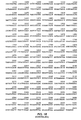
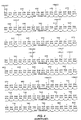
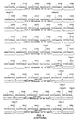
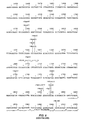
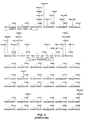
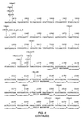
- the nucleotide and amino acid sequence of E2F referred to herein are those of Genbank HUME2F, shown in Figure 1A and 1B.
- Nucleic acid, preferably DNA, encoding such an EF2 polypeptide is fused in reading frame to an RB polypeptide.
- the RB polypeptide can be any RB polypeptide, including conservative amino acid variants, allelic variants, amino acid substitution, deletion, or insertion mutants, or fragments thereof.
- the growth suppression domain, i.e., amino acids residues 379-928, of the RB polypeptide is functional (Hiebert, et al. MCB. 13:3384-3391 (1993); Qin, et al. Genes and Dev. 6:953-964 (1992)).
- wild-type pRB110 is used.
- RB56 comprises amino acid residues 379-928 of pRE110 (Hiebert, et al. MCB 13:3384-3391 (1993); Qin, et al. Genes and Dev. 6:953-964 (1992)).
- amino acid variants of RB at positions 2, 608, 612, 788, 807, or 811 are used singly or in combination.
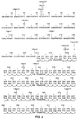
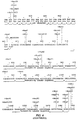
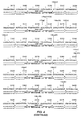
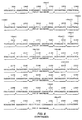
- the variant RB56-Ss comprises wild-type RB56 having alanine substitutions at 608, 612, 788, 807, and 811. Numbering of RB amino acids and nucleotides is according to the RB sequence disclosed by Lee, et al. (Nature 329:642-645 (1987)), hereby incorporated by reference in its entirety for all purposes. ( Figure 2).
- Nucleic acids encoding the polypeptides of the invention can be DNA or RNA.
- the phrase "nucleic acid sequence encoding" refers to a nucleic acid which directs the expression of a specific protein or peptide.
- the nucleic acid sequences include both the DNA strand sequence that is transcribed into RNA and the RNA sequence that is translated into protein.
- the nucleic acid sequences include both the full length nucleic acid sequences as well as non-full length sequences derived from the full length protein. It is further understood that the sequence includes the degenerate codons of the native sequence or sequences which may be introduced to provide codon preference in a specific host cell.
- vector refers to viral expression systems, autonomous self-replicating circular DNA (plasmids), and includes both expression and nonexpression plasmids. Where a recombinant microorganism or cell culture is described as hosting an "expression vector,” this includes both extrachromosomal circular DNA and DNA that has been incorporated into the host chromosome(s). Where a vector is being maintained by a host cell, the vector may either be stably replicated by the cells during mitosis as an autonomous structure, or is incorporated within the host's genome.
- a vector contains multiple genetic elements positionally and sequentially oriented, i.e., operatively linked with other necessary elements such that nucleic acid in the vector encoding the constructs of the invention can be transcribed, and when necessary, translated in transfected cells.
- gene as used herein is intended to refer to a nucleic acid sequence which encodes a polypeptide. This definition includes various sequence polymorphisms, mutations, and/or sequence variants wherein such alterations do not affect the function of the gene product.
- gene is intended to include not only coding sequences but also regulatory regions such as promoters, enhancers, and termination regions. The term further includes all introns and other DNA sequences spliced from the mRNA transcript, along with variants resulting from alternative splice sites.
- plasmid refers to an autonomous circular DNA molecule capable of replication in a cell, and includes both the expression and nonexpression types. Where a recombinant microorganism or cell culture is described as hosting an "expression plasmid", this includes both extrachromosomal circular DNA molecules and DNA that has been incorporated into the host chromosome(s). Where a plasmid is being maintained by a host cell, the plasmid is either being stably replicated by the cells during mitosis as an autonomous structure or is incorporated within the host's genome.
- recombinant protein or “recombinantly produced protein” refers to a peptide or protein produced using non-native cells that do not have an endogenous copy of DNA able to express the protein.
- the cells produce the protein because they have been genetically altered by the introduction of the appropriate nucleic acid sequence.
- the recombinant protein will not be found in association with proteins and other subcellular components normally associated with the cells producing the protein.
- protein and “polypeptide” are used interchangeably herein.
- a construct of the invention is provided in an expression vector comprising the following elements linked sequentially at appropriate distances for functional expression: a tissue-specific promoter, an initiation site for transcription, a 3' untranslated region, a 5' mRNA leader sequence, a nucleic acid sequence encoding a polypeptide of the invention, and a polyadenylation signal. Such linkage is termed "operatively linked.” Enhancer sequences and other sequences aiding expression and/or secretion can also be included in the expression vector. Additional genes, such as those encoding drug resistance, can be included to allow selection or screening for the presence of the recombinant vector.
- Such additional genes can include, for example, genes encoding neomycin resistance, multi-drug resistance, thymidine kinase, beta-galactosidase, dihydrofolate reductase (DHFR), and chloramphenicol acetyl transferase.
- tissue-specific expression of the RB constructs of the invention is preferably accomplished by the use of a promoter preferentially used by a tissue of interest.
- tissue-specific promoters include the promoter for creatine kinase, which has been used to direct the expression of dystrophin cDNA expression in muscle and cardiac tissue (Cox, et al. Nature 364:725-729 (1993)) and immunoglobulin heavy or light chain promoters for the expression of suicide genes in B cells (Maxwell, et al. Cancer Res. 51:4299-4304 (1991) ) .
- An endothelial cell-specific regulatory region has also been characterized (Roboudi, et al. Mol Cell. Biol. 14:999-1008 (1994)).
- Amphotrophic retroviral vectors have been constructed carrying a herpes simplex virus thymidine kinase gene under the control of either the albumin or alpha-fetoprotein promoters (Huber, et al. Proc. Natl. Acad. Sci. U.S.A. 88:8039-8043 (1991)) to target cells of liver lineage and hepatoma cells, respectively.
- tissue specific promoters can be used in retroviral vectors (Hartzoglou, et al. J. Biol. Chem. 265:17285-17293 (1990)) and adenovirus vectors (Friedman, et al. Mol. Cell. Biol. 6:3791-3797 (1986); Wills et al. Cancer Gene Therapy 3:191-197 (1995)) and still retain their tissue specificity.
- a preferred promoter for tissue-specific expression of exogenous genes is the human smooth muscle alpha-actin promoter.
- Reddy, et al. J. Cell Biology 265:1683-1687 (1990) disclosed the isolation and nucleotide sequence of this promoter, while Nakano, et al. (Gene 99:285-289 (1991)) disclosed transcriptional regulatory elements in the 5' upstream and the first intron regions of the human smooth muscle (aortic type) alpha-actin gene.
- Petropoulos, et al. J. Virol. 66:3391-3397 (1992) disclosed a comparison of expression of bacterial chloramphenicol transferase (CAT) operatively linked to either the chicken skeletal muscle alpha actin promoter or the cytoplasmic beta-actin promoter. These constructs were provided in a retroviral vector and used to infect chicken eggs.
- CAT chloramphenicol transferase
- tissue-specific expression elements for the liver include but are not limited to HMG-CoA reductase promoter (Luskey, Mol. Cell. Biol. 7(5):1881-1893 (1987)); sterol regulatory element 1 (SRE-1; Smith et al. J. Biol. Chem. 265(4):2306-2310 (1990); phosphoenol pyruvate carboxy kinase (PEPCK) promoter (Eisenberger et al. Mol. Cell Biol. 12(3):1396-1403 (1992)); human C-reactive protein (CRP) promoter (Li et al. J. Biol. Chem.
- aldolase B promoter (Bingle et al. Biochem J. 294(Pt2) :473-9 (1993)); human transferrin promoter (Mendelzon et al. Nucl. Acids Res, 18(19):5717-21 (1990); collagen type I promoter (Houglum et al. J. Clin. Invest. 94(2):808-14 (1994)).
- Exemplary tissue-specific expression elements for the prostate include but are not limited to the prostatic acid phosphatase (PAP) promoter (Banas et al. Biochim, Biophys. Acta. 1217(2):188-94 (1994); prostatic secretory protein of 94 (PSP 94) promoter (Nolet et al. Biochim. Biophys. ACTA 1098(2):247-9 (1991)); prostate specific antigen complex promoter (Casper et al. J. Steroid Biochem. Mol. Biol. 47 (1-6):127-35 (1993)); human glandular kallikrein gene promoter (hgt-1) (Lilja et al. World J. Urology 11(4):188-91 (1993).
- PAP prostatic acid phosphatase
- PSP 94 prostatic secretory protein of 94
- PSP 94 prostatic secretory protein of 94
- prostate specific antigen complex promoter Casper et al. J. Steroid Biochem. Mol. Bio
- tissue-specific expression elements for gastric tissue include but are not limited to the human H + /K + -ATPase alpha subunit promoter (Tanura et al. FEBS Letters 298: (2-3) :137-41 (1992)).
- Exemplary tissue-specific expression elements for the pancreas include but are not limited to pancreatitis associated protein promoter (PAP) (Dusetti et al. J. Biol. Chem. 268(19):14470-5 (1993)); elastase 1 transcriptional enhancer (Kruse et al. Genes and Development 7(5):774-86 (1993)); pancreas specific amylase and elastase enhancer promoter (Wu et al. Mol. Cell, Biol. 11(9):4423-30 (1991); Keller et al. Genes & Dev, 4(8):1316-21 (1990)); pancreatic cholesterol esterase gene promoter (Fontaine et al. Biochemistry 30(28):7008-14 (1991)).
- PAP pancreatitis associated protein promoter
- tissue-specific expression elements for the endometrium include but are not limited to the uteroglobin promoter (Helftenbein et al. Annal. NY Acad. Sci. 622:69-79 (1991)).
- tissue-specific expression elements for adrenal cells include but are not limited to cholesterol side-chain cleavage (SCC) promoter (Rice et al. J. Biol. Chem. 265:11713-20 (1990).
- SCC cholesterol side-chain cleavage
- tissue-specific expression elements for the general nervous system include but are not limited to gamma-gamma enolase (neuron-specific enolase, NSE) promoter (Forss-Petter et al. Neuron 5(2):187-97 (1990)).
- tissue-specific expression elements for the brain include but are not limited to the neurofilament heavy chain (NF-H) promoter (Schwartz et al. J. Biol. Chem. 269 (18) :13444-50 (1994)).
- NF-H neurofilament heavy chain
- tissue-specific expression elements for lymphocytes include but are not limited to the human CGL-1/granzyme B promoter (Hanson et al. J. Biol, Chem. 266 (36):24433-8 (1991)); the terminal deoxy transferase (TdT), lambda 5, VpreB, and lck (lymphocyte specific tyrosine protein kinase p561ck) promoter (Lo et al. Mol. Cell. Biol, 11(10):5229-43 (1991)); the humans CD2 promoter and its 3'transcriptional enhancer (Lake et al. EMBO J. 9(10):3129-36 (1990)), and the human NK and T cell specific activation (NKGS) promoter (Houchins et al. Immunogenetics 37(2):102-7 (1993) ) .
- TdT terminal deoxy transferase
- VpreB VpreB
- lck lymphocyte specific tyrosine protein kina
- tissue-specific expression elements for the colon include but are not limited to pp60c-src tyrosine kinase promoter (Talamonti et al. J. Clin. Invest 91(1):53-60 (1993)); organ-specific neoantigens (OSNs), mw 40kDa (p40) promoter (Ilantzis et al. Microbiol. Immunol. 37(2):119-26 (1993)); colon specific antigen-P promoter (Sharkey et al. Cancer 73(3 supp.) 864-77 (1994)).
- tissue-specific expression elements for breast cells include but are not limited to the human alpha-lactalbumin promoter (Thean et al. British J. Cancer. 61(5):773-5 (1990)).
- tissue of interest can include secretion leader sequences, enhancers, nuclear localization signals, endosmolytic peptides, etc.
- these elements are derived from the tissue of interest to aid specificity.
- nucleic acid manipulation of the nucleic acid sequences of the invention such as subcloning nucleic acid sequences encoding polypeptides into expression vectors, labelling probes, DNA hybridization, and the like are described generally in Sambrook et al., Molecular Cloning - A Laboratory Manual (2nd Ed.), Vol. 1-3, Cold Spring Harbor Laboratory, Cold Spring Harbor, New York, (1989), which is incorporated herein by reference. This manual is hereinafter referred to as "Sambrook et al .”
- DNA encoding a sequence of interest is isolated and cloned, one can express the encoded proteins in a variety of recombinantly engineered cells. It is expected that those of skill in the art are knowledgeable in the numerous expression systems available for expression of DNA encoding. No attempt to describe in detail the various methods known for the expression of proteins in prokaryotes or eukaryotes is made here.
- the expression of natural or synthetic nucleic acids encoding a sequence of interest will typically be achieved by operably linking the DNA or cDNA to a promoter (which is either constitutive or inducible), followed by incorporation into an expression vector.
- the vectors can be suitable for replication and integration in either prokaryotes or eukaryotes.
- Typical expression vectors contain transcription and translation terminators, initiation sequences, and promoters useful for regulation of the expression of polynucleotide sequence of interest.
- it is desirable to construct expression plasmids which contain, at the minimum, a strong promoter to direct transcription, a ribosome binding site for translational initiation, and a transcription/translation terminator.
- the expression vectors may also comprise generic expression cassettes containing at least one independent terminator sequence, sequences permitting replication of the plasmid in both eukaryotes and prokaryotes, i.e. , shuttle vectors, and selection markers for both prokaryotic and eukaryotic systems. See Sambrook et al.
- the E2F-RB fusion constructs of the invention can be introduced into the tissue of interest in vivo or ex vivo by a variety of methods.
- the nucleic acid preferably DNA
- the DNA is introduced to cells by such methods as microinjection, calcium phosphate precipitation, liposome fusion, or biolistics.
- the DNA is taken up directly by the tissue of interest.
- the constructs are packaged into a viral vector system to facilitate introduction into cells.
- Viral vector systems useful in the practice of the instant invention include adenovirus, herpesvirus, adeno-associated virus, minute virus of mice (MVM), HIV, Sindbis virus, and retroviruses such as Rous sarcoma virus, and MoMLV.
- the constructs of the instant invention are inserted into such vectors to allow packaging of the E2F-RB expression construct, typically with accompanying viral DNA, infection of a sensitive host cell, and expression of the E2F-RB gene.
- a particularly advantageous vector is the adenovirus vector disclosed in Wills, et al. Human Gene Therapy 5:1079-1088 (1994).
- the recombinant DNA constructs of the invention are conjugated to a cell receptor ligand for facilitated uptake (e.g., invagination of coated pits and internalization of the endosome) through a DNA linking moiety (Wu, et al. J. Biol. Chem. 263:14621-14624 (1988); WO 92/06180).
- a DNA linking moiety Wang, et al. J. Biol. Chem. 263:14621-14624 (1988); WO 92/06180.
- the DNA constructs of the invention can be linked through a polylysine moiety to asialo-oromucocid, which is a ligand for the asialoglycoprotein receptor of hepatocytes.
- viral envelopes used for packaging the constructs of the invention can be modified by the addition of receptor ligands or antibodies specific for a receptor to permit receptor-mediated endocytosis into specific cells (e.g., WO 93/20221, WO 93/14188; WO 94/06923).
- the DNA constructs of the invention are linked to viral proteins, such as adenovirus particles, to facilitate endocytosis (Curiel, et al. Proc. Natl. Acad. Sci. U.S.A. 88:8850-8854 (1991)).
- molecular conjugates of the instant invention can include microtubule inhibitors (WO 94/06922); synthetic peptides mimicking influenza virus hemagglutinin (Plank, et al. J. Biol. Chem. 269:12918-12924 (1994)); and nuclear localization signals such as SV40 T antigen (WO 93/19768).
- the RB polypeptides of the invention can be administered directly to a patient in need of treatment.
- a "therapeutically effective" dose is a dose of polypeptide sufficient to prevent or reduce severity of a hyperproliferative disorder.
- hyperproliferative cells includes but is not limited to cells having the capacity for autonomous growth, i.e., existing and reproducing independently of normal regulatory mechanisms. Hyperproliferative diseases may be categorized as pathologic, i.e., deviating from normal cells, characterizing for constituting disease, or may be categorized as non-pathologic, i.e., deviation from normal but not associated with a disease state.
- Pathologic hyperproliferative cells are characteristic of the following disease states: restenosis, diabetic retinopathy, thyroid hyperplasia, Grave's disease, psoriasis, benign prostatic hypertrophy, Li-Fraumeni syndrome including breast cancer, sarcomas and other neoplasms, bladder cancer, colon cancer, lung cancer, various leukemias and lymphomas.
- non-pathological hyperproliferative cells are found, for instance, in mammary ductal epithelial cells during development of lactation and also in cells associated with wound repair.
- Pathological hyperproliferative cells characteristically exhibit loss of contact inhibition and a decline in their ability to selectively adhere which implies a further breakdown in intercellular communication. These changes include stimulation to divide and the ability to secrete proteolytic enzymes.
- the constructs of the invention are useful in the therapy of various cancers and other conditions in which the administration of RB is advantageous, including but not limited to peripheral vascular diseases and diabetic retinopathy.
- any tissue can be targeted for which some tissue-specific expression element, such as a promoter, can be identified, of particular interest is the tissue-specific administration of an RB construct for hyperproliferative disorders such as restenosis, for which the smooth muscle actin promoter is preferable.
- compositions of the invention will be formulated for administration by manners known in the art acceptable for administration to a mammalian subject, preferably a human.
- the compositions of the invention can be administered directly into a tissue by injection or into a blood vessel supplying the tissue of interest.
- the compositions of the invention can be administered "locoregionally", i.e., intravesically, intralesionally, and/or topically.
- the compositions of the invention can be administered systemically by injection, inhalation, suppository, transdermal delivery, etc.
- the compositions can be administered through catheters or other devices to allow access to a remote tissue of interest, such as an internal organ.
- the compositions of the invention can also be administered in depot type devices, implants, or encapsulated formulations to allow slow or sustained release of the compositions.
- compositions for administration which comprise a solution of the compositions of the invention dissolved or suspended in an acceptable carrier, preferably an aqueous carrier.
- an acceptable carrier preferably an aqueous carrier.
- aqueous carriers may be used, e.g., water, buffered water, 0.8% saline, 0.3% glycine, hyaluronic acid and the like.
- These compositions may be sterilized by conventional, well known sterilization techniques, or may be sterile filtered.
- the resulting aqueous solutions may be packaged for use as is, or lyophilized, the lyophilized preparation being combined with a sterile solution prior to administration.
- compositions may contain pharmaceutically acceptable auxiliary substances as required to approximate physiological conditions, such as pH adjusting and buffering agents, tonicity adjusting agents, wetting agents and the like, for example, sodium acetate, sodium lactate, sodium chloride, potassium chloride, calcium chloride, sorbitan monolaurate, triethanolamine oleate, etc.
- auxiliary substances such as pH adjusting and buffering agents, tonicity adjusting agents, wetting agents and the like, for example, sodium acetate, sodium lactate, sodium chloride, potassium chloride, calcium chloride, sorbitan monolaurate, triethanolamine oleate, etc.
- compositions of the invention in the pharmaceutical formulations can vary widely, i.e., from less than about 0.1%, usually at or at least about 2% to as much as 20% to 50% or more by weight, and will be selected primarily by fluid volumes, viscosities, etc., in accordance with the particular mode of administration selected.
- compositions of the invention may also be administered via liposomes.
- Liposomes include emulsions, foams, micelles, insoluble monolayers, liquid crystals, phospholipid dispersions, lamellar layers and the like.
- the composition of the invention to be delivered is incorporated as part of a liposome, alone or in conjunction with a molecule which binds to a desired target, such as antibody, or with other therapeutic or immunogenic compositions.
- liposomes either filled or decorated with a desired composition of the invention of the invention can delivered systemically, or can be directed to a tissue of interest, where the liposomes then deliver the selected therapeutic/immunogenic peptide compositions.
- Liposomes for use in the invention are formed from standard vesicle-forming lipids, which generally include neutral and negatively charged phospholipids and a sterol, such as cholesterol.
- the selection of lipids is generally guided by consideration of, e.g., liposome size, acid lability and stability of the liposomes in the blood stream.
- a variety of methods are available for preparing liposomes, as described in, e.g., Szoka et al. Ann. Rev. Biophys. Bioeng. 9:467 (1980), U.S. Patent Nos. 4,235,871, 4,501,728, 4,837,028, and 5,019,369, incorporated herein by reference.
- a liposome suspension containing a composition of the invention may be administered intravenously, locally, topically, etc. in a dose which varies according to, inter alia , the manner of administration, the composition of the invention being delivered, and the stage of the disease being treated.
- nontoxic solid carriers may be used which include, for example, pharmaceutical grades of mannitol, lactose, starch, magnesium stearate, sodium saccharin, talcum, cellulose, glucose, sucrose, magnesium carbonate, and the like.
- a pharmaceutically acceptable nontoxic composition is formed by incorporating any of the normally employed excipients, such as those carriers previously listed, and generally 10-95% of active ingredient, that is, one or more compositions of the invention of the invention, and more preferably at a concentration of 25%-75%.
- compositions of the invention are preferably supplied in finely divided form along with a surfactant and propellant.
- Typical percentages of compositions of the invention are 0.01%-20% by weight, preferably 1%-10%.
- the surfactant must, of course, be nontoxic, and preferably soluble in the propellant.
- Representative of such agents are the esters or partial esters of fatty acids containing from 6 to 22 carbon atoms, such as caproic, octanoic, lauric, palmitic, stearic, linoleic, linolenic, olesteric and oleic acids with an aliphatic polyhydric alcohol or its cyclic anhydride.
- Mixed esters such as mixed or natural glycerides may be employed.
- the surfactant may constitute 0.1%-20% by weight of the composition, preferably 0.25-5%.
- the balance of the composition is ordinarily propellant.
- a carrier can also be included, as desired, as with, e.g., lecithin for intranasal delivery.
- constructs of the invention can additionally be delivered in a depot-type system, an encapsulated form, or an implant by techniques well-known in the art. Similarly, the constructs can be delivered via a pump to a tissue of interest.
- compositions of the invention can be administered ex vivo to cells or tissues explanted from a patient, then returned to the patient.
- ex vivo administration of gene therapy constructs include Arteaga et al. Cancer Research 56(5):1098-1103 (1996); Nolta et al. Proc Natl. Acad. Sci. USA 93(6):2414-9 (1996); Koc et al. Seminars in oncology 23 (1) :46-65 (1996) ; Raper et al. Annals of Surgery 223(2) :116-26 (1996); Dalesandro et al. J. Thorac. Cardi. Surg , 11(2):416-22 (1996); and Makarov et al. Proc Natl . Acad. Sci. USA 93 (1) :402-6 (1996).
- the constructs of the invention can be administered to a cardiac artery after balloon angioplasty to prevent or reduce the severity of restenosis.
- the constructs of the invention can be used to coat the device used for angioplasty (see, for example, Willart, et al. Circulation 89:2190-2197 (1994); French, et al. Circulation 90:2402-2413 (1995)).
- the fusion polypeptides of the invention can be used in the same manner.
- E2F194 contains E2F amino acids 95-194. This fragment contains only the DNA binding domain of E2F.
- E2F286 contains the DNA binding domain and the DP-1 heterodimerization domain.
- E2F fragments lack the N-terminal cyclin A-kinase binding domain, which appears to down-regulate the DNA binding activity of E2F (Krek et al. Cell 83:1149-1158 (1995); Krek et al. Cell 78:161-172 (1994)).
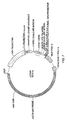
- Plasmid pCTM contains a CMV promoter, a tripartite adenovirus leader flanked by T7 and SP6 promoters, and a multiple cloning site with a bovine growth hormone (BGH) polyadenylation site and a SV-40 poly adenylation site downstream.
- BGH bovine growth hormone
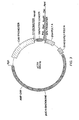
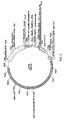
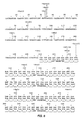
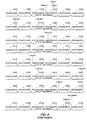
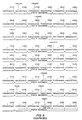
- pCTMI was constructed from pCTM by digesting pCTM with Xho I and Not I and subcloning a 180 bp intron Xhol-Not I fragment from a pCMV- ⁇ -gal vector (Clonetech ) .
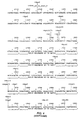
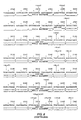
- a diagrammatic representation of pCTMI is provided in Figure 5.
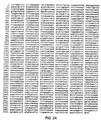
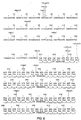
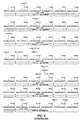
- the DNA sequence is provided in Figure 6.
- pCTMIE was constructed by amplifying the SV40 enhancer from SV40 viral DNA in a polymerase chain reaction.
- the amplified product was digested with BglII and inserted into BamHI-digested pCMTI and ligated in the presence of BamHI.
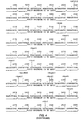
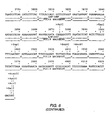
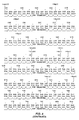
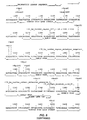
- the plasmid is depicted diagrammatically in Figure 7.
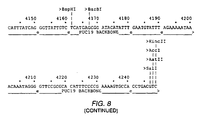
- the DNA sequence is provided in Figure 8.
- pCTM-RB was prepared as follows. A 3.2 KB Xba I - Cla I fragment of pETRBc (Huang et al. Nature 350:160-162 (1991)) containing the full length human RB cDNA was ligated to XbaI-Cla I digested pCTM. pCTM-RB56 was prepared by ligating the digested pCTM to a 1.7 KB Xba 1 -Cla I fragment containing the coding sequence for RB56. pCTMI-RB, pCTMIE-RB, pCTMI-RB56(amino acids 381-928) and pCTMIE-RB56(amino acids 381-928) were all constructed by the same methods.
- FIG. 9 depicts the fusion constructs used in these studies. These E2F constructs commenced at amino acid 95 and lacked part of the cyclin A binding domain.
- E2F437 contained the DNA binding domain (black), heterodimerization domain (white) and transactivation domain (stippled).
- E2F194 contained solely the DNA binding domain.
- E2F286 contained the DNA binding domain and DP-1 heterodimerization domain.
- RB56-. 5s refers to an RB variant having alanine substitutions at amino acid residues 606, 612, 788, 807 and 811.
- E2F194-RB56-5s and E2F286-RB56-5s the E2F fragments were fused in frame to codon 379 of RB-5s.
- RB56-C706F contained an inactivating point mutation (Kaye et al. Proc. Natl. Acad. Sci. U.S.A. 87:6922-6926 (1990
- pCMV-E2F194 and pCMV-E2F437 were constructed as follows. DNA encoding amino acids 95-194 of E2F (containing the DNA binding domain) or amino acids 95-437 was amplified in a polymerase chain reaction, digested with HindII, and ligated into SmaI/HindII digested pCMV-RB56 vectors. pCMVE2F286 was constructed by digesting pCMV-E2F437 with AflII, treating the ends with DNA pol I (Klenow fragment) and religating in the presence of AflII. The blunt end ligation created a stop codon at position 287.
- pCMV-E2F286-5s was constructed by ligating AflII (blunt)/HindIII digested pE2F437 to a Sal I (blunt)-HindIII fragment containing the RB56-5s coding sequence.
- pCTMIE-E2F194-Ss and pCTMIE-E2F286-RB5s were constructed by ligating EcoRI-EcoRV digested pCTMIE (4.2 KB) to HindIII (blunt)-EcoRI fragments from either pCMV-E2F194-RB5s or pCMV-E2F286-RBSs.
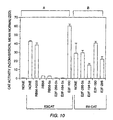
- cervical carcinoma cell line C33A (ATCC # HTB-31) was transfected with equivalent amounts of E2F194-RB56 or E2F RB56 with an E2-CAT reporter plasmid (See, e.g., Weintraub et al. Nature 358:259-261 (1992)).
- C33A assay 250,000 C33A cells were seeded into each of well of 6-well tissue culture plates and allowed to adhere overnight. 5 ⁇ g each of pCMV-RB56, pCMV-E2F RB56, or pCMV-E2F plasmid were cotransfected (calcium phosphate method, MBS transfection kit, Stratagene) with 5 ⁇ g of indicated reporter construct E2-CAT or SVCAT) and 2.5 ⁇ g ⁇ -gal plasmid (pCMV- ⁇ , Clontech) per well into duplicate wells. Cells were harvested 72 hour after transfection and extracts were prepared.
- each of RB or E2F-RB fusion plasmid, E2-CAT or SV-CAT reporter plasmid and pCMV- ⁇ -galactosidase were cotransfected using the lipofectin reagent (BRL, Bethesda, Maryland) according to the manufacturer's instructions.
- CAT assays were performed using either 20 ⁇ L (C33A) or 50 ⁇ L (5637) of cell extract (Gorman et al. Mol. Cell. Biol. 2:1044 (1982)). TLCs were analyzed on a Phosphoimager SF (Molecular Dynamics). CAT activities were normalized for transfection efficiency according to ⁇ -galactosidase activities of each extract. ⁇ -galactosidase activities of extracts were assayed as described by Rosenthal et al. (Meth. Enzym. 152:704 (1987)).
- E2F-RB fusion polypeptides to cause G1 arrest in Saos-2 (RB-/- cells) (ATCC # HTB-85) and C33A cells was investigated. Previous studies have shown that RB-mediated E2 promoter repression and G1 arrest are linked in Saos-2 cells but dissociated in C33A (RBmut) cells (Xu, et al. PNAS 92:1357-1361 (1992)). Cells were washed in PBS and were fixed in 1 mL -20°C 70% ethanol for 30 minutes.
- E2F-RB fusion proteins The ability of the E2F-RB fusion proteins to arrest 5637 cells was also investigated (Table 2).
- RB56 and RB56-5s both efficiently arrested cells in G 0 /G 1 (approximately 90% of cells in G 0 -G 1 ), whereas E2F194-RB56-5s and E2F286-RB56-5s are slightly less efficient (about 80% of cells in G 0 /G 1 ) at promoting G 0 /G 1 arrest.
- the less efficient arrest of both Saos-2 and 5637 cells by the E2F-RB fusion proteins appears due to the lower levels of steady-state protein produced in these cells ( Figure 11, panels b and c).
- NIH-3T3 cells were transfected with RB56 or E2F-RB56 fusions and stained with anti-RB monoclonal antibody 3C8 (Wen et al. J. Immuno. Meth. 169:231-240 (1994)). FACS analysis was performed of the RB expressing cells. The results are shown in Figure 12.
- the non-gated population (g) shows the characteristic cell cycle distribution for NIH-3T3 cells (60% GO, 28% S, 10% G2/M).
- E2F-RB fusion proteins are more efficient transcriptional repressors than either pRB or RB56 alone, and that RB can repress transcription by remaining bound to E2F rather than directly blocking the transactivation domain of E2F.
- These data support the use of E2F-RB fusions as RB agonists in both RB+ cells and in RB negative or RB mutant cells.
- adenoviruses comprising an RB polypeptide under the control of a CMV or smooth muscle alpha actin promoter were generated.
- the smooth muscle ⁇ -actin promoter (bases -670 through +5, Reddy et al. "Structure of the Human Smooth Muscle ⁇ -Actin Gene.” J. Biol. Chem. 265:1683-1687 (1990), Nakano, et al. "Transcriptional Regulatory Elements In The 5' Upstream and First Intron Regions of The Human Smooth Muscle (aortic type) ⁇ -Actin-Encoding Gene.” Gene 99:285-289 (1991) was isolated by PCR from a genomic library with 5' Xho I and Avr II and 3' Xba I, Cla I and Hind III restriction sites added for cloning purposes.
- the fragment was subcloned as an Xho 1, Hind III fragment into a plasmid for sequencing to verify base composition.
- a fusion construct 286-56 containing the DNA and heterodimerization domain of E2F-1 (bases 95-286) linked to p56 (amino acids 379-928 of full length RB) was subcloned as an Xba I, Cla I fragment directly downstream of the smooth muscle ⁇ -actin promoter, and this expression cassette was digested out and cloned into the plasmid pAd/ITR/IX- as an Xba I to AvrII, and Cla I fragment to create the plasmid pASN286-56.
- This plasmid consisted of the adenovirus type 5 inverted terminal repeat (ITR), packaging signals and Ela enhancer, followed by the human smooth muscle ⁇ -actin promoter and 286-56 cassette, and then Ad 2 sequence 4021-10462 (which contains the E1b/protein IX poly A signal) in a pBR322 background. Recombinant adenovirus was produced by standard procedures.
- the plasmid pASN286-56 was linearized with Ngo MI and cotransfected into 293 cells with the large fragment of Cla I digested rAd34 which has deletions in both the E3 and E4 regions of adenovirus type 5.
- Ad34 was a serotype 5 derivative with a 1.9 KB deletion in early region 3 resulting from deletion of the Xba I restriction fragment extending from Ad5 coordinates 28593 to 30470 and a 1.4 KB deletion of early region 4 resulting from a Tag 1 fragment of E4 (coordinates 33055-35573) being replaced with a cDNA containing E4 ORF 6 and 6/7.
- Recombinant adenovirus produced by homologous recombination was isolated and identified by restriction digest analysis and further purified by limiting dilution. Additional control recombinant adenoviruses are described elsewhere and include the control virus ACN (CMV promoter, Wills, et al. "Gene Therapy For Hepatocellular Carcinoma: Chemosensitivity Conferred By Adenovirus-Mediated Transfer of The HSV-1 Thymidine Kinase Gene.” Cancer Gene Therapy 2:191-197 (1995)), and ACN56 (RB expressed under control of a CMV promoter).
- CMV promoter CMV promoter
- Wills, et al. Gene Therapy For Hepatocellular Carcinoma: Chemosensitivity Conferred By Adenovirus-Mediated Transfer of The HSV-1 Thymidine Kinase Gene.” Cancer Gene Therapy 2:191-197 (1995)
- ACN56 RB expressed under control of a CMV promoter
- ACN56 was prepared as follows. A plasmid containing p56 cDNA was constructed by replacing the p53 cDNA from the plasmid ACNP53 (Wills et al. Human Gene Therapy 5:1079-1088 (1994)) with a 1.7 KB Xba I- BamHI fragment isolated from plasmid pET 9a-Rb56 (Antelman et al. Oncogene 10:697-704 (1995)) which contains p56 cDNA.
- the resulting plasmid contained amino acids 381-928 of p56, the Ad5 inverted terminal repeat, viral packaging signals and Ela enhancer, followed by the human cytomegalovirus immediate early promoter (CMV) and Ad 2 tripartite leader cDNA to drive p56 expression.
- CMV human cytomegalovirus immediate early promoter
- Ad 2 tripartite leader cDNA was followed by Ad 2 sequence 4021-10462 in a pBR322 background.
- This plasmid was linearized with EcoRI and cotransfected with the large fragment of bsp 106 digested DL327 (E3 deleted; Thimmappaaya et al. Cell 31:543-551 (1982)) or h5ile4 (E4 deleted; Hemstrom et al. J. Virol. 62:3258-3264 (1988)). Recombinant viruses were further purified by limiting dilution.
- H358 ATCC # Crl 5807
- MDA-MB468 ATCC # HTB 132, breast adenocarcinoma
- 5,000 cell/well were plated in normal growth media in a 96 well microtiter plate (Costar) and allowed to incubate overnight at 37°C, 7% CO 2 .
- Viruses were serially diluted in growth media and used to infect cells at the indicated doses for 48 hours.
- 3 H-thymidine was added (Amersham, 0.5 ⁇ Ci/well) and the cells were incubated at 37°C for another 3 hours prior to harvest.
- A7r5 (ATCC CRL1444, rat smooth muscle) and A10 (ATCC CRL 1476, rat smooth muscle) cells were seeded at 3,000 cells/well in either DME + 0.5% FCS or DME + 20% FCS respectively.
- Virus was serially diluted in the seeding media and used to infect the cells at the doses indicated in the Figures.
- the infection and labelling procedure were the same for A10 cells as with the H358 and MDA-MB468 cells except that 2 ⁇ Ci/well of label was used.
- the A7r5 cells were not infected with virus until 48 hours after seeding.
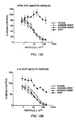
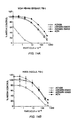
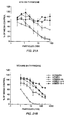
- Figure 13 depicts a comparison of the effects of adenovirus p56 constructs on muscle cells A10 and A7R5 cells.
- the CMV-driven p56 (ACN 56) virus inhibited A10 growth to approximately the same extent as the actin promoter-driven E2F-fusion constructs (ASN586-56 #25,26).
- Figure 14 the effects of adenovirus constructs on inhibition of a breast cancer cell line, MDA M ⁇ 468 and a non- small cell lung carcinoma cell line, H358, are depicted.
- actin promoter-driven E2F-p56 was ineffective, while the CMV promoter-driven p56 was effective in inhibiting growth of non-smooth muscle cells.
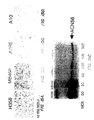
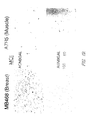
- the four cells lines, H358, MB468, A7R5, and A10 were infected at an MOI of 5 with an adenovirus expressing ⁇ -galactosidase (AC ⁇ GL; Wills, et al. Human Gene Therapy 5:1079-1088 (1994)) and degree of ⁇ -gal staining was examined. As shown in Figure 15 (top), the non-smooth muscle cell lines were significantly more infectable than the smooth muscle cell lines.
- Figure 21 depicts a comparison of the effects of a CMV driven p56 recombinant adenovirus (ACN56E4) vs a human smooth muscle alpha-actin promoter driven E2F-p56 fusion construct (ASN286-56) vs control adenoviral construct containing either the CMV or smooth muscle alpha-actin promoters without a downstream transgene (ACNE3 or ASBE3-2 isolates shown, respectively). Assays were 3H-thymidine uptake either in a smooth muscle cell line (A7R5) or a non-muscle cell line (MDA-MB468, breast carcinoma). Results demonstrated muscle tissue specificity using the smooth muscle alpha-actin promoter and specific inhibition of both the p56 and E2F-p56 transgenes relative to their respective controls.
- ACN56E4 CMV driven p56 recombinant adenovirus
- ASN286-56 human smooth muscle alpha-actin promoter driven E2F-p56 fusion construct
- the model of balloon injury was based on that described by Clowes, et al. (Clowes, Lab. Invest. 49:327-333 (1983)).
- Male Sprague-Dawley rats weighing 400-500g were anesthetized with an intraperitoneal injection of sodium pentobarbital (45 mg/kg. Abbot Laboratories, North Chicago, Illinois).
- the bifurcation of the left common carotid artery was exposed through a midline incision and the left common, internal, and external carotid arteries were temporarily ligated.
- a 2F embolectomy catheter (Baxter Edwards Healthcare Corp., Irvine, CA) was introduced into the external carotid and advanced to the distal ligation of the common carotid.
- Ad-RB Ad-RB
- Ad-p56 Ad-p56
- Ad- ⁇ -Gal Ad- ⁇ -Gal (1 x 10 9 pfu, diluted as above) was injected via a canula, inserted just proximal to the carotid bifurcation into a temporarily isolated segment of the artery.
- the adenovirus solution was incubated for 20 minutes after which the viral infusion was withdrawn and the cannula removed.
- the proximal external carotid artery was then ligated and blood flow was restored to the common carotid artery by release of the ligatures.
- the experimental protocol was approved by the Institutional Animal Care and Use Committee and complied with the "Guide for the Care and Use of Laboratory Animals.” (NIH Publication No. 86-23, revised 1985).
- Rats were sacrificed at 14 days following treatment with an intraperitoneal injection of pentobarbital (100 mg/kg.).
- pentobarbital 100 mg/kg.
- the tissue was fixed in 100% methanol until imbedded in paraffin.
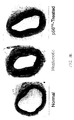
- Several 4- ⁇ m sections were cut from each tissue specimen. One section from each specimen was stained with hematoxylin and eosin and another with Richardson's combination elastic-trichrome stain conventional light microscopic analysis.
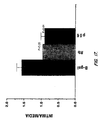
- Histological images of cross sections of hematoxylin and eosin or elastic-trichrome stained arterial sections were projected onto a digitizing board (Summagraphics) and the intimal, medial and luminal areas were measured by quantitative morphometric analysis using a computerized sketching program (MACMEASURE, version 1.9, National Institute of Mental Health) .
- Results were expressed as the mean ⁇ S.E.M. Differences between groups were analyzed using an unpaired two-tailed Student's t test. Statistical significance was assumed when the probability of a null effect was ⁇ 0.05.
- Adenovirus-treated carotid arteries were harvested from rats at 2 days following balloon injury and infections. Tissue was fixed in phosphate-buffered formalin'until embedded in paraffin. Tissue was cut into 4 ⁇ m cross-sections and dewaxed through xylene and graded alcohols. Endogenous peroxidase was quenched with 1% hydrogen peroxide for 30 minutes. Antigen retrieval was performed in 10mM sodium citrate buffer, pH 6.0 at 95°C for 10 minutes. A monoclonal anti-RB antibody (AB-5, Oncogene Sciences, Uniondale, New York) was applied 10 ⁇ g/ml in PBS in a humid chamber at 4°C for 24 hours.
Landscapes
- Health & Medical Sciences (AREA)
- Chemical & Material Sciences (AREA)
- Life Sciences & Earth Sciences (AREA)
- Organic Chemistry (AREA)
- Medicinal Chemistry (AREA)
- General Health & Medical Sciences (AREA)
- Chemical Kinetics & Catalysis (AREA)
- Public Health (AREA)
- Animal Behavior & Ethology (AREA)
- Veterinary Medicine (AREA)
- Pharmacology & Pharmacy (AREA)
- Nuclear Medicine, Radiotherapy & Molecular Imaging (AREA)
- General Chemical & Material Sciences (AREA)
- Engineering & Computer Science (AREA)
- Bioinformatics & Cheminformatics (AREA)
- Biochemistry (AREA)
- Genetics & Genomics (AREA)
- Proteomics, Peptides & Aminoacids (AREA)
- Molecular Biology (AREA)
- Biophysics (AREA)
- Toxicology (AREA)
- Zoology (AREA)
- Gastroenterology & Hepatology (AREA)
- Urology & Nephrology (AREA)
- Dermatology (AREA)
- Ophthalmology & Optometry (AREA)
- Diabetes (AREA)
- Endocrinology (AREA)
- Medicines That Contain Protein Lipid Enzymes And Other Medicines (AREA)
- Medicines Containing Material From Animals Or Micro-Organisms (AREA)
- Hydrogenated Pyridines (AREA)
- Peptides Or Proteins (AREA)
- Micro-Organisms Or Cultivation Processes Thereof (AREA)
- Pharmaceuticals Containing Other Organic And Inorganic Compounds (AREA)
- Preparation Of Compounds By Using Micro-Organisms (AREA)
Claims (18)
- Un acide nucléique codant un polypeptide de fusion comprenant une fusion d'un domaine de fixation de l'ADN d'un facteur de transcription E2F et un domaine fonctionnel de suppression de la croissance d'un polypeptide de rétinoblastome (RB), dans lequel le polypeptide de fusion est dépourvu d'un domaine fonctionnel de fixation de la cycline A-kinase du facteur de transcription de E2F.
- Acide nucléique selon la revendication 1 inséré dans un vecteur adénoviral.
- Vecteur d'expression comprenant un ADN codant un polypeptide de fusion, comprenant une fusion d'un domaine de fixation de l'ADN d'un facteur de transcription E2F et d'un domaine fonctionnel de suppression de la croissance d'un polypeptide de rétinoblastome (RB), dans lequel le polypeptide de fusion est dépourvu d'un domaine fonctionnel de fixation de la cycline A-kinase du facteur de transcription E2F.
- Vecteur selon la revendication 3, comprenant un promoteur spécifique de tissu lié de façon opérationnelle à l'ADN codant la fusion.
- Vecteur selon la revendication 4, dans lequel le promoteur spécifique de tissu est un promoteur d'actine de muscle lisse.
- Vecteur d'expression selon la revendication 3, dans lequel le vecteur est un vecteur viral.
- Vecteur d'expression selon la revendication 6, dans lequel le vecteur est un vecteur adénoviral.
- Vecteur selon la revendication 7, dans lequel le vecteur adénoviral est déficient pour la réplication.
- Vecteur selon la revendication 3, dans lequel le vecteur d'expression est un plasmide.
- Vecteur selon la revendication 5, dans lequel le promoteur actine est un promoteur d'alpha actine.
- Séquence d'acide nucléique codant un polypeptide de fusion, ce polypeptide comprenant une fusion des acides aminés compris à peu près entre 95 à 194 de E2F (SEQ ID NO :1) et des acides aminés compris à peu près entre 379 à 928 de RB (SEQ ID NO : 4).
- Acide nucléique selon la revendication 11, comprenant de plus un vecteur.
- Séquence d'acide nucléique selon la revendication 12, dans laquelle le vecteur est un vecteur viral.
- Séquence d'acide nucléique selon la revendication 13, dans laquelle le vecteur viral est un vecteur adénoviral.
- Séquence d'acide nucléique selon la revendication 14, dans laquelle le vecteur adénoviral est déficient pour la réplication.
- Séquence d'acide nucléique selon la revendication 11, qui comprend de plus un promoteur spécifique de tissu, dans lequel le polypeptide de fusion est exprimé sous le contrôle du promoteur spécifique de tissu.
- Séquence d'acide nucléique selon la revendication 16, dans laquelle le promoteur spécifique de tissu est un promoteur d'actine de muscle lisse.
- Séquence d'acide nucléique selon la revendication 17, dans laquelle le promoteur de muscle lisse est un promoteur d'actine alpha.
Applications Claiming Priority (5)
| Application Number | Priority Date | Filing Date | Title |
|---|---|---|---|
| US75151796A | 1996-11-15 | 1996-11-15 | |
| US751517 | 1996-11-15 | ||
| US08/801,092 US6074850A (en) | 1996-11-15 | 1997-02-14 | Retinoblastoma fusion polypeptides |
| US801092 | 1997-02-14 | ||
| PCT/US1997/021821 WO1998021228A1 (fr) | 1996-11-15 | 1997-11-13 | Expression specifique tissulaire de la proteine du retinoblastome |
Publications (3)
| Publication Number | Publication Date |
|---|---|
| EP0948520A1 EP0948520A1 (fr) | 1999-10-13 |
| EP0948520A4 EP0948520A4 (fr) | 2003-03-12 |
| EP0948520B1 true EP0948520B1 (fr) | 2005-01-12 |
Family
ID=27115430
Family Applications (1)
| Application Number | Title | Priority Date | Filing Date |
|---|---|---|---|
| EP97952238A Expired - Lifetime EP0948520B1 (fr) | 1996-11-15 | 1997-11-13 | Expression specifique tissulaire de la proteine du retinoblastome |
Country Status (15)
| Country | Link |
|---|---|
| US (2) | US6902731B1 (fr) |
| EP (1) | EP0948520B1 (fr) |
| JP (1) | JP4109721B2 (fr) |
| KR (1) | KR100336551B1 (fr) |
| CN (1) | CN100338219C (fr) |
| AT (1) | ATE286908T1 (fr) |
| AU (1) | AU723660B2 (fr) |
| BR (1) | BR9712767B1 (fr) |
| CA (1) | CA2271478C (fr) |
| DE (1) | DE69732246T2 (fr) |
| ES (1) | ES2234040T3 (fr) |
| HU (1) | HU226662B1 (fr) |
| IL (1) | IL129922A0 (fr) |
| NZ (1) | NZ335738A (fr) |
| WO (1) | WO1998021228A1 (fr) |
Families Citing this family (9)
| Publication number | Priority date | Publication date | Assignee | Title |
|---|---|---|---|---|
| EP1054969A2 (fr) * | 1998-02-12 | 2000-11-29 | Curagen Corporation | Complexes proteiques de retinoblastome et proteines interagissant avec le retinoblastome |
| AU6497799A (en) * | 1998-10-15 | 2000-05-01 | Canji, Inc. | Methods and compositions to induce antitumor response |
| US7691370B2 (en) | 1998-10-15 | 2010-04-06 | Canji, Inc. | Selectivity replicating viral vector |
| IL142337A0 (en) * | 1998-10-15 | 2002-03-10 | Canji Inc | Selectively replicating viral vectors |
| US6649158B1 (en) | 1998-10-15 | 2003-11-18 | Canji, Inc. | Methods and compositions to induce antitumor response |
| WO2002050101A1 (fr) * | 2000-12-19 | 2002-06-27 | The Council Of The Queensland Institute Of Medical Research | Proteine de liaison au retinoblastome |
| US6866994B2 (en) * | 2001-05-30 | 2005-03-15 | Neomatrix, Llc | Noninvasive intraductal fluid diagnostic screen |
| CN103463646A (zh) * | 2013-09-19 | 2013-12-25 | 浙江大学 | E2f1蛋白在制备诊断和治疗骨肉瘤药物中的应用 |
| US9895446B2 (en) | 2015-07-14 | 2018-02-20 | Professional Compounding Centers Of America | Poloxamer-based intralesional injections for the delivery of chemotherapeutic agents |
Family Cites Families (12)
| Publication number | Priority date | Publication date | Assignee | Title |
|---|---|---|---|---|
| US4235871A (en) | 1978-02-24 | 1980-11-25 | Papahadjopoulos Demetrios P | Method of encapsulating biologically active materials in lipid vesicles |
| US4501728A (en) | 1983-01-06 | 1985-02-26 | Technology Unlimited, Inc. | Masking of liposomes from RES recognition |
| US5019369A (en) | 1984-10-22 | 1991-05-28 | Vestar, Inc. | Method of targeting tumors in humans |
| US4837028A (en) | 1986-12-24 | 1989-06-06 | Liposome Technology, Inc. | Liposomes with enhanced circulation time |
| CA2092323A1 (fr) | 1990-10-01 | 1992-04-02 | George Y. Wu | Ciblage de virus et de cellules pour internalisation selective par les cellules |
| AU3434393A (en) | 1992-01-17 | 1993-08-03 | Regents Of The University Of Michigan, The | Targeted virus |
| WO1993019768A1 (fr) | 1992-04-03 | 1993-10-14 | The Regents Of The University Of California | Systeme de livraison d'un polynucleotide a assemblage autonome |
| EP0633943A4 (fr) | 1992-04-03 | 1997-05-02 | Alexander T Young | Therapie genique utilisant des vecteurs viraux cibles. |
| WO1994006923A1 (fr) | 1992-09-24 | 1994-03-31 | The University Of Connecticut | Modification d'un virus pour rediriger l'infectivite et amplifier l'apport cible de polynucleotides a des cellules |
| US5656609A (en) | 1992-09-24 | 1997-08-12 | University Of Connecticut | Method of enhancing and/or prolonging expression of gene introduced into a cell using colchicine |
| AU7834994A (en) * | 1993-09-13 | 1995-04-03 | Canji, Inc. | Therapeutic use of the retinoblastoma susceptibility gene product |
| US5473056A (en) * | 1993-10-13 | 1995-12-05 | Merck & Co., Inc. | E2F-2, a novel mammalian transcription factor |
-
1997
- 1997-11-13 WO PCT/US1997/021821 patent/WO1998021228A1/fr not_active Ceased
- 1997-11-13 DE DE69732246T patent/DE69732246T2/de not_active Expired - Lifetime
- 1997-11-13 EP EP97952238A patent/EP0948520B1/fr not_active Expired - Lifetime
- 1997-11-13 HU HU9903864A patent/HU226662B1/hu not_active IP Right Cessation
- 1997-11-13 CA CA002271478A patent/CA2271478C/fr not_active Expired - Fee Related
- 1997-11-13 BR BRPI9712767-1A patent/BR9712767B1/pt not_active IP Right Cessation
- 1997-11-13 AU AU55899/98A patent/AU723660B2/en not_active Ceased
- 1997-11-13 CN CNB971813175A patent/CN100338219C/zh not_active Expired - Fee Related
- 1997-11-13 JP JP52295898A patent/JP4109721B2/ja not_active Expired - Fee Related
- 1997-11-13 ES ES97952238T patent/ES2234040T3/es not_active Expired - Lifetime
- 1997-11-13 KR KR1019997004327A patent/KR100336551B1/ko not_active Expired - Fee Related
- 1997-11-13 NZ NZ335738A patent/NZ335738A/en not_active IP Right Cessation
- 1997-11-13 IL IL12992297A patent/IL129922A0/xx active IP Right Grant
- 1997-11-13 AT AT97952238T patent/ATE286908T1/de not_active IP Right Cessation
-
1999
- 1999-05-19 US US09/315,116 patent/US6902731B1/en not_active Expired - Fee Related
- 1999-05-19 US US09/315,113 patent/US6379927B1/en not_active Expired - Lifetime
Also Published As
| Publication number | Publication date |
|---|---|
| AU723660B2 (en) | 2000-08-31 |
| BR9712767B1 (pt) | 2010-11-30 |
| CA2271478C (fr) | 2003-02-04 |
| DE69732246T2 (de) | 2005-12-08 |
| HUP9903864A3 (en) | 2001-09-28 |
| CN1244870A (zh) | 2000-02-16 |
| NZ335738A (en) | 2001-02-23 |
| KR100336551B1 (ko) | 2002-05-11 |
| JP4109721B2 (ja) | 2008-07-02 |
| WO1998021228A1 (fr) | 1998-05-22 |
| IL129922A0 (en) | 2000-02-29 |
| EP0948520A1 (fr) | 1999-10-13 |
| AU5589998A (en) | 1998-06-03 |
| KR20000053323A (ko) | 2000-08-25 |
| ATE286908T1 (de) | 2005-01-15 |
| US6379927B1 (en) | 2002-04-30 |
| BR9712767A (pt) | 1999-10-26 |
| HU226662B1 (en) | 2009-06-29 |
| EP0948520A4 (fr) | 2003-03-12 |
| JP2001503638A (ja) | 2001-03-21 |
| US6902731B1 (en) | 2005-06-07 |
| ES2234040T3 (es) | 2005-06-16 |
| CN100338219C (zh) | 2007-09-19 |
| HK1019751A1 (en) | 2000-02-25 |
| HUP9903864A2 (hu) | 2001-04-28 |
| DE69732246D1 (de) | 2005-02-17 |
| CA2271478A1 (fr) | 1998-05-22 |
Similar Documents
| Publication | Publication Date | Title |
|---|---|---|
| US20020076395A1 (en) | Modified adipose tissue and related implants and methods | |
| US20080166373A1 (en) | METHODS AND COMPOSITIONS FOR DELIVERY AND EXPRESSION OF INTERFERON-alpha NUCLEIC ACIDS | |
| JP2008301832A (ja) | インターフェロン−α核酸の送達および発現のための方法および組成物 | |
| EP0948520B1 (fr) | Expression specifique tissulaire de la proteine du retinoblastome | |
| EP0682698A1 (fr) | Vecteurs et systemes de vecteurs comprenant des genes codant des proteines suppressives de tumeurs et cellules productrices ainsi transformees | |
| US6649158B1 (en) | Methods and compositions to induce antitumor response | |
| WO1998021228A9 (fr) | Expression specifique tissulaire de la proteine du retinoblastome | |
| US20050196751A1 (en) | Adenoviral vector-mediated delivery of modified steroid hormone receptors and related products and methods | |
| IL129922A (en) | A unique form of expression for retinoblastoma protein tissue | |
| WO2000022124A2 (fr) | Procedes et compositions permettant d'induire une reponse antitumorale | |
| HK1019751B (en) | Tissue specific expression of retinoblastoma protein | |
| JP2002507384A (ja) | アデノウイルスベクターの製造方法、それによって製造したベクターおよびその使用 | |
| MXPA99004499A (en) | Tissue specific expression of retinoblastoma protein | |
| WO1996015245A1 (fr) | Procede d'inhibition de la proliferation cellulaire pathologique non neoplasique | |
| Smith-Arica | Cell-type specific and regulated transgene expression from first generation recombinant adenoviral vectors: Characterisation in vitro and in vivo | |
| AU3521301A (en) | Methods and compositions for delivery and expressions of interferon-alpha nucleic acids | |
| AU2007242949A1 (en) | Methods and compositions for delivery and expression of interferon-alpha nucleic acids |
Legal Events
| Date | Code | Title | Description |
|---|---|---|---|
| PUAI | Public reference made under article 153(3) epc to a published international application that has entered the european phase |
Free format text: ORIGINAL CODE: 0009012 |
|
| 17P | Request for examination filed |
Effective date: 19990519 |
|
| AK | Designated contracting states |
Kind code of ref document: A1 Designated state(s): AT BE CH DE DK ES FI FR GB GR IE IT LI LU NL PT SE |
|
| AX | Request for extension of the european patent |
Free format text: LT PAYMENT 19990519;LV PAYMENT 19990519;RO PAYMENT 19990519 |
|
| RIC1 | Information provided on ipc code assigned before grant |
Free format text: 7C 07H 21/04 A, 7C 07K 5/00 B, 7A 61K 38/00 B, 7A 61K 35/12 B, 7C 12N 15/63 B, 7C 12N 15/861 B, 7C 12N 15/62 B, 7A 61K 48/00 B, 7A 61K 38/17 B |
|
| A4 | Supplementary search report drawn up and despatched |
Effective date: 20030123 |
|
| 17Q | First examination report despatched |
Effective date: 20030605 |
|
| GRAP | Despatch of communication of intention to grant a patent |
Free format text: ORIGINAL CODE: EPIDOSNIGR1 |
|
| GRAS | Grant fee paid |
Free format text: ORIGINAL CODE: EPIDOSNIGR3 |
|
| RAP1 | Party data changed (applicant data changed or rights of an application transferred) |
Owner name: CANJI, INC. |
|
| GRAA | (expected) grant |
Free format text: ORIGINAL CODE: 0009210 |
|
| RAP1 | Party data changed (applicant data changed or rights of an application transferred) |
Owner name: CANJI, INC. |
|
| AK | Designated contracting states |
Kind code of ref document: B1 Designated state(s): AT BE CH DE DK ES FI FR GB GR IE IT LI LU NL PT SE |
|
| AX | Request for extension of the european patent |
Extension state: LT LV RO |
|
| PG25 | Lapsed in a contracting state [announced via postgrant information from national office to epo] |
Ref country code: FI Free format text: LAPSE BECAUSE OF FAILURE TO SUBMIT A TRANSLATION OF THE DESCRIPTION OR TO PAY THE FEE WITHIN THE PRESCRIBED TIME-LIMIT Effective date: 20050112 Ref country code: AT Free format text: LAPSE BECAUSE OF FAILURE TO SUBMIT A TRANSLATION OF THE DESCRIPTION OR TO PAY THE FEE WITHIN THE PRESCRIBED TIME-LIMIT Effective date: 20050112 |
|
| REG | Reference to a national code |
Ref country code: GB Ref legal event code: FG4D |
|
| REG | Reference to a national code |
Ref country code: CH Ref legal event code: EP |
|
| REF | Corresponds to: |
Ref document number: 69732246 Country of ref document: DE Date of ref document: 20050217 Kind code of ref document: P |
|
| REG | Reference to a national code |
Ref country code: IE Ref legal event code: FG4D |
|
| PG25 | Lapsed in a contracting state [announced via postgrant information from national office to epo] |
Ref country code: SE Free format text: LAPSE BECAUSE OF FAILURE TO SUBMIT A TRANSLATION OF THE DESCRIPTION OR TO PAY THE FEE WITHIN THE PRESCRIBED TIME-LIMIT Effective date: 20050412 Ref country code: DK Free format text: LAPSE BECAUSE OF FAILURE TO SUBMIT A TRANSLATION OF THE DESCRIPTION OR TO PAY THE FEE WITHIN THE PRESCRIBED TIME-LIMIT Effective date: 20050412 |
|
| REG | Reference to a national code |
Ref country code: CH Ref legal event code: NV Representative=s name: E. BLUM & CO. PATENTANWAELTE |
|
| REG | Reference to a national code |
Ref country code: ES Ref legal event code: FG2A Ref document number: 2234040 Country of ref document: ES Kind code of ref document: T3 |
|
| LTIE | Lt: invalidation of european patent or patent extension |
Effective date: 20050112 |
|
| REG | Reference to a national code |
Ref country code: HK Ref legal event code: GR Ref document number: 1019751 Country of ref document: HK |
|
| PLBE | No opposition filed within time limit |
Free format text: ORIGINAL CODE: 0009261 |
|
| STAA | Information on the status of an ep patent application or granted ep patent |
Free format text: STATUS: NO OPPOSITION FILED WITHIN TIME LIMIT |
|
| PG25 | Lapsed in a contracting state [announced via postgrant information from national office to epo] |
Ref country code: LU Free format text: LAPSE BECAUSE OF NON-PAYMENT OF DUE FEES Effective date: 20051130 |
|
| ET | Fr: translation filed | ||
| 26N | No opposition filed |
Effective date: 20051013 |
|
| REG | Reference to a national code |
Ref country code: CH Ref legal event code: PFA Owner name: CANJI, INC. Free format text: CANJI, INC.#3525 JOHN HOPKINS COURT#SAN DIEGO, CA 92121 (US) -TRANSFER TO- CANJI, INC.#3525 JOHN HOPKINS COURT#SAN DIEGO, CA 92121 (US) |
|
| PG25 | Lapsed in a contracting state [announced via postgrant information from national office to epo] |
Ref country code: PT Free format text: LAPSE BECAUSE OF NON-PAYMENT OF DUE FEES Effective date: 20050612 |
|
| PG25 | Lapsed in a contracting state [announced via postgrant information from national office to epo] |
Ref country code: GR Free format text: LAPSE BECAUSE OF NON-PAYMENT OF DUE FEES Effective date: 20050112 |
|
| PGFP | Annual fee paid to national office [announced via postgrant information from national office to epo] |
Ref country code: IE Payment date: 20131030 Year of fee payment: 17 Ref country code: DE Payment date: 20131129 Year of fee payment: 17 Ref country code: FR Payment date: 20131025 Year of fee payment: 17 Ref country code: GB Payment date: 20131028 Year of fee payment: 17 Ref country code: CH Payment date: 20131029 Year of fee payment: 17 |
|
| PGFP | Annual fee paid to national office [announced via postgrant information from national office to epo] |
Ref country code: NL Payment date: 20131112 Year of fee payment: 17 Ref country code: IT Payment date: 20131121 Year of fee payment: 17 Ref country code: ES Payment date: 20131121 Year of fee payment: 17 |
|
| PGFP | Annual fee paid to national office [announced via postgrant information from national office to epo] |
Ref country code: BE Payment date: 20131202 Year of fee payment: 17 |
|
| REG | Reference to a national code |
Ref country code: DE Ref legal event code: R119 Ref document number: 69732246 Country of ref document: DE |
|
| REG | Reference to a national code |
Ref country code: NL Ref legal event code: V1 Effective date: 20150601 |
|
| PG25 | Lapsed in a contracting state [announced via postgrant information from national office to epo] |
Ref country code: BE Free format text: LAPSE BECAUSE OF NON-PAYMENT OF DUE FEES Effective date: 20141130 |
|
| REG | Reference to a national code |
Ref country code: CH Ref legal event code: PL |
|
| GBPC | Gb: european patent ceased through non-payment of renewal fee |
Effective date: 20141113 |
|
| PG25 | Lapsed in a contracting state [announced via postgrant information from national office to epo] |
Ref country code: LI Free format text: LAPSE BECAUSE OF NON-PAYMENT OF DUE FEES Effective date: 20141130 Ref country code: CH Free format text: LAPSE BECAUSE OF NON-PAYMENT OF DUE FEES Effective date: 20141130 |
|
| REG | Reference to a national code |
Ref country code: IE Ref legal event code: MM4A |
|
| REG | Reference to a national code |
Ref country code: FR Ref legal event code: ST Effective date: 20150731 |
|
| PG25 | Lapsed in a contracting state [announced via postgrant information from national office to epo] |
Ref country code: NL Free format text: LAPSE BECAUSE OF NON-PAYMENT OF DUE FEES Effective date: 20150601 |
|
| PG25 | Lapsed in a contracting state [announced via postgrant information from national office to epo] |
Ref country code: DE Free format text: LAPSE BECAUSE OF NON-PAYMENT OF DUE FEES Effective date: 20150602 Ref country code: GB Free format text: LAPSE BECAUSE OF NON-PAYMENT OF DUE FEES Effective date: 20141113 Ref country code: IE Free format text: LAPSE BECAUSE OF NON-PAYMENT OF DUE FEES Effective date: 20141113 |
|
| PG25 | Lapsed in a contracting state [announced via postgrant information from national office to epo] |
Ref country code: FR Free format text: LAPSE BECAUSE OF NON-PAYMENT OF DUE FEES Effective date: 20141201 |
|
| REG | Reference to a national code |
Ref country code: ES Ref legal event code: FD2A Effective date: 20151229 |
|
| PG25 | Lapsed in a contracting state [announced via postgrant information from national office to epo] |
Ref country code: IT Free format text: LAPSE BECAUSE OF NON-PAYMENT OF DUE FEES Effective date: 20141113 |
|
| PG25 | Lapsed in a contracting state [announced via postgrant information from national office to epo] |
Ref country code: ES Free format text: LAPSE BECAUSE OF NON-PAYMENT OF DUE FEES Effective date: 20141114 |