EP0955739A2 - Fernmeldesystem mit Mehrfachzugriff, mit Verwendung eines bi-direktionalen Kabelnetzes, mit der Möglichkeit für jeder der Dienstleistungen die dem Gebraucher zur Verfügung gestellt werden die Qualität zu messen und zu versichern - Google Patents
Fernmeldesystem mit Mehrfachzugriff, mit Verwendung eines bi-direktionalen Kabelnetzes, mit der Möglichkeit für jeder der Dienstleistungen die dem Gebraucher zur Verfügung gestellt werden die Qualität zu messen und zu versichern Download PDFInfo
- Publication number
- EP0955739A2 EP0955739A2 EP19990109182 EP99109182A EP0955739A2 EP 0955739 A2 EP0955739 A2 EP 0955739A2 EP 19990109182 EP19990109182 EP 19990109182 EP 99109182 A EP99109182 A EP 99109182A EP 0955739 A2 EP0955739 A2 EP 0955739A2
- Authority
- EP
- European Patent Office
- Prior art keywords
- upstream
- reservation information
- center station
- service quality
- allocation time
- Prior art date
- Legal status (The legal status is an assumption and is not a legal conclusion. Google has not performed a legal analysis and makes no representation as to the accuracy of the status listed.)
- Withdrawn
Links
- 238000004891 communication Methods 0.000 title claims abstract description 47
- 230000002457 bidirectional effect Effects 0.000 title description 4
- 238000011144 upstream manufacturing Methods 0.000 claims abstract description 339
- 230000015556 catabolic process Effects 0.000 claims abstract description 23
- 238000006731 degradation reaction Methods 0.000 claims abstract description 23
- 238000005259 measurement Methods 0.000 description 37
- 230000005540 biological transmission Effects 0.000 description 31
- 238000000034 method Methods 0.000 description 21
- 238000012545 processing Methods 0.000 description 8
- 230000008054 signal transmission Effects 0.000 description 6
- 230000003287 optical effect Effects 0.000 description 3
- 230000003111 delayed effect Effects 0.000 description 2
- 238000010586 diagram Methods 0.000 description 2
- 230000000737 periodic effect Effects 0.000 description 2
- 230000004044 response Effects 0.000 description 2
- 238000007796 conventional method Methods 0.000 description 1
- 230000001934 delay Effects 0.000 description 1
- 230000000694 effects Effects 0.000 description 1
- 239000000284 extract Substances 0.000 description 1
- 230000014759 maintenance of location Effects 0.000 description 1
Images







Classifications
-
- H—ELECTRICITY
- H04—ELECTRIC COMMUNICATION TECHNIQUE
- H04N—PICTORIAL COMMUNICATION, e.g. TELEVISION
- H04N7/00—Television systems
- H04N7/16—Analogue secrecy systems; Analogue subscription systems
- H04N7/173—Analogue secrecy systems; Analogue subscription systems with two-way working, e.g. subscriber sending a programme selection signal
- H04N7/17309—Transmission or handling of upstream communications
-
- H—ELECTRICITY
- H04—ELECTRIC COMMUNICATION TECHNIQUE
- H04H—BROADCAST COMMUNICATION
- H04H20/00—Arrangements for broadcast or for distribution combined with broadcast
- H04H20/65—Arrangements characterised by transmission systems for broadcast
- H04H20/76—Wired systems
- H04H20/77—Wired systems using carrier waves
- H04H20/78—CATV [Community Antenna Television] systems
-
- H—ELECTRICITY
- H04—ELECTRIC COMMUNICATION TECHNIQUE
- H04H—BROADCAST COMMUNICATION
- H04H60/00—Arrangements for broadcast applications with a direct linking to broadcast information or broadcast space-time; Broadcast-related systems
- H04H60/76—Arrangements characterised by transmission systems other than for broadcast, e.g. the Internet
- H04H60/81—Arrangements characterised by transmission systems other than for broadcast, e.g. the Internet characterised by the transmission system itself
- H04H60/93—Wired transmission systems
- H04H60/96—CATV systems
- H04H60/97—CATV systems using uplink of the CATV systems
-
- H—ELECTRICITY
- H04—ELECTRIC COMMUNICATION TECHNIQUE
- H04L—TRANSMISSION OF DIGITAL INFORMATION, e.g. TELEGRAPHIC COMMUNICATION
- H04L12/00—Data switching networks
- H04L12/28—Data switching networks characterised by path configuration, e.g. LAN [Local Area Networks] or WAN [Wide Area Networks]
- H04L12/2801—Broadband local area networks
-
- H—ELECTRICITY
- H04—ELECTRIC COMMUNICATION TECHNIQUE
- H04L—TRANSMISSION OF DIGITAL INFORMATION, e.g. TELEGRAPHIC COMMUNICATION
- H04L47/00—Traffic control in data switching networks
- H04L47/70—Admission control; Resource allocation
-
- H—ELECTRICITY
- H04—ELECTRIC COMMUNICATION TECHNIQUE
- H04L—TRANSMISSION OF DIGITAL INFORMATION, e.g. TELEGRAPHIC COMMUNICATION
- H04L47/00—Traffic control in data switching networks
- H04L47/70—Admission control; Resource allocation
- H04L47/72—Admission control; Resource allocation using reservation actions during connection setup
-
- H—ELECTRICITY
- H04—ELECTRIC COMMUNICATION TECHNIQUE
- H04L—TRANSMISSION OF DIGITAL INFORMATION, e.g. TELEGRAPHIC COMMUNICATION
- H04L47/00—Traffic control in data switching networks
- H04L47/70—Admission control; Resource allocation
- H04L47/78—Architectures of resource allocation
- H04L47/788—Autonomous allocation of resources
-
- H—ELECTRICITY
- H04—ELECTRIC COMMUNICATION TECHNIQUE
- H04L—TRANSMISSION OF DIGITAL INFORMATION, e.g. TELEGRAPHIC COMMUNICATION
- H04L47/00—Traffic control in data switching networks
- H04L47/70—Admission control; Resource allocation
- H04L47/80—Actions related to the user profile or the type of traffic
- H04L47/805—QOS or priority aware
Definitions
- the present invention relates to a multiple-access communication system, such as a bidirectional CATV network, a passive optical star network and so forth for a center station to dynamically assign upstream bandwidth to subscriber stations, and in particular relates to a method of guaranteeing quality of service in the upstream channel.
- a multiple-access communication system such as a bidirectional CATV network, a passive optical star network and so forth for a center station to dynamically assign upstream bandwidth to subscriber stations, and in particular relates to a method of guaranteeing quality of service in the upstream channel.
- a communication system such as a bidirectional CATV network or a passive optical star network, generally has a broadcasting downstream channel from a center station to subscriber stations, and a time-division multiple-access upstream channel from subscriber stations to the center station.
- the center station assigns one or more identifiers to the subscriber station when a subscriber station begins an operation, and then the subscriber station transmits data to the center station. Procedures of upstream bandwidth allocation are detailed below.
- the center station transmits reservation-permit information to the subscriber stations, and then the subscriber stations having an upstream data to transmit send reservation information comprising an identifier and a requested upstream bandwidth to the center station. If reservation information sent from multiple subscriber stations collides in the upstream channel, the center and subscriber stations resolve the collision so that the center station eventually receives all the reservation information correctly.
- a subscriber station when a subscriber station holds next data to send at time of data transmission, it transmits the current data with appending reservation information for the next data.
- the center station makes upstream-bandwidth-grant information from this reservation information and send it to the subscriber station, and the subscriber station sends the upstream data to the center station in the allocated upstream bandwidth. If the subscriber stations do not particularly require a service quality, the center station performs above-mentioned upstream bandwidth allocation procedure equally to all subscriber stations for each upstream data transmission.
- the subscriber station may send reservation information in a normal procedure to request excess bandwidth and the center station receiving this allocates the excess upstream bandwidth if there is still some available.
- the subscriber station may request excess upstream bandwidth in response to the periodic reservation-permit information from the center station, and the center station receiving this allocates the excess upstream bandwidth if there is still some available.
- the center station has no means to defer upstream bandwidth allocation. Accordingly, if a certain subscriber station sends upstream data at a rate far above a guaranteed upstream rate, upstream bandwidth allocation to other subscriber stations is delayed due to the lack of limiting upstream bandwidth allocation to the guaranteed rate, resulting in a degradation of service quality supplied to other subscriber stations.
- the time required for queuing-reservation information at the center station cannot be guaranteed.
- the center station periodically sends reservation-permit information to subscriber stations by the conventional method, the time between the reception of reservation information and the upstream bandwidth allocation at the center station is not bounded. Accordingly, there is a problem that the service quality cannot be guaranteed if queuing delay at the center station becomes long.
- a center station dynamically allocates bandwidths of an upstream channel to subscriber stations, to measure and guarantee a service quality supplied for each service permitted to subscriber stations and prevent a degradation in service quality for other subscriber stations due to an influence of a subscriber station that sends data exceeding a previously contracted guaranteed value of a service quality.
- a multiple-access communication system of a first invention wherein the center station has means for permitting the use of services of different qualities which it guarantees to subscriber stations; means for assigning identifiers corresponding to each service to the subscriber stations; means for transmitting reservation-permit information to the subscriber stations; means for receiving reservation information from the subscriber stations; means for measuring an upstream service quality being supplied with regard to a service corresponding to an identifier that is added to a reservation information when receiving the reservation information from a subscriber station; means for comparing the measured upstream service quality with a guaranteed value of a previously assigned service quality; means for immediately accepting the reservation information, if the measured value is below the guaranteed value, and assigning an upstream bandwidth; and means for accepting a reservation information of other subscriber stations prior to accepting the received reservation information, if the measured value is above the guaranteed value, so as to prevent degradation of service quality to the other subscriber stations.
- a subscriber station has means for requesting the use of services to the center station; means for receiving identifiers assigned by the center station according to each requested services; means for receiving a reservation-permit information from the center station; means for transmitting a reservation information to the center station in an upstream bandwidth designated by the reservation- permit information; means for adding an identifier corresponding to a service type of an upstream data to be sent to the reservation information; means for receiving an upstream-bandwidth-grant information from the center station; and means for transmitting the upstream data to the center station in the upstream bandwidth designated by the upstream-bandwidth-grant information.
- a multiple-access communication system of a third invention as claimed in the second invention wherein supposing that an upstream rate guaranteed to a subscriber station is g bits/sec, a permissible fluctuation quantity of an allocation time is Tb seconds and a requested upstream bandwidth of a reservation information which the center station received from the subscriber station is B bits, the center station has means for immediately accepting a reservation information and updating a scheduled allocation time to a value adding (B/g) seconds to a current allocation time if the current allocation time is later than the scheduled allocation time, or for immediately accepting the reservation information and updating the scheduled allocation time to a value adding (B/g) seconds to the scheduled allocation time if the current allocation time is earlier than the scheduled allocation time but later than a time adding Tb to the scheduled allocation time, and further, for accepting a reservation information of other subscriber stations prior to accepting the received reservation information, if the current allocation time is earlier than the time adding Tb to the scheduled allocation time, so as to prevent degradation of service quality to the other subscriber station.
- a multiple-access communication system of a fifth invention as claimed in the fourth invention supposing that an interval of measuring an upstream service quality being supplied by the center station for each service is Ti seconds, an upstream rate guaranteed to a subscriber station is g bits/sec, a statistical value of an average upstream rate for an upstream service is m bits/see, a temporary upstream rate up to the present after updating a previous statistical value is r bits/sec, and a weighting average index is w, w being values between 0 and 1, means for updating a value of the statistical value m of upstream rate to w*r+(1-w)*m when the center station measures the upstream service quality; means for immediately accepting a reservation information and assigning an upstream bandwidth if m is below g when receiving an upstream reservation information; and means for accepting a reservation information of other subscriber stations prior to accepting the received reservation information if m is above g, so as to prevent degradation of service quality to the other subscriber stations.
- a multiple-access communication system of an eighth invention as claimed in the seventh invention wherein the center station has means for holding the sum of requested upstream bandwidths contained in each reservation information for a queue of each priority; means for receiving a reservation information from subscriber stations; means for adding an requested upstream bandwidth contained in the received reservation information to the current sum of requested upstream bandwidth; means for inserting the received reservation information to a queue corresponding to a priority if the result is below a previously set upper limit of the sum of requested upstream bandwidth which each queue can hold; and means for inserting the received reservation information to a queue of a lower priority if the result exceeds the upper limit.
- a subscriber station requests a guarantee for quality of an upstream service, it sends a service-quality-request information of each service to a center station.
- This service-quality-request information contains a peak rate, average rate, maximum burst length, maximum delay and so forth of traffic.
- the center station can offer the service quality requested from the subscriber station, it assigns an identifier to the subscriber station. Also in the center station, a guaranteed service quality and a measured value of an upstream service quality being supplied are controlled for each service permitted to the subscriber station.
- the subscriber station When the subscriber station send an upstream data, first, when receiving a reservation-permit information from the center station, the subscriber station sends a reservation information made up of an identifier corresponding to a service for the upstream data and a requested upstream bandwidth to the center station.
- the center station upon receiving the reservation information from the subscriber station, compares a guaranteed upstream service quality corresponding to the identifier contained in the reservation information and a measured value of an upstream service quality being offered. After comparing, if the measured value of the service quality is below the guaranteed value, the center station immediately accept the reservation information and allocates an upstream bandwidth, or if the measured value is above the guaranteed value, the center station accepts a reservation information from other subscriber stations prior to accepting the received reservation information.
- the center station holds, for each service it permitted to subscriber stations, a scheduled allocation time information determined from a guaranteed service quality and an allocated upstream bandwidth, and a permissible fluctuation quantity information of an allocation time when a current allocation time is earlier than a scheduled allocation time.
- the center station upon receiving said reservation information from the subscriber station, compares the scheduled allocation time of a service corresponding to an identifier appended to the reservation information and the current allocation time. After comparing, if the current allocation time is later than the scheduled allocation time, or if the current allocation time is earlier than the scheduled allocation time but later than a time adding a permissible fluctuation quantity of the allocation time to the scheduled allocation time, the center station immediately accepts the reservation information. On the other hand, if the current allocation time is earlier than the time adding the permissible fluctuation quantity of the allocation time to the scheduled allocation time, the center station accepts a reservation information of other subscriber stations prior to accepting the received reservation information.
- a subscriber station is sending an upstream data exceeding a previously assigned guaranteed service quality can easily be controlled by comparing a scheduled allocation time of an upstream bandwidth for each service with a current allocation time.
- a multiple-access communication system of a third invention as claimed in the multiple-access communication system of the second invention, supposing that an upstream rate which the center station guarantees a subscriber station is g bits/sec, a permissible fluctuation quantity of an allocation time is Tb seconds and a requested upstream bandwidth of a reservation information which the center station receives from the subscriber station is B bit, if the current allocation time is later than the scheduled allocation time, the center station immediately accepts the reservation information and updates the scheduled allocation time to a value adding (B/g) seconds to the current allocation time.
- the center station If the current allocation time is earlier than the scheduled allocation time but later than a time adding Tb to the scheduled allocation time, the center station immediately accepts the reservation information and updates the scheduled allocation time to a value adding (B/g) seconds to the scheduled allocation time. Further, if the current allocation time is earlier than the time adding Tb to the scheduled allocation time, the center station accepts a reservation information of other subscriber stations prior to accepting the received reservation information.
- the center station deciding updating of a scheduled allocation time and a method of accepting reservation information by comparing a current allocation time with the scheduled allocation time, it is possible to immediately accept a reservation information while a subscriber station is performing transmission within a guaranteed upstream rate or by temporarily exceeding the upstream rate, and if the subscriber station continuously exceeds a guaranteed upstream rate, it is possible to accept a reservation information of other subscriber stations prior to accepting the received reservation information.
- the center station holds a statistical value of an upstream service quality measured in the past for each service permitted to subscriber stations.
- the center station takes a weighting average of statistical values of the service quality and temporary values of service quality measured up to the present after updating a previous statistical value and updates the statistical value of the upstream service quality.
- the center station if the statistical value of service quality is below a guaranteed value of a previously assigned service quality when receiving an upstream reservation information, immediately accepts the reservation information and allocates an upstream bandwidth, and if the statistical value exceeds the guaranteed value of service quality, the center station accepts a reservation information of other subscriber stations prior to the received reservation information, so as to prevent degradation of service quality to the other subscriber stations.
- a multiple-access communication system of a fifth invention as claimed in the multiple-access communication system of the fourth invention, it is supposed that an interval of measuring a service quality being supplied by the center station for each service is Ti seconds, an upstream rate guaranteed to said subscriber station is g bits/sec, a statistical value of an average upstream rate for an upstream service is m bits/sec, a temporary upstream rate up to the present after updating a previous statistical value is r bits/sec, and a weighting average index is w, w being values between 0 and 1.
- the center station when measuring an upstream service quality, updates a value of the statistical value m of upstream rate to w*r+(1-w)*m .
- the center station If m is below g when receiving an upstream reservation information, the center station immediately accepts the reservation information and allocates an upstream bandwidth, and if m is above g, the center station accepts reservation information of other subscriber stations prior to the received reservation information, so as to prevent degradation of service quality to the other subscriber stations.
- the center station and a subscriber station divide an upstream channel into slots of ten and some bytes and up to some ten bytes, make reservation and allocate upstream bandwidth in a unit of slot. Like this, by dividing an upstream channel in a slot unit, it is possible to easily assign an upstream bandwidth and measure an upstream service quality.
- the center station assigns an identifier and a priority for each service it permitted to subscriber stations.
- the center station internally manages a service quality guaranteed for each service, a priority of service and an upstream service quality being offered.
- the center station has queues to temporarily hold reservation information received for each priority, and, when receiving a reservation information from a subscriber station, the center station inserts a reservation information to the tail of a queue of a priority corresponding to an identifier appended to the reservation information.
- the center station when assigning an upstream bandwidth, removes a reservation information from the head of a queue of a highest priority.
- the center station measures a service quality being offered corresponding to an identifier of the removed reservation information and compares the measured service quality with a value of a previously assigned guaranteed service quality. If the measured value is below the guaranteed value, the center station immediately accepts the reservation and allocates an upstream bandwidth, and if the measured value is above the guaranteed value, the center station inserts the reservation information to the tail of a queue of a lower priority
- the center station having a queue corresponding to a priority for temporarily holding a reservation information, it is possible to accept a reservation of other subscriber stations prior to accepting a reservation information of a subscriber station that sends an upstream data exceeding a service quality, so as to prevent degradation of service quality to the other subscriber station.
- the center station holds the sum of requested upstream bandwidth contained in each reservation information for a queue of each priority.
- the center station receiving a reservation information from a subscriber station, adds a requested upstream bandwidth contained in the received reservation information to the current sum of requested upstream bandwidth. If the result is below a previously set upper limit of the sum of requested upstream bandwidths which the queue can hold, the center station inserts the received reservation information to a queue corresponding to a priority, and if the result exceeds the upper limit, the center station inserts it to a queue of a lower priority.
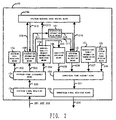
- Fig. 1 is a connection diagram of a center station 10, a transmission path 20, and subscriber stations 30, 31 and 32 in a multiple-access communication system of a first embodiment of the present invention.
- the center station 10 and the subscriber stations 30, 31 and 32 are connected via the transmission path 20.
- a downstream signal 200 sent from the center station is transmitted via a broadcasting channel to the subscriber stations 30, 31 and 32.
- upstream signals 201, 202 and 203 sent from the subscriber stations 30, 31 and 32 are transmitted via a multiple-access channel to the center station.
- Fig. 2 shows a configuration of the center station 10 of the first embodiment of the present invention.
- the center station 10 is formed with upstream signal receiving means 10a, downstream signal transmission means 10b, upstream frame disassembly means 10c, down frame assembly means 10d, upstream data receiving means 10e, reservation information receiving means 10f, service-quality-request information receiving means 10g, identifier assigning means 10h, upstream bandwidth allocating means 10i, reservation-permit information transmission means 10j, downstream data transmission means 10k, reservation information delay means 10l and upstream resource usage control means 10m,
- the upstream signal receiving means 10a receives upstream signals 201, 202 and 203 inputted from an upstream multiple-access channel and outputs a demodulated upstream frame 300 to the upstream frame disassembly means 10c.
- the upstream frame disassembly means 10c disassembles the upstream frame 300 and outputs an upstream data 302 to the upstream data receiving means 10e, a reservation information 303 to the reservation information receiving means 10f, and a service-quality-request information 304 to the service-quality-request information receiving means 10g.
- the upstream data receiving means 10e performs a receiving processing of the upstream data 302.
- the reservation information receiving means 10f searches a content of the upstream resource usage control means 10m based on an identifier information 309 added to an inputted reservation information and obtains a corresponding upstream resource use rate information 310.
- the reservation information receiving means 10f if a resource usage does not exceed an contracted value in the upstream resource usage information 310, outputs a reservation information 312 to the upstream bandwidth allocating means 10i and immediately allocates an upstream bandwidth.
- the resource usage exceeds the contracted value in the upstream resource usage information 310, it outputs a reservation information 311. to the reservation information delay means 10l and defers allocation of the upstream bandwidth.
- the service-quality-request information receiving means 10g judges whether or not to accept a request in response to an inputted service-quality-request information 304 and, if accepted, it assigns an identifier information 314 and outputs the same to the identifier information transmission means 10h. Also, it registers a contracted service quality value information 313 made up with an identifier and a service quality information by outputting the same to the upstream resource usage control means 10m.
- the reservation information delay means 10l delays the reservation information 311, that is inputted from the reservation information receiving means 10f and exceeds the contracted value, and outputs a reservation information 315 to the upstream bandwidth allocating means 10i.
- the upstream resource usage control means 10m stores the contracted service quality value information 313 and. an upstream resource usage measurement information 316 for each service.
- the identifier assigning means 10h generates an identifier assignment information 305 so as to assign the inputted identifier information 314 to a subscriber station and outputs the same to the downstream frame assembly means 10d.
- the upstream bandwidth allocating means 10i allocates an upstream bandwidth to the subscriber station based on the inputted reservation information 312 and 315 and outputs the upstream-bandwidth-grant information 306 to the downstream frame assembly means 10d. Also, the upstream bandwidth allocating means 10i, based on the assigned upstream bandwidth, outputs the upstream resource usage measurement information 316 to the upstream resource usage control means 10m.
- the reservation-permit information transmission means 10j outputs a reservation-permit information 307 to the downstream frame assembly means 10d to collect reservation information.
- the downstream data transmission means 10k performs transmission processing of downstream data and outputs a downstream data 308 to the downstream frame assembly means 10d.
- the downstream frame assembly means 10d assembles the inputted identifier assignment information 305, upstream-bandwidth-grant information 306, reservation-permit information 307 and downstream data 308 and converts these to a downstream frame 301 and outputs it to the downstream signal transmission means 10b.
- the downstream signal transmission means 10b modulates the inputted downstream frame 301 and outputs a downstream signal 200 to a downstream broadcasting channel.
- Fig. 3 shows a configuration of the upstream resource usage control means 10m in the center station 10 of the first embodiment of the present invention.
- the upstream resource usage control means 10m is formed with contracted service quality value memory means 40 and service quality measurement value memory means 50.
- the contracted service quality value memory means 40 stores an identifier 400 and a guaranteed upstream rate 410 for each service. Also the service quality measurement value memory means 50 stores an identifier 400, an average upstream rate measurement value 500, a bandwidth allocated after updating a previous measurement value 510.
- the upstream resource usage control means 10m upon inputting the contracted service quality value information 313 from the service-quality-request information receiving means 10g, sets a corresponding item of the contracted service quality value memory means 40.
- the upstream resource usage control means 10m upon inputting the upstream resource usage measurement information 316 from the upstream bandwidth allocating means 10i, updates a corresponding item of the service quality measurement value memory means 50.
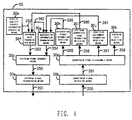
- Fig. 4 shows a configuration of a subscriber station 30 in the first embodiment of the present invention.
- the subscriber station 30 is formed with upstream signal transmission means 30a, downstream signal receiving means 30b, upstream frame assembly means 30c, downstream frame disassembly means 30d, service-quality-request information generating means 30e, upstream data transmission means 30f, reservation information transmission means 30g, reservation-permit information receiving means 30h, upstream-bandwidth-grant information receiving means 30i, identifier assignment information receiving means 30j and upstream data receiving means 30k.
- the downstream signal receiving means 30b receives a downstream signal 200 inputted from a downstream channel and outputs a demodulated downstream frame 351 to the downstream frame disassembly means 30d.
- the downstream frame disassembly means 30d extracts a reservation-permit information 355, an upstream-bandwidth-grant information 356, an identifier assignment information 357 and a downstream data 358 from the downstream frame and outputs each to the reservation-permit information receiving means 30h, the upstream-bandwidth-grant information receiving means 30i, the identifier assignment information receiving means 30j and the upstream data receiving means 30k, respectively.
- the reservation-permit information receiving means 30h if the inputted reservation-permit information 355 is addressed to the subscriber station 30, outputs a reservation-permit information 359 to the reservation information transmission means 30g, or otherwise discards the reservation-permit information 355.
- the upstream-bandwidth-grant information receiving means 30i if the inputted upstream-bandwidth-grant information 356 is addressed to the subscriber station 30, outputs an upstream data transmission request information 360 to the upstream data transmission means 30f, or otherwise discards the inputted upstream-bandwidth-grant information 356.
- the identifier assignment information receiving means 30j if the inputted identifier assignment information 357 is addressed to the subscriber station 30, outputs an identifier information 361 formed with a service quality information corresponding to the reservation information transmission means 30g, or otherwise discards the identifier assignment information 357.
- the upstream data receiving means 30k if the inputted downstream data 358 is addressed to the subscriber station 30, performs a receiving processing of it, or otherwise discards the same.
- the service-quality-request information generating means 30e when a subscriber station 30e request a quality guarantee for a service it uses, generates a service-quality-request information 352 for each service and outputs it to the upstream data transmission means 30f.
- the upstream data transmission means 30f holds an ordinary data or the service-quality-request information 352 and outputs a reservation request information 362 formed with a data quantity to send next and its service type to the reservation information transmission means 30g. Also, the upstream data transmission means 30f, upon inputting the upstream data transmission request information 360, outputs an upstream data 353 to the upstream frame assembly means 30c.
- the reservation information transmission means 30g when the reservation-permit information 359 is inputted and if the reservation request information 362 is inputted, calculates an upstream reservation quantity and adds an identifier corresponding to the service type, and outputs a reservation information to the upstream frame assembly means 30c.
- the upstream frame assembly means 30c converts the inputted upstream data 353 and reservation information 354 to an upstream frame, and outputs an upstream frame 350 to the upstream signal transmission means 30a.
- the upstream signal transmission means 30a modulate the inputted upstream frame 350 and outputs the upstream signal 201 to the upstream multiple-access channel.
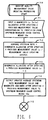
- Fig. 5 shows a flowchart of reservation information receiving processing in the reservation information receiving means 10f of the multiple-access communication method or system of the first embodiment of the present invention.
- the reservation information receiving means 10f upon receiving a reservation information from the upstream frame disassembly means 10c (701), obtains an upstream resource usage information of a service corresponding to an identifier contained in the reservation information from the upstream resource usage control means 10m (702).
- a value of a guaranteed upstream rate corresponding to the identifier is above a measured average upstream rate value (True of 703), outputs the received reservation information to the upstream bandwidth allocating means 10i (704).
- the value of the guaranteed upstream rate is below the measured average upstream rate value (False of 703), it outputs the reservation information to reservation information delay means 10l (705).
- an upstream bandwidth is allocated, immediately upon accepting a reservation, to a subscriber station that sends upstream data within a guaranteed rate, and for a subscriber station that send upstream data exceeding a guaranteed rate, allocation of an upstream bandwidth is deferred.
- allocation of an upstream bandwidth is deferred.
- Fig. 6 shows a service quality measurement value updating process of the upstream resource usage control means 10m performed by the upstream bandwidth allocating means 10i in the first embodiment of the present invention.
- the upstream bandwidth allocating means updates the bandwidth allocated after updating a previous measurement value Ls to 0 (713) and a time updating a previous measurement value Ts to a current time, and outputs these to the upstream resource usage control means 10m together with an average upstream rate measurement value (714). By regularly doing this operation for all the services for which a service quality is guaranteed, it is possible to control an upstream resource usage for each service.
- FIG. 7 is a configuration of a center station 11 of the second embodiment of the present invention.
- Reservation information receiving means 11f of a center station upon receiving a reservation information from a subscriber station, inputs an scheduled allocation time information 317 of a service corresponding to an identifier added to the reservation information from upstream resource usage control means 11m, and inputs a current allocation time information 318 from upstream bandwidth allocating means 11i. Based on these inputs, the reservation information receiving means 11f outputs the received reservation information to the upstream bandwidth allocating means 11i or reservation information delay means 10l. Also, the reservation information receiving means 11f updates the scheduled allocation time information 317 and outputs the same to the upstream resource usage control means 11m.
- the upstream bandwidth allocating means 11i based on the inputted reservation information 312 and 315, allocates an upstream bandwidth to a subscriber and outputs the upstream-bandwidth-grant information 306 to the downstream frame assembly means 10d. Also, the upstream bandwidth allocating means 11i outputs a current allocation time information to the reservation information receiving means 11f.
- the configuration is the same as that of the first embodiment.
- Fig. 8 shows a configuration of the upstream resource usage control means 11m of the center station 11 of the second embodiment of the present invention.
- the upstream resource usage control means 11m is formed with contracted service quality value memory means 41 and service quality measurement value memory means 51.
- the contracted service quality value memory means 41 stores an identifier 400, a guaranteed upstream rate 410 and a permissible fluctuation quantity of an allocation time 420.
- the service quality measurement value memory means 51 stores the identifier 400 and a scheduled allocation time 520.
- the scheduled allocation time 520 is calculated and corresponding items are updated when an upstream bandwidth is allocated to a subscriber station in the upstream bandwidth allocating means 11i.
- Fig. 9 shows a flowchart of a reservation information receiving processing in the reservation information receiving means 11f of the second embodiment of the present invention.
- the reservation information receiving means 11f upon receiving a reservation information, inputs a current upstream bandwidth allocation time information from the upstream bandwidth allocating means 11i, and obtains a scheduled allocation time information of a service corresponding to an identifier added to the reservation information from the upstream resource usage control means 11m (712). Next, if current upstream bandwidth allocation time is later than a scheduled allocation time (True of 713), the reservation information is outputted to the upstream bandwidth allocating means 11i (715) and an upstream bandwidth is allocated immediately (718).
- Fig. 10 shows a service quality measurement value updating procedure of the upstream resource usage control means 110m in the third embodiment of the present invention.
- w is a weighting average index
- a value between 0 and 1 is designated.
- the previous measurement value Ls is updated to 0 and the time updating a previous measurement value Ts to a current time, and these are outputted to the upstream resource usage control means 10m together with an average upstream rate measurement value.
- an upstream service quality can be guaranteed without immediately delaying acceptance of a reservation even when the upstream service quality frequently exceeds a guaranteed value due to sudden fluctuations in traffic.
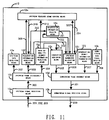
- Fig. 11. shows a configuration of a center station 12 in a fourth embodiment of the present invention.
- Reservation information receiving means 12 of the center station upon receiving a reservation information from a subscriber station, inputs a priority information 319 corresponding to an identifier information 309 added to the reservation information from upstream resource usage control means 12m. Then, the reservation information receiving means 12f inserts a reservation information 320 to reservation information holding means 12n based on the priority information 319. The reservation information holding means 12n holds the inputted reservation information at queues of each priority.
- Upstream bandwidth allocating means 12i removes a reservation information occasionally from the head of a reservation information queue of a highest priority. In this case, if a measured value of an average upstream rate of a service corresponding to an identifier of the taken reservation information is within a previously contracted guarantee rate, the reservation is immediately accepted and an upstream bandwidth is allocated, and if the measured value exceeds the guaranteed value, the removed reservation information is inserted to an end of a queue which is lower in priority and acceptance of the reservation is delayed.
- Fig. 12 shows the upstream resource usage control means 12m in the fourth embodiment of the present invention.
- Service quality application value memory means 42 of the upstream resource usage control means 12m in addition to controlling the identifier 400 and guaranteed upstream rate 410 for each service, holds a priority 430.
- the form is the same as the first embodiment.
- Fig. 13 shows a configuration of the reservation information holding means 12n in the fourth embodiment of the present invention.
- the reservation information holding means 12n is formed with queue inserting means 60 and reservation information queues 70, 71, 72, 73, 74 and 75.
- the queue inserting means 60 selects a reservation information corresponding to a priority of an input reservation information 320 or 322 and outputs a reservation information. Also, the queue inserting means 60, having reservation bandwidth quantity control means 80 inside, judges whether or not a received reservation information to a reservation information queue, and if not, discards the reservation information.
- the reservation information queue 70 holds a reservation information of priority 4, the reservation information queue 71 holds that of priority 3, the reservation information queue 72 holds that of priority 2, the reservation information queue 73 holds that of priority 1 and the reservation information queue 75 holds that of priority 1.
- priority 4 is the highest and priority 0 is the lowest, and priority 0 corresponds to a best-effort traffic.
- the reservation information queue 74 holds, out of reservation information of priorities 4 to 1 taken out by the upstream bandwidth allocating means 12i, a reservation information that is reinserted because a measurement value of an upstream service quality exceeds a previously contracted guaranteed value.
- a center station holding a queue corresponding to a priority that temporarily holds a reservation information, it is possible to easily delay acceptance of a reservation of a subscriber station that send upstream data exceeding a service quality and give priority to acceptance of a reservation of another subscriber station.
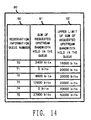
- Fig. 14 shows a configuration of the reservation bandwidth quantity control means 80 in the fourth embodiment of the present invention.
- the reservation bandwidth quantity control means 80 controls a total quantity of holding reservation bandwidths 91 that are available for holding and an upper limit of a holdable reservation bandwidth 92 for each reservation information queue number 90. These indicate a total of upstream bandwidths reserved by each reservation information contained in queues and its upper limit value.
- the queue inserting means 60 upon a new reservation information being inserted, adds an requested bandwidth to the sum of requested upstream bandwidth held in the queue 91 of a corresponding priority, and. if the result of addition is below the upper limit of sum of requested upstream bandwidth held in the queue 92, inserts the reservation information to a corresponding queue and updates the sum of requested upstream bandwidth held in the queue 91.
- a reservation information is removed from a reservation information queue by the upstream bandwidth allocating means 12i, out of a sum of requested upstream bandwidth held in the queue, a requested upstream bandwidth portion of the taken reservation information is subtracted.
- a center station dynamically allocates bandwidths of an upstream channel to subscriber stations, it is possible to measure and guarantee a service quality supplied for each service permitted to subscriber stations.
- the center station can control whether or not a subscriber station is sending upstream data exceeding a guaranteed value of a service quality.
- the center station in which a center station decides updating of a scheduled allocation time and a method of accepting a reservation by comparing a current allocation time and a scheduled allocation time, the center station immediately accepts a reservation information while a subscriber station is sending within a previously contracted upstream rate or by temporarily exceeding the upstream rates or if the subscriber station continuously exceeds a previously contracted upstream rate for more than a certain period of time, it is possible to accept a reservation information of another subscriber station prior to accepting of the received reservation information.
- an upstream service quality can be guaranteed without immediately delaying acceptance of a reservation even when the upstream service quality frequently exceeds a guaranteed value due to sudden fluctuations in traffic.
- an upstream service quality can be guaranteed without immediately delaying acceptance of a reservation even when the upstream service quality frequently exceeds a guaranteed value due to sudden fluctuations in traffic.
- the seventh invention that allows a center station to have queues corresponding to priorities of temporarily holding reservation information, it is possible to delay acceptance of a reservation of a subscriber station that sends an upstream data exceeding a service quality and accept a reservation of other subscriber stations prior to the received reservation information, so as to prevent degradation of service quality to the other subscriber stations.
- a center station holds a total of upstream bandwidths reserved by reservation information contained in queues each of priorities and adds reservation information to the queues by comparing the result with a previously set upper limit, it is possible to guarantee an upper limit of a delay time required for queuing for each priority.
Landscapes
- Engineering & Computer Science (AREA)
- Signal Processing (AREA)
- Computer Networks & Wireless Communication (AREA)
- Multimedia (AREA)
- Data Exchanges In Wide-Area Networks (AREA)
- Small-Scale Networks (AREA)
- Two-Way Televisions, Distribution Of Moving Picture Or The Like (AREA)
Applications Claiming Priority (2)
| Application Number | Priority Date | Filing Date | Title |
|---|---|---|---|
| JP12615998 | 1998-05-08 | ||
| JP12615998A JP3134842B2 (ja) | 1998-05-08 | 1998-05-08 | マルチアクセス通信方式 |
Publications (2)
| Publication Number | Publication Date |
|---|---|
| EP0955739A2 true EP0955739A2 (de) | 1999-11-10 |
| EP0955739A3 EP0955739A3 (de) | 2005-10-19 |
Family
ID=14928147
Family Applications (1)
| Application Number | Title | Priority Date | Filing Date |
|---|---|---|---|
| EP99109182A Withdrawn EP0955739A3 (de) | 1998-05-08 | 1999-05-10 | Fernmeldesystem mit Mehrfachzugriff, mit Verwendung eines bi-direktionalen Kabelnetzes, mit der Möglichkeit für jeder der Dienstleistungen die dem Gebraucher zur Verfügung gestellt werden die Qualität zu messen und zu versichern |
Country Status (4)
| Country | Link |
|---|---|
| US (1) | US6434164B1 (de) |
| EP (1) | EP0955739A3 (de) |
| JP (1) | JP3134842B2 (de) |
| CA (1) | CA2271362C (de) |
Cited By (22)
| Publication number | Priority date | Publication date | Assignee | Title |
|---|---|---|---|---|
| WO2003001737A3 (en) * | 2000-10-26 | 2003-08-28 | Wave7 Optics Inc | Method and system for processing upstream packets of an optical network |
| EP1289205A3 (de) * | 2001-08-31 | 2004-02-04 | Mitsubishi Denki Kabushiki Kaisha | Verfahren und Vorrichtung zur Aktualiesierung der Bandbreite |
| US6973271B2 (en) | 2000-10-04 | 2005-12-06 | Wave7 Optics, Inc. | System and method for communicating optical signals between a data service provider and subscribers |
| US7039329B2 (en) | 2001-07-05 | 2006-05-02 | Wave7 Optics, Inc. | System and method for increasing upstream communication efficiency in an optical network |
| US7130541B2 (en) | 2000-10-04 | 2006-10-31 | Wave7 Optics, Inc. | System and method for communicating optical signals upstream and downstream between a data service provider and subscriber |
| US7146104B2 (en) | 2001-07-05 | 2006-12-05 | Wave7 Optics, Inc. | Method and system for providing a return data path for legacy terminals by using existing electrical waveguides of a structure |
| US7184664B2 (en) | 2001-07-05 | 2007-02-27 | Wave7 Optics, Inc. | Method and system for providing a return path for signals generated by legacy terminals in an optical network |
| US7190901B2 (en) | 2001-07-05 | 2007-03-13 | Wave7 Optices, Inc. | Method and system for providing a return path for signals generated by legacy terminals in an optical network |
| US7218855B2 (en) | 2001-07-05 | 2007-05-15 | Wave7 Optics, Inc. | System and method for communicating optical signals to multiple subscribers having various bandwidth demands connected to the same optical waveguide |
| EP1698059A4 (de) * | 2003-12-22 | 2007-07-25 | Opentv Inc | Steuerung des rückweges in einer interaktiven fernsehumgebung |
| US7269350B2 (en) | 2001-07-05 | 2007-09-11 | Wave7 Optics, Inc. | System and method for communicating optical signals between a data service provider and subscribers |
| US7333726B2 (en) | 2001-07-05 | 2008-02-19 | Wave7 Optics, Inc. | Method and system for supporting multiple service providers within a single optical network |
| US7389031B2 (en) | 2002-10-15 | 2008-06-17 | Wave7 Optics, Inc. | Reflection suppression for an optical fiber |
| US7454141B2 (en) | 2003-03-14 | 2008-11-18 | Enablence Usa Fttx Networks Inc. | Method and system for providing a return path for signals generated by legacy terminals in an optical network |
| US7529485B2 (en) | 2001-07-05 | 2009-05-05 | Enablence Usa Fttx Networks, Inc. | Method and system for supporting multiple services with a subscriber optical interface located outside a subscriber's premises |
| US7583897B2 (en) | 2002-01-08 | 2009-09-01 | Enablence Usa Fttx Networks Inc. | Optical network system and method for supporting upstream signals propagated according to a cable modem protocol |
| US7593639B2 (en) | 2001-08-03 | 2009-09-22 | Enablence Usa Fttx Networks Inc. | Method and system for providing a return path for signals generated by legacy terminals in an optical network |
| US7599622B2 (en) | 2004-08-19 | 2009-10-06 | Enablence Usa Fttx Networks Inc. | System and method for communicating optical signals between a data service provider and subscribers |
| US7606492B2 (en) | 2000-10-04 | 2009-10-20 | Enablence Usa Fttx Networks Inc. | System and method for communicating optical signals upstream and downstream between a data service provider and subscribers |
| US7623786B2 (en) | 2002-05-20 | 2009-11-24 | Enablence Usa Fttx Networks, Inc. | System and method for communicating optical signals to multiple subscribers having various bandwidth demands connected to the same optical waveguide |
| EP2222004A3 (de) * | 2001-09-10 | 2010-12-01 | Nippon Telegraph And Telephone Corporation | Schaltung , Verfahren , Program und Speichermedium zur dynamischen Bandbreitenzuteilung |
| US7877014B2 (en) | 2001-07-05 | 2011-01-25 | Enablence Technologies Inc. | Method and system for providing a return path for signals generated by legacy video service terminals in an optical network |
Families Citing this family (35)
| Publication number | Priority date | Publication date | Assignee | Title |
|---|---|---|---|---|
| SE521227C2 (sv) * | 1999-02-22 | 2003-10-14 | Ericsson Telefon Ab L M | Mobilradiosystem och ett förfarande för kanallokering i ett mobilradiosystem |
| US8462810B2 (en) | 1999-05-21 | 2013-06-11 | Wi-Lan, Inc. | Method and system for adaptively obtaining bandwidth allocation requests |
| US6925068B1 (en) | 1999-05-21 | 2005-08-02 | Wi-Lan, Inc. | Method and apparatus for allocating bandwidth in a wireless communication system |
| US20090219879A1 (en) | 1999-05-21 | 2009-09-03 | Wi-Lan, Inc. | Method and apparatus for bandwidth request/grant protocols in a wireless communication system |
| US7006530B2 (en) | 2000-12-22 | 2006-02-28 | Wi-Lan, Inc. | Method and system for adaptively obtaining bandwidth allocation requests |
| JP2001197119A (ja) * | 2000-01-13 | 2001-07-19 | Nec Corp | サーバ装置、ネットワークシステム、及びその受信負荷制御方法 |
| JP3734661B2 (ja) | 2000-01-31 | 2006-01-11 | 三菱電機株式会社 | ネットワークによるデジタルコンテンツ配信システム |
| US6850530B1 (en) * | 2000-02-04 | 2005-02-01 | Cisco Technology, Inc. | Methods and apparatus for providing and obtaining resource usage information |
| US6842783B1 (en) * | 2000-02-18 | 2005-01-11 | International Business Machines Corporation | System and method for enforcing communications bandwidth based service level agreements to plurality of customers hosted on a clustered web server |
| FR2809898B1 (fr) * | 2000-06-05 | 2002-11-29 | Cit Alcatel | Procede de gestion d'un reseau de telecommunications et unite de gestion de reseau pour la mise en oeuvre du procede |
| JP2002077212A (ja) * | 2000-09-01 | 2002-03-15 | Mitsubishi Electric Corp | 光多分岐通信システム |
| US8009667B1 (en) | 2001-01-16 | 2011-08-30 | Wi—LAN, Inc. | Packing source data packets into transporting packets with fragmentation |
| CN1460344A (zh) * | 2001-01-31 | 2003-12-03 | 皇家菲利浦电子有限公司 | 对数据传输具有自发授权处理能力检测的dvb catv传输系统和方法 |
| US7038910B1 (en) | 2002-01-07 | 2006-05-02 | Wave7 Optics, Inc. | System and method for removing heat from a subscriber optical interface |
| JP3719993B2 (ja) * | 2002-02-22 | 2005-11-24 | 株式会社東芝 | 無線端末局および無線通信システム |
| CA2393373A1 (en) | 2002-07-15 | 2004-01-15 | Anthony Gerkis | Apparatus, system and method for the transmission of data with different qos attributes. |
| US7519725B2 (en) * | 2003-05-23 | 2009-04-14 | International Business Machines Corporation | System and method for utilizing informed throttling to guarantee quality of service to I/O streams |
| US7317682B2 (en) * | 2003-09-04 | 2008-01-08 | Mitsubishi Electric Research Laboratories, Inc. | Passive and distributed admission control method for ad hoc networks |
| WO2005062543A1 (ja) * | 2003-12-24 | 2005-07-07 | Nippon Telegraph And Telephone Corporation | 動的帯域割当回路、動的帯域割当方法、動的帯域割当プログラム、及び記録媒体 |
| US7340180B2 (en) | 2004-08-10 | 2008-03-04 | Wave7 Optics, Inc. | Countermeasures for idle pattern SRS interference in ethernet optical network systems |
| JP2006080582A (ja) * | 2004-09-07 | 2006-03-23 | Kddi Corp | 有害トラフィックを制限する方法及び装置 |
| US20060120312A1 (en) * | 2004-12-08 | 2006-06-08 | Fujitsu Limited | Communications method, communications system, relay apparatus, and recording medium |
| DE102005010918B4 (de) * | 2005-03-09 | 2011-03-03 | Nokia Siemens Networks Gmbh & Co.Kg | Verfahren zur Übertragung von Datenpaketen |
| US7616901B2 (en) | 2005-08-10 | 2009-11-10 | Enablence Usa Fttx Networks Inc. | Countermeasures for idle pattern SRS interference in ethernet optical network systems |
| US7843964B1 (en) * | 2005-12-31 | 2010-11-30 | At&T Intellectual Property Ii, L.P. | Method and apparatus for dynamically adjusting broadband access bandwidth |
| KR100799587B1 (ko) * | 2006-11-17 | 2008-01-30 | 한국전자통신연구원 | 스위치에서 동적 대역 제한 방법 및 장치 |
| JP4931681B2 (ja) * | 2007-04-19 | 2012-05-16 | 三菱電機株式会社 | 帯域割当方法および通信システム |
| US8411566B2 (en) * | 2007-10-31 | 2013-04-02 | Smart Share Systems APS | Apparatus and a method for distributing bandwidth |
| US20110311221A1 (en) * | 2009-02-10 | 2011-12-22 | Mitsubishi Electric Corporation | Master station unit and method of allocating grant |
| JP5953689B2 (ja) * | 2010-12-22 | 2016-07-20 | 株式会社リコー | 伝送管理システム、伝送システム、及び伝送管理システム用プログラム |
| CN102369704B (zh) * | 2011-09-06 | 2014-09-03 | 华为技术有限公司 | 下发带宽调整方法及模块、动态带宽分配设备 |
| US9813944B2 (en) * | 2016-03-14 | 2017-11-07 | Nec Corporation | System and method for dynamic provisioning of Wi-Fi capacity in large venues using C-RAN architecture |
| JP2018137547A (ja) * | 2017-02-20 | 2018-08-30 | 株式会社東芝 | 情報処理装置及び画像形成装置 |
| EP3665951B1 (de) * | 2017-08-08 | 2023-12-20 | Aviat Networks, Inc. | Verkehrsverwaltung für netzwerke mit variabler bandbreite unter verwendung von rsvp |
| JP7206920B2 (ja) * | 2019-01-08 | 2023-01-18 | 富士フイルムビジネスイノベーション株式会社 | 情報処理装置及びプログラム |
Family Cites Families (5)
| Publication number | Priority date | Publication date | Assignee | Title |
|---|---|---|---|---|
| US5355374A (en) * | 1992-05-08 | 1994-10-11 | Scientific-Atlanta, Inc. | Communication network with divisible auxilliary channel allocation |
| EP0689321A1 (de) * | 1994-06-23 | 1995-12-27 | International Business Machines Corporation | System zur hohen Verfügbarkeit von netzwerkweiter Bandbreitenzuordnung |
| US5991308A (en) * | 1995-08-25 | 1999-11-23 | Terayon Communication Systems, Inc. | Lower overhead method for data transmission using ATM and SCDMA over hybrid fiber coax cable plant |
| US5966163A (en) * | 1995-10-20 | 1999-10-12 | Scientific-Atlanta, Inc. | Providing constant bit rate upstream data transport in a two way cable system by scheduling preemptive grants for upstream data slots using selected fields of a plurality of grant fields |
| CA2249260C (en) * | 1996-03-18 | 2002-12-10 | General Instrument Corporation | Dynamic bandwidth allocation for a communication network |
-
1998
- 1998-05-08 JP JP12615998A patent/JP3134842B2/ja not_active Expired - Lifetime
-
1999
- 1999-05-07 CA CA 2271362 patent/CA2271362C/en not_active Expired - Fee Related
- 1999-05-07 US US09/306,916 patent/US6434164B1/en not_active Expired - Lifetime
- 1999-05-10 EP EP99109182A patent/EP0955739A3/de not_active Withdrawn
Non-Patent Citations (1)
| Title |
|---|
| None |
Cited By (29)
| Publication number | Priority date | Publication date | Assignee | Title |
|---|---|---|---|---|
| US7606492B2 (en) | 2000-10-04 | 2009-10-20 | Enablence Usa Fttx Networks Inc. | System and method for communicating optical signals upstream and downstream between a data service provider and subscribers |
| US6973271B2 (en) | 2000-10-04 | 2005-12-06 | Wave7 Optics, Inc. | System and method for communicating optical signals between a data service provider and subscribers |
| US7130541B2 (en) | 2000-10-04 | 2006-10-31 | Wave7 Optics, Inc. | System and method for communicating optical signals upstream and downstream between a data service provider and subscriber |
| WO2003001737A3 (en) * | 2000-10-26 | 2003-08-28 | Wave7 Optics Inc | Method and system for processing upstream packets of an optical network |
| US7197244B2 (en) | 2000-10-26 | 2007-03-27 | Wave7 Optics, Inc. | Method and system for processing downstream packets of an optical network |
| US7085281B2 (en) | 2000-10-26 | 2006-08-01 | Wave7 Optics, Inc. | Method and system for processing upstream packets of an optical network |
| US7184664B2 (en) | 2001-07-05 | 2007-02-27 | Wave7 Optics, Inc. | Method and system for providing a return path for signals generated by legacy terminals in an optical network |
| US7529485B2 (en) | 2001-07-05 | 2009-05-05 | Enablence Usa Fttx Networks, Inc. | Method and system for supporting multiple services with a subscriber optical interface located outside a subscriber's premises |
| US7190901B2 (en) | 2001-07-05 | 2007-03-13 | Wave7 Optices, Inc. | Method and system for providing a return path for signals generated by legacy terminals in an optical network |
| US7039329B2 (en) | 2001-07-05 | 2006-05-02 | Wave7 Optics, Inc. | System and method for increasing upstream communication efficiency in an optical network |
| US7146104B2 (en) | 2001-07-05 | 2006-12-05 | Wave7 Optics, Inc. | Method and system for providing a return data path for legacy terminals by using existing electrical waveguides of a structure |
| US7218855B2 (en) | 2001-07-05 | 2007-05-15 | Wave7 Optics, Inc. | System and method for communicating optical signals to multiple subscribers having various bandwidth demands connected to the same optical waveguide |
| US7877014B2 (en) | 2001-07-05 | 2011-01-25 | Enablence Technologies Inc. | Method and system for providing a return path for signals generated by legacy video service terminals in an optical network |
| US7269350B2 (en) | 2001-07-05 | 2007-09-11 | Wave7 Optics, Inc. | System and method for communicating optical signals between a data service provider and subscribers |
| US7333726B2 (en) | 2001-07-05 | 2008-02-19 | Wave7 Optics, Inc. | Method and system for supporting multiple service providers within a single optical network |
| US7593639B2 (en) | 2001-08-03 | 2009-09-22 | Enablence Usa Fttx Networks Inc. | Method and system for providing a return path for signals generated by legacy terminals in an optical network |
| US7209443B2 (en) | 2001-08-31 | 2007-04-24 | Mitsubishi Denki Kabushiki Kaisha | Bandwidth updating method and bandwidth updating apparatus |
| EP2219332A1 (de) * | 2001-08-31 | 2010-08-18 | Mitsubishi Denki K.K. | Bandbreitenaktualisierungsverfahren und Bandbreitenaktualisierungsvorrichtung |
| EP1289205A3 (de) * | 2001-08-31 | 2004-02-04 | Mitsubishi Denki Kabushiki Kaisha | Verfahren und Vorrichtung zur Aktualiesierung der Bandbreite |
| EP2222004A3 (de) * | 2001-09-10 | 2010-12-01 | Nippon Telegraph And Telephone Corporation | Schaltung , Verfahren , Program und Speichermedium zur dynamischen Bandbreitenzuteilung |
| US7583897B2 (en) | 2002-01-08 | 2009-09-01 | Enablence Usa Fttx Networks Inc. | Optical network system and method for supporting upstream signals propagated according to a cable modem protocol |
| US7623786B2 (en) | 2002-05-20 | 2009-11-24 | Enablence Usa Fttx Networks, Inc. | System and method for communicating optical signals to multiple subscribers having various bandwidth demands connected to the same optical waveguide |
| US7389031B2 (en) | 2002-10-15 | 2008-06-17 | Wave7 Optics, Inc. | Reflection suppression for an optical fiber |
| US7454141B2 (en) | 2003-03-14 | 2008-11-18 | Enablence Usa Fttx Networks Inc. | Method and system for providing a return path for signals generated by legacy terminals in an optical network |
| US7986880B2 (en) | 2003-03-14 | 2011-07-26 | Enablence Usa Fttx Networks Inc. | Method and system for providing a return path for signals generated by legacy terminals in an optical network |
| US8682162B2 (en) | 2003-03-14 | 2014-03-25 | Aurora Networks, Inc. | Method and system for providing a return path for signals generated by legacy terminals in an optical network |
| EP1698059A4 (de) * | 2003-12-22 | 2007-07-25 | Opentv Inc | Steuerung des rückweges in einer interaktiven fernsehumgebung |
| US7599622B2 (en) | 2004-08-19 | 2009-10-06 | Enablence Usa Fttx Networks Inc. | System and method for communicating optical signals between a data service provider and subscribers |
| US7953325B2 (en) | 2004-08-19 | 2011-05-31 | Enablence Usa Fttx Networks, Inc. | System and method for communicating optical signals between a data service provider and subscribers |
Also Published As
| Publication number | Publication date |
|---|---|
| EP0955739A3 (de) | 2005-10-19 |
| US6434164B1 (en) | 2002-08-13 |
| CA2271362A1 (en) | 1999-11-08 |
| CA2271362C (en) | 2004-02-10 |
| JPH11331229A (ja) | 1999-11-30 |
| JP3134842B2 (ja) | 2001-02-13 |
Similar Documents
| Publication | Publication Date | Title |
|---|---|---|
| EP0955739A2 (de) | Fernmeldesystem mit Mehrfachzugriff, mit Verwendung eines bi-direktionalen Kabelnetzes, mit der Möglichkeit für jeder der Dienstleistungen die dem Gebraucher zur Verfügung gestellt werden die Qualität zu messen und zu versichern | |
| EP1428356B1 (de) | Verfahren und anordnungen zur erzielung einer dynamischen betriebsmittelverteilungsrichtlinie in paketgestützten kommunikationsnetzen | |
| US6950399B1 (en) | System and associated method for scheduling transport of variable bit-rate data over a network | |
| US6704932B1 (en) | Multi-access communication system and uplink band allocating method | |
| KR100212104B1 (ko) | 회로망에 전송 용량을 할당하는 방법 | |
| JP3278865B2 (ja) | トラヒック制御方法 | |
| US6882623B1 (en) | Multi-level scheduling method for multiplexing packets in a communications network | |
| US6778557B1 (en) | Point-to-multipoint communication system | |
| US6987753B2 (en) | Apparatus and method for dynamic bandwidth allocation with minimum bandwidth guarantee | |
| US7623451B2 (en) | Bandwidth allocation device and method to guarantee QoS in ethernet passive optical access network | |
| US20040156367A1 (en) | Hierarchically distributed scheduling apparatus and method | |
| CA2266440C (en) | Multiplex transmission system and band control method | |
| EP0817428A2 (de) | Verkehrsformer mit virtuellen Pfaden mit mehrfachen Warteschlangen | |
| US20020052956A1 (en) | Method for allocating resources | |
| US6643290B1 (en) | Method for controlling accesses to resources of a communication network | |
| US20020085492A1 (en) | Apparatus for outputting a signal, a method for outputting the signal, and a computer-readable storage medium storing a computer-executable program for operating a computer to output the signal | |
| JP2000269970A (ja) | Atmセル多重装置及びatmセル多重方法 | |
| KR100412040B1 (ko) | 무선 통신망에서 뉴럴 네트워크를 이용한 동적슬롯 할당스케쥴링 시스템 | |
| US7957318B1 (en) | Systems and methods for transitioning between fragmentation modes | |
| KR100413222B1 (ko) | 대역 요구 정보 전달 방법 및 그 방법을 사용하는 이동단말기와, 동적 슬롯 할당 방법 및 그 방법을 사용하는이동통신 시스템의 기지국 | |
| KR100503417B1 (ko) | 이더넷 수동형 광 네트워크에서의 QoS 보장형 스케쥴링시스템 및 방법 | |
| JPH09261196A (ja) | 1対多通信システムのアクセス方式 | |
| JP3064978B2 (ja) | ポーリング方法及び方式 | |
| Heyaime-Duvergé et al. | Traffic-based bandwidth allocation for DOCSIS cable networks | |
| JP3723452B2 (ja) | 通信ネットワーク、特に高レートネットワークにおける動的レート割り振りの方法 |
Legal Events
| Date | Code | Title | Description |
|---|---|---|---|
| PUAI | Public reference made under article 153(3) epc to a published international application that has entered the european phase |
Free format text: ORIGINAL CODE: 0009012 |
|
| AK | Designated contracting states |
Kind code of ref document: A2 Designated state(s): AT BE CH CY DE DK ES FI FR GB GR IE IT LI LU MC NL PT SE |
|
| AX | Request for extension of the european patent |
Free format text: AL;LT;LV;MK;RO;SI |
|
| PUAL | Search report despatched |
Free format text: ORIGINAL CODE: 0009013 |
|
| AK | Designated contracting states |
Kind code of ref document: A3 Designated state(s): AT BE CH CY DE DK ES FI FR GB GR IE IT LI LU MC NL PT SE |
|
| AX | Request for extension of the european patent |
Extension state: AL LT LV MK RO SI |
|
| 17P | Request for examination filed |
Effective date: 20050909 |
|
| AKX | Designation fees paid |
Designated state(s): DE GB NL |
|
| STAA | Information on the status of an ep patent application or granted ep patent |
Free format text: STATUS: THE APPLICATION IS DEEMED TO BE WITHDRAWN |
|
| 18D | Application deemed to be withdrawn |
Effective date: 20161201 |