EP0965346A2 - Verwendung von acetylierte mannanderivate zur behandlung von chronischen atemwegserkrankungen - Google Patents
Verwendung von acetylierte mannanderivate zur behandlung von chronischen atemwegserkrankungen Download PDFInfo
- Publication number
- EP0965346A2 EP0965346A2 EP99200519A EP99200519A EP0965346A2 EP 0965346 A2 EP0965346 A2 EP 0965346A2 EP 99200519 A EP99200519 A EP 99200519A EP 99200519 A EP99200519 A EP 99200519A EP 0965346 A2 EP0965346 A2 EP 0965346A2
- Authority
- EP
- European Patent Office
- Prior art keywords
- acemannan
- virus
- cells
- cell
- patient
- Prior art date
- Legal status (The legal status is an assumption and is not a legal conclusion. Google has not performed a legal analysis and makes no representation as to the accuracy of the status listed.)
- Granted
Links
Images
Classifications
-
- A—HUMAN NECESSITIES
- A61—MEDICAL OR VETERINARY SCIENCE; HYGIENE
- A61K—PREPARATIONS FOR MEDICAL, DENTAL OR TOILETRY PURPOSES
- A61K31/00—Medicinal preparations containing organic active ingredients
- A61K31/70—Carbohydrates; Sugars; Derivatives thereof
- A61K31/715—Polysaccharides, i.e. having more than five saccharide radicals attached to each other by glycosidic linkages; Derivatives thereof, e.g. ethers, esters
- A61K31/736—Glucomannans or galactomannans, e.g. locust bean gum, guar gum
-
- A—HUMAN NECESSITIES
- A61—MEDICAL OR VETERINARY SCIENCE; HYGIENE
- A61P—SPECIFIC THERAPEUTIC ACTIVITY OF CHEMICAL COMPOUNDS OR MEDICINAL PREPARATIONS
- A61P11/00—Drugs for disorders of the respiratory system
Definitions
- the invention pertains to uses of biological response modifying agents. More particularly, this invention relates to the therapeutic use of a polysaccharide substance which is predominantly an acetylated mannan or its derivatives to:
- Aloe is a member of the lily family. Aloe vera contains two major liquid sources, a yellow latex (exudate) and the clear gel (mucilage). The dried exudate of Aloe barbadensis Miller leaves is referred to as aloe.
- the commercial name is Curacao aloe. It is composed mainly of aloin, aloe-emodin and phenols. Bruce, South African Medical Journal , 41:984 (1967); Morrow et al., Archives of Dermatology , 116:1064-1065 (1980); Mapp et al., Planta Medica, 18:361-365 (1970); Rauwald, Archives Pharmazie , 315:477-478 (1982).
- Aloe vera gel The mucilaginous jelly from the parenchymal cells of the plant is referred to as Aloe vera gel.
- Aloe vera gel There are generally no anthraquinones to decompose and cause discoloration of the gel unless the gel is contaminated by an improper processing technique.
- Aloe vera gel is about 98.5% water by weight. More than 60% of the total solid is made up of polysaccharides of carbohydrate origin. Organic acids and inorganic compounds, especially calcium oxalate, account for the remainder of the solid.
- Aloe vera was the traditional medicine of many cultures as an anthelmintic, cathartic and stomachic and was used inter alia for leprosy, burns and allergic conditions.
- Cole et al. Archives of Dermatology and Syphilology , 47:250 (1943); Chopra et al., Glossary of Indian Medicinal Plants , Council of Scientific and Industrial Research, New Delhi (1956); Ship, Journal of the American Medical Association , 238(16):1770-1772 (1977); Morton, Atlas of Medicinal Plants of Middle American Bahamas to Yucatan , Charles C. Thomas Publisher, 78-80 (1981); Diez-Martinez, La Zecuring, Communicado No.
- Aloe vera has been featured extensively in the field of dermatology, especially for treating radiation-caused skin conditions.
- Mackee X-rays and Radium in the Treatment of Diseases of the Skin , 3rd Ed., Lea and Febiger, Philadelphia, 319-320 (1938); Rovatti et al., Industrial Medicine and Surgery, 28:364-368 (1959); Zawahry et al., Quotations From Medical Journals on Aloe Research , Ed. Max B. Skousen, Aloe Vera Research Institute, Cypress, California, 18-23 (1977); Cera et al., Journal of the American Animal Hospital Association, 18:633-638 (1982).
- mucilage and sugars are the major components of the dehydrated gel.
- the sugars found are galactose, glucose, mannose, rhamnose, xylose and uronic acids.
- the mucilage is mainly composed of mannan or glucomannan.
- the effective components for wound healing may be tannic acid [Freytag, Pharmazie , 9:705 (1954)] and a kind of polysaccharide. Kameyama, Wound-healing compositions from Aloe arborescens extracts. Japanese Patent#7856995, (1979).
- Hyperlipidemia in the general population and especially in familial hypercholesterolemia is associated with coronary heart disease and death. In countries where dietary fiber intake is high, atherosclerosis appears to be uncommon. Trowell et al., Editors, Refined Carbohydrate Foods and Disease , London, Academic Press, 207 (1975). Pectin and guar are reported to lower cholesterol in normal and hyperlipidemic patients. Kay et al., American Journal of Clinical Nutrition , 30:171-175 (1977). Locust bean gum, a polysaccharide composed of mannose and galactose, decreased the plasma lipoprotein cholesterol concentrations in both normal and familial hypercholesterolemic subjects.
- polysaccharides prepared from Lentinus cyathiformis are known to increase host defense against tumors. Rethy et al., Annales Immunologiae Hungaricae , 21:285-290 (1981). There are several reports that polysaccharides from mushroom, yeast or bacterial extracts can elicit a high degree of host defense activity against viral and tumor infestations.
- the GF-1 fraction also exhibited antitumor action against the solid form of Meth A fibrosarcoma and MM 46 carcinoma in mice.
- Lentinan which is a 6-branched ⁇ -1-3-linked glucan similar to GF-1, was ineffective against Meth A fibrosarcoma.
- Chihara "The antitumor polysaccharide Lentinan: an overview;” Manipulation of Host Defense Mechanisms ; Ed. by Aoki et al., Excerpta Medica , North Holland, 1-16 (1981); Sasaki et al., Carbohydrate Research ,_47(1):99-104 (1976). Synthesized branched polysaccharides were reported to demonstrate activities against tumors.
- Matsuzaki et al. Makromol. Chem. , 186(3):449-456 (1985).
- Matsuzaki et al. [Makromol. Chem. , 187(2):325-331 (1986)] synthesized branched polysaccharides, which showed significant activities, from ivory nut mannan ( ⁇ -(-4)-D-mannopyranose) and ⁇ -(1-4)-linked glucomannan.
- Polysaccharides with sulfate groups are also reported to be human T cell mitogens and murine polyclonal B cell activators. Sugawara et al., Microbiological Immunology , 28(7):831-839 (1984). Generally, homo-polysaccharides of high molecular weight with sulfate groups possess these properties. Dorries, European Journal of Immunology , 4:230-233 (1974); Sugawara et al., Cell Immunology , 74:162-171 (1982).
- glucan extracted from the yeast Saccharomyces cervisiae is a modulator of cellular and humoral immunity. Wooles et al., Science , 142:1078-1080 (1963).
- the polysaccharide also stimulated proliferation of murine pluripotent hematopoietic stem cells, granulocyte macrophage colony-forming cells and cells forming myeloid and erythroid colonies. Pospisil et al., Experientia , 38:1232-1234 (1982); Burgaleta, Cancer Research , 37:1739-1742 (1977).
- T-2-HN O-acetylated-D-mannan
- composition of the present invention possesses all of the attributes of these immunologically active substances; it is among the most potent of all known biologically active polysaccharides but differs in that no toxicity has been observed. It also manifests specific antiviral activity through alteration of viral glycoprotein synthesis.
- the gel is useful in treating leg ulcers [El Zawahry et al., Int. J. Dermatol. , 12:68-73 (1973)] and in hastening post surgical healing (Payne, Thesis submitted to Faculty of Baylor University, Waco, TX, MS Degree). Experimental evidence suggests that extracts of Aloe vera have anti-infectious properties [Solar, Arch. Inst. Pasteur Madagascar , 47:9-39 (1979)] and enhance phagocytosis [Stepanova, Fiziol. Akt. Veshchestva , 9:94-97 (1977)].
- Aloe vera gel has been identified by Carrington Laboratories, Inc., Irving, Texas, as a long-chain polydispersed ⁇ -(1,4)-linked acetylated mannan intersperse with O-acetyl groups having a mannose monomer-to-acetyl group ratio of approximately 1:0.91.
- Acemannan is the nonproprietary name of the biologically active component of Carrisyn®, a compound isolated and developed by Carrington Laboratories, Inc. See U.S. Patent No. 4,735,935, U.S. Patent No. 4,851,224, and the U.S. Patent Application Serial No. 07/229,164, and references cited therein, the disclosures of all of which are incorporated herein by reference.
- Mannans including glucomannans and galactomannans
- galactomannans in the form of plant gums
- binders for control of food texture.
- some mannans have exhibited significant therapeutic properties (Davis and Lewis, eds. Jeanes A., Hodge J., In: American Chemical Society Symposium, Series 15. Washington, DC, American Chemical Society, 1975).
- mannans are relatively uncommon in higher plants, although they are a major structural component of some yeasts. For example, about 45% of the cell wall of Saccharomyces cerevisiae consists of a mannan. This mannan is a water soluble molecule composed of ⁇ -(1,6)-, ⁇ -(1,3)-, and ⁇ -(1,2)-linked, partially phosphorylated D-mannose residues [McMurrough et al., Biochem. J. , 105:189-203 (1967)].
- mannans Other biologically active mannans have been obtained from Candida utilis [Oka et al., Gann , 60:287-293 (1969), Oka et al., Gann , 58:35-42 (1968)], Candida albicans , Coccidioides immitis and Rhodotorulum rubrum [Wheat et al., Infect. Immun. , 41:728-734, (1983)].
- Mannans including galactomannans and glucomannans
- Mannans are relatively resistant to attack by mannosidases but can be degraded by exo- and endo-mannanases [Emi, et al., Agr. Biol. Chem.
- Saccharomyces mannan (15 mg/kg/day) enhances carbon clearance in normal male ddI mice, presumably acting as a reticuloendothelial system stimulant [Suzuki et al., Gann , 62:553-556 (1971)]. This same mannan also increases the number of antibody-forming cells in the spleen [Suzuki et al., Gann , 62:343-352 (1971)].
- mouse peritoneal cells a mixture of macrophages and lymphocytes
- some mannans and mannan-protein complexes can stimulate interferon release both in vivo and in vitro [Lackovic et al., Proc. Soc. Exp.
- a galactomannan of 20 kDa from Lipomyces starkeyi had weak interferon-inducing properties.
- Candida albicans mannan induced the appearance of interferon activity 2-24 hrs after intravenous administration (Borecky, supra ).
- DMG a degraded mannoglucan from Microellobosporia grisea culture fluid, can stimulate cytotoxic activities of macrophages, natural killer (NK) cells and killer T cells, and it enhances the secretion of interleukin-1 (IL-1) and colony-stimulating factors (CSF). It has more potent antitumor activity than lentinan (a glucan from Lentinus edodes ) [Nakajima et al., Gann , 75:260-268, (1984), Inoue et al., Carbohyd. Res. , 114:164-168 (1983)]. DMG stimulates macrophages to produce increased amounts of IL-1.
- IL-1 interleukin-1
- CSF colony-stimulating factors
- DMG enhances 1) antibody production against sheep erythrocytes, 2) natural killer activity of spleen as well as of peritoneal cells, and 3) cytostatic activity of peritoneal macrophages [Nakajima et al., Gann , 75:253-259 (1984)].
- the major mannose-binding protein is an acute-phase protein; its levels rise in stressed individuals [Ezekowitz et al., J. Exp. Med. , 169:185-196 (1989)].
- the envelope glycoproteins of the human immunodeficiency virus (HIV gp120 and gp41) contain mannose-rich oligosaccharides that appear to be potential ligands for the mannose-binding protein.
- HIV gp120 and gp41 contain mannose-rich oligosaccharides that appear to be potential ligands for the mannose-binding protein.
- the mannose-binding protein can inhibit HIV infection of lymphoblasts and bind selectively to HIV-infected cells. Free yeast mannan can competitively interfere with binding of this protein to infected cells.
- factors that induce an increase in the level of the mannose-binding protein may confer protection against HIV.
- Virus, cancer and diseases of immune regulation continue to be major causes of both morbidity and mortality in humans, other mammals, other animals, birds, and plants.
- Problems associated with currently used drugs are, namely, general toxicity, lack of efficacy (or both), deficiency in specificity and development of resistance by causative organisms or agents.
- Acemannan has been shown to possess a unique combination of immunodulatory and antiviral properties.
- cytokines such as interleukins, interferon, and prostaglandin
- K m Michaelis-Menten
- ADCC antibody-dependent cell cytolysis
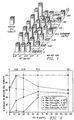
- Fig. 1 shows synergistic antiviral effects of acemannan and AZT on the viability of HIV-infected MT-2 cells.
- Fig. 2 shows synergistic antiviral effects of acemannan and AZT as quantified by the percent increase in viability of HIV-infected MT-2 cells.
- Carrisyn® is the brand name given by the assignee of the instant invention to the purified ethyl alcohol extract of the inner gel of the leaves of Aloe barbadensis Miller.
- the active component of Carrisyn® has been designated "acemannan" by the United States Adopted Name Council.
- Not less than 73% of Carrisyn® extract is acemannan;
- Carrisyn® extract comprises generally about 73% to 90% acemannan.
- Carrisyn® extract is generally produced by removing the outer sheath of the leaf, then removing and processing the inner filet or mucilage as follows: pH adjustment, ethanol extraction, freeze drying and grinding. See U.S. Application Serial No. 144,872 filed January 1988, a continuation-in-part of U.S.
- Carrisyn is a fluffy, white, amorphous powder, which is poorly soluble in water and dimethyl sulfoxide and insoluble in most other organic solvents.
- This powder contains not less than 73% of a polysaccharide consisting essentially of linear ⁇ (1-4)-D-mannosyl units.
- the polysaccharide is a long chain polymer interspersed randomly with acetyl groups linked to the polymer through an oxygen atom.
- the generic name for the polymer is acemannan.
- the degree of acetylation is approximately 0.91 acetyl groups per monomer as determined by the alkaline hydroxamate method. See Hestrin, Journal of Biological Chemistry , 180:240-261 (1949).
- Neutral sugars linkage analysis indicates that attached to the chain, probably through an ⁇ (1-6) linkage, is a D-galactopyranose in the ratio of approximately one for every 70 sugars.
- the 20:1 ratio of mannose to galactose indicates that galactose units are also linked together, primarily by a ⁇ (1-4) glycosidic bond.
- the chemical structure of acemannan may be represented as follows:
- virus as used herein includes both the DNA and the RNA virus; It can either be an enveloped or a non-enveloped virus.
- enveloped virus in all cases but one is understood to mean a virus encased within a modified host cell membrane; the poxviruses produce their own envelope. Typical enveloped viruses are set forth in Table 1.
- spumaviridae syncytial and foamy viruses of humans, monkeys, cattle, cats visna virus of sheep Maedi virus progressive pneumonia viruses of sheep *human immunodeficiency viruses: (include HTLV III/LAV) HIV, HTLV IV, LAV-2, STLV-III AGM Arenaviridae Junin virus lassa virus machupo virus pichinde virus lymphocytic choriomeningitis virus lassa fever virus arenavirus Other virus-like agents viroids-prions kuru virus Creutzfeldt-Jakob disease virus scrapie virus transmissible mink encephalopathy Aleutian disease of mink bovine spongiform encephalopathy "virus” *NOTE: under Retroviridae human T-lymphotropic virus type III (HTLV-III) Lymphadenopathy virus (LAV) human immunodeficiency virus (HIV) simian T-lymphotropic virus type III (STLV-III AGM ) human T-lympho
- tumor includes both malignant and non-malignant neoplasms including tumors of viral, chemical, radiation, genetic and other origins. It can be of embryonic ectodermal origin, embryonic mesodermal origin, or embryonic endodermal origin. It can be from the embryonic surface ectoderm, the embryonic neuroectoderm, the embryonic head mesoderm, the embryonic paraxial mesoderm, the embryonic intermediate mesoderm, the embryonic lateral mesoderm, or the embryonic endoderm.
- tumors in an animal include: tumors of the skin and soft tissues; tumors of the muscle; tumors and tumor-like lesions of joints and adjacent soft tissues; tumors of bone and cartilage; tumors of the lymphoid and hematopoietic tissues; tumors of the respiratory system; tumors of the alimentary tract; tumors of the liver, gall bladder and pancreas; tumors of the urinary system; tumors of the genital systems; tumors of the mammary gland; tumors of the endocrine glands; and tumors of the nervous system and eye.
- Human malignant tumors include: acute lymphoid leukemia; acute myeloid leukemia; chronic myeloid leukemia; chronic lymphoid leukemia; polycythemia vera; myelosclerosis with myeloid metaplasia; multiple myeloma; primary macroglobulinemia; Hodgkin's disease; non-Hodgkin's lymphoma; skin cancer; malignant melanoma; head and neck cancer; lung cancer; gastrointestinal cancer; breast cancer; gynecologic cancer; trophoblastic disease; testicular cancer; prostate cancer; renal carcinoma; bladder cancer; endocrine tumor; brain tumor; retinoblastoma; neuroblastoma; Wilm's tumor; osteogenic sarcoma; Ewing's sarcoma; and soft-tissue sarcoma.
- microorganism as used herein includes parasites, bacteria, and other organisms and agents causing infestation.
- Parasites include arthropod parasites, helminth parasites, protozoal parasites, and hemaprotozoal parasites. Examples of these parasites include demodex mange, hookworm and coccidia.
- glycosylation means the addition of carbohydrate molecules to a protein molecule.
- An acetylated mannan derivative in particular acemannan, may exert its therapeutic effect by two possible mechanisms.
- One is the altering of glycosylation, such as inhibition of glucosidase I or the incorporation of the acetylated mannan derivative into glycoprotein.
- the other possible mechanism is enhancement of the antigenicity of the virus or the tumor, or the enhancement of immunocompetency of the host.
- the enhancement of antigen can be achieved through the presentation by macrophage; reception by T or B cells or both, altered antigen presentation, or adjuvant effect.
- acetylated mannan derivative enhances the recognition of a tumor or of an infectious agent, such as a virus or another microorganism, as "not self" by the host.
- acetylated mannan derivative can be achieved by topical application, oral ingestion, IP route, IV route or other parenteral routes of administration.
- acetylated mannan derivative be given to the recipient as a single agent, it can also be used in combination with other known therapeutic agents that are characterized by their requirement of the participation or aid of the host's immune system to achieve their maximal therapeutic effect.
- Acemannan has now been discovered to be a potent inducer of IL-I and prostaglandin E2 (PGE2) production by human peripheral blood adherent cells in culture.
- PGE2 prostaglandin E2
- the instant invention is believed to be the first practical non-toxic stimulator of IL-1 release.
- IL-1 is an important macrophage product reported in the literature to influence the activity and production of lymphocytes, fibroblasts, B-lympbocytes and endothelial cells. See Old,. Scientific American , 258(5):59-60, 69-75 (1988).
- IL-1 induces fibroblast proliferation which is fundamental to wound healing.
- IL-1 also: (1) enhances bone marrow activity; it may be therapeutic in individuals whose bone-marrow is depressed; and (2) enhances the immune system in general.
- acemannan increases the alloantigenic response of these lymphocytes in a dose-related fashion. Incubation of acemannan with monocytes permitted monocyte-driven signals to enhance the T lymphocyte response to lectin. Related studies on acemannan's effects on MLC have shown an increase in phagocytosis and activity of natural killer cells. Thus, in these in vitro test systems, acemannan is non-toxic and is an immunoenhancer.
- Acemannan actively stimulates lymphocytes to secrete lymphokines and also causes HIV-infected lymphocytes to produce altered glycoproteins (GP-120) by a mechanism similar to that of glucosidase I inhibitors. See Gruters et al., Nature 330:74-77 (1987) and Pal et al., Intervirol . 30:27-35 (1989). Acemannan is phagocytized and apparently pumped to the Golgi/glycoprotein apparatus of the monocyte where it interferes directly with glycoprotein synthesis.
- acemannan The toxicological effects of acemannan have been studied in both in vivo and in vitro systems. Acemannan is not mutagenic or blastogenic in in vitro test systems. In vitro , the compound was non-toxic for H-9, MT-2 and CEM-SS lymphoid cells. In vivo toxicology studies on acemannan include a 91-day subchronic oral toxicity study in dogs, a 180-day chronic oral toxicity study in rats and an 180-day chronic oral toxicity study in humans. In these studies, no toxic effects were noted in dogs receiving up to 825 mg/kg of acemannan per day for 91 days. No clinical, gross pathologic or toxic effects were noted in rats receiving up to 38,475 ppm acemannan in their feed for 180 days. No adverse clinical or toxic effects were noted in human patients receiving 800 mg per day of acemannan for 180 days.
- a pyrogen assay was performed in rabbits in accordance with the pyrogen test protocol outlined in the U.S.P. XXI, Biological Test [151], using a 1 mg/ml injectable solution of acemannan. More frequent temperature measurements were taken than specified in the U.S.P. because of the unknown systemic effects of injected acemannan. Temperature changes in test animals did not exceed minimum changes allowed by the U.S.P. protocol; therefore, the solution met the U.S.P. requirements for absence of pyrogens. Acemannan injectable elicited a maximum body temperature increase of 0.3°C in one rabbit. This temperature rise occurred 90 minutes after injection. Acemannan is an inducer of IL-1 secretion by macrophages and monocytes in vitro . Since IL-1 is a potent pyrogen, this might explain the minimal, delayed temperature rise in this rabbit.
- acemannan The physical properties of acemannan allow it to be formulated and incorporated into all pharmaceutical dosage forms known to those skilled in the art.
- the biopharmaceutical and toxicological properties of acemannan permit it to be used in tissues and organs of living organisms and to be administered over a wide range of doses.
- Acemannan may be administered to an animal orally, parenterally, topically and locally, in a daily dosage of 0.001 mg/kg to 1000 mg/kg body weight per day.
- acemannan may be compressed or filled into solid dosage units such as pills, tablets and coated tablets, or it may be processed into capsules. These oral dose forms would be administered at a dosage of about 0.1 mg/kg to 1000 mg/kg of body weight per day.
- acemannan By means of suitable liquid vehicles, acemannan can be injected in solutions, suspensions or emulsions. These products would be administered at a rate of 0.001 mg/kg to 1000 mg/kg of body weight per day. As an adjunctive component of a vaccine or other product, acemannan would be used at a rate of 0.001 to 1000 mg per unit dose of adjuvanted product.
- Topical administration of acemannan can be in the form of a processed gel, cream, lotion, solution, ointment or powder. These formulations could contain up to 90% acemannan.
- Human mononuclear cells were separated from heparinized whole blood by density-gradient centrifugation in Ficoll-Hypaque (Pharmacia, Sweden). After washing, cells were resuspended at a concentration of 2 x 10 -6 cells/ml in RPMI-1640 with 25 mM Hepes, and supplemented with 50 U/ml penicillin, 50 ⁇ g/ml streptomycin and 2 mM L-glutamine. Two ml aliquots of the cell suspensions were dispensed into each well of a six-well plate and incubated for 1 hour at 37°C in a 5% CO 2 -humidified atmosphere.
- PGE 2 was evaluated with a radioimmunoassay in the same non-dialyzed supernatants.
- the antibody to PGE 2 (ICN Biomedical, Inc., Costa Mesa, CA) was used according to the manufacturer's instructions, which are incorporated herein by reference.
- Acemannan is a potent inducer of IL-1 production by human adherent peripheral blood leukocytes. At doses between 1 and 10 ⁇ g/ml, acemannan extract induced production of IL-1 comparable to that induced by 20 ⁇ g/ml LPS, which is the reference inducer of IL-1 production. Acemannan in the same dose range also induced the production of PGE2 at levels comparable to those induced by 20 ⁇ g/ml LPS (positive control).
- INDUCTION OF PGE 2 SYNTHESIS BY HUMAN PERIPHERAL BLOOD ADHERENT CELLS STIMULATED BY ACEMANNAN AND BY LIPOPOLYSACCHARIDE (LPS).
- Stimulator PGE2 (ng/ml) 198 0 0 LPS 20 ⁇ g/ml 2.6, 3.9 Acemannan 10 ⁇ g/ml 3.5 Acemannan 1 ⁇ g/ml 0 148 0 0 LPS 20 ⁇ g/ml 0.5, 1.3 Acemannan 10 ⁇ g/ml 0.7
- acemannan was studied in vitro to ascertain its effect on phagocytic function.
- CBA mice were injected IP with 1 mg/kg acemannan, and peritoneal and splenic macrophages were collected 3 days later. Thioglycolate and saline were similarly tested as positive and negative controls, respectively.
- the macrophages were incubated with sheep red blood cells (SRBC) as ingestion particles in the presence and absence of anti-SRBC titers, and phagocytosis was measured histologically as percent cells that ingested SRBC. Although non-specific phagocytosis was increased slightly after acemannan treatment, phagocytosis was significantly increased in the presence of antibody.
- SRBC sheep red blood cells
- acemannan-stimulated, antibody-mediated phagocytosis was increased to an even greater extent. These results indicate that acemannan may increase the number of macrophages and enhance their phagocytic activity. Such responses may contribute to acemannan's effectiveness as a stimulant of wound healing and as an anti-infectious agent.
- Acemannan was stored at room temperature in its dried form. The amount needed for each experiment was weighed out and microwaved in 2-minute exposures at 600 watts of power. It was then transferred to a sterile plastic centrifuge tube and microwaved for 1 additional minute. The material was diluted in cell culture medium (RPMI-1640) to the desired concentration.
- Phagocytic Cells Mouse spleen cells were obtained from BALB/c mice purchased from Harlan Sprague-Dawley. The mice were killed by CO 2 asphyxiation, and their spleens were removed aseptically. Subsequently, the cells were separated into adherent and non-adherent populations by nylon wool column fractionation according to the method of Journal of Immunology. 71:220, the disclosure of which is hereby specifically incorporated by reference. Adherent cells were determined by microscopic analysis, as described below, to be macrophages (monocytes) and lymphocytes in a ratio of 4 to 1. After single-cell suspensions were obtained by monolayer disruption, both adherent and non-adherent single cell preparations were placed on ficoll-hypaque and centrifuged to obtain a mixture of lymphocytes and macrophages.
- Blastogenesis Assay A standard blastogenesis assay was set up as outlined below.
- the mitogen used in the assay was PHA-P obtained from Burroughs Wellcome. As indicated for individual experiments, the cultures were maintained for 72 hours in a 5% CO 2 , humidified atmosphere. Tritiated thymidine was added during the last 6 hours of the culture. Cell concentrations per well, using flat bottom microtiter tissue culture plates, were 5 x 10 5 mouse cells/0.2 ml. Cells were deposited in the wells and acemannan or mitogen was added.
- smears of cells were stained by non-specific esterase stain as follows. Approximately 2 x 10 6 cells in 2 drops were mixed with 2 drops of fetal calf serum and 4 drops of a fixative solution consisting of a mixture of 25 ml of 35% formaldehyde, 45 ml of acetone, 100 mg of KH 2 PO 4 , 10 mg of Na 2 HPO 4 and 30 ml of water. The slides were incubated with a mixture of 10 mg of naphthyl acetate and 4.5 mg of Fast Blue stain in 1.4 ml of ethylene glycol monomethyl ether with 5 ml of 0.1 M Trismaleate buffer, pH 7.8 (Wright's stain).
- the stain was allowed to react for 10 minutes, then washed in water for 20 seconds.
- a counterstain of 0.2 g of Giemsa stain, 12.5 ml of ethanol and 12.5 ml of glycerol was used for 30 seconds before washing again.
- Macrophages were washed twice with phosphate-buffered saline (PBS) and covered with 2 ml of fresh medium; 0.1 ml of the macrophage suspension was added to each tube. Cultures were placed for 30 to 60 minutes into a 37°C, humidified 5% CO 2 -95% air incubator. Cultures were washed twice with PBS and covered with 2 ml of PBS. One of each pair of coverslips was removed with needle-nosed forceps, dipped for 5 seconds only in distilled water, and promptly replaced in the culture dish. The PBS was removed, and the cultures were covered with ice-cold glutaraldehyde. After 10 minutes, the glutaraldehyde was removed, and the coverslips were overlaid with distilled water.
- PBS phosphate-buffered saline
- SRBC Antibody-Dependent and Antibody-Independent Phagocytosis : SRBC, obtained from Austin Biologics Laboratory, Austin, Texas, were washed three times in PBS (pH 7.2). BALB/c mice were given IP injections of 10 6 cells and bled on day 14 post-injection. Serum was collected, pooled and heat inactivated at 56°C for 45 minutes. Agglutination titers were determined to be 1024 using round-bottomed microtiter wells.
- Antibody-independent phagocytosis was determined by incubation of SRBC (0.5% v/v) with macrophages (10 6 ) in RPMI-1640 containing 20% fetal calf serum (FCS). Slides were prepared at various intervals and stained. The percent macrophages that had ingested red cells was determined visually by counting 200 cells/slide and three slides/animal.
- Antibody-dependent phagocytosis was determined using SRBC (0.5% in RPMI-1640 with 20% FCS) mixed with anti-SRBC serum or IgM fraction (minimum titer of 2000). The mixture was incubated for 15 minutes at 37°C, then washed twice in PBS (pH 7.2) and resuspended to the original volume.
- Serum Fractionation Whole serum was fractionated to remove IgM by euglobulin precipitation and dialysis against distilled water. After dialysis at 4°C for 24 hours, precipitate was removed by centrifugation at 1500 x G for 20 minutes, and supernatant was analyzed by ion electrophoresis and complement-mediated lysis. Less than 5% of the original IgM remained.
- mice spleen cells cultured in vitro with acemannan (Table 3).
- PERCENT CELL TYPES BY HISTOLOGICAL EVALUATION OF MOUSE SPLEEN CELLS IN CULTURE Time in Culture Cells Acemannan ( ⁇ g/well) 0.0 0.002 0.02 0.2 72 hours macrophages 30 ⁇ 6 32 ⁇ 7 41 ⁇ 3 45 ⁇ 9 lymphocytes 70 ⁇ 5 68 ⁇ 8 59 ⁇ 3 55 ⁇ 6 96 hours macrophages 22 ⁇ 4 28 ⁇ 4 36 ⁇ 6 38 ⁇ 8 lymphocytes 78 ⁇ 8 72 ⁇ 7 64 ⁇ 10 62 ⁇ 4
- IgM-depleted mouse serum was used (see Methods).
- the titer utilized was 3000, as determined by hemagglutination and the Coombs technique. Cells from both the peritoneal cavity and spleen were more active in phagocytosis with the addition of C' than without C', although the difference was statistically significant only with peritoneal cells induced by acemannan.
- acemannan both directly and indirectly stimulates phagocytosis.
- results also indicate that acemannan enhances phagocytosis by macrophages, both non-specifically and specifically, through antibody-mediated reactions. This demonstrates that acemannan has immunostimulatory properties on phagocytes.
- This example investigates the possibility of nonspecific tumor death induced -by acemannan-stimulated phagocytes.
- Acemannan Polymer Acemannan was kept in a dried form. The amount needed for each experiment was weighed and microwaved in 2-minute exposures at 600 watts of power. The material was transferred to a sterile centrifuge tube (15 ml) and microwaved for one additional minute. The material was diluted in Hanks Balanced Salt Solution (HBSS) to the concentration needed. In some experiments, material was sterilized by autoclaving, with no apparent loss in activity.
- HBSS Hanks Balanced Salt Solution
- Macrophages were harvested from the peritoneal cavity of BALB/c female mice obtained from Harlan/Sprague Dawley. Either thioglycolate broth (25 mg/kg) or acemannan (25 mg/kg) was injected IP into some groups of animals 6 days before harvesting. Saline stimulated cells were also utilized as an additional control. Harvested cells were washed three times in HBSS and diluted in RPMI-1640 to a concentration of 5x10 6 /cells/ml.
- Target cells were obtained from the American Type Culture Collection (C3H/HeN Fibrosarcoma L929) and maintained in passage. Labeling was done with 150 mCi of 51 Cr mixed with 1 ml of the cell suspension containing 10 7 cells in RPMI-1640. Cells were incubated for 1 hour, washed with RPMI-1640 three times and adjusted to a final concentration of 5 x 10 4 cells/ml.
- Table 9 shows the results of the initial experiments. EFFECT OF ACEMANNAN ON CYTOTOXICITY Cells cpm ⁇ S.D. percent cytotoxicity thioglycolate stimulated in vivo 2,800 ⁇ 300 6.6 thioglycolate stimulated in vitro 2,950 ⁇ 260 7.0 nonstimulated 2,870 ⁇ 400 6.8 Acemannan-stimulated in vivo 3,100 ⁇ 360 7.4 Acemannan-stimulated in vitro 21,000 ⁇ 900 50.0 Acemannan-stimulated in vivo and in vitro 20,500 ⁇ 1100 48.8
- cytotoxic effect of acemannan began within 6 hours after stimulation and increased to its maximum by 9 hours. The mechanism of this activation has not been investigated.
- Horse 1 Day 1. Each of the two lesions on the right rear leg was treated by direct injection (20-ga. needle), with 50 mg acemannan diluted in 10 ml saline (lesion 1) and 5 ml saline (lesion 2). Twenty-five mg acemannan diluted in 7.5 ml saline was also given IV.
- Lesion 1 (upper lesion) was treated (18 ga. needle) with 50 mg acemannan diluted in 10 ml saline.
- Lesion 2 was treated with 25 mg diluted in 7.5 ml saline. Fifty mg in 10 ml saline was given IV.
- Lesion 1 was treated with 50 mg in 10 ml saline, whereas lesion 2 was treated with 25 mg in 5 ml saline. Seventy-five mg in 25 ml saline was given IV.
- Lesion 1 was treated with 50 mg in 10 ml saline, and lesion 2 was treated with 25 mg in 10 ml saline. One hundred mg in 25 ml saline was injected IV.
- Lesion 1 was not treated directly.
- Lesion 2 was treated with 25 mg in 10 ml saline.
- One hundred mg in 50 ml saline was given IV.
- Horse 1 was euthanized. Tissue samples were taken at the site of lesion 1 and from lesion 2, inguinal lymph nodes and a nodular lesion on his left shoulder that had developed during the course of treatment.
- Horse 2 Day 1. The lesion on the lower left thorax was treated with 50 mg acemannan diluted in 30 ml saline. One half was injected subcutaneously (S/Q) and the other half intralesionally.
- the lesion was treated with 25 mg acemannan diluted in 5 ml saline, intralesionally and S/Q at the base of the lesion. An additional 75 mg was given IV.
- Results-Horse 1 Day 1. Lesion 1 measured 2.5 cm (length horizontally) x 2.5 cm (height vertically) x 1 cm (thickness). The resolution of this lesion can be followed below: Horse 1 - Lesion 1 Day Measurements 1 2.5 cm x 2.5 cm x 1 cm 7 2.5 cm x 1.75 cm x 1 cm 14 2.0 cm x 1 cm x 1 cm 21 2.0 cm x 1 cm x now flush with skin level 29 2.0 cm x 1 cm x flat and dry 42 all but healed 54 completely healed
- Lesion 2 measured 2 cm x 2 cm x 1 cm on Day 1 and never changed significantly. Horse 1 - Lesion 2 Day Measurements 1 2 cm x 2 cm x 1 cm 7 2 cm x 2 cm x 1 cm 14 2 cm x 2 cm x 1 cm 21 2 cm x 2 cm x 1 cm 29 2 cm x 2 cm x 1 cm - entire hock still swollen and painful 42 size slightly less - still swollen, not as painful 54 same size - hock swelling down 65%
- Results-Horse 2 Day 1. The lesion measured 5 cm x 3.5 cm x 2.5 cm with a pedunculated base of 2.5 cm. The changes until complete resolution are shown below: Horse 2 - Lesion 1 Day Measurements 1 5 cm x 3.5 cm x 2.5 cm 6 no change 16 no change - more granulomatous 24 5 cm x 3 cm x 2.5 cm 30 less granulomatous 49 4 cm x 3 cm x 2 cm 56 4 cm x 3 cm x 2 cm 63 3.8 cm x 3 cm x 2 cm 70 3.7 cm x 2.6 cm x 1.8 cm 77 2.7 cm x 2 cm x 1.3 cm 105 2.5 cm x 2 cm x 1.3 cm 113 3.5 cm x 2.25 cm x 1.5 cm 120 2.5 cm x 2.4 cm x 0.6 cm 177 Lesion completely resolved
- This example was designed to test the capacity of acemannan to enhance immune response to alloantigen and to test whether the potential enhancement is a monocyte-driven phenomenon.
- Acemannan did not enhance lymphocyte response to syngeneic antigens in the mixed lymphocyte culture (MLC), but, importantly, it increased alloantigenic response in a dose-response fashion (2.6x10 -7 -2.6x10 -9 M).
- MLC mixed lymphocyte culture
- This effect of acemannan was shown to be a specific response and to concur with concentrations of in vitro acemannan achievable in vivo .
- a separate series of mixing experiments demonstrated that acemannan incubation with monocytes permitted monocyte-driven signals to enhance T cell response to lectin.
- acemannan is the active ingredient of the Aloe vera plant and is an important immunoenhancer in that it increased lymphocyte response to alloantigen. It is suggested that the mechanism involves enhancement of monocyte release of IL-1 under the aegis of alloantigen. This mechanism may explain in part the -capacity of acemannan to abrogate viral infections in experimental animals and man.
- This example was designed to directly assess the impact of acemannan as an immune enhancer in the model of monocyte-T-lymphocyte, cell-cell interaction response to alloantigen presented in the mixed lymphocyte culture.
- This model tests the capacity of acemannan to stimulate additional monocyte-macrophage functions in an immunologically relevant model.
- acemannan did not interfere with the capacity of lymphocytes to recognize and respond to class II alloantigenic differences in the MLC; this was apparent when the syngeneic cultures were compared to the allogeneic response in the presence of the lowest concentration of drug.
- acemannan exerts a specific effect on lymphocyte alloresponse or a nonspecific effect on tritiated thymidine incorporation
- the reagent was added at the conclusion of a 7 day mixed lymphocyte culture MLC, 20 minutes before addition of the tracer to the culture. There was no effect of acemannan when added in this manner as a pulse at the conclusion of the MLC.
- Acemannan is believed to be capable of limiting DNA and retrovirus infections that cause significant diseases in animals and in man. For example, in an animal model, acemannan ameloriated feline viral rhinotracheitis. Additional evidence shows that acemannan in vitro and in vivo may be effective against Herpes simplex II virus, the measles virus, and perhaps HIV. Evidence indicates that the immunological mechanism may involve enhancement of the monocyte, both as a phagocytic cell and as a cell that contributes to afferent recognition of antigen. Studies have shown direct enhancement of phagocytic properties of the monocyte, on the one hand, and an increase in the absolute numbers of that important cell, on the other. Mounting evidence supports the concept that acemannan enhances the elaboration by the activated monocyte of the signal substance IL-1.
- acemannan may be an immuno-enhancing reagent.
- Mixed lymphocyte cultures are in vitro models of the manner in which immunocompetent cells participate in response to antigen of the variety that is necessary for recognition and response to virus.
- monocyte-T-lymphocyte interactions that generate a response to alloantigen. It was this model that was chosen for testing the capacity of the acemannan to function as an immunoactivator.
- Acemannan is therefore an important enhancer of the alloantigenic response in MLC. There is a dose-response relationship with enhancement at the highest dose tested of about 60% above basal. This represents not only a statistically significant but also a biologically relevant increase in response to alloantigen and may serve as one means by which the drug can aid the response of the organism to viral assault. This effect of acemannan was shown to be specific for the allogeneic stimulus, provided the drug did not enhance either basal response to self (syngeneic MLC) or non-specific incorporation of a tracer DNA precursor, tritiated thymidine, when drug was added at the conclusion of the MLC.
- acemannan was incubated along with monocytes, after which the treated, extensively washed monocytes were mixed with freshly prepared, syngeneic T-lymphocytes that had not been exposed to and would not be exposed to acemannan.
- These experiments demonstrate the enhancement of T-lymphocyte response to the polyclonal mitogen phytohemagglutinin at a magnitude equal to the response that had been seen previously in the MLC--approximately 55% above baseline and dose-response relationship.
- the dose of acemannan used in these experiments is clinically relevant.
- the dose range selected was chosen precisely to bracket that concentration of acemannan that could be expected to be achieved in plasma if the drug distributes in extracellular water and is absorbed at the rate of a third of the orally-administered dose, figures that were based on previous pharmacologic studies in dogs. The actual concentrations achievable in man have also been shown to be in this range, further supporting the potential relevance of these studies for clinical practice.
- Acemannan was shown by these experiments to cause monocytes to release monocyte-driven signals to enhance T4 cell response to lectin. While acemannan did not enhance lymphocyte response to syngeneic antigens in MLC, it did increase MLC alloantigenic response in a dose-related manner. This response was shown to be an acemannan-specific response at acemannan concentrations achievable in vivo.
- acemannan is an immunoenhancer and biological response modifier in that it increases lymphocyte response to alloantigen.
- a proposed mechanism of action involves stimulation of monocytes to release IL-1; in the presence of acemannan, IL-1 has been shown to be released from monocyte cultures.
- the pharmacologic action of acemannan stimulation of monocytes may explain acemannan activity against viral infection in animals and man.
- 14 C-labelled material was given by IP and IV injection and PO administration. Based on the results of previous pilot work, an aqueous dose of 200 mg 14 C-labelled acemannan/200 ml with specific activity of 17.4 cpm/ ⁇ g was administered to female dogs (approximately 20 mg/kg). Blood, urine and feces samples were taken at appropriate intervals for 48 hours or longer. Organ and tissue samples were taken after sacrifice, and all samples were analyzed for radioactivity using scintillation spectrometry.
- Acemannan's kinetic behavior was typical of that seen with most pharmacologic agents; however, its biologic half-life (t 1/2 ) was extraordinarily long. Significant absorption occurred by all three routes of administration. Maximum blood levels were achieved after IV injection followed by IP and then PO. Blood levels, which were immediately maximal at 200 ⁇ g/ml after IV injection, declined with a t 1/2 of 50-60 hours; plasma levels were approximately twice those of blood. By comparison, after IP injection blood levels peaked at 45 ⁇ g/ml at 24 hours and then declined at a rate similar to that seen with IV; in fact, blood levels were nearly 90% maximal after only 8 hours. With oral administration, blood levels were measurable after 3 hours and peaked at 4-5 ⁇ g/ml. Based on the relatively long half-life in blood, a therapeutic dosing interval of approximately 7 days would be justified, considering the time required for three half-lives.
- Radiolabeled acemannan distributed mainly in liver and spleen following IP or IV injection. Liver, marrow, thymus, and lymph nodes were primary sites of distribution after oral dosing, a finding consistent with the immunologic sites of action for acemannan.
- Levels of radiolabeled -compound in tissues sampled after 48-52 hours ranged from a low of approximately 1 ⁇ g/g brain to a high of 85 ⁇ g/g spleen after IV injection.
- levels in brain and spinal cord were higher (approximately 3 ⁇ g/g tissue) after oral, compared to parenteral, administration. This could be the result of the liver's partial breakdown of the polymer into smaller molecular weight fractions during the first pass, thus rendering it capable of penetrating the blood-brain barrier.
- the data indicate that 14 C-labelled acemannan (1) reaches peak blood levels within 8 hours or less by all routes studied, (2) has a relatively long biologic half-life, which would allow therapeutic dosing intervals of several days, and (3) achieves measurable levels in all tissue systems evaluated, including the central nervous system.
- acemannan levels in blood and/or tissue can duplicate those levels known after injection or oral administration to produce therapeutic antitumor or antiviral effects in vitro .
- mice implanted with virally-infected Norman Murine Myxosarcoma (NMM) cells and injected IP within 24 hours with 1 mg/kg of acemannan showed 35% survival after 60 days compared to 0% survival in NMM-treated control mice (Peng et al., submitted for publication, 1990).
- Expected peak blood levels at an IP dose of 1 mg/kg would be on the order of 2 ⁇ g/ml (45 ⁇ g/ml x 1/20 mg/kg).
- Blood levels of 4-5 ⁇ g/ml obtained after oral administration of acemannan are also significant, since they correspond to the concentration of acemannan that gives optimal synergism with Zidovudine® (AZT) in vitro .
- AZT Zidovudine®
- alone 0.001 ⁇ g/ml AZT or 3.2 ⁇ g/ml acemannan increased the viability of CEM cells infected with HTLV-III RFII virus by no more than 10%. Together the protective effect of the antiviral combination exceeded 70%.
- a combination of 0.1 ⁇ g/ml of AZT and 1 mg/ml acemannan resulted in a protective effect exceeding 80% (Kemp et al. submitted for publicationl990).
- HIV-1 human immunodeficiency virus type 1
- HIV-1 human immunodeficiency virus type 1
- acemannan Two studies assessed the response of human immunodeficiency virus type 1 (HIV-1) infection to acemannan and determined whether laboratory values could be used to predict response to treatment.
- the protocol was submitted to the FDA, as an individual physician investigational new drug exemption and approved by the Institutional Review Board of the Dallas-Ft. Worth Medical Center.
- Subjects who were HIV-1 antibody positive and symptomatic were treated with approximately 400-800 mg oral acemannan daily and evaluated clinically using modified Walter Reed (MWR) clinical scoring.
- MWR Walter Reed
- the 15 original subjects had an average MWR of 5.6, but after 350 days of therapy the surviving 13 had an average of 1.8.
- CD4 levels in ten subjects increased from 346/mm 3 to 471/mm 3 within 90 days and to 610/mm 3 at 180 days.
- Five of the 15 patients had detectable serum core antigen; by 350 days only 3 of 13 had detectable, but reduced, serum antigen.
- Data from this first study suggested that values for CD4 and serum antigen levels could predict the response to acemannan.
- the aggregate group had an average MWR of 3.0 at the start, and 90 days later their average was 1.8.
- the CD4 levels of 16 "responders" rose from 313/mm 3 to 372/mm 3 during this period, but in 10 others went from 63/mm 3 to only 77/mm 3 .
- acemannan Forty-seven HIV+ patients (23 asymptomatic patients, 24 ARC patients) participated in a double-blind randomized phase II study of acemannan. The protocol was approved by the relevant ethical committees of the Hospital St. Pierre in Brussels, Belgium. In order to evaluate safety and tolerance, with or without concomitant AZT therapy, acemannan was administered during 24 weeks at a daily dose of 1000 mg (2 capsules of 125 mg, 4 times daily). The 23 asymptomatic patients were blindly allocated to receive either acemannan (11 patients, group 1) or placebo (12 patients, group 2).
- Treatment of PBM cells with concentrations of acemannan ⁇ 62.5 ⁇ g/ml resulted in a 95-100% reduction in detectable cell-associated viral RNA.
- Treatment of virus-infected CEM-SS cells with acemannan concentrations ⁇ 62.5 ⁇ g/ml caused >60% reduction in cell-free virus.
- Acemannan treatment inhibits virus-induced cell fusion, increases infected cell viability, reduces virus load and suppresses production and/or release of free virus. Cytotoxicity due to acemannan was not observed at any test concentration.
- Virus Strains The HTLV-IIIB strain of HIV-1 was obtained from Dr. R. Gallo, NIH, Bethesda, Maryland. Viral stocks were prepared by propagating the virus in H9 lymphoid cells. A stock preparation of the virus was stored at -80°C. The 50% tissue culture infective dose (TCID50)/ml of cell-free virus pool stock was determined by end-point titration using MT-2 cells. Multiplicity of infection (MOI) was determined by the method of Reed and Muench.
- MT-2 cells were propagated in RPMI-1640 supplemented with 2 mM L-glutamine and 15% (v/v) fetal bovine serum. MT-2 cells naturally express CD4 on their surface and are thus good target cells for HIV-1 infection. In addition, they rapidly undergo cytolysis at low levels of virus replication.
- MT-2 cells Primary testing of antiviral activity - MT-2 cells were first treated with polybrene (2 mg/ml) for 30 min and then infected with HIV at a MOI of 0.03. After virus absorption, the cells were pelleted and resuspended in complete medium. The infected cells were then dispensed (2 x 10 4 cells/100 ⁇ l/well) into 96-well microtiter plates. Each drug was diluted in medium from a stock solution of 2 mg/ml in six serial half log 10 dilutions. AZT was tested from the highest concentration of 10 ⁇ g/ml to a low concentration of 0.032 ⁇ g/ml.
- Acemannan was tested at 500 ⁇ g/ml and diluted down to a low concentration of 15.62 ⁇ g/ml. Parallel assays were performed in triplicate, and drug cytotoxicity was measured at parallel concentrations in duplicate. Controls included uninfected, untreated cell cultures and virus-infected, untreated cultures. Plates were incubated for 7 days in a humidified atmosphere of 5% CO 2 in air. On day 7 post-infection, cell viability was measured by the addition of MTT (450 ⁇ g/ml) to the test plates. A solution of 10% sodium dodecyl sulfate in 0.01N HCl was then added to dissolve the MTT formazan that was produced.
- MTT 450 ⁇ g/ml
- Antiviral activity of acemannan-AZT combinations was evaluated using the microtiter infection assay described above. For each mixture, defined amounts of the test compounds were dissolved in RPMI-1640, and 0.1 ml of each dilution was added to test wells. Combinations were evaluated in duplicate, and treated uninfected controls were used to determine drug cytotoxicity. Each compound was also evaluated alone at non-cytotoxic concentrations. Thus AZT was tested at concentrations ranging from 0.32 to 10 ⁇ g/ml and acemannan was evaluated at concentrations ranging from 15.62 to 500 ⁇ g/ml. The percent change in cell viability was determined as described above.
- the wound was treated with the product of Example 3 of U.S. Pat. 4,735,935 and the product of Example 7 of U.S. Pat. 4,735,935 using a three-times-daily treatment schedule.
- the clean wound was soaked for 15 minutes with the product of Example 2 of U.S. Pat. 4,735,935. Excessive product was absorbed from the wound with a dry, sterile 4 x 4 gauze.
- the product of Example 7 of U.S. Pat. 4,735,935 was then applied in a quantity sufficient to cover the wound and to prevent wound dehydration between dressing changes.
- the epidermal defect was substantially closed in 12 weeks; complete closure occurred in 14 weeks.
- Tic douloureux or neuralgia of the fifth cranial nerve, is characterized by attacks of severe, unbearable pain over one or more branches of the trigeminal nerve.
- the pain usually is transient, and attacks may be precipitated by touching some area of the face--the so-called trigger zone.
- Another recent treatment attempt uses carbamazepine and phenoliophendylate injections. However, these injections can be complicated by unpleasant numbness and serious side effects.
- a 43-year-old woman was diagnosed as having tic douloureux.
- the affected area included the first and third divisions of the trigeminal nerve on the right side.
- the patient could trigger the pain by brushing or combing her hair on the right side. She had been treated unsuccessfully with diazepam (Valium), antihistamines, analgesics, propranolol hydrochloride (Inderal) and phenobarbital. The patient said she had not had a pain-free day since the onset of the disease.
- the proposed therapy involved drinking 1 to 2 oz. of the product of Example 2 U.S. Pat. 4,735,935 daily for 3 months. After that period, the therapy was evaluated.
- IBD Inflammatory bowel disease
- Endoscopy was utilized to score patients pre- and post-therapy according to the following criteria:
- the response to acemannan medication was uniformly favorable, with all scores improving in all patients.
- the average pre-and post-medication scores were as follows: Average pre-treatment clinical score 4.56 (average of 9 patients) Average post-treatment clinical score 0.44 (average of 9 patients) Average pre-treatment endoscopic score 3.88 (average of 8 patients) Average post-treatment endoscopic score 0.00 (average of 2 patients) Average pre-treatment histological score 6.25 (average of 8 patients) Average post-treatment histological score N/A (Pts all refused biopsy)
- Measles virus was incubated with various concentrations of acemannan and then added to susceptible cultures of VERO cells. The purpose of this experiment was to determine whether acemannan would inhibit infection or inactivate measles virus treated with acemannan prior to introduction into a susceptible cell culture. Acemannan-treated virus did not infect the VERO monolayer as evidenced by the absence of cytopathic effects (CPE) of the virus at a threshold concentration of 2.5 mg/ml. Complete absence of CPE was achieved at 5 mg/ml of acemannan in the virus inoculum.
- CPE cytopathic effects
- African Green Monkey kidney cells were used as the target cells. Measles virus was titrated to obtain a plaque count of 30-50 plaques/ml (20 TCID units/0.05 ml) on the virus/cell monolayer. Acemannan at different concentrations was then introduced into media containing this fixed amount of virus.
- the concentrations of acemannan were made in complete tissue culture medium. An aliquot of rubella attenuated virus vaccine was used for each titration. The mixtures were pre-incubated at 30°C for one-half hour and added to previously prepared VERO monolayer in tissue culture chambers.
- VERO cells were incubated with medium containing 40 TCID/ml of measles virus for various periods of time (0.5 to 6 hours) prior to the addition of 5 mg/ml of acemannan. Incubation with acemannan after cells were exposed to the measles virus did not protect the VERO cells from infection.
- VERO cells were incubated for 0.5 to 6 hours with medium containing 40 TCID/ml of measles virus. The VERO cells were then washed with fresh medium to remove any unbound virus. Medium containing 5 mg/ml acemannan was then added to the cultures, and the cultures were examined for cytopathology after five days.
- VERO cells pre-incubated with measles virus were not significantly protected from infection by addition of 5 mg/ml of acemannan after the infection period had ended.
- IBDV infectious bursal disease virus
- AIDS Acquired Immune Deficiency Syndrome
- the poultry industry routinely vaccinates flocks against IBDV by oral administration of live virus or by subcutaneous injection of inactivated virus. Although both methods of vaccination may effectively elicit an immune response, inherent problems associated with the use of vaccines are introduced. Live virus vaccines are more effective in the elicitation of a protective immune response to a specific strain, but the virus itself may revert to virulence, or replication of the vaccine strain may cause transient immunosuppression leading to increased susceptibility of the flock to secondary pathogens. Killed virus vaccines do not have the same problems as those associated with live virus vaccines, but immune responsiveness is diminished and is dose-dependent. Numerous alternatives to vaccination that involve complicated high-tech solutions are being evaluated, but directed modulation of the immune response by inclusion of an additional component in a killed-virus vaccine represents a potentially simple solution.
- Acemannan acts as an immunomodulator, and this project was designed to determine whether this compound stimulates the immune response to a killed infectious IBDV vaccine.
- BursaVac K oil emulsion
- acemannan used: Lot #80226-001; resuspended at 1 or 2 mg/ml (see experimental design)
- Study #1 (Group 1) .
- 25 2-week-old chicks were divided into five groups.
- the chicks in each group were vaccinated as follows:
- Study #2 (Group 2) .
- 117 1-week-old SPF chicks were divided into six groups.
- the chicks in each group were vaccinated as follows:
- serum IBDV ELISA titers were determined using commercially available AgriTech IBDV ELISA kits. FlockChek software, a program marketed by AgriTech Inc., was also used in determining titers.
- chicks from the oil emulsion vaccine group (#2) and the oil emulsion vaccine supplemented with acemannan group (#3) were redivided into two groups (A and B).
- Group A chicks were challenged with the homologous live vaccine strain, and Group B chicks were challenged with a virulent field strain.
- acemannan caused an overall stimulatory effect of the immune system, i.e., as an enhanced immune response to test antigens administered at sites remote from the site of acemannan administration.
- the initial impression was that acemannan had to be mixed with the oil emulsion vaccine, it appears that an enhanced immune response was elicited when the antigen and acemannan were presented separately as well. This result allows for exploration of alternative vaccination methodologies and applications for this compound.
- Acemannan has adjuvant properties. It increases the persistence or effective presentation of IBDV antigen within the body, possibly leading to release of lymphokines and an enhanced lymphocyte response.
- Malabsorption syndromes in man cause a wasting condition that can eventually result in death.
- Specific human syndromes such as sprue and celiac disease can be ameliorated if certain grains containing complex polysaccharides and enzyme-inhibiting peptides are withdrawn from the diet.
- the result of this diet change is to reduce the symptoms.
- a major physiological problem remains for the patient; maturation of small bowel intestinal mucosa is arrested due to inhibition in synthesis of glycoproteins essential for cell maturation. This failure of small bowel interaction reduces absorption surface and further results in failure to absorb essential amino acids, fatty acids, minerals, vitamins and other critical molecular substances present in the diet.
- Mannose is required for glycoprotein synthesis. Providing additional mannose in a diet predictably shifts the velocity of K m , increasing the rate of glycoprotein synthesis. Enzyme synthesis is promoted by the availability of the critical mannose substrate that fosters ribosomal/glycoprotein synthesis by mannose-metabolizing enzymes. This increase in glycoprotein synthesis and availability results in small intestine mucosal cell maturation and reduction in symptoms associated with sprue and celiac disease. In addition, this thermodynamic shift in glycoprotein synthesis has applications to other categories of disease for which no effective existing therapy exists.
- MS Multiple sclerosis
- the patient elected to discontinue all prescribed therapy and began taking approximately 500 mg oral acemannan daily.
- the patient observed no change in the status of the disease until about 10 weeks had elapsed at which time she reported feeling better than at any time in the previous year. Two weeks later she was able to walk longer distances using the walker and in one more month was able to walk with the use of only a cane. By the time she was to have been bedridden (as predicted by her physician), she was able to shop several hours at a time using a cane or walker.
- the patient has maintained this level for more than 10 months while continuing to consume about 500 mg acemannan per day with no other concurrent therapy.
- Acemannan was evaluated as an antiviral agent against the LaFrance virus, a major problem in the mushroom farming industry.
- the compost used was prepared by a modification of the method of Flegg et al.
- LaFrance virus-infected Agaricus bisporus M8 span was added to prepared compost at 3% of dry matter.
- the spawned trays were covered with plastic and incubated for 14 days at 24°C.
- Acemannan was added to spawned compost in a range of doses from 0.01% to 2% (calculated on a dry weight basis) and placed into 11" x 7" trays at 1.0 lb dry matter/tray.
- the material was mixed evenly with the compost by adding both components to the sampling bag and mixing thoroughly.
- Sporophores were analyzed for double stranded (ds) viral RNA by homogenization in 20 ml STE (1.0 M NaCl; 0.5 M Trizma base, pH 8.0; and 0.01 M EDTA), 20 ml LiCl, and 10 ml 10% SDS.
- the dsRNA was extracted in phenol and the aqueous phase was passed through a Bio-Rad LC column containing Whatman CF-11. The cellulose-bound dsRNA was washed and then eluted with STE. After precipitation with ethanol and resuspension in citrate solution, an aliquot was characterized by agarose gel electrophoresis. The dsRNA patterns were visualized by ethidium bromide staining. A reduction in dsRNA was shown in the sporophore analyzed from experimental trays containing 0.01% to 1.0% acemannan as compared to untreated controls.
- Acemannan has been shown to affect chronic viral syndromes in humans.
- a 41-year-old female with a 2 year history of markedly debilitating "chronic fatigue syndrome” (CFS) and elevated Epstein-Barr viral titers reported that taking 800 mg/day of acemannan orally for 6 months resulted in complete relief of lethargy.
- CFS chronic fatigue syndrome
- Epstein-Barr viral titers reported that taking 800 mg/day of acemannan orally for 6 months resulted in complete relief of lethargy.
- Patient S.G. presented with two black lesions, palpable on his arm that had been previously diagnosed by biopsy as Kaposi's sarcoma.
- Acemannan gel with 5% DSMO was topically applied to the skin masses on the arm while similar masses on other parts of the body were not treated.
- Reexamination at weekly intervals revealed noticeable flattening and depigmentation of the lesions.
- Patient T.P.D. presented with a palpable ankle lesion with pigmentation of classic Kaposi's sarcoma.
- the lesion was subcutaneously injected with 1 cc recombinant alpha interferon (Roche).
- the size and pigmentation were improved by 3 days.
- Topical acemannan gel on a bandage was applied and, by the end of 1 week, no evidence of a lesion remained. There was no scarring or alteration of pigmentation.
- Subject W.B. a balding physician, had numerous solar keratoses over sun-exposed skin. Two weeks of nightly applications of acemannan gel to these lesions resulted in removal of the scales, crusts and skin irregularities that were pre-malignant in appearance. This response has been noted in many other mature patients.
- Patient C.M. had an abdomino-peritoneal resection of low rectal adenocarcinoma with high mesenteric lymph node metastasis.
- the patient refused radiation therapy but elected to accept weekly 5-fluorouracil (5-FU) IV infusions and 800 mg oral acemannan/day.
- the patient did not suffer the oral ulcers, severe fatigue or nausea with vomiting usually associated with 5-FU treatment.
- CAT computerized tomography
- Patient H.H. had adenocarcinoma of the colon with a resection followed by discovery of rising CEA tumor nodules and CAT scan evidence of a liver nodule.
- Treatment with oral acemannan (800 mg/day) was begun, along with weekly IV injections of 5-FU (500 mg) dicarbazide (50 mg), and acemannan orally (800 mg).
- Progressive reduction in tumor size and CEA values occurred with no evidence of side effects or biochemical or hematological toxicity.
- Patient J.R. a 72-year-old male, presented post-surgery and post-radiation with metastatic adenocarcinoma of the prostate with rising acid phosphatase (PAP) and prostate specific antigen (PSA).
- PAP acid phosphatase
- PSA prostate specific antigen
- the patient was started on oral acemannan (800 mg/day) 5-FU (500 mg) and dicarbazide (50 mg). The rise in tumor markers plateaued, reaching a high of 15 units for PAP and 186 U. for PSA.
- the anti-hormonal agent Eulexin was added to the regimen.
- the PAP dropped within 60 days to 3.0 and the PSA to 15. This response was accomplished with no toxicity or side effects at any stage. This patient continues to be monitored while the total regimen is continued.
- Acemannan had been shown to alter the body's response to antigens, toxins, allergens and "self" antigens.
- Two cases of acemannan gel were sent to Swangi City in Southern China.
- the Red Cross received the product to be used for burns, bed sores, stasis ulcers, and diabetic skin ulcerations.
- acemannan gel had been a useful treatment of the above conditions; additionally, he reported that it was the best treatment they had ever used for water snake bite, a common occurrence in the manually-worked rice paddies.
- Snake bites often become infected and are non-responsive to antibiotics; resulting necrosis from profound ischemia in soft tissue causes considerable loss of skin and muscle tissue..
- Occlusive dressing of wounds with acemannan gel eliminated the unmanageable infections and apparently helped restore capillary circulation to surrounding tissue. This treatment preserved digits, muscles, nerves and soft tissue.
- Acemannan-treated cultures of fibroblasts obtained from a 60-year-old man revealed a change in the morphology of these aging cells. This change appeared to evidence a reversal in the aging process in these human cells in vitro .
- Longer-term fibroblast cultures treated with acemannan (1mg/ml) in the culture medium resulted in expression of biochemical and morphological characteristics of neonatal cells.
- thymuses from dogs given acemannan were 2-6 times larger than the thymuses of the control dogs.
- thymuses from the treated dogs were hypercellular with evidence of hyperplasia and activation of thymocytes.
- Increased numbers of T-lymphocytes and "nurse-cell” indicated an apparent expansion in T-lymphocyte clones.
- the induction of thymus activity and fibroblast activity in tissues of acemannan-treated animals would result in the return to function of age-depleted tissues.
- Acemannan was used to ameliorate the inflammatory effect of plant allergens.
- Subject H.R.M. with a known family history of seasonal hayfever, experienced annual episodes of itching, burning, congestion and watering of mucosal membranes. Starting in 1988, it was found that 800 mg/day oral acemannan for 5 days virtually eliminated hayfever symptoms including sinus headaches produced by the swollen nasal mucosa. In 1989, it was found that acemannan gel applied topically to the mucosa of the eyes and nasal passages at bedtime and every 8 hours thereafter resulted in a similar effect and benefit to H.R.M.
- Acemannan was used to ameliorate the inflammatory effect of chemical allergens.
- Subject T.R. a professional painter, was on the verge of quitting his profession due to wheezing and bronchitis induced by vapors from his paints and solvents.
- a college-age female with 6-month history of cystic fibrosis syndrome reported an abrupt return of energy within 2 weeks of instituting oral acemannan therapy at a dose of 800 mg/day.
- Histopathological staining of biopsies disclosed cytomegalovirus organisms in the epithelial cells.
- the patient was administered 800 mg/day oral acemannan. Sedimentation rate and white count were normal by week 6 of therapy and all clinical symptoms were gone. The patient returned to a manual labor job requiring high dexterity after 8 weeks of therapy.
- RA acute rheumatoid arthritis
- a psychologist gave 800 mg of oral acemannan per day to patients who had failed to respond to psychotherapy and antidepressant drugs taken for severe depression and anxiety. He reported that by the end of the week he could observe that the patients' emotions had become more stable and that there was a remarkable improvement in attitude for the first time since the patients had been under long-term observation.
- Feline leukemia is a retrovirus (class oncovirus) infection in which cats present with diverse clinical signs. Infection of the lymphoreticular system is predominant with the majority of animals dying within 3 years. Current treatment for this disease is symptomatic; no cure exists.
- PCP Pneumocystis carinii pneumonia
- An HIV-1 patient with chronic diarrhea and weight loss was shown to have the typical acid-fast spores in his stool diagnostic of cryptosporidiosis.
- the combination of 800 mg/day oral acemannan and 250 mg Q.I.D. ansamycin (rifbutin) daily for 2 weeks rendered the patient free of diarrhea with resulting weight gain.
- Institution of antitubercular therapy comprised of 300 mg/day isoniazid, 600 mg/day rifampin, and 1000mg/day ethambutol resulted in the patient's becoming afebrile within 24 hours and gaining weight within 10 days.
- An HIV-1 patient had continuous diarrhea that eventually was shown by smear and culture to be mycobacterium avian intercellular tuberculosis (MAI). No agent is known to be effective; however, ansamycin was provided by C.D.C. In combination, 250 mg Q.I.D. ansamycin and 800 mg/day oral acemannan resulted in termination of diarrhea in less than 1 week. Within 2 weeks the patient who was losing weight at a rate of 3 to 4 pounds per week began to gain weight. Fatigue and general weakness decreased. In another HIV-1 patient, C.C., who had biopsy and culture-proven MAI, a similar rapid resolution and negative culture tests were obtained after oral acemannan.
- Acemannan has been shown to be effective in treating a number of conditions where the principal mechanism of resolution or cure requires intervention by the patient's immune system. Acemannan has direct stimulatory effects on the immune system. In addition, acemannan directly interacts with virus or other infectious organisms, infected cells, and tumor cells to produce changes in their immunologically sensitive surface composition to alter the appearance of these agents and cause them to be recognized by the body's immune system and then destroyed.
Landscapes
- Health & Medical Sciences (AREA)
- Life Sciences & Earth Sciences (AREA)
- Veterinary Medicine (AREA)
- Pharmacology & Pharmacy (AREA)
- Chemical & Material Sciences (AREA)
- Public Health (AREA)
- General Health & Medical Sciences (AREA)
- Medicinal Chemistry (AREA)
- Animal Behavior & Ethology (AREA)
- Bioinformatics & Cheminformatics (AREA)
- Organic Chemistry (AREA)
- Pulmonology (AREA)
- Nuclear Medicine, Radiotherapy & Molecular Imaging (AREA)
- General Chemical & Material Sciences (AREA)
- Chemical Kinetics & Catalysis (AREA)
- Engineering & Computer Science (AREA)
- Molecular Biology (AREA)
- Epidemiology (AREA)
- Pharmaceuticals Containing Other Organic And Inorganic Compounds (AREA)
- Polysaccharides And Polysaccharide Derivatives (AREA)
Priority Applications (2)
| Application Number | Priority Date | Filing Date | Title |
|---|---|---|---|
| EP99200519A EP0965346B1 (de) | 1991-11-05 | 1991-11-05 | Verwendung von acetylierten Mannanderivaten zur Behandlung von chronischen Atemwegserkrankungen |
| DE1991633298 DE69133298T2 (de) | 1991-11-05 | 1991-11-05 | Verwendung von acetylierten Mannanderivaten zur Behandlung von chronischen Atemwegserkrankungen |
Applications Claiming Priority (2)
| Application Number | Priority Date | Filing Date | Title |
|---|---|---|---|
| EP99200519A EP0965346B1 (de) | 1991-11-05 | 1991-11-05 | Verwendung von acetylierten Mannanderivaten zur Behandlung von chronischen Atemwegserkrankungen |
| EP92900586A EP0611304B1 (de) | 1991-11-05 | 1991-11-05 | Verwendung von acetyliertem mannan (acemannan) zur regulierung von blutcholesterin-spiegeln und entfernung von plaques in blutgefässen |
Related Parent Applications (1)
| Application Number | Title | Priority Date | Filing Date |
|---|---|---|---|
| EP92900586A Division EP0611304B1 (de) | 1991-11-05 | 1991-11-05 | Verwendung von acetyliertem mannan (acemannan) zur regulierung von blutcholesterin-spiegeln und entfernung von plaques in blutgefässen |
Publications (3)
| Publication Number | Publication Date |
|---|---|
| EP0965346A2 true EP0965346A2 (de) | 1999-12-22 |
| EP0965346A3 EP0965346A3 (de) | 2000-01-26 |
| EP0965346B1 EP0965346B1 (de) | 2003-07-23 |
Family
ID=8212306
Family Applications (1)
| Application Number | Title | Priority Date | Filing Date |
|---|---|---|---|
| EP99200519A Expired - Lifetime EP0965346B1 (de) | 1991-11-05 | 1991-11-05 | Verwendung von acetylierten Mannanderivaten zur Behandlung von chronischen Atemwegserkrankungen |
Country Status (1)
| Country | Link |
|---|---|
| EP (1) | EP0965346B1 (de) |
Cited By (2)
| Publication number | Priority date | Publication date | Assignee | Title |
|---|---|---|---|---|
| US7048937B2 (en) | 2001-07-27 | 2006-05-23 | Alltech, Inc. | Methods and compositions for control of coccidiosis |
| CN117567657A (zh) * | 2023-11-03 | 2024-02-20 | 上海致臻志臣科技有限公司 | 滇重楼葡甘聚糖及其制备方法和应用 |
Family Cites Families (1)
| Publication number | Priority date | Publication date | Assignee | Title |
|---|---|---|---|---|
| US3920816A (en) * | 1967-12-29 | 1975-11-18 | Vis Mediatrix Naturae Scient L | Composition for treating respiratory diseases |
-
1991
- 1991-11-05 EP EP99200519A patent/EP0965346B1/de not_active Expired - Lifetime
Cited By (2)
| Publication number | Priority date | Publication date | Assignee | Title |
|---|---|---|---|---|
| US7048937B2 (en) | 2001-07-27 | 2006-05-23 | Alltech, Inc. | Methods and compositions for control of coccidiosis |
| CN117567657A (zh) * | 2023-11-03 | 2024-02-20 | 上海致臻志臣科技有限公司 | 滇重楼葡甘聚糖及其制备方法和应用 |
Also Published As
| Publication number | Publication date |
|---|---|
| EP0965346A3 (de) | 2000-01-26 |
| EP0965346B1 (de) | 2003-07-23 |
Similar Documents
| Publication | Publication Date | Title |
|---|---|---|
| US5786342A (en) | Uses of aloe products in the treatment of chronic respiratory diseases | |
| US5118673A (en) | Uses of aloe products | |
| EP0382840B1 (de) | Aloe-zusammensetzungen und deren verwendungen | |
| KR100605292B1 (ko) | 신규한 오가피 및 오가피 열매, 가시오가피 다당체, 그제조방법 및 그를 활성성분으로 함유하는 항암제 조성물 | |
| Nergard et al. | Structural and immunological studies of a pectin and a pectic arabinogalactan from Vernonia kotschyana Sch. Bip. ex Walp.(Asteraceae) | |
| JPH0454124A (ja) | 抗ウィルス剤 | |
| Gao et al. | Research progress in the development of natural-product-based mucosal vaccine adjuvants | |
| Weng et al. | Chemical composition and adjuvant properties of the macromolecules from cultivated Cistanche deserticola YC Ma as an immunopotentiator | |
| WO1993008810A1 (en) | Uses of aloe products, e.g. acemannan, in the treatment of diseases requiring intervention of the immune system for cure | |
| CA2122604C (en) | Uses of aloe products, e.g. acemannan, in the treatment of diseases requiring intervention of the immune system for cure | |
| JP2011522911A (ja) | 免疫調節特性を有するクロレラ抽出物から得られる組成物 | |
| Jaseera et al. | Microbial EPS as immunomodulatory agents | |
| KR100209180B1 (ko) | 아세만난을 포함하는 약제학적 조성물 | |
| Kuznetsova et al. | Prospects for the use of sulfated polysaccharides from brown seaweeds as vaccine adjuvants | |
| EP0965346B1 (de) | Verwendung von acetylierten Mannanderivaten zur Behandlung von chronischen Atemwegserkrankungen | |
| EP0254845A2 (de) | Immun-Stimulation mit Chondroitin-sulfat | |
| DE69133298T2 (de) | Verwendung von acetylierten Mannanderivaten zur Behandlung von chronischen Atemwegserkrankungen | |
| Padgaonkar et al. | Polysaccharides as potential inhibitors targeting SARS-CoV-2 | |
| KR20200083815A (ko) | 보리 발효추출물을 이용한 알레르기성 질환의 예방, 개선 및 치료용 조성물의 제조 방법 | |
| TWI308871B (en) | Preparation of alkali soluble polysaccharides from panax quinquefolium, process for making and use in enhancing immunity of the same |
Legal Events
| Date | Code | Title | Description |
|---|---|---|---|
| PUAI | Public reference made under article 153(3) epc to a published international application that has entered the european phase |
Free format text: ORIGINAL CODE: 0009012 |
|
| PUAL | Search report despatched |
Free format text: ORIGINAL CODE: 0009013 |
|
| AC | Divisional application: reference to earlier application |
Ref document number: 611304 Country of ref document: EP |
|
| AK | Designated contracting states |
Kind code of ref document: A2 Designated state(s): DE FR GB IT |
|
| RIN1 | Information on inventor provided before grant (corrected) |
Inventor name: MCDANIEL, HARLEY R. Inventor name: CARPENTER, ROBERT H. Inventor name: MCANALLEY, BILL H. |
|
| AK | Designated contracting states |
Kind code of ref document: A3 Designated state(s): DE FR GB IT |
|
| 17P | Request for examination filed |
Effective date: 20000118 |
|
| RIC1 | Information provided on ipc code assigned before grant |
Free format text: 7A 61K 31/715 A, 7A 61P 11/00 B |
|
| GRAH | Despatch of communication of intention to grant a patent |
Free format text: ORIGINAL CODE: EPIDOS IGRA |
|
| RIC1 | Information provided on ipc code assigned before grant |
Free format text: 7A 61K 31/715 A, 7A 61P 11/00 B |
|
| GRAH | Despatch of communication of intention to grant a patent |
Free format text: ORIGINAL CODE: EPIDOS IGRA |
|
| GRAA | (expected) grant |
Free format text: ORIGINAL CODE: 0009210 |
|
| AC | Divisional application: reference to earlier application |
Ref document number: 0611304 Country of ref document: EP Kind code of ref document: P |
|
| AK | Designated contracting states |
Designated state(s): DE FR GB IT |
|
| REG | Reference to a national code |
Ref country code: GB Ref legal event code: FG4D |
|
| REF | Corresponds to: |
Ref document number: 69133298 Country of ref document: DE Date of ref document: 20030828 Kind code of ref document: P |
|
| ET | Fr: translation filed | ||
| PLBE | No opposition filed within time limit |
Free format text: ORIGINAL CODE: 0009261 |
|
| STAA | Information on the status of an ep patent application or granted ep patent |
Free format text: STATUS: NO OPPOSITION FILED WITHIN TIME LIMIT |
|
| 26N | No opposition filed |
Effective date: 20040426 |
|
| PGFP | Annual fee paid to national office [announced via postgrant information from national office to epo] |
Ref country code: GB Payment date: 20061101 Year of fee payment: 16 |
|
| PGFP | Annual fee paid to national office [announced via postgrant information from national office to epo] |
Ref country code: DE Payment date: 20061102 Year of fee payment: 16 |
|
| PGFP | Annual fee paid to national office [announced via postgrant information from national office to epo] |
Ref country code: FR Payment date: 20061108 Year of fee payment: 16 |
|
| PGFP | Annual fee paid to national office [announced via postgrant information from national office to epo] |
Ref country code: IT Payment date: 20061130 Year of fee payment: 16 |
|
| GBPC | Gb: european patent ceased through non-payment of renewal fee |
Effective date: 20071105 |
|
| PG25 | Lapsed in a contracting state [announced via postgrant information from national office to epo] |
Ref country code: DE Free format text: LAPSE BECAUSE OF NON-PAYMENT OF DUE FEES Effective date: 20080603 |
|
| REG | Reference to a national code |
Ref country code: FR Ref legal event code: ST Effective date: 20080930 |
|
| PG25 | Lapsed in a contracting state [announced via postgrant information from national office to epo] |
Ref country code: GB Free format text: LAPSE BECAUSE OF NON-PAYMENT OF DUE FEES Effective date: 20071105 |
|
| PG25 | Lapsed in a contracting state [announced via postgrant information from national office to epo] |
Ref country code: FR Free format text: LAPSE BECAUSE OF NON-PAYMENT OF DUE FEES Effective date: 20071130 |
|
| PG25 | Lapsed in a contracting state [announced via postgrant information from national office to epo] |
Ref country code: IT Free format text: LAPSE BECAUSE OF NON-PAYMENT OF DUE FEES Effective date: 20071105 |