EP0967985B1 - Verfahren zur verbesserung des glukosemetabolismus, sättigungsgefühles, und nährstoffabsorption in haustieren - Google Patents
Verfahren zur verbesserung des glukosemetabolismus, sättigungsgefühles, und nährstoffabsorption in haustieren Download PDFInfo
- Publication number
- EP0967985B1 EP0967985B1 EP98913414A EP98913414A EP0967985B1 EP 0967985 B1 EP0967985 B1 EP 0967985B1 EP 98913414 A EP98913414 A EP 98913414A EP 98913414 A EP98913414 A EP 98913414A EP 0967985 B1 EP0967985 B1 EP 0967985B1
- Authority
- EP
- European Patent Office
- Prior art keywords
- animal
- diet
- blend
- gum
- git
- Prior art date
- Legal status (The legal status is an assumption and is not a legal conclusion. Google has not performed a legal analysis and makes no representation as to the accuracy of the status listed.)
- Revoked
Links
Images




Classifications
-
- A—HUMAN NECESSITIES
- A23—FOODS OR FOODSTUFFS; TREATMENT THEREOF, NOT COVERED BY OTHER CLASSES
- A23K—FODDER
- A23K50/00—Feeding-stuffs specially adapted for particular animals
- A23K50/40—Feeding-stuffs specially adapted for particular animals for carnivorous animals, e.g. cats or dogs
-
- A—HUMAN NECESSITIES
- A23—FOODS OR FOODSTUFFS; TREATMENT THEREOF, NOT COVERED BY OTHER CLASSES
- A23K—FODDER
- A23K10/00—Animal feeding-stuffs
- A23K10/30—Animal feeding-stuffs from material of plant origin, e.g. roots, seeds or hay; from material of fungal origin, e.g. mushrooms
-
- A—HUMAN NECESSITIES
- A23—FOODS OR FOODSTUFFS; TREATMENT THEREOF, NOT COVERED BY OTHER CLASSES
- A23K—FODDER
- A23K20/00—Accessory food factors for animal feeding-stuffs
- A23K20/10—Organic substances
- A23K20/163—Sugars; Polysaccharides
-
- A—HUMAN NECESSITIES
- A61—MEDICAL OR VETERINARY SCIENCE; HYGIENE
- A61P—SPECIFIC THERAPEUTIC ACTIVITY OF CHEMICAL COMPOUNDS OR MEDICINAL PREPARATIONS
- A61P1/00—Drugs for disorders of the alimentary tract or the digestive system
- A61P1/18—Drugs for disorders of the alimentary tract or the digestive system for pancreatic disorders, e.g. pancreatic enzymes
-
- A—HUMAN NECESSITIES
- A61—MEDICAL OR VETERINARY SCIENCE; HYGIENE
- A61P—SPECIFIC THERAPEUTIC ACTIVITY OF CHEMICAL COMPOUNDS OR MEDICINAL PREPARATIONS
- A61P3/00—Drugs for disorders of the metabolism
-
- A—HUMAN NECESSITIES
- A61—MEDICAL OR VETERINARY SCIENCE; HYGIENE
- A61P—SPECIFIC THERAPEUTIC ACTIVITY OF CHEMICAL COMPOUNDS OR MEDICINAL PREPARATIONS
- A61P3/00—Drugs for disorders of the metabolism
- A61P3/08—Drugs for disorders of the metabolism for glucose homeostasis
-
- Y—GENERAL TAGGING OF NEW TECHNOLOGICAL DEVELOPMENTS; GENERAL TAGGING OF CROSS-SECTIONAL TECHNOLOGIES SPANNING OVER SEVERAL SECTIONS OF THE IPC; TECHNICAL SUBJECTS COVERED BY FORMER USPC CROSS-REFERENCE ART COLLECTIONS [XRACs] AND DIGESTS
- Y02—TECHNOLOGIES OR APPLICATIONS FOR MITIGATION OR ADAPTATION AGAINST CLIMATE CHANGE
- Y02P—CLIMATE CHANGE MITIGATION TECHNOLOGIES IN THE PRODUCTION OR PROCESSING OF GOODS
- Y02P60/00—Technologies relating to agriculture, livestock or agroalimentary industries
- Y02P60/80—Food processing, e.g. use of renewable energies or variable speed drives in handling, conveying or stacking
- Y02P60/87—Re-use of by-products of food processing for fodder production
-
- Y—GENERAL TAGGING OF NEW TECHNOLOGICAL DEVELOPMENTS; GENERAL TAGGING OF CROSS-SECTIONAL TECHNOLOGIES SPANNING OVER SEVERAL SECTIONS OF THE IPC; TECHNICAL SUBJECTS COVERED BY FORMER USPC CROSS-REFERENCE ART COLLECTIONS [XRACs] AND DIGESTS
- Y10—TECHNICAL SUBJECTS COVERED BY FORMER USPC
- Y10S—TECHNICAL SUBJECTS COVERED BY FORMER USPC CROSS-REFERENCE ART COLLECTIONS [XRACs] AND DIGESTS
- Y10S426/00—Food or edible material: processes, compositions, and products
- Y10S426/805—Pet food for dog, cat, bird, or fish
Definitions
- This invention relates to a process involving the use of a pet food composition containing fermentable fibers to improve glucose metabolism, satiety, and nutrient absorption in companion animals such as, for example, dogs and cats.
- Certain animals such as dogs, as well as humans, sometimes suffer from diabetes or have an impaired ability to regulate blood sugar levels.
- diabetes There are many causes of diabetes. Where diabetes or impaired blood glucose regulation has been diagnosed, medication and diet for the animal should be closely controlled.
- diets having high concentrations of nonfermentable fibers are used to treat diabetes.
- these nonfermentable fiber-containing diets often impair nutrient absorption by the animal, resulting in undesirable effects on the animal's health and well being.
- Certain animals also may have a tendency towards excess caloric intake which increases the risk of the animal developing diabetes or other chronic diseases. It would be desirable to be able to manage caloric intake through dietary means so that the animal would become sated after meals, but without excessive caloric intake.
- the present invention meets that need by providing a process for feeding an animal a diet according to claim 1.
- the process involves feeding a companion animal such as, for example, a dog or cat a diet of a pet food composition containing fermentable fibers which have an organic matter disappearance (OMD) of 15 to 60 percent when fermented by fecal bacteria for a 24 hour period, the fibers being present in amounts from about 1 to 11 weight percent of supplemental total dietary fiber.
- OMD organic matter disappearance
- the animal is maintained on the diet for a sufficient period of time to allow the fermentable fibers to ferment in the GIT of the animal.
- This fermentation results in an upregulation in the secretion of GLP-1 which improves glucose homeostasis and promotes satiety in the animal.
- the diet also enhances the absorption of nutrients by the animal by increasing the transport of D-glucose and lauric acid which are indicators of carbohydrate and fat absorption, respectively.
- the pet food composition contains from 2 to 10 weight percent of supplemental total dietary fiber of fermentable fibers. More preferably, the pet food composition contains from 3 to 9 weight percent of supplemental total dietary fiber of fermentable fibers. Most preferably, the pet food composition contains from 4 to 7 weight percent of supplemental total dietary fiber of fermentable fibers.
- the fermentable fibers have an organic matter disappearance of 20 to 50 percent. More preferably, the fermentable fibers have an organic matter disappearance of 30 to 40 percent.
- the fermentable fibers are preferably selected from the group consisting of beet pulp, gum arabic, gum talha (a form of gum arabic), psyllium, rice bran, carob bean gum, citrus pulp, pectin, fructooligosaccharides or inulin, mannanoligosaccharides and mixtures thereof. More preferably, the fermentable fibers are selected from the group consisting of beet pulp, gum arabic and fructooligosaccharides. Most preferably, the fermentable fibers are a blend of beet pulp, gum talha, and fructooligosaccharides.
- a preferred weight ratio of beet pulp to fructooligosaccharides in the fermentable fiber blend is from about 3:1 to 6:1, and most preferably 4:1.
- a preferred weight ratio of beet pulp to gum talha to fructooligosaccharide is 6:2:1.5.
- the present invention uses a pet food composition containing fermentable fibers to improve glucose metabolism of an animal.
- This provides a number of benefits to the animal.
- glucose metabolism is improved and glucose homeostasis is enhanced in the animal.
- GLP-1 insulinotropic gut hormones
- GLP-1 is a potent insulinotropic hormone and potential antidiabetogenic agent.
- This upregulation of GLP-1 is believed to increase intestinal glucose transport capacity and improve glucose homeostasis in the animal.
- Increased levels of GLP-1 in the GIT of the animal also improve satiety in the animal and reduce the animal's tendency to overeat.
- D-glucose and lauric acid are indicators of carbohydrate and fat absorption, respectively, in an animal.
- healthy animals will benefit from the process of the present invention which improves nutrient absorption.
- animals which are suffering from certain disease states such as exocrine pancreatic insufficiency (EPI) will benefit even more.
- EPI results from insufficient secretion of enzymes by the pancreas, with such enzymes being needed by the animal for normal nutrient digestion.
- Animals with EPI struggle to digest dietary nutrients, especially fats.
- Animals with EPI which are fed the pet food composition of this invention will benefit by an improved ability to absorb dietary nutrients.
- the present invention uses a pet food composition containing fermentable fibers which display certain organic matter disappearance percentages.
- the fermentable fibers used in the present invention have an organic matter disappearance (OMD) of from about 15 to 60 percent when fermented by fecal bacteria in vitro for a 24 hour period. That is, from about 15 to 60 percent of the total organic matter originally present is fermented and converted by the fecal bacteria.
- OMD organic matter disappearance
- the organic matter disappearance of the fibers is preferably 20 to 50 percent, and most preferably is 30 to 40 percent.
- in vitro OMD percentage may be calculated as follows: ⁇ 1-[(OM residue - OM blank)/OM initial] ⁇ x 100, where OM residue is the organic matter recovered after 24 hours of fermentation, OM blank is the organic matter recovered in corresponding blank tubes (i.e., tubes containing medium and diluted feces, but no substrate), and OM initial is that organic matter placed into the tube prior to fermentation. Additional details of the procedure are found in Sunvold et al, J. Anim. Sci. 1995, vol. 73:1099-1109.
- the pet food composition can be any suitable pet food formula which also provides adequate nutrition for the animal.
- a typical canine diet for use in the present invention may contain about 30% crude protein, about 20% fat, and about 10% total dietary fiber. However, no specific ratios or percentages of these or other nutrients are required.
- Fermentable fibers which are useful in the present invention produce short chain fatty acids (SCFAs) within a range of from about 28 to about 85 mmol SCFA per 1000 Calories (kcals) of metabolizable energy (ME), and more preferably within a range of from about 42 to about 71 mmol SCFA per 1000 ME kcals. This equates to a composition which has a total fermentable fiber content which yields from about 100 to about 350 mmol SCFA/kg of diet.
- SCFAs short chain fatty acids
- ME metabolizable energy
- Millimoles of SCFAs per 1000 metabolizable energy kilocalories are calculated by first calculating the total Calories of metabolizable energy (ME) in a given diet composition per kilogram of the composition. The number of grams per 1000 kcal ME may be derived from the first calculation. Then the grams, and thus millimoles, of the fermentable fiber components of the composition may be calculated.
- ME metabolizable energy
- the fermentable fiber of the present invention may be any fiber source which intestinal bacteria present in the animal can ferment to produce significant quantities of SCFAs.
- "Significant quantities" of SCFAs are amounts over 0.5 mmol of total SCFAs/gram of substrate in a 24 hour period.
- Preferred fibers include beet pulp, gum arabic (including gum talha), psyllium, rice bran, carob bean gum, citrus pulp, pectin, fructooligosaccharides or inulin, mannanoligosaccharides and mixtures of these fibers. More preferably, the fermentable fibers are selected from the group consisting of beet pulp, gum arabic and fructooligosaccharides.
- the fermentable fibers are a blend of beet pulp, gum talha, and fructooligosaccharides.
- a preferred weight ratio of beet pulp to fructooligosaccharides in the fermentable fiber blend is from 3:1 to 6:1, and most preferably 4:1.
- a preferred weight ratio of beet pulp to gum talha to fructooligosaccharide is 6:2:1.5.
- the fermentable fibers are used in the pet food composition in amounts from 1 to 11 weight percent of supplemental total dietary fiber, preferably from 2 to 10 weight percent, and most preferably from 3 to 7 weight percent.
- Total dietary fiber is defined as the residue of plant food which is resistant to hydrolysis by animal digestive enzymes.
- the main components of total dietary fiber are cellulose, hemicellulose, pectin, lignin and gums (as opposed to “crude fiber”, which only contains some forms of cellulose and lignin).
- Secondary total dietary fiber is that dietary fiber which is added to a food product above and beyond any dietary fiber naturally present in other components of the food product. Also, a “fiber source” is considered such when it consists predominantly of fiber.
- the low fermentable fiber (LFF) diet contained wood cellulose as the fiber source and the high fermentable fiber diet (HFF) diet contained a blend of more fermentable plant fibers (beet pulp, Michigan Sugar, Saginaw, Ml; gum arabic, TIC Gums, Belcamp, MD; fructooligosaccharides (FOS), Golden Technologies Corporation, Golden, CO).
- LFF low fermentable fiber
- HFF high fermentable fiber diet
- Oral Glucose Tolerance Test Food was removed at 1600 hours on days 13 and 27. At 0845-0900 hours on days 14 and 28, the dogs were loosely restrained in a table sling and an oral glucose tolerance test (OGTT) was conducted using 70% (w/w) dextrose to provide 2 g glucose / kg body weight. Peripheral blood was sampled at 0, 15, 30, 45, 60, 90 and 120 min via an Insyte-W 20GA 2" catheter (Becton-Dickinson Vascular Access, Sandy, UT) placed in the saphenous vein.
- OGTT oral glucose tolerance test
- Peripheral blood samples Blood samples for general chemistry screen and complete blood counts (2 ml) were placed into 3 ml heparinized Vacutainer tubes (trademark, Becton-Dickinson, Sunnyvale, CA) and stored on ice until analysis. Hematological analyses were conducted using a Coulter STKS instrument (Courter Electronics Inc., Hialeah, FL) and manual differential counts were performed. Blood samples for insulin and GLP- 1 analysis were collected into 10 ml EDTA heparinized Vacutainer tubes with aprotinin (500 KIU / ml blood, Sigma Chemicals, St. Louis MO) and stored at -70°C (GLP-I) or -35°C (insulin). Blood samples for serum glucose determinations were placed in 250 ⁇ L microcentrifuge tubes and centrifuged at 2900 x g for 10 min at room temperature. The serum was removed by pipes and stored at -35°C.
- aprotinin 500 KIU /
- Intestinal samples On day 28, the dogs were anesthetized by intravenous injection of somnitol (MTC Pharmaceuticals, Cambridge, ON) using 1 ml /2.27 kg body weight via the saphenous catheter subsequent to the OGTT. Intestinal samples were taken for northern blot analysis and immediately placed in liquid nitrogen. Jejunal and ileal samples for nutrient uptake assays were placed in ice-cold saline and assays were performed within 30 min of sampling. Jejunal and ileal segments were scraped to obtain mucosal samples for western blot analyses. Histological samples were placed directly into formalin and slides were prepared.
- Serum glucose was determined using the Sigma Diagnostics Glucose (Trinder) Reagent for the enzymatic determination of glucose at 505nm (Cat # 315-100, Sigma Chemical, St. Louis MO).
- Serum insulin concentrations were determined using the Coat-A-Count® I 125 diagnostic radioimmunoassay (Cat # TKIN1, Diagnostics Products Corporation, Los Angeles CA).
- GLP-1(7-36)NH 2 Extraction GLP-1 immunoreactive peptides were extracted as from 2.5 ml of plasma as described by Reimer and McBurney, Endocrinol. 137:3948-3956 (1996).
- a SEP-COLUMN was used containing 200 mg of C 18 (Cat # RIK-SEPCOL 1, Peninsula -Laboratories, Belmont, CA) with Buffer A (0.1% trifluoroacetic acid (Cat # RIK-BA-1) and Buffer B (60% acetonitrile (Cat # RIK-BB 1) as elusion solvents. Samples were lyophilized overnight using a Speed-Vac (trademark, Savant Inc., Midland, MI) and stored at -70°C.
- Intestinal GLP-1(7-36)NH 2 Extraction of GLP-1(7-36)NH 2 from intestinal segments has been described by Xioyan, PhD thesis, University of British Columbia, Vancouver (1996) and was carried out with modifications. 400-500 mg of each segment (jejunum, ileum and colon) was added to a 12 x 75mm Simport polypropylene tube (Fischer Scientific, Edmonton, AB) with 0.5 ml 2M acetic acid and boiled for 1 hour. Tubes were centrifuged at 4500 x g for 10 min, the supernatant collected, transferred to a fresh tube and neutralized with 1N NaOH.
- RIA buffer 100 mM Tris, 50 mM NaCl, 200 mM Na 2 - EDTA, 0.2 g/L Na azide, pH 8.5
- GLP-1(7-36)NH 2 Radioimmunoassay. Concentrations of GLP-1 (7-36)NH 2 were measured using a competitive binding radioimmunoassay described by Xiaoyan (1996) with modifications. The lyophilized plasma samples were reconstituted in 250 ⁇ L of RIA assay buffer (100 mM Tris, 50mM NaCl, 20 mM Na 2 -EDTA, 0.2 g/L Na azide, pH 8.5). Polypropylene tubes (12mm x 75mm) were used for controls, standards and samples and the entire procedure was carried out on ice.
- GLP-1 (7-36 NH 2 ) standards (Peninsula Laboratories, Belmont, CA) made from serial dilutions, ranged from 4000 pg/ml to 15 pg/ml. Tubes were mixed and incubated 24 hours at 4°C. Following incubation, 50Bq of 125 I-GLP-1(736)NH 2 tracer was added to the tubes, the tubes were mixed by vortexing and incubated for 48 hours at 4°C. A dextran-charcoal suspension (4 g/L dextran T70, 80 g/L charcoal in assay buffer) was added to all tubes (100 ⁇ L) except TC tubes.
- Tubes were mixed by vortexing and left on ice for 15 min, centrifuged at 2200 x g for 30 min and 600 ⁇ L of supernatant was transferred to new tubes which were counted using a CobraTM Auto-Gamma counter (Packard Instrument Company, Downers Grove, IL).
- GLP-1 (7-36)NH 2 Iodination GLP-1 (7-36 NH 2 ) was iodinated using the chloramine-T method as described by Xiaoyan (1996).
- the cartridge was primed by allowing 10 ml acetonitrile with 0.1% trifluoroacetic acid (TFA) followed by 10 ml of ddH 2 O with 0.1% TFA to flow through.
- the cartridge was dried by pushing 10 ml air through the cartridge with a syringe.
- the iodination was carried out by first dissolving 30-40 ⁇ g of GLP-1 in 30-40 ⁇ L of ddH 2 O, then 10 ⁇ L was transferred to a fresh eppendorf tube.
- Acetonitrile (5 ml, 10% + 0.1% TFA) and acetonitrile (5 ml, 20% + 0.1% TFA) are the first 2 elutants used in that order and the fractions were collected into 14mL round bottom tubes. Then 30 % acetonitrile (1ml + 0.1% TFA, 4 times), 38% acetonitrile (1ml + 0.1% TFA, once) and 40% acetonitrile ( 1ml + 0.1% TFA 5 times) were used as the next elutants in that order and the fractions were collected in small polypropylene tubes. Each eluted fraction was mixed well and 10 ⁇ L from each fraction was counted using a CobraTM Auto-Gamma counter.
- the label was usually eluted in fraction 1, 2 and/or 3 of the 40% acetonitrile. Fractions containing the labeled GLP-1(7-36)NH 2 were pooled and stored at -35°C. The 125 IGLP-1 (7-36)NH 2 has a storage life of approximately 2 weeks.
- Total RNA was isolated from each intestinal segment using TrizolTM (Gibco BRL, Burlington, ON) according to the protocol provided by the manufacturer. 400 - 500 mg of tissue was ground in a pre-chilled sterile mortar with pestle. The ground tissue (200 mg in duplicate) was weighed and transferred in duplicate to polypropylene tubes (12rnm x 75mrn), 2 ml of TrizolTM solution was added and samples were homogenized with a Polytron homogenizer for 30 seconds at setting 10. The homogenized sample was transferred to a 14 ml sterile polypropylene FalconTM tube and incubated for 5 min at room temperature.
- TrizolTM Gibco BRL, Burlington, ON
- RNAse free water 50-100 ⁇ L per 100 mg of tissue
- RNA was measured by northern blot analysis as described by Zhao et al, Intern. J. Bioch. 25:1897-1903 (1993). Aliquots of 15 ⁇ g total RNA were each dissolved in 10 ⁇ L loading gel buffer (50% deionized formamide (vol/vol), 2M formaldehyde, 1.3% glycerol (vol/vol), 0.02M morpholinopropanesulphonic acid (MOPS), 5mM sodium acetate, 1 mM EDTA and 0.1% bromophenol blue (wt/vol)).
- loading gel buffer 50% deionized formamide (vol/vol), 2M formaldehyde, 1.3% glycerol (vol/vol), 0.02M morpholinopropanesulphonic acid (MOPS), 5mM sodium acetate, 1 mM EDTA and 0.1% bromophenol blue (wt/vol)).
- RNA aliquots were boiled for 2 min to denature the RNA, and then loaded onto a 1% agarose (wt/vol) gel containing (0.66M) formaldehyde RNA was fractionated according to size by electrophoresis in the presence of a recirculating running buffer containing 0.02M MOPS, 5mM sodium acetate and 1mM EDTA (5 hours at 100V).
- each membrane Prior to hybridization with [ 32 P] CTP-labeled riboprobe, each membrane was prehybridized for 2 hours at 50°C in 20 ml of prehybridization buffer (deionized formamide (60% vol/vol), 20X SSPE (5% vol/vol), 10% blotto (5% vol/vol), 20% SDS (5% vol/vol), and 10 mg/ml sheared salmon DNA (denatured by boiling in a hot water bath for 10 min, 5% vol/vol)).
- prehybridization buffer deionized formamide (60% vol/vol), 20X SSPE (5% vol/vol), 10% blotto (5% vol/vol), 20% SDS (5% vol/vol)
- 10 mg/ml sheared salmon DNA denatured by boiling in a hot water bath for 10 min, 5% vol/vol
- Hybridization was carried out for 12-16 hours at 50°C in an identical volume of fresh hybridization solution (deionized formamide (55% vol/vol), 20X SSPE (5% vol/vol), 10% blotto (5% vol/vol), 20% SDS (5% vol/vol), and 10 mg/ml sheared salmon DNA (2.5% vol/vol mixed with an equal part of deionized formamide.
- deionized formamide 55% vol/vol
- 20X SSPE 5% vol/vol
- 10% blotto 5% vol/vol
- 20% SDS 5% vol/vol
- 10 mg/ml sheared salmon DNA 2.5% vol/vol mixed with an equal part of deionized formamide.
- 16.7KBq (1 x 10 6 cpm) of labeled riboprobe was added and pre-warmed in a 70°C water bath for 5 min before being added to the pre-warmed hybridization solution.
- the membranes were washed with 2X SSC at room temperature for 5 min and then in 2X SSC / 0.1% SDS for either 10 min (GLUT2) or 15 min (proglucagon, SGLT-1).
- the membranes were transferred to a bath of 0.2 x SSC / 1% SDS as follows: proglucagon (70°C for 10 min), SGLT-1 (70°C for 20 mins), and GLUT2 (60°C for 2-3 min).
- the membranes were washed in 0.2X SSC at room temperature for 2-3 min.
- Membranes were heat sealed in plastic bags and exposed to Kodak XRA5 film (Eastman Kodak, Rochester, NY) at -70°C using an intensifying screen (Dupont Canada, Mississauga, ON). For statistical analysis, the signals were quantified using laser densitometry (Model GS-670 Imaging Densitometer, BioRad Laboratories (Canada) LTD., Mississauga, ON). The 28S and 18S ribosomal bands were quantified from negatives of photographs of the membranes. These bands were used to confirm the integrity of the RNA and compensate for minor loading discrepancies.
- Riboprobes A 3.8kb radiolabeled GLUT2 antisense riboprobe was generated from Xba 1-linearized plasmid DNA [pGEM4Z - HTL - 3] and T7 polymerase. The 350 kb proglucagon sense riboprobe was generated from Rsa I-linearized plasmid DNA [pGEM4Z - HTL - 3] and Sp6 polymerase. Lastly, the 2.1 kb SGLT-1 antisense riboprobe was generated from a 1.4 Kb fragment of lamb intestinal SGLT-1 clone (aa 207-664) (Wood et al, Bioch. Soc. Trans. 22:266s 1994).
- BLM basolateral membranes
- BBM brush border membranes
- BBM were then centrifuged for 20 min at 43,700 x g. Again the fluffy white pellet was gently resuspended with MSS buffer and added to the 14 ml eppendorf tube and the dark pellet was resuspended in exactly 30 ml of MSS buffer. Isolated BLM were homogenized for 15 seconds on setting 8. Each sample was loaded on 25ml 20% Percoll® and centrifuged for 30 min at 46,000 x g.
- the pellet was resuspended in 1 ml of ddH 2 O and aliquots were taken for enrichment assays.
- the enrichment assay described by Esmann, Methods in Enzymology 156:72-79 (1988) was used for the BLM enzyme Na + K + -ATPase.
- Total ATPase activity was assayed by incubating mucosal homogenates and membrane preparations in the presence of ATP and Mg 2+ , and measuring the liberated inorganic phosphate using the classic molybdenum reaction. Ouabain-insensitive ATPase activity was assayed as described above in the presence of ouabain.
- Na + K + -ATPase activity is ouabain sensitive, therefore the difference between total and ouabain-insensitive ATPase activity is the Na + K + -ATPase activity.
- Results are expressed as percent-fold enrichment.
- the enrichment assay for the BBM enzyme alkaline phosphatase was measured using the alkaline phosphatase kit from Sigma (Cat # 245-10, Sigma Diagnostics, St. Louis, MO). The procedure is based on the hydrolysis of p-nitrophenyl phosphate to p-nitrophenol and inorganic phosphate by alkaline phosphatase. The p-nitrophenol formed is yellow in color and shows a maximum absorbance at 405 nm.
- BLM 60 ⁇ g isolated protein samples were diluted 1:4 with 1X sample buffer (0.5M Tris-HCI pH 6.8 (13.2% vol/vol), glycerol (10.5% vol/vol), 0.05% (w/vol) bromophenol blue and 10% SDS (0.21% w/vol)).
- BBM 60 ⁇ g isolated protein samples were diluted 3:1 with 4X sample buffer (0.24M Tris-HCL, 40% glycerol, 8% vol/vol of 10% w/vol SDS, 0.5mL bromophenol blue).
- the stacking gel (4.1M acrylamide / 21 mM N'N-bis methylene-acryl (10.7% vol/vol), 0.5M Tris-HCL, pH 6.8 (0.24% vol/vol), 10% (w/vol) SDS (0.97% vol/vol), 10% APS w/v (4.86% vol/vol) and 0.4% TEMED (vol/vol)) was placed on top of the separating gel (4.1 M acrylamide / 21 mM N'N-bis methylene-acryl (32.1% vol/vol), 1.5 M Tris-HCL, pH 8.8 (32.1% vol/vol), 10% (w/vol) SDS (1.3% vol/vol), 10% (w/vol) APS (0.66% vol/vol) and 0.16% (vol/vol) TEMED) .
- Electrophoresis was carried out in running buffer (0.3% Tris (w/vol), 1.44% glycine (w/vol) and 0.1% SDS)) at 100 - 200 V for 1 - 2 hours until the dye front reached the end of the gel. Proteins were then transferred for 1.5 - 2 hours at 200 V onto a nitrocellulose membrane (MSI Laboratories, Houston, TX) using a transfer unit (BioRad, Mississauga, ON) with transfer buffer (Tris-base (0.189% w/vol), glycine (0.9% w/vol), methanol (20% vol/vol), SDS (0.02% w/vol)).
- Membranes were placed immediately into TBST (1M Tris pH 7.5 (2% vol/vol), NaCI (0.88% w/vol), 0.05% Tween-20 (0.05% vol/vol)) .
- TBSTM TBST with 5% (w/vol) powdered milk
- primary antibodies to SGLT-1 Cat # AB1352, Chernicon International Inc., Temecula, CA
- SGLT-1 Cat # AB1352, Chernicon International Inc., Temecula, CA
- GLUT2 Cat # AB1342
- Membranes were washed 3 x 10 min in TBST with gentle agitation, and then incubated with the secondary antibody (anti-rabbit IgG HRP-conjugate, Signal Transduction, PDI Bioscience, Inc., Aurora, ON) at a dilution of 1 :4000 for at least 2 hours with gentle agitation. Blots were covered completely with Supersignal CL-HRPTM (Cat # 34080, Pierce, Rockford, IL) working solution and incubated for 5 min before being exposed to KODAK XRA5 film. Loading consistency and protein transfer was confirmed by staining the blots with Ponceau S (0.1% w/vol Ponceau S (BDH), 5% acetic acid). Statistical analysis was performed on the relative intensities of the bands. For statistical analysis, the signals were quantified using laser densitometry.
- Transport kinetics were measured as described by Thomson and Rajotte, Am. J.. Clin. Nutr. 38:394-403 (1983). A 12cm segment of intestine was removed from each animal, opened along the mesenteric border and carefully washed with ice-cold saline to remove visible mucus and debris. Pieces of intestine (1 cm 2 ) were cut out and the tissue was mounted as flat sheets in incubation chambers containing oxygenated Kreb's bicarbonate buffer (pH 7.4) at 37°C. Tissue discs were preincubated in this buffer for 15 min to allow equilibration at this temperature.
- the chambers were transferred to beakers containing [ 3 H] insulin and various [ 14 C]-probe molecules in oxygenated Kreb's bicarbonate buffer (pH 7.4) at 37°C.
- the concentration of solutes was 4, 8, 16, 32 and 64 mM for D-glucose and D-fructose, 16 m for L-glucose, and 0.1 mM for lauric acid.
- the preincubation and incubation solutions were mixed using circular magnetic bars which were adjusted with a strobe light to achieve a stirring rate of 600 rpm and a low effective resistance of the intestinal unstirred water layer.
- the experiment was terminated by removing the chambers, quickly rinsing the tissue in cold saline for approximately 5 seconds and cutting the exposed mucosal tissue from the chamber with a circular steel punch.
- the tissue was dried overnight in an oven at 55°C to determine the dry weight of the tissue and then saponified with 0.75 N NaOH.
- Scintillation fluid (Beckman Ready Solv HP, Toronto, ON) was added to the sample and radioactivity determined using an external standardization technique to correct for variable quenching of the two isotopes (Beckman Beta LS-5801, Beckman Instruments Inc, Mountain View, CA). The uptake of nutrients was expressed as nmol/100mg dry tissue/ minute.
- Intestinal segments were cut into sections. Intestinal villi height and crypt depths were measured under a light microscope using Northern Exposure Image Analysis software (Empix Imaging Inc., Mississauga, ON). A total of 10 recordings were made for each animal and each segment, with the average used for statistical analysis.
- Plasma AUC for GLP-1, insulin and glucose were analyzed using paired T-tests within proc GLM. Repeated measures ANOVA was used to analyze for differences between animal weights. The effect of period of feeding was tested but not significant (p > 0.05). Intestinal transport rates for D-glucose, L-glucose, D-fructose and fatty acid 12 were analyzed using paired T-tests within proc GLM. Data presented are means ⁇ SEM. Significant differences were identified when p ⁇ 0.05.
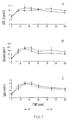
- Plasma GLP-1 concentrations were increased at 30 and 90 min for dogs when fed the HFF vs the LFF diets (see, Fig. 1A).
- Insulin concentrations were increased at 90 min for dogs when fed the HFF vs the LFF diets (see, Fig. 1B).
- Dietary fiber type did not influence blood glucose concentrations at any time points during the OGTT (see, Fig. 1C).
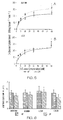
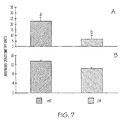
- the incremental area under the curve was significantly higher for GLP-1 (see, Fig. 2A, 988 ⁇ 92 vs 648 ⁇ 92 pmol / L*h, p ⁇ 0.05) and insulin (see, Fig. 2B, 15781 ⁇ 1371 vs.
- Ileal villi heights and crypt depths were not significantly different between dogs fed the HFF vs. LFF diet (1035 ⁇ 45 vs 993 ⁇ 45 ⁇ m and 251 ⁇ 46 vs 357 ⁇ 46 ⁇ m, respectively). Colonic crypt depths were not significantly different (724 ⁇ 33 vs 727 ⁇ 33 ⁇ m) between dogs fed the HFF vs LFF diet, respectively.
- Nutrient uptake The effect of dietary fiber fermentability on nutrient uptake is shown in Table 2. Consumption of HFF resulted in a significantly higher maximum glucose uptake capacity (Vmax) for D-glucose in the jejunum (see, Fig. 5). A significant diet effect was also noted in fatty acid-12 uptake in the jejunum, a measure of unstirred water layer resistance. The Michaelis affinity constant (Km) was not affected by diet. The estimation of paracellular D-glucose uptake, or the Kd for D-glucose as determined by extrapolation of L-glucose uptakes at 16 mM through the origin and normalizing to 1 mM, was not significantly affected by diet. Kd for D-fructose was not affected by diet.
- Glucose Transporters Diet did not affect SGLT-1 mRNA in any of the intestinal segments measured (see, Fig. 6).
- the consumption of HFF vs. LFF diet was associated with higher jejunal SGLT-1 transporter protein abundance (22.2 ⁇ 3.7 vs 6.6 ⁇ 3.7 densitometer units).
- Significant differences due to diet were seen in both jejunal and ileal GLUT2 transporter protein abundance (see, Fig. 8), showing an increase with consumption of HFF vs.
- LFF diet (1.9 ⁇ 0.2 vs. 0.9 ⁇ 0.1 densitometer units and 4.2 ⁇ 0.2 vs. 1.5 ⁇ 0.2 densitometer units, respectively).
- Composition of experimental diets Ingredient Low-Fermentable Fiber (LFF) High Fermentable Fiber (HFF) (g/kg diet as fed) poultry by-product meal 460 460 poultry fat 164 164 fishmeal 122 121 pre-gelled cornstarch 80 110 Menhaden oil 3 3 dried whole egg 40 40 Chicken digest 25 25 vitamin premix 3.2 3.2 mineral premix 2.4 2.4 cellulose 70 ---- beet pulp ---- 60 gum arabic ---- 20 fructooligosaccharides ---- 15 Potassium chloride 2.2 2.1 Calcium chloride 1.9 1.1 Choline chloride 1.1 ---- Sodium chloride 0.3 0.3 Intestinal transport rates in dogs fed highly-fermentable fiber (HFF) versus lowly-fermentable fiber (LFF) diets for 14 days Jejunum Ileum H
- the products of bacterial metabolism of FOS should be available more proximally in the GIT compared to those from beet pulp, which is fermented slower. Furthermore, the two sources of fermentable fiber are designed to yield different concentrations and proportions of SCFA.
- the cellulose Solka Floc was obtained from Fiber and Sales Development Corporation (St. Louis, MO), the beet pulp from Michigan Sugar (Saginaw, MI), and FOS from Golden Technologies Company (Golden, CO).
- the dogs were housed in two groups in separate open kennels. The diets were fed for at least six weeks before surgery was performed. Immediately after surgery the small intestine was removed and the associated mesenteries were severed so the intestine could be straightened on a horizontal surface and length measured in a resting state. Three segments of 25-30 cm in length were removed and immediately placed in cold (2-4°C) Ringers that had been aerated with a mixture of O 2 and CO 2 (95% and 5%). The first segment originated from 30 cm distal to the pylorus and was considered as proximal intestine. The second was taken from the mid point of the small intestine and was designated as mid intestine. The third segment, which started 30 cm from the ileocolonic junction and proceeded proximally, was considered to be representative of distal intestine.
- the passively absorbed isomer L-glucose ( 3 H) was added, allowing for simultaneous correction of D-glucose present in adherent fluids and passively absorbed independent of carriers.
- the tissues were exposed to the nutrient solutions, they were removed from the rods (tissues exposed to glucose were first rinsed for 20 seconds in cold Ringers), and placed in tared vials. After wet weights were recorded, the tissues were solubilized, scintillant added, and associated radioactivity was measured by liquid scintillation counting. Rates of glucose and proline uptake were calculated and expressed as functions of tissue weights.
- the regional distribution of uptake was determined by incubating tissues from each segment in solutions containing 50 mmol/L solutions of glucose or proline. Preliminary studies showed that this concentration is sufficiently high that it saturates the carriers and yields maximal rates of absorption.
- the maximum capacity of the entire length of small intestine to absorb glucose and proline was estimated by summing the products of regional rates of uptake times regional wet weights.
- the percentage of mucosa did not differ between regions (p>0.50) or between treatments in any region (p's>0.70). The averages for all three regions were, respectively, 39% ⁇ 0.02 and 39% ⁇ 0.03 for dogs fed the diets with and without fermentable fiber. Because of greater total intestinal weight, total intestinal mucosa mass was greater in dogs fed the diet with fermentable fiber.
- Values tor glucose uptake represent carrier mediated transport. Rates of uptake at the saturating concentration of 50 mmol/L were highest in the proximal intestine (Fig. 9, p ⁇ 0.05 for region effects), but were not significantly higher in dogs fed the diet with fermentable fiber (p>0.20 for treatment effects). Values for mid and distal intestine did not differ significantly from each other or between treatments.
- Proline uptake by dogs fed the diet with cellulose increased monotonically with proline concentration (Fig. 11), did not show any evidence of saturation kinetics typical of carrier-mediated processes, and were best fit by a linear relationship.
- ratios for the accumulation of tracer proline were calculated at 0.04 mmol/L relative to 50 mmol/L. If carriers are present in limited numbers, the labeled and unlabeled proline would have to compete for carrier sites. This would result in ratios would that would exceed 1.0 because of the reciprocal relationship between accumulation of tracer and nutrient concentration.
- Ratios for dogs fed the diet with cellulose averaged 0.96 ⁇ 0.11 indicating a lack of competition.
- the affinity constant for proline uptake by intact tissues from other vertebrates ranges from about 1 to 5 mmol/L. If the imino transporter of dogs is similar to those known for other mammals, then all of the carriers should be saturated at the concentration of 25 mmol/L. Therefore, any increase in proline absorption between 25 and 50 mmol/L should reflect passive, carrier-independent influx. When the slopes of the lines between 25 and 50 mmol/L were compared, no difference between dogs fed diets A (0.074 ⁇ 0.022 nmol/mg-min-mmol/L) and B (0.054 ⁇ 0.011, p>0.20) could be detected.
- This experiment demonstrates that the intestinal structure and functions of dogs are altered by the types of fibers present in the diet.
- the results demonstrate longer, heavier intestines with more surface area and mucosa result when dogs are fed a diet with fibers that can be readily fermented by the GIT bacteria.
- the responses were more pronounced in the proximal intestine, as evident from the differences in proximal weight and mucosal mass between dogs fed the two diets.
- the lack of difference in the percent of mucosa in proximal intestine, or any other region of the intestine indicates there was an increase in all tissue layers.
Landscapes
- Life Sciences & Earth Sciences (AREA)
- Chemical & Material Sciences (AREA)
- Polymers & Plastics (AREA)
- Engineering & Computer Science (AREA)
- Health & Medical Sciences (AREA)
- Food Science & Technology (AREA)
- Zoology (AREA)
- Animal Husbandry (AREA)
- Animal Behavior & Ethology (AREA)
- Bioinformatics & Cheminformatics (AREA)
- General Chemical & Material Sciences (AREA)
- Medicinal Chemistry (AREA)
- Nuclear Medicine, Radiotherapy & Molecular Imaging (AREA)
- Organic Chemistry (AREA)
- Pharmacology & Pharmacy (AREA)
- Chemical Kinetics & Catalysis (AREA)
- Diabetes (AREA)
- General Health & Medical Sciences (AREA)
- Public Health (AREA)
- Veterinary Medicine (AREA)
- Mycology (AREA)
- Obesity (AREA)
- Birds (AREA)
- Hematology (AREA)
- Biotechnology (AREA)
- Botany (AREA)
- Molecular Biology (AREA)
- Physiology (AREA)
- Endocrinology (AREA)
- Emergency Medicine (AREA)
- Fodder In General (AREA)
- Feed For Specific Animals (AREA)
- Pharmaceuticals Containing Other Organic And Inorganic Compounds (AREA)
- Coloring Foods And Improving Nutritive Qualities (AREA)
- Medicines That Contain Protein Lipid Enzymes And Other Medicines (AREA)
Claims (27)
- Nicht-therapeutisches Verfahren zur Verbesserung des Glucosemetabolismus eines Haustiers, umfassend folgende Schritte:Fütterung des Tiers mit einer Diät enthaltend von 1-11 Gewichtsprozent ergänzender Gesamtnahrungsfaser, wobei die ergänzende Gesamtnahrungsfasern aus einer Mischung von Rübenpulpe, Fructooligosacchariden und Talha-Gummi und/oder Gummiarabikum besteht; und Haltung des Tiers auf der Diät während eines ausreichend langen Zeitraums, um eine Fermentierung der Diät im GIT des Tiers zu gestatten.
- Verfahren nach Anspruch 1, wobei die Diät von 2 bis 10 Gewichtsprozent ergänzender Gesamtnahrungsfasern enthält.
- Verfahren nach Anspruch 1, wobei die Diät von 3 bis 9 Gewichtsprozent ergänzender Gesamtnahrungsfasern enthält.
- Verfahren nach Anspruch 1, wobei die Diät von 4 bis 7 Gewichtsprozent ergänzender Gesamtnahrungsfasern enthält.
- Verfahren nach Anspruch 1, wobei die Gummikomponente Gummiarabikum ist.
- Verfahren nach Anspruch 1, wobei die Gummikomponente Talha-Gummi ist.
- Verfahren nach Anspruch 1, wobei das Verhältnis von Rübenpulpe zu Fructooligosaccharid in der Mischung 3:1 bis 6:1 beträgt.
- Verfahren nach Anspruch 1, wobei das Verhältnis von Rübenpulpe zu Fructooligosaccharid in der Mischung 4:1 beträgt.
- Verfahren nach Anspruch 1, wobei das Verhältnis von Rübenpulpe zu Gummiarabikum zu Fructooligosaccharid 6:2:1,5 beträgt.
- Verfahren nach Anspruch 1, wobei das Verhältnis von Rübenpulpe zu Talha-Gummi zu Fructooligosaccharid 6:2:1,5 beträgt.
- Verfahren nach Anspruch 1, wobei das Tier ein Hund ist.
- Nicht-therapeutisches Verfahren zur Erhöhung der Sekretion von Glucagon-ähnlichem Peptid-1 (GLP-1) im GIT eines Haustiers zur Verbesserung des Glucosemetabolismus und der Sättigung des Tiers, umfassend folgende Schritte: Fütterung des Tiers mit einer Diät enthaltend von 1-11 Gewichtsprozent ergänzender Gesamtnahrungsfaser, wobei die ergänzende Gesamtnahrungsfaser aus einer Mischung von Rübenpulpe, Fructooligosacchariden und Talha-Gummi und/oder Gummiarabikum besteht; und
Haltung des Tiers auf dieser Diät während eines ausreichend langen Zeitraums, um eine Fermentierung der Diät im GIT des Tiers zu gestatten. - Nicht-therapeutisches Verfahren zur Verbesserung der Nährstoffabsorption im GIT eines Haustiers, umfassend folgende Schritte:Fütterung des Tiers mit einer Diät enthaltend von 1-11 Gewichtsprozent ergänzender Gesamtnahrungsfaser, wobei die ergänzende Gesamtnahrungsfaser aus einer Mischung von Rübenpulpe, Fructooligosacchariden und Talha-Gummi und/oder Gummiarabikum besteht; undHaltung des Tiers auf der Diät während eines ausreichend langen Zeitraums, um eine Fermentierung der Diät im GIT des Tiers zu gestatten, um den Transport von D-Glucose und Laurinsäure im GIT des Tiers zu erhöhen.
- Anwendung einer Zusammensetzung enthaltend von 1-11 Gewichtsprozent ergänzender Gesamtnahrungsfaser, bestehend aus einer Mischung von Rübenpulpe, Fructooligosacchariden und Talha-Gummi und/oder Gummiarabikum, in der Aufbereitung eines Medikaments zur Verbesserung des Glucosemetabolismus durch Haltung des Tiers auf der Diät während eines ausreichend langen Zeitraums, um eine Fermentierung der Diät im GIT zu gestatten.
- Anwendung einer Zusammensetzung enthaltend von 1-11 Gewichtsprozent ergänzender Gesamtnahrungsfaser, bestehend aus einer Mischung von Rübenpulpe, Fructooligosacchariden und Talha-Gummi und/oder Gummiarabikum, in der Aufbereitung eines Medikaments zur Erhöhung der Sekretion von Glucagon-ähnlichem Peptid-1 (GLP-1) im GIT eines Haustiers zur Verbesserung des Glucosemetabolismus und der Sättigung durch Haltung des Tiers auf der Diät während eines ausreichend langen Zeitraums, um eine Fermentierung der Diät im GIT zu gestatten.
- Anwendung einer Zusammensetzung enthaltend von 1-11 Gewichtsprozent ergänzender Gesamtnahrungsfaser, bestehend aus einer Mischung von Rübenpulpe, Fructooligosacchariden und Talha-Gummi und/oder Gummiarabikum, in der Aufbereitung eines Medikaments zur Verbesserung der Nährstoffabsorption im GIT eines Haustiers zur Verbesserung des Glucosemetabolismus durch Haltung des Tiers auf der Diät während eines ausreichend langen Zeitraums, um eine Fermentierung der Mischung im GIT zu gestatten, um den Transport von D-Glucose und Laurinsäure im GIT des Tiers zu erhöhen.
- Anwendung einer Zusammensetzung enthaltend von 1-11 Gewichtsprozent ergänzender Gesamtnahrungsfaser, bestehend aus einer Mischung von Rübenpulpe, Fructooligosacchariden und Talha-Gummi und/oder Gummiarabikum, in der Aufbereitung eines Medikaments zur Behandlung exokriner Pankreasinsuffizienz durch Haltung des Tiers auf der Diät während eines ausreichend langen Zeitraums, um eine Fermentierung der Mischung im GIT des Tiers zu gestatten, um die Nährstoffabsorption und den Transport von D-Glucose und Laurinsäure im GIT zu erhöhen.
- Anwendung nach einem der Ansprüche 14 bis 17, wobei die Zusammensetzung von 2 bis 10 Gewichtsprozent ergänzender Gesamtnahrungsfasern der Mischung enthält.
- Anwendung nach einem der Ansprüche 14 bis 17, wobei die Zusammensetzung von 3 bis 9 Gewichtsprozent ergänzender Gesamtnahrungsfasern der Mischung enthält.
- Anwendung nach einem der Ansprüche 14 bis 17, wobei die Zusammensetzung von 4 bis 7 Gewichtsprozent ergänzender Gesamtnahrungsfasern der Mischung enthält.
- Anwendung nach einem der Ansprüche 14 bis 17, wobei die Gummikomponente Gummiarabikum ist.
- Anwendung nach einem der Ansprüche 14 bis 17, wobei die Gummikomponente Talha-Gummi ist.
- Anwendung nach einem der Ansprüche 14 bis 17, wobei das Verhältnis von Rübenpulpe zu Fructooligosaccharid in der Mischung 3:1 bis 6:1 beträgt.
- Anwendung nach einem der Ansprüche 14 bis 17, wobei das Verhältnis von Rübenpulpe zu Fructooligosaccharid in der Mischung 4:1 beträgt.
- Anwendung nach einem der Ansprüche 14 bis 17, wobei das Verhältnis von Rübenpulpe zu Gummiarabikum zu Fructooligosaccharid 6:2:1,5 beträgt.
- Anwendung nach einem der Ansprüche 14 bis 17, wobei das Verhältnis von Rübenpulpe zu Talha-Gummi zu Fructooligosaccharid 6:2:1,5 beträgt.
- Anwendung nach einem der Ansprüche 14 bis 17, wobei das Tier ein Hund ist.
Applications Claiming Priority (3)
| Application Number | Priority Date | Filing Date | Title |
|---|---|---|---|
| US4295797P | 1997-04-07 | 1997-04-07 | |
| PCT/US1998/006893 WO1998044932A1 (en) | 1997-04-07 | 1998-04-06 | Process for improving glucose metabolism, satiety, and nutrient absorption in companion animals |
| US42957P | 2008-04-07 |
Publications (2)
| Publication Number | Publication Date |
|---|---|
| EP0967985A1 EP0967985A1 (de) | 2000-01-05 |
| EP0967985B1 true EP0967985B1 (de) | 2005-06-15 |
Family
ID=21924665
Family Applications (1)
| Application Number | Title | Priority Date | Filing Date |
|---|---|---|---|
| EP98913414A Revoked EP0967985B1 (de) | 1997-04-07 | 1998-04-06 | Verfahren zur verbesserung des glukosemetabolismus, sättigungsgefühles, und nährstoffabsorption in haustieren |
Country Status (12)
| Country | Link |
|---|---|
| US (4) | US6180131B1 (de) |
| EP (1) | EP0967985B1 (de) |
| JP (2) | JP2000513583A (de) |
| CN (1) | CN1203863C (de) |
| AT (1) | ATE297741T1 (de) |
| AU (1) | AU734098B2 (de) |
| BR (1) | BR9807935A (de) |
| CA (1) | CA2286299C (de) |
| DE (1) | DE69830569T2 (de) |
| NZ (1) | NZ337829A (de) |
| TR (1) | TR199902485T2 (de) |
| WO (1) | WO1998044932A1 (de) |
Families Citing this family (37)
| Publication number | Priority date | Publication date | Assignee | Title |
|---|---|---|---|---|
| CN1203863C (zh) * | 1997-04-07 | 2005-06-01 | Iams公司 | 含可发酵纤维的宠物食品组合物的用途 |
| US5932258A (en) * | 1998-04-06 | 1999-08-03 | The Iams Company | Composition and process for improving glucose metabolism in companion animals |
| ES2203245T3 (es) * | 1998-09-02 | 2004-04-01 | Heska Corporation | Metodo y composicion para proteger un carnivoro obligado de una enfermedad de metabolismo anormal de carbohidratos. |
| US20040022828A1 (en) * | 1999-02-23 | 2004-02-05 | Sunvold Gregory D | Use of carbohydrate source to limit weight gain in cats |
| US6630159B2 (en) | 1999-02-23 | 2003-10-07 | The Procter & Gamble Company | Limiting weight gain of cats by feeding carbohydrate source that excludes rice |
| AU778193B2 (en) * | 1999-09-06 | 2004-11-18 | Effem Foods Pty Ltd | Food product and process for manufacturing same |
| CN100342796C (zh) | 1999-09-06 | 2007-10-17 | 埃弗姆食品有限公司 | 食品及其制备方法 |
| US8178150B2 (en) | 2000-02-22 | 2012-05-15 | Suzanne Jaffe Stillman | Water containing soluble fiber |
| US7115297B2 (en) | 2000-02-22 | 2006-10-03 | Suzanne Jaffe Stillman | Nutritionally fortified liquid composition with added value delivery systems/elements/additives |
| US7892586B2 (en) | 2001-02-22 | 2011-02-22 | Suzanne Jaffe Stillman | Water containing soluble fiber |
| US8642051B2 (en) | 2000-03-21 | 2014-02-04 | Suzanne Jaffe Stillman | Method of hydration; infusion packet system(s), support member(s), delivery system(s), and method(s); with business model(s) and Method(s) |
| WO2002071865A1 (en) * | 2001-03-09 | 2002-09-19 | Land O'lakes Farmland Feed Llc | Method of feeding a ruminant |
| JP5214831B2 (ja) * | 2001-05-30 | 2013-06-19 | ユニチカ株式会社 | 肥満防止用ペットフード及びその製造方法並びにペットの肥満防止方法 |
| JP2003104900A (ja) * | 2001-09-28 | 2003-04-09 | Univ Nihon | ビートパルプ摂取抑制剤 |
| CA2466228A1 (en) * | 2001-11-09 | 2003-08-07 | Biomedicines, Inc. | Method for treating diseases with omega interferon |
| US20040018959A1 (en) * | 2002-05-02 | 2004-01-29 | Randall S. Hickle | System and methods of lipid removal from the body |
| US7482116B2 (en) | 2002-06-07 | 2009-01-27 | Dna Genotek Inc. | Compositions and methods for obtaining nucleic acids from sputum |
| US20060204636A1 (en) * | 2002-12-23 | 2006-09-14 | Butterwick Richard F | Food for gastrointestinal health |
| US8034372B2 (en) * | 2003-03-05 | 2011-10-11 | Nestec, Ltd. | Dietary supplement for athletic pets |
| WO2005036971A1 (en) * | 2003-10-16 | 2005-04-28 | Techcom Group, Llc | Reduced digestible carbohydrate food having reduced blood glucose response |
| US20050118234A1 (en) * | 2003-12-01 | 2005-06-02 | The Iams Company | Methods and kits related to administration of a fructooligosaccharide |
| US20050119222A1 (en) | 2003-12-01 | 2005-06-02 | The Iams Company | Compositions comprising fermentable fiber which are adapted for use by a companion animal and kits and methods of their use |
| US7393903B2 (en) * | 2004-08-04 | 2008-07-01 | Guerry Grune | Devices and methods for the rapid, reliable detection and determination of acrylamide concentration in food substances and prevention of acrylamide formation in the same |
| US8221381B2 (en) | 2005-12-09 | 2012-07-17 | Dna Genotek Inc. | Container system for releasably storing a substance |
| RU2392830C2 (ru) | 2006-01-23 | 2010-06-27 | Хилл`С Пет Ньютришн, Инк. | Способы снижения потребления корма и контролирования веса животных |
| FR2903860B1 (fr) * | 2006-07-21 | 2010-12-31 | Royal Canin Sa | Aliment sec pour reduire l'appetit des chiens |
| US20080038432A1 (en) * | 2006-08-14 | 2008-02-14 | Hoffman Andrew J | Food Additive Comprising at Least One Fiber Source and at Least One Monosaccharide or Sugar Alcohol |
| US9420807B2 (en) * | 2007-04-02 | 2016-08-23 | Purina Animal Nutrition Llc | Method of feeding young monogastric mammals and composition fed to young monogastric mammals |
| EP2190303A1 (de) | 2007-09-12 | 2010-06-02 | Københavns Universitet | Zusammensetzungen und methoden zur verstärkung der hungerunterdrückung und zum reduzieren der verdaulichkeit der nichtfettenergiesättigung |
| US20090123580A1 (en) * | 2007-10-17 | 2009-05-14 | Nutracea | Methods for treating obesity, insulin resistance and inducing satiety |
| CN102469812A (zh) * | 2009-07-21 | 2012-05-23 | 希尔氏宠物营养品公司 | 陪伴动物营养系统 |
| WO2012177656A2 (en) | 2011-06-19 | 2012-12-27 | Abogen, Inc. | Devices, solutions and methods for sample collection |
| US9392814B2 (en) | 2014-06-06 | 2016-07-19 | Nicholas J. Singer | Delivery system for drinks |
| JP2017532978A (ja) * | 2014-11-03 | 2017-11-09 | スペスィアリテ、ペット、フードSpecialites Pet Food | 嗜好性ドライキャットフードおよびその製造方法 |
| AU2016219070B2 (en) | 2015-02-13 | 2020-06-11 | Mars, Incorporated | Pet food feeding system |
| USD773313S1 (en) | 2015-06-23 | 2016-12-06 | Nicholas J. Singer | Package |
| TW202529796A (zh) * | 2023-11-22 | 2025-08-01 | 大陸商杭州中美華東製藥有限公司 | Glp-1r/gipr雙標靶激動劑在製備動物藥的用途 |
Family Cites Families (6)
| Publication number | Priority date | Publication date | Assignee | Title |
|---|---|---|---|---|
| US5616569A (en) | 1994-03-28 | 1997-04-01 | The Iams Company | Pet food product containing fermentable fibers and process for treating gastrointestinal disorders |
| US5776524A (en) * | 1996-10-30 | 1998-07-07 | The Iams Company | Process for treating small intestine bacterial overgrowth in animals |
| BR9809046A (pt) * | 1997-03-13 | 2000-08-01 | Abbott Lab | Fórmula nutricional contendo proteìna hidrolisada e uma mistura de fibras |
| US5965175A (en) * | 1997-03-27 | 1999-10-12 | The Iams Company | Composition and method for repartitioning nitrogen and increasing colonic blood flow in dogs to promote intestinal health |
| US5958898A (en) * | 1997-04-07 | 1999-09-28 | The Iams Company | Process for altering the function and composition of gut associated lymphoid tissue in an animal |
| CN1203863C (zh) * | 1997-04-07 | 2005-06-01 | Iams公司 | 含可发酵纤维的宠物食品组合物的用途 |
-
1998
- 1998-04-06 CN CNB988039362A patent/CN1203863C/zh not_active Expired - Fee Related
- 1998-04-06 DE DE69830569T patent/DE69830569T2/de not_active Expired - Lifetime
- 1998-04-06 JP JP10543039A patent/JP2000513583A/ja active Pending
- 1998-04-06 US US09/055,790 patent/US6180131B1/en not_active Ceased
- 1998-04-06 CA CA002286299A patent/CA2286299C/en not_active Expired - Lifetime
- 1998-04-06 AU AU67969/98A patent/AU734098B2/en not_active Expired
- 1998-04-06 NZ NZ337829A patent/NZ337829A/xx unknown
- 1998-04-06 AT AT98913414T patent/ATE297741T1/de not_active IP Right Cessation
- 1998-04-06 EP EP98913414A patent/EP0967985B1/de not_active Revoked
- 1998-04-06 WO PCT/US1998/006893 patent/WO1998044932A1/en not_active Ceased
- 1998-04-06 BR BR9807935-2A patent/BR9807935A/pt not_active IP Right Cessation
- 1998-04-06 TR TR1999/02485T patent/TR199902485T2/xx unknown
-
2000
- 2000-11-27 US US09/723,163 patent/US6475512B1/en not_active Expired - Lifetime
-
2001
- 2001-07-02 US US09/897,672 patent/USRE38112E1/en not_active Expired - Lifetime
-
2002
- 2002-08-07 US US10/213,944 patent/US6818225B2/en not_active Expired - Lifetime
-
2006
- 2006-11-16 JP JP2006337608A patent/JP2007105051A/ja active Pending
Also Published As
| Publication number | Publication date |
|---|---|
| CA2286299A1 (en) | 1998-10-15 |
| CN1251995A (zh) | 2000-05-03 |
| US6818225B2 (en) | 2004-11-16 |
| DE69830569T2 (de) | 2006-05-11 |
| AU734098B2 (en) | 2001-06-07 |
| AU6796998A (en) | 1998-10-30 |
| EP0967985A1 (de) | 2000-01-05 |
| ATE297741T1 (de) | 2005-07-15 |
| JP2007105051A (ja) | 2007-04-26 |
| US20020197275A1 (en) | 2002-12-26 |
| DE69830569D1 (de) | 2005-07-21 |
| CN1203863C (zh) | 2005-06-01 |
| CA2286299C (en) | 2005-06-21 |
| WO1998044932A1 (en) | 1998-10-15 |
| TR199902485T2 (xx) | 2000-05-22 |
| US6180131B1 (en) | 2001-01-30 |
| USRE38112E1 (en) | 2003-05-06 |
| BR9807935A (pt) | 2000-02-22 |
| JP2000513583A (ja) | 2000-10-17 |
| NZ337829A (en) | 2001-03-30 |
| US6475512B1 (en) | 2002-11-05 |
Similar Documents
| Publication | Publication Date | Title |
|---|---|---|
| EP0967985B1 (de) | Verfahren zur verbesserung des glukosemetabolismus, sättigungsgefühles, und nährstoffabsorption in haustieren | |
| WO1998044932A9 (en) | Process for improving glucose metabolism, satiety, and nutrient absorption in companion animals | |
| JP2000513583A5 (de) | ||
| RU2181954C2 (ru) | Кормовой продукт для домашних животных | |
| Carré et al. | Contribution of oligosaccharide and polysaccharide digestion, and excreta losses of lactic acid and short chain fatty acids, to dietary metabolisable energy values in broiler chickens and adult cockerels | |
| Choct | Non-starch polysaccharides: effect on nutritive value. | |
| CA2439635C (en) | Use of carbohydrate source to limit weight gain in cats | |
| US8142810B2 (en) | Dietary method for modulating glucose metabolism and associated conditions and increasing longevity | |
| Karlsson et al. | Effect of molassed sugar beet pulp on nutrient utilisation and metabolic parameters during exercise | |
| Oltramari et al. | Performance and metabolism of dairy calves fed starter feed containing citrus pulp as a replacement for corn | |
| Spears et al. | Pullulans and γ-cyclodextrin affect apparent digestibility and metabolism in healthy adult ileal cannulated dogs | |
| Kempe et al. | Effect of linseed cake supplementation on digestibility and faecal and haematological parameters in dogs | |
| De Lange | Overview of determinants of the nutritional value of feed ingredients | |
| Meenongyai et al. | Effects of various levels of coated cysteamine hydrochloride in the diet on feed intake, digestibility, ruminal fermentation, and blood metabolites in growing Charolais crossbred cattle | |
| Pacheco Delahaye et al. | Plant starches and oils. Their influence on digestion in rats | |
| Olsson | Serum bile acids in cattle: diurnal variations and variations due to stage of lactation | |
| Onilude et al. | Effect of fungal enzyme mixture supplementation of various fibre-containing diets fed to broiler chicks 2: On blood, liver and kidney total lipids, triacylglycerols and cholesterol | |
| Zhou et al. | Effects of force‐feeding and dietary cereals on gastrointestinal size, intestinal absorptive ability and endogenous nitrogen in ducks | |
| US20040022828A1 (en) | Use of carbohydrate source to limit weight gain in cats | |
| Marounek | Nitrogen and in vitro fermentation of nitrogenous substrates in caecal contents of the pig | |
| MXPA99008980A (en) | Process for improving glucose metabolism, satiety, and nutrient absorption in companion animals | |
| Mollah | Metabolizable energy of poultry diets in relation to cereal carbohydrates and their interactions | |
| HK1026852A (en) | Process for improving glucose metabolism, satiety and nutrient absorption in companion animals | |
| Peng et al. | Effects of feeding xylose on the growth of broilers and nutrient digestibility as well as absorption of xylose in the portal-drained viscera | |
| Quilliam | THE EFFECTS OF FEEDING PULSE-BASED, GRAIN-FREE, DIETS ON DIGESTIBILITY, GLYCEMIC RESPONSE, AND CARDIOVASCULAR HEALTH IN DOMESTIC DOGS |
Legal Events
| Date | Code | Title | Description |
|---|---|---|---|
| PUAI | Public reference made under article 153(3) epc to a published international application that has entered the european phase |
Free format text: ORIGINAL CODE: 0009012 |
|
| 17P | Request for examination filed |
Effective date: 19991029 |
|
| AK | Designated contracting states |
Kind code of ref document: A1 Designated state(s): AT BE CH CY DE DK ES FI FR GB GR IE IT LI LU MC NL PT SE |
|
| 17Q | First examination report despatched |
Effective date: 20020521 |
|
| RIC1 | Information provided on ipc code assigned before grant |
Ipc: 7A 61P 3/08 B Ipc: 7A 23K 1/18 B Ipc: 7A 23K 1/16 B Ipc: 7A 61K 45/06 B Ipc: 7A 61K 31/715 A |
|
| RIC1 | Information provided on ipc code assigned before grant |
Ipc: 7A 61P 3/08 B Ipc: 7A 23K 1/18 B Ipc: 7A 23K 1/16 B Ipc: 7A 61K 45/06 B Ipc: 7A 61K 31/715 A |
|
| GRAP | Despatch of communication of intention to grant a patent |
Free format text: ORIGINAL CODE: EPIDOSNIGR1 |
|
| RIC1 | Information provided on ipc code assigned before grant |
Ipc: 7A 61P 3/08 B Ipc: 7A 23K 1/18 B Ipc: 7A 23K 1/16 B Ipc: 7A 61K 45/06 B Ipc: 7A 61K 31/715 A |
|
| RIC1 | Information provided on ipc code assigned before grant |
Ipc: 7A 61P 3/08 B Ipc: 7A 23K 1/18 B Ipc: 7A 23K 1/16 B Ipc: 7A 61K 45/06 B Ipc: 7A 61K 31/715 A |
|
| GRAS | Grant fee paid |
Free format text: ORIGINAL CODE: EPIDOSNIGR3 |
|
| GRAA | (expected) grant |
Free format text: ORIGINAL CODE: 0009210 |
|
| AK | Designated contracting states |
Kind code of ref document: B1 Designated state(s): AT BE CH CY DE DK ES FI FR GB GR IE IT LI LU MC NL PT SE |
|
| PG25 | Lapsed in a contracting state [announced via postgrant information from national office to epo] |
Ref country code: LI Free format text: LAPSE BECAUSE OF FAILURE TO SUBMIT A TRANSLATION OF THE DESCRIPTION OR TO PAY THE FEE WITHIN THE PRESCRIBED TIME-LIMIT Effective date: 20050615 Ref country code: IT Free format text: LAPSE BECAUSE OF FAILURE TO SUBMIT A TRANSLATION OF THE DESCRIPTION OR TO PAY THE FEE WITHIN THE PRESCRIBED TIME-LIMIT;WARNING: LAPSES OF ITALIAN PATENTS WITH EFFECTIVE DATE BEFORE 2007 MAY HAVE OCCURRED AT ANY TIME BEFORE 2007. THE CORRECT EFFECTIVE DATE MAY BE DIFFERENT FROM THE ONE RECORDED. Effective date: 20050615 Ref country code: FI Free format text: LAPSE BECAUSE OF FAILURE TO SUBMIT A TRANSLATION OF THE DESCRIPTION OR TO PAY THE FEE WITHIN THE PRESCRIBED TIME-LIMIT Effective date: 20050615 Ref country code: CH Free format text: LAPSE BECAUSE OF FAILURE TO SUBMIT A TRANSLATION OF THE DESCRIPTION OR TO PAY THE FEE WITHIN THE PRESCRIBED TIME-LIMIT Effective date: 20050615 Ref country code: BE Free format text: LAPSE BECAUSE OF FAILURE TO SUBMIT A TRANSLATION OF THE DESCRIPTION OR TO PAY THE FEE WITHIN THE PRESCRIBED TIME-LIMIT Effective date: 20050615 Ref country code: AT Free format text: LAPSE BECAUSE OF FAILURE TO SUBMIT A TRANSLATION OF THE DESCRIPTION OR TO PAY THE FEE WITHIN THE PRESCRIBED TIME-LIMIT Effective date: 20050615 |
|
| REG | Reference to a national code |
Ref country code: GB Ref legal event code: FG4D Ref country code: CH Ref legal event code: EP |
|
| REF | Corresponds to: |
Ref document number: 69830569 Country of ref document: DE Date of ref document: 20050721 Kind code of ref document: P |
|
| REG | Reference to a national code |
Ref country code: IE Ref legal event code: FG4D |
|
| PG25 | Lapsed in a contracting state [announced via postgrant information from national office to epo] |
Ref country code: SE Free format text: LAPSE BECAUSE OF FAILURE TO SUBMIT A TRANSLATION OF THE DESCRIPTION OR TO PAY THE FEE WITHIN THE PRESCRIBED TIME-LIMIT Effective date: 20050915 Ref country code: GR Free format text: LAPSE BECAUSE OF FAILURE TO SUBMIT A TRANSLATION OF THE DESCRIPTION OR TO PAY THE FEE WITHIN THE PRESCRIBED TIME-LIMIT Effective date: 20050915 Ref country code: DK Free format text: LAPSE BECAUSE OF FAILURE TO SUBMIT A TRANSLATION OF THE DESCRIPTION OR TO PAY THE FEE WITHIN THE PRESCRIBED TIME-LIMIT Effective date: 20050915 |
|
| PG25 | Lapsed in a contracting state [announced via postgrant information from national office to epo] |
Ref country code: PT Free format text: LAPSE BECAUSE OF FAILURE TO SUBMIT A TRANSLATION OF THE DESCRIPTION OR TO PAY THE FEE WITHIN THE PRESCRIBED TIME-LIMIT Effective date: 20051123 |
|
| REG | Reference to a national code |
Ref country code: CH Ref legal event code: PL |
|
| PLBI | Opposition filed |
Free format text: ORIGINAL CODE: 0009260 |
|
| PG25 | Lapsed in a contracting state [announced via postgrant information from national office to epo] |
Ref country code: IE Free format text: LAPSE BECAUSE OF NON-PAYMENT OF DUE FEES Effective date: 20060406 |
|
| ET | Fr: translation filed | ||
| PLAX | Notice of opposition and request to file observation + time limit sent |
Free format text: ORIGINAL CODE: EPIDOSNOBS2 |
|
| PG25 | Lapsed in a contracting state [announced via postgrant information from national office to epo] |
Ref country code: MC Free format text: LAPSE BECAUSE OF NON-PAYMENT OF DUE FEES Effective date: 20060430 |
|
| 26 | Opposition filed |
Opponent name: NESTEC S.A. Effective date: 20060315 |
|
| NLR1 | Nl: opposition has been filed with the epo |
Opponent name: NESTEC S.A. |
|
| PLAF | Information modified related to communication of a notice of opposition and request to file observations + time limit |
Free format text: ORIGINAL CODE: EPIDOSCOBS2 |
|
| PG25 | Lapsed in a contracting state [announced via postgrant information from national office to epo] |
Ref country code: NL Free format text: LAPSE BECAUSE OF NON-PAYMENT OF DUE FEES Effective date: 20061101 |
|
| PLBB | Reply of patent proprietor to notice(s) of opposition received |
Free format text: ORIGINAL CODE: EPIDOSNOBS3 |
|
| NLV4 | Nl: lapsed or anulled due to non-payment of the annual fee |
Effective date: 20061101 |
|
| REG | Reference to a national code |
Ref country code: IE Ref legal event code: MM4A |
|
| PG25 | Lapsed in a contracting state [announced via postgrant information from national office to epo] |
Ref country code: LU Free format text: LAPSE BECAUSE OF NON-PAYMENT OF DUE FEES Effective date: 20060406 |
|
| PG25 | Lapsed in a contracting state [announced via postgrant information from national office to epo] |
Ref country code: CY Free format text: LAPSE BECAUSE OF FAILURE TO SUBMIT A TRANSLATION OF THE DESCRIPTION OR TO PAY THE FEE WITHIN THE PRESCRIBED TIME-LIMIT Effective date: 20050615 |
|
| PG25 | Lapsed in a contracting state [announced via postgrant information from national office to epo] |
Ref country code: ES Free format text: LAPSE BECAUSE OF NON-PAYMENT OF DUE FEES Effective date: 20060430 |
|
| APBM | Appeal reference recorded |
Free format text: ORIGINAL CODE: EPIDOSNREFNO |
|
| APBP | Date of receipt of notice of appeal recorded |
Free format text: ORIGINAL CODE: EPIDOSNNOA2O |
|
| APAH | Appeal reference modified |
Free format text: ORIGINAL CODE: EPIDOSCREFNO |
|
| APBQ | Date of receipt of statement of grounds of appeal recorded |
Free format text: ORIGINAL CODE: EPIDOSNNOA3O |
|
| PGFP | Annual fee paid to national office [announced via postgrant information from national office to epo] |
Ref country code: DE Payment date: 20120430 Year of fee payment: 15 |
|
| REG | Reference to a national code |
Ref country code: DE Ref legal event code: R103 Ref document number: 69830569 Country of ref document: DE Ref country code: DE Ref legal event code: R064 Ref document number: 69830569 Country of ref document: DE |
|
| APBU | Appeal procedure closed |
Free format text: ORIGINAL CODE: EPIDOSNNOA9O |
|
| RDAF | Communication despatched that patent is revoked |
Free format text: ORIGINAL CODE: EPIDOSNREV1 |
|
| PGFP | Annual fee paid to national office [announced via postgrant information from national office to epo] |
Ref country code: GB Payment date: 20130326 Year of fee payment: 16 |
|
| RDAG | Patent revoked |
Free format text: ORIGINAL CODE: 0009271 |
|
| STAA | Information on the status of an ep patent application or granted ep patent |
Free format text: STATUS: PATENT REVOKED |
|
| 27W | Patent revoked |
Effective date: 20121219 |
|
| GBPR | Gb: patent revoked under art. 102 of the ep convention designating the uk as contracting state |
Effective date: 20121219 |
|
| REG | Reference to a national code |
Ref country code: DE Ref legal event code: R107 Ref document number: 69830569 Country of ref document: DE Effective date: 20130801 |
|
| PGFP | Annual fee paid to national office [announced via postgrant information from national office to epo] |
Ref country code: FR Payment date: 20130417 Year of fee payment: 16 |