EP0968295B1 - Vecteurs presentant une expression amelioree, procedes de realisation et utilisations desdits vecteurs - Google Patents
Vecteurs presentant une expression amelioree, procedes de realisation et utilisations desdits vecteurs Download PDFInfo
- Publication number
- EP0968295B1 EP0968295B1 EP98908723A EP98908723A EP0968295B1 EP 0968295 B1 EP0968295 B1 EP 0968295B1 EP 98908723 A EP98908723 A EP 98908723A EP 98908723 A EP98908723 A EP 98908723A EP 0968295 B1 EP0968295 B1 EP 0968295B1
- Authority
- EP
- European Patent Office
- Prior art keywords
- expression
- vector
- virus
- promoter
- nucleic acid
- Prior art date
- Legal status (The legal status is an assumption and is not a legal conclusion. Google has not performed a legal analysis and makes no representation as to the accuracy of the status listed.)
- Expired - Lifetime
Links
Images








Classifications
-
- C—CHEMISTRY; METALLURGY
- C12—BIOCHEMISTRY; BEER; SPIRITS; WINE; VINEGAR; MICROBIOLOGY; ENZYMOLOGY; MUTATION OR GENETIC ENGINEERING
- C12N—MICROORGANISMS OR ENZYMES; COMPOSITIONS THEREOF; PROPAGATING, PRESERVING, OR MAINTAINING MICROORGANISMS; MUTATION OR GENETIC ENGINEERING; CULTURE MEDIA
- C12N15/00—Mutation or genetic engineering; DNA or RNA concerning genetic engineering, vectors, e.g. plasmids, or their isolation, preparation or purification; Use of hosts therefor
- C12N15/09—Recombinant DNA-technology
- C12N15/63—Introduction of foreign genetic material using vectors; Vectors; Use of hosts therefor; Regulation of expression
- C12N15/67—General methods for enhancing the expression
-
- A—HUMAN NECESSITIES
- A61—MEDICAL OR VETERINARY SCIENCE; HYGIENE
- A61P—SPECIFIC THERAPEUTIC ACTIVITY OF CHEMICAL COMPOUNDS OR MEDICINAL PREPARATIONS
- A61P37/00—Drugs for immunological or allergic disorders
- A61P37/02—Immunomodulators
- A61P37/04—Immunostimulants
-
- C—CHEMISTRY; METALLURGY
- C12—BIOCHEMISTRY; BEER; SPIRITS; WINE; VINEGAR; MICROBIOLOGY; ENZYMOLOGY; MUTATION OR GENETIC ENGINEERING
- C12N—MICROORGANISMS OR ENZYMES; COMPOSITIONS THEREOF; PROPAGATING, PRESERVING, OR MAINTAINING MICROORGANISMS; MUTATION OR GENETIC ENGINEERING; CULTURE MEDIA
- C12N15/00—Mutation or genetic engineering; DNA or RNA concerning genetic engineering, vectors, e.g. plasmids, or their isolation, preparation or purification; Use of hosts therefor
- C12N15/09—Recombinant DNA-technology
- C12N15/63—Introduction of foreign genetic material using vectors; Vectors; Use of hosts therefor; Regulation of expression
- C12N15/79—Vectors or expression systems specially adapted for eukaryotic hosts
- C12N15/85—Vectors or expression systems specially adapted for eukaryotic hosts for animal cells
Definitions
- the present invention relates to enhanced vectors, and methods of using them.
- the vectors can have enhanced translation and/or expression, e.g., translation and/or expression from a nucleotide sequence of interest.
- DNA such as plasmids or naked DNA
- other vectors such as viral vectors, e.g., vaccinia virus and more recently other poxviruses
- viral vectors e.g., vaccinia virus and more recently other poxviruses
- the basic technique of inserting foreign genes into live infectious poxvirus involves recombination between pox DNA sequences flanking a foreign genetic element in a donor plasmid and homologous sequences present donor plasmid and homologous sequences present in the rescuing poxvirus (Piccini et al., 1987).
- Recombinant poxviruses are constructed in steps known as in or analogous to methods in U.S. Patent Nos.
- a desire in vector development is attenuated vectors, e.g., for enhanced safety; for instance, so that the vector may be employed in an immunological or vaccine composition.
- the NYVAC vector derived by deletion of specific virulence and host-range genes from the Copenhagen strain of vaccinia (Tartaglia et al., 1992) has proven useful as a recombinant vector in eliciting a protective immune response against an expressed foreign antigen.
- the ALVAC vector a vaccine strain of canarypox virus, has also proven effective as a recombinant viral vaccine vector (Perkus et al., 1995). In non-avian hosts, both these vectors do not productively replicate (with some exceptions as to NYVAC).
- poxviruses Since all poxviruses replicate in the cytoplasm and encode most, if not all of the proteins required for viral transcription (Moss 1990), appropriately engineered foreign coding sequences under the control of poxvirus promoters are transcribed and translated in the absence of productive viral replication.
- Objects of the present invention may include at least one of: providing a method for increasing translation and/or expression from at least one nucleotide sequence of interest by a vector, such as a coding nucleotide sequence by a vector; a vector having enhanced translation; providing a method for preparing a vector having enhanced translation and/or expression; providing a method for enhancing translation and/or expression from a vector; providing an improved ALVAC vectors.
- the invention therefore provides a vector for enhanced expression of at least one first nucleotide sequence in a cell.
- the vector is a modified ALVAC which comprises a first nucleotide sequence.
- the vector is also modified to comprise the vaccinia K3L and E3L open reading frames referred to as the second nucleotide sequence encoding a translation factor.
- the vector is employed in a cell in which enhanced translation results from the translation factor.
- the first nucleotide sequence can be operably linked to a first promoter and the second nucleotide sequence can be operably linked to a second promoter, and the first and second promoters are preferably functional substantially co-temporally or contemporaneously.
- the first and second nucleotide sequences can be at different loci within the vector.
- the first and second nucleotide sequences also can be at the same locus within the vector, using the first and second promoters; or, by the first nucleotide sequence and the second nucleotide sequence being operably linked to a promoter.
- the translation factor can effect inhibition of eIF-2 ⁇ phosphorylation or inhibition of PKR phosphorylation or otherwise sequesters dsRNA leading to an increase of the effective concentration of dsRNA.
- the second nucleotide sequence comprises the K3L open reading frame and an E3L open reading frame.
- the first nucleotide sequence can be selected from the group of sequences encoding an epitope of interest, a biological response modulator, a growth factor, a recognition sequence, a therapeutic gene and a fusion protein.
- the vector can be the attenuated virus ALVAC.
- the invention further describes a method for preparing a an inventive vector comprising modifying the vector to comprise the at least said second nucleotide secquence and said first nucleotide sequence.
- the vector is so modified that there is substantially co-temporal or contemporaneous expression of the first and second nucleotide sequences; and, more preferably, the vector is also so modified that the translation factor is with respect to the cell in which the vector is to be employed.
- the described method can comprise operably linking the first nucleotide sequence to a first promoter and the second nucleotide sequence to a second promoter, wherein the first and second promoters are functional substantially co-temporally or contemporaneously.
- the method can also comprise operably linking the first and second nucleotide sequences to a promoter.
- the invention further provides an immunological, vaccine or therapeutic composition comprising at least one inventive vector and a pharmaceutically acceptable carrier or diluent.
- a method for generating an immunological or therapeutic response in a host comprising administering to the host at least one inventive composition.
- the method comprises modifying the vector to comprise at least one second nucleotide sequence encoding a translation factor.
- the method comprises modifying the vector to comprise at least one second nucleotide sequence encoding a translation factor.
- Expression of the second nucleotide sequence enhances expression of the first nucleotide sequence by enhancing translation.
- a method for expressing at least one gene product in vitro comprising infecting, or transfecting, a suitable cell with at least one inventive vector.
- the products therefrom can be an epitope of interest, which can be useful in formulating therapeutic, immunological or vaccine compositions; or, for generating antibodies such as monoclonal antibodies; or, in assays, kits, tests and the like, such as diagnostic compositions, e.g., for detection of antibodies.
- compositions and methods for in vitro translation and/or expression involving at least one inventive vector e.g., methods for producing a gene product (which can be used as an antigen or epitope in a therapeutic, immunological or vaccine composition, or in a diagnostic or detection kit, assay or method, e.g., to ascertain the presence or absence of antibodies, or to generate antibodies, such as monoclonal antibodies, e.g., for use in a diagnostic or detection kit, assay or method), and/or for ex vivo translation and/or expression involving at least one inventive vector, e.g., methods for producing a gene product for stimulating cells for reinfusion into a host (e.g., animal, mammal, vertebrate, human).
- a host e.g., animal, mammal, vertebrate, human
- a method for expressing at least one nucleotide sequence comprising administering at least one inventive vector to a host (human, animal, vertebrate, mammal, etc.).
- the nucleotide sequence can encode an epitope of interest.
- the method can obtain antibodies. From generating antibodies one can generate monoclonal antibodies; or, antibodies are useful in assays, kits, tests or diagnostic compositions, e.g., for detection of antigens.
- inventive vectors for in vivo translation and/or expression involving the inventive vectors, e.g., administering at least one inventive vector or a composition comprising at least one inventive vector, for instance, therapeutic, immunological or vaccine compositions comprising at least one inventive vector and a suitable carrier or diluent (e.g., suitable for veterinary and human medicine).
- a suitable carrier or diluent e.g., suitable for veterinary and human medicine
- U.S. Patent No. 5,494,807 to Paoletti et al ., hereby incorporated herein by reference, relates to a modified recombinant virus having inactivated virus-encoded genetic functions so that the recombinant virus has attenuated virulence and enhanced safety.
- the viruses disclosed in Paoletti et al. can be poxviruses, e.g., a vaccinia virus or an avipox virus, such as fowlpox virus and canarypox virus, e.g., NYVAC, ALVAC and TROVAC.
- ALVAC was deposited under the terms of the Budapest Treaty with the American Type Culture Collection (ATCC), 12301 Parklawn Drive, Rockville, Maryland, 20852, USA, ATCC accession number VR-2547.
- TROVAC was likewise deposited under the terms of the Budapest Treaty with the ATCC, accession number 2553.
- vCP205, vCP1433, pMPC6H6K3E3 and pC3H6FHVB were also deposited with the ATCC under the terms of the Budapest Treaty.
- recombinants can be made from early (DNA - ) and late defective mutants ( see Condit and Niles, "Orthopoxvirus Genetics," pp 1-39, In: Poxviruses, Edited by R. W. Moyer and P. C. Turner (Springer-Verlag, 1990 ), and documents cited therein), or from MVA which is said to be abortive late.
- Recombinants from defective mutants, abortive late viruses, viruses having essential genetic functions deleted or interrupted, or viruses having expression without productive replication e.g., ALVAC in mammalian systems
- a means to increase foreign gene expression involves enhancing the overall efficiency of translation, e.g., mRNA translation, such as viral mRNA translation.
- mRNA translation such as viral mRNA translation.
- Two vaccinia encoded functions (E3L and K3L) have recently been identified as playing a role in the regulation of viral translation (Beattie et al., 1995a, 1995b, 1991; Chang et al., 1992; Davies et al., 1993). Both are capable of inhibiting the action of a cellular protein kinase (PKR) which, when activated by double stranded RNA (dsRNA), phosphorylates the translational initiation factor eIF-2 ⁇ , leading to an inhibition of initiation of mRNA translation (reviewed in Jacobs and Langland, 1996).
- PTR protein kinase
- Vaccinia virus which produces dsRNA during viral transcription, has thus evolved mechanisms to block the negative action of PKR on eIF-2 ⁇ and allow for efficient translation of viral mRNA.
- dsRNA any viral or plasmid-borne expression gives rise to it; dsRNA activates PKR and PKR becomes autophosphorylated, leading to phosphorylation of eIF-2 ⁇ .
- the vaccinia K3L ORF has been shown to have significant amino acid homology to eIF-2 ⁇ (Goebel et al., 1990; Beattie et al., 1991; U.S. Patent No. 5,378,457 ; see also Beattie et al., 1995a, 1995b).
- This protein is believed to act as a pseudosubstrate for PKR and competes for the eIF-2 ⁇ binding site (Carroll et al., 1993; Davies et al., 1992).
- the K3L gene product can bind to activated PKR and thus prevent phosphorylation of eIF-2 ⁇ with its resultant negative effect on translation initiation.
- the vaccinia E3L gene codes for a protein which is capable of specifically binding to dsRNA (Watson and Jacobs, 1991; Chang et al., 1992). This would tend to lower the amounts of dsRNA in the infected cell, and thus reduce the level of activated PKR.
- E3L was deleted from vaccinia, the resulting virus lost this kinase inhibitory function and further allowed activation of the 2' 5' oligoadenylate synthetase/RNase L pathway resulting in increased degradation of rRNA (Beattie et al., 1995a, 1995b).
- E3L appears to be critical for efficient mRNA translation in vaccinia infected cells at two levels; mRNA stability and limiting eIF-2 ⁇ phosphorylation.
- the ALVAC genome has been sequenced and searched for any homology to E3L/K3L or to any known dsRNA binding protein. Results have revealed no significant homology of any ALVAC ORFS to these two vaccinia ORFs, nor the presence of any dsRNA binding motifs.
- an approach to improving expression levels in recombinant ALVAC vectors was to express the vaccinia E3L/K3L ORFs in ALVAC under the control of early vaccinia promoters. Through inhibition of PKR in the infected cells, the levels and persistence of foreign gene expression could be enhanced.
- ALVAC recombinants as discussed herein were generated in order to enhance foreign gene expression at the transcriptional or transcriptional and translational levels, as examples of the vectors and methods of the present invention.
- ALVAC recombinants having expression from the vaccinia E3L/K3L genes for enhancing or increasing the levels or persistence of an inserted foreign gene.
- the up-regulation of foreign gene expression can have a profound effect on the induction of a therapeutic or immunological response in a host administered or inoculated with recombinants derived from these new vectors, thereby leading to an enhanced immunological, e.g., protective, response, or an enhanced therapeutic response.
- the scope of the invention i.e., to manipulate expression from E3L and K3L to thereby enhance translational and/or expression efficiency, can be extended to other eukaryotic vector systems (i.e. DNA, viruses).
- eukaryotic vector systems i.e. DNA, viruses.
- VAI RNA transcribed by RNA pol III
- RNA pol III has been well characterized and shown to bind directly to PKR, and thus., prevent its activation by dsRNA (Mathews and Shenk, 1991).
- Deletion of VAI from the adenovirus genome results in a mutant that replicates poorly and is deficient in levels of late gene expression (Thimmappaya et al., 1982).
- Epstein-Barr virus a herpesvirus
- EBER an analogous RNA
- the reovirus sigma 3 gene product has been shown to act in a similar manner as vaccinia E3L in binding dsRNA and thus preventing activation of PKR (Imani and Jacobs, 1988; see also Beattie et al. 1995a). Indeed, one study has shown that the reovirus sigma 3 gene can partially compensate a vaccinia recombinant deleted of E3L (Beattie et al., 1995a). Further, a cellular protein activated upon HIV infection (TRBP) has been shown to inhibit the activity of PKR (Park et al., 1994).
- TRBP a cellular protein activated upon HIV infection
- the invention can pertain to any vector system, including, plasmid or naked DNA vectors, viral vectors, such as poxvirus, adenovirus, herpesvirus, baculovirus, and the like.
- the nucleotide sequences can be RNA or DNA, for instance, as is suitable in view of the vector system.
- a vector modified to comprise at least one nucleotide sequence encoding at least one translation factor a method for increasing translation and/or expression by a vector or for preparing an inventive vector, e.g., by modifying the vector to comprise the at least one nucleotide sequence.
- These methods can include substantially co-temporal expression from: (i) a first nucleotide seqence comprising at least one nucleotide sequence of interest, and (ii) a second nucleotide sequence comprising at least one nucleotide sequence encoding a translation factor.
- the vector also can be modified to comprise the at least one nucleotide sequence of interest.
- the at least one nucleotide sequence of interest can be at least one coding nucleotide sequence.
- the vector preferably has substantially co-temporal or contemporaneous expression of the first and second nucleotide sequences.
- the substantially co-temporal expression can occur by employing promoters for the first and second nucleotide sequences which are functional at approximately the same time or stage of infection.
- the nucleotide sequence of interest and the nucleotide sequences encoding the factor(s) can be positioned at different loci in the vector.
- substantially co-temporal expression can occur by positioning the first and second nucleotide sequences within the same loci.
- substantially co-temporal expression can occur by operably linking to the nucleotide sequence of interest and/or to a promoter operably linked to the nucleotide sequence of interest, a nucleotide sequence encoding a translation factor.
- the translation factor can be from any suitable system.
- the translation factor can effect inhibition of eIF-2 ⁇ phosphorylation or inhibition of PKR phosphorylation or otherwise decreases cellular dsRNA content which increases the effective concentration of dsRNA.
- the translation factor will be selected from expression from the group consisting of: a K3L open reading frame and an E3L open reading frame.
- a K3L open reading frame and an E3L open reading frame At least one nucleotide sequence encoding a K3L open reading frame and an E3L open reading frame can be used in the practice of the invention.
- the term "effective" with respect to dsRNA concentration means the amount of dsRNA to activate PKR and/or eIF-2 ⁇ phosphorylation (the dsRNA being in a form therefor).
- RNA-based factors the skilled artisan, without undue experimentation, can obtain suitable DNA therefrom, for use in DNA-based vector systems; and, as to DNA-based factors, the skilled artisan can obtain RNA therefrom for use in RNA-based vector systems.
- substantially co-temporal expression or the term “substantially contemporaneous expression” means that the nucleotide sequence(s) encoding the translation factor(s) are expressed during approximately the same stage of infection as is the at least one nucleotide sequence of interest.
- poxvirus genes are regulated in a temporal manner ( Coupar, et al., Eur. J. Immunol., 1986, 16:1479-1487 , at 1479).
- a class of "early” genes is expressed ( Id .).
- "Early genes” cease being expressed (i.e., early promoters cease functioning) at a time after infection prior to the "later” stage of infection (DNA replication commencement).
- the thymidine kinase (“TK”) gene and TK promoter is an example of an immediate "early” gene and promoter ( Hruby et al., J. Virol., 1982, 43(2):403-409 , at 403).
- TK gene is switched "off" about four hours after infection.
- "Late genes” are a class of genes not expressed until DNA replication has commenced (Coupar et al., supra).
- the PL11 promoter employed by Coupar et al. is an example of a "late” promoter. Thus, in Coupar et al., HA gene expression regulated by the PL11 promoter was not until after DNA replication, despite being in the TK region.
- the 7.5 kD gene and 7.5 kD promoter is an example of an “early and late” gene and promoter.
- An "apparent exception to regulated transcription” Davison and Moss, "Structure of Vaccinia Virus Early Promoters” J. Mol. Biol., 210-69, 249-69 (1989 ) at 749
- the 7.5 kD promoter "contains regulatory signal for both early and late transcription” (Coupar et al., supra). Indeed, there are "independent early and late RNA start sites within the promoter region of the 7.5-kD gene” ( Cochran et al., J. Virol., 59(1): 30-37 (April, 1985 ).
- the nucleotide sequence(s) encoding the translation factor(s) can be under the control of a first type of promoter and the at least one nucleotide sequence of interest or the coding nucleotide sequence can be under the control of a second type of promoter, wherein the first and second promoters are both early, both late (including intermediate), or both early and late; or, the first promoter can be early or late and the second promoter early and late; or the first promoter can be early and late and the second promoter early or late.
- the nucleotide sequence of interest and the nucleotide sequence(s) encoding the translation factor(s) can be at the same locus or at different loci; or under the control of the same promoter.
- a method for preparing a vector having enhanced translation and/or expression or to a method for increasing or enhancing translation and/or expression in a vector comprising operably linking to at least one nucleotide sequence of interest, or to a promoter operably linked thereto, at least one nucleotide sequence for at least one at least one translation factor.
- the translation factor effects an inhibition of eIF-2 ⁇ phosphorylation and/or effects an inhibition of phosphorylation of PKR and/or a cellular kinase responsible for phosphorylation of eIF-2 ⁇ and/or effects a decrease in the effective concentration of dsRNA.
- the invention also can thus relate to vectors from such methods.
- the first and second promoters can be the same promoter at two or more different loci, or the same promoter at one locus.
- nucleotide sequence can mean nucleic acid molecule.
- a nucleotide sequence can be an isolated nucleic acid molecule, e.g., exogenous DNA.
- vectors modified to contain at least one exogenous nucleotide sequence, preferably encoding at least one epitope of interest, and at least one translation factor, wherein there is substantially temporal co-expression (or substantially co-temporal expression or substantially contemporaneous expression) of the exogenous nucleotide sequence and the factor(s); and, methods for making and using such vectors and products therefrom.
- Enhanced or improved expression is obtained by the vectors and methods of the invention; and, enhanced or improved expression can mean enhanced levels and/or persistence of expression.
- the invention can provide ALVAC vectors, having expression from the vaccinia E3L and K3L.
- ALVAC-HIV recombinant vCP1452 containing the K3L/E3L factors had enhanced expression on human cells in comparison to vCP1433 or vCP300. Indeed, enhanced expression is observed with the E3L/K3L translational factors in human and canine cells.
- Enhanced expression by translational factors such as E3L/K3L may be cell type dependent. For instance, while enhanced expression with E3L/K3L is observed in human and canine cells it is not observed in murine and feline cells. From this disclosure and the knowledge in the art, the skilled artisan can select an appropriate translational factor for use with a particular cell type, without undue experimentation. For example, it should go without saying that the skilled artisan knows the differences between cells. Thus it is preferred that the translational factor be expressed in a cell in which enhanced expression is observed, e.g., that the translational factor employed be with respect to the cell.
- an abortive early system such as ALVAC one preferably expresses exogenous DNA and the translational factor(s) early; in an abortive late (including intermediate) system, one preferably expresses exogenous DNA and the translational factor late or early and late (as expression only early may may not necessarily obtain optimal expression).
- a suitable translation factor and time for its expression is within the ambit of the skilled artisan from this disclosure and knowledge in the art; for instance, the skilled artisan can select expression of a translation factor based on the nature of the vector and of the promoter to be used with the factor; for example based on an abortive phenotype of the vector, e.g., MVA is said to be abortive late, and late (including intermediate) or early or early/late expression from a translation factor may be employed with this vector; ALVAC is abortive early and early or early/late expression from a translation factor may be employed with this vector.
- the vector can also be a ts (temperature sensitive) mutant (with respect to early (DNA - ) and late defective mutants which can be also used in the practice of this invention, reference is made to Condit and Niles, supra).
- the translation factor and the at least one nucleotide sequence of interest preferably are expressed early, late (including intermediate), or early/late, relative to the phenotype of the vector; and, preferably the translation factor should be selected such that it indeed enhances translation and/or expression with respect to the cell type the vector is being employed in.
- the methods for making a vector or recombinant can be by or analogous to the methods disclosed in U.S. Patent Nos. 4,603,112 , 4,769,330 , 5,174,993 , 5,505,941 , 5,338,683 , 5,494,807 , and 4,722,848 , WO 95/30018 , Paoletti, "Applications of pox virus vectors to vaccination: An update," PNAS USA 93:11349-11353, October 1996 , Moss, "Genetically engineered poxviruses for recombinant gene expression, vaccination, and safety," PNAS USA 93:11341-11348, October 1996 , Smith et al., U.S. Patent No.
- the heterologous or exogenous nucleotide sequence in vectors of the instant invention, preferably encodes an expression product comprising: an epitope of interest, a biological response modulator, a growth factor, a recognition sequence, a therapeutic gene or a fusion protein.
- an expression product comprising: an epitope of interest, a biological response modulator, a growth factor, a recognition sequence, a therapeutic gene or a fusion protein.
- An epitope of interest is an immunologically relevant region of an antigen or immunogen or immunologically active fragment thereof, e.g., from a pathogen or toxin of veterinary or human interest.
- An epitope of interest can be prepared from an antigen of a pathogen or toxin, or from another antigen or toxin which elicits a response with respect to the pathogen, or from another antigen or toxin which elicits a response with respect to the pathogen, such as, for instance: a Morbillivirus antigen, e.g., a canine distemper virus or measles or rinderpest antigen such as HA or F; a rabies glycoprotein, e.g., rabies glycoprotein G; an avian influenza antigen, e.g., turkey influenza HA, Chicken/Pennsylvania/1/83 influenza antigen such as a nucleoprotein (NP); a bovine leukemia virus antigen, e.g., gp51,30 envelope; a Newcastle Disease Virus (NDV) antigen, e.g., HN or F; a feline leukemia virus antigen (FeLV), e
- An epitope of interest can be from an antigen of a human pathogen or toxin, or from another antigen or toxin which elicits a response with respect to the pathogen, or from another antigen or toxin which elicits a response with respect to the pathogen, such as, for instance: a Morbillivirus antigen, e.g., a measles virus antigen such as HA or F; a rabies glycoprotein, e.g., rabies virus glycoprotein G; an influenza antigen, e.g., influenza virus HA or N; a Herpesvirus antigen, e.g., a glycoprotein of a herpes simplex virus (HSV), a human cytomegalovirus (HCMV), Epstein-Barr; a flavivirus antigen, a JEV, Yellow Fever virus or Dengue virus antigen; a Hepatitis virus antigen, e.g., HBsAg; an immunodeficiency virus anti
- tetani antigen a mumps antigen; a pneumococcal antigen, e.g., PspA; a Borrelia antigen, e.g., OspA, OspB, OspC of Borrelia associated with Lyme disease such as Borrelia burgdorferi, Borrelia afzelli and Borrelia garinii; a chicken pox (varicella zoster) antigen; or a Plasmodium antigen.
- PspA pneumococcal antigen
- a Borrelia antigen e.g., OspA, OspB, OspC of Borrelia associated with Lyme disease such as Borrelia burgdorferi, Borrelia afzelli and Borrelia garinii
- a chicken pox (varicella zoster) antigen a Plasmodium antigen.
- the epitope of interest can be derived from any antigen of any veterinary or human pathogen; and, to obtain an epitope of interest, one can express an antigen of any veterinary or human pathogen (such that the invention encompasses the exogenous or foreign nucleotide sequence(s) of interest encoding at least one antigen).
- the heterologous DNA can be a growth factor or therapeutic gene
- the inventive recombinants can be used in gene therapy.
- Gene therapy involves transferring genetic information; and, with respect to gene therapy and immunotherapy, reference is made to U.S. Patent No. 5,252,479 , which is incorporated herein by reference, together with the documents cited in it and on its face, and to WO 94/16716 and allowed U.S. application Serial No. 08/184,009, filed January 19, 1994 , each of which is also incorporated herein by reference, together with the documents cited therein.
- the growth factor or therapeutic gene can encode a disease-fighting protein, a molecule for treating cancer, a tumor suppressor, a cytokine, a tumor associated antigen, or interferon; and, the growth factor or therapeutic gene can, for example, be selected from the group consisting of a gene encoding alpha-globin, beta-globin, gamma-globin, granulocyte macrophage-colony stimulating factor, tumor necrosis factor, an interleukin, macrophage colony stimulating factor, granulocyte colony stimulating factor, erythropoietin, mast cell growth factor, tumor suppressor p53, retinoblastoma, interferon, melanoma associated antigen or B7.
- the invention further relates to an immunogenic, immunological or vaccine composition containing the inventive vector and an acceptable carrier or diluent (e.g., veterinary acceptable or pharmaceutically acceptable).
- An immunological composition containing the vector (or an expression product thereof) elicits an immunological response - local or systemic. The response can, but need not be protective.
- An immunogenic composition containing the inventive recombinants (or an expression product thereof) likewise elicits a local or systemic immunological response which can, but need not be, protective.
- a vaccine composition elicits a local or systemic protective response.
- the terms "immunological composition” and "immunogenic composition” include a "vaccine composition” (as the two former terms can be protective compositions).
- a method of inducing an immunological response in a host vertebrate comprising administering to the host an immunogenic, immunological or vaccine composition comprising the inventive recombinant'virus or vector and an acceptable carrier or diluent.
- animal includes all vertebrate species, except humans; and “vertebrate” includes all vertebrates, including animals (as “animal” is used herein) and humans.
- a subset of “animal” is "mammal”, which for purposes of this specification includes all mammals, except humans.
- the inventive recombinants or vectors can provide the advantage of expression without productive replication. This thus provides the ability to use recombinants of the invention in immunocompromised individuals; and, provides a level of safety to workers in contact with recombinants of the invention. Therefore, the invention comprehends methods for amplifying or expressing a protein by administering or inoculating a host with a recombinant virus or vector, whereby the host is not a natural host of the recombinant virus or vector, and there is expression without productive replication.
- the exogenous or heterologous DNA can be DNA encoding any of the aforementioned epitopes of interest, as listed above.
- Patent No. 5,338,683 e.g., recombinant vaccinia virus, avipox virus; DNA encoding Herpesvirus glycoproteins, inter alia
- U.S. Patent No. 5,494,807 e.g., recombinant vaccinia, avipox; exogenous DNA encoding antigens from rabies, Hepatitis B, JEV, YF, Dengue, measles, pseudorabies, Epstein-Barr, HSV, HIV, SIV, EHV, BHV, HCMV, canine parvovirus, equine influenza, FeLV, FHV, Hantaan, C.
- U.S. Patent No. 5,503,834 e.g., recombinant vaccinia, avipox, Morbillivirus, e.g., measles F, hemagglutinin, inter alia
- U.S. Patent No. 4,722,848 e.g., recombinant vaccinia virus; HSV tk, HSV glycoproteins, e.g., gB, gD, influenza HA, Hepatitis B, e.g., HBsAg, inter alia
- antigens for use in vaccine or immunological compositions reference is made to the documents and discussion set forth in the documents cited herein (see, e.g., documents cited supra); see also Stedman's Medical Dictionary (24th edition, 1982 , e.g., definition of vaccine (for a list of antigens used in vaccine formulations; such antigens or epitopes of interest from those antigens can be used in the invention, as either an expression product of an inventive recombinant virus or vector, or in a multivalent composition containing an inventive recombinant virus or vector or an expression product therefrom) .
- epitopes of interest one skilled in the art can determine an epitope or immunodominant region of a peptide or polypeptide and ergo the coding DNA therefor from the knowledge of the amino acid and corresponding DNA sequences of the peptide or polypeptide, as well as from the nature of particular amino acids (e.g., size, charge, etc.) and the codon dictionary, without undue experimentation.
- a general method for determining which portions of a protein to use in an immunological composition focuses on the size and sequence of the antigen of interest. "In general, large proteins, because they have more potential determinants are better antigens than small ones. The more foreign an antigen, that is the less similar to self configurations which induce tolerance, the more effective it is in provoking an immune response.” Ivan Roitt, Essential Immunology, 1988 .
- the skilled artisan can maximize the size of the protein encoded by the DNA sequence to be inserted into the viral vector (keeping in mind the packaging limitations of the vector).
- the DNA sequence can exclude introns (regions of a gene which are transcribed but which are subsequently excised from the primary RNA transcript).
- the DNA sequence can code for a peptide at least 8 or 9 amino acids long. This is the minimum length that a peptide needs to be in order to stimulate a CD8+ T cell response (which recognizes virus infected cells or cancerous cells). A minimum peptide length of 13 to 25 amino acids is useful to stimulate a CD4+ T cell response (which recognizes special antigen presenting cells which have engulfed the pathogen). See Kendrew, supra. However, as these are minimum lengths, these peptides are likely to generate an immunological response, i.e., an antibody or T cell response; but, for a protective response (as from a vaccine composition), a longer peptide is preferred.
- the DNA sequence preferably encodes at least regions of the peptide that generate an antibody response or a T cell response.
- One method to determine T and B cell epitopes involves epitope mapping.
- the protein of interest "is fragmented into overlapping peptides with proteolytic enzymes.
- the individual peptides are then tested for their ability to bind to an antibody elicited by the native protein or to induce T cell or B cell activation. This approach has been particularly useful in mapping T-cell epitopes since the T cell recognizes short linear peptides complexed with MHC molecules.
- the method is less effective for determining B-cell epitopes" since B cell epitopes are often not linear amino acid sequence but rather result from the tertiary structure of the folded three dimensional protein. Janis Kuby, Immunology, (1992) pp. 79-80 .
- Another method for determining an epitope of interest is to choose the regions of the protein that are hydrophilic. Hydrophilic residues are often on the surface of the protein and are therefore often the regions of the protein which are accessible to the antibody. Janis Kuby, Immunology, (1992) p. 81
- Yet another method for determining an epitope of interest is to perform an X-ray crystallographic analysis of the antigen (full length)-antibody complex. Janis Kuby, Immunology, (1992) p. 80 .
- Still another method for choosing an epitope of interest which can generate a T cell response is to identify from the protein sequence potential HLA anchor binding motifs which are peptide sequences which are known to be likely to bind to the MHC molecule.
- the peptide which is a putative epitope of interest, to generate a T cell response should be presented in a MHC complex.
- the peptide preferably contains appropriate anchor motifs for binding to the MHC molecules, and should bind with high enough affinity to generate an immune response.
- Factors which can be considered are: the HLA type of the patient (vertebrate, animal or human) expected to be immunized, the sequence of the protein, the presence of appropriate anchor motifs and the occurrence of the peptide sequence in other vital cells.
- T cells recognize proteins only when the protein has been cleaved into smaller peptides and is presented in a complex called the "major histocompatability complex MHC" located on another cell's surface.
- MHC complexes There are two classes of MHC complexes - class I and class II, and each class is made up of many different alleles. Different patients have different types of MHC complex alleles; they are said to have a 'different HLA type.'
- Class I MHC complexes are found on virtually every cell and present peptides from proteins produced inside the cell. Thus, Class I MHC complexes are useful for killing cells which when infected by viruses or which have become cancerous and as the result of expression of an oncogene. T cells which have a protein called CD8 on their surface, bind specifically to the MHC class I/peptide complexes via the T cell receptor. This leads to cytolytic effector activities.
- Class II MHC complexes are found only on antigen- presenting cells and are used to present peptides from circulating pathogens which have been endocytosed by the antigen- presenting cells.
- T cells which have a protein called CD4 bind to the MHC class II/peptide complexes via the T cell receptor. This leads to the synthesis of specific cytokines thich stimulate an immune response.
- Peptide length - the peptide should be at least 8 or 9 amino acids long to fit into the MHC class I complex and at least 13-25 amino acids long to fit into a class II MHC complex. This length is a minimum for the peptide to bind to the MHC complex. It is preferred for the peptides to be longer than these lengths because cells may cut the expressed peptides.
- the peptide should contain an appropriate anchor motif which will enable it to bind to the various class I or class II molecules with high enough specificity to generate an immune response (See Bocchia, M.
- Another method is simply to generate or express portions of a protein of interest, generate monoclonal antibodies to those portions of the protein of interest, and then ascertain whether those antibodies inhibit growth in vitro of the pathogen from which the from which the protein was derived.
- the skilled artisan can use the other guidelines set forth in this disclosure and in the art for generating or expressing portions of a protein of interest for analysis as to whether antibodies thereto inhibit growth in vitro.
- portions of a protein of interest by: selecting 8 to 9 or 13 to 25 amino acid length portions of the protein, selecting hydrophylic regions, selecting portions shown to bind from X-ray data of the antigen (full length)-antibody complex, selecting regions which differ in sequence from other proteins, selecting potential HLA anchor binding motifs, or any combination of these methods or other methods known in the art.
- Epitopes recognized by antibodies are expressed on the surface of a protein. To determine the regions of a protein most likely to stimulate an antibody response one skilled in the art can preferably perform an epitope map, using the general methods described above, or other mapping methods known in the art.
- a biological response modulator modulates biological activity; for instance, a biological response modulator is a modulatory component such as a high molecular weight protein associated with non-NMDA excitatory amino acid receptors and which allosterically regulates affinity of AMPA binding (See Kendrew, supra).
- the recombinant of the present invention can express such a high molecular weight protein.
- Modulation of activity may be carried out through mechanisms as complicated and intricate as allosteric induced quaternary change to simple presence/absence, e.g., expression/degradation, systems. Indeed, the repression/activation of expression of many biological molecules is itself mediated by molecules whose activities are capable of being modulated through a variety of mechanisms.
- modulation of biological functions may be mediated simply through the proper/improper localization of a molecule.
- Molecules may function to provide a growth advantage or disadvantage only if they are targeted to a particular location.
- a molecule may be typically not taken up or used by a cell, as a function of that molecule being first degraded by the cell by secretion of an enzyme for that degradation.
- production of the enzyme by a recombinant can regulate use or uptake of the molecule by a cell.
- the recombinant can express a molecule which binds to the enzyme necessary for uptake or use of a molecule, thereby similarly regulating its uptake or use.
- Localization targeting of proteins carried out through cleavage of signal peptides another type of modulation or regulation.
- a specific endoprotease catalytic activity can be expressed by the recombinant.
- RNA virus poly-proteins Other examples of mechanisms through which modulation of function may occur are RNA virus poly-proteins, allosteric effects, and general covalent and non-covalent steric hindrance.
- HIV is a well studied example of an RNA virus which expresses non-functional poly-protein constructs.
- the gag, pol, and env poly-proteins are processed to yield, respectively, the viral structural proteins p17, p24, and p15--reverse transcriptase and integrase--and the two envelope proteins gp41 and gp120" ( Kohl et al., PNAS USA 85:4686-90 (1988 )).
- the functional usefulness of enzymes may also be modulated by altering their capability of catalyzing a reaction.
- modulated molecules are zymogens, formation/disassociation of multi-subunit functional complexes, RNA virus poly-protein chains, allosteric interactions, general steric hindrance (covalent and non-covalent) and a variety of chemical modifications such as phosphorylation, methylation, acetylation, adenylation, and uridenylation (see Table 1 of Neidhardt, supra, at page 315 and Table 2 at page 73).
- Zymogens are examples of naturally occurring protein fusions which cause modulation of enzymatic activity.
- Zymogens are one class of proteins which are converted into their active state through limited proteolysis. See Table 3 of Reich, Proteases and Biological Control, Vol. 2, (1975) at page 54 ). Nature has developed a mechanism of down-modulating the activity of certain enzymes, such as trypsin, by expressing these enzymes with additional "leader" peptide sequences at their amino termini. With the extra peptide sequence the enzyme is in the inactive zymogen state. Upon cleavage of this sequence the zymogen is converted to its enzymatically active state. The overall reaction rates of the zymogen are "about 10 5 -10 6 times lower than those of the corresponding enzyme" (See Table 3 of Reich, supra at page 54).
- the formation or disassociation of multi-subunit enzymes is another way through which modulation may occur. Different mechanisms may be responsible for the modulation of activity upon formation or disassociation of multi-subunit enzymes.
- the recombinant of the invention can express a molecule which sterically hinders a naturally occurring enzyme or enzyme complex, so as to modulate biological functions.
- Suicide substrates which irreversibly bind to the active site of an enzyme at a catalytically important amino acid in the active site are examples of covalent modifications which sterically block the enzymatic active site.
- An example of a suicide substrate is TPCK for chymotrypsin ( Fritsch, Enzyme Structure and Mechanism, 2d ed; Freeman & Co. Publishers, 1984 )). This type of modulation is possible by the recombinant expressing a suitable suicide substrate, to thereby modulate biological responses (e.g., by limiting enzyme activity).
- non-covalent steric hindrance including many repressor molecules.
- the recombinant can express repressor molecules which are capable of sterically hindering and thus down-modulating the function of a DNA sequence by preventing particular DNA-RNA polymerase interactions.
- Aspartate transcarbamoylase is a well characterized allosteric enzyme. Interacting with the catalytic subunits are regulatory domains. Upon binding to CTP or UTP the regulatory subunits are capable of inducing a quaternary structural change in the holoenzyme causing down-modulation of catalytic activity. In contrast, binding of ATP to the regulatory subunits is capable of causing up-modulation of catalytic activity (Fritsch, supra). Using methods of the invention, molecules can be expressed which are capable of binding and causing modulatory quaternary or tertiary changes.
- a growth factor can be defined as multifunctional, locally acting intercellular signalling peptides which control both ontogeny and maintenance of tissue and function (see Kendrew, supra, especially at page 455 et seq.).
- the growth factor or therapeutic gene can encode a disease-fighting protein, a molecule for treating cancer, a tumor suppressor, a cytokine, a tumor associated antigen, or interferon; and, the growth factor or therapeutic gene can, for example, be selected from the group consisting of a gene encoding alpha-globin, beta-globin, gamma-globin, granulocyte macrophage-colony stimulating factor, tumor necrosis factor, an interleukin (e.g., an interleukin selected from interleukins 1 to 14, or 1 to 11, or any combination thereof), macrophage colony stimulating factor, granulocyte colony stimulating factor, erythropoietin, mast cell growth factor, tumor suppressor p53, retinoblastoma, interferon, melanoma associated antigen or B7.
- a gene encoding alpha-globin, beta-globin, gamma-globin, granulocyte macrophage-colony stimulating factor,
- U.S. Patent No. 5,252,479 provides a list of proteins which can be expressed in an adenovirus system for gene therapy, and the skilled artisan is directed to that disclosure.
- WO 94/16716 and allowed U.S. application Serial No. 08/184,009, filed January 19, 1994 provide genes for cytokines and tumor associated antigens and immunotherapy methods, including ex vivo methods, and the skilled artisan is directed to those disclosures.
- the cells are disrupted and the protein of interest is released into an aqueous "extract".
- extract There are many methods of cellular disintegration, which vary from relatively gentle to vigorous conditions, and the choice of one method over the other is dependent upon the source material.
- Animal tissues vary from the very easily broken erythrocytes to tough collagenous material such as found in blood vessels and other smooth-muscle containing tissue.
- Bacteria vary from fairly fragile organisms that can be broken up by digestive enzymes or osmotic shock to more resilient species with thick cell walls, needing vigorous mechanical treatment for disintegration.
- gentle techniques include cell lysis, enzymatic digestion, chemical solubilization, hand homogenization and mincing (or grinding); moderate techniques of cell disintegration include blade homogenization and grinding with abrasive materials, i.e., sand or alumina; and vigorous techniques include french press, ultrasonication, bead mill or Manton-Gaulin homogenization.
- the extract is prepared by centrifuging off insoluble material. At this stage, one may proceed with the purification method, as an extract containing as much of the protein of interest as possible has been prepared, and, where appropriate, particulate and most nonprotein materials have been removed.
- Standard techniques of protein purification may be employed to further purify the protein of interest, including: precipitation by taking advantage of the solubility of the protein of interest at varying salt concentrations, precipitation with organic solvents, polymers and other materials, affinity precipitation and selective denaturation; column chromatography, including high performance liquid chromatography (HPLC), ionexchange, affinity, immuno affinity or dye-ligand chromatography; immunoprecipitation and the use of gel filtration, electrophoretic methods, ultrafiltration and isoelectric focusing.
- HPLC high performance liquid chromatography
- the invention further relates to products therefrom; namely, antibodies and uses thereof. More in particular, the expression products can elicit antibodies by administration of those products or of recombinants or vectors expressing the products.
- the antibodies can be monoclonal antibodies; and, the antibodies or expression products can be used in kits, assays, tests, and the like involving binding, so that the invention relates to these uses too.
- the invention since the recombinants or vectors of the invention can be used to replicate DNA, the invention relates to the inventive recombinants as vectors and methods for replicating DNA by infecting or transfecting cells with the recombinant and harvesting DNA therefrom. The resultant DNA can be used as probes or primers or for amplification.
- compositions of the invention such as immunological, antigenic or vaccine compositions or therapeutic compositions can be via a parenteral route (intradermal, intramuscular or subcutaneous). Such an administration enables a systemic immune response.
- the administration can be via a mucosal route, e.g., oral, nasal, genital, etc. Such an administration enables a local immune response.
- inventive antigenic, immunological or vaccine compositions or therapeutic compositions can be prepared in accordance with standard techniques well known to those skilled in the pharmaceutical, medical or veterinary arts. Such compositions can be administered in dosages and by techniques well known to those skilled in the medical or veterinary arts taking into consideration such factors as the breed or species, age, sex, weight, and condition of the particular patient, and the route of administration.
- the compositions can be administered alone, or can be co-administered or sequentially administered with other compositions of the invention or with other immunological, antigenic or vaccine or therapeutic compositions.
- Such other compositions can include purified native antigens or epitopes or antigens or epitopes from expression by an inventive recombinant or vector or another vector system; and are administered taking into account the aforementioned factors.
- compositions of the invention include liquid preparations for orifice, e.g., oral, nasal, anal, genital, e.g., vaginal, etc., administration such as suspensions, syrups or elixirs; and, preparations for parenteral, subcutaneous, intradermal, intramuscular or intravenous administration (e.g., injectable administration) such as sterile suspensions or emulsions.
- the recombinant or vector may be in admixture with a suitable carrier, diluent, or excipient such as sterile water, physiological saline, glucose or the like.
- Antigenic, immunological or vaccine compositions typically can contain an adjuvant and an amount of the recombinant or vector or expression product to elicit the desired response.
- alum aluminum phosphate or aluminum hydroxide
- Saponin and its purified component Quil A, Freund's complete adjuvant and other adjuvants used in research and veterinary applications have toxicities which limit their potential use in human vaccines.
- Chemically defined preparations such as muramyl dipeptide, monophosphoryl lipid A, phospholipid conjugates such as those described by Goodman-Snitkoff et al. J. Immunol.
- encapsulation of the protein within a proteoliposome as described by Miller et al., J. Exp. Med. 176:1739-1744 (1992 ), and encapsulation of the protein in lipid vesicles such as NovasomeTM lipid vesicles (Micro Vescular Systems, Inc., Nashua, NH) can also be used.
- lipid vesicles such as NovasomeTM lipid vesicles (Micro Vescular Systems, Inc., Nashua, NH) can also be used.
- the composition may be packaged in a single dosage form for immunization by parenteral (i.e., intramuscular, intradermal or subcutaneous) administration or orifice administration, e.g., perlingual (i.e., oral), intragastric, mucosal including intraoral, intraanal, intravaginal, and the like administration.
- parenteral i.e., intramuscular, intradermal or subcutaneous
- orifice administration e.g., perlingual (i.e., oral), intragastric, mucosal including intraoral, intraanal, intravaginal, and the like administration.
- the effective dosage and route of administration are determined by the nature of the composition, by the nature of the expression product, by expression level if the recombinant is directly used, and by known factors, such as breed or species, age, sex, weight, condition and nature of host, as well as LD 50 and other screening procedures which are known and do not require undue experimentation.
- Dosages of expressed product can range from a few to a few hundred micrograms, e.g., 5 to 500 ⁇ g.
- the inventive recombinant or vector can be administered in any suitable amount to achieve expression at these dosage levels.
- the viral recombinants of the invention can be administered in an amount of about 10 3.5 pfu; thus, the inventive viral recombinant is preferably administered in at least this amount; more preferably about 10 4 pfu to about 10 6 pfu; however higher dosages such as about 10 4 pfu to about 10 10 pfu, e.g., about 10 5 pfu to about 10 9 pfu, for instance about 10 6 pfu to about 10 8 pfu can be employed.
- Suitable quantities of inventive plasmid or naked DNA in plasmid or naked DNA compositions can be 1 ug to 100 mg, preferably 0.1 to 10 mg, but lower levels such as 0.1 to 2 mg or preferably 1-10 ug may be employed
- Other suitable carriers or diluents can be water or a buffered saline, with or without a preservative.
- the expression product or recombinant or vector may be lyophilized for resuspension at the time of administration or can be in solution.
- the carrier may also be a polymeric delayed release system.
- Synthetic polymers are particularly useful in the formulation of a composition having controlled release. An early example of this was the polymerization of methyl methacrylate into spheres having diameters less than one micron to form so-called nano particles, reported by Kreuter, J., Microcapsules and Nanoparticles in Medicine and Pharmacology, M. Donbrow (Ed). CRC Press, p. 125-148 .
- Microencapsulation has been applied to the injection of microencapsulated pharmaceuticals to give a controlled release.
- a number of factors contribute to the selection of a particular polymer for microencapsulation.
- the reproducibility of polymer synthesis and the microencapsulation process, the cost of the microencapsulation materials and process, the toxicological profile, the requirements for variable release kinetics and the physicochemical compatibility of the polymer and the antigens are all factors that must be considered.
- useful polymers are polycarbonates, polyesters, polyurethanes, polyorthoesters and polyamides, particularly those that are biodegradable.
- PLGA poly (d,1-lactide-co-glycolide)
- PLGA poly (d,1-lactide-co-glycolide)
- This is a biodegradable polyester that has a long history of medical use in erodible sutures, bone plates and other temporary prostheses where it has not exhibited any toxicity.
- a wide variety of pharmaceuticals including peptides and antigens have been formulated into PLGA microcapsules.
- a body of data has accumulated on the adaption of PLGA for the controlled release of antigen, for example, as reviewed by Eldridge, J.H., et al. Current Topics in Microbiology and Immunology, 1989, 146:59-66 .
- the entrapment of antigens in PLGA microspheres of 1 to 10 microns in diameter has been shown to have a remarkable adjuvant effect when administered orally.
- the PLGA microencapsulation process uses a phase separation of a water-in-oil emulsion.
- the compound of interest is prepared as an aqueous solution and the PLGA is dissolved in a suitable organic solvents such as methylene chloride and ethyl acetate. These two immiscible solutions are co-emulsified by high-speed stirring.
- a non-solvent for the polymer is then added, causing precipitation of the polymer around the aqueous droplets to form embryonic microcapsules.
- microcapsules are collected, and stabilized with one of an assortment of agents (polyvinyl alcohol (PVA), gelatin, alginates, polyvinylpyrrolidone (PVP), methyl cellulose) and the solvent removed by either drying in vacuo or solvent extraction.
- agents polyvinyl alcohol (PVA), gelatin, alginates, polyvinylpyrrolidone (PVP), methyl cellulose
- solid, including solid-containing-liquid, liquid, and gel (including “gel caps") compositions are envisioned.
- inventive vectors or recombinants can be used in any desired immunization or administration regimen; e.g., as part of periodic vaccinations such as annual vaccinations as in the veterinary arts or as in periodic vaccinations as in the human medical arts, or as in a prime-boost regimen wherein an inventive vector or recombinant is administered either before or after the administration of the same or of a different epitope of interest or recombinant or vector expressing such a same or different epitope of interest (including an inventive recombinant or vector expressing such a same or different epitope of interest), see, e.g., documents cited herein such as U.S. application Serial No. 08/746,668 .
- inventive vectors or recombinants and the expression products therefrom can stimulate an immune or antibody response in animals.
- monoclonal antibodies can be prepared and, those monoclonal antibodies, can be employed in well known antibody binding assays, diagnostic kits or tests to determine the presence or absence of antigen(s) and therefrom the presence or absence of the natural causative agent of the antigen or, to determine whether an immune response to that agent or to the antigen(s) has simply been stimulated.
- Monoclonal antibodies are immunoglobulin produced by hybridoma cells.
- a monoclonal antibody reacts with a single antigenic determinant and provides greater specificity than a conventional, serum-derived antibody. Furthermore, screening a large number of monoclonal antibodies makes it possible to select an individual antibody with desired specificity, avidity and isotype.
- Hybridoma cell lines provide a constant, inexpensive source of chemically identical antibodies and preparations of such antibodies can be easily standardized. Methods for producing monoclonal antibodies are well known to those of ordinary skill in the art, e.g., Koprowski, H. et al., U.S. Pat. No. 4,196,265, issued Apr. 1, 1989 .
- Monoclonal antibodies have also been used to recover materials by immunoadsorption chromatography, e.g. Milstein, C., 1980, Scientific American 243:66, 70 .
- the described recombinants or vectors or expression products therefrom can be used to stimulate a response in cells in vitro or ex vivo for subsequent reinfusion into a patient.
- the reinfusion is to stimulate an immune response, e.g., an immunological or antigenic response such as active immunization.
- the reinfusion is to stimulate or boost the immune system against a pathogen.
- the vectors of the invention are also useful for generating DNA for probes or for PCR primers which can be used to detect the presence or absence of hybridizable DNA or to amplify DNA, e.g., to detect a pathogen in a sample or for amplifying DNA.
- E3L/K3L gene products may provide a general mechanism for enhancing the expression levels of heterologous gene products by vectors in general.
- the E3L/K3L or homologous functions may enhance or augment native anti-PKR mechanisms, and thus increase protein expression levels and/or persistence. This provides a useful element towards optimizing the efficiency of eukaryotic virus systems as immunization vehicles. This approach could be further extended for improvement of DNA-based immunogens, e.g., naked DNA or plasmid DNA vector systems. Thus, increased or enhanced levels or persistence of expression can be obtained.
- pMPC6H6K3E3 was used as a donor plasmid in in vivo recombination (Piccini et al., 1987) with rescuing virus vCP205 ( U.S. application Serial No. 08/417,210 ; HIV expression cassette - vaccinia H6 promoter/HIV truncated env MN strain, I3L gag with protease in ALVAC C3 insertion site); and the resulting recombinant virus was designated vCP1431A (vaccinia H6/K3L and E3L cassette in the C6 locus).
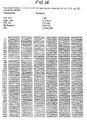
- Fig. 1 With respect to the H6/K3L expression cassette and the vaccinia E3L gene with the endogenous promoter flanked by the ALVAC C6 insertion site sequences reference is made to Fig. 1 .
- pC3H6FHVB ( Fig. 3 ; H6 promoted FHV gB ORF with early transcriptional and translational stop signals at both 5' and 3' ends flanked by the left and right arms of the ALVAC C3 locus) was used in in vivo recombination with the ALVAC (ATCC No. VR-2547) to generate vCP1459 (H6 promoted FHV gB expression cassette in deorfed C3 insertion locus).
- vCP1459 H6 promoted FHV gB expression cassette in deorfed C3 insertion locus
- pC3H6FHVB was used in in vivo recombination with vCP1431A to generate vCP1460 (H6 promoted FHV gB expression cassette in the deorfed C3 insertion locus and vaccinia E3L/K3L genes in C6 locus).
- pMPC5H6PN HV pol/nef "string of beads" cassette in the ALVAC C5 locus
- vCP1433 recombinant ALVAC-MN120TMGNPst
- vCP1433 recombinant ALVAC-MN120TMGNPst was generated by insertion of an expression cassette encoding a synthetic polypeptide containing all of the known Pol CTL epitopes (Nixon and McMichael; 1991) and all of the known human Nef CTL epitopes into vCP205 at the insertion site known as C5.
- pMPC6H6K3E3 (containing vaccinia H6/K3L expression cassette and vaccinia E3L gene with endogenous promoter flanked by the ALVAC C6 insertion site sequences) was used in recombination with vCP1433 to obtain vCP1452.
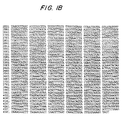
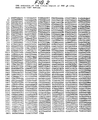
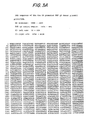
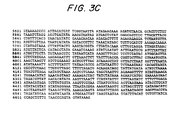
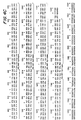
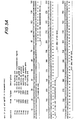
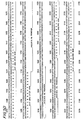
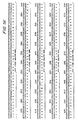
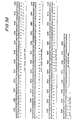
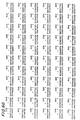
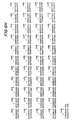
- Figures 4 and 5 show the nucleotide and amino acid sequences of the vCP1433 and vCP1452 inserts.
- Figure 6 shows the K3L E3L in C6 in vCP1452.
- vCP1452 contains the HIV type 1 gag and protease genes derived from the IIIB isolate, the gp120 envelope sequences derived from the MN isolate, and sequences encoding a polypeptide encompassing the known human CTL epitopes from HIV-1 Nef and Pol (Nef1 and Nef2 CTL epitopes, and Poll, Po12 and Pol3 CTL epitopes).
- the expressed gp120 moiety is linked to the transmembrane (TM) anchor sequence (28 amino acids) of the envelope glycoprotein.
- TM transmembrane
- vCP1452 contains the vaccinia virus E3L and K3L coding sequences inserted into the C6 site.
- Insertion sites and promoter linkages for this construct are shown in the Table below.
- vCP300 is an ALVAC recombinant containing HIV gp120TM (MN), gag /pro (IIIB) (C3 locus), Nef (C6 locus), and Pol (C5 locus), as described in U.S. application Serial No. 08/417,210 .
- Plasmids for preparing these recombinants were prepared as follows:
- the K3L coding sequences were synthesized by PCR amplification using pSD407VC containing Copenhagen vaccinia HindIII K fragment as template, as described in U.S. Patent No. 5,378,457 .
- the oligonucleotides MPSYN 763 and MPSYN 764 were used as primers for the PCR reaction.
- MPSYN 764 5'- CCCGAATTCATAAAAATTATTGATGTCTACA-3'
- the approximately 325bp PCR fragment was digested with Xba I and Eco RI yielding a 315bp fragment.
- This 315bp fragment was purified by isolation from an agarose gel and ligated with Xba I and Eco RI digested pBSSK+ vector (from Stratagene LA Jolla, CA.).
- the nucleic acid sequence was confirmed directly from alkali denatured plasmid template as described in Hattori, M. and Sakaki, Y., 1986, using the modified T7 polymerase (Tabor, S. and Richardson, C.C. 1987) and Sequenase (from U.S. Biochemicals Cleveland, OH.). This plasmid was designated pBS 763/764.
- a 340bp fragment was isolated for cloning into the plasmid vector pMM154 containing a cassette with the vaccinia H6 promoter controlling an irrelevant gene in the NYVAC tk - insertion vector background, which was prepared by digestion with Nru I (partially) and Xho I, such that the 340bp fragment from pBS 763/764 containing the K3L gene could be directionally oriented next to the H6 promoter generating pMPTKH6K3L.
- the plasmid pMP42GPT containing the dominant selectable marker Eco gpt gene (Pratt D. and Subramani S.
- the 1.2 Kbp XhoI fragment was inserted into the XhoI site of the ALVAC C6 insertion plasmid pC6L (described in U.S. Patent No. 5,494,807 ), generating pMPC6H6K3Lgpt.
- the entire E3L gene is contained within a 2.3 Kbp Eco RI fragment isolated from pSD401VC, which contained a clone of the Hind III E fragment from Copenhagen vaccinia.
- the 2.3 Kbp Eco RI fragment was inserted into pMPC6H6K3Lgpt that had been partially digested with Eco RI, generating the plasmid pMPC6H6K3E3gpt.
- the plasmid pMPC6H6K3E3gpt was digested with Xho I and the resulting 6.8 Kbp vector fragment was purified and self-ligated, resulting in the plasmid pMPC6E3.
- the plasmid pMPTKH6K3L was digested with PspAI and the resulting 560bp fragment containing the H6/K3L expression cassette was ligated into Psp AI digested pMPC6E3 resulting in the plasmid construct pMPC6H6K3E3.
- the entire coding region of the Feline Herpesvirus 1 glycoprotein gB was obtained by digestion of pJCA079 (FHV gB coding region in which 5' and 3' T 5 NT sequences were mutated to change the early transcriptional stop signal without affecting amino acid sequences; the I3L vaccinia promoter has been coupled to the 5' end of the gB ORF; see Fig. 4 ) with PstI and isolating a 3 Kbp fragment from an agarose gel.
- the purified PstI fragment was cloned into an ALVAC C3 insertion plasmid (pVQH6CP3LSA) also digested with PstI (the unique BamHI site in pVQH6CP3LSA was previously inactivated by digestion with BamHI, blunting the ends with Klenow polymerase and religation; pVQH6CP3LSA was obtained by digesting pVQH6CP3L, discussed in U.S. Patent No.
- an 800 bp PCR fragment was amplified from pJCA079 using oligonucleotides RG789 (5'-TTTCATTATCGCGATATC-CGTTAAGTTTGTATCGTAATGTCCACTCGTGGCGATC-3') and RG787 (5'-GGAGGGTTTCAGAGGCAG-3').
- This purified fragment was digested with NruI/BamHI and ligated into pRAC5 also digested with Nru I/ Bam HI .
- the resulting plasmid was the FHV gB donor plasmid, pC3H6FHVB.
- the "string of beads" expression cassette for the nef and pol CTL epitopes was generated by PCR (polymerase chain reaction) as detailed below, using template pHXBD2 for pol epitopes and template 2-60-HIV.3 for Nef epitopes.
- Initial assembly was in two parts: (1) H6(partial promoter)/Pol 3/Nef C term(Nef 2) ; (2) Pol 2/Nef central (Nef 1)/Pol 1 in pBSSK. These were combined, then moved to pBSH6-11 for the assembly of the entire H6 promoter, then the H6/HIV cassette was moved to a C5 insertion plasmid.
- a 230 bp fragment (A) was derived by PCR to obtain the H6 linkage and Pol3 using synthetic oligonucleotides MPSYN783 and MPSYN784 and template pHXBD2.
- pHXBD2 was derived at the NIH/NCI (Dr. Nancy Miller) from a recombinant phage library of Xba I digested DNA from HTLV-III infected H9 cells cloned in lambda-J1 (Shaw et al., 1994). This plasmid contains the entire proviral DNA sequence of the HIV IIIB isolate.
- a 110 bp fragment (B) was derived by PCR to obtain Nef2 using oligonucleotides MPSYN785/MPSYN786 and template p2-60-HIV.3 (described in U.S. application Serial No. 417,210 ).
- PCR fragments A and B were combined in a PCR as template to obtain a 300bp fragment containing H6 linkage/Pol3/Nef2 using external primers MPSYN783/MPSYN786.
- the 300bp fragment was digested with XhoI/HindIII and a 290 bp fragment was isolated and ligated with similarly digested pBSSK to generate pBS783/786. The sequence was confirmed.
- a 210 bp fragment (C) containing Pol2 was derived by PCR using synthetic oligonucleotides MPSYN787/MPSYN788 and template pHXBD2.
- a 270 bp fragment (D) containing Nef1 was derived by PCR using synthetic oligonucleotides MPSYN789/MPSYN790 and template p2-60-HIV.3 (described in U.S. application Serial No. 08/417,210 ).
- a 170 bp fragment (E) containing Poll was derived by PCR using primers MPSYN791/MPSYN792 and template pHXBD2.
- Fragments D and E were combined as template in a PCR for Nef 1/Pol 1 using external primers MPSYN789/MPSYN792, resulting in isolation of a 420 bp fragment (D+E).
- a 590 bp Hind III/ Pst I fragment was isolated from pBS787/792 and ligated with vector pBS783/786 cut with Hind III/PstI to generate pBS783/792.
- pBS783/792 was cut with Eco RV and Pst I, to generate an 880 bp fragment which was then ligated with similarly digested vector pBSH6-1 to generate pBSH6PN.
- Plasmid pBSH6PN was digested with BamHI and a 1060 bp fragment was isolated.
- pVQC5LSP1 a generic C5 donor plasmid, was digested with BamHI and ligated with the 1060 bp fragment from pBSH6PN.
- the resulting plasmid, pMPC5H6PN contains the HIV pol/nef "string of beads" cassette in the ALVAC C5 locus.
- Dishes containing confluent monolayers of cells were infected at a multiplicity of infection (moi) of 2. After incubation for specified time periods, cells were incubated in labeling medium for 1 hour. At the end of the incubation, cells were harvested for immunoprecipitation analysis as described (Harlow, E and Lane, D (1988) ; Langone, J. (1982)).
- IP Immunoprecipitation
- RNA slot blots were used to evaluate temporal transcriptional expression in MRC-5 cells infected with the ALVAC recombinants vCP205 and vCP1431A. In this analysis comparisons were made to the levels of mRNA transcribed from the HIV-I cassette encoding the env and gag proteins. ALVAC recombinants containing the E3L/K3L cassette (vCP1431A) did not exhibit a significant increase in the level of mRNA for the env and gag genes above that of the ALVAC recombinant vCP205.
- Immunoprecipitation analyses were also performed using radiolabeled lysates derived from CEF cells infected with ALVAC parental virus, ALVAC-MN120TMG (vCP205), ALVAC-MN120TMGNPst (vCP1433), vCP1452 and vCP300, as described previously (Taylor et al., 1990), with human serum derived from HIV-seropositive individuals (anti-HIV).
- the analysis confirmed the expression of the envelope sequences with a molecular weight of 120kDa and the Gag precursor protein with a molecular weight of 55kDa in the recombinants but not in the parental virus.
- vCP300 exhibits diminished expression in comparison to vCP1452, i.e., vCP1452 surprisingly demonstrates enhanced expression due to expression of transcription and/or translation factors, in accordance with the invention.
- FAC scan analysis with the Human anti-HIV antibody demonstrated expression of gp120 on the surface of HeLa cells infected with ALVAC-MN120TMGNPst (vCP1433). No fluorescence was detected on cells infected with ALVAC parental virus.
- HIV genes were further confirmed by immunoprecipitation analysis (using polyclonal serum pool from HIV infected individuals) performed on a radiolabelled lysate of MRC5 cells infected with vCP1433 or vCP1452.
- the analysis confirmed the expression of the envelope sequences with a molecular weight of 120KDa and the Gag precursor protein with a molecular weight of 55 KDa in vCP1452.
- vCP1452 had enhanced expression on human cells in comparison to vCP1433 and vCP300. Indeed, enhanced expression was observed with the E3L/K3L translational factors in human and canine cells.
- the origin of the cell may be an important factor in in vitro or in vivo applications of the invention, as may be the nature of the vector, e.g., the phenotype of the vector (e.g., abortive, and when abortive such as abortive early, abortive late); but, appropriate selection of a cell and vector phenotype and of time of expression of factor(s) and foreign and/or exogenous DNA are within the ambit of the skilled artisan, from this disclosure and the knowledge in the art, without undue experimentation.
- the phenotype of the vector e.g., abortive, and when abortive such as abortive early, abortive late
- appropriate selection of a cell and vector phenotype and of time of expression of factor(s) and foreign and/or exogenous DNA are within the ambit of the skilled artisan, from this disclosure and the knowledge in the art, without undue experimentation.
- results show that all recombinants express the proper sized full-length, glycosylated FHV gB polypeptide (apparent MW of approximately 115 kDa). However, recombinant vCP1460 shows significant increase in the amount of gB protein (about 5 times) compared to vCP1459. In addition, these expression levels persist even at 72 hr p.i. Thus, it appears that the expression of vaccinia E3L/K3L in ALVAC has a significant effect on the level and persistence of FHV gB expression.
- plasmid and naked DNA vectors and additional viral vectors, including poxvirus, e.g., NYVAC, TROVAC, ALVAC, MVA, ts (temperature sensitive) mutants, or early (DNA - ) and late defective mutants
- adenovirus e.g., CAV such as CAV2
- herpesvirus e.g., Epstein Barr
- E3L, K3L, VAI, EBER, sigma 3, TRBP, or combinations thereof to modify the vector to contain at least one translation factor
- enhanced expression, of exogenous coding nucleic acid molecules such exogenous coding nucleic acid molecules including from documents cited herein or as otherwise known in the art, or from applying those teachings in conjunction with teachings herein is obtained.
Landscapes
- Health & Medical Sciences (AREA)
- Genetics & Genomics (AREA)
- Life Sciences & Earth Sciences (AREA)
- Engineering & Computer Science (AREA)
- Organic Chemistry (AREA)
- Chemical & Material Sciences (AREA)
- Bioinformatics & Cheminformatics (AREA)
- Wood Science & Technology (AREA)
- Biomedical Technology (AREA)
- Biotechnology (AREA)
- General Engineering & Computer Science (AREA)
- Zoology (AREA)
- General Health & Medical Sciences (AREA)
- Molecular Biology (AREA)
- Microbiology (AREA)
- Plant Pathology (AREA)
- Biochemistry (AREA)
- Biophysics (AREA)
- Physics & Mathematics (AREA)
- Immunology (AREA)
- Public Health (AREA)
- General Chemical & Material Sciences (AREA)
- Medicinal Chemistry (AREA)
- Nuclear Medicine, Radiotherapy & Molecular Imaging (AREA)
- Pharmacology & Pharmacy (AREA)
- Animal Behavior & Ethology (AREA)
- Chemical Kinetics & Catalysis (AREA)
- Veterinary Medicine (AREA)
- Micro-Organisms Or Cultivation Processes Thereof (AREA)
- Medicines Containing Material From Animals Or Micro-Organisms (AREA)
- Medicines Containing Antibodies Or Antigens For Use As Internal Diagnostic Agents (AREA)
- Measurement And Recording Of Electrical Phenomena And Electrical Characteristics Of The Living Body (AREA)
- Image Generation (AREA)
- Medicines That Contain Protein Lipid Enzymes And Other Medicines (AREA)
- Measuring And Recording Apparatus For Diagnosis (AREA)
- Ultra Sonic Daignosis Equipment (AREA)
- Investigating Or Analysing Materials By The Use Of Chemical Reactions (AREA)
- Manufacture, Treatment Of Glass Fibers (AREA)
- Preparation Of Compounds By Using Micro-Organisms (AREA)
Claims (5)
- Vecteur pour l'expression augmentée d'au moins une première molécule d'acide nucléique dans une cellule, ledit vecteur étant ALVAC modifié pour comprendre une première molécule d'acide nucléique et pour comprendre les cadres de lecture ouverts K3L et E3L de la vaccine, dans lequel il y a une expression sensiblement co-temporelle des premières molécules d'acide nucléique et des cadres de lecture ouverts K3L et E3L de la vaccine, grâce à laquelle lesdits cadres de lecture augmentent l'expression de la première molécule d'acide nucléique en augmentant la traduction, dans lequel la première molécule d'acide nucléique est liée de façon opérationnelle à un premier promoteur et les cadres de lecture ouverts K3L et E3L de la vaccine sont liés de façon opérationnelle à un second promoteur, et le premier et le second promoteurs sont fonctionnels de manière sensiblement co-temporelle.
- Vecteur selon la revendication 1, dans lequel la première molécule d'acide nucléique et les cadres de lecture ouverts K3L et E3L se trouvent en des loci différents dans le vecteur.
- Vecteur selon la revendication 1, dans lequel la première molécule d'acide nucléique et les cadres de lecture ouverts K3L et E3L se trouvent au même locus dans le vecteur.
- Composition immunologique, vaccinale ou thérapeutique comprenant le vecteur selon la revendication 1 et un support ou un diluant pharmaceutiquement acceptable.
- Utilisation d'un vecteur selon la revendication 1 dans la préparation d'un médicament destiné à être utilisé comme vaccin.
Applications Claiming Priority (3)
| Application Number | Priority Date | Filing Date | Title |
|---|---|---|---|
| US08/815,809 US6004777A (en) | 1997-03-12 | 1997-03-12 | Vectors having enhanced expression, and methods of making and uses thereof |
| US815809 | 1997-03-12 | ||
| PCT/US1998/003710 WO1998040500A1 (fr) | 1997-03-12 | 1998-02-25 | Vecteurs presentant une expression amelioree, procedes de realisation et utilisations desdits vecteurs |
Publications (3)
| Publication Number | Publication Date |
|---|---|
| EP0968295A1 EP0968295A1 (fr) | 2000-01-05 |
| EP0968295A4 EP0968295A4 (fr) | 2002-06-05 |
| EP0968295B1 true EP0968295B1 (fr) | 2008-05-28 |
Family
ID=25218894
Family Applications (1)
| Application Number | Title | Priority Date | Filing Date |
|---|---|---|---|
| EP98908723A Expired - Lifetime EP0968295B1 (fr) | 1997-03-12 | 1998-02-25 | Vecteurs presentant une expression amelioree, procedes de realisation et utilisations desdits vecteurs |
Country Status (10)
| Country | Link |
|---|---|
| US (1) | US6004777A (fr) |
| EP (1) | EP0968295B1 (fr) |
| JP (1) | JP2001514519A (fr) |
| AT (1) | ATE397078T1 (fr) |
| AU (1) | AU745836B2 (fr) |
| CA (1) | CA2283462C (fr) |
| DE (1) | DE69839554D1 (fr) |
| DK (1) | DK0968295T3 (fr) |
| ES (1) | ES2307315T3 (fr) |
| WO (1) | WO1998040500A1 (fr) |
Families Citing this family (78)
| Publication number | Priority date | Publication date | Assignee | Title |
|---|---|---|---|---|
| US7767449B1 (en) | 1981-12-24 | 2010-08-03 | Health Research Incorporated | Methods using modified vaccinia virus |
| ZA973642B (en) * | 1996-04-26 | 1997-11-25 | Merck & Co Inc | DNA vaccine formulations. |
| US6517843B1 (en) | 1999-08-31 | 2003-02-11 | Merial | Reduction of porcine circovirus-2 viral load with inactivated PCV-2 |
| FR2772047B1 (fr) | 1997-12-05 | 2004-04-09 | Ct Nat D Etudes Veterinaires E | Sequence genomique et polypeptides de circovirus associe a la maladie de l'amaigrissement du porcelet (map), applications au diagnostic et a la prevention et/ou au traitement de l'infection |
| FR2775601B1 (fr) * | 1998-03-03 | 2001-09-21 | Merial Sas | Vaccins vivants recombines et adjuves |
| US6762038B1 (en) | 1998-09-09 | 2004-07-13 | The Cleveland Clinic Foundation | Mutant cell lines and methods for producing enhanced levels of recombinant proteins |
| WO2000073487A1 (fr) * | 1999-05-27 | 2000-12-07 | Arizona Board Of Regents | Nouveaux vecteurs viraux ayant une efficacité augmentée et une virulence fortement réduite |
| US6497883B1 (en) | 1999-06-10 | 2002-12-24 | Merial | Porcine circovirus recombinant poxvirus vaccine |
| ES2170622B1 (es) * | 1999-12-03 | 2004-05-16 | Consejo Superior De Investigaciones Cientificas | Clones y vectores infectivos derivados de coronavirus y sus aplicaciones. |
| US20020061587A1 (en) * | 2000-07-31 | 2002-05-23 | Piero Anversa | Methods and compositions for the repair and/or regeneration of damaged myocardium |
| US20110091428A1 (en) * | 2000-07-31 | 2011-04-21 | New York Medical College | Compositions of adult organ stem cells and uses thereof |
| US7862810B2 (en) * | 2000-07-31 | 2011-01-04 | New York Medical College | Methods and compositions for the repair and/or regeneration of damaged myocardium |
| US7547674B2 (en) | 2001-06-06 | 2009-06-16 | New York Medical College | Methods and compositions for the repair and/or regeneration of damaged myocardium |
| WO2002027321A2 (fr) | 2000-09-26 | 2002-04-04 | Health Research Incorporated | Analyse de l'utilisation du co-recepteur du vhi-1 dans le suivi clinique de patients infectes par le vhi-1 |
| EP1360310A2 (fr) * | 2001-02-13 | 2003-11-12 | University Of Florida | Double complexe promoteur bidirectionnel a activite promotrice amelioree dans le cadre de l'expression transgenique dans les eucaryotes |
| US7013940B2 (en) * | 2001-04-19 | 2006-03-21 | Michelin Recherche Et Technique S.A. | Device for attenuating cavity noise in a tire and wheel |
| US6750043B2 (en) * | 2001-04-19 | 2004-06-15 | Arizona Board Of Regents | Viral vectors having reduced virulence |
| US6372455B1 (en) | 2001-04-19 | 2002-04-16 | Arizona Board Of Regents | Recombinant vaccinia viral vectors |
| DE10144664B4 (de) | 2001-09-11 | 2005-06-09 | GSF-Forschungszentrum für Umwelt und Gesundheit GmbH | Vacciniavirus MVA-E3L-Knock-Out-Mutanten und Verwendung hiervon |
| CN101024842A (zh) * | 2001-11-07 | 2007-08-29 | 曼康公司 | 编码靶相关抗原表位的表达载体及其设计方法 |
| US20040241723A1 (en) * | 2002-03-18 | 2004-12-02 | Marquess Foley Leigh Shaw | Systems and methods for improving protein and milk production of dairy herds |
| AU2003249059A1 (en) * | 2002-07-24 | 2004-02-09 | Arizona Board Of Regents | Use of vaccinia virus deleted for the e3l gene as a vaccine vector |
| WO2004015118A1 (fr) * | 2002-08-07 | 2004-02-19 | Bavarian Nordic A/S | Genes hotes du virus de la vaccine permettant d'augmenter le titre de l'avipoxvirus |
| WO2004056977A1 (fr) * | 2002-12-13 | 2004-07-08 | Aventis Pasteur, Inc. | Production d'alvac sur des cellules souches aviaires |
| EP1606419A1 (fr) | 2003-03-18 | 2005-12-21 | Quantum Genetics Ireland Limited | Systemes et procedes pour accroitre la production de proteines et de lait chez des bovins laitiers |
| US7468273B2 (en) | 2003-05-01 | 2008-12-23 | Meial Limited | Canine GHRH gene, polypeptides and methods of use |
| WO2005007824A2 (fr) * | 2003-07-08 | 2005-01-27 | Arizona Board Of Regents | Mutants du virus vaccine tenant lieu d'agents oncolytiques |
| WO2005049794A2 (fr) | 2003-11-13 | 2005-06-02 | University Of Georgia Research Foundation, Inc. | Procedes de caracterisation du virus de la bursite infectieuse |
| WO2005112544A2 (fr) | 2004-02-19 | 2005-12-01 | The Governors Of The University Of Alberta | Polymorphismes du promoteur de la leptine et utilisations correspondantes |
| RS51324B (sr) | 2005-04-25 | 2010-12-31 | Merial Ltd. | Vakcine protiv nipah virusa |
| US20080241184A1 (en) | 2005-08-25 | 2008-10-02 | Jules Maarten Minke | Canine influenza vaccines |
| US7771995B2 (en) | 2005-11-14 | 2010-08-10 | Merial Limited | Plasmid encoding human BMP-7 |
| EP3147296A1 (fr) | 2005-11-14 | 2017-03-29 | Merial, Inc. | Thérapie génique pour traiter l'insuffisance rénale |
| CA2670804A1 (fr) * | 2006-05-19 | 2007-11-29 | Sanofi Pasteur Inc. | Composition immunologique |
| US7862821B2 (en) | 2006-06-01 | 2011-01-04 | Merial Limited | Recombinant vaccine against bluetongue virus |
| WO2008148068A1 (fr) * | 2007-05-23 | 2008-12-04 | Mannkind Corporation | Vecteurs multicistroniques et procédés pour leur conception |
| WO2009062143A2 (fr) | 2007-11-09 | 2009-05-14 | New York Medical College | Procédés et compositions pour la réparation et/ou la régénération de myocarde endommagé mettant en œuvre des cytokines et leurs variants |
| EP2414386B1 (fr) | 2009-04-03 | 2016-01-27 | Merial Limited | Vaccins aviaires transportés par le virus de la maladie de newcastle |
| EP2424999A1 (fr) | 2009-04-30 | 2012-03-07 | Centre Hospitalier Universitaire Vaudois Lausanne (CHUV) | Vecteurs d'immunisation modifiés |
| EP2611460B1 (fr) | 2010-08-31 | 2016-10-05 | Merial, Inc. | Vaccins contre le virus herpétique à base de vecteurs du virus de la maladie de newcastle |
| WO2012090073A2 (fr) | 2010-12-30 | 2012-07-05 | The Netherlands Cancer Institute | Procédés et compositions pour prédire la sensibilité à la chimiothérapie |
| ES2645156T3 (es) | 2011-03-21 | 2017-12-04 | Altimmune Inc. | Agente terapéutico inmunológico de acción rápida y prolongada |
| EP2694678A2 (fr) | 2011-04-04 | 2014-02-12 | Netherland Cancer Institute | Procédés et compositions pour prédire une résistance à un traitement anti-cancéreux |
| US20140296248A1 (en) | 2011-04-04 | 2014-10-02 | Stichting het Nederlands Kanker Instiuut-Antoni van Leeuwenhoek ziekenhuis | Methods and compositions for predicting resistance to anticancer treatment |
| US9216213B2 (en) | 2011-04-20 | 2015-12-22 | Merial, Inc. | Adjuvanted rabies vaccine with improved viscosity profile |
| WO2012149038A1 (fr) | 2011-04-25 | 2012-11-01 | Advanced Bioscience Laboratories, Inc. | Protéines tronquées d'enveloppe (env) du vih, procédés et compositions associés à celles-ci |
| CA2837375C (fr) | 2011-06-01 | 2019-07-16 | Merial Limited | Administration sans aiguille de vaccins contre le vsrrp |
| MX350096B (es) | 2011-08-12 | 2017-08-25 | Merial Inc | Preservación asistida con vacío de productos biológicos, en particular de vacunas. |
| WO2013093629A2 (fr) | 2011-12-20 | 2013-06-27 | Netherlands Cancer Institute | Vaccins modulaires, procédés et compositions qui y sont liés |
| WO2013138776A1 (fr) | 2012-03-16 | 2013-09-19 | Merial Limited | Nouveaux procédés pour fournir une immunité de protection à long terme contre la rage chez des animaux, basés sur l'administration d'un flavivirus défectueux en termes de réplication, exprimant la rage g |
| HK1216006A1 (zh) | 2013-03-12 | 2016-10-07 | Boehringer Ingelheim Animal Health USA Inc. | 反向遺傳學施馬倫貝格病毒疫苗組合物,和其使用方法 |
| EP3049106A1 (fr) | 2013-09-25 | 2016-08-03 | Zoetis Services LLC | Composition vaccinale divergente anti-pcv2b et ses procédés d'utilisation |
| WO2015077717A1 (fr) | 2013-11-25 | 2015-05-28 | The Broad Institute Inc. | Compositions et méthodes pour diagnostiquer, évaluer et traiter un cancer au moyen d'un état de méthylation d'adn |
| WO2015085147A1 (fr) | 2013-12-05 | 2015-06-11 | The Broad Institute Inc. | Typage de gènes polymorphes et détection de changements somatiques à l'aide de données de séquençage |
| KR20230076867A (ko) | 2013-12-20 | 2023-05-31 | 더 브로드 인스티튜트, 인코퍼레이티드 | 신생항원 백신과의 병용 요법 |
| WO2016073410A1 (fr) | 2014-11-03 | 2016-05-12 | Merial, Inc. | Procédés d'utilisation de formulations de vaccin par micro-aiguilles pour éliciter une immunité de protection contre le virus de la rage chez les animaux |
| US10975442B2 (en) | 2014-12-19 | 2021-04-13 | Massachusetts Institute Of Technology | Molecular biomarkers for cancer immunotherapy |
| EP3234130B1 (fr) | 2014-12-19 | 2020-11-25 | The Broad Institute, Inc. | Procédé pour profiler le répertoire de récepteurs de cellulles t. |
| CN115300622A (zh) | 2015-02-25 | 2022-11-08 | 纪念斯隆-凯特琳癌症中心 | 使用灭活的修饰的痘苗病毒安卡拉作为实体肿瘤的单一免疫疗法或与免疫检查点阻断剂组合 |
| CN107847534B (zh) | 2015-04-17 | 2022-10-04 | 纪念斯隆凯特琳癌症中心 | Mva或mvaδe3l作为抗实体瘤的免疫治疗剂的应用 |
| IL294183B2 (en) | 2015-05-20 | 2023-10-01 | Dana Farber Cancer Inst Inc | shared neoantigens |
| TW202241500A (zh) | 2015-06-09 | 2022-11-01 | 美商博德研究所有限公司 | 用於贅瘤疫苗之調配物及其製備方法 |
| ES3050936T3 (en) | 2015-06-23 | 2025-12-23 | Boehringer Ingelheim Vetmedica Gmbh | Prrsv minor protein-containing recombinant viral vectors and methods of making and use thereof |
| KR20180133395A (ko) | 2016-02-25 | 2018-12-14 | 메모리얼 슬로안 케터링 캔서 센터 | 암 면역요법을 위한, 인간 flt3l 또는 gm-csf의 발현이 있거나 없으며 티미딘 키나제가 결실된 복제 가능 약독화 백시니아 바이러스 |
| IL261321B2 (en) | 2016-02-25 | 2023-12-01 | Memorial Sloan Kettering Cancer Center | Recombinant mva or mvadele3l expressing human flt3l and use thereof as immuno-therapeutic agents against solid tumors |
| AU2017254477A1 (en) | 2016-04-18 | 2018-11-01 | Jennifer G. ABELIN | Improved HLA epitope prediction |
| US11549149B2 (en) | 2017-01-24 | 2023-01-10 | The Broad Institute, Inc. | Compositions and methods for detecting a mutant variant of a polynucleotide |
| WO2018209315A1 (fr) | 2017-05-12 | 2018-11-15 | Memorial Sloan Kettering Cancer Center | Mutants du virus de la vaccine utiles pour l'immunothérapie anticancéreuse |
| US11964006B2 (en) | 2017-09-16 | 2024-04-23 | City Of Hope | Multivalent Epstein-Barr virus-like particles and uses thereof |
| EP3788142A4 (fr) | 2018-05-02 | 2022-04-27 | Tonix Pharma Holdings Limited | Virus contre la vaccine chimérique synthétique |
| MX2021003013A (es) | 2018-09-15 | 2021-08-11 | Memorial Sloan Kettering Cancer Center | Poxvirus recombinantes para inmunoterapia contra cáncer. |
| WO2020072700A1 (fr) | 2018-10-02 | 2020-04-09 | Dana-Farber Cancer Institute, Inc. | Lignées d'allèles uniques d'alh |
| US20220062394A1 (en) | 2018-12-17 | 2022-03-03 | The Broad Institute, Inc. | Methods for identifying neoantigens |
| US12394502B2 (en) | 2019-10-02 | 2025-08-19 | The General Hospital Corporation | Method for predicting HLA-binding peptides using protein structural features |
| US20210116450A1 (en) * | 2019-10-21 | 2021-04-22 | Moazur Rahman | Recombinant expression of the vp2-beta domain in escherichia coli, purification and its use for detection of anti-infectious bursal disease virus antibodies by dipstick and lateral flow strip |
| KR20220165731A (ko) * | 2020-02-26 | 2022-12-15 | 토닉스 파마 리미티드 | Sars-cov-2 바이러스에 대한 재조합 폭스바이러스 기반 백신 |
| US20240309335A1 (en) * | 2021-06-30 | 2024-09-19 | Repli-Tech Co., Ltd. | Method of producing negative-strand rna virus vector and produced negative-strand rna virus vector |
| WO2024015892A1 (fr) | 2022-07-13 | 2024-01-18 | The Broad Institute, Inc. | Procédés et systèmes faisant intervenir l'immunopeptidome hla-ii pour la découverte d'antigènes |
Family Cites Families (1)
| Publication number | Priority date | Publication date | Assignee | Title |
|---|---|---|---|---|
| DE69233158T2 (de) * | 1991-03-07 | 2004-05-13 | Connaught Technology Corp., Greenville | Gentechnologisch hergestellter stamm für impfstoffe |
-
1997
- 1997-03-12 US US08/815,809 patent/US6004777A/en not_active Expired - Lifetime
-
1998
- 1998-02-25 EP EP98908723A patent/EP0968295B1/fr not_active Expired - Lifetime
- 1998-02-25 AU AU66681/98A patent/AU745836B2/en not_active Expired
- 1998-02-25 WO PCT/US1998/003710 patent/WO1998040500A1/fr not_active Ceased
- 1998-02-25 AT AT98908723T patent/ATE397078T1/de active
- 1998-02-25 JP JP53959198A patent/JP2001514519A/ja active Pending
- 1998-02-25 DK DK98908723T patent/DK0968295T3/da active
- 1998-02-25 ES ES98908723T patent/ES2307315T3/es not_active Expired - Lifetime
- 1998-02-25 CA CA2283462A patent/CA2283462C/fr not_active Expired - Lifetime
- 1998-02-25 DE DE69839554T patent/DE69839554D1/de not_active Expired - Lifetime
Non-Patent Citations (2)
| Title |
|---|
| KAUFMAN RANDAL J. ET AL.: "The Phosphorylation State of Eucaryotic Initiation Factor 2 Alters Translational Efficiency of Specific mRNAs", MOL. CELL. BIOL., vol. 9, no. 3, March 1989 (1989-03-01), pages 946 - 958 * |
| KAUFMAN, RANDAL J.: "Identification of the components necessary for adenovirus translational control and their utilization in cDNA expression vectors", PROC.NATL.ACAD.SCI., vol. 82, February 1985 (1985-02-01), USA, pages 689 - 693 * |
Also Published As
| Publication number | Publication date |
|---|---|
| AU6668198A (en) | 1998-09-29 |
| EP0968295A1 (fr) | 2000-01-05 |
| EP0968295A4 (fr) | 2002-06-05 |
| WO1998040500A1 (fr) | 1998-09-17 |
| US6004777A (en) | 1999-12-21 |
| AU745836B2 (en) | 2002-04-11 |
| CA2283462C (fr) | 2010-11-16 |
| DE69839554D1 (de) | 2008-07-10 |
| ES2307315T3 (es) | 2008-11-16 |
| JP2001514519A (ja) | 2001-09-11 |
| DK0968295T3 (da) | 2008-09-29 |
| ATE397078T1 (de) | 2008-06-15 |
| CA2283462A1 (fr) | 1998-09-17 |
Similar Documents
| Publication | Publication Date | Title |
|---|---|---|
| EP0968295B1 (fr) | Vecteurs presentant une expression amelioree, procedes de realisation et utilisations desdits vecteurs | |
| EP1475443B1 (fr) | vecteurs presentant une expression amelioree, procedes de production et d'utilisation desdit vecteurs | |
| Perkvs et al. | Poxvirus‐based vaccine candidates for cancer, AIDS, and other infectious diseases | |
| EP0198328B1 (fr) | ADN de vaccine | |
| EP0979101B1 (fr) | ADENOVIRUS CANIN 2 RECOMBINANT (ACR2) CONTENANT DE l'ADN EXOGENE | |
| JP4064466B2 (ja) | レンチウイルスから誘導した非相同挿入部分を含むポックスウイルスベースの発現ベクター | |
| AU613291B2 (en) | Fowlpox virus promoters | |
| JP6316227B2 (ja) | 複数の相同ヌクレオチド配列を含むベクター | |
| WO1998000166A9 (fr) | ADENOVIRUS CANIN DE RECOMBINAISON (ACR) CONTENANT DE l'ADN EXOGENE | |
| US20030013076A1 (en) | Parapoxvirus vectors | |
| JP2003530307A (ja) | gag遺伝子保有アデノウイルスHIVワクチン | |
| CA2110489A1 (fr) | Vaccin poxvirus recombinant contre le virus de l'immunodeficience | |
| Moss | Poxvirus vectors: cytoplasmic expression of transferred genes | |
| Šroller et al. | Effect of 3-β-hydroxysteroid dehydrogenase gene deletion on virulence and immunogenicity of different vaccinia viruses and their recombinants | |
| EP0365349A1 (fr) | Promoteur du virus de la diphtérie aviaire | |
| Moss | Vaccinia and other poxvirus expression vectors | |
| WO1999029872A1 (fr) | Molecules d'acide nucleique codant des proteines f et hn de virus parainfluenza 2 canin | |
| Schnitzlein et al. | Utilization of vaccinia virus promoters by fowlpox virus recombinants | |
| Hall et al. | TheAmsacta mooreiEntomopoxvirus Spheroidin Gene Is Improperly Transcribed in Vertebrate Poxviruses | |
| AU775125B2 (en) | Truncated transcriptionally active cytomegalovirus promoters | |
| Moss | Poxvirus Vectors: Mammalian Cytoplasmic-Based Expression Systems |
Legal Events
| Date | Code | Title | Description |
|---|---|---|---|
| PUAI | Public reference made under article 153(3) epc to a published international application that has entered the european phase |
Free format text: ORIGINAL CODE: 0009012 |
|
| 17P | Request for examination filed |
Effective date: 19991011 |
|
| AK | Designated contracting states |
Kind code of ref document: A1 Designated state(s): AT BE CH DE DK ES FI FR GB GR IE IT LI LU MC NL PT SE |
|
| RIN1 | Information on inventor provided before grant (corrected) |
Inventor name: PAOLETTI, ENZO Inventor name: PINCUS, STEVEN, E. Inventor name: GETTIG, RUSSELL, ROBERT Inventor name: COX, WILLIAM, I. Inventor name: GOEBEL, SCOTT, J. Inventor name: JACOBS, BERTRAM, L. Inventor name: TARTAGLIA, JAMES |
|
| RIC1 | Information provided on ipc code assigned before grant |
Free format text: 7C 12N 15/63 A, 7A 61K 39/12 B, 7A 61K 39/285 B, 7C 12N 15/86 B, 7C 12N 15/67 B |
|
| A4 | Supplementary search report drawn up and despatched |
Effective date: 20020418 |
|
| AK | Designated contracting states |
Kind code of ref document: A4 Designated state(s): AT BE CH DE DK ES FI FR GB GR IE IT LI LU MC NL PT SE |
|
| 17Q | First examination report despatched |
Effective date: 20030904 |
|
| GRAP | Despatch of communication of intention to grant a patent |
Free format text: ORIGINAL CODE: EPIDOSNIGR1 |
|
| RAP1 | Party data changed (applicant data changed or rights of an application transferred) |
Owner name: ARIZONA STATE UNIVERSITY Owner name: VIROGENETICS CORPORATION |
|
| RIN1 | Information on inventor provided before grant (corrected) |
Inventor name: PAOLETTI, ENZO Inventor name: PINCUS, STEVEN, E. Inventor name: GETTIG, RUSSELL, ROBERT Inventor name: COX, WILLIAM, I. Inventor name: GOEBEL, SCOTT, J. Inventor name: JACOBS, BERTRAM, L. DEP.OF MICROBIOLOGY, ARIZONA S Inventor name: TARTAGLIA, JAMES |
|
| GRAS | Grant fee paid |
Free format text: ORIGINAL CODE: EPIDOSNIGR3 |
|
| GRAA | (expected) grant |
Free format text: ORIGINAL CODE: 0009210 |
|
| RAP1 | Party data changed (applicant data changed or rights of an application transferred) |
Owner name: ARIZONA STATE UNIVERSITY Owner name: CONNAUGHT TECHNOLOGY CORPORATION |
|
| AK | Designated contracting states |
Kind code of ref document: B1 Designated state(s): AT BE CH DE DK ES FI FR GB GR IE IT LI LU MC NL PT SE |
|
| REG | Reference to a national code |
Ref country code: GB Ref legal event code: FG4D |
|
| REG | Reference to a national code |
Ref country code: CH Ref legal event code: EP |
|
| REF | Corresponds to: |
Ref document number: 69839554 Country of ref document: DE Date of ref document: 20080710 Kind code of ref document: P |
|
| REG | Reference to a national code |
Ref country code: IE Ref legal event code: FG4D |
|
| REG | Reference to a national code |
Ref country code: DK Ref legal event code: T3 |
|
| REG | Reference to a national code |
Ref country code: CH Ref legal event code: NV Representative=s name: E. BLUM & CO. AG PATENT- UND MARKENANWAELTE VSP |
|
| PG25 | Lapsed in a contracting state [announced via postgrant information from national office to epo] |
Ref country code: FI Free format text: LAPSE BECAUSE OF FAILURE TO SUBMIT A TRANSLATION OF THE DESCRIPTION OR TO PAY THE FEE WITHIN THE PRESCRIBED TIME-LIMIT Effective date: 20080528 |
|
| REG | Reference to a national code |
Ref country code: ES Ref legal event code: FG2A Ref document number: 2307315 Country of ref document: ES Kind code of ref document: T3 |
|
| PG25 | Lapsed in a contracting state [announced via postgrant information from national office to epo] |
Ref country code: SE Free format text: LAPSE BECAUSE OF FAILURE TO SUBMIT A TRANSLATION OF THE DESCRIPTION OR TO PAY THE FEE WITHIN THE PRESCRIBED TIME-LIMIT Effective date: 20080828 Ref country code: PT Free format text: LAPSE BECAUSE OF FAILURE TO SUBMIT A TRANSLATION OF THE DESCRIPTION OR TO PAY THE FEE WITHIN THE PRESCRIBED TIME-LIMIT Effective date: 20081028 |
|
| PLBE | No opposition filed within time limit |
Free format text: ORIGINAL CODE: 0009261 |
|
| STAA | Information on the status of an ep patent application or granted ep patent |
Free format text: STATUS: NO OPPOSITION FILED WITHIN TIME LIMIT |
|
| 26N | No opposition filed |
Effective date: 20090303 |
|
| PG25 | Lapsed in a contracting state [announced via postgrant information from national office to epo] |
Ref country code: GR Free format text: LAPSE BECAUSE OF FAILURE TO SUBMIT A TRANSLATION OF THE DESCRIPTION OR TO PAY THE FEE WITHIN THE PRESCRIBED TIME-LIMIT Effective date: 20080829 |
|
| REG | Reference to a national code |
Ref country code: FR Ref legal event code: PLFP Year of fee payment: 19 |
|
| REG | Reference to a national code |
Ref country code: FR Ref legal event code: PLFP Year of fee payment: 20 |
|
| PGFP | Annual fee paid to national office [announced via postgrant information from national office to epo] |
Ref country code: DE Payment date: 20170221 Year of fee payment: 20 Ref country code: FR Payment date: 20170112 Year of fee payment: 20 Ref country code: MC Payment date: 20170103 Year of fee payment: 20 Ref country code: CH Payment date: 20170214 Year of fee payment: 20 |
|
| PGFP | Annual fee paid to national office [announced via postgrant information from national office to epo] |
Ref country code: AT Payment date: 20170125 Year of fee payment: 20 Ref country code: LU Payment date: 20170208 Year of fee payment: 20 Ref country code: DK Payment date: 20170210 Year of fee payment: 20 Ref country code: GB Payment date: 20170222 Year of fee payment: 20 Ref country code: IE Payment date: 20170209 Year of fee payment: 20 Ref country code: NL Payment date: 20170210 Year of fee payment: 20 Ref country code: BE Payment date: 20170113 Year of fee payment: 20 |
|
| PGFP | Annual fee paid to national office [announced via postgrant information from national office to epo] |
Ref country code: IT Payment date: 20170221 Year of fee payment: 20 Ref country code: ES Payment date: 20170112 Year of fee payment: 20 |
|
| REG | Reference to a national code |
Ref country code: DE Ref legal event code: R071 Ref document number: 69839554 Country of ref document: DE |
|
| REG | Reference to a national code |
Ref country code: DK Ref legal event code: EUP Effective date: 20180225 |
|
| REG | Reference to a national code |
Ref country code: CH Ref legal event code: PL Ref country code: NL Ref legal event code: MK Effective date: 20180224 |
|
| REG | Reference to a national code |
Ref country code: BE Ref legal event code: MK Effective date: 20180225 |
|
| REG | Reference to a national code |
Ref country code: GB Ref legal event code: PE20 Expiry date: 20180224 |
|
| REG | Reference to a national code |
Ref country code: IE Ref legal event code: MK9A |
|
| REG | Reference to a national code |
Ref country code: AT Ref legal event code: MK07 Ref document number: 397078 Country of ref document: AT Kind code of ref document: T Effective date: 20180225 |
|
| PG25 | Lapsed in a contracting state [announced via postgrant information from national office to epo] |
Ref country code: IE Free format text: LAPSE BECAUSE OF EXPIRATION OF PROTECTION Effective date: 20180225 Ref country code: GB Free format text: LAPSE BECAUSE OF EXPIRATION OF PROTECTION Effective date: 20180224 |
|
| REG | Reference to a national code |
Ref country code: ES Ref legal event code: FD2A Effective date: 20200805 |
|
| PG25 | Lapsed in a contracting state [announced via postgrant information from national office to epo] |
Ref country code: ES Free format text: LAPSE BECAUSE OF EXPIRATION OF PROTECTION Effective date: 20180226 |