EP0971014A1 - Méthode de traitement du sol pour contrôle de la poussière et stabilisation par application d'eaux usées - Google Patents
Méthode de traitement du sol pour contrôle de la poussière et stabilisation par application d'eaux usées Download PDFInfo
- Publication number
- EP0971014A1 EP0971014A1 EP99305312A EP99305312A EP0971014A1 EP 0971014 A1 EP0971014 A1 EP 0971014A1 EP 99305312 A EP99305312 A EP 99305312A EP 99305312 A EP99305312 A EP 99305312A EP 0971014 A1 EP0971014 A1 EP 0971014A1
- Authority
- EP
- European Patent Office
- Prior art keywords
- soil
- water
- waste water
- effluent
- salts
- Prior art date
- Legal status (The legal status is an assumption and is not a legal conclusion. Google has not performed a legal analysis and makes no representation as to the accuracy of the status listed.)
- Granted
Links
- 239000002689 soil Substances 0.000 title claims abstract description 100
- 239000002351 wastewater Substances 0.000 title claims abstract description 59
- 238000000034 method Methods 0.000 title claims abstract description 47
- 239000000428 dust Substances 0.000 title claims abstract description 35
- 230000006641 stabilisation Effects 0.000 title claims abstract description 26
- 238000011105 stabilization Methods 0.000 title claims abstract description 26
- XLYOFNOQVPJJNP-UHFFFAOYSA-N water Substances O XLYOFNOQVPJJNP-UHFFFAOYSA-N 0.000 claims abstract description 80
- FAPWRFPIFSIZLT-UHFFFAOYSA-M Sodium chloride Chemical class [Na+].[Cl-] FAPWRFPIFSIZLT-UHFFFAOYSA-M 0.000 claims abstract description 33
- 150000003839 salts Chemical class 0.000 claims abstract description 33
- TWRXJAOTZQYOKJ-UHFFFAOYSA-L Magnesium chloride Chemical class [Mg+2].[Cl-].[Cl-] TWRXJAOTZQYOKJ-UHFFFAOYSA-L 0.000 claims abstract description 29
- 230000000694 effects Effects 0.000 claims abstract description 23
- 239000011780 sodium chloride Substances 0.000 claims abstract description 16
- UXVMQQNJUSDDNG-UHFFFAOYSA-L Calcium chloride Chemical class [Cl-].[Cl-].[Ca+2] UXVMQQNJUSDDNG-UHFFFAOYSA-L 0.000 claims abstract description 13
- 229910001629 magnesium chloride Inorganic materials 0.000 claims abstract description 12
- 239000001110 calcium chloride Chemical class 0.000 claims abstract description 11
- 229910001628 calcium chloride Inorganic materials 0.000 claims abstract description 11
- 239000011575 calcium Substances 0.000 claims description 27
- OYPRJOBELJOOCE-UHFFFAOYSA-N Calcium Chemical compound [Ca] OYPRJOBELJOOCE-UHFFFAOYSA-N 0.000 claims description 25
- 229910052791 calcium Inorganic materials 0.000 claims description 25
- 230000008569 process Effects 0.000 claims description 21
- 239000011777 magnesium Substances 0.000 claims description 12
- 229910052749 magnesium Inorganic materials 0.000 claims description 12
- 238000005342 ion exchange Methods 0.000 claims description 11
- FYYHWMGAXLPEAU-UHFFFAOYSA-N Magnesium Chemical compound [Mg] FYYHWMGAXLPEAU-UHFFFAOYSA-N 0.000 claims description 10
- 230000003628 erosive effect Effects 0.000 claims description 10
- 159000000003 magnesium salts Chemical class 0.000 claims description 8
- 239000012528 membrane Substances 0.000 claims description 8
- 238000012545 processing Methods 0.000 claims description 6
- 238000001704 evaporation Methods 0.000 claims description 5
- 239000000383 hazardous chemical Substances 0.000 claims description 4
- 238000001556 precipitation Methods 0.000 claims description 3
- 238000005868 electrolysis reaction Methods 0.000 claims description 2
- 229920006395 saturated elastomer Polymers 0.000 claims 2
- 238000011033 desalting Methods 0.000 claims 1
- 239000000203 mixture Chemical class 0.000 abstract description 5
- 230000000087 stabilizing effect Effects 0.000 abstract description 4
- 235000002639 sodium chloride Nutrition 0.000 description 37
- 239000011734 sodium Substances 0.000 description 19
- 229910052708 sodium Inorganic materials 0.000 description 18
- DGAQECJNVWCQMB-PUAWFVPOSA-M Ilexoside XXIX Chemical compound C[C@@H]1CC[C@@]2(CC[C@@]3(C(=CC[C@H]4[C@]3(CC[C@@H]5[C@@]4(CC[C@@H](C5(C)C)OS(=O)(=O)[O-])C)C)[C@@H]2[C@]1(C)O)C)C(=O)O[C@H]6[C@@H]([C@H]([C@@H]([C@H](O6)CO)O)O)O.[Na+] DGAQECJNVWCQMB-PUAWFVPOSA-M 0.000 description 16
- 150000002500 ions Chemical class 0.000 description 10
- 239000000243 solution Substances 0.000 description 9
- 238000000746 purification Methods 0.000 description 7
- 239000000126 substance Substances 0.000 description 7
- 235000011148 calcium chloride Nutrition 0.000 description 6
- 239000013078 crystal Substances 0.000 description 6
- 235000011147 magnesium chloride Nutrition 0.000 description 6
- XEEYBQQBJWHFJM-UHFFFAOYSA-N Iron Chemical compound [Fe] XEEYBQQBJWHFJM-UHFFFAOYSA-N 0.000 description 5
- 239000011347 resin Substances 0.000 description 5
- 229920005989 resin Polymers 0.000 description 5
- JLVVSXFLKOJNIY-UHFFFAOYSA-N Magnesium ion Chemical compound [Mg+2] JLVVSXFLKOJNIY-UHFFFAOYSA-N 0.000 description 4
- 239000002253 acid Substances 0.000 description 4
- 229910001424 calcium ion Inorganic materials 0.000 description 4
- 239000003651 drinking water Substances 0.000 description 4
- 229910001425 magnesium ion Inorganic materials 0.000 description 4
- 239000007787 solid Substances 0.000 description 4
- 238000005507 spraying Methods 0.000 description 4
- 235000008733 Citrus aurantifolia Nutrition 0.000 description 3
- 235000011941 Tilia x europaea Nutrition 0.000 description 3
- 150000001875 compounds Chemical class 0.000 description 3
- 238000010276 construction Methods 0.000 description 3
- 230000008020 evaporation Effects 0.000 description 3
- 239000012535 impurity Substances 0.000 description 3
- 229910052500 inorganic mineral Inorganic materials 0.000 description 3
- 229910052742 iron Inorganic materials 0.000 description 3
- 239000004571 lime Substances 0.000 description 3
- 239000011707 mineral Substances 0.000 description 3
- 235000010755 mineral Nutrition 0.000 description 3
- 239000002245 particle Substances 0.000 description 3
- 229910052700 potassium Inorganic materials 0.000 description 3
- 238000001223 reverse osmosis Methods 0.000 description 3
- 239000012047 saturated solution Substances 0.000 description 3
- 150000003467 sulfuric acid derivatives Chemical class 0.000 description 3
- VTYYLEPIZMXCLO-UHFFFAOYSA-L Calcium carbonate Chemical compound [Ca+2].[O-]C([O-])=O VTYYLEPIZMXCLO-UHFFFAOYSA-L 0.000 description 2
- BHPQYMZQTOCNFJ-UHFFFAOYSA-N Calcium cation Chemical compound [Ca+2] BHPQYMZQTOCNFJ-UHFFFAOYSA-N 0.000 description 2
- VEXZGXHMUGYJMC-UHFFFAOYSA-N Hydrochloric acid Chemical compound Cl VEXZGXHMUGYJMC-UHFFFAOYSA-N 0.000 description 2
- ZLMJMSJWJFRBEC-UHFFFAOYSA-N Potassium Chemical compound [K] ZLMJMSJWJFRBEC-UHFFFAOYSA-N 0.000 description 2
- 229910006130 SO4 Inorganic materials 0.000 description 2
- 229920002472 Starch Polymers 0.000 description 2
- QAOWNCQODCNURD-UHFFFAOYSA-N Sulfuric acid Chemical compound OS(O)(=O)=O QAOWNCQODCNURD-UHFFFAOYSA-N 0.000 description 2
- 150000001450 anions Chemical class 0.000 description 2
- 230000008901 benefit Effects 0.000 description 2
- 235000012206 bottled water Nutrition 0.000 description 2
- 150000001768 cations Chemical class 0.000 description 2
- 239000003795 chemical substances by application Substances 0.000 description 2
- 238000001816 cooling Methods 0.000 description 2
- 230000003247 decreasing effect Effects 0.000 description 2
- 238000004821 distillation Methods 0.000 description 2
- 235000020188 drinking water Nutrition 0.000 description 2
- 238000000909 electrodialysis Methods 0.000 description 2
- 150000002170 ethers Chemical class 0.000 description 2
- 238000000227 grinding Methods 0.000 description 2
- 239000008233 hard water Substances 0.000 description 2
- 239000003921 oil Substances 0.000 description 2
- 230000000704 physical effect Effects 0.000 description 2
- 239000011591 potassium Substances 0.000 description 2
- 230000008929 regeneration Effects 0.000 description 2
- 238000011069 regeneration method Methods 0.000 description 2
- 238000007789 sealing Methods 0.000 description 2
- 159000000000 sodium salts Chemical class 0.000 description 2
- 239000008107 starch Substances 0.000 description 2
- 235000019698 starch Nutrition 0.000 description 2
- 238000005406 washing Methods 0.000 description 2
- NWUYHJFMYQTDRP-UHFFFAOYSA-N 1,2-bis(ethenyl)benzene;1-ethenyl-2-ethylbenzene;styrene Chemical compound C=CC1=CC=CC=C1.CCC1=CC=CC=C1C=C.C=CC1=CC=CC=C1C=C NWUYHJFMYQTDRP-UHFFFAOYSA-N 0.000 description 1
- BVKZGUZCCUSVTD-UHFFFAOYSA-M Bicarbonate Chemical compound OC([O-])=O BVKZGUZCCUSVTD-UHFFFAOYSA-M 0.000 description 1
- BVKZGUZCCUSVTD-UHFFFAOYSA-L Carbonate Chemical compound [O-]C([O-])=O BVKZGUZCCUSVTD-UHFFFAOYSA-L 0.000 description 1
- 229920002134 Carboxymethyl cellulose Polymers 0.000 description 1
- VEXZGXHMUGYJMC-UHFFFAOYSA-M Chloride anion Chemical compound [Cl-] VEXZGXHMUGYJMC-UHFFFAOYSA-M 0.000 description 1
- YZCKVEUIGOORGS-UHFFFAOYSA-N Hydrogen atom Chemical compound [H] YZCKVEUIGOORGS-UHFFFAOYSA-N 0.000 description 1
- 229920000881 Modified starch Polymers 0.000 description 1
- -1 NaCI Chemical class 0.000 description 1
- 239000004372 Polyvinyl alcohol Substances 0.000 description 1
- CDBYLPFSWZWCQE-UHFFFAOYSA-L Sodium Carbonate Chemical compound [Na+].[Na+].[O-]C([O-])=O CDBYLPFSWZWCQE-UHFFFAOYSA-L 0.000 description 1
- QAOWNCQODCNURD-UHFFFAOYSA-L Sulfate Chemical compound [O-]S([O-])(=O)=O QAOWNCQODCNURD-UHFFFAOYSA-L 0.000 description 1
- 230000002378 acidificating effect Effects 0.000 description 1
- 150000007513 acids Chemical class 0.000 description 1
- 238000013459 approach Methods 0.000 description 1
- 239000007864 aqueous solution Substances 0.000 description 1
- 230000015572 biosynthetic process Effects 0.000 description 1
- NKWPZUCBCARRDP-UHFFFAOYSA-L calcium bicarbonate Chemical compound [Ca+2].OC([O-])=O.OC([O-])=O NKWPZUCBCARRDP-UHFFFAOYSA-L 0.000 description 1
- 229910000020 calcium bicarbonate Inorganic materials 0.000 description 1
- 229910000019 calcium carbonate Inorganic materials 0.000 description 1
- 229910002092 carbon dioxide Inorganic materials 0.000 description 1
- 150000004649 carbonic acid derivatives Chemical class 0.000 description 1
- 239000001768 carboxy methyl cellulose Substances 0.000 description 1
- 235000010948 carboxy methyl cellulose Nutrition 0.000 description 1
- 239000008112 carboxymethyl-cellulose Substances 0.000 description 1
- 230000008859 change Effects 0.000 description 1
- 229910052801 chlorine Inorganic materials 0.000 description 1
- 239000000460 chlorine Substances 0.000 description 1
- 239000012141 concentrate Substances 0.000 description 1
- 230000003750 conditioning effect Effects 0.000 description 1
- 238000011109 contamination Methods 0.000 description 1
- 230000009977 dual effect Effects 0.000 description 1
- 238000010410 dusting Methods 0.000 description 1
- 230000007613 environmental effect Effects 0.000 description 1
- 239000003337 fertilizer Substances 0.000 description 1
- 230000036541 health Effects 0.000 description 1
- 230000001771 impaired effect Effects 0.000 description 1
- 239000008235 industrial water Substances 0.000 description 1
- 239000003456 ion exchange resin Substances 0.000 description 1
- 229920003303 ion-exchange polymer Polymers 0.000 description 1
- 150000002605 large molecules Chemical class 0.000 description 1
- 239000010410 layer Substances 0.000 description 1
- 229920002521 macromolecule Polymers 0.000 description 1
- 238000004519 manufacturing process Methods 0.000 description 1
- 239000000463 material Substances 0.000 description 1
- 239000001248 monostarch phosphate Substances 0.000 description 1
- 235000013807 monostarch phosphate Nutrition 0.000 description 1
- 230000000737 periodic effect Effects 0.000 description 1
- 238000005498 polishing Methods 0.000 description 1
- 229920002239 polyacrylonitrile Polymers 0.000 description 1
- 229920000642 polymer Polymers 0.000 description 1
- 229920002689 polyvinyl acetate Polymers 0.000 description 1
- 239000011118 polyvinyl acetate Substances 0.000 description 1
- 229920002451 polyvinyl alcohol Polymers 0.000 description 1
- 230000009467 reduction Effects 0.000 description 1
- 238000002407 reforming Methods 0.000 description 1
- 239000008234 soft water Substances 0.000 description 1
- 239000002364 soil amendment Substances 0.000 description 1
- 239000002344 surface layer Substances 0.000 description 1
- 239000004094 surface-active agent Substances 0.000 description 1
- 238000012360 testing method Methods 0.000 description 1
- 238000012546 transfer Methods 0.000 description 1
- 230000000007 visual effect Effects 0.000 description 1
- 239000002699 waste material Substances 0.000 description 1
- 239000003643 water by type Substances 0.000 description 1
Images


Classifications
-
- C—CHEMISTRY; METALLURGY
- C09—DYES; PAINTS; POLISHES; NATURAL RESINS; ADHESIVES; COMPOSITIONS NOT OTHERWISE PROVIDED FOR; APPLICATIONS OF MATERIALS NOT OTHERWISE PROVIDED FOR
- C09K—MATERIALS FOR MISCELLANEOUS APPLICATIONS, NOT PROVIDED FOR ELSEWHERE
- C09K17/00—Soil-conditioning materials or soil-stabilising materials
- C09K17/02—Soil-conditioning materials or soil-stabilising materials containing inorganic compounds only
-
- C—CHEMISTRY; METALLURGY
- C09—DYES; PAINTS; POLISHES; NATURAL RESINS; ADHESIVES; COMPOSITIONS NOT OTHERWISE PROVIDED FOR; APPLICATIONS OF MATERIALS NOT OTHERWISE PROVIDED FOR
- C09K—MATERIALS FOR MISCELLANEOUS APPLICATIONS, NOT PROVIDED FOR ELSEWHERE
- C09K17/00—Soil-conditioning materials or soil-stabilising materials
- C09K17/40—Soil-conditioning materials or soil-stabilising materials containing mixtures of inorganic and organic compounds
-
- Y—GENERAL TAGGING OF NEW TECHNOLOGICAL DEVELOPMENTS; GENERAL TAGGING OF CROSS-SECTIONAL TECHNOLOGIES SPANNING OVER SEVERAL SECTIONS OF THE IPC; TECHNICAL SUBJECTS COVERED BY FORMER USPC CROSS-REFERENCE ART COLLECTIONS [XRACs] AND DIGESTS
- Y02—TECHNOLOGIES OR APPLICATIONS FOR MITIGATION OR ADAPTATION AGAINST CLIMATE CHANGE
- Y02W—CLIMATE CHANGE MITIGATION TECHNOLOGIES RELATED TO WASTEWATER TREATMENT OR WASTE MANAGEMENT
- Y02W10/00—Technologies for wastewater treatment
- Y02W10/30—Wastewater or sewage treatment systems using renewable energies
- Y02W10/33—Wastewater or sewage treatment systems using renewable energies using wind energy
-
- Y—GENERAL TAGGING OF NEW TECHNOLOGICAL DEVELOPMENTS; GENERAL TAGGING OF CROSS-SECTIONAL TECHNOLOGIES SPANNING OVER SEVERAL SECTIONS OF THE IPC; TECHNICAL SUBJECTS COVERED BY FORMER USPC CROSS-REFERENCE ART COLLECTIONS [XRACs] AND DIGESTS
- Y02—TECHNOLOGIES OR APPLICATIONS FOR MITIGATION OR ADAPTATION AGAINST CLIMATE CHANGE
- Y02W—CLIMATE CHANGE MITIGATION TECHNOLOGIES RELATED TO WASTEWATER TREATMENT OR WASTE MANAGEMENT
- Y02W10/00—Technologies for wastewater treatment
- Y02W10/30—Wastewater or sewage treatment systems using renewable energies
- Y02W10/37—Wastewater or sewage treatment systems using renewable energies using solar energy
Definitions
- the invention relates to methods for controlling dust and effecting soil stabilization.
- the present invention relates to the disposal of waste water.
- Wind erosion of soil is a significant problem throughout the world. Due to small particle size and poor cohesion, finely divided soil is sensitive to the influence of wind. Such finely divided soil is found in agricultural lands, dunes, lake beds, construction sites and roads under construction. Erosion by wind causes the drifting of masses of soil in the form of dust. The erosion by wind causes the inconvenience of dust formation and the loss of valuable matter such as seed, fertilizer and plantlets. Dust storms are a danger to traffic and a health risk to persons residing in the vicinity.
- the effects of wind erosion on soil can be enhanced by the influence of the sun and rain.
- the sun causes the evaporization of moisture from soil thereby reducing the cohesion of finely divided soil. Erosion of the soil by rain is caused by rain washing away soil. This is a particular problem when agricultural soil is washed away, damaging plant life and making the soil unusable for agricultural purposes.
- the unprotected slopes of ditches, channels, dunes and roads may collapse or be washed away.
- 5,125,770 teaches treating the soil with a pre-gelatinized starch and a surfactant compound. Furthermore, it has been known to treat dirt roads with relatively pure solid sodium chloride (NaCl), calcium chloride (CaCl 2 ), and mixtures of the two.
- soil stabilization refers to the treatment of soils with chemicals to offset the tendencies of soils to be sensitive to small changes in the types of ions in the soil moisture as they effect the plasticity of the soil.
- swelled clays those with layers of "bound" water molecules, are more susceptible to movement under load. Soil stabilization of swelled clays can be effected by altering the types and/or amounts of ions in the soil mixture.
- the precipitation process has traditionally been carried out by the "lime soda” process in which lime is added to hard water to convert water soluble calcium bicarbonate into water insoluble calcium carbonate. This process also results in waste water which is difficult to filter and requires cumbersome treatment.
- waste water has become an expensive problem for society. For example, approximately 1.61 billion gallons of waste water containing approximately 800,000 tons of mixed sodium, calcium and magnesium chlorides and sulfates is produced from water treatment operations and oil fields in the State of California alone. This waste water must be disposed of, costing millions of dollars.
- I provide a method of treating soil for minimizing dust from soil and effecting soil stabilization.
- I have learned that by applying the waste water from water purification and water softening processes upon soil provides an excellent means for controlling dust from wind blown soil and for effecting soil stabilization. More particularly, I have learned that the direct application of the salty waste waters from water purification and water softening processes are effective in treating industrial clays; controlling dust; stabilizing load bearing soils such as foundations, road beds, etc.
- the waste waters of the present invention are any waters which are produced as a result of the purification of water which results in a first effluent of clean water and a second effluent of a waste water, which typically must be disposed of.
- clean water refers to water which has been treated by one or several methods for public or industrial use. For example, in the drinking water industry, clean water is the final delivered water.
- Typical water purification processes and water softening processes of the present invention include reverse osmosis, electro dialysis, distillation, evaporation, ion exchange and lime softening. These processes create waste water having various levels of salt content.
- waste water as water containing about 0.15% or more by weight of the salts of NaCI, CaCl 2 , MgCl 2 or a combination thereof. Prior to the practice of my invention, the waste water from any of these processes was expensive to dispose of.
- the waste water may be applied to the soil by any means commonly known in the art.
- the waste water may be applied by spraying from the back of a truck or other type of construction or farm equipment.
- the waste water may be applied to the soil by slow moving aircraft.
- Water softening is the removal of the "hardness" from the water which means predominantly removing or altering the calcium and magnesium ions from the water. These calcium and magnesium ions combined with carbonates, sulfates, oils and fat to create bathtub scum, spotted dishes, gray sheets, etc. In addition, unsoftened water has been found to cause scaling of industrial water heaters and commercial boilers causing early substantial energy losses through impaired heat transfer and early shutdown for the removal of scale.
- ion-exchange The best known process for softening water is "ion-exchange”. Ion-exchange entails the exchange of sodium, which is introduced into water, for calcium, magnesium, iron and other divalent mineral ions which are transferred out of the water and into a resin.
- the resin When the resin approaches saturation with these hard ions, the resin is regenerated most often with solutions of sodium chloride leaving an effluent containing 3 to 25 % sodium, calcium and magnesium salts which must be disposed of.
- concentration of the effluent depends on the shop practice and, in particular, on the amount of rinse water included in the effluent, if any. Less often mineral acids like sulfuric or hydrochloric acid is used for water softening and these also produce effluents.
- Membrane systems have recently become economically feasible. These systems, such as electro dialysis and reverse osmosis, include the use of a membrane which also produces a salty effluent.
- the first product of clean water may be further purified by dual bed or mixed bed ion-exchange treatment. This "polishing treatment” also produces an effluent containing the removed salts.
- the new purified crystals are separated by size from the solution and rinsed, while the fine insoluble impurities which do not grow appreciably, if at all, remain in the now impure solution of sodium, calcium and magnesium chlorides, along with minor impurities from the original waste salt.
- sodium chlorides have much greater effectiveness in stabilizing soils than the calcium and magnesium salts.
- the calcium and magnesium chlorides have much greater effectiveness in controlling dust from wind blown soil than sodium salts.
- waste water is defined as any water containing sufficient salts as to have no acceptable use due to costs or contamination levels.
- waste water containing about 0.15% or more by weight of the salts of NaCl, CaCl 2 , MgCl 2 , or combinations thereof are considered as having no acceptable use and must be disposed of.
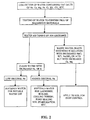
- water is collected which is contaminated with salts including NaCI, CaCl 2 and MgCl 2 .
- the contaminated water is purified by any means known to those skilled in the art, including distillation, reverse osmosis, electrolysis, evaporation, ion exchange, etc.
- the contaminated water is processed to produce a first effluent of relatively clean water which is useful for agricultural purposes, drinking water, industrial purposes, etc.
- the processing also produces a second effluent of waste water.
- the waste water is analyzed for Hazardous Materials to confirm that the waste water is safe to use.
- the waste water comprising a solution of salts
- the waste water is analyzed for individual amounts of sodium, calcium, and magnesium and total dissolved solids to determine the best application and the amount of solution to be applied to a particular soil.
- the waste water is then applied to soil by spraying from a truck, aircraft or the like to effectively control dust and stabilize the soil. Where the concentration of salts is not enough to meet the required needs in a single application, several applications of the waste water may be employed.
- water is collected which is contaminated with the salts of Na, Ca, Mg, Fe, Cl, SO4, CO2, etc.
- the water is then tested to confirm that it is free of hazardous materials.
- the contaminated water is then purified by ion exchange.
- the amount of salts in the effluents does not change.
- the cations exchange for anions.
- a first effluent of clean water is produced having an increase in sodium or potassium. Where the contaminated water originally contained a low amount of sodium, it is preferred that this water be used for potable water.
- the clean water effluent be used for laundries, boilers, cooling towers, pond sealing and soil stabilization. These uses are listed in order of suitability as the sodium increases.
- the water softening process by ion exchange also produces a waste water having decreased NaCI, KCI, Na(OH) 2 or acid, but having an increase in calcium and magnesium. This waste water is then applied to soil by spraying from a truck, aircraft or the like to control dust.
- water is collected which is contaminated with the salts of Na, K, Ca, Mg, Fe, Cl, SO4, and CO3. The water is then tested to confirm that it is free of hazardous materials.
- This contaminated water is then purified by a membrane system to remove large molecules.
- a first effluent of clean water having decreased divalent ions is produced from the membrane softening process. Where the original sodium content of the contaminated water is relatively low, it is preferred that the clean water be used for potable water. Where the original sodium content of the contaminated water is relatively high, it is preferred that the clean water effluent be used for laundries, low pressure boilers, cooling towers, pond sealing and soil stabilization.
- the membrane system also creates a waste water having increased calcium, magnesium, iron, sulfates, etc. It is preferred that this waste water be applied to soil by spraying from a truck, aircraft, or the like to effectively control dust.
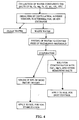
- water contaminated with the salts of NaCl, CaCl 2 and/or MgCl 2 is collected.
- the contaminated water is desalted to produce a first effluent of relatively clean water, and a second effluent of waste water.
- the second effluent undergoes further evaporization processing to produce a first product of 90% or more NaCl, and a third effluent solution of substantially saturated CaCl 2 and MgCl 2 .
- the NaCl is then applied to soil to effect soil stabilization. Meanwhile the third effluent solution of mixed CaCl 2 and MgCl 2 is applied to soil to effect dust control.
- waste water is applied in several applications. Waste water is applied and allowed to evaporate. The soil is examined to determine if sufficient waste water has been applied to control dust or stabilize the soil. These steps are repeated until sufficient salts have been applied to control dust or to stabilize the soil.
- waste water applications are increased for a three month period.
- the amount per application is the maximum that the soil will absorb without turning muddy.
- the applications are ceased.
- the road is examined over the next year and found not to exhibit any significant dusting.
Landscapes
- Chemical & Material Sciences (AREA)
- Inorganic Chemistry (AREA)
- Life Sciences & Earth Sciences (AREA)
- General Life Sciences & Earth Sciences (AREA)
- Soil Sciences (AREA)
- Engineering & Computer Science (AREA)
- Materials Engineering (AREA)
- Organic Chemistry (AREA)
- Processing Of Solid Wastes (AREA)
- Heat Treatment Of Water, Waste Water Or Sewage (AREA)
- Treatment Of Water By Ion Exchange (AREA)
- Excavating Of Shafts Or Tunnels (AREA)
Applications Claiming Priority (2)
| Application Number | Priority Date | Filing Date | Title |
|---|---|---|---|
| US09/110,789 US6071411A (en) | 1998-07-06 | 1998-07-06 | Method of treating soil for controlling dust and for effecting soil stabilization through the application of waste water |
| US110789 | 1998-07-06 |
Publications (2)
| Publication Number | Publication Date |
|---|---|
| EP0971014A1 true EP0971014A1 (fr) | 2000-01-12 |
| EP0971014B1 EP0971014B1 (fr) | 2003-09-10 |
Family
ID=22334941
Family Applications (1)
| Application Number | Title | Priority Date | Filing Date |
|---|---|---|---|
| EP99305312A Expired - Lifetime EP0971014B1 (fr) | 1998-07-06 | 1999-07-05 | Méthode de traitement du sol pour contrôle de la poussière et stabilisation par application d'eaux usées |
Country Status (7)
| Country | Link |
|---|---|
| US (1) | US6071411A (fr) |
| EP (1) | EP0971014B1 (fr) |
| AT (1) | ATE249508T1 (fr) |
| CA (1) | CA2276660C (fr) |
| DE (1) | DE69911123T2 (fr) |
| ES (1) | ES2209335T3 (fr) |
| PT (1) | PT971014E (fr) |
Cited By (1)
| Publication number | Priority date | Publication date | Assignee | Title |
|---|---|---|---|---|
| KR20030021361A (ko) * | 2001-09-05 | 2003-03-15 | 박종은 | 비포장 토지의 먼지 비산 방지제 및 먼지 비산방지제를이용한 시공방법 |
Families Citing this family (15)
| Publication number | Priority date | Publication date | Assignee | Title |
|---|---|---|---|---|
| US7514003B2 (en) * | 1998-07-06 | 2009-04-07 | Grott Gerald J | Methods for producing useful water products with reduced sodium content |
| US7717173B2 (en) * | 1998-07-06 | 2010-05-18 | Ecycling, LLC | Methods of improving oil or gas production with recycled, increased sodium water |
| US8192633B2 (en) * | 1998-07-06 | 2012-06-05 | Grott Gerald J | Methods of energy storage and transfer |
| US20100125111A1 (en) * | 2001-06-29 | 2010-05-20 | Scott Harrison | Compositions and methods for resisting soil erosion and fire retardation |
| US6562882B2 (en) * | 2001-06-29 | 2003-05-13 | Scott Harrison | Soil formulation for resisting erosion |
| US7407993B2 (en) * | 2001-06-29 | 2008-08-05 | Terra Novo, Inc. | Compositions and methods for resisting soil erosion and fire retardation |
| US6695545B2 (en) | 2001-10-11 | 2004-02-24 | Gregory M. Boston | Soil stabilization composition |
| JP3467266B1 (ja) * | 2002-09-17 | 2003-11-17 | 俊多 白石 | 地震による地盤液状化防止工法およびこの工法に用いる施設 |
| US7157021B2 (en) * | 2003-02-19 | 2007-01-02 | Archer-Daniels-Midland Company | Methods and compositions for dust and erosion control |
| US20090028650A1 (en) * | 2007-07-26 | 2009-01-29 | Dennis Delamore | Composition and method for increasing resistance to erosion |
| US20100051556A1 (en) * | 2008-08-29 | 2010-03-04 | Grott Gerald J | Methods of purifiying water using waste brines to regenerate ion-exchange resins |
| US20100147767A1 (en) * | 2008-12-15 | 2010-06-17 | Grott Gerald J | Method for purifying waste saline waters without reagent waste |
| DE102016110866A1 (de) | 2016-06-14 | 2017-12-14 | Omid Akhavas | Ökologischer Mulch, Verfahren und Vorrichtung zu dessen Herstellung sowie dessen Verwendung |
| CN113057048B (zh) * | 2021-03-02 | 2023-05-26 | 重庆渝隆环保有限公司 | 一种保湿性能高的农用污水处理装置 |
| CN114314980A (zh) * | 2021-12-14 | 2022-04-12 | 罗先华 | 一种含多种重金属表处废水零排放处理系统及其方法 |
Citations (7)
| Publication number | Priority date | Publication date | Assignee | Title |
|---|---|---|---|---|
| US3077054A (en) | 1959-06-22 | 1963-02-12 | Scholten Chemische Fab | Erosion control |
| US3224867A (en) | 1962-06-29 | 1965-12-21 | American Maize Prod Co | Method of treating and conditioning soil with a heat reaction product of starch granules and an alkali metal phosphate |
| EP0125680A2 (fr) * | 1983-05-14 | 1984-11-21 | Jost-Ulrich Kügler | Procédé d'étanchéification d'une couche souterraine de sol sablonneux ou graveleux |
| US5125770A (en) | 1989-10-06 | 1992-06-30 | Cooperatieve Verkoop- En Productievereniging Van Aardappelmeel En Derivaten Avebe B.A. | Method of stabilizing the soil and preventing erosion |
| US5300123A (en) | 1987-10-07 | 1994-04-05 | Grott Gerald J | Method of reforming soluble salts to effect purification and increase crystal size thereof |
| EP0702110A1 (fr) * | 1994-09-16 | 1996-03-20 | Jost-Ulrich Kügler | Procédé pour étancher des couches de sol |
| DE19503142A1 (de) * | 1995-02-01 | 1996-08-08 | Horst Prof Dr Bannwarth | Mittel und Verfahren zur Herstellung von vielseitig verwendbaren Stabilisaten, von Deponaten, Abdichtungs- und Baumaterialien aus Abfallstoffen und Rückständen |
Family Cites Families (10)
| Publication number | Priority date | Publication date | Assignee | Title |
|---|---|---|---|---|
| US2375019A (en) * | 1940-10-18 | 1945-05-01 | Hercules Powder Co Ltd | Stabilization of soils |
| US2387898A (en) * | 1942-02-02 | 1945-10-30 | Dow Chemical Co | Magnesium salts from sea water |
| US2687358A (en) * | 1949-12-23 | 1954-08-24 | Ici Ltd | Stabilized soil and a process of stabilizing it |
| US2968572A (en) * | 1958-07-21 | 1961-01-17 | Diamond Alkali Co | Chemical composition and process for soil stabilization |
| US3490241A (en) * | 1967-04-20 | 1970-01-20 | Edward D Graf | Stabilization of soil by diffusion of cations |
| US4161446A (en) * | 1977-11-23 | 1979-07-17 | Coillet Dudley W | Process for the treatment of ground water |
| US4422940A (en) * | 1982-05-17 | 1983-12-27 | Bofors Nobel, Incorporated | Method of neutralizing and detoxifying wastes containing organic compounds |
| US4592931A (en) * | 1983-07-28 | 1986-06-03 | Exxon Research & Engineering Co. | Method for soil stabilization and fugitive dust control |
| US4523998A (en) * | 1983-12-05 | 1985-06-18 | General Electric Company | Continuous ion exchange process using thermally regenerable liquid ion exchangers |
| US4828726A (en) * | 1987-09-11 | 1989-05-09 | Halliburton Company | Stabilizing clayey formations |
-
1998
- 1998-07-06 US US09/110,789 patent/US6071411A/en not_active Expired - Lifetime
-
1999
- 1999-06-30 CA CA002276660A patent/CA2276660C/fr not_active Expired - Fee Related
- 1999-07-05 EP EP99305312A patent/EP0971014B1/fr not_active Expired - Lifetime
- 1999-07-05 PT PT99305312T patent/PT971014E/pt unknown
- 1999-07-05 DE DE69911123T patent/DE69911123T2/de not_active Expired - Fee Related
- 1999-07-05 AT AT99305312T patent/ATE249508T1/de not_active IP Right Cessation
- 1999-07-05 ES ES99305312T patent/ES2209335T3/es not_active Expired - Lifetime
Patent Citations (7)
| Publication number | Priority date | Publication date | Assignee | Title |
|---|---|---|---|---|
| US3077054A (en) | 1959-06-22 | 1963-02-12 | Scholten Chemische Fab | Erosion control |
| US3224867A (en) | 1962-06-29 | 1965-12-21 | American Maize Prod Co | Method of treating and conditioning soil with a heat reaction product of starch granules and an alkali metal phosphate |
| EP0125680A2 (fr) * | 1983-05-14 | 1984-11-21 | Jost-Ulrich Kügler | Procédé d'étanchéification d'une couche souterraine de sol sablonneux ou graveleux |
| US5300123A (en) | 1987-10-07 | 1994-04-05 | Grott Gerald J | Method of reforming soluble salts to effect purification and increase crystal size thereof |
| US5125770A (en) | 1989-10-06 | 1992-06-30 | Cooperatieve Verkoop- En Productievereniging Van Aardappelmeel En Derivaten Avebe B.A. | Method of stabilizing the soil and preventing erosion |
| EP0702110A1 (fr) * | 1994-09-16 | 1996-03-20 | Jost-Ulrich Kügler | Procédé pour étancher des couches de sol |
| DE19503142A1 (de) * | 1995-02-01 | 1996-08-08 | Horst Prof Dr Bannwarth | Mittel und Verfahren zur Herstellung von vielseitig verwendbaren Stabilisaten, von Deponaten, Abdichtungs- und Baumaterialien aus Abfallstoffen und Rückständen |
Cited By (1)
| Publication number | Priority date | Publication date | Assignee | Title |
|---|---|---|---|---|
| KR20030021361A (ko) * | 2001-09-05 | 2003-03-15 | 박종은 | 비포장 토지의 먼지 비산 방지제 및 먼지 비산방지제를이용한 시공방법 |
Also Published As
| Publication number | Publication date |
|---|---|
| ES2209335T3 (es) | 2004-06-16 |
| CA2276660A1 (fr) | 2000-01-06 |
| DE69911123T2 (de) | 2004-05-27 |
| US6071411A (en) | 2000-06-06 |
| CA2276660C (fr) | 2003-10-07 |
| ATE249508T1 (de) | 2003-09-15 |
| PT971014E (pt) | 2004-02-27 |
| DE69911123D1 (de) | 2003-10-16 |
| EP0971014B1 (fr) | 2003-09-10 |
Similar Documents
| Publication | Publication Date | Title |
|---|---|---|
| US6071411A (en) | Method of treating soil for controlling dust and for effecting soil stabilization through the application of waste water | |
| US7622044B2 (en) | Methods of sealing ponds and increasing water catchment with purified waste water | |
| US6651383B2 (en) | Methods of utilizing waste waters produced by water purification processing | |
| Mercer et al. | Ammonia removal from secondary effluents by selective ion exchange | |
| US6338800B1 (en) | Methods and compositions using lanthanum for removing phosphates from water | |
| US4415467A (en) | Agent for the purification of waste waters and process for its production | |
| US7771600B2 (en) | Methods of utilizing waste waters produced by water purification processing | |
| US8210768B2 (en) | Methods for deicing roads | |
| AU2006275533A1 (en) | Methods of the purification and use of moderately saline water | |
| US6374539B1 (en) | Methods of utilizing waste waters produced by water purification processing | |
| US8192633B2 (en) | Methods of energy storage and transfer | |
| JP2013148569A (ja) | 特定元素除去方法 | |
| Luthra et al. | Innovative Method of Treating soil with Waste Water for Control of Dust and Establishing Soil Stabilization | |
| Kaleta et al. | Removal of iron, manganese and nitrogen compounds from underground waters with diverse physical and chemical characteristics | |
| Schuiling | Geochemical engineering: principles and case studies | |
| Robinson et al. | Treatment studies at the process waste treatment plant at Oak Ridge National Laboratory | |
| Mougnala et al. | Elimination, Kinetics and Thermodynamics of Fe (II) Ions by Adsorption in Static and Dynamic Conditions on Activated Carbons in Aqueous Media | |
| JP2004306013A (ja) | 土壌浄化方法及び土壌浄化剤 | |
| JPS596199B2 (ja) | 排水中のリンの除去方法 | |
| Alhaj et al. | Incorporation of Fluoride into Coating Process of Aluminium Oxide Coated Charcoal to Enhance Its Adsorption Capacity | |
| Tyagi et al. | Column defluoridation of groundwater using modified inorganic composites | |
| Hamdi et al. | New and Emerging Methods of Wastewater Treatment from Phosphoric Acid Production Plant | |
| Zhang et al. | Design of obstacle avoidance control system for low altitude and low speed eppo unmanned helicopter | |
| Thompson et al. | Treatment and Disposal of Regeneration Wastewater from Activated Alumina Columns Used for Fluoride Removal from Groundwater at Rocky Mountain Arsenal. | |
| Kumari | DIFFERENT METHOD FOR REMOVAL OF FLUORIDE FROM CONTAMINATED GROUND WATER: AN APPRAISAL |
Legal Events
| Date | Code | Title | Description |
|---|---|---|---|
| PUAI | Public reference made under article 153(3) epc to a published international application that has entered the european phase |
Free format text: ORIGINAL CODE: 0009012 |
|
| AK | Designated contracting states |
Kind code of ref document: A1 Designated state(s): AT BE CH CY DE DK ES FI FR GB GR IE IT LI LU MC NL PT SE |
|
| AX | Request for extension of the european patent |
Free format text: AL;LT;LV;MK;RO;SI |
|
| 17P | Request for examination filed |
Effective date: 20000711 |
|
| AKX | Designation fees paid |
Free format text: AT BE CH CY DE DK ES FI FR GB GR IE IT LI LU MC NL PT SE |
|
| GRAH | Despatch of communication of intention to grant a patent |
Free format text: ORIGINAL CODE: EPIDOS IGRA |
|
| GRAH | Despatch of communication of intention to grant a patent |
Free format text: ORIGINAL CODE: EPIDOS IGRA |
|
| GRAA | (expected) grant |
Free format text: ORIGINAL CODE: 0009210 |
|
| AK | Designated contracting states |
Kind code of ref document: B1 Designated state(s): AT BE CH CY DE DK ES FI FR GB GR IE IT LI LU MC NL PT SE |
|
| PG25 | Lapsed in a contracting state [announced via postgrant information from national office to epo] |
Ref country code: LI Free format text: LAPSE BECAUSE OF FAILURE TO SUBMIT A TRANSLATION OF THE DESCRIPTION OR TO PAY THE FEE WITHIN THE PRESCRIBED TIME-LIMIT Effective date: 20030910 Ref country code: FI Free format text: LAPSE BECAUSE OF FAILURE TO SUBMIT A TRANSLATION OF THE DESCRIPTION OR TO PAY THE FEE WITHIN THE PRESCRIBED TIME-LIMIT Effective date: 20030910 Ref country code: CY Free format text: LAPSE BECAUSE OF FAILURE TO SUBMIT A TRANSLATION OF THE DESCRIPTION OR TO PAY THE FEE WITHIN THE PRESCRIBED TIME-LIMIT Effective date: 20030910 Ref country code: CH Free format text: LAPSE BECAUSE OF FAILURE TO SUBMIT A TRANSLATION OF THE DESCRIPTION OR TO PAY THE FEE WITHIN THE PRESCRIBED TIME-LIMIT Effective date: 20030910 |
|
| REG | Reference to a national code |
Ref country code: GB Ref legal event code: FG4D |
|
| REG | Reference to a national code |
Ref country code: CH Ref legal event code: EP |
|
| REF | Corresponds to: |
Ref document number: 69911123 Country of ref document: DE Date of ref document: 20031016 Kind code of ref document: P |
|
| REG | Reference to a national code |
Ref country code: IE Ref legal event code: FG4D |
|
| PG25 | Lapsed in a contracting state [announced via postgrant information from national office to epo] |
Ref country code: SE Free format text: LAPSE BECAUSE OF FAILURE TO SUBMIT A TRANSLATION OF THE DESCRIPTION OR TO PAY THE FEE WITHIN THE PRESCRIBED TIME-LIMIT Effective date: 20031210 Ref country code: DK Free format text: LAPSE BECAUSE OF FAILURE TO SUBMIT A TRANSLATION OF THE DESCRIPTION OR TO PAY THE FEE WITHIN THE PRESCRIBED TIME-LIMIT Effective date: 20031210 |
|
| REG | Reference to a national code |
Ref country code: GR Ref legal event code: EP Ref document number: 20030405074 Country of ref document: GR |
|
| REG | Reference to a national code |
Ref country code: CH Ref legal event code: PL |
|
| RAP2 | Party data changed (patent owner data changed or rights of a patent transferred) |
Owner name: GROTT, GERALD J. |
|
| RIN2 | Information on inventor provided after grant (corrected) |
Inventor name: GROTT, GERALD J. |
|
| NLT2 | Nl: modifications (of names), taken from the european patent patent bulletin |
Owner name: GROTT, GERALD J. |
|
| REG | Reference to a national code |
Ref country code: ES Ref legal event code: FG2A Ref document number: 2209335 Country of ref document: ES Kind code of ref document: T3 |
|
| PG25 | Lapsed in a contracting state [announced via postgrant information from national office to epo] |
Ref country code: LU Free format text: LAPSE BECAUSE OF NON-PAYMENT OF DUE FEES Effective date: 20040705 |
|
| ET | Fr: translation filed | ||
| PLBE | No opposition filed within time limit |
Free format text: ORIGINAL CODE: 0009261 |
|
| STAA | Information on the status of an ep patent application or granted ep patent |
Free format text: STATUS: NO OPPOSITION FILED WITHIN TIME LIMIT |
|
| PG25 | Lapsed in a contracting state [announced via postgrant information from national office to epo] |
Ref country code: MC Free format text: LAPSE BECAUSE OF NON-PAYMENT OF DUE FEES Effective date: 20040731 |
|
| REG | Reference to a national code |
Ref country code: PT Ref legal event code: TE4A Free format text: GERALD J. GROTT US Effective date: 20040607 |
|
| 26N | No opposition filed |
Effective date: 20040614 |
|
| PGFP | Annual fee paid to national office [announced via postgrant information from national office to epo] |
Ref country code: AT Payment date: 20071227 Year of fee payment: 9 |
|
| PGFP | Annual fee paid to national office [announced via postgrant information from national office to epo] |
Ref country code: BE Payment date: 20071231 Year of fee payment: 9 |
|
| PGFP | Annual fee paid to national office [announced via postgrant information from national office to epo] |
Ref country code: PT Payment date: 20071228 Year of fee payment: 9 Ref country code: IE Payment date: 20080111 Year of fee payment: 9 |
|
| PGFP | Annual fee paid to national office [announced via postgrant information from national office to epo] |
Ref country code: FR Payment date: 20071226 Year of fee payment: 9 |
|
| REG | Reference to a national code |
Ref country code: PT Ref legal event code: MM4A Free format text: LAPSE DUE TO NON-PAYMENT OF FEES Effective date: 20090105 |
|
| PGFP | Annual fee paid to national office [announced via postgrant information from national office to epo] |
Ref country code: NL Payment date: 20081125 Year of fee payment: 10 Ref country code: DE Payment date: 20081127 Year of fee payment: 10 |
|
| PGFP | Annual fee paid to national office [announced via postgrant information from national office to epo] |
Ref country code: GR Payment date: 20080116 Year of fee payment: 9 |
|
| PGFP | Annual fee paid to national office [announced via postgrant information from national office to epo] |
Ref country code: IT Payment date: 20081129 Year of fee payment: 10 |
|
| REG | Reference to a national code |
Ref country code: IE Ref legal event code: MM4A |
|
| PG25 | Lapsed in a contracting state [announced via postgrant information from national office to epo] |
Ref country code: AT Free format text: LAPSE BECAUSE OF NON-PAYMENT OF DUE FEES Effective date: 20080705 |
|
| REG | Reference to a national code |
Ref country code: FR Ref legal event code: ST Effective date: 20090331 |
|
| PG25 | Lapsed in a contracting state [announced via postgrant information from national office to epo] |
Ref country code: PT Free format text: LAPSE BECAUSE OF NON-PAYMENT OF DUE FEES Effective date: 20090105 |
|
| PG25 | Lapsed in a contracting state [announced via postgrant information from national office to epo] |
Ref country code: GR Free format text: LAPSE BECAUSE OF NON-PAYMENT OF DUE FEES Effective date: 20090204 |
|
| PGFP | Annual fee paid to national office [announced via postgrant information from national office to epo] |
Ref country code: GB Payment date: 20081126 Year of fee payment: 10 |
|
| PG25 | Lapsed in a contracting state [announced via postgrant information from national office to epo] |
Ref country code: IE Free format text: LAPSE BECAUSE OF NON-PAYMENT OF DUE FEES Effective date: 20080707 |
|
| PG25 | Lapsed in a contracting state [announced via postgrant information from national office to epo] |
Ref country code: FR Free format text: LAPSE BECAUSE OF NON-PAYMENT OF DUE FEES Effective date: 20080731 |
|
| GBPC | Gb: european patent ceased through non-payment of renewal fee |
Effective date: 20090705 |
|
| NLV4 | Nl: lapsed or anulled due to non-payment of the annual fee |
Effective date: 20100201 |
|
| PGFP | Annual fee paid to national office [announced via postgrant information from national office to epo] |
Ref country code: ES Payment date: 20100209 Year of fee payment: 11 |
|
| PG25 | Lapsed in a contracting state [announced via postgrant information from national office to epo] |
Ref country code: GB Free format text: LAPSE BECAUSE OF NON-PAYMENT OF DUE FEES Effective date: 20090705 |
|
| PG25 | Lapsed in a contracting state [announced via postgrant information from national office to epo] |
Ref country code: DE Free format text: LAPSE BECAUSE OF NON-PAYMENT OF DUE FEES Effective date: 20100202 |
|
| PG25 | Lapsed in a contracting state [announced via postgrant information from national office to epo] |
Ref country code: BE Free format text: LAPSE BECAUSE OF NON-PAYMENT OF DUE FEES Effective date: 20080731 |
|
| PG25 | Lapsed in a contracting state [announced via postgrant information from national office to epo] |
Ref country code: IT Free format text: LAPSE BECAUSE OF NON-PAYMENT OF DUE FEES Effective date: 20090705 |
|
| REG | Reference to a national code |
Ref country code: ES Ref legal event code: FD2A Effective date: 20110818 |
|
| PG25 | Lapsed in a contracting state [announced via postgrant information from national office to epo] |
Ref country code: ES Free format text: LAPSE BECAUSE OF NON-PAYMENT OF DUE FEES Effective date: 20100706 |
|
| PG25 | Lapsed in a contracting state [announced via postgrant information from national office to epo] |
Ref country code: NL Free format text: LAPSE BECAUSE OF NON-PAYMENT OF DUE FEES Effective date: 20100201 |