EP0974665A1 - Disulfure-isomerase de proteine de levure recombinee et son procede de preparation - Google Patents
Disulfure-isomerase de proteine de levure recombinee et son procede de preparation Download PDFInfo
- Publication number
- EP0974665A1 EP0974665A1 EP98901535A EP98901535A EP0974665A1 EP 0974665 A1 EP0974665 A1 EP 0974665A1 EP 98901535 A EP98901535 A EP 98901535A EP 98901535 A EP98901535 A EP 98901535A EP 0974665 A1 EP0974665 A1 EP 0974665A1
- Authority
- EP
- European Patent Office
- Prior art keywords
- yeast
- pdi
- expression vector
- host cells
- gene
- Prior art date
- Legal status (The legal status is an assumption and is not a legal conclusion. Google has not performed a legal analysis and makes no representation as to the accuracy of the status listed.)
- Withdrawn
Links
Images



Classifications
-
- C—CHEMISTRY; METALLURGY
- C12—BIOCHEMISTRY; BEER; SPIRITS; WINE; VINEGAR; MICROBIOLOGY; ENZYMOLOGY; MUTATION OR GENETIC ENGINEERING
- C12N—MICROORGANISMS OR ENZYMES; COMPOSITIONS THEREOF; PROPAGATING, PRESERVING, OR MAINTAINING MICROORGANISMS; MUTATION OR GENETIC ENGINEERING; CULTURE MEDIA
- C12N9/00—Enzymes; Proenzymes; Compositions thereof; Processes for preparing, activating, inhibiting, separating or purifying enzymes
- C12N9/90—Isomerases (5.)
-
- Y—GENERAL TAGGING OF NEW TECHNOLOGICAL DEVELOPMENTS; GENERAL TAGGING OF CROSS-SECTIONAL TECHNOLOGIES SPANNING OVER SEVERAL SECTIONS OF THE IPC; TECHNICAL SUBJECTS COVERED BY FORMER USPC CROSS-REFERENCE ART COLLECTIONS [XRACs] AND DIGESTS
- Y10—TECHNICAL SUBJECTS COVERED BY FORMER USPC
- Y10S—TECHNICAL SUBJECTS COVERED BY FORMER USPC CROSS-REFERENCE ART COLLECTIONS [XRACs] AND DIGESTS
- Y10S435/00—Chemistry: molecular biology and microbiology
- Y10S435/8215—Microorganisms
- Y10S435/911—Microorganisms using fungi
- Y10S435/94—Saccharomyces
- Y10S435/942—Saccharomyces cerevisiae
Definitions
- This invention relates to a recombinant protein of a yeast-derived enzyme, protein disulfide isomerase (hereinafter referred to as "PDI”), and a process for production thereof.
- PDI protein disulfide isomerase
- a region within yeast PDI gene encoding the endoplasmic reticulum localization signal at the C-terminal is modified, the modified gene is incorporated into an expression vector, and is expressed.
- the recombinant yeast PDI then can be secreted outside cells, with its enzymatic activity being fully retained, and thus can be produced in a large amount.
- the process for production according to the invention provide a yeast PDI recombinant protein under culture conditions of pH close to neutrality, by employing host cells which can be cultured at nearly neutral pH.
- PDI is an enzyme (EC 5.3.4.1.), which catalyzes disulfide exchange in a protein. This enzyme promotes exchange of disulfide bonds in a protein in the presence of an appropriate oxidizing or reducing agent.
- the PDI protein is localized in the lumen of an endoplasmic reticulum in an eukaryote, and has the activity of catalyzing the binding of disulfide bonds of a secretory protein, which has been translated by a membrane-attached ribosome and transported to the endoplasmic reticulum. It is expected that PDI can be used to act on various proteins produced by gene recombination, and to make these proteins take stereostructures with which they can show activity. Commercially, this enzyme can be applied, for example, to improving the quality of protein-containing foods, such as dough, ham, sausages, fish paste products, and soybean curd. As noted from these facts, PDI is a useful enzyme.
- Japanese Patent Public Disclosure No. 197176/92 describes the physicochemical properties of PDI derived from the yeast Saccharomyces cerevisiae, and a gene sequence encoding the protein.
- the Saccharomyces cerevisiae-derived PDI protein has a molecular weight of about 70,000 and an isoelectric point of about 4.0 to 4.1. Its optimal pH is about 8.5 to 8.75 (J. Biochem., 108, 846 (1990), Japanese Patent Public Disclosure No. 197176/92).
- yeast PDI is present in cells.
- this enzyme it was necessary to perform a complicated process comprising culturing the cells, grinding the cells, extracting and purifying cell extract and obtaining a final product.
- This complicated extraction process simply led to a build up of cost.
- the yeast PDI is an enzyme having the unstable property of being easily deactivated by heat or heavy metal ions. Because of this unstable property, in addition to said complexity of the extraction step, a careful, tiresome manipulation is required for maintaining the activity during the entire process.
- the extraction step needs to be simplified.
- Means for allowing the enzyme, an intracellular substance, to be secreted and produced extracellularly is effective for its simplification. Namely, if the enzyme can be continuously produced in a culture medium outside cells, which have once been cultured, the frequency of culturing the cells will be decreased, and the cell grinding step will become unnecessary. Purification from the culture medium with few impurities could simplify the purification step as well, reduce influence on the activity, and result in efficient mass production.
- Yeast PDI at the stage of a precursor, retains an extracellular secretion signal, and is produced in an endoplasmic reticulum, which is the starting point of a secretion pathway.
- endoplasmic reticulum which is the starting point of a secretion pathway.
- yeast PDI will be secreted outside the cell
- the wild type is not secreted extracellularly (M. Lamantia et al., Cell, 74, 899, 1993). It is speculated that this is because an endoplasmic reticulum localization signal at the C-terminal (the amino acid sequence HDEL in the case of Saccharomyces cerevisiae, for example) is retained.
- the number of PDI genes per cell of yeast is only one, and the amount of PDI produced per cell is minuscule. Even if the PDI is secreted in a culture medium, it cannot be obtained in sufficient concentration.
- yeast PDI activity is unstable in an acidic region, while the optimum pH for ordinary yeast is in a weakly acidic region. In this weak acidity (pH 6.0 or lower), PDI is deactivated. At pH in a region in which PDI is not deactivated, yeast cells, usually, cannot remain active.
- culture medium components ordinary used for culture of yeast may contain substances which decrease or destroy PDI activity. The use of a culture medium containing such components would deactivate PDI produced extracellularly. For these various reasons, a method for mass production of yeast PDI in an active state had not been developed before the present invention.
- the present invention provides a process suitable for mass production of recombinant yeast protein disulfide isomerase which is biologically active. Specifically, the process for production of the present invention is characterized by producing the yeast PDI protein by a genetic engineering technology using a yeast PDI gene, and causing its extracellular secretion.
- the invention also provides recombinant yeast protein disulfide isomerase produced by the process for production of the present invention.
- the inventors of the present invention conducted extensive studies in an attempt to solve the foregoing problems. As a result, they prepared yeast PDI by genetic engineering, thereby making possible the mass production of this enzyme in an extracellular setting, with its enzyme activity being fully retained.
- the inventors modified yeast PDI gene, which was obtained from chromosomal DNA derived from the yeast Saccharomyces cerevisiae (H. Tachikawa et al., J. Biochem., 110, 306-313, 1991) (donated by Mr. Tachikawa), by gene recombination technology so as not to code for the C-terminal four-amino acid sequence H (histidine), D (aspartic acid), E (glutamic acid) and L (leucine), an endoplasmic reticulum localization signal.
- the present invention is a process for producing biologically active recombinant yeast protein disulfide isomerase, comprising the steps of:
- the secreted enzyme is further concentrated or purified.
- the endoplasmic reticulum localization signal is a C-terminal four-amino acid sequence (HDEL).
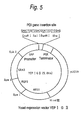
- the expression vector is the yeast expression vector, YEp1GII, shown in Fig. 5.
- the host cells are cultured with the pH being kept at 6.5 to 8.
- the present invention also provides recombinant yeast protein, a disulfide isomerase produced by the above process for production of the present invention.
- the present invention also includes the expression vector and the transformed host cells used in the process for production.
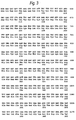
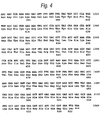
- the yeast PDI gene may be, but is not restricted to, the PDI gene derived from the yeast Saccharomyces cerevisiae described, for example, as SEQ ID: No. 1 (Figs. 2 to 4).
- the PDI gene derived from the yeast Saccharomyces cerevisiae is also disclosed in H. Tachikawa et al., J. Biochem., 110, 306-313, 1991, and Japanese Patent Public Disclosure No. 197176/92. PDI is considered to be present in various types of yeast in addition to Saccharomyces cerevisiae.
- the enzyme present in such yeast other than Saccharomyces cerevisiae which, in a native form, has an endoplasmic reticulum localization signal, can be used in the process of the invention.
- yeast such as Pichia or Kluyveromyces
- PDI genes can be obtained based on the foregoing prior art references by any conventionally used techniques such as hybridization or PCR.
- secretion of protein is performed usually along the following pathway: A secretory protein is translated from mRNA by the ribosome. After or during translation, the protein is transferred into the endoplasmic reticulum, and further transported to the Golgi apparatus, from which it is allocated to the vacuole, the cell membrane, the cell wall, or the outside of the cell. Protein, which should remain in the endoplasmic reticulum, also takes the same route as the secretory protein, but once transported to the Golgi apparatus, it is sent back to the endoplasmic reticulum.
- these proteins localized in the endoplasmic reticulum contain in their structure a special structure in addition to a signal necessary for entry into the secretion pathway, such as a particular amino acid sequence comprising several residues (consensus sequence), or a consensus sequence called "motif" in which amino acid residues with similar properties may be substituted conservatively.
- a special structure necessary for persistent presence in the endoplasmic reticulum is designated as an "endoplasmic reticulum localization signal.”
- one or more bases are deleted, substituted, or added in a region of a gene encoding an endoplasmic reticulum localization signal of PDI protein to modify the gene so as not to encode part or all of the endoplasmic reticulum localization signal.
- the endoplasmic reticulum localization signal consists of four amino acid residues (HDEL) at the C-terminal.
- Other yeasts may have an endoplasmic reticulum localization signal of a different sequence.
- the recombinant yeast PDI modification product such that the gene is modified so as not to encode part or all of the endoplasmic reticulum localization signal, and the expressed recombinant PDI protein is not localized in the endoplasmic reticulum, but is secreted outside the cells.
- Modification of the region encoding the endoplasmic reticulum localization signal can be achieved by any of many known techniques. Mutation can be introduced at a particular position by synthesizing an oligonucleotide containing a mutant sequence adjacent to restriction sites which can be connected to a fragment of a native sequence. After connection, the resulting reconstituted sequence encodes a modified variant having desired insertion, replacement or deletion of amino acid(s) in the endoplasmic reticulum localization signal.
- a modified gene having a particular codon modified by a necessary deletion, substitution or addition can be provided by using a site-specific mutagenic producer governed by an oligonucleotide.
- Techniques for performing such modification include those described in Walder et al. (Gene 42:133, 1986); Bauer et al. (Gene 37:73, 1985); Craik (BioTechniques, January 1985, 12-19); Smith et al. (Genetic Engineering: Principles and Methods, Plenum Press, 1981); and United States Patents No. 4,518,584 and No. 4,737,462). These documents are cited in the present specification.
- the gene of the recombinant yeast PDI modified variant of the present invention is modified so as not to encode part or all of the endoplasmic reticulum localization signal, but such variant still has biologic activity. That is, this product retains its enzymatic activity of catalyzing disulfide exchange in a protein.
- an analogue which differs from a native amino acid sequence in terms of a region other than the endoplasmic reticulum localization signal region, but has the biological activity of PDI, is included in the recombinant yeast PDI of the present invention.
- the analogue for example, can contain a conservatively substituted sequence, and one or more amino acid residues of native PDI protein can be substituted by different residues.
- the conservatively substituted PDI protein is shown to retain desired biological activity essentially comparable to that of the native protein.
- An example of a conservative substitution is the substitution for amino acids which do not change a secondary and/or a tertiary structure of PDI.
- a person skilled in the art can easily perform deletion, substitution or addition of one or more bases of the sequence in a portion of yeast PDI gene other than a coding region for the endoplasmic reticulum localization signal by the use of the above-described publicly known genetic engineering techniques to obtain an analogue to yeast PDI.
- a naturally occurring analogue to yeast PDI e.g., allyl, is also included in the yeast PDI of the present invention.
- modification can be carried out such that a yeast PDI derivative is produced by forming a covalent bond or a cohesive bond to other chemical residue, such as a glycosyl group, a lipid, a phosphate, or an acetyl group.
- the present invention provides a recombinant expression vector for expression of recombinant yeast PDI, and host cells transformed with the expression vector.
- Any suitable expression system can also be used.
- Preferred is a yeast expression system.
- the expression vector includes a gene encoding a yeast PDI modified variant, which has been operably linked to a suitable transcriptional or translational regulatory nucleotide sequence, such as one derived from a microbial (e.g., yeast), mammalian, viral or insect gene.
- suitable transcriptional or translational regulatory nucleotide sequence such as one derived from a microbial (e.g., yeast), mammalian, viral or insect gene.
- the regulatory sequence include a transcription promoter, operator or enhancer, a ribosome binding site of mRNA, and appropriate sequences which control the initiation and termination of transcription and translation.
- a powerful transcription promoter sequence into the expression vector.
- a replication origin which imparts replicability in the desired host cells, and one or more selectable markers for identifying transformed cells may be incorporated into the expression vector.
- the expression vector of the invention is obtained in the following manner, for example: Yeast PDI gene and DNAs serving as a promoter and a vector, in accordance with the method described in Biochem. Biophys. Acta, 72, 619-629, 1963, are digested with restriction enzymes, such as EcoRI and BamHI, and then ligated by a ligase such as T4DNA ligase, as in the method described in J. Mol. Biol., 96, 171-184. 1974.
- Suitable host cells suitable for the expression of the yeast PDI modified variant include yeasts, prokaryotic cells or higher eukaryotic cells.
- Suitable cloning and expression vectors for use together with yeasts, bacteria, fungal and mammalian cellular hosts are described, for example, in Pouwels et al., Cloning Vectors: A Laboratory Manual, Elsevier, New York (1985)).
- Yeast PDI can be expressed, preferably, in a yeast host, and more preferably, in the genus Saccharomyces (e.g., Saccharomyces cerevisiae). Other genera of yeast, such as Pichia or Kluyveromyces, may also be used. Yeast vectors will often contain an origin of replication sequence from a 2 ⁇ yeast plasmid, an autonomously replicating sequence (ARS), a promoter region, sequences for polyadenylation. sequences for termination of transcription, and a selective marker.
- ARS autonomously replicating sequence
- promoter sequence suitable for the yeast vector include promoters of metallothionein, 3-phosphoglycerate kinase (PGK) (Hitzeman at al., J. Biol. Chem. 255:2073, 1980), or other glycolytic enzymes (Hess et al., J. Adv. Enzyme Rag. 7:149, 1968; and Holland et al., Biochem.
- PGK 3-phosphoglycerate kinase
- enolase such as enolase, glyceraldehyde-3-phosphate dehydrogenase, hexokinase, pyruvate decarboxylase, phosphofructokinase, glucose-6-phophate isomerase, 3-phosphoglycerate mutase, pyruvate kinase, triosephosphate isomerase, phosphoglucose isomerase, and glucokinase.
- suitable vectors and promoters for use in yeast expression are further described in Hitzeman, EPA-73, No. 657.
- Glucose-repressible ADH1 (Bennetzen et al., J. Biol. Chem.
- a shuttle vector capable of replicating in yeast or Escherichia coli can be constructed by inserting a DNA sequence (Amp-resistant gene and replication origin) from pBR322 (ATCC37017) for selection and replication in E. coli into the foregoing yeast vector.
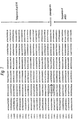
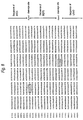
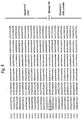
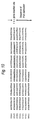
- yeast-derived YEpGII Japanese Patent Public Disclosure No. 289267/95 shown, for example, in Figs. 5 to 10.
- prokaryote such as gram negative or gram positive organisms (e.g., E. coli or Bacilli), as host cells.
- prokaryotic host cells suitable for transformation include E. coli, Bacillus subtilis, Salmonella typhimurium, and various other species of the genera Pseudomonas, Streptomyces and Staphylococcus.
- the expression vector for use in the prokaryotic host cells generally includes one or more phenotypic selectable marker genes.
- a phenotypic selectable marker gene is, for instance, a gene encoding a protein which confers antibiotic resistance or that supplies an autotrophic requirement.
- Examples of the expression vector useful for prokaryotic host cells include those from commercially available plasmids, such as cloning vector pBR322 (ATCC37017). Other commercially available vectors include, for example, pKK223-3 (Pharmacia Fine Chemicals, Uppsala, Sweden) and pGEM1 (Promega Biotec, Madison, WI, U.S.A.).
- the promoter sequence commonly used for the recombinant prokaryotic host cell expression vector includes, for example, ⁇ -lactamase (penicillinase), lactose promoter system (Chang et al., Nature 275:615, 1978; and Goeddel et al., Nature 281:544, 1979), tryptophan (trp) promoter system (Goeddel et al., Nucl. Acids Res. 8:4057, 1980; and EPA-36776), T7 promoter system (Davanloo et al., Proc. Natl. Acad. Sci. USA 81:2035, 1984), and tac promoter (Maniatis. Molecular Cloning:A Laboratory Manual, Cold Spring Harbor Laboratory. 412, 1982). Phage ⁇ P L promoter, and cI857ts heat-labile repressor sequence can also be used.
- a mammalian or insect host cell culture system is also usable for expression of the recombinant yeast PDI modified variant.
- the expression vector for use in the mammalian host cells can be constructed as disclosed, for example, by Okayama and Berg (Mol. Cell Biol. 3:280, 1983).
- host cells selected from wide ranges can be used in the present invention.
- yeast PDI is deactivated under weakly acidic (pH 6.0) conditions.
- pH 6.0 weakly acidic
- suitable host cells can also be obtained by publicly known genetic engineering technologies or mating techniques.
- the preferred host cells can be selected from naturally occurring mutants.
- the optimal pH for multiplication of yeast is, usually, in a weakly acidic region.
- yeast which can grow in a culture medium at pH close to neutrality can be screened, for example, by the method described in Example 1.
- Saccharomyces cerevisiae P1 Oriental Yeast Co., Ltd.
- yeast cells there can be selected and used a prokaryotic, mammalian or insect cell culture system which can be allowed to proliferate and culture under nearly neutral pH conditions.
- the selected desirable host cells can be transformed with the expression vector by the use of a publicly known technique.
- a transformation protocol for yeast is described in Hinnen et al., Proc. Natl. Acad. Sci. USA 75:1929, 1978.
- the transformed host cells are cultured under conditions which are adapted for expression of a recombinant yeast PDI modified variant, depending on the type of the host cell. Culture is performed under nearly neutral pH conditions, preferably, at pH 6.5 to 8.0.
- the recombinant yeast PDI modified protein expressed by the process of the present invention is secreted outside the host cells.
- a buffer such as HEPES is used on the culture medium for the transformants, to keep the pH nearly neutral.
- a uracil-free minimal medium (6.7 g/L yeast nitrogen base without amino acid (Difco), 20 g/L glucose, 20 mg/L adenine, 10 mg/L L-histidine, 60 mg/L L-leucine, 20 mg/L L-tryptophan, 100 mM HEPES, 10 mM EDTA-2Na, pH 7.5).
- the yeast PDI modified protein produced by the process of the present invention can be purified by a publicly known method.
- the recombinant protein is secreted out of the cells.
- the cultured broth can be concentrated using a commercially available protein concentration filter, e.g., Amicon or Millipore Pellicon ultrafiltration device.
- the concentrate can be applied to a purification matrix such as a gel filtration medium.
- an anion exchange resin e.g., a matrix or substrate having pendant diethylaminoethyl (DEAE) groups, can be used.
- the matrices can be acrylamide, agarose, dextran, cellulose, or other types commonly employed in protein purification.
- a cation exchange step may also be used.
- suitable cation exchangers various insoluble matrices comprising sulfopropyl groups or carboxymethyl groups are available.
- RP-HPLC reverse phase high performance liquid chromatography
- hydrophobic RP-HPLC base media e.g., silica gel having pendant methyl or other aliphatic groups
- the secreted recombinant protein from a yeast host cell fermentation can be purified, for example, by the same method as disclosed by Urdal et al. (J. Chromatog. 296:171, 1984).
- the yeast PDI modified protein is purified, for example, such that protein bands corresponding to other proteins are not detectable by SDS-polyacrylamide gel electrophoresis (SDS-PAGE). Protein bands can be visualized by silver staining, Coomassie blue staining, or autoradiography (when the protein is radiolabeled).
- the recombinant yeast PDI modified protein of the present invention has a modified endoplasmic reticulum localization signal portion, but still retains PDI biological activity.
- the enzymatic activity of the PDI protein can be measured by a publicly known technique.
- the in vitro activity can be measured by the restoration of activity or the like using a reductively denatured enzyme as a substrate.
- the measurement can be made by using, but not restricted to, the method described in Example 5 that is a modification of the method of Mizunaga et al. (J. Biochem., 108, 846, 1990).
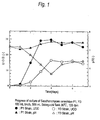
- Host cells for production of PDI having activity even at nearly neutral pH were selected by the following method:
- uracil-free minimal medium shown in Table 1 was placed in a 16 mm-diameter test tube.
- the culture medium was separately inoculated with a loopful of each of the yeasts P1, Y3 and X3 (all products of Oriental Yeast), and shake cultured for a whole day at 30°C.
- Adenine 2.0% L-histidine 1.0%
- a Sakaguchi flask was charged with 100 mL of a YPAD medium (10 g/L yeast extract, 20 g/L peptone, 140 mg/L adenine, 20 g/L glucose) that was adjusted to pH 7.5 by the addition of 100 mM HEPES. To this medium, 1 mL of the above-mentioned preculture fermentation mash was added, and the mixture was shake cultured at 30°C and 105 rpm.
- a YPAD medium (10 g/L yeast extract, 20 g/L peptone, 140 mg/L adenine, 20 g/L glucose
- Saccharomyces cerevisiae P1 (a product of Oriental Yeast; MATa leu2-3, 112 trpl-289 ura3-1,2 his3-532 his4-516 ade2) was selected, since it grew well and maintained above pH 7.0 for 7 days of culture.
- a base sequence "CACGATGAATTG” encoding a C-terminal endoplasmic reticulum localization signal "HDEL” of yeast (Saccharomyces cerevisiae) PDI was substituted by "CACGATTAATTG” so that a termination codon could be inserted midway in the endoplasmic reticulum localization signal.
- a termination codon was introduced into the sequence encoding the endoplasmic reticulum localization signal by PCR site-specific mutation introduction.
- Primers for PCR are shown in Table 2.
- Primers used in PCR Primer Base sequence Origin 1 RV 5'CAGGAAACAGCTATGAC3' Product of TAKARA SHUZO CO., LTD. 2 GPI 5'AACGTTAGCATTTTGTTTATTTATGTGTG3' Synthesized 3 PDIN 5'AACAAAATGAAGTTTTCTGCTGG3' Synthesized 4 M4 5'GTTTCCCAGTCACGAC3' Product of TAKARA SHUZO CO., LTD. 5 PDIC 5'TAACAATTAATCGTGAATGGC3' Synthesized Product of 6 MUT3 5'TGATTACGCCTAGCTTACAT3' TAKARA SHUZO CO., LTD.
- a DNA fragment was amplified by PCR in accordance with the description of "A Guide to Genetic Engineering Products” (TAKARA SHUZO, 1995-1996) by the use of the above-mentioned plasmid pUCPDIC1 as a template, and by use of a combination of a single-strand synthetic oligonucleotide RV (TAKARA SHUZO) and PDIC (synthesized by the inventors) or a combination of MUT3 and M4 (TAKARA SHUZO). Furthermore, two types of the resulting primary amplification products were mixed, and annealed for use as a template. Then, secondary PCR was performed using a combination of RV and M4 as primers. The resulting secondary amplification product containing two types of DNA fragments was treated with SphI and EcoRI. The resulting SphI-EcoRI fragment was inserted between SphI-EcoRI cleavage sites to construct pUCPDIC2.
- SphI-SalI restriction fragment derived from pUCPDIC2 was inserted into between SphI-SalI cleavage sites containing a promoter region and a structural gene for PDI of pUCPDI to construct pUCPDIC.
- YEp1GII As a multi-copy type vector for expression in yeast, YEp1GII having a base sequence shown in Figs. 5 to 10 (Japanese Patent Public Disclosure No. 289267/95) was utilized. YEp1GII contains a GAP (glyceraldehyde 3-phosphate dehydrogenase) promoter having high promoter activity.
- GAP glycosyl-phosphate dehydrogenase
- YEp1GII was cleaved with EcoRI, and its ends were blunted with a DNA polymerase. A portion between DraI-DraI cleavage sites of pUCPDIC, containing the PDI structural gene, was inserted into between the cleaved sites of YEp1GII to construct YEpGIIPDIC.
- YEpGIIPDI was constructed similarly by cleaving YEp1GII with EcoRI, blunting its ends with a DNA polymerase, and inserting a portion between DraI-DraI cleavage sites of pUCPDI, which contained PDI structural gene, into an area between the cleaved sites of YEp1GII.
- yeast PDI expression vectors are shown in Table 3.
- Yeast transformation vectors Name Vector Promoter Endoplasmic reticulum localization signal Name of strain for introduction YEp1GII YEp1GII - - E0 YepGIIPDI YEp1GII Variant Wild type E1 YepGIIPDIC YEp1GII Variant Variant E2
- yeast PDI expression vector obtained in Example 3 host cells for production of PDI, i.e., Saccharomyces cerevisiae P1, were transformed by the competent cell technique involving lithium acetate in accordance with the customary method.
- the strains incorporating YEp1GII was designated as E0, the yeast strain incorporating YEpGIIPDI as E1, and the yeast strain incorporating YEpGIIPDIC as E2.
- the resulting transformant E2 was deposited at the National Institute of Bioscience and Human Technology, Japan (Higashi 1-1-3, Tsukuba City, Ibaragi 305, Japan) with the accession number FERM P-15951 on November 15, 1996.
- FERM P-15951 was transferred to deposition under the Budapest Treaty on January 28, 1998, and given the accession number FERM BP-6240.
- Measurement of PDI activity was made by a modification of the method of Mizunaga et al. (J. Biochem., 108, 846, 1990). That is, the activity of RnaseA, whose activity was restored by the of PDI, was measured by modifying in accordance with the method of Uchida (Course of Lectures on Biochemical Experiments 2, page 68, Tokyo Kagaku Dozin Co., Ltd., 1976).
- One unit (1U) of PDI was defined as enzymatic activity which restored 1U RNaseA over 1 minute at pH 7.5 and 30°C.
- One unit (1U) of RNaseA was defined as enzymatic activity which increased absorbance by 1 over 1 minute, when the absorbance was measured with a spectrophotometer at 260 nm in the foregoing method (in which the RNaseA reaction mixture was diluted 1:200/150x1040/40 on termination of the reaction and dilition).
- a yeast culture medium for production of yeast PDI was selected by mixing a crude enzyme solution, which was extracted from yeast cells, with a culture medium, and measuring the PDI activity.
- a loopful of yeast (Saccharomyces cerevisiae) was inoculated into a 16 mm-diameter test tube containing 5 mL of a uracil-free minimal medium (6.7 g/L yeast nitrogen base without amino acid (Difco), 20 g/L glucose, 20 mg/L adenine, 10 mg/L L-histidine, 60 mg/L L-leucine, 20 mg/L L-tryptophan, 100 mM HEPES, 10 mM EDTA-2Na, pH 7.5).
- the inoculum was shake cultured for 3 days at 30°C to prepare a crude enzyme solution from the cells.
- the cultured broth was centrifuged for 5 minutes at 3,000 rpm.
- the centrifuged cells were washed twice with ice cooled 4X PE buffer (200 mM NaH 2 PO 4 , 10 mM EDTA-2Na, pH 7.5) to obtain the cells.
- 4X PE buffer 200 mM NaH 2 PO 4 , 10 mM EDTA-2Na, pH 7.5
- 300 ⁇ L of 4X PE buffer was added to make a cell suspension (total volume of about 600 ⁇ L).
- the cell suspension (about 300 ⁇ L) was added into a 1.5 mL Eppendorf tube containing about 0.4 g of glass beads (average diameter: 0.40-0.45 mm).
- the Eppendorf tube was shaken for 10 minutes at a maximum speed by means of a micro tube mixer (MT-360, Tomy Seiko) in a refrigerator to grind the cells. Upon completion of grinding, the Eppendorf tube was centrifuged for 15 minutes at 13,000 rpm. The supernatant was collected into another tube, and obtained as a crude enzyme solution.
- the culture medium contained a buffer and a chelating agent.
- the foregoing uracil-free minimal medium and YAD medium (10 g/L yeast extract, 20 g/L glucose, 20 mg/L adenine, 100 mM HEPES, 10 mM EDTA-2Na, pH 7.5) were each used. The results of their comparison are shown in Table 4. Selection of culture medium not inhibiting PDI activity Culture medium PDI relative activity (%) Water 100 YAD 68 Uracil-free minimal medium 100
- the uracil-free minimal medium was selected as a culture medium which does not inhibit PDI activity.
- a loopful of the transformed yeast host cells obtained in Example 4 was inoculated into a 16 mm-diameter test tube containing 5 mL of YPAD medium.
- the inoculum was shake cultured for 3 days at 30°C.
- the cultured broth was centrifuged for 5 minutes at 3,000 rpm, and then washed twice with ice cooled 4X PE buffer (200 mM NaH 2 PO 4 , 10 mM EDTA-2Na, pH 7.5).
- 4X PE buffer 200 mM NaH 2 PO 4 , 10 mM EDTA-2Na, pH 7.5
- To cells collected after recentrifugation was added 2 mL of a PDI production culture medium of the above-described composition that was prepared by adding a buffer and a chelating agent to the uracil-free minimal medium.
- the resulting mixture was shake cultured for 15 hours at 30°C. Thereafter, the cultured broth was ice cooled, and then centrifuged for
- Example 8 PDI activity of recombinant yeast PDI protein
- bovine serum albumin (a product of Wako) was added so as to make the final concentration of 0.1 g/L. Then, the mixture was placed in a centrifugal filtration tube (Millipore, Ultrafree C3LGC, fractionated molecular weight 10,000), and concentrated at 6,000 rpm and 5°C to a total volume of about 100 ⁇ L, thereby obtaining solution containing the yeast PDI.
- PDI protein was secreted and expressed in the culture medium by using each of the various transformed yeasts shown in Table 3, and the PDI activity was measured by the method of Example 5. The results are shown in Table 5.
- the PDI activity was the highest for E2 strain (incorporating yeast PDI gene modified to a secretor type), demonstrating the effectiveness of the present invention.
- PDT activity of E0, E1 and E2 strains Experiment Strain Sample PDI activity (U/mL) 1 E0 Culture medium 0 E1 Culture medium 0.95x10 -1 E2 Culture medium 1.43x10 -1 2 E0 Culture medium 0 E1 Culture medium 1.15x10 -1 E2 Culture medium 2.27x10 -1 3 E0 Culture medium 0 E1 Culture medium 0.36x10 -1 E2 Culture medium 0.90x10 -1
- Detection of yeast PDI in the culture medium was also performed by SDS-PAGE.
- the culture medium was concentrated about 60-fold by the same method as described above without the addition of BSA.
- the device used was ATTO's tandem minislab gel electrophoresis device (AE6450), and the method followed the Laemmli method in accordance with the attached manual.
- the separation gel concentration was 7.5%.
- BLUPRINT Fast-PAGE Stain (a product of GIBCOBRL) was used.
- Fig. 11 shows a computerized image of the stained SDS-PAGE gel.
- Bands characteristic of the PDI-incorporating strains (E1, E2) appear around molecular weights of 70,000 daltons.
- a yeast PDI molecule has about 70 kDa, and the bands suggest yeast PDI.
- the color density of the band was higher in E2 than in E1, thus confirming the effectiveness of the present invention by SDS-PAGE as well.
- yeast PDI protein can be secreted in a large amount in an active state into a culture medium, and can be collected by a simple purification method.
Landscapes
- Life Sciences & Earth Sciences (AREA)
- Chemical & Material Sciences (AREA)
- Health & Medical Sciences (AREA)
- Genetics & Genomics (AREA)
- Organic Chemistry (AREA)
- Engineering & Computer Science (AREA)
- Bioinformatics & Cheminformatics (AREA)
- Zoology (AREA)
- Wood Science & Technology (AREA)
- Molecular Biology (AREA)
- Microbiology (AREA)
- Biotechnology (AREA)
- Biomedical Technology (AREA)
- Biochemistry (AREA)
- General Engineering & Computer Science (AREA)
- General Health & Medical Sciences (AREA)
- Medicinal Chemistry (AREA)
- Micro-Organisms Or Cultivation Processes Thereof (AREA)
- Preparation Of Compounds By Using Micro-Organisms (AREA)
Applications Claiming Priority (3)
| Application Number | Priority Date | Filing Date | Title |
|---|---|---|---|
| JP3858897 | 1997-02-07 | ||
| JP3858897 | 1997-02-07 | ||
| PCT/JP1998/000498 WO1998035049A1 (fr) | 1997-02-07 | 1998-02-06 | Disulfure-isomerase de proteine de levure recombinee et son procede de preparation |
Publications (2)
| Publication Number | Publication Date |
|---|---|
| EP0974665A1 true EP0974665A1 (fr) | 2000-01-26 |
| EP0974665A4 EP0974665A4 (fr) | 2003-02-05 |
Family
ID=12529468
Family Applications (1)
| Application Number | Title | Priority Date | Filing Date |
|---|---|---|---|
| EP98901535A Withdrawn EP0974665A4 (fr) | 1997-02-07 | 1998-02-06 | Disulfure-isomerase de proteine de levure recombinee et son procede de preparation |
Country Status (3)
| Country | Link |
|---|---|
| US (1) | US6387683B1 (fr) |
| EP (1) | EP0974665A4 (fr) |
| WO (1) | WO1998035049A1 (fr) |
Cited By (1)
| Publication number | Priority date | Publication date | Assignee | Title |
|---|---|---|---|---|
| WO2023044407A1 (fr) * | 2021-09-17 | 2023-03-23 | The University Of North Carolina At Chapel Hill | Protéine disulfure isomérase modifiée et ses utilisations |
Families Citing this family (7)
| Publication number | Priority date | Publication date | Assignee | Title |
|---|---|---|---|---|
| KR100414182B1 (ko) * | 2001-07-02 | 2004-01-07 | 대한민국 | 누에 배양세포로부터 분리한 프로테인 디설피드이소머레이즈를 코딩하는 cDNA 유전자의 염기서열 및그의 연역 아미노산 |
| US20100143969A1 (en) * | 2005-03-24 | 2010-06-10 | Neose Technologies, Inc. | Expression of soluble, active eukaryotic glycosyltransferases in prokaryotic organisms |
| WO2008097863A2 (fr) | 2007-02-02 | 2008-08-14 | Globeimmune, Inc. | Procédés améliorés de production de vaccins à base de levures |
| JP5115982B2 (ja) * | 2008-08-26 | 2013-01-09 | 学校法人東京農業大学 | 小麦加工製品の改質剤及び小麦加工製品の製造方法 |
| WO2010058527A1 (fr) * | 2008-11-18 | 2010-05-27 | アサヒビール株式会社 | Procédé pour produire une levure ayant une teneur élevée en acide glutamique |
| JP4503700B1 (ja) * | 2008-11-18 | 2010-07-14 | アサヒビール株式会社 | グルタミン酸高含有酵母の製造方法 |
| JP5370970B2 (ja) * | 2010-02-26 | 2013-12-18 | 学校法人東京農業大学 | 小麦加工製品の改質剤及び小麦加工製品の製造方法 |
Family Cites Families (3)
| Publication number | Priority date | Publication date | Assignee | Title |
|---|---|---|---|---|
| JPH04197176A (ja) * | 1990-11-28 | 1992-07-16 | Tonen Corp | 酵母プロテインジスルフィドイソメラーゼ |
| JPH0530967A (ja) * | 1991-11-21 | 1993-02-09 | Agency Of Ind Science & Technol | ヒト・リゾチームの製造法 |
| JPH07289267A (ja) | 1994-04-25 | 1995-11-07 | Oriental Yeast Co Ltd | 発現増強方法 |
-
1998
- 1998-02-06 WO PCT/JP1998/000498 patent/WO1998035049A1/fr not_active Ceased
- 1998-02-06 EP EP98901535A patent/EP0974665A4/fr not_active Withdrawn
-
1999
- 1999-08-05 US US09/368,588 patent/US6387683B1/en not_active Expired - Fee Related
Non-Patent Citations (4)
| Title |
|---|
| GUENTHER RAINER ET AL: "Functional replacement of the Saccharomyces cerevisiae Trg1/Pdi1 protein by members of the mammalian protein disulfide isomerase family." JOURNAL OF BIOLOGICAL CHEMISTRY, vol. 268, no. 11, 1993, pages 7728-7732, XP002223364 ISSN: 0021-9258 * |
| See also references of WO9835049A1 * |
| TACHIKAWA H ET AL: "MOLECULAR STRUCTURE OF A YEAST GENE PDI1 ENCODING PROTEIN DISULFIDE ISOMERASE THAT IS ESSENTIAL FOR CELL GROWTH" JOURNAL OF BIOCHEMISTRY (TOKYO), vol. 110, no. 2, 1991, pages 306-313, XP009002505 ISSN: 0021-924X * |
| VUORI KRISTIINA ET AL: "Site-directed mutagenesis of human protein disulphide isomerase: Effect on the assembly, activity and endoplasmic reticulum retention of human prolyl 4-hydroxylase in Spodoptera frugiperda insect cells." EMBO (EUROPEAN MOLECULAR BIOLOGY ORGANIZATION) JOURNAL, vol. 11, no. 11, 1992, pages 4213-4217, XP001120682 ISSN: 0261-4189 * |
Cited By (1)
| Publication number | Priority date | Publication date | Assignee | Title |
|---|---|---|---|---|
| WO2023044407A1 (fr) * | 2021-09-17 | 2023-03-23 | The University Of North Carolina At Chapel Hill | Protéine disulfure isomérase modifiée et ses utilisations |
Also Published As
| Publication number | Publication date |
|---|---|
| US6387683B1 (en) | 2002-05-14 |
| WO1998035049A1 (fr) | 1998-08-13 |
| EP0974665A4 (fr) | 2003-02-05 |
Similar Documents
| Publication | Publication Date | Title |
|---|---|---|
| EP0946711B1 (fr) | Vecteurs d'expression ameliores | |
| CN102239183B (zh) | 大量分泌的蛋白的筛选和它们作为融合配偶体在重组蛋白制备中应用 | |
| JP4250716B2 (ja) | 酵素的に活性な組換えカルボキシペプチダーゼbの製造 | |
| Kerry‐Williams et al. | Disruption of the Saccharomyces cerevisiae YAP3 gene reduces the proteolytic degradation of secreted recombinant human albumin | |
| EP0333033A1 (fr) | Gène de synthèse de glutamine et synthétase de glutamine | |
| EP0438200B1 (fr) | Méthode d'expression de gènes hétérologues dans la levure Pichia pastoris, vecteurs d'expression et microorganismes transformés | |
| JPH07278195A (ja) | 組み換えg−csf | |
| US8877895B2 (en) | Prokaryotic expression construct | |
| CN108239648B (zh) | 高效表达米黑根毛霉脂肪酶的方法 | |
| EP0974665A1 (fr) | Disulfure-isomerase de proteine de levure recombinee et son procede de preparation | |
| CN115873837A (zh) | 高表达的新型的苯丙氨酸解氨酶 | |
| MXPA04004934A (es) | Metodo mejorado para la produccion recombinante de proteinas. | |
| EP1197557A1 (fr) | Gene codant pour une acylase des lipopeptides cycliques et expression dudit gene | |
| Wang et al. | Heterologous expression of bovine lactoferricin in Pichia methanolica | |
| JP2007517519A (ja) | 組み換えタンパク質生産用タンパク質融合因子の超高速選別方法及びこれによって選別されたタンパク質融合因子 | |
| WO1988005993A2 (fr) | Aminopeptidase servant a extraire de la methionine a terminaison n a partir de proteines, et proteines preparees a partir de cette aminopeptidase | |
| JPWO1998035049A1 (ja) | 組換え酵母pdiおよびその製造方法 | |
| EP4610360A1 (fr) | Procédé pour la production de protéines recombinées au moyen de pdi issu de la souche trichoderma sp | |
| JP2001501466A (ja) | ロドスポリジウム・トルロイド由来のセファロスポリンエステラーゼ遺伝子 | |
| KR20240094165A (ko) | 효모를 이용한 gEGF 분비생산 방법 | |
| KR102838701B1 (ko) | 효모를 이용하여 항바이러스 활성을 가지는 단일사슬항체 분비생산 방법 | |
| CN101175859B (zh) | 蛋白质的生产方法 | |
| EP1673442B1 (fr) | Organismes transgeniques a basse temperature de croissance | |
| JP2008118985A (ja) | 溶菌酵素阻害剤、溶菌抑制剤及びポリ−ガンマ−グルタミン酸の分解抑制剤及びポリ−ガンマ−グルタミン酸の製造方法 | |
| WO1995013366A1 (fr) | Gene d'ectoine synthetase |
Legal Events
| Date | Code | Title | Description |
|---|---|---|---|
| PUAI | Public reference made under article 153(3) epc to a published international application that has entered the european phase |
Free format text: ORIGINAL CODE: 0009012 |
|
| 17P | Request for examination filed |
Effective date: 19990809 |
|
| AK | Designated contracting states |
Kind code of ref document: A1 Designated state(s): DE FR GB |
|
| A4 | Supplementary search report drawn up and despatched |
Effective date: 20021223 |
|
| 17Q | First examination report despatched |
Effective date: 20030716 |
|
| STAA | Information on the status of an ep patent application or granted ep patent |
Free format text: STATUS: THE APPLICATION IS DEEMED TO BE WITHDRAWN |
|
| 18D | Application deemed to be withdrawn |
Effective date: 20060306 |