Technical Field
The present invention relates to a method for
producing an amino acid, especially for a method for
producing L-homoserine, L-alanine, L-isoleucine, L-valine,
or L-threonine using a bacterium belonging to
the genus Escherichia.
Background Art
The present inventors obtained, with respect to
E. coli K-12, a mutant having mutation, thrR, (herein
referred to as rhtA23) that is concerned in high
concentrations of threonine (>40 mg/ml) or homoserine
(>5 mg/ml) in a minimal medium (Astaurova, O. B. et
al., Appl. Bioch. and Microbiol., 21, 611-616
(1985)). On the basis of rhtA23 mutation an improved
threonine-producing strain (SU patent No. 974817),
homoserine- and glutamic acid-producing strains
(Astaurova et al., Appl. Boch. And Microbiol., 27,
556-561 (1991)) were obtained.
Furthermore, the present inventors have revealed
that the rhtA gene exists at 18 min on E. coli
chromosome and that the rhtA gene is identical to
ORF1 between pexB and ompX genes. The unit
expressing a protein encoded by the ORF1 has been
designated as rhtA (rht: resistance to homoserine and
threonine) gene. The rhtA gene includes a 5'-noncoding
region including SD sequence, ORF1 and a
terminator. Also, the present inventors have found
that a wild type rhtA gene participates in resistance
to threonine and homoserine if cloned in a multicopy
state and that enhancement of expression of the rhtA
gene improves amino acid productivity of a bacterium
belonging to the genus Escherichia having an ability
to produce L-lysine, L-valine or L-threonine
(ABSTRACTS of 17th International Congress of
Biochemistry and Molecular Biology in conjugation
with 1997 Annual Meeting of the American Society for
Biochemistry and Molecular Biology, San Francisco,
California August 24-29, 1997, abstract No. 457).
It was found that at least two different genes
which impart homoserine resistance in a multicopy
state exist in E. coli during cloning of the rhtA
gene. One of the genes is the rhtA gene, however the
other gene has not yet been elucidated.
Disclosure of the Invention
An object of the present invention is to provide
a novel gene participating in resistance to
homoserine, and a method for producing an amino acid,
especially, L-homoserine, L-alanine, L-isoleucine, L-valine
and L-threonine with a high yield.
The inventors have found that a region at 86 min
on E. coli chromosome, when cloned by a multicopy
vector, impart resistance to L-homoserine to cells of
E. coli, and the amplification of this region results,
like the rhtA gene, in an improvement of the amino acid
productivity of E. coli. On the basis of these findings,
the present invention has been completed.
Thus, the present invention provides:
The DNA of the present invention may be referred
to as "rhtB gene", a protein coded by the rhtB gene
may be referred to as "RhtB protein", an activity of
the RhtB protein which participates in resistance to
L-homoserine of a bacterium (i.e. an activity of
making a bacterium having the RhtB protein L-homoserine-resistant)
may be referred to as "Rh
activity", and a structural gene encoding the RhtB
protein in the rhtB gene may be referred to as "rhtB
structural gene". The term "enhancing the Rh
activity" means imparting resistance to homoserine to
a bacterium or enhance the resistance by means of
increasing the number of molecules of the RhtB
protein, increasing a specific activity of the RhtB
protein, or desensitizing negative regulation against
the expression or the activity of the RhtB protein or
the like. The terms "DNA coding for a protein" mean
a DNA of which one of strands codes for the protein
when the DNA is double-stranded. The L-homoserine
resistance means a property that a bacterium grows on
a minimal medium containing L-homoserine at a
concentration at which a wild type strain thereof can
not grow, usually at 10 mg/ml. The ability to
produce an amino acid means a property that a
bacterium produces and accumulates the amino acid in
a medium in a larger amount than a wild type strain
thereof.
According to the present invention, resistance to
homoserine of a high concentration can be imparted to
a bacterium belonging to the genus Escherichia. The cultivation
of a bacterium belonging to the genus Escherichia,
which has increased resistance to homoserine and an ability
to accumulate an amino acid, especially, L-homoserine, L-alanine,
L-isoleucine, L-valine or L-threonine in a medium
results in a high yield of the desired amino acid.
The present invention will be explained in detail
below.
〈1〉 DNA of the present invention
The DNA of the present invention coding for a
protein having the Rh activity and having an amino
acid sequence shown in SEQ ID NO: 2 in Sequence
Listing. Specifically, the DNA of the present
invention may be exemplified by a DNA comprising a
nucleotide sequence of the nucleotide numbers 557 to
1171 of a nucleotide sequence shown in SEQ ID NO: 1
in Sequence Listing.
The DNA of the present invention includes a DNA
fragment encoding the RhtB protein conferring on the
bacterium Escherichia coli resistance to homoserine,
which includes the regulatory elements of the rhtB
gene and the structural part of rhtB gene, having the
nucleotide sequence shown in SEQ ID NO: 1.
The nucleotide sequence shown in SEQ ID NO: 1
corresponds to a part of sequence complement to the
sequence of GenBank accession number M87049. SEQ ID
NO: 1 includes f138 (nucleotide numbers 61959-61543
of GenBank accession number M87049) which is a known
but function-unknown ORF (open reading frame) present
at 86 min on E. coli chromosome, and 5'-flanking and
3'-flanking regions thereof. The f138, which has
only 160 nucleotides in the 5'-flanking region, can
not impart the resistance to homoserine. No
termination codon is present between the 62160 and
61959 of M87049 (upstream the ORF f138). Hence, the
coding region is 201 bp longer. Thus the RhtB
protein and the rhtB gene coding for the protein are
novel.
The rhtB gene may be obtained, for example, by
infecting Mucts lysogenic strain of E. coli using a
lysate of a lysogenic strain of E. coli such as K12
or W3110 according to the method in which mini-Mu
d5005 phagemid is used (Groisman, E. A., et al., J.
Bacteriol., 168, 357-364 (1986)), and isolating
plasmid DNAs from colonies growing on a minimal
medium containing kanamycin (40 µg/ml) and L-homoserine
(10 mg/ml). As illustrated in the Example
described below, the rhtB gene was mapped at 86 min
on the chromosome of E. coli. Therefore, the DNA
fragment including the rhtB gene may be obtained from
the chromosome of E. coli by colony hybridization or
PCR (polymerase chain reaction, refer to White, T.J.
et al, Trends Genet. 5, 185(1989)) using
oligonucleotide(s) which has a sequence corresponding
to the region hear the portion of 86 min on the
chromosome of E. coli. Alternatively, the
oligonucleotide may be designed according to the
nucleotide sequence shown in SEQ ID NO: 1. By using
oligonucleotides having nucleotide sequences
corresponding to a upstream region from the
nucleotide number 557 and a downstream region from
the nucleotide number 1171 in SEQ ID NO: 1 as the
primers for PCR, the entire coding region can be
amplified.
Synthesis of the oligonucleotides can be
performed by an ordinary method such as a
phosphoamidite method (see Tetrahedron Letters, 22,
1859 (1981)) by using a commercially available DNA
synthesizer (for example, DNA Synthesizer Model 380B
produced by Applied Biosystems). Further, the PCR
can be performed by using a commercially available
PCR apparatus (for example, DNA Thermal Cycler Model
PJ2000 produced by Takara Shuzo Co., Ltd.), using Taq
DNA polymerase (supplied by Takara Shuzo Co., Ltd.)
in accordance with a method designated by the
supplier.
The DNA coding for the RhtB protein of the
present invention may code for RhtB protein including
deletion, substitution, insertion, or addition of one
or several amino acids at one or a plurality of
positions, provided that the Rh activity of RhtB
protein encoded thereby is not deteriorated. The
DNA, which codes for the substantially same protein
as the RhtB protein as described above, may be
obtained, for example, by modifying the nucleotide
sequence, for example, by means of the site-directed
mutagenesis method so that one or more amino acid
residues at a specified site involve deletion,
substitution, insertion or addition. DNA modified as
described above may be obtained by the conventionally
known mutation treatment. The mutation treatment
includes a method for treating a DNA coding for the
RhtB protein in vitro, for example, with
hydroxylamine, and a method for treating a
microorganism, for example, a bacterium belonging to
the genus Escherichia harboring a DNA coding for the
RhtB protein with ultraviolet irradiation or a
mutating agent such as N-methyl-N'-nitro-N-nitrosoguanidine
(NTG) and nitrous acid usually used
for the mutation treatment.
The DNA, which codes for substantially the same
protein as the RhtB protein, can be obtained by
expressing a DNA subjected to in vitro mutation
treatment as described above in multicopy in an
appropriate cell, investigating the resistance to
homoserine, and selecting the DNA which increases the
resistance. Also, it is generally known that an
amino acid sequence of a protein and a nucleotide
sequence coding for it may be slightly different
between species, strains, mutants or variants, and
therefore the DNA, which codes for substantially the
same protein, can be obtained from L-homoserine-resistant
species, strains, mutants and variants
belonging to the genus Escherichia. Specifically,
the DNA, which codes for substantially the same
protein as the RhtB protein, can be obtained by
isolating a DNA which hybridizes with DNA having, for
example, a nucleotide sequence of the nucleotide
numbers 557 to 1171 of the nucleotide sequence shown
in SEQ ID NO: 1 in Sequence Listing under stringent
conditions, and which codes for a protein having the
Rh activity, from a bacterium belonging to the genus
Escherichia which is subjected to mutation treatment,
or a spontaneous mutant or a variant of a bacterium
belonging to the genus Escherichia. The term
"stringent conditions" referred to herein is a
condition under which so-called specific hybrid is
formed, and non-specific hybrid is not formed. It is
difficult to clearly express this condition by using
any numerical value. However, for example, the
stringent conditions include a condition under which
DNAs having high homology, for example, DNAs having
homology of not less than 70% with each other are
hybridized, and DNAs having homology lower than the
above with each other are not hybridized.
〈2〉 Bacterium belonging to the genus Escherichia of
the present invention
The bacterium belonging the genus Escherichia of
the present invention is a bacterium belonging to the
genus Escherichia of which the Rh activity is
enhanced. A bacterium belonging to the genus
Escherichia is exemplified by Escherichia coli. The
Rh activity can be enhanced by, for example,
amplification of the copy number of the rhtB
structural gene in a cell, or transformation of a
bacterium belonging to the genus Escherichia with a
recombinant DNA in which a DNA fragment including the
rhtB structural gene encoding the RhtB protein is
ligated with a promoter sequence which functions
efficiently in a bacterium belonging to the genus
Escherichia. The Rh activity can be also enhanced by
substitution of the promoter sequence of the rhtB
gene on a chromosome with a promoter sequence which
functions efficiently in a bacterium belonging to the
genus Escherichia.
The amplification of the copy number of the rhtB
structural gene in a cell can be performed by
introduction of a multicopy vector which carries the
rhtB structural gene into a cell of a bacterium
belonging to the genus Escherichia. Specifically,
the copy number can be increased by introduction of a
plasmid, a phage or a transposon (Berg, D.E. and
Berg, C. M., Bio/Technol., 1, 417 (1983)) which
carries the rhtB structural gene into a cell of a
bacterium belonging to the genus Escherichia.
The multicopy vector is exemplified by plasmid
vectors such as pBR322, pMW118, pUC19 or the like,
and phage vectors such as λ1059, λBF101, M13mp9 or
the like. The transposon is exemplified by Mu, Tn10,
Tn5 or the like.
The introduction of a DNA into a bacterium
belonging to the genus Escherichia can be performed,
for example, by a method of D. M. Morrison (Methods
in Enzymology 68, 326 (1979)) or a method in which
recipient bacterial cells are treated with calcium
chloride to increase permeability of DNA (Mandel, M.
and Higa, A., J. Mol. Biol., 53, 159 (1970)) and the
like.
If the Rh activity is enhanced in an amino acid-producing
bacterium belonging to the genus
Escherichia as described above, a produced amount of
the amino acid can be increased. As the bacterium
belonging to the genus Escherichia in which the
Rh activity is to be enhanced, strains which have abilities
to produce desired amino acids are used. Besides, the
ability to produce an amino acid may be imparted to a
bacterium in which the Rh activity is enhanced.
Examples of amino acid-producing bacteria belonging
to the genus Escherichia are described below.
(1) L-threonine-producing bacteria
The L-threonine-producing bacteria belonging to
the genus Escherichia may be exemplified by strain
MG442 (Guayatiner et al., Genetika (in Russian), 14,
947-956 (1978)).
(2) L-homoserine-producing bacteria
The L-homoserine-producing bacteria belonging to
the genus Escherichia may be exemplified by strain
NZ10 (thrB). This strain was derived from the known
strain C600 (thrB, leuB) (Appleyard R.K., Genetics,
39, 440-452 (1954)) as Leu+ revertant.
On the basis of the rhtB DNA fragment, new amino
acid-producing strains E. coli NZ10/pAL4,pRhtB; E.
coli MG422/pVIC40,pRhtB; and E. coli MG442/pRhtB were
obtained which are used for the production of amino
acids by fermentation.
The new strains have been deposited (according to
international deposition based on Budapest Treaty) in
the Russian National Collection of Industrial
Microorganisms (VKPM) on October 6, 1998. The strain
E. coli NZ10/pAL4,pRhtB has been deposited as an
accession number of VKPM B-7658; the strain E. coli
MG442/pRhtB has been deposited as an accession number
of VKPM B-7659; and the strain E. coli
MG442/pVIC40,pRhtB has been deposited as an accession
number of VKPM B-7660.
The strain
E. coli NZ10/pAL4,pRhtB (VKPM B-7658)
exhibits the following cultural-morphological and
biochemical features.
Cultural features:
Beef-extract agar. After 24-hour growth at 37°C,
produces round whitish semitransparent colonies 1.5
to 3 mm in diameter, featuring a smooth surface,
regular or slightly wavy edges, the center is
slightly raised, homogeneous structure, pastelike
consistency, readily emulsifiable.
Luria's agar. After a 24-hour growth at 37°C,
develops whitish semitranslucent colonies 1.5 to 2.5
mm in diameter having a smooth surface, homogeneous
structure, pastelike consistency, readily
emulsifiable.
Minimal agar-doped medium M9. After 40 to 48 hours
of growth at 37°C, forms colonies 0.5 to 1.5 mm in
diameter, which are colored greyish-white,
semitransparent, slightly convex, with a lustrous
surface.
Growth in a beef-extract broth. After 24-hour growth
at 37°C, exhibits strong uniform cloudiness, has a
characteristic odor.
Physiological and biochemical features:
Grows upon thrust inoculation in a beef-extract agar.
Exhibits good growth throughout the inoculated area.
The microorganism proves to be a facultative
anaerobe.
It does not liquefy gelatin.
Features a good growth on milk, accompanied by milk
coagulation.
Does not produce indole.
Temperature conditions. Grows on beef-extract broth
at 20-42°C, an optimum temperature lying within 33-37°C.
pH value of culture medium. Grows on liquid media
having the pH value from 6 to 8, an optimum value
being 7.2.
Carbon sources. Exhibits good growth on glucose,
fructose, lactose, mannose, galactose, xylose,
glycerol, and mannitol to produce an acid and gas.
Nitrogen sources. Assimilates nitrogen in the form
of ammonium, nitric acid salts, as well as from some
organic compounds.
Resistant to ampicillin, kanamycin and L-homoserine.
L-Threonine is used as a growth factor.
Content of plasmids. The cells contain multicopy
hybrid plasmid pAL4 ensuring resistance to ampicillin
and carrying the gene thrA of the threonine operon,
which codes for aspartate kinase-homoserine
dehydrogenase I responsible for the increased
homoserine biosynthesis. Besides, the cells contain
a multicopy hybrid plasmid pRhtB ensuring resistance
to kanamycin and carrying the rhtB gene which confers
resistance to homoserine (10 mg/l).
The strain E. coli MG442/pRhtB (VKPM B-7659) has
the same cultural-morphological and biochemical
features as the strain NZ10/pAL4,pRhtB except for L-isoleucine
is used as a growth factor instead of L-threonine.
However, the strain can grow slowly
without isoleucine. Besides, the cells of the strain
contain only one multicopy hybrid plasmid pRhtB
ensuring resistance to kanamycin and carrying the
rhtB gene which confers resistance to homoserine (10
mg/l).
The strain E. coli MG442/pVIC40,pRhtB (VKPM B-7660)
has the same cultural-morphological and
biochemical features as the strain NZ10/pAL4,pRhtB
except for L-isoleucine is used as a growth factor
instead of L-threonine. However, the strain can grow
slowly without isoleucine. The cells of the strain
contain multicopy hybrid plasmid pVIC40 ensuring
resistance to streptomycin and carrying the genes of
the threonine operon. Besides, they contain
multicopy hybrid plasmid pRhtB ensuring resistance to
kanamycin and carrying the rhtB gene which confers
resistance to homoserine (10 mg/l).
〈3〉 Method for producing an amino acid
An amino acid can be efficiently produced by
cultivating the bacterium in which the Rh activity is
enhanced by amplifying a copy number of the rhtB gene
as described above, and which has an ability to
produce the amino acid, in a culture medium,
producing and accumulating the amino acid in the
medium, and recovering the amino acid from the
medium. The amino acid is exemplified preferably by
L-homoserine, L-alanine, L-isoleucine, L-valine and
L-threonine.
In the method of present invention, the
cultivation of the bacterium belonging to the genus
Escherichia, the collection and purification of amino
acid from the liquid medium may be performed in a
manner similar to those of the conventional method
for producing an amino acid by fermentation using a
bacterium. A medium used in cultivation may be
either a synthetic medium or a natural medium, so
long as the medium includes a carbon and a nitrogen
source and minerals and, if necessary, nutrients
which the bacterium used requires for growth in
appropriate amounts. The carbon source may include
various carbohydrates such as glucose and sucrose,
and various organic acids. Depending on assimilatory
ability of the used bacterium, alcohol including
ethanol and glycerol may be used. As the nitrogen
source, ammonia, various ammonium salts such as
ammonium sulfate, other nitrogen compounds such as
amines, a natural nitrogen source such as peptone,
soybean hydrolyte and digested fermentative microbe
are used. As minerals, monopotassium phosphate,
magnesium sulfate, sodium chloride, ferrous sulfate,
manganese sulfate, calcium carbonate are used.
The cultivation is preferably culture under an
aerobic condition such as a shaking culture, and an
aeration and stirring culture. The temperature of
culture is usually 20 to 40°C, preferably 30 to 38°C.
The pH of the culture is usually between 5 and 9,
preferably between 6.5 and 7.2. The pH of the
culture can be adjusted with ammonia, calcium
carbonate, various acids, various bases, and buffers.
Usually, a 1 to 3-day cultivation leads to the
accumulation of the target amino acid in the medium.
Recovering the amino acid can be performed by
removing solids such as cells from the medium by
centrifugation or membrane filtration after
cultivation, and then collecting and purifying the
target amino acid by ion exchange, concentration and
crystalline fraction methods and the like.
Brief Explanation of Drawing
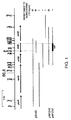
Fig. 1 shows cloning, identification and
inactivation of the rhtB gene.
Fig. 2 shows the amino acid sequence of the RhtB
protein.
Examples
The present invention will be more concretely
explained below with reference to Examples. In the
Examples, an amino acid is of L-configuration unless
otherwise noted.
Example 1: Obtaining of rhtB DNA fragment
(1) Cloning of rhtB gene into mini-Mu phagemid
The wild-type rhtB gene was cloned in vivo using
mini-Mu d5005 phagemid (Groisman, E. A., et al., J.
Bacteriol., 168, 357-364 (1986)). MuCts62 lysogen of
the strain MG442 was used as a donor. Freshly
prepared lysates were used to infect a Mucts
lysogenic derivative of a strain VKPM B-513 (Hfr K10
metB). The cells were plated on M9 glucose minimal
medium with methionine (50 µg/ml), kanamycin (40
µg/ml) and homoserine (10 mg/ml). Colonies which
appeared after 48 hr were picked and isolated.
Plasmid DNA was isolated and used to transform the
strain VKPM B-513 by standard techniques.
Transformants were selected on L-broth agar plates
with kanamycin as above. Plasmid DNA was isolated
from those which were resistant to homoserine, and
analyzed by restriction mapping of the structure of
the inserted fragments. It appeared that two types
of inserts belonging to different chromosome regions
had been cloned from the donor. Thus, at least two
different genes that is in multicopy and imparts
resistance to homoserine exist in E. coli. One of
the two type of inserts is the rhtA gene which has
already been reported (ABSTRACTS of 17th International)
Congress of Biochemistry and Molecular Biology in
conjugation with 1997 Annual Meeting of the American
Society for Biochemistry and Molecular Biology, San
Francisco, California August 24-29, 1997). Among the
other of the two types of inserts, a fragment of a
minimum length which imparts the resistance to
homoserine is of 0.8 kb (Fig. 1).
(2) Identification of rhtB gene
The insert fragment was sequenced by the dideoxy
chain termination method of Sanger. Both DNA strands
were sequenced in their entirety and all junctions
were overlapped. The sequencing showed that the
insert fragment included f138 (nucleotide numbers
61543 to 61959 of GenBank accession number M87049)
which was a known but function-unknown ORF (open
reading frame) present at 86 min of E. coli
chromosome and 201 bp of the upstream region thereof
(downstream region in the sequence of M87049). The
f138 which had only 160 nucleotides in the 5'-flanking
region could not impart the resistance to
homoserine. No termination codon is present upstream
the ORF f138 between 62160 and 61959 nucleotides of
M87049. Furthermore, one ATG following a sequence
predicted as a ribosome binding site is present in
the sequence. The larger ORF (nucleotide numbers
62160 to 61546) is designated as rhtB gene. The RhtB
protein deduced from the gene is highly hydrophobic
and contains 5 possible transmembrane segments.
Example 2: Production of homoserine-producing strain
Strain NZ10 of E. coli was transformed by a
plasmid pAL4 which was a pBR322 vector into which the
thrA gene coding for aspartokinase-homoserine
dehydrogenase I was inserted, to obtain the strains
NZ10/pAL4. The strain NZ10 is a leuB +-reverted mutant
(thrB) obtained from the E. coli strain C600 (thrB,
leuB) (Appleyard, Genetics, 39, 440-452 (1954)).
The rhtB gene was inserted to a plasmid pUK21
which is the known plasmid pUC19 in which a kanamycin
resistance gene substituted for an ampicillin
resistance gene (Vieira, J. and Messing, J., Gene,
100, 189-194 (1991)), to obtain pRhtB.
The strain NZ10/pAL4 was transformed with pUK21
or pRhtB to obtain strains NZ10/pAL4,pUK21 and
NZ10/pAL4,pRhtB.
The thus obtained transformants were each
cultivated at 37°C for 18 hours in a nutrient broth
with 50 mg/l kanamycin and 100 mg/l ampicillin, and
0.3 ml of the obtained culture was inoculated into 3
ml of a fermentation medium having the following
composition and containing 50 mg/l kanamycin and 100
mg/l ampicillin, in a 20 x 200 mm test tube, and
cultivated at 37°C for 46 hours with a rotary shaker.
After the cultivation, an accumulated amount of
homoserine in the medium and an absorbance at 560 nm
of the medium were determined by known methods.
Fermentation medium composition (g/L)
| Glucose |
80 |
| (NH4)2SO4 |
22 |
| K2HPO4 |
2 |
| NaCl |
0.8 |
| MgSO4·7H2O |
0.8 |
| FeSO4·7H2O |
0.02 |
| MnSO4·5H2O |
0.02 |
| Thiamine hydrochloride |
0.0002 |
| Yeast Extract |
1.0 |
| CaCO3 |
30 |
| (CaCO3 was separately sterilized.) |
The results are shown in Table 1. As shown in
Table 1, the strain NZ10/pAL4,pRhtB accumulated
homoserine in a larger amount than the strains
NZ10/pAL4 and NZ10/pAL4,pUK21 in which the
rhtB gene
was not enhanced.
| Strain | OD560 | Accumulated amount of homoserine (g/L) |
| NZ10/pAL4 | 16.4 | 3.1 |
| NZ10/pAL4,pUK21 | 14.3 | 3.3 |
| NZ10/pAL4,pRhtB | 15.6 | 6.4 |
E. coli strain MG442 is a known strain (Gusyatiner,
et al., 1978, Genetika (in Russian), 14:947-956).
The strain MG442 was transformed with the plasmids
pUK21 and pRhtB to obtain strains MG442/pUK21 and
MG442/pRhtB.
The thus obtained transformants were each
cultivated at 37°C for 18 hours in a nutrient broth with
50 mg/l kanamycin, and 0.3 ml of the obtained culture
was inoculated into 3 ml of the fermentation medium
described in Example 3 and containing 50 mg/l
kanamycin, in a 20 x 200 mm test tube, and cultivated
at 37°C for 40 hours with a rotary shaker. After the
cultivation, accumulated amounts of alanine, valine and
isoleucine in the medium and an absorbance at 560 nm of
the medium were determined by known methods.
The results are shown in Table 2. As shown in
Table 2, the strain MG442/pRhtB accumulated each of
alanine, valine and isoleucine in a larger amount than
the strain MG442/pUK21 in which the
rhtB gene was not
enhanced.
| Strain | OD560 | Accumulated amount (g/L) |
| | | Alanine | Valine | Isoleucine |
| MG442/pUK21 | 13.4 | 0.2 | 0.2 | 0.3 |
| MG442/pRhtB | 13.7 | 0.7 | 0.5 | 0.5 |
The strain MG442 (Example 3) was transformed by
introducing a known plasmid pVIC40 (U.S. Patent No.
5,175,107 (1992)) by an ordinary transformation method.
Transformants were selected on LB agar plates
containing 0.1 mg/ml streptomycin. Thus a novel strain
MG422/pVIC40 was obtained.
The strain MG442/pVIC40 was transformed with pUK21
or pRhtB to obtain strains MG442/pVIC40,pUK21 and
MG442/pVIC40,pRhtB.
The thus obtained transformants were each
cultivated at 37°C for 18 hours in a nutrient broth with
50 mg/l kanamycin and 100 mg/l streptomycin, and 0.3 ml
of the obtained culture was inoculated into 3 ml of the
fermentation medium described in Example 3 and
containing 50 mg/l kanamycin and 100 mg/l streptomycin,
in a 20 x 200 mm test tube, and cultivated at 37°C for
46 hours with a rotary shaker. After the cultivation,
an accumulated amount of threonine in the medium and an
absorbance at 560 nm of the medium were determined by
known methods.
The results are shown in Table 3. As shown in
Table 3, the strain MG442/pVIC40,pRhtB accumulated
threonine in a larger amount than the strains
MG442/pVIC40 and MG442/pVIC40,pUK21 in which the
rhtB
gene was not enhanced.
| Strain | OD560 | Accumulated amount of threonine (g/L) |
| MG442/pVIC40 | 17 | 13.6 |
| MG442/pVIC40,pUK21 | 16.3 | 12.9 |
| MG442/pVIC40,pRhtB | 15.2 | 16.3 |
To inactivate the chromosomal rhtB gene the plasmid
pNPZ46 was constructed (Fig. 1) on the basis of pUK21
vector. It harbors a DNA fragment from 86 min of E.
coli chromosome, with the rhtB gene and 5'-flanking and
3'-flanking regions thereof. Then the ClaI-Eco47III
fragment of the pNPZ46 plasmid rhtB gene was
substituted for AsuII-BsrBI fragment containing cat
(CmR) gene of pACYC184 plasmid (Chang and Cohen, J.
Bacteriol., 134, 1141-1156, 1978) giving the pNPZ47
plasmid (Fig. 1). To introduce the obtained
insertionally inactivated rhtB gene into the chromosome
of the E. coli strain N99 (the streptomycin-resistant
derivative of the known strain W3350 (Campbell,
Virology, 14, 22-33, 1961)), the method of Parker and
Marinus was used (Parker, B. and Marinus, M. G., Gene,
73, 531-535, 1988). The substitution of the wild type
allele for the inactivated one was proved by phage P1
transduction and by Southern hybridization (Southern,
E. M., J. Mol. Biol., 98, 503-517, 1975).
Then the susceptibility of the thus obtained
E.
coli strain N99
rhtB::
cat, of the initial strain N99
(
rhtB -) and of its derivative transformed with pRhtB
plasmid, N99/pRhtB, to some amino acids and amino acid
analogues was tested. Overnight cultures of the
strains grown in M9 minimal medium at 37°C with a
rotary shaker (10
9 cfu/ml) were diluted 1:100 and grown
for 5 hours under the same conditions. Then the log
phase cultures thus obtained were diluted and about 10
4
of alive cells were applied to well-dried test plates
with M9 agar containing doubling increments of amino
acids or analogues. The minimum inhibitory
concentration (MIC) of these compounds were examined
after 40-46 h cultivation. The results are shown in
Table 4.
| Substrate | MIC (µg/ml) |
| | N99(rhtB + ) | N99/pRhtB | N99 rhtB:: cat |
| 1. L-homoserine | 250 | 30000 | 125 |
| 2. L-threonine | 30000 | 50000 | 30000 |
| 3. L-serine | 5000 | 10000 | 5000 |
| 4. L-valine | 0.5 | 1 | 0.5 |
| 5. AHVA | 50 | 2000 | 25 |
| 6. AEC | 10 | 25 | 10 |
| 7. 4-aza-DL-leucine | 40 | 100 | 40 |
It follows from the Table 4 that multiple copies of
rhtB besides homoserine confered upon cells increased
resistance to threonine, serine, valine, α-amino-β-hydroxyvaleric-acid
(AHVA), S-(2-aminoethyl)-L-cysteine
(AEC), and 4-aza-DL-leucine. The inactivation of the
rhtB gene, on the contrary, increased the cell
sensitivity to homoserine and AHVA. These results in
conjunction with the data on homology of the RhtB
protein to LysE lysine efflux transporter of
Corynebacterium glutamicum (Vrljic et al., Mol.
Microbiol., 22, 815-826, 1996) indicate the analogues
function for the
rhtB gene product. The presumed
efflux transporters, RhtB, has specificity to several
substrates (amino acids), or may show non-specific
effects as a result of amplification.