EP0994190A2 - DNS das Homoserine-Resistenz bei Bakterien überträgt und seine Verwendung - Google Patents
DNS das Homoserine-Resistenz bei Bakterien überträgt und seine Verwendung Download PDFInfo
- Publication number
- EP0994190A2 EP0994190A2 EP99118581A EP99118581A EP0994190A2 EP 0994190 A2 EP0994190 A2 EP 0994190A2 EP 99118581 A EP99118581 A EP 99118581A EP 99118581 A EP99118581 A EP 99118581A EP 0994190 A2 EP0994190 A2 EP 0994190A2
- Authority
- EP
- European Patent Office
- Prior art keywords
- bacterium
- homoserine
- amino acid
- dna
- rhtb
- Prior art date
- Legal status (The legal status is an assumption and is not a legal conclusion. Google has not performed a legal analysis and makes no representation as to the accuracy of the status listed.)
- Withdrawn
Links
Images

Classifications
-
- C—CHEMISTRY; METALLURGY
- C12—BIOCHEMISTRY; BEER; SPIRITS; WINE; VINEGAR; MICROBIOLOGY; ENZYMOLOGY; MUTATION OR GENETIC ENGINEERING
- C12P—FERMENTATION OR ENZYME-USING PROCESSES TO SYNTHESISE A DESIRED CHEMICAL COMPOUND OR COMPOSITION OR TO SEPARATE OPTICAL ISOMERS FROM A RACEMIC MIXTURE
- C12P13/00—Preparation of nitrogen-containing organic compounds
- C12P13/04—Alpha- or beta- amino acids
- C12P13/06—Alanine; Leucine; Isoleucine; Serine; Homoserine
-
- C—CHEMISTRY; METALLURGY
- C12—BIOCHEMISTRY; BEER; SPIRITS; WINE; VINEGAR; MICROBIOLOGY; ENZYMOLOGY; MUTATION OR GENETIC ENGINEERING
- C12N—MICROORGANISMS OR ENZYMES; COMPOSITIONS THEREOF; PROPAGATING, PRESERVING, OR MAINTAINING MICROORGANISMS; MUTATION OR GENETIC ENGINEERING; CULTURE MEDIA
- C12N15/00—Mutation or genetic engineering; DNA or RNA concerning genetic engineering, vectors, e.g. plasmids, or their isolation, preparation or purification; Use of hosts therefor
- C12N15/09—Recombinant DNA-technology
- C12N15/11—DNA or RNA fragments; Modified forms thereof; Non-coding nucleic acids having a biological activity
-
- C—CHEMISTRY; METALLURGY
- C07—ORGANIC CHEMISTRY
- C07K—PEPTIDES
- C07K14/00—Peptides having more than 20 amino acids; Gastrins; Somatostatins; Melanotropins; Derivatives thereof
- C07K14/195—Peptides having more than 20 amino acids; Gastrins; Somatostatins; Melanotropins; Derivatives thereof from bacteria
- C07K14/24—Peptides having more than 20 amino acids; Gastrins; Somatostatins; Melanotropins; Derivatives thereof from bacteria from Enterobacteriaceae (F), e.g. Citrobacter, Serratia, Proteus, Providencia, Morganella, Yersinia
- C07K14/245—Escherichia (G)
-
- C—CHEMISTRY; METALLURGY
- C12—BIOCHEMISTRY; BEER; SPIRITS; WINE; VINEGAR; MICROBIOLOGY; ENZYMOLOGY; MUTATION OR GENETIC ENGINEERING
- C12N—MICROORGANISMS OR ENZYMES; COMPOSITIONS THEREOF; PROPAGATING, PRESERVING, OR MAINTAINING MICROORGANISMS; MUTATION OR GENETIC ENGINEERING; CULTURE MEDIA
- C12N1/00—Microorganisms; Compositions thereof; Processes of propagating, maintaining or preserving microorganisms or compositions thereof; Processes of preparing or isolating a composition containing a microorganism; Culture media therefor
- C12N1/20—Bacteria; Culture media therefor
-
- C—CHEMISTRY; METALLURGY
- C12—BIOCHEMISTRY; BEER; SPIRITS; WINE; VINEGAR; MICROBIOLOGY; ENZYMOLOGY; MUTATION OR GENETIC ENGINEERING
- C12P—FERMENTATION OR ENZYME-USING PROCESSES TO SYNTHESISE A DESIRED CHEMICAL COMPOUND OR COMPOSITION OR TO SEPARATE OPTICAL ISOMERS FROM A RACEMIC MIXTURE
- C12P13/00—Preparation of nitrogen-containing organic compounds
- C12P13/04—Alpha- or beta- amino acids
-
- C—CHEMISTRY; METALLURGY
- C12—BIOCHEMISTRY; BEER; SPIRITS; WINE; VINEGAR; MICROBIOLOGY; ENZYMOLOGY; MUTATION OR GENETIC ENGINEERING
- C12P—FERMENTATION OR ENZYME-USING PROCESSES TO SYNTHESISE A DESIRED CHEMICAL COMPOUND OR COMPOSITION OR TO SEPARATE OPTICAL ISOMERS FROM A RACEMIC MIXTURE
- C12P13/00—Preparation of nitrogen-containing organic compounds
- C12P13/04—Alpha- or beta- amino acids
- C12P13/08—Lysine; Diaminopimelic acid; Threonine; Valine
Definitions
- the present invention relates to a method for producing an amino acid, especially for a method for producing L-homoserine, L-alanine, L-isoleucine, L-valine, or L-threonine using a bacterium belonging to the genus Escherichia.
- the present inventors obtained, with respect to E. coli K-12, a mutant having mutation, thrR , (herein referred to as rhtA23 ) that is concerned in high concentrations of threonine (>40 mg/ml) or homoserine (>5 mg/ml) in a minimal medium (Astaurova, O. B. et al., Appl. Bioch. and Microbiol., 21, 611-616 (1985)).
- rhtA23 mutation an improved threonine-producing strain (SU patent No. 974817), homoserine- and glutamic acid-producing strains (Astaurova et al., Appl. Boch. And Microbiol., 27, 556-561 (1991)) were obtained.
- rhtA exists at 18 min on E. coli chromosome and that the rhtA gene is identical to ORF1 between pexB and ompX genes.
- the unit expressing a protein encoded by the ORF1 has been designated as rhtA (rht: resistance to homoserine and threonine) gene.
- the rhtA gene includes a 5'-noncoding region including SD sequence, ORF1 and a terminator.
- a wild type rhtA gene participates in resistance to threonine and homoserine if cloned in a multicopy state and that enhancement of expression of the rhtA gene improves amino acid productivity of a bacterium belonging to the genus Escherichia having an ability to produce L-lysine, L-valine or L-threonine (ABSTRACTS of 17th International Congress of Biochemistry and Molecular Biology in conjugation with 1997 Annual Meeting of the American Society for Biochemistry and Molecular Biology, San Francisco, California August 24-29, 1997, abstract No. 457).
- An object of the present invention is to provide a novel gene participating in resistance to homoserine, and a method for producing an amino acid, especially, L-homoserine, L-alanine, L-isoleucine, L-valine and L-threonine with a high yield.
- the inventors have found that a region at 86 min on E. coli chromosome, when cloned by a multicopy vector, impart resistance to L-homoserine to cells of E. coli , and the amplification of this region results, like the rhtA gene, in an improvement of the amino acid productivity of E. coli . On the basis of these findings, the present invention has been completed.
- the present invention provides:
- the DNA of the present invention may be referred to as " rhtB gene", a protein coded by the rhtB gene may be referred to as "RhtB protein", an activity of the RhtB protein which participates in resistance to L-homoserine of a bacterium (i.e. an activity of making a bacterium having the RhtB protein L-homoserine-resistant) may be referred to as "Rh activity”, and a structural gene encoding the RhtB protein in the rhtB gene may be referred to as " rhtB structural gene”.
- enhancing the Rh activity means imparting resistance to homoserine to a bacterium or enhance the resistance by means of increasing the number of molecules of the RhtB protein, increasing a specific activity of the RhtB protein, or desensitizing negative regulation against the expression or the activity of the RhtB protein or the like.
- DNA coding for a protein mean a DNA of which one of strands codes for the protein when the DNA is double-stranded.
- the L-homoserine resistance means a property that a bacterium grows on a minimal medium containing L-homoserine at a concentration at which a wild type strain thereof can not grow, usually at 10 mg/ml.
- the ability to produce an amino acid means a property that a bacterium produces and accumulates the amino acid in a medium in a larger amount than a wild type strain thereof.
- resistance to homoserine of a high concentration can be imparted to a bacterium belonging to the genus Escherichia.
- the cultivation of a bacterium belonging to the genus Escherichia, which has increased resistance to homoserine and an ability to accumulate an amino acid, especially, L-homoserine, L-alanine, L-isoleucine, L-valine or L-threonine in a medium results in a high yield of the desired amino acid.
- the DNA of the present invention coding for a protein having the Rh activity and having an amino acid sequence shown in SEQ ID NO: 2 in Sequence Listing.
- the DNA of the present invention may be exemplified by a DNA comprising a nucleotide sequence of the nucleotide numbers 557 to 1171 of a nucleotide sequence shown in SEQ ID NO: 1 in Sequence Listing.
- the DNA of the present invention includes a DNA fragment encoding the RhtB protein conferring on the bacterium Escherichia coli resistance to homoserine, which includes the regulatory elements of the rhtB gene and the structural part of rhtB gene, having the nucleotide sequence shown in SEQ ID NO: 1.
- SEQ ID NO: 1 corresponds to a part of sequence complement to the sequence of GenBank accession number M87049.
- SEQ ID NO: 1 includes f138 (nucleotide numbers 61959-61543 of GenBank accession number M87049) which is a known but function-unknown ORF (open reading frame) present at 86 min on E. coli chromosome, and 5'-flanking and 3'-flanking regions thereof.
- the f138 which has only 160 nucleotides in the 5'-flanking region, can not impart the resistance to homoserine. No termination codon is present between the 62160 and 61959 of M87049 (upstream the ORF f138).
- the coding region is 201 bp longer.
- the RhtB protein and the rhtB gene coding for the protein are novel.
- the rhtB gene may be obtained, for example, by infecting Mucts lysogenic strain of E. coli using a lysate of a lysogenic strain of E. coli such as K12 or W3110 according to the method in which mini-Mu d5005 phagemid is used (Groisman, E. A., et al., J. Bacteriol., 168, 357-364 (1986)), and isolating plasmid DNAs from colonies growing on a minimal medium containing kanamycin (40 ⁇ g/ml) and L-homoserine (10 mg/ml).
- the DNA fragment including the rhtB gene may be obtained from the chromosome of E. coli by colony hybridization or PCR (polymerase chain reaction, refer to White, T.J. et al, Trends Genet. 5, 185(1989)) using oligonucleotide(s) which has a sequence corresponding to the region hear the portion of 86 min on the chromosome of E. coli.
- the oligonucleotide may be designed according to the nucleotide sequence shown in SEQ ID NO: 1.
- oligonucleotides having nucleotide sequences corresponding to a upstream region from the nucleotide number 557 and a downstream region from the nucleotide number 1171 in SEQ ID NO: 1 as the primers for PCR, the entire coding region can be amplified.
- Synthesis of the oligonucleotides can be performed by an ordinary method such as a phosphoamidite method (see Tetrahedron Letters, 22, 1859 (1981)) by using a commercially available DNA synthesizer (for example, DNA Synthesizer Model 380B produced by Applied Biosystems). Further, the PCR can be performed by using a commercially available PCR apparatus (for example, DNA Thermal Cycler Model PJ2000 produced by Takara Shuzo Co., Ltd.), using Taq DNA polymerase (supplied by Takara Shuzo Co., Ltd.) in accordance with a method designated by the supplier.
- a commercially available PCR apparatus for example, DNA Thermal Cycler Model PJ2000 produced by Takara Shuzo Co., Ltd.
- Taq DNA polymerase supplied by Takara Shuzo Co., Ltd.
- the DNA coding for the RhtB protein of the present invention may code for RhtB protein including deletion, substitution, insertion, or addition of one or several amino acids at one or a plurality of positions, provided that the Rh activity of RhtB protein encoded thereby is not deteriorated.
- the DNA, which codes for the substantially same protein as the RhtB protein as described above may be obtained, for example, by modifying the nucleotide sequence, for example, by means of the site-directed mutagenesis method so that one or more amino acid residues at a specified site involve deletion, substitution, insertion or addition.
- DNA modified as described above may be obtained by the conventionally known mutation treatment.
- the mutation treatment includes a method for treating a DNA coding for the RhtB protein in vitro , for example, with hydroxylamine, and a method for treating a microorganism, for example, a bacterium belonging to the genus Escherichia harboring a DNA coding for the RhtB protein with ultraviolet irradiation or a mutating agent such as N-methyl-N'-nitro-N-nitrosoguanidine (NTG) and nitrous acid usually used for the mutation treatment.
- NTG N-methyl-N'-nitro-N-nitrosoguanidine
- the DNA which codes for substantially the same protein as the RhtB protein, can be obtained by expressing a DNA subjected to in vitro mutation treatment as described above in multicopy in an appropriate cell, investigating the resistance to homoserine, and selecting the DNA which increases the resistance. Also, it is generally known that an amino acid sequence of a protein and a nucleotide sequence coding for it may be slightly different between species, strains, mutants or variants, and therefore the DNA, which codes for substantially the same protein, can be obtained from L-homoserine-resistant species, strains, mutants and variants belonging to the genus Escherichia.
- the DNA which codes for substantially the same protein as the RhtB protein, can be obtained by isolating a DNA which hybridizes with DNA having, for example, a nucleotide sequence of the nucleotide numbers 557 to 1171 of the nucleotide sequence shown in SEQ ID NO: 1 in Sequence Listing under stringent conditions, and which codes for a protein having the Rh activity, from a bacterium belonging to the genus Escherichia which is subjected to mutation treatment, or a spontaneous mutant or a variant of a bacterium belonging to the genus Escherichia.
- stringent conditions referred to herein is a condition under which so-called specific hybrid is formed, and non-specific hybrid is not formed.
- the stringent conditions include a condition under which DNAs having high homology, for example, DNAs having homology of not less than 70% with each other are hybridized, and DNAs having homology lower than the above with each other are not hybridized.
- the bacterium belonging the genus Escherichia of the present invention is a bacterium belonging to the genus Escherichia of which the Rh activity is enhanced.
- a bacterium belonging to the genus Escherichia is exemplified by Escherichia coli.
- the Rh activity can be enhanced by, for example, amplification of the copy number of the rhtB structural gene in a cell, or transformation of a bacterium belonging to the genus Escherichia with a recombinant DNA in which a DNA fragment including the rhtB structural gene encoding the RhtB protein is ligated with a promoter sequence which functions efficiently in a bacterium belonging to the genus Escherichia.
- the Rh activity can be also enhanced by substitution of the promoter sequence of the rhtB gene on a chromosome with a promoter sequence which functions efficiently in a bacterium belonging to the genus Escherichia.
- the amplification of the copy number of the rhtB structural gene in a cell can be performed by introduction of a multicopy vector which carries the rhtB structural gene into a cell of a bacterium belonging to the genus Escherichia.
- the copy number can be increased by introduction of a plasmid, a phage or a transposon (Berg, D.E. and Berg, C. M., Bio/Technol., 1, 417 (1983)) which carries the rhtB structural gene into a cell of a bacterium belonging to the genus Escherichia.
- the multicopy vector is exemplified by plasmid vectors such as pBR322, pMW118, pUC19 or the like, and phage vectors such as ⁇ 1059, ⁇ BF101, M13mp9 or the like.
- the transposon is exemplified by Mu, Tn10, Tn5 or the like.
- the introduction of a DNA into a bacterium belonging to the genus Escherichia can be performed, for example, by a method of D. M. Morrison (Methods in Enzymology 68, 326 (1979)) or a method in which recipient bacterial cells are treated with calcium chloride to increase permeability of DNA (Mandel, M. and Higa, A., J. Mol. Biol., 53, 159 (1970)) and the like.
- Rh activity is enhanced in an amino acid-producing bacterium belonging to the genus Escherichia as described above, a produced amount of the amino acid can be increased.
- the bacterium belonging to the genus Escherichia in which the Rh activity is to be enhanced strains which have abilities to produce desired amino acids are used. Besides, the ability to produce an amino acid may be imparted to a bacterium in which the Rh activity is enhanced. Examples of amino acid-producing bacteria belonging to the genus Escherichia are described below.
- the L-threonine-producing bacteria belonging to the genus Escherichia may be exemplified by strain MG442 (Guayatiner et al., Genetika (in Russian), 14, 947-956 (1978)).
- the L-homoserine-producing bacteria belonging to the genus Escherichia may be exemplified by strain NZ10 ( thrB ). This strain was derived from the known strain C600 ( thrB, leuB ) (Appleyard R.K., Genetics, 39, 440-452 (1954)) as Leu + revertant.
- the new strains have been deposited (according to international deposition based on Budapest Treaty) in the Russian National Collection of Industrial Microorganisms (VKPM) on October 6, 1998.
- the strain E. coli NZ10/pAL4,pRhtB has been deposited as an accession number of VKPM B-7658; the strain E. coli MG442/pRhtB has been deposited as an accession number of VKPM B-7659; and the strain E. coli MG442/pVIC40,pRhtB has been deposited as an accession number of VKPM B-7660.
- the strain E. coli NZ10/pAL4,pRhtB exhibits the following cultural-morphological and biochemical features.
- the strain E. coli MG442/pRhtB (VKPM B-7659) has the same cultural-morphological and biochemical features as the strain NZ10/pAL4,pRhtB except for L-isoleucine is used as a growth factor instead of L-threonine.
- the strain can grow slowly without isoleucine.
- the cells of the strain contain only one multicopy hybrid plasmid pRhtB ensuring resistance to kanamycin and carrying the rhtB gene which confers resistance to homoserine (10 mg/l).
- the strain E. coli MG442/pVIC40,pRhtB (VKPM B-7660) has the same cultural-morphological and biochemical features as the strain NZ10/pAL4,pRhtB except for L-isoleucine is used as a growth factor instead of L-threonine. However, the strain can grow slowly without isoleucine.
- the cells of the strain contain multicopy hybrid plasmid pVIC40 ensuring resistance to streptomycin and carrying the genes of the threonine operon. Besides, they contain multicopy hybrid plasmid pRhtB ensuring resistance to kanamycin and carrying the rhtB gene which confers resistance to homoserine (10 mg/l).
- An amino acid can be efficiently produced by cultivating the bacterium in which the Rh activity is enhanced by amplifying a copy number of the rhtB gene as described above, and which has an ability to produce the amino acid, in a culture medium, producing and accumulating the amino acid in the medium, and recovering the amino acid from the medium.
- the amino acid is exemplified preferably by L-homoserine, L-alanine, L-isoleucine, L-valine and L-threonine.
- the cultivation of the bacterium belonging to the genus Escherichia, the collection and purification of amino acid from the liquid medium may be performed in a manner similar to those of the conventional method for producing an amino acid by fermentation using a bacterium.
- a medium used in cultivation may be either a synthetic medium or a natural medium, so long as the medium includes a carbon and a nitrogen source and minerals and, if necessary, nutrients which the bacterium used requires for growth in appropriate amounts.
- the carbon source may include various carbohydrates such as glucose and sucrose, and various organic acids.
- alcohol including ethanol and glycerol may be used.
- ammonia various ammonium salts such as ammonium sulfate, other nitrogen compounds such as amines, a natural nitrogen source such as peptone, soybean hydrolyte and digested fermentative microbe are used.
- minerals monopotassium phosphate, magnesium sulfate, sodium chloride, ferrous sulfate, manganese sulfate, calcium carbonate are used.
- the cultivation is preferably culture under an aerobic condition such as a shaking culture, and an aeration and stirring culture.
- the temperature of culture is usually 20 to 40°C, preferably 30 to 38°C.
- the pH of the culture is usually between 5 and 9, preferably between 6.5 and 7.2.
- the pH of the culture can be adjusted with ammonia, calcium carbonate, various acids, various bases, and buffers. Usually, a 1 to 3-day cultivation leads to the accumulation of the target amino acid in the medium.
- Recovering the amino acid can be performed by removing solids such as cells from the medium by centrifugation or membrane filtration after cultivation, and then collecting and purifying the target amino acid by ion exchange, concentration and crystalline fraction methods and the like.
- the wild-type rhtB gene was cloned in vivo using mini-Mu d5005 phagemid (Groisman, E. A., et al., J. Bacteriol., 168, 357-364 (1986)).
- MuCts62 lysogen of the strain MG442 was used as a donor.
- Freshly prepared lysates were used to infect a Mucts lysogenic derivative of a strain VKPM B-513 (Hfr K10 metB).
- the cells were plated on M9 glucose minimal medium with methionine (50 ⁇ g/ml), kanamycin (40 ⁇ g/ml) and homoserine (10 mg/ml).
- Plasmid DNA was isolated and used to transform the strain VKPM B-513 by standard techniques. Transformants were selected on L-broth agar plates with kanamycin as above. Plasmid DNA was isolated from those which were resistant to homoserine, and analyzed by restriction mapping of the structure of the inserted fragments. It appeared that two types of inserts belonging to different chromosome regions had been cloned from the donor. Thus, at least two different genes that is in multicopy and imparts resistance to homoserine exist in E. coli .
- the insert fragment was sequenced by the dideoxy chain termination method of Sanger. Both DNA strands were sequenced in their entirety and all junctions were overlapped. The sequencing showed that the insert fragment included f138 (nucleotide numbers 61543 to 61959 of GenBank accession number M87049) which was a known but function-unknown ORF (open reading frame) present at 86 min of E. coli chromosome and 201 bp of the upstream region thereof (downstream region in the sequence of M87049). The f138 which had only 160 nucleotides in the 5'-flanking region could not impart the resistance to homoserine.
- No termination codon is present upstream the ORF f138 between 62160 and 61959 nucleotides of M87049. Furthermore, one ATG following a sequence predicted as a ribosome binding site is present in the sequence.
- the larger ORF (nucleotide numbers 62160 to 61546) is designated as rhtB gene.
- the RhtB protein deduced from the gene is highly hydrophobic and contains 5 possible transmembrane segments.
- strain NZ10 of E. coli was transformed by a plasmid pAL4 which was a pBR322 vector into which the thrA gene coding for aspartokinase-homoserine dehydrogenase I was inserted, to obtain the strains NZ10/pAL4.
- the strain NZ10 is a leuB + -reverted mutant ( thrB ) obtained from the E. coli strain C600 ( thrB , leuB ) (Appleyard, Genetics, 39, 440-452 (1954)).
- the rhtB gene was inserted to a plasmid pUK21 which is the known plasmid pUC19 in which a kanamycin resistance gene substituted for an ampicillin resistance gene (Vieira, J. and Messing, J., Gene, 100, 189-194 (1991)), to obtain pRhtB.
- strain NZ10/pAL4 was transformed with pUK21 or pRhtB to obtain strains NZ10/pAL4,pUK21 and NZ10/pAL4,pRhtB.
- the thus obtained transformants were each cultivated at 37°C for 18 hours in a nutrient broth with 50 mg/l kanamycin and 100 mg/l ampicillin, and 0.3 ml of the obtained culture was inoculated into 3 ml of a fermentation medium having the following composition and containing 50 mg/l kanamycin and 100 mg/l ampicillin, in a 20 x 200 mm test tube, and cultivated at 37°C for 46 hours with a rotary shaker. After the cultivation, an accumulated amount of homoserine in the medium and an absorbance at 560 nm of the medium were determined by known methods.
- Glucose 80 (NH 4 ) 2 SO 4 22 K 2 HPO 4 2 NaCl 0.8 MgSO 4 ⁇ 7H 2 O 0.8 FeSO 4 ⁇ 7H 2 O 0.02 MnSO 4 ⁇ 5H 2 O 0.02
- Example 3 Production of alanine, valine and isoleucine with pRhtB-introduced strain
- E. coli strain MG442 is a known strain (Gusyatiner, et al., 1978, Genetika (in Russian), 14:947-956).
- the strain MG442 was transformed with the plasmids pUK21 and pRhtB to obtain strains MG442/pUK21 and MG442/pRhtB.
- the thus obtained transformants were each cultivated at 37°C for 18 hours in a nutrient broth with 50 mg/l kanamycin, and 0.3 ml of the obtained culture was inoculated into 3 ml of the fermentation medium described in Example 3 and containing 50 mg/l kanamycin, in a 20 x 200 mm test tube, and cultivated at 37°C for 40 hours with a rotary shaker. After the cultivation, accumulated amounts of alanine, valine and isoleucine in the medium and an absorbance at 560 nm of the medium were determined by known methods.
- the strain MG442/pRhtB accumulated each of alanine, valine and isoleucine in a larger amount than the strain MG442/pUK21 in which the rhtB gene was not enhanced.
- Strain OD 560 Accumulated amount (g/L) Alanine Valine Isoleucine MG442/pUK21 13.4 0.2 0.2 0.3 MG442/pRhtB 13.7 0.7 0.5 0.5
- the strain MG442 (Example 3) was transformed by introducing a known plasmid pVIC40 (U.S. Patent No. 5,175,107 (1992)) by an ordinary transformation method. Transformants were selected on LB agar plates containing 0.1 mg/ml streptomycin. Thus a novel strain MG422/pVIC40 was obtained.
- strain MG442/pVIC40 was transformed with pUK21 or pRhtB to obtain strains MG442/pVIC40,pUK21 and MG442/pVIC40,pRhtB.
- the thus obtained transformants were each cultivated at 37°C for 18 hours in a nutrient broth with 50 mg/l kanamycin and 100 mg/l streptomycin, and 0.3 ml of the obtained culture was inoculated into 3 ml of the fermentation medium described in Example 3 and containing 50 mg/l kanamycin and 100 mg/l streptomycin, in a 20 x 200 mm test tube, and cultivated at 37°C for 46 hours with a rotary shaker. After the cultivation, an accumulated amount of threonine in the medium and an absorbance at 560 nm of the medium were determined by known methods.
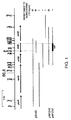
- the plasmid pNPZ46 was constructed (Fig. 1) on the basis of pUK21 vector. It harbors a DNA fragment from 86 min of E. coli chromosome, with the rhtB gene and 5'-flanking and 3'-flanking regions thereof. Then the Cla I- Eco 47III fragment of the pNPZ46 plasmid rhtB gene was substituted for Asu II- Bsr BI fragment containing cat (Cm R ) gene of pACYC184 plasmid (Chang and Cohen, J. Bacteriol., 134, 1141-1156, 1978) giving the pNPZ47 plasmid (Fig. 1).
- RhtB has specificity to several substrates (amino acids), or may show non-specific effects as a result of amplification.
Landscapes
- Chemical & Material Sciences (AREA)
- Organic Chemistry (AREA)
- Life Sciences & Earth Sciences (AREA)
- Engineering & Computer Science (AREA)
- Health & Medical Sciences (AREA)
- Zoology (AREA)
- Wood Science & Technology (AREA)
- Genetics & Genomics (AREA)
- Biotechnology (AREA)
- Bioinformatics & Cheminformatics (AREA)
- Biochemistry (AREA)
- General Health & Medical Sciences (AREA)
- General Engineering & Computer Science (AREA)
- Microbiology (AREA)
- Chemical Kinetics & Catalysis (AREA)
- General Chemical & Material Sciences (AREA)
- Molecular Biology (AREA)
- Biomedical Technology (AREA)
- Biophysics (AREA)
- Medicinal Chemistry (AREA)
- Gastroenterology & Hepatology (AREA)
- Proteomics, Peptides & Aminoacids (AREA)
- Tropical Medicine & Parasitology (AREA)
- Virology (AREA)
- Plant Pathology (AREA)
- Physics & Mathematics (AREA)
- Preparation Of Compounds By Using Micro-Organisms (AREA)
- Micro-Organisms Or Cultivation Processes Thereof (AREA)
- Peptides Or Proteins (AREA)
Applications Claiming Priority (2)
| Application Number | Priority Date | Filing Date | Title |
|---|---|---|---|
| RU98118425A RU2144564C1 (ru) | 1998-10-13 | 1998-10-13 | ФРАГМЕНТ ДНК rhtB, КОДИРУЮЩИЙ СИНТЕЗ БЕЛКА RhtB, ПРИДАЮЩЕГО УСТОЙЧИВОСТЬ К L-ГОМОСЕРИНУ БАКТЕРИЯМ ESCHERICHIA COLI, И СПОСОБ ПОЛУЧЕНИЯ L-АМИНОКИСЛОТ |
| RU98118425 | 1998-10-13 |
Publications (2)
| Publication Number | Publication Date |
|---|---|
| EP0994190A2 true EP0994190A2 (de) | 2000-04-19 |
| EP0994190A3 EP0994190A3 (de) | 2002-08-14 |
Family
ID=20211138
Family Applications (1)
| Application Number | Title | Priority Date | Filing Date |
|---|---|---|---|
| EP99118581A Withdrawn EP0994190A3 (de) | 1998-10-13 | 1999-09-20 | DNS das Homoserine-Resistenz bei Bakterien überträgt und seine Verwendung |
Country Status (12)
| Country | Link |
|---|---|
| US (4) | US6303348B1 (de) |
| EP (1) | EP0994190A3 (de) |
| JP (1) | JP2000116390A (de) |
| KR (1) | KR20000029006A (de) |
| CN (1) | CN1204254C (de) |
| AU (1) | AU761557B2 (de) |
| BR (1) | BR9904955A (de) |
| CA (1) | CA2284850A1 (de) |
| ID (1) | ID25719A (de) |
| RU (1) | RU2144564C1 (de) |
| SK (1) | SK140899A3 (de) |
| ZA (1) | ZA996042B (de) |
Cited By (42)
| Publication number | Priority date | Publication date | Assignee | Title |
|---|---|---|---|---|
| EP1016710A3 (de) * | 1998-12-30 | 2000-09-06 | Ajinomoto Co., Inc. | Verfahren zur herstellung von l-aminosäuren |
| WO2003004670A2 (en) | 2001-07-06 | 2003-01-16 | Degussa Ag | Process for the preparation of l-amino acids using strains of the enterobacteriaceae family with enhanced pts-g expression |
| WO2003044191A1 (en) * | 2001-11-23 | 2003-05-30 | Ajinomoto Co.,Inc. | Process for producing l-amino acid using escherichia |
| WO2003044192A1 (fr) * | 2001-11-23 | 2003-05-30 | Ajinomoto Co.,Inc. | Procede de production de l-aminoacides a l'aide d'escherichia |
| US6620598B2 (en) | 2001-02-15 | 2003-09-16 | Consortium Fur Elektrochemische Industrie Gmbh | Process for preparing O-acetyl-L serine by fermentation |
| WO2003076627A1 (en) * | 2002-03-13 | 2003-09-18 | Degussa Ag | Process for the preparation of l-amino acids using strains of the family enterobacteriaceae |
| WO2003008608A3 (en) * | 2001-07-18 | 2003-10-30 | Degussa | Process for the preparation of l-amino acids using strains of the enterobacteriaceae family which contain an enhanced phoe gene |
| WO2003076629A3 (en) * | 2002-03-13 | 2004-02-05 | Degussa | Process for the preparation of l-amino acids using strains of the enterobacteriaceae family |
| WO2003076636A3 (en) * | 2002-03-13 | 2004-03-25 | Degussa | Process for the preparation of l-amino acids using strains of the enterobacteriaceae family |
| EP1382685A3 (de) * | 2002-07-10 | 2004-03-31 | Degussa AG | Verfahren zur fermentativen Herstellung von L-Aminosäuren durch Enterobakteriaceae-Stämmen mit verstärkter Exprimierung des rseB-Gens |
| US7211415B2 (en) | 2003-04-09 | 2007-05-01 | Degussa Ag | Enterobacteriaceae strains over-expressing the yfiD gene for the fermentative production of L-amino acids |
| US7256021B2 (en) | 2001-07-18 | 2007-08-14 | Degussa Ag | Enterobacteriaceae strains with an attenuated aspA gene for the fermentative production of amino acids |
| WO2007100009A1 (ja) | 2006-03-03 | 2007-09-07 | Ajinomoto Co., Inc. | L-アミノ酸の製造法 |
| WO2008044409A1 (fr) | 2006-10-10 | 2008-04-17 | Ajinomoto Co., Inc. | Procédé de fabrication d'un l-amino acide |
| WO2008075483A1 (ja) | 2006-12-19 | 2008-06-26 | Ajinomoto Co., Inc. | L-アミノ酸の製造法 |
| WO2008093829A1 (ja) | 2007-02-01 | 2008-08-07 | Ajinomoto Co., Inc. | L-アミノ酸の製造法 |
| WO2008102572A1 (ja) | 2007-02-20 | 2008-08-28 | Ajinomoto Co., Inc. | L-アミノ酸または核酸の製造方法 |
| EP2006386A1 (de) | 2002-03-13 | 2008-12-24 | Evonik Degussa GmbH | Verfahren zur Herstellung von L-Aminosäuren mithilfe von Strängen der Enterobacteriaceae-Familie |
| US7476531B2 (en) | 2001-02-13 | 2009-01-13 | Ajinomoto Co., Inc. | Method for producing L-amino acid using bacteria belonging to the genus Escherichia |
| WO2009031565A1 (ja) | 2007-09-04 | 2009-03-12 | Ajinomoto Co., Inc. | アミノ酸生産微生物及びアミノ酸の製造法 |
| WO2009088049A1 (ja) | 2008-01-10 | 2009-07-16 | Ajinomoto Co., Inc. | 発酵法による目的物質の製造法 |
| WO2009093703A1 (ja) | 2008-01-23 | 2009-07-30 | Ajinomoto Co., Inc. | L-アミノ酸の製造法 |
| US7575905B2 (en) | 2004-02-06 | 2009-08-18 | Evonik Degussa Gmbh | Process for L-amino acid production using enterobacteriaceae strains with enhanced yibD |
| US7638313B2 (en) | 2003-01-30 | 2009-12-29 | Degussa Ag | Processes for the fermentative preparation of L-threonine using strains of Escherichia in which the yjgF gene is inactivated |
| WO2010027045A1 (ja) | 2008-09-08 | 2010-03-11 | 味の素株式会社 | L-アミノ酸を生産する微生物及びl-アミノ酸の製造法 |
| WO2010061890A1 (ja) | 2008-11-27 | 2010-06-03 | 味の素株式会社 | L-アミノ酸の製造法 |
| WO2011013707A1 (ja) | 2009-07-29 | 2011-02-03 | 味の素株式会社 | L-アミノ酸の製造法 |
| WO2011024555A1 (ja) | 2009-08-28 | 2011-03-03 | 味の素株式会社 | L-アミノ酸の製造法 |
| WO2011055710A1 (ja) | 2009-11-06 | 2011-05-12 | 味の素株式会社 | L-アミノ酸の製造法 |
| WO2011087139A2 (en) | 2010-01-15 | 2011-07-21 | Ajinomoto Co.,Inc. | A BACTERIUM OF Enterobacteriaceae FAMILY PRODUCING L-ASPARTIC ACID OR L-ASPARTIC ACID-DERIVED METABOLITES AND A METHOD FOR PRODUCING L-ASPARTIC ACID OR L-ASPARTIC ACID-DERIVED METABOLITES |
| EP1484410B1 (de) * | 2003-06-05 | 2011-11-02 | Ajinomoto Co., Inc. | Fermentierungsverfahren mittels veränderter Bakterien mit einer erhöhten Aufnahme von Nebenprodukten |
| EP1013765B2 (de) † | 1998-12-23 | 2014-08-13 | Ajinomoto Co., Inc. | Verfahren zur Herstellung von L-Aminosäuren |
| WO2015041265A1 (ja) | 2013-09-17 | 2015-03-26 | 味の素株式会社 | 海藻由来バイオマスからのl-アミノ酸の製造方法 |
| WO2015050234A1 (ja) | 2013-10-02 | 2015-04-09 | 味の素株式会社 | アンモニア制御装置およびアンモニア制御方法 |
| WO2015060391A1 (ja) | 2013-10-23 | 2015-04-30 | 味の素株式会社 | 目的物質の製造法 |
| WO2015060314A1 (ja) | 2013-10-21 | 2015-04-30 | 味の素株式会社 | L-アミノ酸の製造法 |
| EP3385389A1 (de) | 2017-04-03 | 2018-10-10 | Ajinomoto Co., Inc. | Verfahren zur herstellung von l-aminosäure aus fructose |
| WO2020071538A1 (en) | 2018-10-05 | 2020-04-09 | Ajinomoto Co., Inc. | Method for producing target substance by bacterial fermentation |
| WO2020171227A1 (en) | 2019-02-22 | 2020-08-27 | Ajinomoto Co., Inc. | METHOD FOR PRODUCING L-AMINO ACIDS USING A BACTERIUM BELONGING TO THE FAMILY Enterobacteriaceae HAVING OVEREXPRESSED ydiJ GENE |
| WO2020204179A1 (en) | 2019-04-05 | 2020-10-08 | Ajinomoto Co., Inc. | Method of producing l-amino acids |
| WO2021042460A1 (zh) | 2019-09-03 | 2021-03-11 | 宁夏伊品生物科技股份有限公司 | 提高l-色氨酸生产效率的转运载体基因在大肠杆菌中的应用 |
| WO2023195475A1 (ja) | 2022-04-04 | 2023-10-12 | 味の素株式会社 | 寄生植物を防除する方法 |
Families Citing this family (35)
| Publication number | Priority date | Publication date | Assignee | Title |
|---|---|---|---|---|
| US5976843A (en) * | 1992-04-22 | 1999-11-02 | Ajinomoto Co., Inc. | Bacterial strain of Escherichia coli BKIIM B-3996 as the producer of L-threonine |
| US20060040364A1 (en) * | 1998-10-13 | 2006-02-23 | Livshits Vitaly A | DNA coding for a protein which imparts L-homoserine resistance to Escherichia coli bacterium, and a method for producing L-amino acids |
| RU2144564C1 (ru) * | 1998-10-13 | 2000-01-20 | Закрытое акционерное общество "Научно-исследовательский институт Аджиномото-Генетика" | ФРАГМЕНТ ДНК rhtB, КОДИРУЮЩИЙ СИНТЕЗ БЕЛКА RhtB, ПРИДАЮЩЕГО УСТОЙЧИВОСТЬ К L-ГОМОСЕРИНУ БАКТЕРИЯМ ESCHERICHIA COLI, И СПОСОБ ПОЛУЧЕНИЯ L-АМИНОКИСЛОТ |
| RU2209246C2 (ru) * | 2000-01-26 | 2003-07-27 | Закрытое акционерное общество "Научно-исследовательский институт Аджиномото-Генетика" | Малая субъединица изозима iii и изозим iii синтетазы ацетогидроксикислот из escherichia coli, фрагмент днк (варианты), штамм бактерии escherichia coli - продуцент l-валина (варианты) и способ получения l-валина |
| CN1236066C (zh) * | 2000-03-24 | 2006-01-11 | 协和发酵工业株式会社 | 发酵法生产l-氨基酸的方法 |
| RU2212447C2 (ru) * | 2000-04-26 | 2003-09-20 | Закрытое акционерное общество "Научно-исследовательский институт Аджиномото-Генетика" | Штамм escherichia coli - продуцент аминокислоты (варианты) и способ получения аминокислот (варианты) |
| RU2268300C2 (ru) * | 2003-04-07 | 2006-01-20 | Закрытое акционерное общество "Научно-исследовательский институт Аджиномото-Генетика" | СПОСОБ ПОЛУЧЕНИЯ L-АМИНОКИСЛОТ С ИСПОЛЬЗОВАНИЕМ БАКТЕРИЙ, ОБЛАДАЮЩИХ ПОВЫШЕННОЙ ЭКСПРЕССИЕЙ ГЕНА pckA |
| JP4380305B2 (ja) * | 2003-11-21 | 2009-12-09 | 味の素株式会社 | 発酵法によるl−アミノ酸の製造法 |
| BRPI0506369B1 (pt) * | 2004-01-30 | 2020-11-03 | Ajinomoto Co., Inc | microorganismo transgênico, e, método para produzir um l-aminoácido |
| US8003367B2 (en) * | 2004-03-16 | 2011-08-23 | Ajinomoto Co., Inc. | Method for producing L-amino acids by fermentation using bacteria having enhanced expression of xylose utilization genes |
| BRPI0509056A (pt) * | 2004-03-31 | 2007-08-21 | Ajinomoto Kk | bactéria pertencendo ao gênero bacillus ou ao gênero escherichia, e, métodos para produzir um nucleosìdeo de purina, para produzir um nucleotìdeo de purina e para produzir ácido 5'-guanìlico |
| US20070004014A1 (en) * | 2005-06-29 | 2007-01-04 | Yuichiro Tsuji | Method for producing l-threonine |
| RU2333950C2 (ru) * | 2005-12-27 | 2008-09-20 | Закрытое акционерное общество "Научно-исследовательский институт Аджиномото-Генетика" (ЗАО АГРИ) | СПОСОБ ПРОДУКЦИИ АРОМАТИЧЕСКИХ L-АМИНОКИСЛОТ С ИСПОЛЬЗОВАНИЕМ БАКТЕРИИ, ПРИНАДЛЕЖАЩЕЙ К РОДУ Methylophilus |
| US7932029B1 (en) * | 2006-01-04 | 2011-04-26 | Si Lok | Methods for nucleic acid mapping and identification of fine-structural-variations in nucleic acids and utilities |
| WO2007086546A1 (en) * | 2006-01-26 | 2007-08-02 | Ajinomoto Co., Inc. | A method for producing an l-amino acid using a bacterium of enterobacteriaceae family with attenuated expression of the aldh gene |
| DE102006004063A1 (de) * | 2006-01-28 | 2007-08-02 | Degussa Gmbh | Verfahren zur Herstellung von Methionin aus Homoserin |
| EP1979486B1 (de) | 2006-01-30 | 2013-04-17 | Ajinomoto Co., Inc. | L-aminosäure-produzierendes bakterium und verfahren zur herstellung von l-aminosäure |
| EP2004803A2 (de) | 2006-03-23 | 2008-12-24 | Ajinomoto Co., Inc. | Verfahren zur herstellung einer l-aminosäure unter verwendung eines bakteriums der familie enterobacteriaceae mit abgeschwächter expression eines für kleine rna codierenden gens |
| EP2007873B1 (de) * | 2006-04-18 | 2015-11-18 | Ajinomoto Co., Inc. | VERFAHREN ZUR HERSTELLUNG EINER L-AMINOSÄURE UNTER VERWENDUNG EINES BAKTERIUMS DER FAMILIE ENTEROBACTERIACEAE MIT ABGESCHWÄCHTER sfmACDFH-fimZ-CLUSTER- ODER fimZ -GENEXPRESSION |
| BRPI0709635A2 (pt) * | 2006-04-24 | 2011-07-19 | Ajinomoto Kk | bactéria pertencendo ao gênero bacillus, e, métodos para produzir uma substáncia derivada de purina, e um nucleotìdeo de purina |
| ES2401607T3 (es) * | 2006-04-24 | 2013-04-23 | Ajinomoto Co., Inc. | Bacteria que puede producir una sustancia de purina y procedimiento para producir una sustancia de purina |
| JP2009165355A (ja) | 2006-04-28 | 2009-07-30 | Ajinomoto Co Inc | L−アミノ酸を生産する微生物及びl−アミノ酸の製造法 |
| EP2035569A1 (de) * | 2006-06-01 | 2009-03-18 | Ajinomoto Co., Inc. | Verfahren zur herstellung einer l-aminosäure unter verwendung eines bakteriums der familie enterobacteriaceae mit abgeschwächter expression des rcsa-gens |
| RU2337961C2 (ru) * | 2006-07-04 | 2008-11-10 | Закрытое акционерное общество "Научно-исследовательский институт Аджиномото-Генетика" (ЗАО АГРИ) | СПОСОБ ПОЛУЧЕНИЯ L-ТРЕОНИНА С ИСПОЛЬЗОВАНИЕМ БАКТЕРИИ, ПРИНАДЛЕЖАЩЕЙ К РОДУ Escherichia, В КОТОРОЙ ИНАКТИВИРОВАН ОПЕРОН rspAB |
| CN103215319A (zh) * | 2006-07-19 | 2013-07-24 | 味之素株式会社 | 使用肠杆菌科细菌产生l-氨基酸的方法 |
| JP2010017081A (ja) * | 2006-10-10 | 2010-01-28 | Ajinomoto Co Inc | L−アミノ酸の製造法 |
| WO2008072761A2 (en) * | 2006-12-11 | 2008-06-19 | Ajinomoto Co., Inc. | Method for producing an l-amino acid |
| RU2006143864A (ru) * | 2006-12-12 | 2008-06-20 | Закрытое акционерное общество "Научно-исследовательский институт Аджиномото-Генетика" (ЗАО АГРИ) (RU) | СПОСОБ ПОЛУЧЕНИЯ L-АМИНОКИСЛОТ С ИСПОЛЬЗОВАНИЕМ БАКТЕРИИ СЕМЕЙСТВА ENTEROBACTERIACEAE, В КОТОРОЙ ОСЛАБЛЕНА ЭКСПРЕССИЯ ГЕНОВ cynT, cynS, cynX, ИЛИ cynR, ИЛИ ИХ КОМБИНАЦИИ |
| RU2006145712A (ru) | 2006-12-22 | 2008-06-27 | Закрытое акционерное общество "Научно-исследовательский институт Аджиномото-Генетика" (ЗАО АГРИ) (RU) | Способ получения l-аминокислот методом ферментации с использованием бактерий, обладающих повышенной способностью к утилизации глицерина |
| RU2365622C2 (ru) | 2006-12-22 | 2009-08-27 | Закрытое акционерное общество "Научно-исследовательский институт Аджиномото-Генетика" (ЗАО АГРИ) | СПОСОБ ПРОДУКЦИИ ПУРИНОВЫХ НУКЛЕОЗИДОВ И НУКЛЕОТИДОВ МЕТОДОМ ФЕРМЕНТАЦИИ С ИСПОЛЬЗОВАНИЕМ БАКТЕРИЙ, ПРИНАДЛЕЖАЩИХ К РОДУ Escherichia ИЛИ Bacillus |
| JP2010110217A (ja) * | 2007-02-22 | 2010-05-20 | Ajinomoto Co Inc | L−アミノ酸生産菌及びl−アミノ酸の製造法 |
| JP5319521B2 (ja) | 2007-04-06 | 2013-10-16 | 協和発酵バイオ株式会社 | ジペプチドの製造法 |
| JP5217780B2 (ja) * | 2008-02-08 | 2013-06-19 | 味の素株式会社 | L−アミノ酸を生産する微生物及びl−アミノ酸の製造法 |
| KR102771842B1 (ko) | 2015-11-27 | 2025-02-21 | 에보닉 오퍼레이션스 게엠베하 | L-메티오닌을 제조하는 방법 |
| CN109666617B (zh) * | 2017-10-13 | 2021-02-02 | 四川利尔生物科技有限公司 | 一种l-高丝氨酸的生产菌株及其构建方法和应用 |
Citations (3)
| Publication number | Priority date | Publication date | Assignee | Title |
|---|---|---|---|---|
| SU974817A1 (ru) | 1981-06-16 | 1990-08-23 | Всесоюзный научно-исследовательский институт генетики и селекции промышленных микроорганизмов | Способ получени L-треонина |
| US4996147A (en) | 1987-07-31 | 1991-02-26 | Kyowa Hakko Kogyo Co., Ltd. | Process for producing L-threonine by fermentation |
| US5175107A (en) | 1988-10-25 | 1992-12-29 | Ajinomoto Co., Inc. | Bacterial strain of escherichia coli bkiim b-3996 as the producer of l-threonine |
Family Cites Families (14)
| Publication number | Priority date | Publication date | Assignee | Title |
|---|---|---|---|---|
| SU875663A1 (ru) * | 1978-06-30 | 1982-09-15 | Всесоюзный научно-исследовательский институт генетики и селекции промышленных микроорганизмов | Штаммы е.coLI ВНИИГенетика VL 334 @ N6 и ВНИИГенетика VL 334 @ N7-продуценты L-треонина и способ их получени |
| US4601983A (en) * | 1983-06-15 | 1986-07-22 | Ajinomoto Co., Inc. | Coryneform bacteria carrying recombinant plasmids and their use in the fermentative production of L-threonine and L-isoleucine |
| US5017483A (en) * | 1986-02-20 | 1991-05-21 | Kyowa Hakko Kogyo Co., Ltd. | Process for producing L-threonine |
| US5976843A (en) | 1992-04-22 | 1999-11-02 | Ajinomoto Co., Inc. | Bacterial strain of Escherichia coli BKIIM B-3996 as the producer of L-threonine |
| US5705371A (en) | 1990-06-12 | 1998-01-06 | Ajinomoto Co., Inc. | Bacterial strain of escherichia coli BKIIM B-3996 as the producer of L-threonine |
| US5534421A (en) | 1991-05-30 | 1996-07-09 | Ajinomoto Co., Inc. | Production of isoleucine by escherichia coli having isoleucine auxotrophy and no negative feedback inhibition of isoleucine production |
| IT1248358B (it) * | 1991-06-28 | 1995-01-05 | Ital Idee Srl | Supporto di informazione di sicurezza, in particolare per informazioni grafiche |
| US6132999A (en) | 1992-09-21 | 2000-10-17 | Ajinomoto Co., Inc. | L-threonine-producing microbacteria and a method for the production of L-threonine |
| EP0754756B1 (de) * | 1994-03-04 | 2005-11-09 | Ajinomoto Co., Inc. | Verfahren für die herstellung von l-lysin |
| DE19548222A1 (de) * | 1995-12-22 | 1997-06-26 | Forschungszentrum Juelich Gmbh | Verfahren zur mikrobiellen Herstellung von Aminosäuren durch gesteigerte Aktivität von Exportcarriern |
| RU2144564C1 (ru) * | 1998-10-13 | 2000-01-20 | Закрытое акционерное общество "Научно-исследовательский институт Аджиномото-Генетика" | ФРАГМЕНТ ДНК rhtB, КОДИРУЮЩИЙ СИНТЕЗ БЕЛКА RhtB, ПРИДАЮЩЕГО УСТОЙЧИВОСТЬ К L-ГОМОСЕРИНУ БАКТЕРИЯМ ESCHERICHIA COLI, И СПОСОБ ПОЛУЧЕНИЯ L-АМИНОКИСЛОТ |
| RU2148642C1 (ru) * | 1998-12-23 | 2000-05-10 | ЗАО "Научно-исследовательский институт АДЖИНОМОТО-Генетика" (ЗАО "АГРИ") | Фрагмент днк rhtc, кодирующий синтез белка rhtc, придающего повышенную устойчивость к l-треонину бактериям escherichia coli, и способ получения l-аминокислоты |
| RU2209246C2 (ru) * | 2000-01-26 | 2003-07-27 | Закрытое акционерное общество "Научно-исследовательский институт Аджиномото-Генетика" | Малая субъединица изозима iii и изозим iii синтетазы ацетогидроксикислот из escherichia coli, фрагмент днк (варианты), штамм бактерии escherichia coli - продуцент l-валина (варианты) и способ получения l-валина |
| RU2229513C2 (ru) * | 2001-11-23 | 2004-05-27 | Закрытое акционерное общество "Научно-исследовательский институт Аджиномото-Генетика" | Способ получения l-аминокислот, штамм escherichia coli - продуцент l-аминокислоты (варианты) |
-
1998
- 1998-10-13 RU RU98118425A patent/RU2144564C1/ru active
-
1999
- 1999-09-13 AU AU47550/99A patent/AU761557B2/en not_active Ceased
- 1999-09-15 US US09/396,357 patent/US6303348B1/en not_active Expired - Lifetime
- 1999-09-20 EP EP99118581A patent/EP0994190A3/de not_active Withdrawn
- 1999-09-20 ID IDP990876D patent/ID25719A/id unknown
- 1999-09-21 ZA ZA9906042A patent/ZA996042B/xx unknown
- 1999-10-11 BR BR9904955-4A patent/BR9904955A/pt not_active Application Discontinuation
- 1999-10-12 JP JP11289777A patent/JP2000116390A/ja active Pending
- 1999-10-12 SK SK1408-99A patent/SK140899A3/sk unknown
- 1999-10-12 CA CA002284850A patent/CA2284850A1/en not_active Abandoned
- 1999-10-12 KR KR1019990044027A patent/KR20000029006A/ko not_active Ceased
- 1999-10-13 CN CNB99121353XA patent/CN1204254C/zh not_active Expired - Fee Related
-
2001
- 2001-05-03 US US09/847,392 patent/US6887691B2/en not_active Expired - Lifetime
- 2001-08-13 US US09/927,395 patent/US20020058314A1/en not_active Abandoned
-
2005
- 2005-03-29 US US11/091,889 patent/US20060014258A1/en not_active Abandoned
Patent Citations (3)
| Publication number | Priority date | Publication date | Assignee | Title |
|---|---|---|---|---|
| SU974817A1 (ru) | 1981-06-16 | 1990-08-23 | Всесоюзный научно-исследовательский институт генетики и селекции промышленных микроорганизмов | Способ получени L-треонина |
| US4996147A (en) | 1987-07-31 | 1991-02-26 | Kyowa Hakko Kogyo Co., Ltd. | Process for producing L-threonine by fermentation |
| US5175107A (en) | 1988-10-25 | 1992-12-29 | Ajinomoto Co., Inc. | Bacterial strain of escherichia coli bkiim b-3996 as the producer of l-threonine |
Non-Patent Citations (22)
| Title |
|---|
| ABSTRACTS OF 17TH INTERNATIONAL CONGRESS OF BIOCHEMISTRY AND MOLECULAR BIOLOGY IN CONJUGATION WITH 1997 ANNUAL MEETING OF THE AMERICAN SOCIETY FOR BIOCHEMISTRY AND MOLECULAR BIOLOGY, SAN FRANCISCO, CALIFORNIA AUGUST 24-29, 1997, 24 August 1997 (1997-08-24) |
| APPLEYARD, GENETICS, vol. 39, 1954, pages 440 - 452 |
| ASTAUROVA ET AL., APPL. BOCH. AND MICROBIOL., vol. 27, 1991, pages 556 - 561 |
| ASTAUROVA, O. B. ET AL., APPL. BIOCH. AND MICROBIOL., vol. 21, 1985, pages 611 - 616 |
| BERG, D.E., BERG, C. M., BIO/TECHNOL., vol. 1, 1983, pages 417 |
| CHANG, COHEN, J. BACTERIOL., vol. 134, 1978, pages 1141 - 1156 |
| D. M. MORRISON, METHODS IN ENZYMOLOGY, vol. 68, 1979, pages 326 |
| GROISMAN, E. A. ET AL., J. BACTERIOL., vol. 168, 1986, pages 357 - 364 |
| GUSYATINER ET AL., GENETIKA (IN RUSSIAN, vol. 14, 1978, pages 947 - 956 |
| MANDEL, M., HIGA, A., J. MOL. BIOL., vol. 53, 1970, pages 159 |
| MILLER, J.H.: "Experiments in Molecular Genetics.", 1972, COLD SPRING HARBOR LABORATORY |
| MOLECULAR BIOLOGY IN CONJUGATION WITH 1997 ANNUAL MEETING OF THE AMERICAN SOCIETY FOR BIOCHEMISTRY AND MOLECULAR BIOLOGY, SAN FRANCISCO, CALIFORNIA AUGUST 24-29, 1997, 24 August 1997 (1997-08-24) |
| NEIDHARDT F.C. ET AL.: "Escherichia coli and salmonella", vol. 2, 1996, ASM PRESS, USA, article K. BROOKS LOW: "Genetic mapping.", pages: 2511 - 2517, XP003022857 |
| NEIDHARDT F.C. ET AL.: "Escherichia coli and salmonella, 2nd ed.", vol. 2, 1996, ASM PRESS, US, ISBN: 1-55581-084-5, article BACHMANN B.J.: "Derivations and genotypes of some mutant derivatives of escherichia coli k-12.", XP003022856 |
| PARKER, B., MARINUS, M. G., GENE, vol. 73, 1988, pages 531 - 535 |
| SANGER SANGER, 977 ET AL., PROC.NATL.ACAD.SCI.USA., vol. 74, pages 5463 - 5467 |
| SOUTHERN, E. M., J. MOL. BIOL., vol. 98, 1975, pages 503 - 517 |
| TETRAHEDRON LETTERS, vol. 22, 1981, pages 1859 |
| VIEIRA, J., MESSING, J., GENE, vol. 100, 1991, pages 189 - 194 |
| VRLJIC ET AL., MOL. MICROBIOL., vol. 22, 1996, pages 815 - 826 |
| VRLJIC M. ET AL.: "A NEW TYPE OF TRANSPORT WITH A NEW TYPE OF CELLULAR FUNCTION: L-IYSINE EXPORT FROM CORYNEBACTERIUM GLUTAMICUM.", MOLECULAR MICROBIOLOGY, vol. 22, no. 5, 1996, pages 815 - 826, XP000675494 |
| WHITE, T.J. ET AL., TRENDS GENET., vol. 5, 1989, pages 185 |
Cited By (74)
| Publication number | Priority date | Publication date | Assignee | Title |
|---|---|---|---|---|
| EP1013765B2 (de) † | 1998-12-23 | 2014-08-13 | Ajinomoto Co., Inc. | Verfahren zur Herstellung von L-Aminosäuren |
| EP1589096A1 (de) * | 1998-12-30 | 2005-10-26 | Ajinomoto Co., Inc. | Verfahren zur Herstellung von L-Aminosäure |
| US7527950B2 (en) | 1998-12-30 | 2009-05-05 | Ajinomoto Co., Inc. | Method for producing an L-amino acid by enhancing expression of the yfiK gene in an Escherichia bacterium |
| EP1598416A1 (de) * | 1998-12-30 | 2005-11-23 | Ajinomoto Co., Inc. | Verfahren zur Herstellung von L-Aminosäure |
| US6979560B1 (en) | 1998-12-30 | 2005-12-27 | Ajinomoto Co., Inc. | Eschericha bacteria overexpressing the yahn gene for feedback-insensitive amino acid production |
| EP1016710A3 (de) * | 1998-12-30 | 2000-09-06 | Ajinomoto Co., Inc. | Verfahren zur herstellung von l-aminosäuren |
| US7399617B1 (en) | 1998-12-30 | 2008-07-15 | Ajinomoto Co., Inc. | Method for producing an L-amino acid in an Escherichia bacterium via altering expression levels of target proteins |
| EP1580262A1 (de) * | 1998-12-30 | 2005-09-28 | Ajinomoto Co., Inc. | Verfahren zur Herstellung von L-Aminosäure |
| US7524656B2 (en) | 1998-12-30 | 2009-04-28 | Ajinomoto Co., Inc. | Method for producing an L-amino acid by enhancing expression of the yggA gene in an Escherichia bacterium |
| US7476531B2 (en) | 2001-02-13 | 2009-01-13 | Ajinomoto Co., Inc. | Method for producing L-amino acid using bacteria belonging to the genus Escherichia |
| US7618804B2 (en) | 2001-02-13 | 2009-11-17 | Ajinomoto Co., Inc. | Method for producing L-amino acid using bacteria belonging to the genus Escherichia |
| US7618803B2 (en) | 2001-02-13 | 2009-11-17 | Ajinomoto Co., Inc. | Method for producing L-amino acid using bacteria belonging to the genus Escherichia |
| US6620598B2 (en) | 2001-02-15 | 2003-09-16 | Consortium Fur Elektrochemische Industrie Gmbh | Process for preparing O-acetyl-L serine by fermentation |
| WO2003004674A3 (en) * | 2001-07-06 | 2003-08-28 | Degussa | Process for the preparation of l-amino acids using strains of the enterobacteriaceae family |
| WO2003004665A3 (en) * | 2001-07-06 | 2003-08-21 | Degussa | Process for the preparation of l-amino acids using strains of the enterobacteriaceae family |
| WO2003004664A3 (en) * | 2001-07-06 | 2003-07-31 | Degussa | Process for the preparation of l-amino acids using strains of the enterobacteriaceae family with enhanced fba expression |
| WO2003004670A3 (en) * | 2001-07-06 | 2003-07-31 | Degussa | Process for the preparation of l-amino acids using strains of the enterobacteriaceae family with enhanced pts-g expression |
| US7172883B2 (en) | 2001-07-06 | 2007-02-06 | Degussa Ag | Process for L-amino acid production using Enterobacteriaceae by enhancing ahpC or ahpF encoding alkyl hydroperoxide reductase |
| WO2003004669A3 (en) * | 2001-07-06 | 2003-07-24 | Degussa | Process for the preparation of l-amino acids using strains of the enterobacteriaceae family with enhanced mop-b expression |
| WO2003004663A3 (en) * | 2001-07-06 | 2003-07-24 | Degussa | Process for the preparation of l-amino acids using strains of the enterobacteriaceae family |
| WO2003004670A2 (en) | 2001-07-06 | 2003-01-16 | Degussa Ag | Process for the preparation of l-amino acids using strains of the enterobacteriaceae family with enhanced pts-g expression |
| WO2003008615A3 (en) * | 2001-07-18 | 2003-10-30 | Degussa | Process for the preparation of l-amino acids using strains of the enterobacteriaceae family which contain an enhanced succ or sucd gene |
| WO2003008607A3 (en) * | 2001-07-18 | 2003-11-13 | Degussa | Process for the preparation of l-amino acids using strains of the enterobacteriaceae family |
| EP2083080A1 (de) | 2001-07-18 | 2009-07-29 | Evonik Degussa GmbH | Verfahren zur Herstellung von L-Aminosäuren mit Hilfe von Strängen der Enterobacteriaceae-Familie mit einem erweiterten rseA- oder rseC-Gen |
| WO2003008608A3 (en) * | 2001-07-18 | 2003-10-30 | Degussa | Process for the preparation of l-amino acids using strains of the enterobacteriaceae family which contain an enhanced phoe gene |
| WO2003008612A3 (en) * | 2001-07-18 | 2004-01-22 | Degussa | Process for the preparation of l-amino acids using strains of the enterobacteriaceae family which contain an enhanced rsea or rsec gene |
| WO2003008614A3 (en) * | 2001-07-18 | 2004-01-22 | Degussa | Process for the preparation of l-amino acids using strains of the enterobacteriaceae family which contain an enhanced suca or sucb gene |
| WO2003008610A3 (en) * | 2001-07-18 | 2004-01-08 | Degussa | Process for the preparation of l-amino acids using strains of the enterobacteriaceae family which contain an enhanced pfkb gene |
| WO2003008609A3 (en) * | 2001-07-18 | 2004-01-08 | Degussa | Process for the preparation of l-amino acids using strains of the enterobacteriaceae family which contain an enhanced pykf gene |
| WO2003008611A3 (en) * | 2001-07-18 | 2003-12-24 | Degussa | Process for the preparation of l-amino acids using strains of the enterobacteriaceae family which contain an enhanced talb gene |
| WO2003008605A3 (en) * | 2001-07-18 | 2003-10-30 | Degussa | Process for the preparation of l-amino acids using strains of the enterobacteriaceae family which contain an enhanced male gene |
| US7256021B2 (en) | 2001-07-18 | 2007-08-14 | Degussa Ag | Enterobacteriaceae strains with an attenuated aspA gene for the fermentative production of amino acids |
| WO2003008606A3 (en) * | 2001-07-18 | 2003-12-18 | Degussa | Process for the preparation of l-amino acids using strains of the enterobacteriaceae family which contain an enhanced phob or phor gene |
| US7332309B2 (en) | 2001-07-18 | 2008-02-19 | Degussa Ag | Process for the preparation of L-amino acids using strains of the enterobacteriaceae family which contain an enhanced sucC or sucD gene |
| US7531332B2 (en) | 2001-11-23 | 2009-05-12 | Ajinomoto Co., Inc. | Method for producing a lower alkyl ester of α-L-aspartyl-L-phenylalanine using Escherichia bacteria |
| US7259003B2 (en) | 2001-11-23 | 2007-08-21 | Ajinomoto Co., Inc. | Escherichia bacteria transformed with a yedA homolog to enhance L-amino acid producing activity, and methods for producing an L-amino acid using same |
| WO2003044191A1 (en) * | 2001-11-23 | 2003-05-30 | Ajinomoto Co.,Inc. | Process for producing l-amino acid using escherichia |
| US7935506B2 (en) | 2001-11-23 | 2011-05-03 | Ajinomoto Co., Inc. | Method for producing a lower alkyl ester of α-L-aspartyl-L-phenylalanine |
| US7666655B2 (en) | 2001-11-23 | 2010-02-23 | Ajinomoto Co., Inc. | Escherichia bacteria transformed with the yddG gene to enhance L-amino acid producing activity |
| WO2003044192A1 (fr) * | 2001-11-23 | 2003-05-30 | Ajinomoto Co.,Inc. | Procede de production de l-aminoacides a l'aide d'escherichia |
| WO2003076629A3 (en) * | 2002-03-13 | 2004-02-05 | Degussa | Process for the preparation of l-amino acids using strains of the enterobacteriaceae family |
| WO2003076636A3 (en) * | 2002-03-13 | 2004-03-25 | Degussa | Process for the preparation of l-amino acids using strains of the enterobacteriaceae family |
| EP2006386A1 (de) | 2002-03-13 | 2008-12-24 | Evonik Degussa GmbH | Verfahren zur Herstellung von L-Aminosäuren mithilfe von Strängen der Enterobacteriaceae-Familie |
| WO2003076627A1 (en) * | 2002-03-13 | 2003-09-18 | Degussa Ag | Process for the preparation of l-amino acids using strains of the family enterobacteriaceae |
| EP1382685A3 (de) * | 2002-07-10 | 2004-03-31 | Degussa AG | Verfahren zur fermentativen Herstellung von L-Aminosäuren durch Enterobakteriaceae-Stämmen mit verstärkter Exprimierung des rseB-Gens |
| US7638313B2 (en) | 2003-01-30 | 2009-12-29 | Degussa Ag | Processes for the fermentative preparation of L-threonine using strains of Escherichia in which the yjgF gene is inactivated |
| US7211415B2 (en) | 2003-04-09 | 2007-05-01 | Degussa Ag | Enterobacteriaceae strains over-expressing the yfiD gene for the fermentative production of L-amino acids |
| EP1484410B1 (de) * | 2003-06-05 | 2011-11-02 | Ajinomoto Co., Inc. | Fermentierungsverfahren mittels veränderter Bakterien mit einer erhöhten Aufnahme von Nebenprodukten |
| US7575905B2 (en) | 2004-02-06 | 2009-08-18 | Evonik Degussa Gmbh | Process for L-amino acid production using enterobacteriaceae strains with enhanced yibD |
| WO2007100009A1 (ja) | 2006-03-03 | 2007-09-07 | Ajinomoto Co., Inc. | L-アミノ酸の製造法 |
| WO2008044409A1 (fr) | 2006-10-10 | 2008-04-17 | Ajinomoto Co., Inc. | Procédé de fabrication d'un l-amino acide |
| WO2008075483A1 (ja) | 2006-12-19 | 2008-06-26 | Ajinomoto Co., Inc. | L-アミノ酸の製造法 |
| WO2008093829A1 (ja) | 2007-02-01 | 2008-08-07 | Ajinomoto Co., Inc. | L-アミノ酸の製造法 |
| WO2008102572A1 (ja) | 2007-02-20 | 2008-08-28 | Ajinomoto Co., Inc. | L-アミノ酸または核酸の製造方法 |
| WO2009031565A1 (ja) | 2007-09-04 | 2009-03-12 | Ajinomoto Co., Inc. | アミノ酸生産微生物及びアミノ酸の製造法 |
| WO2009088049A1 (ja) | 2008-01-10 | 2009-07-16 | Ajinomoto Co., Inc. | 発酵法による目的物質の製造法 |
| EP2749652A2 (de) | 2008-01-10 | 2014-07-02 | Ajinomoto Co., Inc. | Verfahren zur Produktion eines Zielstoffes mittels Fermentation |
| WO2009093703A1 (ja) | 2008-01-23 | 2009-07-30 | Ajinomoto Co., Inc. | L-アミノ酸の製造法 |
| WO2010027045A1 (ja) | 2008-09-08 | 2010-03-11 | 味の素株式会社 | L-アミノ酸を生産する微生物及びl-アミノ酸の製造法 |
| WO2010061890A1 (ja) | 2008-11-27 | 2010-06-03 | 味の素株式会社 | L-アミノ酸の製造法 |
| WO2011013707A1 (ja) | 2009-07-29 | 2011-02-03 | 味の素株式会社 | L-アミノ酸の製造法 |
| WO2011024555A1 (ja) | 2009-08-28 | 2011-03-03 | 味の素株式会社 | L-アミノ酸の製造法 |
| WO2011055710A1 (ja) | 2009-11-06 | 2011-05-12 | 味の素株式会社 | L-アミノ酸の製造法 |
| WO2011087139A2 (en) | 2010-01-15 | 2011-07-21 | Ajinomoto Co.,Inc. | A BACTERIUM OF Enterobacteriaceae FAMILY PRODUCING L-ASPARTIC ACID OR L-ASPARTIC ACID-DERIVED METABOLITES AND A METHOD FOR PRODUCING L-ASPARTIC ACID OR L-ASPARTIC ACID-DERIVED METABOLITES |
| WO2015041265A1 (ja) | 2013-09-17 | 2015-03-26 | 味の素株式会社 | 海藻由来バイオマスからのl-アミノ酸の製造方法 |
| WO2015050234A1 (ja) | 2013-10-02 | 2015-04-09 | 味の素株式会社 | アンモニア制御装置およびアンモニア制御方法 |
| WO2015060314A1 (ja) | 2013-10-21 | 2015-04-30 | 味の素株式会社 | L-アミノ酸の製造法 |
| WO2015060391A1 (ja) | 2013-10-23 | 2015-04-30 | 味の素株式会社 | 目的物質の製造法 |
| EP3385389A1 (de) | 2017-04-03 | 2018-10-10 | Ajinomoto Co., Inc. | Verfahren zur herstellung von l-aminosäure aus fructose |
| WO2020071538A1 (en) | 2018-10-05 | 2020-04-09 | Ajinomoto Co., Inc. | Method for producing target substance by bacterial fermentation |
| WO2020171227A1 (en) | 2019-02-22 | 2020-08-27 | Ajinomoto Co., Inc. | METHOD FOR PRODUCING L-AMINO ACIDS USING A BACTERIUM BELONGING TO THE FAMILY Enterobacteriaceae HAVING OVEREXPRESSED ydiJ GENE |
| WO2020204179A1 (en) | 2019-04-05 | 2020-10-08 | Ajinomoto Co., Inc. | Method of producing l-amino acids |
| WO2021042460A1 (zh) | 2019-09-03 | 2021-03-11 | 宁夏伊品生物科技股份有限公司 | 提高l-色氨酸生产效率的转运载体基因在大肠杆菌中的应用 |
| WO2023195475A1 (ja) | 2022-04-04 | 2023-10-12 | 味の素株式会社 | 寄生植物を防除する方法 |
Also Published As
| Publication number | Publication date |
|---|---|
| BR9904955A (pt) | 2000-12-12 |
| US20020102670A1 (en) | 2002-08-01 |
| ID25719A (id) | 2000-11-02 |
| CN1204254C (zh) | 2005-06-01 |
| US6303348B1 (en) | 2001-10-16 |
| US6887691B2 (en) | 2005-05-03 |
| AU4755099A (en) | 2000-04-20 |
| CA2284850A1 (en) | 2000-04-13 |
| CN1254014A (zh) | 2000-05-24 |
| EP0994190A3 (de) | 2002-08-14 |
| RU2144564C1 (ru) | 2000-01-20 |
| AU761557B2 (en) | 2003-06-05 |
| JP2000116390A (ja) | 2000-04-25 |
| SK140899A3 (en) | 2000-05-16 |
| US20020058314A1 (en) | 2002-05-16 |
| ZA996042B (en) | 2000-04-04 |
| US20060014258A1 (en) | 2006-01-19 |
| KR20000029006A (ko) | 2000-05-25 |
Similar Documents
| Publication | Publication Date | Title |
|---|---|---|
| US6887691B2 (en) | DNA coding for protein which confers on bacterium Escherichia coli resistance to L-homoserine, and method for producing L-amino acids | |
| EP1013765B2 (de) | Verfahren zur Herstellung von L-Aminosäuren | |
| US7618804B2 (en) | Method for producing L-amino acid using bacteria belonging to the genus Escherichia | |
| US20060040364A1 (en) | DNA coding for a protein which imparts L-homoserine resistance to Escherichia coli bacterium, and a method for producing L-amino acids |
Legal Events
| Date | Code | Title | Description |
|---|---|---|---|
| PUAI | Public reference made under article 153(3) epc to a published international application that has entered the european phase |
Free format text: ORIGINAL CODE: 0009012 |
|
| AK | Designated contracting states |
Kind code of ref document: A2 Designated state(s): AT BE CH CY DE DK ES FI FR GB GR IE IT LI LU MC NL PT SE |
|
| AX | Request for extension of the european patent |
Free format text: AL;LT;LV;MK;RO;SI |
|
| PUAL | Search report despatched |
Free format text: ORIGINAL CODE: 0009013 |
|
| RIC1 | Information provided on ipc code assigned before grant |
Free format text: 7C 12N 15/31 A, 7C 07K 14/245 B, 7C 12N 1/21 B, 7C 12P 13/06 B, 7C 12P 13/08 B, 7C 12R 1/19 B, 7C 12P 13/04 B |
|
| AK | Designated contracting states |
Kind code of ref document: A3 Designated state(s): AT BE CH CY DE DK ES FI FR GB GR IE IT LI LU MC NL PT SE |
|
| AX | Request for extension of the european patent |
Free format text: AL;LT;LV;MK;RO;SI |
|
| 17P | Request for examination filed |
Effective date: 20030131 |
|
| AKX | Designation fees paid |
Designated state(s): AT BE CH CY DE DK ES FI FR GB GR IE IT LI LU MC NL PT SE |
|
| 17Q | First examination report despatched |
Effective date: 20061009 |
|
| TPAC | Observations filed by third parties |
Free format text: ORIGINAL CODE: EPIDOSNTIPA |
|
| TPAC | Observations filed by third parties |
Free format text: ORIGINAL CODE: EPIDOSNTIPA |
|
| TPAC | Observations filed by third parties |
Free format text: ORIGINAL CODE: EPIDOSNTIPA |
|
| STAA | Information on the status of an ep patent application or granted ep patent |
Free format text: STATUS: THE APPLICATION IS DEEMED TO BE WITHDRAWN |
|
| 18D | Application deemed to be withdrawn |
Effective date: 20140306 |