EP1000144B1 - Gene du recepteur de la lactoferrine de moraxella - Google Patents
Gene du recepteur de la lactoferrine de moraxella Download PDFInfo
- Publication number
- EP1000144B1 EP1000144B1 EP98925352A EP98925352A EP1000144B1 EP 1000144 B1 EP1000144 B1 EP 1000144B1 EP 98925352 A EP98925352 A EP 98925352A EP 98925352 A EP98925352 A EP 98925352A EP 1000144 B1 EP1000144 B1 EP 1000144B1
- Authority
- EP
- European Patent Office
- Prior art keywords
- seq
- nucleic acid
- receptor protein
- sequence
- catarrhalis
- Prior art date
- Legal status (The legal status is an assumption and is not a legal conclusion. Google has not performed a legal analysis and makes no representation as to the accuracy of the status listed.)
- Expired - Lifetime
Links
Images







































Classifications
-
- C—CHEMISTRY; METALLURGY
- C07—ORGANIC CHEMISTRY
- C07K—PEPTIDES
- C07K14/00—Peptides having more than 20 amino acids; Gastrins; Somatostatins; Melanotropins; Derivatives thereof
- C07K14/435—Peptides having more than 20 amino acids; Gastrins; Somatostatins; Melanotropins; Derivatives thereof from animals; from humans
- C07K14/79—Transferrins, e.g. lactoferrins, ovotransferrins
-
- A—HUMAN NECESSITIES
- A61—MEDICAL OR VETERINARY SCIENCE; HYGIENE
- A61P—SPECIFIC THERAPEUTIC ACTIVITY OF CHEMICAL COMPOUNDS OR MEDICINAL PREPARATIONS
- A61P11/00—Drugs for disorders of the respiratory system
-
- A—HUMAN NECESSITIES
- A61—MEDICAL OR VETERINARY SCIENCE; HYGIENE
- A61P—SPECIFIC THERAPEUTIC ACTIVITY OF CHEMICAL COMPOUNDS OR MEDICINAL PREPARATIONS
- A61P13/00—Drugs for disorders of the urinary system
-
- A—HUMAN NECESSITIES
- A61—MEDICAL OR VETERINARY SCIENCE; HYGIENE
- A61P—SPECIFIC THERAPEUTIC ACTIVITY OF CHEMICAL COMPOUNDS OR MEDICINAL PREPARATIONS
- A61P27/00—Drugs for disorders of the senses
- A61P27/16—Otologicals
-
- A—HUMAN NECESSITIES
- A61—MEDICAL OR VETERINARY SCIENCE; HYGIENE
- A61P—SPECIFIC THERAPEUTIC ACTIVITY OF CHEMICAL COMPOUNDS OR MEDICINAL PREPARATIONS
- A61P31/00—Antiinfectives, i.e. antibiotics, antiseptics, chemotherapeutics
-
- A—HUMAN NECESSITIES
- A61—MEDICAL OR VETERINARY SCIENCE; HYGIENE
- A61K—PREPARATIONS FOR MEDICAL, DENTAL OR TOILETRY PURPOSES
- A61K39/00—Medicinal preparations containing antigens or antibodies
Definitions
- the present invention relates to (i) purified and isolated nucleic acid molecules encoding lactoferrin receptor protein 2 (Lbp2) of Moraxella catarrhalis Q8, (ii) immunogenic compositions comprising such nucleic acid, (iii) expression vectors comprising such a nucleic acid molecule for transformation of a host cell transformed in culture, (iv) methods for preparing such receptor protein as a substantially pure recombinant lactoferrin receptor protein, (v) methods of determining the presence, in a sample, of nucleic acid encoding the aforesaid Lbp2 and (vi) diagnostic kits for determining the presence, in a sample, of nucleic acid encoding the aforesaid Lbp2.
- Moraxella (Branhamella) catarrhalis bacteria are Gram-negative diplococcal pathogens which are carried asymptomatically in the healthy human respiratory tract.
- M. catarrhalis has been recognized as an important causative agent of otitis media.
- M. catarrhalis has been associated with sinusitis, conjunctivitis, and urogenital infections, as well as with a number of inflammatory diseases of the lower respiratory tract in children and adults, including pneumonia, chronic bronchitis, tracheitis, and emphysema (refs. 1 to 8).
- various references are cited in parentheses to describe more fully the state of the art to which this invention pertains.
- M. catarrhalis colonizes the human upper respiratory tract and is an important cause of otitis media in infants and children as well as lower respiratory tract infections in adults with chronic obstructive pulmonary disease.
- Otitis media is one of the most common illnesses of early childhood and approximately 80% of all children suffer at least one middle ear infection before the age of three (ref. 14).
- Chronic otitis media has been associated with auditory and speech impairment in children, and in some cases, has been associated with learning disabilities.
- Conventional treatments for otitis media include antibiotic administration and surgical procedures, including tonsillectomies, adenoidectomies, and tympanocentesis. In the United States, treatment costs for otitis media are estimated to be between one and two billion dollars per year.
- M. catarrhalis is commonly co-isolated from middle ear fluid along with Streptococcus pneumoniae and non-typable Haemophilus influenzae, which are believed to be responsible for 50% and 30% of otitis media infections, respectively. M. catarrhalis is believed to be responsible for approximately 20% of otitis media infections (ref. 15).
- Epidemiological reports indicate that the number of cases of otitis media attributable to M. catarrhalis is increasing, along with the number of antibioticresistant isolates of M. catarrhalis. Thus, prior to 1970, no ⁇ -lactamase-producing M.
- Iron-restriction is a general host defence mechanism against microbial pathogens.
- a number of bacterial species including Neisseria meningitidis (ref. 17, 24), N. gonorrhoeae (ref. 25) and M. catarrhalis (ref. 17), express outer membrane proteins which specifically bind human lactoferrin.
- lactoferrin binding proteins as antigens in immunogenic preparations including vaccines, carriers for other antigens and immunogens and the generation of diagnostic reagents.
- the genes encoding lactoferrin binding proteins and fragments thereof are particularly desirable and useful in the specific identification and diagnosis of Moraxella and for immunization against disease caused by M. catarrhalis and for the generation of diagnostic reagents.
- the present invention is directed towards the provision of purified and isolated nucleic acid molecules encoding a lactoferrin receptor protein 2 (Lbp2) of Moraxella catarrhalis Q8 .
- the nucleic acid molecules and isolated and purified lactoferrin binding proteins provided herein are useful for the specific detection of strains of Moraxella and for diagnosis of infection by Moraxella.
- the purified and isolated nucleic acid molecules provided herein, such as DNA. are also useful for expressing the lbp gene encoding Lbp2 of Moraxella catarrhalis Q8 by recombinant DNA means for providing, in an economical manner, purified and isolated lactoferrin receptor protein 2 free of other Moraxella proteins.
- lactoferrin receptor subunits or fragments thereof, as well as nucleic acid molecules encoding the same and vectors containing such nucleic acid molecules, are useful in immunogenic compositions for vaccinating against diseases caused by Moraxella, the diagnosis of infection by Moraxella, and as tools for the generation of immunological reagents.
- Monoclonal antibodies or mono-specific antisera (antibodies) raised against the lactoferrin receptor protein produced in accordance with aspects of the present invention are useful for the diagnosis of infection by Moraxella, the specific detection of Moraxella (in, for example, in vitro and in vivo assays) and for the treatment of diseases caused by Moraxella.
- a purified and isolated nucleic acid molecule encoding a lactoferrin receptor protein 2 (Lbp2) of Moraxella catarrhalis Q8.
- a fragment of the lactoferrin receptor protein is a portion of the protein which retains the immunological properties of the protein.
- a nucleic acid molecule according to the invention encodes the Lbp2 protein of Moraxella catarrhalis Q8.
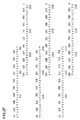
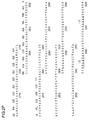
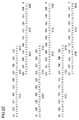
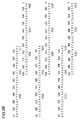
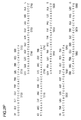
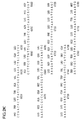
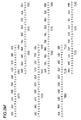
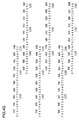
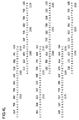
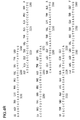
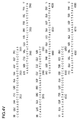
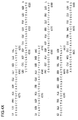
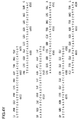
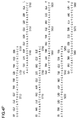
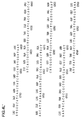
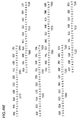
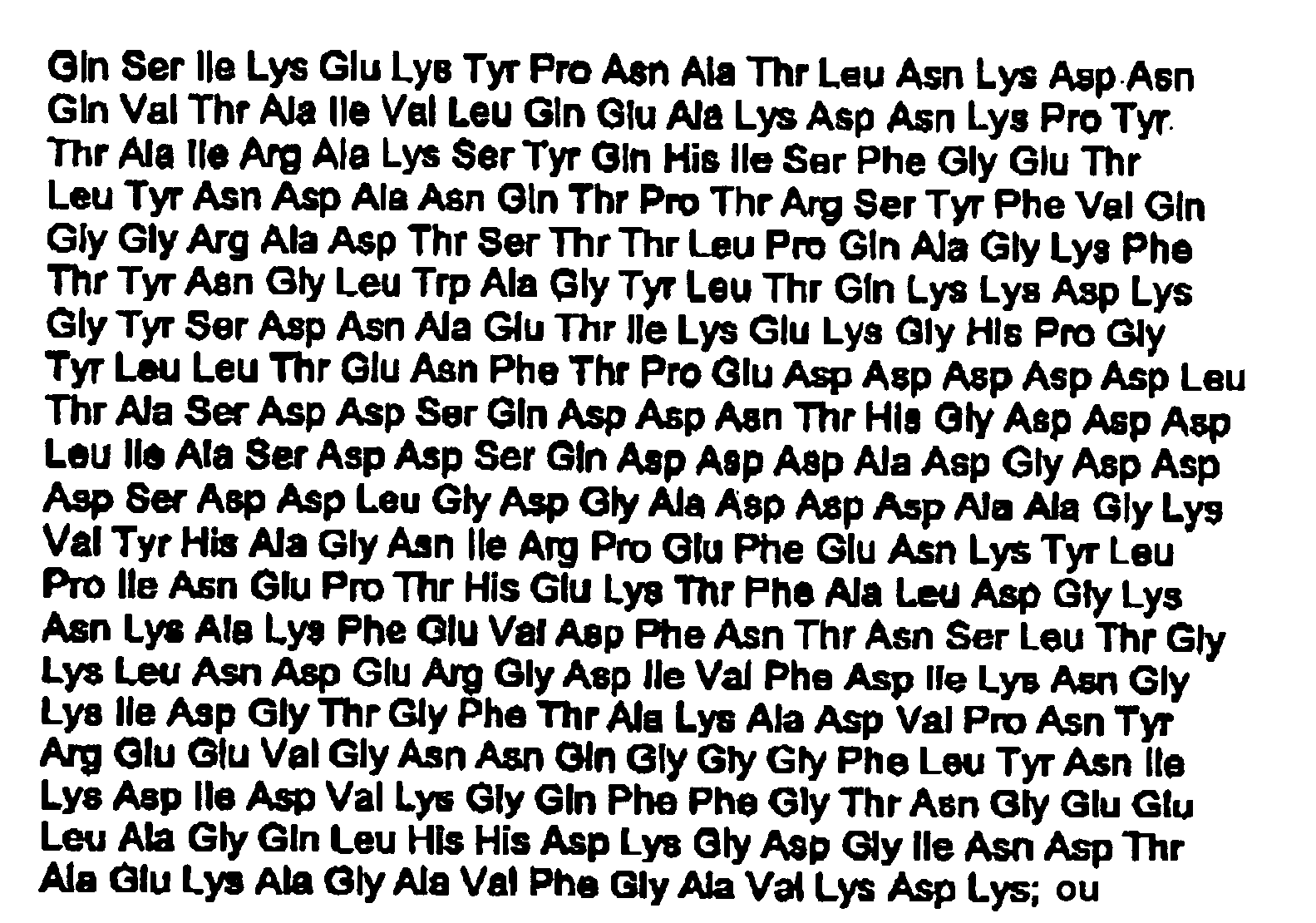
- An isolated and purified nucleic acid molecule of the invention has (a) a DNA sequence which encodes an amino acid sequence consisting of amino acids 1 to 894 of the amino acid sequence as set out in Figures 4A to 4P; or (b) a DNA sequence complementary to the DNA sequence of (a).
- a purified and isolated nucleic acid molecule having a DNA sequence consisting of a DNA sequence consisting of nucleotides 152 to 2833 of the DNA sequence as set out in Figures 4A to 4P, or the complementary DNA sequence thereto.
- the present invention includes a vector adapted for transformation of a host, comprising a nucleic acid molecule as provided herein.
- the vector may be adapted for expression of the encoded lactoferrin receptor protein in a heterologous or homologous host, in either a lipidated or non-lipidated form.
- expression vectors falling within the scope of the present invention may be adapted for transformation of a host and comprise a nucleic acid molecule as provided herein and expression means operatively coupled to the nucleic acid molecule for expression by the host of the lactoferrin receptor protein.
- the nucleic acid molecule may encode substantially the Lbp2 protein of the Moraxella strain.
- the expression means may include a nucleic acid portion encoding a leader sequence for secretion from the host of the lactoferrin receptor protein.
- the expression means also may include a nucleic acid portion encoding a lipidation signal for expression from the host of a lipidated form of the lactoferrin receptor protein.
- the host may be selected from, for example, Escherichia coli, Bacillus, Bordetella, Haemophilus, Moraxella, fungi, yeast or baculovirus and Semliki Forest virus expression system may be used.
- a host cell transformed in culture containing an expression vector as provided herein.
- the invention further includes a recombinant lactoferrin receptor protein 2 (Lbp2) of Moraxella catarrhalis Q8, producible by the transformed host.
- Lbp2 lactoferrin receptor protein 2
- Such recombinant lactoferrin receptor protein may be provided in substantially pure form according to a further aspect of the invention, which provides a method of forming a substantially pure recombinant lactoferrin receptor protein, which comprises growing the transformed host provided herein and isolating and purifying the lactoferrin receptor protein.
- the lactoferrin receptor protein may be expressed in inclusion bodies, which may be purified free from cellular material and soluble proteins and lactoferrin receptor protein solubilized from the purified inclusion bodies, and the lactoferrin receptor protein purified free from other solubilized materials.
- the recombinant protein is generally at least about 70% pure, preferably at least about 90% pure.
- the recombinantly-produced Lbp2 protein of the invention as prepared according to the above method is devoid of the Lbp1 and ORF3 proteins of the Moraxella strain and any other protein of the Moraxella strain.
- an immunogenic composition which comprised at least one active component selected from at least one nucleic acid molecule as provided herein or at least one recombinant protein as provided herein and a pharmaceutically acceptable carrier therefor.
- the at least one active component produces an immune response when administered to a host.
- the immunogenic compositions provided herein may be formulated as a vaccine for in vivo administration to a host to provide protection against disease caused by M. catarrhalis.
- the compositions may be formulated as a microparticle, capsule, ISCOM or liposome preparation.
- the immunogenic composition may be provided in combination with a targeting molecule for delivery to specific cells of the immune system or to mucosal surfaces.
- the immunogenic compositions of the invention may further comprise at least one other immunogenic or immunostimulating material and the immunostimulating material may be at least one adjuvant or at least one cytokine.
- Suitable adjuvants for use in the present invention include (but are not limited to) aluminum phosphate, aluminum hydroxide, QS21, Quil A, derivatives and components thereof, ISCOM matrix, calcium phosphate, calcium hydroxide, zinc hydroxide, a glycolipid analog, an octadecyl ester of an amino acid, a muramyl dipeptide, polyphosphazene, ISCOPREP, DC-chol, DDBA and a lipoprotein and other adjuvants to induce a TH1 response.
- Advantageous combination of adjuvants are described in copending United States Patent Applications No. 08/261,194 filed June 16, 1994 and 08/483,856 filed June 7, 1995 , assigned to the assignee hereof and WO 95/34308, published November 21,1995 .
- compositions of the present invention can be employed using the compositions of the present invention. Such methods comprise the step of administering to a susceptible host, such as a human, an effective amount of the immunogenic composition as recited above.
- the immune response may be humoral or a cell-mediated immune response and may provide protection against disease caused by Moraxella.
- Hosts in which protection against disease may be conferred include primates, including humans.
- nucleic acid molecules of the invention can be used in a live vector for delivery of lactoferrin receptor protein 2 to a host.
- Such vectors comprise a vector containing the nucleic acid molecule as described above.
- the vector may be selected from Salmonella, Mycobacterium bovis, BCG, adenovirus, poxvirus, vaccinia and poliovirus.
- nucleic acid molecules provided herein are also useful in diagnostic applications. Accordingly, in a further aspect of the invention, there is provided a method of determining the presence, in a sample, of nucleic acid encoding a lactoferrin receptor protein 2 of Moraxella catarrhalis Q8, comprising the steps of:
- the present invention provides a diagnostic kit for determining the presence, in a sample, of nucleic acid encoding a lactoferrin receptor protein 2 of Moraxella catarrhalis Q8, comprising:
- the invention further includes the use of the nucleic acid molecules and proteins provided herein as medicines.
- the invention additionally encompasses the use of the nucleic acid molecules and proteins provided herein in the manufacture of medicaments for protection against disease caused by strains of Moraxella.
- Moraxella catarrhalis Q8 strain is conveniently used to provide the purified and isolated nucleic acid, which may be in the form of DNA molecules, comprising at least a portion of the nucleic acid coding for a lactoferrin receptor protein 2 (Lbp2) as typified by embodiments of the present invention.
- Moraxella strains are generally available from clinical sources and from bacterial culture collections, such as the American Type Culture Collection.
- lactoferrin receptor LfR
- lactoferrin binding proteins Lbp
- Lactoferrin receptor proteins were purified from M. catarrhalis membrane preparations by affinity chromatography on biotinylated human lactoferrin. Cyanogen bromide fragments were generated and amino acid sequence analysis of a 13 kDa fragment provided an internal Lbp1 sequence of MVQYTYRKGKENKAH (SEQ ID No: 22) underlined in Figure 6.
- the C-terminus of M. catarrhalis Tbp1 United States Patent Application No. 08/613,009
- N. meningitidis Tbp1 (ref. 27)
- H. influenzae Tbp1 (ref. 31) has a conserved LEMKF (SEQ ID No: 26) sequence.
- Oligonucleotide primers were generated based upon these two sequences and used to PCR amplify an approximately 2.2kb fragment of the lbpA gene from M. catarrhalis strains 4223, Q8 and VH19. Partial sequence analysis demonstrated that the amplified genes were lbpA and not tbpA (see Fig. 1). The 2.2 kb PCR fragments were used to screen genomic libraries.
- Chromosomal DNA from 4223, Q8 and VH19 was partially digested with Sau3A I and 15 to 23 kb fragments were purified before cloning into BamH I arms of the lambda vector EMBL3.
- the libraries were screened with the PCR fragment and positive clones were subjected to three rounds of plaque purification. Phage clone 4223LfR.17 containing an approximately 16 kb insert from 4223 and phage clone Q8LfR.13 containing an approximately 16 kb insert from Q8 were selected for further analysis.
- Hind III fragment of approximately 9 kb contained at least a portion of the lbpA gene for both phage clones.
- the approximately 9 kb Hind III fragments were subcloned into pUC or pBluescript-based plasmids and sequenced. In each case, they contained the complete lbpA gene as well as an upstream gene identified as lbpB, and a downstream gene designated as orf3.
- the lbpB-lbpA gene arrangement is the same as present for Neisseria strains, but there has been no identification of a third gene for these organisms.
- the gene arrangement is different than that observed for the M. catarrhalis tfr operon which was tbpA-orf-tbpB ( United States Patent Application No. 08/613,009 ).
- the third ORF is located immediately downstream of lbpA, separated by a single nucleotide.
- lactoferrin receptor operon was presumed to consist of two genes encoding lactoferrin binding proteins 1 and 2 (Lbp1 and Lbp2) (ref. 29).
- Lbp1 and Lbp2 lactoferrin binding proteins 1 and 2
- ORF3 lactoferrin binding protein 3
- the M. catarrhalis 4223 and Q8 lbpA genes encode proteins of molecular mass about 110 kDa and that are highly conserved with only seven residues difference between them.
- the N-terminal sequence of the native Lbp protein is unknown and there are two possible ATG start codons at positions 1 or 16. The first of these is adjacent to consensus sequences for promoter elements and the second is followed by a putative signal sequence. The exact peptide sequence used to design the PCR amplification primers was not found.
- Lbp1 sequences from N. meningitidis (refs. 31, 24) or N. gonorrhoeae (ref. 25)
- the M. catarrhalis 4223, Q8 and VH19 lbpB genes encode 898, 894 and 906 amino acid proteins, respectively.
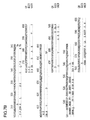
- the M. catarrhalis Lbp2 proteins from strains 4223 and Q8 are 92% identical and 95% homologous while that from VH19 is 77% identical and 84% similar to the 4223 and Q8 Lbp2 proteins ( Figure 7).
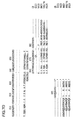
- There is little homology between the M. catarrhalis Lbp2 and Tbp2 proteins (Fig. 8) with the exception of a previously identified peptide sequence (LEGGFY (SEQ ID No: 27)) that is also found in N. meningitidis and H. influenzae Tbp2 (ref. 30).
- the sequence of the proposed M. catarrhalis lfr- related downstream orf3 is conserved between strains 4223 and Q8.
- the encoded 4223 and Q8 ORF3 proteins when compared to the PIR and Swiss Prot protein databases were found to be previously unknown.
- the ORF3 protein may bind lactoferrin itself or may be an associated or regulatory protein for Lbp1 and/or Lbp2.
- Expression vectors have been assembled from the lbpA and lbpB genes and recombinant Lbp1 and Lbp2 proteins isolated and purified, as described in detail in the Examples below.
- results shown in Table 1 below illustrate the ability of anti-Lbp1 guinea pig antiserum, produced by immunization with affinity purified Lbp1, to lyse M. catarrhalis.
- the results show that the antisera produced by immunization with Lbp1 protein isolated from M. catarrhalis isolate 4223 was bactericidal against a homologous non-clumping M. catarrhalis strain RH408 (a strain previously deposited in connection with United States Patent Application No. 08/328,589 , assigned to the assignee hereof ( WO 96/12733 published May 2, 1996 )) derived from isolate 4223.
- catarrhalis 4223 were bactericidal against the heterologous non-clumping strain Q8.
- the results in Table 3 show that similarly-produced anti-Lbp2 guinea pig antiserum was bactericidal for the homologous strain and for three of five hetrologous strains.
- the ability of isolated and purified lactoferrin binding protein to generate bactericidal antibodies is in vivo evidence of utility of these proteins as vaccines to protect against disease caused by Moraxella.
- a vaccine against Moraxella comprising an immunogenically-effective amount of lactoferrin binding protein 2 of Moraxella catarrhalis Q8, or a nucleic acid molecule (DNA or RNA) encoding said lactoferrin binding protein 2, and a physiologically-acceptable carrier therefor.
- the lactoferrin binding protein 2 provided herein may also be used as a carrier protein for haptens, polysaccharide or peptides to make conjugate vaccines against antigenic determinants unrelated to lactoferrin binding proteins.
- the lactoferrin binding protein as provided herein may be used as a carrier molecule to prepare chimeric molecules and conjugate vaccines (including glycoconjugates) against pathogenic bacteria, including encapsulated bacteria.
- glycoconjugates of the present invention may be used to confer protection against disease and infection caused by any bacteria having polysaccharide antigens including lipooligosaccharides (LOS) and PRP.
- Such bacterial pathogens may include, for example, Haemophilus influenzae, Streptococcus pneumoniae, Escherichia coli, Neisseria meningiti dis, Salmonella typhi, Streptococcus mutans, Cryptococcus neoformans, Klebsiella, Staphylotoccus aureus and Pseudomonas aeruginosa.
- antigens which can be conjugated to lactoferrin binding protein and methods to achieve such conjugations are described in U.S. Patent Application No. 08/433,522 filed November 23, 1993 ( WO 94/12641 ), assigned to the assignee hereof.
- lactoferrin binding protein 2 may be used, for example, to induce an immune response against abnormal polysaccharides of tumour cells, or to produce antitumour antibodies that can be conjugated to chemotherapeutic or bioactive agents.
- the lactoferrin binding protein provided herein is useful as a diagnostic reagent, as an antigen or for the generation of anti-lactoferrin protein 2 binding antibodies, antigen for vaccination against disease caused by species of Moraxella and for detecting infection by Moraxella and other such bacteria.
- the invention extends to lactoferrin binding protein 2 or nucleic acid molecules encoding the same from Moraxella catarrhalis Q8 for use as an active ingredient in a vaccine against disease caused by infection with Moraxella.
- the invention also extends to a pharmaceutical vaccinal composition containing lactoferrin binding protein 2 or nucleic acid molesules encoding the same from Moraxella catarrhalis Q8 and optionally, a pharmaceutically acceptable carrier and/or diluent.
- lactoferrin binding protein 2 of Moraxella catarrhalis Q8 or nucleic acid molesules encoding the same for the preparation of a pharmaceutical vaccinal composition for immunization against disease caused by infection with Moraxella.
- Immunogenic compositions suitable to be used as vaccines, may be prepared from immunogenic lactoferrin receptor proteins encoded by the nucleic acid molecules as well as the nucleic acid molecules disclosed herein.
- the vaccine elicits an immune response which produces antibodies, including anti-lactoferrin receptor antibodies and antibodies that -are opsonizing or bactericidal.
- the antibodies bind to the lactoferrin receptor and thereby prevent access of the bacteria to an iron source which is required for viability.
- opsonizing or bactericidal anti-lactoferrin receptor antibodies may also provide protection by alternative mechanisms.
- Immunogenic compositions may be prepared as injectables, as liquid solutions or emulsions.
- the lactoferrin receptor proteins, analogs and fragments thereof and encoding nucleic acid molecules as well as the nucleic acid molecules described herein may be mixed with pharmaceutically acceptable excipients which are compatible with the lactoferrin receptor proteins or nucleic acid molecules.
- excipients may include water, saline, dextrose, glycerol, ethanol, and combinations thereof.
- the immunogenic compositions and vaccines may further contain auxiliary substances, such as wetting or emulsifying agents, pH buffering agents, or adjuvants, to enhance the effectiveness of the vaccines.
- Immunogenic compositions and vaccines may be administered parenterally, by injection subcutaneously, intradermally or intramuscularly.
- the immunogenic compositions provided according to the present invention may be formulated and delivered in a manner to evoke an immune response at mucosal surfaces.
- the immunogenic composition may be administered to mucosal surfaces by, for example, the nasal or oral (intragastric) routes.
- the immunogenic composition may be provided in combination with a targeting molecule for delivery to specific cells of the immune system or to mucosal surfaces.
- Some such targeting molecules include vitamin B12 and fragments of bacterial toxins, as described in WO 92/17167 (Biotech Australia Pty. Ltd. ), and monoclonal antibodies, as described in U.S. Patent No.
- binders and carriers may include, for example, polyalkalene glycols or triglycerides.
- Oral formulations may include normally employed incipients such as, for example, pharmaceutical grades of saccharine, cellulose and magnesium carbonate. These compositions may take the form of solutions, suspensions, tablets, pills, capsules, sustained release formulations or powders and contain about 1 to 95% of the lactoferrin receptor protein 2.
- the vaccines are administered in a manner compatible with the dosage formulation, and in such amount as will be therapeutically effective, protective and immunogenic.
- the quantity to be administered depends on the subject to be treated, including, for example, the capacity of the individual's immune system to synthesize antibodies, and, if needed, to produce a cell-mediated immune response. Precise amounts of active ingredient required to be administered depend on the judgement of the practitioner. However, suitable dosage ranges are readily determinable by one skilled in the art and may be of the order of micrograms of the lactoferrin receptor protein 2, and/or nucleic acid molecules. Suitable regimes for initial administration and booster doses are also variable, but may include an initial administration followed by subsequent administrations.
- the dosage of the vaccine may also depend on the route of administration and will vary according to the size of the host.
- the nucleic acid molecules encoding lactoferrin receptor 2 of Moraxella strain Q8 may be used directly for immunization by administration of the DNA directly, for example, by injection for genetic immunization or by constructing a live vector, such as Salmonella, BCG, adenovirus, poxvirus, vaccinia or poliovirus containing the nucleic acid molecules.
- a live vector such as Salmonella, BCG, adenovirus, poxvirus, vaccinia or poliovirus containing the nucleic acid molecules.
- O'Hagan Ref. 18
- Processes for the direct injection of DNA into test subjects for genetic immunization are described in, for example, Ulmer et al. (ref. 19).
- Immunogenicity can be significantly improved if the antigens are co-administered with adjuvants, commonly used as an 0.05 to 1.0 percent solution in phosphate - buffered saline.
- adjuvants enhance the immunogenicity of an antigen but are not necessarily immunogenic themselves.
- Adjuvants may act by retaining the antigen locally near the site of administration to produce a depot effect facilitating a slow, sustained release of antigen to cells of the immune system.
- Adjuvants can also attract cells of the immune system to an antigen depot and stimulate such cells to elicit immune responses.
- Immunostimulatory agents or adjuvants have been used for many years to improve the host immune responses to, for example, vaccines.
- Intrinsic adjuvants such as lipopolysaccharides, normally are the components of killed or attenuated bacteria used as vaccines.
- Extrinsic adjuvants are immunomodulators which are typically non-covalently linked to antigens and are formulated to enhance the host immune responses.
- adjuvants have been identified that enhance the immune response to antigens delivered parenterally. Some of these adjuvants are toxic, however, and can cause undesirable side-effects, making them unsuitable for use in humans and many animals.
- alum aluminum hydroxide and aluminum phosphate (collectively commonly referred to as alum) are routinely used as adjuvants in human and veterinary vaccines.
- the efficacy of alum in increasing antibody responses to diphtheria and tetanus toxoids is well established and an HBsAg vaccine has been adjuvanted with alum.
- extrinsic adjuvants can provoke potent immune responses to antigens. These include saponins complexed to membrane protein antigens (immune stimulating complexes), pluronic polymers with mineral oil, killed mycobacteria and mineral oil, Freund's complete adjuvant, bacterial products, such as muramyl dipeptide (MDP) and lipopolysaccharide (LPS), as well as lipid A, and liposomes.
- MDP muramyl dipeptide
- LPS lipopolysaccharide
- FCA complete adjuvant
- cytolysis saponins and pluronic polymers
- LPS and MDP pyrogenicity
- LPS and MDP pyrogenicity
- FCA is an excellent adjuvant and widely used in research, it is not licensed for use in human or veterinary vaccines because of its toxicity.
- the lactoferrin receptor protein, of the present invention is useful as an immunogen, as an antigen in immunoassays including enzyme-linked immunosorbent assays (ELISA), RIAs and other non-enzyme linked antibody binding assays or procedures known in the art for the detection of anti- Moraxella , lactoferrin receptor protein 2 antibodies.
- ELISA enzyme-linked immunosorbent assays
- the lactoferrin receptor protein 2 is immobilized onto a selected surface, for example, a surface capable of binding proteins or peptides such as the wells of a polystyrene microtiter plate.
- a non-specific protein such as a solution of bovine serum albumin (BSA) or casein that is known to be antigenically neutral with regard to the test sample may be bound to the selected surface.
- BSA bovine serum albumin
- casein that is known to be antigenically neutral with regard to the test sample
- the immobilizing surface is then contacted with a sample, such as clinical or biological materials, to be tested in a manner conducive to immune complex (antigen/antibody) formation.
- a sample such as clinical or biological materials
- This procedure may include diluting the sample with diluents, such as BSA, bovine gamma globulin (BGG) and/or phosphate buffered saline. (PBS)/Tween.
- BSA bovine gamma globulin
- PBS phosphate buffered saline.
- the sample is then allowed to incubate for from about 2 to 4 hours, at temperatures such as of the order of about 25° to 37°C.
- the sample-contacted surface is washed to remove non-immunocomplexed material.
- the washing procedure may include washing with a solution such as PBS/Tween or a borate buffer.
- the occurrence, and even amount, of immunocomplex formation may be determined by subjecting the immunocomplex to a second antibody having specificity for the first antibody.
- the second antibody is an antibody having specificity for human immunoglobulins and in general IgG.
- the second antibody may have an associated activity such as an enzymatic activity that will generate, for example, a color development upon incubating with an appropriate chromogenic substrate. Quantification may then achieved by measuring the degree of color generation using, for example, a spectrophotometer.
- nucleotide sequences of the present invention comprising the sequence of the lactoferrin receptor gene, now allow for the identification and cloning of the lactoferrin receptor genes from any species of Moraxella.
- nucleotide sequences comprising the sequence of the lactoferrin receptor genes of the present invention are useful for their ability to selectively form duplex molecules with complementary stretches of other lfr genes.
- hybridization conditions may be employed to achieve varying degrees of selectivity of the probe toward the other lfr genes.
- relatively stringent conditions are used to form the duplexes, such as low salt and/or high temperature conditions, such as provided by 0.02 M to 0.15 M NaCl at temperatures of between about 50°C to 70°C.
- less stringent hybridization conditions are required such as 0.15 M to 0.9 M salt, at temperatures ranging from between about 20°C to 55°C.
- Hybridization conditions can also be rendered more stringent by the addition of increasing amounts of formamide, to destabilize the hybrid duplex.
- particular hybridization conditions can be readily manipulated, and will generally be a method of choice depending on the desired results.
- convenient hybridization temperatures in the presence of 50% formamide are: 42°C for a probe which is 95 to 100% homologous to the target fragment, 37°C for 90 to 95% homology and 32°C for 85 to 90% homology.
- hybridization conditions may be employed to determine DNA sequences which encode a functional lactoferrin receptor of Moraxella and which hybridize under stringent conditions to any one of the DNA sequences (a) or (b), described above.
- the nucleic acid sequences of the present invention may be used in combination with an appropriate means, such as a label, for determining hybridization.
- an appropriate means such as a label
- appropriate indicator means include radioactive, enzymatic or other ligands, such as avidin/biotin and digoxigenin-labelling, which are capable of providing a detectable signal.
- an enzyme tag such as urease, alkaline phosphatase or peroxidase, instead of a radioactive tag may be used.
- colorimetric indicator substrates are known which can be employed to provide a means visible to the human eye or spectrophotometrically, to identify specific hybridization with samples containing lfr gene sequences.
- the nucleic acid sequences of the present invention are useful as hybridization probes in solution hybridizations and in solid-phase procedures.
- the test DNA (or RNA) from samples such as clinical samples, including exudates, body fluids (e. g., serum, amniotic fluid, middle ear effusion, sputum, bronchoalveolar lavage fluid) or even tissues, is adsorbed or otherwise affixed to a selected matrix or surface.
- the fixed, single-stranded nucleic acid is then subjected to specific hybridization with selected probes comprising the nucleic acid sequences of lfr genes or fragments thereof of the present invention under desired conditions.
- the selected conditions will depend on the particular circumstances based on the particular criteria required depending on, for example, the G+C contents, type of target nucleic acid, source of nucleic acid, size of hybridization probe etc. Following washing of the hybridization surface so as to remove non-specifically bound probe molecules, specific hybridization is detected, or even quantified, by means of the label. It is preferred to select nucleic acid sequence portions which are conserved among species of Moraxella.
- the selected probe may be at least 18bp and may be in the range of about 30 to 90 bp.
- Plasmid vectors containing replicon and control sequences which are derived from species compatible with the host cell may be used for the expression of the lactoferrin receptor protein 2 gene in expression systems.
- the vector ordinarily carries a replication site, as well as marking sequences which are capable of providing phenotypic selection in transformed cells.
- E. coli may be transformed using pBR322 which contains genes for ampicillin and tetracycline resistance and thus provides easy means for identifying transformed cells.
- the pBR322 plasmid, or other microbial plasmid or phage must also contain, or be modified to contain, promoters which can be used by the host cell for expression of its own proteins.
- phage vectors containing replicon and control sequences that are compatible with the host can be used as a transforming vector in connection with these hosts.
- the phage in lambda GEM TM -11 may be utilized in making recombinant phage vectors which can be used to transform host cells, such as E. coli LE392.
- Promoters commonly used in recombinant DNA construction include the ⁇ -lactamase (penicillinase) and lactose promoter systems and other microbial promoters, such as the T7 promoter system as described in U.S. Patent No. 4,952,496 . Details concerning the nucleotide sequences of promoters are known, enabling a skilled worker to ligate them functionally with genes. The particular promoter used will generally be a matter of choice depending upon the desired results.
- Hosts that are appropriate for expression of the lactoferrin receptor gene of the invention may include E. coli, Bacillus species, Haemophilus, fungi, yeast, Moraxella, Bordetella, or the baculovirus expression system may be used.
- the lactoferrin receptor protein 2 by recombinant methods, particularly since the naturally occurring Lbp2 protein as purified from a culture of Moraxella catarrhalis Q8 may include trace amounts of toxic materials or other contaminants.
- This problem can be avoided by using recombinantly produced Lbp2 protein in heterologous systems which can be isolated from the host in a manner to minimize contaminants, including other proteins of the Moraxella strain, in the purified material.
- Particularly desirable hosts for expression in this regard include Gram positive bacteria which do not have LPS and are, therefore, endotoxin free. Such hosts include species of Bacillus and may be particularly useful for the production of non-pyrogenic lactoferrin receptor proteins, fragments or analogs thereof.
- recombinant methods of production permit the manufacture of Lbp2 separate from Lbp1 or orf3, which is distinct from the normal combined proteins present in Moraxella.
- ALIGN Trademark
- GENALIGN Trademark
- ALIGN® uses the Needleman-Wunsch algorithm (ref. 35) and its later modifications to locate regions of similarity between two sequences. Finding regions of maximum similarity between two sequences can be solved in a rigorous manner using the iterative matrix calculation of the Needleman and Wunsch 1997 algorithm. The analysis is restricted to regions with no internal deletions or insertions, joined by a minimum number of loop-outs or deletions. Sellers (ref. 36) developed a true metric measure of the "distance" between sequences and Waterman (ref.
- GENALIGN® is a multiple alignment program. Up to 99 sequences using the Martinez/Regions (ref. 39) or Needleman-Wunsch (ref. 35) method may be analyzed for alignment. GENALIGN places the sequences in an order that puts the most closely aligned sequence pairs adjacent to each other. A consensus sequence is displayed under the multiple sequence alignments. The sequences used in developing the consensus sequence file for use in other programs. GENALIGN allows the parameters of the search to be changed so that alternate alignments of the sequences can be formed.
- Such procedures may be used to determine DNA sequences which encode a functional lactoferrin receptor of Moraxella and which may have at least about 90% sequence identity with any one of the DNA sequences (a) or (b), described above.
- Certain vectors that contain at least a portion coding for a lactoferrin receptor protein from strains of Moraxella catarrhalis strain 4223 and Q8 and a strain of M. catarrhalis RH408 that are described and referred to herein have been deposited with the American Type Culture Collection (ATCC) located at 12301 Parklawn Drive, Rockville, Maryland 20852, USA, pursuant to the Budapest Treaty and prior to the filing of this application. Samples of the deposited vectors and bacterial strain will become available to the public and the restrictions imposed on access to the deposits will be removed upon grant of a patent based upon this United States patent application. In addition, the deposit will be replaced if viable samples cannot be dispensed by the Depository.
- ATCC American Type Culture Collection
- This Example illustrates the generation of oligonucleotide primers for PCR amplification of M. catarrhalis lbpA.
- Native Lbp1 was purified by affinity chromatography using high stringency conditions as described in United States Patent Application No. 08/552,232 , assigned to the assignee hereof and the disclosure of which is incorporated herein by reference, and in ref. 40.
- the purified Lbp1 protein was digested overnight with cyanogen bromide, then fragments separated by SDS PAGE and submitted to sequence analysis on an AB1 model 477A.
- a 13 kDa protein fragment was found to have the N-terminal sequence MVQYTYRKGKENKAH (SEQ ID No: 22).
- a degenerate oligonucleotide primer (4393.RD) was prepared based upon this sequence: CAA TAT ACI CGT AAA GGT GAA AAT AAA GC (SEQ ID No: 29) CAA TAT ACI CGT AAA GGC GAA AAC AAA GC (SEQ ID No: 30) CAA TAT ACI CGT AAA GGT GAA AAC AAA GC (SEQ ID No: 31) CAA TAT ACI CGT AAA GGC GAA AAT AAA GC (SEQ ID No: 32) CAA TAT ACI CGC AAA GGC GAA AAC AAA GC (SEQ ID No: 33) CAA TAT ACI CGC AAA GGC GAA AAT AAA GC (SEQ ID No: 34) CAA TAT ACI CGC AAA GGT GAA AAT AAA GC (SEQ ID No: 35) CAA TAT ACI CGC AAA GGT GAA AAC AAA GC (SEQ ID No: 36) The Y 6 and K 10 residues were omitted from the sequence analysis report
- LEMKF LEMKF (SEQ ID No. 26).
- An oligonucleotide primer 4572.RD was prepared based upon the complementary DNA sequence encoding this pentapeptide: 3' GAA CTT TAC TTC AAA ATT 5' 4572.RD (SEQ ID No: 38)
- This Example illustrates the preparation of chromosomal DNA from M. catarrhalis strains 4223 and Q8.
- M. catarrhalis isolate 4223 was inoculated into 100 ml of BHI broth, and incubated for 18 hr at 37°C with shaking. The cells were harvested by centrifugation at 10,000 x g for 20 min. The pellet was used for extraction of M. catarrhalis 4223 chromosomal DNA.
- the cell pellet was resuspended in 20 ml of 10 MM Tris-HC1 (pH 7.5)-1.0 mM EDTA (TE). Pronase and SDS were added to final concentrations of 500 ⁇ g/ml and 1.0%, respectively, and the suspension was incubated at 37°C for 2 hr. After several sequential extractions with phenol, phenol:chloroform (1:1), and chloroform:isoamyl alcohol (24:1), the aqueous extract was dialysed, at 4°C, against 1.0 M NaCl for 4 hr, and against TE (pH 7.5) for a further 48 hr with three buffer changes.
- M. catarrhalis strain Q8 was grown in BHI broth. Cells were pelleted from 50 ml of culture by centrifugation at 5000 rpm for 20 minutes, at 4°C. The cell pellet was resuspended in 10 ml of TE (10 mM Tris-HCl, 1 mM EDTA, pH 7.5) and proteinase K and SDS were added to final concentrations of 500 ⁇ g/ml and 1%, respectively. The sample was incubated at 37°C for 4 hours until a clear lysate was obtained. The lysate was extracted twice with Tris-saturated phenol/chloroform (1:1), and twice with chloroform.
- the final aqueous phase was dialysed for 24 hours against 2 X 1000 ml of 1 M NaCl at 4°C, changing the buffer once, and for 24 hours against 2 x 1000 ml of TE at 4°, changing the buffer once.
- the final dialysate was precipitated with two volume of 100% ethanol.
- the DNA was spooled, dried and resuspended in 5 to 10 ml of TE buffer.
- This Example illustrates the PCR amplification of a fragment of M. catarrhalis lbpA and the generation of probes for screening libraries.
- PCR amplification was performed on chromosomal DNA isolated in Example 2 using primers 4393.RD and 4572.RD under the following cycling conditions: 25 cycles of 94°C for 1 min, 47°C for 30 sec and 72°C for 1 min.
- PCR4 is the amplification of the 4223 lbpA fragment
- PCR5 is the amplification of the Q8 lbpA fragment.
- a specific band of about 2.2 kb was amplified and partial sequence analysis was performed to ensure that the gene product was related to lbpA and was not tbpA .
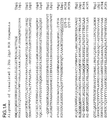
- the derived amino acid sequences are shown in Figure 1 and have been aligned with the complete 4223 Lbp1 sequence to show their placement and the 4223 Tbp1 sequence (USAN 08/613,009) to indicate their uniqueness.
- the full-length 2.2 kb gene fragment was randomly labeled with 32 P and used to probe genomic libraries.
- This Example illustrates the generation and screening of the EMBL 3 libraries.
- Chromosomal DNA was prepared as described in Example 2.
- a large-scale digestion was set up in a 100 ⁇ L volume, containing the following: 50 ⁇ L of chromosomal DNA (290 ⁇ g/ml), 33 ⁇ L water, 10 ⁇ L 10X Sau3A buffer (New England Biolabs), 1.0 ⁇ L BSA (10 mg/ml, New England Biolabs), and 6.3 ⁇ L Sau3A (0.04 U/ ⁇ L). Following a 15 min.
- DNA was electroeluted from the gel fragment by applying a field strength of 1.0 V/cm for 18 hr. Electroeluted DNA was extracted once each with phenol and phenol:chloroform (1:1), and precipitated with ethanol. The dried DNA was dissolved in 5.0 ⁇ L water.
- Size-fractionated chromosomal DNA was ligated with Bam HI-digested EMBL3 arms (Promega), using T4 DNA ligase in a final volume of 9 ⁇ L.
- the entire ligation mixture was packaged into lambda phage using a commercial packaging kit (Amersham), following manufacturer's instructions.
- SM buffer Tris-HCl (pH 7.5)-8 mM magnesium sulfate heptahydrate-100 mM NaCl-0.01% (w/v) gelatin
- Plaques were lifted onto nitrocellulose filters (Amersham Hybond-C Extra) which were hybridized with the 32P-labelled 2.2 kb PCR fragment.
- nitrocellulose filters Amin Hybond-C Extra
- Several putative phage clones were obtained from each library and clones 4223LfR.17 and Q8LfR.13 were chosen for further analysis.
- This Example illustrates the subcloning of the phage clones containing M. catarrhalis lfr genes.
- This Example illustrates the sequence analysis of clones containing the M. catarrhalis lfr genes from strains 4223 and Q8.
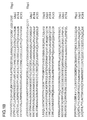
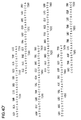
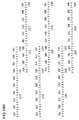
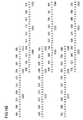
- the complete sequences of the lbpB, lbpA, and orf3 genes comprising the putative lfr locus from M. catarrhalis 4223 and Q8 is shown in Figures 2 and 4, respectively.
- the intergenic distance between the lbpB and lbpA genes is 184 nucleotides, while a single nucleotide separates the lbpA and orf3 genes.
- a putative promoter and ribosome binding site is indicated by underlining upstream of both lbpB and lbpA.
- a fourth potential gene was cloned on the approximately 9 kb Hind III fragments.
- the N-terminal sequence of the native Lbp1 protein is unknown. Examination of the deduced amino acid sequence of the lbpA gene indicates that there are two possible ATG start codons at positions 1 and 16. The first position is downstream of strong promoter elements found in the lbpB-lbpA intergenic region and the second position is followed by a putative signal sequence.
- the M. catarrhalis 4223 and Q8 Lbp1 proteins (from the first ATG) have molecular mass values of about 110 kDa and are 99% identical.
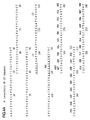
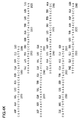
- the deduced Lbp1 protein sequences from M. catarrhalis strains 4223 and Q8 are compared in Figure 6. They are also compared with the iroA / lbpA gene from N.
- M. catarrhalis proteins are found to be about 32% identical and about 50% similar to the Neisseria proteins. As shown in Figure 1, there is very limited sequence homology between the M. catarrhalis Tbp1 and Lbp1 sequences.
- the deduced Lbp2 protein sequences from M. catarrhalis strains 4223 and Q8 are compared in Figure 7.
- the 4223 and Q8 Lbp2 proteins both have molecular masses of about 99 kDa and are 92% identical and 95% similar to each other.
- a comparison to the M. catarrhalis Tbp2 proteins shows very little homology except the LEGGFY (SEQ ID No: 27) epitope previously identified in H. influenzae and N. meningitidis Tbp2 proteins (Fig. 8).
- a cysteine residue at position 32 is preceded by a consensus sequence for lipoproteins suggesting that Lbp2, like Tbp2, is a lipoprotein.
- An unusual feature of the Lbp2 proteins is the high combined aspartic acid and asparagine content which is nearly 20%.
- the 4223 Lbp2 amino acid composition from residues 698 to 751 is about 52% aspartic acid.
- the 4223 and Q8 lfr orf3 genes would encode proteins of molecular mass about 60 kDa, respectively.
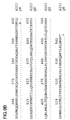
- a notable feature of the ORF3 protein is a potential signal sequence, a terminal phenylalanine which is often associated with membrane anchored proteins, an internal repeat sequence of DGLG (SEQ ID No: 39), and a high leucine content of 15%.
- the deduced Lbp3 protein sequences are compared in Figure 9. These proteins are 98% identical and 99% similar.
- This Example illustrates the construction of vectors to express M. catarrhalis Lbp1 from the first methionine in E. coli.
- plasmid pLDW3 prepared as described in Example 5, was digested with BstE II and Sph I generating a 2.3kb fragment of lbpA which was ligated with the Nde I-BstE II and SphI-BamH I PCR fragments and cloned into pT7-7 digested with NdeI and BamH I.
- the resulting plasmid pQW1A thus contains the full-length Q8 lbpA gene from the first methionine, under the control of the T7 promoter.
- DNA from pQW1A was purified and transformed by electroporation into electrocompetent BL21(DE3) cells to generate strain QW1A which was grown and induced using IPTG. Expressed proteins were resolved by SDS-PAGE and the induced Lbp1 protein was visualized by Coomassie blue staining (Fig. 11).
- plasmid pLD3 prepared as described in Example 5 was digested with BstEII and SphI, generating a 2.3 kb fragment of lbpA, which was ligated with the Nde I-BstE II and SphI-BamH I PCR fragments and cloned into pT7-7 digested with NdeI and BamH I.
- the resulting plasmid pRD1A thus contains the full-length 4223 lbpA gene from the first possible methionine under the control of the T7 promoter.
- DNA from pRD1A was purified and transformed by electroporation into electrocompetent BL21(DE3) cells to generate strain RD1A which was grown and induced using IPTG. Expressed proteins were resolved by SDS-PAGE and the induced Lbp1 protein was visualized by Coomassie blue staining (Fig. 11).
- the Q8 Lbp1 protein was expressed at very high levels but the 4223 Lbp1 protein was expressed at substantially lower levels.
- the extract was centrifuged at 20,000 x g for 30 min and the resultant supernatant, which contained greater than 95% of the soluble proteins from E. coli, was discarded.
- the remaining pellet (Figure 14, PPT1) was further extracted in 40 ml of 50 mM Tris, pH 8.0 containing 0.5% Triton X-100 and 10 mM EDTA.
- the mixture was stirred at 4°C for at least 1 hour and then centrifuged at 20,000 x g for 30 min and the supernatant containing residual soluble proteins and the majority of the membrane proteins was discarded.
- the resultant pellet ( Figure 14, PPT2) was further extracted in 40 ml of 50 mM Tris, pH 8.0 containing 1% octylglucoside.
- the mixture was stirred at 4°C for at least 1 hour and then centrifuged at 20,000 x g for 30 min. The supernatant containing residual contaminating proteins was discarded.
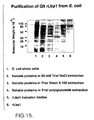
- the resultant pellet (Figure 14, PPT3) obtained after the above extractions contained the Lbp1 protein as inclusion bodies.
- the rLbp1 protein was solubilized from the inclusion bodies in 50 mM Tris, pH 8.0, containing 6 M guanidine and 5 mM DTT. After centrifugation, the resultant supernatant was further purified on a Superdex 200 gel filtration column equilibrated in 50 mM Tris-HCl, pH 8.0, containing 2 M guanidine and 5 mM DTT. The fractions were analysed by SDS-PAGE and those containing purified rLbp1 were pooled. Triton X-100 was added to the pooled rLbp1 fraction to a final concentration of 0.1%.
- the fraction was dialysed overnight at 4°C against PBS, and then centrifuged at 20,000 x g for 30 min.
- the purified rLbp1 was stored at -20°C. Samples from the purification were analyzed by SDS-PAGE (Fig. 15).
- This Example illustrates the construction of vectors to express M. catarrhalis Lbp1 from the second methionine in E. coli.
- FIG. 10 The construction scheme for 4223 or Q8 lbpA expressed from the second methionine is shown in Figure 10.
- the 3'-end of the lbpA gene was PCR amplified from the SphI restriction site to the stop codon using primers 5281.RD and 5282.RD as described in Example 8.
- the 2.3 kb BstE II-Sph I fragments described in Example 8 were ligated to the Nde I-BstE II and Sph I-BamH I PCR fragments and cloned into pT7-7 that had been digested with NdeI and BamH I.
- Plasmid pQW1B thus contains a full-length Q8 lbpA gene from the second methionine and plasmid pRD1B contains a full-length 4223 lbpA gene from the second methionine under the direction of the T7 promoter.
- DNA was purified and transformed by electroporation into electrocompetent BL21(DE3) cells to generate recombinant strains which were grown and induced using IPTG. Expressed proteins were resolved by SDS-PAGE and the induced Lbp1 proteins were visible by Coomassie blue staining (Fig. 11).
- This Example illustrates the construction of vectors to express M. catarrhalis Lbp2 with a leader sequence from E. coli.
- the construction scheme is illustrated in Figure 12.
- the 5'-end of the lbpB gene was PCR amplified from the ATG start codon through the first BspH I site generating an approximately 201 bp fragment.
- An NdeI site was engineered at the ATG to facilitate cloning into the pT7-7 expression vector.
- oligonucleotides used for amplification are illustrated below: NdeI M S T V K T P H (SEQ ID No; 52) 5' GGAATTC CAT ATG AGT ACT GTC AAA ACC CCC CAC A 3' 5533.RD (SEQ ID No: 53) 5' A ATA CCG AAC ACA GG T CAT GA C AAC ACC AAT 3' (SEQ ID No: 55) T TAT GGC TTG TGT CCA GTA CTG TTG TGG TTA 5' 5534.RD (SEQ ID No: 56)
- the 3'-end of the lbpB gene was PCR amplified from the second BspH I site to the TAA stop codon generating a 381 bp fragment.
- a BamH I site was introduced after the stop codon for cloning purposes.
- the oligonucleotides used for amplification are illustrated below: N E P T H E K T F A (SEQ ID No: 57) 5' AAT GAG CCT ACT CAT GAA AAA ACC TTT GCC 3' S535.RD (SEQ ID No: 58) G A V F G A V K D K * (SEQ ID No: 59) 5' GG GCT GTC TTT GGG GCT GTT AAA GAT AAA TAA 3' (SEQ ID No: 60)
- the resulting plasmids, pLD2A and pLDW2A contain the full-length 4223 and Q8 lbpB genes under the control of the T7 promoter, respectively.
- This Example illustrates the construction of vectors to express the mature M. catarrhalis Lbp2 proteins from E. coli .
- the construction scheme is illustrated in Figure 12.
- the putative mature Lbp2 lipoproteins start at the Cys 32 residue.
- a scheme similar to that described in Example 10 can be used to generate expression clones.
- a sense PCR primer is designed that includes an NdeI site for subsequent cloning and an ATG start codon for initiation of translation followed immediately by the Cys 32 residue.
- the antisense primer is the same as that described in Example 9 (5534.RD) and includes the BspH I cloning site.
- the amplified fragment is ⁇ 112 bp long.
- oligonucleotides are illustrated below: NdeI M C R S D D I S V N (SEQ ID No: 62) 5' GGAATTC CAT ATG TGC CGC TCT GAT GAC ATC AGC GTC AAT 3' RD (SEQ ID No: 63) 5' A ATA CCG AAC ACA GG T CAT GA C AAC ACC AAT 3' (SEQ ID No: 55) 3' T TAT GGC TTG TGT CCA GTA CTG TTG TGG TTA 5' 5534.RD (SEQ ID No: 56)
- the BspH I-BamH I 3'-end of the lbpB gene is PCR amplified as in Example 9 and the plasmid expressing mature Lbp2 is constructed by ligating the 5'- and 3'-PCR fragments with the 2.1 kb BspH I fragment and vector pT7-7 digested with NdeI and BamH I.
- the resulting plasmids, pLD2B and pLDW2B contain the lbpB gene encoding the mature Lbp2 proteins from strains 4223 and Q8 under the direction of the T7 promoter, respectively.
- This Example illustrates the construction of a vector to express the M. catarrhalis lfr Lbp3 from E. coli.
- the resultant 1.8 kb fragment was ligated with the annealed NdeI-AlwN I oligonucleotides and cloned into pT7-7 that had been digested with NdeI and SmaI.
- This Example describes the cloning and sequencing of the lbpB gene from M. catarrhalis strain VH19.
- Chromosomal DNA was prepared from M. catarrhalis strain VH19, as described previously in Example 2.
- Oligonucleotide primers were designed based upon the flanking sequence of the 4223 lbpB gene.
- the sense primer was 5' AAGCTTAGCATGATGGCATCGGCT 3' (SEQ ID No: 67) and the antisense primer was 5' TTAGCCCAAGGCAAATCTGGTGCA 3' (SEQ ID No: 68).
- PCR was performed in buffer containing 10mM Tris-HCl (pH 8.3), 50 mM potassium chloride and 1.5 mM magnesium chloride.
- Each 100 ⁇ l reaction mixture contained 1 ⁇ g chromosomal DNA, 0.1 ⁇ g each primer, 2.5 units amplitaq DNA polymerase (Perkin Elmer Cetus, Foster City, California) and 10 mM of each dNTP (Perkin Elmer Cetus).
- the cycling conditions were 24 cycles of 94°C for 1 min, 47°C for 30 sec and 72°C for 1 min.
- Specific 2.9 kb fragments were amplified from two independent reactions and subcloned into pCR II (Invitrogen, Carlsbad, California), generating plasmids pVH19pcr1 and pVH19pcr2 for sequence analysis.
- a third PCR amplification was performed without subcloning the resultant DNA.
- Plasmid DNA from pVH19pcr1 and pVH19pcr2 was prepared from 50 ml overnight cultures using the Qiagen Plasmid Midi kit (Qiagen Inc, Chatsworth, California). PCR amplified DNA was purified for direct sequencing using a Qiagen PCR purification kit. DNA samples were sequenced on an ABI model 373A DNA sequencer using dye terminator chemistry. Oligonucleotide primers 17 to 25 bases in length were used to sequence both strands of the DNA.
- the nucleotide sequence (SEQ ID No: 69) of the VH19 lbpB gene and the deduced amino acid sequence of the corresponding Lbp2 protein (SEQ ID No: 70) are shown in Figure 16.
- the encoded VH19 Lbp2 protein is 906 amino acids and is 77% identical and 84% similar to the 4223 and Q8 Lbp2 proteins.
- There is a putative lipoprotein signal sequence which is very similar to the 4223 and Q8 signal sequences.
- the high Asp and Asn content found in the 4223 and Q8 Lbp2 proteins is also present in the VH19 LbpB protein, as is the RGD sequence.
- a partial restriction map of the VH19 lbpB gene is shown in Figure 17.
- FIG. 7 An alignment of the Lbp2 proteins from M. catarrhalis strains 4223, Q8 and VH19 is shown in Figure 7.
- the M. catarrhalis Lbp2 proteins are also compared with partial Lbp2 sequences from N. meningitis strains BNCV (ref. 31) and H44/76 (ref. 24) and N. gonorrhoeae strain FA19 (ref. 25).
- There are small scattered regions of sequence homology to the known bacterial Tbp2 proteins (ref. 32). Residues that are conserved among the Tbp2 proteins and the M. catarrhalis Lbp2 proteins are underlined in Figure 7 and include the LEGGFYG (SEQ ID No: 75) motif.
- This Example describes the construction of vectors for expression of the M. catarrhalis Lbp2 protein.
- Lbp2 was assumed to be a lipoprotein and constructs were designed for expression of Lbp2 with or without a lipopeptide signal sequence.
- construct A To express the full-length Lbp2 protein with leader sequence (construct A), an approximately 429 bp 5'-fragment from the Met 1 start codon to the Bgl I site was PCR amplified and to express the mature protein (construct B), an approximately 329 bp 5'-fragment from the putative Cys 32 start to the Bgl I site was PCR amplified.
- the resulting plasmids, pQW2A and pQW2B thus contain the Q8 lbpB gene encoding the full-length or mature Lbp2 proteins under the direction of the T7 promoter.
- the plasmids expressing the 4223 full-length or mature Lbp2 proteins were constructed in a similar manner and designated pRD2A and pRD2B. There was no measurable expression of rLbp2 from constructs containing the signal sequence, however the mature rLbp2 proteins were expressed at 5 to 10% of total proteins as inclusion bodies and were purified by the same process as that described for rLbp1 in Example 8. Samples from the purification were analyzed by SDS-PAGE ( Figure 18).
- This Example describes the functional characterization of the recombinant lactoferrin binding proteins.
- Human lactoferrin (Sigma) was conjugated to horseradish peroxidase using an EZ-Link maleimide activated horseradish peroxidase (HRP) kit (Pierce, Rockford, Illinois) according to the manufacturer's instructions.
- HRP horseradish peroxidase
- the lactoferrin binding activity of rLbp1 or rLbp2 was assessed by modifying the procedure described for transferrin binding proteins (ref. 17). Briefly, purified rLbp1 or rLbp2 was subjected to discontinuous electrophoresis through a 12.5% SDS PAGE gel.
- the proteins were electrophoretically transferred to a polyvinylidene difluoride (PVDF) membrane (Millipore, Bedford, Massachusetts) and incubated with horseradish peroxidase-conjugated human lactoferrin (1:20 dilution) at 4°C overnight.
- LumiGLO substrate (Kirkegaard and Perry Laboratories, Inc., Gaithersburg, Maryland) was used for chemiluminescent detection of HRP activity according to the manufacturer's instructions.
- the Q8 rLbp1 protein did not bind human lactoferrin under these conditions, but the 4223 rLbp2 and Q8 rLbp2 proteins did (Fig. 19).
- This Example describes the immunization of animals and immunoassays.
- guinea pigs Groups of two guinea pigs (Hartley outbred, Charles River, Quebec) were immunized intramuscularly (i.m.) with 5 ⁇ g doses of purified rLbp1 or rLbp2 protein emulsified in CFA or IFA.
- Anti-Lbp antibody titers in guinea pig immune sera were determined by antigen-specific ELISA.
- Microtiter wells (Nunc-MAXISORB, Nunc, Denmark) were coated with 50 ⁇ l of protein (0.5 ⁇ g ml 1 ).
- the reactive titer of an antiserum was defined as the reciprocal of the highest dilution consistently showing a two-fold increase in absorbance at 450 nm over that obtained with the pre-immune serum samples.
- the recombinant proteins elicited high titre antibodies as shown in Tables 1 and 2.
- This Example describes the antigenic conservation of Lbp1 and Lbp2 in M. catarrhalis strains.
- catarrhalis strains obtained from North America or Finland were grown in BHI + 25 mM EDDA, and immunoblots were probed with guinea pig anti-4223 rLbp2 antibody, as above. All strains showed a protein band reactive with anti-rLbp2 antibody. There was very little size heterogeneity for the Lbp2 proteins from the 90 M. catarrhalis strains, ranging from approximately 100 kDa to 105 kDa. Representative immunoblots are illustrated in Fig. 19.
- This Example describes the assay used to determine the bactericidal antibody activity of anti-Lbp antibodies.
- the assay was performed as described by ref. 33. Briefly, the M. catarrhalis strains were grown to an OD 578 of 0.5 in BHI medium containing 25 mM EDDA. The bacteria were diluted so that the pre-bleed control plates contained 100 to 300 cfu. Guinea pig anti-rLbp1 or anti-rLbp2 antisera and pre-bleed controls, were heated to 56°C for 30 min to inactivate endogenous complement and were diluted 1:64 with veronal buffer containing 0.1% BSA (VBS). Guinea pig complement (Biowhittaker, Walkersville, Maryland) was diluted 1:10 in VBS.
- VBS veronal buffer containing 0.1% BSA
- Guinea pig complement Biowhittaker, Walkersville, Maryland
- the present invention provides purified and isolated DNA molecules containing a lactoferrin receptor gene encoding Lbp2 of Moraxella catarrhalis Q8, the sequences of this lactoferrin receptor gene, and the derived amino acid sequences thereof.
- the genes and DNA sequences are useful for diagnosis, immunization, and the generation of diagnostic and immunological reagents.
- Immunogenic compositions including vaccines, based upon expressed recombinant Lbp1 and/or Lbp2 and/or ORF3, portions thereof, or analogs thereof, can be prepared for prevention of diseases caused by Moraxella.
- catarrhalis cells Table 2 ELISA titers for guinea pig anti-Lbp antibodies raised against recombinant lactoferrin binding proteins Coated antigen Anti-Q8 rLbp1 Anti-Q8 rLbp2 Anti-4223 rLbp2 Q8 rLbp1 3,200 - - 25,600 Q8 rLbp2 - 1,638,400 409,600 1,638,400 409,600 4223 rLbp2 - 409,600 819,200 409,600 819,200 Table 3.
- Bactericidal antibody activity of guinea pig anti-rLbp2 antibodies Strain locale 1 source 2 Lbp2 size Bactericidal antibody activity 3 Anti-4223 rLbp2 Anti-Q8 rLbp2 4223 New York MEF 105 kDa ++ - Q8 Quebec sputum 105 kDa ⁇ - VH19 Texas MEF 105 kDa + NT 4 LES-1 Finland MEF 102 kDa - NT H-04 Nova Scotia MEF 100 kDa + NT 3 New York sputum 100 kDa ++ NT 1 geographic locale where strain was isolated 2 anatomical source of clinical isolate.
Landscapes
- Health & Medical Sciences (AREA)
- Chemical & Material Sciences (AREA)
- Life Sciences & Earth Sciences (AREA)
- Organic Chemistry (AREA)
- General Health & Medical Sciences (AREA)
- Medicinal Chemistry (AREA)
- Pharmacology & Pharmacy (AREA)
- Nuclear Medicine, Radiotherapy & Molecular Imaging (AREA)
- General Chemical & Material Sciences (AREA)
- Animal Behavior & Ethology (AREA)
- Chemical Kinetics & Catalysis (AREA)
- Public Health (AREA)
- Veterinary Medicine (AREA)
- Bioinformatics & Cheminformatics (AREA)
- Engineering & Computer Science (AREA)
- Pulmonology (AREA)
- Urology & Nephrology (AREA)
- Molecular Biology (AREA)
- Genetics & Genomics (AREA)
- Biophysics (AREA)
- Biochemistry (AREA)
- Gastroenterology & Hepatology (AREA)
- Zoology (AREA)
- Toxicology (AREA)
- Proteomics, Peptides & Aminoacids (AREA)
- Communicable Diseases (AREA)
- Oncology (AREA)
- Peptides Or Proteins (AREA)
- Micro-Organisms Or Cultivation Processes Thereof (AREA)
- Medicines That Contain Protein Lipid Enzymes And Other Medicines (AREA)
- Preparation Of Compounds By Using Micro-Organisms (AREA)
- Medicines Containing Antibodies Or Antigens For Use As Internal Diagnostic Agents (AREA)
- Measuring Or Testing Involving Enzymes Or Micro-Organisms (AREA)
- Pharmaceuticals Containing Other Organic And Inorganic Compounds (AREA)
Claims (13)
- Molécule d'acide nucléique purifiée et isolée codant pour une protéine de récepteur de lactoferrine 2 (Lbp2) de Moraxella catarrhalis Q8 et ayant(a) une séquence d'ADN codant pour la séquence d'aminoacides:

 (b) une séquence d'ADN complémentaire à la séquence d'ADN définie dans (a).
 - Molécule d'acide nucléique selon la revendication 1, ayant la séquence d'ADN:
 une séquence d'ADN qui lui est complémentaire.
- Vecteur d'expression pour la transformation d'un hôte et comprenant une molécule d'ADN selon l'une quelconque des revendications précédentes.
- Cellule hôte transformée en culture avec un vecteur d'expression selon la revendication 3.
- Procédé de préparation d'une protéine de récepteur de lactoferrine 2 (Lbp2) essentiellement pure de Moraxella catarrhalis Q8 telle que définie dans la revendication 1, ce procédé comprenant:la culture d'une cellule hôte transformée avec un vecteur d'expression selon la revendication 3 dans des conditions permettant l'expression de la protéine de récepteur sous forme de corps d'inclusion;la purification des corps d'inclusion pour les débarrasser du matériel cellulaire et des protéines solubles,la solubilisation de la protéine de récepteur de lactoferrine pour la débarrasser des corps d'inclusion purifiés, etla purification de la protéine de récepteur de lactoferrine pour la débarrasser des autres matières solubilisées.
- Procédé selon la revendication 5, dans lequel ladite protéine de récepteur de lactoferrine a une pureté d'au moins 70 %.
- Procédé selon la revendication 6, dans lequel ladite protéine de récepteur de lactoferrine a une pureté d'au moins 90 %.
- Protéine de récepteur de lactoferrine recombinée telel que définie dans la revendication 1 et pouvant être produite par un hôte transformé selon la revendication 4, la protéine de récepteur étant dépourvue d'autres protéines de la souche de Moraxella.
- Composition immunogène comprenant:(a) au moins un constituant actif choisi parmi: une molécule d'acide nucléique selon l'une quelconque des revendications 1 à 2, ou une protéine de récepteur de lactoferrine selon la revendication 8; et(b) un support pharmaceutiquement acceptable.
- Procédé de détermination de la présence, dans un échantillon, d'un acide nucléique codant pour une protéine de récepteur de lactoferrine 2 de Moraxella telle que définie dans la revendication 1, le procédé comprenant:(a) la mise en contact de l'échantillon avec l'acide nucléique selon les revendications 1 à 2 pour produire des duplex comprenant la molécule d'acide nucléique et toute molécule d'acide nucléique codant pour la protéine de récepteur de lactoferrine présente dans l'échantillon et pouvant s'hybrider de façon spécifique avec elle; et(b) la détermination de la production desdits duplex.
- Trousse de diagnostic pour la détermination de la présence, dans un échantillon, d'acide nucléique codant pour une protéine de récepteur de lactoferrine 2 de Moraxella telle que définie dans la revendication 1, ladite trousse comprenant:(a) une molécule d'acide nucléique selon l'une quelconque des revendications 1 à 2;(b) des moyens de mise en contact de la molécule d'acide nucléique avec l'échantillon pour produire des duplex comprenant la molécule d'acide nucléique et toute molécule d'acide nucléique codant pour la protéine de récepteur de lactoferrine présente dans l'échantillon et pouvant s'hybrider de façon spécifique avec elle; et(c) des moyens de détermination de la production desdits duplex.
- Molécule d'acide nucléique selon l'une quelconque des revendications 1 à 2, à utiliser comme produit pharmaceutique.
- Protéine de récepteur de lactoferrine recombinée selon la revendication 8, à utiliser comme produit pharmaceutique.
Priority Applications (1)
| Application Number | Priority Date | Filing Date | Title |
|---|---|---|---|
| EP07021387A EP1905831A3 (fr) | 1997-06-03 | 1998-06-02 | Gènes récepteurs de lactoferrine de Moraxella |
Applications Claiming Priority (5)
| Application Number | Priority Date | Filing Date | Title |
|---|---|---|---|
| US867941 | 1992-04-13 | ||
| US08/867,941 US5977337A (en) | 1997-06-03 | 1997-06-03 | Lactoferrin receptor genes of Moraxella |
| US74658 | 1998-05-08 | ||
| US09/074,658 US6184371B1 (en) | 1997-06-03 | 1998-05-08 | Lactoferrin receptor genes of Moraxella |
| PCT/CA1998/000544 WO1998055606A2 (fr) | 1997-06-03 | 1998-06-02 | Genes du recepteur de la lactoferrine de moraxella |
Related Child Applications (1)
| Application Number | Title | Priority Date | Filing Date |
|---|---|---|---|
| EP07021387A Division EP1905831A3 (fr) | 1997-06-03 | 1998-06-02 | Gènes récepteurs de lactoferrine de Moraxella |
Publications (2)
| Publication Number | Publication Date |
|---|---|
| EP1000144A2 EP1000144A2 (fr) | 2000-05-17 |
| EP1000144B1 true EP1000144B1 (fr) | 2007-12-12 |
Family
ID=26755908
Family Applications (1)
| Application Number | Title | Priority Date | Filing Date |
|---|---|---|---|
| EP98925352A Expired - Lifetime EP1000144B1 (fr) | 1997-06-03 | 1998-06-02 | Gene du recepteur de la lactoferrine de moraxella |
Country Status (8)
| Country | Link |
|---|---|
| EP (1) | EP1000144B1 (fr) |
| JP (1) | JP2001502925A (fr) |
| AT (1) | ATE380867T1 (fr) |
| AU (1) | AU739129B2 (fr) |
| BR (1) | BR9809914A (fr) |
| CA (1) | CA2292838A1 (fr) |
| NZ (1) | NZ501911A (fr) |
| WO (1) | WO1998055606A2 (fr) |
Families Citing this family (24)
| Publication number | Priority date | Publication date | Assignee | Title |
|---|---|---|---|---|
| ATE459373T1 (de) | 1999-03-19 | 2010-03-15 | Glaxosmithkline Biolog Sa | Impfstoff gegen kapsulare polysaccharide von streptococcus pneumoniae |
| GB9914870D0 (en) * | 1999-06-25 | 1999-08-25 | Smithkline Beecham Sa | Novel compounds |
| GB0022742D0 (en) | 2000-09-15 | 2000-11-01 | Smithkline Beecham Biolog | Vaccine |
| GB0103171D0 (en) | 2001-02-08 | 2001-03-28 | Smithkline Beecham Biolog | Vaccine composition |
| US20060057160A1 (en) | 2002-08-02 | 2006-03-16 | Ralph Biemans | Vaccine composition |
| RU2247373C2 (ru) * | 2003-04-28 | 2005-02-27 | Нижегородская государственная медицинская академия | Способ экспресс-диагностики и дифференциальной диагностики урогенитальных инфекций |
| TWI457133B (zh) | 2005-12-13 | 2014-10-21 | Glaxosmithkline Biolog Sa | 新穎組合物 |
| KR101515078B1 (ko) | 2005-12-22 | 2015-04-24 | 글락소스미스클라인 바이오로지칼즈 에스.에이. | 백신 |
| GB0607088D0 (en) | 2006-04-07 | 2006-05-17 | Glaxosmithkline Biolog Sa | Vaccine |
| MY150105A (en) | 2006-01-17 | 2013-11-29 | Forsgren Arne | A novel surface exposed haemophilus influenzae protein (protein e; pe) |
| CA2690708A1 (fr) | 2007-06-26 | 2008-12-31 | Glaxosmithkline Biologicals S.A. | Vaccin |
| GB201003924D0 (en) | 2010-03-09 | 2010-04-21 | Glaxosmithkline Biolog Sa | Immunogenic composition |
| GB201003922D0 (en) | 2010-03-09 | 2010-04-21 | Glaxosmithkline Biolog Sa | Conjugation process |
| CA2792687A1 (fr) | 2010-03-10 | 2011-09-15 | Glaxosmithkline Biologicals S.A. | Composition immunogene |
| GB201103836D0 (en) | 2011-03-07 | 2011-04-20 | Glaxosmithkline Biolog Sa | Conjugation process |
| GB201518684D0 (en) | 2015-10-21 | 2015-12-02 | Glaxosmithkline Biolog Sa | Vaccine |
| GB201621686D0 (en) | 2016-12-20 | 2017-02-01 | Glaxosmithkline Biologicals Sa | Novel methods for inducing an immune response |
| GB2600653B (en) | 2017-05-30 | 2022-11-02 | Glaxosmithkline Biologicals Sa | Novel methods |
| BR112020010790A2 (pt) | 2017-12-01 | 2020-11-10 | Glaxosmithkline Biologicals S.A. | purificação da saponina |
| EP3833382A1 (fr) | 2018-08-07 | 2021-06-16 | GlaxoSmithKline Biologicals S.A. | Processus et vaccins |
| EP3886901A1 (fr) | 2018-11-29 | 2021-10-06 | GlaxoSmithKline Biologicals S.A. | Procédés de fabrication d'un adjuvant |
| WO2020245207A1 (fr) | 2019-06-05 | 2020-12-10 | Glaxosmithkline Biologicals Sa | Purification de saponine |
| GB202205833D0 (en) | 2022-04-21 | 2022-06-08 | Glaxosmithkline Biologicals Sa | Bacteriophage |
| EP4558170A1 (fr) | 2022-07-19 | 2025-05-28 | GlaxoSmithKline Biologicals S.A. | Procédé continu de production de vaccin |
Family Cites Families (3)
| Publication number | Priority date | Publication date | Assignee | Title |
|---|---|---|---|---|
| JP3335622B2 (ja) * | 1989-04-27 | 2002-10-21 | ユニバーシティ テクノロジーズ インターナショナル インコーポレイテッド | 細菌からトランスフェリン及びラクトフェリン受容体タンパク質を分離及び精製する方法並びにこれらを含有するワクチンを調製する方法 |
| US5292869A (en) * | 1989-04-27 | 1994-03-08 | The Board Of Governors Of The University | Method for isolating and purifying transferrin and lactoferrin receptor proteins from bacteria and the preparation of vaccines containing the same |
| US6048539A (en) * | 1995-11-02 | 2000-04-11 | Connaught Laboratories Limited | Lactoferrin receptor protein |
-
1998
- 1998-06-02 AU AU77534/98A patent/AU739129B2/en not_active Ceased
- 1998-06-02 JP JP11501181A patent/JP2001502925A/ja active Pending
- 1998-06-02 CA CA002292838A patent/CA2292838A1/fr not_active Abandoned
- 1998-06-02 WO PCT/CA1998/000544 patent/WO1998055606A2/fr not_active Ceased
- 1998-06-02 BR BR9809914-0A patent/BR9809914A/pt not_active Application Discontinuation
- 1998-06-02 EP EP98925352A patent/EP1000144B1/fr not_active Expired - Lifetime
- 1998-06-02 AT AT98925352T patent/ATE380867T1/de not_active IP Right Cessation
- 1998-06-02 NZ NZ501911A patent/NZ501911A/en unknown
Also Published As
| Publication number | Publication date |
|---|---|
| JP2001502925A (ja) | 2001-03-06 |
| CA2292838A1 (fr) | 1998-12-10 |
| BR9809914A (pt) | 2001-09-18 |
| AU739129B2 (en) | 2001-10-04 |
| ATE380867T1 (de) | 2007-12-15 |
| EP1000144A2 (fr) | 2000-05-17 |
| AU7753498A (en) | 1998-12-21 |
| WO1998055606A2 (fr) | 1998-12-10 |
| WO1998055606A3 (fr) | 1999-03-04 |
| NZ501911A (en) | 2001-12-21 |
Similar Documents
| Publication | Publication Date | Title |
|---|---|---|
| EP1000144B1 (fr) | Gene du recepteur de la lactoferrine de moraxella | |
| EP0885300B1 (fr) | Genes de moraxella codants pour des recepteurs de siderophiline | |
| AU722132B2 (en) | High molecular weight major outer membrane protein of moraxella | |
| US7192725B2 (en) | Flagellin gene, flaC of Campylobacter | |
| EP1905831A2 (fr) | Gènes récepteurs de lactoferrine de Moraxella | |
| US7241449B1 (en) | Transferrin receptor genes of moraxella | |
| AU761008B2 (en) | Transferrin receptor genes of (moraxella) | |
| EP2133359A2 (fr) | Protéines recombinantes d'adhésine de Haemophilus influenzae | |
| EP1206549B1 (fr) | Polypeptide basb119 et polynucleotide de moraxella catarrhalis | |
| MXPA99011210A (es) | Genes receptores de lactoferrina de moraxella | |
| JP2003506044A (ja) | モラクセラ・カタラーリス(Moraxellacatarrhalis)由来のBASB118ポリペプチドおよびポリヌクレオチド | |
| HK1098509A (en) | Transferrin receptor genes of moraxella | |
| EP1203082A1 (fr) | Proteine recombinante a membrane externe majeure et de poids moleculaire eleve issue de moraxella | |
| MXPA98007302A (es) | Genes receptores de transferrina de moraxela | |
| NZ539569A (en) | Recombinant haemophilus influenzae adhesin proteins |
Legal Events
| Date | Code | Title | Description |
|---|---|---|---|
| PUAI | Public reference made under article 153(3) epc to a published international application that has entered the european phase |
Free format text: ORIGINAL CODE: 0009012 |
|
| 17P | Request for examination filed |
Effective date: 19991224 |
|
| AK | Designated contracting states |
Kind code of ref document: A2 Designated state(s): AT BE CH CY DE DK ES FI FR GB GR IE IT LI LU MC NL PT SE |
|
| AX | Request for extension of the european patent |
Free format text: AL PAYMENT 19991223;LT PAYMENT 19991223;LV PAYMENT 19991223;MK PAYMENT 19991223;RO PAYMENT 19991223;SI PAYMENT 19991223 |
|
| RAP1 | Party data changed (applicant data changed or rights of an application transferred) |
Owner name: AVENTIS PASTEUR LIMITED |
|
| 17Q | First examination report despatched |
Effective date: 20030428 |
|
| RAP1 | Party data changed (applicant data changed or rights of an application transferred) |
Owner name: SANOFI PASTEUR LIMITED |
|
| RIN1 | Information on inventor provided before grant (corrected) |
Inventor name: KLEIN, MICHEL, H. Inventor name: YANG, YAN-PING Inventor name: WANG, QUIJUN Inventor name: DU, RUN-PAN Inventor name: LOOSMORE, SHEENA, M. |
|
| RIN1 | Information on inventor provided before grant (corrected) |
Inventor name: KLEIN, MICHEL, H. Inventor name: YANG, YAN-PING Inventor name: WANG, QUIJUN Inventor name: DU, RUN-PAN Inventor name: LOOSMORE, SHEENA, M. |
|
| RIN1 | Information on inventor provided before grant (corrected) |
Inventor name: KLEIN, MICHEL, H. Inventor name: YANG, YAN-PING Inventor name: WANG, QUIJUN Inventor name: DU, RUN-PAN Inventor name: LOOSMORE, SHEENA, M. |
|
| RTI1 | Title (correction) |
Free format text: LACTOFERRIN RECEPTOR GENE OF MORAXELLA |
|
| GRAP | Despatch of communication of intention to grant a patent |
Free format text: ORIGINAL CODE: EPIDOSNIGR1 |
|
| GRAS | Grant fee paid |
Free format text: ORIGINAL CODE: EPIDOSNIGR3 |
|
| GRAA | (expected) grant |
Free format text: ORIGINAL CODE: 0009210 |
|
| AK | Designated contracting states |
Kind code of ref document: B1 Designated state(s): AT BE CH CY DE DK ES FI FR GB GR IE IT LI LU MC NL PT SE |
|
| AX | Request for extension of the european patent |
Extension state: AL LT LV MK RO SI |
|
| REG | Reference to a national code |
Ref country code: GB Ref legal event code: FG4D |
|
| REG | Reference to a national code |
Ref country code: CH Ref legal event code: EP |
|
| REG | Reference to a national code |
Ref country code: IE Ref legal event code: FG4D |
|
| REF | Corresponds to: |
Ref document number: 69838838 Country of ref document: DE Date of ref document: 20080124 Kind code of ref document: P |
|
| REG | Reference to a national code |
Ref country code: CH Ref legal event code: NV Representative=s name: E. BLUM & CO. AG PATENT- UND MARKENANWAELTE VSP |
|
| PG25 | Lapsed in a contracting state [announced via postgrant information from national office to epo] |
Ref country code: SE Free format text: LAPSE BECAUSE OF FAILURE TO SUBMIT A TRANSLATION OF THE DESCRIPTION OR TO PAY THE FEE WITHIN THE PRESCRIBED TIME-LIMIT Effective date: 20080312 |
|
| LTIE | Lt: invalidation of european patent or patent extension |
Effective date: 20071212 |
|
| PG25 | Lapsed in a contracting state [announced via postgrant information from national office to epo] |
Ref country code: FI Free format text: LAPSE BECAUSE OF FAILURE TO SUBMIT A TRANSLATION OF THE DESCRIPTION OR TO PAY THE FEE WITHIN THE PRESCRIBED TIME-LIMIT Effective date: 20071212 |
|
| PG25 | Lapsed in a contracting state [announced via postgrant information from national office to epo] |
Ref country code: ES Free format text: LAPSE BECAUSE OF FAILURE TO SUBMIT A TRANSLATION OF THE DESCRIPTION OR TO PAY THE FEE WITHIN THE PRESCRIBED TIME-LIMIT Effective date: 20080323 |
|
| PGFP | Annual fee paid to national office [announced via postgrant information from national office to epo] |
Ref country code: CH Payment date: 20080611 Year of fee payment: 11 |
|
| ET | Fr: translation filed | ||
| PGFP | Annual fee paid to national office [announced via postgrant information from national office to epo] |
Ref country code: AT Payment date: 20080612 Year of fee payment: 11 |
|
| PG25 | Lapsed in a contracting state [announced via postgrant information from national office to epo] |
Ref country code: PT Free format text: LAPSE BECAUSE OF FAILURE TO SUBMIT A TRANSLATION OF THE DESCRIPTION OR TO PAY THE FEE WITHIN THE PRESCRIBED TIME-LIMIT Effective date: 20080512 |
|
| PLBE | No opposition filed within time limit |
Free format text: ORIGINAL CODE: 0009261 |
|
| STAA | Information on the status of an ep patent application or granted ep patent |
Free format text: STATUS: NO OPPOSITION FILED WITHIN TIME LIMIT |
|
| PG25 | Lapsed in a contracting state [announced via postgrant information from national office to epo] |
Ref country code: DK Free format text: LAPSE BECAUSE OF FAILURE TO SUBMIT A TRANSLATION OF THE DESCRIPTION OR TO PAY THE FEE WITHIN THE PRESCRIBED TIME-LIMIT Effective date: 20071212 |
|
| PGFP | Annual fee paid to national office [announced via postgrant information from national office to epo] |
Ref country code: NL Payment date: 20080603 Year of fee payment: 11 Ref country code: IE Payment date: 20080613 Year of fee payment: 11 Ref country code: DE Payment date: 20080605 Year of fee payment: 11 |
|
| 26N | No opposition filed |
Effective date: 20080915 |
|
| PGFP | Annual fee paid to national office [announced via postgrant information from national office to epo] |
Ref country code: FR Payment date: 20080617 Year of fee payment: 11 |
|
| PGFP | Annual fee paid to national office [announced via postgrant information from national office to epo] |
Ref country code: GB Payment date: 20080604 Year of fee payment: 11 |
|
| PG25 | Lapsed in a contracting state [announced via postgrant information from national office to epo] |
Ref country code: MC Free format text: LAPSE BECAUSE OF NON-PAYMENT OF DUE FEES Effective date: 20080630 Ref country code: GR Free format text: LAPSE BECAUSE OF FAILURE TO SUBMIT A TRANSLATION OF THE DESCRIPTION OR TO PAY THE FEE WITHIN THE PRESCRIBED TIME-LIMIT Effective date: 20080313 |
|
| PGFP | Annual fee paid to national office [announced via postgrant information from national office to epo] |
Ref country code: BE Payment date: 20080813 Year of fee payment: 11 |
|
| PG25 | Lapsed in a contracting state [announced via postgrant information from national office to epo] |
Ref country code: CY Free format text: LAPSE BECAUSE OF FAILURE TO SUBMIT A TRANSLATION OF THE DESCRIPTION OR TO PAY THE FEE WITHIN THE PRESCRIBED TIME-LIMIT Effective date: 20071212 |
|
| BERE | Be: lapsed |
Owner name: SANOFI PASTEUR LIMITED Effective date: 20090630 |
|
| REG | Reference to a national code |
Ref country code: CH Ref legal event code: PL |
|
| GBPC | Gb: european patent ceased through non-payment of renewal fee |
Effective date: 20090602 |
|
| NLV4 | Nl: lapsed or anulled due to non-payment of the annual fee |
Effective date: 20100101 |
|
| REG | Reference to a national code |
Ref country code: FR Ref legal event code: ST Effective date: 20100226 |
|
| PG25 | Lapsed in a contracting state [announced via postgrant information from national office to epo] |
Ref country code: LI Free format text: LAPSE BECAUSE OF NON-PAYMENT OF DUE FEES Effective date: 20090630 Ref country code: IE Free format text: LAPSE BECAUSE OF NON-PAYMENT OF DUE FEES Effective date: 20090602 Ref country code: FR Free format text: LAPSE BECAUSE OF NON-PAYMENT OF DUE FEES Effective date: 20090630 Ref country code: CH Free format text: LAPSE BECAUSE OF NON-PAYMENT OF DUE FEES Effective date: 20090630 |
|
| PG25 | Lapsed in a contracting state [announced via postgrant information from national office to epo] |
Ref country code: GB Free format text: LAPSE BECAUSE OF NON-PAYMENT OF DUE FEES Effective date: 20090602 |
|
| PG25 | Lapsed in a contracting state [announced via postgrant information from national office to epo] |
Ref country code: LU Free format text: LAPSE BECAUSE OF NON-PAYMENT OF DUE FEES Effective date: 20080602 Ref country code: DE Free format text: LAPSE BECAUSE OF NON-PAYMENT OF DUE FEES Effective date: 20100101 Ref country code: BE Free format text: LAPSE BECAUSE OF NON-PAYMENT OF DUE FEES Effective date: 20090630 Ref country code: AT Free format text: LAPSE BECAUSE OF NON-PAYMENT OF DUE FEES Effective date: 20090602 |
|
| PG25 | Lapsed in a contracting state [announced via postgrant information from national office to epo] |
Ref country code: NL Free format text: LAPSE BECAUSE OF NON-PAYMENT OF DUE FEES Effective date: 20100101 |
|
| PG25 | Lapsed in a contracting state [announced via postgrant information from national office to epo] |
Ref country code: IT Free format text: LAPSE BECAUSE OF NON-PAYMENT OF DUE FEES Effective date: 20080630 |