EP1008569B1 - Verfahren zur Herstellung eines mittels Kohlenstoffkurzfaser verstärkten Siliciumcarbid-Verbundwerkstoffes - Google Patents
Verfahren zur Herstellung eines mittels Kohlenstoffkurzfaser verstärkten Siliciumcarbid-Verbundwerkstoffes Download PDFInfo
- Publication number
- EP1008569B1 EP1008569B1 EP99121311A EP99121311A EP1008569B1 EP 1008569 B1 EP1008569 B1 EP 1008569B1 EP 99121311 A EP99121311 A EP 99121311A EP 99121311 A EP99121311 A EP 99121311A EP 1008569 B1 EP1008569 B1 EP 1008569B1
- Authority
- EP
- European Patent Office
- Prior art keywords
- carbon
- accordance
- silicon
- silicon carbide
- composite material
- Prior art date
- Legal status (The legal status is an assumption and is not a legal conclusion. Google has not performed a legal analysis and makes no representation as to the accuracy of the status listed.)
- Expired - Lifetime
Links
- 239000002131 composite material Substances 0.000 title claims abstract description 29
- 238000004519 manufacturing process Methods 0.000 title claims abstract description 13
- 239000011204 carbon fibre-reinforced silicon carbide Substances 0.000 title 1
- 239000000835 fiber Substances 0.000 claims abstract description 70
- HBMJWWWQQXIZIP-UHFFFAOYSA-N silicon carbide Chemical compound [Si+]#[C-] HBMJWWWQQXIZIP-UHFFFAOYSA-N 0.000 claims abstract description 46
- 229910010271 silicon carbide Inorganic materials 0.000 claims abstract description 44
- XUIMIQQOPSSXEZ-UHFFFAOYSA-N Silicon Chemical compound [Si] XUIMIQQOPSSXEZ-UHFFFAOYSA-N 0.000 claims abstract description 38
- 229910052710 silicon Inorganic materials 0.000 claims abstract description 37
- 239000010703 silicon Substances 0.000 claims abstract description 37
- 239000000843 powder Substances 0.000 claims abstract description 21
- 239000005011 phenolic resin Substances 0.000 claims abstract description 20
- 230000001681 protective effect Effects 0.000 claims abstract description 12
- PEDCQBHIVMGVHV-UHFFFAOYSA-N Glycerine Chemical compound OCC(O)CO PEDCQBHIVMGVHV-UHFFFAOYSA-N 0.000 claims abstract description 11
- 238000000465 moulding Methods 0.000 claims abstract description 11
- 229920005989 resin Polymers 0.000 claims abstract description 10
- 239000011347 resin Substances 0.000 claims abstract description 10
- 238000002844 melting Methods 0.000 claims abstract description 8
- 230000008018 melting Effects 0.000 claims abstract description 8
- 239000000203 mixture Substances 0.000 claims abstract description 7
- 239000003822 epoxy resin Substances 0.000 claims abstract description 6
- 229920000647 polyepoxide Polymers 0.000 claims abstract description 6
- 235000011187 glycerol Nutrition 0.000 claims abstract 4
- OKTJSMMVPCPJKN-UHFFFAOYSA-N Carbon Chemical compound [C] OKTJSMMVPCPJKN-UHFFFAOYSA-N 0.000 claims description 52
- 238000000034 method Methods 0.000 claims description 52
- 229910052799 carbon Inorganic materials 0.000 claims description 44
- 239000011159 matrix material Substances 0.000 claims description 21
- 239000000463 material Substances 0.000 claims description 18
- 230000008569 process Effects 0.000 claims description 17
- XPFVYQJUAUNWIW-UHFFFAOYSA-N furfuryl alcohol Chemical compound OCC1=CC=CO1 XPFVYQJUAUNWIW-UHFFFAOYSA-N 0.000 claims description 15
- 238000001764 infiltration Methods 0.000 claims description 12
- 230000008595 infiltration Effects 0.000 claims description 12
- 239000011265 semifinished product Substances 0.000 claims description 9
- 239000008187 granular material Substances 0.000 claims description 8
- 229910002804 graphite Inorganic materials 0.000 claims description 8
- 239000010439 graphite Substances 0.000 claims description 8
- 239000007788 liquid Substances 0.000 claims description 8
- ISWSIDIOOBJBQZ-UHFFFAOYSA-N Phenol Chemical compound OC1=CC=CC=C1 ISWSIDIOOBJBQZ-UHFFFAOYSA-N 0.000 claims description 7
- 238000003763 carbonization Methods 0.000 claims description 7
- 239000000919 ceramic Substances 0.000 claims description 7
- 238000006243 chemical reaction Methods 0.000 claims description 7
- 229920003986 novolac Polymers 0.000 claims description 7
- 239000011148 porous material Substances 0.000 claims description 7
- 238000007493 shaping process Methods 0.000 claims description 7
- 238000002156 mixing Methods 0.000 claims description 5
- 230000003014 reinforcing effect Effects 0.000 claims description 5
- 239000000126 substance Substances 0.000 claims description 4
- -1 ferrous metals Chemical class 0.000 claims description 3
- 229910052751 metal Inorganic materials 0.000 claims description 3
- 239000002184 metal Substances 0.000 claims description 3
- 239000000047 product Substances 0.000 claims description 3
- 229920003002 synthetic resin Polymers 0.000 claims description 3
- 239000000057 synthetic resin Substances 0.000 claims description 3
- 239000004952 Polyamide Substances 0.000 claims description 2
- 238000000462 isostatic pressing Methods 0.000 claims description 2
- 229920002647 polyamide Polymers 0.000 claims description 2
- 238000000197 pyrolysis Methods 0.000 claims description 2
- 239000000523 sample Substances 0.000 claims description 2
- 239000011203 carbon fibre reinforced carbon Substances 0.000 claims 3
- 241001062472 Stokellia anisodon Species 0.000 claims 1
- 230000015572 biosynthetic process Effects 0.000 claims 1
- 230000006835 compression Effects 0.000 claims 1
- 238000007906 compression Methods 0.000 claims 1
- 239000012634 fragment Substances 0.000 claims 1
- 150000004754 hydrosilicons Chemical class 0.000 claims 1
- 238000000626 liquid-phase infiltration Methods 0.000 claims 1
- 238000005259 measurement Methods 0.000 claims 1
- 239000004071 soot Substances 0.000 claims 1
- 229920000049 Carbon (fiber) Polymers 0.000 abstract description 25
- 239000004917 carbon fiber Substances 0.000 abstract description 25
- 239000011248 coating agent Substances 0.000 abstract description 4
- 238000000576 coating method Methods 0.000 abstract description 4
- 150000004756 silanes Chemical class 0.000 abstract description 2
- VNWKTOKETHGBQD-UHFFFAOYSA-N methane Chemical compound C VNWKTOKETHGBQD-UHFFFAOYSA-N 0.000 description 20
- 230000003647 oxidation Effects 0.000 description 10
- 238000007254 oxidation reaction Methods 0.000 description 10
- 239000004918 carbon fiber reinforced polymer Substances 0.000 description 8
- KXGFMDJXCMQABM-UHFFFAOYSA-N 2-methoxy-6-methylphenol Chemical compound [CH]OC1=CC=CC([CH])=C1O KXGFMDJXCMQABM-UHFFFAOYSA-N 0.000 description 7
- 239000010410 layer Substances 0.000 description 7
- 229920001568 phenolic resin Polymers 0.000 description 7
- 239000007789 gas Substances 0.000 description 5
- 239000012783 reinforcing fiber Substances 0.000 description 5
- 210000001170 unmyelinated nerve fiber Anatomy 0.000 description 5
- 238000005299 abrasion Methods 0.000 description 4
- 230000008901 benefit Effects 0.000 description 4
- 238000000227 grinding Methods 0.000 description 4
- 239000011261 inert gas Substances 0.000 description 4
- 239000011241 protective layer Substances 0.000 description 4
- 238000004513 sizing Methods 0.000 description 4
- 238000001816 cooling Methods 0.000 description 3
- 230000002787 reinforcement Effects 0.000 description 3
- XKRFYHLGVUSROY-UHFFFAOYSA-N Argon Chemical compound [Ar] XKRFYHLGVUSROY-UHFFFAOYSA-N 0.000 description 2
- IJGRMHOSHXDMSA-UHFFFAOYSA-N Atomic nitrogen Chemical compound N#N IJGRMHOSHXDMSA-UHFFFAOYSA-N 0.000 description 2
- QVGXLLKOCUKJST-UHFFFAOYSA-N atomic oxygen Chemical compound [O] QVGXLLKOCUKJST-UHFFFAOYSA-N 0.000 description 2
- 238000004939 coking Methods 0.000 description 2
- 230000007797 corrosion Effects 0.000 description 2
- 238000005260 corrosion Methods 0.000 description 2
- 238000005516 engineering process Methods 0.000 description 2
- 239000004744 fabric Substances 0.000 description 2
- 238000010438 heat treatment Methods 0.000 description 2
- 238000005470 impregnation Methods 0.000 description 2
- 239000001301 oxygen Substances 0.000 description 2
- 229910052760 oxygen Inorganic materials 0.000 description 2
- 239000011295 pitch Substances 0.000 description 2
- MTPVUVINMAGMJL-UHFFFAOYSA-N trimethyl(1,1,2,2,2-pentafluoroethyl)silane Chemical compound C[Si](C)(C)C(F)(F)C(F)(F)F MTPVUVINMAGMJL-UHFFFAOYSA-N 0.000 description 2
- PZNSFCLAULLKQX-UHFFFAOYSA-N Boron nitride Chemical compound N#B PZNSFCLAULLKQX-UHFFFAOYSA-N 0.000 description 1
- 230000001464 adherent effect Effects 0.000 description 1
- 239000000853 adhesive Substances 0.000 description 1
- 230000001070 adhesive effect Effects 0.000 description 1
- 229910052786 argon Inorganic materials 0.000 description 1
- 230000004888 barrier function Effects 0.000 description 1
- 239000011230 binding agent Substances 0.000 description 1
- 239000006229 carbon black Substances 0.000 description 1
- 238000005229 chemical vapour deposition Methods 0.000 description 1
- 239000011294 coal tar pitch Substances 0.000 description 1
- 150000001875 compounds Chemical class 0.000 description 1
- 238000005336 cracking Methods 0.000 description 1
- 230000001419 dependent effect Effects 0.000 description 1
- 230000000779 depleting effect Effects 0.000 description 1
- 238000010586 diagram Methods 0.000 description 1
- 238000007723 die pressing method Methods 0.000 description 1
- 238000009792 diffusion process Methods 0.000 description 1
- 230000000694 effects Effects 0.000 description 1
- 238000005265 energy consumption Methods 0.000 description 1
- 230000007613 environmental effect Effects 0.000 description 1
- 239000000945 filler Substances 0.000 description 1
- 239000011521 glass Substances 0.000 description 1
- 238000007731 hot pressing Methods 0.000 description 1
- 238000011065 in-situ storage Methods 0.000 description 1
- 229910052757 nitrogen Inorganic materials 0.000 description 1
- 230000001590 oxidative effect Effects 0.000 description 1
- 239000002245 particle Substances 0.000 description 1
- 230000035515 penetration Effects 0.000 description 1
- 238000012805 post-processing Methods 0.000 description 1
- 238000004663 powder metallurgy Methods 0.000 description 1
- 238000002360 preparation method Methods 0.000 description 1
- 238000003825 pressing Methods 0.000 description 1
- 239000011253 protective coating Substances 0.000 description 1
- 230000009257 reactivity Effects 0.000 description 1
- 239000011226 reinforced ceramic Substances 0.000 description 1
- 239000011208 reinforced composite material Substances 0.000 description 1
- 230000035939 shock Effects 0.000 description 1
- RDHFLXMETKTMPJ-UHFFFAOYSA-J silicon(4+);dicarbonate Chemical class [Si+4].[O-]C([O-])=O.[O-]C([O-])=O RDHFLXMETKTMPJ-UHFFFAOYSA-J 0.000 description 1
- 239000011863 silicon-based powder Substances 0.000 description 1
- 239000002904 solvent Substances 0.000 description 1
- 239000007858 starting material Substances 0.000 description 1
- 238000007669 thermal treatment Methods 0.000 description 1
- 230000000930 thermomechanical effect Effects 0.000 description 1
Images
Classifications
-
- C—CHEMISTRY; METALLURGY
- C04—CEMENTS; CONCRETE; ARTIFICIAL STONE; CERAMICS; REFRACTORIES
- C04B—LIME, MAGNESIA; SLAG; CEMENTS; COMPOSITIONS THEREOF, e.g. MORTARS, CONCRETE OR LIKE BUILDING MATERIALS; ARTIFICIAL STONE; CERAMICS; REFRACTORIES; TREATMENT OF NATURAL STONE
- C04B35/00—Shaped ceramic products characterised by their composition; Ceramics compositions; Processing powders of inorganic compounds preparatory to the manufacturing of ceramic products
- C04B35/515—Shaped ceramic products characterised by their composition; Ceramics compositions; Processing powders of inorganic compounds preparatory to the manufacturing of ceramic products based on non-oxide ceramics
- C04B35/56—Shaped ceramic products characterised by their composition; Ceramics compositions; Processing powders of inorganic compounds preparatory to the manufacturing of ceramic products based on non-oxide ceramics based on carbides or oxycarbides
- C04B35/565—Shaped ceramic products characterised by their composition; Ceramics compositions; Processing powders of inorganic compounds preparatory to the manufacturing of ceramic products based on non-oxide ceramics based on carbides or oxycarbides based on silicon carbide
- C04B35/573—Shaped ceramic products characterised by their composition; Ceramics compositions; Processing powders of inorganic compounds preparatory to the manufacturing of ceramic products based on non-oxide ceramics based on carbides or oxycarbides based on silicon carbide obtained by reaction sintering or recrystallisation
-
- C—CHEMISTRY; METALLURGY
- C04—CEMENTS; CONCRETE; ARTIFICIAL STONE; CERAMICS; REFRACTORIES
- C04B—LIME, MAGNESIA; SLAG; CEMENTS; COMPOSITIONS THEREOF, e.g. MORTARS, CONCRETE OR LIKE BUILDING MATERIALS; ARTIFICIAL STONE; CERAMICS; REFRACTORIES; TREATMENT OF NATURAL STONE
- C04B35/00—Shaped ceramic products characterised by their composition; Ceramics compositions; Processing powders of inorganic compounds preparatory to the manufacturing of ceramic products
- C04B35/622—Forming processes; Processing powders of inorganic compounds preparatory to the manufacturing of ceramic products
- C04B35/626—Preparing or treating the powders individually or as batches ; preparing or treating macroscopic reinforcing agents for ceramic products, e.g. fibres; mechanical aspects section B
- C04B35/62605—Treating the starting powders individually or as mixtures
- C04B35/6269—Curing of mixtures
-
- C—CHEMISTRY; METALLURGY
- C04—CEMENTS; CONCRETE; ARTIFICIAL STONE; CERAMICS; REFRACTORIES
- C04B—LIME, MAGNESIA; SLAG; CEMENTS; COMPOSITIONS THEREOF, e.g. MORTARS, CONCRETE OR LIKE BUILDING MATERIALS; ARTIFICIAL STONE; CERAMICS; REFRACTORIES; TREATMENT OF NATURAL STONE
- C04B35/00—Shaped ceramic products characterised by their composition; Ceramics compositions; Processing powders of inorganic compounds preparatory to the manufacturing of ceramic products
- C04B35/622—Forming processes; Processing powders of inorganic compounds preparatory to the manufacturing of ceramic products
- C04B35/626—Preparing or treating the powders individually or as batches ; preparing or treating macroscopic reinforcing agents for ceramic products, e.g. fibres; mechanical aspects section B
- C04B35/628—Coating the powders or the macroscopic reinforcing agents
- C04B35/62844—Coating fibres
- C04B35/62857—Coating fibres with non-oxide ceramics
- C04B35/62873—Carbon
-
- C—CHEMISTRY; METALLURGY
- C04—CEMENTS; CONCRETE; ARTIFICIAL STONE; CERAMICS; REFRACTORIES
- C04B—LIME, MAGNESIA; SLAG; CEMENTS; COMPOSITIONS THEREOF, e.g. MORTARS, CONCRETE OR LIKE BUILDING MATERIALS; ARTIFICIAL STONE; CERAMICS; REFRACTORIES; TREATMENT OF NATURAL STONE
- C04B35/00—Shaped ceramic products characterised by their composition; Ceramics compositions; Processing powders of inorganic compounds preparatory to the manufacturing of ceramic products
- C04B35/622—Forming processes; Processing powders of inorganic compounds preparatory to the manufacturing of ceramic products
- C04B35/626—Preparing or treating the powders individually or as batches ; preparing or treating macroscopic reinforcing agents for ceramic products, e.g. fibres; mechanical aspects section B
- C04B35/63—Preparing or treating the powders individually or as batches ; preparing or treating macroscopic reinforcing agents for ceramic products, e.g. fibres; mechanical aspects section B using additives specially adapted for forming the products, e.g.. binder binders
- C04B35/632—Organic additives
-
- C—CHEMISTRY; METALLURGY
- C04—CEMENTS; CONCRETE; ARTIFICIAL STONE; CERAMICS; REFRACTORIES
- C04B—LIME, MAGNESIA; SLAG; CEMENTS; COMPOSITIONS THEREOF, e.g. MORTARS, CONCRETE OR LIKE BUILDING MATERIALS; ARTIFICIAL STONE; CERAMICS; REFRACTORIES; TREATMENT OF NATURAL STONE
- C04B35/00—Shaped ceramic products characterised by their composition; Ceramics compositions; Processing powders of inorganic compounds preparatory to the manufacturing of ceramic products
- C04B35/622—Forming processes; Processing powders of inorganic compounds preparatory to the manufacturing of ceramic products
- C04B35/626—Preparing or treating the powders individually or as batches ; preparing or treating macroscopic reinforcing agents for ceramic products, e.g. fibres; mechanical aspects section B
- C04B35/63—Preparing or treating the powders individually or as batches ; preparing or treating macroscopic reinforcing agents for ceramic products, e.g. fibres; mechanical aspects section B using additives specially adapted for forming the products, e.g.. binder binders
- C04B35/632—Organic additives
- C04B35/634—Polymers
- C04B35/63448—Polymers obtained otherwise than by reactions only involving carbon-to-carbon unsaturated bonds
- C04B35/63452—Polyepoxides
-
- C—CHEMISTRY; METALLURGY
- C04—CEMENTS; CONCRETE; ARTIFICIAL STONE; CERAMICS; REFRACTORIES
- C04B—LIME, MAGNESIA; SLAG; CEMENTS; COMPOSITIONS THEREOF, e.g. MORTARS, CONCRETE OR LIKE BUILDING MATERIALS; ARTIFICIAL STONE; CERAMICS; REFRACTORIES; TREATMENT OF NATURAL STONE
- C04B35/00—Shaped ceramic products characterised by their composition; Ceramics compositions; Processing powders of inorganic compounds preparatory to the manufacturing of ceramic products
- C04B35/622—Forming processes; Processing powders of inorganic compounds preparatory to the manufacturing of ceramic products
- C04B35/626—Preparing or treating the powders individually or as batches ; preparing or treating macroscopic reinforcing agents for ceramic products, e.g. fibres; mechanical aspects section B
- C04B35/63—Preparing or treating the powders individually or as batches ; preparing or treating macroscopic reinforcing agents for ceramic products, e.g. fibres; mechanical aspects section B using additives specially adapted for forming the products, e.g.. binder binders
- C04B35/632—Organic additives
- C04B35/634—Polymers
- C04B35/63448—Polymers obtained otherwise than by reactions only involving carbon-to-carbon unsaturated bonds
- C04B35/63472—Condensation polymers of aldehydes or ketones
- C04B35/63476—Phenol-formaldehyde condensation polymers
-
- C—CHEMISTRY; METALLURGY
- C04—CEMENTS; CONCRETE; ARTIFICIAL STONE; CERAMICS; REFRACTORIES
- C04B—LIME, MAGNESIA; SLAG; CEMENTS; COMPOSITIONS THEREOF, e.g. MORTARS, CONCRETE OR LIKE BUILDING MATERIALS; ARTIFICIAL STONE; CERAMICS; REFRACTORIES; TREATMENT OF NATURAL STONE
- C04B35/00—Shaped ceramic products characterised by their composition; Ceramics compositions; Processing powders of inorganic compounds preparatory to the manufacturing of ceramic products
- C04B35/71—Ceramic products containing macroscopic reinforcing agents
- C04B35/78—Ceramic products containing macroscopic reinforcing agents containing non-metallic materials
- C04B35/80—Fibres, filaments, whiskers, platelets, or the like
-
- C—CHEMISTRY; METALLURGY
- C04—CEMENTS; CONCRETE; ARTIFICIAL STONE; CERAMICS; REFRACTORIES
- C04B—LIME, MAGNESIA; SLAG; CEMENTS; COMPOSITIONS THEREOF, e.g. MORTARS, CONCRETE OR LIKE BUILDING MATERIALS; ARTIFICIAL STONE; CERAMICS; REFRACTORIES; TREATMENT OF NATURAL STONE
- C04B35/00—Shaped ceramic products characterised by their composition; Ceramics compositions; Processing powders of inorganic compounds preparatory to the manufacturing of ceramic products
- C04B35/71—Ceramic products containing macroscopic reinforcing agents
- C04B35/78—Ceramic products containing macroscopic reinforcing agents containing non-metallic materials
- C04B35/80—Fibres, filaments, whiskers, platelets, or the like
- C04B35/83—Carbon fibres in a carbon matrix
-
- F—MECHANICAL ENGINEERING; LIGHTING; HEATING; WEAPONS; BLASTING
- F16—ENGINEERING ELEMENTS AND UNITS; GENERAL MEASURES FOR PRODUCING AND MAINTAINING EFFECTIVE FUNCTIONING OF MACHINES OR INSTALLATIONS; THERMAL INSULATION IN GENERAL
- F16D—COUPLINGS FOR TRANSMITTING ROTATION; CLUTCHES; BRAKES
- F16D69/00—Friction linings; Attachment thereof; Selection of coacting friction substances or surfaces
- F16D69/02—Composition of linings ; Methods of manufacturing
- F16D69/023—Composite materials containing carbon and carbon fibres or fibres made of carbonizable material
-
- B—PERFORMING OPERATIONS; TRANSPORTING
- B29—WORKING OF PLASTICS; WORKING OF SUBSTANCES IN A PLASTIC STATE IN GENERAL
- B29C—SHAPING OR JOINING OF PLASTICS; SHAPING OF MATERIAL IN A PLASTIC STATE, NOT OTHERWISE PROVIDED FOR; AFTER-TREATMENT OF THE SHAPED PRODUCTS, e.g. REPAIRING
- B29C43/00—Compression moulding, i.e. applying external pressure to flow the moulding material; Apparatus therefor
- B29C43/006—Pressing and sintering powders, granules or fibres
-
- C—CHEMISTRY; METALLURGY
- C04—CEMENTS; CONCRETE; ARTIFICIAL STONE; CERAMICS; REFRACTORIES
- C04B—LIME, MAGNESIA; SLAG; CEMENTS; COMPOSITIONS THEREOF, e.g. MORTARS, CONCRETE OR LIKE BUILDING MATERIALS; ARTIFICIAL STONE; CERAMICS; REFRACTORIES; TREATMENT OF NATURAL STONE
- C04B2235/00—Aspects relating to ceramic starting mixtures or sintered ceramic products
- C04B2235/02—Composition of constituents of the starting material or of secondary phases of the final product
- C04B2235/30—Constituents and secondary phases not being of a fibrous nature
- C04B2235/38—Non-oxide ceramic constituents or additives
- C04B2235/3817—Carbides
- C04B2235/3826—Silicon carbides
-
- C—CHEMISTRY; METALLURGY
- C04—CEMENTS; CONCRETE; ARTIFICIAL STONE; CERAMICS; REFRACTORIES
- C04B—LIME, MAGNESIA; SLAG; CEMENTS; COMPOSITIONS THEREOF, e.g. MORTARS, CONCRETE OR LIKE BUILDING MATERIALS; ARTIFICIAL STONE; CERAMICS; REFRACTORIES; TREATMENT OF NATURAL STONE
- C04B2235/00—Aspects relating to ceramic starting mixtures or sintered ceramic products
- C04B2235/02—Composition of constituents of the starting material or of secondary phases of the final product
- C04B2235/30—Constituents and secondary phases not being of a fibrous nature
- C04B2235/42—Non metallic elements added as constituents or additives, e.g. sulfur, phosphor, selenium or tellurium
- C04B2235/422—Carbon
-
- C—CHEMISTRY; METALLURGY
- C04—CEMENTS; CONCRETE; ARTIFICIAL STONE; CERAMICS; REFRACTORIES
- C04B—LIME, MAGNESIA; SLAG; CEMENTS; COMPOSITIONS THEREOF, e.g. MORTARS, CONCRETE OR LIKE BUILDING MATERIALS; ARTIFICIAL STONE; CERAMICS; REFRACTORIES; TREATMENT OF NATURAL STONE
- C04B2235/00—Aspects relating to ceramic starting mixtures or sintered ceramic products
- C04B2235/02—Composition of constituents of the starting material or of secondary phases of the final product
- C04B2235/30—Constituents and secondary phases not being of a fibrous nature
- C04B2235/42—Non metallic elements added as constituents or additives, e.g. sulfur, phosphor, selenium or tellurium
- C04B2235/422—Carbon
- C04B2235/424—Carbon black
-
- C—CHEMISTRY; METALLURGY
- C04—CEMENTS; CONCRETE; ARTIFICIAL STONE; CERAMICS; REFRACTORIES
- C04B—LIME, MAGNESIA; SLAG; CEMENTS; COMPOSITIONS THEREOF, e.g. MORTARS, CONCRETE OR LIKE BUILDING MATERIALS; ARTIFICIAL STONE; CERAMICS; REFRACTORIES; TREATMENT OF NATURAL STONE
- C04B2235/00—Aspects relating to ceramic starting mixtures or sintered ceramic products
- C04B2235/02—Composition of constituents of the starting material or of secondary phases of the final product
- C04B2235/30—Constituents and secondary phases not being of a fibrous nature
- C04B2235/42—Non metallic elements added as constituents or additives, e.g. sulfur, phosphor, selenium or tellurium
- C04B2235/422—Carbon
- C04B2235/425—Graphite
-
- C—CHEMISTRY; METALLURGY
- C04—CEMENTS; CONCRETE; ARTIFICIAL STONE; CERAMICS; REFRACTORIES
- C04B—LIME, MAGNESIA; SLAG; CEMENTS; COMPOSITIONS THEREOF, e.g. MORTARS, CONCRETE OR LIKE BUILDING MATERIALS; ARTIFICIAL STONE; CERAMICS; REFRACTORIES; TREATMENT OF NATURAL STONE
- C04B2235/00—Aspects relating to ceramic starting mixtures or sintered ceramic products
- C04B2235/02—Composition of constituents of the starting material or of secondary phases of the final product
- C04B2235/30—Constituents and secondary phases not being of a fibrous nature
- C04B2235/48—Organic compounds becoming part of a ceramic after heat treatment, e.g. carbonising phenol resins
- C04B2235/483—Si-containing organic compounds, e.g. silicone resins, (poly)silanes, (poly)siloxanes or (poly)silazanes
-
- C—CHEMISTRY; METALLURGY
- C04—CEMENTS; CONCRETE; ARTIFICIAL STONE; CERAMICS; REFRACTORIES
- C04B—LIME, MAGNESIA; SLAG; CEMENTS; COMPOSITIONS THEREOF, e.g. MORTARS, CONCRETE OR LIKE BUILDING MATERIALS; ARTIFICIAL STONE; CERAMICS; REFRACTORIES; TREATMENT OF NATURAL STONE
- C04B2235/00—Aspects relating to ceramic starting mixtures or sintered ceramic products
- C04B2235/02—Composition of constituents of the starting material or of secondary phases of the final product
- C04B2235/50—Constituents or additives of the starting mixture chosen for their shape or used because of their shape or their physical appearance
- C04B2235/52—Constituents or additives characterised by their shapes
- C04B2235/5208—Fibers
- C04B2235/5216—Inorganic
- C04B2235/524—Non-oxidic, e.g. borides, carbides, silicides or nitrides
- C04B2235/5248—Carbon, e.g. graphite
-
- C—CHEMISTRY; METALLURGY
- C04—CEMENTS; CONCRETE; ARTIFICIAL STONE; CERAMICS; REFRACTORIES
- C04B—LIME, MAGNESIA; SLAG; CEMENTS; COMPOSITIONS THEREOF, e.g. MORTARS, CONCRETE OR LIKE BUILDING MATERIALS; ARTIFICIAL STONE; CERAMICS; REFRACTORIES; TREATMENT OF NATURAL STONE
- C04B2235/00—Aspects relating to ceramic starting mixtures or sintered ceramic products
- C04B2235/02—Composition of constituents of the starting material or of secondary phases of the final product
- C04B2235/50—Constituents or additives of the starting mixture chosen for their shape or used because of their shape or their physical appearance
- C04B2235/52—Constituents or additives characterised by their shapes
- C04B2235/5208—Fibers
- C04B2235/526—Fibers characterised by the length of the fibers
-
- C—CHEMISTRY; METALLURGY
- C04—CEMENTS; CONCRETE; ARTIFICIAL STONE; CERAMICS; REFRACTORIES
- C04B—LIME, MAGNESIA; SLAG; CEMENTS; COMPOSITIONS THEREOF, e.g. MORTARS, CONCRETE OR LIKE BUILDING MATERIALS; ARTIFICIAL STONE; CERAMICS; REFRACTORIES; TREATMENT OF NATURAL STONE
- C04B2235/00—Aspects relating to ceramic starting mixtures or sintered ceramic products
- C04B2235/60—Aspects relating to the preparation, properties or mechanical treatment of green bodies or pre-forms
- C04B2235/604—Pressing at temperatures other than sintering temperatures
-
- C—CHEMISTRY; METALLURGY
- C04—CEMENTS; CONCRETE; ARTIFICIAL STONE; CERAMICS; REFRACTORIES
- C04B—LIME, MAGNESIA; SLAG; CEMENTS; COMPOSITIONS THEREOF, e.g. MORTARS, CONCRETE OR LIKE BUILDING MATERIALS; ARTIFICIAL STONE; CERAMICS; REFRACTORIES; TREATMENT OF NATURAL STONE
- C04B2235/00—Aspects relating to ceramic starting mixtures or sintered ceramic products
- C04B2235/60—Aspects relating to the preparation, properties or mechanical treatment of green bodies or pre-forms
- C04B2235/616—Liquid infiltration of green bodies or pre-forms
-
- C—CHEMISTRY; METALLURGY
- C04—CEMENTS; CONCRETE; ARTIFICIAL STONE; CERAMICS; REFRACTORIES
- C04B—LIME, MAGNESIA; SLAG; CEMENTS; COMPOSITIONS THEREOF, e.g. MORTARS, CONCRETE OR LIKE BUILDING MATERIALS; ARTIFICIAL STONE; CERAMICS; REFRACTORIES; TREATMENT OF NATURAL STONE
- C04B2235/00—Aspects relating to ceramic starting mixtures or sintered ceramic products
- C04B2235/70—Aspects relating to sintered or melt-casted ceramic products
- C04B2235/72—Products characterised by the absence or the low content of specific components, e.g. alkali metal free alumina ceramics
- C04B2235/728—Silicon content
-
- C—CHEMISTRY; METALLURGY
- C04—CEMENTS; CONCRETE; ARTIFICIAL STONE; CERAMICS; REFRACTORIES
- C04B—LIME, MAGNESIA; SLAG; CEMENTS; COMPOSITIONS THEREOF, e.g. MORTARS, CONCRETE OR LIKE BUILDING MATERIALS; ARTIFICIAL STONE; CERAMICS; REFRACTORIES; TREATMENT OF NATURAL STONE
- C04B2235/00—Aspects relating to ceramic starting mixtures or sintered ceramic products
- C04B2235/70—Aspects relating to sintered or melt-casted ceramic products
- C04B2235/74—Physical characteristics
- C04B2235/77—Density
-
- F—MECHANICAL ENGINEERING; LIGHTING; HEATING; WEAPONS; BLASTING
- F16—ENGINEERING ELEMENTS AND UNITS; GENERAL MEASURES FOR PRODUCING AND MAINTAINING EFFECTIVE FUNCTIONING OF MACHINES OR INSTALLATIONS; THERMAL INSULATION IN GENERAL
- F16D—COUPLINGS FOR TRANSMITTING ROTATION; CLUTCHES; BRAKES
- F16D2200/00—Materials; Production methods therefor
- F16D2200/0034—Materials; Production methods therefor non-metallic
- F16D2200/0039—Ceramics
- F16D2200/0047—Ceramic composite, e.g. C/C composite infiltrated with Si or B, or ceramic matrix infiltrated with metal
Definitions
- the invention is directed to a method for the production a carbon short fiber reinforced silicon carbide composite material or one made thereof Molding.
- the goal of ceramic composite development is to the brittleness of monolithic powder metallurgy produced Lowering ceramics, i. their stiffness too lower and increase their elongation at break.
- a known composite material, this property combination in sufficient Dimensions is a carbon fiber reinforced Carbon (C / C). This material is therefore e.g. as a brake disc and friction lining for aircraft or Racing car brakes used.
- a disadvantage of this composite material is the low oxidation resistance of carbon from application temperatures above 350 ° C in air, the high burnup or wear of the Components from C / C result, if not in the absence of oxygen (Inert gas or vacuum) are kept can.
- Applications without inert gas protection are encapsulated Aircraft brakes or as a thermal shield Missiles with short burning time.
- the application of oxidation protection layers on the C / C has minor However, improvements brought the problem of permanent oxidation resistance can not solve completely.
- a disadvantage of these materials with carbon long fiber reinforcement is also that the C fibers have an extremely anisotropic thermal expansion behavior (in the longitudinal axis: 0, in cross section: 12 ⁇ 10 -6 K -1 ), which at high application temperatures for cracking in the SiC Matrix and thus in turn leads to unhindered burning (oxidation) of the reinforcing carbon fibers.
- Improvements are expected in materials technology by coating the C-fibers by means of CVD or CVI processes (CVD: Chemical Vapor Deposition, CVI: Chemical Vapor infiltration) with protective layers of refractory Substances such as boron nitride (BN), pyrocarbon (PyC), Titanium carbide (TiC) or silicon carbide (SiC) prior to molding or the infiltration with liquid silicon (Si).
- CVD Chemical Vapor Deposition
- CVI Chemical Vapor infiltration
- protective layers of refractory Substances such as boron nitride (BN), pyrocarbon (PyC), Titanium carbide (TiC) or silicon carbide (SiC) prior to molding or the infiltration with liquid silicon (Si).
- 105-A is a multi-stage process for Production of such oxidation-resistant composite materials known.
- fiber fabric prepregs woven from graphite fiber rovings or manufactured.
- the tissue is subsequently with Phenol resin impregnated and in a press under pressure at Temperatures above 100 ° C cured.
- the hardened tissues are under protective gas at Temperatures of at least 900 ° C coked or carbonized.
- the carbonized tissue is in the next process step again impregnated with resin and under protective gas at maximum temperatures of 900 ° C again carbonized. This is followed by another impregnation the multi-impregnated and carbonized graphite fiber fabric with coal tar pitch.
- Impregnation step is again a temperature treatment to convert the pitch into carbon. Subsequently become the multiply impregnated and carbonized Tissue under protective gas at temperatures of approx. 2,000 ° C Graphitiert to influence the reactivity of the used or generated carbons.
- the tissues become particle sizes from 0 to Grind 2 mm in size.
- the milled material is then poured into a kneader with a liquid resin pitch mixture with high carbon yield mixed. After the mixing process this mixture is filled in heatable die presses and under appropriate pressure and a temperature of pressed at least 100 ° C and cured. After demolding follows in the next process step a coking of the body under protective gas at temperatures of about 900 to 1,200 ° C.
- the coked bodies become fresh after cooling Graphitized at temperatures of about 2,000 ° C.
- Graphitized at temperatures of about 2,000 ° C.
- the graphitized body is in the next process step in one vacuum or inert gas operated furnace in which there is a crucible with silicon and porous wicks, on which the body is positioned in a known manner.
- These pillars act at silicon infiltration at temperatures above the melting point of silicon in known Wise as wicks to impregnate silicon the crucible into the component to be infiltrated. That infiltrated Silicon then reacts more or less with the offered carbon from the matrix previously generated Fiber coating and partly the fiber surfaces.
- DE-C-197 11 829 in which the fiber bundles additionally with pyrolyzable binder impregnated, and also no information on the composition of the Fiber size can be made.
- a disadvantage of these known methods is also that the elaborately produced carbon protective layers in the Grinding process are partially destroyed and the silicon at the infiltration through the cracked protective coating unhindered with the graphite fiber reinforcement at least to silicon carbide can react. With this multi-level and extremely energy, time and thus costly process may be graphite short fiber reinforced silicon carbide materials with relatively high elongation at break and relatively lower Strength ( ⁇ 60 MPa) are produced.
- the object of the invention is to provide a solution with the shaped body, plate and tubular starting material od.
- Made of carbon short fibers reinforced silicon carbide composite materials in a simple process can be produced as well as thermo-mechanically stable, up 1,800 ° C in continuous use as oxidation-resistant ceramic Composite material is used.
- coated carbon fibers are known.
- the advantage of the present invention is that Carbon fiber roving blanks and / or the carbon fiber bundle sections so to use in the composite, that they are embedded in a silicon carbide matrix are so that correspondingly reinforced composite materials with high fracture toughness can be provided i.e. carbon fiber reinforced silicon carbide.
- the present procedure is a cost effective and represents environmentally friendly production technology. she works for example, only with dry resin, i. without solvents. Also, a Nachim Weggntechnik is not necessary, because only one manufacturing step to demoldable Component takes place, which is energy and time-saving.
- the carbonization and the subsequent Si infiltration or conversion to SiC in just one thermal treatment step is performed, which in turn energy, time and Saves costs.
- the inventive method works only with temperature-resistant carbon fiber bundles, resulting in The prior art is not the case, for example According to the prior art, the SiC fibers have a maximum Temperature resistance of 1,000 ° C. Si infiltration, as proposed according to the invention, i. at Temperatures of> 1,400 ° C, is not possible there. in addition comes that in the process according to the invention, the fiber bundles deliberately not impregnated, unlike in the state of the technique.
- These sizing carbon fiber bundles are made to lengths between 2 and 10 mm, preferably 5 to 8 mm and cut together with a dry phenolic resin powder and / or phenol novolac powder and / or granules of these arbitrarily or isotropically mixed.
- a dry phenolic resin powder and / or phenol novolac powder and / or granules of these arbitrarily or isotropically mixed are other synthetic resin powders or granules, which serve as a carbon donor serve, of course included.
- the mixing process should be made extremely gently, so that the short Do not fan out fiber bundles of cut rovings and disintegrate into individual filaments. This is special important to use in the later matrix infiltration with molten silicon and the reaction to silicon carbide no strength-reducing fiber attack takes place. This mixed mass is then in a the final component corresponding shape / contour of any geometry and Size filled.
- the carbon fiber content may be between 20 and 80% by weight, preferably 40-60% by weight.
- Variability of fiber and matrix content Semi-finished is given the opportunity, the physical and mechanical properties, in particular the Strength, stiffness, fracture toughness, elongation at break, hardness and abrasion resistance, density, thermal and electrical conductivity of the short fiber reinforced C / SiC composite targeted to the respective application profiles tailor.
- the inventive method also provides that one at the mixture consisting of short carbon fiber bundles and dry phenolic resin powder and / or phenol novolac powder and / or granules of these, corresponding powder of carbon and / or graphite and / or carbon black and / or silicon carbide and / or silicon or similar materials mixed in the mixing process.
- the filled shape is then for example in a vacuum bag made of polyamide or others wrapped in suitable film materials and under a Temperature between 70 and 150 ° C by means of a vacuum pump evacuated to a vacuum pressure of ⁇ 200 mbar (vacuum bag molding process).
- the dry phenolic resin powder and / or Phenolic novolac powder and / or granules or molding compounds from these between the short carbon fiber bundles soften or liquefy from a temperature of 70 ° C to 90 ° C and flow into the pore spaces.
- CFRP carbon fiber reinforced Plastic
- a second possibility for shaping is that one forms the mold so that the body pressed in a die press under appropriate pressure and simultaneous temperature task between 70 and 150 ° C to these CFRP moldings and cures.
- special care should be taken to select a resin type with the shortest possible flow path. This ensures that the fiber bundles are only superficially wetted during shaping and no resin penetrates between the individual filaments of the fiber bundles. As a result, the unwanted reaction of the reinforcing fibers is prevented according to the invention.
- the CFRP semi-finished products have specific weights in the range between 0.8 and 1.4 g / cm 3 .
- the near-net-shape produced short-fiber reinforced CFRP semi-finished products in a resistance-heated Vacuum oven positioned, with the stoichiometrically required Amount of silicon in the form of silicon granules and / or Silicon powder and / or coated silicon granules and / or the component adapted silicon granules moldings for producing the silicon carbide matrix in the later C / SiC composite material on the semi-finished body or inside the semi-finished body is positioned, and under vacuum and / or inert gas, preferably nitrogen or argon Temperatures above the melting point of silicon (> 1.405 ° C) is heated.
- vacuum and / or inert gas preferably nitrogen or argon
- Adhesive fiber sizing consisting of epoxy resin and / or Furfuryl alcohol to a non-adherent to the fiber bundle, but enveloping carbon sleeve and the phenolic resin matrix between the short carbon fiber bundles or rovings Carbon.
- this carbonization about 50 changes to 70 wt .-% of the amount of phenolic resin used to carbon around.
- the remainder leaves as a pyrolysis product and leaves behind Pore spaces in the short fiber reinforced C / C carbon body (C / C: carbon fiber reinforced carbon) for the subsequent silicon infiltration.
- the conversion of the fiber bundle enclosing carbon sleeve to silicon carbide is advantageously in situ formed a diffusion barrier for liquid silicon and hence an attack or abreaction of the short carbon fiber gain prevents silicon carbide.
- the distance the carbon single fibers (filaments in the processed short carbon fiber bundles with 1,000 to 12,000 individual fibers, 1K-12K) is so small ( ⁇ 1 ⁇ m) that penetration of molten silicon and its associated and undesired reaction of the reinforcing fibers to SiC impossible during the infiltration process into the fiber bundles is and thus prevented.
- react the outer single fibers of the processed fiber bundles or fiber tows but no significant influence on the high fracture toughness of short-fiber reinforced C / SiC composite has.
- a short carbon fiber reinforced (C / SiC) composite material having high fracture toughness and damage tolerance, isotropic character, low bulk density (2.1 to 2.6 g / cm 3 ), high temperature resistance (1,800 ° C) and Strength (> 100 MPa), no porosity, outstanding oxidation, corrosion and abrasion resistance.
- the unreacted silicon content in the silicon carbide matrix of the C-short fiber reinforced ceramic C / SiC composite is less than or equal to 5 weight percent, preferably less than 1 weight percent, due to the stoichiometric dosage.
- the elongation at break of the short fiber reinforced C / SiC composite is in the range of 0.2 to 0.6% depending on the reinforcing fiber content.
- the inventive short-fiber reinforced C / SiC composite material also has other advantageous properties, like high thermal shock resistance, high and adjustable by varying the fiber content in the composite Thermal conductivity, gas and liquid tightness, and a high hardness and thus abrasion resistance. He is special because of this outstanding property profile as a material for high temperature applications in oxidative atmospheres with simultaneous thermo-mechanical Loads particularly well suited.
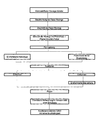
- the invention is still in the single figure as a block diagram shown with the appropriate label.
Landscapes
- Chemical & Material Sciences (AREA)
- Engineering & Computer Science (AREA)
- Ceramic Engineering (AREA)
- Manufacturing & Machinery (AREA)
- Materials Engineering (AREA)
- Organic Chemistry (AREA)
- Structural Engineering (AREA)
- Chemical Kinetics & Catalysis (AREA)
- Inorganic Chemistry (AREA)
- Composite Materials (AREA)
- General Engineering & Computer Science (AREA)
- Ceramic Products (AREA)
- Mechanical Engineering (AREA)
- Inorganic Fibers (AREA)
Description
Claims (17)
- Verfahren zur Herstellung eines mittels Kohlenstoff-Kurzfasern verstärkten Siliciumcarbid-Verbundwerkstoffs und eines daraus bestehenden Formkörpers unter Verwendung von Kohlenstoffaser-Rovings aus Kohlenstoffasern oder -Faserbündeln, die mit Epoxydharz und/oder Glycerin und/oder Furfurylalkohol und/oder Phenolharzen und/oder Silanen beschichtet und anschließend getrocknet und ausgehärtet sind,
mit
wenigstens folgenden Verfahrensschritten:a) Vermischung der zerkleinerten Rovings mit einem trockenen Phenolharz-Pulver od. dgl., bzw, trockenem, kohlenstoffhaltigen Kunstharz,b) Formgebung unter Druck und/oder Temperatur,c) Entformen nach Aushärtung,d) Schmelzinfiltration von Silicium bei Temperaturen oberhalb des Schmelzpunktes von Silicium im Vakuum oder unter Schutzgasatmosphäre. - Verfahren nach Anspruch 1,
dadurch gekennzeichnet, daß der entformte und ausgehärtete Formkörper vor der Schmelzinfiltration mit Silicium in einem thermischen Prozeß im Vakuum oder in Schutzgasatmosphäre carbonisiert wird. - Verfahren nach Anspruch 1 oder 2,
dadurch gekennzeichnet, daß die Zerkleinerung der beschichteten Fasern und Faserbündel zu Bruchstücken in der Größe von 2 bis 20 mm erfolgt. - Verfahren nach einem der vorangehenden Ansprüche,
dadurch gekennzeichnet, daß die Vermischung der Faserstücke mit einem trockenen Phenolharz-Pulver und/oder Phenol-Novolak-Pulver und/oder Granulat-Preßmassen aus diesen Stoffen vorgenommen wird. - Verfahren nach Anspruch 4,
dadurch gekennzeichnet, daß eine Mischung Fasern zwischen 20 und 80 Gew.-%, vorzugsweise 50 bis 60 Gew.-%, mit einem Anteil des Phenolharz-Pulvers und/oder Phenol-Novolak-Pulvers zwischen 20 und 80 Gew.-%, vorzugsweise 40 bis 50 %, vorgenommen wird. - Verfahren nach Anspruch 5,
dadurch gekennzeichnet, daß bei der Mischung Pulver aus Kohlenstoff und/oder Graphit und/oder Ruß und/oder Siliciumcarbid und/oder Silicium zugefügt werden. - Verfahren nach einem der vorangehenden Ansprüche,
dadurch gekennzeichnet, daß das Materialgemisch zur Erzeugung eines endformnahen Halbzeuges bzw. eines Plattenmateriales in eine entsprechende Preßform eingebracht wird, wobei die Form mittels des Vakuum-Sack-Verfahrens einem Unterdruck von < 200 mbar bei einer Temperatur von 70°C bis 150°C unterworfen wird. - Verfahren nach einem der vorangehenden Ansprüche,
dadurch gekennzeichnet, daß das Materialgemisch zur Erzeugung eines endformnahen Halbzeuges bzw. eines Plattenmateriales mittels einer Gesenkpresse oder mittels isostatischen Pressens bis zu 12 bar in die gewünschte Form gebracht wird. - Verfahren nach einem der vorangehenden Ansprüche,
dadurch gekennzeichnet, daß die befüllte Form in einen Vakuumsack aus Polyamid od. dgl. luftdicht eingebracht und dann evakuiert wird und dadurch dem anliegenden Druckgradienten unterworfen wird, wobei das Phenolharz-Pulver zwischen den willkürlich angeordneten Kohlenstoff-Faserbündeln sich verflüssigt und durch den aufgebrachten Vakuum-Druck in die evakuierten Porenräume fließt und bei Temperaturen oberhalb von 120°C aushärtet und die Kohlenstoff-Faserbündel im Körper fest fixiert werden. - Verfahren nach einem der vorangehenden Ansprüche,
dadurch gekennzeichnet, daß das Endform-Halbzeug bzw. das Plattenmaterial auf eine Temperatur oberhalb des Schmelzpunktes von Silicium von 1.405°C mit Carbonisierung der Phenolharz-Matrix zwischen den Faserbündeln des Halbzeuges zu Kohlenstoff mit einem Zwischenstadium eines kohlenfaserverstärkten Kohlenstoffes C/C erhitzt wird, wobei 30 bis 50 Gew.-% als PyrolyseProdukt unter Bildung von Porenräumen bei Temperatursteigerung über den Schmelzpunkt des Siliciums und Einbringen des Siliciums in die gebildeten Poren und Kapillaren und Carbidisierung des Siliciums unter Erhalt der kurzen Kohlenstoffasern bzw. Faserbündel ausgasen. - Verfahren nach einem der vorangehenden Ansprüche,
dadurch gekennzeichnet, daß als carbonisierbares Matrix-Harz bei der Formgebung ein trockenes Phenolharz-Pulver oder eine Phenolharz-Preßmasse verwendet wird. - Verfahren nach einem der vorangehenden Ansprüche,
dadurch gekennzeichnet, daß das Silizieren der C/C-Halbzeuge unter Vakuum- oder Schutzgasatmosphäre durchgeführt wird und eine Maximaltemperatur von 1.800°C nicht überschritten wird. - Siliciumcarbid-Verbundwerkstoff, insbesondere hergestellt nach einem Verfahren gemäß einer der vorangehenden Ansprüche, wobeia) über den keramischen Verbundwerkstoff isotrop und homogen verteilte, verstärkend wirkende kurze Kohlenstofffaser-Rovings/-bündel mit einer Länge von zwischen 2 und 20 mm, vorzugsweise 5 bis 7 mm, die über eine Matrix aus SiC mit gegebenenfalls bis zu 5 Gew.% Si verbunden sind, wobei der Kohlenstoff durch eine Carbonisierung von Faserschlichten aus Epoxydharz und/oder Glycerin und/oder Furfurylalkohol und einer Phenolharz-Matrix vor der Silizierung entstanden ist,b) eine aus Siliciumcarbid mit gegebenenfalls bis zu 5 Gew.% Si bestehende Matrix vorhanden ist, die durch Reaktion in dem Halbzeug für den Verbundwerkstoff vorhandenen, durch Carbonisierung einer Schlichte und der Phenolharz-Matrix entstandenen Kohlenstoff-Matrix mit flüssig infiltriertem Silicium entstanden ist, wobeic) ein geschlossenes Porenvolumen von maximal 1 % und eine Bruchdehnung in Abhängigkeit von dem verstärkend wirkenden Fasergehalt im Bereich von 0,2 bis 0,6 % vorhanden ist.
- Siliciumcarbid-Verbundwerkstoff nach Anspruch 13,
gekennzeichnet durch
eine die Kohlenstoffaserbündel umgebende Hülle, die durch Carbonisierung einer Faserschlichte bestehend aus Epoxydharz und/oder Glycerin und/oder Furfurylalkohol entstanden ist. - Siliciumcarbid-Verbundwerkstoff nach Anspruch 13 oder 14,
dadurch gekennzeichnet, daß die aus Siliciumcarbid bestehende Matrix nicht mehr als 5 Gew.-% elementares Silicium enthält, vorzugsweise weniger als 1 Gew.-%. - Verwendung eines Siliciumcarbid-Verbundwerkstoffes nach Anspruch 13 oder hergestellt nach Anspruch 1 füra) Schmelztiegel für Glas- und Nichteisenmetalle,b) Raketendüsen,c) Brennerkomponenten,d) Ofenmuffeln,e) Wärmetauscher,f) Turbinenbauteile,g) Schutzrohre und Meßsonden,h) opto-mechanische Strukturen,i) ballistische Komponenten, wie Panzerungs- und Prallplatten od. dgl.
- Verwendung eines Siliciumcarbid-Verbundwerkstoffes nach Anspruch 13 oder hergestellt nach Anspruch 1 füra) Hochleistungsbremsscheiben,b) Reibbeläge.
Applications Claiming Priority (2)
| Application Number | Priority Date | Filing Date | Title |
|---|---|---|---|
| DE19856721 | 1998-12-09 | ||
| DE19856721A DE19856721A1 (de) | 1998-12-09 | 1998-12-09 | Verfahren zur Herstellung eines mittels Kohlenstoffkurzfasern verstärkten Siliciumcarbid-Verbundwerkstoffes |
Publications (3)
| Publication Number | Publication Date |
|---|---|
| EP1008569A1 EP1008569A1 (de) | 2000-06-14 |
| EP1008569B1 true EP1008569B1 (de) | 2003-08-13 |
| EP1008569B2 EP1008569B2 (de) | 2009-10-07 |
Family
ID=7890461
Family Applications (1)
| Application Number | Title | Priority Date | Filing Date |
|---|---|---|---|
| EP99121311A Expired - Lifetime EP1008569B2 (de) | 1998-12-09 | 1999-10-26 | Verfahren zur Herstellung eines mittels Kohlenstoffkurzfaser verstärkten Siliciumcarbid-Verbundwerkstoffes |
Country Status (4)
| Country | Link |
|---|---|
| EP (1) | EP1008569B2 (de) |
| AT (1) | ATE247079T1 (de) |
| DE (2) | DE19856721A1 (de) |
| ES (1) | ES2202989T5 (de) |
Cited By (1)
| Publication number | Priority date | Publication date | Assignee | Title |
|---|---|---|---|---|
| RU2513497C1 (ru) * | 2012-09-04 | 2014-04-20 | Открытое Акционерное Общество "Уральский научно-исследовательский институт композиционных материалов" | Способ изготовления изделий из углерод-карбидокремниевого материала в форме оболочек |
Families Citing this family (36)
| Publication number | Priority date | Publication date | Assignee | Title |
|---|---|---|---|---|
| DE19953259C2 (de) * | 1999-11-04 | 2003-05-28 | Sgl Carbon Ag | Verbunde aus einem mit Fasern verstärkten Verbundwerkstoff mit keramischer Matrix und einem Backing und Verwendung der Verbunde |
| US6537654B1 (en) | 1999-11-04 | 2003-03-25 | Sgl Technik Gmbh | Protection products and armored products made of fiber-reinforced composite material with ceramic matrix |
| DE10131758A1 (de) | 2001-06-30 | 2003-01-16 | Sgl Carbon Ag | Faserverstärkter, wenigstens im Randbereich aus einer Metall-Verbundkeramik bestehender Werkstoff |
| DE10133635A1 (de) * | 2001-07-11 | 2003-02-06 | Sgl Carbon Ag | Mehrschichtiger Keramik-Verbund |
| DE10148659C1 (de) | 2001-10-02 | 2003-02-06 | Sgl Carbon Ag | Verfahren zur Herstellung von Hohlkörpern aus faserverstärkten keramischen Materialien und Verwendung dieser Hohlkörper |
| DE10148658C1 (de) * | 2001-10-02 | 2003-02-06 | Sgl Carbon Ag | Verfahren zur Herstellung von Hohlkörpern aus faserverstärkten keramischen Materialien |
| DE10157483C2 (de) | 2001-11-23 | 2003-10-16 | Sgl Carbon Ag | Formkörper aus faserverstärkten Verbundwerkstoffen mit segmentierter Deckschicht, seine Herstellung und seine Verwendung |
| DE10157583C1 (de) | 2001-11-23 | 2002-12-19 | Sgl Carbon Ag | Reibkörper aus faserverstärkten Keramik-Verbundwerkstoffen |
| DE10164627C1 (de) * | 2001-12-31 | 2003-02-06 | Sgl Carbon Ag | Verfahren zur Herstellung von Hohlkörpern aus faserverstärkten keramischen Materialien, Verwendung der Hohlkörper und Formkerne zur Herstellung der Hohlkörper |
| DE10164226C5 (de) | 2001-12-31 | 2011-04-14 | Audi Ag | Formkörper aus faserverstärkten keramischen Verbundwerkstoffen, Verfahren zu deren Herstellung und seine Verwendung |
| DE10164229B4 (de) | 2001-12-31 | 2006-03-09 | Sgl Carbon Ag | Reibscheiben, Verfahren zu ihrer Herstellung und ihre Verwendung |
| DE10164231B4 (de) * | 2001-12-31 | 2005-11-10 | Sgl Carbon Ag | Verfahren zur Herstellung von Formkörpern aus faserverstärkten keramischen Materialien und deren Verwendung |
| DE10348123C5 (de) * | 2003-10-16 | 2007-10-31 | Daimlerchrysler Ag | Verfahren zur Herstellung eines Bauteils aus Siliziumcarbid-Keramik |
| KR100588342B1 (ko) * | 2003-11-26 | 2006-06-12 | 주식회사 데크 | 동력전달용 클러치 |
| EP1591429A1 (de) * | 2004-04-19 | 2005-11-02 | Erbicol SA | Schaumkeramikmaterial mit offenen Poren und runden Hohlräumen und Verfahren zu dessen Herstellung |
| AT413704B (de) * | 2004-06-23 | 2006-05-15 | Arc Leichtmetallkompetenzzentrum Ranshofen Gmbh | Kohlenstofffaserverstärktes leichtmetallteil und verfahren zur herstellung desselben |
| EP1645671B2 (de) † | 2004-10-08 | 2019-10-23 | SGL Carbon SE | Polymergebundene fasergelege |
| DE102007007410A1 (de) * | 2007-02-12 | 2008-08-14 | Sgl Carbon Ag | Verfahren zur Herstellung eines faserverstärkten carbidkeramischen Bauteils und ein carbidkeramisches Bauteil |
| CN101423745B (zh) * | 2007-10-29 | 2012-06-06 | 比亚迪股份有限公司 | 一种摩擦制动材料及其制备方法 |
| DE102009060827A1 (de) | 2009-12-29 | 2011-06-30 | SMS Siemag Aktiengesellschaft, 40237 | Lanzenkopf für eine Blaslanze mit einem keramischen Düseneinsatz |
| WO2011161264A1 (de) * | 2010-06-25 | 2011-12-29 | Sgl Carbon Se | Verfahren zum herstellen eines keramikmaterials für einen keramischen werkstoff |
| JP2013534502A (ja) * | 2010-06-25 | 2013-09-05 | エスゲーエル カーボン ソシエタス ヨーロピア | 部材の製造方法及び前記方法で製造した部材 |
| DE102011006850A1 (de) * | 2011-04-06 | 2012-10-11 | Schunk Kohlenstofftechnik Gmbh | Verfahren zur Herstellung eines Widerstandsheizelements sowie Widerstandsheizelement |
| CN103833402B (zh) * | 2014-01-20 | 2015-04-08 | 山东宝纳新材料有限公司 | 一种碳化硅陶瓷复合材料内加热器保护管及其制备方法 |
| DE102017107621A1 (de) * | 2017-04-10 | 2018-10-11 | Ilias Efthimiou | Reibbelagkörper |
| DE102019111701A1 (de) * | 2019-05-06 | 2020-11-12 | Deutsches Zentrum für Luft- und Raumfahrt e.V. | Verfahren zur Herstellung eines carbidkeramischen Faserverbundmaterials und carbidkeramisches Bauteil |
| CN112479719B (zh) * | 2020-11-26 | 2022-04-05 | 航天特种材料及工艺技术研究所 | 一种反应熔渗法制备陶瓷基复合材料的布料方法及其应用 |
| CN113121242B (zh) * | 2021-03-05 | 2022-11-11 | 中国科学院上海硅酸盐研究所 | 一种短切碳纤维增韧碳化硅复合材料及其制备方法 |
| CN113402304B (zh) * | 2021-07-08 | 2023-05-16 | 中国人民解放军国防科技大学 | 在连续纤维上制备连续热解炭涂层的方法 |
| US12304869B2 (en) | 2022-05-25 | 2025-05-20 | Goodrich Corporation | Composites and methods of forming composites having an increased volume of oxidation resistant ceramic particles |
| CN116768642A (zh) * | 2023-08-17 | 2023-09-19 | 成都飞机工业(集团)有限责任公司 | 一种长螺旋纤维增韧陶瓷基复合材料的制备方法 |
| CN117682858B (zh) * | 2023-11-01 | 2025-11-14 | 三峡大学 | 一种高强度高导热石墨陶瓷复合材料及其制备方法 |
| CN117658521A (zh) * | 2023-11-21 | 2024-03-08 | 吉林大学 | 一种三维结构纳米粒子及其制备方法、应用 |
| CN119305096B (zh) * | 2024-11-01 | 2025-12-12 | 北京星航机电装备有限公司 | 一种内嵌探针温度传感器石英/酚醛端头模压成型方法 |
| CN119878738B (zh) * | 2025-03-27 | 2025-06-10 | 湖南金羽先进材料有限公司 | 一种耐高温碳/陶梯度复合材料刹车片及其制备方法和应用 |
| CN120309375B (zh) * | 2025-05-22 | 2026-01-06 | 宜宾晶阳新材料科技有限公司 | 一种基于光伏热场回收碳碳材料的再生碳陶复合热防护材料及其制备方法 |
Family Cites Families (4)
| Publication number | Priority date | Publication date | Assignee | Title |
|---|---|---|---|---|
| DE3933039A1 (de) * | 1989-10-04 | 1991-04-18 | Sintec Keramik Gmbh | Verfahren zur herstellung von oxidationsgeschuetzten cfc-formkoerpern |
| DE4438456C2 (de) * | 1994-10-28 | 2002-07-11 | Deutsch Zentr Luft & Raumfahrt | Reibeinheit |
| DE19710105A1 (de) * | 1997-03-12 | 1998-09-17 | Sgl Technik Gmbh | Mit Graphitkurzfasern verstärkter Siliciumcarbidkörper |
| DE19711829C1 (de) * | 1997-03-21 | 1998-09-03 | Daimler Benz Ag | Verfahren zur Herstellung einer faserverstärkten Verbundkeramik |
-
1998
- 1998-12-09 DE DE19856721A patent/DE19856721A1/de not_active Ceased
-
1999
- 1999-10-26 ES ES99121311T patent/ES2202989T5/es not_active Expired - Lifetime
- 1999-10-26 AT AT99121311T patent/ATE247079T1/de active
- 1999-10-26 EP EP99121311A patent/EP1008569B2/de not_active Expired - Lifetime
- 1999-10-26 DE DE59906578T patent/DE59906578D1/de not_active Expired - Lifetime
Cited By (1)
| Publication number | Priority date | Publication date | Assignee | Title |
|---|---|---|---|---|
| RU2513497C1 (ru) * | 2012-09-04 | 2014-04-20 | Открытое Акционерное Общество "Уральский научно-исследовательский институт композиционных материалов" | Способ изготовления изделий из углерод-карбидокремниевого материала в форме оболочек |
Also Published As
| Publication number | Publication date |
|---|---|
| EP1008569B2 (de) | 2009-10-07 |
| DE59906578D1 (de) | 2003-09-18 |
| EP1008569A1 (de) | 2000-06-14 |
| ES2202989T3 (es) | 2004-04-01 |
| ATE247079T1 (de) | 2003-08-15 |
| ES2202989T5 (es) | 2010-03-15 |
| DE19856721A1 (de) | 2000-06-15 |
Similar Documents
| Publication | Publication Date | Title |
|---|---|---|
| EP1008569B2 (de) | Verfahren zur Herstellung eines mittels Kohlenstoffkurzfaser verstärkten Siliciumcarbid-Verbundwerkstoffes | |
| EP0864548B1 (de) | Mit Graphitkurzfasern verstärkter Siliciumcarbidkörper | |
| EP0968150B1 (de) | Faserverstärkte verbundkeramik und verfahren zur herstellung einer solchen | |
| EP0968151B1 (de) | Schmelzinfiltrierte faserverstärkte verbundkeramik | |
| EP1319640B1 (de) | Verfahren zum Oxidationsschutz faserverstärkter Verbundwerkstoffe | |
| EP1084997B1 (de) | Mit Faserbündeln verstärkter Verbundwerkstoff mit keramischen Matrix | |
| EP1494980B1 (de) | Verbundkeramikkörper sowie verfahren zum herstellen eines solchen | |
| DE102015223236A1 (de) | Keramisches Bauteil | |
| DE69837677T2 (de) | Faserverbundwerkstoff und verfahren zur herstellung | |
| DE10164627C1 (de) | Verfahren zur Herstellung von Hohlkörpern aus faserverstärkten keramischen Materialien, Verwendung der Hohlkörper und Formkerne zur Herstellung der Hohlkörper | |
| DE19861035C2 (de) | Faserverbundwerkstoff und Verfahren zu dessen Herstellung | |
| EP0960079A1 (de) | Verfahren zur herstellung von keramik-metall-verbundkörpern, keramik-metall-verbundkörper und deren verwendung | |
| EP1400499A1 (de) | Faserverstärkte Verbundkeramik und Verfahren zu deren Herstellung | |
| EP4041696A1 (de) | Keramische faserverbundbauteile | |
| EP1300379B1 (de) | Verfahren zur Herstellung von Hohlkörpern aus faserverstärkten keramischen Materialien | |
| EP1323685B1 (de) | Verfahren zur Herstellung von Formkörpern aus faserverstärkten keramischen Materialien | |
| EP2308809A2 (de) | Werkstoff, Verfahren zur Herstellung eines Werkstoffs und seine Verwendung | |
| EP1634860A2 (de) | Verfahren zur Herstellung eines Carbidkeramikmaterials, Carbidkeramikmaterial, Vorkörper für ein carbidkeramisches Bauteil und Verfahren zur Bereitstellung eines Ausgangsmaterials für einen Vorkörper für keramisches Material | |
| DE10148659C1 (de) | Verfahren zur Herstellung von Hohlkörpern aus faserverstärkten keramischen Materialien und Verwendung dieser Hohlkörper | |
| DE102015201119B4 (de) | Herstellungsverfahren von Keramikmatrix-Halbzeugen | |
| DE19823521C2 (de) | Verfahren zur Herstellung von Kohlenstoff-Verbundwerkstoffen und/oder kohlenstoffhaltigen, carbidischen und/oder carbonitridischen Werkstoffen | |
| DE19815308C2 (de) | Verfahren zur Herstellung von Verstärkungsfasern oder Verstärkungsfaserbündeln, so hergestellte Fasern oder Bündel und deren Verwendung | |
| EP1876159B1 (de) | Verfahren zur herstellung eines carbidkeramischen kontaktkörpers und carbidkeramischer kontaktkörper | |
| EP1017648B1 (de) | Verfahren zur herstellung von kohlenstoff-verbundwerkstoffen und/oder kohlenstoffhaltigen werkstoffen, carbidischen und/oder carbonitridischen werkstoffen | |
| DE29724573U1 (de) | Mit Graphitkurzfasern verstärkter Siliciumcarbidkörper |
Legal Events
| Date | Code | Title | Description |
|---|---|---|---|
| PUAI | Public reference made under article 153(3) epc to a published international application that has entered the european phase |
Free format text: ORIGINAL CODE: 0009012 |
|
| AK | Designated contracting states |
Kind code of ref document: A1 Designated state(s): AT BE CH CY DE DK ES FI FR GB GR IE IT LI LU MC NL PT SE |
|
| AX | Request for extension of the european patent |
Free format text: AL;LT;LV;MK;RO;SI |
|
| 17P | Request for examination filed |
Effective date: 20001115 |
|
| AKX | Designation fees paid |
Free format text: AT BE CH CY DE DK ES FI FR GB GR IE IT LI LU MC NL PT SE |
|
| GRAH | Despatch of communication of intention to grant a patent |
Free format text: ORIGINAL CODE: EPIDOS IGRA |
|
| GRAH | Despatch of communication of intention to grant a patent |
Free format text: ORIGINAL CODE: EPIDOS IGRA |
|
| 17Q | First examination report despatched |
Effective date: 20030417 |
|
| GRAA | (expected) grant |
Free format text: ORIGINAL CODE: 0009210 |
|
| AK | Designated contracting states |
Designated state(s): AT BE CH CY DE DK ES FI FR GB GR IE IT LI LU MC NL PT SE |
|
| PG25 | Lapsed in a contracting state [announced via postgrant information from national office to epo] |
Ref country code: NL Free format text: LAPSE BECAUSE OF FAILURE TO SUBMIT A TRANSLATION OF THE DESCRIPTION OR TO PAY THE FEE WITHIN THE PRESCRIBED TIME-LIMIT Effective date: 20030813 Ref country code: IE Free format text: LAPSE BECAUSE OF FAILURE TO SUBMIT A TRANSLATION OF THE DESCRIPTION OR TO PAY THE FEE WITHIN THE PRESCRIBED TIME-LIMIT Effective date: 20030813 Ref country code: FI Free format text: LAPSE BECAUSE OF FAILURE TO SUBMIT A TRANSLATION OF THE DESCRIPTION OR TO PAY THE FEE WITHIN THE PRESCRIBED TIME-LIMIT Effective date: 20030813 |
|
| REG | Reference to a national code |
Ref country code: GB Ref legal event code: FG4D Free format text: NOT ENGLISH |
|
| REG | Reference to a national code |
Ref country code: CH Ref legal event code: EP |
|
| REG | Reference to a national code |
Ref country code: IE Ref legal event code: FG4D Free format text: GERMAN |
|
| REF | Corresponds to: |
Ref document number: 59906578 Country of ref document: DE Date of ref document: 20030918 Kind code of ref document: P |
|
| PG25 | Lapsed in a contracting state [announced via postgrant information from national office to epo] |
Ref country code: LU Free format text: LAPSE BECAUSE OF NON-PAYMENT OF DUE FEES Effective date: 20031026 Ref country code: CY Free format text: LAPSE BECAUSE OF FAILURE TO SUBMIT A TRANSLATION OF THE DESCRIPTION OR TO PAY THE FEE WITHIN THE PRESCRIBED TIME-LIMIT Effective date: 20031026 |
|
| PG25 | Lapsed in a contracting state [announced via postgrant information from national office to epo] |
Ref country code: MC Free format text: LAPSE BECAUSE OF NON-PAYMENT OF DUE FEES Effective date: 20031031 Ref country code: LI Free format text: LAPSE BECAUSE OF NON-PAYMENT OF DUE FEES Effective date: 20031031 Ref country code: CH Free format text: LAPSE BECAUSE OF NON-PAYMENT OF DUE FEES Effective date: 20031031 |
|
| PG25 | Lapsed in a contracting state [announced via postgrant information from national office to epo] |
Ref country code: SE Free format text: LAPSE BECAUSE OF FAILURE TO SUBMIT A TRANSLATION OF THE DESCRIPTION OR TO PAY THE FEE WITHIN THE PRESCRIBED TIME-LIMIT Effective date: 20031113 Ref country code: GR Free format text: LAPSE BECAUSE OF FAILURE TO SUBMIT A TRANSLATION OF THE DESCRIPTION OR TO PAY THE FEE WITHIN THE PRESCRIBED TIME-LIMIT Effective date: 20031113 Ref country code: DK Free format text: LAPSE BECAUSE OF FAILURE TO SUBMIT A TRANSLATION OF THE DESCRIPTION OR TO PAY THE FEE WITHIN THE PRESCRIBED TIME-LIMIT Effective date: 20031113 |
|
| GBT | Gb: translation of ep patent filed (gb section 77(6)(a)/1977) |
Effective date: 20031025 |
|
| PG25 | Lapsed in a contracting state [announced via postgrant information from national office to epo] |
Ref country code: PT Free format text: LAPSE BECAUSE OF FAILURE TO SUBMIT A TRANSLATION OF THE DESCRIPTION OR TO PAY THE FEE WITHIN THE PRESCRIBED TIME-LIMIT Effective date: 20040113 |
|
| NLV1 | Nl: lapsed or annulled due to failure to fulfill the requirements of art. 29p and 29m of the patents act | ||
| REG | Reference to a national code |
Ref country code: IE Ref legal event code: FD4D |
|
| ET | Fr: translation filed | ||
| PLBQ | Unpublished change to opponent data |
Free format text: ORIGINAL CODE: EPIDOS OPPO |
|
| PLBI | Opposition filed |
Free format text: ORIGINAL CODE: 0009260 |
|
| REG | Reference to a national code |
Ref country code: CH Ref legal event code: PL |
|
| 26 | Opposition filed |
Opponent name: SGL CARBON AG Effective date: 20040513 |
|
| PLAX | Notice of opposition and request to file observation + time limit sent |
Free format text: ORIGINAL CODE: EPIDOSNOBS2 |
|
| PLAX | Notice of opposition and request to file observation + time limit sent |
Free format text: ORIGINAL CODE: EPIDOSNOBS2 |
|
| PLBB | Reply of patent proprietor to notice(s) of opposition received |
Free format text: ORIGINAL CODE: EPIDOSNOBS3 |
|
| PUAH | Patent maintained in amended form |
Free format text: ORIGINAL CODE: 0009272 |
|
| STAA | Information on the status of an ep patent application or granted ep patent |
Free format text: STATUS: PATENT MAINTAINED AS AMENDED |
|
| 27A | Patent maintained in amended form |
Effective date: 20091007 |
|
| AK | Designated contracting states |
Kind code of ref document: B2 Designated state(s): AT BE CH CY DE DK ES FI FR GB GR IE IT LI LU MC NL PT SE |
|
| REG | Reference to a national code |
Ref country code: ES Ref legal event code: DC2A Date of ref document: 20100105 Kind code of ref document: T5 |
|
| REG | Reference to a national code |
Ref country code: FR Ref legal event code: TQ |
|
| REG | Reference to a national code |
Ref country code: GB Ref legal event code: 732E Free format text: REGISTERED BETWEEN 20110623 AND 20110629 |
|
| REG | Reference to a national code |
Ref country code: ES Ref legal event code: PC2A Owner name: ECM- ENGINEERED CERAMIC MATERIALS GMBH Effective date: 20110804 |
|
| REG | Reference to a national code |
Ref country code: FR Ref legal event code: PLFP Year of fee payment: 17 |
|
| REG | Reference to a national code |
Ref country code: FR Ref legal event code: PLFP Year of fee payment: 18 |
|
| REG | Reference to a national code |
Ref country code: FR Ref legal event code: PLFP Year of fee payment: 19 |
|
| REG | Reference to a national code |
Ref country code: FR Ref legal event code: PLFP Year of fee payment: 20 |
|
| PGFP | Annual fee paid to national office [announced via postgrant information from national office to epo] |
Ref country code: AT Payment date: 20181019 Year of fee payment: 20 Ref country code: DE Payment date: 20181016 Year of fee payment: 20 |
|
| PGFP | Annual fee paid to national office [announced via postgrant information from national office to epo] |
Ref country code: BE Payment date: 20181022 Year of fee payment: 20 Ref country code: GB Payment date: 20181025 Year of fee payment: 20 Ref country code: ES Payment date: 20181122 Year of fee payment: 20 Ref country code: IT Payment date: 20181022 Year of fee payment: 20 Ref country code: FR Payment date: 20181023 Year of fee payment: 20 |
|
| REG | Reference to a national code |
Ref country code: DE Ref legal event code: R071 Ref document number: 59906578 Country of ref document: DE |
|
| REG | Reference to a national code |
Ref country code: GB Ref legal event code: PE20 Expiry date: 20191025 |
|
| REG | Reference to a national code |
Ref country code: BE Ref legal event code: MK Effective date: 20191026 |
|
| REG | Reference to a national code |
Ref country code: AT Ref legal event code: MK07 Ref document number: 247079 Country of ref document: AT Kind code of ref document: T Effective date: 20191026 |
|
| PG25 | Lapsed in a contracting state [announced via postgrant information from national office to epo] |
Ref country code: GB Free format text: LAPSE BECAUSE OF EXPIRATION OF PROTECTION Effective date: 20191025 |
|
| REG | Reference to a national code |
Ref country code: ES Ref legal event code: FD2A Effective date: 20200903 |
|
| PG25 | Lapsed in a contracting state [announced via postgrant information from national office to epo] |
Ref country code: ES Free format text: LAPSE BECAUSE OF EXPIRATION OF PROTECTION Effective date: 20191027 |