EP1018517A2 - Bindungsreagenzien gegen CD23 zur Behandlung von entzündlichen, autoimmunen und allergischen Krankheiten - Google Patents
Bindungsreagenzien gegen CD23 zur Behandlung von entzündlichen, autoimmunen und allergischen Krankheiten Download PDFInfo
- Publication number
- EP1018517A2 EP1018517A2 EP99204301A EP99204301A EP1018517A2 EP 1018517 A2 EP1018517 A2 EP 1018517A2 EP 99204301 A EP99204301 A EP 99204301A EP 99204301 A EP99204301 A EP 99204301A EP 1018517 A2 EP1018517 A2 EP 1018517A2
- Authority
- EP
- European Patent Office
- Prior art keywords
- binding agent
- antibody
- treatment
- binding
- disease
- Prior art date
- Legal status (The legal status is an assumption and is not a legal conclusion. Google has not performed a legal analysis and makes no representation as to the accuracy of the status listed.)
- Withdrawn
Links
Images






Classifications
-
- C—CHEMISTRY; METALLURGY
- C12—BIOCHEMISTRY; BEER; SPIRITS; WINE; VINEGAR; MICROBIOLOGY; ENZYMOLOGY; MUTATION OR GENETIC ENGINEERING
- C12N—MICROORGANISMS OR ENZYMES; COMPOSITIONS THEREOF; PROPAGATING, PRESERVING, OR MAINTAINING MICROORGANISMS; MUTATION OR GENETIC ENGINEERING; CULTURE MEDIA
- C12N9/00—Enzymes; Proenzymes; Compositions thereof; Processes for preparing, activating, inhibiting, separating or purifying enzymes
- C12N9/14—Hydrolases (3)
- C12N9/48—Hydrolases (3) acting on peptide bonds (3.4)
- C12N9/50—Proteinases, e.g. Endopeptidases (3.4.21-3.4.25)
- C12N9/64—Proteinases, e.g. Endopeptidases (3.4.21-3.4.25) derived from animal tissue
- C12N9/6421—Proteinases, e.g. Endopeptidases (3.4.21-3.4.25) derived from animal tissue from mammals
- C12N9/6424—Serine endopeptidases (3.4.21)
- C12N9/6432—Coagulation factor Xa (3.4.21.6)
-
- A—HUMAN NECESSITIES
- A61—MEDICAL OR VETERINARY SCIENCE; HYGIENE
- A61K—PREPARATIONS FOR MEDICAL, DENTAL OR TOILETRY PURPOSES
- A61K39/00—Medicinal preparations containing antigens or antibodies
- A61K39/395—Antibodies; Immunoglobulins; Immune serum, e.g. antilymphocytic serum
-
- A—HUMAN NECESSITIES
- A61—MEDICAL OR VETERINARY SCIENCE; HYGIENE
- A61P—SPECIFIC THERAPEUTIC ACTIVITY OF CHEMICAL COMPOUNDS OR MEDICINAL PREPARATIONS
- A61P1/00—Drugs for disorders of the alimentary tract or the digestive system
-
- A—HUMAN NECESSITIES
- A61—MEDICAL OR VETERINARY SCIENCE; HYGIENE
- A61P—SPECIFIC THERAPEUTIC ACTIVITY OF CHEMICAL COMPOUNDS OR MEDICINAL PREPARATIONS
- A61P1/00—Drugs for disorders of the alimentary tract or the digestive system
- A61P1/04—Drugs for disorders of the alimentary tract or the digestive system for ulcers, gastritis or reflux esophagitis, e.g. antacids, inhibitors of acid secretion, mucosal protectants
-
- A—HUMAN NECESSITIES
- A61—MEDICAL OR VETERINARY SCIENCE; HYGIENE
- A61P—SPECIFIC THERAPEUTIC ACTIVITY OF CHEMICAL COMPOUNDS OR MEDICINAL PREPARATIONS
- A61P1/00—Drugs for disorders of the alimentary tract or the digestive system
- A61P1/12—Antidiarrhoeals
-
- A—HUMAN NECESSITIES
- A61—MEDICAL OR VETERINARY SCIENCE; HYGIENE
- A61P—SPECIFIC THERAPEUTIC ACTIVITY OF CHEMICAL COMPOUNDS OR MEDICINAL PREPARATIONS
- A61P11/00—Drugs for disorders of the respiratory system
-
- A—HUMAN NECESSITIES
- A61—MEDICAL OR VETERINARY SCIENCE; HYGIENE
- A61P—SPECIFIC THERAPEUTIC ACTIVITY OF CHEMICAL COMPOUNDS OR MEDICINAL PREPARATIONS
- A61P11/00—Drugs for disorders of the respiratory system
- A61P11/06—Antiasthmatics
-
- A—HUMAN NECESSITIES
- A61—MEDICAL OR VETERINARY SCIENCE; HYGIENE
- A61P—SPECIFIC THERAPEUTIC ACTIVITY OF CHEMICAL COMPOUNDS OR MEDICINAL PREPARATIONS
- A61P13/00—Drugs for disorders of the urinary system
- A61P13/02—Drugs for disorders of the urinary system of urine or of the urinary tract, e.g. urine acidifiers
-
- A—HUMAN NECESSITIES
- A61—MEDICAL OR VETERINARY SCIENCE; HYGIENE
- A61P—SPECIFIC THERAPEUTIC ACTIVITY OF CHEMICAL COMPOUNDS OR MEDICINAL PREPARATIONS
- A61P15/00—Drugs for genital or sexual disorders; Contraceptives
-
- A—HUMAN NECESSITIES
- A61—MEDICAL OR VETERINARY SCIENCE; HYGIENE
- A61P—SPECIFIC THERAPEUTIC ACTIVITY OF CHEMICAL COMPOUNDS OR MEDICINAL PREPARATIONS
- A61P17/00—Drugs for dermatological disorders
-
- A—HUMAN NECESSITIES
- A61—MEDICAL OR VETERINARY SCIENCE; HYGIENE
- A61P—SPECIFIC THERAPEUTIC ACTIVITY OF CHEMICAL COMPOUNDS OR MEDICINAL PREPARATIONS
- A61P19/00—Drugs for skeletal disorders
- A61P19/02—Drugs for skeletal disorders for joint disorders, e.g. arthritis, arthrosis
-
- A—HUMAN NECESSITIES
- A61—MEDICAL OR VETERINARY SCIENCE; HYGIENE
- A61P—SPECIFIC THERAPEUTIC ACTIVITY OF CHEMICAL COMPOUNDS OR MEDICINAL PREPARATIONS
- A61P25/00—Drugs for disorders of the nervous system
-
- A—HUMAN NECESSITIES
- A61—MEDICAL OR VETERINARY SCIENCE; HYGIENE
- A61P—SPECIFIC THERAPEUTIC ACTIVITY OF CHEMICAL COMPOUNDS OR MEDICINAL PREPARATIONS
- A61P27/00—Drugs for disorders of the senses
- A61P27/02—Ophthalmic agents
-
- A—HUMAN NECESSITIES
- A61—MEDICAL OR VETERINARY SCIENCE; HYGIENE
- A61P—SPECIFIC THERAPEUTIC ACTIVITY OF CHEMICAL COMPOUNDS OR MEDICINAL PREPARATIONS
- A61P27/00—Drugs for disorders of the senses
- A61P27/02—Ophthalmic agents
- A61P27/14—Decongestants or antiallergics
-
- A—HUMAN NECESSITIES
- A61—MEDICAL OR VETERINARY SCIENCE; HYGIENE
- A61P—SPECIFIC THERAPEUTIC ACTIVITY OF CHEMICAL COMPOUNDS OR MEDICINAL PREPARATIONS
- A61P27/00—Drugs for disorders of the senses
- A61P27/16—Otologicals
-
- A—HUMAN NECESSITIES
- A61—MEDICAL OR VETERINARY SCIENCE; HYGIENE
- A61P—SPECIFIC THERAPEUTIC ACTIVITY OF CHEMICAL COMPOUNDS OR MEDICINAL PREPARATIONS
- A61P29/00—Non-central analgesic, antipyretic or antiinflammatory agents, e.g. antirheumatic agents; Non-steroidal antiinflammatory drugs [NSAID]
-
- A—HUMAN NECESSITIES
- A61—MEDICAL OR VETERINARY SCIENCE; HYGIENE
- A61P—SPECIFIC THERAPEUTIC ACTIVITY OF CHEMICAL COMPOUNDS OR MEDICINAL PREPARATIONS
- A61P3/00—Drugs for disorders of the metabolism
- A61P3/08—Drugs for disorders of the metabolism for glucose homeostasis
-
- A—HUMAN NECESSITIES
- A61—MEDICAL OR VETERINARY SCIENCE; HYGIENE
- A61P—SPECIFIC THERAPEUTIC ACTIVITY OF CHEMICAL COMPOUNDS OR MEDICINAL PREPARATIONS
- A61P3/00—Drugs for disorders of the metabolism
- A61P3/08—Drugs for disorders of the metabolism for glucose homeostasis
- A61P3/10—Drugs for disorders of the metabolism for glucose homeostasis for hyperglycaemia, e.g. antidiabetics
-
- A—HUMAN NECESSITIES
- A61—MEDICAL OR VETERINARY SCIENCE; HYGIENE
- A61P—SPECIFIC THERAPEUTIC ACTIVITY OF CHEMICAL COMPOUNDS OR MEDICINAL PREPARATIONS
- A61P31/00—Antiinfectives, i.e. antibiotics, antiseptics, chemotherapeutics
- A61P31/04—Antibacterial agents
-
- A—HUMAN NECESSITIES
- A61—MEDICAL OR VETERINARY SCIENCE; HYGIENE
- A61P—SPECIFIC THERAPEUTIC ACTIVITY OF CHEMICAL COMPOUNDS OR MEDICINAL PREPARATIONS
- A61P37/00—Drugs for immunological or allergic disorders
-
- A—HUMAN NECESSITIES
- A61—MEDICAL OR VETERINARY SCIENCE; HYGIENE
- A61P—SPECIFIC THERAPEUTIC ACTIVITY OF CHEMICAL COMPOUNDS OR MEDICINAL PREPARATIONS
- A61P37/00—Drugs for immunological or allergic disorders
- A61P37/08—Antiallergic agents
-
- C—CHEMISTRY; METALLURGY
- C07—ORGANIC CHEMISTRY
- C07K—PEPTIDES
- C07K14/00—Peptides having more than 20 amino acids; Gastrins; Somatostatins; Melanotropins; Derivatives thereof
- C07K14/005—Peptides having more than 20 amino acids; Gastrins; Somatostatins; Melanotropins; Derivatives thereof from viruses
-
- C—CHEMISTRY; METALLURGY
- C07—ORGANIC CHEMISTRY
- C07K—PEPTIDES
- C07K14/00—Peptides having more than 20 amino acids; Gastrins; Somatostatins; Melanotropins; Derivatives thereof
- C07K14/435—Peptides having more than 20 amino acids; Gastrins; Somatostatins; Melanotropins; Derivatives thereof from animals; from humans
- C07K14/705—Receptors; Cell surface antigens; Cell surface determinants
- C07K14/7056—Lectin superfamily, e.g. CD23, CD72
-
- C—CHEMISTRY; METALLURGY
- C07—ORGANIC CHEMISTRY
- C07K—PEPTIDES
- C07K16/00—Immunoglobulins [IG], e.g. monoclonal or polyclonal antibodies
- C07K16/18—Immunoglobulins [IG], e.g. monoclonal or polyclonal antibodies against material from animals or humans
- C07K16/28—Immunoglobulins [IG], e.g. monoclonal or polyclonal antibodies against material from animals or humans against receptors, cell surface antigens or cell surface determinants
- C07K16/2839—Immunoglobulins [IG], e.g. monoclonal or polyclonal antibodies against material from animals or humans against receptors, cell surface antigens or cell surface determinants against the integrin superfamily
- C07K16/2845—Immunoglobulins [IG], e.g. monoclonal or polyclonal antibodies against material from animals or humans against receptors, cell surface antigens or cell surface determinants against the integrin superfamily against integrin beta2-subunit-containing molecules, e.g. CD11, CD18
-
- C—CHEMISTRY; METALLURGY
- C07—ORGANIC CHEMISTRY
- C07K—PEPTIDES
- C07K16/00—Immunoglobulins [IG], e.g. monoclonal or polyclonal antibodies
- C07K16/18—Immunoglobulins [IG], e.g. monoclonal or polyclonal antibodies against material from animals or humans
- C07K16/28—Immunoglobulins [IG], e.g. monoclonal or polyclonal antibodies against material from animals or humans against receptors, cell surface antigens or cell surface determinants
- C07K16/2851—Immunoglobulins [IG], e.g. monoclonal or polyclonal antibodies against material from animals or humans against receptors, cell surface antigens or cell surface determinants against the lectin superfamily, e.g. CD23, CD72
-
- C—CHEMISTRY; METALLURGY
- C12—BIOCHEMISTRY; BEER; SPIRITS; WINE; VINEGAR; MICROBIOLOGY; ENZYMOLOGY; MUTATION OR GENETIC ENGINEERING
- C12Y—ENZYMES
- C12Y304/00—Hydrolases acting on peptide bonds, i.e. peptidases (3.4)
- C12Y304/21—Serine endopeptidases (3.4.21)
- C12Y304/21006—Coagulation factor Xa (3.4.21.6)
-
- A—HUMAN NECESSITIES
- A61—MEDICAL OR VETERINARY SCIENCE; HYGIENE
- A61K—PREPARATIONS FOR MEDICAL, DENTAL OR TOILETRY PURPOSES
- A61K39/00—Medicinal preparations containing antigens or antibodies
- A61K2039/505—Medicinal preparations containing antigens or antibodies comprising antibodies
-
- A—HUMAN NECESSITIES
- A61—MEDICAL OR VETERINARY SCIENCE; HYGIENE
- A61K—PREPARATIONS FOR MEDICAL, DENTAL OR TOILETRY PURPOSES
- A61K38/00—Medicinal preparations containing peptides
-
- C—CHEMISTRY; METALLURGY
- C12—BIOCHEMISTRY; BEER; SPIRITS; WINE; VINEGAR; MICROBIOLOGY; ENZYMOLOGY; MUTATION OR GENETIC ENGINEERING
- C12N—MICROORGANISMS OR ENZYMES; COMPOSITIONS THEREOF; PROPAGATING, PRESERVING, OR MAINTAINING MICROORGANISMS; MUTATION OR GENETIC ENGINEERING; CULTURE MEDIA
- C12N2710/00—MICROORGANISMS OR ENZYMES; COMPOSITIONS THEREOF; PROPAGATING, PRESERVING, OR MAINTAINING MICROORGANISMS; MUTATION OR GENETIC ENGINEERING; CULTURE MEDIA dsDNA viruses
- C12N2710/00011—Details
- C12N2710/16011—Herpesviridae
- C12N2710/16211—Lymphocryptovirus, e.g. human herpesvirus 4, Epstein-Barr Virus
- C12N2710/16222—New viral proteins or individual genes, new structural or functional aspects of known viral proteins or genes
-
- C—CHEMISTRY; METALLURGY
- C12—BIOCHEMISTRY; BEER; SPIRITS; WINE; VINEGAR; MICROBIOLOGY; ENZYMOLOGY; MUTATION OR GENETIC ENGINEERING
- C12N—MICROORGANISMS OR ENZYMES; COMPOSITIONS THEREOF; PROPAGATING, PRESERVING, OR MAINTAINING MICROORGANISMS; MUTATION OR GENETIC ENGINEERING; CULTURE MEDIA
- C12N2710/00—MICROORGANISMS OR ENZYMES; COMPOSITIONS THEREOF; PROPAGATING, PRESERVING, OR MAINTAINING MICROORGANISMS; MUTATION OR GENETIC ENGINEERING; CULTURE MEDIA dsDNA viruses
- C12N2710/00011—Details
- C12N2710/16011—Herpesviridae
- C12N2710/16611—Simplexvirus, e.g. human herpesvirus 1, 2
- C12N2710/16622—New viral proteins or individual genes, new structural or functional aspects of known viral proteins or genes
Definitions
- the present invention relates to particular binding agents which can be used in the treatment of inflammatory, autoimmune or allergic diseases.
- CD23 (FC ⁇ RII) is a type II molecule of the C-lectin family which also includes the lymphocyte homing receptor (MEL-14) and the endothelial leukocyte adhesion molecule-1 (ELAM-1). It is a low affinity receptor for IgE.
- MEL-14 lymphocyte homing receptor
- ELAM-1 endothelial leukocyte adhesion molecule-1
- CD23 In humans a variety of haematopoietic cell types express CD23 on their surface, including follicular dendritic cells, B cells, T cells and macrophages. CD23 molecules are also found in soluble forms in biological fluids. Soluble CD23 (sCD23) molecules are formed by proteolytic cleavage of transmembrane receptors.
- CD23 has pleiotropic activities including mediation of cell adhesion, regulation of IgE and histamine release, rescue of B cells from apoptosis and regulation of myeloid cell growth. These functional activities are mediated through the binding to specific ligands of cell-associated CD23, or sCD23, the latter acting in a cytokine-like manner (Conrad, D.H., Annu Rev Immunol 8 , 623-645 1990); Delespesse, G., et al. , Adv Immunol 49 , 149-191 (1991); Bonnefoy, J.Y., et al. , Curr Opin Immunol 5 , 944-947 (1993)).
- CD23 has been identified in synovial biopsies from patients with chronic synovitis, and sCD23 can be measured at concentrations exceeding the normal range in the serum and synovial fluid of patients with rheumatoid arthritis (Bansal, A.S., Oliver, W., Marsh, M.N., Pumphrey, R.S., and Wilson, P.B., Immunology 79 , 285-289 (1993); Hellen, E.A., Rowlands, D.C., Hansel, T.T., Kitas, G.D., and Crocker, J.J., Clin Pathol 44 , 293-296 (1991); Chomarat, P., Brioloay, J., Banchereau, J., & Miossec, P., Arthritis Rheum 86 , 234-242 (1993); Bansal, A., et al.
- Pro-inflammatory cytokines appear to be particularly important in rheumatoid arthritis, and a central role for TNF- ⁇ and IL-1 ⁇ in the destruction of arthritic joints has been postulated (Brennan, F.M., Chantry, D., Jackson, A., Maini, R., & Feldman, M., Lancet 2 , 244-247 (1989); Brennan, F.M., Maini, R.M., & Feldman M., Br J Rheumatol 31 , 293-298 (1992)).
- CD23-CD21 interactions may play a role in the control of IgE production (Flores-Romo L. et al. , Science 261 1038-1041 (1993); Aubry et al., Nature 358 , 505-507 (1992)).
- CD11b and CD11c are adhesion molecules that participate in many cell-cell and cell-matrix interactions.
- CD11b/CD18 and CD11c/CD18 (an association of CD11b and CD18 and of CD11c and CD18 respectively) have been reported to bind several ligands, including CD54, fabrinogen, factor X, LPS, Con A and zymosan (Springer, T.A, Nature 346 , 425-434 (1990)). The role of these binding molecules is not however completely understood.
- CD11b/CD18 and CD11c/CD18 are also known as MAC-1 and p150, 95 respectively. They are members of the ⁇ 2 integrin family (sometimes known as Leu-CAM, ie leucocyte cell adhesion molecules). This family also includes LFA-1 amongst its members (also known as CD11a/CD18).
- EP 0205405 purports to disclose Mabs to lymphocyte cellular receptors for IgE (FC ⁇ R) cross reacting with human immunoglobulin E binding factor (IgE-BF), and derivatives thereof.
- WO 93/04173 purports to disclose a polypeptide which is capable of binding to one of FCEL (low affinity IgE receptor FC ⁇ RII) or FCEH (high affinity receptor FC ⁇ RI) but which is substantially incapable of binding to the other of FCEL or FCEH.
- FCEL low affinity IgE receptor FC ⁇ RII
- FCEH high affinity receptor FC ⁇ RI
- Treatment of an allergic disorder is alleged with a FCEL or FCEH specific polypeptide (provided the FCEH specific polypeptide is incapable of crosslinking FCEH and inducing histamine release).
- EP 0269728 purports to disclose Mabs to the human lymphocyte IgE receptor.
- EP 0259585 purports to disclose Mabs recognising a surface receptor for IgE (FC ⁇ R) on human B lymphocytes.
- WO 93/02108 purports to disclose primatised antibodies for therapeutic use.
- binding agents to CD23 can be of utility in the treatment or prophylaxis of various diseases and in particular in the treatment or prophylaxis of arthritis.
- Prior to the present invention no data has been presented which would support such a utility, despite the publication of a large number of papers in which CD23 has been discussed.
- a binding agent to CD23 for use in the treatment or prophylaxis of inflammatory, autoimmune or allergic diseases.
- the binding agent may function by blocking the interaction between CD23 and a ligand which binds to it.
- In vitro assays e.g. radio-immune assays may be used to study such a blocking effect.
- the binding agent may be in isolated form or as part of a pharmaceutical composition. Desirably it is in sterile form. Generally speaking a binding agent which is specific for CD23 is useful in the treatment/prophylaxis disclosed.
- binding agents within the scope of the present invention work in vivo in treatment or prophylaxis of inflammatory or autoimmune diseases.
- Preferred binding agents include antibodies, fragments thereof or artificial constructs comprising antibodies or fragments thereof or artificial constructs designed to mimic the binding of antibodies or fragments thereof. Such binding agents are discussed by Dougall et al in Tibtech 12 , 372-379 (1994).
- F(ab') 2 fragments include complete antibodies, F(ab') 2 fragments, Fab fragments, Fv fragments, ScFv fragments, other fragments, CDR peptides and mimetics. These can be obtained/prepared by those skilled in the art. For example, enzyme digestion can be used to obtain F(ab') 2 and Fab fragments (by subjecting an IgG to molecule to pepsin or papain cleavage respectively). References to "antibodies" in the following description should be taken to include all of the possibilities mentioned above.
- Recombinant antibodies may be used.
- the antibodies may be humanized; or chimaerised.
- a typical preparation of a humanised antibody in which the CDRs are derived from a different species than the framework of the antibody's variable domains is disclosed in EP-A-0239400.
- the CDRs may be derived from a rat or mouse monoclonal antibody.
- the framework of the variable domains, and the constant domains, of the altered antibody may be derived from a human antibody.
- Such a humanised antibody elicits a negligible immune response when administered to a human compared to the immune response mounted by a human against a rat or mouse antibody.
- the antibody may be a chimaeric antibody, for instance of the type described in WO 86/01533.
- a chimaeric antibody according to WO 86/01533 comprises an antigen binding region and a non-immunoglobulin region.
- the antigen binding region is an antibody light chain variable domain or heavy chain variable domain.
- the chimaeric antibody comprises both light and heavy chain variable domains.
- the non-immunoglobulin region is fused at its C-terminus to the antigen binding region.
- the non-immunoglobulin region is typically a non-immunoglobulin protein and may be an enzyme region, a region derived from a protein having known binding specificity, from a protein toxin or indeed from any protein expressed by a gene.
- the two regions of the chimaeric antibody may be connected via a cleavable linker sequence.
- the antibody may be a human IgG such as IgG1, IgG2, IgG3, IgG4; IgM; IgA; IgE or IgD carrying rat or mouse variable regions (chimaeric) or CDRs (humanised).
- human IgG such as IgG1, IgG2, IgG3, IgG4; IgM; IgA; IgE or IgD carrying rat or mouse variable regions (chimaeric) or CDRs (humanised).
- Primatizing techniques may also be used, such as those disclosed in WO93/02108.
- derivatives of such agents can also be used.
- derivatives includes variants of the agents described, having one or more amino acid substitutions, deletions or insertions relative to said agents, whilst still having the binding activity described.
- these derivatives have substantial amino acid sequence identity with the binding agents specified.
- the degree of amino acid sequence identity can be calculated using a program such as "bestfit” (Smith and Waterman, Advances in Applied Mathematics, 482-489 (1981)) to find the best segment of similarity between any two sequences.
- the alignment is based on maximising the score achieved using a matrix of amino acid similarities, such as that described by Schwarz and Dayhof (1979) Atlas of Protein Sequence and Structure, Dayhof, M.O., Ed pp 353-358.
- the degree of sequence identity is at least 50% and more preferably it is at least 75%. Sequence identities of at least 90% or of at least 95% are most preferred.
- amino acids may often be substituted for other amino acids which have similar properties without substantially altering or adversely affecting certain properties of a protein. These are sometimes referred to as "'conservative" amino acid changes.
- amino acids glycine, valine, leucine or isoleucine can often be substituted for one another (amino acids having aliphatic hydroxyl side chains).
- amino acids which can often be substituted for one another include: phenylalanine, tyrosine and tryptophan (amino acids having aromatic side chains); lysine, arginine and histidine (amino acids having basic side chains); aspartate and glutamate (amino acids having acidic side chains); asparagine and glutamine (amino acids having amide side chains) and cysteine and methionine (amino acids having sulphur containing side chains).
- derivative can also include a variant of an amino acid sequence comprising one or more such "conservative" changes relative to said sequence.
- the present invention also includes fragments of the binding agents or of the present invention or of derivatives thereof which still have the binding activity described.
- Preferred fragments are at least ten amino acids long, but they may be longer (e.g. up to 50 or up to 100 amino acids long).
- the binding agents of the present invention are believed to be useful in the treatment or prophylaxis of several human diseases including arthritis, lupus erythematosus, Mashimotos thyroiditis, multiple sclerosis,diabetes, uveitis, dermatitis, psoriasis, urticaria, nephrotic syndrome, glomerulonephritis, inflammatory bowel disease, ulcerative colitis, Crohn's disease, Sjogren's syndrome, allergies, asthma, rhinitis, eczema, GVH, COPD, insulitis, bronchitis (particularly chronic bronchitis) or diabetes (particularly Type 1 diabetes).
- arthritis lupus erythematosus
- Mashimotos thyroiditis multiple sclerosis
- diabetes uveitis
- dermatitis dermatitis
- psoriasis urticaria
- nephrotic syndrome glomerulonephritis
- CD23 and various ligands e.g. between CD23 and CD21, between CD23 and CD11b, between CD23 and CD11c, between CD23 and a 70 to 85 KDa endothelial cell protein (which may be a 76, 80 or 85 KDa endothelial cell protein) or between CD23 and a 115 KDa endothelial protein (which is believed to be related to the 70 to 85KDa endothelial protein).
- One or more of the above interactions are believed to occur, in vivo.
- Antibodies or other binding agents which are capable of blocking these interactions are particularly preferred since it is believed that they may be especially suitable for reducing or alleviating cytokine mediated inflammatory effects. They may also be useful against B-cell malignancies such as chronic lymphocytic leukaemia, and hairy cell leukaemia.
- Binding agents of the present invention are particularly applicable for use in the treatment or prophylaxis of rheumatoid arthritis. Without being bound by theory, the following possible explanations are put forward:-
- CD23-CD11b/CD11c interactions involving a positive activation loop could exist in vivo .
- An alternative mechanism of action of anti CD23 therapy could involve the blocking of an IgE immune response.
- the present invention also includes binding agents to CD23 which block such a response.
- the CD21 protein is composed of an extracellular domain of 15 (Moore et al , Molecular cloning of the cDNA encoding the Epstein Barr Virus C3d receptor (complement receptor type 2) of human B lymphocyte, Proc Natl Acad Sci USA 84 : 9194 (1987)) or 16 (Weis et al , Structure of the human B lymphocyte receptor for C3d and the Epstein Barr Virus and relatedness to other members of the family of C3/C4 binding proteins, J Exp Med 167 : 1047 (1988)) repetitive units of 60 to 75 amino acids, named short consensus repeats (SCRs), followed by a transmembrane domain (24 amino acids) and an intracytoplasmic region of 34 amino acids.
- SCRs short consensus repeats
- CD21 mutants bearing deletions of extracytoplasmic SCRs (Carel et al, Structural requirements for C3d,g/Epstein Barr Virus receptor (CR2/CD21) ligand binding, internalization, and viral infection J Biol Chem 265 : 12293 (1990)), the present inventors have recently found that CD23 binds to SCRs 5-8 and 1-2 on CD21.
- the binding of CD23 to SCRs 5-8 is a lectin-like interaction, involving carbohydrates on Asn 295 and 370.
- CD23 binding to SCRs 1-2 is a protein-protein interaction (Aubry et al, CD23 interacts with a new functional extracytoplasmic domain involving N-linked oligosaccharides on CD21, J Immunol 152 : 5806 (1994)).
- the present inventors have now tested the effect of the other ligands of CD21 (EBV, C3d,g and IFN- ⁇ ) on CD23 binding to CD21 and on the regulation of Ig production in the presence of IL-4. Only EBV particles and an EBV-derived peptide were able to inhibit CD23 binding to CD21. Moreover, the EBV-peptide selectively decreased IgE and IgG4 production and increased IgM production.
- the present invention allows effective treatments to be achieved by suppressing the de novo synthesis of pro-inflammatory cytokines.
- the present invention is clearly distinguished from such publications by providing binding agents to particular molecules which are clearly indicated to be of utility in the treatment or prophylaxis of certain diseases in view of the data and explanations provided herein.
- Binding agents of this invention are also of particular use in the treatment or prophylaxis of allergic diseases, including non-IgE mediated diseases. They may be used in the treatment and propylaxis of ulcerative colitis. They may also be used in the treatment and prophylaxis of Crohn's disease.
- the binding agents of the present invention may be used alone or in combination with immunosuppressive agents such as steroids, cyclosporin, or antibodies such as an anti-lymphocyte antibody or more preferably with a tolerance-inducing, anti-autoimmune or anti-inflammatory agent such as a CD4+T cell inhibiting agent e.g. an anti-CD4 antibody (preferably a blocking or non-depleting antibody), an anti-CD8 antibody, a TNF antagonist e.g. an anti-TNF antibody or TNF inhibitor e.g. soluble TNF receptor, or agents such as NSAIDs.
- immunosuppressive agents such as steroids, cyclosporin, or antibodies such as an anti-lymphocyte antibody or more preferably with a tolerance-inducing, anti-autoimmune or anti-inflammatory agent such as a CD4+T cell inhibiting agent e.g. an anti-CD4 antibody (preferably a blocking or non-depleting antibody), an anti-CD8 antibody, a TNF antagonist e.g. an anti-TNF antibody or
- the binding agent will usually be supplied as part of a sterile, pharmaceutically acceptable composition.
- This pharmaceutical composition may be in any suitable form, depending upon the desired method of administering it to a patient. It may be provided in unit dosage form and may be provided as part of a kit. Such a kit would normally (although not necessarily) include instructions for use.
- Binding agent administrations are generally given parenterally, for example intravenously, intramuscularly or sub-cutaneously.
- the binding agents are generally given by injection or by infusion.
- a binding agent is formulated in a pharmaceutical composition containing a pharmaceutically acceptable carrier or diluent. Any appropriate carrier or diluent may be used, for example isotonic saline solution.
- Stabilizers may be added such as a metal chelator to avoid copper-induced cleavage.
- a suitable chelator would be EDTA, DTPA or sodium citrate.
- They may be given orally or nasally by means of a spray, especially for treatment of respiratory disorders.
- They may be formulated as creams or ointments, especially for use in treating skin disorders.
- They may be formulated as drops, or the like, for administration to the eye, for use in treating disorders such as vernal conjunctivitis.
- excipients which may be used include, for example, water, alcohols, polyols, glycerine, and vegetable oils.
- compositions may contain preserving agents, solubilising agents, stabilising agents, wetting agents, emulsifiers, sweeteners, colourants, odourants, salts, buffers, coating agents or antioxidants. They may also contain other therapeutically active agents.
- Suitable dosages of the substance of the present invention will vary, depending upon factors such as the disease or disorder to be treated, the route of administration and the age and weight of the individual to be treated. Without being bound by any particular dosages, it is believed that for instance for parenteral administration, a daily dosage of from 0.01 to 50 mg/kg of a binding agent of the present invention (usually present as part of a pharmaceutical composition as indicated above) may be suitable for treating a typical adult. More suitably the dose might be 0.05 to 10 mg/kg, such as 0.1 to 2 mg/kg.
- This dosage may be repeated as often as appropriate. Typically administration may be 1 to 7 times a weeks. If side effects develop the amount and/or frequency of the dosage can be reduced.
- a typical unit dose for incorporation into a pharmaceutical composition would thus be at least 1mg of binding agent, suitably 1 to 1000mg.
- the present invention includes within its scope an assay for determining whether or not a particular agent which binds to CD23 may be useful in the treatment of an inflammatory, autoimmune or allergic disease comprising: determining whether or not the agent is capable of blocking the interaction between CD23 and CD11b, or the interaction between CD23 and CD11c, or the interaction between CD23 and CD21, or the interaction between CD23 and a 70 to 85 KDa (such as a 76 KDa, 85 KDa or 80 KDa) or a 115 KDa protein expressed on endothelial cells.
- This assay can be used for screening compounds or molecules by using cell lines expressing the appropriate molecules.
- CD11b is used in these assays as CD11b/CD18 and CD11c is used as CD11c/CD18.
- CD11b/CD18 and CD11c/CD18 can be co-expressed on cell surface.
- any appropriate assay technique can be used, e.g. protein-non protein assays (e.g. assaying the interaction of proteins with chemicals or sugars), protein-protein assays or protein-cell assays.
- mice Male DBA/1 mice (8-12 weeks old) were sedated with 0.1 ml of a 1:10 dilution of Fentanyl/Fluanisol 'Hypnorm' ip and injected intradermally at the base of the tail with 100 mg bovine type II collagen (CII) emulsified in Freund's complete adjuvant (Difco).
- CII bovine type II collagen
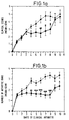
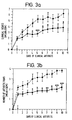
- mice Arthritis was induced as disclosed for Example 1 and mice were monitored daily for development of visible inflammation. Treatment was administered on first day of clinical inflammation (day 1) and two days later (day 3) on randomly divided three groups of mice.
- Inflammation was assessed by the incremental swelling from day 1 of the first paw to become arthritic measured using callipers (Proctest 2T. Kroeplin Langenmesstechnik). Groups were compared using the two-tailed t-test, *0.05 ⁇ p > 0.01, **0.01 ⁇ p >0.005, ***0.0005 ⁇ p.
- Intraperitoneal injections of 50 ⁇ g of B3B4 monoclonal antibody were sufficient for effective therapy as shown by the significant decrease in clinical scores and the number of affected paws obtained using this treatment regimen.
- the disease severity of mice treated with 25 ⁇ g monoclonal antibody did not improve the positive therapeutic effect obtained with 50 ⁇ g B3B4 monoclonal antibody (Fig. 4).
- the dose-related anti-inflammatory effect of B3B4 administration is illustrated in Fig. 4b which shows that swelling of the arthritic paws did not increase from day 1 in the groups receiving ip injections of 50 or 100 ⁇ g monoclonal antibody B3B4.
- This table shows a comparison of histological preparations in respect of joints taken from mice treated with anti-CD23 or from control mice. The mice had been treated as described above in relation to Fig 4.
- the first limb to become arthritic was removed post-mortem, fixed in 10% (wt/vol) buffered formalin and decalcified in EDTA in buffered formalin (5.5%).
- mice Male 8-12 weeks old DBA/1 mice injected id with 100 ⁇ g bovine type II collagen emulsified in complete Freund's adjuvant.
- mice On first sign of clinical disease ( ⁇ 3 weeks later) mice are injected ip with the following preparations of monoclonal antibodies, (injections on day 1 and day 3)
- mice are killed on day 10 of arthritis, the first paw to become arthritic is sectioned, fixed and decalcified for histopathological examination.
- CD23-liposomes The interaction between CD11b/CD18 or CD11c/CD18-transfected COS cells was specifically inhibited by anti-CD11b or anti-CD11c, respectively, and by anti-CD23 monoclonal antibodies.
- the functional significance of this ligand pairing was demonstrated by triggering CD11b and CD11c on monocytes with either recombinant CD23 or anti-CD11b and anti-CD11c monoclonal antibodies to cause a marked increase in nitrite (NO 2 - ), oxidative products (H 2 0 2 ) and proinflammatory cytokines (IL-1 ⁇ , IL-6 and TNF ⁇ ).
- CD23-mediated activities were decreased by Fab fragments of monoclonal antibodies to CD11b, CD11c and CD23. These results demonstrate that the surface adhesion molecules CD11b and CD11c are receptors for CD23 and that this novel ligand pairing regulates important activities of monocytes.
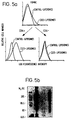
- CD23-liposomes were shown to bind only to the CD14-positive population (Example 5, Fig. 5a). Since monocytes were found to express neither membrane IgE nor CD21 (not shown), the known ligands for CD23, it was investigated whether monocytes express a different receptor for CD23. Monocytes were lysed and cell extracts purified over an affinity column coupled with recombinant soluble CD23. SDS-PAGE and silver staining analysis of the eluted material revealed bands of around 80 and 160 kDa MW (Example 5, Fig. 5b).
- Antibodies identifying antigens within this range of MW and reported to be expressed on monocytes were tested by FACS for their capacity to inhibit CD23-liposome binding to monocytes (Example 6, Fig. 6).
- Anti-CD11b and anti-CD11c monoclonal antibodies both inhibited CD23-liposome binding to monocytes, with varying degrees of potency (Example 6, Fig. 6).
- Anti-CD13, anti-CD49d, anti-CD21 (not expressed on monocytes) and anti-CD11a had no significant effect (Example 6, Fig. 6).
- Anti-CD18 monoclonal antibody gave a partial inhibition of CD23 binding. This could be due either to steric hindrance or to the induction of a conformational change in the CD11b and CD11c molecules upon anti-CD18 Mab binding.
- the monocyte-derived proteins eluted from the CD23-affinity column were immunoreactive with anti-CD11c (Example 5, Fig. 5b) and anti-CD11c/CD18 antibodies (not shown).
- CD11b/CD18 and CD11c/CD11b were receptors for CD23
- full-length cDNAs encoding CD11b and CD11c were transiently co-transfected with CD18 cDNA into COS cells.
- Transfectants expressing CD11b/CD18 and CD11c/CD18 were both shown to bind CD23-liposomes, in contrast to transfectants expressing CD11a/CD18 (Example 7, Fig. 7). This might be explained by the higher degree of homology between CD11b and CD11c when compared to their homology to CD11a.
- CD11b and CD11c are adhesion molecules that participate in many cell-cell and cell-matrix interactions.
- the examples show that CD11b/CD18 and CD11c/CD18 may exhibit an additional adhesive function by virtue of their ability to bind CD23.
- CD23 seems to identify an epitope dose or identical to factor X as observed by the capacity of factor X to inhibit in a dose dependent manner CD23-liposome binding (Example 8, Fig. 8) without affecting surface expression of CD11b or CD11c on monocytes (not shown). None of the other ligands tested had any effect CD23 may be acting as a C-type lectin in its interaction with CD11b and CD11c.
- EDTA decreases CD23 binding to monocytes (Example 8, Fig.
- CD23-CD11b/CD11c interaction seems to involve sugars, but not sialic acid, as observed by the capacity of tunicamycin, but not neuraminidase, to decrease CD23 binding to monocytes.
- CD23 bears extracellularly a triplet of amino acids (Asp, Gly, Arg) (Kikutani, H. et al.
- CD23-CD11b/CD11c interaction could trigger monocytes to release proinflammatory mediators such as nitric oxide, H 2 0 2 and cytokines. Triggering of adherence-activated normal monocytes using recombinant soluble CD23, anti-CD11b or anti-CD11c antibodies increased the generation of NO 2 - indicating the activation of the NO pathway (Moncada, S., Palmer, R.M.J. & Higgs, E.A. Pharmacol. Rev. 43 , 109-144 (1991)).
- Anti-CD11b and anti-CD11c monoclonal antibodies decrease CD23-liposome binding to activated blood monocytes (See Fig. 6).
- Monocytes were enriched from mononuclear cells by Ficoll and overnight adherence to plastic in RPMI 1640 (Seromed, Berlin, Germany) supplemented with 2 mM glutamine and 10% heat-inactivated FCS (Flow Laboratories, Irvine, Scotland). Activated monocytes were then incubated with CD23-liposomes in the presence of different monoclonal antibodies ( ⁇ CD) or isotype-matched controls (CTRL) (Becton Dickinson), all tested at 10 ⁇ g/ml.
- ⁇ CD monoclonal antibodies
- CRL isotype-matched controls
- Anti-CD11a monoclonal antibodies 25.3 and B-B15 were obtained from Immunotech (Luminy, France) and Serotec (Oxford, UK), respectively.
- Anti-CD11b monoclonal antibody 44 was from Serotec, mon.gran 1 was from Janssen (Beerse, Belgium), Leu-15 was from Becton Dickinson (Erembodegem, Belgium) and (Bear-1) was from Sera-Lab Ltd (Sussex, GB).
- Anti-CD11c monoclonal antibody 3.9 was from Serotec, SL9 was from Sera-Lab and BU-15 was from The Binding Site (Birmingham, UK).
- Anti-CD13 (SJ1D1), anti-CD18 (BL5), anti-CD23 (mAb25) and anti-CD49d (HP2.1) monoclonal antibodies were from Immunotech.
- Anti-CD21 monoclonal antibody BL13 was from Immunotech, OKB7 from Ortho and BU-33 was obtained from Dr. MacLennan (Birmingham University, UK), HB-5 from ATCC, OKB7 from Ortho Diagnostics System Inc (Raritan, NJ).
- Anti-CD14, anti-CD3, anti-CD16 and anti-CD20 monoclonal antibodies were from Becton-Dickinson. Cells were analysed by FACS and mean fluorescence intensity (MFI) measured. Data of a representative experiment are presented. MFI of cells stained with control-liposomes was 6.5 and with CD23-liposomes was 84.5. Percentage inhibition using arithmetic linear MFI values is calculated according to the following formula:
- CD23-liposomes bind to ⁇ chains of CD11b/CD18 and CD11c/CD18 on recombinant transfectants (See Fig. 7).
- cDNAs coding for CD11a (Corbi, A.L., Miller, L.J., O'Connor, K, Larson, R.S. & Springer, T.A. EMBO J. 6 , 4023-4028 (1987)) was recloned in pCDNA1 (Invitrogen, San Diego, CA).
- cDNA for CD11b (Corbi, A.L., Kishimoto, T.K, Miller, L.J. & Springer, T.A. J. Biol. Chem.
- Co-transfections of CD11a, b or c with CD18 were performed in order to get expression of the ⁇ 2 integrins at the cell surface. Controls were done with single chain transfections. 48 h after transfection, COS cells were stained with anti-CD11a, anti-CD11b and anti-CD11c monoclonal antibodies or isotype-matched monoclonal antibodies (control) followed by FITC-labelled sheep anti-mouse antibody. Between 10 to 15% of the cells were shown to express CD11a, b, c or CD18 by staining with the respective monoclonal antibodies.
- CD18-positive transfected COS cells Prior to staining with CD23-liposomes, CD18-positive transfected COS cells were then FACS-sorted in order to increase the percentage of cells expressing ⁇ 2 integrins.
- CD11a/CD18, CD11b/CD18 and CD11c/CD18 transfectants were then incubated with CD23-liposomes (trace 2) or control (glycophorin A)-liposomes (trace 1).
- the specificity of CD23 interaction with CD11b and CD11c was demonstrated by inhibition of CD23-liposome binding to CD11b/CD18 and CD11c/CD18 transfectants using anti-CD11b (trace 4), anti-CD23 (trace 5) and anti-CD11c (trace 6) monoclonal antibodies, respectively. No binding of CD23-liposomes was observed on CD11a/CD18 transfectants and no effect of anti-CD11a monoclonal antibody was found (trace 3).
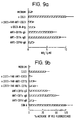
- Recombinant CD23 by binding to CD11b and CD11c specifically increases a, the nitrite product and b, the oxidative burst by monocytes.
- Monocytes were incubated a, for 4 days at 37°C or b, overnight in the absence or presence of recombinant soluble CD23 (Graber P. et al. , J. Immunol. Methods 149 215-226 (1992)) (50 ng/ml), anti-CD11a (clone 25.3), anti-CD11b (clone 44), anti-CD11c (clone BU-15) monoclonal antibodies (all at 10 ⁇ g/ml).
- Activated monocytes were incubated with hydroethidine (Molecular probes, Eugene, OR) (0.3 ⁇ g/ml) for 30 min at 37°C (Rothe G. et al. , J. Leukoc. Biol. 47 440-448 (1990)) and analysed by FACS. Percentage increase in red fluorescence of stimulated monocytes is shown in comparison to untreated monocytes (See Fig. 9b). Monocytes which had undergone an oxidative burst shown an increase of red fluorescence signals compared to untreated monocytes reflecting oxidation of hydroethidine to ethidium bromide (Lacal P.M. et al ., Biochem. J. 268 707-712 (1990)).
- MFI values of monocytes alone were 159+/-10. Mean+/-SD values of 6 experiments are presented.
- Con A which is known to induce a respiratory burst in monocytes, was used as a positive control.
- the specificity of the CD23 interaction with CD11b and CD11c was demonstrated by inhibition of CD23-mediated increase of H 2 O 2 production by Fab fragments of anti-CD11b (done 44), anti-CD11c (clone BU-15) and anti-CD23 (mAb25) monoclonal antibodies (tested at 10 ⁇ g/ml).
- Binding of recombinant CD23 to CD11b and CD11c specifically increases cytokine production by monocytes (See Fig. 10).
- Monocytes were incubated overnight at 37°C in the absence or presence of recombinant soluble CD23 (Graber P . et al., J. Immunol. Methods 149 215-226 (1992)) (50 ng/ml), anti-CD11a (clone 25.3), anti-CD11b (clone 44), anti-CD11c (clone BU-15), anti-CD23 (mAb 25 - this antibody is available from Immunotech.
- Monoclonal antibodies to recombinant E. coli derived soluble human CD23 (25 kD, amino acids 150-321) were raised in mice, by standard procedures except using lymph nodes not spleen cells. These blocked the activities of human CD23 in vitro.
- the dosage was 1mg every 4 days by intramuscular injection.
Landscapes
- Health & Medical Sciences (AREA)
- Chemical & Material Sciences (AREA)
- Organic Chemistry (AREA)
- Life Sciences & Earth Sciences (AREA)
- General Health & Medical Sciences (AREA)
- Medicinal Chemistry (AREA)
- Engineering & Computer Science (AREA)
- Bioinformatics & Cheminformatics (AREA)
- Public Health (AREA)
- Veterinary Medicine (AREA)
- Pharmacology & Pharmacy (AREA)
- Animal Behavior & Ethology (AREA)
- General Chemical & Material Sciences (AREA)
- Chemical Kinetics & Catalysis (AREA)
- Nuclear Medicine, Radiotherapy & Molecular Imaging (AREA)
- Immunology (AREA)
- Genetics & Genomics (AREA)
- Biochemistry (AREA)
- Molecular Biology (AREA)
- Zoology (AREA)
- Proteomics, Peptides & Aminoacids (AREA)
- Biophysics (AREA)
- Wood Science & Technology (AREA)
- Diabetes (AREA)
- Biomedical Technology (AREA)
- Gastroenterology & Hepatology (AREA)
- General Engineering & Computer Science (AREA)
- Pulmonology (AREA)
- Microbiology (AREA)
- Endocrinology (AREA)
- Cell Biology (AREA)
- Emergency Medicine (AREA)
- Biotechnology (AREA)
- Virology (AREA)
- Hematology (AREA)
- Obesity (AREA)
- Rheumatology (AREA)
- Toxicology (AREA)
- Ophthalmology & Optometry (AREA)
- Neurosurgery (AREA)
Applications Claiming Priority (7)
| Application Number | Priority Date | Filing Date | Title |
|---|---|---|---|
| GB9421463A GB9421463D0 (en) | 1994-10-25 | 1994-10-25 | Binding agents |
| GB9421463 | 1994-10-25 | ||
| GB9512480 | 1995-06-20 | ||
| GBGB9512480.6A GB9512480D0 (en) | 1995-06-20 | 1995-06-20 | Binding agents |
| GBGB9513415.1A GB9513415D0 (en) | 1995-06-30 | 1995-06-30 | Binding agents |
| GB9513415 | 1995-06-30 | ||
| EP95936525A EP0788513B1 (de) | 1994-10-25 | 1995-10-20 | Verwendung von bindungsreagenzien gegen cd23 in der behandlung von autoimmunkrankheiten |
Related Parent Applications (1)
| Application Number | Title | Priority Date | Filing Date |
|---|---|---|---|
| EP95936525A Division EP0788513B1 (de) | 1994-10-25 | 1995-10-20 | Verwendung von bindungsreagenzien gegen cd23 in der behandlung von autoimmunkrankheiten |
Publications (2)
| Publication Number | Publication Date |
|---|---|
| EP1018517A2 true EP1018517A2 (de) | 2000-07-12 |
| EP1018517A3 EP1018517A3 (de) | 2000-07-26 |
Family
ID=27267444
Family Applications (3)
| Application Number | Title | Priority Date | Filing Date |
|---|---|---|---|
| EP99204301A Withdrawn EP1018517A3 (de) | 1994-10-25 | 1995-10-20 | Bindungsreagenzien gegen CD23 zur Behandlung von entzündlichen, autoimmunen und allergischen Krankheiten |
| EP95937803A Withdrawn EP0788514A1 (de) | 1994-10-25 | 1995-10-20 | Bindungsreagenzien zur behandlung von entzündlichen, autoimmunen und allergischen krankheiten |
| EP95936525A Revoked EP0788513B1 (de) | 1994-10-25 | 1995-10-20 | Verwendung von bindungsreagenzien gegen cd23 in der behandlung von autoimmunkrankheiten |
Family Applications After (2)
| Application Number | Title | Priority Date | Filing Date |
|---|---|---|---|
| EP95937803A Withdrawn EP0788514A1 (de) | 1994-10-25 | 1995-10-20 | Bindungsreagenzien zur behandlung von entzündlichen, autoimmunen und allergischen krankheiten |
| EP95936525A Revoked EP0788513B1 (de) | 1994-10-25 | 1995-10-20 | Verwendung von bindungsreagenzien gegen cd23 in der behandlung von autoimmunkrankheiten |
Country Status (20)
| Country | Link |
|---|---|
| US (2) | US6627195B1 (de) |
| EP (3) | EP1018517A3 (de) |
| JP (3) | JP3323508B2 (de) |
| KR (1) | KR20040058016A (de) |
| CN (1) | CN1171119A (de) |
| AT (1) | ATE198895T1 (de) |
| AU (2) | AU698158B2 (de) |
| BR (2) | BR9509498A (de) |
| CA (2) | CA2203364A1 (de) |
| DE (1) | DE69519997T2 (de) |
| DK (1) | DK0788513T3 (de) |
| ES (1) | ES2154741T3 (de) |
| FI (1) | FI971756A7 (de) |
| HU (1) | HU223006B1 (de) |
| IL (1) | IL115733A (de) |
| MX (1) | MX9702797A (de) |
| NO (1) | NO971902D0 (de) |
| NZ (2) | NZ295352A (de) |
| PT (1) | PT788513E (de) |
| WO (2) | WO1996012742A1 (de) |
Families Citing this family (31)
| Publication number | Priority date | Publication date | Assignee | Title |
|---|---|---|---|---|
| US6011138A (en) * | 1997-02-20 | 2000-01-04 | Idec Pharmaceuticals Corporation | Gamma-1 anti-human CD23 monoclonal antibodies |
| US7033589B1 (en) | 1997-02-20 | 2006-04-25 | Biogen Idec Ma Inc. | γ-1 anti-human CD23 monoclonal antibodies and use thereof as therapeutics |
| US6893636B2 (en) | 1997-02-20 | 2005-05-17 | Biogen Idec Ma Inc. | Gamma-1 and gamma-3 anti-human CD23 monoclonal antibodies and use thereof as therapeutics |
| WO1999045777A1 (en) * | 1998-03-10 | 1999-09-16 | The Children's Hospital Of Philadelphia | Compositions and methods for treatment of asthma |
| GB9809839D0 (en) * | 1998-05-09 | 1998-07-08 | Glaxo Group Ltd | Antibody |
| US6299875B1 (en) | 1998-06-04 | 2001-10-09 | Panacea Pharmaceuticals, Llc | Methods to block IGE binding to cell surface receptors of mast cells |
| AU1960100A (en) * | 1999-01-06 | 2000-07-24 | Mcmaster University | Method of preventing immune and hypersensitivity reactions |
| MXPA02003420A (es) * | 1999-10-06 | 2002-08-20 | Basf Ag | Inhibidores de la via de senalizacion de endotelina y antagonistas de los receptores de alfav°3 integrina para el tratamiento en combinacion. |
| US20020028178A1 (en) * | 2000-07-12 | 2002-03-07 | Nabil Hanna | Treatment of B cell malignancies using combination of B cell depleting antibody and immune modulating antibody related applications |
| US20070065436A1 (en) * | 2001-01-31 | 2007-03-22 | Biogen Idec Inc. | Anti-cd80 antibody having adcc activity for adcc mediated killing of b cell lymphoma cells alone or in combination with other therapies |
| US20030211107A1 (en) * | 2002-01-31 | 2003-11-13 | Kandasamy Hariharan | Use of CD23 antagonists for the treatment of neoplastic disorders |
| US20030103971A1 (en) * | 2001-11-09 | 2003-06-05 | Kandasamy Hariharan | Immunoregulatory antibodies and uses thereof |
| US20020159996A1 (en) * | 2001-01-31 | 2002-10-31 | Kandasamy Hariharan | Use of CD23 antagonists for the treatment of neoplastic disorders |
| US6820011B2 (en) | 2001-04-11 | 2004-11-16 | The Regents Of The University Of Colorado | Three-dimensional structure of complement receptor type 2 and uses thereof |
| CN100515496C (zh) * | 2003-02-14 | 2009-07-22 | 上海张江生物技术有限公司 | 免疫调节剂及其应用 |
| EP1613350B1 (de) * | 2003-04-09 | 2009-03-18 | Genentech, Inc. | Behandlung von autoimmunkrankheit bei einem patienten mit unzureichendem ansprechen auf einen tnf-alpha-hemmer |
| EP2322547A1 (de) * | 2003-06-25 | 2011-05-18 | Crucell Holland B.V. | Myeloidzellen-spezifisches Lectin |
| US8071552B2 (en) | 2004-04-05 | 2011-12-06 | Universite Bordeaux 2 | Peptides and peptidomimetics binding to CD23 |
| US20070286855A1 (en) * | 2004-08-03 | 2007-12-13 | Mayo Foundation For Medical Education And Research | Improving treatments |
| WO2007048186A1 (en) * | 2005-10-25 | 2007-05-03 | Baker Medical Research Institute | Leukocyte-binding polypeptides and uses thereof |
| RU2489166C2 (ru) * | 2006-04-09 | 2013-08-10 | Джинентех, Инк. | Применение антитела для лечения аутоиммунных заболеваний у пациента с неадекватным ответом на ингибитор tnf-альфа |
| US7759304B2 (en) | 2006-06-21 | 2010-07-20 | Regents Of The University Of Colorado | Targeting complement factor H for treatment of diseases |
| WO2009043051A2 (en) * | 2007-09-27 | 2009-04-02 | Biogen Idec Ma Inc. | Cd23 binding molecules and methods of use thereof |
| WO2011003098A1 (en) | 2009-07-02 | 2011-01-06 | Musc Foundation For Research Development | Methods of stimulating liver regeneration |
| CA2795311A1 (en) | 2009-11-05 | 2011-05-12 | Taligen Therapeutics, Inc. | Treatment of paroxysmal nocturnal hemoglobinuria, hemolytic anemias and disease states involving intravascular and extravascular hemolysis |
| BR112012029067A2 (pt) | 2010-05-14 | 2019-09-24 | Univ Colorado Regents | grupos-alvo de receptor do complemento 2 (cr2) melhorados. |
| SG186397A1 (en) | 2010-06-22 | 2013-01-30 | Univ Colorado Regents | Antibodies to the c3d fragment of complement component 3 |
| WO2012071042A1 (en) | 2010-11-24 | 2012-05-31 | Government Of The U.S.A. Represented By The Secretary, Dept. Of Health & Human Services | Compositions and methods for treating or preventing lupus |
| US10017762B2 (en) | 2010-11-24 | 2018-07-10 | The United States Of America, As Represented By The Secretary, Department Of Health & Human Services | Compositions and methods for treating or preventing lupus |
| US10413620B2 (en) | 2012-08-17 | 2019-09-17 | The Regents Of The University Of Colorado, A Body Corporate | Light-emitting versions of the monoclonal antibody to C3D (MAB 3D29) for imaging |
| JP2015535212A (ja) | 2012-08-17 | 2015-12-10 | ザ・リージエンツ・オブ・ザ・ユニバーシテイ・オブ・コロラド、ア・ボデイー・コーポレイト | 補体活性化を検出するための組成物および方法 |
Family Cites Families (12)
| Publication number | Priority date | Publication date | Assignee | Title |
|---|---|---|---|---|
| US4946788A (en) * | 1985-06-11 | 1990-08-07 | Ciba-Geigy Corporation | Purified immunoglobulin-related factor, novel monoclonal antibodies, hybridoma cell lines, processes and applications |
| FR2599513B1 (fr) * | 1986-05-27 | 1989-09-15 | Unicet Laboratoires | Anticorps monoclonaux inhibant la liaison de ige soluble aux lymphocytes humains, hybridomes monoclonaux produisant de tels anticorps, leur utilisation |
| GB8726230D0 (en) * | 1987-11-10 | 1987-12-16 | Rosen H | Antibodies |
| EP0321842A1 (de) * | 1987-12-22 | 1989-06-28 | Kishimoto, Tadamitsu, Prof. | Auflösbarer rekombinanter Fc-Rezeptor, dessen Herstellung und Verwendung |
| DE3830271A1 (de) * | 1988-09-06 | 1990-03-15 | Goetze Otto | Mittel mit immunsuppressiver wirkung |
| AU4341189A (en) * | 1988-10-03 | 1990-05-01 | Scripps Clinic And Research Foundation | The receptor binding region of ebvgp350 |
| US5530101A (en) * | 1988-12-28 | 1996-06-25 | Protein Design Labs, Inc. | Humanized immunoglobulins |
| US5473051A (en) * | 1990-07-19 | 1995-12-05 | The Scripps Research Institute | Inhibition of Mac-1 receptor binding to fibrinogen using D30 homologs |
| ES2196002T3 (es) * | 1991-07-25 | 2003-12-16 | Idec Pharma Corp | Anticuerpos recombinantes para terapia humana. |
| WO1993009803A1 (en) * | 1991-11-22 | 1993-05-27 | The Scripps Research Institute | Factor x-derived polypeptides and anti-peptide antibodies, systems and therapeutic methods for inhibiting inflammation |
| US5766943A (en) * | 1992-08-17 | 1998-06-16 | University Of Iowa Research Foundation | DNA sequences for soluble form of CD23 |
| AU674556B2 (en) * | 1992-10-09 | 1997-01-02 | Center For Blood Research, Inc., The | A subpopulation of MAC-1 molecules which mediate neutrophil adhesion to ICAM-1 and fibrinogen |
-
1995
- 1995-10-20 JP JP51350896A patent/JP3323508B2/ja not_active Expired - Fee Related
- 1995-10-20 KR KR10-2004-7006304A patent/KR20040058016A/ko not_active Ceased
- 1995-10-20 NZ NZ295352A patent/NZ295352A/en unknown
- 1995-10-20 BR BR9509498A patent/BR9509498A/pt not_active Application Discontinuation
- 1995-10-20 WO PCT/EP1995/004110 patent/WO1996012742A1/en not_active Ceased
- 1995-10-20 JP JP8513642A patent/JPH10507460A/ja active Pending
- 1995-10-20 DE DE69519997T patent/DE69519997T2/de not_active Expired - Fee Related
- 1995-10-20 EP EP99204301A patent/EP1018517A3/de not_active Withdrawn
- 1995-10-20 CA CA002203364A patent/CA2203364A1/en not_active Abandoned
- 1995-10-20 NZ NZ295158A patent/NZ295158A/en unknown
- 1995-10-20 MX MX9702797A patent/MX9702797A/es not_active Application Discontinuation
- 1995-10-20 HU HU9800339A patent/HU223006B1/hu not_active IP Right Cessation
- 1995-10-20 EP EP95937803A patent/EP0788514A1/de not_active Withdrawn
- 1995-10-20 BR BR9509434A patent/BR9509434A/pt not_active Application Discontinuation
- 1995-10-20 AT AT95936525T patent/ATE198895T1/de not_active IP Right Cessation
- 1995-10-20 PT PT95936525T patent/PT788513E/pt unknown
- 1995-10-20 US US08/817,719 patent/US6627195B1/en not_active Expired - Fee Related
- 1995-10-20 FI FI971756A patent/FI971756A7/fi not_active IP Right Cessation
- 1995-10-20 CN CN95197075A patent/CN1171119A/zh active Pending
- 1995-10-20 AU AU38435/95A patent/AU698158B2/en not_active Ceased
- 1995-10-20 WO PCT/EP1995/004109 patent/WO1996012741A1/en not_active Ceased
- 1995-10-20 EP EP95936525A patent/EP0788513B1/de not_active Revoked
- 1995-10-20 DK DK95936525T patent/DK0788513T3/da active
- 1995-10-20 CA CA002203363A patent/CA2203363A1/en not_active Abandoned
- 1995-10-20 ES ES95936525T patent/ES2154741T3/es not_active Expired - Lifetime
- 1995-10-20 AU AU38679/95A patent/AU710369B2/en not_active Ceased
- 1995-10-24 IL IL11573395A patent/IL115733A/xx not_active IP Right Cessation
-
1997
- 1997-04-24 NO NO971902A patent/NO971902D0/no not_active Application Discontinuation
-
2001
- 2001-04-25 JP JP2001127383A patent/JP2001316291A/ja active Pending
-
2003
- 2003-08-04 US US10/632,852 patent/US20040022783A1/en not_active Abandoned
Also Published As
Similar Documents
| Publication | Publication Date | Title |
|---|---|---|
| EP0788513B1 (de) | Verwendung von bindungsreagenzien gegen cd23 in der behandlung von autoimmunkrankheiten | |
| WO1996012741A9 (en) | Binding agents to cd23 | |
| EP1071449B1 (de) | Verwendung eines antagonisten antikörpers gegen den entzündungsmediator oncostatin m (osm) | |
| KR101637502B1 (ko) | 치료용 개 면역글로불린 및 이를 이용하는 방법 | |
| Lecoanet-Henchoz et al. | CD23 regulates monocyte activation through a novel interaction with the adhesion molecules CD11b-CD18 and CD11c-CD18 | |
| US5620889A (en) | Human anti-Fas IgG1 monoclonal antibodies | |
| KR20150030639A (ko) | 프로테아제로 조절된 항체 | |
| KR20110112299A (ko) | 자가면역 및 염증성 장애의 치료에 사용하기 위한 가용성 폴리펩티드 | |
| CA3012037A1 (en) | Recombinant igg fc multimers | |
| JP2007537719A (ja) | 補体結合が低下した抗癌抗体 | |
| KR20140093964A (ko) | iNKT에 대한 인간화 항체 | |
| CN115996949A (zh) | 犬抗体变异体 | |
| WO2013130565A1 (en) | Neutralizing antibody for epstein barr virus associated disease | |
| US5830469A (en) | Fas antagonists and uses thereof | |
| US20240076410A1 (en) | Fc-engineered anti-human ige antibodies and methods of use | |
| EP4711383A2 (de) | Katzenantikörpervarianten | |
| HK1002765B (en) | Use of binding agents to cd23 in the treatment of autoimmune diseases | |
| CN1169735A (zh) | Cd23结合剂 | |
| MXPA97002772A (en) | Linking agents for the treatment of inflammatory, autoimmune or alergi treatments | |
| MXPA97002797A (en) | Link agents a c | |
| WO2025199118A1 (en) | Anti-trem1 antibody constructs, compositions comprising anti-trem1 antibody constructs and methods of using anti-trem1 antibody constructs |
Legal Events
| Date | Code | Title | Description |
|---|---|---|---|
| PUAI | Public reference made under article 153(3) epc to a published international application that has entered the european phase |
Free format text: ORIGINAL CODE: 0009012 |
|
| PUAL | Search report despatched |
Free format text: ORIGINAL CODE: 0009013 |
|
| 17P | Request for examination filed |
Effective date: 19991217 |
|
| AC | Divisional application: reference to earlier application |
Ref document number: 788513 Country of ref document: EP |
|
| AK | Designated contracting states |
Kind code of ref document: A2 Designated state(s): AT BE CH DE DK ES FR GB GR IE IT LI LU MC NL PT SE |
|
| AX | Request for extension of the european patent |
Free format text: LT PAYMENT 19991217;LV PAYMENT 19991217;SI PAYMENT 19991217 |
|
| AK | Designated contracting states |
Kind code of ref document: A3 Designated state(s): AT BE CH DE DK ES FR GB GR IE IT LI LU MC NL PT SE |
|
| AX | Request for extension of the european patent |
Free format text: LT PAYMENT 19991217;LV PAYMENT 19991217;SI PAYMENT 19991217 |
|
| AKX | Designation fees paid |
Free format text: AT BE CH DE DK ES FR GB GR IE IT LI LU MC NL PT SE |
|
| AXX | Extension fees paid |
Free format text: LT PAYMENT 19991217;LV PAYMENT 19991217;SI PAYMENT 19991217 |
|
| 17Q | First examination report despatched |
Effective date: 20021122 |
|
| STAA | Information on the status of an ep patent application or granted ep patent |
Free format text: STATUS: THE APPLICATION HAS BEEN WITHDRAWN |
|
| 18W | Application withdrawn |
Effective date: 20060116 |