EP1019432B1 - Recepteur ob et procedes de diagnostic et de traitement des dereglements de la masse corporelle - Google Patents
Recepteur ob et procedes de diagnostic et de traitement des dereglements de la masse corporelle Download PDFInfo
- Publication number
- EP1019432B1 EP1019432B1 EP96942110A EP96942110A EP1019432B1 EP 1019432 B1 EP1019432 B1 EP 1019432B1 EP 96942110 A EP96942110 A EP 96942110A EP 96942110 A EP96942110 A EP 96942110A EP 1019432 B1 EP1019432 B1 EP 1019432B1
- Authority
- EP
- European Patent Office
- Prior art keywords
- obr
- protein
- gene
- amino acid
- expression
- Prior art date
- Legal status (The legal status is an assumption and is not a legal conclusion. Google has not performed a legal analysis and makes no representation as to the accuracy of the status listed.)
- Expired - Lifetime
Links
- 238000000034 method Methods 0.000 title claims description 160
- 101150046735 LEPR gene Proteins 0.000 claims abstract description 343
- 101150063827 LEPROT gene Proteins 0.000 claims abstract description 343
- 108090000623 proteins and genes Proteins 0.000 claims abstract description 213
- 150000001875 compounds Chemical class 0.000 claims abstract description 160
- 230000014509 gene expression Effects 0.000 claims abstract description 135
- 102000004169 proteins and genes Human genes 0.000 claims abstract description 135
- 108020001507 fusion proteins Proteins 0.000 claims abstract description 117
- 102000037865 fusion proteins Human genes 0.000 claims abstract description 117
- 108090000765 processed proteins & peptides Proteins 0.000 claims abstract description 111
- 239000002773 nucleotide Substances 0.000 claims abstract description 92
- 125000003729 nucleotide group Chemical group 0.000 claims abstract description 92
- 102000004196 processed proteins & peptides Human genes 0.000 claims abstract description 87
- 230000037396 body weight Effects 0.000 claims abstract description 74
- 208000037265 diseases, disorders, signs and symptoms Diseases 0.000 claims abstract description 74
- 102000005962 receptors Human genes 0.000 claims abstract description 73
- 108020003175 receptors Proteins 0.000 claims abstract description 73
- 230000000694 effects Effects 0.000 claims abstract description 71
- 208000035475 disorder Diseases 0.000 claims abstract description 69
- 229920001184 polypeptide Polymers 0.000 claims abstract description 62
- 208000008589 Obesity Diseases 0.000 claims abstract description 49
- 235000020824 obesity Nutrition 0.000 claims abstract description 48
- 238000011282 treatment Methods 0.000 claims abstract description 27
- 206010006895 Cachexia Diseases 0.000 claims abstract description 17
- 208000022531 anorexia Diseases 0.000 claims abstract description 16
- 206010061428 decreased appetite Diseases 0.000 claims abstract description 16
- 239000000556 agonist Substances 0.000 claims abstract description 14
- 239000005557 antagonist Substances 0.000 claims abstract description 13
- 210000004027 cell Anatomy 0.000 claims description 298
- 241000282414 Homo sapiens Species 0.000 claims description 137
- 239000002299 complementary DNA Substances 0.000 claims description 119
- 230000027455 binding Effects 0.000 claims description 107
- 241001529936 Murinae Species 0.000 claims description 96
- 150000001413 amino acids Chemical class 0.000 claims description 90
- 150000007523 nucleic acids Chemical class 0.000 claims description 72
- 102000039446 nucleic acids Human genes 0.000 claims description 69
- 108020004707 nucleic acids Proteins 0.000 claims description 69
- 108020004999 messenger RNA Proteins 0.000 claims description 68
- 210000002987 choroid plexus Anatomy 0.000 claims description 64
- 238000012360 testing method Methods 0.000 claims description 62
- 239000012634 fragment Substances 0.000 claims description 53
- 239000013598 vector Substances 0.000 claims description 39
- 230000001086 cytosolic effect Effects 0.000 claims description 38
- 239000013604 expression vector Substances 0.000 claims description 33
- 230000000295 complement effect Effects 0.000 claims description 31
- 102000016267 Leptin Human genes 0.000 claims description 30
- 108010092277 Leptin Proteins 0.000 claims description 30
- 230000003834 intracellular effect Effects 0.000 claims description 29
- 102000002260 Alkaline Phosphatase Human genes 0.000 claims description 27
- 108020004774 Alkaline Phosphatase Proteins 0.000 claims description 27
- 238000009396 hybridization Methods 0.000 claims description 20
- 230000001105 regulatory effect Effects 0.000 claims description 20
- 108010035563 Chloramphenicol O-acetyltransferase Proteins 0.000 claims description 16
- 239000003814 drug Substances 0.000 claims description 16
- 229940039781 leptin Drugs 0.000 claims description 14
- NRYBAZVQPHGZNS-ZSOCWYAHSA-N leptin Chemical compound O=C([C@H](CO)NC(=O)[C@H](CC(C)C)NC(=O)[C@H](CC(O)=O)NC(=O)[C@H](CC(C)C)NC(=O)[C@H](CCC(N)=O)NC(=O)[C@H](CC=1C2=CC=CC=C2NC=1)NC(=O)[C@H](CC(C)C)NC(=O)[C@@H](NC(=O)[C@H](CC(O)=O)NC(=O)[C@H](CCC(N)=O)NC(=O)[C@H](CC(C)C)NC(=O)[C@H](CO)NC(=O)CNC(=O)[C@H](CCC(N)=O)NC(=O)[C@@H](N)CC(C)C)CCSC)N1CCC[C@H]1C(=O)NCC(=O)N[C@@H](CS)C(O)=O NRYBAZVQPHGZNS-ZSOCWYAHSA-N 0.000 claims description 14
- OUYCCCASQSFEME-UHFFFAOYSA-N tyrosine Natural products OC(=O)C(N)CC1=CC=C(O)C=C1 OUYCCCASQSFEME-UHFFFAOYSA-N 0.000 claims description 14
- -1 .beta.-galactosidase Proteins 0.000 claims description 13
- 108090001005 Interleukin-6 Proteins 0.000 claims description 13
- OUYCCCASQSFEME-QMMMGPOBSA-N L-tyrosine Chemical compound OC(=O)[C@@H](N)CC1=CC=C(O)C=C1 OUYCCCASQSFEME-QMMMGPOBSA-N 0.000 claims description 13
- 108700008625 Reporter Genes Proteins 0.000 claims description 13
- 238000004519 manufacturing process Methods 0.000 claims description 13
- 230000026731 phosphorylation Effects 0.000 claims description 13
- 238000006366 phosphorylation reaction Methods 0.000 claims description 13
- 230000008859 change Effects 0.000 claims description 12
- 238000002360 preparation method Methods 0.000 claims description 12
- 101001129927 Homo sapiens Leptin receptor Proteins 0.000 claims description 11
- 108060003951 Immunoglobulin Proteins 0.000 claims description 11
- 102000018358 immunoglobulin Human genes 0.000 claims description 11
- 230000011664 signaling Effects 0.000 claims description 11
- 238000005406 washing Methods 0.000 claims description 10
- 230000002463 transducing effect Effects 0.000 claims description 9
- KCXVZYZYPLLWCC-UHFFFAOYSA-N EDTA Chemical compound OC(=O)CN(CC(O)=O)CCN(CC(O)=O)CC(O)=O KCXVZYZYPLLWCC-UHFFFAOYSA-N 0.000 claims description 8
- 240000004808 Saccharomyces cerevisiae Species 0.000 claims description 8
- 102000007318 human leptin receptor Human genes 0.000 claims description 8
- 241000701161 unidentified adenovirus Species 0.000 claims description 7
- 230000033228 biological regulation Effects 0.000 claims description 6
- 210000002950 fibroblast Anatomy 0.000 claims description 5
- 230000004907 flux Effects 0.000 claims description 5
- 210000005260 human cell Anatomy 0.000 claims description 5
- 230000001965 increasing effect Effects 0.000 claims description 5
- 102000008394 Immunoglobulin Fragments Human genes 0.000 claims description 4
- 108010021625 Immunoglobulin Fragments Proteins 0.000 claims description 4
- 150000002500 ions Chemical class 0.000 claims description 4
- 208000030507 AIDS Diseases 0.000 claims description 3
- 108700039691 Genetic Promoter Regions Proteins 0.000 claims description 3
- 206010028980 Neoplasm Diseases 0.000 claims description 3
- 102000006601 Thymidine Kinase Human genes 0.000 claims description 3
- 108020004440 Thymidine kinase Proteins 0.000 claims description 3
- 201000011510 cancer Diseases 0.000 claims description 3
- 210000004978 chinese hamster ovary cell Anatomy 0.000 claims description 3
- 230000007423 decrease Effects 0.000 claims description 3
- GZCWLCBFPRFLKL-UHFFFAOYSA-N 1-prop-2-ynoxypropan-2-ol Chemical compound CC(O)COCC#C GZCWLCBFPRFLKL-UHFFFAOYSA-N 0.000 claims description 2
- OSJPPGNTCRNQQC-UWTATZPHSA-N 3-phospho-D-glyceric acid Chemical compound OC(=O)[C@H](O)COP(O)(O)=O OSJPPGNTCRNQQC-UWTATZPHSA-N 0.000 claims description 2
- 102000013563 Acid Phosphatase Human genes 0.000 claims description 2
- 108010051457 Acid Phosphatase Proteins 0.000 claims description 2
- 101710132601 Capsid protein Proteins 0.000 claims description 2
- 101710094648 Coat protein Proteins 0.000 claims description 2
- 241000701022 Cytomegalovirus Species 0.000 claims description 2
- 102100021181 Golgi phosphoprotein 3 Human genes 0.000 claims description 2
- 108700002232 Immediate-Early Genes Proteins 0.000 claims description 2
- 101710125418 Major capsid protein Proteins 0.000 claims description 2
- 101710141454 Nucleoprotein Proteins 0.000 claims description 2
- 101710083689 Probable capsid protein Proteins 0.000 claims description 2
- 102000001253 Protein Kinase Human genes 0.000 claims description 2
- 230000003213 activating effect Effects 0.000 claims description 2
- 235000012631 food intake Nutrition 0.000 claims description 2
- 230000037406 food intake Effects 0.000 claims description 2
- 230000002267 hypothalamic effect Effects 0.000 claims description 2
- 108060006633 protein kinase Proteins 0.000 claims description 2
- 229940124597 therapeutic agent Drugs 0.000 claims description 2
- 108010001857 Cell Surface Receptors Proteins 0.000 claims 2
- 241000124008 Mammalia Species 0.000 claims 2
- 210000004748 cultured cell Anatomy 0.000 claims 2
- 102000006240 membrane receptors Human genes 0.000 claims 2
- 101710169336 5'-deoxyadenosine deaminase Proteins 0.000 claims 1
- 102000055025 Adenosine deaminases Human genes 0.000 claims 1
- 101001091269 Escherichia coli Hygromycin-B 4-O-kinase Proteins 0.000 claims 1
- 108010025815 Kanamycin Kinase Proteins 0.000 claims 1
- 101001091268 Streptomyces hygroscopicus Hygromycin-B 7''-O-kinase Proteins 0.000 claims 1
- 108010022394 Threonine synthase Proteins 0.000 claims 1
- 108010027570 Xanthine phosphoribosyltransferase Proteins 0.000 claims 1
- 102000006646 aminoglycoside phosphotransferase Human genes 0.000 claims 1
- 230000000903 blocking effect Effects 0.000 claims 1
- 238000012258 culturing Methods 0.000 claims 1
- 102000004419 dihydrofolate reductase Human genes 0.000 claims 1
- 210000003527 eukaryotic cell Anatomy 0.000 claims 1
- 150000003384 small molecules Chemical class 0.000 claims 1
- 210000003501 vero cell Anatomy 0.000 claims 1
- 108700026220 vif Genes Proteins 0.000 claims 1
- 241001465754 Metazoa Species 0.000 abstract description 38
- 108700019146 Transgenes Proteins 0.000 abstract description 14
- 230000009261 transgenic effect Effects 0.000 abstract description 9
- 238000003745 diagnosis Methods 0.000 abstract description 8
- 230000006583 body weight regulation Effects 0.000 abstract description 7
- 238000012512 characterization method Methods 0.000 abstract description 6
- 238000007877 drug screening Methods 0.000 abstract description 2
- 238000012544 monitoring process Methods 0.000 abstract description 2
- 235000018102 proteins Nutrition 0.000 description 122
- 108020004414 DNA Proteins 0.000 description 81
- 239000000047 product Substances 0.000 description 80
- 238000003752 polymerase chain reaction Methods 0.000 description 78
- 239000013615 primer Substances 0.000 description 76
- 241000699666 Mus <mouse, genus> Species 0.000 description 67
- 235000001014 amino acid Nutrition 0.000 description 67
- 229940024606 amino acid Drugs 0.000 description 63
- 210000001519 tissue Anatomy 0.000 description 60
- 125000000539 amino acid group Chemical group 0.000 description 58
- 238000003556 assay Methods 0.000 description 55
- 238000006243 chemical reaction Methods 0.000 description 47
- 108091032973 (ribonucleotides)n+m Proteins 0.000 description 42
- 108091034117 Oligonucleotide Proteins 0.000 description 42
- 125000003275 alpha amino acid group Chemical group 0.000 description 42
- 241000699670 Mus sp. Species 0.000 description 40
- 230000035772 mutation Effects 0.000 description 40
- 210000003016 hypothalamus Anatomy 0.000 description 35
- 108091028043 Nucleic acid sequence Proteins 0.000 description 34
- 238000001514 detection method Methods 0.000 description 33
- 230000019491 signal transduction Effects 0.000 description 32
- 230000004927 fusion Effects 0.000 description 29
- 239000003446 ligand Substances 0.000 description 28
- 238000004458 analytical method Methods 0.000 description 26
- 230000004913 activation Effects 0.000 description 25
- 239000000203 mixture Substances 0.000 description 25
- 239000013612 plasmid Substances 0.000 description 25
- 108091026890 Coding region Proteins 0.000 description 24
- 230000000692 anti-sense effect Effects 0.000 description 23
- 230000003993 interaction Effects 0.000 description 23
- 241000894007 species Species 0.000 description 22
- 108090000994 Catalytic RNA Proteins 0.000 description 21
- 102000053642 Catalytic RNA Human genes 0.000 description 21
- 230000003321 amplification Effects 0.000 description 21
- 238000003199 nucleic acid amplification method Methods 0.000 description 21
- 108091092562 ribozyme Proteins 0.000 description 21
- 238000013518 transcription Methods 0.000 description 21
- 230000035897 transcription Effects 0.000 description 21
- 102000003675 cytokine receptors Human genes 0.000 description 20
- 108010057085 cytokine receptors Proteins 0.000 description 20
- 238000001727 in vivo Methods 0.000 description 20
- 108700028369 Alleles Proteins 0.000 description 19
- 108010076504 Protein Sorting Signals Proteins 0.000 description 19
- 238000012216 screening Methods 0.000 description 19
- 238000013459 approach Methods 0.000 description 18
- 210000004556 brain Anatomy 0.000 description 18
- 239000003153 chemical reaction reagent Substances 0.000 description 18
- 230000002068 genetic effect Effects 0.000 description 18
- 230000002441 reversible effect Effects 0.000 description 18
- 208000024891 symptom Diseases 0.000 description 18
- 108020004635 Complementary DNA Proteins 0.000 description 17
- 108010054017 Granulocyte Colony-Stimulating Factor Receptors Proteins 0.000 description 17
- 102100039622 Granulocyte colony-stimulating factor receptor Human genes 0.000 description 17
- 101710152369 Interleukin-6 receptor subunit beta Proteins 0.000 description 17
- 102100037795 Interleukin-6 receptor subunit beta Human genes 0.000 description 17
- 238000010367 cloning Methods 0.000 description 16
- 230000000875 corresponding effect Effects 0.000 description 16
- 230000006870 function Effects 0.000 description 16
- 239000007787 solid Substances 0.000 description 16
- 108020004705 Codon Proteins 0.000 description 15
- 102000007079 Peptide Fragments Human genes 0.000 description 15
- 108010033276 Peptide Fragments Proteins 0.000 description 15
- 230000037431 insertion Effects 0.000 description 15
- 238000003780 insertion Methods 0.000 description 15
- 230000001404 mediated effect Effects 0.000 description 15
- 239000000523 sample Substances 0.000 description 15
- 238000013519 translation Methods 0.000 description 15
- 101001129925 Mus musculus Leptin receptor Proteins 0.000 description 13
- DBMJMQXJHONAFJ-UHFFFAOYSA-M Sodium laurylsulphate Chemical compound [Na+].CCCCCCCCCCCCOS([O-])(=O)=O DBMJMQXJHONAFJ-UHFFFAOYSA-M 0.000 description 13
- 102000000887 Transcription factor STAT Human genes 0.000 description 13
- 108050007918 Transcription factor STAT Proteins 0.000 description 13
- JLCPHMBAVCMARE-UHFFFAOYSA-N [3-[[3-[[3-[[3-[[3-[[3-[[3-[[3-[[3-[[3-[[3-[[5-(2-amino-6-oxo-1H-purin-9-yl)-3-[[3-[[3-[[3-[[3-[[3-[[5-(2-amino-6-oxo-1H-purin-9-yl)-3-[[5-(2-amino-6-oxo-1H-purin-9-yl)-3-hydroxyoxolan-2-yl]methoxy-hydroxyphosphoryl]oxyoxolan-2-yl]methoxy-hydroxyphosphoryl]oxy-5-(5-methyl-2,4-dioxopyrimidin-1-yl)oxolan-2-yl]methoxy-hydroxyphosphoryl]oxy-5-(6-aminopurin-9-yl)oxolan-2-yl]methoxy-hydroxyphosphoryl]oxy-5-(6-aminopurin-9-yl)oxolan-2-yl]methoxy-hydroxyphosphoryl]oxy-5-(6-aminopurin-9-yl)oxolan-2-yl]methoxy-hydroxyphosphoryl]oxy-5-(6-aminopurin-9-yl)oxolan-2-yl]methoxy-hydroxyphosphoryl]oxyoxolan-2-yl]methoxy-hydroxyphosphoryl]oxy-5-(5-methyl-2,4-dioxopyrimidin-1-yl)oxolan-2-yl]methoxy-hydroxyphosphoryl]oxy-5-(4-amino-2-oxopyrimidin-1-yl)oxolan-2-yl]methoxy-hydroxyphosphoryl]oxy-5-(5-methyl-2,4-dioxopyrimidin-1-yl)oxolan-2-yl]methoxy-hydroxyphosphoryl]oxy-5-(5-methyl-2,4-dioxopyrimidin-1-yl)oxolan-2-yl]methoxy-hydroxyphosphoryl]oxy-5-(6-aminopurin-9-yl)oxolan-2-yl]methoxy-hydroxyphosphoryl]oxy-5-(6-aminopurin-9-yl)oxolan-2-yl]methoxy-hydroxyphosphoryl]oxy-5-(4-amino-2-oxopyrimidin-1-yl)oxolan-2-yl]methoxy-hydroxyphosphoryl]oxy-5-(4-amino-2-oxopyrimidin-1-yl)oxolan-2-yl]methoxy-hydroxyphosphoryl]oxy-5-(4-amino-2-oxopyrimidin-1-yl)oxolan-2-yl]methoxy-hydroxyphosphoryl]oxy-5-(6-aminopurin-9-yl)oxolan-2-yl]methoxy-hydroxyphosphoryl]oxy-5-(4-amino-2-oxopyrimidin-1-yl)oxolan-2-yl]methyl [5-(6-aminopurin-9-yl)-2-(hydroxymethyl)oxolan-3-yl] hydrogen phosphate Polymers Cc1cn(C2CC(OP(O)(=O)OCC3OC(CC3OP(O)(=O)OCC3OC(CC3O)n3cnc4c3nc(N)[nH]c4=O)n3cnc4c3nc(N)[nH]c4=O)C(COP(O)(=O)OC3CC(OC3COP(O)(=O)OC3CC(OC3COP(O)(=O)OC3CC(OC3COP(O)(=O)OC3CC(OC3COP(O)(=O)OC3CC(OC3COP(O)(=O)OC3CC(OC3COP(O)(=O)OC3CC(OC3COP(O)(=O)OC3CC(OC3COP(O)(=O)OC3CC(OC3COP(O)(=O)OC3CC(OC3COP(O)(=O)OC3CC(OC3COP(O)(=O)OC3CC(OC3COP(O)(=O)OC3CC(OC3COP(O)(=O)OC3CC(OC3COP(O)(=O)OC3CC(OC3COP(O)(=O)OC3CC(OC3COP(O)(=O)OC3CC(OC3CO)n3cnc4c(N)ncnc34)n3ccc(N)nc3=O)n3cnc4c(N)ncnc34)n3ccc(N)nc3=O)n3ccc(N)nc3=O)n3ccc(N)nc3=O)n3cnc4c(N)ncnc34)n3cnc4c(N)ncnc34)n3cc(C)c(=O)[nH]c3=O)n3cc(C)c(=O)[nH]c3=O)n3ccc(N)nc3=O)n3cc(C)c(=O)[nH]c3=O)n3cnc4c3nc(N)[nH]c4=O)n3cnc4c(N)ncnc34)n3cnc4c(N)ncnc34)n3cnc4c(N)ncnc34)n3cnc4c(N)ncnc34)O2)c(=O)[nH]c1=O JLCPHMBAVCMARE-UHFFFAOYSA-N 0.000 description 13
- 238000002474 experimental method Methods 0.000 description 13
- 230000002452 interceptive effect Effects 0.000 description 13
- 238000000338 in vitro Methods 0.000 description 12
- 239000003550 marker Substances 0.000 description 12
- 239000011541 reaction mixture Substances 0.000 description 12
- 239000000126 substance Substances 0.000 description 12
- 102000004190 Enzymes Human genes 0.000 description 11
- 108090000790 Enzymes Proteins 0.000 description 11
- LFQSCWFLJHTTHZ-UHFFFAOYSA-N Ethanol Chemical compound CCO LFQSCWFLJHTTHZ-UHFFFAOYSA-N 0.000 description 11
- 102000004889 Interleukin-6 Human genes 0.000 description 11
- 208000021017 Weight Gain Diseases 0.000 description 11
- 239000000872 buffer Substances 0.000 description 11
- 229940088598 enzyme Drugs 0.000 description 11
- 238000003757 reverse transcription PCR Methods 0.000 description 11
- 239000000243 solution Substances 0.000 description 11
- 238000006467 substitution reaction Methods 0.000 description 11
- 230000004584 weight gain Effects 0.000 description 11
- 235000019786 weight gain Nutrition 0.000 description 11
- 102100021747 Leukemia inhibitory factor receptor Human genes 0.000 description 10
- 108020004511 Recombinant DNA Proteins 0.000 description 10
- 238000012300 Sequence Analysis Methods 0.000 description 10
- 241000700605 Viruses Species 0.000 description 10
- 239000000074 antisense oligonucleotide Substances 0.000 description 10
- 238000012230 antisense oligonucleotides Methods 0.000 description 10
- 239000011324 bead Substances 0.000 description 10
- 238000011065 in-situ storage Methods 0.000 description 10
- 238000013507 mapping Methods 0.000 description 10
- 239000000463 material Substances 0.000 description 10
- 238000001890 transfection Methods 0.000 description 10
- PEDCQBHIVMGVHV-UHFFFAOYSA-N Glycerine Chemical compound OCC(O)CO PEDCQBHIVMGVHV-UHFFFAOYSA-N 0.000 description 9
- 101001063991 Homo sapiens Leptin Proteins 0.000 description 9
- 241000700159 Rattus Species 0.000 description 9
- 210000000349 chromosome Anatomy 0.000 description 9
- 230000037430 deletion Effects 0.000 description 9
- 238000012217 deletion Methods 0.000 description 9
- 239000003925 fat Substances 0.000 description 9
- 235000019197 fats Nutrition 0.000 description 9
- 102000049953 human LEP Human genes 0.000 description 9
- 238000003018 immunoassay Methods 0.000 description 9
- 238000012163 sequencing technique Methods 0.000 description 9
- 239000007790 solid phase Substances 0.000 description 9
- 238000010561 standard procedure Methods 0.000 description 9
- 230000004568 DNA-binding Effects 0.000 description 8
- 241000282412 Homo Species 0.000 description 8
- 108700026244 Open Reading Frames Proteins 0.000 description 8
- 230000004075 alteration Effects 0.000 description 8
- 230000015572 biosynthetic process Effects 0.000 description 8
- 238000004113 cell culture Methods 0.000 description 8
- 238000003776 cleavage reaction Methods 0.000 description 8
- 230000002950 deficient Effects 0.000 description 8
- 230000004048 modification Effects 0.000 description 8
- 238000012986 modification Methods 0.000 description 8
- 230000037361 pathway Effects 0.000 description 8
- 238000012545 processing Methods 0.000 description 8
- 230000007017 scission Effects 0.000 description 8
- 239000006228 supernatant Substances 0.000 description 8
- 230000001960 triggered effect Effects 0.000 description 8
- 235000002374 tyrosine Nutrition 0.000 description 8
- 229920000936 Agarose Polymers 0.000 description 7
- 102000001706 Immunoglobulin Fab Fragments Human genes 0.000 description 7
- 108010054477 Immunoglobulin Fab Fragments Proteins 0.000 description 7
- 101710142062 Leukemia inhibitory factor receptor Proteins 0.000 description 7
- 230000005856 abnormality Effects 0.000 description 7
- 238000007792 addition Methods 0.000 description 7
- 238000010171 animal model Methods 0.000 description 7
- 239000000427 antigen Substances 0.000 description 7
- 108091007433 antigens Proteins 0.000 description 7
- 102000036639 antigens Human genes 0.000 description 7
- 230000008499 blood brain barrier function Effects 0.000 description 7
- 210000001218 blood-brain barrier Anatomy 0.000 description 7
- 230000001413 cellular effect Effects 0.000 description 7
- 239000003795 chemical substances by application Substances 0.000 description 7
- 238000003398 chloramphenicol acetyltransferase induction Methods 0.000 description 7
- 238000013461 design Methods 0.000 description 7
- 238000005516 engineering process Methods 0.000 description 7
- 230000001747 exhibiting effect Effects 0.000 description 7
- 239000000499 gel Substances 0.000 description 7
- 238000001415 gene therapy Methods 0.000 description 7
- 238000002744 homologous recombination Methods 0.000 description 7
- 230000006801 homologous recombination Effects 0.000 description 7
- 230000002209 hydrophobic effect Effects 0.000 description 7
- 239000012528 membrane Substances 0.000 description 7
- 108091008146 restriction endonucleases Proteins 0.000 description 7
- 238000010186 staining Methods 0.000 description 7
- XLYOFNOQVPJJNP-UHFFFAOYSA-N water Substances O XLYOFNOQVPJJNP-UHFFFAOYSA-N 0.000 description 7
- 230000004988 N-glycosylation Effects 0.000 description 6
- 235000014680 Saccharomyces cerevisiae Nutrition 0.000 description 6
- 108091081024 Start codon Proteins 0.000 description 6
- 238000010276 construction Methods 0.000 description 6
- 238000002405 diagnostic procedure Methods 0.000 description 6
- 229940079593 drug Drugs 0.000 description 6
- 239000003623 enhancer Substances 0.000 description 6
- RAXXELZNTBOGNW-UHFFFAOYSA-N imidazole Natural products C1=CNC=N1 RAXXELZNTBOGNW-UHFFFAOYSA-N 0.000 description 6
- 230000005764 inhibitory process Effects 0.000 description 6
- 238000002372 labelling Methods 0.000 description 6
- 210000004185 liver Anatomy 0.000 description 6
- 238000012552 review Methods 0.000 description 6
- 208000011580 syndromic disease Diseases 0.000 description 6
- 229910001868 water Inorganic materials 0.000 description 6
- 102000041075 Class I family Human genes 0.000 description 5
- 108091060777 Class I family Proteins 0.000 description 5
- 102100039556 Galectin-4 Human genes 0.000 description 5
- 206010064571 Gene mutation Diseases 0.000 description 5
- 108010070675 Glutathione transferase Proteins 0.000 description 5
- DHMQDGOQFOQNFH-UHFFFAOYSA-N Glycine Chemical compound NCC(O)=O DHMQDGOQFOQNFH-UHFFFAOYSA-N 0.000 description 5
- 102100029100 Hematopoietic prostaglandin D synthase Human genes 0.000 description 5
- 101000608765 Homo sapiens Galectin-4 Proteins 0.000 description 5
- 241000283984 Rodentia Species 0.000 description 5
- 230000001594 aberrant effect Effects 0.000 description 5
- 210000000577 adipose tissue Anatomy 0.000 description 5
- 239000013592 cell lysate Substances 0.000 description 5
- 210000000170 cell membrane Anatomy 0.000 description 5
- 239000003184 complementary RNA Substances 0.000 description 5
- 230000007547 defect Effects 0.000 description 5
- 238000011161 development Methods 0.000 description 5
- 206010012601 diabetes mellitus Diseases 0.000 description 5
- 201000010099 disease Diseases 0.000 description 5
- 230000001976 improved effect Effects 0.000 description 5
- 230000001939 inductive effect Effects 0.000 description 5
- 230000002401 inhibitory effect Effects 0.000 description 5
- 239000007791 liquid phase Substances 0.000 description 5
- 230000003278 mimic effect Effects 0.000 description 5
- 238000007857 nested PCR Methods 0.000 description 5
- 239000012679 serum free medium Substances 0.000 description 5
- 230000009870 specific binding Effects 0.000 description 5
- 239000000758 substrate Substances 0.000 description 5
- 230000001225 therapeutic effect Effects 0.000 description 5
- 238000002560 therapeutic procedure Methods 0.000 description 5
- 230000009466 transformation Effects 0.000 description 5
- 108020005544 Antisense RNA Proteins 0.000 description 4
- 238000001712 DNA sequencing Methods 0.000 description 4
- 238000002965 ELISA Methods 0.000 description 4
- 241000588724 Escherichia coli Species 0.000 description 4
- 206010020710 Hyperphagia Diseases 0.000 description 4
- 108010038501 Interleukin-6 Receptors Proteins 0.000 description 4
- 102000010781 Interleukin-6 Receptors Human genes 0.000 description 4
- ROHFNLRQFUQHCH-YFKPBYRVSA-N L-leucine Chemical compound CC(C)C[C@H](N)C(O)=O ROHFNLRQFUQHCH-YFKPBYRVSA-N 0.000 description 4
- 102100031775 Leptin receptor Human genes 0.000 description 4
- 108010047357 Luminescent Proteins Proteins 0.000 description 4
- 102000006830 Luminescent Proteins Human genes 0.000 description 4
- TWRXJAOTZQYOKJ-UHFFFAOYSA-L Magnesium chloride Chemical compound [Mg+2].[Cl-].[Cl-] TWRXJAOTZQYOKJ-UHFFFAOYSA-L 0.000 description 4
- 108090000143 Mouse Proteins Proteins 0.000 description 4
- 238000000636 Northern blotting Methods 0.000 description 4
- 238000012408 PCR amplification Methods 0.000 description 4
- 102000004160 Phosphoric Monoester Hydrolases Human genes 0.000 description 4
- 108090000608 Phosphoric Monoester Hydrolases Proteins 0.000 description 4
- 101710182846 Polyhedrin Proteins 0.000 description 4
- 108010029485 Protein Isoforms Proteins 0.000 description 4
- 102000001708 Protein Isoforms Human genes 0.000 description 4
- PXIPVTKHYLBLMZ-UHFFFAOYSA-N Sodium azide Chemical compound [Na+].[N-]=[N+]=[N-] PXIPVTKHYLBLMZ-UHFFFAOYSA-N 0.000 description 4
- 241000251131 Sphyrna Species 0.000 description 4
- 108010006785 Taq Polymerase Proteins 0.000 description 4
- 239000002253 acid Substances 0.000 description 4
- 150000007513 acids Chemical class 0.000 description 4
- 238000004873 anchoring Methods 0.000 description 4
- 230000003302 anti-idiotype Effects 0.000 description 4
- 230000004071 biological effect Effects 0.000 description 4
- 239000012472 biological sample Substances 0.000 description 4
- 239000003636 conditioned culture medium Substances 0.000 description 4
- 125000000151 cysteine group Chemical group N[C@@H](CS)C(=O)* 0.000 description 4
- 235000019441 ethanol Nutrition 0.000 description 4
- 239000000284 extract Substances 0.000 description 4
- 238000009472 formulation Methods 0.000 description 4
- RWSXRVCMGQZWBV-WDSKDSINSA-N glutathione Chemical compound OC(=O)[C@@H](N)CCC(=O)N[C@@H](CS)C(=O)NCC(O)=O RWSXRVCMGQZWBV-WDSKDSINSA-N 0.000 description 4
- 230000013595 glycosylation Effects 0.000 description 4
- 238000006206 glycosylation reaction Methods 0.000 description 4
- 206010073071 hepatocellular carcinoma Diseases 0.000 description 4
- 230000002779 inactivation Effects 0.000 description 4
- 230000006698 induction Effects 0.000 description 4
- 239000003112 inhibitor Substances 0.000 description 4
- 238000002347 injection Methods 0.000 description 4
- 239000007924 injection Substances 0.000 description 4
- 239000007788 liquid Substances 0.000 description 4
- 210000004072 lung Anatomy 0.000 description 4
- 210000004962 mammalian cell Anatomy 0.000 description 4
- 229910052751 metal Inorganic materials 0.000 description 4
- 239000002184 metal Substances 0.000 description 4
- 125000002496 methyl group Chemical group [H]C([H])([H])* 0.000 description 4
- 230000003472 neutralizing effect Effects 0.000 description 4
- 238000000159 protein binding assay Methods 0.000 description 4
- 238000000746 purification Methods 0.000 description 4
- 230000002829 reductive effect Effects 0.000 description 4
- 238000010839 reverse transcription Methods 0.000 description 4
- 230000008685 targeting Effects 0.000 description 4
- 230000010474 transient expression Effects 0.000 description 4
- 102000035160 transmembrane proteins Human genes 0.000 description 4
- 108091005703 transmembrane proteins Proteins 0.000 description 4
- 238000010396 two-hybrid screening Methods 0.000 description 4
- 239000013603 viral vector Substances 0.000 description 4
- 230000003612 virological effect Effects 0.000 description 4
- 108020000948 Antisense Oligonucleotides Proteins 0.000 description 3
- 101100007328 Cocos nucifera COS-1 gene Proteins 0.000 description 3
- 102000004127 Cytokines Human genes 0.000 description 3
- 108090000695 Cytokines Proteins 0.000 description 3
- WHUUTDBJXJRKMK-UHFFFAOYSA-N Glutamic acid Natural products OC(=O)C(N)CCC(O)=O WHUUTDBJXJRKMK-UHFFFAOYSA-N 0.000 description 3
- 108010017080 Granulocyte Colony-Stimulating Factor Proteins 0.000 description 3
- 102100039619 Granulocyte colony-stimulating factor Human genes 0.000 description 3
- 101000599056 Homo sapiens Interleukin-6 receptor subunit beta Proteins 0.000 description 3
- 101001042362 Homo sapiens Leukemia inhibitory factor receptor Proteins 0.000 description 3
- 102000009786 Immunoglobulin Constant Regions Human genes 0.000 description 3
- 108010009817 Immunoglobulin Constant Regions Proteins 0.000 description 3
- 102100034343 Integrase Human genes 0.000 description 3
- DCXYFEDJOCDNAF-REOHCLBHSA-N L-asparagine Chemical compound OC(=O)[C@@H](N)CC(N)=O DCXYFEDJOCDNAF-REOHCLBHSA-N 0.000 description 3
- WHUUTDBJXJRKMK-VKHMYHEASA-N L-glutamic acid Chemical compound OC(=O)[C@@H](N)CCC(O)=O WHUUTDBJXJRKMK-VKHMYHEASA-N 0.000 description 3
- FFEARJCKVFRZRR-BYPYZUCNSA-N L-methionine Chemical compound CSCC[C@H](N)C(O)=O FFEARJCKVFRZRR-BYPYZUCNSA-N 0.000 description 3
- 241000699667 Mus spretus Species 0.000 description 3
- 239000004793 Polystyrene Substances 0.000 description 3
- 201000010769 Prader-Willi syndrome Diseases 0.000 description 3
- 108010092799 RNA-directed DNA polymerase Proteins 0.000 description 3
- 108091081062 Repeated sequence (DNA) Proteins 0.000 description 3
- 108010044012 STAT1 Transcription Factor Proteins 0.000 description 3
- 108010017324 STAT3 Transcription Factor Proteins 0.000 description 3
- 102100029904 Signal transducer and activator of transcription 1-alpha/beta Human genes 0.000 description 3
- 102100024040 Signal transducer and activator of transcription 3 Human genes 0.000 description 3
- HEMHJVSKTPXQMS-UHFFFAOYSA-M Sodium hydroxide Chemical compound [OH-].[Na+] HEMHJVSKTPXQMS-UHFFFAOYSA-M 0.000 description 3
- 241000053227 Themus Species 0.000 description 3
- 102000040945 Transcription factor Human genes 0.000 description 3
- 108091023040 Transcription factor Proteins 0.000 description 3
- 230000002159 abnormal effect Effects 0.000 description 3
- 239000012190 activator Substances 0.000 description 3
- 108091006088 activator proteins Proteins 0.000 description 3
- 238000001574 biopsy Methods 0.000 description 3
- 210000004369 blood Anatomy 0.000 description 3
- 239000008280 blood Substances 0.000 description 3
- 210000005013 brain tissue Anatomy 0.000 description 3
- 210000004899 c-terminal region Anatomy 0.000 description 3
- 239000000969 carrier Substances 0.000 description 3
- 101150055766 cat gene Proteins 0.000 description 3
- 238000000423 cell based assay Methods 0.000 description 3
- 230000015861 cell surface binding Effects 0.000 description 3
- 230000036755 cellular response Effects 0.000 description 3
- 230000009918 complex formation Effects 0.000 description 3
- 230000003247 decreasing effect Effects 0.000 description 3
- 230000001419 dependent effect Effects 0.000 description 3
- UREBDLICKHMUKA-CXSFZGCWSA-N dexamethasone Chemical compound C1CC2=CC(=O)C=C[C@]2(C)[C@]2(F)[C@@H]1[C@@H]1C[C@@H](C)[C@@](C(=O)CO)(O)[C@@]1(C)C[C@@H]2O UREBDLICKHMUKA-CXSFZGCWSA-N 0.000 description 3
- 229960003957 dexamethasone Drugs 0.000 description 3
- 238000009826 distribution Methods 0.000 description 3
- 239000002552 dosage form Substances 0.000 description 3
- 230000007783 downstream signaling Effects 0.000 description 3
- 238000004520 electroporation Methods 0.000 description 3
- 239000000839 emulsion Substances 0.000 description 3
- 238000011156 evaluation Methods 0.000 description 3
- 230000001605 fetal effect Effects 0.000 description 3
- 210000004408 hybridoma Anatomy 0.000 description 3
- 238000001114 immunoprecipitation Methods 0.000 description 3
- 238000011534 incubation Methods 0.000 description 3
- 230000000977 initiatory effect Effects 0.000 description 3
- 210000003734 kidney Anatomy 0.000 description 3
- 101150066555 lacZ gene Proteins 0.000 description 3
- 239000006166 lysate Substances 0.000 description 3
- 238000012423 maintenance Methods 0.000 description 3
- 230000004060 metabolic process Effects 0.000 description 3
- 229930182817 methionine Natural products 0.000 description 3
- 238000006386 neutralization reaction Methods 0.000 description 3
- 235000016709 nutrition Nutrition 0.000 description 3
- 239000008194 pharmaceutical composition Substances 0.000 description 3
- 238000007747 plating Methods 0.000 description 3
- 230000004983 pleiotropic effect Effects 0.000 description 3
- 229920002223 polystyrene Polymers 0.000 description 3
- 239000000843 powder Substances 0.000 description 3
- 230000008569 process Effects 0.000 description 3
- 230000002285 radioactive effect Effects 0.000 description 3
- 238000003127 radioimmunoassay Methods 0.000 description 3
- 239000000376 reactant Substances 0.000 description 3
- 230000006798 recombination Effects 0.000 description 3
- 230000010076 replication Effects 0.000 description 3
- 230000004044 response Effects 0.000 description 3
- 238000005204 segregation Methods 0.000 description 3
- 238000003786 synthesis reaction Methods 0.000 description 3
- 239000003826 tablet Substances 0.000 description 3
- 238000010361 transduction Methods 0.000 description 3
- 230000026683 transduction Effects 0.000 description 3
- 125000001493 tyrosinyl group Chemical group [H]OC1=C([H])C([H])=C(C([H])=C1[H])C([H])([H])C([H])(N([H])[H])C(*)=O 0.000 description 3
- 241001529453 unidentified herpesvirus Species 0.000 description 3
- 208000016261 weight loss Diseases 0.000 description 3
- 230000004580 weight loss Effects 0.000 description 3
- MTCFGRXMJLQNBG-REOHCLBHSA-N (2S)-2-Amino-3-hydroxypropansäure Chemical compound OC[C@H](N)C(O)=O MTCFGRXMJLQNBG-REOHCLBHSA-N 0.000 description 2
- 102000040650 (ribonucleotides)n+m Human genes 0.000 description 2
- RFLVMTUMFYRZCB-UHFFFAOYSA-N 1-methylguanine Chemical compound O=C1N(C)C(N)=NC2=C1N=CN2 RFLVMTUMFYRZCB-UHFFFAOYSA-N 0.000 description 2
- YSAJFXWTVFGPAX-UHFFFAOYSA-N 2-[(2,4-dioxo-1h-pyrimidin-5-yl)oxy]acetic acid Chemical compound OC(=O)COC1=CNC(=O)NC1=O YSAJFXWTVFGPAX-UHFFFAOYSA-N 0.000 description 2
- JKMHFZQWWAIEOD-UHFFFAOYSA-N 2-[4-(2-hydroxyethyl)piperazin-1-yl]ethanesulfonic acid Chemical compound OCC[NH+]1CCN(CCS([O-])(=O)=O)CC1 JKMHFZQWWAIEOD-UHFFFAOYSA-N 0.000 description 2
- FZWGECJQACGGTI-UHFFFAOYSA-N 2-amino-7-methyl-1,7-dihydro-6H-purin-6-one Chemical compound NC1=NC(O)=C2N(C)C=NC2=N1 FZWGECJQACGGTI-UHFFFAOYSA-N 0.000 description 2
- OIVLITBTBDPEFK-UHFFFAOYSA-N 5,6-dihydrouracil Chemical compound O=C1CCNC(=O)N1 OIVLITBTBDPEFK-UHFFFAOYSA-N 0.000 description 2
- ZLAQATDNGLKIEV-UHFFFAOYSA-N 5-methyl-2-sulfanylidene-1h-pyrimidin-4-one Chemical compound CC1=CNC(=S)NC1=O ZLAQATDNGLKIEV-UHFFFAOYSA-N 0.000 description 2
- HRPVXLWXLXDGHG-UHFFFAOYSA-N Acrylamide Chemical compound NC(=O)C=C HRPVXLWXLXDGHG-UHFFFAOYSA-N 0.000 description 2
- 102000006822 Agouti Signaling Protein Human genes 0.000 description 2
- 108010072151 Agouti Signaling Protein Proteins 0.000 description 2
- 102100024321 Alkaline phosphatase, placental type Human genes 0.000 description 2
- 239000004475 Arginine Substances 0.000 description 2
- DCXYFEDJOCDNAF-UHFFFAOYSA-N Asparagine Natural products OC(=O)C(N)CC(N)=O DCXYFEDJOCDNAF-UHFFFAOYSA-N 0.000 description 2
- BHPQYMZQTOCNFJ-UHFFFAOYSA-N Calcium cation Chemical compound [Ca+2] BHPQYMZQTOCNFJ-UHFFFAOYSA-N 0.000 description 2
- CURLTUGMZLYLDI-UHFFFAOYSA-N Carbon dioxide Chemical compound O=C=O CURLTUGMZLYLDI-UHFFFAOYSA-N 0.000 description 2
- 206010008531 Chills Diseases 0.000 description 2
- HEDRZPFGACZZDS-UHFFFAOYSA-N Chloroform Chemical compound ClC(Cl)Cl HEDRZPFGACZZDS-UHFFFAOYSA-N 0.000 description 2
- 241000484025 Cuniculus Species 0.000 description 2
- 101710177611 DNA polymerase II large subunit Proteins 0.000 description 2
- 101710184669 DNA polymerase II small subunit Proteins 0.000 description 2
- 108010053770 Deoxyribonucleases Proteins 0.000 description 2
- 102000016911 Deoxyribonucleases Human genes 0.000 description 2
- 229920002307 Dextran Polymers 0.000 description 2
- 102000009109 Fc receptors Human genes 0.000 description 2
- 108010087819 Fc receptors Proteins 0.000 description 2
- 101150112014 Gapdh gene Proteins 0.000 description 2
- 108700028146 Genetic Enhancer Elements Proteins 0.000 description 2
- 108010024636 Glutathione Proteins 0.000 description 2
- 239000004471 Glycine Substances 0.000 description 2
- 101150009006 HIS3 gene Proteins 0.000 description 2
- 241000238631 Hexapoda Species 0.000 description 2
- 102100037792 Interleukin-6 receptor subunit alpha Human genes 0.000 description 2
- 102000004195 Isomerases Human genes 0.000 description 2
- 108090000769 Isomerases Proteins 0.000 description 2
- QNAYBMKLOCPYGJ-REOHCLBHSA-N L-alanine Chemical compound C[C@H](N)C(O)=O QNAYBMKLOCPYGJ-REOHCLBHSA-N 0.000 description 2
- CKLJMWTZIZZHCS-REOHCLBHSA-N L-aspartic acid Chemical compound OC(=O)[C@@H](N)CC(O)=O CKLJMWTZIZZHCS-REOHCLBHSA-N 0.000 description 2
- ZDXPYRJPNDTMRX-VKHMYHEASA-N L-glutamine Chemical compound OC(=O)[C@@H](N)CCC(N)=O ZDXPYRJPNDTMRX-VKHMYHEASA-N 0.000 description 2
- AGPKZVBTJJNPAG-WHFBIAKZSA-N L-isoleucine Chemical compound CC[C@H](C)[C@H](N)C(O)=O AGPKZVBTJJNPAG-WHFBIAKZSA-N 0.000 description 2
- COLNVLDHVKWLRT-QMMMGPOBSA-N L-phenylalanine Chemical compound OC(=O)[C@@H](N)CC1=CC=CC=C1 COLNVLDHVKWLRT-QMMMGPOBSA-N 0.000 description 2
- AYFVYJQAPQTCCC-GBXIJSLDSA-N L-threonine Chemical compound C[C@@H](O)[C@H](N)C(O)=O AYFVYJQAPQTCCC-GBXIJSLDSA-N 0.000 description 2
- KZSNJWFQEVHDMF-BYPYZUCNSA-N L-valine Chemical compound CC(C)[C@H](N)C(O)=O KZSNJWFQEVHDMF-BYPYZUCNSA-N 0.000 description 2
- GUBGYTABKSRVRQ-QKKXKWKRSA-N Lactose Natural products OC[C@H]1O[C@@H](O[C@H]2[C@H](O)[C@@H](O)C(O)O[C@@H]2CO)[C@H](O)[C@@H](O)[C@H]1O GUBGYTABKSRVRQ-QKKXKWKRSA-N 0.000 description 2
- ROHFNLRQFUQHCH-UHFFFAOYSA-N Leucine Natural products CC(C)CC(N)C(O)=O ROHFNLRQFUQHCH-UHFFFAOYSA-N 0.000 description 2
- KDXKERNSBIXSRK-UHFFFAOYSA-N Lysine Natural products NCCCCC(N)C(O)=O KDXKERNSBIXSRK-UHFFFAOYSA-N 0.000 description 2
- 239000004472 Lysine Substances 0.000 description 2
- 108090000157 Metallothionein Proteins 0.000 description 2
- 101100181592 Mus musculus Lep gene Proteins 0.000 description 2
- 101001063890 Mus musculus Leptin Proteins 0.000 description 2
- HYVABZIGRDEKCD-UHFFFAOYSA-N N(6)-dimethylallyladenine Chemical compound CC(C)=CCNC1=NC=NC2=C1N=CN2 HYVABZIGRDEKCD-UHFFFAOYSA-N 0.000 description 2
- QPCDCPDFJACHGM-UHFFFAOYSA-N N,N-bis{2-[bis(carboxymethyl)amino]ethyl}glycine Chemical compound OC(=O)CN(CC(O)=O)CCN(CC(=O)O)CCN(CC(O)=O)CC(O)=O QPCDCPDFJACHGM-UHFFFAOYSA-N 0.000 description 2
- 206010029260 Neuroblastoma Diseases 0.000 description 2
- 239000004677 Nylon Substances 0.000 description 2
- 241000283973 Oryctolagus cuniculus Species 0.000 description 2
- 108091005804 Peptidases Proteins 0.000 description 2
- 102000035195 Peptidases Human genes 0.000 description 2
- ISWSIDIOOBJBQZ-UHFFFAOYSA-N Phenol Chemical compound OC1=CC=CC=C1 ISWSIDIOOBJBQZ-UHFFFAOYSA-N 0.000 description 2
- 108010001441 Phosphopeptides Proteins 0.000 description 2
- 239000004743 Polypropylene Substances 0.000 description 2
- 101150063267 STAT5B gene Proteins 0.000 description 2
- MTCFGRXMJLQNBG-UHFFFAOYSA-N Serine Natural products OCC(N)C(O)=O MTCFGRXMJLQNBG-UHFFFAOYSA-N 0.000 description 2
- 102100024474 Signal transducer and activator of transcription 5B Human genes 0.000 description 2
- VYPSYNLAJGMNEJ-UHFFFAOYSA-N Silicium dioxide Chemical compound O=[Si]=O VYPSYNLAJGMNEJ-UHFFFAOYSA-N 0.000 description 2
- 241000256251 Spodoptera frugiperda Species 0.000 description 2
- 208000010513 Stupor Diseases 0.000 description 2
- AYFVYJQAPQTCCC-UHFFFAOYSA-N Threonine Natural products CC(O)C(N)C(O)=O AYFVYJQAPQTCCC-UHFFFAOYSA-N 0.000 description 2
- 239000004473 Threonine Substances 0.000 description 2
- 241000723873 Tobacco mosaic virus Species 0.000 description 2
- 108090000631 Trypsin Proteins 0.000 description 2
- 102000004142 Trypsin Human genes 0.000 description 2
- ISAKRJDGNUQOIC-UHFFFAOYSA-N Uracil Chemical compound O=C1C=CNC(=O)N1 ISAKRJDGNUQOIC-UHFFFAOYSA-N 0.000 description 2
- 241000700618 Vaccinia virus Species 0.000 description 2
- KZSNJWFQEVHDMF-UHFFFAOYSA-N Valine Natural products CC(C)C(N)C(O)=O KZSNJWFQEVHDMF-UHFFFAOYSA-N 0.000 description 2
- 239000004480 active ingredient Substances 0.000 description 2
- 239000002671 adjuvant Substances 0.000 description 2
- 239000000443 aerosol Substances 0.000 description 2
- 235000004279 alanine Nutrition 0.000 description 2
- 238000000137 annealing Methods 0.000 description 2
- ODKSFYDXXFIFQN-UHFFFAOYSA-N arginine Natural products OC(=O)C(N)CCCNC(N)=N ODKSFYDXXFIFQN-UHFFFAOYSA-N 0.000 description 2
- 235000009582 asparagine Nutrition 0.000 description 2
- 229960001230 asparagine Drugs 0.000 description 2
- 235000003704 aspartic acid Nutrition 0.000 description 2
- 210000000227 basophil cell of anterior lobe of hypophysis Anatomy 0.000 description 2
- 230000008901 benefit Effects 0.000 description 2
- OQFSQFPPLPISGP-UHFFFAOYSA-N beta-carboxyaspartic acid Natural products OC(=O)C(N)C(C(O)=O)C(O)=O OQFSQFPPLPISGP-UHFFFAOYSA-N 0.000 description 2
- 230000008827 biological function Effects 0.000 description 2
- AIYUHDOJVYHVIT-UHFFFAOYSA-M caesium chloride Chemical compound [Cl-].[Cs+] AIYUHDOJVYHVIT-UHFFFAOYSA-M 0.000 description 2
- 235000019577 caloric intake Nutrition 0.000 description 2
- 239000002775 capsule Substances 0.000 description 2
- 230000015556 catabolic process Effects 0.000 description 2
- 230000003197 catalytic effect Effects 0.000 description 2
- 230000005754 cellular signaling Effects 0.000 description 2
- 235000010980 cellulose Nutrition 0.000 description 2
- 229920002678 cellulose Polymers 0.000 description 2
- 239000007795 chemical reaction product Substances 0.000 description 2
- 239000003593 chromogenic compound Substances 0.000 description 2
- 230000002759 chromosomal effect Effects 0.000 description 2
- 239000011248 coating agent Substances 0.000 description 2
- 238000000576 coating method Methods 0.000 description 2
- 238000001035 drying Methods 0.000 description 2
- 239000012636 effector Substances 0.000 description 2
- 210000002889 endothelial cell Anatomy 0.000 description 2
- 230000002708 enhancing effect Effects 0.000 description 2
- 239000007850 fluorescent dye Substances 0.000 description 2
- 108091006047 fluorescent proteins Proteins 0.000 description 2
- 102000034287 fluorescent proteins Human genes 0.000 description 2
- 238000001502 gel electrophoresis Methods 0.000 description 2
- 238000010363 gene targeting Methods 0.000 description 2
- 235000013922 glutamic acid Nutrition 0.000 description 2
- 239000004220 glutamic acid Substances 0.000 description 2
- ZDXPYRJPNDTMRX-UHFFFAOYSA-N glutamine Natural products OC(=O)C(N)CCC(N)=O ZDXPYRJPNDTMRX-UHFFFAOYSA-N 0.000 description 2
- 235000004554 glutamine Nutrition 0.000 description 2
- 229960003180 glutathione Drugs 0.000 description 2
- HNDVDQJCIGZPNO-UHFFFAOYSA-N histidine Natural products OC(=O)C(N)CC1=CN=CN1 HNDVDQJCIGZPNO-UHFFFAOYSA-N 0.000 description 2
- FDGQSTZJBFJUBT-UHFFFAOYSA-N hypoxanthine Chemical compound O=C1NC=NC2=C1NC=N2 FDGQSTZJBFJUBT-UHFFFAOYSA-N 0.000 description 2
- 238000010166 immunofluorescence Methods 0.000 description 2
- 238000007901 in situ hybridization Methods 0.000 description 2
- 230000000415 inactivating effect Effects 0.000 description 2
- NOESYZHRGYRDHS-UHFFFAOYSA-N insulin Chemical compound N1C(=O)C(NC(=O)C(CCC(N)=O)NC(=O)C(CCC(O)=O)NC(=O)C(C(C)C)NC(=O)C(NC(=O)CN)C(C)CC)CSSCC(C(NC(CO)C(=O)NC(CC(C)C)C(=O)NC(CC=2C=CC(O)=CC=2)C(=O)NC(CCC(N)=O)C(=O)NC(CC(C)C)C(=O)NC(CCC(O)=O)C(=O)NC(CC(N)=O)C(=O)NC(CC=2C=CC(O)=CC=2)C(=O)NC(CSSCC(NC(=O)C(C(C)C)NC(=O)C(CC(C)C)NC(=O)C(CC=2C=CC(O)=CC=2)NC(=O)C(CC(C)C)NC(=O)C(C)NC(=O)C(CCC(O)=O)NC(=O)C(C(C)C)NC(=O)C(CC(C)C)NC(=O)C(CC=2NC=NC=2)NC(=O)C(CO)NC(=O)CNC2=O)C(=O)NCC(=O)NC(CCC(O)=O)C(=O)NC(CCCNC(N)=N)C(=O)NCC(=O)NC(CC=3C=CC=CC=3)C(=O)NC(CC=3C=CC=CC=3)C(=O)NC(CC=3C=CC(O)=CC=3)C(=O)NC(C(C)O)C(=O)N3C(CCC3)C(=O)NC(CCCCN)C(=O)NC(C)C(O)=O)C(=O)NC(CC(N)=O)C(O)=O)=O)NC(=O)C(C(C)CC)NC(=O)C(CO)NC(=O)C(C(C)O)NC(=O)C1CSSCC2NC(=O)C(CC(C)C)NC(=O)C(NC(=O)C(CCC(N)=O)NC(=O)C(CC(N)=O)NC(=O)C(NC(=O)C(N)CC=1C=CC=CC=1)C(C)C)CC1=CN=CN1 NOESYZHRGYRDHS-UHFFFAOYSA-N 0.000 description 2
- 108040006858 interleukin-6 receptor activity proteins Proteins 0.000 description 2
- AGPKZVBTJJNPAG-UHFFFAOYSA-N isoleucine Natural products CCC(C)C(N)C(O)=O AGPKZVBTJJNPAG-UHFFFAOYSA-N 0.000 description 2
- 229960000310 isoleucine Drugs 0.000 description 2
- 239000008101 lactose Substances 0.000 description 2
- 230000003902 lesion Effects 0.000 description 2
- 150000002632 lipids Chemical class 0.000 description 2
- 239000002502 liposome Substances 0.000 description 2
- 230000004807 localization Effects 0.000 description 2
- 238000004020 luminiscence type Methods 0.000 description 2
- 229920002521 macromolecule Polymers 0.000 description 2
- 229910001629 magnesium chloride Inorganic materials 0.000 description 2
- HQKMJHAJHXVSDF-UHFFFAOYSA-L magnesium stearate Chemical compound [Mg+2].CCCCCCCCCCCCCCCCCC([O-])=O.CCCCCCCCCCCCCCCCCC([O-])=O HQKMJHAJHXVSDF-UHFFFAOYSA-L 0.000 description 2
- 210000005075 mammary gland Anatomy 0.000 description 2
- 230000007246 mechanism Effects 0.000 description 2
- 238000002844 melting Methods 0.000 description 2
- 230000008018 melting Effects 0.000 description 2
- 150000002739 metals Chemical class 0.000 description 2
- YACKEPLHDIMKIO-UHFFFAOYSA-N methylphosphonic acid Chemical compound CP(O)(O)=O YACKEPLHDIMKIO-UHFFFAOYSA-N 0.000 description 2
- 238000000329 molecular dynamics simulation Methods 0.000 description 2
- 210000000663 muscle cell Anatomy 0.000 description 2
- 210000003098 myoblast Anatomy 0.000 description 2
- 230000010807 negative regulation of binding Effects 0.000 description 2
- 230000035764 nutrition Effects 0.000 description 2
- 229920001778 nylon Polymers 0.000 description 2
- 239000003921 oil Substances 0.000 description 2
- 235000019198 oils Nutrition 0.000 description 2
- 150000002894 organic compounds Chemical class 0.000 description 2
- 239000002245 particle Substances 0.000 description 2
- 239000013610 patient sample Substances 0.000 description 2
- 239000000546 pharmaceutical excipient Substances 0.000 description 2
- 239000012071 phase Substances 0.000 description 2
- COLNVLDHVKWLRT-UHFFFAOYSA-N phenylalanine Natural products OC(=O)C(N)CC1=CC=CC=C1 COLNVLDHVKWLRT-UHFFFAOYSA-N 0.000 description 2
- 125000002467 phosphate group Chemical group [H]OP(=O)(O[H])O[*] 0.000 description 2
- 108010031345 placental alkaline phosphatase Proteins 0.000 description 2
- 239000004033 plastic Substances 0.000 description 2
- 229920003023 plastic Polymers 0.000 description 2
- 102000054765 polymorphisms of proteins Human genes 0.000 description 2
- 229920001155 polypropylene Polymers 0.000 description 2
- 238000011176 pooling Methods 0.000 description 2
- 230000029279 positive regulation of transcription, DNA-dependent Effects 0.000 description 2
- SCVFZCLFOSHCOH-UHFFFAOYSA-M potassium acetate Chemical compound [K+].CC([O-])=O SCVFZCLFOSHCOH-UHFFFAOYSA-M 0.000 description 2
- 239000003755 preservative agent Substances 0.000 description 2
- 230000037452 priming Effects 0.000 description 2
- 239000012264 purified product Substances 0.000 description 2
- 238000003259 recombinant expression Methods 0.000 description 2
- 238000005215 recombination Methods 0.000 description 2
- 238000009256 replacement therapy Methods 0.000 description 2
- 238000007894 restriction fragment length polymorphism technique Methods 0.000 description 2
- 150000003839 salts Chemical class 0.000 description 2
- 238000013391 scatchard analysis Methods 0.000 description 2
- 238000007423 screening assay Methods 0.000 description 2
- 230000028327 secretion Effects 0.000 description 2
- 235000004400 serine Nutrition 0.000 description 2
- 238000002415 sodium dodecyl sulfate polyacrylamide gel electrophoresis Methods 0.000 description 2
- 235000019333 sodium laurylsulphate Nutrition 0.000 description 2
- 239000011343 solid material Substances 0.000 description 2
- 230000010473 stable expression Effects 0.000 description 2
- 230000000638 stimulation Effects 0.000 description 2
- 239000000375 suspending agent Substances 0.000 description 2
- 239000000725 suspension Substances 0.000 description 2
- 210000001550 testis Anatomy 0.000 description 2
- 238000011285 therapeutic regimen Methods 0.000 description 2
- 230000035924 thermogenesis Effects 0.000 description 2
- RYYWUUFWQRZTIU-UHFFFAOYSA-K thiophosphate Chemical compound [O-]P([O-])([O-])=S RYYWUUFWQRZTIU-UHFFFAOYSA-K 0.000 description 2
- 235000008521 threonine Nutrition 0.000 description 2
- RWQNBRDOKXIBIV-UHFFFAOYSA-N thymine Chemical compound CC1=CNC(=O)NC1=O RWQNBRDOKXIBIV-UHFFFAOYSA-N 0.000 description 2
- 231100000331 toxic Toxicity 0.000 description 2
- 230000002588 toxic effect Effects 0.000 description 2
- 230000002103 transcriptional effect Effects 0.000 description 2
- 238000012546 transfer Methods 0.000 description 2
- 238000003146 transient transfection Methods 0.000 description 2
- 230000014621 translational initiation Effects 0.000 description 2
- 230000032258 transport Effects 0.000 description 2
- 239000012588 trypsin Substances 0.000 description 2
- 208000001072 type 2 diabetes mellitus Diseases 0.000 description 2
- 241000701447 unidentified baculovirus Species 0.000 description 2
- 241001515965 unidentified phage Species 0.000 description 2
- 241001430294 unidentified retrovirus Species 0.000 description 2
- 239000004474 valine Substances 0.000 description 2
- 239000003981 vehicle Substances 0.000 description 2
- 230000000007 visual effect Effects 0.000 description 2
- 238000001262 western blot Methods 0.000 description 2
- 238000002424 x-ray crystallography Methods 0.000 description 2
- DIGQNXIGRZPYDK-WKSCXVIASA-N (2R)-6-amino-2-[[2-[[(2S)-2-[[2-[[(2R)-2-[[(2S)-2-[[(2R,3S)-2-[[2-[[(2S)-2-[[2-[[(2S)-2-[[(2S)-2-[[(2R)-2-[[(2S,3S)-2-[[(2R)-2-[[(2S)-2-[[(2S)-2-[[(2S)-2-[[2-[[(2S)-2-[[(2R)-2-[[2-[[2-[[2-[(2-amino-1-hydroxyethylidene)amino]-3-carboxy-1-hydroxypropylidene]amino]-1-hydroxy-3-sulfanylpropylidene]amino]-1-hydroxyethylidene]amino]-1-hydroxy-3-sulfanylpropylidene]amino]-1,3-dihydroxypropylidene]amino]-1-hydroxyethylidene]amino]-1-hydroxypropylidene]amino]-1,3-dihydroxypropylidene]amino]-1,3-dihydroxypropylidene]amino]-1-hydroxy-3-sulfanylpropylidene]amino]-1,3-dihydroxybutylidene]amino]-1-hydroxy-3-sulfanylpropylidene]amino]-1-hydroxypropylidene]amino]-1,3-dihydroxypropylidene]amino]-1-hydroxyethylidene]amino]-1,5-dihydroxy-5-iminopentylidene]amino]-1-hydroxy-3-sulfanylpropylidene]amino]-1,3-dihydroxybutylidene]amino]-1-hydroxy-3-sulfanylpropylidene]amino]-1,3-dihydroxypropylidene]amino]-1-hydroxyethylidene]amino]-1-hydroxy-3-sulfanylpropylidene]amino]-1-hydroxyethylidene]amino]hexanoic acid Chemical compound C[C@@H]([C@@H](C(=N[C@@H](CS)C(=N[C@@H](C)C(=N[C@@H](CO)C(=NCC(=N[C@@H](CCC(=N)O)C(=NC(CS)C(=N[C@H]([C@H](C)O)C(=N[C@H](CS)C(=N[C@H](CO)C(=NCC(=N[C@H](CS)C(=NCC(=N[C@H](CCCCN)C(=O)O)O)O)O)O)O)O)O)O)O)O)O)O)O)N=C([C@H](CS)N=C([C@H](CO)N=C([C@H](CO)N=C([C@H](C)N=C(CN=C([C@H](CO)N=C([C@H](CS)N=C(CN=C(C(CS)N=C(C(CC(=O)O)N=C(CN)O)O)O)O)O)O)O)O)O)O)O)O DIGQNXIGRZPYDK-WKSCXVIASA-N 0.000 description 1
- CADQNXRGRFJSQY-UOWFLXDJSA-N (2r,3r,4r)-2-fluoro-2,3,4,5-tetrahydroxypentanal Chemical compound OC[C@@H](O)[C@@H](O)[C@@](O)(F)C=O CADQNXRGRFJSQY-UOWFLXDJSA-N 0.000 description 1
- ASWBNKHCZGQVJV-UHFFFAOYSA-N (3-hexadecanoyloxy-2-hydroxypropyl) 2-(trimethylazaniumyl)ethyl phosphate Chemical compound CCCCCCCCCCCCCCCC(=O)OCC(O)COP([O-])(=O)OCC[N+](C)(C)C ASWBNKHCZGQVJV-UHFFFAOYSA-N 0.000 description 1
- DDMOUSALMHHKOS-UHFFFAOYSA-N 1,2-dichloro-1,1,2,2-tetrafluoroethane Chemical compound FC(F)(Cl)C(F)(F)Cl DDMOUSALMHHKOS-UHFFFAOYSA-N 0.000 description 1
- WJNGQIYEQLPJMN-IOSLPCCCSA-N 1-methylinosine Chemical compound C1=NC=2C(=O)N(C)C=NC=2N1[C@@H]1O[C@H](CO)[C@@H](O)[C@H]1O WJNGQIYEQLPJMN-IOSLPCCCSA-N 0.000 description 1
- IIZPXYDJLKNOIY-JXPKJXOSSA-N 1-palmitoyl-2-arachidonoyl-sn-glycero-3-phosphocholine Chemical compound CCCCCCCCCCCCCCCC(=O)OC[C@H](COP([O-])(=O)OCC[N+](C)(C)C)OC(=O)CCC\C=C/C\C=C/C\C=C/C\C=C/CCCCC IIZPXYDJLKNOIY-JXPKJXOSSA-N 0.000 description 1
- UFBJCMHMOXMLKC-UHFFFAOYSA-N 2,4-dinitrophenol Chemical compound OC1=CC=C([N+]([O-])=O)C=C1[N+]([O-])=O UFBJCMHMOXMLKC-UHFFFAOYSA-N 0.000 description 1
- HLYBTPMYFWWNJN-UHFFFAOYSA-N 2-(2,4-dioxo-1h-pyrimidin-5-yl)-2-hydroxyacetic acid Chemical compound OC(=O)C(O)C1=CNC(=O)NC1=O HLYBTPMYFWWNJN-UHFFFAOYSA-N 0.000 description 1
- SGAKLDIYNFXTCK-UHFFFAOYSA-N 2-[(2,4-dioxo-1h-pyrimidin-5-yl)methylamino]acetic acid Chemical compound OC(=O)CNCC1=CNC(=O)NC1=O SGAKLDIYNFXTCK-UHFFFAOYSA-N 0.000 description 1
- OWMCODAXNFNLCU-UHFFFAOYSA-N 2-[[2-(1h-imidazol-5-yl)ethylamino]methyl]phenol Chemical compound OC1=CC=CC=C1CNCCC1=CN=CN1 OWMCODAXNFNLCU-UHFFFAOYSA-N 0.000 description 1
- QKNYBSVHEMOAJP-UHFFFAOYSA-N 2-amino-2-(hydroxymethyl)propane-1,3-diol;hydron;chloride Chemical compound Cl.OCC(N)(CO)CO QKNYBSVHEMOAJP-UHFFFAOYSA-N 0.000 description 1
- XMSMHKMPBNTBOD-UHFFFAOYSA-N 2-dimethylamino-6-hydroxypurine Chemical compound N1C(N(C)C)=NC(=O)C2=C1N=CN2 XMSMHKMPBNTBOD-UHFFFAOYSA-N 0.000 description 1
- SMADWRYCYBUIKH-UHFFFAOYSA-N 2-methyl-7h-purin-6-amine Chemical compound CC1=NC(N)=C2NC=NC2=N1 SMADWRYCYBUIKH-UHFFFAOYSA-N 0.000 description 1
- 108020005345 3' Untranslated Regions Proteins 0.000 description 1
- KOLPWZCZXAMXKS-UHFFFAOYSA-N 3-methylcytosine Chemical compound CN1C(N)=CC=NC1=O KOLPWZCZXAMXKS-UHFFFAOYSA-N 0.000 description 1
- GJAKJCICANKRFD-UHFFFAOYSA-N 4-acetyl-4-amino-1,3-dihydropyrimidin-2-one Chemical compound CC(=O)C1(N)NC(=O)NC=C1 GJAKJCICANKRFD-UHFFFAOYSA-N 0.000 description 1
- HUDPLKWXRLNSPC-UHFFFAOYSA-N 4-aminophthalhydrazide Chemical compound O=C1NNC(=O)C=2C1=CC(N)=CC=2 HUDPLKWXRLNSPC-UHFFFAOYSA-N 0.000 description 1
- OVONXEQGWXGFJD-UHFFFAOYSA-N 4-sulfanylidene-1h-pyrimidin-2-one Chemical compound SC=1C=CNC(=O)N=1 OVONXEQGWXGFJD-UHFFFAOYSA-N 0.000 description 1
- MQJSSLBGAQJNER-UHFFFAOYSA-N 5-(methylaminomethyl)-1h-pyrimidine-2,4-dione Chemical compound CNCC1=CNC(=O)NC1=O MQJSSLBGAQJNER-UHFFFAOYSA-N 0.000 description 1
- WPYRHVXCOQLYLY-UHFFFAOYSA-N 5-[(methoxyamino)methyl]-2-sulfanylidene-1h-pyrimidin-4-one Chemical compound CONCC1=CNC(=S)NC1=O WPYRHVXCOQLYLY-UHFFFAOYSA-N 0.000 description 1
- LQLQRFGHAALLLE-UHFFFAOYSA-N 5-bromouracil Chemical compound BrC1=CNC(=O)NC1=O LQLQRFGHAALLLE-UHFFFAOYSA-N 0.000 description 1
- VKLFQTYNHLDMDP-PNHWDRBUSA-N 5-carboxymethylaminomethyl-2-thiouridine Chemical compound O[C@@H]1[C@H](O)[C@@H](CO)O[C@H]1N1C(=S)NC(=O)C(CNCC(O)=O)=C1 VKLFQTYNHLDMDP-PNHWDRBUSA-N 0.000 description 1
- ZFTBZKVVGZNMJR-UHFFFAOYSA-N 5-chlorouracil Chemical compound ClC1=CNC(=O)NC1=O ZFTBZKVVGZNMJR-UHFFFAOYSA-N 0.000 description 1
- KSNXJLQDQOIRIP-UHFFFAOYSA-N 5-iodouracil Chemical compound IC1=CNC(=O)NC1=O KSNXJLQDQOIRIP-UHFFFAOYSA-N 0.000 description 1
- KELXHQACBIUYSE-UHFFFAOYSA-N 5-methoxy-1h-pyrimidine-2,4-dione Chemical compound COC1=CNC(=O)NC1=O KELXHQACBIUYSE-UHFFFAOYSA-N 0.000 description 1
- LRSASMSXMSNRBT-UHFFFAOYSA-N 5-methylcytosine Chemical compound CC1=CNC(=O)N=C1N LRSASMSXMSNRBT-UHFFFAOYSA-N 0.000 description 1
- DCPSTSVLRXOYGS-UHFFFAOYSA-N 6-amino-1h-pyrimidine-2-thione Chemical compound NC1=CC=NC(S)=N1 DCPSTSVLRXOYGS-UHFFFAOYSA-N 0.000 description 1
- 102100031126 6-phosphogluconolactonase Human genes 0.000 description 1
- 108010029731 6-phosphogluconolactonase Proteins 0.000 description 1
- MSSXOMSJDRHRMC-UHFFFAOYSA-N 9H-purine-2,6-diamine Chemical compound NC1=NC(N)=C2NC=NC2=N1 MSSXOMSJDRHRMC-UHFFFAOYSA-N 0.000 description 1
- 108010022752 Acetylcholinesterase Proteins 0.000 description 1
- 102000012440 Acetylcholinesterase Human genes 0.000 description 1
- 102100029457 Adenine phosphoribosyltransferase Human genes 0.000 description 1
- 108010024223 Adenine phosphoribosyltransferase Proteins 0.000 description 1
- 108010000239 Aequorin Proteins 0.000 description 1
- 229920001817 Agar Polymers 0.000 description 1
- 102000007698 Alcohol dehydrogenase Human genes 0.000 description 1
- 108010021809 Alcohol dehydrogenase Proteins 0.000 description 1
- 235000019489 Almond oil Nutrition 0.000 description 1
- 102000013142 Amylases Human genes 0.000 description 1
- 108010065511 Amylases Proteins 0.000 description 1
- 206010002650 Anorexia nervosa and bulimia Diseases 0.000 description 1
- 108020004491 Antisense DNA Proteins 0.000 description 1
- 208000035943 Aphagia Diseases 0.000 description 1
- 101000904970 Arabidopsis thaliana Histone H2B.7 Proteins 0.000 description 1
- 108010024976 Asparaginase Proteins 0.000 description 1
- 102000015790 Asparaginase Human genes 0.000 description 1
- 206010003694 Atrophy Diseases 0.000 description 1
- XHVAWZZCDCWGBK-WYRLRVFGSA-M Aurothioglucose Chemical compound OC[C@H]1O[C@H](S[Au])[C@H](O)[C@@H](O)[C@@H]1O XHVAWZZCDCWGBK-WYRLRVFGSA-M 0.000 description 1
- 241001367049 Autographa Species 0.000 description 1
- 235000014469 Bacillus subtilis Nutrition 0.000 description 1
- 241000894006 Bacteria Species 0.000 description 1
- 102100026189 Beta-galactosidase Human genes 0.000 description 1
- 102000004506 Blood Proteins Human genes 0.000 description 1
- 108010017384 Blood Proteins Proteins 0.000 description 1
- 208000034920 Body Weight Maintenance Diseases 0.000 description 1
- 241000283690 Bos taurus Species 0.000 description 1
- 108091003079 Bovine Serum Albumin Proteins 0.000 description 1
- 208000003174 Brain Neoplasms Diseases 0.000 description 1
- 241000283707 Capra Species 0.000 description 1
- 102000005367 Carboxypeptidases Human genes 0.000 description 1
- 108010006303 Carboxypeptidases Proteins 0.000 description 1
- 102100035882 Catalase Human genes 0.000 description 1
- 108010053835 Catalase Proteins 0.000 description 1
- 241000701489 Cauliflower mosaic virus Species 0.000 description 1
- 241000700198 Cavia Species 0.000 description 1
- 241000282693 Cercopithecidae Species 0.000 description 1
- 108020004394 Complementary RNA Proteins 0.000 description 1
- 208000032170 Congenital Abnormalities Diseases 0.000 description 1
- 208000026372 Congenital cystic kidney disease Diseases 0.000 description 1
- 229920002261 Corn starch Polymers 0.000 description 1
- 241000557626 Corvus corax Species 0.000 description 1
- 241000186216 Corynebacterium Species 0.000 description 1
- 241000699802 Cricetulus griseus Species 0.000 description 1
- 201000003883 Cystic fibrosis Diseases 0.000 description 1
- IGXWBGJHJZYPQS-SSDOTTSWSA-N D-Luciferin Chemical compound OC(=O)[C@H]1CSC(C=2SC3=CC=C(O)C=C3N=2)=N1 IGXWBGJHJZYPQS-SSDOTTSWSA-N 0.000 description 1
- ZAQJHHRNXZUBTE-WUJLRWPWSA-N D-xylulose Chemical compound OC[C@@H](O)[C@H](O)C(=O)CO ZAQJHHRNXZUBTE-WUJLRWPWSA-N 0.000 description 1
- 101150074155 DHFR gene Proteins 0.000 description 1
- 108010008286 DNA nucleotidylexotransferase Proteins 0.000 description 1
- 239000003155 DNA primer Substances 0.000 description 1
- 239000003298 DNA probe Substances 0.000 description 1
- 102100029764 DNA-directed DNA/RNA polymerase mu Human genes 0.000 description 1
- CYCGRDQQIOGCKX-UHFFFAOYSA-N Dehydro-luciferin Natural products OC(=O)C1=CSC(C=2SC3=CC(O)=CC=C3N=2)=N1 CYCGRDQQIOGCKX-UHFFFAOYSA-N 0.000 description 1
- 241000702421 Dependoparvovirus Species 0.000 description 1
- 238000009007 Diagnostic Kit Methods 0.000 description 1
- 239000004338 Dichlorodifluoromethane Substances 0.000 description 1
- 239000006144 Dulbecco’s modified Eagle's medium Substances 0.000 description 1
- 201000009051 Embryonal Carcinoma Diseases 0.000 description 1
- 241000196324 Embryophyta Species 0.000 description 1
- 108010093099 Endoribonucleases Proteins 0.000 description 1
- 102000002494 Endoribonucleases Human genes 0.000 description 1
- 241000792859 Enema Species 0.000 description 1
- 244000148064 Enicostema verticillatum Species 0.000 description 1
- 101710204837 Envelope small membrane protein Proteins 0.000 description 1
- YQYJSBFKSSDGFO-UHFFFAOYSA-N Epihygromycin Natural products OC1C(O)C(C(=O)C)OC1OC(C(=C1)O)=CC=C1C=C(C)C(=O)NC1C(O)C(O)C2OCOC2C1O YQYJSBFKSSDGFO-UHFFFAOYSA-N 0.000 description 1
- 108700024394 Exon Proteins 0.000 description 1
- 102000018389 Exopeptidases Human genes 0.000 description 1
- 108010091443 Exopeptidases Proteins 0.000 description 1
- 108010074860 Factor Xa Proteins 0.000 description 1
- 108090000331 Firefly luciferases Proteins 0.000 description 1
- BJGNCJDXODQBOB-UHFFFAOYSA-N Fivefly Luciferin Natural products OC(=O)C1CSC(C=2SC3=CC(O)=CC=C3N=2)=N1 BJGNCJDXODQBOB-UHFFFAOYSA-N 0.000 description 1
- GHASVSINZRGABV-UHFFFAOYSA-N Fluorouracil Chemical compound FC1=CNC(=O)NC1=O GHASVSINZRGABV-UHFFFAOYSA-N 0.000 description 1
- 102100023374 Forkhead box protein M1 Human genes 0.000 description 1
- 108010010803 Gelatin Proteins 0.000 description 1
- 208000036391 Genetic obesity Diseases 0.000 description 1
- 108010073178 Glucan 1,4-alpha-Glucosidase Proteins 0.000 description 1
- 102100022624 Glucoamylase Human genes 0.000 description 1
- WQZGKKKJIJFFOK-GASJEMHNSA-N Glucose Natural products OC[C@H]1OC(O)[C@H](O)[C@@H](O)[C@@H]1O WQZGKKKJIJFFOK-GASJEMHNSA-N 0.000 description 1
- 108010015776 Glucose oxidase Proteins 0.000 description 1
- 239000004366 Glucose oxidase Substances 0.000 description 1
- 108010018962 Glucosephosphate Dehydrogenase Proteins 0.000 description 1
- 102100036263 Glutamyl-tRNA(Gln) amidotransferase subunit C, mitochondrial Human genes 0.000 description 1
- 239000007995 HEPES buffer Substances 0.000 description 1
- 108090001102 Hammerhead ribozyme Proteins 0.000 description 1
- 239000012981 Hank's balanced salt solution Substances 0.000 description 1
- 101000907578 Homo sapiens Forkhead box protein M1 Proteins 0.000 description 1
- 101001001786 Homo sapiens Glutamyl-tRNA(Gln) amidotransferase subunit C, mitochondrial Proteins 0.000 description 1
- 108010001336 Horseradish Peroxidase Proteins 0.000 description 1
- 102000002265 Human Growth Hormone Human genes 0.000 description 1
- 108010000521 Human Growth Hormone Proteins 0.000 description 1
- 239000000854 Human Growth Hormone Substances 0.000 description 1
- 101100321817 Human parvovirus B19 (strain HV) 7.5K gene Proteins 0.000 description 1
- 206010020880 Hypertrophy Diseases 0.000 description 1
- 108010091358 Hypoxanthine Phosphoribosyltransferase Proteins 0.000 description 1
- UGQMRVRMYYASKQ-UHFFFAOYSA-N Hypoxanthine nucleoside Natural products OC1C(O)C(CO)OC1N1C(NC=NC2=O)=C2N=C1 UGQMRVRMYYASKQ-UHFFFAOYSA-N 0.000 description 1
- 102100029098 Hypoxanthine-guanine phosphoribosyltransferase Human genes 0.000 description 1
- XQFRJNBWHJMXHO-RRKCRQDMSA-N IDUR Chemical compound C1[C@H](O)[C@@H](CO)O[C@H]1N1C(=O)NC(=O)C(I)=C1 XQFRJNBWHJMXHO-RRKCRQDMSA-N 0.000 description 1
- 102000026633 IL6 Human genes 0.000 description 1
- 208000026350 Inborn Genetic disease Diseases 0.000 description 1
- 108020005350 Initiator Codon Proteins 0.000 description 1
- 229930010555 Inosine Natural products 0.000 description 1
- UGQMRVRMYYASKQ-KQYNXXCUSA-N Inosine Chemical compound O[C@@H]1[C@H](O)[C@@H](CO)O[C@H]1N1C2=NC=NC(O)=C2N=C1 UGQMRVRMYYASKQ-KQYNXXCUSA-N 0.000 description 1
- 102000004877 Insulin Human genes 0.000 description 1
- 108090001061 Insulin Proteins 0.000 description 1
- 206010022491 Insulin resistant diabetes Diseases 0.000 description 1
- 108091092195 Intron Proteins 0.000 description 1
- 102000015617 Janus Kinases Human genes 0.000 description 1
- 108010024121 Janus Kinases Proteins 0.000 description 1
- XUJNEKJLAYXESH-REOHCLBHSA-N L-Cysteine Chemical compound SC[C@H](N)C(O)=O XUJNEKJLAYXESH-REOHCLBHSA-N 0.000 description 1
- QUOGESRFPZDMMT-UHFFFAOYSA-N L-Homoarginine Natural products OC(=O)C(N)CCCCNC(N)=N QUOGESRFPZDMMT-UHFFFAOYSA-N 0.000 description 1
- ONIBWKKTOPOVIA-BYPYZUCNSA-N L-Proline Chemical compound OC(=O)[C@@H]1CCCN1 ONIBWKKTOPOVIA-BYPYZUCNSA-N 0.000 description 1
- ODKSFYDXXFIFQN-BYPYZUCNSA-P L-argininium(2+) Chemical compound NC(=[NH2+])NCCC[C@H]([NH3+])C(O)=O ODKSFYDXXFIFQN-BYPYZUCNSA-P 0.000 description 1
- HNDVDQJCIGZPNO-YFKPBYRVSA-N L-histidine Chemical compound OC(=O)[C@@H](N)CC1=CN=CN1 HNDVDQJCIGZPNO-YFKPBYRVSA-N 0.000 description 1
- QUOGESRFPZDMMT-YFKPBYRVSA-N L-homoarginine Chemical compound OC(=O)[C@@H](N)CCCCNC(N)=N QUOGESRFPZDMMT-YFKPBYRVSA-N 0.000 description 1
- KDXKERNSBIXSRK-YFKPBYRVSA-N L-lysine Chemical compound NCCCC[C@H](N)C(O)=O KDXKERNSBIXSRK-YFKPBYRVSA-N 0.000 description 1
- FBOZXECLQNJBKD-ZDUSSCGKSA-N L-methotrexate Chemical compound C=1N=C2N=C(N)N=C(N)C2=NC=1CN(C)C1=CC=C(C(=O)N[C@@H](CCC(O)=O)C(O)=O)C=C1 FBOZXECLQNJBKD-ZDUSSCGKSA-N 0.000 description 1
- QIVBCDIJIAJPQS-VIFPVBQESA-N L-tryptophane Chemical compound C1=CC=C2C(C[C@H](N)C(O)=O)=CNC2=C1 QIVBCDIJIAJPQS-VIFPVBQESA-N 0.000 description 1
- 108091026898 Leader sequence (mRNA) Proteins 0.000 description 1
- 101710131677 Leptin receptor Proteins 0.000 description 1
- 240000007472 Leucaena leucocephala Species 0.000 description 1
- 235000010643 Leucaena leucocephala Nutrition 0.000 description 1
- 102000004058 Leukemia inhibitory factor Human genes 0.000 description 1
- 108090000581 Leukemia inhibitory factor Proteins 0.000 description 1
- 208000035752 Live birth Diseases 0.000 description 1
- 108060001084 Luciferase Proteins 0.000 description 1
- 239000005089 Luciferase Substances 0.000 description 1
- DDWFXDSYGUXRAY-UHFFFAOYSA-N Luciferin Natural products CCc1c(C)c(CC2NC(=O)C(=C2C=C)C)[nH]c1Cc3[nH]c4C(=C5/NC(CC(=O)O)C(C)C5CC(=O)O)CC(=O)c4c3C DDWFXDSYGUXRAY-UHFFFAOYSA-N 0.000 description 1
- 101710145006 Lysis protein Proteins 0.000 description 1
- 235000019759 Maize starch Nutrition 0.000 description 1
- 102000013460 Malate Dehydrogenase Human genes 0.000 description 1
- 108010026217 Malate Dehydrogenase Proteins 0.000 description 1
- 208000036626 Mental retardation Diseases 0.000 description 1
- 102000003792 Metallothionein Human genes 0.000 description 1
- 108010059724 Micrococcal Nuclease Proteins 0.000 description 1
- 229920000168 Microcrystalline cellulose Polymers 0.000 description 1
- 108091092878 Microsatellite Proteins 0.000 description 1
- 229910000792 Monel Inorganic materials 0.000 description 1
- 241000699669 Mus saxicola Species 0.000 description 1
- SGSSKEDGVONRGC-UHFFFAOYSA-N N(2)-methylguanine Chemical compound O=C1NC(NC)=NC2=C1N=CN2 SGSSKEDGVONRGC-UHFFFAOYSA-N 0.000 description 1
- 239000000020 Nitrocellulose Substances 0.000 description 1
- 102100021079 Ornithine decarboxylase Human genes 0.000 description 1
- 108700005126 Ornithine decarboxylases Proteins 0.000 description 1
- 208000012868 Overgrowth Diseases 0.000 description 1
- 241000282579 Pan Species 0.000 description 1
- 108020002230 Pancreatic Ribonuclease Proteins 0.000 description 1
- 102000005891 Pancreatic ribonuclease Human genes 0.000 description 1
- 241000282520 Papio Species 0.000 description 1
- 102000057297 Pepsin A Human genes 0.000 description 1
- 108090000284 Pepsin A Proteins 0.000 description 1
- 108010067902 Peptide Library Proteins 0.000 description 1
- 108010002747 Pfu DNA polymerase Proteins 0.000 description 1
- 108091000080 Phosphotransferase Proteins 0.000 description 1
- 108010053210 Phycocyanin Proteins 0.000 description 1
- 108010004729 Phycoerythrin Proteins 0.000 description 1
- 241000235648 Pichia Species 0.000 description 1
- 241000276498 Pollachius virens Species 0.000 description 1
- 239000004698 Polyethylene Substances 0.000 description 1
- 108010076181 Proinsulin Proteins 0.000 description 1
- ONIBWKKTOPOVIA-UHFFFAOYSA-N Proline Natural products OC(=O)C1CCCN1 ONIBWKKTOPOVIA-UHFFFAOYSA-N 0.000 description 1
- 102000004022 Protein-Tyrosine Kinases Human genes 0.000 description 1
- 108090000412 Protein-Tyrosine Kinases Proteins 0.000 description 1
- 238000004617 QSAR study Methods 0.000 description 1
- 108020005067 RNA Splice Sites Proteins 0.000 description 1
- 101100366883 Rattus norvegicus Stat3 gene Proteins 0.000 description 1
- 102000007056 Recombinant Fusion Proteins Human genes 0.000 description 1
- 108010008281 Recombinant Fusion Proteins Proteins 0.000 description 1
- 101100394989 Rhodopseudomonas palustris (strain ATCC BAA-98 / CGA009) hisI gene Proteins 0.000 description 1
- 101800000684 Ribonuclease H Proteins 0.000 description 1
- 108010083644 Ribonucleases Proteins 0.000 description 1
- 102000006382 Ribonucleases Human genes 0.000 description 1
- 241000714474 Rous sarcoma virus Species 0.000 description 1
- 102000001712 STAT5 Transcription Factor Human genes 0.000 description 1
- 108010029477 STAT5 Transcription Factor Proteins 0.000 description 1
- CGNLCCVKSWNSDG-UHFFFAOYSA-N SYBR Green I Chemical compound CN(C)CCCN(CCC)C1=CC(C=C2N(C3=CC=CC=C3S2)C)=C2C=CC=CC2=[N+]1C1=CC=CC=C1 CGNLCCVKSWNSDG-UHFFFAOYSA-N 0.000 description 1
- 241000235070 Saccharomyces Species 0.000 description 1
- 101100221606 Saccharomyces cerevisiae (strain ATCC 204508 / S288c) COS7 gene Proteins 0.000 description 1
- 241000700584 Simplexvirus Species 0.000 description 1
- 239000004141 Sodium laurylsulphate Substances 0.000 description 1
- 238000002105 Southern blotting Methods 0.000 description 1
- 229920002472 Starch Polymers 0.000 description 1
- 208000006011 Stroke Diseases 0.000 description 1
- 241000282887 Suidae Species 0.000 description 1
- 241000282898 Sus scrofa Species 0.000 description 1
- 241000248384 Tetrahymena thermophila Species 0.000 description 1
- 108090000190 Thrombin Proteins 0.000 description 1
- QIVBCDIJIAJPQS-UHFFFAOYSA-N Tryptophan Natural products C1=CC=C2C(CC(N)C(O)=O)=CNC2=C1 QIVBCDIJIAJPQS-UHFFFAOYSA-N 0.000 description 1
- 101710100170 Unknown protein Proteins 0.000 description 1
- 108091023045 Untranslated Region Proteins 0.000 description 1
- 108010046334 Urease Proteins 0.000 description 1
- 206010046865 Vaccinia virus infection Diseases 0.000 description 1
- 229940022698 acetylcholinesterase Drugs 0.000 description 1
- 230000002378 acidificating effect Effects 0.000 description 1
- DZBUGLKDJFMEHC-UHFFFAOYSA-N acridine Chemical class C1=CC=CC2=CC3=CC=CC=C3N=C21 DZBUGLKDJFMEHC-UHFFFAOYSA-N 0.000 description 1
- 239000011149 active material Substances 0.000 description 1
- 239000013543 active substance Substances 0.000 description 1
- 230000001154 acute effect Effects 0.000 description 1
- 239000000654 additive Substances 0.000 description 1
- 229960000643 adenine Drugs 0.000 description 1
- 210000001789 adipocyte Anatomy 0.000 description 1
- 210000004404 adrenal cortex Anatomy 0.000 description 1
- 230000001919 adrenal effect Effects 0.000 description 1
- 238000005273 aeration Methods 0.000 description 1
- 239000008272 agar Substances 0.000 description 1
- 239000011543 agarose gel Substances 0.000 description 1
- 238000011166 aliquoting Methods 0.000 description 1
- 125000000217 alkyl group Chemical group 0.000 description 1
- 108010004469 allophycocyanin Proteins 0.000 description 1
- 239000008168 almond oil Substances 0.000 description 1
- AWUCVROLDVIAJX-UHFFFAOYSA-N alpha-glycerophosphate Natural products OCC(O)COP(O)(O)=O AWUCVROLDVIAJX-UHFFFAOYSA-N 0.000 description 1
- WNROFYMDJYEPJX-UHFFFAOYSA-K aluminium hydroxide Chemical compound [OH-].[OH-].[OH-].[Al+3] WNROFYMDJYEPJX-UHFFFAOYSA-K 0.000 description 1
- 230000001668 ameliorated effect Effects 0.000 description 1
- 229940126575 aminoglycoside Drugs 0.000 description 1
- 235000019418 amylase Nutrition 0.000 description 1
- 229940025131 amylases Drugs 0.000 description 1
- 230000000340 anti-metabolite Effects 0.000 description 1
- 229940100197 antimetabolite Drugs 0.000 description 1
- 239000002256 antimetabolite Substances 0.000 description 1
- 239000002246 antineoplastic agent Substances 0.000 description 1
- 229940041181 antineoplastic drug Drugs 0.000 description 1
- 239000003816 antisense DNA Substances 0.000 description 1
- 239000008135 aqueous vehicle Substances 0.000 description 1
- PYMYPHUHKUWMLA-WDCZJNDASA-N arabinose Chemical compound OC[C@@H](O)[C@@H](O)[C@H](O)C=O PYMYPHUHKUWMLA-WDCZJNDASA-N 0.000 description 1
- PYMYPHUHKUWMLA-UHFFFAOYSA-N arabinose Natural products OCC(O)C(O)C(O)C=O PYMYPHUHKUWMLA-UHFFFAOYSA-N 0.000 description 1
- 229960003272 asparaginase Drugs 0.000 description 1
- DCXYFEDJOCDNAF-UHFFFAOYSA-M asparaginate Chemical compound [O-]C(=O)C(N)CC(N)=O DCXYFEDJOCDNAF-UHFFFAOYSA-M 0.000 description 1
- 230000037444 atrophy Effects 0.000 description 1
- 238000011888 autopsy Methods 0.000 description 1
- 238000000376 autoradiography Methods 0.000 description 1
- 210000003719 b-lymphocyte Anatomy 0.000 description 1
- 230000001580 bacterial effect Effects 0.000 description 1
- 231100000871 behavioral problem Toxicity 0.000 description 1
- SRBFZHDQGSBBOR-UHFFFAOYSA-N beta-D-Pyranose-Lyxose Natural products OC1COC(O)C(O)C1O SRBFZHDQGSBBOR-UHFFFAOYSA-N 0.000 description 1
- WQZGKKKJIJFFOK-VFUOTHLCSA-N beta-D-glucose Chemical compound OC[C@H]1O[C@@H](O)[C@H](O)[C@@H](O)[C@@H]1O WQZGKKKJIJFFOK-VFUOTHLCSA-N 0.000 description 1
- 108010005774 beta-Galactosidase Proteins 0.000 description 1
- 230000002146 bilateral effect Effects 0.000 description 1
- 239000011230 binding agent Substances 0.000 description 1
- 238000004166 bioassay Methods 0.000 description 1
- 239000013060 biological fluid Substances 0.000 description 1
- 230000029918 bioluminescence Effects 0.000 description 1
- 238000005415 bioluminescence Methods 0.000 description 1
- 229920001222 biopolymer Polymers 0.000 description 1
- 210000000601 blood cell Anatomy 0.000 description 1
- 239000000337 buffer salt Substances 0.000 description 1
- 238000010805 cDNA synthesis kit Methods 0.000 description 1
- FUFJGUQYACFECW-UHFFFAOYSA-L calcium hydrogenphosphate Chemical compound [Ca+2].OP([O-])([O-])=O FUFJGUQYACFECW-UHFFFAOYSA-L 0.000 description 1
- 229910001424 calcium ion Inorganic materials 0.000 description 1
- 239000001506 calcium phosphate Substances 0.000 description 1
- 229910000389 calcium phosphate Inorganic materials 0.000 description 1
- 235000011010 calcium phosphates Nutrition 0.000 description 1
- 230000023852 carbohydrate metabolic process Effects 0.000 description 1
- 235000021256 carbohydrate metabolism Nutrition 0.000 description 1
- 239000001569 carbon dioxide Substances 0.000 description 1
- 229910002092 carbon dioxide Inorganic materials 0.000 description 1
- 229960004424 carbon dioxide Drugs 0.000 description 1
- 125000003178 carboxy group Chemical group [H]OC(*)=O 0.000 description 1
- 230000006037 cell lysis Effects 0.000 description 1
- 239000006285 cell suspension Substances 0.000 description 1
- 230000019522 cellular metabolic process Effects 0.000 description 1
- 239000001913 cellulose Substances 0.000 description 1
- 210000003169 central nervous system Anatomy 0.000 description 1
- 210000001638 cerebellum Anatomy 0.000 description 1
- 210000001175 cerebrospinal fluid Anatomy 0.000 description 1
- 230000008711 chromosomal rearrangement Effects 0.000 description 1
- 238000000749 co-immunoprecipitation Methods 0.000 description 1
- 238000011490 co-immunoprecipitation assay Methods 0.000 description 1
- 238000012761 co-transfection Methods 0.000 description 1
- 229940110456 cocoa butter Drugs 0.000 description 1
- 235000019868 cocoa butter Nutrition 0.000 description 1
- 239000003086 colorant Substances 0.000 description 1
- 238000004737 colorimetric analysis Methods 0.000 description 1
- 238000004040 coloring Methods 0.000 description 1
- 230000009137 competitive binding Effects 0.000 description 1
- 230000024203 complement activation Effects 0.000 description 1
- 238000002591 computed tomography Methods 0.000 description 1
- 238000004590 computer program Methods 0.000 description 1
- 238000005094 computer simulation Methods 0.000 description 1
- 239000000470 constituent Substances 0.000 description 1
- 239000005289 controlled pore glass Substances 0.000 description 1
- 238000013270 controlled release Methods 0.000 description 1
- 208000029078 coronary artery disease Diseases 0.000 description 1
- 230000002596 correlated effect Effects 0.000 description 1
- 230000008878 coupling Effects 0.000 description 1
- 238000010168 coupling process Methods 0.000 description 1
- 238000005859 coupling reaction Methods 0.000 description 1
- 238000004132 cross linking Methods 0.000 description 1
- 239000003431 cross linking reagent Substances 0.000 description 1
- 239000012228 culture supernatant Substances 0.000 description 1
- XUJNEKJLAYXESH-UHFFFAOYSA-N cysteine Natural products SCC(N)C(O)=O XUJNEKJLAYXESH-UHFFFAOYSA-N 0.000 description 1
- 235000018417 cysteine Nutrition 0.000 description 1
- SUYVUBYJARFZHO-UHFFFAOYSA-N dATP Natural products C1=NC=2C(N)=NC=NC=2N1C1CC(O)C(COP(O)(=O)OP(O)(=O)OP(O)(O)=O)O1 SUYVUBYJARFZHO-UHFFFAOYSA-N 0.000 description 1
- SUYVUBYJARFZHO-RRKCRQDMSA-N dATP Chemical compound C1=NC=2C(N)=NC=NC=2N1[C@H]1C[C@H](O)[C@@H](COP(O)(=O)OP(O)(=O)OP(O)(O)=O)O1 SUYVUBYJARFZHO-RRKCRQDMSA-N 0.000 description 1
- RGWHQCVHVJXOKC-SHYZEUOFSA-J dCTP(4-) Chemical compound O=C1N=C(N)C=CN1[C@@H]1O[C@H](COP([O-])(=O)OP([O-])(=O)OP([O-])([O-])=O)[C@@H](O)C1 RGWHQCVHVJXOKC-SHYZEUOFSA-J 0.000 description 1
- HAAZLUGHYHWQIW-KVQBGUIXSA-N dGTP Chemical compound C1=NC=2C(=O)NC(N)=NC=2N1[C@H]1C[C@H](O)[C@@H](COP(O)(=O)OP(O)(=O)OP(O)(O)=O)O1 HAAZLUGHYHWQIW-KVQBGUIXSA-N 0.000 description 1
- NHVNXKFIZYSCEB-XLPZGREQSA-N dTTP Chemical compound O=C1NC(=O)C(C)=CN1[C@@H]1O[C@H](COP(O)(=O)OP(O)(=O)OP(O)(O)=O)[C@@H](O)C1 NHVNXKFIZYSCEB-XLPZGREQSA-N 0.000 description 1
- 230000006378 damage Effects 0.000 description 1
- 238000006731 degradation reaction Methods 0.000 description 1
- 239000008367 deionised water Substances 0.000 description 1
- 229910021641 deionized water Inorganic materials 0.000 description 1
- 239000003405 delayed action preparation Substances 0.000 description 1
- 239000005547 deoxyribonucleotide Substances 0.000 description 1
- 125000002637 deoxyribonucleotide group Chemical group 0.000 description 1
- 230000008021 deposition Effects 0.000 description 1
- 239000003599 detergent Substances 0.000 description 1
- ANCLJVISBRWUTR-UHFFFAOYSA-N diaminophosphinic acid Chemical compound NP(N)(O)=O ANCLJVISBRWUTR-UHFFFAOYSA-N 0.000 description 1
- 235000019700 dicalcium phosphate Nutrition 0.000 description 1
- PXBRQCKWGAHEHS-UHFFFAOYSA-N dichlorodifluoromethane Chemical compound FC(F)(Cl)Cl PXBRQCKWGAHEHS-UHFFFAOYSA-N 0.000 description 1
- 235000019404 dichlorodifluoromethane Nutrition 0.000 description 1
- 229940042935 dichlorodifluoromethane Drugs 0.000 description 1
- 229940087091 dichlorotetrafluoroethane Drugs 0.000 description 1
- 230000029087 digestion Effects 0.000 description 1
- RJBIAAZJODIFHR-UHFFFAOYSA-N dihydroxy-imino-sulfanyl-$l^{5}-phosphane Chemical compound NP(O)(O)=S RJBIAAZJODIFHR-UHFFFAOYSA-N 0.000 description 1
- 238000010790 dilution Methods 0.000 description 1
- 239000012895 dilution Substances 0.000 description 1
- 230000003292 diminished effect Effects 0.000 description 1
- NAGJZTKCGNOGPW-UHFFFAOYSA-K dioxido-sulfanylidene-sulfido-$l^{5}-phosphane Chemical compound [O-]P([O-])([S-])=S NAGJZTKCGNOGPW-UHFFFAOYSA-K 0.000 description 1
- 208000037765 diseases and disorders Diseases 0.000 description 1
- 239000007884 disintegrant Substances 0.000 description 1
- 239000002270 dispersing agent Substances 0.000 description 1
- 238000010494 dissociation reaction Methods 0.000 description 1
- 230000005593 dissociations Effects 0.000 description 1
- 231100000673 dose–response relationship Toxicity 0.000 description 1
- 230000002222 downregulating effect Effects 0.000 description 1
- 238000007876 drug discovery Methods 0.000 description 1
- 238000007878 drug screening assay Methods 0.000 description 1
- 239000000975 dye Substances 0.000 description 1
- 238000001962 electrophoresis Methods 0.000 description 1
- 238000010828 elution Methods 0.000 description 1
- 210000001671 embryonic stem cell Anatomy 0.000 description 1
- 210000002257 embryonic structure Anatomy 0.000 description 1
- 239000003995 emulsifying agent Substances 0.000 description 1
- 230000002124 endocrine Effects 0.000 description 1
- 239000007920 enema Substances 0.000 description 1
- 229940079360 enema for constipation Drugs 0.000 description 1
- 230000002255 enzymatic effect Effects 0.000 description 1
- 238000006911 enzymatic reaction Methods 0.000 description 1
- 238000001976 enzyme digestion Methods 0.000 description 1
- 150000002148 esters Chemical class 0.000 description 1
- BEFDCLMNVWHSGT-UHFFFAOYSA-N ethenylcyclopentane Chemical compound C=CC1CCCC1 BEFDCLMNVWHSGT-UHFFFAOYSA-N 0.000 description 1
- ZMMJGEGLRURXTF-UHFFFAOYSA-N ethidium bromide Chemical compound [Br-].C12=CC(N)=CC=C2C2=CC=C(N)C=C2[N+](CC)=C1C1=CC=CC=C1 ZMMJGEGLRURXTF-UHFFFAOYSA-N 0.000 description 1
- 229960005542 ethidium bromide Drugs 0.000 description 1
- 239000013613 expression plasmid Substances 0.000 description 1
- 230000001815 facial effect Effects 0.000 description 1
- 230000002349 favourable effect Effects 0.000 description 1
- 230000008713 feedback mechanism Effects 0.000 description 1
- 239000012894 fetal calf serum Substances 0.000 description 1
- 239000000945 filler Substances 0.000 description 1
- 239000000796 flavoring agent Substances 0.000 description 1
- ZFKJVJIDPQDDFY-UHFFFAOYSA-N fluorescamine Chemical compound C12=CC=CC=C2C(=O)OC1(C1=O)OC=C1C1=CC=CC=C1 ZFKJVJIDPQDDFY-UHFFFAOYSA-N 0.000 description 1
- MHMNJMPURVTYEJ-UHFFFAOYSA-N fluorescein-5-isothiocyanate Chemical compound O1C(=O)C2=CC(N=C=S)=CC=C2C21C1=CC=C(O)C=C1OC1=CC(O)=CC=C21 MHMNJMPURVTYEJ-UHFFFAOYSA-N 0.000 description 1
- 238000001215 fluorescent labelling Methods 0.000 description 1
- 229960002949 fluorouracil Drugs 0.000 description 1
- 239000011888 foil Substances 0.000 description 1
- 235000013305 food Nutrition 0.000 description 1
- 235000003599 food sweetener Nutrition 0.000 description 1
- 231100000221 frame shift mutation induction Toxicity 0.000 description 1
- 230000037433 frameshift Effects 0.000 description 1
- 239000007789 gas Substances 0.000 description 1
- 239000008273 gelatin Substances 0.000 description 1
- 229920000159 gelatin Polymers 0.000 description 1
- 235000019322 gelatine Nutrition 0.000 description 1
- 235000011852 gelatine desserts Nutrition 0.000 description 1
- 230000005861 gene abnormality Effects 0.000 description 1
- 238000003633 gene expression assay Methods 0.000 description 1
- 238000012239 gene modification Methods 0.000 description 1
- 208000016361 genetic disease Diseases 0.000 description 1
- 230000005017 genetic modification Effects 0.000 description 1
- 230000007614 genetic variation Effects 0.000 description 1
- 235000013617 genetically modified food Nutrition 0.000 description 1
- 210000004392 genitalia Anatomy 0.000 description 1
- 238000003205 genotyping method Methods 0.000 description 1
- 210000004602 germ cell Anatomy 0.000 description 1
- 239000011521 glass Substances 0.000 description 1
- 239000008103 glucose Substances 0.000 description 1
- 229940116332 glucose oxidase Drugs 0.000 description 1
- 235000019420 glucose oxidase Nutrition 0.000 description 1
- 108020004445 glyceraldehyde-3-phosphate dehydrogenase Proteins 0.000 description 1
- 102000006602 glyceraldehyde-3-phosphate dehydrogenase Human genes 0.000 description 1
- 125000005456 glyceride group Chemical group 0.000 description 1
- 230000012010 growth Effects 0.000 description 1
- 239000001963 growth medium Substances 0.000 description 1
- ZJYYHGLJYGJLLN-UHFFFAOYSA-N guanidinium thiocyanate Chemical compound SC#N.NC(N)=N ZJYYHGLJYGJLLN-UHFFFAOYSA-N 0.000 description 1
- UYTPUPDQBNUYGX-UHFFFAOYSA-N guanine Chemical class O=C1NC(N)=NC2=C1N=CN2 UYTPUPDQBNUYGX-UHFFFAOYSA-N 0.000 description 1
- 230000036541 health Effects 0.000 description 1
- 230000005802 health problem Effects 0.000 description 1
- 210000002216 heart Anatomy 0.000 description 1
- 230000002440 hepatic effect Effects 0.000 description 1
- 150000002402 hexoses Chemical class 0.000 description 1
- 238000004128 high performance liquid chromatography Methods 0.000 description 1
- 125000000487 histidyl group Chemical group [H]N([H])C(C(=O)O*)C([H])([H])C1=C([H])N([H])C([H])=N1 0.000 description 1
- 230000005745 host immune response Effects 0.000 description 1
- 210000003917 human chromosome Anatomy 0.000 description 1
- 239000001866 hydroxypropyl methyl cellulose Substances 0.000 description 1
- 235000010979 hydroxypropyl methyl cellulose Nutrition 0.000 description 1
- 229920003088 hydroxypropyl methyl cellulose Polymers 0.000 description 1
- UFVKGYZPFZQRLF-UHFFFAOYSA-N hydroxypropyl methyl cellulose Chemical compound OC1C(O)C(OC)OC(CO)C1OC1C(O)C(O)C(OC2C(C(O)C(OC3C(C(O)C(O)C(CO)O3)O)C(CO)O2)O)C(CO)O1 UFVKGYZPFZQRLF-UHFFFAOYSA-N 0.000 description 1
- 239000005457 ice water Substances 0.000 description 1
- 230000003100 immobilizing effect Effects 0.000 description 1
- 230000028993 immune response Effects 0.000 description 1
- 210000000987 immune system Anatomy 0.000 description 1
- 238000002513 implantation Methods 0.000 description 1
- 230000006872 improvement Effects 0.000 description 1
- 238000001802 infusion Methods 0.000 description 1
- 208000037493 inherited obesity Diseases 0.000 description 1
- 229910052500 inorganic mineral Inorganic materials 0.000 description 1
- 229960003786 inosine Drugs 0.000 description 1
- 229940125396 insulin Drugs 0.000 description 1
- 230000010354 integration Effects 0.000 description 1
- 239000000138 intercalating agent Substances 0.000 description 1
- 230000007154 intracellular accumulation Effects 0.000 description 1
- 230000031146 intracellular signal transduction Effects 0.000 description 1
- 230000004068 intracellular signaling Effects 0.000 description 1
- 230000010189 intracellular transport Effects 0.000 description 1
- 238000010255 intramuscular injection Methods 0.000 description 1
- 239000007927 intramuscular injection Substances 0.000 description 1
- 239000003456 ion exchange resin Substances 0.000 description 1
- 229920003303 ion-exchange polymer Polymers 0.000 description 1
- SZVJSHCCFOBDDC-UHFFFAOYSA-N iron(II,III) oxide Inorganic materials O=[Fe]O[Fe]O[Fe]=O SZVJSHCCFOBDDC-UHFFFAOYSA-N 0.000 description 1
- 238000002955 isolation Methods 0.000 description 1
- 125000001972 isopentyl group Chemical group [H]C([H])([H])C([H])(C([H])([H])[H])C([H])([H])C([H])([H])* 0.000 description 1
- 108010045069 keyhole-limpet hemocyanin Proteins 0.000 description 1
- 229910052747 lanthanoid Inorganic materials 0.000 description 1
- 150000002602 lanthanoids Chemical class 0.000 description 1
- 235000010445 lecithin Nutrition 0.000 description 1
- 239000000787 lecithin Substances 0.000 description 1
- 229940067606 lecithin Drugs 0.000 description 1
- 231100000518 lethal Toxicity 0.000 description 1
- 230000001665 lethal effect Effects 0.000 description 1
- 206010024627 liposarcoma Diseases 0.000 description 1
- 210000005229 liver cell Anatomy 0.000 description 1
- 244000144972 livestock Species 0.000 description 1
- 230000033001 locomotion Effects 0.000 description 1
- 230000007774 longterm Effects 0.000 description 1
- 239000007937 lozenge Substances 0.000 description 1
- 239000000314 lubricant Substances 0.000 description 1
- HWYHZTIRURJOHG-UHFFFAOYSA-N luminol Chemical compound O=C1NNC(=O)C2=C1C(N)=CC=C2 HWYHZTIRURJOHG-UHFFFAOYSA-N 0.000 description 1
- 210000004698 lymphocyte Anatomy 0.000 description 1
- 238000010841 mRNA extraction Methods 0.000 description 1
- 235000019359 magnesium stearate Nutrition 0.000 description 1
- 230000014759 maintenance of location Effects 0.000 description 1
- 239000011159 matrix material Substances 0.000 description 1
- 239000002609 medium Substances 0.000 description 1
- 230000008986 metabolic interaction Effects 0.000 description 1
- MYWUZJCMWCOHBA-VIFPVBQESA-N methamphetamine Chemical compound CN[C@@H](C)CC1=CC=CC=C1 MYWUZJCMWCOHBA-VIFPVBQESA-N 0.000 description 1
- 229960000485 methotrexate Drugs 0.000 description 1
- IZAGSTRIDUNNOY-UHFFFAOYSA-N methyl 2-[(2,4-dioxo-1h-pyrimidin-5-yl)oxy]acetate Chemical compound COC(=O)COC1=CNC(=O)NC1=O IZAGSTRIDUNNOY-UHFFFAOYSA-N 0.000 description 1
- 235000010270 methyl p-hydroxybenzoate Nutrition 0.000 description 1
- 239000000693 micelle Substances 0.000 description 1
- HPNSFSBZBAHARI-UHFFFAOYSA-N micophenolic acid Natural products OC1=C(CC=C(C)CCC(O)=O)C(OC)=C(C)C2=C1C(=O)OC2 HPNSFSBZBAHARI-UHFFFAOYSA-N 0.000 description 1
- 230000002906 microbiologic effect Effects 0.000 description 1
- 244000005700 microbiome Species 0.000 description 1
- 229940016286 microcrystalline cellulose Drugs 0.000 description 1
- 235000019813 microcrystalline cellulose Nutrition 0.000 description 1
- 239000008108 microcrystalline cellulose Substances 0.000 description 1
- 238000000520 microinjection Methods 0.000 description 1
- 238000000386 microscopy Methods 0.000 description 1
- 239000011707 mineral Substances 0.000 description 1
- ZAHQPTJLOCWVPG-UHFFFAOYSA-N mitoxantrone dihydrochloride Chemical compound Cl.Cl.O=C1C2=C(O)C=CC(O)=C2C(=O)C2=C1C(NCCNCCO)=CC=C2NCCNCCO ZAHQPTJLOCWVPG-UHFFFAOYSA-N 0.000 description 1
- 238000002156 mixing Methods 0.000 description 1
- 101150035026 mobA gene Proteins 0.000 description 1
- 238000010369 molecular cloning Methods 0.000 description 1
- 238000000302 molecular modelling Methods 0.000 description 1
- 235000013923 monosodium glutamate Nutrition 0.000 description 1
- 238000010172 mouse model Methods 0.000 description 1
- 210000003205 muscle Anatomy 0.000 description 1
- 238000002703 mutagenesis Methods 0.000 description 1
- 231100000350 mutagenesis Toxicity 0.000 description 1
- HPNSFSBZBAHARI-RUDMXATFSA-N mycophenolic acid Chemical compound OC1=C(C\C=C(/C)CCC(O)=O)C(OC)=C(C)C2=C1C(=O)OC2 HPNSFSBZBAHARI-RUDMXATFSA-N 0.000 description 1
- 229960000951 mycophenolic acid Drugs 0.000 description 1
- XJVXMWNLQRTRGH-UHFFFAOYSA-N n-(3-methylbut-3-enyl)-2-methylsulfanyl-7h-purin-6-amine Chemical compound CSC1=NC(NCCC(C)=C)=C2NC=NC2=N1 XJVXMWNLQRTRGH-UHFFFAOYSA-N 0.000 description 1
- 229930014626 natural product Natural products 0.000 description 1
- 239000006199 nebulizer Substances 0.000 description 1
- 230000017074 necrotic cell death Effects 0.000 description 1
- 210000003061 neural cell Anatomy 0.000 description 1
- 230000007935 neutral effect Effects 0.000 description 1
- 229920001220 nitrocellulos Polymers 0.000 description 1
- 108091027963 non-coding RNA Proteins 0.000 description 1
- 102000042567 non-coding RNA Human genes 0.000 description 1
- 239000002687 nonaqueous vehicle Substances 0.000 description 1
- 231100000956 nontoxicity Toxicity 0.000 description 1
- 238000001821 nucleic acid purification Methods 0.000 description 1
- 208000030212 nutrition disease Diseases 0.000 description 1
- 208000019180 nutritional disease Diseases 0.000 description 1
- 238000002515 oligonucleotide synthesis Methods 0.000 description 1
- 238000011275 oncology therapy Methods 0.000 description 1
- 235000020830 overeating Nutrition 0.000 description 1
- 230000002018 overexpression Effects 0.000 description 1
- 238000007911 parenteral administration Methods 0.000 description 1
- 230000036961 partial effect Effects 0.000 description 1
- 229940111202 pepsin Drugs 0.000 description 1
- 239000000816 peptidomimetic Substances 0.000 description 1
- 235000020030 perry Nutrition 0.000 description 1
- 239000000825 pharmaceutical preparation Substances 0.000 description 1
- 230000000144 pharmacologic effect Effects 0.000 description 1
- RXNXLAHQOVLMIE-UHFFFAOYSA-N phenyl 10-methylacridin-10-ium-9-carboxylate Chemical compound C12=CC=CC=C2[N+](C)=C2C=CC=CC2=C1C(=O)OC1=CC=CC=C1 RXNXLAHQOVLMIE-UHFFFAOYSA-N 0.000 description 1
- PTMHPRAIXMAOOB-UHFFFAOYSA-L phosphoramidate Chemical compound NP([O-])([O-])=O PTMHPRAIXMAOOB-UHFFFAOYSA-L 0.000 description 1
- 102000020233 phosphotransferase Human genes 0.000 description 1
- DCWXELXMIBXGTH-UHFFFAOYSA-N phosphotyrosine Chemical compound OC(=O)C(N)CC1=CC=C(OP(O)(O)=O)C=C1 DCWXELXMIBXGTH-UHFFFAOYSA-N 0.000 description 1
- ZWLUXSQADUDCSB-UHFFFAOYSA-N phthalaldehyde Chemical compound O=CC1=CC=CC=C1C=O ZWLUXSQADUDCSB-UHFFFAOYSA-N 0.000 description 1
- 230000001817 pituitary effect Effects 0.000 description 1
- 239000000902 placebo Substances 0.000 description 1
- 229940068196 placebo Drugs 0.000 description 1
- 230000003169 placental effect Effects 0.000 description 1
- 230000036470 plasma concentration Effects 0.000 description 1
- 229920001983 poloxamer Polymers 0.000 description 1
- 229920002401 polyacrylamide Polymers 0.000 description 1
- 230000008488 polyadenylation Effects 0.000 description 1
- 229920000447 polyanionic polymer Polymers 0.000 description 1
- 208000030761 polycystic kidney disease Diseases 0.000 description 1
- 229920000573 polyethylene Polymers 0.000 description 1
- 229920000642 polymer Polymers 0.000 description 1
- 229920005862 polyol Polymers 0.000 description 1
- 150000003077 polyols Chemical class 0.000 description 1
- 235000013855 polyvinylpyrrolidone Nutrition 0.000 description 1
- 239000001267 polyvinylpyrrolidone Substances 0.000 description 1
- 229920000036 polyvinylpyrrolidone Polymers 0.000 description 1
- 230000001323 posttranslational effect Effects 0.000 description 1
- 235000011056 potassium acetate Nutrition 0.000 description 1
- 229920001592 potato starch Polymers 0.000 description 1
- 101150086745 pre gene Proteins 0.000 description 1
- 101150061147 preA gene Proteins 0.000 description 1
- 210000000229 preadipocyte Anatomy 0.000 description 1
- 230000002335 preservative effect Effects 0.000 description 1
- 230000002265 prevention Effects 0.000 description 1
- 125000002924 primary amino group Chemical group [H]N([H])* 0.000 description 1
- 239000003380 propellant Substances 0.000 description 1
- 235000010232 propyl p-hydroxybenzoate Nutrition 0.000 description 1
- QELSKZZBTMNZEB-UHFFFAOYSA-N propylparaben Chemical class CCCOC(=O)C1=CC=C(O)C=C1 QELSKZZBTMNZEB-UHFFFAOYSA-N 0.000 description 1
- 238000002331 protein detection Methods 0.000 description 1
- 230000006916 protein interaction Effects 0.000 description 1
- 238000000164 protein isolation Methods 0.000 description 1
- 230000009145 protein modification Effects 0.000 description 1
- 230000004850 protein–protein interaction Effects 0.000 description 1
- 238000004445 quantitative analysis Methods 0.000 description 1
- 239000002287 radioligand Substances 0.000 description 1
- 238000002708 random mutagenesis Methods 0.000 description 1
- 230000007115 recruitment Effects 0.000 description 1
- 238000011160 research Methods 0.000 description 1
- 238000002271 resection Methods 0.000 description 1
- 239000011347 resin Substances 0.000 description 1
- 229920005989 resin Polymers 0.000 description 1
- PYWVYCXTNDRMGF-UHFFFAOYSA-N rhodamine B Chemical compound [Cl-].C=12C=CC(=[N+](CC)CC)C=C2OC2=CC(N(CC)CC)=CC=C2C=1C1=CC=CC=C1C(O)=O PYWVYCXTNDRMGF-UHFFFAOYSA-N 0.000 description 1
- 239000003161 ribonuclease inhibitor Substances 0.000 description 1
- 230000036186 satiety Effects 0.000 description 1
- 235000019627 satiety Nutrition 0.000 description 1
- 238000013341 scale-up Methods 0.000 description 1
- 239000006152 selective media Substances 0.000 description 1
- 238000000926 separation method Methods 0.000 description 1
- 238000013207 serial dilution Methods 0.000 description 1
- 125000003607 serino group Chemical group [H]N([H])[C@]([H])(C(=O)[*])C(O[H])([H])[H] 0.000 description 1
- 230000007781 signaling event Effects 0.000 description 1
- 102000035025 signaling receptors Human genes 0.000 description 1
- 108091005475 signaling receptors Proteins 0.000 description 1
- 239000000377 silicon dioxide Substances 0.000 description 1
- 238000012868 site-directed mutagenesis technique Methods 0.000 description 1
- 210000002027 skeletal muscle Anatomy 0.000 description 1
- AWUCVROLDVIAJX-GSVOUGTGSA-N sn-glycerol 3-phosphate Chemical compound OC[C@@H](O)COP(O)(O)=O AWUCVROLDVIAJX-GSVOUGTGSA-N 0.000 description 1
- FQENQNTWSFEDLI-UHFFFAOYSA-J sodium diphosphate Chemical compound [Na+].[Na+].[Na+].[Na+].[O-]P([O-])(=O)OP([O-])([O-])=O FQENQNTWSFEDLI-UHFFFAOYSA-J 0.000 description 1
- 229940048086 sodium pyrophosphate Drugs 0.000 description 1
- 229940079832 sodium starch glycolate Drugs 0.000 description 1
- 239000008109 sodium starch glycolate Substances 0.000 description 1
- 229920003109 sodium starch glycolate Polymers 0.000 description 1
- 239000012453 solvate Substances 0.000 description 1
- 235000010199 sorbic acid Nutrition 0.000 description 1
- 239000004334 sorbic acid Substances 0.000 description 1
- 229940075582 sorbic acid Drugs 0.000 description 1
- 239000000600 sorbitol Substances 0.000 description 1
- 235000010356 sorbitol Nutrition 0.000 description 1
- 238000001179 sorption measurement Methods 0.000 description 1
- 210000000952 spleen Anatomy 0.000 description 1
- 239000007921 spray Substances 0.000 description 1
- 239000003381 stabilizer Substances 0.000 description 1
- 230000000087 stabilizing effect Effects 0.000 description 1
- 238000007447 staining method Methods 0.000 description 1
- 239000008107 starch Substances 0.000 description 1
- 229940032147 starch Drugs 0.000 description 1
- 235000019698 starch Nutrition 0.000 description 1
- 230000004936 stimulating effect Effects 0.000 description 1
- 239000013589 supplement Substances 0.000 description 1
- 239000000829 suppository Substances 0.000 description 1
- 239000002511 suppository base Substances 0.000 description 1
- 239000003765 sweetening agent Substances 0.000 description 1
- 239000006188 syrup Substances 0.000 description 1
- 235000020357 syrup Nutrition 0.000 description 1
- 230000009897 systematic effect Effects 0.000 description 1
- 239000000454 talc Substances 0.000 description 1
- 229910052623 talc Inorganic materials 0.000 description 1
- 230000028016 temperature homeostasis Effects 0.000 description 1
- 230000002123 temporal effect Effects 0.000 description 1
- 235000019818 tetrasodium diphosphate Nutrition 0.000 description 1
- 239000001577 tetrasodium phosphonato phosphate Substances 0.000 description 1
- 231100001274 therapeutic index Toxicity 0.000 description 1
- ZEMGGZBWXRYJHK-UHFFFAOYSA-N thiouracil Chemical compound O=C1C=CNC(=S)N1 ZEMGGZBWXRYJHK-UHFFFAOYSA-N 0.000 description 1
- 229960004072 thrombin Drugs 0.000 description 1
- 231100000419 toxicity Toxicity 0.000 description 1
- 230000001988 toxicity Effects 0.000 description 1
- 238000012549 training Methods 0.000 description 1
- 238000005820 transferase reaction Methods 0.000 description 1
- 238000000844 transformation Methods 0.000 description 1
- 230000001052 transient effect Effects 0.000 description 1
- 102000027257 transmembrane receptors Human genes 0.000 description 1
- 108091008578 transmembrane receptors Proteins 0.000 description 1
- 238000011269 treatment regimen Methods 0.000 description 1
- QORWJWZARLRLPR-UHFFFAOYSA-H tricalcium bis(phosphate) Chemical compound [Ca+2].[Ca+2].[Ca+2].[O-]P([O-])([O-])=O.[O-]P([O-])([O-])=O QORWJWZARLRLPR-UHFFFAOYSA-H 0.000 description 1
- CYRMSUTZVYGINF-UHFFFAOYSA-N trichlorofluoromethane Chemical compound FC(Cl)(Cl)Cl CYRMSUTZVYGINF-UHFFFAOYSA-N 0.000 description 1
- 229940029284 trichlorofluoromethane Drugs 0.000 description 1
- 230000005740 tumor formation Effects 0.000 description 1
- 230000009452 underexpressoin Effects 0.000 description 1
- 238000011144 upstream manufacturing Methods 0.000 description 1
- 229940035893 uracil Drugs 0.000 description 1
- 208000007089 vaccinia Diseases 0.000 description 1
- 238000010200 validation analysis Methods 0.000 description 1
- 230000002792 vascular Effects 0.000 description 1
- 235000015112 vegetable and seed oil Nutrition 0.000 description 1
- 239000008158 vegetable oil Substances 0.000 description 1
- 238000012800 visualization Methods 0.000 description 1
- 230000002747 voluntary effect Effects 0.000 description 1
- 238000003260 vortexing Methods 0.000 description 1
- 239000000080 wetting agent Substances 0.000 description 1
- WCNMEQDMUYVWMJ-JPZHCBQBSA-N wybutoxosine Chemical compound C1=NC=2C(=O)N3C(CC([C@H](NC(=O)OC)C(=O)OC)OO)=C(C)N=C3N(C)C=2N1[C@@H]1O[C@H](CO)[C@@H](O)[C@H]1O WCNMEQDMUYVWMJ-JPZHCBQBSA-N 0.000 description 1
Images


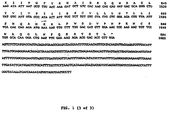
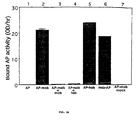
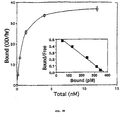


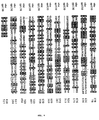
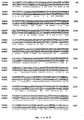


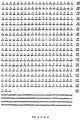
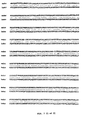


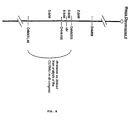


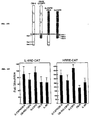
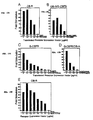
Classifications
-
- C—CHEMISTRY; METALLURGY
- C07—ORGANIC CHEMISTRY
- C07K—PEPTIDES
- C07K14/00—Peptides having more than 20 amino acids; Gastrins; Somatostatins; Melanotropins; Derivatives thereof
- C07K14/435—Peptides having more than 20 amino acids; Gastrins; Somatostatins; Melanotropins; Derivatives thereof from animals; from humans
- C07K14/705—Receptors; Cell surface antigens; Cell surface determinants
- C07K14/715—Receptors; Cell surface antigens; Cell surface determinants for cytokines; for lymphokines; for interferons
-
- A—HUMAN NECESSITIES
- A61—MEDICAL OR VETERINARY SCIENCE; HYGIENE
- A61K—PREPARATIONS FOR MEDICAL, DENTAL OR TOILETRY PURPOSES
- A61K38/00—Medicinal preparations containing peptides
-
- C—CHEMISTRY; METALLURGY
- C07—ORGANIC CHEMISTRY
- C07K—PEPTIDES
- C07K2319/00—Fusion polypeptide
Definitions
- the present invention relates to the discovery, identification and characterization of nucleotides that encode Ob receptor (ObR), a receptor protein that participates in mammalian body weight regulation.
- the invention encompasses obR nucleotides, host cell expression systems, ObR proteins, fusion proteins, polypeptides and peptides, antibodies to the receptor, and methods for identifying antagonists and agonists of the receptor, and other compounds that modulate obR gene expression or ObR activity that can be used for diagnosis, drug screening, clinical trial monitoring, and/or use thereof in the treatment of body weight disorders, including but not limited to obesity, cachexia and anorexia.
- Obesity represents the most prevalent of body weight disorders, and it is the most important nutritional disorder in the western world, with estimates of its prevalence ranging from 30% to 50% within the middle-aged population.
- Other body weight disorders such as anorexia nervosa and bulimia nervosa which together affect approximately 0.2% of the female population of the western world, also pose serious health threats.
- disorders as anorexia and cachexia (wasting) are also prominent features of other diseases such as cancer, cystic fibrosis, and AIDS.
- Obesity defined as an excess of body fat relative to lean body mass, also contributes to other diseases. For example, this disorder is responsible for increased incidences of diseases such as coronary artery disease, stroke, and diabetes. (See, e.g. , Nishina, P.M. et al., 1994, Metab. 43:554-558 .) Obesity is not merely a behavioral problem, i.e. , the result of voluntary hyperphagia. Rather, the differential body composition observed between obese and normal subjects results from differences in both metabolism and neurologic/metabolic interactions. These differences seem to be, to some extent, due to differences in gene expression, and/or level of gene products or activity ( Friedman, J.M. et al., 1991, Mammalian Gene 1:130-144 ).
- PWS Prader-Willi syndrome
- mice models For reviews, see e.g. , Friedman, J.M. et al., 1991, Mamm. Gen. 1:130-144 ; Friedman, J.M. and Liebel, R.L., 1992, Cell 69:217-220 .)
- mice have confirmed that obesity is a very complex trait with a high degree of heritability. Mutations at a number of loci have been identified which lead to obese phenotypes. These include the autosomal recessive mutations obese ( ob ), diabetes ( db ), fat ( fat ) and tubby ( tub ). In addition, the autosomal dominant mutations Yellow at the agouti locus and Adipose ( Ad ) have been shown to contribute to an obese phenotype.
- the ob and db mutations are on chromosomes 6 and 4, respectively, but lead to a complex, clinically similar phenotype of obesity, evident starting at about one month of age, which includes hyperphagia, severe abnormalities in glucose and insulin metabolism, very poor thermoregulation and non-shivering thermogenesis, and extreme torpor and underdevelopment of the lean body mass.
- This complex phenotype has made it difficult to identify the primary defect attributable to the mutations ( Bray G.A., et al., 1989 Amer. J. Clin. Nutr. 5:891-902 ).
- the db gene has been mapped to midchromosome 4 ( Friedman et al., 1991, Mamm. Gen. 1:130-144 ).
- the mutation maps to a region of the mouse genome that is syntonic with human, suggesting that, if there is a human homolog of db , it is likely to map to human chromosome 1p.
- the ob gene and its human homologue have recently been cloned ( Zhang, Y. et al., 1994, Nature 372:425-432 ).
- the gene appears to produce a 4.5 kb adipose tissue messenger RNA which contains a 167 amino acid open reading frame.
- the predicted amino acid sequence of the ob gene product indicates that it is a secreted protein and may, therefore, play a role as part of a signalling pathway from adipose tissue which may serve to regulate some aspect of body fat deposition.
- the fat mutation has been mapped to mouse chromosome 8, while the tub mutation has been mapped to mouse chromosome 7. According to Naggert et al., the fat mutation has recently been identified ( Naggert, J.K., et al., 1995, Nature Genetics 10:135-141 ). Specifically, the fat mutation appears to be a mutation within the Cpe locus, which encodes the carboxypeptidase (Cpe) E protein. Cpe is an exopeptidase involved in the processing of prohormones, including proinsulin.
- the dominant Yellow mutation at the agouti locus causes a pleiotropic syndrome which causes moderate adult onset obesity, a yellow coat color, and a high incidence of tumor formation ( Herberg, L. and Coleman, D.L., 1977, Metabolism 26:59 ), and an abnormal anatomic distribution of body fat ( Coleman, D.L., 1978, Diabetologia 14:141-148 ).
- This mutation may represent the only known example of a pleiotropic mutation that causes an increase, rather than a decrease, in body size.
- the mutation causes the widespread expression of a protein which is normally seen only in neonatal skin ( Michaud, E.J. et al., 1994, Genes Devel. 8:1463-1472 ).
- fa/fa ( fatty ) rats which bear many similarities to the ob/ob and db/db mice, discussed above.
- fa/fa rats are very sensitive to cold, their capacity for non-shivering thermogenesis is normal. Torpor seems to play a larger part in the maintenance of obesity in fa/fa rats than in the mice mutants.
- inbred mouse strains such as NZO mice and Japanese KK mice are moderately obese. Certain hybrid mice, such as the Wellesley mouse, become spontaneously fat. Further, several desert rodents, such as the spiny mouse, do not become obese in their natural habitats, but do become so when fed on standard laboratory feed.
- VMH ventromedial hypothalamus
- VLH ventrolateral hypothalamus
- MSG monosodium-glutamate
- Au gold thioglucose
- Each of the rodent obesity models is accompanied by alterations in carbohydrate metabolism resembling those in Type II diabetes in man.
- congenic C57BL/KS mice develop a severe diabetes with ultimate ⁇ cell necrosis and islet atrophy, resulting in a relative insulinopenia
- congenic C57BL/6J ob and db mice develop a transient insulin-resistant diabetes that is eventually compensated by ⁇ cell hypertrophy resembling human Type II diabetes.
- mice With respect to ob and db mice, the phenotype of these mice resembles human obesity in ways other than the development of diabetes, in that the mutant mice eat more and expend less energy than do lean controls (as do obese humans). This phenotype is also quite similar to that seen in animals with lesions of the ventromedial hypothalamus, which suggests that both mutations may interfere with the ability to properly integrate or respond to nutritional information within the central nervous system. Support for this hypothesis comes from the results of parabiosis experiments ( Coleman, D.L. 1973, Diabetologica 9:294-298 ) that suggest ob mice are deficient in a circulating satiety factor and that db mice are resistant to the effects of the ob factor. These experiments have led to the conclusion that obesity in these mutant mice may result from different defects in an afferent loop and/or integrative center of the postulated feedback mechanism that controls body composition.
- obesity which poses a major, worldwide health problem, represents a complex, highly heritable trait.
- severity, prevalence and potential heterogeneity of such disorders there exists a great need for the identification of those genes and gene products that participate in the control of body weight.
- the present invention relates to the discovery, identification and characterization of nucleotides that encode Ob receptor (ObR), a novel receptor protein that participates in the control of mammalian body weight.
- ObR described for the first time herein, is a transmembrane protein that spans the cellular membrane once and is involved in signal transduction triggered by the binding of its natural ligand, Ob, also known as leptin.
- ObR has amino acid sequence motifs found in the Class I cytokine receptor family, and is most related to the gp130 signal transducing component of the IL-6 receptor, the G-CSF receptor, and the LIF receptor.
- the ObR mRNA transcript which is about 5 kb long, is expressed in the choroid plexus, the hypothalamus and other tissues, including lung and liver.
- the murine short forms described herein encode receptor proteins of 894 ( FIG. 1 ) and 893 amino acids; murine long form obR cDNAs and human obR cDNAs, described herein, encode receptor proteins of 1162 amino acids and 1165 amino acids, respectively ( FIG. 6 and FIG. 3 , respectively).
- the ObR has a typical hydrophobic leader sequence (about 22 amino acids long in both forms of murine ObR, and about 20 amino acids long in human ObR); an extracellular domain (about 815 amino acids long in both forms of murine ObR, and about 819 amino acids long in human ObR);
- a short transmembrane region (about 23 amino acids long in both forms of murine ObR and human ObR); and a cytoplasmic domain.
- the transcripts encoding the murine ObR short ( FIG. 1 ) and long form ( FIG. 6 ) are identical until the fifth codon 5' of the stop codon of the short form and then diverge completely, suggestive of alternative splicing.
- the cytoplasmic domain encoded by the 894 amino acid murine short form obR cDNA is 34 amino acids, while that encoded by the murine long form obR cDNA (302 amino acids) is approximately the same length as the cytoplasmic domain encoded by the human obR cDNA (303 amino acids).
- the deduced amino acid sequences from murine long form ObR and human ObR are homologous throughout the length of the coding region and share 75% identity ( FIG. 7 ).
- the obese phenotype of the db mouse results from a G ⁇ T transversion in the obR gene.
- This transversion creates a splice donor site which in turn leads to aberrant processing of obR long form mRNA in db mutants.
- this aberrant processing generates long form mRNAs which encode a truncated ObR protein that is identical to the 894 amino acid short form ObR.
- the mutant long form ObR lacks most of the cytoplasmic domain and is incapable of transducing a signal via a STAT mediated pathway.
- the signalling competent long form ObR which is absent in the db / db mice, is required for body weight maintenance.
- the invention encompasses the nucleotide and polypeptide sequences defined in the attached claims, host cells expressing such nucleotides, and the expression products of such nucleotides.
- the invention also encompasses agonists and antagonists of ObR, including mutant Ob proteins that compete with native Ob, and antibodies, as well as nucleotide sequences that can be used to inhibit obR gene expression (e.g. , antisense and ribozyme molecules, and gene or regulatory sequence replacement constructs) or to enhance obR gene expression (e.g. , expression constructs that place the obR gene under the control of a strong promoter system), and non-human transgenic animals that express an obR transgene or "knock-outs" that do not express ObR.
- obR gene expression e.g. , antisense and ribozyme molecules, and gene or regulatory sequence replacement constructs
- enhance obR gene expression e.g. , expression constructs that place the obR gene under the control of a strong promoter system
- non-human transgenic animals that express an obR transgene or "knock-outs" that do not express ObR.
- the present invention also relates to methods for the use of the obR gene and/or obR gene products for the identification of compounds which modulate, i.e. , act as agonists or antagonists, of obR gene expression and or obR gene product activity.
- Such compounds can be used as agents to control body weight and, in particular, as therapeutic agents for the treatment of body weight and body weight disorders, including obesity, cachexia and anorexia.
- the invention encompasses methods and compositions for the treatment of body weight disorders, including obesity, cachexia, and anorexia. Such methods and compositions are capable of modulating the level of obR gene expression and/or the level of obR gene product activity.
- This invention is based, in part, on the surprising discovery, after an extensive survey of numerous cell lines and tissues, of a high affinity receptor for Ob in the choroid plexus of the brain, the identification and cloning of obR cDNA from a library prepared from choroid plexus mRNA, characterization of its novel sequence, mapping the obR gene to the same genetic interval in the mouse genome as the db gene maps, and characterization of the ObR as a transmembrane receptor of the Class I cytokine receptor family.
- obR mRNA was detected in other tissues, including the hypothalamus.
- the full-length ObR expressed predominantly in the hypothalamus signals transduces through activation of STAT proteins and stimulation of transcription through IL-6 responsive gene elements.
- the ability of the full-length long form ObR to signal is in contrast to the naturally occurring truncated form or the mutant form found in db/db mice which are unable to mediate signal transduction.
- the invention also includes forms of ObR lacking one or another of the intracellular domains important for signalling and induction of gene expression.
- ObR is a novel receptor protein that participates in body weight regulation.
- ObR is a transmembrane protein that spans the membrane once and belongs to the Class I family of cytokine receptors, and is most closely related to the gp130 signal transducing component of the IL-6 receptor, the G-CSF receptor, and the LIF receptor. Signal transduction is triggered by the binding of Ob to the receptor. Neutralization of Ob, removal of Ob, or interference with its binding to ObR results in weight gain.
- ObR mRNA is detected in the choroid plexus, and other tissues, including the hypothalamus.
- the invention encompasses the use of obR nucleotides, ObR proteins and peptides, as well as antibodies to the ObR (which can, for example, act as ObR agonists or antagonists), antagonists that inhibit receptor activity or expression, or agonists that activate receptor activity or increase its expression in the diagnosis and treatment of body weight disorders, including, but not limited to obesity, cachexia and anorexia in animals, including humans.
- the diagnosis of an ObR abnormality in a patient, or an abnormality in the ObR signal transduction pathway will assist in devising a proper treatment or therapeutic regimen.
- obR nucleotides and ObR proteins are useful for the identification of compounds effective in the treatment of body weight disorders regulated by the ObR.
- the invention described in the subsections below encompasses nucleotide and polypeptide sequences, vectors, and host cell expression systems .
- the invention also features Ob receptors having an amino acid sequence that is substantially identical to a defined amino acid sequence.
- substantially identical is meant a polypeptide or nucleic acid having a sequence that is at least 85%, preferably 90%, and more preferably 95% or more identical to the sequence of the reference amino acid or nucleic acid sequence.
- the length of the reference polypeptide sequence will generally be at least 16 amino acids, preferably at least 20 amino acids, more preferably at least 25 amino acids, and most preferably 35 amino acids.
- the length of the reference nucleic acid sequence will generally be at least 50 nucleotides, preferably at least 60 nucleotides, more preferably at least 75 nucleotides, and most preferably 110 nucleotides.
- Sequence identity can be measured using sequence analysis software (e.g., Sequence Analysis Software Package of the Genetics Computer Group, University of Wisconsin Biotechnology center, 1710 University Avenue, Madison, WI 53705).
- non-identical positions are preferably, but not necessarily, conservative substitutions for the reference sequence.
- Conservative substitutions typically include substitutions within the following groups: glycine and alanine; valine, isoleucine, and leucine; aspartic acid and glutamic acid; asparagine and glutamine; serine and threonine; lysine and arginine; and phenylalanine and tyrosine.
- a particular polypeptide is said to have a specific percent identity to a reference polypeptide of a defined length, the percent identity is relative to the reference peptide.
- a peptide that is 50% identical to a reference polypeptide that is 100 amino acids long can be a 50 amino acid polypeptide that is completely identical to a 50 amino acid long portion of the reference polypeptide. It might also be a 100 amino acid long polypeptide which is 50% identical to the reference polypeptide over its entire length.
- many other polypeptides will meet the same criteria.
- the invention also encompasses antibodies and anti-idiotypic antibodies (including Fab fragments), antagonists and agonists of the ObR, as well as compounds or nucleotide constructs that inhibit expression of the obR gene (transcription factor inhibitors, antisense and ribozyme molecules, or gene or regulatory sequence replacement constructs), or promote expression of ObR (e.g. , expression constructs in which obR coding sequences are operatively associated with expression control elements such as promoters, promoter/enhancers, etc.).
- the invention also relates to host cells genetically engineered to express the human ObR (or mutants thereof) or to inhibit or "knock-out" expression of an animal's endogenous ObR.
- the ObR proteins or peptides, ObR fusion proteins, obR nucleotide sequences, antibodies, antagonists and agonists can be useful for the detection of mutant ObRs or inappropriately expressed ObRs for the diagnosis of body weight disorders such as obesity, anorexia or cachexia.
- the ObR proteins or peptides, ObR fusion proteins, obR nucleotide sequences, host cell expression systems, antibodies, antagonists, agonists and genetically engineered cells and non-human animals can be used for screening for drugs effective in the treatment of such body weight disorders.
- the use of engineered host cells and/or non-human animals may offer an advantage in that such systems allow not only for the identification of compounds that bind to the ECD of the ObR, but can also identify compounds that affect the signal transduced by the activated ObR.
- ObR protein products especially soluble derivatives such as peptides corresponding to the ObR ECD, or truncated polypeptides lacking the TM domain
- fusion protein products especially ObR-Ig fusion proteins, i.e. , fusions of the ObR or a domain of the ObR, e.g. , ECD, ⁇ TM to an IgFc
- antibodies and anti-idiotypic antibodies including Fab fragments
- antagonists or agonists including compounds that modulate signal transduction which may act on downstream targets in the ObR signal transduction pathway
- soluble ObR ECD soluble ObR ECD
- ⁇ TM ObR or an ECD-IgFc fusion protein or an anti-idiotypic antibody (or its Fab) that mimics the ObR ECD would "mop up” or “neutralize” endogenous Ob, and prevent or reduce binding and receptor activation, leading to weight gain.
- Nucleotide constructs encoding such ObR products can be used to genetically engineer host cells to express such ObR products in vivo ; these genetically engineered cells function as "bioreactors" in the body delivering a continuous supply of the ObR, ObR peptide, soluble ECD or ⁇ TM or ObR fusion protein that will "mop up” or neutralize Ob.
- Nucleotide constructs encoding functional ObRs, mutant ObRs, as well as antisense and ribozyme molecules can be used in "gene therapy” approaches for the modulation of ObR expression and/or activity in the treatment of body weight disorders.
- the invention is based, in part, on the surprising discovery of a high affinity receptor for Ob expressed at significant concentration in the choroid plexus.
- This discovery was made possible by using a novel alkaline phosphatase/Ob (AP-Ob) fusion protein for in situ staining of cells and tissue. Competition studies with unlabeled Ob confirmed that the in situ binding observed was specific for Ob.
- Murine obR cDNA was identified using AP-Ob fusion protein to screen an expression library of cDNAs synthesized from murine choroid plexus mRNA and transiently transfected into mammalian COS cells. A clone, famj5312, expressing the short form of a high affinity receptor for ob was identified and sequenced.
- obR cDNA and predicted amino acid sequence are novel sequences containing amino acid regions indicating that ObR is a member of the Class I family of receptor proteins. Mapping studies described herein demonstrated that the obR gene maps to the db locus. The data presented herein demonstrate further that the db gene is a mutant obR gene, which expresses an aberrantly spliced obR long form message that encodes a protein identical to the short form murine ObR.
- the famj5312 sequence was utilized to screen a human fetal brain cDNA library, which resulted in the identification of a human obR cDNA clone fahj5312d, described herein.
- Oligonucleotide primers designed on the basis of the human cDNA sequence were used to clone the human genomic DNA clone, h-obR-p87, also described herein.
- mRNA encoding the marine long form of ObR was cloned from murine hypothalamus using degenerate primers designed on the human ObR cytoplasmic domain.
- the cDNA sequence (SEQ. ID. No. 1) and deduced amino acid sequence (SEQ. ID. No. 2) of murine short form (894 amino_acids long) and murine long form ObR are shown in FIGs. 1 and 6 , respectively.
- the signal sequence of both murine short and long form ObR extends from amino acid residue 1 to about 22 of FIGs. 1 and 6 , respectively; the extracellular domain of both forms of murine ObR extends from about amino acid residue number 23 to about 837 of FIGs. 1 and 6 ; the transmembrane domain of both forms of murine ObR extends from about amino acid residue 838 to about 860 of FIGs.
- the cytoplasmic domain of the murine short form ObR extends from about amino acid residue 861 to 894 of FIG. 1 while that of the long form extends from amino acid residue 861 to 1162 of FIG. 6 .
- At least one other short form murine ObR has been identified which is one amino acid shorter ( i.e. , 893 amino acids) than the sequence shown in FIG. 1 .
- the sequence at the C-terminus differs from the sequence shown in FIG. 1 , in that residues 890 - 894 (RTDTL) are not present; and instead, residues 890-893 of the second short form have the following sequence: IMWI.
- the cDNA sequence (SEQ. ID. No:3) and deduced amino acid sequence (SEQ. ID. No:4) of human ObR are shown in FIG. 3 .
- the human ObR signal sequence extends from amino acid residue 1 to about 20 of FIG. 3 ; the extracellular domain of human ObR extends from about amino acid residue 21 to about 839 of FIG. 3 ; the transmembrane domain of human ObR extends from about amino acid residue number 840 to about 862 of FIG. 3 ; and the cytoplasmic domain of human ObR extends from about amino acid residue number 863 to 1165 of FIG. 3 .
- Sequences derived from the human cDNA clone were used to design primers that were used to clone the human genomic obR , h-obR-p87, as described in the examples, infra.
- obR gene maps to the db locus, and that the db gene is a mutant obR gene which is expressed in db mice as an aberrantly spliced transcript resulting in an mRNA species containing an insert of approximately 106 nucleotides (nt) in the portion encoding the cytoplasmic domain of ObR.
- the insert produces a mutation that results in a transcript that encodes a prematurely truncated long form that is identical to murine short form ObR.
- the obR nucleotide sequences of the invention are defined in the appended claims.
- the invention includes a nucleic acid molecule comprising a nucleotide sequence that hybridizes to a nucleic acid molecule having the sequence of the ob receptor encoding portion of the cDNA of clone fahj5312d as deposited with the ATCC, (ATCC No. 69963) under stringent conditions. Stringent conditions are: hybridization to filter-bound DNA in 0.5 M NaHPO 4 , 7% sodium dodecyl sulfate (SDS), 1 mM EDTA at 65°C, and washing in 0.1xSSC/0.1% SDS at 68°c ( Ausubel F.M.
- Nucleic acid molecules preferably DNA molecules, that hybridize to, and are therefore the complements of, the nucleotide sequences in the preceding paragraph are described herein. Such hybridization conditions may be highly stringent or less highly stringent, as described above. In instances wherein the nucleic acid molecules are deoxyoligonucleotides ("oligos"), highly stringent conditions may refer, e.g. , to washing in 6xSSC/0.05% sodium pyrophosphate at 37°C (for 14-base oligos), 48°C (for 17-base oligos), 55°C (for 20-base oligos), and 60°C (for 23-base oligos).
- oligos deoxyoligonucleotides
- nucleic acid molecules may encode or act as obR antisense molecules, useful, for example, in obR gene regulation (for and/or as antisense primers in amplification reactions of obR gene nucleic acid sequences).
- obR gene regulation such techniques can be used to regulate, for example, cachexia and/or anorexia.
- sequences may be used as part of ribozyme and/or triple helix sequences, also useful for obR gene regulation.
- such molecules may be used as components of diagnostic methods whereby, for example, the presence of a particular obR allele responsible for causing a weight disorder, such as obesity, may be detected.
- obR cDNA or gene sequences present in the same species and/or homologs of the obR gene present in other species can be identified and readily isolated, without undue experimentation, by molecular biological techniques well known in the art.
- the identification of homologs of obR in related species can be useful for developing animal model systems more closely related to humans for purposes of drug discovery.
- expression libraries of cDNAs synthesized from choroid plexus mRNA derived from the organism of interest can be screened using labeled Ob derived from that species, e.g. , an AP-Ob fusion protein.
- cDNA libraries or genomic DNA libraries derived from the organism of interest can be screened by hybridization using the nucleotides described herein as hybridization or amplification probes.
- genes at other genetic loci within the genome that encode proteins which have extensive homology to one or more domains of the obR gene product can also be identified via similar techniques.
- screening techniques can identify clones derived from alternatively spliced transcripts in the same or different species.
- the labeled probe can contain at least 15-30 base pairs of the obR nucleotide sequence, as shown in FIG. 1 , 3 or 6 .
- the hybridization washing conditions used should be of a lower stringency when the cDNA library is derived from an organism different from the type of organism from which the labeled sequence was derived.
- hybridization can, for example, be performed at 65°C overnight in Churches buffer (7% SDS, 250 mM NaHPO 4 , 2 ⁇ M EDTA, 1% BSA). Washes can be done with 2XSSC, 0.1% SDS at 65°C and then at 0.1XSSC, 0.1% SDS at 65°C.
- Low stringency conditions are well known to those of skill in the art, and will vary predictably depending on the specific organisms from which the library and the labeled sequences are derived. For guidance regarding such conditions see, for example, Sambrook et al., 1989, Molecular Cloning, A Laboratory Manual, Cold Springs Harbor Press, N.Y .; and Ausubel et al., 1989, Current Protocols in Molecular Biology, Green Publishing Associates and Wiley Interscience, N.Y .
- the labeled obR nucleotide probe may be used to screen a genomic library derived from the organism of interest, again, using appropriately stringent conditions.
- the identification and characterization of human genomic clones is helpful for designing diagnostic tests and clinical protocols for treating body weight disorders in human patients.
- sequences derived from regions adjacent to the intron/exon boundaries of the human gene can be used to design primers for use in amplification assays to detect mutations within the exons, introns, splice sites ( e.g . splice acceptor and/or donor sites), etc., that can be used in diagnostics.
- an obR gene homolog may be isolated from nucleic acid of the organism of interest by performing PCR using two degenerate oligonucleotide primer pools designed on the basis of amino acid sequences within the obR gene product disclosed herein.
- the template for the reaction may be cDNA obtained by reverse transcription of mRNA prepared from, for example, human or non-human cell lines or tissue, such as choroid plexus, known or suspected to express an obR gene allele.
- the PCR product may be subcloned and sequenced to ensure that the amplified sequences represent the sequences of an obR gene.
- the PCR fragment may then be used to isolate a full length cDNA clone by a variety of methods.
- the amplified fragment may be labeled and used to screen a cDNA library, such as a bacteriophage cDNA library.
- the labeled fragment may be used to isolate genomic clones via the screening of a genomic library.
- RNA may be isolated, following standard procedures, from an appropriate cellular or tissue source (i.e. , one known, or suspected, to express the obR gene, such as, for example, choroid plexus or brain tissue).
- a reverse transcription reaction may be performed on the RNA using an oligonucleotide primer specific for the most 5' end of the amplified fragment for the priming of first strand synthesis.
- the resulting RNA/DNA hybrid may then be "tailed" with guanines using a standard terminal transferase reaction, the hybrid may be digested with RNAase H, and second strand synthesis may then be primed with a poly-C primer.
- cDNA sequences upstream of the amplified fragment may easily be isolated.
- the obR gene sequences may additionally be used to isolate mutant obR gene alleles. Such mutant alleles may be isolated from individuals either known or proposed to have a genotype which contributes to the symptoms of body weight disorders such as obesity, cachexia or anorexia. Mutant alleles and mutant allele products may then be utilized in the therapeutic and diagnostic systems described below. Additionally, such obR gene sequences can be used to detect obR gene regulatory (e.g ., promoter or promotor/enhancer) defects which can affect body weight.
- obR gene regulatory e.g ., promoter or promotor/enhancer
- a cDNA of a mutant obR gene may be isolated, for example, by using PCR, a technique which is well known to those of skill in the art.
- the first cDNA strand may be synthesized by hybridizing an oligo-dT oligonucleotide to mRNA isolated from tissue known or suspected to be expressed in an individual putatively carrying the mutant obR allele, and by extending the new strand with reverse transcriptase.
- the second strand of the cDNA is then synthesized using an oligonucleotide that hybridizes specifically to the 5' end of the normal gene.
- the product is then amplified via PCR, cloned into a suitable vector, and subjected to DNA sequence analysis through methods well known to those of skill in the art.
- DNA sequence analysis By comparing the DNA sequence of the mutant obR allele to that of the normal obR allele, the mutation(s) responsible for the loss or alteration of function of the mutant obR gene product can be ascertained.
- a genomic library can be constructed using DNA obtained from an individual suspected of or known to carry the mutant obR allele, or a cDNA library can be constructed using RNA from a tissue known, or suspected, to express the mutant obR allele.
- the normal obR gene or any suitable fragment thereof may then be labeled and used as a probe to identify the corresponding mutant obR allele in such libraries.
- Clones containing the mutant obR gene sequences may then be purified and subjected to sequence analysis according to methods well known to those of skill in the art.
- an expression library can be constructed utilizing cDNA synthesized from, for example, RNA isolated from a tissue known, or suspected, to express a mutant obR allele in an individual suspected of or known to carry such a mutant allele.
- gene products made by the putatively mutant tissue may be expressed and screened using standard antibody screening techniques in conjunction with antibodies raised against the normal obR gene product, as described, below, in Section 5.3. (For screening techniques, see, for example, Harlow, E.
- screening can be accomplished by screening with labeled Ob fusion proteins, such as, for example, AP-Ob or Ob-AP fusion proteins.
- labeled Ob fusion proteins such as, for example, AP-Ob or Ob-AP fusion proteins.
- AP-Ob or Ob-AP fusion proteins such as, for example, AP-Ob or Ob-AP fusion proteins.
- a polyclonal set of antibodies to ObR are likely to cross-react with the mutant ObR gene product.
- Library clones detected via their reaction with such labeled antibodies can be purified and subjected to sequence analysis according to methods well known to those of skill in the art.
- the invention also encompasses nucleotide sequences that encode mutant ObRs, peptide fragments of the ObR, truncated ObRs, and ObR fusion proteins. These are defined in the appended claims.
- Nucleotides encoding fusion proteins may include but are not limited to full length ObR, truncated ObR or peptide fragments of ObR fused to an unrelated protein or peptide, such as for example, a transmembrane sequence, which anchors the ObR ECD to the cell membrane; an Ig Fc domain which increases the stability and half life of the resulting fusion protein (e.g. , ObR-Ig) in the bloodstream; or an enzyme, fluorescent protein, luminescent protein which can be used as a marker.
- the invention also encompasses (a) DNA vectors that contain any of the foregoing ObR coding sequences and/or their complements ( i.e. , antisense); (b) DNA expression vectors that contain any of the foregoing ObR coding sequences operatively associated with a regulatory element that directs the expression of the coding sequences; and (c) genetically engineered host cells that contain any of the foregoing ObR coding sequences operatively associated with a regulatory element that directs the expression of the coding sequences in the host cell.
- regulatory elements include but are not limited to inducible and non-inducible promoters, enhancers, operators and other elements known to those skilled in the art that drive and regulate expression.
- Such regulatory elements include but are not limited to the cytomegalovirus hCMV immediate early gene, the early or late promoters of SV40 adenovirus, the lac system, the trp system, the TAC system, the TRC system, the major operator and promoter regions of phage A, the control regions of fd coat protein, the promoter for 3-phosphoglycerate kinase, the promoters of acid phosphatase, and the promoters of the yeast ⁇ -mating factors.
- ObR protein, polypeptides and peptide fragments, mutated, truncated or deleted forms of the ObR and/or ObR fusion proteins can be prepared for a variety of uses, including but not limited to the generation of antibodies, as reagents in diagnostic assays, the identification of other cellular gene products involved in the regulation of body weight, as reagents in assays for screening for compounds that can be used in the treatment of body weight disorders, and as pharmaceutical reagents useful in the treatment of body weight disorders related to the ObR.
- FIGs. 1 and 6 show the amino acid sequence of a murine short form and long form ObR protein, respectively.
- the signal sequence extends from amino acid 1 to about 22; the ECD extends from about amino acid 23 to about 837; and the TM extends from about amino acid 838 to about 860.
- the CD extends from about amino acid 861 to about 894 (or to 893 in the second short form), while in the long form it extends from about amino acid 861 to 1162.
- FIG. 3 shows the amino acid sequence of a human ObR.
- the signal sequence extends from amino acid residue 1 to about 20; the ECD extends from about amino acid residue 21 to about 839; the TM extends from about amino acid residue 840 to about 862; and the CD extends from about amino acid residue 863 to 1165.
- the ObR sequence begins with a methionine in a DNA sequence context consistent with a translation initiation site, followed by a typical hydrophobic signal sequence of peptide secretion.
- the predicted mature extracellular domain for both forms of murine ObR is identical and is 815 amino acids long, whereas the ECD predicted for human ObR is 819 amino acids long.
- the extracellular domain of ObR shows many features of the class I cytokine receptor family (reviewed in Heldin, 1995, Cell 80:213-223 ), and is most closely related to the gp130 signal transducing component of the IL-6 receptor ( Taga et al., 1989, Cell 58:573-581 ), the G-CSF receptor ( Fukunaga et al., 1990, Cell 61:341-350 ), and the LIF receptor ( Gearing et al., 1991, Science 255:1434-1437 ).
- the data presented herein demonstrate that the long form ObR signals through activation of STAT proteins -- a hallmark of the signal transduction pathway mediated by the IL-6 type cytokine receptor family.
- FIG. 4 An alignment between the extracellular domains of the murine ObR and gp130 is shown in FIG. 4 . Although the overall amino acid sequence identity between these two molecules is low (24%), the characteristically conserved cysteine residues, the Trp-Ser-X-Trp-Ser motif (amino acid residues 317-321 and 620-624 in the murine sequence shown in FIG. 1 ; amino acid residues 319-323 and 622-626 in the human sequence shown in FIG. 3 ), and conservation of other residues within this group of proteins (reviewed in Kishimoto et al., 1994, Cell 76:253-262 ) is clearly evident.
- the amino acid sequences of murine short form ObR and human ObR are highly homologous throughout the length of murine short form ObR ( FIG. 5 ).
- the deduced amino acid sequence identity between the murine short form and human clones (78%) is the same or greater than that seen when comparing the murine and human forms of gp130 ( Saito et al., 1992, J. Immunol. 148:4066-4071 ), the LIF receptor ( Gough et al., 1988, Proc. Natl. Acad. Sci. 85:2623-2627 ), and the G-CSF receptor ( Fukanaga et al., 1990, Proc. Natl. Acad. Sci. 87:8702-8706 ).
- the deduced amino acid sequences from murine and human long forms of ObR are homologous throughout the length of the coding region and share 75% identity ( FIG. 7 ).
- N-linked glycosylation sites i.e. , amino acid sequence motif N-X-S or N-X-T
- At least twenty potential N-linked glycosylation sites can be identified in the murine ObR ECD sequence shown in FIGs. 1 and 6 (see tripeptide motifs starting at amino acid residues 23, 41, 56, 73, 81, 98, 187, 206, 276, 347, 397, 433, 516, 624, 659, 670, 688, 697, 728, and 750); whereas at least sixteen potential N-linked glycosylation sites can be identified in the human ObR ECD sequence shown in FIG.
- the murine cDNA shown in FIG. 1 encodes a short cytoplasmic domain (34 amino acids).
- Amino acids 5-24 of the murine ObR cytoplasmic domain i.e. , amino acid residues 865 to 884 in FIG. 1
- the human cDNA encodes a protein with a much longer intracellular domain than murine short form ObR.
- murine short form and human intracellular domains are highly conserved up to the final five residues of murine short form ObR, the human intracellular domain continues to a length similar to that of gp130.
- the nucleotide sequences of the murine short form and human clones are also very similar throughout the coding region of murine short form ObR, but then diverge completely near the murine short form ObR stop codon.
- the short cytoplasmic domain of the murine short form cDNAs described herein is characteristic of several class I cytokine receptor polypeptides (reviewed in Kishimoto et al., 1994, Cell 76:253-262 ).
- the results reported herein demonstrate that the short form ObR does not activate signal transduction via the STAT pathway which is mediated by the long form ObR.
- the three receptors to which ObR shows the strongest homology all have long cytoplasmic domains important in intracellular signaling. This opened the possibility that the murine short form ObR clone isolated was chimeric or encoded a rare aberrantly spliced form not representing the major form expressed within the choroid plexus.
- the isolated murine short form clone is neither chimeric nor a rare aberrant splice event, but rather is likely to be the predominant form of this receptor in the murine choroid plexus.
- the data presented herein indicate that in some tissues, alternatively spliced forms of mouse ObR exist with longer intracellular domains (the long form); i.e. , the wild-type obR gene is expressed in two forms, one mRNA transcript having an insert of about 100 nucleotides encodes ObR having a short cytoplasmic domain, and another mRNA transcript encodes ObR having a long cytoplasmic domain that is homologous to the human CD.
- the murine cDNA shown in FIG. 6 encodes the long form ObR.
- the amino acids encoding the ECD and TM of the murine long form ObR are identical to those for the murine short form.
- the murine long form cDNA encodes a cytoplasmic domain (302 amino acids) that is approximately the same length as the cytoplasmic domain encoded by the human ObR cDNA.
- the ObR encoded by the nucleotide sequence of the murine long form continues to be similar to that of the human ObR throughout the cytoplasmic domain.
- db is a mutant of the long form murine obR gene.
- the db mutant expresses an aberrantly spliced transcript containing an insert of about 106 nucleotides in the portion of the mRNA encoding the CD.
- the transcript is long, the inserted sequence produces a mutation that results in a transcript that encodes a truncated ObR protein that is identical to the short forms of ObR and therefore, lacks most of the CD.
- the data shown herein demonstrate that, unlike the long form ObR, the short form ObR, i.e. , the form of the receptor associated with the obese phenotype in db/db mice, does not transduce signal mediated by the STAT pathway. Therefore, it appears that the signalling-competent long form ObR is actively involved in body weight regulation and maintenance.
- RNA for several major ObR forms have been identified.
- the predominant ObR mRNA found in most tissues encodes a transmembrane protein with a short cytoplasmic domain of 34 amino acid residues referred to as the short form.
- an obR mRNA exists which encodes a protein with an identical extracellular domain as the short form, but with a 302 residue-long cytoplasmic domain, referred to as the long form.
- the db mutation leads to the production of an aberrant splice product of long form transcript, resulting in a protein with truncated cytoplasmic domain.
- the mRNA for the long form of ObR in the db / db mice encodes a protein with an identical structure to the naturally occurring short form.
- the loss of this carboxyterminal region is proposed to render the ObR inactive and is predicted to generate the obese phenotype in db / db mice.
- the invention encompasses proteins that are functionally equivalent to the ObR encoded by the nucleotide sequences described in Section 5.1, as judged by any of a number of criteria, including but not limited to the ability to bind Ob, the binding affinity for Ob, the resulting biological effect of Ob binding, e.g. , signal transduction, a change in cellular metabolism (e.g. , ion flux, tyrosine phosphorylation) or change in phenotype when the ObR equivalent is present in an appropriate cell type (such as the amelioration, prevention or delay of the obese phenotype, i.e. , the db or ob phenotype), or weight loss.
- a change in cellular metabolism e.g. , ion flux, tyrosine phosphorylation
- phenotype when the ObR equivalent is present in an appropriate cell type (such as the amelioration, prevention or delay of the obese phenotype, i.e. , the db or ob
- Such functionally equivalent ObR proteins include but are not limited to additions or substitutions of amino acid residues within the amino acid sequence encoded by the obR nucleotide sequences described, above, in Section 5.1, but which result in a silent change, thus producing a functionally equivalent gene product.
- Amino acid substitutions may be made on the basis of similarity in polarity, charge, solubility, hydrophobicity, hydrophilicity, and/or the amphipathic nature of the residues involved.
- nonpolar (hydrophobic) amino acids include alanine, leucine, isoleucine, valine, proline, phenylalanine, tryptophan, and methionine;
- polar neutral amino acids include glycine, serine, threonine, cysteine, tyrosine, asparagine, and glutamine;
- positively charged (basic) amino acids include arginine, lysine, and histidine; and negatively charged (acidic) amino acids include aspartic acid and glutamic acid.
- While random mutations can be made to obR DNA (using random mutagenesis techniques well known to those skilled in the art) and the resulting mutant ObRs tested for activity, site-directed mutations of the obR coding sequence can be engineered (using site-directed mutagenesis techniques well known to those skilled in the art) to generate mutant ObRs with increased function, e.g., higher binding affinity for Ob, and/or greater signalling capacity; or decreased function, e.g., lower binding affinity for Ob, and/or decreased signal transduction capacity.
- FIG. 5 the alignment of mouse short form ObR ( FIG. 1 ) and the human ObR homolog ( FIG. 3 ) is shown in FIG. 5 in which identical amino acid residues are indicated by a star.
- Mutant ObRs can be engineered so that regions of identity (indicated by stars in FIG. 5 ) are maintained, whereas the variable residues (unstarred in FIG. 5 ) are altered, e.g., by deletion or insertion of an amino acid residue(s) or by substitution of one or more different amino acid residues.
- Conservative alterations at the variable positions can be engineered in order to produce a mutant ObR that retains function; e.g., Ob binding affinity or signal transduction capability or both.
- Non-conservative changes can be engineered at these variable positions to alter function, e.g., Ob binding affinity or signal transduction capability, or both.
- deletion or non-conservative alterations of the conserved regions i.e ., identical amino acids indicated by stars in FIG. 5
- deletion or non-conservative alterations (substitutions or insertions) of the CD e.g., amino acid residues 861-894 ( FIG. 1 ) of murine obR, or amino acid residues 863-1165 ( FIG. 3 ) of human ObR, or portions of the CD, e.g., amino acid residues 861-884 ( FIG.
- FIG. 4 shows the alignment of the ECD of murine ObR with human gp130, in which identical residues are indicated in black, and conservative changes are indicated in grey.
- regions of identity and conservation are important for maintaining tertiary structure of the ECD, whereas the variable regions may contribute to specificity of each receptor for its ligand. Therefore, ObR mutants with altered binding affinity for Ob may be engineered by altering the variable regions shown in FIG. 4 .
- Such ObR mutants can be designed so as to preserve the ObR amino acid sequences that are boxed in FIG. 4 (both black and grey boxes) or to contain one or more conservative substitutions derived from the gp130 sequence shown in the grey boxes of FIG. 4 .
- obR coding sequence can be made to generate ObRs that are better suited for expression, scale up, etc. in the host cells chosen.
- cysteine residues can be deleted or substituted with another amino acid in order to eliminate disulfide bridges; N-linked glycosylation sites can be altered or eliminated to achieve, for example, expression of a homogeneous product that is more easily recovered and purified from yeast hosts which are known to hyperglycosylate N-linked sites.
- ObR e.g ., ECD, TM or CD
- truncated or deleted ObRs e.g ., ObR in which the TM and/or CD is deleted
- fusion proteins in which the full length ObR, an ObR peptide or truncated ObR is fused to an unrelated protein
- Such fusion proteins include but are not limited to IgFc fusions which stabilize the ObR protein or peptide and prolong half-life in vivo ; or fusions to any amino acid sequence that allows the fusion protein to be anchored to the cell membrane, allowing the ECD to be exhibited on the cell surface; or fusions to an enzyme, fluorescent protein, or luminescent protein which provide a marker function.
- ObR polypeptides and peptides can be chemically synthesized (e.g. , see Creighton, 1983, Proteins: Structures and Molecular Principles, W.H. Freeman & Co., N.Y .), large polypeptides derived from the ObR and the full length ObR itself may advantageously be produced by recombinant DNA technology using techniques well known in the art for expressing nucleic acid containing obR gene sequences and/or coding sequences. Such methods can be used to construct expression vectors containing the obR nucleotide sequences described in Section 5.1 and appropriate transcriptional and translational control signals.
- RNA capable of encoding obR nucleotide sequences may be chemically synthesized using, for example, synthesizers. See, for example, the techniques described in " oligonucleotide Synthesis", 1984, Gait, M.J. ed., IRL Press, Oxford .
- a variety of host-expression vector systems may be utilized to express the obR nucleotide sequences of the invention.
- the ObR peptide or polypeptide is a soluble derivative (e.g. , ObR peptides corresponding to the ECD; truncated or deleted ObR in which the TM and/or CD are deleted)
- the peptide or polypeptide can be recovered from the culture, i.e., from the host cell in cases where the ObR peptide or polypeptide is not secreted, and from the culture media in cases where the ObR peptide or polypeptide is secreted by the cells.
- the expression systems also encompass engineered host cells that express the ObR or functional equivalents in situ , i.e., anchored in the cell membrane. Purification or enrichment of the ObR from such expression systems can be accomplished using appropriate detergents and lipid micelles and methods well known to those skilled in the art. However, such engineered host cells themselves may be used in situations where it is important not only to retain the structural and functional characteristics of the ObR, but to assess biological activity, e.g., in drug screening assays.
- the expression systems that may be used for purposes of the invention include but are not limited to microorganisms such as bacteria (e.g. , E. coli, B. subtilis) transformed with recombinant bacteriophage DNA, plasmid DNA or cosmid DNA expression vectors containing obR nucleotide sequences; yeast (e.g ., Saccharomyces, Pichia) transformed with recombinant yeast expression vectors containing the obR nucleotide sequences; insect cell systems infected with recombinant virus expression vectors (e.g.
- microorganisms such as bacteria (e.g. , E. coli, B. subtilis) transformed with recombinant bacteriophage DNA, plasmid DNA or cosmid DNA expression vectors containing obR nucleotide sequences; yeast (e.g ., Saccharomyces, Pichia) transformed with recombinant yeast expression vectors containing the obR nu
- baculovirus containing the obR sequences
- plant cell systems infected with recombinant virus expression vectors e.g ., cauliflower mosaic virus, CaMV; tobacco mosaic virus, TMV
- recombinant plasmid expression vectors e.g ., Ti plasmid
- mammalian cell systems e.g ., COS, CHO, BHK, 293, 3T3 harboring recombinant expression constructs containing promoters derived from the genome of mammalian cells (e.g ., metallothionein promoter) or from mammalian viruses (e.g ., the adenovirus late promoter; the vaccinia virus 7.5K promoter).
- a number of expression vectors may be advantageously selected depending upon the use intended for the obR gene product being expressed. For example, when a large quantity of such a protein is to be produced, for the generation of pharmaceutical compositions of ObR protein or for raising antibodies to the ObR protein, for example, vectors which direct the expression of high levels of fusion protein products that are readily purified may be desirable.
- vectors include, but are not limited, to the E. coli expression vector pUR278 ( Ruther et al., 1983, EMBO J.
- pGEX vectors may also be used to express foreign polypeptides as fusion proteins with glutathione S-transferase (GST).
- fusion proteins are soluble and can easily be purified from lysed cells by adsorption to glutathione-agarose beads followed by elution in the presence of free glutathione.
- the PGEX vectors are designed to include thrombin or factor Xa protease cleavage sites so that the cloned target gene product can be released from the GST moiety.
- Autographa california nuclear polyhidrosis virus (AcNPV) is used as a vector to express foreign genes.
- the virus grows in Spodoptera frugiperda cells.
- the obR gene coding sequence may be cloned individually into non-essential regions (for example the polyhedrin gene) of the virus and placed under control of an AcNPV promoter (for example the polyhedrin promoter). Successful insertion of obR gene coding sequence will result in inactivation of the polyhedrin gene and production of non-occluded recombinant virus (i.e., virus lacking the proteinaceous coat coded for by the polyhedrin gene).
- a number of viral-based expression systems may be utilized.
- the obR nucleotide sequence of interest may be ligated to an adenovirus transcription/translation control complex, e.g ., the late promoter and tripartite leader sequence.
- This chimeric gene may then be inserted in the adenovirus genome by in vitro or in vivo recombination. Insertion in a non-essential region of the viral genome (e.g.
- region E1 or E3 will result in a recombinant virus that is viable and capable of expressing the obR gene product in infected hosts .- ( E.g ., See Logan & Shenk, 1984, Proc. Natl. Acad. Sci. USA 81:3655-3659 ).
- Specific initiation signals may also be required for efficient translation of inserted obR nucleotide sequences. These signals include the ATG initiation codon and adjacent sequences. In cases where an entire obR gene or cDNA, including its own initiation codon and adjacent sequences, is inserted into the appropriate expression vector, no additional translational control signals may be needed.
- exogenous translational control signals including, perhaps, the ATG initiation codon
- the initiation codon must be in phase with the reading frame of the desired coding sequence to ensure translation of the entire insert.
- exogenous translational control signals and initiation codons can be of a variety of origins, both natural and synthetic. The efficiency of expression may be enhanced by the inclusion of appropriate transcription enhancer elements, transcription terminators, etc. (See Bittner et al., 1987, Methods in Enzymol. 153:516-544 ).
- a host cell strain may be chosen which modulates the expression of the inserted sequences, or modifies and processes the gene product in the specific fashion desired. Such modifications (e.g. , glycosylation) and processing (e.g. , cleavage) of protein products may be important for the function of the protein.
- Different host cells have characteristic and specific mechanisms for the post-translational processing and modification of proteins and gene products. Appropriate cell lines or host systems can be chosen to ensure the correct modification and processing of the foreign protein expressed.
- eukaryotic host cells which possess the cellular machinery for proper processing of the primary transcript, glycosylation, and phosphorylation of the gene product may be used.
- mammalian host cells include but are not limited to CHO, VERO, BHK, HeLa, COS, MDCK, 293, 3T3, WI38, and in particular, choroid plexus cell lines.
- cell lines which stably express the obR sequences described above may be engineered.
- host cells can be transformed with DNA controlled by appropriate expression control elements (e.g., promoter, enhancer sequences, transcription terminators, polyadenylation sites, etc.), and a selectable marker.
- appropriate expression control elements e.g., promoter, enhancer sequences, transcription terminators, polyadenylation sites, etc.
- engineered cells may be allowed to grow for 1-2 days in an enriched media, and then are switched to a selective media.
- the selectable marker in the recombinant plasmid confers resistance to the selection and allows cells to stably integrate the plasmid into their chromosomes and grow to form foci which in turn can be cloned and expanded into cell lines.
- This method may advantageously be used to engineer cell lines which express the obR gene product. Such engineered cell lines may be particularly useful in screening and evaluation of compounds that affect the endogenous activity of the obR gene product.
- a number of selection systems may be used, including but not limited to the herpes simplex virus thymidine kinase ( Wigler, et al., 1977, Cell 11:223 ), hypoxanthine-guanine phosphoribosyltransferase ( Szybalska &-Szybalski, 1962, Proc. Natl. Acad. Sci. USA 48:2026 ), and adenine phosphoribosyltransferase ( Lowy, et al., 1980, Cell 22:817 ) genes can be employed in tk - , hgprt- or aprt - cells, respectively.
- antimetabolite resistance can be used as the basis of selection for the following genes: dhfr, which confers resistance to methotrexate ( Wigler, et al., 1980, Natl. Acad. Sci. USA 77:3567 ; O'Hare, et al., 1981, Proc. Natl. Acad. Sci. USA 78:1527 ); gpt, which confers resistance to mycophenolic acid ( Mulligan & Berg, 1981, Proc. Natl. Acad. Sci. USA 78:2072 ); neo, which confers resistance to the aminoglycoside G-418 ( Colberre-Garapin, et al., 1981, J. Mol. Biol. 150:1 ); and hygro, which confers resistance to hygromycin ( Santerre, et al., 1984, Gene 30:147 ).
- any fusion protein may be readily purified by utilizing an antibody specific for the fusion protein being expressed.
- a system described by Janknecht et al. allows for the ready purification of non-denatured fusion proteins expressed in human cell lines ( Janknecht, et al., 1991, Proc. Natl. Acad. Sci. USA 88: 8972-8976 ).
- the gene of interest is subcloned into a vaccinia recombination plasmid such that the gene's open reading frame is translationally fused to an amino-terminal tag consisting of six histidine residues. Extracts from cells infected with recombinant vaccinia virus are loaded onto Ni 2+ ⁇ nitriloacetic acid-agarose columns and histidine-tagged proteins are selectively eluted with imidazole-containing buffers.
- the obR gene products can also be expressed in non-human transgenic animals.
- Animals of any species including, but not limited to, mice, rats, rabbits, guinea pigs, pigs, micro-pigs, goats, and non-human primates, e.g. , baboons, monkeys, and chimpanzees may be used to generate obR transgenic animals.
- Any technique known in the art may be used to introduce the obR transgene into animals to produce the founder lines of transgenic animals.
- Such techniques include, but are not limited to pronuclear microinjection ( Hoppe, P.C. and Wagner, -33T.E., 1989, U.S. Pat. No. 4,873,191 ); retrovirus mediated gene transfer into non-human germ lines ( Van der Putten et al., 1985, Proc. Natl. Acad. Sci., USA 82:6148-6152 ); gene targeting in non-human embryonic stem cells ( Thompson et al., 1989, Cell 56:313-321 ); electroporation of non-human embryos ( Lo, 1983, Mol Cell. Biol.
- Transgenic non-human animals may carry the obR transgene in all their cells, as well as animals which carry the transgene in some, but not all their cells, i.e., mosaic animals.
- the transgene may be integrated as a single transgene or in concatamers, e.g., head-to-head tandems or head-to-tail tandems.
- the transgene may also be selectively introduced into and activated in a particular cell type by following, for example, the teaching of Lasko et al. ( Lasko, M. et al., 1992, Proc. Natl. Acad. Sci. USA 89: 6232-6236 ).
- obR gene transgene be integrated into the chromosomal site of the endogenous obR gene
- gene targeting is preferred.
- vectors containing some nucleotide sequences homologous to the endogenous obR gene are designed for the purpose of integrating, via homologous recombination with chromosomal sequences, into and disrupting the function of the nucleotide sequence of the endogenous obR gene.
- the transgene may also be selectively introduced into a particular cell type, thus inactivating the endogenous obR gene in only that cell type, by following, for example, the teaching of Gu et al. ( Gu, et al., 1994, Science 265: 103-106 ).
- the regulatory sequences required for such a cell-type specific inactivation will depend upon the particular cell type of interest, and will be apparent to those of skill in the art.
- the expression of the recombinant obR gene may be assayed utilizing standard techniques. Initial screening may be accomplished by Southern blot analysis or PCR techniques to analyze animal tissues to assay whether integration of the transgene has taken place. The level of mRNA expression of the transgene in the tissues of the transgenic animals may also be assessed using techniques which include but are not limited to Northern blot analysis of tissue samples obtained from the animal, in situ hybridization analysis, and RT-PCR. Samples of obR gene-expressing tissue, may also be evaluated immunocytochemically using antibodies specific for the obR transgene product.
- Antibodies that specifically recognize one or more epitopes of ObR are also encompassed by the invention.
- Such antibodies include but are not limited to polyclonal antibodies, monoclonal antibodies (mAbs), humanized or chimeric antibodies, single chain antibodies, Fab fragments, F(ab') 2 fragments, fragments produced by a Fab expression library, anti-idiotypic (anti-Id) antibodies, and epitope-binding fragments of any of the above.
- the antibodies of the invention may be used, for example, in the detection of the ObR in a biological sample and may, therefore, be utilized as part of a diagnostic or prognostic technique whereby patients may be tested for abnormal amounts of ObR.
- Such antibodies may also be utilized in conjunction with, for example, compound screening schemes, as described, below, in Section 5.5, for the evaluation of the effect of test compounds on expression and/or activity of the obR gene product.
- Such antibodies can be used in conjunction with the gene therapy techniques described, below, in Section 5.6, to, for example, evaluate the normal and/or engineered ObR-expressing cells prior to their introduction into the patient.
- Such antibodies may additionally be used as a method for the inhibition of abnormal ObR activity.
- such antibodies may, therefore, be utilized as part of weight disorder treatment methods.
- ObR an ObR peptide
- TM or CD truncated ObR polypeptides
- Such host animals may include but are not limited to rabbits, mice, and rats, to name but a few.
- adjuvants may be used to increase the immunological response, depending on the host species, including but not limited to Freund's (complete and incomplete), mineral gels such as aluminum hydroxide, surface active substances such as lysolecithin, pluronic polyols, polyanions, peptides, oil emulsions, keyhole limpet hemocyanin, dinitrophenol, and potentially useful human adjuvants such as BCG (bacille Calmette-Guerin) and Corynebacterium parvum.
- BCG Bacille Calmette-Guerin
- Monoclonal antibodies which are homogeneous populations of antibodies to a particular antigen, may be obtained by any technique which provides for the production of antibody molecules by continuous cell lines in culture. These include, but are not limited to, the hybridoma technique of Kohler and Milstein, (1975, Nature 256:495-497 ; and U.S. Patent No. 4,376,110 ), the human B-cell hybridoma technique ( Kosbor et al., 1983, Immunology Today 4:72 ; Cole et al., 1983, Proc. Natl. Acad. Sci. USA 80:2026-2030 ), and the EBV-hybridoma technique ( Cole et al., 1985, Monoclonal Antibodies And Cancer Therapy, Alan R.
- Such antibodies may be of any immunoglobulin class including IgG, IgM, IgE, IgA, IgD and any subclass thereof.
- the hybridoma producing the mAb of this invention may be cultivated in vitro or in vivo. Production of high titers of mAbs in vivo makes this the presently preferred method of production.
- chimeric antibodies Morrison et al., 1984, Proc. Natl. Acad. Sci., 81:6851-6855 ; Neuberger et al., 1984, Nature, 312:604-608 ; Takeda et al., 1985, Nature, 314:452-454 ) by splicing the genes from a mouse antibody molecule of appropriate antigen specificity together with genes from a human antibody molecule of appropriate biological activity can be used.
- a chimeric antibody is a molecule in which different portions are derived from different animal species, such as those having a variable region derived from a murine mAb and a human immunoglobulin constant region.
- Single chain antibodies are formed by linking the heavy and light chain fragments of the Fv region via an amino acid bridge, resulting in a single chain polypeptide.
- Antibody fragments which recognize specific epitopes may be generated by known techniques.
- such fragments include but are not limited to: the F(ab') 2 fragments which can be produced by pepsin digestion of the antibody molecule and the Fab fragments which can be generated by reducing the disulfide bridges of the F(ab') 2 fragments.
- Fab expression libraries may be constructed ( Huse et al., 1989, Science, 246:1275-1281 ) to allow rapid and easy identification of monoclonal Fab fragments with the desired specificity.
- Antibodies to the ObR can, in turn, be utilized to generate anti-idiotype antibodies that "mimic" the ObR, using techniques well known to those skilled in the art. (See, e.g., Greenspan & Bona, 1993, FASEB J 7(5):437-444 ; and Nissinoff, 1991, J. Immunol. 147(8):2429-2438 ).
- antibodies which bind to the ObR ECD and competitively inhibit the binding of Ob to the ObR can be used to generate anti-idiotypes that "mimic" the ECD and, therefore, bind and neutralize Ob.
- Such neutralizing anti-idiotypes or Fab fragments of such anti-idiotypes can be used in therapeutic regimens to neutralize Ob and promote weight gain.
- a variety of methods can be employed for the diagnostic and prognostic evaluation of body weight disorders, including obesity, cachexia and anorexia, and for the identification of subjects having a predisposition to such disorders.
- Such methods may, for example, utilize reagents such as the obR nucleotide sequences described in Section 5.1, and ObR antibodies, as described, in Section 5.3.
- reagents such as the obR nucleotide sequences described in Section 5.1, and ObR antibodies, as described, in Section 5.3.
- such reagents may be used, for example, for: (1) the detection of the presence of obR gene mutations, or the detection of either over- or under-expression of obR mRNA relative to the non-body weight disorder state; (2) the detection of either an over- or an under-abundance of obR gene product relative to the non-body weight disorder state; and (3) the detection of perturbations or abnormalities in the signal transduction pathway mediated by ObR.
- the methods described herein may be performed, for example, by utilizing pre-packaged diagnostic kits comprising at least one specific obR nucleotide sequence or ObR antibody reagent described herein, which may be conveniently used, e.g., in clinical settings, to diagnose patients exhibiting body weight disorder abnormalities.
- any nucleated cell can be used as a starting source for genomic nucleic acid.
- any cell type or tissue in which the obR gene is expressed such as, for example, choroid plexus cells, may be utilized.
- Mutations within the obR gene can be detected by utilizing a number of techniques. Nucleic acid from any nucleated cell can be used as the starting point for such assay techniques, and may be isolated according to standard nucleic acid preparation procedures which are well known to those of skill in the art.
- DNA may be used in hybridization or amplification assays of biological samples to detect abnormalities involving obR gene structure, including point mutations, insertions, deletions and chromosomal rearrangements.
- assays may include, but are not limited to, Southern analyses, single stranded conformational polymorphism analyses (SSCP), and PCR analyses.
- Such diagnostic methods for the detection of obR gene-specific mutations can involve for example, contacting and incubating nucleic acids including recombinant DNA molecules, cloned genes or degenerate variants thereof, obtained from a sample, e.g., derived from a patient sample or other appropriate cellular source, with one or more labeled nucleic acid reagents including recombinant DNA molecules, cloned genes or degenerate variants thereof, as described in Section 5.1, under conditions favorable for the specific annealing of these reagents to their complementary sequences within the obR gene.
- the lengths of these nucleic acid reagents are at least 15 to 30 nucleotides.
- nucleic acid from the cell type or tissue of interest can be immobilized, for example, to a solid support such as a membrane, or a plastic surface such as that on a microtiter plate or polystyrene beads.
- a solid support such as a membrane, or a plastic surface such as that on a microtiter plate or polystyrene beads.
- Detection of the remaining, annealed, labeled obR nucleic acid reagents is accomplished using standard techniques well-known to those in the art.
- the obR gene sequences to which the nucleic acid reagents have annealed can be compared to the annealing pattern expected from a normal obR gene sequence in order to determine whether an obR gene mutation is present.
- Alternative diagnostic methods for the detection of obR gene specific nucleic acid molecules, in patient samples or other appropriate cell sources may involve their amplification, e.g., by PCR (the experimental embodiment set forth in Mullis, K.B., 1987, U.S. Patent No. 4,683,202 ), followed by the detection of the amplified molecules using techniques well known to those of skill in the art.
- the resulting amplified sequences can be compared to those which would be expected if the nucleic acid being amplified contained only normal copies of the obR gene in order to determine whether an obR gene mutation exists.
- genotyping techniques can be performed to identify individuals carrying obR gene mutations. Such techniques include, for example, the use of restriction fragment length polymorphisms (RFLPs), which involve sequence variations in one of the recognition sites for the specific restriction enzyme used.
- RFLPs restriction fragment length polymorphisms
- Caskey et al. (U.S. Pat. No. 5,364,759 ) describe a DNA profiling assay for detecting short tri and tetra nucleotide repeat sequences.
- the process includes extracting the DNA of interest, such as the obR gene, amplifying the extracted DNA, and labelling the repeat sequences to form a genotypic map of the individual's DNA.
- the level of obR gene expression can also be assayed by detecting and measuring obR transcription.
- RNA from a cell type or tissue known, or suspected to express the obR gene, such as brain, especially choroid plexus cells may be isolated and tested utilizing hybridization or PCR techniques such as are described, above.
- the isolated cells can be derived from cell culture or from a patient.
- the analysis of cells taken from culture may be a necessary step in the assessment of cells to be used as part of a cell-based gene therapy technique or, alternatively, to test the effect of compounds on the expression of the obR gene.
- analyses may reveal both quantitative and qualitative aspects of the expression pattern of the obR gene, including activation or inactivation of obR gene expression.
- cDNAs are synthesized from the RNAs of interest (e.g ., by reverse transcription of the RNA molecule into cDNA). A sequence within the cDNA is then used as the template for a nucleic acid amplification reaction, such as a PCR amplification reaction, or the like.
- the nucleic acid reagents used as synthesis initiation reagents (e.g. , primers) in the reverse transcription and nucleic acid amplification steps of this method are chosen from among the obR nucleic acid reagents described in Section 5.1.
- the preferred lengths of such nucleic acid reagents are at least 9-30 nucleotides.
- the nucleic acid amplification may be performed using radioactively or non-radioactively labeled nucleotides.
- enough amplified product may be made such that the product may be visualized by standard ethidium bromide staining or by utilizing any other suitable nucleic acid staining method.
- obR gene expression assays "in situ", i.e., directly upon tissue sections (fixed and/or frozen) of patient tissue obtained from biopsies or resections, such that no nucleic acid purification is necessary.
- Nucleic acid reagents such as those described in Section 5.1 may be used as probes and/or primers for such in situ procedures (See, for example, Nuovo, G.J., 1992, “PCR In Situ Hybridization: Protocols And Applications", Raven Press, NY ).
- Standard Northern analysis can be performed to determine the level of mRNA expression of the obR gene.
- Antibodies directed against wild type or mutant obR gene products or conserved variants or peptide fragments thereof, which are discussed, above, in Section 5.3, may also be used as body weight disorder diagnostics and prognostics, as described herein.
- diagnostic methods may be used to detect abnormalities in the level of obR gene expression, or abnormalities in the structure and/or temporal, tissue, cellular, or subcellular location of the ObR, and may be performed in vivo or in vitro, such as, for example, on biopsy tissue.
- antibodies directed to epitopes of the ObR ECD can be used in vivo to detect the pattern and level of expression of the ObR in the body.
- Such antibodies can be labeled, e.g., with a radio-opaque or other appropriate compound and injected into a subject in order to visualize binding to the ObR expressed in the body using methods such as X-rays, CAT-scans, or MRI.
- Labeled antibody fragments e.g., the Fab or single chain antibody comprising the smallest portion of the antigen binding region, are preferred for this purpose to promote crossing the blood-brain barrier and permit labeling ObRs expressed in the choroid plexus.
- any ObR fusion protein or ObR conjugated protein whose presence can be detected can be administered.
- ObR fusion or conjugated proteins labeled with a radio-opaque or other appropriate compound can be administered and visualized in vivo, as discussed, above for labeled antibodies.
- Ob fusion proteins as AP-Ob on Ob-Ap fusion proteins can be utilized for in vitro diagnostic procedures.
- immunoassays or fusion protein detection assays can be utilized on biopsy and autopsy samples in vitro to permit assessment of the expression pattern of the ObR.
- Such assays are not confined to the use of antibodies that define the ObR ECD, but can include the use of antibodies directed to epitopes of any of the domains of the ObR, e.g., the ECD, the TM and/or CD.
- the use of each or all of these labeled antibodies will yield useful information regarding translation and intracellular transport of the ObR to the cell surface, and can identify defects in processing.
- the tissue or cell type to be analyzed will generally include those which are known, or suspected, to express the obR gene, such as, for example, choroid plexus cells.
- the protein isolation methods employed herein may, for example, be such as those described in Harlow and Lane ( Harlow, E. and Lane, D., 1988, “Antibodies: A Laboratory Manual", Cold Spring Harbor Laboratory Press, Cold Spring Harbor, New York ) .
- the isolated cells can be derived from cell culture or from a patient.
- the analysis of cells taken from culture may be a necessary step in the assessment of cells that could be used as part of a cell-based gene therapy technique or, alternatively, to test the effect of compounds on the expression of the obR gene.
- antibodies, or fragments of antibodies, such as those described, above, in Section 5.3, useful in the present invention may be used to quantitatively or qualitatively detect the presence of obR gene products or conserved variants or peptide fragments thereof.
- This can be accomplished, for example, by immunofluorescence techniques employing a fluorescently labeled antibody (see below, this Section) coupled with light microscopic, flow cytometric, or fluorimetric detection.
- fluorescently labeled antibody see below, this Section
- fluorimetric detection are especially preferred if such obR gene products are expressed on the cell surface.
- the antibodies (or fragments thereof) or Ob fusion or conjugated proteins useful in the present invention may, additionally, be employed histologically, as in immunofluorescence, immunoelectron microscopy or non-immuno assays, for in situ detection of obR gene products or conserved variants or peptide fragments thereof, or for Ob binding (in the case of labeled Ob fusion protein).
- In situ detection may be accomplished by removing a histological specimen from a patient, and applying thereto a labeled antibody or fusion protein of the present invention.
- the antibody (or fragment) or fusion protein is preferably applied by overlaying the labeled antibody (or fragment) onto a biological sample.
- Immunoassays and non-immunoassays for obR gene products or conserved variants or peptide fragments thereof will typically comprise incubating a sample, such as a biological fluid, a tissue extract, freshly harvested cells, or lysates of cells which have been incubated in cell culture, in the presence of a detectably labeled antibody capable of identifying obR gene products or conserved variants or peptide fragments thereof, and detecting the bound antibody by any of a number of techniques well-known in the art.
- the biological sample may be brought in contact with and immobilized onto a solid phase support or carrier such as nitrocellulose, or other solid support which is capable of immobilizing cells, cell particles or soluble proteins.
- a solid phase support or carrier such as nitrocellulose, or other solid support which is capable of immobilizing cells, cell particles or soluble proteins.
- the support may then be washed with suitable buffers followed by treatment with the detectably labeled ObR antibody or Ob fusion protein.
- the solid phase support may then be washed with the buffer a second time to remove unbound antibody or fusion protein.
- the amount of bound label on solid support may then be detected by conventional means.
- solid phase support or carrier any support capable of binding an antigen or an antibody.
- supports or carriers include glass, polystyrene, polypropylene, polyethylene, dextran, nylon, amylases, natural and modified celluloses, polyacrylamides, gabbros, and magnetite.
- the nature of the carrier can be either soluble to some extent or insoluble for the purposes of the present invention.
- the support material may have virtually any possible structural configuration so long as the coupled molecule is capable of binding to an antigen or antibody.
- the support configuration may be spherical, as in a bead, or cylindrical, as in the inside surface of a test tube, or the external surface of a rod.
- the surface may be flat such as a sheet, test strip, etc.
- Preferred supports include polystyrene beads. Those skilled in the art will know many other suitable carriers for binding antibody or antigen, or will be able to ascertain the same by use of routine experimentation.
- the binding activity of a given lot of ObR antibody or Ob fusion protein may be determined according to well known methods. Those skilled in the art will be able to determine operative and optimal assay conditions for each determination by employing routine experimentation.
- ObR antibody With respect to antibodies, one of the ways in which the ObR antibody can be detectably labeled is by linking the same to an enzyme and use in an enzyme immunoassay (EIA) ( Voller, A., "The Enzyme Linked Immunosorbent Assay (ELISA)", 1978, Diagnostic Horizons 2:1-7, Microbiological Associates Quarterly Publication, Walkersville, MD ); Voller, A. et al., 1978, J. Clin. Pathol. 31:507-520 ; Butler, J.E., 1981, Meth. Enzymol. 73:482-523 ; Maggio, E. (ed.), 1980, Enzyme Immunoassay, CRC Press, Boca Raton, FL ,; Ishikawa, E.
- EIA enzyme immunoassay
- the enzyme which is bound to the antibody will react with an appropriate substrate, preferably a chromogenic substrate, in such a manner as to produce a chemical moiety which can be detected, for example, by spectrophotometric, fluorimetric or by visual means.
- Enzymes which can be used to detectably label the antibody include, but are not limited to, malate dehydrogenase, staphylococcal nuclease, delta-5-steroid isomerase, yeast alcohol dehydrogenase, alphaglycerophosphate, dehydrogenase, triose phosphate isomerase, horseradish peroxidase, alkaline phosphatase, asparaginase, glucose oxidase, beta-galactosidase, ribonuclease, urease, catalase, glucose-6-phosphate dehydrogenase, glucoamylase and acetylcholinesterase.
- the detection can be accomplished by colorimetric methods which employ a chromogenic substrate for the enzyme. Detection may also be accomplished by visual comparison of the extent of enzymatic reaction of a substrate in comparison with similarly prepared standards.
- Detection may also be accomplished using any of a variety of other immunoassays.
- a radioimmunoassay RIA
- the radioactive isotope can be detected by such means as the use of a gamma counter or a scintillation counter or by autoradiography.
- fluorescent labeling compounds fluorescein isothiocyanate, rhodamine, phycoerythrin, phycocyanin, allophycocyanin, o- phthaldehyde and fluorescamine.
- the antibody can also be detectably labeled using fluorescence emitting metals such as 152 Eu, or others of the lanthanide series. These metals can be attached to the antibody using such metal chelating groups as diethylenetriaminepentacetic acid (DTPA) or ethylenediaminetetraacetic acid (EDTA).
- DTPA diethylenetriaminepentacetic acid
- EDTA ethylenediaminetetraacetic acid
- the antibody also can be detectably labeled by coupling it to a chemiluminescent compound.
- the presence of the chemiluminescent-tagged antibody is then determined by detecting the presence of luminescence that arises during the course of a chemical reaction.
- chemiluminescent labeling compounds are luminol, isoluminol, theromatic acridinium ester, imidazole, acridinium salt and oxalate ester.
- Bioluminescence is a type of chemiluminescence found in biological systems in, which a catalytic protein increases the efficiency of the chemiluminescent reaction. The presence of a bioluminescent protein is determined by detecting the presence of luminescence. Important bioluminescent compounds for purposes of labeling are luciferin, luciferase and aequorin.
- the following assays are designed to identify compounds that interact with ( e.g. , bind to) ObR (including, but not limited to the ECD or CD of ObR), compounds that interact with ( e.g. , bind to) intracellular proteins that interact with ObR (including, but not limited to, the TM and CD of ObR), compounds that interfere with the interaction of ObR with transmembrane or intracellular proteins involved in ObR-mediated signal transduction, and to compounds which modulate the activity of obR gene ( i.e. , modulate the level of obR gene expression) or modulate the level of ObR.
- obR gene i.e. , modulate the level of obR gene expression
- Assays may additionally be utilized which identify compounds which bind to obR gene regulatory sequences (e.g., promoter sequences) and which may modulate obR gene expression. See e.g., Platt, K.A., 1994, J. Biol. Chem. 269:28558-28562 .
- the compounds which may be screened in accordance with the invention include, but are not limited to peptides, antibodies and fragments thereof, and other organic compounds (e.g. , peptidomimetics) that bind to the ECD of the ObR and either mimic the activity triggered by the natural ligand ( i.e. , agonists) or inhibit the activity triggered by the natural ligand ( i.e. , antagonists); as well as peptides, antibodies or fragments thereof, and other organic compounds that mimic the ECD of the ObR (or a portion thereof) and bind to and "neutralize" natural ligand.
- organic compounds e.g. , peptidomimetics
- Such compounds may include, but are not limited to, peptides such as, for example, soluble peptides, including but not limited to members of random peptide libraries; (see, e.g., Lam, K.S. et al., 1991, Nature 354:82-84 ; Houghten, R. et al., 1991, Nature 354:84-86 ), and combinatorial chemistry-derived molecular library made of D- and/or L- configuration amino acids, phosphopeptides (including, but not limited to, members of random or partially degenerate, directed phosphopeptide libraries; see, e.g., Songyang, Z.
- peptides such as, for example, soluble peptides, including but not limited to members of random peptide libraries; (see, e.g., Lam, K.S. et al., 1991, Nature 354:82-84 ; Houghten, R. et al., 1991, Nature 354:84-86 ), and combin
- antibodies including, but not limited to, polyclonal, monoclonal, humanized, anti-idiotypic, chimeric or single chain antibodies, and FAb, F(ab') 2 and FAb expression library fragments, and epitope-binding fragments thereof), and small organic or inorganic molecules.
- Other compounds which can be screened in accordance with the invention include but are not limited to small organic molecules that are able to cross the blood-brain barrier, gain entry into an appropriate cell (e.g. , in the choroid plexus or in the hypothalamus) and affect the expression of the obR gene or some other gene involved in the ObR signal transduction pathway ( e.g. , by interacting with the regulatory region or transcription factors involved in gene expression); or such compounds that affect the activity of the ObR ( e.g. , by inhibiting or enhancing the enzymatic activity of the CD) or the activity of some other intracellular factor involved in the ObR signal transduction pathway, such as, for example, gp130.
- small organic molecules that are able to cross the blood-brain barrier, gain entry into an appropriate cell (e.g. , in the choroid plexus or in the hypothalamus) and affect the expression of the obR gene or some other gene involved in the ObR signal transduction pathway (e.g. ,
- Computer modelling and searching technologies permit identification of compounds, or the improvement of already identified compounds, that can modulate ObR expression or activity. Having identified such a compound or composition, the active sites or regions are identified. Such active sites might typically be ligand binding sites, such as the interaction domains of Ob with ObR itself.
- the active site can be identified using methods known in the art including, for example, from the amino acid sequences of peptides, from the nucleotide sequences of nucleic acids, or from study of complexes of the relevant compound or composition with its natural ligand. In the latter case, chemical or X-ray crystallographic methods can be used to find the active site by finding where on the factor the complexed ligand is found.
- the three dimensional geometric structure of the active site is determined. This can be done by known methods, including X-ray crystallography, which can determine a complete molecular structure. On the other hand, solid or liquid phase NMR can be used to determine certain intra-molecular distances. Any other experimental method of structure determination can be used to obtain partial or complete geometric structures.
- the geometric structures may be measured with a complexed ligand, natural or artificial, which may increase the accuracy of the active site structure determined.
- the methods of computer based numerical modelling can be used to complete the structure or improve its accuracy.
- Any recognized modelling method may be used, including parameterized models specific to particular biopolymers such as proteins or nucleic acids, molecular dynamics models based on computing molecular motions, statistical mechanics models based on thermal ensembles, or combined models.
- standard molecular force fields representing the forces between constituent atoms and groups, are necessary, and can be selected from force fields known in physical chemistry.
- the incomplete or less accurate experimental structures can serve as constraints on the complete and more accurate structures computed by these modeling methods.
- candidate modulating compounds can be identified by searching databases containing compounds along with information on their molecular structure. Such a search seeks compounds having structures that match the determined active site structure and that interact with the groups defining the active site. Such a seach can be manual, but is preferably computer assisted. These compounds found from this search are potential ObR modulating compounds.
- these methods can be used to identify improved modulating compounds from an already known modulating compound or ligand.
- the composition of the known compound can be modified and the structural effects of modification can be determined using the experimental and computer modelling methods described above applied to the new composition.
- the altered structure is then compared to the active site structure of the compound to determine if an improved fit or interaction results. In this manner systematic variations in composition, such as by varying side groups, can be quickly evaluated to obtain modified modulating compounds or ligands of improved specificity or activity.
- CHARMm performs the energy minimization and molecular dynamics functions.
- QUANTA performs the construction, graphic modelling and analysis of molecular structure. QUANTA allows interactive construction, modification, visualization, and analysis of the behavior of molecules with each other.
- In vitro systems may be designed to identify compounds capable of interacting with (e.g., binding to) ObR (including, but not limited to, the ECD or CD of ObR).
- Compounds identified may be useful, for example, in modulating the activity of wild type and/or mutant obR gene products; may be useful in elaborating the biological function of the ObR; may be utilized in screens for identifying compounds that disrupt normal ObR interactions; or may in themselves disrupt such interactions.
- the principle of the assays used to identify compounds that bind to the ObR involves preparing a reaction mixture of the ObR and the test compound under conditions and for a time sufficient to allow the two components to interact and bind, thus forming a complex which can be removed and/or detected in the reaction mixture.
- the ObR species used can vary depending upon the goal of the screening assay.
- a peptide corresponding to the ECD or a fusion protein containing the ObR ECD fused to a protein or polypeptide that affords advantages in the assay system e.g. , labeling, isolation of the resulting complex, etc.
- peptides corresponding to the ObR CD and fusion proteins containing the ObR CD can be used.
- the screening assays can be conducted in a variety of ways.
- one method to conduct such an assay would involve anchoring the ObR protein, polypeptide, peptide or fusion protein or the test substance onto a solid phase and detecting ObR/test compound complexes anchored on the solid phase at the end of the reaction.
- the ObR reactant may be anchored onto a solid surface, and the test compound, which is not anchored, may be labeled, either directly or indirectly.
- microtiter plates may conveniently be utilized as the solid phase.
- the anchored component may be immobilized by non-covalent or covalent attachments.
- Non-covalent attachment may be accomplished by simply coating the solid surface with a solution of the protein and drying.
- an immobilized antibody preferably a monoclonal antibody, specific for the protein to be immobilized may be used to anchor the protein to the solid surface.
- the surfaces may be prepared in advance and stored.
- the nonimmobilized component is added to the coated surface containing the anchored component. After the reaction is complete, unreacted components are removed ( e.g. , by washing) under conditions such that any complexes formed will remain immobilized on the solid surface.
- the detection of complexes anchored on the solid surface can be accomplished in a number of ways. Where the previously nonimmobilized component is pre-labeled, the detection of label immobilized on the surface indicates that complexes were formed.
- an indirect label can be used to detect complexes anchored on the surface; e.g., using a labeled antibody specific for the previously nonimmobilized component (the antibody, in turn, may be directly labeled or indirectly labeled with a labeled anti-Ig antibody).
- a reaction can be conducted in a liquid phase, the reaction products separated from unreacted components, and complexes detected; e.g. , using an immobilized antibody specific for ObR protein, polypeptide, peptide or fusion protein or the test compound to anchor any complexes formed in solution, and a labeled antibody specific for the other component of the possible complex to detect anchored complexes.
- cell-based assays can be used to identify compounds that interact with ObR.
- cell lines that express ObR or cell lines (e.g. , COS cells, CHO cells, fibroblasts, etc.) that have been genetically engineered to express ObR (e.g. , by transfection or transduction of ObR DNA) can be used.
- Interaction of the test compound with, for example, the ECD of obR expressed by the host cell can be determined by comparison or competition with native Ob.
- Any method suitable for detecting protein-protein interactions may be employed for identifying transmembrane proteins or intracellular proteins that interact with ObR.
- traditional methods which may be employed are co-immunoprecipitation, crosslinking and co-purification through gradients or chromatographic columns of cell lysates or proteins obtained from cell lysates and the ObR to identify proteins in the lysate that interact with the ObR.
- the ObR component used can be a full length ObR, a soluble derivative lacking the membrane-anchoring region (e.g.
- a truncated ObR in which the TM is deleted resulting in a truncated molecule containing the ECD fused to the CD a peptide corresponding to the CD or a fusion protein containing the CD of ObR.
- an intracellular protein can be identified and can, in turn, be used, in conjunction with standard techniques, to identify proteins with which it interacts. For example, at least a portion of the amino acid sequence of an intracellular protein which interacts with the ObR can be ascertained using techniques well known to those of skill in the art, such as via the Edman degradation technique. (See, e.g., Creighton, 1983, "Proteins: Structures and Molecular Principles", W.H.
- the amino acid sequence obtained may be used as a guide for the generation of oligonucleotide mixtures that can be used to screen for gene sequences encoding such intracellular proteins. Screening may be accomplished, for example, by standard hybridization or PCR techniques. Techniques for the generation of oligonucleotide mixtures and the screening are well-known. (See, e.g., Ausubel, supra., and PCR Protocols: A Guide to Methods and Applications, 1990, Innis, M. et al., eds. Academic Press, Inc., New York ).
- methods may be employed which result in the simultaneous identification of genes which encode the transmembrane or intracellular proteins interacting with ObR.
- These methods include, for example, probing expression, libraries, in a manner similar to the well known technique of antibody probing of ⁇ gt11 libraries, using labeled ObR protein, or an ObR polypeptide, peptide or fusion protein, e.g., an ObR polypeptide or ObR domain fused to a marker (e.g. , an enzyme, fluor, luminescent protein, or dye), or an Ig-Fc domain.
- a marker e.g. , an enzyme, fluor, luminescent protein, or dye
- plasmids are constructed that encode two hybrid proteins: one plasmid consists of nucleotides encoding the DNA-binding domain of a transcription activator protein fused to an obR nucleotide sequence encoding ObR, an ObR polypeptide, peptide or fusion protein, and the other plasmid consists of nucleotides encoding the transcription activator protein's activation domain fused to a cDNA encoding an unknown protein which has been recombined into this plasmid as part of a cDNA library.
- the DNA-binding domain fusion plasmid and the cDNA library are transformed into a strain of the yeast Saccharomyces cerevisiae that contains a reporter gene (e.g. , HBS or lacZ) whose regulatory region contains the transcription activator's binding site.
- a reporter gene e.g. , HBS or lacZ
- the two-hybrid system or related methodology may be used to screen activation domain libraries for proteins that interact with the "bait" gene product.
- ObR may be used as the bait gene product.
- Total genomic or cDNA sequences are fused to the DNA encoding an activation domain.
- This library and a plasmid encoding a hybrid of a bait obR gene product fused to the DNA-binding domain are cotransformed into a yeast reporter strain, and the resulting transformants are screened for those that express the reporter gene.
- a bait obR gene sequence such as the open reading frame of obR (or a domain of obR), as depicted in FIG.
- FIG. 1 , FIG. 3 or FIG. 6 can be cloned into a vector such that it is translationally fused to the DNA encoding the DNA-binding domain of the GAL4 protein. These colonies are purified and the library plasmids responsible for reporter gene expression are isolated. DNA sequencing is then used to identify the proteins encoded by the library plasmids.
- a cDNA library of the cell line from which proteins that interact with bait obR gene product are to be detected can be made using methods routinely practiced in the art. According to the particular system described herein, for example, the cDNA fragments can be inserted into a vector such that they are translationally fused to the transcriptional activation domain of GAL4.
- This library can be co-transformed along with the bait obR gene-GAL4 fusion plasmid into a yeast strain which contains a lacZ gene driven by a promoter which contains GAL4 activation sequence.
- a cDNA encoded protein, fused to GAL4 transcriptional activation domain, that interacts with bait obR gene product will reconstitute an active GAL4 protein and thereby drive expression of the HIS3 gene.
- Colonies which express HIS3 can be detected by their growth on petri dishes containing semi-solid agar based media lacking histidine. The cDNA can then be purified from these strains, and used to produce and isolate the bait obR gene-interacting protein using techniques routinely practiced in the art.
- binding partners The macromolecules that interact with the ObR are referred to, for purposes of this discussion, as "binding partners". These binding partners are likely to be involved in the ObR signal transduction pathway, and therefore, in the role of ObR in body weight regulation. Therefore, it is desirable to identify compounds that interfere with or disrupt the interaction of such binding partners with Ob which may be useful in regulating the activity of the ObR and control body weight disorders associated with ObR activity.
- the basic principle of the assay systems used to identify compounds that interfere with the interaction between the ObR and its binding partner or partners involves preparing a reaction mixture containing ObR protein, polypeptide, peptide or fusion protein as described in Sections 5.5.1 and 5.5.2 above, and the binding partner under conditions and for a time sufficient to allow the two to interact and bind, thus forming a complex.
- the reaction mixture is prepared in the presence and absence of the test compound.
- the test compound may be initially included in the reaction mixture, or may be added at a time subsequent to the addition of the ObR moiety and its binding partner. Control reaction mixtures are incubated without the test compound or with a placebo.
- any complexes between the ObR moiety and the binding partner is then detected.
- the formation of a complex in the control reaction, but not in the reaction mixture containing the test compound, indicates that the compound interferes with the interaction of the ObR and the interactive binding partner.
- complex formation within reaction mixtures containing the test compound and normal ObR protein may also be compared to complex formation within reaction mixtures containing the test compound and a mutant ObR. This comparison may be important in those cases wherein it is desirable to identify compounds that disrupt interactions of mutant but not normal ObRs.
- the assay for compounds that interfere with the interaction of the ObR and binding partners can be conducted in a heterogeneous or homogeneous format.
- Heterogeneous assays involve anchoring either the ObR moiety product or the binding partner onto a solid phase and detecting complexes anchored on the solid phase at the end of the reaction.
- homogeneous assays the entire reaction is carried out in a liquid phase.
- the order of addition of reactants can be varied to obtain different information about the compounds being tested.
- test compounds that interfere with the interaction by competition can be identified by conducting the reaction in the presence of the test substance; i.e., by adding the test substance to the reaction mixture prior to or simultaneously with the ObR moiety and interactive binding partner.
- test compounds that disrupt preformed complexes e.g. compounds with higher binding constants that displace one of the components from the complex, can be tested by adding the test compound to the reaction mixture after complexes have been formed.
- the various formats are described briefly below.
- either the ObR moiety or the interactive binding partner is anchored onto a solid surface, while the non-anchored species is labeled, either directly or indirectly.
- the anchored species may be immobilized by non-covalent or covalent attachments. Non-covalent attachment may be accomplished simply by coating the solid surface with a solution of the obR gene product or binding partner and drying. Alternatively, an immobilized antibody specific for the species to be anchored may be used to anchor the species to the solid surface. The surfaces may be prepared in advance and stored.
- the partner of the immobilized species is exposed to the coated surface with or without the test compound. After the reaction is complete, unreacted components are removed ( e.g. , by washing) and any complexes formed will remain immobilized on the solid surface.
- the detection of complexes anchored on the solid surface can be accomplished in a number of ways. Where the non-immobilized species is pre-labeled, the detection of label immobilized on the surface indicates that complexes were formed.
- an indirect label can be used to detect complexes anchored on the surface; e.g., using a labeled antibody specific for the initially non-immobilized species (the antibody, in turn, may be directly labeled or indirectly labeled with a labeled anti-Ig antibody).
- the antibody in turn, may be directly labeled or indirectly labeled with a labeled anti-Ig antibody.
- test compounds which inhibit complex formation or which disrupt preformed complexes can be detected.
- the reaction can be conducted in a liquid phase in the presence or absence of the test compound, the reaction products separated from unreacted components, and complexes detected; e.g., using an immobilized antibody specific for one of the binding components to anchor any complexes formed in solution, and a labeled antibody specific for the other partner to detect anchored complexes.
- test compounds which inhibit complex or which disrupt preformed complexes can be identified.
- a homogeneous assay can be used.
- a preformed complex of the ObR moiety and the interactive binding partner is prepared in which either the ObR or its binding partners is labeled, but the signal generated by the label is quenched due to formation of the complex (see, e.g. , U.S. Patent No. 4,109,496 by Rubenstein which utilizes this approach for immunoassays).
- the addition of a test substance that competes with and displaces one of the species from the preformed complex will result in the generation of a signal above background. In this way, test substances which disrupt ObR/intracellular binding partner interaction can be identified.
- ObR fusion can be prepared for immobilization.
- the ObR or a peptide fragment e.g., corresponding to the CD
- GST glutathione-S-transferase
- the interactive binding partner can be purified and used to raise a monoclonal antibody, using methods routinely practiced in the art and described above, in Section 5.3.
- This antibody can be labeled with the radioactive isotope 125 I, for example, by methods routinely practiced in the art.
- the GST-ObR fusion protein in a heterogeneous assay, can be anchored to glutathione-agarose beads.
- the interactive binding partner can then be added in the presence or absence of the test compound in a manner that allows interaction and binding to occur.
- unbound material can be washed away, and the labeled monoclonal antibody can be added to the system and allowed to bind to the complexed components.
- the interaction between the obR gene product and the interactive binding partner can be detected by measuring the amount of radioactivity that remains associated with the glutathione-agarose beads. A successful inhibition of the interaction by the test compound will result in a decrease in measured radioactivity.
- the GST-ObR fusion protein and the interactive binding partner can be mixed together in liquid in the absence of the solid glutathione-agarose beads.
- the test compound can be added either during or after the species are allowed to interact. This mixture can then be added to the glutathione-agarose beads and unbound material is washed away. Again the extent of inhibition of the ObR/binding partner interaction can be detected by adding the labeled antibody and measuring the radioactivity associated with the beads.
- peptide fragments that correspond to the binding domains of the ObR and/or the interactive or binding partner in cases where the binding partner is a protein
- Any number of methods routinely practiced in the art can be used to identify and isolate the binding sites. These methods include, but are not limited to, mutagenesis of the gene encoding one of the proteins and screening for disruption of binding in a co-immunoprecipitation assay. Compensating mutations in the gene encoding the second species in the complex can then be selected. Sequence analysis of the genes encoding the respective proteins will reveal the mutations that correspond to the region of the protein involved in interactive binding.
- one protein can be anchored to a solid surface using methods described above, and allowed to interact with and bind to its labeled binding partner, which has been treated with a proteolytic enzyme, such as trypsin. After washing, a short, labeled peptide comprising the binding domain may remain associated with the solid material, which can be isolated and identified by amino acid sequencing. Also, once the gene coding for the intracellular binding partner is obtained, short gene segments can be engineered to express peptide fragments of the protein, which can then be tested for binding activity and purified or synthesized.
- a proteolytic enzyme such as trypsin
- an obR gene product can be anchored to a solid material as described, above, by making a GST-ObR fusion protein and allowing it to bind to glutathione agarose beads.
- the interactive binding partner can be labeled with a radioactive isotope, such as 35 S, and cleaved with a proteolytic enzyme such as trypsin. Cleavage products can then be added to the anchored GST- obR fusion protein and allowed to bind. After washing away unbound peptides, labeled bound material, representing the intracellular binding partner binding domain, can be eluted, purified, and analyzed for amino acid sequence by well-known methods. Peptides so identified can be produced synthetically or fused to appropriate facilitative proteins using recombinant DNA technology.
- Compounds including but not limited to binding compounds identified via assay techniques such as those described, above, in Sections 5.5.1 through 5.5.3, can be tested for the ability to ameliorate body weight disorder symptoms, including obesity.
- the assays described above can identify compounds which affect ObR activity (e.g.
- compounds that bind to the ObR inhibit binding of the natural ligand, and either activate signal transduction (agonists) or block activation (antagonists), and compounds that bind to the natural ligand of the ObR and neutralize ligand activity); or compounds that affect obR gene activity (by affecting obR gene expression, including molecules, e.g., proteins or small organic molecules, that affect or interfere with splicing events so that expression of the full length or the truncated form of the ObR can be modulated).
- the assays described can also identify compounds that modulate ObR signal transduction (e.g.
- compounds which affect downstream signalling events such as inhibitors or enhancers of tyrosine kinase or phosphatase activities which participate in transducing the signal activated by Ob binding to the ObR).
- the identification and use of such compounds which affect another step in the ObR signal transduction pathway in which the obR gene and/or obR gene product is involved and, by affecting this same pathway may modulate the effect of ObR on the development of body weight disorders are within the scope of the invention.
- Such compounds can be used as part of a therapeutic method for the treatment of body weight disorders.
- the invention encompasses cell-based assays for the identification of compounds exhibiting such an ability to ameliorate body weight disorder symptoms.
- Such cell-based assay systems can also be used as the "gold standard” to assay for purity and potency of the natural ligand, ob, including recombinantly or synthetically produced Ob and Ob mutants.
- Cell-based systems can be used to identify compounds which may act to ameliorate body weight disorder symptoms.
- Such cell systems can include, for example, recombinant or non-recombinant cells, such as cell lines, which express the obR gene.
- recombinant or non-recombinant cells such as cell lines, which express the obR gene.
- choroid plexus cells, hypothalamus cells, or cell lines derived from choroid plexus or hypothalamus can be used.
- expression host cells e.g. , COS cells, CHO cells, fibroblasts
- genetically engineered to express a functional ObR and to respond to activation by the natural Ob ligand e.g., as measured by a chemical or phenotypic change, induction of another host cell gene, change in ion flux ( e.g. , Ca ++ ), tyrosine phosphorylation of host cell proteins, etc.
- change in ion flux e.g. ,
- cells may be exposed to a compound suspected of exhibiting an ability to ameliorate body weight disorder symptoms, at a sufficient concentration and for a time sufficient to elicit such an amelioration of body weight disorder symptoms in the exposed cells.
- the cells can be assayed to measure alterations in the expression of the obR gene, e.g. , by assaying cell lysates for obR mRNA transcripts ( e.g. , by Northern analysis) or for obR protein expressed in the cell; compounds which regulate or modulate expression of the obR gene are good candidates as therapeutics.
- the cells are examined to determine whether one or more body weight disorder-like cellular phenotypes has been altered to resemble a more normal or more wild type, non-body weight disorder phenotype, or a phenotype more likely to produce a lower incidence or severity of disorder symptoms. Still further, the expression and/or activity of components of the signal transduction pathway of which ObR is a part, or the activity of the ObR signal transduction pathway itself can be assayed.
- the cell lysates can be assayed for the presence of tyrosine phosphorylation of host cell proteins, as compared to lysates derived from unexposed control cells.
- the ability of a test compound to inhibit tyrosine phosphorylation of host cell proteins in these assay systems indicates that the test compound inhibits signal transduction initiated by ObR activation.
- the cell lysates can be readily assayed using a Western blot format; i.e., the host cell proteins are resolved by gel electrophoresis, transferred and probed using a anti-phosphotyrosine detection antibody (e.g., an anti-phosphotyrosine antibody labeled with a signal generating compound, such as radiolabel, fluor, enzyme, etc.) (See, e.g. , Glenney et al., 1988, J. Immunol. Methods 109:277-285 ; Frackelton et al., 1983, Mol. Cell. Biol. 3:1343-1352 ).
- a signal generating compound such as radiolabel, fluor, enzyme, etc.
- an ELISA format could be used in which a particular host cell protein involved in the ObR signal transduction pathway is immobilized using an anchoring antibody specific for the target host cell protein, and the presence or absence of phosphotyrosine on the immobilized host cell protein is detected using a labeled anti-phosphotyrosine antibody.
- ion flux such as calcium ion flux, can be measured as an end point for ObR stimulated signal transduction.
- activation of STAT proteins, and stimulation of transcription mediated through IL-6 responsive gene elements may be measured to test the ability of a compound to regulate ObR mediated signal transduction.
- a recombinant expression vector may be engineered to contain the IL6 responsive element sequences cloned adjacent to a reporter gene and regulation of ObR activity may be measured by assaying for reporter gene activity.
- Reporter genes that may be used include, but are not limited to those encoding chloramphenicol acetyl transferase (CAT), firefly luciferase or human growth hormone.
- animal-based body weight disorder systems which may include, for example, ob, db and ob / db mice, may be used to identify compounds capable of ameliorating body weight disorder-like symptoms.
- Such animal models may be used as test substrates for the identification of drugs, pharmaceuticals, therapies and interventions which may be effective in treating such disorders.
- animal models may be exposed to a compound, suspected of exhibiting an ability to ameliorate body weight disorder symptoms, at a sufficient concentration and for a time sufficient to elicit such an amelioration of body weight disorder symptoms in the exposed animals.
- the response of the animals to the exposure may be monitored by assessing the reversal of disorders associated with body weight disorders such as obesity.
- any treatments which reverse any aspect of body weight disorder-like symptoms should be considered as candidates for human body weight disorder therapeutic intervention.
- Dosages of test agents may be determined by deriving dose-response curves, as discussed in Section 5.7.1, below.
- the invention encompasses compositions for modifying body weight and treating body weight disorders, including but not limited to obesity, cachexia and anorexia. Because a loss of normal obR gene product function results in the development of an obese phenotype, an increase in obR gene product activity, or activation of the ObR pathway ( e.g. , downstream activation) would facilitate progress towards a normal body weight state in obese individuals exhibiting a deficient level of obR gene expression and/or obR activity.
- symptoms of certain body weight disorders such as, for example, cachexia, which involve a lower than normal body weight phenotype, may be ameliorated by decreasing the level of obR gene expression, and/or obR gene activity, and/or downregulating activity of the ObR pathway ( e.g. , by targeting downstream signalling events).
- obR gene expression e.g., obR gene expression
- obR gene activity e.g. , by targeting downstream signalling events.
- Any method which neutralizes Ob or inhibits expression of the obR gene can be used to effectuate weight gain.
- Such approaches can be used to treat body weight disorders such as anorexia or cachexia.
- Such methods can also be useful for agricultural applications; i.e., to increase the weight of livestock animals.
- soluble peptides, proteins, fusion proteins, or antibodies that bind to and "neutralize" circulating Ob, the natural ligand for the ObR
- peptides corresponding to the ECD of ObR soluble deletion mutants of ObR (e.g. , ATMObR mutants), or either of these ObR domains or mutants fused to another polypeptide (e.g. , an IgFc polypeptide) can be utilized.
- anti-idiotypic antibodies or Fab fragments of antiidiotypic antibodies that mimic the ObR ECD and neutralize Ob can be used (see Section 5.3, supra).
- Such ObR peptides, proteins, fusion proteins, anti-idiotypic antibodies or Fabs are administered to a subject in amounts sufficient to neutralize Ob and to effectuate weight gain.
- ObR peptides corresponding to the ECD having the amino acid sequence shown in FIGs. 1 or 6 , from about amino acid residue number 23 to about 837, or having the amino acid sequence shown in FIG. 3 from about amino acid residue number 21 to about 839 can be used.
- ObR ⁇ TM mutants in which all or part of the 23 amino acid hydrophobic anchor sequence e.g. , about amino acid residue number 838 to 860 in FIGs. 1 or 6 , or about 840 to about 862 in FIG. 3 ) could also be used.
- Fusion of the ObR, the ObR ECD or the ⁇ TMObR to an IgFc polypeptide should not only increase the stability of the preparation, but will increase the half-life and activity of the ObR-Ig fusion protein in vivo.
- the Fc region of the Ig portion of the fusion protein may be further modified to reduce immunoglobulin effector function. See Section 10, infra.
- the extracellular domains of the mouse or human ObR were fused to the IgG constant region.
- purified ObR-IgG was able to potently inhibit, or neutralize, the binding of the AP-OB fusion protein to cell surface ObR. (See Section 10.4.)
- cells that are genetically engineered to express such soluble or secreted forms of ObR may be administered to a patient, whereupon they will serve as "bioreactors" in vivo to provide a continuous supply of the Ob neutralizing protein.
- Such cells may be obtained from the patient or an MHC compatible donor and can include, but are not limited to fibroblasts, blood cells ( e.g. , lymphocytes), adipocytes, muscle cells, endothelial cells etc.
- the cells are genetically engineered in vitro using recombinant DNA techniques to introduce the coding sequence for the ObR ECD, ⁇ TMObR, or for ObR-Ig fusion protein (e.g.
- ObR-, ECD- or ⁇ TMObR-IgFc fusion proteins into the cells, e.g., by transduction (using viral vectors, and preferably vectors that integrate the transgene into the cell genome) or transfection procedures, including but not limited to the use of plasmids, cosmids, YACs, electroporation, liposomes, etc.
- the obR coding sequence can be placed under the control of a strong constitutive or inducible promoter or promoter/enhancer to achieve expression and secretion of the ObR peptide or fusion protein.
- the engineered cells which express and secrete the desired ObR product can be introduced into the patient systemically, e.g., in the circulation, intraperitoneally, at the choroid plexus or hypothalamus.
- the cells can be incorporated into a matrix and implanted in the body, e.g., genetically engineered fibroblasts can be implanted as part of a skin graft; genetically engineered endothelial cells can be implanted as part of a vascular graft.
- genetically engineered fibroblasts can be implanted as part of a skin graft
- genetically engineered endothelial cells can be implanted as part of a vascular graft.
- the cells to be administered are non-autologous cells, they can be administered using well known techniques which prevent the development of a host immune response against the introduced cells.
- the cells may be introduced in an encapsulated form which, while allowing for an exchange of components with the immediate extracellular environment, does not allow the introduced cells to be recognized by the host immune system.
- weight gain therapy can be designed to reduce the level of endogenous obR gene expression, e.g., using antisense or ribozyme approaches to inhibit or prevent translation of obR mRNA transcripts; triple helix approaches to inhibit transcription of the obR gene; or targeted homologous recombination to inactivate or "knock out" the obR gene or its endogenous promoter.
- antisense or ribozyme approaches to inhibit or prevent translation of obR mRNA transcripts
- triple helix approaches to inhibit transcription of the obR gene or targeted homologous recombination to inactivate or "knock out" the obR gene or its endogenous promoter.
- delivery techniques should be preferably designed to cross the blood-brain barrier (see PCT WO89/10134 ).
- the antisense, ribozyme or DNA constructs described herein could be administered directly to the site containing the target cells; e.g., the choroid plex
- Antisense approaches involve the design of oligonucleotides (either DNA or RNA) that are complementary to ObR mRNA.
- the antisense oligonucleotides will bind to the complementary obR mRNA transcripts and prevent translation. Absolute complementarity, although preferred, is not required.
- a sequence "complementary" to a portion of an RNA, as referred to herein, means a sequence having sufficient complementarity to be able to hybridize with the RNA, forming a stable duplex; in the case of double-stranded antisense nucleic acids, a single strand of the duplex DNA may thus be tested, or triplex formation may be assayed.
- the ability to hybridize will depend on both the degree of complementarity and the length of the antisense nucleic acid. Generally, the longer the hybridizing nucleic acid, the more base mismatches with an RNA it may contain and still form a stable duplex (or triplex, as the case may be). One skilled in the art can ascertain a tolerable degree of mismatch by use of standard procedures to determine the melting point of the hybridized complex.
- Oligonucleotides that are complementary to the 5' end of the message should work most efficiently at inhibiting translation.
- sequences complementary to the 3' untranslated sequences of mRNAs have recently shown to be effective at inhibiting translation of mRNAs as well. See generally, Wagner, R., 1994, Nature 372:333-335 .
- Oligonucleotides complementary to the 5' untranslated region of the mRNA should include the complement of the AUG start codon.
- Antisense oligonucleotides complementary to mRNA coding regions are less efficient inhibitors of translation but could be used in accordance with the invention.
- antisense nucleic acids should be at least six nucleotides in length, and are preferably oligonucleotides ranging from 6 to about 50 nucleotides in length. In specific aspects the oligonucleotide is at least 10 nucleotides, at least 17 nucleotides, at least 25 nucleotides or at least 50 nucleotides.
- in vitro studies are first performed to quantitate the ability of the antisense oligonucleotide to inhibit gene expression. It is preferred that these studies utilize controls that distinguish between antisense gene inhibition and nonspecific biological effects of oligonucleotides. It is also preferred that these studies compare levels of the target RNA or protein with that of an internal control RNA or protein. Additionally, it is envisioned that results obtained using the antisense oligonucleotide are compared with those obtained using a control oligonucleotide.
- control oligonucleotide is of approximately the same length as the test oligonucleotide and that the nucleotide sequence of the oligonucleotide differs from the antisense sequence no more than is necessary to prevent specific hybridization to the target sequence.
- the oligonucleotides can be DNA or RNA or chimeric mixtures or derivatives or modified versions thereof, single-stranded or double-stranded.
- the oligonucleotide can be modified at the base moiety, sugar moiety, or phosphate backbone, for example, to improve stability of the molecule, hybridization, etc.
- the oligonucleotide may include other appended groups such as peptides ( e.g. , for targeting host cell receptors in vivo ), or agents facilitating transport across the cell membrane (see, e.g. , Letsinger et al., 1989, Proc. Natl. Acad. Sci. U.S.A.
- the oligonucleotide may be conjugated to another molecule, e.g ., a peptide, hybridization triggered cross-linking agent, transport agent, hybridization-triggered cleavage agent, etc.
- the antisense oligonucleotide may comprise at least one modified base moiety which is selected from the group including but not limited to 5-fluorouracil, 5-bromouracil, 5-chlorouracil, 5-iodouracil, hypoxanthine, xantine, 4-acetylcytosine, 5-(carboxyhydroxylmethyl) uracil, 5-carboxymethylaminomethyl-2-thiouridine, 5-carboxymethylaminomethyluracil, dihydrouracil, beta-D-galactosylqueosine, inosine, N6-isopentenyladenine, 1-methylguanine, 1-methylinosine, 2,2-dimethylguanine, 2-methyladenine, 2-methylguanine, 3-methylcytosine, 5-methylcytosine, N6-adenine, 7-methylguanine, 5-methylaminomethyluracil, 5-methoxyaminomethyl-2-thiouracil, beta-D-mannosylqueos
- the antisense oligonucleotide may also comprise at least one modified sugar moiety selected from the group including but not limited to arabinose, 2-fluoroarabinose, xylulose, and hexose.
- the antisense oligonucleotide comprises at least one modified phosphate backbone selected from the group consisting of a phosphorothioate, a phosphorodithioate, a phosphoramidothioate, a phosphoramidate, a phosphordiamidate, a methylphosphonate, an alkyl phosphotriester, and a formacetal or analog thereof.
- the antisense oligonucleotide is an ⁇ -anomeric oligonucleotide.
- An ⁇ -anomeric oligonucleotide forms specific double-stranded hybrids with complementary RNA in which, contrary to the usual ⁇ -units, the strands run parallel to each other ( Gautier et al., 1987, Nucl. Acids Res. 15:6625-6641 ).
- the oligonucleotide is a 2'-0-methylribonucleotide ( Inoue et al., 1987, Nucl. Acids Res. 15:6131-6148 ), or a chimeric RNA-DNA analogue ( Inoue et al., 1987, FEBS Lett. 215:327-330 ).
- Oligonucleotides of the invention may be synthesized by standard methods known in the art, e.g. by use of an automated DNA synthesizer (such as are commercially available from Biosearch, Applied Biosystems, etc.).
- an automated DNA synthesizer such as are commercially available from Biosearch, Applied Biosystems, etc.
- phosphorothioate oligonucleotides may be synthesized by the method of Stein et al. (1988, Nucl. Acids Res. 16:3209 )
- methylphosphonate oligonucleotides can be prepared by use of controlled pore glass polymer supports ( Sarin et al., 1988, Proc. Natl. Acad. Sci. U.S.A. 85:7448-7451 ), etc.
- antisense nucleotides complementary to the obR coding region sequence could be used, those complementary to the transcribed untranslated region are most preferred.
- antisense oligonucleotides having the following sequences can be utilized :
- the antisense molecules should be delivered to cells which express the ObR in vivo, e.g. , the choroid plexus and/or hypothalamus.
- a number of methods have been developed for delivering antisense DNA or RNA to cells; e.g. , antisense molecules can be injected directly into the tissue site, or modified antisense molecules, designed to target the desired cells (e.g. , antisense linked to peptides or antibodies that specifically bind receptors or antigens expressed on the target cell surface) can be administered systemically.
- a preferred approach utilizes a recombinant DNA construct in which the antisense oligonucleotide is placed under the control of a strong pol III or pol II promoter.
- the use of such a construct to transfect target cells in the patient will result in the transcription of sufficient amounts of single stranded RNAs that will form complementary base pairs with the endogenous obR transcripts and thereby prevent translation of the obR mRNA.
- a vector can be introduced in vivo such that it is taken up by a cell and directs the transcription of an antisense RNA.
- Such a vector can remain episomal or become chromosomally integrated, as long as it can be transcribed to produce the desired antisense RNA.
- Such vectors can be constructed by recombinant DNA technology methods standard in the art.
- Vectors can be plasmid, viral, or others known in the art, used for replication and expression in mammalian cells.
- Expression of the sequence encoding the antisense RNA can be by any promoter known in the art to act in mammalian, preferably human cells. Such promoters can be inducible or constitutive.
- Such promoters include but are not limited to: the SV40 early promoter region ( Bernoist and Chambon, 1981, Nature 290:304-310 ), the promoter contained in the 3' long terminal repeat of Rous sarcoma virus ( Yamamoto et al., 1980, Cell 22:787-797 ), the herpes thymidine kinase promoter ( Wagner et al., 1981, Proc. Natl. Acad. Sci. U.S.A. 78:1441-1445 ), the regulatory sequences of the metallothionein gene ( Brinster et al., 1982, Nature 296:39-42 ), etc.
- the SV40 early promoter region Bernoist and Chambon, 1981, Nature 290:304-310
- the promoter contained in the 3' long terminal repeat of Rous sarcoma virus Yamamoto et al., 1980, Cell 22:787-797
- the herpes thymidine kinase promoter Wagner et
- plasmid, cosmid, YAC or viral vector can be used to prepare the recombinant DNA construct which can be introduced directly into the tissue site; e.g. , the choroid plexus or hypothalamus.
- viral vectors can be used which selectively infect the desired tissue; (e.g. , for brain, herpesvirus vectors may be used), in which case administration may be accomplished by another route ( e.g. , systemically).
- Ribozyme molecules designed to catalytically cleave obR mRNA transcripts can also be used to prevent translation of obR mRNA and expression of ObR.
- ribozymes that cleave mRNA at site specific recognition sequences can be used to destroy obR mRNAs
- the use of hammerhead ribozymes is preferred.
- Hammerhead ribozymes cleave mRNAs at locations dictated by flanking regions that form complementary base pairs with the target mRNA.
- the target mRNA have the following sequence of two bases: 5'-UG-3'.
- the construction and production of hammerhead ribozymes is well known in the art and is described more fully in Haseloff and Gerlach, 1988, Nature, 334:585-591 .
- the ribozyme is engineered so that the cleavage recognition site is located near the 5' end of the obR mRNA; i.e. , to increase efficiency and minimize the intracellular accumulation of non-functional mRNA transcripts.
- hammerhead ribozymes having the following sequences can be utilized
- the ribozymes also include RNA endoribonucleases (hereinafter "Cech-type ribozymes") such as the one which occurs naturally in Tetrahymena Thermophila (known as the IVS, or L-19 IVS RNA) and which has been extensively described by Thomas Cech and collaborators ( Zaug, et al., 1984, Science, 224:574-578 ; Zaug and Cech, 1986, Science, 231:470-475 ; Zaug, et al., 1986, Nature, 324:429-433 ; published International patent application No. WO 88/04300 by University Patents Inc.; Been and Cech, 1986, Cell, 47:207-216 ).
- Cech-type ribozymes RNA endoribonucleases
- the Cech-type ribozymes have an eight base pair active site which hybridizes to a target RNA sequence whereafter cleavage of the target RNA takes place.
- the invention encompasses those Cech-type ribozymes which target eight base-pair active site sequences that are present in obR .
- the ribozymes can be composed of modified oligonucleotides (e.g. for improved stability, targeting, etc.) and should be delivered to cells which express the ObR in vivo , e.g. , hypothalamus and/or the choroid plexus.
- a preferred method of delivery involves using a DNA construct "encoding" the ribozyme under the control of a strong constitutive pol III or pol II promoter, so that transfected cells will produce sufficient quantities of the ribozyme to destroy endogenous obR messages and inhibit translation. Because ribozymes unlike antisense molecules, are catalytic, a lower intracellular concentration is required for efficiency.
- Endogenous obR gene expression can also be reduced by inactivating or "knocking out" the obR gene or its promoter using targeted homologous recombination.
- endogenous obR gene expression can also be reduced by inactivating or "knocking out" the obR gene or its promoter using targeted homologous recombination.
- a mutant, non-functional ObR flanked by DNA homologous to the endogenous obR gene (either the coding regions or regulatory regions of the obR gene) can be used, with or without a selectable marker and/or a negative selectable marker, to transfect cells that express ObR in vivo . Insertion of the DNA construct, via targeted homologous recombination, results in inactivation of the obR gene.
- Such approaches are particularly suited in the agricultural field where modifications to non-human (embryonic stem) cells can be used to generate animal offspring with an inactive ObR ( e.g. , see Thomas & capecchi 1987 and Thompson 1989, supra ).
- the recombinant DNA constructs are directly administered or targeted to the required site in vivo using appropriate viral vectors, e.g. , herpes virus vectors for delivery to brain tissue; e.g. , the hypothalamus and/or choroid plexus.
- appropriate viral vectors e.g. , herpes virus vectors for delivery to brain tissue; e.g. , the hypothalamus and/or choroid plexus.
- endogenous obR gene expression can be reduced by targeting deoxyribonucleotide sequences complementary to the regulatory region of the obR gene (i.e. , the obR promoter and/or enhancers) to form triple helical structures that prevent transcription of the obR gene in target cells in the body.
- deoxyribonucleotide sequences complementary to the regulatory region of the obR gene i.e. , the obR promoter and/or enhancers
- ObR The activity of ObR can be reduced using a "dominant negative" approach to effectuate weight gain.
- constructs which encode defective ObRs can be used in gene therapy approaches to diminish the activity of the ObR in appropriate target cells.
- nucleotide sequences that direct host cell expression of ObRs in which the CD e.g. , FIG. 1 amino acid residue number 861-894; FIG. 6 amino acid residue number 861-1162; or FIG. 3 , amino acid residue number 863-1165
- a portion of the CD e.g. , the box 1 Jak interaction sequence; FIGs. 1 and 6 , amino acid residue 861-884; or FIG.
- amino acid residue 863-886 is deleted or mutated can be introduced into cells in the choroid plexus or hypothalamus (either by in vivo or ex vivo gene therapy methods described above).
- targeted homologous recombination can be utilized to introduce such deletions or mutations into the subject's endogenous obR gene in the hypothalamus or choroid plexus.
- the engineered cells will express non-functional receptors (i.e. , an anchored receptor that is capable of binding its natural ligand, but incapable of signal transduction). Such engineered cells present in the choroid plexus or hypothalamus should demonstrate a diminished response to the endogenous Ob ligand, resulting in weight gain.
- obR nucleic acid sequences can be utilized for the treatment of body weight disorders, including obesity. Where the cause of obesity is a defective ObR, treatment can be administered, for example, in the form of gene replacement therapy.
- one or more copies of a normal obR gene or a portion of the obR gene that directs the production of an obR gene product exhibiting normal function may be inserted into the appropriate cells within a patient or animal subject, using vectors which include, but are not limited to adenovirus, adeno-associated virus, retrovirus and herpes virus vectors, in addition to other particles that introduce DNA into cells, such as liposomes.
- the obR gene is expressed in the brain, including the choroid plexus and hypothalamus, such gene replacement therapy techniques should be capable of delivering obR gene sequences to these cell types within patients.
- the techniques for delivery of the obR gene sequences should be designed to readily cross the blood-brain barrier, which are well known to those of skill in the art (see, e.g. , PCT application, publication No. WO89/10134 ), or, alternatively, should involve direct administration of such obR gene sequences to the site of the cells in which the obR gene sequences are to be expressed.
- targeted homologous recombination can be utilized to correct the defective endogenous obR gene in the appropriate tissue; e.g., choroid plexus and/or hypothalamus.
- targeted homologous recombination can be used to correct the defect in ES cells in order to generate offspring with a corrected trait.
- Additional methods which may be utilized to increase the overall level of obR gene expression and/or ObR activity include the introduction of appropriate ObR-expressing cells, preferably autologous cells, into a patient at positions and in numbers which are sufficient to ameliorate the symptoms of body weight disorders, including obesity.
- Such cells may be either recombinant or non-recombinant.
- the cells which can be administered to increase the overall level of obR gene expression in a patient are normal cells, preferably choroid plexus cells, or hypothalamus cells which express the obR gene.
- the cells can be administered at the anatomical site in the brain, or as part of a tissue graft located at a different site in the body.
- compounds, identified in the assays described above, that stimulate or enhance the signal transduced by activated ObR e.g. , by activating downstream signalling proteins in the ObR cascade and thereby by-passing the defective ObR, can be used to achieve weight loss.
- the formulation and mode of administration will depend upon the physico-chemical properties of the compound.
- the administration should include known techniques that allow for a crossing of the blood-brain barrier.
- the compounds that are determined to affect obR gene expression or ObR activity can be administered to a patient at therapeutically effective doses to treat or ameliorate weight disorders, including obesity, cachexia and anorexia.
- a therapeutically effective dose refers to that amount of the compound sufficient to result in amelioration of symptoms of body weight disorders.
- Toxicity and therapeutic efficacy of such compounds can be determined by standard pharmaceutical procedures in cell cultures or experimental animals, e.g. , for determining the LD 50 (the dose lethal to 50% of the population) and the ED 50 (the dose therapeutically effective in 50% of the population).
- the dose ratio between toxic and therapeutic effects is the therapeutic index and it can be expressed as the ratio LD 50 /ED 50 .
- Compounds which exhibit large therapeutic indices are preferred. While compounds that exhibit toxic side effects may be used, care should be taken to design a delivery system that targets such compounds to the site of affected tissue in order to minimize potential damage to uninfected cells and, thereby, reduce side effects.
- the data obtained from the cell culture assays and animal studies can be used in formulating a range of dosage for use in humans.
- the dosage of such compounds lies preferably within a range of circulating concentrations that include the ED 50 with little or no toxicity.
- the dosage may vary within this range depending upon the dosage form employed and the route of administration utilized.
- the therapeutically effective dose can be estimated initially from cell culture assays.
- a dose may be formulated in animal models to achieve a circulating plasma concentration range that includes the IC 50 (i.e. , the concentration of the test compound which achieves a half-maximal inhibition of symptoms) as determined in cell culture.
- IC 50 i.e. , the concentration of the test compound which achieves a half-maximal inhibition of symptoms
- levels in plasma may be measured, for example, by high performance liquid chromatography.
- compositions may be formulated in conventional manner using one or more physiologically acceptable carriers or excipients.
- the compounds and their physiologically acceptable salts and solvates may be formulated for administration by inhalation or insufflation (either through the mouth or the nose) or oral, buccal, parenteral or rectal administration.
- the pharmaceutical compositions may take the form of, for example, tablets or capsules prepared by conventional means with pharmaceutically acceptable excipients such as binding agents (e.g. , pregelatinised maize starch, polyvinylpyrrolidone or hydroxypropyl methylcellulose); fillers ( e.g. , lactose, microcrystalline cellulose or calcium hydrogen phosphate); lubricants (e.g. , magnesium stearate, talc or silica); disintegrants (e.g., potato starch or sodium starch glycolate); or wetting agents (e.g. , sodium lauryl sulphate).
- binding agents e.g. , pregelatinised maize starch, polyvinylpyrrolidone or hydroxypropyl methylcellulose
- fillers e.g. , lactose, microcrystalline cellulose or calcium hydrogen phosphate
- lubricants e.g. , magnesium stearate, talc or silica
- disintegrants
- Liquid preparations for oral administration may take the form of, for example, solutions, syrups or suspensions, or they may be presented as a dry product for constitution with water or other suitable vehicle before use.
- Such liquid preparations may be prepared by conventional means with pharmaceutically acceptable additives such as suspending agents (e.g. , sorbitol syrup, cellulose derivatives or hydrogenated edible fats); emulsifying agents (e.g. , lecithin or acacia); non-aqueous vehicles (e.g. , almond oil, oily esters, ethyl alcohol or fractionated vegetable oils); and preservatives (e.g. , methyl or propyl-p-hydroxybenzoates or sorbic acid).
- the preparations may also contain buffer salts, flavoring, coloring and sweetening agents as appropriate.
- Preparations for oral administration may be suitably formulated to give controlled release of the active compound.
- compositions may take the form of tablets or lozenges formulated in conventional manner.
- the compounds for use according to the present invention are conveniently delivered in the form of an aerosol spray presentation from pressurized packs or a nebulizer, with the use of a suitable propellant, e.g. , dichlorodifluoromethane, trichlorofluoromethane, dichlorotetrafluoroethane, carbon dioxide or other suitable gas.
- a suitable propellant e.g. , dichlorodifluoromethane, trichlorofluoromethane, dichlorotetrafluoroethane, carbon dioxide or other suitable gas.
- a suitable propellant e.g. , dichlorodifluoromethane, trichlorofluoromethane, dichlorotetrafluoroethane, carbon dioxide or other suitable gas.
- a suitable propellant e.g. , dichlorodifluoromethane, trichlorofluoromethane, dichlorotetrafluoroethane
- the compounds may be formulated for parenteral administration by injection, e.g. , by bolus injection or continuous infusion.
- Formulations for injection may be presented in unit dosage form, e.g. , in ampoules or in multi-dose containers, with an added preservative.
- the compositions may take such forms as suspensions, solutions or emulsions in oily or aqueous vehicles, and may contain formulatory agents such as suspending, stabilizing and/or dispersing agents.
- the active ingredient may be in powder form for constitution with a suitable vehicle, e.g. , sterile pyrogen-free water, before use.
- the compounds may also be formulated in rectal compositions such as suppositories or retention enemas, e.g. , containing conventional suppository bases such as cocoa butter or other glycerides.
- the compounds may also be formulated as a depot preparation. Such long acting formulations may be administered by implantation (for example subcutaneously or intramuscularly) or by intramuscular injection.
- the compounds may be formulated with suitable polymeric or hydrophobic materials (for example as an emulsion in an acceptable oil) or ion exchange resins, or as sparingly-soluble derivatives, for example, as a sparingly soluble salt.
- compositions may, if desired, be presented in a pack or dispenser device which may contain one or more unit dosage forms containing the active ingredient.
- the pack may for example comprise metal or plastic foil, such as a blister pack.
- the pack or dispenser device may be accompanied by instructions for administration.
- Example presented herein it is demonstrated via binding studies with Ob (leptin)-alkaline phosphatase (AP) fusion proteins that high affinity Ob receptor is present in mammalian choroid plexus tissue. It is further demonstrated that the fusion protein binding observed was ob-specific, and not due to a non-specific alkaline phosphatase-based artifact.
- fusion protein Two types were generated. Specifically, Ob-AP fusion proteins were generated in which the AP portion was at the carboxyl terminus of the fusion protein, and AP-Ob fusion proteins were generated in which the AP portion was at the amino terminus of the fusion protein.
- cDNA sequences were amplified by standard polymerase chain reaction procedures.
- nucleotide sequences encoding the entire open reading frames of mouse and human Ob were amplified from the corresponding cDNAs. Restriction sites at the end of the amplification primers were_cut_with HindIII and BamHI (mouse) and inserted into the HindIII-BglII polylinker site of APtag-2, or BamHI and BglII (human) and inserted into the BglII site of APtag-2.
- APtag-3 For mouse and human AP-Ob fusion constructs, a new AP fusion vector expressing an AP molecule with its own signal peptide was first generated (APtag-3) by replacing sequences between the HindIII and XhoI sites of APtag-2 with PCR amplified sequences of secreted placental alkaline phosphatase (including signal sequence). A BglII site was placed so that fusions introduced into this site would be in-frame with the AP protein. The sequences of the predicted mature forms of mouse and human Ob were then PCR amplified from the corresponding cDNAs. Restriction sites at the end of the amplification primers were cut with BamHI and BglII and inserted into the BglII site of APtag-3.
- Each plasmid was transiently transfected into COS-7 cells (11.25 ⁇ g/150 mm plate). Cells were grown to confluence and then media-conditioned for 3 days. Cells were then centrifuged, 0.45 ⁇ m filtered, and stored at 4°C with 20 mM Hepes (pH 7.0) and 0.05% sodium azide. Conditioned media were tested and quantitated for AP activity in a 96-well plate reader as described by Flanagan and Leder ( Flanagan, J.G. and Leder, P., 1990, Cell 63:185-194 ), except that homoarginine was omitted from all assays.
- Ob-alkaline phosphatase fusion proteins were constructed which would allow colorimetric detection of Ob binding. Specifically, cDNA molecules encoding the mouse and human Ob proteins were inserted into the expression vectors APtag-2 and APtag-3, as described, above in Section 6.1. Insertion into the expression vector APtag-2 resulted in a fusion protein with Ob at the N-terminus of the fusion protein and placental alkaline phosphatase (AP) at the C-terminus. The resulting fusion protein is referred to as Ob-AP. Insertion into the vector APtag-3 resulted in fusion proteins with AP at the N-terminus fused to the predicted mature form of the Ob protein at the C-terminus. The resulting fusion protein is referred to as AP-Ob. Both forms of murine fusion proteins were secreted and both were produced at the predicted molecular weight of approximately 81 kDa.
- the first strategy employed was to attempt direct binding assays with the Ob-AP and AP-Ob fusion proteins.
- RNA derived from Ob-treated or untreated cells was isolated from cells which either had or had not been exposed to Ob, and was amplified via RT-PCR in a manner which allowed a direct quantitative comparison of the levels of individual transcripts present in the RNA derived from the Ob-treated relative to the Ob-untreated cell lines.
- Ob Cell lines tested by this approach were INS-1, 3T3-L1, Hepa1-6, L6, PC12, NB41A3 and BC3H.
- primary hypothalamic cultures were also tested. None of the cells tested exhibited a detectable quantitative difference in expression pattern based on whether the cells had or had not been treated with Ob.
- CRL173 Hepa1-6 (hepatoma; ATCC No. CRL1830), C2C12 (myoblast; ATCC No. CRL1772), NMUMG (mammary gland, normal epithelial; ATCC No. CRL1636), MM5MT (mammary gland; ATCC No. CRL1637), NB41A3 (neuroblastoma; ATCC No. CCL147), AtT20 (pituitary; ATCC No. CCL89), N MU LI (liver; ATCC No. CRL 1638), BNL CL2 (liver; ATCC No. TIB73), and NCTC-1469 (liver; ATCC No.
- rat cell lines including L6 (myoblast; ATCC No. CRL1458), PC12 (adrenal chromaffin; ATCC No. CRL1721), and H-4-II-E (hepatoma; ATCC No. CRL1548); and human cell lines, including SW872 (liposarcoma; ATCC No. HTB92), Hepa G2 (liver; ATCC No. HB8065), and neuroblastoma cell lines, including SK-N-SH (ATCC No. HTB11).
- L6 myoblast
- PC12 adrenal chromaffin
- H-4-II-E hepatoma
- human cell lines including SW872 (liposarcoma; ATCC No. HTB92), Hepa G2 (liver; ATCC No. HB8065), and neuroblastoma cell lines, including SK-N-SH (ATCC No. HTB11).
- SK-N-SH ATCC No. HTB11
- Control AP staining was performed on tissues treated with unfused AP and on tissues which had been treated with AP-Ob in the presence of an excess of unfused Ob added to compete for the binding of the fusion protein. Staining similar to that observed for the Ab-Ob fusion protein was not observed in either of these controls, demonstrating that the AP-Ob binding observed was Ob-specific, and not due to an AP-based artifact.
- Section 7.2.1 Described, below, in Section 7.2.1, is the successful cloning of a short form Ob receptor cDNA, famj5312, from expression libraries constructed using murine choroid plexus RNA.
- the expression libraries were screened using AP-Ob fusion protein binding, as described, above, in the Example presented in Section 6.
- Section 7.2.2, below describes the nucleotide sequence of the short form Ob receptor coding region and, further, describes the amino acid sequence of the Ob short form receptor protein.
- Section 7.2.3, below describes competitive binding studies demonstrating that the protein encoded by the isolated cDNA encodes a receptor exhibiting high affinity binding for both mouse and human Ob protein.
- Section 7.2.4 describes studies which verify the authenticity of the isolated obR cDNA clone.
- DNase solution 20 mM MgCl 2 , 2 mM DTT, 0.1 units DNase, 0.6 units RNase inhibitor in TE
- RNA was extracted with phenol/chloroform/isoamyl, and ethanol precipitated. After quantitation at 260 nm, an aliquot was electrophoresed to check the integrity. A total of 320 ⁇ g of total RNA was purified.
- Poly A+ RNA was isolated using an Oligotex-dT kit (catalog # 70042) from Qiagen (Chatsworth, CA) as described by the manufacturer. After quantitation, the mRNA was ethanol precipitated and resuspended at 1mg/ml in distilled, deionized, DEPC-treated water. A total of 11 ⁇ g of poly A+ RNA was purified.
- cDNA was synthesized according to the method of Gubler and Hoffman (Gene, 1983, 25 :263) using a Superscript Plasmid cDNA synthesis kit (Catalog # Series 8248) purchased from Life Technologies (Gaithersburg, MD). The cDNA obtained was ligated into the NotI/Sal I sites of the mammalian expression vector pMET7, a modified version of pME18S, which utilizes the SR ⁇ promoter as described previously ( Takebe, Y. et al., 1988, Mol. Cel. Bio. 8:466 ).
- This vector was chosen because it contains a strong eukaryotic promoter, is expressed in COS7 cells, contains the AMP resistance gene, and is only 3.0 kb in length.
- the small size of the vector is important because it increases the probability of cloning large cDNAs.
- Other comparable vectors are 4.8 kb and larger, thereby increasing the chances of imperfect replication, and reducing the probability of cloning large cDNAs.
- Ligated cDNA was ethanol precipitated and resuspended in distilled, deionized, DEPC-treated water at 25 ng/ml. One ⁇ l of the DNA was transformed by electroporation per 40 ⁇ l of electrocompetent DH10B E . coli in a 0.1 cm cuvette.
- cDNA was synthesized twice and used to construct two independent mouse choroid plexus libraries: mCP (mouse choroid plexus) A and mCP D.
- DNA was prepared using the WizardTM Minipreps DNA Purification Systems (Promega, Madison, WI; Catalog No. A7100) employing modifications for a 96-well format.
- the protocol was as follows:
- pooling Strategy The pooling strategy was devised to provide optimal sized pools, 1200 cfu, for transfection and detection, and quick breakdown to the smaller pools of 150. Once a positive pool of 150 was identified, between 400 to 800 individual clones were needed to provide representation of the pool. Using a single pool of 1200 cfu initially would have meant fewer DNA probes but would have required the use of more individual clones (3200-6400) in the final identification step thereby requiring significantly more time to identify a positive clone.
- DNA was prepared from each of the eight wells constituting the pool and retransfected into COS-7 cells.
- the well was broken down by plating out an aliquot of the glycerol freeze of that well such that several thousand individual colonies were obtained.
- DNA was obtained, as described above, and the DNA from 24 wells was pooled for transfection. DNA representing each individual clone from a positive row was isolated and transfected for final identification.
- Quantitative cell surface binding assays with AP-Ob fusion proteins were performed essentially as described previously for Kit-AP ( Flanagan, J.G. and Leder, P., 1990, Cell 63:185-194 .
- the recombinant murine Ob protein used herein has been described previously ( Campfield et al., 1995, Science 269:546-549 ).
- the recombinant human Ob protein used herein was purified from Baculovirus supernatants with a monoclonal antibody column containing monoclonal antibody directed against human Ob.
- the purified recombinant human Ob protein was judged by standard Coomasie blue staining to be greater than 95% pure.
- Northern Analysis Northern blot analysis of poly A + mRNA from various tissues (Clontech) was probed, using standard techniques ( Chirgwin, J.M. et al. 1979, Biochemistry 18:5294-5299 ), with labeled DNA amplified from sequences encoding the murine ObR extracellular domain.
- rt-PCR Reverse transcription PCR (rt-PCR) reactions were performed on 1 ⁇ g total RNA utilizing standard techniques ( Zhang, Y. et al., 1994, Nature 372:425-432 ). Specifically, first strand cDNA was prepared using random hexamers. The first strand cDNA was then PCR amplified using primers derived from sequences encoding the ObR extracellular domain or G3PDH control primers.
- cDNA library A did not contain a sufficient number of clones containing inserts large enough to encode a receptor at a statistically reasonable frequency
- a second 3 ⁇ g of poly A + RNA was used to generate 758 ng of cDNA.
- 32 ng of cDNA representing the largest two fractions of cDNA were pooled and ligated into pMET7. Transformation of these ligated cDNA molecules resulted in mouse choroid plexus library D, with 2.4 x 10 5 cfu and an average insert size of 2 kb. Using only the largest two fractions of cDNA ensured that the library would be biased towards large cDNAs.
- DNA representing 6 x 10 5 cfu (40 plates) was prepared and pooled from the mouse choroid plexus library A.
- the libraries were produced as pools of 150 clones, with a mixture of 8 pools being used in each transfection (i.e. , 1200 clones/transfection). Pooled DNA was transiently transfected into COS-7 cells, and the cells were screened by incubation with supernatants containing the murine AP-Ob fusion protein, washed, and stained for AP activity in situ, all as described, above, in Sections 6.1 and 6.2. Once a positive pool was identified, the 8 individual subpools were each tested separately, and the resulting positive subpool was further subdivided until a single positive clone was identified.
- a total of 632 DNA pools were derived from libraries A and D, with a total of 10 independent positive pools being identified. All of these positive pools were successfully broken down into subpools of 150 clones each, and one positive subpool was further subdivided until a single positive clone was identified.
- the nucleotide sequence obtained from this clone is depicted in FIG. 1 (SEQ ID NO:1).
- the deduced 894 amino acid sequence of the murine ObR protein begins with a methionine whose codon is within a DNA sequence that is consistent with a translation initiation site.
- the ObR amino acid sequence begins with a hydrophobic signal sequence from amino acid residues 1-23, typical of proteins which are to be either membrane-associated or secreted.
- the murine Ob receptor protein contains a single hydrophobic transmembrane domain from amino acid residues 838-860, indicating that the Ob receptor spans the cell membrane once.
- the position of the transmembrane domain indicates that the extracellular portion of the mature murine ObR protein spans from amino acid residue 24 to amino acid residue 837.
- a database search reveals that the extracellular domain of ObR contains regions of homology which place ObR into the Class I family of cytokine receptors (for reviews, see, e.g. , Heldin, C.-H., 1995, Cell 80:213-223 ; and Kishimoto, T. and Tetsuya, T., 1994, Cell 76:253-252 ).
- ObR appears to be most closely related to the gp130 signal transducing component of the IL-6 receptor, the GSF receptor and the LIF receptor.
- the murine Obr protein contains a short cytoplasmic domain of 34 amino acids (i.e. , amino acid residues 861-894). Homology comparisons also reveal that the first twenty three amino acids of the ObR cytoplasmic domain show a 30% identity to membrane proximal sequences of the LIF receptor.
- obR mRNA Reverse transcription PCR amplification of obR mRNA from total RNA confirmed the presence of obR transcript (a single band of about 5kb) in choroid plexus, and also demonstrated its presence in hypothalamus. Further, Northern blot analysis of poly A + RNA derived from several mouse tissues revealed that obR mRNA is present in additional tissues, such as lung and kidney.
- FIG. 2 A quantitative analysis of the binding of the AP fusion proteins is shown in FIG. 2 .
- FIG. 2A After transient transfection of the ObR clone into COS cells, strong binding of 1 nM murine AP-Ob is detected (relative to mock transfected COS cells or ObR transfected COS cells incubated with unfused AP) ( FIG. 2A ). This binding is nearly completely inhibited by 100 nM untagged recombinant mouse or human leptin protein, demonstrating that this receptor can bind native Ob.
- a fusion between AP and human Ob also binds mouse ObR with high affinity, as does a fusion protein with mouse leptin at the N-terminus and AP at the C-terminus (Ob-AP). Scatchard analysis of the binding of mouse AP-Ob ( FIG. 2B ) produced a value for the dissociation constant (K D ) of 0.7 x 10 -9 M.
- the authenticity of the isolated obR famj5312 clone was tested in several ways. First, 8 independently isolated clones (in subpools of 150 clones each) were PCR amplified with primers made to obR sequences 3' of the stop codon. Sequencing verified that all 8 clones contained the same 3' untranslated sequences. In addition, the regions of 5 independently isolated clones encoding the ObR C-terminus were sequenced and each was shown to utilize the same stop codon.
- Total mRNA was prepared from C57B1/KS (KS) and C57B1/KS- db ( db ) choroid plexus and hypothalamus.
- cDNA was reverse-transcribed from 1 ⁇ g of cDNA of mRNA using random hexamer or oligo dT as primer with Superscript Reverse Transcriptase from GIBCO-BRL. A total 24 ⁇ g of cDNA was made.
- cDNA was diluted 1:200 and 3 ⁇ g of the diluted cDNA was used in a 25 ⁇ l reaction.
- the first round of PCR reactions used a 5' primer encoding the mouse ObR protein sequence PNPKNCSW, and consisting of nucleotides 5'-CCA AAC CCC AAG AAT TGT TCC TGG-3', and a reverse degenerate primer complementary to the nucleotide sequence encoding KIMENKMCD, adjacent to the carboxy terminus of the human long form and consisting of nucleotides 5'-TC (GA)CA CAT (CT)TT (GA)TT (GATC)CC CAT TAT CTT-3'.
- the 3' primer was the same, and the 5' primer, which was internal to the previous 5' primer, encoded the mouse ObR protein sequence AQGLNFQK, and consisted of nucleotides 5'-GCA CAA GGA CTG AAT TTC CAA AAG-3'.
- PCR reactions were carried out as described above, except the nested PCR profile was 94°C for 3 minutes; 94°C for 30 seconds, 57° for 30 seconds, 72°C for 40 seconds for 30 cycles; 72°C for 5 minutes for one cycle.
- DNA sequencing was performed on the automatic ABI 373A and 377 DNA sequencer by using the Taq cycle sequencing kit (Applied Biosystems, Foster City, CA). Sequence analysis was performed using Sequencher.
- the obR mRNA appears as a single band slightly larger than 5kb, indicating that the 5.1kb cDNA clones described herein are full-length.
- expression was seen in lung, kidney, and total brain. No expression was detected in testes.
- RT-PCR amplification of the obR mRNA from total RNA confirmed the presence of this transcript in choroid plexus and also demonstrated its presence in hypothalamus.
- the RT-PCR reactions were performed on 1 ⁇ g total RNA isolated from mouse choroid plexus or hypothalamus. Tissues were isolated from db / db mice (C57B1/BLKsJ background) or +/+ littermate controls.
- famj5312-derived primers were used for amplification of mouse genomic DNA:
- the PCR reaction mixture contained 6 ⁇ l template DNA (10ng/ ⁇ l), 1.4 ⁇ l 10x Perkin Elmer (Norwalk, CT) PCR buffer, 1.12 ⁇ l dNTPs (2.5 mM), 1.05 ⁇ l Forward primer (6.6 ⁇ M), 1.05 ⁇ l Reverse primer (6.6 ⁇ M), 0.38 ⁇ l H 2 O and 3 ⁇ l AmpliTaq HotstartTM polymerase (Perkin Elmer; 0.5U/ ⁇ l).
- the amplification profile was as follows: 94° C, 2 minutes, at which point the ampliTaq was added, then 30 cycles of 94° C, 40 seconds, 55° C, 50 seconds and 72° C, 30 seconds.
- a second set of primers were utilized under the same conditions except that the 55°C cycle was conducted at 52°C:
- Electrophoresis Samples were run on both nondenaturing 8% acrylamide gels run at 45 W, room temperature, for 3 hours and nondenaturing 10% acrylamide SSCP (single stranded conformational polymorphism) gels run at 20 W, 4° C, for 2.5 hours.
- PCR primers were designed from the coding sequence of famj5312 cDNA, as described in Section 8.1. These primers amplified a 192 bp fragment from C57B1/6J genomic DNA, consistent with the base pair length between the two primers in the obR cDNA, and a 195 bp fragment from the wild-type derived Mus spretus strain SPRET/Ei. The 3 bp insertion in the Mus spretus allele codes for an additional Asn between amino acids #45 and #46.
- the genetic segregation of the Mus spretus 195pb allele of ObR was followed in 182 backcross progeny of the cross (C57B1/6J x Mus spretus ) F 1 females x C57B1/6J males by both Single stranded Conformational Polymorphism (SSCP) gel electrophesis and nondenaturing gel electrophoresis for size determination.
- SSCP Single stranded Conformational Polymorphism
- the segregation pattern of the Mus spretus allele was compared to the segregation pattern of 226 other genetic loci that have been mapped in this backcross panel.
- obR maps to murine chromosome 4, approximately 2.2 ⁇ 1.6 cM distal to the marker D4Mit9 and 4.6 ⁇ 1.6cM proximal of the marker D4Mit46.
- the genetic map position of obR was further refined by mapping additional genetic markers.
- the obR gene maps 0.6 ⁇ 0.6cM distal from D4Mit255 and 0.6 ⁇ 0.6cM proximal of D4Mit155; see FIG. 8 .
- the mouse db gene was originally mapped to mouse chromosome 4 ( Hummel, K.-P. et al., 1966, Science 153:1127-1128 ). This genetic localization has been refined ( Bahary, N. et al., 1990, Proc. Natl. Acad. Sci. USA 87:8642-8646 ; Bahary, N. et al., 1993, Genomics 16:113-122 ) to place db within a genetic interval of 1.5cM between the proximal Ornithine decarboxylase 4 ( Odc4 ) locus and the anonymous distal markers D4Rck22 and D4Rck69. Bahary et al. 1993 also report D4Mit205 as being 1.1cM proximal to Odc4 . Hence, relative to D4Mit205, the db gene was mapped approximately 2.2cM distal.
- the db allele originally arose on the C57B1/BLKsJ inbred strain.
- the db mutation has subsequently been transferred to other genetic backgrounds to form congenic strains.
- the interval that must contain the db gene was defined as the approximate 4cM between the proximal anonymous DNA marker D4Mit255 and the distal markers D4Mit331 and D4Mit31.
- mapping data for famj5312 By comparing the mapping data for famj5312 with the db mapping data described above, the map position of famj5312, 0.6 ⁇ 0.6cM distal from D4Mit255 and 0.6 ⁇ 0.6cM proximal of D4Mit155, is in complete accordance with obR being the db gene.
- Total mRNA was prepared from C57B1/KS (KS) and C57B1/KS- db ( db ) choroid plexus and hypothalamus.
- cDNA was reverse-transcribed from 1 ⁇ g of cDNA of mRNA using random hexamer or oligo dT as primer with Superscript Reverse Transcriptase from GIBCO-BRL. A total 24 ⁇ g of cDNA was made.
- cDNA was diluted 1:200 and 3 ⁇ g of the diluted cDNA was used in a 25 ⁇ l reaction.
- primers were designed covering the entire coding region of both the short and long forms of obR cDNA. Overlapping PCR fragments with an average size of 600 bp were generated from each sample. PCR products were electrophoresed on an 0.8% low melting agarose gel. DNA was isolated from the gel and agarased. Agarased DNA fragments were sequenced with both end primers as well as internal primers.
- the 25 ⁇ l PCR reaction contained 2 mM MgCl 2 , 0.5 mM of each primer, 200 mM each of dATP, dTTP, dCTP and dGTP, and 0.5 units of Taq polymerase in 1X Taq polymerase buffer (Perkin-Elmer). All PCR reactions were performed in the GeneAmp PCR System 9600 (Perkin-Elmer). Unless otherwise described, the general PCR profile was 94°C for 3 minutes; 94°C for 10 seconds, 57°C for 10 seconds, 72°C for 40 seconds for 35 cycles and 72°C for 5 minutes for one cycle.
- DNA sequencinq and Sequence Analysis were performed on the automatic ABI 373A and 377 DNA sequencer by using the Taq cycle sequencing kit (Applied Biosystems, Foster City, CA). Sequence analysis was performed using Sequencher.
- the sequencing data showed that the putative db long form of obR has an additional 106 bp insertion in the normal long form transcript ( FIG. 9 ).
- This 106 bp includes sequence encoding the last five amino acids, stop codon as well as 88 bp 3' UTR region of the short form.
- the db long form produces a truncated ObR protein identical to the short form which lacks the intracellular domain.
- Described herein is the cloning and identification of cDNA and gemonic DNA which encode human obR.
- the famj5312 cDNA insert was used to probe a human fetal brain cDNA library in the Uni-Zap XR vector obtained from Sratagene (La Jolla, CA).
- a cDNA library derived from a human fetal brain was chosen because of the likelihood that this library would contain cDNAs present in the entire brain, including the choroid plexus, the tissue source of the mouse obR cDNA, as well as cDNAs present in the hypothalamus.
- the cDNA library was plated on 20 plates with approximately 50,000 pfu/plate. Duplicated filter lifts were done on each plate with Amersham Hybond-N nylon membrane filters. The filters were denatured, neutralized and cross-linked according to standard procedures. The probe was radioactively labelled by random priming in the presence of 32 P labelled nucleotide. The filters were hybridized with probe overnight at 65°C in Church's buffer (7% SDS, 250mM NaHPO4, 2 ⁇ M EDTA, 1% BSA). The next day, filters were washed in 2XSSC/0.1% SDS for 20 min at 65°C, then in 0.1XSSC/0.1%SDS for 10 min. They were then exposed to Kodak film at -80°C for 5 hours.
- DNA for sequencing was prepared using a Qiagen Plasmid Maxi kit.
- FIG. 3 depicts the nucleotide sequence (SEQ. ID. No:3) of human obR cDNA encoding the signal sequence (amino acid residues 1 to about 20), extracellular domain (from about amino acid residue 21 to about 839), transmembrane domain (from about amino acid residue 840 to about 862) and cytoplasmic domain (from about amino acid residue 863 to 1165).
- the famj5312 cDNA insert was used to probe human high density PAC filters purchased from Genome Systems Inc. (Catalog No. FPAC-3386).
- the probe was random prime labelled using the Prime-It kit (Stratagene; Catalog No. 300392).
- the hybridization was carried out in Amersham Rapid-hyb buffer according to the manufacturer's recommendations.
- the filters were then washed in 2XSSC/1% SDS at 65°C and exposed to Kodak film at -80°C.
- the primers used in this validation were as follows:
- the hobr-p87 clone was deposited with the ATCC on December 28, 1995.
- the extracellular portion of human ObR is prepared as a fusion protein coupled to an immunoglobulin constant region.
- the immunoglobulin constant region may contain genetic modifications including those which reduce or eliminate effector activity inherent in the immunoglobulin structure. (See, e.g. , PCT Publication No. WO88/07089, published September, 22, 1988 ). Briefly, PCR overlap extension is applied to join DNA encoding the extracellular portion of human ObR to DNA encoding the hinge, CH2 and CH3 regions of human IgG1. This is accomplished as described in the following subsections.
- PCR reactions are prepared in 100 ⁇ l final volume composed of Pfu polymerase and buffer (Stratagene) containing primers (1 ⁇ M each), dNTPs (200 ⁇ M each), and ing of template DNA.
- DNA fragments corresponding to the DNA sequences encoding the ObR ECD, or a portion thereof that binds ob are prepared by polymerase chain reaction (PCR) using primer pairs designed so as to amplify sequences encoding the entire human ObR ECD as well as a small amount of 5' noncoding sequence.
- PCR polymerase chain reaction
- a second set of primers are designed to amplify the IgG constant region (i.e., the hinge, CH2, and CH3, domains) such that the reverse primer has an unique restriction site and the sequence of the forward primer has a 5' terminus that is complementary to the 5' terminal region of the reverse primer used in the ObR ECD amplification, supra (i.e., 5'-AAGCTTTTCTGACCTGACNNN -3') and which will enable the open reading frame in the ObR encoding nucleotide sequence to continue throughout the length of the IgG nucleotide sequence to be amplified.
- the template DNA in this reaction is the 2000 nucleotide segment of human IgG heavy chain genomic DNA ( Ellison et al., 1982, Nuc. Acids. Res 10:4071-4079 ).
- the complete human obR -IgG fusion segment is prepared by an additional PCR reaction.
- the purified products of the two PCR reactions above are mixed, denatured (95°C, 1 minute) and then renatured (54°C, 30 seconds) to allow complementary ends of the two fragments to anneal.
- the strands are filled in using dNTPs and Taq polymerase and the entire fragment amplified using forward PCR primer of the first PCR reaction and the reverse PCR primer of the second PCR reaction.
- the resulting fragment is then cleaved with restriction enzymes which recognize unique designed sites in the forward PCR primer of the first PCR reaction and the reverse PCR primer of the second PCR reaction. This digested fragment is then cloned into an expression vector that has also been treated with these restriction enzymes.
- Sequence analysis is used to confirm structure and the construct is used to transfect COS cells to test transient expression.
- the obR -IgG fusion segment generated supra can be cloned into the expression vector pcDNA-1 (Invitrogen).
- stable expression of the fusion protein can be achieved by cloning the obR -IgG fusion segment into the expression vector pcDNA-3 (Invitrogen).
- mouse and/or human obR -IgG fusion proteins can be generated using an expression vector such as the CD5-IgG1 vector (described by Aruffo et al., 1990, Cell, 61: 1303-1313 ), which already contains the IgG constant region.
- the DNA fragment encoding the ObR extracellular domain is generated in a PCR reaction so that the open reading frame encoding the ObR extracellular domain is continuous and in frame with that encoding the IgG constant region.
- extracellular domains (including signal peptides) of mouse and human ObR were PCR amplified with Extaq (PanVera Corp.). The following primers were used for amplification of mouse and human ObR in first generation expression constructs:
- Each forward primer above contains a Sal I restriction site and each reverse primer above contains a BamHI restriction site.
- the resulting PCR fragments were cloned into the XhoI/BamHI sites of the CD5-IgG vector ( Aruffo et al., 1990, Cell ).
- the resulting vectors were transiently transfected into COS cells and conditioned media was generated.
- primers were designed which amplified the extracellular domain of human ObR (without the signal peptide) and this fragment was coligated with sequences encoding the signal-peptide of mouse ObR into the CD5-IgG vector.
- An alternative method for enhancing the expression of immunoglobulin fusion proteins involves insertion of the ObR extracellular domain (not including the signal peptide) into the CD5-IgG1 vector in such a manner so that the CD5 signal peptide is fused to the mature ObR extracellular domain. Such a signal peptide fusion has been shown to improve expression of immunoglobulin fusion proteins.
- nucleotide sequence of the obR -IgG gene fusion generated supra can be modified to replace cysteine residues in the hinge region with serine residues and/or amino acids within the CH2 domain which are believed to be required for IgG binding to Fc receptors and complement activation.
- Modification of the CH2 domain to replace amino acids thought to be involved in binding to Fc receptor is accomplished as follows.
- the plasmid construct generated supra provides the template for modifications of the ObR-IgC ⁇ 1 CH2 domain.
- This template is PCR amplified using the forward PCR primer described in the first PCR reaction supra and a reverse primer designed such that it is homologous to the 5' terminal portion of the CH2 domain of IgG1 except for five nucleotide substitutions designed to change amino acids 234, 235, and 237 ( Canfield, S.M. and Morrison, S.L. (1991) J. Exp. Med. 173:1483-1491 ) from Leu to Ala, Leu to Glu, and Gly to Ala, respectively.
- PCR primers yield DNA fragment consisting of a modified portion of the CH2 domain.
- the template is PCR amplified with the reverse primer used in the second PCR reaction supra , and a forward primer which is designed such that it is complementary to the Ig portion of the molecule and contains the five complementary nucleotide changes necessary for the CH2 amino acid replacements.
- PCR amplification with these primers yield a fragment consisting of the modified portion of the CH2 domain, an intron, the CH3 domain, and 3' additional sequences.
- the complete obR -IgC ⁇ 1 segment consisting of a modified CH2 domain is prepared by an additional PCR reaction.
- the purified products of the two PCR reactions above are mixed, denatured (95°C, 1 minute) and then renatured (54°C, 30 seconds) to allow complementary ends of the two fragments to anneal.
- the strands are filled in using dNTP and Taq polymerase and the entire fragment amplified using forward PCR primer of the first PCR reaction and the reverse PCR primer of the second PCR reaction.
- the resulting fragment is then cleaved with restriction enzymes recognizing sites specific to the forward PCR primer of the first PCR reaction and the reverse PCR primer of the second PCR reaction. This digested fragment is then cloned into an expression vector that has also been treated with these restriction enzymes.
- Sequence analysis is used to confirm structure and the construct is used to transfect COS cells to test transient expression.
- hIgG ELISA is used to measure/confirm transient expression levels approximately equal to 100ng protein/ml cell supernatant for the construct.
- CHO cell lines are transfected for permanent expression of the fusion proteins.
- ObR-IgG fusion proteins were capable of binding and neutralizing OB protein (leptin) in vitro and in mice
- large scale transient transfections were performed in 293 cells using the mouse ObR-IgG fusion protein.
- the ObR-IgG protein was purified to near homogeneity on a protein A column and analyzed for its ability to inhibit the binding of an alkaline phosphatase-OB fusion protein (AP-OB) to cell surface ObR.
- AP-OB alkaline phosphatase-OB fusion protein
- COS cells were transiently transfected with mouse obR cDNA and tested for their ability to bind 0.5 nM AP-OB.
- purified ObR-IgG was able to potently inhibit, or neutralize, the binding of AP-OB fusion protein to cell surface ObR.
- column 1 shows the high levels of specific binding observed in the absence of ObR-IgG fusion protein.
- Columns 2, 3 and 4 show the near complete inhibition of binding observed with three different column fractions of purified ObR-IgG.
- the ObR gene was introduced into established tissue culture cell lines and the cell response to OB treatment was compared with that mediated by the structurally-related IL-6 type cytokine receptors.
- the results presented in this example provide evidence that the ObR long form is a signal-transducing molecule and shares functional specificity with IL-6-type cytokine receptors.
- COS-1, COS-7, H-35 ( Baumann, et al., 1989, Ann. N.Y. Acad. Sci. 557:280-297 ), HepG2, and Hep3B ( Lai, et al., 1995, J. Biol. Chem. 270:23254-23257 ) cells were cultured as described. The cells were treated in medium containing 0.5% fetal calf serum alone or supplemented with 1 ⁇ M dexamethasone, 0.1-1000 ng/ml human OB, 1000 ng/ml mouse OB, IL-6 (Genetics Institute) or G-CSF (Immunex Corp.).
- the cells were treated with the combination of two panblocking monoclonal antibodies against human gp130, B-R3 ( Chevalier, et al., 1995, N.Y. Acad. Sci. 762:482-484 ) and 144 (20 ⁇ g/ml).
- ObR with a mutated box 3 sequence (Y1141F) was generated by overlap extension PCR using synthetic oligonucleotides encoding the specified amino acid substitution ( Higuchi, et al., 1988, Nucleic Acids Res., 12:5707-5717 ).
- the y1141F contains a replacement of the tyrosine at position 1141 with phenyalamino.
- Plasmid SV-SPORT1 (Life Technologies, Inc.) containing rat STAT3 truncated by 55 carboxyterminal residues has been generated by converting codons 716 and 717 to two stop codons.
- the CAT reporter gene constructs, pHRRE-CAT and pIL-6RE-CAT have been described previously ( Lia, et al., 1995, J. Biol. Chem., 270:23254-23257 ; Morella, et al., 1995, J. Biol. Chem., 270:8298-8310 ).
- COS-1, H-35 and Hep3B cells were transfected with plasmid DNA by the DEAE-dextran method ( Lopata, et al., 1989, Nucleic Acids Res., 12:5707-5717 ), HepG2 cells by the calcium phosphate method ( Graham, et al., 1973, Virology, 52:456-461 ), and COS-7 cells by the lipofectamine method. Subcultures of COS cells were maintained for 16 hours in serum-free medium prior to the activation of STAT proteins by treatment with cytokines for 15 min. DNA binding by STAT proteins were determined by EMSA on whole cell extracts as described in Sadowski, et al. (1993, Science, 26:1739-1744 ).
- CAT gene-transfected cell cultures were treated for 24 hours with cytokines or OB. CAT activities were quantitated by testing serial dilutions of cell extracts, normalized to the expression of the cotransfected marker plasmid pIE-MUP ( Morella, et al., 1995, J. Biol.
- COS cells were transiently transfected with expression vectors for the two representative forms of ObR, mouse short form (also corresponding to a mutated form detected in db / db mice) and human long form. Two days after transfection, cells were incubated in 1nM human or mouse alkaline phosphatase-OB cell surface expression of ObR was detected as indicated by specific binding of the alkaline phosphatase-OB (AP-OB) fusion protein. Transfection of the short form ObR resulted in approximately 10-fold higher binding than the long form.
- AP-OB alkaline phosphatase-OB
- COS-1 cells were co-transfected with expression vectors for human or mouse ObR (2 ⁇ g/ml) and the various STAT protein (3 ⁇ g/ml).
- Co-transfection of the expression vectors for ObR and various STAT isoforms allowed analysis of the ligand-induced activation of specific STAT proteins.
- the transfected cells were treated for 15 min. without or with murine OB (100 ng/ml) and activation of DNA binding of the STAT proteins was identified by EMSA using the diagnostic oligonucleotide substrates STE or TB-2. In these experiments, only the long form of ObR activated either endogenous COS STAT proteins, or the co-expressed STAT1, STAT3, or STAT5B.
- ObR Activation of all STAT isoforms by ObR was ligand dependent. In contrast, the short form of ObR was unable to activate any endogenous or co-transfected STAT proteins despite its high surface expression. Since the long form of ObR activated all the STAT proteins that are also activated by G-CSFR, LIFR and gp130 ( Kishimoto, et al., 1995, Blood, 86:1243-1254 ; Lia, et al., 1995, J. Biol. Chem. 270:23254-23257 ), the long form ObR was predicted to stimulate transcription with a specificity of the IL-6-type cytokine receptors.
- Rodent and human hepatoma cell lines have previously been utilized to define the gene-inducing action of ectopically-expressed hematopoietin receptors ( Baumann, et al., Mol. Cell. Biol., 14:138-146 ). Consequently, three complementary hepatoma cell lines were applied to characterize ObR signaling.
- the long or short forms of ObR or human G-CSFR were introduced into rat H-35 cells, together with the HRRE-CAT reporter gene construct, the expression of which is increased in these cells by signals of many hematopoietin receptors ( Morella, et al., 1995, J. Biol. Chem., 270:8298-8310 ).
- BOX 3 SEQUENCE OF OBR AND STAT3 ARE INVOLVED IN SIGNALING
- Induction of transcription via IL-6 RE is characteristic of the hematopoietin receptors of IL-10R which contain at least one copy of the box 3 motif (YXXQ) in their cytoplasmic domains ( Lai, et al., 1995, J. Biol. Chem. 270:23254-23257 ).
- This box 3 sequence has been implicated in recruiting STAT3 to the receptor as part of its activation by receptor-associated kinases ( Lia, et al., 1995, J. Biol. Chem. 270:23254-23257 ); Stahl, et al., 1995, Science 267:1349-1353 ).
- the long form of ObR FIG.
- box 3 contains at amino acid position 1141 to 1144 one copy of the box 3 motif that could account for the activation of STAT3 and transcriptional stimulation of IL-6RE-CAT.
- box 3 motif of ObR and STAT3 were involved in the gene inducing effect of ObR.
- two complementary reagents were applied: a box 3-mutant ObR and a dominant negative STAT3.
- the role of box 3-sequence in the long form of ObR was determined by mutating tyrosine at amino acid position 1141 to phenylalanine (Y1141F).
- Hep G2 and H-35 cells were transfected with an expression vector for wild-type ObR or ObRY1141F (2 ⁇ g/ml) together with either pHRRE-CAT or pIL-6RE-CAT.
- Cells were treated with human OB (100 ng/ml), and the relative change in CAT activity was determined.
- the mutant ObR transfected into HepG2 cells yielded a lower stimulation of both the HRRE-and IL-6RE-CAT reporter gene constructs than the wild-type ObR.
- stimulation of HRRE-CAT expression was reduced 40 fold in HepG2 cells and H-35 cells.
- Stimulation of Il-6RE-CAT was reduced 20-fold in HepG2 cells and 100-fold in H-35 cells.
- the reduced gene-regulatory effect of the Y1141F ObR mutant was also correlated with a lower activation of STAT proteins.
- the mutant ObR was transfected into COS-1 cells, as done for the wild-type ObR, activation of the endogenous COS STAT proteins was not detected.
- ObR Y1141F was approximately 10 times less effective in activating overexpressed STAT1 and STAT3 than wild type ObR.
- Activation of STAT5B was, however, unaffected by the mutation.
- This profile of STAT activation by ObR Y1141F was in agreement with that observed for box 3-deficient gp130 ( Lai, et al., 1995, J. Biol. Chem. 270:23254-23257 ) and G-CSFR ( Morella, et al., 1995, J. Biol. Chem. 270:8298-8310 ) and would explain the specific changes in the regulation of the reporter gene constructs.
- the signal transducing role of STAT3 was determined by using over-expression of STAT3-55C, a mutant STAT3 with a 55 residue carboxy terminal truncation that acts as dominant negative inhibitor of STAT3 action on gene transcription.
- DNA binding assays such as those described in Section 11.2.1., supra , verified that the long form of ObR efficiently activated DNA binding activity of STAT3-55C.
- STAT3-55C essentially abolished the ObR mediated induction of IL-6RE and reduced that of HRRE by 50%.
- the link of ObR to specific signaling pathways utilizing STAT proteins and the knowledge of the specificity of these proteins to control genes through identifiable DNA binding elements may assist in identifying the immediate ObR effects that are relevant to understanding OB action in vivo .
- the experimental system presented above can also be used to address questions about the functional role, if any, of the naturally occurring short forms of ObR in functional regulation of the long form.
- COS-1, COS-7 and H-35 cells were cultured as described by Baumann et al., 1989, Ann. N.Y. Acad. Sci. 557:280-297 .
- Cells were mock stimulated in medium containing 0.5% fetal calf serum and 1 ⁇ M dexamethasone or treated in the same medium supplemented with 100 ng/ml human leptin (Roche), IL-6 (Genetics Institute), or G-CSF (Immunex Corp.).
- oligonucleotides spanning the intracellular domain of human ObR were used to generate in-frame stop codons 3' to the specified amino acids.
- the PCR fragments were digested with EcoRV and XbaI and subcloned into human ObR that had been digested with EcoRV and XbaI.
- a similar strategy was used to generate pOB-R ⁇ 868 but with primers generating an MscI-XbaI fragment that replaced endogenous human ObR sequences.
- pOB-RY1141F, encoding human ObR with a mutated box 3 sequence was prepared as described in Section 11.1.2.
- ObR mutants pOB-R(box1mt), containing PNP to SNS changes in the ObR box 1 motif (aa 876 and 878), and mutants pOB-RY986F and pOB-RY1079F, were generated by overlap extension PCR using synthetic oligonucleotides encoding the specified Tyr to Phe amino acid substitutions ( Higuchi et al., 1988, Nucleic Acids Res. 16:7351-7367 ).
- the CAT reporter gene constructs, pHRRE-CAT and pIL-6-CAT have been described previously ( Lai et al., 1995, J. Biol. Chem. 270:23254-23257 ; Morella et al, 1995, J. Biol. Chem. 270:8298-8310 ).
- COS-1 and H-35 cells were transfected by the DEAE-dextran method ( Lopata et al., 1984, Nucleic Acids Res. 12:5707-5717 ), and COS-7 cells by the lipofectamine method ( Tartaglia et al., 1995, Cell 83:1263-1271 ).
- COS cells were maintained for 16 h in serum-free medium, followed by treatment of cells with 100 ng/ml leptin or G-CSF for 15 min.
- CAT assays transfected cell cultures were subdivided and treated with ligands for 24 hours. CAT reporter activities were determined and are expressed relative to values obtained for untreated control cultures for each experimental series.
- DNA binding by STAT proteins was analyzed by electromobility shift assay (EMSA) using whole cell extracts as described by Sadowski et al. (1993, Science 26:1739-1744 ).
- Radiolabeled double stranded oligonucleotides SIEm67 (for STAT1 and STAT3) and TB-2 (for STAT5B) served as binding substrates in the EMSA.
- Receptor expression in COS cells was analyzed by quantitative cell surface binding of AP-OB fusion protein as described by Cheng and Flanagan (1994, Cell 79:157-168 ).
- ObR is a member of the class I cytokine receptor superfamily. Receptors of this class lack intrinsic tyrosine kinase activity and are activated by ligand-induced receptor homo-dimerization or heterodimerization. In many cases, activation requires activation of receptor-associated kinases of the Janus family (JAKs) ( Ihle et al., 1994, Trends. Biol. Sci. 19:222-227 ). JAKs associate with the membrane-proximal domain of the intracellular part of the cytokine receptors, and serve to initiate signal transduction pathways following ligand induced receptor activation.
- JAKs receptor-associated kinases of the Janus family
- STAT Signal Transducers and Activators of transcription family of transcription factors
- the STATs are DNA binding transcription factors that contain Src-homology (SH2) domains that interact with receptor molecules through phosphorylated tyrosine residues.
- STAT proteins are activated by tyrosine phosphorylation, form heterodimers or homodimers, translocate to the nucleus and modulate transcription of target genes.
- Fig. 11A To define regions of the ObR cytoplasmic domain required for signaling, a series of C-terminal deletion mutants were constructed ( FIG. 11A ). These cDNAs encoding these mutants were transiently co-transfected into H-35 cells with either IL-6RE-CAT or HRRE-CAT reporter constructs and assayed for their ability to stimulate transcription ( Fig. 11B ). C-terminal truncations that remove box 3 sequences (aa 1141-1144) of ObR abolish transcriptional activation via IL-6-RE ( Fig. 11B ; upper panel). This result is consistent with the fact that a Y to F mutation in the single box 3 motif or ObR completely disrupts signaling in H-35 cells via IL-6RE (Section 11.2.4). In contrast, ObR signaling through HRRE was minimally reduced by removal of extreme C-terminal sequences and was not completely disrupted until removal of the approximately 97 amino acids between 868 and 965 ( Fig. 11B ).
- ObR gene induction via IL-6RE correlates with activation of STAT1 and STAT3 whereas ObR gene induction via HRRE was found to correlate with activation of STAT5B.
- HRRE stimulation and STAT5B activation COS cells were co-transfected with expression plasmids for STAT5B and the ObR deletion mutants. Immunoblotting performed on extracts prepared from these cells revealed that STAT5B was expressed at relatively equal amounts in each of the transfected cultures. Cells were treated with leptin. EMSA analysis was performed, and STAT protein levels were quantitated by Western blotting.
- mutants OB-RY1141F, OB-RY986F, OB-RY1079F and OB-R(box 1mt) were generated ( Fig. 13A ).
- AP-OB binding studies demonstrate that these mutants are expressed at the cell surface approximately as well as wild-type ObR.
- OB-RY986F and OB-RY1079F were unchanged in their ability to regulate HRRE ( Fig. 13B ).
- mutation of the ObR box 1 motif results in a complete loss of regulation of gene induction through this element.
- the box 1 motif of ObR appears to be an important determining factor for the ability of ObR to activate pathways that can modulate gene induction via HRRE.
- EMSA analysis suggests gene induction of HRRE correlates with the ability of ObR to activate STAT5B.
- OB-R ⁇ 965-1165 which has been deleted of all intracellular domain tyrosine residues and therefore all potential SH2 docking sites, is still capable of low-level STAT5B activation and transcriptional stimulation through HRRE. Only when membrane proximal sequences of ObR are removed (OB-R ⁇ 868-1165), are both HRRE gene induction and STAT5B activation completely abolished. Consistent with this, OB-R (box-1mt), containing a mutated box 1 motif, is similarly unable to induce gene induction through HRRE and would be predicted to be unable to activate STAT5B.
- ObR The primary structure of ObR suggests that it is closely related to the signaling subunits of the IL-6-type cytokine receptors. Members of this group can be activated by either heterodimerization or homodimerization ( Kishimoto et al., 1994, Cell 76:253-262 ; Heldin et al., 1995, Cell 80:213-223 ).
- gp130 Kishimoto et al., 1994, Cell 76:253-262 ; Taga et al., 1989, Cell 58:573-581 .
- LIF leukemia inhibitory factor
- CNTF ciliary neurotrophic factor
- ObR may function in the presence of another accessory chain such as the common signaling subunit utilized by receptors for either IL-3, granulocyte macrophage-colony stimulating factor (GM-CSF) and IL-5 (IL-3R ⁇ ), or IL-2, IL-4, IL-7 and IL-9 (IL-2R ⁇ ).
- GM-CSF granulocyte macrophage-colony stimulating factor
- IL-2R ⁇ IL-2, IL-4, IL-7 and IL-9
- ObR signals in hepatoma cells, which do not express either IL-3R ⁇ or IL-R ⁇ ( Wang et al., 1995, Blood 86:1671-1679 ; Morella et al., 1995, J. Biol. Chem. 270:8298-8310 ).
- ObR may be activated by homodimerization as is found for the granulocyte-colony stimulating factor receptor (G-CSFR) ( Fukanaga et al., 1991, EMBO J. 10:2855-2865 ; Ishezaka-Ikeda et al., 1993, Proc. Natl. Acad. Sci. U.S.A. 90:123-127 ). Therefore, to determine whether ObR has the ability to dimerize and signal as a homodimer, chimeric receptors encoding the extracellular domain of G-CSFR joined to the intracellular domain of ObR or the reciprocal receptor having the extracellular domain of ObR joined to the intracellular domain of G-CSFR were constructed and analyzed ( Fig. 14A ).
- G-CSFR granulocyte-colony stimulating factor receptor
- COS-1, COS-7 and H-35 cells were cultured as described by Baumann et al., 1989, Ann. N.Y. Acad. Sci. 557:280-297 .
- Cells were mock stimulated in medium containing 0.5% fetal calf serum and 1 ⁇ M dexamethasone or treated in the same medium supplemented with 100 ng/ml human leptin (Roche), IL-6 (Genetics Institute), or G-CSF (Immunex Corp.).
- the G-CSFR/ObR chimeric receptor was generated by PCR and encodes the extracellular domain of human G-CSFR (aa 1-598) joined near the transmembrane and intracellular domain of human ObR (aa 829-1165).
- the ObR/G-CSFR chimeric receptor was generated by PCR and encodes the mouse ObR extracellular domain and transmembrane sequences (aa 1-860) joined to the intracellular domain of the human G-CSFR (aa 631-813).
- the CAT reporter gene constructs, pHRRE-CAT and pIL-6-CAT have been described previously ( Lai et al., 1995, J. Biol. Chem. 270:23254-23257 ; Morella et al, 1995, J. Biol. Chem. 270:8298-8310 ).
- COS-1 and H-35 cells were transfected by the DEAE-dextran method ( Lopata et al., 1984, Nucleic Acids Res. 12:5707-5717 ), and COS-7 cells by the lipofectamine method ( Tartaglia et al., 1984, Cell 83:1263-1271 ).
- COS cells were maintained for 16 hours in serum-free medium, followed by treatment of cells with 100 ng/ml leptin or G-CSF for 15 minutes.
- CAT assays transfected cell cultures were subdivided and treated with ligands for 24 hours. CAT reporter activities were determined and are expressed relative to values obtained for untreated control cultures for each experimental series.
- DNA binding by STAT proteins was analyzed by electromobility shift assay (EMSA) using whole cell extracts as described by Sadowski et al. (1993, Science 26:1739-1744 ).
- Radiolabeled double stranded oligonucleotides SIEm67 (for STAT1 and STAT3) and TB-2 (for STAT5B) served as binding substrates in the EMSA.
- Receptor expression in COS cells was analyzed by quantitative cell surface binding of AP-OB fusion protein as described by Cheng and Flanagan (1994, Cell 79:157-168 ).
- the G-CSFR/ObR chimera could stimulate transcription as detected by measurement of gene induction in H-35 cells following receptor co-transfection with the IL-6RE and HRRE reporter constructs ( Fig. 14B ).
- the was response elicited was found to be similar to an induction of the reporter gene constructs by either ObR or endogenous IL-6R.
- ObR may function by receptor homodimerization. If so, signaling by ObR might be "poisoned” by overexpression of a homodimerizing partner that is signaling deficient, similar to what has been shown for members of the receptor tyrosine kinase family ( Paulson et al., 1989, J. Biol. Chem. 264:17615-17618 ; Svensson et al., 1990, J. Biol. Chem. 265:20863-20868 ; Wen et al., 1992, J. Biol. Chem.
- the ObR box 3 mutant and OB-R ⁇ 868-1165 behave similarly in their ability to trans-repress signaling by wild-type ObR.
- low level expression of either truncated or box 3 mutant ObR receptor generates a slight enhancement of signaling by wild-type ObR.
- a similar pattern was also observed for ObR/G-CSFR signaling in the presence of increasing amounts of truncated OB-R ⁇ 868-1165 ( Figs. 15A, 15B and 15C ).
- ObR can signal in hepatoma cells in the presence of neutralizing antibodies to the gp130 signal transducing component of the IL-6-type cytokine receptors. Moreover, these hepatoma do not express the other characterized cytokine receptor accessory chains IL-2R ⁇ or IL-3R ⁇ ( Wang et al., 1995, Blood 86:1671-1679 ; Morella et al., 1995, J. Biol. Chem. 270:8298-8310 ). Consequently, it is possible that ObR may function by a mechanism involving receptor homodimerization.
- chimeric receptor complexes have proven quite productive for the analysis of the mechanism of cytokine receptor activation (Morella et al., 1995, supra ; Vigon et al., 1993, supra ; Baumann et al., 1994, supra ), ObR/G-CSFR and G-CSFR/ObR chimeras were produced and studied as a means to analyze the mechanism of ObR signaling. These studies revealed that the G-CSFR/ObR chimera can strongly activate transcription of both the IL-6RE-CAT and HRRE-CAT reporter constructs ( Fig. 14B ).
- ligand binding by full-length ObR or ObR/G-CSFR chimera can lead to aggregation of more than two receptor chains, yet juxtaposition of only two intracellular domains is sufficient for signal generation.
- Such complexes would be predicted to be highly resistant to dominant negative repression.
- the strong repression of signaling by G-CSFR( ⁇ cyto) in complexes containing the G-CSFR/ObR chimera demonstrates that ObR intracellular domain can be efficiently repressed when placed in the context of a simple homodimer structure.
- the short forms of ObR serve a transport or clearance function in the body ( Tartaglia et al., 1995, Cell 83:1263-1271 ).
- the possiblity that the long and short forms of ObR can functionally interact raises suggests that the short form of ObR could regulate activities of the long form. This is supported by the fact that the major naturally occurring non-signalling short form of ObR in the mouse (containing a 34 amino acid intracellular domain), which also corresponds to the mutant ObR found in the db/db mouse, can repress long form receptor signaling.
Landscapes
- Health & Medical Sciences (AREA)
- Chemical & Material Sciences (AREA)
- Life Sciences & Earth Sciences (AREA)
- Organic Chemistry (AREA)
- Medicinal Chemistry (AREA)
- Cell Biology (AREA)
- Gastroenterology & Hepatology (AREA)
- Toxicology (AREA)
- Biochemistry (AREA)
- Biophysics (AREA)
- General Health & Medical Sciences (AREA)
- Genetics & Genomics (AREA)
- Immunology (AREA)
- Molecular Biology (AREA)
- Proteomics, Peptides & Aminoacids (AREA)
- Zoology (AREA)
- Peptides Or Proteins (AREA)
- Medicines That Contain Protein Lipid Enzymes And Other Medicines (AREA)
- Micro-Organisms Or Cultivation Processes Thereof (AREA)
- Tires In General (AREA)
- External Artificial Organs (AREA)
- Solid-Sorbent Or Filter-Aiding Compositions (AREA)
- Measuring Or Testing Involving Enzymes Or Micro-Organisms (AREA)
- Preparation Of Compounds By Using Micro-Organisms (AREA)
- Medicines Containing Antibodies Or Antigens For Use As Internal Diagnostic Agents (AREA)
- Investigating Or Analysing Biological Materials (AREA)
Abstract
Claims (46)
- Molécule d'acide nucléique isolée comprenant une séquence nucléotidique codant pour le domaine cytoplasmique de la protéine réceptrice Ob humaine, dans laquelle le domaine cytoplasmique du récepteur Ob humain comprend les acides aminés 863 à 1 165 de la SEQ ID No. : 4, et dans laquelle l'acide nucléique est choisi parmi l'un quelconque des éléments du groupe comprenant :a) une molécule d'acide nucléique comprenant la séquence de la SEQ ID No. : 3 du nucléotide 194 au nucléotide 3 688, inclus ;b) une molécule d'acide nucléique comprenant la séquence de la SEQ ID No. : 3 ;c) une molécule d'acide nucléique codant pour une séquence d'acides aminés identique à au moins 85 % à la SEQ ID No.. : 4 ;d) une molécule d'acide nucléique codant pour la séquence d'acides aminés du récepteur Ob codée par l'ADNc du clone fahj5312d (ATCC No. 69 963) ;e) une molécule d'acide nucléique codant pour la séquence d'acides aminés du récepteur Ob codée par l'ADN génomique du clone h-ObR-p87 (ATCC No. 69 972) ;f) une molécule d'acide nucléique comprenant une séquence nucléotidique qui s'hybride avec une molécule d'acide nucléique ayant la séquence de la partie de l'ADNc du clone fahj5312d (ATCC No. 69 963) codant pour le récepteur Ob dans des conditions d'hybridation stringentes consistant en 0,5 M de NaHPO4 / 7% de SDS / 1 mM d'EDTA à 65°C suivie d'un lavage avec 0,1 x SSC / 0,1 % de SDS à 68°C, ladite molécule d'acide nucléique isolée codant pour un polypeptide récepteur de la surface cellulaire qui est capable de se lier à la leptine et de transduire un signal intracellulaire ; etg) une molécule d'acide nucléique comprenant une séquence nucléotidique s'hybridant avec une molécule d'acide nucléique ayant la séquence de la SEQ ID No. : 3 du nucléotide 194 au nucléotide 3 688, inclus, ou son complément dans des conditions d'hybridation stringentes consistant en 0,5 M de NaHPO4 / 7% de SDS / 1 mM d'EDTA à 65 °C suivie d'un lavage avec 0,1 x SSC / 0,1 % de SDS à 68°C, ladite molécule d'acide nucléique isolée codant pour un polypeptide récepteur de la surface cellulaire qui est capable de se lier à la leptine et de transduire un signal intracellulaire.
- Vecteur comprenant la molécule d'acide nucléique selon la revendication 1.
- Vecteur selon la revendication 2, le vecteur étant un vecteur d'expression.
- Vecteur selon la revendication 3, dans lequel ladite molécule d'acide nucléique isolée est en association fonctionnelle avec une séquence régulatrice contrôlant l'expression de ladite molécule d'acide nucléique dans une cellule hôte.
- Vecteur selon la revendication 4, dans lequel ladite séquence régulatrice est choisie parmi l'un quelconque des éléments du groupe comprenant le gène précoce immédiat du cytomégalovirus humain hCMV, les promoteurs précoce ou tardif du SV40, de l'adénovirus, le système lac, le système trp, le système TAC, le système TRC, les régions opérateur et promoteur principales du phage λ, les régions de contrôle de la protéine d'enveloppe fd, le promoteur de la 3-phosphoglycérate kinase, les promoteurs de l'acide phosphatase, et les promoteurs des facteurs de conjugaison a de levure.
- Cellule hôte transformée afin de contenir la molécule d'acide nucléique selon la revendication 1 ; le vecteur d'expression selon la revendication 3 ; et/ou le vecteur d'expression selon la revendication 4.
- Cellule hôte selon la revendication 6, la cellule hôte étant une cellule eucaryote.
- Cellule hôte selon la revendication 7, ladite cellule hôte étant choisie parmi l'un quelconque des éléments du groupe comprenant un fibroblaste, une cellule CHO, une cellule COS, une cellule VERO, une cellule hypothalamique, ou une cellule des plexus choroïdes.
- Procédé de production du polypeptide récepteur Ob comprenant les étapes consistant à cultiver l'hôte modifié selon la revendication 6 dans des conditions permettant l'expression du polypeptide récepteur Ob et à isoler le polypeptide récepteur Ob exprimé.
- Protéine réceptrice Ob isolée, ladite protéine étant choisie parmi :un polypeptide codé par l'acide nucléique selon la revendication 1 ;un polypeptide comprenant une séquence d'acides aminés identique à au moins 85 % à la SEQ ID No. : 4 ;un polypeptide comprenant la séquence d'acides aminés codée par l'ADNc contenu dans le clone fahj5312d ayant le No. d'enregistrement ATCC 69 963 ; ouun polypeptide comprenant la séquence d'acides aminés codée par l'ADN génomique contenu dans le clone h-ObR-p87 ayant le No. d'enregistrement ATCC 69 972.
- Protéine chimère comprenant un peptide choisi parmi :a) un polypeptide comprenant la séquence d'acides aminés de la SEQ ID No. : 4 de l'acide aminé 863 à l'acide aminé 1 165 ;b) un polypeptide comprenant la séquence d'acides aminés de la SEQ ID No. : 4 de l'acide aminé 21 à l'acide aminé 839 de la SEQ ID No. : 4 ;c) un polypeptide comprenant la séquence d'acides aminés de la SEQ ID No. : 4 de l'acide aminé 21 à l'acide aminé 862 de la SEQ ID No. : 4 ;d) un polypeptide comprenant la séquence d'acides aminés de la SEQ ID No. : 4 de l'acide aminé 829 à l'acide aminé 1 165 de la SEQ ID No. : 4.
- Protéine chimère selon la revendication 11, consistant essentiellement en les acides aminés 21 à 839 de la SEQ ID No. : 4 liée de manière covalente à une région constante d'une immunoglobuline par le biais d'une liaison peptidique.
- Protéine chimère selon la revendication 11, consistant essentiellement en les acides aminés 1 à 839 de la SEQ ID No. : 4 liée de manière covalente à une région constante d'une immunoglobuline par le biais d'une liaison peptidique.
- Anticorps isolé qui se lie sélectivement à un récepteur Ob humain et qui est un antagoniste ou un agoniste de l'activité du récepteur Ob.
- Anticorps selon la revendication 14, qui est un anticorps monoclonal.
- Anticorps selon la revendication 14 ou 15, l'anticorps se liant au domaine extracellulaire du récepteur Ob humain.
- Anticorps selon la revendication 16, dans lequel le domaine extracellulaire comprend la séquence d'acides aminés de la SEQ ID No. : 4 de l'acide aminé 21 à l'acide aminé 839.
- Procédé destiné à identifier les composés candidats utiles dans le traitement de troubles du poids, comprenant les étapes consistant à :a) mettre en contact un composé avec une cellule cultivée exprimant un gène ObR, etb) détecter un changement dans l'expression du gène ObR, un changement dans l'activité du produit génique ObR exprimé par la cellule cultivée, un changement dans la phosphorylation des tyrosines du produit génique ObR, ou un composé capable de se lier au produit génique ObR ;c) sélectionner un composé test altérant l'expression, l'activité, ou la phosphorylation des tyrosines, du produit génique ObR, et/ou un composé qui est capable de se lier au produit génique ObR ; etd) identifier ledit composé choisi comme étant un composé candidat utile dans la modulation des troubles du poids ;dans lequel ledit gène ObR est choisi dans le groupe comprenant :i) un acide nucléique selon la revendication 1,ii) une molécule d'acide nucléique codant pour le produit génique Ob de l'expression de la SEQ ID No. : 42, etiii) le gène ObR humain ou de souris.
- Procédé selon la revendication 18, comprenant les étapes consistant à :b) déterminer l'expression du gène ObR en présence et en l'absence dudit composé test, et ;c) sélectionner un composé test altérant l'expression dudit gène ObR ;d) identifier ledit composé choisi comme étant un composé candidat utile dans le traitement des troubles du poids.
- Procédé selon la revendication 18 ou 19, dans lequel la régulation de l'activité du ObR est mesurée en dosant l'activité du gène rapporteur ou en dosant un changement dans le courant ionique à l'intérieur de la cellule hôte.
- Procédé selon la revendication 19, dans lequel l'expression dudit gène ObR est détectée en mesurant la quantité d'ARNm présent dans ladite cellule qui est produite par ledit gène ObR.
- Procédé selon la revendication 19, dans lequel l'expression dudit gène ObR est détectée en mesurant la quantité dudit produit génique ObR présent dans ladite cellule.
- Procédé selon la revendication 18, comprenant les étapes consistant à :b) déterminer l'activité d'une protéine ObR exprimée en présence et en l'absence dudit composé test, et ;c) sélectionner un composé test altérant l'activité de ladite protéine ObR ;d) identifier ledit composé choisi comme étant un composé candidat utile dans le traitement des troubles du poids.
- Procédé selon la revendication 18, le procédé comprenant les étapes consistant à :b) déterminer la quantité de phosphorylation des tyrosines présentes sur ladite protéine ObR en présence et en l'absence dudit composé test ;c) sélectionner un composé test altérant la quantité de ladite phosphorylation des tyrosines ; etd) identifier ledit composé choisi comme étant un composé candidat utile dans le traitement des troubles du poids.
- Procédé selon la revendication 24, dans lequel ladite phosphorylation des tyrosines de ladite protéine ObR est mesurée en utilisant un anticorps anti-phosphotyrosine.
- Procédé selon la revendication 18, comprenant les étapes consistant à :b) déterminer si ledit composé test se lie à ladite protéine ObR ; etc) sélectionner un composé test se liant à ladite protéine ObR ; et comprenant en outre les étapes consistant à :d) administrer ledit composé test choisi à l'étape c) à un mammifère non humain ;e) déterminer si ledit composé test modifie le poids dudit mammifère ; etf) sélectionner un composé modifiant ledit poids dudit mammifère.
- Procédé selon la revendication 18, dans lequel ladite cellule est une cellule humaine.
- Procédé destiné à identifier les composés candidats utiles dans le traitement de troubles du poids comprenant les étapes consistant à :a) fournir une cellule exprimant un récepteur Ob humain qui est exprimé sur la surface cellulaire, se liant à la leptine, et comprenant un domaine cytoplasmique ayant au moins un site de phosphorylation des tyrosines, la cellule comprenant une construction de rapporteur, la construction de rapporteur comprenant une séquence codant pour une protéine rapporteur, la séquence codant pour la protéine rapporteur étant liée de manière fonctionnelle à un élément régulateur sensible au récepteur Ob choisi dans le groupe comprenant l'IL-6 RE et le HRRE ;b) mettre en contact la cellule avec un composé test ;c) mesurer l'expression de la protéine rapporteur ou de l'ARNm codant pour la protéine rapporteur en présence du composé test ;d) sélectionner un composé test augmentant ou diminuant l'expression de la protéine rapporteur ou de l'ARNm codant pour la protéine rapporteur par rapport à l'expression de la protéine rapporteur ou de l'ARNm codant pour la protéine rapporteur en l'absence du composé test ;e) identifier le composé test choisi comme agent thérapeutique candidat destiné à traiter un trouble du poids ;dans lequel le récepteur Ob humain est un polypeptide codé par un élément quelconque parmi :i) un acide nucléique selon la revendication 1 ;ii) une molécule d'acide nucléique codant pour le produit génique Ob de l'expression de la SEQ ID No. : 42 ; etiii) le gène ObR humain ou de souris.
- Procédé selon la revendication 28, dans lequel le composé est une petite molécule ou un anticorps.
- Procédé selon la revendication 28, dans lequel la protéine rapporteur est choisie dans le groupe comprenant la β-lactamase, la chloramphénicol acétyltransférase, l'adénosine désaminase, l'aminoglycoside phosphotransférase, la dihydrofolate réductase, l'hygromycine-B phosphotransférase, la thymidine kinase, la β-galactosidase, la xanthine guanine phosphoribosyltransférase et la phosphatase alkaline.
- Procédé selon la revendication 29, dans lequel le récepteur Ob humain comprend un domaine cytoplasmique de 302 ou de 303 acides aminés.
- Procédé selon la revendication 27, dans lequel l'expression de la protéine rapporteur et/ou l'expression de l'ARNm codant pour la protéine rapporteur est(sont) mesurée(s) en présence de leptine ou en l'absence de leptine.
- Utilisation d'un polypeptide soluble comprenant le domaine extracellulaire d'une protéine ObR dans la préparation d'un médicament destiné à augmenter l'apport alimentaire chez l'homme, dans laquelle la protéine ObR est choisie dans le groupe comprenant : un polypeptide selon la revendication 11 et un polypeptide comprenant la séquence d'acides aminés de la SEQ ID No. : 4.
- Utilisation selon la revendication 33, dans laquelle le médicament est utilisé pour améliorer un trouble caractérisé par un faible poids.
- Utilisation selon l'une quelconque des revendications 33 ou 34, dans laquelle le médicament est utilisé pour améliorer l'anorexie, la cachexie, la perte de poids liée au SIDA, et/ou la perte de poids liée au cancer.
- Utilisation selon la revendication 33, dans laquelle ledit domaine extracellulaire de ladite protéine ObR est choisi dans le groupe comprenant : (a) de l'acide aminé 1 à l'acide aminé 839 de la SEQ ID No. : 4, (b) de l'acide aminé 21 à l'acide aminé 839 de la SEQ ID No. : 4, (c) de l'acide aminé 1 à l'acide aminé 862 de la SEQ ID No. : 4, (d) de l'acide aminé 21 à l'acide aminé 862 de la SEQ ID No. : 4.
- Utilisation selon la revendication 33, dans laquelle ledit polypeptide soluble comprend en outre la région constante d'une immunoglobuline.
- Utilisation selon la revendication 37, dans laquelle ladite région constante d'une immunoglobuline est l'une quelconque parmi : la région constante d'une immunoglobuline humaine ; la région constante d'un anticorps humanisé ; et/ou la région constante d'une région constante d'IgG.
- Utilisation selon la revendication 33, dans laquelle le polypeptide soluble comprend un fragment de liaison à la leptine du domaine extracellulaire d'une protéine ObR.
- Utilisation d'un anticorps selon la revendication 14, ou d'un fragment de celui-ci se liant sélectivement à l'ObR dans la préparation d'un médicament utilisé pour améliorer un trouble du poids.
- Utilisation selon la revendication 40, dans laquelle l'anticorps ou le fragment de celui-ci est un anticorps activateur ou un fragment de celui-ci, et/ou l'anticorps ou le fragment de celui-ci active la signalisation de l'ObR.
- Utilisation selon la revendication 41, dans laquelle l'anticorps ou le fragment de celui-ci est l'un quelconque parmi un anticorps polyclonal, monoclonal, humanisé, anti-idiotype, chimère ou à chaîne simple.
- Utilisation selon la revendication 41, dans laquelle le fragment d'anticorps est l'un quelconque parmi un Fab, un F(ab')2 ou un fragment de celui-ci de liaison à l'épitope.
- Utilisation selon la revendication 41, dans laquelle le médicament est utilisé pour améliorer l'obésité.
- Utilisation selon la revendication 40, dans laquelle l'anticorps ou le fragment de celui-ci est un anticorps bloquant ou un fragment de celui-ci, et/ou l'anticorps ou le fragment de celui-ci inhibe la signalisation de l'ObR.
- Utilisation selon la revendication 45, dans laquelle le médicament est utilisé pour améliorer l'anorexie, la cachexie, la perte de poids liée au SIDA, et/ou la perte de poids liée au cancer.
Applications Claiming Priority (17)
| Application Number | Priority Date | Filing Date | Title |
|---|---|---|---|
| US56266395A | 1995-11-27 | 1995-11-27 | |
| US562663 | 1995-11-27 | ||
| US56662295A | 1995-12-04 | 1995-12-04 | |
| US566622 | 1995-12-04 | ||
| US56948595A | 1995-12-08 | 1995-12-08 | |
| US569485 | 1995-12-08 | ||
| US08/570,142 US6509189B1 (en) | 1995-11-27 | 1995-12-11 | Nucleic acid molecules encoding the cytoplasmic domain of human Ob receptor |
| US570142 | 1995-12-11 | ||
| US08/583,153 US6506877B1 (en) | 1995-11-27 | 1995-12-28 | Ob receptor |
| US583153 | 1995-12-28 | ||
| US599455 | 1996-01-22 | ||
| US08/599,455 US5972621A (en) | 1995-11-27 | 1996-01-22 | Methods of identifying compounds that modulate body weight using the OB receptor |
| US08/638,524 US6548269B1 (en) | 1995-11-27 | 1996-04-26 | Ob receptor and methods for the diagnosis and treatment of body weight disorders, including obesity and cachexia |
| US638524 | 1996-04-26 | ||
| US708123 | 1996-09-03 | ||
| US08/708,123 US6482927B1 (en) | 1995-11-27 | 1996-09-03 | Chimeric proteins comprising the extracellular domain of murine Ob receptor |
| PCT/US1996/019128 WO1997019952A1 (fr) | 1995-11-27 | 1996-11-27 | Recepteur ob et procedes de diagnostic et de traitement des dereglements de la masse corporelle |
Publications (3)
| Publication Number | Publication Date |
|---|---|
| EP1019432A1 EP1019432A1 (fr) | 2000-07-19 |
| EP1019432A4 EP1019432A4 (fr) | 2002-10-30 |
| EP1019432B1 true EP1019432B1 (fr) | 2012-01-11 |
Family
ID=27575481
Family Applications (1)
| Application Number | Title | Priority Date | Filing Date |
|---|---|---|---|
| EP96942110A Expired - Lifetime EP1019432B1 (fr) | 1995-11-27 | 1996-11-27 | Recepteur ob et procedes de diagnostic et de traitement des dereglements de la masse corporelle |
Country Status (8)
| Country | Link |
|---|---|
| US (5) | US6482927B1 (fr) |
| EP (1) | EP1019432B1 (fr) |
| JP (1) | JP2001501444A (fr) |
| CN (1) | CN1211255A (fr) |
| AU (1) | AU721492B2 (fr) |
| CA (1) | CA2238569A1 (fr) |
| TR (1) | TR199800940T2 (fr) |
| WO (1) | WO1997019952A1 (fr) |
Cited By (4)
| Publication number | Priority date | Publication date | Assignee | Title |
|---|---|---|---|---|
| US10253102B2 (en) | 2015-10-12 | 2019-04-09 | Regeneron Pharmaceuticals, Inc. | Antigen-binding proteins that activate the leptin receptor |
| US10550192B2 (en) | 2016-11-08 | 2020-02-04 | Regeneron Pharmaceuticals, Inc. | Antigen-binding proteins that antagonize leptin receptor |
| US11608381B2 (en) | 2018-04-06 | 2023-03-21 | Regeneron Pharmaceuticals, Inc. | Methods of treatment using a leptin receptor agonist antibody |
| US11834500B2 (en) | 2017-12-18 | 2023-12-05 | Regeneron Pharmaceuticals, Inc. | Bispecific antigen binding molecules that bind leptin receptor and/or GP130, and methods of use thereof |
Families Citing this family (72)
| Publication number | Priority date | Publication date | Assignee | Title |
|---|---|---|---|---|
| US6001968A (en) | 1994-08-17 | 1999-12-14 | The Rockefeller University | OB polypeptides, modified forms and compositions |
| IL125081A (en) * | 1996-01-04 | 2006-08-01 | Amgen Inc | Ob protein receptor and related compositions and methods |
| US7074397B1 (en) | 1996-01-08 | 2006-07-11 | Genentech, Inc. | Method for enhancing proliferation or differentiation of a cell using ob protein |
| US20050019325A1 (en) | 1996-01-08 | 2005-01-27 | Carter Paul J. | WSX receptor agonist antibodies |
| US6541604B1 (en) | 1996-01-08 | 2003-04-01 | Genentech, Inc. | Leptin receptor having a WSX motif |
| AU2476301A (en) * | 1996-01-16 | 2001-05-24 | Rockefeller University, The | DB the receptor for leptin nucleic acids encoding the receptor, and uses thereof |
| US7148004B1 (en) | 1997-01-16 | 2006-12-12 | The Rockefeller University | Oligonucleotides of the OB-R isoforms and methods of diagnosing body weight |
| US7063958B1 (en) * | 1996-01-16 | 2006-06-20 | The Rockefeller University | Nucleic acids db, the receptor for leptin |
| US7084252B1 (en) | 1996-01-16 | 2006-08-01 | The Rockefeller University | DB, the receptor for leptin |
| US7619079B2 (en) | 1996-02-14 | 2009-11-17 | The Rockefeller University | Db, the receptor for leptin, nucleic acids encoding the receptor, and uses thereof |
| US6007998A (en) * | 1996-04-22 | 1999-12-28 | Merck & Co., Inc. | Leptin assay |
| US6258944B1 (en) | 1996-05-06 | 2001-07-10 | Merck & Co., Inc. | OB receptor isoforms and nucleic acids encoding them |
| US6001816A (en) * | 1996-06-20 | 1999-12-14 | Merck & Co., Inc. | Gene therapy for leptin deficiency |
| WO1997048419A1 (fr) * | 1996-06-20 | 1997-12-24 | Merck & Co., Inc. | Therapie genique de l'obesite |
| WO1998057177A1 (fr) * | 1997-06-09 | 1998-12-17 | Regeneron Pharmaceuticals, Inc. | Systemes de recherche d'agents activateurs de la leptine |
| US6723517B1 (en) | 1998-06-02 | 2004-04-20 | Minerva Biotechnologies Corporation | Use of self-assembled monolayers to probe the structure of a target molecule |
| AU767068B2 (en) * | 1999-06-11 | 2003-10-30 | Baylor College Of Medicine | Methods and compositions for control of bone formation via modulation of leptin activity |
| US20020065217A1 (en) * | 2000-08-04 | 2002-05-30 | Hao Qian | Treatments which elevate functional glycosylated leptin transport factor, for controlling weight and obesity |
| FR2814678B1 (fr) * | 2000-10-04 | 2002-12-20 | Aventis Pharma Sa | Association d'un antagoniste du recepteur cb1 et de sibutramine, les compositions pharmaceutiques les contenant et leur utilisation pour la traitement de l'obesite |
| US20030073634A1 (en) * | 2001-08-24 | 2003-04-17 | Martin Myers | Methods of treating obesity |
| US20030129160A1 (en) * | 2002-01-09 | 2003-07-10 | John-Olov Jansson | Use of Interleukin-6 |
| AU2003214048A1 (en) * | 2002-01-25 | 2003-09-02 | Develogen Aktiengesellschaft Fur Entwicklungsbiologische Forschung | Proteins involved in the regulation of energy homeostasis and organelle metabolism |
| FR2836475B1 (fr) * | 2002-02-26 | 2007-02-23 | Aventis Pharma Sa | Procede de detection de ligands du recepteur de la leptine |
| EP1499340A2 (fr) * | 2002-05-02 | 2005-01-26 | DeveloGen Aktiengesellschaft für entwicklungsbiologische Forschung | Proteines impliquees dans la regulation de l'homeostasie energetique |
| US7772188B2 (en) | 2003-01-28 | 2010-08-10 | Ironwood Pharmaceuticals, Inc. | Methods and compositions for the treatment of gastrointestinal disorders |
| JP4909261B2 (ja) * | 2004-03-25 | 2012-04-04 | ネットロジック・マイクロシステムズ・インコーポレーテッド | 電力増幅器におけるモデルに基づく歪み低減 |
| US20080125403A1 (en) | 2004-04-02 | 2008-05-29 | Merck & Co., Inc. | Method of Treating Men with Metabolic and Anthropometric Disorders |
| US20060040338A1 (en) * | 2004-08-18 | 2006-02-23 | Odyssey Thera, Inc. | Pharmacological profiling of drugs with cell-based assays |
| US20060094059A1 (en) * | 2004-09-22 | 2006-05-04 | Odyssey Thera, Inc. | Methods for identifying new drug leads and new therapeutic uses for known drugs |
| EP1812038A1 (fr) * | 2004-11-18 | 2007-08-01 | VIB vzw | Domaine de fibronectine iii servant d'antagonistes de recepteurs de la leptine |
| US20090238825A1 (en) * | 2007-05-21 | 2009-09-24 | Kovacevich Brian R | Novel rabbit antibody humanization methods and humanized rabbit antibodies |
| KR20100028571A (ko) * | 2007-05-21 | 2010-03-12 | 앨더 바이오파마슈티컬즈, 인코포레이티드 | 신규한 래빗 항체 인간화 방법 및 인간화된 래빗 항체 |
| CN101754772B (zh) | 2007-05-21 | 2015-08-19 | 奥尔德生物控股有限责任公司 | 针对il-6的抗体及其用途 |
| US8178101B2 (en) | 2007-05-21 | 2012-05-15 | Alderbio Holdings Inc. | Use of anti-IL-6 antibodies having specific binding properties to treat cachexia |
| US8404235B2 (en) * | 2007-05-21 | 2013-03-26 | Alderbio Holdings Llc | Antagonists of IL-6 to raise albumin and/or lower CRP |
| US8252286B2 (en) | 2007-05-21 | 2012-08-28 | Alderbio Holdings Llc | Antagonists of IL-6 to prevent or treat thrombosis |
| US8062864B2 (en) | 2007-05-21 | 2011-11-22 | Alderbio Holdings Llc | Nucleic acids encoding antibodies to IL-6, and recombinant production of anti-IL-6 antibodies |
| US9701747B2 (en) | 2007-05-21 | 2017-07-11 | Alderbio Holdings Llc | Method of improving patient survivability and quality of life by anti-IL-6 antibody administration |
| US7906117B2 (en) * | 2007-05-21 | 2011-03-15 | Alderbio Holdings Llc | Antagonists of IL-6 to prevent or treat cachexia, weakness, fatigue, and/or fever |
| US8969514B2 (en) | 2007-06-04 | 2015-03-03 | Synergy Pharmaceuticals, Inc. | Agonists of guanylate cyclase useful for the treatment of hypercholesterolemia, atherosclerosis, coronary heart disease, gallstone, obesity and other cardiovascular diseases |
| MX2009013293A (es) | 2007-06-04 | 2010-02-15 | Synergy Pharmaceuticals Inc | Agonistas de guanilato ciclasa útiles para el tratamiento de trastornos gastrointestinales, inflamación, cáncer y otros trastornos. |
| WO2009099465A2 (fr) * | 2007-08-14 | 2009-08-13 | Yale University | Procédés d'utilisation de mir-199a en tant que marqueur et séquences de mir-199a en tant que produit thérapeutique contre le cancer |
| WO2009045370A2 (fr) | 2007-09-28 | 2009-04-09 | Intrexon Corporation | Constructions et bioréacteurs de commutation de gène théapeutique destinés à l'expression de molécules biothérapeutiques, et utilisation de ceux-ci |
| EP2810951B1 (fr) | 2008-06-04 | 2017-03-15 | Synergy Pharmaceuticals Inc. | Agonistes de guanylate cyclase utile dans le traitement de troubles gastro-intestinaux, d'une inflammation, d'un cancer et d'autres troubles |
| CA2730603C (fr) | 2008-07-16 | 2019-09-24 | Synergy Pharmaceuticals Inc. | Agonistes de la guanylate cyclase utiles dans le traitement des affections gastro-intestinales, de l'inflammation gastro-intestinale, du cancer gastro-intestinal et d'autres affections |
| EP2348857B1 (fr) | 2008-10-22 | 2016-02-24 | Merck Sharp & Dohme Corp. | Nouveaux dérivés de benzimidazole cycliques utiles comme agents anti-diabétiques |
| JP5557845B2 (ja) | 2008-10-31 | 2014-07-23 | メルク・シャープ・アンド・ドーム・コーポレーション | 糖尿病用剤として有用な新規環状ベンゾイミダゾール誘導体 |
| US8337847B2 (en) | 2008-11-25 | 2012-12-25 | Alderbio Holdings Llc | Methods of treating anemia using anti-IL-6 antibodies |
| US8323649B2 (en) | 2008-11-25 | 2012-12-04 | Alderbio Holdings Llc | Antibodies to IL-6 and use thereof |
| US8992920B2 (en) | 2008-11-25 | 2015-03-31 | Alderbio Holdings Llc | Anti-IL-6 antibodies for the treatment of arthritis |
| US9452227B2 (en) | 2008-11-25 | 2016-09-27 | Alderbio Holdings Llc | Methods of treating or diagnosing conditions associated with elevated IL-6 using anti-IL-6 antibodies or fragments |
| US8420089B2 (en) | 2008-11-25 | 2013-04-16 | Alderbio Holdings Llc | Antagonists of IL-6 to raise albumin and/or lower CRP |
| US9212223B2 (en) | 2008-11-25 | 2015-12-15 | Alderbio Holdings Llc | Antagonists of IL-6 to prevent or treat thrombosis |
| EP2504032A4 (fr) | 2009-11-24 | 2013-06-19 | Alderbio Holdings Llc | Antagonistes de l'il-6 destinés à prévenir ou à traiter la thrombose |
| US9775921B2 (en) | 2009-11-24 | 2017-10-03 | Alderbio Holdings Llc | Subcutaneously administrable composition containing anti-IL-6 antibody |
| AU2011218830B2 (en) | 2010-02-25 | 2014-07-24 | Merck Sharp & Dohme Corp. | Novel cyclic benzimidazole derivatives useful anti-diabetic agents |
| US9616097B2 (en) | 2010-09-15 | 2017-04-11 | Synergy Pharmaceuticals, Inc. | Formulations of guanylate cyclase C agonists and methods of use |
| CA2818814A1 (fr) | 2010-11-23 | 2012-05-31 | Alder Biopharmaceuticals, Inc. | Anticorps anti-il-6 pour le traitement de l'anemie |
| MX348131B (es) | 2011-02-25 | 2017-05-26 | Merck Sharp & Dohme | Novedosos derivados de azabencimidazol ciclico utiles como agentes antidiabeticos. |
| WO2014022528A1 (fr) | 2012-08-02 | 2014-02-06 | Merck Sharp & Dohme Corp. | Composés tricycliques antidiabétiques |
| WO2014130608A1 (fr) | 2013-02-22 | 2014-08-28 | Merck Sharp & Dohme Corp. | Composés bicycliques antidiabétiques |
| WO2014139388A1 (fr) | 2013-03-14 | 2014-09-18 | Merck Sharp & Dohme Corp. | Nouveaux dérivés d'indole utiles en tant qu'agents antidiabétiques |
| JP2016514670A (ja) | 2013-03-15 | 2016-05-23 | シナジー ファーマシューティカルズ インコーポレイテッド | 他の薬物と組み合わせたグアニル酸シクラーゼ受容体アゴニスト |
| JP2016514671A (ja) | 2013-03-15 | 2016-05-23 | シナジー ファーマシューティカルズ インコーポレイテッド | グアニル酸シクラーゼのアゴニストおよびその使用 |
| EA201592263A1 (ru) | 2013-06-05 | 2016-05-31 | Синерджи Фармасьютикалз, Инк. | Ультрачистые агонисты гуанилатциклазы c, способ их получения и использования |
| WO2015051496A1 (fr) | 2013-10-08 | 2015-04-16 | Merck Sharp & Dohme Corp. | Composés tricycliques antidiabétiques |
| WO2017013270A1 (fr) | 2015-07-23 | 2017-01-26 | Universite De Strasbourg | Utilisation d'un inhibiteur de la signalisation de la leptine pour la protection des reins de patients atteints de ciliopathie |
| US11072602B2 (en) | 2016-12-06 | 2021-07-27 | Merck Sharp & Dohme Corp. | Antidiabetic heterocyclic compounds |
| EP3558298B1 (fr) | 2016-12-20 | 2026-03-11 | Merck Sharp & Dohme LLC | Composés de spirochromane antidiabétiques |
| JP7477448B2 (ja) * | 2017-11-21 | 2024-05-01 | ソシエテ・デ・プロデュイ・ネスレ・エス・アー | Alkを調節する方法 |
| US20240122979A1 (en) * | 2019-10-08 | 2024-04-18 | Provincial Health Services Authority | Chimeric Cytokine Receptors |
| CN113429453B (zh) * | 2021-08-05 | 2023-04-07 | 江西农业大学 | Ctv三肽及其应用 |
Family Cites Families (11)
| Publication number | Priority date | Publication date | Assignee | Title |
|---|---|---|---|---|
| ZA902949B (en) * | 1989-05-05 | 1992-02-26 | Res Dev Foundation | A novel antibody delivery system for biological response modifiers |
| WO1991001004A1 (fr) * | 1989-07-06 | 1991-01-24 | Seragen, Inc. | Molecules hybrides |
| US5349053A (en) * | 1990-06-01 | 1994-09-20 | Protein Design Labs, Inc. | Chimeric ligand/immunoglobulin molecules and their uses |
| CA2120518C (fr) | 1991-10-01 | 1998-10-13 | Monika Konig | Methode d'identification de ligands et d'antagonistes de ligands |
| US5763211A (en) * | 1994-09-14 | 1998-06-09 | Progenitor, Inc. | Isolated nucleic acid encoding Hu-B1.219, a novel human hematopoietin |
| US5856098A (en) * | 1994-09-14 | 1999-01-05 | Progenitor, Inc. | Detection of a leptin receptor variant |
| US5643748A (en) * | 1994-09-14 | 1997-07-01 | Progenitor, Inc. | HU-B1.219, a novel human hematopoietin receptor |
| EP0826045A1 (fr) * | 1995-05-08 | 1998-03-04 | Chiron Corporation | Acides nucleiques pour traiter l'obesite |
| AUPN564195A0 (en) * | 1995-09-26 | 1995-10-19 | Walter And Eliza Hall Institute Of Medical Research, The | A novel haemopoietin receptor and genetic sequences encoding same |
| IL125081A (en) * | 1996-01-04 | 2006-08-01 | Amgen Inc | Ob protein receptor and related compositions and methods |
| EP0885299B1 (fr) * | 1996-01-08 | 2005-10-26 | Genentech, Inc. | Recepteur et ligands ob |
-
1996
- 1996-09-03 US US08/708,123 patent/US6482927B1/en not_active Expired - Fee Related
- 1996-11-27 TR TR1998/00940T patent/TR199800940T2/xx unknown
- 1996-11-27 AU AU11269/97A patent/AU721492B2/en not_active Ceased
- 1996-11-27 CA CA002238569A patent/CA2238569A1/fr not_active Abandoned
- 1996-11-27 WO PCT/US1996/019128 patent/WO1997019952A1/fr not_active Ceased
- 1996-11-27 JP JP09520719A patent/JP2001501444A/ja active Pending
- 1996-11-27 CN CN96199796.6A patent/CN1211255A/zh active Pending
- 1996-11-27 EP EP96942110A patent/EP1019432B1/fr not_active Expired - Lifetime
-
1997
- 1997-05-28 US US08/864,564 patent/US6395498B1/en not_active Expired - Fee Related
-
1998
- 1998-06-09 US US09/094,410 patent/US6403552B1/en not_active Expired - Fee Related
- 1998-08-19 US US09/137,132 patent/US6380363B1/en not_active Expired - Fee Related
-
2002
- 2002-02-19 US US10/079,625 patent/US20020182676A1/en not_active Abandoned
Cited By (8)
| Publication number | Priority date | Publication date | Assignee | Title |
|---|---|---|---|---|
| US10253102B2 (en) | 2015-10-12 | 2019-04-09 | Regeneron Pharmaceuticals, Inc. | Antigen-binding proteins that activate the leptin receptor |
| US10618968B2 (en) | 2015-10-12 | 2020-04-14 | Regeneron Pharmaceuticals, Inc. | Antigen-binding proteins that activate the leptin receptor |
| US12275792B2 (en) | 2015-10-12 | 2025-04-15 | Regeneron Pharmaceuticals, Inc. | Antigen-binding proteins that activate the leptin receptor |
| US10550192B2 (en) | 2016-11-08 | 2020-02-04 | Regeneron Pharmaceuticals, Inc. | Antigen-binding proteins that antagonize leptin receptor |
| US11535675B2 (en) | 2016-11-08 | 2022-12-27 | Regeneron Pharmaceuticals, Inc. | Antigen-binding proteins that antagonize leptin receptor |
| US11834500B2 (en) | 2017-12-18 | 2023-12-05 | Regeneron Pharmaceuticals, Inc. | Bispecific antigen binding molecules that bind leptin receptor and/or GP130, and methods of use thereof |
| US11608381B2 (en) | 2018-04-06 | 2023-03-21 | Regeneron Pharmaceuticals, Inc. | Methods of treatment using a leptin receptor agonist antibody |
| US12371503B2 (en) | 2018-04-06 | 2025-07-29 | Regeneron Pharmaceuticals, Inc. | Methods of treatment using a leptin receptor agonist antibody |
Also Published As
| Publication number | Publication date |
|---|---|
| EP1019432A4 (fr) | 2002-10-30 |
| JP2001501444A (ja) | 2001-02-06 |
| AU721492B2 (en) | 2000-07-06 |
| US6380363B1 (en) | 2002-04-30 |
| US6482927B1 (en) | 2002-11-19 |
| US20020182676A1 (en) | 2002-12-05 |
| US6403552B1 (en) | 2002-06-11 |
| AU1126997A (en) | 1997-06-19 |
| TR199800940T2 (xx) | 1998-09-21 |
| US6395498B1 (en) | 2002-05-28 |
| CA2238569A1 (fr) | 1997-06-05 |
| WO1997019952A1 (fr) | 1997-06-05 |
| EP1019432A1 (fr) | 2000-07-19 |
| CN1211255A (zh) | 1999-03-17 |
Similar Documents
| Publication | Publication Date | Title |
|---|---|---|
| US6395498B1 (en) | Methods of identifying compounds that modulate body weight using the OB receptor | |
| AU749198B2 (en) | A novel human G-protein coupled receptor | |
| US5972621A (en) | Methods of identifying compounds that modulate body weight using the OB receptor | |
| US6605437B2 (en) | Screening methods for compounds useful for the treatment of body weight disorders, including obesity | |
| US5932779A (en) | Screening methods for compounds useful in the regulation of body weight | |
| WO1998046620A9 (fr) | Nouveau recepteur couple a la proteine g humaine | |
| US6506877B1 (en) | Ob receptor | |
| US5861239A (en) | Methods for identifying compounds that modulate mammalian tub protein activity | |
| CA2335378A1 (fr) | Methodes et compositions pour le diagnostic et le traitement de troubles du poids corporel, dont l'obesite | |
| US6977240B1 (en) | Methods of using the OB receptor antibodies to treat bodyweight disorders | |
| US5955355A (en) | Chromosome 18 marker | |
| US6287782B1 (en) | Methods of using the Ob receptor to identify therapeutic compounds | |
| US20040038345A1 (en) | Novel human seven-transmembrane receptors | |
| US6509189B1 (en) | Nucleic acid molecules encoding the cytoplasmic domain of human Ob receptor | |
| US6548269B1 (en) | Ob receptor and methods for the diagnosis and treatment of body weight disorders, including obesity and cachexia | |
| US5914394A (en) | Methods and compositions for the diagnosis and treatment of neuropsychiatric disorders | |
| EP1311544B1 (fr) | Nouvelles proteines humaines 7tm et polynucleotides codant pour ces proteines | |
| US20020055626A1 (en) | Novel human seven transmembrane proteins and polynucleotides encoding the same | |
| KR19990071688A (ko) | Ob 수용체 및 비만의 진단 및 치료방법 | |
| MXPA98004158A (es) | El receptor ob y metodos de diagnosticar y tratarel peso | |
| US20040229316A1 (en) | Novel human G-protein coupled receptor | |
| US20020061556A1 (en) | Novel membrane proteins and polynucleotides encoding the same | |
| CA2427701A1 (fr) | Nouvelles proteines humaines 7tm et polynucleotides codant pour ces proteines | |
| AU5118399A (en) | Methods and compositions for the diagnosis and treatment of body weight disorders, including obesity |
Legal Events
| Date | Code | Title | Description |
|---|---|---|---|
| PUAI | Public reference made under article 153(3) epc to a published international application that has entered the european phase |
Free format text: ORIGINAL CODE: 0009012 |
|
| 17P | Request for examination filed |
Effective date: 19980617 |
|
| AK | Designated contracting states |
Kind code of ref document: A1 Designated state(s): AT BE CH DE DK ES FI FR GB GR IE IT LI LU MC NL PT SE |
|
| A4 | Supplementary search report drawn up and despatched |
Effective date: 20020916 |
|
| AK | Designated contracting states |
Kind code of ref document: A4 Designated state(s): AT BE CH DE DK ES FI FR GB GR IE IT LI LU MC NL PT SE |
|
| 17Q | First examination report despatched |
Effective date: 20031208 |
|
| 17Q | First examination report despatched |
Effective date: 20031208 |
|
| GRAP | Despatch of communication of intention to grant a patent |
Free format text: ORIGINAL CODE: EPIDOSNIGR1 |
|
| GRAS | Grant fee paid |
Free format text: ORIGINAL CODE: EPIDOSNIGR3 |
|
| GRAA | (expected) grant |
Free format text: ORIGINAL CODE: 0009210 |
|
| AK | Designated contracting states |
Kind code of ref document: B1 Designated state(s): AT BE CH DE DK ES FI FR GB GR IE IT LI LU MC NL PT SE |
|
| REG | Reference to a national code |
Ref country code: GB Ref legal event code: FG4D |
|
| REG | Reference to a national code |
Ref country code: CH Ref legal event code: EP |
|
| REG | Reference to a national code |
Ref country code: AT Ref legal event code: REF Ref document number: 540965 Country of ref document: AT Kind code of ref document: T Effective date: 20120115 |
|
| REG | Reference to a national code |
Ref country code: IE Ref legal event code: FG4D |
|
| REG | Reference to a national code |
Ref country code: DE Ref legal event code: R096 Ref document number: 69638459 Country of ref document: DE Effective date: 20120315 Ref country code: CH Ref legal event code: NV Representative=s name: HEPP WENGER RYFFEL AG |
|
| REG | Reference to a national code |
Ref country code: NL Ref legal event code: VDEP Effective date: 20120111 |
|
| PG25 | Lapsed in a contracting state [announced via postgrant information from national office to epo] |
Ref country code: NL Free format text: LAPSE BECAUSE OF FAILURE TO SUBMIT A TRANSLATION OF THE DESCRIPTION OR TO PAY THE FEE WITHIN THE PRESCRIBED TIME-LIMIT Effective date: 20120111 Ref country code: BE Free format text: LAPSE BECAUSE OF FAILURE TO SUBMIT A TRANSLATION OF THE DESCRIPTION OR TO PAY THE FEE WITHIN THE PRESCRIBED TIME-LIMIT Effective date: 20120111 |
|
| PG25 | Lapsed in a contracting state [announced via postgrant information from national office to epo] |
Ref country code: FI Free format text: LAPSE BECAUSE OF FAILURE TO SUBMIT A TRANSLATION OF THE DESCRIPTION OR TO PAY THE FEE WITHIN THE PRESCRIBED TIME-LIMIT Effective date: 20120111 Ref country code: GR Free format text: LAPSE BECAUSE OF FAILURE TO SUBMIT A TRANSLATION OF THE DESCRIPTION OR TO PAY THE FEE WITHIN THE PRESCRIBED TIME-LIMIT Effective date: 20120412 Ref country code: PT Free format text: LAPSE BECAUSE OF FAILURE TO SUBMIT A TRANSLATION OF THE DESCRIPTION OR TO PAY THE FEE WITHIN THE PRESCRIBED TIME-LIMIT Effective date: 20120511 |
|
| REG | Reference to a national code |
Ref country code: AT Ref legal event code: MK05 Ref document number: 540965 Country of ref document: AT Kind code of ref document: T Effective date: 20120111 |
|
| PG25 | Lapsed in a contracting state [announced via postgrant information from national office to epo] |
Ref country code: DK Free format text: LAPSE BECAUSE OF FAILURE TO SUBMIT A TRANSLATION OF THE DESCRIPTION OR TO PAY THE FEE WITHIN THE PRESCRIBED TIME-LIMIT Effective date: 20120111 Ref country code: SE Free format text: LAPSE BECAUSE OF FAILURE TO SUBMIT A TRANSLATION OF THE DESCRIPTION OR TO PAY THE FEE WITHIN THE PRESCRIBED TIME-LIMIT Effective date: 20120111 |
|
| PLBE | No opposition filed within time limit |
Free format text: ORIGINAL CODE: 0009261 |
|
| STAA | Information on the status of an ep patent application or granted ep patent |
Free format text: STATUS: NO OPPOSITION FILED WITHIN TIME LIMIT |
|
| PG25 | Lapsed in a contracting state [announced via postgrant information from national office to epo] |
Ref country code: IT Free format text: LAPSE BECAUSE OF FAILURE TO SUBMIT A TRANSLATION OF THE DESCRIPTION OR TO PAY THE FEE WITHIN THE PRESCRIBED TIME-LIMIT Effective date: 20120111 |
|
| 26N | No opposition filed |
Effective date: 20121012 |
|
| PG25 | Lapsed in a contracting state [announced via postgrant information from national office to epo] |
Ref country code: AT Free format text: LAPSE BECAUSE OF FAILURE TO SUBMIT A TRANSLATION OF THE DESCRIPTION OR TO PAY THE FEE WITHIN THE PRESCRIBED TIME-LIMIT Effective date: 20120111 |
|
| PGFP | Annual fee paid to national office [announced via postgrant information from national office to epo] |
Ref country code: FR Payment date: 20121206 Year of fee payment: 17 Ref country code: CH Payment date: 20121126 Year of fee payment: 17 Ref country code: DE Payment date: 20121128 Year of fee payment: 17 |
|
| REG | Reference to a national code |
Ref country code: DE Ref legal event code: R097 Ref document number: 69638459 Country of ref document: DE Effective date: 20121012 |
|
| PGFP | Annual fee paid to national office [announced via postgrant information from national office to epo] |
Ref country code: GB Payment date: 20121126 Year of fee payment: 17 |
|
| REG | Reference to a national code |
Ref country code: IE Ref legal event code: MM4A |
|
| PG25 | Lapsed in a contracting state [announced via postgrant information from national office to epo] |
Ref country code: ES Free format text: LAPSE BECAUSE OF FAILURE TO SUBMIT A TRANSLATION OF THE DESCRIPTION OR TO PAY THE FEE WITHIN THE PRESCRIBED TIME-LIMIT Effective date: 20120422 Ref country code: IE Free format text: LAPSE BECAUSE OF NON-PAYMENT OF DUE FEES Effective date: 20121127 |
|
| PG25 | Lapsed in a contracting state [announced via postgrant information from national office to epo] |
Ref country code: MC Free format text: LAPSE BECAUSE OF NON-PAYMENT OF DUE FEES Effective date: 20121130 |
|
| PG25 | Lapsed in a contracting state [announced via postgrant information from national office to epo] |
Ref country code: LU Free format text: LAPSE BECAUSE OF NON-PAYMENT OF DUE FEES Effective date: 20121127 |
|
| REG | Reference to a national code |
Ref country code: CH Ref legal event code: PL |
|
| GBPC | Gb: european patent ceased through non-payment of renewal fee |
Effective date: 20131127 |
|
| PG25 | Lapsed in a contracting state [announced via postgrant information from national office to epo] |
Ref country code: CH Free format text: LAPSE BECAUSE OF NON-PAYMENT OF DUE FEES Effective date: 20131130 Ref country code: LI Free format text: LAPSE BECAUSE OF NON-PAYMENT OF DUE FEES Effective date: 20131130 |
|
| REG | Reference to a national code |
Ref country code: FR Ref legal event code: ST Effective date: 20140731 |
|
| REG | Reference to a national code |
Ref country code: DE Ref legal event code: R119 Ref document number: 69638459 Country of ref document: DE Effective date: 20140603 |
|
| PG25 | Lapsed in a contracting state [announced via postgrant information from national office to epo] |
Ref country code: DE Free format text: LAPSE BECAUSE OF NON-PAYMENT OF DUE FEES Effective date: 20140603 |
|
| PG25 | Lapsed in a contracting state [announced via postgrant information from national office to epo] |
Ref country code: FR Free format text: LAPSE BECAUSE OF NON-PAYMENT OF DUE FEES Effective date: 20131202 Ref country code: GB Free format text: LAPSE BECAUSE OF NON-PAYMENT OF DUE FEES Effective date: 20131127 |