EP1024190A1 - Gankyrine - Google Patents
Gankyrine Download PDFInfo
- Publication number
- EP1024190A1 EP1024190A1 EP98945595A EP98945595A EP1024190A1 EP 1024190 A1 EP1024190 A1 EP 1024190A1 EP 98945595 A EP98945595 A EP 98945595A EP 98945595 A EP98945595 A EP 98945595A EP 1024190 A1 EP1024190 A1 EP 1024190A1
- Authority
- EP
- European Patent Office
- Prior art keywords
- gankyrin
- polypeptide
- amino acid
- seq
- antibody
- Prior art date
- Legal status (The legal status is an assumption and is not a legal conclusion. Google has not performed a legal analysis and makes no representation as to the accuracy of the status listed.)
- Withdrawn
Links
Images






Classifications
-
- C—CHEMISTRY; METALLURGY
- C07—ORGANIC CHEMISTRY
- C07K—PEPTIDES
- C07K14/00—Peptides having more than 20 amino acids; Gastrins; Somatostatins; Melanotropins; Derivatives thereof
- C07K14/435—Peptides having more than 20 amino acids; Gastrins; Somatostatins; Melanotropins; Derivatives thereof from animals; from humans
- C07K14/46—Peptides having more than 20 amino acids; Gastrins; Somatostatins; Melanotropins; Derivatives thereof from animals; from humans from vertebrates
- C07K14/47—Peptides having more than 20 amino acids; Gastrins; Somatostatins; Melanotropins; Derivatives thereof from animals; from humans from vertebrates from mammals
-
- A—HUMAN NECESSITIES
- A61—MEDICAL OR VETERINARY SCIENCE; HYGIENE
- A61P—SPECIFIC THERAPEUTIC ACTIVITY OF CHEMICAL COMPOUNDS OR MEDICINAL PREPARATIONS
- A61P35/00—Antineoplastic agents
-
- C—CHEMISTRY; METALLURGY
- C07—ORGANIC CHEMISTRY
- C07K—PEPTIDES
- C07K16/00—Immunoglobulins [IG], e.g. monoclonal or polyclonal antibodies
- C07K16/18—Immunoglobulins [IG], e.g. monoclonal or polyclonal antibodies against material from animals or humans
- C07K16/28—Immunoglobulins [IG], e.g. monoclonal or polyclonal antibodies against material from animals or humans against receptors, cell surface antigens or cell surface determinants
- C07K16/30—Immunoglobulins [IG], e.g. monoclonal or polyclonal antibodies against material from animals or humans against receptors, cell surface antigens or cell surface determinants from tumour cells
- C07K16/303—Liver or Pancreas
-
- C—CHEMISTRY; METALLURGY
- C07—ORGANIC CHEMISTRY
- C07K—PEPTIDES
- C07K2317/00—Immunoglobulins specific features
- C07K2317/30—Immunoglobulins specific features characterized by aspects of specificity or valency
- C07K2317/34—Identification of a linear epitope shorter than 20 amino acid residues or of a conformational epitope defined by amino acid residues
-
- C—CHEMISTRY; METALLURGY
- C07—ORGANIC CHEMISTRY
- C07K—PEPTIDES
- C07K2319/00—Fusion polypeptide
Definitions
- the present invention relates to a novel protein gankyrin, and to a method of preparation and to uses thereof.
- Hepatocellular carcinoma is one of the most prevalent cancers in the Orient and Southern Africa.
- HCC Hepatocellular carcinoma
- the survival rate remains low.
- One of the barriers to the lengthening of the survival period appears to be the occurrence of intrahepatic regeneration of the cancer after its complete removal on a macroscopic level (The Liver Cancer Study Group of Japan, Ann. Surg. (1990) 211, 277-287; Belghiti, J. et al., Ann. Surg. (1991) 214, 114-117).
- novel molecular markers of HCC that add to the predicative value to conventional clinical prognostic factors such as portal complications, ⁇ -fetoprotein (AFP) levels, tumor size, the number of tumors, and the like, are sought (The Liver Cancer Study Group of Japan, Primary liver cancer in Japan, Springer-Verlag (1992) 445-453; The Liver Cancer Study Group of Japan, Ann. Surg. (1990) 211, 277-287; The Liver Cancer Study Group of Japan, Cancer (1994) 74, 2772-2780; Franco, D. et al., Gastroenterology (1990) 98, 733-738; Calvet, X. et al., Hepatology (1990) 12, 753-760).
- AFP ⁇ -fetoprotein
- the inventor of the present invention has subtracted cDNA derived from the non-cancerous portion of the liver from cDNA made from HCC of the same patient.
- the inventors have isolated a novel gene, gankyrin, that consists of the ankyrin repeat motif alone and that exhibits carcinogenicity in in vitro and in in vivo assay systems.
- the present invention provides a novel gankyrin polypeptide, genes encoding it, a method of preparing said polypeptide, an antibody against said polypeptide, and uses thereof.
- the present invention provides a polypeptide comprising an amino acid sequence from Ala at position 14 to Gly at position 226 of SEQ ID NO: 2 and having the biological activity of gankyrin.
- the present invention also provides a polypeptide comprising an amino acid sequence modified by the deletion and/or addition of one or a plurality of amino acids and/or the substitution with other amino acids, in the amino acid sequence from Ala at position 14 to Gly at position 226 of SEQ ID NO: 2 and retaining the biological activity of gankyrin.
- the present invention also provides a polypeptide comprising an amino acid sequence from Met at position 1 to Gly at position 226 of SEQ ID NO: 2 and having the biological activity of gankyrin.
- the present invention also provides a polypeptide comprising an amino acid sequence modified by the deletion and/or addition of one or a plurality of amino acids and/or the substitution with other amino acids in the amino acid sequence from Met at position 1 to Gly at position 226 in SEQ ID NO: 2 and retaining the biological activity of gankyrin.
- the present invention also provides a polypeptide that is encoded by a DNA capable of hybridizing under a stringent condition to a DNA having the nucleotide sequence as set forth in SEQ ID NO: 1 and that has the biological properties of gankyrin.
- the stringent condition as used herein means, for example, a condition provided by 65°C in 0.1 x SSC and 0.1% SDS.
- the present invention also provides a signal-added polypeptide, in which a signal sequence has been added to a polypeptide encoded by a DNA that encodes a polypeptide comprising an amino acid sequence from Ala at position 14 to Gly at position 226 of SEQ ID NO: 2 and having the biological activity of gankyrin, a DNA that encodes a polypeptide comprising an amino acid sequence modified by the deletion and/or addition of one or a plurality of amino acids and/or the substitution with other amino acids in the amino acid sequence from Ala at position 14 to Gly at position 226 of SEQ ID NO: 2 and retaining the biological activity of gankyrin, or a DNA capable of hybridizing under a stringent condition to a DNA that encodes a polypeptide having the nucleotide sequence as set forth in SEQ ID NO: 1 and having the biological properties of gankyrin.
- the stringent condition as used herein means, for example, a condition provided by 65°C in 0.1 x SSC and 0.1% S
- the present invention also provides a polypeptide comprising an amino acid sequence from Ala at position 14 to Met at position 231 of SEQ ID NO: 4 and having the biological activity of gankyrin.
- the present invention also provides a polypeptide comprising an amino acid sequence modified by the deletion and/or addition of one or a plurality of amino acids and/or the substitution with other amino acids in the amino acid sequence from Ala at position 14 to Met at position 231 of SEQ ID NO: 4 and retaining the biological activity of gankyrin.
- the present invention also provides a polypeptide comprising an amino acid sequence from Met at position 1 to Met at position 231 of SEQ ID NO: 4 and having the biological activity of gankyrin.
- the present invention also provides a polypeptide comprising an amino acid sequence modified by the deletion and/or addition of one or a plurality of amino acids and/or the substitution with other amino acids in the amino acid sequence from Met at position 1 to Met at position 231 of SEQ ID NO: 4 and retaining the biological activity of gankyrin.
- the present invention also provides a polypeptide that is encoded by a DNA capable of hybridizing under a stringent condition to a DNA having the nucleotide sequence as set forth in SEQ ID NO: 3 and that has the biological properties of gankyrin.
- the stringent condition as used herein means, for example, a condition provided by 65°C in 0.1 x SSC and 0.1% SDS.
- the present invention also provides a signal-added polypeptide, in which a signal sequence has been added to a polypeptide encoded by a DNA that encodes a polypeptide comprising an amino acid sequence from Ala at position 14 to Met at position 231 of SEQ ID NO: 4 and having the biological activity of gankyrin, a DNA that encodes a polypeptide comprising an amino acid sequence modified by the deletion and/or addition of one or a plurality of amino acids and/or the substitution with other amino acids in the amino acid sequence from Ala at position 14 to Met at position 231 of SEQ ID NO: 4 and retaining the biological activity of gankyrin, or a DNA capable of hybridizing under a stringent condition to a DNA that encodes a polypeptide having the base sequence as set forth in SEQ ID NO: 3 and having the biological properties of gankyrin.
- the stringent condition as used herein means, for example, a condition provided by 65°C in 0.1 x SSC and 0.1% SDS.
- the present invention also provides a polypeptide comprising an amino acid sequence from Ala at position 14 to Met at position 231 of SEQ ID NO: 6 and having the biological activity of gankyrin.
- the present invention also provides a polypeptide comprising an amino acid sequence modified by the deletion and/or addition of one or a plurality of amino acids and/or the substitution with other amino acids in the amino acid sequence from Ala at position 14 to Met at position 231 of SEQ ID NO: 6 and retaining the biological activity of gankyrin.
- the present invention also provides a polypeptide comprising an amino acid sequence from Met at position 1 to Met at position 231 of SEQ ID NO: 6 and having the biological activity of gankyrin.
- the present invention also provides a polypeptide comprising an amino acid sequence modified by the deletion and/or addition of one or a plurality of amino acids and/or the substitution with other amino acids in the amino acid sequence from Met at position 1 to Met at position 231 of SEQ ID NO: 6 and retaining the biological activity of gankyrin.
- the present invention also provides a polypeptide that is encoded by a DNA capable of hybridizing under a stringent condition to a DNA having the nucleotide sequence as set forth in SEQ ID NO: 5 and that has the biological properties of gankyrin.
- the stringent condition as used herein means, for example, a condition provided by 65°C in 0.1 x SSC and 0.1% SDS.
- the present invention also provides a signal-added polypeptide, in which a signal sequence has been added to a polypeptide encoded by a DNA that encodes a polypeptide comprising an amino acid sequence from Ala at position 14 to Met at position 231 of SEQ ID NO: 6 and having the biological activity of gankyrin, a DNA that encodes a polypeptide comprising an amino acid sequence modified by the deletion and/or addition of one or a plurality of amino acids and/or the substitution with other amino acids in the amino acid sequence from Ala at position 14 to Met at position 231 of SEQ ID NO: 6 and retaining the biological activity of gankyrin, or a DNA capable of hybridizing under a stringent condition to a DNA that encodes a polypeptide having the base sequence as set forth in SEQ ID NO: 5 and having the biological properties of gankyrin.
- the stringent condition as used herein means, for example, a condition provided by 65°C in 0.1 x SSC and 0.1% SDS.
- the present invention also provides a fusion polypeptide comprising the above polypeptide and another peptide or polypeptide.
- the present invention also provides a DNA encoding the above polypeptide.
- the present invention also provides a vector comprising the above DNA.
- the present invention also provides a host transformed with the above vector.
- the present invention also provides a method of preparing the above polypeptide, said method comprising culturing a host transformed with an expression vector comprising a DNA encoding said polypeptide and recovering the desired polypeptide from said culture.
- the present invention also provides an antibody that specifically reacts to the above polypeptide.
- the antibody is preferably a monoclonal antibody or a polyclonal antibody.
- the present invention also provides a method of detecting or determining a gankyrin polypeptide, said method comprising contacting the above antibody to a sample expected to contain said gankyrin polypeptide and detecting or determining the formation of an immune complex between said antibody and said gankyrin polypeptide.
- the present invention also provides an antisense oligonucleotide that hybridizes any of the sites of the nucleotide sequence as set forth in SEQ ID NO: 1.
- the present invention also provides an antisense oligonucleotide to at least 20 contiguous nucleotides in the nucleotide sequence as set forth in SEQ ID NO: 1.
- Said antisense oligonucleotide to the at least 20 contiguous nucleotides preferably have a translation initiation codon.
- the present invention also provides an expression inhibitor of a gankyrin polypeptide, said inhibitor comprising said antisense oligonucleotide as an active ingredient.
- the present invention also provides a method of screening an agonist or an antagonist of the gankyrin polypeptide to the binding of the gankyrin polypeptide and Rb, said method comprising contacting a gankyrin polypeptide or a substance containing the gankyrin polypeptide with a sample expected to contain the agonist or the antagonist of the gankyrin polypeptide in the presence of Rb, and detecting a free gankyrin polypeptide or Rb.
- the above substance containing the gankyrin polypeptide is for example a cell lysate that expresses gankyrin.
- the present invention also provides a method of screening an agonist or an antagonist of the gankyrin polypeptide to the binding of the gankyrin polypeptide and NF ⁇ B, said method comprising contacting a gankyrin polypeptide or a material containing the gankyrin polypeptide with a sample expected to contain the agonist or the antagonist of the gankyrin polypeptide in the presence of NF ⁇ B, and detecting a free gankyrin polypeptide or NF ⁇ B.
- the above substance containing the gankyrin polypeptide is for example a cell lysate that expresses gankyrin.
- a gankyrin polypeptide means a polypeptide having the biological activity of gankyrin.
- the biological activity of gankyrin is carcinogenicity, of which specific effects include, as described in Example 4, the elevation of colony-forming ability of cells in soft agar and the induction of tumorigenicity and the suppression of apoptosis in mice.
- the gankyrin gene of the present invention and the cDNA thereof can be obtained by screening hepatic cancer cells or hepatic cancer tissue as its source to obtain the gene or the cDNA thereof.
- a method of screening or isolating the gene or cDNA thereof there can be used one that can selectively screen the gene whose amount expressed varies, such as the subtraction method (Nucleic Acids Research (1988) 16, 10937) and the differential hybridization method (Cell (1979) 16, 443-452).
- the gene encoding the gankyrin polypeptide of the present invention can be obtained by the subtraction between a cDNA library prepared from the normal liver tissue and a cDNA library prepared from the hepatic cancer tissue to select cDNA derived from mRNA that is expressed in the hepatic cancer tissue but not in the normal liver tissue.
- cDNA obtained from the hepatic cancer tissue or the normal liver tissue is amplified.
- Primers to amplify the normal liver tissue are labeled with a labeling compound, for example biotin.
- a labeling compound for example biotin.
- an excessive amount of double stranded cDNA derived from the normal liver tissue is mixed with a small amount of double stranded cDNA derived from the hepatic cancer tissue to form a mixture, which is then made single-stranded by heat denaturation, and then returned to double strands.
- most of those that were also present in the normal liver tissue come to form double strands with the cDNA derived from the normal liver tissue and to be labeled.
- cDNAs derived from the hepatic cancer tissue form double strands with each other, they are not labeled. Accordingly, by removing cDNA double stranded DNA having a label, cDNA that is specific for the hepatic cancer tissue can be obtained. By repeating this procedure, cDNAs specific for the hepatic cancer tissue can be concentrated. The specific procedure is shown in Example 1. By using cDNA fragments or full-length cDNAs obtained as probes, it is also possible to conduct Northern blotting on mRNA from cells or tissues that express gankyrin polypeptides or from cells or tissues that do not express gankyrin polypeptides and thereby to confirm that the selected gene specifically expresses mRNA.
- gankyrin genes By screening cDNA libraries using cDNA or cDNA fragments obtained as above, it is possible to obtain gankyrin genes from different cells, tissues, organs or species. Furthermore, by determining the nucleotide sequence of the cDNA obtained, it is possible to determine the translation region that encodes a gankyrin gene product, a polypeptide, and thereby to obtain the amino acid sequence of this polypeptide. It is also possible to isolate chromosomal DNA by screening genomic DNA libraries using the obtained cDNA as a probe.
- DNA libraries such as cDNA libraries or genomic DNA libraries may be prepared by a method described, for example, in Sambrook, J. et al., Molecular Cloning, Cold Spring Harbor Laboratory Press (1989), or commercially available DNA libraries may be used.
- the gene or DNA of the present invention can be obtained by the PCR method using as a primer the nucleotide sequence or part thereof, if it is known.
- the gankyrin polypeptide of the present invention includes a polypeptide that is encoded by a DNA that hybridizes to a nucleic acid having the nucleotide sequence as set forth in SEQ ID NO: 1 under a stringent condition, and that has the biological activity of gankyrin.
- Such stringent conditions include, for example, a low stringent condition.
- a low stringent condition is 50°C in 2 x SSC and 0.1% SDS. More preferably, there may be mentioned a high stringent condition.
- a high stringent condition is 65°C in 0.1 x SSC and 0.1% SDS.
- the above hybridizing DNA is preferably naturally occurring DNA, and, for example, it may be cDNA or genomic DNA.
- Example 1 it was found that the gene that hybridizes to the cDNA of the novel gankyrin polypeptide of the present invention is widespread in non-human animals such as rats, mice, and the like, and also in various tissues.
- the above naturally occurring DNA may be cDNA or genomic DNA derived from the tissues in which mRNA that hybridizes to cDNA of human gankyrin polypeptide in, for example, Example 1 is detected.
- the present invention also encompasses a DNA that hybridizes to a nucleic acid having the nucleotide sequence as set forth in SEQ ID NO: 2 and that encodes a polypeptide having the activity of gankyrin.
- This DNA can also be expressed by the above-mentioned method.
- synthetic oligonucleotide primers can be used to introduce the desired mutation in the nucleotide sequence of a gankyrin gene (Mark, D. F. et al., Proc. Natl. Acad. Sci. U.S.A. (1984) 81, 5662-5666; Zoller, M. J. & Smith, M.
- gankyrin polypeptide In addition to being cDNA and genomic DNA that encodes the gankyrin polypeptide, it may be a synthetic DNA. Specifically, there may be mentioned a DNA that encodes gankyrin having the amino acid sequence as set forth in SEQ ID NO: 2, and a DNA having the nucleotide sequence as set forth in SEQ ID NO: 1 is used. These DNAs may be produced using gene engineering technology that is known per se.
- Escherichia coli DH5 ⁇ pBS-t4-11
- MITI Higashi 1-Chome 1-3, Tsukuba-shi, Ibaraki, Japan
- gankyrin polypeptide of the present invention there can be mentioned a gankyrin polypeptide having an amino acid sequence that is identical or substantially identical to the amino acid sequence as set forth in SEQ ID NO: 2.
- gankyrin having the amino acid sequence as set forth in SEQ ID NO: 2 there can be mentioned those in which one or more, preferably 2 or more and 30 or less, more preferably 2 or more and 10 or less amino acids are deleted, one or more, preferably 2 or more and 30 or less, more preferably 2 or more and 10 or less amino acids are added to the amino acid sequence as set forth in SEQ ID NO: 2; or one or more, preferably 2 or more and 30 or less, more preferably 2 or more and 10 or less amino acids in the amino acid sequence as set forth in SEQ ID NO: 2 are substituted with other amino acids.
- the present invention also includes a polypeptide that has the biological activity of gankyrin and that is homologous to a polypeptide having the amino acid sequence as set forth in SEQ ID NO: 2.
- homologous polypeptides refers to those polypeptides that have an amino acid homology of at least 70%, preferably at least 80%, more preferably at least 90%, and more preferably at least 95% or more, generally, for at least 20, preferably 30 contiguous amino acid residues to the amino acid sequence as set forth in SEQ ID NO: 2.
- the gankyrin polypeptides of the present invention differ in amino acid sequence, molecular weight, isoelectric point, or presence or form of sugar chains, depending on the cells or host that produce the polypeptides, or methods of purification described hereinbelow.
- the gankyrin polypeptides obtained are included in the present invention as long as they have the activity substantially equivalent to that of a naturally occurring gankyrin polypeptide.
- the activity that is substantially equivalent to the gankyrin polypeptide as used herein there can be mentioned carcinogenicity as in Example 4 described below, such as the elevation of colony-forming ability of cells in soft agar and the suppression of tumorigenicity and of apoptosis induction in mice.
- Substantially equivalent as used herein means that carcinogenicity is equivalent in property.
- partial peptide of the gankyrin polypeptide of the present invention there can be mentioned, for example, a partial peptide comprising one or more than one region of the hydrophobic region or the hydrophilic region estimated from the hydrophobic plot analysis among the gankyrin molecules.
- partial peptides can include part or all of a hydrophobic region or part or all of a hydrophilic region.
- the partial peptide of the gankyrin polypeptide of the present invention can be produced according to the peptide synthesis method that is known per se or by cleaving the gankyrin polypeptide of the present invention with a suitable peptidase.
- the peptide synthesis method may be, for example, a solid phase synthesis or a liquid phase synthesis.
- the partial peptide of the present invention can be isolated and purified by combining conventional purification methods such as solvent extraction, distilation, column chromatography, high performance liquid chromatography, and recrystalization.
- the DNA constructed as described above can be expressed by a known method to obtain a gankyrin polypeptide.
- expression may be accomplished using an expression vector containing a commonly used useful promoter/enhancer, the gene to be expressed, and DNA in which the poly A signal has been operably linked at 3' downstream thereof or a vector containing said DNA.
- the promoter/enhancer include human cytomegalovirus immediate early promoter/enhancer.
- promoter/enhancer which can be used for expression of gankyrin polypeptide
- viral promoters/enhancers such as retrovirus, polyoma virus, adenovirus, and simian virus 40 (SV40), and promoters/enhancers derived from mammalian cells such as human elongation factor 1 ⁇ (HEF1 ⁇ ).
- HEF1 ⁇ human elongation factor 1 ⁇
- expression may be readily accomplished by the method of Mulligan et al. (Nature (1979) 277, 108) when the SV40 promoter/enhancer is used, or by the method of Mizushima et al. (Nucleic Acids Res. (1990) 18, 5322) when the HEF1 ⁇ promoter/enhancer is used.
- expression may be effected by operably linking a conventionally used useful promoter, a signal sequence for antibody secretion, and the antibody gene to be expressed, followed by expression thereof.
- a conventionally used useful promoter for example, there can be mentioned the lacZ promoter and the araB promoter.
- the method of Ward et al. (Nature (1098) 341, 544-546; FASEB J. (1992) 6, 2422-2427) may be used when the lacZ promoter is used, and the method of Better et al. (Science (1988) 240, 1041-1043) may be used when the araB promoter is used.
- the pelB signal sequence (Lei, S.P. et al., J. Bacteriol. (1987) 169, 4379) can be used.
- expression vectors can include as selectable markers the aminoglycoside transferase (APH) gene, the thymidine kinase (TK) gene, E. coli xanthine guaninephosphoribosyl transferase (Ecogpt) gene, the dihydrofolate reductase (dhfr) gene and the like.
- APH aminoglycoside transferase
- TK thymidine kinase
- Ecogpt E. coli xanthine guaninephosphoribosyl transferase
- dhfr dihydrofolate reductase
- gankyrin polypeptide For the production of a gankyrin polypeptide, any production system can be used.
- the production system of gankyrin polypeptide preparation comprises the in vitro or the in vivo production system.
- the in vitro production system there can be mentioned a production system which employs eukaryotic cells and the production system which employs prokaryotic cells.
- animal cells include (1) mammalian cells such as CHO cells (J. Exp. Med. (1995) 108, 945), COS cells, myeloma cells, baby hamster kidney (BHK) cells, HeLa cells, and Vero cells, (2) amphibian cells such as Xenopus oosytes (Valle, et al., Nature (1981) 291, 358-340), or (3) insect cells such as sf9, sf21, and Tn5.
- AS CHO cells preferably dhfr-CHO (Proc. Natl. Acad. Sci. U.S.A. (1980) 77, 4216-4220) that lacks the DHFR gene and CHO K-1 (Proc. Natl. Acad. Sci. U.S.A. (1968) 60, 1275) may be used.
- Known plant cells include, for example, those derived from Nicotiana tabacum, which is subjected to callus culture.
- Known fungal cells include yeasts such as the genus Saccharomyces, for example Saccharomyces cereviceae, or filamentous fungi such as the genus Aspergillus, for example Aspergillus niger.
- bacterial cells When the prokaryotic cells are used, there are the production systems which employ bacterial cells.
- Known bacterial cells include Escherichia coli (E. coli), and Bacillus subtilis.
- the gankyrin polypeptide By transforming these cells with the desired DNA and culturing the transformed cells in vitro, the gankyrin polypeptide can be obtained. Culturing is carried out in a known method. For example, as the culture liquid, DMEM, MEM, RPMI1640, and IMDM can be used, and serum supplements such as fetal calf serum (FCS) may be used in combination, or serum-free culture medium may be used. pH during the culture is preferably about 6 to 8. The culturing is usually conducted at about 30 to 40°C for about 15 to 200 hours with optional medium exchange, aeration and agitation.
- FCS fetal calf serum
- transgenic animals can also be used.
- an desired DNA is inserted into the middle of the gene encoding protein which is inherently produced in the milk such as goat ⁇ casein to prepare fusion genes.
- DNA fragments containing the fusion gene into which said DNA has been inserted are injected into a goat embryo, and the embryo is introduced into a female goat.
- the gankyrin polypeptide is obtained from the milk produced by the transgenic goat born to the goat who received the embryo or offsprings thereof.
- hormones may be given to the transgenic goat as appropriate (Ebert, K. M. et al., Bio/Technology (1994) 12, 699-702).
- silkworms When insects are used, silkworms, for example, can be used. When silkworms are used, baculovirus into which the desired DNA has been inserted is infected to the silkworm, and the desired gankyrin polypeptide can be obtained from the body fluid of the silkworm (Susumu, M. et al., Nature (1985) 315, 592-594).
- tabacco When plants are used, tabacco for example can be used. Moreover, when tabacco is used, the desired DNA is inserted into an expression vector for plants, for example pMON 530, and then the vector is introduced into a bacterium such as Agrobacterium tumefaciens . The bacterium is then infected to tabacco such as Nicotiana tabacum to obtain the desired polypeptide from the leaves of the tabacco (Julian, K.-C. Ma et al., Eur. J. Immunol. (1994) 24, 131-138).
- a bacterium such as Agrobacterium tumefaciens
- an expression vector As methods of introducing an expression vector into a host, there can be used a known method such as the calcium phosphate method (Virolgoy (1973) 52, 456-467), the electroporation method (EMBO J. (1982) 1, 841-845), and the like. Considering the frequency of use of the host's codon for use in expression, a sequence having a better efficiency of expression can be designed (Grantham, R. et al., Nucleic Acids Research (1981) 9, r43-r74).
- gankyrin gene products thus obtained have the biological activity of gankyrin can be confirmed, for example, in the following manner.
- cells that produce a gankyrin polypeptide are cultured in soft agar.
- Gankyrin polypeptide-expressing cells have an elevated colony-forming ability in soft agar.
- cells that express a gankyrin polypeptide are grafted to mice.
- Cells that express a gankyrin polypeptide show an elevated tumorigenicity.
- cells that express a gankyrin polypeptide are placed under a apoptosis-inducing condition. Cells that express a gankyrin polypeptide suppress the induction of apoptosis.
- Polypeptides obtained as described above can be isolated from the inside or outside of the host as a substantially pure homogeneous polypeptide. Separation and purification of the gankyrin polypeptide may be accomplished by, but this is not limited to, the separation and the purification methods conventionally used for protein purification.
- the gankyrin polypeptide can be separated and purified by selecting and combining, as appropriate, methods including, but not limited to, chromatography columns, filtration, ultrafiltration, salting-out, solvent precipitation, immunoprecipitation, SDS-polyacrylamide gel electrophoresis, isoelectric focusing, dialysis, and the like.
- chromatography there may be mentioned, for example, affinity chromatography, ion exchange chromatography, hydrophobic chromatography, gel-filtration, reverse phase chromatography, adsorption chromatography, and the like (Strategies for Protein Purification and Characterization: A Laboratory Course Manual. Ed Daniel R. Marshak et al., Cold Spring Harbor Laboratory Press, 1986). These chromatographies can be carried out using a liquid chromatography such as HPLC and FPLC. Before or after purification, gankyrin polypeptides may be modified by the action of a suitable protein-modifying enzyme, or peptides can partially be removed.
- protein-modifying enzymes there may be used trypsin, chymotrypsin, lysil endopeptidase, protein kinase, glucosidase, and protein kinase, glucosidase.
- the gankyrin polypeptide of the present invention is important since it is used in a screening method. Thus, it is important since it is used in a method of screening an agonist or an antagonist of the gankyrin polypeptide, said method comprising contacting a gankyrin polypeptide or a material containing the gankyrin polypeptide with a sample expected to contain an agonist or an antagonist of the gankyrin polypeptide in the presence of Rb, and detecting or determining a free gankyrin polypeptide or Rb; or a method of screening an agonist or an antagonist of the gankyrin polypeptide, said method comprising contacting a gankyrin polypeptide or a material containing the gankyrin polypeptide with a sample expected to contain the agonist or the antagonist of the gankyrin polypeptide in the presence of NF ⁇ B (Baeuerle, P. A. et al., Cell (1988) 53, 211-217), and detecting or
- the gankyrin polypeptide for use in these screening methods may be either a recombinant type or a natural type. It may also be a partial peptide of the gankyrin polypeptide as long as it retains the property of binding to Rb or NF ⁇ B.
- the substance containing the gankyrin polypeptide there may be mentioned the lysates of the cells that express gankyrin polypeptides.
- the present invention relates to a method of screening an agonist or an antagonist of the gankyrin polypeptide comprising comparing a free gankyrin polypeptide or Rb detected or determined when a gankyrin polypeptide or a material containing the gankyrin polypeptide and a sample expected to contain the agonist or the antagonist of the gankyrin polypeptide are contacted, and a free gankyrin polypeptide or Rb detected or determined when a gankyrin polypeptide or a material containing the gankyrin polypeptide and a sample that does not contain the agonist or the antagonist of the gankyrin polypeptide are contacted, both in the presence of Rb.
- the present invention also relates to a method of screening an agonist or an antagonist of the gankyrin polypeptide comprising comparing a free gankyrin polypeptide or NF ⁇ B detected or determined when a gankyrin polypeptide or a material containing the gankyrin polypeptide and a sample expected to contain the agonist or the antagonist of the gankyrin polypeptide are contacted, and a free gankyrin polypeptide or NF ⁇ B deleted or determined when a gankyrin polypeptide or a substance containing the gankyrin polypeptide and a sample that does not contain the agonist or the antagonist of the gankyrin polypeptide are contacted, both in the presence of NF ⁇ B.
- gankyrin polypeptides, Rb or NF ⁇ B are labeled with, for example, biotin, avidin, a radioisotope such as [ 125 I], [ 35 S], [ 3 H], [ 14 C], a fluorescent substance, an enzyme such as horseradish peroxidase and alkaline phosphatase, and then the label is detected or determined.
- biotin, avidin a radioisotope such as [ 125 I], [ 35 S], [ 3 H], [ 14 C]
- a fluorescent substance such as horseradish peroxidase and alkaline phosphatase
- enzyme such as horseradish peroxidase and alkaline phosphatase
- a gankyrin polypeptide is bound to a support such as beads or a plate, to which a sample expected to contain an agonist or an antagonist of the gankyrin polypeptide is added in the presence of Rb or NF ⁇ B, and after incubation, Rb or NF ⁇ B contained in the solution may be detected or determined with an antibody.
- Rb or NF ⁇ B that is bound to the gankyrin polypeptide immobilized on the plate may be detected or determined.
- a fusion polypeptide in which a gankyrin polypeptide has been fused to another peptide or polypeptide through gene engineering technology may be used.
- Another peptide or polypeptide that can be subjected to fusion include hemaglutinin (HA), FLAG, and the like, and a free gankyrin polypeptide can be detected or determined using antibodies to another peptide or polypeptide that are subjected to fusion.
- HA hemaglutinin
- FLAG hemaglutinin
- free gankyrin polypeptide can be detected or determined using antibodies to another peptide or polypeptide that are subjected to fusion.
- the fusion polypeptides in which a gankyrin polypeptide and another peptide or polypeptide have been fused through gene engineering technology are useful in the present invention.
- Samples expected to contain an agonist or an antagonist for use in the screening method of the present invention include, for example, peptides, proteins, non-peptide compounds, synthetic compounds, microbial fermentation products, marine organism extracts, plant extracts, cell extracts, or animal cell extracts. These samples may be novel or known substances.
- the screening method of the present invention is useful for detecting or determining an agonist or an antagonist having carcinogenicity.
- gankyrin polypeptides interact with Rb or NF ⁇ B. Since gankyrin polypeptides have tumorigenicity, agonists or antagonists of gankyrin polypeptides that modulate the binding of a gankyrin polypeptide and Rb or NF ⁇ B are useful as pharmaceuticals.
- the gankyrin polypeptide of the present invention or a sample expected to contain the gankyrin polypeptide is first suspended in a buffer solution suitable for screening and then immobilized on a plate thereby to prepare a gankyrin polypeptide sample.
- Any buffer solution may be used as long as it does not inhibit the binding of a gankyrin polypeptide and, for example, a phasphate buffer of pH 6 to 8, Tris-HCl buffer, PBS, and HBSS may be used.
- a phasphate buffer of pH 6 to 8 Tris-HCl buffer, PBS, and HBSS may be used.
- protein such as bovine serum albumin, a surfactant such as CHAPS, Tween 80, digitonin, and the like.
- inhibitors of proteolytic enzymes such as PMSF, pepstatin, leupeptin, and the like can be added.
- Rb or NF ⁇ B that has been labeled with a radioisotope and an appropriate concentration of sample, which are reacted at about 0 to 50°C (preferably about 4 to 37°C) for about 0.5 to 24 hours (preferably about 0.5 to 3 hours).
- Rb or NF ⁇ B that has been labeled with a radioisotope and an appropriate concentration of sample, which are reacted at about 0 to 50°C (preferably about 4 to 37°C) for about 0.5 to 24 hours (preferably about 0.5 to 3 hours).
- it is washed with an appropriate amount of buffer and the amount of radioactivity remaining in the gankyrin polypeptide sample is counted by a gamma counter or liquid scintillation counter.
- another polypeptide that does not interact with the gankyrin polypeptide is similarly labeled and added to prepare a gankyrin polypeptide sample.
- the gankyrin polypeptide sample to which a buffer that does not contain the sample has been added is
- a sample that reduces the specific binding as compared to the case when no sample was added to the reaction can be selected as a candidate substance for an agonist or an antagonist of the gankyrin polypeptide.
- An agonist or an antagonist of the gankyrin polypeptide obtained by the screening method of the present invention can be applied to screening, for example, peptides, proteins, non-peptide compounds, synthetic compounds, microbial fermentation products, marine organism extracts, plant extracts, cell extracts, or animal cell extracts using the screening method. These samples may be novel or known substances.
- An agonist or an antagonist of a gankyrin polypeptide is a substance that inhibits the binding of the gankyrin polypeptide and Rb or NF ⁇ B. Substances obtained by addition, deletion or substitution of part of the structure of an agonists or an antagonists of a gankyrin polypeptide obtained by the screening method of the present invention is also included into agonists or antagonists of gankyrin polypeptides obtained by the screening method of the present invention.
- agonists or antagonists of gankyrin polypeptides obtained by the screening method of the present invention are used as medicaments for humans and mammals such as mice, rats, guinea pigs, rabbits, chickens, cats, dogs, sheep, pigs, cattle, monkeys, baboons, and chimpanzees, they may be used in a conventional method.
- gankyrin polypeptides are produced in unit dosage forms required for generally accepted formulations by mixing with physiologically acceptable carriers, flavoring agents, excipients, vehicles, antiseptics, stabilizers, and binders. The amount of active ingredients in these formulations is designed to provide an indicated suitable range of doses.
- Additives that can be blended into tablets and capsules include, for example, binders such as gelatin, corn starch, tragacanth, gum Arabic, excipients such as crystalline cellulose, swelling agents such as alginate, lubricating agents such as magnesium stearate, sweetening agents such as sucrose, lactose, and saccharin, and flavoring agents such as peppermint, Gaultheria adenothrix oil, or cherry.
- binders such as gelatin, corn starch, tragacanth, gum Arabic
- excipients such as crystalline cellulose
- swelling agents such as alginate
- lubricating agents such as magnesium stearate
- sweetening agents such as sucrose, lactose, and saccharin
- flavoring agents such as peppermint, Gaultheria adenothrix oil, or cherry.
- Sterile compositions for injection can be formulated according to the conventional formulation method for dissolving or suspending active substances in a vehicle such as distilled
- isotonic liquids such as physiological saline, glucose and other adjuvants such as D-sorbitol, D-mannose, D-mannitol, and sodium chloride, and they may be used in combination with suitable solubilizing agents such as alcohols, specifically ethanol, polyalchohols including, for example, propylene glycol and polyethylene glycol, nonionic surfactants such as polysorbate 80 (TM), and HCO-50.
- solubilizing agents such as alcohols, specifically ethanol, polyalchohols including, for example, propylene glycol and polyethylene glycol, nonionic surfactants such as polysorbate 80 (TM), and HCO-50.
- An oily liquid includes, for example, sesame oil and soybean oil, which may be used together with solubilizing agents such as benzyl benzoate and benzyl alchohol.
- solubilizing agents such as benzyl benzoate and benzyl alchohol.
- buffers such as phosphate buffer and sodium acetate buffer, analgesics such as benzalkonium chloride and procaine chloride, stabilizing agents such as benzyl alchohol and phenol, and antioxidants.
- buffers such as phosphate buffer and sodium acetate buffer
- analgesics such as benzalkonium chloride and procaine chloride
- stabilizing agents such as benzyl alchohol and phenol
- antioxidants antioxidants. Prepared injections are usually filled into suitable ampoules.
- the dosage of agonists or antagonists of gankyrin polypeptides for a human adult is, when given orally, usually about 0.1 to 100 mg/day, preferably about 1.0 to 50 mg/day, and more preferably about 1.0 to 20 mg/day, though this may vary depending on the medical conditions.
- the dose per administration for a human adult (assuming the body weight of 60 kg) of usually about 0.01 to 30 mg/day, preferably about 0.1 to 20 mg/day, and more preferably about 0.1 to 10 mg/day in the case of injections is conveniently administered via intravenous injection, though this may vary depending on the subject, subject organ, medical conditions, and the method of administration.
- the amount converted in terms of the body weight of 60 kg may be administered.
- Anti-gankyrin polypeptide antibodies of the present invention can be obtained as monoclonal or polyclonal antibodies using known methods.
- Monoclonal antibodies can be obtained by using a gankyrin polypeptide as a sensitizing antigen, which is immunized in a conventional method for immunization, by fusing the immune cells thus obtained with known parent cells, and screening monoclonal antibody-producing cells using a known screening method.
- monoclonal or polyclonal antibodies may be generated as follows.
- the gankyrin polypeptide to be used as a sensitizing antigen for generation of antibodies is not limited by the animal species from which the antibodies are obtained, it is preferably derived from a mammal such as humans, mice, or rats. These gankyrin polypeptides derived from humans, mice, or rats can be obtained using the gene sequences disclosed in the present invention.
- gankyrin polypeptides that have the biological activity of all the gankyrin polypeptides disclosed in the present invention can be used as the gankyrin polypeptide for use as a sensitizing antigen.
- fragments of gankyrin polypeptides there may be mentioned, for example, C-terminal fragments of gankyrin polypeptides.
- anti-gankyrin polypeptide antibody means an antibody that specifically reacts to the full-length or fragments of a gankyrin polypeptide.
- Genes encoding a gankyrin polypeptide or fragments thereof may be inserted to a known expression system to transform the host cell described herein, and the desired gankyrin or the fragments thereof are obtained by a known method from the inside or the outside of the host cell and then the gankyrin polypeptide may be used as a sensitizing antigen.
- cells that express gankyrin polypeptide or lysates thereof may be used as a sensitizing antigen.
- Mammals to be immunized with the sensitizing antigen are not specifically limited, and they are preferably selected in consideration of their compatibility with the parent cell for use in cell fusion. They generally include rodents, lagomorphs, and primates.
- Rodents include, for example, mice, rats, hamsters, and the like.
- Lagomorphs include, for example, rabbits.
- Primates include, for example, monkeys.
- catarrhines Old-World monkeys
- cynomolgi rhesus monkeys
- sacred baboons chimpanzees etc.
- Immunization of animals with a sensitizing antigen is carried out using a known method.
- a general method involves the intraperitoneal or subcutaneous administration of a sensitizing antigen to the mammal.
- a sensitizing antigen which has been diluted and suspended in an appropriate amount of phosphate buffered saline (PBS) or physiological saline etc. is mixed, as desired, with an appropriate amount of a common adjuvant, for example Freund's complete adjuvant.
- PBS phosphate buffered saline
- a common adjuvant for example Freund's complete adjuvant.
- a suitable carrier may be used at the time of immunization of the sensitizing antigen. After such immunization, the increase in the desired antibody levels in the serum is confirmed by a conventional method.
- the blood of the mammal that was sensitized with the antigen is removed after the increase in the desired antibody levels in the serum has been confirmed. Serum is separated from the blood.
- serum containing the polyclonal antibodies may be used, or, as desired, the fraction containing the polyclonal antibodies may be isolated from the serum.
- immune cells of the mammal that was sensitized with the antigen are removed and are subjected to cell fusion after the increase in the desired antibody levels in the serum has been confirmed.
- preferred immune cells that are subjected to cell fusion include, in particular, the spleen cells.
- the mammalian myeloma cells as the other parent cells which are subjected to cell fusion with the above-mentioned immune cells preferably include various known cell lines such as P3 (P3X63Ag8.653) (Kearney, J. F. et al., J. Immunol. (1979) 123: 1548-1550), P3X63Ag8.U1 (Yelton, D. E., et al., Current Topics in Microbiology and Immunology (1978) 81: 1-7), NS-1 (Kohler, G. and Milstein, C., Eur. J. Immunol. (1976) 6: 511-519), MPC-11 (Margulies, D.H.
- P3X63Ag8.653 Kearney, J. F. et al., J. Immunol. (1979) 123: 1548-1550
- P3X63Ag8.U1 Yelton, D. E., et al.,
- Cell fusion between the above immune cells and the myeloma cells may be essentially conducted in accordance with a known method such as is described in Milstein et al. (Kohler, G. and Milstein, C., Methods Enzymol. (1981) 73: 3-46) and the like.
- the above cell fusion is carried out in the conventional nutrient broth in the presence of, for example, a cell fusion accelerator.
- a cell fusion accelerator for example, polyethylene glycol (PEG), Sendai virus (HVJ) and the like may be used, and, in addition, an adjuvant such as dimethyl sulfoxide etc. may be added, as desired, to enhance the efficiency of the fusion.
- the preferred ratio of the immune cells and the myeloma cells to be used is, for example, 1 to 10 times more immune cells than the myeloma cells.
- culture media to be used for the above cell fusion include RPMI1640 medium and MEM culture medium suitable for the growth of the above myeloma cell lines, and the conventional culture medium used for this type of cell culture and, besides, a serum supplement such as fetal calf serum (FCS) may be added.
- FCS fetal calf serum
- a PEG solution previously heated to about 37°C for example a PEG solution with a mean molecular weight of about 1000 to 6000, is added at a concentration of 30 to 60% (w/v), and mixed to obtain the desired fusion cells (hybridomas). Then, by repeating the sequential addition of a suitable culture liquid and centrifugation to remove the supernatant, cell fusion agents etc. which are undesirable for the growth of the hybridoma can be removed.
- Said hybridoma is selected by culturing in a conventional selection medium, for example, the HAT culture medium (a culture liquid containing hypoxanthine, aminopterin, and thymidine). Culturing in said HAT culture medium is continued generally for a period of time sufficient to effect killing of the cells other than the desired hybridoma (non-fusion cells), generally several days to several weeks. Then, the conventional limiting dilution method is conducted in which the hybridomas that produce the desired antibody are screened and cloned.
- a conventional selection medium for example, the HAT culture medium (a culture liquid containing hypoxanthine, aminopterin, and thymidine). Culturing in said HAT culture medium is continued generally for a period of time sufficient to effect killing of the cells other than the desired hybridoma (non-fusion cells), generally several days to several weeks. Then, the conventional limiting dilution method is conducted in which the hybridomas that produce the desired antibody are screened and clon
- a transgenic animal having a repertoire of human antibody genes is immunized with the gankyrin polypeptide, cells expressing the gankyrin polypeptide or lysates thereof to obtain the anti-gankyrin polypeptide antibody-producing cells, which are used to obtain human antibody against the gankyrin polypeptide using hybrodomas fused to myeloma cells (see International Patent Publication WO 92-03918, WO 93-2227, WO 94-02602, WO 94-25585, WO 96-33735 and WO 96-34096).
- the monoclonal antibody-producing hybridomas thus constructed can be subcultured in the conventional culture liquid, or can be stored for a prolonged period of time in liquid nitrogen.
- the hybridoma is cultured in the conventional method and the antibodies are obtained as the culture supernatant, or a method in which the hybridoma is administered to and grown in a mammal compatible with said hybridoma and the antibodies are obtained as the ascites.
- the former method is suitable for obtaining high-purity antibodies, whereas the latter is suitable for a large scale production of antibodies.
- immune cells that produce the desired antibody for example the sensitized lymphocytes that have been immortalized with an oncogene, may be used to obtain the antibody.
- a monoclonal antibody thus produced can also be obtained as a recombinant antibody by recombinant gene technology.
- an anti-gankyrin polypeptide antibody gene may be cloned from the hybridoma or an immune cell such as a sensitized lymphocyte that produces antibodies, and is integrated into a suitable vector which is then introduced into a host to produce a recombinant antibody.
- Recombinant antibodies may also be used in the present invention (see, for example, Borrebaeck, C.A.K., and Larrick, J. W., THERAPEUTIC MONOCLONAL ANTIBODIES, published in the United Kingdom by MACMILLAN PUBLISHERS LTD. 1990).
- mRNA encoding the variable region (V region) of anti-gankyrin polypeptide antibody can be isolated from a hybridoma that produces the anti-gankyrin polypeptide antibody.
- the isolation of mRNA is conducted by preparing total RNA using a known method such as the guanidine ultracentrifugation method (Chirgwin, J. M. et al., Biochemistry (1979) 18, 5294-5299), the AGPC method (Chomzynski, P. and Sacci, N., Anal. Biochem. (1987) 162, 156-159), and then purifying mRNA from the total RNA using the mRNA Purification Kit (Pharmacia) and the like.
- mRNA can be prepared directly using the QuickPrep mRNA Purification kit (Pharmacia).
- the mRNA obtained is used to synthesize the cDNA of the gene using a reverse transcriptase.
- the synthesis of cDNA can be effected using the AMV Reverse Transcriptase First-strand cDNA Synthesis Kit (Seikagaku Kogyo), and the like.
- the 5'-Ampli FINDER RACE kit CLONTECH
- the 5'-RACE method Frohman, M.A. et al., Proc. Natl. Acad. Sci. U.S.A. (1988) 85, 8998-9002; Belyavsky, A. et al., Nucleic Acids Res. (1989) 17, 2919-2932) that employs the polymerase chain reaction (PCR) may be used.
- a DNA fragment of interest may be prepared from the PCR product thus obtained and ligated, to a vector DNA. Furthermore, a recombinant vector is constructed from this, which is then introduced into E. coli for selection of colonies to prepare the desired recombinant vector.
- the base sequence of the desired DNA may be confirmed by a known method such as the dideoxy nucleotide chain termination method.
- the desired DNA encoding the V region of anti-gankyrin polypeptide antibody Once the desired DNA encoding the V region of anti-gankyrin polypeptide antibody has been obtained, it may be ligated to DNA encoding the constant region (C region) of the desired antibody, which is then integrated into an expression vector.
- the DNA encoding the V region of the antibody may be integrated into an expression vector which already contains DNA encoding the C region of the antibody.
- the C region of antibody may be the one derived from the same animal species as the V region or the one derived from the different animal species from the V region.
- the antibody gene is integrated as described below into an expression vector so as to be expressed under the control of the expression regulatory region, for example an enhancer and/or a promoter. Subsequently, the expression vector may be transformed into a host cell and the antibody can then be expressed therein.
- the expression regulatory region for example an enhancer and/or a promoter.
- DNA encoding the heavy chain (H chain) or the light chain (L chain) of the antibody may be separately integrated into an expression vector and the hosts are transformed simultaneously, or DNA encoding the H chain and the L chain may be integrated into a single expression vector and the host is transformed therewith (see International Patent Application WO 94-11523).
- Antibodies for use in the present invention may be antibody fragments or modified versions thereof as long as they bind to gankyrin polypeptides.
- fragments of antibody there may be mentioned Fab, F(ab')2, Fv or single-chain Fv (scFv) in which Fv's of the H chain and the L chain were ligated via a suitable linker.
- Fab fragments of antibody
- F(ab')2, Fv or single-chain Fv (scFv) in which Fv's of the H chain and the L chain were ligated via a suitable linker.
- an enzyme for example, papain or pepsin
- scFv can be obtained by ligating the V region of the H chain and the V region of the L chain of an antibody.
- the V region of the H chain and the V region of the L chain are ligated via a linker, preferably a peptide linker (Huston, J.S. et al., Proc. Natl. Acad. Sci. U.S.A. (1988) 85, 5879-5883).
- the V region of the H chain and the V region of the L chain in the scFv may be derived from any of the above-mentioned antibodies.
- the peptide linker for ligating the V regions any single-chain peptide comprising, for example, 12 - 19 amino acid residues may be used.
- DNA encoding scFv can be obtained using DNA encoding the H chain or the H chain V region of the above antibody and DNA encoding the L chain or the L chain V region of the above antibody as the template by amplifying the portion of the DNA encoding the desired amino acid sequence among the above sequences by the PCR technique together with the primer pair specifying the both ends thereof, and by further amplifying the combination of DNA encoding the peptide linker portion and the primer pair which defines that both ends of said DNA are ligated to the H chain and the L chain, respectively.
- DNAs encoding scFv are constructed, an expression vector containing them and a host transformed with said expression vector can be obtained by the conventional methods, and scFv can be obtained using the resultant host by the conventional methods.
- antibody fragments may be antibody fragments part of which have undergone mutation, substitution, deletion, or insertion. These antibody fragments can also be produced by obtaining the gene thereof in a similar manner to that mentioned above and by allowing it to be expressed in a host. "Antibody” as used in the claim of the present application encompasses these antibody fragments.
- anti-gankyrin polypeptide antibodies associated with various molecules such as polyethylene glycol (PEG) can be used.
- PEG polyethylene glycol
- Antibody as used in the claim of the present application encompasses these modified antibodies. These modified antibodies can be obtained by chemically modifying the antibodies thus obtained. These methods have already been established in the art.
- the anti-gankyrin polypeptide antibody of the present invention can be obtained as chimeric or humanized antibody using a known method.
- the antibody gene constructed as above can be expressed by a known method to obtain the antibody.
- promoters/enhancers for production of the gankyrin polypeptide described herein can be used.
- the production system for anti-gankyrin polypeptide antibody preparation comprises the in vitro or the in vivo production system.
- the in vitro production system there can be mentioned a production system which employs eukaryotic cells and the production system which employs prokaryotic cells.
- the in vitro production system there can be mentioned methods that use animals or that use plants. When animals are used, there are the production systems which employ mammals and insects.
- DNA encoding the H chain or the L chain of the antibody may be separately integrated into an expression vector and the hosts are transformed simultaneously, or DNA encoding the H chain and the L chain may be integrated into a single expression vector and the host is transformed therewith (see International Patent Application WO 94-11523).
- Antibodies produced and expressed as described above can be separated from the inside or outside of the host cell and then may be purified to homogeneity. Separation and purification of the antibody for use in the present invention may be accomplished by, but not limited to, the separation and the purification methods conventionally used for protein purification.
- chromatography columns such as affinity chromatography, filtration, ultrafiltration, salting-out, dialysis, SDS-polyacrylamide gel electrophoresis, isoelectric foculsing and the like, from which methods can be selected and combined as appropriate for separation and purification of antibody (Antibodies: A Laboratory Manual, Ed Harlow and David Lane, Cold Spring Harbor Laboratory, 1988).
- Protein A column As columns for use in affinity chromatography, there can be mentioned Protein A column and Protein G column.
- carriers used in the Protein A column are Hyper D, POROS, Sepharose F. F. (Pharmacia) and the like.
- chromatography other than the above-mentioned affinity chromatography there can be mentioned, for example, ion exchange chromatography, hydrophobic chromatography, gel-filtration, reverse phase chromatography, adsorption chromatography, and the like (Strategies for Protein Purification and Characterization: A Laboratory Course Manual. Ed Daniel R. Marshak et al., Cold Spring Harbor Laboratory Press, 1986). These chromatographies can be carried out using a liquid chromatography such as HPLC, FPLC.
- the concentration of antibody obtained as above can be determined by the measurement of absorbance or by the enzyme-linked immunosorbent assay (ELISA) and the like.
- ELISA enzyme-linked immunosorbent assay
- the antibody obtained is appropriately diluted with PBS and then the absorbance is measured at 280 nm.
- calculation is conducted using 1.40 OD at 1 mg/ml, though the absorption coefficient varies depending on the species and the subclass.
- ELISA method When the ELISA method is used, measurement is conducted as follows. Thus, 100 ⁇ l of goat anti-human IgG diluted to 1 ⁇ g/ml in 0.1 M bicarbonate buffer, pH 9.6, is added to a 96-well plate (manufactured by Nunc), and is incubated overnight at 4°C to immobilize the antibody. After blocking, 100 ⁇ l each of appropriately diluted antibody of the present invention or a sample containing the antibody, or 100 ⁇ l of human IgG as the concentration standard is added, and incubated at room temperature for 1 hour.
- BIAcore (Pharmacia) can be used for the measurement of antibody concentration.
- the activity of anti-gankyrin polypeptide antibody of the present invention can be evaluated by a known method.
- the activity of anti-gankyrin polypeptide antibody of the present invention can be evaluated by adding 125 I-labeled anti-gankyrin polypeptide antibody to a plate on which gankyrin polypeptide has been immobilized, washing the plate according to a known method, and then measuring the radioactivity (Antibodies: A Laboratory Manual. Ed Harlow and David Lane, Cold Spring Harbor Laboratory, 1988).
- ELISA Enzymeimmunoassay
- RIA radioimmunoassay
- a gankyrin polypeptide is added to a plate onto which anti-gankyrin polypeptide antibody has been immobilized, and then samples containing the desired anti-gankyrin polypeptide antibody, for example a culture supernatant of anti-gankyrin polypeptide antibody-producing cells or purified antibody, are added thereto.
- the second antibody that recognizes the anti-gankyrin polypeptide antibody labeled with an enzyme such as alkaline phosphatase is added, and the plate is incubated, washed. Then the enzyme substrate is added, and the absorbance is measured to evaluate the antigen-binding activity.
- gankyrin polypeptide a fragment of the gankyrin polypeptide, a fragment comprising the C-terminal thereof, or a fragment comprising the N-terminal thereof may be used.
- BIAcore Pharmacia
- a method of detecting or determining a gankyrin polypeptide may be conducted, said method comprising contacting said antibody to a sample expected to contain said gankyrin polypeptide and detecting or determining an immune complex between said antibody and said gankyrin polypeptide.
- a sample containing a gankyrin polypeptide is added to a plate onto which anti-gankyrin polypeptide antibody has been immobilized, and then anti-gankyrin polypeptide antibody is added thereto.
- the second antibody that recognizes the anti-gankyrin polypeptide antibody labeled with an enzyme such as alkaline phosphatase is added, and the plate is incubated and washed. Then, after adding the enzyme substrate such as p-nitrophenyl phosphate thereto and determining absorbance, the presence of the gankyrin polypeptide in the sample can be evaluated.
- a fragment of the gankyrin polypeptide, a fragment comprising the C-terminal thereof, or a fragment comprising the N-terminal thereof may be used.
- BIAcore Pharmacia
- the method of detecting or determining the gankyrin polypeptide of the present invention is important in various experiments that employ gankyrin polypeptides since it can specifically detect or determine gankyrin polypeptides.
- the present invention includes a nucleotide (DNA or RNA) capable of selectively hybridizing the gene of the present invention or a nucleotide derivative such as an antisense oligonucleotide or ribozyme and the like.
- the present invention also includes an antisense oligonucleotide that hybridizes any of the sites in the nucleotide sequence as set forth in SEQ ID NO: 1.
- the antisense oligonucleotide is preferably an antisense oligonucleotide to at least 20 or more contiguous nucleotides in the base sequence as set forth in SEQ ID NO: 1.
- the antisense oligonucleotide of the present invention contains SEQ ID NO: 8.
- the antisense oligonucleotide of the present invention is one that contains SEQ ID NO: 9.
- antisense oligonucleotide may contain one or a plurality of nucleotide mismatches as long as nucleotides corresponding to nucleotides constituting a given region of DNA or mRNA are all compelementary and DNA or mRNA and the oligonucleotide can selectively and stably hybridize to the base sequence as set forth in SEQ ID NO: 1.
- “Selectively and stably hybridize” as used herein means that they have a homology of at least 70%, preferably 80%, more preferably 90%, more preferably 95% or more of the base sequence on at least 20, preferably 30 contiguous nucleotide sequence regions.
- the antisense oligonucleotide has the nucleotide sequence as set forth in SEQ ID NO: 8. Furthermore, according to one embodiment of the present invention, the antisense oligonucleotide has the nucleotide sequence as set forth in SEQ ID NO: 9.
- each structure is as shown in formula (I): wherein X may be independently any of oxygen (O), sulfur (S), a lower alkyl group, or a primary amine or a secondary amine; Y may be independently any of oxygen (O) or sulfur (S); B is selected from the group consisting of adenine, guanine, thymine, and cytosine, and is mainly a complementary oligonucleotide to the DNA or the mRNA of the human gankyrin gene; R is independently hydrogen (H) or a dimethoxytrityl group or a lower alkyl group; and n is 7 to 28.
- X may be independently any of oxygen (O), sulfur (S), a lower alkyl group, or a primary amine or a secondary amine
- Y may be independently any of oxygen (O) or sulfur (S)
- B is selected from the group consisting of adenine, guanine, thymine, and cytosine, and is
- Preferred oligonucleotide derivatives may be not only unmodified oligonucleotides, but, as described hereinbelow, modified oligonucleotides.
- modifications include, for example, lower alkyl phosphonate-modifications such as the above-mentioned methylphosphonate type or the ethylphosphonate type, and the phosphorothioate modifications or the phosphoroamidate modifications.
- oligonucleotide of Formula (1) in which X and Y are O may be readily synthesized using a commercially available DNA synthesizer (for example the one manufactured by Applied Biosystems). Synthesis can be effected by the solid phase synthesis using hydrogen phosphonate (T. Atkinson, & M. Smith, in Oligonucleotide Synthesis: A Practical Approach, ed. M. J. Gait, IRL Press, 35-81 (1984); M. H. Caruthers, Science 230, 281 (1985); A. Kume, et al., J. Org. Chem., 49, 2139 (1984); B.
- a triester phosphate modification in which X is a lower alkoxy group can be obtained by, for example, a conventional method in which an oligonucleotide that has been obtained by chemical synthesis is treated with a solution of tosyl chloride in DMF / methanol / 2,6-lutidiene (Moody H. M. et al., Nucleic Acids Res., 17, 4769-4782 (1989)).
- alkyl phosphonate modification in which X is an alkyl group can be obtained by, for example, using phosphoamidite (M. A. Dorman, et al., Tetrahedron Lett. 40, 95-102 (1984); K. L. Agarwal & F. Riftina, Nucleic Acids Res., 6, 3009-3024 (1979)).
- a triester phosphorothioate modification in which X is S can be obtained by a solid phase synthesis using sulfur (C.A. Stein, et al., Nucleic Acids Res., 16, 3209-3221 (1988)), or a solid phase synthesis using tetraethyltiraum disulfide (H. Vu and B. L. Hirschbein, Tetrahedron Lett. 32, 3005-3008 (1991).
- a phosphorodithioate modification in which both X and Y are S can be obtained by, for example, a solid phase synthesis in which a bisamidite is converted to a thioamidite, on which is acted sulfur to yield said modification (W. K. -D. Brill, et al., J. Am. Chem. Soc., 111, 2321-2322 (1989)).
- a phosphoroamidate modification in which X is a primary amine or a secondary amine can be obtained by, for example, a solid phase synthesis in which hydrogen phosphonate is treated with a primary or secondary amine (B. Froehler, et a)., Nucleic Acids Res., 16, 4831-4839 (1988)).
- the amidite may be oxidized with tert-butyl hydroperoxide to yield said modification (H. Ozaki, et al., Tetrahedron Lett., 30, 5899-5902 (1989)).
- the antisense oligonucleotide of the present invention may be obtained by any synthetic method or from any source as long as it has a sequence that hybridizes to the base sequence of DNA or mRNA encoding a human gankyrin polypeptide.
- the antisense oligonucleotide derivative of the present invention acts on the human gankyrin polypeptide-producing cells, as shown hereinbelow in Example 7, to bind to DNA or mRNA encoding the human gankyrin polypeptide and thereby to inhibit its transcription or translation and promote the decomposition of mRNA, resulting in the suppression of human gankyrin polypeptide expression. Eventually it exhibits an effect of suppressing the actions of human gankyrin polypeptide.
- the actions of human gankyrin polypeptide suppressed by the antisense oligonucleotide derivative of the present invention includes, for example, the suppression of the colony-forming ability in soft agar by the cells described in Example 7.
- the antisense oligonucleotide derivative of the present invention can be mixed with an appropriate base to formulate an external preparation such as a liniment, a cataplasm and the like.
- an excipient an isotonic agent, a solubilizer, a stabilizer, an antiseptic, a soothing agent or the like to formulate a tablet, powder, granules, a capsule, a liposome capsule, an injection, a solution, a nasal drop, and the like as well as a lyophilized preparation.
- an excipient an isotonic agent, a solubilizer, a stabilizer, an antiseptic, a soothing agent or the like to formulate a tablet, powder, granules, a capsule, a liposome capsule, an injection, a solution, a nasal drop, and the like as well as a lyophilized preparation.
- an excipient an isotonic agent, a solubilizer, a stabilizer, an antiseptic, a soothing agent or the like to formulate a tablet, powder, granules, a capsule, a liposome capsule, an injection, a solution, a nasal drop, and the like as well as
- the antisense oligonucleotide derivative of the present invention may be applied to the patient by either directly administering to the affected area of the patient or administering into the blood vessel thereby allowing the substance to be delivered to the affected area.
- an antisense encapsulating material that enhances prolonged action and membrane permeability may be used. There may be mentioned, for example, liposome, poly-L-lysine, lipid, cholesterol, lipofectin or derivatives thereof.
- the dosage of the antisense oligonucleotide derivative of the present invention can be adjusted as appropriate depending on the condition of the patient to employ a preferred amount.
- preferred dosage is in the range of 0.1 to 100 mg/kg, preferably 0.1 to 50 mg/kg.
- the antisense oligonucleotide of the present invention is useful in inhibiting the expression of gankyrin polypeptide and thereby in suppressing the biological activity of gankyrin polypeptide.
- An inhibitor of the expression of gankyrin polypeptide containing the antisense oligonucleotide of the present invention can suppress the biological activity, i.e. carcinogenicity, of gankyrin, and therefore, is useful as a therapeutic agent for cancer or hypertrophic disorders.
- cDNA molecules that are specific for the hepatic cancer tissue were amplified by the PCR method and were concentrated by repeating the same procedure by 5 times. This gave 250 bp of cDNA fragments specific for the hepatic cancer tissue derived from the human hepatic cancer tissue.
- a cDNA library was constructed from a human placenta, the mouse NIH/3T3 cell line, and a rat placenta by a conventional method and were ligated to the ⁇ ZAPII phage vector (manufactured by Strategene). Using the above 250 bp human cDNA fragments as a probe, the above placenta cDNA libraries were screened under a highly stringent condition.
- the 678 bp of ORF in this cDNA was PCR-amplified, which was then used as a probe in a screening of cDNA libraries of the rat placenta and mouse NIH/3T3 cell lines under a less stringent condition.
- they were hybridized in a hybridization solution (5 x SSPE, 50% formanide, 5 x Denhardt's solution, 0.5% SDS, 100 ⁇ g/ml denatured DNA, 10% dextran sulfate) at 37°C, followed by washing under a condition of 1 x SSC, 1.0% SDS, 37°C (Sambrook, J. et al., Molecular Cloning, Cold Spring Harbor Laboratory Press (1989)).
- cDNAs derived from the rat and the mouse were isolated.
- the nucleotide sequence of these cDNAs were determined using a conventional method, and the nucleotide sequence in turn was used to determine amino acid sequence.
- the estimated amino acid sequences of human, rat, and mouse cDNAs are shown by a one-letter code and are compared, as shown in the following Table 1.
- the polypeptides having these amino acid sequences were designated as gankyrin.
- the human gankyrin gene and the mouse gankyrin gene had a 90% homology on the base sequence level and a 93% homology on the amino acid sequence level.
- human gankyrin gene and the rat gankyrin gene had a 91% homology on the base sequence level and a 94% homology on the amino acid sequence level.
- the nucleotide sequence of human gankyrin is shown in SEQ ID NO: 1 and the amino acid sequence thereof is shown in SEQ ID NO: 2.
- the nucleotide sequence of mouse gankyrin is shown in SEQ ID NO: 3 and the amino acid sequence thereof is shown in SEQ ID NO: 4.
- the nucleotide sequence of rat gankyrin is shown in SEQ ID NO: 5 and the amino acid sequence thereof is shown in SEQ ID NO: 6.
- the amino acid sequence of the human gankyrin polypeptide thus obtained had 5.5 ankyrin repeats (Lambert, S. et al., Proc. Natl. Acad. Sci. U.S.A. (1990) 87, 1730-1734). This is shown in the following Table 2.
- the upper 3 lines represent ankyrin sequences
- the bottom 6 lines represent ankyrin repeats in the amino acid sequence of the gankyrin polypeptide of the present invention.
- figure 15 shows the site and the number of ankyrin repeats in various proteins.
- lymphocytes isolated from human blood were cultured in an minimum essential medium (MEM) supplemented with 10% fetal bovine serum and phytohemagglutinin (PHA) at 37°C for 68 to 72 hours.
- MEM minimum essential medium
- PHA phytohemagglutinin
- This lymphocyte culture was treated with 0.18 mg/ml BrdU (manufactured by Sigma) to synchronize the cell cycle of the cell population.
- the cells of which the cell cycle was synchronized were washed three times with a serum-free medium.
- Phage DNA (Sambrook, J. et al. Molecular Cloning, supra) having an about 8.0 kb gankyrin gene insert was biotin-labeled by nick translation with dATP and biotin-16-dCTP at 15°C for one hour using the BRL BioNick label kit according to the instructions (Herg et al., Proc. Natl. Acad. Sci. U.S.A. 89:9509-9513 (1992)).
- FISH fluorescence in situ hybridization
- a slide was first treated at 55°C for one hour to attach the chromosome on the glass slides. After an RNase treatment, the slide was denatured with 70% formamide in 2 x SSC at 70°C for 2 minutes, and then dehydrated with ethanol. The probe was denatured in a hybridization mixture containing 50% formamide, 10% dextran sulfate and human cotI DNA at 75°C for 5 minutes. After incubation at 37°C for 15 minutes to suppress the repeat sequence, the probe was added to the above denatured slide. After overnight hybridization, the slide was washed with 50% formamide in 2 x SSC at 37°C, and then in 1 x SSC at 60°C.
- CCD charge-coupled device
- Example 2 A study on the expression level of a gankyrin gene in the tissue
- RNA was denatured, and was separated by electrophoresis in a 1.0% agarose gel containing 2.2 M formaldehyde.
- the gel was blotted to the Hybond N+ nylon membrane (manufactured by Amersham), and was hybridized to [ ⁇ - 32 P]dCTP-labeled cDNA fragment (250 bp of human gankyrin cDNA) in a rapid hybridization buffer (Rapi-hyb buffer, manufactured by Amersham). After hybridization, the filter was washed under a stringent condition comprising the wash buffer containing 0.1 x SSC and 0.1% SDS at 65°C for 30 minutes, and then was exposed to a film at -80°C. The filter was cut into strips, which were hybridized again to a probe for 18S rRNA as an internal standard. The expression level of RNA was evaluated by quantifying the autoradiogram by a scanning densitometer (manufactured by Ato).
- gankyrin mRNA was expressed in excessive amounts in the tissue of gastric cancer among the cancer tissues tested.
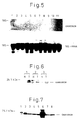
- liver i.e. liver (lane 1), spleen cells (lane 2), pancreas (lane 3), heart (lane 4), adrenal (lane 5), thyroid (lane 6), placenta (lane 7), ovary (lane 8), testis (lane 9), kidney (lane 10), and lung (lane 11) are shown in Figure 5.
- Figure 5 there was little expression of gankyrin mRNA in normal human tissues.
- a peptide Met-Glu-Gly-Cys-Val-Ser-Asn-Leu-Met-Val-Cys-Asn-Leu-Ala-Tyr (SEQ ID NO: 7) corresponding to the C-terminal region of gankyrin was immunized.
- the peptide was linked to keyhole limpet hemocyanin, and then was immunized to a rabbit. On day 14, 42, and 56 after the immunization, the rabbit was immunized again to obtain antiserum.
- the antiserum obtained was affinity purified with the above immobilized peptide to obtain polyclonal antibody (Fmoc Chemistry, Research Gevetic Inc.).
- the reactivity and/or specificity to the gankyrin polypeptide of the present invention were confirmed by the Western blot analysis.
- an expression plasmid for a gankyrin gene was added to a TNT expression system (manufactured by Promega) to obtain a translation product (gankyrin polypeptide).
- [ 35 S]-methionine was added to the system to synthesize [ 35 S]-methionine-labeled human gankyrin polypeptide.
- Non-labeled gankyrin polypeptide was also synthesized using the same condition.
- [ 35 S]-methionine-labeled and non-labeled human gankyrin polypeptides were subjected to polyacrylamide gel electrophoresis (the condition is described below), and the migration pattern of the non-labeled substance was analyzed by the Western blot method.
- the migration gel of the non-labeled substance was transferred to an Immobilon transfer membrane (manufactured by Millipore), and was blocked in a Tris buffer containing 5% bovine serum albumin (BSA). Then the above blotting membrane was incubated with the polyclonal antibody diluted 1:2000 to 1:10000 in a Tris buffer, 0.1% Tween 20, and BSA at 4°C for 16 hours.
- the blotting membrane was repeatedly washed in the Tris buffer and 0.1% Tween 20 and then was incubated with anti-rabbit immunoglobulin antibody labeled with horseradish peroxidase as the 2nd antibody at room temperature for 1 hour. After washing, it was allowed to develop color with an electrochemiluminescence reagent (manufactured by Amersham).
- the migration pattern of gankyrin polypeptide was confirmed by autoradiography.
- a Western blot band of the non-labeled substance was observed corresponding to the autoradiography band of the labeled substance, indicating that the polyclonal antibody recognizes the gankyrin gene product.
- FIG. 8 A shows a result on products of an in vitro-translated labeled gankyrin gene.
- the template (-) (lane 1), positive control (luciferase cDNA corresponding to about 60 kDa) (lane 2), and gankyrin (lane 3).
- Each lane represents the template (-) (lane 1), positive control (luciferase cDNA corresponding to about 60 kDa) (lane 2), and gankyrin (lane 3).
- Figure 6 shows a result of an experiment in which gankyrin polypeptides in the lysates of the hepatic non-cancer tissue (N) and the hepatic cancer tissue (T) of three patients with hepatic cancer were detected by a Western blot method using anti-gankyrin polypeptide antibody that was affinity-purified as described above. Similarly the level of mRNA shown in Example 2, more gankyrin polypeptides were detected in the hepatic cancer tissue than in the hepatic non-cancer tissue.
- Figure 7 shows the result of an experiment in which gankyrin polypeptides from the total cell lysates of human cell lines, i.e. HepG2 (ATCC catalogue 1994 (American Type Culture Collection)) (lane 1), HeLa (ATCC catalogue 1994 (American Type Culture Collection)) (lane 2), T24 (ATCC catalogue 1994 (American Type Culture Collection)) (lane 3), NC65 (Hoehn, W. and Schroeder, F. H., Invest. Urol.
- HepG2 ATCC catalogue 1994 (American Type Culture Collection)
- HeLa ATCC catalogue 1994 (American Type Culture Collection)
- T24 ATCC catalogue 1994 (American Type Culture Collection)
- NC65 Hoehn, W. and Schroeder, F. H., Invest. Urol.
- Total cell extracts and tissue extracts were prepared from 3 ⁇ 5 x 10 6 cells lysated in a modified buffer for radioisotope-labeled immunoprecipitation comprising 50 mM Tris-HCl, pH 7.4, 400 mM NaCl, 1% SDS, 1% Triton X-100, 1% deoxycholic acid, and 5 mM EDTA, and then subjected to ultrasonic treatment to shear DNA.
- a modified buffer for radioisotope-labeled immunoprecipitation comprising 50 mM Tris-HCl, pH 7.4, 400 mM NaCl, 1% SDS, 1% Triton X-100, 1% deoxycholic acid, and 5 mM EDTA, and then subjected to ultrasonic treatment to shear DNA.
- a phosphatase inhibitor comprising 15 mM ⁇ -glycerophosphate, 2 mM sodium pyrophosphate and 1 mM Na 3 VO 4 , and a protease inhibitor comprising aprotinin, leupeptin and phenylmethyl sulfonyl fluoride were added to all extracts.
- Samples were separated on a SDS-polyacrylamide gel electrophoresis (PAGE), and the gel used in the SDS-PAGE was transferred to an Immobilon transfer membrane (manufactured by Millipore), followed by blocking in a Tris buffer containing 5% bovine serum albumin (BSA). Then the above blotting membrane was incubated together with the above primary antiserum or antibody diluted to 1:2000 to 1:10000 in the Tris buffer, 0.1% Tween 20, and BSA at 4°C for 16 hours. The blotting membrane was repeatedly washed in a Tris buffer and 0.1% Tween 20.
- PAGE SDS-polyacrylamide gel electrophoresis
- a 678 bp cDNA encoding human gankyrin polypeptide (Example 1) was ligated to pMKIT-NEO mammal expression vector (Shinsaibo Kogaku Jikken Protocol (New Cell Engineering Experiment Protocol) P. 259, The University of Tokyo, the Institute of Medical Science, ed., Shujunsha) in a sense and antisense direction.
- the SR ⁇ promoter in this vector can direct the constitutive synthesis of RNA from the inserted DNA.
- the pMKIT-NEO vector has a neomycin resistant gene suitable for selection of transformants.
- the doubling time was determined from the growth curve.
- the cells were cultured in a 2-layer soft agar comprising a bottom layer (DMEM, 10% FCS, 0.6% agar) and an upper layer (DMEM, 10% FCS, 0.3% agar).
- a 35 mm soft agar plate was inoculated with 5 x 10 3 cells, incubated at 37°C for 4 to 5 weeks, and then the cells were counted.
- the mean colony count of the clonies comprising 15 or more cells was 25 ⁇ 2 for the control clone, and 123 ⁇ 1 for the sense clone. Accordingly, the enhancement in the ability of colony formation by the cells that express gankyrin polypeptide in soft agar was demonstrated.
- Tumorigenicity in the NIH 3T3 cell line was tested by transferring subcutaneously 1 x 10 6 cells to 4-week old female nude mice (Flanagan, S. P. Genet. Res. (1966) 8, 295-309).
- Each of 5 clonal cell lines comprising a mock construct and a clonal cell line containing a sense human gankyrin construct was subcutaneously transplanted to 3 mice (a total of 18 mice) at 1 x 10 6 cells/mouse. Tumor formation was observed for 3 months after subcutaneous transplantation. Measurement of tumor was conducted using a linear caliper in two right angles by the same observer. For cell cycle analysis, flow cytometry was used.
- apoptosis is induced by removing serum from the culture medium and dead cells increase.
- the effect of gankyrin gene on the induction of apoptosis was investigated.
- each gene was transfected into the 293 cells by the calcium phosphate coprecipitation method using 10 ⁇ g of the above pMKIT-NEO vector, and a plurality of clones in which each gene was stably introduced were obtained, which were used for the subsequent experiment.
- 2 x 10 5 cells were plated to a 60 mm tissue culture plate (Nunc GmbH). After the removal of serum, cells were trypsinized and the numbers of the suspended cells and the attached cells, and the number of dead cells were counted by trypan blue staining to determine the ratio of the number of the dead cells to the number of total cells.
- a histochemical method was employed. Thus, cells of each clone were grown on a cover slip for 48 hours until they reach a density of 60% saturation. After the removal of serum, apoptosis cells were stained by the ApopTa apoptosis detection kit (manufactured by Oncor), and examined under a light microscope to count the ratio of the number of the apoptosis cells to that of total cells.
- the ratio (%) of the number of total cells stained with trypan blue to the number of the total cells and the ratio (%) of the apoptosis cells to the number of total cells were 33 ⁇ 5% and 45 ⁇ 5% for the control clone, and 59 ⁇ 6% and 30 ⁇ 2% for the sense clone, respectively. It was demonstrated, therefore, that apoptosis and cell death by gankyrin gene products are suppressed.
- gankyrin gene products acts on apoptosis induction in a suppressive manner. This is a characteristics observed for many other tumorigenic genes, thereby indicating that the gankyrin gene is a tumorigenic gene.
- the human gankyrin cDNA obtained in Example 1 was ligated to a pCMV4-3HA' vector (Brockman, J. A. et al., Molecular and Cellular Biology (1995) 15, 2809-2818) that has the cytomegalovirus enhancer/promoter and having the nucleotide sequence of influenza virus hemagglutinin (HA) epitope to construct a plasmid pCMV4-3HA+gankyrin that expresses a fusion polypeptide comprising gankyrin and influenza virus HA.
- a pCMV4-3HA' vector (Brockman, J. A. et al., Molecular and Cellular Biology (1995) 15, 2809-2818) that has the cytomegalovirus enhancer/promoter and having the nucleotide sequence of influenza virus hemagglutinin (HA) epitope to construct a plasmid pCMV4-3HA+gankyrin that expresses
- a human gankyrin coding sequence was inserted to a vector pGEX (manufactured by Pharmacia) to construct a plasmid that expresses a fusion polypeptide comprising glutathione S-transferase (GST) and gankyrin.
- GST glutathione S-transferase
- the 293 cells were transiently transfected by the calcium phosphate method.
- pGEX-gankyrin was introduced into E. coli , and the production of GST-gankyrin fusion polypeptide was induced with 1 mM IPTG. After collecting the cells by centrifuging at 4°C, the cells were dissolved by sonication in PBS containing Triton X100. The cell lysate was mixed with the total cell extract from the 293 cell transformant, which was incubated at 4°C for 16 hours.
- the GST-fused polypeptide was collected on glutathione-Sepharose 4B (manufactured by Pharmacia) and was analyzed by the Western blot method using anti-Rb antibody, anti-NF ⁇ B p50 antibody, and anti-NF ⁇ B p65 (all manufactured by Santa Crutz).
- the preparation of cell extracts and immunoprecipitates was conducted as follows. To an IP buffer containing 50 mM HEPES (pH 7.5), 150 mM NaCl, 2.5 mM EGTA, 1 mM DTT, 0.1% Tween 20, 10% glycerol, a protease inhibitor, and a phosphatase inhibitor, the cells were suspended, sonicated, and then centrifuged at 10000 x g, 4°C, for 10 minutes.
- Protein A-Sepharose CL4b manufactured by Pharmacia precoated with anti-HA antibody, anti-Rb antibody, anti-NF ⁇ B p50 antibody or anti-NF ⁇ B p65 antibody, the supernatant was precipitated at 4°C for 16 hours.
- Proteins that precipitated on the beads were washed ten times in the IP buffer.
- the precipitate in the 2 x SDS sample buffer was separated by SDS-polyacrylamide gel electrophoresis, and was analyzed by Western blot method with anti-HA antibody, anti-Rb antibody, anti-NF ⁇ B p50 antibody or anti-NF ⁇ B p65 antibody.
- Figure 9 shows the result in which cell lysates were used in vitro.
- GST alone or a fusion polypeptide of GST and gankyrin was expressed in E. coli , which was then harvested.
- the GST alone or the GST-gankyrin fusion polypeptide was mixed with human 293 cells, and then precipitated with glutathione-bound Sepharose, which was electrophoresed.
- lanes indicate, from left to right, the results of a human 293 cell lysate alone, a precipitate obtained by mixing a human 293 cell lysate with the above E. coli -expressed GST polypeptide and then by precipitating it with glutathione-bound Sepharose, and a precipitate obtained by mixing a human 293 cell lysate with an E. coli -expressed fusion polypeptide and then by precipitating it with glutathione-bound Sepharose.
- lanes indicate, from left to right, the results of a human 293 cell lysate alone, a precipitate obtained by mixing a human 293 cell lysate with an E. coli -expressed GST polypeptide and then by precipitating it with glutathione-bound Sepharose, and a precipitate obtained by mixing a human 293 cell lysate with an E. coli -expressed fusion polypeptide and then by precipitating it with glutathione-bound Sepharose.
- lanes indicate, from left to right, the results of a human 293 cell lysate alone, a precipitate obtained by mixing a human 293 cell lysate with an E.
- lanes indicate the results of a human 293 cell lysate that was transformed with a vector containing no gankyrin gene and precipitated with a non-specific immunoglobulin (lane 1) or anti-Rb antibody (lane 2), which was then electrophoresed and detected with anti-HA antibody, and a human 293 cell lysate that was transformed with a vector containing a gankyrin gene and precipitated with a non-specific immunoglobulin (lane 3) or anti-Rb antibody (lane 4), which was then electrophoresed and detected with anti-HA antibody.
- lanes indicate the results of a human 293 cell lysate that was transformed with a vector containing no gankyrin gene and precipitated with a non-specific immunoglobulin (lane 1) or anti-p50 antibody (lane 2), which was then electrophoresed and detected with anti-HA antibody, a human 293 cell lysate that was transformed with a vector containing a gankyrin gene and precipitated with a non-specific immunoglobulin (lane 3) or anti-p50 antibody (lane 4), which was then electrophoresed and detected with anti-HA antibody, and a human 293 cell lysate that was transformed with a vector containing a gankyrin gene and then electrophoresed (lane 5) and detected with anti-HA antibody.
- lanes indicate the results of a human 293 cell lysate that was transformed with a vector containing no gankyrin gene and precipitated with a non-specific immunoglobulin (lane 1) or anti-p65 antibody (lane 2), which was then electrophoresed and detected with anti-HA antibody, a human 293 cell lysate that was transformed with a vector containing a gankyrin gene and precipitated with a non-specific immunoglobulin (lane 3) or anti-p65 antibody (lane 4), which was then electrophoresed and detected with anti-HA antibody, and a human 293 cell lysate that was transformed with a vector containing a gankyrin gene and then electrophoresed (lane 5) and detected with anti-HA antibody.
- lanes indicate the results of a human 293 cell lysate that was transformed with a vector containing no gankyrin gene, electrophoresed, and detected with anti-Rb antibody (lane 1), a human 293 cell lysate that was transformed with a vector containing no gankyrin gene and precipitated with a non-specific immunoglobulin (lane 2) or anti-HA antibody (lane 3), which was then electrophoresed and detected with anti-Rb antibody, a human 293 cell lysate that was transformed with a vector containing a gankyrin gene and precipitated with a non-specific immunoglobulin (lane 3) or anti-HA antibody (lane 4), which was then electrophoresed and detected with anti-Rb antibody.
- lanes indicate the results of a human 293 cell lysate that was transformed with a vector containing no gankyrin gene and precipitated with a non-specific immunoglobulin (lane 1) or anti-HA antibody (lane 2), which was then electrophoresed and detected with anti-p65 antibody, a human 293 cell lysate that was transformed with a vector containing a gankyrin gene and precipitated with a non-specific immunoglobulin (lane 3) or anti-HA antibody (lane 4), which was then electrophoresed and detected with anti-p65 antibody, and a human 293 cell lysate that was transformed with a vector containing a gankyrin gene and then electrophoresed (lane 5) and detected with anti-p65 antibody.
- the cell cycle of NIH/3T3 cells was fixed at the early G1 period by serum starvation for 72 hours, and serum was added again to synchronize cell cycle.
- Cells were lyzed, mRNA was extracted, and detected using gankyrin cDNA as a probe.
- gankyrin cDNA was detected by the Northern blot method using 32 P-random primed labeled product as a probe.
- Flow cytometry was used for the analysis of cell cycle by various cell means.
- cells were washed in PBS containing no Ca 2+ or Mg 2+ , and were subjected to trypsin treatment. Then after the cells were washed with DMEM containing 10% FCS and collected, the cells were washed again in the sample buffer and resuspended, and then were fixed in 70% ethanol. The cells were stained with PI (Propiodium iodine), and determined by a flow cytometer.
- PI Propiodium iodine
- Figure 12 shows the results.
- each lane represents the result at 1 hour (lane 1), 3 hours (lane 2), 6 hours (lane 3), 9 hours (lane 4), 12 hours (lane 5), 15 hours (lane 6), 18 hours (lane 7), 21 hours (lane 8), 24 hours (lane 9), 27 hours (lane 10), 30 hours (lane 11), and 33 hours (lane 12) after the re-addition of serum.
- One to 9 hours (lane 1 to 4) corresponds to the G1 period
- 12 to 18 hours (lane 5 to 7) corresponds to the S period
- 21 to 24 hours (lane 8 to 9) corresponds to the G2+M period
- 27 hours or after (lane 10) returns to the G1 period, again.
- human gankyrin antisense oligonucleotide derivative (sequence: CCTGTCGCTTTACCTCCCCA) (SEQ ID NO: 8) and (TACCTCCCCACACACAGATT) (SEQ ID NO: 9) were studied for their effect of suppressing the growth of hepatic cells.
- As the culture medium RPMI1640 (Nissui) supplemented with 2% fetal calf serum (FCS) was used.
- a 35 mm culture plate containing 1 ml culture liquid was incubated overnight at 37°C in a CO 2 incubator, to which were added 1 x 10 2 HepG2 cells that were made single cells by a 0.25% trypsin treatment and pipetting. After 24 hours, it was replaced with 1 ml of the culture liquied containing human gankyrin antisense oligonucleotide (0, 2.5, and 10 ⁇ g/ml) that contains the initiation codon of a gankyrin gene, and was further cultured for 4 days. A mass of 30 cells or more was defined as a colony, and the number of colonies was counted under an inverted microscope.
- the number of colonies when a sense oligonucleotide was added was 95 ⁇ 7%, whereas the number of colonies when an antisense oligonucleotide was added decreased to 70 ⁇ 5%, relative to 100% of the control to which distilled water was added.
- Human gankyrin antisense oligonucleotide had a suppressive effect on the formation of colonies. As a result, it was revealed that an antisense oligonucleotide containing the initiation codon of gankyrin gene suppresses the growth of the hepatic cancer cell line HepG2 cells.
- the gankyrin polypeptide of the present invention shows the elevation of colony-forming ability of cells, the suppression of tumorigenicity, and apoptosis induction in mice, it was shown to have carcinogenecity.
- the gankyrin polypeptide and DNA encoding it are useful for elucidation of the mechanism of action of oncogenesis.
- a screening method using a gankyrin polypeptide, antibody to a gankyrin polypeptide, a method of detecting or determininng a gankyrin polypeptide using it, and an antisense oligonucleotide to DNA encoding a gankyrin polypeptide are also useful for elucidation of the mechanism of action of oncogenesis.
Landscapes
- Health & Medical Sciences (AREA)
- Chemical & Material Sciences (AREA)
- Organic Chemistry (AREA)
- Life Sciences & Earth Sciences (AREA)
- General Health & Medical Sciences (AREA)
- Medicinal Chemistry (AREA)
- Proteomics, Peptides & Aminoacids (AREA)
- Genetics & Genomics (AREA)
- Molecular Biology (AREA)
- Biophysics (AREA)
- Gastroenterology & Hepatology (AREA)
- Biochemistry (AREA)
- Immunology (AREA)
- Toxicology (AREA)
- Cell Biology (AREA)
- Zoology (AREA)
- General Chemical & Material Sciences (AREA)
- Animal Behavior & Ethology (AREA)
- Pharmacology & Pharmacy (AREA)
- Nuclear Medicine, Radiotherapy & Molecular Imaging (AREA)
- Public Health (AREA)
- Chemical Kinetics & Catalysis (AREA)
- Veterinary Medicine (AREA)
- Peptides Or Proteins (AREA)
- Medicines That Contain Protein Lipid Enzymes And Other Medicines (AREA)
- Measuring Or Testing Involving Enzymes Or Micro-Organisms (AREA)
- Preparation Of Compounds By Using Micro-Organisms (AREA)
- Micro-Organisms Or Cultivation Processes Thereof (AREA)
Priority Applications (1)
| Application Number | Priority Date | Filing Date | Title |
|---|---|---|---|
| EP07075163A EP1930437A1 (fr) | 1997-10-03 | 1998-10-02 | Gankyrin |
Applications Claiming Priority (3)
| Application Number | Priority Date | Filing Date | Title |
|---|---|---|---|
| JP28621497 | 1997-10-03 | ||
| JP28621497 | 1997-10-03 | ||
| PCT/JP1998/004467 WO1999018201A1 (fr) | 1997-10-03 | 1998-10-02 | Gankyrine |
Related Child Applications (1)
| Application Number | Title | Priority Date | Filing Date |
|---|---|---|---|
| EP07075163A Division EP1930437A1 (fr) | 1997-10-03 | 1998-10-02 | Gankyrin |
Publications (2)
| Publication Number | Publication Date |
|---|---|
| EP1024190A1 true EP1024190A1 (fr) | 2000-08-02 |
| EP1024190A4 EP1024190A4 (fr) | 2003-06-25 |
Family
ID=17701459
Family Applications (2)
| Application Number | Title | Priority Date | Filing Date |
|---|---|---|---|
| EP98945595A Withdrawn EP1024190A4 (fr) | 1997-10-03 | 1998-10-02 | Gankyrine |
| EP07075163A Withdrawn EP1930437A1 (fr) | 1997-10-03 | 1998-10-02 | Gankyrin |
Family Applications After (1)
| Application Number | Title | Priority Date | Filing Date |
|---|---|---|---|
| EP07075163A Withdrawn EP1930437A1 (fr) | 1997-10-03 | 1998-10-02 | Gankyrin |
Country Status (6)
| Country | Link |
|---|---|
| US (3) | US7833988B2 (fr) |
| EP (2) | EP1024190A4 (fr) |
| JP (1) | JP4229475B2 (fr) |
| AU (1) | AU9282998A (fr) |
| CA (1) | CA2305814A1 (fr) |
| WO (1) | WO1999018201A1 (fr) |
Families Citing this family (2)
| Publication number | Priority date | Publication date | Assignee | Title |
|---|---|---|---|---|
| JP4229475B2 (ja) | 1997-10-03 | 2009-02-25 | 潤 藤田 | ガンキリン |
| CN102532313A (zh) * | 2010-12-13 | 2012-07-04 | 中国人民解放军第二军医大学 | 一种p28GANK单克隆抗体及其用途 |
Family Cites Families (3)
| Publication number | Priority date | Publication date | Assignee | Title |
|---|---|---|---|---|
| US5648267A (en) | 1992-11-13 | 1997-07-15 | Idec Pharmaceuticals Corporation | Impaired dominant selectable marker sequence and intronic insertion strategies for enhancement of expression of gene product and expression vector systems comprising same |
| JPH0975085A (ja) * | 1995-09-13 | 1997-03-25 | Sagami Chem Res Center | ヒト26sプロテアソーム構成成分蛋白質およびそれをコードするdna |
| JP4229475B2 (ja) | 1997-10-03 | 2009-02-25 | 潤 藤田 | ガンキリン |
-
1998
- 1998-10-02 JP JP52146999A patent/JP4229475B2/ja not_active Expired - Fee Related
- 1998-10-02 WO PCT/JP1998/004467 patent/WO1999018201A1/fr not_active Ceased
- 1998-10-02 EP EP98945595A patent/EP1024190A4/fr not_active Withdrawn
- 1998-10-02 CA CA002305814A patent/CA2305814A1/fr not_active Abandoned
- 1998-10-02 EP EP07075163A patent/EP1930437A1/fr not_active Withdrawn
- 1998-10-02 AU AU92829/98A patent/AU9282998A/en not_active Abandoned
-
2005
- 2005-03-21 US US11/083,944 patent/US7833988B2/en not_active Expired - Fee Related
-
2007
- 2007-02-05 US US11/702,119 patent/US20070148179A1/en not_active Abandoned
-
2009
- 2009-02-18 US US12/372,899 patent/US7939506B2/en not_active Expired - Fee Related
Also Published As
| Publication number | Publication date |
|---|---|
| JP4229475B2 (ja) | 2009-02-25 |
| US20070148179A1 (en) | 2007-06-28 |
| US7939506B2 (en) | 2011-05-10 |
| WO1999018201A1 (fr) | 1999-04-15 |
| US20050170424A1 (en) | 2005-08-04 |
| CA2305814A1 (fr) | 1999-04-15 |
| EP1024190A4 (fr) | 2003-06-25 |
| US7833988B2 (en) | 2010-11-16 |
| EP1930437A1 (fr) | 2008-06-11 |
| US20090163438A1 (en) | 2009-06-25 |
| AU9282998A (en) | 1999-04-27 |
Similar Documents
| Publication | Publication Date | Title |
|---|---|---|
| KR100512819B1 (ko) | 종양 치료용 조성물 및 방법 | |
| KR20040073586A (ko) | 종양 치료용 조성물 및 방법 | |
| CN101532060A (zh) | 与肝细胞癌或结直肠癌相关的基因和多肽 | |
| US7829083B2 (en) | Antibodies to brain specific membrane protein | |
| US7939506B2 (en) | Treating hepatoma by inhibiting expression of gankyrin | |
| US20090197317A1 (en) | TSG-Like Gene | |
| JP4789822B2 (ja) | ガンキリンの生物学的活性を有するポリペプチドに対する阻害剤を含んでなる癌治療剤 | |
| WO2002020770A1 (fr) | Methode de criblage d'un agent antitumoral a l'aide d'une interaction entre une proteine arf et une proteine hk33 | |
| AU2005203194A1 (en) | Gankyrin | |
| JPWO1999018201A1 (ja) | ガンキリン | |
| US8569454B2 (en) | YS68 polypeptide involved in primitive hematopoiesis | |
| JP4499926B2 (ja) | 腫瘍抑制遺伝子 | |
| JP4189456B2 (ja) | Arfタンパクとa10タンパクの相互作用を調節する薬剤のスクリーニング方法 | |
| WO2000061744A1 (fr) | Nouveaux genes de foetus | |
| JPWO2000065047A1 (ja) | 腫瘍抑制遺伝子 | |
| WO2001083738A1 (fr) | Facteur de regulation de differenciation et de determination du sexe | |
| KR20050004270A (ko) | 종양 치료용 조성물 및 방법 |
Legal Events
| Date | Code | Title | Description |
|---|---|---|---|
| PUAI | Public reference made under article 153(3) epc to a published international application that has entered the european phase |
Free format text: ORIGINAL CODE: 0009012 |
|
| 17P | Request for examination filed |
Effective date: 20000425 |
|
| AK | Designated contracting states |
Kind code of ref document: A1 Designated state(s): AT BE CH CY DE DK ES FI FR GB GR IE IT LI LU MC NL PT SE |
|
| A4 | Supplementary search report drawn up and despatched |
Effective date: 20030509 |
|
| 17Q | First examination report despatched |
Effective date: 20031117 |
|
| GRAP | Despatch of communication of intention to grant a patent |
Free format text: ORIGINAL CODE: EPIDOSNIGR1 |
|
| GRAS | Grant fee paid |
Free format text: ORIGINAL CODE: EPIDOSNIGR3 |
|
| RAP1 | Party data changed (applicant data changed or rights of an application transferred) |
Owner name: FUJITA, JUN |
|
| RIN1 | Information on inventor provided before grant (corrected) |
Inventor name: FUJITA, JUN |
|
| STAA | Information on the status of an ep patent application or granted ep patent |
Free format text: STATUS: THE APPLICATION IS DEEMED TO BE WITHDRAWN |
|
| 18D | Application deemed to be withdrawn |
Effective date: 20121207 |