EP1027443B1 - Sphingosin-1-phosphat-lyase polypeptide, polynukleotide und modulierende mitteln, und verfahren zu deren verwendung - Google Patents
Sphingosin-1-phosphat-lyase polypeptide, polynukleotide und modulierende mitteln, und verfahren zu deren verwendung Download PDFInfo
- Publication number
- EP1027443B1 EP1027443B1 EP98951982A EP98951982A EP1027443B1 EP 1027443 B1 EP1027443 B1 EP 1027443B1 EP 98951982 A EP98951982 A EP 98951982A EP 98951982 A EP98951982 A EP 98951982A EP 1027443 B1 EP1027443 B1 EP 1027443B1
- Authority
- EP
- European Patent Office
- Prior art keywords
- sphingosine
- phosphate lyase
- polypeptide
- phosphate
- seq
- Prior art date
- Legal status (The legal status is an assumption and is not a legal conclusion. Google has not performed a legal analysis and makes no representation as to the accuracy of the status listed.)
- Expired - Lifetime
Links
Images








Classifications
-
- C—CHEMISTRY; METALLURGY
- C12—BIOCHEMISTRY; BEER; SPIRITS; WINE; VINEGAR; MICROBIOLOGY; ENZYMOLOGY; MUTATION OR GENETIC ENGINEERING
- C12Q—MEASURING OR TESTING PROCESSES INVOLVING ENZYMES, NUCLEIC ACIDS OR MICROORGANISMS; COMPOSITIONS OR TEST PAPERS THEREFOR; PROCESSES OF PREPARING SUCH COMPOSITIONS; CONDITION-RESPONSIVE CONTROL IN MICROBIOLOGICAL OR ENZYMOLOGICAL PROCESSES
- C12Q1/00—Measuring or testing processes involving enzymes, nucleic acids or microorganisms; Compositions therefor; Processes of preparing such compositions
- C12Q1/68—Measuring or testing processes involving enzymes, nucleic acids or microorganisms; Compositions therefor; Processes of preparing such compositions involving nucleic acids
- C12Q1/6876—Nucleic acid products used in the analysis of nucleic acids, e.g. primers or probes
- C12Q1/6883—Nucleic acid products used in the analysis of nucleic acids, e.g. primers or probes for diseases caused by alterations of genetic material
- C12Q1/6886—Nucleic acid products used in the analysis of nucleic acids, e.g. primers or probes for diseases caused by alterations of genetic material for cancer
-
- A—HUMAN NECESSITIES
- A61—MEDICAL OR VETERINARY SCIENCE; HYGIENE
- A61P—SPECIFIC THERAPEUTIC ACTIVITY OF CHEMICAL COMPOUNDS OR MEDICINAL PREPARATIONS
- A61P35/00—Antineoplastic agents
-
- A—HUMAN NECESSITIES
- A61—MEDICAL OR VETERINARY SCIENCE; HYGIENE
- A61P—SPECIFIC THERAPEUTIC ACTIVITY OF CHEMICAL COMPOUNDS OR MEDICINAL PREPARATIONS
- A61P43/00—Drugs for specific purposes, not provided for in groups A61P1/00-A61P41/00
-
- C—CHEMISTRY; METALLURGY
- C12—BIOCHEMISTRY; BEER; SPIRITS; WINE; VINEGAR; MICROBIOLOGY; ENZYMOLOGY; MUTATION OR GENETIC ENGINEERING
- C12N—MICROORGANISMS OR ENZYMES; COMPOSITIONS THEREOF; PROPAGATING, PRESERVING, OR MAINTAINING MICROORGANISMS; MUTATION OR GENETIC ENGINEERING; CULTURE MEDIA
- C12N9/00—Enzymes; Proenzymes; Compositions thereof; Processes for preparing, activating, inhibiting, separating or purifying enzymes
- C12N9/88—Lyases (4.)
-
- A—HUMAN NECESSITIES
- A01—AGRICULTURE; FORESTRY; ANIMAL HUSBANDRY; HUNTING; TRAPPING; FISHING
- A01K—ANIMAL HUSBANDRY; AVICULTURE; APICULTURE; PISCICULTURE; FISHING; REARING OR BREEDING ANIMALS, NOT OTHERWISE PROVIDED FOR; NEW BREEDS OF ANIMALS
- A01K2217/00—Genetically modified animals
- A01K2217/05—Animals comprising random inserted nucleic acids (transgenic)
-
- A—HUMAN NECESSITIES
- A01—AGRICULTURE; FORESTRY; ANIMAL HUSBANDRY; HUNTING; TRAPPING; FISHING
- A01K—ANIMAL HUSBANDRY; AVICULTURE; APICULTURE; PISCICULTURE; FISHING; REARING OR BREEDING ANIMALS, NOT OTHERWISE PROVIDED FOR; NEW BREEDS OF ANIMALS
- A01K2217/00—Genetically modified animals
- A01K2217/07—Animals genetically altered by homologous recombination
- A01K2217/075—Animals genetically altered by homologous recombination inducing loss of function, i.e. knock out
-
- C—CHEMISTRY; METALLURGY
- C12—BIOCHEMISTRY; BEER; SPIRITS; WINE; VINEGAR; MICROBIOLOGY; ENZYMOLOGY; MUTATION OR GENETIC ENGINEERING
- C12Q—MEASURING OR TESTING PROCESSES INVOLVING ENZYMES, NUCLEIC ACIDS OR MICROORGANISMS; COMPOSITIONS OR TEST PAPERS THEREFOR; PROCESSES OF PREPARING SUCH COMPOSITIONS; CONDITION-RESPONSIVE CONTROL IN MICROBIOLOGICAL OR ENZYMOLOGICAL PROCESSES
- C12Q2600/00—Oligonucleotides characterized by their use
- C12Q2600/136—Screening for pharmacological compounds
-
- Y—GENERAL TAGGING OF NEW TECHNOLOGICAL DEVELOPMENTS; GENERAL TAGGING OF CROSS-SECTIONAL TECHNOLOGIES SPANNING OVER SEVERAL SECTIONS OF THE IPC; TECHNICAL SUBJECTS COVERED BY FORMER USPC CROSS-REFERENCE ART COLLECTIONS [XRACs] AND DIGESTS
- Y10—TECHNICAL SUBJECTS COVERED BY FORMER USPC
- Y10S—TECHNICAL SUBJECTS COVERED BY FORMER USPC CROSS-REFERENCE ART COLLECTIONS [XRACs] AND DIGESTS
- Y10S435/00—Chemistry: molecular biology and microbiology
- Y10S435/81—Packaged device or kit
-
- Y—GENERAL TAGGING OF NEW TECHNOLOGICAL DEVELOPMENTS; GENERAL TAGGING OF CROSS-SECTIONAL TECHNOLOGIES SPANNING OVER SEVERAL SECTIONS OF THE IPC; TECHNICAL SUBJECTS COVERED BY FORMER USPC CROSS-REFERENCE ART COLLECTIONS [XRACs] AND DIGESTS
- Y10—TECHNICAL SUBJECTS COVERED BY FORMER USPC
- Y10S—TECHNICAL SUBJECTS COVERED BY FORMER USPC CROSS-REFERENCE ART COLLECTIONS [XRACs] AND DIGESTS
- Y10S435/00—Chemistry: molecular biology and microbiology
- Y10S435/975—Kit
Definitions
- the present invention relates generally to cancer detection and therapy.
- the invention is more particularly related to sphingosine-1-phosphate lyase polynucleotides and polypeptides, and to agents that modulate the expression and/or activity of such polypeptides.
- agents may be used, for example, to diagnose and/or treat cancers such as breast cancer.
- breast cancer is a significant health problem for women in the United States and throughout the world. Although advances have been made in detection and treatment of the disease, breast cancer remains the most common form of cancer, and the second leading cause of cancer death, in American women. Among African-American women and women between 15 and 54 years of age, breast cancer is the leading cause of cancer death. One out of every eight women in the United States will develop breast cancer, a risk which has increased 52% during 1950-1990. In 1994, it is estimated that 182,000 new cases of female breast cancer were diagnosed, and 46,000 women died from the disease.
- No vaccine or other universally successful method for the prevention or treatment of breast cancer is currently available. Management of the disease currently relies on a combination of early diagnosis (through routine breast screening procedures) and aggressive treatment, which may include one or more of a variety of treatments such as surgery, radiotherapy, chemotherapy and hormone therapy. The course of treatment for a particular breast cancer is often selected based on a variety of prognostic parameters, including an analysis of specific tumor markers. However, the use of established markers often leads to a result that is difficult to interpret.
- the present invention fulfills this need and further provides other related advantages.
- the present invention as claimed provides compositions and the composition for use in methods for the diagnosis and therapy of cancer.
- the present invention provides isolated polynucleotides comprising a sequence selected from the group consisting of: (a) a sequence recited in SEQ ID NO:1; (b) a sequence recited in SEQ ID NO:3; (c) nucleotide sequences that hybridize to a polynucleotide complementary to either of the foregoing sequences under moderately stringent conditions, wherein the nucleotide sequences encode polypeptides having sphingosine-1-phosphate lyase activity; and (d) nucleotide sequences that encode a polypeptide encoded by any of the foregoing sequences.
- an isolated polynucleotide that encodes a polypeptide recited in SEQ ID NO:2, or a variant of such a polypeptide that has sphingosine-1-phosphate lyase activity.
- an isolated polynucleotide comprising a sequence recited in SEQ ID NO:4, or a variant of such a polypeptide that has sphingosine-1-phosphate lyase activity, is provided.
- Recombinant expression vectors comprising any of the foregoing polynucleotides, and host cells transformed or transfected with such expression vectors, are also provided.
- SPL polypeptides are provided. Such polypeptides may be encoded by any of the foregoing polynucleotides. Alternatively, a polypeptide may comprise an amino acid sequence recited in SEQ ID NO:2 or 4, or a variant thereof, wherein the polypeptide has sphingosine-1-phosphate lyase activity.
- the present invention provides isolated polynucleotides comprising at least 100 nucleotides complementary to a sequence recited in SEQ ID NO:1 or 3.
- methods for preparing a sphingosine-1-phosphate lyase, comprising culturing a host cell transformed or transfected with a polynucleotide as described above under conditions promoting expression of the polynucleotide and recovering a sphingosine-1-phosphate lyase.
- the present invention provides methods for identifying an agent that modulates sphingosine-1-phosphate lyase activity.
- the method comprises: (a) contacting a candidate agent with cells that express sphingosine-1-phosphate lyase; and (b) subsequently measuring the level of sphingosine-1-phosphate lyase or mRNA encoding sphingosine-1-phosphate lyase in the cells, relative to a predetermined level in the absence of candidate agent.
- the method comprises: (a) contacting a candidate agent with a polypeptide comprising a sequence recited in any one of SEQ ID NOs: 2, 4, 6 or 8, or a variant of such a sequence having sphingosine-1-phosphate lyase activity, wherein the step of contacting is carried out under conditions and for a time sufficient to allow the candidate modulator to interact with the polypeptide; and (b) subsequently measuring the ability of the polypeptide to degrade sphingosine-1-phosphate or a derivative thereof, relative to an ability in the absence of candidate agent.
- the step of contacting may be performed by incubating a cell expressing the polypeptide with the candidate modulator, and the step of measuring the ability to degrade sphingosine-1-phosphate may be performed using an in vitro assay and a cellular extract.
- the present invention further provides pharmaceutical compositions comprising an agent that modulates sphingosine-1-phosphate lyase activity in combination with a pharmaceutically acceptable carrier.
- agents preferably inhibit sphingosine-1-phosphate lyase activity.
- Such inhibition may be achieved by inhibiting expression of an endogenous SPL gene, or by inhibiting the ability of an endogenous SPL to degrade sphingosine-1-phosphate.
- a modulating agent comprises a polynucleotide or an antibody or an antigen-binding fragment thereof.
- the present invention provides methods for modulating sphingosine-1-phosphate activity in vitro, comprising contacting a sphingosine-1-phosphate lyase with an effective amount of an agent that modulates sphingosine-1-phosphate lyase activity, wherein the step of contacting is performed under conditions and for a time sufficient to allow the agent and the sphingosine-1-phosphate lyase to interact.
- a cell expressing sphingosine-1-phosphate may be contacted with such an agent.
- the present invention provides methods for inhibiting the growth of a cancer cell in vitro, comprising contacting a cancer cell with an agent that inhibits sphingosine-1-phosphate lyase activity.
- the cancer cell is a breast cancer cell.
- the present invention also provides products for use in methods for inhibiting the development and/or metastasis of a cancer in a mammal, comprising administering to a mammal an agent that inhibits sphingosine-1-phosphate lyase activity.
- an agent may comprise, or be linked to, a targeting component, such as an anti-tumor antibody or a component that binds to an estrogen receptor.
- methods for diagnosing cancer in a mammal comprising detecting an alteration in an endogenous sphingosine-1-phosphate lyase gene in a sample obtained from a mammal, and therefrom diagnosing a cancer in the mammal.
- the cancer is breast cancer and the sample is a breast tumor biopsy.
- the present invention provides methods for evaluating a cancer prognosis, comprising determining the presence or absence of an alteration in an endogenous sphingosine-1-phosphate lyase gene in a sample obtained from a mammal afflicted with cancer, and therefrom determining a prognosis.
- the present invention further provides isolated antibodies that bind to a polypeptide having a sequence recited in any one of SEQ ID NOs: 2, 4 or 6.
- Such antibodies may be polyclonal or monoclonal, and may inhibit the ability of a polypeptide having a sequence recited in any one of SEQ ID NOs: 2, 4 or 6 to degrade sphingosine-1-phosphate.
- the present invention provides methods for detecting sphingosine-1-phosphate lyase in a sample, comprising: (a) contacting a sample with an antibody as described above under conditions and for a time sufficient to allow the antibody to bind to sphingosine-1-phosphate lyase; and (b) detecting in the sample the presence of sphingosine-1-phosphate lyase bound to the antibody.
- Kits for use in the above methods are also provided.
- a kit for detecting sphingosine-1-phosphate lyase in a sample comprises an antibody as described above and a buffer or detection reagent.
- a kit for detecting an alteration in a sphingosine-1-phosphate gene in a sample comprises a polynucleotide and a detection reagent.
- the present invention provides non human transgenic animals in which sphingosine-1-phosphate lyase activity is reduced, and cell lines derived from such transgenic animals.
- the present invention is generally directed to compositions and the compositions for use in methods for the diagnosis and therapy of cancers such as breast cancer.
- the invention is more particularly related to sphingosine-1-phosphate lyase (SPL) polypeptides, which have the ability to cleave sphingosine-1-phosphate into inactive metabolites, and to polynucleotides encoding such polypeptides.
- Sphingosine-1-phosphate is an endogenous tumor-suppressor lipid that potently inhibits breast cancer cell growth and invasiveness, while not affecting the growth of non-tumor cells ( see Sadahira et al., Proc. Natl. Acad. Sci.
- SPL catalyzes the cleavage of sphingosine-1-phosphate at the C 2-3 carbon bond to yield a long chain aldehyde and ethanolamine phosphate, the final step in the degradation of all higher order sphingolipids.
- Agents that decrease the expression or activity of endogenous SPL polypeptides are encompassed by the present invention.
- modulating agents may be identified using methods described herein and used, for example, in cancer therapy. It has also been found, within the context of the present invention, that the detection of alterations in an endogenous SPL sequence can be used to diagnose cancer, and to assess the prognosis for recovery. The present invention further provides such diagnostic methods and kits.
- polypeptide encompasses amino acid chains of any length, including full length endogenous (i.e., native) SPL proteins and variants of endogenous sequences.
- "Variants” are polypeptides that differ in sequence from a native SPL only in substitutions, deletions and/or other modifications, such that the variant retains SPL activity, which may be determined using a representative method described herein.
- amino acid substitutions are preferably made at no more than 50% of the amino acid residues in the native polypeptide, and more preferably at no more than 25% of the amino acid residues. Such substitutions are preferably conservative.
- a conservative substitution is one in which an amino acid is substituted for another amino acid that has similar properties, such that one skilled in the art of peptide chemistry would expect the secondary structure and hydropathic nature of the polypeptide to be substantially unchanged.
- the following amino acids represent conservative changes: (1) ala, pro, gly, glu, asp, gln, asn, ser, thr; (2) cys, ser, tyr, thr; (3) val, ile, leu, met, ala, phe; (4) lys, arg, his; and (5) phe, tyr, trp, his.
- variants may comprise only a portion of a native SPL sequence.
- variants may contain additional amino acid sequences (such as, for example, linkers, tags and/or ligands), preferably at the amino and/or carboxy termini. Such sequences may be used, for example, to facilitate purification, detection or cellular uptake of the polypeptide.
- the SPL activity of an SPL polypeptide may generally be assessed using an in vitro assay that detects the degradation of labeled substrate (i.e ., sphingosine-1-phosphate, or a derivative thereof).
- labeled substrate i.e ., sphingosine-1-phosphate, or a derivative thereof.
- pyridoxal 5'-phosphate is a requirement for SPL activity.
- the reaction generally proceeds optimally at pH 7.4-7.6 and requires chelators due to sensitivity toward heavy metal ions.
- the substrate should be a D -erythro isomer, but in derivatives of sphingosine-1-phosphate the type and chain length of sphingoid base may vary.
- an assay as described by Van Veldhoven and Mannaerts, J. Biol. Chem.
- a solution e.g., a cellular extract
- a solution containing the polypeptide may be incubated with 40 ⁇ M substrate at 37°C for 1 hour in the presence of, for example, 50 mM sucrose, 100 mM K-phosphate buffer pH 7.4, 25 mM NaF, 0.1% (w/v) Triton X-100, 0.5 mM EDTA, 2 mM DTT, 0.25 M pyridoxal phosphate. Reactions may then be terminated and analyzed by thin-layer chromatography to detect the formation of labeled fatty aldehydes and further metabolites.
- a polypeptide has SPL activity if, within such an assay: (1) the presence of 2 - 50 ⁇ g polypeptide (or 0.1 - 10 mg/mL) results in a statistically significant increase in the level of substrate degradation, preferably a two-fold increase, relative to the level observed in the absence of polypeptide; and (2) the increase in the level of substrate degradation is pyridoxal 5'-phosphate dependent.
- an in vitro assay for SPL activity may be performed using cellular extracts prepared from cells that express the polypeptide of interest.
- cellular extracts prepared from cells that express the polypeptide of interest.
- such cells do not produce a significant amount of endogenous SPL (i.e. , a cellular extract should not contain a detectable increase in the level of SPL, as compared to buffer alone without extract).
- yeast cells containing deletion of the SPL gene BST1
- yeast cells containing deletion of the SPL gene BST1
- bst1 ⁇ cells can be generated from S . cerevisiae using standard techniques, such as PCR, as described herein.
- a polypeptide to be tested for SPL activity may then be expressed in bst1 ⁇ cells, and the level of SPL activity in an extract containing the polypeptide may be compared to that of an extract prepared from cells that do not express the polypeptide.
- a polypeptide is preferably expressed on a high-copy yeast vector (such as pYES2, which is available from Invitrogen) yielding more than 20 copies of the gene per cell.
- a polypeptide has SPL activity if, when expressed using such a vector in a bst1 ⁇ cell, a cellular extract results in a two-fold increase in substrate degradation over the level observed for an extract prepared from cells not expressing the polypeptide.
- a further test for SPL activity may be based upon functional complementation in the bst1 ⁇ strain. It has been found, within the context of the present invention, that bst1 ⁇ cells are highly sensitive to D- erythro -sphingosine. In particular, concentrations as low as 10 ⁇ M sphingosine completely inhibit the growth of bst1 ⁇ cells. Such a level of sphingosine has no effect on the growth of wildtype cells.
- a polypeptide having SPL activity as provided above significantly diminishes ( i.e., by at least two fold) the sphingosine sensitivity when expressed on a high-copy yeast vector yielding more than 20 copies of the gene per cell.
- SPL polypeptides may be prepared using any of a variety of techniques that are well known in the art.
- a DNA sequence encoding native SPL may be prepared by amplification from a suitable cDNA or genomic library using, for example, polymerase chain reaction (PCR) or hybridization techniques.
- Libraries may generally be prepared and screened using methods well known to those of ordinary skill in the art, such as those described in Sambrook et al., Molecular Cloning: A Laboratory Manual, Cold Spring Harbor Laboratories, Cold Spring Harbor, NY, 1989 .
- cDNA libraries may be prepared from any of a variety of sources known to contain enzymes having SPL activity.
- SPL activity is ubiquitous with regard to species and mammalian tissues, with the exception of platelets, in which SPL activity is notably absent.
- rat tissues the highest levels of activity have been demonstrated in intestinal mucosa, liver and Harderian gland, with low activity in skeletal muscle and heart.
- Activity has also been demonstrated in a number of human (hepatoma cell line HB 8065, cervical carcinoma HeLa), mouse (hepatoma line BW1, mouse embryo 3T3-L1, Swiss 3T3 cells) and other cell lines, as well as in human cultured fibroblasts.
- Preferred cDNA libraries may prepared from human liver, intestine or brain tissues or cells. Other libraries that may be employed will be apparent to those of ordinary skill in the art. Primers for use in amplification may be readily designed based on the sequence of a native SPL polypeptide or polynucleotide, as provided herein.
- an endogenous SPL gene may be identified using a screen for cDNAs that complement the BST1 deletion in yeast.
- a cDNA expression library may be generated using a regulatable yeast expression vector (e.g. , pYES, which is availablve from Invitrogen, Inc.) and standard techniques.
- a yeast bst1 ⁇ strain may then be transformed with the cDNA library, and endogenous cDNAs having the ability to functionally complement the yeast lyase defect (i.e. , restore the ability to grow in the presence of D- erythro -sphingosine) may be isolated.
- An endogenous SPL gene may also be identified based on cross-reactivity of the protein product with anti-SPL antibodies, which may be prepared as described herein. Such screens may generally be performed using standard techniques (see Huynh et al., "Construction and Screening cDNA Libraries in ⁇ gt11," in D.M. Glover, ed., DNA Cloning: A Practical Approach, 1:49-78, 1984 (IRL Press, Oxford )).
- Polynucleotides encompassed by the present invention include DNA and RNA molecules that comprise an endogenous SPL gene sequence. Such polynucleotides include those that comprise a sequence recited in any one of SEQ ID NOs:1, 3, 5 and 7. Also encompassed are other polynucleotides that encode an SPL amino acid sequence provided in any one of SEQ ID NOs: 2, 4, 6 and 8, as well as polynucleotides that encode variants of a native SPL sequence that retain SPL activity. Polynucleotides that are substantially homologous to a sequence complementary to an endogenous SPL gene are also within the scope of the present invention.
- Substantial homology refers to polynucleotides that are capable of hybridizing under moderately stringent conditions to a polynucleotide complementary to a sequence provided in SEQ ID NO:1 or SEQ ID NO:3, provided that the encoded SPL polypeptide variant retains SPL activity.
- Suitable moderately stringent conditions include prewashing in a solution of 5X SSC, 0.5% SDS, 1.0 mM EDTA (pH 8.0); hybridizing at 50-65°C, 5X SSC, overnight; followed by washing twice at 65°C for 20 minutes with each of 2X, 0.5X and 0.2X SSC containing 0.1 % SDS.
- Nucleotide sequences that, because of code degeneracy, encode a polypeptide encoded by any of the above sequences are also encompassed by the present invention.
- Polypeptides of the present invention may be prepared by expression of recombinant DNA encoding the polypeptide in cultured host cells.
- the host cells are bacteria, yeast, insect or mammalian cells, and more preferably the host cells are S. cerevisiae bst1 ⁇ cells.
- the recombinant DNA may be cloned into any expression vector suitable for use within the host cell and transfected into the host cell using techniques well known to those of ordinary skill in the art.
- a suitable expression vector contains a promoter sequence that is active in the host cell.
- a tissue-specific or conditionally active promoter may also be used.
- Preferred promoters express the polypeptide at high levels.
- the construct may contain an enhancer, a transcription terminator, a poly(A) signal sequence, a bacterial or mammalian origin of replication and/or a selectable marker, all of which are well known in the art.
- Enhancer sequences may be included as part of the promoter region or separately.
- Transcription terminators are sequences that stop RNA polymerase-mediated transcription.
- the poly(A) signal may be contained within the termination sequence or incorporated separately.
- a selectable marker includes any gene that confers a phenotype on the host cell that allows transformed cells to be identified. Such markers may confer a growth advantage under specified conditions. Suitable selectable markers for bacteria are well known and include resistance genes for ampicillin, kanamycin and tetracycline.
- Suitable selectable markers for mammalian cells include hygromycin, neomycin, genes that complement a deficiency in the host (e.g ., thymidine kinase and TK-cells) and others well known in the art.
- hygromycin e.g ., thymidine kinase and TK-cells
- TK-cells thymidine kinase and TK-cells
- yeast cells one suitable selectable marker is URA3, which confers the ability to grow on medium without uracil.
- DNA sequences expressed in this manner may encode a native SPL polypeptide (e.g. , human), or may encode portions or other variants of native SPL polypeptide.
- DNA molecules encoding variants of a native SPL may generally be prepared using standard mutagenesis techniques, such as oligonucleotide-directed site-specific mutagenesis, and sections of the DNA sequence may be removed to permit preparation of truncated polypeptides.
- cells may be transfected using any of a variety of techniques known in the art. Such transfection may result in stable transformants or may be transient.
- One suitable transfection technique is electroporation, which may be performed on a variety of cell types, including mammalian cells, yeast cells and bacteria, using commercially available equipment. Optimal conditions for electroporation (including voltage, resistance and pulse length) are experimentally determined for the particular host cell type, and general guidelines for optimizing electroporation may be obtained from manufacturers. Other suitable methods for transfection will depend upon the type of cell used (e.g ., the lithium acetate method for yeast), and will be apparent to those of ordinary skill in the art. Following transfection, cells may be maintained in conditions that promote expression of the polynucleotide within the cell. Appropriate conditions depend upon the expression system and cell type, and will be apparent to those skilled in the art.
- SPL polypeptides may be expressed in transfected cells by culturing the cell under conditions promoting expression of the transfected polynucleotide. Appropriate conditions will depend on the specific host cell and expression vector employed, and will be readily apparent to those of ordinary skill in the art. For commercially available expression vectors, the polypeptide may generally be expressed according to the manufacturer's instructions. For certain purposes, expressed polypeptides of this invention may be isolated in substantially pure form. Preferably, the polypeptides are isolated to a purity of at least 80% by weight, more preferably to a purity of at least 95% by weight, and most preferably to a purity of at least 99% by weight. In general, such purification may be achieved using, for example, the standard techniques of ammonium sulfate fractionation, SDS-PAGE electrophoresis, and/or affinity chromatography.
- the present invention further provides antibodies that bind to an SPL polypeptide.
- Antibodies may function as modulating agents (as discussed further below) to inhibit or block SPL activity in vivo.
- antibodies may be used within screens for endogenous SPL polypeptides or modulating agents, for purification of SPL polypeptides, for assaying the level of SPL within a sample and/or for studies of SPL expression.
- Such antibodies may be polyclonal or monoclonal, and are generally specific for one or more SPL polypeptides and/or one or more variants thereof. Within certain preferred embodiments, antibodies are polyclonal.
- Antibodies may be prepared by any of a variety of techniques known to those of ordinary skill in the art (see, e.g., Harlow and Lane, Antibodies: A Laboratory Manual, Cold Spring Harbor Laboratory, 1988 ).
- an immunogen comprising an SPL polypeptide or antigenic portion thereof is initially injected into a suitable animal (e.g., mice, rats, rabbits, sheep and goats), preferably according to a predetermined schedule incorporating one or more booster immunizations. The use of rabbits is preferred.
- a suitable animal e.g., mice, rats, rabbits, sheep and goats
- an immunogen may be linked to, for example, glutaraldehyde or keyhole limpet hemocyanin (KLH).
- KLH keyhole limpet hemocyanin
- polyclonal antibodies may then be purified from such antisera by, for example, affinity chromatography using an SPL polypeptide or antigenic portion thereof coupled to a suitable solid support. Such polyclonal antibodies may be used directly for screening purposes and for Western blots.
- an adult rabbit e.g ., NZW
- 10 ⁇ g purified e.g ., using a nickel-column
- SPL polypeptide emulsified in complete Freund's adjuvant (1:1 v/v) in a volume of 1mL.
- Immunization may be achieved via injection in at least six different subcutaneous sites.
- 5 ⁇ g of an SPL polypeptide may be emulsified in in complete Freund's adjuvant and injected in the same manner. Immunizations may continue until a suitable serum antibody titer is achieved (typically a total of about three immunizations).
- the rabbit may be bled immediately before immunization to obtain pre-immune serum, and then 7-10 days following each immunization.
- monoclonal antibodies may be desired.
- Monoclonal antibodies may be prepared, for example, using the technique of Kohler and Milstein, Eur. J Immunol. 6:511-519, 1976 , and improvements thereto. Briefly, these methods involve the preparation of immortal cell lines capable of producing antibodies having the desired specificity (i.e ., reactivity with the polypeptide of interest). Such cell lines may be produced, for example, from spleen cells obtained from an animal immunized as described above. The spleen cells are then immortalized by, for example, fusion with a myeloma cell fusion partner, preferably one that is syngeneic with the immunized animal.
- the spleen cells and myeloma cells may be combined with a nonionic detergent for a few minutes and then plated at low density on a selective medium that supports the growth of hybrid cells, but not myeloma cells.
- a preferred selection technique uses HAT (hypoxanthine, aminopterin, thymidine) selection. After a sufficient time, usually about 1 to 2 weeks, colonies of hybrids are observed. Single colonies are selected and tested for binding activity against the polypeptide. Hybridomas having high reactivity and specificity are preferred.
- Monoclonal antibodies may be isolated from the supernatants of growing hybridoma colonies.
- various techniques may be employed to enhance the yield, such as injection of the hybridoma cell line into the peritoneal cavity of a suitable vertebrate host, such as a mouse.
- Monoclonal antibodies may then be harvested from the ascites fluid or the blood. Contaminants may be removed from the antibodies by conventional techniques, such as chromatography, gel filtration, precipitation, and extraction.
- the present invention provides agents that modulate, preferably inhibit, the expression (transcription or translation), stability and/or activity of an SPL polypeptide.
- a modulating agent any of a variety of screens may be performed.
- Candidate modulating agents may be obtained using well known techniques from a variety of sources, such as plants, fungi or libraries of chemicals, small molecules or random peptides.
- Antibodies that bind to an SPL polypeptide, and anti-sense polynucleotides that hybridize to a polynucleotides that encodes an SPL may be candidate modulating agents.
- a modulating agent has a minimum of side effects and is non-toxic. For some applications, agents that can penetrate cells are preferred.
- Screens for modulating agents that decrease SPL expression or stability may be readily performed using well known techniques that detect the level of SPL protein or mRNA. Suitable assays include RNAse protection assays, in situ hybridization, ELISAs, Northern blots and Western blots. Such assays may generally be performed using standard methods (see Sambrook et al., Molecular Cloning: A Laboratory Manual, Cold Spring Harbor Laboratories, Cold Spring Harbor, NY, 1989 ). For example, to detect mRNA encoding SPL, a nucleic acid probe complementary to all or a portion of the SPL gene sequence may be employed in a Northern blot analysis of mRNA prepared from suitable cells.
- a reagent that binds to the protein may be employed within an ELISA or Western assay.
- a reporter group suitable for direct or indirect detection of the reagent is employed (i.e. , the reporter group may be covalently bound to the reagent or may be bound to a second molecule, such as Protein A, Protein G, immunoglobulin or lectin, which is itself capable of binding to the reagent).
- Suitable reporter groups include, but are not limited to, enzymes (e.g ., horseradish peroxidase), substrates, cofactors, inhibitors, dyes, radionuclides, luminescent groups, fluorescent groups and biotin.
- enzymes e.g ., horseradish peroxidase
- substrates e.g ., cofactors, inhibitors, dyes, radionuclides, luminescent groups, fluorescent groups and biotin.
- Such reporter groups may be used to directly or indirectly detect binding of the reagent to a sample component using standard methods known
- the level of SPL protein or mRNA may be evaluated in cells treated with one or more candidate modulating agents.
- An increase or decrease in SPL levels may be measured by evaluating the level of SPL mRNA and/or protein in the presence and absence of candidate modulating agent.
- an antisense modulating agent may be evaluated by assaying the effect on SPL levels.
- Suitable cells for use in such assays include the breast cancer cell lines MCF-7 (ATCC Accession Number HTB-22) and MDA-MB-231 (ATCC Accession Number HTB-26).
- a candidate modulator may be tested by transfecting the cells with a polynucleotide encoding the candidate and evaluating the effect of expression of the polynucleotide on SPL levels.
- the cells may be contacted with a candidate modulator, typically in an amount ranging from about 10 nM to about 10 mM.
- a candidate that results in a statistically significant change in the level of SPL mRNA and/or protein is a modulating agent.
- a candidate modulating agent may be tested for the ability to inhibit SPL activity, using an in vitro assay as described herein (see Van Veldhoven and Mannaerts, J. Biol. Chem. 266:12502-07, 1991 ) that detects the degradation of labeled substrate (i.e., sphingosine-1-phosphate, or a derivative thereof).
- labeled substrate i.e., sphingosine-1-phosphate, or a derivative thereof.
- a solution e.g ., a cellular extract
- an SPL polypeptide e.g ., 10 nM to about 10 mM
- a candidate modulating agent typically 1 nM to 10 mM, preferably 10 nM to 1 mM
- a substrate e.g ., 40 ⁇ M
- Triton X-100 0.5 mM EDTA, 2 mM DTT, 0.25 mM pyridoxal phosphate.
- a modulating agent e.g ., an antibody
- Such modulating agents may be used to inhibit SPL activity in a cell culture or a mammal, as described below.
- a modulating agent may additionally comprise, or may be associated with, a targeting component that serves to direct the agent to a desired tissue or cell type.
- a targeting component may be any substance (such as a compound or cell) that, when linked to a compound enhances the transport of the compound to a target tissue, thereby increasing the local concentration of the compound.
- Targeting components include antibodies or fragments thereof, receptors, ligands and other molecules that bind to cells of, or in the vicinity of, the target tissue.
- Known targeting components include hormones, antibodies against cell surface antigens, lectins, adhesion molecules, tumor cell surface binding ligands, steroids, cholesterol, lymphokines, fibrinolytic enzymes and other drugs and proteins that bind to a desired target site.
- anti-tumor antibodies and compounds that bind to an estrogen receptor may serve as targeting components.
- An antibody employed in the present invention may be an intact (whole) molecule, a fragment thereof, or a functional equivalent thereof. Examples of antibody fragments are F(ab')2, -Fab', Fab and F[v] fragments, which may be produced by conventional methods or by genetic or protein engineering.
- Linkage may be via any suitable covalent bond using standard techniques that are well known in the art. Such linkage is generally covalent and may be achieved by, for example, direct condensation or other reactions, or by way of bi- or multi-functional linkers.
- a modulating agent as described herein is generally incorporated into a pharmaceutical composition prior to administration.
- a pharmaceutical composition comprises one or more modulating agents in combination with a physiologically acceptable carrier.
- an effective amount of one or more modulating agents is mixed with any pharmaceutical carrier(s) known to those skilled in the art to be suitable for the particular mode of administration.
- a pharmaceutical carrier may be liquid, semi-liquid or solid.
- Solutions or suspensions used for parenteral, intradermal, subcutaneous or topical application may include, for example, a sterile diluent (such as water), saline solution, fixed oil, polyethylene glycol, glycerine, propylene glycol or other synthetic solvent; antimicrobial agents (such as benzyl alcohol and methyl parabens); antioxidants (such as ascorbic acid and sodium bisulfite) and chelating agents (such as ethylenediaminetetraacetic acid (EDTA)); buffers (such as acetates, citrates and phosphates).
- a sterile diluent such as water
- saline solution fixed oil
- polyethylene glycol, glycerine propylene glycol or other synthetic solvent
- antimicrobial agents such as benzyl alcohol and methyl parabens
- antioxidants such as ascorbic acid and sodium bisulfite
- chelating agents such as ethylenediaminetetraacetic acid (EDTA)
- suitable carriers include physiological saline or phosphate buffered saline (PBS), and solutions containing thickening and solubilizing agents, such as glucose, polyethylene glycol, polypropylene glycol and mixtures thereof.
- PBS physiological saline or phosphate buffered saline
- thickening and solubilizing agents such as glucose, polyethylene glycol, polypropylene glycol and mixtures thereof.
- other pharmaceutically active ingredients including other anti-cancer agents
- suitable excipients such as salts, buffers and stabilizers may, but need not, be present within the composition.
- a modulating agent may be prepared with carriers that protect it against rapid elimination from the body, such as time release formulations or coatings.
- carriers include controlled release formulations, such as, but not limited to, implants and microencapsulated delivery systems, and biodegradable, biocompatible polymers, such as ethylene vinyl acetate, polyanhydrides, polyglycolic acid, polyorthoesters, polylactic acid and others known to those of ordinary skill in the art.
- Administration may be achieved by a variety of different routes, including oral, parenteral, nasal, intravenous, intradermal, subcutaneous or topical. Preferred modes of administration depend upon the nature of the condition to be treated or prevented. An amount that, following administration, inhibits, prevents or delays the progression and/or metastasis of a cancer is considered effective. Preferably, the amount administered is sufficient to result in regression, as indicated by 50% mass or by scan dimensions.
- the precise dosage and duration of treatment is a function of the disease being treated and may be determined empirically using known testing protocols or by testing the compositions in model systems known in the art and extrapolating therefrom. Controlled clinical trials may also be performed. Dosages may also vary with the severity of the condition to be alleviated.
- a pharmaceutical composition is generally formulated and administered to exert a therapeutically useful effect while minimizing undesirable side effects.
- the composition may be administered one time, or may be divided into a number of smaller doses to be administered at intervals of time. For any particular subject, specific dosage regimens may be adjusted over time according to the individual need.
- a polynucleotide encoding a modulating agent may be administered.
- a polynucleotide may be present in a pharmaceutical composition within any of a variety of delivery systems known to those of ordinary skill in the art, including nucleic acid, bacterial and viral expression systems, and colloidal dispersion systems such as liposomes.
- Appropriate nucleic acid expression systems contain the necessary DNA sequences for expression in the patient (such as a suitable promoter and terminating signal, as described above). The DNA may also be "naked," as described, for example, in Ulmer et al., Science 259:1745-49, 1993 .
- Various viral vectors that can be used to introduce a nucleic acid sequence into the targeted patient's cells include, but are not limited to, vaccinia or other pox virus, herpes virus, retrovirus, or adenovirus. Techniques for incorporating DNA into such vectors are well known to those of ordinary skill in the art.
- Another delivery system for polynucleotides is a colloidal dispersion system. Colloidal dispersion systems include macromolecule complexes, nanocapsules, microspheres, beads, and lipid-based systems including oil-in-water emulsions, micelles, mixed micelles, and liposomes. The preparation and use of liposomes is well known to those of ordinary skill in the art.
- one or more modulating agents may be used to modulate SPL expression and/or activity in vitro, in a cell or in a mammal.
- an SPL polypeptide may be contacted with a modulating agent that inhibits SPL activity (e.g. , certain antibodies).
- a modulating agent that inhibits SPL activity e.g. , certain antibodies.
- modulation may be achieved by contacting a target cell with an effective amount of a modulating agent, as described herein.
- Administration to a mammal may generally be achieved as described above.
- inhibition of SPL expression and/or activity provides a method for inhibiting the growth (i.e ., proliferation) of a cancer cell, either in culture or in a mammal afflicted with cancer. In vivo, such inhibition may also be used to inhibit cancer development, progression and/or metastasis.
- one or more modulating agents as provided herein may be administered as described above to a mammal in need of anti-cancer therapy.
- Patients that may benefit from administration of a modulating agent are those afflicted with cancer. Such patients may be identified based on standard criteria that are well known in the art.
- a patient is afflicted with breast cancer, as identified based on tissue biopsy and microscopic evaluation, using techniques well known in the art.
- patients whose tumor cells contain a tissue-specific deletion and/or alteration within an endogenous SPL gene may benefit from administration of a modulating agent, as provided herein.
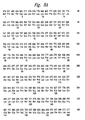
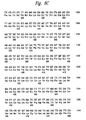
- the present invention provides methods and kits for diagnosing cancer and/or identifying individuals with a risk for metastasis that is higher or lower than average. It has been found, within the context of the present invention, that certain human tumor cells contain an altered SPL gene. In particular, certain brain tumor cells contain a deletion of residues 354 to 433 of the human SPL sequence indicated in Figure 8 and SEQ ID NO:4. Specific alterations present in other tumor cells, such as breast tumor cells, may be readily identified using standard techniques, such as PCR. Alterations that may be associated with a paticular tumor include amino acid deletions, insertions, substitutions and combinations thereof. Methods in which the presence or absence of such an alteration is determined may generally be used to detect cancer and to evaluate the prognosis for a patient known to be afflicted with cancer.
- any of a variety of well-known techniques may be used including, but not limited to, PCR and hybridization techniques. Any sample that may contain cancerous cells may be assayed. In general, suitable samples are tumor biopsies. Within a preferred embodiment, a sample is a breast tumor biopsy.
- Kits for diagnosing or evaluating the prognosis of a cancer generally comprise reagents for use in the particular assay to be employed.
- a kit of the present invention comprises one or more containers enclosing elements, such as probes, reagents or buffers, to be used in an assay.
- a kit may contain one or more polynucleotide probes comprising at least 100 nucleotides, and preferably at least 200 nucleotides, complementary to an SPL mRNA. Such probe(s) may be used to detect an altered SPL gene by hybridization.
- a kit may contain one probe that hybridizes to a region of an SPL gene that is not generally altered in tumors (a control) and a second probe that hybridizes to a region commonly deleted in breast cancer.
- a sample that contains mRNA that hybridizes to the first probe, and not to the second (using standard techniques) contains an altered SPL gene.
- Suitable control probes include probes that hybridize to a portion of the SPL gene outside of the commonly deleted region encoding amino acid resides 354 to 433;
- suitable probes for an altered region include probes that hybridize to a portion of the SPL gene that encodes amino acid residues 354 to 433.
- kits may comprise one or more primers for PCR analyses, which may be readily designed based upon the sequences provided herein by those of ordinary skill in the art.
- a kit may further comprise one or more solutions, compounds or detection reagents for use within an assay as described above.
- kits for detecting SPL are provided. Such kits may be designed for detecting the level of SPL or nucleic acid encoding SPL within a sample, or may detect the level of SPL activity as described herein.
- a kit for detecting the level of SPL, or nucleic acid encoding SPL typically contains a reagent that binds to the SPL protein, DNA or RNA.
- the reagent may be a nucleic acid probe or a PCR primer.
- the reagent is typically an antibody.
- the kit may also contain a reporter group suitable for direct or indirect detection of the reagent as described above.
- the present invention provides non human transgenic mammals in which SPL activity is reduced, compared to a wild-type animal.
- Such animals may contain an alteration, insertion or deletion in an endogenous SPL gene, or may contain DNA encoding a modulating agent that inhibits expression or activity of an SPL gene.
- Transgenic animals may be generated using techniques that are known to those of ordinary skill in the art. For example, a transgenic animal containing an insertion or deletion in the coding region for the SPL gene may be generated from embryonic stem cells, using standard techniques. Such stem cells may be generated by first identifying the full genomic sequence of the gene encoding the SPL, and then creating an insertion or deletion in the coding region in embryonic stem cells. Alternatively, appropriate genetically altered embryonic stem cells may be identified from a bank. Using the altered stem cells, hybrid animals may be generated with one normal SPL gene and one marked, abnormal gene. These hybrids may be mated, and homozygous progeny identified.
- Transgenic aminals may be used for a variety of purposes, which will be apparent to those of ordinary skill in the art.
- such animals may be used to prepare cell lines from different tissues, using well known techniques.
- Such cell lines may be used, for example, to evaluate the effect of the alteration, and to test various candidate modulators.
- This Example illustrates the preparation of an S . cerevisiae cDNA molecule encoding an endogenous SPL polypeptide.
- Wild-type yeast cells (SGP3 ( Garrett and Broach, Genes and Dev. 3:1336-1348, 1989 ); leu2-3,112 trp1 ura3-52 his3 ade8 ras1::HIS3 ) were transformed with a yeast genomic library carried on the pRS202 high-copy shuttle vector ( Sikorski and Heiter, Genetics 122:19-27, 1989 ) containing a selectable nutritional marker ( URA3 ).
- pRS202 is a modified version of the pRS306 vector, into which a 2 micron plasmid piece was inserted. Inserts from this library are approximately 6-8 kb in length. Wild type yeast were transformed with the high copy library as described by Ito et al., J Bact.
- uracil prototrophy i.e. , the ability, to grow on medium lacking uracil
- transformants were pooled and replated at a concentration of 10 6 cells per plate onto 1 mM D- erythro -sphingosine plates.
- BST1 The most highly represented insert, 13-1, was subcloned and sequenced, and named BST1 ( b estower of s phingosine t olerance; GenBank accession number U51031; Saccharomyces cerevisiae genome database accession number YDR294C).
- the BST1 nucleotide sequence encodes a previously unknown predicted protein of 65,523 kilodaltons and 589 amino acids in length. This sequence is 23% identical to gadA and gadB, two nearly identical E. coli genes encoding glutamate decarboxylase (GAD), a pyridoxal-5'-phosphate-dependent enzyme which catalyzes synthesis of the neurotransmitter ⁇ -amino butyric acid.
- GAD glutamate decarboxylase
- BST1 has been localized to S. cerevisiae chromosome 4.
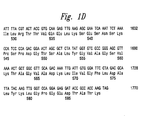
- the sequence of BST1 is provided in Figure 1 and SEQ ID NO:7.
- a deletion strain was created through homologous recombination using a NEO selectable marker ( Wach et al., Yeast 10:1793-1808, 1994 ).
- Genomic BST1 was replaced with kanMX (Wach et al., Yeast 10 :1793-1808, 1994), which confers resistance to G418.
- Disruption was confirmed using PCR amplification of genomic DNA from G418 resistant clones, using primers to genomic sequence just 5' and 3' to the region replaced by the disruption. Deletion of BST1 and all subsequent biological studies were performed in both SGP3 and in JK93d ( Hietman et al., Proc. Natl. Acad. Sci.
- BST1 overexpression and bst1 ⁇ strains indicated that BST1 does not encode the S. cervisiae homologue of GAD.
- deletion of BST1 was associated with severe sensitivity to D- erythro -sphingosine. Concentrations as low as 10 ⁇ M sphingosine completely inhibited growth of bst1 ⁇ strains but had no effect on the viability of wild type cells.
- the bst1 ⁇ strain also demonstrated greater sensitivity to 100 ⁇ M phytosphingosine, the long chain base endogenous to S. cerevisia. No difference between the growth of wild type and BST1 overexpression strains on phytosphingosine, which is only minimally toxic to wild type cells at this concentration, was observed.
- BST1 wild type, overexpression and bst1 ⁇ strains were exposed to [C3- 3 H]labeled sphingosine (American Radiolabeled Chemical, Inc., St. Louis, MO), washed in sterile water and subjected to Bligh-Dyer extractions ( Bligh and Dyer, Can. J. Buichem. Physiol. 37:911-17, 1959 ). There were no major differences in sphingosine recovery among the three strains. However, the aqueous phase from the bst1 ⁇ strain contained a ten-fold increase in radioactivity over that of control and BST1 overexpression strains. Thin layer chromatography (TLC) analysis of the lipid fractions in butanol:acetic acid:water (3:1:1) revealed a sphingosine band which appeared equivalent in each strain.
- TLC Thin layer chromatography
- S-1-P Radioactive sphingosine-1-phosphate
- BST1 is a yeast SPL, and that SPL catalyzes a rate-limiting step in sphingolipid catabolism. Regulation of SPL activity may therefore result in regulation of intracellular S-1-P levels.
- This Example illustrates the identification of endogenous SPL cDNAs from C . elegans and Mus musculus.
- pYES2 Invitrogen, Inc., Carlsbad, CA
- the gene of interest is placed under control of the yeast GAL promoter and is, therefore, transcriptionally activated by galactose and repressed by glucose.
- pYES2 also contains the URA3 gene (which provides transformants the ability to grow in media without uracil) and an ampicillin resistance marker and origin of replication functional in E . coli.
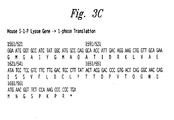
- the expression vector containing the full-length mouse SPL gene was then introduced into the yeast bst1 ⁇ strain whichn as noted above, is extremely sensitive to D- erythro -sphingosine, as a result of metabolism of sphingosine to S-1-P. S-1-P cannot be further degraded in the absence of SPL activity and overaccumulates, causing growth inhibition. Transformation was performed using the lithium acetate method ( Ito et al., J. Bact. 153:163-68, 1983 ). Transformants were grown on medium containing 20g/L galactose and selected for uracil prototrophy.
- Transformants were then evaluated for sphingosine resistance.
- Strains of interest were grown to saturation in liquid culture for 2-3 days. They were then resuspended in minimal medium, placed in the first row of a 96-well plate and diluted serially from 1:2 to 1:4000 across the plate. The cultures were then template inoculated onto a control plate (YPD) and a plate containing minimal synthetic media supplemented with 50 ⁇ M D- erythro -sphingosine (Sigma Chemical Co., St. Louis, MO) and 0.0015% NP40 (Sigma Chemical Co.). At this concentration of NP40, no effects on cell viability were observed. Plates were incubated at 30°C for two days and assessed visually for differences in growth.
- mice SPL gene was capable of reversing the sphingosine-sensitive phenotype of a yeast bst1 ⁇ strain.
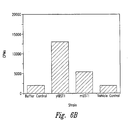
- Whole cell extracts were prepared from each strain as described above, adjusted for protein concentration, and evaluated for sphingosine phosphate lyase activity as described above, using 3 H-dihydrosphingosine-1-phosphate (American Radiolabeled Chemicals, Inc., St. Louis, MO).
- Qualitative analysis of product was performed by autoradiography. Quantitative measurement was performed by scraping TLC plates and determining radioactivity present using a standard scintillation counter.
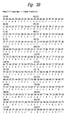
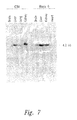
- This analysis revealed a pattern of expression consistent with the known SPL activity in various mouse tissues, providing further confirmation that this sequence encodes mouse SPL ( Figure 7 ).
- This Example illustrates the identification of an endogenous human cDNA.
- EST database was searched using the mouse SPL sequence described herein. Two distinct EST sequences having strong homology to the mouse sequence were identified from human sources. One of these sequences corresponded to the C-terminus, and the other corresponded to the N-terminus. Primers were designed based on these sequences, and a DNA fragment was amplified by PCR from a human expression library made from human glioblastoma multiforme tissue RNA. The fragment was sequenced and was shown to contain a deletion, so the primers were used to amplify the gene from human fibroblast RNA. This gene has the sequence provided in SEQ ID NO:3, and the sequence of the gene containing the deletion is provided in SEQ ID NO:9.
Landscapes
- Health & Medical Sciences (AREA)
- Chemical & Material Sciences (AREA)
- Life Sciences & Earth Sciences (AREA)
- Organic Chemistry (AREA)
- Engineering & Computer Science (AREA)
- Wood Science & Technology (AREA)
- Genetics & Genomics (AREA)
- Zoology (AREA)
- Bioinformatics & Cheminformatics (AREA)
- General Health & Medical Sciences (AREA)
- Proteomics, Peptides & Aminoacids (AREA)
- Pathology (AREA)
- Medicinal Chemistry (AREA)
- General Engineering & Computer Science (AREA)
- Biochemistry (AREA)
- Molecular Biology (AREA)
- Immunology (AREA)
- Biotechnology (AREA)
- Analytical Chemistry (AREA)
- Microbiology (AREA)
- Hospice & Palliative Care (AREA)
- Biophysics (AREA)
- Veterinary Medicine (AREA)
- Public Health (AREA)
- Animal Behavior & Ethology (AREA)
- Chemical Kinetics & Catalysis (AREA)
- Oncology (AREA)
- Pharmacology & Pharmacy (AREA)
- General Chemical & Material Sciences (AREA)
- Nuclear Medicine, Radiotherapy & Molecular Imaging (AREA)
- Physics & Mathematics (AREA)
- Biomedical Technology (AREA)
- Peptides Or Proteins (AREA)
- Medicines That Contain Protein Lipid Enzymes And Other Medicines (AREA)
- Measuring Or Testing Involving Enzymes Or Micro-Organisms (AREA)
- Enzymes And Modification Thereof (AREA)
- Cosmetics (AREA)
- Medicines Containing Antibodies Or Antigens For Use As Internal Diagnostic Agents (AREA)
- Micro-Organisms Or Cultivation Processes Thereof (AREA)
- Pharmaceuticals Containing Other Organic And Inorganic Compounds (AREA)
Claims (34)
- Isoliertes Polynukleotid umfassend eine Sequenz ausgewählt aus der Gruppe bestehend aus:(a) SEQ-ID-Nr. 1,(b) SEQ-ID-Nr. 3,(c) Nukleotidsequenzen, die zu einem Polynukleotid hybridisieren, das unter moderat stringenten Bedingungen zu einer der vorstehenden Sequenzen komplementär ist, wobei die Nukleotidsequenzen Polypeptide mit Sphingosin-1-Phosphatlyase-Aktivität kodieren, und(d) Nukleotidsequenzen, die ein Polypeptid kodieren, das von einer der vorstehenden Sequenzen kodiert wird.
- Isoliertes Polynukleotid kodierend für ein Polypeptid mit einer Sequenz, die in SEQ- ID-Nr. 2 oder 4 angegeben ist, oder für einen Teil eines solchen Polypeptids mit Sphingosin-1-Phosphatlyase-Aktivität kodiert.
- Rekombinanter Expressionsvektor umfassend ein Polynukleotid nach einem der Ansprüche 1-2.
- Wirtszelle, die mit einem Expressionsvektor nach Anspruch 3 transformiert oder transfektiert ist.
- Verfahren zur Herstellung von Sphingosin-1-Phosphatlyase, wobei das Verfahren die Kultivierung einer Wirtszelle, die mit einem Polynukleotid nach einem der Ansprüche 1-2 unter Bedingungen transformiert oder transfektiert ist, die die Expression des Polynukleotids fördern und Sphingosin-1-Phosphatlyase zurückgewinnen.
- Polypeptid umfassend eine Aminosäuresequenz, die von einem Polynukleotid nach einem der Ansprüche 1 bis 2 kodiert wird.
- Verfahren zur Identifizierung eines Mittels, das die Sphingosin-1-Phosphatlyase-Aktivität moduliert, dass Folgendes umfasst:(a) Inkontaktbringen eines Kandidatenmittels mit Zellen, die Sphingosin-1-Phosphatlyase exprimieren, wobei die Sphingosin-1-Phosphatlyase ein Polypeptid umfasst, das ausgewählt ist aus (i) einem Polypeptid mit einer Sequenz, die in einer der SEQ-ID-Nr. 2, 4, 6 oder 8 angegeben ist, oder mit einem Teil einer solchen Sequenz mit Sphingosin-1-Phosphatlyase-Aktivität und (ii) einem Polypeptid nach Anspruch 6, und(b) anschließende Messung des Gehalts an Sphingosin-1-Phosphatlyase oder an mRNA, die Sphingosin-1-Phosphatlyase in den Zellen kodiert, im Verhältnis zu einem vorbestimmten Gehalt bei Abwesenheit des Kandidatenmittels und daraus Identifizierung eines Mittels, das die Sphingosin-1-Phosphatlyase-Aktivität moduliert.
- Verfahren zur Identifizierung eines Mittels, das die Sphingosin-1-Phosphatlyase-Aktivität moduliert, das Folgendes umfasst:(a) Inkontaktbringen eines Kandidatenmittels mit einem Polypeptid mit einer Sequenz, die in einer der SEQ-ID-Nr. 2, 4, 6 oder 8 angegeben ist, oder mit einem Teil einer solchen Sequenz mit Sphingosin-1-Phosphatlyase-Aktivität, wobei der Schritt des Inkontaktbringens unter Bedingungen und für eine Zeit durchgeführt wird, die ausreichen, damit der Kandidatenmodulator mit dem Polypeptid interagieren kann, und(b) anschließende Messung der Fähigkeit des Polypeptids zum Abbau von Sphingosin-1-Phosphat oder einem Derivat davon im Verhältnis zu einer Fähigkeit bei Abwesenheit des Kandidatenmittels und daraus Identifizierung eines Mittels, das die Sphingosin-1-Phosphatlyase-Aktivität moduliert.
- Verfahren nach Anspruch 8, wobei der Schritt des Inkontaktbringens durch Inkubation einer Zelle durchgeführt wird, die das Polypeptid mit dem Kandidatenmodulator exprimiert, und wobei der Schritt der Messung der Fähigkeit zum Abbau von Sphingosin-1-Phosphatlyase unter Verwendung eines in vitro Versuchs und eines Zellextrakts durchgeführt wird.
- Pharmazeutische Zusammensetzung umfassend einen Antikörper oder ein Antigen-bindendes Fragment davon, das sich an eine Sphingosin-1-Phosphatlyase mit einer Sequenz bindet, die in einer der SEQ-ID-Nr. 2, 4 oder 6 angegeben ist, die die Sphingosin-1-Phosphatlyase-Aktivität moduliert, oder ein Antisense-Polynukleotid zu einem Polynukleotid nach Anspruch 1, das die Sphingosin-1-Phosphatlyase-Aktivität moduliert, in Kombination mit einem pharmazeutisch akzeptablen Träger umfasst.
- Zusammensetzung nach Anspruch 10, wobei das Antisense-Polynukleotid die Expression eines endogenen Sphingosin-1-Phosphatlyase-Gens inhibiert.
- Zusammensetzung nach Anspruch 10, wobei der Antikörper oder ein Antigen-bindendes Fragment davon die Fähigkeit einer endogenen Sphingosin-1-Phosphatlyase zum Abbau von Sphingosin-1-Phosphat inhibiert.
- Verfahren zur in vitro Modulation der Sphingosin-1-Phosphatlyase-Aktivität umfassend das Inkontaktbringen einer Sphingosin-1-Phosphatlyase mit einer wirksamen Menge eines Antikörpers oder eines Antigen-bindenden Fragments davon, das sich an eine Sphingosin-1-Phosphatlyase mit einer Sequenz bindet, die in einer der SEQ-ID-Nr. 2, 4 und 6 angegeben wird und die die Sphingosin-1-Phosphatlyase-Aktivität moduliert, oder eines Antisense-Polynukleotids zu einem Polynukleotid nach Anspruch 1 , das die Sphingosin-1-Phosphatlyase-Aktivität moduliert, wobei der Schritt des Inkontaktbringens unter Bedingungen und für eine Zeit durchgeführt wird, die ausreichen, damit der Antiköper oder ein Antigen-bindenden Fragment davon oder ein Antisense-Polynukleotid und die Sphingosin-1-Phosphatlyase interagieren können.
- Verfahren nach Anspruch 13, wobei der Schritt des Inkontaktbringens Berührung durch Inkubation einer Zelle durchgeführt wird, die das Polypeptid mit dem Antikörper oder einem Antigen-bindenden Fragment davon oder dem Antisense-Polynukleotid exprimiert.
- Verfahren nach Anspruch 13, wobei das Antisense-Polynukleotid die Expression eines endogenen Sphingosin-1-Phosphatlyase-Gens inhibiert.
- Verfahren nach Anspruch 13, wobei der Antikörper oder ein Antigen-bindendes Fragment davon in der Lage ist, die Fähigkeit eines Polypeptids mit einer Sequenz, die in einer der SEQ-ID-Nr. 2, 4 oder 6 angegeben wird, zum Abbau von Sphingosin-1-Phosphatlyase zu inhibieren.
- Zusammensetzung nach einem der Ansprüche 10 bis 12 zur Verwendung bei der Inhibition der Entwicklung und/oder Metastase von Krebs bei einem Säuger.
- Zusammensetzung nach Anspruch 17, wobei der Antikörper oder das Antigen-bindende Fragment davon an eine Zielkomponente gebunden wird.
- Zusammensetzung nach Anspruch 18, wobei die Zielkomponente ein Antitumor-Antikörper ist.
- Zusammensetzung nach Anspruch 18, wobei die Zielkomponente sich an einen Östrogenrezeptor bindet.
- Zusammensetzung nach Anspruch 17, wobei der Säuger an Brustkrebs leidet.
- Verfahren zur Diagnose von Krebs bei einem Säuger umfassend den Nachweis einer Veränderung in einem endogenen Spingosin-1-Phosphatlyase-Gen in einer von einem Säuger entnommenen Probe, wobei das endogene Spingosin-1-Phosphatlyase-Gen ein Polypeptid kodiert, das die Aminosäuresequenz einer der SEQ-ID-Nr. 2, 4 oder 6 umfasst, und daraus die Diagnose von Krebs bei einem Säuger.
- Verfahren zur Bewertung einer Krebsprognose umfassend die Feststellung der Anwesenheit oder Abwesenheit einer Veränderung in einem endogenen Spingosin-1-Phosphatlyase-Gen in einer von einem an Krebs leidenden Säuger entnommenen Probe, wobei das endogene Spingosin-1-Phosphatlyase-Gen ein Polypeptid kodiert, das die Aminosäuresequenz einer der SEQ-ID-Nr. 2, 4 oder 6 umfasst, und daraus Stellung einer Prognose.
- Verfahren nach Anspruch 22 oder 23, wobei die Veränderung eine Deletion ist.
- Verfahren nach Anspruch 24, wobei die Deletion die Aminosäurereste 354-433 der SEQ-ID-Nr. 4 umfasst.
- Verfahren nach Anspruch 22 oder 23, wobei der Krebs Brustkrebs ist und die Probe eine Brusttumorbiopsie ist.
- Isolierter Antikörper, der sich an ein Polypeptid mit einer Sequenz bindet, die in einer der SEQ-ID-Nr. 2, 4 oder 6 angegeben wird.
- Monoklonaler Antikörper, der sich an ein Polypeptid mit einer Sequenz bindet, die in einer der SEQ-ID-Nr. 2, 4 oder 6 angegeben wird.
- Antikörper nach Anspruch 27 oder Anspruch 28, wobei der Antikörper die Fähigkeit eines Polypeptids mit einer Sequenz, die in einer der SEQ-ID-Nr. 2, 4 oder 6 angegeben wird, zum Abbau von Sphingosin-1-Phosphat inhibiert.
- Verfahren zum Nachweis von Sphingosin-1-Phosphatlyase in einer Probe, das Folgendes umfasst:(a) Inkontaktbringen einer Probe mit einem Antikörper nach Anspruch 27 oder Anspruch 28 unter Bedingungen und für eine Zeit, die ausreichen, damit sich der Antikörper an die Sphingosin-1-Phosphatlyase binden kann, und(b) Nachweis der Anwesenheit von an den Antikörper gebundener Sphingosin-1-Phosphatlyase in der Probe.
- Kit zum Nachweis von Sphingosin-1-Phosphatlyase in einer Probe, das einen Antikörper nach Anspruch 27 oder Anspruch 28 und einen Puffer oder ein Nachweismittel umfasst.
- Kit zum Nachweis einer Veränderung in einem Sphingosin-1-Phosphat-Gen in einer Probe, das ein Polynukleotid mit mindestens 200 Nukleotiden, die zu SEQ-ID-Nr. 1 oder 3 komplementär sind, und ein Nachweismittel umfasst.
- Nichtmenschliches transgenes Tier, wobei das transgene Tier eine Veränderung, Insertion oder Deletion in einem endogenen Sphingosin-1-Phosphatlyase-Gen enthält, wobei das endogene Sphingosin-1-Phosphatlyase-Gen ein Polypeptid kodiert, das die in der SEQ-ID-Nr. 2 vorkommende Aminosäuresequenz enthält, und wobei die Sphingosin-1-Phosphatlyase-Aktivität bei dem transgenen Tier im Vergleich zu einem Wildtyp-Tier reduziert ist.
- Zelllinie, die aus dem transgenen Tier nach Anspruch 33 gewonnen wird.
Applications Claiming Priority (3)
| Application Number | Priority Date | Filing Date | Title |
|---|---|---|---|
| US939309 | 1997-09-29 | ||
| US08/939,309 US6423527B1 (en) | 1997-09-29 | 1997-09-29 | Sphingosine-1-phosphate lyase polypeptides, polynucleotides and modulating agents and methods of use therefor |
| PCT/US1998/020365 WO1999016888A2 (en) | 1997-09-29 | 1998-09-29 | Sphingosine-1-phosphate lyase polypeptides, polynucleotides and modulating agents and methods of use therefor |
Publications (2)
| Publication Number | Publication Date |
|---|---|
| EP1027443A2 EP1027443A2 (de) | 2000-08-16 |
| EP1027443B1 true EP1027443B1 (de) | 2009-09-16 |
Family
ID=25472928
Family Applications (1)
| Application Number | Title | Priority Date | Filing Date |
|---|---|---|---|
| EP98951982A Expired - Lifetime EP1027443B1 (de) | 1997-09-29 | 1998-09-29 | Sphingosin-1-phosphat-lyase polypeptide, polynukleotide und modulierende mitteln, und verfahren zu deren verwendung |
Country Status (8)
| Country | Link |
|---|---|
| US (8) | US6423527B1 (de) |
| EP (1) | EP1027443B1 (de) |
| JP (1) | JP2001518303A (de) |
| AT (1) | ATE443147T1 (de) |
| AU (1) | AU9779498A (de) |
| CA (1) | CA2305686A1 (de) |
| DE (1) | DE69841164D1 (de) |
| WO (1) | WO1999016888A2 (de) |
Families Citing this family (30)
| Publication number | Priority date | Publication date | Assignee | Title |
|---|---|---|---|---|
| US6423527B1 (en) * | 1997-09-29 | 2002-07-23 | Children's Hospital Medical Center Of Northern California | Sphingosine-1-phosphate lyase polypeptides, polynucleotides and modulating agents and methods of use therefor |
| US6830881B2 (en) | 1997-09-29 | 2004-12-14 | Children's Hospital & Research Institute At Oakland | Sphingosine-1-phosphate lyase polypeptides, polynucleotides and modulating agents and methods of use therefor |
| JP2002501751A (ja) * | 1998-01-29 | 2002-01-22 | スミスクライン・ビーチャム・パブリック・リミテッド・カンパニー | 新規化合物 |
| US6881546B2 (en) | 2000-12-22 | 2005-04-19 | Medlyte, Inc., Sdsu Heart Institute | Compositions and methods for the treatment and prevention of cardiovascular diseases and disorders, and for identifying agents therapeutic therefor |
| US6692960B2 (en) | 2001-09-28 | 2004-02-17 | Isis Pharmaceuticals, Inc. | Antisense modulation of sphingosine-1-phosphate lyase expression |
| US7674580B2 (en) * | 2002-01-17 | 2010-03-09 | Children's Hospital & Research Center At Oakland | Compositions and methods for the modulation of sphingolipid metabolism and/or signaling |
| US20040126834A1 (en) * | 2002-01-17 | 2004-07-01 | Children's Hospital And Research Institute At Oakland | Compositions and methods for the modulation of sphingolipid metabolism and/or signaling |
| JP4667749B2 (ja) * | 2002-01-17 | 2011-04-13 | チルドレンズ ホスピタル アンド リサーチ センター アット オークランド | スフィンゴ脂質代謝および/またはシグナル伝達の調節のための組成物および方法 |
| DK1644024T3 (da) | 2003-06-06 | 2019-10-07 | Univ Texas | Antimikrobielle skylleopløsninger |
| US20070162983A1 (en) * | 2003-11-19 | 2007-07-12 | Evotec Neurosciences Gmbh | Diagnostic and therapeutic use of the human sgpl1 gene and protein for neurodegenerative diseases |
| US7794713B2 (en) * | 2004-04-07 | 2010-09-14 | Lpath, Inc. | Compositions and methods for the treatment and prevention of hyperproliferative diseases |
| EP1812797B1 (de) * | 2004-10-28 | 2013-03-20 | Lpath, Inc. | Zusammensetzungen und verfahren zur behandlung und vorbeugung von hyperproliferationskrankheiten |
| US8124111B2 (en) * | 2005-06-10 | 2012-02-28 | Children's Hospital & Research Center At Oakland | Immunomodulation by altering sphingosine 1-phosphate lyase (SPL) activity |
| US7649098B2 (en) * | 2006-02-24 | 2010-01-19 | Lexicon Pharmaceuticals, Inc. | Imidazole-based compounds, compositions comprising them and methods of their use |
| US8796429B2 (en) * | 2006-05-31 | 2014-08-05 | Lpath, Inc. | Bioactive lipid derivatives, and methods of making and using same |
| US9217749B2 (en) * | 2006-05-31 | 2015-12-22 | Lpath, Inc. | Immune-derived moieties reactive against lysophosphatidic acid |
| US9274129B2 (en) * | 2006-05-31 | 2016-03-01 | Lpath, Inc. | Methods and reagents for detecting bioactive lipids |
| US7862812B2 (en) | 2006-05-31 | 2011-01-04 | Lpath, Inc. | Methods for decreasing immune response and treating immune conditions |
| US9274130B2 (en) | 2006-05-31 | 2016-03-01 | Lpath, Inc. | Prevention and treatment of pain using antibodies to lysophosphatidic acid |
| US8614103B2 (en) * | 2006-10-27 | 2013-12-24 | Lpath, Inc. | Compositions and methods for treating sphingosine-1-phosphate (S1P) related ocular diseases and conditions |
| WO2008070344A2 (en) | 2006-10-27 | 2008-06-12 | Lpath, Inc. | Compositions and methods for binding sphingosine-1-phosphate |
| US20080248032A1 (en) * | 2006-11-21 | 2008-10-09 | Children's Hospital & Research Center At Oakland | Compositions and methods for protection against cardiac and/or central nervous system tissue injury by inhibiting sphingosine-1-phosphate lyase |
| TW200848029A (en) | 2007-03-01 | 2008-12-16 | Lexicon Pharmaceuticals Inc | Heterocyclic compounds, compositions comprising them and methods of their use |
| TW200920355A (en) * | 2007-09-06 | 2009-05-16 | Lexicon Pharmaceuticals Inc | Compositions and methods for treating immunological and inflammatory diseases and disorders |
| US8361465B2 (en) * | 2007-10-26 | 2013-01-29 | Lpath, Inc. | Use of anti-sphingosine-1-phosphate antibodies in combination with chemotherapeutic agents |
| US8871202B2 (en) | 2008-10-24 | 2014-10-28 | Lpath, Inc. | Prevention and treatment of pain using antibodies to sphingosine-1-phosphate |
| JP5757635B2 (ja) * | 2010-06-28 | 2015-07-29 | 第一三共株式会社 | 培養細胞を用いたs1pリアーゼ阻害剤のスクリーニング方法 |
| US20130259851A1 (en) | 2010-12-01 | 2013-10-03 | Universitat Zurich | Use of prokaryotic sphingosine-1-phosphate lyases and of sphingosine-1-phosphate lyases lacking a transmembrane domain for treating hyperproliferative and other diseases |
| TW201311710A (zh) | 2011-06-28 | 2013-03-16 | Daiichi Sankyo Co Ltd | 磷酸酯衍生物 |
| EP3443986A1 (de) | 2017-08-17 | 2019-02-20 | AC BioScience | Verbesserung des chemotherapiewirkungsgrades durch sphingosin-1-phosphat |
Family Cites Families (21)
| Publication number | Priority date | Publication date | Assignee | Title |
|---|---|---|---|---|
| US5260288A (en) | 1992-04-03 | 1993-11-09 | The Biomembrane Institute | Method for inhibition of cell motility by sphingosine-1-phosphate and derivatives |
| US5376531A (en) * | 1992-09-03 | 1994-12-27 | Northwestern University | Method of detecting cancer |
| US5430169A (en) | 1994-02-14 | 1995-07-04 | The United States Of America Represented By The Department Of Health And Human Services | Method for preparation of sphingoid bases |
| US6423527B1 (en) | 1997-09-29 | 2002-07-23 | Children's Hospital Medical Center Of Northern California | Sphingosine-1-phosphate lyase polypeptides, polynucleotides and modulating agents and methods of use therefor |
| US6830881B2 (en) | 1997-09-29 | 2004-12-14 | Children's Hospital & Research Institute At Oakland | Sphingosine-1-phosphate lyase polypeptides, polynucleotides and modulating agents and methods of use therefor |
| JP2002501751A (ja) * | 1998-01-29 | 2002-01-22 | スミスクライン・ビーチャム・パブリック・リミテッド・カンパニー | 新規化合物 |
| CA2329124A1 (en) | 1998-05-26 | 1999-12-02 | Office Of The Dean Of Research And Graduate Education | Sphingosine kinase, cloning, expression and methods of use |
| ATE323153T1 (de) | 1999-05-13 | 2006-04-15 | Johnson & Johnson Pharm Res | Sphingosinekinase |
| WO2001031029A2 (en) | 1999-10-28 | 2001-05-03 | Warner-Lambert Company | Human sphingosine kinase gene |
| AU1955201A (en) | 1999-12-08 | 2001-06-18 | Genoptera, Llc | Insecticide targets and methods of use |
| WO2001049879A2 (en) | 1999-12-29 | 2001-07-12 | Aros Applied Biotechnology Aps | Methods for comparing gene expression levels or patterns in normal or tumor cells |
| AU3828301A (en) | 2000-02-14 | 2001-08-27 | Curagen Corp | Novel sphingosine kinases |
| AUPQ744700A0 (en) | 2000-05-11 | 2000-06-01 | Medvet Science Pty. Ltd. | A method of treatment and agents useful for same |
| AU2001294842A1 (en) | 2000-09-28 | 2002-04-08 | Atairgin Technologies, Inc. | A method of determining tumor characteristics by determining abnormal copy number or expression level of lipid-associated genes |
| WO2002059376A1 (en) | 2001-01-23 | 2002-08-01 | Millennium Pharmaceuticals, Inc. | Compositions, kits, and methods for identification, assessment, prevention, and therapy of human colon cancer |
| US20040029114A1 (en) | 2001-01-24 | 2004-02-12 | Eos Technology, Inc. | Methods of diagnosis of breast cancer, compositions and methods of screening for modulators of breast cancer |
| AU2002307466A1 (en) | 2001-04-20 | 2002-11-05 | Millennium Pharmaceutical, Inc. | Method for detecting breast cancer cells |
| US7189507B2 (en) | 2001-06-18 | 2007-03-13 | Pdl Biopharma, Inc. | Methods of diagnosis of ovarian cancer, compositions and methods of screening for modulators of ovarian cancer |
| WO2003014300A2 (en) | 2001-08-06 | 2003-02-20 | Exelixis, Inc. | TRPS AS MODIFIERS OF THE p53 PATHWAY AND METHODS OF USE |
| US7674580B2 (en) | 2002-01-17 | 2010-03-09 | Children's Hospital & Research Center At Oakland | Compositions and methods for the modulation of sphingolipid metabolism and/or signaling |
| JP4667749B2 (ja) | 2002-01-17 | 2011-04-13 | チルドレンズ ホスピタル アンド リサーチ センター アット オークランド | スフィンゴ脂質代謝および/またはシグナル伝達の調節のための組成物および方法 |
-
1997
- 1997-09-29 US US08/939,309 patent/US6423527B1/en not_active Expired - Lifetime
-
1998
- 1998-09-29 EP EP98951982A patent/EP1027443B1/de not_active Expired - Lifetime
- 1998-09-29 JP JP2000513957A patent/JP2001518303A/ja not_active Withdrawn
- 1998-09-29 DE DE69841164T patent/DE69841164D1/de not_active Expired - Lifetime
- 1998-09-29 WO PCT/US1998/020365 patent/WO1999016888A2/en not_active Ceased
- 1998-09-29 AU AU97794/98A patent/AU9779498A/en not_active Abandoned
- 1998-09-29 CA CA002305686A patent/CA2305686A1/en not_active Abandoned
- 1998-09-29 AT AT98951982T patent/ATE443147T1/de not_active IP Right Cessation
-
1999
- 1999-07-19 US US09/356,643 patent/US6569666B1/en not_active Expired - Lifetime
-
2001
- 2001-05-04 US US09/849,180 patent/US6495359B1/en not_active Expired - Lifetime
-
2002
- 2002-07-15 US US10/197,073 patent/US7041291B2/en not_active Expired - Lifetime
- 2002-10-30 US US10/286,175 patent/US20030059922A1/en not_active Abandoned
-
2004
- 2004-11-01 US US10/979,085 patent/US7262044B2/en not_active Expired - Fee Related
-
2007
- 2007-07-24 US US11/782,458 patent/US20080085995A1/en not_active Abandoned
-
2008
- 2008-12-22 US US12/341,520 patent/US7973143B2/en not_active Expired - Fee Related
Also Published As
| Publication number | Publication date |
|---|---|
| US20030059922A1 (en) | 2003-03-27 |
| WO1999016888A3 (en) | 1999-06-24 |
| WO1999016888A2 (en) | 1999-04-08 |
| ATE443147T1 (de) | 2009-10-15 |
| EP1027443A2 (de) | 2000-08-16 |
| AU9779498A (en) | 1999-04-23 |
| US6423527B1 (en) | 2002-07-23 |
| US7262044B2 (en) | 2007-08-28 |
| US6495359B1 (en) | 2002-12-17 |
| JP2001518303A (ja) | 2001-10-16 |
| US7041291B2 (en) | 2006-05-09 |
| DE69841164D1 (de) | 2009-10-29 |
| US20080085995A1 (en) | 2008-04-10 |
| US20030166897A1 (en) | 2003-09-04 |
| US20050221346A1 (en) | 2005-10-06 |
| HK1030018A1 (en) | 2001-04-20 |
| US20090203044A1 (en) | 2009-08-13 |
| US6569666B1 (en) | 2003-05-27 |
| CA2305686A1 (en) | 1999-04-08 |
| US7973143B2 (en) | 2011-07-05 |
Similar Documents
| Publication | Publication Date | Title |
|---|---|---|
| US7041291B2 (en) | Sphingosine-1-phosphate lyase polypeptides, polynucleotides and modulating agents and methods of use therefor | |
| AU700915B2 (en) | Lung cancer marker | |
| US5621075A (en) | Insulin receptor substrate | |
| JP2001514889A (ja) | 前立腺腫瘍ポリヌクレオチドおよび抗原組成物 | |
| JP3642431B2 (ja) | がんの診断法および予後予測法 | |
| JP2002509428A (ja) | Afc1およびrce1:イソプレニル化されたcaaxプロセシング酵素 | |
| EP0690874B1 (de) | Materialien und methoden die sich auf mit casein kinase i wechselwirkende proteine beziehen | |
| US6306591B1 (en) | Screening for the molecular defect causing spider lamb syndrome in sheep | |
| WO1992013083A1 (en) | Nucleic acid encoding insulin receptor substrate-1 (irs-1), irs-1 protein, diseases, therapy associated with the metabolism of irs-1 | |
| BIRDSEY et al. | Evolution of alanine: glyoxylate aminotransferase intracellular targeting: structural and functional analysis of the guinea pig gene | |
| HK1030018B (en) | Sphingosine-1-phosphate lyase polypeptides, polynucleotides and modulating agents and methods of use therefor | |
| US7329497B2 (en) | Gene causative of Rothmund-Thomson syndrome and its gene product | |
| US6830881B2 (en) | Sphingosine-1-phosphate lyase polypeptides, polynucleotides and modulating agents and methods of use therefor | |
| WO2003062390A2 (en) | Compositions and methods for the modulation of sphingolipid metabolism and/or signaling | |
| JP4912657B2 (ja) | 大腸癌マーカー遺伝子 | |
| US20040137440A1 (en) | Androgen regulated nucleic acid molecules and encoded proteins | |
| WO2001009319A1 (fr) | Gene exprime specifiquement dans le muscle cardiaque foetal humain | |
| NZ526016A (en) | Gene encoding syntaxin interacting protein | |
| WO2004091526A2 (en) | Keratin 8 and 18 mutations are risk factors for developing liver disease of multiple etiologies | |
| WO2003008561A2 (en) | Genes associated with benign prostatic hyperplasia | |
| WO2001073022A1 (fr) | Gene associe a la glomerulonephrite proliferative | |
| WO2002077162A2 (en) | Gene (t23490) associated with benign prostatic hyperplasia | |
| MXPA00001252A (en) | 1-&agr;-HYDROXYLASE MATERIALS AND METHODS |
Legal Events
| Date | Code | Title | Description |
|---|---|---|---|
| PUAI | Public reference made under article 153(3) epc to a published international application that has entered the european phase |
Free format text: ORIGINAL CODE: 0009012 |
|
| 17P | Request for examination filed |
Effective date: 20000502 |
|
| AK | Designated contracting states |
Kind code of ref document: A2 Designated state(s): AT BE CH CY DE DK ES FI FR GB GR IE IT LI LU MC NL PT SE |
|
| RIN1 | Information on inventor provided before grant (corrected) |
Inventor name: ZHOU, JIANHUI Inventor name: SABA, JULIE, D. |
|
| 17Q | First examination report despatched |
Effective date: 20040102 |
|
| GRAP | Despatch of communication of intention to grant a patent |
Free format text: ORIGINAL CODE: EPIDOSNIGR1 |
|
| RAP1 | Party data changed (applicant data changed or rights of an application transferred) |
Owner name: CHILDREN'S HOSPITAL MEDICAL CENTER OF NORTHERN CAL |
|
| GRAS | Grant fee paid |
Free format text: ORIGINAL CODE: EPIDOSNIGR3 |
|
| GRAA | (expected) grant |
Free format text: ORIGINAL CODE: 0009210 |
|
| AK | Designated contracting states |
Kind code of ref document: B1 Designated state(s): AT BE CH CY DE DK ES FI FR GB GR IE IT LI LU MC NL PT SE |
|
| REG | Reference to a national code |
Ref country code: GB Ref legal event code: FG4D |
|
| REG | Reference to a national code |
Ref country code: CH Ref legal event code: EP |
|
| REG | Reference to a national code |
Ref country code: IE Ref legal event code: FG4D |
|
| REF | Corresponds to: |
Ref document number: 69841164 Country of ref document: DE Date of ref document: 20091029 Kind code of ref document: P |
|
| REG | Reference to a national code |
Ref country code: CH Ref legal event code: PFA Owner name: CHILDREN'S HOSPITAL & RESEARCH CENTER AT OAKLAND Free format text: CHILDREN'S HOSPITAL MEDICAL CENTER OF NORTHERN CALIFORNIA#747 FIFTY SECOND STREET#OAKLAND, CA 94609-1809 (US) -TRANSFER TO- CHILDREN'S HOSPITAL & RESEARCH CENTER AT OAKLAND#747 FIFTY SECOND STREET#OAKLAND, CA 94609-1809 (US) |
|
| REG | Reference to a national code |
Ref country code: CH Ref legal event code: NV Representative=s name: ING. MARCO ZARDI C/O M. ZARDI & CO. S.A. |
|
| PG25 | Lapsed in a contracting state [announced via postgrant information from national office to epo] |
Ref country code: SE Free format text: LAPSE BECAUSE OF FAILURE TO SUBMIT A TRANSLATION OF THE DESCRIPTION OR TO PAY THE FEE WITHIN THE PRESCRIBED TIME-LIMIT Effective date: 20090916 Ref country code: FI Free format text: LAPSE BECAUSE OF FAILURE TO SUBMIT A TRANSLATION OF THE DESCRIPTION OR TO PAY THE FEE WITHIN THE PRESCRIBED TIME-LIMIT Effective date: 20090916 |
|
| PG25 | Lapsed in a contracting state [announced via postgrant information from national office to epo] |
Ref country code: NL Free format text: LAPSE BECAUSE OF FAILURE TO SUBMIT A TRANSLATION OF THE DESCRIPTION OR TO PAY THE FEE WITHIN THE PRESCRIBED TIME-LIMIT Effective date: 20090916 |
|
| REG | Reference to a national code |
Ref country code: HK Ref legal event code: GR Ref document number: 1030018 Country of ref document: HK |
|
| NLV1 | Nl: lapsed or annulled due to failure to fulfill the requirements of art. 29p and 29m of the patents act | ||
| REG | Reference to a national code |
Ref country code: FR Ref legal event code: CD |
|
| PG25 | Lapsed in a contracting state [announced via postgrant information from national office to epo] |
Ref country code: CY Free format text: LAPSE BECAUSE OF FAILURE TO SUBMIT A TRANSLATION OF THE DESCRIPTION OR TO PAY THE FEE WITHIN THE PRESCRIBED TIME-LIMIT Effective date: 20090916 |
|
| PG25 | Lapsed in a contracting state [announced via postgrant information from national office to epo] |
Ref country code: PT Free format text: LAPSE BECAUSE OF FAILURE TO SUBMIT A TRANSLATION OF THE DESCRIPTION OR TO PAY THE FEE WITHIN THE PRESCRIBED TIME-LIMIT Effective date: 20100118 Ref country code: MC Free format text: LAPSE BECAUSE OF NON-PAYMENT OF DUE FEES Effective date: 20090930 Ref country code: ES Free format text: LAPSE BECAUSE OF FAILURE TO SUBMIT A TRANSLATION OF THE DESCRIPTION OR TO PAY THE FEE WITHIN THE PRESCRIBED TIME-LIMIT Effective date: 20091227 |
|
| PG25 | Lapsed in a contracting state [announced via postgrant information from national office to epo] |
Ref country code: BE Free format text: LAPSE BECAUSE OF FAILURE TO SUBMIT A TRANSLATION OF THE DESCRIPTION OR TO PAY THE FEE WITHIN THE PRESCRIBED TIME-LIMIT Effective date: 20090916 Ref country code: AT Free format text: LAPSE BECAUSE OF FAILURE TO SUBMIT A TRANSLATION OF THE DESCRIPTION OR TO PAY THE FEE WITHIN THE PRESCRIBED TIME-LIMIT Effective date: 20090916 |
|
| PLBE | No opposition filed within time limit |
Free format text: ORIGINAL CODE: 0009261 |
|
| STAA | Information on the status of an ep patent application or granted ep patent |
Free format text: STATUS: NO OPPOSITION FILED WITHIN TIME LIMIT |
|
| PG25 | Lapsed in a contracting state [announced via postgrant information from national office to epo] |
Ref country code: IE Free format text: LAPSE BECAUSE OF NON-PAYMENT OF DUE FEES Effective date: 20090929 Ref country code: DK Free format text: LAPSE BECAUSE OF FAILURE TO SUBMIT A TRANSLATION OF THE DESCRIPTION OR TO PAY THE FEE WITHIN THE PRESCRIBED TIME-LIMIT Effective date: 20090916 |
|
| 26N | No opposition filed |
Effective date: 20100617 |
|
| PG25 | Lapsed in a contracting state [announced via postgrant information from national office to epo] |
Ref country code: GR Free format text: LAPSE BECAUSE OF FAILURE TO SUBMIT A TRANSLATION OF THE DESCRIPTION OR TO PAY THE FEE WITHIN THE PRESCRIBED TIME-LIMIT Effective date: 20091217 |
|
| PGFP | Annual fee paid to national office [announced via postgrant information from national office to epo] |
Ref country code: DE Payment date: 20100929 Year of fee payment: 13 |
|
| PGFP | Annual fee paid to national office [announced via postgrant information from national office to epo] |
Ref country code: IT Payment date: 20100927 Year of fee payment: 13 |
|
| PG25 | Lapsed in a contracting state [announced via postgrant information from national office to epo] |
Ref country code: LU Free format text: LAPSE BECAUSE OF NON-PAYMENT OF DUE FEES Effective date: 20090929 |
|
| PGFP | Annual fee paid to national office [announced via postgrant information from national office to epo] |
Ref country code: CH Payment date: 20110926 Year of fee payment: 14 |
|
| PGFP | Annual fee paid to national office [announced via postgrant information from national office to epo] |
Ref country code: FR Payment date: 20111005 Year of fee payment: 14 Ref country code: GB Payment date: 20110926 Year of fee payment: 14 |
|
| REG | Reference to a national code |
Ref country code: CH Ref legal event code: PL |
|
| GBPC | Gb: european patent ceased through non-payment of renewal fee |
Effective date: 20120929 |
|
| REG | Reference to a national code |
Ref country code: FR Ref legal event code: ST Effective date: 20130531 |
|
| PG25 | Lapsed in a contracting state [announced via postgrant information from national office to epo] |
Ref country code: CH Free format text: LAPSE BECAUSE OF NON-PAYMENT OF DUE FEES Effective date: 20120930 Ref country code: LI Free format text: LAPSE BECAUSE OF NON-PAYMENT OF DUE FEES Effective date: 20120930 Ref country code: GB Free format text: LAPSE BECAUSE OF NON-PAYMENT OF DUE FEES Effective date: 20120929 Ref country code: DE Free format text: LAPSE BECAUSE OF NON-PAYMENT OF DUE FEES Effective date: 20130403 |
|
| REG | Reference to a national code |
Ref country code: DE Ref legal event code: R119 Ref document number: 69841164 Country of ref document: DE Effective date: 20130403 |
|
| PG25 | Lapsed in a contracting state [announced via postgrant information from national office to epo] |
Ref country code: FR Free format text: LAPSE BECAUSE OF NON-PAYMENT OF DUE FEES Effective date: 20121001 Ref country code: IT Free format text: LAPSE BECAUSE OF NON-PAYMENT OF DUE FEES Effective date: 20120929 |