EP1040433B1 - Feinkörniger übereinstimmungsmechanismus für optimistische parallelsteuerung mit verriegelungsgruppen - Google Patents
Feinkörniger übereinstimmungsmechanismus für optimistische parallelsteuerung mit verriegelungsgruppen Download PDFInfo
- Publication number
- EP1040433B1 EP1040433B1 EP98964209A EP98964209A EP1040433B1 EP 1040433 B1 EP1040433 B1 EP 1040433B1 EP 98964209 A EP98964209 A EP 98964209A EP 98964209 A EP98964209 A EP 98964209A EP 1040433 B1 EP1040433 B1 EP 1040433B1
- Authority
- EP
- European Patent Office
- Prior art keywords
- transaction
- fields
- database
- lock
- lock group
- Prior art date
- Legal status (The legal status is an assumption and is not a legal conclusion. Google has not performed a legal analysis and makes no representation as to the accuracy of the status listed.)
- Expired - Lifetime
Links
Images

Classifications
-
- G—PHYSICS
- G06—COMPUTING OR CALCULATING; COUNTING
- G06F—ELECTRIC DIGITAL DATA PROCESSING
- G06F8/00—Arrangements for software engineering
- G06F8/60—Software deployment
- G06F8/65—Updates
-
- G—PHYSICS
- G06—COMPUTING OR CALCULATING; COUNTING
- G06F—ELECTRIC DIGITAL DATA PROCESSING
- G06F16/00—Information retrieval; Database structures therefor; File system structures therefor
- G06F16/20—Information retrieval; Database structures therefor; File system structures therefor of structured data, e.g. relational data
- G06F16/23—Updating
- G06F16/2308—Concurrency control
- G06F16/2315—Optimistic concurrency control
-
- G—PHYSICS
- G06—COMPUTING OR CALCULATING; COUNTING
- G06F—ELECTRIC DIGITAL DATA PROCESSING
- G06F16/00—Information retrieval; Database structures therefor; File system structures therefor
- G06F16/20—Information retrieval; Database structures therefor; File system structures therefor of structured data, e.g. relational data
- G06F16/28—Databases characterised by their database models, e.g. relational or object models
- G06F16/289—Object oriented databases
-
- G—PHYSICS
- G06—COMPUTING OR CALCULATING; COUNTING
- G06F—ELECTRIC DIGITAL DATA PROCESSING
- G06F9/00—Arrangements for program control, e.g. control units
- G06F9/06—Arrangements for program control, e.g. control units using stored programs, i.e. using an internal store of processing equipment to receive or retain programs
- G06F9/44—Arrangements for executing specific programs
- G06F9/448—Execution paradigms, e.g. implementations of programming paradigms
- G06F9/4488—Object-oriented
- G06F9/4493—Object persistence
-
- Y—GENERAL TAGGING OF NEW TECHNOLOGICAL DEVELOPMENTS; GENERAL TAGGING OF CROSS-SECTIONAL TECHNOLOGIES SPANNING OVER SEVERAL SECTIONS OF THE IPC; TECHNICAL SUBJECTS COVERED BY FORMER USPC CROSS-REFERENCE ART COLLECTIONS [XRACs] AND DIGESTS
- Y10—TECHNICAL SUBJECTS COVERED BY FORMER USPC
- Y10S—TECHNICAL SUBJECTS COVERED BY FORMER USPC CROSS-REFERENCE ART COLLECTIONS [XRACs] AND DIGESTS
- Y10S707/00—Data processing: database and file management or data structures
- Y10S707/99931—Database or file accessing
- Y10S707/99938—Concurrency, e.g. lock management in shared database
-
- Y—GENERAL TAGGING OF NEW TECHNOLOGICAL DEVELOPMENTS; GENERAL TAGGING OF CROSS-SECTIONAL TECHNOLOGIES SPANNING OVER SEVERAL SECTIONS OF THE IPC; TECHNICAL SUBJECTS COVERED BY FORMER USPC CROSS-REFERENCE ART COLLECTIONS [XRACs] AND DIGESTS
- Y10—TECHNICAL SUBJECTS COVERED BY FORMER USPC
- Y10S—TECHNICAL SUBJECTS COVERED BY FORMER USPC CROSS-REFERENCE ART COLLECTIONS [XRACs] AND DIGESTS
- Y10S707/00—Data processing: database and file management or data structures
- Y10S707/99941—Database schema or data structure
- Y10S707/99944—Object-oriented database structure
-
- Y—GENERAL TAGGING OF NEW TECHNOLOGICAL DEVELOPMENTS; GENERAL TAGGING OF CROSS-SECTIONAL TECHNOLOGIES SPANNING OVER SEVERAL SECTIONS OF THE IPC; TECHNICAL SUBJECTS COVERED BY FORMER USPC CROSS-REFERENCE ART COLLECTIONS [XRACs] AND DIGESTS
- Y10—TECHNICAL SUBJECTS COVERED BY FORMER USPC
- Y10S—TECHNICAL SUBJECTS COVERED BY FORMER USPC CROSS-REFERENCE ART COLLECTIONS [XRACs] AND DIGESTS
- Y10S707/00—Data processing: database and file management or data structures
- Y10S707/99951—File or database maintenance
- Y10S707/99952—Coherency, e.g. same view to multiple users
- Y10S707/99953—Recoverability
Definitions
- the present invention generally relates to data processing systems and, more particularly, to a method and system for using lock groups to implement fine-grained consistency for optimistic concurrency control.
- Computer systems often use databases to store and manage large amounts of data. These databases usually have multiple clients that use and manipulate this data. Clients typically manipulate data in the form of various "read” and “write” operations that either allow the client to retrieve data from the database or allow the client to modify data in the databasc.
- a typical client transaction may have several read and write operations, and in a database, it is common for many transactions to concurrently execute to improve processing efficiency. In such a case, if access to the database by each transaction is allowed freely, the consistency among the data can be jeopardized.
- Optimistic concurrency control means that the check point for collisions between transactions is at the end of a transaction.
- optimistic concurrency control it is assumed that a transaction will finish before another transaction attempts to change the same data. The transaction reads the necessary data, internally makes its data updates, and finally determines if any of the data has changed before writing the updates to the database.
- the system checks if that data has been modified by any other transaction since the time the client's transaction first read the data. If there has been no change to the particular data, then the client's transaction can complete.
- the system rolls back the client's updates and notifies the client so that it can retry its transaction, if desired.
- a “roll back” refers to the transaction being canceled and all data being restored to its original state before the transaction started. While optimistic concurrency control can provide significant performance improvement by avoiding the delay of initially securing the data, it is also possible that the system must roll back a transaction if another process modifies the same data.
- Classes containing both data members that store data and function members (or methods) that act upon the data.
- Classes form templates for the creation of "objects," representing instances of a class.
- Classes also define methods, which are procedures that operate on objects of the same class.
- An exemplary object-oriented programming language is the JavaTM programming language described in "The Java Programming Language,” Ken Arnold, James Gosling, Addison-Wesley, 1996.
- Java Language Specification James Gosling, Bill Joy, Guy Steele, Addison-Wesley, 1996.
- lock groups When accessing databases in object-oriented systems, some systems use "lock groups" to implement optimistic concurrency control. With reference to optimistic concurrency control, a lock group, despite its name, does not refer to locking blocks of data. Instead, a lock group provides a collision detection mechanism. In particular, lock groups specify one or more fields to be modified by only one client during a transaction by that client. Lock groups are thus useful for managing data in a database. For example, if a customer object includes fields for a customer name and address, a lock group may specify the name and address fields so that, for example, one client does not change the data in the name field while another client changes data in the corresponding address field. In other words, the data in the name and address fields can only be changed by one client during a transaction to avoid, for example, an incorrect address being entered for a particular name.
- Lock groups are used to determine conflicts when a client commits the transaction.
- the system determines if any lock groups include any of the modified fields, and if so, it further determines if any other application modified any field of those lock groups. The system does not commit the transaction and modify the database if another client made such modifications.
- a conventional lock group includes all fields in an object.
- objects may include many fields and a client will often only modify a small set of fields in an object.
- Many conflicts occur when a lock group contains a large number of fields because only one client may modify data in an entire object during a transaction, which effectively prevents other clients from modifying any data in the object during the transaction.
- a method in a data processing system having lock groups and classes with fields. This method receives an indication of a lock group specifying that the lock group contains a first field from a first class and a second field from a second class and creates the specified lock group. It further receives a request to commit a transaction affecting a value for one of the fields in the lock group, and determines whether to commit the transaction based on whether at least one of the fields in the lock group was modified during the transaction.
- Methods and systems consistent with the present invention allow the concurrent access of a single object when the individual fields of the object are accessed by separate clients. This, in turn, reduces the delay of waiting for an object to be free for access and decreases the delay of rolling back transactions that are concurrently accessing an object. The reduction of these delays increases the overall data processing efficiency for the system.
- Methods and systems consistent with the present invention use optimistic concurrency control and allow multiple clients to simultaneously modify the same object provided that they modify fields in different lock groups. They further allow an optimistic concurrency control lock group to contain fields of different classes. Additionally, they allow a single field to be in more than one lock group. These systems allow "fine-grained" consistency for concurrent access to a database. Fine-grained consistency refers to the fact that individual fields of an object may be locked without locking the entire object, thereby allowing other transactions to concurrently access other fields of the object. Methods and systems consistent with the present invention allow increased concurrent access to objects. They reduce the delay of waiting for all fields of an object to be free for access and, in turn, reduce transaction roll backs.
- lock groups are used to specify related data items within an object. While a user modifies data within an object, the user may not affect the entire object. If the data is also part of a lock group, the transaction only impacts the set of fields indicated by the lock group. Other processes are free to access and update data within the same object, as long as that data is outside of the lock group. For example, it might be possible for some other process to change fields in the object without conflicting with the transaction's changes.
- the system checks the original, unmodified copy of the data against the current data (at commit time) in the database. If the data is the same, the transaction commits its changes to the database. However, if it detects a difference, then the system scans the lock groups for this object and checks for a collision. That is, it checks to determine whether it is about to commit a change to a field that is specified within a lock group, and during the time since it read the data and prepared to commit its changes, some other client has modified either the same field or another field also specified within the lock group. If so, this is a collision condition and the process does not commit its changes. Note that there can be multiple lock groups for an object, and these lock groups may overlap.
- a client using a system consistent with the present invention establishes the lock group as a group of fields that are interdependent.
- a lock group can correspond to a single field or any combination of fields in any number of classes.
- the user can specify those fields that together should be treated as a lock group, and often those fields whose values depend on each other are grouped together.
- an application modifies a field its transaction may be adversely affected if another application modifies or updates any field that belongs to any lock group that contains the specified field.
- the system operates in an object-relational mapping tool that maps relational database information into objects and vice versa where the techniques described below are performed when transactions are committed.
- Such a mapping tool generates source code from a schema in a relational database containing tables.
- the generated source code contains classes that contain fields, and these classes and fields are generated from the tables and columns of the relational database.
- the mapping tool maps a table to a class and maps each column of the table to a field in the class. Users can use the mapping tool to define lock groups on the fields of the classes, however, these lock groups are actually effectuated by lock groups on the corresponding columns in the tables corresponding to the objects.
- the lock groups will be described below as being defined on the columns of tables in the database. However, one skilled in the art will appreciate that the lock groups can also be viewed as being implemented on fields of a class or other elements in a data structure.
- FIG. 1 is a block diagram of a data processing system 100 suitable for use with methods and systems consistent with the present invention.
- the data processing system 100 comprises a computer system 101 connected to the Internet 103.
- Computer system 101 includes a central processing unit (CPU) 104, a main memory 106, and a secondary storage device 110 interconnected via bus 102. Additionally, the computer system 100 includes a display 112, and an input device 114.
- the main memory 106 contains a virtual machine (VM) 120 such as the JavaTM Virtual Machine (JVM), a hash table 122, a client 126, and a transaction manager 128.
- the transaction manager 128 also contains a cache 130 used to temporarily store updated data before committing it to the database.
- VM virtual machine
- JVM JavaTM Virtual Machine
- the transaction manager 128 also contains a cache 130 used to temporarily store updated data before committing it to the database.
- the hash table 122 may be implemented as any form of temporary storage and is used to temporarily store columns of tables belonging to lock groups.
- the JavaTM Virtual Machine is a well-known execution vehicle for computer programs and is described in greater detail in Lindholm and Yellin, The Java Virtual Machine Specification , Addison-Wesley, 1996.
- the VM 120 is contained a Java Runtime Environment (JRE) 121.
- the client 126 utilizes the database 124 by using the transaction manager 128.
- the transaction manager 128 performs transactions on the database 124 using fine-grained concurrency control as will be further described below.
- the database 124 stores data against which transactions may be performed.
- This database 124 may reside on a server computer (not shown) or, in another implementation consistent with the present invention, may also reside on the computer 101.
- the hash table 122 and other aspects of methods and systems consistent with the present invention may be stored on or read from any other computer readable media besides memory like secondary storage devices, such as hard disks, floppy disks, and CD ROM, or a carrier wave from a network 103, such as the Internet.
- a network 103 such as the Internet.
- the hash table 122 is described as operating in a VM 120, one skilled in the art will appreciate that the hash table 122 may operate in other programs, like operating systems, and may operate in other object-oriented or non-object oriented programming environments.
- data processing system 100 may contain additional or different components.
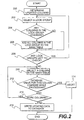
- FIG. 2 depicts a flowchart of the steps performed by the transaction manager 128 when implementing lock group transactions consistent with the present invention.
- the transaction manager 128 receives a transaction request from a client 126.
- the transaction manager 128 stores local copies of the columns in memory (i.e. , a cache) and performs operations on these copies of the columns, using the well-known technique of caching. Only at commit time does the transaction manager 128 update the copy of the columns in the database 124.
- the transaction manager 128 checks whether all columns in that lock group remained unchanged in the database 124 during the transaction. If so, the transaction manager 128 commits the transaction. Otherwise, the transaction manager 128 rolls back the transaction.
- the first step performed by the transaction manager 128 is to determine which columns were updated in the cache 130 by the transaction (operation 200). To accomplish this, the transaction manager 128 at the beginning of the transaction cached the initial value of the columns on which the transaction is to operate and now compares these values with the current values of the columns in the cache 130; columns that do not have the same value have been updated in the cache 130.
- the transaction manager 128 selects a lock group (operation 202) and determines if any of the columns of the lock group were updated in the cache 130 during the transaction (operation 204). If any of the columns of the lock group were changed, all of the columns of that lock group are added to the hash table 122 (operation 206), and if there are more lock groups to process (operation 208), processing continues to operation 202.
- the hash table 122 has been populated with columns from the lock groups that have changed, and the transaction manager 128 selects a column from the hash table (operation 210).
- the transaction manager 128 determines whether the database value for this column has changed in the database 124 during the processing of the transaction (operation 212). To make this determination, the transaction manager 128 compares what the database value for the column was at the beginning of the transaction with the database value for the column at the end of the transaction (commit time). If the database value for the column has changed in the database 124 during the transaction, the transaction manager 128 rolls back the transaction by aborting it (operation 214). If, however, the value has not changed, another column is selected (operation 216). If none of the columns in the hash table 122 had database values that changed in the database 124 during the transaction, the transaction manager 128 commits the transaction, and then updates the columns in the database based on the value of the columns in the cache 130 (operation 218).
- a customer table might consist of the columns lastname, firstname, street, city, zip_code, area_code, phone_number, and sales_representative. It might not make sense to define a lock group that contains both lastname and sales_representative because, in most environments, changes to the values of these two columns would be independent of each other. (However, if a customer were assigned a sales representative based simply on last name, then these columns would be dependent on each other.)
- the address components-street, city, zip_code, area_code, and phone_number-are interrelated they might be placed together in one lock group. Having this information in the same lock group ensures that if two clients were simultaneously updating address information for the same customer, one client would not be updating the phone_number while the other client was updating the customer's area_code.
- two processes can simultaneously update the same customer table provided that the data they access is not in the same lock group, thus improving concurrent access. Since the same column can be in multiple lock groups, in the above example, the area_code might be in both the Phone and Address lock groups.
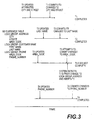
- FIG. 3 illustrates multiple transactions accessing the same table using lock groups in an optimistic concurrency control situation in accordance with methods and systems consistent with the present invention.
- MyCustomerTable has six data members divided into three lock groups (Phone, Address, and CustomerName).
- Four transactions (T1-T4) simultaneously access different attributes within the same MyCustomerTable instance.
- Transaction T1 modifies two attributes-city and street, while transaction T2 modifies lastname. They both complete because T1 commits before any changes are committed by any of the other transactions, and none of the columns modified by T1 belong to any lock group containing the columns modified by T2.
- T3 and transaction T4 potentially had a conflict because of modifications to attributes in lock group Phone, which has the attributes area_code and phone_number.
- T4 can commit its changes to phone_number because the database values for the attributes in lock group Phone remain unchanged from when T4 read them-due to T3's failed attempt to modify area_code. However, had T3 succeeded, then T4 would have failed.
- Methods and systems consistent with the present invention allow a lock group to contain individual columns of different tables. They also allow a column in a table to belong to more than one lock group. This permits transactions to concurrently access a single table in the database if the individual columns of the lock groups do not overlap. The concurrent access of a single table in the database increases the overall data processing efficiency by reducing the delay of transaction roll backs and the delay of waiting for an table to be released from a lock group.
Landscapes
- Engineering & Computer Science (AREA)
- Theoretical Computer Science (AREA)
- Software Systems (AREA)
- General Engineering & Computer Science (AREA)
- Physics & Mathematics (AREA)
- General Physics & Mathematics (AREA)
- Databases & Information Systems (AREA)
- Data Mining & Analysis (AREA)
- Computer Security & Cryptography (AREA)
- Information Retrieval, Db Structures And Fs Structures Therefor (AREA)
Claims (17)
- Ein operatives Verfahren in einem Daten-Verarbeitungs-System (100), welches eine Datenbasis (124) aufweist und Klassen mit Feldern, wobei das Verfahren beinhaltet:Eingang einer Anzeige von einer Verriegelungsgruppe spezifizierend, dass die Verriegelungsgruppe beinhaltet ein erstes Feld einer ersten Klasse und ein zweites Feld einer zweiten Klasse;generieren der spezifizierten Verriegelungsgruppe;Eingang einer Anfrage über die Festlegung einer Transaktion an die Datenbasis (124) betreffend einen Wert für eines der Felder in der Verriegelungsgruppe; und,Feststellung ob das Festlegen der Transaktion an die Datenbasis (124), basierend darauf ob wenigstens eines der Felder der Verriegelungsgruppe durch eine weitere Transaktion während der Transaktion modifiziert wurde, erfolgte.
- Das Verfahren nach Anspruch 1, wobei die Feststellung weiters beinhaltet:
den Abbruch der Transaktion,wenn wenigstens eines der Felder der Verriegelungsgruppe während der Transaktion modifiziert wurde. - Das Verfahren nach Anspruch 1, wobei die Feststellung weiters beinhaltet:
Festlegung der Transaktion,wenn die Felder der Verriegelungsgruppe während der Transaktion nicht verändert wurden. - Das Verfahren nach Anspruch 1, wobei die Klasse eine Tabelle ist und die Felder Spalten, und wobei der Eingang weiters beinhaltet:
Eingang einer Anzeige von einer Verriegelungsgruppe, spezifizierend, dass die Verriegelungsgruppe beinhaltet eine erste Spalte einer ersten Tabelle und eine zweite Spalte einer zweiten Tabelle. - Ein operatives Verfahren in einem Daten-Verarbeitungs-System (100), welches eine Datenbasis (124) und eine Klasse mit Feldern aufweist, wobei das Verfahren beinhaltet:Eingang einer Anzeige von zwei Verriegelungsgruppen spezifizierend, dass sich die beiden Verriegelungsgruppen ein erstes dieser Felder teilen;generieren der spezifizieren Verriegelungsgruppen;Eingang und Anfrage über die Festlegung der Transaktion an die Datenbasis (124) betreffend einen Wert eines zweiten der Felder in einer der Verriegelungsgruppen; undFeststellung ob das Festlegen der Transaktion, darauf basierend ob wenigstens eines der Felder in einer der Verriegelungsgruppen während der Transaktion modifiziert wurde, erfolgte.
- Das Verfahren nach Anspruch 5, wobei die Feststellung weiter beinhaltet:
Abbruch der Transaktion wenn wenigstens eines der Felder einer der Verriegelungsgruppen während der Transaktion modifiziert wurde. - Verfahren nach Anspruch 5, wobei die Entscheidung weiter beinhaltet:
Festlegung der Transaktion wenn die Felder der einen der Verriegelungsgruppe während der Transaktion nicht verändert wurden. - Ein operatives Verfahren in einem Daten-Verarbeitungs-System (100) aufweisend Verriegelungsgruppen, eine Datenbasis (124) mit Datenbasis-Klassen und eine Hash-Tabelle (122), wobei das Verfahren beinhaltet:Generieren einer ersten Verriegelungsgruppe mit Feldern verschiedener Datenbasis-Klassen;Einleitung einer Transaktion durch einen Client, so dass wenigstens eines der Felder in der ersten Verriegelungsgruppe mit einem neuen Dateneintrag versehen wird;Eingang einer Anfrage für die Festlegung einer Transaktion, weiters beinhaltend die Schritte:Feststellung welches der Felder bei der Transaktion mit einem neuenDateneintrag versehen wurde;Feststellung welche der Verriegelungsgruppen die mit neuen Dateneinträgen versehenen Felder beinhalten;hinzufügen damit neuen Dateneinträgen versehenen Felder der festgestellten Verriegelungsgruppen in die Hash-Tabelle (122);Feststellung ob die dazuaddierten Felder in der Datenbasis (124) mit neuenDateneinträgen durch einen anderen Client während der Transaktion versehen wurden;Abbrechen der Transaktion wenn festgestellt wurde, dass wenigstens eines der hinzugefügten Felder in der Datenbasis (124) durch einen anderen Client während der Transaktion mit einem neuen Dateneintrag versehen wurde; undfestlegen der Transaktion wenn festgestellt wurde, dass die hinzugefügten Felder in der Datenbasis (124) während der Transaktion unverändert blieben.
- Ein Daten-Verarbeitungs-System (100) beinhaltend Verriegelungsgruppen, eine Datenbasis (124) mit einer Datenbasis-Klasse und einer Hash-Tabelle (122), wobei das Daten-Verarbeitungs-System (100) beinhaltet:Mittel zur Generierung einer ersten Verriegelungsgruppe mit Feldern aus verschiedenen Datenbasis-Klassen;Mittel für die Einleitung einer Transaktion durch einen Client, so dass wenigstens eines der Felder in den Verriegelungsgruppen mit einem neuen Dateneintrag versehen werden kann;Mittel für den Eingang einer Anfrage zur Festlegung einer Transaktion; weiters beinhaltend:Mittel zur Feststellung, welches der Felder während der Transaktion mit neuen Dateneinträgen versehen wurde:Mittel zur Feststellung, welche der Verriegelungsgruppen die mit neuenDateneinträgen versehenen Felder beinhaltet;Mittel für die Hinzufügung der mit neuen Dateneinträgen versehenen Felder der festgestellten Verriegelungsgruppen zu der Hash-Tabelle (122);Mittel zum Feststellen ob die hinzugefügten Felder in der Datenbasis (124) durch einen anderen Client während der Transaktion mit neuen Dateneinträgen versehen wurden;Mittel für den Abbruch der Transaktion wenn festgestellt wurde, dass wenigstens eines der Felder durch einen anderen Client während der Transaktion in der Datenbasis (124) mit neuen Dateneinträgen versehen wurde: undMittel für die Festlegung der Transaktion wenn festgestellt wurde, dass die hinzugefügten Felder in der Datenbasis (124) während der Transaktion unverändert geblieben sind.
- Ein computer-lesbares Medium, beinhaltend Instruktionen für die Überwachung eines Daten-Verarbeitungs-Systems (100) zur Durchführung eines Verfahrens, das Daten-Verarbeitungs-System (100), aufweisend eine Datenbasis (124) und Klassen mit Feldem, wobei das Verfahren beinhaltet:Eingang einer Anzeige einer Verriegelungsgruppe, spezifizierend dass die Verriegelungsgruppe beinhaltet ein erstes Feld einer ersten Klasse und ein zweites Feld einer zweiter Klasse;Generierung der spezifizierten Verriegelungsgruppe;Eingang einer Anfrage zur Festlegung einer Transaktion an die Datenbasis (124) betreffend einen Wert für eines der Felder in der Verriegelungsgruppe; undFeststellung ob die Festlegung der Transaktion an die Datenbasis (124), darauf basiert ob wenigstens eines der Felder in der Verriegelungsgruppe während der Transaktion durch eine andere Transaktion modifiziert wurde, erfolgte.
- Das computer-lesbare Medium aus Anspruch 10, wobei der Schritt für die Feststellung in dem Verfahren weiters beinhaltet:
Abbruch der Transaktion wenn wenigstens eines der Felder der Verriegelungsgruppe während der Transaktion modifiziert wurde. - Das computer-lesbare Medium aus Anspruch 10, wobei der Schritt für die Feststellung in dem Verfahren weiters beinhaltet.
Eine Festlegung der Transaktion wenn die Felder der Verriegelungsgruppe während der Transaktion unverändert blieben. - Ein computer-lesbares Medium beinhaltend Instruktionen für die Überwachung eines Daten-Verarbeitungs-System (100) zur Durchführung eines Verfahrens, das Daten-Verarbeitungs-System (100), beinhaltend eine Datenbasis (124) und Klassen mit Feldem, wobei das Verfahren beinhaltet:Eingang einer Anzeige von zwei Verriegelungsgruppen, Spezifizierung dass die zwei Verriegelungsgruppen sich ein erstes der Felder teilen;Generierung der spezifizierten Verriegelungsgruppen;Eingang einer Anfrage zur Festlegung einer Transaktion an die Datenbasis (124) betreffend einen Wert eines zweiten der Felder in einer der Verriegelungsgruppen; undfeststellen ob die Festlegung der Transaktion darauf basiert ob wenigstens eines der Felder in der Verriegelungsgruppe während der Transaktion modifiziert wurde.
- Das Computer-lesbare Medium aus Anspruch 13, worin der Schritt für die Feststellung in dem Verfahren weiters beinhaltet:
Abbruch der Transaktion wenn wenigstens eines der Felder der einen Verriegelungsgruppe während der Transaktion modifiziert wurde. - Das Verfahren nach Anspruch 13, wobei der Schritt für die Feststellung weiters beinhaltet:
Festlegung der Transaktion wenn die Felder der einen der Verriegelungsgruppen während der Transaktion unverändert blieben. - Ein Daten-Verarbeitungs-System (100) beinhaltend:Eine sekundäre Speicher-Vorrichtung (110) mit einer Datenbasis (124) beinhaltend Klassen mit Feldern;einen Speicher (106) weiters beinhaltend:einen Transaktions-Manager (128) konfiguriert um eine Definition einer Verrieglungsgruppe zu erhalten, welche ein Feld in einer ersten Klasse undein Feld in zweiten Klasse beinhaltet, konfiguriert um von einem Client eine Anfrage zu erhalten zur Festlegung einer Transaktion worin ein erstes der Felder der Verriegelungsgruppe modifiziert ist, und konfiguriert um die Transaktion abzubrechen, wenn ein zweites der Felder der Verriegelungsgruppe in der Datenbasis (124) durch einen anderen Clienten während der Transaktion verändert wurde; undein Prozessor (104) für den Betrieb des Transaktions-Managers (128).
- Ein Daten-Verarbeitungs-System (100) beinhaltend:eine sekundäre Speicher-Vorrichtung (110) mit einer Datenbasis (124) beinhaltend Klassen mit Feldern:einen Speicher (106) weiters beinhaltend:einen Transaktions-Manager (128) konfiguriert um eine Definition von zwei Verriegelungsgruppen zu erhalten, welche sich ein erstes der Felder teilen, konfiguriert um von einem Clienten eine Anfrage zu erhalten zur Festlegung einer Transaktion worin ein zweites der Felder einer der beidenVerriegelungsgruppen modifiziert wurde, und konfiguriert um die Transaktion abzubrechen wenn ein drittes der Felder der einen Verriegelungsgruppe, beinhaltend das zweite der Felder, in der Datenbasis (124) durch einen anderen Client während der Transaktion verändert wurde; undein Prozessor (104) konfiguriert um den Transaktions-Manager (128) zu betreiben.
Applications Claiming Priority (5)
| Application Number | Priority Date | Filing Date | Title |
|---|---|---|---|
| US106119 | 1987-10-07 | ||
| US6841597P | 1997-12-22 | 1997-12-22 | |
| US68415P | 1997-12-22 | ||
| US09/106,119 US6240413B1 (en) | 1997-12-22 | 1998-06-29 | Fine-grained consistency mechanism for optimistic concurrency control using lock groups |
| PCT/US1998/027242 WO1999033001A1 (en) | 1997-12-22 | 1998-12-21 | A fine-grained consistency mechanism for optimistic concurrency control using lock groups |
Publications (2)
| Publication Number | Publication Date |
|---|---|
| EP1040433A1 EP1040433A1 (de) | 2000-10-04 |
| EP1040433B1 true EP1040433B1 (de) | 2001-11-07 |
Family
ID=26748953
Family Applications (1)
| Application Number | Title | Priority Date | Filing Date |
|---|---|---|---|
| EP98964209A Expired - Lifetime EP1040433B1 (de) | 1997-12-22 | 1998-12-21 | Feinkörniger übereinstimmungsmechanismus für optimistische parallelsteuerung mit verriegelungsgruppen |
Country Status (6)
| Country | Link |
|---|---|
| US (1) | US6240413B1 (de) |
| EP (1) | EP1040433B1 (de) |
| JP (1) | JP2001527242A (de) |
| AU (1) | AU1938899A (de) |
| DE (1) | DE69802437T2 (de) |
| WO (1) | WO1999033001A1 (de) |
Families Citing this family (82)
| Publication number | Priority date | Publication date | Assignee | Title |
|---|---|---|---|---|
| CA2279051C (en) | 1999-07-29 | 2004-12-28 | Ibm Canada Limited-Ibm Canada Limitee | Method and system for improving concurrency through early release of unnecessary locks |
| US7039860B1 (en) * | 1999-10-01 | 2006-05-02 | Netspinner Solutions As | Creating web pages category list prior to the list being served to a browser |
| CA2400161C (en) * | 2000-02-22 | 2015-11-24 | Metacarta, Inc. | Spatially coding and displaying information |
| DE10047216A1 (de) * | 2000-09-23 | 2002-04-11 | Philips Corp Intellectual Pty | Ein Verfahren zur Erkennung von Schreibkonflikten in replizierten Datenbanken ohne Speicheroverhead |
| JP3673189B2 (ja) * | 2001-05-21 | 2005-07-20 | 株式会社東芝 | 書き込み制御方法および構造化文書管理装置および構造化文書編集装置およびプログラム |
| US7020684B2 (en) * | 2002-01-18 | 2006-03-28 | Bea Systems, Inc. | System and method for optimistic caching |
| US6898587B2 (en) | 2002-01-18 | 2005-05-24 | Bea Systems, Inc. | System and method for performing commutative operations in data access systems |
| US6877014B1 (en) * | 2002-01-30 | 2005-04-05 | Oracle International Corporation | Method and apparatus to facilitate transactional consistency for references in object-relational databases |
| US20030233632A1 (en) * | 2002-06-12 | 2003-12-18 | Lockheed Martin Corporation | Automatically generated client application source code using database table definitions |
| US7155429B2 (en) * | 2002-07-09 | 2006-12-26 | Bridgelogix Corporation | Method, apparatus and article of manufacture to aggregate automated transaction procession |
| US7257705B2 (en) * | 2002-11-18 | 2007-08-14 | Sparta Systems, Inc. | Method for preserving changes made during a migration of a system's configuration to a second configuration |
| US7010655B1 (en) | 2003-03-24 | 2006-03-07 | Veritas Operating Corporation | Locking and memory allocation in file system cache |
| US20040230893A1 (en) * | 2003-05-16 | 2004-11-18 | Dethe Elza | Method and system for enabling collaborative authoring of hierarchical documents with node privileges |
| US7788288B1 (en) | 2004-11-01 | 2010-08-31 | At&T Corp. | Method for distributed configuration and file distribution based on centralized data |
| US7984248B2 (en) * | 2004-12-29 | 2011-07-19 | Intel Corporation | Transaction based shared data operations in a multiprocessor environment |
| US7502843B2 (en) * | 2004-12-30 | 2009-03-10 | Microsoft Corporation | Server queuing system and method |
| US7523110B2 (en) * | 2005-03-03 | 2009-04-21 | Gravic, Inc. | High availability designated winner data replication |
| US20060242104A1 (en) * | 2005-04-21 | 2006-10-26 | Microsoft Corporation | Systems and methods for manipulating data in a data storage system |
| AU2006263703A1 (en) | 2005-06-28 | 2007-01-04 | Nokia Corporation | User interface for geographic search |
| US7702658B2 (en) * | 2006-01-27 | 2010-04-20 | International Business Machines Corporation | Method for optimistic locking using SQL select, update, delete, and insert statements |
| US7461065B2 (en) | 2006-01-31 | 2008-12-02 | International Business Machines Corporation | Method and system for utilizing shared numeric locks |
| US9411896B2 (en) * | 2006-02-10 | 2016-08-09 | Nokia Technologies Oy | Systems and methods for spatial thumbnails and companion maps for media objects |
| US7647296B2 (en) * | 2006-03-15 | 2010-01-12 | International Business Machines Corporation | Method for estimating a first access time of transactions accessing a database object |
| US7933881B2 (en) * | 2006-03-17 | 2011-04-26 | Microsoft Corporation | Concurrency control within an enterprise resource planning system |
| US8015183B2 (en) | 2006-06-12 | 2011-09-06 | Nokia Corporation | System and methods for providing statstically interesting geographical information based on queries to a geographic search engine |
| US7698273B2 (en) * | 2006-06-23 | 2010-04-13 | Microsoft Corporation | Solving table locking problems associated with concurrent processing |
| US20080140348A1 (en) * | 2006-10-31 | 2008-06-12 | Metacarta, Inc. | Systems and methods for predictive models using geographic text search |
| US20080065685A1 (en) * | 2006-08-04 | 2008-03-13 | Metacarta, Inc. | Systems and methods for presenting results of geographic text searches |
| US9721157B2 (en) * | 2006-08-04 | 2017-08-01 | Nokia Technologies Oy | Systems and methods for obtaining and using information from map images |
| US20080033935A1 (en) * | 2006-08-04 | 2008-02-07 | Metacarta, Inc. | Systems and methods for presenting results of geographic text searches |
| US8601456B2 (en) * | 2006-08-04 | 2013-12-03 | Microsoft Corporation | Software transactional protection of managed pointers |
| US7895582B2 (en) | 2006-08-04 | 2011-02-22 | Microsoft Corporation | Facilitating stack read and write operations in a software transactional memory system |
| US7434010B2 (en) * | 2006-08-04 | 2008-10-07 | Microsoft Corporation | Combined pessimistic and optimisitic concurrency control |
| WO2009075689A2 (en) * | 2006-12-21 | 2009-06-18 | Metacarta, Inc. | Methods of systems of using geographic meta-metadata in information retrieval and document displays |
| US7941411B2 (en) * | 2007-06-29 | 2011-05-10 | Microsoft Corporation | Memory transaction grouping |
| US8489566B2 (en) * | 2008-04-08 | 2013-07-16 | International Business Machines Corporation | Optimistic locking in online and offline environments |
| US8255373B2 (en) * | 2008-10-24 | 2012-08-28 | Microsoft Corporation | Atomic multiple modification of data in a distributed storage system |
| US9996572B2 (en) * | 2008-10-24 | 2018-06-12 | Microsoft Technology Licensing, Llc | Partition management in a partitioned, scalable, and available structured storage |
| JP4702962B2 (ja) * | 2008-11-12 | 2011-06-15 | インターナショナル・ビジネス・マシーンズ・コーポレーション | メモリ制御装置、プログラム及び方法 |
| US8121980B2 (en) * | 2009-02-13 | 2012-02-21 | Microsoft Corporation | Transactional record manager |
| US8799572B2 (en) * | 2009-04-20 | 2014-08-05 | Microsoft Corporation | Sliding-window multi-class striping |
| US9411634B2 (en) | 2010-06-21 | 2016-08-09 | Microsoft Technology Licensing, Llc | Action framework in software transactional memory |
| US8719515B2 (en) | 2010-06-21 | 2014-05-06 | Microsoft Corporation | Composition of locks in software transactional memory |
| US8386421B2 (en) | 2010-06-28 | 2013-02-26 | Microsoft Corporation | Concurrency control for confluent trees |
| US8412689B2 (en) | 2010-07-07 | 2013-04-02 | Microsoft Corporation | Shared log-structured multi-version transactional datastore with metadata to enable melding trees |
| US9848106B2 (en) | 2010-12-21 | 2017-12-19 | Microsoft Technology Licensing, Llc | Intelligent gameplay photo capture |
| US8745016B2 (en) | 2011-06-17 | 2014-06-03 | International Business Machines Corporation | Managing concurrent access to data in database system |
| US8930330B1 (en) | 2011-06-27 | 2015-01-06 | Amazon Technologies, Inc. | Validation of log formats |
| CN103853527A (zh) | 2012-11-29 | 2014-06-11 | 国际商业机器公司 | 切换多线程程序中的对象锁定模式的方法和系统 |
| US9514007B2 (en) | 2013-03-15 | 2016-12-06 | Amazon Technologies, Inc. | Database system with database engine and separate distributed storage service |
| US11030055B2 (en) | 2013-03-15 | 2021-06-08 | Amazon Technologies, Inc. | Fast crash recovery for distributed database systems |
| US9672237B2 (en) | 2013-03-15 | 2017-06-06 | Amazon Technologies, Inc. | System-wide checkpoint avoidance for distributed database systems |
| US10180951B2 (en) | 2013-03-15 | 2019-01-15 | Amazon Technologies, Inc. | Place snapshots |
| US9501501B2 (en) | 2013-03-15 | 2016-11-22 | Amazon Technologies, Inc. | Log record management |
| US10747746B2 (en) | 2013-04-30 | 2020-08-18 | Amazon Technologies, Inc. | Efficient read replicas |
| US9317213B1 (en) | 2013-05-10 | 2016-04-19 | Amazon Technologies, Inc. | Efficient storage of variably-sized data objects in a data store |
| US9760596B2 (en) | 2013-05-13 | 2017-09-12 | Amazon Technologies, Inc. | Transaction ordering |
| US9208032B1 (en) | 2013-05-15 | 2015-12-08 | Amazon Technologies, Inc. | Managing contingency capacity of pooled resources in multiple availability zones |
| US10303564B1 (en) | 2013-05-23 | 2019-05-28 | Amazon Technologies, Inc. | Reduced transaction I/O for log-structured storage systems |
| US9305056B1 (en) | 2013-05-24 | 2016-04-05 | Amazon Technologies, Inc. | Results cache invalidation |
| US9047189B1 (en) | 2013-05-28 | 2015-06-02 | Amazon Technologies, Inc. | Self-describing data blocks of a minimum atomic write size for a data store |
| US9280591B1 (en) | 2013-09-20 | 2016-03-08 | Amazon Technologies, Inc. | Efficient replication of system transactions for read-only nodes of a distributed database |
| US10216949B1 (en) | 2013-09-20 | 2019-02-26 | Amazon Technologies, Inc. | Dynamic quorum membership changes |
| US9519664B1 (en) | 2013-09-20 | 2016-12-13 | Amazon Technologies, Inc. | Index structure navigation using page versions for read-only nodes |
| US9507843B1 (en) | 2013-09-20 | 2016-11-29 | Amazon Technologies, Inc. | Efficient replication of distributed storage changes for read-only nodes of a distributed database |
| US9460008B1 (en) | 2013-09-20 | 2016-10-04 | Amazon Technologies, Inc. | Efficient garbage collection for a log-structured data store |
| US10223184B1 (en) | 2013-09-25 | 2019-03-05 | Amazon Technologies, Inc. | Individual write quorums for a log-structured distributed storage system |
| US9552242B1 (en) | 2013-09-25 | 2017-01-24 | Amazon Technologies, Inc. | Log-structured distributed storage using a single log sequence number space |
| US9699017B1 (en) | 2013-09-25 | 2017-07-04 | Amazon Technologies, Inc. | Dynamic utilization of bandwidth for a quorum-based distributed storage system |
| US10387399B1 (en) | 2013-11-01 | 2019-08-20 | Amazon Technologies, Inc. | Efficient database journaling using non-volatile system memory |
| US9760480B1 (en) | 2013-11-01 | 2017-09-12 | Amazon Technologies, Inc. | Enhanced logging using non-volatile system memory |
| US9880933B1 (en) | 2013-11-20 | 2018-01-30 | Amazon Technologies, Inc. | Distributed in-memory buffer cache system using buffer cache nodes |
| US9223843B1 (en) | 2013-12-02 | 2015-12-29 | Amazon Technologies, Inc. | Optimized log storage for asynchronous log updates |
| US9971627B2 (en) * | 2014-03-26 | 2018-05-15 | Intel Corporation | Enabling maximum concurrency in a hybrid transactional memory system |
| WO2015162717A1 (ja) * | 2014-04-23 | 2015-10-29 | 株式会社日立製作所 | 計算機 |
| CN104021145B (zh) * | 2014-05-16 | 2018-03-06 | 华为技术有限公司 | 一种混合业务并发访问的方法和装置 |
| US10303663B1 (en) | 2014-06-12 | 2019-05-28 | Amazon Technologies, Inc. | Remote durable logging for journaling file systems |
| US10282228B2 (en) * | 2014-06-26 | 2019-05-07 | Amazon Technologies, Inc. | Log-based transaction constraint management |
| US9916343B2 (en) * | 2015-04-02 | 2018-03-13 | International Business Machines Corporation | Efficient tracking of an alternate global update and read values using exception lists |
| US10825080B2 (en) * | 2017-04-27 | 2020-11-03 | Target Brands, Inc. | Item database creation based on negotiated values |
| US11914571B1 (en) | 2017-11-22 | 2024-02-27 | Amazon Technologies, Inc. | Optimistic concurrency for a multi-writer database |
| US11341163B1 (en) | 2020-03-30 | 2022-05-24 | Amazon Technologies, Inc. | Multi-level replication filtering for a distributed database |
Family Cites Families (20)
| Publication number | Priority date | Publication date | Assignee | Title |
|---|---|---|---|---|
| US4589092A (en) * | 1983-12-12 | 1986-05-13 | International Business Machines Corporation | Data buffer having separate lock bit storage array |
| US5043876A (en) * | 1988-05-27 | 1991-08-27 | International Business Machines Corporation | N-level file shadowing and recovery in a shared file system |
| US5261069A (en) * | 1990-08-13 | 1993-11-09 | Hewlett-Packard Company | Method of maintaining consistency of cached data in a database system |
| EP0472812B1 (de) | 1990-08-28 | 1998-05-06 | Landis & Gyr Technology Innovation AG | Verfahren zum Aendern einer in einem Computer eines Gerätes abgespeicherten Maschinensprachenfassung eines ersten Programms in eine Maschinensprachenfassung eines durch mindestens eine Aenderung vom ersten Programm abgeleiteten zweiten Programms |
| US5291583A (en) | 1990-12-14 | 1994-03-01 | Racal-Datacom, Inc. | Automatic storage of persistent ASN.1 objects in a relational schema |
| US5263155A (en) * | 1991-02-21 | 1993-11-16 | Texas Instruments Incorporated | System for selectively registering and blocking requests initiated by optimistic and pessimistic transactions respectively for shared objects based upon associated locks |
| US5301297A (en) * | 1991-07-03 | 1994-04-05 | Ibm Corp. (International Business Machines Corp.) | Method and means for managing RAID 5 DASD arrays having RAID DASD arrays as logical devices thereof |
| US5596746A (en) | 1991-10-21 | 1997-01-21 | General Electric Company | Method for transforming relational data base schemas into object models using ideal table meta models |
| US5280612A (en) * | 1991-11-26 | 1994-01-18 | International Business Machines Corporation | Multiple version database concurrency control system |
| WO1995003586A1 (en) | 1993-07-21 | 1995-02-02 | Persistence Software, Inc. | Method and apparatus for generation of code for mapping relational data to objects |
| WO1995004960A2 (en) | 1993-08-02 | 1995-02-16 | Persistence Software, Inc. | Method and apparatus for managing relational data in an object cache |
| US5774731A (en) * | 1995-03-22 | 1998-06-30 | Hitachi, Ltd. | Exclusive control method with each node controlling issue of an exclusive use request to a shared resource, a computer system therefor and a computer system with a circuit for detecting writing of an event flag into a shared main storage |
| US5742813A (en) * | 1994-11-10 | 1998-04-21 | Cadis, Inc. | Method and apparatus for concurrency in an object oriented database using lock inheritance based on class objects |
| US5835910A (en) * | 1994-11-10 | 1998-11-10 | Cadis, Inc. | Method and system for comparing attributes in an object-oriented management system |
| US5574882A (en) * | 1995-03-03 | 1996-11-12 | International Business Machines Corporation | System and method for identifying inconsistent parity in an array of storage |
| US5717924A (en) | 1995-07-07 | 1998-02-10 | Wall Data Incorporated | Method and apparatus for modifying existing relational database schemas to reflect changes made in a corresponding object model |
| US5812134A (en) | 1996-03-28 | 1998-09-22 | Critical Thought, Inc. | User interface navigational system & method for interactive representation of information contained within a database |
| US5857197A (en) | 1997-03-20 | 1999-01-05 | Thought Inc. | System and method for accessing data stores as objects |
| US5937409A (en) | 1997-07-25 | 1999-08-10 | Oracle Corporation | Integrating relational databases in an object oriented environment |
| US5983020A (en) | 1997-10-02 | 1999-11-09 | International Business Machines Corporation | Rule-based engine for transformation of class hierarchy of an object-oriented program |
-
1998
- 1998-06-29 US US09/106,119 patent/US6240413B1/en not_active Expired - Lifetime
- 1998-12-21 AU AU19388/99A patent/AU1938899A/en not_active Abandoned
- 1998-12-21 DE DE69802437T patent/DE69802437T2/de not_active Expired - Fee Related
- 1998-12-21 EP EP98964209A patent/EP1040433B1/de not_active Expired - Lifetime
- 1998-12-21 JP JP2000525837A patent/JP2001527242A/ja active Pending
- 1998-12-21 WO PCT/US1998/027242 patent/WO1999033001A1/en not_active Ceased
Also Published As
| Publication number | Publication date |
|---|---|
| DE69802437T2 (de) | 2002-08-08 |
| AU1938899A (en) | 1999-07-12 |
| JP2001527242A (ja) | 2001-12-25 |
| EP1040433A1 (de) | 2000-10-04 |
| DE69802437D1 (de) | 2001-12-13 |
| US6240413B1 (en) | 2001-05-29 |
| WO1999033001A1 (en) | 1999-07-01 |
Similar Documents
| Publication | Publication Date | Title |
|---|---|---|
| US6240413B1 (en) | Fine-grained consistency mechanism for optimistic concurrency control using lock groups | |
| US8010497B2 (en) | Database management system with efficient version control | |
| US4881166A (en) | Method for consistent multidatabase transaction processing | |
| EP0723238B1 (de) | Relationales Datenbanksystem und Verfahren mit grosser Verfügbarkeit der Daten bei der Umstrukturierung von Tabellendaten | |
| US9411635B2 (en) | Parallel nested transactions in transactional memory | |
| US5475837A (en) | Method and system for restructuring a B-Tree for managing data during a node splitting operation | |
| US5890153A (en) | Database lock control method | |
| US7962456B2 (en) | Parallel nested transactions in transactional memory | |
| US7840530B2 (en) | Parallel nested transactions in transactional memory | |
| US5809506A (en) | Method for creating an object base of persisent application objects in an object oriented programming environment and apparatus related thereto | |
| EP0833259A2 (de) | Verfahren und Vorrichtung zur Kupplung von Objektzustand und -verhalten in einem Datenverwaltungssystem | |
| JP3512439B2 (ja) | チェックイン・チェックアウトモデルにおける施錠方式 | |
| JPH04337850A (ja) | データベース・トランザクション及び照会処理システム | |
| JP2001527243A (ja) | オブジェクト指向アプリケーション内のクラスに対応するリレーショナル・データベース内のインデックスを生成するための方法及び装置 | |
| CN111949673A (zh) | 基于Hbase存储的分布式悲观锁及其实现方法 | |
| US8095731B2 (en) | Mutable object caching | |
| US7970787B2 (en) | Access concurrency for cached authorization information in relational database systems | |
| US6615214B1 (en) | Accommodation of data definition statements in the sharing of dynamic SQL statements | |
| HK1179718B (en) | Parallel nested transactions in transactional memory |
Legal Events
| Date | Code | Title | Description |
|---|---|---|---|
| PUAI | Public reference made under article 153(3) epc to a published international application that has entered the european phase |
Free format text: ORIGINAL CODE: 0009012 |
|
| 17P | Request for examination filed |
Effective date: 20000724 |
|
| AK | Designated contracting states |
Kind code of ref document: A1 Designated state(s): DE FR GB |
|
| 17Q | First examination report despatched |
Effective date: 20001027 |
|
| GRAG | Despatch of communication of intention to grant |
Free format text: ORIGINAL CODE: EPIDOS AGRA |
|
| GRAG | Despatch of communication of intention to grant |
Free format text: ORIGINAL CODE: EPIDOS AGRA |
|
| GRAH | Despatch of communication of intention to grant a patent |
Free format text: ORIGINAL CODE: EPIDOS IGRA |
|
| GRAH | Despatch of communication of intention to grant a patent |
Free format text: ORIGINAL CODE: EPIDOS IGRA |
|
| GRAA | (expected) grant |
Free format text: ORIGINAL CODE: 0009210 |
|
| AK | Designated contracting states |
Kind code of ref document: B1 Designated state(s): DE FR GB |
|
| RAP2 | Party data changed (patent owner data changed or rights of a patent transferred) |
Owner name: SUN MICROSYSTEMS, INC. |
|
| RIN2 | Information on inventor provided after grant (corrected) |
Free format text: SUN MICROSYSTEMS, INC. |
|
| REF | Corresponds to: |
Ref document number: 69802437 Country of ref document: DE Date of ref document: 20011213 |
|
| REG | Reference to a national code |
Ref country code: GB Ref legal event code: IF02 |
|
| ET | Fr: translation filed | ||
| PLBE | No opposition filed within time limit |
Free format text: ORIGINAL CODE: 0009261 |
|
| STAA | Information on the status of an ep patent application or granted ep patent |
Free format text: STATUS: NO OPPOSITION FILED WITHIN TIME LIMIT |
|
| 26N | No opposition filed | ||
| PGFP | Annual fee paid to national office [announced via postgrant information from national office to epo] |
Ref country code: FR Payment date: 20031210 Year of fee payment: 6 |
|
| PG25 | Lapsed in a contracting state [announced via postgrant information from national office to epo] |
Ref country code: FR Free format text: LAPSE BECAUSE OF NON-PAYMENT OF DUE FEES Effective date: 20050831 |
|
| REG | Reference to a national code |
Ref country code: FR Ref legal event code: ST |
|
| PGFP | Annual fee paid to national office [announced via postgrant information from national office to epo] |
Ref country code: DE Payment date: 20061214 Year of fee payment: 9 |
|
| PGFP | Annual fee paid to national office [announced via postgrant information from national office to epo] |
Ref country code: GB Payment date: 20061220 Year of fee payment: 9 |
|
| GBPC | Gb: european patent ceased through non-payment of renewal fee |
Effective date: 20071221 |
|
| PG25 | Lapsed in a contracting state [announced via postgrant information from national office to epo] |
Ref country code: DE Free format text: LAPSE BECAUSE OF NON-PAYMENT OF DUE FEES Effective date: 20080701 |
|
| PG25 | Lapsed in a contracting state [announced via postgrant information from national office to epo] |
Ref country code: GB Free format text: LAPSE BECAUSE OF NON-PAYMENT OF DUE FEES Effective date: 20071221 |