EP1050978B1 - Satelliten Kommunikationsanordnung mit Verfahren zur Verarbeitung des Weiterreichens einer Verbindung. - Google Patents
Satelliten Kommunikationsanordnung mit Verfahren zur Verarbeitung des Weiterreichens einer Verbindung. Download PDFInfo
- Publication number
- EP1050978B1 EP1050978B1 EP00109120A EP00109120A EP1050978B1 EP 1050978 B1 EP1050978 B1 EP 1050978B1 EP 00109120 A EP00109120 A EP 00109120A EP 00109120 A EP00109120 A EP 00109120A EP 1050978 B1 EP1050978 B1 EP 1050978B1
- Authority
- EP
- European Patent Office
- Prior art keywords
- satellite
- handover
- station
- communication
- received
- Prior art date
- Legal status (The legal status is an assumption and is not a legal conclusion. Google has not performed a legal analysis and makes no representation as to the accuracy of the status listed.)
- Expired - Lifetime
Links
- 238000004891 communication Methods 0.000 title claims description 509
- 238000003672 processing method Methods 0.000 title claims description 26
- 238000000034 method Methods 0.000 claims description 119
- 238000012545 processing Methods 0.000 claims description 6
- 238000010586 diagram Methods 0.000 description 19
- 229910052741 iridium Inorganic materials 0.000 description 15
- GKOZUEZYRPOHIO-UHFFFAOYSA-N iridium atom Chemical compound [Ir] GKOZUEZYRPOHIO-UHFFFAOYSA-N 0.000 description 14
- 230000005540 biological transmission Effects 0.000 description 6
- 238000002360 preparation method Methods 0.000 description 6
- 230000005684 electric field Effects 0.000 description 5
- 238000010295 mobile communication Methods 0.000 description 5
- 230000001360 synchronised effect Effects 0.000 description 5
- ATJFFYVFTNAWJD-UHFFFAOYSA-N Tin Chemical compound [Sn] ATJFFYVFTNAWJD-UHFFFAOYSA-N 0.000 description 2
- 238000007796 conventional method Methods 0.000 description 2
- 230000002411 adverse Effects 0.000 description 1
- 238000004458 analytical method Methods 0.000 description 1
- 238000013459 approach Methods 0.000 description 1
- 230000001413 cellular effect Effects 0.000 description 1
- 230000000694 effects Effects 0.000 description 1
- 150000002503 iridium Chemical class 0.000 description 1
- 238000011084 recovery Methods 0.000 description 1
- 230000008054 signal transmission Effects 0.000 description 1
- 238000012546 transfer Methods 0.000 description 1
Images





Classifications
-
- H—ELECTRICITY
- H04—ELECTRIC COMMUNICATION TECHNIQUE
- H04B—TRANSMISSION
- H04B7/00—Radio transmission systems, i.e. using radiation field
- H04B7/14—Relay systems
- H04B7/15—Active relay systems
- H04B7/185—Space-based or airborne stations; Stations for satellite systems
- H04B7/1853—Satellite systems for providing telephony service to a mobile station, i.e. mobile satellite service
- H04B7/18539—Arrangements for managing radio, resources, i.e. for establishing or releasing a connection
- H04B7/18541—Arrangements for managing radio, resources, i.e. for establishing or releasing a connection for handover of resources
-
- H—ELECTRICITY
- H04—ELECTRIC COMMUNICATION TECHNIQUE
- H04W—WIRELESS COMMUNICATION NETWORKS
- H04W36/00—Hand-off or reselection arrangements
- H04W36/16—Performing reselection for specific purposes
- H04W36/18—Performing reselection for specific purposes for allowing seamless reselection, e.g. soft reselection
-
- H—ELECTRICITY
- H04—ELECTRIC COMMUNICATION TECHNIQUE
- H04W—WIRELESS COMMUNICATION NETWORKS
- H04W76/00—Connection management
- H04W76/10—Connection setup
-
- H—ELECTRICITY
- H04—ELECTRIC COMMUNICATION TECHNIQUE
- H04W—WIRELESS COMMUNICATION NETWORKS
- H04W84/00—Network topologies
- H04W84/02—Hierarchically pre-organised networks, e.g. paging networks, cellular networks, WLAN [Wireless Local Area Network] or WLL [Wireless Local Loop]
- H04W84/04—Large scale networks; Deep hierarchical networks
- H04W84/06—Airborne or Satellite Networks
-
- H—ELECTRICITY
- H04—ELECTRIC COMMUNICATION TECHNIQUE
- H04W—WIRELESS COMMUNICATION NETWORKS
- H04W92/00—Interfaces specially adapted for wireless communication networks
- H04W92/16—Interfaces between hierarchically similar devices
Definitions
- the present invention relates to a satellite communications system and its handover processing method, and in particular, to a satellite communications system using a group of orbital satellites according to a satellite fixed cell scheme, as well as a handover processing method therefor.
- a plurality of satellites are arranged around the earth so as to revolve around it along certain orbits.
- One of known systems that are adapted for such a satellite communications system uses a group of low-orbital satellites that are principally non-stationary orbital satellites such as iridium satellites or global stars which operate on low earth orbits (LEO).
- LEO low earth orbits
- iridium satellites revolve along six orbits that are substantially orthogonal with the equator. Eleven satellites are located on a single orbit so as to construct a cellular telephone network in which a total of 66 satellites cover every area of the earth.
- a variety of control centers (hereafter referred to as "ground stations") on the earth monitor the satellite network, transmit instructions for attitude control, and inform each satellite of necessary information.
- An iridium system satellite has a switching function and an intersatellite communication function. If a user makes a telephone call from an iridium terminal to a public telephone network, a radio wave originated from the iridium terminal is first received by an overhead satellite and then passes through adjacent satellites to reach a gateway connected to a destined telephone network. The call further passes through the telephone network connected to the gateway before connecting to the destination.
- a call setup request is first sent to the nearest gateway. This is to authenticate this iridium terminal.
- the gateway Upon identifying the iridium terminal, the gateway then identifies a gateway corresponding to the destination, and delivers the setup request to this gateway via a satellite circuit.
- the gateway that has received the connection request identifies the destination and makes a call to a corresponding subscriber telephone network to make a connection.
- the destination receives the call, it connects to a communication path joining the satellites together and then starts communication. If the iridium terminal is connected to a telephone connected to a public telephone network, the call setup processing involves two gateways.
- the satellites In the case of communication between iridium terminals, the satellites also provide a switching function and a communication function. Switching processing, however, is not carried out only by the satellites but connections are always made through a circuit connection procedure via gateways.
- the orbits of iridium satellites are as described above. Each of the satellites arranged on these orbits covers the overall global surface using beams impinging on the surface of the earth. A plurality of such communication beams emitted from a satellite cooperate with one another to form a coverage area of the global surface. Since the coverage area is formed by non-stationary orbital satellites, it moves relative to the global surface over time.
- the iridium terminal When the iridium terminal is located in the area of a certain overhead satellite, it can connect to another terminal in the same area or to a public telephone network via a gateway in the same area. Alternatively, when the iridium terminal is to be connected to another iridium terminal or a public telephone network that belongs to a different area, a call is set up via an intersatellite communication link established with an adjacent satellite.
- the coverage area formed by a plurality of beams from a satellite in corporation is formed of subsections each formed by a corresponding one of the plural beams. By dividing the coverage area into the subsections, the number of communication channels available in the system can be increased to augment the entire capacity (that is, the number of mobile stations that can be supported by the system).
- each subsection formed by a plurality of cover beams emitted by satellites corresponds to one dynamic geographical area (cell) that moves over the ground surface as the satellite obits the earth.
- a coverage beam emitted to each cell is assigned a particular frequency as a communication carrier, and each carrier frequency supports a plurality of channels, which each channel assigned to a specific terminal located within the cell.
- a terminal can communicate with a satellite at an assigned frequency on an assigned communication channel as long as this terminal is located within the associated cell.
- this terminal When, however, the terminal leaves an old beam/cell and enters a new beam/cell, this terminal must be assigned a new communication channel. In addition, this terminal must adjust its communication frequency to the frequency associated with the new cell. Otherwise, the current communication channel (an ongoing call) will be dropped (that is, disconnected). Once the terminal has entered the new beam/cell, it uses the new channel for all communications with the satellite.
- a terminal may shift from a satellite by which it is being serviced to a service area of a next satellite, and in this case, it must also switch to a new communication channel.
- Handovers are necessary when a mobile station moves from one beam or cell to another beam or cell, and in order to carry out handover, the mobile station must switch to a new predetermined transmission or reception frequency.
- a terminal determines the necessity of handover, for example, depending on the intensity of electric field received from a satellite, it sends a handover request signal to a gateway belonging to a service area for the terminal or directly to the satellite. Then, the gateway or satellite that has received this signal transmits and receives information to and from the satellite or gateway, respectively, in order to switch to a new channel to the terminal.
- timings when handover becomes necessary are preferably known beforehand.
- a gateway makes analysis based on a report generated by a terminal as appropriate, and if a power level contained in the report has a predetermined threshold or lower, the gateway determines that the terminal is leaving the current coverage area and recognizes that the handover process will be required in the near future.
- the gateway continuously monitors the position of the terminal and the position of an associated coverage beam to determine a timing when handover becomes necessary.
- the gateway which has used the above method to recognize the timing when handover is to be carried out, transmits signals with appropriate timings starting with the handover request signal to establish a new channel between a corresponding satellite and the terminal.
- a ground station controls all the satellites such that a controller of each satellite is caused to register via its receiver a physical location immediately below the navigating satellite (the east longitude, the north latitude, or the like), a schedule indicating the corresponding point of time, physical locations immediately below satellites preceding or following the first satellite on its orbit (the east longitude, the north latitude, or the like), and a schedule indicating the corresponding point of time (B1, B2).
- the terminal When the terminal determines that handover is necessary, for example, depending on the intensity of electric field received from a satellite, it sends a handover request signal to a gateway belonging to a service area for the terminal or directly to the first satellite (B3). Upon receiving the handover request signal, the first satellite starts handover processing via an intersatellite communication link (B4) and transmits a downlink message for the terminal to a second satellite (B5).
- the first satellite transmits the last communication data via a communication link established with the terminal (B6), and the second satellite transmits the first communication data (B7). Once a new up-link has been established between the terminal and the second satellite, the terminal transmits the last communication data to the first satellite (B8) and then transmits the first communication data to the second satellite (B9).
- handovers will be described which are executed in response to a handover request signal received from the terminal in the order: a third satellite, a first satellite, and a second satellite, which are arranged on the same orbit.
- a ground station controls all the satellites such that a controller of each satellite is caused to register via its receiver a physical location immediately below the navigating satellite (the east longitude, the north latitude, or the like), a schedule indicating the corresponding point of time, physical locations immediately below satellites preceding or following the first satellite on its orbit (the east longitude, the north latitude, or the like), and a schedule indicating the corresponding point of time (B11, B12, B13).
- a terminal covered by the third satellite determines the necessity of handover, for example, depending on the intensity of electric field received from the third satellite, it sends a handover request signal to a gateway belonging to a service area for the terminal or directly to the third satellite (B14).
- the third satellite Upon receiving the handover request signal, the third satellite starts the handover procedure for the first satellite via an intersatellite communication link (B15).
- a terminal covered by the first satellite determines the necessity of handover, for example, depending on the intensity of electric field received from the first satellite, it sends a handover request signal to a gateway belonging to a service area for the terminal or directly to the first satellite (B16).
- the first satellite Upon receiving the handover request signal, the first satellite starts handover for the second satellite via an intersatellite communication link (B17), and the first satellite executes transmissions to the second satellite (B18).
- the first satellite transmits the last communication data via the established communication link (B19), while the second satellite transmits the first communication data via a link newly established with the terminal (B20).
- the handover process which is started depending on, for instance, the intensity of electric field received from a satellite, it is necessary to include information indicating that the handover is started in the notice to be sent to a gateway or a satellite, resulting in a large amount of data to be transmitted.
- an incidental factor may cause the handover process to be started, resulting in unexpected and unavoidable communication failure.
- An object of the present invention is to provide satellite communications system and handover processing method that can achieve the stable and reliable handover process. This object is achieved with the features of the claims.
- schedule information is previously registered in each of the satellites.
- the schedule information of each satellite includes a radius of a coverage area thereof, a point of time provided thereto, and physical locations of a center point of the coverage area thereof according to the point of time.
- a handover start time is calculated based on the schedule information and the physical location of the first station and a control signal regarding the handover is transmitted to an adjacent satellite. Since the handover start time is known in advance at both the first satellite and the adjacent satellite, the handover can be performed and completed between them without sending handover request signal.
- a satellite communications system using a plurality of satellites which are arranged on at least one non-stationary orbit, wherein a plurality of satellites on a non-stationary orbit emit beams to form a plurality of coverage areas covering a circumference of the earth and a station located in a coverage area formed by a satellite communicates with the satellite using an established communication link, each of the satellites comprising: a ground communication section for communicating with stations located in the coverage areas on the earth: an intersatellite communication section for communicating with other satellites through intersatellite communications links; and a controller controlling the ground and intersatellite communication sections to perform a handover process, wherein in a first satellite forming a coverage area in which the station is located, a first controller calculates a handover start time at which the handover process should be started for the station, and controls the intersatellite communication section so as to transmit a control signal having a handover completion time added thereto to an adjacent satellite that is to be
- a first controller calculates a handover start time at which the handover process should be started for the station, and controls a first intersatellite communication section so as to transmit a control signal having a handover completion time added thereto and communication data received from the station at the handover start time and having next handover-related data added thereto to an adjacent satellite that is to be a handover destination satellite, wherein the handover completion time is calculated from the handover start time, and in a second satellite receiving from the first satellite the control signal having the handover completion time added thereto and the communication data having the next handover-related data added thereto, a second controller performs the handover process by establishing a new communication link to the station before the handover completion time, compares communication data received from the station using the new communication link with the next handover-related data to determine whether the communication data and the next handover-related data are in sequence, and controls second ground and intersatellite
- a satellite communications system using a plurality of satellites which are arranged on at least one non-stationary orbit, wherein a plurality of satellites on a non-stationary orbit emit beams to form a plurality of coverage areas covering a circumference of the earth and a station located in a coverage area formed by a satellite communicates with the satellite, each of the satellites comprising: a ground communication section for communicating with stations on the earth; an intersatellite communication section for communicating with other satellites through intersatellite communications links; a storage device for storing data received from other satellites through the intersatellite communications links; a selector for selecting one of data received by the ground communication section and data stored in the storage device; and a controller controlling the ground and intersatellite communication sections and the selector to perform a handover process, wherein in a first satellite forming a coverage area in which the station is located, a first controller calculates a handover start time T-t at which the handover process should
- a satellite communications system using a plurality of satellites which are arranged on at least one non-stationary orbit, wherein a plurality of satellites on a non-stationary orbit emit beams to form a plurality of coverage areas covering a circumference of the earth and a station located in a coverage area formed by a satellite communicates with the satellite using an established communication link, each of the satellites comprising: a ground communication section for communicating with stations located in the coverage areas on the earth; an intersatellite communication section for communicating with other satellites through intersatellite communications links; and a controller controlling the ground and intersatellite communication sections to perform a handover process, wherein in a first satellite forming a coverage area in which a station is located, a first controller calculates a handover start time at which the handover process should be started for the station, and controls the intersatellite communication section so as to transmit a control signal having a handover completion time added thereto to a second satellite that is to be
- a satellite communications system using a plurality of satellites which are arranged on at least one non-stationary orbit, wherein a plurality of satellites on a non-stationary orbit emit beams to form a plurality of coverage areas covering a circumference of the earth and a station located in a coverage area formed by a satellite communicates with the satellite using an established communication link, each of the satellites comprising: a ground communication section for communicating with stations located in the coverage areas on the earth; an intersatellite communication section for communicating with other satellites through intersatellite communications links; and a controller controlling the ground and intersatellite communication sections to perform a handover process, wherein in a first satellite forming a coverage area in which the station is located, a first controller calculates a handover start time T-t at which the handover process should be started for the station, wherein T is a handover completion time and t is a time required for the handover process, controls a first intersatellite communication
- a handover processing method in a satellite communications system using a plurality of satellites which are arranged on at least one non-stationary orbit wherein a plurality of satellites on a non-stationary orbit emit beams to form a plurality of coverage areas covering a circumference of the earth and a station located in a coverage area formed by a satellite communicates with the satellite using an established communication link, each of the satellites including: a ground communication section for communicating with stations located in the coverage areas on the earth; an intersatellite communication section for communicating with other satellites through intersatellite communications links; and a controller controlling the ground and intersatellite communication sections to perform a handover process, the method includes the steps of: at a first satellite forming a coverage area in which the station is located, a) calculating a handover start time at which the handover process should be started for the station; b) transmitting a control signal having a handover completion time added thereto to an adjacent satellite that is to be a handover destination
- a handover processing method includes the steps of: at a first satellite forming a coverage area in which the station is located, a) calculating a handover start time at which the handover process should be started for the station; b) transmitting a control signal having a handover completion time added thereto and communication data received from the station at the handover start time and having next handover-related data added thereto to an adjacent satellite that is to be a handover destination satellite, wherein the handover completion time is calculated from the handover start time; at a second satellite receiving from the first satellite the control signal having the handover completion time added thereto and the communication data having the next handover-related data added thereto, c) establishing a new communication link to the station before the handover completion time; d) comparing communication data received from the station using the new communication link with the next handover-related data to determine whether the communication data and the next handover-related data are in sequence; e) receiving a sequence of communication data from the station; and f) transmit
- a handover processing method in a satellite communications system using a plurality of satellites which are arranged on at least one non-stationary orbit wherein a plurality of satellites on a non-stationary orbit emit beams to form a plurality of coverage areas covering a circumference of the earth and a station located in a coverage area formed by a satellite communicates with the satellite, each of the satellites comprising: a ground communication section for communicating with stations on the earth; an intersatellite communication section for communicating with other satellites through intersatellite communications links; a storage device for storing data received from other satellites through the intersatellite communications links; a selector for selecting one of data received by the ground communication section and data stored in the storage device; and a controller controlling the ground and intersatellite communication sections and the selector to perform a handover process, the method includes the steps of: at a first satellite forming a coverage area in which the station is located, a) calculating a handover start time
- a handover processing method in a satellite communications system using a plurality of satellites which are arranged on at least one non-stationary orbit wherein a plurality of satellites on a non-stationary orbit emit beams to form a plurality of coverage areas covering a circumference of the earth and a station located in a coverage area formed by a satellite communicates with the satellite using an established communication link, each of the satellites comprising: a ground communication section for communicating with stations located in the coverage areas on the earth; an intersatellite communication section for communicating with other satellites through intersatellite communications links; and a controller controlling the ground and intersatellite communication sections to perform a handover process, the method includes the steps of: at a first satellite forming a coverage area in which a station is located, a) calculating a handover start time at which the handover process should be started for the station; b) transmitting a control signal having a handover completion time added thereto to a second satellite that is
- a handover processing method in a satellite communications system using a plurality of satellites which are arranged on at least one non-stationary orbit wherein a plurality of satellites on a non-stationary orbit emit beams to form a plurality of coverage areas covering a circumference of the earth and a station located in a coverage area formed by a satellite communicates with the satellite using an established communication link,each of the satellites comprising: a ground communication section for communicating with stations located in the coverage areas on the earth; an intersatellite communication section for communicating with other satellites through intersatellite communications links; and a controller controlling the ground and intersatellite communication sections to perform a handover process, the method includes the steps of: at a first satellite forming a coverage area in which the station is located, a) calculating a handover start time T-t at which the handover process should be started for the station, wherein T is a handover completion time and t is a time required for the handover
- FIG. 3 shows an arrangement of low-orbital satellites that is a precondition for the present invention.
- a simple case is shown including plural orbits 12 that are planes each extending at a given angle from the equatorial plane, that cross one another at a given angle, and that are set so as to cover the surface of the earth, and also including plural low-orbital satellites arranged on the same orbit so that areas covered by these low-orbital satellites cover the circumference of the earth.
- the present invention is applicable to a mobile communication system using non-stationary orbital satellites represented by iridium satellites or global stars and operating on LEOs (Low Earth Orbits).
- the altitude of the orbit is not limited in the case where a mobile communication system uses a plurality of non-stationary orbital satellites arranged on the same orbit, and the present invention is also applicable, for example, to a mobile communication system such as INMARSAT-P et al. which operates on an MEO (Medium Earth Orbit).
- a satellite communications system has two possible types of orbits.
- One of these types of orbits is polar orbits each having a plane passing through either of the poles (in the case of sun synchronous orbits, quasi-polar orbits) and which are characterized by ensuring the permanent and overall coverage of the earth.
- the other of the types of orbits is inclined orbits each having a plane inclined at a given angle (actually 60° or smaller) relative to the equatorial plane.
- the permanent coverage is comprised of two boundary zones that are parallel with the equator and that are symmetrical with respect to the equator.
- the present invention is applicable to either of the two types of orbits if only the mobile communication system uses a plurality of satellites 10 arranged on the same orbit.
- FIG. 4 shows a general configuration of a form of communication between a ground station 11 existing on the earth and satellites 10.
- the ground station 11 controls each of the satellites 10 so as to synchronize timers of these satellites 10 with one another.
- the timers can be synchronized with one another using intersatellite communication links established between the satellites and based on synchronization bursts transmitted between the satellites.
- the ground station 11 has each of the satellites 10 to register in its controller, physical locations (east longitude, north latitude, or the like) immediately below satellites 10 navigating before and after the first satellite 10 on the same orbit, a schedule indicating the corresponding point of time, physical locations (east longitude, north latitude, or the like) immediately below satellites 10 navigating adjacent to the first satellite 10, and a schedule indicating the corresponding point of time.
- each of the satellites 10 can determine its own current location, the current locations of the satellites 10 preceding and following this satellite 10 on the same orbit, and the current locations of the other adjacent satellites 10.
- the schedule information provided by the ground station 11 is comprised of satellite IDs for identifying each satellite 10, a navigation schedule for a satellite holding a desired satellite ID, navigation schedules for satellites 10 preceding and following this satellite 10, and navigation schedules for other adjacent satellites 10 (not shown).
- each satellite 10 can register the above schedule information beforehand, and based on a point of time indicated by the timer, which synchronizes with the previously registered, each satellite 10 can determine its own current location, the current locations of satellites 10 preceding and following this satellite 10 on the same orbit, and the current locations of other adjacent satellites 10.
- FIG. 6 is a schematic diagram showing an example of a configuration of a satellite communications system according to the present invention.
- Each satellite 10 can communicate with an adjacent satellite 10 via an intersatellite communication link and can transmit communication data received from a covered subscriber to a destined subscriber via other adjacent satellites 10.
- communication data transmitted between the satellites 10 additionally includes a control signal required for handover so that satellites 10 involved in this process can autonomously start it.
- each satellite 10 determines the location of a subscriber who is transmitting communication data after establishing a communication link.
- the satellite 10 can use location information for each subscriber identification (ID) which is contained in call setup information transmitted from the ground station 11 when the subscriber attempts to set up a call.
- ID subscriber identification
- a GPS system can be used which determines the location by receiving radio waves from a group of stationary orbital satellites.
- the satellite 10 can determine the location of a subscriber by receiving location information on the subscriber from the GPS system.
- the satellite 10 can use a receiver for receiving and analyzing radio waves from the ground, to analyze which of plural beam frequencies emitted by the satellite matches the frequency of a channel established with a subscriber belonging to a currently covered area, and can then determine the location of the subscriber using a controller for controlling the functions of the satellite 10.
- the means for determining the location of a subscriber is not limited to the above ones but any of the conventional techniques may be used if only the satellite 10 can determine the location of the subscriber.
- the orbital satellite according to the present invention can use the above means to determine the location of a subscriber
- the present invention is characterized in that based on the location of a subscriber determined by each satellite 10 and on the schedule information registered in the controller, a handover start time for the subscriber with its location determined can be autonomously calculated. A method for calculating the handover start time will be described below.
- All the satellites 10 each have the previously registered size of an area covered by its own beams, and can calculate the amount of time required for the location of a subscriber to leave the area covered by this satellite by referring to its own navigation schedule registered in the controller thereof by the ground station 11.
- the schedule information provided to all the satellites includes the navigation schedules for adjacent satellites 10, so that each satellite can calculate the amount of time required for the subscriber to enter an area covered by an adjacent satellite.
- the point of time when the subscriber leaves the current coverage area is defined as TA
- the amount of time required for the coverage area of the following satellite 10 to cover the current location of the subscriber is defined as TB
- the amount of time required for the handover process is defined, for example, as 1. If TA meets the following condition: TA > TB + 1 and when the handover process is started at TA-1, this handover process is completed after the passage of the amount of time TA required for location of the subscriber to leave the coverage area of the overhead satellite 10.
- a handover destination satellite 10 is the satellite 10 following the overhead satellite on the same orbit, since the schedules provided by the ground station 11 includes the schedule for the following satellite 10, the satellite 10 preceding this satellite, which acts as a handover source, can measure the amount of time required for the subscriber, who currently has an established communication link with the overhead satellite 10, to enter the area covered by the following satellite 10.
- the point of time when the subscriber passes through the coverage area can be calculated by registering in the controller of the handover source satellite 10, the movement speed and size of the coverage area that is irradiated with beams.
- This method can calculate the amount of time required for the location of the subscriber to leave the coverage area of the overhead satellite without depending on the schedule for the overhead satellite given by the ground station 11 as described above.
- this method can measure the length of a straight line joining the location of the one identified subscriber with the intersection between the edge of the coverage area and a straight line passing through the location of the subscriber and parallel with the movement direction of the coverage area, that is, the distance the subscriber moves on the current coverage area. Since the controller has the movement speed of the coverage area registered therein, the distance the subscriber moves can be divided by the movement speed of the coverage area to calculate the amount of time required for the location of the subscriber to leave the coverage area of the overhead satellite.
- the area covered by this satellite 10 is equally divided in a direction perpendicular to the forwarding direction of the coverage area. If a subscriber belongs to a location meeting the above conditional expression (1), then the time to start the handover process for this subscriber can be calculated by determining which of the divisional areas the subscriber belongs to, as shown in FIG. 7. This method can eliminate the process of calculating the TA and TB for the location of the subscriber, determining whether the conditional expression (1) is satisfied, and then obtaining the time to start the handover process.
- each satellite 10 uses its receiver to receive and analyze radio waves from the ground station, and adds a reception time T obtained by its timer to communication data sent by a subscriber before transferring the data to its controller.
- the controller divides the area covered by the orbital satellite into n equal parts (n: 1, 2, ..., i, ..., n) and determines where this mobile station is located, for example, within an area i.
- this satellite 10 approaches a subscriber who currently has an established link with the preceding orbital satellite navigating before this satellite 10, by a distance v ⁇ t from the original location. If, for example, the area covered by each orbital satellite is assumed to have a radius of 1 and the subscriber is located immediately below the current communication orbit, then 1/v time later, the subscriber enters the area covered by the following satellite navigating after the current satellite 10.
- the controller of the satellite 10 divides the coverage area into n equal parts (n: 1, 2, ..., i, ..., n), and when the controller determines that a divisional area i is located immediately below the satellite 10, the divisional area i leaves the location immediately below the satellite 1/v time later. Accordingly, data from a subscriber located in the divisional area i is handed 1/v-1 time later to the following satellite 10 navigating after the overhead satellite 10, and the handover process is completed 1/v time later.
- the controller completes the handover process the handover time 1 later, at the time 1/v.
- the handover destination satellite 10 is not limited to the satellite 10 following the overhead satellite on the same orbit but is a plurality of adjacent satellites 10.
- the amount of time required for a subscriber to leave the coverage area of the currently overhead satellite 10 is defined as Ta
- the respective amounts of time required for a plurality of adjacent satellites 10 to reach a location covering this subscriber are defined as Tb, Tc, ..., Tn
- the amount of time required for the handover process is defined to be 1.
- Adjacent satellites 10 meeting the following condition are retrieved: Ta > Tb + 1, Tc + 1, ..., Tn + 1
- a satellite 10 meeting the conditional expression (2) is determined to be the handover destination satellite 10.
- the handover process is started time Ta-1 later and completed time Ta later.
- the frequency of the handover process executed during the entire service can be reduced by selecting one of the satellites which has the largest value.
- One satellite 10 is assumed to be the handover destination satellite 10 and the amount of time required for this handover destination satellite to cover the location of a subscriber being serviced by the handover source satellite 10 is assumed to be Ti. Since the schedule for this handover destination satellite 10 has been received from the ground station 11, the handover source satellite 10 can also calculate a time Ti' from the start of coverage by the handover destination satellite 10 until its coverage area leaves the location of the subscriber, and retrieves again a satellite 10 corresponding to the right side Til of the above conditional expression (2) that can meet the left side thereof. By repeating such processing so that the conditional expression (2) is satisfied and selecting a satellite that has the largest value of Ti + Ti1, ..., + Tin, the frequency of the handover process executed during the entire service can further be reduced. In this case, the handover process is started Ti - 1, Ti1-1, ..., and Tin - 1 later.
- the ground station 11 controls each satellite 10 so that the timers included in the satellites 10 are synchronized with one another.
- the timers can be synchronized with one another using the intersatellite communication links established between the satellites and based on the synchronization burst sent from each satellite.
- the controller of each satellite previously registers therein a physical location immediately below this navigating satellite 10 (east longitude, north latitude, or the like), a schedule indicating the corresponding time, a physical location immediately below the satellite 10 navigating after the first satellite 10 (east longitude, north latitude, or the like), and a schedule indicating the corresponding time.
- each satellite 10 can determine its own current location, the current locations of the satellites 10 preceding and following this satellite on the same orbit, and the current locations of other adjacent satellites 10.
- Each satellite 10 can reference its own schedule previously registered in the controller, to calculate the amount of time required for the location of a subscriber to leave the coverage area based on the location of the subscriber determined as in the first embodiment and on the size of the area covered by its own beams and registered in advance.
- the schedule information registered in all the satellites 10 includes navigation schedules for adjacent satellites 10, so that the amount of time required for the location of a subscriber enters the area covered by an adjacent satellite can be calculated.
- the handover destination satellite 10 is the satellite 10 following the overhead satellite on the same orbit, since the schedules received from the ground station 11 includes the schedule for the following satellite 10, the satellite 10 preceding the overhead satellite, which acts as the handover source, can measure the amount of time required for a subscriber who currently has an established communication link with the overhead satellite to enter the area covered by the following satellite 10.
- the point of time when the subscriber passes through the coverage area can also be calculated by registering in the controller, the movement speed and size of the coverage area which is irradiated with beams as in the first embodiment. That is, the point of time when the subscriber passes through the coverage area can be calculated without depending on the schedule information previously registered in the controller.
- a specific calculation of the handover start time is similar to that in the first embodiment, and is thus omitted.
- the above method can be used to determine the handover start time, but the present invention is also applicable to a plurality of areas formed by a plurality of beams emitted by one satellite that uses the multibeam satellite communication system.
- the handover start time can be easily calculated by determining the location of a subscriber covered by the one satellite and registering the size of each of the plural areas within this coverage area and the location relationship between these areas.
- the satellite 10 starts the handover process for a subscriber within the coverage area.
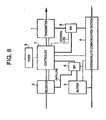
- FIG. 8 is a block diagram showing an example of a configuration of a communication unit inside each communication satellite 10 according to an embodiment of the present invention.
- the satellite 10 is comprised of a transmitter 1 for transmitting a radio wave to the ground, a receiver 2 for receiving and analyzing a radio wave from the ground, a timer 3 synchronizing with the timers of the other communication satellites, an intersatellite communication section 4 having a transmitter/receiver for communication between the satellites 10, a data buffer 5 for storing data received from the intersatellite communication sections 4 of other satellites 10 via the intersatellite communication links, switching circuits 6, 8 for switching data transfer, and a controller 7 for controlling these components.
- the controller 7 calculates the handover start time for a covered subscriber and determines that the time T - 1 has passed since the calculation of the handover start time
- the satellite 10 issues a handoff preparation start notification, which is shown in FIG. 12, to enter a handoff preparation state, and the intersatellite communication section 4 transmits to the handover destination satellite 10, communication data with next handover-related data added thereto, which is shown in FIG. 12.
- the satellite 10 transmits to the adjacent satellite 10 a control signal with a handover completion time T determined based on the calculated handover start time T - 1.
- the control signal is transmitted from the handover source satellite 10 using the intersatellite communication link, through which communication frames are otherwise transmitted.
- a signal transmitted between the satellites 10 is comprised of a TDMA frame.
- Communication frames received from subscribers a, b, c or transmitted thereto are time-division multiplxed, into the intersatellite communication link, for example, a, b, c, a, b, c, ... .
- the handover source satellite 10 transmits a control signal to the adjacent satellite 10, a control frame required between the satellites across the intersatellite communication link for each subscriber is added, before transmission, to the TDMA frame, which is provided to each subscriber in the above manner.
- connection scheme for communication between the satellites according to the present invention is not limited to the above TDMA, but any technique can be used if only it can increase the entire capacity of communication.
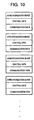
- a frame transmitted through a plurality of circuits connected via the intersatellite communication links is comprised of a synchronization burst, control data, and communication data as one information unit for each circuit.
- the communication frame is comprised of a synchronization burst and traffic bursts (1), (2), ..., (n), and the synchronization burst is comprised of a preamble including information on a source station or the like, a control signal including a synchronization control signal for intersatellite communication and a monitor control signal for checking whether information is correctly transmitted during intersatellite communication, and an error correcting code signal.
- each of the traffic bursts is comprised of a preamble, traffic data, and an error correcting code signal
- the preamble in the traffic burst includes a GT, a clock recovery code, a unique word (UW), a service channel status identifying a channel through which a subscriber communicates with the satellite 10 while the subscriber is within the area of the coverage beams from the source satellite 10, and a circuit ID provided for each connected circuit.
- the service channel status includes the current frequency, a timing offset, and power level information.
- Communication data for a plurality of circuits transmitted via one intersatellite communication link is included in the traffic data shown in FIG. 11.
- the traffic data is typically comprised only of communication data, which is shown in FIG. 12, but once the handoff preparation start notification has been issued by the controller 7, the traffic data has next handover-related data added thereto, which is shown in FIG. 12.
- a first satellite 10 acting as the handover source issues the handoff preparation start notification.
- the intersatellite communication section 4 adds the next handover-related data to the traffic data and then sends the traffic data to a second satellite acting as a handover destination, before handover is started.
- the second satellite sends communication data received from the first satellite 10 via the intersatellite communication link to a destined subscriber with which the second satellite 10 has an established link. Then, the second satellite establishes a new communication channel with the subscriber having established a link with the first satellite 10 and compares communication data received through this new communication link with the communication data having the next handover-related data added thereto received from the first satellite. For example, the second satellite determines from frame sequence numbers or the like whether these received communication data are continuous or duplicate before transmission. In this manner, the second satellite can instantaneously transmit frames received from the subscriber, to a receiving subscriber without interruption.
- the controller 7 determines the point of time T when handover is to be completed, and the intersatellite communication section 4 transmits a control signal with the handover completion time T added thereto to the second satellite 10 acting as the handover destination.
- the intersatellite communication section 4 adds next handover-related data to communication data received from the subscriber and then transmits these data to the second satellite 10 via the intersatellite communication link.
- the second satellite 10 stores the communication data received from the first satellite 10 in the data buffer 5, and the stored communication data is transferred to the controller 7 via the switching circuit 6.
- the second satellite 10 uses the controller 7 to control the transmitter 1 and the receiver 2 in order to establish a new communication channel with the subscriber having an established link with the first satellite 10, and uses the receiver 2 to receive communication data sent from the subscriber.
- the intersatellite communication section 4 of the second satellite 10 controls the switching circuit 6 to switch input of communication data to the controller 7 from the data buffer 5 to the receiver 2.
- the controller 7 compares communication data input from the data buffer 5 and having the next handover-related data added thereto with the communication data input from the receiver 2 to determine, for example, from frame sequence numbers whether these data are continuous or duplicate, before transmission. In this manner, the second satellite can instantaneously transmit the frame received from the sending subscriber, to the receiving subscriber.
- the controller 7 of the first satellite controls the transmitter 1 to release the communication link established with the subscriber.
- the second satellite acting as the handover destination returns the next handover-related data received from the first satellite so that the data arrive at the handover completion time T.
- the first satellite uses the intersatellite communication section 4 to receive the communication data returned from the second satellite, stores the received communication data in the data buffer 5, and inputs the communication data stored in the data buffer 5 to the controller 7 via the switching circuit 6.
- the controller 7 transmits the communication data to the subscriber and then controls the transmitter 1 to release the communication link established with the subscriber.
- the subscriber can switch reception from the communication data transmitted by the first satellite 10 to the communication data transmitted via the link newly established with the second satellite 10.
- This technique for adding next handover-related data to traffic data is not implemented only between the satellite 10 and the following satellite 10 both navigating on the same orbit, but is applicable to two satellites 10 which are communicating with each other using the intersatellite communication link established therebetween.
- a satellite 10 currently having a circuit established with the first satellite 10 and acting as the handover source is defined as the second satellite 10, and with a timing corresponding to the handover start time, the first satellite 10 adds next handover-related data to traffic data and transmits these data from the intersatellite communication section 4 to the second satellite 10.
- a third satellite 10 acting as the handover destination establishes a new communication link with the subscriber having the established link with the first satellite 10, and sends communication data received from the subscriber, to the second satellite 10 via the intersatellite communication link.
- the second satellite 10 compares communication data already received from the first satellite 10 with the communication data received from the third satellite 10, and transmits the communication data as a sequence to the destined subscriber.
- the controller 7 of the first satellite 10 acting as the handover source determines the handover start time T - 1 using the above method and then determines that the handover start time T - 1 has passed, the intersatellite communication section 4 of the first satellite 10 sends a control signal with the handover completion time T added thereto to the second and third satellites 10.
- the controller 7 controls the transmitter 1 and the receiver 2 to establish a new link with the subscriber having the established link with the first satellite 10, and sends communication data received from this subscriber, from the intersatellite communication section 4 of the third satellite 10 to the second satellite 10 via the intersatellite communication link.
- the intersatellite communication section 4 of the first satellite 10 adds next handover-related data to the communication data and then transmits these data to the second satellite 10 via the intersatellite communication link.
- the second satellite 10 inputs the communication data received from the first and third satellites 10 by the intersatellite communication section 4 of the second satellite 10, to the controller 7 of the second satellite 10 via the data buffer 5 and the switching circuit 6.
- the controller 7 of the second satellite 10 determines the input of the communication data with the next handover-related data added thereto
- the controller 7 of the second satellite 10 compares the communication data with the next handover-related data added thereto with the communication data received from the third satellite 10 to determine, for example, from frame sequence numbers whether these data are continuous or duplicate, and then controls the transmitter 1 to transmit the frames received from the subscriber without interruption.
- the controller 7 of the first satellite 10 controls the transmitter 1 to release the communication link established with the subscriber.
- the first satellite 10 transmits the communication data with the next handover-related data added thereto to the second satellite 10 as well as to the third satellite 10 as described above.
- the third satellite 10 retransmits the next handover-related data to the first satellite 10 and second satellite 10 so that the next handover-related data received from the first satellite 10 may arrive at the handover completion time T.
- the first satellite 10 uses the intersatellite communication section 4 to receive the communication data received from the third satellite 10, stores the received communication data in the data buffer 5, and inputs the communication data stored in the data buffer 5 to the controller 7 via the switching circuit 6 of the first satellite 10.
- the controller 7 controls the transmitter 1 to transmit the communication data to the subscriber and then controls the transmitter 1 to release the communication link established with the subscriber.
- the second satellite 10 uses the intersatellite communication section 4 to receive the communication data received from the other satellites 10, stores the received communication data in the data buffer 5, and inputs the communication data stored in the data buffer 5 to the controller 7 via the switching circuit 6.
- the controller 7 compares the next handover-related data from the third satellite 10 with the next handover-related data from the first satellite 10. Upon determining that these data are identical, the controller 7 recognizes that the handover destination is the third satellite 10 and controls the intersatellite communication section 4 to switch the destination of the communication data received from the destined subscriber or the other adjacent satellites 10, from the first satellite 10 to the third satellite 10.
- the subscriber can switch the received communication data from the communication data transmitted by the first satellite 10 to the communication data transmitted by the third satellite 10, which acts as the handover destination.
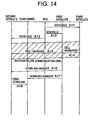
- the ground station (NOC) 11 causes all the satellites 10 to be controlled such that the controller 7 of each satellite 10 registers via the receiver 2, a physical location (east longitude, north latitude, or the like) immediately below the overhead satellite 10, a schedule indicating the corresponding point of time, physical locations (east longitude, north latitude, or the like) immediately below satellites 10 navigating before and after the overhead satellite 10 on the same orbit, a schedule indicating the corresponding point of time, physical locations (east longitude, north latitude, or the like) immediately below satellites 10 navigating adjacent to the overhead satellite 10, and a schedule indicating the corresponding point of time (see A1, A2 of FIG. 13).
- the first satellite 10 calculates the handover start time to determine the handover completion time from the handover start time and adds the handover completion time to a control signal.
- the first satellite 10 then transmits the control signal to the second satellite 10, which acts as the handover destination.
- handover is started between the first satellite 10 and the second satellite 10 (A3), and a downlink message for a subscriber is transmitted from the first satellite 10 to the second satellite 10 (A4).
- the first satellite 10 transmits the last communication data to the subscriber through a communication link established therewith (A5), and the second satellite 10 subsequently sends the first communication data to the subscriber through a communication channel newly established therewith (A6).
- Preparation is made between the second satellite 10 and the subscriber to establish a new up-link. Once the up-link has been established, the subscriber sends the last communication data to the first satellite 10 (A7) and then transmits the first communication data to the second satellite 10 (A8).
- the ground station (NOC) 11 causes all the satellites 10 to be controlled such that the controller 7 of each of-the satellites 10 registers via the receiver 2, a physical location (east longitude, north latitude, or the like) immediately below the overhead satellite 10, a schedule indicating the corresponding point of time, physical locations (east longitude, north latitude, or the like) immediately below satellites 10 navigating before and after the overhead satellite 10 on the same orbit, a schedule indicating the corresponding point of time, physical locations (east longitude, north latitude, or the like) immediately below satellites 10 navigating adjacent to the overhead satellite 10, and a schedule indicating the corresponding point of time (A11, A12, A13).
- the first satellite 10 calculates the same handover start time as calculated by the third satellite 10, so that the handover between the first satellite 10 and the second satellite 10 is executed at the same time as the handover between the third satellite 10 and the first satellite 10 (A15).
- the first satellite 10 When handover is started between the first satellite 10 and the second satellite 10, the first satellite 10 transmits a downlink handoff message for the subscriber to the second satellite 10 (A16).
- the first satellite 10 transmits the last communication data to the subscriber through a communication link established therewith (A17), and the second satellite 10 subsequently sends the first communication data to the subscriber through a communication channel newly established therewith (A18).
- the satellite communications system according to the present invention can implement the handover process with a reduced amount of control signal transmissions between the handover source satellite and the subscriber, compared to the handover process of the conventional satellite communications system shown in FIGS. 1 and 2.
- each satellite can autonomously calculate the handover start time for a subscriber whose location is known, based on the schedule information received from the ground station or previously registered in the controller thereof, in order to execute the handover process in accordance with the handover start time. Therefore, handover procedure starting with the handover request signal originated from a subscriber, a gateway, or the like can be eliminated to avoid errors in communication occurring during transmission of a large amount of data required for the handover process, thereby enabling preferable handover.
Landscapes
- Engineering & Computer Science (AREA)
- Physics & Mathematics (AREA)
- Astronomy & Astrophysics (AREA)
- Aviation & Aerospace Engineering (AREA)
- General Physics & Mathematics (AREA)
- Computer Networks & Wireless Communication (AREA)
- Signal Processing (AREA)
- Radio Relay Systems (AREA)
- Mobile Radio Communication Systems (AREA)
Claims (41)
- Satellitenkommunikationssystem unter Verwendung mehrerer Satelliten, die auf mindestens einer nichtstationären Umlaufbahn angeordnet sind, wobei mehrere Satelliten auf einer nichtstationären Umlaufbahn Strahlen aussenden, um mehrere Abdeckungsbereiche zu bilden, die den Erdumfang abdecken, und eine Station, die sich in einem von einem Satelliten gebildeten Abdeckungsbereich befindet, unter Verwendung einer eingerichteten Kommunikationsverbindung mit dem Satelliten kommuniziert,
wobei jeder der Satelliten aufweist:wobeieinen Bodenkommunikationsabschnitt zum Kommunizieren mit Stationen, die sich in den Abdeckungsbereichen auf der Erde befinden,einen Intersatelliten-Kommunikationsabschnitt zum Kommunizieren mit anderen Satelliten über Intersatelliten-Kommunikationsverbindungen undeine Steuereinrichtung, die den Boden- und den Intersatelliten-Kommunikationsabschnitt steuert, um einen Übergabeprozess auszuführen,
in einem ersten Satelliten, der einen Abdeckungsbereich bildet, in dem sich die Station befindet, eine erste Steuereinrichtung eine Übergabe-Anfangszeit berechnet, zu der der Übergabeprozess für die Station eingeleitet werden sollte, und den Intersatelliten-Kommunikationsabschnitt steuert, damit er ein Steuersignal, dem eine Übergabe-Abschlusszeit hinzugefügt ist, zu einem benachbarten Satelliten sendet, der als ein Übergabeziel-Satellit vorgesehen ist, wobei die Übergabe-Abschlusszeit anhand der Übergabe-Anfangszeit berechnet wird, und
in einem zweiten Satelliten, der das Steuersignal, dem die Übergabe-Abschlusszeit hinzugefügt ist, vom ersten Satelliten empfängt, eine zweite Steuereinrichtung den Übergabeprozess ausführt, indem sie vor der Übergabe-Abschlusszeit eine neue Kommunikationsverbindung zu der Station herstellt. - Satellitenkommunikationssystem nach Anspruch 1, wobei
die erste Steuereinrichtung einen ersten Intersatelliten-Kommunikationsabschnitt steuert, damit er ein Steuersignal und von der Station zur Übergabe-Anfangszeit empfangene Kommunikationsdaten, denen sich auf die nächste Übergabe beziehende Daten hinzugefügt sind, zu einem benachbarten Satelliten sendet, und
die zweite Steuereinrichtung weiter von der Station unter Verwendung der neuen Kommunikationsverbindung empfangene Kommunikationsdaten mit den sich auf die nächste Übergabe beziehenden Daten vergleicht, um festzustellen, ob die Kommunikationsdaten und die sich auf die nächste Übergabe beziehenden Daten in einer Folge sind, und den zweiten Bodenkommunikationsabschnitt und den zweiten Intersatelliten-Kommunikationsabschnitt steuert, so dass eine Folge von Kommunikationsdaten von der Station empfangen wird und zu einer Station auf der entgegengesetzten Seite gesendet wird, die mit der Station kommuniziert. - Satellitenkommunikationssystem nach Anspruch 2, wobei
in dem zweiten Satelliten die zweite Steuereinrichtung den zweiten Intersatelliten-Kommunikationsabschnitt so steuert, dass die vom ersten Satelliten empfangenen sich auf die nächste Übergabe beziehenden Daten zum ersten Satelliten gesendet werden, so dass sie vom ersten Satelliten zur Übergabe-Abschlusszeit empfangen werden, und
in dem ersten Satelliten die erste Steuereinrichtung die zum Kommunizieren mit der Station verwendete Kommunikationsverbindung aufhebt, wenn die sich auf die nächste Übergabe beziehenden Daten vom zweiten Satelliten empfangen worden sind. - Satellitenkommunikationssystem nach Anspruch 1, wobei jeder der Satelliten weiter aufweist:wobei die Steuereinrichtung die Boden- und die Intersatelliten-Kommunikationsabschnitte und den Wähler steuert, um einen Übergabeprozess auszuführen,eine Speichervorrichtung zum Speichern von von anderen Satelliten über die Intersatelliten-Kommunikationsverbindungen empfangenen Daten undeinen Wähler zum Auswählen entweder der vom Bodenkommunikationsabschnitt empfangenen Daten oder der in der Speichervorrichtung gespeicherten Daten,
wobei in dem ersten Satelliten die erste Steuereinrichtung eine Übergabe-Anfangszeit T - t berechnet, zu der der Übergabeprozess für die Station eingeleitet werden sollte, wobei T eine Übergabe-Abschlusszeit ist und t eine für den Übergabeprozess erforderliche Zeit ist, und einen ersten Intersatelliten-Kommunikationsabschnitt steuert, damit er ein Steuersignal, dem die Übergabe-Abschlusszeit T hinzugefügt ist, und von der Station zur Übergabe-Anfangszeit T - t empfangene Kommunikationsdaten, denen sich auf die nächste Übergabe beziehende Daten hinzugefügt sind, zu einem benachbarten Satelliten sendet, der als ein Übergabeziel-Satellit vorgesehen ist, wobei die Übergabe-Abschlusszeit T anhand der Übergabe-Anfangszeit T - t berechnet wird, und
der zweite Satellit vom ersten Satelliten das Steuersignal, dem die Übergabe-Abschlusszeit T hinzugefügt wurde, und die Kommunikationsdaten, denen die sich auf die nächste Übergabe beziehenden Daten hinzugefügt wurden, empfängt,
die zweite Steuereinrichtung den Übergabeprozess ausführt durch:Einrichten einer neuen Kommunikationsverbindung zu der Station vor Ablauf der Übergabe-Abschlusszeit T, Eingeben von Daten vom zweiten Bodenkommunikationsabschnitt unter Verwendung der neuen Kommunikationsverbindung, Eingeben von Daten von einer zweiten Speichervorrichtung, wenn der Wähler durch den zweiten Intersatelliten-Kommunikationsabschnitt zur Übergabe-Abschlusszeit T umgeschaltet wird, Vergleichen der von der Station unter Verwendung der neuen Kommunikationsverbindung empfangenen Kommunikationsdaten mit den sich auf die nächste Übergabe beziehenden Daten, um festzustellen, ob die Kommunikationsdaten und die sich auf die nächste Übergabe beziehenden Daten in einer Folge sind, und Steuern des zweiten Bodenkommunikationsabschnitts und des zweiten Intersatelliten-Kommunikationsabschnitts, so dass eine Kommunikationsdatenfolge von der Station empfangen wird und zu einer mit der Station kommunizierenden, sich auf der entgegengesetzten Seite befindenden Station gesendet wird. - Satellitenkommunikationssystem nach Anspruch 4, wobei
in dem zweiten Satelliten die zweite Steuereinrichtung den zweiten Intersatelliten-Kommunikationsabschnitt so steuert, dass die vom ersten Satelliten empfangenen sich auf die nächste Übergabe beziehenden Daten zum ersten Satelliten gesendet werden, so dass sie vom ersten Satelliten zur Übergabe-Abschlusszeit T empfangen werden, und
in dem ersten Satelliten die erste Steuereinrichtung den ersten Bodenkommunikationsabschnitt so steuert, dass letzte Kommunikationsdaten zur Station gesendet werden, bevor die zum Kommunizieren mit der Station verwendete Kommunikationsverbindung aufgehoben wird, wenn die sich auf die nächste Übergabe beziehenden Daten vom zweiten Satelliten empfangen worden sind. - Satellitenkommunikationssystem nach Anspruch 1, wobei die Station, die sich in einem von einem Satelliten gebildeten Abdeckungsbereich befindet, unter Verwendung einer eingerichteten Kommunikationsverbindung mit dem Satelliten kommuniziert, wobei
der Bodenkommunikationsabschnitt in jedem der Satelliten mit Stationen kommuniziert, die sich im Abdeckungsbereich auf der Erde befinden,
wobei in dem ersten Satelliten die erste Steuereinrichtung eine Übergabe-Anfangszeit berechnet, zu der der Übergabeprozess für die Station eingeleitet werden sollte, und den Intersatelliten-Kommunikationsabschnitt so steuert, dass er ein Steuersignal, dem eine Übergabe-Abschlusszeit hinzugefügt wurde, zu einem zweiten Satelliten, der als ein Übergabeziel-Satellit neben dem ersten Satelliten vorgesehen ist, unter Verwendung einer ersten Intersatelliten-Kommunikationsverbindung und zu einem dritten Satelliten, der mit dem ersten Satelliten kommuniziert, unter Verwendung einer zweiten Intersatelliten-Kommunikationsverbindung sendet, wobei die Übergabe-Abschlusszeit anhand der Übergabe-Anfangszeit berechnet wird, und
in dem zweiten Satelliten, der das Steuersignal, dem die Übergabe-Abschlusszeit hinzugefügt wurde, vom ersten Satelliten empfängt, die zweite Steuereinrichtung den Übergabeprozess ausführt, indem sie vor der Übergabe-Abschlusszeit eine neue Kommunikationsverbindung zu der Station einrichtet, Kommunikationsdaten von der Station unter Verwendung der neuen Kommunikationsverbindung empfängt und die empfangenen Kommunikationsdaten unter Verwendung einer dritten Intersatelliten-Kommunikationsverbindung zum dritten Satelliten sendet. - Satellitenkommunikationssystem nach Anspruch 6, wobei
in dem ersten Satelliten die erste Steuereinrichtung sich auf die nächste Übergabe beziehende Daten zu von der Station zur Übergabe-Anfangszeit empfangenen Kommunikationsdaten hinzufügt und den ersten Intersatelliten-Kommunikationsabschnitt so steuert, dass er die sich auf die nächste Übergabe beziehenden Daten unter Verwendung der ersten Intersatelliten-Kommunikationsverbindung zum zweiten Satelliten sendet,
in dem zweiten Satelliten die zweite Steuereinrichtung den zweiten Intersatelliten-Kommunikationsabschnitt so steuert, dass die vom ersten Satelliten empfangenen, sich auf die nächste Übergabe beziehenden Daten zum ersten Satelliten gesendet werden, so dass sie zur Übergabe-Abschlusszeit vom ersten Satelliten empfangen werden, und
in dem ersten Satelliten die erste Steuereinrichtung die zum Kommunizieren mit der Station verwendete Kommunikationsverbindung aufhebt, wenn die sich auf die nächste Übergabe beziehenden Daten vom zweiten Satelliten empfangen worden sind. - Satellitenkommunikationssystem nach Anspruch 6 oder 7, wobei
in dem dritten Satelliten eine dritte Steuereinrichtung einen dritten Bodenkommunikationsabschnitt so steuert, dass er von einer Station auf der entgegengesetzten Seite, die mit der Station kommuniziert, empfangene Kommunikationsdaten zur Übergabe-Anfangszeit zum zweiten Satelliten sendet, und
in dem zweiten Satelliten die zweite Steuereinrichtung den zweiten Bodenkommunikationsabschnitt so steuert, dass vor der Übergabe-Abschlusszeit eine neue Kommunikationsverbindung zu der Station eingerichtet wird und die vom dritten Satelliten empfangenen Kommunikationsdaten zur Station gesendet werden. - Satellitenkommunikationssystem nach Anspruch 6, 7 oder 8, wobei
in dem ersten Satelliten die erste Steuereinrichtung sich auf die nächste Übergabe beziehende Daten zu von der Station zur Übergabe-Anfangszeit empfangenen Kommunikationsdaten hinzufügt und den ersten Intersatelliten-Kommunikationsabschnitt so steuert, dass er die sich auf die nächste Übergabe beziehenden Daten unter Verwendung der zweiten Intersatelliten-Kommunikationsverbindung zum dritten Satelliten sendet, und
in dem dritten Satelliten die dritte Steuereinrichtung Kommunikationsdaten, denen die von der ersten Satellitenstation empfangenen, sich auf die nächste Übergabe beziehenden Daten hinzugefügt sind, mit den vom zweiten Satelliten empfangenen Kommunikationsdaten vergleicht, um festzustellen, ob diese empfangenen Kommunikationsdaten in einer Folge sind, und den dritten Bodenkommunikationsabschnitt und den dritten Intersatelliten-Kommunikationsabschnitt so steuert, dass eine Kommunikationsdatenfolge von der Station empfangen wird und zu der mit der Station kommunizierenden Station auf der entgegengesetzten Seite gesendet wird. - Satellitenkommunikationssystem nach Anspruch 6, 7, 8 oder 9, wobei
in dem ersten Satelliten die erste Steuereinrichtung sich auf die nächste Übergabe beziehende Daten zu von der Station zur Übergabe-Anfangszeit empfangenen Kommunikationsdaten hinzufügt und den ersten Intersatelliten-Kommunikationsabschnitt so steuert, dass er die sich auf die nächste Übergabe beziehenden Daten unter Verwendung der ersten Intersatelliten-Kommunikationsverbindung zum zweiten Satelliten sendet,
in dem zweiten Satelliten die zweite Steuereinrichtung den zweiten Intersatelliten-Kommunikationsabschnitt so steuert, dass die vom ersten Satelliten empfangenen, sich auf die nächste Übergabe beziehenden Daten zum dritten Satelliten gesendet werden, so dass sie zur Übergabe-Abschlusszeit vom dritten Satelliten empfangen werden, und
im dritten Satelliten die dritte Steuereinrichtung von der ersten Satellitenstation empfangene, sich auf die nächste Übergabe beziehende Daten mit den vom zweiten Satelliten empfangenen, sich auf die nächste Übergabe beziehenden Daten vergleicht, um festzustellen, ob diese sich auf die nächste Übergabe beziehenden Daten miteinander identisch sind, und, falls diese empfangenen, sich auf die nächste Übergabe beziehenden Daten identisch sind, die dritte Steuereinrichtung feststellt, dass der zweite Satellit der Übergabeziel-Satellit ist, und den dritten Bodenkommunikationsabschnitt und den dritten Intersatelliten-Kommunikationsabschnitt so steuert, dass ein Weiterleitungsziel der von einer mit der Station kommunizierenden Station auf der entgegengesetzten Seite empfangenen Kommunikationsdaten vom ersten Satelliten zum zweiten Satelliten umgeschaltet wird. - Satellitenkommunikationssystem nach Anspruch 1, wobei die Station, die sich in einem von einem Satelliten gebildeten Abdeckungsbereich befindet, unter Verwendung einer eingerichteten Kommunikationsverbindung mit dem Satelliten kommuniziert, wobei
der Bodenkommunikationsabschnitt in jedem der Satelliten mit Stationen kommuniziert, die sich im Abdeckungsbereich auf der Erde befinden,
wobei in dem ersten Satelliten die erste Steuereinrichtung eine Übergabe-Anfangszeit T - t berechnet, zu der der Übergabeprozess für die Station eingeleitet werden sollte, wobei T eine Übergabe-Abschlusszeit ist und t eine für den Übergabeprozess erforderliche Zeit ist, einen ersten Intersatelliten-Kommunikationsabschnitt so steuert, dass er ein Steuersignal, dem die Übergabe-Abschlusszeit T hinzugefügt wurde, zu einem zweiten Satelliten, der als ein Übergabeziel-Satellit neben dem ersten Satelliten vorgesehen ist, unter Verwendung einer ersten Intersatelliten-Kommunikationsverbindung und zu einem dritten Satelliten, der mit dem ersten Satelliten kommuniziert, unter Verwendung einer zweiten Intersatelliten-Kommunikationsverbindung sendet, und den ersten Intersatelliten-Kommunikationsabschnitt so steuert, dass erste Kommunikationsdaten, denen sich auf die nächste Übergabe beziehende Daten hinzugefügt wurden, zu der Übergabe-Anfangszeit T - t zum dritten Satelliten gesendet werden, wobei die Übergabe-Abschlusszeit anhand der Übergabe-Anfangszeit berechnet wird,
im zweiten Satelliten, der das Steuersignal, dem die Übergabe-Abschlusszeit T hinzugefügt ist, vom ersten Satelliten empfängt, eine zweite Steuereinrichtung den Übergabeprozess ausführt, indem sie vor der Übergabe-Anfangszeit T - t eine neue Kommunikationsverbindung zu der Station einrichtet und zweite Kommunikationsdaten unter Verwendung einer dritten Intersatelliten-Kommunikationsverbindung zum dritten Satelliten sendet, wobei die zweiten Kommunikationsdaten unter Verwendung der neuen Kommunikationsverbindung von der Station empfangen werden, und
in dem dritten Satelliten, der die ersten Kommunikationsdaten vom ersten Satelliten und die zweiten Kommunikationsdaten vom zweiten Satelliten empfängt, eine dritte Steuereinrichtung die ersten Kommunikationsdaten, denen die sich auf die nächste Übergabe beziehenden Daten hinzugefügt sind, mit den zweiten Kommunikationsdaten vergleicht, um festzustellen, ob diese empfangenen Kommunikationsdaten in einer Folge sind, und einen dritten Bodenkommunikationsabschnitt und einen dritten Intersatelliten-Kommunikationsabschnitt so steuert, dass eine Folge von von der Station empfangenen Kommunikationsdaten zu einer mit der Station kommunizierenden Station auf der entgegengesetzten Seite gesendet wird. - System nach einem der Ansprüche 1 bis 11, wobei in dem ersten Satelliten die erste Steuereinrichtung die zum Kommunizieren mit der Station verwendete Kommunikationsverbindung zu der anhand der Übergabe-Anfangszeit berechneten Übergabe-Abschlusszeit aufhebt.
- Satellitenkommunikationssystem nach Anspruch 11 oder 12, wobei
in dem zweiten Satelliten die zweite Steuereinrichtung den zweiten Intersatelliten-Kommunikationsabschnitt so steuert, dass die vom ersten Satelliten empfangenen, sich auf die nächste Übergabe beziehenden Daten zum ersten Satelliten gesendet werden, so dass sie vom ersten Satelliten zur Übergabe-Abschlusszeit T empfangen werden, und
in dem ersten Satelliten die erste Steuereinrichtung den ersten Bodenkommunikationsabschnitt so steuert, dass letzte Kommunikationsdaten zur Station gesendet werden, bevor die zum Kommunizieren mit der Station verwendete Kommunikationsverbindung aufgehoben wird, wenn die sich auf die nächste Übergabe beziehenden Daten vom zweiten Satelliten empfangen worden sind. - Satellitenkommunikationssystem nach Anspruch 11, 12 oder 13, wobei
in dem ersten Satelliten die erste Steuereinrichtung sich auf die nächste Übergabe beziehende Daten zu von der Station zur Übergabe-Anfangszeit T - t empfangenen Kommunikationsdaten hinzufügt und den ersten Intersatelliten-Kommunikationsabschnitt so steuert, dass er die Kommunikationsdaten, denen die sich auf die nächste Übergabe beziehenden Daten hinzugefügt sind, unter Verwendung der ersten Intersatelliten-Kommunikationsverbindung zum zweiten Satelliten sendet,
in dem zweiten Satelliten die zweite Steuereinrichtung den zweiten Intersatelliten-Kommunikationsabschnitt so steuert, dass die vom ersten Satelliten empfangenen, sich auf die nächste Übergabe beziehenden Daten zum dritten Satelliten gesendet werden, so dass sie zur Übergabe-Abschlusszeit T vom dritten Satelliten empfangen werden, und
im dritten Satelliten die dritte Steuereinrichtung von der ersten Satellitenstation empfangene, sich auf die nächste Übergabe beziehende Daten mit den vom zweiten Satelliten empfangenen sich auf die nächste Übergabe beziehenden Daten vergleicht, um festzustellen, ob diese sich auf die nächste Übergabe beziehenden Daten miteinander identisch sind, und, falls diese empfangenen, sich auf die nächste Übergabe beziehenden Daten identisch sind, die dritte Steuereinrichtung feststellt, dass der zweite Satellit der Übergabeziel-Satellit ist, und den dritten Bodenkommunikationsabschnitt und den dritten Intersatelliten-Kommunikationsabschnitt so steuert, dass ein Weiterleitungsziel der von einer mit der Station kommunizierenden Station auf der entgegengesetzten Seite empfangenen Kommunikationsdaten vom ersten Satelliten zum zweiten Satelliten umgeschaltet wird. - System nach einem der Ansprüche 1 bis 14, wobei in dem ersten Satelliten die erste Steuereinrichtung die Größe eines von jedem der Satelliten gebildeten Abdeckungsbereichs, erste Planinformationen, die physikalische Orte unmittelbar unterhalb des ersten Satelliten entsprechend einem dem ersten Satelliten bereitgestellten Zeitpunkt angeben, und zweite Planinformationen, die physikalische Orte unmittelbar unterhalb des benachbarten Satelliten entsprechend einem dem benachbarten Satelliten bereitgestellten Zeitpunkt angeben, registriert,
wobei die erste Steuereinrichtung die Übergabe-Anfangszeit anhand einer Verlassenszeit, die der physikalische Ort der Station benötigt, um den Abdeckungsbereich des ersten Satelliten zu verlassen, und einer Eintrittszeit, die der physikalische Ort der Station benötigt, um in den Abdeckungsbereich des benachbarten Satelliten einzutreten, berechnet, wobei die Verlassenszeit und die Eintrittszeit auf der Grundlage der Größen des ersten und des zweiten Abdeckungsbereichs, die vom ersten bzw. vom benachbarten Satelliten gebildet sind, der ersten und der zweiten Planinformationen und des physikalischen Orts der vom ersten Satelliten abgedeckten Station berechnet werden. - Satellitenkommunikationssystem nach Anspruch 15, wobei, wenn der benachbarte Satellit der dem ersten Satelliten auf der nichtstationären Umlaufbahn folgende zweite Satellit ist,
die Verlassenszeit durch Messen der Strecke, über die sich die Station im ersten Abdeckungsbereich des ersten Satelliten bewegt, welche die Länge einer geraden Linie ist, die den physikalischen Ort der Station mit einem Schnitt zwischen einem Rand des ersten Abdeckungsbereichs und einer geraden Linie, die durch den physikalischen Ort der Station parallel zur Bewegungsrichtung des ersten Abdeckungsbereichs in Bezug auf den Boden verläuft, verbindet, und Dividieren der Strecke, über die sich die Station bewegt, durch die Bewegungsgeschwindigkeit des ersten Abdeckungsbereichs berechnet wird, und
die Eintrittszeit durch Messen der Strecke, über die sich die Station zum zweiten Abdeckungsbereich des zweiten Satelliten bewegt, welche die Länge einer geraden Linie ist, die den physikalischen Ort der Station mit einem Schnitt zwischen einem Rand des zweiten Abdeckungsbereichs und einer geraden Linie, die durch den physikalischen Ort der Station parallel zur Bewegungsrichtung des ersten Abdeckungsbereichs in Bezug auf den Boden verläuft, verbindet, und Dividieren der Strekke, über die sich die Station bewegt, durch die Bewegungsgeschwindigkeit des zweiten Abdeckungsbereichs berechnet wird. - System nach einem der Ansprüche 6 bis 16, wobei die erste Steuereinrichtung die Übergabe-Anfangszeit durch Subtrahieren von t von TA unter der Bedingung, dass TA und TB einen ersten Ausdruck erfüllen, berechnet:
- Satellitenkommunikationssystem nach Anspruch 17, wobei die erste Steuereinrichtung die Übergabe-Anfangszeit für die Station durch gleiches Unterteilen eines den ersten Ausdruck (1) erfüllenden Bereichs, der vom ersten Satelliten abgedeckt wird, senkrecht zur Bewegungsrichtung des ersten Abdeckungsbereichs, und Feststellen, in welchem der Teilbereiche sich die Station befindet, berechnet.
- System nach einem der Ansprüche 6 bis 18, wobei die erste Steuereinrichtung die Übergabe-Anfangszeit für einen Übergabeziel-Satelliten durch Subtrahieren von t von Ta berechnet, wobei der Übergabeziel-Satellit als ein Satellit bestimmt wird, der einen zweiten Ausdruck erfüllt:
- Satellitenkommunikationssystem nach Anspruch 19, wobei, wenn mehrere benachbarte Satelliten den zweiten Ausdruck (2) erfüllen, ein benachbarter Satellit mit dem größten Wert von Ti + t als der Übergabeziel-Satellit ausgewählt wird.
- Verfahren zur Übergabeverarbeitung in einem Satellitenkommunikationssystem unter Verwendung mehrerer Satelliten, welche auf mindestens einer nichtstationären Umlaufbahn angeordnet sind, wobei mehrere Satelliten auf einer nichtstationären Umlaufbahn Strahlen aussenden, um mehrere Abdekkungsbereiche zu bilden, die den Erdumfang abdecken, und eine Station, die sich in einem von einem Satelliten gebildeten Abdeckungsbereich befindet, unter Verwendung einer eingerichteten Kommunikationsverbindung mit dem Satelliten kommuniziert,
wobei jeder der Satelliten aufweist:wobei das Verfahren die folgenden Schritte aufweist:einen Bodenkommunikationsabschnitt zum Kommunizieren mit Stationen, die sich in den Abdeckungsbereichen auf der Erde befinden,einen Intersatelliten-Kommunikationsabschnitt zum Kommunizieren mit anderen Satelliten über Intersatelliten-Kommunikationsverbindungen undeine Steuereinrichtung, die den Boden- und den Intersatelliten-Kommunikationsabschnitt steuert, um einen Übergabeprozess auszuführen,an einem ersten Satelliten: Bilden eines Abdeckungsbereichs, in dem sich die Station befindet,a) Berechnen einer Übergabe-Anfangszeit, zu der der Übergabeprozess für die Station eingeleitet werden sollte,b) Senden eines Steuersignals, dem eine Übergabe-Abschlusszeit hinzugefügt wurde, zu einem benachbarten Satelliten, der als ein Übergabeziel-Satellit vorgesehen ist, wobei die Übergabe-Abschlusszeit anhand der Übergabe-Anfangszeit berechnet wird, undan einem zweiten Satelliten, der das Steuersignal, dem die Übergabe-Abschlusszeit hinzugefügt wurde, vom ersten Satelliten empfängt:c) Ausführen des Übergabeprozesses durch Einrichten einer neuen Kommunikationsverbindung zu der Station vor der Übergabe-Abschlusszeit. - Verfahren zur Übergabeverarbeitung nach Anspruch 21, wobei
Schritt b) den folgenden Schritt aufweist:Senden des Steuersignals und der von der Station empfangenen Kommunikationsdaten zur Übergabe-Anfangszeit, denen die sich auf die nächste Übergabe beziehenden Daten hinzugefügt sind, zu einem benachbarten Satelliten, der als ein Übergabeziel-Satellit vorgesehen ist,
wobei das Verfahren weiter die folgenden Schritte aufweist:Empfangen des Steuersignals, dem die Übergabe-Abschlusszeit hinzugefügt ist, und der Kommunikationsdaten, denen die sich auf die nächste Übergabe beziehenden Daten hinzugefügt sind, vom ersten Satelliten durch den zweiten Satelliten,Einrichten einer neuen Kommunikationsverbindung zu der Station vor der Übergabe-Abschlusszeit,Vergleichen von der Station unter Verwendung der neuen Kommunikationsverbindung empfangener Kommunikationsdaten mit den sich auf die nächste Übergabe beziehenden Daten, um festzustellen, ob die Kommunikationsdaten und die sich auf die nächste Übergabe beziehenden Daten in einer Folge sind,Empfangen einer Kommunikationsdatenfolge von der Station undSenden der Kommunikationsdatenfolge zu einer mit der Station kommunizierenden Station auf der entgegengesetzten Seite. - Verfahren zur Übergabeverarbeitung nach Anspruch 22, welches weiter die folgenden Schritte aufweist:am zweiten SatellitenSenden der vom ersten Satelliten empfangenen, sich auf die nächste Übergabe beziehenden Daten zum ersten Satelliten, so dass sie zur Übergabe-Abschlusszeit vom ersten Satelliten empfangen werden, undam ersten SatellitenAufheben der zum Kommunizieren mit der Station verwendeten Kommunikationsverbindung, wenn die sich auf die nächste Übergabe beziehenden Daten vom zweiten Satelliten empfangen worden sind.
- Verfahren zur Übergabeverarbeitung nach Anspruch 21,
wobei jeder der Satelliten weiter aufweist:wobei der erste Satellit einen Abdeckungsbereich bildet, in dem sich die Station befindet,eine Speichervorrichtung zum Speichern von von anderen Satelliten über die Intersatelliten-Kommunikationsverbindungen empfangenen Daten undeinen Wähler zum Auswählen entweder der vom Bodenkommunikationsabschnitt empfangenen Daten oder der in der Speichervorrichtung gespeicherten Daten,
wobei das Verfahren die folgenden Schritte aufweist:a) Berechnen einer Übergabe-Anfangszeit T - t, zu der der Übergabeprozess für die Station eingeleitet werden sollte, wobei T eine Übergabe-Abschlusszeit ist und t eine für den Übergabeprozess erforderliche Zeit ist,b) Senden eines Steuersignals, dem die Übergabe-Abschlusszeit T hinzugefügt wurde, und von von der Station zur Übergabe-Anfangszeit T - t empfangenen Kommunikationsdaten, denen sich auf die nächste Übergabe beziehende Daten hinzugefügt wurden, zu einem benachbarten Satelliten, der als ein Übergabeziel-Satellit vorgesehen ist, wobei die Übergabe-Abschlusszeit T anhand der Übergabe-Anfangszeit T - t berechnet wird,
wobei der zweite Satellit vom ersten Satelliten das Steuersignal, dem die Übergabe-Abschlusszeit T hinzugefügt wurde, und die Kommunikationsdaten, denen die sich auf die nächste Übergabe beziehenden Daten hinzugefügt wurden, empfängt,c) Einrichten einer neuen Kommunikationsverbindung zu der Station vor dem Verstreichen der Übergabe-Abschlusszeit T,d) Eingeben von Daten vom zweiten Bodenkommunikationsabschnitt unter Verwendung der neuen Kommunikationsverbindung,e) Eingeben von Daten von einer zweiten Speichervorrichtung, wenn der Wähler zur Übergabe-Abschlusszeit T vom zweiten Intersatelliten-Kommunikationsabschnitt umgeschaltet wird,f) Vergleichen von von der Station unter Verwendung der neuen Kommunikationsverbindung empfangenen Kommunikationsdaten mit den sich auf die nächste Übergabe beziehenden Daten, um festzustellen, ob die Kommunikationsdaten und die sich auf die nächste Übergabe beziehenden Daten in einer Folge sind,g) Empfangen einer Kommunikationsdatenfolge von der Station undh) Senden der Kommunikationsdatenfolge zu einer mit der Station kommunizierenden, sich auf der entgegengesetzten Seite befindenden Station. - Verfahren zur Übergabeverarbeitung nach Anspruch 24, welches weiter die folgenden Schritte aufweist:am zweiten SatellitenSenden der vom ersten Satelliten empfangenen, sich auf die nächste Übergabe beziehenden Daten zum ersten Satelliten, so dass sie zur Übergabe-Abschlusszeit T vom ersten Satelliten empfangen werden, undam ersten SatellitenSenden der letzten Kommunikationsdaten zur Station vor dem Aufheben der zum Kommunizieren mit der Station verwendeten Kommunikationsverbindung, wenn die sich auf die nächste Übergabe beziehenden Daten vom zweiten Satelliten empfangen worden sind.
- Verfahren zur Übergabeverarbeitung nach Anspruch 21, wobei
Schritt b) den folgenden Schritt aufweist:wobei die Abschlusszeit anhand der Übergabe-Anfangszeit berechnet wird, undSenden eines Steuersignals zu einem zweiten Satelliten, der als ein Übergabeziel-Satellit neben dem ersten Satelliten vorgesehen ist, unter Verwendung einer ersten Intersatelliten-Kommunikationsverbindung, und zu einem dritten Satelliten, der mit dem ersten Satelliten kommuniziert, unter Verwendung einer zweiten Intersatelliten-Kommunikationsverbindung,
am zweiten Satelliten das Steuersignal, dem die Übergabe-Abschlusszeit hinzugefügt wurde, vom ersten Satelliten empfangen wird,
wobei das Verfahren weiter die folgenden Schritte aufweist:d) Empfangen von Kommunikationsdaten von der Station unter Verwendung der neuen Kommunikationsverbindung unde) Senden der empfangenen Kommunikationsdaten zum dritten Satelliten unter Verwendung einer dritten Intersatelliten-Kommunikationsverbindung. - Verfahren zur Übergabeverarbeitung nach Anspruch 26, welches weiter die folgenden Schritte aufweist:am ersten SatellitenHinzufügen sich auf die nächste Übergabe beziehender Daten zu von der Station zur Übergabe-Anfangszeit empfangenen Kommunikationsdaten undSenden der sich auf die nächste Übergabe beziehenden Daten zum zweiten Satelliten unter Verwendung der ersten Intersatelliten-Kommunikationsverbindung,am zweiten SatellitenSenden der vom ersten Satelliten empfangenen, sich auf die nächste Übergabe beziehenden Daten zum ersten Satelliten, so dass sie vom ersten Satelliten zur Übergabe-Abschlusszeit empfangen werden, undam ersten SatellitenAufheben der zum Kommunizieren mit der Station verwendeten Kommunikationsverbindung, wenn die sich auf die nächste Übergabe beziehenden Daten vom zweiten Satelliten empfangen worden sind.
- Verfahren zur Übergabeverarbeitung nach Anspruch 26 oder 27, welches weiter die folgenden Schritte aufweist:am dritten SatellitenSenden von von einer mit der Station kommunizierenden, sich auf der entgegengesetzten Seite befindenden Station empfangenen Kommunikationsdaten zum zweiten Satelliten zur Übergabe-Anfangszeit,am zweiten SatellitenEinrichten einer neuen Kommunikationsverbindung zu der Station vor der Übergabe-Abschlusszeit undSenden der vom dritten Satelliten empfangenen Kommunikationsdaten zu der Station.
- Verfahren zur Übergabeverarbeitung nach Anspruch 26, 27 oder 28, welches weiter die folgenden Schritte aufweist:am ersten SatellitenHinzufügen sich auf die nächste Übergabe beziehender Daten zu von der Station zur Übergabe-Anfangszeit empfangenen Kommunikationsdaten undSenden der sich auf die nächste Übergabe beziehenden Daten zum dritten Satelliten unter Verwendung der zweiten Intersatelliten-Kommunikationsverbindung,am dritten SatellitenVergleichen von Kommunikationsdaten, welche die von der ersten Satellitenstation empfangenen, sich auf die nächste Übergabe beziehenden Daten aufweisen, mit den vom zweiten Satelliten empfangenen Kommunikationsdaten, um festzustellen, ob diese empfangenen Kommunikationsdaten in einer Folge vorliegen,Empfangen einer Kommunikationsdatenfolge von der Station undSenden der Kommunikationsdatenfolge zu der mit der Station kommunizierenden, auf der entgegengesetzten Seite liegenden Station.
- Verfahren zur Übergabeverarbeitung nach Anspruch 26, 27, 28 oder 29, welches weiter die folgenden Schritte aufweist:am ersten SatellitenHinzufügen sich auf die nächste Übergabe beziehender Daten zu von der Station zur Übergabe-Anfangszeit empfangenen Kommunikationsdaten undSenden der sich auf die nächste Übergabe beziehenden Daten zum zweiten Satelliten unter Verwendung der ersten Intersatelliten-Kommunikationsverbindung,am zweiten SatellitenSenden der vom ersten Satelliten empfangenen, sich auf die nächste Übergabe beziehenden Daten zum dritten Satelliten, so dass sie vom dritten Satelliten zur Übergabe-Abschlusszeit empfangen werden,am dritten SatellitenVergleichen der von der ersten Satellitenstation empfangenen, sich auf die nächste Übergabe beziehenden Daten mit den vom zweiten Satelliten empfangenen, sich auf die nächste Übergabe beziehenden Daten, um festzustellen, ob diese empfangenen, sich auf die nächste Übergabe beziehenden Daten identisch sind,Bestimmen, dass der zweite Satellit der Übergabeziel-Satellit ist, wenn diese empfangenen, sich auf die nächste Übergabe beziehenden Daten identisch sind, undUmschalten eines Weiterleitungsziels von von einer mit der Station kommunizierenden, sich auf der entgegengesetzten Seite befindenden Station empfangenen Kommunikationsdaten zum zweiten Satelliten.
- Verfahren zur Übergabeverarbeitung nach Anspruch 21,
wobei das Verfahren die folgenden Schritte aufweist:am ersten Satelliten Bilden eines Abdeckungsbereichs, in dem sich die Station befindet,a) Berechnen einer Übergabe-Anfangszeit T - t, zu der der Übergabeprozess für die Station eingeleitet werden sollte, wobei T eine Übergabe-Abschlusszeit ist und t eine für den Übergabeprozess erforderliche Zeit ist,b) Senden eines Steuersignals, dem die Übergabe-Abschlusszeit T hinzugefügt ist, zu einem zweiten Satelliten, der als ein Übergabeziel-Satellit neben dem ersten Satelliten vorgesehen ist, unter Verwendung einer ersten Intersatelliten-Kommunikationsverbindung und einem dritten Satelliten, der mit dem ersten Satelliten kommuniziert, unter Verwendung einer zweiten Intersatelliten-Kommunikationsverbindung,c) Senden erster Kommunikationsdaten, denen sich auf die nächste Übergabe beziehende Daten hinzugefügt sind, zum dritten Satelliten zur Übergabe-Anfangszeit T - t, wobei die Übergabe-Abschlusszeit anhand der Übergabe-Anfangszeit berechnet wird,
am zweiten Satelliten, der das Steuersignal, dem die Übergabe-Abschlusszeit T hinzugefügt wurde, vom ersten Satelliten empfängt,d) Einrichten einer neuen Kommunikationsverbindung zur Station vor der Übergabe-Anfangszeit T - t,e) Senden zweiter Kommunikationsdaten zum dritten Satelliten unter Verwendung einer dritten Intersatelliten-Kommunikationsverbindung, wobei die zweiten Kommunikationsdaten von der Station unter Verwendung der neuen Kommunikationsverbindung empfangen werden,
am dritten Satelliten, der die ersten Kommunikationsdaten vom ersten Satelliten und die zweiten Kommunikationsdaten vom zweiten Satelliten empfängt,f) Vergleichen der ersten Kommunikationsdaten, denen die sich auf die nächste Übergabe beziehenden Daten hinzugefügt wurden, mit den zweiten Kommunikationsdaten, um festzustellen, ob diese empfangenen Kommunikationsdaten in einer Folge sind, undg) Senden einer von der Station empfangenen Kommunikationsdatenfolge zu einer mit der Station kommunizierenden, sich auf der entgegengesetzten Seite befindenden Station. - Verfahren nach einem der Ansprüche 21 bis 31, welches weiter den folgenden Schritt aufweist:am ersten SatellitenAufheben der zum Kommunizieren mit der Station verwendeten Kommunikationsverbindung zu der anhand der Übergabe-Anfangszeit berechneten Übergabe-Abschlusszeit.
- Verfahren zur Übergabeverarbeitung nach Anspruch 31 oder 32, welches weiter den folgenden Schritt aufweist:am zweiten SatellitenSenden der vom ersten Satelliten empfangenen, sich auf die nächste Übergabe beziehenden Daten zum ersten Satelliten, so dass sie vom ersten Satelliten zur Übergabe-Abschlusszeit T empfangen werden,am ersten SatellitenSenden der letzten Kommunikationsdaten zu der Station vor der Aufhebung der zum Kommunizieren mit der Station verwendeten Kommunikationsverbindung, wenn die sich auf die nächste Übergabe beziehenden Daten vom zweiten Satelliten empfangen worden sind.
- Verfahren zur Übergabeverarbeitung nach Anspruch 31, 32 oder 33, welches weiter den folgenden Schritt aufweist:am ersten SatellitenHinzufügen von sich auf die nächste Übergabe beziehenden Daten zu von der Station empfangenen Kommunikationsdaten zur Übergabe-Anfangszeit T - t,Senden der Kommunikationsdaten, denen die sich auf die nächste Übergabe beziehenden Daten hinzugefügt wurden, zum zweiten Satelliten unter Verwendung der ersten Intersatelliten-Kommunikationsverbindung,am zweiten SatellitenSenden der vom ersten Satelliten empfangenen, sich auf die nächste Übergabe beziehenden Daten zum dritten Satelliten, so dass sie vom dritten Satelliten zur Übergabe-Abschlusszeit T empfangen werden,am dritten SatellitenVergleichen der von der ersten Satellitenstation empfangenen, sich auf die nächste Übergabe beziehenden Daten mit den vom zweiten Satelliten empfangenen, sich auf die nächste Übergabe beziehenden Daten, um festzustellen, ob diese empfangenen, sich auf die nächste Übergabe beziehenden Daten identisch sind,Bestimmen, dass der zweite Satellit der Übergabeziel-Satellit ist, wenn diese empfangenen, sich auf die nächste Übergabe beziehenden Daten identisch sind, undUmschalten eines Weiterleitungsziels von von einer mit der Station kommunizierenden, sich auf der entgegengesetzten Seite befindenden Station empfangenen Kommunikationsdaten zum zweiten Satelliten.
- Verfahren nach einem der Ansprüche 21 bis 34 mit dem weiteren Schritt:wobei in Schritt (a) die Übergabe-Anfangszeit anhand einer Verlassenszeit, die der physikalische Ort der Station benötigt, um den Abdeckungsbereich des ersten Satelliten zu verlassen, und einer Eintrittszeit, die der physikalische Ort der Station benötigt, um in den Abdeckungsbereich des benachbarten Satelliten einzutreten, berechnet wird, wobei die Verlassenszeit und die Eintrittszeit auf der Grundlage der Größen des ersten und des zweiten Abdeckungsbereichs, die vom ersten bzw. vom benachbarten Satelliten gebildet sind, der ersten und der zweiten Planinformationen und des vom ersten Satelliten abgedeckten physikalischen Orts der Station berechnet werden.am ersten SatellitenRegistrieren der Größe eines von jedem der Satelliten gebildeten Abdeckungsbereichs, erster Planinformationen, die physikalische Orte unmittelbar unterhalb des ersten Satelliten entsprechend einem dem ersten Satelliten bereitgestellten Zeitpunkt angeben, und zweiter Planinformationen, die physikalische Orte unmittelbar unterhalb des benachbarten Satelliten entsprechend einem dem benachbarten Satelliten bereitgestellten Zeitpunkt angeben,
- Verfahren zur Übergabeverarbeitung nach Anspruch 35, wobei, wenn der benachbarte Satellit der dem ersten Satelliten auf der nichtstationären Umlaufbahn folgende zweite Satellit ist,
die Verlassenszeit berechnet wird durch Messen einer Strecke, über die sich die Station im ersten Abdeckungsbereich des ersten Satelliten bewegt, welche die Länge einer geraden Linie ist, die den physikalischen Ort der Station mit einem Schnitt zwischen einem Rand des ersten Abdeckungsbereichs und einer geraden Linie, die durch den physikalischen Ort der Station und parallel zur Bewegungsrichtung des ersten Abdeckungsbereichs in Bezug auf den Boden verläuft, verbindet, und Dividieren der Strecke, über die sich die Station bewegt, durch die Bewegungsgeschwindigkeit des ersten Abdeckungsbereichs, und
die Eintrittszeit berechnet wird durch Messen einer Strecke, über die sich die Station zum zweiten Abdeckungsbereich des zweiten Satelliten bewegt, welche die Länge einer geraden Linie ist, die den physikalischen Ort der Station mit einem Schnitt zwischen einem Rand des zweiten Abdeckungsbereichs und einer geraden Linie, die durch den physikalischen Ort der Station und parallel zur Bewegungsrichtung des ersten Abdeckungsbereichs in Bezug auf den Boden verläuft, verbindet, und Dividieren der Strecke, über die sich die Station bewegt, durch die Bewegungsgeschwindigkeit des zweiten Abdeckungsbereichs. - Verfahren zur Übergabeverarbeitung nach Anspruch 35 oder 36, wobei in Schritt (a) die Übergabe-Anfangszeit durch Subtrahieren von t von TA unter der Bedingung, dass TA und TB einen ersten Ausdruck
wobei TA eine Zeit ist, die der physikalische Ort der Station benötigt, um einen durch den ersten Satelliten gebildeten ersten Abdeckungsbereich zu verlassen, TB eine Zeit ist, die erforderlich ist, damit der physikalische Ort der Station durch einen durch den zweiten Satelliten gebildeten zweiten Abdeckungsbereich abgedeckt wird, und t eine Zeit ist, die für den Abschluss des Übergabeprozesses erforderlich ist. - Verfahren zur Übergabeverarbeitung nach Anspruch 37, wobei in Schritt (a) die Übergabe-Anfangszeit für die Station durch gleiches Unterteilen eines den ersten Ausdruck (1) erfüllenden Bereichs, der vom ersten Satelliten abgedeckt wird, senkrecht zur Bewegungsrichtung des ersten Abdeckungsbereichs, und Feststellen, in welchem der Teilbereiche sich die Station befindet, berechnet wird.
- Verfahren zur Übergabeverarbeitung nach Anspruch 37, wobei in Schritt (a) die Übergabe-Anfangszeit für einen Übergabeziel-Satelliten durch Subtrahieren von t von Ta berechnet wird, wobei der Übergabeziel-Satellit als ein Satellit bestimmt wird, der einen zweiten Ausdruck erfüllt:
- Verfahren zur Übergabeverarbeitung nach Anspruch 39, wobei, wenn mehrere benachbarte Satelliten den zweiten Ausdruck (2) erfüllen, ein benachbarter Satellit mit dem größten Wert von Ti + t als der Übergabeziel-Satellit ausgewählt wird.
- Verfahren zur Übergabeverarbeitung in einem Satellitenkommunikationssystem unter Verwendung mehrerer Satelliten, welche auf mindestens einer nichtstationären Umlaufbahn angeordnet sind, wobei mehrere Satelliten auf einer nichtstationären Umlaufbahn Strahlen aussenden, um mehrere Abdekkungsbereiche zu bilden, die den Erdumfang abdecken, und eine Station, die sich in einem von einem Satelliten gebildeten Abdeckungsbereich befindet, unter Verwendung einer eingerichteten Kommunikationsverbindung mit dem Satelliten kommuniziert,
wobei das Verfahren die folgenden Schritte aufweist:vorhergehendes Registrieren von Planinformationen in jedem der Satelliten, wobei die Planinformationen einen Radius eines Abdeckungsbereichs von diesem, einen diesem bereitgestellten Zeitpunkt und physikalische Orte eines Mittelpunkts seines Abdeckungsbereichs entsprechend dem Zeitpunkt einschließen,Bestimmen eines physikalischen Orts einer ersten Station, die sich in einem ersten Abdeckungsbereich eines ersten Satelliten befindet,Berechnen einer Verlassenszeit, die der erste Satellit benötigt, um den ersten Abdeckungsbereich zu verlassen, anhand des physikalischen Orts der ersten Station, des Radius und des physikalischen Orts des Mittelpunkts des ersten Abdeckungsbereichs zu einem gegenwärtigen Zeitpunkt,Berechnen einer Übergabe-Anfangszeit auf der Grundlage einer Differenz zwischen der Verlassenszeit und einer für den Übergabeprozess erforderlichen vorgegebenen Übergabezeit undSenden eines die Verlassenszeit enthaltenden Steuersignals zu einem benachbarten Satelliten, um den Übergabeprozess auszuführen.
Applications Claiming Priority (2)
| Application Number | Priority Date | Filing Date | Title |
|---|---|---|---|
| JP12544699 | 1999-05-06 | ||
| JP11125446A JP2000315972A (ja) | 1999-05-06 | 1999-05-06 | 衛星通信システム及びそのハンドオーバ処理方法 |
Publications (3)
| Publication Number | Publication Date |
|---|---|
| EP1050978A2 EP1050978A2 (de) | 2000-11-08 |
| EP1050978A3 EP1050978A3 (de) | 2004-05-12 |
| EP1050978B1 true EP1050978B1 (de) | 2005-09-14 |
Family
ID=14910294
Family Applications (1)
| Application Number | Title | Priority Date | Filing Date |
|---|---|---|---|
| EP00109120A Expired - Lifetime EP1050978B1 (de) | 1999-05-06 | 2000-05-05 | Satelliten Kommunikationsanordnung mit Verfahren zur Verarbeitung des Weiterreichens einer Verbindung. |
Country Status (4)
| Country | Link |
|---|---|
| US (1) | US6512920B1 (de) |
| EP (1) | EP1050978B1 (de) |
| JP (1) | JP2000315972A (de) |
| DE (1) | DE60022573T2 (de) |
Families Citing this family (53)
| Publication number | Priority date | Publication date | Assignee | Title |
|---|---|---|---|---|
| JP3248521B2 (ja) | 1999-07-08 | 2002-01-21 | 日本電気株式会社 | ハンドオーバ処理方法及びそのシステム並びにハンドオーバ処理プログラムを記録した記録媒体 |
| US6810249B1 (en) * | 2000-09-19 | 2004-10-26 | The Directv Group, Inc. | Method and system of efficient spectrum utilization by communications satellites |
| US7366125B1 (en) | 2003-07-24 | 2008-04-29 | Bbn Technologies Corp. | Extensible satellite communication system |
| KR100532588B1 (ko) | 2003-12-24 | 2005-12-01 | 한국전자통신연구원 | 양방향 위성통신 시스템에서의 데이터 전송률 제어 방법 |
| US8036205B2 (en) | 2005-06-13 | 2011-10-11 | Qualcomm Incorporated | Methods and apparatus for supporting uplinks with remote base stations |
| US7574224B2 (en) | 2005-06-13 | 2009-08-11 | Qualcomm Incorporated | Methods and apparatus for performing timing synchronization with base stations |
| US7974261B2 (en) | 2005-06-13 | 2011-07-05 | Qualcomm Incorporated | Basestation methods and apparatus for supporting timing synchronization |
| US20070135040A1 (en) * | 2005-12-12 | 2007-06-14 | Draim John E | Methods for effecting seamless handover and enhancing capacity in elliptical orbit satellite communications systems |
| US20080087564A1 (en) * | 2006-10-13 | 2008-04-17 | Ciccotelli Christopher R | Rope bag |
| US20110255460A1 (en) * | 2008-12-23 | 2011-10-20 | Thorsten Lohmar | Technique for controlling bearer selection |
| CN108197770B (zh) | 2012-08-03 | 2022-07-19 | 行星实验室公司 | 卫星调度系统 |
| US10762458B1 (en) | 2013-10-24 | 2020-09-01 | Planet Labs, Inc. | Satellite scheduling system |
| US10325295B1 (en) | 2013-12-30 | 2019-06-18 | Planet Labs, Inc. | Pricing of imagery and collection priority weighting |
| US9738403B1 (en) | 2013-12-30 | 2017-08-22 | Terra Bella Technologies Inc. | Parallel calculation of satellite access windows and native program implementation framework |
| US9826039B2 (en) * | 2014-02-04 | 2017-11-21 | Honeywell International Inc. | Configurable communication systems and methods for communication |
| US9408129B2 (en) | 2014-06-17 | 2016-08-02 | Gogo Llc | Multiple modem communication system and method for a mobile platform |
| US9325407B2 (en) * | 2014-09-15 | 2016-04-26 | Microsoft Technology Licensing, Llc | Providing network connectivity and access to content and communications via moving objects |
| US10009093B2 (en) * | 2015-05-01 | 2018-06-26 | Qualcomm Incorporated | Handoff for satellite communication |
| FR3037748B1 (fr) * | 2015-06-19 | 2017-06-16 | Thales Sa | Satellite de telecommunication multifaisceaux, systeme de telecommunication associe et procede de transfert intercellulaire |
| US9681337B2 (en) * | 2015-08-05 | 2017-06-13 | Qualcomm Incorporated | Satellite-to-satellite handoff in satellite communications system |
| US9705586B2 (en) * | 2015-10-05 | 2017-07-11 | Space Systems/Loral, Llc | Satellite with transition beam size |
| US10244453B2 (en) * | 2015-10-13 | 2019-03-26 | Qualcomm Incorporated | Method and apparatus for inter-satellite handovers in low-earth orbit (LEO) satellite systems |
| CA2927217A1 (en) * | 2016-04-14 | 2017-10-14 | Telesat Canada | Dual leo satellite system and method for global coverage |
| US10225002B2 (en) * | 2016-07-23 | 2019-03-05 | Space Systems/Loral, Llc | Satellite system with rolling wave handovers |
| CN109690973B (zh) * | 2016-09-13 | 2021-05-28 | 高通股份有限公司 | 卫星通信系统中的邻居小区列表 |
| DE102016121919B4 (de) * | 2016-11-15 | 2018-10-31 | Tesat-Spacecom Gmbh & Co.Kg | Kommunikationssatellit für eine Satellitenkonstellation |
| KR102130366B1 (ko) * | 2016-12-12 | 2020-08-05 | 한국전자통신연구원 | 복수의 지상국을 이용한 위성까지의 거리 측정 장치 및 방법 |
| CA3050860C (en) * | 2017-02-06 | 2019-12-24 | Mitsubishi Electric Corporation | Scheduler apparatus and scheduling method |
| US10757027B2 (en) | 2017-07-19 | 2020-08-25 | Lockheed Martin Corporation | Quality of service management in a satellite platform |
| US9998207B1 (en) | 2017-07-19 | 2018-06-12 | Vector Launch Inc. | Orbital network layering in satellite platforms |
| US9960837B1 (en) | 2017-07-19 | 2018-05-01 | Vector Launch Inc. | Pseudo-geosynchronous configurations in satellite platforms |
| ES3021236T3 (en) * | 2018-01-15 | 2025-05-26 | Esa European Space Agency | Satellite communication system and method of communicating in a satellite communication system |
| US10630378B2 (en) | 2018-02-09 | 2020-04-21 | Lockheed Martin Corporation | Bandwidth optimizing range adjustments among satellites |
| JP2021106301A (ja) * | 2018-04-04 | 2021-07-26 | ソニーグループ株式会社 | 通信装置、基地局装置、通信方法、通信プログラム及び通信システム |
| JP6667588B1 (ja) * | 2018-09-18 | 2020-03-18 | Hapsモバイル株式会社 | 制御装置、プログラム、制御方法及び飛行体 |
| CN109526061B (zh) * | 2018-12-28 | 2023-04-07 | 四川安迪科技实业有限公司 | 一种基于卫星通信的信道带宽无损切换方法 |
| CN111757411B (zh) * | 2019-03-28 | 2022-08-09 | 大唐移动通信设备有限公司 | 小区选择方法及设备 |
| CN111866964A (zh) * | 2019-04-28 | 2020-10-30 | 电信科学技术研究院有限公司 | 一种小区选择方法、网络设备及终端 |
| CN112055388B (zh) | 2019-06-06 | 2021-11-19 | 华为技术有限公司 | 用于切换的方法和装置 |
| EP3748933A1 (de) * | 2019-06-06 | 2020-12-09 | Siemens Aktiengesellschaft | Energieeffiziente kommunikation zwischen sensor und satellit |
| EP4325926B1 (de) | 2019-06-14 | 2025-02-26 | Honor Device Co., Ltd. | Handhabung einer non-access-stratum-verbindung |
| CN111510971B (zh) * | 2020-04-09 | 2022-09-09 | 中电科航空电子有限公司 | 一种机载低轨卫信通信终端辅助控制链路切换方法及系统 |
| CN111971908B (zh) * | 2020-07-17 | 2023-04-18 | 北京小米移动软件有限公司 | 基于卫星通信的数据传输方法及装置、存储介质 |
| US12108293B2 (en) * | 2020-08-06 | 2024-10-01 | Qualcomm Incorporated | Switching satellites in fixed radio cell |
| TWI828014B (zh) * | 2021-11-30 | 2024-01-01 | 財團法人工業技術研究院 | 管理非地面網路的無線電資源的衛星通訊系統和方法 |
| WO2023129138A1 (en) * | 2021-12-28 | 2023-07-06 | Hughes Network Systems, Llc | Handover reduction in satellite communication systems |
| CN114614881A (zh) * | 2022-03-10 | 2022-06-10 | 北京理工大学 | 一种低轨卫星通信系统中基于星历的多属性联合切换方法 |
| US11888519B1 (en) | 2022-04-01 | 2024-01-30 | Lockheed Martin Corporation | Optical communication satellite cross-connect |
| CN114630366B (zh) * | 2022-05-17 | 2023-05-09 | 深圳传音控股股份有限公司 | 控制方法、通信设备及存储介质 |
| US12342278B2 (en) * | 2022-07-07 | 2025-06-24 | Cisco Technology, Inc. | Automated configuration of device wake schedules for satellite communications |
| KR20240130800A (ko) * | 2022-07-22 | 2024-08-29 | 라쿠텐 모바일 가부시키가이샤 | 기지국의 가동 예정에 따른 통신기의 접속 상태로의 천이 |
| CN116032345B (zh) * | 2022-12-06 | 2025-05-23 | 上海无线电设备研究所 | 一种应用于星弹数据链的双星自主无缝切换方法 |
| CN116233940B (zh) * | 2023-03-10 | 2025-10-03 | 中国电子科技集团公司第五十四研究所 | 一种基于移动群组的跨卫星通信切换方法 |
Family Cites Families (16)
| Publication number | Priority date | Publication date | Assignee | Title |
|---|---|---|---|---|
| FR2681995B1 (fr) * | 1991-10-01 | 1993-12-10 | Alcatel Espace | Procede de basculement du trafic dans un systeme de communications par satellites en orbite basse a destination de terminaux et systeme de communications mettant en óoeuvre un tel procede. |
| JPH08500216A (ja) * | 1991-11-08 | 1996-01-09 | テレデスィック コーポレイション | 衛星通信システムのビーム補償方法 |
| US5483664A (en) * | 1993-07-26 | 1996-01-09 | Motorola, Inc. | Cellular communications with scheduled handoffs |
| US5561838A (en) * | 1994-07-01 | 1996-10-01 | Motorola, Inc. | Method and apparatus for satellite handoff parameters prediction in an orbiting communications system |
| EP0721259A1 (de) * | 1995-01-04 | 1996-07-10 | Motorola, Inc. | Verfahren zur Rufumschaltung im Notfall in einer Kommunikationsanordnung mit Satelliten |
| US5752187A (en) * | 1995-07-24 | 1998-05-12 | Motorola, Inc. | Method and apparatus for optimal hand-offs in a satellite cellular communication system |
| US5761608A (en) * | 1996-04-01 | 1998-06-02 | Motorola, Inc. | Method and apparatus for inter-node handoff of a radio frequency communication unit |
| US6073020A (en) * | 1996-04-01 | 2000-06-06 | Motorola, Inc. | Method and apparatus for inter-node handoff of a radio frequency communication unit |
| US5920804A (en) * | 1996-04-02 | 1999-07-06 | Motorola, Inc. | Method and apparatus for communications hand-off between multiple satellite systems |
| US5784695A (en) | 1996-05-14 | 1998-07-21 | Trw Inc. | Method and apparatus for handover control in a satellite based telecommunications system |
| FR2754408B1 (fr) * | 1996-10-08 | 1998-11-13 | France Telecom | Transfert d'une communication dans une constellation de satellites non-geostationnaires |
| FR2760155B1 (fr) * | 1997-02-26 | 1999-03-26 | France Telecom | Transfert d'une communication dans une constellation de satellites non-geostationnaires |
| US5999797A (en) * | 1997-11-03 | 1999-12-07 | Motorola, Inc. | Method and apparatus for providing private global networks in a satellite communication system |
| US6138021A (en) * | 1997-11-03 | 2000-10-24 | Motorola, Inc. | Method and apparatus for providing deterministic hand-offs in a cellular communication system |
| US6108538A (en) * | 1997-12-01 | 2000-08-22 | Motorola, Inc. | Method and apparatus for dynamically controlling hand-off thresholds in a satellite cellular communication system |
| US6246874B1 (en) * | 1998-04-29 | 2001-06-12 | Hughes Electronics Corporation | Method and apparatus for predicting spot beam and satellite handover in a mobile satellite communication network |
-
1999
- 1999-05-06 JP JP11125446A patent/JP2000315972A/ja active Pending
-
2000
- 2000-05-04 US US09/564,775 patent/US6512920B1/en not_active Expired - Lifetime
- 2000-05-05 EP EP00109120A patent/EP1050978B1/de not_active Expired - Lifetime
- 2000-05-05 DE DE60022573T patent/DE60022573T2/de not_active Expired - Lifetime
Also Published As
| Publication number | Publication date |
|---|---|
| US6512920B1 (en) | 2003-01-28 |
| JP2000315972A (ja) | 2000-11-14 |
| EP1050978A2 (de) | 2000-11-08 |
| DE60022573T2 (de) | 2006-06-14 |
| EP1050978A3 (de) | 2004-05-12 |
| DE60022573D1 (de) | 2005-10-20 |
Similar Documents
| Publication | Publication Date | Title |
|---|---|---|
| EP1050978B1 (de) | Satelliten Kommunikationsanordnung mit Verfahren zur Verarbeitung des Weiterreichens einer Verbindung. | |
| US5463400A (en) | Method and apparatus for synchronizing to a multi-beam satellite TDMA communication system | |
| US8249585B2 (en) | Systems, methods and computer program products for mobility management in hybrid satellite/terrestrial wireless communications systems | |
| US6138012A (en) | Method and apparatus for reducing signal blocking in a satellite communication system | |
| US5659545A (en) | Apparatus for mobile unit acquisition in a satellite communication system and method therefor | |
| JP3327589B2 (ja) | 端末装置用の低軌道衛星による通信システムにおける通信の切り替え方法と、この方法を使用する通信システム | |
| US8526941B2 (en) | Apparatus and methods for mobility management in hybrid terrestrial-satellite mobile communications systems | |
| RU2193815C2 (ru) | Система и способ обеспечения роуминга мобильного терминала в спутниковой/наземной системе связи | |
| US5956644A (en) | Multiple-user communication unit and method for operating in a satellite communication system | |
| US5732351A (en) | Communication system and method for single channel hand-offs | |
| US5999797A (en) | Method and apparatus for providing private global networks in a satellite communication system | |
| US5543813A (en) | System for determining and registering location of mobile terminal for communication system with non-geosynchronous satellites | |
| JP2024505189A (ja) | 衛星無線アクセスネットワーク(衛星ran)のビームおよびゲートウェイのシームレスなハンドオーバー | |
| CN113489530B (zh) | 低轨星座卫星通信系统中馈电链路同步切换方法 | |
| NZ231169A (en) | Satellite cellular telephone communications system | |
| KR19980080963A (ko) | 저고도 괘도 분포 게이트웨이 통신시스템 | |
| JPH118579A (ja) | ユーザ及びリソース割当て可能な衛星通信システム | |
| WO2001005170A1 (en) | Low earth orbit distributed gateway communication system | |
| US5752187A (en) | Method and apparatus for optimal hand-offs in a satellite cellular communication system | |
| JP2001501419A (ja) | 通信システムのタイミングおよび周波数を前補正する方法および装置 | |
| EP0967739A1 (de) | Zelleigenschaftsmessung in Idle Modus und Übertragung zum Zentral bei Rufbegin | |
| EP1021002A1 (de) | Funkverbindungssteuerung für Diversity-Betrieb | |
| EP1041741A1 (de) | Zeitüberschreitung von Funkverbindung | |
| USRE37757E1 (en) | Method and apparatus for optimal hand-offs in a satellite cellular communication system | |
| EP1052785A1 (de) | Antennendiversity für ein Benutzerendgerät in einem Satellitenkommunikationsnetz |
Legal Events
| Date | Code | Title | Description |
|---|---|---|---|
| PUAI | Public reference made under article 153(3) epc to a published international application that has entered the european phase |
Free format text: ORIGINAL CODE: 0009012 |
|
| AK | Designated contracting states |
Kind code of ref document: A2 Designated state(s): AT BE CH CY DE DK ES FI FR GB GR IE IT LI LU MC NL PT SE |
|
| AX | Request for extension of the european patent |
Free format text: AL;LT;LV;MK;RO;SI |
|
| PUAL | Search report despatched |
Free format text: ORIGINAL CODE: 0009013 |
|
| AK | Designated contracting states |
Kind code of ref document: A3 Designated state(s): AT BE CH CY DE DK ES FI FR GB GR IE IT LI LU MC NL PT SE |
|
| AX | Request for extension of the european patent |
Extension state: AL LT LV MK RO SI |
|
| 17P | Request for examination filed |
Effective date: 20040401 |
|
| 17Q | First examination report despatched |
Effective date: 20040715 |
|
| GRAP | Despatch of communication of intention to grant a patent |
Free format text: ORIGINAL CODE: EPIDOSNIGR1 |
|
| RTI1 | Title (correction) |
Free format text: SATELLITE COMMUNICATIONS SYSTEM WITH HANDOVER PROCESSING METHOD |
|
| AKX | Designation fees paid |
Designated state(s): DE GB |
|
| GRAS | Grant fee paid |
Free format text: ORIGINAL CODE: EPIDOSNIGR3 |
|
| GRAA | (expected) grant |
Free format text: ORIGINAL CODE: 0009210 |
|
| AK | Designated contracting states |
Kind code of ref document: B1 Designated state(s): DE GB |
|
| REG | Reference to a national code |
Ref country code: GB Ref legal event code: FG4D |
|
| REF | Corresponds to: |
Ref document number: 60022573 Country of ref document: DE Date of ref document: 20051020 Kind code of ref document: P |
|
| PLBE | No opposition filed within time limit |
Free format text: ORIGINAL CODE: 0009261 |
|
| STAA | Information on the status of an ep patent application or granted ep patent |
Free format text: STATUS: NO OPPOSITION FILED WITHIN TIME LIMIT |
|
| 26N | No opposition filed |
Effective date: 20060615 |
|
| PGFP | Annual fee paid to national office [announced via postgrant information from national office to epo] |
Ref country code: GB Payment date: 20130501 Year of fee payment: 14 Ref country code: DE Payment date: 20130515 Year of fee payment: 14 |
|
| REG | Reference to a national code |
Ref country code: DE Ref legal event code: R119 Ref document number: 60022573 Country of ref document: DE |
|
| GBPC | Gb: european patent ceased through non-payment of renewal fee |
Effective date: 20140505 |
|
| REG | Reference to a national code |
Ref country code: DE Ref legal event code: R119 Ref document number: 60022573 Country of ref document: DE Effective date: 20141202 |
|
| PG25 | Lapsed in a contracting state [announced via postgrant information from national office to epo] |
Ref country code: DE Free format text: LAPSE BECAUSE OF NON-PAYMENT OF DUE FEES Effective date: 20141202 |
|
| PG25 | Lapsed in a contracting state [announced via postgrant information from national office to epo] |
Ref country code: GB Free format text: LAPSE BECAUSE OF NON-PAYMENT OF DUE FEES Effective date: 20140505 |