EP1068809A2 - Antimykotische Zusammensetzung - Google Patents
Antimykotische Zusammensetzung Download PDFInfo
- Publication number
- EP1068809A2 EP1068809A2 EP00304608A EP00304608A EP1068809A2 EP 1068809 A2 EP1068809 A2 EP 1068809A2 EP 00304608 A EP00304608 A EP 00304608A EP 00304608 A EP00304608 A EP 00304608A EP 1068809 A2 EP1068809 A2 EP 1068809A2
- Authority
- EP
- European Patent Office
- Prior art keywords
- natamycin
- perishable
- caking
- particulate
- mycotic
- Prior art date
- Legal status (The legal status is an assumption and is not a legal conclusion. Google has not performed a legal analysis and makes no representation as to the accuracy of the status listed.)
- Granted
Links
- 239000000203 mixture Substances 0.000 title claims abstract description 73
- 230000001857 anti-mycotic effect Effects 0.000 title claims abstract description 56
- 239000002543 antimycotic Substances 0.000 title claims abstract description 44
- 239000000463 material Substances 0.000 claims abstract description 391
- NCXMLFZGDNKEPB-FFPOYIOWSA-N natamycin Chemical compound O[C@H]1[C@@H](N)[C@H](O)[C@@H](C)O[C@H]1O[C@H]1/C=C/C=C/C=C/C=C/C[C@@H](C)OC(=O)/C=C/[C@H]2O[C@@H]2C[C@H](O)C[C@](O)(C[C@H](O)[C@H]2C(O)=O)O[C@H]2C1 NCXMLFZGDNKEPB-FFPOYIOWSA-N 0.000 claims abstract description 292
- 239000004311 natamycin Substances 0.000 claims abstract description 290
- 229960003255 natamycin Drugs 0.000 claims abstract description 290
- 235000010298 natamycin Nutrition 0.000 claims abstract description 290
- 239000002245 particle Substances 0.000 claims abstract description 70
- 240000004808 Saccharomyces cerevisiae Species 0.000 claims abstract description 41
- 238000000034 method Methods 0.000 claims abstract description 38
- 235000013305 food Nutrition 0.000 claims description 60
- 241000233866 Fungi Species 0.000 claims description 27
- 239000007788 liquid Substances 0.000 claims description 25
- 235000013351 cheese Nutrition 0.000 claims description 19
- 239000003085 diluting agent Substances 0.000 claims description 17
- 239000001913 cellulose Substances 0.000 claims description 16
- 238000000227 grinding Methods 0.000 claims description 16
- FAPWRFPIFSIZLT-UHFFFAOYSA-M Sodium chloride Chemical compound [Na+].[Cl-] FAPWRFPIFSIZLT-UHFFFAOYSA-M 0.000 claims description 14
- IIZPXYDJLKNOIY-JXPKJXOSSA-N 1-palmitoyl-2-arachidonoyl-sn-glycero-3-phosphocholine Chemical compound CCCCCCCCCCCCCCCC(=O)OC[C@H](COP([O-])(=O)OCC[N+](C)(C)C)OC(=O)CCC\C=C/C\C=C/C\C=C/C\C=C/CCCCC IIZPXYDJLKNOIY-JXPKJXOSSA-N 0.000 claims description 12
- 235000010445 lecithin Nutrition 0.000 claims description 12
- 239000000787 lecithin Substances 0.000 claims description 12
- 229940067606 lecithin Drugs 0.000 claims description 12
- 235000013312 flour Nutrition 0.000 claims description 11
- 239000006194 liquid suspension Substances 0.000 claims description 10
- 238000002156 mixing Methods 0.000 claims description 10
- XLYOFNOQVPJJNP-UHFFFAOYSA-N water Substances O XLYOFNOQVPJJNP-UHFFFAOYSA-N 0.000 claims description 10
- GUBGYTABKSRVRQ-XLOQQCSPSA-N Alpha-Lactose Chemical compound O[C@@H]1[C@@H](O)[C@@H](O)[C@@H](CO)O[C@H]1O[C@@H]1[C@@H](CO)O[C@H](O)[C@H](O)[C@H]1O GUBGYTABKSRVRQ-XLOQQCSPSA-N 0.000 claims description 9
- UFHFLCQGNIYNRP-UHFFFAOYSA-N Hydrogen Chemical compound [H][H] UFHFLCQGNIYNRP-UHFFFAOYSA-N 0.000 claims description 9
- GUBGYTABKSRVRQ-QKKXKWKRSA-N Lactose Natural products OC[C@H]1O[C@@H](O[C@H]2[C@H](O)[C@@H](O)C(O)O[C@@H]2CO)[C@H](O)[C@@H](O)[C@H]1O GUBGYTABKSRVRQ-QKKXKWKRSA-N 0.000 claims description 9
- 239000008101 lactose Substances 0.000 claims description 9
- 229920003124 powdered cellulose Polymers 0.000 claims description 9
- 235000019814 powdered cellulose Nutrition 0.000 claims description 9
- 150000004760 silicates Chemical class 0.000 claims description 8
- 229920000168 Microcrystalline cellulose Polymers 0.000 claims description 7
- 229920002472 Starch Polymers 0.000 claims description 7
- 150000004676 glycans Chemical class 0.000 claims description 7
- 239000008108 microcrystalline cellulose Substances 0.000 claims description 7
- 235000019813 microcrystalline cellulose Nutrition 0.000 claims description 7
- 229940016286 microcrystalline cellulose Drugs 0.000 claims description 7
- 229920001282 polysaccharide Polymers 0.000 claims description 7
- 239000005017 polysaccharide Substances 0.000 claims description 7
- 239000011780 sodium chloride Substances 0.000 claims description 7
- 235000019698 starch Nutrition 0.000 claims description 7
- 239000000725 suspension Substances 0.000 claims description 6
- 238000005507 spraying Methods 0.000 claims description 5
- 239000011236 particulate material Substances 0.000 claims description 4
- 238000007598 dipping method Methods 0.000 claims description 3
- -1 fibres Polymers 0.000 claims 2
- 238000004519 manufacturing process Methods 0.000 claims 2
- 235000021055 solid food Nutrition 0.000 claims 1
- 230000002538 fungal effect Effects 0.000 abstract description 13
- 230000009471 action Effects 0.000 abstract description 10
- 239000000523 sample Substances 0.000 description 38
- 238000002360 preparation method Methods 0.000 description 22
- 239000007858 starting material Substances 0.000 description 14
- 229920002678 cellulose Polymers 0.000 description 8
- 235000010980 cellulose Nutrition 0.000 description 8
- 230000008569 process Effects 0.000 description 6
- 238000000855 fermentation Methods 0.000 description 5
- 230000004151 fermentation Effects 0.000 description 5
- 239000005417 food ingredient Substances 0.000 description 5
- 239000003921 oil Substances 0.000 description 5
- 235000019198 oils Nutrition 0.000 description 5
- 238000005054 agglomeration Methods 0.000 description 4
- 239000003795 chemical substances by application Substances 0.000 description 4
- 239000013068 control sample Substances 0.000 description 4
- 235000013376 functional food Nutrition 0.000 description 4
- 239000004615 ingredient Substances 0.000 description 4
- 238000012545 processing Methods 0.000 description 4
- 239000000758 substrate Substances 0.000 description 4
- QORWJWZARLRLPR-UHFFFAOYSA-H tricalcium bis(phosphate) Chemical compound [Ca+2].[Ca+2].[Ca+2].[O-]P([O-])([O-])=O.[O-]P([O-])([O-])=O QORWJWZARLRLPR-UHFFFAOYSA-H 0.000 description 4
- 229910000391 tricalcium phosphate Inorganic materials 0.000 description 4
- 238000004458 analytical method Methods 0.000 description 3
- QVGXLLKOCUKJST-UHFFFAOYSA-N atomic oxygen Chemical compound [O] QVGXLLKOCUKJST-UHFFFAOYSA-N 0.000 description 3
- 235000013365 dairy product Nutrition 0.000 description 3
- 235000021056 liquid food Nutrition 0.000 description 3
- 238000003801 milling Methods 0.000 description 3
- 229910052760 oxygen Inorganic materials 0.000 description 3
- 239000001301 oxygen Substances 0.000 description 3
- 230000000717 retained effect Effects 0.000 description 3
- 235000013580 sausages Nutrition 0.000 description 3
- 102000004190 Enzymes Human genes 0.000 description 2
- 108090000790 Enzymes Proteins 0.000 description 2
- 229910019142 PO4 Inorganic materials 0.000 description 2
- 230000002776 aggregation Effects 0.000 description 2
- 239000001506 calcium phosphate Substances 0.000 description 2
- 150000001720 carbohydrates Chemical class 0.000 description 2
- 235000014633 carbohydrates Nutrition 0.000 description 2
- 239000006185 dispersion Substances 0.000 description 2
- 230000000694 effects Effects 0.000 description 2
- 239000010419 fine particle Substances 0.000 description 2
- 239000000796 flavoring agent Substances 0.000 description 2
- 235000019634 flavors Nutrition 0.000 description 2
- 230000002401 inhibitory effect Effects 0.000 description 2
- 238000010902 jet-milling Methods 0.000 description 2
- 238000005259 measurement Methods 0.000 description 2
- 235000013372 meat Nutrition 0.000 description 2
- 235000013622 meat product Nutrition 0.000 description 2
- 235000021317 phosphate Nutrition 0.000 description 2
- 150000003013 phosphoric acid derivatives Chemical class 0.000 description 2
- 230000002829 reductive effect Effects 0.000 description 2
- 238000012216 screening Methods 0.000 description 2
- 239000007787 solid Substances 0.000 description 2
- 229940078499 tricalcium phosphate Drugs 0.000 description 2
- 235000019731 tricalcium phosphate Nutrition 0.000 description 2
- 238000009827 uniform distribution Methods 0.000 description 2
- 229920001817 Agar Polymers 0.000 description 1
- 239000002028 Biomass Substances 0.000 description 1
- 240000004160 Capsicum annuum Species 0.000 description 1
- 235000008534 Capsicum annuum var annuum Nutrition 0.000 description 1
- SNRUBQQJIBEYMU-UHFFFAOYSA-N Dodecane Natural products CCCCCCCCCCCC SNRUBQQJIBEYMU-UHFFFAOYSA-N 0.000 description 1
- 239000004150 EU approved colour Substances 0.000 description 1
- 239000004278 EU approved seasoning Substances 0.000 description 1
- 241001465754 Metazoa Species 0.000 description 1
- 240000007594 Oryza sativa Species 0.000 description 1
- 235000007164 Oryza sativa Nutrition 0.000 description 1
- 235000019483 Peanut oil Nutrition 0.000 description 1
- DBMJMQXJHONAFJ-UHFFFAOYSA-M Sodium laurylsulphate Chemical compound [Na+].CCCCCCCCCCCCOS([O-])(=O)=O DBMJMQXJHONAFJ-UHFFFAOYSA-M 0.000 description 1
- 239000004141 Sodium laurylsulphate Substances 0.000 description 1
- 241000970906 Streptomyces natalensis Species 0.000 description 1
- 241000209140 Triticum Species 0.000 description 1
- 235000021307 Triticum Nutrition 0.000 description 1
- 240000008042 Zea mays Species 0.000 description 1
- 235000005824 Zea mays ssp. parviglumis Nutrition 0.000 description 1
- 235000002017 Zea mays subsp mays Nutrition 0.000 description 1
- 239000008272 agar Substances 0.000 description 1
- 150000001298 alcohols Chemical class 0.000 description 1
- 230000004888 barrier function Effects 0.000 description 1
- 239000000440 bentonite Substances 0.000 description 1
- 229910000278 bentonite Inorganic materials 0.000 description 1
- SVPXDRXYRYOSEX-UHFFFAOYSA-N bentoquatam Chemical compound O.O=[Si]=O.O=[Al]O[Al]=O SVPXDRXYRYOSEX-UHFFFAOYSA-N 0.000 description 1
- 239000000828 canola oil Substances 0.000 description 1
- 235000019519 canola oil Nutrition 0.000 description 1
- 239000001511 capsicum annuum Substances 0.000 description 1
- 210000000170 cell membrane Anatomy 0.000 description 1
- 239000000084 colloidal system Substances 0.000 description 1
- 235000005822 corn Nutrition 0.000 description 1
- 235000005687 corn oil Nutrition 0.000 description 1
- 239000002285 corn oil Substances 0.000 description 1
- 235000012343 cottonseed oil Nutrition 0.000 description 1
- 239000002385 cottonseed oil Substances 0.000 description 1
- 230000001419 dependent effect Effects 0.000 description 1
- 230000001627 detrimental effect Effects 0.000 description 1
- 238000011161 development Methods 0.000 description 1
- GUJOJGAPFQRJSV-UHFFFAOYSA-N dialuminum;dioxosilane;oxygen(2-);hydrate Chemical compound O.[O-2].[O-2].[O-2].[Al+3].[Al+3].O=[Si]=O.O=[Si]=O.O=[Si]=O.O=[Si]=O GUJOJGAPFQRJSV-UHFFFAOYSA-N 0.000 description 1
- 125000003438 dodecyl group Chemical group [H]C([H])([H])C([H])([H])C([H])([H])C([H])([H])C([H])([H])C([H])([H])C([H])([H])C([H])([H])C([H])([H])C([H])([H])C([H])([H])C([H])([H])* 0.000 description 1
- 229940079593 drug Drugs 0.000 description 1
- 239000003814 drug Substances 0.000 description 1
- 238000010410 dusting Methods 0.000 description 1
- 239000008157 edible vegetable oil Substances 0.000 description 1
- 230000002708 enhancing effect Effects 0.000 description 1
- 239000003925 fat Substances 0.000 description 1
- 238000001914 filtration Methods 0.000 description 1
- 235000013373 food additive Nutrition 0.000 description 1
- 239000002778 food additive Substances 0.000 description 1
- 235000012041 food component Nutrition 0.000 description 1
- 230000037406 food intake Effects 0.000 description 1
- 235000011194 food seasoning agent Nutrition 0.000 description 1
- 238000003621 hammer milling Methods 0.000 description 1
- 239000000416 hydrocolloid Substances 0.000 description 1
- 229910052500 inorganic mineral Inorganic materials 0.000 description 1
- 238000007561 laser diffraction method Methods 0.000 description 1
- 230000000670 limiting effect Effects 0.000 description 1
- 238000011068 loading method Methods 0.000 description 1
- 230000007246 mechanism Effects 0.000 description 1
- 239000011707 mineral Substances 0.000 description 1
- 229910052901 montmorillonite Inorganic materials 0.000 description 1
- 229940006093 opthalmologic coloring agent diagnostic Drugs 0.000 description 1
- 239000000312 peanut oil Substances 0.000 description 1
- 229920005862 polyol Polymers 0.000 description 1
- 150000003077 polyols Chemical class 0.000 description 1
- 238000003672 processing method Methods 0.000 description 1
- 230000009467 reduction Effects 0.000 description 1
- 235000009566 rice Nutrition 0.000 description 1
- 150000003839 salts Chemical class 0.000 description 1
- 238000000926 separation method Methods 0.000 description 1
- 235000019333 sodium laurylsulphate Nutrition 0.000 description 1
- 239000011343 solid material Substances 0.000 description 1
- 239000002904 solvent Substances 0.000 description 1
- 235000013599 spices Nutrition 0.000 description 1
- 239000007921 spray Substances 0.000 description 1
- 238000001694 spray drying Methods 0.000 description 1
- 235000020238 sunflower seed Nutrition 0.000 description 1
- 238000012360 testing method Methods 0.000 description 1
Images

Classifications
-
- A—HUMAN NECESSITIES
- A61—MEDICAL OR VETERINARY SCIENCE; HYGIENE
- A61K—PREPARATIONS FOR MEDICAL, DENTAL OR TOILETRY PURPOSES
- A61K9/00—Medicinal preparations characterised by special physical form
- A61K9/48—Preparations in capsules, e.g. of gelatin, of chocolate
-
- A—HUMAN NECESSITIES
- A23—FOODS OR FOODSTUFFS; TREATMENT THEREOF, NOT COVERED BY OTHER CLASSES
- A23B—PRESERVATION OF FOODS, FOODSTUFFS OR NON-ALCOHOLIC BEVERAGES; CHEMICAL RIPENING OF FRUIT OR VEGETABLES
- A23B2/00—Preservation of foods or foodstuffs, in general
- A23B2/70—Preservation of foods or foodstuffs, in general by treatment with chemicals
- A23B2/725—Preservation of foods or foodstuffs, in general by treatment with chemicals in the form of liquids or solids
- A23B2/729—Organic compounds; Microorganisms; Enzymes
- A23B2/7295—Antibiotics
-
- A—HUMAN NECESSITIES
- A23—FOODS OR FOODSTUFFS; TREATMENT THEREOF, NOT COVERED BY OTHER CLASSES
- A23B—PRESERVATION OF FOODS, FOODSTUFFS OR NON-ALCOHOLIC BEVERAGES; CHEMICAL RIPENING OF FRUIT OR VEGETABLES
- A23B11/00—Preservation of milk or dairy products
- A23B11/60—Preservation of cheese or cheese preparations
- A23B11/65—Preservation of cheese or cheese preparations by addition of preservatives
- A23B11/67—Preservation of cheese or cheese preparations by addition of preservatives of antibiotics
-
- C—CHEMISTRY; METALLURGY
- C12—BIOCHEMISTRY; BEER; SPIRITS; WINE; VINEGAR; MICROBIOLOGY; ENZYMOLOGY; MUTATION OR GENETIC ENGINEERING
- C12P—FERMENTATION OR ENZYME-USING PROCESSES TO SYNTHESISE A DESIRED CHEMICAL COMPOUND OR COMPOSITION OR TO SEPARATE OPTICAL ISOMERS FROM A RACEMIC MIXTURE
- C12P19/00—Preparation of compounds containing saccharide radicals
- C12P19/44—Preparation of O-glycosides, e.g. glucosides
- C12P19/60—Preparation of O-glycosides, e.g. glucosides having an oxygen of the saccharide radical directly bound to a non-saccharide heterocyclic ring or a condensed ring system containing a non-saccharide heterocyclic ring, e.g. coumermycin, novobiocin
- C12P19/62—Preparation of O-glycosides, e.g. glucosides having an oxygen of the saccharide radical directly bound to a non-saccharide heterocyclic ring or a condensed ring system containing a non-saccharide heterocyclic ring, e.g. coumermycin, novobiocin the hetero ring having eight or more ring members and only oxygen as ring hetero atoms, e.g. erythromycin, spiramycin, nystatin
- C12P19/626—Natamycin; Pimaricin; Tennecetin
Definitions
- the present invention relates to a novel direct action dry anti-mycotic composition, food compositions containing the novel direct action anti-mycotic material, and methods of using the compositions.
- Certain foods are perishable materials which are susceptible to mould, yeast, or fungal growth. Mould, yeast, or fungal growth in such foods can drastically reduce the usable life span of the foods.
- dairy products, particularly cheese, and meat products, particularly fermented meat products such as sausages and pepperoni are especially susceptible to being rendered unfit to eat by the growth of moulds, yeast, and fungi.
- Anti-mycotic materials are materials which inhibit mould, yeast, and fungal growth. Anti-mycotic materials are commonly added to perishable foods susceptible to mould, yeast, or fungal growth to inhibit the growth of such materials in the food and extend the shelf-life of the foods.
- Anti-mycotic materials which are added to foods to extend the usable life span of the foods act by either an indirect or a direct mechanism to inhibit the growth of moulds, yeasts and fungi.
- Indirect action anti-mycotics are materials such as enzyme/carbohydrate mixtures which react in combination with oxygen in a sealed package of food to scavenge and deplete oxygen in the package containing the anti-mycotic mixture, thereby inhibiting the growth of oxygen dependent moulds, yeast, and fungi.
- Direct action anti-mycotics are materials applied in or on a food which inhibit the growth of a mould, yeast, or fungus upon direct contact with the mould, yeast, or fungus, often by inhibiting the development of mould, yeast, or fungus cell membranes.
- Direct action anti-mycotic materials are often preferable to indirect action anti-mycotics since indirect action anti-mycotics are only effective while a food material remains sealed in a package, and do not provide continuing anti-mycotic protection after the package of food is opened.
- a particularly preferred direct action anti-mycotic is natamycin.
- Natamycin is one the few direct action anti-mycotics which is approved as a food additive by the Food and Drug Agency of the U.S. government.
- Natamycin is commercially available, for example as Delvocid® from Gist-Brocades Food Ingredients, Inc., King of Prussia, PA 19406, or as Natamax® from Cultor Food Science, Ardfley, NY 10502.
- Commercially available natamycin may be obtained in a pure form, or may be cut with a diluent such as lactose or sodium chloride.
- Natamycin materials are active at relatively low concentrations.
- natamycin has been shown to have anti-mycotic activity at concentrations upwards from 1 part per million ("ppm").
- ppm part per million
- U.S. Patent No. 5,902,579 discloses that 1.1-110 ppm of the anti-mycotic natamycin can be provided in the feed mixture in a fermentation biomass.
- concentrations of greater than 5 ppm of natamycin have been necessary for effective mould, yeast, and fungus control in non-liquid ("dry") foods for human consumption, in part since conventional natamycin which is fit for human consumption does not have sufficient anti-mycotic activity to prevent mould, yeast, or fungal growth when spread uniformly at very low concentrations in the food material.
- concentrations of greater than 5 ppm, typically from 6 ppm to 20 ppm, of natamycin are required to provide effective protection of a dairy food such as cheese from spoilage due to mould, yeast, or fungus growth.
- concentrations of the anti-mycotic could be used, because the liquid aids the dispersion of the anti-mycotic throughout the food or other material to be protected, in dry foods, this is not possible.
- natamycin is an extremely expensive commodity, and reduction of the amount required for effective anti-mycotic activity in a food fit for human consumption offers significant cost advantages.
- the present invention is a dry anti-mycotic material comprising a particulate natamycin material having an average particle diameter of 10 microns or less.
- the dry composition further includes a particulate anti-caking material in contact with particles of natamycin.
- the present invention is a dry anti-mycotic composition containing a natamycin material which has an average surface area to weight ratio of at least 2 m 2 /g.
- the dry composition further includes a particulate anti-caking material in contact with particles of natamycin.
- the present invention is a dry composition
- a perishable food material and a natamycin material fit for human consumption which is dispersed in or on the perishable food material.
- the perishable food material is susceptible to spoilage from mould, fungus, or yeast growth.
- the natamycin material is preferably present in the food material in concentrations of from 1 part per million up to 5 parts per million and provides effective anti-mycotic activity to the food material.
- the present invention also encompasses a method of providing a dry perishable food material protection from yeast, mould, or fungus growth by dispersing a natamycin material in the food material so that natamycin is present in the food material in concentrations of 1 ppm up to 5 ppm.
- the anti-mycotic material is effective to provide protection against mould, fungus, or yeast growth at natamycin concentrations of 1 to 5 ppm.
- the present invention is a composition
- a composition comprising a dry perishable material susceptible to spoilage from mould, fungus, or yeast growth and a natamycin material dispersed in or on the perishable material, where the natamycin material has an average particle diameter of 10 microns or less.
- the invention also encompasses a method of providing a dry perishable material protection from fungus, yeast, and mould growth in which a natamycin material having an average particle diameter of 10 microns or less is dispersed in the perishable material,
- the invention is a dry composition
- the invention also encompasses a method of providing a dry perishable material protection from yeast, fungus, and mould growth in which a natamycin material having a surface area to weight ratio of at least 2 m 2 /g is dispersed in the perishable material.
- the term "effective”, when used to describe anti-mycotic activity, is defined to mean: able to prevent visible growth of moulds, yeasts, and fungi on or in a medium susceptible to such growth at a temperature of 40°C-45C° for a period of at least 40 days.
- the phrase "fit for human consumption” is defined to mean a food or ingredient which is recognised as safe for human ingestion.
- anti-caking material as used herein, is defined as a material which enhances the flow characteristics of a substrate into which the anti-caking material is dispersed.
- the term “diluent” is used in accordance with its conventional meaning, but specifically includes diluents which are solids such as powdered lactose or sodium chloride.
- natamycin material as used herein, means natamycin plus any diluents that have been mixed with the natamycin.
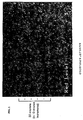
- natamycin compositions contain many large irregularly shaped particles, as shown in Fig. 1.
- the average particle size of such conventional natamycin compositions ranges from between 10 microns and 60 microns in diameter. Smaller particle sizes are avoided since excessive processing measures are required to produce a natamycin material with an average particle diameter of 10 microns or less, and because such small particles (10 microns or less in diameter) tend to agglomerate to form larger particles when the particles are maintained in a dry state.
- the present invention resides in the discovery that a particulate natamycin material of very small particle diameter, specifically 10 microns or less in average diameter, is significantly more effective as an anti-mycotic in dry compositions than is a larger particle diameter conventional natamycin material.
- the natamycin material of the present invention has a large surface area to weight ratio relative to conventional natamycin materials due to its small particle size. Therefore, the natamycin material of the present invention is more effective to inhibit the growth of moulds, yeast, and fungi than conventional natamycin materials since more surface area of the natamycin material is available for direct contact with any mould, yeast, or fungus per unit weight of the natamycin material.
- the small particle size of the present natamycin material permits the anti-mycotic to be dispersed more uniformly per unit weight on or in a dry substrate, thereby providing more effective protection of the entire substrate from mould, yeast, and fungus growth.
- conventional larger particle diameter natamycin compositions can leave patches of a substrate unprotected at low concentrations since it is more difficult to obtain uniform distribution of the larger particles at such low concentrations.
- the present invention is a dry composition of a particulate natamycin material which has an average natamycin particle diameter of 10 microns or less, as shown in Fig. 2.
- the natamycin material has an average natamycin particle diameter of 7 microns or less, more preferably 5 microns or less, and most preferably 1 micron or less.
- the natamycin material may contain pure natamycin, or may contain natamycin and at least one diluent such as lactose or sodium chloride, where the natamycin and the diluent are homogeneously blended together.
- the natamycin material may contain from 1% to 100% natamycin, by weight, and from 0% to 99% of a diluent, by weight.
- the natamycin material contains 50% or greater natamycin, by weight.
- the present invention also includes a dry composition of a particulate natamycin material which has a natamycin surface area to weight ratio of at least two meters squared per gram (2 m 2 /g). More preferably the natamycin material has a natamycin surface area to weight ratio of at least 3 m 2 /g.
- the natamycin material may contain pure natamycin or may contain homogeneously blended natamycin and at least one diluent such as lactose or sodium chloride in the relative weight percentages set forth above.
- the surface area of the natamycin or natamycin material may be measured by a laser diffraction method, for example using a Malvern Mastersizer Particle Analyzer, and is so measured herein.
- the natamycin material has both an average natamycin particle diameter of 10 microns or less and a natamycin surface area to weight ratio of at least two meters squared per gram. Most preferably, the natamycin material has an average natamycin particle diameter of 1 micron or less and a natamycin surface area to weight ratio of at least 3 m 2 /g.
- a particulate natamycin material having an average particle diameter of less than 10 microns, or smaller, and/or a surface area to weight ratio of at least 2 m 2 /g, or greater, in accordance with a composition of the present invention may be formed from a natamycin starting material having an average particle diameter of greater than 10 microns and surface to weight ratio of less than 2 m 2 /g.
- a natamycin starting material may be produced by a fermentation process utilising Streptomyces natalensis or S. chattanoogenisis . Fermentation methods for producing natamycin have been known for years.
- natamycin starting material is a conventional fermentation process for producing natamycin which may be used as the natamycin starting material. More preferably, the natamycin starting material is a commercially available natamycin composition such as Delvocid® or Natamax®. A commercially available natamycin starting material may contain diluents such as lactose or sodium chloride, and, if desired, such diluents may be added to a natamycin starting material produced by a fermentation process in a desired amount.
- diluents such as lactose or sodium chloride
- the natamycin starting material is milled or ground to (i) reduce the physical dimensions of the particles of natamycin in the natamycin starting material to an average particle diameter of 10 microns or less, more preferably 7 microns or less, even more preferably 5 microns or less, and most preferably 1 micron or less; and/or (ii) to alter the physical dimensions of the particles of natamycin so that the natamycin in the natamycin material has a surface area to weight ratio of at least 2 m 2 /g, and more preferably at least 3m 2 /g.
- the diluent may also be reduced in physical particle size or increased in surface area to weight ratio by the milling or grinding process, however, the diluent is not to be included in the average particle diameter and/or surface area to weight measurements of the natamycin in the natamycin material.
- the analytical measurements of the average particle diameter and surface area to weight are conducted in solutions in which the diluent is soluble and natamycin is not, so the diluent has no effect on the measurements.
- the natamycin starting material may be milled or ground using conventional milling and grinding equipment and processes used for fine grinding. Processing methods for fine grinding which may be used to form the natamycin material of the invention include air jet milling, plate grinding, media grinding, hammer milling, homogenising, and colloid milling. Ground particles of the natamycin material which have been ground to an acceptable size are separated from larger particles, preferably by screening, filtering, or air classifying, and collected to provide the natamycin material.
- Air jet milling is a particularly preferred method of fine grinding the natamycin starting material into the natamycin material of the invention.
- the natamycin starting material is charged into a hopper which conveys the natamycin starting material into a grinding chamber via a screw feeder.
- the material is ground by airflows from the nozzles at the base of the mill, which cause the particles to collide and grind against themselves.
- Particles that reach a selected size in accordance with the dimensions of the natamycin particles of the invention are passed through a separator and conveyed to a collector. Particles that are too large are returned to the grinding chamber for additional processing.
- the natamycin starting material is sifted to separate a natamycin material having (i) an average natamycin particle diameter of 10 microns or less, more preferably 7 microns or less, even more preferably 5 microns or less, and most preferably 1 micron or less; and/or (ii) having a natamycin surface area to weight ratio of at least 2 m 2 /g, and more preferably at least 3 m 2 /g.
- Conventional sifting and classifying equipment and processes may be utilised to separate the fine natamycin particles from larger particles, where screening and air classifying processes are particularly preferred.
- the maximum particle diameter of the separated natamycin material may be selected by choosing the appropriate separation equipment.
- the natamycin material recovered from the grinding and/or sifting process may be used, as is, as a dry particulate anti-mycotic, or may be further processed as a dry preparation or as a wet preparation (which may subsequently be dried) to enhance or maintain the efficacy of the natamycin material.
- the natamycin material may be further processed as a dry preparation by combining the natamycin material with an anti-caking material.
- the anti-caking material can be combined with the fine particulate natamycin material to inhibit and prevent the fine particles from reagglomerating into larger particles which are detrimental to the anti-mycotic efficacy of the natamycin material.
- the anti-caking material utilised is a food-grade material which is effective for reducing agglomeration of the natamycin material.
- the anti-caking material should be able to absorb and retain moisture.
- Anti-caking materials which may be utilised in conjunction with the natamycin material include food grade celluloses, including powdered cellulose and microcrystalline cellulose, silicates, phosphates, starches, clays, including bentonite and montmorillonite clays, minerals, flours, including rice flour, wheat flour, corn flour, and soy flour, polysaccharides, fibres, and combinations thereof.
- the anti-caking material can be combined with the natamycin material at levels of from 0.001 to 99.999% of anti-caking material, by weight of the combined anti-caking material and the natamycin material. More preferably, the anti-caking material is present in combination with the natamycin material at levels of from 0.1 to 20% anti-caking material, by weight, and most preferably is present at levels of from 1 to 10%, by weight.
- the anti-caking material may be utilised as a functional food ingredient to inhibit caking and enhance the flowability of a divided food material in which the anti-caking material is dispersed, and the natamycin material is blended with the anti-caking material to provide anti-mycotic activity for the divided food material.
- a divided food material in which the anti-caking/natamycin material may be dispersed for example, is a shredded or grated cheese.
- the anti-caking material When the anti-caking material is to be used as a functional food ingredient to enhance flowability in a food material, the anti-caking material should be present in greater quantity in the anti-caking/natamycin blend than when the anti-caking material is utilised solely for the purpose of preventing agglomeration of the natamycin material.
- the anti-caking material when the anti-caking material is to be used as a functional food ingredient, the anti-caking material is present in from about 90%-99.99%, by weight, and the natamycin material is present in about 0.001% to about 10%, by weight, of the combined anti-caking material and the natamycin material.
- the anti-caking material and natamycin material can be combined by conventional means and with conventional equipment for mixing dry particulate materials.
- the anti-caking material and the natamycin material are preferably mixed to form a homogenous blend to ensure contact between particles of the natamycin material and the anti-caking material, enhancing the anti-agglomeration effects of the anti-caking material on the natamycin material.
- the anti-caking material and the natamycin material are mixed to a homogenous blend in a ribbon-type blender.
- the natamycin material is suspended in a liquid such as lecithin or water, and the suspension is sprayed onto the anti-caking material, preferably by a conventional spray drying apparatus, while the anti-caking material is being agitated to uniformly coat the anti-caking material with the suspension of natamycin material.
- the natamycin material may also be further processed as a wet preparation by dispersing the natamycin material in a liquid, where the wet preparation of the natamycin material may be applied to a perishable material susceptible to mould, yeast, and fungal growth to provide the perishable material the anti-mycotic activity of the natamycin material in the wet preparation.
- the liquid inhibits the fine particles of the natamycin material from agglomerating to form larger particles by forming a liquid barrier around the particles which prevents the particles from interacting and reassociating into larger particles.
- the liquid in which the natamycin material may be dispersed to form the wet preparation of natamycin may be any food grade liquid, regardless of the solubility of the natamycin in the liquid.
- Preferred liquids used to form the wet preparation of natamycin are edible oils, water, food grade alcohols, carbohydrate solutions, hydrocolloid solutions, polyols, and fats.
- Especially preferred oils include canola oil, annato oil(soluble), soy oil, peanut oil, corn oil, cottonseed oil, sunflower seed oil, and lecithin.
- the most preferred liquids for forming a wet preparation of the natamycin material are water and lecithin.
- a wet preparation of the natamycin material may be formed by combining the natamycin material and a selected liquid.
- the amount of natamycin material utilised in the wet preparation is from 0.0001% to 20%, weight of natamycin material per volume of liquid ("w/v"), and more preferably from 0.001% to 10%, w/v.
- the liquid and natamycin material are mixed to disperse and suspend the natamycin material in the liquid prior to application of the wet preparation to a perishable material requiring anti-mycotic protection so the natamycin material may be uniformly dispersed on or into the perishable material.
- the liquid and natamycin material may be mixed by conventional means for agitating, mixing, and dispersing a solid material in a liquid such as a blender.
- the coated composition should be dried to remove the solvent.
- natamycin material may be added to the natamycin material, to provide desirable characteristics to a material in which the natamycin material is utilised.
- Salts, phosphates, and silicates may be combined with the natamycin material to provide anti-agglomeration properties to the mixture.
- Surface tension agents such as sodium lauryl sulphate (dodecyl) may also be combined with the natamycin material.
- Colouring agents for example annato oil and paprika, can be used to provide colour to the natamycin material.
- Flavours, seasonings, and spices can be added to the natamycin material to deliver improved food functionality to the natamycin material.
- Enzymes can be added to the natamycin material to enhance the flavour of fermented or ripened food materials in which the natamycin material is utilised.
- the natamycin material may be utilised with a perishable material susceptible to spoilage from mould, fungus, or yeast to protect the perishable material from such spoilage.
- the natamycin material has the characteristics described above, either having an average particle diameter of 10 microns or less(preferably 5 or 1 micron or less), a surface area to weight ratio of at least 2 m 2 /g (preferably at least 3 m 2 /g), or both.
- the perishable material may be any material which is susceptible to spoilage or damage from mould, yeast, or fungal growth, but preferably is a food material.
- the natamycin material is utilised with a non-liquid food material susceptible to mould, yeast, and fungal growth, and preferably the non-liquid food material is a cheese or a fermented meat, including sausage and pepperoni meats.
- the natamycin material is fit for human consumption and is dispersed on or in a perishable food material so that natamycin is present in the composition of the food material and natamycin material in a concentration of from 1 part per million to 5 parts per million, where the natamycin provides effective anti-mycotic activity for the perishable food material at such concentrations.
- the natamycin material is dispersed on or in the perishable material, depending on the nature of the perishable material.
- the natamycin material may be dispersed in a grated or shredded cheese material and may be dispersed on a sausage link or a solid block of cheese.
- the natamycin material may be dispersed on or in the perishable material in several ways, depending on the nature of the perishable material in or on which the natamycin material is to be dispersed, and on the nature of the natamycin material as a wet or dry preparation.
- a wet preparation of the natamycin material may be applied to the perishable material by dipping the perishable material into the wet preparation of the natamycin material, or by spraying the wet preparation of the natamycin material onto the perishable material.
- the natamycin material should be agitated in the liquid prior to application of the wet preparation to the perishable material to suspend the natamycin material in the liquid for uniform distribution of the natamycin material to the perishable material.
- a dry preparation of the natamycin material may be dispersed in or on the perishable material by dusting the natamycin material on the perishable material or by blending the natamycin material and the perishable material into a homogenous blend.
- the dry preparation of the natamycin material may be blended together with the perishable material using conventional processes and equipment for dry blending materials, for example a ribbon blender.
- the dry preparation of the natamycin material and anti-caking material is preferably added to the perishable material so that the natamycin material is blended into the perishable material while maintaining contact with the anti-caking material to prevent reagglomeration of the natamycin material upon dispersion into the perishable material.
- a liquid suspension is formed of the natamycin material, the liquid suspension of the natamycin material is sprayed onto an anticaking material, and the anti-caking material coated with the natamycin material is added to a perishable food material, preferably a grated or shredded cheese, as a functional food ingredient which prevents caking of the food material and provides anti-mycotic activity.
- the liquid suspension of the natamycin material is formed by mixing the natamycin material and a liquid, preferably water or lecithin, while agitating the mixture.
- the liquid suspension is preferably sprayed on the anti-caking material with a conventional spray dryer while agitating the anti-caking material.
- the anti-caking material is mixed with the perishable food material by dry blending the anti-caking material and the food material.
- dry as used herein has the meaning normally ascribed to it in the food industry to mean non-liquid, and does not necessarily mean “dry to the touch”.
- natamycin diluted to about 50% with lactose, is obtained from two separate suppliers.
- a control sample is retained from each of the commercial natamycin materials, and a sample of each of the commercial natamycin materials is individually ground by processing the sample through an air jet mill to form a natamycin material in accordance with the present invention.
- the average particle sizes of each of the natamycin samples are analysed with a Coulter Particle Size Analyzer. The results of the size analysis is shown in Table 1.
- Sample Mean Diameter ( ⁇ m) Median Diameter ( ⁇ m) Commercial Sample 1 29.23 14.83 Refined Sample 1 2.65 2.56
- the commercially available natamycin material has an average diameter substantially greater than 10 microns
- the natamycin material produced by grinding a commercial natamycin material in an air jet mill has an average diameter less than 10 microns.
- natamycin diluted to about 50% with lactose
- a control sample is retained from each of the commercial natamycin materials, and a sample of each of the commercial natamycin materials is individually ground by processing the sample through an air classifying mill to form a natamycin material in accordance with the present invention.
- the average particle sizes of each of the natamycin samples are analysed with a Coulter Particle Size Analyzer. The results of the size analysis is shown in Table 2.
- Sample Mean Diameter ( ⁇ m) Median Diameter ( ⁇ m) Commercial Sample 1 29.23 14.83 Refined Sample 1 8.15 8.02
- the commercially available natamycin material has an average diameter substantially greater than 10 microns
- the natamycin material produced by grinding a commercial natamycin material in an air classifying mill has an average diameter less than 10 microns.
- natamycin one sample diluted to about 50% with lactose and another sample diluted with about 50% sodium chloride, is obtained from two separate suppliers, and these are combined in a 1:1 ratio based on weight.
- a pure sample of the blend of the commercial natamycin is retained, and another sample of the commercial natamycin blend is treated with 5% by weight of tricalcium phosphate (an anti-agglomerating agent).
- a sample of the pure blend of commercial natamycin material and a sample of the commercial natamycin material blend with tricalcium phosphate are refined in an air jet mill. The particle size of the samples and the specific surface area of the natamycin samples are analysed with a Malvern Mastersizer. The results are shown in Table 3.
- the mean particle size of the refined particles is reduced to less than 10 microns and the surface area per unit weight of the refined natamycin material is greater than 2 m 2 /g.
- the commercial natamycin material whether blended with an anti-agglomerating agent or not, has an average particle diameter substantially greater than 10 microns, and a specific surface area per unit weight which is less than 1 m 2 /g.
- the combined anti-caking material/natamycin material samples are each prepared by loading the cellulose into a ribbon-type blender and blending for a few minutes.
- the lecithin is heated to reduce its viscosity and the required amount of lecithin is atomised into the cellulose in the blender with the blender running.
- the required amount of natamycin material is suspended in the water.
- the natamycin material suspension is then atomised into the cellulose/lecithin in the blender with the blender running. After all the natamycin material suspension is added, blending is continued for an additional amount of time to ensure a homogenous blend.
- the efficacy of the anti-caking/natamycin material samples is then tested in shredded mozzarella cheese. Each sample is added to a separate cheese sample in an amount of 1% of the anti-caking/natamycin material, by weight, to 99% of the cheese, by weight.
- a control sample of cheese containing no anti-caking agent and no natamycin material is also prepared (Sample 4), as well as a control sample of cheese containing 1% pure cellulose anti-caking material by weight (Sample 5).
- Ten bags of each cheese sample are prepared and are stored in a cold room at 40°F for the duration of the test.
- Control Cellulose Day 46 1/10 0/10 0/10 7/10 9/10 Day 74 5/10 0/10 0/10 9/10 all Day 106 9/10 3/10 0/10 all all Day 145 all 4/10 3/10 all all Day 179 all 5/10 4/10 all all Day 193 all 6/10 5/10 all all Day 223 all 9/10 8/10 all all all
- the refined natamycin material of the present invention is more efficacious than a conventional natamycin material at concentrations of less than 5 ppm, and the refined natamycin material at a concentration of 2.5 ppm is about as effective at preventing mould, yeast, and fungal growth in cheese as conventional natamycin at 9 ppm. Both the conventional and the refined natamycin materials are more effective at preventing mould, yeast, and fungal growth than pure cellulose.
Landscapes
- Life Sciences & Earth Sciences (AREA)
- Engineering & Computer Science (AREA)
- Chemical & Material Sciences (AREA)
- Wood Science & Technology (AREA)
- Zoology (AREA)
- Organic Chemistry (AREA)
- Health & Medical Sciences (AREA)
- Food Science & Technology (AREA)
- Polymers & Plastics (AREA)
- General Health & Medical Sciences (AREA)
- Bioinformatics & Cheminformatics (AREA)
- Microbiology (AREA)
- General Chemical & Material Sciences (AREA)
- Biochemistry (AREA)
- Chemical Kinetics & Catalysis (AREA)
- General Engineering & Computer Science (AREA)
- Biotechnology (AREA)
- Genetics & Genomics (AREA)
- Animal Behavior & Ethology (AREA)
- Pharmacology & Pharmacy (AREA)
- Epidemiology (AREA)
- Medicinal Chemistry (AREA)
- Public Health (AREA)
- Veterinary Medicine (AREA)
- Food Preservation Except Freezing, Refrigeration, And Drying (AREA)
- Agricultural Chemicals And Associated Chemicals (AREA)
- Beans For Foods Or Fodder (AREA)
- Dairy Products (AREA)
- Acyclic And Carbocyclic Compounds In Medicinal Compositions (AREA)
- Pharmaceuticals Containing Other Organic And Inorganic Compounds (AREA)
- Medicines Containing Material From Animals Or Micro-Organisms (AREA)
Applications Claiming Priority (2)
| Application Number | Priority Date | Filing Date | Title |
|---|---|---|---|
| US354829 | 1999-07-16 | ||
| US09/354,829 US6291436B1 (en) | 1999-07-16 | 1999-07-16 | Direct action anti-mycotic |
Publications (3)
| Publication Number | Publication Date |
|---|---|
| EP1068809A2 true EP1068809A2 (de) | 2001-01-17 |
| EP1068809A3 EP1068809A3 (de) | 2002-01-02 |
| EP1068809B1 EP1068809B1 (de) | 2006-03-29 |
Family
ID=23395065
Family Applications (1)
| Application Number | Title | Priority Date | Filing Date |
|---|---|---|---|
| EP00304608A Expired - Lifetime EP1068809B1 (de) | 1999-07-16 | 2000-05-31 | Antimykotische Zusammensetzung |
Country Status (12)
| Country | Link |
|---|---|
| US (2) | US6291436B1 (de) |
| EP (1) | EP1068809B1 (de) |
| JP (1) | JP2001039805A (de) |
| KR (1) | KR20010014444A (de) |
| CN (1) | CN1149929C (de) |
| AT (1) | ATE321465T1 (de) |
| AU (1) | AU779866B2 (de) |
| BR (1) | BR0000195A (de) |
| CA (1) | CA2291382C (de) |
| DE (1) | DE60026936T2 (de) |
| MX (1) | MXPA99011186A (de) |
| RU (1) | RU2255615C2 (de) |
Cited By (5)
| Publication number | Priority date | Publication date | Assignee | Title |
|---|---|---|---|---|
| WO2003053172A1 (en) * | 2001-12-21 | 2003-07-03 | Dsm Ip Assets B.V. | Improved method for the treatment of food, feed or agricultural products with a polyene antifungal compound |
| WO2003101213A1 (en) * | 2002-06-03 | 2003-12-11 | Dsm Ip Assets B.V. | Improved method for the treatment of shredded cheese with a polyene antifungal compound |
| WO2004014158A3 (en) * | 2002-08-06 | 2004-04-08 | Dsm Ip Assets Bv | Method for the covering of food with polyene antifungal compositions |
| WO2005097063A3 (en) * | 2004-04-08 | 2006-04-13 | Danisco | Natamycin dosage form, process for preparing same, method for preserving a food product and preserved food product |
| WO2017183972A1 (en) * | 2016-04-18 | 2017-10-26 | Arec Crop Protection B.V. | Natamycin compositions and uses thereof |
Families Citing this family (17)
| Publication number | Priority date | Publication date | Assignee | Title |
|---|---|---|---|---|
| US6291436B1 (en) * | 1999-07-16 | 2001-09-18 | International Fiber Corporation | Direct action anti-mycotic |
| US20050233032A1 (en) * | 2002-02-14 | 2005-10-20 | Sa Majeste La Reine Du Chef Du Canada | Mixed starter culture and uses thereof |
| MXPA06002062A (es) * | 2003-08-22 | 2006-05-19 | Danisco | Microcapsulas. |
| JP4926707B2 (ja) * | 2003-08-22 | 2012-05-09 | ダニスコ エイ/エス | 封入化抗菌材料 |
| RU2261715C1 (ru) * | 2004-03-12 | 2005-10-10 | Российская медицинская академия последипломного образования Министерства здравоохранения Российской Федерации (РМАПО МЗ РФ) | Средство и способ лечения бактериального вагиноза |
| EP1793692B1 (de) | 2004-09-23 | 2012-11-14 | DSM IP Assets B.V. | Antimikrobielle zusammensetzung |
| US20060210694A1 (en) * | 2005-03-18 | 2006-09-21 | Chappell Rulon A | Anti-caking agents and methods |
| ES2586203T3 (es) | 2005-10-04 | 2016-10-13 | Dsm Ip Assets B.V. | Composición anti-fúngica mejorada |
| CA2677897A1 (en) * | 2007-03-15 | 2008-09-18 | Dsm Ip Assets B.V. | Stabilized micronised particles |
| EA020188B1 (ru) | 2007-10-12 | 2014-09-30 | ДСМ АйПи АССЕТС Б.В. | Способ изготовления созревающего в упаковке сыра, упаковка для созревания сыра и сыр |
| AU2010215528A1 (en) * | 2009-02-17 | 2011-09-08 | Dsm Ip Assets B.V. | Process for foil ripening of cheese |
| US9445608B2 (en) * | 2011-03-31 | 2016-09-20 | Caravan Ingredients Inc. | Antimicrobial powders for the preparation of bakery products |
| CA2937609A1 (en) * | 2014-02-13 | 2015-08-20 | Dsm Ip Assets B.V. | Production of cheese |
| CN104431228B (zh) * | 2014-11-19 | 2017-10-17 | 广东济公保健食品有限公司 | 抗结剂组合物、佛手果味糖及其制备方法 |
| CR20170421A (es) * | 2015-03-19 | 2018-04-03 | Valent Biosciences Llc | Formulaciones concentradas de natamicina en suspensión |
| WO2017043972A1 (en) * | 2015-09-09 | 2017-03-16 | Arec Crop Protection B.V. | An antifungal composition comprising natamycin and c4-c22 fatty acids, monoglycerides of these fatty acids and/or derivatives of these fatty acids |
| CA3029840C (en) | 2016-07-05 | 2023-09-26 | Ineos Americas, Llc | Method and apparatus for recovering absorbing agents in acid gas treatment |
Family Cites Families (17)
| Publication number | Priority date | Publication date | Assignee | Title |
|---|---|---|---|---|
| US3996386A (en) * | 1971-12-15 | 1976-12-07 | Yrjo Malkki | Method for preventing microbial surface deterioration of foods and feeds |
| US4536494A (en) * | 1983-11-17 | 1985-08-20 | Carter A Franklin | Animal feed method employing natamycin |
| US4950477A (en) * | 1988-08-23 | 1990-08-21 | Memorial Hospital For Cancer And Allied Dieseas | Method of preventing and treating pulmonary infection by fungi using aerosolized polyenes |
| WO1992008467A1 (fr) * | 1990-11-16 | 1992-05-29 | Nippon Shinyaku Co., Ltd. | Preparattion de dispersion |
| CA2114102C (en) * | 1991-07-25 | 2002-09-17 | Bruce Dexter King | Natamycin treatment of dried whole kernel grains |
| US5231014A (en) | 1991-08-05 | 1993-07-27 | Bio-Technical Resources | Fermentation process for producing natamycin |
| US5902579A (en) * | 1991-08-05 | 1999-05-11 | Bio-Technical Resources | Natamycin-containing streptomyces biomass and its use in animal feed |
| US5266347A (en) | 1992-01-28 | 1993-11-30 | Ducoa L.P. | Antibiotic biomass animal feed compositions |
| EP0608575A1 (de) | 1993-01-27 | 1994-08-03 | Dsm N.V. | Vom UV-Licht vernetzte Zusammensetzung ohne Lösungsmittel |
| EP0670676B1 (de) * | 1993-09-29 | 2005-12-07 | DSM IP Assets B.V. | Modifizierte Formen des Natamycins, Verfahren zu ihrer Herstellung und sie enthaltende antifungale Zusammensetzungen |
| US5626893A (en) * | 1994-10-18 | 1997-05-06 | Reddy; Malireddy S. | Method of treating a divided cheese product for anticaking |
| ATE239091T1 (de) * | 1996-02-09 | 2003-05-15 | Dsm Nv | Natamycin gewinnung |
| US5895680A (en) * | 1996-06-19 | 1999-04-20 | Thomas J. Lipton | Foodstuff preservation |
| US6132787A (en) * | 1997-04-25 | 2000-10-17 | The Procter & Gamble Company | Antimicrobial combinations of a sorbate preservative natamycin and a dialkyl dicarbonate useful in treating beverages and other food products and process of making |
| US6045815A (en) * | 1997-08-15 | 2000-04-04 | Board Of Regents, The University Of Texas System | Parenteral pimaricin as treatment of systemic infections |
| US6126974A (en) * | 1998-03-13 | 2000-10-03 | Protein X Technologies Int'l Inc. | Anti-caking anti-mycotic food ingredient and process for producing the same |
| US6291436B1 (en) * | 1999-07-16 | 2001-09-18 | International Fiber Corporation | Direct action anti-mycotic |
-
1999
- 1999-07-16 US US09/354,829 patent/US6291436B1/en not_active Expired - Lifetime
- 1999-11-25 CA CA002291382A patent/CA2291382C/en not_active Expired - Fee Related
- 1999-12-02 MX MXPA99011186A patent/MXPA99011186A/es active IP Right Grant
-
2000
- 2000-01-18 KR KR1020000002125A patent/KR20010014444A/ko not_active Ceased
- 2000-01-27 BR BR0000195-3A patent/BR0000195A/pt not_active Application Discontinuation
- 2000-02-17 RU RU2000103675/13A patent/RU2255615C2/ru not_active IP Right Cessation
- 2000-03-23 CN CNB00104379XA patent/CN1149929C/zh not_active Expired - Fee Related
- 2000-04-28 JP JP2000128745A patent/JP2001039805A/ja active Pending
- 2000-05-31 EP EP00304608A patent/EP1068809B1/de not_active Expired - Lifetime
- 2000-05-31 AT AT00304608T patent/ATE321465T1/de not_active IP Right Cessation
- 2000-05-31 DE DE60026936T patent/DE60026936T2/de not_active Expired - Lifetime
- 2000-07-13 AU AU47217/00A patent/AU779866B2/en not_active Ceased
-
2001
- 2001-05-11 US US09/853,312 patent/US6576617B2/en not_active Expired - Lifetime
Cited By (6)
| Publication number | Priority date | Publication date | Assignee | Title |
|---|---|---|---|---|
| WO2003053172A1 (en) * | 2001-12-21 | 2003-07-03 | Dsm Ip Assets B.V. | Improved method for the treatment of food, feed or agricultural products with a polyene antifungal compound |
| WO2003101213A1 (en) * | 2002-06-03 | 2003-12-11 | Dsm Ip Assets B.V. | Improved method for the treatment of shredded cheese with a polyene antifungal compound |
| WO2004014158A3 (en) * | 2002-08-06 | 2004-04-08 | Dsm Ip Assets Bv | Method for the covering of food with polyene antifungal compositions |
| WO2005097063A3 (en) * | 2004-04-08 | 2006-04-13 | Danisco | Natamycin dosage form, process for preparing same, method for preserving a food product and preserved food product |
| WO2017183972A1 (en) * | 2016-04-18 | 2017-10-26 | Arec Crop Protection B.V. | Natamycin compositions and uses thereof |
| US11317631B2 (en) | 2016-04-18 | 2022-05-03 | Arec Crop Protection B.V. | Natamycin compositions and uses thereof |
Also Published As
| Publication number | Publication date |
|---|---|
| JP2001039805A (ja) | 2001-02-13 |
| CN1280774A (zh) | 2001-01-24 |
| CN1149929C (zh) | 2004-05-19 |
| EP1068809B1 (de) | 2006-03-29 |
| AU4721700A (en) | 2001-01-18 |
| CA2291382C (en) | 2003-10-21 |
| BR0000195A (pt) | 2001-08-21 |
| EP1068809A3 (de) | 2002-01-02 |
| US20030087003A1 (en) | 2003-05-08 |
| AU779866B2 (en) | 2005-02-17 |
| CA2291382A1 (en) | 2001-01-16 |
| ATE321465T1 (de) | 2006-04-15 |
| US6576617B2 (en) | 2003-06-10 |
| DE60026936D1 (de) | 2006-05-18 |
| KR20010014444A (ko) | 2001-02-26 |
| MXPA99011186A (es) | 2004-09-01 |
| RU2255615C2 (ru) | 2005-07-10 |
| US6291436B1 (en) | 2001-09-18 |
| DE60026936T2 (de) | 2007-03-15 |
Similar Documents
| Publication | Publication Date | Title |
|---|---|---|
| EP1068809B1 (de) | Antimykotische Zusammensetzung | |
| EP4480321A2 (de) | Verfahren zur herstellung von eingekapselten aminosäuren für wiederkäuer | |
| Suhag et al. | Evaluation of different carrier agents with respect to physico‐chemical, functional and morphological characteristics of spray dried nutritionally rich honey powder | |
| US20040109927A1 (en) | Carbonate-based anti-caking agent with reduced gas release properties | |
| JPS5944019B2 (ja) | 保存性の良好な中湿度飼料の製造法 | |
| AU747101B2 (en) | Anti-caking anti-mycotic food ingredient and process for producing the same | |
| RU2000103675A (ru) | Композиция, обладающая антимикотическим действием | |
| Dantas et al. | Powdered oat drink production by pulse spray drying | |
| Atalar et al. | Agglomerated mushroom (Agaricus bisporus) powder: Optimization of top spray fluidized bed agglomeration conditions | |
| US20050220978A1 (en) | Dispersible protein composition | |
| HK1035996A (en) | Anti-mycotic composition | |
| CA1137352A (en) | Method of treating whole seeds to incorporate solid materials | |
| EP0694610A1 (de) | BESCHICHTETE -i(PHAFFIA RHODOZYMA) HEFE UND ENTSPRECHENDES GRANÜLAT DAVON | |
| JP3109699B2 (ja) | レシチン製剤 | |
| EP4643648A1 (de) | Verfahren zur verbesserung der flüssigkeitsrückhaltefähigkeit von pflanzenproteinhaltiger trockenzusammensetzung, verfahren zur verbesserung der verschäumbarkeit während der wassersuspension | |
| US20250127200A1 (en) | Plant-based wall materials and emulsifiers and the uses and methods of manufacture thereof | |
| Hariadi et al. | The effect of pineapple juice concentration (Ananas comosus L.) and pectin concentration on pineapple milk powder characteristics | |
| HK1041793A1 (en) | Anti-caking and anti-fungal food ingredient and its manufacturing method | |
| HK40114857A (en) | Process for producing encapsulated amino acids for ruminants | |
| WO2019158756A1 (de) | Pulverförmige zusammensetzung, enthaltend tonmineral | |
| MXPA00004440A (es) | Ingrediente antimicotico y antiaglutinante para alimentos y procedimiento para la produccion del mismo. |
Legal Events
| Date | Code | Title | Description |
|---|---|---|---|
| PUAI | Public reference made under article 153(3) epc to a published international application that has entered the european phase |
Free format text: ORIGINAL CODE: 0009012 |
|
| AK | Designated contracting states |
Kind code of ref document: A2 Designated state(s): AT BE CH CY DE DK ES FI FR GB GR IE IT LI LU MC NL PT SE |
|
| AX | Request for extension of the european patent |
Free format text: AL;LT;LV;MK;RO;SI |
|
| RAP1 | Party data changed (applicant data changed or rights of an application transferred) |
Owner name: INTERNATIONAL FIBER CORPORATION |
|
| PUAL | Search report despatched |
Free format text: ORIGINAL CODE: 0009013 |
|
| RIC1 | Information provided on ipc code assigned before grant |
Free format text: 7A 23L 3/3463 A, 7A 23C 19/11 B, 7C 12P 19/62 B |
|
| AK | Designated contracting states |
Kind code of ref document: A3 Designated state(s): AT BE CH CY DE DK ES FI FR GB GR IE IT LI LU MC NL PT SE |
|
| AX | Request for extension of the european patent |
Free format text: AL;LT;LV;MK;RO;SI |
|
| 17P | Request for examination filed |
Effective date: 20020702 |
|
| AKX | Designation fees paid |
Free format text: AT BE CH CY DE DK ES FI FR GB GR IE IT LI LU MC NL PT SE |
|
| 17Q | First examination report despatched |
Effective date: 20050127 |
|
| GRAP | Despatch of communication of intention to grant a patent |
Free format text: ORIGINAL CODE: EPIDOSNIGR1 |
|
| GRAS | Grant fee paid |
Free format text: ORIGINAL CODE: EPIDOSNIGR3 |
|
| GRAA | (expected) grant |
Free format text: ORIGINAL CODE: 0009210 |
|
| STAA | Information on the status of an ep patent application or granted ep patent |
Free format text: STATUS: THE PATENT HAS BEEN GRANTED |
|
| AK | Designated contracting states |
Kind code of ref document: B1 Designated state(s): AT BE CH CY DE DK ES FI FR GB GR IE IT LI LU MC NL PT SE |
|
| PG25 | Lapsed in a contracting state [announced via postgrant information from national office to epo] |
Ref country code: IT Free format text: LAPSE BECAUSE OF FAILURE TO SUBMIT A TRANSLATION OF THE DESCRIPTION OR TO PAY THE FEE WITHIN THE PRESCRIBED TIME-LIMIT;WARNING: LAPSES OF ITALIAN PATENTS WITH EFFECTIVE DATE BEFORE 2007 MAY HAVE OCCURRED AT ANY TIME BEFORE 2007. THE CORRECT EFFECTIVE DATE MAY BE DIFFERENT FROM THE ONE RECORDED. Effective date: 20060329 Ref country code: AT Free format text: LAPSE BECAUSE OF FAILURE TO SUBMIT A TRANSLATION OF THE DESCRIPTION OR TO PAY THE FEE WITHIN THE PRESCRIBED TIME-LIMIT Effective date: 20060329 Ref country code: LI Free format text: LAPSE BECAUSE OF FAILURE TO SUBMIT A TRANSLATION OF THE DESCRIPTION OR TO PAY THE FEE WITHIN THE PRESCRIBED TIME-LIMIT Effective date: 20060329 Ref country code: CH Free format text: LAPSE BECAUSE OF FAILURE TO SUBMIT A TRANSLATION OF THE DESCRIPTION OR TO PAY THE FEE WITHIN THE PRESCRIBED TIME-LIMIT Effective date: 20060329 |
|
| REG | Reference to a national code |
Ref country code: GB Ref legal event code: FG4D |
|
| REG | Reference to a national code |
Ref country code: CH Ref legal event code: EP |
|
| REG | Reference to a national code |
Ref country code: IE Ref legal event code: FG4D |
|
| REF | Corresponds to: |
Ref document number: 60026936 Country of ref document: DE Date of ref document: 20060518 Kind code of ref document: P |
|
| PG25 | Lapsed in a contracting state [announced via postgrant information from national office to epo] |
Ref country code: MC Free format text: LAPSE BECAUSE OF NON-PAYMENT OF DUE FEES Effective date: 20060531 Ref country code: IE Free format text: LAPSE BECAUSE OF NON-PAYMENT OF DUE FEES Effective date: 20060531 |
|
| PG25 | Lapsed in a contracting state [announced via postgrant information from national office to epo] |
Ref country code: SE Free format text: LAPSE BECAUSE OF FAILURE TO SUBMIT A TRANSLATION OF THE DESCRIPTION OR TO PAY THE FEE WITHIN THE PRESCRIBED TIME-LIMIT Effective date: 20060629 Ref country code: DK Free format text: LAPSE BECAUSE OF FAILURE TO SUBMIT A TRANSLATION OF THE DESCRIPTION OR TO PAY THE FEE WITHIN THE PRESCRIBED TIME-LIMIT Effective date: 20060629 |
|
| PG25 | Lapsed in a contracting state [announced via postgrant information from national office to epo] |
Ref country code: ES Free format text: LAPSE BECAUSE OF FAILURE TO SUBMIT A TRANSLATION OF THE DESCRIPTION OR TO PAY THE FEE WITHIN THE PRESCRIBED TIME-LIMIT Effective date: 20060710 |
|
| PG25 | Lapsed in a contracting state [announced via postgrant information from national office to epo] |
Ref country code: PT Free format text: LAPSE BECAUSE OF FAILURE TO SUBMIT A TRANSLATION OF THE DESCRIPTION OR TO PAY THE FEE WITHIN THE PRESCRIBED TIME-LIMIT Effective date: 20060829 |
|
| REG | Reference to a national code |
Ref country code: CH Ref legal event code: PL |
|
| PLBI | Opposition filed |
Free format text: ORIGINAL CODE: 0009260 |
|
| PLAZ | Examination of admissibility of opposition: despatch of communication + time limit |
Free format text: ORIGINAL CODE: EPIDOSNOPE2 |
|
| 26 | Opposition filed |
Opponent name: DSM IP ASSETS B.V. Effective date: 20061222 |
|
| NLR1 | Nl: opposition has been filed with the epo |
Opponent name: DSM IP ASSETS B.V. |
|
| EN | Fr: translation not filed | ||
| PLBG | Opposition deemed not to have been filed |
Free format text: ORIGINAL CODE: 0009274 |
|
| 26D | Opposition deemed not to have been filed |
Opponent name: DSM IP ASSETS B.V. Effective date: 20070613 |
|
| REG | Reference to a national code |
Ref country code: HK Ref legal event code: WD Ref document number: 1035996 Country of ref document: HK |
|
| PG25 | Lapsed in a contracting state [announced via postgrant information from national office to epo] |
Ref country code: GR Free format text: LAPSE BECAUSE OF FAILURE TO SUBMIT A TRANSLATION OF THE DESCRIPTION OR TO PAY THE FEE WITHIN THE PRESCRIBED TIME-LIMIT Effective date: 20060630 Ref country code: FR Free format text: LAPSE BECAUSE OF FAILURE TO SUBMIT A TRANSLATION OF THE DESCRIPTION OR TO PAY THE FEE WITHIN THE PRESCRIBED TIME-LIMIT Effective date: 20070309 |
|
| PG25 | Lapsed in a contracting state [announced via postgrant information from national office to epo] |
Ref country code: FI Free format text: LAPSE BECAUSE OF FAILURE TO SUBMIT A TRANSLATION OF THE DESCRIPTION OR TO PAY THE FEE WITHIN THE PRESCRIBED TIME-LIMIT Effective date: 20060329 |
|
| PG25 | Lapsed in a contracting state [announced via postgrant information from national office to epo] |
Ref country code: LU Free format text: LAPSE BECAUSE OF NON-PAYMENT OF DUE FEES Effective date: 20060531 |
|
| PG25 | Lapsed in a contracting state [announced via postgrant information from national office to epo] |
Ref country code: FR Free format text: LAPSE BECAUSE OF FAILURE TO SUBMIT A TRANSLATION OF THE DESCRIPTION OR TO PAY THE FEE WITHIN THE PRESCRIBED TIME-LIMIT Effective date: 20060531 |
|
| PG25 | Lapsed in a contracting state [announced via postgrant information from national office to epo] |
Ref country code: CY Free format text: LAPSE BECAUSE OF FAILURE TO SUBMIT A TRANSLATION OF THE DESCRIPTION OR TO PAY THE FEE WITHIN THE PRESCRIBED TIME-LIMIT Effective date: 20060329 Ref country code: FR Free format text: LAPSE BECAUSE OF FAILURE TO SUBMIT A TRANSLATION OF THE DESCRIPTION OR TO PAY THE FEE WITHIN THE PRESCRIBED TIME-LIMIT Effective date: 20060329 |
|
| PLAB | Opposition data, opponent's data or that of the opponent's representative modified |
Free format text: ORIGINAL CODE: 0009299OPPO |
|
| REG | Reference to a national code |
Ref country code: DE Ref legal event code: R081 Ref document number: 60026936 Country of ref document: DE Owner name: SOLVAIRA SPECIALTIES INC., WILMINGTON, US Free format text: FORMER OWNER: INTERNATIONAL FIBER CORP., WILMINGTON, DEL., US |
|
| REG | Reference to a national code |
Ref country code: NL Ref legal event code: HC Owner name: SOLVAIRA SPECIALTIES INC.; US Free format text: DETAILS ASSIGNMENT: VERANDERING VAN EIGENAAR(S), VERANDERING VAN NAAM VAN DE EIGENAAR(S); FORMER OWNER NAME: INTERNATIONAL FIBER CORPORATION Effective date: 20151222 |
|
| PGFP | Annual fee paid to national office [announced via postgrant information from national office to epo] |
Ref country code: NL Payment date: 20160526 Year of fee payment: 17 |
|
| PGFP | Annual fee paid to national office [announced via postgrant information from national office to epo] |
Ref country code: GB Payment date: 20160527 Year of fee payment: 17 Ref country code: DE Payment date: 20160527 Year of fee payment: 17 |
|
| PGFP | Annual fee paid to national office [announced via postgrant information from national office to epo] |
Ref country code: BE Payment date: 20160527 Year of fee payment: 17 |
|
| PLAB | Opposition data, opponent's data or that of the opponent's representative modified |
Free format text: ORIGINAL CODE: 0009299OPPO |
|
| R26D | Opposition deemed not to have been filed (corrected) |
Opponent name: DSM IP ASSETS B.V. Effective date: 20070613 |
|
| PLAB | Opposition data, opponent's data or that of the opponent's representative modified |
Free format text: ORIGINAL CODE: 0009299OPPO |
|
| R26D | Opposition deemed not to have been filed (corrected) |
Opponent name: DSM IP ASSETS B.V. Effective date: 20070613 |
|
| REG | Reference to a national code |
Ref country code: DE Ref legal event code: R119 Ref document number: 60026936 Country of ref document: DE |
|
| REG | Reference to a national code |
Ref country code: NL Ref legal event code: MM Effective date: 20170601 |
|
| GBPC | Gb: european patent ceased through non-payment of renewal fee |
Effective date: 20170531 |
|
| PG25 | Lapsed in a contracting state [announced via postgrant information from national office to epo] |
Ref country code: NL Free format text: LAPSE BECAUSE OF NON-PAYMENT OF DUE FEES Effective date: 20170601 |
|
| REG | Reference to a national code |
Ref country code: BE Ref legal event code: HC Owner name: SOLVAIRA SPECIALITIES INC.; US Free format text: DETAILS ASSIGNMENT: CHANGE OF OWNER(S), CHANGEMENT NOM PROPRIETAIRE; FORMER OWNER NAME: INTERNATIONAL FIBER CORPORATION Effective date: 20160229 Ref country code: BE Ref legal event code: MM Effective date: 20170531 |
|
| PG25 | Lapsed in a contracting state [announced via postgrant information from national office to epo] |
Ref country code: GB Free format text: LAPSE BECAUSE OF NON-PAYMENT OF DUE FEES Effective date: 20170531 Ref country code: DE Free format text: LAPSE BECAUSE OF NON-PAYMENT OF DUE FEES Effective date: 20171201 |
|
| PG25 | Lapsed in a contracting state [announced via postgrant information from national office to epo] |
Ref country code: BE Free format text: LAPSE BECAUSE OF NON-PAYMENT OF DUE FEES Effective date: 20170531 |
|
| PLAB | Opposition data, opponent's data or that of the opponent's representative modified |
Free format text: ORIGINAL CODE: 0009299OPPO |
|
| R26D | Opposition deemed not to have been filed (corrected) |
Opponent name: DSM IP ASSETS B.V. Effective date: 20070613 |