EP1078006B1 - Diagnose und behandlung von hepatischen krankheiten - Google Patents
Diagnose und behandlung von hepatischen krankheiten Download PDFInfo
- Publication number
- EP1078006B1 EP1078006B1 EP99922996A EP99922996A EP1078006B1 EP 1078006 B1 EP1078006 B1 EP 1078006B1 EP 99922996 A EP99922996 A EP 99922996A EP 99922996 A EP99922996 A EP 99922996A EP 1078006 B1 EP1078006 B1 EP 1078006B1
- Authority
- EP
- European Patent Office
- Prior art keywords
- madcam
- agent
- binding
- integrin
- antibody
- Prior art date
- Legal status (The legal status is an assumption and is not a legal conclusion. Google has not performed a legal analysis and makes no representation as to the accuracy of the status listed.)
- Expired - Lifetime
Links
Images
Classifications
-
- C—CHEMISTRY; METALLURGY
- C07—ORGANIC CHEMISTRY
- C07K—PEPTIDES
- C07K16/00—Immunoglobulins [IG], e.g. monoclonal or polyclonal antibodies
- C07K16/18—Immunoglobulins [IG], e.g. monoclonal or polyclonal antibodies against material from animals or humans
- C07K16/28—Immunoglobulins [IG], e.g. monoclonal or polyclonal antibodies against material from animals or humans against receptors, cell surface antigens or cell surface determinants
- C07K16/2803—Immunoglobulins [IG], e.g. monoclonal or polyclonal antibodies against material from animals or humans against receptors, cell surface antigens or cell surface determinants against the immunoglobulin superfamily
-
- A—HUMAN NECESSITIES
- A61—MEDICAL OR VETERINARY SCIENCE; HYGIENE
- A61P—SPECIFIC THERAPEUTIC ACTIVITY OF CHEMICAL COMPOUNDS OR MEDICINAL PREPARATIONS
- A61P1/00—Drugs for disorders of the alimentary tract or the digestive system
- A61P1/16—Drugs for disorders of the alimentary tract or the digestive system for liver or gallbladder disorders, e.g. hepatoprotective agents, cholagogues, litholytics
-
- A—HUMAN NECESSITIES
- A61—MEDICAL OR VETERINARY SCIENCE; HYGIENE
- A61P—SPECIFIC THERAPEUTIC ACTIVITY OF CHEMICAL COMPOUNDS OR MEDICINAL PREPARATIONS
- A61P31/00—Antiinfectives, i.e. antibiotics, antiseptics, chemotherapeutics
- A61P31/12—Antivirals
-
- A—HUMAN NECESSITIES
- A61—MEDICAL OR VETERINARY SCIENCE; HYGIENE
- A61P—SPECIFIC THERAPEUTIC ACTIVITY OF CHEMICAL COMPOUNDS OR MEDICINAL PREPARATIONS
- A61P31/00—Antiinfectives, i.e. antibiotics, antiseptics, chemotherapeutics
- A61P31/12—Antivirals
- A61P31/14—Antivirals for RNA viruses
-
- A—HUMAN NECESSITIES
- A61—MEDICAL OR VETERINARY SCIENCE; HYGIENE
- A61P—SPECIFIC THERAPEUTIC ACTIVITY OF CHEMICAL COMPOUNDS OR MEDICINAL PREPARATIONS
- A61P31/00—Antiinfectives, i.e. antibiotics, antiseptics, chemotherapeutics
- A61P31/12—Antivirals
- A61P31/20—Antivirals for DNA viruses
-
- A—HUMAN NECESSITIES
- A61—MEDICAL OR VETERINARY SCIENCE; HYGIENE
- A61P—SPECIFIC THERAPEUTIC ACTIVITY OF CHEMICAL COMPOUNDS OR MEDICINAL PREPARATIONS
- A61P37/00—Drugs for immunological or allergic disorders
- A61P37/02—Immunomodulators
- A61P37/06—Immunosuppressants, e.g. drugs for graft rejection
-
- C—CHEMISTRY; METALLURGY
- C07—ORGANIC CHEMISTRY
- C07K—PEPTIDES
- C07K14/00—Peptides having more than 20 amino acids; Gastrins; Somatostatins; Melanotropins; Derivatives thereof
- C07K14/435—Peptides having more than 20 amino acids; Gastrins; Somatostatins; Melanotropins; Derivatives thereof from animals; from humans
- C07K14/705—Receptors; Cell surface antigens; Cell surface determinants
- C07K14/70503—Immunoglobulin superfamily
-
- C—CHEMISTRY; METALLURGY
- C07—ORGANIC CHEMISTRY
- C07K—PEPTIDES
- C07K14/00—Peptides having more than 20 amino acids; Gastrins; Somatostatins; Melanotropins; Derivatives thereof
- C07K14/435—Peptides having more than 20 amino acids; Gastrins; Somatostatins; Melanotropins; Derivatives thereof from animals; from humans
- C07K14/705—Receptors; Cell surface antigens; Cell surface determinants
- C07K14/70546—Integrin superfamily
-
- C—CHEMISTRY; METALLURGY
- C07—ORGANIC CHEMISTRY
- C07K—PEPTIDES
- C07K16/00—Immunoglobulins [IG], e.g. monoclonal or polyclonal antibodies
- C07K16/18—Immunoglobulins [IG], e.g. monoclonal or polyclonal antibodies against material from animals or humans
- C07K16/28—Immunoglobulins [IG], e.g. monoclonal or polyclonal antibodies against material from animals or humans against receptors, cell surface antigens or cell surface determinants
- C07K16/2839—Immunoglobulins [IG], e.g. monoclonal or polyclonal antibodies against material from animals or humans against receptors, cell surface antigens or cell surface determinants against the integrin superfamily
-
- A—HUMAN NECESSITIES
- A61—MEDICAL OR VETERINARY SCIENCE; HYGIENE
- A61K—PREPARATIONS FOR MEDICAL, DENTAL OR TOILETRY PURPOSES
- A61K38/00—Medicinal preparations containing peptides
-
- C—CHEMISTRY; METALLURGY
- C07—ORGANIC CHEMISTRY
- C07K—PEPTIDES
- C07K2319/00—Fusion polypeptide
Definitions
- This invention relates to methods and compositions which can be employed in the prophylaxis, treatment and management of liver disorders, especially those characterized by inflammation. Also disclosed are methods and reagents useful in the prognosis and diagnosis of inflammatory liver disorders.
- the mucosal addressin cell adhesion molecule- (MAdCAM-1) is involved in the selective homing of lymphocytes to normal mucosal tissues ( Berlin et al., (1993) Cell, 74:185-195 ; Briskin et al., (1997) Am. J. Pathol. 151:97-110 ). It is expressed on a restricted set of vessels including high endothelial venules (HEV's) of the mucosal associated lymphoid tissues and directs lymphocyte traffic to Peyer's patches and the intestinal laminalitis (Berlin et al ., (1993) supra ).
- HEV's high endothelial venules
- MAdCAM-1 expression has been associated with tissues of the gastrointestinal tract (colon and small intestine) and associated lymphoid tissues (mesenteric lymph nodes)(Briskin et al., (1997) supra ). It has been detected in pancreas, gall bladder and splenic venules and marginal sinus of the splenic white pulp ( Kraal et al., (1995) Am. J. Path. 147:763-771 ). In inflammatory settings increased MAdCAM-1 expression has been observed in HEV like vessels in the pancreas of non-obese diabetic mice ( Hanninen A., et al., (1993) J. Clin.
- the lymphocyte integrin ⁇ 4 ⁇ 7 has been shown to mediate lymphocyte (memory T cells) adhesion to MAdCAM-1 ( Tidwell et al., J. Immunol. 159:1497-1505 ; Walsh et al., (1996) Immunol. 89:112-119 : Berlin et al., (1993) Cell, 74:185-195 ).
- the MAdCAM-1/ ⁇ 4 ⁇ 7 interaction has been shown to mediate selectin-independent interaction and rolling of lymphocytes under physiological flow ( Berlin et al., (1995) Cell, 80:413-422 ),
- Antibodies to MAdCAM-1 and both the ⁇ 4 and ⁇ 7 subunit of the ⁇ 4 ⁇ 7 integrin block lymphocyte binding to cells expressing MAdCAM-1 ( Berlin et al., (1993) Cell, 74:185-195 ). It has been shown that MAdCAM-1/ ⁇ 4 ⁇ 7 blockade reduces lymphocyte trafficking and decreases the severity of the inflammatory infiltrate and the degree of tissue injury in experimental models of chronic inflammatory bowel disease ( Picarella et al., (1997) J. Immunol. 158(5):2099-2106 ; Hesterberg et al., (1996) Gastroenterology III:1373-1380 ).
- the present invention encompasses methods, uses and agents, as defined in the claims, that are useful in the diagnosis, prognosis and treatment of hepatic disorders.
- the methods uses and agents of the invention can be employed in the diagnosis, prognosis and treatment of a variety of hepatic disorders characterized by MAdCAM-1 associated leukocyte recruitment to the liver, which may included any systemic disease or disorder characterized by MAdCAM-1 expression including infections, especially viral infections, autoimmune disorders, iatrogenic disorders, hereditary disorders, cholestatic disorders, sarcoidosis, organ transplant and graft versus host disease after bone marrow transplant.
- the invention is preferably used to treat hepatitis, especially viral hepatitis, and autoimmune hepatitis, cholestatic disorders such as primary biliary cirrhosis and primary sclerosing cholangitis and allograft rejection.
- the methods of treatment to which the present invention relates comprise administration to a host in need thereof of an agent which prevents the interaction of MAdCAM with ⁇ 4 ⁇ 7 integrin.
- the methods are useful in preventing MAdCAM-1 associated leukocyte recruitment to the liver as well as inhibiting a primary event in the inflammatory response such as blocking interactions between intercellular adhesion molecules and their ligands.
- the methods are employed to reduce or prevent the infiltration of ⁇ 4 ⁇ 7 bearing leukocytes into liver thereby decreasing the severity of inflammation and the degree of tissue injury in the hepatic disease or disorder treated.
- the invention includes agents, such as antibodies for use in the treatment of hepatic disorders, as defined in the claims.
- the diseases or disorders for prognosis or diagnosis under the present invention include those diseases and disorders treatable within the context of the present invention.
- the diagnostic methods can be employed to detect the presence of MAdCAM-1 in a sample, especially a liver biopsy or the presence of infiltrating leukocytes bearing a ligand for MAdCAM-1 in the sample.
- the methods, uses and agents can be employed to detect the disorder or to monitor, stage or predict the course of the disease or the therapy used to treat the disorder.
- MAdCAM or “MAdCAM-1” are used interchangeably in the context of the present invention and refer to the protein mucosal addressin cell adhesion molecule-1, which is a single chain polypeptide comprising a short cytoplasmic tail, a transmembrane region and an extracellular sequence composed of three immunoglobulin-like domains.
- the cDNAs for murine, human and macaque MAdCAM-1 have been cloned ( Briskin, et al, (1993) Nature, 363:461-464 ; Shyjan et al., (1996) J. Immunol. 156:2851-2857 ).
- MAdCAM-binding partner or ligand a molecule that interacts with MAdCAM.
- the molecule may be naturally occurring and may be soluble or localized to the surface of a cell.
- MAdCAM ligand is the lymphocyte integrin ⁇ 4 ⁇ 7 (hereafter, " ⁇ 4 ⁇ 7"), a heterodimeric structure consisting of an ⁇ and a ⁇ subunit.
- the human ⁇ 4 subunit ( Kilger and Holzmann (1995) J. Mol. Biol. 73:347-354 ) associates with the ⁇ 7 subunit ( Erle et a/., (1991) J. Biol. Chem.
- treatment as used within the context of the present invention is meant to include therapeutic treatment as well as prophylactic, or suppressive measures for the disease or disorder.
- treatment includes the administration of an agent prior to or following the onset of a disease or disorder thereby preventing or removing all signs of the disease or disorder.
- administration of the agent after clinical manifestation of the disease to combat the symptoms of the disease comprises “treatment” of the disease.
- administration of the agent after onset and after clinical symptoms have developed where administration affects clinical parameters of the disease or disorder, such as the degree of tissue injury or the amount or extent of leukocyte trafficking and perhaps amelioration of the disease, comprises “treatment” of the disease.
- Those "in need of treatment” include mammals, such as humans, already having the disease or disorder, including those in which the disease or disorder is to be prevented.
- agent composition and “antagonist” are used within the scope of the present invention interchangeably and are meant to include any molecule or substance as defined in the claims which prevents the interaction between MAdCAM-1 and a MAdCAM ligand or binding partner such as the leukocyte surface antigen ⁇ 4 ⁇ 7.
- molecules include small bioorganic molecules, e.g. peptidomimetics, antibodies, immunoadhesins, proteins, peptides, glycoproteins, glycopeptides, glycolipids, polysaccharides, oligosaccharides, nucleic acids, bioorganic molecules, pharmacological agents and their metabolites, transcriptional and translation control sequences, and the like, subject to the limitations imposed by the claims.
- a specific defense system reaction is a specific immune system reaction to an antigen.
- specific defense system reactions include T cell and antibody response to antigens, such as viruses, and delayed-type hypersensitivity.
- a non-specific defense system reaction is an inflammatory response mediated by leukocytes generally incapable of immunological memory. Such cells include macrophages, eosinophils and neutrophils. Examples of non-specific reactions include the immediate swelling after a bee sting, and the collection of PMN leukocytes at sites of bacterial infection, e.g., pulmonary infiltrates in bacterial pneumonias and pus formation in abscesses.
- iatrogenic disorder refers to those disorders induced by exposure to a therapeutic compound intended to treat some other disorder.
- drug induced liver diseases or disorders include, for example chronic active hepatitis associated with administration of Amineptine, Clometacine, Dantrolene, Diclofenac, Fenofibrate to name but a few; chronic cholestasis associated with the administration of Aceprometazine, Ajmaline and related drugs, Amitryptyline, and Ampicillin to name but a few; or hepatic granulomas associated with administration of Allopurinal, Aspirin, and Diazepam to name but a few.
- antibody is used in the broadest sense and specifically covers single monoclonal antibodies (including agonist and antagonist antibodies) and antibody compositions with polyepitopic specificity.
- mAb monoclonal antibody
- monoclonal antibody refers to an antibody obtained from a population of substantially homogeneous antibodies, i.e., the individual antibodies comprising the population are identical except for possible naturally occurring mutations that may be present in minor amounts.
- Monoclonal antibodies are highly specific, being directed against a single antigenic site.
- each mAb is directed against a single determinant on the antigen.
- the monoclonal antibodies are advantageous in that they can be synthesized by hybridoma culture, uncontaminated by other immunoglobulins.
- the monoclonal antibodies herein include hybrid and recombinant antibodies produced by splicing a variable (including hypervariable) domain of one antibody with a constant domain (e.g. "humanized” antibodies) of another antibody, or a light chain with a heavy chain, or a chain from one species with a chain from another species, or fusions with heterologous proteins, regardless of species of origin or immunoglobulin class or subclass designation, as well as antibody fragments (e.g., Fab, F(ab') 2 , and Fv), so long as they exhibit the desired biological activity.
- Fab fragment antigen binding
- the modifier "monoclonal” indicates the character of the antibody as being obtained from a substantially homogeneous population of antibodies, and is not to be construed as requiring production of the antibody by any particular method.
- the monoclonal antibodies to be used in accordance with the present invention can be made by the hybridoma method first described by Kohler and Milstein, Nature 256:495 (1975 ), or can be made by recombinant DNA methods (Cabilly et al., supra ) .
- the monoclonal antibodies herein specifically include "chimeric" antibodies (immunoglobulins) in which a portion of the heavy and/or light chain is identical with or homologous to corresponding sequences in antibodies derived from a particular species or belonging to a particular antibody class or subclass, while the remainder of the chain(s) is identical with or homologous to corresponding sequences in antibodies derived from another species or belonging to another antibody class or subclass, as well as fragments of such antibodies, so long as they exhibit the desired biological activity (Cabilly et al., supra: Morrison et al., Proc. Natl. Acad. Sci. U.S.A. 81:6851 (1984 )).
- chimeric antibodies immunoglobulins in which a portion of the heavy and/or light chain is identical with or homologous to corresponding sequences in antibodies derived from a particular species or belonging to a particular antibody class or subclass, while the remainder of the chain(s) is identical with or homologous to corresponding sequences in
- Humanized forms of non-human (e.g., murine) antibodies are specific chimeric immunoglobulins, immunoglobulin chains or fragments thereof (such as Fv, Fab, Fab', F(ab') 2 , or other antigen-binding subsequences of antibodies) which contain minimal sequence derived from non-human immunoglobulin.
- humanized antibodies are human immunoglobulins (recipient antibody) in which residues from a complementary-determining region (CDR) of the recipient are replaced by residues from a CDR of a non-human species (donor antibody) such as mouse, rat, or rabbit having the desired specificity, affinity, and capacity. In some instances.
- humanized antibodies can comprise residues which are found neither in the recipient antibody nor in the imported CDR or framework sequences. These modifications are made to further refine and optimize antibody performance,
- the humanized antibody will comprise substantially all of at least one, and typically two, variable domains, in which all or substantially all of the CDR regions correspond to those of a non-human immunoglobulin and all or substantially all of the FR regions are those of a human immunoglobulin consensus sequence.
- the humanized antibody optimally also will comprise at least a portion of an immunoglobulin constant region (Fc), typically that of a human immunoglobulin.
- Fc immunoglobulin constant region
- an “isolated” antibody is one which has been identified and separated and/or recovered from a component of its natural environment. Contaminant components of its natural environment are materials which would interfere with diagnostic or therapeutic uses for the antibody, and may include enzymes, hormones, and other proteinaceous or nonproteinaceous solutes.
- the antibody will be purified (I) to greater than 95% by weight of antibody as determined by the Lowry method, and most preferably more than 99% by weight, (2) to a degree sufficient to obtain at least 15 residues of N-terminal or internal amino acid sequence by use of a spinning cup sequenator, or (3) to homogeneity by SDS-PAGE under reducing or nonreducing conditions using Coomassie blue or, preferably, silver stain.
- Isolated antibody includes the antibody in situ within recombinant cells since at least one component of the antibody's natural environment will not be present. Ordinarily, however, isolated antibody will be prepared by at least one purification step.
- the term “immunoadhesin” designates antibody-like molecules which combine the "binding domain" of a heterologous protein, for example MAdCAM (an “adhesin", for example, a receptor, ligand or enzyme) with the effector functions of immunoglobulin constant domains.
- the immunoadhesins comprise a fusion of the adhesin amino acid sequence with the desired binding specificity which is other than the antigen recognition and binding site (antigen combining site) of an antibody (i.e. is "heterologous") and an immunoglobulin constant domain sequence.
- the immunoglobulin constant domain sequence in the immunoadhesin may be obtained from any immunoglobulin, such as IgG, IgM, IgE, IgA, and any subclass or isotype thereof.
- the methods, uses and agents of the invention are useful in the diagnosis, prognosis and treatment of a variety of hepatic disorders characterized by MAdCAM-associated leukocyte recruitment to the liver.
- the methods, uses and agents of the invention are useful in the diagnosis, prognosis and treatment of variety of hepatic disorders including those resulting from infection, iatrogenic disorders, hereditary disorders, autoimmmune disorders, cholestatic syndromes, sarcoidosis, organ transplantation, and the like so long as the disorder is characterized by MAdCAM-associated leukocyte recruitment to the liver.
- Hepatitis Any inflammation of the liver, as for example in acute hepatitis, chronic hepatitis, alcoholic hepatitis and cirrhosis. 2.
- Infection Any inflammation ofthe liver resulting from infection, especially viral infection, especially chronic viral hepatitis, for example inflammation associated with: a) Hepatitis A, picorna virus b) Hepatitis B, hepadna virus (hepatocellular carcinoma) c) Hepatitis C, flavivirus d) Hepatitis D (A), incomplete RNA virus (requires co-infection with hepatitis B) e) Hepatitis E, single stranded, positive sense RNA genome f) Hepatitis F, g) Hepatitis G (HGBV-C) single stranded RNA virus h) Epstein-Barr virus i) cytelomegalovirus j) adenovirus k) other viral infections of the liver 3.
- Iatrogenic -Any drug induced liver inflammation including for example, chronic active hepatitis, cholestasis or granuloma formation.
- Hereditary -Any inflammation associated with gene-linked trait for example cirrhotic changes in the liver associated with hepatolenticular degeneration, a) Wilson's disease b) ⁇ 1-antitrypsin deficiency c) other inherited metabolic disorders, for example, galactosemia B.
- Cholestatic Syndromes Any inflammation ofthe intrahepatic bile ducts, including those resulting in hepatic dysfunction and cirrhosis as for example in primary biliary cirrhosis, primary sclerosing cholangitis and adult idiopathic ductopenia C.
- Transplantation Any inflammation of the liver or hepatic ducts including that associated with hepatic transplantation, liver injury in graft versus host disease and recipients of renal and other allografts, for example hyperacute allograft rejection, and xenograft rejection.
- Particularly preferred disorders within the context of the invention are chronic hepatitis particularly hepatitis resulting from infection, particularly viral infection. Included in this category are the established serological categories ofchronic hepatitis, including viral (HBV, HDV, HCV), autoimmune hepatitis (classic lupoid type and subtypes), autoimmune overlap syndromes, drug induced (for example nitrofurantoin, alpha methyldopa, isoniazid) and so-called "cryptogenic" hepatitis.
- viral HBV, HDV, HCV
- autoimmune hepatitis classic lupoid type and subtypes
- autoimmune overlap syndromes autoimmune overlap syndromes
- drug induced for example nitrofurantoin, alpha methyldopa, isoniazid
- so-called "cryptogenic" hepatitis so-called "cryptogenic" hepatitis.
- chronic liver diseases not included within the definition of chronic hepatitis may have histological features of chronic hepatitis (for example, piecemeal necrosis). These disorders such as, for example, diseases of intra or extrahepatic bile ducts, are included within the definition herein.
- hepatitis viruses hepatitis A (HAV), hepatitis B (HBV), hepatitis C (HCV), hepatitis D (HDV, delta agent) hepatitis E, hepatitis F and other viruses such as Epstein-Barr virus, cytomegalovirus, adenovirus, paramyovirus, and the like.
- HAV hepatitis A
- HBV hepatitis B
- HCV hepatitis C
- HDV hepatitis D
- hepatitis E hepatitis E
- hepatitis F hepatitis F
- HCV hepatitis C virus
- HCV hepatitis C virus
- Chronic cholestatic syndromes are characterized by progressive inflammatory destruction of intrahepatic bile ducts resulting in hepatic dysfunction, fibrosis and cirrhosis.
- Examples of this type of disorder include primary biliary cirrhosis, primary sclerosing cholangitis and adult idiopathic ductopenia.
- Hereditary disorders treatable by the methods disclosed herein include those inflammatory disorders associated with a gene-linked trait. Examples include Wilson's disease, ⁇ 1-antitrypsin deficiency and inherited metabolic disorders such as galactosemia and tyrosineanemia.
- Hepatic disorders for prognosis and diagnosis within the context of the present invention are described above and are characterized by the presence of MAdCAM in a sample, for example a sample of hepatic tissue or surprisingly in a cell free sample such as serum. Therefore, one embodiment of the present invention is directed to the detection and/or measurement of MAdCAM in a sample and the use of such detection or measurement in the diagnosis, staging, determination of severity, and prognosis in general of the hepatic disease or disorder.
- the present invention includes a method for diagnosis and prognosis of hepatic diseases and disorders, based upon the discovery that MAdCAM can be detected in the serum of a subject.
- the sample is a blood sample and especially a serum sample.
- the methods provided by the present invention overcome many of the limitations of prior art methods of measuring or detecting MAdCAM, which heretofore required samples comprising cells followed by immunohistochemical techniques or direct or indirect immunofluorescence analysis by microscopy or flow cytometry.
- Limitations of the prior art procedures include the requirement for: (1) fairly rare tissue samples comprising a large number of cells, (2) extensive preparation time, and (3) expensive equipment, such as a flow cytometer.
- the methods provided herein overcome these limitations.
- any procedure known in the art for the measurement of analytes can be used in the practice of the measurement of MAdCAM in a sample.
- Such procedures include but are not limited to competitive and non-competitive assay systems using techniques such as radioimmunoassays, enzyme immunoassays (EIA), preferably the enzyme linked immunosorbent assay (ELISA), "sandwich” immunoassays, precipitin reactions, gel diffusion reactions, immunodiffusion assays, agglutination assays, complement-fixation assays, immunoradiometricassays, fluorescent immunoassays, protein A immunoassays, and immunoelectrophoresis assays, to name but a few.
- EIA enzyme immunoassays
- ELISA enzyme linked immunosorbent assay
- Sandwich immunoassays precipitin reactions
- gel diffusion reactions immunodiffusion assays
- immunodiffusion assays agglutination assays
- a MAdCAM binding partner typically an antibody will be labeled with a detectable moiety and used to detect MAdCAM in a sample as described above.
- a detectable moiety typically an antibody
- Numerous labels are available which can be preferably grouped into the following categories:
- enzyme-substrate combinations include, for example:
- a MAdCAM binding partner such as an antibody is preferably bound to a solid phase support or carrier.
- solid phase support or carrier any support capable of binding an antigen or antibodies.
- supports, or carriers include glass, polystyrene, polypropylene, polyethylene, dextran, nylon, amyloses, natural and modified celluloses, polyacrylamides, agaroses, and magnetite.
- the nature of the carrier can be either soluble to some extent or insoluble for the purposes of the present invention.
- the support material may have virtually any possible structural configuration so long as the coupled molecule is capable of binding to an antigen or antibody.
- the support configuration may be spherical, as in a bead, or cylindrical, as in the inside surface of a test tube, or the external surface of a rod.
- the surface may be flat such as a sheet, test strip, etc.
- Preferred supports include polystyrene beads.
- an antibody-MAdCAM-antibody sandwich immunoassay is done. i.e., MAdCAM is detected or measured by a method comprising binding of a first antibody to the MAdCAM antigen, and binding of a second antibody to the MAdCAM, and detecting or measuring MAdCAM immunospecifically bound by both the first and second antibody.
- the first and second antibodies are monoclonal antibodies.
- the second monoclonal antibody preferably binds to a site different from that of the first antibody (as reflected e.g., by the lack of competitive inhibition between the two antibodies for binding to the antigen).
- the first for second antibody is a polyclonal antibody.
- both the first and second antibodies are polyclonal antibodies.
- a "forward" sandwich enzyme immunoassay is used, as described schematically below.
- An antibody capture antibody, Ab1 directed against the MADCAM is attached to a solid phase matrix, preferably a microplate.
- the sample is brought in contact with the Ab1-coated matrix and such that any MAdCAM in the sample to which Ab1 is specific binds to the solid-phase Ab1. Unbound sample components are removed by washing.
- An enzyme-conjugated second antibody directed against a second epitope of the MAdCAM binds to the antigen captured by Ab1 and completes the sandwich.
- a chromogenic substrate for the enzyme is added, and a colored product is formed in proportion to the amount of enzyme present in the sandwich, which reflects the amount of MAdCAM in the sample.
- the reaction is terminated by addition of stop solution.
- the color is measured as absorbance at an appropriate wavelength using a spectrophotometer.
- a standard curve is prepared from known concentrations of the MAdCAM, from which unknown sample values can be determined.
- a simultaneous assay involves a single incubation step as the antibody bound to the solid support and labeled antibody are both added to the sample being tested at the same time. After the incubation is completed, the solid support is washed to remove the residue of fluid sample and uncomplexed labeled antibody. The presence of labeled antibody associated with the solid support is then determined as it would be in a conventional "forward" sandwich assay.
- stepwise addition first of a solution of labeled antibody to the fluid sample followed by the addition of unlabeled antibody bound to a solid support after a suitable incubation period is utilized. After a second incubation, the solid phase is washed in conventional fashion to free it of the residue of the sample being tested and the solution of unreacted labeled antibody. The determination of labeled antibody associated with a solid support is then determined as in the "simultaneous" and "forward" assays.
- the methods of the present invention can be used alone or in conjunction with other diagnostic tests for the diagnosis and detection of a hepatic disorder.
- Viral infections can be detected using techniques known in the art.
- Hepatitis C infection for example, can be detected using commercially available serologic assays which detect anti-HCV antibodies or molecular assays which detect HCV RNA genomes within an infected patient.
- the methods of present invention can be used alone or in conjunction with these routine tests as an aid in diagnosis.
- the specific cause of a liver disorder is identified on the basis of elevated liver function tests or an enlarged liver.
- the diagnostic methods of the present invention can be used alone or in conjunction with these tests to diagnose a disease or disorder within the context of the present invention.
- blood tests and a liver biopsy are routinely used to diagnose or confirm a diagnosis and as well to determine the amount, extent and severity of damage to the liver.
- the diagnostic methods ofthe present invention can be used alone or in conjunction with these tests in determining the amount, extent, or severity of damage to the liver.
- a diagnostic tests performed on for example a serum sample, an in vivo sample or a liver biopsy can, with the present invention, be extended to the detection of MAdCAM expression in the sample. Further, the detection of MAdCAM in the sample can be used to monitor the course or progression of the disease as well as the course of or effectiveness of a therapeutic treatment.
- the diagnostic techniques described can be used to follow the progress of therapy.
- the amount of lymphocyte trafficking may serve as a useful measure for the success or failure of the treatment.
- the present invention provides a method for monitoring the effect of a therapeutic treatment in a subject which comprises measuring at suitable time intervals the amount of MAdCAM expressed in a sample of liver tissue or conversely the amount or number of lymphocytes in the sample.
- the total amount of MAdCAM or ⁇ 4 ⁇ 7 is compared to a "baseline" or “control” value which depending on the disease, and the treatment, may be the amount of MAdCAM in a similar sample from a normal subject, from the patient prior to disease onset or during remission of disease, or from the patient prior to the initiation of therapy.
- baseline value may be the amount of MAdCAM in a similar sample from a normal subject, from the patient prior to disease onset or during remission of disease, or from the patient prior to the initiation of therapy.
- a preferred subject for the methods of the present invention is a vertebrate, including but not limited to a mammal, fish, amphibian, reptile, bird, marsupial, and most preferably, a human either fetal or adult human liver.
- a vertebrate including but not limited to a mammal, fish, amphibian, reptile, bird, marsupial, and most preferably, a human either fetal or adult human liver.
- the methods and kits of this invention are applicable to human clinical and veterinary uses.
- a sample for example a liver biopsy sample is derived from a subject by methods routine to those skilled in the art.
- the most common way a liver sample is obtained is by liver biopsy, a procedure used to obtain a small amount of liver tissue which can be subsequently examined employing routine immunohistochemical techniques in conjunction with the methods of the present invention.
- liver sample can be obtained by needle biopsy directly into the liver of subject, or for example by guiding a needle into the liver of the subject through the abdomen or chest using various imaging techniques known to the skilled artisan.
- samples are obtained using techniques such as laproscopy, transvenous or transjugular liver biopsy and surgical liver biopsy.
- any procedure known in the art for the measurement of analytes can be used in the practice of the instant invention to detect the presence of MAdCAM or a ligand therefor, such as ⁇ 4 ⁇ 7.
- Such procedures include but are not limited to immunohistochemical techniques known to those skilled in the art, competitive and noncompetitive assay systems using techniques such as radioimmunoassays, enzyme immunoassays (EIA), preferably the enzyme linked immunosorbent assay (ELISA), "sandwich” immunoassays, precipitin reactions, gel diffusion reactions, immunodiffusion assays, agglutination assays, complementfixationassays, immunoradiometricassays, fluorescent immunoassays, protein A immunoassays, and immunoelectrophoresis assays, to name but a few.
- Kits comprising one or more containers or vials containing components for carrying out the assays of the present invention are also within the scope of the invention.
- a kit can comprise reagents required for the immunohistochemical analysis of a sample such as a liver biopsy.
- Reagents may include one or more binding partners, e.g., an antibody or antibodies, to antigen, for example a leukocyte integrin or other MAdCAM binding partner, or MAdCAM itself.
- the kit contains the chromogenic substrate as well as a reagent for stopping the enzymatic reaction when color development has occurred.
- the substrate included in the kit is one appropriate for the enzyme conjugated to one of the antibody preparations such as an anti-human MAdCAM antibody. These are well-known in the art.
- the kit can optionally also comprise a standard; i.e., a known amount of purified MAdCAM.
- kits can comprise more than one set of reagents.
- a kit can comprise a pair of antibodies or other binding partners, each pair directed against a different target molecule, thus allowing the detection or measurement of a plurality of such target molecules in a sample, for example, MAdCAM and a liver cell-specific surface protein or MAdCAM and ⁇ 4 ⁇ 7.
- compositions useful in the therapeutic and the diagnostic methods of the present invention are available to the skilled artisan and can be identified based upon their ability to prevent, block or suppress MAdCAM mediated cell adhesion.
- the compositions are useful in the treatment and diagnosis of hepatic disorders associated with that adhesion, such as inflammation and immune reactions.
- agents able to prevent, block or suppress MAdCAM mediated cell adhesion may accomplish this effect in various ways.
- one class of agents will bind to MAdCAM-1 with sufficient affinity and specificity to prevent interaction with lymphocytes expressing a naturally occurring ligand for MAdCAM such as the lymphocyte integrin ⁇ 4 ⁇ 7.
- Another class of agents will bind to a naturally occurring leukocyte ligand for MAdCAM such as the lymphocyte integrin ⁇ 4 ⁇ 7 and thereby prevent its interaction with MAdCAM.
- Exemplary agents are antibodies preferably a monoclonal, chimeric and or humanized antibody or an antigen binding fragment thereofwhich inhibits adhesion of leukocytes to MAdCAM.
- a further exemplary agent is a soluble MAdCAM molecule or a molecule based upon MAdCAM such as a soluble form of MAdCAM comprising the integrin binding site of MAdCAM or a MAdCAM immunoadhesin comprising, for example, the extracellular domain of MAdCAM fused to an immunoglobulin constant domain.
- a peptide or a molecule based upon a peptide sequence present in MAdCAM and required for integrin binding can be used as an agent within the context of the present invention.
- the amino acid motif GLDTSL conserved and present in Ig-like adhesion receptors including human MAdCAM can be used to design appropriate agents.
- International Publication Number WO 97/25351 provides molecules of this type which mimic the conserved amino acid motif LDTSL of MAdCAM.
- integrins can selectively bind a variety of Arg-Gly-Asp (RGD) containing ligands.
- RGD-based peptide inhibitors with different structures can be prepared which are effective agents within the context of the present invention ( Jackson et al., (1997) J. Med. Chem. 40:3359-3368 ).
- a further agent is an antisense nucleic acid, which is complementary, in whole or in part, to a target molecule comprising a sense strand, and can hybridize to the target molecule.
- antisense nucleic acid When introduced into a cell antisense nucleic acid can inhibit the expression of the gene encoded by the sense strand.
- Antisense nucleic acid in whole or in part complimentary to the nucleic acid sequence of MAdCAM such as those described in International Publication No. WO 96/24673 can be produced for this purpose.
- the agent is an antibody, which antibody has the desirable properties of binding to MAdCAM-1 and preventing its interaction with the leukocyte associated ligand.
- useful antibodies are available to the skilled artisan such as those described herein or those described by Podolsky et al., (1993) J. Clin. Invest. 92(1):372-380 ; Picarella et al., (1997) J. Immunol. 158:2099-2106 ; and Hesterberg et al., (1996) Gastroenterology 111:1373-1380 .
- the following techniques can, without limitation, be employed in identifying and isolating appropriate agents useful in blocking or preventing the interaction between MAdCAM-1 and a MAdCAM binding partner.
- compositions of the invention can be assayed by techniques known in the art in order to demonstrate their activity.
- assays include, but are not limited to, the following in vitro tests for the ability to interact with MAdCAM proteins, to inhibit MAdCAM related activity, or to selectively inhibit the generation of MAdCAM derived peptides.
- In vitro methods include a protein based assay such as that described in Berlin et al., (1993) Cell 74:185-195 where purified MAdCAM is applied to glass slides for binding assays.
- Agents within the context of the present invention inhibit the binding of normal lymphocytes to the immobilized MAdCAM.
- ⁇ 4 ⁇ 7 is immobilized on a solid support such as a glass slide or a plastic plate pre-incubated with an antibody to ⁇ 4 subunit that does not block interaction of the integrin with MAdCAM.
- MAdCAM or preferably a MAdCAM-immunoglobulin chimera is incubated with the immobilized integrin in the presence or absence of a suspected agent.
- the binding or absence of binding of MAdCAM in the presence of the agent being tested can then be measured with a detecting agent such as an anti-MAdCAM or anti-Ig antibody.
- a cell based assay employing a cell transfected with the ⁇ 4 ⁇ 7 integrin subunits and which expresses the intact integrin can be used in a cell based assay for identification of appropriate agents.
- the ability of monoclonal antibody to inhibit adhesion of the natural cellular ligands to the cells expressing MAdCAM or the ⁇ 4 ⁇ 7 integrin can be used.
- the agent of the invention is incubated with the MAdCAM/ ⁇ 4 ⁇ 7-bearing cells in the presence of the natural receptor/ligand-bearing cells, wherein the MAdCAM-bearing cells have been immobilized on a solid support. Inhibition of the cellular adhesion is then assessed by either calculating the amount of the bound mAb or assessing the displaced cells.
- Cotton-top tamarins are a New World nonhuman primate species that, in captivity, develop spontaneous and often chronic colitis that clinically and histologically resembles ulcerative colitis in human ( Madera et al., (1985) Gastroenterology 88:13-19 )
- This model has been used to show that the murine anti-human monoclonal antibody ACT-1 ( Lazarovits et al., (1984) J. Immunol.
- lymphocyte homing assay such as that associated with the murine tri-nitro-benzene sulfonic acid (TNBS) induced colitis model and described in Viney et al., (1996) J. Immunol. 157:1488-2497 may be appropriate for the identification of agents and compositions.
- TNBS murine tri-nitro-benzene sulfonic acid
- the specificity or discrimination between two or more competing substrates is determined by the ratios of bound to unbound.
- radiolabeled or flourescent labeled ⁇ 4 ⁇ 7 is incubated with immobilized MAdCAM-1 receptor-immunoglobulin chimeras in varying concentration of unlabeled candidate compound. Increasing concentrations of successful candidate molecule effectively prevent binding of labeled ⁇ 4 ⁇ 7 to immobilized receptor chimeras.
- the concentration of unlabeled agent at which 50% maximal ⁇ 4 ⁇ 7 is displaced is referred to as the EC50 and reflects the receptor binding affinity.
- a candidate compound with an EC50 of 100 nM displays a substantially weaker interaction with a receptor than candidate agent with an EC50 of 10 nM.
- This discrimination in substrate specificity indicates that the preferred agent or antagonist has utility in, for example, preventing or blocking the interaction of MAdCAM with leukocyte surface antigens and especially ⁇ 4 ⁇ 7 in a setting where both the natural ligand and the so-called agent or antagonist are present.
- An exemplary agent is a monoclonal antibody reactive with ⁇ 4 ⁇ 7 or MAdCAM.
- Antibodies are assessed by affinity constants.
- Affinity constants are a measure of the interaction between a particular ligand and its cognate receptor.
- the "binding affinity" or the measure of the strength of association between a particular receptor ligand interaction is generally measured by affinity constants for the equilibrium concentrations of associated and dissociated configurations of the ligand and its receptor.
- the present invention contemplates such an interaction between an agent or composition and the endothelial cell adhesion molecule MAdCAM-1.
- the dissociation constants of ligand/integrin interactions in solution are relatively weak and range from low micromolar to high nanomolar.
- a useful composition or agent has a higher affinity for the integrin receptor than its native ligand.
- Such an antagonist blocks or prevents a high percentage of the cell surface interactions involved in cellular adhesion mediated by the ⁇ 4 ⁇ 74/MAdCAM-1 interaction.
- those forms of the molecule that are readily absorbed by tissues, that are protected from rapid metabolism and/or that provide for prolonged half life, are preferentially selected in producing the compositions of the invention.
- One skilled in the art may also effect modifications of the protein formulation, to effect absorption. These modifications include, but are not limited to, use of a pro-drug and chemical modification of the primary structure (Wearley. L.L., 1991. Crit. Rev. in Ther. Drug Carrier Systems, 8(4):333). In minimizing metabolism of the protein and thereby increasing the effective amount of protein, such modifications include but are not limited to chemical modifications and covalent attachment to a polymer (Wearley. L.L., 1991, supra ) .
- leukocyte traffic across the vessel walls to extravascular vascular tissue is necessary for host defense against microbial organisms or foreign antigens and repair of tissue damage. Under some circumstances, however, leukocyte-endothelial interactions may have deleterious consequences for the host.
- leukocytes may release products such as oxidants, proteases, or cytokines that directly damage endothelium or cause endothelial damage by releasing a variety of inflammatory mediators.
- the interaction of MAdCAM-1 with leukocyte surface molecules, such as ⁇ 4 ⁇ 7 facilitates leukocyte migration and contributes to the destructive effects of the inflammatory process.
- agents that prevent the interaction between hepatically expressed MAdCAM and ligands such as ⁇ 4 ⁇ 7 can be employed to treat these types of disorders in the liver.
- compositions of the present invention can be used to eliminate or block the injury occurring in transplanted livers.
- agent is suitably administered to the patient at one time or over a series of treatments.
- the agents may be administered to a mammal, preferably a patient, in a pharmaceutically acceptable dosage form, including those that may be administered to a patient intravenously as a bolus or by continuous infusion over a period of minutes, hours, days, weeks, or months, intramuscularly, subcutaneously, intra-articularly, intrasynovially, intrathecally, or periostally, or by oral, topical, or inhalation routes.
- a dose of agent may be administered to the patient in one or more single administrations, continuous infusion, or bolus injection.
- an initial dose of the agent is administered to the patient by injection or infusion.
- the treatment is repeated until a desired suppression of disease symptoms occurs.
- other dosage regimens may be useful.
- the effectiveness of the agent may be improved by administering the agent serially or in combination with another agent that is effective for this purpose (for example, interferon ⁇ ).
- compositions of the present invention may be part of a delivery system such as liposomes.
- Delivery systems involving liposomes are discussed in International Patent Publication No. WO 91/02805 and International Patent Publication No. WO 91/19501 , as well as U.S. Patent No. 4,880,635 to Janoff et al ., These publications and patents provide useful descriptions of techniques for liposome drug delivery.
- compositions of the invention can be administered to a subject in need thereof to treat the subject by either prophylactically preventing a disease state or relieving it after it has begun.
- the pharmaceutical compositions of the invention may be administered in any suitable manner, including parental, topical, oral, or local (such as aerosol or transdermal) or any combination thereof.
- the compositions are preferably administered with a pharmaceutically acceptable carrier, the nature of the carrier differing with the mode of administration, for example, oral administration, usually using a solid carrier and I.V. administration a liquid salt solution carrier.
- compositions of the present invention include pharmaceutically acceptable components that are compatible with the patient and the protein and carbohydrate moieties of the compositions of the invention.
- These generally include suspensions, solutions and elixirs, and most especially biological buffers, such as phosphate buffered saline, saline, Dulbecco's Media, and the like.
- Aerosols may also be used, or carriers such as starches, sugars, microcrystalline cellulose, diluents, granulating agents, lubricants, binders, disintegrating agents, and the like (in the case of oral solid preparations, such as powders, capsules, and tablets).
- the term "pharmaceutically acceptable” preferably means approved by a regulatory agency of the Federal or a state government or listed in the U.S. Pharmacopeia or other generally recognized pharmacopeia for use in animals, and more particularly in humans.
- the formulation ofchoice can be accomplished using a variety of the aforementioned buffers, or even excipients including, for example, pharmaceutical grades of mannitol, lactose, starch, magnesium stearate, sodium saccharin cellulose, magnesium carbonate, and the like.
- "Peglation" of the compositions may be achieved using techniques known to the art (see for example International Patent Publication No. WO92/16555 U.S. Patent No. 5,122,614 to Enzon , and International Patent Publication No. WO92/00748 ).
- Oral compositions may be taken in the form ofsolutions, suspensions, tablets, pills, capsules, sustained release formulations, or powders.
- compositions of the invention should be administered to the patient to ensure that a substantial amount of the interaction between MAdCAM and a binding partner is inhibited. In this way, hepatic inflammation can either be prevented or ameliorated.
- the selection of compositions, frequency of administration, and amount of composition so administered will be in accordance with the particular disease being treated and its severity, the type of agent employed, the method of administration, the overall condition of the patient, and the judgment of the treating physician. Typical dosing regions will be analogous to treatment of these disease states by the use of antibodies and other biologicals.
- the compositions of the instant invention will contain from about 1% to about 95% of the active ingredient, preferably about 10% to about 50%.
- the dosing will be between about 1-100 mg/kg. About 1 mg to about 50 mg will be administered to a child, and between about 25 mg and about 1000 mg will be administered to an adult. Other effective dosages can be readily determined by one of the ordinary skill in the art through routine trials establishing dose response curves.
- compositions to be administered In determining the dosage of compositions to be administered, it must be kept in mind that one may not wish to completely block all of the MAdCAM molecules; or may wish to completely block such receptors for only a limited amount of time. In order for a normal healing process to proceed, at least some of the white blood cells or neutrophils must be brought into the tissue in the areas where the wound, infection or disease state is occurring. Thus, the dose of the composition administered as a blocking agent must be adjusted carefully based on the particular needs of the patient while taking into consideration a variety of factors such as the type of disease that is being treated.
- an effective amount of a composition in accordance with the present invention is an amount effective to inhibit the interaction between MAdCAM and a MAdCAM-binding partner.
- the following example describes the generation of MAdCAM-specific antibodies.
- MAdCAM protein A portion of the MAdCAM protein was expressed as a fusion with a Hisx6 tag on the amino terminus. This chimera was expressed in E. coli and the purified protein used to immunize rabbits. These antibodies are useful as diagnostic and/or therapeutic agents.
- PCR primers were designed to isolate nucleotides I - 675 of full-length human MAdCAM ( Shyjan, et al, (1996) J of Immunol. 156:2851-2857 .
- Cloning linkers (EcoR1 and BamH1) and a stop codon were added to the cDNA via PCR.
- the resulting PCR product (called Human MAdCAM-2D-stop) was subcloned into the EcoR1-BamH1 sites of a pProEX expression vector (Gibco-BRL) for expression in E. coli strain DH5 ⁇ (ATCC 53868).
- Human MAdCAM-2D-stop was expressed in DH5 ⁇ cells following IPTG induction according to the protocol from the manufacturer (Gibco-BRL). The cells were then processed and the Hisx6 tagged protein (BAC2D) purified using a Ni-NTA resin, both according to the manufacturer (Gibco-BRL). An SDS PAGE analysis was performed on the purified fraction and a band of approximately 25,000 daltons was observed (predicted wt. 26,689 daltons). The amino acid analysis of the amino terminus gave the expected sequence, confirming the identity of the protein.
- BAC2D Hisx6 tagged protein
- the specificity of the antibodies was test by comparing binding to fusion proteins of several adhesion molecules: MAdCAM-1-IgG, VCAM-1-IgG and ICAM-1-IgG.
- Microtiterplates (96 well, NUNC MaxiSorp) were coated with 100 ⁇ l of 2 ⁇ g/ml ofeither MAdCAM-1-IgG, VCAM-1-IgG and ICAM-1-IgG for 2 hours at room temperature.
- the wells were blocked with 200 ⁇ l of 5 mg/ml of bovine serum albumin (BSA) in phosphate buffered saline (PBS) (BSA buffer) for 1 hour at room temperature.
- BSA bovine serum albumin
- PBS phosphate buffered saline
- Purified rabbit anti-BAC2D antibody or control rabbit IgG (100 ⁇ l) were added and diluted serially two fold in BAS buffer. The plates were incubated for 1 hour at room temperature after which the wells were washed three times with 200 ⁇ l of 011% Tween in PBS (wash buffer). A solution containing 1:2000 goat anti-rabbit-alkaline phosphatase antibody in PBS (Caltag Cat No. L42008, 100 ⁇ l) was added to each well for 1 hour at room temperature. The wells were then washed three times with 200 ⁇ l wash buffer and 100 ⁇ l substrate (p-nitrophenyl phosphate disodium) added. OD readings were taken at 405 nm.
- Anti-BAC2D bound to MAdCAM coated wells in a concentration dependent manner. However, no binding was observed for either VCAM-1 or ICAM-1 at any concentration, indicating that the anti-BAC2D antibody is specific for MAdCAM.
- mice (Charles River Breeding Laboratories, Wilmington, MA) were injected with 10 ⁇ g/dose of purified MAdCAM and domains 1 and 2 in 100 ⁇ l Detox adjuvant (RIBI ImmunoChem Res. Inc., Hamilton, MT) by intraperitoneal injection on days 0,7, 14, 28, 35, 42, 56, 63, 70, 77, 84, and 91.
- a pre-fusion boost was given on day 105 to a first animal, on day 126 to a second animal and on day 166 to a third animal. The animals were sacrificed 3 days after the pre-fusion boost.
- the spleen was removed, and the lymphocytes fused with the mouse myeloma line 653, Kearney et al., J. Immunol., 123:1548 (1979 ) using 50% polyethylene glycol 1450 (Sigma) by an established procedure ( Oi and Herzenberg, in Selected Methods in Cellular Immunology, B. Mishel and S. Schiigi, eds., p. 351, W.J. Freeman Co., San Francisco, CA, (1980 ). The fused cells were plated into 96-well microtiter plates at a density of 2 x 10 5 cells/well followed by HAT selection, Littlefield, J.W., Science, 145:709 (1964 )) on day I post fusion.
- mice (Charles River Breeding Laboratories, Wilmington, MA)were injected with 5 ⁇ g purified MAdCAM and domains 1 and 2 in 100 ⁇ l Detox adjuvant (R101) in rear foot pads on days 0,7, 14, 28, 35, 42, 56, 63, 70, 77, 84, 91 and 159. On day 162, all animals were sacrificed, popliteal nodes removed and lymphocytes fused as noted above.
- R101 Detox adjuvant
- Immobilized hybridoma culture supernatants were reacted with MAdCAM.
- the wells positive for anti-human MAdCAM antibodies were expanded for further study. These cultures remained stable when expanded.
- Cell lines were cloned by limiting dilution and cryopreserved. The parental cultures were isotyped and assayed for their ability to capture MAdCAM.
- the specificity of the antibodies produced by the hybridomas were tested by direct incubation with MAdCAM in a standard ELISA.
- wells of a flat bottomed 96 well plate were coated overnight at 4°C with 100 ⁇ l of a solution containing purified human MAdCAM at approximately 1 ⁇ g/ml in carbonate buffer, pH 9.6.
- the plate has blocked for 1h with a solution of 1% BSA in PBS, then washed with wash buffer (0.05% Tween-20 in PBS).
- wash buffer 0.05% Tween-20 in PBS
- HRP horseradish peroxidase
- MAdCAM is expressed in the portal tract vessels of the liver during inflammation but is absent or below the levels of detection in normal liver tissues.
- Tissues All tissues, biopsies and surgical resections were fixed in 4% buffered formalin and processed for paraffin embedding. For histological examination, 4 micron sections were cut and stained with haematoxylin and eosin or with rabbit anti-human MAdCAM antibody as described below.
- paraffin sections were deparaffinized in xylene and hydrated in distilled water. Endogenous peroxidate activity was quenched by covering the sections with KPL Blocking Solution (Kirkegaard and Perry Laboratories, Gaithersburg, MD)(diluted 1:10 in distilled water) for 4 minutes at room temperatures. The sections were then rinsed twice with distilled water for 5 minutes each rinse.
- KPL Blocking Solution Kirkegaard and Perry Laboratories, Gaithersburg, MD
- Sections were microwaved in Biogenex Citra Solution (Biogenix) for 10 minutes at 99°C, then left at room temperature for 20 minutes. The sections were then rinsed well with distilled water and then with phosphate buffered saline (PBS).
- PBS phosphate buffered saline
- Non-specific antibody binding was blocked by incubation of the sections with 10° ⁇ goat serum for 20 minutes at room temperature. The sections were then incubated with rabbit anti-human MAdCAM (see Example 1) diluted to 4-7 ⁇ g/ml for 30 minutes at room temperature. Control sections where incubated with rabbit isotype control (Zymed. Cat. No. 08 6199). The sections were then rinsed with PBS. twice for 5 minutes each.
- Antibody binding was detected by incubating the sections with biotinylated goat anti-rabbit antibody diluted 1:200 in blocking serum for 30 minutes at room temperature, then rinsing with PBS. twice for 5 minutes each.
- the sections were then incubated with diluted ABC Reagent (Vector Vectastain Elite ABC kit) for 30 minutes at room temperature and rinsed twice with PBS, 5 minutes each time, then incubated with DA B (Pierce) for 5 minutes.
- the sections were counterstained with Mayer's hematoxylin for 1 minute, followed by a rinse with distilled water.
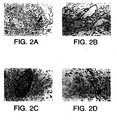
- MAdCAM While not normally detected in either fetal or adult human liver, MAdCAM is expressed in portal tract vessels in a number of inflammatory liver disorders, including chronic hepatitis C.
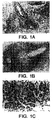
- Figure 1A shows MAdCAM expression on high endothelial venules (arrow) in normal adult human lymph node.
- Figure 1B shows MAdCAM expression (arrow) in normal adult human spleen. Expression was observed on dendritic shaped cells surrounding the splenic white pulp.
- Figure IC shows expression of MAdCAM on capillary vessels (arrow) in normal adult human pancreas.
- FIG. 2A shows expression of MAdCAM on small capillary vessels within inflamed hepatic portal tract.
- Figure 2B shows expression of MAdCAM on dilated vascular channels within inflamed human hepatic portal tracts.
- Figure 2C shows expression of MAdCAM on stellate cells surrounding a lymphoid aggregate within a portal tract.
- Figure 2D shows expression of MAdCAM on dilated vascular channels within inflamed human hepatic portal tracts.
- a human 293 kidney cell line transfected with both human ⁇ 4 and ⁇ 7 genes at high receptor copy number (>200,000 copies of heterodimeric integrin receptors per cell) was grown and scaled up to 10 liters.
- Cells were isolated and pelleted.
- Cell pellet were lysed in 10 volumes of lysis buffer containing 0.5% deoxycholate, 0.5% IGEPAL (NP-40), 50mM Tris-HCl (pH7.5), 1 m M Ca ++ Mg ++ Mn ++ , 10 ⁇ g/ml leupeptin, 10 ⁇ g/ml aprotinin, and 10 ⁇ g/ml pepstatin A.
- the preparation was homogenized for 30 seconds.
- the homogenate was centrifuged at 15,000 x g for 20 minutes twice.
- the lysate was filtered through a 0.2 ⁇ m filter.
- the filtrate was loaded onto a rat anti-human ⁇ 7 antibody affinity column.
- the bound proteins were eluted with Pierce buffer at pH 6.9 containing 1mM of Ca ++ , Mg ++ , and Mn ++ and dialyzed against Tris buffered saline (pH7.2) containing I mM Ca ++ , Mg ++ , and Mn ++ .
- the dialysate constitutes affinity purified ⁇ 4 ⁇ 7 integrin receptors.
- the ⁇ 4 ⁇ 7 integrin receptor preparation at an optimized concentration was immobilized on a solid plastic plate surface precoated with an anti- ⁇ 4 monoclonal antibody that does not block ⁇ 4 ⁇ 7 integrin binding to MAdCAM-1.
- An optimized concentration of MAdCAM-1-1g-horse radish peroxidase (HRP) conjugate was added for monitoring binding of MAdCAM-1 to ⁇ 4 ⁇ 7.
- Inhibitors of the interaction between ⁇ 4 ⁇ 7 and MAdCAM-1 were added at this time.
- the bound HRP conjugate is detected with TMB peroxidase substrate (Kirkegaard and Perry Laboratories, Gaithersburg, MD) spectrophotometrically at an optical density of 450 nm in a microplate reader.
- Agents identified in this manner are used in the therapeutic methods disclosed herein.
- JY cells were labeled with 2',7'-bis-(2-carboxyethyl)-5(and-6)-carboxyfluoresin(BCECF,Molecular Probes, Eugene, OR) for 30 minutes at 37° C and resuspended in RPMI 1640 medium with 5 mg/ml BSA. Cells were added to microwells precoated with MAdCAM-1-Igand incubated for 15 minutes at RT. Unbound cells were washed off and the bound cells were solubilized with 0.1% SDS in 50 mM Tris-HCl (pH 8.5) lysis buffer.
- the released fluorochrome was monitored by a Cytofluor plate reader (Molecular Devices, Sunnyvale, CA) set at 485 nm excitation and 530 nm emission. Maximum fluorescence intensity for the number of input cells was determined and used to calculate the % cell adherence.
- Agents identified in this manner are used in the therapeutic methods described herein.
Landscapes
- Health & Medical Sciences (AREA)
- Life Sciences & Earth Sciences (AREA)
- Chemical & Material Sciences (AREA)
- Organic Chemistry (AREA)
- Immunology (AREA)
- Medicinal Chemistry (AREA)
- General Health & Medical Sciences (AREA)
- Molecular Biology (AREA)
- Chemical Kinetics & Catalysis (AREA)
- General Chemical & Material Sciences (AREA)
- Nuclear Medicine, Radiotherapy & Molecular Imaging (AREA)
- Virology (AREA)
- Pharmacology & Pharmacy (AREA)
- Animal Behavior & Ethology (AREA)
- Public Health (AREA)
- Veterinary Medicine (AREA)
- Biophysics (AREA)
- Biochemistry (AREA)
- Proteomics, Peptides & Aminoacids (AREA)
- Genetics & Genomics (AREA)
- Engineering & Computer Science (AREA)
- Communicable Diseases (AREA)
- Oncology (AREA)
- Bioinformatics & Cheminformatics (AREA)
- Gastroenterology & Hepatology (AREA)
- Cell Biology (AREA)
- Toxicology (AREA)
- Zoology (AREA)
- Transplantation (AREA)
- Biotechnology (AREA)
- Medicines Containing Antibodies Or Antigens For Use As Internal Diagnostic Agents (AREA)
- Peptides Or Proteins (AREA)
- Medicines That Contain Protein Lipid Enzymes And Other Medicines (AREA)
- Preparation Of Compounds By Using Micro-Organisms (AREA)
- Measuring Or Testing Involving Enzymes Or Micro-Organisms (AREA)
- Micro-Organisms Or Cultivation Processes Thereof (AREA)
- Pharmaceuticals Containing Other Organic And Inorganic Compounds (AREA)
- Medicines Containing Material From Animals Or Micro-Organisms (AREA)
Claims (44)
- Verwendung einer therapeutisch wirksamen Menge eines Mittels, das die Wechselwirkung von MAdCAM mit α4β7-Integrin verhindert, zur Herstellung einer Zusammensetzung zur Behandlung einer Lebererkrankung, die durch eine MAdCAM-assoziierte Leukozytenrekrutierung in die Leber gekennzeichnet ist, wobei das Mittel aus der aus Folgendem bestehenden Gruppe ausgewählt ist:a. einem Antikörper oder Antigen-bindenden Fragment davon, der/das an MAdCAM bindet;b. einem Antikörper oder Antigen-bindenden Fragment davon, der/das an α4β7-Integrin bindet;c. einem Immunadhäsin, umfassend einen Liganden-bindenden Abschnitt von MAdCAM fusioniert an eine konstante Immunglobulindomäne;d. einem Immunadhäsin, umfassend einen MAdCAM-bindenden Abschnitt eines Liganden dafür, der an eine konstante Immunglobulindomäne fusioniert ist;e. einer löslichen Form von MAdCAM, umfassend die Integrin-bindende Stelle von MAdCAM;f. einem Peptid oder einem Molekül basierend auf einer Peptidsequenz, das in MAdCAM vorhanden und zur Integrinbindung erforderlich ist;g. einem Peptidhemmer auf RGD-Basis undh. einer vollständig oder teilweise zu der Nucleinsäuresequenz von MAdCAM komplementären Antisense-Nucleinsäure.
- Verwendung nach Anspruch 1, wobei die Lebererkrankung durch eine Entzündung gekennzeichnet ist.
- Verwendung nach Anspruch 2, wobei die Entzündung durch eine Leberinfiltration durch Lymphozyten gekennzeichnet ist.
- Verwendung nach Anspruch 3, wobei das Mittel die Wechselwirkung von MAdCAM mit den infiltrierenden Lymphozyten verhindert.
- Verwendung nach einem der vorangegangenen Ansprüche, wobei die Lebererkrankung eine Infektion, eine iatrogene Erkrankung, eine Erberkrankung, Sarkoidose, eine Autoimmunerkrankung, eine Abstoßungsreaktion oder ein Organtransplantat ist.
- Verwendung nach Anspruch 5, wobei die Infektion eine Virusinfektion ist.
- Verwendung nach Anspruch 6, wobei die Virusinfektion eine Hepatitisinfektion ist.
- Verwendung nach Anspruch 7, wobei die Hepatitisinfektion eine Hepatitis-C-Infektion ist.
- Verwendung nach einem der vorangegangenen Ansprüche, wobei das Mittel ein monoklonaler Antikörper oder ein Antigen-bindendes Fragment davon ist.
- Verwendung nach Anspruch 9, wobei der monoklonale Antikörper durch die unter Zugriffsnummer ATCC-Nr. CRL-12530 hinterlegte Hybridomzelllinie erzeugt wird.
- Verwendung nach Anspruch 9, wobei der monoklonale Antikörper durch die unter Zugriffsnummer ATCC-Nr. CRL-12531 hinterlegte Hybridomzelllinie erzeugt wird.
- Verfahren zur In-vitro-Hemmung der Bindung zwischen einer ersten Zelle, die einen Liganden für MAdCAM exprimiert, und einer zweiten Zelle, die α4β7-Integrin exprimiert, wobei die zweite Zelle eine Zelle des Leberpfortentrakts ist, wobei das Verfahren das Kontaktieren einer oder beider Zellen mit einem Mittel umfasst, das die Wechselwirkung von MAdCAM mit α4β7-Integrin verhindert.
- Verwendung einer wirksamen Menge eines Mittels, das an MAdCAM bindet, zur Herstellung einer Zusammensetzung zur In-vivo-Diagnose einer Lebererkrankung, die durch eine MAdCAM-assoziierte Leukozytenrekrutierung in die Leber gekennzeichnet ist, wobei das Mittel aus der aus Folgendem bestehenden Gruppe ausgewählt ist:a. einem Antikörper oder Antigen-bindenden Fragment davon, der/das an MAdCAM bindet;b. einem Antikörper oder Antigen-bindenden Fragment davon, der/das an α4β7-Integrin bindet;c. einem Immunadhäsin, umfassend einen Liganden-bindenden Abschnitt von MAdCAM fusioniert an eine konstante Immunglobulindomäne;d. einem Immunadhäsin, umfassend einen MAdCAM-bindenden Abschnitt eines Liganden dafür, der an eine konstante Immunglobulindomäne fusioniert ist;e. einer löslichen Form von MAdCAM, umfassend die Integrin-bindende Stelle von MAdCAM;f. einem Peptid oder einem Molekül basierend auf einer Peptidsequenz, das in MAdCAM vorhanden und zur Integrinbindung erforderlich ist;g. einem Peptidhemmer auf RGD-Basis undh. einer vollständig oder teilweise zu der Nucleinsäuresequenz von MAdCAM komplementären Antisense-Nucleinsäure.
- Verfahren zur Diagnose einer durch eine MAdCAM-assoziierte Leukozytenrekrutierung in die Leber gekennzeichneten Lebererkrankung, wobei das Verfahren das In-vitro-Kontaktieren von Leberzellen mit einem Mittel, das an MAdCAM bindet, und die Detektion der Bindung davon umfasst.
- Verwendung oder Verfahren nach Anspruch 13 oder 14, wobei das Mittel ein polyklonaler Antikörper, ein monoklonaler Antikörper oder ein Antigen-bindendes Fragment davon ist.
- Verwendung oder Verfahren nach Anspruch 15, wobei der monoklonale Antikörper durch die unter Zugriffsnummer ATCC-Nr. CRL-12530 hinterlegte Hybridomzelllinie erzeugt wird.
- Verwendung oder Verfahren nach Anspruch 15, wobei der monoklonale Antikörper durch die unter Zugriffsnummer ATCC-Nr. CRL-12531 hinterlegte Hybridomzelllinie erzeugt wird.
- Verwendung oder Verfahren nach Anspruch 13 oder 14, wobei das Mittel ein MAdCAM-Ligand ist.
- Verwendung oder Verfahren nach Anspruch 18, wobei der MAdCAM-Ligand α4β7-Integrin ist.
- Verwendung oder Verfahren nach einem der Ansprüche 13 bis 19, worin das Mittel detektierbar markiert ist.
- Verfahren zur Bestimmung der MAdCAM-Menge in einer Probe von einem Individuum, wobei das Verfahren folgende Schritte umfasst:(a) Kontaktieren der Probe mit zumindest einem für MAdCAM spezifischen Bindungspartner unter Bedingungen, die eine spezifische Bindung ermöglichen, wobei die Probe Lebergewebe ist; und(b) Messen des Ausmaßes einer etwaigen spezifischen Bindung, zu der es zwischen einer Komponente in der Probe und zumindest einem Bindungspartner kommt, wobei das Ausmaß der spezifischen Bindung die MAdCAM-Menge in der Probe anzeigt.
- Verfahren zur Diagnose einer Lebererkrankung oder einer durch die MAdCAM-assoziierte Leukozytenrekrutierung in die Leber gekennzeichneten Erkrankung in einem Individuum, wobei das Verfahren folgende Schritte umfasst:(a) Kontaktieren einer Serum- oder einer Lebergewebeprobe aus dem Individuum mit zumindest einem für ein MAdCAM-Molekül spezifischen Bindungspartner unter Bedingungen, die eine spezifische Bindung ermöglichen;(b) Messen des Ausmaßes der spezifischen Bindung, zu der es zwischen einer Komponente in der Probe und zumindest einem Bindungspartner kommt, wobei das Ausmaß der spezifischen Bindung die Menge an in der Probe exprimiertem MAdCAM anzeigt; und(c) Vergleichen des in Schritt (b) gemessenen Ausmaßes der spezifischen Bindung mit einem Grundlinienausmaß für spezifische Bindung, wobei ein Anstieg des Ausmaßes der spezifischen Bindung in der Probe auf das Vorliegen einer Lebererkrankung oder -störung hindeutet.
- Verfahren zur Überwachung der Wirkung einer therapeutischen Behandlung eines Patienten, der wegen einer durch die MAdCAM-assoziierte Leukozytenrekrutierung in die Leber gekennzeichneten Lebererkrankung behandelt wird, wobei eine positive Reaktion auf die Therapie von einem Rückgang der MAdCAM-Menge oder einem Verschwinden von MAdCAM begleitet ist, wobei das Verfahren Folgendes umfasst:(a) Messen der MAdCAM-Menge in zumindest zwei Proben aus einem Patienten gemäß einem Verfahren, das folgende Schritte umfasst:(1) Kontaktieren der Probe mit zumindest einem für MAdCAM spezifischen Bindungspartner unter Bedingungen, die eine spezifische Bindung ermöglichen; und(2) Messen des Ausmaßes einer etwaigen spezifischen Bindung, zu der es zwischen einer Komponente in der Probe und zumindest einem Bindungspartner für MAdCAM kommt, wobei das Ausmaß der spezifischen Bindung die Menge von MAdCAM in der Probe anzeigt, wobei die erste Probe vor Beginn der Behandlung erhalten wurde und zumindest eine zweite Probe nach Beginn der Behandlung erhalten wurde;(b) Vergleichen des Ausmaßes der spezifischen Bindung oder der anhand der spezifischen Bindung berechneten MAdCAM-Menge in der ersten Probe mit der zumindest einen zweiten Probe, wobei ein Rückgang des Ausmaßes der spezifischen Bindung oder der MAdCAM-Menge nach der Behandlung auf ein positives Ansprechen auf die Therapie hindeutet.
- Verwendung nach einem der Ansprüche 1 bis 11, wobei der Leukozyt ein Lymphozyt ist, der α4β7-Integrin exprimiert.
- Verfahren nach Anspruch 21 oder 22, wobei das Lebergewebe eine Leberbiopsie ist.
- Mittel, das die Wechselwirkung von MAdCAM mit α4β7-Integrin verhindert, zur Verwendung zur Behandlung einer durch die MAdCAM-assoziierte Leukozytenrekrutierung in die Leber gekennzeichneten Lebererkrankung, wobei das Mittel aus der aus Folgendem bestehenden Gruppe ausgewählt ist:a. einem Antikörper oder Antigen-bindenden Fragment davon, der/das an MAdCAM bindet;b. einem Antikörper oder Antigen-bindenden Fragment davon, der/das an α4β7-Integrin bindet;c. einem Immunadhäsin, umfassend einen Liganden-bindenden Abschnitt von MAdCAM fusioniert an eine konstante Immunglobulindomäne;d. einem Immunadhäsin, umfassend einen MAdCAM-bindenden Abschnitt eines Liganden dafür, der an eine konstante Immunglobulindomäne fusioniert ist;e. einer löslichen Form von MAdCAM, umfassend die Integrin-bindende Stelle von MAdCAM;f. einem Peptid oder einem Molekül basierend auf einer Peptidsequenz, das in MAdCAM vorhanden und zur Integrinbindung erforderlich ist;g. einem Peptidhemmer auf RGD-Basis undh. einer vollständig oder teilweise zu der Nucleinsäuresequenz von MAdCAM komplementären Antisense-Nucleinsäure.
- Mittel nach Anspruch 26, wobei die Lebererkrankung durch eine Entzündung gekennzeichnet ist.
- Mittel nach Anspruch 27, wobei die Entzündung durch eine Leberinfiltration durch Lymphozyten gekennzeichnet ist.
- Mittel nach Anspruch 28, das die Wechselwirkung von MAdCAM mit den infiltrierenden Lymphozyten verhindert.
- Mittel nach einem der Ansprüche 26 bis 29, wobei die Lebererkrankung eine Infektion, eine iatrogene Erkrankung, eine Erberkrankung, Sarkoidose, eine Autoimmunerkrankung, eine Abstoßungsreaktion oder ein Organtransplantat ist.
- Mittel nach Anspruch 30, wobei die Infektion eine Virusinfektion ist.
- Mittel nach Anspruch 31, wobei die Virusinfektion eine Hepatitisinfektion ist.
- Mittel nach Anspruch 32, wobei die Hepatitisinfektion eine Hepatitis-C-Infektion ist.
- Mittel nach einem der Ansprüche 26 bis 33, das ein monoklonaler Antikörper oder ein Antigen-bindendes Fragment davon ist.
- Mittel nach Anspruch 34, wobei der monoklonale Antikörper durch die unter Zugriffsnummer ATCC-Nr. CRL-12530 hinterlegte Hybridomzelllinie erzeugt wird.
- Mittel nach Anspruch 34, wobei der monoklonale Antikörper durch die unter Zugriffsnummer ATCC-Nr. CRL-12531 hinterlegte Hybridomzelllinie erzeugt wird.
- Mittel, das an MAdCAM bindet, zur Verwendung zur In-vivo-Diagnose einer durch die MAdCAM-assoziierte Leukozytenrekrutierung in die Leber gekennzeichneten Lebererkrankung, wobei das Mittel aus der aus Folgendem bestehenden Gruppe ausgewählt ist:a. einem Antikörper oder Antigen-bindenden Fragment davon, der/das an MAdCAM bindet;b. einem Antikörper oder Antigen-bindenden Fragment davon, der/das an α4β7-Integrin bindet;c. einem Immunadhäsin, umfassend einen Liganden-bindenden Abschnitt von MAdCAM fusioniert an eine konstante Immunglobulindomäne;d. einem Immunadhäsin, umfassend einen MAdCAM-bindenden Abschnitt eines Liganden dafür, der an eine konstante Immunglobulindomäne fusioniert ist;e. einer löslichen Form von MAdCAM, umfassend die Integrin-bindende Stelle von MAdCAM;f. einem Peptid oder einem Molekül basierend auf einer Peptidsequenz, das in MAdCAM vorhanden und zur Integrinbindung erforderlich ist;g. einem Peptidhemmer auf RGD-Basis undh. einer vollständig oder teilweise zu der Nucleinsäuresequenz von MAdCAM komplementären Antisense-Nucleinsäure.
- Mittel nach Anspruch 37, das ein polyklonaler Antikörper, ein monoklonaler Antikörper oder ein Antigen-bindendes Fragment davon ist.
- Mittel nach Anspruch 38, wobei der monoklonale Antikörper durch die unter Zugriffsnummer ATCC-Nr. CRL-12530 hinterlegte Hybridomzelllinie erzeugt wird.
- Mittel nach Anspruch 38, wobei der monoklonale Antikörper durch die unter Zugriffsnummer ATCC-Nr. CRL-12531 hinterlegte Hybridomzelllinie erzeugt wird.
- Mittel nach Anspruch 37, das ein MAdCAM-Ligand ist.
- Mittel nach Anspruch 41, das α4β7-Integrin ist.
- Mittel nach einem der Ansprüche 37 bis 42, das detektierbar markiert ist.
- Mittel nach einem der Ansprüche 26 bis 36, wobei der Leukozyt ein Lymphozyt ist, der α4β7-Integrin exprimiert.
Applications Claiming Priority (3)
| Application Number | Priority Date | Filing Date | Title |
|---|---|---|---|
| US7840598A | 1998-05-13 | 1998-05-13 | |
| US78405 | 1998-05-13 | ||
| PCT/US1999/010520 WO1999058573A1 (en) | 1998-05-13 | 1999-05-12 | Diagnosis and treatment of hepatic disorders |
Publications (2)
| Publication Number | Publication Date |
|---|---|
| EP1078006A1 EP1078006A1 (de) | 2001-02-28 |
| EP1078006B1 true EP1078006B1 (de) | 2009-03-04 |
Family
ID=22143829
Family Applications (1)
| Application Number | Title | Priority Date | Filing Date |
|---|---|---|---|
| EP99922996A Expired - Lifetime EP1078006B1 (de) | 1998-05-13 | 1999-05-12 | Diagnose und behandlung von hepatischen krankheiten |
Country Status (10)
| Country | Link |
|---|---|
| EP (1) | EP1078006B1 (de) |
| JP (2) | JP4817494B2 (de) |
| AT (1) | ATE424417T1 (de) |
| AU (1) | AU3986699A (de) |
| CA (1) | CA2330000C (de) |
| DE (1) | DE69940503D1 (de) |
| DK (1) | DK1078006T3 (de) |
| ES (1) | ES2321994T3 (de) |
| IL (2) | IL139129A0 (de) |
| WO (1) | WO1999058573A1 (de) |
Cited By (2)
| Publication number | Priority date | Publication date | Assignee | Title |
|---|---|---|---|---|
| US12304956B1 (en) | 2023-05-30 | 2025-05-20 | Paragon Therapeutics, Inc. | Dosing regimen for treating inflammatory bowel disease |
| US12606627B2 (en) | 2023-08-14 | 2026-04-21 | Paragon Therapeutics, Inc. | α4β7 integrin binding proteins and methods of use |
Families Citing this family (9)
| Publication number | Priority date | Publication date | Assignee | Title |
|---|---|---|---|---|
| ES2257388T3 (es) * | 2001-11-05 | 2006-08-01 | Warner-Lambert Company Llc | Procedimientos y composiciones para la seleccion de integrinas. |
| US20070202097A1 (en) * | 2003-03-10 | 2007-08-30 | Krissansen Geoffrey W | Monoclonal Antibodies That Recognise Mucosal Addressin Cell Adhesion Molecule-1 (Madcam-1), Soluble Madcam-1 And Uses Thereof |
| MX370489B (es) * | 2004-01-09 | 2019-12-16 | Pfizer | Anticuerpos contra madcam. |
| ES2351057T3 (es) | 2005-07-08 | 2011-01-31 | Pfizer Limited | Anticuerpos contra madcam. |
| WO2012061074A1 (en) * | 2010-10-25 | 2012-05-10 | Elan Pharmaceuticals, Inc. | METHODS FOR DETERMINING DIFFERENCES IN ALPHA-4 INTEGRIN ACTIVITY BY CORRELATING DIFFERENCES IN sVCAM AND/OR sMAdCAM LEVELS |
| MA41636A (fr) * | 2015-03-06 | 2018-01-09 | Millennium Pharm Inc | Méthode de traitement de la cholangite sclérosante primitive |
| WO2018016607A1 (ja) * | 2016-07-20 | 2018-01-25 | 国立大学法人京都大学 | IgG4関連疾患の検査方法 |
| AU2018300189B2 (en) | 2017-07-14 | 2025-05-15 | Pfizer, Inc. | Antibodies to MAdCAM |
| WO2019113280A1 (en) * | 2017-12-06 | 2019-06-13 | Emory University | Methods of managing hepatic steatosis |
Family Cites Families (2)
| Publication number | Priority date | Publication date | Assignee | Title |
|---|---|---|---|---|
| WO1996024673A1 (en) * | 1995-02-10 | 1996-08-15 | Leukosite, Inc. | Mucosal vascular addressins and uses thereof |
| US6037324A (en) * | 1996-01-04 | 2000-03-14 | Leukosite, Inc. | Inhibitors of MAdCAM-1-mediated interactions and methods of use therefor |
-
1999
- 1999-05-12 CA CA2330000A patent/CA2330000C/en not_active Expired - Lifetime
- 1999-05-12 JP JP2000548375A patent/JP4817494B2/ja not_active Expired - Lifetime
- 1999-05-12 IL IL13912999A patent/IL139129A0/xx active IP Right Grant
- 1999-05-12 AT AT99922996T patent/ATE424417T1/de not_active IP Right Cessation
- 1999-05-12 DE DE69940503T patent/DE69940503D1/de not_active Expired - Lifetime
- 1999-05-12 EP EP99922996A patent/EP1078006B1/de not_active Expired - Lifetime
- 1999-05-12 DK DK99922996T patent/DK1078006T3/da active
- 1999-05-12 WO PCT/US1999/010520 patent/WO1999058573A1/en not_active Ceased
- 1999-05-12 AU AU39866/99A patent/AU3986699A/en not_active Abandoned
- 1999-05-12 ES ES99922996T patent/ES2321994T3/es not_active Expired - Lifetime
-
2000
- 2000-10-18 IL IL139129A patent/IL139129A/en not_active IP Right Cessation
-
2010
- 2010-06-04 JP JP2010129284A patent/JP2010280659A/ja active Pending
Non-Patent Citations (2)
| Title |
|---|
| BRISKIN ET AL: "Human mucosal addressin cell adhesion molecule-1 is preferentially expressed in intestinal tract and associated lymphoid tissue", AMERICAN JOURNAL OF PATHOLOGY, vol. 151, no. 1, 1997 * |
| The Leukocyte Antigen Factsbook, Academic Press San Diego, Eds. Barclay et al., pages 298-299 * |
Cited By (3)
| Publication number | Priority date | Publication date | Assignee | Title |
|---|---|---|---|---|
| US12304956B1 (en) | 2023-05-30 | 2025-05-20 | Paragon Therapeutics, Inc. | Dosing regimen for treating inflammatory bowel disease |
| US12404334B2 (en) | 2023-05-30 | 2025-09-02 | Paragon Therapeutics, Inc. | Methods of treating gastrointestinal inflammatory disease |
| US12606627B2 (en) | 2023-08-14 | 2026-04-21 | Paragon Therapeutics, Inc. | α4β7 integrin binding proteins and methods of use |
Also Published As
| Publication number | Publication date |
|---|---|
| JP2010280659A (ja) | 2010-12-16 |
| CA2330000A1 (en) | 1999-11-18 |
| IL139129A (en) | 2006-09-05 |
| AU3986699A (en) | 1999-11-29 |
| ES2321994T3 (es) | 2009-06-15 |
| ATE424417T1 (de) | 2009-03-15 |
| JP4817494B2 (ja) | 2011-11-16 |
| WO1999058573A1 (en) | 1999-11-18 |
| DK1078006T3 (da) | 2009-06-02 |
| IL139129A0 (en) | 2001-11-25 |
| DE69940503D1 (de) | 2009-04-16 |
| JP2002514660A (ja) | 2002-05-21 |
| EP1078006A1 (de) | 2001-02-28 |
| CA2330000C (en) | 2015-06-23 |
Similar Documents
| Publication | Publication Date | Title |
|---|---|---|
| JP2010280659A (ja) | 肝疾患の診断及び治療 | |
| US7368543B2 (en) | Diagnosis and treatment of hepatic disorders | |
| JP4205162B2 (ja) | 粘膜血管アドレシンおよびその用途 | |
| US5612216A (en) | Nucleotide sequence encoding intercellular adhesion molecule-1 and fragments thereof | |
| CN100398152C (zh) | 新型人β2整联蛋白α亚基 | |
| AU679506B2 (en) | Intercellular adhesion molecules, and their binding ligands | |
| JP2008231112A (ja) | 粘膜血管アドレシンおよびその用途 | |
| EP0365837B1 (de) | Interzellulare Adhäsions-Moleküle und deren Bindungsliganden | |
| HK1003105B (en) | Intercellular adhesion molecules, and their binding ligands | |
| US5831036A (en) | Soluble fragments of human intercellular adhesion molecule-1 | |
| US20140135483A1 (en) | Soluble integrin alpha-4 mutant | |
| AU2011226857B2 (en) | Diagnosis and treatment of hepatic disorders | |
| AU2003262355B2 (en) | Diagnosis and treatment of hepatic disorders | |
| AU2007201698B2 (en) | Diagnosis and treatment of hepatic disorders | |
| US5817515A (en) | Human B2 integrin alpha subunit antibodies | |
| US7354588B1 (en) | Functional derivatives of ICAM-1 with altered ability to bind LFA-1 or HRV | |
| AU642731B2 (en) | Mononuclear leukocyte directed endothelial adhesion molecule associated with atherosclerosis | |
| WO2001051084A1 (en) | Diagnosis and treatment of hepatic inflammatory disorders by inhibiting the binding of lfa-1 to icam-1 |
Legal Events
| Date | Code | Title | Description |
|---|---|---|---|
| PUAI | Public reference made under article 153(3) epc to a published international application that has entered the european phase |
Free format text: ORIGINAL CODE: 0009012 |
|
| 17P | Request for examination filed |
Effective date: 20001204 |
|
| AK | Designated contracting states |
Kind code of ref document: A1 Designated state(s): AT BE CH CY DE DK ES FI FR GB GR IE IT LI LU MC NL PT SE |
|
| 17Q | First examination report despatched |
Effective date: 20010813 |
|
| GRAP | Despatch of communication of intention to grant a patent |
Free format text: ORIGINAL CODE: EPIDOSNIGR1 |
|
| GRAS | Grant fee paid |
Free format text: ORIGINAL CODE: EPIDOSNIGR3 |
|
| GRAA | (expected) grant |
Free format text: ORIGINAL CODE: 0009210 |
|
| AK | Designated contracting states |
Kind code of ref document: B1 Designated state(s): AT BE CH CY DE DK ES FI FR GB GR IE IT LI LU MC NL PT SE |
|
| REG | Reference to a national code |
Ref country code: GB Ref legal event code: FG4D |
|
| REG | Reference to a national code |
Ref country code: CH Ref legal event code: EP |
|
| REG | Reference to a national code |
Ref country code: IE Ref legal event code: FG4D |
|
| REF | Corresponds to: |
Ref document number: 69940503 Country of ref document: DE Date of ref document: 20090416 Kind code of ref document: P |
|
| REG | Reference to a national code |
Ref country code: DK Ref legal event code: T3 |
|
| REG | Reference to a national code |
Ref country code: ES Ref legal event code: FG2A Ref document number: 2321994 Country of ref document: ES Kind code of ref document: T3 |
|
| REG | Reference to a national code |
Ref country code: SE Ref legal event code: TRGR |
|
| PG25 | Lapsed in a contracting state [announced via postgrant information from national office to epo] |
Ref country code: FI Free format text: LAPSE BECAUSE OF FAILURE TO SUBMIT A TRANSLATION OF THE DESCRIPTION OR TO PAY THE FEE WITHIN THE PRESCRIBED TIME-LIMIT Effective date: 20090304 |
|
| PG25 | Lapsed in a contracting state [announced via postgrant information from national office to epo] |
Ref country code: AT Free format text: LAPSE BECAUSE OF FAILURE TO SUBMIT A TRANSLATION OF THE DESCRIPTION OR TO PAY THE FEE WITHIN THE PRESCRIBED TIME-LIMIT Effective date: 20090304 |
|
| PG25 | Lapsed in a contracting state [announced via postgrant information from national office to epo] |
Ref country code: BE Free format text: LAPSE BECAUSE OF FAILURE TO SUBMIT A TRANSLATION OF THE DESCRIPTION OR TO PAY THE FEE WITHIN THE PRESCRIBED TIME-LIMIT Effective date: 20090304 |
|
| PG25 | Lapsed in a contracting state [announced via postgrant information from national office to epo] |
Ref country code: PT Free format text: LAPSE BECAUSE OF FAILURE TO SUBMIT A TRANSLATION OF THE DESCRIPTION OR TO PAY THE FEE WITHIN THE PRESCRIBED TIME-LIMIT Effective date: 20090818 |
|
| PLBE | No opposition filed within time limit |
Free format text: ORIGINAL CODE: 0009261 |
|
| STAA | Information on the status of an ep patent application or granted ep patent |
Free format text: STATUS: NO OPPOSITION FILED WITHIN TIME LIMIT |
|
| 26N | No opposition filed |
Effective date: 20091207 |
|
| PG25 | Lapsed in a contracting state [announced via postgrant information from national office to epo] |
Ref country code: GR Free format text: LAPSE BECAUSE OF FAILURE TO SUBMIT A TRANSLATION OF THE DESCRIPTION OR TO PAY THE FEE WITHIN THE PRESCRIBED TIME-LIMIT Effective date: 20090605 |
|
| PG25 | Lapsed in a contracting state [announced via postgrant information from national office to epo] |
Ref country code: CY Free format text: LAPSE BECAUSE OF FAILURE TO SUBMIT A TRANSLATION OF THE DESCRIPTION OR TO PAY THE FEE WITHIN THE PRESCRIBED TIME-LIMIT Effective date: 20090304 |
|
| REG | Reference to a national code |
Ref country code: FR Ref legal event code: PLFP Year of fee payment: 18 |
|
| REG | Reference to a national code |
Ref country code: FR Ref legal event code: PLFP Year of fee payment: 19 |
|
| REG | Reference to a national code |
Ref country code: FR Ref legal event code: PLFP Year of fee payment: 20 |
|
| PGFP | Annual fee paid to national office [announced via postgrant information from national office to epo] |
Ref country code: GB Payment date: 20180328 Year of fee payment: 20 |
|
| PGFP | Annual fee paid to national office [announced via postgrant information from national office to epo] |
Ref country code: NL Payment date: 20180430 Year of fee payment: 20 Ref country code: LU Payment date: 20180507 Year of fee payment: 20 |
|
| PGFP | Annual fee paid to national office [announced via postgrant information from national office to epo] |
Ref country code: DE Payment date: 20180507 Year of fee payment: 20 Ref country code: ES Payment date: 20180604 Year of fee payment: 20 Ref country code: MC Payment date: 20180426 Year of fee payment: 20 Ref country code: DK Payment date: 20180424 Year of fee payment: 20 Ref country code: CH Payment date: 20180425 Year of fee payment: 20 Ref country code: IE Payment date: 20180425 Year of fee payment: 20 |
|
| PGFP | Annual fee paid to national office [announced via postgrant information from national office to epo] |
Ref country code: FR Payment date: 20180416 Year of fee payment: 20 Ref country code: IT Payment date: 20180522 Year of fee payment: 20 |
|
| PGFP | Annual fee paid to national office [announced via postgrant information from national office to epo] |
Ref country code: SE Payment date: 20180507 Year of fee payment: 20 |
|
| REG | Reference to a national code |
Ref country code: DE Ref legal event code: R071 Ref document number: 69940503 Country of ref document: DE |
|
| REG | Reference to a national code |
Ref country code: DK Ref legal event code: EUP Effective date: 20190512 |
|
| REG | Reference to a national code |
Ref country code: CH Ref legal event code: PL Ref country code: NL Ref legal event code: MK Effective date: 20190511 |
|
| REG | Reference to a national code |
Ref country code: GB Ref legal event code: PE20 Expiry date: 20190511 |
|
| REG | Reference to a national code |
Ref country code: IE Ref legal event code: MK9A |
|
| REG | Reference to a national code |
Ref country code: SE Ref legal event code: EUG |
|
| PG25 | Lapsed in a contracting state [announced via postgrant information from national office to epo] |
Ref country code: IE Free format text: LAPSE BECAUSE OF EXPIRATION OF PROTECTION Effective date: 20190512 |
|
| PG25 | Lapsed in a contracting state [announced via postgrant information from national office to epo] |
Ref country code: GB Free format text: LAPSE BECAUSE OF EXPIRATION OF PROTECTION Effective date: 20190511 |
|
| REG | Reference to a national code |
Ref country code: ES Ref legal event code: FD2A Effective date: 20210111 |
|
| PG25 | Lapsed in a contracting state [announced via postgrant information from national office to epo] |
Ref country code: ES Free format text: LAPSE BECAUSE OF EXPIRATION OF PROTECTION Effective date: 20190513 |