EP1084246B1 - Biologisches material zur herstellung pharmazeutischer zusammensetzungen zur behandlung von säugetieren - Google Patents
Biologisches material zur herstellung pharmazeutischer zusammensetzungen zur behandlung von säugetieren Download PDFInfo
- Publication number
- EP1084246B1 EP1084246B1 EP99950801A EP99950801A EP1084246B1 EP 1084246 B1 EP1084246 B1 EP 1084246B1 EP 99950801 A EP99950801 A EP 99950801A EP 99950801 A EP99950801 A EP 99950801A EP 1084246 B1 EP1084246 B1 EP 1084246B1
- Authority
- EP
- European Patent Office
- Prior art keywords
- cells
- antibody
- nucleic acid
- biological material
- acid sequence
- Prior art date
- Legal status (The legal status is an assumption and is not a legal conclusion. Google has not performed a legal analysis and makes no representation as to the accuracy of the status listed.)
- Expired - Lifetime
Links
Images


Classifications
-
- C—CHEMISTRY; METALLURGY
- C07—ORGANIC CHEMISTRY
- C07K—PEPTIDES
- C07K16/00—Immunoglobulins [IG], e.g. monoclonal or polyclonal antibodies
- C07K16/18—Immunoglobulins [IG], e.g. monoclonal or polyclonal antibodies against material from animals or humans
- C07K16/28—Immunoglobulins [IG], e.g. monoclonal or polyclonal antibodies against material from animals or humans against receptors, cell surface antigens or cell surface determinants
- C07K16/2803—Immunoglobulins [IG], e.g. monoclonal or polyclonal antibodies against material from animals or humans against receptors, cell surface antigens or cell surface determinants against the immunoglobulin superfamily
- C07K16/2809—Immunoglobulins [IG], e.g. monoclonal or polyclonal antibodies against material from animals or humans against receptors, cell surface antigens or cell surface determinants against the immunoglobulin superfamily against the T-cell receptor (TcR)-CD3 complex
-
- A—HUMAN NECESSITIES
- A61—MEDICAL OR VETERINARY SCIENCE; HYGIENE
- A61P—SPECIFIC THERAPEUTIC ACTIVITY OF CHEMICAL COMPOUNDS OR MEDICINAL PREPARATIONS
- A61P31/00—Antiinfectives, i.e. antibiotics, antiseptics, chemotherapeutics
- A61P31/12—Antivirals
-
- A—HUMAN NECESSITIES
- A61—MEDICAL OR VETERINARY SCIENCE; HYGIENE
- A61P—SPECIFIC THERAPEUTIC ACTIVITY OF CHEMICAL COMPOUNDS OR MEDICINAL PREPARATIONS
- A61P35/00—Antineoplastic agents
-
- C—CHEMISTRY; METALLURGY
- C07—ORGANIC CHEMISTRY
- C07K—PEPTIDES
- C07K16/00—Immunoglobulins [IG], e.g. monoclonal or polyclonal antibodies
-
- A—HUMAN NECESSITIES
- A61—MEDICAL OR VETERINARY SCIENCE; HYGIENE
- A61K—PREPARATIONS FOR MEDICAL, DENTAL OR TOILETRY PURPOSES
- A61K38/00—Medicinal preparations containing peptides
-
- A—HUMAN NECESSITIES
- A61—MEDICAL OR VETERINARY SCIENCE; HYGIENE
- A61K—PREPARATIONS FOR MEDICAL, DENTAL OR TOILETRY PURPOSES
- A61K48/00—Medicinal preparations containing genetic material which is inserted into cells of the living body to treat genetic diseases; Gene therapy
-
- C—CHEMISTRY; METALLURGY
- C12—BIOCHEMISTRY; BEER; SPIRITS; WINE; VINEGAR; MICROBIOLOGY; ENZYMOLOGY; MUTATION OR GENETIC ENGINEERING
- C12N—MICROORGANISMS OR ENZYMES; COMPOSITIONS THEREOF; PROPAGATING, PRESERVING, OR MAINTAINING MICROORGANISMS; MUTATION OR GENETIC ENGINEERING; CULTURE MEDIA
- C12N2799/00—Uses of viruses
- C12N2799/02—Uses of viruses as vector
- C12N2799/021—Uses of viruses as vector for the expression of a heterologous nucleic acid
- C12N2799/023—Uses of viruses as vector for the expression of a heterologous nucleic acid where the vector is derived from a poxvirus
Definitions
- the present invention relates to the field of therapy gene applied to specific immunotherapy, plus particularly in the treatment of diseases including the responsible agent is a pathogenic organism, such as in particular a bacterial, parasitic or viral agent, or in the part of cancer treatment. More specifically, the invention relates to transfer into tumor cells or infected with a pathogen, acid sequences nucleic acid encoding all or part of the antibodies so that cells genetically modified by these acid sequences nucleic acid express on their surface said antibodies, and more particularly antibodies capable of binding to a polypeptide present on the surface of an effector cell cytotoxic or a helper T cell and involved in the method of activating such a cell.
- gene therapy has been proposed to correct the disorders observed in the context of genetic diseases. These diseases are explained in particular by a dysfunction of the expression of specific genes or by the expression of nonfunctional mutated polypeptides in at least one cell type.
- gene therapy consists in transferring genetic information capable of correcting the defect observed into specific target cells extracted and then reintroduced into the human body, or directly into the affected organs. It could for example be the gene coding for the CFTR protein in the case of cystic fibrosis or the gene coding for dystrophin in the case of Duchenne muscular dystrophy.
- genetic information is introduced either in vitro into a cell extracted from the organ, the modified cell then being reintroduced into the body ( ex vivo process), or directly in vivo into the appropriate tissue.
- Many publications describe the implementation of gene therapy protocols in order to obtain in target cells the expression of a protein of therapeutic interest by introducing the corresponding genetic information.
- the interest of this type of therapy is not limited not for the treatment of purely genetic conditions and may also allow the elimination of tumors, or agents pathogens, such as bacterial or viral agents, or cells infected with such pathogens, or failing that to delay their progress.
- the immune response directed against a specific antigen can be divided into two distinct categories, one putting the antibodies involved (immune response of the humoral type), the other cytotoxic effector cells such as for example macrophages, cytotoxic lymphocytes (CTL) or cells killers (NK) as well as helper T cells, especially LTCD4 (cell-type immune response).
- cytotoxic effector cells such as for example macrophages, cytotoxic lymphocytes (CTL) or cells killers (NK) as well as helper T cells, especially LTCD4 (cell-type immune response).
- the two types of responses are distinguished by what the antibodies recognize the antigens under their three-dimensional form whereas T lymphocytes, by example, recognize peptide portions of said antigens, associated with glycoproteins encoded by genes of the major histocompatibility complex (or MHC), in particular the genes of the major histocompatibility complex type I which are expressed ubiquitously on the surface of cells or genes of the major type II histocompatibility complex which are expressed specifically on the surface of cells involved in the presentation of antigens (APC).
- MHC major histocompatibility complex
- APC major histocompatibility complex
- the type immune response cell is characterized in that type T cells CD4 + (helper T cells), following an activation phenomenon well known (for a review see Alberola-Ila, 1997, Annu. Rev. Immunol., 15, 125-154) produce cytokines which in turn induce proliferation of APC cells capable of producing said cytokines; cell differentiation of B cells capable of producing specific antibodies; and stimulation of cytotoxic T lymphocytes (CTL).
- type T cells CD4 + helper T cells
- APC cells capable of producing said cytokines
- B cells capable of producing specific antibodies
- CTL cytotoxic T lymphocytes
- cells cytotoxic effector such as for example lymphocytes of CD8 + type (CTL) are activated a) after interaction with antigenic peptides attached to and presented by glycoproteins carried by ubiquitous cells and encoded by genes belonging to the MHC I system, and b) possibly by cytokines produced by CD4 +. CTLs thus activated are then able to destroy the cells expressing said antigenic peptide.
- CTL CD8 + type
- cytokines Cold et al., 1994, Immunology Today, 15, 48-51
- cytotoxic genes conferring toxicity on cells expressing them, for example the tk gene of the Herpes Simplex virus type l (HSV-1), or anti-oncogenes, such as for example the gene associated with retinoblastoma or p53, or polynucleotides capable of inhibiting the activity of an oncogene, such as for example antisense molecules or ribozymes capable of degrading the messenger RNA specific to oncogenes.
- HSV-1 Herpes Simplex virus type l
- anti-oncogenes such as for example the gene associated with retinoblastoma or p53
- polynucleotides capable of inhibiting the activity of an oncogene, such as for example antisense molecules or ribozymes capable of degrading the messenger RNA specific to oncogenes.
- the cells thus modified lack specificity with respect to the tumor and do
- the international patent application (WO 94/29446) describes intracellular expression of DNA sequences encoding antibody. This approach makes it possible to envisage therapy gene based on targeting non-cellular components accessible by vaccination methods and is characterized in that the approach described does not involve development of an immune response, acts intracellularly and by Therefore does not allow the effective treatment of tumors.
- the international patent application (WO 98/31808) on the contrary relates to the in vivo expression of genes coding for antibodies or antibody fragments by cells capable of secreting said antibodies into the bloodstream of the mammal carrying genetically modified cells by the gene encoding the antibody.
- the advantage of this invention lies in the possibility of maintaining a basal level of antibodies in the treated patient over the long term.
- these genetically modified target cells direct the activation of effector cells cytotoxic or helper T cell, increase the effect cytotoxic of these cells, especially activated, against target cells, to boost the immune response mediated cell naturally occurring with respect to cells tumor or infected, genetically modified or not. This can thus result in lysis and elimination of said target cells, neighboring cells and ultimately by elimination of the tumor or infection.
- nucleic acid sequence is meant a DNA and / or RNA fragment, double strand or single strand, linear or circular, natural isolated or synthetic, designating a precise sequence of nucleotides, modified or not, allowing to define a fragment or a region of a nucleic acid without size limitation. According to a preferred embodiment, it it is a nucleic acid chosen from the group consisting into a cDNA; genomic DNA; plasmid DNA; an RNA messenger.
- said “nucleic acid sequence” comprises at least one “gene of therapeutic interest” and elements of expression of said gene of interest.
- a “gene of therapeutic interest” codes in particular for all or part of a native transmembrane antibody, or for a derivative of such an antibody, provided that said antibody, fragment or derivative of antibody is expressed on the surface of the genetically modified mammalian target cell and in that said antibody is capable of binding to a polypeptide present on the surface of a cytotoxic effector cell or of a T helper lymphocyte and involved in the process of activation of such a cell.
- fragment of antibodies is intended to denote the fragments F (ab) 2 , Fab ', Fab, sFv (Blazar et al., 1997, Journal of Immununology, 159, 5821-5833; Bird et al., 1988, Science, 242, 423-426) of a native antibody and by “derivative” for example a chimeric derivative of such an antibody (see for example the chimeras the anti CD3 Mouse / Man anticoprs in Arakawa et al., 1996 , J. Biochem., 120, 657-662 or immunotoxins such as sFv-toxin from Chaudary et al., 1989, Nature 339, 394-397).
- transmembrane antibody means an antibody whose at least the functional region capable of recognizing and binding to its specific antigen is expressed on the surface of target cells to allow said recognition and fixation. More particularly, the antibodies according to the present invention consist of fusion polypeptides comprising the amino acids defining said functional region and an amino acid sequence (transmembrane polypeptide) allowing anchoring within the double lipid membrane layer of the target cell. or on the external surface of this bi-layer.
- the nucleic acid sequences encoding many transmembrane polypeptides are described in the literature.
- said transmembrane polypeptide is selected from the group consisting of a glycoprotein, a lipoprotein, a receptor such as all or part of the complexes mentioned later in the application (CD4, Fc, gp160 of HIV by example), and more particularly from the group consisting of the rabies virus glycoprotein (French patent application No. FR 97 09152), CD4 (Weijtens et al., 1998, Gene Therapy, 5, 1195-1203), the gp160, the Fc.
- the nucleic acid sequence coding for the heavy chain of the antibody will be fused with the nucleic acid sequence coding for a said transmembrane polypeptide.
- elements ensuring the expression of said gene in vivo is meant the elements necessary to ensure the expression of said gene after its transfer into a target cell. These include promoter sequences and / or regulatory sequences effective in said cell, and optionally the sequences required to allow expression on the surface of target cells of said polypeptide.
- the promoter used can be a viral, ubiquitous or tissue-specific promoter or a synthetic promoter. By way of example, promoters such as promoters of RSV viruses will be mentioned.
- said nucleic acid can comprise at least two sequences, identical or different, having transcriptional promoter activity and / or at least two genes, identical or different, located relative to each other in a contiguous, distant manner , in the same direction or in the opposite direction, provided that the function of transcriptional promoter or transcription of said genes is not affected.
- this type of nucleic acid construction it is possible to introduce “neutral” nucleic sequences or introns which do not interfere with transcription and are spliced before the translation step. Such sequences and their uses are described in the literature (WO 94/29471). Said nucleic acid may also contain sequences required for intracellular transport, for replication and / or for integration for transcription or translation.
- nucleic acids which can be used according to the present invention can also be modified nucleic acids so that it is not possible for them to integrate into the genome of the target cell or nucleic acids stabilized using agents, such as for example spermine, which as such have no effect on the efficiency of the transfection.
- the nucleic acid sequence is a naked DNA or RNA sequence, that is to say free of any compound facilitating its introduction in cells (nucleic acid sequence transfer).
- this nucleic acid sequence may be under the form of a vector, and more particularly in the form of a viral vector such as for example an adenoviral vector, retroviral, a vector derived from a poxvirus, in particular derived Vaccinia virus or Modifed Virus Ankara (MVA) or a non-viral vector such as for example a vector consisting of at least one so-called complexed nucleic acid sequence or conjugated to at least one molecule or carrier substance selected from the group consisting of an amphiphile cationic, in particular a cationic lipid, a polymer cationic or neutry a polar protic compound in particular chosen from propylene glycol, polyethylene glycol, g
- a viral vector such as for example an adenoviral vector, retroviral, a vector derived from a po
- such vectors can also understand targeting elements that can help direct transfer of nucleic acid sequence to certain types cells or certain specific tissues (tumor cells, pulmonary epithelium cells, hematopoietic cell, muscle cell, nerve cell ). They can also allow to direct the transfer of an active substance towards certain preferred intracellular compartments such as the nucleus and mitochondria, for example. It can also be elements facilitating penetration inside the cell or lysis of endosomes. Such targeting elements are widely described in the literature.
- He can for example be all or part of lectins, peptides, in particular the JTS-1 peptide (see patent application WO 94/40958), oligonucleotides, lipids, hormones, vitamins, antigens, antibodies, ligands specific for receptors membranes, ligands capable of reacting with an anti-ligand, fusogenic peptides, localization peptides nuclear, or a combination of such compounds.
- they may be galactosyl residues allowing target the asialoglycoprotein receptor on the surface of liver cells, ligands that can interact with receptors such as growth factor receptors, receptors for cytokines, lectins, proteins adhesion, it can also be an antibody fragment such as the Fab fragment, of a fusogenic peptide INF-7 derived of the HA-2 hemagglutinin subunit of the influenza virus (Plank et al., 1994, J. Biol. Chem. 269, 12918-12924), of a nuclear localization signal derived from virus T antigen SV40 or the EBNA-1 protein of the Epstein Barr virus.
- the antibody expressed on the surface of the target cells is capable of binding to a polypeptide present on the surface of a cytotoxic effector cell or of a T helper lymphocyte, in particular a CD4 T helper lymphocyte, and involved in the process of activating such a cell, and more particularly at a receptor directly involved in such a process.
- this phenomenon of activation of cytotoxic effector cells or T helper lymphocytes is a determining element of the cell-mediated immune reaction.
- this antibody can also bind to peptides as defined but present on cytotoxic effector cells or helper lymphocytes already activated.
- cytotoxic effector cells is intended to denote macrophages, cytotoxic T lymphocytes (TCL) and killer cells (NK), as well as their derived cells such as for example LAK, ( 2 Versteeg, 1992, Immunology Today, 13, 244-247; Brittende et al., 1996, Cancer 77, 1226-1243; Poplack et al., 1976, Blood 48, 809-816).
- helper T lymphocytes is intended to denote in particular the CD4 cells which, after activation, allow the secretion of activation factors of the effector cells of the immune response (see below).
- the polypeptides, and in particular the receptors, expressed on the surface of these cells and which are involved in the activation of such cells consist in particular of all or part of the TCR complex, more particularly TCR- ⁇ , TCR- ⁇ or CD3 , all or part of the complexes CD8, CD4, CD28, LFA-1, 4-1BB (Melero et al., 1998, Eur. J.
- CD47, CD2, GD1, CD9, CD45 , CD30, CD40 all or part of the cytokine receptors (Finke et al., 1998, Gene Therapy, 5, 31-39), such as IL-7, IL-4, IL-2, IL-15 or GM- CSF, all or part of the receptor complex for NK cells such as for example V ⁇ 14NKT (Kawano et al., 1998, Immunology 95, 5690-5693), NKAR, Nkp46 (Pessino et al., 1998, J. Exp.
- NKp44 all or part of the macrophage receptors such as for example the Fc receptor (Deo et al., 1997, Immunology Today, 18, 127-135).
- Fc receptor the Fc receptor
- nucleic acid sequence containing a gene of therapeutic interest coding for all or part of an antibody capable of being expressed on the surface of the target cells of the patient to be treated, said antibody being capable of binding to such a polypeptide naturally not expressed by these cytotoxic effector cells or helper T lymphocytes.
- the present invention is based on the possibility of cloning the genes coding for all or part of an antibody and express said antibody in cells after transfer of said genes into said cells from vectors as described above.
- Literature provides a large number of examples of genes coding for antibodies capable of reacting with such polypeptides or receptors. It is within the reach of those skilled in the art to obtain the nucleic acid sequences encoding such antibodies. Let us quote for example the genes coding for the light chains and heavy with the antibody YTH 12.5 (anti CD3) (Routledge et al., 1991, Eur. J. Immuno. 21, 2717-2725), anti CD3 according to Arakawa et al., 1996, J. Biochem., 120, 657-662). The sequences nucleic acid such antibodies are easily identifiable from databases commonly used by humans of career.
- hybridomas available from ATCC and which secrete antibodies specific for polypeptides present on the surface of cells cytotoxic effector or helper T cells and involved in the process of activating such cells for example a hybridoma excreting G ⁇ 2b- ⁇ immunoglogulins directed against TCR receptors
- to clone the acid sequences nucleic acid coding for the heavy and / or light chains of these different antibodies by amplification methods such as RT-PCR using specific oligonucleotides or techniques using cDNA banks (Maniatis and al., 1982, Molecular cloning. A laboratory manual. C.S.H. Laboratory, Cold Spring Harbor, New York).
- sequences as well clones are then available for cloning in vectors.
- sequence of nucleic acid encoding the heavy chain of the antibody is fused by homologous recombination with the sequence of nucleic acid encoding a transmembrane polypeptide such as rabies glycoprotein (these biological techniques are perfectly described in the application for French patent n ° FR 97 09152) or gp160 (Polydefkis et al., 1990, J. Exp. Med., 171, 875-887).
- tumor cells cells infected with a viral pathogen or infected cells by a bacterial pathogen.
- the expression on the surface of these cells of all or part of a antibody capable of binding to a polypeptide present at the surface of a cytotoxic effector cell or a lymphocyte T helper and involved in the activation process of such cell, directs the cytotoxic immune response to a given target, and more specifically to direct this response to a tumor or an infectious focus.
- viral pathogen As a “viral pathogen” one can for example cite the HIV virus, EBV, CMV, the hepatitis virus and papillomasvirus.
- parasitic pathogen one can by examples include Leishmania lesmaniae and Plasmodium falciparum.
- the invention relates to a biological material consisting of at least one target cell, such as in particular a tumor cell or a cell infected with a viral pathogenic agent, which does not naturally produce antibodies, in a form allowing their administration in the organism of a mammal, human or animal, as well as possibly their prior culture, said cell being genetically modified in vitro by at least one nucleic acid sequence containing at least one gene coding for all or part of an antibody expressed on the surface of said target cell, and said antibody being capable of binding to a polypeptide present on the surface of a cytotoxic effector cell or of a T helper lymphocyte such as those previously described.
- a target cell such as in particular a tumor cell or a cell infected with a viral pathogenic agent, which does not naturally produce antibodies, in a form allowing their administration in the organism of a mammal, human or animal, as well as possibly their prior culture
- said cell being genetically modified in vitro by at least one nucleic acid sequence containing at least one gene coding
- said target cell comes either from the mammal to be treated, or from a mammal other than that to be treated. In the latter case, it should be noted that said target cell will have undergone a treatment making it compatible with the mammal to be treated. According to a preferred case, by “mammal” is intended to denote a human mammal.
- Such biological material when administered to a patient, and more particularly administered by intratumoral, is capable of inducing in the latter a response cell-mediated immune system that can lead to production of cytokines and the cytotoxic effect of cells effector which result not only in elimination of the cells administered but also to the elimination of neighboring cells presenting the antigens, in particular tumor antigens, capable of being recognized by said effector cells activated cytotoxics.
- the invention further relates to the use of biological material as described above for the preparation of a pharmaceutical composition intended for the treatment or prevention of cancers or viral infections. More particularly, the invention relates to the use of a nucleic acid sequence containing at least one gene of therapeutic interest and elements ensuring the expression of said gene in vivo in target cells genetically modified by a said sequence d nucleic acid, said gene of therapeutic interest coding for all or part of an antibody expressed on the surface of said target cell and capable of binding to a polypeptide present on the surface of a cytotoxic effector cell or of a lymphocyte T helper and involved in the activation process of such a cell, for the preparation of pharmaceutical compositions intended to treat a mammal by gene transfer.
- compositions comprising a material biological as previously described, advantageously combined with a pharmaceutically acceptable vehicle for administration to humans or animals.
- vehicle pharmaceutically acceptable is preferably isotonic, hypotonic or has low hypertonicity and has strength relatively low ionic, such as for example a solution of sucrose.
- said composition may contain solvents, aqueous or partially aqueous vehicles such as sterile water, free of pyrogenic agent and dispersion for example.
- the pH of these compositions pharmaceutical is appropriately adjusted and buffered according to conventional techniques.
- the invention relates to a composition pharmaceutical including in particular a biological material like described and a protein compound naturally responsible for or involved in the activation of cytotoxic effector cells or helper T cells. More particularly, such compound will consist of a cytokine (The cytokine Handbook, 2nd Ed., Ed. A. W. Thomson, Ac.
- the biological material according to the present invention may additionally contain a DNA sequence ensuring expression of a compound involved in the activation of effector cells cytotoxic or helper T cells.
- this sequence may be contained in the nucleic acid sequence previously described or contained in an acid sequence nucleic acid independent of that containing said gene of interest therapeutic (WO 95/09241).
- the medicament can be administered directly in vivo or by an ex vivo approach which consists in taking target cells from the mammal to be treated, in transfecting them in vitro according to the invention and in re-administering them to said mammal.
- the biological material according to the invention can be administered in vivo in particular in injectable form, in particular intratumorally.
- systems suitable for the treatment of airways or mucous membranes such as inhalation, instillation, or aerosolization, topically, orally or any other means perfectly known to those skilled in the art and applicable to the present invention.
- the administration may have place in single or repeated dose, one or more times after a certain interval time.
- the route of administration and the most suitable dosages vary depending on different parameters such as for example the individual or the disease to process, or the nucleic acid to be transferred or the target organ / tissue.
- the invention also relates to a mammalian cell. not naturally producing antibodies, characterized in that it is genetically modified by at least one sequence nucleic acid containing at least one gene of interest therapeutic and elements ensuring the expression of said gene in said cell, said gene of therapeutic interest coding for all or part of an antibody expressed on the surface of said genetically modified cell and in that said antibody is capable of binding to a polypeptide present at the surface of a cytotoxic effector cell or a lymphocyte T helper and involved in the activation process of such cell described above.
- the invention relates to a preparation process of a cell as described above characterized in that introduced into a non-producing mammalian cell naturally antibody, by any suitable means, at least a nucleic acid sequence containing at least one gene of therapeutic interest and elements ensuring expression of said gene in said cell, said gene of interest therapeutic coding for all or part of an antibody expressed on the surface of said genetically modified cell and in that that said antibody is capable of binding to a polypeptide present on the surface of a cytotoxic effector cell or of a helper T cell and involved in the process activation of such a cell and then in that one selects genetically modified cells from these by said nucleic acid sequence.
- the chains thus isolated are subcloned by recombination in a recombinant MVA virus containing the nucleic acid sequence encoding the region transmembrane of the rabies virus (Modified Vaccinia Ankara; Antoine et al, 1998, Virology, 244: 365-396 and patent application French n ° FR 97 09152) in order to obtain recombinant viruses able to express functional antibodies capable of recognize and bind to their specific antigen and expressed transmembrane on the cell surface recombined.
- a recombinant MVA virus containing the nucleic acid sequence encoding the region transmembrane of the rabies virus (Modified Vaccinia Ankara; Antoine et al, 1998, Virology, 244: 365-396 and patent application French n ° FR 97 09152) in order to obtain recombinant viruses able to express functional antibodies capable of recognize and bind to their specific antigen and expressed transme
- Murine splenocytes (strain DBA / 2) were stimulated with murine tumor cells P815HT (strain C57 / 816; Acres et al, 1993, J. Immunother. 14: 136-143) in the presence of one or the other. of the two antibodies (TR310 and H57-597) purified from the corresponding hybridoma supernatants, for 1 hour at 37 ° C.
- the presence on the surface of P815HT cells of Fc-type immunoglobulin receptors allows the recovery of said cells with antibodies.
- T lymphocytes After 5 days of incubation between the P815 cells having on their surface the selected antibodies and the splenocytes, the proliferation of T lymphocytes is measured by a test for incorporation of tritiated thymidine (Gimmi et al, 1996, Nat. Med. 12: 1367-1371).
- Th T helper
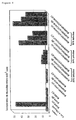
- TR310 and H57-597 Study of the Th (T helper) response associated with stimulation splenocytes by the different antibodies (TR310 and H57-597) presented on the surface of P815 cells.
- P815 / TR310 (20000/2000/200) +/- IL-2 Evaluation of the stimulation of murine splenocytes by target P815 cells carrying on their surface an antibody TR310 (2E4, 2E3, 2E2 cells / test) in the presence or not of recombinant human IL-2 from D + 4.
- P815 / H57-597 (20000/2000/200) +/- IL-2 Evaluation of the stimulation of murine splenocytes by target P815 cells carrying on their surface an antibody H57-597 (2E4, 2E3, 2E2 cells / test) in the presence or not of recombinant human IL-2 from D + 4.
- Th T helper
- Antibodies TR310 and H57-597 in a context of membrane presentation induce the 2 response types Th1 and Th2 (Table 1).
- Antibodies TR310 and H57-597 are therefore capable when presented to the tumor cell surface to activate a type response "Helper" Th1 but also Th2 by binding to their receptor membrane present on the surface of CD4 + T cells.
- the secretion of these cytokines in particular increases the immune response to tumor cells.
- MVA viruses Three recombinant MVA viruses have been constructed (MVATG14205 expressing the rat antibody TR310 (anti-V beta 7 murine); MVATG14237 expressing the hamster antibody H57-597 (hamster alpha / beta anti-TCR) and MVATG14240 expressing rat antibody KT3 (rat anti-CD3 epsilon).
- Cassettes have been introduced in deletion II of MVA (Modified Virus Ankara) as described in the patent application WO 9903885. The light chain of each antibody has been placed under the control of the early-late p7.5 vaccine promoter (Goebel and al, 1990, Virology, 179, 247-266).
- the sequence coding for heavy chain of each antibody has been placed under control of the early-late vaccine promoter pH5R (Goebel et al, 1990, Virology, 179, 247-266).
- the GPT selection gene xanthine-guanine phosphoribosyltransferase from E. coli is used.
- the C-terminal end of the heavy chain of each antibody is also merged with the trans-membrane domain and intracytoplasmic of the rabies glycoprotein to allow the anchoring of antibodies in the plasma membrane.
- the expression is analyzed by Western Blot in accordance with the conditions of the "ECL TM Western Blotting" kit from Amersham Life Science (UK).
- ECL TM Western Blotting chicken embryonic cells are infected at a multiplicity of infection (MOI) of 1 with the various recombinant MVA viruses.
- MOI multiplicity of infection
- the same cells are also infected with the MVAN33 control virus.
- the cells are washed with PBS and then subjected to sonication in the deposition buffer.
- the suspension is then denatured for 3 min at 95 ° C. before being fractionated on a 13% polyacrylamide gel.
- the proteins thus fractionated are then transferred to a PVDF membrane (porablot; Macherey-Nagel).
- the expression of the antibodies TR310 and KT3 is analyzed after hybridization using a mouse antibody directed against rat IgG coupled to HRPO (horseradish peroxidase; 10 ⁇ g / ml).
- HRPO horseradish peroxidase
- the expression of the antibody H57-597 is analyzed after hybridization using a rat antibody directed against hamster IgG coupled to HRPO.
- the expression is analyzed by FACS after infection of BHK21 (Baby Hamster Kidney) cells at an ME of 1 with the different recombinant MVA viruses. After 12 h of infection, the cells are detached and then analyzed. Detection of antibody TR310 and KT3 is carried out after incubation with a mouse antibody to rat IgG, coupled to FITC (Jackson ImmunoResearch Laboratories Inc (Pennsylvania; USA)). The detection of the antibody H57-597 is carried out using of a rat antibody directed against hamster IgG coupled at the FITC (Jackson ImmunoResearch Laboratories Inc (Pennsylvania; USA)). The infected cells were also incubated with a control antibody.
- recombinant MVA viruses The functionality of recombinant MVA viruses is tested in performing proliferation tests on murine splenocytes.
- murine splenocytes (strain DBA / 2) are stimulated with murine tumor cells P815HT or B16F0 infected with 3 recombinant MVA viruses.
- P815HT cells and B16F0 are infected at an MOI of 1 for 20 hours with viruses MVATG14205, MVATG14237, MVATG14240 and MVAN33 (negative control).
- the cells are also contact with 10 ⁇ g / ml of purified TR310 and H57-597 antibodies from hybridoma supernatant.
- Infected cells or armies are then treated for 1 h with mitomycin C (Sigma; 50 ⁇ g / ml) in order to stop their division. After 5 days of incubation in different cell conditions P815 and B16F0 and murine splenocytes, the proliferation of T cells is measured by an incorporation test of tritiated thymidine.
- mitomycin C Sigma; 50 ⁇ g / ml
- Recombinant MVA viruses (MVATG14205; MVATG14237 and MVATG14240) are generated by homologous recombination in chicken embryo cells using different transfer plasmids (pTG14205; pTG14237 and pTg14240) and a MVAN33 wild MVA virus as described in the patent application WO 9903885.
- the expression of the different antibodies is analyzed by Western Blot after infection of CEP with recombinant MVA viruses.
- the results observed show that there is expression of rat IgG immunoglobulin in cells infected with MVATG14205 viruses and MVATG14240. After infection with MVATG14237, there is also expression of a hamster IgG immunoglobulin. These results are revealed by the presence of a specific band migrating at around 60 kDa and corresponding to the heavy chain immunoglobulin. No specific bands could be observed after infection of CEP by the MVAN33 control virus.
- recombinant MVA viruses The functionality of recombinant MVA viruses is tested in performing proliferation tests on murine splenocytes. For that 2 types of mouse models are used, the cells P815HT ( Figure 3) and B16F0 cells ( Figure 4). These 2 types of cells are infected with recombinant viruses so to express transmembrane antibodies on their surface directed against all or part of the murine TCR / CD3 complex. We we measured the proliferation induced by the contacting of P815HT and B16F0 cells infected with murine splenocytes naive of a similar haplotype.
- P815HT cells weakly immunogenic; H2d; expressing CMHI, ICAMI and CD48
- H2d expressing CMHI, ICAMI and CD48
- the same P815HT cells are incubated with antibodies TR310 and H57-597 in order to arm them with antibodies through their Fc receiver.
- MVATG14205 virus stimulation of cells Murine Vbeta 7
- stimulation induced by P815 cells infected is slightly higher than that obtained with armed cells.
- the level of proliferation remains very weak as expected with the specificity of the antibody.
- MVATG14237 and MVATG14240 viruses the index obtained with infected cells is significantly higher than that obtained with armed cells.
- B16F0 cells are used in the same type of experience ( Figure 4). These murine cells B16F0 are non-immunogenic and do not have any molecules of co-stimulation.
- infected cells with MVATG14205 induce proliferation lower than cells infected with the MVATG14237 and MVATG14240 viruses.
- the proliferation index obtained with 20,000 cells is comparable to that obtained with Con A.
- the amount of infected cells also seems to play a role on the proliferation index obtained (dose effect).
Landscapes
- Health & Medical Sciences (AREA)
- Chemical & Material Sciences (AREA)
- Immunology (AREA)
- Organic Chemistry (AREA)
- Life Sciences & Earth Sciences (AREA)
- General Health & Medical Sciences (AREA)
- Medicinal Chemistry (AREA)
- Biochemistry (AREA)
- Biophysics (AREA)
- Genetics & Genomics (AREA)
- Molecular Biology (AREA)
- Proteomics, Peptides & Aminoacids (AREA)
- Chemical Kinetics & Catalysis (AREA)
- General Chemical & Material Sciences (AREA)
- Nuclear Medicine, Radiotherapy & Molecular Imaging (AREA)
- Pharmacology & Pharmacy (AREA)
- Animal Behavior & Ethology (AREA)
- Public Health (AREA)
- Veterinary Medicine (AREA)
- Virology (AREA)
- Communicable Diseases (AREA)
- Oncology (AREA)
- Medicines That Contain Protein Lipid Enzymes And Other Medicines (AREA)
- Micro-Organisms Or Cultivation Processes Thereof (AREA)
- Medicines Containing Material From Animals Or Micro-Organisms (AREA)
- Medicines Containing Antibodies Or Antigens For Use As Internal Diagnostic Agents (AREA)
- Medicinal Preparation (AREA)
Claims (21)
- Biologisches Material für die Herstellung von pharmazeutischen Zusammensetzungen, welche für die Behandlung von Säugetieren bestimmt sind, umfassend wenigstens eine Nukleinsäuresequenz, umfassend:dadurch gekennzeichnet, dass der Antikörper oder das Antikörperfragment auf der Oberfläche der Zielzelle exprimiert wird und in der Lage ist, an einen Rezeptor, ausgewählt aus der Gruppe bestehend aus dem Rezeptor des TCR-Komplexes, insbesondere TCR-a, TCR-b oder CD3, CD8, CD4, CD28, LFA-1, 4-1 BB, CD47, CD2, CD9 CD45, CD40, den Rezeptoren von Zytokinen, wie IL-7, IL-4, IL-2, IL-15 oder GM-CSF, dem Va14NKT, NKAR, dem Fc-Rezeptor, zu binden.(i) ein Gen, welches einen Antikörper oder ein Antikörperfragment fusioniert mit der Transmembrandomäne eines Transmembranpolypeptids kodiert, und(ii) Elemente, welche die Expression des Gens in vivo in Zielzellen, welche dazu bestimmt sind, durch die genannte Nukleinsäuresequenz genetisch modifiziert zu werden, sicherstellen;
- Biologisches Material für die Herstellung von pharmazeutischen Zusammensetzungen, welche für die Behandlung von Säugetieren bestimmt sind, umfassend wenigstens eine Zielzelle, welche von Natur aus keine Antikörper produziert, dadurch gekennzeichnet, dass die Zielzelle in vitro durch wenigstens eine Nukleinsäuresequenz, wie sie in Anspruch 1 definiert wird, modifiziert ist.
- Biologisches Material nach Anspruch 1 oder 2, dadurch gekennzeichnet, dass die Nukleinsäuresequenz in Form einer nackten DNA- oder RNA-Sequenz vorliegt.
- Biologisches Material nach Anspruch 1 oder 2, dadurch gekennzeichnet, dass die Nukleinsäuresequenz ein Vektor ist, welcher den Transfer des Gens in die Zielzellen erlaubt.
- Biologisches Material nach Anspruch 4, dadurch gekennzeichnet, dass der Vektor ein viraler Vektor ist.
- Biologisches Material nach Anspruch 5, dadurch gekennzeichnet, dass der virale Vektor ein adenoviraler Vektor, retroviraler Vektor, ein Poxvirus, insbesondere abgeleitet von dem Vacciniavirus oder dem Modified Virus Ankara (MVA), ist.
- Biologisches Material nach Anspruch 4, dadurch gekennzeichnet, dass der Vektor aus wenigstens einer genannten Nukleinsäuresequenz besteht, welche komplexiert oder konjugiert ist mit wenigstens einem Trägermolekül oder einer Trägersubstanz, ausgewählt aus der Gruppe bestehend aus einer amphiphilen kationischen Substanz, insbesondere einem kationischen Lipid, einem kationischen oder neutralen Polymer, einer protischen polaren Verbindung, welche insbesondere unter Propylenglycol, Polyethylenglycol, Glycerol, Ethanol, 1-Methyl-L-2-pyrrolidon oder deren Derivaten ausgewählt wird, und einer aprotischen polaren Verbindung, welche insbesondere unter Dimethylsulfoxid (DMSO), Diethylsulfoxid, Di-n-propylsulfoxid, Dimethylsulfon, Sulfolan, Dimethylformamid, Dimethylacetamid, Tetramethylharnstoff, Acetonitril oder deren Derivaten ausgewählt wird.
- Biologisches Material nach einem der Ansprüche 1 bis 7, dadurch gekennzeichnet, dass das Transmembranpolypeptid aus der Gruppe bestehend aus einem Glycoprotein, einem Lipoprotein, einem Membranrezeptor ausgewählt wird.
- Biologisches Material nach Anspruch 8, dadurch gekennzeichnet, dass das Transmembranpolypeptid aus der Gruppe bestehend aus dem Glycoprotein des Tollwutvirus, gp160 und CD4 ausgewählt wird.
- Biologisches Material nach einem der vorangegangenen Ansprüche, dadurch gekennzeichnet, dass die Zielzelle eine Säugetier-Tumorzelle, eine durch ein virales pathogenes Agens infizierte Säugetierzelle oder eine durch ein bakterielles pathogenes Agens infizierte Säugetierzelle ist.
- Biologisches Material nach Anspruch 2, dadurch gekennzeichnet, dass es in einer Form vorliegt, welche dessen Verabreichung in den Organismus eines Säugetiers wie auch gegebenenfalls dessen vorab erfolgende Kultivierung erlaubt.
- Biologisches Material nach Anspruch 11, dadurch gekennzeichnet, dass die Zielzellen von dem zu behandelnden Säugetier stammen.
- Biologisches Material nach Anspruch 11, dadurch gekennzeichnet, dass die Zielzellen von einem anderen Säugetier als jenem, welches zu behandeln ist, stammen und eine Behandlung, welche diese kompatibel oder verträglich macht, durchlaufen haben.
- Biologisches Material nach einem der Ansprüche 1 bis 13, dadurch gekennzeichnet, dass es außerdem wenigstens eine DNA-Sequenz umfasst, welche die Expression einer Verbindung, welche an der Aktivierung der zytotoxischen Effektorzellen oder von T-Helfer-Lymphozyten beteiligt ist, sicherstellt.
- Verwendung eines biologischen Materials nach einem der Ansprüche 1 bis 13 für die Herstellung einer pharmazeutischen Zusammensetzung, welche für die Behandlung oder die Verhütung von Krebserkrankungen oder von viralen Infektionen bestimmt ist.
- Verwendung einer Nukleinsäuresequenz, umfassend:dadurch gekennzeichnet, dass der Antikörper oder das Antikörperfragment in der Lage ist, an einen Rezeptor, der ausgewählt wird aus der Gruppe bestehend aus der Gesamtheit oder einem Teil des TCR-Komplexes, zu binden, für die Herstellung von pharmazeutischen Zusammensetzungen, welche für die Behandlung eines Säugetiers durch Gentransfer bestimmt sind.(i) ein Gen, welches einen Antikörper oder ein Antikörperfragment fusioniert mit der Transmembrandomäne eines Transmembranpolypeptids kodiert, und(ii) Elemente, welche die Expression des Gens in vivo in Zielzellen, welche dazu bestimmt sind, durch die genannte Nukleinsäuresequenz genetisch modifiziert zu werden, sicherstellen;
- Pharmazeutische Zusammensetzung, welche ein biologisches Material nach einem der Ansprüche 1 bis 14, vorteilhafterweise in Kombination mit einem pharmazeutisch annehmbaren Träger oder Vehikel umfasst.
- Pharmazeutische Zusammensetzung nach Anspruch 17, welche ein biologisches Material nach einem der Ansprüche 11 bis 13 und eine Verbindung, welche von Natur aus für die Aktivierung der zytotoxischen Effektorzellen oder von T-Helfer-Lymphozyten verantwortlich ist, umfasst.
- Pharmazeutische Zusammensetzung nach Anspruch 18, dadurch gekennzeichnet, dass die Verbindung ein Zytokin oder ein Chemokin ist.
- Nicht-germinale Säugetierzelle, welche von Natur aus keine Antikörper produziert, dadurch gekennzeichnet, dass sie genetisch modifiziert ist durch wenigstens eine Nukleinsäuresequenz, umfassend:dadurch gekennzeichnet, dass der Antikörper oder das Antikörperfragment in der Lage ist, an einen Rezeptor, der ausgewählt wird aus der Gruppe bestehend aus der Gesamtheit oder einem Teil des TCR-Komplexes, zu binden.(i) ein Gen, welches einen Antikörper oder ein Antikörperfragment fusioniert mit der Transmembrandomäne eines Transmembranpolypeptids kodiert, und(ii) Elemente, welche die Expression des Gens in vivo in Zielzellen, welche dazu bestimmt sind, durch die genannte Nukleinsäuresequenz genetisch modifiziert zu werden, sicherstellen;
- Verfahren zur in vitro-Herstellung einer Zelle nach Anspruch 20, dadurch gekennzeichnet, dass man in eine nicht-germinale Säugetierzelle, welche von Natur aus keine Antikörper produziert, durch ein jegliches geeignetes Mittel oder eine jegliche geeignete Maßnahme wenigstens eine Nukleinsäuresequenz einschleust, umfassend:dadurch gekennzeichnet, dass der Antikörper oder das Antikörperfragment in der Lage ist, an einen Rezeptor, der ausgewählt wird aus der Gruppe bestehend aus der Gesamtheit oder einem Teil des TCR-Komplexes zu binden, dann dadurch, dass man unter diesen Zellen jene, die durch die genannte Nukleinsäuresequenz genetisch modifiziert worden sind, selektiert.(i) ein Gen, welches einen Antikörper oder ein Antikörperfragment fusioniert mit der Transmembrandomäne eines Transmembranpolypeptids kodiert, und(ii) Elemente, welche die Expression des Gens in vivo in Zielzellen, welche dazu bestimmt sind, durch die genannte Nukleinsäuresequenz genetisch modifiziert zu werden, sicherstellen;
Priority Applications (1)
| Application Number | Priority Date | Filing Date | Title |
|---|---|---|---|
| DK99950801T DK1084246T3 (da) | 1998-10-22 | 1999-10-20 | Biologisk materiale til fremstilling af farmaceutiske præparater til behandling af pattedyr |
Applications Claiming Priority (3)
| Application Number | Priority Date | Filing Date | Title |
|---|---|---|---|
| FR9813279 | 1998-10-22 | ||
| FR9813279A FR2784997A1 (fr) | 1998-10-22 | 1998-10-22 | Materiel biologique pour la preparation de compositions pharmaceutiques destinees au traitement de mammiferes |
| PCT/FR1999/002551 WO2000024896A2 (fr) | 1998-10-22 | 1999-10-20 | Materiel biologique pour la preparation de compositions pharmaceutiques destinees au traitement de mammiferes |
Publications (2)
| Publication Number | Publication Date |
|---|---|
| EP1084246A2 EP1084246A2 (de) | 2001-03-21 |
| EP1084246B1 true EP1084246B1 (de) | 2004-09-15 |
Family
ID=9531887
Family Applications (1)
| Application Number | Title | Priority Date | Filing Date |
|---|---|---|---|
| EP99950801A Expired - Lifetime EP1084246B1 (de) | 1998-10-22 | 1999-10-20 | Biologisches material zur herstellung pharmazeutischer zusammensetzungen zur behandlung von säugetieren |
Country Status (12)
| Country | Link |
|---|---|
| US (1) | US20050221435A1 (de) |
| EP (1) | EP1084246B1 (de) |
| JP (1) | JP2002528466A (de) |
| AT (1) | ATE276364T1 (de) |
| AU (1) | AU754505C (de) |
| CA (1) | CA2344207A1 (de) |
| DE (1) | DE69920216T2 (de) |
| DK (1) | DK1084246T3 (de) |
| ES (1) | ES2228115T3 (de) |
| FR (1) | FR2784997A1 (de) |
| PT (1) | PT1084246E (de) |
| WO (1) | WO2000024896A2 (de) |
Families Citing this family (6)
| Publication number | Priority date | Publication date | Assignee | Title |
|---|---|---|---|---|
| US20040142885A1 (en) * | 2001-01-26 | 2004-07-22 | Stephane Paul | Biological organism for preparing pharmaceutical compositions for treating mammals |
| US20040177016A1 (en) * | 2002-09-30 | 2004-09-09 | Jones Emerson P. | Method and system for analyzing a capital structure for a company |
| DE102007001370A1 (de) | 2007-01-09 | 2008-07-10 | Curevac Gmbh | RNA-kodierte Antikörper |
| KR20240017409A (ko) | 2017-04-13 | 2024-02-07 | 아게누스 인코포레이티드 | 항-cd137 항체 및 이의 사용 방법 |
| US12331320B2 (en) | 2018-10-10 | 2025-06-17 | The Research Foundation For The State University Of New York | Genome edited cancer cell vaccines |
| US12234473B2 (en) | 2020-12-31 | 2025-02-25 | Immatics US, Inc. | CD8 polypeptides, compositions, and methods of using thereof |
Family Cites Families (2)
| Publication number | Priority date | Publication date | Assignee | Title |
|---|---|---|---|---|
| UA68327C2 (en) * | 1995-07-04 | 2004-08-16 | Gsf Forschungszentrum Fur Unwe | A recombinant mva virus, an isolated eukaryotic cell, infected with recombinant mva virus, a method for production in vitro of polypeptides with use of said cell, a method for production in vitro of virus parts (variants), vaccine containing the recombinant mva virus, a method for immunization of animals |
| FR2758569B1 (fr) * | 1997-01-20 | 1999-04-02 | Centre Nat Rech Scient | Materiel biologique pour le traitement d'un mammifere par transfert de gene d'anticorps et composition pharmaceutique le concernant |
-
1998
- 1998-10-22 FR FR9813279A patent/FR2784997A1/fr not_active Withdrawn
-
1999
- 1999-10-20 JP JP2000578448A patent/JP2002528466A/ja not_active Withdrawn
- 1999-10-20 WO PCT/FR1999/002551 patent/WO2000024896A2/fr not_active Ceased
- 1999-10-20 DK DK99950801T patent/DK1084246T3/da active
- 1999-10-20 AT AT99950801T patent/ATE276364T1/de not_active IP Right Cessation
- 1999-10-20 CA CA002344207A patent/CA2344207A1/fr not_active Abandoned
- 1999-10-20 DE DE69920216T patent/DE69920216T2/de not_active Expired - Fee Related
- 1999-10-20 ES ES99950801T patent/ES2228115T3/es not_active Expired - Lifetime
- 1999-10-20 EP EP99950801A patent/EP1084246B1/de not_active Expired - Lifetime
- 1999-10-20 AU AU63444/99A patent/AU754505C/en not_active Ceased
- 1999-10-20 PT PT99950801T patent/PT1084246E/pt unknown
-
2005
- 2005-05-09 US US11/124,097 patent/US20050221435A1/en not_active Abandoned
Also Published As
| Publication number | Publication date |
|---|---|
| DE69920216D1 (de) | 2004-10-21 |
| US20050221435A1 (en) | 2005-10-06 |
| AU754505B2 (en) | 2002-11-21 |
| ES2228115T3 (es) | 2005-04-01 |
| AU754505C (en) | 2003-12-04 |
| JP2002528466A (ja) | 2002-09-03 |
| WO2000024896A3 (fr) | 2000-08-03 |
| DE69920216T2 (de) | 2005-09-22 |
| PT1084246E (pt) | 2005-02-28 |
| ATE276364T1 (de) | 2004-10-15 |
| AU6344499A (en) | 2000-05-15 |
| EP1084246A2 (de) | 2001-03-21 |
| FR2784997A1 (fr) | 2000-04-28 |
| WO2000024896A2 (fr) | 2000-05-04 |
| CA2344207A1 (fr) | 2000-05-04 |
| DK1084246T3 (da) | 2005-01-31 |
Similar Documents
| Publication | Publication Date | Title |
|---|---|---|
| US20230416408A1 (en) | Compositions and Methods for Targeting Stromal Cells for the Treatment of Cancer | |
| US12559536B2 (en) | CD33 specific chimeric antigen receptors | |
| ES3061201T3 (en) | Methods and compositions for modified t cells | |
| Rommelfanger et al. | Systemic combination virotherapy for melanoma with tumor antigen-expressing vesicular stomatitis virus and adoptive T-cell transfer | |
| EP0259212B1 (de) | Expression eines tumorspezifischen Antigens eines rekombinanten Virusvektors sowie dessen Anwendung zur versorgenden oder heilenden Behandlung des entsprechenden Tumors | |
| JP7317158B2 (ja) | Her2/Neu (ERBB2)受容体タンパク質に由来する369~377位エピトープに特異的な完全ヒトT細胞受容体 | |
| BR112015027567B1 (pt) | Polipeptídeo, sequência de ácido nucleico isolada, vetor, método de obtenção de célula, uso de uma célula | |
| CN113795272A (zh) | 涉及car工程化的t细胞和细胞因子的治疗 | |
| CN110054698B (zh) | 抗cd19抗体的新型cd19-car载体的构建及应用 | |
| EP1084246B1 (de) | Biologisches material zur herstellung pharmazeutischer zusammensetzungen zur behandlung von säugetieren | |
| JP2023511443A (ja) | 普遍的免疫受容体を発現する操作された細胞の活性の量的制御 | |
| US8133873B2 (en) | Recombinant chemokine-antigen vaccine | |
| JP2026506591A (ja) | 天然タンパク質tshを抗原結合部位とした、tshrを標的とするcar-t細胞の構築 | |
| CA2435949A1 (fr) | Materiel biologique pour la preparation de compositions pharmaceutiques destinees au traitement de mammiferes | |
| RU2794945C2 (ru) | Антигенные рецепторы и их применение | |
| CN120548186A (zh) | 功能增强的表达cd3和itcr的工程化的自然杀伤细胞用于过继免疫疗法 | |
| HK40060040A (en) | Treatment involving car-engineered t cells and cytokines |
Legal Events
| Date | Code | Title | Description |
|---|---|---|---|
| PUAI | Public reference made under article 153(3) epc to a published international application that has entered the european phase |
Free format text: ORIGINAL CODE: 0009012 |
|
| 17P | Request for examination filed |
Effective date: 20001023 |
|
| AK | Designated contracting states |
Kind code of ref document: A2 Designated state(s): AT BE CH CY DE DK ES FI FR GB GR IE IT LI LU MC NL PT SE |
|
| AX | Request for extension of the european patent |
Free format text: AL;LT;LV;MK;RO;SI |
|
| 17Q | First examination report despatched |
Effective date: 20010510 |
|
| GRAP | Despatch of communication of intention to grant a patent |
Free format text: ORIGINAL CODE: EPIDOSNIGR1 |
|
| GRAS | Grant fee paid |
Free format text: ORIGINAL CODE: EPIDOSNIGR3 |
|
| GRAA | (expected) grant |
Free format text: ORIGINAL CODE: 0009210 |
|
| AK | Designated contracting states |
Kind code of ref document: B1 Designated state(s): AT BE CH CY DE DK ES FI FR GB GR IE IT LI LU MC NL PT SE |
|
| PG25 | Lapsed in a contracting state [announced via postgrant information from national office to epo] |
Ref country code: CY Free format text: LAPSE BECAUSE OF FAILURE TO SUBMIT A TRANSLATION OF THE DESCRIPTION OR TO PAY THE FEE WITHIN THE PRESCRIBED TIME-LIMIT Effective date: 20040915 |
|
| REG | Reference to a national code |
Ref country code: CH Ref legal event code: NV Representative=s name: MICHELI & CIE INGENIEURS-CONSEILS Ref country code: GB Ref legal event code: FG4D Free format text: NOT ENGLISH Ref country code: CH Ref legal event code: EP |
|
| REG | Reference to a national code |
Ref country code: IE Ref legal event code: FG4D Free format text: FRENCH |
|
| REF | Corresponds to: |
Ref document number: 69920216 Country of ref document: DE Date of ref document: 20041021 Kind code of ref document: P |
|
| PG25 | Lapsed in a contracting state [announced via postgrant information from national office to epo] |
Ref country code: MC Free format text: LAPSE BECAUSE OF NON-PAYMENT OF DUE FEES Effective date: 20041031 |
|
| REG | Reference to a national code |
Ref country code: SE Ref legal event code: TRGR |
|
| REG | Reference to a national code |
Ref country code: GR Ref legal event code: EP Ref document number: 20040403772 Country of ref document: GR |
|
| GBT | Gb: translation of ep patent filed (gb section 77(6)(a)/1977) |
Effective date: 20041230 |
|
| REG | Reference to a national code |
Ref country code: DK Ref legal event code: T3 |
|
| NLR4 | Nl: receipt of corrected translation in the netherlands language at the initiative of the proprietor of the patent | ||
| LTIE | Lt: invalidation of european patent or patent extension |
Effective date: 20040915 |
|
| REG | Reference to a national code |
Ref country code: PT Ref legal event code: SC4A Free format text: AVAILABILITY OF NATIONAL TRANSLATION Effective date: 20041215 |
|
| REG | Reference to a national code |
Ref country code: ES Ref legal event code: FG2A Ref document number: 2228115 Country of ref document: ES Kind code of ref document: T3 |
|
| PLBE | No opposition filed within time limit |
Free format text: ORIGINAL CODE: 0009261 |
|
| STAA | Information on the status of an ep patent application or granted ep patent |
Free format text: STATUS: NO OPPOSITION FILED WITHIN TIME LIMIT |
|
| 26N | No opposition filed |
Effective date: 20050616 |
|
| PGFP | Annual fee paid to national office [announced via postgrant information from national office to epo] |
Ref country code: ES Payment date: 20070917 Year of fee payment: 9 |
|
| PGFP | Annual fee paid to national office [announced via postgrant information from national office to epo] |
Ref country code: IE Payment date: 20070919 Year of fee payment: 9 |
|
| PGFP | Annual fee paid to national office [announced via postgrant information from national office to epo] |
Ref country code: LU Payment date: 20070926 Year of fee payment: 9 |
|
| PGFP | Annual fee paid to national office [announced via postgrant information from national office to epo] |
Ref country code: NL Payment date: 20071031 Year of fee payment: 9 Ref country code: DK Payment date: 20071015 Year of fee payment: 9 Ref country code: DE Payment date: 20071031 Year of fee payment: 9 |
|
| PGFP | Annual fee paid to national office [announced via postgrant information from national office to epo] |
Ref country code: FI Payment date: 20071004 Year of fee payment: 9 Ref country code: CH Payment date: 20071001 Year of fee payment: 9 Ref country code: AT Payment date: 20071004 Year of fee payment: 9 Ref country code: IT Payment date: 20071031 Year of fee payment: 9 |
|
| PGFP | Annual fee paid to national office [announced via postgrant information from national office to epo] |
Ref country code: BE Payment date: 20071016 Year of fee payment: 9 Ref country code: SE Payment date: 20071008 Year of fee payment: 9 |
|
| PGFP | Annual fee paid to national office [announced via postgrant information from national office to epo] |
Ref country code: GB Payment date: 20071016 Year of fee payment: 9 Ref country code: FR Payment date: 20071015 Year of fee payment: 9 |
|
| PGFP | Annual fee paid to national office [announced via postgrant information from national office to epo] |
Ref country code: GR Payment date: 20070917 Year of fee payment: 9 |
|
| REG | Reference to a national code |
Ref country code: PT Ref legal event code: MM4A Free format text: LAPSE DUE TO NON-PAYMENT OF FEES Effective date: 20090420 |
|
| BERE | Be: lapsed |
Owner name: S.A. *TRANSGENE Effective date: 20081031 |
|
| REG | Reference to a national code |
Ref country code: CH Ref legal event code: PL |
|
| REG | Reference to a national code |
Ref country code: DK Ref legal event code: EBP |
|
| EUG | Se: european patent has lapsed | ||
| GBPC | Gb: european patent ceased through non-payment of renewal fee |
Effective date: 20081020 |
|
| NLV4 | Nl: lapsed or anulled due to non-payment of the annual fee |
Effective date: 20090501 |
|
| REG | Reference to a national code |
Ref country code: IE Ref legal event code: MM4A |
|
| REG | Reference to a national code |
Ref country code: FR Ref legal event code: ST Effective date: 20090630 |
|
| PG25 | Lapsed in a contracting state [announced via postgrant information from national office to epo] |
Ref country code: NL Free format text: LAPSE BECAUSE OF NON-PAYMENT OF DUE FEES Effective date: 20090501 Ref country code: FI Free format text: LAPSE BECAUSE OF NON-PAYMENT OF DUE FEES Effective date: 20081020 |
|
| PG25 | Lapsed in a contracting state [announced via postgrant information from national office to epo] |
Ref country code: PT Free format text: LAPSE BECAUSE OF NON-PAYMENT OF DUE FEES Effective date: 20090420 Ref country code: IT Free format text: LAPSE BECAUSE OF NON-PAYMENT OF DUE FEES Effective date: 20081020 Ref country code: DE Free format text: LAPSE BECAUSE OF NON-PAYMENT OF DUE FEES Effective date: 20090501 Ref country code: AT Free format text: LAPSE BECAUSE OF NON-PAYMENT OF DUE FEES Effective date: 20081020 |
|
| PG25 | Lapsed in a contracting state [announced via postgrant information from national office to epo] |
Ref country code: BE Free format text: LAPSE BECAUSE OF NON-PAYMENT OF DUE FEES Effective date: 20081031 |
|
| PG25 | Lapsed in a contracting state [announced via postgrant information from national office to epo] |
Ref country code: LI Free format text: LAPSE BECAUSE OF NON-PAYMENT OF DUE FEES Effective date: 20081031 Ref country code: IE Free format text: LAPSE BECAUSE OF NON-PAYMENT OF DUE FEES Effective date: 20081020 Ref country code: FR Free format text: LAPSE BECAUSE OF NON-PAYMENT OF DUE FEES Effective date: 20081031 Ref country code: DK Free format text: LAPSE BECAUSE OF NON-PAYMENT OF DUE FEES Effective date: 20081031 Ref country code: CH Free format text: LAPSE BECAUSE OF NON-PAYMENT OF DUE FEES Effective date: 20081031 |
|
| PG25 | Lapsed in a contracting state [announced via postgrant information from national office to epo] |
Ref country code: GR Free format text: LAPSE BECAUSE OF NON-PAYMENT OF DUE FEES Effective date: 20090505 Ref country code: GB Free format text: LAPSE BECAUSE OF NON-PAYMENT OF DUE FEES Effective date: 20081020 |
|
| PGFP | Annual fee paid to national office [announced via postgrant information from national office to epo] |
Ref country code: PT Payment date: 20070917 Year of fee payment: 9 |
|
| REG | Reference to a national code |
Ref country code: ES Ref legal event code: FD2A Effective date: 20081021 |
|
| PG25 | Lapsed in a contracting state [announced via postgrant information from national office to epo] |
Ref country code: ES Free format text: LAPSE BECAUSE OF NON-PAYMENT OF DUE FEES Effective date: 20081021 |
|
| PG25 | Lapsed in a contracting state [announced via postgrant information from national office to epo] |
Ref country code: LU Free format text: LAPSE BECAUSE OF NON-PAYMENT OF DUE FEES Effective date: 20081020 |
|
| PG25 | Lapsed in a contracting state [announced via postgrant information from national office to epo] |
Ref country code: SE Free format text: LAPSE BECAUSE OF NON-PAYMENT OF DUE FEES Effective date: 20081021 |