TECHNICAL FIELD
The present invention relates to a skin conditioner
that can be used in a broad range of fields including
cosmetics, quasi-drugs and pharmaceuticals.
BACKGROUND ART
In addition to that resulting from aging, human skin
and scalp have recently become constantly exposed to risks
from external factors such as ultraviolet rays, drying,
air-conditioning, air pollution, other irritants and
microorganisms, and from internal factors such as
contamination by food, water or agricultural chemicals and
additives through them, as well as sleep, fatigue and
stress.
As a result of these risks, there are many persons
with unhealthy skin or persons having skin that at first
appears healthy, but is actually in a functionally or
structurally unhealthy state. Even persons of an age who
ought to inherently have healthy skin have skin that
requires the use of cosmetics. However, typical moisture
retention agents and oils used in current cosmetics are
known to only reach the surface of the skin, and only
function as a moisture covering or oil covering without
actually acting on the skin.
On the other hand, although oils such as Vaseline have
long been used for treatment of symptoms and diseases
caused by drying of the skin, these are also merely carried
on the surface of the skin, thereby forcing the affected
person to wait for the symptoms or disease to heal
naturally. In addition, since the effects of typical drugs
only act on the particular symptom and do not promote the
health of the skin itself, in environments like those found
at present, if confronted with the same cause after use is
discontinued, there are many cases in which the symptom or
disease recurs. In addition, drugs also constantly present
the risk of being accompanied by adverse side effects.
DISCLOSURE OF THE INVENTION
Currently in the field of dermatology, it has become
an established theory around the world that the corneal
layer of the epidermis (stratum corneum epidermidis) is
responsible for the barrier mechanism that protects the
body from the outside world. Therefore, we felt that
restoring the skin to its inherently healthy state is the
basis of beauty as well as the basic measure for protecting
the body from all types of diseases of the skin. In order
to accomplish this, the object of the present invention is
to condition the corneal layer, condition the entire
epidermis and finally condition all skin tissue including
the dermis.
In order to accomplish the above object of the present
invention, the invention of
claim 1 provides a skin
conditioner containing one kind or two or more kinds of a
compound represented by the following general formula (1):
Lower alkyl groups in the present invention are
straight or branched alkyl groups having 1 to 10 carbon
atoms, and preferably 1 to 5 carbon atoms, examples of
which include a methyl group and an ethyl group. Lower
alkoxy groups are those which are derived from the above-mentioned
lower alkyl groups, examples of which include a
methoxy group and ethoxy group. Aryl groups having 6 to 18
carbon atoms, and preferably 6 to 10 carbon atoms, examples
of which include a phenyl group and α-naphthyl group.
Aralkyl groups are those in which an aryl group is
substituted for the above-mentioned lower alkyl group,
examples of which include a benzyl group and phenythyl
group.
In addition, these groups may optionally be
substituted with a substituent, while preferable examples
of substituent include a hydroxyl group, amino group and
carboxyl group.
The invention of claim 2 provides a skin conditioner
wherein the compound represented by general formula (1) is
L-arginine.
The invention of claim 3 provides a skin conditioner
wherein the compound represented by general formula (1) is
ethanolamine.
The invention of claim 4 provides a skin conditioner
wherein the compound represented by general formula (1) is
a compound selected from the group consisting of 2-methoxyethylamine,
O-phosphorylethanolamine, 2-ethylaminoethanol,
diethanolamine, 2-dimethylaminoethanol,
choline, 2-amino-2-hydroxymethyl-1,3-propanediol,
noradrenalin, phenethylamine, ethylenediamine, taurine,
phosphatidylethanolamine, N-(2-hydroxyethyl)acetamide, 2-(methylamino)ethanol,
2-anilinoethanol, 2-(benzylamino)ethanol,
3-amino-1-propanol, 2-amino-1-butanol,
putrescine, DL-pyroglutamic acid and triethanolamine.
BRIEF DESCRIPTION OF THE DRAWINGS
Fig. 1 shows the results of performing a collagen
production recovery test on damaged fibroblasts for
Examples of the present invention.
Fig. 2 shows the results of a moisture retention
duration test on Examples of the present invention.
Fig. 3 shows the results of a moisture retention
duration test on an Example of the present invention.
Fig. 4 shows the results of performing a moisture
retention ability test on Examples of the present invention.
Fig. 5 shows the results of performing a moisture
retention ability test on Examples of the present invention.
Fig. 6 shows the results of a 2-hour moisture
retention duration test according to Examples of the
present invention.
Fig. 7 shows the results of a 2-hour moisture
retention duration test according to Examples of the
present invention.
Fig. 8 shows the results of a chapped skin recovery
test according to Examples of the present invention.
Fig. 9 shows the overall improvement (usefulness) of
using Examples of the present invention in dry eczema,
xeroderma and facial dry eczema patients.
Fig. 10 shows improvement of itchiness, sclerosis and
cornification by Examples of the present invention.
Fig. 11 shows improvement of scaling and cracking by
Examples of the present invention.
Fig. 12 shows improvement of erythema, dryness and
wrinkles by Examples of the present invention.
Fig. 13 shows overall improvement (usefulness) of
using Examples of the present invention in asteatosis,
xeroderma, facial dry eczema and progressive volar
keratoderma (keratodermia tylodes palmaris progressiva)
patients.
Fig. 14 shows improvement of itchiness, sclerosis and
cornification by Examples of the present invention.
Fig. 15 shows improvement of scaling and cracking by
Examples of the present invention.
Fig. 16 shows improvement of erythema, dryness and
wrinkles by Examples of the present invention.
Fig. 17 shows changes in the severity score of
vasodilation by Examples of the present invention.
Fig. 18 shows changes in the severity score of
cellular infiltration by Examples of the present invention.
Fig. 19 shows changes in the severity score of keratin
hyperplasia by Examples of the present invention.
Fig. 20 shows changes in the severity score of
parakeratosis by Examples of the present invention.
Figs. 21 to 31 show the results of a moisture
retention duration test performed on atopic skin according
to Examples of the present invention.
Figs. 32 to 34 show the results of a moisture
retention ability test performed on atopic skin according
to Examples of the present invention.
Figs. 35 to 37 show the results of a test of
transepidermal moisture evaporation volume performed on
atopic skin according to Examples of the present invention.
Fig. 38 shows the results of an allergic reaction
inhibition test according to Examples of the present
invention.
Figs. 39 to 50 show changes in the severity score
performed on atopic skin according to Examples of the
present invention.
BEST MODE FOR CARRYING OUT THE INVENTION
Test Example 1
A collagen production recovery test was conducted on
damaged fibroblasts.
Fibroblasts are cells that compose the dermis which is
on the inside of the skin epidermis. Collagen produced by
fibroblasts accounts for approximately 70% of the weight of
the dermis, and gives the skin tightness, elasticity and
flexibility. In addition, when the skin becomes injured
and so forth, it also fulfills the role of the regenerative
function of the skin. As the skin ages, the amount of
collagen decreases dramatically. Consequently, the skin
loses its tightness and elasticity, and wounds are known to
heal more slowly. In addition, even in the absence of
aging of the skin, the ability to produce collagen
decreases due to various causes such as routine exposure to
ultraviolet rays and radiation, and the generation of
active oxygen.
Samples:
Example 1
1% aqueous solution of L-arginine (Nakarai Tesuku)
Example 2
1% aqueous solution of ethanolamine (Nakarai Tesuku)
Example 3
After crushing 1 kg of rice with a crusher, 250 g of
water were mixed in well while spraying followed by
allowing to stand for 30 minutes. Next, the rice was
boiled for 60 minutes followed by the addition of 2000 mL
of water. Moreover, after adding 7.5 g each of α-amylase
and β-amylase, the mixture was allowed to stand for 10
hours at 55°C. Next, after gradually raising the
temperature and boiling for 5 minutes, the mixture was
cooled to 50°C followed by the addition of 30 g of citric
acid, 8 g of acidic protease and 8 g of acidic
carboxypeptidase and allowing to react for 24 hours. After
completion of the reaction, the mixture was cooled to 20°C
followed by the addition of 200 g of malted rice
(Aspergillus oryzae) and pre-cultured Saccharomyces
cereviciae culture broth, and fermenting at 20-25°C for 20
days.
Following completion of fermentation, the mixture was
press-filtered to obtain 2700 mL of filtrate. Next, 500 mL
of activated charcoal were packed into a column and the
filtrate was passed through the column. The resulting
effluent was collected to obtain 2700 mL of product
containing 1934 mg/L of L-arginine and 162 mg/L of
ethanolamine. (The concentration of L-arginine was
approximately 0.2%, and that of ethanolamine was
approximately 0.02%.)
Mixture of samples of Example 1 and Example 2:
Mixture of samples of Example 1 and 2 with the product of
Example 3:
Test Method:
Six to eight subcultures of normal human skin
fibroblasts (Physicochemical Research Institute, Cell
Development Bank NBIRGB) were used in the test.
Hypoxanthine at a final concentration of 50 µM and
34.5 mU/dish of xanthine oxidase were added to the culture
broth to generate active oxygen and lower the collagen
production ability of the cells.
Measurement of collagen production ability of a
confluent in the steady state was performed according to
the method of Webster et al. based on the uptake of 3H-proline
into the produced collagen. Furthermore, the
samples were mixed with the cells to a final concentration
of 3.3% (taking 1% to be 100% for a 1% aqueous solution)
and after incubating at 37°C for 24 hours and 5% CO2, the 3H
activity taken up into the collagen in the cells was
measured.
Reference: Principle of Measurement of Collagen
Production Ability
Since proline is a main component of the amino acids
that compose collagen, fibroblasts are cultured in a medium
containing 3H-proline, and the 3H activity taken up into
collagen in the cells is measured. Units are in d.p.m.,
and represent the number of daltons of radioactivity
released per minute.
Test Results:
As shown in Fig. 1, according to the results of a
collagen production recovery test, the collagen production
ability of fibroblasts damaged by active oxygen was
determined to be significantly improved by L-arginine and
ethanolamine. Although L-arginine and ethanolamine are
contained in the product of Example 3, since the amounts
are excessively small, production was nearly equal to
Example 1. When 1% L-arginine and 1% ethanolamine were
further added to the product of Example 3, production
nearly completely recovered.
Namely, although remarkable recovery is observed with
L-arginine or ethanolamine alone, if both L-arginine and
ethanolamine are present and their amounts are increased,
the collagen production ability of damaged fibroblasts can
be nearly completely restored to its original normal level.
Test Example 2
A moisture retention duration test was conducted.
Moisture retention refers to the peak of the amount of
skin moisture (skin electrical conductivity) 15 minutes
after application, while moisture retention duration refers
to the integral value of a curve indicated by the amount of
skin moisture (skin electrical conductivity) from 30
minutes to 120 minutes after application.
Samples:
Example 4 (1% L-arginine simple preparation)
| L-arginine (Nakarai Tesuku) |
1.00 g |
| 95% Ethanol |
2.00 mL |
| Parabene |
0.18 g |
| Purified soy bean lecithin |
0.05 g |
Make up a final amount of 100.00 g by addition of
purified water.
Example 5 (1% Ethanolamine simple preparation)
| Ethanolamine (Nakarai Tesuku) |
1.00 g |
| 95% Ethanol |
2.00 mL |
| Parabene |
0.18 g |
| Purified soy bean lecithin |
0.05 g |
Make up a final amount of 100.00 g by addition of
purified water.
Example 6 (0.2% L-arginine + 0.02% Ethanolamine + simple
preparation)
| Example 3 |
90.00 mL |
| 95% Ethanol |
2.00 mL |
| Parabene |
0.18 g |
| Purified soy bean lecithin |
0.05 g |
Make up a final amount of 100.00 g by addition of
purified water.
Comparative Example 1 (simple preparation)
| 95% Ethanol |
2.00 mL |
| Parabene |
0.18 g |
| Purified soy bean lecithin |
0.05 g |
Make up a final amount of 100.00 g by addition of
purified water.
Comparative Example 2 (Hyaluronic acid + simple
preparation)
| Sodium hyaluronate (2) |
1.00 g |
| 95% Ethanol |
2.00 mL |
| Parabene |
0.18 g |
| Purified soy bean lecithin |
0.05 g |
Make up a final amount of 100.00 g by addition of
purified water.
Panelists: 5 healthy volunteers
Test Method: Each sample was applied to the side of
the forearm of the panelists (4 x 4 cm2) followed by
measurement of epidermal keratin moisture content at 15, 30,
60, 90 and 120 minutes after application.
Keratin contains salts, amino acids and other
electrolytes in addition to moisture. Consequently,
although current does not flow through pure water, since
electrolytes are contained in keratin in the skin, current
flows corresponding to the amount of moisture present if
moisture is present. The parameter that is actually
measured is electrical conductivity, which is the inverse
of the resistance that composes impedance.
Measurement Method:
(1)The test site is washed with soap.
(2)The test site is exposed in a constant temperature and
constant humidity room at a temperature of 20°C and
humidity of 50%, and the skin is allowed to reach a
steady state by allowing the panelists to rest quietly
starting 60 minutes before measurement.
(3)The moisture content of keratin at the test site is
measured and used as the value before application.
(4)After uniformly applying 0.03 mL aliquots of sample to
the test site four times, the sample is gently wiped
off with gauze.
(5)The moisture content of the keratin at the test site 15,
30, 60, 90 and 120 minutes after application, and that
of keratin at a site at which sample is not applied as
a control, were measured.
Numerical values obtained by subtracting the value
before application and value of the site where sample was
not applied from the keratin moisture content for each
measurement time were taken to represent skin moisture
content.
Test Apparatus:
SKICON-200 (IBS Epidermal Keratin Moisture Measuring
System (3.5 MHz high-frequency conductivity measuring
system))
Test Results:
The results of the moisture retention duration test
are as shown in Figs. 2 and 3.
Although peak values rose even at 15 minutes after
application and moisture retention effects were remarkable
for Examples 4, 5 and 6, moisture retention continued
beyond 30 minutes and lasted for 2 hours. Although
continuation of moisture retention was observed with either
L-arginine or ethanolamine alone, when both substances were
present, moisture retention duration was enhanced more than
when either substance was used alone even at lower
concentrations.
On the other hand, although peaks were observed after
15 minutes in the case of Comparative Examples 1 and 2,
moisture content returned to its original level after 30
minutes, and continuation of moisture retention was not
observed at all.
Test Example 3
A moisture retention ability test was conducted as an
indicator of the state of skin health.
Samples:
Example 4 (L-arginine + simple preparation)
Example 5 (Ethanolamine + simple preparation)
Example 6 (L-arginine + ethanolamine + simple preparation)
Example 7 (L-arginine + ethanolamine + body soap
preparation)
| Example 3 |
20.00 mL |
| Lauric acid |
2.50 g |
| Myristic acid |
7.50 g |
| Palmitic acid |
2.50 g |
| Oleic acid |
2.50 g |
| Lauroyldiethanolamide |
5.00 g |
| Glycerin |
20.00 g |
| Parabene |
0.20 g |
| Caustic potash |
3.60 g |
| Edetate |
0.20 g |
| Fragrance |
q.s. |
Make up a final amount of 100.00 g by addition of
purified water.
Comparative Example 1 (simple preparation)
Comparative Example 3
| Lauric acid |
2.50 g |
| Myristic acid |
7.50 g |
| Palmitic acid |
2.50 g |
| Oleic acid |
2.50 g |
| Lauroyldiethanolamide |
5.00 g |
| Glycerin |
20.00 g |
| Parabene |
0.20 g |
| Caustic potash |
3.60 g |
| Edetate |
0.20 g |
| Fragrance |
q.s. |
Make up a final amount of 100.00 g by addition of
purified water.
Subjects: 4 healthy volunteers
Measurement Method:
(1)The test site is washed with soap.
(2)The test site is exposed in a constant temperature and
constant humidity room at a temperature of 20°C and
humidity of 50%, and the skin is allowed to reach a
steady state by allowing the subjects to rest quietly
starting 60 minutes before measurement.
(3)The moisture content of keratin at the test site is
measured.
(4)0.03 mL of distilled water is placed over the test site
and wiped off with gauze 10 seconds later followed by
measurement of keratin moisture content at the test
site immediately, 30, 60, 90 and 120 seconds after
wiping off.
(5)0.03 mL aliquots of sample are applied to the test site
three times and allowed to stand for 15 minutes.
(6)The test site is washed well.
(7)After 120 minutes, keratin moisture content is measured
after 120 seconds by performing the same procedure as
in step (4).
Moisture retention ability is determined in the manner
indicated below.
Moisture retention ability (%) = [Keratin moisture
content 30-120 seconds after moisture loading/Keratin
moisture content immediately after moisture loading] x
100
It should be noted that, moisture retention ability
(ratio) was expressed as the ratio obtained when the
moisture retention ability before washing (%) is given a
value of 1.
Test Apparatus: Same as Test Example 2.
Test Results:
The results of the moisture retention ability test are
as shown in Figs. 4 and 5.
Although there was no increase whatsoever in moisture
retention ability, which represents the health of the skin,
observed for Comparative Example 1, the moisture retention
ability 2 hours after application in Examples 4, 5 and 6
increased considerably as compared with the moisture
retention ability before application. When the moisture
retention ability before application is taken to have a
value of 1, although that of Examples 4 and 5 is nearly two
times greater, in Example 6, the moisture retention ability
increased to nearly three times greater.
In the case of washing with the product of Comparative
Example 3, although moisture retention ability decreases as
compared with that before washing, washing with Example 7
resulted in an increase in moisture retention ability as
compared with before washing.
Test Example 4
A moisture retention duration test was conducted on
persons with chapped skin.
Samples:
Example 4 (L-arginine + simple preparation)
Example 5 (ethanolamine + simple preparation)
Example 6 (L-arginine + ethanolamine + simple
preparation)
Comparative Example 1
Comparative Example 2
Panelists: 6 volunteers with chapped skin
Test Method:
Each sample was applied to the side of the forearm of
the panelists (4 x 4 cm2) followed by measurement of
epidermal keratin moisture content at 15, 30, 60 and 120
minutes after application.
Measurement Method: Same as measurement method of Test
Example 2.
Determination of Skin Moisture Content: Same as Test
Example 2.
Test Apparatus: Same as Test Example 2.
Test Results:
As shown in Figs. 6 and 7, although the peaks
increased and moisture retention effects were remarkable
after 15 minutes for Examples 4, 5 and 6, moisture
retention continued beyond 30 minutes and lasted for 2
hours. Although this continuation of moisture retention
was also observed in Examples 4 and 5, the duration of
moisture retention was even greater in Example 6 that
contained both L-arginine and ethanolamine.
In Comparative Example 2, although a peak was observed
after 15 minutes and moisture retention effects were
observed, moisture content returned to its original level
after 30 minutes, and continuation of moisture retention
with respect to chapped skin was not observed at all.
Test Example 5
Chapped skin was induced artificially and a recovery
test was conducted to observe the effects against damaged
skin (skin susceptible to both external and internal
irritation).
Samples:
Example 6 (L-arginine + ethanolamine + simple
preparation)
Example 8 (L-arginine + ethanolamine + cream
preparation)
| Example 3 |
40.00 mL |
| 1,3-butyleneglycol |
6.00 g |
| Concentrated glycerin |
6.00 g |
| Methylpolysiloxane |
6.00 g |
| Stearic acid |
3.00 g |
| Cetanol |
3.00 g |
| Cetyl 2-ethylhexanoate |
6.00 g |
| Squalene |
6.00 g |
| Sucrose fatty acid ester |
3.00 g |
| Natural vitamin E |
0.30 g |
| Sodium casein |
1.50 g |
| Disodium edetate |
0.03 g |
| Parabene |
0.30 g |
Make up a final amount of 100.00 g by addition of
purified water.
Comparative Example 1
Comparative Example 2
Comparative Example 4 (Cream preparation)
| 1,3-butyleneglycol |
6.00 g |
| Concentrated glycerin |
6.00 g |
| Methylpolysiloxane |
6.00 g |
| Stearic acid |
3.00 g |
| Cetanol |
3.00 g |
| Cetyl 2-ethylhexanoate |
6.00 g |
| Squalene |
6.00 g |
| Sucrose fatty acid ester |
3.00 g |
| Natural vitamin E |
0.30 g |
| Sodium casein |
1.50 g |
| Disodium edetate |
0.03 g |
| Parabene |
0.30 g |
Make up a final amount of 100.00 g by addition of
purified water.
Panelists: 4 healthy volunteers
Test Method: After inducing chapped skin by treating a
healthy site of the skin for 30 minutes with 5% SDS, each
sample was applied twice per day, and the instantaneous
moisture retention ability before application and from 1
day to 2 weeks after application was measured according to
the same method as Test Example 3.
Chapped Skin Induction Method: A glass cylinder was
placed on the test site and fixed in position with tape.
Next, 10 mL of 5% SDS (sodium lauryl sulfate) was poured
into the glass cylinder to perform chapped skin treatment
for 30 minutes while stirring occasionally. Finally, the
SDS was suctioned out of the glass cylinder and the glass
cylinder was removed.
Test Apparatus: Same as Test Example 2.
Test Results:
According to the results of the chapped skin recovery
test (Fig. 8), only natural recovery of the skin was
observed with the simple preparation form, the typical
moisture retention agent, hyaluronic acid, and a typical
cream preparation not containing L-arginine or ethanolamine,
and chapped skin improvement effects were not observed, On
the other hand, in the case of Examples 6 and 8, moisture
retention ability increased significantly in comparison
with the control group at 3, 5 and 7 days after the start
of application, and moisture retention ability was higher
than the untreated site (healthy site) starting at 5 days
after the start of application.
In this manner, Examples 6 and 8 were clearly
demonstrated to rapidly restore damaged skin and improve
the skin to healthy skin to a greater extent than the
untreated site.
The present invention was proven to rapidly restore
damaged skin in a short period of time, enable the skin to
reach a state that is healthier than its original state,
and have effects that improve the skin to its healthiest
state. On the basis of these findings, the present
invention was proven to act on chapped skin itself and
condition it, be able to prevent skin diseases caused by
chapped skin, and demonstrate chapped skin therapeutic
effects.
Test Example 6
A clinical test was conducted on dry eczema, xeroderma
and facial dry eczema patients to observe the therapeutic
effects on skin diseases produced by skin conditioning, and
those effects were evaluated in terms of the severity score
of itchiness, sclerosis, cornification, scaling, cracking,
erythema, dryness and wrinkles, as well as overall
improvement (usefulness) with respect to each disease.
Samples:
Example 9 (L-arginine + milky liquid preparation)
| L-arginine (Nakarai Tesuku) |
0.10 g |
| 1,3-butyleneglycol |
10.00 g |
| Concentrated glycerin |
1.00 g |
| Stearic acid |
0.50 g |
| Myristic acid |
0.50 g |
| Bleached beeswax |
0.50 g |
| Tri-2-ethylhexanoate glycerin |
4.80 g |
| Octyldodecylmyristic acid |
2.00 g |
| Squalene |
1.00 g |
| Sucrose fatty acid ester |
0.60 g |
| Xanthane rubber |
0.10 g |
| Natural vitamin E |
0.10 g |
| Sodium casein |
0.30 g |
| Citric acid |
q.s. |
| Disodium edetate |
0.02 g |
| Parabene |
0.20 g |
Make up a final amount of 100.00 g by addition of
soft water.
- Panelists:
- 3 patients with dry eczema
2 patients with xeroderma
2 patients with facial dry eczema
Test Sites:
Sites having symptoms suitable for evaluation and
sites that can be compared to the left or right or above or
below (comparison with non-application).
External Application Method: Simple application twice
per day (morning and evening).
Application Period: 3 weeks
Evaluation Items:
Evaluation items consisted of:
Evaluation Method:
The evaluation items were evaluated according to the
following four levels of a severity score as determined by
visual examination.
In addition, overall improvement (usefulness) was
evaluated according to the following four levels:
Test Results:
The results for overall improvement (usefulness) are
as shown in Fig. 9. When Example 9 product was used in
patients with dry eczema, xeroderma and facial dry eczema,
the results demonstrated overall improvement of 100%, a
high degree of usefulness was obtained, and Example 9 was
recognized to be extremely useful against these diseases.
Fig. 10 shows the changes in severity scores for
itchiness, sclerosis and cornification. Fig. 11 shows the
changes in severity scores for scaling and cracking. Fig.
12 shows the changes in severity scores for erythema,
dryness and wrinkles. All effects appeared rapidly, and
all symptoms were alleviated considerably after 1 week of
use. Favorable improvement effects were also observed
after 1 week, and nearly all symptoms had either been
alleviated or disappeared after 3 weeks. It should be
noted that, there were no adverse side effects observed at
all, there were no cases of relapse after use was
discontinued, and the patients were completely healed.
In this manner, the present invention is able to
improve symptoms observed in skin diseases such as
itchiness, sclerosis, cornification, scaling, cracking,
erythema, dryness and wrinkles through conditioning of the
skin.
Test Example 7
A clinical test was conducted on asteatosis, xeroderma,
facial dry eczema and progressive volar keratoderma
patients to observe the therapeutic effects on skin
diseases produced by skin conditioning, and those effects
were evaluated in terms of the severity score of itchiness,
sclerosis, cornification, scaling, cracking, erythema,
dryness and wrinkles, as well as overall improvement
(usefulness) with respect to each disease.
Samples:
Example 10 (L-arginine + ethanolamine + milky liquid
preparation)
| Example 3 |
35.00 mL |
| 1,3-butyleneglycol |
10.00 g |
| Concentrated glycerin |
1.00 g |
| Stearic acid |
0.50 g |
| Myristic acid |
0.50 g |
| Bleached beeswax |
0.50 g |
| Tri-2-ethylhexanoate glycerin |
4.80 g |
| Octyldodecylmyristic acid |
2.00 g |
| Squalene |
1.00 g |
| Sucrose fatty acid ester |
0.60 g |
| Xanthane rubber |
0.10 g |
| Natural vitamin E |
0.10 g |
| Sodium casein |
0.30 g |
| Citric acid |
q.s. |
| Disodium edetate |
0.02 g |
| Parabene |
0.20 g |
Make up a final amount of 100.00 g by addition of
soft water.
| Panelists: | Asteatosis patients | 6 |
| Xeroderma patients | 4 |
| Facial dry eczema patients | 4 |
| Progressive volar keratoderma | 5 |
| patients |
Sites having symptoms suitable for evaluation and
sites that can be compared to the left or right or above or
below (comparison with non-application).
External Application Method: Simple application once
per day (morning and evening).
Application Period: 3 weeks
Evaluation Items:
Evaluation items consisted of:
Evaluation Method:
The evaluation items were evaluated according to the
following four levels of a severity score as determined by
visual examination.
In addition, overall improvement (usefulness) was
evaluated according to the following four levels:
Test Results:
Overall improvement (usefulness) was as shown in Fig.
13.
When Example 10 was used in asteatosis, xeroderma,
facial dry eczema and progressive volar keratoderma
patients, it demonstrated overall improvement of 94.74%, a
high degree of usefulness was obtained, and Example 10 was
observed to be extremely useful against these diseases.
Fig. 14 shows the changes in severity scores for
itchiness, sclerosis and cornification, Fig. 15 shows the
changes in severity scores for scaling and cracking, and
Fig. 16 shows the changes in severity scores for erythema,
dryness and wrinkles. All effects appeared rapidly, and all
symptoms were alleviated considerably after 1 week of use.
Favorable improvement effects were also observed after 1
week, and nearly all symptoms had either been alleviated or
disappeared after 3 weeks. Furthermore, there were no
adverse side effects observed at all, there were no cases
of relapse after use was discontinued, and the patients
were completely healed.
In this manner, the present invention is able to
improve symptoms observed in skin diseases such as
itchiness, sclerosis, cornification, scaling, cracking,
erythema, dryness and wrinkles through conditioning of the
skin.
Test Example 8
Guinea pigs were irradiated with ultraviolet light, a
phlogogenic factor, followed by histological examination of
the degree of inflammatory changes in epidermal tissue and
dermal tissue to observe the preventive and therapeutic
effects on inflammation and photoinflammation.
Samples:
Example 6 (L-arginine + ethanolamine + simple
preparation)
Comparative Example 1 (simple preparation)
Experimental Animals: Guinea pigs, 5
Test Site:
Shaved back of guinea pigs (comparison with simple
preparation)
Test Method:
The backs of the experimental animals were shaved and
hair was removed with a depilatory cream three days before
irradiation with ultraviolet light.
The test site was irradiated with ultraviolet light,
and application of samples was started immediately after
irradiation.
In order to make a histological evaluation of
inflammation caused by irradiation with ultraviolet light,
biopsies were performed with a 6 mm disposable punch on
days 7 and 14 after irradiation, the specimens were
immersed in 10% neutral formalin solution and fixed
followed by preparing tissue sections.
Application Method: Simple application twice a day
after irradiation (morning and evening)
Application Period: 2 weeks
Evaluation Method:
Using keratin hyperplasia and parakeratosis as
indicators of inflammatory changes of epidermal tissue, and
cellular infiltration and vasodilation as indicators of
inflammatory changes in dermal tissue, the tissue sections
were observed and evaluations were made according to the
following five levels of a severity score (inflammation
intensity).
Severity Score
4: Advanced symptoms
3: Moderate symptoms
2: Mild symptoms
1: Slight symptoms
0: No symptoms or symptoms disappeared
Test Results:
The test results are as shown in Figs. 17, 18, 19 and
20.
Example 6 of the present invention was clearly
demonstrated to have an effect that heals vasodilation in
the early stage of the occurrence of inflammation in dermal
tissue, and was also observed to not only have a
therapeutic effect in the early stage, but also a
preventive effect that prevents full-scale onset of
inflammation. In addition, it was also clearly shown to
rapidly heal cellular infiltration, which is a symptom of
inflammation in the dermis. Furthermore, keratin
hyperplasia and parakeratosis, which are abnormalities in
the epidermis accompanying inflammation, were also observed
to be alleviated.
On the basis of these findings, inflammation and
photoinflammation were clearly demonstrated to be prevented
and healed by skin conditioning.
Test Example 9
A 2-hour moisture retention duration test was
performed on atopic skin.
Panelists: 7 persons with atopic skin
Test Method: Same as Test Example 2
Measurement Method: Same as Text Example 2
Test Apparatus: Same as Test Example 2
The samples were as shown below.
Example 4 (1% L-arginine simple preparation)
| L-arginine (Nakarai Tesuku) |
1.00 g |
| 95% Ethanol |
2.00 mL |
| Parabene |
0.18 g |
| Purified soy bean lecithin |
0.05 g |
Make up a final amount of 100.00 g by addition of
purified water.
Example 5 (1% ethanolamine simple preparation)
| Ethanolamine (Nakarai Tesuku) |
1.00 g |
| 95% Ethanol |
2.00 mL |
| Parabene |
0.18 g |
| Purified soy bean lecithin |
0.05 g |
Make up a final amount of 100.00 g by addition of
purified water.
Example 6 (0.2% L-arginine + 0.02% ethanolamine +
simple preparation)
| Example 3 |
90.00 mL |
| 95% Ethanol |
2.00 mL |
| Parabene |
0.18 g |
| Purified soy bean lecithin |
0.05 g |
Make up a final amount of 100.00 g by addition of
purified water.
Example 11 (1% 2-methoxyethylamine simple preparation)
| 2-methoxyethylamine (Tokyo Kasei Kogyo) |
1.00 g |
| 95% Ethanol |
2.00 mL |
| Parabene |
0.18 g |
| Purified soy bean lecithin |
0.05 g |
Make up a final amount of 100.00 g by addition of
purified water.
Example 12 (1% O-Phosphorylethanolamine
simple preparation)
| O-Phosphorylethanolamine (Tokyo Kasei Kogyo) |
1.00 g |
| 95% Ethanol |
2.00 mL |
| Parabene |
0.18 g |
| Purified soy bean lecithin |
0.05 g |
Make up a final amount of 100.00 g by addition of
purified water.
Example 13 (1% 2-Ethylaminoethanol simple preparation)
| 2-Ethylaminoethanol (Tokyo Kasei Kogyo Co., Ltd) |
1.00 g |
| 95% Ethanol |
2.00 mL |
| Parabene |
0.18 g |
| Purified soy bean lecithin |
0.05 g |
Make up a final amount of 100.00 g by addition of
purified water.
Example 14 (1% Diethanolamine simple preparation)
| Diethanolamine (Mitsui Toatsu Chemicals) |
1.00 g |
| 95% Ethanol |
2.00 mL |
| Parabene |
0.18 g |
| Purified soy bean lecithin |
0.05 g |
Make up a final amount of 100.00 g by addition of
purified water.
Example 15 (1% 2-Dimethylaminoethanol simple
preparation)
| 2-Dimethylaminoethanol (Kanto Kagaku) |
1.00 g |
| 95% Ethanol |
2.00 mL |
| Parabene |
0.18 g |
| Purified soy bean lecithin |
0.05 g |
Make up a final amount of 100.00 g by addition of
purified water.
Example 16 (1% Choline simple preparation)
| Choline (Nakarai Tesuku) |
1.00 g |
| 95% Ethanol |
2.00 mL |
| Parabene |
0.18 g |
| Purified soy bean lecithin |
0.05 g |
Make up a final amount of 100.00 g by addition of
purified water.
Example 17 (1% 2-Amino-hydroxymethyl-1,3-propanediol
simple preparation)
| 2-Amino-hydroxymethyl-1,3-propanediol (Kanto Kagaku) |
1.00 g |
| 95% Ethanol |
2.00 mL |
| Parabene |
0.18 g |
| Purified soy bean lecithin |
0.05 g |
Make up a final amount of 100.00 g by addition of
purified water.
Example 18 (1% Noradrenaline simple preparation)
| Noradrenaline (Nakarai Tesuku) |
1.00 g |
| 95% Ethanol |
2.00 mL |
| Parabene |
0.18 g |
| Purified soy bean lecithin |
0.05 g |
Make up a final amount of 100.00 g by addition of
purified water.
Example 19 (1% Phenethylamine simple preparation)
| Phenethylamine (Kanto Kagaku) |
1.00 g |
| 95% Ethanol |
2.00 mL |
| Parabene |
0.18 g |
| Purified soy bean lecithin |
0.05 g |
Make up a final amount of 100.00 g by addition of
purified water.
Example 20 (1% Ethylenediamine simple preparation)
| Ethylenediamine (Nakarai Tesuku) |
1.00 g |
| 95% Ethanol |
2.00 mL |
| Parabene |
0.18 g |
| Purified soy bean lecithin |
0.05 g |
Make up a final amount of 100.00 g by addition of
purified water.
Example 21 (1% Taurine simple preparation)
| Taurine (Nakarai Tesuku) |
1.00 g |
| 95% Ethanol |
2.00 mL |
| Parabene |
0.18 g |
| Purified soy bean lecithin |
0.05 g |
Make up a final amount of 100.00 g by addition of
purified water.
Example 22 (1% Phosphatidylethanolamine simple
preparation)
| Phosphatidylethanolamine (Kanto Kagaku) |
1.00 g |
| 95% Ethanol |
2.00 mL |
| Parabene |
0.18 g |
| Purified soy bean lecithin |
0.05 g |
Make up a final amount of 100.00 g by addition of
purified water.
Example 23 (1% N-(2-Hydroxyethyl)acetamide simple preparation)
| N-(2-Hydroxyethyl)acetamide (Kanto Kagaku) |
1.00 g |
| 95% Ethanol |
2.00 mL |
| Parabene |
0.18 g |
| Purified soy bean lecithin |
0.05 g |
Make up a final amount of 100.00 g by addition of
purified water.
Example 24 (1% 2-(Metylamino)ethanol simple
preparation)
| 2-(Metylamino)ethanol (Kanto Kagaku) |
1.00 g |
| 95% Ethanol |
2.00 mL |
| Parabene |
0.18 g |
| Purified soy bean lecithin |
0.05 g |
Make up a final amount of 100.00 g by addition of
purified water.
Example 25 (1% 2-Anilinoethanol simple preparation)
| 2-Anilinoethanol (Kanto Kagaku) |
1.00 g |
| 95% Ethanol |
2.00 mL |
| Parabene |
0.18 g |
| Purified soy bean lecithin |
0.05 g |
Make up a final amount of 100.00 g by addition of
purified water.
Example 26 (1% 2-(Benzylamino)ethanol simple
preparation)
| 2-(Benzylamino)ethanol (Kanto Kagaku) |
1.00 g |
| 95% Ethanol |
2.00 mL |
| Parabene |
0.18 g |
| Purified soy bean lecithin |
0.05 g |
Make up a final amount of 100.00 g by addition of
purified water.
Example 27 (1% 3-Amino-1-propanol simple preparation)
| 3-Amino-1-propanol (Kanto Kagaku) |
1.00 g |
| 95% Ethanol |
2.00 mL |
| Parabene |
0.18 g |
| Purified soy bean lecithin |
0.05 g |
Make up a final amount of 100.00 g by addition of
purified water.
Example 28 (1% 2-Amino-1-butanol simple preparation)
| 2-Amino-1-butanol (Nakarai Tesuku) |
1.00 g |
| 95% Ethanol |
2.00 mL |
| Parabene |
0.18 g |
| Purified soy bean lecithin |
0.05 g |
Make up a final amount of 100.00 g by addition of
purified water.
Example 29 (1% Putrescine simple preparation)
| Putrescine (Sigma Chemical) |
1.00 g |
| 95% Ethanol |
2.00 mL |
| Parabene |
0.18 g |
| Purified soy bean lecithin |
0.05 g |
Make up a final amount of 100.00 g by addition of
purified water.
Example 30 (1% DL-Pyroglutamic acid simple
preparation)
| DL-Pyroglutamic acid (Tokyo Kasei Kogyo) |
1.00 g |
| 95% Ethanol |
2.00 mL |
| Parabene |
0.18 g |
| Purified soy bean lecithin |
0.05 g |
Make up a final amount of 100.00 g by addition of
purified water.
Example 31 (1% Triethanolamine simple preparation)
| Triethanolamine (Mitsui Toatsu Chemicals) |
1.00 g |
| 95% Ethanol |
2.00 mL |
| Parabene |
0.18 g |
| Purified soy bean lecithin |
0.05 g |
Make up a final amount of 100.00 g by addition of
purified water.
Example 32 (Rice preparation containing 0.03% L-arginine)
1 kg of unpolished rice was crushed with a crusher.
After adding 3000 mL of water, 7.5 g of α-amylase, 8 g of
protease and 8 g of peptidase and heating to 55°C, the
mixture was allowed to stand for 10 hours while holding at
that temperature. Next, the temperature was gradually
raised and extraction was performed by boiling for 5
minutes. After cooling to 20°C, the mixture was press-filtered
and the pH of the filtrate was lowered to 3.3 by
addition of citric acid. 8 g of acidic protease and 8 g of
acidic carboxypeptidase were added followed by allowing to
react for 10 hours at 55°C.
Next, the mixture was heated to 70°C and then filtered
after cooling to obtain 2700 mL of product containing 354
mg/L of L-arginine.
Example 33 (Rice preparation containing 0.03% L-arginine
+ simple preparation)
| Example 32 (containing 0.03% L-arginine from rice) |
90.00 mL |
| 95% Ethanol |
2.00 mL |
| Parabene |
0.18 g |
| Purified soy bean lecithin |
0.05 g |
Make up a final amount of 100.00 g by addition of
purified water.
Example 34 (1% 2-Methoxyethylamine + rice preparation
containing 0.03% L-arginine + simple preparation)
| Example 32 (containing 0.03% L-arginine from rice) |
90.00 mL |
| 2-Methoxyethylamine (Tokyo Kasei Kogyo) |
0.90 g |
| 95% Ethanol |
2.00 mL |
| Parabene |
0.18 g |
| Purified soy bean lecithin |
0.05 g |
Make up a final amount of 100.00 g by addition of
purified water.
Example 35 (1% O-Phosphorylethanolamine + rice
preparation containing 0.03% L-arginine +
simple preparation)
| Example 32 (containing 0.03% L-arginine from rice) |
90.00 mL |
| O-Phosphorylethanolamine (Tokyo Kasei Kogyo) |
0.90 g |
| 95% Ethanol |
2.00 mL |
| Parabene |
0.18 g |
| Purified soy bean lecithin |
0.05 g |
Make up a final amount of 100.00 g by addition of
purified water.
Example 36 (1% 2-Ethylaminoethanol + rice preparation
containing 0.03% L-arginine + simple
preparation)
| Example 32 (containing 0.03% L-arginine from rice) |
90.00 mL |
| 2-Ethylaminoethanol (Tokyo Kasei Kogyo) |
0.90 g |
| 95% Ethanol |
2.00 mL |
| Parabene |
0.18 g |
| Purified soy bean lecithin |
0.05 g |
Make up a final amount of 100.00 g by addition of
purified water.
Example 37 (1% Diethanolamine + rice preparation
containing 0.03% L-arginine + simple
preparation)
| Example 32 (containing 0.03% L-arginine from rice) |
90.00 mL |
| Diethanolamine (Mitsui Toatsu Chemicals) |
0.90 g |
| 95% Ethanol |
2.00 mL |
| Parabene |
0.18 g |
| Purified soy bean lecithin |
0.05 g |
Make up a final amount of 100.00 g by addition of
purified water.
Example 38 (1% 2-Dimethylaminoethanol + rice
preparation containing 0.03% L-arginine +
simple preparation)
| Example 32 (containing 0.03% L-arginine from rice) |
90.00 mL |
| 2-Dimethylaminoethanol (Kanto Kagaku) |
0.90 g |
| 95% Ethanol |
2.00 mL |
| Parabene |
0.18 g |
| Purified soy bean lecithin |
0.05 g |
Make up a final amount of 100.00 g by addition of
purified water.
Example 39 (1% Choline + rice preparation containing
0.03% L-arginine + simple preparation)
| Example 32 (containing 0.03% L-arginine from rice) |
90.00 mL |
| Choline (Nakaral Tesuku) |
0.90 g |
| 95% Ethanol |
2.00 mL |
| Parabene |
0.18 g |
| Purified soy bean lecithin |
0.05 g |
Make up a final amount of 100.00 g by addition of
purified water.
Example 40 (1% 2-Amino-2-hydroxymethyl-1,3-propanediol
+ rice preparation containing 0.03% L-arginine
+ simple preparation)
| Example 32 (containing 0.03% L-arginine from rice) |
90.00 mL |
| 2-Amino-2-hydroxymethyl-1,3-propanediol (Kanto Kagaku) |
0.90 g |
| 95% Ethanol |
2.00 mL |
| Parabene |
0.18 g |
| Purified soy bean lecithin |
0.05 g |
Make up a final amount of 100.00 g by addition of
purified water.
Example 41 (1% Noradrenaline + rice preparation
containing 0.03% L-arginine + simple
preparation)
| Example 32 (containing 0.03% L-arginine from rice) |
90.00 mL |
| Noradrenaline (Nakarai Tesuku) |
0.90 g |
| 95% Ethanol |
2.00 mL |
| Parabene |
0.18 g |
| Purified soy bean lecithin |
0.05 g |
Make up a final amount of 100.00 g by addition of
purified water.
Example 42 (1% Phenethylamine + rice preparation
containing 0.03% L-arginine + simple
preparation)
| Example 32 (containing 0.03% L-arginine from rice) |
90.00 mL |
| Phenethylamine (Kanto Kagaku) |
0.90 g |
| 95% Ethanol |
2.00 mL |
| Parabene |
0.18 g |
| Purified soy bean lecithin |
0.05 g |
Make up a final amount of 100.00 g by addition of
purified water.
Example 43 (1% Ethylenediamine + rice preparation
containing 0.03% L-arginine + simple
preparation)
| Example 32 (containing 0.03% L-arginine from rice) |
90.00 mL |
| Ethylenediamine (Nakarai Tesuku) |
0.90 g |
| 95% Ethanol |
2.00 mL |
| Parabene |
0.18 g |
| Purified soy bean lecithin |
0.05 g |
Make up a final amount of 100.00 g by addition of
purified water.
Example 44 (1% Taurine + rice preparation containing
0.03% L-arginine + simple preparation)
| Example 32 (containing 0.03% L-arginine from rice) |
90.00 mL |
| Taurine (Nakarai Tesuku) |
0.90 g |
| 95% Ethanol |
2.00 mL |
| Parabene |
0.18 g |
| Purified soy bean lecithin |
0.05 g |
Make up a final amount of 100.00 g by addition of
purified water.
Example 45 (1% Phosphatidylethanolamine + rice
preparation containing 0.03% L-arginine +
simple preparation)
| Example 32 (containing 0.03% L-arginine from rice) |
90.00 mL |
| Phosphatidylethanolamine (Kanto Kagaku) |
0.90 g |
| 95% Ethanol |
2.00 mL |
| Parabene |
0.18 g |
| Purified soy bean lecithin |
0.05 g |
Make up a final amount of 100.00 g by addition of
purified water.
Example 46 (1% N-(2-Hydroxyethyl)acetamide + rice
preparation containing 0.03% L-arginine +
simple preparation)
| Example 32 (containing 0.03% L-arginine from rice) |
90.00 mL |
| N-(2-Hydroxyethyl)acetamide (Kanto Kagaku) |
0.90 g |
| 95% Ethanol |
2.00 mL |
| Parabene |
0.18 g |
| Purified soy bean lecithin |
0.05 g |
Make up a final amount of 100.00 g by addition of
purified water.
Example 47 (1% 2-(Methylamino)ethanol + rice
preparation containing 0.03% L-arginine +
simple preparation)
| Example 32 (containing 0.03% L-arginine from rice) |
90.00 mL |
| 2-(Methylamino)ethanol (Kanto Kagaku) |
0.90 g |
| 95% Ethanol |
2.00 mL |
| Parabene |
0.18 g |
| Purified soy bean lecithin |
0.05 g |
Make up a final amount of 100.00 g by addition of
purified water.
Example 48 (1% 2-Anilinoethanol + rice preparation
containing 0.03% L-arginine + simple
preparation)
| Example 32 (containing 0.03% L-arginine from rice) |
90.00 mL |
| 2-Anilinoethanol (Kanto Kagaku) |
0.90 g |
| 95% Ethanol |
2.00 mL |
| Parabene |
0.18 g |
| Purified soy bean lecithin |
0.05 g |
Make up a final amount of 100.00 g by addition of
purified water.
Example 49 (1% 2-(Benzylamino)ethanol + rice
preparation containing 0.03% L-arginine +
simple preparation)
| Example 32 (containing 0.03% L-arginine from rice) |
90.00 mL |
| 2-(Benzylamino)ethanol (Kanto Kagaku) |
0.90 g |
| 95% Ethanol |
2.00 mL |
| Parabene |
0.18 g |
| Purified soy bean lecithin |
0.05 g |
Make up a final amount of 100.00 g by addition of
purified water.
Example 50 (1% 3-Amino-1-propanol + rice preparation
containing 0.03% L-arginine + simple
preparation)
| Example 32 (containing 0.03% L-arginine from rice) |
90.00 mL |
| 3-Amino-1-propanol (Kanto Kagaku) |
0.90 g |
| 95% Ethanol |
2.00 mL |
| Parabene |
0.18 g |
| Purified soy bean lecithin |
0.05 g |
Make up a final amount of 100.00 g by addition of
purified water.
Example 51 (1% 2-Amino-1-butanol + rice preparation
containing 0.03% L-arginine + simple
preparation)
| Example 32 (containing 0.03% L-arginine from rice) |
90.00 mL |
| 2-Amino-1-butanol (Nakarai Tesuku) |
0.90 g |
| 95% Ethanol |
2.00 mL |
| Parabene |
0.18 g |
| Purified soy bean lecithin |
0.05 g |
Make up a final amount of 100.00 g by addition of
purified water.
Example 52 (1% Putrescine + rice preparation
containing 0.03% L-arginine + simple
preparation)
| Example 32 (containing 0.03% L-arginine from rice) |
90.00 mL |
| Putrescine (Sigma Chemical) |
0.90 g |
| 95% Ethanol |
2.00 mL |
| Parabene |
0.18 g |
| Purified soy bean lecithin |
0.05 g |
Make up a final amount of 100.00 g by addition of
purified water.
Example 53 (1% DL-Pyroglutamine acid + rice
preparation containing 0.03% L-arginine +
simple preparation)
| Example 32 (containing 0.03% L-arginine from rice) |
90.00 mL |
| DL-Pyroglutamine acid (Tokyo Kasei Kogyo) |
0.90 g |
| 95% Ethanol |
2.00 mL |
| Parabene |
0.18 g |
| Purified soy bean lecithin |
0.05 g |
Make up a final amount of 100.00 g by addition of
purified water.
Example 54 (1% Triethanolamine + rice preparation
containing 0.03% L-arginine + simple
preparation)
| Example 32 (containing 0.03% L-arginine from rice) |
90.00 mL |
| Triethanolamine (Mitsui Toatsu Chemicals) |
0.90 g |
| 95% Ethanol |
2.00 mL |
| Parabene |
0.18 g |
| Purified soy bean lecithin |
0.05 g |
Make up a final amount of 100.00 g by addition of
purified water.
Comparative Example 1 (simple preparation)
| 95% Ethanol |
2.00 mL |
| Parabene |
0.18 g |
| Purified soy bean lecithin |
0.05 g |
Make up a final amount of 100.00 g by addition of
purified water.
Comparative Example 2 (Hyaluronic acid + simple
preparation)
| Sodium hyaluronate |
1.00 g |
| 95% Ethanol |
2.00 mL |
| Parabene |
0.18 g |
| Purified soy bean lecithin |
0.05 g |
Make up a final amount of 100.00 g by addition of
purified water.
The results of the moisture retention duration test
are as shown in Figs. 21 through 31. With respect to
atopic skin, moisture retention effects were remarkable 15
minutes after application, and moisture retention continued
beyond 30 minutes for 2 hours. Although continuation of
moisture retention was observed with either L-arginine or
ethanolamine alone, when two kinds of substances were
present, moisture retention duration was enhanced more than
when either substance was used alone even at lower
concentrations (see Example 6 in Fig. 21).
Although Examples 34 through 54 (referred to as the
"former") are mixtures containing 0.03% L-arginine in
Examples 11 through 31 (referred to as the "latter"),
respectively, the former demonstrated higher moisture
retention duration than the latter (see Figs. 27 through
31).
Test Example 10
A moisture retention ability test was performed on
atopic skin.
Panelists: 4 persons with atopic skin
Measurement Method: Same as measurement method of Test
Example 3
Test Apparatus: Same as test apparatus of Test Example
2
The samples were as shown below.
Comparative Example 1 (simple preparation)
The results of the moisture retention ability test are
as shown in Figs. 32 through 34.
Although effects that increased moisture retention
ability for atopic skin were not observed at all for
Comparative Example 1, the moisture retention ability 2
hours after applying the samples of the above-mentioned
Examples of the present invention increase significantly as
compared with before application.
In Fig. 32, although moisture retention ability
increased with either L-arginine alone (Example 4) or
ethanolamine alone (Example 5), in the case both substances
were present (Example 6), moisture retention ability was
increased more than when either substance was used alone
even at lower concentrations.
Although Examples 34 through 41 (referred to as the
"former") are mixtures of rice preparations containing
0.03% L-arginine with Examples 11 through 18 (referred to
as the "latter"), respectively, the former demonstrated
higher moisture retention ability than the latter (Fig. 34).
In this manner, the samples of the present invention
increased the skin's barrier function by acting on the
corneal layer, and acted on epidermal keratocytes not
present in the corneal layer to produce a corneal layer
having a high barrier function.
Test Example 11
The amount of moisture loss from the skin
(transepidermal moisture evaporation volume) was measured
to confirm barrier function improvement effects.
Panelists: 4 persons with atopic skin
Test Method: Each sample was applied to the side of
the forearm of the panelists (approx. 0.3 x 0.3 cm)
followed by measurement of transepidermal moisture
evaporation volume at 60 and 120 minutes after application.
Measurement Method:
(1)The test site is washed with soap.
(2)The test site is exposed in a constant temperature and
constant humidity room at a temperature of 20°C and
humidity of 50%, and the skin is allowed to reach a
steady state by allowing the panelists to rest quietly
starting 60 minutes before measurement.
(3)Transepidermal water loss (TWEL) at the test site is
measured for about 1 minute (the rate of moisture
evaporation at the test site is measured as TEWL
(g/m2·h) automatically by software computation by
contacting a cylindrical probe of the TEWAMETER TM210
perpendicular to the test site).
Test Apparatus:
TEWAMETER TM210 (Nippon Eurotech)
TEWAMETER Software Ver. 1.1 (Nippon Eurotech)
Samples: Same as the samples used in Test Example 10
The test results for transepidermal moisture
evaporation volume are as shown in Figs. 35 through 37.
The amount of moisture loss is greater in atopic skin
prior to application of the samples of the present
invention as compared with healthy skin due to a decrease
in the skin's barrier function. The amount of moisture
loss was decreased nearly to the level of healthy skin
following application of the samples of the present
invention to atopic skin for 4 weeks, and the skin's
barrier mechanism and function were determined to have been
improved.
Although Examples 34 through 41 (referred to as the
"former") are mixtures of rice preparations containing
0.03% L-arginine with Examples 11 through 18 (referred to
as the "latter"), respectively, the former demonstrated
greater effects that reduced the amount of moisture loss
than the latter (Fig. 37).
In this manner, impairment of the skin's barrier
mechanism and function was improved, and internal moisture
loss was inhibited by applying the samples of the present
invention to atopic skin.
Test Example 12
An allergic reaction inhibition test was conducted in
house dust-sensitized model animals (guinea pigs).
Experimental Animals: Guinea pigs, 6
Test Method:
(1)House dust extract and adjuvant were mixed and injected
subcutaneously into the guinea pigs to sensitize.
(2)After sensitization was established, the abdomens of
the guinea pigs were shaved to produce chapped skin.
(3)The samples were applied to the site where chapped skin
was produced.
(4)House dust extract was applied to the sample
application site.
(5)Skin reaction was evaluated for 1-5 days after step (4).
Evaluation of the induced skin reaction (dermatitis)
was scored based on the following standards.
The samples were as shown below.
Example 55 (Simple preparation containing 40% Example
3)
| Example 3 (containing 0.2% L-arginine and 0.02% ethanolamine from rice) |
40.00 mL |
| 95% Ethanol |
2.00 mL |
| Parabene |
0.18 g |
| Purified soy bean lecithin |
0.05 g |
Make up a total amount of 100.00 g by addition of
purified water.
Comparative Example 1 (simple preparation)
The results of the allergic reaction inhibition test
in house dust-sensitized model animals (guinea pigs) are
shown in Fig. 38.
When a sample of the present invention was applied to
house dust-sensitized guinea pig skin in which chapped skin
had been produced artificially followed by reapplication of
house dust, the degree of house dust extract-induced
dermatitis was inhibited over the course of 5 days after
application.
In this manner, skin in which impairment of the skin's
barrier mechanism and function was improved by application
of a sample of the present invention was able to prevent
infiltration of antigen from the outside and inhibit
dermatitis.
Test Example 13
A clinical test was conducted on atopic skin of
patients with atopic dermatitis.
Panelists: 12 patients with atopic dermatitis
Test Sites:
The test sites consisted of sites having symptoms
suitable for evaluation that enabled comparison of a site
using Example 8 and a site using Comparative Example 5
either to the, left and right or above and below.
External Application Method:
Simple application at each site separately for Example
8 and Comparative Example 5 twice per day (morning and
evening).
Application Period: 4 weeks
Evaluation Items:
Evaluation items consisted of the main symptoms of
atopic skin.
Evaluation Method:
The results of the site where Example 8 was applied
were evaluated for the evaluation items according to the
following four levels of a severity score as determined by
visual examination.
In addition, improvement (usefulness) of effects as
compared with Comparative Example 5 was evaluated each week
according to the following four levels:
Finally, the usefulness of the present invention was
evaluated in terms of the overall usefulness throughout the
usage period.
The samples were as shown below.
Example 8 (Example 3 + cream preparation)
| Example 3 (containing 0.2% L-arginine and 0.02% ethanolamine from rice) |
40.00 mL |
| Dipotassium glycyrrhetinate |
0.10 g |
| 1,3-Butyleneglycol |
6.00 g |
| Concentrated glycerin |
6.00 g |
| Methylpolysiloxane |
6.00 g |
| Stearic acid |
3.00 g |
| Cetanol |
3.00 g |
| Cetyl 2-Ethylhexanoate |
6.00 g |
| Squalene |
6.00 g |
| Sucrose fatty acid ester |
3.00 g |
| dl-α-Tocopherol acetate |
0.30 g |
| Sodium casein |
1.50 g |
| Disodium edetate |
0.03 g |
| Parabene |
0.30 g |
Make up a final amount of 100.00 g by addition of
purified water.
Comparative Example 5 (cream preparation)
| Dipotassium glycyrrhetinate |
0.10 g |
| 1,3-Butyleneglycol |
6.00 g |
| Concentrated glycerin |
6.00 g |
| Methylpolysiloxane |
6.00 g |
| Stearic acid |
3.00 g |
| Cetanol |
3.00 g |
| Cetyl 2-ethylhexanoate |
6.00 g |
| Squalene |
6.00 g |
| Sucrose fatty acid ester |
3.00 g |
| dl-α-Tocopherol acetate |
0.30 g |
| Sodium casein |
1.50 g |
| Disodium edetate |
0.03 g |
| Parabene |
0.30 g |
Make up a final amount of 100.00 g by addition of
purified water.
Test Results:
When a sample of the present invention and Comparative
Example 5 were respectively used on skin susceptible to the
induction of dermatitis (atopic skin) located near to the
affected area of atopic dermatitis patients, in contrast to
Comparative Example 5 being completely ineffective, the
present invention demonstrated a high degree of usefulness.
Figs. 39 through 42 show the changes in severity
scores of skin dryness, scaling and itchiness. According
to these results, the present invention alleviated skin
symptoms, such as skin dryness, scaling and itchiness
associated with atopic dermatitis, and was observed to
demonstrate a high degree of usefulness against each of
these symptoms. There were no adverse side effects
observed and a high degree of safety was observed.
Since the present invention has remarkable effects
against itchiness, the vicious circle of itchiness leading
to scratching, scratching leading to increased itchiness,
and further scratching leading to exacerbation of atopic
dermatitis can be terminated, thereby making it possible to
prevent the onset and exacerbation of atopic dermatitis.
In addition, as a result of being freed from itchiness, the
present invention also has effects on the mental state of
atopic dermatitis patients.
In this manner, the present invention is able to
improve skin symptoms of skin dryness, scaling and
itchiness observed in atopic skin, thereby being able to
prevent the onset and exacerbation of atopic dermatitis, by
restoring the skin's barrier mechanism and function through
conditioning of the skin.
Test Example 14
A clinical test was conducted on the affected skin of
atopic dermatitis patients to observe the therapeutic
effects on atopic dermatitis as a result of skin
conditioning and restoration of the skin's barrier
mechanism and function.
Panelists: 7 patients with atopic dermatitis
Samples: Sample as in the case of Test Example 13.
Example 8 (Example 3 + cream preparation)
Comparative Example 5 (cream preparation)
Test Sites:
The test sites consisted of sites having symptoms
suitable for evaluation that enabled comparison of a site
using Example 8 and a site using Comparative Example 5
either to the left and right or above and below.
External Application Method:
Simple application at each site separately for Example
8 and Comparative Example 5 twice per day (morning and
evening).
Application Period: 4 weeks
Evaluation Items:
Evaluation items consisted of the following:
Evaluation Method:
The results of the site where Example 8 was applied
were evaluated for the evaluation items according to the
following four levels of a severity score as determined by
visual examination.
In addition, improvement (usefulness) of effects as
compared with Comparative Example 5 was evaluated each week
according to the following four levels:
Finally, the usefulness of the present invention was
evaluated in terms of the overall usefulness throughout the
usage period.
Test Results:
When a sample of the present invention and Comparative
Example 5 were respectively used on atopic dermatitis
patients, in contrast to Comparative Example 5 being
completely ineffective, the present invention demonstrated
a high degree of usefulness as shown in Figs. 43 through 46.
Figs. 43 through 46 show the changes in severity
scores of itchiness, dry marks, erythema and
lichenification at the site of use of Example 8 of the
present invention. According to these results, the present
invention alleviated skin symptoms such as itchiness, dry
marks, erythema and lichenification associated with atopic
dermatitis, and was observed to demonstrate a high degree
of usefulness against each of these symptoms. There were
no adverse side effects, rebound phenomena were not
observed following discontinuation of use, and there were
no cases of recurrence.
Since the present invention has remarkable effects
against itchiness, the vicious circle of itchiness leading
to scratching and scratching leading to exacerbation of
atopic dermatitis can be terminated, and it is possible to
prevent the onset and exacerbation of atopic dermatitis.
In addition, as a result of being freed from itchiness, the
present invention also has effects on the mental state of
atopic dermatitis patients.
In this manner, the present invention is able to
improve skin symptoms of itchiness, dry marks, erythema and
lichenification observed in atopic dermatitis, thereby
being able to heal this disease, through conditioning of
the skin.
Test Example 15
A clinical test was conducted on the affected skin of
atopic dermatitis patients to observe the therapeutic
effects on atopic dermatitis as a result of skin
conditioning and restoration of the skin's barrier
mechanism and function.
Panelists: 5 patients with atopic dermatitis
Samples:
Example 56 (1% Ethanolamine + cream preparation)
| Ethanolamine (Nakarai Tesuku) |
1.00 g |
| Dipotassium glycyrrhetinate |
0.10 g |
| 1,3-Butyleneglycol |
6.00 g |
| Concentrated glycerin |
6.00 g |
| Methylpolysiloxane |
6.00 g |
| Stearic acid |
3.00 g |
| Cetanol |
3.00 g |
| Cetyl 2-ethylhexanoate |
6.00 g |
| Squalene |
6.00 g |
| Sucrose fatty acid ester |
3.00 g |
| dl-α-Tocopherol acetate |
0.30 g |
| Sodium casein |
1.50 g |
| Disodium edetate |
0.03 g |
| Parabene |
0.30 g |
Make up a final amount of 100.00 g by addition of
purified water.
Comparative Example 5 (Cream preparation)
Test Sites:
The test sites consisted of sites having symptoms
suitable for evaluation that enabled comparison of a site
using Example 56 and a site using Comparative Example 5
either to the left and right or above and below.
External Application Method:
Simple application at each site separately for Example
56 and Comparative Example 5 twice per day (morning and
evening).
Application Period: 4 weeks
Evaluation Items: Same as Test Example 13.
Evaluation Method: Same as Test Example 13.
Test Results:
When Example 56 of the present invention and
Comparative Example 5 were respectively used on atopic
dermatitis patients, in contrast to Comparative Example 5
being completely ineffective, Example 56 of the present
invention demonstrated a high degree of usefulness as shown
in Figs. 47 through 50.
Figs. 47 through 50 show the changes in severity
scores of itchiness, dry marks, erythema and
lichenification at the site of use of Example 56 of the
present invention. According to these results, Example 56
of the present invention alleviated skin symptoms such as
itchiness, dry marks, erythema and lichenification
associated with atopic dermatitis, and was observed to
demonstrate a high degree of usefulness against each of
these symptoms. There were no adverse side effects,
rebound phenomena were not observed following
discontinuation of use, and there were no cases of
recurrence.
Since the present invention has remarkable effects
against itchiness, the vicious circle of itchiness leading
to scratching and scratching leading to exacerbation of
atopic dermatitis can be terminated, and it is possible to
prevent the onset and exacerbation of atopic dermatitis.
In addition, as a result of being freed from itchiness, the
present invention also has effects on the mental state of
atopic dermatitis patients.
In this manner, the present invention is able to
improve skin symptoms of itchiness, dry marks, erythema and
lichenification observed in atopic dermatitis, thereby
being able to heal this disease, through conditioning of
the skin.
The moisture retention agent used in the present
invention contains one or more kinds of substances selected
from the group consisting of polyvalent alcohols
represented by glycerin, dipropyleneglycol and 1,3-butyleneglycol;
sugars represented by sorbitol, maltitol,
dextrin, hyaluronic acid and chitosan; mucopolysaccharides
and sugar derivatives; polypeptides represented by elastin
and collagen; organic acids and their salts represented by
pyrrolidone carboxylic acid, citric acid and lactic acid;
biopharmaceutical and natural moisture retention agents
represented by refined rice wine, rice bran, aloe,
glycyrrhizac radix and chamomile; bio-component moisture
retention agents represented by vitamins, placental extract,
urea, lecithins, phospholipids, ceramides, cholesterols and
sphingolipids; and, vegetable extracts, fruit extracts,
kelp extracts, enzymes and inorganic salts; and, is one or
more substances selected from the group consisting of
animal oils, vegetable oils, hydrocarbons, higher alcohols
and esters.
Drugs that can be used in pharmaceuticals, quasi-drugs
and cosmetics which are externally applied skin
preparations as claimed in the present invention are one or
more kinds of substances selected from the group consisting
of bactericidal drugs, wound protective agents, wound
healing agents, drugs for suppurative diseases, analgesic,
anti-itching, astringent and antiphlogistic agents,
immunosuppresants, drugs for parasitic skin diseases, skin
softeners, hair agents, vitamin agents and
biopharmaceuticals, while the bases are one or more kinds
of substances selected from the group consisting of
moisture retention agents, astringents, refrigerants,
antioxidants, ultraviolet absorbers, infrared dispersants,
preservatives, antibiotics, chelating agents, surfactants,
foaming agents, stabilizers, penetrants, assistants, pH
adjusters, buffers, emulsifiers, opacefiers, fragrances and
pigments.
The dry skin symptoms which are targets of the present
invention are symptoms selected from atopic skin, dry or
rough skin, aged skin, ichthyosis, dry skin, chapped skin,
asteatosis, xeroderma, dry eczema, facial dry eczema and
progressive volar keratoderma, and/or selected from
erythema, sclerosis and cornification, cracking, scaling,
wrinkles, itching and dry marks, while skin aging symptoms
are selected from wrinkles and decreased skin tightness and
elasticity, skin damage caused by ultraviolet rays is
selected from spots and freckles, skin disorders arising
from the epidermis are selected from turnover abnormalities,
fineness and moistness, physicochemical skin disorders are
selected from cuts, burns and floor burns, biological skin
disorders are selected from athlete's foot and skin
infections, while dermatitis and eczema are inflammatory
cornification disorders (psoriasis).
The present invention demonstrates remarkable
effectiveness in the prevention and treatment of skin
diseases such as atopic dermatitis, dry skin symptoms,
pruritis, frostbite, cracking, chapped skin, skin aging
symptoms, skin damage caused by ultraviolet rays, darkening,
blackening, skin disorders arising in the epidermis,
physicochemical skin disorders, skin symptoms caused by the
use of water, soap, detergents, surfactants or solvents,
adverse side effects of externally applied skin
preparations, biological skin disorders, dermatitis, eczema
and other skin diseases.
Industrial Applicability
The present invention relates to a skin conditioner
comprising the compound represented by the general formula:
(wherein, the symbols are the same as those defined in the
text). Examples of active ingredients of the present
invention include L-arginine and ethanolamine. These
active ingredients can be acquired as chemical synthesis
products, or they may also be acquired in the form of
natural substances. Preferable Examples of natural
substances include substances containing L-arginine and/or
ethanolamine obtained from rice. The skin conditioner as
claimed in the present invention demonstrates remarkable
effectiveness as an agent for the prevention and treatment
of atopic dermatitis and as a skin moisture retention agent.


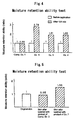

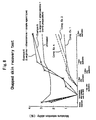

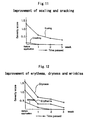

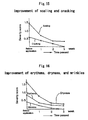

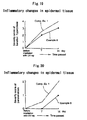

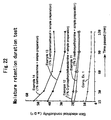
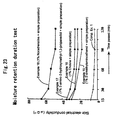
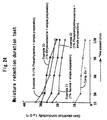


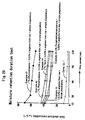


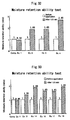

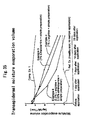


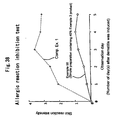

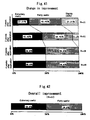
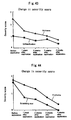


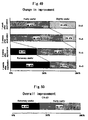
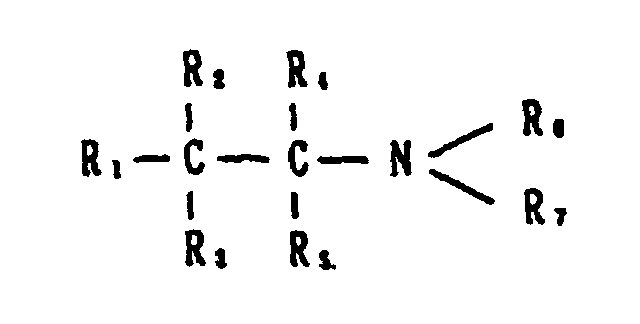
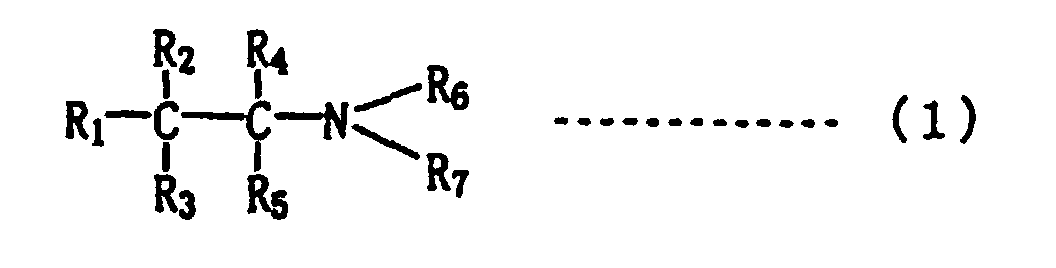

 (wherein, R1 represents a hydroxyl group, lower alkoxy group that may optionally have a substitution group, phosphoryloxy group, aryl group, amino group, sulfonic acid group, phosphatidyloxy group, lower alkyl group substituted with a hydroxyl group or amino group or lower alkyl group substituted with a guanidino group;R2, R3, R4 and R5 respectively and independently represent a hydrogen atom, lower alkyl group that may optionally be substituted with a hydroxyl group, aryl group that may optionally be substituted with a hydroxyl group, carboxyl group, or R4 and R5 represent groups, together with an adjacent carbon atom, form a carbonyl group;R6 and R7 respectively and independently represent a hydrogen atom, lower alkyl group that may optionally be substituted with a hydroxyl group, lower alkylcarbonyl group, aryl group, aralkyl group, or R6 and R2 represent alkylene groups, which may optionally have a substitution group, that together form a five-member ring with an adjacent hydrogen atom; and, nitrogen atoms in the formula may be in a quaternary form with a lower alkyl group).