EP1090995A2 - Mycoplasma hyopneumoniae Antigen MHP3, dafür kodierendes Gen und Ihre Verwendungen - Google Patents
Mycoplasma hyopneumoniae Antigen MHP3, dafür kodierendes Gen und Ihre Verwendungen Download PDFInfo
- Publication number
- EP1090995A2 EP1090995A2 EP00308421A EP00308421A EP1090995A2 EP 1090995 A2 EP1090995 A2 EP 1090995A2 EP 00308421 A EP00308421 A EP 00308421A EP 00308421 A EP00308421 A EP 00308421A EP 1090995 A2 EP1090995 A2 EP 1090995A2
- Authority
- EP
- European Patent Office
- Prior art keywords
- protein
- seq
- dna
- mhp3
- hyopneumoniae
- Prior art date
- Legal status (The legal status is an assumption and is not a legal conclusion. Google has not performed a legal analysis and makes no representation as to the accuracy of the status listed.)
- Granted
Links
Images

Classifications
-
- A—HUMAN NECESSITIES
- A61—MEDICAL OR VETERINARY SCIENCE; HYGIENE
- A61K—PREPARATIONS FOR MEDICAL, DENTAL OR TOILETRY PURPOSES
- A61K39/00—Medicinal preparations containing antigens or antibodies
- A61K39/02—Bacterial antigens
- A61K39/0241—Mollicutes, e.g. Mycoplasma, Erysipelothrix
-
- A—HUMAN NECESSITIES
- A61—MEDICAL OR VETERINARY SCIENCE; HYGIENE
- A61P—SPECIFIC THERAPEUTIC ACTIVITY OF CHEMICAL COMPOUNDS OR MEDICINAL PREPARATIONS
- A61P31/00—Antiinfectives, i.e. antibiotics, antiseptics, chemotherapeutics
- A61P31/04—Antibacterial agents
-
- A—HUMAN NECESSITIES
- A61—MEDICAL OR VETERINARY SCIENCE; HYGIENE
- A61P—SPECIFIC THERAPEUTIC ACTIVITY OF CHEMICAL COMPOUNDS OR MEDICINAL PREPARATIONS
- A61P37/00—Drugs for immunological or allergic disorders
- A61P37/02—Immunomodulators
- A61P37/04—Immunostimulants
-
- C—CHEMISTRY; METALLURGY
- C07—ORGANIC CHEMISTRY
- C07K—PEPTIDES
- C07K14/00—Peptides having more than 20 amino acids; Gastrins; Somatostatins; Melanotropins; Derivatives thereof
- C07K14/195—Peptides having more than 20 amino acids; Gastrins; Somatostatins; Melanotropins; Derivatives thereof from bacteria
- C07K14/30—Peptides having more than 20 amino acids; Gastrins; Somatostatins; Melanotropins; Derivatives thereof from bacteria from Mycoplasmatales, e.g. Pleuropneumonia-like organisms [PPLO]
-
- C—CHEMISTRY; METALLURGY
- C07—ORGANIC CHEMISTRY
- C07K—PEPTIDES
- C07K14/00—Peptides having more than 20 amino acids; Gastrins; Somatostatins; Melanotropins; Derivatives thereof
- C07K14/195—Peptides having more than 20 amino acids; Gastrins; Somatostatins; Melanotropins; Derivatives thereof from bacteria
- C07K14/35—Peptides having more than 20 amino acids; Gastrins; Somatostatins; Melanotropins; Derivatives thereof from bacteria from Mycobacteriaceae (F)
-
- A—HUMAN NECESSITIES
- A61—MEDICAL OR VETERINARY SCIENCE; HYGIENE
- A61K—PREPARATIONS FOR MEDICAL, DENTAL OR TOILETRY PURPOSES
- A61K39/00—Medicinal preparations containing antigens or antibodies
- A61K2039/51—Medicinal preparations containing antigens or antibodies comprising whole cells, viruses or DNA/RNA
- A61K2039/53—DNA (RNA) vaccination
-
- C—CHEMISTRY; METALLURGY
- C07—ORGANIC CHEMISTRY
- C07K—PEPTIDES
- C07K2319/00—Fusion polypeptide
Definitions
- the mhp3 gene codes for a protein of Mycoplasma hyopneumoniae.
- the present invention relates to nucleotides and proteins of mhp3.
- the present invention further relates to novel apoprotein antigens encoded by mhp3 for use in vaccines to prevent and treat diseases caused by infection with Mycoplasma hyopneumoniae, and methods for the recombinant production of such antigens.
- Mycoplasma hyopneumoniae ( M. hyopneumoniae ) is a bacterial pathogen that causes enzootic mycoplasmal pneumonia of swine. Enzootic mycoplasmal pneumonia is a chronic disease that results in poor food conversion, stunted growth and predisposition to secondary pulmonary infections. M. hyopneumoniae is easily transmitted through respiratory tract secretions and by sow-to-piglet transmission, and is highly prevalent on pig farms. Approximately 99% of US swine herds are infected, costing the swine industry about $300 million annually according to a 1991 estimate.
- M. hyopneumoniae There are no simple tests for the detection of M. hyopneumoniae, nor are there effective measures against infection. Testing for the detection of M. hyopneumoniae has been hampered by the cross reactivity of antibodies directed against M. hyopneumoniae to other porcine mycoplasma species. The vaccine field for the most part has been dependent on adjuvanted membrane or whole cell preparations of M. hyopneumoniae which have not elicited significant immune responses. Additionally, cloning and recombinant expression of M. hyopneumoniae genes has failed to produce proteins that are sufficiently protective for commercial use in vaccines.
- enzootic mycoplasmal pneumonia Due to the lack of suitable vaccines, enzootic mycoplasmal pneumonia has largely been contained by early detection and isolation of infected animals. Treatment of M. hyopneumoniae infected animals with antibiotics has met with limited success in curtailing the course of infection.
- the partial peptide sequence of the 60-64 kilodalton antigen of WO 96/28472 has significant homology to a protein called P102 (see below).
- the antigen has significant homology to a 64 kilodalton antigen disclosed by Faulds (U.S. Patent No. 5,252,328).
- the 72-75 kilodalton antigen of WO 96/28472 corresponds to a 65 kilodalton protein disclosed by Wise and Kim (1987, J. Bacteriol., 169:5546-5555 and U.S. Patent No. 5,788,962) and will be referred to hereinafter as P65.
- the 52-54 kilodalton antigen may correspond to the 50 kilodalton integral membrane protein described by Wise and Kim (1987, J. Bacteriol., 169:5546-5555) and/or the 52 kilodalton protein species disclosed in Faulds (U.S. Patent No. 5,252,328).
- the 52-54 kilodalton antigen is termed hereinafter MHP3.
- WO 96/28472 discloses the sequences of the amino terminus of the mature protein and of an internal cyanogen bromide fragment.
- the 90-94 kilodalton antigen of WO 96/28472 may correspond to the adhesin p97 as disclosed by Hsu et al., which is described below.
- WO 96/28472 further discloses the results of vaccine trials using the 60-64 kilodalton antigen, P46 or a combination of P65 and Mhp3. The vaccinations elicited significant protection from M. hyopneumoniae infection.
- International Patent Publication WO 91/15593 discloses five proteins of M. hyopneumoniae of apparent molecular weights of 105, 90, 85, 70 and 43 kilodaltons. A full length sequence of the gene encoding 85 kilodalton protein (protein C) was provided, as were partial nucleotide sequences encoding the other four proteins. Vaccine trials using protein C afforded the test animals 'significant' protection against M. hyopneumoniae.
- U.S. Patent No. 5,252,328 to Faulds discloses amino terminal sequences of immunoreactive M. hyopneumoniae proteins, the molecular weights of which are 36, 41, 44, 48, 64, 68, 74.5, 79, 88.5, 96 and 121 kilodaltons. Other proteins identified based on the electrophoretic mobilities but for which no protein sequences were disclosed had apparent molecular weights of 22.5, 34 and 52 kilodaltons. While U.S. Patent No. 5,252,328 proposed the use of these proteins in vaccine formulations, no results of vaccine trials were reported.
- WO 95/09870 discloses biochemical methods for the purification of M. hyopneumoniae adhesins, the mycoplasmal integral membrane proteins responsible for adhesion to the cilia of the host's upper respiratory epithelium. WO 95/09870 also proposes assays and uses for these proteins, for example in vaccines and diagnostics. However, no cloning of adhesin genes was reported until a gene termed p97 was cloned and its product, hereinafter "P97", shown to play a role in the organism's ability to bind to ciliated cells within the respiratory tract of M.
- P97 p97
- hyopneumoniae -infected swine Hsu et al., 1997, J. Bacteriol. 179:1317-1323.
- attempts to vaccinate pigs against M. hyopneumoniae using an GST-Mhp1 fusion protein did not result in statistically significant protection against enzootic mycoplasmal pneumonia.
- a 94 kilodalton variant of P97 was identified by Wilton et al. (1998, Microbiology 144:1931-1943).
- the p97 gene was shown to be part of an operon that also encodes a second protein, termed P102, of a predicted molecular weight of approximately 102 kilodaltons (Hsu et al., 1998, Gene 214:13-23). Minion and Hsu suggest the use of P102 in vaccines in the international patent publication WO 99/26664 but do not report vaccine trials.
- the present invention encompasses nucleotides and proteins of the M. hyopneumoniae mhp3 gene.
- the present invention also encompasses novel apoprotein antigens encoded by the mhp3 gene for use in vaccines to prevent and treat diseases caused by infection with M. hyopneumoniae. Methods for the recombinant production of apo-Mhp3 are also provided.
- the invention provides a vaccine formulation comprising a polypeptide comprising an amino acid sequence as set forth to SEQ ID NO:2, or any fragment thereof that consists of at least 10, at least 20, at least 30, at least 40, at least 50 or at least 100 contiguous amino acids, and a pharmaceutically acceptable carrier.
- the vaccine further comprises at least one other immunogenic or antigenic polypeptide, which other polypeptide can be viral, bacterial or parasitic in origin.
- the vaccine further comprises at least one polypeptide selected from the group consisting of M. hyopneumoniae P46, P65, P97 and P102 proteins and fragments, variants and derivatives thereof.
- the invention provides a vaccine formulation comprising an antigenic or immunogenic polypeptide comprising an amino acid sequence corresponding to SEQ ID NO:4, or any derivative, variant or fragment thereof, and a pharmaceutically acceptable carrier.
- the antigenic or immunogenic polypeptide is expressed as a thioredoxin fusion protein, preferably by cloning into the expression vector pBAD/Thio-TOPO, and produced by an E. coli BL21 strain.
- the vaccine further comprises at least one polypeptide selected from the group consisting of M. hyopneumoniae P46, P65, P97 and P102 and fragments, variants and derivatives thereof.
- the invention provides a method of treating or preventing a disease or disorder in an animal caused by infection with M. hyopneumoniae comprising administering to the subject a vaccine formulation comprising an antigenic or immunogenic polypeptide comprising an amino acid sequence corresponding to SEQ ID NO:2, or any apo derivative, variant or fragment thereof, and a pharmaceutically acceptable carrier, in an amount sufficient to elicit an increase in M. hyopneumoniae specific cellular or humoral responses.
- the amino acid sequence is as set forth in SEQ ID NO:4.
- the animal is a pig.
- kits for the detection of M. hyopneumoniae In one embodiment, the kit provides reagents for the detection of circulating antibodies against M. hyopneumoniae Mhp3 protein. In another embodiment, the kit provides reagents for the detection of M. hyopneumoniae nucleic acids, either by polymerase chain reaction (PCR) or by hybridization methods.
- PCR polymerase chain reaction
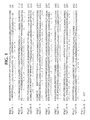
- FIG. 1 is a Clustal W (1.7) sequence alignment between Mhp3 from M. hyopneumoniae (SEQ ID NO:2) and Ag234-5 (SEQ ID NO:41), originally thought to originate from M. arginini but later shown to be derived from M. hyorhinis. Amino acid identity is depicted by asterisks (*), highly conservative substitutions are indicated by colons (:), and conservative substitutions indicated by periods (.). Overall, the two proteins share 36.2% amino acid identity.
- FIG. 2 is a Western blot demonstrating reactivity of antibodies from a pig experimentally challenged with M. hyopneumoniae against protein extracts from M. hyopneumoniae, M. hyorhinis, or M. mycoides, or against purified recombinant Mhp3.
- recombinant mhp3 refers to a nucleic acid encoding the Mhp3 antigen in the universal genetic code.
- M. hyopneumoniae mhp3 refers to a nucleic acid encoding the Mhp3 antigen in the M. hyopneumoniae genetic code.
- the codon TGA indicates a tryptophan residue rather than a translational stop codon.
- the recombinant mhp3 gene differs from M. hyopneumoniae mhp3 by having TGG codons instead of TGA codons.
- Mhp3 refers to a protein encoded by an mhp3 gene.
- apoprotein indicates a protein that is lacking a lipid moiety, for example by deletion or mutation of the amino acid that would function as an acceptor of said lipid moiety.
- ORF indicates "open reading frame", i.e. the coding region of a gene.
- Percentage of sequence identity for nucleic acids and polypeptides is determined by comparing two optimally aligned sequences over a comparison window, wherein optimal alignment provides the highest order match and may introduce additions or deletions to the test or reference sequence.
- the percentage identity is determined by calculating the percentage of amino acids that are identical in the test and reference sequence at a given position.
- Optimal sequence alignment and percentage identity may be determined manually, or more preferably by a computer algorithm including but not limited to TBLASTN, BLASTP, FASTA, TFASTA, GAP, BESTFIT, and CLUSTALW (Altschul et al., 1990, J. Mol. Biol. 215(3):403-10; Pearson and Lipman, 1988, Proc. Natl. Acad. Sci.
- NCBI Blast Server http://www.ncbi.nlm.nih.gov set at the default parameters is used to determine the percentage of sequence identity.
- heterologous when herein used to describe a promoter, indicates that the promoter is not native to the open reading frame whose expression it controls.
- isolated protein indicates a composition of proteins in which the isolated protein comprises at least 50% by weight. More preferably, the composition comprises about 95%, and most preferably 99% by weight of the isolated protein.
- recovered in a soluble form indicates that a protein or polypeptide is retrieved from the cytoplasm of the cell that expresses said protein or polypeptide.
- recovered in an insoluble form indicates that a protein or polypeptide is retrieved from inclusion bodies present in the cell that expresses said protein or polypeptide.
- the term "functionally equivalent”, as utilized herein, refers to a protein capable of being recognized by an antibody specific to Mhp3, that is a protein capable of eliciting a substantially similar immunological response as the endogenous Mhp3 protein. Thus, an antibody raised against a functionally equivalent protein will also recognize Mhp3.
- immunogenicity refers to the capability of a protein or polypeptide to elicit an immune response directed specifically against the protein or polypeptide.
- antigenicity refers to the capability of a protein or polypeptide to be immunospecifically bound by an antibody to the protein or polypeptide.
- protection means that the vaccine prevents or reduces the symptoms of the disease caused by the organism from which the antigen(s) used in the vaccine is derived.
- antibody refers to an immunoglobulin molecule able to bind to an antigen.
- Antibodies can be a polyclonal mixture or monoclonal.
- Antibodies can be intact immunoglobulins derived from natural sources or from recombinant sources and can be immunoreactive portions of intact immunoglobulins.
- Antibodies may exist in a variety of forms including, for example, Fv, Fab', F(ab') 2 , as well as in single chains. Single chain antibodies, in which genes for a heavy chain and a light chain are combined into a single coding sequence, may also be used.
- the term "effective amount” refers to an amount of mhp3 nucleotide or Mhp3 polypeptide sufficient to elicit an immune response in the subject to which it is administered.
- the immune response may comprise, without limitation, induction of cellular and/or humoral immunity.
- treating or preventing M. hyopneumoniae infection means to inhibit the replication of M. hyopneumoniae bacteria, to inhibit M. hyopneumoniae transmission, or to prevent M. hyopneumoniae from establishing itself in its host, and to alleviate the symptoms of the disease caused by M. hyopneumoniae infection.
- the treatment is considered therapeutic if there is a reduction in bacterial load, decrease in pulmonary infections and/or increase in food uptake and/or growth.
- pharmaceutically acceptable carrier refers to a carrier medium that does not interfere with the effectiveness of the biological activity of the active ingredient, is chemically inert and is not toxic to the subject to whom it is administered.
- therapeutic agent refers to any molecule, compound or treatment, preferably an antibacterial, that assists in the treatment of a bacterial infection or the diseases caused thereby.
- M. hyopneumoniae gene encoding Mhp3, which is believed to be attached to the plasma membrane of M. hyopneumoniae by virtue of a lipid chain covalently attached to the protein.
- the invention provides recombinant means of expressing Mhp3 proteins that lack a signal sequence and the necessary signal for lipid modification, thus allowing for efficient and high yield expression of Mhp3 for use in vaccines against and treatments for diseases caused by infection with M. hyopneumoniae.
- the present invention thus encompasses proteins encoded by and nucleotide sequences of M. hyopneumoniae mhp3.
- the invention further encompasses nucleic acids encoding such proteins in the universal genetic code which are suitable for the expression of such proteins in eubacterial and eukaryotic hosts, such as E. coli and baculovirus, respectively.
- the invention further encompasses proteins having a sequence comprising at least 10, at least 20, at least 30, at least 40, at least 50 or at least 100 contiguous amino acids of SEQ ID NO:4 and nucleic acids encoding such proteins in the universal genetic code.
- the invention further encompasses methods for the treatment of diseases caused by M. hyopneumoniae using the proteins and/or antibodies of the invention.
- the invention further encompasses vaccine formulations comprising Mhp3 proteins.
- the vaccine formulations comprise isolated proteins selected from the group consisting of P46, P65, P97 and P102 and fragments, variants and derivatives thereof.
- NUCLEOTIDE SEQUENCES OF mhp3
- the present invention encompasses nucleotide sequences of the mhp3 gene and include those nucleotide sequences that encode species variants of Mhp3 as may be found in other M. hyopneumoniae species.
- a preferred embodiment of the invention encompasses the nucleotide sequences encoding an amino truncated form of the Mhp3 protein that is not modified by the covalent addition of fatty acid chains and is therefore not membrane localized.
- the 5' deletion of mhp3 corresponding to the amino terminal of Mhp3 encompasses the nucleotide sequences encoding amino acids 2-29 of Mhp3.
- the 5' deletion of mhp3 corresponds to the first 30, 31-32 or 33-40 amino acids.
- the invention provides an isolated or purified DNA encoding in the mycoplasmal genetic code a protein having an amino acid sequence comprising least 10, at least 20, at least 30, at least 40, at least 50 or at least 100 contiguous amino acids of SEQ ID NO:2, or its complement.
- the invention also provides a DNA having a sequence comprising at least 90 contiguous nucleotides of SEQ ID NO:1, or its complement.
- the invention further provides a DNA encoding in the universal genetic code a protein having an amino acid sequence comprising at least 10, at least 20, at least 30, at least 40, at least 50 or at least 100 contiguous amino acids of SEQ ID NO:4, or its complement.
- the invention further provides a DNA having the sequence of SEQ ID NO:3.
- the invention further provides an isolated DNA comprising a fragment of 15-40 nucleotides, which fragment hybridizes under stringent conditions for PCR (as described below) to a DNA encoding in the mycoplasmal genetic code a protein having a sequence of at least 5 contiguous amino acids of SEQ ID NO:2, or its complement.
- the hybridization is specific to M. hyopneumoniae.
- the term "hybridization specific to M. hyopneumoniae" indicates selective hybridization to the M. hyopneumoniae genome but not to genomes from related mycoplasmal species, such as M. hyorhinis, M. flocculare, M. mycoides, etc.
- the invention further provides an isolated DNA comprising a fragment of at least 90 nucleotides, which fragment hybridizes under conditions of high stringency for filter hybridization (as described below) to a DNA encoding in the mycoplasmal genetic code a protein having a sequence of at least 30 contiguous amino acids of SEQ ID NO:2, or its complement.
- a nucleic acid which is hybridizable to a mhp3 nucleic acid (e.g., having a sequence as set forth in SEQ ID NO:1, SEQ ID NO:3 or SEQ ID NO:5), or to its complement, or to a nucleic acid encoding a mhp3 derivative or analog, or to its complement, under conditions of low stringency is provided.
- procedures using such conditions of low stringency for regions of hybridization of over 90 nucleotides are as follows (see also Shilo and Weinberg, 1981, Proc. Natl. Acad. Sci. U.S.A. 78, 6789-6792).
- Filters containing DNA are pretreated for 6 h at 40°C in a solution containing 35% formamide, 5X SSC, 50 mM Tris-HCI (pH 7.5), 5 mM EDTA, 0.1% PVP, 0.1% Ficoll, 1 % BSA, and 500 ⁇ g/mL denatured salmon sperm DNA.
- Hybridizations are carried out in the same solution with the following modifications: 0.02% PVP, 0.02% Ficoll, 0.2% BSA, 100 ⁇ g/mL salmon sperm DNA, 10% (wt/vol) dextran sulfate, and 5-20 X 10 6 cpm 32 P-labeled probe is used.
- Filters are incubated in hybridization mixture for 18-20 h at 40°C, and then washed for 1.5 h at 55°C in a solution containing 2X SSC, 25 mM Tris-HCI (pH 7.4), 5 mM EDTA, and 0.1% SDS. The wash solution is replaced with fresh solution and incubated an additional 1.5h at 60°C. Filters are blotted dry and exposed for autoradiography. If necessary, filters are washed for a third time at 65-68°C and re-exposed to film. Other conditions of low stringency which may be used are well known in the art ( e.g. , as employed for cross-species hybridizations).
- a nucleic acid which is hybridizable to a mhp3 nucleic acid, or its complement, under conditions of high stringency is provided.
- procedures using such conditions of high stringency for regions of hybridization of over 90 nucleotides are as follows. Prehybridization of filters containing DNA is carried out for 8 h to overnight at 65°C in buffer composed of 6X SSC, 50 mM Tris-HCI (pH 7.5), 1 mM EDTA, 0.02% PVP, 0.02% Ficoll, 0.02% BSA, and 500 pg/mL denatured salmon sperm DNA.
- Filters are hybridized for 48 h at 65°C in prehybridization mixture containing 100 pg/mL denatured salmon sperm DNA and 5-20 X 10 6 cpm of 32 P-labeled probe. Washing of filters is done at 37°C for 1 h in a solution containing 2X SSC, 0.01% PVP, 0.01% Ficoll, and 0.01% BSA. This is followed by a wash in 0.1X SSC at 50°C for 45 min before autoradiography.
- a nucleic acid which is hybridizable to a mhp3 nucleic acid, or its complement, under conditions of moderate stringency is provided. Selection of appropriate conditions for such stringencies is well known in the art (see e.g., Sambrook et al., 1989, Molecular Cloning, A Laboratory Manual, 2nd Ed., Cold Spring Harbor Laboratory Press, Cold Spring Harbor, New York; see also, Ausubel et al., eds., in the Current Protocols in Molecular Biology series of laboratory technique manuals, ⁇ 1987-1997, Current Protocols, ⁇ 1994-1997 John Wiley and Sons, Inc.).
- nucleic acids encoding derivatives and analogs of mhp3 -encoded proteins, and mhp3 antisense nucleic acids are additionally provided.
- a "nucleic acid encoding a fragment or portion of a mhp3 -encoded protein” shall be construed as referring to a nucleic acid encoding only the recited fragment or portion of the mhp3 -encoded protein and not the other contiguous portions of the mhp3-encoded protein as a continuous sequence.
- wash conditions are as follows. Each membrane is washed two times each for 30 minutes each at 45°C in 40 mM sodium phosphate, pH 7.2, 5% SDS, 1 mM EDTA, 0.5% bovine serum albumin, followed by four washes each for 30 minutes in sodium phosphate, pH 7.2, 1% SDS, 1 mM EDTA, and subsequently each membrane is treated differently as described below for low, medium, or high stringency hybridization conditions. For low stringency hybridization, membranes are not washed further.
- membranes are additionally subjected to four washes each for 30 minutes in 40 mM sodium phosphate, pH 7.2, 1% SDS, 1 mM EDTA at 55°C.
- membranes are additionally subjected to four washes each for 30 minutes in 40 mM sodium phosphate, pH 7.2, 1% SDS, 1 mM EDTA at 55°C, followed by four washes each for 30 minutes in sodium phosphate, pH 7.2, 1% SDS, 1 mM EDTA at 65°C.
- the present invention provides recombinant Mhp3 proteins.
- the protein has an amino acid sequence comprising at least 10, at least 20, at least 30, at least 40, at least 50 or at least 100 contiguous amino acids of SEQ ID NO:4 and is not covalently linked to a fatty acid moiety.
- the protein is an isolated protein.
- the present invention also provides compositions comprising such Mhp3 proteins.
- the compositions comprise an Mhp3 protein and a pharmaceutically acceptable carrier, and optionally also an adjuvant, and optionally also one or more other proteins of M. hyopneumoniae such as, but not limited to, P46, P65, P97 or P102.
- the composition comprises an Mhp3 protein and at least one other immunogenic or antigenic polypeptide which is not a M. hyopneumoniae polypeptide and is preferably a viral, bacterial or parasitic polypeptide.
- Such a composition is beneficial as a combination vaccine.
- the Mhp3 proteins of the present invention for use in vaccine preparations are substantially pure or homogenous. Methods which are well known to those skilled in the art can be used to determine protein purity or homogeneity, such as polyacrylamide gel electrophoresis of a sample, followed by visualizing a single polypeptide band on a staining gel. Higher resolution may be determined using HPLC or other similar methods well known in the art.
- the present invention encompasses polypeptides which are typically purified from host cells expressing recombinant nucleotide sequences encoding these proteins. Such protein purification can be accomplished by a variety of methods well known in the art.
- the Mhp3 protein of the present invention is expressed as a fusion protein, for example with thioredoxin.
- the resulting recombinant fusion protein may be purified by affinity chromatography.
- the Mhp3 protein is cleaved away from the heterologous moiety resulting in a substantially pure Mhp3 protein sample.
- Other methods may be used, see for example, the techniques described in "Methods In Enzymology", 1990, Academic Press, Inc., San Diego, "Protein Purification: Principles and practice", 1982, Springer-Verlag, New York.
- the present invention encompasses expression systems, both eukaryotic and prokaryotic expression vectors, which may be used to express both truncated and full-length forms of the mhp3 protein.
- the nucleic acid has the sequence of SEQ ID NO:3 and encodes a protein of SEQ ID NO:4, which includes residues 30-444 of SEQ ID NO:2.
- the TGA codons of M. hyopeumoniae have been changed to TGG codons.
- host-expression vector systems may be utilized to express the antigenic protein sequences of the invention.
- Such host-expression systems represent vehicles by which the coding sequences of interest may be produced and subsequently purified, but also represent cells which may, when transformed or transfected with the appropriate nucleotide coding sequences, exhibit the mhp3 gene products of the invention in situ.
- These include but are not limited to microorganisms such as bacteria (e.g., E. coli, B. subtilis) transformed with recombinant bacteriophage DNA, plasmid DNA or cosmid DNA expression vectors containing mhp3 coding sequences; yeast ( e.g.
- yeast expression vectors containing the mhp3 gene product coding sequences
- insect cell systems infected with recombinant virus expression vectors (e.g. , baculovirus) containing the mhp3 coding sequences
- plant cell systems infected with recombinant virus expression vectors e.g. , cauliflower mosaic virus, CaMV; tobacco mosaic virus, TMV
- recombinant plasmid expression vectors e.g. , Ti plasmid
- mammalian cell systems e.g.
- promoters derived from the genome of mammalian cells (e.g., metallothionein promoter) or from mammalian viruses (e.g., the adenovirus late promoter; the vaccinia virus 7.5K promoter).
- mammalian cells e.g., metallothionein promoter
- mammalian viruses e.g., the adenovirus late promoter; the vaccinia virus 7.5K promoter.
- the expression system is a bacterial system.
- a number of expression vectors may be advantageously selected depending upon the use intended for the mhp3 product being expressed. For example, when a large quantity of such a protein is to be produced, for the generation of pharmaceutical compositions of Mhp3 or for raising antibodies to Mhp3, for example, vectors which direct the expression of high levels of fusion protein products that are readily purified may be desirable.
- the vectors contain promoters that direct inducible gene expression. Suitable vectors include, but are not limited, to the E. coli expression vector pUR278 (Ruther et al., 1983, EMBO J.
- fusion proteins are soluble and can easily be purified from lysed cells by adsorption to glutathione-agarose beads followed by elution in the presence of free glutathione.
- the pGEX vectors are designed to include thrombin or factor Xa protease cleavage sites so that the cloned target gene product can be released from the GST moiety.
- the mhp3 sequences can be cloned into a ⁇ expression vector and expressed in ⁇ - bacterial strains.
- the bacterial strain is LW14, which contains a temperature sensitive ⁇ repressor, such that protein expression from a ⁇ vector is repressed at 30°C but active at 42°C.
- the protein Mhp3 is expressed as a thioredoxin fusion protein, which promotes the solubility of proteins that are normally insoluble.
- a thioredoxin-Mhp3 fusion protein is preferably expressed by ligating an Mhp3 coding sequence into the pBAD vector pBAD/ThioTOPO (Invitrogen Corporation, Carlsbad, California).
- the thioredoxin-Mhp3 fusion protein is expressed in the E. coli strain BL21.
- Other vectors can be used and are known to those skilled in the art.
- mhp3-encoded proteins and their derivatives and analogs may be used as immunogens to generate antibodies which immunospecifically bind such an immunogen.
- Mhp3 Various procedures known in the art may be used for the production of polyclonal antibodies to Mhp3.
- various host animals can be immunized by injection with the native Mhp3 protein, or a synthetic version, or derivative thereof, including but not limited to rabbits, mice, rats, etc.
- Various adjuvants may be used to increase the immunological response, depending on the host species (see, e.g. those used for the preparation of vaccines).
- any technique which provides for the production of antibody molecules by continuous cell lines in culture may be used.
- the hybridoma technique originally developed by Köhler and Milstein, (Köhler and Milstein 1975, Nature 256:495-497), as well as the trioma technique, the human B-cell hybridoma technique (Kozbor et al., 1983, Immunology Today 4:72), and the EBV-hybridoma technique to produce human monoclonal antibodies Colde et al., 1985, in Monoclonal Antibodies and Cancer Therapy, Alan R. Liss, Inc., pp. 77-96).
- monoclonal antibodies can be produced in germ-free animals utilizing recent technology (see e.g., PCT/US90/02545).
- human antibodies may be used and can be obtained by using human hybridomas (Cole et al., 1983, Proc. Natl. Acad. Sci. U.S.A. 80:2026-2030) or by transforming human B cells with EBV virus in vitro (Cole et al., 1985, in Monoclonal Antibodies and Cancer Therapy, Alan R. Liss, pp. 77-96).
- techniques developed for the production of "chimeric antibodies” (Morrison et al., 1984, Proc. Natl. Acad.
- Antibody fragments which contain the idiotype of the molecule can be generated by known techniques.
- such fragments include but are not limited to, the F(ab') 2 fragment which can be produced by pepsin digestion of the antibody molecule, the Fab' fragments which can be generated by reducing the disulfide bridges of the F(ab') 2 fragment, the Fab fragments which can be generated by treating the antibody molecule with papain and a reducing agent, and Fv fragments.
- screening for the desired antibody can be accomplished by techniques known in the art (e.g. , enzyme-linked immunosorbent assay or ELISA). For example, to select antibodies which recognize a specific domain of a mhp3 -encoded protein, one may assay generated hybridomas for a product which binds to a Mhp3 fragment containing such domain. For selection of an antibody that specifically binds a first Mhp3 homolog but which does not specifically bind a different Mhp3 homolog, one can select on the basis of positive binding to the first Mhp3 homolog and a lack of binding to the second Mhp3 homolog.
- Antibodies specific to a domain of a mhp3 -encoded protein are also provided.
- Antibodies specific to an epitope of a mhp3 -encoded protein are also provided.
- the foregoing antibodies can be used in methods known in the art relating to the localization and activity of the mhp3 -encoded protein sequences of the invention, e.g., measuring levels thereof in appropriate physiological samples, in diagnostic methods, immunotherapy, etc.
- kits for the detection of M. hyopneumoniae In one embodiment, the kit provides reagents for the detection of circulating antibodies against M. hyopneumoniae Mhp3 protein. In certain embodiments, the kits comprise a statement indicating that the kit is useful for diagnosis of M. hyopneumoniae infection. Minimally, the kit comprises in at least one container a protein having an amino acid sequence comprising at least 30 contiguous amino acids of SEQ ID NO:4. In one mode of the embodiment, the kit further comprises an anti-pig secondary antibody.
- the secondary antibody is conjugated to an enzyme that catalyzes a colorimetric reaction, such as alkaline phosphatase or horseradish peroxidase.
- a colorimetric reaction such as alkaline phosphatase or horseradish peroxidase.
- the kit further comprises reagents for a colorimetric assay.
- the kit provides reagents for the detection of M. hyopneumoniae nucleic acids.
- the kit provides reagents for the PCR detection of M. hyopneumoniae nucleic acids and comprises in at least one container a first isolated DNA comprising a fragment of at least 15 nucleotides, which fragment hybridizes under stringent conditions to a DNA encoding in the mycoplasmal genetic code a protein having a sequence of at least 5 contiguous amino acids of SEQ ID NO:2, and a second isolated DNA comprising a fragment of at least 15 nucleotides, which fragment hybridizes under stringent conditions to a DNA complementary to a DNA encoding in the mycoplasmal genetic code a protein having a sequence of at least 5 contiguous amino acids of SEQ ID NO:2.
- the kit provides reagents for hybridization-based methods for the detection of the M. hyopneumoniae genome and comprises in at least one container an isolated DNA comprising a fragment of at least 15 nucleotides, which fragment hybridizes under stringent conditions to a DNA encoding in the mycoplasmal genetic code a protein having a sequence of at least 5 contiguous amino acids of SEQ ID NO:2, or the complement of said DNA, and wherein the hybridization is specific to M. hyopneumoniae.
- the term "hybridization specific to M. hyopneumoniae” indicates selective hybridization to the M. hyopneumoniae genome but not to genomes from related mycoplasmal species, such as M. hyorhinis, M. flocculare, M. mycoides, etc.
- the Mhp3 protein antigen of the present invention can be produced in large amounts, the antigen thus produced and purified has use in vaccine preparations.
- the Mhp3 protein also has utility in immunoassays, e.g. , to detect or measure in a sample of body fluid from a vaccinated or potentially infected test animal the presence of antibodies to the antigen, and thus to monitor the immune response and/or to diagnose infection of the animal.
- immunoassays e.g. , to detect or measure in a sample of body fluid from a vaccinated or potentially infected test animal the presence of antibodies to the antigen, and thus to monitor the immune response and/or to diagnose infection of the animal.
- the preparation of vaccines containing an immunogenic polypeptide as the active ingredient is known to one skilled in the art.
- the immunopotency of the Mhp3 antigen can be determined by monitoring the immune response in test animals following immunization with the Mhp3 antigen, alone or in combination with at least one other polypeptide, or by use of any immunoassay known in the art.
- said other polypeptide is selected from the group consisting of M. hyopneumoniae P46, P65, P97 and P102 proteins.
- Generation of a humoral (antibody) response and/or cell-mediated immunity may be taken as an indication of an immune response.
- Methods of introducing the vaccine may include oral, intradermal, intramuscular, intraperitoneal, intravenous, subcutaneous, intranasal or any other standard routes of immunization.
- the immune response of the test subjects can be analyzed by various approaches such as: the reactivity of the resultant immune serum to the Mhp3 antigen, as assayed by known techniques, e.g., immunosorbant assay (ELISA), immunoblots, radioimmunoprecipitations, etc., or in the case where the Mhp3 antigen displays antigenicity or immunogenicity, by protection of the immunized host from infection by M. hyopneumoniae and/or attenuation of symptoms due to infection by M. hyopneumoniae in the immunized host.
- ELISA immunosorbant assay
- the vaccines of the invention comprise recombinant Mhp3 and/or fragments, variants and derivatives thereof.
- the vaccines of the inventions comprise Mhp3 and at least one other antigenic M. hyopneumoniae polypeptide.
- Suitable antigenic polypeptides for use in combination with Mhp3 include but are not limited to the P46, P65, P97 and P102 proteins and/or fragments, variants and derivatives of said polypeptides.
- the non-Mhp3 polypeptides of the vaccines such as the P46, P65, P97 and P102 proteins and their fragments, variants and derivatives, may be purified from M. hyopneumoniae cultures or recombinantly expressed.
- Suitable preparations of such vaccines further include injectables, either as liquid solutions or suspensions; solid forms suitable for solution in, or suspension in, liquid prior to injection, may also be prepared.
- the preparation may also be emulsified.
- the active immunogenic ingredients are often mixed with adjuvants which are pharmaceutically acceptable and compatible with the active ingredient.
- effective adjuvants include, but are not limited to: aluminum hydroxide, N-acetyl-muramyl-L-threonyl-D-isoglutamine (thr-MDP), N-acetyl-nor-muramyl-L-alanyl-D-isoglutamine, N-acetylmuramyl-L-alanyl-D-isoglutaminyl-L-alanine-2-(1'-2'-dipalmitoyl-sn-glycero-3-hydroxyphosphoryloxy)-ethylamine.
- thr-MDP N-acetyl-muramyl-L-threonyl-D-isoglutamine
- thr-MDP N-acetyl-nor-muramyl-L-alanyl-D-isoglutamine
- the effectiveness of an adjuvant may be determined by measuring the induction of antibodies directed against an immunogenic polypeptide containing a Mhp3 polypeptide epitope, the antibodies resulting from administration of this polypeptide in vaccines which are also comprised of the various adjuvants.
- the polypeptides may be formulated into the vaccine as neutral or salt forms.
- Pharmaceutically acceptable salts include the acid addition salts (formed with free amino groups of the peptide) and which are formed with inorganic acids, such as, for example, hydrochloric or phosphoric acids, or organic acids such as acetic, oxalic, tartaric, maleic, and the like. Salts formed with free carboxyl groups may also be derived from inorganic bases, such as, for example, sodium, potassium, ammonium, calcium, or ferric hydroxides, and such organic bases as isopropylamine, trimethylamine, 2-ethylamino ethanol, histidine, procaine and the like.
- vaccine formulations of the invention include but are not limited to oral, intradermal, intramuscular, intraperitoneal, subcutaneous, intranasal routes, and via scarification (scratching through the top layers of skin, e.g. , using a bifurcated needle).
- the subject to which the vaccine is administered is preferably an animal, most preferably a pig.
- the vaccine formulations of the invention comprise an effective immunizing amount of the Mhp3 protein and a pharmaceutically acceptable carrier.
- Vaccine preparations comprise an effective immunizing amount of one or more antigens and a pharmaceutically acceptable carrier.
- Pharmaceutically acceptable carriers are well known in the art and include but are not limited to saline, buffered saline, dextrose, water, glycerol, sterile isotonic aqueous buffer, and combinations thereof.
- One example of such an acceptable carrier is a physiologically balanced culture medium containing one or more stabilizing agents such as stabilized, hydrolyzed proteins, lactose, etc.
- the carrier is preferably sterile.
- the formulation should suit the mode of administration.
- a lyophilized Mhp3 polypeptide of the invention is provided in a first container; a second container comprises diluent consisting of an aqueous solution of 50% glycerin, 0.25% phenol, and an antiseptic (e.g., 0.005% brilliant green).
- diluent consisting of an aqueous solution of 50% glycerin, 0.25% phenol, and an antiseptic (e.g., 0.005% brilliant green).
- purified antigens as vaccine preparations can be carried out by standard methods.
- the purified protein(s) should be adjusted to an appropriate concentration, formulated with any suitable vaccine adjuvant and packaged for use.
- suitable adjuvants may include, but are not limited to: mineral gels, e.g., aluminum hydroxide; surface active substances such as lysolecithin; glycosides, e.g. , saponin derivatives such as Quil A; pluronic polyols; polyanions; non-ionic block polymers, e.g. , Pluronic F-127 (B.A.S.F., USA); peptides; mineral oils, e.g.
- Montanide ISA-50 (Seppic, Paris, France), oil emulsions, e.g. an emulsion of mineral oil such as BayolF/Arlacel A and water, or an emulsion of vegetable oil, water and an emulsifier such as lecithin; alum, and MDP.
- the immunogen may also be incorporated into liposomes, or conjugated to polysaccharides and/or other polymers for use in a vaccine formulation.
- the recombinant antigen is a hapten, i.e.
- the hapten may be covalently bound to a carrier or immunogenic molecule; for instance, a large protein such as serum albumin will confer immunogenicity to the hapten coupled to it.
- the hapten-carrier may be formulated for use as a vaccine.
- Effective doses (immunizing amounts) of the vaccines of the invention may also be extrapolated from dose-response curves derived from model test systems.
- the invention also provides a pharmaceutical pack or kit comprising one or more containers comprising one or more of the ingredients of the vaccine formulations of the invention.
- the present invention thus provides a method of immunizing an animal, or treating or preventing various diseases or disorders in an animal, comprising administering to the animal an effective immunizing dose of a vaccine of the present invention.
- the antibodies generated against the antigen by immunization with the Mhp3 proteins of the present invention also have potential uses in diagnostic immunoassays, passive immunotherapy, and generation of antiidiotypic antibodies.
- the generated antibodies may be isolated by standard techniques known in the art (e.g., immunoaffinity chromatography, centrifugation, precipitation, etc. ) and used in diagnostic immunoassays.
- the antibodies may also be used to monitor treatment and/or disease progression.
- Any immunoassay system known in the art, such as those listed supra, may be used for this purpose including but not limited to competitive and noncompetitive assay systems using techniques such as radioimmunoassays, ELISA (enzyme-linked immunosorbent assays), "sandwich” immunoassays, precipitin reactions, gel diffusion precipitin reactions, immunodiffusion assays, agglutination assays, complement-fixation assays, immunoradiometric assays, fluorescent immunoassays, protein A immunoassays and immunoelectrophoresis assays, to name but a few.
- the vaccine formulations of the present invention can also be used to produce antibodies for use in passive immunotherapy, in which short-term protection of a host is achieved by the administration of pre-formed antibody directed against a heterologous organism.
- the amount of immunogen to be used and the immunization schedule will be determined by a physician skilled in the art and will be administered by reference to the immune response and antibody titers of the subject.
- compositions may, if desired, be presented in a pack or dispenser device which may contain one or more unit dosage forms containing the active ingredient.
- the pack may for example comprise metal or plastic foil, such as a blister pack.
- the pack or dispenser device may be accompanied by instructions for administration.
- Compositions comprising a compound of the invention formulated in a compatible pharmaceutical carrier may also be prepared, placed in an appropriate container, and labeled for treatment of an indicated condition.
- Genomic DNA from M. hyopneumoniae was isolated by the method of Dybvig and Alderete (Plasmid, 20:33-41; 1988), in which cells were harvested by centrifugation (10 min. at 6000g at 4°C), suspended in phosphate-buffered saline, and lysed by addition of 0.1 volume 10% sodium dodecyl sulfate. The lysate was extracted with a mixture of phenol, chloroform, and isoamyl alcohol (25:24:1) saturated with Tris-HCI. The aqueous phase was extracted with chloroform, and nucleic acids precipitated by the addition of 0.1 volume of 3M sodium acetate and 2 volumes of ice-cold ethanol.
- nucleic acids After incubation at -20°C for 1 hr, nucleic acids were recovered by centrifugation for 10 min in a microcentrifuge. Nucleic acids were resuspended in water containing 20 ⁇ g of RNase A/ml, and samples were stored at -20°C.
- oligonucleotide primers KWK40, KWK41, KWK42, KWK43, KWK42RC, and KWK43RC were designed and synthesized (Genosys Biotechnologies, Inc.; The Woodlands, TX) based upon previously identified partial amino acid sequences (SEQ ID NOs:7-9) of Mhp3 (International patent publication WO 96/28472).
- PCR polymerase chain reaction
- the fragment was subcloned into the TA cloning site of pCR2.1-TOPO (Invitrogen; Carlsbad, CA); the ligated product was transformed into E. coli TOP10 cells (Invitrogen). Cloning was confirmed by dideoxynucleotide chain termination sequencing (Advanced Genetic Analysis Center; St. Paul, MN) and restriction endonuclease digestion followed by agarose gel electrophoresis.
- chromosomal DNA fragments were generated by singly digesting uncut DNA with the following restriction endonucleases: Alu l, Bam HI , Eco RV, Eco RI, Hae III, Hinc II , Hind III, Nd eI , Pvu II, Sau 3Al, Spe I, Ssp I, Xba l. Following digestion, the fragments were circularized by ligation and subjected to PCR using oligonucleotide primers RAC3 (SEQ ID NO:16) and RAC4 (SEQ ID NO:17), which were designed based upon sequence from the 250 bp fragment described above.
- RAC3 SEQ ID NO:16
- RAC4 SEQ ID NO:17
- Amplification with these primers was carried out as follows: denaturation at 94°C for 2 min, followed by 40 cycles of denaturation (94°C, 1 min), annealing (55°C, 1 min), and polymerization (72°C, 2 min).
- the Sspl-digested chromosomal DNA pool yielded an approximate 600 bp fragment which was subcloned into pCR2.1-TOPO. Sequence analysis of the cloned fragment identified the 5' end of the gene. Oligonucleotides RAC7 (SEQ ID NO:18) and RAC8 (SEQ ID NO:19) were designed based upon this sequence in order to obtain further sequence corresponding to the 3' end of mhp3.
- oligonucleotides RAC12 SEQ ID NO:20
- RAC15 SEQ ID NO:23
- Parameters consisted of denaturation at 94°C for 9 min, followed by 40 cycles of denaturation (94°C, 30 sec), annealing (55°C, 30 sec), and polymerization (72°C, 2 min), plus a final polymerization step at 72°C for 7 min.
- a fragment approximately 600 bp in length was amplified, cloned into pCR2.1-TOPO, and sequenced. Data obtained provided additional 3' sequence within the gene encoding Mhp3.
- Synthetic oligonucleotides which flank the mhp3 gene were used to specifically amplify the open reading frame (ORF) from chromosomal DNA.
- PCR amplifications were carried out in triplicate and contained 1 ⁇ M each primer Mhp3-U1 (SEQ ID NO:31) and Mhp3-D (SEQ ID NO:33), 360 ng purified chromosomal DNA, 1x PC2 buffer (Ab Peptides, Inc; St. Louis, MO), 200 ⁇ M each dNTP, 7.5 U Klen Taq 1 (Ab Peptides, Inc) and 0.15 U cloned Pfu (Stratagene; La Jolla, CA) thermostable polymerase in a 50 pL final sample volume.
- Conditions for amplification consisted of denaturation at 94°C for 5 min, followed by 25 cycles of denaturation (94°C, 30 sec), annealing (55°C, 30 sec), and polymerization (72°C; 3 min, 45 sec), plus a final extension at 72°C for 7 min.
- the triplicate sample was pooled and the specific product was purified by extraction with spin chromatography (QIAquickTM PCR purification kit, Qiagen; Santa Clarita, CA). The pooled mixture was then subjected to direct sequence analysis using DyeDeoxy termination reactions on an ABI automated DNA sequencer (Lark Technologies Inc., Houston, TX).
- Synthetic oligonucleotide primers (SEQ ID NOs:16-28, 31, and 33) were used to sequence both DNA strands of the amplified products from M. hyopneumoniae strain 232.
- the nucleotide sequence of the mhp3 gene and deduced Mhp3 protein encoded within this region is presented in SEQ ID NO:1 and Seq ID No 2, respectively.
- the mhp3 ORF extends from nucleotides 97-1452 of SEQ ID NO:1, and encodes a 451 amino acid protein (SEQ ID NO: 2) having a theoretical molecular weight of 49,775 daltons.
- the encoded polypeptide would contain 8 tryptophan residues, 7 of which are encoded by the TGA codon (UGA in mRNA), known to specify for the addition of this amino acid in many mycoplasma spp. (Dybvig, K., 1990. Ann. Rev. Microbiol. 44:81-104; Yamao, F., Muto, A., Kawauchi, Y., 1985, Proc. Natl. Acad. Sci. U.S.A. 82:2306-2309).
- the amino terminus of the encoded protein appears to have properties characteristic of a prokaryotic signal sequence (von Heijne, G., 1985. J. Mol. Biol. 184: 99-105; Nielsen, H., Engelbrecht, J., Brunak, S., and von Heijne, G., 1997. Protein Engineering, 10: 1-6), although the precise site of cleavage is not presently known.
- the cysteine residue at position 29 of the encoded protein (SEQ ID NO: 2) is believed to be modified following processing by the addition of a sulfhydryl-linked fatty acid to make Mhp3 a lipoprotein (Razin, S., Yogev, D., and Naot, Y. 1998. Microbiol. Mol. Biol. Rev. 62:1094-1156).
- ORF1 an additional ORF is also encoded by the DNA fragment represented in SEQ ID NO:5.
- This ORF is present on the opposite strand from gene mhp3 and extends from nucleotide 602 to nucleotide 1 of SEQ ID NO:1 .
- This predicted ORF encodes a protein of at least 200 amino acids, designated "ORF1" and presented as SEQ ID NO:6, that has a theoretical molecular weight of 22,528 daltons.
- ORF1 a protein of at least 200 amino acids
- the mhp3 gene fragment was prepared for deposit with the American Type Culture Collection (ATCC).
- ATCC American Type Culture Collection
- the pooled mixture resulting from triplicate PCR reactions employing specific 5' and 3' primers Mhp3-U1 (SEQ ID NO:31) and Mhp3-D (SEQ ID NO:33) as described supra was isolated by extraction with spin chromatography (QIAquickTM) and inserted into the TA cloning site of pCR2.1-TOPO.
- Single sequence extension reactions utilizing vector-specific sequencing primers confirmed the endpoints of the amplified 1,692 base pair fragment, and revealed that the gene encoding Mhp3 was in the opposite orientation relative to the lactose promoter.
- This plasmid construct was designated pER427 and introduced into E. coli TOP10 cells (Invitrogen, Carlsbad, CA). The resulting strain was designated Pz427.
- the preparation of DNA encoding Mhp3 for expression in E. coli required modifying the M. hyopneumoniae mhp3 gene by removal of the sequence that encodes the presumed leader and the fatty acid attachment site, cysteine 29, and the conversion of 6 TGA codons to TGG codons.
- the oligonucleotide primers used for the amplification of the gene lacking the sequence encoding for the signal peptide were designated RAC 23 (SEQ ID NO:29) and RAC 24 (SEQ ID NO:30). The conditions for amplification of that fragment from M.
- chromosomal DNA were denaturation at 94°C for 9 min, followed by 25 cycles of denaturation (94°C, 1 min), annealing (50°C, 1 min), and polymerization (72°C, 2min), plus a final polymerization step (72°C, 7 min).
- the amplified fragment was cloned into pCR2.1-TOPO; confirmation of cloning was by sequencing and restriction endonuclease digestion followed by gel electrophoresis.
- sequence at the 5' end of the cloned fragment encodes for the initiating methionine residue, then a tryptophan residue, which is the amino acid following the cysteine residue at position 29 of the encoded polypeptide (see SEQ ID NO:2).
- an additional T nucleotide was inadvertently introduced (between nucleotides 1427 and 1428 of SEQ ID NO:1) by virtue of the sequence of RAC 24 (SEQ ID NO:30), and resulted in the carboxy-terminal 7 amino acids of the wild-type polypeptide, Ile-Thr-Asp-Ile-Asn-Lys-Asn (SEQ ID NO:2), being replaced by the sequence Asn-Tyr-Arg-Tyr.
- Oligonucleotides RAC 23 (SEQ ID NO:29) and RAC 24 (SEQ ID NO:30) contained synthetic restriction sites Nde I and Xba I, respectively, near their 5' ends to facilitate the cloning of the gene into various plasmids. Additional nucleotides (6 for RAC 23 (SEQ ID NO:29); 7 for RAC 24 (SEQ ID NO:30)) were also added at the 5' end of each primer to facilitate cutting by the respective restriction enzymes.
- Plasmid pCR2.1-TOPO: mhp3 was transformed into E. coli strain CJ236 ( dut - ung - ).
- helper phage R408 to cells containing the plasmid led to the production of phage particles having uracil-containing single-stranded (ss) DNA. These particles were isolated, and ssDNA was purified by extraction and precipitation.
- Mutagenesis was carried out using this DNA as template, oligonucleotides Mhp3-2M, Mhp3-3M, Mhp3-4M, Mhp3-5M, Mhp3-6M, Mhp3-7M SEQ ID NOs:35-40), and reagents from the MutaGene System (BioRad Laboratories; Hercules, CA).
- the ssDNA, oligonucleotides and annealing buffer were mixed and heated to 70°C, then allowed to cool to 30°C over a 1 hr period. Synthesis of the complementary strand was performed by adding T4 DNA ligase, T7 DNA polymerase, and synthesis buffer.
- the mutated mhp3 gene lacking the sequence encoding the signal peptide was cloned into the pBAD/Thio-TOPO expression plasmid (Invitrogen); this construct was directly transformed into the expression host E. coli BL21. A clone was identified which contained the appropriate plasmid.
- RWLDM/D vi defined medium contains the following: K 2 HPO 4 (6 g/L), KH 2 PO 4 (3 g/L), (NH 4 ) 2 SO 4 (5 g/L), NaCl (2 g/L), 0.2 mL CaCl 2 (15 g/L), 0.4 mL FeCl 3 .6H 2 O (5 g/L), 0.4 ml MgSO 4 .7H 2 O (480 g/L), ZnCl 2 (6.5 g/L), MnSO 4 .H 2 O (12 g/L), Na 2 MoO 4 .2H 2 O (5 g/L), CuSO 4 (1.5 g/L), CoCl 2 .6H 2 O (2 g/L), H 3 BO 3 (0.5 g/L), and 37% H
- Carbenicillin was also added to a concentration of 125 ⁇ g/mL.
- the culture was grown under fed-batch conditions (50% dextrose) in a 5 liter working volume BioFlow 3000 fermentor (New Brunswick Scientific; Edison, NJ) at 37°C until A 625 was 10-20.
- the protein concentration of the recombinant thioredoxin-Mhp3 prepared as described above was determined using a BCA Protein Assay kit (Pierce). In brief, each sample was diluted 1/10, 1/20, 1/40, and 1/80 in sterile deionized, distilled water (ddH2O). BSA (protein standard) was diluted to concentrations ranging from 200 to 800 pg/mL. A 20 pL volume of sample or standard was added to triplicate wells in a 96 well microtiter plate, and 200 ⁇ L of Reagent B diluted 1/50 in Reagent A was added to each well. The plate was incubated at 37°C for 30 min. Sample absorbance was determined at 560 nm. The protein concentration for each sample was calculated by extrapolation using the BSA standard curve.
- Proteins separated by SDS-PAGE were transferred to PVDF membrane (Owl Scientific) at 100 mA constant current for 1 hr.
- the blot was incubated in blocking buffer consisting of 5% skim milk powder and 0.5% Tween 20 in TBS (TBST) for 1 hr at room temperature with gentle agitation.
- the blocking buffer was removed, and the membrane was washed 1 time for 5 min with TBST.
- the primary antibody was obtained from a pig following experimental challenge with M. hyopneumoniae strain 232. Diluted serum was added to the membrane, followed by a 1 hr incubation at room temperature.
- Alkaline phosphatase-conjugated Protein G antibody (Pierce) was diluted, added to the washed membrane, and incubated for 1 hr at room temperature.
- the membrane was washed with TBST, and the substrate BCIP/NBT (Kirkegaard and Perry Laboratories) was added to the membrane and incubated until a suitable color reaction developed.
- the membrane was then rinsed with water to stop the reaction, and dried at room temperature.
- Serum from the pig experimentally challenged with M. hyopneumoniae did recognize the purified recombinantly-expressed Mhp3 (FIG. 2), as a band of 60kDa was identified. This suggests that the recombinant protein expressed epitopes which were recognized by antibodies generated in response to exposure of the pig to whole-cell M. hyopneumoniae organisms.
- Healthy crossbred pigs (approximately 12 to 16 days of age) without a history of previous vaccination against M. hyopneumoniae or disease caused by M. hyopneumoniae are obtained. Animals are randomly assigned by litter into groups. Pigs are allowed to acclimate for a minimum of five days prior to the initiation of the study.
- Animals are vaccinated with 1 mL of the appropriate experimental vaccine by the intramuscular route (IM; left neck muscle) on day “0" when pigs are approximately 19 to 23 days of age. At approximately two to three weeks following first vaccination pigs receive a second 1 mL dose (IM; right neck muscle) of the appropriate experimental vaccine. All pigs are closely observed (for up to 1 hour or as warranted) for any post-vaccinal signs such as vomiting, depression, diarrhea, ataxia-incoordination, increased respiration, or trembling.
- IM intramuscular route
- IM right neck muscle
- All pigs are closely observed (for up to 1 hour or as warranted) for any post-vaccinal signs such as vomiting, depression, diarrhea, ataxia-incoordination, increased respiration, or trembling.
- pigs are challenged intranasally with 1 mL/nare of a live virulent lung homogenate culture of M. hyopneumoniae strain 232 containing approximately 5.0 X 10 8 color changing units/mL (CCU/mL).
- a bias sample of lung tissue may be obtained from each challenged animal for bacterial isolation (CCU/g of tissue), histopathology, and IFA.
- microorganism strain was deposited with the American Type Culture Collection (ATCC), 10801 University Boulevard., Manassas, VA on September 9, 1999 and has been assigned the accession number indicated below.
- ATCC American Type Culture Collection
- the depositor was Pfizer Inc. whose registered address is 235 East 42nd Street, New York, New York 10017, United States.
Landscapes
- Health & Medical Sciences (AREA)
- Chemical & Material Sciences (AREA)
- Life Sciences & Earth Sciences (AREA)
- Organic Chemistry (AREA)
- General Health & Medical Sciences (AREA)
- Medicinal Chemistry (AREA)
- Immunology (AREA)
- Genetics & Genomics (AREA)
- Biophysics (AREA)
- Molecular Biology (AREA)
- Proteomics, Peptides & Aminoacids (AREA)
- Biochemistry (AREA)
- Animal Behavior & Ethology (AREA)
- Veterinary Medicine (AREA)
- Public Health (AREA)
- Pharmacology & Pharmacy (AREA)
- Gastroenterology & Hepatology (AREA)
- Epidemiology (AREA)
- General Chemical & Material Sciences (AREA)
- Microbiology (AREA)
- Pulmonology (AREA)
- Mycology (AREA)
- Nuclear Medicine, Radiotherapy & Molecular Imaging (AREA)
- Chemical Kinetics & Catalysis (AREA)
- Communicable Diseases (AREA)
- Bioinformatics & Cheminformatics (AREA)
- Engineering & Computer Science (AREA)
- Oncology (AREA)
- Medicines Containing Antibodies Or Antigens For Use As Internal Diagnostic Agents (AREA)
- Peptides Or Proteins (AREA)
- Micro-Organisms Or Cultivation Processes Thereof (AREA)
- Measuring Or Testing Involving Enzymes Or Micro-Organisms (AREA)
- Preparation Of Compounds By Using Micro-Organisms (AREA)
- Investigating Or Analysing Biological Materials (AREA)
- Medicines That Contain Protein Lipid Enzymes And Other Medicines (AREA)
Applications Claiming Priority (2)
| Application Number | Priority Date | Filing Date | Title |
|---|---|---|---|
| US15660299P | 1999-09-29 | 1999-09-29 | |
| US156602 | 1999-09-29 |
Publications (3)
| Publication Number | Publication Date |
|---|---|
| EP1090995A2 true EP1090995A2 (de) | 2001-04-11 |
| EP1090995A3 EP1090995A3 (de) | 2001-04-18 |
| EP1090995B1 EP1090995B1 (de) | 2006-08-16 |
Family
ID=22560260
Family Applications (1)
| Application Number | Title | Priority Date | Filing Date |
|---|---|---|---|
| EP00308421A Expired - Lifetime EP1090995B1 (de) | 1999-09-29 | 2000-09-26 | Mycoplasma hyopneumoniae Antigen MHP3, dafür kodierendes Gen und Ihre Verwendungen |
Country Status (12)
| Country | Link |
|---|---|
| US (1) | US20060233823A1 (de) |
| EP (1) | EP1090995B1 (de) |
| JP (1) | JP2001149085A (de) |
| CN (1) | CN1296953A (de) |
| AR (1) | AR022662A1 (de) |
| AT (1) | ATE336581T1 (de) |
| AU (1) | AU6128900A (de) |
| BR (1) | BR0004488A (de) |
| CA (1) | CA2319213A1 (de) |
| DE (1) | DE60030060T2 (de) |
| ES (1) | ES2267466T3 (de) |
| NZ (1) | NZ507205A (de) |
Cited By (2)
| Publication number | Priority date | Publication date | Assignee | Title |
|---|---|---|---|---|
| EP1245677A1 (de) * | 2001-03-28 | 2002-10-02 | Pfizer Products Inc. | Nukleinsäuren und Proteine des mph3 Gens aus Mycoplasma hypopneumoniae und deren Verwendung |
| RU2646137C2 (ru) * | 2013-11-21 | 2018-03-01 | Эгрикалчурал Текнолоджи Рисерч Инститьют | КОМПОЗИЦИЯ ПО ПРЕДУПРЕЖДЕНИЮ ИНФЕКЦИИ Mycoplasma spp. |
Families Citing this family (5)
| Publication number | Priority date | Publication date | Assignee | Title |
|---|---|---|---|---|
| WO2003003941A2 (en) * | 2001-07-02 | 2003-01-16 | Pfizer Products Inc. | One dose vaccination with mycoplasma hyopneumoniae |
| CN1724686B (zh) * | 2004-07-19 | 2010-06-23 | 上海复星医学科技发展有限公司 | 用于检测肺炎支原体的靶序列和试剂盒 |
| EP2955192B1 (de) | 2013-02-05 | 2020-07-01 | Agricultural Technology Research Institute | Anti-mycoplasma spp. subunit-impfstoff |
| CN108101969A (zh) * | 2017-11-13 | 2018-06-01 | 南京大爻网络科技有限公司 | 一种与猪支原体肺炎相关的抗原及其应用 |
| CN108623663B (zh) * | 2018-05-14 | 2021-09-21 | 中国农业科学院哈尔滨兽医研究所(中国动物卫生与流行病学中心哈尔滨分中心) | 猪肺炎支原体p97蛋白的免疫原性功能多肽及其编码基因和应用 |
Family Cites Families (2)
| Publication number | Priority date | Publication date | Assignee | Title |
|---|---|---|---|---|
| US5242823A (en) * | 1986-03-07 | 1993-09-07 | International Genetic Engineering, Inc. | Cloning of the 38kd Mycoplasma hyorhinis regression-associated antigen |
| AUPN178995A0 (en) * | 1995-03-16 | 1995-04-13 | University Of Melbourne, The | Antigen composition |
-
2000
- 2000-09-25 AU AU61289/00A patent/AU6128900A/en not_active Abandoned
- 2000-09-26 DE DE60030060T patent/DE60030060T2/de not_active Expired - Lifetime
- 2000-09-26 ES ES00308421T patent/ES2267466T3/es not_active Expired - Lifetime
- 2000-09-26 AT AT00308421T patent/ATE336581T1/de not_active IP Right Cessation
- 2000-09-26 EP EP00308421A patent/EP1090995B1/de not_active Expired - Lifetime
- 2000-09-27 AR ARP000105058A patent/AR022662A1/es unknown
- 2000-09-27 BR BR0004488-1A patent/BR0004488A/pt not_active IP Right Cessation
- 2000-09-27 CA CA002319213A patent/CA2319213A1/en not_active Abandoned
- 2000-09-28 NZ NZ507205A patent/NZ507205A/en unknown
- 2000-09-29 CN CN00129083A patent/CN1296953A/zh active Pending
- 2000-09-29 JP JP2000300778A patent/JP2001149085A/ja active Pending
-
2006
- 2006-07-03 US US11/069,093 patent/US20060233823A1/en not_active Abandoned
Cited By (2)
| Publication number | Priority date | Publication date | Assignee | Title |
|---|---|---|---|---|
| EP1245677A1 (de) * | 2001-03-28 | 2002-10-02 | Pfizer Products Inc. | Nukleinsäuren und Proteine des mph3 Gens aus Mycoplasma hypopneumoniae und deren Verwendung |
| RU2646137C2 (ru) * | 2013-11-21 | 2018-03-01 | Эгрикалчурал Текнолоджи Рисерч Инститьют | КОМПОЗИЦИЯ ПО ПРЕДУПРЕЖДЕНИЮ ИНФЕКЦИИ Mycoplasma spp. |
Also Published As
| Publication number | Publication date |
|---|---|
| CA2319213A1 (en) | 2001-03-29 |
| ES2267466T3 (es) | 2007-03-16 |
| NZ507205A (en) | 2002-03-01 |
| CN1296953A (zh) | 2001-05-30 |
| US20060233823A1 (en) | 2006-10-19 |
| AR022662A1 (es) | 2002-09-04 |
| ATE336581T1 (de) | 2006-09-15 |
| JP2001149085A (ja) | 2001-06-05 |
| DE60030060D1 (de) | 2006-09-28 |
| EP1090995B1 (de) | 2006-08-16 |
| EP1090995A3 (de) | 2001-04-18 |
| AU6128900A (en) | 2001-04-05 |
| BR0004488A (pt) | 2001-11-13 |
| DE60030060T2 (de) | 2007-02-01 |
Similar Documents
| Publication | Publication Date | Title |
|---|---|---|
| JP5349070B2 (ja) | Porphorymonasgingivalisポリペプチドおよびヌクレオチド | |
| CN105120892B (zh) | 包含艰难梭菌cdtb和/或cdta蛋白的元件的免疫原性组合物 | |
| US20030228328A1 (en) | Vaccine for periodontal disease | |
| US7951386B2 (en) | Ehrlichia canis genes and vaccines | |
| JP3699421B2 (ja) | アクチノバチルス・プレウロニウモニアからのタンパク質 | |
| JP7812328B2 (ja) | ヘモフィルス・パラスイスに対する新規ワクチン | |
| KR20150038380A (ko) | 키메라 ospa 분자를 포함하는 조성물 및 이의 사용 방법 | |
| EP2266591A2 (de) | Schützende Proteine von S. agalactiae, Kombinationen davon und Verwendungsverfahren dafür | |
| JP2007537721A (ja) | ローソニア・イントラセルラーリスのサブユニットワクチン | |
| EP1090995B1 (de) | Mycoplasma hyopneumoniae Antigen MHP3, dafür kodierendes Gen und Ihre Verwendungen | |
| EP1245677B1 (de) | Nukleinsäuren und Proteine des mph3 Gens aus Mycoplasma hypopneumoniae und deren Verwendung | |
| Lo et al. | Characterization of two lipoproteins in Pasteurella multocida | |
| MXPA06002850A (es) | Vacuna de subunidad de lawsonia intracellularis. | |
| JP4887144B2 (ja) | バベシアワクチン | |
| CN106536544A (zh) | 艰难梭菌免疫原性组合物 | |
| AU3138001A (en) | Nucleic acids and proteins of the mycoplasma hyopneumoniae mhp3 gene and uses thereof | |
| EP2363407A1 (de) | Neuartige Brachyspira-Sequenzen, immunogene Zusammensetzungen, Herstellungsverfahren dafür und Verwendung davon | |
| CA2719553A1 (en) | Novel sequences of brachyspira, immunogenic compositions, methods for preparation and use thereof | |
| MXPA01003382A (es) | Acidos nucleicos y proteinas del gen mhp3 de mycoplasma hyopneumoniae y sus usos. | |
| MXPA00009538A (en) | Mycoplasma hyopneumoniae antigen mhp3, gene encoding it and uses thereof | |
| RU2822516C1 (ru) | Новая вакцина против haemophilus parasuis | |
| AU2013360773B2 (en) | Novel recombinant outer membrane proteins from Brachyspira hyodysenteriae and uses thereof | |
| PT1245677E (pt) | Ácidos nucleicos e proteínas do gene mhp3 do mycoplasma hyopneumoniae e suas utilizações | |
| JP2005535350A (ja) | ストレプトコッカス・ユベリス蛋白質、前記蛋白質をコードする核酸配列及び乳腺炎ワクチンにおけるその使用 | |
| HK1037640A (en) | Nucleic acids and proteins of the mycoplasma hyopneumoniae mhp3 gene and uses thereof |
Legal Events
| Date | Code | Title | Description |
|---|---|---|---|
| PUAI | Public reference made under article 153(3) epc to a published international application that has entered the european phase |
Free format text: ORIGINAL CODE: 0009012 |
|
| PUAL | Search report despatched |
Free format text: ORIGINAL CODE: 0009013 |
|
| 17P | Request for examination filed |
Effective date: 20001006 |
|
| AK | Designated contracting states |
Kind code of ref document: A2 Designated state(s): AT BE CH CY DE DK ES FI FR GB GR IE IT LI LU MC NL PT SE |
|
| AX | Request for extension of the european patent |
Free format text: AL;LT;LV;MK;RO;SI |
|
| AK | Designated contracting states |
Kind code of ref document: A3 Designated state(s): AT BE CH CY DE DK ES FI FR GB GR IE IT LI LU MC NL PT SE |
|
| AX | Request for extension of the european patent |
Free format text: AL;LT;LV;MK;RO;SI |
|
| AKX | Designation fees paid |
Free format text: AT BE CH CY DE DK ES FI FR GB GR IE IT LI LU MC NL PT SE |
|
| 17Q | First examination report despatched |
Effective date: 20040102 |
|
| GRAP | Despatch of communication of intention to grant a patent |
Free format text: ORIGINAL CODE: EPIDOSNIGR1 |
|
| GRAS | Grant fee paid |
Free format text: ORIGINAL CODE: EPIDOSNIGR3 |
|
| GRAA | (expected) grant |
Free format text: ORIGINAL CODE: 0009210 |
|
| AK | Designated contracting states |
Kind code of ref document: B1 Designated state(s): AT BE CH CY DE DK ES FI FR GB GR IE IT LI LU MC NL PT SE |
|
| PG25 | Lapsed in a contracting state [announced via postgrant information from national office to epo] |
Ref country code: CH Free format text: LAPSE BECAUSE OF FAILURE TO SUBMIT A TRANSLATION OF THE DESCRIPTION OR TO PAY THE FEE WITHIN THE PRESCRIBED TIME-LIMIT Effective date: 20060816 Ref country code: LI Free format text: LAPSE BECAUSE OF FAILURE TO SUBMIT A TRANSLATION OF THE DESCRIPTION OR TO PAY THE FEE WITHIN THE PRESCRIBED TIME-LIMIT Effective date: 20060816 Ref country code: NL Free format text: LAPSE BECAUSE OF FAILURE TO SUBMIT A TRANSLATION OF THE DESCRIPTION OR TO PAY THE FEE WITHIN THE PRESCRIBED TIME-LIMIT Effective date: 20060816 Ref country code: FI Free format text: LAPSE BECAUSE OF FAILURE TO SUBMIT A TRANSLATION OF THE DESCRIPTION OR TO PAY THE FEE WITHIN THE PRESCRIBED TIME-LIMIT Effective date: 20060816 Ref country code: BE Free format text: LAPSE BECAUSE OF FAILURE TO SUBMIT A TRANSLATION OF THE DESCRIPTION OR TO PAY THE FEE WITHIN THE PRESCRIBED TIME-LIMIT Effective date: 20060816 Ref country code: AT Free format text: LAPSE BECAUSE OF FAILURE TO SUBMIT A TRANSLATION OF THE DESCRIPTION OR TO PAY THE FEE WITHIN THE PRESCRIBED TIME-LIMIT Effective date: 20060816 |
|
| REG | Reference to a national code |
Ref country code: GB Ref legal event code: FG4D |
|
| REG | Reference to a national code |
Ref country code: CH Ref legal event code: EP |
|
| REG | Reference to a national code |
Ref country code: IE Ref legal event code: FG4D |
|
| REF | Corresponds to: |
Ref document number: 60030060 Country of ref document: DE Date of ref document: 20060928 Kind code of ref document: P |
|
| PG25 | Lapsed in a contracting state [announced via postgrant information from national office to epo] |
Ref country code: MC Free format text: LAPSE BECAUSE OF NON-PAYMENT OF DUE FEES Effective date: 20060930 |
|
| PG25 | Lapsed in a contracting state [announced via postgrant information from national office to epo] |
Ref country code: DK Free format text: LAPSE BECAUSE OF FAILURE TO SUBMIT A TRANSLATION OF THE DESCRIPTION OR TO PAY THE FEE WITHIN THE PRESCRIBED TIME-LIMIT Effective date: 20061116 Ref country code: SE Free format text: LAPSE BECAUSE OF FAILURE TO SUBMIT A TRANSLATION OF THE DESCRIPTION OR TO PAY THE FEE WITHIN THE PRESCRIBED TIME-LIMIT Effective date: 20061116 |
|
| PG25 | Lapsed in a contracting state [announced via postgrant information from national office to epo] |
Ref country code: PT Free format text: LAPSE BECAUSE OF FAILURE TO SUBMIT A TRANSLATION OF THE DESCRIPTION OR TO PAY THE FEE WITHIN THE PRESCRIBED TIME-LIMIT Effective date: 20070116 |
|
| NLV1 | Nl: lapsed or annulled due to failure to fulfill the requirements of art. 29p and 29m of the patents act | ||
| ET | Fr: translation filed | ||
| REG | Reference to a national code |
Ref country code: CH Ref legal event code: PL |
|
| REG | Reference to a national code |
Ref country code: ES Ref legal event code: FG2A Ref document number: 2267466 Country of ref document: ES Kind code of ref document: T3 |
|
| PLBE | No opposition filed within time limit |
Free format text: ORIGINAL CODE: 0009261 |
|
| STAA | Information on the status of an ep patent application or granted ep patent |
Free format text: STATUS: NO OPPOSITION FILED WITHIN TIME LIMIT |
|
| 26N | No opposition filed |
Effective date: 20070518 |
|
| PG25 | Lapsed in a contracting state [announced via postgrant information from national office to epo] |
Ref country code: GR Free format text: LAPSE BECAUSE OF FAILURE TO SUBMIT A TRANSLATION OF THE DESCRIPTION OR TO PAY THE FEE WITHIN THE PRESCRIBED TIME-LIMIT Effective date: 20061117 |
|
| PG25 | Lapsed in a contracting state [announced via postgrant information from national office to epo] |
Ref country code: LU Free format text: LAPSE BECAUSE OF NON-PAYMENT OF DUE FEES Effective date: 20060926 |
|
| PG25 | Lapsed in a contracting state [announced via postgrant information from national office to epo] |
Ref country code: CY Free format text: LAPSE BECAUSE OF FAILURE TO SUBMIT A TRANSLATION OF THE DESCRIPTION OR TO PAY THE FEE WITHIN THE PRESCRIBED TIME-LIMIT Effective date: 20060816 |
|
| PGFP | Annual fee paid to national office [announced via postgrant information from national office to epo] |
Ref country code: DE Payment date: 20100930 Year of fee payment: 11 |
|
| PGFP | Annual fee paid to national office [announced via postgrant information from national office to epo] |
Ref country code: IE Payment date: 20110826 Year of fee payment: 12 |
|
| PGFP | Annual fee paid to national office [announced via postgrant information from national office to epo] |
Ref country code: GB Payment date: 20110826 Year of fee payment: 12 Ref country code: ES Payment date: 20110915 Year of fee payment: 12 Ref country code: FR Payment date: 20110901 Year of fee payment: 12 |
|
| PGFP | Annual fee paid to national office [announced via postgrant information from national office to epo] |
Ref country code: IT Payment date: 20110921 Year of fee payment: 12 |
|
| GBPC | Gb: european patent ceased through non-payment of renewal fee |
Effective date: 20120926 |
|
| REG | Reference to a national code |
Ref country code: IE Ref legal event code: MM4A |
|
| REG | Reference to a national code |
Ref country code: FR Ref legal event code: ST Effective date: 20130531 |
|
| PG25 | Lapsed in a contracting state [announced via postgrant information from national office to epo] |
Ref country code: GB Free format text: LAPSE BECAUSE OF NON-PAYMENT OF DUE FEES Effective date: 20120926 Ref country code: IE Free format text: LAPSE BECAUSE OF NON-PAYMENT OF DUE FEES Effective date: 20120926 Ref country code: DE Free format text: LAPSE BECAUSE OF NON-PAYMENT OF DUE FEES Effective date: 20130403 |
|
| PG25 | Lapsed in a contracting state [announced via postgrant information from national office to epo] |
Ref country code: FR Free format text: LAPSE BECAUSE OF NON-PAYMENT OF DUE FEES Effective date: 20121001 Ref country code: IT Free format text: LAPSE BECAUSE OF NON-PAYMENT OF DUE FEES Effective date: 20120926 |
|
| REG | Reference to a national code |
Ref country code: DE Ref legal event code: R119 Ref document number: 60030060 Country of ref document: DE Effective date: 20130403 |
|
| REG | Reference to a national code |
Ref country code: ES Ref legal event code: FD2A Effective date: 20131018 |
|
| PG25 | Lapsed in a contracting state [announced via postgrant information from national office to epo] |
Ref country code: ES Free format text: LAPSE BECAUSE OF NON-PAYMENT OF DUE FEES Effective date: 20120927 |