EP1108046B1 - Guanylat-bindendes protein (gbp-1) als inhibitor der zellproliferation - Google Patents
Guanylat-bindendes protein (gbp-1) als inhibitor der zellproliferation Download PDFInfo
- Publication number
- EP1108046B1 EP1108046B1 EP99941654A EP99941654A EP1108046B1 EP 1108046 B1 EP1108046 B1 EP 1108046B1 EP 99941654 A EP99941654 A EP 99941654A EP 99941654 A EP99941654 A EP 99941654A EP 1108046 B1 EP1108046 B1 EP 1108046B1
- Authority
- EP
- European Patent Office
- Prior art keywords
- gbp
- cell
- gene
- cells
- vector
- Prior art date
- Legal status (The legal status is an assumption and is not a legal conclusion. Google has not performed a legal analysis and makes no representation as to the accuracy of the status listed.)
- Expired - Lifetime
Links
- 230000004663 cell proliferation Effects 0.000 title description 11
- RQFCJASXJCIDSX-UUOKFMHZSA-N guanosine 5'-monophosphate Chemical compound C1=2NC(N)=NC(=O)C=2N=CN1[C@@H]1O[C@H](COP(O)(O)=O)[C@@H](O)[C@H]1O RQFCJASXJCIDSX-UUOKFMHZSA-N 0.000 title description 7
- 239000003112 inhibitor Substances 0.000 title description 4
- 102000014914 Carrier Proteins Human genes 0.000 title description 2
- 108091008324 binding proteins Proteins 0.000 title description 2
- 101100067996 Mus musculus Gbp1 gene Proteins 0.000 title 1
- 101710110781 Guanylate-binding protein 1 Proteins 0.000 claims abstract description 199
- 102100035688 Guanylate-binding protein 1 Human genes 0.000 claims abstract description 157
- 108090000623 proteins and genes Proteins 0.000 claims abstract description 69
- 239000013598 vector Substances 0.000 claims abstract description 62
- 208000037265 diseases, disorders, signs and symptoms Diseases 0.000 claims abstract description 13
- 210000004027 cell Anatomy 0.000 claims description 136
- 230000014509 gene expression Effects 0.000 claims description 76
- 210000002889 endothelial cell Anatomy 0.000 claims description 56
- 102000004169 proteins and genes Human genes 0.000 claims description 43
- 108020004999 messenger RNA Proteins 0.000 claims description 36
- 238000000034 method Methods 0.000 claims description 30
- 230000001177 retroviral effect Effects 0.000 claims description 29
- 150000007523 nucleic acids Chemical group 0.000 claims description 27
- 239000002245 particle Substances 0.000 claims description 26
- 108091032973 (ribonucleotides)n+m Proteins 0.000 claims description 24
- 238000000338 in vitro Methods 0.000 claims description 21
- 108090000695 Cytokines Proteins 0.000 claims description 20
- 230000003612 virological effect Effects 0.000 claims description 20
- 108020004414 DNA Proteins 0.000 claims description 18
- 108091028043 Nucleic acid sequence Proteins 0.000 claims description 17
- 230000001939 inductive effect Effects 0.000 claims description 17
- 108020001507 fusion proteins Proteins 0.000 claims description 15
- 102000037865 fusion proteins Human genes 0.000 claims description 15
- 239000002299 complementary DNA Substances 0.000 claims description 14
- 230000001105 regulatory effect Effects 0.000 claims description 13
- 208000015181 infectious disease Diseases 0.000 claims description 12
- 230000002062 proliferating effect Effects 0.000 claims description 11
- 239000000126 substance Substances 0.000 claims description 8
- 230000022532 regulation of transcription, DNA-dependent Effects 0.000 claims description 7
- 230000002708 enhancing effect Effects 0.000 claims description 5
- 238000001890 transfection Methods 0.000 claims description 5
- 239000013603 viral vector Substances 0.000 claims description 5
- 241001492360 Retroviral provirus Species 0.000 claims description 4
- 239000003814 drug Substances 0.000 claims description 4
- 239000003085 diluting agent Substances 0.000 claims description 2
- 239000008194 pharmaceutical composition Substances 0.000 claims description 2
- 238000002347 injection Methods 0.000 claims 1
- 239000007924 injection Substances 0.000 claims 1
- 238000002955 isolation Methods 0.000 claims 1
- 238000010361 transduction Methods 0.000 claims 1
- 230000026683 transduction Effects 0.000 claims 1
- 230000024245 cell differentiation Effects 0.000 abstract description 8
- 206010028980 Neoplasm Diseases 0.000 abstract description 6
- 239000013604 expression vector Substances 0.000 abstract description 6
- 201000011510 cancer Diseases 0.000 abstract description 5
- 206010025323 Lymphomas Diseases 0.000 abstract description 4
- 201000004681 Psoriasis Diseases 0.000 abstract description 3
- 206010039491 Sarcoma Diseases 0.000 abstract description 3
- 201000011066 hemangioma Diseases 0.000 abstract description 3
- 208000037803 restenosis Diseases 0.000 abstract description 3
- 230000029663 wound healing Effects 0.000 abstract description 3
- 208000011231 Crohn disease Diseases 0.000 abstract description 2
- 208000006877 Insect Bites and Stings Diseases 0.000 abstract description 2
- 208000025865 Ulcer Diseases 0.000 abstract description 2
- 208000027418 Wounds and injury Diseases 0.000 abstract description 2
- 230000001684 chronic effect Effects 0.000 abstract description 2
- 230000006378 damage Effects 0.000 abstract description 2
- 230000008014 freezing Effects 0.000 abstract description 2
- 238000007710 freezing Methods 0.000 abstract description 2
- 208000014674 injury Diseases 0.000 abstract description 2
- 208000027866 inflammatory disease Diseases 0.000 abstract 1
- 108010073929 Vascular Endothelial Growth Factor A Proteins 0.000 description 33
- 102000005789 Vascular Endothelial Growth Factors Human genes 0.000 description 33
- 108010019530 Vascular Endothelial Growth Factors Proteins 0.000 description 33
- 102000003974 Fibroblast growth factor 2 Human genes 0.000 description 32
- 108090000379 Fibroblast growth factor 2 Proteins 0.000 description 32
- 108010074328 Interferon-gamma Proteins 0.000 description 26
- 108091034117 Oligonucleotide Proteins 0.000 description 25
- 102100037850 Interferon gamma Human genes 0.000 description 23
- 102000004127 Cytokines Human genes 0.000 description 17
- 230000000692 anti-sense effect Effects 0.000 description 17
- JLCPHMBAVCMARE-UHFFFAOYSA-N [3-[[3-[[3-[[3-[[3-[[3-[[3-[[3-[[3-[[3-[[3-[[5-(2-amino-6-oxo-1H-purin-9-yl)-3-[[3-[[3-[[3-[[3-[[3-[[5-(2-amino-6-oxo-1H-purin-9-yl)-3-[[5-(2-amino-6-oxo-1H-purin-9-yl)-3-hydroxyoxolan-2-yl]methoxy-hydroxyphosphoryl]oxyoxolan-2-yl]methoxy-hydroxyphosphoryl]oxy-5-(5-methyl-2,4-dioxopyrimidin-1-yl)oxolan-2-yl]methoxy-hydroxyphosphoryl]oxy-5-(6-aminopurin-9-yl)oxolan-2-yl]methoxy-hydroxyphosphoryl]oxy-5-(6-aminopurin-9-yl)oxolan-2-yl]methoxy-hydroxyphosphoryl]oxy-5-(6-aminopurin-9-yl)oxolan-2-yl]methoxy-hydroxyphosphoryl]oxy-5-(6-aminopurin-9-yl)oxolan-2-yl]methoxy-hydroxyphosphoryl]oxyoxolan-2-yl]methoxy-hydroxyphosphoryl]oxy-5-(5-methyl-2,4-dioxopyrimidin-1-yl)oxolan-2-yl]methoxy-hydroxyphosphoryl]oxy-5-(4-amino-2-oxopyrimidin-1-yl)oxolan-2-yl]methoxy-hydroxyphosphoryl]oxy-5-(5-methyl-2,4-dioxopyrimidin-1-yl)oxolan-2-yl]methoxy-hydroxyphosphoryl]oxy-5-(5-methyl-2,4-dioxopyrimidin-1-yl)oxolan-2-yl]methoxy-hydroxyphosphoryl]oxy-5-(6-aminopurin-9-yl)oxolan-2-yl]methoxy-hydroxyphosphoryl]oxy-5-(6-aminopurin-9-yl)oxolan-2-yl]methoxy-hydroxyphosphoryl]oxy-5-(4-amino-2-oxopyrimidin-1-yl)oxolan-2-yl]methoxy-hydroxyphosphoryl]oxy-5-(4-amino-2-oxopyrimidin-1-yl)oxolan-2-yl]methoxy-hydroxyphosphoryl]oxy-5-(4-amino-2-oxopyrimidin-1-yl)oxolan-2-yl]methoxy-hydroxyphosphoryl]oxy-5-(6-aminopurin-9-yl)oxolan-2-yl]methoxy-hydroxyphosphoryl]oxy-5-(4-amino-2-oxopyrimidin-1-yl)oxolan-2-yl]methyl [5-(6-aminopurin-9-yl)-2-(hydroxymethyl)oxolan-3-yl] hydrogen phosphate Polymers Cc1cn(C2CC(OP(O)(=O)OCC3OC(CC3OP(O)(=O)OCC3OC(CC3O)n3cnc4c3nc(N)[nH]c4=O)n3cnc4c3nc(N)[nH]c4=O)C(COP(O)(=O)OC3CC(OC3COP(O)(=O)OC3CC(OC3COP(O)(=O)OC3CC(OC3COP(O)(=O)OC3CC(OC3COP(O)(=O)OC3CC(OC3COP(O)(=O)OC3CC(OC3COP(O)(=O)OC3CC(OC3COP(O)(=O)OC3CC(OC3COP(O)(=O)OC3CC(OC3COP(O)(=O)OC3CC(OC3COP(O)(=O)OC3CC(OC3COP(O)(=O)OC3CC(OC3COP(O)(=O)OC3CC(OC3COP(O)(=O)OC3CC(OC3COP(O)(=O)OC3CC(OC3COP(O)(=O)OC3CC(OC3COP(O)(=O)OC3CC(OC3CO)n3cnc4c(N)ncnc34)n3ccc(N)nc3=O)n3cnc4c(N)ncnc34)n3ccc(N)nc3=O)n3ccc(N)nc3=O)n3ccc(N)nc3=O)n3cnc4c(N)ncnc34)n3cnc4c(N)ncnc34)n3cc(C)c(=O)[nH]c3=O)n3cc(C)c(=O)[nH]c3=O)n3ccc(N)nc3=O)n3cc(C)c(=O)[nH]c3=O)n3cnc4c3nc(N)[nH]c4=O)n3cnc4c(N)ncnc34)n3cnc4c(N)ncnc34)n3cnc4c(N)ncnc34)n3cnc4c(N)ncnc34)O2)c(=O)[nH]c1=O JLCPHMBAVCMARE-UHFFFAOYSA-N 0.000 description 15
- 239000003102 growth factor Substances 0.000 description 15
- 230000006698 induction Effects 0.000 description 15
- 239000002609 medium Substances 0.000 description 14
- 238000001727 in vivo Methods 0.000 description 13
- 230000004913 activation Effects 0.000 description 12
- 210000002950 fibroblast Anatomy 0.000 description 12
- 239000005090 green fluorescent protein Substances 0.000 description 12
- 230000035755 proliferation Effects 0.000 description 12
- 108060008682 Tumor Necrosis Factor Proteins 0.000 description 11
- 102000000852 Tumor Necrosis Factor-alpha Human genes 0.000 description 11
- 239000012909 foetal bovine serum Substances 0.000 description 11
- 230000001965 increasing effect Effects 0.000 description 11
- 230000002757 inflammatory effect Effects 0.000 description 11
- 210000001616 monocyte Anatomy 0.000 description 11
- 108020004707 nucleic acids Proteins 0.000 description 10
- 102000039446 nucleic acids Human genes 0.000 description 10
- 239000000047 product Substances 0.000 description 10
- 108010043121 Green Fluorescent Proteins Proteins 0.000 description 9
- 102000004144 Green Fluorescent Proteins Human genes 0.000 description 9
- 108010050904 Interferons Proteins 0.000 description 9
- 230000002491 angiogenic effect Effects 0.000 description 9
- 238000006243 chemical reaction Methods 0.000 description 9
- 102000014150 Interferons Human genes 0.000 description 8
- 238000000636 Northern blotting Methods 0.000 description 8
- 230000003321 amplification Effects 0.000 description 8
- 230000001413 cellular effect Effects 0.000 description 8
- YPHMISFOHDHNIV-FSZOTQKASA-N cycloheximide Chemical compound C1[C@@H](C)C[C@H](C)C(=O)[C@@H]1[C@H](O)CC1CC(=O)NC(=O)C1 YPHMISFOHDHNIV-FSZOTQKASA-N 0.000 description 8
- 238000009396 hybridization Methods 0.000 description 8
- 238000003199 nucleic acid amplification method Methods 0.000 description 8
- RXWNCPJZOCPEPQ-NVWDDTSBSA-N puromycin Chemical compound C1=CC(OC)=CC=C1C[C@H](N)C(=O)N[C@H]1[C@@H](O)[C@H](N2C3=NC=NC(=C3N=C2)N(C)C)O[C@@H]1CO RXWNCPJZOCPEPQ-NVWDDTSBSA-N 0.000 description 8
- 238000003757 reverse transcription PCR Methods 0.000 description 8
- MZOFCQQQCNRIBI-VMXHOPILSA-N (3s)-4-[[(2s)-1-[[(2s)-1-[[(1s)-1-carboxy-2-hydroxyethyl]amino]-4-methyl-1-oxopentan-2-yl]amino]-5-(diaminomethylideneamino)-1-oxopentan-2-yl]amino]-3-[[2-[[(2s)-2,6-diaminohexanoyl]amino]acetyl]amino]-4-oxobutanoic acid Chemical compound OC[C@@H](C(O)=O)NC(=O)[C@H](CC(C)C)NC(=O)[C@H](CCCN=C(N)N)NC(=O)[C@H](CC(O)=O)NC(=O)CNC(=O)[C@@H](N)CCCCN MZOFCQQQCNRIBI-VMXHOPILSA-N 0.000 description 7
- 238000001514 detection method Methods 0.000 description 7
- 201000010099 disease Diseases 0.000 description 7
- 229940079322 interferon Drugs 0.000 description 7
- 101100067995 Homo sapiens GBP1 gene Proteins 0.000 description 6
- 241000700605 Viruses Species 0.000 description 6
- 239000012634 fragment Substances 0.000 description 6
- 230000009036 growth inhibition Effects 0.000 description 6
- 210000001519 tissue Anatomy 0.000 description 6
- 238000004458 analytical method Methods 0.000 description 5
- 230000033115 angiogenesis Effects 0.000 description 5
- 230000027455 binding Effects 0.000 description 5
- 230000000875 corresponding effect Effects 0.000 description 5
- 230000003828 downregulation Effects 0.000 description 5
- 210000003038 endothelium Anatomy 0.000 description 5
- 210000003527 eukaryotic cell Anatomy 0.000 description 5
- 230000012010 growth Effects 0.000 description 5
- 238000011534 incubation Methods 0.000 description 5
- 239000000411 inducer Substances 0.000 description 5
- 230000002401 inhibitory effect Effects 0.000 description 5
- 210000002510 keratinocyte Anatomy 0.000 description 5
- 238000004519 manufacturing process Methods 0.000 description 5
- 230000009467 reduction Effects 0.000 description 5
- 230000002829 reductive effect Effects 0.000 description 5
- 239000000523 sample Substances 0.000 description 5
- 108091026890 Coding region Proteins 0.000 description 4
- 101000808011 Homo sapiens Vascular endothelial growth factor A Proteins 0.000 description 4
- 101710137500 T7 RNA polymerase Proteins 0.000 description 4
- 230000004071 biological effect Effects 0.000 description 4
- 108091092328 cellular RNA Proteins 0.000 description 4
- 230000004069 differentiation Effects 0.000 description 4
- 230000000694 effects Effects 0.000 description 4
- 230000003511 endothelial effect Effects 0.000 description 4
- 239000000284 extract Substances 0.000 description 4
- 238000001415 gene therapy Methods 0.000 description 4
- 230000002068 genetic effect Effects 0.000 description 4
- 102000058223 human VEGFA Human genes 0.000 description 4
- 210000002865 immune cell Anatomy 0.000 description 4
- 125000003729 nucleotide group Chemical group 0.000 description 4
- 230000002018 overexpression Effects 0.000 description 4
- 230000004952 protein activity Effects 0.000 description 4
- 229950010131 puromycin Drugs 0.000 description 4
- 230000004044 response Effects 0.000 description 4
- 239000006228 supernatant Substances 0.000 description 4
- 230000014616 translation Effects 0.000 description 4
- 238000001262 western blot Methods 0.000 description 4
- 102000040650 (ribonucleotides)n+m Human genes 0.000 description 3
- WSFSSNUMVMOOMR-UHFFFAOYSA-N Formaldehyde Chemical compound O=C WSFSSNUMVMOOMR-UHFFFAOYSA-N 0.000 description 3
- 102000013446 GTP Phosphohydrolases Human genes 0.000 description 3
- 108091006109 GTPases Proteins 0.000 description 3
- PEDCQBHIVMGVHV-UHFFFAOYSA-N Glycerine Chemical compound OCC(O)CO PEDCQBHIVMGVHV-UHFFFAOYSA-N 0.000 description 3
- 101100175482 Glycine max CG-3 gene Proteins 0.000 description 3
- 102000008070 Interferon-gamma Human genes 0.000 description 3
- FAPWRFPIFSIZLT-UHFFFAOYSA-M Sodium chloride Chemical compound [Na+].[Cl-] FAPWRFPIFSIZLT-UHFFFAOYSA-M 0.000 description 3
- 230000001464 adherent effect Effects 0.000 description 3
- 230000006907 apoptotic process Effects 0.000 description 3
- 238000003556 assay Methods 0.000 description 3
- 230000008827 biological function Effects 0.000 description 3
- 230000015572 biosynthetic process Effects 0.000 description 3
- 239000000872 buffer Substances 0.000 description 3
- 238000004113 cell culture Methods 0.000 description 3
- 230000001276 controlling effect Effects 0.000 description 3
- 210000000805 cytoplasm Anatomy 0.000 description 3
- 239000000824 cytostatic agent Substances 0.000 description 3
- 238000010790 dilution Methods 0.000 description 3
- 239000012895 dilution Substances 0.000 description 3
- 208000035475 disorder Diseases 0.000 description 3
- 238000002474 experimental method Methods 0.000 description 3
- 230000006870 function Effects 0.000 description 3
- 230000004054 inflammatory process Effects 0.000 description 3
- 230000003834 intracellular effect Effects 0.000 description 3
- 230000006122 isoprenylation Effects 0.000 description 3
- 230000004807 localization Effects 0.000 description 3
- 239000012528 membrane Substances 0.000 description 3
- 239000003147 molecular marker Substances 0.000 description 3
- 239000002773 nucleotide Substances 0.000 description 3
- 210000000056 organ Anatomy 0.000 description 3
- 239000013612 plasmid Substances 0.000 description 3
- 238000001243 protein synthesis Methods 0.000 description 3
- 238000010839 reverse transcription Methods 0.000 description 3
- 238000012163 sequencing technique Methods 0.000 description 3
- 238000013518 transcription Methods 0.000 description 3
- 230000035897 transcription Effects 0.000 description 3
- 241001430294 unidentified retrovirus Species 0.000 description 3
- 230000029812 viral genome replication Effects 0.000 description 3
- NOVZFMNCTCKLPF-UHFFFAOYSA-N 2,5-bis(aziridin-1-yl)-3,6-dipropoxycyclohexa-2,5-diene-1,4-dione Chemical compound O=C1C(OCCC)=C(N2CC2)C(=O)C(OCCC)=C1N1CC1 NOVZFMNCTCKLPF-UHFFFAOYSA-N 0.000 description 2
- FWMNVWWHGCHHJJ-SKKKGAJSSA-N 4-amino-1-[(2r)-6-amino-2-[[(2r)-2-[[(2r)-2-[[(2r)-2-amino-3-phenylpropanoyl]amino]-3-phenylpropanoyl]amino]-4-methylpentanoyl]amino]hexanoyl]piperidine-4-carboxylic acid Chemical compound C([C@H](C(=O)N[C@H](CC(C)C)C(=O)N[C@H](CCCCN)C(=O)N1CCC(N)(CC1)C(O)=O)NC(=O)[C@H](N)CC=1C=CC=CC=1)C1=CC=CC=C1 FWMNVWWHGCHHJJ-SKKKGAJSSA-N 0.000 description 2
- 229920000936 Agarose Polymers 0.000 description 2
- 239000006144 Dulbecco’s modified Eagle's medium Substances 0.000 description 2
- 108700039887 Essential Genes Proteins 0.000 description 2
- ZHNUHDYFZUAESO-UHFFFAOYSA-N Formamide Chemical compound NC=O ZHNUHDYFZUAESO-UHFFFAOYSA-N 0.000 description 2
- SXRSQZLOMIGNAQ-UHFFFAOYSA-N Glutaraldehyde Chemical compound O=CCCCC=O SXRSQZLOMIGNAQ-UHFFFAOYSA-N 0.000 description 2
- 101001001336 Homo sapiens Guanylate-binding protein 1 Proteins 0.000 description 2
- 102100034343 Integrase Human genes 0.000 description 2
- TWRXJAOTZQYOKJ-UHFFFAOYSA-L Magnesium chloride Chemical compound [Mg+2].[Cl-].[Cl-] TWRXJAOTZQYOKJ-UHFFFAOYSA-L 0.000 description 2
- NWIBSHFKIJFRCO-WUDYKRTCSA-N Mytomycin Chemical compound C1N2C(C(C(C)=C(N)C3=O)=O)=C3[C@@H](COC(N)=O)[C@@]2(OC)[C@@H]2[C@H]1N2 NWIBSHFKIJFRCO-WUDYKRTCSA-N 0.000 description 2
- BACYUWVYYTXETD-UHFFFAOYSA-N N-Lauroylsarcosine Chemical compound CCCCCCCCCCCC(=O)N(C)CC(O)=O BACYUWVYYTXETD-UHFFFAOYSA-N 0.000 description 2
- 206010029113 Neovascularisation Diseases 0.000 description 2
- 208000037273 Pathologic Processes Diseases 0.000 description 2
- 108010092799 RNA-directed DNA polymerase Proteins 0.000 description 2
- 108010034634 Repressor Proteins Proteins 0.000 description 2
- 102000009661 Repressor Proteins Human genes 0.000 description 2
- 239000006146 Roswell Park Memorial Institute medium Substances 0.000 description 2
- 241000700618 Vaccinia virus Species 0.000 description 2
- 230000003213 activating effect Effects 0.000 description 2
- 239000000853 adhesive Substances 0.000 description 2
- 230000001070 adhesive effect Effects 0.000 description 2
- 239000002870 angiogenesis inducing agent Substances 0.000 description 2
- 230000001028 anti-proliverative effect Effects 0.000 description 2
- 239000012472 biological sample Substances 0.000 description 2
- 210000004369 blood Anatomy 0.000 description 2
- 239000008280 blood Substances 0.000 description 2
- 230000020411 cell activation Effects 0.000 description 2
- 210000000170 cell membrane Anatomy 0.000 description 2
- 238000012512 characterization method Methods 0.000 description 2
- 239000003153 chemical reaction reagent Substances 0.000 description 2
- 238000010367 cloning Methods 0.000 description 2
- 230000000295 complement effect Effects 0.000 description 2
- 238000010276 construction Methods 0.000 description 2
- 238000011161 development Methods 0.000 description 2
- 230000018109 developmental process Effects 0.000 description 2
- VHJLVAABSRFDPM-QWWZWVQMSA-N dithiothreitol Chemical compound SC[C@@H](O)[C@H](O)CS VHJLVAABSRFDPM-QWWZWVQMSA-N 0.000 description 2
- 230000004064 dysfunction Effects 0.000 description 2
- 230000008105 immune reaction Effects 0.000 description 2
- 210000004969 inflammatory cell Anatomy 0.000 description 2
- 230000005764 inhibitory process Effects 0.000 description 2
- 229960003130 interferon gamma Drugs 0.000 description 2
- 238000002372 labelling Methods 0.000 description 2
- 210000004698 lymphocyte Anatomy 0.000 description 2
- 230000003211 malignant effect Effects 0.000 description 2
- 239000003550 marker Substances 0.000 description 2
- 230000008018 melting Effects 0.000 description 2
- 238000002844 melting Methods 0.000 description 2
- 230000004899 motility Effects 0.000 description 2
- 230000035407 negative regulation of cell proliferation Effects 0.000 description 2
- 238000004806 packaging method and process Methods 0.000 description 2
- 230000001575 pathological effect Effects 0.000 description 2
- 230000009054 pathological process Effects 0.000 description 2
- 230000035790 physiological processes and functions Effects 0.000 description 2
- 230000002035 prolonged effect Effects 0.000 description 2
- 238000011002 quantification Methods 0.000 description 2
- 238000003259 recombinant expression Methods 0.000 description 2
- 230000007115 recruitment Effects 0.000 description 2
- 230000010076 replication Effects 0.000 description 2
- 108700004121 sarkosyl Proteins 0.000 description 2
- 239000011780 sodium chloride Substances 0.000 description 2
- 239000007787 solid Substances 0.000 description 2
- 239000000243 solution Substances 0.000 description 2
- 230000000638 stimulation Effects 0.000 description 2
- UCSJYZPVAKXKNQ-HZYVHMACSA-N streptomycin Chemical compound CN[C@H]1[C@H](O)[C@@H](O)[C@H](CO)O[C@H]1O[C@@H]1[C@](C=O)(O)[C@H](C)O[C@H]1O[C@@H]1[C@@H](NC(N)=N)[C@H](O)[C@@H](NC(N)=N)[C@H](O)[C@H]1O UCSJYZPVAKXKNQ-HZYVHMACSA-N 0.000 description 2
- 208000024891 symptom Diseases 0.000 description 2
- 230000001225 therapeutic effect Effects 0.000 description 2
- 230000005747 tumor angiogenesis Effects 0.000 description 2
- 210000003606 umbilical vein Anatomy 0.000 description 2
- 238000012800 visualization Methods 0.000 description 2
- LOGFVTREOLYCPF-KXNHARMFSA-N (2s,3r)-2-[[(2r)-1-[(2s)-2,6-diaminohexanoyl]pyrrolidine-2-carbonyl]amino]-3-hydroxybutanoic acid Chemical compound C[C@@H](O)[C@@H](C(O)=O)NC(=O)[C@H]1CCCN1C(=O)[C@@H](N)CCCCN LOGFVTREOLYCPF-KXNHARMFSA-N 0.000 description 1
- 208000030507 AIDS Diseases 0.000 description 1
- 241000242764 Aequorea victoria Species 0.000 description 1
- 229930183010 Amphotericin Natural products 0.000 description 1
- QGGFZZLFKABGNL-UHFFFAOYSA-N Amphotericin A Natural products OC1C(N)C(O)C(C)OC1OC1C=CC=CC=CC=CCCC=CC=CC(C)C(O)C(C)C(C)OC(=O)CC(O)CC(O)CCC(O)C(O)CC(O)CC(O)(CC(O)C2C(O)=O)OC2C1 QGGFZZLFKABGNL-UHFFFAOYSA-N 0.000 description 1
- 102100034599 Angiopoietin-related protein 6 Human genes 0.000 description 1
- 108020005544 Antisense RNA Proteins 0.000 description 1
- 241000972773 Aulopiformes Species 0.000 description 1
- 241000283690 Bos taurus Species 0.000 description 1
- 201000009030 Carcinoma Diseases 0.000 description 1
- KRKNYBCHXYNGOX-UHFFFAOYSA-K Citrate Chemical compound [O-]C(=O)CC(O)(CC([O-])=O)C([O-])=O KRKNYBCHXYNGOX-UHFFFAOYSA-K 0.000 description 1
- 102000012422 Collagen Type I Human genes 0.000 description 1
- 108010022452 Collagen Type I Proteins 0.000 description 1
- 239000003298 DNA probe Substances 0.000 description 1
- 108010008532 Deoxyribonuclease I Proteins 0.000 description 1
- 102100030012 Deoxyribonuclease-1 Human genes 0.000 description 1
- 108010024212 E-Selectin Proteins 0.000 description 1
- 102100023471 E-selectin Human genes 0.000 description 1
- 102100035989 E3 SUMO-protein ligase PIAS1 Human genes 0.000 description 1
- 238000002965 ELISA Methods 0.000 description 1
- 102000010834 Extracellular Matrix Proteins Human genes 0.000 description 1
- 108010037362 Extracellular Matrix Proteins Proteins 0.000 description 1
- 102000030782 GTP binding Human genes 0.000 description 1
- 108091000058 GTP-Binding Proteins 0.000 description 1
- 108700028146 Genetic Enhancer Elements Proteins 0.000 description 1
- 229930182566 Gentamicin Natural products 0.000 description 1
- CEAZRRDELHUEMR-URQXQFDESA-N Gentamicin Chemical compound O1[C@H](C(C)NC)CC[C@@H](N)[C@H]1O[C@H]1[C@H](O)[C@@H](O[C@@H]2[C@@H]([C@@H](NC)[C@@](C)(O)CO2)O)[C@H](N)C[C@@H]1N CEAZRRDELHUEMR-URQXQFDESA-N 0.000 description 1
- 101500025419 Homo sapiens Epidermal growth factor Proteins 0.000 description 1
- 101000959820 Homo sapiens Interferon alpha-1/13 Proteins 0.000 description 1
- 101001033249 Homo sapiens Interleukin-1 beta Proteins 0.000 description 1
- 108010001336 Horseradish Peroxidase Proteins 0.000 description 1
- 101000668058 Infectious salmon anemia virus (isolate Atlantic salmon/Norway/810/9/99) RNA-directed RNA polymerase catalytic subunit Proteins 0.000 description 1
- 206010061218 Inflammation Diseases 0.000 description 1
- 108010064593 Intercellular Adhesion Molecule-1 Proteins 0.000 description 1
- 102100037877 Intercellular adhesion molecule 1 Human genes 0.000 description 1
- 108010047761 Interferon-alpha Proteins 0.000 description 1
- 102000006992 Interferon-alpha Human genes 0.000 description 1
- 108090000193 Interleukin-1 beta Proteins 0.000 description 1
- 102000003777 Interleukin-1 beta Human genes 0.000 description 1
- 102000018697 Membrane Proteins Human genes 0.000 description 1
- 108010052285 Membrane Proteins Proteins 0.000 description 1
- 241000713869 Moloney murine leukemia virus Species 0.000 description 1
- HRNLUBSXIHFDHP-UHFFFAOYSA-N N-(2-aminophenyl)-4-[[[4-(3-pyridinyl)-2-pyrimidinyl]amino]methyl]benzamide Chemical compound NC1=CC=CC=C1NC(=O)C(C=C1)=CC=C1CNC1=NC=CC(C=2C=NC=CC=2)=N1 HRNLUBSXIHFDHP-UHFFFAOYSA-N 0.000 description 1
- 239000004677 Nylon Substances 0.000 description 1
- 238000012408 PCR amplification Methods 0.000 description 1
- 239000002033 PVDF binder Substances 0.000 description 1
- 229930182555 Penicillin Natural products 0.000 description 1
- JGSARLDLIJGVTE-MBNYWOFBSA-N Penicillin G Chemical compound N([C@H]1[C@H]2SC([C@@H](N2C1=O)C(O)=O)(C)C)C(=O)CC1=CC=CC=C1 JGSARLDLIJGVTE-MBNYWOFBSA-N 0.000 description 1
- 229940123573 Protein synthesis inhibitor Drugs 0.000 description 1
- 102000052575 Proto-Oncogene Human genes 0.000 description 1
- 108700020978 Proto-Oncogene Proteins 0.000 description 1
- 239000012083 RIPA buffer Substances 0.000 description 1
- 239000013614 RNA sample Substances 0.000 description 1
- 239000012980 RPMI-1640 medium Substances 0.000 description 1
- 206010038997 Retroviral infections Diseases 0.000 description 1
- 241000242583 Scyphozoa Species 0.000 description 1
- 206010042566 Superinfection Diseases 0.000 description 1
- 101710177717 Terminase small subunit Proteins 0.000 description 1
- RTAQQCXQSZGOHL-UHFFFAOYSA-N Titanium Chemical compound [Ti] RTAQQCXQSZGOHL-UHFFFAOYSA-N 0.000 description 1
- 108700019146 Transgenes Proteins 0.000 description 1
- 239000007983 Tris buffer Substances 0.000 description 1
- 229920004890 Triton X-100 Polymers 0.000 description 1
- 239000013504 Triton X-100 Substances 0.000 description 1
- 108010000134 Vascular Cell Adhesion Molecule-1 Proteins 0.000 description 1
- 102100023543 Vascular cell adhesion protein 1 Human genes 0.000 description 1
- 238000009825 accumulation Methods 0.000 description 1
- 230000009471 action Effects 0.000 description 1
- 229940009444 amphotericin Drugs 0.000 description 1
- APKFDSVGJQXUKY-INPOYWNPSA-N amphotericin B Chemical compound O[C@H]1[C@@H](N)[C@H](O)[C@@H](C)O[C@H]1O[C@H]1/C=C/C=C/C=C/C=C/C=C/C=C/C=C/[C@H](C)[C@@H](O)[C@@H](C)[C@H](C)OC(=O)C[C@H](O)C[C@H](O)CC[C@@H](O)[C@H](O)C[C@H](O)C[C@](O)(C[C@H](O)[C@H]2C(O)=O)O[C@H]2C1 APKFDSVGJQXUKY-INPOYWNPSA-N 0.000 description 1
- 238000000137 annealing Methods 0.000 description 1
- 239000000074 antisense oligonucleotide Substances 0.000 description 1
- 238000012230 antisense oligonucleotides Methods 0.000 description 1
- 238000013459 approach Methods 0.000 description 1
- 239000012736 aqueous medium Substances 0.000 description 1
- 238000000376 autoradiography Methods 0.000 description 1
- 239000007640 basal medium Substances 0.000 description 1
- 230000008901 benefit Effects 0.000 description 1
- 210000004204 blood vessel Anatomy 0.000 description 1
- 210000004556 brain Anatomy 0.000 description 1
- UDSAIICHUKSCKT-UHFFFAOYSA-N bromophenol blue Chemical compound C1=C(Br)C(O)=C(Br)C=C1C1(C=2C=C(Br)C(O)=C(Br)C=2)C2=CC=CC=C2S(=O)(=O)O1 UDSAIICHUKSCKT-UHFFFAOYSA-N 0.000 description 1
- 239000001506 calcium phosphate Substances 0.000 description 1
- 229910000389 calcium phosphate Inorganic materials 0.000 description 1
- 235000011010 calcium phosphates Nutrition 0.000 description 1
- 229910052799 carbon Inorganic materials 0.000 description 1
- 239000006143 cell culture medium Substances 0.000 description 1
- 230000006041 cell recruitment Effects 0.000 description 1
- 230000009134 cell regulation Effects 0.000 description 1
- 239000006285 cell suspension Substances 0.000 description 1
- 230000030570 cellular localization Effects 0.000 description 1
- 239000005482 chemotactic factor Substances 0.000 description 1
- 238000000975 co-precipitation Methods 0.000 description 1
- 229940096422 collagen type i Drugs 0.000 description 1
- 238000004590 computer program Methods 0.000 description 1
- 239000000470 constituent Substances 0.000 description 1
- 230000002596 correlated effect Effects 0.000 description 1
- ALEXXDVDDISNDU-JZYPGELDSA-N cortisol 21-acetate Chemical compound C1CC2=CC(=O)CC[C@]2(C)[C@@H]2[C@@H]1[C@@H]1CC[C@@](C(=O)COC(=O)C)(O)[C@@]1(C)C[C@@H]2O ALEXXDVDDISNDU-JZYPGELDSA-N 0.000 description 1
- 239000012228 culture supernatant Substances 0.000 description 1
- 230000001085 cytostatic effect Effects 0.000 description 1
- SUYVUBYJARFZHO-RRKCRQDMSA-N dATP Chemical compound C1=NC=2C(N)=NC=NC=2N1[C@H]1C[C@H](O)[C@@H](COP(O)(=O)OP(O)(=O)OP(O)(O)=O)O1 SUYVUBYJARFZHO-RRKCRQDMSA-N 0.000 description 1
- SUYVUBYJARFZHO-UHFFFAOYSA-N dATP Natural products C1=NC=2C(N)=NC=NC=2N1C1CC(O)C(COP(O)(=O)OP(O)(=O)OP(O)(O)=O)O1 SUYVUBYJARFZHO-UHFFFAOYSA-N 0.000 description 1
- 230000007423 decrease Effects 0.000 description 1
- 230000003247 decreasing effect Effects 0.000 description 1
- 238000004925 denaturation Methods 0.000 description 1
- 230000036425 denaturation Effects 0.000 description 1
- 229940009976 deoxycholate Drugs 0.000 description 1
- 230000001419 dependent effect Effects 0.000 description 1
- 210000004207 dermis Anatomy 0.000 description 1
- 229960000633 dextran sulfate Drugs 0.000 description 1
- MOTZDAYCYVMXPC-UHFFFAOYSA-N dodecyl hydrogen sulfate Chemical compound CCCCCCCCCCCCOS(O)(=O)=O MOTZDAYCYVMXPC-UHFFFAOYSA-N 0.000 description 1
- 229940043264 dodecyl sulfate Drugs 0.000 description 1
- 230000008482 dysregulation Effects 0.000 description 1
- 230000002500 effect on skin Effects 0.000 description 1
- 239000003623 enhancer Substances 0.000 description 1
- 210000002744 extracellular matrix Anatomy 0.000 description 1
- 238000000799 fluorescence microscopy Methods 0.000 description 1
- 238000011990 functional testing Methods 0.000 description 1
- 108010027225 gag-pol Fusion Proteins Proteins 0.000 description 1
- 229940044627 gamma-interferon Drugs 0.000 description 1
- 210000002288 golgi apparatus Anatomy 0.000 description 1
- 239000003966 growth inhibitor Substances 0.000 description 1
- 230000023597 hemostasis Effects 0.000 description 1
- 229940116978 human epidermal growth factor Drugs 0.000 description 1
- 229960001067 hydrocortisone acetate Drugs 0.000 description 1
- 238000007654 immersion Methods 0.000 description 1
- 210000000987 immune system Anatomy 0.000 description 1
- 238000003364 immunohistochemistry Methods 0.000 description 1
- 238000012744 immunostaining Methods 0.000 description 1
- 238000007901 in situ hybridization Methods 0.000 description 1
- 230000002458 infectious effect Effects 0.000 description 1
- 230000010354 integration Effects 0.000 description 1
- 230000002452 interceptive effect Effects 0.000 description 1
- 229940047124 interferons Drugs 0.000 description 1
- 210000004020 intracellular membrane Anatomy 0.000 description 1
- 238000011835 investigation Methods 0.000 description 1
- 210000000265 leukocyte Anatomy 0.000 description 1
- 230000000670 limiting effect Effects 0.000 description 1
- 230000007774 longterm Effects 0.000 description 1
- 210000004924 lung microvascular endothelial cell Anatomy 0.000 description 1
- 210000002540 macrophage Anatomy 0.000 description 1
- 229910001629 magnesium chloride Inorganic materials 0.000 description 1
- 238000013160 medical therapy Methods 0.000 description 1
- WSFSSNUMVMOOMR-NJFSPNSNSA-N methanone Chemical compound O=[14CH2] WSFSSNUMVMOOMR-NJFSPNSNSA-N 0.000 description 1
- 210000004925 microvascular endothelial cell Anatomy 0.000 description 1
- 239000003226 mitogen Substances 0.000 description 1
- 229960004857 mitomycin Drugs 0.000 description 1
- 230000009456 molecular mechanism Effects 0.000 description 1
- 238000010172 mouse model Methods 0.000 description 1
- 230000010046 negative regulation of endothelial cell proliferation Effects 0.000 description 1
- GVUGOAYIVIDWIO-UFWWTJHBSA-N nepidermin Chemical compound C([C@@H](C(=O)N[C@@H]([C@@H](C)CC)C(=O)NCC(=O)N[C@@H](CCC(O)=O)C(=O)N[C@@H](CCCNC(N)=N)C(=O)N[C@@H](CS)C(=O)N[C@@H](CCC(N)=O)C(=O)N[C@@H](CC=1C=CC(O)=CC=1)C(=O)N[C@@H](CCCNC(N)=N)C(=O)N[C@@H](CC(O)=O)C(=O)N[C@@H](CC(C)C)C(=O)N[C@@H](CCCCN)C(=O)N[C@@H](CC=1C2=CC=CC=C2NC=1)C(=O)N[C@@H](CC=1C2=CC=CC=C2NC=1)C(=O)N[C@@H](CCC(O)=O)C(=O)N[C@@H](CC(C)C)C(=O)N[C@@H](CCCNC(N)=N)C(O)=O)NC(=O)CNC(=O)[C@@H](NC(=O)[C@@H](NC(=O)[C@H](CS)NC(=O)[C@H](CC(N)=O)NC(=O)[C@H](CS)NC(=O)[C@H](C)NC(=O)[C@H](CC=1C=CC(O)=CC=1)NC(=O)[C@H](CCCCN)NC(=O)[C@H](CC(O)=O)NC(=O)[C@H](CC(C)C)NC(=O)[C@H](C)NC(=O)[C@H](CCC(O)=O)NC(=O)[C@@H](NC(=O)[C@H](CC=1C=CC(O)=CC=1)NC(=O)[C@H](CCSC)NC(=O)[C@H](CS)NC(=O)[C@@H](NC(=O)CNC(=O)[C@H](CC(O)=O)NC(=O)[C@H](CC=1NC=NC=1)NC(=O)[C@H](CC(C)C)NC(=O)[C@H](CS)NC(=O)[C@H](CC=1C=CC(O)=CC=1)NC(=O)CNC(=O)[C@H](CC(O)=O)NC(=O)[C@H](CC=1NC=NC=1)NC(=O)[C@H](CO)NC(=O)[C@H](CC(C)C)NC(=O)[C@H]1N(CCC1)C(=O)[C@H](CS)NC(=O)[C@H](CCC(O)=O)NC(=O)[C@H](CO)NC(=O)[C@H](CC(O)=O)NC(=O)[C@H](CO)NC(=O)[C@@H](N)CC(N)=O)C(C)C)[C@@H](C)CC)C(C)C)C(C)C)C1=CC=C(O)C=C1 GVUGOAYIVIDWIO-UFWWTJHBSA-N 0.000 description 1
- 229920001778 nylon Polymers 0.000 description 1
- 238000005580 one pot reaction Methods 0.000 description 1
- 230000037361 pathway Effects 0.000 description 1
- 229940049954 penicillin Drugs 0.000 description 1
- 230000035699 permeability Effects 0.000 description 1
- 230000010254 physiological adaptation Effects 0.000 description 1
- 230000004983 pleiotropic effect Effects 0.000 description 1
- 238000002264 polyacrylamide gel electrophoresis Methods 0.000 description 1
- 229920002981 polyvinylidene fluoride Polymers 0.000 description 1
- 230000003389 potentiating effect Effects 0.000 description 1
- 238000002203 pretreatment Methods 0.000 description 1
- 230000008569 process Effects 0.000 description 1
- 230000000644 propagated effect Effects 0.000 description 1
- 239000000007 protein synthesis inhibitor Substances 0.000 description 1
- 230000002285 radioactive effect Effects 0.000 description 1
- 230000008707 rearrangement Effects 0.000 description 1
- 230000000754 repressing effect Effects 0.000 description 1
- 238000011160 research Methods 0.000 description 1
- 230000000284 resting effect Effects 0.000 description 1
- 230000000717 retained effect Effects 0.000 description 1
- 230000002441 reversible effect Effects 0.000 description 1
- 235000019515 salmon Nutrition 0.000 description 1
- 238000011896 sensitive detection Methods 0.000 description 1
- 210000002966 serum Anatomy 0.000 description 1
- 230000019491 signal transduction Effects 0.000 description 1
- 230000004936 stimulating effect Effects 0.000 description 1
- 229960005322 streptomycin Drugs 0.000 description 1
- 208000011580 syndromic disease Diseases 0.000 description 1
- 230000002195 synergetic effect Effects 0.000 description 1
- 238000003786 synthesis reaction Methods 0.000 description 1
- 231100000331 toxic Toxicity 0.000 description 1
- 230000002588 toxic effect Effects 0.000 description 1
- 239000003053 toxin Substances 0.000 description 1
- 231100000765 toxin Toxicity 0.000 description 1
- 108700012359 toxins Proteins 0.000 description 1
- 230000002103 transcriptional effect Effects 0.000 description 1
- 238000012546 transfer Methods 0.000 description 1
- 238000013519 translation Methods 0.000 description 1
- 238000002054 transplantation Methods 0.000 description 1
- QORWJWZARLRLPR-UHFFFAOYSA-H tricalcium bis(phosphate) Chemical compound [Ca+2].[Ca+2].[Ca+2].[O-]P([O-])([O-])=O.[O-]P([O-])([O-])=O QORWJWZARLRLPR-UHFFFAOYSA-H 0.000 description 1
- 230000001960 triggered effect Effects 0.000 description 1
- LENZDBCJOHFCAS-UHFFFAOYSA-N tris Chemical compound OCC(N)(CO)CO LENZDBCJOHFCAS-UHFFFAOYSA-N 0.000 description 1
- 210000004881 tumor cell Anatomy 0.000 description 1
- 238000009281 ultraviolet germicidal irradiation Methods 0.000 description 1
- 230000003827 upregulation Effects 0.000 description 1
- 238000011144 upstream manufacturing Methods 0.000 description 1
- 229960005486 vaccine Drugs 0.000 description 1
- 230000002792 vascular Effects 0.000 description 1
- 108700026220 vif Genes Proteins 0.000 description 1
- DGVVWUTYPXICAM-UHFFFAOYSA-N β‐Mercaptoethanol Chemical compound OCCS DGVVWUTYPXICAM-UHFFFAOYSA-N 0.000 description 1
Images
Classifications
-
- C—CHEMISTRY; METALLURGY
- C07—ORGANIC CHEMISTRY
- C07K—PEPTIDES
- C07K14/00—Peptides having more than 20 amino acids; Gastrins; Somatostatins; Melanotropins; Derivatives thereof
- C07K14/435—Peptides having more than 20 amino acids; Gastrins; Somatostatins; Melanotropins; Derivatives thereof from animals; from humans
- C07K14/46—Peptides having more than 20 amino acids; Gastrins; Somatostatins; Melanotropins; Derivatives thereof from animals; from humans from vertebrates
- C07K14/47—Peptides having more than 20 amino acids; Gastrins; Somatostatins; Melanotropins; Derivatives thereof from animals; from humans from vertebrates from mammals
-
- A—HUMAN NECESSITIES
- A61—MEDICAL OR VETERINARY SCIENCE; HYGIENE
- A61P—SPECIFIC THERAPEUTIC ACTIVITY OF CHEMICAL COMPOUNDS OR MEDICINAL PREPARATIONS
- A61P17/00—Drugs for dermatological disorders
-
- A—HUMAN NECESSITIES
- A61—MEDICAL OR VETERINARY SCIENCE; HYGIENE
- A61P—SPECIFIC THERAPEUTIC ACTIVITY OF CHEMICAL COMPOUNDS OR MEDICINAL PREPARATIONS
- A61P29/00—Non-central analgesic, antipyretic or antiinflammatory agents, e.g. antirheumatic agents; Non-steroidal antiinflammatory drugs [NSAID]
-
- A—HUMAN NECESSITIES
- A61—MEDICAL OR VETERINARY SCIENCE; HYGIENE
- A61P—SPECIFIC THERAPEUTIC ACTIVITY OF CHEMICAL COMPOUNDS OR MEDICINAL PREPARATIONS
- A61P35/00—Antineoplastic agents
-
- A—HUMAN NECESSITIES
- A61—MEDICAL OR VETERINARY SCIENCE; HYGIENE
- A61P—SPECIFIC THERAPEUTIC ACTIVITY OF CHEMICAL COMPOUNDS OR MEDICINAL PREPARATIONS
- A61P37/00—Drugs for immunological or allergic disorders
- A61P37/02—Immunomodulators
-
- A—HUMAN NECESSITIES
- A61—MEDICAL OR VETERINARY SCIENCE; HYGIENE
- A61K—PREPARATIONS FOR MEDICAL, DENTAL OR TOILETRY PURPOSES
- A61K39/00—Medicinal preparations containing antigens or antibodies
- A61K2039/51—Medicinal preparations containing antigens or antibodies comprising whole cells, viruses or DNA/RNA
-
- A—HUMAN NECESSITIES
- A61—MEDICAL OR VETERINARY SCIENCE; HYGIENE
- A61K—PREPARATIONS FOR MEDICAL, DENTAL OR TOILETRY PURPOSES
- A61K38/00—Medicinal preparations containing peptides
-
- A—HUMAN NECESSITIES
- A61—MEDICAL OR VETERINARY SCIENCE; HYGIENE
- A61K—PREPARATIONS FOR MEDICAL, DENTAL OR TOILETRY PURPOSES
- A61K39/00—Medicinal preparations containing antigens or antibodies
-
- A—HUMAN NECESSITIES
- A61—MEDICAL OR VETERINARY SCIENCE; HYGIENE
- A61K—PREPARATIONS FOR MEDICAL, DENTAL OR TOILETRY PURPOSES
- A61K48/00—Medicinal preparations containing genetic material which is inserted into cells of the living body to treat genetic diseases; Gene therapy
-
- C—CHEMISTRY; METALLURGY
- C07—ORGANIC CHEMISTRY
- C07K—PEPTIDES
- C07K2319/00—Fusion polypeptide
-
- C—CHEMISTRY; METALLURGY
- C12—BIOCHEMISTRY; BEER; SPIRITS; WINE; VINEGAR; MICROBIOLOGY; ENZYMOLOGY; MUTATION OR GENETIC ENGINEERING
- C12N—MICROORGANISMS OR ENZYMES; COMPOSITIONS THEREOF; PROPAGATING, PRESERVING, OR MAINTAINING MICROORGANISMS; MUTATION OR GENETIC ENGINEERING; CULTURE MEDIA
- C12N2799/00—Uses of viruses
- C12N2799/02—Uses of viruses as vector
- C12N2799/021—Uses of viruses as vector for the expression of a heterologous nucleic acid
- C12N2799/027—Uses of viruses as vector for the expression of a heterologous nucleic acid where the vector is derived from a retrovirus
Definitions
- the present invention relates to an retroviral expression vector comprising the Guanylate Binding Protein 1 (GBP-1) gene fused to a shuttle protein.
- GBP-1 Guanylate Binding Protein 1
- a healthy luminal endothelium consists of quiescent endothelial cells that provide a regularly organized and relatively non-adhesive surface towards the blood constituents.
- this interface is dynamic, and the endothelial cell phenotype can undergo profound changes leading to an activated phenotype.
- the activated phenotype represents a time- and dose-integrated response to various stimuli originating from the circulating blood and/or from neighboring cells and tissues.
- inflammatory cytokines such as interleukin-1beta.
- IL-1 ⁇ tumor necrosis factor-alpha
- TNF- ⁇ tumor necrosis factor-alpha
- IFN- ⁇ interferon-gamma
- ALF angiogenic growth factors
- VEGF vascular endothelial growth factor
- bFGF basic fibroblast growth factor
- the other quite opposite phenotype is characterized by increased motility and cell proliferation, which is induced by AGF.
- all cytokines and growth factors potentially activate the endothelial cells. Consequently, the phenotype of endothelial cells will depend on their ability to respond to the local balance of inflammatory cytokines and growth factor concentrations.
- the IC such as IL-1 ⁇ , TNF- ⁇ or IFN- ⁇ are mainly secreted by activated lymphocytes, monocytes or macrophages. Beside many other stimulating or regulatory effects on various cell types one common feature of said IC is the upregulation of the expression of adhesion molecules - such as ICAM-1, VCAM-1, or ELAM-1 - on the endothelial cell surface, which leads to an adhesion competent state of the cells.
- This adhesion competent state is defined as the period where a cell is competent to adhere to other cells or to an extracellular matrix.
- a well-known example is the increased adhesion of activated leukocytes to the endothelium.
- IL-1 ⁇ , IFN- ⁇ and TNF- ⁇ exert an antiproliferative effect on endothelial cells. Moreover, IFN- ⁇ and TNF- ⁇ have even been shown to induce apoptosis in endothelial cells in vitro.
- VEGF vascular endothelial growth factor
- bFGF a pleiotropic factor that has been found in almost all normal tissues and has a broad specificity for a number of target cells. Moreover, bFGF was shown to induce angiogenesis in vitro and in vivo.
- VEGF is a secreted protein that shows a high specificity for endothelial cells and promotes angiogenesis during normal physiological processes. Furthermore, VEGF strongly induces microvascular permeability that is also a general feature of tumor-associated microvasculature.
- VEGF and bFGF which display synergistic effects in the induction of angiogenesis in vitro and in a mouse model in vivo might contribute to the pathological process of tumor-associated angiogenesis ( Plate et al., 1992, Vascular endothelial growth factor is a potential tumor angiogenesis factor in human gloimas in vivo. Nature 359, 845-848 ).
- endothelial cells plays a critical role in many physiological adaptations or pathological dysfunctions such as inflammation, haemostasis, immune reactions, psoriasis, atheriosclerosis, wound healing, angiogenesis or neovascularisation e.g. of malignant tumors ( Cotran & Pober, 1988, Endothelial activation: its role in inflammatory and immune reactions.
- endothelial cell biology N. Simionescu and M. Simionescu, eds. (New York: Plenum Press), pp. 335-347 ) there is a high need to understand, influence and control the different stages of activation of endothelial cells.
- a clear determination of the different phenotypes of endothelial cells is of particular interest for a decision on a proper therapeutic strategy, which can provide relief for a patient suffering from the medical syndromes adjacent to the activation of endothelial cells as mentioned above.
- GBP-1 Guanylate Binding Protein 1
- GBP-1 was identified as the first member of a distinct family of GTP-binding proteins, the GBPs (Cheng et al., 1991) which are strongly inducible by interferon (IFN).
- IFN interferon
- a CaaX motif at the C- terminus of human GBP-1 serves as an isoprenylation signal, allowing the addition of a 20-carbon molecule that serves to anchor the protein to a membrane ( Schwemmle et al., 1994, The interferon-induced 67-kDA guanylate-binding protein (hGBP1) is a GTPase that converts GTP to GMP. J. Biol. Chem. 269: 11299-11305). The physiological role of GBP-1 remained unknown until now.
- the protein encoded by the GBP-1 gene was now identified as the cellular factor inducing the differentiation of at least two known phenotypes of activated endothelial cells.
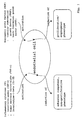
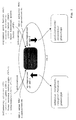
- the inventors describe and proof here for the first time a biological function regarding GBP-1 gene expression ( Figure 2).
- Figure 2 a biological function regarding GBP-1 gene expression
- the GBP-1 expression is clearly distinguishable and mutually exclusive. Accordingly, the differentiation to motility and cell proliferation characteristic of the angiogenic phenotype of endothelial cells is due to a down-regulation of the GBP-1 gene expression by AGF.
- the present invention provides a retroviral expression vector comprising a nucleic acid sequence encoding the Guanylate Binding Protein-1 gene (GBP-1) as a fusion protein linked with an appropriate shuttle protein.
- GBP-1 Guanylate Binding Protein-1 gene
- the present invention provides a retroviral vector comprising the GBP-1 gene fused in frame to the nucleic acid sequences encoding a shuttle protein.
- This vector can, thus, be used to produce the recombinant GBP-1 fusion protein according to the method of the invention.
- GBP-1 gene refers to all nucleotide sequences coding for a functional form of the GBP-1 protein and include especially naturally occurring variants of the human GBP-1 gene.
- the GBP-1 gene After infection or transfection of an eukaryotic target cell with s aid vector the GBP-1 gene is expressed in the cell. Due to this introduction of the vector expressing the GBP-1 gene the intracellular amount of GBP-1 gene product is increased. Surprisingly, it was shown that by increasing the amount of intracellular GBP-1 the differentiation of endothelial cells in direction to an adhesion-competent and/or non-proliferative endothelial phenotype is induced. The enhanced expression of the GBP-1 gene in said cells results in a reduction of proliferation activity and/or an increase of cell-to-cell adhesion.
- the prefered target cells transduced with the vector are endothelial cells, especially, endothelial cells involved in neovascularization and in the recruitment of inflammatory cells into tissues.
- endothelial cells especially, endothelial cells involved in neovascularization and in the recruitment of inflammatory cells into tissues.
- an enhanced expression of the GBP-1 gene in non-endothelial cells also induces a non-proliferative phenotype. This is, e.g., the case in inflammatory and immune cells, such as monocytes or lymphocytes, but also in other cell types.
- the vector according to the present invention can be introduced in cell lines, preferably fibroblast, which are used as "feeder-cells" for the cultivation of complex or any other relevant cells.
- complex cell types e.g. Keratinocytes
- fibroblasts the so-called feeder-cells, which are co-cultivated.
- co-cultivation has the disadvantage that fibroblasts, which have a much higher growth rate, sooner or later simply overgrow the Keratinocytes.
- fibroblasts which are used as feeder-cells are normally treated with a highly toxic cytostaticum (Mitomycin C) to obtain growth arrest. Accordingly, also co-cultivated Keratinocytes get in contact with small concentrations of the cytostaticum. Nevertheless, such contact must be avoided when cultivated Keratinocytes are used for therapeutical purposes.
- the vector according to claims or viral particles according to claims is introduced into feeder-cells such as fibroblasts. Subsequently, GBP-1 expression is enhanced and accordingly, the growth of said transduced cells is reduced.
- the fibroblasts or any other feeder-cell lines can be growth arrested without using any cytostatic toxins.
- the expression of the nucleic acid sequence encoding the GBP-1 fused to a shuttle protein is according to one embodiment of the present invention under the transcriptional control of the normal (homologous) cellular sequence regulating the expression of a normal GBP-1 gene.
- the use of the normal regulatory elements may be especially important, if the vector carrying the GBP-1 gene is used for gene therapy.
- methods of gene therapy comprise the replacement of a non-functional gene with a corresponding functional gene. For this replacement it is highly desirable that the newly introduced gene is under the same physiological control as the natural gene.
- the GBP-1 gene is used for gene therapy it is preferably under transcriptional control of its normal promoter. Accordingly, the newly introduced GBP-1 gene is under the same physiological control as a natural GBP-1 gene. Due to the replacement of the non-functional with a functional GBP-1 gene the physiological task of the GBP-1 gene can be restored.
- the nucleic acid sequence encoding the GBP-1 fused to a shuttle protein is under the transcriptional control of a heterologous promoter.
- heterologous is used, hereinafter, for any combination of DNA sequences that is not normally found intimately associated in nature.
- the heterologous promoter can be an enhancer element or any other promoter enhancing gene expression.
- heterologous promoters are constitutive, inducible and/or cell-type-restricted promoters that promote the expression of the GBP-1 gene or parts thereof in a host organism. Constitutive promoters are constantly expressed in a cell.
- inducible promoters are strictly regulated and only active in the presence of the appropriate inducer molecule.
- the advantage of an inducible promoter is the controllable activation of the gene expression by externally provided inducer or repressor molecules.
- a cell-type-restricted promoter can be understood as inducible promoter. In this case said promoter can be activated by internal inducer or repressor molecules, which are provided by the distinct cell type.
- said promoters are only active in said distinct cell type, while in all other cells the transcription of said promoters is prevented or at least reduced.
- a heterologous promoter is used to overexpress the GBP-1 gene fused to a shuttle protein in the transduced cell.
- Overexpression of the GBP-1 gene fused to a shuttle protein is especially useful to stop the proliferation of uncontrolled growing cells, such as in malignant tumors, carcinomas or lymphomas, but is also useful to avoid further recruitment of cells inducing tumorangiogenesis.
- the vector comprises at least one gene encoding a substance inducing and/or enhancing GBP-1 gene expression.
- said substances activate the regulatory elements controlling the GBP-1 gene expression.
- the gene inserted in the vector, which encodes a substance inducing and/or enhancing G BP-1 gene expression may be dependent on the regulatory elements or promoter controlling GBP-1 gene expression:
- the homologous promoter controlling the normal cellular GBP-1 gene expression can, for example, be induced by cytokines.
- the GBP-1 gene fused to a shuttle protein of the expression vector according to the present invention is under transcriptional control of the normal, homologous promoter, said carries in a preferred embodiment of the invention in addition at least one cytokine gene, such as the interleukine, tumor necrosis factor or interferon gene.
- cytokine gene such as the interleukine, tumor necrosis factor or interferon gene.
- the vector according to the present invention carries the gene encoding the inducer molecule correspondent to the inducible promoter. Accordingly, in the case where a cell-type-restricted promoter is used the vector according to the present invention carries the gene encoding the limiting cell-specific factor, which induces and/or enhances the cell-type-restricted promoter.
- the expression vector encoding the GBP-1 gene fused to a shuttle protein is a retroviral vector. Therefore, said viral vector comprises all genes and factors, which will be needed for said transfer of the heterologous genetic information into a target cell.
- the vector of the invention is based on a retrovirus.
- Retroviruses or retroviral vectors are ideal vehicles for the transport of genetic information into a target cell in vivo and in vitro. Firstly, retroviruses or retroviral vector systems are well studied and therefore, nowadays the preferred system for gene therapy. Secondly, retroviral vectors are easy to handle or to modulate.
- a DNA plasmid is prepared according to standard protocols to carry the desired genetic information and essential genes of the retroviral genome. After transfecting a cell with said DNA vector the retroviral RNA genome is transcribed and packaged into an infectious replication competent particle.
- Said particle is isolated from the supernatant of the cells and used for infecting a target cell in vivo or in vitro. Immediately after infection the retroviral RNA genome is reverse transcribed into a DNA copy, which subsequently is stably integrated into the cellular genome.
- the retroviral vector is replication-defective.
- the genome of a replication-defective retroviral vector lacks the genetic information of one or more of the proteins required for particle formation.
- a producer cell encoding and expressing all proteins required for particle formation and packaging of said vector is provided.
- viral particles comprising the viral vector according to the present invention and/or isolated from the supernatant of said producer cell are provided. Retroviral particles are used to infect cells either in vivo or in vitro.
- the present invention provides the retroviral provirus, which is the integrated DNA copy of the retroviral vector and which is transcribed into mRNA like any other naturally occurring gene.
- the present invention also provides the mRNA corresponding to the retroviral provirus, the RNA and cDNA of the viral vectors as described above and the cell transduced with said viral vectors and/or infected with said retroviral or viral particles, respectively.
- said cell is according to a still further embodiment of the present invention an endothelial cell, but can also be every other cell as, e.g., an immune cell.
- a method for introduction of the nucleic acid sequence encoding GBP-1 gene fused to the shuttle protein into cells in vitro comprises, inter alia, transfection a cell with the vectors or the RNA according to the present invention or infection said cells with the viral particles.
- transfection a cell with the vectors or the RNA according to the present invention or infection said cells with the viral particles comprises, inter alia, transfection a cell with the vectors or the RNA according to the present invention or infection said cells with the viral particles.
- the transfected or infected cells can be put under selection pressure.
- the present invention provides a method for producing recombinant GBP-1 fusion protein.
- these cells are transduced with an eukaryotic vector encoding the GBP-1 gene fused to the shuttle protein and/or infected with a viral particle which codes for the GBP-1 gene fused to the shuttle protein.
- Said cells are cultivated under suitable conditions until the recombinant GBP-1 fusion protein are isolated.
- This method allows a reasonable priced production of large amounts of recombinant GBP-1 fusion protein which can be used as a vaccine or for the treatment of a proliferative disorder of cells.
- the present invention is used to produce a fusion protein of the GBP-1 protein and a so-called "shuttle protein". It has been found that shuttle proteins - extracellularly administered - are able to enter the cytoplasm and/or the nucleus. Accordingly, also GBP-1 protein will be able to enter the cell if it is fused to such a shuttle protein.
- the HIV1-tat gene is fused to the GBP-1 gene since it has been shown that HIV1-tat specifically enters cells comprising ⁇ V ⁇ 3 molecules on their surface. Said molecules are, inter alia, expressed on activated endothelial cells as well as on cells of proliferating tumors. Accordingly, uptake of GBP-1-HIV1-tat fusion protein into said cells is facilitated.
- oligonucleotides hybridizing under stringent conditions in sense or antisense orientation to a nucleic acid sequence encoding the GBP-1 gene, a part thereof or the regulatory elements thereof.
- under stringent conditions defines parameters according to standard protocols, such as reaction temperature, allowing hybridization of DNA-DNA and/or DNA-RNA sequences with a homology about and above 70%.
- oligonucleotides can be prepared by digesting DNA or are chemically, enzymatically or in vitro synthesized nucleic acid sequences, such as RNA or DNA, which are complementary to a target nucleic acid sequence.
- the length of an oligonucleotide is variable and depends primarily on the melting temperature of the selected sequence.
- the oligonucleotides according to the present invention can be modified DNA or RNA molecules synthesized by using modified nucleotides, such as, e.g., desoxy-, phosphothioester- or methoxy- modified nucleotides.
- oligonucleotides hybridizing in sense or antisense orientation to the GBP-1 gene and/or its regulatory elements.
- Said oligonucleotides are preferably selected from the following nucleotide sequence 5'-CTT TTT CTC CTT AGT TCA CG-3' (SeqID No.: 1), 5'-TCC CTT GTC TGT TCT TTT TC-'3 (SeqID No.: 2), 5'-TCC CTT GTC TGT TCT TTT TCT CCT TAG TTC ACG-'3 (SeqID No.: 3), 5'-GCT CTA GAT TAG CTT ATG GTA CAT GCC TTT CG-3' (SeqID No.: 4) or 5'-CGG AAT TCG CCG CCA TGG CAT CAG AGA TCC ACA TG-3' (SeqID No.: 5).
- Said oligonucleotides are used as primers for a PCR or RT-PCR to amplify defined parts of the GBP-1 gene or gene product, respectively. Accordingly, such oligonucleotides are especially useful for a very sensitive detection and/or quantification of GBP-1 gene or gene products in cell culture or in tissue samples. Alternatively, said oligonucleotides are used as probes for the detection and/or quantification of GBP-1 specific mRNA in a Northern Blot assay, The application further discloses a diagnostic component comprising as reactive component the oligonucleotide as described above in an aqueous medium in a quantity effective to form complexes in a technique as described above or any other relevant diagnostic assay. These complexes are e.g. hybridization-complexes between a nucleic acid sequence derived from a biological sample and the reactive component.
- kits for a diagnostic assay comprising said diagnostic component in a suitable container and/or attached to a solid support. Since the diagnostic reagent is attached to a solid support, the risk is minimized to loose any complexes formed between the diagnostic reagent and GBP-1 RNA or protein derived from a biological sample before they have been detected or quantified.
- the present application discloses that the oligonucleotides as described above can be used for the modulation of the GBP-1 gene expression in vivo or in vitro.
- the oligonucleotides enter the cell and get to the nucleus of the cell, where they bind to specific sequences of the GBP-1 gene e.g. the splice donor or acceptor sites and thus, interfere and/or inhibit GBP-1 gene expression.
- said oligonucleotides bind to GBP-1 specific RNA and inhibit translation of said RNA, thus inhibiting GBP-1 protein synthesis.
- the present application discloses a method for determination of the stage of cellular differentiation in cells, wherein GBP-1 gene expression is used as a marker for activating substances inhibiting cell proliferation and/or increasing adhesion competence of cells. It was shown by the inventors that in endothelial cells the expression of GBP-1 is unique in that it is rapidly induced by three inflammatory cytokines - interleukine, tumor necrosis factor, interferon and/or any functional analogue - and is down-regulated by the AGF's, namely VEGF and bFGF and/or any functional analogue.
- the method provides for the first time a common and specific molecular marker for endothelial cells activated by inflammatory cytokines and/or down-regulated by angiogenic growth factors.
- a common and specific molecular marker for endothelial cells activated by inflammatory cytokines and/or down-regulated by angiogenic growth factors According to said method the expression of the GBP-1 gene in cells of a tissue under investigation is analyzed using oligonucleotides to detect and/or quantify GBP-1 mRNA or fragments thereof in a RT-PCR, Northern blot hybridization, In-situ hybridization or any other relevant technique.
- RNA complementary to GBP-1 mRNA and synthesized by in vitro transcription can be used for the detection of GBP-1 mRNA according to a method disclosed herein.
- the present application also discloses a vector, wherein the GBP-1 cDNA for synthesis of GBP-1 sense is under the control of, inter alia, a T7, T3, SP6 promoters and, thus, can be transcribed in vitro by T7, T3, SP6 polymerases.
- the detection of GBP-1 expression in cells according to a disclosed method indicates that said cells are activated by inflammatory cytokines. Furthermore, the detection of GBP-1 expression also indicates that the cells are in an adhesion competent state.
- the detection of no GBP-1 expression indicates that the cell is not in an adhesion competent state, which is for example a proliferation competent state.
- the molecular mechanism underlying down-regulation of GBP-1 expression by VEGF and/or bFGF remains unknown.
- the method is especially useful to determine early changes in the state of adherence of cells. As further disclosed this method is used preferably for said determination of the activation state - adhesion competent versus proliferative - of tissues, preferably in endothelial cells, during development, disease or as follow-up of a medical therapy.
- the method for determination of the stage of cellular differentiation can also be used to detect and/or quantify the GBP-1 protein or fragments thereof using inter alia GBP-1 antibodies in a Western Blot assay, immunohistochemistry or an ELISA.
- the application further discloses a method for the modulation of GBP-1 gene expression in cells, especially endothelial cells, in vivo or in vitro .
- a substance either inducing or repressing GBP-1 gene expression is added.
- at least one cytokine preferably interleukine, tumor necrosis factor and/or interferon, is added to induce and increase GBP-1 gene expression.
- Said GBP-1 gene expression is then used for the inhibition of cell proliferation and/or for increasing the adhesion competence of cells.
- At least one growth factor preferably VEGF and bFGF is added.
- the inventors showed that both the GBP-1 expression and the IL-1 ⁇ and IFN- ⁇ biological activities in endothelial cells were down-regulated by the angiogenic growth factors VEGF and bFGF.
- long term pre-treatment of said endothelial cells with VEGF and bFGF fast abolished the expression of GBP-1 as well as the ability to bind monocytes induced by II-1 ⁇ .
- This down-regulation of GBP-1 gene expression is especially interesting for in vitro expansion of eukaryotic cell cultures, since it increases cellular proliferation and decreases cell-to-cell adhesion.
- said down-regulation is also very useful in vivo, especially during or after organ transplantation. Indeed, the rejection of a transplanted organ is avoided or at least postponed, if due to the inhibition of adhesion of immune cells to the endothelium of relevant blood vessels the recruitment of immune cells into the transplanted organ is inhibited.
- the GBP-1 protein activity can be enhanced or reduced adding suitable substances.
- suitable substances include molecules that inactivate the GTPase function of the GBP-1 protein and also intracellularly expressed GBP-1 antibodies.
- This method for modulation of GBP-1 gene expression or protein activity can be used to influence the cell differentiation. It can be applied to inhibit viral replication, e.g. the replication of HIV, in vivo or in vitro. It is known that the state of cellular differentiation, especially activation of a non-proliferative phenotype, hinders the efficient viral replication in an infected cell. Thus, said method can be used to increase the GBP-1 gene expression or to enhance the GBP-1 protein activity with the goal to induce the non-proliferative phenotype of a cell. Hence, a virus infecting said cell can not replicate at all or less efficiently. With the reduction of viral replication in infected cells the amount of free virus in a patient is reduced. In case of an infection with HIV said reduction of the amount of free virus contributes to a later onset of the actual disease AIDS and/or at least to a prolonged symptom-free period for the patient.
- the present application discloses a method for cultivation of eukaryotic cells. This method is especially useful - as already described above - for the in vitro expansion of primary cells or any other cells or cell lines, where the cultivation or expansion in culture is difficult, time-consuming or cost-intensive. Alternatively, this method is also useful - as described above - to induce a growth arrest in cells in culture.
- the cells in culture are incubated or transfected with an effective amount of a GBP-1 gene, functional parts thereof, GBP-1 protein, GBP-1 fusion protein as described above, GBP-1 RNA in sense or antisense either isolated or expressed from a vector of the present invention, oligonucleotides as described above, viral particles as described above, an inducer or inhibitor of GBP-1 gene expression, such as VEGF or bFGF, and/or an enhancer or repressor of GBP-1 protein activity, which can be added to the cell culture medium.
- a GBP-1 gene functional parts thereof, GBP-1 protein, GBP-1 fusion protein as described above, GBP-1 RNA in sense or antisense either isolated or expressed from a vector of the present invention, oligonucleotides as described above, viral particles as described above, an inducer or inhibitor of GBP-1 gene expression, such as VEGF or bFGF, and/or an enhancer or repressor of GBP-1 protein activity, which can be added to the cell culture
- the present application discloses the use of the GBP-1 gene, GBP-1 fusion protein as described above, the vectors as described above, the producer cell as described above, the viral particle as described above, the RNA as described above and/or the oligonucleotides as described above for the manufacture of a medicament, for the treatment of malignant disease, such as cancer, sarcoma, lymphoma, but also for the treatment of hemangioma, artherosclerosis, restenosis, inflammatory processes like chronic ulcerative diseases, psoriasis, insect bites, freezing or burning injuries, wound healing, Morbus Crohn and/or any other relevant disease or disorder.
- malignant disease such as cancer, sarcoma, lymphoma
- hemangioma artherosclerosis
- restenosis inflammatory processes like chronic ulcerative diseases, psoriasis, insect bites, freezing or burning injuries, wound healing, Morbus Crohn and/or any other relevant disease or disorder.
- the present application discloses a method for treating malignant disease or any other relevant disease or disorder comprising administering to a subject in need thereof a therapeutically effective amount of the GBP-1 gene, the GBP-1 protein or GBP-1 fusion protein as described above, the vectors as described above, the producer cell as described above, the viral particle as described above, the RNA as described above and/or the oligonucleotides as described above.
- the present invention provides a pharmaceutical composition used in vivo or in vitro comprising as a first component a therapeutically effective amount of the vectors as described above, the producer cell as described above, the viral particle as described above, the RNA as described above and/or and as a second component a pharmaceutical acceptable carrier, diluent, or transport molecule.
- Differential display RT-PCR identified GBP-1 as a gene induced by IL-1 ⁇ but not by VEGF in human microvascular endothelial cells from the dermis (HDMVEC).
- HDMVEC Human primary dermal microvascular endothelial cells
- HAVEC human primary umbilical vein endothelial cells
- EBM endothelial basal medium
- FBS foetal bovine serum
- bovine brain extract 12mg/ml bovine brain extract 12mg/ml
- human epidermal growth factor 10ng/ml bovine brain extract 12mg/ml
- hydrocortisone acetate 1mg/ml bovine brain extract
- gentamycin 50mg/ml amphotericin 0.25mg/ml (Clonetics)
- penicillin 100U/ml and streptomycin 100mg/ml
- Gabco BRL Eggenstein, Germany
- HDMVEC human angiogenic factor VEGF165
- VEGF165 was purchased from R&D system (R&D Systems, Minneapolis, MN), recombinant human IL-1 ⁇ from Boehringer Mannheim (Mannheim, Germany).
- HDMVEC were cultivated with complete EBM/5% FBS medium (Clonetics) in 175 cm2 flasks (Greiner, Frickenhausen, Germany) until they reached 80% confluence. Then, after resting for 24 hours in low-serum medium EBM/0,5% FBS (Clonetics) they were stimulated with the two cytokines diluted into low-serum medium, at the respective concentrations.
- RNA isolation was submitted to differential display analysis. Therefore, 1 ⁇ g of DNAse-I treated RNA was used as template in three reverse transcription reactions containing one of the three different one-based anchored 5'-H-T11M-3' primers (where H is the HindIII restriction site and M may be G, C or A) (RNAimage, GenHunter Corporation, Brookline, MA).
- each RNA sample was incubated as follows in a Perkin-Elmer's 9600 thermocycler (Perkin Elmer, Roche Molecular Systems Inc., Branchburg, New Jersey): 5 min at 65°C, 5 min at 37°C, 60 min at 42°C, 5 min at 75°C and then cooled at 4°C. After 5 min at 42°C, 100 units of Superscript-II reverse transcriptase (Gibco), were added to each tube for the 55-min incubation left at 42°C.
- 1x RT buffer Gibco
- 20 dNTPs 20 ⁇ M dNTPs
- 5'-H-T11M-3' primer 5'-H-T11M-3' primer at 0.2 ⁇ M
- PCR amplification was performed on 1/5 of the RT reaction volume in the presence of 1x PCR buffer, 1.5 mM MgCl 2 , one unit of AmpliTaq polymerase (Perkin-Elmer), 2 ⁇ M dNTPs, 0.2 ⁇ M upstream 10mer-primer (5'-TCGATACAGG-3'), 0.2 ⁇ M of the corresponding 5'-H-T11M-3' primer and ⁇ -[ 33 P]dATP (Amersham, Little Chalfont, Buckinghamshire, UK) in the Perkin-Elmer thermocycler 9600 device as follows: 5 min at 95°C, then 40 cycles: 30 sec at 94°C, 2 min at 42°C, 30 sec at 72°C; and finally 5 min at 72°C.
- PCR fragments of interest were cloned into the pBlueScript II+/- derived vector, pCRScript (Stratagene, Heidelberg, Germany) as described in the manufacturer's instructions. Cycle sequencing was performed using the fluorescent method ABI Prism (Perkin Elmer Applied Biosytems, Foster city, CA).
- the pattern obtained with this primer combination revealed the presence of a 330 bp differentially displayed product specifically upregulated in IL-1 ⁇ -treated HDMVEC but not in VEGF165-treated or in non-treated control cells.
- the differential expression was confirmed by Northern blot hybridization on the corresponding RNAs using the radiolabeled 330 bp cDNA as a probe. Cloning and sequencing revealed that the differential display product matched the nucleotides 1430 to 1768 at the 3' end of the coding sequence of the human Guanylate
- GBP-1 Binding Protein-1 (GBP-1) 2.8 kb mRNA.
- GBP-1 is a GTPase of 67 kDa without any associated biological function, but that was interestingly discovered as an interferon-inducible protein in fibroblasts (Cheng et al., 1983), interferon-gamma belonging to the group of inflammatory cytokines. In these cells, GBP-1 can be induced by both ⁇ and ⁇ interferon but through different pathways, giving rise to different patterns of induction.
- IL-1 ⁇ generated a rapid and stable intracellular signal leading to a GBP-1 kinetics of induction similar to that produced by IFN- ⁇ in diploid fibroblasts or HeLa cells (Decker et al, 1991, Lew et al., 1991). Such high levels of expression, rapidly inducible, indicated that GBP-1 gene product plays a critical role in endothelial cell activation.
- RNA samples were fractionated on a vertical 1% agarose/6% formaldehyde gel, transferred to a nylon membrane (Hybond N + , Amersham) and crosslinked by UV-irradiation (264 nm, 2 min).
- the 32 P-labelled DNA hybridization probes were prepared using a random prime labeling kit (Boehringer Mannheim, Germany). Hybridization was performed at 42°C for 16h in 50% formamide, 5x standard saline citrate (SSC), 10% dextran sulfate, 1% N-Lauroylsarcosine, 100 ⁇ g/ml sonicated salmon sperm DNA, and 250 ⁇ g/ml tRNA.
- Radioactively labeled probes (2x10 6 cpm/ml with a specific activity > 6x10 8 cpm/ ⁇ g DNA) were used for hybridization. After hybridization, the filters were washed with a final stringency of 0.1x SSC, 0.1% N-Lauroylsarcosine at 50°C. Autoradiography was performed with an intensifying screen at -70°C.
- GBP-1 mRNA expression is induced by ICs but not by angiogenic growth factors.
- GBP-1 was first described as an interferon-inducible protein, we investigated whether or not, in HDMVEC, IFN- ⁇ , other ICs, or growth factors known to activate endothelial cells could also regulate GBP-1 expression.
- HDMVEC were treated for 5 hours with or without IFN- ⁇ (100 U/ml), TNF- ⁇ (300 U/ml), VEGF (10 ng/ml), or bFGF (10ng/ml), and the GBP-1 expression was analyzed by Northern blot hybridization, as described above. It was shown that IL-1 ⁇ , IFN- ⁇ and TNF- ⁇ dramatically upregulated the GBP-1 mRNA level in HDMVEC, whereas VEGF or bFGF did not. GBP-1 expression, which was specifically upregulated by ICs but not by angiogenic growth factors, thus represents a potential early marker for IC activation.
- VEGF and bFGF inhibit the IL-1 ⁇ induction of GBP-1 mRNA in HDMVEC.
- VEGF and/or bFGF could modulate the IL-1 ⁇ -induced expression of GBP-1 mRNA. Therefore, HDMVEC were stimulated for 5 hours with IL-1 ⁇ (20 U/ml) in the presence and absence of VEGF (10 ng/ml) and/or bFGF (10 ng/ml), and analyzed the GBP-1 mRNA level was analysed by Northern blot, as described above. It was shown that the presence of either VEGF or bFGF down-regulates the GBP-1 mRNA expression to 60% and 40% of the IL-1 ⁇ induction (100%) respectively.
- both angiogenic growth factors were added to the incubation medium simultaneously to IL-1 ⁇ , the GBP-1 mRNA expression dropped dramatically to 17%.
- both angiogenic growth factors efficiently down-regulate the IL-1 ⁇ -induced GBP-1 mRNA expression in HDMVEC.
- the GBP-1 mRNA expression appears not only to reflect IC activation but also the mutually exclusive molecular changes in the gene expression of endothelial cells promoted by ICs or growth factors.
- VEGF and bFGF inhibit the binding of U937 monocytes to IL-1 ⁇ - or IFN- ⁇ -activated HDMVEC.
- ICs are known to upregulate the expression of adhesion molecules on the surface of HDMVEC and to trigger the adhesion of the U937 monocytic cells to the activated endothelium. Therefore, we tested the influence of VEGF and bFGF on the IL-1 ⁇ -induced adhesion competence of HDMVEC.
- HDMVEC were seeded at 10 4 cells/cm 2 into 8-wells microchamber slides (Lab-Tek, Nunc Inc., Naperville, Illinois) and grown to 90% confluency in complete EBM/5%FBS (Clonetics).
- Non-adherent monocytes were gently washed out by floating the slides into RPMI/1640/1% FBS, and adherent cells were fixed 30 min by immersion in RPMI 1640/1% FBS (Gibco) containing 5% glutaraldehyde (Serva, Heidelberg, Germany). Adherent cells were then counted per arbitrary surface units using a computer program (Optimas, Unterhaching, Germany).
- VEGF and/or bFGF also strongly inhibit (more than 50%) the adhesion of monocytes to IC-activated HDMVEC as they inhibit the GBP-1 expression.
- these data suggested that in HDMVEC, the GTPase GBP-1 is involved in the signal pathways activated by ICs, leading to the adhesion competence of endothelial cells.
- VEGF and bFGF neutralize growth inhibition induced by IL-1 ⁇ and IFN- ⁇ .
- VEGF and/or bFGF affect the growth inhibition induced by IL-1 ⁇ or IFN- ⁇ .
- HDMVEC were seeded into 12-multiwell plates (Costar) at 10 4 cells/cm 2 , maintained in low-serum medium for 24h. The respective combination of factors was then added at adjusted concentrations in fresh low serum containing medium every second day. After 5 days of culture cells were washed in PBS, harvested by trypsination, and cell numbers were determined with a hemacytometer.
- GBP-1 expressing vector was constructed.
- the full-length cDNA encoding GBP-1 was isolated using RT-PCR on total cellular RNA extracted from IFN- ⁇ -treated HDMVEC and cloned into different vectors, as described in the following. Reverse transcription was performed on 5 ⁇ g of total cellular RNA pre-treated with DNase-I, using 2 pmol of the antisense oligonucleotide 5'-GCT CTA GAT TAG CTT ATG GTA CAT GCC TTT CG-3' (SeqID No.: 4) binding as primer 1 to positions 1824 to 1847 of the published human GBP-1 cDNA (Cheng, Y.E., et al., 1988, "Accumulation of Guanylate-Binding Proteins in Patients treated with Interferons", J.
- PCR was performed on a tenth of the reverse transcription reaction with 10 pmol of the sense primer 2 (5'-CGG AAT TCG CCG CCA TGG CAT CAG AGA TCC ACA TG-3'; SeqID No.: 5) and antisense primer 1 in a 100 ⁇ l final PCR reaction volume.
- the 30 cycles of amplification were as follow: denaturation 60 seconds at 94°C, primer annealing 60 seconds at 55°C, and extension 120 seconds at 72°C.
- This RT-PCR reaction gave rise to an 1801 bp product corresponding to the full-length coding sequence of GBP-1 flanked by the EcoRI and XbaI restriction sites.
- the PCR products were first inserted into the PCRScript vector (Stratagen) and fully sequenced.
- a cDNA encoding GBP-1 coding sequence which was exactly the published sequence, was then cloned in the sense and antisense orientation into the EcoRI multiple cloning site of pCDNA3 (Invitrogen), pCDNA3-GFP (a gift from Dr. J.F. Giot) and the MoMuLV derived pBabePuro vectors (Morgenstein, 1990).
- the packaging cell line PG13/J7 was cultured in Dulbecco's modified medium supplemented with 10% heat inactivated foetal bovine serum (Gibco), 1x HAT (Gibco) and transfected overnight in 100 m m dishes (Falcon) by the calcium phosphate coprecipitation technique with 10 ug of the retroviral DNA constructs and 25 ⁇ g of carrier DNA. Two days post transfection 3 ⁇ g/ml puromycin (Sigma) was added to each culture. Viruses were obtained from isolated stable clones of the transfected cell lines. At 80% confluency medium was replaced by DMEM 10% FCS without puromycin. 12 hours later, the cell culture supernatants were harvested, and sterile filtered through a 0.45 ⁇ m filter.
- Retroviral infection was performed by adding polybren to a final concentration of 8 ⁇ g/ml, and incubating the HDMVEC or HUVEC twice for 4 hours with neat or diluted supernatants, separated by an incubation with fresh normal endothelium medium (EBM 5% FBS) also for 4 hours. 48 hours after the infection, the cells were set under selection using 0.5 ⁇ g/ml of puromycin. The medium was replaced every third day until resistant colonies were visible.
- EBM 5% FBS normal endothelium medium
- RNA from viruses were extracted from the supernatant using the High Pure viral RNA-kit (Boeringer Mannheim) as described by the manufacturer.
- RT-PCR was performed following the Titan one step reaction procedure (Boeringer Mannheim) with a set of primers specific for the GBP-1 coding sequence.
- RNA extracted from viral particles carrying GBP-1 sequences - in sense or antisense orientation - was either serially diluted and the different dilutions submitted to the same number of amplification cycles or a constant dilution was distributed to different experiments with the same number of PCR cycles.
- the titers of pBabePuroD3 and pBabePuroD16 used for the infection were equivalent as evaluated with semi-quantitative RT-PCR. After 10 days of selection, numerous fast-growing puromycin-resistant clones were obtained in experiments where an infection with the retroviral vector alone (pBabePuro) or pBabePuroD3 (antisense GBP-1) was performed.
- GBP-1 may function as a growth inhibitor in HUVEC.
- the characterization of the transgene expressions was confirmed by Northern blot analysis using the 300 bp internal fragment of GBP-1 and a gag-pol fragment of MMLV as probes. As expected, the expression of the retroviral gag-encoding mRNA (2.5kb) was detected in pBabePuro transduced control cells.
- HUVECs transduced with pBabePuroD3 and thus, constitutively expressing high levels of antisense GBP-1 mRNA, and control cells transduced with pBabePuro were cultivated with VEGF and bFGF (10 ng/ml each) in a low-serum medium, and were simultaneously exposed to increasing concentrations of IL-1 ⁇ (2-200 U/ml) or IFN- ⁇ (10-1000 U/ml). After 6 days of culture cell numbers were determined.
- IL-1 ⁇ or IFN- ⁇ decreased in a dose-dependant manner the proliferation induced by the growth factors.
- pBabePuroD3 transduced cells were clearly less sensitive than the control cells, showing only 62% and 27% growth inhibition compared to 17% and 15% in the presence of highest concentrations of IL-1 ⁇ and IFN- ⁇ , respectively.
- the expression of antisense GBP-1 mRNA in pBabePuroD3 transduced cells potently protected the endothelial cells from the IC-induced inhibition of cell proliferation.
- GBP-1 protein carries a CAAX isoprenylation signal motif at the C-terminus that was shown to be functional in vitro and in vivo , suggesting that GBP-1 may be a membrane-associated protein.
- GBP-1 green fluorescent protein
- the GFP was fused to the N-terminus of the GBP-1 protein to prevent any interference with the isoprenylation motif CAAX located at the C-terminus. Therefore, the full-length GBP-1 cDNA was inserted in frame with a GFP cDNA (GFP-GBP-1) in the mammalian expression vector pCDNA3. With this plasmid the inserted cDNA can be highly expressed under control of T7-RNA polymerase in eukaryotic cells. T7-RNA polymerase expression is triggered in respective cells by superinfection with a vaccinia virus encoding T7-RNA polymerase.
- CV1 were seeded in 6-well plates until they reached 80% confluency washed with Optimem (Gibco) and infected for one hour at 37°C with 10 6 Pfu per well of T7-RNA polymerase encoding Vaccinia virus, in DMEM/0%FBS. After one wash with Optimem, transfection was performed by incubating the cells overnight in a solution of Optimem containing 7 ⁇ l lipofectamine and 2 ⁇ g plasmid per well. CV1 cells were then washed in PBS and fixed 15 min at room temperature in 2% formaldehyde, 2% glutaraldehyde, 1x PBS solution.
- GFP or GFP-GBP-fusion proteins were achieved by fluorescence microscopy.
- Cells transfected with the constructs encoding GFP alone or fused to GBP-1 antisense displayed a diffuse fluorescence evenly distributed throughout the cytoplasm and slightly concentrated in the nucleus. This distribution was consistent with previous reports on the diffuse cellular localization of GFP.
- the expression of the GFP-GBP-1 protein resulted in an intense and punctuated perinuclear fluorescence pattern. This suggested an association with inner cell membranes and was reminiscent of the characteristic pattern displayed by proteins when localized at the intracellular membranes of the Golgi apparatus. This distinct localization was consistently and reproducibly obtained in CV1, but also in other cell types investigated such as CHO, NIH-3T3, and HeLa cells.
- Protein extracts were boiled in 1x Laemmli buffer (50 mM Tris/HCl pH6.8, 100 mM dithiothreitol (DTT), 2% SDS, 0.1% bromophenol blue, and 10% glycerol) and subjected to SDS (12%) polyacrylamide gel electrophoresis (PAGE) in the presence of 10% ⁇ -mercaptoethanol (reducing conditions). Proteins were then electrophoretically transferred to a 0.2- ⁇ m PVDF membrane (Pall Filtron) using a semi-dry blotting apparatus.
- Laemmli buffer 50 mM Tris/HCl pH6.8, 100 mM dithiothreitol (DTT), 2% SDS, 0.1% bromophenol blue, and 10% glycerol
- Immunostaining was performed using a mouse monoclonal anti-GFP antibody (Boehringer Mannheim) and a horseradish-peroxidase-conjugated anti-mouse IgG antibody (Dako Diagnostika, Hamburg, Germany). Immunocomplexes were visualized using the chemoluminescence detection system (ECL) (Amersham Buchler, Braunschweig, Germany). Detection of a 97 kDa protein (27 kDa from the GFP part and 70 kDa from the GBP-1 part) in the extracts of cells transfected with the cDNA encoding the GFP-GBP-1 fusion protein clearly proofs that the isolated cDNA encodes a full-length GBP-1 protein.
- ECL chemoluminescence detection system
- Interferon-induced guanylate-binding proteins lack an N(T)KXD consensus motif and bind GMP in addition to GDP and GTP. Mol.Cell.Biol. 11, 4717-4725.
- Overlapping elements mediate induction of the guanylate-binding protein gene promoter by alpha and gamma interferon. Mol.Cell.Biol. 11, 182-191.
- Vascular endothelial growth factor is a potential tumor angiogenesis factor in human gloimas in vivo. Nature 359, 845-848.
- the interferon-induced 67-kDA guanylate-binding protein (hGBP1) is a GTPase that converts GTP to GMP. J. Biol. Chem. 269, 11299-11305.
Landscapes
- Health & Medical Sciences (AREA)
- Chemical & Material Sciences (AREA)
- Organic Chemistry (AREA)
- Life Sciences & Earth Sciences (AREA)
- Medicinal Chemistry (AREA)
- General Health & Medical Sciences (AREA)
- Pharmacology & Pharmacy (AREA)
- Nuclear Medicine, Radiotherapy & Molecular Imaging (AREA)
- Animal Behavior & Ethology (AREA)
- General Chemical & Material Sciences (AREA)
- Public Health (AREA)
- Chemical Kinetics & Catalysis (AREA)
- Veterinary Medicine (AREA)
- Biochemistry (AREA)
- Engineering & Computer Science (AREA)
- Bioinformatics & Cheminformatics (AREA)
- Proteomics, Peptides & Aminoacids (AREA)
- Molecular Biology (AREA)
- Genetics & Genomics (AREA)
- Biophysics (AREA)
- Immunology (AREA)
- Gastroenterology & Hepatology (AREA)
- Zoology (AREA)
- Toxicology (AREA)
- Dermatology (AREA)
- Rheumatology (AREA)
- Pain & Pain Management (AREA)
- Medicines That Contain Protein Lipid Enzymes And Other Medicines (AREA)
- Micro-Organisms Or Cultivation Processes Thereof (AREA)
- Peptides Or Proteins (AREA)
- Medicines Containing Material From Animals Or Micro-Organisms (AREA)
- Measuring Or Testing Involving Enzymes Or Micro-Organisms (AREA)
- Preparation Of Compounds By Using Micro-Organisms (AREA)
- Medicines Containing Antibodies Or Antigens For Use As Internal Diagnostic Agents (AREA)
- Pharmaceuticals Containing Other Organic And Inorganic Compounds (AREA)
Claims (23)
- Ein retroviraler Vektor umfassend eine Nukleinsäuresequenz, die das GBP-1 Gen kodiert, wobei besagte Nukleinsäuresequenz mit einem Gen, welches für ein Shuttle-Protein kodiert fusioniert ist.
- Der Vektor gemäß Anspruch 1, wobei besagtes Shuttle-Protein Endothelzellen-spezifisch ist.
- Der Vektor gemäß einem der vorangegangenen Ansprüche 1 bis 2, wobei besagtes Shutde-Protein das HIV-1-Tat ist.
- Der Vektor gemäß einem der vorangegangenen Ansprüche 1 bis 3, wobei besagte Nukleinsäuresequenz unter der transkriptionellen Kontrolle eines homologen regulatorischen Elementes der Expression des normalen GBP-1 Genes steht.
- Der Vektor gemäß einem der vorangegangenen Ansprüche 1 bis 4, wobei besagte Nukleinsäuresequenz unter der transkriptionellen Kontrolle eines heterologen Promotor steht.
- Der Vektor gemäß Anspruch 5, wobei besagter Promotor ein konstitutiver, induzierbarer und/oder zelltyp-beschränkter Promotor ist.
- Der Vektor gemäß einem der vorangegangenen Ansprüche 1 bis 6, wobei besagter Vektor ein oder mehrere Gene, die für Substanzen kodieren, welche die GBP-1 Genexpression induzieren und/oder verstärken, umfasst.
- Der Vektor gemäß Anspruch 7, wobei das Gen ein Zytokin Gen ist.
- Der Vektor gemäß den Ansprüchen 1 bis 8, wobei besagter retroviraler Vektor bezüglich der Replikation defekt ist.
- Eine Produzentenzelle umfassend einen retroviralen Vektor gemäß einem der vorangegangenen Ansprüche 1 bis 9 und ein DNA Konstrukt, welches für die Proteine kodiert, die nötig sind, um besagten viralen Vektor zu verpacken.
- Ein viraler Partikel umfassend den retroviralen Vektor gemäß einem der vorangegangenen Ansprüche 1 bis 9.
- Das retrovirale Partikel gemäß Anspruch 11 erhältlich durch eine Produzentenzelle gemäß Anspruch 10.
- Einen retroviralen Provirus erhältlich durch Infektion einer Zielzelle mit dem retroviralen Partikel gemäß den Ansprüchen 11 oder 12.
- Eine mRNA des retroviralen Provirus gemäß Anspruch 13.
- Eine RNA des Vektors gemäß einem der vorangegangenen Ansprüche 1 bis 9.
- Eine cDNA der RNA gemäß Anspruch 15.
- Eine Zelle die mit dem Vektor gemäß einem der vorangegangenen Ansprüche 1 bis 9 transduziert ist und/oder mit einem viralen Partikel gemäß den Ansprüchen 11 oder 12 infiziert ist.
- Die Zelle gemäß Anspruch 17, wobei besagte Zelle eine Endothelzelle ist.
- Ein invitro Verfahren zur Einführung einer Nukleinsäuresequenz, die das GBP-1 Gen kodiert, welches an eine Sequenz, die ein Shuttle-Protein kodiert, fusioniert ist, in Zellen umfassend die Transfektion einer Zelle mit besagter Nukleinsäuresequenz, mit RNA von besagter Nukleinsäuresequenz, mit dem Vektor gemäß einem der vorangegangenen Ansprüche 1 bis 9 oder durch Infektion besagter Zelle oder eines Organismuses mit dem rekombinaten viralen Partikel gemäß der Ansprüche 11 oder 12.
- Der Vektor gemäß einem der vorangegangenen Ansprüche 1 bis 9, die Produzentenzelle gemäß Anspruch 10, das virale Partikel gemäß der Ansprüche 11 oder 12 und/oder die RNA gemäß Anspruch 14 oder 15 zur Verwendung als Medikament.
- Verwendung eines GBP-1 Genes welches an eine Nukleinsäuresequenz für ein Shutde-Protein fusioniert ist, ein GBP-1 Protein, welches an ein Shuttle-Protein fusioniert ist, den Vektor gemäß einem der vorangegangenen Ansprüche 1 bis 9, die Produzentenzelle gemäß Anspruch 10, das virale Partikel gemäß Anspruch 11 oder 12 und/oder die RNA gemäß Anspruch 14 oder 15 zur Herstellung eines Medikaments für die Behandlung einer proliferativen Fehlfunktion von Zellen.
- Eine pharmazeutische Zusammensetzung umfassend eine therapeutisch effektive Menge des Vektors gemäß einem der vorangegangenen Ansprüche 1 bis 9, der Produzentenzelle gemäß Anspruch 10, des viralen Partikels gemäß Anspruch 11 oder 12 und/oder der RNA gemäß Anspruch 14 oder 15 und einem pharmazeutisch annehmbaren Träger oder Verdünnungsmittel.
- Ein Verfahren zur Herstellung eines rekombinanten GBP-1 Fusionproteins umfassenda) die Transduktion einer Zelle mit dem Vektor gemäß einem der vorangegangenen Ansprüche 1 bis 9 und/oder die Infektion mit einem viralen Partikel gemäß der Ansprüche 11 oder 12,b) die Kultivierung der besagten Zelle, undc) die Isolierung des rekombinanten GBP-1 Fusionsproteins.
Priority Applications (1)
| Application Number | Priority Date | Filing Date | Title |
|---|---|---|---|
| EP06116437A EP1736547A1 (de) | 1998-08-26 | 1999-08-23 | Guanylat-bindendes Protein (GBP-1) als Inhibitor der Endothelzell-Proliferation |
Applications Claiming Priority (5)
| Application Number | Priority Date | Filing Date | Title |
|---|---|---|---|
| DKPA199801081 | 1998-08-26 | ||
| DK108198 | 1998-08-26 | ||
| DK124198 | 1998-10-01 | ||
| DKPA199801241 | 1998-10-01 | ||
| PCT/EP1999/006148 WO2000012737A1 (en) | 1998-08-26 | 1999-08-23 | Guanylate binding protein (gbp-1) as inhibitor of cell proliferation and molecular marker for the determination of the stage of cellular differentiation |
Related Child Applications (1)
| Application Number | Title | Priority Date | Filing Date |
|---|---|---|---|
| EP06116437A Division EP1736547A1 (de) | 1998-08-26 | 1999-08-23 | Guanylat-bindendes Protein (GBP-1) als Inhibitor der Endothelzell-Proliferation |
Publications (2)
| Publication Number | Publication Date |
|---|---|
| EP1108046A1 EP1108046A1 (de) | 2001-06-20 |
| EP1108046B1 true EP1108046B1 (de) | 2007-04-18 |
Family
ID=26065193
Family Applications (2)
| Application Number | Title | Priority Date | Filing Date |
|---|---|---|---|
| EP06116437A Withdrawn EP1736547A1 (de) | 1998-08-26 | 1999-08-23 | Guanylat-bindendes Protein (GBP-1) als Inhibitor der Endothelzell-Proliferation |
| EP99941654A Expired - Lifetime EP1108046B1 (de) | 1998-08-26 | 1999-08-23 | Guanylat-bindendes protein (gbp-1) als inhibitor der zellproliferation |
Family Applications Before (1)
| Application Number | Title | Priority Date | Filing Date |
|---|---|---|---|
| EP06116437A Withdrawn EP1736547A1 (de) | 1998-08-26 | 1999-08-23 | Guanylat-bindendes Protein (GBP-1) als Inhibitor der Endothelzell-Proliferation |
Country Status (10)
| Country | Link |
|---|---|
| US (2) | US6894157B2 (de) |
| EP (2) | EP1736547A1 (de) |
| JP (1) | JP2002523104A (de) |
| AT (1) | ATE360081T1 (de) |
| AU (1) | AU5518499A (de) |
| CA (1) | CA2340596A1 (de) |
| DE (1) | DE69935862T2 (de) |
| DK (1) | DK1108046T3 (de) |
| ES (1) | ES2286893T3 (de) |
| WO (1) | WO2000012737A1 (de) |
Families Citing this family (8)
| Publication number | Priority date | Publication date | Assignee | Title |
|---|---|---|---|---|
| ATE360081T1 (de) | 1998-08-26 | 2007-05-15 | Stuerzl Michael Prof Dr Rer Na | Guanylat-bindendes protein (gbp-1) als inhibitor der zellproliferation |
| US7575924B2 (en) | 2000-11-13 | 2009-08-18 | Research Development Foundation | Methods and compositions relating to improved lentiviral vectors and their applications |
| EP1412493B1 (de) | 2001-08-02 | 2011-10-05 | Institut Clayton De La Recherche | Verfahren und zusammensetzungen im zusammenhang mit verbesserten lentivirusvektor-produktionssystemen |
| EP1438075A4 (de) | 2001-10-02 | 2006-04-19 | Inst Clayton De La Rech | Verfahren und zusammensetzungen in verbindung mit lentiviralen vektoren mit begrenzter expression und ihre anwendungen |
| JPWO2003054231A1 (ja) * | 2001-12-13 | 2005-04-28 | 株式会社ジェノックス創薬研究所 | アレルギー性疾患の検査方法 |
| DE10260265A1 (de) | 2002-12-20 | 2004-07-01 | GSF-Forschungszentrum für Umwelt und Gesundheit GmbH | ELISA Verfahren zum Nachweis von Guanylate Bindung Protein-1 (GBP-1) |
| CN101909637B (zh) * | 2007-11-13 | 2013-09-18 | 菲尼克斯生物技术公司 | 确定用强心苷进行的癌症化疗中的治疗应答概率的方法 |
| CN115976109B (zh) * | 2022-11-07 | 2025-06-27 | 武汉大学 | 一种靶向降解gbp蛋白的hsv-1溶瘤病毒及其制备与应用 |
Family Cites Families (11)
| Publication number | Priority date | Publication date | Assignee | Title |
|---|---|---|---|---|
| US5833975A (en) * | 1989-03-08 | 1998-11-10 | Virogenetics Corporation | Canarypox virus expressing cytokine and/or tumor-associated antigen DNA sequence |
| US5256553A (en) * | 1987-10-09 | 1993-10-26 | Immunex Corporation | Multiple promoter transforming retroviral vectors |
| US5328470A (en) * | 1989-03-31 | 1994-07-12 | The Regents Of The University Of Michigan | Treatment of diseases by site-specific instillation of cells or site-specific transformation of cells and kits therefor |
| US5804604A (en) | 1989-12-21 | 1998-09-08 | Biogen, Inc. | Tat-derived transport polypeptides and fusion proteins |
| US5670617A (en) | 1989-12-21 | 1997-09-23 | Biogen Inc | Nucleic acid conjugates of tat-derived transport polypeptides |
| US5871965A (en) | 1996-10-25 | 1999-02-16 | Incyte Pharmaceuticals, Inc. | Guanylate binding proteins |
| US5856129A (en) * | 1996-10-30 | 1999-01-05 | Incyte Pharmaceuticals, Inc. | DNA encoding a human purinoceptor |
| US5843665A (en) * | 1996-10-31 | 1998-12-01 | Incyte Pharmaceuticals, Inc. | Human pyrophosphatase |
| US5824500A (en) * | 1996-11-21 | 1998-10-20 | Incyte Pharmaceuticals, Inc. | Nucleic acid encoding novel human KDEL receptor |
| US5834242A (en) * | 1997-05-01 | 1998-11-10 | Incyte Pharmaceuticals, Inc. | Human clathrin-associated protein |
| ATE360081T1 (de) | 1998-08-26 | 2007-05-15 | Stuerzl Michael Prof Dr Rer Na | Guanylat-bindendes protein (gbp-1) als inhibitor der zellproliferation |
-
1999
- 1999-08-23 AT AT99941654T patent/ATE360081T1/de not_active IP Right Cessation
- 1999-08-23 ES ES99941654T patent/ES2286893T3/es not_active Expired - Lifetime
- 1999-08-23 DK DK99941654T patent/DK1108046T3/da active
- 1999-08-23 JP JP2000567723A patent/JP2002523104A/ja active Pending
- 1999-08-23 EP EP06116437A patent/EP1736547A1/de not_active Withdrawn
- 1999-08-23 EP EP99941654A patent/EP1108046B1/de not_active Expired - Lifetime
- 1999-08-23 CA CA002340596A patent/CA2340596A1/en not_active Abandoned
- 1999-08-23 DE DE69935862T patent/DE69935862T2/de not_active Expired - Fee Related
- 1999-08-23 AU AU55184/99A patent/AU5518499A/en not_active Abandoned
- 1999-08-23 WO PCT/EP1999/006148 patent/WO2000012737A1/en not_active Ceased
-
2001
- 2001-02-23 US US09/791,502 patent/US6894157B2/en not_active Expired - Fee Related
-
2005
- 2005-02-16 US US11/059,292 patent/US20060025362A1/en not_active Abandoned
Non-Patent Citations (1)
| Title |
|---|
| KRISTIN TÖPOLT: "Struktur-/Funktionsanalyse des humanen Guanylatbindungsproteins-1 (GBP-1) - einem Inhibitor der endothelialen Zellproliferation", 2003, FAKULTÄT FÜR BIOLOGIE, LUDWIG-MAXIMILIANS-UNIVERSITÄT MÜNCHEN * |
Also Published As
| Publication number | Publication date |
|---|---|
| DE69935862T2 (de) | 2008-01-10 |
| EP1108046A1 (de) | 2001-06-20 |
| EP1736547A1 (de) | 2006-12-27 |
| AU5518499A (en) | 2000-03-21 |
| ES2286893T3 (es) | 2007-12-01 |
| WO2000012737A1 (en) | 2000-03-09 |
| DK1108046T3 (da) | 2007-09-17 |
| US20020115138A1 (en) | 2002-08-22 |
| ATE360081T1 (de) | 2007-05-15 |
| US6894157B2 (en) | 2005-05-17 |
| US20060025362A1 (en) | 2006-02-02 |
| CA2340596A1 (en) | 2000-03-09 |
| DE69935862D1 (de) | 2007-05-31 |
| JP2002523104A (ja) | 2002-07-30 |
Similar Documents
| Publication | Publication Date | Title |
|---|---|---|
| US5863904A (en) | Methods for treating cancers and restenosis with P21 | |
| KR100304033B1 (ko) | 세포증식질환치료용약제학적조성물 | |
| Little et al. | The glucose-regulated proteins (GRP78 and GRP94): functions, gene regulation, and applications | |
| AU657111B2 (en) | Control of gene expression by ionizing radiation | |
| Cai et al. | Resistance of MCF7 human breast carcinoma cells to TNF-induced cell death is associated with loss of p53 function | |
| US20090291891A1 (en) | VEGF variant that lacks VEGFR-1 binding activity and its use in promotion of re-endothelization and prevention of in-stent restenosis | |
| JPH10179181A (ja) | 感染および過剰増殖障害の為の組換え療法 | |
| US6300484B1 (en) | DNA encoding DP. 75 and a process for its use | |
| JPH09509324A (ja) | 増殖阻止ホメオボックス遺伝子 | |
| EP1108046B1 (de) | Guanylat-bindendes protein (gbp-1) als inhibitor der zellproliferation | |
| US20030175260A1 (en) | Novel DNA and a process for its use | |
| EP1307582B1 (de) | Nukleinsäurekonstrukte, damit transformierte vaskuläre zellen, pharmezeutische zusammensetzungen und verfahren zur induktion der angiogenese | |
| Eades et al. | The IFN-gamma response of the murine invariant chain gene is mediated by a complex enhancer that includes several MHC class II consensus elements. | |
| Yonezawa et al. | Hyperthermic induction of apoptosis in malignant fibrous histiocytoma cells: possible involvement of a p53-independent pathway in the induction of bax gene | |
| Norris et al. | High-titer MSCV-based retrovirus generated in the pCL acute virus packaging system confers sustained gene expression in vivo | |
| CA2117073A1 (en) | Mutated growth factor receptor as a drug and its use for the treatment of cancer | |
| US7541343B2 (en) | Inhibiting cellular proliferation by expressing yin yang-1 | |
| JP2003500336A (ja) | (自己)免疫疾患の治療におけるアポトーシス誘発剤の使用 | |
| AU2002308413B2 (en) | Yin yang 1 | |
| CA2528157A1 (en) | Cell-containing preparations | |
| US20060239975A1 (en) | Methods for treating cancers and restenosis with p21 | |
| WO1998024812A2 (en) | A6la5a12 polypeptides and polynucleotides and methods of use therefor | |
| AU2002308413A1 (en) | Yin yang 1 | |
| MXPA97008877A (en) | P62, its variants, the nucleic acid sequences that code them, and its use in anti-cancer gene therapy | |
| JP2005526488A (ja) | 非骨性細胞においてlimミネラル化タンパク質を発現させる方法 |
Legal Events
| Date | Code | Title | Description |
|---|---|---|---|
| PUAI | Public reference made under article 153(3) epc to a published international application that has entered the european phase |
Free format text: ORIGINAL CODE: 0009012 |
|
| 17P | Request for examination filed |
Effective date: 20010214 |
|
| AK | Designated contracting states |
Kind code of ref document: A1 Designated state(s): AT BE CH CY DE DK ES FI FR GB GR IE IT LI LU MC NL PT SE |
|
| AX | Request for extension of the european patent |
Free format text: AL PAYMENT 20010214;LT PAYMENT 20010214;LV PAYMENT 20010214;MK PAYMENT 20010214;RO PAYMENT 20010214;SI PAYMENT 20010214 |
|
| 17Q | First examination report despatched |
Effective date: 20031030 |
|
| RAP1 | Party data changed (applicant data changed or rights of an application transferred) |
Owner name: STUERZL, MICHAEL, PROF. DR. RER. NAT |
|
| RTI1 | Title (correction) |
Free format text: GUANYLATE BINDING PROTEIN (GBP-1) AS INHIBITOR OF CELL PROLIFERATION |
|
| GRAP | Despatch of communication of intention to grant a patent |
Free format text: ORIGINAL CODE: EPIDOSNIGR1 |
|
| GRAS | Grant fee paid |
Free format text: ORIGINAL CODE: EPIDOSNIGR3 |
|
| GRAA | (expected) grant |
Free format text: ORIGINAL CODE: 0009210 |
|
| AK | Designated contracting states |
Kind code of ref document: B1 Designated state(s): AT BE CH CY DE DK ES FI FR GB GR IE IT LI LU MC NL PT SE |
|
| AX | Request for extension of the european patent |
Extension state: AL LT LV MK RO SI |
|
| PG25 | Lapsed in a contracting state [announced via postgrant information from national office to epo] |
Ref country code: FI Free format text: LAPSE BECAUSE OF FAILURE TO SUBMIT A TRANSLATION OF THE DESCRIPTION OR TO PAY THE FEE WITHIN THE PRESCRIBED TIME-LIMIT Effective date: 20070418 |
|
| REG | Reference to a national code |
Ref country code: CH Ref legal event code: EP |
|
| REG | Reference to a national code |
Ref country code: IE Ref legal event code: FG4D |
|
| REF | Corresponds to: |
Ref document number: 69935862 Country of ref document: DE Date of ref document: 20070531 Kind code of ref document: P |
|
| REG | Reference to a national code |
Ref country code: CH Ref legal event code: NV Representative=s name: LEMAN CONSULTING S.A. |
|
| REG | Reference to a national code |
Ref country code: SE Ref legal event code: TRGR |
|
| PGFP | Annual fee paid to national office [announced via postgrant information from national office to epo] |
Ref country code: ES Payment date: 20070822 Year of fee payment: 9 |
|
| PGFP | Annual fee paid to national office [announced via postgrant information from national office to epo] |
Ref country code: IE Payment date: 20070823 Year of fee payment: 9 |
|
| PGFP | Annual fee paid to national office [announced via postgrant information from national office to epo] |
Ref country code: DK Payment date: 20070828 Year of fee payment: 9 |
|
| PGFP | Annual fee paid to national office [announced via postgrant information from national office to epo] |
Ref country code: DE Payment date: 20070830 Year of fee payment: 9 |
|
| REG | Reference to a national code |
Ref country code: DK Ref legal event code: T3 |
|
| PG25 | Lapsed in a contracting state [announced via postgrant information from national office to epo] |
Ref country code: PT Free format text: LAPSE BECAUSE OF FAILURE TO SUBMIT A TRANSLATION OF THE DESCRIPTION OR TO PAY THE FEE WITHIN THE PRESCRIBED TIME-LIMIT Effective date: 20070918 |
|
| LTIE | Lt: invalidation of european patent or patent extension |
Effective date: 20070418 |
|
| ET | Fr: translation filed | ||
| NLV1 | Nl: lapsed or annulled due to failure to fulfill the requirements of art. 29p and 29m of the patents act | ||
| PGFP | Annual fee paid to national office [announced via postgrant information from national office to epo] |
Ref country code: CH Payment date: 20070827 Year of fee payment: 9 Ref country code: AT Payment date: 20070822 Year of fee payment: 9 |
|
| REG | Reference to a national code |
Ref country code: ES Ref legal event code: FG2A Ref document number: 2286893 Country of ref document: ES Kind code of ref document: T3 |
|
| PGFP | Annual fee paid to national office [announced via postgrant information from national office to epo] |
Ref country code: GB Payment date: 20070828 Year of fee payment: 9 |
|
| PG25 | Lapsed in a contracting state [announced via postgrant information from national office to epo] |
Ref country code: NL Free format text: LAPSE BECAUSE OF FAILURE TO SUBMIT A TRANSLATION OF THE DESCRIPTION OR TO PAY THE FEE WITHIN THE PRESCRIBED TIME-LIMIT Effective date: 20070418 |
|
| PGFP | Annual fee paid to national office [announced via postgrant information from national office to epo] |
Ref country code: SE Payment date: 20070827 Year of fee payment: 9 Ref country code: IT Payment date: 20070827 Year of fee payment: 9 Ref country code: BE Payment date: 20070823 Year of fee payment: 9 |
|
| PLBE | No opposition filed within time limit |
Free format text: ORIGINAL CODE: 0009261 |
|
| STAA | Information on the status of an ep patent application or granted ep patent |
Free format text: STATUS: NO OPPOSITION FILED WITHIN TIME LIMIT |
|
| 26N | No opposition filed |
Effective date: 20080121 |
|
| PG25 | Lapsed in a contracting state [announced via postgrant information from national office to epo] |
Ref country code: MC Free format text: LAPSE BECAUSE OF NON-PAYMENT OF DUE FEES Effective date: 20070831 Ref country code: GR Free format text: LAPSE BECAUSE OF FAILURE TO SUBMIT A TRANSLATION OF THE DESCRIPTION OR TO PAY THE FEE WITHIN THE PRESCRIBED TIME-LIMIT Effective date: 20070719 |
|
| PGFP | Annual fee paid to national office [announced via postgrant information from national office to epo] |
Ref country code: FR Payment date: 20070821 Year of fee payment: 9 |
|
| REG | Reference to a national code |
Ref country code: DK Ref legal event code: EBP |
|
| REG | Reference to a national code |
Ref country code: CH Ref legal event code: PL |
|
| EUG | Se: european patent has lapsed | ||
| GBPC | Gb: european patent ceased through non-payment of renewal fee |
Effective date: 20080823 |
|
| PG25 | Lapsed in a contracting state [announced via postgrant information from national office to epo] |
Ref country code: AT Free format text: LAPSE BECAUSE OF NON-PAYMENT OF DUE FEES Effective date: 20080823 |
|
| REG | Reference to a national code |
Ref country code: FR Ref legal event code: ST Effective date: 20090430 |
|
| PG25 | Lapsed in a contracting state [announced via postgrant information from national office to epo] |
Ref country code: LI Free format text: LAPSE BECAUSE OF NON-PAYMENT OF DUE FEES Effective date: 20080831 Ref country code: CH Free format text: LAPSE BECAUSE OF NON-PAYMENT OF DUE FEES Effective date: 20080831 |
|
| PG25 | Lapsed in a contracting state [announced via postgrant information from national office to epo] |
Ref country code: IE Free format text: LAPSE BECAUSE OF NON-PAYMENT OF DUE FEES Effective date: 20080825 Ref country code: DK Free format text: LAPSE BECAUSE OF NON-PAYMENT OF DUE FEES Effective date: 20080831 Ref country code: CY Free format text: LAPSE BECAUSE OF FAILURE TO SUBMIT A TRANSLATION OF THE DESCRIPTION OR TO PAY THE FEE WITHIN THE PRESCRIBED TIME-LIMIT Effective date: 20070418 Ref country code: BE Free format text: LAPSE BECAUSE OF NON-PAYMENT OF DUE FEES Effective date: 20080831 |
|
| PG25 | Lapsed in a contracting state [announced via postgrant information from national office to epo] |
Ref country code: LU Free format text: LAPSE BECAUSE OF NON-PAYMENT OF DUE FEES Effective date: 20070823 Ref country code: IT Free format text: LAPSE BECAUSE OF NON-PAYMENT OF DUE FEES Effective date: 20080823 Ref country code: FR Free format text: LAPSE BECAUSE OF NON-PAYMENT OF DUE FEES Effective date: 20080901 Ref country code: DE Free format text: LAPSE BECAUSE OF NON-PAYMENT OF DUE FEES Effective date: 20090303 |
|
| REG | Reference to a national code |
Ref country code: ES Ref legal event code: FD2A Effective date: 20080825 |
|
| PG25 | Lapsed in a contracting state [announced via postgrant information from national office to epo] |
Ref country code: GB Free format text: LAPSE BECAUSE OF NON-PAYMENT OF DUE FEES Effective date: 20080823 |
|
| PG25 | Lapsed in a contracting state [announced via postgrant information from national office to epo] |
Ref country code: ES Free format text: LAPSE BECAUSE OF NON-PAYMENT OF DUE FEES Effective date: 20080825 |
|
| PG25 | Lapsed in a contracting state [announced via postgrant information from national office to epo] |
Ref country code: SE Free format text: LAPSE BECAUSE OF NON-PAYMENT OF DUE FEES Effective date: 20080824 |