EP1111067A2 - Production recombinante de caroténoides, en particulier d'astaxanthine - Google Patents
Production recombinante de caroténoides, en particulier d'astaxanthine Download PDFInfo
- Publication number
- EP1111067A2 EP1111067A2 EP00126114A EP00126114A EP1111067A2 EP 1111067 A2 EP1111067 A2 EP 1111067A2 EP 00126114 A EP00126114 A EP 00126114A EP 00126114 A EP00126114 A EP 00126114A EP 1111067 A2 EP1111067 A2 EP 1111067A2
- Authority
- EP
- European Patent Office
- Prior art keywords
- gene
- active oxygen
- oxygen species
- organism
- recombinant
- Prior art date
- Legal status (The legal status is an assumption and is not a legal conclusion. Google has not performed a legal analysis and makes no representation as to the accuracy of the status listed.)
- Ceased
Links
Images
Classifications
-
- C—CHEMISTRY; METALLURGY
- C12—BIOCHEMISTRY; BEER; SPIRITS; WINE; VINEGAR; MICROBIOLOGY; ENZYMOLOGY; MUTATION OR GENETIC ENGINEERING
- C12N—MICROORGANISMS OR ENZYMES; COMPOSITIONS THEREOF; PROPAGATING, PRESERVING, OR MAINTAINING MICROORGANISMS; MUTATION OR GENETIC ENGINEERING; CULTURE MEDIA
- C12N9/00—Enzymes; Proenzymes; Compositions thereof; Processes for preparing, activating, inhibiting, separating or purifying enzymes
- C12N9/0004—Oxidoreductases (1.)
- C12N9/0089—Oxidoreductases (1.) acting on superoxide as acceptor (1.15)
-
- C—CHEMISTRY; METALLURGY
- C12—BIOCHEMISTRY; BEER; SPIRITS; WINE; VINEGAR; MICROBIOLOGY; ENZYMOLOGY; MUTATION OR GENETIC ENGINEERING
- C12N—MICROORGANISMS OR ENZYMES; COMPOSITIONS THEREOF; PROPAGATING, PRESERVING, OR MAINTAINING MICROORGANISMS; MUTATION OR GENETIC ENGINEERING; CULTURE MEDIA
- C12N9/00—Enzymes; Proenzymes; Compositions thereof; Processes for preparing, activating, inhibiting, separating or purifying enzymes
- C12N9/0004—Oxidoreductases (1.)
- C12N9/0065—Oxidoreductases (1.) acting on hydrogen peroxide as acceptor (1.11)
-
- C—CHEMISTRY; METALLURGY
- C12—BIOCHEMISTRY; BEER; SPIRITS; WINE; VINEGAR; MICROBIOLOGY; ENZYMOLOGY; MUTATION OR GENETIC ENGINEERING
- C12P—FERMENTATION OR ENZYME-USING PROCESSES TO SYNTHESISE A DESIRED CHEMICAL COMPOUND OR COMPOSITION OR TO SEPARATE OPTICAL ISOMERS FROM A RACEMIC MIXTURE
- C12P23/00—Preparation of compounds containing a cyclohexene ring having an unsaturated side chain containing at least ten carbon atoms bound by conjugated double bonds, e.g. carotenes
-
- C—CHEMISTRY; METALLURGY
- C12—BIOCHEMISTRY; BEER; SPIRITS; WINE; VINEGAR; MICROBIOLOGY; ENZYMOLOGY; MUTATION OR GENETIC ENGINEERING
- C12Y—ENZYMES
- C12Y111/00—Oxidoreductases acting on a peroxide as acceptor (1.11)
- C12Y111/01—Peroxidases (1.11.1)
- C12Y111/01006—Catalase (1.11.1.6)
-
- C—CHEMISTRY; METALLURGY
- C12—BIOCHEMISTRY; BEER; SPIRITS; WINE; VINEGAR; MICROBIOLOGY; ENZYMOLOGY; MUTATION OR GENETIC ENGINEERING
- C12Y—ENZYMES
- C12Y115/00—Oxidoreductases acting on superoxide as acceptor (1.15)
- C12Y115/01—Oxidoreductases acting on superoxide as acceptor (1.15) with NAD or NADP as acceptor (1.15.1)
- C12Y115/01001—Superoxide dismutase (1.15.1.1)
-
- A—HUMAN NECESSITIES
- A01—AGRICULTURE; FORESTRY; ANIMAL HUSBANDRY; HUNTING; TRAPPING; FISHING
- A01K—ANIMAL HUSBANDRY; AVICULTURE; APICULTURE; PISCICULTURE; FISHING; REARING OR BREEDING ANIMALS, NOT OTHERWISE PROVIDED FOR; NEW BREEDS OF ANIMALS
- A01K2217/00—Genetically modified animals
- A01K2217/07—Animals genetically altered by homologous recombination
- A01K2217/075—Animals genetically altered by homologous recombination inducing loss of function, i.e. knock out
Definitions
- the present invention relates to recombinant production of carotenoids, particularly astaxanthin, and biological materials useful therefor.
- Astaxanthin is known to be distributed in a wide variety of organisms such as animal (e.g. birds such as flamingo and scarlet ibis, and fish such as rainbow trout and salmon), algae and microorganisms. It is also recognized that astaxanthin has a strong antioxidation property against active oxygen as well as most of carotenoids, which is expected to apply to pharmaceutical usage to protect living cells against some diseases such as a cancer. Moreover, from a viewpoint of industrial application, a demand for astaxanthin as a coloring reagent is increasing especially in the industry of farmed fish, such as salmon, because astaxanthin imparts distinctive orange-red coloration to the animals and contributes to consumer appeal in the marketplace.
- Phaffia rhodozyma is known as a carotenogenic yeast strain which produces astaxanthin specifically. Different from the other carotenogenic yeast, Rhodotorula species, Phaffia rhodozyma can ferment some sugars such as D-glucose. This is an important feature from a viewpoint of industrial application. In a recent taxonomic study, a sexual cycle of P. rhodozyma was revealed and its telemorphic state was designated under the name of Xanthophyllomyces dendrorhous (W.I. Golubev; Yeast 11, 101 - 110, 1995). Some strain improvement studies to obtain hyper producers of astaxanthin from P.
- astaxanthin has an antioxidant property and this feature seems to have an important role in vivo for a protection against active oxygen species such as O 2 ., H 2 O 2 and OH., which are continuously generated in living cells.
- An et al. obtained hyperproducer of astaxanthin from P. rhodozyma by selection of antimycin-sensitive strain after a conventional chemical mutagenesis (An, G-H. et al., Appl. Env. Microbiol., 55 (1), 116-124, 1989).
- Antimycin is known to be an inhibitor of respiratory chain between cytochrome b and C 1 (Lucchini, G. et al., Mol. Gen.
- the genes and the enzymes for active oxygen species-quenching factor(s), such as SOD and catalase which are biological materials useful in the improvement of the carotenoid, particularly astaxanthin, production process are provided.
- This invention involves cloning and determination of the genes which code for mitochondrial and cytoplasmic SODs and catalase.
- This invention also involves the enzymatic characterization as a result of the disruption of the genes in P. rhodozyma. Their disruption effects on the carotenogenesis can be confirmed by the cultivation of such transformants in an appropriate medium under an appropriate cultivation condition.
- the present invention provides a process for producing carotenoids which comprises cultivating a recombinant organism whose gene for one or more active oxygen species-quenching factor(s) is substantially disrupted with the aid of a disruption cassette specific to the said gene, and recovering carotenoids from the culture.
- the host organism of the said recombinant organism may belong to the kingdom of Monera , Protista or Fungi.
- More preferable host organism of the said recombinant organism may belong to the genus Erwinia , Rhodobacter , Myxococcus , Flavobacter , Paracoccus , Synechococcus , Synechocystis , Agrobacterium , Streptomyces , Haematococcus , Dunaliella , Phaffia , Xanthophyllomyces , Neurospora , Rhodotorula , Blakeslea , or Phycomyces .
- the said host organism is a strain of P. rhodozyma
- the active oxygen species-quenching factor(s) is(are) mitochondrial superoxide dismutase (SOD), cytoplasmic superoxide dismutase (SOD) and/or catalase.
- the present invention also provides a recombinant organism producible of carotenoids, which is characterized in that the gene for at least one active oxygen species-quenching factor is substantially disrupted with the aid of introduction of a disruption cassette specific to the said gene.
- the active oxygen species-quenching factor(s) to be disrupted is(are) mitochondrial superoxide dismutase (SOD), cytoplasmic superoxide dismutase (SOD) and/or catalase.
- the present invention further provides a disruption cassette which can be used to prepare the said recombinant organism of the present invention for disrupting a gene coding for an active oxygen species-quenching factor effective in an organism which is producible of carotenoids, which comprises a partial nucleotide sequence substantially identical to a part of the DNA sequence coding for an active oxygen species-quenching factor and a selectable marker gene.
- the target organism may belong to the kingdom of Monera , Protista or Fungi , more preferably to the genus Erwinia , Rhodobacter , Myxococcus , Flavobacter , Paracoccus , Synechococcus , Synechocystis , Agrobacterium , Streptomyces , Haematococcus , Dunaliella , Phaffia, Wanthophyllomyces , Neurospora , Rhodotorula , Blakeslea , or Phycomyces .
- the active oxygen species-quenching factor(s) to be disrupted is(are) mitochondrial superoxide dismutase (SOD), cytoplasmic superoxide dismutase (SOD) and/or catalase.
- a polynucleotide or polypeptide sequence (A) is said to be substantially identical to another sequence (B) if sequence A is at least 75% identical, preferably 85% identical, such as at least 95% identical to sequence B.
- the present invention provides a recombinant DNA sequence coding for an active oxygen species-quenching factor effective in an organism producible of carotenoids.
- the DNA sequence may be originated from an organism belonging to the kingdom of Monera , Protista or Fungi, more preferably to the genus Erwinia, Rhodobacter, Myxococcus, Flavobacter , Paracoccus , Synechococcus , Synechocystis, Agrobacterium , Streptomyces , Haematococcus , Dunaliella , Phaffia , Xanthophyllomyces , Neurospora , Rhodotorula , Blakeslea , or Phycomyces .
- the active oxygen species-quenching factor coded by the recombinant DNA sequence may be mitochondrial superoxide dismutase, cytoplasmic superoxide dismutase and/or catalase.
- a recombinant DNA sequence coding for mitochondrial superoxide dismutase can be identified by SEQ ID NO: 1 or 4, or it may have high homology to the sequence of SEQ ID NO: 1 or 4 enough to recombine with either of the sequences of SEQ ID NOs: 1 and 4.
- a recombinant DNA sequence coding for cytoplasmic superoxide dismutase can be identified by SEQ ID NO: 2 or 6, or it may have high homology to the sequence of SEQ ID NO: 2 or 6 enough to recombine with either of the sequences of SEQ ID NOs: 2 and 6.
- a recombinant DNA sequence coding for catalase can be identified by SEQ ID NO: 3 or 8, or it may have high homology to the sequence of SEQ ID NO: 3 or 8 enough to recombine with either of the sequences of SEQ ID NOs: 3 and 8.
- any combination of the following hybridization and wash conditions may be used, as appropriate, to identify homologous polynucleotide sequences:
- Moderately stringent conditions may be obtained by varying the temperature at which the hybridization reaction occurs and/or the wash conditions as set forth above.
- sequence (A) is said to have "high homology" to another sequence (B) if sequence A hybridizes to sequence B under high stringency conditions (i.e., high stringency hybridization and wash conditions as defined above), and if the polypeptide or polypeptide fragment encoded by sequence A has the same activity as the polypeptide encoded by B.
- high stringency conditions i.e., high stringency hybridization and wash conditions as defined above
- the present invention further provides a recombinant DNA fragment which comprises a coding region for a transit peptide upstream the coding region of an objective protein which may be mitochondrial superoxide dismutase.
- the expression of this recombinant DNA fragment enables to locate the objective protein in mitochondria.
- the present invention also provides a method for locating an objective protein in mitochondria which comprises expressing the recombinant DNA fragment comprising a coding region for a transit peptide upstream the coding region of an objective protein in an appropriate recombinant host organism.
- the present invention discloses the nucleotide sequences of active oxygen species-quenching factors, such as mitochondrial superoxide dismutase, cytoplasmic superoxide dismutase and catalase. These polynucleotides are provided for use as probe or primer for cloning gene for the active oxygen species-quenching factor(s) effective in another organism producible of carotenoids on the basis of the homology of the genes.
- active oxygen species-quenching factors such as mitochondrial superoxide dismutase, cytoplasmic superoxide dismutase and catalase.
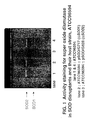
- FIG. 1 shows the activity staining for superoxide dismutase after native polyacrylamide gel electrophoresis by using cell-free extracts obtained from ATCC 96594 and its SOD mutants.
- Lane 1 P. rhodozyma ATCC 96594;
- Lane 2 P. rhodozyma ATCC 96594 :: pSOD/G717 (SOD1 disruptant);
- the object of the present invention is to provide a novel process for producing carotenoids biologically.
- the novel process comprises cultivating a recombinant organism whose gene for one or more active oxygen species-quenching factor(s) is substantially disrupted with the aid of a disruption cassette specific to the said gene, and recovering carotenoids from the culture.
- a recombinant DNA sequence which contains an open reading frame coding for active oxygen species-quenching factor(s), which may be an enzyme, such as mitochondrial SOD or cytoplasmic SOD.
- the recombinant DNA sequence may contain a partial fragment encoding catalase gene.
- the said recombinant DNA sequence may be the one which can be derived from an organism belonging to the kingdom of Monera , Protista or Fungi, more preferably to the genus Erwinia , Rhodobacter , Myxococcus , Flavobacter , Paracoccus , Synechococcus , Synechocystis , Agrobacterium , Streptomyces, Haematococcus , Dunaliella , Phaffia , Xanthophyllomyces , Neurospora , Rhodotorula , Blakeslea, or Phycomyces . Particularly preferred organism is P . rhodozyma .
- the active oxygen species-quenching factor coded by the recombinant DNA sequence may be mitochondrial SOD, cytoplasmic SOD and/or catalase.
- a specific example of the recombinant DNA sequence is derived from a gene of Phaffia rhodozyma and is selected from (i) a DNA sequence represented in SEQ ID NO: 1 or 2; (ii) those cDNAs identified by SEQ ID NO: 4 or 6; (iii) an isocoding or an allelic variant for the DNA sequence represented in SEQ ID NO: 1, 2, 4 or 6; and (iv) a derivative of a DNA sequence represented in SEQ ID NO: 1, 2, 4 or 6 with addition, insertion, deletion and/or substitution of one or more nucleotide(s), and coding for a polypeptide having the said enzyme activity.
- the said recombinant DNA sequence may also be characterized in that (a) it codes for the said enzyme having an amino acid sequence selected from the group consisting of those described in SEQ ID NOs: 5 and 7, or (b) it codes for a variant of the said enzyme selected from (i) an allelic variant, and (ii) an enzyme having one or more amino acid addition, insertion, deletion and/or substitution and having the stated enzyme activity.
- an "allelic variant” means the variant that has at least one mutation in either one of two alleles in the diploid organism such as Phaffia rhotlozyma , Xanthophyllomyces dendrorhous and the like. Both alleles of a given gene are concerned with the same trait or characteristic, but the product or function coded for by a particular allele differs, qualitatively and/or quantitatively, from that coded for by other alleles of that gene.
- Allelic variant can occur naturally or be generated artificially by means of chemical mutagenesis.
- a wild type allele is one which codes for a particular phenotypic characteristic found in the wild type strain of a given organism.
- an “isocoding variant” means the variant in which the nucleotide sequence of a given gene differs from the sequence from the wild type gene although its translated product (i.e. amino acid sequence) is identical with that from the wild type protein. This is caused by degeneracy of genetic code and by the difference of codon usage which is not identical among various organisms.
- a "derivative of a DNA sequence” is a DNA sequence that encodes a polypeptide having the activity of the corresponding SEQ ID NO but which differs from that DNA sequence by from 1-20, preferably 1-10, such as 1-5 nucleotide additions, insertions, deletions, and/or substitutions.
- Particularly specified recombinant DNA sequence mentioned above may be that which can be derived from a gene of Phaffi a rhodozyma and is selected from (i) a DNA sequence represented in SEQ ID NO: 3; (ii) cDNA identified by SEQ ID NO: 8; (iii) an isocoding or an allelic variant for the DNA sequence represented in SEQ ID NO: 3 or 8; and (iv) a derivative of a DNA sequence represented in SEQ ID NO: 3 or 8 with addition, insertion, deletion and/or substitution of one or more nucleotide(s), and coding for a polypeptide having the said enzyme activity.
- the said recombinant DNA sequence may also be characterized in that (a) it codes for the said enzyme having a partial amino acid sequence selected from the group consisting of those described in SEQ ID NO: 9, or (b) it codes for a variant of the said enzyme selected from (i) an allelic variant, and (ii) an enzyme having one or more amino acid addition, insertion, deletion and/or substitution and having the stated enzyme activity.
- a recombinant DNA sequence may preferably be in the form of a vector.
- the present invention also provides the use of the said recombinant DNA sequence to transform a host organism so as to obtain an organism whose gene for at least one active oxygen species-quenching factor is substantially disrupted with the aid of introduction of the said disruption cassette specific to the said gene.
- a gene is "disrupted” or “substantially disrupted” if the activity of the polypeptide that it encodes is reduced relative to a non-disrupted gene.
- the activity is reduced by 10%, preferably by at least 50% such as for example by at least 75%, more preferably by at least 90% to 100%.
- a convenient form of the recombinant DNA sequence may be a vector.
- the recombinant organism obtained by use of the recombinant DNA is disrupted in its DNA sequence encoding mitochondrial SOD, cytoplasmic SOD, or catalase.
- the host organism transformed with the recombinant DNA is useful in the improvement of the production process of carotenoids, in particular astaxanthin.
- the present invention also provides such a recombinant organism.
- This biological production method of carotenoids can improve the productivity of carotenoids, in particular of astaxanthin.
- the method for producing a carotenoid characterized in that a recombinant organism described above is cultivated under conditions conductive to the production of the carotenoid is one of the aspect of the present invention. This method may be applied to the biological production of astaxanthin.
- inactivation of native active oxygen species-quenching factor may affect to carotenoids production probably because relatively increased active oxygen species in vivo due to absence of native active oxygen species-quenching factors would stimulate a production of astaxanthin as an alternative player to quench active oxygen species.
- Yeast S. cerevisiae , like most eucaryotes, contains Cu/ZnSOD (product of the SOD1 gene) in the cytosol and MnSOD (product of the SOD2 gene) in the mitochondria. These enzymes catalyze the disproportionating of O 2 ., producing O 2 and H 2 O 2 . Together with small molecular antioxidants, such as glutathione and ascorbate; other antioxidant enzymes, such as catalases and peroxidases; and metal chelating proteins such as metallothionein, they allow aerobes to survive under O 2 , presumably by minimizing oxidative damage. The importance of cytoplasmic SOD was demonstrated by the high sensitivity to dioxygen shown by S.
- degenerate PCR is a method to clone a gene of interest which has high homology of amino acid sequence to the known enzyme from other species which has a same or similar function.
- Degenerate primer which is used as a primer in degenerate PCR, was designed by a reverse translation of the amino acid sequence to corresponding nucleotides ("degenerated").
- a mixed primer which consists any of A, C, G or T, or a primer containing inosine at an ambiguity code is generally used.
- the mixed primers were used for degenerate primers to clone above genes.
- PCR condition used is varied depending on primers and genes to clone as described hereinafter.
- SOD1 and SOD2 genes two species of SOD genes whose sequence was different from each other were cloned from the same PCR band in degenerate PCR and named as SOD1 and SOD2 genes.
- An entire gene containing its coding region with its intron as well as its regulation region such as a promoter or terminator can be cloned from a chromosome by screening of genomic library which is constructed in phage vector or plasmid vector in an appropriate host, by using a partial DNA fragment obtained by degenerate PCR as described above as a probe after it was labeled.
- E. coli as a host strain
- E . coli vector a phage vector such as ⁇ phage vector, or a plasmid vector such as pUC vector are often used in the construction of library and a following genetic manipulation such as a sequencing, a restriction digestion, a ligation and the like.
- an EcoR Igenomic library of P. rhodozyma was constructed in the derivatives of ⁇ vector, ⁇ ZAPII and ⁇ DASHII depending on an insert size.
- An insert size, what length of insert must be cloned, was determined by the Southern blot hybridization for each gene before a construction of a library.
- a DNA which was used for a probe was labeled with digoxigenin (DIG), a steroid hapten instead of conventional 32 P label, following the protocol which was prepared by the supplier (Boehringer-Mannheim (Mannheim, Germany)).
- DIG digoxigenin
- rhodozyma was screened by using a DIGlabeled DNA fragment which had a portion of a gene of interest as a probe. Hybridized plaques were picked up and used for further study.
- ⁇ DASHII insert size was from 9 kb to 23 kb
- prepared ⁇ DNA was digested by the EcoR I, followed by the cloning of the EcoR I insert into a plasmid vector such as pUC19 or pBluescriptII SK+.
- the inventors determined the genomic sequence containing an open reading frame of SOD1 gene or SOD2 gene as well as its promoter and terminator sequence. From sequence analysis, it was found that SOD1 codes for mitochondrial SOD, judged from a presence of transit peptide at its amino terminal end. On the contrary, SOD2 does not have such a transit peptide sequence and this fact suggested that SOD2 codes for cytoplasmic SOD. The inventors also determined a partial genomic sequence of an open reading frame for CAT gene.
- Transit peptide is a signal sequence to transfer the nucleic gene products, which code on chromosome, and whose translated proteins function in mitochondria, to mitochondrial location of proteins, such as enzymes involved in TCA cycle. To express some proteins in mitochondria, addition of transit peptide at its amino terminal end is useful.
- disruption plasmids for SOD1 , SOD2 and CAT genes were constructed by ligating partial fragments of above genes, which do not contain the either end of genes, with drug resistant genes to suicidal vector, which cannot be autonomously replicated in P. rhodozyma due to lack of autonomous replication sequence.
- a drug resistant gene which encodes the enzyme that enables the host survive in the presence of a toxic antibiotic is often used for the selectable marker.
- G418 resistance gene harbored in pPR2T (Verdoes et al . (International patent publication, WO97/23633)) is an example of a drug resistance gene.
- Such a suicidal vector cannot replicate by itself and can be present only in an integrated form on the chromosome of the host as a result of a single-crossing recombination using the homologous sequence between a vector and a chromosome.
- its genetic sequence cannot be reconstituted on the chromosome of the host strain due to lack of either end of the gene and as a consequence, the gene of interest could be disrupted in the recombinant strain thus obtained.
- Another example for disruption plasmid is a double crossing over type of plasmid.
- This type of disruption plasmid contains two different partial fragments of objective gene to be disrupted and selective marker gene such as a drug resistant gene is inserted between such two fragments. After the recombination between the chromosome of the recipient cells and donor plasmid DNA at the two homologous parts of the gene, replacement of the chromosome sequence with the donor DNA occur and selective marker gene is inserted into the objective gene to be disrupted.
- double crossing over type of plasmid has lower frequency of recombination than single crossing type of vector.
- Anti-sense method is a method to decrease an expression of gene of interest by introducing an artificial gene fragment, whose sequence is complementary to that of gene of interest. And such an anti-sense gene fragment form complex with mature mRNA fragment of objective gene in vivo and inhibit an efficient translation from mRNA, as a consequence.
- the other method is a mutation of promoter region.
- the gene consists of several parts which have different functions from each other.
- genes which encode corresponding protein are transcribed to premature messenger RNA (pre-mRNA) differing from the genes for ribosomal RNA (rRNA), small nuclear RNA (snRNA) and transfer RNA (tRNA).
- pre-mRNA premature messenger RNA
- rRNA ribosomal RNA
- snRNA small nuclear RNA
- tRNA transfer RNA
- RNA polymerase II (PolII) plays a central role in this transcription event, PolII can not solely start transcription without cis element covering an upstream region containing a promoter and an upstream activation sequence (UAS), and a trans -acting protein factor.
- a transcription initiation complex which consists of several basic protein components recognize the promoter sequence in the 5'-adjacent region of the gene to be expressed.
- some additional participants are required in the case of the gene which is expressed under some specific regulation, such as a heat shock response, or adaptation to a nutrition starvation, and so on.
- a UAS is required to exist in the 5'-untranslated upstream region around the promoter sequence, and some positive or negative regulator proteins recognize and bind to the UAS.
- the strength of the binding of transcription initiation complex to the promoter sequence is affected by such a binding of the trans -acting factor around the promoter, and this enables the regulation of the transcription activity.
- a transcription initiation complex After the activation of a transcription initiation complex by the phosphorylation, a transcription initiation complex initiates transcription from the transcription start site. Some parts of the transcription initiation complex are detached as an elongation complex from the promoter region to the 3' direction of the gene (this step is called as a promoter clearance event) and an elongation complex continues the transcription until it reaches to a termination sequence that is located in the 3'-adjacent downstream region of the gene.
- Mutant strain in which expression of enzyme of interest might decrease can be obtained by transforming host strain with a recombinant DNA having such a mutated promoter region. As described above, such an attempt to decrease the expression of gene is also employed as well as gene disruption for objective to determine an effect of gene product on phenomena in living organisms.
- the event of gene disruption can be confirmed by enzymatic characterization directly and by genetic analysis with PCR or Southern blot hybridization by using the chromosome obtained from transformants thus obtained.
- a direct confirmation of SOD disruption were performed by activity staining and characterization of catalase disruption were conducted by visual observation like catalase test which is often used in bacterial taxonomy.
- Such a genetically engineered P. rhodozyma would be cultivated in an appropriate medium and evaluated in its productivity of astaxanthin.
- P. rhodozyma strain is maintained routinely on agar plate of YPD medium (DIFCO, Detroit, USA).
- E. coli strain is maintained in LB medium (10 g Bacto-trypton, 5 g yeast extract (DIFCO) and 5 g NaCI per liter).
- NZY medium (5 g NaCl, 2 g MgSO 4 -7H 2 O, 5 g yeast extract (DIFCO), 10 g NZ amine type A (WAKO, Osaka, Japan) per liter is used for ⁇ phage propagation in a soft agar (0.7 % agar (WAKO)). When an agar medium was prepared, 1.5 % of agar (WAKO) was supplemented.
- Isolation of a chromosomal DNA from P. rhodozyma was performed by using QIAGEN Genomic Kit (QIAGEN, Hilden, Germany) following the protocol supplied by the manufacturer.
- Mini-prep of plasmid DNA from transformed E . coli was performed with the Automatic DNA isolation system (Pl-50, Kurabo, Co. Ltd., Osaka, Japan).
- Midi-prep of plasmid DNA from an E . coli transformant was performed by using QIAGEN column (QIAGEN).
- Isolation of ⁇ DNA was performed by Wizard lambda preps DNA purification system (Promega, Madison, USA) following the protocol prepared by the manufacturer.
- a DNA fragment was isolated and purified from agarose by using QIAquick or QIAEX II (QIAGEN).
- Manipulation of ⁇ phage derivatives was followed by the protocol prepared by the manufacturer (Stratagene).
- RNA isolation of total RNA from P. rhodozyma was performed with phenol method by using Isogen (Nippon Gene, Toyama, Japan). mRNA was purified from total RNA thus obtained by using mRNA separation kit (Clontech, Palo Alto, USA). cDNA was synthesized by using CapFinder cDNA construction kit (Clontech).
- PCR Polymerase chain reaction
- PCR primers were purchased from a commercial supplier or synthesized with a DNA synthesizer (model 392, Perkin Elmer, Japan, Urayasu, Japan). Fluorescent DNA primers for DNA sequencing were purchased from Pharmacia. DNA sequencing was performed with the automated fluorescent DNA sequencer (ALFred, Pharmacia).
- Competent cells of E . coli DH5 ⁇ were purchased from Toyobo (Japan).
- the apparatus and reagent for biolistic transformation of P. rhodozyma were purchased from Nippon Bio-Rad Laboratories (Tokyo, Japan).
- Example 1 Isolation of mRNA from P. rhodozyma and construction of cDNA library
- RNA was isolated by phenol extraction method right after the cell disruption and the mRNA from P. rhodozyma ATCC96594 strain was purified by using mRNA separation kit (Clontech).
- RNA was purified by using mRNA separation kit (Clontech) according to the method specified by the manufacturer. Finally, 16 ⁇ g of mRNA from P. rhodozyma ATCC 96594 strain was obtained.
- CapFinder PCR cDNA construction kit (Clontech) was used according to the method specified by the manufacturer. One ⁇ g of purified mRNA was applied for a first strand synthesis followed by PCR amplification. After this amplification by PCR, 1 mg of cDNA pool was obtained.
- reaction mixture was applied to agarose gel electrophoresis.
- a PCR band that has a desired length was recovered and purified by QIAquick (QIAGEN) according to the method by the manufacturer and then ligated to pCR2.1-TOPO (Invitrogen).
- QIAquick QIAGEN
- pCR2.1-TOPO Invitrogen
- QIAGEN genomic kit was used according to the method specified by the manufacturer.
- Example 4 Southern blot hybridization by using pSOD614 #2 and pSOD614 #3 as probes
- Southern blot hybridization was performed to clone genomic fragment which contains SOD genes from P. rhodozyma .
- Two ⁇ g of genomic DNA was digested by EcoR I and subjected to agarose gel electrophoresis followed by acidic and alkaline treatment.
- the denatured DNA was transferred to nylon membrane (Hybond N+, Amersham) by using transblot (Joto Rika, Tokyo, Japan) for an hour.
- the DNA was transferred to nylon membrane and fixed by a heat treatment (80 °C, 90 minutes).
- Probes were prepared by labeling the template DNAs (EcoR l- digested pSOD614 #2 and pSOD614 #3) with DIG multipriming method (Boehringer Mannheim).
- Hybridization was performed with the method specified by the manufacturer. As a result, hybridized bands were visualized in the length of 7.5 kilobases (kb) against the probe prepared from pSOD614 #2, and in the length of 8.0 kilobases (kb) against the probe prepared from pSOD614 #3.
- plaques were screened by using EcoR I- digested pSOD614 #2 and pSOD614 #3 as probes. Six plaques were hybridized to the labeled pSOD614 #2 probe and two plaques were hybridized to the labeled pSOD614 #3 probe. Then, hybridized plaques were subjected to in viv o excision protocol according to the method specified by the manufacturer (Stratagene). It was found that one plasmid isolated from six of pSOD614 #2-hybridized plaques had the same fragments as that of pSOD614 #2 as a result of PCR analysis by using sodl and sod4 primers. This plasmid was named as pSOD703.
- Example 6 Sequence analysis of two species of MnSOD genes obtained from P . rhodozyma
- nucleotide sequence was determined by sequencing of pSOD703 and pSOD626 with a primer-walking procedure. Nucleotide and their deduced amino acid sequences for SOD1 gene which harbored on pSOD703 and for SOD2 gene which harbored on pSOD626 are listed as SEQ ID NO: 1, NO: 2, NO: 5 and NO: 7 in the sequence listing section.
- SOD1 gene had 7 introns and 8 exons. And its deduced open reading frame consisted of 223 amino acids. On the other hand, SOD 2 gene had 10 introns and 11 exons, and its deduced open reading frame consisted of 199 amino acids. Most difference between two isolated SOD genes was extended region of SOD 1 gene in its amino terminal end, whose sequence might act as a transit peptide to mitochondria
- MnSOD intracellular location
- Cu/ZnSOD Cu/ZnSOD in the cytoplasmic fraction
- Example 7 Construction of disruption plasmids for SOD1 and SOD2 genes
- a plasmid harboring a drug resistant marker cassette was constructed by inserting G418 resistant structure gene between promoter and terminator genes of glyceraldehyde-3-phosphate dehydrogenase (GAP) and ligating into Kpn I- and Hind III- digested pUC19.
- GAP glyceraldehyde-3-phosphate dehydrogenase
- This plasmid was named as pUC-G418 and used for a further study.
- gene fragments which were used for homologous recombination partial fragments of SOD1 and SOD2 genes were synthesized in vitro by PCR method using PCR primers whose sequences were shown in TABLE 2.
- PCR condition was as follows; 25 cycles of 94 °C for 15 seconds, 50 °C for 30 seconds and 72 °C for 15 minutes.
- 0.1 ⁇ g of genomic DNA obtained in Example 3 was used, and ExTaq as a DNA polymerase.
- a partial fragment of SOD1 which could be obtained from PCR using sodl4 and sod15 as primers and a partial SOD 2 gene which could be obtained from PCR using sod47 and sod48 as primers were amplified respectively.
- Each amplified 0.65 kb fragments was recovered and cloned in pCR2.1-TOPO (Invitrogen) according to the protocol specified by the manufacturer. Six independent clones from white colonies of E .
- coli TOP10 transformants were selected and plasmids were prepared from those transformants.
- pSOD715. one clone which had a partial SOD2 gene was selected for a further study and named as pSOD715.
- pSOD826 one clone which had a partial SOD2 gene was selected and named as pSOD826.
- pSOD715 and pSOD826 were digested by EcoR I and Kpn I, and 0.65kb fragments yielded were purified by using QIAquick protocol and ligated to EcoRI- and KpnI - digested pUC19-G418.
- Six independent clones from ampicillin-resistant colonies of E . coli DH5 ⁇ transformants were selected and plasmids were prepared from those transformants.
- pSOD/G717 As a result of restriction analysis and sequencing, one clone in which a partial SOD1 was fused to G418 resistant cassette was obtained and named as pSOD/G717.
- pSOD/G828 one clone in which a partial SOD2 was fused to G418 resistant cassette was obtained and named as pSOD/G828.
- Transformation protocol were followed to the method described in Methods in Molecular Biology (Johnston et al., 53; 147-153, 1996).
- P. rhodozyma ATCC 96594 was cultured in YPD medium to stationary phase. After centrifugation of broth, cells were concentrated by 10-fold with sterilized water and 200 ⁇ l of cell suspension were spread on YPD medium containing 100 ⁇ g of geneticin, and 0.75 M of mannitol and sorbitol. Five micrograms of circular DNA of pSOD/G717 and pSOD/G828 were coated on 1.5 mg of 0.9 ⁇ m gold particle, and used as donor DNA for biolistic transformation.
- Example 9 Activity staining of native PAGE by using crude extracts which obtained from candidates for SOD1 and SOD2 disruptants
- ATCC96594 strain and candidates which obtained from biolistic transformation of ATCC96594 were cultivated in YPD medium for two days and harvested by centrifugation for 10 min. by 3000 x g at 4 °C. After wash with Tris-HCl buffer (10mM / pH 8.0), cells were concentrated by 10-fold with the same buffer. Cells were disrupted with French press homogenizer (Ohtake Works) at 1500 kg/cm 2 and crude extract was prepared after a microcentrifugation at 15000 rpm (TOMY, MRX150) of homogenized fraction.
- French press homogenizer Ohtake Works
- Protein concentration of crude extract thus prepared was determined with BCA protein assay reagent released by PIERCE (Rockford, U.S.A.). A volume of crude extract corresponding to 300 ⁇ g of protein were subjected to native PAGE according to the method described by Schroeder W. A. et al . (J. Gen . Microbiol ., 139, 907-912, 1993). Method of activity staining was referred to the method by Flohé et al . (Methods in Enzymology , 105, 93-104, 1984).
- Example 10 Cloning of partial catalase (CAT) gene from P . rhodozyma
- the purified DNA was ligated to 1 ⁇ g of EcoR I-digested and CIAP (calf intestine alkaline phosphatase) - treated ⁇ DASHII (Stratagene) at 16 °C overnight, and packaged by Gigapack III gold packaging extract (Stratagene).
- the packaged extract was infected to E . coli XL1Blue MRA(P2) strain and over-laid with NZY medium poured onto LB agar medium. About 8000 plaques were screened using EcoR I- digested pCAT702 as a probe. Six plaques were hybridized to the labeled pCAT702 probe.
- ⁇ DNA was prepared from each ⁇ clone and it was found that 4 of 6 clones contained same fragment to the insert of pCAT702 as a result of PCR using Cat2 and Cat5 primers, and sequencing analysis.
- a partial nucleotide and its deduced amino acid sequence for CAT gene are listed as SEQID NO: 3 and SEQID NO: 9 in the sequence listing section.
- disruption plasmid for CAT gene was constructed.
- Sac I linker was inserted at Hind III site of pUC19-G418, in which terminator region of G418-resistant cassette was located, and as a result of restriction analysis, pUCl9-G418Sa, which had Sac I site at the end of the G418-resistant cassette was yielded.
- Kpn I- and Sac I- fragment derived from pUCl9-G419Sa was ligated to Kpn I- and Sac I- digested pCAT702 and yielded pCAT/G706, in which a partial genomic CAT gene was fused to G418-resistant cassette.
- SOD1 and SOD2 disruptants showed elevated level of productivity for total carotenoids as well as astaxanthin compared to their host strain, ATCC 96594. Especially, SOD1 disruptant showed significant increase of carotenoids and astaxanthin production by 53.3 %and 31.5 %, respectively.
- SOD1 seemed to be a mitochondrial enzyme judged from deduced transit peptide sequence at its amino terminal end and might act to scavenge superoxide radical, a kind of active oxygen species occurred in the respiratory chain at mitochondria. These data suggested that astaxanthin production was stimulated by a generation of intracellular active oxygen to compensate the lack of native player of active oxygen species-quenching factor, SOD1.
Landscapes
- Chemical & Material Sciences (AREA)
- Organic Chemistry (AREA)
- Life Sciences & Earth Sciences (AREA)
- Health & Medical Sciences (AREA)
- Engineering & Computer Science (AREA)
- Zoology (AREA)
- Wood Science & Technology (AREA)
- Bioinformatics & Cheminformatics (AREA)
- Genetics & Genomics (AREA)
- General Health & Medical Sciences (AREA)
- General Engineering & Computer Science (AREA)
- Biochemistry (AREA)
- Microbiology (AREA)
- Biotechnology (AREA)
- Biomedical Technology (AREA)
- Molecular Biology (AREA)
- Medicinal Chemistry (AREA)
- Chemical Kinetics & Catalysis (AREA)
- General Chemical & Material Sciences (AREA)
- Micro-Organisms Or Cultivation Processes Thereof (AREA)
- Enzymes And Modification Thereof (AREA)
- Preparation Of Compounds By Using Micro-Organisms (AREA)
Priority Applications (1)
| Application Number | Priority Date | Filing Date | Title |
|---|---|---|---|
| EP00126114A EP1111067A3 (fr) | 1999-12-01 | 2000-11-29 | Production recombinante de caroténoides, en particulier d'astaxanthine |
Applications Claiming Priority (3)
| Application Number | Priority Date | Filing Date | Title |
|---|---|---|---|
| EP99123821 | 1999-12-01 | ||
| EP99123821 | 1999-12-01 | ||
| EP00126114A EP1111067A3 (fr) | 1999-12-01 | 2000-11-29 | Production recombinante de caroténoides, en particulier d'astaxanthine |
Publications (2)
| Publication Number | Publication Date |
|---|---|
| EP1111067A2 true EP1111067A2 (fr) | 2001-06-27 |
| EP1111067A3 EP1111067A3 (fr) | 2001-10-10 |
Family
ID=26071622
Family Applications (1)
| Application Number | Title | Priority Date | Filing Date |
|---|---|---|---|
| EP00126114A Ceased EP1111067A3 (fr) | 1999-12-01 | 2000-11-29 | Production recombinante de caroténoides, en particulier d'astaxanthine |
Country Status (1)
| Country | Link |
|---|---|
| EP (1) | EP1111067A3 (fr) |
Cited By (3)
| Publication number | Priority date | Publication date | Assignee | Title |
|---|---|---|---|---|
| WO2004029261A3 (fr) * | 2002-09-27 | 2004-05-27 | Dsm Ip Assets Bv | Production de canthaxanthine au moyen de phaffia |
| CN101314779B (zh) * | 2007-05-30 | 2011-05-25 | 哈尔滨师范大学 | 同化甲醛基因植物表达载体 |
| US8691555B2 (en) | 2006-09-28 | 2014-04-08 | Dsm Ip Assests B.V. | Production of carotenoids in oleaginous yeast and fungi |
Family Cites Families (2)
| Publication number | Priority date | Publication date | Assignee | Title |
|---|---|---|---|---|
| EP0359617A3 (fr) * | 1988-09-02 | 1990-04-04 | Plant Genetic Systems, N.V. | Plantes résistantes au stress |
| GB9824282D0 (en) * | 1998-11-05 | 1998-12-30 | Microbiological Research Agenc | Delivery of superoxide dismutase to neuronal cells |
-
2000
- 2000-11-29 EP EP00126114A patent/EP1111067A3/fr not_active Ceased
Non-Patent Citations (1)
| Title |
|---|
| VAN LOON A.P.G.M. ET AL: "A yeast mutant lacking mitochondrial manganese-superoxide dismutase is hypersensitive to oxigen", PNAS, vol. 83, June 1986 (1986-06-01), pages 3820 - 3824 * |
Cited By (4)
| Publication number | Priority date | Publication date | Assignee | Title |
|---|---|---|---|---|
| WO2004029261A3 (fr) * | 2002-09-27 | 2004-05-27 | Dsm Ip Assets Bv | Production de canthaxanthine au moyen de phaffia |
| US8691555B2 (en) | 2006-09-28 | 2014-04-08 | Dsm Ip Assests B.V. | Production of carotenoids in oleaginous yeast and fungi |
| US9297031B2 (en) | 2006-09-28 | 2016-03-29 | Dsm Ip Assets B.V. | Production of carotenoids in oleaginous yeast and fungi |
| CN101314779B (zh) * | 2007-05-30 | 2011-05-25 | 哈尔滨师范大学 | 同化甲醛基因植物表达载体 |
Also Published As
| Publication number | Publication date |
|---|---|
| EP1111067A3 (fr) | 2001-10-10 |
Similar Documents
| Publication | Publication Date | Title |
|---|---|---|
| US6872556B2 (en) | Isoprenoid production | |
| EP0955363A2 (fr) | Séquences d'ADN codant pour des enzymes impliqués dans la production des isoprénoides | |
| Verdoes et al. | Isolation and functional characterisation of a novel type of carotenoid biosynthetic gene from Xanthophyllomyces dendrorhous | |
| Pecker et al. | A single polypeptide catalyzing the conversion of phytoene to zeta-carotene is transcriptionally regulated during tomato fruit ripening. | |
| Kajiwara et al. | Isolation and functional identification of a novel cDNA for astaxanthin biosynthesis from Haematococcus pluvialis, and astaxanthin synthesis in Escherichia coli | |
| KR102202606B1 (ko) | 바이오레티놀을 생산하는 미생물 및 이를 이용한 바이오레티놀의 생산방법 | |
| US6869773B2 (en) | Process for the manufacture of carotenoids and biologically useful materials thereof | |
| EP1780281B1 (fr) | Procédé de production de l'astaxanthine ou d'un produit métabolique de ce composé en utilisant les gènes de la caroténoïde cétolase et de la caroténoïde hydrolase | |
| EP1158051B1 (fr) | Procédé pour la production d' astaxanthin | |
| US6365386B1 (en) | Astaxanthin synthase | |
| EP1543144B1 (fr) | Production de zeaxanthine et beta-cryptoxanthine par phaffia | |
| EP1111067A2 (fr) | Production recombinante de caroténoides, en particulier d'astaxanthine | |
| US6461842B1 (en) | Process for producing coenzyme Q10 |
Legal Events
| Date | Code | Title | Description |
|---|---|---|---|
| PUAI | Public reference made under article 153(3) epc to a published international application that has entered the european phase |
Free format text: ORIGINAL CODE: 0009012 |
|
| AK | Designated contracting states |
Kind code of ref document: A2 Designated state(s): AT BE CH CY DE DK ES FI FR GB GR IE IT LI LU MC NL PT SE TR |
|
| AX | Request for extension of the european patent |
Free format text: AL;LT;LV;MK;RO;SI |
|
| PUAL | Search report despatched |
Free format text: ORIGINAL CODE: 0009013 |
|
| AK | Designated contracting states |
Kind code of ref document: A3 Designated state(s): AT BE CH CY DE DK ES FI FR GB GR IE IT LI LU MC NL PT SE TR |
|
| AX | Request for extension of the european patent |
Free format text: AL;LT;LV;MK;RO;SI |
|
| 17P | Request for examination filed |
Effective date: 20020402 |
|
| AKX | Designation fees paid |
Free format text: AT BE CH CY DE DK ES FI FR GB GR IE IT LI LU MC NL PT SE TR |
|
| RAP1 | Party data changed (applicant data changed or rights of an application transferred) |
Owner name: DSM IP ASSETS B.V. |
|
| 17Q | First examination report despatched |
Effective date: 20040713 |
|
| APBK | Appeal reference recorded |
Free format text: ORIGINAL CODE: EPIDOSNREFNE |
|
| APBN | Date of receipt of notice of appeal recorded |
Free format text: ORIGINAL CODE: EPIDOSNNOA2E |
|
| APAF | Appeal reference modified |
Free format text: ORIGINAL CODE: EPIDOSCREFNE |
|
| APBT | Appeal procedure closed |
Free format text: ORIGINAL CODE: EPIDOSNNOA9E |
|
| STAA | Information on the status of an ep patent application or granted ep patent |
Free format text: STATUS: THE APPLICATION HAS BEEN REFUSED |
|
| 18R | Application refused |
Effective date: 20090701 |