EP1117230A2 - Méthode et système pour la présentation d'informations dans un terminal multimédia - Google Patents
Méthode et système pour la présentation d'informations dans un terminal multimédia Download PDFInfo
- Publication number
- EP1117230A2 EP1117230A2 EP01660008A EP01660008A EP1117230A2 EP 1117230 A2 EP1117230 A2 EP 1117230A2 EP 01660008 A EP01660008 A EP 01660008A EP 01660008 A EP01660008 A EP 01660008A EP 1117230 A2 EP1117230 A2 EP 1117230A2
- Authority
- EP
- European Patent Office
- Prior art keywords
- message
- multimedia
- component
- presentation model
- terminal
- Prior art date
- Legal status (The legal status is an assumption and is not a legal conclusion. Google has not performed a legal analysis and makes no representation as to the accuracy of the status listed.)
- Granted
Links
Images



Classifications
-
- H—ELECTRICITY
- H04—ELECTRIC COMMUNICATION TECHNIQUE
- H04W—WIRELESS COMMUNICATION NETWORKS
- H04W4/00—Services specially adapted for wireless communication networks; Facilities therefor
- H04W4/12—Messaging; Mailboxes; Announcements
-
- G—PHYSICS
- G06—COMPUTING OR CALCULATING; COUNTING
- G06F—ELECTRIC DIGITAL DATA PROCESSING
- G06F16/00—Information retrieval; Database structures therefor; File system structures therefor
- G06F16/90—Details of database functions independent of the retrieved data types
- G06F16/95—Retrieval from the web
- G06F16/958—Organisation or management of web site content, e.g. publishing, maintaining pages or automatic linking
-
- H—ELECTRICITY
- H04—ELECTRIC COMMUNICATION TECHNIQUE
- H04L—TRANSMISSION OF DIGITAL INFORMATION, e.g. TELEGRAPHIC COMMUNICATION
- H04L41/00—Arrangements for maintenance, administration or management of data switching networks, e.g. of packet switching networks
- H04L41/22—Arrangements for maintenance, administration or management of data switching networks, e.g. of packet switching networks comprising specially adapted graphical user interfaces [GUI]
-
- H—ELECTRICITY
- H04—ELECTRIC COMMUNICATION TECHNIQUE
- H04L—TRANSMISSION OF DIGITAL INFORMATION, e.g. TELEGRAPHIC COMMUNICATION
- H04L51/00—User-to-user messaging in packet-switching networks, transmitted according to store-and-forward or real-time protocols, e.g. e-mail
- H04L51/04—Real-time or near real-time messaging, e.g. instant messaging [IM]
-
- H—ELECTRICITY
- H04—ELECTRIC COMMUNICATION TECHNIQUE
- H04L—TRANSMISSION OF DIGITAL INFORMATION, e.g. TELEGRAPHIC COMMUNICATION
- H04L51/00—User-to-user messaging in packet-switching networks, transmitted according to store-and-forward or real-time protocols, e.g. e-mail
- H04L51/07—User-to-user messaging in packet-switching networks, transmitted according to store-and-forward or real-time protocols, e.g. e-mail characterised by the inclusion of specific contents
- H04L51/10—Multimedia information
-
- H—ELECTRICITY
- H04—ELECTRIC COMMUNICATION TECHNIQUE
- H04L—TRANSMISSION OF DIGITAL INFORMATION, e.g. TELEGRAPHIC COMMUNICATION
- H04L65/00—Network arrangements, protocols or services for supporting real-time applications in data packet communication
- H04L65/1066—Session management
- H04L65/1101—Session protocols
-
- H—ELECTRICITY
- H04—ELECTRIC COMMUNICATION TECHNIQUE
- H04L—TRANSMISSION OF DIGITAL INFORMATION, e.g. TELEGRAPHIC COMMUNICATION
- H04L67/00—Network arrangements or protocols for supporting network services or applications
- H04L67/01—Protocols
- H04L67/04—Protocols specially adapted for terminals or networks with limited capabilities; specially adapted for terminal portability
-
- H—ELECTRICITY
- H04—ELECTRIC COMMUNICATION TECHNIQUE
- H04L—TRANSMISSION OF DIGITAL INFORMATION, e.g. TELEGRAPHIC COMMUNICATION
- H04L69/00—Network arrangements, protocols or services independent of the application payload and not provided for in the other groups of this subclass
- H04L69/30—Definitions, standards or architectural aspects of layered protocol stacks
- H04L69/32—Architecture of open systems interconnection [OSI] 7-layer type protocol stacks, e.g. the interfaces between the data link level and the physical level
- H04L69/322—Intralayer communication protocols among peer entities or protocol data unit [PDU] definitions
- H04L69/329—Intralayer communication protocols among peer entities or protocol data unit [PDU] definitions in the application layer [OSI layer 7]
-
- H—ELECTRICITY
- H04—ELECTRIC COMMUNICATION TECHNIQUE
- H04M—TELEPHONIC COMMUNICATION
- H04M2207/00—Type of exchange or network, i.e. telephonic medium, in which the telephonic communication takes place
- H04M2207/40—Type of exchange or network, i.e. telephonic medium, in which the telephonic communication takes place terminals with audio html browser
-
- H—ELECTRICITY
- H04—ELECTRIC COMMUNICATION TECHNIQUE
- H04W—WIRELESS COMMUNICATION NETWORKS
- H04W88/00—Devices specially adapted for wireless communication networks, e.g. terminals, base stations or access point devices
- H04W88/02—Terminal devices
-
- H—ELECTRICITY
- H04—ELECTRIC COMMUNICATION TECHNIQUE
- H04W—WIRELESS COMMUNICATION NETWORKS
- H04W88/00—Devices specially adapted for wireless communication networks, e.g. terminals, base stations or access point devices
- H04W88/16—Gateway arrangements
Definitions
- the present invention relates to a method for presenting information contained in messages in a user interface of a multimedia terminal, in which method a message contains at least one component, and which message is transmitted to the multimedia terminal in a system for transmitting multimedia messages.
- the invention also relates to a system for transmitting multimedia messages, comprising means for transmitting a message to a multimedia terminal which comprises a user interface for presenting information contained in the messages, and each message contains at least one component.
- the invention relates to a transmitting multimedia terminal which comprises means for forming messages of at least one component, and means for transmitting the messages.
- the invention also relates to a receiving multimedia terminal which comprises means for receiving messages, and a user interface for presenting information contained in the messages, and each message contains at least one component.
- Wireless communication networks and the Internet network expand fast, and the number of their users is increasing. It is possible to introduce Internet services in digital mobile stations of wireless communication networks, such as so-called media phones, for example by the WAP technology.
- the WAP Wireless Application Protocol
- the WAP is an open standard which is designed to support globally a majority of digital mobile communication networks, such as the GSM (Global System for Mobile communications), GPRS (General Packet Radio Service), PDC (Personal Digital Cellular), CDMA IS-95 (Code Division Multiple Access), TDMA IS-136 (Time Division Multiple Access), and third generation networks, such as the WCDMA (Wideband CDMA) and CDMA-2000. Because the WAP system was developed only recently and because the specifications of the WAP system define in some cases only the framework for different implementations, there are no known solutions for implementing certain functions of the WAP system.
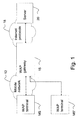
- the terminal using the WAP protocol for external communication can communicate with a server 20 in the Internet network.
- the wireless terminal MS wireless terminal, mobile station
- a wireless terminal available as a WAP terminal is Nokia 7110.
- the display of the WAP terminal is relatively small, which restricts the quantity of information to be displayed on the display at a time. This causes problems e.g. when browsing Internet home pages which are typically designed to be presented on the display of an ordinary computer.
- the connection between the WAP terminal and the Internet network is implemented by a WAP gateway 15 which functions as a means for transmitting messages between the WAP terminal MS and the Internet network 18.
- the WAP gateway 15 converts the messages addressed by the WAP terminal MS to the Internet network 18 to messages complying with an Internet protocol, such as the TCP/IP protocol (Transmission Control Protocol / Internet Protocol).
- an Internet protocol such as the TCP/IP protocol (Transmission Control Protocol / Internet Protocol).
- messages addressed from the Internet network 18 to the WAP terminal MS in the wireless network 12 are converted, if necessary, in the WAP gateway 16 to messages complying with the WAP protocol (e.g. WSP, Wireless Session Protocol).
- WAP protocol e.g. WSP, Wireless Session Protocol
- the WAP terminal MS can be, per se , any device which uses the WAP protocol for external communication, such as a mobile station of a cellular network or a computer terminal communicating with the wireless network 12 for example via a mobile station of a cellular network.
- Communication forms supported by the WAP and intended for the transmission of information over the radio channel are called bearers.
- bearers Communication forms supported by the WAP and intended for the transmission of information over the radio channel.
- these include e.g. short messages (SMS, Short Message Service), data calls (CSD, Circuit Switched Data) and packet radio or GPRS services, the USSD service (Unstructured Supplementary Service Data), as well as other bearers defined in the WAP specifications.
- the WAP system is a hierarchical system.
- Both the WAP terminal and the WAP gateway comprise a WAP protocol stack to be implemented by means of software, comprising certain WAP protocol layers.
- the WAP protocol layers include e.g. the WAE layer (Wireless Application Environment), the WAP layer (Wireless Session Protocol), the WTP layer (Wireless Transaction Protocol), and the WDP layer (Wireless Datagram Protocol).
- the corresponding WAP protocol layers of the WAP terminal and the WAP gateway communicate with each other to implement reliable data transmission between the WAP terminal and the WAP gateway over the defined bearer.
- HTML hypertext markup language
- the HTML language does not offer a possibility to determine the time of effect of multimedia components, such as the time of displaying a text or the time of playing a sound.
- a fast increase in the use of portable multimedia terminals increases the need to implement versatile messages, such as multimedia messages, in a multimedia terminal.
- the method according to the present invention is characterized in that in the method, a presentation model is formed to contain information related to at least one component connected with the message, that said presentation model is supplemented with a reference to the location of data related to presenting at least one component in said message, and that said presentation model is added to said message.
- the system for transmitting multimedia messages according to the present invention is characterized in that the system comprises means for forming a presentation model in the message, the presentation model comprising information related to presenting at least one component in said message.
- the transmitting multimedia terminal is characterized in that the multimedia terminal also comprises means for forming a presentation model in the message, which presentation model comprises information related to presenting at least one component added in the message, and which presentation model is supplemented with a reference to the location of information related to presenting at least one component in said message.
- the receiving multimedia terminal is characterized in that the multimedia terminal also comprises means for interpreting a presentation model formed in a message, which presentation model comprises information related to presenting at least one component, and which presentation model is supplemented with a reference to the location of information related to presenting at least one component in said message, wherein the multimedia terminal comprises means for finding out said presentation model from said message.
- the invention is based on the idea that the presentation parameters of the components added to the messages are added to the message, and these parameters are formed on a description language.
- a wireless multimedia terminal can be used to present messages, and the messages can also be supplemented with components varying in time.
- the implementation of this does not require such a large processing and storage capacity as when solutions of prior art are used.
- the method according to the invention can be used to form presentations consisting of several pages to be presented in a multimedia terminal.
- multimedia messages with one or several multimedia components.
- the invention is not limited solely to multimedia messages, but the messages used can also be other messages with one or several components.
- this component does not need to be a multimedia component but it can also be another component containing information.
- FIG. 3 illustrates parts which are essential for the operation of a mobile terminal MS applying the method according to a preferred embodiment of the invention.
- the mobile terminal MS comprises a processor MPU and parts functionally coupled with the processor: a memory MEM, a user interface UI and a radio part RF.
- the processor MPU is preferably a microprocessor, a microcontroller or a digital signal processor (DSP).
- the memory MEM preferably comprises a non-volatile memory (ROM, read only memory) and a read-alter storage (RAM, random access memory).
- the radio part RF can transmit radio frequency signals, such as messages complying with the WAP protocol, and receive radio frequency signals, such as multimedia messages, via an antenna ANT.
- the user interface UI preferably offers the user a display and a keyboard for using the mobile terminal MS.
- the software of the mobile terminal MS including the software relating to setting up and presenting multimedia messages, is typically stored in a non-erasable memory.
- the processor MPU controls the operation of the mobile terminal MS, such as the use of the radio part RF, the presentation of the messages with the user interface UI, and the reading of input received from the user interface UI.
- the user interface UI preferably comprises a display DP, a keyboard KB and audio means AUDIO.
- the software which can be implemented in a variety of ways, preferably comprises program blocks which are responsible for implementing the different operations. These operations include e.g. the operations related to displaying multimedia components contained in multimedia message to the user, as well as the operations related to transmitting and receiving messages.
- the multimedia message transmission service is implemented in the mobile terminal MS by the processor MPU together with the software and memory MEM of the mobile terminal.
- the read-alter storage is used by the processor MPU as a temporary buffer memory during data processing.
- the WAP system according to Fig. 1 is presented above in connection with the description of prior art.
- the appended Fig. 2 illustrates the service of transmitting multimedia messages in a situation in which a mobile terminal MS using the WAP protocol for external communication has subscribed the multimedia message transmission service from a multimedia message service center MMSC.
- the multimedia message service center MMSC is a network element, a server, which can be located e.g. in a cellular network or in the Internet network.
- the multimedia message service center MMSC operates in the multimedia message transmission service as a means which stores a multimedia message addressed to a mobile terminal MS in its memory.
- the multimedia message service center MMSC transmits a notification message about the arrival of a multimedia message to the mobile terminal MS when it is available.
- the multimedia message service center MMSC communicates with the mobile terminal MS via a WAP gateway 15.
- the multimedia message service center MMSC is preferably located in the same part of the Internet network as the WAP gateway 15.
- Communication between the multimedia message service center MMSC and the WAP gateway 15 is typically implemented according to the protocols of the Internet networks (IP protocols). These include e.g. TCP/IP and HTTP 1.1.
- multimedia message service center MMSC When a multimedia message containing one or several multimedia components and addressed to a mobile station MS which has subscribed the multimedia message transmission service from the multimedia message service center MMSC, is received at the multimedia message service center MMSC, it stores the multimedia message in its memory and transmits a notification message 30 to the mobile terminal to notify about the stored multimedia message. After this, the user of the mobile terminal MS can retrieve the multimedia message at the best moment of time, or the message can be transmitted to the mobile terminal MS automatically without operations by the user.
- the multimedia components can be e.g. text, images, photographs, audio clips, or video clips in electrical form.
- One multimedia message can also contain multimedia components of different types.
- MMN multimedia message notification
- the MMN is a content type which is defined in such a way that it allows the transmission of data both in text format and in binary format in the same content type.
- the MMN content type is preferably allocated an Internet compatible presentation form in the XML format (extensible markup language) and binary format complying with WAP binary coding.
- XML format extensible markup language
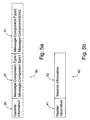
- FIG. 5a One possible rough structure of the notification message 30 of the MMN type is presented in the appended Fig. 5a in which the notification message 30 comprises a general information part 36, fields 37 for expressing the properties of the multimedia components (two in the example of Fig. 5a) contained in the multimedia messages.
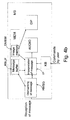
- Figure 4a shows, in a reduced block chart, the setting up of multimedia messages in the transmitting device, such as a multimedia terminal MS'
- Fig. 4b shows the presentation of multimedia messages in a multimedia terminal, such as a mobile terminal MS.
- the setting up of multimedia messages is presented by a modification block MOD which can be e.g. the user interface UI of the terminal. It contains the necessary functions to present and edit multimedia components, such as images, text, audio and/or video.
- the person setting up a multimedia presentation can construct a multimedia page by compiling the desired multimedia components, by editing them, if necessary, and by placing them in the desired locations.
- the multimedia components are stored e.g.
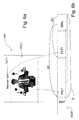
- FIG. 6a shows an example of such a multimedia page.
- the multimedia page MP of Fig. 6a comprises a picture PIC1 placed in the middle of the page and stored e.g. in a file "PIC1.jpg" and above the picture a text line TXT1 which is stored e.g. in a file "TXT1.txt".
- the multimedia page After the multimedia page has been edited to the desired format, it is transferred to a compiling block COMP to form a multimedia file.
- This multimedia file is used to store information about the components which it contains as well as a model for presenting the components in a desired way in the multimedia terminal of the receiver.
- the compilation file forming the compiling block COMP is preferably stored in the memory means MEM of the device setting up the message, such as the multimedia terminal.
- the format used in the compilation file is the SMIL format (synchronized multimedia integration language), known per se.
- the compilation file is preferably stored as a text file, such as SMIL1.text, but it can also be stored in another format, e.g. in binary form.
- the content of the compilation file formed of an example of the multimedia page of Fig. 5a is, in the SMIL format, the following:
- the texts indicated within tags are data types according to the SMIL format as well as parameters possibly related thereto.
- the data file there is first a ⁇ smil> data type which informs that it is a compilation file SMIL complying with the SMIL format in question.
- the width of the field "up” is defined as 160 and the height as 20.
- the location of the upper left corner of this field is determined as 0 in the horizontal direction (left edge) and 10 in the vertical direction.
- the measurement units are preferably pixels, but also other units can be used, such as percentages of the size of the display field.
- the width of the field "center” is defined as 160, the height as 120 and the location of the upper left corner as 0, 40.
- This presentation parameter is followed by a data part (body) indicating which multimedia components the page contains and where they can be found. Further, of the visual components (image, video, text), it is indicated in which location on the page they are placed. Consequently, this example contains two files of which the image file is placed in the field "center” and the text file in the field "up".
- This compilation file SMIL and the components related thereto is transferred to the receiver by means of a multimedia message.
- This is formed in the method according to a preferred embodiment of the invention in the following way.
- the compilation file SMIL is transferred to a message set up block MSG.
- a space is reserved for a message buffer SBUF in which the multimedia message to be transmitted is formed.
- Figure 6b shows an example of such a multimedia message in a reduced view.
- a header HDR is added, containing e.g. address data of the receiver of the message, address data of the transmitter, and a reference REF to the location of the compilation file in the message to be formed.
- the data field D of the message is supplemented with multimedia components, which in this example are an image file and a text file.
- multimedia components which in this example are an image file and a text file.
- the files are added either as such, or they can be compressed or converted to another format.
- the message preferably indicates in which format the files are attached, so that it is possible at the receiving multimedia terminal to perform the corresponding inverse operation to the conversion, to restore the original data format.
- the multimedia message is supplemented with a compilation file.
- references to multimedia component files possibly existing in the compilation file are converted to references to the respective multimedia components in this message.
- arrows R1 and R2 indicate these internal references in the message.
- multimedia presentations consisting of several multimedia pages.
- a separate compilation file is preferably formed, in which the presentation model of the respective page is attached.
- Such multimedia presentations contain for example various images and texts which the receiver of the message can browse either in a certain order or in a desired order.
- the multimedia page is provided with links or references to the next page, the previous page, the beginning, and/or the end. These references are also stored in the compilation files.
- these references are converted to correspond to the location of the components of the respective page in the message.
- Figure 6c shows an example of such a multimedia message.
- the presentation model can be supplemented with a search address at the stage when the content of the multimedia message is presented in the receiving terminal.
- the multimedia message is transmitted in a way known as such to the multimedia message service center MMSC.
- the multimedia message service center MMSC examines to which mobile terminal MS the message in question is intended.
- the address data can be e.g. a phone number, an IP address or URL (Uniform Resource Locator).
- the multimedia message service center MMSC transmits a notification message 30 via the WAP gateway 15 to the mobile terminal MS, to notify about the arrival of a multimedia message addressed to the mobile terminal MS at the multimedia message service center MMSC.
- the notification message 30 is preferably transmitted by using a so-called connectionless service supported e.g. by the WAP.
- a connectionless service such as the short message service (SMS) known from the GSM system
- SMS short message service
- the transmission of a message to the receiver does not require setting up of a connection.
- a connection oriented service is preferably used.
- the multimedia message service center MMSC can examine which multimedia components are contained in the message and compare them with the multimedia properties of the receiving terminal MS. Thus, in some applications, the multimedia message service center MMSC can leave such components which the receiving multimedia terminal MS is not capable of processing, untransmitted. In this context, however, it is assumed that all the components of the multimedia message are transmitted to the receiving multimedia terminal MS.
- the mobile terminal MS After receiving said notification message 30, the mobile terminal MS first starts to set up a connection to the multimedia message service center MMSC (WAP WSP CONNECT), if there is no connection between the mobile terminal MS and the multimedia message service center MMSC at the moment.
- Connection set-up is typically performed in such a way that the wireless terminal MS opens a WSP session with the WAP gateway 15 in a way known as such, and the WAP gateway 15 further opens e.g. an IP connection to the multimedia message service center MMSC.
- Information about the gateway selected by the mobile terminal MS and to be thus used in the WSP session is transmitted from the wireless terminal MS in a way known from the WAP as a bearer indication value in the WSP header field.
- said information is transmitted during communication between the mobile terminal MS and the WAP gateway 15 e.g. in a connection set-up message 40 (Fig. 5b).
- connection set-up Information 42 required for setting up a session is transmitted in the connection set-up message 40.
- the multimedia message service center MMSC receives the connection set-up message 40.
- the multimedia message service center MMSC replies to the connection set-up message with an acknowledgement message, in which the mobile terminal MS is notified if it is possible to set up a connection.
- Connection set-up can fail for example when the user of the terminal addressed as the receiver of the multimedia message has no subscriber contract with the multimedia message service, the phone line is closed e.g. because of unpaid bills, etc.
- the mobile terminal MS After a connection has been set up, it is possible to start the transmission of the multimedia message from the multimedia message service center MMSC to the mobile terminal MS. To optimize the radio resources, the mobile terminal MS can select the transmission path which is most expedient for the transmission of each different multimedia component.
- the message is processed.
- the message is dismantled in a receiving block RMSG and preferably stored in a message buffer RBUF formed in the memory MEM.
- the processing of the message takes place e.g. in an interpretation block IP formed in the application software of the processor MPU.
- the multimedia properties of the multimedia terminal such as the display resolution, colour properties, audio properties, etc. are transferred to the interpretation block IP.
- the interpretation block IP examines the reference to the location of the compilation file and starts to process the compilation file. At this stage, the substantially inverse operations with respect to the compilation stage are executed.
- the parameters of the compilation file disclose the presentation parameters of the multimedia message which are compared by the interpretation block IP with the multimedia properties of the multimedia terminal MS to find out if the multimedia message contains such components which cannot be presented in the multimedia terminal MS. In this case, such components can be by-passed.
- the interpretation block IP processes the data part, i.e. the multimedia components.
- the data part consists of an image component and a text component.
- the interpretation block IP examines the references to these components in the compilation file.
- the data of the image component are transferred by the interpretation block IP from the multimedia message to an image memory DMEM which is preferably formed in the memory means MEM of the mobile terminal, in a space which corresponds to the presentation location of the image defined in the compilation file.
- the text file is transferred by the interpretation block IP to a display driver (not shown), in which the text is converted to corresponding visual information (text) on the display DP of the user interface UI.
- the interpretation block IP transfers the audio information to the audio means AUDIO of the user interface, where the audio information is converted to an audible sound in a way known per se.
- the interpretation block IP searches for the data of the page to be presented first and interprets the page in the way described above. After this, the interpretation block remains waiting for a command to change the page, entered e.g. by the user with the keyboard KB of the user interface UI. After the command to change the page, the interpretation block searches for the data of the next page and interprets that, etc.
- the change of the pages can also be automated by defining a display time for each page. Thus, time is measured in the multimedia terminal MS, and after the expiry of the display time, the interpretation block IP is notified of the command to change the page.
- a component can also be allocated a time of effect, such as a time to display an image or a text or a time to repeat a sound.
- various components can be synchronized with each other in time.
- the compilation file is also supplemented with data about the time of effect for a component and, if necessary, also data about the mutual synchronization of various components, e.g. the moment of starting to present a component with respect to the moment of starting the presentation of a page.
- the presentation model was formed in the terminal MS' which transmitted a message; however, the invention can also be applied in such a way that the presentation model is compiled at the multimedia message service center MMSC before transmitting the message to the receiving terminal MS.
- the multimedia presentation can be set up in the transmitted terminal MS', from which information about the content of the multimedia presentation for compiling the presentation model is transmitted to the multimedia message service center MMSC.
- the invention can also be implemented in software by making the necessary modifications in the program code in the mobile terminal MS and, if necessary, also in the multimedia message service center MMSC.
- the computer software products in question can be stored on a data means, for example in a memory, they can be transferred and they can be run for example in a computer or in the microprocessor of a mobile phone.
- the multimedia terminal MS, MS' can also implement operating system functions.
- the operating system is implemented as program commands of the processor.
- the operating system is primarily responsible for the controls, timings, supervision, etc. of the functions of the multimedia terminal MS, MS'.
- the operating system takes care of starting the operation of the compiling block, performing the functions of transmitting and receiving the message, starting the interpretation block, transferring the message to be processed by the interpretation block, etc.
Landscapes
- Engineering & Computer Science (AREA)
- Signal Processing (AREA)
- Computer Networks & Wireless Communication (AREA)
- Theoretical Computer Science (AREA)
- Databases & Information Systems (AREA)
- Multimedia (AREA)
- Business, Economics & Management (AREA)
- Data Mining & Analysis (AREA)
- Physics & Mathematics (AREA)
- General Engineering & Computer Science (AREA)
- General Physics & Mathematics (AREA)
- General Business, Economics & Management (AREA)
- Human Computer Interaction (AREA)
- Mobile Radio Communication Systems (AREA)
- Information Transfer Between Computers (AREA)
Priority Applications (1)
| Application Number | Priority Date | Filing Date | Title |
|---|---|---|---|
| EP14187574.0A EP2821929A1 (fr) | 2000-01-17 | 2001-01-16 | Méthode et système pour la présentation d'informations dans un terminal multimédia |
Applications Claiming Priority (2)
| Application Number | Priority Date | Filing Date | Title |
|---|---|---|---|
| FI20000089A FI113231B (fi) | 2000-01-17 | 2000-01-17 | Menetelmä sanomien sisältämän informaation esittämiseksi multimediapäätelaitteessa, multimediasanomien välitysjärjestelmä ja multimediapäätelaite |
| FI20000089 | 2000-01-17 |
Related Child Applications (1)
| Application Number | Title | Priority Date | Filing Date |
|---|---|---|---|
| EP14187574.0A Division EP2821929A1 (fr) | 2000-01-17 | 2001-01-16 | Méthode et système pour la présentation d'informations dans un terminal multimédia |
Publications (3)
| Publication Number | Publication Date |
|---|---|
| EP1117230A2 true EP1117230A2 (fr) | 2001-07-18 |
| EP1117230A3 EP1117230A3 (fr) | 2005-02-23 |
| EP1117230B1 EP1117230B1 (fr) | 2014-10-22 |
Family
ID=8557093
Family Applications (2)
| Application Number | Title | Priority Date | Filing Date |
|---|---|---|---|
| EP14187574.0A Withdrawn EP2821929A1 (fr) | 2000-01-17 | 2001-01-16 | Méthode et système pour la présentation d'informations dans un terminal multimédia |
| EP01660008.2A Expired - Lifetime EP1117230B1 (fr) | 2000-01-17 | 2001-01-16 | Méthode et système pour la présentation d'informations dans un terminal multimédia |
Family Applications Before (1)
| Application Number | Title | Priority Date | Filing Date |
|---|---|---|---|
| EP14187574.0A Withdrawn EP2821929A1 (fr) | 2000-01-17 | 2001-01-16 | Méthode et système pour la présentation d'informations dans un terminal multimédia |
Country Status (3)
| Country | Link |
|---|---|
| US (4) | US8364762B2 (fr) |
| EP (2) | EP2821929A1 (fr) |
| FI (1) | FI113231B (fr) |
Cited By (13)
| Publication number | Priority date | Publication date | Assignee | Title |
|---|---|---|---|---|
| FR2828368A1 (fr) * | 2001-08-03 | 2003-02-07 | Qualimucho Media Sa | Procede de transmission et de restitution d'un message multimedia pour terminal mobile |
| KR20030040929A (ko) * | 2001-11-17 | 2003-05-23 | 엘지전자 주식회사 | 이동통신단말기의 멀티미디어 재생방법 |
| FR2843515A1 (fr) * | 2002-08-08 | 2004-02-13 | Eastman Kodak Co | Procede de mise en page de messages multimedias |
| EP1403778A1 (fr) * | 2002-09-27 | 2004-03-31 | Sony International (Europe) GmbH | Langage d'intégration multimedia adaptif (AMIL) pour applications et présentations multimédia |
| EP1494153A1 (fr) * | 2003-07-04 | 2005-01-05 | France Telecom | Procédé de lancement d'un opérateur de traitement d'objects contenus dans un message multimédia et terminal de télécommunication associé |
| KR100474305B1 (ko) * | 2002-09-14 | 2005-03-10 | 엘지전자 주식회사 | 이동 통신 단말기의 멀티미디어 메시지 작성을 위한 사용자 인터페이스 방법 |
| EP1531417A1 (fr) * | 2003-11-17 | 2005-05-18 | France Telecom | Procédé de composition et de transmission d'un message, support d'enregistrement et terminal de télécommunication correspondant. |
| KR100619803B1 (ko) * | 2003-06-17 | 2006-09-05 | 엘지전자 주식회사 | 이동 단말기의 대기화면 설정방법 |
| GB2427527A (en) * | 2005-06-21 | 2006-12-27 | Vodafone Plc | Delivering content for concatenated consumption on a mobile device |
| EP1580965A3 (fr) * | 2004-03-24 | 2006-12-27 | LG Electronics Inc. | Appareil de transmission d'image d'un terminal d'utilisateur et son procédé |
| WO2009032953A3 (fr) * | 2007-09-04 | 2009-09-17 | Tapioca Mobile, Inc. | Distribution de publicité et de contenu fusionnés pour des dispositifs mobiles |
| CN102387481A (zh) * | 2011-10-08 | 2012-03-21 | 中兴通讯股份有限公司 | 一种彩信编辑方法及装置 |
| EP2757814A4 (fr) * | 2011-09-14 | 2015-06-24 | Zte Corp | Procédé et système permettant de transmettre une image en 3d dans un message multimédia |
Families Citing this family (34)
| Publication number | Priority date | Publication date | Assignee | Title |
|---|---|---|---|---|
| FI112307B (fi) * | 2000-08-02 | 2003-11-14 | Nokia Corp | Viestintäpalvelu |
| FI115744B (fi) * | 2001-02-08 | 2005-06-30 | Nokia Corp | Kommunikaatiopalvelu |
| US20030050049A1 (en) * | 2001-09-13 | 2003-03-13 | Sundstrom Lars Henrik | Mobile information service |
| US7200388B2 (en) * | 2002-05-31 | 2007-04-03 | Nokia Corporation | Fragmented delivery of multimedia |
| US7116995B2 (en) * | 2002-05-31 | 2006-10-03 | Nokia Corporation | System and method for operating intravendor and intervendor messaging systems |
| KR100408357B1 (en) * | 2003-01-29 | 2003-12-03 | Hinet Advanced Technology & In | Multimedia messaging service method |
| CN1553369A (zh) * | 2003-05-29 | 2004-12-08 | �Ҵ���˾ | 用于多媒体消息业务的互动方法、用户终端及其通信系统 |
| US20050111041A1 (en) * | 2003-11-25 | 2005-05-26 | Nokia Corporation | Rendering electronic presentations to printed surface |
| EP1714458A1 (fr) * | 2004-02-13 | 2006-10-25 | France Telecom | Procede d'edition d'une page multimedia avec pre-memorisation |
| US8639845B2 (en) * | 2004-02-13 | 2014-01-28 | France Telecom | Method for editing multimedia pages on a terminal using pre-stored parameters of objects appearing in scenes |
| US20050187756A1 (en) * | 2004-02-25 | 2005-08-25 | Nokia Corporation | System and apparatus for handling presentation language messages |
| GB0420531D0 (en) * | 2004-09-15 | 2004-10-20 | Nokia Corp | File delivery session handling |
| US7657554B2 (en) * | 2004-11-05 | 2010-02-02 | Microsoft Corporation | Method and system for managing user interface messages |
| US20060150213A1 (en) * | 2004-12-16 | 2006-07-06 | Zechary Chang | Executing module and method thereof for playing multimedia in a wireless communication apparatus |
| US20060218282A1 (en) * | 2005-03-23 | 2006-09-28 | Nokia Corporation | System and method for providing mobile assisted, fixed line video calls |
| CN1855910B (zh) * | 2005-04-27 | 2010-12-15 | 国际商业机器公司 | 基于Web的统一通信系统和方法以及Web通信管理器 |
| CN1855095A (zh) * | 2005-04-27 | 2006-11-01 | 国际商业机器公司 | 用于播放基于smil的多媒体内容的系统、方法及引擎 |
| US8819143B2 (en) * | 2005-05-31 | 2014-08-26 | Flash Networks Ltd. | Presentation layer adaptation in multimedia messaging |
| US8977636B2 (en) * | 2005-08-19 | 2015-03-10 | International Business Machines Corporation | Synthesizing aggregate data of disparate data types into data of a uniform data type |
| US8266220B2 (en) * | 2005-09-14 | 2012-09-11 | International Business Machines Corporation | Email management and rendering |
| US8694319B2 (en) | 2005-11-03 | 2014-04-08 | International Business Machines Corporation | Dynamic prosody adjustment for voice-rendering synthesized data |
| US7747474B2 (en) * | 2005-12-13 | 2010-06-29 | Equatrax | Shared royalty platform for content royalty management |
| US8271107B2 (en) * | 2006-01-13 | 2012-09-18 | International Business Machines Corporation | Controlling audio operation for data management and data rendering |
| US7996754B2 (en) * | 2006-02-13 | 2011-08-09 | International Business Machines Corporation | Consolidated content management |
| US9135339B2 (en) | 2006-02-13 | 2015-09-15 | International Business Machines Corporation | Invoking an audio hyperlink |
| US20070198731A1 (en) * | 2006-02-21 | 2007-08-23 | Mediatek Inc. | System and method for processing multimedia messages |
| US9092542B2 (en) | 2006-03-09 | 2015-07-28 | International Business Machines Corporation | Podcasting content associated with a user account |
| US9361299B2 (en) | 2006-03-09 | 2016-06-07 | International Business Machines Corporation | RSS content administration for rendering RSS content on a digital audio player |
| US8849895B2 (en) | 2006-03-09 | 2014-09-30 | International Business Machines Corporation | Associating user selected content management directives with user selected ratings |
| US8286229B2 (en) | 2006-05-24 | 2012-10-09 | International Business Machines Corporation | Token-based content subscription |
| US9196241B2 (en) | 2006-09-29 | 2015-11-24 | International Business Machines Corporation | Asynchronous communications using messages recorded on handheld devices |
| US7701082B2 (en) * | 2006-10-30 | 2010-04-20 | Honeywell International Inc. | Aerospace electrical power DC subsystem configuration using multi-functional DC/DC converter |
| US9318100B2 (en) | 2007-01-03 | 2016-04-19 | International Business Machines Corporation | Supplementing audio recorded in a media file |
| US8219402B2 (en) | 2007-01-03 | 2012-07-10 | International Business Machines Corporation | Asynchronous receipt of information from a user |
Family Cites Families (19)
| Publication number | Priority date | Publication date | Assignee | Title |
|---|---|---|---|---|
| US5696500A (en) | 1995-08-18 | 1997-12-09 | Motorola, Inc. | Multi-media receiver and system therefor |
| FI115747B (fi) | 1998-02-12 | 2005-06-30 | Nokia Corp | Tiedonsiirtomenetelmä |
| US6421707B1 (en) * | 1998-02-13 | 2002-07-16 | Lucent Technologies Inc. | Wireless multi-media messaging communications method and apparatus |
| FI108982B (fi) * | 1998-06-15 | 2002-04-30 | Nokia Corp | Sanomapalvelu langattomassa tietoliikennejärjestelmässä |
| US6715126B1 (en) * | 1998-09-16 | 2004-03-30 | International Business Machines Corporation | Efficient streaming of synchronized web content from multiple sources |
| US6446082B1 (en) * | 1998-09-21 | 2002-09-03 | Impress Corporation | Method of receiving time-specified program contents |
| US6487663B1 (en) * | 1998-10-19 | 2002-11-26 | Realnetworks, Inc. | System and method for regulating the transmission of media data |
| DE19861323B4 (de) * | 1998-12-08 | 2006-02-16 | Robert Bosch Gmbh | Verfahren zur Übertragung von Kurznachrichten |
| JP2001014417A (ja) * | 1999-03-31 | 2001-01-19 | Canon Inc | マルチメディアプレゼンテーションに対するビジュアルキューの同期 |
| US6654030B1 (en) * | 1999-03-31 | 2003-11-25 | Canon Kabushiki Kaisha | Time marker for synchronized multimedia |
| US6745368B1 (en) * | 1999-06-11 | 2004-06-01 | Liberate Technologies | Methods, apparatus, and systems for storing, retrieving and playing multimedia data |
| US6701383B1 (en) * | 1999-06-22 | 2004-03-02 | Interactive Video Technologies, Inc. | Cross-platform framework-independent synchronization abstraction layer |
| US7308697B1 (en) * | 1999-07-14 | 2007-12-11 | Scientific-Atlanta, Inc. | Systems and methods for multimedia messaging in a cable or satellite subscriber system |
| US6615253B1 (en) * | 1999-08-31 | 2003-09-02 | Accenture Llp | Efficient server side data retrieval for execution of client side applications |
| US6640238B1 (en) * | 1999-08-31 | 2003-10-28 | Accenture Llp | Activity component in a presentation services patterns environment |
| US6332163B1 (en) * | 1999-09-01 | 2001-12-18 | Accenture, Llp | Method for providing communication services over a computer network system |
| US6480191B1 (en) * | 1999-09-28 | 2002-11-12 | Ricoh Co., Ltd. | Method and apparatus for recording and playback of multidimensional walkthrough narratives |
| FI112427B (fi) * | 1999-11-05 | 2003-11-28 | Nokia Corp | Menetelmä langattoman päätelaitteen ominaisuuksien määrittämiseksi multimediasanoman välityspalvelussa, multimediasanoman välityspalvelu ja multimediapäätelaite |
| US7299405B1 (en) * | 2000-03-08 | 2007-11-20 | Ricoh Company, Ltd. | Method and system for information management to facilitate the exchange of ideas during a collaborative effort |
-
2000
- 2000-01-17 FI FI20000089A patent/FI113231B/fi not_active IP Right Cessation
-
2001
- 2001-01-16 EP EP14187574.0A patent/EP2821929A1/fr not_active Withdrawn
- 2001-01-16 EP EP01660008.2A patent/EP1117230B1/fr not_active Expired - Lifetime
- 2001-01-16 US US09/761,040 patent/US8364762B2/en not_active Expired - Fee Related
-
2012
- 2012-12-20 US US13/722,470 patent/US8667073B2/en not_active Expired - Fee Related
-
2014
- 2014-01-23 US US14/161,808 patent/US9338109B2/en not_active Expired - Fee Related
-
2016
- 2016-05-10 US US15/151,425 patent/US10009739B2/en not_active Expired - Fee Related
Non-Patent Citations (2)
| Title |
|---|
| JEFF AYARS ET. AL.: "Synchronized Multimedia Integration Language Boston Specification" W3C WORKING DRAFT, [Online] 15 November 1999 (1999-11-15), pages 1-175, XP002312239 Retrieved from the Internet: URL:http://www.w3.org/TR/1999/WD-smil-boston-19991115/smilboston.pdf> [retrieved on 2004-12-29] * |
| MORISHIMA A ET AL: "Dynamic creation of multimedia web views on heterogeneous information sources" PROC. OF THE 33RD HAWAII INT. CONF. ON SYSTEM SCIENCES, 4 January 2000 (2000-01-04), pages 2000-2009, XP010545469 * |
Cited By (21)
| Publication number | Priority date | Publication date | Assignee | Title |
|---|---|---|---|---|
| WO2003015434A1 (fr) * | 2001-08-03 | 2003-02-20 | Qualimucho Media | Procede de transmission et de restitution d'un message multimedia pour terminal mobile |
| FR2828368A1 (fr) * | 2001-08-03 | 2003-02-07 | Qualimucho Media Sa | Procede de transmission et de restitution d'un message multimedia pour terminal mobile |
| KR20030040929A (ko) * | 2001-11-17 | 2003-05-23 | 엘지전자 주식회사 | 이동통신단말기의 멀티미디어 재생방법 |
| FR2843515A1 (fr) * | 2002-08-08 | 2004-02-13 | Eastman Kodak Co | Procede de mise en page de messages multimedias |
| WO2004019603A1 (fr) * | 2002-08-08 | 2004-03-04 | Eastman Kodak Company | Procede de mise en page pour messages multimedia |
| KR100474305B1 (ko) * | 2002-09-14 | 2005-03-10 | 엘지전자 주식회사 | 이동 통신 단말기의 멀티미디어 메시지 작성을 위한 사용자 인터페이스 방법 |
| EP1403778A1 (fr) * | 2002-09-27 | 2004-03-31 | Sony International (Europe) GmbH | Langage d'intégration multimedia adaptif (AMIL) pour applications et présentations multimédia |
| WO2004029829A1 (fr) * | 2002-09-27 | 2004-04-08 | Sony International (Europe) Gmbh | Langage d'integration de multimedias adaptatives (amil) pour applications et presentations multimedias adaptatives |
| US7966408B2 (en) | 2002-09-27 | 2011-06-21 | Sony Deutschland Gmbh | Adaptive multimedia integration language (AMIL) for adaptive multimedia applications and presentations |
| KR100619803B1 (ko) * | 2003-06-17 | 2006-09-05 | 엘지전자 주식회사 | 이동 단말기의 대기화면 설정방법 |
| EP1494153A1 (fr) * | 2003-07-04 | 2005-01-05 | France Telecom | Procédé de lancement d'un opérateur de traitement d'objects contenus dans un message multimédia et terminal de télécommunication associé |
| FR2862458A1 (fr) * | 2003-11-17 | 2005-05-20 | France Telecom | Procede de composition et de transmission d'un message, support d'enregistrement et terminal de telecommunication correspondant. |
| EP1531417A1 (fr) * | 2003-11-17 | 2005-05-18 | France Telecom | Procédé de composition et de transmission d'un message, support d'enregistrement et terminal de télécommunication correspondant. |
| EP1580965A3 (fr) * | 2004-03-24 | 2006-12-27 | LG Electronics Inc. | Appareil de transmission d'image d'un terminal d'utilisateur et son procédé |
| US7522182B2 (en) | 2004-03-24 | 2009-04-21 | Lg Electronics Inc. | Method and apparatus for image capture and transmission in a mobile communication device |
| GB2427527A (en) * | 2005-06-21 | 2006-12-27 | Vodafone Plc | Delivering content for concatenated consumption on a mobile device |
| GB2427527B (en) * | 2005-06-21 | 2010-04-14 | Vodafone Plc | Content delivery in a telecommunications network |
| WO2009032953A3 (fr) * | 2007-09-04 | 2009-09-17 | Tapioca Mobile, Inc. | Distribution de publicité et de contenu fusionnés pour des dispositifs mobiles |
| EP2757814A4 (fr) * | 2011-09-14 | 2015-06-24 | Zte Corp | Procédé et système permettant de transmettre une image en 3d dans un message multimédia |
| CN102387481A (zh) * | 2011-10-08 | 2012-03-21 | 中兴通讯股份有限公司 | 一种彩信编辑方法及装置 |
| EP2755409A4 (fr) * | 2011-10-08 | 2015-03-11 | Zte Corp | Procédé et dispositif d'édition de message multimédia |
Also Published As
| Publication number | Publication date |
|---|---|
| US20140136641A1 (en) | 2014-05-15 |
| FI20000089L (fi) | 2001-07-18 |
| US9338109B2 (en) | 2016-05-10 |
| EP1117230A3 (fr) | 2005-02-23 |
| US20130117394A1 (en) | 2013-05-09 |
| EP1117230B1 (fr) | 2014-10-22 |
| EP2821929A1 (fr) | 2015-01-07 |
| US20010040900A1 (en) | 2001-11-15 |
| FI113231B (fi) | 2004-03-15 |
| US8364762B2 (en) | 2013-01-29 |
| FI20000089A0 (fi) | 2000-01-17 |
| US8667073B2 (en) | 2014-03-04 |
| US20160277904A1 (en) | 2016-09-22 |
| US10009739B2 (en) | 2018-06-26 |
Similar Documents
| Publication | Publication Date | Title |
|---|---|---|
| EP1117230B1 (fr) | Méthode et système pour la présentation d'informations dans un terminal multimédia | |
| US7653734B1 (en) | Method for implementing a multimedia messaging service, a multimedia messaging system, a server of a multimedia messaging system and a multimedia terminal | |
| CN101267602B (zh) | 多媒体消息业务实现方法、多媒体消息服务器和无线终端 | |
| US8285213B2 (en) | Profile and capability of WAP-terminal with external devices connected | |
| US20020184318A1 (en) | Method and system for remote utilizing a mobile device to share data objects | |
| CN100553380C (zh) | 用于提供无线数据通讯业务的方法和系统 | |
| WO2001084791A1 (fr) | Procede de transmission de messages | |
| WO2004071060A1 (fr) | Systeme de communication et procede de messagerie multimedia | |
| JP3658610B2 (ja) | 無線電話によるメッセージ通信方法及び通信システム | |
| KR100559347B1 (ko) | 멀티미디어 메시징 서비스 구현 방법, 멀티미디어 메시징시스템, 멀티미디어 메시징 시스템 서버 및 멀티미디어단말기 | |
| US20090077098A1 (en) | Distribution of information in telecommunication systems | |
| HK1119345B (en) | A method for implementing a multimedia messaging service, a server of a multimedia messaging system and a wireless terminal | |
| HK1119345A1 (en) | A method for implementing a multimedia messaging service, a server of a multimedia messaging system and a wireless terminal | |
| KR20030048710A (ko) | 이동통신단말기에서 폰페이지 수정 방법 | |
| JP2005100463A (ja) | 無線電話によるメッセージ通信システム | |
| MXPA01010800A (en) | Radio terminal with browser | |
| MXPA01010799A (en) | Radio terminal with browser |
Legal Events
| Date | Code | Title | Description |
|---|---|---|---|
| PUAI | Public reference made under article 153(3) epc to a published international application that has entered the european phase |
Free format text: ORIGINAL CODE: 0009012 |
|
| AK | Designated contracting states |
Kind code of ref document: A2 Designated state(s): AT BE CH CY DE DK ES FI FR GB GR IE IT LI LU MC NL PT SE TR |
|
| AX | Request for extension of the european patent |
Free format text: AL;LT;LV;MK;RO;SI |
|
| RAP1 | Party data changed (applicant data changed or rights of an application transferred) |
Owner name: NOKIA CORPORATION |
|
| PUAL | Search report despatched |
Free format text: ORIGINAL CODE: 0009013 |
|
| AK | Designated contracting states |
Kind code of ref document: A3 Designated state(s): AT BE CH CY DE DK ES FI FR GB GR IE IT LI LU MC NL PT SE TR |
|
| AX | Request for extension of the european patent |
Extension state: AL LT LV MK RO SI |
|
| 17P | Request for examination filed |
Effective date: 20050804 |
|
| AKX | Designation fees paid |
Designated state(s): DE FR GB NL |
|
| 17Q | First examination report despatched |
Effective date: 20080718 |
|
| RAP1 | Party data changed (applicant data changed or rights of an application transferred) |
Owner name: 2011 INTELLECTUAL PROPERTY ASSET TRUST |
|
| RAP1 | Party data changed (applicant data changed or rights of an application transferred) |
Owner name: CORE WIRELESS LICENSING S.A.R.L. |
|
| REG | Reference to a national code |
Ref country code: DE Ref legal event code: R079 Ref document number: 60149060 Country of ref document: DE Free format text: PREVIOUS MAIN CLASS: H04L0029060000 Ipc: G06F0017300000 |
|
| RIC1 | Information provided on ipc code assigned before grant |
Ipc: G06F 17/30 20060101AFI20130531BHEP |
|
| GRAP | Despatch of communication of intention to grant a patent |
Free format text: ORIGINAL CODE: EPIDOSNIGR1 |
|
| INTG | Intention to grant announced |
Effective date: 20131024 |
|
| GRAP | Despatch of communication of intention to grant a patent |
Free format text: ORIGINAL CODE: EPIDOSNIGR1 |
|
| INTG | Intention to grant announced |
Effective date: 20140520 |
|
| GRAS | Grant fee paid |
Free format text: ORIGINAL CODE: EPIDOSNIGR3 |
|
| GRAA | (expected) grant |
Free format text: ORIGINAL CODE: 0009210 |
|
| AK | Designated contracting states |
Kind code of ref document: B1 Designated state(s): DE FR GB NL |
|
| REG | Reference to a national code |
Ref country code: GB Ref legal event code: FG4D |
|
| REG | Reference to a national code |
Ref country code: DE Ref legal event code: R081 Ref document number: 60149060 Country of ref document: DE Owner name: MICROSOFT TECHNOLOGY LICENSING, LLC, REDMOND, US Free format text: FORMER OWNER: NOKIA MOBILE PHONES LTD., ESPOO, FI |
|
| REG | Reference to a national code |
Ref country code: DE Ref legal event code: R096 Ref document number: 60149060 Country of ref document: DE Effective date: 20141204 |
|
| REG | Reference to a national code |
Ref country code: NL Ref legal event code: T3 |
|
| REG | Reference to a national code |
Ref country code: DE Ref legal event code: R097 Ref document number: 60149060 Country of ref document: DE |
|
| PLBE | No opposition filed within time limit |
Free format text: ORIGINAL CODE: 0009261 |
|
| STAA | Information on the status of an ep patent application or granted ep patent |
Free format text: STATUS: NO OPPOSITION FILED WITHIN TIME LIMIT |
|
| 26N | No opposition filed |
Effective date: 20150723 |
|
| REG | Reference to a national code |
Ref country code: FR Ref legal event code: PLFP Year of fee payment: 16 |
|
| REG | Reference to a national code |
Ref country code: GB Ref legal event code: 732E Free format text: REGISTERED BETWEEN 20160721 AND 20160727 |
|
| REG | Reference to a national code |
Ref country code: DE Ref legal event code: R082 Ref document number: 60149060 Country of ref document: DE Representative=s name: OLSWANG GERMANY LLP, DE Ref country code: DE Ref legal event code: R081 Ref document number: 60149060 Country of ref document: DE Owner name: MICROSOFT TECHNOLOGY LICENSING, LLC, REDMOND, US Free format text: FORMER OWNER: CORE WIRELESS LICENSING S.A.R.L., LUXEMBOURG, LU |
|
| REG | Reference to a national code |
Ref country code: NL Ref legal event code: PD Owner name: MICROSOFT TECHNOLOGY LICENSING, LLC; US Free format text: DETAILS ASSIGNMENT: VERANDERING VAN EIGENAAR(S), OVERDRACHT; FORMER OWNER NAME: CORE WIRELESS LICENSING S.A.R.L. Effective date: 20160829 |
|
| REG | Reference to a national code |
Ref country code: FR Ref legal event code: CA Effective date: 20160912 |
|
| REG | Reference to a national code |
Ref country code: FR Ref legal event code: TP Owner name: MICROSOFT TECHNOLOGY LICENSING, LLC, US Effective date: 20160915 |
|
| REG | Reference to a national code |
Ref country code: FR Ref legal event code: PLFP Year of fee payment: 17 |
|
| REG | Reference to a national code |
Ref country code: FR Ref legal event code: PLFP Year of fee payment: 18 |
|
| PGFP | Annual fee paid to national office [announced via postgrant information from national office to epo] |
Ref country code: FR Payment date: 20171211 Year of fee payment: 18 |
|
| PGFP | Annual fee paid to national office [announced via postgrant information from national office to epo] |
Ref country code: NL Payment date: 20180115 Year of fee payment: 18 |
|
| PGFP | Annual fee paid to national office [announced via postgrant information from national office to epo] |
Ref country code: DE Payment date: 20180103 Year of fee payment: 18 Ref country code: GB Payment date: 20180110 Year of fee payment: 18 |
|
| REG | Reference to a national code |
Ref country code: DE Ref legal event code: R079 Ref document number: 60149060 Country of ref document: DE Free format text: PREVIOUS MAIN CLASS: G06F0017300000 Ipc: G06F0016000000 |
|
| REG | Reference to a national code |
Ref country code: DE Ref legal event code: R119 Ref document number: 60149060 Country of ref document: DE |
|
| REG | Reference to a national code |
Ref country code: NL Ref legal event code: MM Effective date: 20190201 |
|
| GBPC | Gb: european patent ceased through non-payment of renewal fee |
Effective date: 20190116 |
|
| PG25 | Lapsed in a contracting state [announced via postgrant information from national office to epo] |
Ref country code: NL Free format text: LAPSE BECAUSE OF NON-PAYMENT OF DUE FEES Effective date: 20190201 Ref country code: DE Free format text: LAPSE BECAUSE OF NON-PAYMENT OF DUE FEES Effective date: 20190801 Ref country code: FR Free format text: LAPSE BECAUSE OF NON-PAYMENT OF DUE FEES Effective date: 20190131 |
|
| PG25 | Lapsed in a contracting state [announced via postgrant information from national office to epo] |
Ref country code: GB Free format text: LAPSE BECAUSE OF NON-PAYMENT OF DUE FEES Effective date: 20190116 |