EP1120464A2 - Stabilisierende Peptide, und Polypeptide und Antikörper die diese beinhalten - Google Patents
Stabilisierende Peptide, und Polypeptide und Antikörper die diese beinhalten Download PDFInfo
- Publication number
- EP1120464A2 EP1120464A2 EP00204725A EP00204725A EP1120464A2 EP 1120464 A2 EP1120464 A2 EP 1120464A2 EP 00204725 A EP00204725 A EP 00204725A EP 00204725 A EP00204725 A EP 00204725A EP 1120464 A2 EP1120464 A2 EP 1120464A2
- Authority
- EP
- European Patent Office
- Prior art keywords
- seq
- antibody
- polypeptide
- variable region
- sequence listing
- Prior art date
- Legal status (The legal status is an assumption and is not a legal conclusion. Google has not performed a legal analysis and makes no representation as to the accuracy of the status listed.)
- Granted
Links
Images


Classifications
-
- C—CHEMISTRY; METALLURGY
- C07—ORGANIC CHEMISTRY
- C07K—PEPTIDES
- C07K16/00—Immunoglobulins [IG], e.g. monoclonal or polyclonal antibodies
-
- A—HUMAN NECESSITIES
- A61—MEDICAL OR VETERINARY SCIENCE; HYGIENE
- A61P—SPECIFIC THERAPEUTIC ACTIVITY OF CHEMICAL COMPOUNDS OR MEDICINAL PREPARATIONS
- A61P31/00—Antiinfectives, i.e. antibiotics, antiseptics, chemotherapeutics
-
- A—HUMAN NECESSITIES
- A61—MEDICAL OR VETERINARY SCIENCE; HYGIENE
- A61P—SPECIFIC THERAPEUTIC ACTIVITY OF CHEMICAL COMPOUNDS OR MEDICINAL PREPARATIONS
- A61P31/00—Antiinfectives, i.e. antibiotics, antiseptics, chemotherapeutics
- A61P31/12—Antivirals
-
- A—HUMAN NECESSITIES
- A61—MEDICAL OR VETERINARY SCIENCE; HYGIENE
- A61P—SPECIFIC THERAPEUTIC ACTIVITY OF CHEMICAL COMPOUNDS OR MEDICINAL PREPARATIONS
- A61P35/00—Antineoplastic agents
-
- A—HUMAN NECESSITIES
- A61—MEDICAL OR VETERINARY SCIENCE; HYGIENE
- A61P—SPECIFIC THERAPEUTIC ACTIVITY OF CHEMICAL COMPOUNDS OR MEDICINAL PREPARATIONS
- A61P37/00—Drugs for immunological or allergic disorders
-
- C—CHEMISTRY; METALLURGY
- C07—ORGANIC CHEMISTRY
- C07K—PEPTIDES
- C07K16/00—Immunoglobulins [IG], e.g. monoclonal or polyclonal antibodies
- C07K16/08—Immunoglobulins [IG], e.g. monoclonal or polyclonal antibodies against material from viruses
-
- A—HUMAN NECESSITIES
- A61—MEDICAL OR VETERINARY SCIENCE; HYGIENE
- A61K—PREPARATIONS FOR MEDICAL, DENTAL OR TOILETRY PURPOSES
- A61K39/00—Medicinal preparations containing antigens or antibodies
- A61K2039/505—Medicinal preparations containing antigens or antibodies comprising antibodies
-
- C—CHEMISTRY; METALLURGY
- C07—ORGANIC CHEMISTRY
- C07K—PEPTIDES
- C07K2317/00—Immunoglobulins specific features
- C07K2317/10—Immunoglobulins specific features characterized by their source of isolation or production
- C07K2317/13—Immunoglobulins specific features characterized by their source of isolation or production isolated from plants
-
- C—CHEMISTRY; METALLURGY
- C07—ORGANIC CHEMISTRY
- C07K—PEPTIDES
- C07K2317/00—Immunoglobulins specific features
- C07K2317/60—Immunoglobulins specific features characterized by non-natural combinations of immunoglobulin fragments
- C07K2317/62—Immunoglobulins specific features characterized by non-natural combinations of immunoglobulin fragments comprising only variable region components
- C07K2317/622—Single chain antibody (scFv)
Definitions
- the present invention relates to molecules capable of a specific interaction with target molecules.
- Molecules capable of a specific interaction with targets are known in the art.
- antibodies are soluble and stable molecules known for being capable of an interaction with targets which is at the same time specific and effective.
- Such molecules are used accordingly for modulating the accumulation and/or expression of target molecules in numerous applications in biology, medicine and agriculture.
- scFv(F8) an engineered antibody in the scFv (“single chain variable fragment”)format, is one of the most representative (Tavladoraki et al 1993).
- scFv(F8) in fact shows a significant molecular stability, as evidenced by measuring variations of free energy ( ⁇ G) in denaturation and renaturation experiments in vitro (Tavladoraki et al. 1999).
- ScFv(F8) is a very interesting molecule for biotechnological applications, especially for those pointed out above. scFv(F8) as such however, being capable of interacting with AMCV virus only, has a relatively limited field of application.
- antibodies "scFv(F8)-like" capable of interacting with targets other than AMCV, would be instead of great interest. They would enable a number of applications on specific targets in the cytoplasm or, given the stability, in other different environments.
- Object of the present invention are peptides able to confer stability and solubility to an antibody including them.
- such an object is achieved by a peptide characterized in having a sequence selected from the group consisting of the sequences reported in the annexed sequence listing from SEQ ID NO: 1 to SEQ ID N: 8, and in that included in a variable region of a scFv antibody make said antibody soluble and stable in cytoplasm medium.
- the peptides having the sequences SEQ ID NO: 1 (H-FR1), SEQ ID NO: 2, (H-FR2), SEQ ID NO: 3, (H-FR3), and SEQ ID NO: 4 (H-FR4), herein also denominated H-FR peptides shall be included in the variable region of the heavy chain of said antibody (VH region), covalently linked to peptides having the sequences reported in the annexed sequence listing from SEQ ID NO:70 (H-CDR1), SEQ ID NO:71 (H-CDR2) and SEQ ID NO:72 (H-CDR3), herein also denominated H-CDR peptides, in the order SEQ ID NO: 1 (H-FR1)-SEQ ID NO: 70-(H-CDR1)-SEQ ID NO: 2 (H-FR2)-SEQ ID NO: 71 (H-CDR2)-SEQ ID NO: 3 (H-FR3)-SEQ ID NO: 72 (H
- the peptides having the sequences SEQ ID NO: 5 (L-FR1), SEQ ID NO: 6, (L-FR2), SEQ ID NO: 7, (L-FR3), and SEQ ID NO: 8 (L-FR4), generally denominated L-FR peptides, shall instead be included in the variable region of the light chain of said antibody (VL region), covalently linked to peptides having the sequences reported in the annexed sequence listing from SEQ ID NO:73 (L-CDR1), SEQ ID NO:74 (L-CDR2) and SEQ ID NO:74 (L-CDR3), herein also denominated L-CDR peptides, in the order SEQ ID NO: 5 (L-FR1)-SEQ ID NO: 73-(L-CDR1)-SEQ ID NO: 6 (L-FR2)-SEQ ID NO: 74(L-CDR2)-SEQ ID NO: 7(L-FR3)-SEQ ID NO: 75 (L-CDR3)-SEQ ID NO
- FRs peptides of the invention is the fact that they have surprisingly shown the ability of confer solubility and stability to any antibody including them in the above orders. Said stabilizing capability at least in the antibody of the scFv type, can render said antibody stable and soluble even in a reducing medium such as the cytoplasm.
- thermodynamic stability acquired by an scFv antibody with this arrangement according to the process described in Tavladoraki et al. 1999 is in fact of the same order of magnitude as that of the scFv(F8), with values of free energy ( ⁇ G) for denaturation and renaturation reaction in vitro of the same order of amplitude as those registered for scFv(F8) (Tavladoraki et al. 1999).
- the ⁇ G values are greater than or equal to 7 Kcal/mole and in particular values encompassing the range between 7.8 and 10.5 Kcal/mole.
- Analogous stability can be reached for Fv and Dab antibody including the FRs peptides of the invention.
- Xaa in position 24 of H-FR1 is Ala; Xaa in position 12 of H-FR2 (SEQ ID NO: 2) is Leu; Xaa in position 2 of H-FR3 (SEQ ID NO: 3) is Pro, Xaa in position 3 of H-FR3 (SEQ ID NO: 3) is Asp; Xaa in position 13 of H-FR3 (SEQ ID NO: 3) is Arg, Xaa in position 18 of H-FR3 (SEQ ID NO: 3) is Asn; Xaa in position 20 of H-FR3 (SEQ ID NO: 3) is Leu; Xaa in position 12 of H-FR7 (SEQ ID NO: 7) is Arg, Xaa in position 15 of H-FR7 (SEQ ID NO: 7) is Phe.
- all these peptides can be produced by means of a series of conventional techniques known in the art such as for example recombinant DNA but also constructions of synthetic polypeptides.
- said peptides can be derived by chemical synthesis, as for instance by translating a polynucleotide coding for them.
- H-CDR and L-CDR peptides of the invention are herein also denominated CDRs (Complementarity Determining Regions) peptides.
- CDRs peptides according to the present invention correspond to the parts of the regions VH and VL of the antibody which determine the binding specificity of the antibody.
- H-CDRs peptides correspond to the parts of VH and L-CDRs peptides correspond to the parts of VL, which determine the binding specificity of the antibody.
- the structural characteristics of the CDRs peptide are such that, when included in the polypeptides VH and VL covalently bound to the peptides FRs according to the above arrangement, they can give specificity to an antibody including them without modifying its stability and solubility.
- polypeptides suitable as VH or VL region of an antibody can be used a process for deriving a polypeptide suitable as a variable region of an antibody and specific for a predetermined antigen comprising the step of:
- the predetermined antigen of the process of the invention can be any antigen of interest in particular the viral ones, and specifically the antigens associated to HIV, HCV and HPV, as. Tat, Rev, E7 or NS3 protein, which shall be considered preferred.
- Other antigens like, bovine seroalbumin, lysozime, AMCV virus, "tomato spotted wilt virus” or “cucumber mosaic virus", are used in a preferred embodiment of the invention.
- Object of the invention are further the polypeptides obtainable by the above process, which are suitable for constituting the variable region of the heavy chain (VH) or the light chain (VL) of a given antibody.
- polypeptides suitable for constituting the VH region of an antibody are also herein denominated VH polypeptides, while polypeptides suitable for constituting the VL region of an antibody are also herein denominated VL polypeptides.
- polypeptides VH and VL polypeptides are an object of the present invention:
- Said CDRs peptides can be derived by a process for deriving a peptide conferring to an antibody binding specificity to a predetermined antigen comprising the step of:
- the antigen can be any antigen and preferably the ones described above.
- Object of the present invention are also all the peptides obtainable by the above described process.
- Object of the present invention are also all the peptides H-CDR3 and L-CDR3 as above defined which give binding specificity for antigens different from ACMV to the antibodies which include them in the VH and VL polypeptides substituting the original H-CDR3-F8 and L-CDR3-F8, together with other peptides H-CDR1, H-CDR2 and L-CDR2 of F8 and with the peptides L-CDR1-MUT (SEQ ID NO:76) included instead of the peptide L-CDR1-F8, according to the arrangement shown in figure 7.
- H-CDR3 in figure 7 indicates position of the peptides H-CDR3-LYS/11E, H-CDR3-BSA/9F, H-CDR3-TSWV(BR01)/6H, H-CDR3-TSWV(P105)/1C, H-CDR3-CMV/4G, H-CDR3-CMV/4B in the VH region.
- L-CDR indicates position of peptides L-CDR3-LYS/11E, L-CDR3-BSA/9F, L-CDR3-TSWV(BR01)/6H, L-CDR3-TSWV(P105)/1C, L-CDR3-CMV/4G and L-CDR3-CMV/4B in the VH region.
- the L-CDR1-MUT peptide(SEQ ID NO:76) constitutes also an object of the present invention.
- a further object of the present invention is given also by all the antibodies which include at least one of the above mentioned VH and VL polypeptides of the present invention.
- engineered antibodies of the scFv type but also engineered antibodies of FAb, Fv, dAb type as well as all the immunoglobins, in particular those of the type IgG and IgA are object of the present invention.
- object of the present invention are the engineered antibody scFv(F8) (SEQ ID NO: 49) and the scFv antibodies: scFv(P5) (SEQ ID NO: 50), scFv(LYS11E) , scFv(BSA9F), scFv (BR01-6H) , scFv(P105-1C), scFv(CMV-4G),scFv(CMV4B), and scFv(CMV-2G).
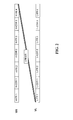
- Such scFv antibodies are obtainable by connecting the respective VH and VL polypeptides with a linker covalently bound to the carboxy-terminal end of the VH polypeptide through its amino-terminal end, and to the amino-terminal end of the VL polypeptide through its carboxy-terminal extremity (see the diagram of in Figure 2).
- This linker can be one of any of the linkers known in the art to be suitable for connecting VH and VL polypeptides.
- linker with the sequence given as SEQ ID NO: 51 in the list of sequences in the annex.
- a fragment of at least one of the above mentioned peptide/polypeptide/antibody or of one of its muteines or of a larger molecule larger includes it, is given for the purposes of the present invention by a molecule in which one or more amino acids of the original peptide or muteine have been truncated.
- the portion of the molecule different from these peptides and/or muteines can be partly or totally coincident with the sequence of scFv(F8).
- polynucleotides both polydeoxyribonucleotides and polyribonucleotides coding for the peptides/polypeptides of the present invention or for their variants.
- polynucleotides having the sequences reported as SEQ ID NO: 52 (H-FR1-F8), SEQ ID NO: 53 (H-FR2-F8), SEQ ID NO: 54 (H-FR3-F8), SEQ ID NO: 55 (H-FR4-F8), SEQ ID NO: 56 (L-FR1-F8), SEQ ID NO: 57 (L-FR2-F8), SEQ ID NO: 58 (L-FR3-F8), SEQ ID NO: 59 (L-FR4-F8), SEQ ID NO: 60 (H-CDR1-F8), SEQ ID NO: 61 (H-CDR2-F8), SEQ ID NO: 62 (H-CDR3-F8), SEQ ID NO: 63
- polynucleotides coding for the engineered antibodies obtained using the peptides/polypeptides of the present invention and in particular those with sequences given as SEQ ID NO: 68 (scFv(F8) and SEQ ID NO: 69 (scFv(P5)).
- a further object of the present invention is given by the peptides/polypeptides, engineered antibodies and/or polynucleotides of the present invention, for use as a medicament and in particular for the preparation of pharmaceutical compositions suitable in gene therapy, in particular for the therapy of all the pathological states associated with an accumulation of at least one molecule in an intra or extra cellular environment.
- infectious pathologies reference is made in particular to those associated with viruses, either in animals (see for example pathologies associated with the HIV, in particular HIV-1, HPV, Herpes Virus or HCV virus in humans), or in plants (see for example the pathologies associated with the CMV or TSWV viruses in tomatoes).
- compositions which include a therapeutically effective amount of at least one of the above mentioned peptides, polypeptide, antibodies and/or variant thereof, and/or a therapeutically effective amount of at least one of the above mentioned polynucleotides and a pharmaceutically suitable vehicle.
- This pharmaceutically acceptable vehicle carrier or auxiliary agent can be any vehicle carrier or auxiliary agent known in the art as being suitable for preparing pharmaceutical compositions or material containing the above mentioned molecules.
- a carrier can be the liquid or solid carrier which are used or in any case known by a person skilled in the art to be suitable with protein and antibody.
- Object of the present invention is also a method for the treatment of pathologies associated to the accumulation of a molecule inside or outside human, animal cell, comprising the step of
- administration can be carried out parenterally for treating cancer and pathologies associated thereof, or by oral route as passive immunotherapy, according administration techniques known to a person skilled in the art.
- Object of the present invention is also a method for the treatment of pathologies associated to the accumulation of a molecule inside or outside human, animal or plant cell, comprising the step of
- Said administration shall be carried out by inserting said polynucleotides in vectors suitable for trasfection.
- vectors suitable for trasfection any of the vectors, in particular the viral ones, currently adopted by a person skilled in the art for treating subject in need thereof, can be used to this purpose.
- a further object of the invention is the use of the above mentioned antibodies and/or polynucleotides or variants thereof for the treatment of pathologies associated to accumulation of a molecule inside or outside the human, animal or plant cell.
- Such molecules can be used in diagnostic applications fused to genes encoding for protein having an enzymatic activity (i.e., alkaline phosphatase) or reporter proteins such green fluorescent protein.
- enzymatic activity i.e., alkaline phosphatase
- reporter proteins such green fluorescent protein.
- Other reporter genes or proteins known in the art as suitable in diagnostic application can be used as well.
- imaging is particularly preferred.
- Object of the present invention is a diagnostic kit including the above molecules as reagents, and in particular a diagnostic kit for infectious pathologies characterized in that it includes at least one composition including at least one of the above mentioned polynucleotide, peptide, polypeptide, antibody and/or a variant thereof.
- Such identification can be carried out for instance according to techniques known in the art referred to genomics and proteomics.
- object of the present invention is the use of the above mentioned peptide/polypeptide/antibody or a variant thereof, for deriving molecules to be used in therapy of infectious pathology, and the relevant kit including at least one of such peptide/polypeptide/antibody or a variant thereof as a reagent.
- composition suitable in experimental applications including at least one of the above mentioned molecules and a vehicle chemically compatible with them.
- This chemically compatible vehicle can be any vehicle known in the art as being suitable for pharmaceutical compositions or material containing the above mentioned molecules.
- such a carrier can be the liquid or solid carrier which are used or however known by a person skilled in the art to be suitable with protein and antibody.
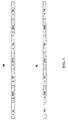
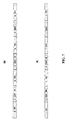
- Figure 1 shows the arrangement of the peptides of the present invention in the VH and VL polypeptides of an antibody according to the present invention.
- Figure 2 shows the connection of the VH and VL polypeptides of the present invention in antibodies of the scFv type.
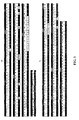
- Figure 3 shows the summary diagram of the modifications of the sequence of scFv(F8) which do not alter the actual characteristics of stability of the antibody.
- the regions (FRs and CDRs) are individualized according to AbM (Oxford Molecular Ltd) and the numbering is according to Kabat (Kabat et al 1991).
- residues shown in gray colored squares are the residues which must remain unchanged
- residues shown in black colored squares are the residues which can be substituted with any amino acid
- residues shown in white squares are modifiable as follows:
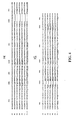
- Figure 4 shows a summary diagram of the strategy of mutagenesis adopted by means of rational substitutions of the VH and VL polypeptides of the antibody scFv(F8).
- the actual amino acid ic residues of the sequence of scFv(F8) are shown in normal characters, the amino acids of the sequence of scFv(D1.3) (Bhat et al. 1990) are shown in underlined characters.
- the sequences are shown for all the products of intermediate mutagenesis (P1, P2, P3 and P4) and for the last product of mutagenesis (P5), so that the modifications (substitutions and deletions) effected on the original sequence of scFv(F8) are marked by underlining.
- Figure 5 shows the modification effected on the CDR1 of the VL according to the approach of casual mutations for the derivation of mutants of scFv(F8).
- Figure 6 shows the oligonucleotides used as primers for the construction of the "monoscaffold" library as described in the examples.
- N indicates any nucleotide
- M indicates the dATP or dCTP nucleotide.
- Figure 7 shows the layout of the peptides of the present invention in the VH and VL polypeptides of antibodies in which the binding specificity is in particular given by the H-CDR3 and L-CDR3 peptides.
- the peptides of the present invention are capable of rendering the antibodies including them stable even in a reducing environment.
- Regions determining the complementarity (CDRs) with the antigen and framework regions (FRs) of scFv(F8) antibody have been identified by sequencing according to criteria known in the state of art.
- ScFv(F8) has been used as a scaffold onto which new specificities have been engineered either by loop grafting ("rational approach”) or by mutation and selection through repertoire generation (“molecular evolution”)
- Antibodies deriving from site-directed mutagenesis have been analyzed to verify maintenance of stability and solubility in cytoplasmic environment and the acquirement of binding specificity different from AMCV.
- the inventors substituted scFv(F8) aminoacids with aminoacids of the CDRs and FRs of scFv(D1.3) which recognizes lysozyme. These substitutions were performed in a rational way, modifying each residue on the basis of a theoretical design formulated by means of molecular "modelling".
- the diagram shown in figure 4 summaries the strategy of mutagenesis adopted for scFv(F8) antibody grafting.
- scFv(F8) was not substantially altered.
- the structure capable of functioning as "central nucleus" was identified, on which it is possible to graft, by means of protein engineering, sequences capable to confer binding ability for new antigens.
- This central nucleus is composed of the FRs peptides described in the summary of the invention.
- the starting point for library construction was scFv(MUT-VL1), a derivative of scFv(F8) antibody, which was modified in the CDRs.
- the CDR1 of the VL domain was shortened and partially modified according to a modeling-assisted design. Moreover, 9 aminoacids were removed from the unusually long CDR3 of the VH domain of the original scFv (see figure 5).
- Structural variability was introduced by targeted random PCR-mutagenesis in four aminoacid positions in the CDR3 of both VH and VH domains.
- Degenerated oligonucleotides, randomizing residues between and including 95 and 98 of VH and 91 and 94 of VL were used.
- mutagenesis a repertoire with an estimated diversity of 5 ⁇ 10 7 different phage clones was obtained.
- the pool of molecules thus obtained was mounted on phage in a library for the selection on antigens different from AMCV, originally recognized by scFv(F8).
- the data obtained from the construction and from the analysis of the "monoscaffold library” has shown the possibility of using the scaffold of scFv(F8) to construct a pool of polyvalent antibodies with the same intrinsic stability as the original antibody scFv(F8).
- This library is destined to all applications in which the expression of antibodies in the cytoplasm is required or where particular characteristics of molecular stability are essential.
- the antibodies obtained thereby in particular have been proved for the improved stability, and in the antibodies of the type FAB, Fv, dAb, IgG or IgA have in particular shown an improved stability due to the presence of the peptides of the invention in the VH and VL regions.
- the single chain antibody scFv(F8) derives from a MAb (secretion from a hybridoma) of the class IgG2b directed against the coat protein of the plant virus AMCV (artichoke mottle crinkle virus).
- AMCV artificial mottle crinkle virus
- Balb/c mice were immunized with the purified virus.
- the techniques for isolating the lymphocytes and obtaining the hybridoma were the standard ones reported in literature (Harlow and Lane 1988).
- the hybridoma line expressing this antibody was selected by ELISA, on the basis of its high affinity for the antigen.
- To isolate the genes of the heavy (H) and light (L) chain of this antibody the complete cDNA were selected according to published protocol (Tavladoraki et al. 1993).
- variable regions (VH and VL) were amplified by means of PCR (polymerase chain reaction) using universal primers for the variable regions and successively cloned in different types of vectors (Tavladoraki et al. 1993). The sequence was determined according to the Sanger method (Sambrook et al 1989) following the protocol of the Sequenase kit (USB).
- the mutagenesis was carried out on the plasmid pMUT-VL1, containing the gene that codes for an antibody derived from the scFv(F8), from which only the CDR1 of the VL is differentiated for, partially modified in the aminoacidic composition and reduced by four amino acids.
- the Stratagene (“Quick Change Site-directed Mutagenesis Kit”) system of mutagenesis was used following the indications provided by the manufacturer. This system is based on the enzymatic extension of two complementary primers containing mutated sequences, using pMUT-VL1 as a template. The plasmid was denatured allowing the annealing of the two oligonucleotides to the opposite DNA strands, so as to prime the extension reaction of the Pfu DNA polymerase. The result is a plasmid with a double helix that has incorporated the oligonucleotides causing the desired mutation.
- the bacterial stock of E. Coli XL1-Blue used for the purification of the plasmidic vector has methyl-transferase activity, therefore the DNA plasmid extracted from bacteria results methylated.
- the mutant plasmids obtained by extension of the Pfu DNA polymerase do not contain methylations.
- the products of the reaction were transfected in E. Coli XL1-Blue where the "nick" sites, produced during the synthesis in vitro of the mutant plasmid are phosphorylated by the cellular repair systems.
- the mutagenesis reaction was carried out in 25 ⁇ l containing: 2.5 ⁇ l reaction buffer 10x, 2.5 mM dNTP , 10 ng DNA template, 62,5 ng each primer, 1.25 U Pfu DNA polymerase (Stratagene).
- the conditions adopted were the following: denaturation at 95 °C of 30"; 18 cycles: denaturation at 95 °C for 30", annealing at 55 °C for 1' and enzymatic extension at 68 °C for 7'; 5' at 68 °C to complete the extension.
- the reaction was performed using a Perkin Elmer/Cetus apparatus.
- the products of the reaction were incubated for one hour at 37 °C with 5 U of the restriction enzyme DpnI (Stratagene) and analysed for electrophoresis on agarose gel.
- Proteins expressed by mutated sequences were analysed after cloning in the expression vector pDN332 (Neri et al. 1996) and induction of expression in bacteria, according to the technique described in the following examples.
- the induction of the lacZ promoter was obtained by resuspending the bacterial precipitate in 1 litre SB medium containing 100 ⁇ g/ml ampicillin and 1 mM IPTG and shaking at 30 °C for 3 hours. The culture was then centrifuged at 3000 g for 15' at 4 °C to precipitate the cells.
- Soluble proteins were extracted from bacterial periplasm by osmotic "shock".
- the pelleted cells were resuspended in 15 ml of TES buffer solution (0.5 M saccarose, 0.2 M Tris-HCl, 0.5 mM EDTA, pH 8.0) containing protease inhibitors ("Complete Mini", Boehringer).
- Constructs of scFv genes destined to intracellular expression were obtained by substituting a PstI-NotI 744 bp fragment of pDN-F8intra, corresponding to the scFv(F8) gene, with the analogue PstI-NotI restriction fragments obtained by digestion of mutated scFv genes. Plasmids containing the signal sequenceless version of the scFv genes were used to transform E. coli HB2151.
- electrophoresis buffer (20 % glycerol, 2% SDS, 0.06 M Tris-HCl pH 6.8, 0.02 % bromophenol blue, 5% ⁇ -mercaptoethanol
- the concentration of the total protein present in the extracts was determined using the BioRad reagent and bovine seroalbumin as a standard.
- the concentration of the scFv after purification was calculated on the basis of absorbance at 280 nm. After electrophoretic separation protein bands were visualised with silver nitrate or Coomassie blue staining methods.
- the analysis of the antibody fragments obtained after purification was carried out by means of SDS-PAGE according to the protocol known in art.
- the separation gel was prepared using polyacrylamide (acryilamide/bi-acrylamide 29:1) at 12% final concentration, in the presence of 2% SDS.
- Loading buffer final concentrations: 10% glycerol, 0.06 M Tris-HCl pH6.8, 0.025% bromophenol blue, 2% SDS and 5% ⁇ -mercaptoethanol was added to the samples before boiling for 5'.
- Electrophoresis was carried out using MiniProtean (BioRad) apparatus at 100 Volt.
- nitrocellulose membrane was then blocked in PBS buffer (0.2 M NaH 2 PO 4 , 0.2 M Na 2 HPO 4 , 0.15 M NaCl) containing 0.1% Tween-20 (PBST) and 4 % skimmed milk, at 4 °C for 16 hours.
- PBS buffer 0.1% NaH 2 PO 4 , 0.2 M Na 2 HPO 4 , 0.15 M NaCl
- PBST Tween-20
- PBSM 2% skimmed milk
- the membrane was washed and immunodetection was realised by incubation for 1 hour at room temperature in PBSM containing biotinylated anti-mouse IgG antibody (Amersham), followed by incubation in PBSM with streptavidin-horseradish peroxidase conjugate (Amersham).
- ECL Plus enhanced chemioluminescence
- Immunoplates (Maxisorp, Nunc) were coated with antigens (100 ⁇ g/ml lysozyme (Sigma)and 3 ⁇ g/ml AMCV) in 100 ⁇ l carbonate buffer (50 mM NaHCO 3 pH9.6), at 4 °C for 16 hours.
- ABTS acid 2'2'-azinebi (3-ethylbenzthiazolin) sulphonic]: H202 (KPL) were used. Signals were measured at 405 nm absorbance by means of ELISA reader (Labsystem Multiscan Plus).
- the plasmid pMUT-VL1 described in example 2 was used as a template for the construction of the phage library.
- the library was obtained by introducing variability in the CDR3 of the VH and VL, through the random modification of the sequence encoding four aminoacidic residues in the positions indicated in table I.
- partially degenerated oligonucleotides were synthesized, designed to avoid the introduction of transcription stop codons.and to reduce the length of the CDR3 of the VH from 13 to 4 aminoacids.
- the mutagenesis was carried out by means of PCR, independently amplifying the coding sequences for the VH and VL domains, using respectively, the primers VHa and VHf and VLa and VLf (Fig. 6).
- the reaction of PCR was prepared as follows: 300 ng pMUT-VL1, 0.4 mM sense primer (VHa or VLa), 0.8 ⁇ M degenerated antisense primer (VHf or VLf), 250 ⁇ M of each dNTP, in 50 ⁇ l of incubation buffer 1x Appligene, (Oncor); 2.5 U of Taq DNA Appligene polymerase, (Oncor) were added at 94 °C (hot start).
- the amplification reaction was performed according to the following program: 94 °C for 3 minutes; 25 cycles: 94 °C for 1 minute, 60 °C for 1 minute, 72 °C for 1 minute; 72 °C for 2 minutes.
- Amplification products were purified from agarose gel, using the QIAquick Gel Extraction Kit (QIAgen), eluting in 30 ml of 3 mM Tris/HCl pH 8.0.
- the assembly of the scFv antibodies was carried out by means of PCR under the same conditions as described above, using 10 ⁇ g of the purified VH and VL fragments, 0.8 ⁇ M sense primer (VHa) and 0.8 ⁇ M antisense primer (VLg), in a final volume of 500 ⁇ l subdivided into 10 reactions of 50 ⁇ l.
- the assembled scFvs were purified using the QIAquick PCR Purification Kit (QIAgen).
- Ligation products were transfected by electroporation in the E. Coli TG1 strain, adopting the following conditions: 200 ohm, 25 mF, 2.5 kVolt. The transformants were selected on 2xYT + 2 % glucose + ampicillin 100 g/ml. The phages were prepared according to the protocol described by Nissim et al. (1994).
- Example 7 selection of the mutants from the "monoscaffold" library and analysis of their properties
- Antigens immobilization on immunotubes was carried out in PBS (8mM NB 2 HPO 4 ⁇ 12H 2 O + 1mM NaH 2 PO 4 -H 2 O + 0.15M NaCl) or in carbonate buffer 50mM (CB), at concentration varying between 10 and 100 ⁇ g/ml depending on the antigen, incubating for 16 hours at room temperature or at 4 °C.
- the characterization for binding ability of single clones deriving from the last panning cycles was carried out in some cases on clones expressed in the form of phage and in others expressed as soluble scFv.
- phage clones In the case of phage clones, 96 single colonies obtained from the last selection cycle were inoculated in 150 ml of 2xYT-AG and grown at 30 °C in agitation for 16 hours. Then an aliquot of 10 ml of each pre-culture was used to inoculate 150 ml of 2xYT-AG until reaching exponential growth. The production of phages was obtained by infecting with about 10 11 t.u. (transforming units) of 'helper' phage VCSM13 (Stratagene) and incubating at 37°C for 30 minutes.
- the infected bacteria were centrifuged, resuspended in 150 ml of 2xYT + 100 ⁇ g/ml ampicillin + 25 ⁇ g/ml kanamicine and incubated for 16 hours at 30°C.
- the culture supernatants were analyzed by ELISA, with antigens immobilized under the same conditions used for the immunotubes.
- a peroxidase-conjugated monoclonal antibody anti-M13 (Pharmacia) was used 1:5000 in PBS-M, 1 hour at 37°C.
- the colorimetric reaction was developed using the "ABTS peroxidase substrate system" (KPL).
- Positive clones obtained from this preliminary selection were further analyzed in order to verify the functionality as soluble scFvs.
- plasmids from positive clones were extracted by means of the QIAprep Spin Miniprep (QIAGEN), sequenced and transfected in the E. Coli HB2151 strain. Competent bacteria were made by resuspension at 0°C in TSS (for 100 ml: 1 gr bacto-triptone, 0.5 gr yeast extract, 0.5 gr NaCl, 10 gr PEG 3350, 5 ml DMSO, 50 mM MgCl 2 , pH6.5). DNA plasmid (1-5 ng) was added to 1 ml of competent cells and incubated on ice for 45 minutes.
- soluble scFvs 10-100 ⁇ l of phages, eluted from the last panning on antigens, were used to infect cells of the E. Coli HB2151 strain in exponential growth. 96 single colonies, were inoculated 150 ⁇ l of 2xYT-AG for 16 hours in agitation. 10 ⁇ l of each pre-culture were diluted in 150 ⁇ l of 2xYT + 100 ⁇ g/ml ampicillin + 0.1% glucose and grown at 37°C for 1 hour. Protein expression was induced by adding 1 mM IPTG, 16 hours incubation.
- Single culture supernatants (containing 2.5 ⁇ g/ml of an anti-FLAG M2 monoclonal antibody, Sigma, in PBS-M) were incubated 2 hr at 37°C and analyzed by ELISA.
- Plasmids from positive selected clones were sequenced on both DNA strands by using a 373 DNA Sequencer (Applied Biosystems).
- the bacteria were resuspended in 10 ml of TES + protease inhibitors, then 15 ml of TES diluted 1:5 + protease inhibitors were added and the sample was incubated for 10 minutes at room temperature. After centrifugation (20 minutes at 18000 g at 4 °C), the supernatant was recovered (fraction 1A) and the pellet was resuspended in 15 ml of 5 mM MgSO 4 + protease inhibitors for a further protein extraction. After 10 minutes incubation at room temperature, a second centrifugation step was performed and the supernatant was kept separately as fraction 2A.
- fractions 1A and 2A were concentrated independently by ultrafiltration on Diaflo YM10 membrane . (Amicon) and purified by chromatography of affinity on protein-L Sepharose (Actigene) or on Ni-NTA (QIAgen), according to the protocols suggested by the manufacturers. Quantification was carried out by reading the absorbance at 280 nm and protein purity was verified on SDS-PAGE followed by AgNO 3 staining.
- y i is the observed signal
- y N and y D are the baseline intercepts corresponding to native and denatured proteins, respectively
- m N and m D are the corresponding baseline slopes
- [X] i is the denaturant concentration after the ith addition
- ⁇ G H2O is the extrapolated free energy of unfolding in the absence of denaturant
- m g is the slope of a ⁇ G unfolding versus [X] plot
- R is the gas constant
- T is the temperature.
- the [GdmCl] 0.5 is the denaturant
- Affinity-purified scFvG4 and scFvB4 antibodies against the cucumber mosaic virus (CMV) were concentrated to 100 g/ml, assuming that an OD 280 nm reading of 1.0 corresponds to an scFv concentration of 0.7 mg/ml.
- Binding properties were evaluated using surface plasmon resonance (SPR). Real time interaction analysis were performed in BIAcoreX biosensor system (Pharmacia Biosensor AB) .
- Approximately 5400 resonance units (RU) of purified CMV (200 ng/ ⁇ l in 7 mM acetate buffer pH 4.0) were coupled to a CM5 sensor chip by using the Amine Coupling kit (Biacore AB) in order to immobilise the antigen.
- Kinetic analysis wwere performed under continuous flow of 20 ⁇ l/min. After each binding measurement, the surface was regenerated with 10 mM HCl. Rate constants were measured on the basis of a single site model using the BIAevaluation 2.1 software (Biacore AB).
- the association rate constants (k on ) were determined from a plot of ln(dR/dt)/t versus concentration over a range of six concentrations (120, 150, 250, 300, 400 and 450 nM) for both scFvs.
- a linear plot of In Rt/Rt 0 vs (t-t 0 ) yields k off directly as a measurement of the slope.
- Affinity values were 60 nM for scFvG4 and 10 nM for scFvB4.
- Example 8 Expression of proteins in the plant cytoplasm.
- the scFvs genes were then inserted as ClaI- SalI fragments into the polylinker of the vector pPVX201 (Baulcombe et al., 1995), a derivative of pGC3 vector (Chapman et al., 1992), containing unique cloning sites engineered downstream of the PVX coat protein duplicated subgenomic promoter and a CaMV (cauliflower mosaic virus) 35S promoter.
- the PVXscFv(G4) and PVXscFv(B4) constructs were obtained. These plasmids could be used directly as inoculum. DNA of each construct (40 ⁇ g) was used to mechanically inoculate N. benthamiana plants at the three-four leaf stage, two leaves per plant. Four separate experiments were performed, infecting at least 10 plants with each construct.
- TSP total soluble protein
- the scFvB4 and scFvG4 genes were subsequently subcloned from the PVXscFv(G4) and PVXscFv(B4) constructs as Xba I-Sal I fragments into a pBI-derived vector under the control of the CaMV 35S promoter.
- the plasmids were then transferred into the Agrobacterium tumefaciens strain EHA105 by electroporation and used for leaf disc transformation of the miniatur Lycopersicon esculentum cultivar, Micro-Tom (microtomato) (Meissner et al., 1997).
- Transgenic microtomato plants were regenerated essentially as described (van Roekel et al., 1993).
- scFvB4 and scFvG4 antibodies were detected both by ELISA and immunoblotting.
- the ELISA test was performed according to the following procedure: 5 ⁇ g/ml of purified CMV antigens in PBS were coated O/N at 4°C on a microtitre plate. After blocking with 5% milk in PBS, soluble plant extracts (obtained as described above) were added O/N at 4°C.
Landscapes
- Health & Medical Sciences (AREA)
- Chemical & Material Sciences (AREA)
- Organic Chemistry (AREA)
- Life Sciences & Earth Sciences (AREA)
- Medicinal Chemistry (AREA)
- General Health & Medical Sciences (AREA)
- Immunology (AREA)
- Proteomics, Peptides & Aminoacids (AREA)
- Genetics & Genomics (AREA)
- Animal Behavior & Ethology (AREA)
- Nuclear Medicine, Radiotherapy & Molecular Imaging (AREA)
- Public Health (AREA)
- Veterinary Medicine (AREA)
- Pharmacology & Pharmacy (AREA)
- Chemical Kinetics & Catalysis (AREA)
- Molecular Biology (AREA)
- General Chemical & Material Sciences (AREA)
- Biochemistry (AREA)
- Biophysics (AREA)
- Virology (AREA)
- Oncology (AREA)
- Communicable Diseases (AREA)
- Engineering & Computer Science (AREA)
- Bioinformatics & Cheminformatics (AREA)
- Peptides Or Proteins (AREA)
- Medicines Containing Antibodies Or Antigens For Use As Internal Diagnostic Agents (AREA)
- Preparation Of Compounds By Using Micro-Organisms (AREA)
- Pharmaceuticals Containing Other Organic And Inorganic Compounds (AREA)
Applications Claiming Priority (2)
| Application Number | Priority Date | Filing Date | Title |
|---|---|---|---|
| ITRM990803 | 1999-12-30 | ||
| IT1999RM000803A IT1307309B1 (it) | 1999-12-30 | 1999-12-30 | Peptidi stabilizzanti, polipeptidi ed anticorpi che li comprendono. |
Publications (3)
| Publication Number | Publication Date |
|---|---|
| EP1120464A2 true EP1120464A2 (de) | 2001-08-01 |
| EP1120464A3 EP1120464A3 (de) | 2001-10-24 |
| EP1120464B1 EP1120464B1 (de) | 2004-10-06 |
Family
ID=11407125
Family Applications (1)
| Application Number | Title | Priority Date | Filing Date |
|---|---|---|---|
| EP00204725A Expired - Lifetime EP1120464B1 (de) | 1999-12-30 | 2000-12-21 | Stabilisierende Peptide, und Polypeptide und Antikörper die diese beinhalten |
Country Status (10)
| Country | Link |
|---|---|
| US (1) | US20030157090A1 (de) |
| EP (1) | EP1120464B1 (de) |
| JP (1) | JP2003518941A (de) |
| AT (1) | ATE278778T1 (de) |
| AU (1) | AU2397701A (de) |
| CA (1) | CA2395041A1 (de) |
| DE (1) | DE60014575T2 (de) |
| IL (1) | IL150067A0 (de) |
| IT (1) | IT1307309B1 (de) |
| WO (1) | WO2001049713A2 (de) |
Cited By (2)
| Publication number | Priority date | Publication date | Assignee | Title |
|---|---|---|---|---|
| WO2003054021A3 (en) * | 2001-12-20 | 2004-02-12 | Agricultural Research Council | Semi-synthetic antibody fragment combinatorial library based on avian immunoglobulin genes |
| WO2009010733A3 (en) * | 2007-07-15 | 2009-06-25 | Zealand Pharma As | Peptide gap junction modulators |
Families Citing this family (17)
| Publication number | Priority date | Publication date | Assignee | Title |
|---|---|---|---|---|
| US7481999B2 (en) | 1998-05-05 | 2009-01-27 | Adherex Technologies, Inc. | Compounds and methods for modulating OB-cadherin-mediated function |
| AU2002324973A1 (en) * | 2001-09-14 | 2003-04-01 | Fraunhofer-Gesellschaft Zur Forderung Der Angewandandten Forschung E.V. | Immunoglobulin having particular framework scaffold and methods of making and using |
| US20050214857A1 (en) * | 2001-12-11 | 2005-09-29 | Algonomics N.V. | Method for displaying loops from immunoglobulin domains in different contexts |
| US7047448B2 (en) * | 2002-11-21 | 2006-05-16 | Bitfone Corporation | Software self-repair toolkit for electronic devices |
| US8663650B2 (en) | 2003-02-21 | 2014-03-04 | Ac Immune Sa | Methods and compositions comprising supramolecular constructs |
| EP1500662A3 (de) * | 2003-05-19 | 2005-09-21 | Cornell Research Foundation, Inc. | Stabilisierende Peptide und Ihre Verwendung zur Herstellung von stabilisierten HIV-Inhibitoren |
| DOP2006000277A (es) | 2005-12-12 | 2007-08-31 | Bayer Pharmaceuticals Corp | Anticuerpos anti mn y métodos para su utilización |
| EP2382321A4 (de) * | 2009-01-08 | 2012-12-19 | Bio Rad Laboratories | Verfahren und zusammensetzungen zur verbesserung der wirksamkeit bei einer nukleinsäureverstärkungsreaktionen |
| WO2011063237A2 (en) | 2009-11-19 | 2011-05-26 | Oncomed Pharmaceuticals, Inc. | Jagged-binding agents and uses thereof |
| AR080301A1 (es) | 2010-02-24 | 2012-03-28 | Immunogen Inc | Anticuerpos e inmunoconjugados del receptor 1 de folato y sus usos |
| PL2694106T3 (pl) | 2011-04-01 | 2018-06-29 | Immunogen, Inc. | Sposoby zwiększania skuteczności terapii przeciwnowotworowej opartej na receptorze folr1 |
| DK2744931T3 (en) | 2011-08-18 | 2018-08-06 | Affinity Biosciences Pty Ltd | SOLUBLE POLYPEPTIDES |
| KR20150046316A (ko) | 2012-08-31 | 2015-04-29 | 이뮤노젠 아이엔씨 | 엽산 수용체 1의 검출을 위한 진단성 검정 및 키트 |
| PT3038650T (pt) | 2013-08-30 | 2021-08-25 | Immunogen Inc | Anticorpos e ensaios para a deteção do recetor de folato 1 |
| JP6880006B2 (ja) | 2015-09-17 | 2021-06-02 | イミュノジェン, インコーポレイテッド | 抗folr1免疫複合体を含む治療組み合わせ |
| US20220098320A1 (en) * | 2019-02-01 | 2022-03-31 | Memorial Sloan Kettering Cancer Center | Senolytic car-t cells targeting upar, a cell surface and secreted senescence biomarker |
| CN116298262B (zh) * | 2023-02-16 | 2025-08-19 | 云南省烟草质量监督检测站 | 烟草植株用番茄斑萎病毒检测试纸条 |
Family Cites Families (1)
| Publication number | Priority date | Publication date | Assignee | Title |
|---|---|---|---|---|
| US5530101A (en) * | 1988-12-28 | 1996-06-25 | Protein Design Labs, Inc. | Humanized immunoglobulins |
-
1999
- 1999-12-30 IT IT1999RM000803A patent/IT1307309B1/it active
-
2000
- 2000-12-21 DE DE60014575T patent/DE60014575T2/de not_active Expired - Lifetime
- 2000-12-21 EP EP00204725A patent/EP1120464B1/de not_active Expired - Lifetime
- 2000-12-21 AT AT00204725T patent/ATE278778T1/de not_active IP Right Cessation
- 2000-12-29 IL IL15006700A patent/IL150067A0/xx unknown
- 2000-12-29 US US10/169,351 patent/US20030157090A1/en not_active Abandoned
- 2000-12-29 CA CA002395041A patent/CA2395041A1/en not_active Abandoned
- 2000-12-29 WO PCT/IT2000/000554 patent/WO2001049713A2/en not_active Ceased
- 2000-12-29 AU AU23977/01A patent/AU2397701A/en not_active Abandoned
- 2000-12-29 JP JP2001550253A patent/JP2003518941A/ja not_active Abandoned
Non-Patent Citations (7)
| Title |
|---|
| E. OHAGE ET AL.: "Intrabody construction and expression. II. A synthetic catalytic Fv fragment." JOURNAL OF MOLECULAR BIOLOGY, vol. 291, no. 5, 3 September 1999 (1999-09-03), pages 1129-1134, XP002175836 London, GB * |
| K. PROBA ET AL.: "Antibody scFv fragments without disulfide bonds made by molecular evolution." JOURNAL OF MOLECULAR BIOLOGY, vol. 275, no. 2, 16 January 1998 (1998-01-16), pages 245-253, XP000944603 London, GB * |
| P. MARTINEAU ET AL.: "In vitro folding and thermodynamic stability of an antibody fragment selected in vivo for high expression levels in Escherichia coli cytoplasm." JOURNAL OF MOLECULAR BIOLOGY, vol. 292, 1 October 1999 (1999-10-01), pages 921-929, XP000939362 London, GB * |
| P. TAVLADORAKI ET AL.: "A single-chain antibody fragment is functionally expressed in the cytoplasm of both Escherichia coli and transgenic plants." EUROPEAN JOURNAL OF BIOCHEMISTRY, vol. 262, June 1999 (1999-06), pages 617-624, XP002167437 Berlin, Germany * |
| P. TAVLADORAKI ET AL.: "Transgenic plants expressing a functional single-chain Fv antibody are specifically protected from virus attack." NATURE, vol. 366, 2 December 1993 (1993-12-02), pages 469-472, XP000421325 London, GB * |
| R. FRANCONI ET AL.: "Functional expression in bacteria and plants of an scFv antibody fragment against tospoviruses." IMMUNOTECHNOLOGY, vol. 4, 1999, pages 189-201, XP004163547 Amsterdam, The Netherlands * |
| Y. WU ET AL.: "Binding of intracellular anti-Rev single chain variable fragments to different epitopes of human immunodeficiency virus type 1 Rev: variations in viral inhibition." JOURNAL OF VIROLOGY, vol. 70, no. 5, May 1996 (1996-05), pages 3290-3297, XP002175837 Baltimore, MD, USA * |
Cited By (2)
| Publication number | Priority date | Publication date | Assignee | Title |
|---|---|---|---|---|
| WO2003054021A3 (en) * | 2001-12-20 | 2004-02-12 | Agricultural Research Council | Semi-synthetic antibody fragment combinatorial library based on avian immunoglobulin genes |
| WO2009010733A3 (en) * | 2007-07-15 | 2009-06-25 | Zealand Pharma As | Peptide gap junction modulators |
Also Published As
| Publication number | Publication date |
|---|---|
| AU2397701A (en) | 2001-07-16 |
| ITRM990803A0 (it) | 1999-12-30 |
| US20030157090A1 (en) | 2003-08-21 |
| WO2001049713A2 (en) | 2001-07-12 |
| DE60014575T2 (de) | 2005-10-13 |
| ITRM990803A1 (it) | 2001-06-30 |
| IT1307309B1 (it) | 2001-10-30 |
| JP2003518941A (ja) | 2003-06-17 |
| DE60014575D1 (de) | 2004-11-11 |
| IL150067A0 (en) | 2002-12-01 |
| EP1120464A3 (de) | 2001-10-24 |
| WO2001049713A3 (en) | 2002-01-03 |
| CA2395041A1 (en) | 2001-07-12 |
| EP1120464B1 (de) | 2004-10-06 |
| ATE278778T1 (de) | 2004-10-15 |
Similar Documents
| Publication | Publication Date | Title |
|---|---|---|
| EP1120464B1 (de) | Stabilisierende Peptide, und Polypeptide und Antikörper die diese beinhalten | |
| Kipriyanov et al. | High level production of soluble single chain antibodies in small-scale Escherichia coli cultures | |
| US7166697B1 (en) | V-like domain binding molecules | |
| JP4794789B2 (ja) | ゲノムdna断片またはestによってコードされる(ポリ)ペプチドに対する特異的結合パートナーの作成 | |
| EP0894135B1 (de) | Multivalentes und multispezifisches antigenbindungs protein | |
| AU769304B2 (en) | Internalizing ErbB2 antibodies | |
| EP1529063B1 (de) | Gegen das c5-komponent des komplementsystems gerichtete antikörper und deren verwendung | |
| Desiderio et al. | A semi-synthetic repertoire of intrinsically stable antibody fragments derived from a single-framework scaffold | |
| US20130171165A1 (en) | Preparation of scfv antibody fragments | |
| CN106995495A (zh) | 修饰抗体组合物及其制备和使用方法 | |
| EP1430136A1 (de) | Apolipoprotein d muteine | |
| CN102770555B (zh) | 改善的细菌膜蛋白分泌 | |
| US7288637B2 (en) | Single chain antibody against mutant p53 | |
| CN106928354B (zh) | 抗IL-1β单克隆抗体及其应用 | |
| JP2006523086A (ja) | 発癌性形態のrasに対する細胞内発現抗体 | |
| EP1434800B1 (de) | Immunglobulin mit einem bestimmten rahmengerüst und verfahren zu dessen herstellung und verwendung | |
| He et al. | Characterization of a progesterone-binding, three-domain antibody fragment (VH/K) expressed in Escherichia coli | |
| KR101831435B1 (ko) | Aimp2-dx2 단백질에 특이적으로 결합하는 항체 | |
| Chua et al. | Synthesis of a soluble flag-tagged single chain variable fragment (scFv) antibody targeting cucumber mosaic virus (CMV) coat protein | |
| AU2004201055B2 (en) | Internalizing ErbB2 antibodies | |
| CN121342971A (zh) | 特异性结合蛇形菌素的抗体及其应用 | |
| Benvenuto | Antibodies in Transgenic Plants | |
| JPH09154583A (ja) | 抗グルタチオン抗体及びその製造方法 | |
| Li | Antibody engineering studies using filamentous bacteriophage display technology | |
| WO2006093071A1 (ja) | βグルカン合成酵素を有する真菌に対して抗真菌活性を有する抗イディオタイプ抗体、およびその利用 |
Legal Events
| Date | Code | Title | Description |
|---|---|---|---|
| PUAI | Public reference made under article 153(3) epc to a published international application that has entered the european phase |
Free format text: ORIGINAL CODE: 0009012 |
|
| AK | Designated contracting states |
Kind code of ref document: A2 Designated state(s): AT BE CH CY DE DK ES FI FR GB GR IE IT LI LU MC NL PT SE TR |
|
| AX | Request for extension of the european patent |
Free format text: AL;LT;LV;MK;RO;SI |
|
| PUAL | Search report despatched |
Free format text: ORIGINAL CODE: 0009013 |
|
| AK | Designated contracting states |
Kind code of ref document: A3 Designated state(s): AT BE CH CY DE DK ES FI FR GB GR IE IT LI LU MC NL PT SE TR |
|
| AX | Request for extension of the european patent |
Free format text: AL;LT;LV;MK;RO;SI |
|
| 17P | Request for examination filed |
Effective date: 20011114 |
|
| AKX | Designation fees paid |
Free format text: AT BE CH CY DE DK ES FI FR GB GR IE IT LI LU MC NL PT SE TR |
|
| 17Q | First examination report despatched |
Effective date: 20030827 |
|
| GRAP | Despatch of communication of intention to grant a patent |
Free format text: ORIGINAL CODE: EPIDOSNIGR1 |
|
| RAP1 | Party data changed (applicant data changed or rights of an application transferred) |
Owner name: ENTE PER LE NUOVE TECNOLOGIE, L'ENERGIA E L'AMBIEN |
|
| GRAS | Grant fee paid |
Free format text: ORIGINAL CODE: EPIDOSNIGR3 |
|
| GRAA | (expected) grant |
Free format text: ORIGINAL CODE: 0009210 |
|
| AK | Designated contracting states |
Kind code of ref document: B1 Designated state(s): AT BE CH CY DE DK ES FI FR GB GR IE IT LI LU MC NL PT SE TR |
|
| PG25 | Lapsed in a contracting state [announced via postgrant information from national office to epo] |
Ref country code: TR Free format text: LAPSE BECAUSE OF FAILURE TO SUBMIT A TRANSLATION OF THE DESCRIPTION OR TO PAY THE FEE WITHIN THE PRESCRIBED TIME-LIMIT Effective date: 20041006 Ref country code: CY Free format text: LAPSE BECAUSE OF FAILURE TO SUBMIT A TRANSLATION OF THE DESCRIPTION OR TO PAY THE FEE WITHIN THE PRESCRIBED TIME-LIMIT Effective date: 20041006 Ref country code: NL Free format text: LAPSE BECAUSE OF FAILURE TO SUBMIT A TRANSLATION OF THE DESCRIPTION OR TO PAY THE FEE WITHIN THE PRESCRIBED TIME-LIMIT Effective date: 20041006 Ref country code: FI Free format text: LAPSE BECAUSE OF FAILURE TO SUBMIT A TRANSLATION OF THE DESCRIPTION OR TO PAY THE FEE WITHIN THE PRESCRIBED TIME-LIMIT Effective date: 20041006 Ref country code: FR Free format text: LAPSE BECAUSE OF NON-PAYMENT OF DUE FEES Effective date: 20041006 Ref country code: AT Free format text: LAPSE BECAUSE OF FAILURE TO SUBMIT A TRANSLATION OF THE DESCRIPTION OR TO PAY THE FEE WITHIN THE PRESCRIBED TIME-LIMIT Effective date: 20041006 Ref country code: BE Free format text: LAPSE BECAUSE OF FAILURE TO SUBMIT A TRANSLATION OF THE DESCRIPTION OR TO PAY THE FEE WITHIN THE PRESCRIBED TIME-LIMIT Effective date: 20041006 Ref country code: SE Free format text: LAPSE BECAUSE OF FAILURE TO SUBMIT A TRANSLATION OF THE DESCRIPTION OR TO PAY THE FEE WITHIN THE PRESCRIBED TIME-LIMIT Effective date: 20041006 |
|
| REG | Reference to a national code |
Ref country code: GB Ref legal event code: FG4D |
|
| REG | Reference to a national code |
Ref country code: CH Ref legal event code: EP |
|
| REG | Reference to a national code |
Ref country code: IE Ref legal event code: FG4D |
|
| REF | Corresponds to: |
Ref document number: 60014575 Country of ref document: DE Date of ref document: 20041111 Kind code of ref document: P |
|
| PG25 | Lapsed in a contracting state [announced via postgrant information from national office to epo] |
Ref country code: LU Free format text: LAPSE BECAUSE OF NON-PAYMENT OF DUE FEES Effective date: 20041221 Ref country code: IE Free format text: LAPSE BECAUSE OF NON-PAYMENT OF DUE FEES Effective date: 20041221 |
|
| PG25 | Lapsed in a contracting state [announced via postgrant information from national office to epo] |
Ref country code: MC Free format text: LAPSE BECAUSE OF NON-PAYMENT OF DUE FEES Effective date: 20041231 |
|
| PG25 | Lapsed in a contracting state [announced via postgrant information from national office to epo] |
Ref country code: GR Free format text: LAPSE BECAUSE OF FAILURE TO SUBMIT A TRANSLATION OF THE DESCRIPTION OR TO PAY THE FEE WITHIN THE PRESCRIBED TIME-LIMIT Effective date: 20050106 Ref country code: DK Free format text: LAPSE BECAUSE OF FAILURE TO SUBMIT A TRANSLATION OF THE DESCRIPTION OR TO PAY THE FEE WITHIN THE PRESCRIBED TIME-LIMIT Effective date: 20050106 |
|
| PG25 | Lapsed in a contracting state [announced via postgrant information from national office to epo] |
Ref country code: ES Free format text: LAPSE BECAUSE OF FAILURE TO SUBMIT A TRANSLATION OF THE DESCRIPTION OR TO PAY THE FEE WITHIN THE PRESCRIBED TIME-LIMIT Effective date: 20050117 |
|
| REG | Reference to a national code |
Ref country code: CH Ref legal event code: NV Representative=s name: PATENTANWAELTE SCHAAD, BALASS, MENZL & PARTNER AG |
|
| NLV1 | Nl: lapsed or annulled due to failure to fulfill the requirements of art. 29p and 29m of the patents act | ||
| PLBE | No opposition filed within time limit |
Free format text: ORIGINAL CODE: 0009261 |
|
| STAA | Information on the status of an ep patent application or granted ep patent |
Free format text: STATUS: NO OPPOSITION FILED WITHIN TIME LIMIT |
|
| REG | Reference to a national code |
Ref country code: IE Ref legal event code: MM4A |
|
| 26N | No opposition filed |
Effective date: 20050707 |
|
| EN | Fr: translation not filed | ||
| PGFP | Annual fee paid to national office [announced via postgrant information from national office to epo] |
Ref country code: IT Payment date: 20061231 Year of fee payment: 7 |
|
| PG25 | Lapsed in a contracting state [announced via postgrant information from national office to epo] |
Ref country code: PT Free format text: LAPSE BECAUSE OF NON-PAYMENT OF DUE FEES Effective date: 20050306 |
|
| PG25 | Lapsed in a contracting state [announced via postgrant information from national office to epo] |
Ref country code: IT Free format text: LAPSE BECAUSE OF NON-PAYMENT OF DUE FEES Effective date: 20071221 |
|
| PGFP | Annual fee paid to national office [announced via postgrant information from national office to epo] |
Ref country code: CH Payment date: 20101224 Year of fee payment: 11 |
|
| PGFP | Annual fee paid to national office [announced via postgrant information from national office to epo] |
Ref country code: GB Payment date: 20101221 Year of fee payment: 11 |
|
| PGFP | Annual fee paid to national office [announced via postgrant information from national office to epo] |
Ref country code: DE Payment date: 20101222 Year of fee payment: 11 |
|
| REG | Reference to a national code |
Ref country code: CH Ref legal event code: PL |
|
| GBPC | Gb: european patent ceased through non-payment of renewal fee |
Effective date: 20111221 |
|
| REG | Reference to a national code |
Ref country code: DE Ref legal event code: R119 Ref document number: 60014575 Country of ref document: DE Effective date: 20120703 |
|
| PG25 | Lapsed in a contracting state [announced via postgrant information from national office to epo] |
Ref country code: GB Free format text: LAPSE BECAUSE OF NON-PAYMENT OF DUE FEES Effective date: 20111221 Ref country code: LI Free format text: LAPSE BECAUSE OF NON-PAYMENT OF DUE FEES Effective date: 20111231 Ref country code: DE Free format text: LAPSE BECAUSE OF NON-PAYMENT OF DUE FEES Effective date: 20120703 Ref country code: CH Free format text: LAPSE BECAUSE OF NON-PAYMENT OF DUE FEES Effective date: 20111231 |