EP1131447B2 - Hitzestabile xylanasen - Google Patents
Hitzestabile xylanasen Download PDFInfo
- Publication number
- EP1131447B2 EP1131447B2 EP99972259A EP99972259A EP1131447B2 EP 1131447 B2 EP1131447 B2 EP 1131447B2 EP 99972259 A EP99972259 A EP 99972259A EP 99972259 A EP99972259 A EP 99972259A EP 1131447 B2 EP1131447 B2 EP 1131447B2
- Authority
- EP
- European Patent Office
- Prior art keywords
- xylanase
- trx
- artificial sequence
- isolated modified
- activity
- Prior art date
- Legal status (The legal status is an assumption and is not a legal conclusion. Google has not performed a legal analysis and makes no representation as to the accuracy of the status listed.)
- Expired - Lifetime
Links
- 101710121765 Endo-1,4-beta-xylanase Proteins 0.000 title claims abstract description 175
- 230000000694 effects Effects 0.000 claims abstract description 96
- PEDCQBHIVMGVHV-UHFFFAOYSA-N Glycerine Chemical compound OCC(O)CO PEDCQBHIVMGVHV-UHFFFAOYSA-N 0.000 claims abstract description 39
- 241001465754 Metazoa Species 0.000 claims abstract description 19
- 238000011533 pre-incubation Methods 0.000 claims abstract description 15
- 230000001954 sterilising effect Effects 0.000 claims abstract description 5
- 238000000034 method Methods 0.000 claims description 25
- 150000001413 amino acids Chemical group 0.000 claims description 24
- 241000499912 Trichoderma reesei Species 0.000 claims description 21
- HNDVDQJCIGZPNO-UHFFFAOYSA-N histidine Natural products OC(=O)C(N)CC1=CN=CN1 HNDVDQJCIGZPNO-UHFFFAOYSA-N 0.000 claims description 12
- 239000003381 stabilizer Substances 0.000 claims description 11
- 241000223259 Trichoderma Species 0.000 claims description 9
- 241000187747 Streptomyces Species 0.000 claims description 7
- 101000756530 Aspergillus niger Endo-1,4-beta-xylanase B Proteins 0.000 claims description 6
- 241000222480 Schizophyllum Species 0.000 claims description 6
- 241000187398 Streptomyces lividans Species 0.000 claims description 6
- 241000282898 Sus scrofa Species 0.000 claims description 6
- 244000144977 poultry Species 0.000 claims description 6
- KDXKERNSBIXSRK-UHFFFAOYSA-N Lysine Natural products NCCCCC(N)C(O)=O KDXKERNSBIXSRK-UHFFFAOYSA-N 0.000 claims description 5
- 239000004472 Lysine Substances 0.000 claims description 5
- 241000222481 Schizophyllum commune Species 0.000 claims description 5
- 241000223261 Trichoderma viride Species 0.000 claims description 5
- 239000004475 Arginine Substances 0.000 claims description 4
- ODKSFYDXXFIFQN-UHFFFAOYSA-N arginine Natural products OC(=O)C(N)CCCNC(N)=N ODKSFYDXXFIFQN-UHFFFAOYSA-N 0.000 claims description 4
- 230000001747 exhibiting effect Effects 0.000 claims description 4
- ODKSFYDXXFIFQN-BYPYZUCNSA-P L-argininium(2+) Chemical compound NC(=[NH2+])NCCC[C@H]([NH3+])C(O)=O ODKSFYDXXFIFQN-BYPYZUCNSA-P 0.000 claims description 3
- HNDVDQJCIGZPNO-YFKPBYRVSA-N L-histidine Chemical compound OC(=O)[C@@H](N)CC1=CN=CN1 HNDVDQJCIGZPNO-YFKPBYRVSA-N 0.000 claims description 3
- KDXKERNSBIXSRK-YFKPBYRVSA-N L-lysine Chemical compound NCCCC[C@H](N)C(O)=O KDXKERNSBIXSRK-YFKPBYRVSA-N 0.000 claims description 3
- 238000002864 sequence alignment Methods 0.000 claims description 3
- 102000004190 Enzymes Human genes 0.000 abstract description 97
- 108090000790 Enzymes Proteins 0.000 abstract description 97
- 125000003275 alpha amino acid group Chemical group 0.000 abstract description 8
- 230000015572 biosynthetic process Effects 0.000 abstract description 4
- 239000000654 additive Substances 0.000 abstract description 3
- 239000008188 pellet Substances 0.000 abstract description 3
- 238000004659 sterilization and disinfection Methods 0.000 abstract description 2
- 230000015556 catabolic process Effects 0.000 abstract 1
- 229940088598 enzyme Drugs 0.000 description 95
- 108020004414 DNA Proteins 0.000 description 42
- 230000035772 mutation Effects 0.000 description 39
- 239000013612 plasmid Substances 0.000 description 29
- 235000001014 amino acid Nutrition 0.000 description 23
- 230000002255 enzymatic effect Effects 0.000 description 23
- 238000011534 incubation Methods 0.000 description 18
- 230000004048 modification Effects 0.000 description 18
- 238000012986 modification Methods 0.000 description 18
- 229920001221 xylan Polymers 0.000 description 16
- 150000004823 xylans Chemical class 0.000 description 16
- 238000010276 construction Methods 0.000 description 15
- 108090000623 proteins and genes Proteins 0.000 description 15
- 108091034117 Oligonucleotide Proteins 0.000 description 14
- JLCPHMBAVCMARE-UHFFFAOYSA-N [3-[[3-[[3-[[3-[[3-[[3-[[3-[[3-[[3-[[3-[[3-[[5-(2-amino-6-oxo-1H-purin-9-yl)-3-[[3-[[3-[[3-[[3-[[3-[[5-(2-amino-6-oxo-1H-purin-9-yl)-3-[[5-(2-amino-6-oxo-1H-purin-9-yl)-3-hydroxyoxolan-2-yl]methoxy-hydroxyphosphoryl]oxyoxolan-2-yl]methoxy-hydroxyphosphoryl]oxy-5-(5-methyl-2,4-dioxopyrimidin-1-yl)oxolan-2-yl]methoxy-hydroxyphosphoryl]oxy-5-(6-aminopurin-9-yl)oxolan-2-yl]methoxy-hydroxyphosphoryl]oxy-5-(6-aminopurin-9-yl)oxolan-2-yl]methoxy-hydroxyphosphoryl]oxy-5-(6-aminopurin-9-yl)oxolan-2-yl]methoxy-hydroxyphosphoryl]oxy-5-(6-aminopurin-9-yl)oxolan-2-yl]methoxy-hydroxyphosphoryl]oxyoxolan-2-yl]methoxy-hydroxyphosphoryl]oxy-5-(5-methyl-2,4-dioxopyrimidin-1-yl)oxolan-2-yl]methoxy-hydroxyphosphoryl]oxy-5-(4-amino-2-oxopyrimidin-1-yl)oxolan-2-yl]methoxy-hydroxyphosphoryl]oxy-5-(5-methyl-2,4-dioxopyrimidin-1-yl)oxolan-2-yl]methoxy-hydroxyphosphoryl]oxy-5-(5-methyl-2,4-dioxopyrimidin-1-yl)oxolan-2-yl]methoxy-hydroxyphosphoryl]oxy-5-(6-aminopurin-9-yl)oxolan-2-yl]methoxy-hydroxyphosphoryl]oxy-5-(6-aminopurin-9-yl)oxolan-2-yl]methoxy-hydroxyphosphoryl]oxy-5-(4-amino-2-oxopyrimidin-1-yl)oxolan-2-yl]methoxy-hydroxyphosphoryl]oxy-5-(4-amino-2-oxopyrimidin-1-yl)oxolan-2-yl]methoxy-hydroxyphosphoryl]oxy-5-(4-amino-2-oxopyrimidin-1-yl)oxolan-2-yl]methoxy-hydroxyphosphoryl]oxy-5-(6-aminopurin-9-yl)oxolan-2-yl]methoxy-hydroxyphosphoryl]oxy-5-(4-amino-2-oxopyrimidin-1-yl)oxolan-2-yl]methyl [5-(6-aminopurin-9-yl)-2-(hydroxymethyl)oxolan-3-yl] hydrogen phosphate Polymers Cc1cn(C2CC(OP(O)(=O)OCC3OC(CC3OP(O)(=O)OCC3OC(CC3O)n3cnc4c3nc(N)[nH]c4=O)n3cnc4c3nc(N)[nH]c4=O)C(COP(O)(=O)OC3CC(OC3COP(O)(=O)OC3CC(OC3COP(O)(=O)OC3CC(OC3COP(O)(=O)OC3CC(OC3COP(O)(=O)OC3CC(OC3COP(O)(=O)OC3CC(OC3COP(O)(=O)OC3CC(OC3COP(O)(=O)OC3CC(OC3COP(O)(=O)OC3CC(OC3COP(O)(=O)OC3CC(OC3COP(O)(=O)OC3CC(OC3COP(O)(=O)OC3CC(OC3COP(O)(=O)OC3CC(OC3COP(O)(=O)OC3CC(OC3COP(O)(=O)OC3CC(OC3COP(O)(=O)OC3CC(OC3COP(O)(=O)OC3CC(OC3CO)n3cnc4c(N)ncnc34)n3ccc(N)nc3=O)n3cnc4c(N)ncnc34)n3ccc(N)nc3=O)n3ccc(N)nc3=O)n3ccc(N)nc3=O)n3cnc4c(N)ncnc34)n3cnc4c(N)ncnc34)n3cc(C)c(=O)[nH]c3=O)n3cc(C)c(=O)[nH]c3=O)n3ccc(N)nc3=O)n3cc(C)c(=O)[nH]c3=O)n3cnc4c3nc(N)[nH]c4=O)n3cnc4c(N)ncnc34)n3cnc4c(N)ncnc34)n3cnc4c(N)ncnc34)n3cnc4c(N)ncnc34)O2)c(=O)[nH]c1=O JLCPHMBAVCMARE-UHFFFAOYSA-N 0.000 description 14
- 239000000872 buffer Substances 0.000 description 14
- BWGNESOTFCXPMA-UHFFFAOYSA-N Dihydrogen disulfide Chemical compound SS BWGNESOTFCXPMA-UHFFFAOYSA-N 0.000 description 11
- 230000001965 increasing effect Effects 0.000 description 11
- FAPWRFPIFSIZLT-UHFFFAOYSA-M Sodium chloride Chemical compound [Na+].[Cl-] FAPWRFPIFSIZLT-UHFFFAOYSA-M 0.000 description 10
- XLYOFNOQVPJJNP-UHFFFAOYSA-N water Substances O XLYOFNOQVPJJNP-UHFFFAOYSA-N 0.000 description 10
- 238000012219 cassette mutagenesis Methods 0.000 description 9
- 239000000203 mixture Substances 0.000 description 9
- 230000000717 retained effect Effects 0.000 description 9
- 102000004169 proteins and genes Human genes 0.000 description 8
- 241000193752 Bacillus circulans Species 0.000 description 7
- 241000203780 Thermobifida fusca Species 0.000 description 7
- 235000018102 proteins Nutrition 0.000 description 7
- 238000006467 substitution reaction Methods 0.000 description 7
- HEMHJVSKTPXQMS-UHFFFAOYSA-M Sodium hydroxide Chemical compound [OH-].[Na+] HEMHJVSKTPXQMS-UHFFFAOYSA-M 0.000 description 6
- 239000006047 digesta Substances 0.000 description 6
- 239000001509 sodium citrate Substances 0.000 description 6
- NLJMYIDDQXHKNR-UHFFFAOYSA-K sodium citrate Chemical compound O.O.[Na+].[Na+].[Na+].[O-]C(=O)CC(O)(CC([O-])=O)C([O-])=O NLJMYIDDQXHKNR-UHFFFAOYSA-K 0.000 description 6
- 238000003556 assay Methods 0.000 description 5
- 238000006243 chemical reaction Methods 0.000 description 5
- 238000009396 hybridization Methods 0.000 description 5
- 230000007062 hydrolysis Effects 0.000 description 5
- 238000006460 hydrolysis reaction Methods 0.000 description 5
- 230000006872 improvement Effects 0.000 description 5
- 238000006366 phosphorylation reaction Methods 0.000 description 5
- 239000011780 sodium chloride Substances 0.000 description 5
- 235000000346 sugar Nutrition 0.000 description 5
- 241000228232 Aspergillus tubingensis Species 0.000 description 4
- 241000194103 Bacillus pumilus Species 0.000 description 4
- 244000063299 Bacillus subtilis Species 0.000 description 4
- 235000014469 Bacillus subtilis Nutrition 0.000 description 4
- 241000193401 Clostridium acetobutylicum Species 0.000 description 4
- SRBFZHDQGSBBOR-IOVATXLUSA-N D-xylopyranose Chemical compound O[C@@H]1COC(O)[C@H](O)[C@H]1O SRBFZHDQGSBBOR-IOVATXLUSA-N 0.000 description 4
- 241000223260 Trichoderma harzianum Species 0.000 description 4
- 238000007792 addition Methods 0.000 description 4
- AVKUERGKIZMTKX-NJBDSQKTSA-N ampicillin Chemical compound C1([C@@H](N)C(=O)N[C@H]2[C@H]3SC([C@@H](N3C2=O)C(O)=O)(C)C)=CC=CC=C1 AVKUERGKIZMTKX-NJBDSQKTSA-N 0.000 description 4
- 229960000723 ampicillin Drugs 0.000 description 4
- 239000012131 assay buffer Substances 0.000 description 4
- 235000018417 cysteine Nutrition 0.000 description 4
- 125000000151 cysteine group Chemical class N[C@@H](CS)C(=O)* 0.000 description 4
- 230000029087 digestion Effects 0.000 description 4
- 230000026731 phosphorylation Effects 0.000 description 4
- 230000004962 physiological condition Effects 0.000 description 4
- 230000008569 process Effects 0.000 description 4
- 239000000523 sample Substances 0.000 description 4
- 239000007787 solid Substances 0.000 description 4
- 238000012360 testing method Methods 0.000 description 4
- 241000228245 Aspergillus niger Species 0.000 description 3
- 102220550870 Fumarate hydratase, mitochondrial_N29L_mutation Human genes 0.000 description 3
- 102220576120 Oligodendrocyte transcription factor 1_Y27W_mutation Human genes 0.000 description 3
- 108010021757 Polynucleotide 5'-Hydroxyl-Kinase Proteins 0.000 description 3
- 102000008422 Polynucleotide 5'-hydroxyl-kinase Human genes 0.000 description 3
- 241000192026 Ruminococcus flavefaciens Species 0.000 description 3
- 101000781264 Streptomyces lividans Endo-1,4-beta-xylanase B Proteins 0.000 description 3
- 241000187180 Streptomyces sp. Species 0.000 description 3
- 241000193445 [Clostridium] stercorarium Species 0.000 description 3
- 239000003674 animal food additive Substances 0.000 description 3
- XUJNEKJLAYXESH-UHFFFAOYSA-N cysteine Natural products SCC(N)C(O)=O XUJNEKJLAYXESH-UHFFFAOYSA-N 0.000 description 3
- 239000002243 precursor Substances 0.000 description 3
- 239000000243 solution Substances 0.000 description 3
- 238000012289 standard assay Methods 0.000 description 3
- 239000000758 substrate Substances 0.000 description 3
- 150000008163 sugars Chemical class 0.000 description 3
- 230000009466 transformation Effects 0.000 description 3
- XSXYESVZDBAKKT-UHFFFAOYSA-N 2-hydroxybenzohydrazide Chemical compound NNC(=O)C1=CC=CC=C1O XSXYESVZDBAKKT-UHFFFAOYSA-N 0.000 description 2
- 102000012410 DNA Ligases Human genes 0.000 description 2
- 108010061982 DNA Ligases Proteins 0.000 description 2
- 101000801880 Dictyostelium discoideum Thioredoxin-3 Proteins 0.000 description 2
- 241000588724 Escherichia coli Species 0.000 description 2
- 241001131785 Escherichia coli HB101 Species 0.000 description 2
- 108091000080 Phosphotransferase Proteins 0.000 description 2
- VMHLLURERBWHNL-UHFFFAOYSA-M Sodium acetate Chemical compound [Na+].CC([O-])=O VMHLLURERBWHNL-UHFFFAOYSA-M 0.000 description 2
- 101710168651 Thioredoxin 1 Proteins 0.000 description 2
- 230000004075 alteration Effects 0.000 description 2
- PNEYBMLMFCGWSK-UHFFFAOYSA-N aluminium oxide Inorganic materials [O-2].[O-2].[O-2].[Al+3].[Al+3] PNEYBMLMFCGWSK-UHFFFAOYSA-N 0.000 description 2
- 238000004458 analytical method Methods 0.000 description 2
- PYMYPHUHKUWMLA-UHFFFAOYSA-N arabinose Natural products OCC(O)C(O)C(O)C=O PYMYPHUHKUWMLA-UHFFFAOYSA-N 0.000 description 2
- 230000009286 beneficial effect Effects 0.000 description 2
- SRBFZHDQGSBBOR-UHFFFAOYSA-N beta-D-Pyranose-Lyxose Natural products OC1COC(O)C(O)C1O SRBFZHDQGSBBOR-UHFFFAOYSA-N 0.000 description 2
- 229940041514 candida albicans extract Drugs 0.000 description 2
- 238000005119 centrifugation Methods 0.000 description 2
- 230000008859 change Effects 0.000 description 2
- 230000007423 decrease Effects 0.000 description 2
- 102000038379 digestive enzymes Human genes 0.000 description 2
- 108091007734 digestive enzymes Proteins 0.000 description 2
- 210000002249 digestive system Anatomy 0.000 description 2
- 239000000284 extract Substances 0.000 description 2
- 238000009472 formulation Methods 0.000 description 2
- 238000010353 genetic engineering Methods 0.000 description 2
- ZDXPYRJPNDTMRX-UHFFFAOYSA-N glutamine Natural products OC(=O)C(N)CCC(N)=O ZDXPYRJPNDTMRX-UHFFFAOYSA-N 0.000 description 2
- 238000000227 grinding Methods 0.000 description 2
- 238000010438 heat treatment Methods 0.000 description 2
- 238000012423 maintenance Methods 0.000 description 2
- 239000000463 material Substances 0.000 description 2
- 238000005259 measurement Methods 0.000 description 2
- 244000005700 microbiome Species 0.000 description 2
- 235000015097 nutrients Nutrition 0.000 description 2
- 102000020233 phosphotransferase Human genes 0.000 description 2
- 239000002244 precipitate Substances 0.000 description 2
- 238000002360 preparation method Methods 0.000 description 2
- 108091008146 restriction endonucleases Proteins 0.000 description 2
- 238000012216 screening Methods 0.000 description 2
- 238000002741 site-directed mutagenesis Methods 0.000 description 2
- 239000001632 sodium acetate Substances 0.000 description 2
- 235000017281 sodium acetate Nutrition 0.000 description 2
- 238000002415 sodium dodecyl sulfate polyacrylamide gel electrophoresis Methods 0.000 description 2
- 239000006228 supernatant Substances 0.000 description 2
- 239000012137 tryptone Substances 0.000 description 2
- 239000012138 yeast extract Substances 0.000 description 2
- QKNYBSVHEMOAJP-UHFFFAOYSA-N 2-amino-2-(hydroxymethyl)propane-1,3-diol;hydron;chloride Chemical compound Cl.OCC(N)(CO)CO QKNYBSVHEMOAJP-UHFFFAOYSA-N 0.000 description 1
- XBKONSCREBSMCS-REOHCLBHSA-N 3-disulfanyl-L-alanine Chemical compound OC(=O)[C@@H](N)CSS XBKONSCREBSMCS-REOHCLBHSA-N 0.000 description 1
- FWMNVWWHGCHHJJ-SKKKGAJSSA-N 4-amino-1-[(2r)-6-amino-2-[[(2r)-2-[[(2r)-2-[[(2r)-2-amino-3-phenylpropanoyl]amino]-3-phenylpropanoyl]amino]-4-methylpentanoyl]amino]hexanoyl]piperidine-4-carboxylic acid Chemical compound C([C@H](C(=O)N[C@H](CC(C)C)C(=O)N[C@H](CCCCN)C(=O)N1CCC(N)(CC1)C(O)=O)NC(=O)[C@H](N)CC=1C=CC=CC=1)C1=CC=CC=C1 FWMNVWWHGCHHJJ-SKKKGAJSSA-N 0.000 description 1
- 229920001817 Agar Polymers 0.000 description 1
- USFZMSVCRYTOJT-UHFFFAOYSA-N Ammonium acetate Chemical compound N.CC(O)=O USFZMSVCRYTOJT-UHFFFAOYSA-N 0.000 description 1
- 239000005695 Ammonium acetate Substances 0.000 description 1
- 241001513093 Aspergillus awamori Species 0.000 description 1
- 241000122821 Aspergillus kawachii Species 0.000 description 1
- 241000894006 Bacteria Species 0.000 description 1
- 108010059892 Cellulase Proteins 0.000 description 1
- 241000186320 Cellulomonas fimi Species 0.000 description 1
- 108700010070 Codon Usage Proteins 0.000 description 1
- UQBOJOOOTLPNST-UHFFFAOYSA-N Dehydroalanine Chemical compound NC(=C)C(O)=O UQBOJOOOTLPNST-UHFFFAOYSA-N 0.000 description 1
- 229920002307 Dextran Polymers 0.000 description 1
- 101710132690 Endo-1,4-beta-xylanase A Proteins 0.000 description 1
- 241000605898 Fibrobacter Species 0.000 description 1
- 108010089133 GGTACC-specific type II deoxyribonucleases Proteins 0.000 description 1
- WHUUTDBJXJRKMK-UHFFFAOYSA-N Glutamic acid Natural products OC(=O)C(N)CCC(O)=O WHUUTDBJXJRKMK-UHFFFAOYSA-N 0.000 description 1
- 240000005979 Hordeum vulgare Species 0.000 description 1
- 235000007340 Hordeum vulgare Nutrition 0.000 description 1
- ROHFNLRQFUQHCH-UHFFFAOYSA-N Leucine Natural products CC(C)CC(N)C(O)=O ROHFNLRQFUQHCH-UHFFFAOYSA-N 0.000 description 1
- 241000203619 Nocardiopsis dassonvillei Species 0.000 description 1
- 239000004677 Nylon Substances 0.000 description 1
- 102000035195 Peptidases Human genes 0.000 description 1
- 108091005804 Peptidases Proteins 0.000 description 1
- 239000004365 Protease Substances 0.000 description 1
- 108020004511 Recombinant DNA Proteins 0.000 description 1
- 241000607142 Salmonella Species 0.000 description 1
- 101000770842 Schizophyllum commune Endo-1,4-beta-xylanase A Proteins 0.000 description 1
- 229920002684 Sepharose Polymers 0.000 description 1
- 229920002472 Starch Polymers 0.000 description 1
- 101000805012 Streptomyces lividans Endo-1,4-beta-xylanase C Proteins 0.000 description 1
- 241000187094 Streptomyces thermoviolaceus Species 0.000 description 1
- QAOWNCQODCNURD-UHFFFAOYSA-L Sulfate Chemical compound [O-]S([O-])(=O)=O QAOWNCQODCNURD-UHFFFAOYSA-L 0.000 description 1
- 241000209140 Triticum Species 0.000 description 1
- 235000021307 Triticum Nutrition 0.000 description 1
- 229920004890 Triton X-100 Polymers 0.000 description 1
- 239000013504 Triton X-100 Substances 0.000 description 1
- 230000002378 acidificating effect Effects 0.000 description 1
- 230000000996 additive effect Effects 0.000 description 1
- 239000008272 agar Substances 0.000 description 1
- 125000000539 amino acid group Chemical group 0.000 description 1
- 229940043376 ammonium acetate Drugs 0.000 description 1
- 235000019257 ammonium acetate Nutrition 0.000 description 1
- 238000013459 approach Methods 0.000 description 1
- 239000007864 aqueous solution Substances 0.000 description 1
- 235000020054 awamori Nutrition 0.000 description 1
- 230000001580 bacterial effect Effects 0.000 description 1
- 230000008901 benefit Effects 0.000 description 1
- 230000008033 biological extinction Effects 0.000 description 1
- 238000006664 bond formation reaction Methods 0.000 description 1
- 108010089934 carbohydrase Proteins 0.000 description 1
- 230000003197 catalytic effect Effects 0.000 description 1
- 238000005341 cation exchange Methods 0.000 description 1
- 229940106157 cellulase Drugs 0.000 description 1
- 235000013339 cereals Nutrition 0.000 description 1
- 238000012512 characterization method Methods 0.000 description 1
- 239000002962 chemical mutagen Substances 0.000 description 1
- 239000003153 chemical reaction reagent Substances 0.000 description 1
- 238000010367 cloning Methods 0.000 description 1
- 238000004440 column chromatography Methods 0.000 description 1
- 238000012790 confirmation Methods 0.000 description 1
- 238000011109 contamination Methods 0.000 description 1
- 239000000287 crude extract Substances 0.000 description 1
- 239000005546 dideoxynucleotide Substances 0.000 description 1
- 238000009792 diffusion process Methods 0.000 description 1
- 235000019621 digestibility Nutrition 0.000 description 1
- 238000007865 diluting Methods 0.000 description 1
- 201000010099 disease Diseases 0.000 description 1
- 208000037265 diseases, disorders, signs and symptoms Diseases 0.000 description 1
- 150000002019 disulfides Chemical class 0.000 description 1
- 108010015866 endodeoxyribonuclease NheI Proteins 0.000 description 1
- 238000001976 enzyme digestion Methods 0.000 description 1
- 239000012530 fluid Substances 0.000 description 1
- 239000012634 fragment Substances 0.000 description 1
- 230000002538 fungal effect Effects 0.000 description 1
- 238000002523 gelfiltration Methods 0.000 description 1
- 235000013922 glutamic acid Nutrition 0.000 description 1
- 239000004220 glutamic acid Substances 0.000 description 1
- 125000000404 glutamine group Chemical group N[C@@H](CCC(N)=O)C(=O)* 0.000 description 1
- 230000001939 inductive effect Effects 0.000 description 1
- 239000002054 inoculum Substances 0.000 description 1
- 238000002955 isolation Methods 0.000 description 1
- 125000001909 leucine group Chemical group [H]N(*)C(C(*)=O)C([H])([H])C(C([H])([H])[H])C([H])([H])[H] 0.000 description 1
- 239000007788 liquid Substances 0.000 description 1
- 238000004519 manufacturing process Methods 0.000 description 1
- 230000007246 mechanism Effects 0.000 description 1
- 239000012528 membrane Substances 0.000 description 1
- 230000000813 microbial effect Effects 0.000 description 1
- 239000002773 nucleotide Substances 0.000 description 1
- 125000003729 nucleotide group Chemical group 0.000 description 1
- 235000016709 nutrition Nutrition 0.000 description 1
- 230000035764 nutrition Effects 0.000 description 1
- 229920001778 nylon Polymers 0.000 description 1
- 239000004466 pelleted feed Substances 0.000 description 1
- 238000013492 plasmid preparation Methods 0.000 description 1
- 238000003752 polymerase chain reaction Methods 0.000 description 1
- 229920001282 polysaccharide Polymers 0.000 description 1
- 239000005017 polysaccharide Substances 0.000 description 1
- 150000004804 polysaccharides Chemical class 0.000 description 1
- 239000000843 powder Substances 0.000 description 1
- 239000003755 preservative agent Substances 0.000 description 1
- 238000012545 processing Methods 0.000 description 1
- 238000000746 purification Methods 0.000 description 1
- 238000012207 quantitative assay Methods 0.000 description 1
- 239000011541 reaction mixture Substances 0.000 description 1
- 238000012552 review Methods 0.000 description 1
- 238000012163 sequencing technique Methods 0.000 description 1
- 238000001179 sorption measurement Methods 0.000 description 1
- 235000019698 starch Nutrition 0.000 description 1
- 239000008107 starch Substances 0.000 description 1
- 238000003860 storage Methods 0.000 description 1
- 229910021653 sulphate ion Inorganic materials 0.000 description 1
- 239000000725 suspension Substances 0.000 description 1
- 108060008226 thioredoxin Proteins 0.000 description 1
- 238000011282 treatment Methods 0.000 description 1
- 101150072359 trx gene Proteins 0.000 description 1
- 238000000108 ultra-filtration Methods 0.000 description 1
- 230000004584 weight gain Effects 0.000 description 1
- 235000019786 weight gain Nutrition 0.000 description 1
- 238000002424 x-ray crystallography Methods 0.000 description 1
- -1 xylan Chemical class 0.000 description 1
Images



Classifications
-
- C—CHEMISTRY; METALLURGY
- C12—BIOCHEMISTRY; BEER; SPIRITS; WINE; VINEGAR; MICROBIOLOGY; ENZYMOLOGY; MUTATION OR GENETIC ENGINEERING
- C12Y—ENZYMES
- C12Y302/00—Hydrolases acting on glycosyl compounds, i.e. glycosylases (3.2)
- C12Y302/01—Glycosidases, i.e. enzymes hydrolysing O- and S-glycosyl compounds (3.2.1)
- C12Y302/01008—Endo-1,4-beta-xylanase (3.2.1.8)
-
- A—HUMAN NECESSITIES
- A23—FOODS OR FOODSTUFFS; TREATMENT THEREOF, NOT COVERED BY OTHER CLASSES
- A23K—FODDER
- A23K20/00—Accessory food factors for animal feeding-stuffs
- A23K20/10—Organic substances
- A23K20/189—Enzymes
-
- C—CHEMISTRY; METALLURGY
- C12—BIOCHEMISTRY; BEER; SPIRITS; WINE; VINEGAR; MICROBIOLOGY; ENZYMOLOGY; MUTATION OR GENETIC ENGINEERING
- C12N—MICROORGANISMS OR ENZYMES; COMPOSITIONS THEREOF; PROPAGATING, PRESERVING, OR MAINTAINING MICROORGANISMS; MUTATION OR GENETIC ENGINEERING; CULTURE MEDIA
- C12N9/00—Enzymes; Proenzymes; Compositions thereof; Processes for preparing, activating, inhibiting, separating or purifying enzymes
- C12N9/14—Hydrolases (3)
- C12N9/24—Hydrolases (3) acting on glycosyl compounds (3.2)
- C12N9/2402—Hydrolases (3) acting on glycosyl compounds (3.2) hydrolysing O- and S- glycosyl compounds (3.2.1)
- C12N9/2477—Hemicellulases not provided in a preceding group
- C12N9/248—Xylanases
Definitions
- the present invention relates to thermostable xylanase enzymes. More specifically, the present invention is directed to thermostable xylanase enzymes that exhibit high activity at or near physiological pH and temperature, and their use in feed pelleting applications.
- Natural xylanase enzymes such as that of the fungus Trichoderma reesei, have been added to animal feed to increase the efficiency of digestion and assimilation of nutrients.
- non-starch polysaccharides including xylan
- the highly viscous digesta increases the occurrence of sticky stool, which increases the likelihood of disease and causes effluent run-off problems.
- xylanase breaks down the xylan and decreases the viscosity of the digesta, thereby helping tp alleviate these problems.
- Xylanase produces a cost saving by increasing the efficiency of feed conversion.
- Xylanase can decrease the feed consumed/ weight gain ratio by 5-15% ( Viveros, A., Brenes, A., Pizarro, M. and Castano, M., 1994, Animal Feed Sci. Technol. 48:237-251 ).
- Xylanase enzymes used for feed are typically aqueous solutions of active protein, stabilizers, preservatives and other additives.
- the enzymes are typically sprayed onto the feed at concentration of 100-2000 ml per tonne feed. Alternatively, granular or powdered xylanase can be used.
- the enzyme acts on xylan as the feed is ingested and digested in the gut.
- the xylanase a protein molecule, is hydrolysed by the digestive enzymes (proteases) into amino acids like any protein in the feed.
- Feed pelleting is carried out by heating the feed solids with 100 to 140°C steam and passing them through an extruder/pelleting auger to form feed pellets, which then cool in a storage bin.
- the typical time required for the material to pass through the system is 30 minutes.
- higher temperatures can be used with shorter pelleting times, and lower temperatures with longer pelleting times, provided that the necessary moisture levels are obtained.
- the overall resulting temperature within the solids, prior to, during, and after pellet formation reaches about 70-95 °C, for up to 30 min. It is desirable to add the xylanase during the feed pelleting process.
- Xylanases of Family 11 have several properties suitable for feed applications due to their small size and high activity.
- An example of a moderate temperature Family 11 xylanases is TrX, which is obtained from Trichoderma reesei.
- Moderate temperature xylanases are proven feed additive enzymes with temperature and pH optima compatible with the physiological conditions in the digestive system of animals. However, these enzymes can not tolerate the high temperature of the pelleting process and become inactive during this step.
- thermophile for example Thermomonospora fusca xylanase (termed TfX, also a Family 11 xylanase), have also been considered for feed pelleting.
- TfX Thermomonospora fusca xylanase
- thermophilic xylanases have optimum activity at high temperatures (70-80°C), and several of these enzymes have a high pH optimum of 7-9.
- a physiological temperature e.g. poultry 43°C, a similar temperature is noted within swine
- pH of 3-5 in the digesta
- Family 11 xylanases have been modified by protein engineering to improve the properties of these enzymes for industrial applications. These modifications have been directed at increasing the temperature and pH optima, along with the thermostability, of these enzymes for specific applications.
- US 5,405,769 ( WO 94/24270 ) is directed to site-specific mutagenesis of Bacillus circulans xylanase (BcX) for the improvement of the thermostability of this enzyme.
- BcX Bacillus circulans xylanase
- the disclosed modifications relate to the formation of intermolecular and intramolecular disulfide bonds within BcX, and these modifications resulted in increased thermostability.
- thermostability for example, an improvement in thermostability of up to 6°C with the addition of a single disulfide bond, and up to 10°C with two disulphide bonds was observed.
- Other modifications included linking the N- and C- termini which increased thermostability by 6°C, or N-terminal mutations, which increased thermostability by 2°C.
- the resultant enzymes were either less active (up to 45% less active), or exhibited an increase in the temperature and pH optima. As such these enzymes are not suitable for feed pelleting applications.
- None of the above documents address methods for obtaining xylanase enzymes using conventional screening techniques, or by modifying xylanase enzymes, that exhibit the properties of higher temperature tolerance while maintaining optimal performance under conditions of physiological pH and temperature.
- Arase et al ( Arase, A., Yomo, T., Urabe, I., Hata, Y., Katsube, Y. and Okada, H., 1993, FEBS Lett. 316:123-127 ) describes several modifications to improve the thermostability of a Bacillus pumilis xylanase (BpX), however only up to 40% of the residual enzymatic activity was maintained following incubation of these enzymes at a temperature of 57°C for 20 min. Even though, in both of these studies the effects of increased thermostability on pH and temperature optima of the enzymes were not determined, these enzymes exhibit inadequate thermostability for feed pelleting applications.
- BpX Bacillus pumilis xylanase
- the present invention is directed to obtaining xylanase enzymes that exhibit the property of increased thermostability, while maintaining the pH and temperature optima that are typically found under physiological conditions.
- the present invention relates to thermostable xylanase enzymes. More specifically, the present invention is directed to thermostable xylanase enzymes that exhibit high activity at or near physiological pH and temperature, and the use of these xylanase enzymes in feed pelleting applications.
- an isolated modified Family 11 Trichoderma, Streptomyces or Schizophyllum xylanase comprising at least one intramolecular disulfide bond, and a substituted basic amino acid at position 162 ( Trichoderma reesei xylanase II numbering) or its equivalent, said position determined from sequence alignment of said isolated xylanase with the Trichoderma reesei xylanase II amino acid sequence defined in SEQ ID NO:16, said isolated xylanase exhibiting at least 40% of optimal activity from about pH 3.5 to about pH 6.0, and from about 40 to about 60°C, and at least 30% of optimal activity after a pre-incubation step for 30 minutes at 70°C, 80°C or 90°C in the presence of 40% glycerol; a pre-incubation step for 30 or 60 minutes at 62.5°C in the absence of a stabilizer; or a pre-incubation step of 30 minutes at
- the modified xylanase of the invention comprises at least one disulfide bridge.
- the modified xylanase comprises one or two disulfide bridges.
- the present invention is also directed to the isolated xylanase as defined above wherein said xylanase is selected from the group consisting of TrX-162H-DSI, TrX-162H-DS2, and TrX-162H-DS4.
- the present invention also pertains to a method of preparing animal feed, wherein the method comprises applying the isolated, modified, Family 11 xylanase as defined above onto the animal feed to produce a xylanase-animal feed combination, and heat sterilizing the xylanase-animal feed combination.
- the animal feed is a poultry or swine feed.
- the present invention is directed to obtaining xylanase enzymes that exhibit pH and temperature optima that are found within the digesta of an animal, while at the same time the xylanase molecule exhibits thermostability and can therefore withstand processes associated with sterilizing and producing pelleted feed.
- the prior art discloses obtaining thermostable enzymes, either through selection of native enzymes or through genetic engineering, however, these enzymes do not exhibit physiological pH and temperature optima.
- the prior art also discloses xylanase enzymes that exhibit optimal enzyme activity at physiological pH and temperature, however, these enzymes are not thermally stable.
- the present invention relates to thermostable xylanase enzymes and their use as feed additives. More specifically, the present invention is directed to thermostable xylanase enzymes that show good thermostability and exhibit high activity at or near physiological pH and temperature.
- physiological pH and temperature it is meant the range in temperature and pH compatible with the digestive system within an animal, for example but not limited to, poultry and swine.
- a suitable physiological temperature range is from about 35 to about 60°C, more preferably, this range is from about 40 to about 50°C.
- a suitable physiological pH range is from about pH 3.0 to about 7.0, preferably, this range is from about pH 3.5 to about 6.0.
- the time required for the digestion of feed within the gut of an animal varies from animal to animal. For example, in swine digestion of feed is from about 2 to about 4 hours, while in poultry it is up to about 12 hours.
- high activity at physiological pH and temperature it is meant that the enzyme exhibits at least 40% of its optimum activity at physiological pH and temperature.
- the optimum pH and temperature-range can be outside the physiological range, provided that the enzyme exhibits at least 40% of its optimum activity within the physiological range, for example from about 40 to about 50°C and pH from about 3.5 to about 6. Examples 4 and 5 describe the determination of a suitable xylanase enzyme that exhibits these properties.
- thermostable refers to a property of an enzyme. An enzyme is considered to be thermostable if it exhibits at least one of the following properties:
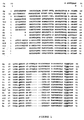
- TrX numbering it is meant the numbering associated with the position of amino acids based on the amino acid sequence of TrX (Xyn II - Table 1; Tr2 - Figure 1 ). As disclosed below and as is evident upon review of Figure 1 , Family 11 xylanases exhibit a substantial degree of sequence homology. Therefore, by aligning the amino acids to optimize the sequence similarity between xylanase enzymes and by using the amino acid numbering of TrX as the basis for numbering, the positions of amino acids within other xylanase enzymes can be determined relative to TrX.
- modified xylanase it is meant the alteration of a xylanase molecule using techniques that are known to one of skill in the art. These techniques include, but are not limited to, site directed mutagenesis, cassette mutagenesis, synthetic oligonucleotide construction, cloning and other genetic engineering techniques. Alterations of a xylanase enzyme, in order to produce a modified xylanase may also arise as a result of applying techniques directed at inducing mutations within native or genetically engineered xylanases via the addition of known chemical mutagens, UV exposure, or other treatments known to induce mutagensis within a host organisms that express a xylanase of interest. Such techniques are well known within the art.
- Table 1 lists the Family 11 xylanases free of cellulase activity. These enzymes share extensive amino acid sequence similarity and possess amino acids common to Family 11, for example two glutamic acid (E) residues serving as the essential catalytic residues, amino acids 86 and 177 (using TrX numbering). Structural comparisons of several Family 11 xylanases via X-ray crystallography indicates that these Family 11 xylanases of bacterial and fungal origins share the same general molecular structure (see for example US 5,405,769 ; Arase, A., Yomo, T., Urabe, I., Hata, Y., Katsube, Y. and Okada, H, 1993, FEBS Lett.
- xylanases including Family 11 xylanases for example but not limited to Trichoderma reesei xylanase II, Trichoderma reesei xylanase I, Trichoderma viride xylanase, Streptomyces lividans xylanase B and Streptomyces lividans xylanase C, may be modified following the general approach and methodology as outlined herein.
- the present invention also relates to modified xylanase enzymes that exhibit increased thermostability while maintaining high activity at physiological pH and temperature.
- modified xylanase enzymes that exhibit increased thermostability while maintaining high activity at physiological pH and temperature.
- TrX Trichoderma reesei xylanase
- Two modifications in the TrX were combined in order to obtain a novel xylanase (TrX-162H-DS1).
- the first modification includes a double mutation to create two cysteines for the formation of a single disulfide bond.
- thermostability TrX-162H-DS1; see Figures 5 and 6 ), and greater than 40% of optimum activity at physiological pH ( Figure 8 ), and temperature ( Figure 7 ).
- TrX-162H-DS4 differs from TrX-162H-DS1 by possessing an additional disulfide (108/158, that is between positions 108 and 158).
- This type of double disulfide mutant has previously been described for the xylanase of Bacillus circulans (C98/C152, 100/148; BcX amino acid numbering; Wakarchuck et al , 1994 Protein Engineering, 7:1379-1386 ).
- the BcX mutant does not comprise an equivalent basic amino acid (e.g. H for Q at position 162) substitution as disclosed herein.
- TrX-162H-DS4 shows a dramatic increase of thermostability (see Figure 4(a) ), with an increase in the T 50 of TrX-162H-DS4 of 14°C. This is an improvement over the prior art double disulfide BcX mutant which exhibits an increase in the T 50 of 10°C, thereby demonstrating the contribution of the Q162H mutation in the disulfide mutants of TrX.
- TrX-DS8 includes the mutations listed for N1-TX13 as disclosed in US 5,759,840 , namely N1OH, Y27M and N29L, and also includes N44D, Q125A, I129E, Q162H and a disulfide bond between positions 110 and 154. Trx-DS8 exhibits the property of thermostability ( Figure 4(b) ), a pH profile parallelling that of TrX-162-DS1, and greater than 40 % of optimum activity at physiological pH, and temperature.
- TrX-162H-DS1, TrX-162H-DS2 and TrX-162H-DS4 novel xylanases
- novel xylanase enzymes may be obtained that are far more suitable for feed pelleting applications than enzymes currently available. Similar modifications may be made in other Family 11 xylanases, including xylanase enzymes obtained from Trichoderma, Streptomyces and Schizophyllum.
- the formulation of the feed enzyme can improve the enzymes thermostability, as adsorption into feed improves stability as the enzyme is brought into contact with its substrate. Therefore, in determining thermostability of the xylanases of the present invention, xylanases were characterized in the presence and absence of stabilizing agents, for example but not limited to glycerol. Fisk and Simpson (1993) have reported that 40% glycerol enhanced the temperature tolerance of wild type TrX by less than + 10°C, however, this is much less stability than the enzymes of the present invention.
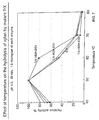
- the combination-mutant xylanases of the present invention can tolerate incubation in buffer at a higher temperature (59-69°C), as compared to natural xylanase (55°C; also see Figure 3 and 4 ).
- the combination mutants can retain a substantial portion of their activity at 70 to 90°C (see figure 5 ), while the natural xylanase is totally inactivated at these temperatures..
- TrX numbering based on Tr2 in Figure 1 ; which for TrX is glutamine
- Q162H basic amino acid histidine
- other amino acids may also be substituted at this position.
- the substituted amino acid is basic (positively charged), for example lysine (Q162K) or arginine (Q162R).
- Histidine-162 residue (TrX numbering) in the combination mutant is found in several natural Family 11 xylanases, such as those of Trichoderma harzianum, Aspergillus niger, var. awamori, Aspergillus tubigensis, Thermomonospora fusca, Bacillus circulans and Bacillus subtilis in the corresponding position. Similarly, Clostridium acetobutylicum comprises a lysine at this equivalent position.
- all, of these xylanases with the exception of the Thermomonospora fusca xylanase, are produced by mesophilic hosts and exhibit low thermostability.
- thermostability As a result there is no evidence to suggest any beneficial effect on thermostability by presence of a basic amino acid residue at this position.
- Thermomonospora fusca xylanase the N-terminal sequence (1-29) which is distant from the site of the present invention, has been shown to contribute to thermostability, and there is no evidence to suggest that thermostability may be associated with a histidine at this equivalent position (i.e. TrX 162).
- This invention is also directed to Trichoderma, Streptomyces or Schizophyllum xylanases that comprise at least one modification that results in increased thermostability while maintaining high activity at physiological pH and temperature.
- native Schizophyllum commune xylanase has a disulfide bond at positions 110/154 (TrX numbering).
- this enzyme exhibits low thermostability, Therefore, this enzyme can be modified using the methods of the present invention to substitute a basic amino acid, either histidine, arginine or lysine for the naturally occurring leucine at position 200 of Schizophyllum commune (which is equivalent to position 162 using TrX numbering; see Figure 1 ; Sc). Therefore, increased thermostability can be achieved through a one-step modification.
- Trichoderma, Streptomyces or Schizophyllum combination mutants comprising both an intramolecular disulfide bond and a basic amino acid substitution as outlined above.
- the intramolecular disulfide bond may arise as a result of a mutation at one or more specific residues, for example (per TrX numbering):
- thermostable Trichoderma, Streptomyces or Schizophyllum xylanases for example. These modifications maintain the thermostability of the native enzyme, yet alter the pH and temperature optima so that they exhibit high activity at physiological pH and temperature not normally associated with the enzyme.
- TABLE 2 Modified xylanases XYLANASE DESCRIPTION wild type TrX wild type T. reesei xylanase. TrX-162H TrX mutant with mutation Q162H. TrX-DS1 TrX mutant with an intramolecular disulfide bond between positions-110 and 154.
- TrX-162H-DS1 TrX mutant with two mutations, (i) a disulfide bond between posieions-110 and 154. and (ii) mutation Q162H.
- TrX-162H-DS2 TrX mutant with two mutations, (i) an intramolecular disulfide bond between positions-108 and 158, and (ii) mutation Q162H.
- TrX-162H-DS4 TrX mutant with two mutations. (i) two intramolecular disulfide bonds at residues-110/154 and residues-108/158. and (ii) mutation Q162H.
- TrX-DS8 Trx mutant with i) an intramolecular disulfide bond between positions-110 and 154, and ii) comprising mutations N10H, Y27M, N29L. N44D, Q125A, 1129E. and Q162H
- T4 polynucleotide kinase and T4 DNA ligase were purchased from New England BioLabs LTD, Mississauga, Ont.
- a precursor plasmid pXYbc has previously prepared and published ( Sung, W. L., Luk, C. K., Zahab, D. M. and Wakarchuk, W. (1993) Protein Expression Purif. 4:200-206 ; US 5,405,769 ).
- a commonly used E. coli strain, HB101 (clonetech Lab, Palo Alto, CA) was used as transformation and expression host for all gene construct. Birchwood xylan was purchased from Sigma (St. Louis, Mo).
- HBAH Hydroxybenzoic acid hydrazide
- the precursor plasmid pTrX for all subsequent mutations is published (Sung et al, 1995).
- This plasmid is derived from a pUC119 plasmid with a synthetic nucleotide sequence encoding a Trichoderma reesei xylanase inserted ( Figure 2 ). Expression of this xylanase and other mutant xylanases subsequently described are under the control of the lac promoter of the pUC plasmid.
- the total assembly of the gene required two stages, initially for the (92-190) region, then followed by the (1-92) region.
- the protocol for the construction of this gene is routine and identical to the standard published procedure for many other genes. It required enzymatic phosphorylation of overlapping synthetic oligonucleotides which encodes xylanase. This was followed by their ligation into a appropriately cut plasmid pUC119.
- the SalI and BglII cohesive ends of two terminal oligonucleotides enabled the enzymatic ligation of the ten fragments to the linearized plasmid pXYbc.
- the ten oligonucleotides (50 pmol, 1 L for each) encoding the TrX(92-190) was phosphorylated in a mixture containing 10X standard kinase buffer (0.4 L), 1mM ATP (4 L), T4 DNA kinase (5 units), and water (3 L). Phosphorylation reaction was carried out for 1 h at 37°C. The solutions were then combined and heated to 70°C for 10 min.
- one of the oligonucleotide XyTv-110 (10 pmol, 1 L) was phosphorylated 32 P-ATP (10 pmol, 3 L) in T4 DNA kinase (1 L), 10X kinase buffer (1 L), and water (4 L) at 37°C for 1 h.
- Transformants were selected randomly for hybridization analysis. Colonies were grown on nylon filters on YT plates with ampicillin overnight. They were then denatured with 0.5N NaOH -1.5M NaCl (10 min) and neutralized with 0.5N Tris-HCl (pH 7.0) - 1.5M NaCl (10 min). After irradiation by UV of 254 nm for 8 min, the filters were washed with 6X SSC - 0.05% Triton X-100 for 30 min. Cell debris was scraped off completely. After another 30 min.
- the duplicate filters were transferred individually into separate mixtures of 6X SSC - 1 % dextran sulphate - 0.05 % TritonX-100 - 1X Denhardt's hybridization fluid.
- the 32 P-labelled probe was added to the filter. After 16 h at 45°C, the filter was washed twice with 6X SSC - 0.05 % TritonX-100 at room temperature for 5 min. and then at 65°C for 30 min. Positively hybridized clones with the intermediate plasmid pBcX.TrX were identified by auto-radiographic analysis.
- the intermediate plasmid pBcX.TrX was linearized by NheI and KpnI endonucleases to release the DNA insert for BcX(l-83).
- TrX-1 SEQ ID NO:37 XyTv-2, SEQ ID NO:38 TrX-3, SEQ ID NO:39 XyTv-4, SEQ ID NO:40 XyTv-5, SEQ ID NO:41 TrX-6, SEQ ID NO:42 XyTv-7, SEQ ID NO:43 TrX-8, SEQ ID NO:44, encoding the published TrX(1-91) sequence
- TrX-1 SEQ ID NO:37 XyTv-2, SEQ ID NO:38 TrX-3, SEQ ID NO:39 XyTv-4, SEQ ID NO:40 XyTv-5, SEQ ID NO:41 TrX-6, SEQ ID NO:42 XyTv-7, SEQ ID NO:43 TrX-8, SEQ ID NO:44, encoding the published TrX(1-91) sequence
- the new plasmid pTrX therefore harbored a synthetic TrX gene (SEQ ID NO: 18).
- cassette mutagenesis All mutant xylanases described below have been constructed via the method of cassette mutagenesis as described above.
- the protocol for the cassette mutagenesis was identical to that for gene assembly fully described above.
- cassette mutagenesis involved (i) enzymatic phosphorylation of overlapping synthetic oligonucleotides, (ii) their ligation with the linearized plasmid, (iii) transformation into the E. coli HB101 competent cells, (iv) identification of the mutant transformants via hybridization with the labelled oligonucleotide as probe, and (v) confirmation of the mutation through dideoxy nucleotide sequencing.
- TrX-DS1 (SEQ ID NO's:54, 55) was identical to TrX with a covalent disulfide bond between residues-110 and 154. This was accomplished through two single mutations, ie. conversion of both residues serine-110 and asparagine-154 to cysteine. Upon expression of the mutant xylanase, these two cysteine residues will form a disulfide bond.
- the construction of the plasmid pTrX-DS1 was through ligation of the following overlapping phosphorylated oligonucleotides: TX-110C SEQ ID NO: 19, TX-110C-2 SEQ ID NO:20, TX-103b SEQ ID NO:21, XyTv-109 SEQ ID NO:22, TX-108b SEQ ID NO:23, TX-154C SEQ ID NO:24, TX-154C-2 SEQ ID NO:25, into KasI/AvrII-linearized plasmid pTrX in a cassette mutagenesis as shown below.
- TrX-162H-DS 1 (SEQ ID NO:56) was identical to TrX-DS 1 with a single mutation of glutamine-162 into histidine.
- the construction of the plasmid pTrX-162D-DS 1 was through ligation of oligonucleotides: TX-162H-3 SEQ ID NO: 26, and TX-162H-4 SEQ ID NO: 27 into SphI/AvrII-linearized plasmid pTrX-DS1 in a cassette mutagenesis, as shown below.
- TrX-162H-DS2 (SEQ ID NO's:57,58) was identical to TrX, but with a covalent disulfide bond between residues-108 and -158, and a mutation glutamine-162 to histidine.
- the 108/110 disulfide required two single mutations, ie. conversion of both residues valine-108 and alanine-158 to cysteine. Upon expression of the mutant xylanase, these two cysteine residues will form a disulfide bond.
- the construction of the plasmid pTrX-162H-DS2 was through ligation of the following overlapping phosphorylated oligonucleotides: TX-108C SEQ ID NO:45, TX-108C-2 SEQ ID NO:46, TX-103b SEQ ID NO:21, XyTv-109 SEQ ID NO:22, TX-108b SEQ ID NO:23, TX-158C-162H SEQ ID NO:47, and TX-158C-162H-2 SEQ ID NO:48 into the KasI/AvrII-linearized plasmid pTrX in a cassette mutagenesis as shown below.
- TrX-162H-DS4 (SEQ IDNO's:59, 60) was identical to TrX, but with two covalent disulfide bonds 108/158 and 110/154 and a mutation glutamine-162 to histidine.
- the two disulfides required four single mutations, ie. conversion of the residues valine-108. serine-110, asparagine-154 and alanine-158 to cysteine.
- these four cysteine residues will form two disulfide bonds.
- the construction of the plasmid pTrX-162H-DS4 was through ligation of the following overlapping phosphorylated oligonucleotides: TX-108C-110C SEQ ID NO:49, TX-108C-110C-2 SEQ ID NO:50, TX-103b SEQ ID NO:21, XyTv-109 SEQ ID NO:22, TX-108b SEQ ID NO:23, TX-154C-158C-162H SEQ ID NO:51 and TX-154C-158C-162H-2 SEQ ID NO:52 into the Kasl/AvrII-linearized plasmid pTrX in a cassette mutagenesis, as shown below.
- TrX-DS8 was prepared using analogous methods as those outlined above in Sections A to E for the preparation of modified xylanases.
- TrX-DS8 incorporates the mutations found in N1-TX13 as disclosed in US 5,759,840 . This mutations are N10H, Y27M and N29L.
- TrX-DS8 includes the following mutations: N44D, Q125A, I129E, Q162H and a disulfide bond between positions 110 and 154.
- the construction of the plasmid pTrX-DS8 was through ligation of overlapping phosphorylated oligonucleotides as described above.
- Trx-DS8 exhibits the property of thermostability ( Figure 4a ), a pH profile parallelling that of TrX-162-DS1, and greater than 40% of optimum activity at physiological pH, and temperature.
- the culture condition was identical to the well-established protocol described for other E. coli -expressed xylanases.
- a 5 ml of overnight inoculant in 2YT medium (16 g yeast extract, 10 g bacto-tryptone, 5 g NaCl, 1 L of water) containing ampicillin (100 mg/L) was added to 2YT medium (1 L) with ampicillin.
- the cultures were grown with shaking (200 rpm) at 37°C. After 16 hr, cells were harvested.
- Protein samples were prepared from cells by first making an extract of the cells by grinding 10 g of the cell paste with 25 g of alumina powder. After grinding to smooth mixture, small amounts (5 mL) of ice cold buffer A (10mM sodium acetate, pH 5.5 for BcX mutants) or buffer B (10mM sodium acetate, pH 4.6 for TX mutants) were added and the mixture ground vigorously between additions. The alumina and cell debris were removed by centrifugation of the mixture at 8000 x g for 30 min.
- buffer A 10mM sodium acetate, pH 5.5 for BcX mutants
- buffer B 10mM sodium acetate, pH 4.6 for TX mutants
- the crude extract was heated at 60°C for 15 min and centrifugation to remove a large amount of precipitate.
- the supernatant was acidified to pH 4.6, frozen at -20°C overnight, thawed and centrifuged to remove more precipitate.
- the cell extract committed to column chromatography and was pumped onto a 50 mL bed volume, S-Sepharose fast flow, cation exchange column (Kabi-Pharmacia, Canada), equilibrated in buffer A.
- the xylanase was eluted with a 300 mL linear gradient of 0 to 0.3M NaCl in buffer A at a flow rate of 3 mL/min. The xylanase elutes at 100 to 150 mL of the gradient.
- the fractions are checked on SDS-PAGE, and those fractions having most of the xylanase were pooled, and concentrated by ultrafiltration using 3000 dalton molecular weight cutoff membranes (Amicon YM3).
- the concentrated material (5 mL) was then applied to a 1.5 cm x 85 cm TSK-HW50S gel filtration column, equilibrated in 50 mM ammonium acetate pH 6.
- the xylanase eluted at a volume of 90 to 100 mL.
- These fractions were analyzed by SDS-PAGE, and the peaks pooled as pure xylanase.
- the protein was quantified using the extinction co-efficient at 280 nm.
- the quantitative assay determined the number of reducing sugar ends generated from soluble xylan.
- the substrate for this assay was the fraction of birchwood xylan which dissolved in water from a 5% suspension of birchwood xylan (Sigma Chemical Co.). After removing the insoluble fraction, the supernatant was freeze dried and stored in a desiccator. The measurement of specific activity was performed as follows. Reaction mixtures containing 100 L of 30 mg/mL xylan previously diluted in assay buffer (50 mM sodium citrate, pH 5.5 or the pH optimum of the tested xylanase), 150 L assay buffer, 50 L of enzyme diluted in assay buffer were incubated at 40°C.
- HBAH hydroxybenzoic acid hydrazide reagent
- TrX xylanases For the comparison between mutant and the wild type xylanases (TABLE 3), the specific activities of a xylanase was converted to the relative activity which is its calculated in percentage as compared to the specific activity of the natural xylanase. TABLE 3. Relative activity of TrX xylanases Xylanase Relative activity % natl. TrX 100* TrX 103 TrX-DS1 116 TrX-162H-DS1 102 TrX-162H-DS4 91 * The specific activity of the natural TrX (770 U/mg) was normalized to 100%.
- TrX-162H-DS1 with the additional mutation of Q162H, showed superior thermostability by retaining about 87% of its activity at 20 min, 78% at 40 min and 68% at 60 min.
- the mutant TrX-162H-DS4 with both 108/158 and 110/154 disulfide bonds retained 84% activity after 60 min..
- mutant TrX enzymes were also determined by tolerance of different incubation temperatures. Samples of xylanases were incubated in 50 mM sodium citrate buffer (pH 5.5) at different temperatures (48, 52, 56; 60, 64, 68, 70 and 72°C) for 30 min. The residual enzymatic activity of the samples was determined, with the residual activity at 48°C normalized to 100% (see Figures 4(a) and 4(b) ). The T 50 , which is the incubation temperature allowing the maintenance of 50% residual activity after 30 min, was determined for each mutant TrX.
- TrX-162H-DS 1 65°C versus TrX-DS 1 (61 °C) demonstrates the enhancement of thermostability by the mutation Q162H in the disulfide mutants.
- the double disulfide mutant TrX-162H-DS4 also exhibited high stability with a T 50 gain of+14°C over the natural TrX.
- Comparison of T 50 of TrX-162H-DS1 (65°C) and TrX-162H-DS2 (59°C) indicates that the 110/154 disulfide in TrX-162H-DS 1 contributes greater thermostability than the 108/158 dislufide in the latter.
- TrX-DS8 also exhibited high thermostability, with a T 50 gain of +16 °C when compared to natural TrX.
- TrX samples retained their enzymatic activity.
- TrX-DS1 and TrX-162H-DS1 retained 80 and 100% respectively ( Figure 5 ).
- TrX-DS1 and TrX-162H-DS1 maintained 10 and 98% respectively.
- the latter retained 65% of the residual activity.
- TrX-162H-DS1 in 40% glycerol and buffer were incubated in a covered circulating water bath (Haake type F 4391, with a fluctuation of 0.1°C) at 90°C. Temperature of the water bath was confirmed with a thermocouple. Aliqiots were removed at 0, 5, 10 and 3 0 min for assay of residual activity. The residual enzymatic activity at 0 min was normalized to 100%.
- TrX-162H-DS1 retained 90, 85 and 65% of the residual activity respectively ( Figure 6 ).
- the procedure was identical to the standard assay (Example 2 C) with changes in the incubation temperature and time.
- the Trichoderma enzymes natural TrX and mutant TrX (3 0 ⁇ g/mL) and soluble xylan in 50 mM sodium citrate buffers of pH 3-8 were incubated together at 40°C for 7 min.
- the amount of reducing sugars released from xylan was determined by HBAH and was calculated as relative activity, with the value at pH optimum as 100%.
- TrX-DS8 The profile of the effect of pH on the enzymatic activity of TrX, TrX-162H-DS 1 and TrX-162H-DS2 ( Figure 8 ) are similar, thus indicating little or no effect of the mutations (disulfide bond formation and Q 162H) on the pH optimum.
- the pH profile for TrX-DS8 was also similar to these modified xylanases (data not shown). All of the enzymes shown in the figure exhibit at least 40% of their optimum activity from about pH 3.5 to about pH 6, which is suitable for feed pelleting applications.
- TrX-162H-DS4 differed by showing slightly greater activity at the pH range higher than 6. At the acidic pH of 4-6 TrX, TrX-162H-DS1, TrX-162H-DS2 and TrX-162H-DS4 maintained at least 75% optimal activity.
Landscapes
- Chemical & Material Sciences (AREA)
- Life Sciences & Earth Sciences (AREA)
- Zoology (AREA)
- Organic Chemistry (AREA)
- Engineering & Computer Science (AREA)
- Health & Medical Sciences (AREA)
- Genetics & Genomics (AREA)
- Bioinformatics & Cheminformatics (AREA)
- Wood Science & Technology (AREA)
- Polymers & Plastics (AREA)
- General Health & Medical Sciences (AREA)
- General Engineering & Computer Science (AREA)
- Biochemistry (AREA)
- Food Science & Technology (AREA)
- Microbiology (AREA)
- Biotechnology (AREA)
- Biomedical Technology (AREA)
- Molecular Biology (AREA)
- Medicinal Chemistry (AREA)
- Animal Husbandry (AREA)
- Enzymes And Modification Thereof (AREA)
- Fodder In General (AREA)
- Preparation Of Compounds By Using Micro-Organisms (AREA)
- Micro-Organisms Or Cultivation Processes Thereof (AREA)
- Immobilizing And Processing Of Enzymes And Microorganisms (AREA)
Claims (13)
- Isolierte modifizierte Trichoderma, Streptomyces oder Schizophyllum Xylanase der Familie 11 mit wenigstens einer intramolekularen Disulphidbindung und einer substituierten basischen Aminosäure an Position 162 (Trichoderma reesei Xylanase II Nummerierung) oder deren Äquivalent, wobei die genannte Position anhand eines Sequenzalignments der genannten isolierten modifizierten Xylanase mit der genannten, in SEQ ID Nr. 16 definierten Trichoderma reesei Xylanase II Aminosäuresequenz bestimmt wird, wobei die genannte isolierte modifizierte Xylanase wenigstens 40 % optimale Aktivität von pH 3,5 bis pH 6,0 und von 40 bis 60 °C und wenigstens 30 % optimale Aktivität nach Folgendem aufweist:einem 30-minütigen Vorinkubationsschritt bei 70 °C, 80 °C oder 90 °C in Gegenwart von 40 % Glycerol;einem 30- oder 60-minütigen Vorinkubationsschritt bei 62,5 °C in Abwesenheit eines Stabilisators; odereinem 30-minütigen Vorinkubationsschritt bei 64 °C oder 68 °C in Abwesenheit eines Stabilisators.
- Isolierte modifizierte Xylanase nach Anspruch 1, wobei die genannte basische Aminosäure aus der Gruppe bestehend aus Lysin, Arginin und Histidin ausgewählt ist.
- Isolierte modifizierte Xylanase nach Anspruch 2, wobei die genannte basische Aminosäure Histidin ist.
- Isolierte modifizierte Xylanase nach Anspruch 1, die zwei Disulfidbrücken umfasst.
- Isolierte modifizierte Xylanase nach Anspruch 1, ausgewählt aus der Gruppe bestehend aus TrX-162H-DS1, TrX-162H-DS2, TrX-162H-DS4 und TrX-DS8.
- Isolierte modifizierte Xylanase nach Anspruch 5, wobei die genannte Xylanase TrX-162H-DS1 ist.
- Isolierte modifizierte Xylanase nach Anspruch 5, wobei die genannte Xylanase TrX-162H-DS2 ist.
- Isolierte modifizierte Xylanase nach Anspruch 5, wobei die genannte Xylanase TrX-162H-DS4 ist.
- Isolierte modifizierte Xylanase nach Anspruch 5, wobei die genannte Xylanase TrX-DS8 ist.
- Verfahren zur Herstellung von Tierfutter, das das Aufbringen der isolierten modifizierten Xylanase nach Anspruch 1 auf das genannte Tierfutter zum Erzeugen einer Xylanase-Tierfutter-Kombination und das Hitzesterilisieren der genannten Xylanase-Tierfutter-Kombination beinhaltet.
- Verfahren nach Anspruch 10, wobei das genannte Tierfutter Geflügel- oder Schweinefutter ist.
- Isolierte modifizierte Xylanase nach Anspruch 1, die eine Disulfidbrücke umfasst.
- Isolierte modifizierte Xylanase nach Anspruch 1, wobei die genannte Xylanase von einem Organismus erhalten wird, der aus der Gruppe bestehend aus Schizophyllum commune, Streptomyces lividans, Trichoderma reesei und Trichoderma viride ausgewählt ist.
Priority Applications (1)
| Application Number | Priority Date | Filing Date | Title |
|---|---|---|---|
| DE69933939T DE69933939T3 (de) | 1998-11-16 | 1999-11-16 | Hitzestabile xylanasen |
Applications Claiming Priority (3)
| Application Number | Priority Date | Filing Date | Title |
|---|---|---|---|
| US10850498P | 1998-11-16 | 1998-11-16 | |
| US108504P | 1998-11-16 | ||
| PCT/CA1999/001093 WO2000029587A1 (en) | 1998-11-16 | 1999-11-16 | Thermostable xylanases |
Publications (3)
| Publication Number | Publication Date |
|---|---|
| EP1131447A1 EP1131447A1 (de) | 2001-09-12 |
| EP1131447B1 EP1131447B1 (de) | 2006-11-08 |
| EP1131447B2 true EP1131447B2 (de) | 2011-10-12 |
Family
ID=22322590
Family Applications (1)
| Application Number | Title | Priority Date | Filing Date |
|---|---|---|---|
| EP99972259A Expired - Lifetime EP1131447B2 (de) | 1998-11-16 | 1999-11-16 | Hitzestabile xylanasen |
Country Status (7)
| Country | Link |
|---|---|
| EP (1) | EP1131447B2 (de) |
| AT (1) | ATE344837T1 (de) |
| AU (1) | AU775311C (de) |
| CA (1) | CA2385245C (de) |
| DE (1) | DE69933939T3 (de) |
| DK (1) | DK1131447T4 (de) |
| WO (1) | WO2000029587A1 (de) |
Cited By (2)
| Publication number | Priority date | Publication date | Assignee | Title |
|---|---|---|---|---|
| CN105524904A (zh) * | 2016-02-29 | 2016-04-27 | 四川农业大学 | 一种耐热的重组木聚糖酶及其制备方法和用途 |
| CN106459941A (zh) * | 2014-04-01 | 2017-02-22 | 韩国生命工学研究院 | 从链霉菌菌株hy‑14生产的新型木聚糖酶 |
Families Citing this family (18)
| Publication number | Priority date | Publication date | Assignee | Title |
|---|---|---|---|---|
| FI108728B (fi) | 1999-10-12 | 2002-03-15 | Carbozyme Oy | Menetelmä perheen G/11 ksylanaasien stabiilisuuden parantamiseksi ja optimaalisen pH-alueen muuttamiseksi |
| WO2001092487A2 (en) | 2000-05-31 | 2001-12-06 | National Research Council Of Canada | Modified xylanases exhibiting increased thermophilicity and alkalophilicity |
| EP1184460A1 (de) * | 2000-08-29 | 2002-03-06 | Dsm N.V. | Modifizierte Xylanasen von Pilzen |
| WO2002038746A2 (en) * | 2000-11-10 | 2002-05-16 | Xencor | Novel thermostable alkaliphilic xylanase |
| US7510860B1 (en) | 2001-11-21 | 2009-03-31 | National Research Council Of Canada | Xylanases with enhanced thermophilicity and alkalophilicity |
| US7547534B2 (en) | 2002-06-14 | 2009-06-16 | Verenium Corporation | Methods for making a composition to treat a wood, a pulp or a paper |
| BRPI0414370A (pt) | 2003-09-15 | 2006-11-14 | Genencor Int | enzimas modificadas, processos para produzir enzimas modificadas e usos das mesmas |
| CA2548723A1 (en) | 2003-12-19 | 2005-06-19 | Syngenta Participations Ag | Microbially expressed xylanases and their use as feed additives and other uses |
| ATE527362T1 (de) | 2004-03-25 | 2011-10-15 | Iogen Bio Products Corp | Verbesserte expression zeigendemodifizierte xylanasen |
| EP2548955A1 (de) | 2006-02-14 | 2013-01-23 | Verenium Corporation | Xylanasen, Nukleinsäuren, die diese codieren, und Verfahren zu deren Herstellung und Verwendung |
| WO2007115391A1 (en) | 2006-04-12 | 2007-10-18 | National Research Council Of Cananda | Modification of xylanases to increase thermophilicity, thermostability and alkalophilicity |
| RU2464313C2 (ru) * | 2006-04-12 | 2012-10-20 | Нэйшенл Рисерч Каунсил Оф Кэнэда | Модифицированная ксиланаза |
| WO2011063558A1 (zh) * | 2009-11-24 | 2011-06-03 | 永丰馀造纸股份有限公司 | 木聚糖酶组合物及其制造方法 |
| WO2013077432A1 (ja) | 2011-11-25 | 2013-05-30 | 三井化学株式会社 | 変異型キシラナーゼ、その製造方法及び用途、並びにリグノセルロースの糖化物製造方法 |
| CN104774819A (zh) * | 2015-02-24 | 2015-07-15 | 诺维信公司 | 木聚糖酶颗粒 |
| CN115969970A (zh) | 2016-02-10 | 2023-04-18 | 免疫医疗公司 | Abcg2抑制剂与sacituzumab govitecan的组合 |
| CN109402091B (zh) * | 2017-08-18 | 2022-02-11 | 潍坊康地恩生物科技有限公司 | 木聚糖酶突变体 |
| CN109988715B (zh) * | 2017-12-29 | 2022-03-01 | 青岛蔚蓝生物集团有限公司 | 一种高产木聚糖酶的突变菌株及其应用 |
Family Cites Families (3)
| Publication number | Priority date | Publication date | Assignee | Title |
|---|---|---|---|---|
| US5405769A (en) * | 1993-04-08 | 1995-04-11 | National Research Council Of Canada | Construction of thermostable mutants of a low molecular mass xylanase |
| US5437992A (en) * | 1994-04-28 | 1995-08-01 | Genencor International, Inc. | Five thermostable xylanases from microtetraspora flexuosa for use in delignification and/or bleaching of pulp |
| US5759840A (en) * | 1996-09-09 | 1998-06-02 | National Research Council Of Canada | Modification of xylanase to improve thermophilicity, alkalophilicity and thermostability |
-
1999
- 1999-11-16 DK DK99972259.8T patent/DK1131447T4/da active
- 1999-11-16 CA CA2385245A patent/CA2385245C/en not_active Expired - Lifetime
- 1999-11-16 AT AT99972259T patent/ATE344837T1/de not_active IP Right Cessation
- 1999-11-16 AU AU11451/00A patent/AU775311C/en not_active Ceased
- 1999-11-16 WO PCT/CA1999/001093 patent/WO2000029587A1/en not_active Ceased
- 1999-11-16 DE DE69933939T patent/DE69933939T3/de not_active Expired - Lifetime
- 1999-11-16 EP EP99972259A patent/EP1131447B2/de not_active Expired - Lifetime
Cited By (4)
| Publication number | Priority date | Publication date | Assignee | Title |
|---|---|---|---|---|
| CN106459941A (zh) * | 2014-04-01 | 2017-02-22 | 韩国生命工学研究院 | 从链霉菌菌株hy‑14生产的新型木聚糖酶 |
| CN106459941B (zh) * | 2014-04-01 | 2020-01-10 | 韩国生命工学研究院 | 从链霉菌菌株hy-14生产的新型木聚糖酶 |
| CN105524904A (zh) * | 2016-02-29 | 2016-04-27 | 四川农业大学 | 一种耐热的重组木聚糖酶及其制备方法和用途 |
| CN105524904B (zh) * | 2016-02-29 | 2019-03-08 | 四川农业大学 | 一种耐热的重组木聚糖酶及其制备方法和用途 |
Also Published As
| Publication number | Publication date |
|---|---|
| WO2000029587A1 (en) | 2000-05-25 |
| DE69933939D1 (de) | 2006-12-21 |
| CA2385245C (en) | 2011-04-12 |
| DK1131447T4 (da) | 2011-12-19 |
| DE69933939T3 (de) | 2012-03-01 |
| DE69933939T2 (de) | 2007-09-13 |
| AU775311C (en) | 2005-03-24 |
| WO2000029587A8 (en) | 2000-09-21 |
| ATE344837T1 (de) | 2006-11-15 |
| AU1145100A (en) | 2000-06-05 |
| CA2385245A1 (en) | 2000-05-25 |
| EP1131447B1 (de) | 2006-11-08 |
| DK1131447T3 (da) | 2007-03-19 |
| EP1131447A1 (de) | 2001-09-12 |
| AU775311B2 (en) | 2004-07-29 |
Similar Documents
| Publication | Publication Date | Title |
|---|---|---|
| EP1131447B2 (de) | Hitzestabile xylanasen | |
| EP0828002B1 (de) | Modifikation von xylanase zur Verbesserung von Thermophilicität, alkophilicität und thermostabilität | |
| EP1007743B1 (de) | Enzymgemisch | |
| US9481874B2 (en) | Method to improve the stability and broaden the pH range of family G/11 xylanases | |
| DE69617641T2 (de) | Xylanase beinhaltende futterzusätze für tiere | |
| US8927248B2 (en) | Modification of xylanases to increase thermophilicity, thermostability and alkalophilicity | |
| US7060482B1 (en) | Thermostable xylanases | |
| EP2775857B1 (de) | Mit xylanase ergänzte futterzusammensetzung | |
| Fernandes et al. | 1, 3-1, 4-β-Glucanases and not 1, 4-β-glucanases improve the nutritive value of barley-based diets for broilers | |
| US7695947B2 (en) | Modified xylanases exhibiting increased thermophilicity and alkalophilicity | |
| CN1697877B (zh) | 具有增强的嗜热性和嗜碱性的木聚糖酶 | |
| KR101219514B1 (ko) | 셀룰로시마이크로비움 펀케이 hy-13 균주로부터 생산되는 신규한 자일라나아제 | |
| US12600960B2 (en) | Xylanase variants | |
| Tsai et al. | Secretory expression and characterization of xylanase isolated from Bacillus subtilis E20 increase the utilization of plant ingredients in tilapia feed | |
| Zimmermann | Bacterial degradation of hemicelluloses |
Legal Events
| Date | Code | Title | Description |
|---|---|---|---|
| PUAI | Public reference made under article 153(3) epc to a published international application that has entered the european phase |
Free format text: ORIGINAL CODE: 0009012 |
|
| 17P | Request for examination filed |
Effective date: 20010615 |
|
| AK | Designated contracting states |
Kind code of ref document: A1 Designated state(s): AT BE CH CY DE DK ES FI FR GB GR IE IT LI LU MC NL PT SE |
|
| AX | Request for extension of the european patent |
Free format text: AL;LT;LV;MK;RO;SI |
|
| 17Q | First examination report despatched |
Effective date: 20040303 |
|
| GRAP | Despatch of communication of intention to grant a patent |
Free format text: ORIGINAL CODE: EPIDOSNIGR1 |
|
| GRAS | Grant fee paid |
Free format text: ORIGINAL CODE: EPIDOSNIGR3 |
|
| GRAA | (expected) grant |
Free format text: ORIGINAL CODE: 0009210 |
|
| AK | Designated contracting states |
Kind code of ref document: B1 Designated state(s): AT BE CH CY DE DK ES FI FR GB GR IE IT LI LU MC NL PT SE |
|
| PG25 | Lapsed in a contracting state [announced via postgrant information from national office to epo] |
Ref country code: LI Free format text: LAPSE BECAUSE OF FAILURE TO SUBMIT A TRANSLATION OF THE DESCRIPTION OR TO PAY THE FEE WITHIN THE PRESCRIBED TIME-LIMIT Effective date: 20061108 Ref country code: IT Free format text: LAPSE BECAUSE OF FAILURE TO SUBMIT A TRANSLATION OF THE DESCRIPTION OR TO PAY THE FEE WITHIN THE PRESCRIBED TIME-LIMIT;WARNING: LAPSES OF ITALIAN PATENTS WITH EFFECTIVE DATE BEFORE 2007 MAY HAVE OCCURRED AT ANY TIME BEFORE 2007. THE CORRECT EFFECTIVE DATE MAY BE DIFFERENT FROM THE ONE RECORDED. Effective date: 20061108 Ref country code: CH Free format text: LAPSE BECAUSE OF FAILURE TO SUBMIT A TRANSLATION OF THE DESCRIPTION OR TO PAY THE FEE WITHIN THE PRESCRIBED TIME-LIMIT Effective date: 20061108 Ref country code: BE Free format text: LAPSE BECAUSE OF FAILURE TO SUBMIT A TRANSLATION OF THE DESCRIPTION OR TO PAY THE FEE WITHIN THE PRESCRIBED TIME-LIMIT Effective date: 20061108 Ref country code: AT Free format text: LAPSE BECAUSE OF FAILURE TO SUBMIT A TRANSLATION OF THE DESCRIPTION OR TO PAY THE FEE WITHIN THE PRESCRIBED TIME-LIMIT Effective date: 20061108 |
|
| REG | Reference to a national code |
Ref country code: GB Ref legal event code: FG4D |
|
| PG25 | Lapsed in a contracting state [announced via postgrant information from national office to epo] |
Ref country code: IE Free format text: LAPSE BECAUSE OF NON-PAYMENT OF DUE FEES Effective date: 20061116 |
|
| PG25 | Lapsed in a contracting state [announced via postgrant information from national office to epo] |
Ref country code: MC Free format text: LAPSE BECAUSE OF NON-PAYMENT OF DUE FEES Effective date: 20061130 |
|
| REG | Reference to a national code |
Ref country code: CH Ref legal event code: EP |
|
| REG | Reference to a national code |
Ref country code: IE Ref legal event code: FG4D |
|
| REF | Corresponds to: |
Ref document number: 69933939 Country of ref document: DE Date of ref document: 20061221 Kind code of ref document: P |
|
| PG25 | Lapsed in a contracting state [announced via postgrant information from national office to epo] |
Ref country code: SE Free format text: LAPSE BECAUSE OF FAILURE TO SUBMIT A TRANSLATION OF THE DESCRIPTION OR TO PAY THE FEE WITHIN THE PRESCRIBED TIME-LIMIT Effective date: 20070208 |
|
| PG25 | Lapsed in a contracting state [announced via postgrant information from national office to epo] |
Ref country code: ES Free format text: LAPSE BECAUSE OF FAILURE TO SUBMIT A TRANSLATION OF THE DESCRIPTION OR TO PAY THE FEE WITHIN THE PRESCRIBED TIME-LIMIT Effective date: 20070219 |
|
| REG | Reference to a national code |
Ref country code: DK Ref legal event code: T3 |
|
| PG25 | Lapsed in a contracting state [announced via postgrant information from national office to epo] |
Ref country code: PT Free format text: LAPSE BECAUSE OF FAILURE TO SUBMIT A TRANSLATION OF THE DESCRIPTION OR TO PAY THE FEE WITHIN THE PRESCRIBED TIME-LIMIT Effective date: 20070409 |
|
| REG | Reference to a national code |
Ref country code: CH Ref legal event code: PL |
|
| ET | Fr: translation filed | ||
| PLBI | Opposition filed |
Free format text: ORIGINAL CODE: 0009260 |
|
| 26 | Opposition filed |
Opponent name: NOVOZYMES A/S Effective date: 20070808 |
|
| PLAX | Notice of opposition and request to file observation + time limit sent |
Free format text: ORIGINAL CODE: EPIDOSNOBS2 |
|
| NLR1 | Nl: opposition has been filed with the epo |
Opponent name: NOVOZYMES A/S |
|
| PLAF | Information modified related to communication of a notice of opposition and request to file observations + time limit |
Free format text: ORIGINAL CODE: EPIDOSCOBS2 |
|
| PG25 | Lapsed in a contracting state [announced via postgrant information from national office to epo] |
Ref country code: GR Free format text: LAPSE BECAUSE OF FAILURE TO SUBMIT A TRANSLATION OF THE DESCRIPTION OR TO PAY THE FEE WITHIN THE PRESCRIBED TIME-LIMIT Effective date: 20070209 |
|
| PG25 | Lapsed in a contracting state [announced via postgrant information from national office to epo] |
Ref country code: LU Free format text: LAPSE BECAUSE OF NON-PAYMENT OF DUE FEES Effective date: 20061116 |
|
| PLBB | Reply of patent proprietor to notice(s) of opposition received |
Free format text: ORIGINAL CODE: EPIDOSNOBS3 |
|
| PG25 | Lapsed in a contracting state [announced via postgrant information from national office to epo] |
Ref country code: CY Free format text: LAPSE BECAUSE OF FAILURE TO SUBMIT A TRANSLATION OF THE DESCRIPTION OR TO PAY THE FEE WITHIN THE PRESCRIBED TIME-LIMIT Effective date: 20061108 |
|
| PLAB | Opposition data, opponent's data or that of the opponent's representative modified |
Free format text: ORIGINAL CODE: 0009299OPPO |
|
| R26 | Opposition filed (corrected) |
Opponent name: NOVOZYMES A/S Effective date: 20070808 |
|
| PLAB | Opposition data, opponent's data or that of the opponent's representative modified |
Free format text: ORIGINAL CODE: 0009299OPPO |
|
| R26 | Opposition filed (corrected) |
Opponent name: NOVOZYMES A/S Effective date: 20070808 |
|
| NLR1 | Nl: opposition has been filed with the epo |
Opponent name: NOVOZYMES A/S |
|
| NLR1 | Nl: opposition has been filed with the epo |
Opponent name: NOVOZYMES A/S |
|
| APBM | Appeal reference recorded |
Free format text: ORIGINAL CODE: EPIDOSNREFNO |
|
| APBP | Date of receipt of notice of appeal recorded |
Free format text: ORIGINAL CODE: EPIDOSNNOA2O |
|
| APAH | Appeal reference modified |
Free format text: ORIGINAL CODE: EPIDOSCREFNO |
|
| APBU | Appeal procedure closed |
Free format text: ORIGINAL CODE: EPIDOSNNOA9O |
|
| PUAH | Patent maintained in amended form |
Free format text: ORIGINAL CODE: 0009272 |
|
| STAA | Information on the status of an ep patent application or granted ep patent |
Free format text: STATUS: PATENT MAINTAINED AS AMENDED |
|
| 27A | Patent maintained in amended form |
Effective date: 20111012 |
|
| AK | Designated contracting states |
Kind code of ref document: B2 Designated state(s): AT BE CH CY DE DK ES FI FR GB GR IE IT LI LU MC NL PT SE |
|
| REG | Reference to a national code |
Ref country code: DE Ref legal event code: R102 Ref document number: 69933939 Country of ref document: DE |
|
| REG | Reference to a national code |
Ref country code: DE Ref legal event code: R102 Ref document number: 69933939 Country of ref document: DE Effective date: 20111012 |
|
| REG | Reference to a national code |
Ref country code: DK Ref legal event code: T4 |
|
| REG | Reference to a national code |
Ref country code: NL Ref legal event code: T3 |
|
| PGFP | Annual fee paid to national office [announced via postgrant information from national office to epo] |
Ref country code: GB Payment date: 20121114 Year of fee payment: 14 |
|
| GBPC | Gb: european patent ceased through non-payment of renewal fee |
Effective date: 20131116 |
|
| PG25 | Lapsed in a contracting state [announced via postgrant information from national office to epo] |
Ref country code: GB Free format text: LAPSE BECAUSE OF NON-PAYMENT OF DUE FEES Effective date: 20131116 |
|
| REG | Reference to a national code |
Ref country code: FR Ref legal event code: PLFP Year of fee payment: 17 |
|
| REG | Reference to a national code |
Ref country code: FR Ref legal event code: PLFP Year of fee payment: 18 |
|
| REG | Reference to a national code |
Ref country code: FR Ref legal event code: PLFP Year of fee payment: 19 |
|
| REG | Reference to a national code |
Ref country code: FR Ref legal event code: PLFP Year of fee payment: 20 |
|
| PGFP | Annual fee paid to national office [announced via postgrant information from national office to epo] |
Ref country code: NL Payment date: 20181114 Year of fee payment: 20 |
|
| PGFP | Annual fee paid to national office [announced via postgrant information from national office to epo] |
Ref country code: FI Payment date: 20181109 Year of fee payment: 20 Ref country code: DK Payment date: 20181109 Year of fee payment: 20 Ref country code: DE Payment date: 20181106 Year of fee payment: 20 |
|
| PGFP | Annual fee paid to national office [announced via postgrant information from national office to epo] |
Ref country code: FR Payment date: 20181026 Year of fee payment: 20 |
|
| REG | Reference to a national code |
Ref country code: DE Ref legal event code: R071 Ref document number: 69933939 Country of ref document: DE |
|
| REG | Reference to a national code |
Ref country code: DK Ref legal event code: EUP Effective date: 20191116 |
|
| REG | Reference to a national code |
Ref country code: NL Ref legal event code: MK Effective date: 20191115 |