EP1148065A1 - Protéines de fusion comprenant deux molécules gp130 solubles - Google Patents
Protéines de fusion comprenant deux molécules gp130 solubles Download PDFInfo
- Publication number
- EP1148065A1 EP1148065A1 EP00108691A EP00108691A EP1148065A1 EP 1148065 A1 EP1148065 A1 EP 1148065A1 EP 00108691 A EP00108691 A EP 00108691A EP 00108691 A EP00108691 A EP 00108691A EP 1148065 A1 EP1148065 A1 EP 1148065A1
- Authority
- EP
- European Patent Office
- Prior art keywords
- cells
- sgp130
- human
- soluble
- fusion protein
- Prior art date
- Legal status (The legal status is an assumption and is not a legal conclusion. Google has not performed a legal analysis and makes no representation as to the accuracy of the status listed.)
- Granted
Links
- 108010006197 Cytokine Receptor gp130 Proteins 0.000 title claims abstract description 26
- 102000005754 Cytokine Receptor gp130 Human genes 0.000 title claims abstract description 26
- 108020001507 fusion proteins Proteins 0.000 title claims description 26
- 102000037865 fusion proteins Human genes 0.000 title claims description 26
- 108090001005 Interleukin-6 Proteins 0.000 claims abstract description 105
- 230000004927 fusion Effects 0.000 claims abstract description 25
- 102100037795 Interleukin-6 receptor subunit beta Human genes 0.000 claims description 80
- 101710152369 Interleukin-6 receptor subunit beta Proteins 0.000 claims description 80
- 108090000623 proteins and genes Proteins 0.000 claims description 55
- 102000004169 proteins and genes Human genes 0.000 claims description 48
- 108020004414 DNA Proteins 0.000 claims description 21
- 230000000694 effects Effects 0.000 claims description 21
- 238000000034 method Methods 0.000 claims description 15
- 108090000765 processed proteins & peptides Proteins 0.000 claims description 10
- 239000013604 expression vector Substances 0.000 claims description 8
- 230000001270 agonistic effect Effects 0.000 claims description 6
- 238000004519 manufacturing process Methods 0.000 claims description 6
- 102000053602 DNA Human genes 0.000 claims description 5
- 230000007170 pathology Effects 0.000 claims description 5
- 239000008194 pharmaceutical composition Substances 0.000 claims description 5
- 239000003814 drug Substances 0.000 claims description 4
- BWGNESOTFCXPMA-UHFFFAOYSA-N Dihydrogen disulfide Chemical compound SS BWGNESOTFCXPMA-UHFFFAOYSA-N 0.000 claims description 3
- 230000002401 inhibitory effect Effects 0.000 claims description 3
- 239000000546 pharmaceutical excipient Substances 0.000 claims description 3
- 238000002360 preparation method Methods 0.000 claims description 3
- 230000002265 prevention Effects 0.000 claims description 3
- 239000000710 homodimer Substances 0.000 claims description 2
- 238000012258 culturing Methods 0.000 claims 1
- 102100037792 Interleukin-6 receptor subunit alpha Human genes 0.000 abstract description 54
- 108040006858 interleukin-6 receptor activity proteins Proteins 0.000 abstract description 53
- 230000035755 proliferation Effects 0.000 abstract description 26
- 230000004044 response Effects 0.000 abstract description 24
- 108090000581 Leukemia inhibitory factor Proteins 0.000 abstract description 17
- 102000004058 Leukemia inhibitory factor Human genes 0.000 abstract description 17
- 102000004140 Oncostatin M Human genes 0.000 abstract description 17
- 108090000630 Oncostatin M Proteins 0.000 abstract description 17
- 230000001419 dependent effect Effects 0.000 abstract description 10
- 210000004379 membrane Anatomy 0.000 abstract description 9
- 239000012528 membrane Substances 0.000 abstract description 9
- 108091006020 Fc-tagged proteins Proteins 0.000 abstract description 8
- 210000004400 mucous membrane Anatomy 0.000 abstract description 8
- 208000011231 Crohn disease Diseases 0.000 abstract description 4
- 238000004113 cell culture Methods 0.000 abstract description 3
- 210000004027 cell Anatomy 0.000 description 124
- 102000004889 Interleukin-6 Human genes 0.000 description 101
- 229940100601 interleukin-6 Drugs 0.000 description 100
- 235000018102 proteins Nutrition 0.000 description 45
- 241000282414 Homo sapiens Species 0.000 description 40
- 230000014509 gene expression Effects 0.000 description 23
- 101001076408 Homo sapiens Interleukin-6 Proteins 0.000 description 19
- 102000052611 human IL6 Human genes 0.000 description 19
- 241001529936 Murinae Species 0.000 description 18
- 102000004127 Cytokines Human genes 0.000 description 16
- 108090000695 Cytokines Proteins 0.000 description 16
- 239000002299 complementary DNA Substances 0.000 description 16
- 210000000329 smooth muscle myocyte Anatomy 0.000 description 14
- 108010005939 Ciliary Neurotrophic Factor Proteins 0.000 description 12
- 102100031614 Ciliary neurotrophic factor Human genes 0.000 description 12
- 102100021747 Leukemia inhibitory factor receptor Human genes 0.000 description 12
- 230000000638 stimulation Effects 0.000 description 12
- 102000005962 receptors Human genes 0.000 description 11
- 108020003175 receptors Proteins 0.000 description 11
- 238000002415 sodium dodecyl sulfate polyacrylamide gel electrophoresis Methods 0.000 description 11
- 238000002474 experimental method Methods 0.000 description 10
- 239000001963 growth medium Substances 0.000 description 10
- 230000004071 biological effect Effects 0.000 description 9
- 230000003472 neutralizing effect Effects 0.000 description 9
- 239000013598 vector Substances 0.000 description 9
- 102100031615 Ciliary neurotrophic factor receptor subunit alpha Human genes 0.000 description 8
- 101000993348 Homo sapiens Ciliary neurotrophic factor receptor subunit alpha Proteins 0.000 description 8
- 101000599056 Homo sapiens Interleukin-6 receptor subunit beta Proteins 0.000 description 8
- 101001042362 Homo sapiens Leukemia inhibitory factor receptor Proteins 0.000 description 8
- 230000004913 activation Effects 0.000 description 8
- 208000037265 diseases, disorders, signs and symptoms Diseases 0.000 description 8
- 238000009396 hybridization Methods 0.000 description 8
- RAXXELZNTBOGNW-UHFFFAOYSA-N 1H-imidazole Chemical compound C1=CNC=N1 RAXXELZNTBOGNW-UHFFFAOYSA-N 0.000 description 7
- 108091028043 Nucleic acid sequence Proteins 0.000 description 7
- 108010017324 STAT3 Transcription Factor Proteins 0.000 description 7
- 102000004495 STAT3 Transcription Factor Human genes 0.000 description 7
- 229920002684 Sepharose Polymers 0.000 description 7
- 238000000746 purification Methods 0.000 description 7
- 230000011664 signaling Effects 0.000 description 7
- 239000006228 supernatant Substances 0.000 description 7
- ZHNUHDYFZUAESO-UHFFFAOYSA-N Formamide Chemical compound NC=O ZHNUHDYFZUAESO-UHFFFAOYSA-N 0.000 description 6
- 241001502974 Human gammaherpesvirus 8 Species 0.000 description 6
- 108010002386 Interleukin-3 Proteins 0.000 description 6
- FAPWRFPIFSIZLT-UHFFFAOYSA-M Sodium chloride Chemical compound [Na+].[Cl-] FAPWRFPIFSIZLT-UHFFFAOYSA-M 0.000 description 6
- 238000004458 analytical method Methods 0.000 description 6
- 230000015572 biosynthetic process Effects 0.000 description 6
- 239000012634 fragment Substances 0.000 description 6
- 206010073071 hepatocellular carcinoma Diseases 0.000 description 6
- 230000026731 phosphorylation Effects 0.000 description 6
- 238000006366 phosphorylation reaction Methods 0.000 description 6
- 238000001556 precipitation Methods 0.000 description 6
- 102000004196 processed proteins & peptides Human genes 0.000 description 6
- UCSJYZPVAKXKNQ-HZYVHMACSA-N streptomycin Chemical compound CN[C@H]1[C@H](O)[C@@H](O)[C@H](CO)O[C@H]1O[C@@H]1[C@](C=O)(O)[C@H](C)O[C@H]1O[C@@H]1[C@@H](NC(N)=N)[C@H](O)[C@@H](NC(N)=N)[C@H](O)[C@H]1O UCSJYZPVAKXKNQ-HZYVHMACSA-N 0.000 description 6
- 108020004635 Complementary DNA Proteins 0.000 description 5
- XUJNEKJLAYXESH-UHFFFAOYSA-N Cysteine Chemical compound SCC(N)C(O)=O XUJNEKJLAYXESH-UHFFFAOYSA-N 0.000 description 5
- 206010035226 Plasma cell myeloma Diseases 0.000 description 5
- 108010008281 Recombinant Fusion Proteins Proteins 0.000 description 5
- 102000007056 Recombinant Fusion Proteins Human genes 0.000 description 5
- 230000001640 apoptogenic effect Effects 0.000 description 5
- 230000006907 apoptotic process Effects 0.000 description 5
- 201000010099 disease Diseases 0.000 description 5
- 230000005764 inhibitory process Effects 0.000 description 5
- 239000003446 ligand Substances 0.000 description 5
- 239000000463 material Substances 0.000 description 5
- 239000002609 medium Substances 0.000 description 5
- 230000001105 regulatory effect Effects 0.000 description 5
- 239000000243 solution Substances 0.000 description 5
- 238000001890 transfection Methods 0.000 description 5
- 102100022524 Alpha-1-antichymotrypsin Human genes 0.000 description 4
- 108090000672 Annexin A5 Proteins 0.000 description 4
- 102000004121 Annexin A5 Human genes 0.000 description 4
- 102100021943 C-C motif chemokine 2 Human genes 0.000 description 4
- 101710155857 C-C motif chemokine 2 Proteins 0.000 description 4
- 102000019034 Chemokines Human genes 0.000 description 4
- 108010012236 Chemokines Proteins 0.000 description 4
- 229920002307 Dextran Polymers 0.000 description 4
- 108010093488 His-His-His-His-His-His Proteins 0.000 description 4
- 208000007766 Kaposi sarcoma Diseases 0.000 description 4
- 101710142062 Leukemia inhibitory factor receptor Proteins 0.000 description 4
- 108010091628 alpha 1-Antichymotrypsin Proteins 0.000 description 4
- 210000002889 endothelial cell Anatomy 0.000 description 4
- 239000013613 expression plasmid Substances 0.000 description 4
- 230000003993 interaction Effects 0.000 description 4
- 108020004999 messenger RNA Proteins 0.000 description 4
- 210000005087 mononuclear cell Anatomy 0.000 description 4
- 208000015325 multicentric Castleman disease Diseases 0.000 description 4
- 229920001184 polypeptide Polymers 0.000 description 4
- XJMOSONTPMZWPB-UHFFFAOYSA-M propidium iodide Chemical compound [I-].[I-].C12=CC(N)=CC=C2C2=CC=C(N)C=C2[N+](CCC[N+](C)(CC)CC)=C1C1=CC=CC=C1 XJMOSONTPMZWPB-UHFFFAOYSA-M 0.000 description 4
- 239000011780 sodium chloride Substances 0.000 description 4
- 238000003786 synthesis reaction Methods 0.000 description 4
- 230000002103 transcriptional effect Effects 0.000 description 4
- 108091032973 (ribonucleotides)n+m Proteins 0.000 description 3
- 108010062271 Acute-Phase Proteins Proteins 0.000 description 3
- 102000011767 Acute-Phase Proteins Human genes 0.000 description 3
- 206010006895 Cachexia Diseases 0.000 description 3
- 239000006144 Dulbecco’s modified Eagle's medium Substances 0.000 description 3
- WSFSSNUMVMOOMR-UHFFFAOYSA-N Formaldehyde Chemical compound O=C WSFSSNUMVMOOMR-UHFFFAOYSA-N 0.000 description 3
- 102000010781 Interleukin-6 Receptors Human genes 0.000 description 3
- 108010038501 Interleukin-6 Receptors Proteins 0.000 description 3
- 229930182555 Penicillin Natural products 0.000 description 3
- JGSARLDLIJGVTE-MBNYWOFBSA-N Penicillin G Chemical compound N([C@H]1[C@H]2SC([C@@H](N2C1=O)C(O)=O)(C)C)C(=O)CC1=CC=CC=C1 JGSARLDLIJGVTE-MBNYWOFBSA-N 0.000 description 3
- 240000004808 Saccharomyces cerevisiae Species 0.000 description 3
- IQFYYKKMVGJFEH-XLPZGREQSA-N Thymidine Chemical compound O=C1NC(=O)C(C)=CN1[C@@H]1O[C@H](CO)[C@@H](O)C1 IQFYYKKMVGJFEH-XLPZGREQSA-N 0.000 description 3
- 239000013543 active substance Substances 0.000 description 3
- 238000001042 affinity chromatography Methods 0.000 description 3
- 230000002424 anti-apoptotic effect Effects 0.000 description 3
- 230000001413 cellular effect Effects 0.000 description 3
- 238000006471 dimerization reaction Methods 0.000 description 3
- 208000035475 disorder Diseases 0.000 description 3
- 238000010494 dissociation reaction Methods 0.000 description 3
- 230000005593 dissociations Effects 0.000 description 3
- 231100000673 dose–response relationship Toxicity 0.000 description 3
- 238000001943 fluorescence-activated cell sorting Methods 0.000 description 3
- 230000006870 function Effects 0.000 description 3
- 230000013595 glycosylation Effects 0.000 description 3
- 238000006206 glycosylation reaction Methods 0.000 description 3
- 230000012010 growth Effects 0.000 description 3
- 230000006698 induction Effects 0.000 description 3
- 210000004962 mammalian cell Anatomy 0.000 description 3
- 238000002703 mutagenesis Methods 0.000 description 3
- 231100000350 mutagenesis Toxicity 0.000 description 3
- 201000000050 myeloid neoplasm Diseases 0.000 description 3
- 229940049954 penicillin Drugs 0.000 description 3
- 239000008363 phosphate buffer Substances 0.000 description 3
- 239000000047 product Substances 0.000 description 3
- 229960005322 streptomycin Drugs 0.000 description 3
- MTCFGRXMJLQNBG-REOHCLBHSA-N (2S)-2-Amino-3-hydroxypropansäure Chemical compound OC[C@H](N)C(O)=O MTCFGRXMJLQNBG-REOHCLBHSA-N 0.000 description 2
- 229920000936 Agarose Polymers 0.000 description 2
- 208000023275 Autoimmune disease Diseases 0.000 description 2
- 208000006386 Bone Resorption Diseases 0.000 description 2
- 102000012410 DNA Ligases Human genes 0.000 description 2
- 108010061982 DNA Ligases Proteins 0.000 description 2
- 229930182566 Gentamicin Natural products 0.000 description 2
- CEAZRRDELHUEMR-URQXQFDESA-N Gentamicin Chemical compound O1[C@H](C(C)NC)CC[C@@H](N)[C@H]1O[C@H]1[C@H](O)[C@@H](O[C@@H]2[C@@H]([C@@H](NC)[C@@](C)(O)CO2)O)[C@H](N)C[C@@H]1N CEAZRRDELHUEMR-URQXQFDESA-N 0.000 description 2
- DHMQDGOQFOQNFH-UHFFFAOYSA-N Glycine Chemical compound NCC(O)=O DHMQDGOQFOQNFH-UHFFFAOYSA-N 0.000 description 2
- 102000003815 Interleukin-11 Human genes 0.000 description 2
- 108090000177 Interleukin-11 Proteins 0.000 description 2
- FFEARJCKVFRZRR-BYPYZUCNSA-N L-methionine Chemical compound CSCC[C@H](N)C(O)=O FFEARJCKVFRZRR-BYPYZUCNSA-N 0.000 description 2
- AYFVYJQAPQTCCC-GBXIJSLDSA-N L-threonine Chemical compound C[C@@H](O)[C@H](N)C(O)=O AYFVYJQAPQTCCC-GBXIJSLDSA-N 0.000 description 2
- 208000034578 Multiple myelomas Diseases 0.000 description 2
- OKIZCWYLBDKLSU-UHFFFAOYSA-M N,N,N-Trimethylmethanaminium chloride Chemical compound [Cl-].C[N+](C)(C)C OKIZCWYLBDKLSU-UHFFFAOYSA-M 0.000 description 2
- 108091034117 Oligonucleotide Proteins 0.000 description 2
- 241000283973 Oryctolagus cuniculus Species 0.000 description 2
- 206010065857 Primary Effusion Lymphoma Diseases 0.000 description 2
- MTCFGRXMJLQNBG-UHFFFAOYSA-N Serine Natural products OCC(N)C(O)=O MTCFGRXMJLQNBG-UHFFFAOYSA-N 0.000 description 2
- AYFVYJQAPQTCCC-UHFFFAOYSA-N Threonine Natural products CC(O)C(N)C(O)=O AYFVYJQAPQTCCC-UHFFFAOYSA-N 0.000 description 2
- 239000004473 Threonine Substances 0.000 description 2
- 108060008682 Tumor Necrosis Factor Proteins 0.000 description 2
- 241000700605 Viruses Species 0.000 description 2
- 239000004480 active ingredient Substances 0.000 description 2
- 230000001154 acute effect Effects 0.000 description 2
- 150000001413 amino acids Chemical class 0.000 description 2
- 239000000427 antigen Substances 0.000 description 2
- 102000036639 antigens Human genes 0.000 description 2
- 108091007433 antigens Proteins 0.000 description 2
- 238000003556 assay Methods 0.000 description 2
- 230000003305 autocrine Effects 0.000 description 2
- 230000001580 bacterial effect Effects 0.000 description 2
- 230000024279 bone resorption Effects 0.000 description 2
- 150000001768 cations Chemical class 0.000 description 2
- 238000001516 cell proliferation assay Methods 0.000 description 2
- 239000013522 chelant Substances 0.000 description 2
- 238000004587 chromatography analysis Methods 0.000 description 2
- 239000003541 chymotrypsin inhibitor Substances 0.000 description 2
- 238000010367 cloning Methods 0.000 description 2
- 235000018417 cysteine Nutrition 0.000 description 2
- 229940112382 cysteine / methionine Drugs 0.000 description 2
- 102000003675 cytokine receptors Human genes 0.000 description 2
- 108010057085 cytokine receptors Proteins 0.000 description 2
- 238000004925 denaturation Methods 0.000 description 2
- 230000036425 denaturation Effects 0.000 description 2
- 238000001514 detection method Methods 0.000 description 2
- 238000001962 electrophoresis Methods 0.000 description 2
- 229940011871 estrogen Drugs 0.000 description 2
- 239000000262 estrogen Substances 0.000 description 2
- 210000002950 fibroblast Anatomy 0.000 description 2
- 239000000499 gel Substances 0.000 description 2
- 239000011521 glass Substances 0.000 description 2
- 102000043827 human Smooth muscle Human genes 0.000 description 2
- 108700038605 human Smooth muscle Proteins 0.000 description 2
- 210000004408 hybridoma Anatomy 0.000 description 2
- 238000001114 immunoprecipitation Methods 0.000 description 2
- 210000004969 inflammatory cell Anatomy 0.000 description 2
- 238000002955 isolation Methods 0.000 description 2
- 239000003550 marker Substances 0.000 description 2
- 239000011159 matrix material Substances 0.000 description 2
- 230000007246 mechanism Effects 0.000 description 2
- 230000001404 mediated effect Effects 0.000 description 2
- 239000013642 negative control Substances 0.000 description 2
- 150000007523 nucleic acids Chemical group 0.000 description 2
- 239000002773 nucleotide Substances 0.000 description 2
- 125000003729 nucleotide group Chemical group 0.000 description 2
- 230000001717 pathogenic effect Effects 0.000 description 2
- 239000013600 plasmid vector Substances 0.000 description 2
- 210000001948 pro-b lymphocyte Anatomy 0.000 description 2
- 238000001243 protein synthesis Methods 0.000 description 2
- 230000002829 reductive effect Effects 0.000 description 2
- 238000003757 reverse transcription PCR Methods 0.000 description 2
- 238000003345 scintillation counting Methods 0.000 description 2
- 230000009291 secondary effect Effects 0.000 description 2
- 230000019491 signal transduction Effects 0.000 description 2
- 241000894007 species Species 0.000 description 2
- 238000003153 stable transfection Methods 0.000 description 2
- 238000001356 surgical procedure Methods 0.000 description 2
- 210000001519 tissue Anatomy 0.000 description 2
- 230000014616 translation Effects 0.000 description 2
- 230000001960 triggered effect Effects 0.000 description 2
- 102000003390 tumor necrosis factor Human genes 0.000 description 2
- 230000003612 virological effect Effects 0.000 description 2
- 238000005406 washing Methods 0.000 description 2
- XLYOFNOQVPJJNP-UHFFFAOYSA-N water Chemical compound O XLYOFNOQVPJJNP-UHFFFAOYSA-N 0.000 description 2
- 238000001262 western blot Methods 0.000 description 2
- IQFYYKKMVGJFEH-LJTCTKOTSA-N 1-[(2r,4s,5r)-4-hydroxy-5-(hydroxymethyl)oxolan-2-yl]-5-methyl-6-tritiopyrimidine-2,4-dione Chemical compound [3H]C1=C(C)C(=O)NC(=O)N1[C@@H]1O[C@H](CO)[C@@H](O)C1 IQFYYKKMVGJFEH-LJTCTKOTSA-N 0.000 description 1
- JKMHFZQWWAIEOD-UHFFFAOYSA-N 2-[4-(2-hydroxyethyl)piperazin-1-yl]ethanesulfonic acid Chemical compound OCC[NH+]1CCN(CCS([O-])(=O)=O)CC1 JKMHFZQWWAIEOD-UHFFFAOYSA-N 0.000 description 1
- BFSVOASYOCHEOV-UHFFFAOYSA-N 2-diethylaminoethanol Chemical compound CCN(CC)CCO BFSVOASYOCHEOV-UHFFFAOYSA-N 0.000 description 1
- 208000030507 AIDS Diseases 0.000 description 1
- 102000007469 Actins Human genes 0.000 description 1
- 108010085238 Actins Proteins 0.000 description 1
- 102000002260 Alkaline Phosphatase Human genes 0.000 description 1
- 108020004774 Alkaline Phosphatase Proteins 0.000 description 1
- APKFDSVGJQXUKY-KKGHZKTASA-N Amphotericin-B Natural products O[C@H]1[C@@H](N)[C@H](O)[C@@H](C)O[C@H]1O[C@H]1C=CC=CC=CC=CC=CC=CC=C[C@H](C)[C@@H](O)[C@@H](C)[C@H](C)OC(=O)C[C@H](O)C[C@H](O)CC[C@@H](O)[C@H](O)C[C@H](O)C[C@](O)(C[C@H](O)[C@H]2C(O)=O)O[C@H]2C1 APKFDSVGJQXUKY-KKGHZKTASA-N 0.000 description 1
- 206010002329 Aneurysm Diseases 0.000 description 1
- 102000010565 Apoptosis Regulatory Proteins Human genes 0.000 description 1
- 108010063104 Apoptosis Regulatory Proteins Proteins 0.000 description 1
- 208000002109 Argyria Diseases 0.000 description 1
- 241000972773 Aulopiformes Species 0.000 description 1
- 208000035143 Bacterial infection Diseases 0.000 description 1
- 108091003079 Bovine Serum Albumin Proteins 0.000 description 1
- 241000701822 Bovine papillomavirus Species 0.000 description 1
- 206010006187 Breast cancer Diseases 0.000 description 1
- 208000026310 Breast neoplasm Diseases 0.000 description 1
- 108010074051 C-Reactive Protein Proteins 0.000 description 1
- 102100032752 C-reactive protein Human genes 0.000 description 1
- OYPRJOBELJOOCE-UHFFFAOYSA-N Calcium Chemical compound [Ca] OYPRJOBELJOOCE-UHFFFAOYSA-N 0.000 description 1
- 102000014914 Carrier Proteins Human genes 0.000 description 1
- 241000282693 Cercopithecidae Species 0.000 description 1
- KRKNYBCHXYNGOX-UHFFFAOYSA-K Citrate Chemical compound [O-]C(=O)CC(O)(CC([O-])=O)C([O-])=O KRKNYBCHXYNGOX-UHFFFAOYSA-K 0.000 description 1
- 108020004705 Codon Proteins 0.000 description 1
- RYGMFSIKBFXOCR-UHFFFAOYSA-N Copper Chemical compound [Cu] RYGMFSIKBFXOCR-UHFFFAOYSA-N 0.000 description 1
- 241000699802 Cricetulus griseus Species 0.000 description 1
- -1 DNA or RNA Chemical class 0.000 description 1
- 102000004163 DNA-directed RNA polymerases Human genes 0.000 description 1
- 108090000626 DNA-directed RNA polymerases Proteins 0.000 description 1
- 206010014733 Endometrial cancer Diseases 0.000 description 1
- 206010014759 Endometrial neoplasm Diseases 0.000 description 1
- 102400001368 Epidermal growth factor Human genes 0.000 description 1
- 101800003838 Epidermal growth factor Proteins 0.000 description 1
- 108010040476 FITC-annexin A5 Proteins 0.000 description 1
- 108010001515 Galectin 4 Proteins 0.000 description 1
- 206010018364 Glomerulonephritis Diseases 0.000 description 1
- WQZGKKKJIJFFOK-GASJEMHNSA-N Glucose Chemical compound OC[C@H]1OC(O)[C@H](O)[C@@H](O)[C@@H]1O WQZGKKKJIJFFOK-GASJEMHNSA-N 0.000 description 1
- SXRSQZLOMIGNAQ-UHFFFAOYSA-N Glutaraldehyde Chemical compound O=CCCCC=O SXRSQZLOMIGNAQ-UHFFFAOYSA-N 0.000 description 1
- 102100036755 Glutathione peroxidase 7 Human genes 0.000 description 1
- 102100031181 Glyceraldehyde-3-phosphate dehydrogenase Human genes 0.000 description 1
- 239000004471 Glycine Substances 0.000 description 1
- 239000007995 HEPES buffer Substances 0.000 description 1
- 108050005077 Haptoglobin Proteins 0.000 description 1
- 102000014702 Haptoglobin Human genes 0.000 description 1
- 208000030836 Hashimoto thyroiditis Diseases 0.000 description 1
- 101001071391 Homo sapiens Glutathione peroxidase 7 Proteins 0.000 description 1
- 101000617830 Homo sapiens Sterol O-acyltransferase 1 Proteins 0.000 description 1
- 208000037147 Hypercalcaemia Diseases 0.000 description 1
- 102000006496 Immunoglobulin Heavy Chains Human genes 0.000 description 1
- 108010019476 Immunoglobulin Heavy Chains Proteins 0.000 description 1
- 102000016844 Immunoglobulin-like domains Human genes 0.000 description 1
- 108050006430 Immunoglobulin-like domains Proteins 0.000 description 1
- 102000003814 Interleukin-10 Human genes 0.000 description 1
- 108090000174 Interleukin-10 Proteins 0.000 description 1
- 102000003812 Interleukin-15 Human genes 0.000 description 1
- 108090000172 Interleukin-15 Proteins 0.000 description 1
- 108050003558 Interleukin-17 Proteins 0.000 description 1
- 102000013691 Interleukin-17 Human genes 0.000 description 1
- 102000000588 Interleukin-2 Human genes 0.000 description 1
- 108010002350 Interleukin-2 Proteins 0.000 description 1
- 102000015617 Janus Kinases Human genes 0.000 description 1
- 108010024121 Janus Kinases Proteins 0.000 description 1
- QNAYBMKLOCPYGJ-REOHCLBHSA-N L-alanine Chemical compound C[C@H](N)C(O)=O QNAYBMKLOCPYGJ-REOHCLBHSA-N 0.000 description 1
- ZDXPYRJPNDTMRX-VKHMYHEASA-N L-glutamine Chemical compound OC(=O)[C@@H](N)CCC(N)=O ZDXPYRJPNDTMRX-VKHMYHEASA-N 0.000 description 1
- 229930182816 L-glutamine Natural products 0.000 description 1
- OUYCCCASQSFEME-QMMMGPOBSA-N L-tyrosine Chemical compound OC(=O)[C@@H](N)CC1=CC=C(O)C=C1 OUYCCCASQSFEME-QMMMGPOBSA-N 0.000 description 1
- 108010013563 Lipoprotein Lipase Proteins 0.000 description 1
- 102100022119 Lipoprotein lipase Human genes 0.000 description 1
- 102000007474 Multiprotein Complexes Human genes 0.000 description 1
- 108010085220 Multiprotein Complexes Proteins 0.000 description 1
- 241000699666 Mus <mouse, genus> Species 0.000 description 1
- 241000699670 Mus sp. Species 0.000 description 1
- 206010028980 Neoplasm Diseases 0.000 description 1
- 238000000636 Northern blotting Methods 0.000 description 1
- 208000001132 Osteoporosis Diseases 0.000 description 1
- 108010021757 Polynucleotide 5'-Hydroxyl-Kinase Proteins 0.000 description 1
- 102000008422 Polynucleotide 5'-hydroxyl-kinase Human genes 0.000 description 1
- 201000004681 Psoriasis Diseases 0.000 description 1
- 239000012980 RPMI-1640 medium Substances 0.000 description 1
- 108020004511 Recombinant DNA Proteins 0.000 description 1
- 206010039710 Scleroderma Diseases 0.000 description 1
- 206010070834 Sensitisation Diseases 0.000 description 1
- 208000021386 Sjogren Syndrome Diseases 0.000 description 1
- 102100021993 Sterol O-acyltransferase 1 Human genes 0.000 description 1
- 101000697584 Streptomyces lavendulae Streptothricin acetyltransferase Proteins 0.000 description 1
- 208000037065 Subacute sclerosing leukoencephalitis Diseases 0.000 description 1
- 206010042297 Subacute sclerosing panencephalitis Diseases 0.000 description 1
- 101800001271 Surface protein Proteins 0.000 description 1
- 101710120037 Toxin CcdB Proteins 0.000 description 1
- 108091023040 Transcription factor Proteins 0.000 description 1
- 102000040945 Transcription factor Human genes 0.000 description 1
- GLNADSQYFUSGOU-GPTZEZBUSA-J Trypan blue Chemical compound [Na+].[Na+].[Na+].[Na+].C1=C(S([O-])(=O)=O)C=C2C=C(S([O-])(=O)=O)C(/N=N/C3=CC=C(C=C3C)C=3C=C(C(=CC=3)\N=N\C=3C(=CC4=CC(=CC(N)=C4C=3O)S([O-])(=O)=O)S([O-])(=O)=O)C)=C(O)C2=C1N GLNADSQYFUSGOU-GPTZEZBUSA-J 0.000 description 1
- 108060008683 Tumor Necrosis Factor Receptor Proteins 0.000 description 1
- 208000036142 Viral infection Diseases 0.000 description 1
- 239000000654 additive Substances 0.000 description 1
- 210000000577 adipose tissue Anatomy 0.000 description 1
- 239000011543 agarose gel Substances 0.000 description 1
- 235000004279 alanine Nutrition 0.000 description 1
- 238000012867 alanine scanning Methods 0.000 description 1
- 235000001014 amino acid Nutrition 0.000 description 1
- APKFDSVGJQXUKY-INPOYWNPSA-N amphotericin B Chemical compound O[C@H]1[C@@H](N)[C@H](O)[C@@H](C)O[C@H]1O[C@H]1/C=C/C=C/C=C/C=C/C=C/C=C/C=C/[C@H](C)[C@@H](O)[C@@H](C)[C@H](C)OC(=O)C[C@H](O)C[C@H](O)CC[C@@H](O)[C@H](O)C[C@H](O)C[C@](O)(C[C@H](O)[C@H]2C(O)=O)O[C@H]2C1 APKFDSVGJQXUKY-INPOYWNPSA-N 0.000 description 1
- 229960003942 amphotericin b Drugs 0.000 description 1
- 230000033115 angiogenesis Effects 0.000 description 1
- 238000000137 annealing Methods 0.000 description 1
- 239000005557 antagonist Substances 0.000 description 1
- 239000003242 anti bacterial agent Substances 0.000 description 1
- 229940088710 antibiotic agent Drugs 0.000 description 1
- 210000000709 aorta Anatomy 0.000 description 1
- 238000013459 approach Methods 0.000 description 1
- 239000007864 aqueous solution Substances 0.000 description 1
- 230000001363 autoimmune Effects 0.000 description 1
- 210000003719 b-lymphocyte Anatomy 0.000 description 1
- 208000022362 bacterial infectious disease Diseases 0.000 description 1
- 230000009286 beneficial effect Effects 0.000 description 1
- 108091008324 binding proteins Proteins 0.000 description 1
- 238000004166 bioassay Methods 0.000 description 1
- 230000003115 biocidal effect Effects 0.000 description 1
- 239000003139 biocide Substances 0.000 description 1
- 230000008827 biological function Effects 0.000 description 1
- 210000002459 blastocyst Anatomy 0.000 description 1
- 230000000903 blocking effect Effects 0.000 description 1
- 210000000988 bone and bone Anatomy 0.000 description 1
- 210000001185 bone marrow Anatomy 0.000 description 1
- 239000000872 buffer Substances 0.000 description 1
- 229910052791 calcium Inorganic materials 0.000 description 1
- 239000011575 calcium Substances 0.000 description 1
- 238000004364 calculation method Methods 0.000 description 1
- 201000011510 cancer Diseases 0.000 description 1
- 239000006143 cell culture medium Substances 0.000 description 1
- 230000004663 cell proliferation Effects 0.000 description 1
- 108091092328 cellular RNA Proteins 0.000 description 1
- 230000008859 change Effects 0.000 description 1
- 238000012512 characterization method Methods 0.000 description 1
- 239000003153 chemical reaction reagent Substances 0.000 description 1
- 239000003795 chemical substances by application Substances 0.000 description 1
- 208000037976 chronic inflammation Diseases 0.000 description 1
- 208000037893 chronic inflammatory disorder Diseases 0.000 description 1
- 238000012761 co-transfection Methods 0.000 description 1
- 230000000295 complement effect Effects 0.000 description 1
- 230000021615 conjugation Effects 0.000 description 1
- 238000010276 construction Methods 0.000 description 1
- 229910052802 copper Inorganic materials 0.000 description 1
- 239000010949 copper Substances 0.000 description 1
- 239000012228 culture supernatant Substances 0.000 description 1
- 230000016396 cytokine production Effects 0.000 description 1
- 230000001086 cytosolic effect Effects 0.000 description 1
- 239000003405 delayed action preparation Substances 0.000 description 1
- 238000012217 deletion Methods 0.000 description 1
- 230000037430 deletion Effects 0.000 description 1
- 210000004443 dendritic cell Anatomy 0.000 description 1
- 206010012601 diabetes mellitus Diseases 0.000 description 1
- 238000009826 distribution Methods 0.000 description 1
- 238000004520 electroporation Methods 0.000 description 1
- 238000010828 elution Methods 0.000 description 1
- 230000002357 endometrial effect Effects 0.000 description 1
- 230000003511 endothelial effect Effects 0.000 description 1
- 229940116977 epidermal growth factor Drugs 0.000 description 1
- 239000006167 equilibration buffer Substances 0.000 description 1
- 238000009164 estrogen replacement therapy Methods 0.000 description 1
- ZMMJGEGLRURXTF-UHFFFAOYSA-N ethidium bromide Chemical compound [Br-].C12=CC(N)=CC=C2C2=CC=C(N)C=C2[N+](CC)=C1C1=CC=CC=C1 ZMMJGEGLRURXTF-UHFFFAOYSA-N 0.000 description 1
- 229960005542 ethidium bromide Drugs 0.000 description 1
- 230000007717 exclusion Effects 0.000 description 1
- 238000000605 extraction Methods 0.000 description 1
- 239000012894 fetal calf serum Substances 0.000 description 1
- 238000009472 formulation Methods 0.000 description 1
- 210000001035 gastrointestinal tract Anatomy 0.000 description 1
- 230000002068 genetic effect Effects 0.000 description 1
- 238000010353 genetic engineering Methods 0.000 description 1
- 108020004445 glyceraldehyde-3-phosphate dehydrogenase Proteins 0.000 description 1
- 239000003102 growth factor Substances 0.000 description 1
- 238000003306 harvesting Methods 0.000 description 1
- 229910001385 heavy metal Inorganic materials 0.000 description 1
- 230000011132 hemopoiesis Effects 0.000 description 1
- 238000005734 heterodimerization reaction Methods 0.000 description 1
- 125000000487 histidyl group Chemical group [H]N([H])C(C(=O)O*)C([H])([H])C1=C([H])N([H])C([H])=N1 0.000 description 1
- 229920001519 homopolymer Polymers 0.000 description 1
- 230000000148 hypercalcaemia Effects 0.000 description 1
- 208000030915 hypercalcemia disease Diseases 0.000 description 1
- 238000010166 immunofluorescence Methods 0.000 description 1
- 238000011532 immunohistochemical staining Methods 0.000 description 1
- 239000007943 implant Substances 0.000 description 1
- 239000012535 impurity Substances 0.000 description 1
- 238000011534 incubation Methods 0.000 description 1
- 208000027866 inflammatory disease Diseases 0.000 description 1
- 230000000977 initiatory effect Effects 0.000 description 1
- 238000002347 injection Methods 0.000 description 1
- 239000007924 injection Substances 0.000 description 1
- 230000003834 intracellular effect Effects 0.000 description 1
- 230000029225 intracellular protein transport Effects 0.000 description 1
- 230000004068 intracellular signaling Effects 0.000 description 1
- 238000007913 intrathecal administration Methods 0.000 description 1
- 238000001990 intravenous administration Methods 0.000 description 1
- 238000005304 joining Methods 0.000 description 1
- 238000002372 labelling Methods 0.000 description 1
- 230000003902 lesion Effects 0.000 description 1
- 108020001756 ligand binding domains Proteins 0.000 description 1
- 230000000670 limiting effect Effects 0.000 description 1
- 235000019626 lipase activity Nutrition 0.000 description 1
- 239000002502 liposome Substances 0.000 description 1
- 210000004185 liver Anatomy 0.000 description 1
- 238000011068 loading method Methods 0.000 description 1
- 238000012423 maintenance Methods 0.000 description 1
- 238000002844 melting Methods 0.000 description 1
- 230000008018 melting Effects 0.000 description 1
- 229930182817 methionine Natural products 0.000 description 1
- 239000003094 microcapsule Substances 0.000 description 1
- 238000000520 microinjection Methods 0.000 description 1
- 239000000203 mixture Substances 0.000 description 1
- 230000004048 modification Effects 0.000 description 1
- 238000012986 modification Methods 0.000 description 1
- 125000000896 monocarboxylic acid group Chemical group 0.000 description 1
- 210000001616 monocyte Anatomy 0.000 description 1
- 201000006417 multiple sclerosis Diseases 0.000 description 1
- 230000035772 mutation Effects 0.000 description 1
- 210000000653 nervous system Anatomy 0.000 description 1
- 102000039446 nucleic acids Human genes 0.000 description 1
- 108020004707 nucleic acids Proteins 0.000 description 1
- 238000009806 oophorectomy Methods 0.000 description 1
- 230000003287 optical effect Effects 0.000 description 1
- 230000008520 organization Effects 0.000 description 1
- 210000002997 osteoclast Anatomy 0.000 description 1
- 210000001672 ovary Anatomy 0.000 description 1
- 230000003076 paracrine Effects 0.000 description 1
- 230000008506 pathogenesis Effects 0.000 description 1
- 230000001575 pathological effect Effects 0.000 description 1
- 230000000144 pharmacologic effect Effects 0.000 description 1
- 230000010399 physical interaction Effects 0.000 description 1
- 239000013612 plasmid Substances 0.000 description 1
- 230000004983 pleiotropic effect Effects 0.000 description 1
- 108010094020 polyglycine Proteins 0.000 description 1
- 229920000232 polyglycine polymer Polymers 0.000 description 1
- 208000005987 polymyositis Diseases 0.000 description 1
- 230000004481 post-translational protein modification Effects 0.000 description 1
- 230000001323 posttranslational effect Effects 0.000 description 1
- 230000008569 process Effects 0.000 description 1
- 230000000770 proinflammatory effect Effects 0.000 description 1
- 230000002062 proliferating effect Effects 0.000 description 1
- 238000002731 protein assay Methods 0.000 description 1
- 238000000159 protein binding assay Methods 0.000 description 1
- 210000001938 protoplast Anatomy 0.000 description 1
- 230000002285 radioactive effect Effects 0.000 description 1
- 238000002708 random mutagenesis Methods 0.000 description 1
- 239000002464 receptor antagonist Substances 0.000 description 1
- 229940044551 receptor antagonist Drugs 0.000 description 1
- 230000009467 reduction Effects 0.000 description 1
- 238000009877 rendering Methods 0.000 description 1
- 108091008146 restriction endonucleases Proteins 0.000 description 1
- 238000010839 reverse transcription Methods 0.000 description 1
- 238000012552 review Methods 0.000 description 1
- 206010039073 rheumatoid arthritis Diseases 0.000 description 1
- 235000019515 salmon Nutrition 0.000 description 1
- 150000003839 salts Chemical class 0.000 description 1
- 239000000523 sample Substances 0.000 description 1
- 229920006395 saturated elastomer Polymers 0.000 description 1
- 239000006152 selective media Substances 0.000 description 1
- 230000008313 sensitization Effects 0.000 description 1
- 210000002966 serum Anatomy 0.000 description 1
- 239000007787 solid Substances 0.000 description 1
- 238000001228 spectrum Methods 0.000 description 1
- 238000010186 staining Methods 0.000 description 1
- 238000010561 standard procedure Methods 0.000 description 1
- 239000008223 sterile water Substances 0.000 description 1
- 239000000126 substance Substances 0.000 description 1
- 238000006467 substitution reaction Methods 0.000 description 1
- 201000000596 systemic lupus erythematosus Diseases 0.000 description 1
- 238000012360 testing method Methods 0.000 description 1
- 230000001225 therapeutic effect Effects 0.000 description 1
- 238000002560 therapeutic procedure Methods 0.000 description 1
- 210000000115 thoracic cavity Anatomy 0.000 description 1
- 230000036962 time dependent Effects 0.000 description 1
- 231100000331 toxic Toxicity 0.000 description 1
- 230000002588 toxic effect Effects 0.000 description 1
- 238000013518 transcription Methods 0.000 description 1
- 230000035897 transcription Effects 0.000 description 1
- 230000002463 transducing effect Effects 0.000 description 1
- 238000010361 transduction Methods 0.000 description 1
- 230000026683 transduction Effects 0.000 description 1
- 230000009466 transformation Effects 0.000 description 1
- 229960001814 trypan blue Drugs 0.000 description 1
- 230000005740 tumor formation Effects 0.000 description 1
- 230000004614 tumor growth Effects 0.000 description 1
- 102000003298 tumor necrosis factor receptor Human genes 0.000 description 1
- OUYCCCASQSFEME-UHFFFAOYSA-N tyrosine Natural products OC(=O)C(N)CC1=CC=C(O)C=C1 OUYCCCASQSFEME-UHFFFAOYSA-N 0.000 description 1
- 241000701161 unidentified adenovirus Species 0.000 description 1
- 241001529453 unidentified herpesvirus Species 0.000 description 1
- 230000003827 upregulation Effects 0.000 description 1
- VBEQCZHXXJYVRD-GACYYNSASA-N uroanthelone Chemical compound C([C@@H](C(=O)N[C@H](C(=O)N[C@@H](CS)C(=O)N[C@@H](CC(N)=O)C(=O)N[C@@H](CS)C(=O)N[C@H](C(=O)N[C@@H]([C@@H](C)CC)C(=O)NCC(=O)N[C@@H](CC=1C=CC(O)=CC=1)C(=O)N[C@@H](CO)C(=O)NCC(=O)N[C@@H](CC(O)=O)C(=O)N[C@@H](CCCNC(N)=N)C(=O)N[C@@H](CS)C(=O)N[C@@H](CCC(N)=O)C(=O)N[C@@H]([C@@H](C)O)C(=O)N[C@@H](CCCNC(N)=N)C(=O)N[C@@H](CC(O)=O)C(=O)N[C@@H](CC(C)C)C(=O)N[C@@H](CCCNC(N)=N)C(=O)N[C@@H](CC=1C2=CC=CC=C2NC=1)C(=O)N[C@@H](CC=1C2=CC=CC=C2NC=1)C(=O)N[C@@H](CCC(O)=O)C(=O)N[C@@H](CC(C)C)C(=O)N[C@@H](CCCNC(N)=N)C(O)=O)C(C)C)[C@@H](C)O)NC(=O)[C@H](CO)NC(=O)[C@H](CC(O)=O)NC(=O)[C@H](CC(C)C)NC(=O)[C@H](CO)NC(=O)[C@H](CCC(O)=O)NC(=O)[C@@H](NC(=O)[C@H](CC=1NC=NC=1)NC(=O)[C@H](CCSC)NC(=O)[C@H](CS)NC(=O)[C@@H](NC(=O)CNC(=O)CNC(=O)[C@H](CC(N)=O)NC(=O)[C@H](CC(C)C)NC(=O)[C@H](CS)NC(=O)[C@H](CC=1C=CC(O)=CC=1)NC(=O)CNC(=O)[C@H](CC(O)=O)NC(=O)[C@H](CC=1C=CC(O)=CC=1)NC(=O)[C@H](CO)NC(=O)[C@H](CO)NC(=O)[C@H]1N(CCC1)C(=O)[C@H](CS)NC(=O)CNC(=O)[C@H]1N(CCC1)C(=O)[C@H](CC=1C=CC(O)=CC=1)NC(=O)[C@H](CO)NC(=O)[C@@H](N)CC(N)=O)C(C)C)[C@@H](C)CC)C1=CC=C(O)C=C1 VBEQCZHXXJYVRD-GACYYNSASA-N 0.000 description 1
- 210000004509 vascular smooth muscle cell Anatomy 0.000 description 1
- 230000007998 vessel formation Effects 0.000 description 1
- 230000035899 viability Effects 0.000 description 1
- 230000009385 viral infection Effects 0.000 description 1
- 239000013603 viral vector Substances 0.000 description 1
- 210000005253 yeast cell Anatomy 0.000 description 1
Images


Classifications
-
- C—CHEMISTRY; METALLURGY
- C07—ORGANIC CHEMISTRY
- C07K—PEPTIDES
- C07K14/00—Peptides having more than 20 amino acids; Gastrins; Somatostatins; Melanotropins; Derivatives thereof
- C07K14/435—Peptides having more than 20 amino acids; Gastrins; Somatostatins; Melanotropins; Derivatives thereof from animals; from humans
- C07K14/705—Receptors; Cell surface antigens; Cell surface determinants
- C07K14/70503—Immunoglobulin superfamily
-
- A—HUMAN NECESSITIES
- A61—MEDICAL OR VETERINARY SCIENCE; HYGIENE
- A61K—PREPARATIONS FOR MEDICAL, DENTAL OR TOILETRY PURPOSES
- A61K38/00—Medicinal preparations containing peptides
-
- C—CHEMISTRY; METALLURGY
- C07—ORGANIC CHEMISTRY
- C07K—PEPTIDES
- C07K2319/00—Fusion polypeptide
-
- C—CHEMISTRY; METALLURGY
- C07—ORGANIC CHEMISTRY
- C07K—PEPTIDES
- C07K2319/00—Fusion polypeptide
- C07K2319/30—Non-immunoglobulin-derived peptide or protein having an immunoglobulin constant or Fc region, or a fragment thereof, attached thereto
Definitions
- the present invention relates to a fusion molecule comprising two soluble gp130 (sgp130) molecules.
- sgp130 soluble gp130
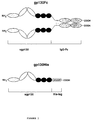
- an Fc fusion protein of soluble gp130 sgp130-Fc
- sgp130-Fc Fc fusion protein of soluble gp130
- sgp130-Fc also inhibited proliferation induced by leukemia inhibitory factor (LIF) and Oncostatin M (OSM).
- LIF leukemia inhibitory factor
- OSM Oncostatin M
- IL-6 pleiotropic cytokine interleukin-6
- IL-6R IL-6 specific surface receptor
- gp80 IL-6 specific surface receptor
- sIL-6R Soluble forms of the IL-6R (sIL-6R) which are generated by two mechanisms alternative splicing and shedding are also able to trigger gp130 dimerization and signaling when complexed with IL-6 (Taga et al., 1997 as well as Rose-John et al., 1994)
- cytoplasmic portion of the IL-6R does not contribute to signal transduction (Taga et al., 1989), signaling by a gp130 homodimer can be induced by IL-6 in complex with membrane bound or soluble IL-6R.
- sIL-6R IL-6 responsive cells towards the ligand, as described previously for human hepatoma cells HepG2 (Peters et al., 1996). Furthermore, it has been shown that strictly IL-6 dependent hybridoma cells do not proliferate in response to very low amounts of IL-6 when sIL-6R present in culture media is continuously removed (Galliard et al., 1997).
- gp130 is a transducer chain shared by many cytokines, such as IL-6, IL-11, leukemia inhibitory factor (LIF), oncostatin M (OSM), and ciliary neurotrophic factor (CNTF). All of these cytokines act via a bi- or tripartite receptor complex in which signaling is triggered by homodimerization (for IL-6) or heterodimerization with LIF-Rb/gp190 protein (for IL-11, LIF, OSM, and CNTF) of gp130. These cytokines thus mediate similar biologic activities in various tissues.
- cytokines such as IL-6, IL-11, leukemia inhibitory factor (LIF), oncostatin M (OSM), and ciliary neurotrophic factor (CNTF). All of these cytokines act via a bi- or tripartite receptor complex in which signaling is triggered by homodimerization (for IL-6) or heterodimerization with LIF-Rb/
- gp130 can be found on nearly all cell types, the IL-6R shows a much more restricted expression.
- the release of sIL-6R by one cell type renders other cells, which only express gp130 responsive to IL-6. This scenario is called trans-signaling (Rose-John et al., (1994). Indeed, several cellular activities have been described which require the complex of sIL-6R and IL-6 and are not seen with IL-6 alone.
- Soluble gp130 protein is found in high concentrations in human plasma (Narazaki et al., 1993).
- H-IL-6 designer-cytokine hyper-IL-6
- sIL-6R COOH-terminus of sIL-6R
- a flexible peptide linker As seen with the complex of IL-6/sIL-6R, H-IL-6 also acts on cells which only express gp130. In contrast to the separate components IL-6 and sIL-6R, a 100 to 1000 lower concentration of this fusion molecule is sufficient to induce comparable biological signals (Fischer et al., 1997).
- WO 99/02552 describes chimeric proteins constructed from the fusion of the naturally occurring form of sIL-6R and IL-6, which are useful in the treatment of IL-6 related disorders.
- WO 95/11303 describes heterodimeric proteins comprising the extracellular domain of a cytokine receptor, such as sIL-6R or sCNTFR and the extracellular domain of gp130.
- a cytokine receptor such as sIL-6R or sCNTFR
- Such heterodimers are reported to be effective antagonists of IL-6 or CNTF, because they would act as traps for IL-6 or CNTF, thus rendering the cytokine inaccessible to form a signal-transducing complex with the native membrane-bound forms of their receptors.
- Fc proteins immunoglobulin heavy chain
- IL-2, IL-10, IL-15 and IL-17 have been described. Similar to antibodies, secreted recombinant Fc fusion proteins can be purified from culture medium by single step purification via Protein A or Protein G Sepharose.
- the aim of the present invention is to provide a fusion molecule comprising two soluble gp130 (sgp130) molecules.
- a Fc fusion protein of soluble gp130 (sgp130-Fc) has been generated and has been found to be highly expressed in COS-7 cells.
- This fusion protein has shown in several cell culture models as well as with lamina intestinal cells from Crohn's disease patients to specifically block IL-6 responses dependent on soluble IL-6R, whereas responses via the membrane bound IL-6R remain unaffected.
- sgp130-Fc also inhibited proliferation induced by leukemia inhibitory factor (LIF) and Oncostatin M (OSM) albeit at about 1000 fold higher concentrations.
- LIF leukemia inhibitory factor
- OSM Oncostatin M
- the fusion molecules of the present invention may be engineered using known methods.
- the domains utilized may consist of the entire extracellular domain of gp130 or they may consist of mutants or fragments thereof that maintain the ability to inhibit the activity of the agonistic complex IL-6/sIL-6R.
- a splice variant of the cDNA encoding a soluble form of gp130 has been found expressed in blastocysts (Sharkey et al., 1995). Such variant lacks the intracellular signaling domain. Fusion molecules according to the invention and comprising two of such sgp130 variants are comprised in the scope of the present invention.
- the fusions may be direct (the C-terminus of one polypeptide chain is linked to the N-terminal of the other through a simple covalent bond) or they may employ a flexible linker domain, such as the hinge region of human IgG, or polypeptide linkers consisting of small amino acids such as glycine, serine, threonine or alanine, at various lengths and combinations.
- the fusion molecules of the invention may be tagged by His-His-His-His-His-His (His6), to allow rapid purification by metal-chelate chromatography, and/or by epitopes to which antibodies are available, to allow for detection on western blots, immunoprecipitation, or activity depletion/blocking in bioassays.
- His6 His-His-His-His-His-His
- the fusion protein of the invention is prepared using a similar method, but using the Fc-domain of human IgG1 (Aruffo et al., 1991). In this case homodimeric molecules carrying the Fc-domain will be expressed as disulfide-linked homodimers.
- the fusion molecules of the invention are prepared by expression as fusion molecules utilizing flexible linker loops.
- a DNA construct encoding the fusion protein is designed such that it expresses two soluble or extracellular domains fused together in tandem ("head to head") by a flexible loop.
- This loop may be entirely artificial (e.g. polyglycine repeats interrupted by serine or threonine at a certain interval) or 'borrowed” from naturally occurring proteins (e.g. the hinge region of hIgG).
- the present invention also contemplates the use of engineered, mutated versions of gp130 with novel properties that allow to bind the agonistic complex IL-6/sIL-6R..
- Random mutagenesis by standard methods of the DNA encoding sgp130 may be used, followed by analysis of the collection of products to identify mutated cytokines having the desired novel properties as outlined below.
- Mutagenesis by genetic engineering has been used extensively in order to elucidate the structural organization of functional domains of recombinant proteins.
- Several different approaches have been described in the literature for carrying out deletion or substitution mutagenesis. The most successful appear to be alanine scanning mutagenesis (Cunningham et, (1989a) and homolog-scanning mutagenesis (Cunningham et al., 1989b).
- the fusion molecules of the present invention may be prepared by cloning and expression in a prokaryotic or eukaryotic expression system, using the appropriate expression vectors. Any method known in the art can be employed.
- DNA molecules coding for the proteins of the invention are inserted into appropriately constructed expression vectors by techniques well known in the art (see Sambrook et al, 1989). Double stranded cDNA is linked to plasmid vectors by homopolymeric tailing or by restriction linking involving the use of synthetic DNA linkers or blunt-ended ligation techniques: DNA ligases are used to ligate the DNA molecules and undesirable joining is avoided by treatment with alkaline phosphatase.
- an expression vector should comprise also specific nucleotide sequences containing transcriptional and translational regulatory information linked to the DNA coding the desired protein in such a way as to permit gene expression and production of the protein.
- RNA polymerase binds and thus initiates the transcription process.
- promoters There are a variety of such promoters in use, which work with different efficiencies (strong and weak promoters).
- transcriptional and translational regulatory sequences may be employed, depending on the nature of the host. They may be derived form viral sources, such as adenovirus, bovine papilloma virus, Simian virus or the like, where the regulatory signals are associated with a particular gene, which has a high level of expression. Examples are the TK promoter of the Herpes virus, the SV40 early promoter, the yeast gal4 gene promoter, etc. Transcriptional initiation regulatory signals may be selected which allow for repression and activation, so that expression of the genes can be modulated.
- the DNA molecule comprising the nucleotide sequence coding for the fusion molecule of the invention is inserted into vector(s), having the operably linked transcriptional and translational regulatory signals, which is capable of integrating the desired gene sequences into the host cell.
- the cells which have been stably transformed by the introduced DNA can be selected by also introducing one or more markers which allow for selection of host cells which contain the expression vector.
- the marker may also provide for phototrophy to an auxotropic host, biocide resistance, e.g. antibiotics, or heavy metals such as copper, or the like.
- the selectable marker gene can either be directly linked to the DNA gene sequences to be expressed, or introduced into the same cell by co-transfection. Additional elements may also be needed for optimal synthesis of proteins of the invention.
- Factors of importance in selecting a particular plasmid or viral vector include: the ease with which recipient cells, that contain the vector may be recognized and selected form those recipient cells which do not contain the vector; the number of copies of the vector which are desired in a particular host; and whether it is desirable to be able to "shuttle" the vector between host cells of different species.
- the DNA construct(s) may be introduced into an appropriate host cell by any of a variety of suitable means: transformation, transfection, conjugation, protoplast fusion, electroporation, calcium phosphate-precipitation, direct microinjection, etc.
- Host cells may be either prokaryotic or eukaryotic.
- eukaryotic hosts e.g. mammalian cells, such as human, monkey, mouse, and Chinese hamster ovary (CHO) cells, because they provide post-translational modifications to protein molecules, including correct folding or glycosylation at correct sites.
- yeast cells can carry out post-translational peptide modifications including glycosylation.
- Yeast recognizes leader sequences on cloned mammalian gene products and secretes peptides bearing leader sequences (i.e., pre-peptides).
- the host cells After the introduction of the vector(s), the host cells are grown in a selective medium, which selects for the growth of vector-containing cells. Expression of the cloned gene sequence(s) results in the production of the desired proteins.
- Purification of the recombinant proteins is carried out by any one of the methods known for this purpose, i.e. any conventional procedure involving extraction, precipitation, chromatography, electrophoresis, or the like.
- a further purification procedure that may be used in preference for purifying the protein of the invention is affinity chromatography using monoclonal antibodies which bind the target protein and which are produced and immobilized on a gel matrix contained within a column. Impure preparations containing the recombinant protein are passed through the column. The protein will be bound to the column by the specific antibody while the impurities will pass through. After washing, the protein is eluted from the gel by a change in pH or ionic strength.
- a further object of the present invention is a DNA molecule comprising the DNA sequence coding for the above fusion protein, as well as nucleotide sequences substantially the same.
- Nucleotide sequences substantially the same includes all other nucleic acid sequences which, by virtue of the degeneracy of the genetic code, also code for the given amino acid sequence.
- the DNA sequences are obtained from existing clones .
- Analogs or variants in accordance with the present invention may also be determined in accordance with the following procedure.
- the DNA of the native sequences is known in the prior art and is found in the literature.
- Polypeptides encoded by any nucleic acid, such as DNA or RNA, which hybridizes to the complement of the native DNA or RNA under highly stringent or moderately stringent conditions, as long as that polypeptide maintains the biological activity of the native sequence, are also considered to be within the scope of the present invention.
- Stringency conditions are a function of the temperature used in the hybridization experiment, the molarity of the monovalent cations and the percentage of formamide in the hybridization solution. To determine the degree of stringency involved with any given set of conditions, one first uses the equation of Meinkoth et al.
- Tm melting temperature
- M the molarity of monovalent cations
- %GC the percentage of G and C nucleotides in the DNA
- % form the percentage of formamide in the hybridization solution
- L the length of the hybrid in base pairs.
- highly stringent conditions are those which are tolerant of up to about 15% sequence divergence, while moderately stringent conditions are those which are tolerant of up to about 20% sequence divergence.
- examples of highly stringent (12-15°C below the calculated Tm of the hybrid) and moderately (15-20°C below the calculated Tm of the hybrid) conditions use a wash solution of 2 X SSC (standard saline citrate) and 0.5% SDS at the appropriate temperature below the calculated Tm of the hybrid.
- the ultimate stringency of the conditions is primarily due to the washing conditions, particularly if the hybridization conditions used are those which allow less stable hybrids to form along with stable hybrids. The wash conditions at higher stringency then remove the less stable hybrids.
- a common hybridization condition that can be used with the highly stringent to moderately stringent wash conditions described above is hybridization in a solution of 6 X SSC (or 6 X SSPE), 5 X Denhardt's reagent, 0.5% SDS, 100 ⁇ g/ml denatured, fragmented salmon sperm DNA at a temperature approximately 20° to 25°C below the Tm. If mixed probes are used, it is preferable to use tetramethyl ammonium chloride (TMAC) instead of SSC (Ausubel, 1987-1998).
- TMAC tetramethyl ammonium chloride
- Another object of the present invention are PEGylated or other chemically modified forms of the hybrid proteins.
- the fusion molecules of the present invention are useful in the treatment and/or prevention of all the pathologies, in which the activity of the agonistic complex IL-6/sIL-6R must be inhibited.
- therapeutic uses of the fusion molecules of the invention would include the following:
- vIL-6 has been demonstrated to have biologic activities reminiscent of human IL-6, i.e. stimulation of proliferation of murine hybridoma and human myeloma cells. More recently it was shown in mice, injected with vIL-6 transfected NIH3T3 cells, that vIL-6 induced angiogenesis and hematopoiesis. It was concluded that through these functions vIL-6 played an important role in the pathogenesis of HHV8-associated disorders. The contribution of the IL-6R to vIL-6 signaling has been discussed controversially. Molden et al.
- compositions according to the invention include the fusion molecules described above in a pharmacologically acceptable carrier, linked to a carrier and/or incorporated into liposomes, microcapsules, and controlled release preparation.
- the pharmaceutical composition may comprise one or more of the fusion molecules in an aqueous solution, such as sterile water, saline, phosphate buffer or dextrose solution.
- the active agents may be comprised in a solid (e.g. wax) or semisolid (e.g. gelatinous) formulation that may be implanted into a patient in need of such treatment.
- the administration route may be any mode of administration known in the art, including but not limited to intravenously, intrathecally, subcutaneously, by injection into involved tissue, intraarterially, intranasally, orally, or via an implanted device. Administration may result in the distribution of the active agent of the invention throughout the body or in a localized area. For example, in some conditions, which involve distant regions of the nervous system, intravenous or intrathecal, administration of agent may be desirable. In some situations, an implant containing active agent may be placed in or near the lesioned area.
- Another object of the present invention is, therefore, the method for treating and/or preventing one of the above-mentioned diseases by an effective amount of the fusion molecule of the invention, together with a pharmaceutically acceptable excipient.
- an “effective amount” refers to an amount of the active ingredients that is sufficient to affect the course and the severity of the disease, leading to the reduction or remission of such pathology.
- the effective amount will depend on the route of administration and the condition of the patient.
- Effective doses useful for treating and/or preventing these or other related diseases or disorders may be determined using methods known to one skilled in the art (see for example, Fingl, et al., The Pharmacological Basis of Therapeutics, Goodman and Gilman, eds. Macmillan Publishing Co., New York, pp. 1-46 ((1975)).
- a further object of the present invention are the pharmaceutical compositions containing the fusion molecule of the invention, in the presence of one or more pharmaceutically acceptable excipients.
- “Pharmaceutically acceptable” is meant to encompass any carrier, which does not interfere with the effectiveness of the biological activity of the active ingredient and that is not toxic to the host to which is administered.
- DMEM penicillin and streptomycin were purchased from Gibco (Eggenstein, Germany). FCS was obtained from Seromeal (Berlin, Germany). DEAE-Dextran was purchased from Sigma (Taufmün, Germany). Restriction enzymes were from New England Biolabs (Schwalbach, Germany) or AGS (Heidelberg, Germany). T4-DNA-Ligase and Polynucleotide Kinase were from Boehringer Mannheim (Mannheim, Germany). Protein A Sepharose was obtained from Pharmacia (Freiburg, Germany).
- Tran-35S-Label (44 TBq/mmol) was from ICN (Meckenheim, Germany), [6-3H]thymidine (74 GBq/mmol) was obtained from Amersham International (Aylesbury, UK.).
- X-Ray films (X-OMAT-AR) were from Eastman Kodak (Rochester, NJ).
- H-IL-6 was generated as described; H-IL-6, sIL-6R, H-IL-6-Fc and IL-6-Fc were produced as described (Fischer et al., 1997); ⁇ zbek et al., 1998; Jostock et al., 1999.
- the human IL-6R-Fc was constructed by fusing the cDNA coding for the extracellular portion of the human IL-6R to a cDNA coding for the human Fc portion of IgG1 using the restriction sites Sspl and EcoRV, respectively.
- Human sIL-6R and murine sIL-6R cDNAs were generated as described previously (Mackiewicz et al., 1992; Mackiewicz et al., 1995).
- the pCDM8 vector (Invitrogen, Leek, NL) was used for expression of sIL-6R proteins in mammalian cells. H-IL-6 in the pCDM8 expression vector
- the cDNA sequence coding for the extracel(ular domain of gp130 was fused to a Bgl2/Notl fragment coding the constant region of a human IgG1 heavy chain [Fanslow et al., 1992).
- a Xhol/EcoR1 fragment of the gp130 cDNA was ligated to the Fc portion via a synthetic oligonucleotide adapter.
- To obtain a poly His tagged version of soluble gp130 the Fc portion in the sgp130-Fc construct was replaced by a synthetic oligonucleotide adapter coding for 6 histidine residues followed by a translational stop codon.
- the mammalian expression plasmid pDC409 (Giri et al., 1994) was used.
- HepG2, COS-7, BAF/gp130 and BAF/gp130/IL-6R cells were grown in DMEM at 37 °C, 5 % CO2 in a water saturated atmosphere. Cell culture media were supplemented with 10 % FCS, 100 mg/I streptomycin and 60 mg/I penicillin.
- BAF/gp130/IL-6R were cultured in presence of 10 ng/ml IL-6, BAF/gp130 in presence of 10 ng/ml H-IL-6, BAF/gp130/LIFR/CNTFR in presence of 10 ng/ml CNTF.
- COS-7 cells were transfected using the DEAE-Dextran method (McMahan et al., 1991). For production of recombinant proteins cells were cultured in media containing 0.5 % FCS, supernatants were collected on day 5 post transfection.
- sgp130-Fc was purified as described for IL-6Fc previosly.
- sgp130his was purified from 900 mi culture media at a t mi NJ/chelate column (Pharmacia) by elution with 100 mM imidazol using an FPLC system (Aekta Explorer, Pharmacia). Protein containing fractions identified by SDS-PAGE and subsequent silverstainig were pooled and dialized against PBS. Concentrations of purified proteins were determined using a BCA micro protein assay (Pierce, Rockford, IL) following the manufacturer's instructions or estimated from silverstained SDS-PAGE.
- sgp130-Fc was covalently immobilized to a carboxymethyl dextran matrix (Fisons, Loughborough, UK) following the manufacturer's recommendations (Krebs et al. 1998). Binding experiments were performed at controlled temperature (25 °C) with different concentrations of H-IL-6 using the IASYSTM (Fisons) optical biosensor. Association and dissociation affinograms were analyzed by nonlinear regression with the FASTfit (Fisons) software, which uses the Marquard-Levenburg algorithm for iterative data fitting.
- BAF/gp130, BAF/gp130/IL-6R and BAF/gp130/LIFR/CNTFR cells were extensively washed with PBS in order to remove growth factors and resuspended in cytokine free medium.
- 5 x 10 3 cells/well of a 96-well plate were cultured in a final volume of 100 mi with cytokines and increasing amounts of gp130 proteins as indicated in figures for 68 hours and subsequently pulse labeled with 0.25 mCi [ 3 H]thymidine for 4 hours. Cells were harvested on glass filters and incorporated [ 3 H]thymidine was determined by scintillation counting.
- HepG2 cells and HepG2 cells stably transfected with human IL-6 cDNA were grown near confluency and stimulated for 18 h with 100 ng/ml IL-6, H-IL-6 or sIL-6R-Fc in the presence or absence of 1 ⁇ g/ml sgp130-Fc as indicated in the figures.
- Lamina limbal mononuclear cells were and cultured in complete media consisted of RPMI-1640 with 3 mM L-glutamine, 10 mM HEPES Buffer, 10 ⁇ g/ml gentamycin (Whittecker, Walkersville, MD), 100 U/mi each of penicillin and streptomycin (Whittacker), 0.05 mM 2ME (Sigma Chemicals, St. Louis, MO) and 10 % heat-inactivated fetal calf serum.
- Cells were stimulated with C reactive protein (10 ug/ml Sigma Chem), 50 ng/ml PMA and 10 ug/ml phytohaemagglutinin (PHA, Sigma) in the presence or absence of sgp130-Fc or an neutralizing IL-6R specific antibody, both at 1 and 10 ⁇ g/ml as indicated in the figure. After 48 h cells were stained with annexin V and propidium iodide using the Annexin V FITC Apoptosis Detection Kit I (Pharmingen) and analyzed by FACS.
- C reactive protein 10 ug/ml Sigma Chem
- PMA 10 ug/ml phytohaemagglutinin
- PHA phytohaemagglutinin
- gp130-Fc human IgG1 heavy chain
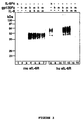
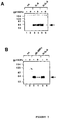
- sgp130-Fc and sgp130his were transiently expressed in COS-7 cells and purified from culture media by affinity chromatography at Protein A Sepharose or Ni-Chelat Agarose, respectively. Purified gp130 proteins were analyzed by SDS-PAGE under reducing conditions and silver staining.
- Binding of sgp 130-Fc to the complex of IL-6 and soluble IL-6R Binding of sgp 130-Fc to the complex of IL-6 and soluble IL-6R.
- Human IL-6 binds the human sIL-6R and with lower affinity the murine sIL-6R, whereas murine IL-6 only binds the murine receptor. Therefore, it was of interest to investigate if further species restrictions apply to the formation of the ternary complex of IL-6, sIL-6R and sgp130 (Fig. 3). Radiolabeled murine or human sIL-6R was immuneprecipitated with murine or human sgp130-Fc in the absence or presence of murine or human IL-6. No sIL-6R was co-precipitated by sgp130-Fc in absence of IL-6. Murine sIL-6R formed a ternary complex with all combinations IL-6 and sgp130-Fc.
- human sIL-6R could only be co-precipitated by murine or human sgp130-Fc in the presence of human IL-6.
- murine sIL-6R was not precipitated by IL-6Fc, a fusion protein of human IL-6 and human IgG1, indicating a very low affinity of human IL-6 to murine sIL-6R in the absence of gp130.
- Our results cleady show that human sIL-6R can interact with murine sgp130 and viceversa.
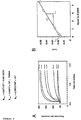
- sgp130-Fc Kinetics of binding of H-IL-6 to sgp130-Fc were measured by plasmon resonance (Fig. 4A).
- sgp130-Fc was immobilized to an IASYSTM cuvette (see “Materials and Methods") and real-time interaction of H-IL-6 and sgp130-Fc was analyzed.
- sgp130 specifically interacts with the complex of IL-6/sIL-6R it was of interest to know if sgp130 proteins interfere with the biotogic activity of IL-6 and sIL-6R.
- BAF/3 which do not express gp130 and are therefore not responsive to IL-6 or IL-6/sIL-6R.
- BAF/3 cells stable transfected with human gp130 cDNA (BAF/gp130) or human gp130 and sIL-6R cDNAs (BAF/gp130/IL-6R), however, in the absence of IL-3 grow in response to IL-6/sIL-6R or IL-6, respectively 0.
- sgp130-Fc Proliferation of BAF/gp130 cells stimulated by H-IL-6 was blocked by sgp130-Fc and sgp130his in a dose dependent manner (Fig. 5A).
- sgp130-Fc turned out to be about 10 fold more active than sgp130his, when of both proteins were used in equal molar concentration. None of the gp130 proteins had an influence on proliferation of BAF/gp130/IL-6R cells induced by IL-6 (Fig. 5B).
- gp130 is also involved in signaling in response to e.g. leukemia inhibitory factor (LIF), oncostatin M (OSM) and ciliary neurotrophic factor (CNTF).
- LIF and OSM act via a surface receptor composed of gp130 and LIFR.
- the CNTFR complex also contains gp130 and LIFR and, similar to the IL-6R complex, an additional ligand binding protein (CNTFR).
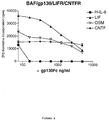
- BAF/3 cells expressing gp130, LIFR and CNTFR BAF/gp130/LIFR/CNTFR.
- sgp130-Fc had no effect on CNTF induced proliferation of these cells
- proliferation stimulated by LIF and OSM was inhibited at high concentrations of sgp130-Fc (Fig. 6).
- sgp130-Fc did not influence the response of BAF/gp130/LIFR/CNTFR cells to IL-3.
- the inhibitory effect of sgp130-Fc on LIF and OSM induced proliferation is very weak compared to its effect on the response stimulated by H-IL-6.
- sgp130-Fc inhibits sIL-6R dependent acute phase protein synthesis in HepG2 hepatoma ce/rs.
- HepG2 Human hepatoma cells HepG2 synthesize so called acute phase proteins such as haptoglobin and cd-antichymotrypsin in response to IL-6 (Gauldie et al., 1987) or IL-6/sIL-6R (Mackiewicz et al., 1992). HepG2 cells treated with IL-6 or HqL-6 in the absence or presence of sgp130-Fc were metabolically labeled for 4 hours, and subsequently the amount of ⁇ 1-antichymotrypsin secreted into culture media was analyzed (Fig. 7A).
- sgp130-Fc had no effect on IL-6 induced synthesis of the protein, whereas the H-IL-6 induced synthesis of al-antichymotrypsin was strongly inhibited.
- HepG2-IL-6 cells Similar results were obtained with HepG2-IL-6 cells. These cells upon stable transfection of a human IL-6 cDNA lost surface expression of IL-6R. Although these cells secrete high amounts of IL-6 into their culture medium, they became completely unresponsive to IL-6. HepG2-IL-6 cells could, however, be stimulated by the complex of IL-6/sIL-6R [33]. In agreement with our results obtained with HepG2 cells, sIL-6R and H-IL-6 induced ⁇ 1-antichymotrypsin synthesis in HepG2-IL-6 cells was strongly inhibited by sgp130-Fc.
- MCD Crohn's disease
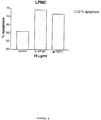
- LPMC were cultured in presence of neutralizing anti IL-6R antibody or sgp130-Fc under the conditions described in "Materials and Methods". Apoptotic cells were determined / detected as Annexin V positive, Propidiumiodide negative cells by FACS ananlysis. Untreated samples contained around 60 % apoptotic cells. Treatment with the IL-6R neutralizing antibody or sgp130-Fc resulted in an increase of apoptotic cells by 15 % and 13 %, respectively. The efficacy of sgp130-Fc points to an important role of sIL-6R for the resistance of LPMC against apoptosis. It is not likely that membrane expressed IL-6R contributes to the antiapoptotic effect, since antibody and sgp130-Fc treatment led to a similar increase in the number of apoptotic cells.
- the gp130 neutralizing antibody GPX7 was a kind gift from Dr. Yasukawa (Tosoh, Tokyo, Japan). BAF/3 cells stably transfected with human gp130 and IL-6R cDNAs have been previously described (Fischer et al., 1997). A role for the immunoglobulin-like domain of the human IL-6 receptor: intracellular protein transport and shedding. E ur J Blochem 263:438). The preparation and characterization of the cell line HepG2-IL-6 has been described (Mackiewicz et al., 1992).
- vIL-6 DNA was amplified by PCR and inserted into the mammalian expression plasmid pDC409 (Jostock et al., 1999) as a DNA 3' coding for a hexahistidine tagged protein using Sal I and Not I restriction sites.
- COS-7 cells were transfected using DEAE dextran, supernatants were collected after 5 days and purified at Ni-NTA agarose according to the manufactures instructions (Quiagen, Hilden, Germany).
- COS-7 cells were transfected with the vIL-6 expression plasmid. 48 h after transfection cells were metabolically labeled for 8 h with 50 ⁇ Ci/ml [ 35 S]-cysteine/methionine in cysteine/methionine-free medium (Gibco, Eggenstein, Germany). Supernatants were incubated for 2 h at 4°C with a rabbit antiserum raised against a bacterially expressed vIL-6 protein. Alternatively, supernatants were incubated with 2 pg/ml of human IL-6-Fc (Jostock et al., 1999), human sgp130-Fc or a human IL6R-Fc.
- the human IL-6R-Fc was constructed by fusing the cDNA coding for the extracellular portion of the human IL-6R to a cDNA coding for the human Fc portion of IgG1 (Jostock et al., 1999), using the restriction sites Sspl and EcoRV, respectively.
- the extracellular part of gp130 was fused to the Fc portion of a human IgG1 (Jostock et al., 1999), as a Xhol-EcoRI fragment. All Fc-proteins were transiently expressed in COS-7 cells and purified at protein A-Sepharose (Jostock et al., 1999). Immune complexes were precipitated with protein A-Sepharose, separated by SDS-PAGE and visualized by fluorography.
- Proliferation of transfected BAF/3 cells was measured in 96-well microtitre plates. The cells were exposed to cytokines for 68 h and subsequently pulse-labeled with [ 3 H]-thymidine for 4 h. Proliferation rates were measured by harvesting the cells on glass filters and determination of the incorporated radioactivity by scintillation counting. For each cytokine the proliferation assay was performed at least three times in triplicates.
- HepG2-IL-6 cells were grown to confluency. 4 h prior to stimulation with cytokinee, cells were serum starved. After 15 rain of stimulation, cells were washed in PBS and lysed in laemmli buffer. Proteins were separated by 10 % SDS-PAGE electrophoresis and analyzed by Western blotting using the phospho-STAT3 (Y705) mAB Biolabs, Frankfurt, Germany).
- Smooth muscle cells were obtained from pieces of human aortas obtained during aneurysm surgery (5 male donors, mean age 72 years) by courtesy of Dr. W. Schmiedt (Department of heart and thoracic surgery, University of Mairtz, Germany). Isolated media fragments were prepared (Ross, 1971) and smooth muscle cells were allowed to grow out from the media fragments which were kept in medium containing 1 ng/ml human recombinant basic fibroblast growth factor- ⁇ , 5 ng/ml human recombinant epidermal growth factor, 25 mg/L gentamycin and 1.25 mg/L amphotericin B at 37°C in 5% CO 2 in a humidified atmosphere.
- SMC Smooth muscle cells
- SMC's The purity of SMC's was evaluated by staining with an ⁇ -actin mAB (clone 1A4, Sigma, Deisenhofen, Germany). Medium was changed every 3 days. 24 h prior to experiments, SMC were grown in DMEM without any additives. Viability of cells was assayed using trypan-blue exclusion.
- PCR primers for MCP-1, IL-6, gp130 and GAPDH were as described (Klouche et al., 1999).
- PCR primers for the LIF-R have been described in ref. (Shimon et al., 1997). The PCR products were run on 1% agarose gels in 1 x TBE and stained with ethidium bromide.
- cells were fixed with 18.5% formaldehyde/12.5% glutaraldehyde for 2 h at room temperature and incubated with PE labeled gp130 specific mAB (clone AM64, IgG1; Pharmingen, San Diego, USA) overnight at 4°C followed by mounting and photography.
- PE labeled gp130 specific mAB clone AM64, IgG1; Pharmingen, San Diego, USA
- vIL-6 To express vIL-6 in mammalian cells, the cDNA was cloned into an expression vector (Fischer et al., 1997) which added a hexahistidine tag to the COOH terminus of the protein. The protein was purified to near homogeneity via Ni-affinity chromatography. Upon SDS-PAGE analysis of the purified protein a double band of 24-26 kDa is visible which most likely reflects differentially glycosylated forms of vIL-6.
- the metabolically 35 S-labeled vIL-6 protein could be precipitated from the supernatant of transfected cells with a rabbit antiserum raised against a bacterially expressed vIL-6 protein.
- the 35 S-vIL-6 protein was incubated with Fc fusion proteins containing IL-6, the extracellular portion of the IL-6R, and the extracellular portion of gp130. Protein complexes were precipitated with protein A Sepharose. Neither IL-6-Fc nor IL-6R-Fc interacted with vIL-6.
- sgp130-Fc coprecipitated the vIL-6 protein indicating binding of vIL-6 to the extracellular portion of gp130.
- the specificity of the interaction of the Fc proteins with their cognate ligands is demonstrated as follows. Human metabolically 35 S-labeled IL-6 is precipitated with IL-6R-Fc as a broad band reflecting different glycosylation states of recombinantly expressed human IL-6 (Schiel et al., 1990). No IL-6 was precipitated with IL-6-Fc and sgp130-Fc.
- a fusion protein of sIL-6R and IL-6 which has been shown to directly stimulate gp130 (Fischer et al., 1997), is precipitated with sgp130-Fc but not with IL-6-Fc or IL-6R-Fc.
- vIL-6 bound to gp130 at the same site as the IL-6/sIL-6R complex was performed in the presence or absence of human IL-6 and Hyper-IL-6. Binding of vIL-6 to sgp130-Fc was not affected by an excess of human IL-6. Precipitation of vIL-6 by sgp130-Fc, however, was completely blocked in the presence of Hyper-IL-6. This experiment clearly demonstrated that vIL-6 and Hyper-IL-6 competed for the same binding site on human gp130.
- IL-6R was needed for biologic activity of vIL-6.
- BAF/3 cells which do not express gp130 and are therefore not responsive to IL-6 or IL-6/siL-6R.
- BAF/3 cells stably transfected with human gp130 cDNA or human gp130 and IL-6R cDNAs, however, in the absence of IL-3 grow in response to IL-6/sIL-6R or IL-6, respectively (Vollmer et al., 1999).
- BAF/3 cells transfected with gp130 cDNA (BAF-130 cells) grow in response to increasing amounts of Hyper-IL-6.
- vIL-6 When the same cells were stimulated with IL-6, no growth of the cells was observed. Cells stimulated with vIL-6, however, showed dose dependent proliferation. In agreement with the lower effectivity of binding to gp130, vIL-6 proved to have a 20-50 fold lower specific biologic activity than Hyper-IL-6. On BAF/3 cells transfected with gp130 and IL-6R cDNAs (BAF-130/IL-6R cells) proliferation was observed in response to IL-6, Hyper-IL-6 and vIL-6. The specific biologic activity of IL-6 was 100-times higher than that of vIL-6. BAF-130/IL-6R cells are more sensitive to IL-6 than to Hyper-IL-6 since they express more IL-6R than gp130 (Vollmer et al., 1999).
- sgp130-Fc inhibited the biologic activity of vIL-6.
- BAF-130/IL-6R cells stimulated with human IL-6 sgp130-Fc did not inhibit IL-6 induced proliferation.
- the lack of inhibition of human IL-6 may indicate that there is no free access of the sgp130-Fc fusion protein to the membrane associated IL-6/IL-6R complex. Therefore, the sgp130-Fc fusion protein specifically inhibits vIL-6 but not human IL-6 acting via the membrane bound IL-6R.
- Cytokine stimulation of gp130 leads to gp130 dimerization, subsequent phosphorylation of gp130, activation of JAK kinases and tyrosine phosphorylation of STAT3.
- Phosphorylated STAT3 dimerizes and translocates into the nucleus where it binds to specific DNA sequences and acts as a transcription factor (Taga et al., 1997).
- vIL-6 was also mediated by gp130 activation.
- Addition of a neutralizing mAB directed against gp130 completely blocked proliferation of BAF-130 cells induced by Hyper-IL-6 and by vIL-6.
- the same gp130 neutralizing mAB did not influence proliferation of untransfected BAF/3 cells induced by IL-3.
- HepG2-IL-6 cells To demonstrate that stimulation of cells with vIL-6 led to intracellular phosphorylation and activation of STAT3 we employed HepG2-IL-6 cells. HepG2 cells upon stable transfection of a human IL-6 cDNA lost surface expression of IL-6R and therefore became completely unresponsive to IL-6. HepG2-IL-6 cells could, however, be stimulated by the complex of IL-6/sIL-6R (Mackiewicz et al., 1992). In un-stimulated and IL-6 stimulated HepG2-IL-6 cells, no phosphorylation of STAT3 was detectable. In contrast, incubation of cells in the presence of Hyper-IL-6 or vIL-6 resulted in phosphorylation of STAT3.
- the Kaposi sarcoma is characterized by new vessel formation and proliferation of spindle cells, "KS-cells", which are associated with endothelial cells, fibroblasts and inflammatory cells.
- KS-cells spindle cells
- proliferating spindle cells were considered to be derived from endothelial cells, but more recently, both types of mesenchymal cells, endothelial and smooth muscle cells, have been proposed as potential progenitors.
- Immunohistochemical staining and Northern blot analysis revealed a coexpression of antigens specific for endothelial and smooth muscle cells (Kaaya et al., 1995). In earlier studies it was observed that smooth muscle cells could only be stimulated with IL-6 in the presence of sIL-6R (Klouche et al., 1999).
- vIL-6 we therefore studied the stimulation of human primary smooth muscle cells by vIL-6.
- IL-6 the mRNA expression of IL-6, of the monocyte attracting chemokine MCP-1 and of gp130 are upregulated in a time dependent fashion upon stimulation by vIL-6.
- Both, induction of MCP-1 as well as virally encoded chemokines may be involved in the characteristic attraction and presence of inflammatory cells in KS.
- the receptor subunit LIF-R is shared by cytokines of the IL-6 family such as LIF, CNTF, OSM and CT-1 (Taga et al., 1997). We therefore asked whether the expression of LIF-R mRNA was also modulated by vIL-6 and Hyper-IL-6.
- gp130 cell surface expression is strongly increased after treatment of the cells with vIL-6 and vIL-6 induced proliferation of the cells.
- expression of gp130 preceeded that of IL-6, indicating the induction of an autocrine stimulation loop by vIL-6.
- Treatment with human IL-6 in the absence of sIL-6R had no effect on MCP-1, IL-6 and gp130 expression and on proliferation (Klouche et al., 1999).
- vIL-6 like the IL-6/sIL-6R,. complex induces a proinflammatory state in human smooth muscle cells.
- Interferon beta 2/B-cell stimulatory factor type 2 shares identity with monocyte-derived hepatocyte-stimulating factor and regulates the major acute phase protein response in liver cells. Proc. Natl. Acad. Sci. USA 84, 7251-7255.
- Interleukin 6 reduces lipoprotein lipase activity in adipose tissue of mice in vivo and in 3T3-L1 adipocytes: a possible role for interleukin 6 in cancer cachexia, Cancer Res; 52(15):4113-6.
- Receptor recognition sites of cytokines are organized as exchangeable moduls: transfer of the LIFR binding site from CNTF to IL-6. J . Biol . Chem . 274, 11859-11867.
- Soluble intedeukin 6 receptor is biologically active in vivo. Cytokine 7 , 142-149.
- Cytokine dependent gp130 stimulation receptor subunit regulates human fetal pituitary adrenocorticotropin hormone and growth hormone secretion. J . Clin. Invest.; 100: 357.
- Intedeukin-6 triggers the association of its receptor with a possible signal transducer, gp130. Cell , 58, 573-581.
- Soluble interleukin-6 receptor triggers osteoclast formation by interleukin-6. Proc . Natl. Acad. Sci. USA 90, 11924-11928.
- Interleukin (IL)-6 induction of osteoctast differentiation depends on IL-6 receptors expressed on osteoblastic cells but not on osteoclast progenitors. J. Exp. Med. 182, 1461-1468.
- Tumor necrosis factor soluble receptors circulate during experimental and clinical inflammation and can protect against excessive tumor necrosis factor alpha in vitro and in vivo. Proc. Natl. Acad. Sci. USA 89, 4845-4849.
Landscapes
- Health & Medical Sciences (AREA)
- Chemical & Material Sciences (AREA)
- Life Sciences & Earth Sciences (AREA)
- Immunology (AREA)
- Organic Chemistry (AREA)
- Biochemistry (AREA)
- Medicinal Chemistry (AREA)
- Zoology (AREA)
- Toxicology (AREA)
- Biophysics (AREA)
- General Health & Medical Sciences (AREA)
- Genetics & Genomics (AREA)
- Gastroenterology & Hepatology (AREA)
- Molecular Biology (AREA)
- Proteomics, Peptides & Aminoacids (AREA)
- Cell Biology (AREA)
- Peptides Or Proteins (AREA)
- Medicines That Contain Protein Lipid Enzymes And Other Medicines (AREA)
- Medicines Containing Antibodies Or Antigens For Use As Internal Diagnostic Agents (AREA)
Priority Applications (8)
| Application Number | Priority Date | Filing Date | Title |
|---|---|---|---|
| DE60037648T DE60037648T2 (de) | 2000-04-21 | 2000-04-21 | Fusionsproteine, die zwei lösliche gp130 Moleküle enthalten |
| AT00108691T ATE382636T1 (de) | 2000-04-21 | 2000-04-21 | Fusionsproteine, die zwei lösliche gp130 moleküle enthalten |
| SI200030986T SI1148065T1 (sl) | 2000-04-21 | 2000-04-21 | FUZIJSKI PROTEINI, KI VSEBUJEJO DVE TOPNI MOLEKULI gp130. |
| EP00108691A EP1148065B1 (fr) | 2000-04-21 | 2000-04-21 | Protéines de fusion comprenant deux molécules gp130 solubles |
| ES00108691T ES2298106T3 (es) | 2000-04-21 | 2000-04-21 | Proteinas de fusion que comprenden dos moleculas gp130 solubles. |
| PT00108691T PT1148065E (pt) | 2000-04-21 | 2000-04-21 | Proteínas de fusão |
| DK00108691T DK1148065T3 (da) | 2000-04-21 | 2000-04-21 | Fusionsproteiner omfattende to oplöselige gp130-molekyler |
| CY20081100366T CY1107380T1 (el) | 2000-04-21 | 2008-03-31 | Πρωτεϊνες συντηξης που περιλαμβανουν δυο διαλυτα gp130 μορια |
Applications Claiming Priority (1)
| Application Number | Priority Date | Filing Date | Title |
|---|---|---|---|
| EP00108691A EP1148065B1 (fr) | 2000-04-21 | 2000-04-21 | Protéines de fusion comprenant deux molécules gp130 solubles |
Publications (2)
| Publication Number | Publication Date |
|---|---|
| EP1148065A1 true EP1148065A1 (fr) | 2001-10-24 |
| EP1148065B1 EP1148065B1 (fr) | 2008-01-02 |
Family
ID=8168532
Family Applications (1)
| Application Number | Title | Priority Date | Filing Date |
|---|---|---|---|
| EP00108691A Expired - Lifetime EP1148065B1 (fr) | 2000-04-21 | 2000-04-21 | Protéines de fusion comprenant deux molécules gp130 solubles |
Country Status (8)
| Country | Link |
|---|---|
| EP (1) | EP1148065B1 (fr) |
| AT (1) | ATE382636T1 (fr) |
| CY (1) | CY1107380T1 (fr) |
| DE (1) | DE60037648T2 (fr) |
| DK (1) | DK1148065T3 (fr) |
| ES (1) | ES2298106T3 (fr) |
| PT (1) | PT1148065E (fr) |
| SI (1) | SI1148065T1 (fr) |
Cited By (13)
| Publication number | Priority date | Publication date | Assignee | Title |
|---|---|---|---|---|
| WO2003010202A1 (fr) * | 2001-07-26 | 2003-02-06 | Medexgen Co. Ltd. | Immunoadhesion concatamerique |
| DE10321317A1 (de) * | 2003-05-13 | 2004-12-23 | Christian-Albrechts-Universität Zu Kiel | Verfahren zum Nachweis des funktionellen IL-6/ sIL-6-Rezeptor-Komplexes und Test-Kit zur Durchführung dieses Verfahrens |
| EP1491554A1 (fr) * | 2003-06-23 | 2004-12-29 | CONARIS research institute AG | Solubles gp130-dimeres modifiée avec du PEG pour utilisation comme medicament |
| EP1630232A1 (fr) * | 2004-08-27 | 2006-03-01 | CONARIS research institute AG | Séquences de nucléotides optimisées codant pour sgp130 |
| EP1801121A1 (fr) * | 2005-12-23 | 2007-06-27 | CONARIS research institute AG | Variantes solubles de la molécule gp130 utiles comme médicament |
| EP1873166A1 (fr) * | 2006-06-30 | 2008-01-02 | CONARIS research institute AG | Dimères de sgp 130Fc améliorés |
| WO2009109584A1 (fr) * | 2008-03-07 | 2009-09-11 | Ferring International Center S. A. | Anticorps qui ne se lie qu'au complexe il6-sil6r |
| WO2016087941A1 (fr) * | 2014-12-01 | 2016-06-09 | Ferring B.V. | Administration d'un inhibiteur de signalisation detrans-signalisation par il-6 sélectif |
| US20180161410A1 (en) * | 2014-04-06 | 2018-06-14 | Tianxin Wang | Methods to Treat Diseases with Protein, Peptide, Antigen Modification and Hemopurification |
| EP3369744A1 (fr) * | 2010-11-23 | 2018-09-05 | Glaxo Group Limited | Protéines de liaison à l'antigène oncostatin m (osm) |
| US10519218B2 (en) | 2014-12-01 | 2019-12-31 | Ferring B.V. | Selective IL-6-trans-signalling inhibitor compositions |
| WO2020178193A1 (fr) | 2019-03-01 | 2020-09-10 | INSERM (Institut National de la Santé et de la Recherche Médicale) | Méthode de traitement de la sarcoïdose |
| JP2024503299A (ja) * | 2020-12-31 | 2024-01-25 | アイ-エムエービー バイオファーマ (ハンジョウ) カンパニー リミテッド | 可溶性gp130二量体を含む製剤と使用方法 |
Families Citing this family (2)
| Publication number | Priority date | Publication date | Assignee | Title |
|---|---|---|---|---|
| WO2021250069A1 (fr) | 2020-06-10 | 2021-12-16 | Christian-Albrechts-Universität Zu Kiel | Composé pharmaceutique pour le traitement d'une maladie cardiovasculaire athéroscléreuse |
| TW202242142A (zh) | 2020-12-22 | 2022-11-01 | 荷蘭商菲林公司 | 預測炎性腸病患者的響應之血液基因表現生物標誌物 |
Citations (2)
| Publication number | Priority date | Publication date | Assignee | Title |
|---|---|---|---|---|
| US5426048A (en) * | 1991-11-22 | 1995-06-20 | Immunex Corporation | DNA encoding a fusion receptor for oncostatin M and leukemia inhibitory factor |
| US5783672A (en) * | 1994-05-26 | 1998-07-21 | Immunex Corporation | Receptor for oncostatin M |
-
2000
- 2000-04-21 ES ES00108691T patent/ES2298106T3/es not_active Expired - Lifetime
- 2000-04-21 EP EP00108691A patent/EP1148065B1/fr not_active Expired - Lifetime
- 2000-04-21 DK DK00108691T patent/DK1148065T3/da active
- 2000-04-21 SI SI200030986T patent/SI1148065T1/sl unknown
- 2000-04-21 DE DE60037648T patent/DE60037648T2/de not_active Expired - Lifetime
- 2000-04-21 AT AT00108691T patent/ATE382636T1/de active
- 2000-04-21 PT PT00108691T patent/PT1148065E/pt unknown
-
2008
- 2008-03-31 CY CY20081100366T patent/CY1107380T1/el unknown
Patent Citations (2)
| Publication number | Priority date | Publication date | Assignee | Title |
|---|---|---|---|---|
| US5426048A (en) * | 1991-11-22 | 1995-06-20 | Immunex Corporation | DNA encoding a fusion receptor for oncostatin M and leukemia inhibitory factor |
| US5783672A (en) * | 1994-05-26 | 1998-07-21 | Immunex Corporation | Receptor for oncostatin M |
Non-Patent Citations (3)
| Title |
|---|
| FISCHER M ET AL: "A BIOACTIVE DESIGNER CYTOKINE FOR HUMAN HEMATOPOIETIC PROGENITOR CELL EXPANSION", NATURE BIOTECHNOLOGY,US,NATURE PUBLISHING, vol. 15, no. 2, 1 February 1997 (1997-02-01), pages 142 - 145, XP002047603, ISSN: 1087-0156 * |
| JOSTOCK T ET AL: "Immunoadhesins of interleukin-6 and the IL-6/soluble IL-6R fusion protein hyper-IL-6", JOURNAL OF IMMUNOLOGICAL METHODS,NL,ELSEVIER SCIENCE PUBLISHERS B.V.,AMSTERDAM, vol. 223, no. 2, 4 March 1999 (1999-03-04), pages 171 - 183, XP004158716, ISSN: 0022-1759 * |
| PAONESSA G ET AL: "TWO DISTINCT AND INDEPENDENT SITES ON IL-6 TRIGGER GP 130 DIMER FORMATION AND SIGNALLING", EMBO JOURNAL,GB,OXFORD UNIVERSITY PRESS, SURREY, vol. 14, no. 9, 1 May 1995 (1995-05-01), pages 1942 - 1951, XP000565718, ISSN: 0261-4189 * |
Cited By (36)
| Publication number | Priority date | Publication date | Assignee | Title |
|---|---|---|---|---|
| US7229962B2 (en) | 2001-07-26 | 2007-06-12 | Medexgen Co., Ltd. | Tetravalent etanercept |
| US7670602B2 (en) | 2001-07-26 | 2010-03-02 | Medexgen Co., Ltd | Concatameric immunoadhesion molecule |
| WO2003010202A1 (fr) * | 2001-07-26 | 2003-02-06 | Medexgen Co. Ltd. | Immunoadhesion concatamerique |
| DE10321317A1 (de) * | 2003-05-13 | 2004-12-23 | Christian-Albrechts-Universität Zu Kiel | Verfahren zum Nachweis des funktionellen IL-6/ sIL-6-Rezeptor-Komplexes und Test-Kit zur Durchführung dieses Verfahrens |
| WO2004113383A3 (fr) * | 2003-06-23 | 2005-06-23 | Conaris Res Inst Ag | Dimeres gp130 solubles pegyles utiles en tant que medicament |
| JP2007526745A (ja) * | 2003-06-23 | 2007-09-20 | コナリス リサーチ インスティチュート アーゲー | 薬剤として有用なペグ化可溶性gp130二量体 |
| US7629147B2 (en) | 2003-06-23 | 2009-12-08 | Conaris Research Institute Ag | PEGylated soluble GP130-dimers useful as a medicament |
| US7534862B2 (en) | 2003-06-23 | 2009-05-19 | Conaris Research Institute Ag | PEGylated soluble gp130-dimers useful as a medicament |
| EP1491554A1 (fr) * | 2003-06-23 | 2004-12-29 | CONARIS research institute AG | Solubles gp130-dimeres modifiée avec du PEG pour utilisation comme medicament |
| WO2006021453A3 (fr) * | 2004-08-27 | 2006-06-22 | Conaris Res Inst Ag | Sequences nucleotidiques optimisees codant sgp 130 |
| EP1630232A1 (fr) * | 2004-08-27 | 2006-03-01 | CONARIS research institute AG | Séquences de nucléotides optimisées codant pour sgp130 |
| US8206948B2 (en) | 2004-08-27 | 2012-06-26 | Conaris Research Institute Ag | Optimized nucleotide sequences encoding sgp130 |
| EP1801121A1 (fr) * | 2005-12-23 | 2007-06-27 | CONARIS research institute AG | Variantes solubles de la molécule gp130 utiles comme médicament |
| WO2007071449A1 (fr) * | 2005-12-23 | 2007-06-28 | Conaris Research Institute Ag | Variantes de molécule gp310 solubles pouvant être employées en tant que médicament |
| US7851182B2 (en) | 2005-12-23 | 2010-12-14 | Conaris Research Institute Ag | Soluble GP130 molecule variants useful as a medicament |
| EA015620B1 (ru) * | 2006-06-30 | 2011-10-31 | Конарис Рисерч Инститьют Аг | УЛУЧШЕННЫЕ ДИМЕРЫ sgp130FC |
| US9573989B2 (en) | 2006-06-30 | 2017-02-21 | Conaris Research Institute Ag | Sgp130/Fc dimers |
| JP2009540843A (ja) * | 2006-06-30 | 2009-11-26 | コナリス リサーチ インスティチュート アーゲー | 改善されたsgp130Fc二量体 |
| WO2008000516A3 (fr) * | 2006-06-30 | 2008-03-27 | Conaris Res Inst Ag | Dimères sgp130fc améliorés |
| AU2007263939B2 (en) * | 2006-06-30 | 2011-11-24 | Conaris Research Institute Ag | Improved sgp130Fc dimers |
| EP1873166A1 (fr) * | 2006-06-30 | 2008-01-02 | CONARIS research institute AG | Dimères de sgp 130Fc améliorés |
| CN101484472B (zh) * | 2006-06-30 | 2013-07-24 | 康纳里斯研究院股份公司 | 改善的sgp130Fc二聚体 |
| US8895012B2 (en) | 2006-06-30 | 2014-11-25 | Conaris Research Institute Ag | sgp130/Fc dimers |
| KR101474817B1 (ko) * | 2006-06-30 | 2014-12-22 | 코나리스 리써치 인스티튜트 아게 | 개선된 sgp130Fc 이량체 |
| US9034817B2 (en) | 2006-06-30 | 2015-05-19 | Conaris Research Institute Ag | sgp130/Fc dimers for treatment of inflammatory disease |
| WO2009109584A1 (fr) * | 2008-03-07 | 2009-09-11 | Ferring International Center S. A. | Anticorps qui ne se lie qu'au complexe il6-sil6r |
| EP3369744A1 (fr) * | 2010-11-23 | 2018-09-05 | Glaxo Group Limited | Protéines de liaison à l'antigène oncostatin m (osm) |
| US10808029B2 (en) | 2010-11-23 | 2020-10-20 | Glaxo Group Limited | Antigen binding proteins to oncostatin M (OSM) |
| US20180161410A1 (en) * | 2014-04-06 | 2018-06-14 | Tianxin Wang | Methods to Treat Diseases with Protein, Peptide, Antigen Modification and Hemopurification |
| WO2016087941A1 (fr) * | 2014-12-01 | 2016-06-09 | Ferring B.V. | Administration d'un inhibiteur de signalisation detrans-signalisation par il-6 sélectif |
| US10519218B2 (en) | 2014-12-01 | 2019-12-31 | Ferring B.V. | Selective IL-6-trans-signalling inhibitor compositions |
| EP3912636A1 (fr) * | 2014-12-01 | 2021-11-24 | Ferring B.V. | Administration d'un inhibiteur de signalisation de trans-signalisation par il-6 sélectif |
| US11198721B2 (en) | 2014-12-01 | 2021-12-14 | Ferring B.V. | Methods for treatment of inflammatory disease or IL-6-mediated condition with gp130 protein |
| US11306136B2 (en) | 2014-12-01 | 2022-04-19 | Ferring B.V. | Selective IL-6-trans-signalling inhibitor compositions |
| WO2020178193A1 (fr) | 2019-03-01 | 2020-09-10 | INSERM (Institut National de la Santé et de la Recherche Médicale) | Méthode de traitement de la sarcoïdose |
| JP2024503299A (ja) * | 2020-12-31 | 2024-01-25 | アイ-エムエービー バイオファーマ (ハンジョウ) カンパニー リミテッド | 可溶性gp130二量体を含む製剤と使用方法 |
Also Published As
| Publication number | Publication date |
|---|---|
| ES2298106T3 (es) | 2008-05-16 |
| EP1148065B1 (fr) | 2008-01-02 |
| DK1148065T3 (da) | 2008-04-28 |
| PT1148065E (pt) | 2008-04-03 |
| DE60037648D1 (de) | 2008-02-14 |
| ATE382636T1 (de) | 2008-01-15 |
| SI1148065T1 (sl) | 2008-06-30 |
| CY1107380T1 (el) | 2012-12-19 |
| DE60037648T2 (de) | 2010-06-17 |
Similar Documents
| Publication | Publication Date | Title |
|---|---|---|
| US10494416B2 (en) | Methods of modulating immune responses using BCMA polypeptide | |
| US7198781B1 (en) | Chimeric interleukin-6 soluble receptor/ligand proteins | |
| EP1148065B1 (fr) | Protéines de fusion comprenant deux molécules gp130 solubles | |
| US7629147B2 (en) | PEGylated soluble GP130-dimers useful as a medicament | |
| Jostock et al. | Immunoadhesins of interleukin-6 and the IL-6/soluble IL-6R fusion protein hyper-IL-6 | |
| US6280975B1 (en) | IL-6 mutein and DNA encoding thereto | |
| ZA200201201B (en) | BAFF receptor (BCMA), an immunoregulatory agent. | |
| Oh | Expression of recombinant soluble human interleukin 6 receptors and analysis of their functions | |
| HK1157388A (en) | Baff receptor (bcma), an immunoregulatory agent | |
| IL126484A (en) | Il-6 mutein, its preparation and pharmaceutical compositions containing it |
Legal Events
| Date | Code | Title | Description |
|---|---|---|---|
| PUAI | Public reference made under article 153(3) epc to a published international application that has entered the european phase |
Free format text: ORIGINAL CODE: 0009012 |
|
| AK | Designated contracting states |
Kind code of ref document: A1 Designated state(s): AT BE CH CY DE DK ES FI FR GB GR IE IT LI LU MC NL PT SE |
|
| AX | Request for extension of the european patent |
Free format text: AL;LT;LV;MK;RO;SI |
|
| AKX | Designation fees paid |
Free format text: AT |
|
| REG | Reference to a national code |
Ref country code: DE Ref legal event code: 8566 |
|
| 17P | Request for examination filed |
Effective date: 20020715 |
|
| RAX | Requested extension states of the european patent have changed |
Free format text: AL PAYMENT 20020715;LT PAYMENT 20020715;LV PAYMENT 20020715;MK PAYMENT 20020715;RO PAYMENT 20020715;SI PAYMENT 20020715 |
|
| RBV | Designated contracting states (corrected) |
Designated state(s): AT BE CH CY DE DK ES FI FR GB GR IE IT LI LU MC NL PT SE |
|
| RAP1 | Party data changed (applicant data changed or rights of an application transferred) |
Owner name: CONARIS RESEARCH INSTITUTE AG |
|
| RIN1 | Information on inventor provided before grant (corrected) |
Inventor name: ROSE-JOHN, STEPHAN |
|
| 17Q | First examination report despatched |
Effective date: 20030603 |
|
| GRAP | Despatch of communication of intention to grant a patent |
Free format text: ORIGINAL CODE: EPIDOSNIGR1 |
|
| GRAS | Grant fee paid |
Free format text: ORIGINAL CODE: EPIDOSNIGR3 |
|
| GRAA | (expected) grant |
Free format text: ORIGINAL CODE: 0009210 |
|
| AK | Designated contracting states |
Kind code of ref document: B1 Designated state(s): AT BE CH CY DE DK ES FI FR GB GR IE IT LI LU MC NL PT SE |
|
| AX | Request for extension of the european patent |
Extension state: AL LT LV MK RO SI |
|
| REG | Reference to a national code |
Ref country code: GB Ref legal event code: FG4D |
|
| RIN1 | Information on inventor provided before grant (corrected) |
Inventor name: ROSE-JOHN, STEFAN |
|
| REG | Reference to a national code |
Ref country code: IE Ref legal event code: FG4D |
|
| REG | Reference to a national code |
Ref country code: CH Ref legal event code: EP |
|
| REF | Corresponds to: |
Ref document number: 60037648 Country of ref document: DE Date of ref document: 20080214 Kind code of ref document: P |
|
| REG | Reference to a national code |
Ref country code: PT Ref legal event code: SC4A Free format text: AVAILABILITY OF NATIONAL TRANSLATION Effective date: 20080325 |
|
| REG | Reference to a national code |
Ref country code: GR Ref legal event code: EP Ref document number: 20080400889 Country of ref document: GR Ref country code: SE Ref legal event code: TRGR |
|
| REG | Reference to a national code |
Ref country code: DK Ref legal event code: T3 |
|
| REG | Reference to a national code |
Ref country code: CH Ref legal event code: NV Representative=s name: ING. MARCO ZARDI C/O M. ZARDI & CO. S.A. |
|
| REG | Reference to a national code |
Ref country code: ES Ref legal event code: FG2A Ref document number: 2298106 Country of ref document: ES Kind code of ref document: T3 |
|
| ET | Fr: translation filed | ||
| PLBE | No opposition filed within time limit |
Free format text: ORIGINAL CODE: 0009261 |
|
| STAA | Information on the status of an ep patent application or granted ep patent |
Free format text: STATUS: NO OPPOSITION FILED WITHIN TIME LIMIT |
|
| 26N | No opposition filed |
Effective date: 20081003 |
|
| PGFP | Annual fee paid to national office [announced via postgrant information from national office to epo] |
Ref country code: MC Payment date: 20120327 Year of fee payment: 13 |
|
| PGFP | Annual fee paid to national office [announced via postgrant information from national office to epo] |
Ref country code: GR Payment date: 20120320 Year of fee payment: 13 |
|
| PGFP | Annual fee paid to national office [announced via postgrant information from national office to epo] |
Ref country code: NL Payment date: 20120413 Year of fee payment: 13 Ref country code: CH Payment date: 20120412 Year of fee payment: 13 Ref country code: BE Payment date: 20120412 Year of fee payment: 13 Ref country code: IE Payment date: 20120411 Year of fee payment: 13 Ref country code: DK Payment date: 20120425 Year of fee payment: 13 Ref country code: LU Payment date: 20120504 Year of fee payment: 13 |
|
| PGFP | Annual fee paid to national office [announced via postgrant information from national office to epo] |
Ref country code: SE Payment date: 20120425 Year of fee payment: 13 Ref country code: FI Payment date: 20120411 Year of fee payment: 13 |
|
| PGFP | Annual fee paid to national office [announced via postgrant information from national office to epo] |
Ref country code: CY Payment date: 20120328 Year of fee payment: 13 |
|
| PGFP | Annual fee paid to national office [announced via postgrant information from national office to epo] |
Ref country code: PT Payment date: 20120411 Year of fee payment: 13 |
|
| PGFP | Annual fee paid to national office [announced via postgrant information from national office to epo] |
Ref country code: AT Payment date: 20120327 Year of fee payment: 13 |
|
| REG | Reference to a national code |
Ref country code: PT Ref legal event code: MM4A Free format text: LAPSE DUE TO NON-PAYMENT OF FEES Effective date: 20131021 |
|
| BERE | Be: lapsed |
Owner name: CONARIS RESEARCH INSTITUTE A.G. Effective date: 20130430 |
|
| REG | Reference to a national code |
Ref country code: NL Ref legal event code: V1 Effective date: 20131101 |
|
| REG | Reference to a national code |
Ref country code: LT Ref legal event code: MM9D Effective date: 20130421 |
|
| PG25 | Lapsed in a contracting state [announced via postgrant information from national office to epo] |
Ref country code: MC Free format text: LAPSE BECAUSE OF NON-PAYMENT OF DUE FEES Effective date: 20130430 |
|
| REG | Reference to a national code |
Ref country code: CH Ref legal event code: PL |
|
| REG | Reference to a national code |
Ref country code: SE Ref legal event code: EUG |
|
| REG | Reference to a national code |
Ref country code: DK Ref legal event code: EBP Effective date: 20130430 |
|
| REG | Reference to a national code |
Ref country code: AT Ref legal event code: MM01 Ref document number: 382636 Country of ref document: AT Kind code of ref document: T Effective date: 20130430 |
|
| REG | Reference to a national code |
Ref country code: GR Ref legal event code: ML Ref document number: 20080400889 Country of ref document: GR Effective date: 20131104 |
|
| REG | Reference to a national code |
Ref country code: IE Ref legal event code: MM4A |
|
| PG25 | Lapsed in a contracting state [announced via postgrant information from national office to epo] |
Ref country code: PT Free format text: LAPSE BECAUSE OF NON-PAYMENT OF DUE FEES Effective date: 20131021 Ref country code: SE Free format text: LAPSE BECAUSE OF NON-PAYMENT OF DUE FEES Effective date: 20130422 Ref country code: LI Free format text: LAPSE BECAUSE OF NON-PAYMENT OF DUE FEES Effective date: 20130430 Ref country code: CH Free format text: LAPSE BECAUSE OF NON-PAYMENT OF DUE FEES Effective date: 20130430 Ref country code: BE Free format text: LAPSE BECAUSE OF NON-PAYMENT OF DUE FEES Effective date: 20130430 Ref country code: AT Free format text: LAPSE BECAUSE OF NON-PAYMENT OF DUE FEES Effective date: 20130430 |
|
| REG | Reference to a national code |
Ref country code: SI Ref legal event code: KO00 Effective date: 20131216 |
|
| PG25 | Lapsed in a contracting state [announced via postgrant information from national office to epo] |
Ref country code: GR Free format text: LAPSE BECAUSE OF NON-PAYMENT OF DUE FEES Effective date: 20131104 Ref country code: FI Free format text: LAPSE BECAUSE OF NON-PAYMENT OF DUE FEES Effective date: 20130421 Ref country code: NL Free format text: LAPSE BECAUSE OF NON-PAYMENT OF DUE FEES Effective date: 20131101 |
|
| PG25 | Lapsed in a contracting state [announced via postgrant information from national office to epo] |
Ref country code: DK Free format text: LAPSE BECAUSE OF NON-PAYMENT OF DUE FEES Effective date: 20130430 Ref country code: IE Free format text: LAPSE BECAUSE OF NON-PAYMENT OF DUE FEES Effective date: 20130421 |
|
| PG25 | Lapsed in a contracting state [announced via postgrant information from national office to epo] |
Ref country code: CY Free format text: LAPSE BECAUSE OF NON-PAYMENT OF DUE FEES Effective date: 20130421 |
|
| PG25 | Lapsed in a contracting state [announced via postgrant information from national office to epo] |
Ref country code: LU Free format text: LAPSE BECAUSE OF NON-PAYMENT OF DUE FEES Effective date: 20130421 |
|
| REG | Reference to a national code |
Ref country code: FR Ref legal event code: PLFP Year of fee payment: 17 |
|
| REG | Reference to a national code |
Ref country code: FR Ref legal event code: PLFP Year of fee payment: 18 |
|
| REG | Reference to a national code |
Ref country code: FR Ref legal event code: PLFP Year of fee payment: 19 |
|
| PGFP | Annual fee paid to national office [announced via postgrant information from national office to epo] |
Ref country code: ES Payment date: 20190524 Year of fee payment: 20 Ref country code: DE Payment date: 20190621 Year of fee payment: 20 Ref country code: IT Payment date: 20190419 Year of fee payment: 20 |
|
| PGFP | Annual fee paid to national office [announced via postgrant information from national office to epo] |
Ref country code: FR Payment date: 20190424 Year of fee payment: 20 |
|
| PGFP | Annual fee paid to national office [announced via postgrant information from national office to epo] |
Ref country code: GB Payment date: 20190429 Year of fee payment: 20 |
|
| REG | Reference to a national code |
Ref country code: DE Ref legal event code: R071 Ref document number: 60037648 Country of ref document: DE |
|
| REG | Reference to a national code |
Ref country code: GB Ref legal event code: PE20 Expiry date: 20200420 |
|
| PG25 | Lapsed in a contracting state [announced via postgrant information from national office to epo] |
Ref country code: GB Free format text: LAPSE BECAUSE OF EXPIRATION OF PROTECTION Effective date: 20200420 |
|
| REG | Reference to a national code |
Ref country code: ES Ref legal event code: FD2A Effective date: 20211230 |
|
| PG25 | Lapsed in a contracting state [announced via postgrant information from national office to epo] |
Ref country code: ES Free format text: LAPSE BECAUSE OF EXPIRATION OF PROTECTION Effective date: 20200422 |