EP1149587A2 - Konstruktion von Pasteurella heamolytica Impfstoffen - Google Patents
Konstruktion von Pasteurella heamolytica Impfstoffen Download PDFInfo
- Publication number
- EP1149587A2 EP1149587A2 EP01115433A EP01115433A EP1149587A2 EP 1149587 A2 EP1149587 A2 EP 1149587A2 EP 01115433 A EP01115433 A EP 01115433A EP 01115433 A EP01115433 A EP 01115433A EP 1149587 A2 EP1149587 A2 EP 1149587A2
- Authority
- EP
- European Patent Office
- Prior art keywords
- haemolytica
- dna
- pha
- plasmid
- mutation
- Prior art date
- Legal status (The legal status is an assumption and is not a legal conclusion. Google has not performed a legal analysis and makes no representation as to the accuracy of the status listed.)
- Withdrawn
Links
Images




Classifications
-
- C—CHEMISTRY; METALLURGY
- C12—BIOCHEMISTRY; BEER; SPIRITS; WINE; VINEGAR; MICROBIOLOGY; ENZYMOLOGY; MUTATION OR GENETIC ENGINEERING
- C12N—MICROORGANISMS OR ENZYMES; COMPOSITIONS THEREOF; PROPAGATING, PRESERVING, OR MAINTAINING MICROORGANISMS; MUTATION OR GENETIC ENGINEERING; CULTURE MEDIA
- C12N9/00—Enzymes; Proenzymes; Compositions thereof; Processes for preparing, activating, inhibiting, separating or purifying enzymes
- C12N9/10—Transferases (2.)
- C12N9/1085—Transferases (2.) transferring alkyl or aryl groups other than methyl groups (2.5)
- C12N9/1092—3-Phosphoshikimate 1-carboxyvinyltransferase (2.5.1.19), i.e. 5-enolpyruvylshikimate-3-phosphate synthase
-
- A—HUMAN NECESSITIES
- A61—MEDICAL OR VETERINARY SCIENCE; HYGIENE
- A61K—PREPARATIONS FOR MEDICAL, DENTAL OR TOILETRY PURPOSES
- A61K39/00—Medicinal preparations containing antigens or antibodies
- A61K39/02—Bacterial antigens
- A61K39/102—Pasteurellales, e.g. Actinobacillus, Pasteurella; Haemophilus
-
- C—CHEMISTRY; METALLURGY
- C07—ORGANIC CHEMISTRY
- C07K—PEPTIDES
- C07K14/00—Peptides having more than 20 amino acids; Gastrins; Somatostatins; Melanotropins; Derivatives thereof
- C07K14/195—Peptides having more than 20 amino acids; Gastrins; Somatostatins; Melanotropins; Derivatives thereof from bacteria
- C07K14/285—Peptides having more than 20 amino acids; Gastrins; Somatostatins; Melanotropins; Derivatives thereof from bacteria from Pasteurellaceae (F), e.g. Haemophilus influenza
-
- C—CHEMISTRY; METALLURGY
- C12—BIOCHEMISTRY; BEER; SPIRITS; WINE; VINEGAR; MICROBIOLOGY; ENZYMOLOGY; MUTATION OR GENETIC ENGINEERING
- C12N—MICROORGANISMS OR ENZYMES; COMPOSITIONS THEREOF; PROPAGATING, PRESERVING, OR MAINTAINING MICROORGANISMS; MUTATION OR GENETIC ENGINEERING; CULTURE MEDIA
- C12N15/00—Mutation or genetic engineering; DNA or RNA concerning genetic engineering, vectors, e.g. plasmids, or their isolation, preparation or purification; Use of hosts therefor
- C12N15/09—Recombinant DNA-technology
- C12N15/10—Processes for the isolation, preparation or purification of DNA or RNA
- C12N15/102—Mutagenizing nucleic acids
-
- C—CHEMISTRY; METALLURGY
- C12—BIOCHEMISTRY; BEER; SPIRITS; WINE; VINEGAR; MICROBIOLOGY; ENZYMOLOGY; MUTATION OR GENETIC ENGINEERING
- C12N—MICROORGANISMS OR ENZYMES; COMPOSITIONS THEREOF; PROPAGATING, PRESERVING, OR MAINTAINING MICROORGANISMS; MUTATION OR GENETIC ENGINEERING; CULTURE MEDIA
- C12N15/00—Mutation or genetic engineering; DNA or RNA concerning genetic engineering, vectors, e.g. plasmids, or their isolation, preparation or purification; Use of hosts therefor
- C12N15/09—Recombinant DNA-technology
- C12N15/63—Introduction of foreign genetic material using vectors; Vectors; Use of hosts therefor; Regulation of expression
- C12N15/74—Vectors or expression systems specially adapted for prokaryotic hosts other than E. coli, e.g. Lactobacillus, Micromonospora
-
- C—CHEMISTRY; METALLURGY
- C12—BIOCHEMISTRY; BEER; SPIRITS; WINE; VINEGAR; MICROBIOLOGY; ENZYMOLOGY; MUTATION OR GENETIC ENGINEERING
- C12N—MICROORGANISMS OR ENZYMES; COMPOSITIONS THEREOF; PROPAGATING, PRESERVING, OR MAINTAINING MICROORGANISMS; MUTATION OR GENETIC ENGINEERING; CULTURE MEDIA
- C12N9/00—Enzymes; Proenzymes; Compositions thereof; Processes for preparing, activating, inhibiting, separating or purifying enzymes
- C12N9/10—Transferases (2.)
- C12N9/1003—Transferases (2.) transferring one-carbon groups (2.1)
- C12N9/1007—Methyltransferases (general) (2.1.1.)
-
- C—CHEMISTRY; METALLURGY
- C12—BIOCHEMISTRY; BEER; SPIRITS; WINE; VINEGAR; MICROBIOLOGY; ENZYMOLOGY; MUTATION OR GENETIC ENGINEERING
- C12N—MICROORGANISMS OR ENZYMES; COMPOSITIONS THEREOF; PROPAGATING, PRESERVING, OR MAINTAINING MICROORGANISMS; MUTATION OR GENETIC ENGINEERING; CULTURE MEDIA
- C12N9/00—Enzymes; Proenzymes; Compositions thereof; Processes for preparing, activating, inhibiting, separating or purifying enzymes
- C12N9/14—Hydrolases (3)
- C12N9/16—Hydrolases (3) acting on ester bonds (3.1)
- C12N9/22—Ribonucleases [RNase]; Deoxyribonucleases [DNase]
Definitions
- the invention relates to the area of bacterial genetic engineering.
- it relates to the bacteria Pasteurella haemolytica ,
- the microorganism P . haemolytica biotype A, serotype 1 is the principal causative agent of pneumonic pasteurellosis in cattle. If techniques could be developed for introducing exogenous DNA into P . haemolytica , it would be possible to produce site-specific mutations in this bacterium. Such mutants could provide "rationally" attenuated strains for use as live vaccines.
- Attenuated auxotrophic mutants were first described by Bacon and Burrows in the early 1950's. They reported that attenuated auxotrophs of Salmonella typhi defective in the aromatic amino acid biosynthetic pathway were avirulent in mice. Subsequently, it has been demonstrated in widely diverse bacteria that disrupting the aromatic amino acid biosynthetic pathway produces attenuated organisms. For example, attenuated strains of the invasive bacteria Salmonella typhi, Salmonella typhimurium , Shigella flexneri , and Yersina enterocolitica, were generated by introducing mutations in their respective aro A genes.
- Live attenuated bacterial strains generally provide superior protection as compared to killed bacterial vaccines (bacterins).
- live vaccines elicit a stronger cell mediated response in the host than do bacterins.
- Tne superior immunity provided by attenuated live organisms may be explained by their ability to induce expression of stress-proteins and, possibly, of certain toxins within the host. The immune response generated by live organisms would be directed against these abundant proteins and thereby provide better protection.
- a method for site-directed mutagenesis of P. haemolytica comprises the steps of: isolating a DNA region from P. haemolytica in which region a mutation is desired; introducing a mutation into said DNA region to form a mutated DNA region; methylating said mutated DNA region with a methylating enzyme, to form methylated DNA, which methylated DNA is refractory to endonuclease cleavage at GATGC and GCATC sequences: introducing said methylated DNA into P. haemolytica to form transformants; and screening said transformants for those which have said mutation in said region on chromosomal DNA of said P. haemolytica cell.
- site-directed mutagenesis of P. haemolytica is accomplished by the steps of: isolating a DNA region from P. haemolytica in which region a mutation is desired; introducing a mutation into said DNA region to form a mutated DNA region; introducing said methylated DNA into a P. haemolytica cell which does not express a Pha I restriction endonuclease, to form transformants; and screening said transformants for those which have said mutation in said region on chromosomal DNA of said P. haemolytica cell.
- an isolated and purified gene is provided.
- the gene encodes Pha I methyltransferase.
- Another isolated and purified gene is provided.
- the gene encodes Pha I restriction endonuclease.
- a preparation of Pha I methyltransferase is provided.
- the preparation is free from Pha I restriction endonuclease.
- a preparation of Pha I restriction endonuclease is provided.
- the preparation is free from Pha I methyltransferase.
- a chimeric plasmid which is suitable for unstable introduction of genetic material into P. haemolytica.
- the plasmid comprises a 4.2 kb P. haemolytica plasmid encoding a streptomycin resistance determinant deposited at the American Type Culture Collection as Accession No. ATCC 69499; and a plasmid which cannot replicate in P. haemolytica .
- a P. haemolytica mutant is provided.
- the mutant is made by the process of the invention described in more detail below.
- a P. haemolytica mutant which does not express the Pha I restriction endonuclease.
- a P. haemolytica aro A mutant is provided.
- a vaccine comprises an attenuated, live, mutant of P. haemolytica which has an aro A mutation.
- an isolated and purified P. haemolytica strain is provided.
- the strain has been genetically modified by the introduction of DNA.
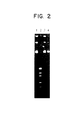
- FIG. 1 Protection against Pha I digestion by cloned Pha I-methyltransferase. Lanes 1 and 2 plasmid pPh ⁇ AroACm R -pD80 from E . coli DH10B incubated without and with Pha I. Lanes 3 and 4 plasmid pPh ⁇ AroACm R -pD80 from E . coli Pha IMtase incubated without and with Pha I.
- FIG. 1 Construction of a P. haemolytica aro A mutant.
- the hybrid plasmid pPharoA - Amp R pD70 was successfully used to produce an aro A mutant.
- FIG. 6 Southern hybridization of genomic DNAs from the parental strain, P . haemolytica strain NADC-D60, the aro A mutant, and P. haemolytica strain NADC-D70 and the hybrid plasmid pPharoA - Amp R pD70. All the DNAs used in the blots shown here were digested with Hind III.
- Figure 6A Lanes: 1, P . haemolytica strain NADC-D60: 2, aro A mutant; 3, pPharoA - Amp R pD70 probed with P . haemolytica aro A.
- Figure 6B Lanes: 1, P.
- P. haemolytica contains at least one restriction-modification system, called herein the Pha I system. Both the restriction endonuclease and the methyltransferase have been molecularly cloned.
- One such molecular clone E . coli Pha IMtase
- a preliminary sequence of the methyltransferase gene has been determined.
- the predicted amino acid sequence of the methyltransferase contains sequence motifs which are consistent with an adenine-methylating specificity.
- the methyltransferase gene has been cloned into a plasmid which when introduced into a cell produces Pha I methyltransferase but is free of the Pha I restriction endonuclease.
- the Pha I restriction endonuclease gene can be cloned on a plasmid free of the methyltransferase gene by introduction of the cloned gene into host cells which express either the Pha I or the Sfa NI methyltransferase.
- Pha IMtase ATCC Accession No. ATCC 69500
- standard techniques such as cesium chloride gradients, phenol and chloroform extractions, etc., can be used for purifying plasmid DNA from the deposited E . coli bacteria.
- the genes can be isolated together from the deposited bacteria, or they can be subcloned, as discussed above, to isolate the two genes from each other.
- Pha I methyltransferase modify DNA substrates such that endonucleases which recognize 5'-GATGC-3' or 5'-GCATC-3' sequences are inhibited in their ability to digest such modified substrates.
- endonucleases are Pha I endonuclease and Sfa NI endonuclease. While applicants do not wish to be bound by any particular hypothesis on the mechanism of action of such methyltransferase enzymes, it appears that the Pha I methyltansferase methylates specific adenine residues in DNA.
- Methylation of DNA substrates for transformation can be accomplished in vitro or in vivo.
- DNA is incubated with a preparation of methyltransferase in the presence of a methyl donor, such as S-adenosylmethionine (SAM).
- SAM S-adenosylmethionine
- In vivo methylation can be accomplished by passaging the DNA substrate through a bacterium which contains an appropriate methyltransferase such as Pha I or Sfa NI methyltransferase.
- a mutant or natural variant of P. haemolytica which lacks the Pha I endonuclease could also be used to prepare DNA for subsequent introduction into P . haemolytica .
- Such a mutant can be made inter alia according to the method for site-directed mutagenesis disclosed herein.
- Site-directed mutagenesis of P. haemolytica can be accomplished according to the present invention by first isolating a wild-type DNA region from P. haemolytica .
- an aro A gene can be isolated using aro A DNA from other bacteria as hybridization probes.
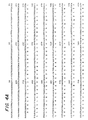
- the sequence of the P. haemolytica aro A gene is shown in SEQ ID NO. 1.
- other genes can be isolated from P. haemolytica.
- Another desirable gene for mutations is the Pha I endonuclease gene, which is provided in Pha IMtase (ATCC Accession No. ATCC 69500).
- genes in which mutations may be desirable are genes in the leukotoxin operon (C, A, B, D) and neuraminidase.
- a mutation is created in the isolated, wild-type DNA region according to any method known in the art.
- the isolated DNA can be chemically mutagenized, either in a bacterium or in vitro .
- restriction endonucleases can be used to create precise deletions or insertions in vitro.
- Other methods as are known in the art can be used as is desirable for a particular application.
- P. haemolytica DNA After P. haemolytica DNA has been isolated and mutagenized, it is methylated as described above. Then it can be introduced into P. haemolytica according to any technique known in the art, including but not limited to transfection, transformation, electroporation, and conjugation. Alternatively, rather than methylating the mutagenized DNA and introducing it into a P. haemolytica which expresses Pha I restriction endonuclease, one can omit the methylation of the mutagenized DNA and introduce the mutagenized DNA into a P. haemolytica cell which does not express the Pha I restriction endonuclease. Such cells can be isolated from nature by extensive screening, isolated following chemical mutagenesis of a cell which does express the Pha I restriction endonuclease, or made by the site-directed mutagenesis method disclosed herein.
- the mutagenized and methylated P. haemolytica DNA region is introduced into a P. haemolytica cell on a plasmid which includes a P. haemolytica approximately 4.2 kb streptomycin resistance determining plasmid (pD70).
- pD70 streptomycin resistance determining plasmid
- the pD70 streptomycin resistance determining plasmid allows the introduced DNA to be replicated and maintained, albeit unstably, for a period of time sufficient to allow gene conversion (replacement of the chromosomal copy of the gene with the introduced mutant copy of the gene) to occur.
- Gene conversion can be monitored inter alia by Southern hybridization with probes to the gene of interest, by screening for genetic markers on the introduced DNA construct (such as ampicillin R or streptomycin R ), and by screening for the presence/absence of plasmid in the transformed cells' progeny.
- a chimeric plasmid as described above, is provided which is suitable for the unstable introduction of DNA into P. haemolytica.
- the chimeric plasmid comprises the approximately 4.2 kb streptomycin resistance determining plasmid, pD70, as well as a plasmid which cannot replicate in P. haemolytica but can replicate in another cell type.
- a region of the chromosome of P. haemolytica which has been mutagenized is ligated into the plasmid.
- Maintenance of the chimeric plasmid in P. haemolytica can be selected, for example by using an appropriate antibiotic to which the plasmid confers resistance. After a selected number of generations, antibiotic selection can be removed, and the cells tested to determine whether the introduced region of P. haemolytica has replaced the genomic copy.
- mutant strains made by the disclosed method of site-directed mutagenesis.
- One such mutant (NADC-D60 aro A - ) has been deposited at the American Type Culture Collection, 12301 Parklawn Drive, Rockville, MD, 20852, USA, on December 2, 1993, under the terms of the Budapest Treaty as Accession No. ATCC 55518.
- Such mutants can provide the veterinary arts with attenuated, live strains of P . haemolytica which are suitable for vaccines to induce protective immunity against P . haemolytica infection.
- deletion or insertion mutations typically these are deletion or insertion mutations, the latter not being caused by a transposable element.
- Strains which contain multiple attenuating mutations may also be used, so that the risk of reversion to a wild-type, virulent P. haemolytica is vanishingly small.
- Another mutant strain which can be made by the site-directed mutagenesis method disclosed is one which is Pha I restriction endonuclease negative. Such a strain is useful for genetic engineering in P . haemolytica . Such a strain can be a recipient of DNA which is not Pha I methyltransferase methylated, yet would yield DNA which is Pha I methyltransferase methylated.
- the present invention thus allows those of ordinary skill in the art to stably introduce DNA into P. haemolytica .
- the DNA can be from other strains or species.
- the DNA can be artificially modified or in its native state. If recombination into the genome is desired two regions of flanking homology are preferred. Such techniques are generally known for other bacteria, but have been hitherto unsuccessful in P. haemolytica due to its restriction system.
- Vaccines are typically formulated using a sterile buffered salt solution. Sucrose and/or gelatin may be used as stabilizers, as is known in the art. It is desirable that the P. haemolytica vaccines of the invention be administered by the intranasal or intratracheal route, but subcutaneous, intramuscular, intravenous injections also may be used. Suitable formulations and techniques are taught by Kucera U.S. 4,335,106, Gilmour U.S. 4,346,074, and Berget U.S. 4,957,739. Typically, between 10 7 and 10 11 CFU are administered per dose, although from 10 5 to 10 3 CFU can be used. Adjuvants also may be added.
- Pasteurella haemolytica serotype 1, strain NADC-D60 was grown 16 hours on 4 Columbia blood agar base plates (100ml total volume, Difco, Detroit, MI) without supplemental blood.
- the cells were harvested in TE (10mM Tris, 1mM EDTA, pH 8.0), pelleted by centrifugation at 16,000 G for 5 minutes at 4°C, and washed once in TE.
- the washed pellet was resuspended in 1.5 ml chromatography running buffer (20mM NaPO 4 , 10mM 2-mercaptoethanol, pH 7.5, 4 C) and placed on ice.
- the bacterial cells were disrupted by sonication for 2 minutes in 15 second bursts. Debris and unbroken cells were removed by centrifugation at 16,000 G for 10 minutes and then filtration of supernatant through a 0.45 um HA membrane. No further treatment of the crude extract was performed prior to chromatography.
- the active fractions (6ml) were pooled, concentrated 10-fold on 30,000 MW cutoff ultrafilters, and brought to final concentrations of 150 mM NaCl, 10 mM NaPO 4 , 0.1 mM EDTA, 5 mM 2-mercaptoethanol, 0.25 ⁇ g/ml BSA, and 50:50 vol:vol glycerol [pH 7.5] for storage at -20°C.
- the recognition sequence was identified using digestion of pBluescript (Stratagene, LaJolla, CA), which resulted in 4 fragments of approximate size 1476, 1057, 252, and 184 base pairs. Double digestion with Pha I and either Xho I or Sac I, which cut at opposite ends of the polylinker, showed that one Pha I site mapped at approximately nucleotide 1245, and another at 2735. Additional double digestions with Ava II, Bgl II, Dra II, Pvu I and Sea I were used to map the remaining 2 Pha I sites at approximately nucleotides 2300 and 2490, consistent with the sequences 5'-GATGC-3' and 5'GCATC-3'.
- the cleavage site was identified by digestion of a primed-synthesis reaction on pBluescript derivatives (Brown et al. (1980) J. Mol. Biol. 140:143-148). An oligonucleotide containing the Pha I site was annealed and ligated with Sma I-cleaved pBluescript SK+ and SK-DNA. Single-stranded DNA containing each orientation was selected and used for the template. Four standard dideoxy DNA sequencing reactions were performed for each template with an appropriate primer. Additional reactions containing no dideoxy terminator were extended through the Pha I site with the Klenow fragment of DNA polymerase I using 32 P-endlabelled primer with both templates. The extension reaction was stopped by chloroform extraction followed by ethanol precipitation. Pha I or Sfa NI endonuclease was added to the additional reactions and allowed to digest the DNA for 2 minutes. The reaction was stopped by addition of gel loading buffer and heating to 80°C for 3 minutes.
- Pha I an isochizomer of Sfa NI (Roberts (1990) Nucl. Acids Res. 18 (Suppl.), 2331-2365), was isolated from Pasteurella haemolytica serotype 1, strain NADC-D60, obtained from pneumonic bovine lung. Pha I recognizes the 5 base non-palindromic sequence 5'-GCATC-3' and 5'-GATGC-3'. Cleavage occurs five bases 3' from the former recognition site and nine bases 5' from the latter recognition site.
- Digests of pBluescript resulted in 4 fragments of approximate size 1476, 1057, 252 and 184 bp.
- Double digestion with Pha I and either Xho I or Sac I mapped 2 Pha I sites, one at approximately nucleotide 1245, and another at 2735 of pBluescript.
- Additional double digestions with Pha I and each of Ava II, Bgl I, Dra I, Pvu I, or Sca I mapped the remaining 2 Pha I sites at approximately nucleotides 2300 and 2490, consistent with the sequences 5'-GATGC-3' and 5'-GCATC-3'.
- Pha I is a true isoschizomer of Sfa NI.
- Pha I like Sfa NI is a type IIs enzyme (Roberts, Nucleic Acids Res. 18:2331-2365 (1990)).
- the type IIs restriction enzymes like the more common type II restriction enzymes, recognize specific sequences and cleave at predetermined sites. Type IIs enzymes, however, neither recognize palindromic sequences nor cleave internally to the recognition sequence (Szybalski, Gene 100 :13-26 (1991)).
- This example demonstrates the molecular cloning of Pha I endonuclease and methyltransferase.
- High-molecular weight DNA for cosmid cloning was prepared by the large scale DNA isolation method described for gram-negative bacteria in Ausabel et al. ( Current Protocols in Molecular Biology, Green Publishing Associates and Wiley Interscience, NY, NY (1987)). Approximately 100 ⁇ g of P. haemolytica strain NADC-D60 genomic DNA was digested with 100U of Apo I in NEB buffer #3 at 50°C for 10 minutes. Following digestion, the DNA was phenol-chloroform extracted and ethanol precipitated.
- the DNA was resuspended in 100 ⁇ l TE and layered onto a linear gradient of 10-40% sucrose (Schwartz-Mann Ultrapure) in 10 mM Tris HCl, 1 mM EDTA, 100 mM NaCl, pH 8.0. After centrifugation in a SW40 (Beckman Inst.) at 20,000 RPM for 20 hr, gradient fractions were collected and restriction fragments of approximately 30 kb in length were ligated into Eco RI-digested calf alkaline phosphatase-treated cosmid vector pLAFRX (Ausabel, supra ). A standard ligation mixture contained 1 ⁇ g vector, 3 ⁇ g P.
- the transformed cells were incubated at 42°C for 18 hours and transferred to 30°C for 4 hours. The cells were moved again to 42°C and blue colonies, indicating the presence of a cloned methyltransferase gene, were isolated and analyzed. The colonies were screened for restriction endonuclease activity by the technique of Schleif ( Method in Enzymology , vol. 65, part I, pp. 19-23 (1980)). Double-stranded DNA mini-preps isolated from restriction endonuclease-positive colonies were analyzed for resistance to digestion by Pha I. Recombinant colonies resistant to Pha I digestion were presumed to contain a Pha I methyltransferase gene. Cosmid DNA from these cells was electroporated into E.
- coli DH10B (BRL, Gaithersburg, Maryland) and the cells were plated on LB-broth plates containing 20 ⁇ g/ml tetracycline.
- the transformants containing the Pha I methyltransferase gene were designated E . coli strain Pha IMtase.
- This example demonstrates the construction and methylation of a hybrid shuttle vector for introduction of DNA to P. haemolytica .
- the following hybrid DNA construct was generated during attempts to introduce site-directed mutations into P. haemolytica.
- the aro A gene of P. haemolytica contained on a Hind III- Acc I fragment of genomic DNA from strain NADC-D60, was ligated into the Hind III- Acc I site of pBluescript.
- a 700 bp fragment was excised from the coding region of the aro A gene by double digestion with Nde I and Sty I. Following digestion, the fragment ends were made blunt by treatment with the Klenow fragment of E . coli polymeraseI and deoxynucleoside triphosphates.
- the deleted plasmid was excised from a 1 % agarose gel and electroeluted.
- the eluted DNA designated pPh ⁇ aroA2
- pPh ⁇ aroA2 was phenol-chloroform extracted and ethanol precipitated.
- the fragment was resuspended in TE buffer and ligated with the Cm R gene isolated from pBR325.
- the Cm R gene was excised from pBR325 by double digestion with Aat II and Cla I and the fragment was made blunt and purified by the above methods.
- the Cm R fragment ligated with pPh ⁇ aroA2 was given the designation pPh ⁇ aroACm R . Transformation of E. coli DH10B with pPh ⁇ aroACm R conferred Cm R to the bacterium.
- the hybrid plasmid pPh ⁇ aroACm R pD80 was constructed by ligating SmaI digested pPh ⁇ aroACm R with Sca I digested pD80 (4.2 kb amp R plasmid from P. haemolytica serotype 1 strain NADC-D80).
- the resultant hybrid plasmid approximately 11 kb in size, contained a ColE1 and P. haemolytica ori, amp R , and Cm R .
- the hybrid plasmid was electroporated into E . coli strain DH10B with or without a cosmid containing cloned Pha I methyltransferase gene. Plasmid DNA was isolated and purified by CsC1 gradient centrifugation. Pha I methyltransferase-treated hybrid plasmid was electroporated into P. haemolytica strain NADC-D60 and then was reisolated by the above procedures. Plasmid DNA was reisolated from an ampicillin-resistant P. haemolytica transformant by the above procedures. The isolated plasmid DNA was tested for resistance to PhaI digestion as shown in Figure 2.
- Pasteurella haemolytica strain NADC-D60 was grown in 250 ml Columbia broth (Difco) 3 hours at 37°C with shaking to late logarithmic phase. The bacteria were centrifuged at 5000 G 15 minutes and the pellet resuspended in 272 mM sucrose at 0°C. The bacteria were washed 4 times in 272 mM sucrose with 5 minute centrifugation at 16,000 G and finally suspended at 50:50 vol:vol packed bacteria:272 mM sucrose on ice. Competent bacteria (100 ⁇ l) were mixed with 1 ⁇ g hybrid plasmid DNA (harvested from three sources: E.
- the electroporated cells were allowed to recover at 37°C with gentle shaking for 1 hour, then broth containing 20 ⁇ g/ml ampicillin was added to bring the final ampicillin concentration to 10 ⁇ g/ml and the cells were incubated an additional hour at 37°C with shaking.
- Ten-fold dilutions were plated in duplicate onto blood agar plates containing 5% bovine blood and 10 ⁇ g/ml ampicillin.
- Undiluted cells electroporated with hybrid plasmid obtained from E. coli containing Pha I methyltransferase were plated on 2 ⁇ g/ml chloramphenicol after the first hour of recovery. Colonies were enumerated after overnight incubation at 37°C and representative colonies were checked for plasmid content.
- Hybrid plasmid (pPh ⁇ aroACm R pD80) passed through E. coli containing Pha I methyltransferase in a cosmid was able to transform P . haemolytica serotype 1.
- the hybrid plasmid was stably maintained through multiple passages under selective pressure. Whereas DNA not exposed to Pha I methyltransferase was unable to transform P. haemolytica, DNA methylated by Pha I methyltransferase in E. coli yielded 10 3 transformants per ⁇ g plasmid (Table 1). Plasmid DNA passed through P. haemolytica yielded 10 5 transformants per ⁇ g plasmid. This experiment demonstrates that the restriction-modification system of Pha I is important for introduction of exogenous DNA into P. haemolytica serotype 1.
- This example demonstrates the molecular cloning and sequencing of P. haemolytica aro A .
- haemolytica aro A was identified by complementation of E. coli aro A mutant AB2829 on M9 minimal media containing ampicillin.
- a Cla I, Hin dIII double digest of pPharoAl generated a 2.2-kb fragment which was cloned into the Acc I and Hin dIII sites of pSK- giving rise to pPharoA2.
- Plasmid pPharoA2 also complemented growth of E . coli AB2829 on M9 minimal media. This plasmid was used to determine the sequence of P. haemolytica aro A.
- P. haemolytica genomic DNA was prepared by the method for isolating DNA from gram-negative bacteria. Southern blotting of P. haemolytica restriction fragments fractionated by electrophoresis on a 0.75% agarose was performed as described previously. Blots were hybridized with a radioactively labeled 1.3-kb E. coli aro A fragment. The aro A probe was amplified (Gene-AMP by Perkin Elmer Inc., Branchburg, N.J.) from E . coli X-L1 Blue (Stratagene, Inc. S.D. CA) genomic c DNA using P C R.
- the primers were synthesized using an Applied Biosystems oligonucleotide synthesizer (Applied Biosystems Inc.) by the Nucleic Acids Facility, Iowa State University (Ames, IA). DNA was radiolabeled with [ ⁇ - 32 P] dCTP using a random priming kit (Boehringer Mannheim Biochemicals, Indianapolis, IN).
- Nylon membranes (Hybond-N, Amersham Corp., Arlington Heights, IL) were incubated with hybridization solution SX SSC (1X SSC is 0.15M NaCl and 0.015M sodium citrate), 5X Denhardts solution (Maniatis, Molecular Cloning, Cold Spring Harbor Laboratory, Cold Spring Harbor, NY (1982)), 0.1% SDS, 10 ⁇ g/ml sonicated salmon sperm DNA, containing 1x10 7 CPM of 32 P-labeled probe and 50% formamide at 42°C. After hybridization for 18 hours, membranes were washed twice with 1X SSC and 0.1% SDS for 10 minutes at RT and two times with 1X SSC and 0.1% SDS buffer at 42°C for 15 minutes.
- SX SSC 1X SSC is 0.15M NaCl and 0.015M sodium citrate
- 5X Denhardts solution Maniatis, Molecular Cloning, Cold Spring Harbor Laboratory, Cold Spring Harbor, NY (1982)
- SDS 10 ⁇
- Membranes were exposed to X-AR (Eastman Kodak Co., Rochester, NY) at -80°C for 24 hours. A positive signal corresponding to a 3.2-kb Hind III fragment of P. haemolytica chromosomal DNA was identified.
- Hind III digested P. haemolytica DNA fragments ranging from 3.0-3.4 kb in length were electroeluted from a 1 % agarose gel.
- the Hind III genomic fragments were added to Hind III digested alkaline phosphatase treated pSK-vector (Stratagene, Inc. S.D. CA) and ligated overnight at 10°C with T4 ligase (BRL, Gaithersburg, MD), The ligation mix was diluted 1:10 with distilled water and electroporated using a Gene Pulser (Bio-Rad Laboratories, Richmond, CA) into E. coli aro A mutant AB2829 (Pittard et al., J. Bact .
- Nucleotide sequence of P. haemolytric aro A The nucleotide sequence and the deduced amino acid sequence of P. haemolytica aro A are shown in Fig. 4 and SEQ ID NOS: 1 and 2. An open reading frame of 1302 bases with a coding capacity of 434 amino acid residues was discerned. The deduced molecular weight is 47,296 and the G+C content of the aro A coding region is 43%. The predicted amino acid sequence of P. haemolytica aro A showed 75, 70, 69, and 68% identity with Pasteurella multocida , Klebsiella pneumoniae , Yersenia entercolitica , and Escherichia coli , respectively.
- P. haemolytica aro A like P. multocida aro A (Homchampa et al. Molec . Microbiol . 23:3585-3593 (1992)), appears to be transcribed from its own promoter. This differs from the usual genetic arrangement in gram-negative bacteria where aro A and ser C constitute an operon with aro A distal to the promoter.
- Evidence to support this claim are the findings that: (1) the nucleotide sequence upstream of aro A on clone pPharoA2 shows no homology with ser C genes and (2) complementation of E . coli AB2829 by P. haemolytica aroA contained on the 2.2 kb fragment is independent of the fragment's orientation on the cloning vector.
- DNA sequencing and Analysis DNA sequencing was done by the dideoxy nucleotide termination method with single or double stranded templates using the Sequanase 2.0 kit (United States Biochemicals, Cleveland, OH). A series of ordered deletions were made in P. haemolytica aro A contained on pPharoA2 using an Erase-a-base kit (Promega Corp. Madison, WI). Gaps in the sequence were completed using DNA primers synthesized by the DNA core facility at Iowa State University (Ames, IA). DNA sequence analysis was done with MacDNASIS Pro (Hitachi Software Ltd., San Bruno, CA) and Mac Vector (Kodak Co., New Haven, CT) software.
- This example demonstrates the construction of a defined P . haemolytica aro A mutant.
- pPh ⁇ aroACm R The deletion plasmid, pPh ⁇ aroACm R (Table 2), was constructed from pPharoA2 as described above and amplified in E. coli containing a cosmid clone carrying the Pha I methyltransferase gene on a 20-kb P. haemolytica DNA fragment. Although resistant to Pha I endonuclease digestion, introduction of pPh ⁇ aroACm R into P. haemolytica strain NADC-D60 by electroporation failed to generate Cm resistant colonies. The inability to transform P.
- haemolytica with pPh ⁇ aroACm R suggested that plasmids containing a ColEl origin do not replicate in this bacterium.
- Bacterial strains and plasmids used Strains Characteristics Source/Reference E. coli AB2829 K-12 strain with mutation in aro A Pittard and Wallace (1966) DH10B Cloning strain used in this work BRL XL 1-Blue Strain used for DNA sequencing Stratagene
- NADC-D80 Serotype 1 containing pD80 NADC/R was used for DNA sequencing Stratagene
- hybrid plasmid pPh ⁇ aroACm R pD80 was isolated from P . haemolytica strain NADC-D60 and CsC1 purified by the methods described previously. The hybrid plasmid was digested with Hind III and Xba I to produce two fragments consisting of pD80 and pPh ⁇ aroACm R . Linear deletion plasmid, pPh ⁇ aroACm R , was isolated by electroelution and purified using "GlassMax" beads (BRL, Gaithersburg, MD). Approximately 5 ⁇ g of the linear plasmid was electroporated into P .
- P. haemolytica ⁇ -lactamase gene was done as follows. Purified pD80 was partially digested with Sau3A , phenol-chloroform extracted, and ethanol precipitated. The fragments were resuspended in T.E. and ligated overnight into BamHI -digested pBCSK (Stratagene Inc., La Jolla, CA). The ligated mixture was diluted 1:10 with water and electroporated into E . coli DH10B. The cells were recovered in 1 ml SOC for 1 hour and spread on LB-plates containing 50 ⁇ g/ml ampicillin and 20 ⁇ g/ml chloramphenicol.
- the deletion plasmid involved the following.
- the ⁇ -lactamase gene was excised from pPhAmp R by Hind III, Xba I digestion and treated with Klenow and deoxy-ribonucleotides to generate blunt ends.
- the ⁇ -lactamase gene was ligated into the Klenow treated unique Nde I site of pPharoA3 (Fig. 5) to produce pPharoA - Amp R . Insertional inactivation of aro A on pPharoA - amp R was demonstrated by failure of the plasmid to complement AB2829. Plasmid pPharoA - Amp R was amplified in E.
- the resultant hybrid plasmid, pPharoA - Amp R pD70 (Fig. 5), was Pha I methyltransferase modified in E. coli DH10B containing the cosmid clone of the Pha I methylase gene.
- the hybrid plasmid was isolated from E. coli, CsC1 purified and introduced into P. haemolytica strain NADC-D60 by electroporation. The cells were resuspended in Columbia broth for 2 hours at 37°C and spread on blood-agar plates containing 10 ⁇ g/ml ampicillin. Transformation efficiency of the hybrid plasmid yielded approximately 10 1 ampicillin resistant colonies/ ⁇ g DNA.
- the eight cultures were streaked for isolation without antibiotic selection and a single colony of each was passed into Columbia broth containing either 1 ⁇ g/ml ampicillin or 1 ⁇ g/ml chloramphenicol. Two of the eight survived on the broth containing ampicillin, none on chloramphenicol. Passage from ampicillin broth onto blood-agar plates containing either ampicillin or chloramphenicol or streptomycin confirmed the two clones were Amp R , Cm S , Sm S . Also the two Amp R clones were spread onto plates of chemically-defined medium for P. haemolytica cultivation (Wessman, Applied Microbiol . 14:597-602 (1966)). This medium lacks the aromatic amino acid tryptophan.
- the parent strain grew on the defined medium but the Amp R clones did not. Upon addition of tryptophan to the defined medium, growth of the Amp R clones was comparable to that of the parent stain.
- the E . coli aro A mutant AB2829 also required tryptophan to grow on the chemically-defined medium for P. haemolytica cultivation. DNAs from the two colonies possessing Amp R , Cm S , Sm S , aro A - phenotypes were analyzed by Southern blotting. The results indicated that both had insertionally inactivated aro As . Moreover, Southern blotting also confirmed that both pD70 and pBCSK sequences were no longer present in the aro A mutants (Figure 6).
- P. haemolytica mutants The 4.2 kb ampicillin resistance encoding plasmid of P . haemolytica (pD80) was partially digested with Sau3A and ligated into the BamH1 site of pBCSK + (Cm R ) (Stratagene Inc., La Jolla, CA). The ligation mix was diluted 1:10 in distilled water and electroporated into E. coli DH-10B (BRL, Gaithersburg, MD). After recovery in 1 ml SOC at 37°C, the cells were spread onto B-agar plates containing 50 ⁇ g/ml ampicillin. Plasmid, pPhAmp R , contained a 2.2-kb P.
- haemolytica fragment which imparted ampicillin resistance to E. coli to up to 100 ⁇ g/ml.
- Plasmid, pPhAmp R was digested with Hin dIII and Xba I digestion and the fragment ends were made blunt by incubation with deoxynucleotide triphosphates and the large Klenow fragment of E. coli polymerase I. The fragment encoding ampicillin resistance was electroeluted.
- P. haemolytica aro A contained on pPharoA3 was digested at an unique restriction site within the coding region of aro A with Nde I and the fragment ends were made bunt as described previously.
- Plasmid pPharoA - Amp R was digested with Hind III and dephosphorylated with calf alkaline phosphatase.
- DNA Sequencing and Mapping 3 :89-97 (1992)) was also digested with Hind III and the two plasmids were ligated with T4 ligase to generate the hybrid plasmid pPharoA - Amp R pD70.
- the hybrid plasmid was electroporated into E. coli Pha IMtase which contained the Pha I methyltransferase gene on cosmid pLAFRX (Ausubel, supra).
- P. haemolytica strain NADC-D60 is a plasmidless strain which was isolated from a cow with pneumonic pasteurellosis.
- the Pha I methylated hybrid plasmid was CsC1 purified and 1 ⁇ g plasmid and 30 ⁇ l of P. haemolytica strain NADC-D60 were transferred to an 0.2 cm. cuvette and electroporated at 15,000 volts/cm with 800 ohms. The resultant time constant was approximately 9 milliseconds.
- colonies were replica-plated onto Columbia broth blood-agar plates containing 10 ⁇ g/ml or 50 ⁇ g/ml streptomycin and a chemically-defined medium for P. haemolytica cultivation (Wessman, supra ).
- the defined medium contains 15 amino acids and includes the aromatic amino acids phenylalanine and tyrosine but not tryptophan.
- the clones unable to grow on the chemically-defined medium for P. haemolytica cultivation were presumed to be aroA - .
- Genomic DNA isolated from colonies with Amp R , Cm S , Sm S , aro A-phenotypes were analyzed by Southern blotting.
- Southern blotting was performed as described previously with the exception that after hybridization the membranes were washed twice for 10 minutes each in lx SSC and 0.1% SDS at 42° C and twice more for 15 minutes each in 0.1x SSC and 0.1% SDS at 65° C.
Landscapes
- Health & Medical Sciences (AREA)
- Life Sciences & Earth Sciences (AREA)
- Chemical & Material Sciences (AREA)
- Genetics & Genomics (AREA)
- Organic Chemistry (AREA)
- Engineering & Computer Science (AREA)
- Zoology (AREA)
- Wood Science & Technology (AREA)
- Bioinformatics & Cheminformatics (AREA)
- Biotechnology (AREA)
- General Health & Medical Sciences (AREA)
- Molecular Biology (AREA)
- Biomedical Technology (AREA)
- General Engineering & Computer Science (AREA)
- Microbiology (AREA)
- Biochemistry (AREA)
- Medicinal Chemistry (AREA)
- Biophysics (AREA)
- Physics & Mathematics (AREA)
- Plant Pathology (AREA)
- Epidemiology (AREA)
- Veterinary Medicine (AREA)
- Communicable Diseases (AREA)
- Proteomics, Peptides & Aminoacids (AREA)
- Immunology (AREA)
- Mycology (AREA)
- Gastroenterology & Hepatology (AREA)
- Animal Behavior & Ethology (AREA)
- Pharmacology & Pharmacy (AREA)
- Public Health (AREA)
- Crystallography & Structural Chemistry (AREA)
- Micro-Organisms Or Cultivation Processes Thereof (AREA)
- Enzymes And Modification Thereof (AREA)
- Medicines Containing Antibodies Or Antigens For Use As Internal Diagnostic Agents (AREA)
- Polyurethanes Or Polyureas (AREA)
Applications Claiming Priority (3)
| Application Number | Priority Date | Filing Date | Title |
|---|---|---|---|
| US08/162,392 US5587305A (en) | 1993-12-06 | 1993-12-06 | Pasteurella haemolytica transformants |
| US162392 | 1993-12-06 | ||
| EP95904281A EP0733114B1 (de) | 1993-12-06 | 1994-12-06 | Konstruktion von pasteurella haemolitika mutanten |
Related Parent Applications (1)
| Application Number | Title | Priority Date | Filing Date |
|---|---|---|---|
| EP95904281A Division EP0733114B1 (de) | 1993-12-06 | 1994-12-06 | Konstruktion von pasteurella haemolitika mutanten |
Publications (2)
| Publication Number | Publication Date |
|---|---|
| EP1149587A2 true EP1149587A2 (de) | 2001-10-31 |
| EP1149587A3 EP1149587A3 (de) | 2002-03-13 |
Family
ID=22585422
Family Applications (2)
| Application Number | Title | Priority Date | Filing Date |
|---|---|---|---|
| EP95904281A Expired - Lifetime EP0733114B1 (de) | 1993-12-06 | 1994-12-06 | Konstruktion von pasteurella haemolitika mutanten |
| EP01115433A Withdrawn EP1149587A3 (de) | 1993-12-06 | 1994-12-06 | Konstruktion von Pasteurella heamolytica Impfstoffen |
Family Applications Before (1)
| Application Number | Title | Priority Date | Filing Date |
|---|---|---|---|
| EP95904281A Expired - Lifetime EP0733114B1 (de) | 1993-12-06 | 1994-12-06 | Konstruktion von pasteurella haemolitika mutanten |
Country Status (8)
| Country | Link |
|---|---|
| US (6) | US5587305A (de) |
| EP (2) | EP0733114B1 (de) |
| AT (1) | ATE213778T1 (de) |
| AU (1) | AU692817B2 (de) |
| CA (1) | CA2177734C (de) |
| DE (1) | DE69430005T2 (de) |
| ES (1) | ES2173170T3 (de) |
| WO (1) | WO1995016045A1 (de) |
Families Citing this family (21)
| Publication number | Priority date | Publication date | Assignee | Title |
|---|---|---|---|---|
| US6793927B1 (en) * | 1993-12-06 | 2004-09-21 | The United States Of America As Represented By The Secretary Of The Department Of Agriculture | Construction of Pasteurella haemolytica vaccines |
| AU767829B2 (en) * | 1996-05-08 | 2003-11-27 | Biotechnology Research And Development Corporation | Molecular genetic constructions of vaccine strains of pasteurellaceae |
| US5840556A (en) * | 1996-05-08 | 1998-11-24 | The United States Of America As Represented By The Department Of Agriculture | Molecular genetic construction of vaccine strains of pasteurellaceae |
| ZA974809B (en) * | 1996-05-31 | 1998-01-23 | Akzo Nobel Nv | Live attenuated RTX-producing bacteria of the family pasteurellaceae. |
| FR2750704B1 (fr) | 1996-07-04 | 1998-09-25 | Rhone Poulenc Rorer Sa | Procede de production d'adn therapeutique |
| US6010705A (en) * | 1997-04-11 | 2000-01-04 | Board Of Supervisors Of Louisiana State University And Agricultural And Mechanical College | Attenuated, invasive vaccines against fish pathogens |
| EP0973865A2 (de) * | 1997-04-11 | 2000-01-26 | Board Of Supervisors Of Louisiana State University And Agricultural And Mechanical College | Abgeschwächte, invasive impfstoffe gegen fischpathogenen |
| AU6969798A (en) * | 1997-04-15 | 1998-11-11 | Baylor College Of Medicine | (pasteurella haemolytica) vaccine |
| US7138384B1 (en) | 1997-08-29 | 2006-11-21 | The Regents Of The University Of California | Modulators of DNA cytosine-5 methyltransferase and methods for use thereof |
| US6936262B2 (en) | 1997-09-25 | 2005-08-30 | Biotechnology Research And Development Corporation | LktA deletion mutant of P. haemolytica |
| NZ503463A (en) | 1997-09-25 | 2002-10-25 | Biotechnology Res & Dev | Leukotoxin deletion mutant of Pasteurella haemolytica |
| US7026155B2 (en) | 1999-02-02 | 2006-04-11 | Regents Of The University Of California | Method of reducing bacterial proliferation |
| HK1045856A1 (zh) | 1999-04-09 | 2002-12-13 | 法玛西雅厄普约翰美国公司 | 抗细菌疫苗组合物 |
| DE10046870A1 (de) * | 2000-09-20 | 2002-03-28 | Basf Ag | Verfahren zur Veränderung des Genoms von Corynebakterien |
| US7521060B2 (en) * | 2001-10-26 | 2009-04-21 | Boehringer Ingelheim Vetmedica S.A. De C.V. | Pathogen for bacterial poultry disease |
| DE10152307A1 (de) | 2001-10-26 | 2003-05-08 | Boehringer Ingelheim Vetmed | Neue bakterielle Geflügelkrankheit |
| WO2003046183A2 (en) * | 2001-11-23 | 2003-06-05 | Université de Montréal | Streptococcus suis avirulent vaccine and uses in antibiotic design |
| WO2003080149A2 (en) * | 2002-03-20 | 2003-10-02 | Mannkind Corporation | Inhalation apparatus |
| WO2014071070A1 (en) * | 2012-11-01 | 2014-05-08 | Pacific Biosciences Of California, Inc. | Compositions and methods for selection of nucleic acids |
| EP3384927B1 (de) | 2012-11-08 | 2022-07-06 | Boehringer Ingelheim Animal Health USA Inc. | Attenuierte mannheimia-haemolytica-impfstoffe sowie verfahren zur herstellung und verwendung |
| EP3062816B1 (de) | 2013-11-01 | 2020-08-05 | Boehringer Ingelheim Animal Health USA Inc. | Attenuierte pasteurella-multocida-impfstoffe und verfahren zur herstellung und verwendung davon |
Family Cites Families (23)
| Publication number | Priority date | Publication date | Assignee | Title |
|---|---|---|---|---|
| US4346074A (en) * | 1978-08-24 | 1982-08-24 | National Research Development Corp. | Pasteurellosis vaccines |
| US4293545A (en) * | 1980-03-31 | 1981-10-06 | Norden Laboratories, Inc. | Modified Pasteurella multocida bacteria vaccines |
| US4335106A (en) * | 1980-03-31 | 1982-06-15 | Norden Laboratories Inc. | Processes for the growth of a modified Pasteurella multocida bacteria and preparation of a vaccine therefrom |
| US4388299A (en) * | 1980-03-31 | 1983-06-14 | Norden Laboratories, Inc. | Modified pasteurella bacteria and vaccines prepared therefrom |
| US4837151A (en) * | 1980-05-19 | 1989-06-06 | The Board Of Trustees Of The Leland Stanford Junior University, Stanford University | Live vaccines comprising two mutations and foreign antigen |
| US4735801A (en) * | 1982-09-07 | 1988-04-05 | Board Of Trustees Of Leland Stanford Jr. University | Novel non-reverting salmonella live vaccines |
| US5210035A (en) * | 1980-05-19 | 1993-05-11 | Board Of Trustees Of Leland Stanford Jr. University | Non-reventing live vaccines |
| US5077044A (en) * | 1980-05-19 | 1991-12-31 | The Board Of Trustees Of The Leland Stanford Jr. University | Novel non-reverting shigella live vaccines |
| US4506017A (en) * | 1981-04-17 | 1985-03-19 | Norden Laboratories, Inc. | Modified Pasteurella haemolytica bacteria |
| US4626430A (en) * | 1981-04-17 | 1986-12-02 | Norden Laboratories, Inc. | Processes for growth of modified Pasteurella haemolytica bacteria and preparation of a vaccine therefrom |
| US4559306A (en) * | 1981-04-17 | 1985-12-17 | Norden Laboratories, Inc. | Modified Pasteurella multocida bacteria |
| US4888170A (en) * | 1981-10-22 | 1989-12-19 | Research Corporation | Vaccines obtained from antigenic gene products of recombinant genes |
| US5165924A (en) * | 1986-01-22 | 1992-11-24 | University Of Guelph | Serum-free, cell-free vaccine effective against pneumonic pasteurellosis in cattle |
| US5055400A (en) * | 1986-11-26 | 1991-10-08 | University Of Guelph | Leukotoxin gene of pasteurella haemolytica |
| US4957739A (en) * | 1987-08-13 | 1990-09-18 | Board Of Regents, The University Of Texas System | Pharmaceutical compositions of a 105 kD P. Haemolytica derived antigen useful for treatment of Shipping Fever |
| US5468485A (en) * | 1987-06-04 | 1995-11-21 | Washington University | Avirulent microbes and uses therefor |
| IL86583A0 (en) * | 1987-06-04 | 1988-11-15 | Molecular Eng Ass | Vaccine containing a derivative of a microbe and method for the production thereof |
| US4999191A (en) * | 1988-05-05 | 1991-03-12 | University Of Georgia Research Foundation, Inc. | Pasteurella multocida vaccine |
| ES2090129T3 (es) * | 1989-03-31 | 1996-10-16 | Univ Washington | Vacunas que contienen microorganismos tipo phop avirulentos. |
| CA2014033C (en) * | 1989-04-07 | 1993-02-09 | Stephen D. Acres | Compositions and treatments for pneumonia in animals |
| US5273889A (en) * | 1990-08-22 | 1993-12-28 | University Of Saskatchewan | Gamma-iterferon-leukotoxin gene fusions and uses thereof |
| US5238823A (en) * | 1990-08-22 | 1993-08-24 | Veterinary Infectious Disease Organization | Interleukin-2-leukotoxin gene fusions and uses thereof |
| GB9100825D0 (en) * | 1991-01-15 | 1991-02-27 | Univ Guelph | Pasteurella haemolytica glycoprotease gene and the purified enzyme |
-
1993
- 1993-12-06 US US08/162,392 patent/US5587305A/en not_active Expired - Lifetime
-
1994
- 1994-12-06 AT AT95904281T patent/ATE213778T1/de active
- 1994-12-06 EP EP95904281A patent/EP0733114B1/de not_active Expired - Lifetime
- 1994-12-06 CA CA2177734A patent/CA2177734C/en not_active Expired - Fee Related
- 1994-12-06 EP EP01115433A patent/EP1149587A3/de not_active Withdrawn
- 1994-12-06 DE DE69430005T patent/DE69430005T2/de not_active Expired - Lifetime
- 1994-12-06 AU AU13031/95A patent/AU692817B2/en not_active Ceased
- 1994-12-06 WO PCT/US1994/014095 patent/WO1995016045A1/en not_active Ceased
- 1994-12-06 ES ES95904281T patent/ES2173170T3/es not_active Expired - Lifetime
-
1996
- 1996-05-08 US US08/643,301 patent/US5824525A/en not_active Expired - Lifetime
- 1996-05-08 US US08/643,297 patent/US5693777A/en not_active Expired - Lifetime
- 1996-05-08 US US08/643,300 patent/US5683900A/en not_active Expired - Lifetime
- 1996-05-08 US US08/643,299 patent/US5849305A/en not_active Expired - Lifetime
- 1996-05-08 US US08/643,298 patent/US5733780A/en not_active Expired - Lifetime
Also Published As
| Publication number | Publication date |
|---|---|
| US5587305A (en) | 1996-12-24 |
| AU692817B2 (en) | 1998-06-18 |
| US5849305A (en) | 1998-12-15 |
| DE69430005T2 (de) | 2002-10-24 |
| CA2177734C (en) | 2011-06-21 |
| US5683900A (en) | 1997-11-04 |
| ES2173170T3 (es) | 2002-10-16 |
| ATE213778T1 (de) | 2002-03-15 |
| EP1149587A3 (de) | 2002-03-13 |
| US5693777A (en) | 1997-12-02 |
| EP0733114A1 (de) | 1996-09-25 |
| CA2177734A1 (en) | 1995-06-15 |
| EP0733114B1 (de) | 2002-02-27 |
| AU1303195A (en) | 1995-06-27 |
| US5733780A (en) | 1998-03-31 |
| DE69430005D1 (de) | 2002-04-04 |
| US5824525A (en) | 1998-10-20 |
| WO1995016045A1 (en) | 1995-06-15 |
Similar Documents
| Publication | Publication Date | Title |
|---|---|---|
| EP0733114B1 (de) | Konstruktion von pasteurella haemolitika mutanten | |
| CA2097931C (en) | Salmonella vaccines | |
| AU745003B2 (en) | Live attenuated vaccines | |
| US5358868A (en) | Genetic detoxification of pertussis toxin | |
| US5433945A (en) | Immunoprotective genetically-detoxified mutants of pertussis toxin | |
| JP2008000144A (ja) | パスツレラ科ワクチン株の分子遺伝学的構築 | |
| US5332583A (en) | Vaccine containing genetically-detoxified pertussis holotoxin | |
| US6793927B1 (en) | Construction of Pasteurella haemolytica vaccines | |
| Tatum et al. | Molecular gene cloning and nucleotide sequencing and construction of an aroA mutant of Pasteurella haemolytica serotype A1 | |
| EP0520011B1 (de) | Impfstoffe zur schutzimpfung gegen furunkulose bei fischen | |
| US20090098654A1 (en) | Selectable genetic marker for use in pasteurellaceae species | |
| Davies | N~ 575877305 ana, USA, May 26—30, 1992, Abstr. Gen Meet. Am. Soc. | |
| CA2253809C (en) | Molecular genetic construction of vaccine strains of pasteurellaceae | |
| AU767829B2 (en) | Molecular genetic constructions of vaccine strains of pasteurellaceae | |
| MXPA98009339A (es) | Construccion genetica molecular de cepas de vacuna de pasteurellaceae | |
| MXPA99011431A (en) | Live attenuated vaccines | |
| HK1020004B (en) | Recombinant vaccine for diseases caused by encapsulated organisms |
Legal Events
| Date | Code | Title | Description |
|---|---|---|---|
| PUAI | Public reference made under article 153(3) epc to a published international application that has entered the european phase |
Free format text: ORIGINAL CODE: 0009012 |
|
| 17P | Request for examination filed |
Effective date: 20010713 |
|
| AC | Divisional application: reference to earlier application |
Ref document number: 733114 Country of ref document: EP |
|
| AK | Designated contracting states |
Kind code of ref document: A2 Designated state(s): AT BE CH DE DK ES FR GB GR IE IT LI LU MC NL PT SE |
|
| PUAL | Search report despatched |
Free format text: ORIGINAL CODE: 0009013 |
|
| RIC1 | Information provided on ipc code assigned before grant |
Free format text: 7C 12N 15/74 A, 7C 12N 15/55 B, 7C 12N 15/54 B, 7C 12N 9/22 B, 7C 12N 1/21 B, 7A 61K 39/102 B, 7C 12N 9/10 B |
|
| AK | Designated contracting states |
Kind code of ref document: A3 Designated state(s): AT BE CH DE DK ES FR GB GR IE IT LI LU MC NL PT SE |
|
| AKX | Designation fees paid |
Free format text: AT BE CH DE DK ES FR GB GR IE IT LI LU MC NL PT SE |
|
| 17Q | First examination report despatched |
Effective date: 20050805 |
|
| RIN1 | Information on inventor provided before grant (corrected) |
Inventor name: TATUM, FRED M. Inventor name: BRIGGSS, RICHARD E. |
|
| GRAJ | Information related to disapproval of communication of intention to grant by the applicant or resumption of examination proceedings by the epo deleted |
Free format text: ORIGINAL CODE: EPIDOSDIGR1 |
|
| GRAP | Despatch of communication of intention to grant a patent |
Free format text: ORIGINAL CODE: EPIDOSNIGR1 |
|
| GRAP | Despatch of communication of intention to grant a patent |
Free format text: ORIGINAL CODE: EPIDOSNIGR1 |
|
| INTG | Intention to grant announced |
Effective date: 20130527 |
|
| INTG | Intention to grant announced |
Effective date: 20130605 |
|
| STAA | Information on the status of an ep patent application or granted ep patent |
Free format text: STATUS: THE APPLICATION IS DEEMED TO BE WITHDRAWN |
|
| 18D | Application deemed to be withdrawn |
Effective date: 20130702 |