EP1156112B1 - Synthetische Gene für gagpol und deren Verwendungen - Google Patents
Synthetische Gene für gagpol und deren Verwendungen Download PDFInfo
- Publication number
- EP1156112B1 EP1156112B1 EP00110623A EP00110623A EP1156112B1 EP 1156112 B1 EP1156112 B1 EP 1156112B1 EP 00110623 A EP00110623 A EP 00110623A EP 00110623 A EP00110623 A EP 00110623A EP 1156112 B1 EP1156112 B1 EP 1156112B1
- Authority
- EP
- European Patent Office
- Prior art keywords
- gagpol
- gag
- hiv
- nucleic acid
- expression
- Prior art date
- Legal status (The legal status is an assumption and is not a legal conclusion. Google has not performed a legal analysis and makes no representation as to the accuracy of the status listed.)
- Expired - Lifetime
Links
- 108010027225 gag-pol Fusion Proteins Proteins 0.000 title claims abstract description 155
- 239000013598 vector Substances 0.000 claims abstract description 93
- 238000004806 packaging method and process Methods 0.000 claims abstract description 67
- 239000002245 particle Substances 0.000 claims abstract description 62
- 108020004705 Codon Proteins 0.000 claims abstract description 33
- 108090000623 proteins and genes Proteins 0.000 claims description 100
- 241000713772 Human immunodeficiency virus 1 Species 0.000 claims description 53
- 102000004169 proteins and genes Human genes 0.000 claims description 44
- 150000007523 nucleic acids Chemical group 0.000 claims description 38
- 230000001177 retroviral effect Effects 0.000 claims description 31
- 108020004707 nucleic acids Proteins 0.000 claims description 28
- 102000039446 nucleic acids Human genes 0.000 claims description 28
- 238000012546 transfer Methods 0.000 claims description 23
- 108700019146 Transgenes Proteins 0.000 claims description 22
- 241001430294 unidentified retrovirus Species 0.000 claims description 19
- 241000725303 Human immunodeficiency virus Species 0.000 claims description 17
- 238000000034 method Methods 0.000 claims description 14
- 241000713666 Lentivirus Species 0.000 claims description 13
- 108091028043 Nucleic acid sequence Proteins 0.000 claims description 12
- 230000002829 reductive effect Effects 0.000 claims description 10
- 241000714260 Human T-lymphotropic virus 1 Species 0.000 claims description 8
- 241000714259 Human T-lymphotropic virus 2 Species 0.000 claims description 8
- 238000002360 preparation method Methods 0.000 claims description 8
- 108090000765 processed proteins & peptides Proteins 0.000 claims description 8
- 230000006798 recombination Effects 0.000 claims description 8
- 238000005215 recombination Methods 0.000 claims description 8
- 208000031886 HIV Infections Diseases 0.000 claims description 7
- 241000713340 Human immunodeficiency virus 2 Species 0.000 claims description 7
- 241000713675 Spumavirus Species 0.000 claims description 6
- 229920001184 polypeptide Polymers 0.000 claims description 6
- 102000004196 processed proteins & peptides Human genes 0.000 claims description 6
- 238000011282 treatment Methods 0.000 claims description 6
- 201000010099 disease Diseases 0.000 claims description 5
- 208000037265 diseases, disorders, signs and symptoms Diseases 0.000 claims description 5
- 239000003814 drug Substances 0.000 claims description 2
- 238000010348 incorporation Methods 0.000 claims description 2
- 239000008194 pharmaceutical composition Substances 0.000 claims description 2
- 230000001747 exhibiting effect Effects 0.000 claims 1
- 238000011321 prophylaxis Methods 0.000 claims 1
- 230000014509 gene expression Effects 0.000 abstract description 74
- 229960005486 vaccine Drugs 0.000 abstract description 15
- 238000005457 optimization Methods 0.000 abstract description 5
- 210000004027 cell Anatomy 0.000 description 115
- 235000018102 proteins Nutrition 0.000 description 43
- 108091032973 (ribonucleotides)n+m Proteins 0.000 description 36
- 108700004025 env Genes Proteins 0.000 description 33
- 239000013613 expression plasmid Substances 0.000 description 32
- 208000015181 infectious disease Diseases 0.000 description 32
- 239000012634 fragment Substances 0.000 description 25
- 239000013612 plasmid Substances 0.000 description 25
- 108091023045 Untranslated Region Proteins 0.000 description 23
- 238000004519 manufacturing process Methods 0.000 description 23
- 239000003623 enhancer Substances 0.000 description 21
- 239000000427 antigen Substances 0.000 description 20
- 108700010070 Codon Usage Proteins 0.000 description 19
- 108020004414 DNA Proteins 0.000 description 19
- 108091007433 antigens Proteins 0.000 description 19
- 102000036639 antigens Human genes 0.000 description 19
- 239000002773 nucleotide Substances 0.000 description 18
- 125000003729 nucleotide group Chemical group 0.000 description 18
- 230000001404 mediated effect Effects 0.000 description 17
- 108091026890 Coding region Proteins 0.000 description 16
- 230000035772 mutation Effects 0.000 description 16
- 239000006228 supernatant Substances 0.000 description 16
- 230000000694 effects Effects 0.000 description 15
- 230000003612 virological effect Effects 0.000 description 15
- 230000002458 infectious effect Effects 0.000 description 14
- 238000001890 transfection Methods 0.000 description 14
- 108700005078 Synthetic Genes Proteins 0.000 description 13
- 239000013604 expression vector Substances 0.000 description 13
- 101150047047 gag-pol gene Proteins 0.000 description 13
- 241000699670 Mus sp. Species 0.000 description 12
- 238000012217 deletion Methods 0.000 description 12
- 230000037430 deletion Effects 0.000 description 12
- 230000006870 function Effects 0.000 description 12
- 241000701022 Cytomegalovirus Species 0.000 description 11
- 241000700605 Viruses Species 0.000 description 11
- 150000001413 amino acids Chemical class 0.000 description 11
- 210000000234 capsid Anatomy 0.000 description 11
- 108700004026 gag Genes Proteins 0.000 description 11
- 238000010361 transduction Methods 0.000 description 11
- 230000026683 transduction Effects 0.000 description 11
- 101710205625 Capsid protein p24 Proteins 0.000 description 10
- 238000011238 DNA vaccination Methods 0.000 description 10
- 238000002965 ELISA Methods 0.000 description 10
- 101710177166 Phosphoprotein Proteins 0.000 description 10
- 101710149279 Small delta antigen Proteins 0.000 description 10
- 102100022563 Tubulin polymerization-promoting protein Human genes 0.000 description 10
- 230000001419 dependent effect Effects 0.000 description 10
- 101150098622 gag gene Proteins 0.000 description 10
- 230000001939 inductive effect Effects 0.000 description 10
- 210000004962 mammalian cell Anatomy 0.000 description 10
- 238000002255 vaccination Methods 0.000 description 9
- 102100034349 Integrase Human genes 0.000 description 8
- 238000012408 PCR amplification Methods 0.000 description 8
- 230000001965 increasing effect Effects 0.000 description 8
- 239000000047 product Substances 0.000 description 8
- 230000001105 regulatory effect Effects 0.000 description 8
- 108010061833 Integrases Proteins 0.000 description 7
- 239000005090 green fluorescent protein Substances 0.000 description 7
- 238000001727 in vivo Methods 0.000 description 7
- 238000002347 injection Methods 0.000 description 7
- 239000007924 injection Substances 0.000 description 7
- 108020003175 receptors Proteins 0.000 description 7
- 102000005962 receptors Human genes 0.000 description 7
- 230000010076 replication Effects 0.000 description 7
- 108091062157 Cis-regulatory element Proteins 0.000 description 6
- 108010076039 Polyproteins Proteins 0.000 description 6
- 235000001014 amino acid Nutrition 0.000 description 6
- 238000003556 assay Methods 0.000 description 6
- 238000010367 cloning Methods 0.000 description 6
- 238000010276 construction Methods 0.000 description 6
- 238000010790 dilution Methods 0.000 description 6
- 239000012895 dilution Substances 0.000 description 6
- 238000000338 in vitro Methods 0.000 description 6
- 230000003362 replicative effect Effects 0.000 description 6
- 210000002966 serum Anatomy 0.000 description 6
- 108020003589 5' Untranslated Regions Proteins 0.000 description 5
- 108010041986 DNA Vaccines Proteins 0.000 description 5
- 229940021995 DNA vaccine Drugs 0.000 description 5
- 241000238631 Hexapoda Species 0.000 description 5
- 241000714177 Murine leukemia virus Species 0.000 description 5
- 241000714474 Rous sarcoma virus Species 0.000 description 5
- 230000024932 T cell mediated immunity Effects 0.000 description 5
- 230000006978 adaptation Effects 0.000 description 5
- NOFOAYPPHIUXJR-APNQCZIXSA-N aphidicolin Chemical compound C1[C@@]23[C@@]4(C)CC[C@@H](O)[C@@](C)(CO)[C@@H]4CC[C@H]3C[C@H]1[C@](CO)(O)CC2 NOFOAYPPHIUXJR-APNQCZIXSA-N 0.000 description 5
- SEKZNWAQALMJNH-YZUCACDQSA-N aphidicolin Natural products C[C@]1(CO)CC[C@]23C[C@H]1C[C@@H]2CC[C@H]4[C@](C)(CO)[C@H](O)CC[C@]34C SEKZNWAQALMJNH-YZUCACDQSA-N 0.000 description 5
- 230000015572 biosynthetic process Effects 0.000 description 5
- 239000012636 effector Substances 0.000 description 5
- 238000001476 gene delivery Methods 0.000 description 5
- 239000002243 precursor Substances 0.000 description 5
- 230000001566 pro-viral effect Effects 0.000 description 5
- 230000032258 transport Effects 0.000 description 5
- ZDXPYRJPNDTMRX-UHFFFAOYSA-N Glutamine Chemical compound OC(=O)C(N)CCC(N)=O ZDXPYRJPNDTMRX-UHFFFAOYSA-N 0.000 description 4
- 101710139711 IkB-like protein Proteins 0.000 description 4
- 108091034117 Oligonucleotide Proteins 0.000 description 4
- 102100032105 Transmembrane emp24 domain-containing protein 5 Human genes 0.000 description 4
- JLCPHMBAVCMARE-UHFFFAOYSA-N [3-[[3-[[3-[[3-[[3-[[3-[[3-[[3-[[3-[[3-[[3-[[5-(2-amino-6-oxo-1H-purin-9-yl)-3-[[3-[[3-[[3-[[3-[[3-[[5-(2-amino-6-oxo-1H-purin-9-yl)-3-[[5-(2-amino-6-oxo-1H-purin-9-yl)-3-hydroxyoxolan-2-yl]methoxy-hydroxyphosphoryl]oxyoxolan-2-yl]methoxy-hydroxyphosphoryl]oxy-5-(5-methyl-2,4-dioxopyrimidin-1-yl)oxolan-2-yl]methoxy-hydroxyphosphoryl]oxy-5-(6-aminopurin-9-yl)oxolan-2-yl]methoxy-hydroxyphosphoryl]oxy-5-(6-aminopurin-9-yl)oxolan-2-yl]methoxy-hydroxyphosphoryl]oxy-5-(6-aminopurin-9-yl)oxolan-2-yl]methoxy-hydroxyphosphoryl]oxy-5-(6-aminopurin-9-yl)oxolan-2-yl]methoxy-hydroxyphosphoryl]oxyoxolan-2-yl]methoxy-hydroxyphosphoryl]oxy-5-(5-methyl-2,4-dioxopyrimidin-1-yl)oxolan-2-yl]methoxy-hydroxyphosphoryl]oxy-5-(4-amino-2-oxopyrimidin-1-yl)oxolan-2-yl]methoxy-hydroxyphosphoryl]oxy-5-(5-methyl-2,4-dioxopyrimidin-1-yl)oxolan-2-yl]methoxy-hydroxyphosphoryl]oxy-5-(5-methyl-2,4-dioxopyrimidin-1-yl)oxolan-2-yl]methoxy-hydroxyphosphoryl]oxy-5-(6-aminopurin-9-yl)oxolan-2-yl]methoxy-hydroxyphosphoryl]oxy-5-(6-aminopurin-9-yl)oxolan-2-yl]methoxy-hydroxyphosphoryl]oxy-5-(4-amino-2-oxopyrimidin-1-yl)oxolan-2-yl]methoxy-hydroxyphosphoryl]oxy-5-(4-amino-2-oxopyrimidin-1-yl)oxolan-2-yl]methoxy-hydroxyphosphoryl]oxy-5-(4-amino-2-oxopyrimidin-1-yl)oxolan-2-yl]methoxy-hydroxyphosphoryl]oxy-5-(6-aminopurin-9-yl)oxolan-2-yl]methoxy-hydroxyphosphoryl]oxy-5-(4-amino-2-oxopyrimidin-1-yl)oxolan-2-yl]methyl [5-(6-aminopurin-9-yl)-2-(hydroxymethyl)oxolan-3-yl] hydrogen phosphate Polymers Cc1cn(C2CC(OP(O)(=O)OCC3OC(CC3OP(O)(=O)OCC3OC(CC3O)n3cnc4c3nc(N)[nH]c4=O)n3cnc4c3nc(N)[nH]c4=O)C(COP(O)(=O)OC3CC(OC3COP(O)(=O)OC3CC(OC3COP(O)(=O)OC3CC(OC3COP(O)(=O)OC3CC(OC3COP(O)(=O)OC3CC(OC3COP(O)(=O)OC3CC(OC3COP(O)(=O)OC3CC(OC3COP(O)(=O)OC3CC(OC3COP(O)(=O)OC3CC(OC3COP(O)(=O)OC3CC(OC3COP(O)(=O)OC3CC(OC3COP(O)(=O)OC3CC(OC3COP(O)(=O)OC3CC(OC3COP(O)(=O)OC3CC(OC3COP(O)(=O)OC3CC(OC3COP(O)(=O)OC3CC(OC3COP(O)(=O)OC3CC(OC3CO)n3cnc4c(N)ncnc34)n3ccc(N)nc3=O)n3cnc4c(N)ncnc34)n3ccc(N)nc3=O)n3ccc(N)nc3=O)n3ccc(N)nc3=O)n3cnc4c(N)ncnc34)n3cnc4c(N)ncnc34)n3cc(C)c(=O)[nH]c3=O)n3cc(C)c(=O)[nH]c3=O)n3ccc(N)nc3=O)n3cc(C)c(=O)[nH]c3=O)n3cnc4c3nc(N)[nH]c4=O)n3cnc4c(N)ncnc34)n3cnc4c(N)ncnc34)n3cnc4c(N)ncnc34)n3cnc4c(N)ncnc34)O2)c(=O)[nH]c1=O JLCPHMBAVCMARE-UHFFFAOYSA-N 0.000 description 4
- 238000004113 cell culture Methods 0.000 description 4
- 230000001413 cellular effect Effects 0.000 description 4
- 238000001514 detection method Methods 0.000 description 4
- 238000002474 experimental method Methods 0.000 description 4
- 238000001415 gene therapy Methods 0.000 description 4
- 231100001261 hazardous Toxicity 0.000 description 4
- 230000003053 immunization Effects 0.000 description 4
- 238000002649 immunization Methods 0.000 description 4
- 239000002609 medium Substances 0.000 description 4
- 230000022532 regulation of transcription, DNA-dependent Effects 0.000 description 4
- 230000008844 regulatory mechanism Effects 0.000 description 4
- 241000701161 unidentified adenovirus Species 0.000 description 4
- 241000701447 unidentified baculovirus Species 0.000 description 4
- 239000011534 wash buffer Substances 0.000 description 4
- 102000040650 (ribonucleotides)n+m Human genes 0.000 description 3
- QNAYBMKLOCPYGJ-UHFFFAOYSA-N Alanine Chemical compound CC([NH3+])C([O-])=O QNAYBMKLOCPYGJ-UHFFFAOYSA-N 0.000 description 3
- 240000006108 Allium ampeloprasum Species 0.000 description 3
- 235000005254 Allium ampeloprasum Nutrition 0.000 description 3
- 108020004437 Endogenous Retroviruses Proteins 0.000 description 3
- DHMQDGOQFOQNFH-UHFFFAOYSA-N Glycine Chemical compound NCC(O)=O DHMQDGOQFOQNFH-UHFFFAOYSA-N 0.000 description 3
- 241000282412 Homo Species 0.000 description 3
- 108010001336 Horseradish Peroxidase Proteins 0.000 description 3
- 102100034353 Integrase Human genes 0.000 description 3
- 108091026898 Leader sequence (mRNA) Proteins 0.000 description 3
- 241000713869 Moloney murine leukemia virus Species 0.000 description 3
- 101710150344 Protein Rev Proteins 0.000 description 3
- 108091081024 Start codon Proteins 0.000 description 3
- 238000004458 analytical method Methods 0.000 description 3
- 238000003776 cleavage reaction Methods 0.000 description 3
- 238000000975 co-precipitation Methods 0.000 description 3
- 238000012761 co-transfection Methods 0.000 description 3
- 239000012228 culture supernatant Substances 0.000 description 3
- 238000011161 development Methods 0.000 description 3
- 108010078428 env Gene Products Proteins 0.000 description 3
- 230000002068 genetic effect Effects 0.000 description 3
- 230000006801 homologous recombination Effects 0.000 description 3
- 238000002744 homologous recombination Methods 0.000 description 3
- 230000028996 humoral immune response Effects 0.000 description 3
- 230000002401 inhibitory effect Effects 0.000 description 3
- 239000011159 matrix material Substances 0.000 description 3
- 210000003205 muscle Anatomy 0.000 description 3
- 230000030147 nuclear export Effects 0.000 description 3
- 238000012545 processing Methods 0.000 description 3
- 230000004044 response Effects 0.000 description 3
- 230000000284 resting effect Effects 0.000 description 3
- 238000010839 reverse transcription Methods 0.000 description 3
- 230000007017 scission Effects 0.000 description 3
- 238000013207 serial dilution Methods 0.000 description 3
- 230000037432 silent mutation Effects 0.000 description 3
- 239000000243 solution Substances 0.000 description 3
- 241000894007 species Species 0.000 description 3
- 238000013518 transcription Methods 0.000 description 3
- 230000035897 transcription Effects 0.000 description 3
- 230000029812 viral genome replication Effects 0.000 description 3
- 238000001262 western blot Methods 0.000 description 3
- 241000710929 Alphavirus Species 0.000 description 2
- DCXYFEDJOCDNAF-UHFFFAOYSA-N Asparagine Chemical compound OC(=O)C(N)CC(N)=O DCXYFEDJOCDNAF-UHFFFAOYSA-N 0.000 description 2
- 238000011725 BALB/c mouse Methods 0.000 description 2
- 241000255930 Chironomidae Species 0.000 description 2
- UPEZCKBFRMILAV-JNEQICEOSA-N Ecdysone Natural products O=C1[C@H]2[C@@](C)([C@@H]3C([C@@]4(O)[C@@](C)([C@H]([C@H]([C@@H](O)CCC(O)(C)C)C)CC4)CC3)=C1)C[C@H](O)[C@H](O)C2 UPEZCKBFRMILAV-JNEQICEOSA-N 0.000 description 2
- 102100038132 Endogenous retrovirus group K member 6 Pro protein Human genes 0.000 description 2
- 101710091045 Envelope protein Proteins 0.000 description 2
- 102000004190 Enzymes Human genes 0.000 description 2
- 108090000790 Enzymes Proteins 0.000 description 2
- WHUUTDBJXJRKMK-UHFFFAOYSA-N Glutamic acid Natural products OC(=O)C(N)CCC(O)=O WHUUTDBJXJRKMK-UHFFFAOYSA-N 0.000 description 2
- 108010043121 Green Fluorescent Proteins Proteins 0.000 description 2
- 101710154606 Hemagglutinin Proteins 0.000 description 2
- 208000026350 Inborn Genetic disease Diseases 0.000 description 2
- CKLJMWTZIZZHCS-REOHCLBHSA-N L-aspartic acid Chemical compound OC(=O)[C@@H](N)CC(O)=O CKLJMWTZIZZHCS-REOHCLBHSA-N 0.000 description 2
- 102000043129 MHC class I family Human genes 0.000 description 2
- 108091054437 MHC class I family Proteins 0.000 description 2
- 239000000020 Nitrocellulose Substances 0.000 description 2
- 108091005461 Nucleic proteins Proteins 0.000 description 2
- 108700026244 Open Reading Frames Proteins 0.000 description 2
- 101710093908 Outer capsid protein VP4 Proteins 0.000 description 2
- 101710135467 Outer capsid protein sigma-1 Proteins 0.000 description 2
- 108091005804 Peptidases Proteins 0.000 description 2
- 108091000080 Phosphotransferase Proteins 0.000 description 2
- 229920001213 Polysorbate 20 Polymers 0.000 description 2
- 241000288906 Primates Species 0.000 description 2
- 239000004365 Protease Substances 0.000 description 2
- 101710176177 Protein A56 Proteins 0.000 description 2
- 101710188315 Protein X Proteins 0.000 description 2
- 108020005067 RNA Splice Sites Proteins 0.000 description 2
- 108010092799 RNA-directed DNA polymerase Proteins 0.000 description 2
- 241000283984 Rodentia Species 0.000 description 2
- 108010071811 Simian immunodeficiency virus Gag protein p27 Proteins 0.000 description 2
- FAPWRFPIFSIZLT-UHFFFAOYSA-M Sodium chloride Chemical compound [Na+].[Cl-] FAPWRFPIFSIZLT-UHFFFAOYSA-M 0.000 description 2
- 241000713880 Spleen focus-forming virus Species 0.000 description 2
- 229930006000 Sucrose Natural products 0.000 description 2
- CZMRCDWAGMRECN-UGDNZRGBSA-N Sucrose Chemical compound O[C@H]1[C@H](O)[C@@H](CO)O[C@@]1(CO)O[C@@H]1[C@H](O)[C@@H](O)[C@H](O)[C@@H](CO)O1 CZMRCDWAGMRECN-UGDNZRGBSA-N 0.000 description 2
- 108091036066 Three prime untranslated region Proteins 0.000 description 2
- 239000013504 Triton X-100 Substances 0.000 description 2
- 229920004890 Triton X-100 Polymers 0.000 description 2
- 206010046865 Vaccinia virus infection Diseases 0.000 description 2
- KZSNJWFQEVHDMF-UHFFFAOYSA-N Valine Chemical compound CC(C)C(N)C(O)=O KZSNJWFQEVHDMF-UHFFFAOYSA-N 0.000 description 2
- UPEZCKBFRMILAV-UHFFFAOYSA-N alpha-Ecdysone Natural products C1C(O)C(O)CC2(C)C(CCC3(C(C(C(O)CCC(C)(C)O)C)CCC33O)C)C3=CC(=O)C21 UPEZCKBFRMILAV-UHFFFAOYSA-N 0.000 description 2
- 238000013459 approach Methods 0.000 description 2
- 230000001580 bacterial effect Effects 0.000 description 2
- 230000033228 biological regulation Effects 0.000 description 2
- 239000001506 calcium phosphate Substances 0.000 description 2
- 229910000389 calcium phosphate Inorganic materials 0.000 description 2
- 235000011010 calcium phosphates Nutrition 0.000 description 2
- 230000022131 cell cycle Effects 0.000 description 2
- 230000002759 chromosomal effect Effects 0.000 description 2
- 239000013599 cloning vector Substances 0.000 description 2
- CVSVTCORWBXHQV-UHFFFAOYSA-N creatine Chemical compound NC(=[NH2+])N(C)CC([O-])=O CVSVTCORWBXHQV-UHFFFAOYSA-N 0.000 description 2
- 210000000805 cytoplasm Anatomy 0.000 description 2
- 231100000433 cytotoxic Toxicity 0.000 description 2
- 210000001151 cytotoxic T lymphocyte Anatomy 0.000 description 2
- 230000001472 cytotoxic effect Effects 0.000 description 2
- 238000013461 design Methods 0.000 description 2
- 230000029087 digestion Effects 0.000 description 2
- 230000003467 diminishing effect Effects 0.000 description 2
- UPEZCKBFRMILAV-JMZLNJERSA-N ecdysone Chemical compound C1[C@@H](O)[C@@H](O)C[C@]2(C)[C@@H](CC[C@@]3([C@@H]([C@@H]([C@H](O)CCC(C)(C)O)C)CC[C@]33O)C)C3=CC(=O)[C@@H]21 UPEZCKBFRMILAV-JMZLNJERSA-N 0.000 description 2
- 238000001962 electrophoresis Methods 0.000 description 2
- 238000013431 end-point dilution ELISA assay Methods 0.000 description 2
- 230000002255 enzymatic effect Effects 0.000 description 2
- 230000009088 enzymatic function Effects 0.000 description 2
- 230000037433 frameshift Effects 0.000 description 2
- 208000016361 genetic disease Diseases 0.000 description 2
- 238000011194 good manufacturing practice Methods 0.000 description 2
- 239000000185 hemagglutinin Substances 0.000 description 2
- 239000005556 hormone Substances 0.000 description 2
- 229940088597 hormone Drugs 0.000 description 2
- 230000028993 immune response Effects 0.000 description 2
- 238000003119 immunoblot Methods 0.000 description 2
- 230000005847 immunogenicity Effects 0.000 description 2
- 239000000411 inducer Substances 0.000 description 2
- 230000010354 integration Effects 0.000 description 2
- 230000003993 interaction Effects 0.000 description 2
- 230000021633 leukocyte mediated immunity Effects 0.000 description 2
- 230000000670 limiting effect Effects 0.000 description 2
- 239000012528 membrane Substances 0.000 description 2
- 108020004999 messenger RNA Proteins 0.000 description 2
- 239000000203 mixture Substances 0.000 description 2
- 108700004028 nef Genes Proteins 0.000 description 2
- 101150023385 nef gene Proteins 0.000 description 2
- 230000001537 neural effect Effects 0.000 description 2
- 229920001220 nitrocellulos Polymers 0.000 description 2
- 244000052769 pathogen Species 0.000 description 2
- 230000001717 pathogenic effect Effects 0.000 description 2
- 239000012071 phase Substances 0.000 description 2
- 102000020233 phosphotransferase Human genes 0.000 description 2
- 229920002401 polyacrylamide Polymers 0.000 description 2
- 239000000256 polyoxyethylene sorbitan monolaurate Substances 0.000 description 2
- 235000010486 polyoxyethylene sorbitan monolaurate Nutrition 0.000 description 2
- 238000011002 quantification Methods 0.000 description 2
- 210000003705 ribosome Anatomy 0.000 description 2
- QWAXKHKRTORLEM-UGJKXSETSA-N saquinavir Chemical compound C([C@@H]([C@H](O)CN1C[C@H]2CCCC[C@H]2C[C@H]1C(=O)NC(C)(C)C)NC(=O)[C@H](CC(N)=O)NC(=O)C=1N=C2C=CC=CC2=CC=1)C1=CC=CC=C1 QWAXKHKRTORLEM-UGJKXSETSA-N 0.000 description 2
- 229960001852 saquinavir Drugs 0.000 description 2
- 210000004989 spleen cell Anatomy 0.000 description 2
- 210000004988 splenocyte Anatomy 0.000 description 2
- 210000000130 stem cell Anatomy 0.000 description 2
- 238000007920 subcutaneous administration Methods 0.000 description 2
- 239000005720 sucrose Substances 0.000 description 2
- 230000008093 supporting effect Effects 0.000 description 2
- 238000003786 synthesis reaction Methods 0.000 description 2
- 210000001519 tissue Anatomy 0.000 description 2
- 230000002463 transducing effect Effects 0.000 description 2
- 238000003146 transient transfection Methods 0.000 description 2
- 230000014616 translation Effects 0.000 description 2
- QORWJWZARLRLPR-UHFFFAOYSA-H tricalcium bis(phosphate) Chemical compound [Ca+2].[Ca+2].[Ca+2].[O-]P([O-])([O-])=O.[O-]P([O-])([O-])=O QORWJWZARLRLPR-UHFFFAOYSA-H 0.000 description 2
- 241001529453 unidentified herpesvirus Species 0.000 description 2
- 208000007089 vaccinia Diseases 0.000 description 2
- 239000013603 viral vector Substances 0.000 description 2
- 210000002845 virion Anatomy 0.000 description 2
- 239000000277 virosome Substances 0.000 description 2
- 230000003442 weekly effect Effects 0.000 description 2
- NHBKXEKEPDILRR-UHFFFAOYSA-N 2,3-bis(butanoylsulfanyl)propyl butanoate Chemical compound CCCC(=O)OCC(SC(=O)CCC)CSC(=O)CCC NHBKXEKEPDILRR-UHFFFAOYSA-N 0.000 description 1
- JKMHFZQWWAIEOD-UHFFFAOYSA-N 2-[4-(2-hydroxyethyl)piperazin-1-yl]ethanesulfonic acid Chemical compound OCC[NH+]1CCN(CCS([O-])(=O)=O)CC1 JKMHFZQWWAIEOD-UHFFFAOYSA-N 0.000 description 1
- 208000030507 AIDS Diseases 0.000 description 1
- 229940124718 AIDS vaccine Drugs 0.000 description 1
- 102000002260 Alkaline Phosphatase Human genes 0.000 description 1
- 108020004774 Alkaline Phosphatase Proteins 0.000 description 1
- 241000714230 Avian leukemia virus Species 0.000 description 1
- 241000713842 Avian sarcoma virus Species 0.000 description 1
- OYPRJOBELJOOCE-UHFFFAOYSA-N Calcium Chemical compound [Ca] OYPRJOBELJOOCE-UHFFFAOYSA-N 0.000 description 1
- 241000282461 Canis lupus Species 0.000 description 1
- 241000283707 Capra Species 0.000 description 1
- BVKZGUZCCUSVTD-UHFFFAOYSA-L Carbonate Chemical compound [O-]C([O-])=O BVKZGUZCCUSVTD-UHFFFAOYSA-L 0.000 description 1
- 241000282693 Cercopithecidae Species 0.000 description 1
- VYZAMTAEIAYCRO-UHFFFAOYSA-N Chromium Chemical compound [Cr] VYZAMTAEIAYCRO-UHFFFAOYSA-N 0.000 description 1
- 108010062580 Concanavalin A Proteins 0.000 description 1
- 108091035707 Consensus sequence Proteins 0.000 description 1
- CKLJMWTZIZZHCS-UHFFFAOYSA-N D-OH-Asp Natural products OC(=O)C(N)CC(O)=O CKLJMWTZIZZHCS-UHFFFAOYSA-N 0.000 description 1
- 238000008157 ELISA kit Methods 0.000 description 1
- 241000206602 Eukaryota Species 0.000 description 1
- 108091006027 G proteins Proteins 0.000 description 1
- 230000010190 G1 phase Effects 0.000 description 1
- 101150066002 GFP gene Proteins 0.000 description 1
- 102000030782 GTP binding Human genes 0.000 description 1
- 108091000058 GTP-Binding Proteins 0.000 description 1
- 101710177291 Gag polyprotein Proteins 0.000 description 1
- 239000007995 HEPES buffer Substances 0.000 description 1
- 108700020121 Human Immunodeficiency Virus-1 rev Proteins 0.000 description 1
- 241000598436 Human T-cell lymphotropic virus Species 0.000 description 1
- 241000701024 Human betaherpesvirus 5 Species 0.000 description 1
- WHUUTDBJXJRKMK-VKHMYHEASA-N L-glutamic acid Chemical compound OC(=O)[C@@H](N)CCC(O)=O WHUUTDBJXJRKMK-VKHMYHEASA-N 0.000 description 1
- 101710125418 Major capsid protein Proteins 0.000 description 1
- 241001465754 Metazoa Species 0.000 description 1
- 241000713862 Moloney murine sarcoma virus Species 0.000 description 1
- 241000699666 Mus <mouse, genus> Species 0.000 description 1
- HRNLUBSXIHFDHP-UHFFFAOYSA-N N-(2-aminophenyl)-4-[[[4-(3-pyridinyl)-2-pyrimidinyl]amino]methyl]benzamide Chemical compound NC1=CC=CC=C1NC(=O)C(C=C1)=CC=C1CNC1=NC=CC(C=2C=NC=CC=2)=N1 HRNLUBSXIHFDHP-UHFFFAOYSA-N 0.000 description 1
- 108091061960 Naked DNA Proteins 0.000 description 1
- 206010028980 Neoplasm Diseases 0.000 description 1
- 108020004485 Nonsense Codon Proteins 0.000 description 1
- 108020003217 Nuclear RNA Proteins 0.000 description 1
- 102000043141 Nuclear RNA Human genes 0.000 description 1
- 208000037581 Persistent Infection Diseases 0.000 description 1
- 101150104269 RT gene Proteins 0.000 description 1
- 101710197208 Regulatory protein cro Proteins 0.000 description 1
- 108700008625 Reporter Genes Proteins 0.000 description 1
- 108010034634 Repressor Proteins Proteins 0.000 description 1
- 102000009661 Repressor Proteins Human genes 0.000 description 1
- 230000018199 S phase Effects 0.000 description 1
- 241000713311 Simian immunodeficiency virus Species 0.000 description 1
- 108091027544 Subgenomic mRNA Proteins 0.000 description 1
- 230000005867 T cell response Effects 0.000 description 1
- 239000007983 Tris buffer Substances 0.000 description 1
- 241000711975 Vesicular stomatitis virus Species 0.000 description 1
- 108010003533 Viral Envelope Proteins Proteins 0.000 description 1
- 238000010521 absorption reaction Methods 0.000 description 1
- 208000037919 acquired disease Diseases 0.000 description 1
- 230000009471 action Effects 0.000 description 1
- 239000002671 adjuvant Substances 0.000 description 1
- 229940037003 alum Drugs 0.000 description 1
- 238000010171 animal model Methods 0.000 description 1
- 235000003704 aspartic acid Nutrition 0.000 description 1
- OQFSQFPPLPISGP-UHFFFAOYSA-N beta-carboxyaspartic acid Natural products OC(=O)C(N)C(C(O)=O)C(O)=O OQFSQFPPLPISGP-UHFFFAOYSA-N 0.000 description 1
- 108010006025 bovine growth hormone Proteins 0.000 description 1
- 239000000872 buffer Substances 0.000 description 1
- 229910052791 calcium Inorganic materials 0.000 description 1
- 239000011575 calcium Substances 0.000 description 1
- 238000011088 calibration curve Methods 0.000 description 1
- 230000034303 cell budding Effects 0.000 description 1
- 230000030833 cell death Effects 0.000 description 1
- 239000013592 cell lysate Substances 0.000 description 1
- 239000006285 cell suspension Substances 0.000 description 1
- 238000005119 centrifugation Methods 0.000 description 1
- 238000012512 characterization method Methods 0.000 description 1
- 239000011651 chromium Substances 0.000 description 1
- 229910052804 chromium Inorganic materials 0.000 description 1
- 230000001461 cytolytic effect Effects 0.000 description 1
- 230000000120 cytopathologic effect Effects 0.000 description 1
- 230000007402 cytotoxic response Effects 0.000 description 1
- 230000003247 decreasing effect Effects 0.000 description 1
- BNIILDVGGAEEIG-UHFFFAOYSA-L disodium hydrogen phosphate Chemical compound [Na+].[Na+].OP([O-])([O-])=O BNIILDVGGAEEIG-UHFFFAOYSA-L 0.000 description 1
- 229910000397 disodium phosphate Inorganic materials 0.000 description 1
- 230000002708 enhancing effect Effects 0.000 description 1
- 101150030339 env gene Proteins 0.000 description 1
- 239000012737 fresh medium Substances 0.000 description 1
- 230000004927 fusion Effects 0.000 description 1
- 230000000799 fusogenic effect Effects 0.000 description 1
- 238000012637 gene transfection Methods 0.000 description 1
- 235000013922 glutamic acid Nutrition 0.000 description 1
- 239000004220 glutamic acid Substances 0.000 description 1
- 239000003102 growth factor Substances 0.000 description 1
- 239000001963 growth medium Substances 0.000 description 1
- XLYOFNOQVPJJNP-ZSJDYOACSA-N heavy water Substances [2H]O[2H] XLYOFNOQVPJJNP-ZSJDYOACSA-N 0.000 description 1
- 210000005260 human cell Anatomy 0.000 description 1
- 230000008348 humoral response Effects 0.000 description 1
- 230000002519 immonomodulatory effect Effects 0.000 description 1
- 230000001900 immune effect Effects 0.000 description 1
- 210000004201 immune sera Anatomy 0.000 description 1
- 229940042743 immune sera Drugs 0.000 description 1
- 210000000987 immune system Anatomy 0.000 description 1
- 230000036039 immunity Effects 0.000 description 1
- 229940127121 immunoconjugate Drugs 0.000 description 1
- 230000002163 immunogen Effects 0.000 description 1
- 238000011534 incubation Methods 0.000 description 1
- 238000003780 insertion Methods 0.000 description 1
- 230000037431 insertion Effects 0.000 description 1
- 239000002502 liposome Substances 0.000 description 1
- 210000004185 liver Anatomy 0.000 description 1
- 230000007774 longterm Effects 0.000 description 1
- 210000004698 lymphocyte Anatomy 0.000 description 1
- 201000006512 mast cell neoplasm Diseases 0.000 description 1
- 208000006971 mastocytoma Diseases 0.000 description 1
- 238000001823 molecular biology technique Methods 0.000 description 1
- 239000013642 negative control Substances 0.000 description 1
- 230000003071 parasitic effect Effects 0.000 description 1
- 108010089520 pol Gene Products Proteins 0.000 description 1
- 108700004029 pol Genes Proteins 0.000 description 1
- 230000008488 polyadenylation Effects 0.000 description 1
- 230000023603 positive regulation of transcription initiation, DNA-dependent Effects 0.000 description 1
- 230000004481 post-translational protein modification Effects 0.000 description 1
- 230000001124 posttranscriptional effect Effects 0.000 description 1
- 101150038105 pr gene Proteins 0.000 description 1
- 230000002265 prevention Effects 0.000 description 1
- 230000002250 progressing effect Effects 0.000 description 1
- 230000002062 proliferating effect Effects 0.000 description 1
- 230000009696 proliferative response Effects 0.000 description 1
- 230000002035 prolonged effect Effects 0.000 description 1
- 230000001737 promoting effect Effects 0.000 description 1
- 230000000069 prophylactic effect Effects 0.000 description 1
- 230000001681 protective effect Effects 0.000 description 1
- 238000002731 protein assay Methods 0.000 description 1
- 238000012207 quantitative assay Methods 0.000 description 1
- 230000009711 regulatory function Effects 0.000 description 1
- 238000011160 research Methods 0.000 description 1
- 230000002441 reversible effect Effects 0.000 description 1
- 238000004062 sedimentation Methods 0.000 description 1
- 238000012163 sequencing technique Methods 0.000 description 1
- 230000009919 sequestration Effects 0.000 description 1
- FLNVBBPBGKOJHN-KKAOYSRWSA-N sivmac Chemical compound O=C([C@H](C)NC(=O)[C@H](CO)NC(=O)[C@H]([C@@H](C)O)NC(=O)[C@@H]1CCCN1C(=O)[C@H](C)NC(=O)[C@H](C)NC(=O)[C@H]([C@@H](C)O)NC(=O)[C@H]([C@@H](C)O)NC(=O)[C@@H](NC(=O)[C@@H](NC(=O)[C@@H](NC(=O)[C@H](CO)NC(=O)[C@H](CO)NC(=O)[C@H](CCCCN)NC(=O)[C@@H](NC(=O)[C@H](CC(C)C)NC(=O)CNC(=O)[C@H](CC=1C2=CC=CC=C2NC=1)NC(=O)[C@H](CCCNC(N)=N)NC(=O)[C@H](CC(O)=O)NC(=O)[C@@H](NC(=O)[C@H](CCC(N)=O)NC(=O)[C@H](CO)NC(=O)[C@H](CCCCN)NC(=O)[C@H](CC(N)=O)NC(=O)[C@H](CS)NC(=O)[C@@H](N)CCCNC(N)=N)[C@@H](C)O)[C@@H](C)O)[C@@H](C)O)[C@@H](C)O)[C@@H](C)CC)N1CCC[C@H]1C(=O)N[C@@H](C(C)C)C(=O)N[C@@H](CO)C(=O)N[C@@H](CCC(O)=O)C(=O)N[C@@H](CCCCN)C(O)=O FLNVBBPBGKOJHN-KKAOYSRWSA-N 0.000 description 1
- 239000011780 sodium chloride Substances 0.000 description 1
- AJPJDKMHJJGVTQ-UHFFFAOYSA-M sodium dihydrogen phosphate Chemical compound [Na+].OP(O)([O-])=O AJPJDKMHJJGVTQ-UHFFFAOYSA-M 0.000 description 1
- 238000002415 sodium dodecyl sulfate polyacrylamide gel electrophoresis Methods 0.000 description 1
- 229910000162 sodium phosphate Inorganic materials 0.000 description 1
- 239000007790 solid phase Substances 0.000 description 1
- 210000000952 spleen Anatomy 0.000 description 1
- 238000010186 staining Methods 0.000 description 1
- 230000004936 stimulating effect Effects 0.000 description 1
- 208000003265 stomatitis Diseases 0.000 description 1
- 238000006467 substitution reaction Methods 0.000 description 1
- 238000012360 testing method Methods 0.000 description 1
- 229940021747 therapeutic vaccine Drugs 0.000 description 1
- 239000003104 tissue culture media Substances 0.000 description 1
- 238000004448 titration Methods 0.000 description 1
- 230000002103 transcriptional effect Effects 0.000 description 1
- 230000001052 transient effect Effects 0.000 description 1
- 230000010474 transient expression Effects 0.000 description 1
- 230000005945 translocation Effects 0.000 description 1
- LENZDBCJOHFCAS-UHFFFAOYSA-N tris Chemical compound OCC(N)(CO)CO LENZDBCJOHFCAS-UHFFFAOYSA-N 0.000 description 1
- 241000519615 unidentified simian type D retrovirus Species 0.000 description 1
- 238000011144 upstream manufacturing Methods 0.000 description 1
- 210000003501 vero cell Anatomy 0.000 description 1
- 238000005406 washing Methods 0.000 description 1
Images



Classifications
-
- C—CHEMISTRY; METALLURGY
- C07—ORGANIC CHEMISTRY
- C07K—PEPTIDES
- C07K14/00—Peptides having more than 20 amino acids; Gastrins; Somatostatins; Melanotropins; Derivatives thereof
- C07K14/005—Peptides having more than 20 amino acids; Gastrins; Somatostatins; Melanotropins; Derivatives thereof from viruses
-
- C—CHEMISTRY; METALLURGY
- C12—BIOCHEMISTRY; BEER; SPIRITS; WINE; VINEGAR; MICROBIOLOGY; ENZYMOLOGY; MUTATION OR GENETIC ENGINEERING
- C12N—MICROORGANISMS OR ENZYMES; COMPOSITIONS THEREOF; PROPAGATING, PRESERVING, OR MAINTAINING MICROORGANISMS; MUTATION OR GENETIC ENGINEERING; CULTURE MEDIA
- C12N9/00—Enzymes; Proenzymes; Compositions thereof; Processes for preparing, activating, inhibiting, separating or purifying enzymes
- C12N9/10—Transferases (2.)
- C12N9/12—Transferases (2.) transferring phosphorus containing groups, e.g. kinases (2.7)
- C12N9/1241—Nucleotidyltransferases (2.7.7)
- C12N9/1276—RNA-directed DNA polymerase (2.7.7.49), i.e. reverse transcriptase or telomerase
-
- A—HUMAN NECESSITIES
- A61—MEDICAL OR VETERINARY SCIENCE; HYGIENE
- A61P—SPECIFIC THERAPEUTIC ACTIVITY OF CHEMICAL COMPOUNDS OR MEDICINAL PREPARATIONS
- A61P31/00—Antiinfectives, i.e. antibiotics, antiseptics, chemotherapeutics
- A61P31/12—Antivirals
- A61P31/14—Antivirals for RNA viruses
-
- C—CHEMISTRY; METALLURGY
- C12—BIOCHEMISTRY; BEER; SPIRITS; WINE; VINEGAR; MICROBIOLOGY; ENZYMOLOGY; MUTATION OR GENETIC ENGINEERING
- C12N—MICROORGANISMS OR ENZYMES; COMPOSITIONS THEREOF; PROPAGATING, PRESERVING, OR MAINTAINING MICROORGANISMS; MUTATION OR GENETIC ENGINEERING; CULTURE MEDIA
- C12N2740/00—Reverse transcribing RNA viruses
- C12N2740/00011—Details
- C12N2740/10011—Retroviridae
- C12N2740/15011—Lentivirus, not HIV, e.g. FIV, SIV
- C12N2740/15022—New viral proteins or individual genes, new structural or functional aspects of known viral proteins or genes
-
- C—CHEMISTRY; METALLURGY
- C12—BIOCHEMISTRY; BEER; SPIRITS; WINE; VINEGAR; MICROBIOLOGY; ENZYMOLOGY; MUTATION OR GENETIC ENGINEERING
- C12N—MICROORGANISMS OR ENZYMES; COMPOSITIONS THEREOF; PROPAGATING, PRESERVING, OR MAINTAINING MICROORGANISMS; MUTATION OR GENETIC ENGINEERING; CULTURE MEDIA
- C12N2740/00—Reverse transcribing RNA viruses
- C12N2740/00011—Details
- C12N2740/10011—Retroviridae
- C12N2740/16011—Human Immunodeficiency Virus, HIV
- C12N2740/16211—Human Immunodeficiency Virus, HIV concerning HIV gagpol
- C12N2740/16222—New viral proteins or individual genes, new structural or functional aspects of known viral proteins or genes
Definitions
- the present invention relates to synthetic gag and gagpol genes optimized for high level expression via codon optimization and the uses thereof for the efficient generation of vector particles.
- the invention further relates to the generation of packaging cells and vaccines based on the synthetic gag and gagpol genes.
- Retroviral based vectors for DNA vaccination or gene therapy should require the ability to express structural genes and enzymatic functions in high yields in order to obtain maximal efficiency and yet, at the same time, with lowest possible risk and side effects for the recipient.
- Efficient production of structural or enzymatic proteins from complex retroviruses like HTLV-1 and -2, Lentiviruses and Spumaviruses is limited by their complex regulatory mechanism of transcription, nuclear RNA translocation and expression.
- the expression of SIV and HIV-1 late gene products is highly regulated both on transcriptional and post-transcriptional level therefore depending on the presence and function of early phase proteins like Tat and Rev.
- the expression of late genes, coding for structural or enzymatic functions depends on the presence of the transactive Rev protein, known to promote the export of un- and partially spliced RNAs from the nucleus to the cytoplasm via the interaction with its cognate RNA recognition site Rev responsive-element (RRE), a complex of a 351 nucleotides (nt) long RNA stem-loop structure located within the env open-reading-frame.
- RRE Rev responsive-element
- Rev/RRE action is well accepted as a necessary prerequisite for HIV-1 late gene expression, the critical contribution of different cis-acting elements within the un- and singly spliced transcripts to Rev dependency and timely regulated expression is still controversially discussed. Accordingly, Rev dependent and timely regulated export of late singly or unspliced lentiviral mRNAs has been explained in most reports either by inefficient splice site formation or attributed to inhibitory sequences located within the coding region (referred to as INS elements).
- lentiviral vectors derived from complex retroviruses like HTLV-1 and -2, Lentiviruses and Spumaviruses offer great promise in the field of DNA vaccination and/or gene therapy, concerns regarding safety in humans still exist, due to the striking pathogenic potential of HTLV's and lentiviruses like HIV-1 or HIV-2.
- efficient expression is either limited by or depends heavily on the presence of cis-acting elements (UTR, RRE) and transactive proteins (Rev, Tat). Tat-independent transcription can be easily achieved by employing a constitutive mammalian promotor like the Cytomegalovirus immediate early promotor/enhancer unit.
- Rev independent expression of late HIV-1 genes such as those coding for structural or enzymatic proteins would be highly appreciable in order to improve efficiency and safety of lentiviral based gene therapy vectors and DNA vaccines as well as for antigen production in a mammalian expression system.
- two systems can be applied: (a) The Mason-Pfitzer monkey virus (MPMV) constitutive transport element (CTE), a cis-acting RNA element located within the 3' untranslated region (UTR) of the viral genome, can substitute the HIV-1 Rev/RRE regulatory system.
- MPMV Mason-Pfitzer monkey virus
- CTE constitutive transport element
- UTR untranslated region
- several other cis-acting RNA elements of a variety of viruses also promoting nuclear export of intron containing RNAs were discovered (e.g.
- HTLV-1 and -2 as well as Lentivirus derived Gag and GagPol based expression vectors is DNA vaccination and the production of antigens, preferably, virus-like particles, in higher eucaryotic expression systems like in mammalian and insect cells.
- Cell mediated immune responses to Gag and Pol products of HIV-1 were shown to protect from disease or at least to contribute to an efficient control of virus replication. Accordingly, in persons with chronic infection, HIV-1-specific proliferative responses to p24 as well as the number of Gag specific CTL precursors were inversely related to the determined viral loads.
- CTL responses directed towards highly conserved epitopes within Gag or Pol seem to critically contribute to the control of virus replication in long-term non-progressing HIV infected individuals.
- VLPs virus-like particles
- Gag/Pol containing DNA constructs being amongst them.
- VLPs were usually produced in a baculovirus driven insect cell expression system, which allows to bypass the complex regulation of Gag and Pol expression seen in the natural host or mammalian cells.
- Such VLPs turned out to be highly immunogenic in rodents as well as in nonhuman primates.
- Gag/Pol polypeptides including coexpressed proteins that might be packaged in or presented by VLPs
- expression of GagPol and derivatives thereof in mammalian cell lines would be highly appreciated.
- Plasmid DNA immunization has potential advantages compared to traditional protein vaccination due to the strong T helper 1 (Thl) and CTL responses induced, the prolonged antigen expression and the long lived effector activity, and thus can be used for vaccination.
- DNA vaccination has been shown to induce protective immunity against a variety of viral and parasitic pathogens. In most cases, strong, yet highly variable, antibody and cytotoxic T cell responses were associated with control of infection.
- Plasmid DNAs expressing genes derived from HIV-1 have been recently shown to induce humoral and cellular immune responses in rodents, in nonhuman primates and in phase I studies in humans. Although these constructs were able to induce an immune response, both circulating antibody titers and HIV-1 specific CTL levels were transient and low.
- Gag and GagPol expression using wildtype genes in the Rev-dependent situation is limited (a) by the complex viral regulatory mechanisms which involves several cis-acting elements (RRE, UTR) and trans-acting proteins (Rev, Tat). In absence of UTR, RRE, or Rev no or only minute amounts of Gag or GagPol protein will be produced. Gag or Gag/Pol expression therefore needs simultaneous expression of the Rev protein either from a bicistronic construct or from a separate plasmid.
- Gag and GagPol expression - irrespective of accomplished by the Rev/RRE system or mediated independent from Rev/RRE by addition of a constitutive transport element (CTE) or analogous cis acting sites - is limited by the presence of UTR, RRE and several stretches in the GagPol coding area, which are known to comprise the HIV-1 packaging signal ⁇ or other RNA elements responsible for packaging the genomic RNA into viral particles. Vectors comprising such RNA elements could be packaged into and distributed by endogenous retroviral particles and contribute towards the mobilization of endogenous retroviruses. Additionally, Gag or GagPol derived VLPs generated either in cell culture or in vivo following DNA vaccination would self package their own RNA, which precludes any safe application of such DNA vaccine constructs for vaccination purposes in humans.
- CTE constitutive transport element
- any kind of Gag and GagPol expression - irrespective of being achieved (i) by Rev/RRE system, (ii) by addition of CTE or analogous sites or (iii) after introduction of single point mutations in the Gag or GagPol gene - is limited by the wildtype sequence itself in the case of a Gag or GagPol DNA vaccine. Recombination events could occur between the vaccine construct itself (UTR, RRE, wildtype ORF) and endogenous retroviral sequences or, when administered as a therapeutic vaccine, between the nucleic acids of the vaccine construct and the genetic information of the virus circulating within the patient. Both could lead to the reconstitution of potentially infectious or chimeric particles inheriting unknown risks.
- lentiviral Gag and GagPol based vectors are gene transfer into different types of dividing, resting or postmitotic cells.
- lentiviral gene transfer can be used for gene delivery into a variety of quiescent or non-dividing cells, such as neuronal, muscle, and liver as well as hemapoietic stem cells and might therefore considerably contribute to the prevention and treatment of genetic disorders, tumor diseases and infections.
- the transduction of non-dividing, resting or postmitotic cells as neuronal, hepatical tissue or hematopoetic progenitor cells by for the treatment of variety of genetic disorders or acquired diseases.
- the lentiviral vector particles are currently prepared by triple-transfection of a GagPol expression plasmid together with a transfer construct (containing the packaging signal and transfer gene; flanked by LTRs), and expression plasmid encoding an envelope protein derived from an amphotropic or xenotropic retrovirus like Moloney Murine Leukemia Virus or Vesicular stomatitis virus into mammalian cell lines.
- Lentiviral vector particles from the supernatant of such transfected cells were able to stable transduce a large variety of different cells even after in vivo gene transfer.
- To increase the safety of these vectors most of the accessory genes of HIV-1 were deleted from the packaging construct and the vector, thereby minimizing the risk for the emergence of potentially pathogenic replication competent recombinants.
- the currently used HIV-1 or SIV derived GagPol expression plasmids contain parts of the 5'-untranslated region comprising the RNA packaging signal ⁇ . Although small deletions were introduced into the assumed packaging signal, it is unlikely that these deletions completely prevent packaging, since similar deletions in the context of an intact 5' leader sequence reduced packaging by less than a factor of 25 (Luban and Goff, 1994 J Virol. Jun;68(6):3784-93).
- GagPol expression plasmid can indeed be packaged by homologous or non-homologous recombination events between the vector RNA and the GagPol RNA during or after reverse transcription can not be excluded. This could lead to the - for safety reasons - undesired transfer of the GagPol gene (or parts of it) into target cells.
- the GagPol expression plasmids and the lentiviral transgene vector constructs there are two regions of homology between the GagPol expression plasmids and the lentiviral transgene vector constructs: (1) Rev-dependent as well as CTE mediated, Rev independent GagPol expression ( packaging proteins) requires either the complete UTR or at least part of it for efficient expression. Also the transgene vector constructs depend for efficient packaging on the RNA packaging signal that overlaps the 5'-UTR. (2) Since in HIV-1, SIV and other lentiviruses the packaging signal extends from the UTR into the gag gene (reviewed in Swanstrom-R and Wills-JW, 1997, Cold Spring Harbor: Cold Spring Harbor Laboratory Press, pp. 263-334.), the 5'-portion of the gag gene is part of many lentivirus derived transgene vector constructs.
- transgene vector construct and Rev-dependent GagPol expression plasmids contain the Rev-responsive element, since (i) RRE was suggested to include RNA packaging functions and (ii) the transport of the transgene vector RNA and the GagPol RNA from the nucleus to the cytoplasm is Rev-dependent. These regions of extensive homology might facilitate homologous recombination events during either vector production or reverse transcription.
- the problem underlying the present invention is the development of retroviral based expression vectors allowing high level protein production in absence of transactive proteins and with lowest risk of self packaging of the vector or recombination events thereby avoiding the risk for reconstitution of potentially infectious or by other means hazardous particles.
- a further problem underlying the present invention is the provision of vaccines against diseases caused by Lentiviruses.
- FIG. 1 is a diagrammatic representation of FIG. 1:
- FIG. 1 Schematic representation of wildtype and synthetic gag encoding expression plasmids. Open boxes indicate wildtype gag (wtgag) encoding genes including 3' and 5' located cis-acting sequences, whereas syngag without any 3' or 5' untranslated regions (UTR) is boxed black. Wtgag reading frames were fused to the cis-acting sequences 5' located UTR, the Rev responsive-element (RRE), the constitutive transport element (CTE), or combination thereof.
- RRE Rev responsive-element
- CTE constitutive transport element
- FIG. 2 is a diagrammatic representation of FIG. 1
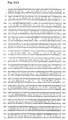
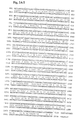
- the Gag coding sequence was adapted to a codon usage occurring in highly expressed mammalian genes and aligned to the corresponding wildtype sequence shown above. Sequence identity between the synthetic and wildtype gene is indicated by lines.
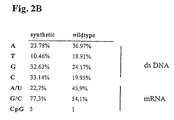
- the table indicates the different sequence composition of the wildtype and synthetic gag reading frame. The fully synthetic gag gene with an optimized codon usage shows a markedly increase in G/C content whereas the overall A/U content is reduced. Moreover codon usage adaptation increased the amount of immune-stimmulatory CpG islets (Pur-Pur-C-G-Pyr-Pyr) within the coding region from only 1 to 5.
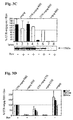
- FIG. 3 is a diagrammatic representation of FIG. 3
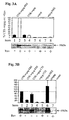
- H1299 cells were transiently transfected with indicated plasmids.
- Gag expression was compared to wildtype like Rev/RRE dependent expression by a Rev expression vector, whereas Rev-independent expression plasmids were co-transfected with vector (indicated as + or - respectively).
- A Rev/RRE mediated wildtype expression.
- B CTE-mediated wildtype expression.
- C Synthetic expression using a codon optimized reading frame. Cells were harvested 48 hours post-transfection, lysed and 50 ⁇ g of total protein subjected to Western Blot analysis (A-C, lower panel).
- Pr55 gag Yields of Pr55 gag were measured by testing different dilutions of cell-lysate in a capture-ELISA using purified Pr55 gag for standardization (A-C, upper panel) and were normalized by the Pr55 gag production obtained by autologous Rev/RRE dependent expression. Gag-expression levels obtained by transfection of different cell lines were performed to rule out cell type specific effects (D). Bars represent relative Pr55 gag expression levels (taken UTR-wtgag-RRE+Rev as 100%) and are given as the mean of triplicate determinations.
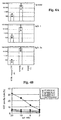
- FIG. 4 is a diagrammatic representation of FIG. 4
- End-point titers of the immune sera were defined as the reciprocal of the highest plasma dilution that resulted in an adsorbance value (OD 492) three times greater than that of a preimmune serum with a cut-off value of 0,05.
- OD 492 adsorbance value
- B Cytotoxic T cell activity in splenocytes from mice immunized intramuscularly or subcutaneously by particle gun (p.g.) with gag expression vectors. Lymphoid cells obtained from mice five days after the boost injection were co-cultured with gag peptide-pulsed syngenic P815 mastocytoma cells (irradiated with 20,000 rad).
- Control assays included splenocytes of non immunized and wt-gag immunized mice stimulated in vitro with peptide-pulsed P815 cells. Cytotoxic effector populations were harvested after 5 days of in vitro culture. The cytotoxic response was read against gag-peptide pulsed A20 cells and untreated A20 negative target cells in a standard 51 Cr release assay. Data shown were mean values of triplicate cultures.
- FIG. 5 is a diagrammatic representation of FIG. 5
- BGHpAd bovine growth hormone polyadenylation signal
- CMV immediate early promoter/enhancer region from human cytomegalovirus
- SFFV-Pr Spleen focus forming virus U3 region
- GFP gene for the green fluorescence protein
- FIG. 6 is a diagrammatic representation of FIG. 6
- FIG. 7 is a diagrammatic representation of FIG. 7
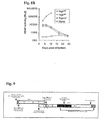
- 293T cells were transfected with ViG ⁇ BH, pHIT-G and the indicated lentiviral GagPol expression plasmids.
- the MLV vector was generated by transfecting plasmids pLEGFP-N1, pHIT60, and pHIT-G.
- Vector titers in the supernatant of transfected cells were determined on 293 cells in the presence of the indicated concentrations of aphidicolin. The titration was done in triplicates or quadruplicates. The means and the standard deviations are shown.
- GFU green fluorescence forming units.
- FIG. 8 is a diagrammatic representation of FIG. 8
- CEMx174-SN-SEAP cells were infected with the supernatant of 293T cells co-transfected with SIV-GFP ⁇ DP (A) or SIV-GFP ⁇ BP (B) and the indicated gag-pol expression plasmids.
- RLU relative light units.
- FIG. 9 is a diagrammatic representation of FIG. 9
- packaging construct refers to an expression plasmid or vector system used to produce packaging proteins in eucaryotic cells.
- transfer construct refers to an expression plasmid or vector system used to produce an RNA containing the packaging site ⁇ , the transfer gene and is flanked by LTRs. This RNA is capable to be incorporated within an transducing particle which itself is produced by an eucaryotic cell expressing packaging proteins.
- the LTRs and the packaging site ⁇ is of retroviral, preferably, spumaviral or lentiviral and most preferably, of HIV-1, HIV-2, SIV or FIV origin.
- vector particle refers to a transduction competent viral particle comprising packaging proteins, envelope proteins as exposed on the surface of the viral particle as well as an incorporated transfer construct.
- the present invention relates to the nucleic acid sequence as depicted in SEQ ID NO:4.
- Gag or GagPol genes allows (i) expression of high yields of native proteins in higher eucaryotes like in mammalian or insect cells and (ii) supporting the generation of transduction competent particles for vaccination and gene therapy purposes which is currently limited by the complex regulatory mechanisms of late Gag and GagPol expression.
- the present invention is based on the observation, that the codon usage in the HIV genome (A/T content 55.88 %) significantly deviates from that of highly expressed mammalian genes (usually not exceeding 50%) indicating a regulatory function of the codon usage for timely regulated lentiviral gene expression.
- CTE-mediated similar to the Rev/RRE mediated, expression of wildtype HIV-1 late gene products (such as gag), essentially depends on the presence of the HIV-1 5'-untranslated region (UTR) or at least parts of it, which also contains an RNA stretch responsible for packaging of the genomic RNA into the viral particle, and therefore touches sensible safety issues.
- UTR HIV-1 5'-untranslated region
- reading frames were optimized according to codon usage found in highly expressed mammalian genes.
- codons that are frequently found in highly expressed mammalian genes (Ausubel et al. 1994 Current Protocols in Molecular Biology 2 , A1.8-A1.9) were used to create a fully synthetic reading frame not occurring in nature, which, however encodes the very same product as the original wildtype gene construct.
- a matrix was generated considering almost exclusively those codons that are used most frequently and, less preferably, those that are used second most frequently in highly expressed mammalian genes as depicted in table 1.
- Table 1 Codon most frequently (codon 1) and second most frequently (codon 2) found in highl expressed mammalian genes.
- amino acid codon 1 codon 2 Ala GCC GCT Arg AGG AGA Asn AAC AAT Asp GAC GAT Cys TGC TGT End TGA TAA Gln CAG CAA Glu GAG GAA Gly GGC GGA His CAC CAT Ile ATC ATT Leu CTG CTC Lys AAG AAA Met ATG ATG Phe TTC TTT Pro CCC CCT Ser AGC TCC Thr ACC ACA Trp TGG TGG Tyr TAC TAT Val GTG GTC (Ausubel et al. 1994 Current Protocols in Molecular Biology 2 , A1.8-A1.9).
- codons Few deviations from strict adherence to the usage of most frequently found codons may be made (i) to accommodate the introduction of unique restriction sites at approximately 250 to 300 nt intervals (see e.g. Fig. 2) (ii) to break G or C stretches extending more than 7 base pairs in order to allow consecutive PCR amplification and sequencing of the synthetic gene product. This may also be performed for the Gag and Pol based expression plasmids used for DNA vaccination as well the packaging constructs used for gene transfer with exception of the latter where gag and pol reading frames are overlapping.
- the overlapping region of the gag and pol reading frames of the packaging constructs used for gene transfer may not be altered at position 1298 - 1558 of SEQ ID NO:2 and position 1175 - 1532 of SEQ ID NO:I, in order to maintain both reading frames.
- Gag and Pol genes comprising the GagPol genes of all Retroviruses, Human T-cell Leukemia Virus 1 and 2, Spuma- and preferably, Lentiviruses, in particular derived from HIV and SIV as encoded by SEQ ID NO:2 (GagPol HIV-1 IIIB ) and SEQ ID NO:1 (GagPol SIV mac239 ) allows therefore the safe and efficient production of packaging proteins for delivering genetic information to cells, whereas codons of Gag and GagPol reading frames were adapted to highly expressed mammalian genes as specified above, except regions where gag and pol reading frames are overlapping.
- the present invention allows therefore the safe and efficient production of packaging proteins by increasing the yields of GagPol synthesis as compared to the expression rates achieved from the wildtype gene or wildtype like genes characterized by clustered point mutations - if driven by the same cellular or viral promotor/enhancer unit - as a result of consequent adaptation of the codon usage to that of frequently expressed mammalian genes.
- the present invention allows the safe and efficient production of packaging proteins in complete absence of known cis-acting elements (UTR, RRE) or transactive proteins such as Rev and Tat.
- the present invention further relates to retroviral gag or gagpol based particles generated by nucleic acid molecules comprising the nucleic acid sequence according to the invention having at least a 25 fold reduced incorporation rate of said nucleic acid molecules encoding the gag and pol polypeptides compared to retroviral particles generated by wildtyp nucleic acid sequences encoding the gag and pol polypeptides.
- the present invention further relates to retroviral gag or gagpol based particles produced by nucleic acid molecules comprising the nucleic acid sequence according to the invention having at least a 100 fold reduced recombination rate between said nucleic acid molecules encoding the gag and pol polypeptides and a wildtype genome based transgene construct derived from the same or another retrovirus.
- the present invention allows the efficient production of safe vector particles by reducing the opportunities for reconstituting infection competent hybrid retroviral particles by recombination events between nucleic acids encoding the packaging proteins and sequences encoding endogenous retroviruses.
- the present invention allows the efficient production of safe vector particles by reducing the risk for incorporating the RNA species encoding the packaging proteins into vector particles by more than 25 fold as compared to expression constructs containing the 5'-UTR or encoding the wildtype GagPol gene or by diminishing the risk of packaging the very same RNA into endogenous retroviral particles.
- the present invention allows the efficient production of safe vector particles by reducing the risk of recombination between the packaging construct and the gene transfer construct by more than 100 fold, by combining a synthetic gene encoding the GagPo1 packaging function from one retro- spuma or lentivirus with the wildtype genome based transgene construct derived from (i) the very same or (ii) another retro-, spuma- or lenti- virus.
- the present invention allows the efficient production of safe vector particles by combining the synthetic gene encoding the HIV-1 derived packaging proteins with the wildtype HIV-1 genome based transgene construct or by combining the synthetic gene encoding the SIV mac239 derived packaging proteins with the wildtype SIV mac239 genome based transgene construct or combinations thereof.
- the synthetic gene encoding the HIV-1 derived packaging proteins with the wildtype SIV mac239 genome based transgene construct or by combining the synthetic gene encoding the SIV mac239 derived packaging proteins with the wildtype HIV-1 genome based transgene construct, thereby reducing homologies between transfer vector and packaging vector (as e.g. depicted in table 1 of example 4) resulting in safe and efficient packaging constructs being useful for the production of safe lentiviral vectors and gene delivery systems.
- Synthetic GagPol genes may or may not encode the active integrase.
- the integrase gene may be deleted in total.
- the enzyme activity may by knocked out by one deletion or several short continuous in frame deletions of various length, preferably, not exceeding 5 amino acids and, more peferably, comprising a single codon.
- the integrase may be rendered inactive by point mutations at various sites, preferably, by a single point mutation (e.g. position 3930 - 3932 in SEQ ID No:2 and position 3957 - 3959 in SEQ ID No:1 are changed to glutamin encoding nucleotides).
- the present invention furthermore provides for retroviral packaging cells for the generation of the retroviral particles according to the invention transformed with nucleic acid molecules comprising the nucleic acid sequence according to the invention.
- GagPol packaging proteins may be stably, inducibly or transiently expressed in any primary or lab adapted cell or cell line of human, mammalian or non-mammalian origin.
- the synthetic GagPol genes may be episomal or chromosomal within these cells and may contain additional recombinant genes, preferable any specific fusogenic gene, more preferable any viral envelope gene, more preferable a retroviral envelope gene.
- These cells may also contain either an episomal or chromosomal transfer vector, but may not contain any additional viral wildtype sequences.
- GagPol expression may be driven by any tissue- or cell type-specific promotor/enhancer such as muscle kreatin kinase or MHC class I promotor/enhancer or by any viral e.g. CMV immediate early, Rous Sarcoma Virus promotor/enhancer, Adenovirus major/late promotor/enhancer or nonviral e.g. synthetic promotor/enhancer.
- tissue- or cell type-specific promotor/enhancer such as muscle kreatin kinase or MHC class I promotor/enhancer or by any viral e.g. CMV immediate early, Rous Sarcoma Virus promotor/enhancer, Adenovirus major/late promotor/enhancer or nonviral e.g. synthetic promotor/enhancer.
- GagPo1 expression may be either constitutive or inducible e.g. by addition of a specific inducer like ecdysone in the case of a hormone inducible promotor enhancer or by removal of a repressor protein (Tet on/off) or repressor gene (Cre/Lox).
- a specific inducer like ecdysone in the case of a hormone inducible promotor enhancer or by removal of a repressor protein (Tet on/off) or repressor gene (Cre/Lox).
- GagPol based gene delivery into cells may be mediated by any means of transfecting or introducing a plasmid or plasmid derivative such as "midges” (closed linear DNA) encoding the synthetic GagPol gene or the above variants thereof into cells.
- GagPol based gene delivery into cells may be also mediated by infectious recombinant (i) viral vectors such as recombinant Retroviruses, Vaccinia- or Poxviruses, Adenoviruses, Alphaviruses, Herpesviruses, Baculoviruses or any other recombinant virus, (ii) subviral components bridging transfection and infection procedures like e.g. Virosomes comprising nucleic acid/protein aggregates containing e.g. Influenca hemagglutinin, (iii) bacterial vectors such as recombinant Listeriae or Salmonellae or any other type of infectious, replicating or non replicating vector.
- infectious recombinant i) viral vectors such as recombinant Retroviruses, Vaccinia- or Poxviruses, Adenoviruses, Alphaviruses, Herpesviruses, Baculoviruses or any other recombinant virus, (ii)
- Any means of introducing GagPol genes and derivatives thereof into cells may lead to a transient expression of GagPol.
- the introduction of the above indicated GagPol genes into cells may also allow the establishment of stable cell lines supporting either constitutive or inducible GagPol expression.
- Retroviral preferably, Spumaviral and Lentiviral and, more specifically, HIV or SIV derived vector particles carrying the transgene RNA and being capable of transducing nondividing, resting or postmitotic cells of various species in addition to dividing or proliferating cells
- Retroviral preferably, Spumaviral and Lentiviral and, more specifically, HIV or SIV derived vector particles carrying the transgene RNA and being capable of transducing nondividing, resting or postmitotic cells of various species in addition to dividing or proliferating cells
- Retroviral, preferably, Spumaviral and Lentiviral and, more specifically, HIV or SIV derived vector particles carrying the transgene RNA and being capable of transducing nondividing, resting or postmitotic cells of various species in addition to dividing or proliferating cells may be generated by co-expressing a synthetic GagPol constructs according to the invention together with any appropriate amphotropic envelope like the vesticular stomatitis virus G protein, xenotropic envelope like the en
- Transduction competent vector particles may be generated by co-transfecting or co-infecting or transfecting/infecting primary cells or cell lines of various origin such as mammalian Verocells, HeLa, Cos, CHO or H1299 cells or insect SF9, High-5 or DS-2 cells with vector constructs encoding the synGagPol derived packaging proteins, and any appropriate envelope or receptor structure as well as the desired transgene.
- transduction competent vector particles may be generated by stable cell lines expressing GagPol from the synthetic GagPol gene according to the invention, either inducible or constitutively, whereby the stable cell lines may be co-transfected or co-infected or transfected/infected with vector constructs encoding any envelope or receptor structure as well as the desired transgene.
- transduction competent vector particles may be generated by stable cell lines expressing GagPol from the synthetic GagPol according to the invention gene together with any appropriate envelope or receptor structure, either inducible or constitutively, whereby the stable cell lines may be transfected or infected with vector constructs encoding the desired transgene.
- transduction competent vector particles may be obtained from a stable cell line mediating the expression of the synthetic GagPol gene and appropriate receptor or envelope function together with the generation of the packaging competent transgene RNA, either in an inducible manner or constitutively or a combination thereof.
- transduction competent vector particles are generated by transfection of cells with a plasmid or derivative thereof or by infecting cells with any infectious, although not necessarily replication competent vector encoding the synGagPol derived packaging proteins, and any appropriate envelope or receptor structure as well as the desired transgene.
- transduction competent vector particles as well as infectious, although not necessarily replication competent vectors encoding the synGagPol derived packaging proteins, and any appropriate envelope or receptor structure as well as the desired transgene may be used for application ex vivo and in vivo.
- nucleic acid molecules comprising the nucleic acid sequence according to the invention for use as an active pharmaceutical substance.
- the present invention relates further to the use of nucleic acid molecules comprising the nucleic acid sequence according to the invention for the preparation of a pharmaceutical composition for the treatment and prophylactic of diseases caused by retroviruses.
- the present invention can be used for vaccination purposes, in particular, if used as nucleic acid based vaccination constructs, which have been shown to elicit a strong humoral and Th-1 like cellular immune response in mice.
- GagPol genes of the present invention it is now possible to construct effective retroviral, HTLV-1 and -2 derived as well as lentiviral and in particular HIV and SIV based Gag and GagPol vaccines comprising all known HIV and SIV clades and sequences as well as derivatives thereby increasing the yields of GagPol production by the use of codon optimized GagPol genes or derivatives thereof as compared to the expression rates achieved from the wildtype gene or wildtype like genes characterized by clustered point mutations - if driven by the same cellular or viral promotor/enhancer unit - as a result of consequent adaptation of the codon usage to that of frequently expressed mammalian genes
- a preferred object of the present invention is the construction of GagPol based vaccines and in particular HIV and SIV based vaccines, especially modified also to improve safety of GagPol derived candidate vaccines if delivered e.g. as a DNA vaccine, by any kind of infectious, replicating or nonreplicating vector or if administered as GagPol derived virus-like particles by consequent and strict codon usage adaptation in complete absence of known cis-acting elements or transactive proteins such as Rev and Tat.
- Another preferred object of the present invention is the construction of GagPol based vaccines by reducing the opportunities for reconstituting infection competent hybrid retroviral particles by recombination events between nucleic acids encoding the packaging proteins and sequences encoding endogenous retroviruses.
- Another preferred object of the present invention is the construction of GagPol based vaccines by reducing the risk for incorporating the RNA species encoding Gag, GagPol or derivatives thereof into subviral Gag or GagPol derived particles by more than 25 fold as compared to expression constructs containing the 5'-UTR or encoding the wildtype Gag and GagPol derived genes and by diminishing the risk of packaging the very same RNA into endogenous retroviral particles thereby reducing the risk of recombination between the nucleic acid derived from a vaccine construct encoding Gag, GagPol or derivatives thereof according to the present invention with DNA or RNA derived from an infection by HIV, SIV or any lenti- or retrovirus or otherwise related virus.
- codon optimized Gag or GagPol reading frames are modified at distinct sites.
- the Gag or GagPol based synthetic reading frame is modified in such a way that the myristilation of Gag-precursors is inhibited (e.g. position 4 - 6 in SEQ ID No:2 and position 4 - 6 in SEQ ID No:1 are changed to alanin or valin encoding nucleotides), thereby preventing budding of Gag or GagPol derived particles and increasing the amount of endogenously produced antigen.
- the Gag or GagPol based synthetic reading frame is modified in such a way that the Gag and Pol coding regions are using the same reading frame by introducing a ribosomal frameshift by either introducing one nucleotide or deleting two nucleotides at any position, without creating a premature stop codon but within the Gag codin region preferably between the position of the natural frameshift target site (slippery sequence; corresponding to position 1297 SEQ ID No:1 and position 1294 SEQ ID No:2) and the Gag stop codon (specified by SEQ ID No:3), thereby increasing the amount of synthesized pol gene products.
- the Gag or GagPol based synthetic reading frame is modified in such a way that the protease activity is rendered inactive by a deletion comprising the complete or part of the PR gene or by one or several short continuous in frame deletions of various length, preferably, not exceeding 5 amino acids and more preferably, comprising a single codon, most preferably, encoding the aspartic acid at the PR active site.
- the PR may be rendered inactive by point mutations at various sites, preferably, by a single point mutation any position most preferably, at the active site (e.g. position 1632 - 1635 in SEQ ID No:2 and position 1575 - 1577 in SEQ ID No:1 are changed to asparagin or alanin encoding nucleotides).
- the Gag or GagPol based synthetic reading frame is modified in such a way that the active site of the reverse transcriptase gene (RT) is rendered inactive by a deletion comprising the complete or part of the RT gene or one or several short continuous in frame deletions of various length, preferably, not exceeding 5 amino acids and more preferably, comprising a single codon encoding an amino acid at any position, most preferable within the active site being critical for RT function.
- the RT may be rendered inactive by point mutations at various sites, preferably, by a single point mutation at the active site (e.g. position 2349 - 2351 in SEQ ID No:2 and position 2136 - 2138 in SEQ ID No:1 are changed to asparagin or glutamic acid encoding nucleotides).
- the Gag or GagPol based synthetic reading frame is modified in such a way that the active site of the reverse transcriptase gene (RT) is dislocated e.g. at the very C-terminus of the synthetic GagPol gene in order to inhibit polymerase activity thereby preventing the production of potentially hazardous nucleotide sequences and/or reconstitution of infectious or by other means hazardous particles.
- RT reverse transcriptase gene
- the Gag or GagPol based synthetic reading frame is modified in such a way that the other lentiviral genes such as nef, rev, tat, which are rendered biological inactive (e.g. by gene scrambling), are inserted into selected parts of the Gag or GagPol reading frames, preferably, into the active site ofRT in order to broaden immunogenicity and safety.
- the Gag or GagPol based synthetic reading frame is modified in such a way that the potentially hazardous genes, like the integrase (IN) are deleted.
- the enzyme activity may by knocked out by one deletion or several short continuous in frame deletions of various length, preferably, not exceeding 5 amino acids and more preferably, comprising a single codon.
- the integrase may be rendered inactive by point mutations at various sites, preferably, by a single point mutation (e.g. position 3930 - 3932 in SEQ ID No:2 and position 3957 - 3959 in SEQ ID No:1 are changed to glutamin encoding nucleotides).
- the GagPol product or derivatives thereof encoded by the gagpol genes of the present invention may be stably, inducibly or transiently expressed in any primary or lab adapted cell or cell line of human, mammalian or non-mammalian origin in order to produce GagPol antigens, GagPol containing virus-like particles or derivatives thereof.
- codon optimized GagPol or derivatives thereof in cell culture as well as in vivo following immunization with DNA or vector constructs specified below may be driven by any tissue- or celltype-specific cellular promotor/enhancer such as muscle kreatin kinase or MHC class I promotor/enhancer or by any viral (e.g. CMV immediate early; Rous Sarcoma Virus promotor/enhancer, Adenovirus major/late promotor/enhancer) or nonviral e.g. synthetic promotor/enhancer.
- tissue- or celltype-specific cellular promotor/enhancer such as muscle kreatin kinase or MHC class I promotor/enhancer
- any viral e.g. CMV immediate early; Rous Sarcoma Virus promotor/enhancer, Adenovirus major/late promotor/enhancer
- nonviral e.g. synthetic promotor/enhancer.
- GagPol expression may be either constitutive or inducible e.g. by addition of a specific inducer such as ecdysone in the case of a hormone inducible promotor enhancer or by removal of a repressor (Tet on/off) or repressor gene (Cre/Lox).
- a specific inducer such as ecdysone in the case of a hormone inducible promotor enhancer or by removal of a repressor (Tet on/off) or repressor gene (Cre/Lox).
- the delivery of codon optimized GagPol genes or derivatives thereof into cells in vitro may be mediated by any means of transfecting or introducing a plasmid or plasmid derivative such as "midges” (closed linear DNA) encoding the synthetic GagPol gene or the above variants thereof into cells.
- the delivery of codon optimized GagPol genes or derivatives in vivo may be mediated by injection of the plasmid, plasmid derivative or infectious, replicating or nonreplicating vector into any site, Preferably, intramascularly, subcutaneously or intradermally, co-administered with any kind of adjuvant such as liposomes, ISCOMS, alum or via biodegradable particles, either directly or using technical devices like particle gun, biojector or by any other means.
- adjuvant such as liposomes, ISCOMS, alum or via biodegradable particles, either directly or using technical devices like particle gun, biojector or by any other means.
- the delivery of codon optimized GagPol genes or derivatives into cells in vitro and in vivo may be also mediated by infectious recombinant viral vectors such as recombinant Retroviruses, Vaccinia- or Poxviruses, Adenoviruses, Alphaviruses, Herpesviruses, Baculoviruses or any other recombinant virus, subviral components bridging transfection and infection procedures like e.g. Virosomes comprising nucleic acid/protein aggregates containing e.g. Influenca hemagglutinin, or bacterial vectors such as recombinant Listeriae or Salmonellae or any other type of infectious, replicating or non-replicating vector.
- infectious recombinant viral vectors such as recombinant Retroviruses, Vaccinia- or Poxviruses, Adenoviruses, Alphaviruses, Herpesviruses, Baculoviruses or any other recombinant virus, subvir
- a synthetic sequence coding for the HIV-1 IIIB Pr55 gag polyprotein was generated by translating the amino-acid sequence of the gag coding region (nucleotides 112 - 1650) into a synthetic-gag (syngag) coding sequence using a codon-usage occurring most frequently in mammalian cells as depicted in Seq ID No: 5.
- unique restriction sites were generated at positions 5 ( Nar I), 290 ( Sty I), 487 ( Stu I), 696 ( Sac II), 852 ( Eco RV), 1107 ( Bst EII) and 1307 ( Bgl I) by silent mutations.
- a synthetic gene was constructed, as described above, encoding the entire Pr55 gag polyprotein via a codon-usage occurring most frequently in highly expressed mammalian genes. Few deviations from strict adherence to the optimized codon usage were made to accommodate the introduction of unique restriction sites at approximately 250 to 300 nt intervals (Seq ID No: 5).
- a comparison of synthetic and wildtype Gag coding sequences is shown in Fig. 2 A demonstrating that almost every wobble position within the wildtype coding region was altered by construction of the synthetic gene.
- the Wisconsin genetics computer group (gcg) software package was used to compare the varying composition of the wildtype and synthetic gag reading frame. Codon optimization resulted in an increased G/C and decreased A/U(T) content, as well as in a 5 fold increase in immune stimulatory CpG motifs (Fig. 2 B).
- the wildtype gag sequence (nucleotides 9-1640) including a 5'-located 103bp long UTR was cloned into the Kpn I and Xho I restriction sites of pcDNA3.1 (Stratagene) expression vector after PCR amplification of a 1667 nt fragment with primers utr-1 (5'-gcg GGT ACC GAA TTC cga cgc agg act cgg ctt gc-3') and gag-2 (5'-gcc GAG CTC CTC GAG GGA TCC tta ttg tga cga ggg gtc gtt gcc aa gag-3') resulting in pCMV-UTR-wtgag.
- utr-1 5'-gcg GGT ACC GAA TTC cga cgc agg act cgg ctt gc-3'
- gag-2 5'
- Wildtype gag was cloned into the Kpn I and Xho I restriction sites of pcDNA3.1 (Stratagene) expression vector by PCR amplification of a 1537 nt fragment (103-1640) with primers gag-1 (5'-gcg GGT ACC GAA TTC agg aga gag atg ggt gcg aga gcg tca gta tta agc-3') and gag-2 resulting in pCMV-wtgag.
- gag-1 5'-gcg GGT ACC GAA TTC agg aga gag atg ggt gcg aga gcg tca gta tta agc-3'
- gag-2 resulting in pCMV-wtgag.
- a DNA fragment coding for the constitutive transport element (CTE) RNA element of Simian Mason-Pfizer D-type retrovirus (MPMV, Accession Nr. M12349, nucleotides 7886 to: 8386), was amplified using MPMV proviral DNA as template and primers cte-1 (5' gct aGG ATC Ccc att atc atc gcc tgg aac 3') and cte-2 (5' cga aCT CGA Gca aac aga ggc caa gac atc 3').
- CTE constitutive transport element
- the 500 bp fragment was cloned into the Bam HI and Xho I restrction sites of pCMV-wtgag and pCMV-UTR-wtgag resulting in constructs pCMV-wtgag-CTE and pCMV-UTR-wtgag-CTE respectively.
- a schematic representation of all constructs is summarised in Fig. 1 A.
- Gag capture-ELISA of cells transfected with Gag encoding expression constructs The p24 capture-ELISA antibodies were kindly provided by Dr. Matthias Niedrig (RKI, Berlin, Germany). 96-well MaxiSorp ELISA plates (Nunc, Wiesbaden, Germany) were coated over night a with 100 ⁇ l of p24-specific monoclonal antibody 11-G-7 diluted 1:170 with 0.1 M carbonat-buffer (pH 9.5). The plates were washed 6 times with wash-buffer (0.1% Tween 20, 300 mM NaCl, 10 mM Na 2 HPO 4 2H 2 O, 1.5 mM NaH 2 PO 4 H 2 O).
- Rev/RRE interaction led to a further increase in Pr55 gag production by a factor of 5-8 (2-4 ng/ ⁇ g total protein; Fig. 3 A, lane 2) and by several orders of magnitude compared to wtgag-RRE co-transfected with Rev.
- Substitution of Rev/RRE by CTE-mediated nuclear export depended in very same way on the presence of the authentic UTR resulting on high level Gag expression..
- CTE mediated Pr55 gag production (Fig. 3 B, lane 3) reached only 70% - 80% (1,3 -1,6 ng/ ⁇ g total protein) of the Rev-dependent Gag expression using Rev/RRE. (Fig. 3 B, lane 1), whereas in absence of UTR or only very little Gag was produced (Fig. 3 B, lanes 4, 5).
- Pr55 gag expression levels exceeded those accomplished by CTE-mediated wtgag expression by more than 130%, and by about 50% to 100% by co-transfection of UTR-wtgag-RRE with Rev (Fig. 3 C, lane 6) and by orders of magnitude to those accomplished by wtgag-RRE whether or not Rev was co-transfected (Fig. 3 C, lane 7, 8). Therefore, codon usage adaptation allows Rev-independent expression in absence of any cis-acting regulatory elements resulting in high yields of Pr55 gag production (3.5-6.5 ng/ ⁇ g total protein).
- mice Female BALB/c mice (Charles River, Sulzfeld, Germany) were housed under specific pathogen-free conditions and injected at the age of 6 to 12 weeks. In order to evaluate the efficiency and type of immune response induced by either wildtype or synthetic reading frames after DNA vaccination, groups of each 3 mice received a subcutaneous (s.c.) primary injection, at the base of the tail, of a solution containing 100 ⁇ g plasmid DNA in a total volume of 100 ⁇ l PBS. At week 3 and 6 after the primary injection, mice received a boost injection, respectively.
- s.c. subcutaneous
- Serum was recovered from mice by tail bleed at week two after the boost injection.
- Antibodies specific for the HIV Pr55 gag polyprotein were quantified by an end-point dilution ELISA assay (in duplicate) on samples from individual animals.
- a solid phase of PrepCell purified Pr55 gag proteins (100 ⁇ l of 1 ⁇ g/ml per well, overnight at 4° C in a refrigerator) was used to capture Pr55 gag -reactive antibodies from the serum (2 h at 37°C), which were then detected with horseradish peroxidase (HRP)-conjugated goat anti-mouse IgG1, IgG2a and total IgG antibodies (1:2000 in PBS, 2% Tween 20, 3% FCS; 100 ⁇ l/well; PharMingen, Hamburg, Germany), followed by o-phenlyenediamine dihydrochloride solution (100 ⁇ l/well, 20 min at room temperature in the dark; Abbott Laboratories, Abbott Park, IL).
- HRP horseradish
- End-point titers were defined at the highest serum dilution that resulted in an adsorbance value (OD 492) three times greater than that of the same dilution of a nonimmune serum.
- the serum of each mouse was assayed and these values were used to calculate the mean and standard deviation for each group of five mice.
- Single cell suspensions were aseptically prepared from spleens of mice 5 days after the boost immunization. Cells were suspended in ⁇ -MEM medium (Gibco) supplemented with 10 mM HEPES buffer, 5 x 10 -5 ⁇ -mercaptoethanole and 10% FCS.
- Targets Serial dilutions of effector cells were cultured with 2 x 10 3 target cells in 200 ⁇ l round-bottom wells.
- Targets were autologous A20 cells (2 x 10 4 /ml) incubated overnight at 37°C with 10 -8 M of a 18-mer V3 LAI peptide or a 23-mer p24CA LAI peptide.
- Non peptide-pulsed cells were used as a negative control.
- Target and control A20 cells were labeled with 51 Cr (1 hour at 37°C, 20 ⁇ Ci/10 6 cells) prior to being added to the effector cells. After a 4 hour incubation at 37°C, 100 ⁇ l of supernatant were collected for ⁇ -counting.
- the percentage specific release was calculated as [(experimental release-spontaneous release) / (total release-spontaneous release)] x 100.
- Total counts were measured after adding 1% Triton X-100 to the labeled target cells. Spontaneously released counts were always less than 20% of the total counts. Data shown are the mean of triplicate cultures. Standard errors of the mean of triplicate data were always less than 20% of the mean.
- a synthetic sequence coding for the HIV-1 IIIB (BH10, GenBank Accession: M15654) Pr160 GagPol polyprotein was generated by backtranslating the amino-acid sequence of the GagPol coding region (nucleotides 1 - 4343), except for the region where gag and pol reading frames are overlapping (nucleotides 1298 - 1539), and by using a codon-usage occurring most frequently in mammalian cells (as depicted in Seq ID No:2).
- restriction sites were introduced at positions 290 ( Sty I), 487 ( Stu I), 1056 ( Pfl MI), 1107 ( BstE II), 1549 ( Bal I), 1852 ( Sau I), 2175 ( Acc I), 2479 ( Bst XI), 2682 ( EcoN I), 2867 ( Sph I), 3191 ( Pfl MI), 3370 ( Bcl I), 3588 ( Bal I), 3791 ( Xma III), and 4105 ( Sty I) by silent mutations.
- additional restriction sites Kpn I , Xho I and Sac I were introduced within non-coding regions.
- the unique restriction sites Kpn I, Sty I, Stu I, Bst EII, and Sac I were used to assemble the fragments F1 to F4 into one intermediate fragment (F1-4).
- the unique restriction sites Kpn I, Bal I, Sau I and Sac I were used to assemble the fragments F5 to F7 into a second intermediate fragment (F5-7).
- the unique restriction sites Kpn I, Bst XI, Eco NI, Sph I, PflM I, Bcl I, Bal I, Xma III, Sty I and Sac I were used to assemble the fragments F8 to F16 into a third intermediate fragment (F8-16).
- the intermediate fragments (F1-4, F5-7 and pF8-16) were finally assembled into the full-length synthetic GagPol reading frame using restriction sites Kpn Il Bst EII, Bst EII/ Acc I, and Acc I/ Sac I respectively, and placed into the Kpn I and Sac I restriction sites of the pCR-ScriptTM Amp SK(+) cloning vector (Stratagene, Heidelberg, Germany).
- the synthetic GagPol coding region was placed into the Kpn I and Xho I restriction sites of pcDNA3.1 (+) expression vector (Invitrogen, Leek, The Netherlands) under the transcriptional control of the immediate-early promoter-enhancer of the Cytomegalovirus (CMV) resulting in plasmid Hgp syn (encoding HIV-1 GagPol).
- CMV Cytomegalovirus
- a synthetic A synthetic sequence coding for the SIV mac239 (SIVmm239, GenBank Accession: M33262) Pr160 GagPol polyprotein was generated by backtranslating the amino-acid sequence of the GagPol coding region (nucleotides 1 - 4358), except the region where gag and pol reading frames are overlapping (nucleotides 1299 - 1533), and by using a codon-usage occurring most frequently in mammalian cells.
- restriction sites were introduced at positions 120 ( Bst XI), 387 ( Xma III), 650 ( Pst I), 888 ( Nde I), 1224 ( Apa I), 1422 ( Nsp I), 1583 ( Ehe I), 1899 ( Sau I), 2019 ( Bsa BI), 2372 ( Eco NI), 2651 ( Sac II), 2785 ( Bcl I), 3025 ( BamH I), 3268 ( Sty I), 3573 ( Bal I), 3745 ( Sau I), 3923 ( PflM I), and 4188 ( Apa I) by silent mutations.
- additional restriction sites Kpn I, iI and Sac I were introduced within non-coding regions.
- the unique restriction sites Kpn I, BstX I, Xma III, Pst I, Nde I, Apa I and Sac I were used to assemble the fragments f1 to f6 into one intermediate fragments (f1-6).
- the fragments f7 to f11 were assembled into a second intermediate fragment (f7-11) using the unique restriction sites Kpn I , Ehe I , Sau I , BsaB I , EcoN I and Sac I .
- the unique restriction sites Kpn I , Bcl I , BamH I , Sty I , Bal I , Sau I , PflM I , Apa I and Sac I were used to assemble the fragments f12 to f19 into a third intermediate fragment (f12-19).
- the intermediate fragments f1-6, f7-11 and f12-19 were finally assembled into the full-length synthetic GagPol gene of SIV using restriction sites Kpn I/ Nsp I , Nsp I/ Sac II , and Sac II/ Sac I respectively, and placed into the Kpn I and Sac I restriction sites of the pCR-ScriptTM Amp SK(+) cloning vector (Stratagene, Heidelberg, Germany).
- the SIV derived synthetic GagPol gene was placed into the Kpn I and Xho I restriction sites ofpcDNA3.1(+) expression vector (Invitrogen, Leek, The Netherlands) under the transcriptional control of the immediate-early promoter-enhancer of the Cytomegalovirus (CMV) resulting in plasmid Sgp syn (encoding SIV mac239 GagPol).
- CMV Cytomegalovirus
- Codon usage of the 4.3 kb long GagPol genes of HIV-1 and SIV was optimized for expression in human cells by assembling the entire reading frame from synthetic oligonucleotides.
- the synthetic genes encode GagPol proteins which have the same amino acid sequence as wildtype SIV or HIV-1 GagPol.
- Table 1 Genetic distances between the different SIV and HIV-1 GagPol coding sequences GagPol gene SIV syn SIV wt HIV syn HIV wt SIV syn 0.00 29.81 36.16 72.21 SIV wt - 0.00 69.78 54.72 HIV syn - 0.00 30.73 HIV wt - - - 0.00
- Optimizing the codon usage of HIV-1 GagPol reduces the homology to wildtype SIV GagPol by 41.48% and vice versa (Table 1).
- the longest stretch of nucleotide identity between synthetic and wildtype GagPol is 357 bp in SIV and 306 bp in HIV-1. This stretch is located in the p6 gag /p6 pol overlap region containing the slippery sequence and a stem loop structure, both of which are required for proper ribosomal frameshifting.
- GagPol particles were purified by separating the culture supernatants on 10-60% sucrose gradients as previously described (Wagner et al. 1994, Virology 200:162-175). GagPol particles banded at the expected density of 1.13 to 1.19 g/cm 2 , typical for HIV virions. The fractions with highest particle content were dialized against PBS and further separated by electrophoresis on a denaturing SDS 12.5% polyacrylamide gel prior to transfere onto nitrocellulose membrane by electroblotting.
- HIV-1 p24 capsid (CA) and SIV p27 CA and their precursor proteins were detected by the monoclonal antibodies 13-5 (Wolf et al. 1990, AIFO 1:24-29.) and 55-2F12 (NIH, Rockville, USA), respectively.
- the 293T cells were transfected with the calcium phosphate coprecipitation method as described (Graham and Van der EB 1973, Virol. 52, 456-467).
- GFP green fluorescent protein gene
- the Murine leukemia virus (MLV) vector pLEGFP-N1 which contains the GFP gene under the control of an internal CMV promoter, was obtained from Clontech. The supernatant of the transfected cells was passed through a 0.45 ⁇ m filter and stored in aliquots at -80°C. The vector stocks were assayed for CA antigen levels using an HIV p24 enzyme-linked immunosorbent assay (ELISA) kit (Innogenetics, Gent, Belgium). The standard included in the ELISA kit was used for quantification of HIV-1 p24 CA antigen levels. Recombinant SIV p28 CA antigen from the SIV p28 antigen capture assay from the AIDS vaccine program (NCI-Frederic cancer research and development center) served as a standard for the quantification of SIV p28 levels.
- ELISA enzyme-linked immunosorbent assay
- 293 cells were seeded at 2.5 x 10 4 cells per well of a 24-well plate. One day later, the medium was removed and cells were incubated for 2 to 4 hours with serial dilutions of the vector preparations in a total volume of 200 ⁇ l. Fresh medium was added and the number of GFP positive cells was determined two days after infection.
- cells were seeded in a 96-well plate at a density of 2 to 5 x 10 4 cells per well at a concentration of 1, 3, or 5 ⁇ g aphidicolin/ml (Sigma). The titer of the vector stocks was determined on these cells as described above with aphidicolin being present during the entire culture period.
- the functional integrity of the GagPol proteins being encoded by synthetic genes was analysed by cotransfection of the synthetic GagPol expression plasmids and an expression plasmid for VSV-G (pHIT-G) with the SIV vector ViG ⁇ BH (Fig. 6).
- This is a self-inactivating vector, which expresses the green fluorescent protein gene (GFP) under the control of an internal promoter.
- the vector titers in the supernatant of the transfected cells were in the range of 1x10 6 GFP-forming units/ml supernatant (Table 2). Similar titers were obtained after cotransfection of ViG ⁇ BH with a wildtype GagPol expression plasmid of SIV (Sgp ⁇ 2).
- the synthetic HIV-1 GagPol expression plasmid also allowed efficient transfer of the SIV vector (Table 2).
- the infectivity of the vector particles varied less than 2-fold between the different GagPol expression plasmids used (Table 2). Therefore, HIV-1 GagPol must recognise all cis-acting sequences of SIV required for packaging, reverse transcription, and integration with similar efficiency as SIV.
- packaging functions the results clearly extent a previous report on the packaging of HIV-2 RNA, which is closely related to SIVmac, in HIV-1 particles (Kaye and Lever, 1998, Table 2.
- GFU GFP forming units
- the transduction efficiency of vectors produced with the synthetic GagPol genes for non-dividing cells was assessed by arresting the target cells in the G1 phase of the cell cycle by aphidicolin treatment.
- the titer of an MLV-based vector in growth-arrested cells was reduced to background levels (Fig. 7).
- the SIV vector titer was only slightly reduced by aphidicolin treatment.
- Non-dividing cells could be transduced with the SIV vector independent of the GagPol expression plasmid used for the production of the vector particle (Fig. 7).
- CEMx174 cells (5 x 10 5 ) were infected for 4 hours with 0.5 ml of the vector preparation. The cells were washed three times with PBS and subsequently cultured in 5 ml medium. Infected cultures were split 1:5 to 1:10 twice weekly for eight weeks. The capsid antigen levels in theses cultures were determined 1 and 4 days, and 2, 4, 6 and 8 weeks after infection using the HIV-Innogenetics ELISA and the recombinant SIV p28 antigen as a standard. To determine the emergence of RCR on CEMx174-SIV-SEAP cells (Means et al., 1997, J.Virol.
- 1x10 5 cells were infected with 1 ml supernatant of the transfected cells for two hours and washed once in PBS. Infected cultures were cultured in 5 ml medium and split 1:5 to 1:10 twice weekly for four weeks. Secreted alkaline phosphatase activity in the supernatant of these cultures was determined at different time points after infection with the Phospha-Light-kit (Tropix, Bedford, MA, USA) as described by the manufacturer. The titer of RCRs was determined by limiting dilution. CEMx174-SN-SEAP cells (2x10 5 ) were incubated with 1 ml supernatant in a final volume of 2 ml.
- replication competent recombinants RCR
- CEMx 174 cells which support replication of SIV and SIV hybrid viruses utilising a heterologous env gene (Reiprich et al., 1997, J.Virol. 71, 3328-3331). These cells were infected with 0.5 ml of ViG ⁇ BH vector preparations (for titers see example 6, Table 2) packaged by Sgp ⁇ 2, Sgp syn , or Hgp syn and pHIT-G. Slightly elevated capsid antigen levels ( ⁇ 400 pg SIVp27CA/ml) could be detected one and four days after infection.
- Sgp ⁇ 2, Sgp syn , or Hgp syn was cotransfected with either of two SIV vectors, that still contained env, vif, vpr, vpx, tat, and rev in addition to the GFP reporter gene, but which contained large deletions in gag-pol.
- the CEMx174-SIV-SEAP cells which release SEAP after infection with SIV due to Tat transactivation (Means et al., 1997, J.Virol. 71, 7895-7902), were infected with 1 ml of the supernatant of the transfected cells.
- the titer of the RCR in the supernatant of cells transfected with Sgp ⁇ 2 and SN-GFP ⁇ DP or Sgp ⁇ 2 and SIV-GFP ⁇ BP was determined to be 130 and 75 TCID 50 /ml, respectively. This demonstrates that if RCR emerge at all with the synthetic gag-pol genes, the frequency is at least reduced by a factor of approximately 100 in comparison to a wild-type gag-pol expression plasmid.
Landscapes
- Health & Medical Sciences (AREA)
- Life Sciences & Earth Sciences (AREA)
- Chemical & Material Sciences (AREA)
- Organic Chemistry (AREA)
- Genetics & Genomics (AREA)
- Molecular Biology (AREA)
- General Health & Medical Sciences (AREA)
- Medicinal Chemistry (AREA)
- Virology (AREA)
- Biochemistry (AREA)
- Bioinformatics & Cheminformatics (AREA)
- Wood Science & Technology (AREA)
- Zoology (AREA)
- Engineering & Computer Science (AREA)
- Gastroenterology & Hepatology (AREA)
- Proteomics, Peptides & Aminoacids (AREA)
- Biophysics (AREA)
- Biomedical Technology (AREA)
- General Engineering & Computer Science (AREA)
- Microbiology (AREA)
- Biotechnology (AREA)
- Animal Behavior & Ethology (AREA)
- Veterinary Medicine (AREA)
- Nuclear Medicine, Radiotherapy & Molecular Imaging (AREA)
- Pharmacology & Pharmacy (AREA)
- Communicable Diseases (AREA)
- Chemical Kinetics & Catalysis (AREA)
- General Chemical & Material Sciences (AREA)
- Public Health (AREA)
- Oncology (AREA)
- Micro-Organisms Or Cultivation Processes Thereof (AREA)
- Medicines Containing Antibodies Or Antigens For Use As Internal Diagnostic Agents (AREA)
- Medicines That Contain Protein Lipid Enzymes And Other Medicines (AREA)
- Saccharide Compounds (AREA)
- Measuring Or Testing Involving Enzymes Or Micro-Organisms (AREA)
- Preparation Of Compounds By Using Micro-Organisms (AREA)
Claims (15)
- Nukleinsäuresequenz wie sie in SEQ ID NO: 4 dargestellt ist.
- Retrovirales gag- oder gagpol-basiertes Vektorpartikel, wodurch die Verpackungsproteine nur durch die Nukleinsäuremoleküle gemäß Anspruch 1 kodiert werden, und wobei das Transgenkonstrukt, das aus einer retroviralen Verpackungsstelle ψ, einem Transfergen und retroviralen LTRs an den 5'- und 3'-terminalen Enden besteht, von einem anderen Retrovirus abstammt und nicht Kodon-optimiert ist.
- Retrovirales gag- oder gagpol-basiertes Vektorpartikel gemäß Anspruch 2, wobei das Retrovirus aus Onkoviren, HTLV-1 oder -2, Spumaviren, Lentiviren, insbesondere HIV, insbesondere HIV-1, HIV-1IIIB, HIV-2, und SIV, insbesondere SIVmac239 ausgewählt wird.
- Retrovirales gag- oder gagpol-basiertes Vektorpartikel gemäß einem der Ansprüche 2 oder 3, mit wenigstens 25-fach reduzierter Inkorporierungsrate der Nukleinsäuremoleküle gemäß Anspruch 1 im Vergleich zu retroviralen Partikeln, die durch Wildtyp-Nukleinsäuresequenzen, die gag- und pol-Polypeptide kodieren, erzeugt werden.
- Retrovirales gag- oder gagpol-basiertes Vektorpartikel gemäß einem der Ansprüche 2 bis 4, mit wenigstens einer 100-fach reduzierten Rekombinationsrate zwischen den Nukleinsäuremolekülen gemäß Anspruch 1 und einem Wildtypgenom-basierten Transgenkonstrukt, das vom selben oder einem anderen Retrovirus abstammt.
- Verfahren zur Herstellung retroviraler gag- oder gagpol-basierter Vektorpartikel, wobei das Verfahren die folgenden Schritte umfasst:a) Transfektion oder Infektion einer Zelllinie, um ein Nukleinsäuremolekül gemäß Anspruch 1 einzuführen, undb) Transfektion oder Infektion der Zelllinie, um ein weiteres Nukleinsäuremolekül einzuführen, das eine Sequenz aufweist, die eine retrovirale Verpackungsstelle ψ, ein Transfergen, retrovirale LTRs an den 5'- und 3'-terminalen Enden kodiert, und wobei die Verpackungsstelle ψ und die LTRs von einem anderen Retrovirus abstammen und nicht Kodon-optimiert sind.
- Verfahren gemäß Anspruch 6, wobei die Zelllinie eine primäre Zell- oder eine Laborangepasste Zelllinie ist, die von einem Säugetier oder einem nicht-Säugetier stammt.
- Verfahren gemäß einem der Ansprüche 6 oder 7, wobei die primäre Zelle humanen Ursprungs ist.
- Verfahren gemäß einem der Ansprüche 6 bis 8, wobei die Nukleinsäure, die die Hüll- oder Rezeptorstrukturen der retroviralen gag- oder gagpol-basierten Vektorpartikel kodiert, und die weitere Nukleinsäure aus Schritt b) mit dem Nukleinsäuremolekül gemäß Anspruch 1 co-transfiziert werden.
- Verfahren gemäß Anspruch 6 bis 9, wobei die Zelllinie eine stabile Zelllinie ist, die das Nukleinsäuremolekül gemäß Anspruch 1 alleine oder in Kombination mit dem Nukleinsäuremolekül, das die Hüll- oder Rezeptorstruktur der retroviralen gag- oder gagpol-basierten Vektorpartikel kodiert, exprimiert.
- Verfahren gemäß Anspruch 10, wobei die Nukleinsäuren induzierbar oder konstitutiv exprimiert werden.
- Verfahren gemäß einem der Ansprüche 6 bis 11, wobei die Retroviren aus Onkoviren. HTLV-1 oder -2, Spumaviren, Lentiviren, insbesondere HIV, insbesondere HIV-1, HIV-1IIIB, HIV-2, und SIV, insbesondere SIVmac239 ausgewählt werden.
- Nukleinsäuremolekül gemäß Anspruch 1 zur Verwendung als eine aktive pharmazeutische Substanz.
- Verwendung des Nukleinsäuremoleküls gemäß Anspruch 1 für die Zubereitung einer pharmazeutischen Zusammensetzung für die Behandlung und Prophylaxe von Erkrankungen, die durch Retroviren verursacht werden.
- Verpackungszelle, umfassend ein Nukleinsäuremolekül mit der Sequenz wie sie in SEQ ID NO: 4 dargestellt ist.
Priority Applications (16)
| Application Number | Priority Date | Filing Date | Title |
|---|---|---|---|
| DE60026199T DE60026199T2 (de) | 2000-05-18 | 2000-05-18 | Synthetische Gene für gagpol und deren Verwendungen |
| AT00110623T ATE318908T1 (de) | 2000-05-18 | 2000-05-18 | Synthetische gene für gagpol und deren verwendungen |
| EP00110623A EP1156112B1 (de) | 2000-05-18 | 2000-05-18 | Synthetische Gene für gagpol und deren Verwendungen |
| DE60121572T DE60121572T2 (de) | 2000-05-18 | 2001-05-18 | Synthetische gene für gagpol und deren verwendungen |
| PCT/EP2001/005744 WO2001088141A2 (en) | 2000-05-18 | 2001-05-18 | Synthetic gagpol genes and their uses |
| US10/276,482 US7378515B2 (en) | 2000-05-18 | 2001-05-18 | Synthetic gagpol genes and their uses |
| CN01809614A CN1429270A (zh) | 2000-05-18 | 2001-05-18 | 合成gagpo1基因及其用途 |
| AT01960229T ATE333503T1 (de) | 2000-05-18 | 2001-05-18 | Synthetische gene für gagpol und deren verwendungen |
| EP01960229A EP1282712B1 (de) | 2000-05-18 | 2001-05-18 | Synthetische gene für gagpol und deren verwendungen |
| CA002408433A CA2408433A1 (en) | 2000-05-18 | 2001-05-18 | Synthetic gagpol genes and their uses |
| AU2001281781A AU2001281781A1 (en) | 2000-05-18 | 2001-05-18 | Synthetic gagpol genes and their uses |
| HK03105174.4A HK1053853B (en) | 2000-05-18 | 2001-05-18 | Synthetic gagpol genes and their uses |
| BR0110706-2A BR0110706A (pt) | 2000-05-18 | 2001-05-18 | Genes gagpol sintéticos e seus usos |
| HK02103411.3A HK1042319B (en) | 2000-05-18 | 2002-05-06 | Synthetic gagpol genes and their uses |
| US11/754,755 US8287881B2 (en) | 2000-05-18 | 2007-05-29 | Synthetic gagpol genes and their uses |
| US13/615,587 US20130122585A1 (en) | 2000-05-18 | 2012-09-14 | Synthetic gagpol genes and their uses |
Applications Claiming Priority (1)
| Application Number | Priority Date | Filing Date | Title |
|---|---|---|---|
| EP00110623A EP1156112B1 (de) | 2000-05-18 | 2000-05-18 | Synthetische Gene für gagpol und deren Verwendungen |
Publications (2)
| Publication Number | Publication Date |
|---|---|
| EP1156112A1 EP1156112A1 (de) | 2001-11-21 |
| EP1156112B1 true EP1156112B1 (de) | 2006-03-01 |
Family
ID=8168767
Family Applications (2)
| Application Number | Title | Priority Date | Filing Date |
|---|---|---|---|
| EP00110623A Expired - Lifetime EP1156112B1 (de) | 2000-05-18 | 2000-05-18 | Synthetische Gene für gagpol und deren Verwendungen |
| EP01960229A Expired - Lifetime EP1282712B1 (de) | 2000-05-18 | 2001-05-18 | Synthetische gene für gagpol und deren verwendungen |
Family Applications After (1)
| Application Number | Title | Priority Date | Filing Date |
|---|---|---|---|
| EP01960229A Expired - Lifetime EP1282712B1 (de) | 2000-05-18 | 2001-05-18 | Synthetische gene für gagpol und deren verwendungen |
Country Status (10)
| Country | Link |
|---|---|
| US (3) | US7378515B2 (de) |
| EP (2) | EP1156112B1 (de) |
| CN (1) | CN1429270A (de) |
| AT (2) | ATE318908T1 (de) |
| AU (1) | AU2001281781A1 (de) |
| BR (1) | BR0110706A (de) |
| CA (1) | CA2408433A1 (de) |
| DE (2) | DE60026199T2 (de) |
| HK (1) | HK1042319B (de) |
| WO (1) | WO2001088141A2 (de) |
Families Citing this family (17)
| Publication number | Priority date | Publication date | Assignee | Title |
|---|---|---|---|---|
| AU2001294562B2 (en) * | 2000-09-15 | 2007-05-24 | Merck & Co., Inc. | Enhanced First Generation Adenovirus Vaccines Expressing Codon Optimized HIV1-Gag, Pol, Nef and Modifications |
| EP1201750A1 (de) * | 2000-10-26 | 2002-05-02 | Genopoietic | Synthetische Viren und ihre Verwendungen |
| MXPA04002631A (es) * | 2001-09-20 | 2004-07-08 | Glaxo Group Ltd | Vacunas de adn optimizadas por codon gag-vih. |
| DE10260805A1 (de) | 2002-12-23 | 2004-07-22 | Geneart Gmbh | Verfahren und Vorrichtung zum Optimieren einer Nucleotidsequenz zur Expression eines Proteins |
| AU2003301148A1 (en) | 2002-12-23 | 2004-07-22 | Vical Incorporated | Codon-optimized polynucleotide-based vaccines against human cytomegalovirus infection |
| US20050220816A1 (en) * | 2004-03-31 | 2005-10-06 | Advanced Bioscience Laboratories, Inc. | Mutant viral nucleic acids and vaccine containing same |
| DE102004037611B4 (de) * | 2004-08-03 | 2013-10-02 | Geneart Ag | Induzierbare Genexpression |
| ATE453716T1 (de) * | 2004-08-03 | 2010-01-15 | Geneart Ag | Verfahren zur modulation der genexpression durch änderung des cpg gehalts |
| ES2281252B1 (es) * | 2005-07-27 | 2009-02-16 | Consejo Superior De Investigaciones Cientificas | Vectores recombinantes basados en el virus modificado de ankara (mva) como vacunas preventivas y terapeuticas contra el sida. |
| US8323891B2 (en) * | 2008-08-01 | 2012-12-04 | Claflin University | miRNA triplex formations for the downregulation of viral replication |
| WO2011119920A2 (en) | 2010-03-25 | 2011-09-29 | Oregon Health & Science University | Cmv glycoproteins and recombinant vectors |
| SMT201800284T1 (it) | 2011-06-10 | 2018-07-17 | Univ Oregon Health & Science | Glicoproteine cmv e vettori ricombinanti |
| EP2620446A1 (de) | 2012-01-27 | 2013-07-31 | Laboratorios Del Dr. Esteve, S.A. | Immunogene zur HIV-Impfung |
| CN114107352A (zh) | 2012-04-17 | 2022-03-01 | 弗·哈夫曼-拉罗切有限公司 | 使用修饰的核酸表达多肽的方法 |
| KR20220011685A (ko) | 2019-05-22 | 2022-01-28 | 길리애드 사이언시즈, 인코포레이티드 | Tlr7 조절 화합물과 hiv 백신의 조합 |
| CA3143803A1 (en) | 2019-06-28 | 2020-12-30 | F. Hoffmann-La Roche Ag | Method for the production of an antibody |
| EP4058058A1 (de) | 2019-11-14 | 2022-09-21 | Aelix Therapeutics S.L. | Dosierungsschema für impfstoffe |
Family Cites Families (3)
| Publication number | Priority date | Publication date | Assignee | Title |
|---|---|---|---|---|
| CA2280195A1 (en) * | 1997-02-07 | 1998-08-13 | Merck & Co., Inc. | Synthetic hiv gag genes |
| AU6139699A (en) * | 1998-09-11 | 2000-04-03 | Children's Medical Center Corporation | Packaging cell lines for hiv-derived retroviral vector particles |
| WO2000039304A2 (en) * | 1998-12-31 | 2000-07-06 | Chiron Corporation | Polynucleotides encoding antigenic hiv type c polypeptides, polypeptides and uses thereof |
-
2000
- 2000-05-18 EP EP00110623A patent/EP1156112B1/de not_active Expired - Lifetime
- 2000-05-18 AT AT00110623T patent/ATE318908T1/de active
- 2000-05-18 DE DE60026199T patent/DE60026199T2/de not_active Expired - Lifetime
-
2001
- 2001-05-18 AT AT01960229T patent/ATE333503T1/de active
- 2001-05-18 EP EP01960229A patent/EP1282712B1/de not_active Expired - Lifetime
- 2001-05-18 AU AU2001281781A patent/AU2001281781A1/en not_active Abandoned
- 2001-05-18 CN CN01809614A patent/CN1429270A/zh active Pending
- 2001-05-18 DE DE60121572T patent/DE60121572T2/de not_active Expired - Lifetime
- 2001-05-18 BR BR0110706-2A patent/BR0110706A/pt not_active Application Discontinuation
- 2001-05-18 US US10/276,482 patent/US7378515B2/en not_active Expired - Fee Related
- 2001-05-18 WO PCT/EP2001/005744 patent/WO2001088141A2/en not_active Ceased
- 2001-05-18 CA CA002408433A patent/CA2408433A1/en not_active Abandoned
-
2002
- 2002-05-06 HK HK02103411.3A patent/HK1042319B/en not_active IP Right Cessation
-
2007
- 2007-05-29 US US11/754,755 patent/US8287881B2/en not_active Expired - Fee Related
-
2012
- 2012-09-14 US US13/615,587 patent/US20130122585A1/en not_active Abandoned
Non-Patent Citations (1)
| Title |
|---|
| ANDRE S ET AL.: "Increased immune response elicited by DNA vaccination with a synthetic gp120 sequence with optimized codon usage.", JOURNAL OF VIROLOGY, vol. 72, no. 2, February 1998 (1998-02-01), pages 1497 - 1503 * |
Also Published As
| Publication number | Publication date |
|---|---|
| CN1429270A (zh) | 2003-07-09 |
| WO2001088141A3 (en) | 2002-04-18 |
| WO2001088141A2 (en) | 2001-11-22 |
| EP1156112A1 (de) | 2001-11-21 |
| ATE333503T1 (de) | 2006-08-15 |
| DE60121572D1 (de) | 2006-08-31 |
| HK1042319B (en) | 2006-10-20 |
| AU2001281781A1 (en) | 2001-11-26 |
| ATE318908T1 (de) | 2006-03-15 |
| DE60026199T2 (de) | 2006-11-23 |
| US20070293448A1 (en) | 2007-12-20 |
| DE60121572T2 (de) | 2007-06-28 |
| HK1042319A1 (en) | 2002-08-09 |
| BR0110706A (pt) | 2003-01-28 |
| US20040152069A1 (en) | 2004-08-05 |
| US8287881B2 (en) | 2012-10-16 |
| US7378515B2 (en) | 2008-05-27 |
| EP1282712A2 (de) | 2003-02-12 |
| US20130122585A1 (en) | 2013-05-16 |
| HK1053853A1 (en) | 2003-11-07 |
| EP1282712B1 (de) | 2006-07-19 |
| DE60026199D1 (de) | 2006-04-27 |
| CA2408433A1 (en) | 2001-11-22 |
Similar Documents
| Publication | Publication Date | Title |
|---|---|---|
| US8287881B2 (en) | Synthetic gagpol genes and their uses | |
| Wagner et al. | Rev-independent expression of synthetic gag-pol genes of human immunodeficiency virus type 1 and simian immunodeficiency virus: implications for the safety of lentiviral vectors | |
| US5643756A (en) | Fusion glycoproteins | |
| HK1252608A1 (zh) | 慢病毒基因转移载体及其医学应用 | |
| CA2439067C (en) | Lentiviral packaging constructs | |
| Cherepanov et al. | High‐level expression of active HIV‐1 integrase from a synthetic gene in human cells | |
| JP2013027396A (ja) | クレードA/G、クレードB、およびクレードC改変HIVenv、gag、およびpol遺伝子を発現する組換えMVAウイルス | |
| JP2004537974A (ja) | 改変HIVエンベロープ、gag、およびpol遺伝子を発現するMVA | |
| US20090227658A1 (en) | Methods and compositions for immunization against hiv | |
| JP3264281B2 (ja) | Hivパッケージング配列を含むベクター、パッケージング不全hivベクター及びその使用 | |
| Delos et al. | A single glycosylation site within the receptor-binding domain of the avian sarcoma/leukosis virus glycoprotein is critical for receptor binding | |
| EP1366171A2 (de) | Replikationskompetente molekulare klone des endogenen retrovirus vom schwein (perv) der klasse a und b aus schweinen und menschlichen zellen | |
| JP4627950B2 (ja) | 変異HIVgag/pol、SIVgagおよびSIVenv遺伝子を持つ分子クローン | |
| AU622129B2 (en) | Vector for the expression of proteins of the hiv-2 virus, one of the casual agents of aids, cell culture infected or transformed by this vector, proteins obtained, vaccine and antibodies obtained | |
| Rosin-Arbesfeld et al. | Structural and functional characterization of rev-like transcripts of equine infectious anemia virus | |
| JPH01500962A (ja) | ウィルスベクター及びエイズ原因ウィルスのf蛋白質をコードするdna組換え体、該ベクターにより感染された細胞培養物、上記蛋白質の製造方法、得られた蛋白質、ワクチン及び得られた抗体 | |
| HK1053853B (en) | Synthetic gagpol genes and their uses | |
| WO2005058357A1 (en) | Virus-like particle (vlp) as vaccine | |
| EP1183383B1 (de) | Auf siv basierende verpackungsdefiziente vektoren | |
| Devitt et al. | Incorporation of chimeric HIV-SIV-Env and modified HIV-Env proteins into HIV pseudovirions | |
| EP1444350A2 (de) | Regulatorische/akzessorische genen von hiv-1 subtypisolaten, sowie veränderungen und derivate davon | |
| ES2236888T3 (es) | Expresion de una proteina modificada de la envoltura del virus espumoso. | |
| Young | Construction, characterization and immunogenicity of human immunodeficiency virus-like particles | |
| NZ622860A (en) | Use of non-subtype b gag proteins for lentiviral packaging |
Legal Events
| Date | Code | Title | Description |
|---|---|---|---|
| PUAI | Public reference made under article 153(3) epc to a published international application that has entered the european phase |
Free format text: ORIGINAL CODE: 0009012 |
|
| AK | Designated contracting states |
Kind code of ref document: A1 Designated state(s): AT BE CH CY DE DK ES FI FR GB GR IE IT LI LU MC NL PT SE |
|
| AX | Request for extension of the european patent |
Free format text: AL;LT;LV;MK;RO;SI |
|
| 17P | Request for examination filed |
Effective date: 20020426 |
|
| AKX | Designation fees paid |
Free format text: AT BE CH CY DE DK ES FI FR GB GR IE IT LI LU MC NL PT SE |
|
| 17Q | First examination report despatched |
Effective date: 20030623 |
|
| GRAP | Despatch of communication of intention to grant a patent |
Free format text: ORIGINAL CODE: EPIDOSNIGR1 |
|
| GRAS | Grant fee paid |
Free format text: ORIGINAL CODE: EPIDOSNIGR3 |
|
| GRAA | (expected) grant |
Free format text: ORIGINAL CODE: 0009210 |
|
| AK | Designated contracting states |
Kind code of ref document: B1 Designated state(s): AT BE CH CY DE DK ES FI FR GB GR IE IT LI LU MC NL PT SE |
|
| PG25 | Lapsed in a contracting state [announced via postgrant information from national office to epo] |
Ref country code: IT Free format text: LAPSE BECAUSE OF FAILURE TO SUBMIT A TRANSLATION OF THE DESCRIPTION OR TO PAY THE FEE WITHIN THE PRESCRIBED TIME-LIMIT;WARNING: LAPSES OF ITALIAN PATENTS WITH EFFECTIVE DATE BEFORE 2007 MAY HAVE OCCURRED AT ANY TIME BEFORE 2007. THE CORRECT EFFECTIVE DATE MAY BE DIFFERENT FROM THE ONE RECORDED. Effective date: 20060301 Ref country code: FI Free format text: LAPSE BECAUSE OF FAILURE TO SUBMIT A TRANSLATION OF THE DESCRIPTION OR TO PAY THE FEE WITHIN THE PRESCRIBED TIME-LIMIT Effective date: 20060301 |
|
| REG | Reference to a national code |
Ref country code: GB Ref legal event code: FG4D |
|
| REG | Reference to a national code |
Ref country code: CH Ref legal event code: EP |
|
| REG | Reference to a national code |
Ref country code: IE Ref legal event code: FG4D |
|
| REF | Corresponds to: |
Ref document number: 60026199 Country of ref document: DE Date of ref document: 20060427 Kind code of ref document: P |
|
| PG25 | Lapsed in a contracting state [announced via postgrant information from national office to epo] |
Ref country code: MC Free format text: LAPSE BECAUSE OF NON-PAYMENT OF DUE FEES Effective date: 20060531 |
|
| PG25 | Lapsed in a contracting state [announced via postgrant information from national office to epo] |
Ref country code: DK Free format text: LAPSE BECAUSE OF FAILURE TO SUBMIT A TRANSLATION OF THE DESCRIPTION OR TO PAY THE FEE WITHIN THE PRESCRIBED TIME-LIMIT Effective date: 20060601 Ref country code: SE Free format text: LAPSE BECAUSE OF FAILURE TO SUBMIT A TRANSLATION OF THE DESCRIPTION OR TO PAY THE FEE WITHIN THE PRESCRIBED TIME-LIMIT Effective date: 20060601 |
|
| PG25 | Lapsed in a contracting state [announced via postgrant information from national office to epo] |
Ref country code: ES Free format text: LAPSE BECAUSE OF FAILURE TO SUBMIT A TRANSLATION OF THE DESCRIPTION OR TO PAY THE FEE WITHIN THE PRESCRIBED TIME-LIMIT Effective date: 20060612 |
|
| REG | Reference to a national code |
Ref country code: CH Ref legal event code: NV Representative=s name: PA ALDO ROEMPLER |
|
| PG25 | Lapsed in a contracting state [announced via postgrant information from national office to epo] |
Ref country code: PT Free format text: LAPSE BECAUSE OF FAILURE TO SUBMIT A TRANSLATION OF THE DESCRIPTION OR TO PAY THE FEE WITHIN THE PRESCRIBED TIME-LIMIT Effective date: 20060801 |
|
| REG | Reference to a national code |
Ref country code: FR Ref legal event code: CJ Ref country code: FR Ref legal event code: CA |
|
| REG | Reference to a national code |
Ref country code: HK Ref legal event code: GR Ref document number: 1042319 Country of ref document: HK |
|
| ET | Fr: translation filed | ||
| REG | Reference to a national code |
Ref country code: CH Ref legal event code: PUE Owner name: GENEART AG Free format text: GENEART GMBH#JOSEF-ENGERT-STRASSE 9#93053 REGENSBURG (DE) -TRANSFER TO- GENEART AG#JOSEF-ENGERT-STRASSE 11#93053 REGENSBURG (DE) |
|
| PLBE | No opposition filed within time limit |
Free format text: ORIGINAL CODE: 0009261 |
|
| STAA | Information on the status of an ep patent application or granted ep patent |
Free format text: STATUS: NO OPPOSITION FILED WITHIN TIME LIMIT |
|
| 26N | No opposition filed |
Effective date: 20061204 |
|
| NLS | Nl: assignments of ep-patents |
Owner name: GENEART AG Effective date: 20070402 |
|
| BECH | Be: change of holder |
Owner name: *GENEART A.G. Effective date: 20060301 |
|
| PG25 | Lapsed in a contracting state [announced via postgrant information from national office to epo] |
Ref country code: GR Free format text: LAPSE BECAUSE OF FAILURE TO SUBMIT A TRANSLATION OF THE DESCRIPTION OR TO PAY THE FEE WITHIN THE PRESCRIBED TIME-LIMIT Effective date: 20060602 |
|
| PG25 | Lapsed in a contracting state [announced via postgrant information from national office to epo] |
Ref country code: LU Free format text: LAPSE BECAUSE OF NON-PAYMENT OF DUE FEES Effective date: 20060518 |
|
| REG | Reference to a national code |
Ref country code: CH Ref legal event code: PCAR Free format text: ALDO ROEMPLER PATENTANWALT;BRENDENWEG 11 POSTFACH 154;9424 RHEINECK (CH) |
|
| PGFP | Annual fee paid to national office [announced via postgrant information from national office to epo] |
Ref country code: IE Payment date: 20080523 Year of fee payment: 9 Ref country code: NL Payment date: 20080523 Year of fee payment: 9 |
|
| PG25 | Lapsed in a contracting state [announced via postgrant information from national office to epo] |
Ref country code: CY Free format text: LAPSE BECAUSE OF FAILURE TO SUBMIT A TRANSLATION OF THE DESCRIPTION OR TO PAY THE FEE WITHIN THE PRESCRIBED TIME-LIMIT Effective date: 20060301 |
|
| NLV4 | Nl: lapsed or anulled due to non-payment of the annual fee |
Effective date: 20091201 |
|
| PG25 | Lapsed in a contracting state [announced via postgrant information from national office to epo] |
Ref country code: NL Free format text: LAPSE BECAUSE OF NON-PAYMENT OF DUE FEES Effective date: 20091201 |
|
| PG25 | Lapsed in a contracting state [announced via postgrant information from national office to epo] |
Ref country code: IE Free format text: LAPSE BECAUSE OF NON-PAYMENT OF DUE FEES Effective date: 20090518 |
|
| PGFP | Annual fee paid to national office [announced via postgrant information from national office to epo] |
Ref country code: BE Payment date: 20100525 Year of fee payment: 11 |
|
| BERE | Be: lapsed |
Owner name: *GENEART A.G. Effective date: 20110531 |
|
| PG25 | Lapsed in a contracting state [announced via postgrant information from national office to epo] |
Ref country code: BE Free format text: LAPSE BECAUSE OF NON-PAYMENT OF DUE FEES Effective date: 20110531 |
|
| REG | Reference to a national code |
Ref country code: FR Ref legal event code: PLFP Year of fee payment: 17 |
|
| REG | Reference to a national code |
Ref country code: FR Ref legal event code: PLFP Year of fee payment: 18 |
|
| REG | Reference to a national code |
Ref country code: FR Ref legal event code: PLFP Year of fee payment: 19 |
|
| PGFP | Annual fee paid to national office [announced via postgrant information from national office to epo] |
Ref country code: DE Payment date: 20190508 Year of fee payment: 20 |
|
| PGFP | Annual fee paid to national office [announced via postgrant information from national office to epo] |
Ref country code: FR Payment date: 20190410 Year of fee payment: 20 |
|
| PGFP | Annual fee paid to national office [announced via postgrant information from national office to epo] |
Ref country code: CH Payment date: 20190516 Year of fee payment: 20 |
|
| PGFP | Annual fee paid to national office [announced via postgrant information from national office to epo] |
Ref country code: GB Payment date: 20190515 Year of fee payment: 20 Ref country code: AT Payment date: 20190425 Year of fee payment: 20 |
|
| REG | Reference to a national code |
Ref country code: DE Ref legal event code: R071 Ref document number: 60026199 Country of ref document: DE |
|
| REG | Reference to a national code |
Ref country code: CH Ref legal event code: PL |
|
| REG | Reference to a national code |
Ref country code: GB Ref legal event code: PE20 Expiry date: 20200517 |
|
| REG | Reference to a national code |
Ref country code: AT Ref legal event code: MK07 Ref document number: 318908 Country of ref document: AT Kind code of ref document: T Effective date: 20200518 |
|
| PG25 | Lapsed in a contracting state [announced via postgrant information from national office to epo] |
Ref country code: GB Free format text: LAPSE BECAUSE OF EXPIRATION OF PROTECTION Effective date: 20200517 |