EP1162222A2 - Mousses biodégradables à base de ressources renouvelables - Google Patents
Mousses biodégradables à base de ressources renouvelables Download PDFInfo
- Publication number
- EP1162222A2 EP1162222A2 EP01112197A EP01112197A EP1162222A2 EP 1162222 A2 EP1162222 A2 EP 1162222A2 EP 01112197 A EP01112197 A EP 01112197A EP 01112197 A EP01112197 A EP 01112197A EP 1162222 A2 EP1162222 A2 EP 1162222A2
- Authority
- EP
- European Patent Office
- Prior art keywords
- weight
- poly
- polyols
- percent
- isocyanate
- Prior art date
- Legal status (The legal status is an assumption and is not a legal conclusion. Google has not performed a legal analysis and makes no representation as to the accuracy of the status listed.)
- Withdrawn
Links
- 0 *Nc1ccc(Cc(cc2)ccc2N*)cc1 Chemical compound *Nc1ccc(Cc(cc2)ccc2N*)cc1 0.000 description 1
Images


Classifications
-
- C—CHEMISTRY; METALLURGY
- C08—ORGANIC MACROMOLECULAR COMPOUNDS; THEIR PREPARATION OR CHEMICAL WORKING-UP; COMPOSITIONS BASED THEREON
- C08G—MACROMOLECULAR COMPOUNDS OBTAINED OTHERWISE THAN BY REACTIONS ONLY INVOLVING UNSATURATED CARBON-TO-CARBON BONDS
- C08G18/00—Polymeric products of isocyanates or isothiocyanates
- C08G18/06—Polymeric products of isocyanates or isothiocyanates with compounds having active hydrogen
- C08G18/70—Polymeric products of isocyanates or isothiocyanates with compounds having active hydrogen characterised by the isocyanates or isothiocyanates used
- C08G18/72—Polyisocyanates or polyisothiocyanates
- C08G18/74—Polyisocyanates or polyisothiocyanates cyclic
- C08G18/75—Polyisocyanates or polyisothiocyanates cyclic cycloaliphatic
- C08G18/751—Polyisocyanates or polyisothiocyanates cyclic cycloaliphatic containing only one cycloaliphatic ring
-
- C—CHEMISTRY; METALLURGY
- C08—ORGANIC MACROMOLECULAR COMPOUNDS; THEIR PREPARATION OR CHEMICAL WORKING-UP; COMPOSITIONS BASED THEREON
- C08G—MACROMOLECULAR COMPOUNDS OBTAINED OTHERWISE THAN BY REACTIONS ONLY INVOLVING UNSATURATED CARBON-TO-CARBON BONDS
- C08G18/00—Polymeric products of isocyanates or isothiocyanates
- C08G18/06—Polymeric products of isocyanates or isothiocyanates with compounds having active hydrogen
- C08G18/28—Polymeric products of isocyanates or isothiocyanates with compounds having active hydrogen characterised by the compounds used containing active hydrogen
- C08G18/40—High-molecular-weight compounds
- C08G18/64—Macromolecular compounds not provided for by groups C08G18/42 - C08G18/63
- C08G18/6484—Polysaccharides and derivatives thereof
-
- C—CHEMISTRY; METALLURGY
- C08—ORGANIC MACROMOLECULAR COMPOUNDS; THEIR PREPARATION OR CHEMICAL WORKING-UP; COMPOSITIONS BASED THEREON
- C08G—MACROMOLECULAR COMPOUNDS OBTAINED OTHERWISE THAN BY REACTIONS ONLY INVOLVING UNSATURATED CARBON-TO-CARBON BONDS
- C08G18/00—Polymeric products of isocyanates or isothiocyanates
- C08G18/06—Polymeric products of isocyanates or isothiocyanates with compounds having active hydrogen
- C08G18/28—Polymeric products of isocyanates or isothiocyanates with compounds having active hydrogen characterised by the compounds used containing active hydrogen
- C08G18/65—Low-molecular-weight compounds having active hydrogen with high-molecular-weight compounds having active hydrogen
- C08G18/66—Compounds of groups C08G18/42, C08G18/48, or C08G18/52
- C08G18/6666—Compounds of group C08G18/48 or C08G18/52
- C08G18/6696—Compounds of group C08G18/48 or C08G18/52 with compounds of group C08G18/36 or hydroxylated esters of higher fatty acids of C08G18/38
-
- C—CHEMISTRY; METALLURGY
- C08—ORGANIC MACROMOLECULAR COMPOUNDS; THEIR PREPARATION OR CHEMICAL WORKING-UP; COMPOSITIONS BASED THEREON
- C08G—MACROMOLECULAR COMPOUNDS OBTAINED OTHERWISE THAN BY REACTIONS ONLY INVOLVING UNSATURATED CARBON-TO-CARBON BONDS
- C08G2110/00—Foam properties
- C08G2110/0083—Foam properties prepared using water as the sole blowing agent
-
- C—CHEMISTRY; METALLURGY
- C08—ORGANIC MACROMOLECULAR COMPOUNDS; THEIR PREPARATION OR CHEMICAL WORKING-UP; COMPOSITIONS BASED THEREON
- C08G—MACROMOLECULAR COMPOUNDS OBTAINED OTHERWISE THAN BY REACTIONS ONLY INVOLVING UNSATURATED CARBON-TO-CARBON BONDS
- C08G2230/00—Compositions for preparing biodegradable polymers
Definitions
- the present invention relates generally to rigid and semi-rigid foams. More particularly, the present invention relates to rigid foams that are at least partially biodegradable. Specifically, the present invention is directed to rigid polyurethane foam that at least partially biodegrades into non-toxic compounds.
- the foams are prepared from modified or unmodified renewable raw materials which provide the entire or at least part of the polyol system. Rigid polyurethane foams of the present invention can be made to absorb water rapidly and accordingly, find use as floral supports, and growing media as well as a variety of other non-related applications. While rigid foams are useful, the technology is also applicable to the manufacture of semi-rigid or flexible foams.
- rigid urethane and phenolic foams have been produced primarily from non-renewable petrochemical resources. These include di- or poly- isocyanates and polyether or polyester polyols that are also derived from petrochemicals. Recently, polyols produced from chemical modifications to natural raw materials have been utilized in polyurethane foams, such as sucrose based polyols.
- Compostibility and biodegradability are generally measured by the rate of oxygen consumption during compostibility or biodegradability screening tests. Other tests may also be employed, for example optical clarity or density screening tests, to determine compostibility and biodegradability of materials.
- biodegradable thermoplastic materials including those based on polylactic acid, such as ECO-PLATM from Cargill® or HEPLONTM from Chronopol® and polyesters such as ECOFLEX polyester from BASF and EASTAR BIO polyester from Eastman.
- biodegradable thermoset materials are not widely available. Flexible polyurethane foams using molasses are reported to be biodegradable. But, rigid biodegradable foams, up to this point, have not been reported. Generally, as crosslink density increases, biodegradability decreases. In addition, increasing the isocyanate content tends to decrease biodegradability.
- Rigid foams have been used in many applications. Such applications can include rigid supports for floral arrangements. In these, a block of foam is placed in the bottom of a container, such as a vase. Cut flowers are then inserted into the foam, and the foam then supports the flowers. Water is added to the foam to provide water to the cut flowers to prolong their life.
- the foam can be treated with surfactants to increase the water retention of the foam, or more hydrophilic foams can be created to provide the increased water retention.
- rigid foams can be used with silk or dried flower arrangements, as agricultural foams such as grower foams for root growth, and insulation foam.
- the main requirements for these foams as floral arrangements include fast saturation but low drainage of water and sufficient strength to support the flower stems in the arrangement, while providing sufficient brittleness or crispness to enable easy stem insertion.
- the water that is absorbed into the cellular structure must be freely available to the flower stems in order to sustain flower life.
- foams can also be used as a medium for growing plants.
- the grower foams must typically have very fast water saturation times with high water drainage values.
- the foam strength must facilitate root penetration during growth, but must also support the growing plant during transplantation.
- thermoset foam that is at least partially biodegradable and/or compostible.
- the present invention is directed to a low index polyurethane foam that is at least partially biodegradable comprising the reaction product of from about 10 to about 35 percent by weight of an isocyanate; from about 90 to about 65 percent by weight of an active hydrogen containing component selected from the group consisting of from about 80 to about 100 percent by weight of a component derived from a natural, renewable component and from about 0 to about 20 percent by weight of a component derived from a petrochemical source to total 100 percent by weight of active hydrogen containing component; from about 0.5 to about 1 percent by weight of a catalyst; from about 0.3 to about 3 percent by weight of a surfactant and from about 0.5 to about 20 percent by weight of a blowing agent.
- an active hydrogen containing component selected from the group consisting of from about 80 to about 100 percent by weight of a component derived from a natural, renewable component and from about 0 to about 20 percent by weight of a component derived from a petrochemical source to total 100 percent by weight of active hydrogen containing component; from
- thermoset foam can be made that is at least partially biodegradable. It can be made fully biodegradable, or some components that are not biodegradable can be included with the foam.
- Foams of the present invention may be low index foams, that is, foams which have a low isocyanate content. As isocyanate content is increased, namely, at about 35 percent by weight, the foam product becomes rigid and, as isocyanate content is decreased, namely, at about 10 percent by weight, the foam product becomes flexible.
- Isocyanate index can be measured by titration with phenyl isocyanate, according to the following procedure which is described in DIE ANGEWANDTE MAKROMOLECULARE CHEMIE,(1990) 87-89 (Nr. 2961), the subject matter of which is incorporated herein by reference.
- the compound to be determined is placed into a dried 50 ml ground-pointed flask in a quantity containing 0.4-0.5 mmol OH groups and dissolved in 0.5-1 ml of dried dioxane.
- the flask is flushed with dry nitrogen, and 100 ⁇ l phenylisocyante and 10 ⁇ l 0.01 mol/l dibutyltindilaurate in dioxane are added. After 2 hours at 60°C, 200 ⁇ l dibutylamine is added, and the mixture is reacted at room temperature for 2 hours.
- the foam is formed from an isocyanate, one or more active hydrogen containing components (e.g., polyols), at least one of which is a renewable, natural material; a catalyst, a surfactant, and a blowing agent.
- the foam can be made by a continuous process, or by a batch mold process and is compostible.
- the compostible polyurethane foams of the present invention must meet certain density, dimensional stability, stem holding, and other mechanical requirements for floral foams.
- the density should be between 15 to 35 Kg/m 3 , preferably between 18 to 25 Kg/m 3 , and the compressive strength between 5 to 13.8 KPa (8 to 20 p.s.i.) and preferably 6.9 to 10.4 KPa (10 to 15 psi), depending on flower stem types.
- the foam should be dimensionally stable and crisp (insertion of a flower stem or a pen must give a clean cut with no tearing or bending of the foam), and the foam must be compatible with cut flowers, that is, sustain life for at least 3 to 4 days. In addition, the foam should absorb water in a few minutes with a minimum of drainage (less than 3%).
- foam applications i.e ., non-floral, density, compressive strength and other properties can be controlled depending upon the performance and properties that are required without varying the concepts of the present invention.
- Isocyanates that can be used in this invention include all aromatic isocyanates including toluene diisocyanate, their isomers and blends of isomers; methylene bis(phenyl isocyanate) (MDI) and its isomers and blends of isomers; poly(methylene) poly(phenyl) poly(isocyanate); polymeric MDI where the isocyanate functionality ranges from 2.1 to 3; modified MDI such as carbodiimide-modified; quasi-prepolymers of MDI; paraphenylene diisocyanate (PPDI); 1,5-naphthalene diisocyanate, and mixtures thereof.
- MDI methylene bis(phenyl isocyanate)
- PPDI paraphenylene diisocyanate
- 1,5-naphthalene diisocyanate and mixtures thereof.
- Aliphatic and cycloaliphatic isocyanates such as hexamethylene diisocyanate (HDI), biuret adduct of HDI (such as DESMODUR® N100 from Bayer AG), isophorone diisocyanate (IPDI), hydrogenated MDI (H12MDI) (such as DESMODUR® W from Bayer AG), and mixtures thereof can also be employed. Also included are adducts of diisocyanates with trimethylolpropane (TMP) such as adducts with toluene diisocyanate (TDI).
- HDI hexamethylene diisocyanate
- biuret adduct of HDI such as DESMODUR® N100 from Bayer AG
- IPDI isophorone diisocyanate
- H12MDI hydrogenated MDI
- TDI toluene diisocyanate
- natural raw material-based diisocyanates such as lysine diesterisocyanate and tall oil based isocyanates, such as dimerized fatty acid backbone aliphatic isocyanate, supplied as DDI diisocyanate from Henkel AG.
- any isocyanate that can form polyurethane foams can be employed.
- Active hydrogen containing components of the present invention include petrochemical based polyols, petrochemical based amines and natural, renewable components.
- Petrochemical based polyols i.e., synthetic materials that can be used in the present invention, include ethylene glycol; triethylene glycol; glycerol; trimethylolpropane; dipropylene glycol; 1,4-butanediol; 1,3-propanediol; hydroxyl terminated polyesters based on dibasic acids with carbon atoms ranging from C 4 to C 12 , polycaprolactones and hydroxyl terminated polycarbonates.
- the polyesters can be branched by introduction of a trifunctional polyol such as glycerol, trimethylolpropane or 1,2,6-hexanetriol.
- Other petrochemical based polyols include hydroxyl terminated polyethers such as poly(oxyethylene) glycols and polyols, poly(oxypropylene) glycols and polyols, poly(oxyethylene)(oxypropylene) glycols and polyols, either in the form of block or random copolymers, poly(oxybutylene) glycols and polyols, in molecular weights ranging from about 400 to about 6500 either alone or in combination with other glycols or polyols.
- poly(oxyethylene), poly(oxyethylene) (oxypropylene) and poly(oxypropylene) polyols based on base polyols such as glycerol, pentaerythrytol, sorbitol, mannitol, sucrose, glucose and other mono-, di- and poly-saccharides including starch, cellulose and polyols based on mercaptans.
- base polyols such as glycerol, pentaerythrytol, sorbitol, mannitol, sucrose, glucose and other mono-, di- and poly-saccharides including starch, cellulose and polyols based on mercaptans.
- Other polyols include C 1 to C 6 alkanolamines and polyoxyalkylene derivatives thereof.
- Other polyols include polyoxyalkylene derivatives of diamines and alkanolamines such as ethylene diamine, triethanolamine, or toluene diamine.
- Hindered aromatic diamines having the formula wherein R is C 4 to C 8 can also be employed. Chain extenders or crosslinkers can be used such as ethylene glycol, diethylene glycol, triethylene glycol, glycerol, trimethylolpropane, propylene glycol and dipropylene glycol, 1,4-butane diol, or 1,3-propane diol.
- the present invention is directed toward the use of a component derived from a natural, renewable component which is, in turn, selected from the group consisting of a) mono-, di- and polysaccharides; b) hydroxyl-containing fatty oils having from about 12 to about 32 carbon atoms; c) renewable modified and unmodified natural additives and, mixtures of a, b and c.
- a component derived from a natural, renewable component which is, in turn, selected from the group consisting of a) mono-, di- and polysaccharides; b) hydroxyl-containing fatty oils having from about 12 to about 32 carbon atoms; c) renewable modified and unmodified natural additives and, mixtures of a, b and c.
- These components are basically natural products from renewable resources.
- Exemplary mono-, di- and polysaccharides include natural mixtures of polysaccharides, molasses, corn syrup and the like.
- Exemplary hydroxyl-containing fatty oils include castor oil
- Exemplary renewable modified and unmodified natural additives include proteins, amino acids and amino acid derivatives, cellulose and cellulose derivatives, rosin, tall oil, starch and starch derivatives and the like. These natural materials comprise from about 50 to 100 percent by weight of the total active hydrogen containing component, the remainder (0 to 50 percent by weight) comprising a synthetic polyol or other active hydrogen containing component when one is present with the natural material. Mixtures of more than one natural material can be employed and combined with one or more synthetic materials, i.e., active hydrogen containing components.
- the total parts (by weight) of active hydrogen containing component in the polyurethane foam range from about 90 to about 50 parts by weight with a preferred range of from about 80 to about 60.
- the total parts by weight of isocyanate in the polyurethane foam range from about 10 to about 50 parts by weight with a preferred range of from about 20 to about 40 parts by weight.
- additives or fillers include peat moss, wood fibers, ground agricultural or horticultural refuse, general scrap polyurethane foam and the like. Amounts of such other natural products range from about 0 to about 20 parts by weight. Additives for improved performance of the final product may also be added, for example, plant growth hormones, pH control agents, biocides or other additives for longer flower life in floral foams, or plant nutrients in grower foams. For industrial applications, other additives would be employed depending upon the results desired, for instance, antistatic agents, electrical conductors or the like where electrical properties were of interest and so forth. Amounts of such additives range from 0 to about 20 percent by weight, in either instance, floral or industrial.
- surfactants are employed.
- Surfactants that can be used in the invention include cell regulators for foam structure control, cell openers for open cell foam, and surfactants to enhance water uptake by open celled foams.
- Typical cell regulators include silicone-containing surfactants consisting of copolymers of polyalkylene glycols and polysiloxanes and non-silicone containing surfactants such as LK-221 and LK-443 supplied by Air Products Co.
- the surfactant concentration typically varies from about 0.3 to about 3 percent by weight, preferably from about 0.5 to about two percent by weight.
- Cell openers such as the proprietary organic polymer, sold under the trademark ORTEGOL® 501 from Goldschmidt, or other types such as zinc stearate can also be used in the invention to produce open cell foam.
- Nonionics such as block copolymers of poly(oxyethylene), poly(oxypropylene) glycols or other poly(alkylene) block copolymers such as those sold under the trademark PLURONIC® from BASF, or random copolymers such as those sold under the trademark UCON® from Union Carbide can be employed.
- nonionics include derivatives of fatty acids such as from sorbitan, including the products sold under the trademarks TWEEN® and SPAN® from ICI.
- anionic surfactants include salts of substituted or nonsubstituted alkyl aryl sulfonic acids, sulfosuccinates such as those sold under the trademark AEROSOL® from Cytec.
- amphoteric surfactants include imidazolines and imidazoline derivatives such those sold under the MIRANOL® trademark from Rhone Poulenc.
- Blowing agents that can be used in the invention include CO 2 , generated either by reaction of water with isocyanate or by introduction of liquid CO 2 , auxiliary blowing agents such as methylene chloride, hydrochlorofluorocarbons such as HCFC 141b and hydrofluorocarbons such as HFC 134a and HFC245fa.
- auxiliary blowing agents such as methylene chloride, hydrochlorofluorocarbons such as HCFC 141b and hydrofluorocarbons such as HFC 134a and HFC245fa.
- Other suitable blowing agents include hydrocarbons such as pentanes (iso, normal, cyclo- and mixtures thereof).
- certain azeotrope mixtures can be used as blowing agents. When one or more blowing agents are employed, they are added in amounts of from about 0.5 to 20 parts by weight, with 10 to 20 parts by weight being preferred.
- Suitable catalysts that may be used in the invention include organometallic catalysts such as dibutyltin dilaurate, alternately bismuth catalysts or combination of organo- zinc and bismuth catalysts, tertiary amine catalysts such as DABCO® 33LV (Air Products), NIAX A-1 (Witco), DABCO® TMEDA (Air Products), or DABCO® TMBDA (Air Products).
- organometallic catalysts such as dibutyltin dilaurate, alternately bismuth catalysts or combination of organo- zinc and bismuth catalysts
- tertiary amine catalysts such as DABCO® 33LV (Air Products), NIAX A-1 (Witco), DABCO® TMEDA (Air Products), or DABCO® TMBDA (Air Products).
- trimerization catalysts can be used, for example quaternary ammonium carboxylates such as DABCO® TMR-2, DABCO® TMR-3, and DABCO® TMR
- Sodium or potassium octoate and potassium acetate 2,4,6-tris (dimethylaminopropyl) hexahydrotriazine (POLYCAT® 41 from Air Products), 2,4,6-tris (dimethylamino phenol) (DABCO® 30 from Air Products) alone or in combination with potassium octoate or potassium acetate may also be used.
- Catalyst ranges include broadly, from about 0.5 to 1 parts by weight and preferably, from about 0.5 to 0.75 parts by weight.
- the rigid foams of the present invention can be used in applications such as, but not limited to, floral foam for fresh flower arrangements, floral foam for dried or silk flower arrangements, agricultural foams such as grower foams for root growth, and insulation foam in applications where significant microbial attack is not likely during the useful life of the product.
- components are combined as follows: The surfactants, blowing agents and catalysts are added to the polyols along with all or a portion of any additives and blended together. The remainder of the additives are blended with the isocyanate(s). The mixture is then allowed to react in either an open or closed mold or on a foaming line.
- the components are allowed to react exothermically and go through a reaction profile of cream time, rise time and tack free time to suit the manufacturing process. After the foaming is complete and the product has cooled, the foam is cut into various shapes as determined by the product application.
- Examples 1- 8 were prepared according to the formulations set forth in Table 1. The materials employed in the formulations exemplified hereinbelow are identified in Table 2.
- Composting screening tests were carried out by at least one of three methods. These methods include i) an aqueous bacteria growth test via optical density and oxygen consumption measurements, ii) an oxygen consumption test in which microbes extracted from compost were used as the innoculum, and iii) ASTM D-5338 Controlled Composting Test, which is incorporated herein by reference. Oxygen consumption in the reaction vessels containing glucose and cellulose was used as a control in the composting screening test.
- the biodegradability properties of the resulting films and foams were carried out in the Biology Department of the University of Detroit Giveaway using bacteria growth as a function of time (incubation). Microorganisms were obtained from the American Type Culture Collection (ATCC). Pseudomonas aeruginosa strain ATCC 13388 was used for biodegradability screening because it was recommended by the American Society for Testing and Materials (ASTM-G22). Because this microorganism did not digest sucrose, Serratia Marcescens ATCC 13880 was substituted for testing sucrose containing foams. The film or foam to be tested served as the only carbon source for microorganisms.
- the composting testing was carried out by O.W.S. Inc. - Organic Waste Systems in Dayton, Ohio in an arrangement with the Smithers Oasis Company.
- the Composting screening test was carried out by monitoring oxygen consumption by microbes extracted from a Hyponex potting mixture. Oxygen consumption in the reaction vessels containing glucose was used as a control in the composting screening test.
- Density and Open Cell Content The open cell content of the resulting foams was measured using a Beckmann pycnometer according to the ASTM D 2856 and density according to the ASTM 1622 procedure.
- RAW MATERIALS Designation Composition Source ARCOL® LG-650 Glycerol-propylene oxide polyether triol Arco Chemicals Biosoft LD-190 Formulated detergent concentrate Stepan Chemicals CAUMULSE® PRS Monoisopropylamine dodecylbenzene sulfonate Pilot Chemical Co. CALSOFT® F-90 Sodium dodecylbenzene sulfonate Pilot Chemical Co.
- CASTOR OIL Ricinus oil eq.
- the forming of the mixtures into foams was accomplished by standard methods known to those skilled in the art. Exemplary methods include, but are not limited to, the one shot process, and the three-stream machine solid-adds mixing process. For further information, reference can be made to U.S. Pat. No. 4,225,679 to Pilato or U.S. Pat. No. 4,119,757 to Hobson et al., which are incorporated herein by reference.
- the foams can be produced either continuously on a continuous foaming line, or discontinuously in a molding process.
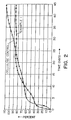
- foam examples 2, 3 and 4 were incubated with Hyponex microbes and from the relatively high oxygen consumption along the x-axis after incubation for seven days, it can be seen that these foams decomposed comparably to a 0.2% glucose sample. Empty reaction cells were also measured for standardization.
- the concentration of active hydrogen reactive with isocyanate in the polyol system was determined by phenyl isocyanate titration as reported in Table 3 hereinbelow.
- the polyol system contained all components of the foam formulation No. 7 except the isocyanate.
- the equivalent weight of the polyol system in formulation No. 7 was found to be 150.
- the isocyanate index of the final foam calculated from the polyol system equivalent weight and amount of isocyanate was 55. This was an indication that approximately 45% of the total hydrogen reactive with isocyanate in the foam was free (unreacted). DETERMINATION OF EQUIVALENT WEIGHT OF POLYOL SYSTEM OF FORMULATION NO.
- thermoset foam that is at least partially biodegradable and/or compostible, but also accomplishes the other objects of the invention.
Landscapes
- Chemical & Material Sciences (AREA)
- Health & Medical Sciences (AREA)
- Chemical Kinetics & Catalysis (AREA)
- Medicinal Chemistry (AREA)
- Polymers & Plastics (AREA)
- Organic Chemistry (AREA)
- Polyurethanes Or Polyureas (AREA)
Applications Claiming Priority (2)
| Application Number | Priority Date | Filing Date | Title |
|---|---|---|---|
| US59041300A | 2000-06-08 | 2000-06-08 | |
| US590413 | 2000-06-08 |
Publications (1)
| Publication Number | Publication Date |
|---|---|
| EP1162222A2 true EP1162222A2 (fr) | 2001-12-12 |
Family
ID=24362164
Family Applications (1)
| Application Number | Title | Priority Date | Filing Date |
|---|---|---|---|
| EP01112197A Withdrawn EP1162222A2 (fr) | 2000-06-08 | 2001-05-18 | Mousses biodégradables à base de ressources renouvelables |
Country Status (1)
| Country | Link |
|---|---|
| EP (1) | EP1162222A2 (fr) |
Cited By (19)
| Publication number | Priority date | Publication date | Assignee | Title |
|---|---|---|---|---|
| EP1264850A1 (fr) * | 2001-06-07 | 2002-12-11 | Bayer Corporation | Mousses en poluréthane à résistance au fléchissement améliorée et procédé pour leur préparation |
| WO2006055261A3 (fr) * | 2004-11-05 | 2006-07-06 | Univ Carnegie Mellon | Mousses polyurethanne degradables |
| WO2009039083A1 (fr) * | 2007-09-18 | 2009-03-26 | Georgia-Pacific Consumer Products Lp | Mousses de polyuréthane élastiques dispersables dans l'eau et produits incorporant ces mousses |
| WO2010021920A1 (fr) * | 2008-08-20 | 2010-02-25 | Rhein Chemie Corporation | Compositions de polyol |
| AU2004209554B2 (en) * | 2003-02-04 | 2010-08-12 | Warsaw Orthopedic, Inc. | Polyurethanes for osteoimplants |
| WO2012177676A1 (fr) * | 2011-06-20 | 2012-12-27 | The Procter & Gamble Company | Composition liquide nettoyante et/ou de nettoyage |
| WO2013016263A3 (fr) * | 2011-07-26 | 2013-04-11 | Bayer Materialscience Llc | Polyols initiés par amine provenant de ressources renouvelables et procédés pour leur production et utilisation |
| EP2677030A1 (fr) | 2012-06-21 | 2013-12-25 | Latvijas Valsts Koksnes kimijas instituts | Mousses rigides et flexibles de polyurethane comme composite obtenues a partir de matieres premieres de bois et a utiliser comme support pour immobiliser des micro-organismes produisant des enzymes lignolytiques |
| CN103974990A (zh) * | 2012-07-30 | 2014-08-06 | 帝国糖业公司 | 基于糖的聚氨酯、其制备方法、及其使用方法 |
| US20140275305A1 (en) * | 2013-03-15 | 2014-09-18 | Imperial Sugar Company | Polyurethanes, polyurethane foams and methods for their manufacture |
| EP2723790A4 (fr) * | 2011-07-29 | 2015-03-11 | Imp Sugar Company | Polyuréthanes à base de sucre, procédés pour leur préparation, et leurs procédés d'utilisation |
| CN106622016A (zh) * | 2017-01-06 | 2017-05-10 | 合肥工业大学 | 一种葡萄糖基双子阳离子表面活性剂及其合成方法 |
| US9676896B2 (en) | 2010-09-09 | 2017-06-13 | Innovative Urethane, Llc | Sugar-based polyurethanes, methods for their preparation, and methods of use thereof |
| US9725555B2 (en) | 2010-09-09 | 2017-08-08 | Innovative Urethane, Llc | Sugar-based polyurethanes, methods for their preparation, and methods of use thereof |
| CN107949614A (zh) * | 2015-09-10 | 2018-04-20 | 三井化学东赛璐株式会社 | 粘着剂组合物及其制造方法、以及粘着膜 |
| US10875979B2 (en) | 2017-09-05 | 2020-12-29 | Rochester Institute Of Technology | Formation and properties of cellular foam fibrous material |
| EP4249546A1 (fr) | 2022-03-22 | 2023-09-27 | Latvijas Valsts Koksnes Kimijas Instituts | Mousse polymère à base d'huile végétale et son procédé de fabrication |
| CN117120500A (zh) * | 2021-04-14 | 2023-11-24 | 赢创运营有限公司 | 硬质聚氨酯或聚异氰脲酸酯泡沫的生产 |
| EP4143251A4 (fr) * | 2020-04-27 | 2025-10-01 | The Regents Of Univ Of California | Polymères biosourcés dégradables |
-
2001
- 2001-05-18 EP EP01112197A patent/EP1162222A2/fr not_active Withdrawn
Cited By (35)
| Publication number | Priority date | Publication date | Assignee | Title |
|---|---|---|---|---|
| EP1264850A1 (fr) * | 2001-06-07 | 2002-12-11 | Bayer Corporation | Mousses en poluréthane à résistance au fléchissement améliorée et procédé pour leur préparation |
| US6649667B2 (en) | 2001-06-07 | 2003-11-18 | Bayer Polymers Llc | Polyurethane foams having improved heat sag and a process for their production |
| US9789223B2 (en) | 2003-02-04 | 2017-10-17 | Warsaw Orthopedic, Inc. | Polyurethanes for osteoimplants |
| US9993579B2 (en) | 2003-02-04 | 2018-06-12 | Warsaw Orthopedic, Inc. | Polyurethanes for osteoimplants |
| US9327052B2 (en) | 2003-02-04 | 2016-05-03 | Warsaw Orthopedic, Inc. | Polyurethanes for osteoimplants |
| AU2004209554B2 (en) * | 2003-02-04 | 2010-08-12 | Warsaw Orthopedic, Inc. | Polyurethanes for osteoimplants |
| US8002843B2 (en) | 2003-02-04 | 2011-08-23 | Warsaw Orthopedic, Inc. | Polyurethanes for osteoimplants |
| AU2010241422B2 (en) * | 2003-02-04 | 2011-11-03 | Warsaw Orthopedic, Inc. | Polyurethanes for osteoimplants |
| US10322209B2 (en) | 2003-02-04 | 2019-06-18 | Warsaw Orthopedic, Inc. | Polyurethanes for osteoimplants |
| US8425893B2 (en) | 2003-02-04 | 2013-04-23 | Warsaw Orthopedic, Inc. | Polyurethanes for osteoimplants |
| US8318820B2 (en) | 2004-11-05 | 2012-11-27 | Carnegie Mellon University | Degradable polyurethane foams |
| WO2006055261A3 (fr) * | 2004-11-05 | 2006-07-06 | Univ Carnegie Mellon | Mousses polyurethanne degradables |
| US8404348B2 (en) | 2007-09-18 | 2013-03-26 | Georgia-Pacific Consumer Products Lp | Resilient, water dispersible polyurethane foams and products incorporating same |
| WO2009039083A1 (fr) * | 2007-09-18 | 2009-03-26 | Georgia-Pacific Consumer Products Lp | Mousses de polyuréthane élastiques dispersables dans l'eau et produits incorporant ces mousses |
| EA018728B1 (ru) * | 2007-09-18 | 2013-10-30 | Джорджия-Пэсифик Консьюмер Продактс Лп | Эластичные, диспергируемые в воде полиуретановые пены и содержащие их изделия |
| US8173718B2 (en) | 2007-09-18 | 2012-05-08 | Georgia-Pacific Consumer Products Lp | Resilient, water dispersible polyurethane foams and products incorporating same |
| WO2010021920A1 (fr) * | 2008-08-20 | 2010-02-25 | Rhein Chemie Corporation | Compositions de polyol |
| US9676896B2 (en) | 2010-09-09 | 2017-06-13 | Innovative Urethane, Llc | Sugar-based polyurethanes, methods for their preparation, and methods of use thereof |
| US9725555B2 (en) | 2010-09-09 | 2017-08-08 | Innovative Urethane, Llc | Sugar-based polyurethanes, methods for their preparation, and methods of use thereof |
| US10047187B2 (en) | 2010-09-09 | 2018-08-14 | Innovative Urethane, Llc | Sugar-based polyurethanes, methods for their preparation, and methods of use thereof |
| WO2012177676A1 (fr) * | 2011-06-20 | 2012-12-27 | The Procter & Gamble Company | Composition liquide nettoyante et/ou de nettoyage |
| WO2013016263A3 (fr) * | 2011-07-26 | 2013-04-11 | Bayer Materialscience Llc | Polyols initiés par amine provenant de ressources renouvelables et procédés pour leur production et utilisation |
| EP2723790A4 (fr) * | 2011-07-29 | 2015-03-11 | Imp Sugar Company | Polyuréthanes à base de sucre, procédés pour leur préparation, et leurs procédés d'utilisation |
| EP2677030A1 (fr) | 2012-06-21 | 2013-12-25 | Latvijas Valsts Koksnes kimijas instituts | Mousses rigides et flexibles de polyurethane comme composite obtenues a partir de matieres premieres de bois et a utiliser comme support pour immobiliser des micro-organismes produisant des enzymes lignolytiques |
| CN103974990A (zh) * | 2012-07-30 | 2014-08-06 | 帝国糖业公司 | 基于糖的聚氨酯、其制备方法、及其使用方法 |
| US20140275305A1 (en) * | 2013-03-15 | 2014-09-18 | Imperial Sugar Company | Polyurethanes, polyurethane foams and methods for their manufacture |
| US10323116B2 (en) | 2013-03-15 | 2019-06-18 | Imperial Sugar Company | Polyurethanes, polyurethane foams and methods for their manufacture |
| CN107949614A (zh) * | 2015-09-10 | 2018-04-20 | 三井化学东赛璐株式会社 | 粘着剂组合物及其制造方法、以及粘着膜 |
| CN106622016A (zh) * | 2017-01-06 | 2017-05-10 | 合肥工业大学 | 一种葡萄糖基双子阳离子表面活性剂及其合成方法 |
| US10875979B2 (en) | 2017-09-05 | 2020-12-29 | Rochester Institute Of Technology | Formation and properties of cellular foam fibrous material |
| EP4143251A4 (fr) * | 2020-04-27 | 2025-10-01 | The Regents Of Univ Of California | Polymères biosourcés dégradables |
| CN117120500A (zh) * | 2021-04-14 | 2023-11-24 | 赢创运营有限公司 | 硬质聚氨酯或聚异氰脲酸酯泡沫的生产 |
| JP2024514003A (ja) * | 2021-04-14 | 2024-03-27 | エボニック オペレーションズ ゲーエムベーハー | 硬質ポリウレタンまたはポリイソシアヌレートフォームの製造 |
| EP4249546A1 (fr) | 2022-03-22 | 2023-09-27 | Latvijas Valsts Koksnes Kimijas Instituts | Mousse polymère à base d'huile végétale et son procédé de fabrication |
| WO2023180786A1 (fr) | 2022-03-22 | 2023-09-28 | Latvijas Valsts Koksnes Ķīmijas Institūts | Mousse polymère à base d'huile végétale et procédé de fabrication correspondant |
Similar Documents
| Publication | Publication Date | Title |
|---|---|---|
| US4137200A (en) | Crosslinked hydrophilic foams and method | |
| AU2010305647B2 (en) | Process for making a flexible polyurethane foam | |
| EP1248809B1 (fr) | Mousse de polymere a base d'isocyanate possedant des proprietes ameliorees de durete et son procede de preparation | |
| US6147134A (en) | Process for preparing rigid and flexible polyurethane foams | |
| CA1276387C (fr) | Mousses souples de polyurethane preparees a partir de polyols de type poly(alkylenecarbonate) | |
| CA3097461A1 (en) | Compression set | |
| US4439551A (en) | Packaging foam polyurethane composition employing novel polyol blend | |
| US4435527A (en) | Polyester polymer polyols made with polyester polycarbonates and polyurethanes therefrom | |
| US5773483A (en) | Process for preparing a flexible foam | |
| EP1059318B1 (fr) | Utilisation des compositions de catalyseur polyuréthane pour l'amélioration de propriétés de mousse rigide | |
| AU717641B2 (en) | Process for the preparation of polyurethane foams | |
| US5308882A (en) | Preparation of polyurethane foam without a tertiary amine catalyst | |
| CA1189248A (fr) | Mousses de polyurethane, et procedes de fabrication | |
| US5900441A (en) | Process for preparing a flexible polyurethane foam | |
| US4273882A (en) | Preparation of thermally stable rigid polyurethane foam | |
| US4497913A (en) | Process for preparing a stable dispersion of a polymer in a polyol and its use in the production of high resilience polyurethane foam | |
| US5373030A (en) | Polyurethane foams having improved retention of insulative properties and methods for the preparation thereof | |
| KR20190001621A (ko) | 향상된 통기성 및 산화방지 특성을 갖는 친환경 폴리우레탄 폼 형성용 조성물 및 폴리우레탄 폼의 제조 방법 | |
| EP0480090B1 (fr) | Compositions de polyisocyanates et leur utilisation pour la préparation de mousses de polyuréthanes flexibles | |
| CA2270942C (fr) | Mousse de polyisocyanurate a alveoles ouvertes permettant d'immobiliser et de soutenir des plantes | |
| JP2001064351A (ja) | 吸水性ポリウレタン発泡体の製造方法 | |
| KR100524869B1 (ko) | 폐수처리를 위한 미생물 부착용 폴리우레탄 담체 및 그제조방법 | |
| JP3338833B2 (ja) | 育苗用連続気泡ポリイソシアヌレートフォーム | |
| JP2006321905A (ja) | 吸水性連続気泡硬質ポリウレタンフォーム | |
| US5013812A (en) | Polybiurets |
Legal Events
| Date | Code | Title | Description |
|---|---|---|---|
| PUAI | Public reference made under article 153(3) epc to a published international application that has entered the european phase |
Free format text: ORIGINAL CODE: 0009012 |
|
| AK | Designated contracting states |
Kind code of ref document: A2 Designated state(s): AT BE CH CY DE DK ES FI FR GB GR IE IT LI LU MC NL PT SE TR |
|
| AX | Request for extension of the european patent |
Free format text: AL;LT;LV;MK;RO;SI |
|
| STAA | Information on the status of an ep patent application or granted ep patent |
Free format text: STATUS: THE APPLICATION HAS BEEN WITHDRAWN |
|
| 18W | Application withdrawn |
Withdrawal date: 20020604 |