EP1163010B1 - Hämoglobin-antioxidant konjugate - Google Patents
Hämoglobin-antioxidant konjugate Download PDFInfo
- Publication number
- EP1163010B1 EP1163010B1 EP00910473A EP00910473A EP1163010B1 EP 1163010 B1 EP1163010 B1 EP 1163010B1 EP 00910473 A EP00910473 A EP 00910473A EP 00910473 A EP00910473 A EP 00910473A EP 1163010 B1 EP1163010 B1 EP 1163010B1
- Authority
- EP
- European Patent Office
- Prior art keywords
- hemoglobin
- composition
- carboxylic acid
- trolox
- antioxidant
- Prior art date
- Legal status (The legal status is an assumption and is not a legal conclusion. Google has not performed a legal analysis and makes no representation as to the accuracy of the status listed.)
- Expired - Lifetime
Links
- 239000003963 antioxidant agent Substances 0.000 title claims description 31
- 108010054147 Hemoglobins Proteins 0.000 claims description 101
- 102000001554 Hemoglobins Human genes 0.000 claims description 101
- GLEVLJDDWXEYCO-UHFFFAOYSA-N Trolox Chemical group O1C(C)(C(O)=O)CCC2=C1C(C)=C(C)C(O)=C2C GLEVLJDDWXEYCO-UHFFFAOYSA-N 0.000 claims description 92
- 229910052760 oxygen Inorganic materials 0.000 claims description 46
- 239000001301 oxygen Substances 0.000 claims description 46
- QVGXLLKOCUKJST-UHFFFAOYSA-N atomic oxygen Chemical compound [O] QVGXLLKOCUKJST-UHFFFAOYSA-N 0.000 claims description 44
- 238000006243 chemical reaction Methods 0.000 claims description 37
- 239000000203 mixture Substances 0.000 claims description 37
- 230000003078 antioxidant effect Effects 0.000 claims description 36
- 238000000034 method Methods 0.000 claims description 25
- 239000000126 substance Substances 0.000 claims description 24
- SFLFCQJQOIZMHF-UHFFFAOYSA-N 3,4-dihydro-2h-chromene-2-carboxylic acid Chemical compound C1=CC=C2OC(C(=O)O)CCC2=C1 SFLFCQJQOIZMHF-UHFFFAOYSA-N 0.000 claims description 21
- 150000001875 compounds Chemical class 0.000 claims description 20
- -1 diaspirin compound Chemical class 0.000 claims description 17
- LMDZBCPBFSXMTL-UHFFFAOYSA-N 1-ethyl-3-(3-dimethylaminopropyl)carbodiimide Chemical group CCN=C=NCCCN(C)C LMDZBCPBFSXMTL-UHFFFAOYSA-N 0.000 claims description 15
- 230000021615 conjugation Effects 0.000 claims description 15
- KDMJJWMGEVWNLB-OSLXHZNNSA-N (2s)-3-hydroxy-2-[(2r)-1-hydroxy-3-oxopropan-2-yl]oxy-2-[(1r)-1-[(2r)-1-[(1s)-1-[(2r)-1-hydroxy-3-oxopropan-2-yl]oxy-2-oxoethoxy]-3-oxopropan-2-yl]oxy-2-oxoethoxy]propanal Chemical group OC[C@H](C=O)O[C@@H](C=O)OC[C@H](C=O)O[C@@H](C=O)O[C@@](CO)(C=O)O[C@H](CO)C=O KDMJJWMGEVWNLB-OSLXHZNNSA-N 0.000 claims description 14
- 230000008569 process Effects 0.000 claims description 13
- 241000894007 species Species 0.000 claims description 13
- 238000002360 preparation method Methods 0.000 claims description 8
- 230000000694 effects Effects 0.000 claims description 7
- 230000003213 activating effect Effects 0.000 claims description 6
- 238000004132 cross linking Methods 0.000 claims description 6
- 238000010494 dissociation reaction Methods 0.000 claims description 6
- 230000005593 dissociations Effects 0.000 claims description 6
- 150000004676 glycans Chemical class 0.000 claims description 6
- 229920001282 polysaccharide Polymers 0.000 claims description 6
- 239000005017 polysaccharide Substances 0.000 claims description 6
- 229920001744 Polyaldehyde Polymers 0.000 claims description 5
- 239000003431 cross linking reagent Substances 0.000 claims description 5
- 102000008015 Hemeproteins Human genes 0.000 claims description 4
- 108010089792 Hemeproteins Proteins 0.000 claims description 4
- 229920002521 macromolecule Polymers 0.000 claims description 4
- 239000002253 acid Substances 0.000 claims description 3
- 150000001718 carbodiimides Chemical class 0.000 claims description 3
- 125000002496 methyl group Chemical group [H]C([H])([H])* 0.000 claims description 3
- 229920001223 polyethylene glycol Polymers 0.000 claims description 3
- SXRSQZLOMIGNAQ-UHFFFAOYSA-N Glutaraldehyde Chemical compound O=CCCCC=O SXRSQZLOMIGNAQ-UHFFFAOYSA-N 0.000 claims description 2
- 125000004432 carbon atom Chemical group C* 0.000 claims description 2
- 238000011909 oxidative ring-opening Methods 0.000 claims description 2
- 230000001225 therapeutic effect Effects 0.000 claims description 2
- 229920000249 biocompatible polymer Polymers 0.000 claims 2
- 239000007788 liquid Substances 0.000 claims 2
- 125000004178 (C1-C4) alkyl group Chemical group 0.000 claims 1
- 125000004209 (C1-C8) alkyl group Chemical group 0.000 claims 1
- 239000002202 Polyethylene glycol Substances 0.000 claims 1
- 230000006641 stabilisation Effects 0.000 claims 1
- 238000011105 stabilization Methods 0.000 claims 1
- 108010001708 stroma free hemoglobin Proteins 0.000 claims 1
- 238000002560 therapeutic procedure Methods 0.000 claims 1
- WEVYAHXRMPXWCK-UHFFFAOYSA-N Acetonitrile Chemical compound CC#N WEVYAHXRMPXWCK-UHFFFAOYSA-N 0.000 description 30
- 239000000047 product Substances 0.000 description 21
- 235000006708 antioxidants Nutrition 0.000 description 20
- 210000003743 erythrocyte Anatomy 0.000 description 20
- 239000000243 solution Substances 0.000 description 20
- 102000018146 globin Human genes 0.000 description 19
- 108060003196 globin Proteins 0.000 description 19
- 238000007792 addition Methods 0.000 description 15
- 230000004048 modification Effects 0.000 description 15
- 238000012986 modification Methods 0.000 description 15
- LOKCTEFSRHRXRJ-UHFFFAOYSA-I dipotassium trisodium dihydrogen phosphate hydrogen phosphate dichloride Chemical compound P(=O)(O)(O)[O-].[K+].P(=O)(O)([O-])[O-].[Na+].[Na+].[Cl-].[K+].[Cl-].[Na+] LOKCTEFSRHRXRJ-UHFFFAOYSA-I 0.000 description 13
- 239000002953 phosphate buffered saline Substances 0.000 description 13
- 210000004369 blood Anatomy 0.000 description 12
- 239000008280 blood Substances 0.000 description 12
- 230000009089 cytolysis Effects 0.000 description 11
- LXEKPEMOWBOYRF-QDBORUFSSA-N AAPH Chemical compound Cl.Cl.NC(=N)C(C)(C)\N=N\C(C)(C)C(N)=N LXEKPEMOWBOYRF-QDBORUFSSA-N 0.000 description 10
- 238000001802 infusion Methods 0.000 description 9
- 210000004027 cell Anatomy 0.000 description 8
- 239000007987 MES buffer Substances 0.000 description 6
- OUUQCZGPVNCOIJ-UHFFFAOYSA-M Superoxide Chemical compound [O-][O] OUUQCZGPVNCOIJ-UHFFFAOYSA-M 0.000 description 6
- 239000007789 gas Substances 0.000 description 6
- 238000004007 reversed phase HPLC Methods 0.000 description 6
- 210000001519 tissue Anatomy 0.000 description 6
- XLYOFNOQVPJJNP-UHFFFAOYSA-N water Substances O XLYOFNOQVPJJNP-UHFFFAOYSA-N 0.000 description 6
- 238000003556 assay Methods 0.000 description 5
- 238000004587 chromatography analysis Methods 0.000 description 5
- 239000003642 reactive oxygen metabolite Substances 0.000 description 5
- 239000000725 suspension Substances 0.000 description 5
- FPQQSJJWHUJYPU-UHFFFAOYSA-N 3-(dimethylamino)propyliminomethylidene-ethylazanium;chloride Chemical compound Cl.CCN=C=NCCCN(C)C FPQQSJJWHUJYPU-UHFFFAOYSA-N 0.000 description 4
- MHAJPDPJQMAIIY-UHFFFAOYSA-N Hydrogen peroxide Chemical compound OO MHAJPDPJQMAIIY-UHFFFAOYSA-N 0.000 description 4
- 241001465754 Metazoa Species 0.000 description 4
- 239000000539 dimer Substances 0.000 description 4
- 125000000524 functional group Chemical group 0.000 description 4
- 238000011068 loading method Methods 0.000 description 4
- 150000003254 radicals Chemical class 0.000 description 4
- 239000006228 supernatant Substances 0.000 description 4
- 238000012360 testing method Methods 0.000 description 4
- 102000004190 Enzymes Human genes 0.000 description 3
- 108090000790 Enzymes Proteins 0.000 description 3
- 108010061951 Methemoglobin Proteins 0.000 description 3
- 206010063837 Reperfusion injury Diseases 0.000 description 3
- HEMHJVSKTPXQMS-UHFFFAOYSA-M Sodium hydroxide Chemical compound [OH-].[Na+] HEMHJVSKTPXQMS-UHFFFAOYSA-M 0.000 description 3
- 238000004458 analytical method Methods 0.000 description 3
- 239000003633 blood substitute Substances 0.000 description 3
- 125000003178 carboxy group Chemical group [H]OC(*)=O 0.000 description 3
- 239000003153 chemical reaction reagent Substances 0.000 description 3
- GVJHHUAWPYXKBD-UHFFFAOYSA-N d-alpha-tocopherol Natural products OC1=C(C)C(C)=C2OC(CCCC(C)CCCC(C)CCCC(C)C)(C)CCC2=C1C GVJHHUAWPYXKBD-UHFFFAOYSA-N 0.000 description 3
- 238000009826 distribution Methods 0.000 description 3
- 230000002255 enzymatic effect Effects 0.000 description 3
- 150000003278 haem Chemical class 0.000 description 3
- 238000001727 in vivo Methods 0.000 description 3
- 230000000302 ischemic effect Effects 0.000 description 3
- 230000003647 oxidation Effects 0.000 description 3
- 238000007254 oxidation reaction Methods 0.000 description 3
- 150000002989 phenols Chemical class 0.000 description 3
- 238000001542 size-exclusion chromatography Methods 0.000 description 3
- 238000001356 surgical procedure Methods 0.000 description 3
- 231100000331 toxic Toxicity 0.000 description 3
- 230000002588 toxic effect Effects 0.000 description 3
- 150000005206 1,2-dihydroxybenzenes Chemical class 0.000 description 2
- AZQWKYJCGOJGHM-UHFFFAOYSA-N 1,4-benzoquinone Chemical compound O=C1C=CC(=O)C=C1 AZQWKYJCGOJGHM-UHFFFAOYSA-N 0.000 description 2
- INGWEZCOABYORO-UHFFFAOYSA-N 2-(furan-2-yl)-7-methyl-1h-1,8-naphthyridin-4-one Chemical class N=1C2=NC(C)=CC=C2C(O)=CC=1C1=CC=CO1 INGWEZCOABYORO-UHFFFAOYSA-N 0.000 description 2
- FJKROLUGYXJWQN-UHFFFAOYSA-N 4-hydroxybenzoic acid Chemical compound OC(=O)C1=CC=C(O)C=C1 FJKROLUGYXJWQN-UHFFFAOYSA-N 0.000 description 2
- CIWBSHSKHKDKBQ-JLAZNSOCSA-N Ascorbic acid Chemical compound OC[C@H](O)[C@H]1OC(=O)C(O)=C1O CIWBSHSKHKDKBQ-JLAZNSOCSA-N 0.000 description 2
- BPYKTIZUTYGOLE-IFADSCNNSA-N Bilirubin Chemical compound N1C(=O)C(C)=C(C=C)\C1=C\C1=C(C)C(CCC(O)=O)=C(CC2=C(C(C)=C(\C=C/3C(=C(C=C)C(=O)N\3)C)N2)CCC(O)=O)N1 BPYKTIZUTYGOLE-IFADSCNNSA-N 0.000 description 2
- 108010003320 Carboxyhemoglobin Proteins 0.000 description 2
- ZRALSGWEFCBTJO-UHFFFAOYSA-N Guanidine Chemical compound NC(N)=N ZRALSGWEFCBTJO-UHFFFAOYSA-N 0.000 description 2
- XEEYBQQBJWHFJM-UHFFFAOYSA-N Iron Chemical compound [Fe] XEEYBQQBJWHFJM-UHFFFAOYSA-N 0.000 description 2
- TWRXJAOTZQYOKJ-UHFFFAOYSA-L Magnesium chloride Chemical compound [Mg+2].[Cl-].[Cl-] TWRXJAOTZQYOKJ-UHFFFAOYSA-L 0.000 description 2
- MUPFEKGTMRGPLJ-RMMQSMQOSA-N Raffinose Natural products O(C[C@H]1[C@@H](O)[C@H](O)[C@@H](O)[C@@H](O[C@@]2(CO)[C@H](O)[C@@H](O)[C@@H](CO)O2)O1)[C@@H]1[C@H](O)[C@@H](O)[C@@H](O)[C@@H](CO)O1 MUPFEKGTMRGPLJ-RMMQSMQOSA-N 0.000 description 2
- 241000700159 Rattus Species 0.000 description 2
- 239000008156 Ringer's lactate solution Substances 0.000 description 2
- MUPFEKGTMRGPLJ-UHFFFAOYSA-N UNPD196149 Natural products OC1C(O)C(CO)OC1(CO)OC1C(O)C(O)C(O)C(COC2C(C(O)C(O)C(CO)O2)O)O1 MUPFEKGTMRGPLJ-UHFFFAOYSA-N 0.000 description 2
- 229930003427 Vitamin E Natural products 0.000 description 2
- 238000002835 absorbance Methods 0.000 description 2
- 125000000217 alkyl group Chemical group 0.000 description 2
- 125000003277 amino group Chemical group 0.000 description 2
- 239000007864 aqueous solution Substances 0.000 description 2
- 230000015572 biosynthetic process Effects 0.000 description 2
- 239000006227 byproduct Substances 0.000 description 2
- ZEWYCNBZMPELPF-UHFFFAOYSA-J calcium;potassium;sodium;2-hydroxypropanoic acid;sodium;tetrachloride Chemical compound [Na].[Na+].[Cl-].[Cl-].[Cl-].[Cl-].[K+].[Ca+2].CC(O)C(O)=O ZEWYCNBZMPELPF-UHFFFAOYSA-J 0.000 description 2
- PFKFTWBEEFSNDU-UHFFFAOYSA-N carbonyldiimidazole Chemical compound C1=CN=CN1C(=O)N1C=CN=C1 PFKFTWBEEFSNDU-UHFFFAOYSA-N 0.000 description 2
- 238000005119 centrifugation Methods 0.000 description 2
- 238000012512 characterization method Methods 0.000 description 2
- VZWXIQHBIQLMPN-UHFFFAOYSA-N chromane Chemical class C1=CC=C2CCCOC2=C1 VZWXIQHBIQLMPN-UHFFFAOYSA-N 0.000 description 2
- 230000002939 deleterious effect Effects 0.000 description 2
- 238000011026 diafiltration Methods 0.000 description 2
- 238000000502 dialysis Methods 0.000 description 2
- 238000002474 experimental method Methods 0.000 description 2
- WIGCFUFOHFEKBI-UHFFFAOYSA-N gamma-tocopherol Natural products CC(C)CCCC(C)CCCC(C)CCCC1CCC2C(C)C(O)C(C)C(C)C2O1 WIGCFUFOHFEKBI-UHFFFAOYSA-N 0.000 description 2
- RWSXRVCMGQZWBV-WDSKDSINSA-N glutathione Chemical compound OC(=O)[C@@H](N)CCC(=O)N[C@@H](CS)C(=O)NCC(O)=O RWSXRVCMGQZWBV-WDSKDSINSA-N 0.000 description 2
- 230000000004 hemodynamic effect Effects 0.000 description 2
- JGPMMRGNQUBGND-UHFFFAOYSA-N idebenone Chemical compound COC1=C(OC)C(=O)C(CCCCCCCCCCO)=C(C)C1=O JGPMMRGNQUBGND-UHFFFAOYSA-N 0.000 description 2
- 238000000338 in vitro Methods 0.000 description 2
- 238000004895 liquid chromatography mass spectrometry Methods 0.000 description 2
- 230000007246 mechanism Effects 0.000 description 2
- 230000004792 oxidative damage Effects 0.000 description 2
- 229920001308 poly(aminoacid) Polymers 0.000 description 2
- 150000003141 primary amines Chemical group 0.000 description 2
- 102000004169 proteins and genes Human genes 0.000 description 2
- 108090000623 proteins and genes Proteins 0.000 description 2
- 238000000746 purification Methods 0.000 description 2
- 150000003212 purines Chemical class 0.000 description 2
- 150000004053 quinones Chemical class 0.000 description 2
- MUPFEKGTMRGPLJ-ZQSKZDJDSA-N raffinose Chemical compound O[C@H]1[C@H](O)[C@@H](CO)O[C@@]1(CO)O[C@@H]1[C@H](O)[C@@H](O)[C@H](O)[C@@H](CO[C@@H]2[C@@H]([C@@H](O)[C@@H](O)[C@@H](CO)O2)O)O1 MUPFEKGTMRGPLJ-ZQSKZDJDSA-N 0.000 description 2
- 239000000376 reactant Substances 0.000 description 2
- 239000011541 reaction mixture Substances 0.000 description 2
- 230000035484 reaction time Effects 0.000 description 2
- 230000010410 reperfusion Effects 0.000 description 2
- 230000002000 scavenging effect Effects 0.000 description 2
- 238000000926 separation method Methods 0.000 description 2
- 150000003431 steroids Chemical class 0.000 description 2
- 235000000346 sugar Nutrition 0.000 description 2
- 150000008163 sugars Chemical class 0.000 description 2
- 150000003573 thiols Chemical class 0.000 description 2
- 230000000451 tissue damage Effects 0.000 description 2
- 231100000827 tissue damage Toxicity 0.000 description 2
- 238000000108 ultra-filtration Methods 0.000 description 2
- 235000019165 vitamin E Nutrition 0.000 description 2
- 239000011709 vitamin E Substances 0.000 description 2
- 229940046009 vitamin E Drugs 0.000 description 2
- DFUSDJMZWQVQSF-XLGIIRLISA-N (2r)-2-methyl-2-[(4r,8r)-4,8,12-trimethyltridecyl]-3,4-dihydrochromen-6-ol Chemical compound OC1=CC=C2O[C@@](CCC[C@H](C)CCC[C@H](C)CCCC(C)C)(C)CCC2=C1 DFUSDJMZWQVQSF-XLGIIRLISA-N 0.000 description 1
- XBYRMPXUBGMOJC-UHFFFAOYSA-N 1,2-dihydropyrazol-3-one Chemical class OC=1C=CNN=1 XBYRMPXUBGMOJC-UHFFFAOYSA-N 0.000 description 1
- NOLHRFLIXVQPSZ-UHFFFAOYSA-N 1,3-thiazolidin-4-one Chemical compound O=C1CSCN1 NOLHRFLIXVQPSZ-UHFFFAOYSA-N 0.000 description 1
- FPIPGXGPPPQFEQ-UHFFFAOYSA-N 13-cis retinol Natural products OCC=C(C)C=CC=C(C)C=CC1=C(C)CCCC1(C)C FPIPGXGPPPQFEQ-UHFFFAOYSA-N 0.000 description 1
- IHWDSEPNZDYMNF-UHFFFAOYSA-N 1H-indol-2-amine Chemical class C1=CC=C2NC(N)=CC2=C1 IHWDSEPNZDYMNF-UHFFFAOYSA-N 0.000 description 1
- WXTMDXOMEHJXQO-UHFFFAOYSA-N 2,5-dihydroxybenzoic acid Chemical compound OC(=O)C1=CC(O)=CC=C1O WXTMDXOMEHJXQO-UHFFFAOYSA-N 0.000 description 1
- GVJXGCIPWAVXJP-UHFFFAOYSA-N 2,5-dioxo-1-oxoniopyrrolidine-3-sulfonate Chemical compound ON1C(=O)CC(S(O)(=O)=O)C1=O GVJXGCIPWAVXJP-UHFFFAOYSA-N 0.000 description 1
- ZYIXXVCNAOYWQA-UHFFFAOYSA-N 2-(1-benzofuran-2-yl)acetic acid Chemical compound C1=CC=C2OC(CC(=O)O)=CC2=C1 ZYIXXVCNAOYWQA-UHFFFAOYSA-N 0.000 description 1
- JBARCTHFPUHCED-UHFFFAOYSA-N 2-(1h-imidazol-2-yl)guanidine Chemical group NC(=N)NC1=NC=CN1 JBARCTHFPUHCED-UHFFFAOYSA-N 0.000 description 1
- PREOBXYMXLETCA-UHFFFAOYSA-N 2-[4-(2-carboxyphenoxy)-4-oxobutanoyl]oxybenzoic acid Chemical class OC(=O)C1=CC=CC=C1OC(=O)CCC(=O)OC1=CC=CC=C1C(O)=O PREOBXYMXLETCA-UHFFFAOYSA-N 0.000 description 1
- NEAQRZUHTPSBBM-UHFFFAOYSA-N 2-hydroxy-3,3-dimethyl-7-nitro-4h-isoquinolin-1-one Chemical class C1=C([N+]([O-])=O)C=C2C(=O)N(O)C(C)(C)CC2=C1 NEAQRZUHTPSBBM-UHFFFAOYSA-N 0.000 description 1
- QTWJRLJHJPIABL-UHFFFAOYSA-N 2-methylphenol;3-methylphenol;4-methylphenol Chemical compound CC1=CC=C(O)C=C1.CC1=CC=CC(O)=C1.CC1=CC=CC=C1O QTWJRLJHJPIABL-UHFFFAOYSA-N 0.000 description 1
- SMBRHGJEDJVDOB-UHFFFAOYSA-N 2-methylpropanimidamide;dihydrochloride Chemical compound Cl.Cl.CC(C)C(N)=N SMBRHGJEDJVDOB-UHFFFAOYSA-N 0.000 description 1
- OAWXDNWZIIUYBX-UHFFFAOYSA-N 2-phenyl-3,4,4a,5-tetrahydro-2h-chromen-3-ol Chemical compound OC1CC2CC=CC=C2OC1C1=CC=CC=C1 OAWXDNWZIIUYBX-UHFFFAOYSA-N 0.000 description 1
- MWOOKDULMBMMPN-UHFFFAOYSA-N 3-(2-ethyl-1,2-oxazol-2-ium-5-yl)benzenesulfonate Chemical compound O1[N+](CC)=CC=C1C1=CC=CC(S([O-])(=O)=O)=C1 MWOOKDULMBMMPN-UHFFFAOYSA-N 0.000 description 1
- 229940090248 4-hydroxybenzoic acid Drugs 0.000 description 1
- OEPFJOJFTVSOOI-UHFFFAOYSA-N 6-hydroxy-3,4-dihydro-2h-chromene-2-carboxylic acid Chemical class OC1=CC=C2OC(C(=O)O)CCC2=C1 OEPFJOJFTVSOOI-UHFFFAOYSA-N 0.000 description 1
- 206010002383 Angina Pectoris Diseases 0.000 description 1
- 102100035882 Catalase Human genes 0.000 description 1
- 108010053835 Catalase Proteins 0.000 description 1
- 239000004971 Cross linker Substances 0.000 description 1
- 102000016899 Cytochrome-B(5) Reductase Human genes 0.000 description 1
- 108010028689 Cytochrome-B(5) Reductase Proteins 0.000 description 1
- KZQYIMCESJLPQH-UHFFFAOYSA-N Demethylated antipyrine Chemical compound N1C(C)=CC(=O)N1C1=CC=CC=C1 KZQYIMCESJLPQH-UHFFFAOYSA-N 0.000 description 1
- MYMOFIZGZYHOMD-UHFFFAOYSA-N Dioxygen Chemical compound O=O MYMOFIZGZYHOMD-UHFFFAOYSA-N 0.000 description 1
- 241000196324 Embryophyta Species 0.000 description 1
- 241000854350 Enicospilus group Species 0.000 description 1
- VTLYFUHAOXGGBS-UHFFFAOYSA-N Fe3+ Chemical compound [Fe+3] VTLYFUHAOXGGBS-UHFFFAOYSA-N 0.000 description 1
- 108010024636 Glutathione Proteins 0.000 description 1
- 206010018910 Haemolysis Diseases 0.000 description 1
- 102100027685 Hemoglobin subunit alpha Human genes 0.000 description 1
- 108091005902 Hemoglobin subunit alpha Proteins 0.000 description 1
- 102100021519 Hemoglobin subunit beta Human genes 0.000 description 1
- 108091005904 Hemoglobin subunit beta Proteins 0.000 description 1
- PIWKPBJCKXDKJR-UHFFFAOYSA-N Isoflurane Chemical compound FC(F)OC(Cl)C(F)(F)F PIWKPBJCKXDKJR-UHFFFAOYSA-N 0.000 description 1
- UPYKUZBSLRQECL-UKMVMLAPSA-N Lycopene Natural products CC(=C/C=C/C=C(C)/C=C/C=C(C)/C=C/C1C(=C)CCCC1(C)C)C=CC=C(/C)C=CC2C(=C)CCCC2(C)C UPYKUZBSLRQECL-UKMVMLAPSA-N 0.000 description 1
- JEVVKJMRZMXFBT-XWDZUXABSA-N Lycophyll Natural products OC/C(=C/CC/C(=C\C=C\C(=C/C=C/C(=C\C=C\C=C(/C=C/C=C(\C=C\C=C(/CC/C=C(/CO)\C)\C)/C)\C)/C)\C)/C)/C JEVVKJMRZMXFBT-XWDZUXABSA-N 0.000 description 1
- YJPIGAIKUZMOQA-UHFFFAOYSA-N Melatonin Natural products COC1=CC=C2N(C(C)=O)C=C(CCN)C2=C1 YJPIGAIKUZMOQA-UHFFFAOYSA-N 0.000 description 1
- FQISKWAFAHGMGT-SGJOWKDISA-M Methylprednisolone sodium succinate Chemical compound [Na+].C([C@@]12C)=CC(=O)C=C1[C@@H](C)C[C@@H]1[C@@H]2[C@@H](O)C[C@]2(C)[C@@](O)(C(=O)COC(=O)CCC([O-])=O)CC[C@H]21 FQISKWAFAHGMGT-SGJOWKDISA-M 0.000 description 1
- CHJJGSNFBQVOTG-UHFFFAOYSA-N N-methyl-guanidine Natural products CNC(N)=N CHJJGSNFBQVOTG-UHFFFAOYSA-N 0.000 description 1
- 229910019142 PO4 Inorganic materials 0.000 description 1
- 229920003171 Poly (ethylene oxide) Polymers 0.000 description 1
- 108010039918 Polylysine Proteins 0.000 description 1
- 230000002292 Radical scavenging effect Effects 0.000 description 1
- ZONYXWQDUYMKFB-UHFFFAOYSA-N SJ000286395 Natural products O1C2=CC=CC=C2C(=O)CC1C1=CC=CC=C1 ZONYXWQDUYMKFB-UHFFFAOYSA-N 0.000 description 1
- VMHLLURERBWHNL-UHFFFAOYSA-M Sodium acetate Chemical compound [Na+].CC([O-])=O VMHLLURERBWHNL-UHFFFAOYSA-M 0.000 description 1
- 102000019197 Superoxide Dismutase Human genes 0.000 description 1
- 108010012715 Superoxide dismutase Proteins 0.000 description 1
- 206010043647 Thrombotic Stroke Diseases 0.000 description 1
- 239000007983 Tris buffer Substances 0.000 description 1
- LEHOTFFKMJEONL-UHFFFAOYSA-N Uric Acid Chemical compound N1C(=O)NC(=O)C2=C1NC(=O)N2 LEHOTFFKMJEONL-UHFFFAOYSA-N 0.000 description 1
- TVWHNULVHGKJHS-UHFFFAOYSA-N Uric acid Natural products N1C(=O)NC(=O)C2NC(=O)NC21 TVWHNULVHGKJHS-UHFFFAOYSA-N 0.000 description 1
- 206010054880 Vascular insufficiency Diseases 0.000 description 1
- 206010053648 Vascular occlusion Diseases 0.000 description 1
- FPIPGXGPPPQFEQ-BOOMUCAASA-N Vitamin A Natural products OC/C=C(/C)\C=C\C=C(\C)/C=C/C1=C(C)CCCC1(C)C FPIPGXGPPPQFEQ-BOOMUCAASA-N 0.000 description 1
- 208000027418 Wounds and injury Diseases 0.000 description 1
- 102100033220 Xanthine oxidase Human genes 0.000 description 1
- 108010093894 Xanthine oxidase Proteins 0.000 description 1
- 230000009471 action Effects 0.000 description 1
- 230000004913 activation Effects 0.000 description 1
- 239000012190 activator Substances 0.000 description 1
- 150000001299 aldehydes Chemical class 0.000 description 1
- 229930013930 alkaloid Natural products 0.000 description 1
- 150000003797 alkaloid derivatives Chemical class 0.000 description 1
- FPIPGXGPPPQFEQ-OVSJKPMPSA-N all-trans-retinol Chemical compound OC\C=C(/C)\C=C\C=C(/C)\C=C\C1=C(C)CCCC1(C)C FPIPGXGPPPQFEQ-OVSJKPMPSA-N 0.000 description 1
- OFCNXPDARWKPPY-UHFFFAOYSA-N allopurinol Chemical compound OC1=NC=NC2=C1C=NN2 OFCNXPDARWKPPY-UHFFFAOYSA-N 0.000 description 1
- 229960003459 allopurinol Drugs 0.000 description 1
- 150000001408 amides Chemical class 0.000 description 1
- 125000000539 amino acid group Chemical group 0.000 description 1
- 238000013103 analytical ultracentrifugation Methods 0.000 description 1
- 150000008064 anhydrides Chemical group 0.000 description 1
- 230000003466 anti-cipated effect Effects 0.000 description 1
- 230000004872 arterial blood pressure Effects 0.000 description 1
- 125000003118 aryl group Chemical group 0.000 description 1
- 235000010323 ascorbic acid Nutrition 0.000 description 1
- 229960005070 ascorbic acid Drugs 0.000 description 1
- 239000011668 ascorbic acid Substances 0.000 description 1
- 150000001540 azides Chemical class 0.000 description 1
- 125000000751 azo group Chemical group [*]N=N[*] 0.000 description 1
- 230000009286 beneficial effect Effects 0.000 description 1
- 230000008901 benefit Effects 0.000 description 1
- SIKJAQJRHWYJAI-UHFFFAOYSA-N benzopyrrole Natural products C1=CC=C2NC=CC2=C1 SIKJAQJRHWYJAI-UHFFFAOYSA-N 0.000 description 1
- OWMVSZAMULFTJU-UHFFFAOYSA-N bis-tris Chemical compound OCCN(CCO)C(CO)(CO)CO OWMVSZAMULFTJU-UHFFFAOYSA-N 0.000 description 1
- 230000017531 blood circulation Effects 0.000 description 1
- 230000036770 blood supply Effects 0.000 description 1
- 210000004204 blood vessel Anatomy 0.000 description 1
- RJTANRZEWTUVMA-UHFFFAOYSA-N boron;n-methylmethanamine Chemical compound [B].CNC RJTANRZEWTUVMA-UHFFFAOYSA-N 0.000 description 1
- BPKIGYQJPYCAOW-FFJTTWKXSA-I calcium;potassium;disodium;(2s)-2-hydroxypropanoate;dichloride;dihydroxide;hydrate Chemical compound O.[OH-].[OH-].[Na+].[Na+].[Cl-].[Cl-].[K+].[Ca+2].C[C@H](O)C([O-])=O BPKIGYQJPYCAOW-FFJTTWKXSA-I 0.000 description 1
- 125000002837 carbocyclic group Chemical group 0.000 description 1
- 229910052799 carbon Inorganic materials 0.000 description 1
- 150000007942 carboxylates Chemical group 0.000 description 1
- 238000007675 cardiac surgery Methods 0.000 description 1
- 235000005473 carotenes Nutrition 0.000 description 1
- 150000001746 carotenes Chemical class 0.000 description 1
- 235000021466 carotenoid Nutrition 0.000 description 1
- 150000001747 carotenoids Chemical class 0.000 description 1
- 239000000969 carrier Substances 0.000 description 1
- 238000012832 cell culture technique Methods 0.000 description 1
- 210000003850 cellular structure Anatomy 0.000 description 1
- 125000003636 chemical group Chemical group 0.000 description 1
- 239000003795 chemical substances by application Substances 0.000 description 1
- AOGYCOYQMAVAFD-UHFFFAOYSA-N chlorocarbonic acid Chemical class OC(Cl)=O AOGYCOYQMAVAFD-UHFFFAOYSA-N 0.000 description 1
- 235000017471 coenzyme Q10 Nutrition 0.000 description 1
- ACTIUHUUMQJHFO-UPTCCGCDSA-N coenzyme Q10 Chemical compound COC1=C(OC)C(=O)C(C\C=C(/C)CC\C=C(/C)CC\C=C(/C)CC\C=C(/C)CC\C=C(/C)CC\C=C(/C)CC\C=C(/C)CC\C=C(/C)CC\C=C(/C)CCC=C(C)C)=C(C)C1=O ACTIUHUUMQJHFO-UPTCCGCDSA-N 0.000 description 1
- 239000000356 contaminant Substances 0.000 description 1
- 230000008878 coupling Effects 0.000 description 1
- 239000007822 coupling agent Substances 0.000 description 1
- 238000010168 coupling process Methods 0.000 description 1
- 238000005859 coupling reaction Methods 0.000 description 1
- 230000006378 damage Effects 0.000 description 1
- 230000003247 decreasing effect Effects 0.000 description 1
- 238000010790 dilution Methods 0.000 description 1
- 239000012895 dilution Substances 0.000 description 1
- SWSQBOPZIKWTGO-UHFFFAOYSA-N dimethylaminoamidine Natural products CN(C)C(N)=N SWSQBOPZIKWTGO-UHFFFAOYSA-N 0.000 description 1
- 230000003467 diminishing effect Effects 0.000 description 1
- 229910001882 dioxygen Inorganic materials 0.000 description 1
- 201000010099 disease Diseases 0.000 description 1
- 208000037265 diseases, disorders, signs and symptoms Diseases 0.000 description 1
- QELUYTUMUWHWMC-UHFFFAOYSA-N edaravone Chemical compound O=C1CC(C)=NN1C1=CC=CC=C1 QELUYTUMUWHWMC-UHFFFAOYSA-N 0.000 description 1
- 229950009041 edaravone Drugs 0.000 description 1
- 238000002330 electrospray ionisation mass spectrometry Methods 0.000 description 1
- 230000008030 elimination Effects 0.000 description 1
- 238000003379 elimination reaction Methods 0.000 description 1
- 230000003073 embolic effect Effects 0.000 description 1
- 210000003038 endothelium Anatomy 0.000 description 1
- 239000002158 endotoxin Substances 0.000 description 1
- 150000002148 esters Chemical class 0.000 description 1
- 230000007717 exclusion Effects 0.000 description 1
- 230000029142 excretion Effects 0.000 description 1
- 238000000605 extraction Methods 0.000 description 1
- 210000001105 femoral artery Anatomy 0.000 description 1
- 210000003191 femoral vein Anatomy 0.000 description 1
- 238000001914 filtration Methods 0.000 description 1
- 125000004387 flavanoid group Chemical group 0.000 description 1
- 229930003949 flavanone Natural products 0.000 description 1
- 150000002207 flavanone derivatives Chemical class 0.000 description 1
- 235000011981 flavanones Nutrition 0.000 description 1
- 229960003180 glutathione Drugs 0.000 description 1
- 125000001475 halogen functional group Chemical group 0.000 description 1
- 108010036302 hemoglobin AS Proteins 0.000 description 1
- 230000008588 hemolysis Effects 0.000 description 1
- 125000000623 heterocyclic group Chemical group 0.000 description 1
- 238000004191 hydrophobic interaction chromatography Methods 0.000 description 1
- 125000002887 hydroxy group Chemical group [H]O* 0.000 description 1
- 229960004135 idebenone Drugs 0.000 description 1
- 230000001771 impaired effect Effects 0.000 description 1
- 238000011534 incubation Methods 0.000 description 1
- PZOUSPYUWWUPPK-UHFFFAOYSA-N indole Natural products CC1=CC=CC2=C1C=CN2 PZOUSPYUWWUPPK-UHFFFAOYSA-N 0.000 description 1
- RKJUIXBNRJVNHR-UHFFFAOYSA-N indolenine Natural products C1=CC=C2CC=NC2=C1 RKJUIXBNRJVNHR-UHFFFAOYSA-N 0.000 description 1
- 150000002475 indoles Chemical class 0.000 description 1
- 208000014674 injury Diseases 0.000 description 1
- 238000005342 ion exchange Methods 0.000 description 1
- 229910052742 iron Inorganic materials 0.000 description 1
- 208000028867 ischemia Diseases 0.000 description 1
- 125000004388 isoflavanoid group Chemical group 0.000 description 1
- 229960002725 isoflurane Drugs 0.000 description 1
- CTAPFRYPJLPFDF-UHFFFAOYSA-N isoxazole Chemical class C=1C=NOC=1 CTAPFRYPJLPFDF-UHFFFAOYSA-N 0.000 description 1
- 210000003734 kidney Anatomy 0.000 description 1
- 210000004072 lung Anatomy 0.000 description 1
- 235000012680 lutein Nutrition 0.000 description 1
- 229960005375 lutein Drugs 0.000 description 1
- 239000001656 lutein Substances 0.000 description 1
- KBPHJBAIARWVSC-RGZFRNHPSA-N lutein Chemical compound C([C@H](O)CC=1C)C(C)(C)C=1\C=C\C(\C)=C\C=C\C(\C)=C\C=C\C=C(/C)\C=C\C=C(/C)\C=C\[C@H]1C(C)=C[C@H](O)CC1(C)C KBPHJBAIARWVSC-RGZFRNHPSA-N 0.000 description 1
- ORAKUVXRZWMARG-WZLJTJAWSA-N lutein Natural products CC(=C/C=C/C=C(C)/C=C/C=C(C)/C=C/C1=C(C)CCCC1(C)C)C=CC=C(/C)C=CC2C(=CC(O)CC2(C)C)C ORAKUVXRZWMARG-WZLJTJAWSA-N 0.000 description 1
- 235000012661 lycopene Nutrition 0.000 description 1
- 229960004999 lycopene Drugs 0.000 description 1
- OAIJSZIZWZSQBC-GYZMGTAESA-N lycopene Chemical compound CC(C)=CCC\C(C)=C\C=C\C(\C)=C\C=C\C(\C)=C\C=C\C=C(/C)\C=C\C=C(/C)\C=C\C=C(/C)CCC=C(C)C OAIJSZIZWZSQBC-GYZMGTAESA-N 0.000 description 1
- 239000001751 lycopene Substances 0.000 description 1
- 239000008176 lyophilized powder Substances 0.000 description 1
- 239000006166 lysate Substances 0.000 description 1
- 125000003588 lysine group Chemical group [H]N([H])C([H])([H])C([H])([H])C([H])([H])C([H])([H])C([H])(N([H])[H])C(*)=O 0.000 description 1
- 230000002101 lytic effect Effects 0.000 description 1
- 229910001629 magnesium chloride Inorganic materials 0.000 description 1
- 239000000463 material Substances 0.000 description 1
- 238000005259 measurement Methods 0.000 description 1
- 230000001404 mediated effect Effects 0.000 description 1
- DRLFMBDRBRZALE-UHFFFAOYSA-N melatonin Chemical compound COC1=CC=C2NC=C(CCNC(C)=O)C2=C1 DRLFMBDRBRZALE-UHFFFAOYSA-N 0.000 description 1
- 229960003987 melatonin Drugs 0.000 description 1
- 230000002503 metabolic effect Effects 0.000 description 1
- 230000007102 metabolic function Effects 0.000 description 1
- 229950009831 methylprednisolone succinate Drugs 0.000 description 1
- 208000010125 myocardial infarction Diseases 0.000 description 1
- 238000005457 optimization Methods 0.000 description 1
- 239000000082 organ preservation Substances 0.000 description 1
- 230000001590 oxidative effect Effects 0.000 description 1
- 150000002926 oxygen Chemical class 0.000 description 1
- 238000006213 oxygenation reaction Methods 0.000 description 1
- HXNFUBHNUDHIGC-UHFFFAOYSA-N oxypurinol Chemical compound O=C1NC(=O)N=C2NNC=C21 HXNFUBHNUDHIGC-UHFFFAOYSA-N 0.000 description 1
- 230000002093 peripheral effect Effects 0.000 description 1
- 229940097156 peroxyl Drugs 0.000 description 1
- 150000007965 phenolic acids Chemical class 0.000 description 1
- 235000009048 phenolic acids Nutrition 0.000 description 1
- 239000002530 phenolic antioxidant Substances 0.000 description 1
- NBIIXXVUZAFLBC-UHFFFAOYSA-K phosphate Chemical compound [O-]P([O-])([O-])=O NBIIXXVUZAFLBC-UHFFFAOYSA-K 0.000 description 1
- 239000010452 phosphate Substances 0.000 description 1
- 239000006069 physical mixture Substances 0.000 description 1
- 229920000656 polylysine Polymers 0.000 description 1
- 229920000642 polymer Polymers 0.000 description 1
- 238000006116 polymerization reaction Methods 0.000 description 1
- 235000013824 polyphenols Nutrition 0.000 description 1
- 229920000128 polypyrrole Polymers 0.000 description 1
- 238000001556 precipitation Methods 0.000 description 1
- FYPMFJGVHOHGLL-UHFFFAOYSA-N probucol Chemical compound C=1C(C(C)(C)C)=C(O)C(C(C)(C)C)=CC=1SC(C)(C)SC1=CC(C(C)(C)C)=C(O)C(C(C)(C)C)=C1 FYPMFJGVHOHGLL-UHFFFAOYSA-N 0.000 description 1
- 229960003912 probucol Drugs 0.000 description 1
- 150000003219 pyrazolines Chemical class 0.000 description 1
- 238000010188 recombinant method Methods 0.000 description 1
- 238000011084 recovery Methods 0.000 description 1
- 230000002441 reversible effect Effects 0.000 description 1
- 150000003839 salts Chemical class 0.000 description 1
- 239000001632 sodium acetate Substances 0.000 description 1
- 235000017281 sodium acetate Nutrition 0.000 description 1
- 239000002904 solvent Substances 0.000 description 1
- 125000006850 spacer group Chemical group 0.000 description 1
- 238000013222 sprague-dawley male rat Methods 0.000 description 1
- 238000003860 storage Methods 0.000 description 1
- 230000002195 synergetic effect Effects 0.000 description 1
- 239000012085 test solution Substances 0.000 description 1
- RBKASMJPSJDQKY-RBFSKHHSSA-N tirilazad Chemical compound O=C([C@@H]1[C@@]2(C)CC=C3[C@@]4(C)C=CC(=O)C=C4CC[C@H]3[C@@H]2C[C@H]1C)CN(CC1)CCN1C(N=1)=CC(N2CCCC2)=NC=1N1CCCC1 RBKASMJPSJDQKY-RBFSKHHSSA-N 0.000 description 1
- 229960005155 tirilazad Drugs 0.000 description 1
- 229930003799 tocopherol Natural products 0.000 description 1
- 239000011732 tocopherol Substances 0.000 description 1
- 125000002640 tocopherol group Chemical class 0.000 description 1
- 235000019149 tocopherols Nutrition 0.000 description 1
- ZCIHMQAPACOQHT-ZGMPDRQDSA-N trans-isorenieratene Natural products CC(=C/C=C/C=C(C)/C=C/C=C(C)/C=C/c1c(C)ccc(C)c1C)C=CC=C(/C)C=Cc2c(C)ccc(C)c2C ZCIHMQAPACOQHT-ZGMPDRQDSA-N 0.000 description 1
- KBPHJBAIARWVSC-XQIHNALSSA-N trans-lutein Natural products CC(=C/C=C/C=C(C)/C=C/C=C(C)/C=C/C1=C(C)CC(O)CC1(C)C)C=CC=C(/C)C=CC2C(=CC(O)CC2(C)C)C KBPHJBAIARWVSC-XQIHNALSSA-N 0.000 description 1
- 238000002054 transplantation Methods 0.000 description 1
- LENZDBCJOHFCAS-UHFFFAOYSA-N tris Chemical compound OCC(N)(CO)CO LENZDBCJOHFCAS-UHFFFAOYSA-N 0.000 description 1
- 229940116269 uric acid Drugs 0.000 description 1
- 230000002792 vascular Effects 0.000 description 1
- 208000023577 vascular insufficiency disease Diseases 0.000 description 1
- 208000021331 vascular occlusion disease Diseases 0.000 description 1
- 235000019155 vitamin A Nutrition 0.000 description 1
- 239000011719 vitamin A Substances 0.000 description 1
- 150000003712 vitamin E derivatives Chemical class 0.000 description 1
- 229940045997 vitamin a Drugs 0.000 description 1
- 238000005406 washing Methods 0.000 description 1
- FJHBOVDFOQMZRV-XQIHNALSSA-N xanthophyll Natural products CC(=C/C=C/C=C(C)/C=C/C=C(C)/C=C/C1=C(C)CC(O)CC1(C)C)C=CC=C(/C)C=CC2C=C(C)C(O)CC2(C)C FJHBOVDFOQMZRV-XQIHNALSSA-N 0.000 description 1
Images



Classifications
-
- A—HUMAN NECESSITIES
- A61—MEDICAL OR VETERINARY SCIENCE; HYGIENE
- A61K—PREPARATIONS FOR MEDICAL, DENTAL OR TOILETRY PURPOSES
- A61K47/00—Medicinal preparations characterised by the non-active ingredients used, e.g. carriers or inert additives; Targeting or modifying agents chemically bound to the active ingredient
- A61K47/50—Medicinal preparations characterised by the non-active ingredients used, e.g. carriers or inert additives; Targeting or modifying agents chemically bound to the active ingredient the non-active ingredient being chemically bound to the active ingredient, e.g. polymer-drug conjugates
-
- A—HUMAN NECESSITIES
- A61—MEDICAL OR VETERINARY SCIENCE; HYGIENE
- A61K—PREPARATIONS FOR MEDICAL, DENTAL OR TOILETRY PURPOSES
- A61K47/00—Medicinal preparations characterised by the non-active ingredients used, e.g. carriers or inert additives; Targeting or modifying agents chemically bound to the active ingredient
- A61K47/50—Medicinal preparations characterised by the non-active ingredients used, e.g. carriers or inert additives; Targeting or modifying agents chemically bound to the active ingredient the non-active ingredient being chemically bound to the active ingredient, e.g. polymer-drug conjugates
- A61K47/51—Medicinal preparations characterised by the non-active ingredients used, e.g. carriers or inert additives; Targeting or modifying agents chemically bound to the active ingredient the non-active ingredient being chemically bound to the active ingredient, e.g. polymer-drug conjugates the non-active ingredient being a modifying agent
- A61K47/62—Medicinal preparations characterised by the non-active ingredients used, e.g. carriers or inert additives; Targeting or modifying agents chemically bound to the active ingredient the non-active ingredient being chemically bound to the active ingredient, e.g. polymer-drug conjugates the non-active ingredient being a modifying agent the modifying agent being a protein, peptide or polyamino acid
- A61K47/64—Drug-peptide, drug-protein or drug-polyamino acid conjugates, i.e. the modifying agent being a peptide, protein or polyamino acid which is covalently bonded or complexed to a therapeutically active agent
- A61K47/6445—Haemoglobin
-
- A—HUMAN NECESSITIES
- A61—MEDICAL OR VETERINARY SCIENCE; HYGIENE
- A61K—PREPARATIONS FOR MEDICAL, DENTAL OR TOILETRY PURPOSES
- A61K47/00—Medicinal preparations characterised by the non-active ingredients used, e.g. carriers or inert additives; Targeting or modifying agents chemically bound to the active ingredient
- A61K47/50—Medicinal preparations characterised by the non-active ingredients used, e.g. carriers or inert additives; Targeting or modifying agents chemically bound to the active ingredient the non-active ingredient being chemically bound to the active ingredient, e.g. polymer-drug conjugates
- A61K47/51—Medicinal preparations characterised by the non-active ingredients used, e.g. carriers or inert additives; Targeting or modifying agents chemically bound to the active ingredient the non-active ingredient being chemically bound to the active ingredient, e.g. polymer-drug conjugates the non-active ingredient being a modifying agent
- A61K47/62—Medicinal preparations characterised by the non-active ingredients used, e.g. carriers or inert additives; Targeting or modifying agents chemically bound to the active ingredient the non-active ingredient being chemically bound to the active ingredient, e.g. polymer-drug conjugates the non-active ingredient being a modifying agent the modifying agent being a protein, peptide or polyamino acid
-
- A—HUMAN NECESSITIES
- A61—MEDICAL OR VETERINARY SCIENCE; HYGIENE
- A61K—PREPARATIONS FOR MEDICAL, DENTAL OR TOILETRY PURPOSES
- A61K47/00—Medicinal preparations characterised by the non-active ingredients used, e.g. carriers or inert additives; Targeting or modifying agents chemically bound to the active ingredient
- A61K47/50—Medicinal preparations characterised by the non-active ingredients used, e.g. carriers or inert additives; Targeting or modifying agents chemically bound to the active ingredient the non-active ingredient being chemically bound to the active ingredient, e.g. polymer-drug conjugates
- A61K47/51—Medicinal preparations characterised by the non-active ingredients used, e.g. carriers or inert additives; Targeting or modifying agents chemically bound to the active ingredient the non-active ingredient being chemically bound to the active ingredient, e.g. polymer-drug conjugates the non-active ingredient being a modifying agent
- A61K47/62—Medicinal preparations characterised by the non-active ingredients used, e.g. carriers or inert additives; Targeting or modifying agents chemically bound to the active ingredient the non-active ingredient being chemically bound to the active ingredient, e.g. polymer-drug conjugates the non-active ingredient being a modifying agent the modifying agent being a protein, peptide or polyamino acid
- A61K47/64—Drug-peptide, drug-protein or drug-polyamino acid conjugates, i.e. the modifying agent being a peptide, protein or polyamino acid which is covalently bonded or complexed to a therapeutically active agent
-
- A—HUMAN NECESSITIES
- A61—MEDICAL OR VETERINARY SCIENCE; HYGIENE
- A61P—SPECIFIC THERAPEUTIC ACTIVITY OF CHEMICAL COMPOUNDS OR MEDICINAL PREPARATIONS
- A61P43/00—Drugs for specific purposes, not provided for in groups A61P1/00-A61P41/00
-
- A—HUMAN NECESSITIES
- A61—MEDICAL OR VETERINARY SCIENCE; HYGIENE
- A61P—SPECIFIC THERAPEUTIC ACTIVITY OF CHEMICAL COMPOUNDS OR MEDICINAL PREPARATIONS
- A61P7/00—Drugs for disorders of the blood or the extracellular fluid
- A61P7/06—Antianaemics
-
- A—HUMAN NECESSITIES
- A61—MEDICAL OR VETERINARY SCIENCE; HYGIENE
- A61P—SPECIFIC THERAPEUTIC ACTIVITY OF CHEMICAL COMPOUNDS OR MEDICINAL PREPARATIONS
- A61P7/00—Drugs for disorders of the blood or the extracellular fluid
- A61P7/08—Plasma substitutes; Perfusion solutions; Dialytics or haemodialytics; Drugs for electrolytic or acid-base disorders, e.g. hypovolemic shock
Definitions
- This invention relates to hemoglobin compositions, and more specifically to hemoglobin-antioxidant compositions for administration to living beings for oxygen-transport purposes and antioxidant therapeutic purposes.
- the temporary interruption of blood flow to tissue is a necessary step in many surgical procedures, such as cardiac surgery and organ preservation or transplantation, in order to prevent blood loss and to facilitate surgery.
- Blood vessels can also become blocked during disease events, such as myocardial infarction, thrombotic stroke, embolic vascular occlusions, angina pectoris, and peripheral vascular insufficiency.
- the lack of blood supply under these circumstances results in ischemia, which is reversed upon reperfusion of the ischemic tissue with blood or another oxygen-carrying solution. While this readmission of oxygen is critical for the continued function of the tissue, it is generally accepted that the newly introduced oxygen contributes to the formation of oxygen-derived free radicals that cause tissue damage.
- hemoglobin-based oxygen carriers are comprised of chemically modified acellular hemoglobin.
- Acellular hemoglobin presents an additional source of potentially damaging reactive oxygen species.
- Hemoglobin in blood is normally contained within the red blood cells of the blood, in which it circulates through the body to fulfil its oxygen-transporting function. Hemoglobin in the red cells binds oxygen as the blood circulates through the lungs, delivers the oxygen to the body tissues and releases it there, for normal metabolic functions.
- the chemical behavior of hemoglobin in blood is constrained by its presence in the red cells, which also contain many other components such as enzymes which influence the chemical behavior of hemoglobin therein. When hemoglobin is extracted from red cells and purified ready for use as an acellular oxygen-transporter in blood substitute applications, the chemical influence on the hemoglobin of the other red cell components, and vice versa,is lost.
- Oxidation of hemoglobin by liganded oxygen produces met-hemoglobin, in which heme iron is oxidized to the Fe (III) state, and in which the oxygen free radical "superoxide", O 2 - is generated.
- Met-hemoglobin does not have any significant useful function, since it is incapable of binding and transporting oxygen.
- Superoxide is, however, linked to a number of deleterious effects in the body, such as oxidative damage and injury to vascular components including endothelium and sub-endothelial tissue.
- enzymes are present to convert these toxic oxygen species to harmless by-products.
- met-hemoglobin reductase enzymatic system is present to reduce the met-hemoglobin to hemoglobin.
- Superoxide dismutase and catalase are present, respectively to convert superoxide to hydrogen peroxide, and to convert hydrogen peroxide to water and molecular oxygen.
- Hemoglobin outside the red cell has no such enzymatic reagents at hand to deal with these oxidation by-products. Consequently, the use of acellular hemoglobin as an oxygen-transporter may produce excessive quantities of deleterious oxidation products such as superoxide, arising from oxygen bound or becoming bound to the hemoglobin itself.
- oxygen dissolved in the HBOC solution, or in the admixed blood reintroduced to the ischemic tissue may result in reactive oxygen species giving rise to reperfusion injury by the mechanisms described above.
- the need to regain oxygen supply is paramount, and overrides the risks associated with reperfusion injury and introduction of oxygen radicals.
- Biomater. Artif. Cells Immobilization Biotechnol. 1992; 20(2-4):587-95 relates to a study of pharmacokinetic properties of human hemoglobin polymerized with periodate-oxidized, ring-opened raffinose, following transfusion in the rat.
- WO 98/34955 discloses conjugates of hemoglobin and an electron acceptor.
- the preparation of synthetic or semi-synthetic oxygen transporting substances such as HBOCs offers the opportunity for attachment of ameliorating substances such as selected antioxidants. Accordingly, the present invention provides a chemical composition as defined in the appended claims. Also disclosed herein is a chemical composition having oxygen transporting capability and comprising biocompatible oxygen transporting molecules chemically bonded to one or more biocompatible antioxidants selected from: non-enzymatic phenolic compounds, i.e.
- n is an integer from 1 - 3, the aromatic ring being further substituted, and being optionally fused or linked to another carbocyclic or heterocyclic ring system; pyrazolines; carotenoid and retinoid compounds; quinones; polypyrroles; indoles and aminoindoles; purine analogs; ascorbic acid; and steroid and alkaloid antioxidants.
- Conjugates of the present invention provide the antioxidative functionality in chemically bound proximity to the oxygen transporting molecules. Accordingly, the reactive oxygen species generated by reaction of oxygen-containing solutions are immediately subject to the effects of the antioxidant function, a highly desirable feature since the oxygen species are short lived and do not travel far before causing damage. This is especially important when using HBOCs based on modified hemoglobin, since modified hemoglobins are known to extravasate, and so the antioxidant activity will be transported to any sites to which the HBOC moves. Moreover, the oxidized antioxidant moiety conjugated to the oxygen transporter may be reduced in vivo to a chemical state in which it is capable of further antioxidant activity, and the conjugate recycled in the body for further such action.
- the phenolic compounds for use as antioxidants in compositions disclosed herein are polyphenolic and substituted phenolic antioxidants such as probucol and esters thereof, bis (1,1-methyl ethyl)-4-[(1-ethylamino]methyl phenol and addition salts thereof, and 5-(3,5-ditert.butyl-4-hydroxybenzyl)thiazolidin-4-one; phenolic ethers such as (3,5-ditert.butyl-4-hydroxyphenylthio)alkanols; di-tert.butylhydroxyphenylthio-substituted hydroxamic acids; chroman-based compounds such as chromanols and dihydrobenzofuranols; flavanoids and isoflavanoids such as flavanone and dihydroflavanol; gallates; catechols and catechol derivatives; and phenolic acids such as p-hydroxybenzoic acid , dihydroxybenzoic acid, and 2-(2,3-dihydr
- chromanols such as tocol and the tocopherols
- 6-hydroxy chromans such as 6-hydroxy chroman carboxylic acids and 6-hydroxychroman-2-carbonitriles.
- Another preferred phenolic compound is 3,4-dihydro-6-hydroxy-2H-1-naphthopyran.
- Suitable pyrazolinones are exemplified by norphenazone and 3-methyl-1-phenyl-pyrazolin-5-one.
- Caratenoid and retinoid compounds are vitamin A, carotenes, lycopene and lutein.
- Suitable quinone antioxidant compounds are Coenzyme Q and the various plant-derived quinones such as the plastiquinones.
- tetrapyrrole compound is bilirubin.
- Melatonin is an example of a suitable, indole compound for use herein.
- Purine analogs useful herein include uric acid, allopurinol and oxypurinol.
- Suitable steroid antioxidants is methylprednisolone succinate, and lazaroids (21-aminosteroids) such as tirilazad.
- the chemistry of conjugation of the biocompatible antioxidant to the oxygen transporting substance is within the skill of the art, based on a consideration of the available chemical groups on the chosen antioxidant and those on the chosen oxygen transporter. Care needs to be taken to ensure that neither the oxygen transport function nor the antioxidant capability is significantly impaired by the chosen form of conjugation.
- the oxygen transporting compound can be a heme-protein macromolecule such as hemoglobin or heme-albumin, which transport oxygen by reversible binding of the oxygen to the heme moiety, which dissolves gaseous oxygen and delivers it as a solution.
- heme-protein macromolecule such as hemoglobin or heme-albumin
- Preferred among the available oxygen transporting compounds is hemoglobin.
- the hemoglobin species for use in preferred conjugates of the present invention may be substantially any biocompatible hemoglobin capable of oxygen transport. It may be of human or animal origin. Thus it may be obtained from mammalian red blood cells, e.g. outdated human blood, by lysis of the red cells and separation and purification of the hemoglobin so obtained, by methods known in the art. The resultant hemoglobin should be stroma free and endotoxin free, for best biocompatibility. Alternatively, the hemoglobin may be prepared, in native or mutant form, by recombinant techniques and cell culture techniques known in the art. The use of natural or unnatural mutant hemoglobin species is also within the scope of the invention.
- a specific class of oxygen transporter-antioxidant conjugates disclosed herein is a chemical conjugate of an oxygen transporting compound and a 6-hydroxy chroman compound having antioxidant properties and corresponding to the general formula: where each of R 1 , R 2 and R 3 is independently selected from H, C 1 - C 8 alkyl and (CH 2 ) n X where n is an integer from 0 to 20; each of R, R 4 , R 5 and R 6 is independently selected from H, C 1 - 20 alkyl, X and - (CH 2 ) m X where m is an integer from 0 - 20; and X is a reactive functional group selected in conjunction with the chosen oxygen transporting compound so as to be reactive therewith to effect chemical linkage of the oxygen transporting compound to the chroman compound; with the proviso that the chroman compound includes at least one functional group X.
- the oxygen transporting compound is preferably a heme-protein macromolecule, such as a hemoglobin species
- the functional group X on the chroman is a group capable of being reacted with amino acid residues of the protein chains thereof.
- suitable choices for group X are halo, carboxy, amino, hydroxyl, thiol, azide, azo, aldehyde, guanidine and phosphate.
- An especially preferred class of conjugates according to the present invention is hemoglobin- chroman-carboxylic acid conjugates, i.e. group X is COOH, chemically covalently bound to the hemoglobin using its carboxyl function.
- group X is COOH
- the bonding may be direct, to primary amine groups on the globin chains of hemoglobin. Alternatively an appropriate chemical linker may be used.
- the chroman-carboxylic acids used in the present invention are in many cases known as bioacceptable antioxidants, capable of scavenging superoxide and other reactive oxygen species formed in vivo.
- the antioxidant function of the chroman-carboxylic acids remains at least substantially unimpaired following conjugation to the hemoglobin species, and in fact appears to be increased by conjugation, over the antioxidant effect of a physical mixture of hemoglobin and the chroman carboxylic acid.
- the hemoglobin conjugates of the present invention retain oxygen-transporting capability.
- hemoglobin species for use in the present invention is cross-linked hemoglobin, in which the tetrameric hemoglobin units have been chemically intramolecularly cross-linked to prevent dissociation into hemoglobin dimers.
- this tendency for dissociation of natural hemoglobin tetramers into dimers is another consequence of extracting hemoglobin from the red cells of blood.
- Hemoglobin dimers formed by such dissociation, of molecular weight about 32, 000 Daltons, are prematurely lost from the system by excretion through the kidney, and so dissociation should be minimized.
- a variety of methods are known and disclosed in the art for intramolecularly cross-linking hemoglobin to guard against such dissociation, using a variety of chemical cross-linkers such as glutaraldehyde, polyaldehydes such as those derived from oxidative ring opening of sugars and polysaccharides, diaspirin compounds, pyridoxyl compounds, trimesoyl compounds, and the like.
- the hemoglobin used in the present invention may also be polymerized by intermolecular linking of two or more such tetramers, preferably up to twelve such tetramers, into a polymeric form, using the same or multiple cross-linking reagents. Mixtures containing two or more different such species of intramolecularly cross-linked and intermolecularly linked hemoglobin are particularly desirable.
- the chroman-carboxylic acid is coupled to a non-cross-linked hemoglobin, and cross-linking of the conjugate is subsequently undertaken, to form intramolecularly stabilized tetrameric hemoglobin-antioxidant complexes, optionally in admixture with oligomerized or polymerized such complexes.
- the cross-linking reagent used in such a procedure can be any of those mentioned above, although oxidatively ring-opened raffinose (hereinafter "o-raffinose”) is preferred, on account of the desirable product composition which it yields.
- o-raffinose oxidatively ring-opened raffinose
- the conditions of the hemoglobin cross-linking reaction, when conducted after conjugation to the chroman-carboxylic acid antioxidant, are not significantly different from those utilized for cross-linking hemoglobin alone.
- any non-crosslinked hemoglobin may be modified with the chroman-carboxylic acid. This is beneficial since the non-cross-linked hemoglobin is still capable of generating reactive oxygen species to which an oxygen scavenging effect should be applied, and this non-cross-linked form of hemoglobin is known to have different biodistribution properties in comparison with cross-linked hemoglobins. Known methods for removal of non-cross-linked hemoglobin can also be used to control the amount of such species.
- the present invention can also be used with other modified forms of hemoglobin, such as hemoglobin conjugated to polymers, e.g. appropriately functionalized polyethylene oxide (PEG), polysaccharides, polyamino acids, proteins and insoluble supports, and encapsulated hemoglobin. All can benefit from the presence of antioxidant molecules bonded thereto, as described herein.
- polymers e.g. appropriately functionalized polyethylene oxide (PEG), polysaccharides, polyamino acids, proteins and insoluble supports, and encapsulated hemoglobin. All can benefit from the presence of antioxidant molecules bonded thereto, as described herein.
- the chroman-carboxylic acid used in conjugates disclosed herein and corresponding to the above chemical formula may be a vitamin E carboxylic acid derivative, e.g. one in which radical R is a branched alkyl chain of 16 carbon atoms, such as 4,8,12-trimethyl-tridecyl or 4,8,12-trimethyl-3,7-11-tridecatrienyl, with any of the various possible stereoconfigurations.
- R is a branched alkyl chain of 16 carbon atoms
- R 4 is a direct bond
- Another preferred group of compounds is those of the above formula in which R represents methyl.
- chroman-carboxylic acids for use in the present invention is 2,5,7,8-tetramethyl-2-carboxy-chroman-6-ol, commonly known as Trolox, of chemical formula:
- Trolox a vitamin E analog with water solubility greater than that of vitamin E, has antioxidant activity.
- conjugation of Trolox to hemoglobin increases the solubility of the Trolox, to achieve higher effective concentrations than possible with free Trolox, to lead to a greater antioxidative effect thereof.
- the in vivo circulatory half-life of the Trolox is also significantly increased as a result of increasing its mass through conjugation.
- Trolox and hemoglobin of any of the aforementioned types can be chemically bonded together.
- the carboxyl function of the Trolox residue through appropriate activation, reacts with a primary amine group on a globin chain of hemoglobin, e.g. a lysine residue, to form a covalent amide bond.
- the reaction of Trolox and the hemoglobin may be facilitated by the use of an activating chemical compound such as 1-(3-dimethylaminopropyl)-3-ethyl carbodiimide hydrochloride (EDC) or other carbodiimides (alone or in combination with other activators such as N-hydroxysulfosuccinimide), isoxazolium derivatives such as Woodward's reagent K, chloroformates, N,N'-carbonyldiimidazole, N-carbalkoxydihydroquinolines and the like.
- EDC 1-(3-dimethylaminopropyl)-3-ethyl carbodiimide hydrochloride
- other carbodiimides alone or in combination with other activators such as N-hydroxysulfosuccinimide
- isoxazolium derivatives such as Woodward's reagent K, chloroformates, N,N'-carbonyldiimidazole, N-
- Activating compounds such as EDC react first with the Trolox to activate the Trolox carboxyl group, which then reacts with an amino group of hemoglobin, with elimination of the EDC functionality.
- EDC electroactive diol
- the use of such activating compounds allows for larger loadings of Trolox onto hemoglobin, and better control over the amount of such loading.
- Various solvents can be used as necessary in combination with the aqueous hemoglobin solution to aid solubility of the Trolox and the coupling reagents.
- a chemical spacer or linker may be utilized, so that the conjugate comprises hemoglobin to which one or more non-Trolox molecules are bonded, and Trolox is bonded to the non-Trolox chemical residues.
- linkers include functionalized sugars and polysaccharides, polyamino acids such as polylysine, PEG derivatives, and various bi- or polyfunctional linkers. The use of such linkers can provide several Trolox attachment sites per bond to hemoglobin, to provide greater loading with Trolox with less modification of the hemoglobin. It also allows various modifications to the properties of the conjugates (solubility, activity, etc.) by choice of appropriate linker.
- the sites may be on either or both of the alpha globin chains and the beta globin chains.
- a preferred feature of the process of the invention is the addition of the desired quantity of Trolox in several sequential aliquots, e.g. 2 - 5, instead of as a single addition of the entire amount. Such sequential addition was demonstrated to increase loading of Trolox onto hemoglobin, and to resultant products with greater antioxidant activity.
- the preferred amount of Trolox conjugated to hemoglobin according to the present invention is determined on the basis of providing sufficient Trolox to perform its antioxidant, radical scavenging function in practice, but not so much as to interfere with the oxygen transporting capability and oxygen affinity of the HBOC.
- the amount can be controlled by control of the amount of activating material and/or Trolox added to the reaction solution in which the conjugate is made. Suitable such relative amounts of hemoglobin and Trolox are from about 1 to about 100, with the most preferred amounts being from about 10 to about 100.
- the product is carefully and thoroughly purified to remove unchanged reagents and any other contaminants, if desired. Purification may be by chromatography (size exclusion, hydrophobic interaction chromatography, affinity, ion exchange, etc.) or other methods known in the art, including dialysis/diafiltration, ultrafiltration, or selective precipitation, centrifugation, extraction or any other form of separation.
- the conjugate is suitably stored under sealed, non-oxidative conditions, at refrigerator temperatures such as 4°C or at higher temperatures, as an aqueous solution ready for administration to a patient as required. Alternative storage conditions such as lyophilized powder and frozen solution may also be used.
- Table 3 Calculated and observed masses for globin chains of Hb-TX conjugates Globin chain Calculated mass (Da) Observed mass (Da) ⁇ 15126 15125 ⁇ 15868 15864 ⁇ (TX) 1 15358 15358 ⁇ (TX) 2 15591 15595 ⁇ (TX) 1 16100 16099
- Equal volumes of a 30% suspension of fresh erythrocytes in PBS pH 7.4, test sample, and 300 mM 2,2;-azo-bis(2-amidinopropane dihydrochloride) (AAPH, a radical generator) were combined in order.
- Mixtures were prepared under CO gas and test hemoglobin concentration in the RBC assay suspension was 12-13 mg/ml. Mixtures were held at 37°C, and aliquots were diluted 20-fold in PBS and centrifuged at 100ox g for 10 minutes.
- the absorbances of supernatants were measured at 540 nm after conversion of all Hb to CN-metHb according to the method of Tentori (Meth. Enzymology 75:707 (1981 )). Supernatant Hb levels were corrected for Hb added in the test samples.
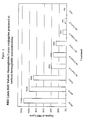
- AUC is determined by the time of onset, rate, and overall extend of RBC lysis. Lower AUC values indicate greater protection of RBCs against lysis. AUCs for Hb-Trolox A and B were significantly lower than for products from corresponding control reactions (no TX-EDC added, Table 4). TABLE 4 - Degree of antioxidant protection by Hb-Trolox conjugates and controls.
- TX Sample Trolox
- Hb Hemoglobin concentration
- AUC relative to AAPH control (%) AAPH 0 0 100 Free Trolox 0.50 0 88 Free Hb (A) 0 0.20 39 Free Hb (B) 0 0.20 35 Free TX + Hb 0.50 0.20 28 Hb-Trolox A 0.32 0.20 10 Hb-Trolox B 0.45 0.20 4 PBS 0 0 0
- AUC data for RBC lysis in the presence of free Trolox, free (control) hemoglobin, and a mixture of free Trolox and hemoglobin is also shown. Both the Trolox and hemoglobin, alone, show less protection than the corresponding hemoglobin-Trolox conjugates containing the same amount of hemoglobin and the same or lower concentration of Trolox in bound form. The mixture of the free Trolox and hemoglobin shows greater protection than an equal concentration of either compound alone, but still less protection than the corresponding hemoglobin-Trolox conjugates containing the same amount of hemoglobin and the same or lower concentration of Trolox in bound form. Since the conjugate and the mixture have the same hemoglobin content, and the conjugate contains the same or less Trolox than the mixture, then the greater activity of the conjugate suggests a synergistic effect, indicated by an increase in overall antioxidant activity due to conjugation.
- Hemoglobin-Trolox conjugates (Hb-Trolox A and B) prepared in Example 1 were dialyzed against 50 mM Bis-Tris buffer, pH 6.8. Three equivalents o-raffinose ( U.S. Patent 5,532,352 Pliura et. al. ) dissolved in water were added to solutions of hemoglobin-Trolox to give a final hemoglobin concentration of 42 mg/mL. The mixtures were held under CO gas at 22°C for 24 hours. The solutions were made 30 mM in sodium acetate, and 20 equivalents of aqueous dimethylamine borane relative to o-raffinose content were added. After 24 hours, the solutions were dialyzed against water then PBS pH 7.4.
- Table 5 Molecular weight distribution of o-raffinose polymerized hemoglobin-Trolox Molecular weight distribution (%) Molecular weight species (kDa) Polymerized Hb-Trolox A Polymerized Hb-Trolox B 32 12.2 11.8 64 44.7 41.1 >64 43.1 47.1
- Trolox was conjugated to o-raffinose cross-linked Hb (polyOR-Hb, U.S. Patent 5,532,352 Pliura et al. ) Using the method of Example 1. A 100-fold molar excess of TX-EDC was reacted with polyOR-Hb in 100 mM MES buffer at pH 5,6 and 7. All samples were analyzed by size exclusion chromatography (SEC) and reversed phase HPLC (RP HPLC) . In polyOR-Hb, alpha and beta chains are 33 and 90% modified by o-raffinose, respectively, prior to reaction with TX-EDC (Table 6).
- TX-EDC After reaction with TX-EDC at three different pH values, alpha and beta chain modification was increased to 67-77% and 93-99%, respectively, and several new modified chains were observed by RP HPLC. Some of these TX-modified chains corresponded to those observed after reaction of Hb with TX-EDC, as identified in Example 1.
- o-Raffinose polymerized hemoglobin (polyOR-Hb) was prepared as described in US Patent 5,532,352 Pliura et al. To each of two separate solutions (Reactions A and B) of 0.50 g polyOR-Hb in approximately 50 mL 125 mM MES buffer, pH 7.0 was added 0.194 g Trolox which had been pre-reacted for 10 - 20 minutes at room temperature with 0.149 g EDC in 1 mL acetonitrile. Identical amounts of Trolox/EDC were added to Reaction B at 5 and 19 hours, for a total of three additions. Reaction A had 1 mL volumes of acetonitrile added at the same times.
- o-Raffinose polymerized hemoglobin (polyOR-Hb) was prepared as described in US Patent 5,532,352 Pliura et al. 4.01 g Trolox was reacted with 3.07 g EDC in 40 mL acetonitrile for 10-20 minutes at room temperature. This solution was added to 18.9 g polyOR-Hb in 2 L 126 mM MES buffer, pH 7.0 Identical additions of Trolox/EDC were made after 3.5 and 21 hours, for a total of three additions. The reaction was stirred under CO gas at 22°C throughout the process.
- Sprague-Dawley rats 250-350 g were anesthetized with isoflurane on the day of the experiment.
- the right femoral artery and vein were cannulated.
- conscious animals residing in a metabolic cages were infused with either of two solutions: oxygenated polyOR-TX prepared in Example 6 or polyOR-Hb (no TX-EDC treatment; both solutions were 7.7 g/dL in lactated Ringer's solution).
- Infusion volume was equal to 10% of the animal's estimated blood volume.
- Mean arterial blood pressure (MAP) and heart rate (HR) were recorded 30 minutes prior to infusion to establish baseline values, during infusion and for 2 hours following infusion ( Figures 3 and 4 ).
- the baseline MAP prior to infusion was 101 ⁇ 4 mm Hg (polyOR-Hb) and 110 ⁇ 3 mm Hg (polyOR-Hb-TX).
- MAP increased significantly (P ⁇ 0.01) to 142 ⁇ 7 and 151 ⁇ 1 mm Hg in the polyOR-Hb and polyOR-Hb-TX groups, respectively.
- the difference in increase was not significantly different between the two groups (P>0.05).
- Pre-infusion HR were 407 ⁇ 17 and 394 ⁇ 17 beats per minute (bpm) in the polyOR-Hb and polyOR-Hb-TX groups, respectively.
- Trolox was conjugated to polyOR-Hb under deoxy conditions to prepare a product with a high P 50 , more suitable for use as an HBOC.
- PolyOR-Hb and MES buffer were deoxygenated by standard means.
- 0.78 g Trolox was reacted with 0.60 g EDC in 4 mL of acetonitrile for 10-20 minutes at room temperature.
- This solution was added to 2.04 g polyOR-Hb in 200 mL 120 mM MES pH 7.0. Two identical additions were made after 4 and 21 hours. At 27 hours following the first addition, the reaction mixture was charged with CO gas, filtered, concentrated and dialyzed extensively against PBS.
- the P 50 of the starting polyOR-Hb, the conjugate prepared in this example and the conjugate prepared in Example 6 were found to be 41, 40 and 16 mm Hg respectively, at 37°C, using a Hemox-Analyzer (TCS Instruments, Southampton, Pennsylvania, U.S.A).
- Example 8 the antioxidant activities of the polyOR-Hb-TX products prepared under deoxy conditions (Example 8) and CO conditions (Example 6) were measured. Samples were CO-ligated and concentration of the conjugates and controls in the RBC assay suspension was 12 mg/mL. An equal concentration of polyOR-Hb, as well as two concentrations of Trolox alone representing 1x and 0.5x its solubility limit in the test solution, were evaluated. Both conjugates showed greater protection than polyOR-Hb and Trolox controls. This is shown in Table 9 below. Protection was comparable for the products prepared under deoxy and CO conditions.
Landscapes
- Health & Medical Sciences (AREA)
- Life Sciences & Earth Sciences (AREA)
- Engineering & Computer Science (AREA)
- Bioinformatics & Cheminformatics (AREA)
- Proteomics, Peptides & Aminoacids (AREA)
- Animal Behavior & Ethology (AREA)
- Chemical & Material Sciences (AREA)
- Medicinal Chemistry (AREA)
- Veterinary Medicine (AREA)
- Public Health (AREA)
- Pharmacology & Pharmacy (AREA)
- General Health & Medical Sciences (AREA)
- Epidemiology (AREA)
- Molecular Biology (AREA)
- Organic Chemistry (AREA)
- Nuclear Medicine, Radiotherapy & Molecular Imaging (AREA)
- General Chemical & Material Sciences (AREA)
- Chemical Kinetics & Catalysis (AREA)
- Hematology (AREA)
- Diabetes (AREA)
- Medicines That Contain Protein Lipid Enzymes And Other Medicines (AREA)
- Medicinal Preparation (AREA)
- Medicines Containing Material From Animals Or Micro-Organisms (AREA)
- Pharmaceuticals Containing Other Organic And Inorganic Compounds (AREA)
Claims (26)
- Chemische Zusammensetzung, welche Sauerstofftransportfähigkeiten aufweist und biokompatible Sauerstoff transportierende Moleküle umfasst, die chemisch an ein biokompatibles Antoxidationsmittel gebunden sind, das im Wesentlichen aus einer Chromancarbonsäure der folgenden allegemeinen Formel besteht:

- Chemische Zusammensetzung nach Anspruch 1, wobei es sich bei dem Hämoprotein-Makromolekül um eine Hämoglobinart handelt.
- Zusammensetzung nach Anspruch 1, wobei es sich bei der Zusammensetzung um ein kovalent gebundenes Konjugat aus der Chromancarbonsäure und humanem Hämoglobin handelt.
- Zusammensetzung nach Anspruch 2 oder Anspruch 3, wobei das Hämoglobin des Konjugats vernetzt ist, um stabilisierte tetramere Einheiten zu bilden.
- Zusammensetzung nach einem der Ansprüche 2 bis 4, wobei das Hämoglobin des Konjugats zumindest teilweise zu Oligomeren von bis zu zwölf stabilisierten tetrameren Einheiten oligomerisiert ist.
- Zusammensetzung nach einem der Ansprüche 2 bis 5, welche ein Gemisch aus tetrameren stabilisierten Hämoglobineinheiten, die an das Chromancarbonsäure-Antioxidationsmittel konjugiert sind, und Oligomeren von 2 bis 8 solchen stabilisierten Hämoglobineinheiten umfasst, die an das Chromancarbonsäure-Antioxidationsmittel konjugiert sind,
- Zusammensetzung nach einem der Ansprüche 4 bis 6, wobei das Hämoglobin mit einem Polyaldehyd, Glutaraldehyd, einer Diaspirinverbindung, einer Pyridoxylverbindung oder einer Trimesoylverbindung vernetzt ist.
- Zusammensetzung nach Anspruch 7, wobei das Hämoglobin mit einem Polyaldehyd vernetzt ist, der durch die oxidative Ringöffnung eines Polysaccharids gewonnen wird.
- Zusammensetzung nach Anspruch 8, wobei es sich bei dem Polysaccharid um o-Raffinose handelt.
- Zusammensetzung nach Anspruch 2 bis 9, wobei das Hämoglobin-Antioxidationsmittel-Konjugat an ein biokompatibles Polymer gebunden ist.
- Zusammensetzung nach Anspruch 10, wobei es sich bei dem biokompatiblen Polymer um Polyethylenglykol, ein Polysaccharid, eine Polyaminosäure oder einen unlöslichen Träger handelt.
- Zusammensetzung nach Anspruch 1, wobei es sich in der Formel der Chromancarbonsäure bei mindestens einem von R'1, R'2 und R'3 um eine Methylgruppe handelt.
- Zusammensetzung nach Anspruch 12, wobei es sich in der Formel der Chromancarbonsäure bei R'4 um eine direkte Bindung handelt.
- Zusammensetzung nach einem der Ansprüche 1 bis 13, wobei es sich bei dem Chromancarbonsäure-Antioxidationsmittel um 2,5,7,8-Tetramethyl-2-carboxychroman-6-ol handelt.
- Verfahren zur Herstellung einer Hämoglobinzusammensetzung, welche antioxidative Eigenschaften aufweist und für die Verabreichung an einen Patienten aus der Klasse der Säugetiere geeignet ist und welche chemisch reagierendes, gereinigtes, stromafreies Hämoglobin mit einer Chromancarbonsäure umfasst, wie sie im Anspruch 1 definiert ist, um daraus ein kovalent gebundenes chemisches Konjugat zu bilden.
- Verfahren nach Anspruch 15, wobei das Hämoglobin vor der Konjugation an die Chromancarbonsäure mit einem vernetzenden Reagens umgesetzt wird, um es in seiner Form tetramerer Einheiten gegen die Dissoziation in dimere Einheiten zu stabilisieren.
- Verfahren nach Anspruch 15, wobei das Hämoglobin-Chromancarbonsäure-Konjugat anschließend mit einem Hämoglobin-Vernetzungsmittel umgesetzt wird, um eine Vernetzungsstabilisierung des Hämoglobinteils des Konjugats zu bewirken.
- Verfahren nach Anspruch 16 oder Anspruch 17, wobei es sich bei dem Vernetzungsmittel um einen Polyaldehyd handelt.
- Verfahren nach Anspruch 18, wobei es sich bei dem Polyaldehyd um o-Raffinose handelt.
- Verfahren nach Anspruch 19, wobei das Hämoglobin zumindest teilweise durch weitere Reaktion mit o-Raffinose oligomerisiert wird.
- Verfahren nach Anspruch 15, wobei die Reaktion zwischen dem Hämoglobin und der Chromancarbonsäure in Gegenwart einer aktivierenden Verbindung durchgeführt wird.
- Verfahren nach Anspruch 21, wobei es sich bei der aktivierenden Verbindung um ein Carbodümid handelt,
- Verfahren nach Anspruch 22, wobei es sich bei dem Carbodiimid um 1-(3-Dimethylaminopropyl)-3-ethylcarbodiimid handelt.
- Verfahren nach einem der Ansprüche 15 bis 23, wobei es sich bei der Chromancarbonsäure um 2,5,7,8-Tetramethyl-2-carboxychroman-8-ol handelt.
- Verwendung einer chemischen Zusammensetzung nach einem der Ansprüche 1 bis 14 bei der Herstellung einer biokompatiblen Sauerstoff transportierenden flüssigen Zusammensetzung für antioxidative therapeutische Zwecke.
- Chemische Zusammensetzung nach einem der Ansprüche 1 bis 14 zur Verwendung in einer biokompatiblen Sauerstoff transportierenden flüssigen Zusammensetzung für die antioxidative Therapie.
Applications Claiming Priority (3)
| Application Number | Priority Date | Filing Date | Title |
|---|---|---|---|
| CA002266174A CA2266174A1 (en) | 1999-03-18 | 1999-03-18 | Hemoglobin-antioxidant conjugates |
| CA2266174 | 1999-03-18 | ||
| PCT/CA2000/000299 WO2000056367A1 (en) | 1999-03-18 | 2000-03-20 | Hemoglobin-antioxidant conjugates |
Publications (2)
| Publication Number | Publication Date |
|---|---|
| EP1163010A1 EP1163010A1 (de) | 2001-12-19 |
| EP1163010B1 true EP1163010B1 (de) | 2012-12-12 |
Family
ID=4163391
Family Applications (1)
| Application Number | Title | Priority Date | Filing Date |
|---|---|---|---|
| EP00910473A Expired - Lifetime EP1163010B1 (de) | 1999-03-18 | 2000-03-20 | Hämoglobin-antioxidant konjugate |
Country Status (10)
| Country | Link |
|---|---|
| US (1) | US6974794B1 (de) |
| EP (1) | EP1163010B1 (de) |
| JP (1) | JP4739530B2 (de) |
| KR (1) | KR100676264B1 (de) |
| AU (1) | AU782407B2 (de) |
| CA (2) | CA2266174A1 (de) |
| ES (1) | ES2399835T3 (de) |
| HK (1) | HK1041832A1 (de) |
| NZ (1) | NZ513933A (de) |
| WO (1) | WO2000056367A1 (de) |
Families Citing this family (8)
| Publication number | Priority date | Publication date | Assignee | Title |
|---|---|---|---|---|
| KR20040005397A (ko) * | 2002-07-10 | 2004-01-16 | 이대평 | 게르마늄 치환기를 가진 포르피린 유도체의 제조방법 |
| CA2493748A1 (en) * | 2002-08-14 | 2004-02-26 | Medical College Of Georgia Research Institute, Inc. | Methods and compositions for treatment of macular and retinal disease |
| EP1856040A4 (de) * | 2005-02-25 | 2009-09-23 | Lilly Co Eli | Neue lipoxygenaseinhibitoren |
| US8609815B2 (en) | 2010-09-02 | 2013-12-17 | Sangart, Inc. | Methods for preparing stable deoxygenated PEG-hemoglobin conjugate solutions comprising an antioxidant |
| EP3655019A4 (de) | 2017-07-18 | 2021-04-21 | Virtech Bio, Inc. | Hämoglobin enthaltende blutersatzstoffe und verfahren zu deren herstellung |
| EP3863649A4 (de) * | 2018-10-12 | 2022-08-10 | Virtech Bio, Inc. | Sauerstoffanreicherungsmedien zur ex-vivo-konservierung von organen und geweben |
| KR102221365B1 (ko) * | 2019-05-07 | 2021-03-02 | (주)케어젠 | 트롤록스-펩타이드 결합체 및 그의 용도 |
| CN111323606B (zh) * | 2020-03-16 | 2021-08-10 | 中南大学 | 一种利用色素蛋白的氧化损伤检测抗氧化剂抗氧化效力的方法 |
Citations (1)
| Publication number | Priority date | Publication date | Assignee | Title |
|---|---|---|---|---|
| WO1998034955A1 (en) * | 1997-02-06 | 1998-08-13 | Duke University Medical Center | No-modified hemoglobins and uses therefor |
Family Cites Families (14)
| Publication number | Priority date | Publication date | Assignee | Title |
|---|---|---|---|---|
| US4001200A (en) * | 1975-02-27 | 1977-01-04 | Alza Corporation | Novel polymerized, cross-linked, stromal-free hemoglobin |
| JPS6023084B2 (ja) * | 1979-07-11 | 1985-06-05 | 味の素株式会社 | 代用血液 |
| US4425334A (en) | 1982-04-02 | 1984-01-10 | The Regents Of The University Of California | Functional oxygen transport system |
| US4831012A (en) * | 1984-03-23 | 1989-05-16 | Baxter International Inc. | Purified hemoglobin solutions and method for making same |
| US5478806A (en) * | 1989-11-22 | 1995-12-26 | Enzon, Inc. | Enhancement of antitumor therapy with hemoglobin-based conjugates |
| US5099012A (en) | 1990-12-11 | 1992-03-24 | Eastman Kodak Company | Chroman-2-carboxamide conjugates and their use for treatment of reperfusion injury |
| US5290919A (en) * | 1992-08-28 | 1994-03-01 | The University Of Maryland Baltimore | Hemoglobin intramolecularly cross-linked with trivalent reagents |
| DE69401109T2 (de) * | 1993-03-16 | 1997-05-28 | Hemosol Inc | Selektive vernetzung von hemoglobin mittels oxidierten, ringgeöffneten sacchariden |
| TW381022B (en) * | 1993-08-16 | 2000-02-01 | Hsia Jen Chang | Compositions and methods utilizing nitroxides to avoid oxygen toxicity, particularly in stabilized, polymerized, conjugated, or encapsulated hemoglobin used as a red cell substitute |
| FR2715582B1 (fr) * | 1994-02-02 | 1996-03-15 | Centre Nat Rech Scient | Microcapsules à paroi de flavonoïde réticulée et compositions en contenant. |
| CA2135739C (en) * | 1994-11-14 | 1997-10-21 | Felice D'agnillo | Hemoglobin-enzyme complexes |
| CA2195005C (en) * | 1995-06-16 | 2001-02-20 | Ronald H. Kluger | Multifunctional cross-linking reagents for hemoglobin, and cross-linked hemoglobin conjugates |
| US6090800A (en) * | 1997-05-06 | 2000-07-18 | Imarx Pharmaceutical Corp. | Lipid soluble steroid prodrugs |
| CA2236344A1 (en) * | 1998-04-30 | 1999-10-30 | Hemosol Inc. | Hemoglobin-haptoglobin complexes |
-
1999
- 1999-03-18 CA CA002266174A patent/CA2266174A1/en not_active Abandoned
-
2000
- 2000-03-20 NZ NZ513933A patent/NZ513933A/en unknown
- 2000-03-20 KR KR1020017011246A patent/KR100676264B1/ko not_active Expired - Fee Related
- 2000-03-20 AU AU32690/00A patent/AU782407B2/en not_active Ceased
- 2000-03-20 CA CA2366833A patent/CA2366833C/en not_active Expired - Fee Related
- 2000-03-20 JP JP2000606271A patent/JP4739530B2/ja not_active Expired - Fee Related
- 2000-03-20 WO PCT/CA2000/000299 patent/WO2000056367A1/en not_active Ceased
- 2000-03-20 ES ES00910473T patent/ES2399835T3/es not_active Expired - Lifetime
- 2000-03-20 HK HK02103828.0A patent/HK1041832A1/zh unknown
- 2000-03-20 EP EP00910473A patent/EP1163010B1/de not_active Expired - Lifetime
- 2000-03-20 US US09/926,167 patent/US6974794B1/en not_active Expired - Fee Related
Patent Citations (1)
| Publication number | Priority date | Publication date | Assignee | Title |
|---|---|---|---|---|
| WO1998034955A1 (en) * | 1997-02-06 | 1998-08-13 | Duke University Medical Center | No-modified hemoglobins and uses therefor |
Non-Patent Citations (2)
| Title |
|---|
| HSIA J C ET AL: "PHARMACOKINETIC STUDIES IN THE RAT ON A O RAFFINOSE POLYMERIZED HUMAN HEMOGLOBIN", BIOMATERIALS ARTIFICIAL CELLS AND IMMOBILIZATION BIOTECHNOLOGY, vol. 20, no. 2-4, 1992, & MEETING ON BIOMATERIALS, ARTIFICIAL CELLS AND IMMOBILIZATION BIOTECHNOLOGY HELD AT THE IV INTERNATIO, pages 587 - 595, ISSN: 1055-7172 * |
| MORDENTE ALVARO ET AL: "Antioxidant properties of 2,3-dimethoxy-5-methyl-6-(10-hydroxydecyl)- 1,4-benzoquinone (Idebenone)", CHEMICAL RESEARCH IN TOXICOLOGY, vol. 11, no. 1, January 1998 (1998-01-01), pages 54 - 63, ISSN: 0893-228X * |
Also Published As
| Publication number | Publication date |
|---|---|
| CA2366833A1 (en) | 2000-09-28 |
| KR100676264B1 (ko) | 2007-01-30 |
| NZ513933A (en) | 2001-09-28 |
| HK1041832A1 (zh) | 2002-07-26 |
| ES2399835T3 (es) | 2013-04-03 |
| EP1163010A1 (de) | 2001-12-19 |
| US6974794B1 (en) | 2005-12-13 |
| CA2266174A1 (en) | 2000-09-18 |
| AU3269000A (en) | 2000-10-09 |
| CA2366833C (en) | 2010-06-15 |
| JP4739530B2 (ja) | 2011-08-03 |
| WO2000056367A1 (en) | 2000-09-28 |
| JP2002540081A (ja) | 2002-11-26 |
| AU782407B2 (en) | 2005-07-28 |
| KR20010111571A (ko) | 2001-12-19 |
Similar Documents
| Publication | Publication Date | Title |
|---|---|---|
| US7005414B2 (en) | Synthetic oxygen transport made from cross-linked modified human or porcine haemoglobin with improved properties, method for a preparation thereof from purified material and use thereof | |
| US6083909A (en) | Haemoglobin-hydroxyethyl starch conjugates as oxygen carriers | |
| JP6686067B2 (ja) | スクシンイミド活性化されたニトロキシル化合物およびタンパク質のニトロキシル化のためのその使用のための方法 | |
| EP0143832B1 (de) | Modifiziertes vernetztes stromafreies tetrameres hämoglobin | |
| US20040023851A1 (en) | Method for the porduction of artificial oxygen carriers from covalently cross linking haemoglobin with improved functional properties of haemoglobin by cross- linking in the presence of chemically non- reacting effectors of the oxygen affinity of the haemoglobin | |
| NZ224479A (en) | Stabilised haemoglobin product | |
| JP2019089789A (ja) | ジアスピリン架橋pegヘモグロビン | |
| AU782407B2 (en) | Hemoglobin-antioxidant conjugates | |
| KR102238718B1 (ko) | 폴리알킬렌 산화물 발레르산염 헤모글로빈 접합체 | |
| WO2001095930A1 (fr) | Procede de photoreduction de vesicules d'hemoglobine | |
| US5998361A (en) | Polymerized hemoglobin | |
| JP2010531659A (ja) | 変化した電子伝達経路を有する改変グロビンタンパク質 | |
| WO1999018979A1 (en) | Storage-stable hemoglobin composition | |
| US8609815B2 (en) | Methods for preparing stable deoxygenated PEG-hemoglobin conjugate solutions comprising an antioxidant |
Legal Events
| Date | Code | Title | Description |
|---|---|---|---|
| PUAI | Public reference made under article 153(3) epc to a published international application that has entered the european phase |
Free format text: ORIGINAL CODE: 0009012 |
|
| 17P | Request for examination filed |
Effective date: 20011012 |
|
| AK | Designated contracting states |
Kind code of ref document: A1 Designated state(s): AT BE CH CY DE DK ES FI FR GB GR IE IT LI LU MC NL PT SE |
|
| AX | Request for extension of the european patent |
Free format text: AL;LT;LV;MK;RO;SI |
|
| RAP1 | Party data changed (applicant data changed or rights of an application transferred) |
Owner name: HEMOSOL INC. |
|
| RAP1 | Party data changed (applicant data changed or rights of an application transferred) |
Owner name: HEMOSOL LP |
|
| 17Q | First examination report despatched |
Effective date: 20070912 |
|
| RAP1 | Party data changed (applicant data changed or rights of an application transferred) |
Owner name: THERAPURE BIOPHARMA INC. |
|
| REG | Reference to a national code |
Ref country code: HK Ref legal event code: WD Ref document number: 1041832 Country of ref document: HK |
|
| GRAP | Despatch of communication of intention to grant a patent |
Free format text: ORIGINAL CODE: EPIDOSNIGR1 |
|
| RIC1 | Information provided on ipc code assigned before grant |
Ipc: A61P 43/00 20060101ALN20120521BHEP Ipc: A61K 47/48 20060101AFI20120521BHEP |
|
| GRAS | Grant fee paid |
Free format text: ORIGINAL CODE: EPIDOSNIGR3 |
|
| GRAA | (expected) grant |
Free format text: ORIGINAL CODE: 0009210 |
|
| AK | Designated contracting states |
Kind code of ref document: B1 Designated state(s): AT BE CH CY DE DK ES FI FR GB GR IE IT LI LU MC NL PT SE |
|
| REG | Reference to a national code |
Ref country code: GB Ref legal event code: FG4D |
|
| REG | Reference to a national code |
Ref country code: CH Ref legal event code: EP |
|
| REG | Reference to a national code |
Ref country code: AT Ref legal event code: REF Ref document number: 588018 Country of ref document: AT Kind code of ref document: T Effective date: 20121215 |
|
| REG | Reference to a national code |
Ref country code: IE Ref legal event code: FG4D |
|
| REG | Reference to a national code |
Ref country code: DE Ref legal event code: R096 Ref document number: 60047695 Country of ref document: DE Effective date: 20130207 |
|
| REG | Reference to a national code |
Ref country code: ES Ref legal event code: FG2A Ref document number: 2399835 Country of ref document: ES Kind code of ref document: T3 Effective date: 20130403 |
|
| PG25 | Lapsed in a contracting state [announced via postgrant information from national office to epo] |
Ref country code: SE Free format text: LAPSE BECAUSE OF FAILURE TO SUBMIT A TRANSLATION OF THE DESCRIPTION OR TO PAY THE FEE WITHIN THE PRESCRIBED TIME-LIMIT Effective date: 20121212 Ref country code: FI Free format text: LAPSE BECAUSE OF FAILURE TO SUBMIT A TRANSLATION OF THE DESCRIPTION OR TO PAY THE FEE WITHIN THE PRESCRIBED TIME-LIMIT Effective date: 20121212 |
|
| REG | Reference to a national code |
Ref country code: NL Ref legal event code: VDEP Effective date: 20121212 |
|
| REG | Reference to a national code |
Ref country code: AT Ref legal event code: MK05 Ref document number: 588018 Country of ref document: AT Kind code of ref document: T Effective date: 20121212 |
|
| PG25 | Lapsed in a contracting state [announced via postgrant information from national office to epo] |
Ref country code: GR Free format text: LAPSE BECAUSE OF FAILURE TO SUBMIT A TRANSLATION OF THE DESCRIPTION OR TO PAY THE FEE WITHIN THE PRESCRIBED TIME-LIMIT Effective date: 20130313 |
|
| PG25 | Lapsed in a contracting state [announced via postgrant information from national office to epo] |
Ref country code: BE Free format text: LAPSE BECAUSE OF FAILURE TO SUBMIT A TRANSLATION OF THE DESCRIPTION OR TO PAY THE FEE WITHIN THE PRESCRIBED TIME-LIMIT Effective date: 20121212 Ref country code: CY Free format text: LAPSE BECAUSE OF FAILURE TO SUBMIT A TRANSLATION OF THE DESCRIPTION OR TO PAY THE FEE WITHIN THE PRESCRIBED TIME-LIMIT Effective date: 20121212 Ref country code: AT Free format text: LAPSE BECAUSE OF FAILURE TO SUBMIT A TRANSLATION OF THE DESCRIPTION OR TO PAY THE FEE WITHIN THE PRESCRIBED TIME-LIMIT Effective date: 20121212 |
|
| PG25 | Lapsed in a contracting state [announced via postgrant information from national office to epo] |
Ref country code: NL Free format text: LAPSE BECAUSE OF FAILURE TO SUBMIT A TRANSLATION OF THE DESCRIPTION OR TO PAY THE FEE WITHIN THE PRESCRIBED TIME-LIMIT Effective date: 20121212 Ref country code: PT Free format text: LAPSE BECAUSE OF FAILURE TO SUBMIT A TRANSLATION OF THE DESCRIPTION OR TO PAY THE FEE WITHIN THE PRESCRIBED TIME-LIMIT Effective date: 20130412 |
|
| PLBE | No opposition filed within time limit |
Free format text: ORIGINAL CODE: 0009261 |
|
| STAA | Information on the status of an ep patent application or granted ep patent |
Free format text: STATUS: NO OPPOSITION FILED WITHIN TIME LIMIT |
|
| PG25 | Lapsed in a contracting state [announced via postgrant information from national office to epo] |
Ref country code: DK Free format text: LAPSE BECAUSE OF FAILURE TO SUBMIT A TRANSLATION OF THE DESCRIPTION OR TO PAY THE FEE WITHIN THE PRESCRIBED TIME-LIMIT Effective date: 20121212 Ref country code: MC Free format text: LAPSE BECAUSE OF NON-PAYMENT OF DUE FEES Effective date: 20130331 |
|
| REG | Reference to a national code |
Ref country code: CH Ref legal event code: PL |
|
| 26N | No opposition filed |
Effective date: 20130913 |
|
| REG | Reference to a national code |
Ref country code: IE Ref legal event code: MM4A |
|
| REG | Reference to a national code |
Ref country code: DE Ref legal event code: R097 Ref document number: 60047695 Country of ref document: DE Effective date: 20130913 |
|
| PG25 | Lapsed in a contracting state [announced via postgrant information from national office to epo] |
Ref country code: IE Free format text: LAPSE BECAUSE OF NON-PAYMENT OF DUE FEES Effective date: 20130320 Ref country code: CH Free format text: LAPSE BECAUSE OF NON-PAYMENT OF DUE FEES Effective date: 20130331 Ref country code: LI Free format text: LAPSE BECAUSE OF NON-PAYMENT OF DUE FEES Effective date: 20130331 |
|
| PG25 | Lapsed in a contracting state [announced via postgrant information from national office to epo] |
Ref country code: LU Free format text: LAPSE BECAUSE OF NON-PAYMENT OF DUE FEES Effective date: 20130320 |
|
| REG | Reference to a national code |
Ref country code: FR Ref legal event code: PLFP Year of fee payment: 17 |
|
| PGFP | Annual fee paid to national office [announced via postgrant information from national office to epo] |
Ref country code: ES Payment date: 20160330 Year of fee payment: 17 Ref country code: DE Payment date: 20160322 Year of fee payment: 17 |
|
| PGFP | Annual fee paid to national office [announced via postgrant information from national office to epo] |
Ref country code: GB Payment date: 20160331 Year of fee payment: 17 Ref country code: FR Payment date: 20160323 Year of fee payment: 17 |
|
| PGFP | Annual fee paid to national office [announced via postgrant information from national office to epo] |
Ref country code: IT Payment date: 20160324 Year of fee payment: 17 |
|
| REG | Reference to a national code |
Ref country code: DE Ref legal event code: R079 Ref document number: 60047695 Country of ref document: DE Free format text: PREVIOUS MAIN CLASS: A61K0047480000 Ipc: A61K0047500000 |
|
| REG | Reference to a national code |
Ref country code: DE Ref legal event code: R119 Ref document number: 60047695 Country of ref document: DE |
|
| GBPC | Gb: european patent ceased through non-payment of renewal fee |
Effective date: 20170320 |
|
| REG | Reference to a national code |
Ref country code: FR Ref legal event code: ST Effective date: 20171130 |
|
| PG25 | Lapsed in a contracting state [announced via postgrant information from national office to epo] |
Ref country code: DE Free format text: LAPSE BECAUSE OF NON-PAYMENT OF DUE FEES Effective date: 20171003 Ref country code: FR Free format text: LAPSE BECAUSE OF NON-PAYMENT OF DUE FEES Effective date: 20170331 |
|
| PG25 | Lapsed in a contracting state [announced via postgrant information from national office to epo] |
Ref country code: IT Free format text: LAPSE BECAUSE OF NON-PAYMENT OF DUE FEES Effective date: 20170320 Ref country code: GB Free format text: LAPSE BECAUSE OF NON-PAYMENT OF DUE FEES Effective date: 20170320 |
|
| REG | Reference to a national code |
Ref country code: ES Ref legal event code: FD2A Effective date: 20180704 |
|
| PG25 | Lapsed in a contracting state [announced via postgrant information from national office to epo] |
Ref country code: ES Free format text: LAPSE BECAUSE OF NON-PAYMENT OF DUE FEES Effective date: 20170321 |