EP1164745A2 - Verfahren und Vorrichtung zur Verwendung eines Rollenzertifikats bei der Verschlüsselung, als Siegel, digitaler Stempel und als Unterschrift - Google Patents
Verfahren und Vorrichtung zur Verwendung eines Rollenzertifikats bei der Verschlüsselung, als Siegel, digitaler Stempel und als Unterschrift Download PDFInfo
- Publication number
- EP1164745A2 EP1164745A2 EP01112854A EP01112854A EP1164745A2 EP 1164745 A2 EP1164745 A2 EP 1164745A2 EP 01112854 A EP01112854 A EP 01112854A EP 01112854 A EP01112854 A EP 01112854A EP 1164745 A2 EP1164745 A2 EP 1164745A2
- Authority
- EP
- European Patent Office
- Prior art keywords
- role
- certificate
- user
- role certificate
- transmitting
- Prior art date
- Legal status (The legal status is an assumption and is not a legal conclusion. Google has not performed a legal analysis and makes no representation as to the accuracy of the status listed.)
- Withdrawn
Links
Images




Classifications
-
- H—ELECTRICITY
- H04—ELECTRIC COMMUNICATION TECHNIQUE
- H04L—TRANSMISSION OF DIGITAL INFORMATION, e.g. TELEGRAPHIC COMMUNICATION
- H04L63/00—Network architectures or network communication protocols for network security
- H04L63/08—Network architectures or network communication protocols for network security for authentication of entities
- H04L63/0815—Network architectures or network communication protocols for network security for authentication of entities providing single-sign-on or federations
-
- G—PHYSICS
- G06—COMPUTING OR CALCULATING; COUNTING
- G06F—ELECTRIC DIGITAL DATA PROCESSING
- G06F21/00—Security arrangements for protecting computers, components thereof, programs or data against unauthorised activity
- G06F21/30—Authentication, i.e. establishing the identity or authorisation of security principals
- G06F21/31—User authentication
- G06F21/33—User authentication using certificates
- G06F21/335—User authentication using certificates for accessing specific resources, e.g. using Kerberos tickets
-
- G—PHYSICS
- G06—COMPUTING OR CALCULATING; COUNTING
- G06F—ELECTRIC DIGITAL DATA PROCESSING
- G06F21/00—Security arrangements for protecting computers, components thereof, programs or data against unauthorised activity
- G06F21/60—Protecting data
- G06F21/602—Providing cryptographic facilities or services
-
- G—PHYSICS
- G06—COMPUTING OR CALCULATING; COUNTING
- G06F—ELECTRIC DIGITAL DATA PROCESSING
- G06F21/00—Security arrangements for protecting computers, components thereof, programs or data against unauthorised activity
- G06F21/60—Protecting data
- G06F21/604—Tools and structures for managing or administering access control systems
-
- G—PHYSICS
- G06—COMPUTING OR CALCULATING; COUNTING
- G06F—ELECTRIC DIGITAL DATA PROCESSING
- G06F21/00—Security arrangements for protecting computers, components thereof, programs or data against unauthorised activity
- G06F21/60—Protecting data
- G06F21/62—Protecting access to data via a platform, e.g. using keys or access control rules
- G06F21/6209—Protecting access to data via a platform, e.g. using keys or access control rules to a single file or object, e.g. in a secure envelope, encrypted and accessed using a key, or with access control rules appended to the object itself
-
- G—PHYSICS
- G06—COMPUTING OR CALCULATING; COUNTING
- G06F—ELECTRIC DIGITAL DATA PROCESSING
- G06F21/00—Security arrangements for protecting computers, components thereof, programs or data against unauthorised activity
- G06F21/60—Protecting data
- G06F21/62—Protecting access to data via a platform, e.g. using keys or access control rules
- G06F21/6218—Protecting access to data via a platform, e.g. using keys or access control rules to a system of files or objects, e.g. local or distributed file system or database
-
- G—PHYSICS
- G06—COMPUTING OR CALCULATING; COUNTING
- G06Q—INFORMATION AND COMMUNICATION TECHNOLOGY [ICT] SPECIALLY ADAPTED FOR ADMINISTRATIVE, COMMERCIAL, FINANCIAL, MANAGERIAL OR SUPERVISORY PURPOSES; SYSTEMS OR METHODS SPECIALLY ADAPTED FOR ADMINISTRATIVE, COMMERCIAL, FINANCIAL, MANAGERIAL OR SUPERVISORY PURPOSES, NOT OTHERWISE PROVIDED FOR
- G06Q30/00—Commerce
- G06Q30/06—Buying, selling or leasing transactions
-
- H—ELECTRICITY
- H04—ELECTRIC COMMUNICATION TECHNIQUE
- H04L—TRANSMISSION OF DIGITAL INFORMATION, e.g. TELEGRAPHIC COMMUNICATION
- H04L63/00—Network architectures or network communication protocols for network security
- H04L63/08—Network architectures or network communication protocols for network security for authentication of entities
- H04L63/0823—Network architectures or network communication protocols for network security for authentication of entities using certificates
-
- H—ELECTRICITY
- H04—ELECTRIC COMMUNICATION TECHNIQUE
- H04L—TRANSMISSION OF DIGITAL INFORMATION, e.g. TELEGRAPHIC COMMUNICATION
- H04L63/00—Network architectures or network communication protocols for network security
- H04L63/08—Network architectures or network communication protocols for network security for authentication of entities
- H04L63/083—Network architectures or network communication protocols for network security for authentication of entities using passwords
-
- H—ELECTRICITY
- H04—ELECTRIC COMMUNICATION TECHNIQUE
- H04L—TRANSMISSION OF DIGITAL INFORMATION, e.g. TELEGRAPHIC COMMUNICATION
- H04L9/00—Cryptographic mechanisms or cryptographic arrangements for secret or secure communications; Network security protocols
- H04L9/006—Cryptographic mechanisms or cryptographic arrangements for secret or secure communications; Network security protocols involving public key infrastructure [PKI] trust models
-
- H—ELECTRICITY
- H04—ELECTRIC COMMUNICATION TECHNIQUE
- H04L—TRANSMISSION OF DIGITAL INFORMATION, e.g. TELEGRAPHIC COMMUNICATION
- H04L9/00—Cryptographic mechanisms or cryptographic arrangements for secret or secure communications; Network security protocols
- H04L9/32—Cryptographic mechanisms or cryptographic arrangements for secret or secure communications; Network security protocols including means for verifying the identity or authority of a user of the system or for message authentication, e.g. authorization, entity authentication, data integrity or data verification, non-repudiation, key authentication or verification of credentials
- H04L9/3247—Cryptographic mechanisms or cryptographic arrangements for secret or secure communications; Network security protocols including means for verifying the identity or authority of a user of the system or for message authentication, e.g. authorization, entity authentication, data integrity or data verification, non-repudiation, key authentication or verification of credentials involving digital signatures
-
- H—ELECTRICITY
- H04—ELECTRIC COMMUNICATION TECHNIQUE
- H04L—TRANSMISSION OF DIGITAL INFORMATION, e.g. TELEGRAPHIC COMMUNICATION
- H04L9/00—Cryptographic mechanisms or cryptographic arrangements for secret or secure communications; Network security protocols
- H04L9/32—Cryptographic mechanisms or cryptographic arrangements for secret or secure communications; Network security protocols including means for verifying the identity or authority of a user of the system or for message authentication, e.g. authorization, entity authentication, data integrity or data verification, non-repudiation, key authentication or verification of credentials
- H04L9/3263—Cryptographic mechanisms or cryptographic arrangements for secret or secure communications; Network security protocols including means for verifying the identity or authority of a user of the system or for message authentication, e.g. authorization, entity authentication, data integrity or data verification, non-repudiation, key authentication or verification of credentials involving certificates, e.g. public key certificate [PKC] or attribute certificate [AC]; Public key infrastructure [PKI] arrangements
- H04L9/3268—Cryptographic mechanisms or cryptographic arrangements for secret or secure communications; Network security protocols including means for verifying the identity or authority of a user of the system or for message authentication, e.g. authorization, entity authentication, data integrity or data verification, non-repudiation, key authentication or verification of credentials involving certificates, e.g. public key certificate [PKC] or attribute certificate [AC]; Public key infrastructure [PKI] arrangements using certificate validation, registration, distribution or revocation, e.g. certificate revocation list [CRL]
-
- G—PHYSICS
- G06—COMPUTING OR CALCULATING; COUNTING
- G06F—ELECTRIC DIGITAL DATA PROCESSING
- G06F2221/00—Indexing scheme relating to security arrangements for protecting computers, components thereof, programs or data against unauthorised activity
- G06F2221/21—Indexing scheme relating to G06F21/00 and subgroups addressing additional information or applications relating to security arrangements for protecting computers, components thereof, programs or data against unauthorised activity
- G06F2221/2141—Access rights, e.g. capability lists, access control lists, access tables, access matrices
-
- G—PHYSICS
- G06—COMPUTING OR CALCULATING; COUNTING
- G06F—ELECTRIC DIGITAL DATA PROCESSING
- G06F2221/00—Indexing scheme relating to security arrangements for protecting computers, components thereof, programs or data against unauthorised activity
- G06F2221/21—Indexing scheme relating to G06F21/00 and subgroups addressing additional information or applications relating to security arrangements for protecting computers, components thereof, programs or data against unauthorised activity
- G06F2221/2149—Restricted operating environment
-
- H—ELECTRICITY
- H04—ELECTRIC COMMUNICATION TECHNIQUE
- H04L—TRANSMISSION OF DIGITAL INFORMATION, e.g. TELEGRAPHIC COMMUNICATION
- H04L63/00—Network architectures or network communication protocols for network security
- H04L63/02—Network architectures or network communication protocols for network security for separating internal from external traffic, e.g. firewalls
- H04L63/0272—Virtual private networks
-
- H—ELECTRICITY
- H04—ELECTRIC COMMUNICATION TECHNIQUE
- H04L—TRANSMISSION OF DIGITAL INFORMATION, e.g. TELEGRAPHIC COMMUNICATION
- H04L63/00—Network architectures or network communication protocols for network security
- H04L63/04—Network architectures or network communication protocols for network security for providing a confidential data exchange among entities communicating through data packet networks
- H04L63/0428—Network architectures or network communication protocols for network security for providing a confidential data exchange among entities communicating through data packet networks wherein the data content is protected, e.g. by encrypting or encapsulating the payload
- H04L63/0442—Network architectures or network communication protocols for network security for providing a confidential data exchange among entities communicating through data packet networks wherein the data content is protected, e.g. by encrypting or encapsulating the payload wherein the sending and receiving network entities apply asymmetric encryption, i.e. different keys for encryption and decryption
-
- H—ELECTRICITY
- H04—ELECTRIC COMMUNICATION TECHNIQUE
- H04L—TRANSMISSION OF DIGITAL INFORMATION, e.g. TELEGRAPHIC COMMUNICATION
- H04L63/00—Network architectures or network communication protocols for network security
- H04L63/12—Applying verification of the received information
Definitions
- the invention relates to a system and method for usage of a role certificate in encryption, and as a seal, digital stamp, and a signature. More particularly, the invention employs a method and computer program in which a role certificate enables more than one individual or entity of an identifiable group to encrypt and decrypt information as well as sign, stamp or seal any information using the same role certificate.
- This digital signature capability has been implemented using the same public key infrastructure previously discussed. However, instead of an entire document being encrypted, the document itself is passed through a one-way hashing algorithm that produces a small document, referred to as a digest. This digest is then encrypted using the individual's private key, also known as. a private signing key, and is appended to the document. The receiver of the document can verify the authenticity of the digital signature (digest) by stripping the signature from the document and recomputing the hash function on the document to generate an as received digest. Using public signing key, included in the document or previously received, it is possible to decrypt the digest of the document and compare it to the digest as received. If the two digest match, then the signature is authenticated. Therefore, in using the aforementioned public key infrastructure, it is possible to both encrypt and decrypt messages as well as digitally sign documents.
- each individual in order for a group of individuals or entities to transmit and receive the encrypted messages each individual must have created a key pair having a public key and a private key. Further, each individual or entity in a group is also required to have a separate public signing key and a private signing key in order to digitally sign documents.
- each individual or entity in a group is also required to have a separate public signing key and a private signing key in order to digitally sign documents.
- members of the group In order for other members of the group to be able to decrypt messages received it is necessary for members of the group to exchange key pairs including the private key. This may be necessary when a member of the group is not in the office due to illness or travel. Where such an exchange of key pairs does not take place, when an urgent encrypted message comes into, for example, the office of finance, human resources, or an engineering group in the corporation, only the person holding the private key may decrypt the message.
- a single digital certificate should be used for both encryption and signature purposes by all authorized members of a group.
- policies should be established to indicate the limitations associated with a group digital signature. For example, a policy for purchase approval on a digital signature from the office of finance in a corporation may be limited to purchases of no greater then $100,000. Beyond this limit a personal signature of the chief financial officer is required to approve such a purchase.
- this policy should be publicly available, at least within the organization, so that others may verify that the digital signature issued by a group is valid under the policy.
- An embodiment of the present invention provides for a method of creating a role certificate by a user.
- This method begins by transmitting a role approval form filled out and digitally signed by the user using a personal digital signature to at least one personal role approval.
- the role approval form is digitally signed by the personal role approval using a personal digital signature.
- the role certificate is created upon receipt of the role approval form signed by the user and all personal role approvals. The user is notified of the availability of the role certificate. Then the role certificate is transmitted to the user
- an embodiment of the present invention is a method of using a role certificate as an organizational stamp and for organizational encryption by several role members of a group. This begins by a role member filling out an electronic form. The role member then digitally signs the electronic form by the role member using the role certificate. The role member also digitally signs the electronic form by the role member using a personal signature certificate. Thereafter, the electronic form is transmitted to an entity.
- a still further embodiment of the present invention is a method of replacing an expiring role certificate.
- a list of roles is displayed to a user who is either a role member or a role administrator.
- the user is a member of a group authorized to utilize the role certificate as a group stamp and for encryption which may be decrypted by any group members.
- a role is selected which is about to expire for renewal by the user. It is then determined if the user is authorized to renew the role based upon verification of the user's personal digital signature.
- a new role certificate is generated having a private and public key. The new role certificate is then transmitted to the user.
- a still further embodiment of the present invention is a method of revoking a role certificate used as an organizational stamp and for organizational encryption by authorized members of the organization. This method begins by transmitting a signature certificate to a registration web server by a user. The registration web server then authenticates the user is still a member of the organization by accessing a directory. Roles are then listed of which the user is a role member or a role authority. Finally, the role certificate associated with the role is removed from the directory database.
- Another embodiment of the present invention is a method of recovery of an expired role certificate associated with the role used for organizational encryption and as an organizational stamp.
- a request is transmitted to recover the expired role certificate along with a digital signature from a role member.
- a role member is an entity having a right to digitally sign organizational documents using the role certificate and decrypting information sent to members of the organization which has been encrypted using the role certificate.
- a list of all roles that the role member is listed as a role member on is provided.
- the role member selects the expired. role certificate from the list of roles for recovery.
- a key recovery authority is contacted for a copy of the role certificate.
- the role certificate is transmitted to the role member.
- Another embodiment of the present invention is a method of revoking a role certificate and an associated role by a role administrator.
- This method begins by transmitting a request to revoke the role certificate and the associated role by the role administrator for the role certificate along with a signature certificate for the role administrator.
- a database is searched for all role certificates in which the role administrator is listed as a role administrator. The list is then displayed to the role administrator of all role certificates discovered. The role administrator then selects a role certificate to be removed. Both the role certificate and the role are deleted from the database.
- a still further embodiment of the present invention is a method of recovering a former role and an associated role certificate by a role administrator.
- This method entails identifying a role certificate to be recovered. Searching a database to determine if any role members associated with the role certificate are still with the organization. Transmitting to at least one recovery agent a request for approval for the recovering of the role certificate when no role members are discovered to be in the organization. Receiving approval from the at least one recovery agent for recovery of the role certificate. Transmitting to the at least one recovery agent the role certificate retrieved when approved by the recovery agent. Then, transmitting the role certificate to the role administrator by the recovery agent.
- a role certificate is based on an X.509 certificate (V3) discussed in detail in item 4 of RFC 2459, previously incorporated herein by reference.
- the X.509 certificate is a public key certificate utilized for either encryption purposes or as a signature key.
- the information contained in the X.509 certificate will vary according to whether it is set up as a signature certificate or as a public key for encryption.
- the role certificate contains at least those fields shown in table 1 ahead.
- the role certificate is distinguished from an individual user's X.509 certificate (V3) in three ways.
- the name of the role certificate may distinguish it as a role certificate.
- bits in the extension field, illustrated in table 1 would be set to indicate that the role certificate may be used for both encryption and signature purposes.
- policies may be associated with a role certificate to indicate limitations on the uses of the role certificate. These policies may be stored on the registration web server 124 accessible by user 132, shown in FIG. 1, who receive a signature associated with an office. For example, a role certificate may be issued by the office of finance within the corporation to approve a purchase request.
- a role certificate may be distinguished from a X.509 (v3) certificate by any one or combination of the naming convention used for the role certificate, policies associated with the role certificate that limit its use, the ability to use the role certificate for both encryption and as a digital signature by setting bits in the extensions, as well as its use by a group of individuals for encryption, decryption, and as a group signature.
- FIG. 1 is a module configuration diagram of the software, firmware, and hardware used in the embodiments of the present invention.
- the blocks illustrated in FIG. 1 represent modules, code, code segments, commands, firmware, hardware, instructions and data that are executable by a processor-based system(s) and may be written in a programming language, such as, but not limited, to C++.
- the modules depicted in FIG. 1 are shown as contained in separate server platforms. However, these modules are not limited to residing on separate servers and may reside and execute one computer or any number of computers depending on the number of users the system must handle and the communications involved.
- FIGs. 2 through 10 are flowcharts further detailing the operations executed by the modules shown in FIG. 1.
- FIG. 1 illustrates an exemplary architecture 100 in which the Public Key Infrastructure (PKI) processes of the present invention may be practiced.
- PKI Public Key Infrastructure
- the Architecture 100 includes Data Entry 102 which performs a Data Entry function for Authoritative Database 104 which is resident on the server platform 106.
- a server platform 106 is referred to in this description but it should be understood that the present invention is not limited to any particular server architecture.
- the server platform 106 maybe without limitation UNIX or Windows NT servers.
- the authoritative database 104 contains information about members of the group or enterprise for which PKI services in accordance with the present invention are performed. The present invention is not limited by the structure of the group enterprise for which information is stored in the authoritative database 104.
- the authoritative database 104 information includes, without limitation, the name, address, telephone numbers, manager's name, employee identification etc., of the members of the group or enterprise.
- Directory 108 has the structure of the database but is optimized for fast look-up of information stored therein rather than fast data entry. The data in the Directory 108 is not changed frequently but is required to be "accessed rapidly and functions on-line as a fast phone book" containing reference information about the members of the group or enterprise stored in the authoritative database 104.
- Certificate authority 110 is a conventional off-the shelf software executed on server platform 106 providing storage of certificates and related information used by the present invention as described in more detail hereinafter.
- Registration authority 112 is also off-the shelf software executable on server platform 106 regarding registration performed by the present invention as described in more detail hereinafter.
- Key authority 114 is also off-the shelf server software which is executable on Server Platform 106 for recovering keys from members of the group or enterprise as described in more detail hereinafter.
- Windows 2000 Domain CA 116 may use certificates provided by the present invention for a single sign-on to the architecture of FIG. 1.
- Legacy server 118 executes legacy application programs 120.
- the legacy server maybe, without limitation, a main frame, mini-computer, workstation or other server hosting legacy software applications that are designed to be run on PKI processes in accordance with the present invention.
- the legacy applications 120 are accessible on the client side by a custom client 128 such as an emulator or custom database Graphic User Interface (GUI). Examples of emulators are terminal emulators of an IBM 3270 or terminal emulators of a vt 100.
- GUI Graphic User Interface
- Web Server 124 is a software application which serves Web Pages such as Web Page 122 or other HTML outputs to a web browser client which may be without limitation Apache or a Microsoft Internet Information Server.
- Web browser 126 is resident on client platform 128 which may be any user computer.
- Web browser 126 is a client software application for browsing web pages such as but not limited to HTML or XML protocols or other protocols.
- the Web browser 126 is programmed to operate with PKI certificates issued by the certificate authority 110. Examples of web browsers which has this capability are Netscape Navigator and the Microsoft Internet Explorer.
- the token 130 is a smart card, USB (we need to define the meaning of this acronym) or other hardware token capable of generating storing and using PKI certificates.
- a user 132 is a person using the architecture 100. A user 132 transitions through a number of states which include a new user, current user and a former user who no longer is a member of the group or enterprise.
- the Architecture 100 is described with reference to two levels of security but the number of the levels of security is not a limitation of the present invention with each level corresponding to a different security requirement.
- the level 1 search engine 134 is a search engine which is permitted to search through the architecture 100 but is allowed access to only level 1 data which is the lowest level of security and may be without limitation data which is freely distributable Level 2 data may be considered to be proprietary.
- Level 2 search engine 136 is a search engine which is allowed to search through both level 1 and level 2 data.
- a Level N search engine (not illustrated) is a search engine which is allowed to search through servers possessing Levels 1 through N of data.
- a secured level server with Level 1 data is a web server containing only level 1 data which is secured so that users may have level to level 1 servers.
- a secured web server with level 2 data 140 is a Web Server that contains level 2 data which has been secured so that users must have level 2 access with level 2 users having access to both level 1 and level servers.
- a secured web server with level N data (not illustrated) is a web server that contains level N data which is accessible by user with level N or above access to all levels of data up through level N access.
- VPN Extranet 142 is a software application which functions as a network gateway, which as illustrated, may be either to legacy server 118 and legacy application 120 or to an external network such as the Internet.
- Personal registration authority 144 is a person who is in charge of revocation of members from the network 100.
- Personal registration authority 146 is a person who is in charge of registration of members in the network 100.
- Personal recovery approval 1 148 and personal recovery agent 2 149 are persons responsible for obtaining recovery of certificates.
- a Recovery Agent 150 is a person who performs recovery of certificates and may only recover a certificate if the certificate has first been designated as recoverable by another person.
- Personal role approval 152 is a person who approves different role function within the network 100.
- a web server administrator is in charge of various web functions in the network 100.
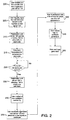
- FIG. 2 is a flowchart of an example embodiments in the present invention where a role certificate is created for user 132.
- the user 132 requesting the role certificate will be designated as the role administrator and determine what other users would be added and deleted as role members. Therefore, the role administrator is considered to be the owner of the role certificate.
- Other designated users may employ the role certificate for encryption purposes and signature purposes for the office of which they are members. However, only the role administrator may add or delete members as well as revoke, create, or recover the role certificate.
- the process for creating a role certificate begins in operation 200 where the user 132 via his local client platform 128 accesses the registration web server 124 and fills out an electronic form requesting the role certificate.
- the user digitally signs the electronic role form and transmits it to the registration web server 124.
- the registration web server 124 queries directory 108 for personal role approvals.
- This personal role approval will vary dependent on the enterprise's policy. For example this may simply entail sending the electronic form to the user's manager for his signature approval. However, this may also entail sending the electronic form to security or human resources for their signature approval. In any case the user's authority to generate a role certificate would have to be verified.
- the electronic form filled out by the user is transmitted to those personal role approval (148 and 152) parties, in operation 215. Thereafter, in operation 220, processing related to acquisition of a role certificate ceases until all personal role approval parties have responded by digitally signing the electronic form and returning it to the registration web server 124.
- the registration web server 124 upon receipt of all digitally signed electronic forms from all personal role approval (148 and 152) entities, the registration web server 124 and transmits a request to directory 108 to generate a role certificate of a half of user 132 for the role specified in the electronic form.
- the registration web server 124 notifies the user 132 of the availability of the role certificate.
- the user 132 accesses the registration web server 124 and provides a user signature certificate so that the registration web server 124 may verify the user's identity.
- processing proceeds operation 240 where the user 132 is presented with a list of roles for which the user 132 is a role administrator.
- the user 132 selects the role certificate desired and thereafter in operation 250 the role certificate is generated and transmitted to the user 132.
- the communications between the user 132 and the registration web server 124 may be encrypted so that an unauthorized third party may not utilize a role certificate even if access to client platform 128 were accomplished.
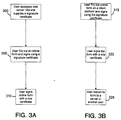
- FIG. 3A is a flowchart of an example embodiment of the process for using a role certificate as an organizational stamp on a form or in a web server in the present invention.
- a role certificate acts as an organizational stamp indicating that an authorized individual is acting on behalf of the organization.
- the process shown allows the user to sign an electronic form on a web site which may be a purchase order and the user of the role certificate indicates approval by the organization for the purchase.
- the user 132 may access a web server.
- the web server may require the user to supply a signature certificate in order to gain access in operation 300.
- the user 132 signs the electronic form using his signature certificate. Thereafter, in operation 310 the user 132 signs the electronic form with the role certificate. Utilizing this process the user 132 is able to act on behalf of the organization and simultaneously identify himself thereby reducing the possibility of misuse of the role certificate.
- FIG. 3B is a flowchart of an example embodiment of the process for using a role certificate as an organizational stamp on a form in an e-mail in the present invention.
- user 132 will be signing a form utilizing both his personal digital signature and the role certificate on behalf of the organization. However, in this case the user 132 will be transmitting electronic form to another server or to another user.
- This process begins in operation 315 with the user filling out an electronic form on the client platform 128 and signs using his personal digital signature. Thereafter, in operation 320 the user 132 signs the electronic form using the role certificate. In operation 325, user 132 then transmits this form to either another server or another user.
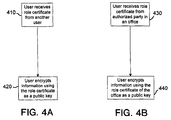
- FIG. 4A is a flowchart of an example embodiment of the process for using a role certificate for organizational encryption in the receiving and sending of information in the present invention.
- role certificates have been discussed only in relation to their use as signature certificates. However, as previously discussed, since the extensions fields of the role certificate are set for both encryption and signature the same role certificate may be used for both purposes.
- a user 132 receives a role certificate from another user in operation 410.
- operation 420 that user 132 may now encrypt messages utilizing the role certificate as an encryption (public) key and transmit them to anyone listed in directory 108 as having access to the role certificate.
- Encrypted may be sent to a common mail box for an organization and be opened by anyone in the organization that is an authorized member of the organization as established by the role administrator.
- FIG. 4B is a flowchart of an example embodiment of the process for using a role certificate for organizational encryption in the receiving and sending of information in the present invention.
- the process illustrated by FIG. 4B involves receiving the role certificate from the role administrator by a person in the organization who is designated as a role member.
- the user 132 receives a role certificate from the role administrator. Thereafter, user 132 encrypts messages and send them to other members of the group or organization. Further, user 132 may transmit the role certificate to others that may used it to transmit encrypted messages to user 132. In this manner messages may be encrypted and sent and received and decrypted by individuals designated as role members.
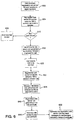
- FIG. 5 is a flowchart of an example embodiment of the process for replacing an expiring role certificate in the present invention.
- the role administrator may optionally designate in the process illustrated in FIG. 2 that the role certificate created is valid for a particular period of time. Via this mechanism a role administrator can ensure that an old role certificate may not be used after a particular time period and is forced to review the role member list to determine if they should continue to be role members.
- Processing begins in FIG. 5 in operation 500 where user 132 accesses registration web server 124 and transmits his signature certificate as an irrefutable means of identification.
- the registration web server 124 establishes an encrypted secure communications channel with user 132. This is done in order to insure that an unauthorized party may not intercept the private key portion of role certificate.
- a list of role certificates of which the user 132 is a role administrator is displayed to user 132.
- the user 132 selects a role from the list displayed.
- registration web server 124 requires a directory 108 to determine if user 132 is authorized as role administrator for the role selected.
- processing proceeds to operation 530 where an error message is generated and execution ceases. However, if in operation 525 is determined that user 132 is an authorized user administrator, then processing proceeds to operation 535. In operation 535 a registration authority 112 is signaled to generate a new role certificate for this particular role which would include both a private and public key and setting of extension bits to indicate that the role certificate may be used for both encryption and signature. Processing then proceeds to operation 540 where the private key is generated and sent to user 132 registration authority 112 via registration web server 124. As would be appreciated by one of ordinary skill in the art, communications may occur directly between user 132 and the registration authority 112.
- the public key portion of the role certificate is sent to the certificate authority 110 for approval indicated by a digital signature. Thereafter, in operation 550 the sign certificate is returned to registration authority 112 by the certificate authority 110. In operation 555, the certificate authority 110 transmits the public key to directory 108. In addition, in operation 560 a copy of the private key is sent to key recovery authority 114 for storage. In this process for replacement of an expiring role certificate it is again possible to designate an expiration date for this replacement role certificate.
- FIG. 6 is a flowchart of an example embodiment of the process for revoking a role certificate in the event of suspected compromise of the role certificate.
- processing begins in FIG. 6 in operation 600 where the user 132 accesses the registration web server 124 and transmits a copy of his digital signature.
- registration web server 124 queries directory 108 to confirm that user 132 is still a valid member of this organization.
- processing proceeds to operation 615 where an error message is generated.
- processing proceeds to operation 620.
- operation 620 the list of roles of which user 132 is a member is generated by directory 108 and transmitted to user 132 either directly or through registration web server 124. Thereafter, in operation 625, the user 132 selects a specific role to be revoked.
- the registration web server 124 signals the directory 108 to remove the selected role.
- operation 635 the directory 108 will leave the role untouched in the database and remove the certificate associated with it.
- Processing proceeds to operation 640 where the greatest racial web server 124 generating new role certificate.
- this new role certificate is transmitted to directory 108 which stores it in the database associated with the particular role.
- registration web server 124 may optionally send messages to the role members for this particular role to indicate that the role certificate has been replaced.
- FIG. 7 is a flowchart of an example embodiment of the process for recovery of a role certificate in the present invention.
- the role administrator may recover a lost role certificate for a particular user 132.
- the user 132 may of his own accord recover a lost role certificate.
- either the role the administrator or user 132 would be required to supply his signature certificate to verify their identities.
- an encrypted secure communications line to be used in transmittal of the private key portion of the digital certificate.
- the process illustrated in FIG. 7 begins in operation 700 in which a user 132 (either the role administrator or the user himself) requests from registration web server 124 recovery of a lost or expired role certificate.
- the user 132 transmits a copy of his signature certificate to registration web server 124.
- the registration web server 124 contacts directory 108 to retrieve a list of role certificates available to this user 132.
- all role certificates for which the user 132 is a member are sent to the registration web server 124 for display to the user 132.
- Processing proceeds to operation 720 where the user 132 selects a role certificate for recovery.
- the registration web server 124 signals the key recovery authority 114 for a copy of the role certificate.
- either the role web server 124 or the key recovery authority 114 transmits the role certificate to user 132 over an encrypted and secure line.
- FIG. 8 is a flowchart of an example embodiment of the process for terminating a role in the present invention. Unlike the process illustrated in FIG. 6, the process illustrated in FIG. 8 revokes an entire role. The removal of a role can only be accomplished by a role administrator. Processing begins in operation 800 in which the role administrator accesses the registration web server 124 and enters his digital signature. In operation 805 the registration web server 124 queries directory 108 to identifies roles associated with the of role administrator. In operation 810, list of roles is displayed for the role administrator. Thereafter, in operation 815, the role adminstrator selects a role to be terminated from the list presented. Thereafter, in operation 820, the role and the role certificate associated with it are deleted from the database.
- FIG. 9 is a flowchart of an example embodiment of the process for recovery of a role certificate in the present invention.
- the process illustrated in FIG. 9 is an alternate embodiment to that shown in FIG. 7.
- two agents are utilized to recover a role certificate, thereby adding further security to the present invention.
- Processing begins execution in operation 900 where officer or user 132 of the organization contacts via the registration web server 124, directory 108 in order to recover a role certificate.
- the directory 108 indicates that no member of the role is currently in the organization. This would occur when a group is established to accomplish some function and then that group disbands upon the completion of that endeavor. However, encrypted messages are still being sent to this particular group.
- recovery agent 1 150 and recovery agent 2 149 for permission to recover a role certificate. Assuming both recovery agent 1 150 and recovery agent 2 149 both individually agree that the particular role certificate needs to be recovered, processing then proceeds to operation 915. In operation 915 both recovery agent 1 150 and recovery agent 2 149 independently access key recovery authority 114 requesting recovery of the role certificate and each supplies their digital signatures. In operation 920, the key recovery authority 114 contacts directory 108 to determine if recovery agent 1 150 and recovery agent 2 149 are authorized to recovery a role certificate. In operation 925, if either recovery agent 1 150 or recover agent 2 149 are not authenticated, then processing proceeds operation 930 where an error message is generated.
- recovery agent 1 150 and recovery agent 2 149 are authenticated, then processing proceeds to operation 935.
- the key recovery authority 114 tags the certificate as approved for recovery.
- the key recovery authority transmits role certificate to a recovery agent, either recovery agent 1 150 or recovery agent 2 149.
- the recovery agent receiving the role certificate transmits the same to the officer or user 132.
- an organization may create processes and methods for managing role certificates. These role certificates would be utilized for both signature and encryption purposes. Further these role certificates would be used by several individuals within identifiable groups, thereby making possible an electronic stamp for a group or organization. Authorized members of the group would be able to sign on behalf of the group and decrypt messages sent to the group. Therefore, the organization will be able to better respond to customer needs while maintaining the security of important information.
Landscapes
- Engineering & Computer Science (AREA)
- Computer Security & Cryptography (AREA)
- Theoretical Computer Science (AREA)
- Computer Hardware Design (AREA)
- General Engineering & Computer Science (AREA)
- Computer Networks & Wireless Communication (AREA)
- Physics & Mathematics (AREA)
- General Physics & Mathematics (AREA)
- Signal Processing (AREA)
- Software Systems (AREA)
- Bioethics (AREA)
- General Health & Medical Sciences (AREA)
- Health & Medical Sciences (AREA)
- Computing Systems (AREA)
- Business, Economics & Management (AREA)
- Accounting & Taxation (AREA)
- Finance (AREA)
- Databases & Information Systems (AREA)
- Development Economics (AREA)
- Economics (AREA)
- Marketing (AREA)
- Strategic Management (AREA)
- General Business, Economics & Management (AREA)
- Automation & Control Theory (AREA)
- Storage Device Security (AREA)
Applications Claiming Priority (8)
| Application Number | Priority Date | Filing Date | Title |
|---|---|---|---|
| US21052200P | 2000-06-09 | 2000-06-09 | |
| US21046200P | 2000-06-09 | 2000-06-09 | |
| US210462P | 2000-06-09 | ||
| US210522P | 2000-06-09 | ||
| US22933600P | 2000-09-01 | 2000-09-01 | |
| US229336P | 2000-09-01 | ||
| US690544 | 2000-10-16 | ||
| US09/690,544 US7028180B1 (en) | 2000-06-09 | 2000-10-16 | System and method for usage of a role certificate in encryption and as a seal, digital stamp, and signature |
Publications (2)
| Publication Number | Publication Date |
|---|---|
| EP1164745A2 true EP1164745A2 (de) | 2001-12-19 |
| EP1164745A3 EP1164745A3 (de) | 2005-03-30 |
Family
ID=27498806
Family Applications (1)
| Application Number | Title | Priority Date | Filing Date |
|---|---|---|---|
| EP01112854A Withdrawn EP1164745A3 (de) | 2000-06-09 | 2001-05-31 | Verfahren und Vorrichtung zur Verwendung eines Rollenzertifikats bei der Verschlüsselung, als Siegel, digitaler Stempel und als Unterschrift |
Country Status (1)
| Country | Link |
|---|---|
| EP (1) | EP1164745A3 (de) |
Cited By (13)
| Publication number | Priority date | Publication date | Assignee | Title |
|---|---|---|---|---|
| JP2004032699A (ja) * | 2002-05-09 | 2004-01-29 | Canon Inc | 公開鍵証明書発行装置 |
| AU782518B2 (en) * | 2000-01-07 | 2005-08-04 | International Business Machines Corporation | A method for inter-enterprise role-based authorization |
| GB2423679A (en) * | 2004-11-22 | 2006-08-30 | Murata Machinery Ltd | E-mail server with encryption / decryption and signing / verification capability |
| US7461251B2 (en) | 2002-05-09 | 2008-12-02 | Canon Kabushiki Kaisha | Public key certification issuing apparatus |
| WO2009052524A3 (en) * | 2007-10-20 | 2009-07-02 | Penango Inc | Methods and systems for indicating trustworthiness of secure communications |
| US7590844B1 (en) | 2002-04-26 | 2009-09-15 | Mcafee, Inc. | Decryption system and method for network analyzers and security programs |
| WO2012022830A1 (en) * | 2010-08-20 | 2012-02-23 | Signom Oy | A service for signing documents electronically |
| US8261061B2 (en) | 2007-10-15 | 2012-09-04 | Penango, Inc. | Methods and systems for encouraging secure communications |
| WO2013020890A1 (fr) | 2011-08-09 | 2013-02-14 | Morpho | Procede de gestion et de controle de donnees de differents domaines d'identite organises en ensemble structure |
| US8549087B2 (en) | 2008-11-07 | 2013-10-01 | Penango, Inc. | Methods and systems for allocating and indicating trustworthiness of secure communications |
| CN111581673A (zh) * | 2020-05-14 | 2020-08-25 | 济南银华信息技术有限公司 | 一种sap电子签章方法及系统 |
| CN115834071A (zh) * | 2022-09-29 | 2023-03-21 | 福昕鲲鹏(北京)信息科技有限公司 | 一种电子印章自动更新方法及系统 |
| CN119203115A (zh) * | 2024-09-05 | 2024-12-27 | 浪潮云信息技术股份公司 | 一种基于证书的授权管理方法及系统 |
Family Cites Families (4)
| Publication number | Priority date | Publication date | Assignee | Title |
|---|---|---|---|---|
| US5315658B1 (en) * | 1992-04-20 | 1995-09-12 | Silvio Micali | Fair cryptosystems and methods of use |
| WO1996002993A2 (en) * | 1994-07-19 | 1996-02-01 | Bankers Trust Company | Method for securely using digital signatures in a commercial cryptographic system |
| US6035402A (en) * | 1996-12-20 | 2000-03-07 | Gte Cybertrust Solutions Incorporated | Virtual certificate authority |
| US6073242A (en) * | 1998-03-19 | 2000-06-06 | Agorics, Inc. | Electronic authority server |
-
2001
- 2001-05-31 EP EP01112854A patent/EP1164745A3/de not_active Withdrawn
Non-Patent Citations (1)
| Title |
|---|
| FORD ET AL., INTERNET X.509 PUBLIC KEY INFRASTRUCTURE |
Cited By (21)
| Publication number | Priority date | Publication date | Assignee | Title |
|---|---|---|---|---|
| AU782518B2 (en) * | 2000-01-07 | 2005-08-04 | International Business Machines Corporation | A method for inter-enterprise role-based authorization |
| US7590844B1 (en) | 2002-04-26 | 2009-09-15 | Mcafee, Inc. | Decryption system and method for network analyzers and security programs |
| JP2004032699A (ja) * | 2002-05-09 | 2004-01-29 | Canon Inc | 公開鍵証明書発行装置 |
| US7461251B2 (en) | 2002-05-09 | 2008-12-02 | Canon Kabushiki Kaisha | Public key certification issuing apparatus |
| GB2423679A (en) * | 2004-11-22 | 2006-08-30 | Murata Machinery Ltd | E-mail server with encryption / decryption and signing / verification capability |
| US8261061B2 (en) | 2007-10-15 | 2012-09-04 | Penango, Inc. | Methods and systems for encouraging secure communications |
| WO2009052524A3 (en) * | 2007-10-20 | 2009-07-02 | Penango Inc | Methods and systems for indicating trustworthiness of secure communications |
| US8661260B2 (en) | 2007-10-20 | 2014-02-25 | Sean Joseph Leonard | Methods and systems for indicating trustworthiness of secure communications |
| US8549087B2 (en) | 2008-11-07 | 2013-10-01 | Penango, Inc. | Methods and systems for allocating and indicating trustworthiness of secure communications |
| WO2012022830A1 (en) * | 2010-08-20 | 2012-02-23 | Signom Oy | A service for signing documents electronically |
| FR2979044A1 (fr) * | 2011-08-09 | 2013-02-15 | Morpho | Procede de gestion et de controle de donnees de differents domaines d'identite organises en ensemble structure |
| WO2013020890A1 (fr) | 2011-08-09 | 2013-02-14 | Morpho | Procede de gestion et de controle de donnees de differents domaines d'identite organises en ensemble structure |
| CN103858377A (zh) * | 2011-08-09 | 2014-06-11 | 茂福公司 | 用于管理和控制来自组织成结构化集合的不同身份域的数据的方法 |
| AU2012293712B2 (en) * | 2011-08-09 | 2016-07-21 | Idemia Public Security France | Method for managing and checking data from different identity domains organized into a structured set |
| US9407637B2 (en) | 2011-08-09 | 2016-08-02 | Morpho | Method for managing and checking data from different identity domains organized into a structured set |
| RU2602785C2 (ru) * | 2011-08-09 | 2016-11-20 | Морфо | Способ контроля и управления данными из различных доменов идентификации, организованных в структурированное множество |
| CN103858377B (zh) * | 2011-08-09 | 2017-02-22 | 茂福公司 | 用于管理和控制来自组织成结构化集合的不同身份域的数据的方法 |
| JP2018137788A (ja) * | 2011-08-09 | 2018-08-30 | モルフォ | 構造化集合に組織化された様々な識別情報ドメインからのデータを管理及び検査する方法 |
| CN111581673A (zh) * | 2020-05-14 | 2020-08-25 | 济南银华信息技术有限公司 | 一种sap电子签章方法及系统 |
| CN115834071A (zh) * | 2022-09-29 | 2023-03-21 | 福昕鲲鹏(北京)信息科技有限公司 | 一种电子印章自动更新方法及系统 |
| CN119203115A (zh) * | 2024-09-05 | 2024-12-27 | 浪潮云信息技术股份公司 | 一种基于证书的授权管理方法及系统 |
Also Published As
| Publication number | Publication date |
|---|---|
| EP1164745A3 (de) | 2005-03-30 |
Similar Documents
| Publication | Publication Date | Title |
|---|---|---|
| US7028180B1 (en) | System and method for usage of a role certificate in encryption and as a seal, digital stamp, and signature | |
| US7069440B2 (en) | Technique for obtaining a single sign-on certificate from a foreign PKI system using an existing strong authentication PKI system | |
| US7475250B2 (en) | Assignment of user certificates/private keys in token enabled public key infrastructure system | |
| US7206936B2 (en) | Revocation and updating of tokens in a public key infrastructure system | |
| US6892300B2 (en) | Secure communication system and method of operation for conducting electronic commerce using remote vault agents interacting with a vault controller | |
| US6898710B1 (en) | System and method for secure legacy enclaves in a public key infrastructure | |
| US7747852B2 (en) | Chain of trust processing | |
| US6941455B2 (en) | System and method for cross directory authentication in a public key infrastructure | |
| US8220040B2 (en) | Verifying that group membership requirements are met by users | |
| KR20040055776A (ko) | 데이터 공급 방법 및 시스템, 디지털 인증서, 디지털서명, 디지털 서명 제공 방법 및 시스템, 전자적 재산권의소유권 이전 방법 및 시스템, 전자 투표 방법 및 시스템,및 컴퓨터 프로그램 제품 | |
| CN114785511A (zh) | 证明生成方法及装置、电子设备、存储介质 | |
| EP1162781B1 (de) | Vorrichtung und Verfahren zur Erzeugung eines Unterschriftszertifikats in einer Infrastruktur mit öffentlichen Schlüsseln | |
| US20090271627A1 (en) | Secure Data Transmission | |
| JP3704681B2 (ja) | ハードウエア・トークン上にディジタル認証を配置するシステムおよび方法 | |
| CN103858377A (zh) | 用于管理和控制来自组织成结构化集合的不同身份域的数据的方法 | |
| Patel et al. | The study of digital signature authentication process | |
| US20020141592A1 (en) | Preventing ID spoofing with ubiquitous signature certificates | |
| Eldridge | Internet commerce and the meltdown of certification authorities: Is the Washington State solution a good model | |
| Jaafar et al. | A proposed Security Model for E-government Based on Primary Key Infrastructure and Fingerprints. | |
| EP1175037A2 (de) | Verhinderung einer Identitätsverfälschung mit allgegenwärtigen Unterschriftszertifikaten | |
| JP2008502045A (ja) | 電子商取引の確保 | |
| Gautam | Multifactor Authentication over PKI (Pubic Key Infrastructure) | |
| Yadav et al. | Maintaining legal requirements of digital signature through public key cryptographic system |
Legal Events
| Date | Code | Title | Description |
|---|---|---|---|
| PUAI | Public reference made under article 153(3) epc to a published international application that has entered the european phase |
Free format text: ORIGINAL CODE: 0009012 |
|
| AK | Designated contracting states |
Kind code of ref document: A2 Designated state(s): AT BE CH CY DE DK ES FI FR GB GR IE IT LI LU MC NL PT SE TR |
|
| AX | Request for extension of the european patent |
Free format text: AL;LT;LV;MK;RO;SI |
|
| RAP1 | Party data changed (applicant data changed or rights of an application transferred) |
Owner name: NORTHROP GRUMMAN CORPORATION |
|
| RAP1 | Party data changed (applicant data changed or rights of an application transferred) |
Owner name: NORTHROP GRUMMAN CORPORATION |
|
| RIC1 | Information provided on ipc code assigned before grant |
Ipc: 7H 04L 9/32 A Ipc: 7H 04L 29/06 B |
|
| PUAL | Search report despatched |
Free format text: ORIGINAL CODE: 0009013 |
|
| RIC1 | Information provided on ipc code assigned before grant |
Ipc: 7H 04L 29/06 B Ipc: 7H 04L 9/08 B Ipc: 7H 04L 9/32 A |
|
| AK | Designated contracting states |
Kind code of ref document: A3 Designated state(s): AT BE CH CY DE DK ES FI FR GB GR IE IT LI LU MC NL PT SE TR |
|
| AX | Request for extension of the european patent |
Extension state: AL LT LV MK RO SI |
|
| 17P | Request for examination filed |
Effective date: 20050718 |
|
| AKX | Designation fees paid |
Designated state(s): DE FR GB |
|
| 17Q | First examination report despatched |
Effective date: 20090415 |
|
| RAP1 | Party data changed (applicant data changed or rights of an application transferred) |
Owner name: NORTHROP GRUMMAN SYSTEMS CORPORATION |
|
| GRAP | Despatch of communication of intention to grant a patent |
Free format text: ORIGINAL CODE: EPIDOSNIGR1 |
|
| INTG | Intention to grant announced |
Effective date: 20160727 |
|
| STAA | Information on the status of an ep patent application or granted ep patent |
Free format text: STATUS: GRANT OF PATENT IS INTENDED |
|
| STAA | Information on the status of an ep patent application or granted ep patent |
Free format text: STATUS: THE APPLICATION IS DEEMED TO BE WITHDRAWN |
|
| 18D | Application deemed to be withdrawn |
Effective date: 20161207 |