EP1173623B1 - Milieu solide et procede pour le stockage et la purification rapide d'acide nucleique - Google Patents
Milieu solide et procede pour le stockage et la purification rapide d'acide nucleique Download PDFInfo
- Publication number
- EP1173623B1 EP1173623B1 EP99973772A EP99973772A EP1173623B1 EP 1173623 B1 EP1173623 B1 EP 1173623B1 EP 99973772 A EP99973772 A EP 99973772A EP 99973772 A EP99973772 A EP 99973772A EP 1173623 B1 EP1173623 B1 EP 1173623B1
- Authority
- EP
- European Patent Office
- Prior art keywords
- genetic material
- support
- filter membrane
- sample
- tubes
- Prior art date
- Legal status (The legal status is an assumption and is not a legal conclusion. Google has not performed a legal analysis and makes no representation as to the accuracy of the status listed.)
- Expired - Lifetime
Links
Images





Classifications
-
- C—CHEMISTRY; METALLURGY
- C12—BIOCHEMISTRY; BEER; SPIRITS; WINE; VINEGAR; MICROBIOLOGY; ENZYMOLOGY; MUTATION OR GENETIC ENGINEERING
- C12N—MICROORGANISMS OR ENZYMES; COMPOSITIONS THEREOF; PROPAGATING, PRESERVING, OR MAINTAINING MICROORGANISMS; MUTATION OR GENETIC ENGINEERING; CULTURE MEDIA
- C12N1/00—Microorganisms; Compositions thereof; Processes of propagating, maintaining or preserving microorganisms or compositions thereof; Processes of preparing or isolating a composition containing a microorganism; Culture media therefor
- C12N1/06—Lysis of microorganisms
-
- B—PERFORMING OPERATIONS; TRANSPORTING
- B01—PHYSICAL OR CHEMICAL PROCESSES OR APPARATUS IN GENERAL
- B01L—CHEMICAL OR PHYSICAL LABORATORY APPARATUS FOR GENERAL USE
- B01L3/00—Containers or dishes for laboratory use, e.g. laboratory glassware; Droppers
- B01L3/50—Containers for the purpose of retaining a material to be analysed, e.g. test tubes
- B01L3/502—Containers for the purpose of retaining a material to be analysed, e.g. test tubes with fluid transport, e.g. in multi-compartment structures
- B01L3/5023—Containers for the purpose of retaining a material to be analysed, e.g. test tubes with fluid transport, e.g. in multi-compartment structures with a sample being transported to, and subsequently stored in an absorbent for analysis
-
- C—CHEMISTRY; METALLURGY
- C12—BIOCHEMISTRY; BEER; SPIRITS; WINE; VINEGAR; MICROBIOLOGY; ENZYMOLOGY; MUTATION OR GENETIC ENGINEERING
- C12N—MICROORGANISMS OR ENZYMES; COMPOSITIONS THEREOF; PROPAGATING, PRESERVING, OR MAINTAINING MICROORGANISMS; MUTATION OR GENETIC ENGINEERING; CULTURE MEDIA
- C12N15/00—Mutation or genetic engineering; DNA or RNA concerning genetic engineering, vectors, e.g. plasmids, or their isolation, preparation or purification; Use of hosts therefor
- C12N15/09—Recombinant DNA-technology
- C12N15/10—Processes for the isolation, preparation or purification of DNA or RNA
- C12N15/1003—Extracting or separating nucleic acids from biological samples, e.g. pure separation or isolation methods; Conditions, buffers or apparatuses therefor
- C12N15/1006—Extracting or separating nucleic acids from biological samples, e.g. pure separation or isolation methods; Conditions, buffers or apparatuses therefor by means of a solid support carrier, e.g. particles, polymers
-
- C—CHEMISTRY; METALLURGY
- C12—BIOCHEMISTRY; BEER; SPIRITS; WINE; VINEGAR; MICROBIOLOGY; ENZYMOLOGY; MUTATION OR GENETIC ENGINEERING
- C12Q—MEASURING OR TESTING PROCESSES INVOLVING ENZYMES, NUCLEIC ACIDS OR MICROORGANISMS; COMPOSITIONS OR TEST PAPERS THEREFOR; PROCESSES OF PREPARING SUCH COMPOSITIONS; CONDITION-RESPONSIVE CONTROL IN MICROBIOLOGICAL OR ENZYMOLOGICAL PROCESSES
- C12Q1/00—Measuring or testing processes involving enzymes, nucleic acids or microorganisms; Compositions therefor; Processes of preparing such compositions
- C12Q1/68—Measuring or testing processes involving enzymes, nucleic acids or microorganisms; Compositions therefor; Processes of preparing such compositions involving nucleic acids
- C12Q1/6806—Preparing nucleic acids for analysis, e.g. for polymerase chain reaction [PCR] assay
-
- G—PHYSICS
- G01—MEASURING; TESTING
- G01N—INVESTIGATING OR ANALYSING MATERIALS BY DETERMINING THEIR CHEMICAL OR PHYSICAL PROPERTIES
- G01N1/00—Sampling; Preparing specimens for investigation
- G01N1/28—Preparing specimens for investigation including physical details of (bio-)chemical methods covered elsewhere, e.g. G01N33/50, C12Q
- G01N1/40—Concentrating samples
- G01N1/405—Concentrating samples by adsorption or absorption
-
- B—PERFORMING OPERATIONS; TRANSPORTING
- B01—PHYSICAL OR CHEMICAL PROCESSES OR APPARATUS IN GENERAL
- B01L—CHEMICAL OR PHYSICAL LABORATORY APPARATUS FOR GENERAL USE
- B01L2300/00—Additional constructional details
- B01L2300/08—Geometry, shape and general structure
- B01L2300/0809—Geometry, shape and general structure rectangular shaped
- B01L2300/0822—Slides
-
- B—PERFORMING OPERATIONS; TRANSPORTING
- B01—PHYSICAL OR CHEMICAL PROCESSES OR APPARATUS IN GENERAL
- B01L—CHEMICAL OR PHYSICAL LABORATORY APPARATUS FOR GENERAL USE
- B01L2300/00—Additional constructional details
- B01L2300/16—Surface properties and coatings
- B01L2300/161—Control and use of surface tension forces, e.g. hydrophobic, hydrophilic
- B01L2300/163—Biocompatibility
-
- B—PERFORMING OPERATIONS; TRANSPORTING
- B01—PHYSICAL OR CHEMICAL PROCESSES OR APPARATUS IN GENERAL
- B01L—CHEMICAL OR PHYSICAL LABORATORY APPARATUS FOR GENERAL USE
- B01L3/00—Containers or dishes for laboratory use, e.g. laboratory glassware; Droppers
- B01L3/50—Containers for the purpose of retaining a material to be analysed, e.g. test tubes
- B01L3/502—Containers for the purpose of retaining a material to be analysed, e.g. test tubes with fluid transport, e.g. in multi-compartment structures
- B01L3/5029—Containers for the purpose of retaining a material to be analysed, e.g. test tubes with fluid transport, e.g. in multi-compartment structures using swabs
-
- Y—GENERAL TAGGING OF NEW TECHNOLOGICAL DEVELOPMENTS; GENERAL TAGGING OF CROSS-SECTIONAL TECHNOLOGIES SPANNING OVER SEVERAL SECTIONS OF THE IPC; TECHNICAL SUBJECTS COVERED BY FORMER USPC CROSS-REFERENCE ART COLLECTIONS [XRACs] AND DIGESTS
- Y10—TECHNICAL SUBJECTS COVERED BY FORMER USPC
- Y10T—TECHNICAL SUBJECTS COVERED BY FORMER US CLASSIFICATION
- Y10T436/00—Chemistry: analytical and immunological testing
- Y10T436/14—Heterocyclic carbon compound [i.e., O, S, N, Se, Te, as only ring hetero atom]
- Y10T436/142222—Hetero-O [e.g., ascorbic acid, etc.]
- Y10T436/143333—Saccharide [e.g., DNA, etc.]
Definitions
- the present invention relates to methods for storage and subsequent purification of nucleic acids or genetic material from whole cells.
- the invention relates to the storage and purification of nucleic acids from a biological mixture of molecules in a fluid phase on a support.
- the purified nucleic acid may then be utilized for a variety of analyses such as amplification by the polymerase chain reaction (PCR) (PCR Technology: Principles and Applications for DNA Amplification, H. Erlich (ed) Stockton Press 1989 ), genotyping, sequencing ( Sanger et al (1977) DNA Sequencing with Chain Terminating Inhibitors P. N. A. S. 74: 5463 ), optical density quantitation, southern and northern blotting, fluorescent detection, making molecular probes, and cloning ( Molecular Cloning, Sambrook et al. (1989 )).
- PCR polymerase chain reaction
- Genotyping is the discipline of identifying an individual's genome in relation to disease specific alleles and/or mutations that occur as an effect of parental linkage.
- the rapid purification of human genomic DNA is an essential part of a genotyping process; the genomic DNA of an individual being the structural unit for the entire DNA sequence of every allele expressed.
- Human genomic DNA cannot be directly sequenced.
- selected portions are amplified via PCR and the amplified products sequenced.
- the selected portions of the chromosomes that are amplified are dictated by the specific sequence of the primers used in the PCR amplification.
- the primer sets that are used in genotyping studies are commercially available and are representative for the chromosome under examination. Therefore, if linkage studies identify that a disease bearing sequence is on a particular chromosome, then many primer sets will be utilized across that chromosome in order to obtain genetic material for sequencing.
- the resultant PCR products may well represent the entire chromosome under examination. Due to the large length of chromosomes, many PCR reactions are carried out on the genomic DNA template from a single patient.
- microporous filter-based techniques have surfaced as tools for the purification of genomic DNA as well as a whole multitude of nucleic acids.
- the advantage of filter-based matrices are that they can be fashioned into many formats that include tubes, spin tubes, sheets, and microwell plates.
- Microporous filter membranes as purification support matrices have other advantages within the art. They provide a compact, easy to manipulate system allowing for the capture of the desired molecule and the removal of unwanted components in a fluid phase at higher throughput and faster processing times than possible with column chromatography. This is due to the fast diffusion rates possible on filter membranes.
- Nucleic acid molecules have been captured on filter membranes, generally either through simple adsorption or through a chemical reaction between complementary reactive groups present on the filter membrane or on a filter-bound ligand resulting in the formation of a covalent bond between the ligand and the desired nucleic acid.
- Porous filter membrane materials used for non-covalent nucleic acid immobilisation have included materials such as nylon, nitrocellulose, hydrophobic polyvinylidinefluoride (PVDF), and glass microfiber.
- PVDF hydrophobic polyvinylidinefluoride
- a number of methods and reagents have also been developed to also allow the direct coupling of nucleic acids onto solid supports, such as oligonucleotides and primers (eg. J. M. Coull et al., Tetrahedron Lett. Vol. 27, page 3991 ; B. A. Conolly, Nucleic Acids Res., vol. 15, page 3131, 1987 ; B. A. Conolly and P. Rider, Nucleic Acids Res., vol. 12, page 4485, 1985 ; Yang et al P.N.A.S.
- Membranes bound with specific ligands are also known such as the SAM2TM Biotin Capture Membrane (Promega) which binds biotinylated molecules based on their affinity to streptavidin or MAC affinity membrane system (protein A/G) (Amicon, Bedford, Massachusetts).
- SAM2TM Biotin Capture Membrane Promega
- MAC affinity membrane system protein A/G
- WO 90/03959 describes a method of storing a genetic material on a paper membrane comprising a chemical coating consisting of a protein denaturing agent and a free radical cap, and subsequently analysing the genetic material either after elution from the membrane or in membrane bound form.
- glass microfiber which has been shown to specifically bind nucleic acids from a variety of nucleic acid containing sources very effectively (for example see: Itoh et al (1997) Simple and rapid preparation of plasmid template by filtration method using microtiter filter plates. NAR, vol. 25, No. 6: 1315-1316 ; Andersson, B. et al (1996) Method for 96-well M13 DNA template preparations for large-scale sequencing. BioTechniques vol. 20: 1022-1027 ). Under the correct salt and buffering conditions, nucleic acids will bind to glass or silica with high specificity.
- nucleic acids or genetic material can be immobilized to a cellulosic-based dry solid support or filter (FTA filter).
- FTA filter dry solid support or filter
- the solid support described is conditioned with a chemical composition that is capable of carrying out several functions: (i) lyse intact cellular material upon contact, releasing genetic material, (ii) enable and allow for the conditions that facilitate genetic material immobilization to the solid support (probably by a combination of mechanical and chaotrophic), (iii) maintain the immobilized genetic material in a stable state without damage due to degradation, endonuclease activity, UV interference, and microbial attack, and (iv) maintain the genetic material as a support-bound molecule that is not removed from the solid support during any down stream processing (as demonstrated by Del Rio et al (1995) BioTechniques. Vol. 20: 970-974 ).
- cellular material is applied to FTA filter media, and generally the cellular material, once applied forms a spot on the FTA filter. From this spot, small punches can be taken; each small punch will have immobilized to it enough nucleic acid or genetic material to facilitate a single downstream process such as a PCR reaction.
- a PCR reaction As the two primers administered to a PCR reaction are presented in solution, it is of no consequence that the cellular nucleic acid template is immobilized to the filter. All amplicon will be formed in solution. Amplicon can then be readily removed from the reaction by aspirating the liquid phase away from the FTA solid filter punch. Therefore, for multiple processing from a single sample, many punches have to be taken. Multiple punching is very time consuming, and as yet, has not lent itself to simplified automation.
- a medium for storage and subsequent analysis of a genetic material including a support for immobilizing a genetic material thereon and for allowing subsequent elution of genetic material therefrom.
- a coating is functionally associated with the support for enabling cellular lysis and releasing the genetic material from the lysed cells while stabilizing the immobilized released genetic material.
- the present invention provides a method for storing the genetic material and subsequently analyzing the genetic material includes the steps of immobilizing the genetic material on the support while enabling cellular lysis and release of genetic material from the lysed cells. The immobilized released genetic material is stabilized. The genetic material is then eluted to generate a soluble genetic material fraction. The eluted genetic material is subsequently analyzed.
- a medium for storage and subsequent analysis of the genetic material generally including a support for immobilizing a genetic material thereon and allowing subsequent elution of the genetic material therefrom.
- a coating is functionally associated with the support for enabling cellular lysis and releasing the genetic material from the lysed cells while stabilizing the immobilized released genetic material.
- the present invention provides a method of storing a genetic material most generally including the steps of immobilizing a genetic material on the support which allows subsequent elution of the genetic material and lysing cells and releasing the genetic material from the lysed cells while stabilizing the immobilized released genetic material. The genetic material can then be analyzed in solution as opposed to being immobilized on the support.
- the chemical composition of the support facilitates the lysis of whole cells and the subsequent capture of the released nucleic acids.
- the chemical composition further aids in their long term storage.
- the composition of the support is such that the rapid purification of the captured nucleic acid can be carried out. That is, the support itself allows for the release of nucleic acid by an elution step thereby providing a soluble nucleic acid fraction.
- the present invention is most efficient with regard to elution of total DNA from the sample.
- the support is a porous material in the form of a filter membrane as described and defined below.
- the media generally shown at 10 in Figure 9 , includes the following components:
- filter membrane means a porous material or filter media formed, but not limited to, either fully or partly from glass, silica or quartz including their fibers or derivatives thereof.
- Other materials from which the filter membrane can be composed also include cellulose-based (nitrocellulose or carboxymethylcellulose papers), hydrophilic polymers including synthetic hydrophilic polymers (eg. polyester, polyamide, carbohydrate polymers), polytetrafluoroethylene, and porous ceramics.
- the media used for the filter membrane used in the invention includes any material that does not inhibit the sorption of the chemical coating solution and which does not inhibit the storage, elution and subsequent analysis of nucleic acid-containing material added to it.
- This includes flat dry matrices or a matrix combined with a binder.
- the filter membrane used in the method of the invention be of a porous nature to facilitate immobilization of nucleic acid.
- the support used in the method of the present invention allows for elution of the genetic material therefrom in a state that allows for subsequent analysis. Unexpectedly, such elution is a time efficient step thereby providing for almost immediate analysis.
- chemical coating solution means a chemical composition that is able to sorb to the aforementioned filter membrane.
- the composition of the chemical coating solution is as described and relates to that outlined in US patents 5,756,126 , 5,807,527 , and 5,496,562 . Adsorption of the chemical coating solution to the selected filter membrane results in the formation of the filter membrane used in the method of the invention.
- the chemical coating solution includes a protein denaturing agent and a free radical trap.
- Anionic detergents are examples of such denaturing reagents.
- the chemical solution can include a weak base, a chelating agent, and the anionic surfactant or detergent, and optionally uric acid and urate salt as discussed in detail in the above-cited United States Patent 5,807,527 .
- the weak base can be a Tris, trishydroxymethyl methane, either as a free base or as the carbonate, and the chelating agent can be EDTA, and the anionic detergent can be sodium dodecyl sulfate.
- the chelating agent can be EDTA
- the anionic detergent can be sodium dodecyl sulfate.
- Other coatings having similar function can also be utilized in accordance with the present invention.
- the term "functionally associated with” means that the coating is disposed, sorbed, or otherwise associated with the support such that the support and coating function together to immobilize nucleic acid thereon through an action of cellular lysis of cells presented to the support. That is, the coating can be adsorbed, absorbed, coated over, or otherwise disposed in functional relationship with the media.
- the support in the form of a filter membrane, can be disposed in a solution containing the chemical solution.
- the support is preferably a porous filter media and can be in the form of a flat, dry media.
- the media can be combined with a binder, examples of binders well-known in the art being polyvinylacrylamide, polyvinylacrylate, polyvinylalcohol, gelatin, for example.
- the support used in the present invention be capable of releasing the genetic material immobilized thereto by a heat elution.
- a heat elution is accomplished by the exposure of the support having the genetic material stored thereon to heated water, the water being nuclease free. This capacity to allow for elution characterizes the various support materials used in the present invention.
- filter membrane means functional solid supports or matrices that enables the specific immobilization of nucleic acid, through an action of cellular lysis.
- Nucleic acid may be presented to it in the form of nucleic acid-containing material such as blood, cultured mammalian cells, saliva, urine, cultured bacterial cells, yeast, solid tissue, faeces, lymphatic fluid, amniotic fluid, plant tissue, and the like.
- the filter membrane is such that nucleic acid immobilized to it can remain so in a stable form, not exhibit degradation, shearing, endonuclease digestion, nor UV damage.
- the filter membrane used in the invention is such that at any point during a storage regime, it allows for the rapid purification of immobilized nucleic acid.
- the invention is such that immobilized nucleic acid is collected in the form of a soluble fraction following a simplified elution process, during which immobilized nucleic acid is released from the filter membrane of the invention.
- the filter membrane yields nucleic acid of sufficient quality that it does not impair downstream analyses such as polymerase chain reaction (PCR), ligase chain reaction (LCR), transcription mediated amplification (TMA), reverse transcriptase initiated PCR, DNA or RNA hybridization techniques, sequencing, and the like.
- PCR polymerase chain reaction
- LCR ligase chain reaction
- TMA transcription mediated amplification
- reverse transcriptase initiated PCR DNA or RNA hybridization techniques, sequencing, and the like.
- Nucleic acid immobilized to a solid filter support although a suitable template for singular PCR reactions, cannot be measured or detected by traditional techniques such as optical density or fluorescence. Nucleic acid has to be in solution for these techniques.
- Other post purification techniques where nucleic acid is desired in the soluble form includes: cloning, hybridization protection assay, bacterial transformation, mammalian transfection, transcription-mediated amplification, and the like. The method of the present invention provides nucleic acid in such a soluble form.
- the filter membrane used in the invention can possess the same chemical component as FTA that enables the action of cellular lysis and nucleic acid release upon sample application.
- the chemical component ensures nucleic acid stability via protein denaturants, a free radical trap, and viral / microbial inhibitors.
- the difference between prior art FTA solid supports and the filter membrane used in the invention is that the base solid support, or filter, has been changed compared to that described for FTA products. This change in solid support material, or filter, has enabled, upon a simplified heat elution step, bound nucleic acid to be removed from the filter membrane whereas it cannot be removed from FTA solid support (see Del Rio et al (1995) BioTechniques. Vol. 20: 970-974 ).
- the nucleic acid released from the filter membrane is thus presented as a soluble fraction that can be readily aliquoted to multiple downstream processes such as PCR amplification.
- the eluted soluble nucleic acid can also be entered into techniques where soluble nucleic acid is a necessity such as optical density analysis, fluorescence detection, cloning, transformation, and the like. This added technique of elution enables high throughput multiple processing regimes, such as genotyping.
- the device can include a container, such as a tube 16, containing the media 10 constructed in accordance with the present invention.
- the container must be non-reactive with the genetic material.
- examples of such containers can be a tube 16 made from a polymer selected from the group consisting of common polypropylene, but also polysulphone.
- a sample 18 has been disposed within the tube 16 thereby exposing the media disk, in a free floating form within the tube 16, to the sample.
- the method of the present invention can be utilized to immobilize genetic material from the sample onto the media 10.
- the present invention provides, most generally, a method for storing the genetic material and subsequently analyzing genetic material by the steps of immobilizing the genetic material on the support while enabling cellular lysis and release of the genetic material from the lysed cells.
- the chemical coating on the support in the form of the filter media, enables the lysing of the genetic material and stabilization of the immobilized released genetic material.
- the support allows for eluting of the genetic material to generate the soluble genetic material fraction, thereby allowing for subsequent analysis of the genetic material, as discussed above.
- the eluting step can be accomplished by heating the support having the genetic sample immobilized thereon, the support releasing the heated genetic material therefrom and into solution, preferably into a nuclease free water. Most preferably, this is accomplished by disposing the support having the genetic immobilized thereon into heated water, the water being heated preferably between 65°C and 100°C.
- washing buffers can be selected from the group including Tris/EDTA; 70% ethanol; STET; SSC; SSPE FTA purification reagent, and the like.
- the present invention can find utility in many areas of genomics.
- the present invention provides the capability to elute bound genetic material for the rapid purification of the genetic material to be utilized in any number of forensic applications, such as identification, paternity/maternity identification, and at the scene of a crime.
- the method of the present invention provides a means for the long term storage of prisoner genetic material. If necessary, the genetic material can be tested as soon as it is taken or many years after storage. The genetic material can be obtained as either a soluble or solid phase fraction once isolated on the filter media of the present invention.
- the present invention can be utilized for paternity/maternity identification having a particular use for a mother or hospital wherein a newborn has been mislaid in the hospital.
- the rapid ability of the present invention to provide for a purified genetic sample provides even greater utility in such instances where a speedy identification of a mislaid child would be most propitious.
- the present invention is a significant contribution to current methodology for the preparation of soluble genetic material which are otherwise time consuming and often result in inadequate template that is damaged or contaminated.
- the present invention provides high yield of purified genetic material of superior quality in less than twenty minutes of laboratory time.
- the rapidly purified genetic material can be utilized for any number of food/agricultural applications such as tracing, breeding, identification, and cloning.
- the efficiency with which food manufacturers detect pathogenic outbreak in both their livestock and finished product is the measure of a successful company.
- the use of the present invention as a swab that can be simply pressed against food or the use of a card onto which carcass blood can be spotted enables uses of the present invention to rapidly isolate and detect for the presence of pathogenic genetic material. Time consuming prior art assay techniques and involved nucleic acid preparations do not need to be performed if the method of the present invention is utilized. Collected pathogenic nucleic acid can be used as a soluble fraction or solid phase fraction with the choice of an elution step.
- a card utilizing the present invention can be attached to the carcass onto which its blood has been spotted.
- a second card can be spotted with the same blood and kept as an archive at the slaughter house. If an identification issue arises for a certain carcass, genetic records on both the carcass and the slaughterhouse can be utilized. If the carcass card is inadvertently removed, identification can still be carried out by simply pressing a carcass flesh onto such a card.
- Identifying the desired genes and characteristics that are required for a subsequent generation of a plant or animal requires the time effective and reliable generation of nucleic acid from potential parents.
- the method of the present invention can be used for the isolation of either soluble or solid phase genetic material to provide effective and reliable results in such a need.
- the media in the form of microplates, a tube or a chip can be used for the generation and detection of genetic material.
- the method of the present invention provides methodology for superior template preparation time (whether soluble or solid) and cost effective archiving.
- Pressing a media in the form of a swab or otherwise, enables the user to pick up any contaminated microbes on food products of any type. Genetic material isolated from the media can then be utilized for any manner of diagnostic procedure depending on whether soluble or solid phase genetic material is required. This analysis can be done almost effectively immediately, as opposed to prior art techniques.
- the present invention can be used to provide rapid purification of both soluble and solid phase genetic material.
- the present invention finds utility in various areas of genomics.
- the present invention can further be utilized in the areas of purification from a patient's whole blood.
- genomic DNA is typically purified from a patient's whole blood, the genetic material present in the leukocyte population.
- Methods of genomic DNA extraction often involve many steps and involve several buffers and purification matrices.
- Recently, several new methodologies for genomic DNA extraction have been available.
- One is the FTA 31 ET isolation exploited by Fitzco - Whatman.
- Another is the method described by Cambridge Molecular Technologies Ltd., UK (CMT), using Whatman F58301 (GF/L) material.
- the Fitzco - Whatman method utilizes an FTA coat on a 31 ET cellulosic material that spontaneously lyses leukocytes releasing the genomic DNA. This promotes integration and binding with the media.
- the DNA is fixed permanently to the media as no methodology for elution of DNA from the prior art FTA coated 31 ET was determined.
- the fact that the genomic DNA bound to the 31 ET media cannot be eluted poses no problem whatsoever.
- PCR and RFLP are readily performed on the bound template.
- genotyping experimental where many PCR reactions are carried on the same DNA population, the process of having to punch out different 1 millimeter disks for every primer set used is too time consuming to be efficient.
- the present invention provides an ideal solution by allowing for elution of the DNA thereby providing a soluble DNA for each of the reactions performed.
- the CMT method utilizes Whatman GF/L glass fiber that has been shown to specifically capture leukocytes from whole blood application.
- a lysis buffer is introduced and the released genomic DNA binds to the GF/L.
- the genomic DNA - GF/L binding is a strong enough interaction to withstand several washing steps.
- the GF/L bound genomic DNA is eluted with the application of water or TE buffer to the filter at preferably 82°C.
- the GF/L media ensures leukocyte capture from whole blood.
- the coating described herein promotes lysis of the cells without the addition of inconvenient lysis buffers and steps.
- the genomic DNA stays bound to the GF/L media during washing steps. Full elution of the bound genomic DNA is achieved with the addition of water or buffer at the appropriate temperature, preferably 80°C.
- genomic DNA in a soluble format, many PCR reactions can be carried out from the same DNA population with simple alaquating of the template rather than cumbersome punching.
- an FTA coated GF/L matrix can be incorporated into a single tube, as discussed above, of a microplate device depending on the degree of throughput required.
- a second aliquot of 200ul of FTA Purification Reagent was added to each tube.
- the tubes were incubated for five minutes at room temperature without shaking. Following incubation the FTA Purification Reagent was aspirated from both tubes.
- 200ul of TE (10mM Tris-HCl, 1 mM EDTA, pH 8.0) buffer was then added to each tube.
- the tubes were incubated for five minutes at room temperature without shaking.
- the TE buffer was then fully aspirated from both tubes, leaving the now washed 1 mm disc at the bottom of each tube. 20ul of nuclease free water was then applied to both tubes.
- Amelogenin PCR amplification master mix was made up according to manufacturer's instructions (Promega), with a 25ul aliquot applied to both tubes containing the 1 mm punches, and a 5ul aliquot applied to both 20ul nuclease free water samples. PCR was carried out following parameters described by the manufacturer of the Amelogenin primer set (Promega). Following PCR 10ul of each PCR reaction was visualized on a 1.5% agarose gel stained with ethidium bromide.
- nucleic acid immobilized to the filter membrane is not readily removed from the solid support following 82°C heat incubation.
- Amplification product is noted from the 1 mm solid punch, but is not present in the 20ul nuclease free water fraction.
- At 95°C heat incubation we see that nucleic acid is eluted from the filter membrane .
- Amplification product is not detected from the 1 mm solid punch, but is present in the nuclease free water fraction.
- nuclease free water was then applied, and then incubated at 95 °C for 10 minutes in a Biometra thermacycler. None was added to the other tube containing a 1 mm punch. Following heat the incubation of one of the tubes; the 20ul of nuclease free water was aspirated and retained.
- An Amelogenin PCR amplification master mix was made up according to manufacturer's instructions (Promega), with a 25ul aliquot applied to the tube containing the 1 mm punch that had not been subjected to heat incubation, and also the 1 mm punch that had been subjected to heat incubation.
- nucleic acid from a whole cell source is immobilized to the filter membrane used in the method of the invention and does not elute from the solid support during washing steps. This is illustrated with amplification product detected from the 1 mm punch processed with no heat elution step, and the lack of amplification product detected in both FTA Purification Reagent washing steps. Complete elution, or release, of the immobilized nucleic acid following heat incubation is illustrated by amplification product detected in the 20ul nuclease free water aspirate, and none detected from the 1 mm punch subjected to heat incubation.
- Example 2 indicates that all of the nucleic acid that has been initially immobilized to the filter membrane remains bound during washing steps, and is fully recovered into a soluble fraction following 95°C heat incubation.
- Single stranded DNA can be readily detected with the use of OliGreen R (Molecular Probes, Inc), a fluorescent probe specific for the single stranded molecule.
- OliGreen R Molecular Probes, Inc
- OliGreen the total single stranded DNA eluted from the filter membrane used in the method of the invention can be determined, as well as other single stranded DNA purification methods.
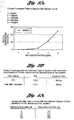
- a standard curve for single stranded genomic DNA was constructed according to manufacturer's instructions (Molecular Probes, Inc) (see Figure 3a ).
- Tubes were incubated for five minutes at room temperature with no shaking. Following incubation the FTA purification Reagent was aspirated from both tubes. A second 1ml aliquot of FTA Purification Reagent was added to each tube. The tubes were incubated for five minutes at room temperature without shaking. Following incubation, the FTA Purification Reagent was aspirated from both tubes. 1 ml of TE buffer was then added to each tube. The tubes were incubated for five minutes at room temperature without shaking. The TE buffer was then fully aspirated from both tubes, leaving the now washed 7mm punches at the bottom of each tube. To both tubes, 200ul of nuclease free water was applied, and then incubated at 100°C for ten minutes in a water bath.
- nuclease free water fraction were aspirated from both tubes and immediately chilled on ice. 50ul of the nuclease free water fraction of both samples was then subjected to OliGreen fluorometric quantitation according to the manufacturer's instructions (Molecular Probes, Inc). Relative fluorescent units (RFU) were taken for each sample, and with use of the standard curve ( Figure 3a ) the total yields of the eluted DNA calculated (dilution factor for quantitation is 4-fold, total volume of eluate is 200ul).
- RNU Relative fluorescent units
- Genomic DNA can be readily purified from many different cell sources.
- the tubes were incubated for five minutes at room temperature without shaking. Following incubation the FTA Purification Reagent was aspirated from both tubes. 1ml of TE buffer was then added to each tube. The tubes were incubated for five minutes at room temperature without shaking. The TE buffer was then fully aspirated from both tubes, leaving the now washed 7mm punches at the bottom of each tube. To both tubes, 200ul of nuclease free water was applied, and then incubated at 100°C for ten minutes in a water bath. Following heat incubation, the nuclease free water fraction were aspirated from all tubes and immediately chilled on ice.
- genomic DNA can be isolated as a soluble fraction from saliva spotted to the filter membrane by the method of the invention.
- the relationship between saliva starting volume and total DNA yield is given.
- the increase in yield of soluble genomic DNA does not show a linear relationship with respect to starting saliva volume, this is probably due to the filter membrane used in the method of the invention becoming saturated with saliva volume, with the capacity reaching a maximum at around 50ul.
- Amelogenin PCR amplification can be demonstrated for all of nuclease free water elution fractions from 5ul of starting saliva spotted to the filter membrane used in the method of the invention ( Fig 4b ).
- Tissue typing is a generic genotyping technique that is a common practice within the clinical community. Often blood is taken from a potential donor and their tissue type determined by a combination of allele-specific PCR followed by hybridization.
- the tubes were then incubated for five minutes at room temperature without shaking.
- the TE buffer was then fully aspirated from the tubes, leaving the now washed 7mm punches at the bottom.
- 200ul of nuclease free water was applied, and the tubes then incubated at 100°C for 10 minutes in a water bath. Following heat incubation the nuclease free water fraction was aspirated from the tubes and 10ul of each used for either HLA-A PCR amplification or HLA-B PCR amplification. Both PCR amplifications were carried out according to manufacturer's directions (Lifecodes, Inc). 10ul of each amplification reaction was visualized on a 1.5% agarose gel with ethidium bromide staining.
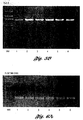
- PCR amplification product for HLA-A ( Fig 5a ), and HLA-B ( Fig 5b ).
- Example 5 illustrates the validity of soluble genomic DNA purification from blood using the filter membrane of the invention, providing a soluble DNA fraction that can be utilized for typical genotyping amplification reactions.
- the generation of a 1kb amplification product illustrates the high quality of the isolated soluble genomic DNA fraction.
- a main advantage of the filter membrane described is that it is manufactured in the form of a filter paper reel.
- Filter paper manufactured in this way is capable of being formatted to a variety of devices.
- Other genomic DNA purification media such as polymeric resin for example cannot be formatted in the same way.
- the desired format for the filter membrane is dependent upon the application.
- Saliva represents a very difficult sample in that it is a viscous fluid.
- Traditional column chromatography, or spin tubes are not devices for handling it.
- the filter membrane described was formatted in the configuration of a 7.5mm free-floating disk held within a 2ml Eppendorf tube. With such a device, saliva can be directly administered from the donor's mouth. Because the filter membrane is free floating within the tube, there will be no change of filter clogging which results in poor recovery.
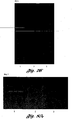
- nuclease free water was applied, and then incubated at 100 °C for 10 minutes in a water bath. Following heat incubation the nuclease free water fractions were aspirated from all the tubes and 10ul of each eluate applied to 25ul Amelogenin PCR amplification reactions according to manufacturer's instructions (Promega). 10ul of each reaction was visualized on a 1.5% agarose gel and ethidium bromide staining ( fig 6a ). The free-floating disk for the filter membrane can be utilized for recalcitrant samples such as saliva.
- the filter membrane can be formatted to a spin microfuge device.
- a spin microfuge device Such a device has been shown to be an extremely quick tool for the isolation of nucleic acids (see Qiagen catalog).
- Three layers of 7.4mm disks of the filter membrane were configured into the spin basket of seven spin microfuge devices. 5ul of seven individual male blood samples were applied to the filter disk of each spin basket.
- 0.5ml of FTA Purification Reagent Fitzco Inc
- the microfuge tubes containing the basket was then centrifuged at 6000 xg for one minute. The resultant filtrates were discarded from the microfuge tubes.
- 0.5ml of FTA Purification Reagent was again added to the filter baskets and again the tubes centrifuged at 6000 xg for one minute.
- TE buffer 0.5ml was added to the baskets. This was followed by the same centrifugation regime described above. After the TE buffer centrifugation step, 200ul of nuclease free water was added to the baskets of the microfuge tubes. The microfuge tubes was then incubated at 100°C for fifteen minutes in a water bath. Following heat incubation the microfuge tubes were centrifuged at 12,000 xg for two minutes to recover the nuclease free water fractions. 10ul of each nuclease free water fraction was applied to 25ul Amelogenin PCR amplification reactions according to manufacturer's instructions (Promega). 10ul of each reaction was visualized on a 1.5% agarose gel and ethidium bromide staining ( Fig 6b ).
- the spin microfuge device that contains the filter membrane can be utilized to isolate soluble genomic DNA from whole blood using the method of the invention in less than 20 minutes. The quality of the genomic DNA isolated is demonstrated with 100% PCR amplification of the samples evaluated.
- Buccal scrapes are often used as a means for the collection of nucleic acid containing samples such as epithelial cells, particularly in population field studies such as offender identification.
- the filter membrane can be formatted in the configuration of a swab that can be directly administered into the mouth of the donor. By scraping the swab along the inside of the donor's cheek, epithelial cells can be collected on the filter membrane of the invention.
- Other genomic DNA purification tools such as chromatographic resin cannot be readily configured to swabs that are applied to donors' mouths.
- a small piece of the filter membrane was configured into the stem of a commercially available oral swab (Fitzco Inc).
- the swab was placed into the mouth of a male donor and scraped along the inside of the cheek for ten seconds.
- the filter membrane that constitutes the swab head was placed into a 1.5m1 Eppendorf tube.
- 1ml of FTA Purification Reagent Fitzco, Inc
- the tube was incubated for five minutes at room temperature with no shaking. Following incubation, the FTA purification Reagent was aspirated from the tube. A second 1ml aliquot of FTA Purification Reagent was added to each tube.
- the tube was incubated for five minutes at room temperature without shaking. Following incubation, the FTA Purification Reagent was aspirated from the tube. 1ml of TE buffer was then added to the tube. The tube was incubated for five minutes at room temperature without shaking. The TE buffer was then fully aspirated from the tube, leaving the now washed swab head at the bottom of each tube.
- 200ul of nuclease free water was applied, and then incubated at 100°C for ten minutes in a water bath. Following heat incubation the nuclease free water fraction was aspirated from the tube and 10ul of the eluate applied to 25ul Amelogenin PCR amplification reaction according to manufacturer's instructions (Promega).
- the filter membrane can be configured in the form of a swab that can be utilized to purify genomic DNA from buccal scrapes using the method of the invention.
- the isolated soluble genomic DNA is of suitable quality for PCR amplification.
- 5ul of freshly drawn finger-stick blood was applied to both commercial kits and to the filter membrane described. Procedure was followed according to manufacturer's directions for both of the commercial kits. 5ul of freshly finger-stick drawn blood was spotted to a 7mm disk of the filter membrane. The punch was applied to a 1.5ml polypropylene Eppendorf tube. To the tube containing a single 7mm blood punch, 1ml of FTA Purification Reagent (Fitzco, Inc) was added. The tube was incubated for five minutes at room temperature with no shaking. Following incubation the FTA purification Reagent was aspirated from the tube. A second 1ml aliquot of FTA Purification Reagent was added to the tube. The tube was incubated for five minutes at room temperature without shaking.
- FTA Purification Reagent Fitzco, Inc
- nuclease free water was applied, and then incubated at 100°C for ten minutes in a water bath. Following heat incubation the nuclease free water fraction was aspirated from both tubes and immediately chilled on ice. 50ul of the nuclease free water fraction was then subjected to OliGreen fluorometric quantitation according to the manufacturer's instructions (Molecular Probes, Inc).
- FIG 7a A table outlining the various steps for each protocol has been constructed ( Fig 7a ) and illustrates that the filter membrane requires fewer hands on operations and can be completed in a similar, or faster, amount of time as the commercial kits.
- Amelogenin PCR amplification is successful for all methodologies evaluated ( Fig. 7c ).
- the filter membrane using the method of the invention of the invention provides a method for genomic DNA isolation that is comparable to commercially available kits in terms of speed, yield, and PCR template quality.
- the ability to archive nucleic acid containing samples such as blood or bacterial plasmid clones is extremely important for procedures where downstream processes have failed, "look-back" regimes in transfusion medicine are required, or genotyping of a patient that is no longer alive is needed. It has been demonstrated in United States Patents 5,496,562 ; 5,756,126 ; and 5,807,527 that blood samples applied to FTA solid support can be kept stable, without nucleic acid damage, at room temperature for extended lengths of time. The characteristic is due in part to the chemical composition of the solid matrix.
- the filter membrane herein described composes of the exact chemical composition as the FTA solid support, but differs to FTA with respect to the base filter material. The following experiment demonstrates that the filter membrane maintains the archiving capability of the prior art filters while enabling the unexpected improvements when used in the method of the present invention.
- the FTA purification Reagent was aspirated from the tube.
- a second aliquot of 200ul of FTA Purification Reagent was added to each tube.
- the tubes were incubated for five minutes at room temperature without shaking.
- the FTA Purification Reagent was aspirated from the tubes.
- 200ul of TE buffer was then added to each tube.
- the tubes were incubated for five minutes at room temperature without shaking.
- the TE buffer was then fully aspirated from both tubes, leaving the now washed 1 mm disc at the bottom of each tube.
- 20ul of nuclease free water was then applied to both tubes. Tubes were then incubated at 95°C for 10 minutes. Following heat incubations the 20ul of nuclease free water was aspirated from each tube and retained.
- An Amelogenin PCR amplification master mix was made up according to manufacturer's instructions (Promega), with a 25ul aliquot applied to both tubes containing the 1 mm punches, and a 5ul aliquot applied to 20ul nuclease free water samples. PCR was carried out following parameters described by the manufacturer of the Amelogenin primer set (Promega). Following PCR 10ul of each PCR reaction was visualized on a 1.5% agarose gel stained with ethidium bromide, and photographed using a Polaroid camera.
- Example 8 illustrates that soluble genomic DNA isolation and PCR amplification can be carried out from fresh blood spotted to the filter membrane at day 1 ( fig 8a ).
- the same blood sample spotted to the filter membrane can also be processed to give soluble isolated genomic DNA that is suitable for PCR amplification ( fig 8b ).
- the filter membrane exhibits the same sample archive characteristics as the FTA solid support Along with the demonstrated archive characteristic, the filter membrane described differs from FTA solid support in that immobilized nucleic acid can be readily released from the solid filter matrix using the method of the invention.
Landscapes
- Chemical & Material Sciences (AREA)
- Health & Medical Sciences (AREA)
- Life Sciences & Earth Sciences (AREA)
- Engineering & Computer Science (AREA)
- Organic Chemistry (AREA)
- Genetics & Genomics (AREA)
- Zoology (AREA)
- Wood Science & Technology (AREA)
- Analytical Chemistry (AREA)
- General Health & Medical Sciences (AREA)
- Bioinformatics & Cheminformatics (AREA)
- Biotechnology (AREA)
- Biochemistry (AREA)
- General Engineering & Computer Science (AREA)
- Biomedical Technology (AREA)
- Microbiology (AREA)
- Physics & Mathematics (AREA)
- Molecular Biology (AREA)
- Immunology (AREA)
- Proteomics, Peptides & Aminoacids (AREA)
- Biophysics (AREA)
- Chemical Kinetics & Catalysis (AREA)
- Mycology (AREA)
- Pathology (AREA)
- Medicinal Chemistry (AREA)
- Tropical Medicine & Parasitology (AREA)
- Virology (AREA)
- General Physics & Mathematics (AREA)
- Hematology (AREA)
- Clinical Laboratory Science (AREA)
- Crystallography & Structural Chemistry (AREA)
- Plant Pathology (AREA)
- Measuring Or Testing Involving Enzymes Or Micro-Organisms (AREA)
- Apparatus Associated With Microorganisms And Enzymes (AREA)
- Saccharide Compounds (AREA)
Claims (21)
- Procédé de stockage d'un matériau génétique et d'analyse ultérieure du matériau génétique par les étapes suivantes :(a) application sur un support d'un échantillon comprenant des cellules qui contiennent du matériau génétique, où le support comprend une membrane filtrante comprenant des fibres de verre, la membrane filtrante présentant un revêtement chimique qui comprend un agent de dénaturation des protéines et un piège de radicaux libres sorbé dessus, où les cellules sont lysées pour libérer le matériau génétique qui est stabilisé par le support ;(b) élution du matériau génétique dans de l'eau chauffée à la température située dans la plage allant de 65 °C à 100 °C, suite à quoi le matériau génétique est libéré dans l'eau chauffée pour générer une fraction génétique soluble, et(c) analyse du matériau génétique élué.
- Procédé selon la revendication 1, dans lequel ledit support est une membrane filtrante en microfibres de verre.
- Procédé selon la revendication 1, dans lequel ledit moyen de support se compose essentiellement d'un matériau tissé.
- Procédé selon la revendication 1, dans lequel ledit moyen de support se compose essentiellement d'un milieu sec plat.
- Procédé selon l'une quelconque des revendications précédentes, dans lequel ladite étape d'élution est en outre définie comme consistant à exposer le support à l'eau, chauffer l'eau contenant le support sur lequel est immobilisé l'échantillon génétique et libérer le matériau génétique chauffé du support chauffé et en solution dans l'eau.
- Procédé selon l'une quelconque des revendications précédentes, dans lequel ledit revêtement chimique comprend en outre une base faible, un agent chélatant, un tensioactif, et en option de l'acide urique ou un sel urate.
- Procédé selon l'une quelconque des revendications précédentes, dans lequel l'eau comprend un tampon.
- Procédé selon l'une quelconque des revendications précédentes, dans lequel l'eau est exempte de nucléase.
- Procédé selon l'une quelconque des revendications précédentes, comprenant en outre l'étape consistant à laver le support présentant le matériau génétique immobilisé dedans avant ladite étape d'élution.
- Procédé selon l'une quelconque des revendications précédentes, comprenant les étapes consistant à placer l'échantillon comprenant les cellules contenant du matériau génétique dans un conteneur contenant le support ; mettre en contact le support avec le matériau génétique et effectuer lesdites étapes d'immobilisation et d'élution au sein du conteneur.
- Procédé selon la revendication 10, dans lequel l'échantillon est de la salive.
- Procédé selon l'une quelconque des revendications précédentes, comprenant en outre les étapes consistant à déposer par taches un échantillon sanguin sur le support ; sécher l'échantillon sanguin dessus ; et immobiliser ensuite le matériau génétique de l'échantillon sanguin sur le support.
- Procédé selon l'une quelconque des revendications précédentes, comprenant en outre les étapes consistant à déposer par taches un échantillon de salive sur le support ; sécher l'échantillon de salive sur le support ; et ensuite immobiliser le matériau génétique des cellules épithéliales buccales contenues dans la salive sur le support.
- Procédé selon l'une quelconque des revendications précédentes, dans lequel le support se présente sous la forme d'un tampon.
- Procédé selon la revendication 14, dans lequel l'échantillon est un échantillon buccal.
- Procédé selon la revendication 14, comprenant en outre l'étape consistant à tamponner des aliments avec le support, ladite étape d'analyse étant en outre définie comme une détection de pathogènes sur le support.
- Procédé selon la revendication 14, comprenant en outre l'étape consistant à tamponner un matériau de carcasse, ladite étape d'analyse étant en outre définie comme une identification de carcasse.
- Procédé selon l'une quelconque des revendications précédentes, dans lequel l'étape (c) est en outre définie comme une amplification du matériau génétique soluble et une visualisation du matériau génétique amplifié.
- Procédé selon la revendication 15, dans lequel ledit matériau génétique amplifié est visualisé par marquage de celui-ci avec une sonde fluorescente.
- Procédé selon l'une quelconque des revendications précédentes, dans lequel le support est disposé au sein d'un panier de centrifugation d'un dispositif de micro-centrifugation, pour centrifuger le panier, jeter un filtrat produit et réaliser ensuite l'étape d'élution (b).
- Procédé selon la revendication 17, dans lequel l'étape d'élution (b) est en outre définie comme l'ajout d'eau chauffée au panier contenant le support suite à ladite étape d'élimination, la centrifugation du panier et la collecte de l'eau contenant à l'intérieur l'acide nucléique élué.
Applications Claiming Priority (5)
| Application Number | Priority Date | Filing Date | Title |
|---|---|---|---|
| US12399099P | 1999-03-11 | 1999-03-11 | |
| US123990P | 1999-03-11 | ||
| US13071699P | 1999-04-22 | 1999-04-22 | |
| US130716P | 1999-04-22 | ||
| PCT/US1999/021557 WO2000053807A1 (fr) | 1999-03-11 | 1999-09-17 | Milieu solide et procede pour le stockage et la purification rapide d'acide nucleique |
Publications (3)
| Publication Number | Publication Date |
|---|---|
| EP1173623A1 EP1173623A1 (fr) | 2002-01-23 |
| EP1173623A4 EP1173623A4 (fr) | 2004-10-20 |
| EP1173623B1 true EP1173623B1 (fr) | 2008-06-25 |
Family
ID=26822100
Family Applications (1)
| Application Number | Title | Priority Date | Filing Date |
|---|---|---|---|
| EP99973772A Expired - Lifetime EP1173623B1 (fr) | 1999-03-11 | 1999-09-17 | Milieu solide et procede pour le stockage et la purification rapide d'acide nucleique |
Country Status (7)
| Country | Link |
|---|---|
| US (3) | US20010007746A1 (fr) |
| EP (1) | EP1173623B1 (fr) |
| AT (1) | ATE399215T1 (fr) |
| AU (1) | AU6048199A (fr) |
| DE (1) | DE69938976D1 (fr) |
| ES (1) | ES2308865T3 (fr) |
| WO (1) | WO2000053807A1 (fr) |
Cited By (4)
| Publication number | Priority date | Publication date | Assignee | Title |
|---|---|---|---|---|
| US9415392B2 (en) | 2009-03-24 | 2016-08-16 | The University Of Chicago | Slip chip device and methods |
| US9447461B2 (en) | 2009-03-24 | 2016-09-20 | California Institute Of Technology | Analysis devices, kits, and related methods for digital quantification of nucleic acids and other analytes |
| US9464319B2 (en) | 2009-03-24 | 2016-10-11 | California Institute Of Technology | Multivolume devices, kits and related methods for quantification of nucleic acids and other analytes |
| US10196700B2 (en) | 2009-03-24 | 2019-02-05 | University Of Chicago | Multivolume devices, kits and related methods for quantification and detection of nucleic acids and other analytes |
Families Citing this family (47)
| Publication number | Priority date | Publication date | Assignee | Title |
|---|---|---|---|---|
| US6627226B2 (en) * | 1988-10-05 | 2003-09-30 | Whatman, Inc. | Dry solid medium for storage and analysis of genetic material |
| JP2001516731A (ja) * | 1997-09-17 | 2001-10-02 | ジエントラ・システムズ・インコーポレーテツド | 核酸を単離するための装置および方法 |
| US6387632B2 (en) | 1998-06-11 | 2002-05-14 | Hitachi, Ltd. | Polynucleotide separation method and apparatus therefor |
| US6093370A (en) * | 1998-06-11 | 2000-07-25 | Hitachi, Ltd. | Polynucleotide separation method and apparatus therefor |
| US6746841B1 (en) | 1999-04-14 | 2004-06-08 | Whatman Inc. | FTA- coated media for use as a molecular diagnostic tool |
| US6958392B2 (en) | 1998-10-09 | 2005-10-25 | Whatman, Inc. | Methods for the isolation of nucleic acids and for quantitative DNA extraction and detection for leukocyte evaluation in blood products |
| US20030228600A1 (en) * | 2000-07-14 | 2003-12-11 | Eppendorf 5 Prime, Inc. | DNA isolation method and kit |
| US20030207307A1 (en) * | 2000-10-13 | 2003-11-06 | Esa, Inc. | Determining biochemical markers of progression and therapy monitoring and specification, therapeutic lead molecules, and target biochemical systems applied to stroke |
| WO2002040699A2 (fr) * | 2000-11-15 | 2002-05-23 | Whatman, Inc. | Systeme d'echantillonnage et de stockage pour materiel genetique issu de tissu |
| CA2484062A1 (fr) * | 2001-08-20 | 2003-02-27 | James C. Davis | Purification et recuperation d'adn a partir d'echantillons a haute teneur en particules et en solides |
| ES2337665T3 (es) * | 2001-11-15 | 2010-04-28 | Whatman, Inc. | Procedimientos y materiales para detectar material genetico. |
| WO2003104383A1 (fr) * | 2002-06-07 | 2003-12-18 | Millipore Corporation | Trousse et procede d'examen microbiologique sur site d'un echantillon de liquide |
| ES2320875T5 (es) * | 2002-10-04 | 2012-10-30 | Ge Healthcare Bio-Sciences Corp. | Procedimientos y materiales para utilizar compuestos químicos como herramienta para el almacenamiento de ácidos nucleicos sobre medios de sistemas de purificación de ácidos nucleicos |
| US20040121379A1 (en) * | 2002-10-11 | 2004-06-24 | Ohan Mark Peter | Methods and devices for acquisition of genetic material |
| US7045295B2 (en) * | 2004-04-02 | 2006-05-16 | Hematologics, Inc. | Method for collecting purified cells |
| CA2560513A1 (fr) | 2004-04-08 | 2005-12-01 | Biomatrica, Inc. | Integration du stockage et de la gestion d'echantillons pour les sciences de la vie |
| CN1980738A (zh) | 2004-04-09 | 2007-06-13 | 科研智囊团有限公司 | 用于收集、储存和运输生物样本的设备和方法 |
| JP2006083114A (ja) * | 2004-09-17 | 2006-03-30 | Hitachi High-Technologies Corp | 核酸抽出方法、及び核酸遊離方法 |
| GB0601302D0 (en) * | 2006-01-23 | 2006-03-01 | Semikhodskii Andrei | Diagnostic methods and apparatus |
| US20070212718A1 (en) * | 2006-03-09 | 2007-09-13 | Tessarae Inc. | Apparatus and methods for applications of genomic microarrays in screening, surveillance and diagnostics |
| US20080124777A1 (en) * | 2006-11-29 | 2008-05-29 | Canon U.S. Life Sciences, Inc. | Method for releasing genetic material from solid phase |
| GB201010237D0 (en) | 2010-06-18 | 2010-07-21 | Lgc Ltd | Methods and apparatuses |
| US9845489B2 (en) | 2010-07-26 | 2017-12-19 | Biomatrica, Inc. | Compositions for stabilizing DNA, RNA and proteins in saliva and other biological samples during shipping and storage at ambient temperatures |
| CA2806670A1 (fr) | 2010-07-26 | 2012-02-09 | Biomatrica, Inc. | Compositions de stabilisation d'adn, d'arn, de proteines dans le sang et d'autres echantillons biologiques lors du transport et du stockage a temperatures ambiantes |
| CN103025891A (zh) * | 2010-07-29 | 2013-04-03 | 霍夫曼-拉罗奇有限公司 | 通用样品制备 |
| US9725754B2 (en) * | 2010-07-29 | 2017-08-08 | Sean F. Boyle | Generic sample preparation |
| US8409526B2 (en) | 2010-12-09 | 2013-04-02 | General Electric Company | Cellulose substrates, compositions and methods for storage and analysis of biological materials |
| US9423398B2 (en) | 2011-02-08 | 2016-08-23 | The Board Of Regents For Oklahoma State University | Apparatus and method for biologic sample rapid collection and recovery device, and convenient storage |
| GB201103258D0 (en) | 2011-02-25 | 2011-04-13 | Ge Healthcare Uk Ltd | Solid support and method of enhancing the recovery of biological material therefrom |
| US9198609B2 (en) | 2011-04-19 | 2015-12-01 | Porex Corporation | Cards for sample storage and delivery comprising sintered porous plastic |
| US20140315325A1 (en) * | 2011-11-16 | 2014-10-23 | Epistem Limited | Assembly comprising a reaction vessel and a sample matrix, sample matrix comprising an upper adsorbent layer and a lower lateral flow layer |
| EP2839260B1 (fr) | 2012-04-20 | 2018-07-18 | Talis Biomedical Corporation | Dispositifs fluidiques et systèmes pour préparation d'échantillons ou analyse autonome |
| US9808798B2 (en) | 2012-04-20 | 2017-11-07 | California Institute Of Technology | Fluidic devices for biospecimen preservation |
| US9803237B2 (en) | 2012-04-24 | 2017-10-31 | California Institute Of Technology | Slip-induced compartmentalization |
| US9480966B2 (en) | 2012-04-30 | 2016-11-01 | General Electric Company | Substrates and methods for collection, stabilization and elution of biomolecules |
| CN104583397B (zh) * | 2012-08-28 | 2018-05-25 | 生物立方体系统有限公司 | 用于从生物样品迅速分离核酸扩增反应用生物分子的多孔性固体相及其用途 |
| GB201216387D0 (en) | 2012-09-13 | 2012-10-31 | Ge Healthcare Uk Ltd | Solid matrix for one step nucleic acid amplification |
| US9725703B2 (en) | 2012-12-20 | 2017-08-08 | Biomatrica, Inc. | Formulations and methods for stabilizing PCR reagents |
| AU2014278039A1 (en) * | 2013-06-12 | 2016-01-07 | Oasis Diagnostics Corporation | RNA/protein/DNA preferential fluid sample collection system and methods |
| US20150111214A1 (en) * | 2013-10-17 | 2015-04-23 | Life Technologies Corporation | Direct quantification of unprocessed nucleic acid samples |
| US9534214B2 (en) | 2013-10-31 | 2017-01-03 | General Electric Company | Substrates and associated methods for elution of nucleic acids |
| CN106572650B (zh) | 2014-06-10 | 2021-08-31 | 生物马特里卡公司 | 在环境温度下稳定凝血细胞 |
| CN108473932B (zh) | 2015-09-09 | 2022-07-15 | 集联健康有限公司 | 用于样品收集、稳定化和保存的系统、方法和装置 |
| SG11201804776SA (en) | 2015-12-08 | 2018-07-30 | Biomatrica Inc | Reduction of erythrocyte sedimentation rate |
| TWI882519B (zh) | 2017-01-10 | 2025-05-01 | 美商集聯健康有限公司 | 用於收集和儲存來自受試者之血液的裝置 |
| WO2018195594A1 (fr) * | 2017-04-24 | 2018-11-01 | The University Of Queensland | Extraction d'acide nucléique simple |
| EP4348329A2 (fr) * | 2021-05-27 | 2024-04-10 | Cody Gilleland | Système et procédé de manipulation d'embryons robotiques de précision à haut rendement sous commande informatique à grande échelle avec microdosage de haute fiabilité |
Citations (1)
| Publication number | Priority date | Publication date | Assignee | Title |
|---|---|---|---|---|
| WO2000041524A2 (fr) * | 1999-01-11 | 2000-07-20 | President And Fellows Of Harvard College | Amplification isotherme d'adn |
Family Cites Families (15)
| Publication number | Priority date | Publication date | Assignee | Title |
|---|---|---|---|---|
| EP0230100B1 (fr) * | 1985-10-30 | 1995-12-20 | Mitsubishi Paper Mills, Ltd. | Matériaux sensibles à la lumière pour plaques d'impression lithographiques |
| US5756126A (en) * | 1991-05-29 | 1998-05-26 | Flinders Technologies Pty. Ltd. | Dry solid medium for storage and analysis of genetic material |
| US5496562A (en) | 1988-10-05 | 1996-03-05 | Flinders Technologies Pty Ltd | Solid medium and method for DNA storage |
| US5807527A (en) * | 1991-05-29 | 1998-09-15 | Flinders Technologies Pty. Ltd. | Solid medium and method for DNA storage |
| WO1990003959A1 (fr) * | 1988-10-05 | 1990-04-19 | The Flinders University Of South Australia | Milieu solide et procede de stockage d'adn |
| AU689815B2 (en) * | 1993-08-30 | 1998-04-09 | Promega Corporation | Nucleic acid purification compositions and methods |
| DE4422044A1 (de) * | 1994-06-14 | 1995-12-21 | Invitek Gmbh | Verfahren zur Isolierung, Reinigung und ggf. Lagerung von Nukleinsäuren |
| DE4421881A1 (de) | 1994-06-23 | 1996-01-04 | Bosch Gmbh Robert | Ventilnadel |
| GB9425138D0 (en) * | 1994-12-12 | 1995-02-08 | Dynal As | Isolation of nucleic acid |
| JPH11507544A (ja) * | 1995-06-08 | 1999-07-06 | プロジェン インダストリーズ リミテッド | Dnaを抽出するための方法及び装置 |
| US5856174A (en) * | 1995-06-29 | 1999-01-05 | Affymetrix, Inc. | Integrated nucleic acid diagnostic device |
| US5863801A (en) * | 1996-06-14 | 1999-01-26 | Sarnoff Corporation | Automated nucleic acid isolation |
| EP0972080B1 (fr) * | 1997-03-24 | 2005-03-23 | Robert E. Fields | Processeur biomoleculaire |
| US5939259A (en) * | 1997-04-09 | 1999-08-17 | Schleicher & Schuell, Inc. | Methods and devices for collecting and storing clinical samples for genetic analysis |
| ATE347615T1 (de) * | 1997-04-16 | 2006-12-15 | Applera Corp | Nukleinsäuresammlung |
-
1999
- 1999-09-17 AU AU60481/99A patent/AU6048199A/en not_active Abandoned
- 1999-09-17 AT AT99973772T patent/ATE399215T1/de not_active IP Right Cessation
- 1999-09-17 WO PCT/US1999/021557 patent/WO2000053807A1/fr not_active Ceased
- 1999-09-17 EP EP99973772A patent/EP1173623B1/fr not_active Expired - Lifetime
- 1999-09-17 DE DE69938976T patent/DE69938976D1/de not_active Expired - Lifetime
- 1999-09-17 ES ES99973772T patent/ES2308865T3/es not_active Expired - Lifetime
- 1999-09-18 US US09/398,625 patent/US20010007746A1/en not_active Abandoned
-
2000
- 2000-02-18 US US09/507,548 patent/US6645717B1/en not_active Expired - Lifetime
- 2000-11-30 US US09/726,627 patent/US20010000149A1/en not_active Abandoned
Patent Citations (1)
| Publication number | Priority date | Publication date | Assignee | Title |
|---|---|---|---|---|
| WO2000041524A2 (fr) * | 1999-01-11 | 2000-07-20 | President And Fellows Of Harvard College | Amplification isotherme d'adn |
Non-Patent Citations (1)
| Title |
|---|
| ROGERS C. AND BURGOYNE L.: "Bacterial Typing: Storing and Processing of STabilized Reference Bacteria for Polymerase Chain Reaction without Preparing DNA - An Example of an Automatable Procedure", ANALYTICAL BIOCHEMISTRY, vol. 247, pages 223 - 227 * |
Cited By (5)
| Publication number | Priority date | Publication date | Assignee | Title |
|---|---|---|---|---|
| US9415392B2 (en) | 2009-03-24 | 2016-08-16 | The University Of Chicago | Slip chip device and methods |
| US9447461B2 (en) | 2009-03-24 | 2016-09-20 | California Institute Of Technology | Analysis devices, kits, and related methods for digital quantification of nucleic acids and other analytes |
| US9464319B2 (en) | 2009-03-24 | 2016-10-11 | California Institute Of Technology | Multivolume devices, kits and related methods for quantification of nucleic acids and other analytes |
| US9493826B2 (en) | 2009-03-24 | 2016-11-15 | California Institute Of Technology | Multivolume devices, kits and related methods for quantification and detection of nucleic acids and other analytes |
| US10196700B2 (en) | 2009-03-24 | 2019-02-05 | University Of Chicago | Multivolume devices, kits and related methods for quantification and detection of nucleic acids and other analytes |
Also Published As
| Publication number | Publication date |
|---|---|
| EP1173623A1 (fr) | 2002-01-23 |
| ATE399215T1 (de) | 2008-07-15 |
| AU6048199A (en) | 2000-09-28 |
| US6645717B1 (en) | 2003-11-11 |
| US20010007746A1 (en) | 2001-07-12 |
| EP1173623A4 (fr) | 2004-10-20 |
| WO2000053807A1 (fr) | 2000-09-14 |
| US20010000149A1 (en) | 2001-04-05 |
| DE69938976D1 (de) | 2008-08-07 |
| ES2308865T3 (es) | 2008-12-01 |
Similar Documents
| Publication | Publication Date | Title |
|---|---|---|
| EP1173623B1 (fr) | Milieu solide et procede pour le stockage et la purification rapide d'acide nucleique | |
| US7498133B2 (en) | FTA-coated media for use as a molecular diagnostic tool | |
| US6958392B2 (en) | Methods for the isolation of nucleic acids and for quantitative DNA extraction and detection for leukocyte evaluation in blood products | |
| EP1563091B1 (fr) | Methodes et matieres pour une utilisation de composes chimiques, en tant qu'outils de stockage d'acide nucleique sur un support de systemes de purification d'acide nucleique | |
| US20090043087A1 (en) | DNA purification and recovery from high particulate and solids samples | |
| JP2002512688A (ja) | 核酸アーカイビング | |
| JP2008054660A (ja) | 核酸を単離するためのろ過装置 | |
| CN104769111B (zh) | 用于非洗提样品的一步法核酸扩增的方法 | |
| EP1177420B1 (fr) | Support revetu de fta (matiere de filtre cellulosique) utile comme outil diagnostique moleculaire | |
| WO2000066606A1 (fr) | Substrat contenant un detergent anionique de purification d'acide nucleique | |
| US6881543B2 (en) | Sampling and storage system for genetic material from tissue | |
| WO2014041093A1 (fr) | Matrice solide pour l'amplification d'acide nucléique en une étape | |
| Kamangu | Comparison of the quality of the DNA extracted from different media at the laboratory of molecular biology of the faculty of medicine of UNIKIN | |
| US20030228600A1 (en) | DNA isolation method and kit | |
| JP2001299341A (ja) | 改良されたリボ核酸の単離方法 |
Legal Events
| Date | Code | Title | Description |
|---|---|---|---|
| PUAI | Public reference made under article 153(3) epc to a published international application that has entered the european phase |
Free format text: ORIGINAL CODE: 0009012 |
|
| 17P | Request for examination filed |
Effective date: 20011010 |
|
| AK | Designated contracting states |
Kind code of ref document: A1 Designated state(s): AT BE CH CY DE DK ES FI FR GB GR IE IT LI LU MC NL PT SE |
|
| AX | Request for extension of the european patent |
Free format text: AL;LT;LV;MK;RO;SI |
|
| A4 | Supplementary search report drawn up and despatched |
Effective date: 20040907 |
|
| 17Q | First examination report despatched |
Effective date: 20050228 |
|
| GRAP | Despatch of communication of intention to grant a patent |
Free format text: ORIGINAL CODE: EPIDOSNIGR1 |
|
| GRAS | Grant fee paid |
Free format text: ORIGINAL CODE: EPIDOSNIGR3 |
|
| GRAA | (expected) grant |
Free format text: ORIGINAL CODE: 0009210 |
|
| AK | Designated contracting states |
Kind code of ref document: B1 Designated state(s): AT BE CH CY DE DK ES FI FR GB GR IE IT LI LU MC NL PT SE |
|
| REG | Reference to a national code |
Ref country code: GB Ref legal event code: FG4D |
|
| REG | Reference to a national code |
Ref country code: CH Ref legal event code: EP |
|
| REF | Corresponds to: |
Ref document number: 69938976 Country of ref document: DE Date of ref document: 20080807 Kind code of ref document: P |
|
| REG | Reference to a national code |
Ref country code: IE Ref legal event code: FG4D |
|
| REG | Reference to a national code |
Ref country code: SE Ref legal event code: TRGR |
|
| PG25 | Lapsed in a contracting state [announced via postgrant information from national office to epo] |
Ref country code: FI Free format text: LAPSE BECAUSE OF FAILURE TO SUBMIT A TRANSLATION OF THE DESCRIPTION OR TO PAY THE FEE WITHIN THE PRESCRIBED TIME-LIMIT Effective date: 20080625 |
|
| PG25 | Lapsed in a contracting state [announced via postgrant information from national office to epo] |
Ref country code: AT Free format text: LAPSE BECAUSE OF FAILURE TO SUBMIT A TRANSLATION OF THE DESCRIPTION OR TO PAY THE FEE WITHIN THE PRESCRIBED TIME-LIMIT Effective date: 20080625 |
|
| REG | Reference to a national code |
Ref country code: ES Ref legal event code: FG2A Ref document number: 2308865 Country of ref document: ES Kind code of ref document: T3 |
|
| PG25 | Lapsed in a contracting state [announced via postgrant information from national office to epo] |
Ref country code: PT Free format text: LAPSE BECAUSE OF FAILURE TO SUBMIT A TRANSLATION OF THE DESCRIPTION OR TO PAY THE FEE WITHIN THE PRESCRIBED TIME-LIMIT Effective date: 20081125 |
|
| PG25 | Lapsed in a contracting state [announced via postgrant information from national office to epo] |
Ref country code: MC Free format text: LAPSE BECAUSE OF NON-PAYMENT OF DUE FEES Effective date: 20080930 Ref country code: DK Free format text: LAPSE BECAUSE OF FAILURE TO SUBMIT A TRANSLATION OF THE DESCRIPTION OR TO PAY THE FEE WITHIN THE PRESCRIBED TIME-LIMIT Effective date: 20080625 |
|
| REG | Reference to a national code |
Ref country code: CH Ref legal event code: PL |
|
| PLBE | No opposition filed within time limit |
Free format text: ORIGINAL CODE: 0009261 |
|
| STAA | Information on the status of an ep patent application or granted ep patent |
Free format text: STATUS: NO OPPOSITION FILED WITHIN TIME LIMIT |
|
| 26N | No opposition filed |
Effective date: 20090326 |
|
| PG25 | Lapsed in a contracting state [announced via postgrant information from national office to epo] |
Ref country code: LI Free format text: LAPSE BECAUSE OF NON-PAYMENT OF DUE FEES Effective date: 20080930 Ref country code: CH Free format text: LAPSE BECAUSE OF NON-PAYMENT OF DUE FEES Effective date: 20080930 |
|
| PG25 | Lapsed in a contracting state [announced via postgrant information from national office to epo] |
Ref country code: LU Free format text: LAPSE BECAUSE OF NON-PAYMENT OF DUE FEES Effective date: 20080917 Ref country code: CY Free format text: LAPSE BECAUSE OF FAILURE TO SUBMIT A TRANSLATION OF THE DESCRIPTION OR TO PAY THE FEE WITHIN THE PRESCRIBED TIME-LIMIT Effective date: 20080625 |
|
| PG25 | Lapsed in a contracting state [announced via postgrant information from national office to epo] |
Ref country code: GR Free format text: LAPSE BECAUSE OF FAILURE TO SUBMIT A TRANSLATION OF THE DESCRIPTION OR TO PAY THE FEE WITHIN THE PRESCRIBED TIME-LIMIT Effective date: 20080926 |
|
| REG | Reference to a national code |
Ref country code: FR Ref legal event code: PLFP Year of fee payment: 18 |
|
| REG | Reference to a national code |
Ref country code: FR Ref legal event code: PLFP Year of fee payment: 19 |
|
| REG | Reference to a national code |
Ref country code: FR Ref legal event code: PLFP Year of fee payment: 20 |
|
| PGFP | Annual fee paid to national office [announced via postgrant information from national office to epo] |
Ref country code: NL Payment date: 20180824 Year of fee payment: 20 Ref country code: FR Payment date: 20180822 Year of fee payment: 20 Ref country code: IE Payment date: 20180822 Year of fee payment: 20 Ref country code: IT Payment date: 20180828 Year of fee payment: 20 Ref country code: DE Payment date: 20180821 Year of fee payment: 20 |
|
| PGFP | Annual fee paid to national office [announced via postgrant information from national office to epo] |
Ref country code: BE Payment date: 20180822 Year of fee payment: 20 Ref country code: SE Payment date: 20180824 Year of fee payment: 20 Ref country code: GB Payment date: 20180823 Year of fee payment: 20 |
|
| PGFP | Annual fee paid to national office [announced via postgrant information from national office to epo] |
Ref country code: ES Payment date: 20181001 Year of fee payment: 20 |
|
| REG | Reference to a national code |
Ref country code: DE Ref legal event code: R071 Ref document number: 69938976 Country of ref document: DE |
|
| REG | Reference to a national code |
Ref country code: NL Ref legal event code: MK Effective date: 20190916 |
|
| REG | Reference to a national code |
Ref country code: GB Ref legal event code: PE20 Expiry date: 20190916 |
|
| REG | Reference to a national code |
Ref country code: SE Ref legal event code: EUG |
|
| REG | Reference to a national code |
Ref country code: IE Ref legal event code: MK9A |
|
| REG | Reference to a national code |
Ref country code: BE Ref legal event code: MK Effective date: 20190917 |
|
| PG25 | Lapsed in a contracting state [announced via postgrant information from national office to epo] |
Ref country code: GB Free format text: LAPSE BECAUSE OF EXPIRATION OF PROTECTION Effective date: 20190916 |
|
| PG25 | Lapsed in a contracting state [announced via postgrant information from national office to epo] |
Ref country code: IE Free format text: LAPSE BECAUSE OF EXPIRATION OF PROTECTION Effective date: 20190917 |
|
| REG | Reference to a national code |
Ref country code: ES Ref legal event code: FD2A Effective date: 20200904 |
|
| PG25 | Lapsed in a contracting state [announced via postgrant information from national office to epo] |
Ref country code: ES Free format text: LAPSE BECAUSE OF EXPIRATION OF PROTECTION Effective date: 20190918 |